Moustapha Akkad’s The Message is a different beast entirely. It’s a film that shouldn’t work. You’ve got a massive, three-hour historical epic where the main character is never seen, never heard, and never even directly quoted.
For many, this film was a foundational visual text their first real window into Islamic history. For me, it’s a masterclass in creative problem-solving. It’s what happens when you take the ultimate narrative “handcuff” and turn it into a visual language.
About the Cinematographer

The look of The Message is the result of a fascinating “odd couple” pairing in the camera department. You had Jack Hildyard, BSC, a legend who shot The Bridge on the River Kwai. He brought that “Old Hollywood” grandiosity huge vistas, deep focus, and a very classical sense of scale. Then you had Said Baker, who brought the local DNA to the project.
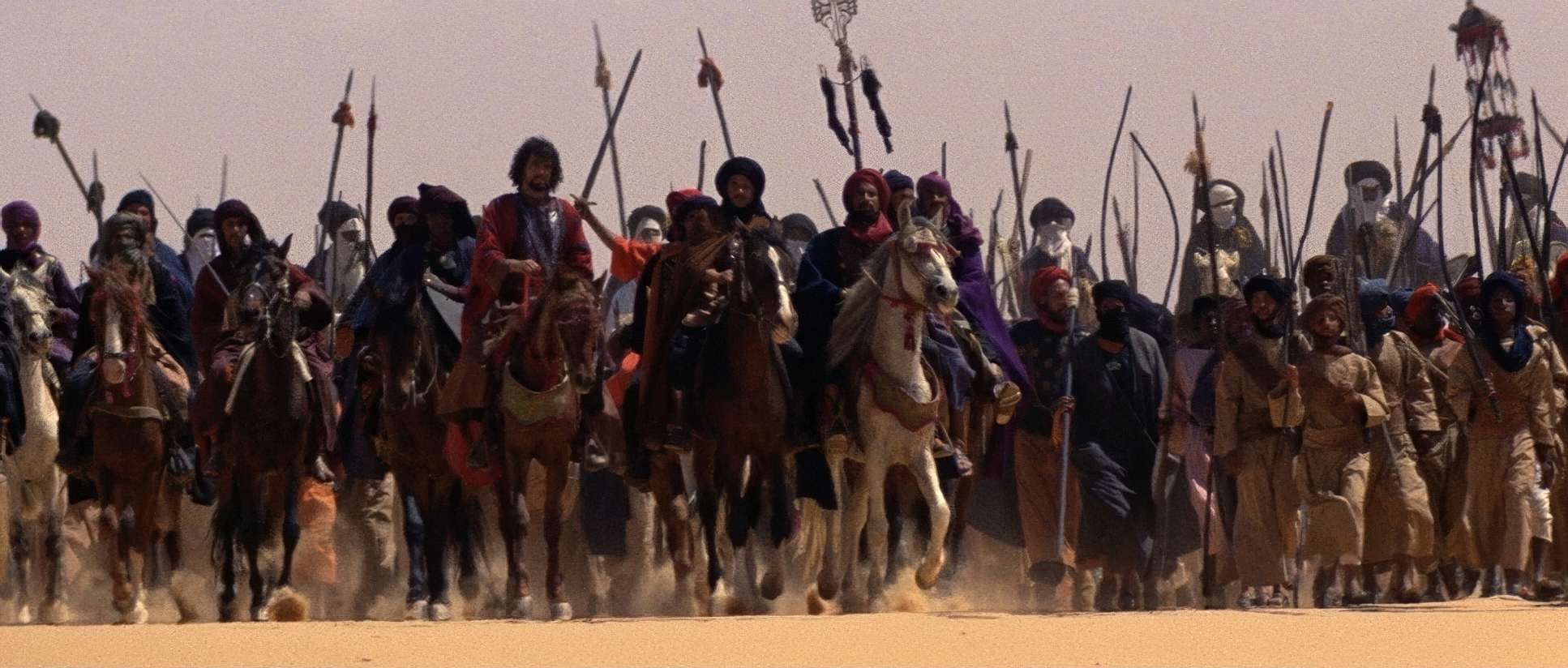
You can really feel that tug-of-war on screen. Hildyard handles the chaos of the Battle of Badr with this sweeping, majestic authority, while Baker’s influence likely kept the desert from looking like a postcard. Together, they made a movie that feels enormous but never loses its grit.
Color Grading Approach

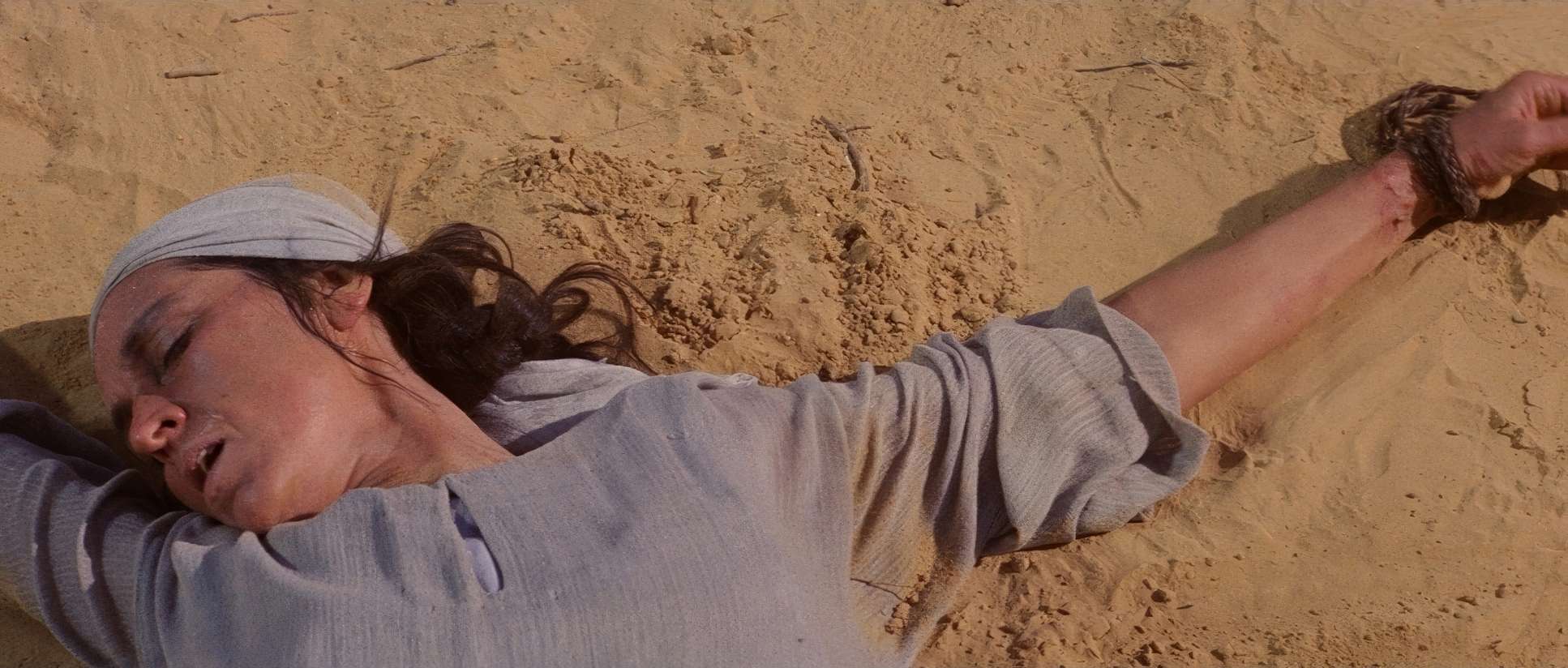
Let’s talk about the “grade” though in 1976, we’re talking about chemistry, not DaVinci Resolve. As a colorist, I find the density of this film incredible. It was shot on 35mm photochemical stock, and you can see that beautiful, organic highlight roll-off everywhere.
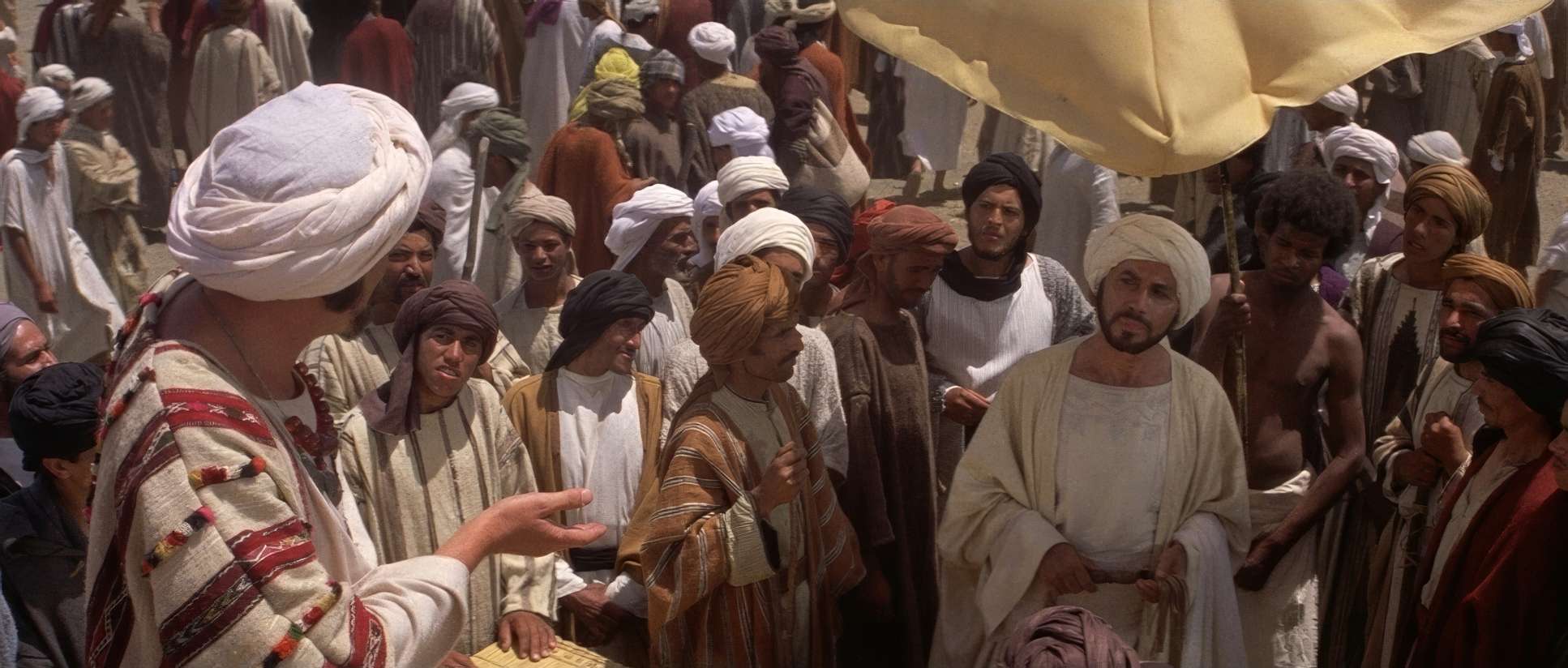
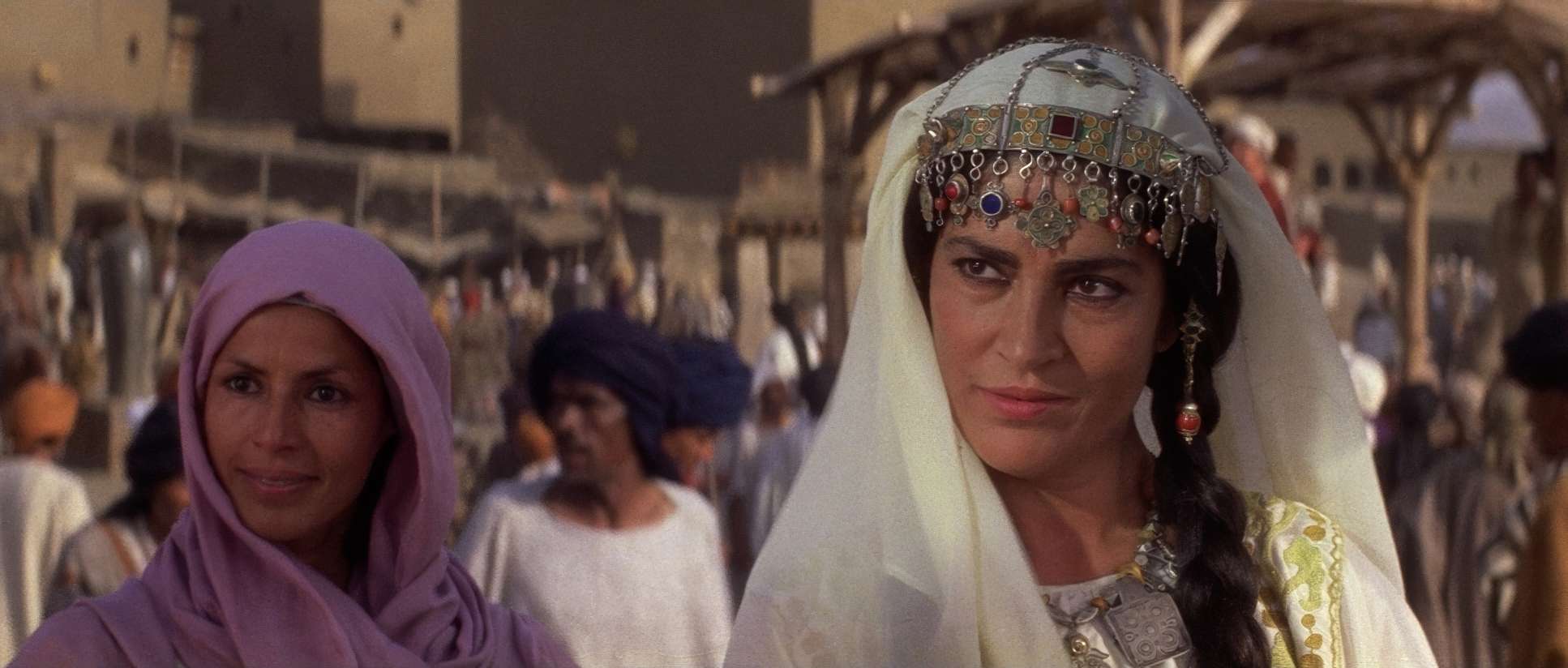
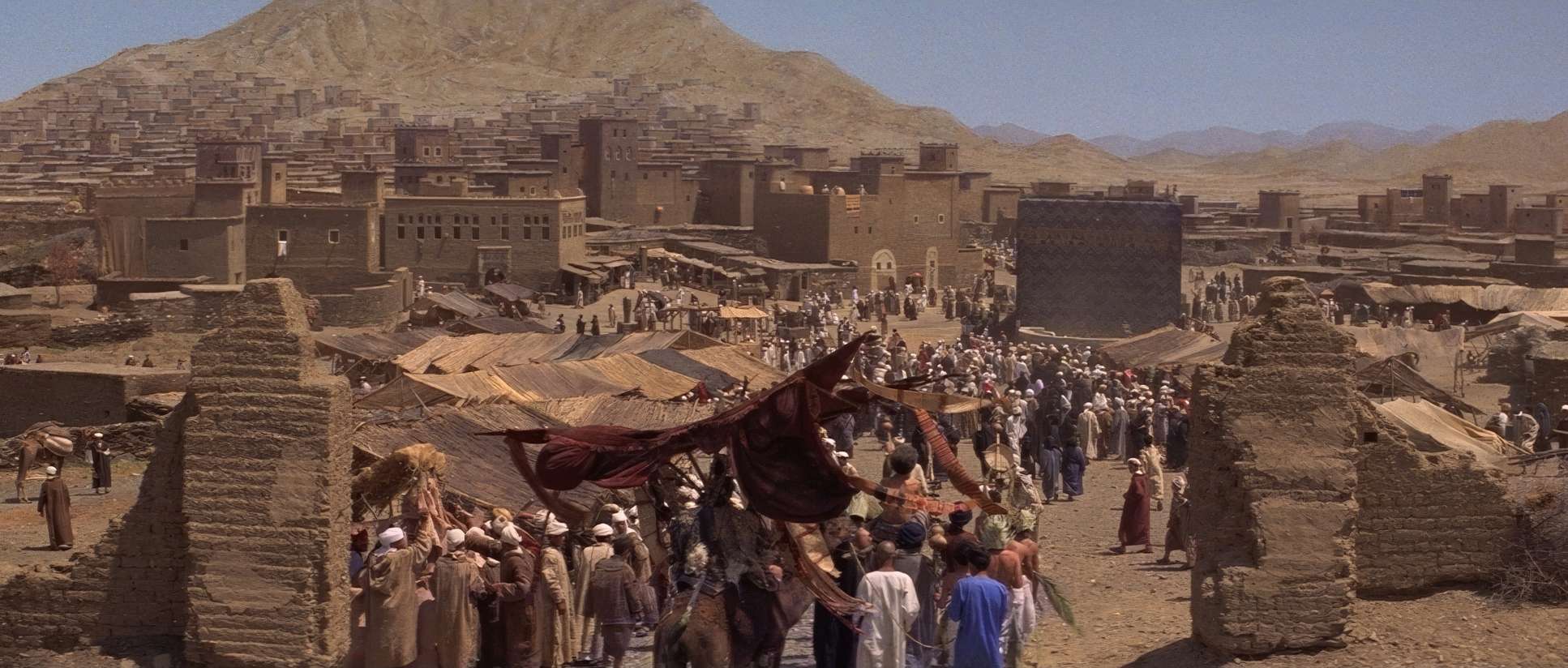
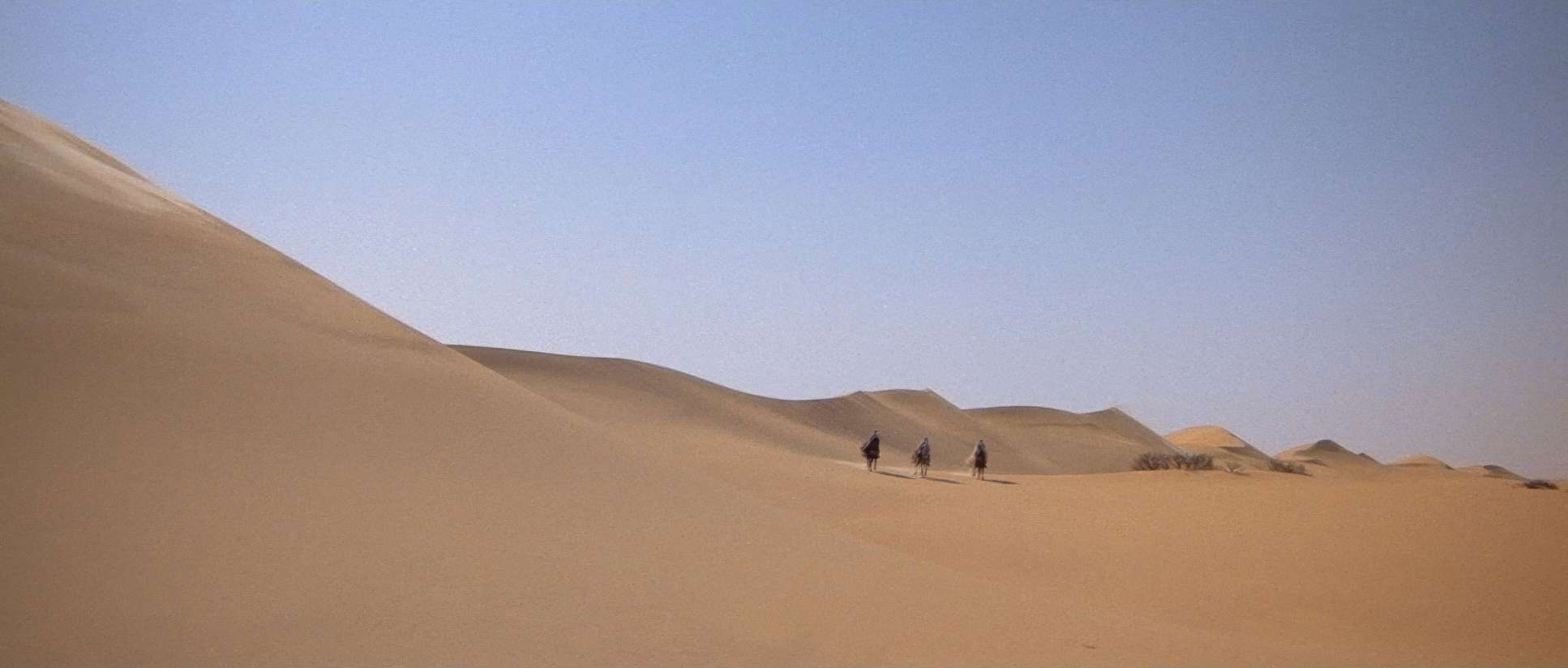
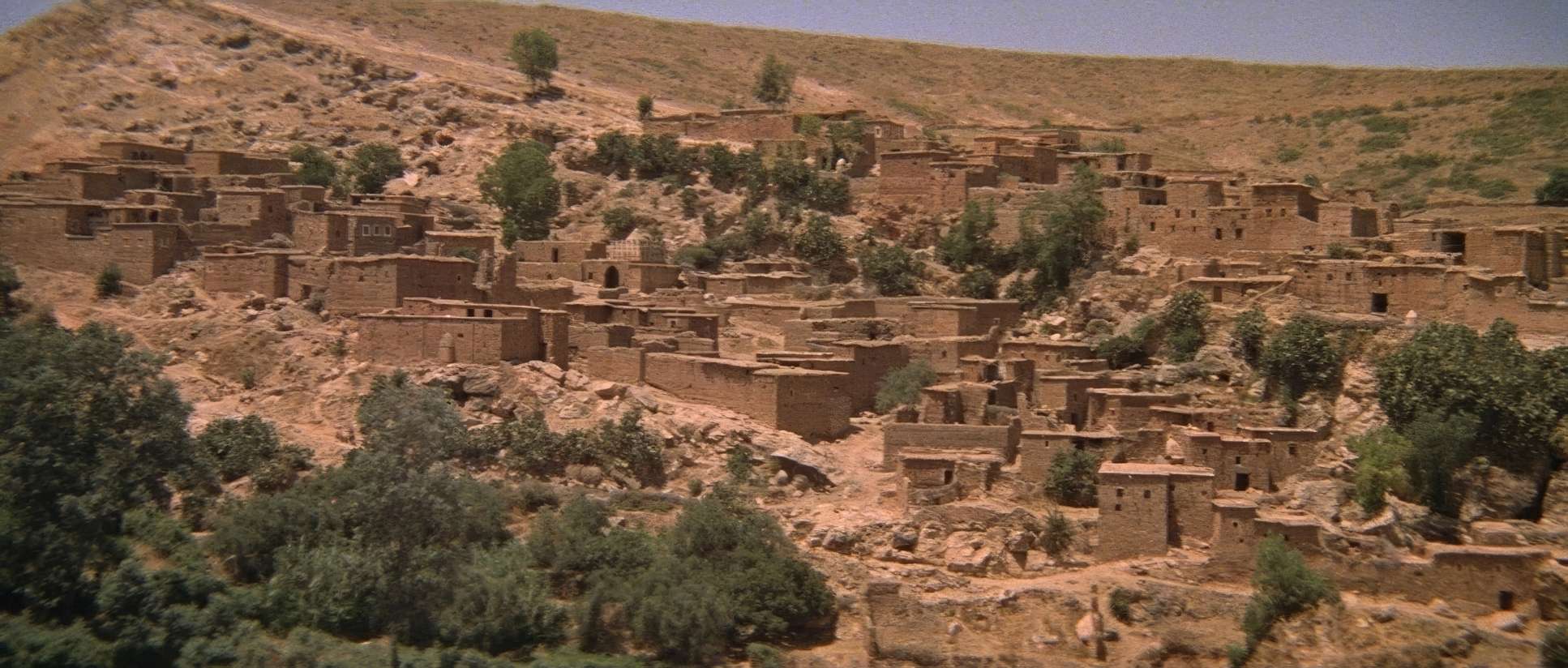
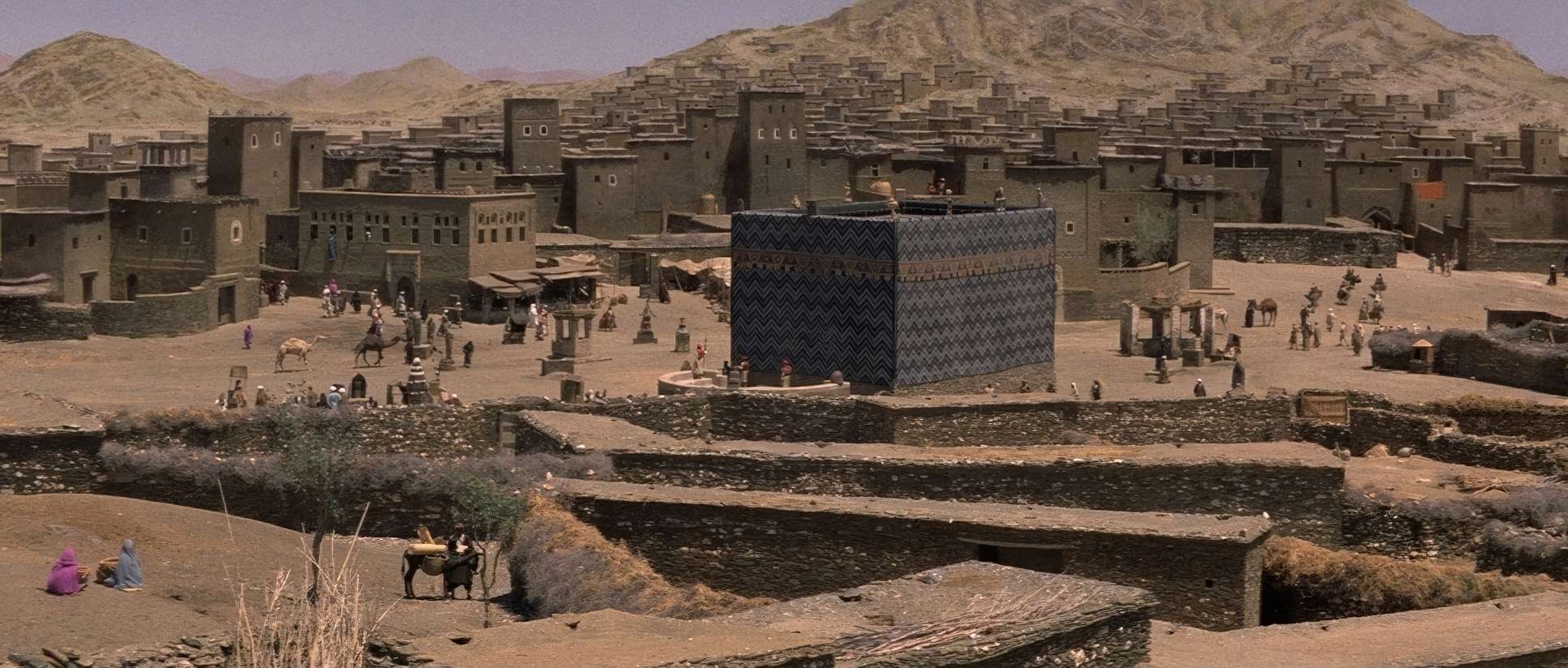
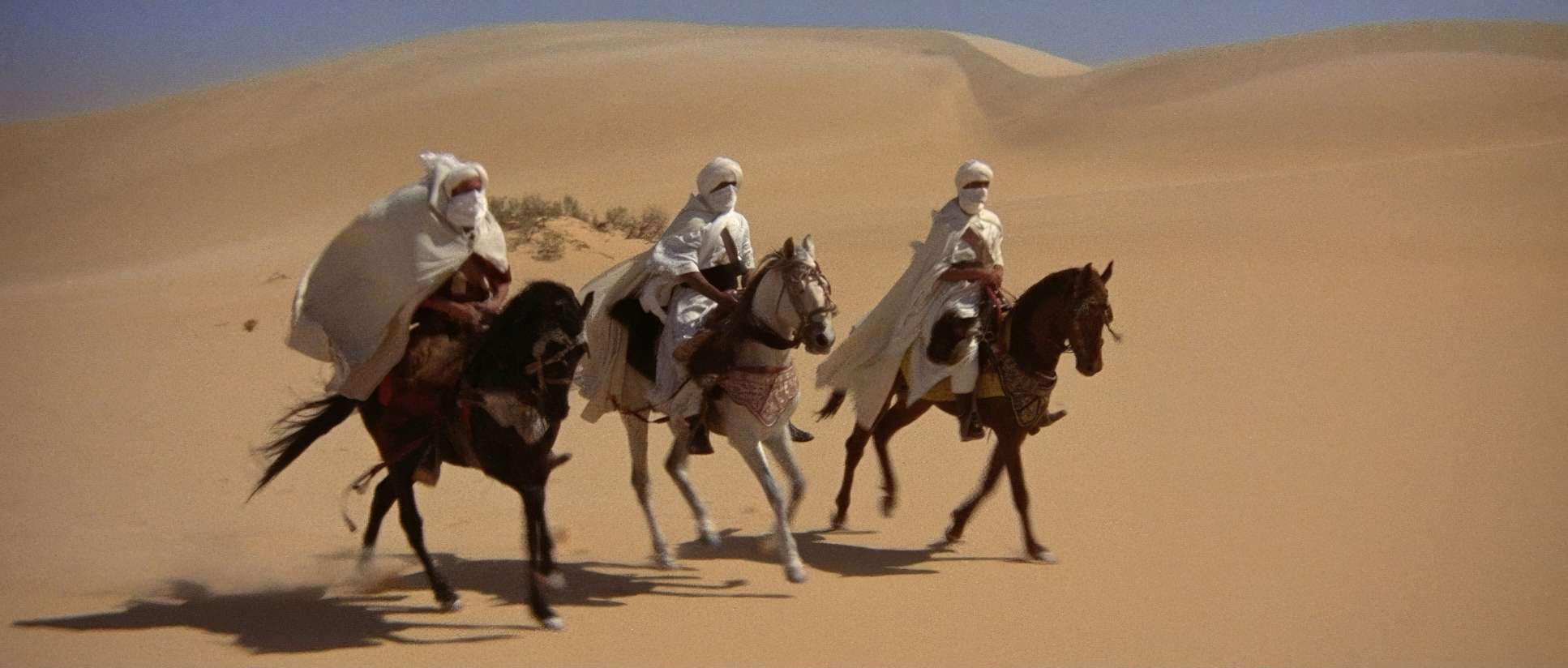
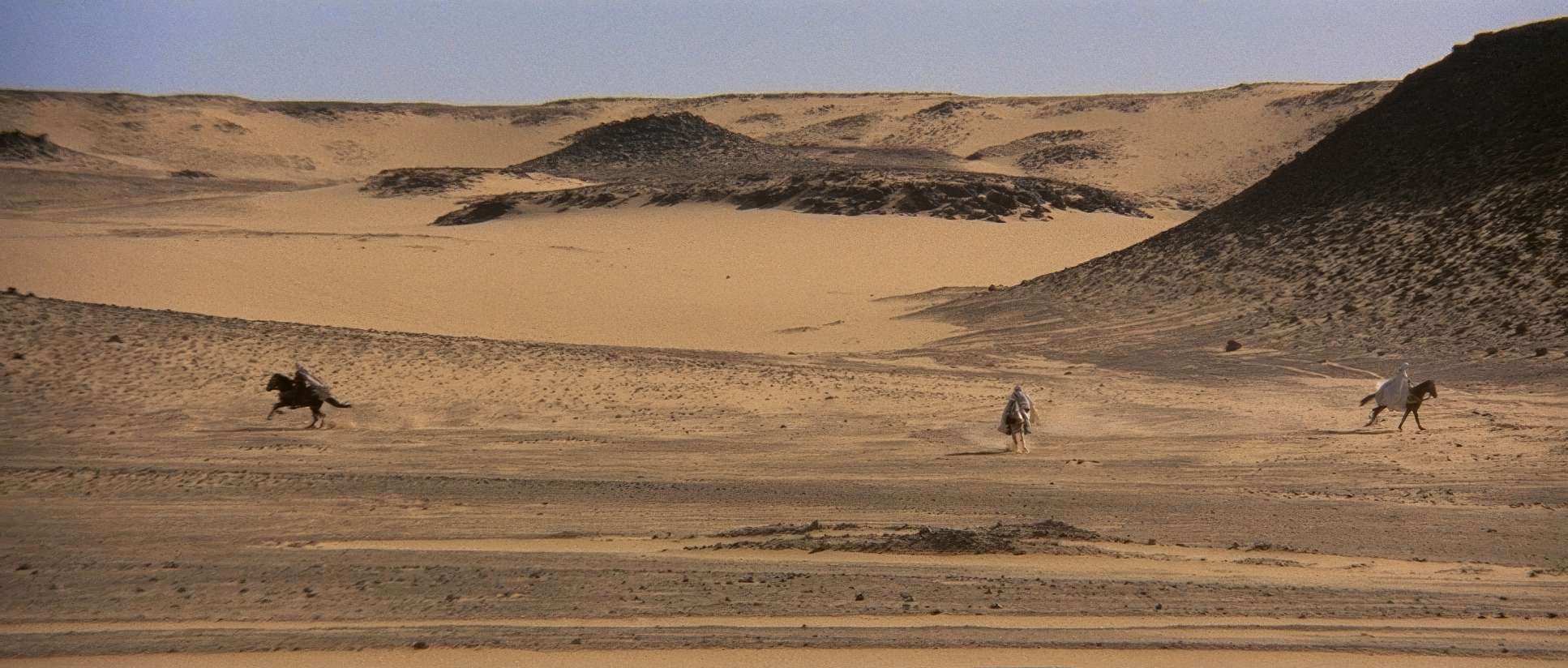
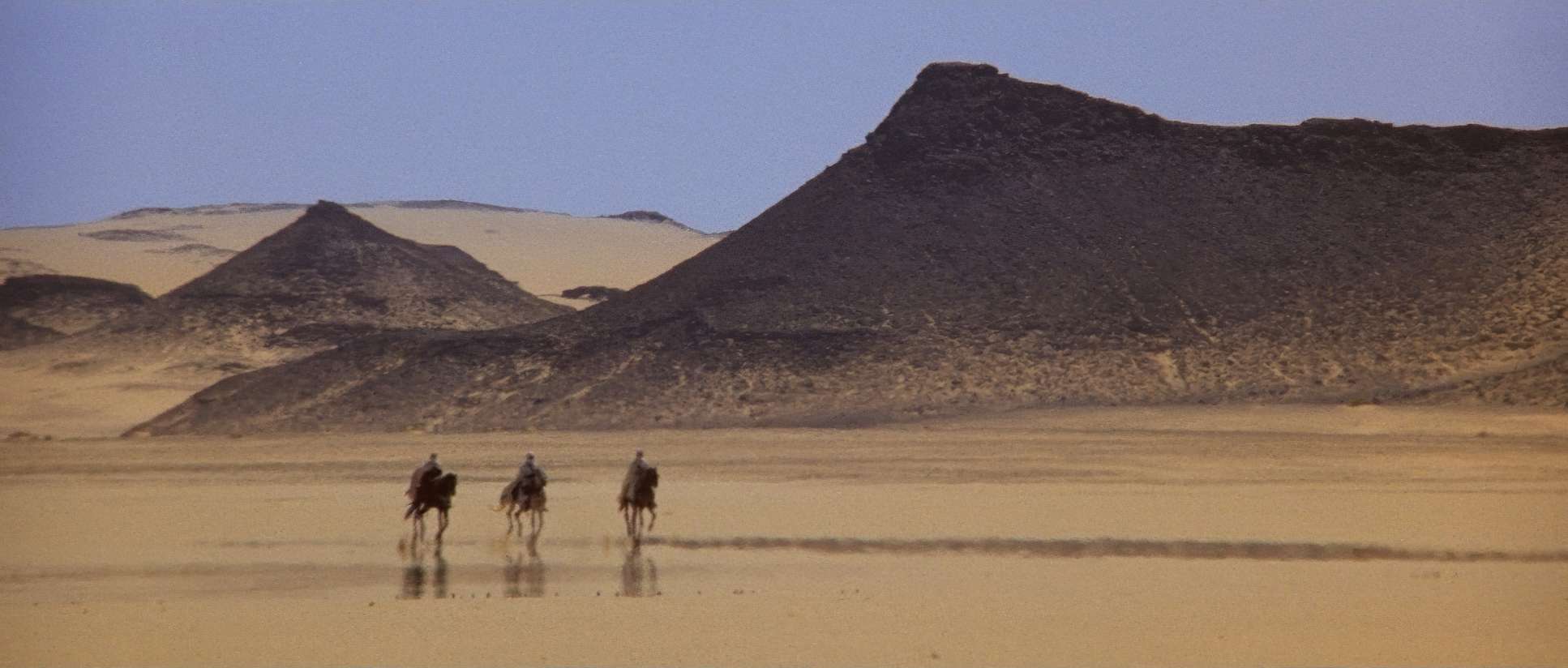
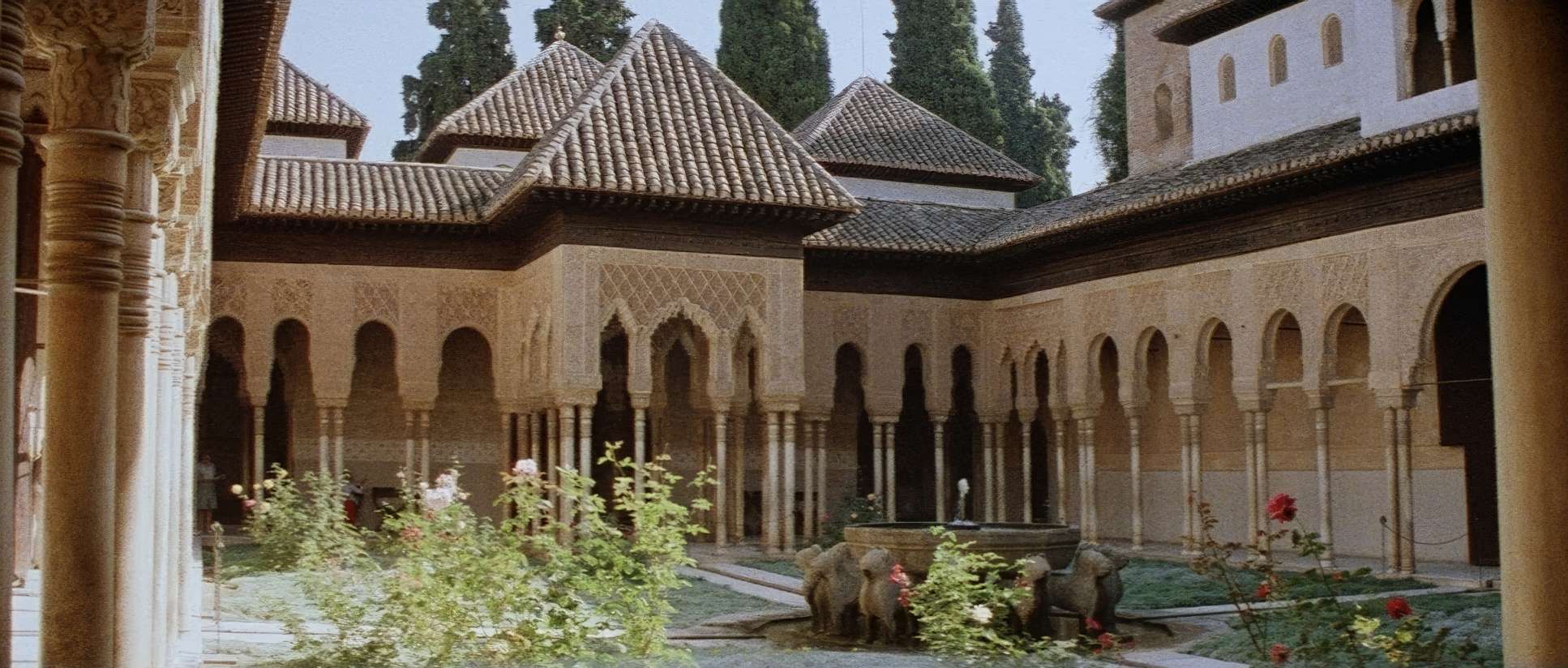
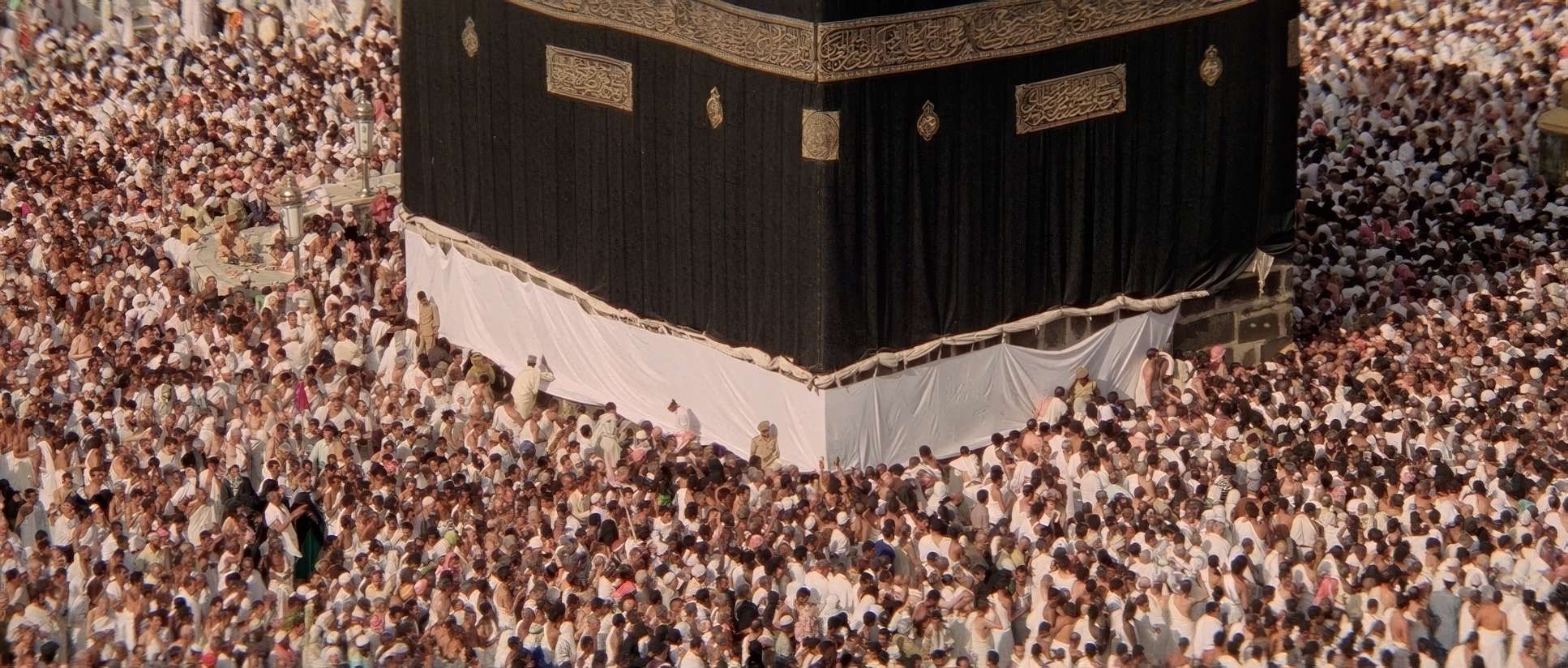
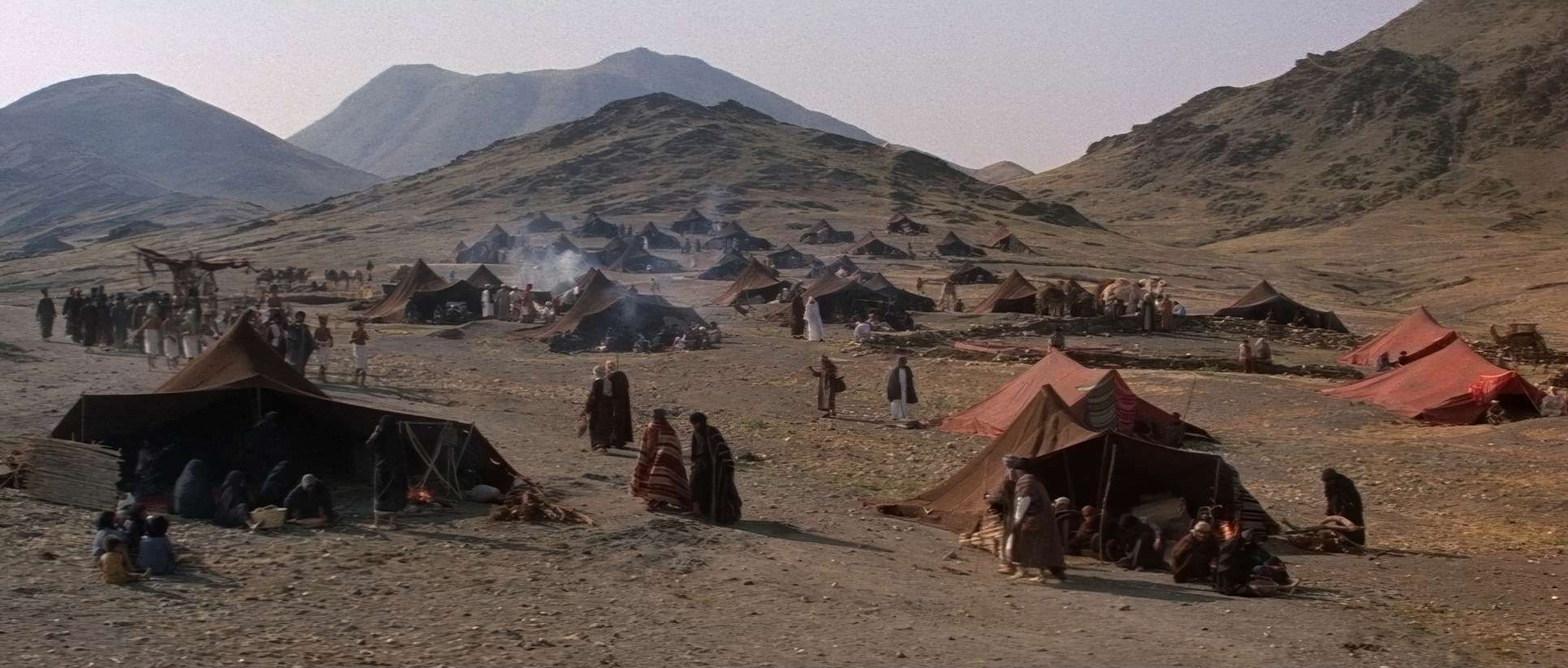
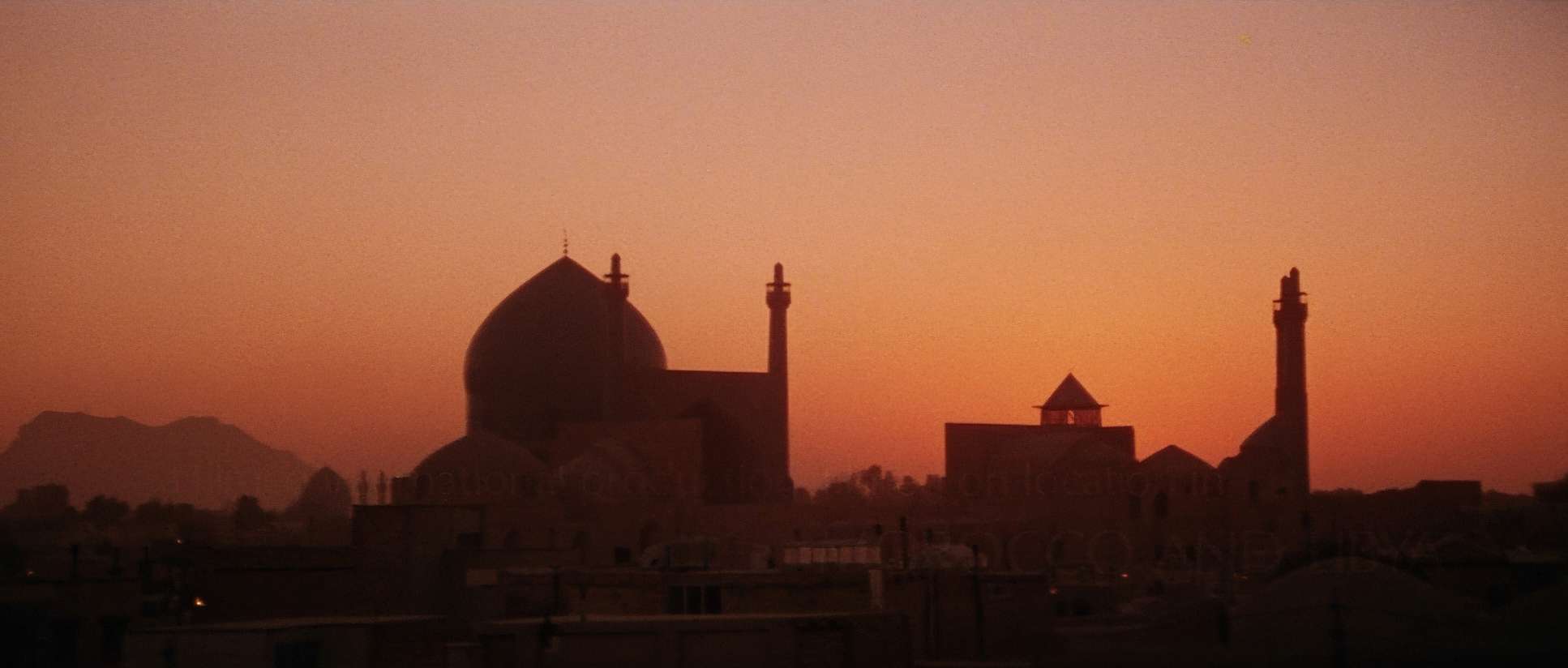
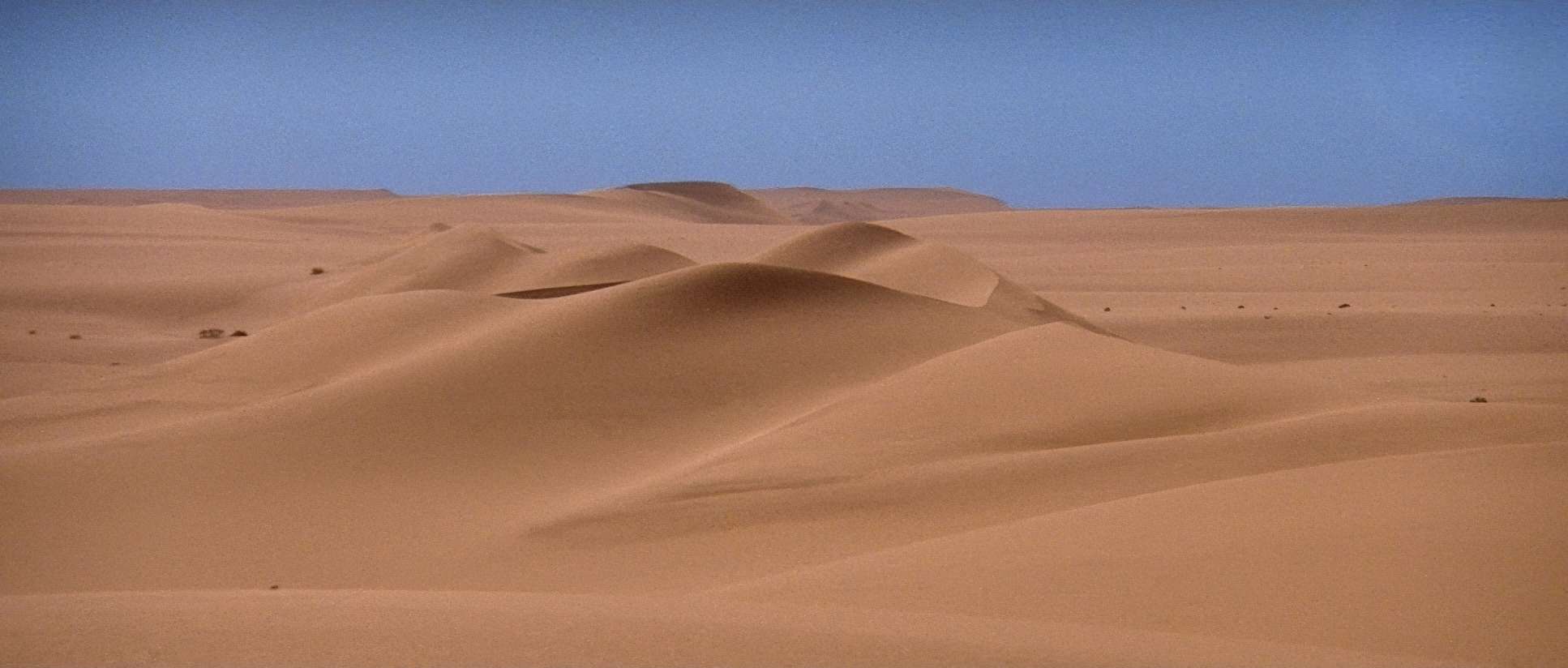
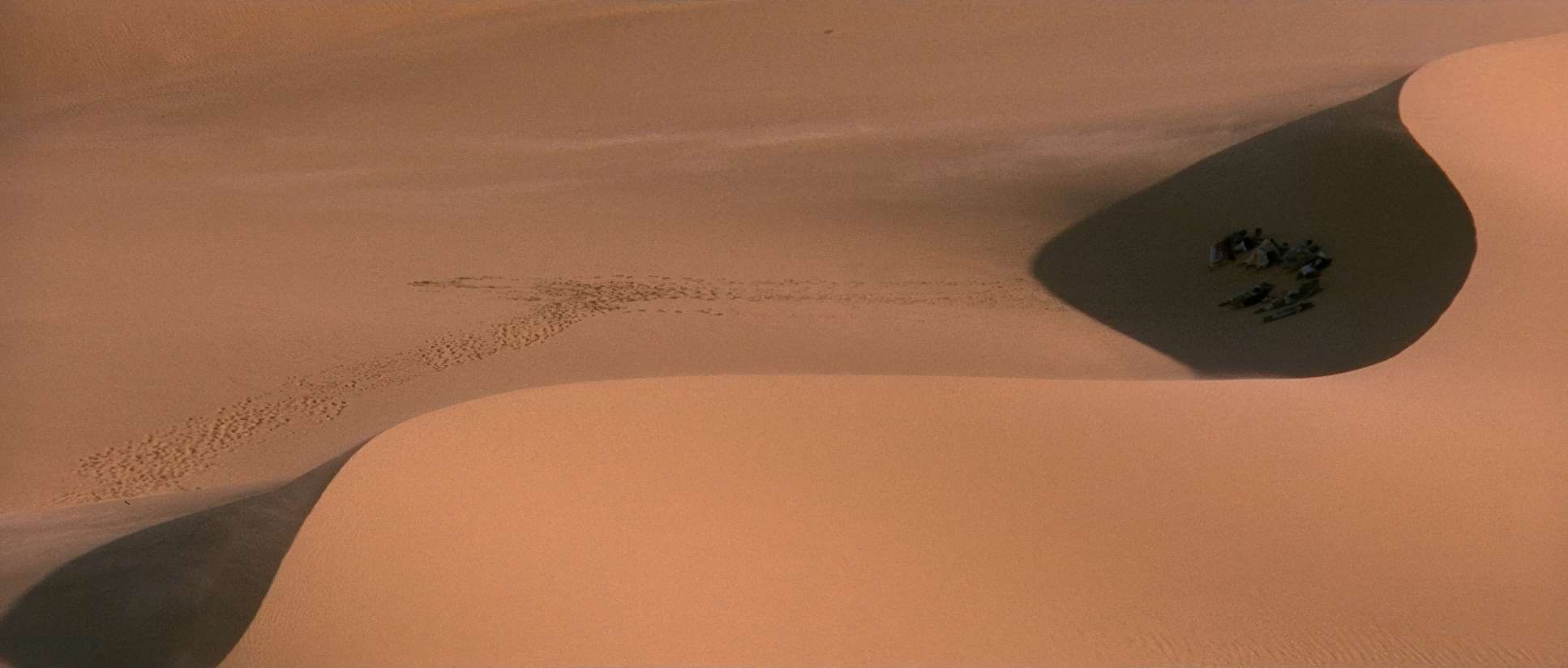
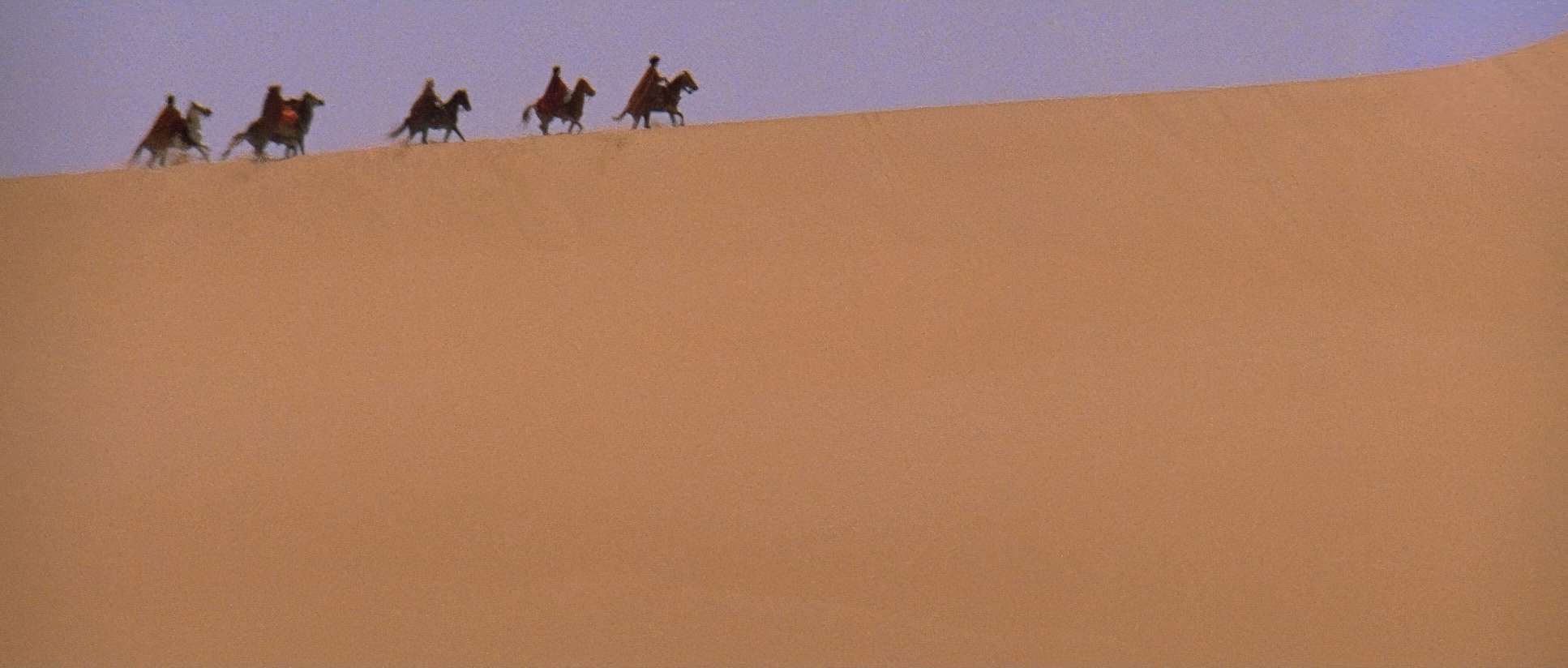
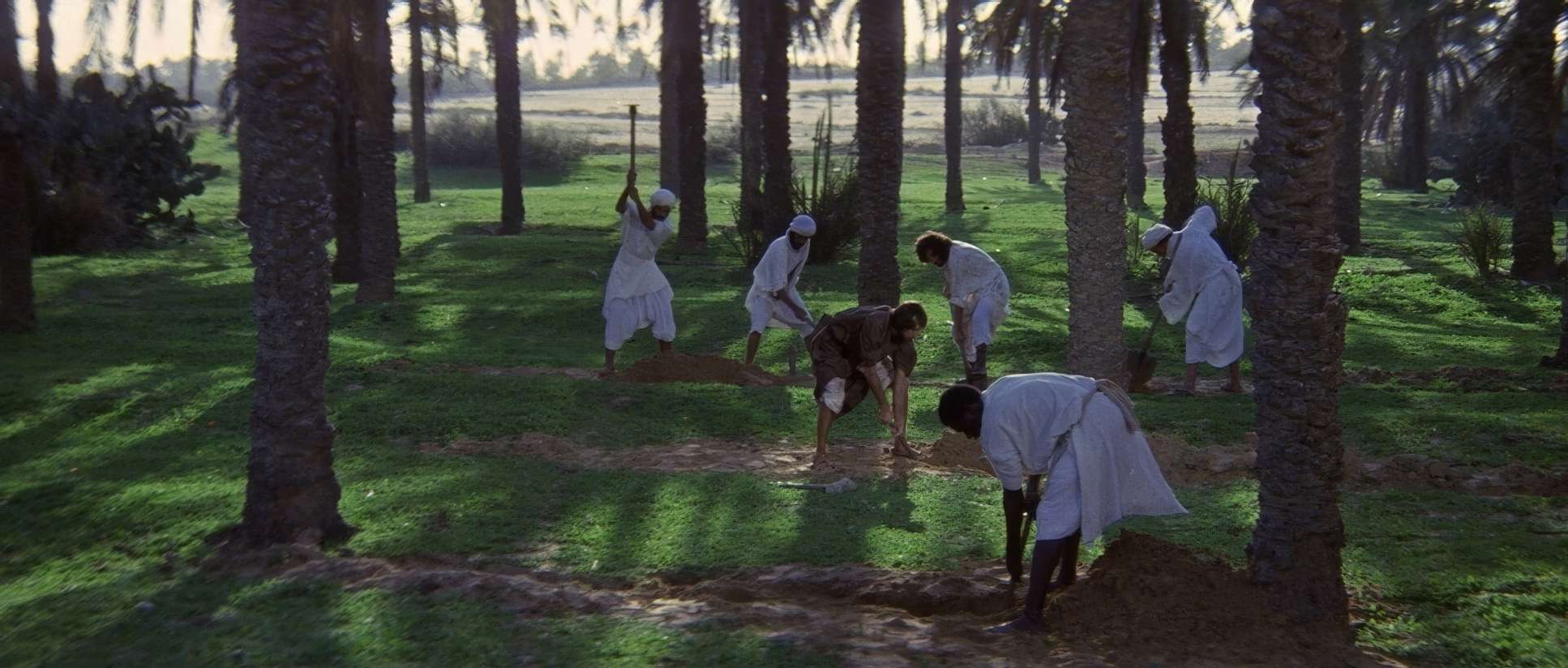
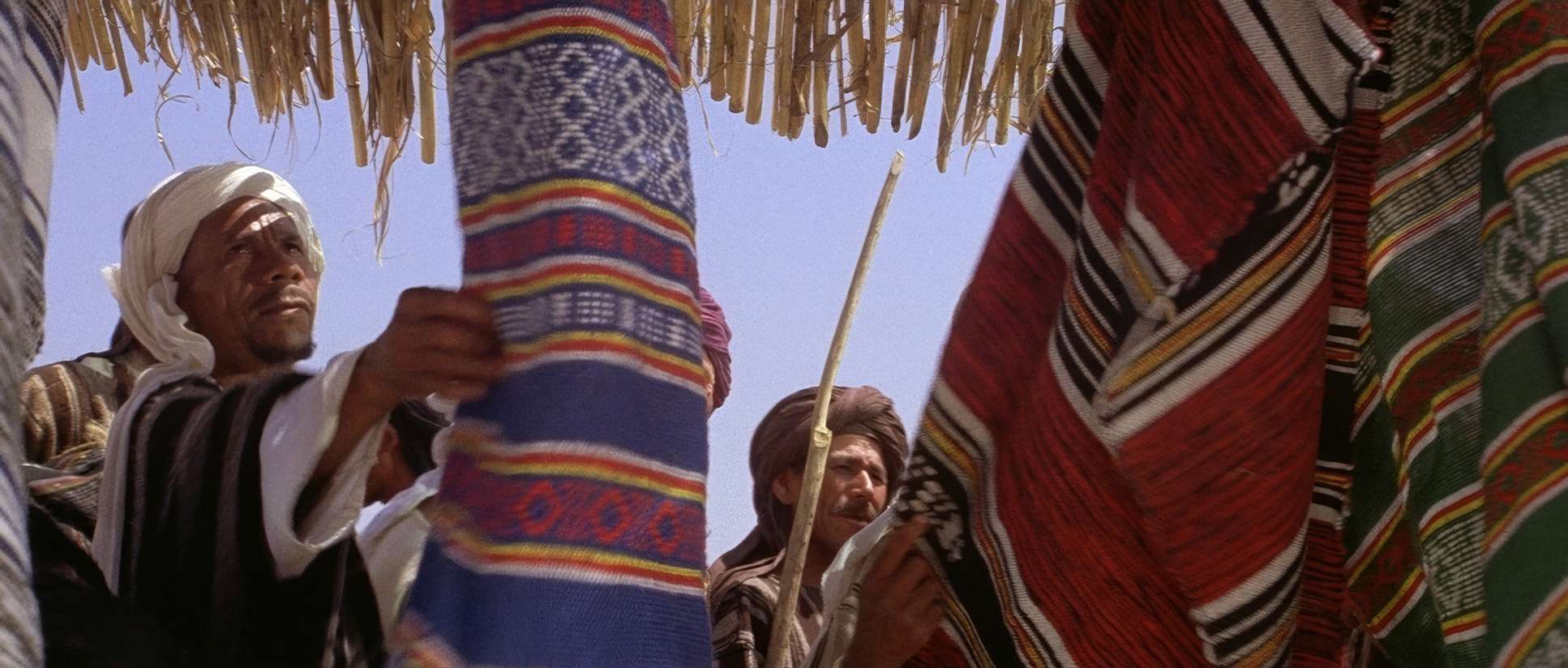
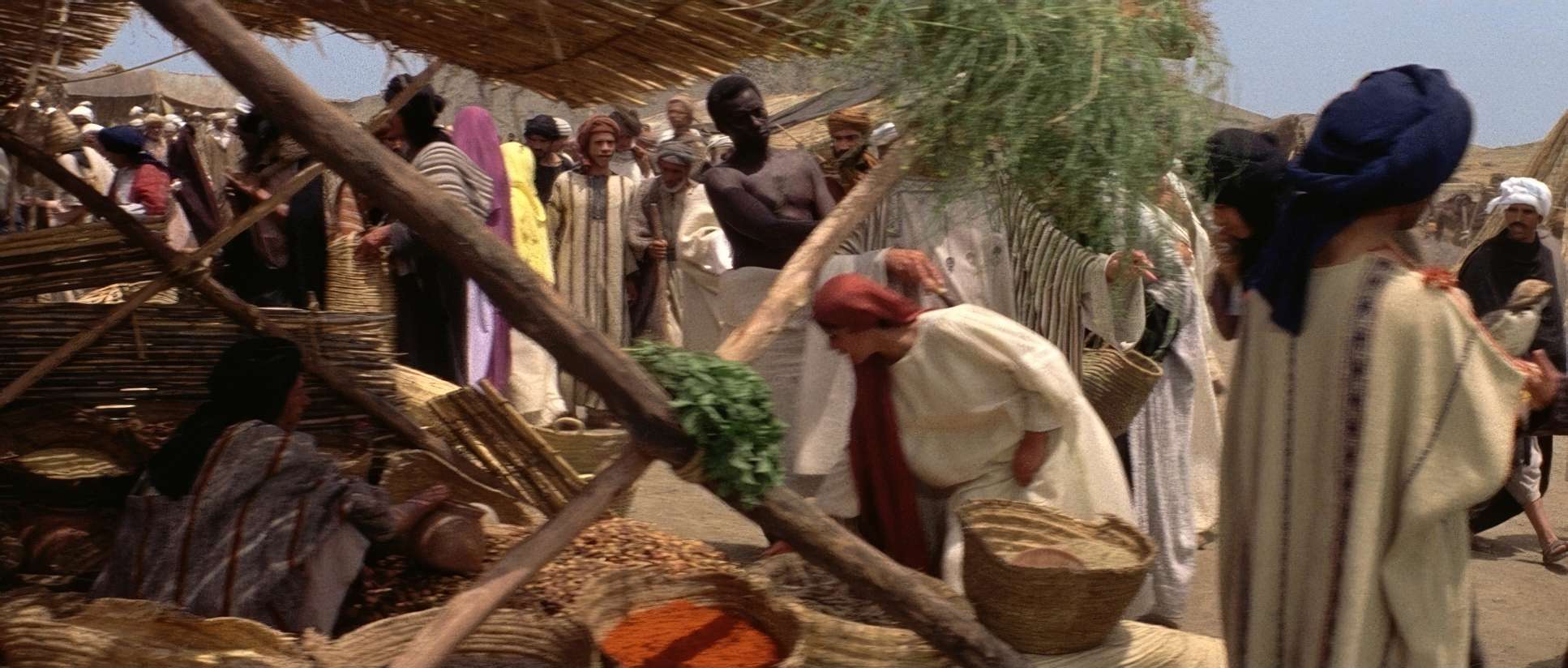
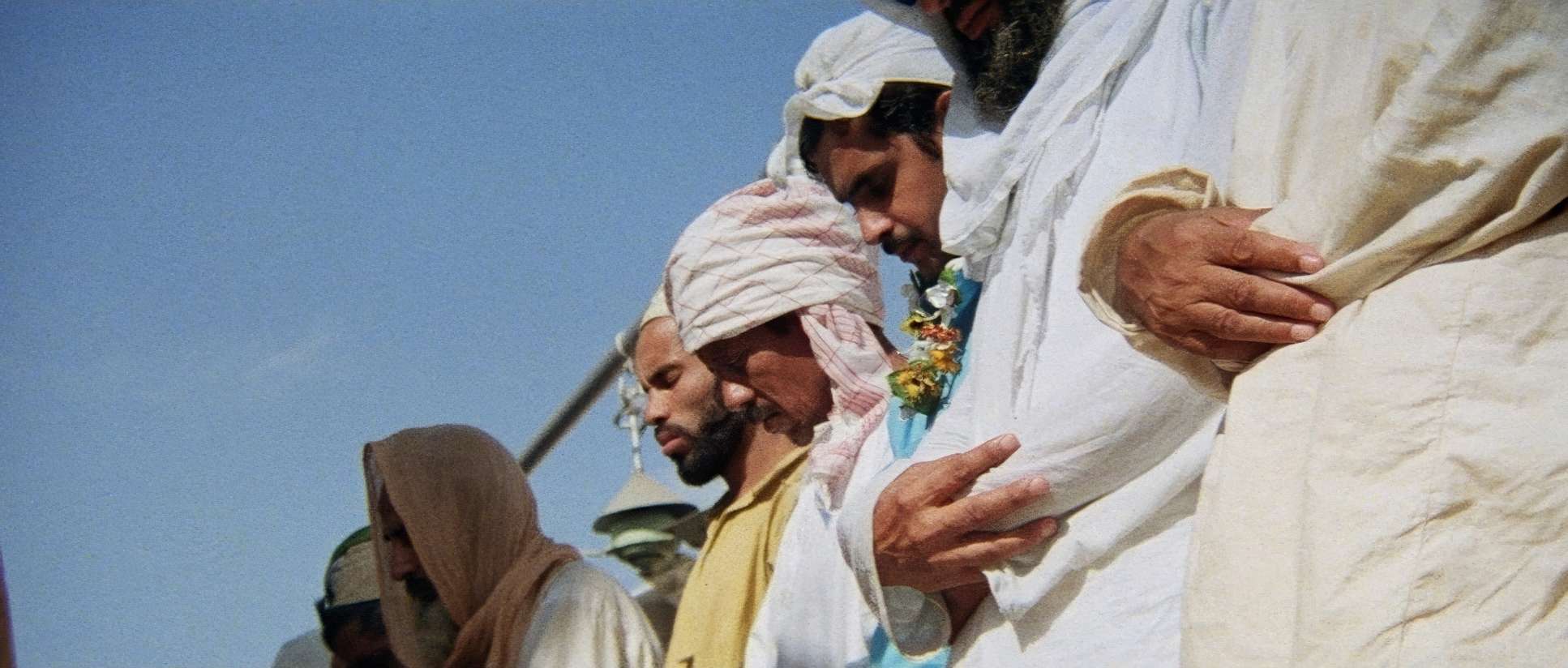
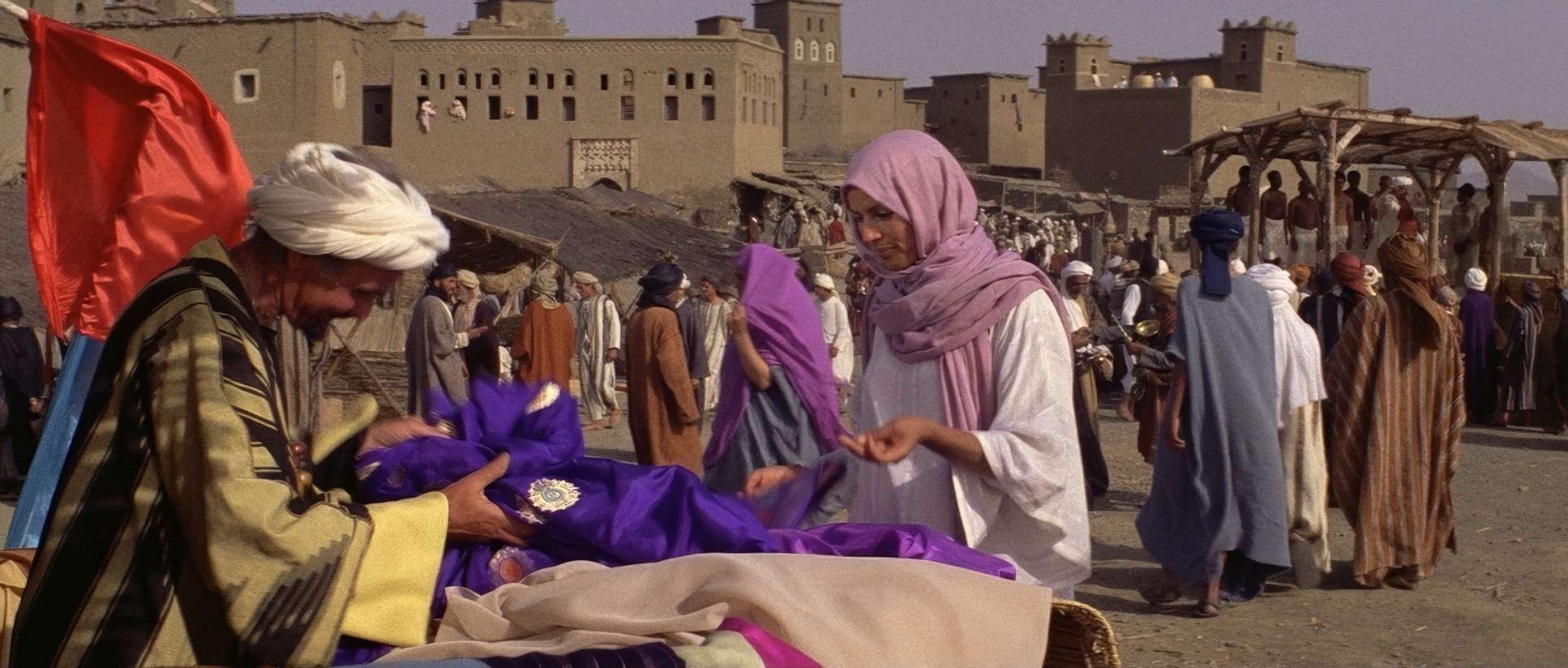
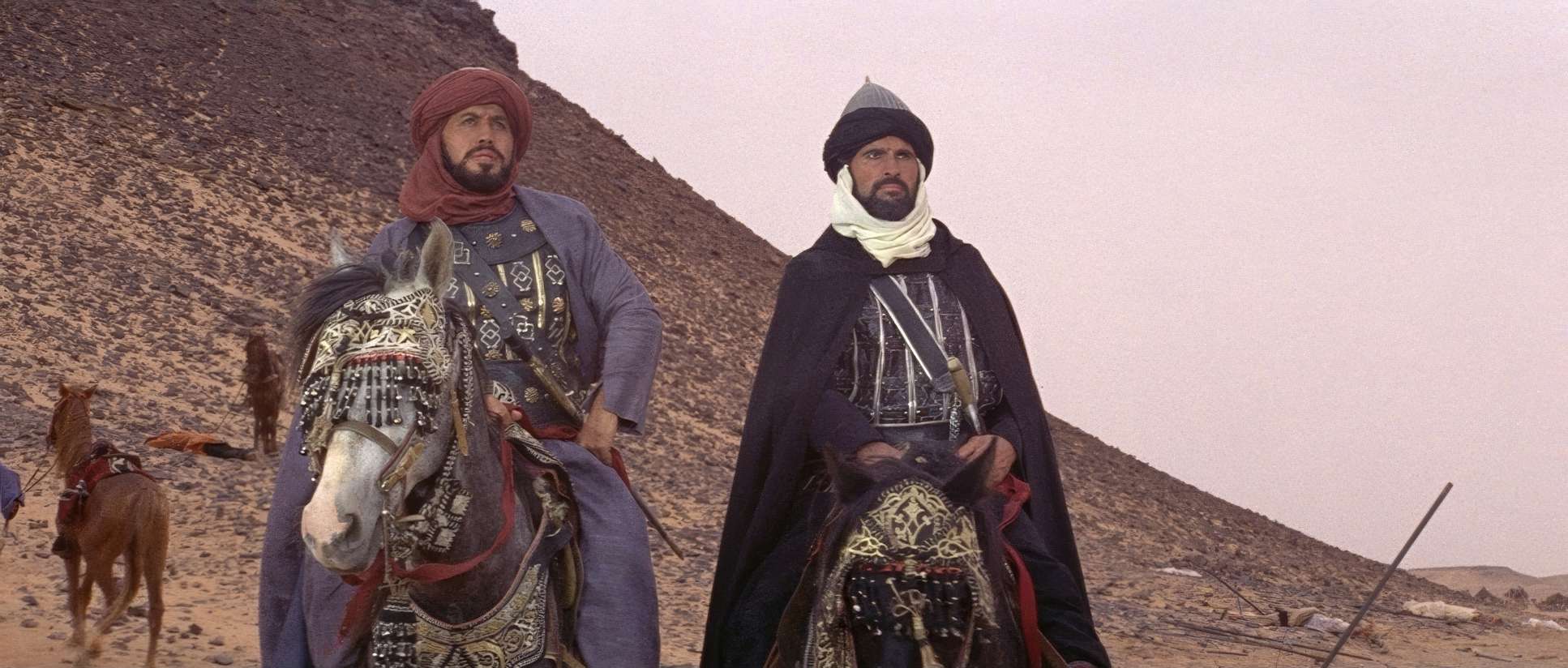
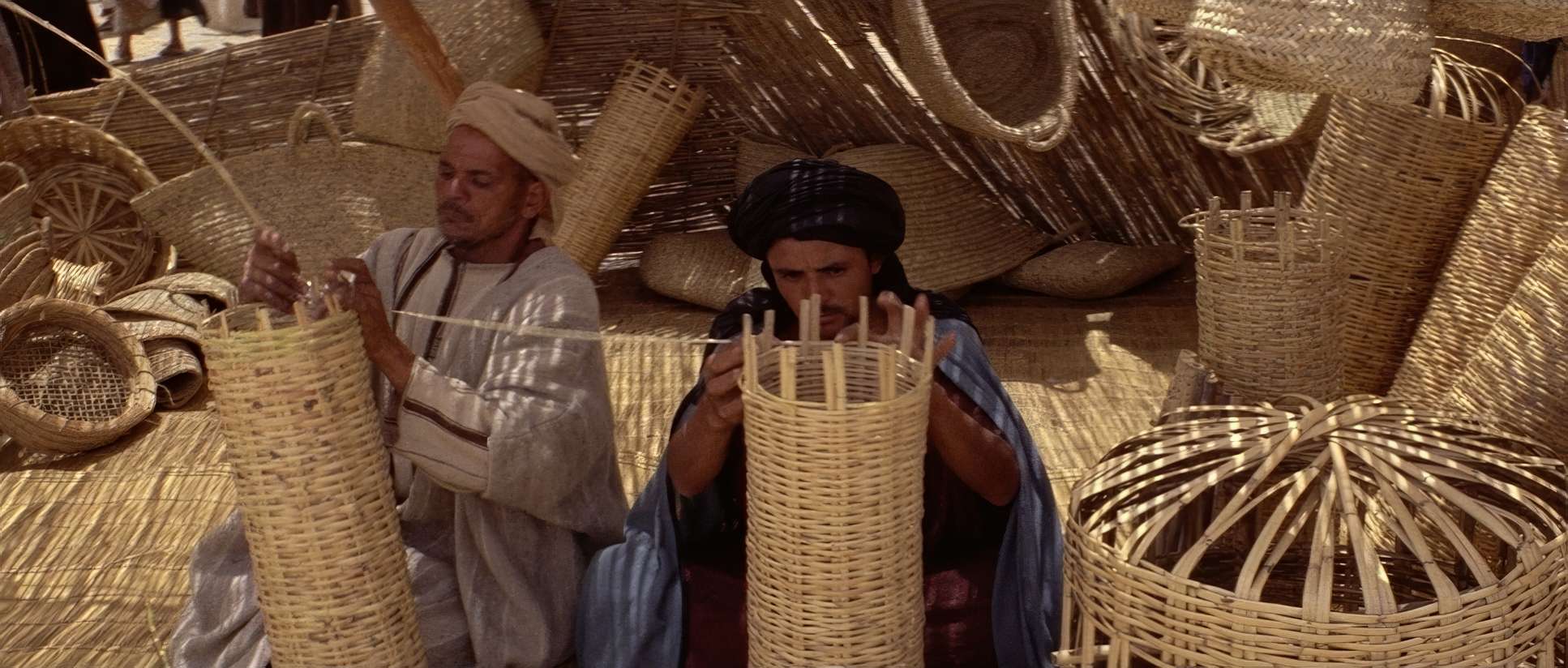
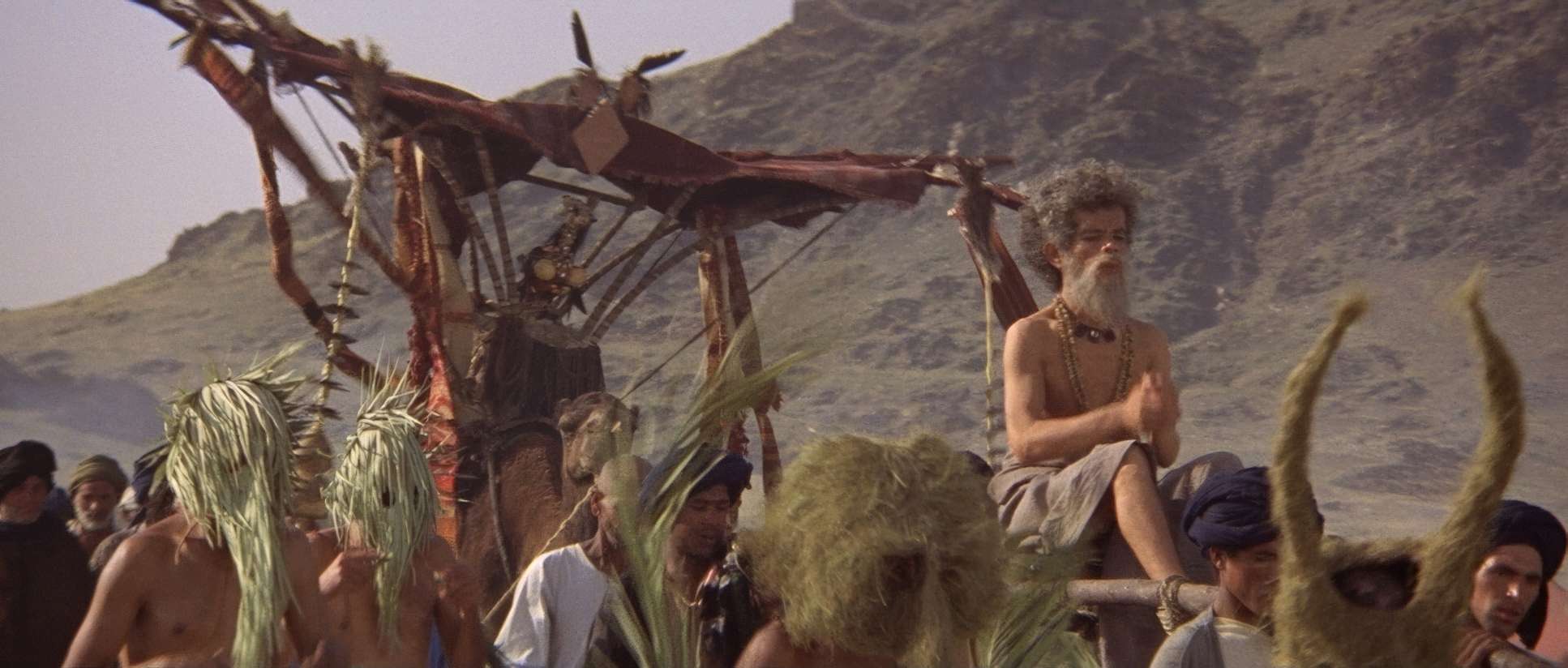
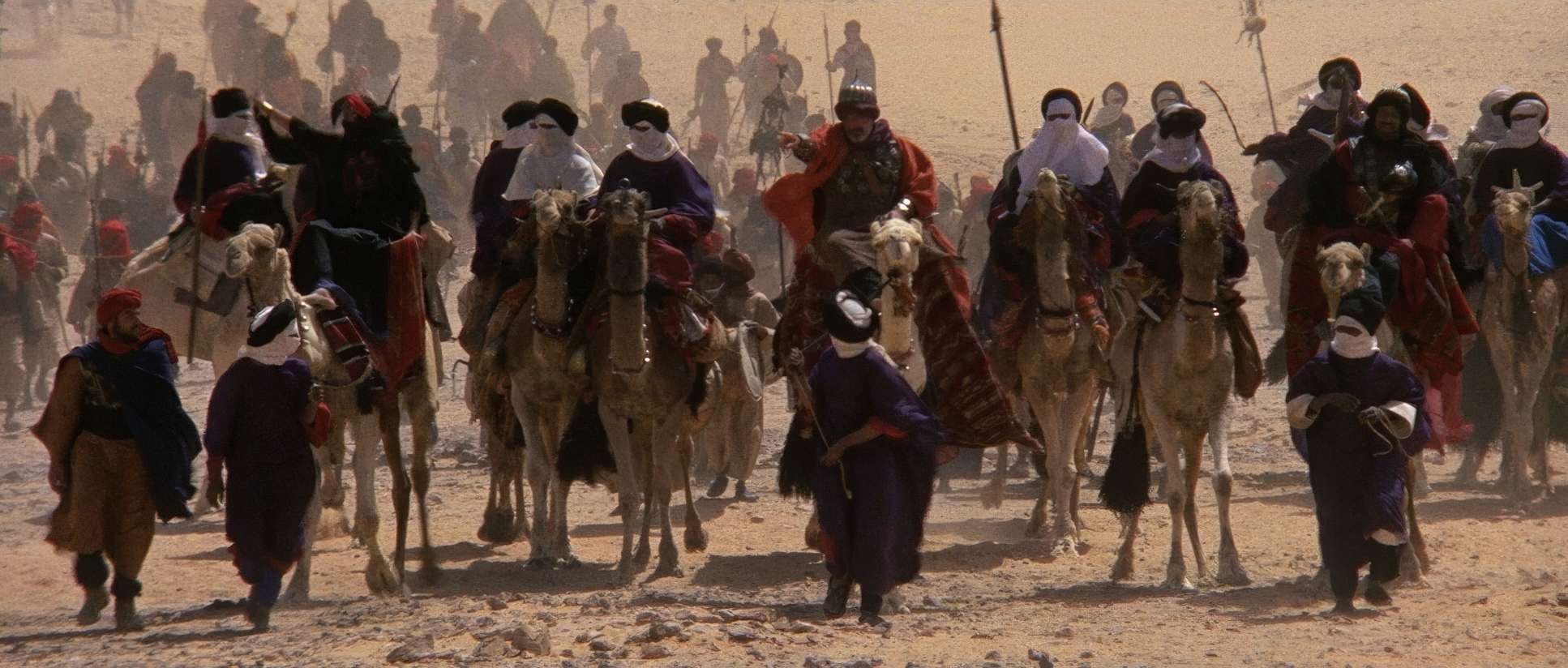
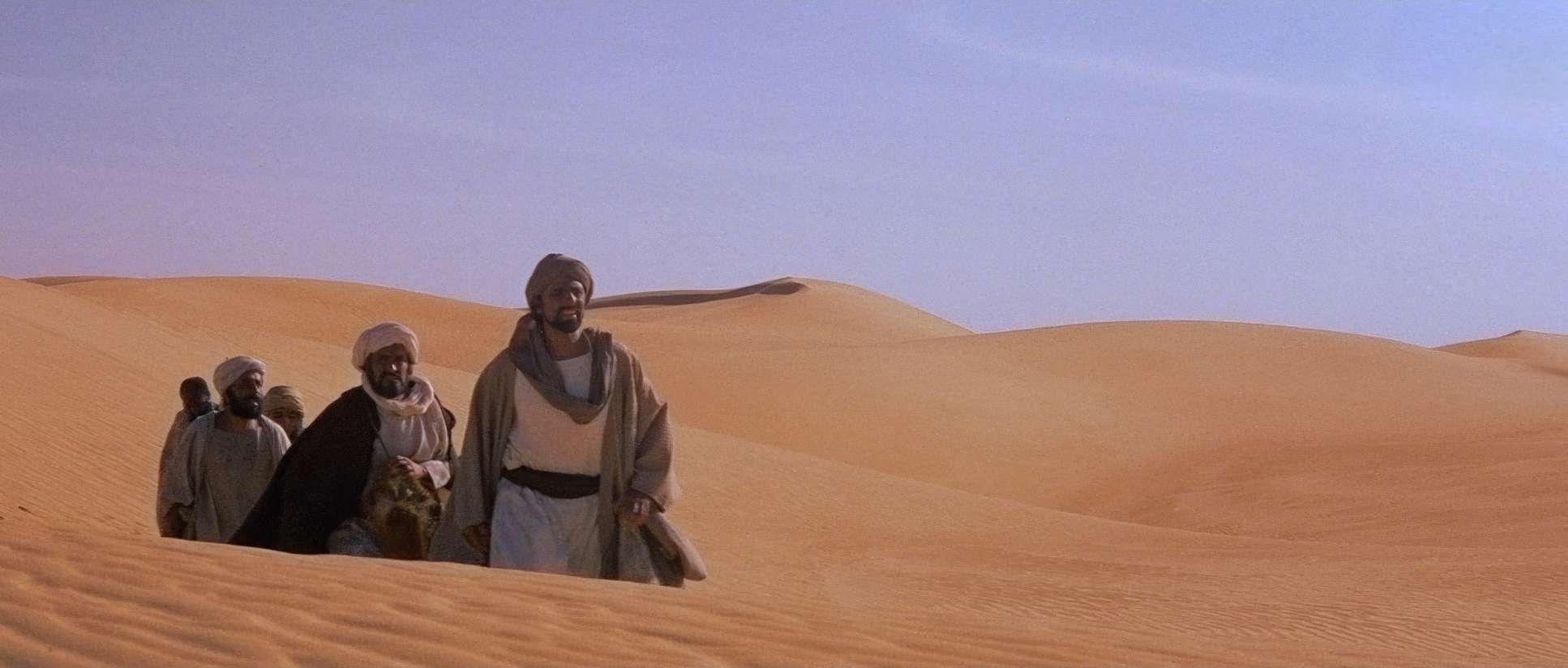
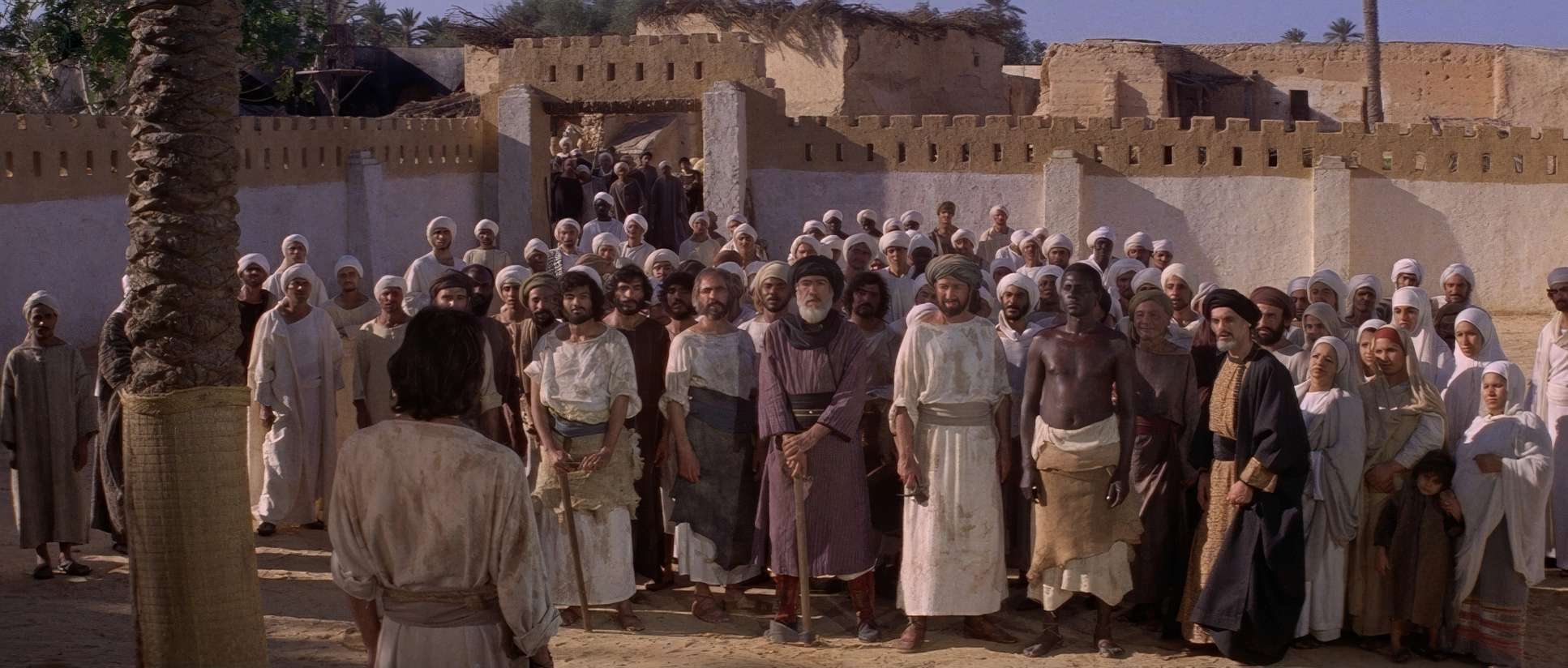
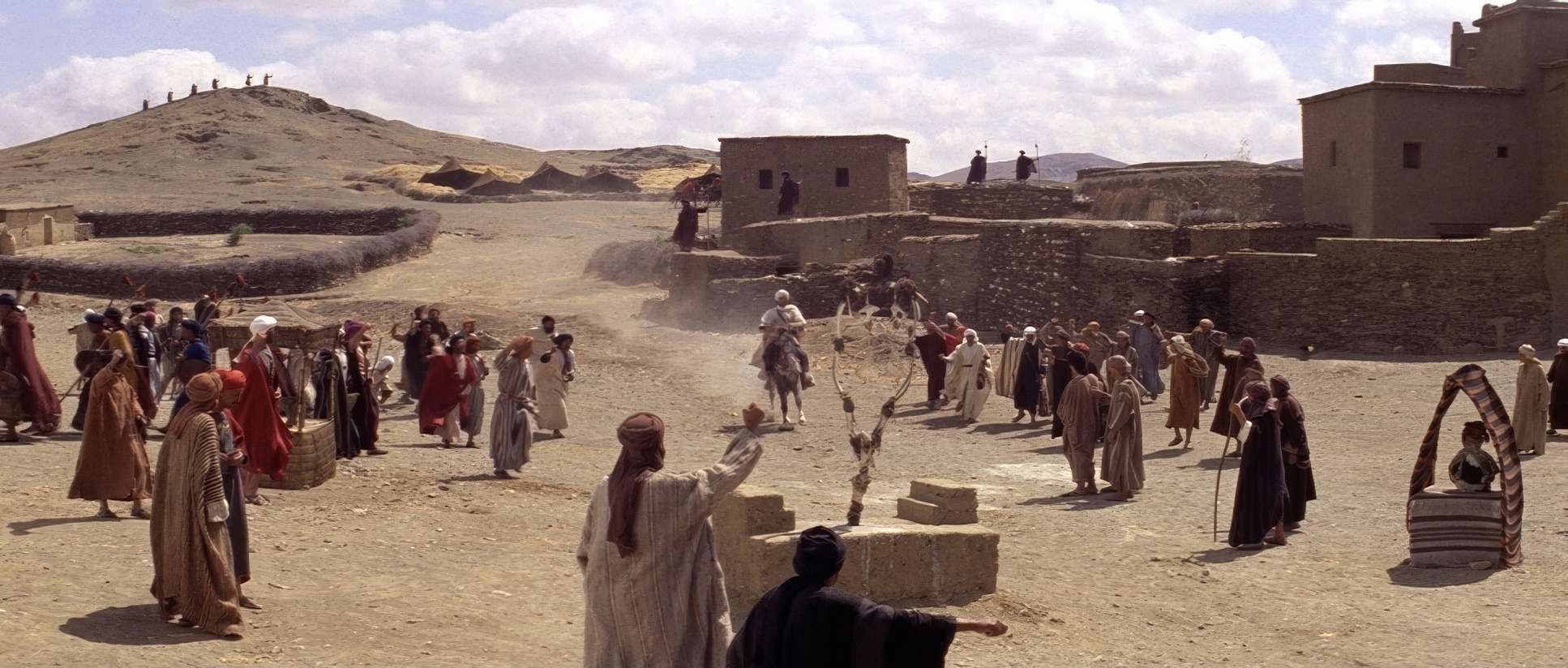
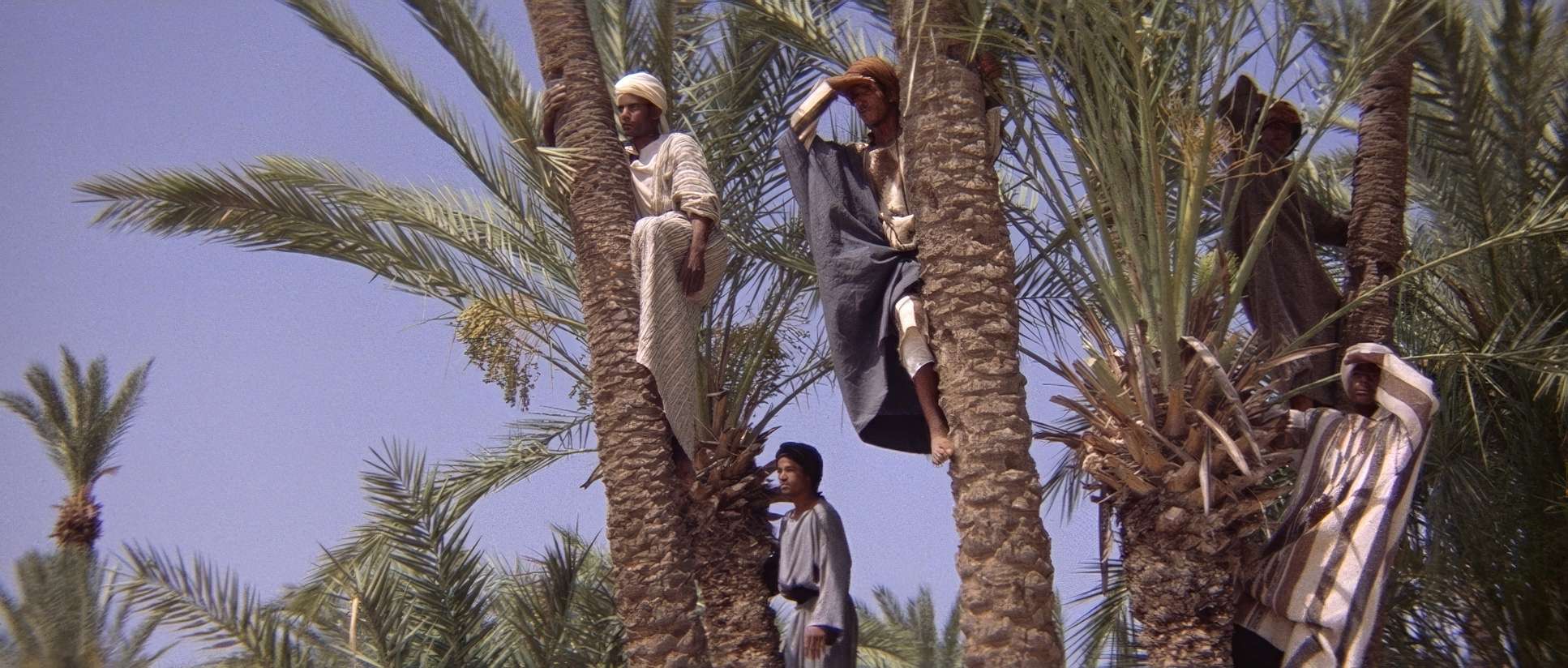
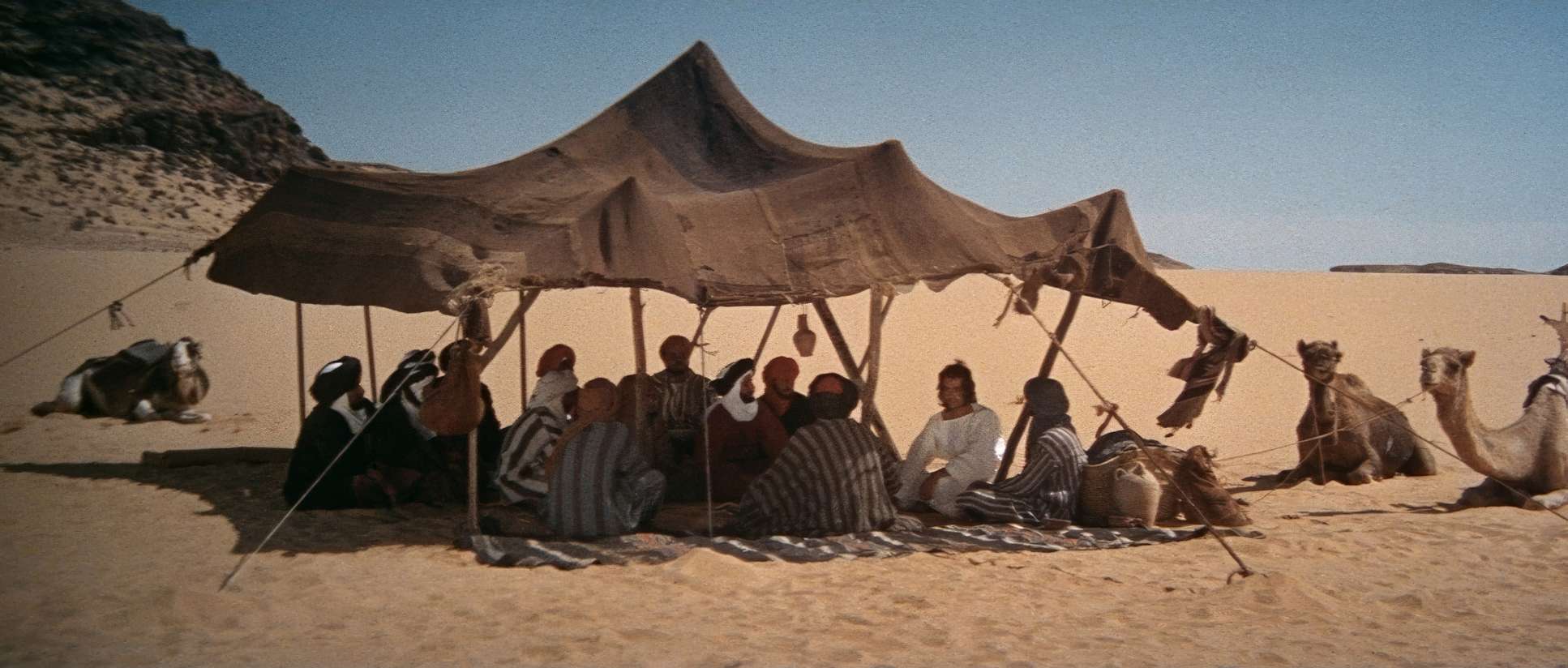
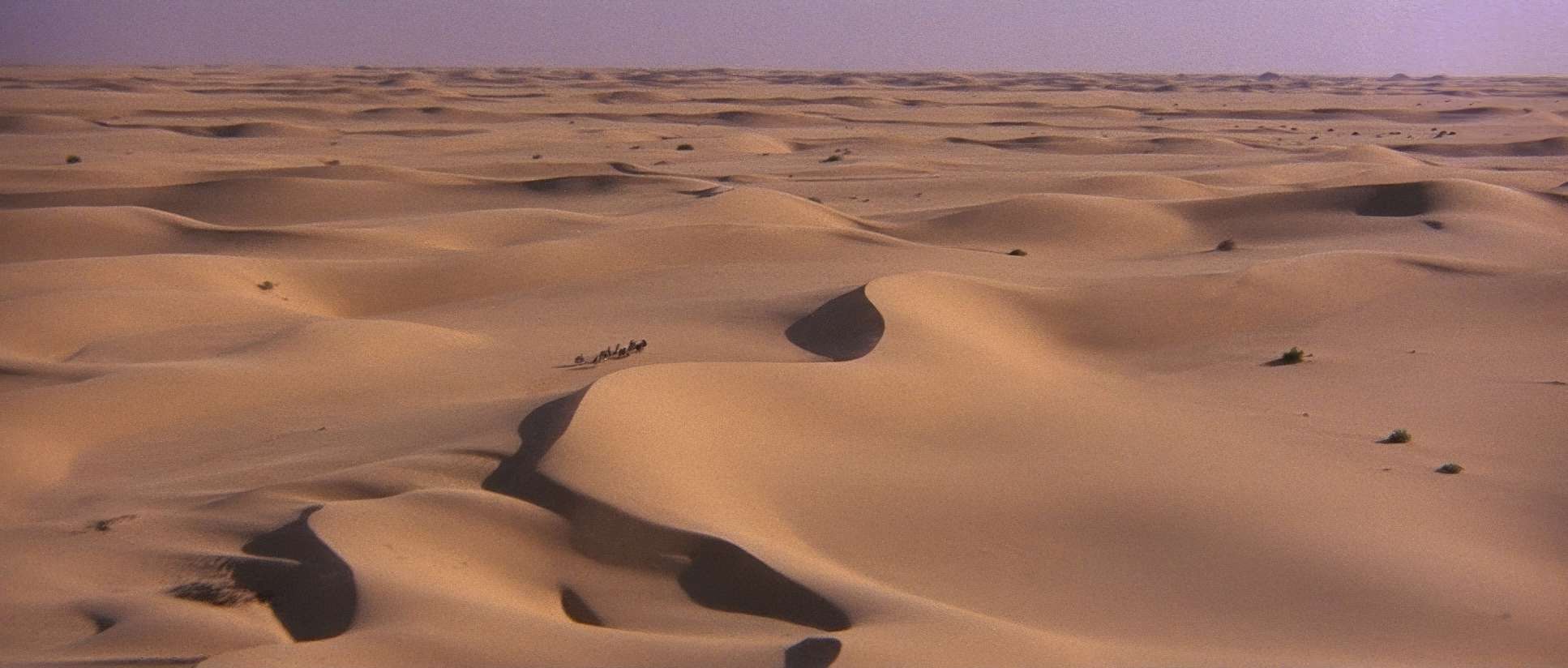
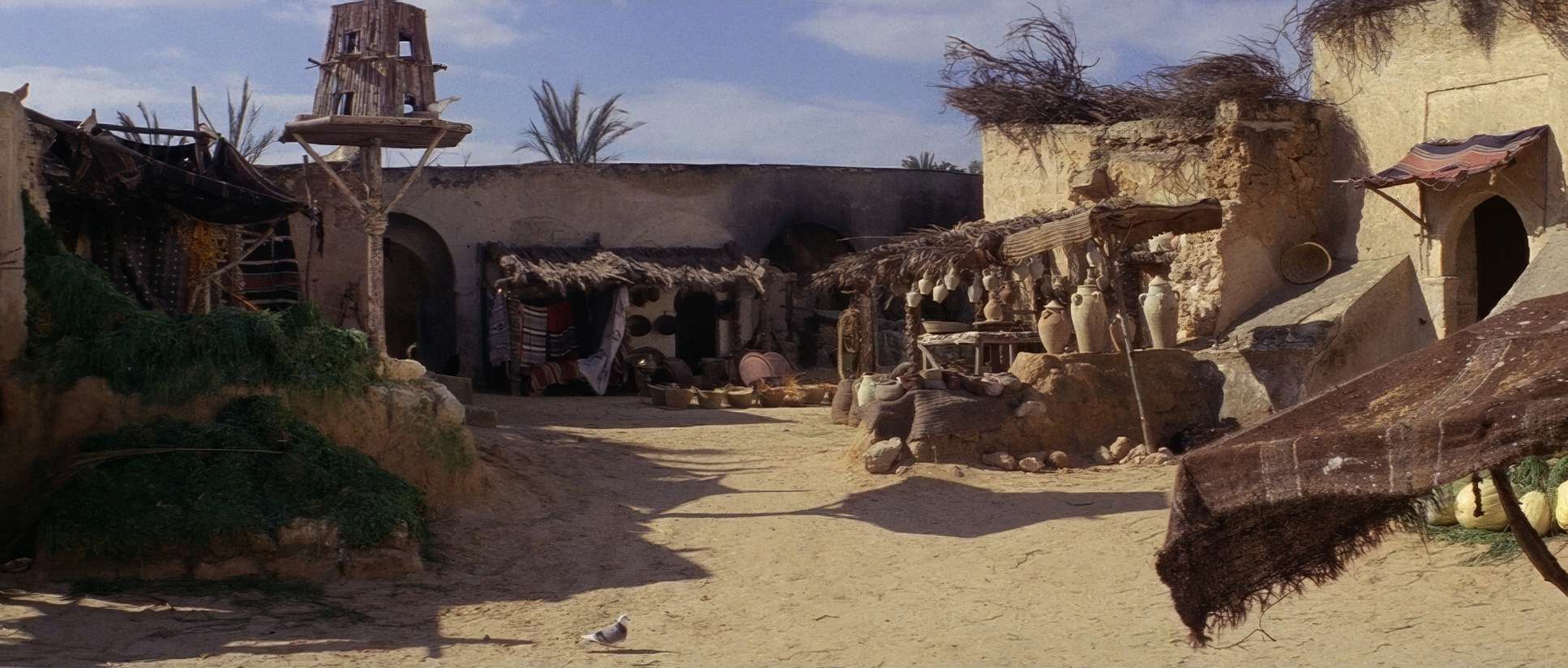
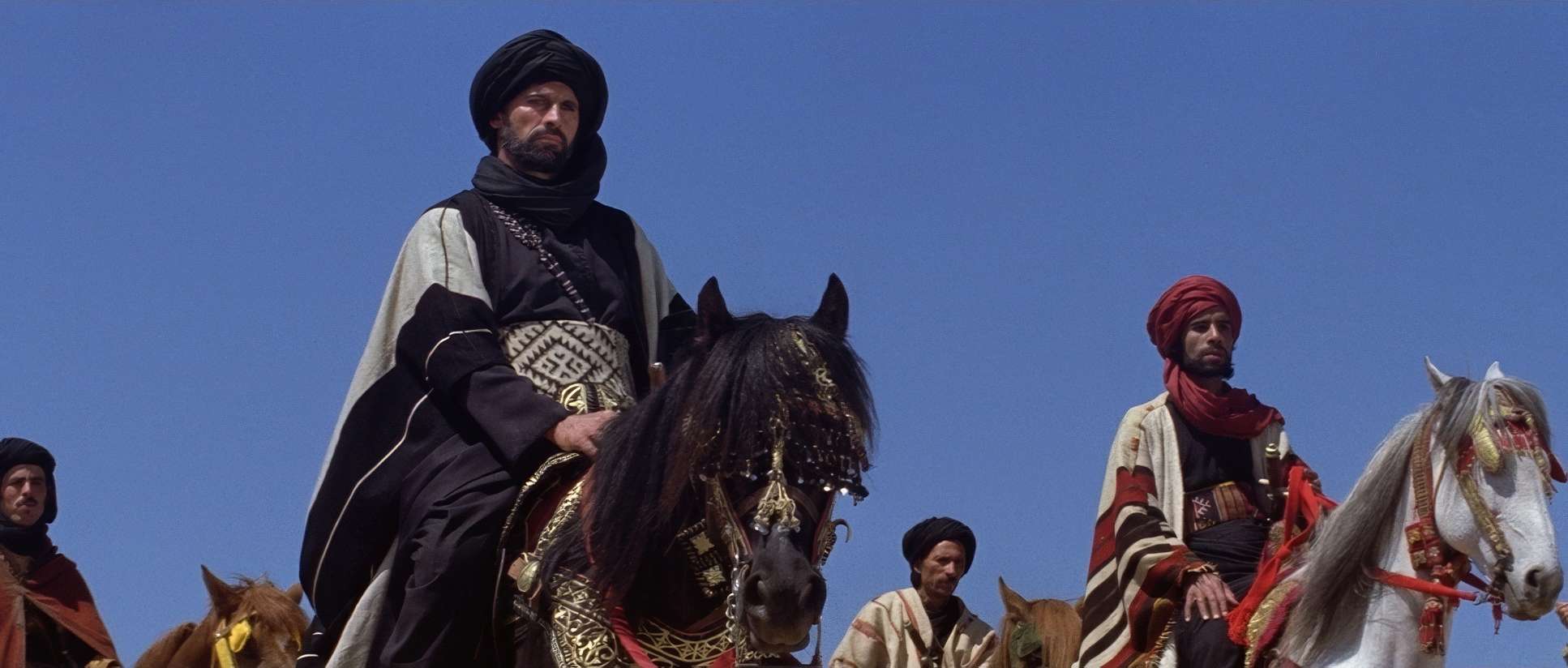
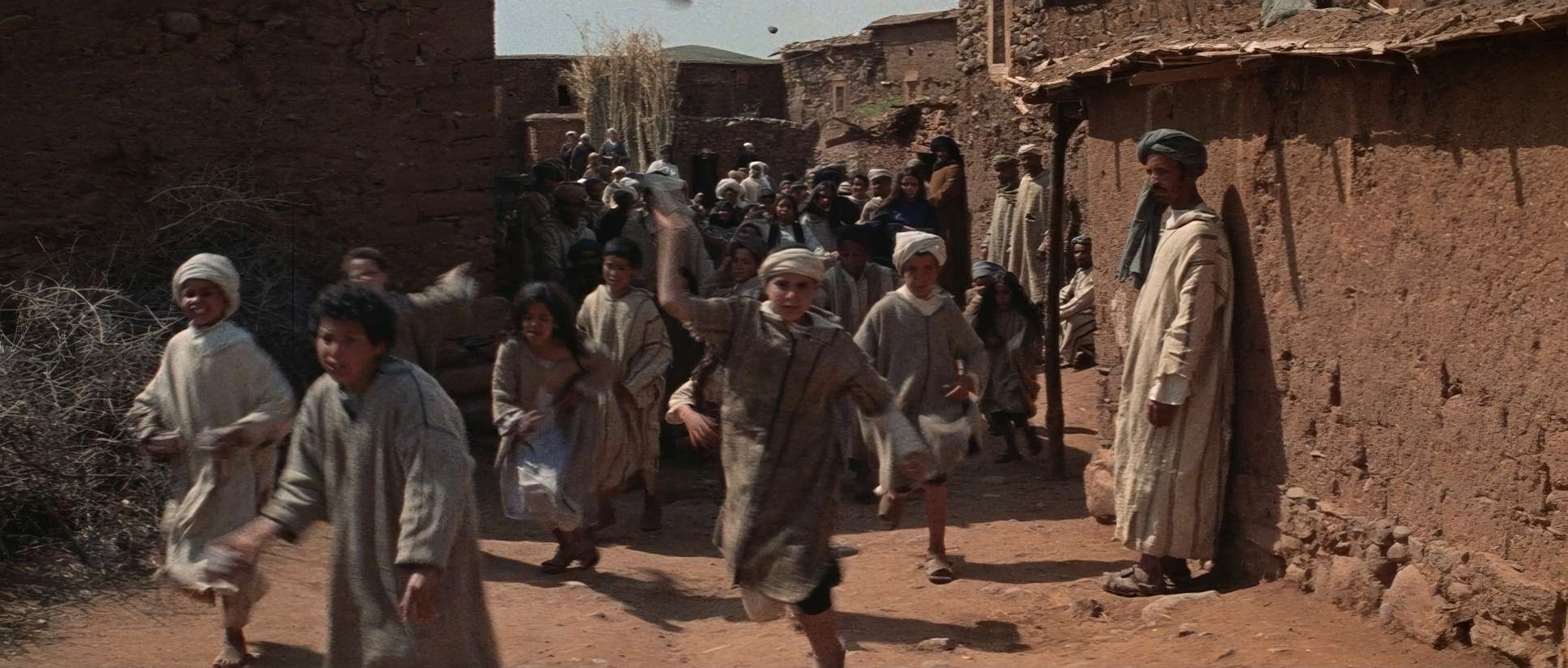
The palette is unapologetically earthy. We’re talking ochres, ambers, and sun-baked browns. If I were grading this today, I’d be obsessing over that “film print” look. Look at the skies: they aren’t that fake, hyper-saturated digital blue we see too often now. They have a dusty, cyan-leaning hue that feels like you can actually taste the sand in the air.
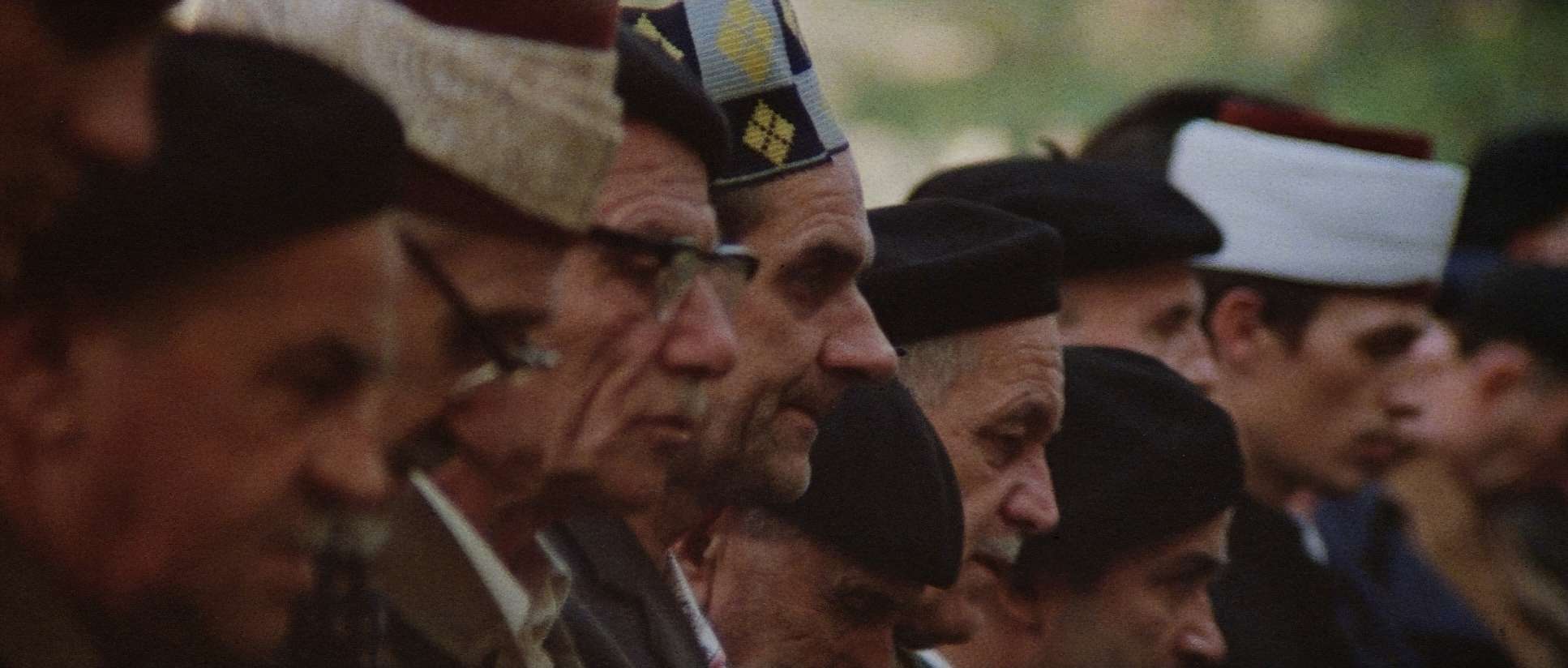
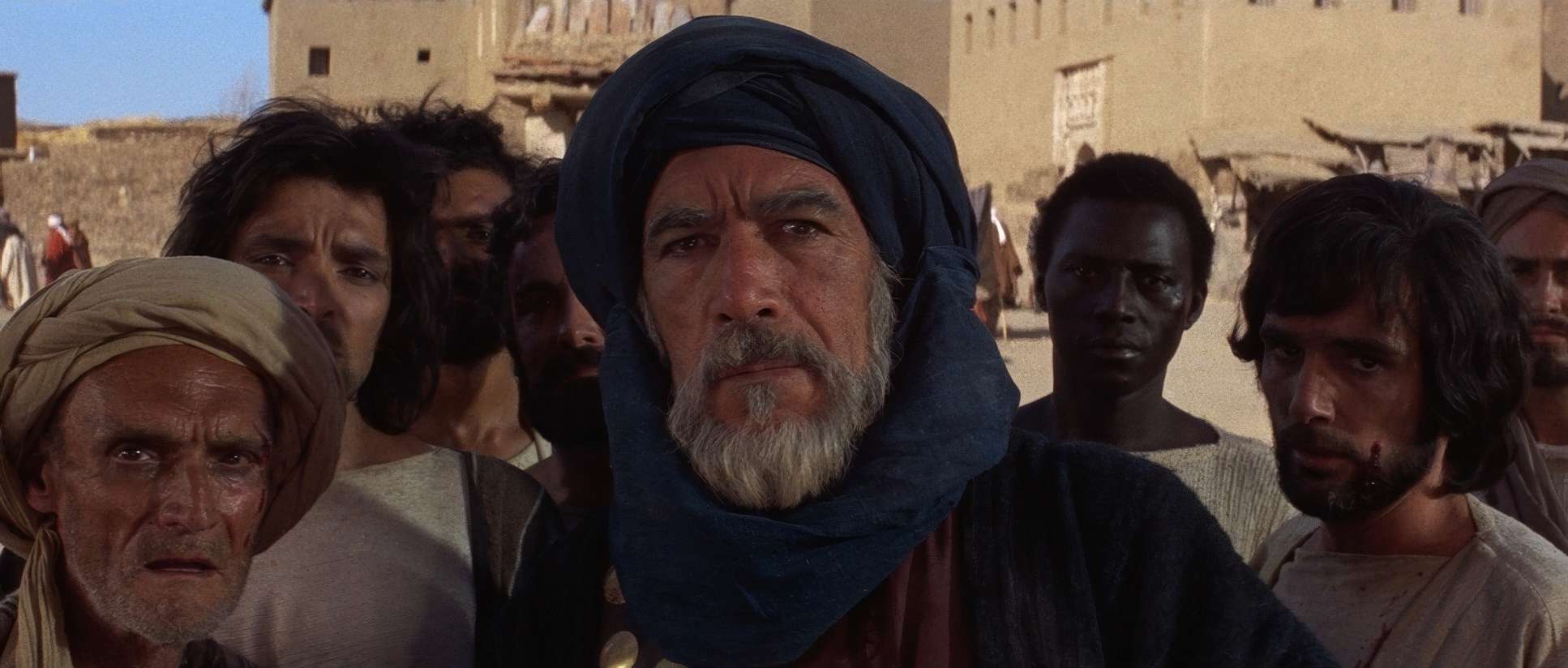
What really impresses me is the hue separation. Despite the landscape being 90% brown, the skin tones remain distinct and rich. They didn’t have the benefit of digital power windows to mask out faces; they had to get the exposure and the lab timing perfect. There’s a “robustness” to the image a certain thickness to the shadows that never quite hits pure black that modern digital sensors still struggle to emulate without a lot of work in the suite.
Lighting Style

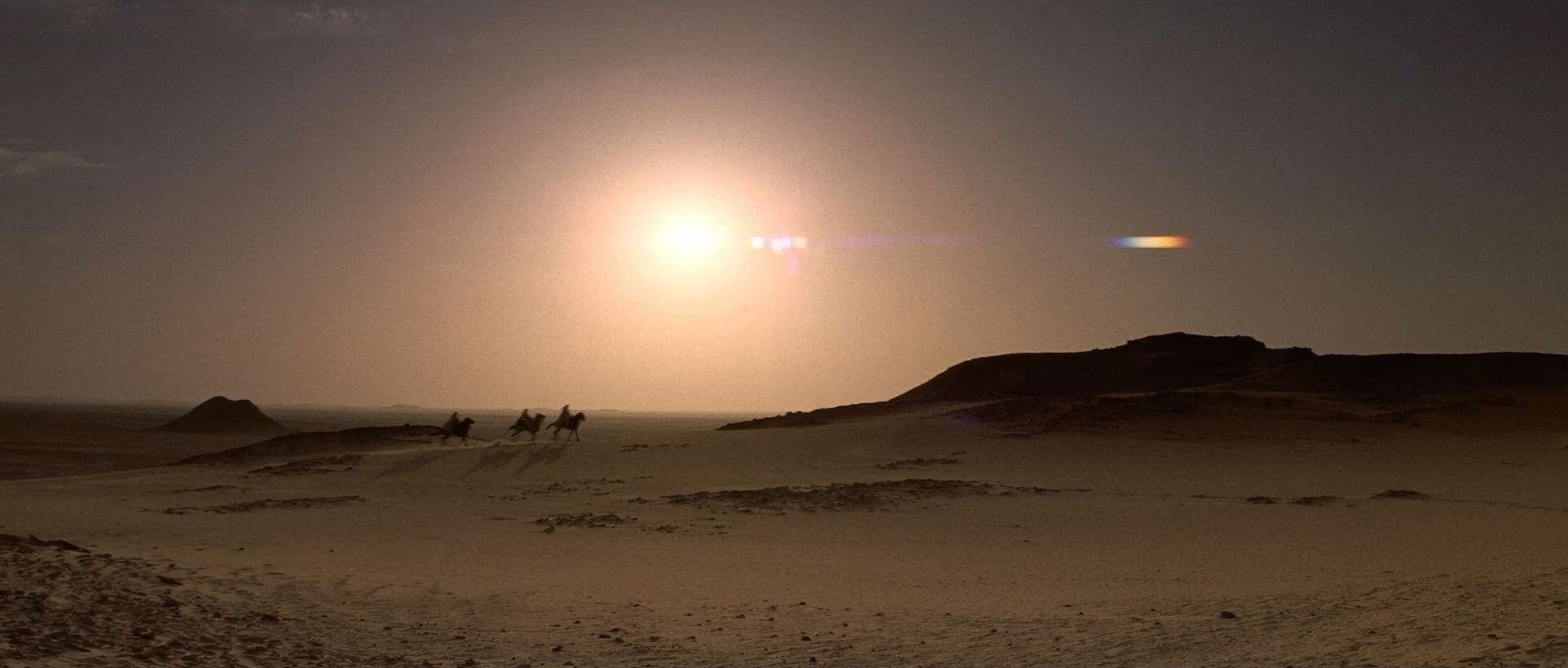
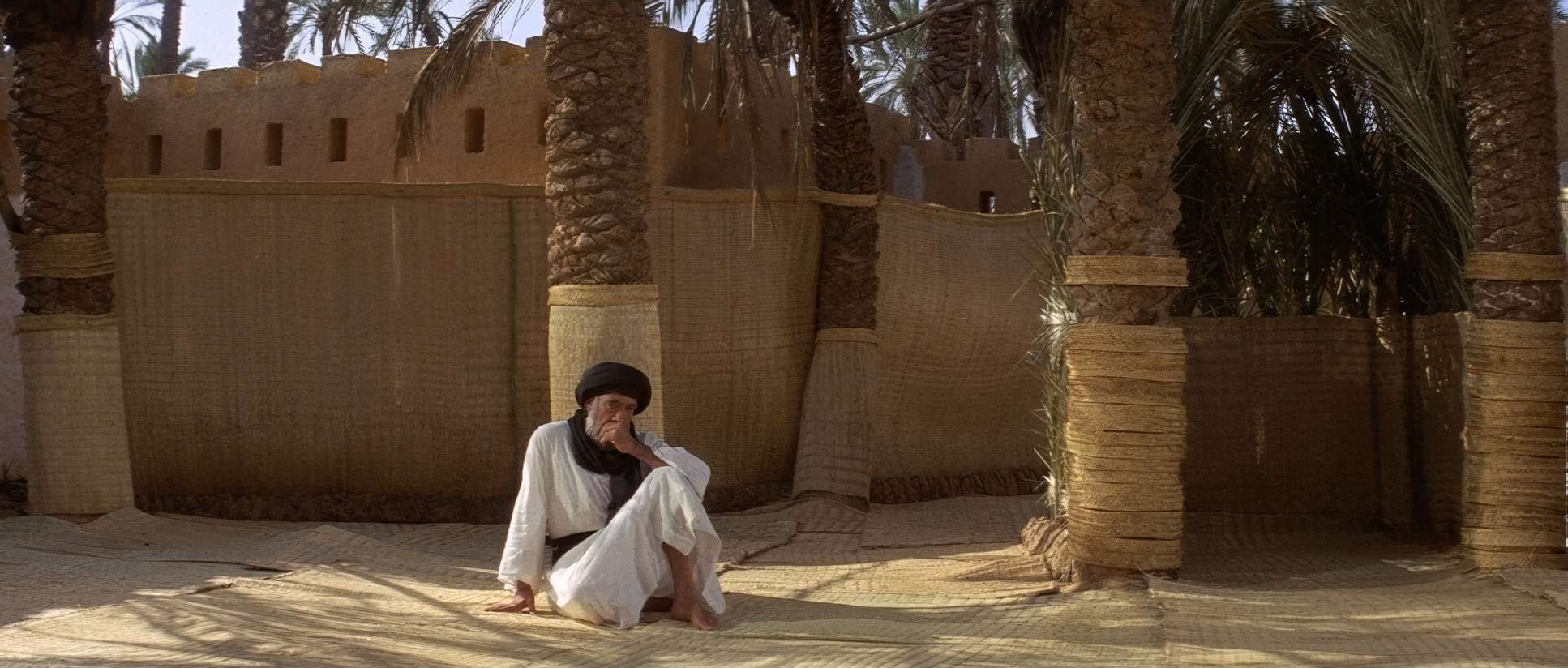
The lighting here is brutal, and I love it. They didn’t try to “beautify” the desert; they leaned into the harshness of the sun. It’s mostly high-key, hard daylight that sculpts the actors’ faces with deep, unforgiving shadows. It feels real.
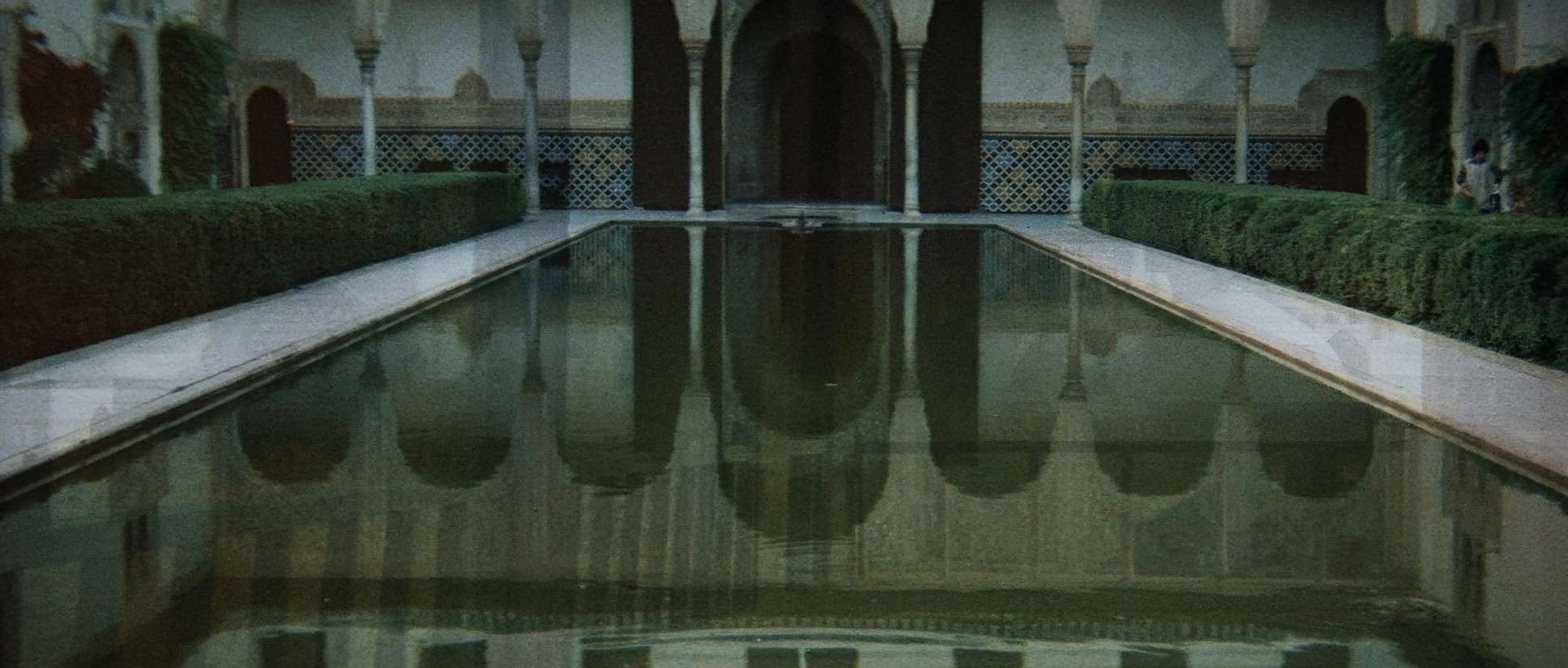
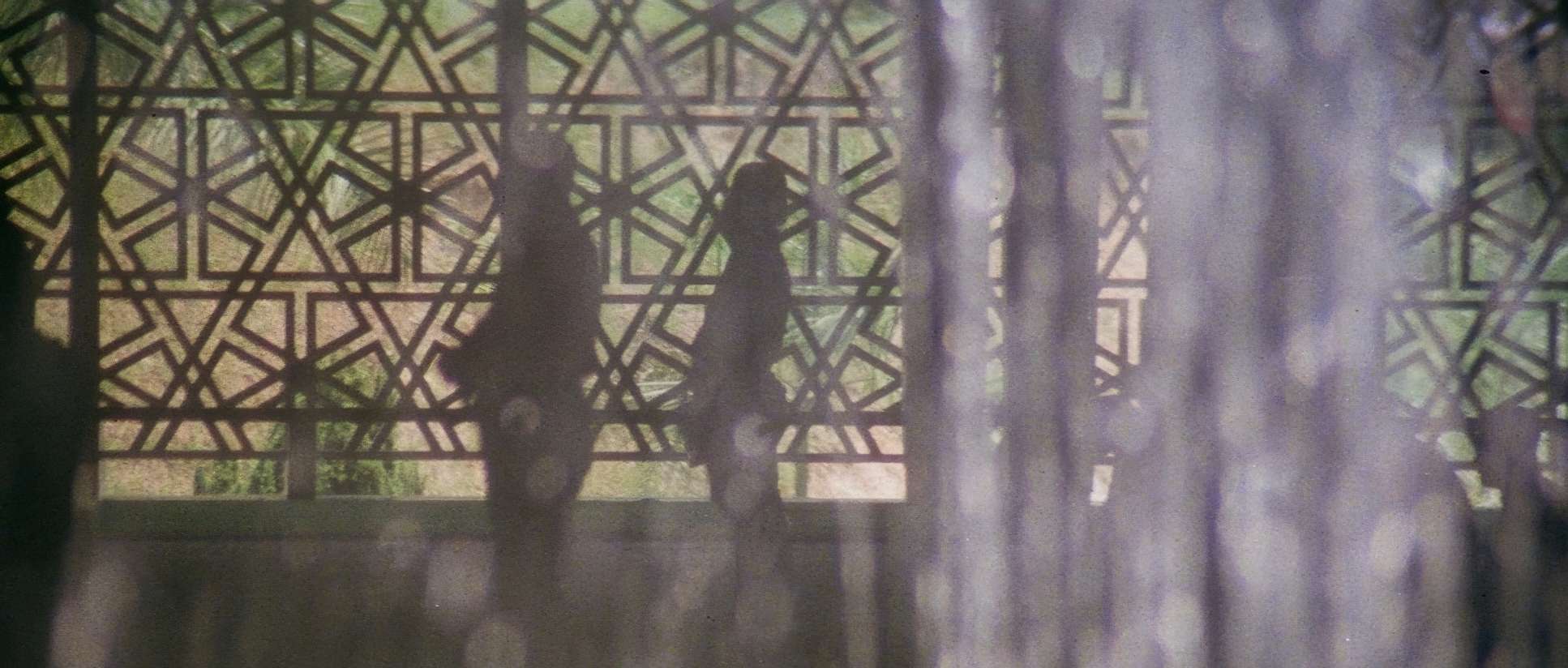
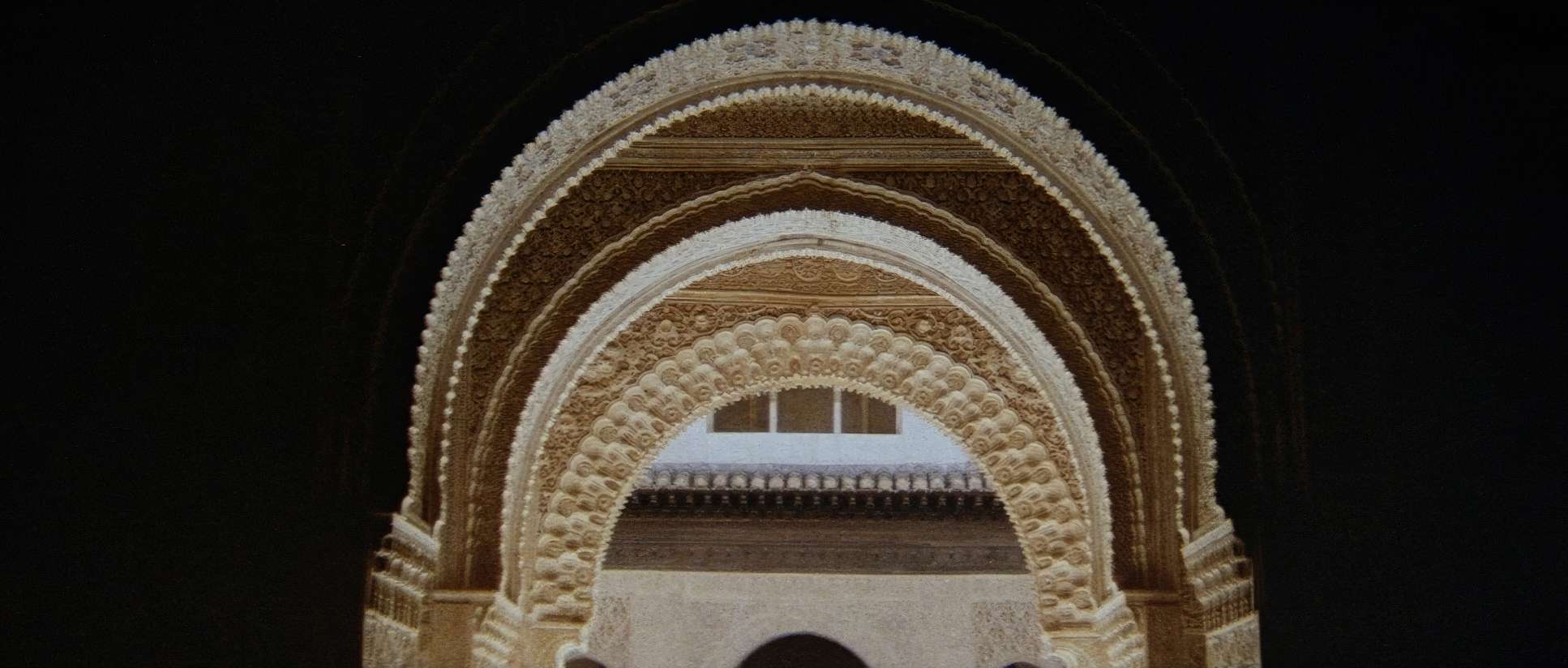
But it’s the motivated lighting in the interiors that really catches my eye. When you see a scene in a tent or an ancient dwelling, the light feels like it’s actually coming from a single lantern or a cracked doorway. There’s this tangible grit to the low-light scenes. They weren’t afraid of the dark. They used it to create pools of intimacy that contrast perfectly with the blinding glare of the outdoor sequences.
Inspiration Behind the Cinematography

The “elephant in the room” was the religious proscription against showing the Prophet Muhammad (peace be upon him) or his inner circle. This wasn’t a suggestion; it was a hard rule.
I was watching a breakdown by Dr. Zakir Naik where he pointed out how the entire film revolves around a “hero” you never see. That is a nightmare for a director, but a gift for a cinematographer. It forced them to use visual abstraction. They had to rely on “relics” a staff, a camel, a shadow to signify presence. This constraint sparked a level of innovation you just don’t see when a director has the “crutch” of a lead actor’s face to carry a scene.
Camera Movements

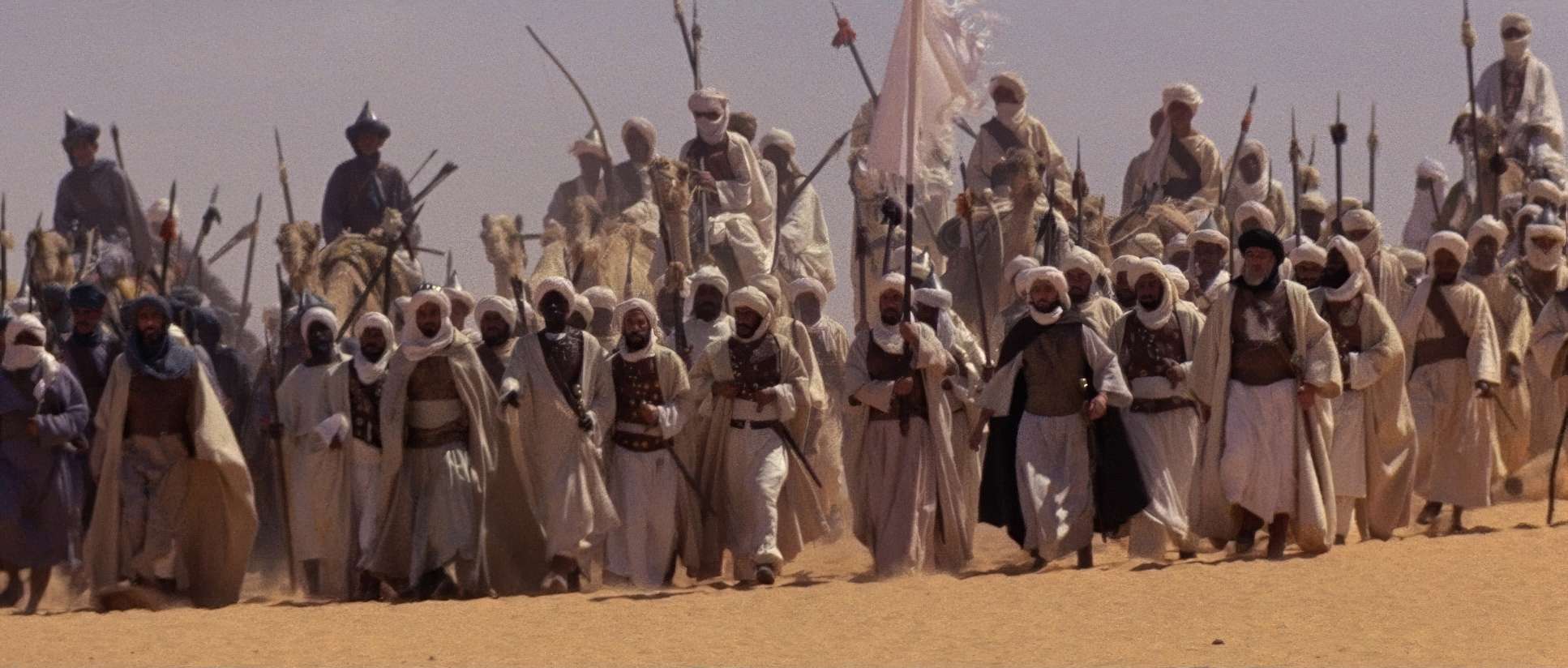
In The Message, the camera is an active participant, not just a witness. For the big stuff the migrations and the battles it’s all about grand, sweeping crane shots. It gives you the scale of the struggle.
But it gets really interesting when the camera “becomes” the Prophet. There’s a subtle shift in the POV. I noticed a comment in a video recently about how the camera angle changes to show the Prophet’s reaction or perspective without actually showing him. A slight pan or a tilt in these moments isn’t just a technical choice; it’s a narrative statement. The camera moves with a sense of reverence. It tracks alongside the companions, making the audience feel like they are walking a few paces behind a presence they can’t quite see.
Compositional Choices

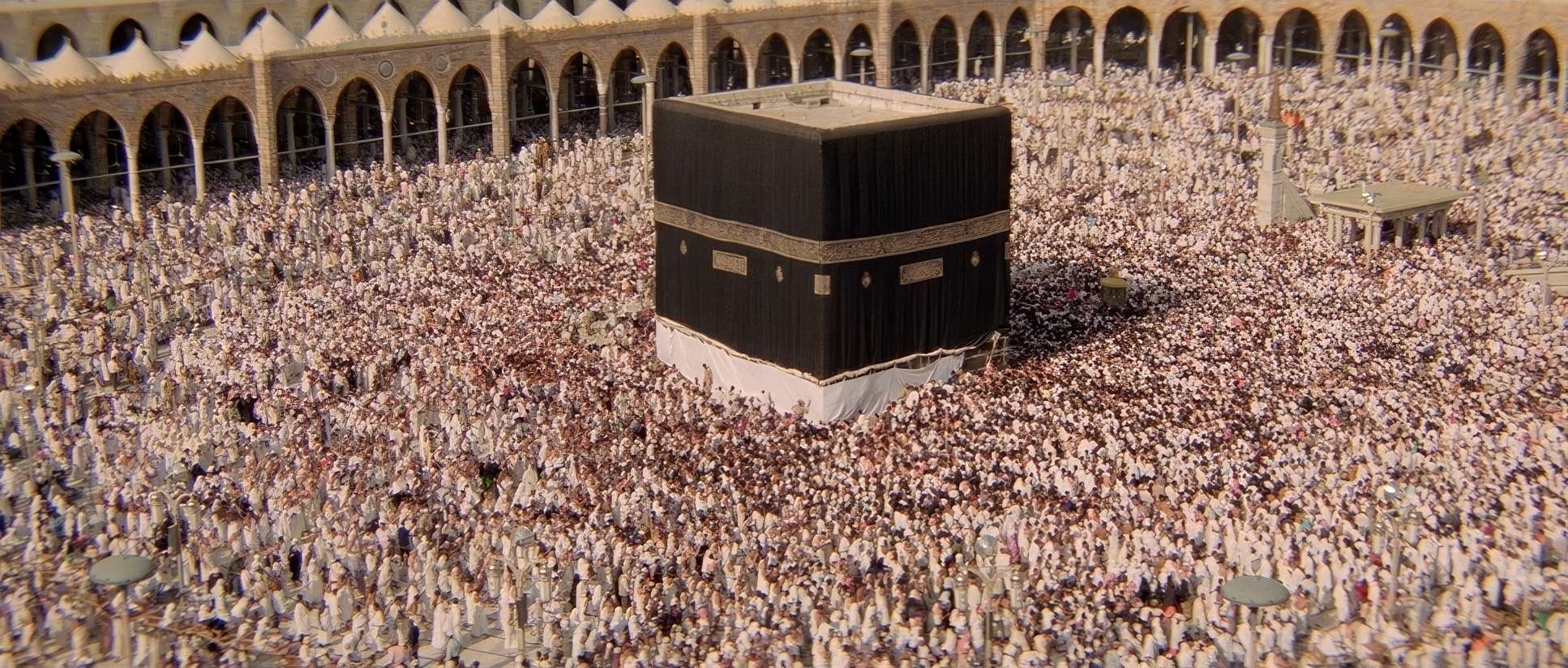
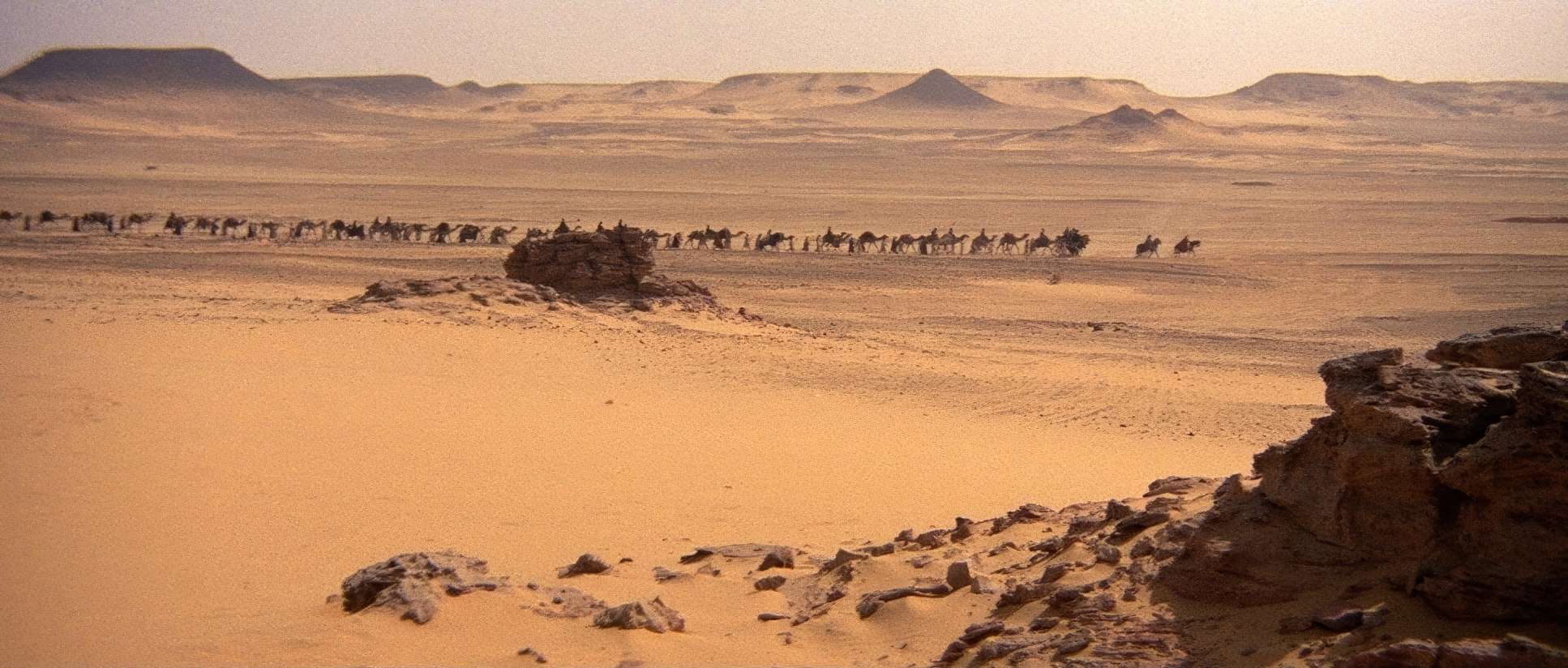
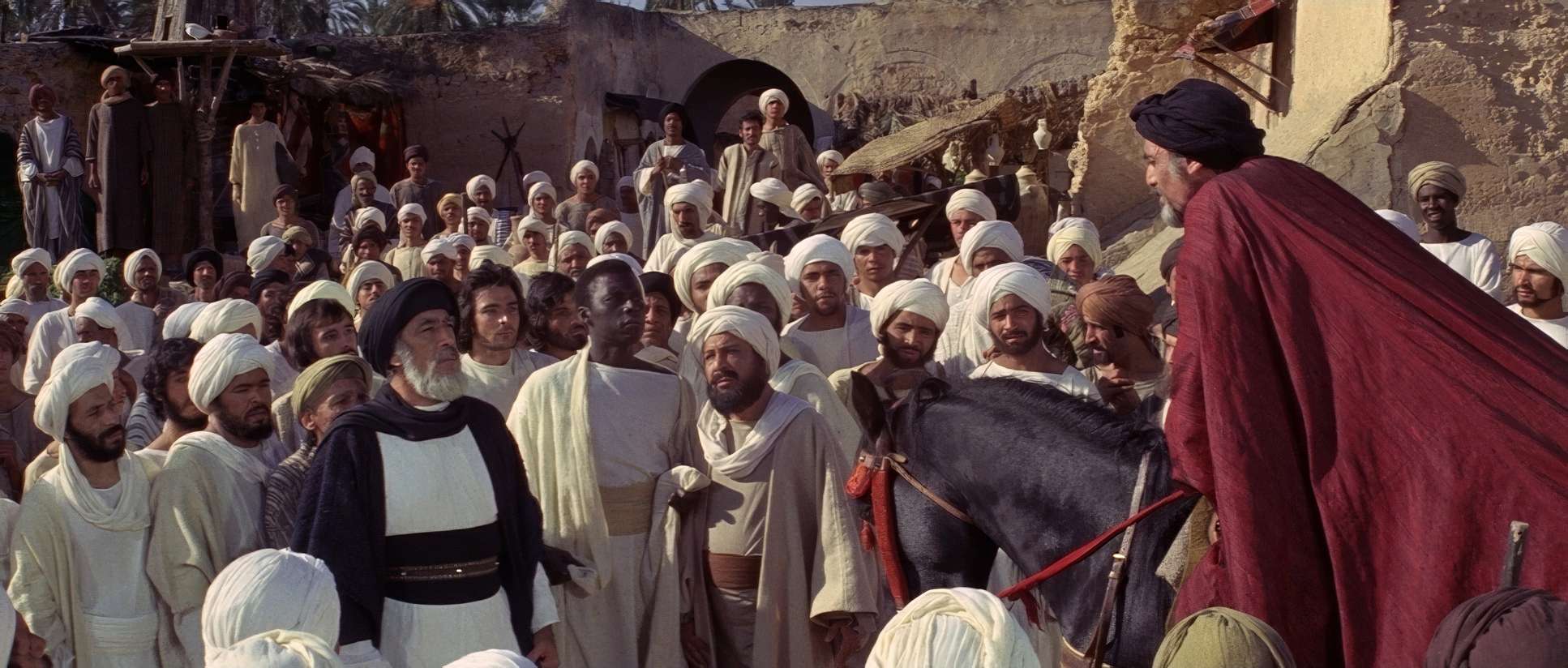
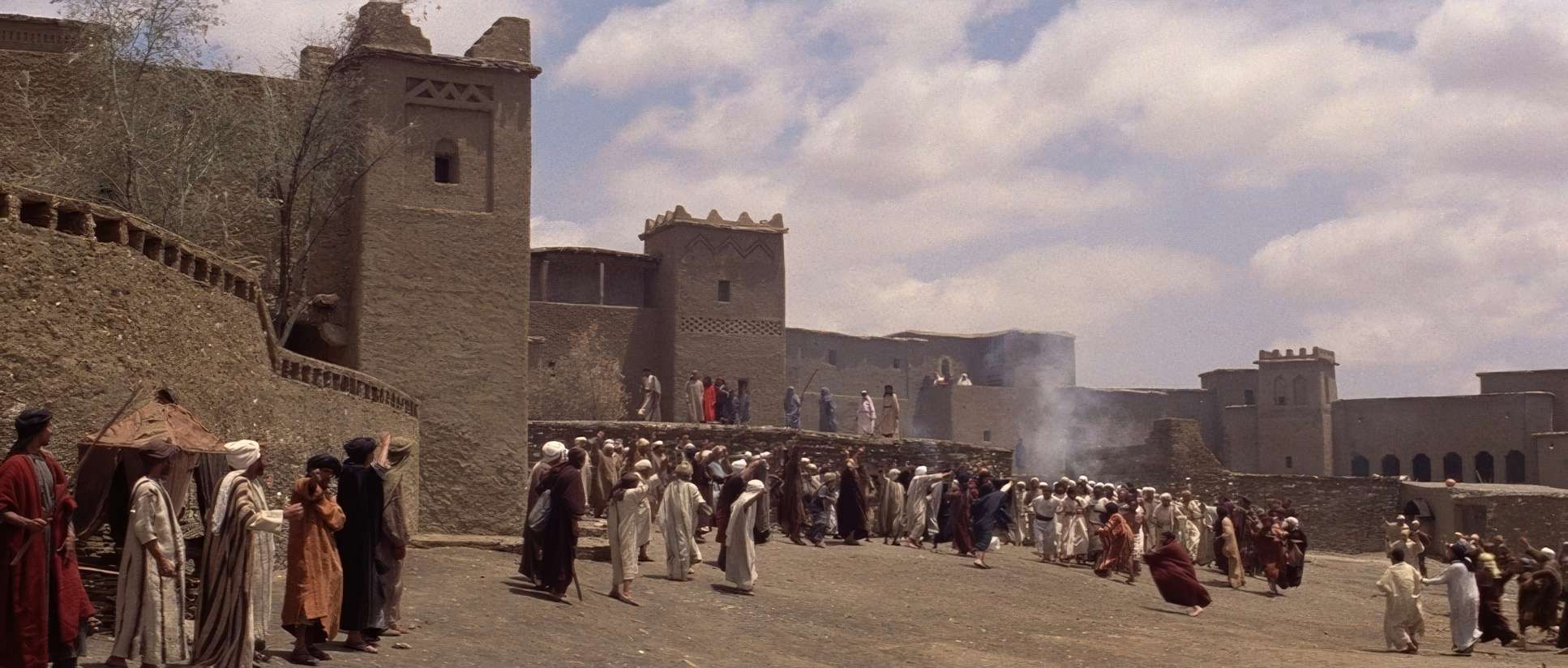
The frames are bold. They used the 2.35:1 anamorphic aspect ratio to its full potential. You often see human figures dwarfed by massive dunes, which sells the idea of a small group of people taking on the world.
But my favorite thing is how they used “negative space.” When characters speak to the Prophet, the framing is intentionally off-balance. They leave a void in the frame where he would be. The actors are blocked to converge their gazes on that empty space. It’s brilliant. That “hole” in the composition becomes the most important part of the shot. It draws your eye more than the actors who are actually on screen.
Lensing and Blocking

The lens choices are very deliberate. They used wide glass for the environments to sell the isolation of the desert, but they moved to longer, more compressed lenses for the emotional beats.
The blocking is where the real “magic trick” happens. Characters like Hamza (played by Anthony Quinn) or Zayd are essentially our emotional proxies. Because we can’t see the Prophet’s face, we have to read his impact on their faces. The way they position themselves always slightly subservient or focused on that off-camera point—is what builds the Prophet’s “presence.” It’s a masterclass in directing the audience’s imagination through physical positioning.
Technical Aspects & Tools
The Message (1976)
Technical Specifications: 35mm Film | 2.35:1 Anamorphic
| Genre | Action, Adventure, Drama, Epic, History, Biopic |
| Director | Moustapha Akkad |
| Cinematographer | Jack Hildyard |
| Production Designer | Tambi Larsen, Maurice Fowler |
| Costume Designer | Phyllis Dalton |
| Editor | John Bloom |
| Time Period | Medieval: 500-1400 |
| Color | Warm |
| Aspect Ratio | 2.35 – Anamorphic |
| Format | Film – 35mm |
| Lighting | Hard light |
| Lighting Type | Daylight, Sunny |
| Story Location | Near East |
| Filming Location | Africa > Libya |
You have to respect the logistics of this shoot. 1976. 35mm film. Morocco and Libya. Immense heat, sand getting into every gear and sprocket, and no digital playback to check if you “got the shot.”
They were likely using Arri 35BLs or Panavision kits heavy, mechanical beasts. Shooting on film in the desert is a high-wire act. You’re dealing with limited dynamic range compared to a modern Alexa, so your exposure has to be spot on. Every frame was a physical commitment. When I think about the lab work required to get those dailies back and the physical splicing of the negative, it makes the polished result even more impressive.
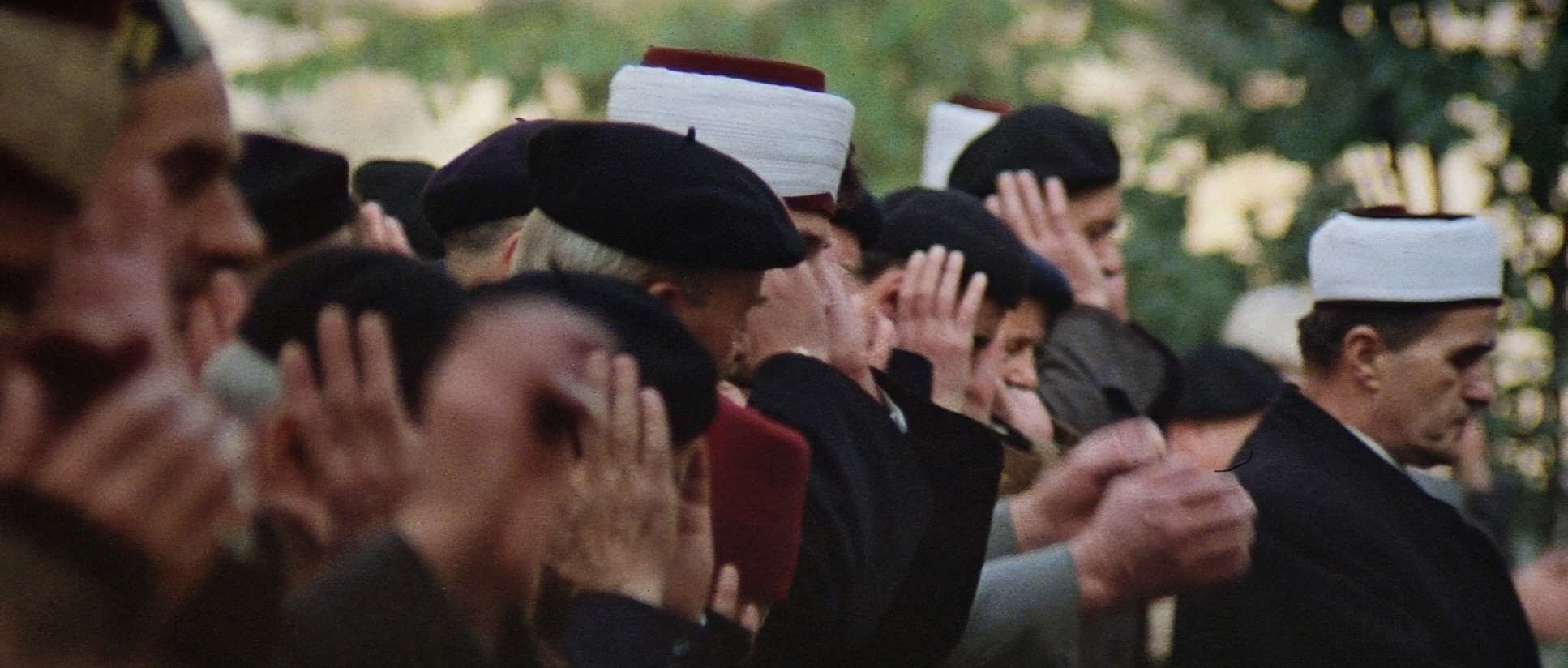
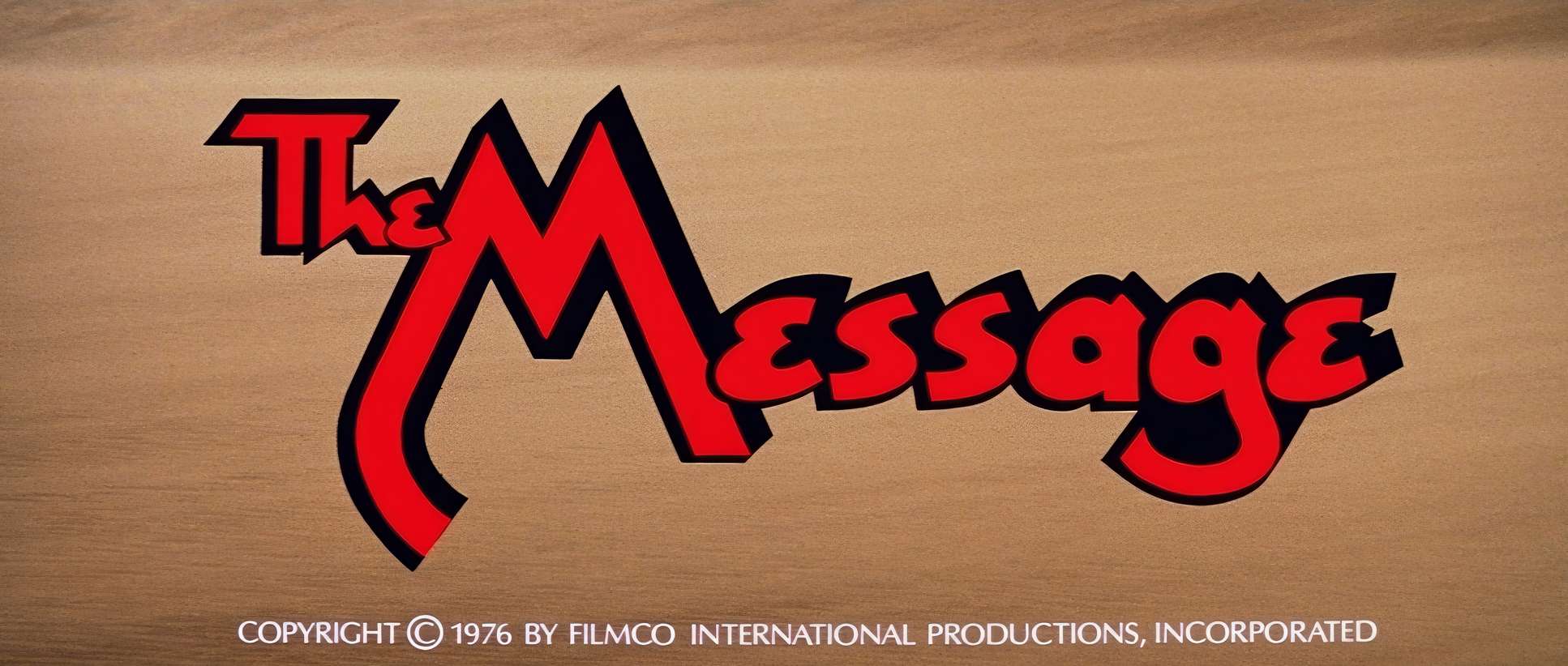
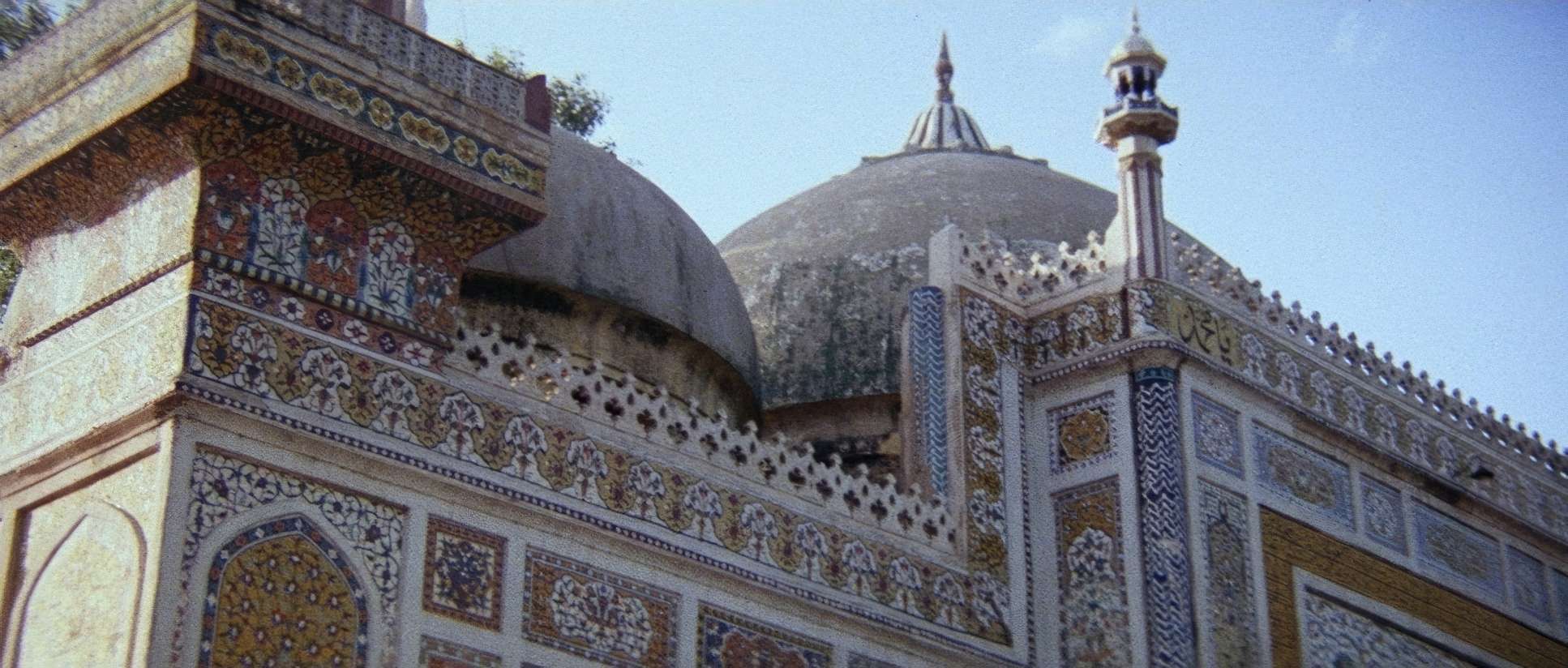
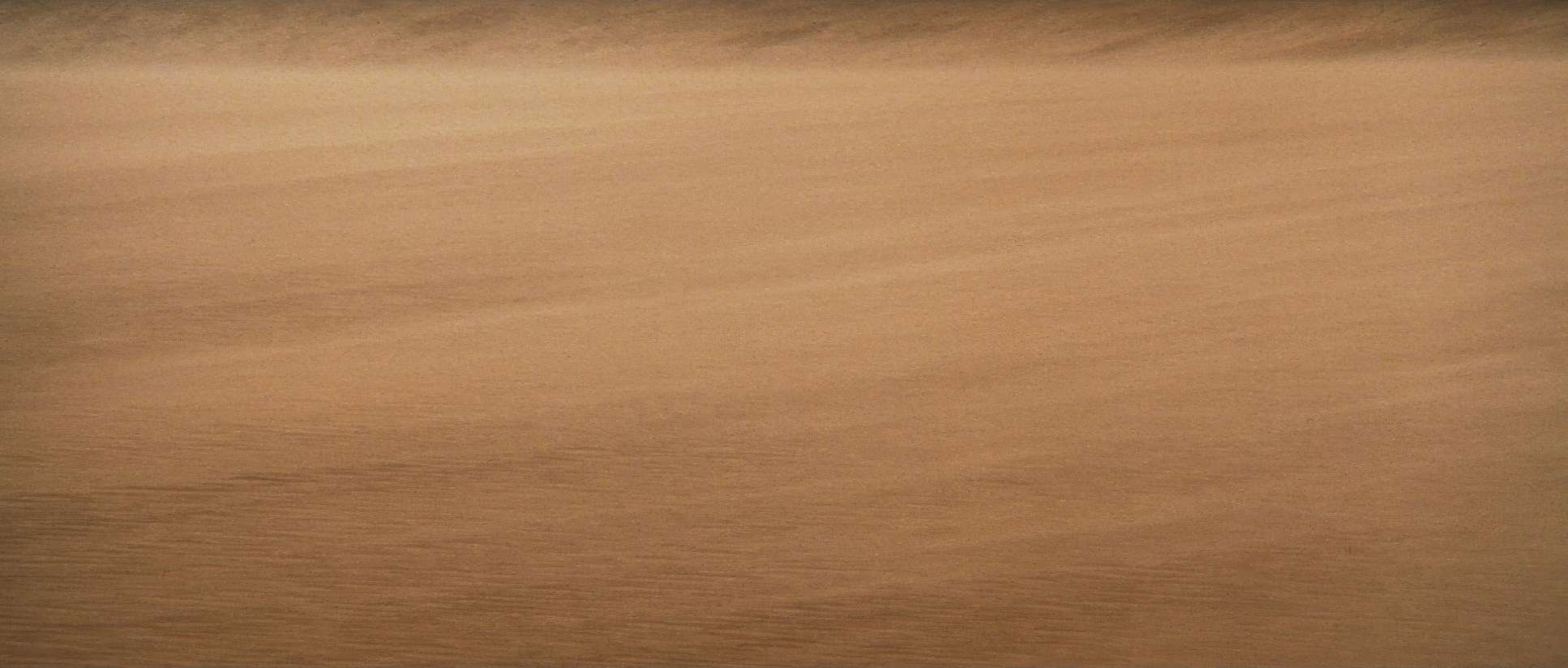
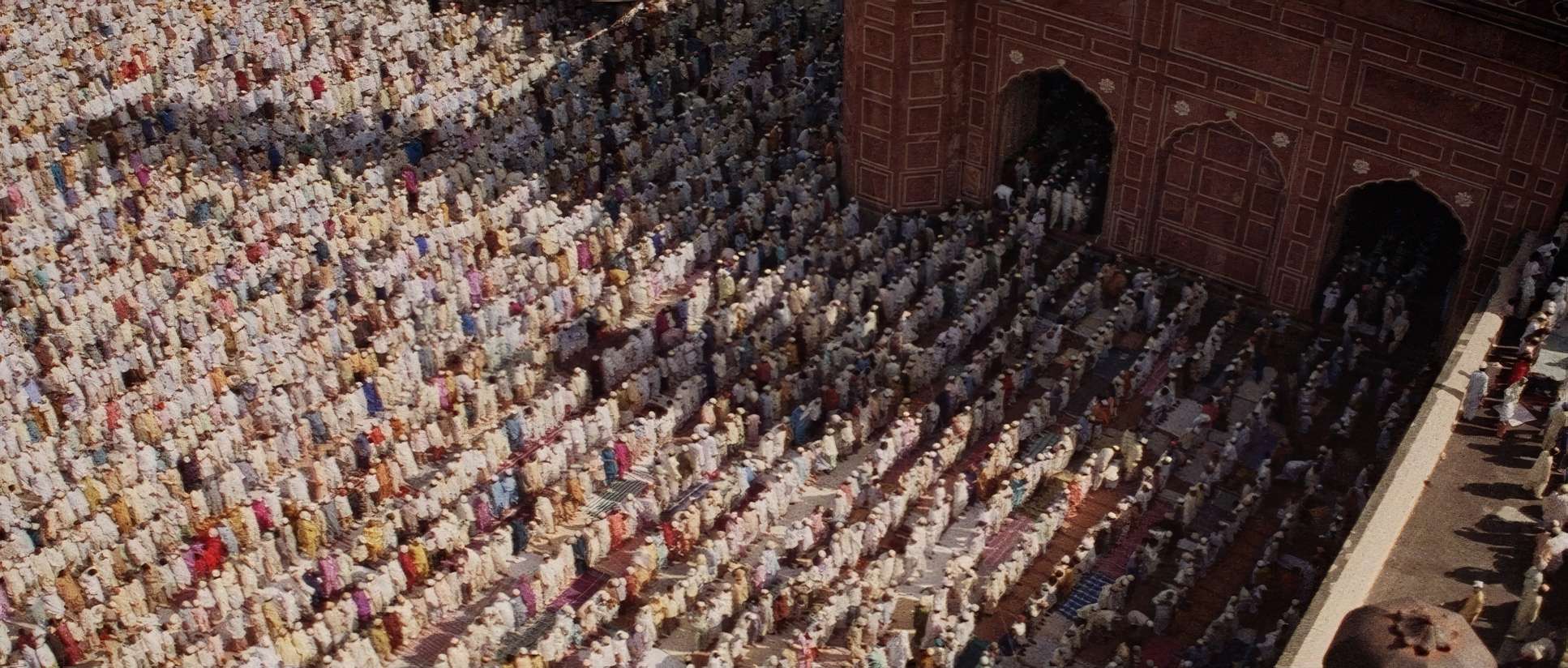
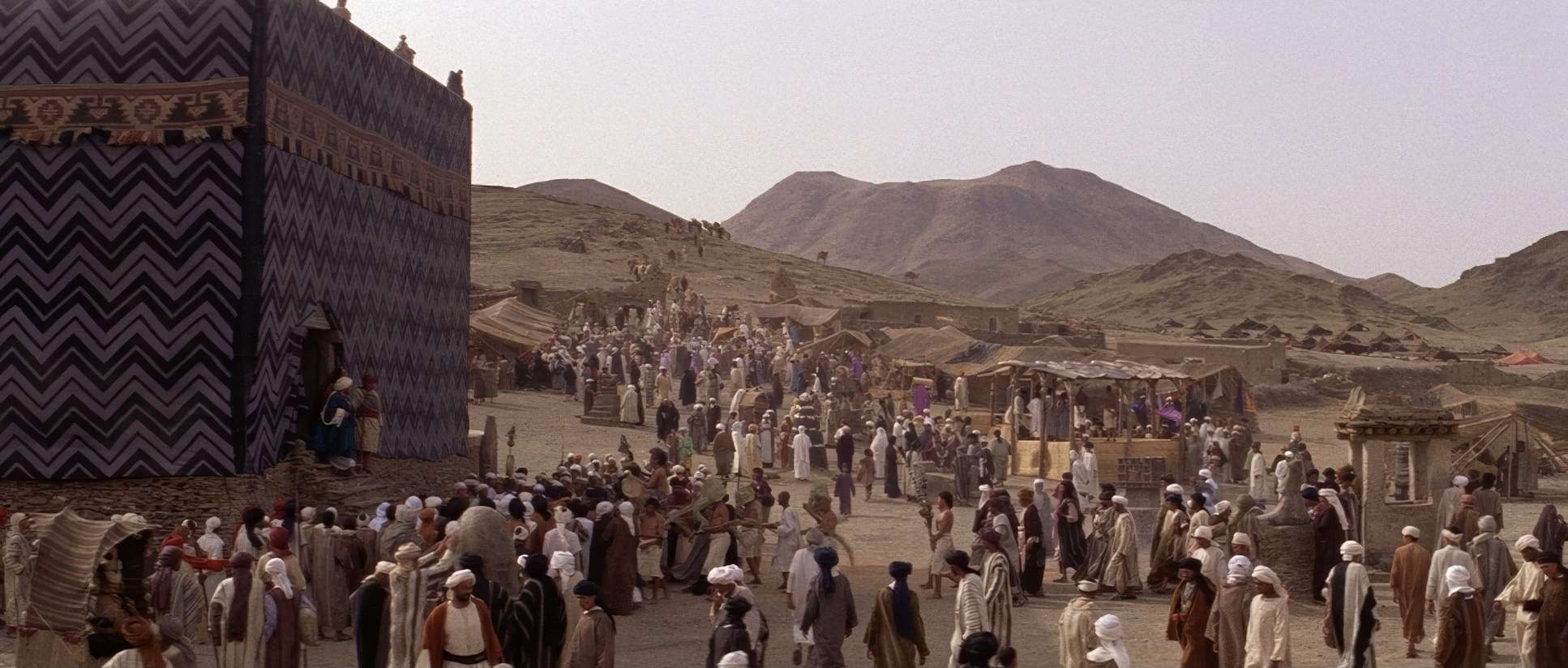
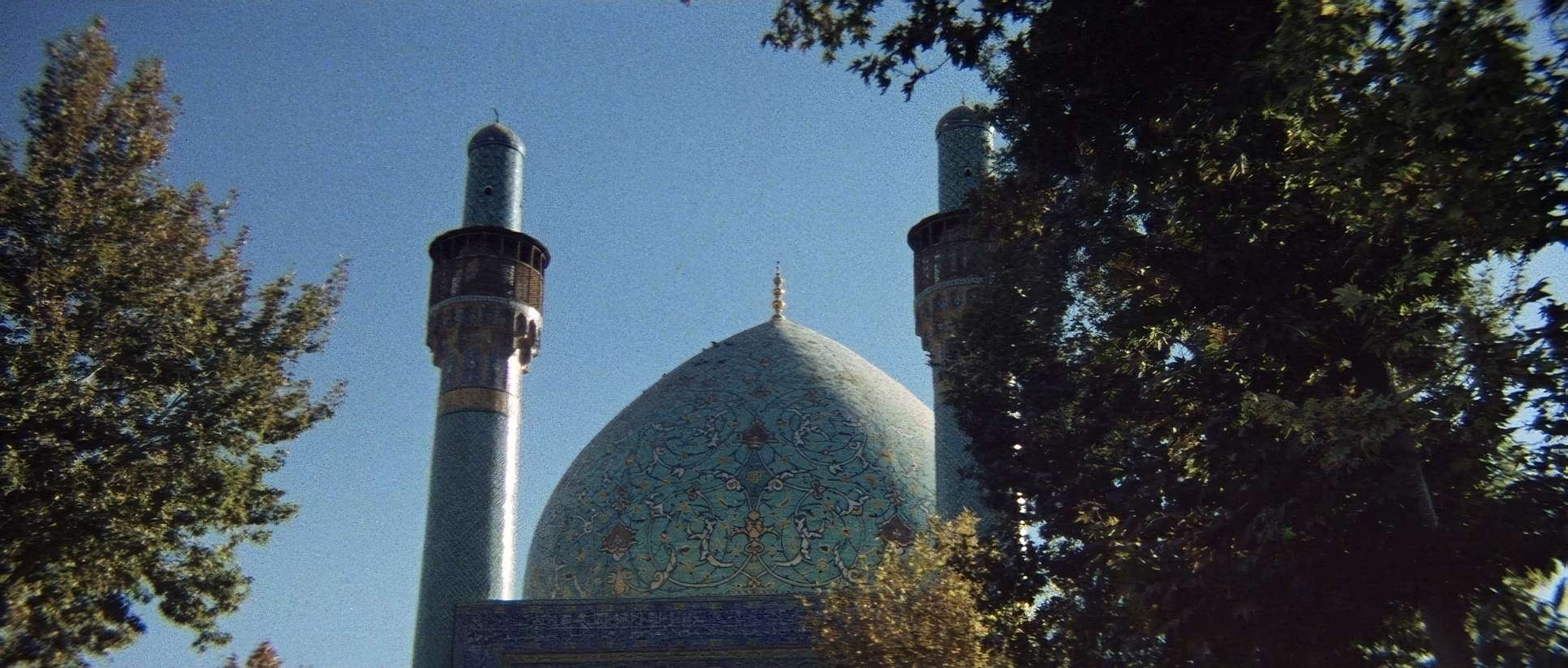
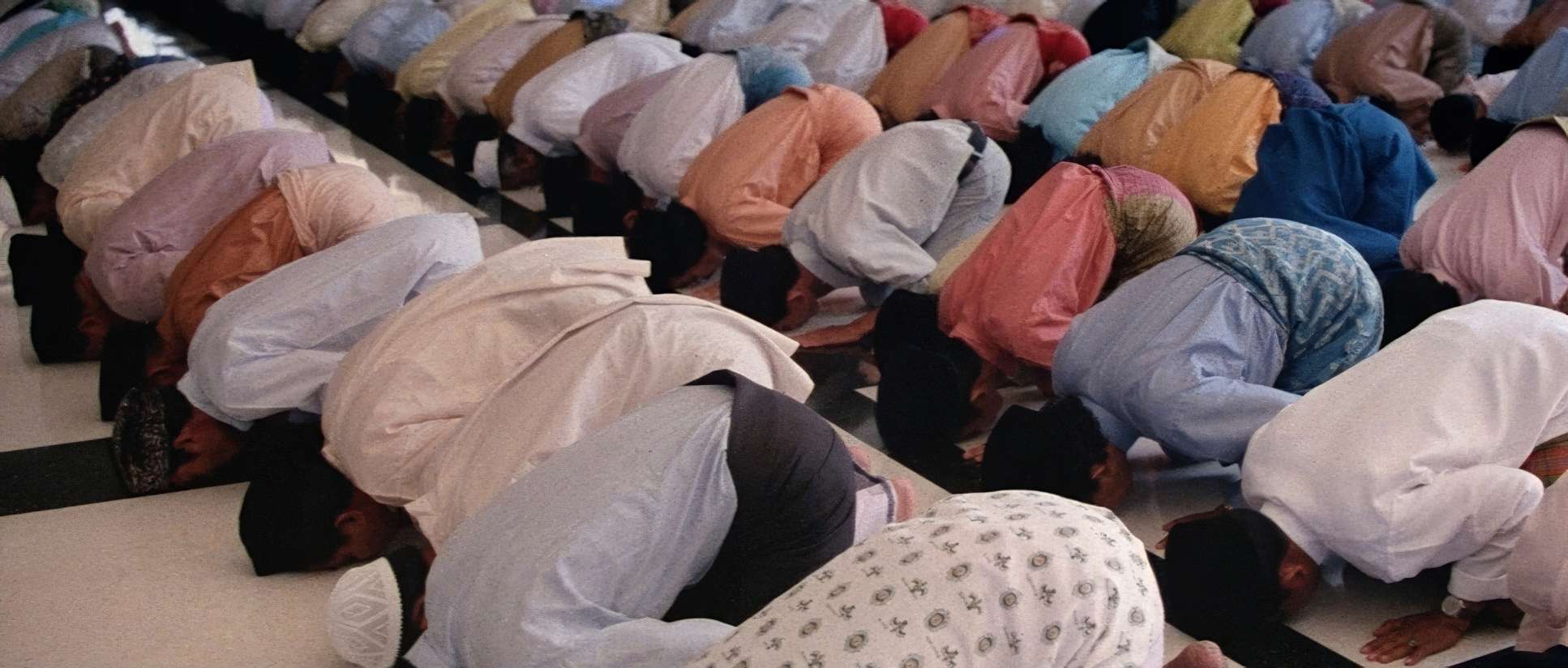
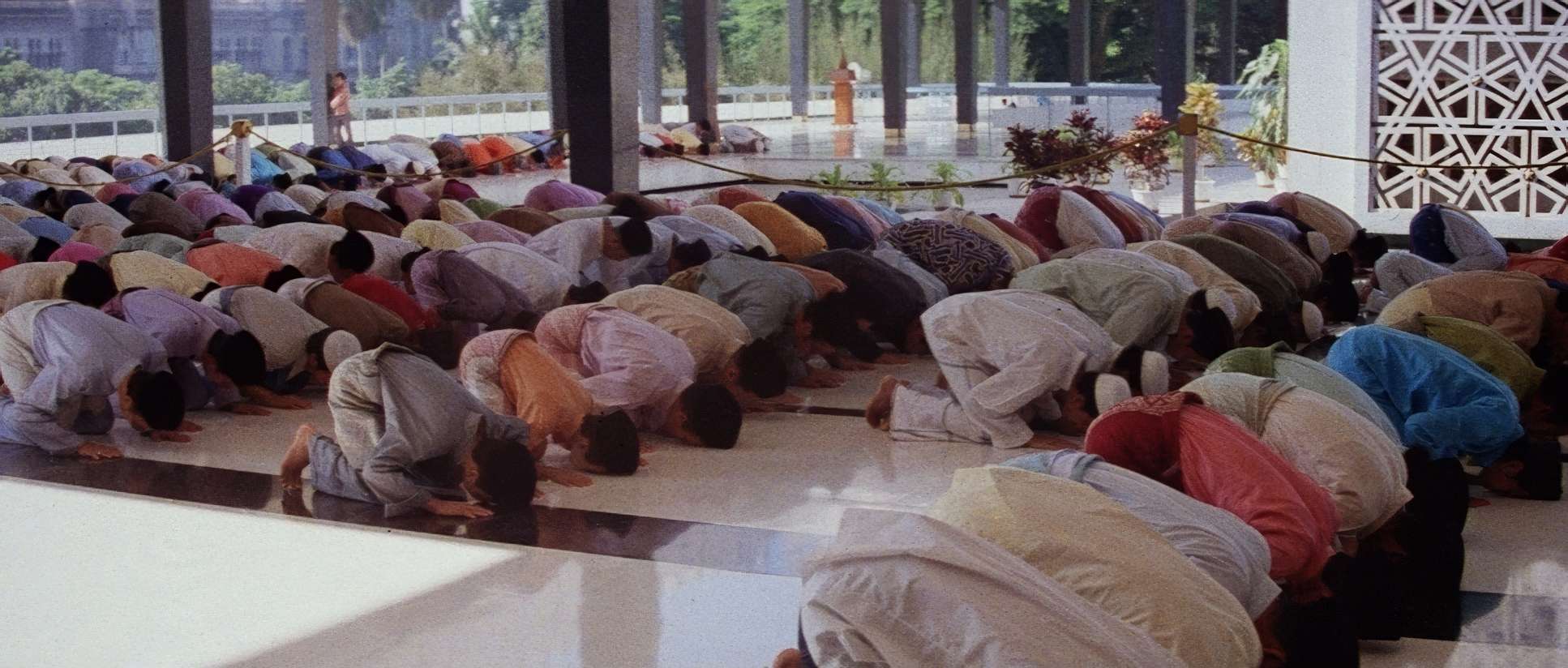
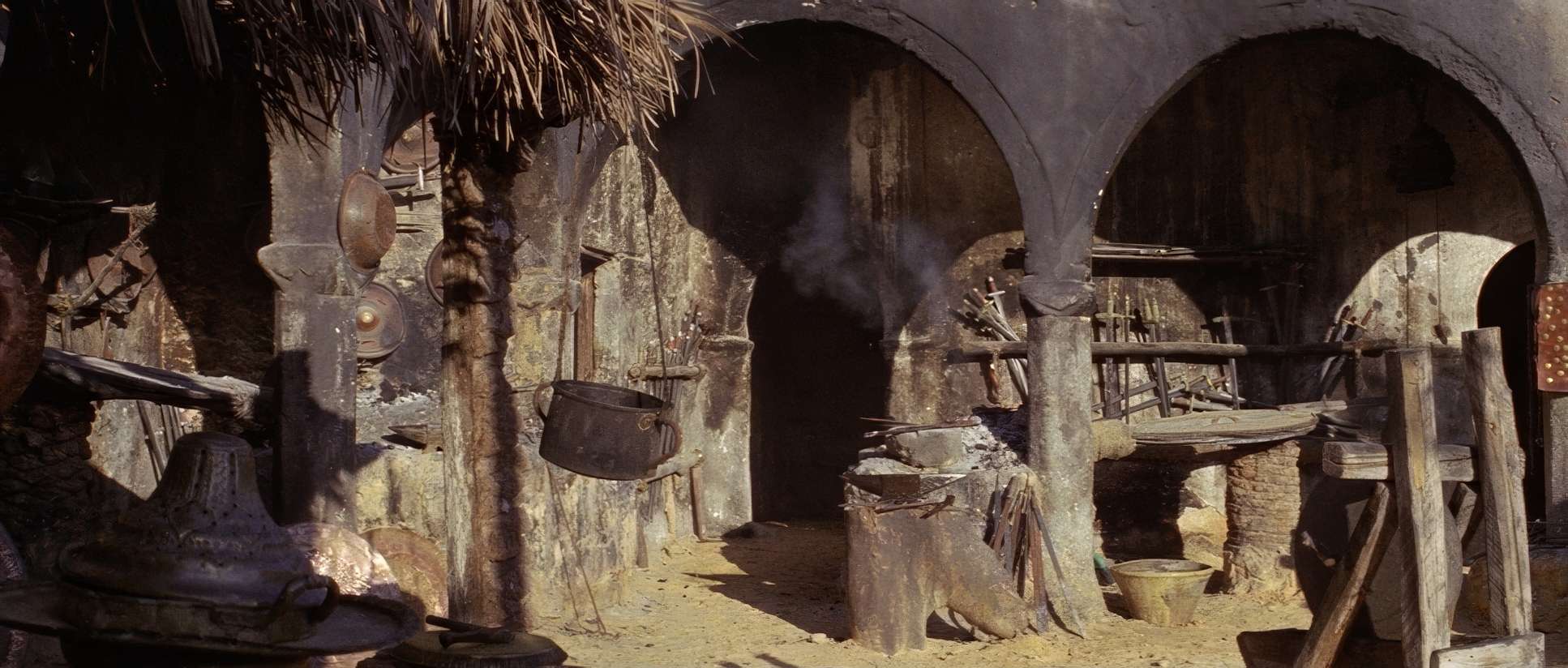
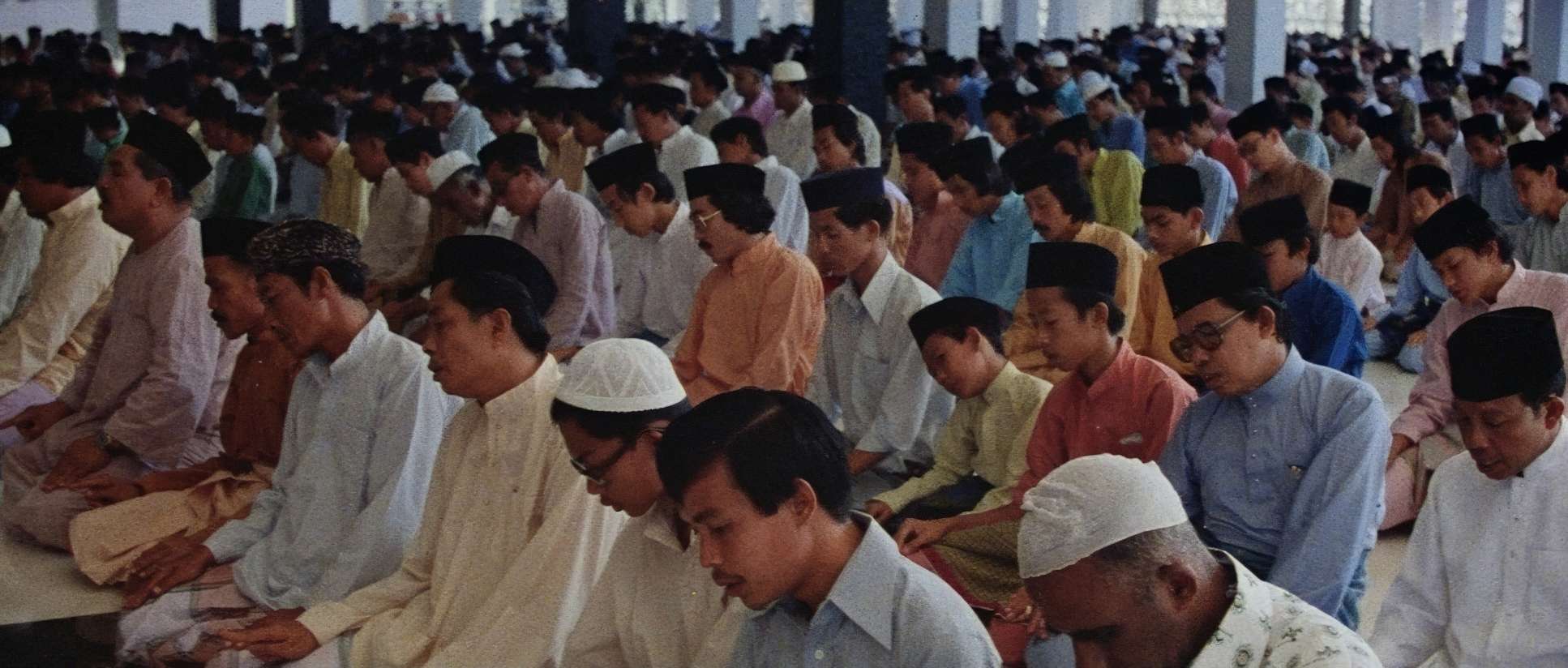
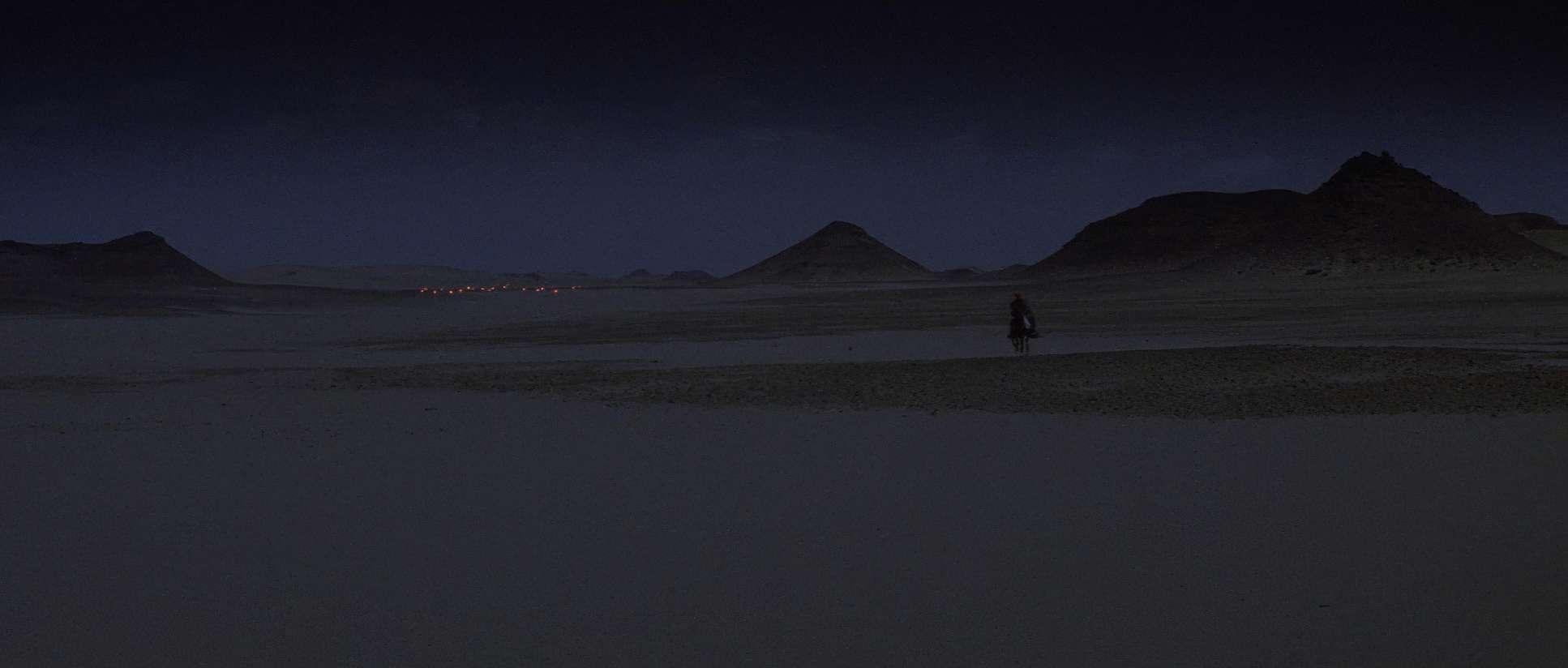
The Message (1976) Film Stills
A curated reference archive of cinematography stills from The Message (1976). Study the lighting, color grading, and composition.












- Also read: WOLF CHILDREN (2012) – CINEMATOGRAPHY ANALYSIS
- Also read: SUNRISE (1927) – CINEMATOGRAPHY ANALYSIS
Browse Our Cinematography Analysis Glossary
Explore directors, cinematographers, cameras, lenses, lighting styles, genres, and the visual techniques that shape iconic films.
Explore Glossary →