Donnie Brasco (1997) is one such film that consistently pulls me back in. It’s a masterclass in weaving a deep, moral conflict into the very fabric of its visual language, making the audience feel the grit, the paranoia, and the crushing weight of a double life.
The film is a raw exploration of identity, loyalty, and the brutal realities of the mob underworld, anchored by stellar performances from Johnny Depp and Al Pacino. The true story of FBI agent Joseph Pistone, alias Donnie Brasco, who infiltrated the New York City mob in the late 70s, is inherently dramatic. However, it’s the cinematography led by Director of Photography Peter Sova that elevates it beyond a mere crime drama, making it a truly haunting experience. Even Sammy “The Bull” Gravano articulated a visceral reaction to the film, noting how it “made me sick” to see the agent setting up people he knew would be killed. This gut-level rejection of mob “glamour” is exactly what Sova captures; the visuals deliberately strip away the romanticism, leaving only the grime and the consequences.
About the Cinematographer
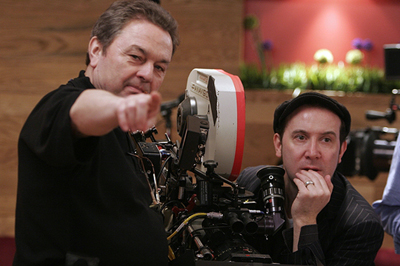
Peter Sova, whose work often leans into a grounded, atmospheric realism, was the perfect choice for Donnie Brasco. Sova has a knack for creating images that feel lived-in rather than polished. His filmography, including collaborations with Mike Newell like Good Morning, Vietnam, showcases a preference for honest, unvarnished aesthetics. In Donnie Brasco, he avoids grand, operatic sweeps in favor of an intimately observational style. This approach was crucial for a narrative so dependent on the internal struggle of Joseph Pistone and the worn-down vulnerability of Al Pacino’s Lefty Ruggiero. Sova understands that the most powerful visual statement often comes from simply allowing a moment to breathe under harsh, honest light.
Inspiration Behind the Cinematography
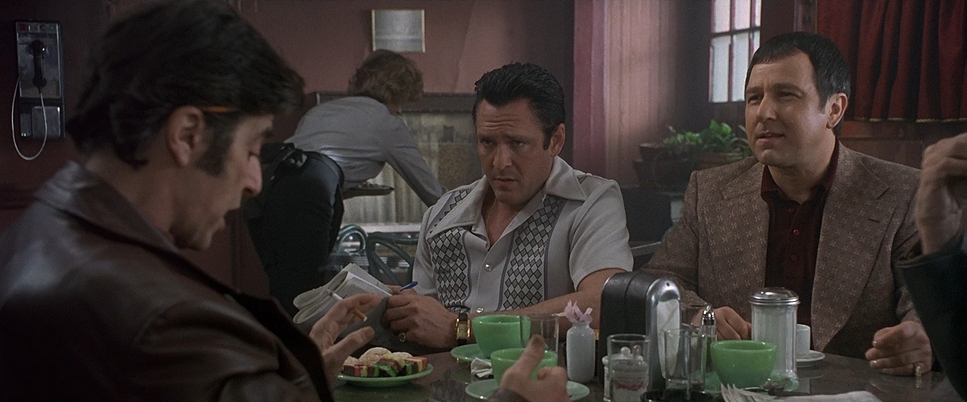
The visual DNA of Donnie Brasco is rooted in the gritty realism of 1970s American crime cinema. It serves as a palate cleanse from more romanticized or hyper-stylized mob tales. The goal wasn’t to glorify, but to immerse the audience in the bleak, claustrophobic world of low-level soldiers struggling for respect.
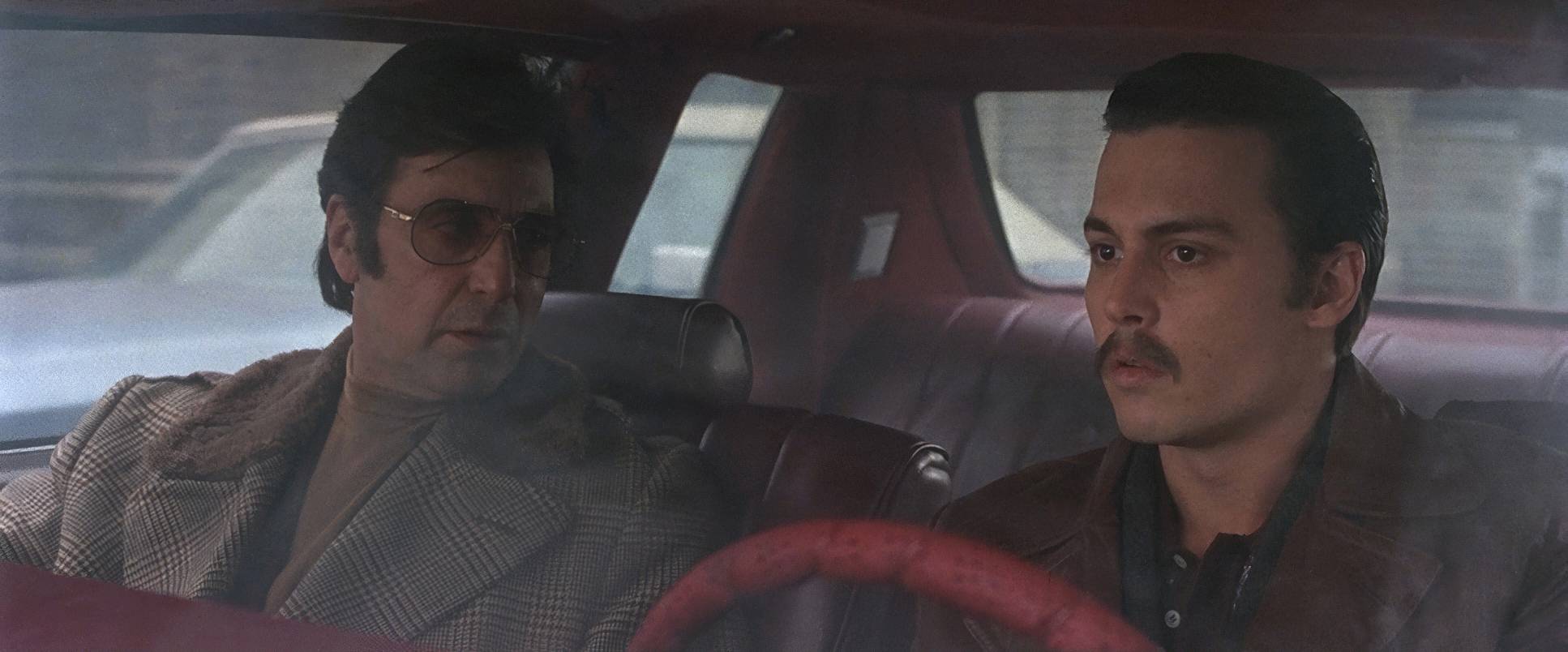
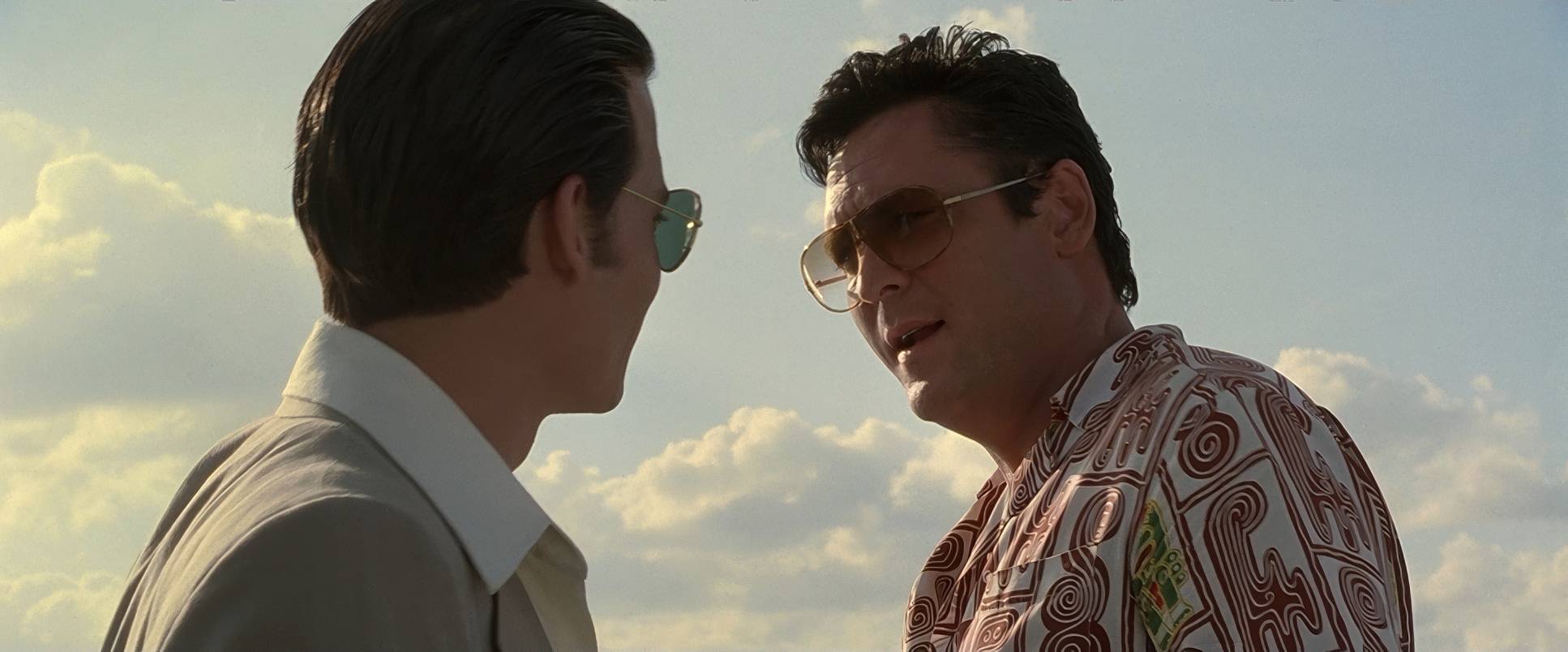
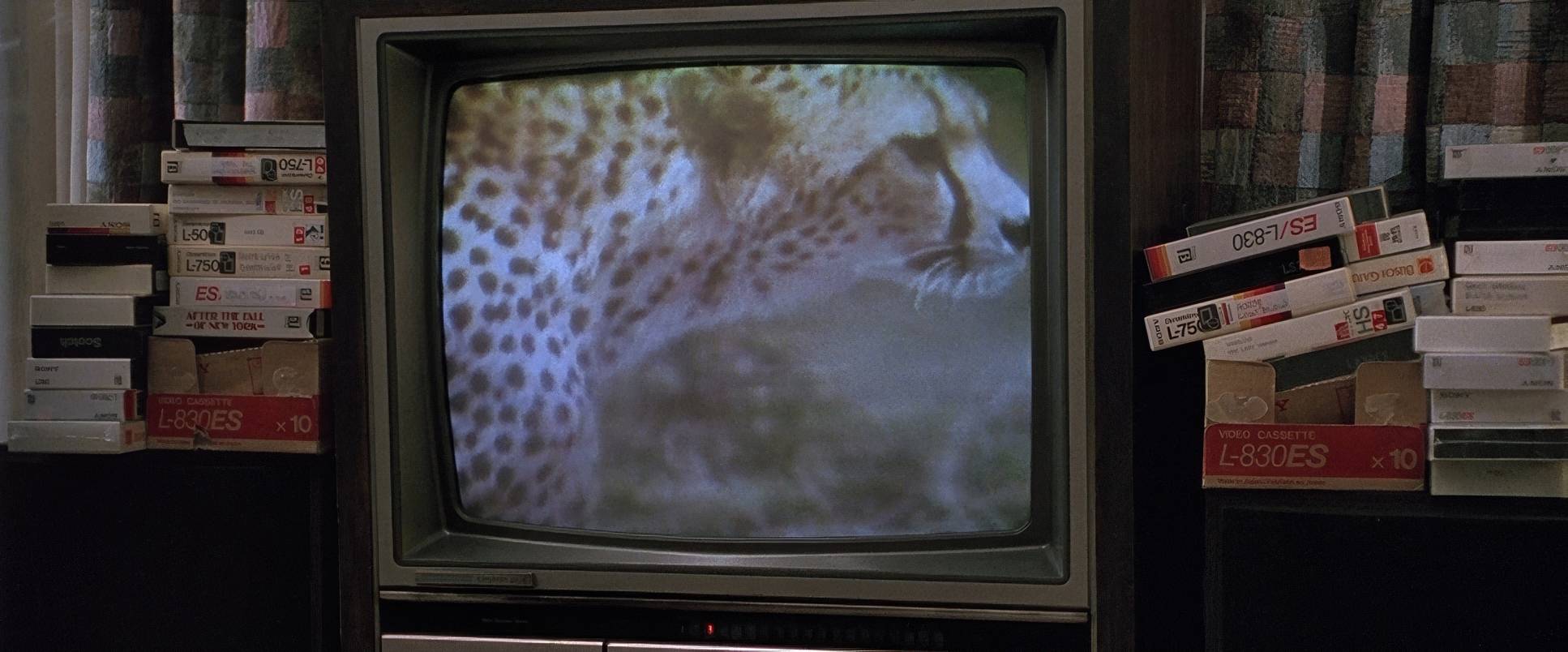
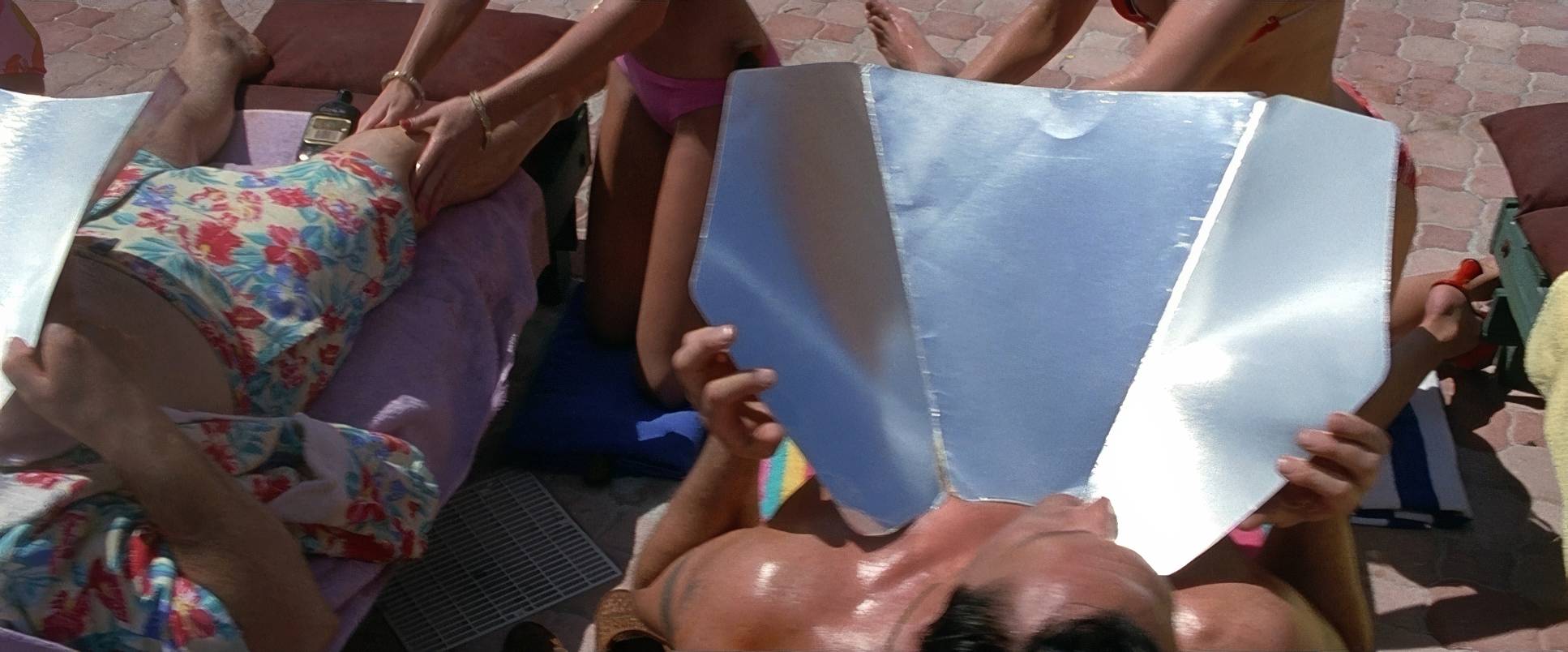
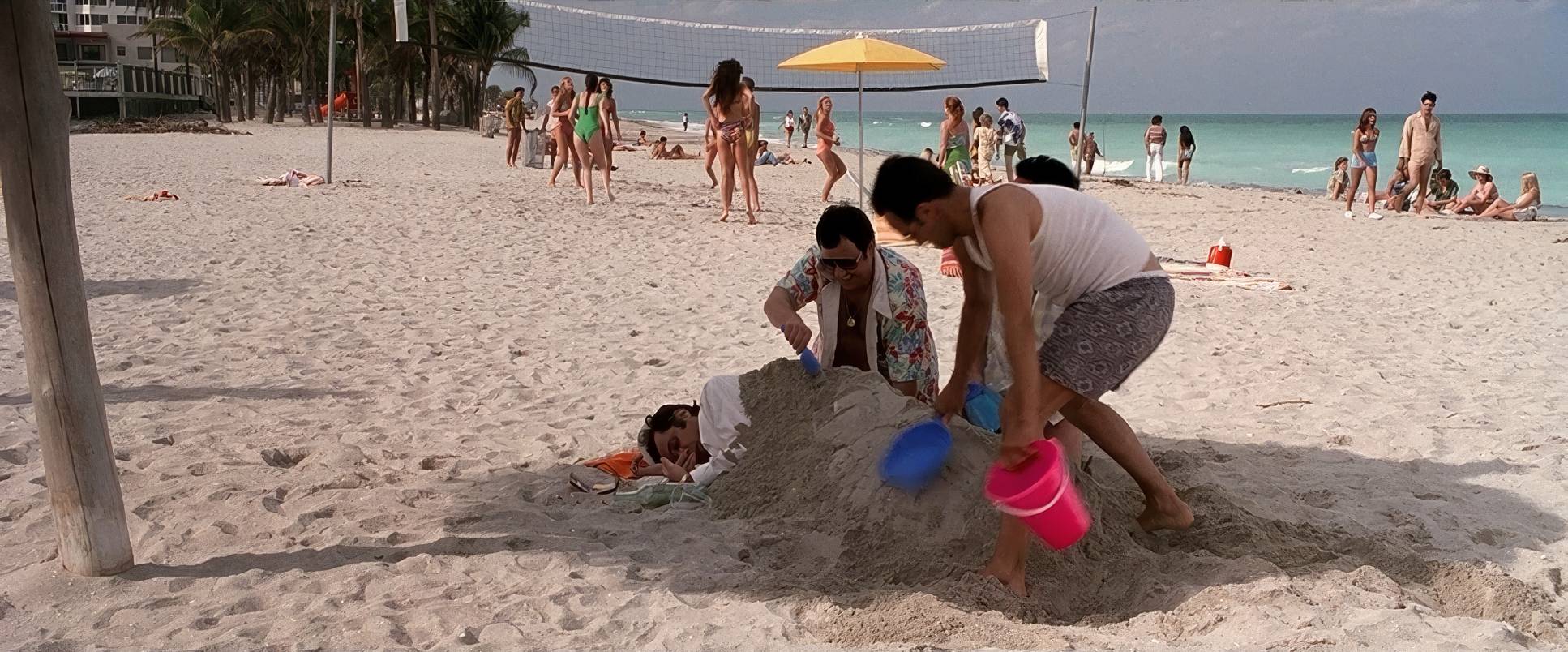
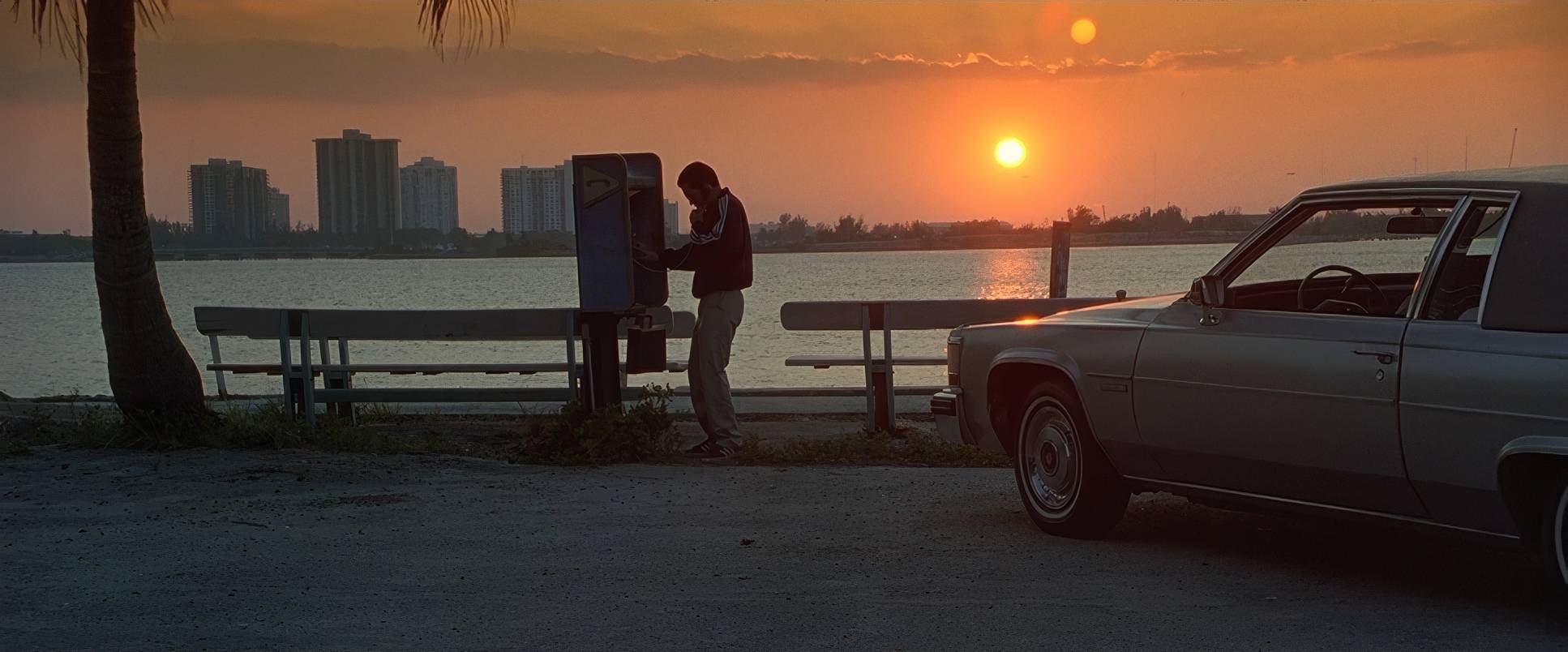
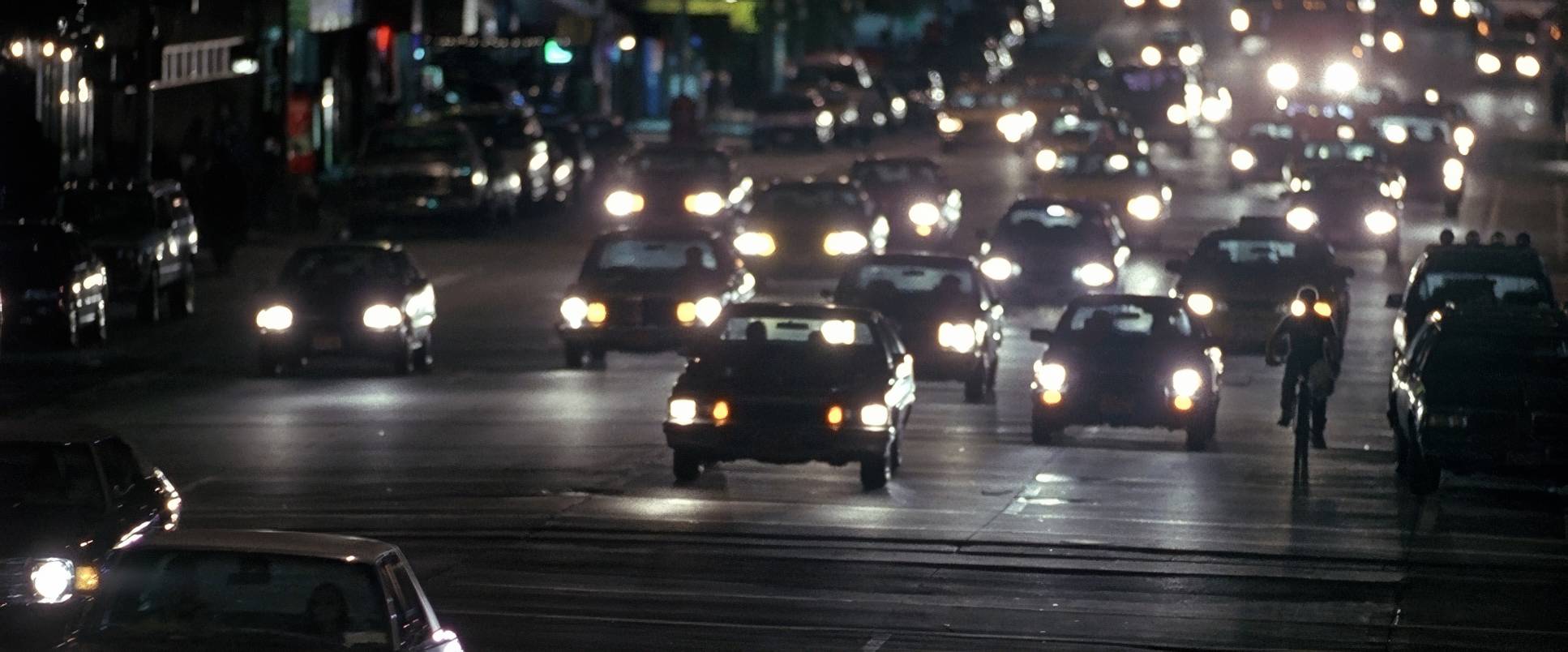
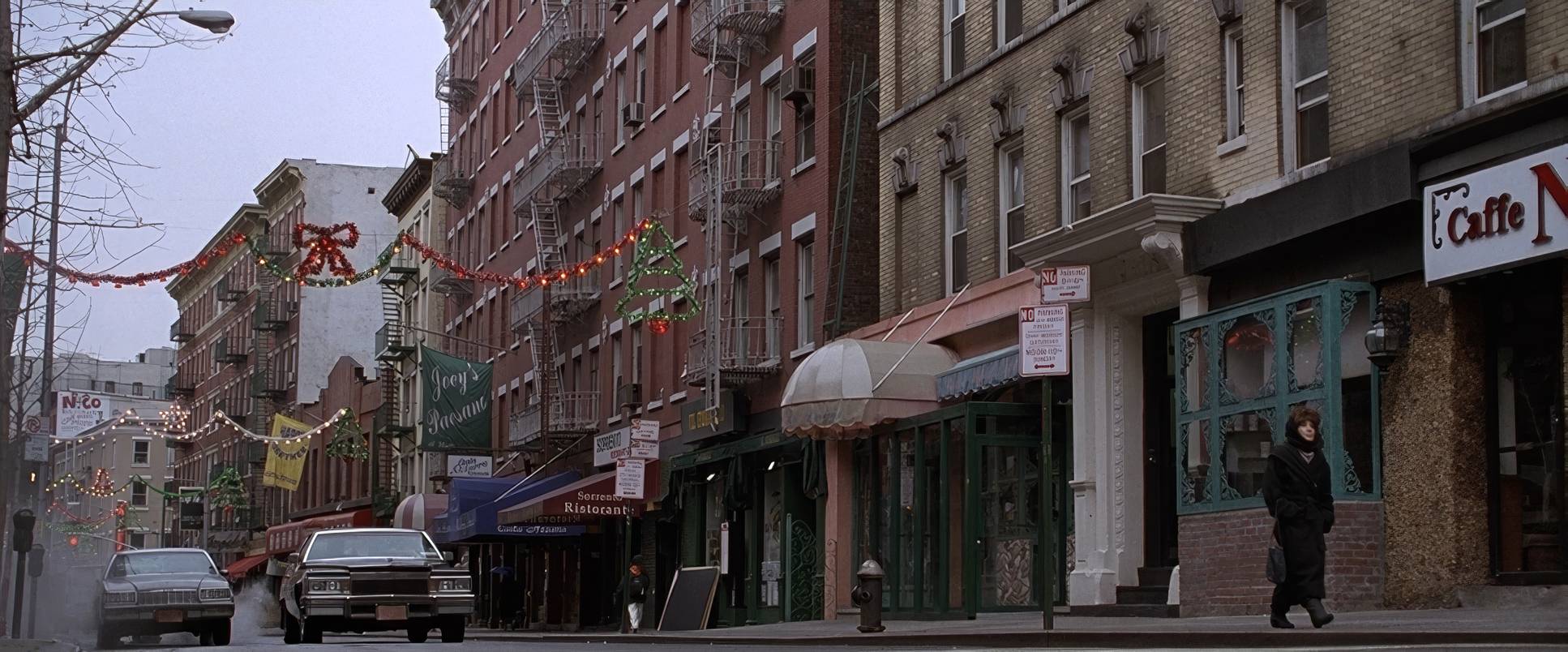
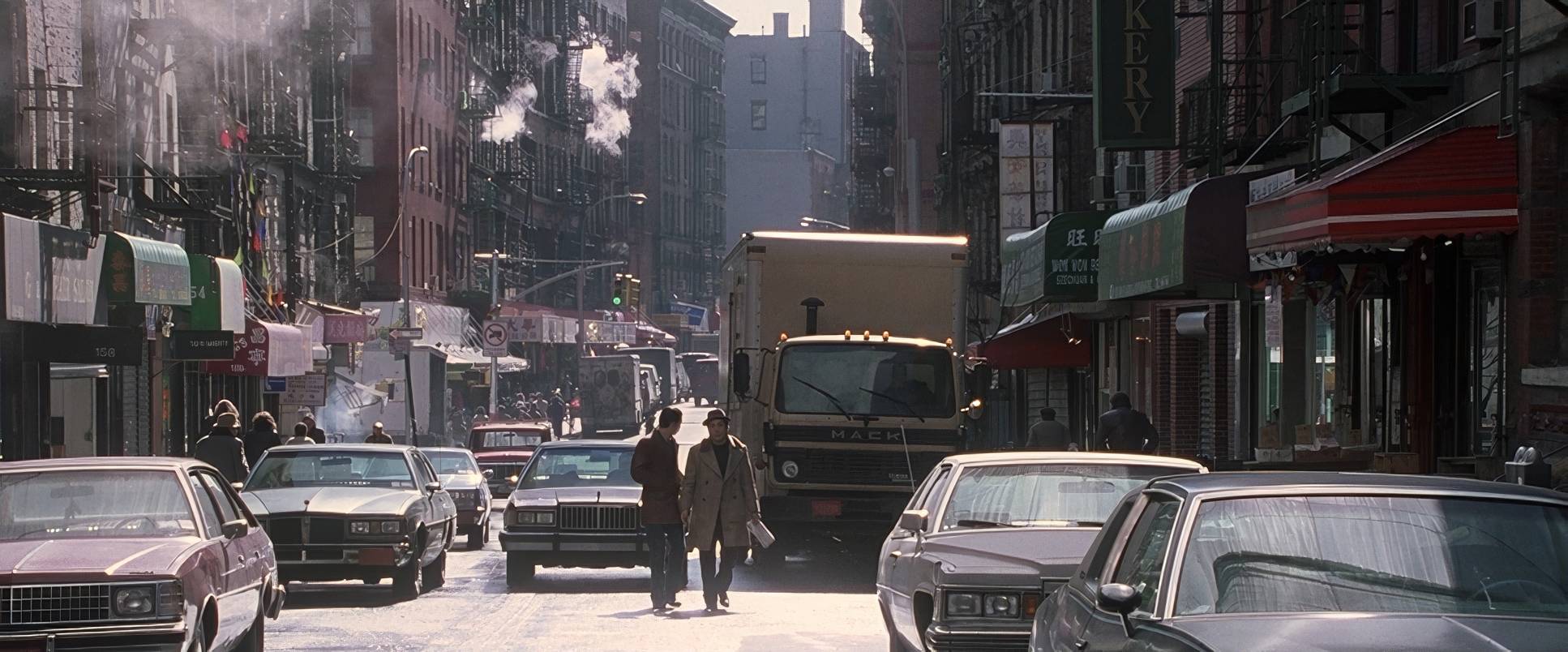
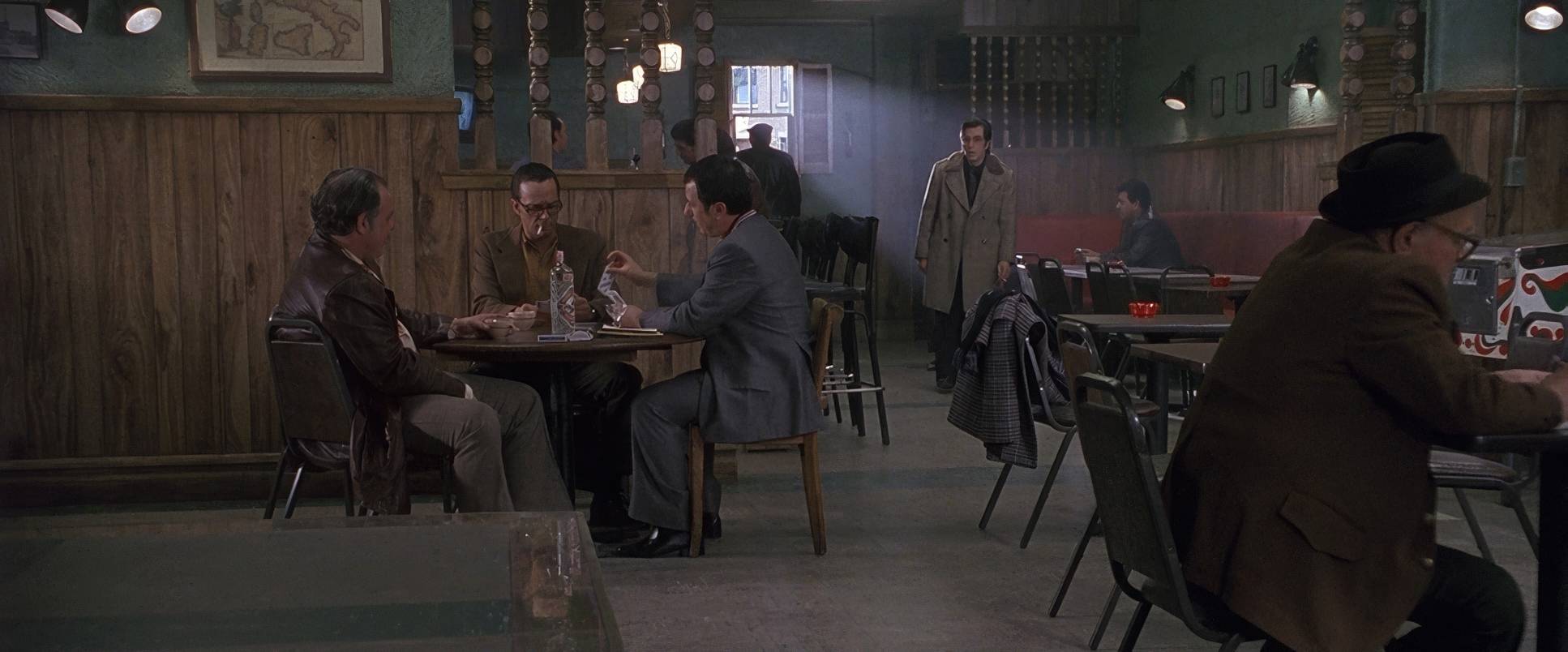
The look had to feel authentic to the period and the locale moving from the oppressive grays of New York City to the sun-bleached, deceptive brightness of Florida. By embracing practical locations, Sova allowed the natural, often unforgiving qualities of these environments to dictate the mood. There’s a palpable sense of urban decay in every frame. The camera often feels like an unseen observer in a smoke-filled room, contributing to the paranoia that defines Donnie’s experience. Every visual choice reinforces Donnie’s escalating isolation, making the external world feel increasingly heavy.
Lighting Style
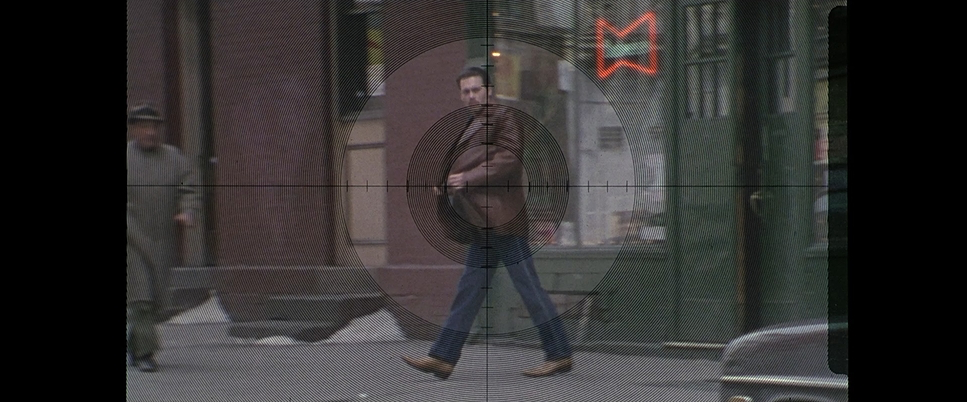
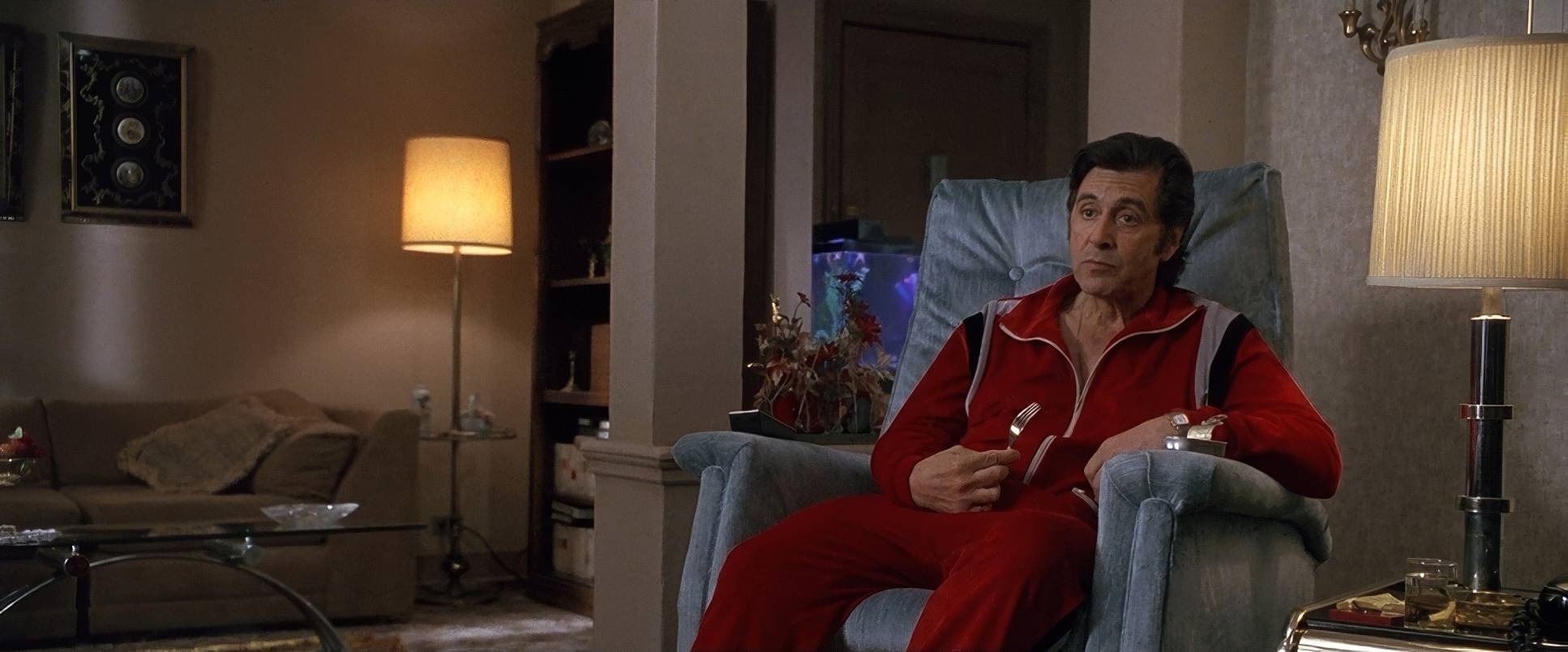
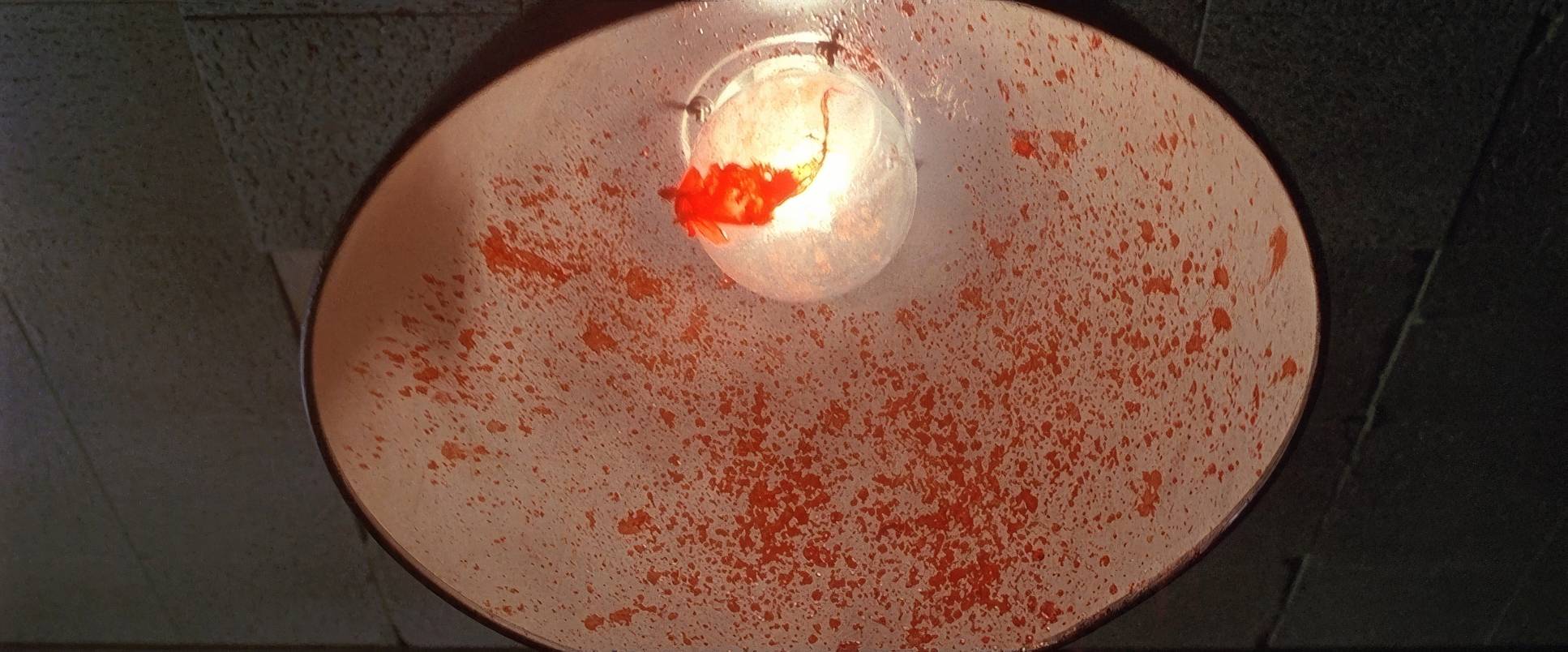
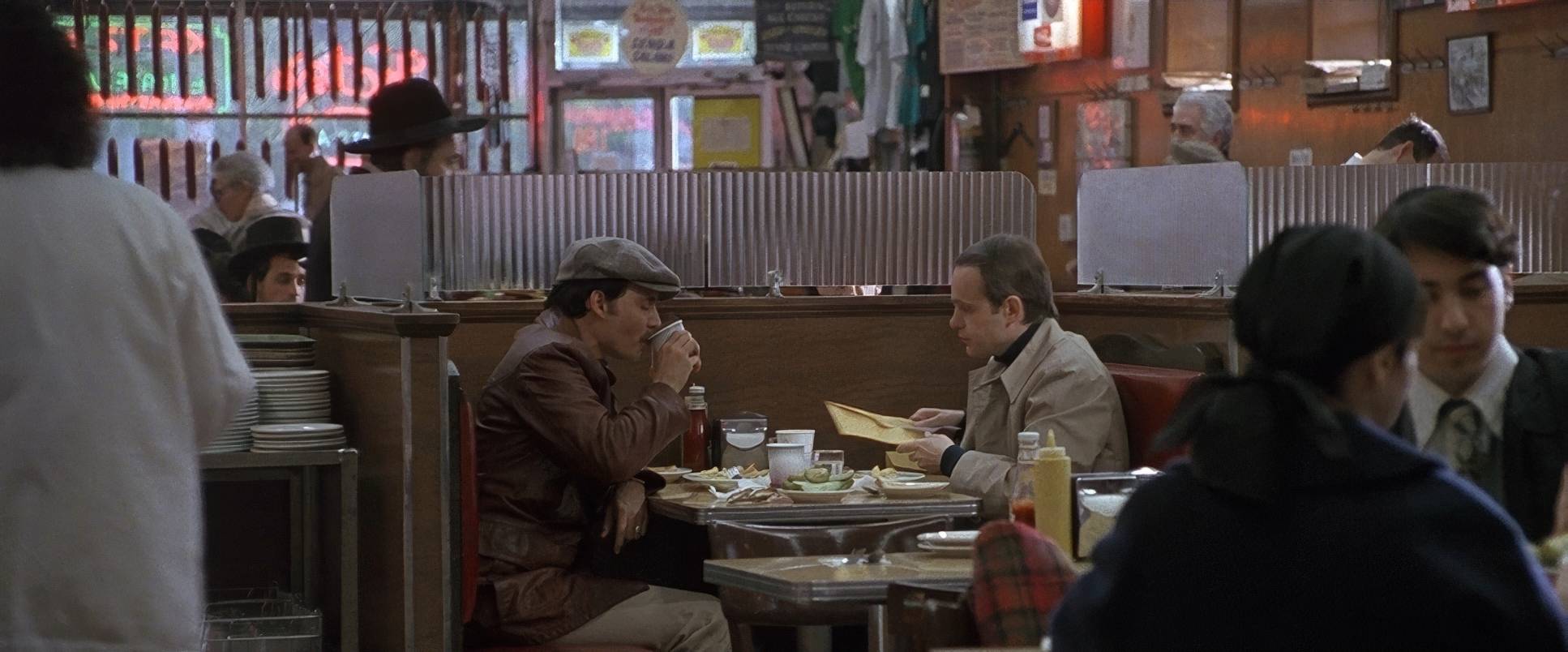
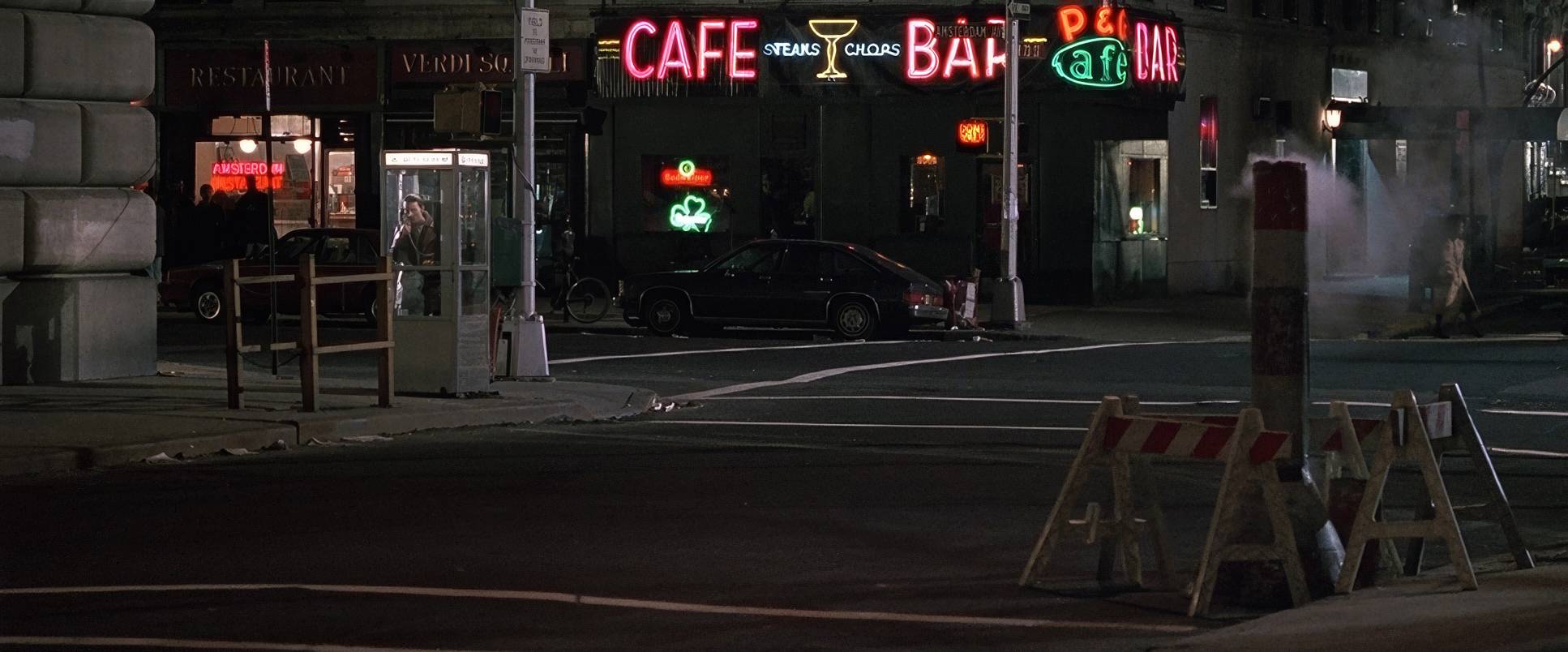
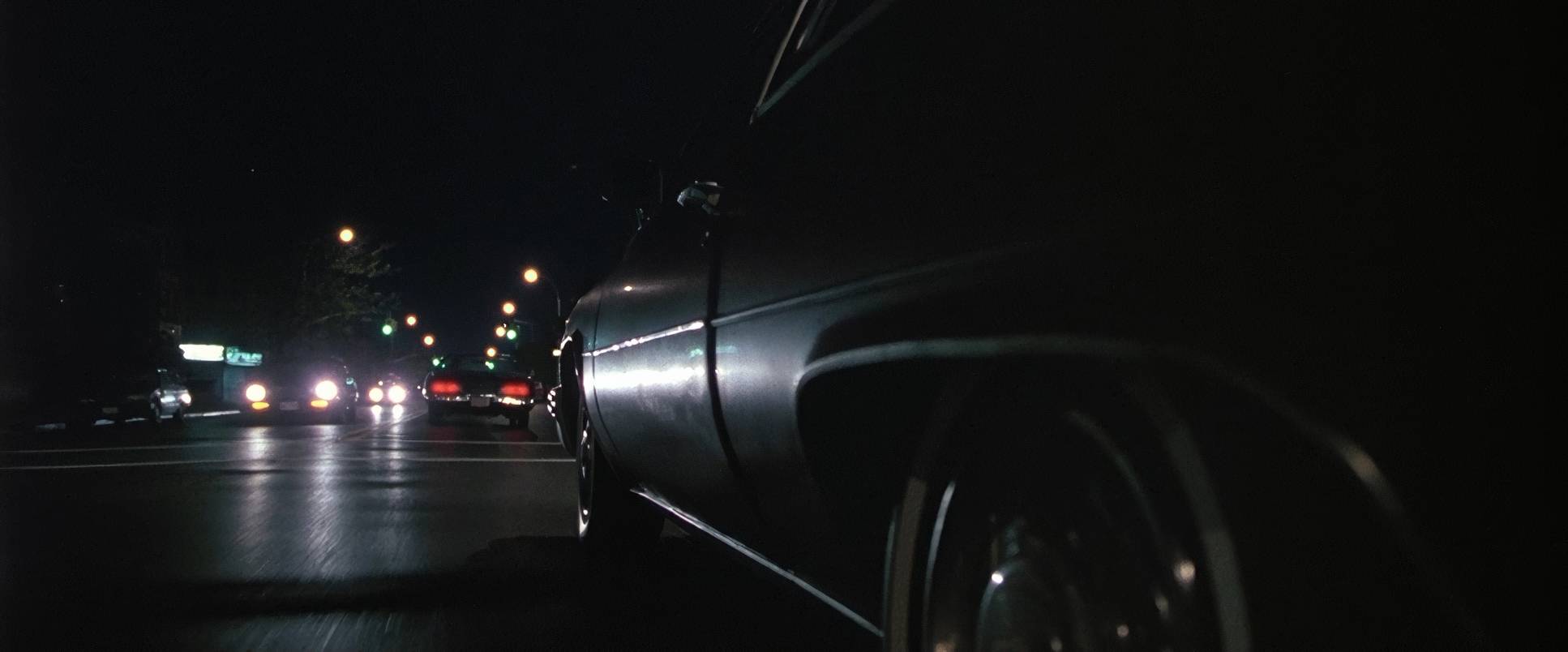
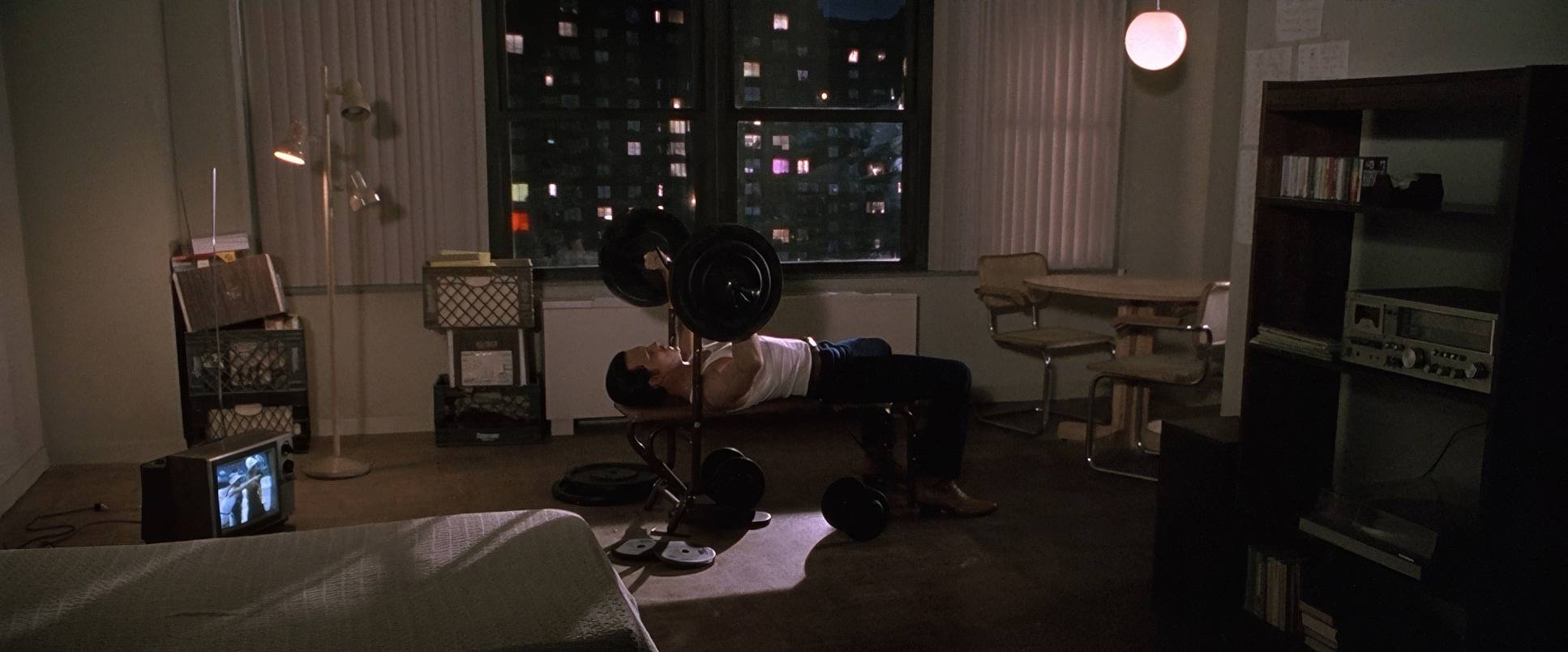
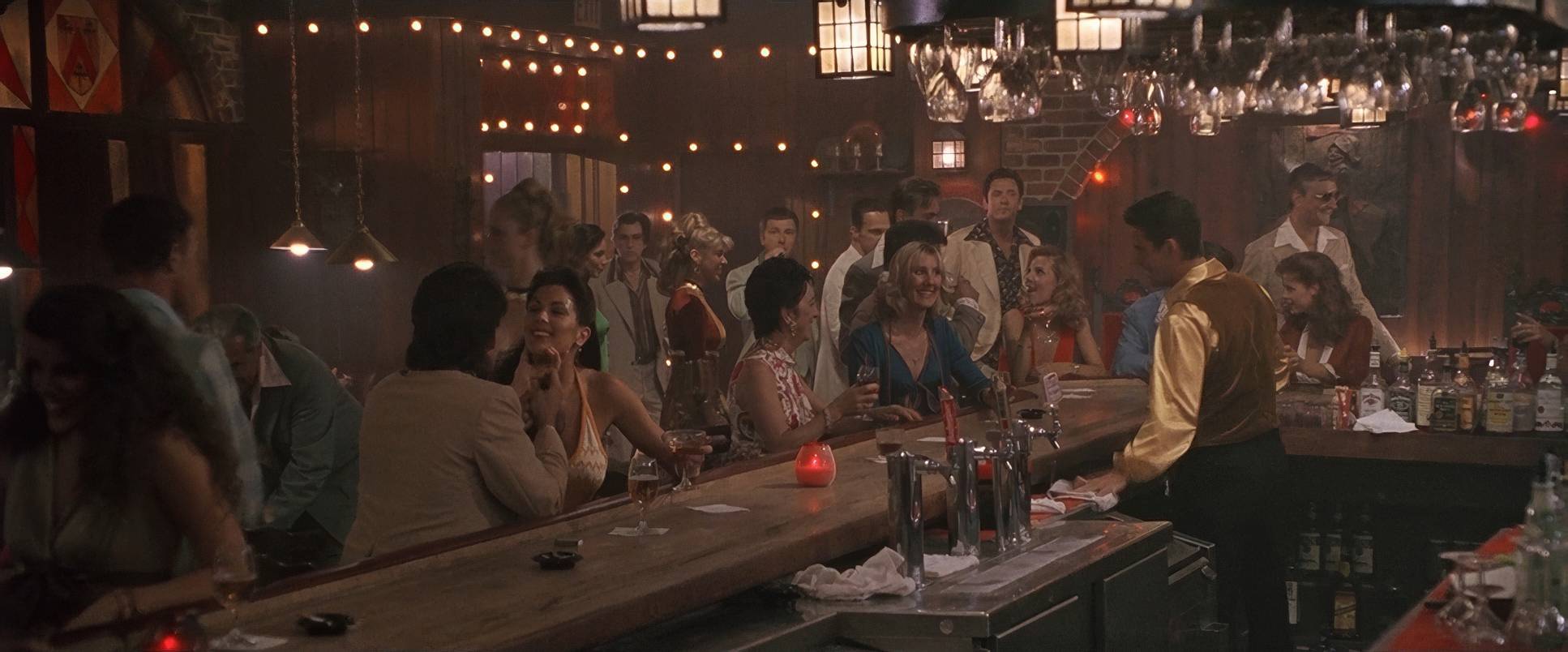
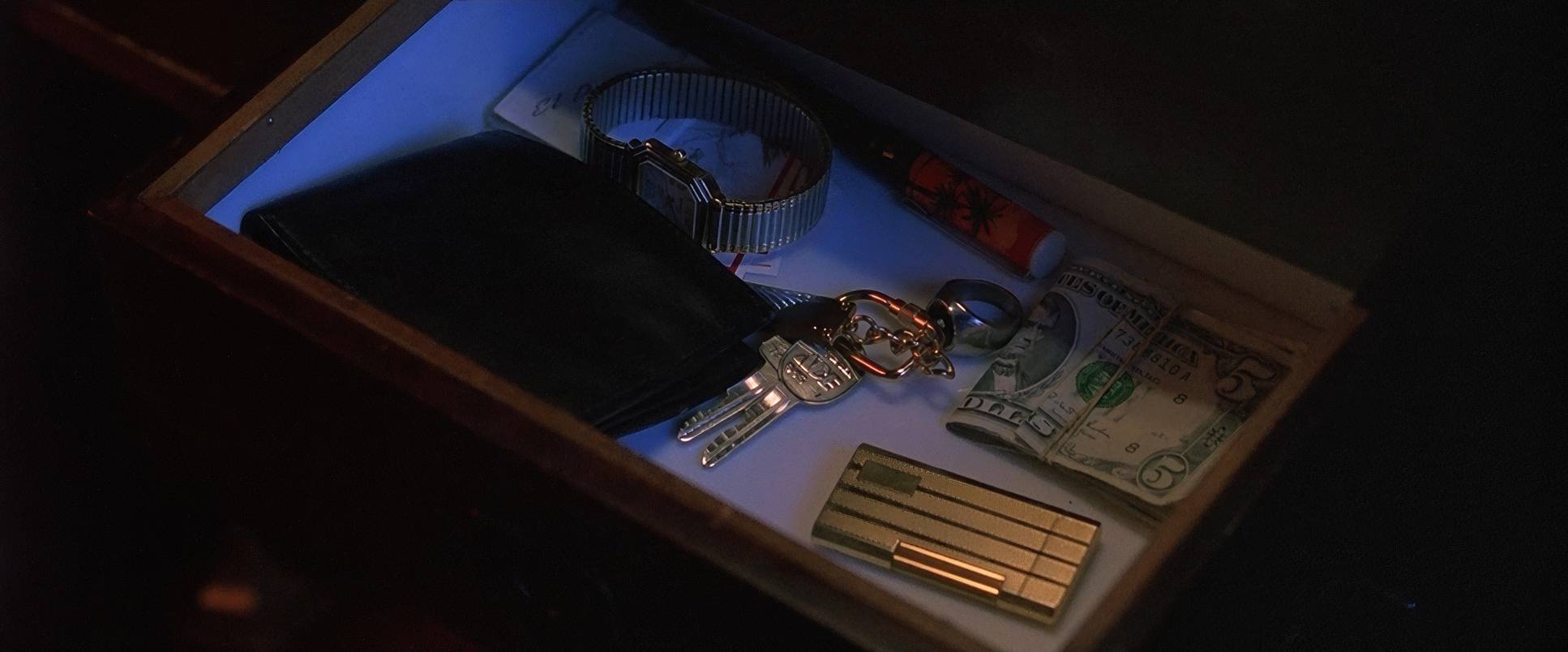
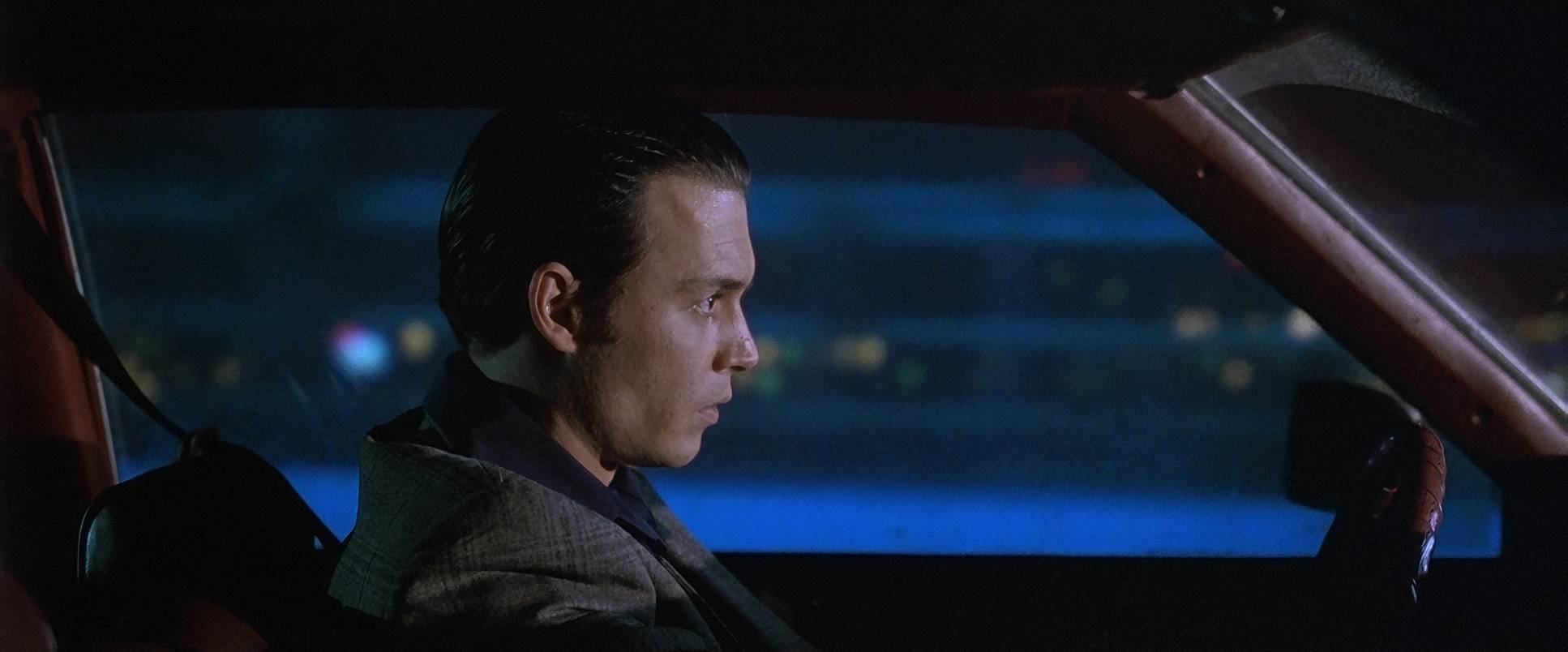
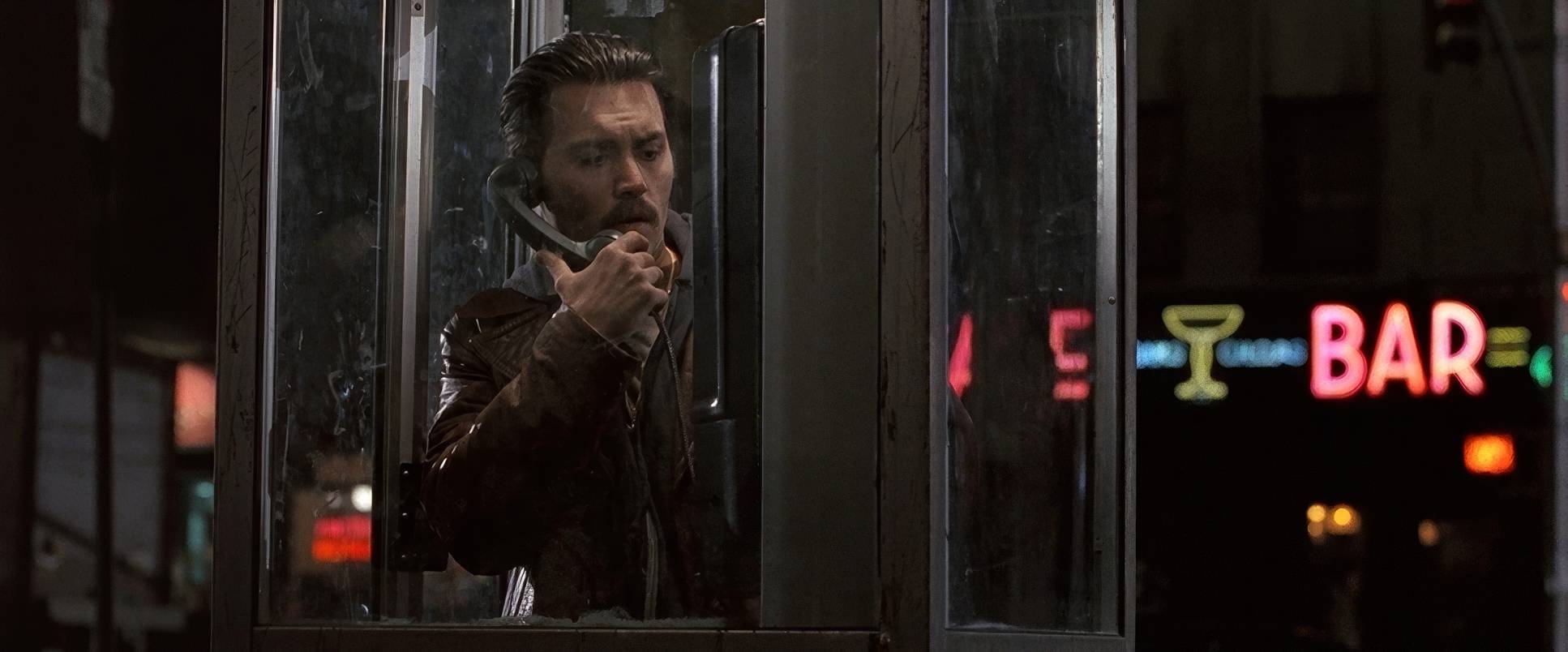
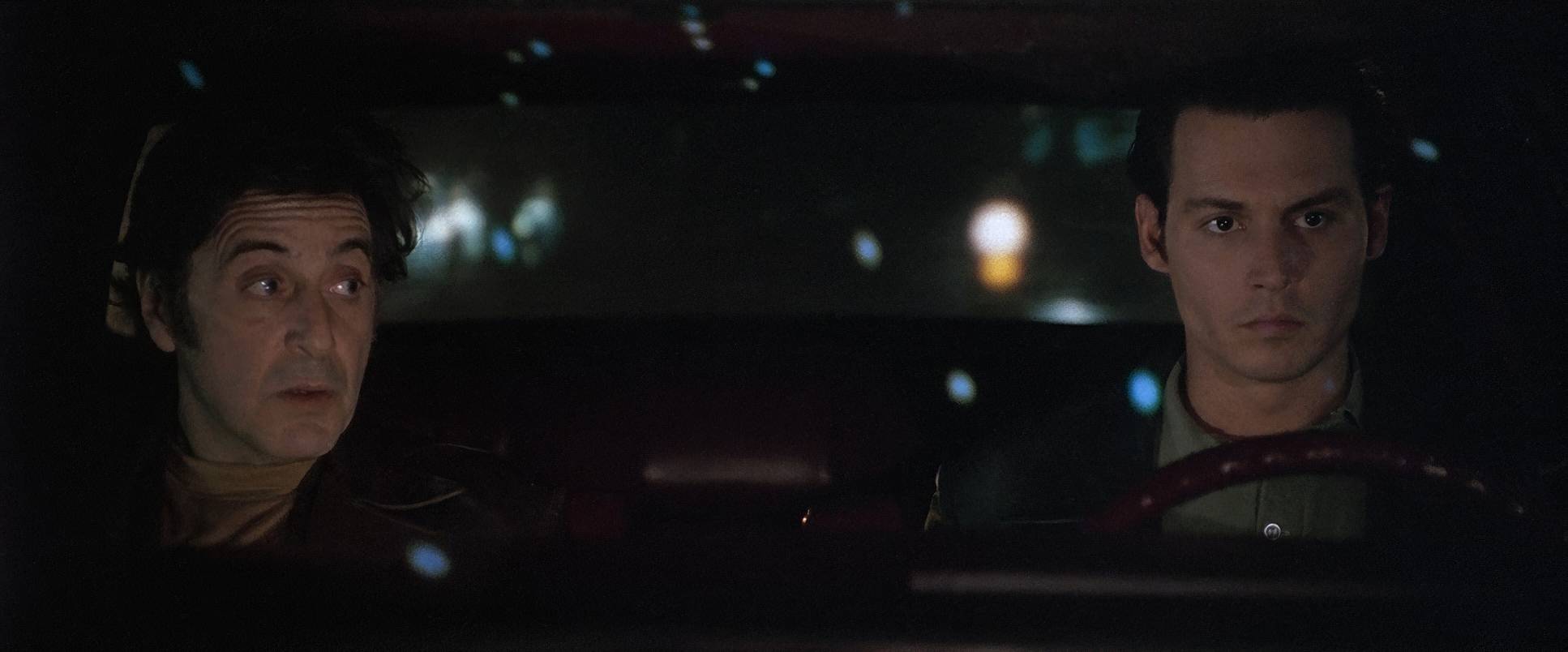
The lighting in Donnie Brasco is predominantly low-key and deeply atmospheric. As a colorist, I find Sova’s use of motivated light sources streetlights, flickering neon, and dim apartment lamps incredibly effective for building immersion. It never feels “lit”; it feels found.
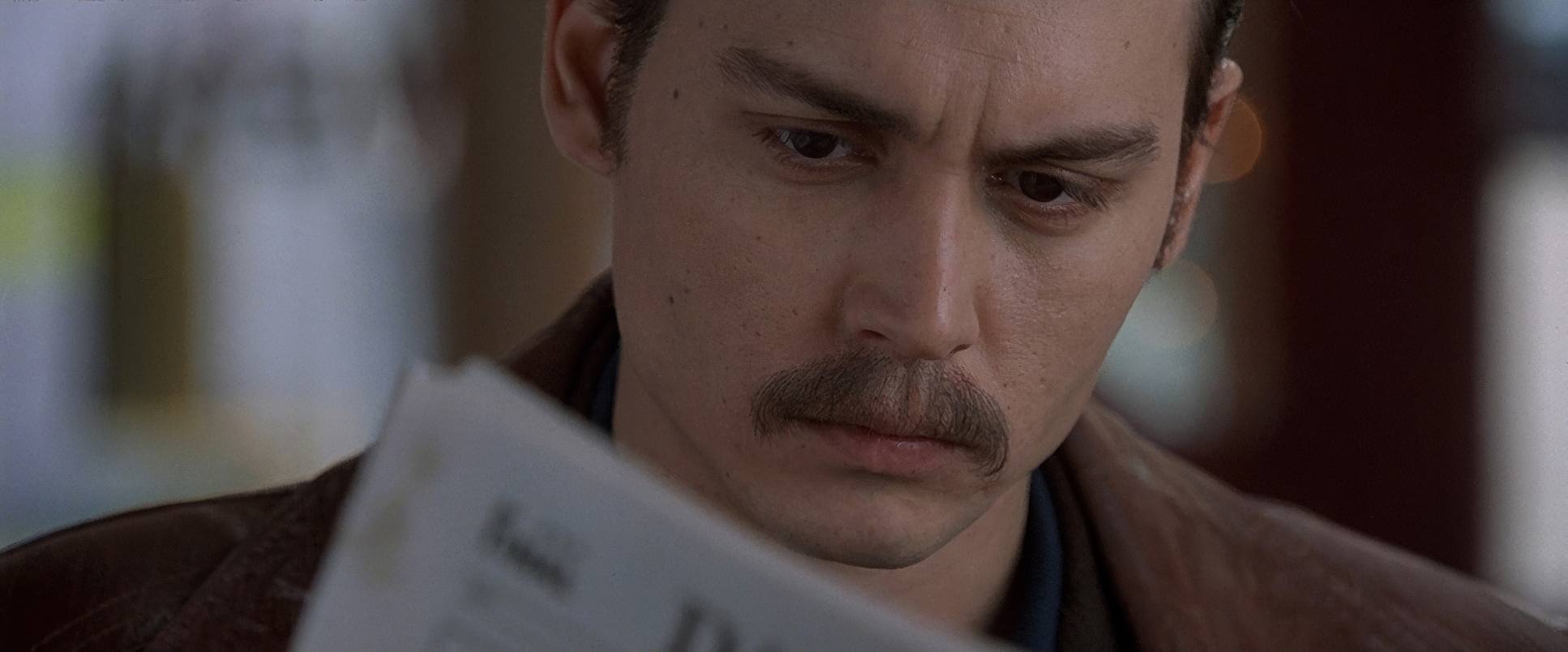
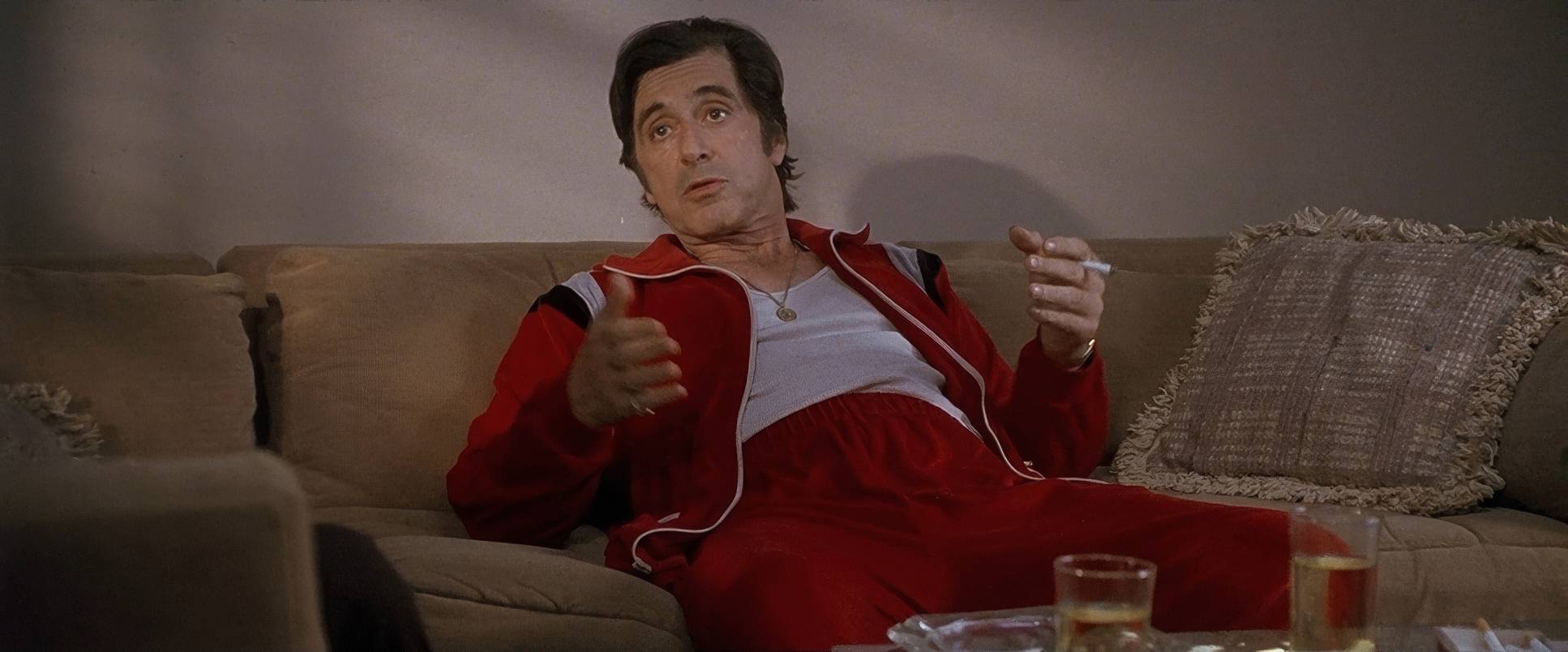
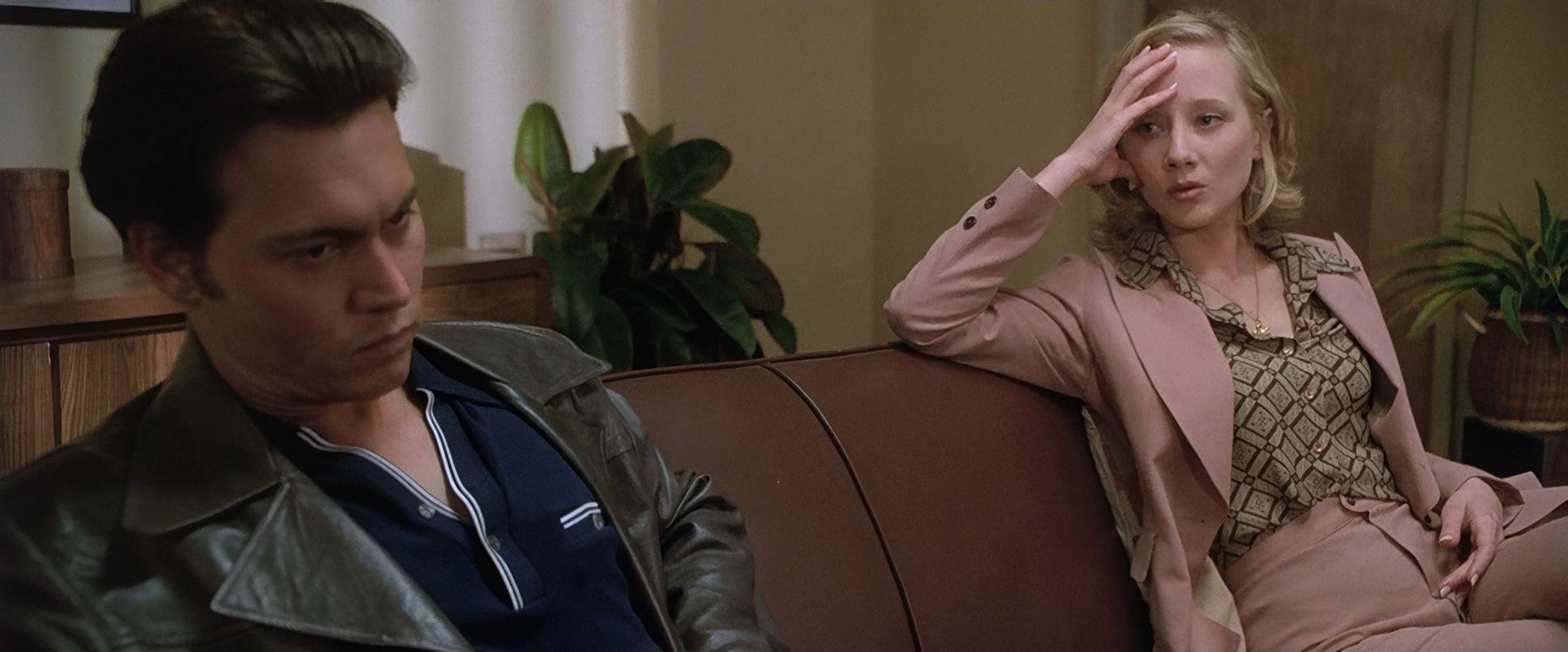
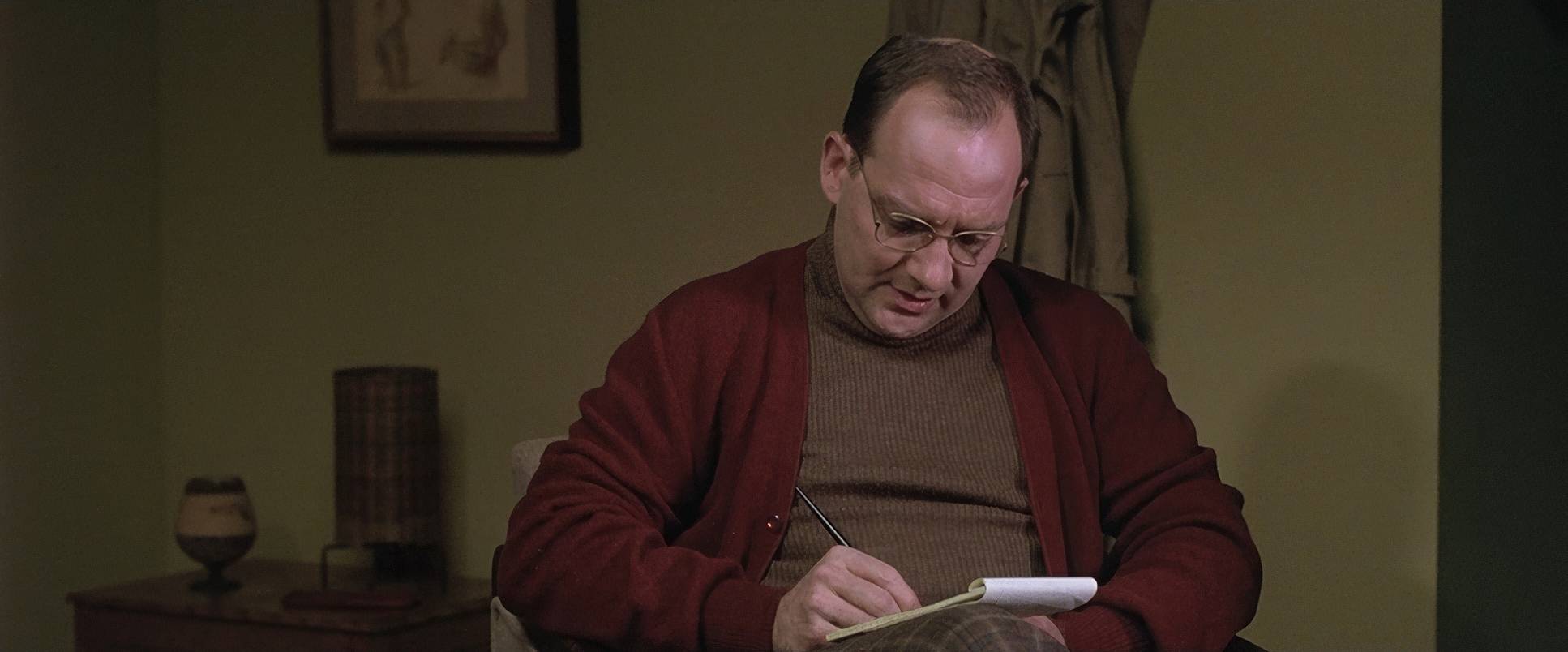
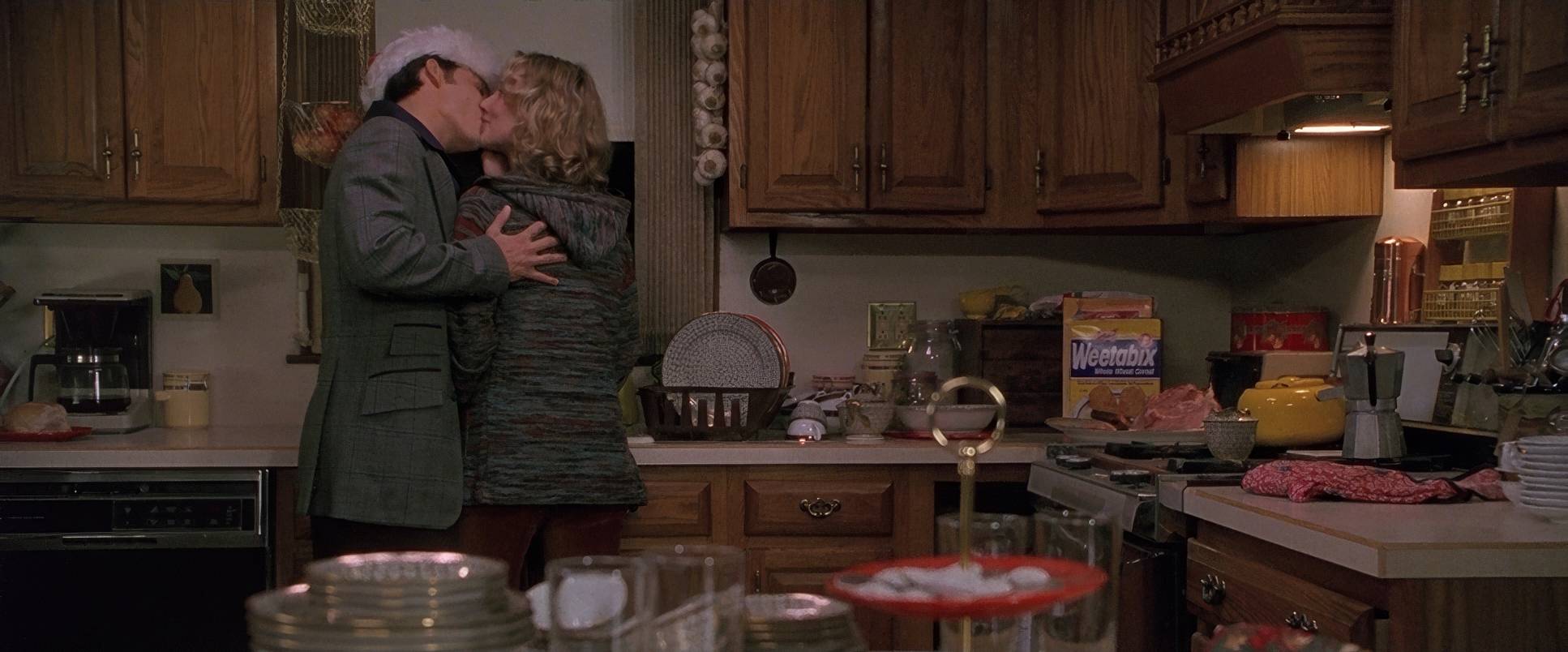
Interiors are often shrouded in shadow, with pools of light highlighting only what is necessary. This chiaroscuro effect doesn’t just look “cool”; it articulates the clandestine nature of the mob. Secrets thrive in the dark. When Donnie is with the crew, the light often carries a smoky, tungsten warmth. If I’m honest, I sometimes crave that specific amber glow in our current world of clinical, perfectly balanced LEDs. However, that warmth is a facade a mask of camaraderie hiding deep distrust. In contrast, the scenes with Donnie’s actual family often feel colder and more clinical, visually heightening the emotional distance he feels from his real identity.
Camera Movements
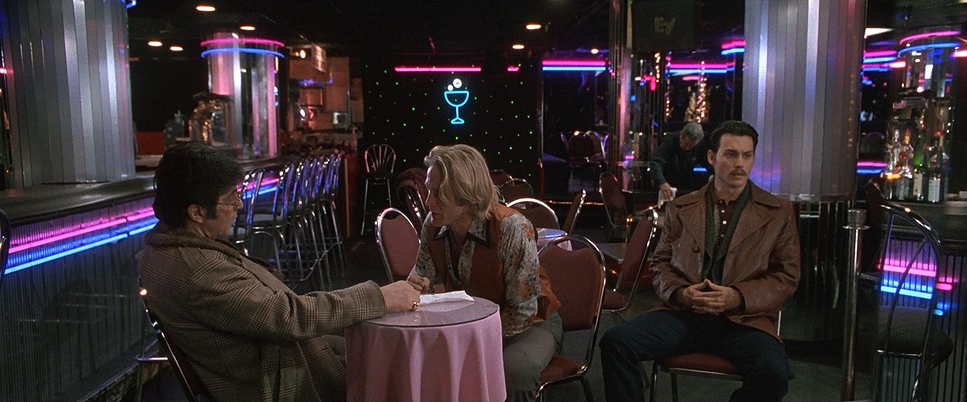
Sova’s camera movements are purposeful, functioning primarily to anchor us in Donnie’s perspective. We see a blend of steady, documentary-like observation and moments of handheld urgency. The handheld work is never gratuitous; it’s organic, creeping in during moments of confrontation or when Donnie’s cover feels thin.
This subtly destabilizes the frame, mirroring Donnie’s internal turmoil. During intense discussions about “hits,” the camera might drift slightly or offer a hesitant push-in. It feels less like a calculated dolly move and more like a person taking a nervous step closer. It’s a delicate balance that builds a subliminal sense of unease without drawing undue attention to the gear behind the lens.
Compositional Choices
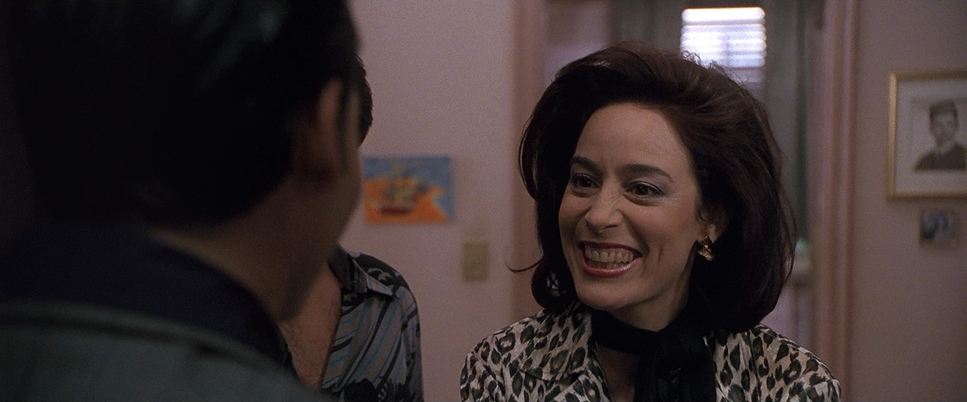
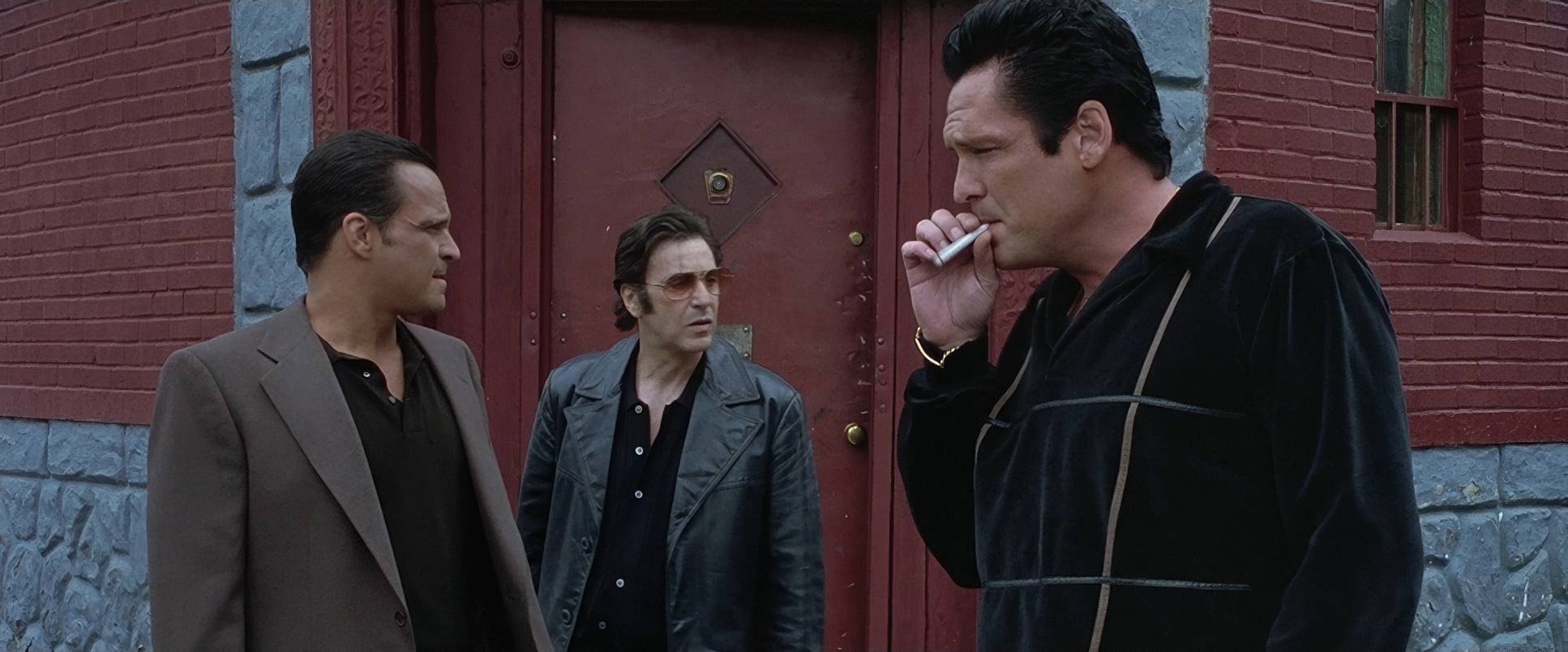
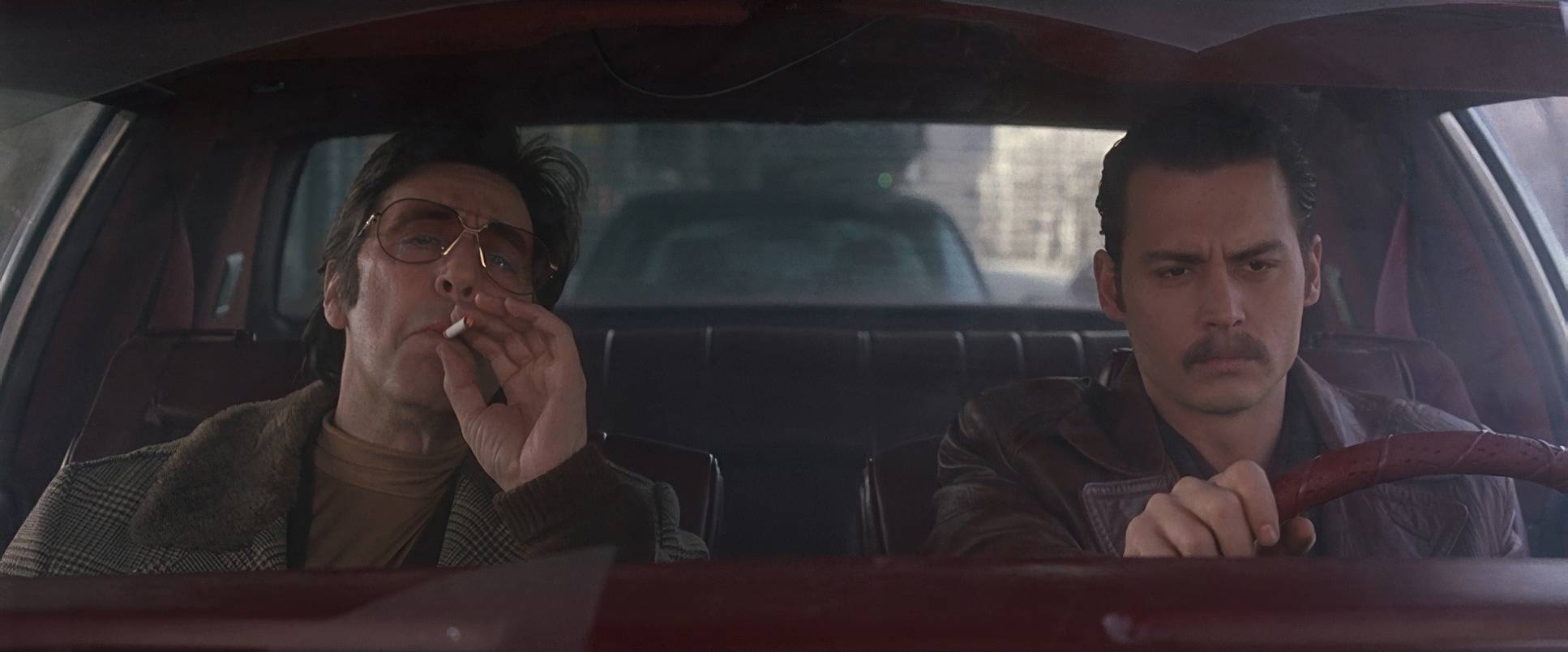
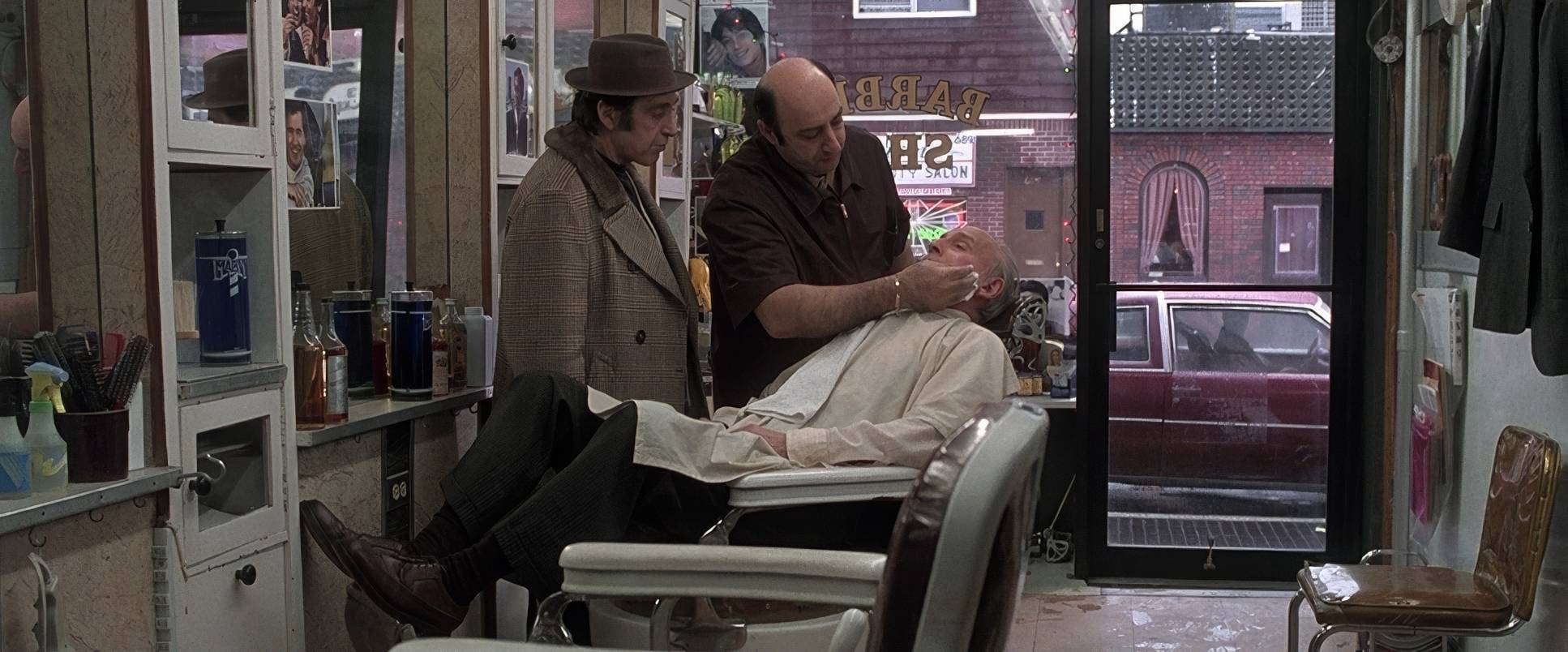
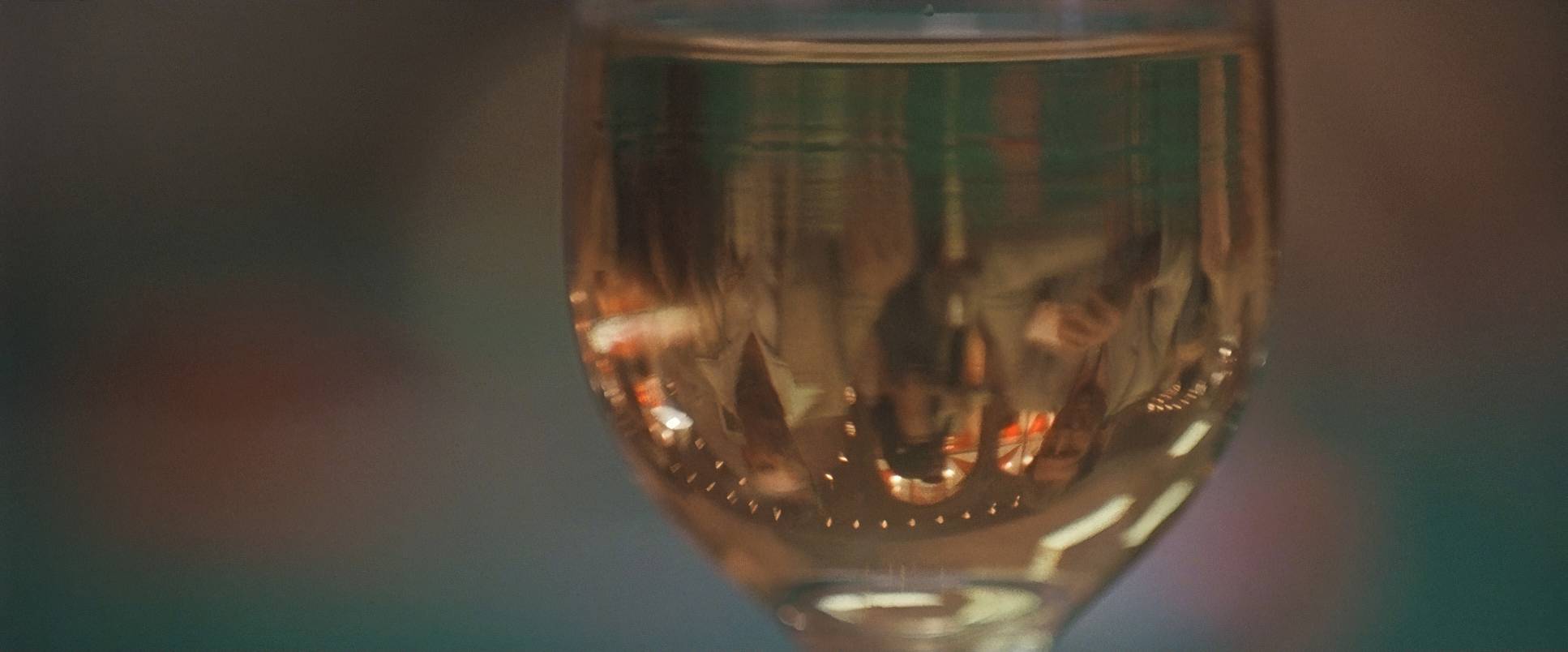
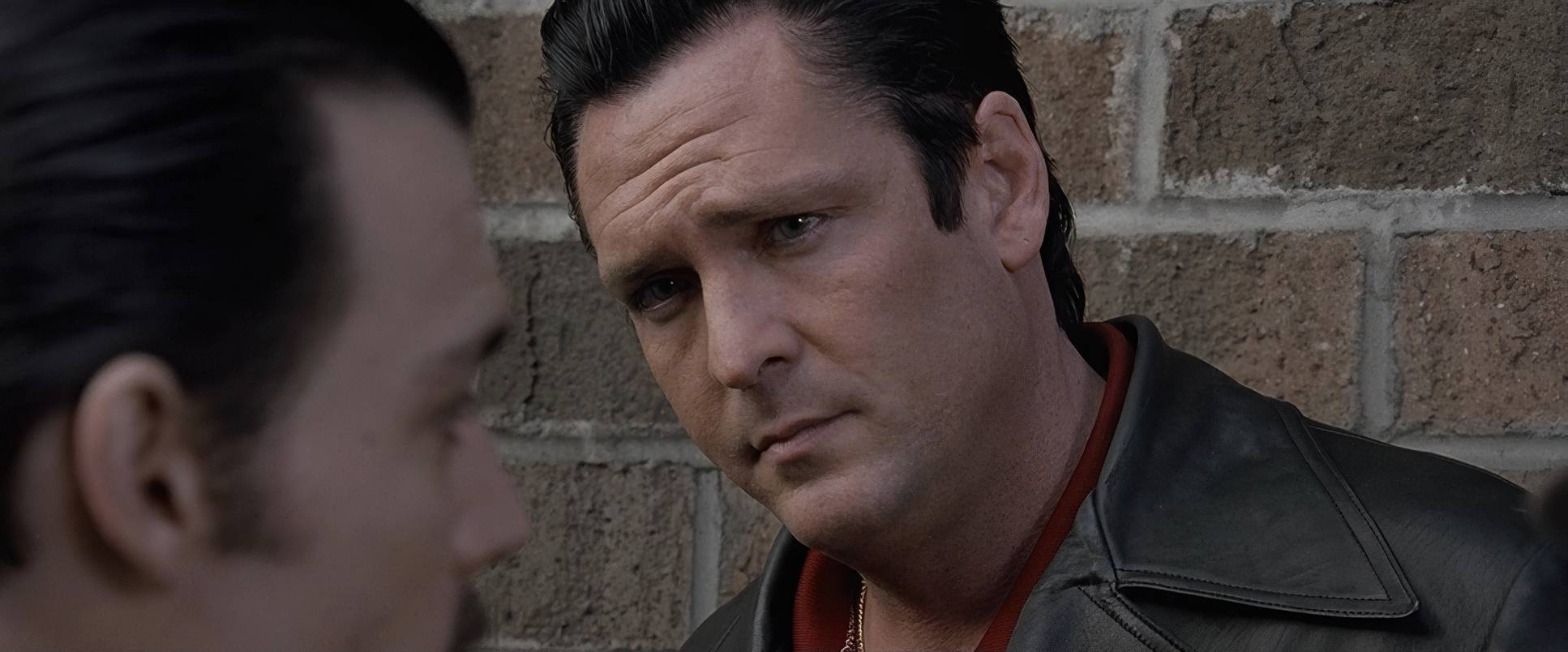
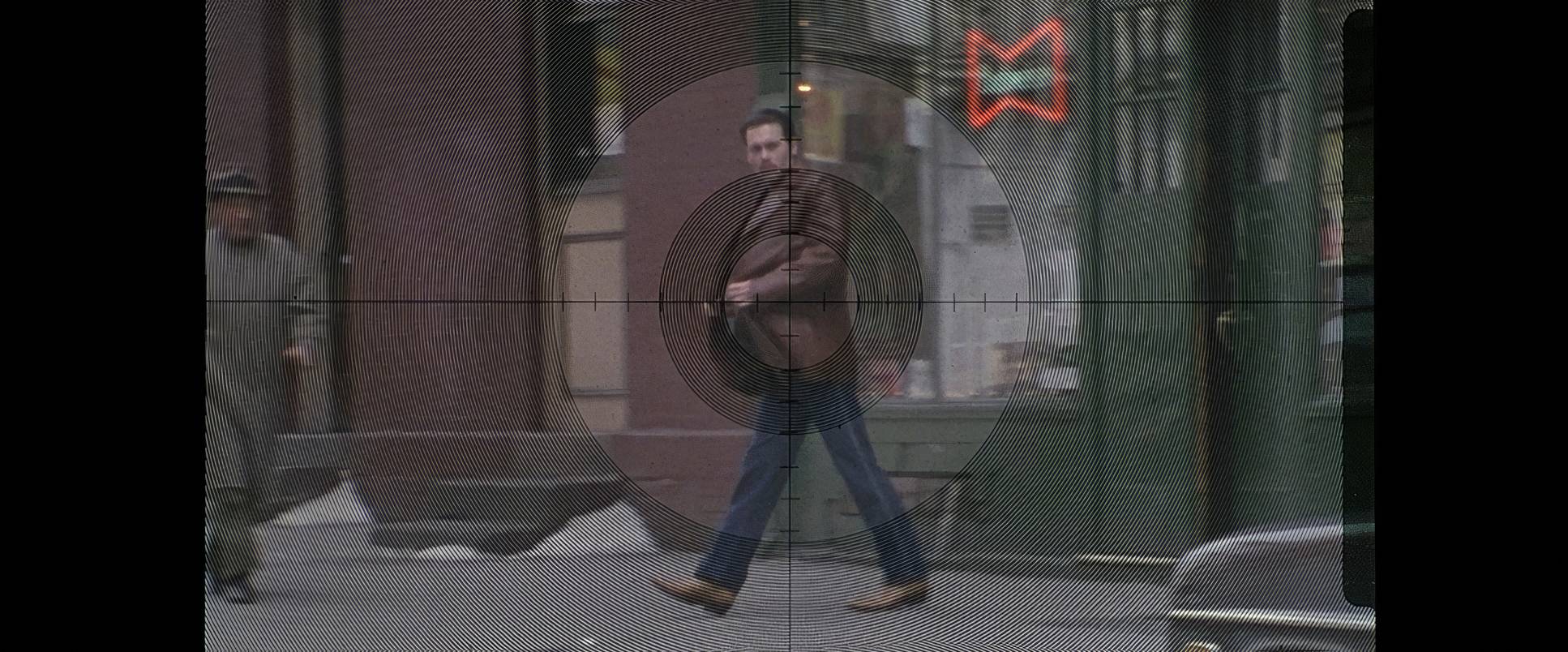
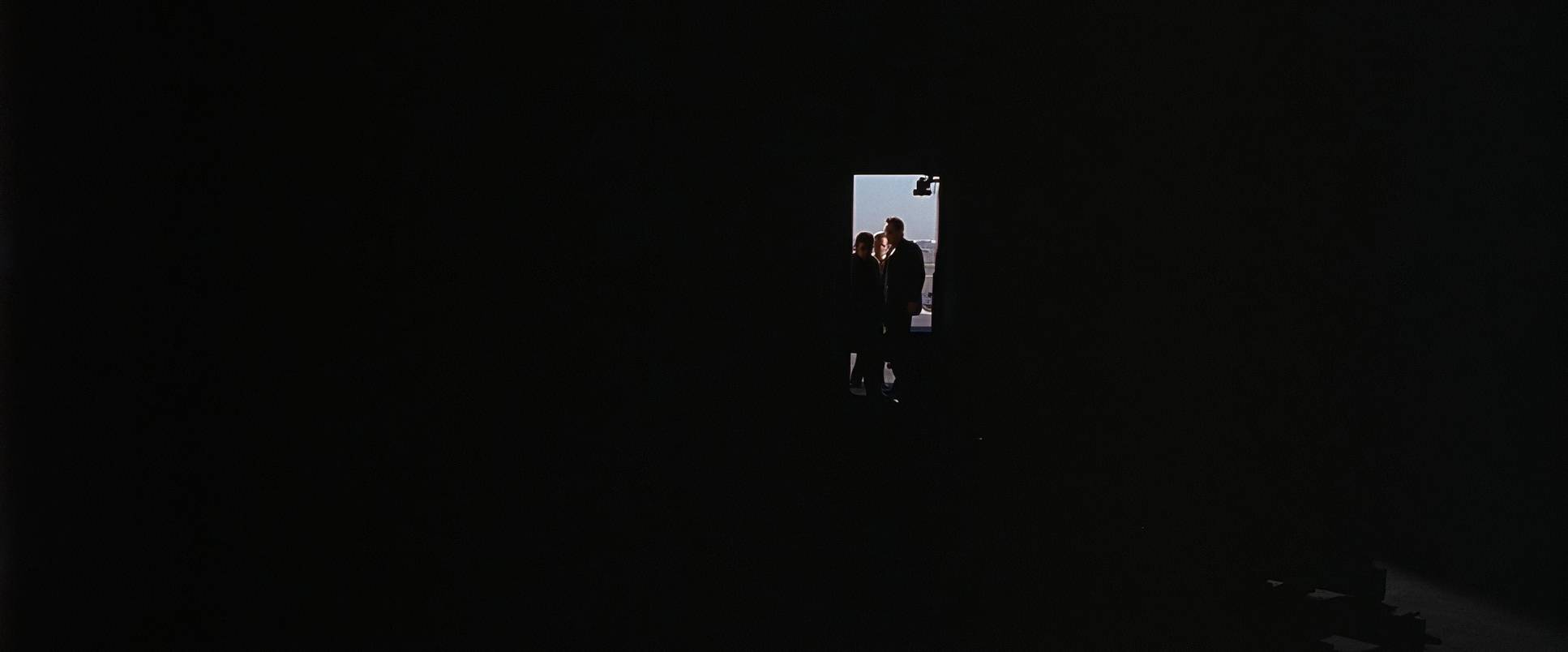
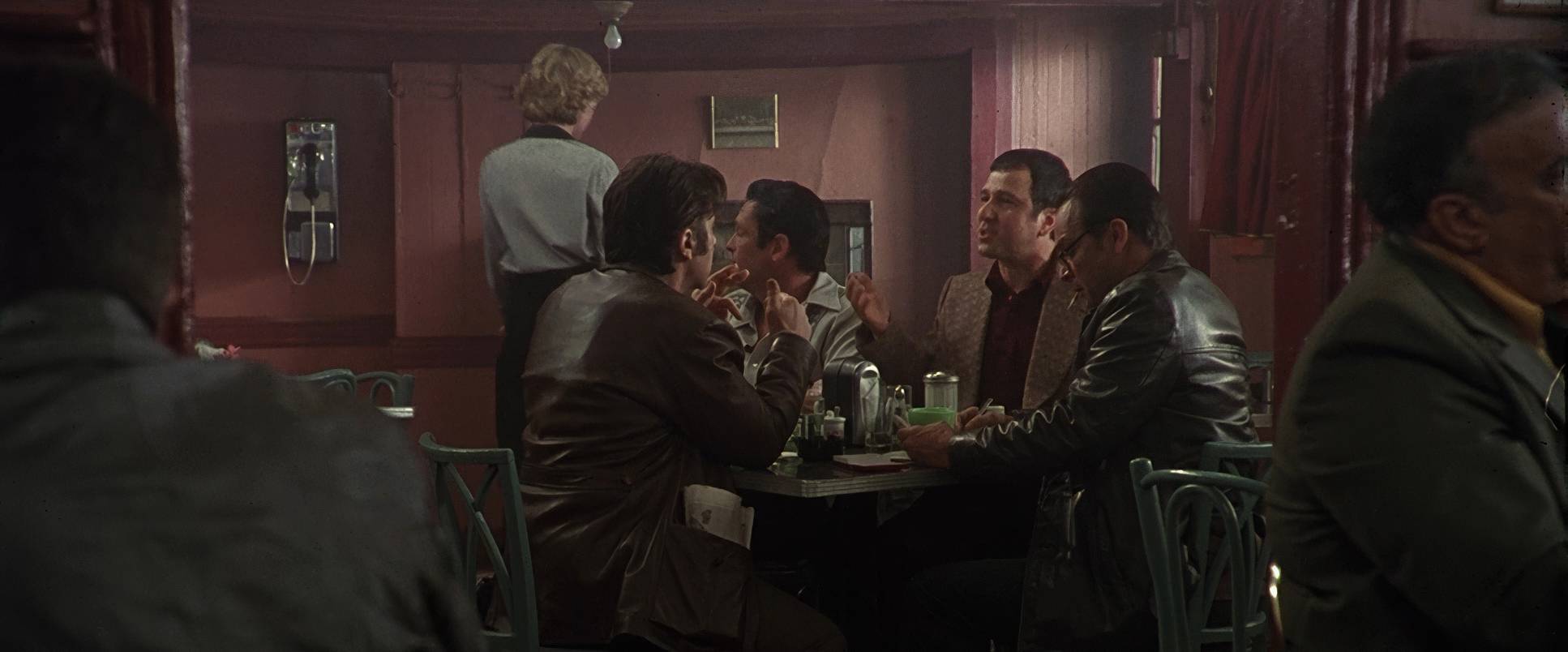
The compositions in Donnie Brasco are designed to evoke entrapment. Sova frequently utilizes a motif of “frames within frames” characters seen through doorways, windows, or obscured by foreground elements. Donnie is trapped by his mission; Lefty is trapped by a lifelong commitment to a “life” that has passed him by.
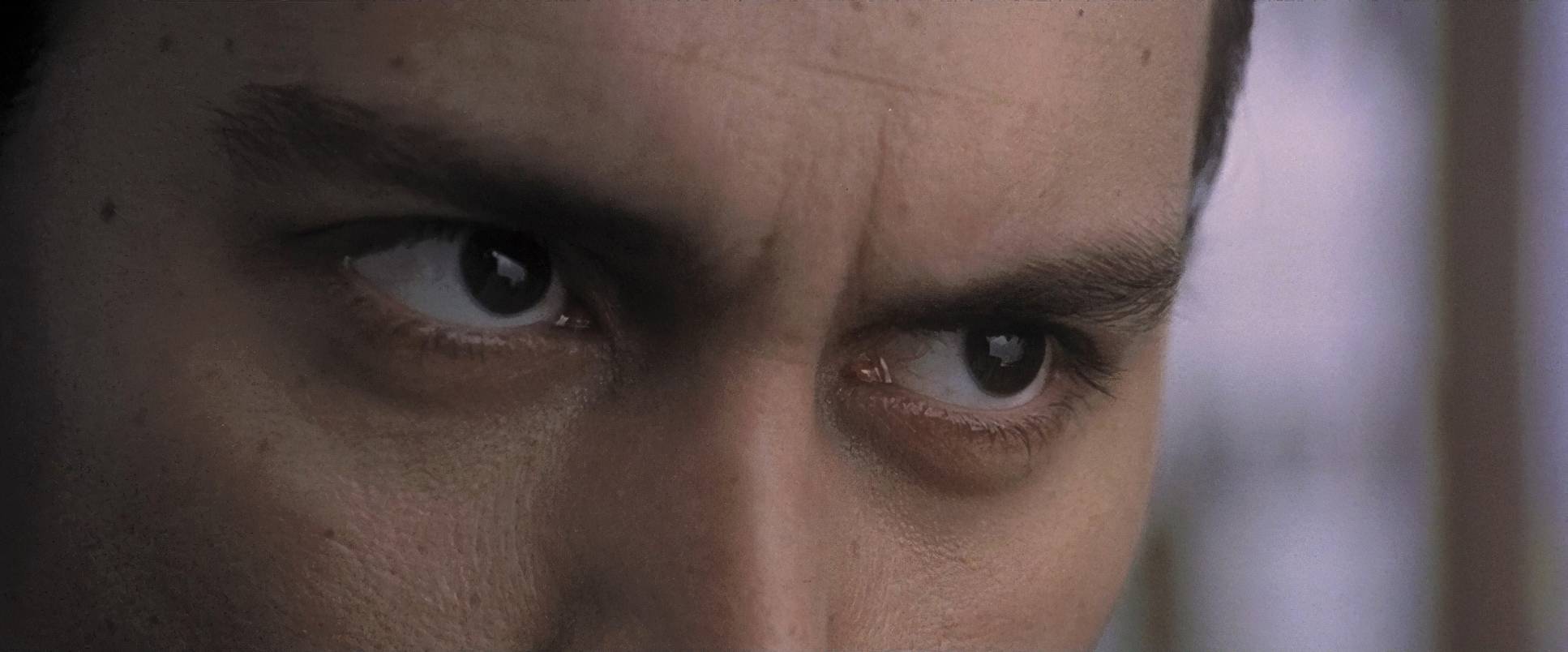
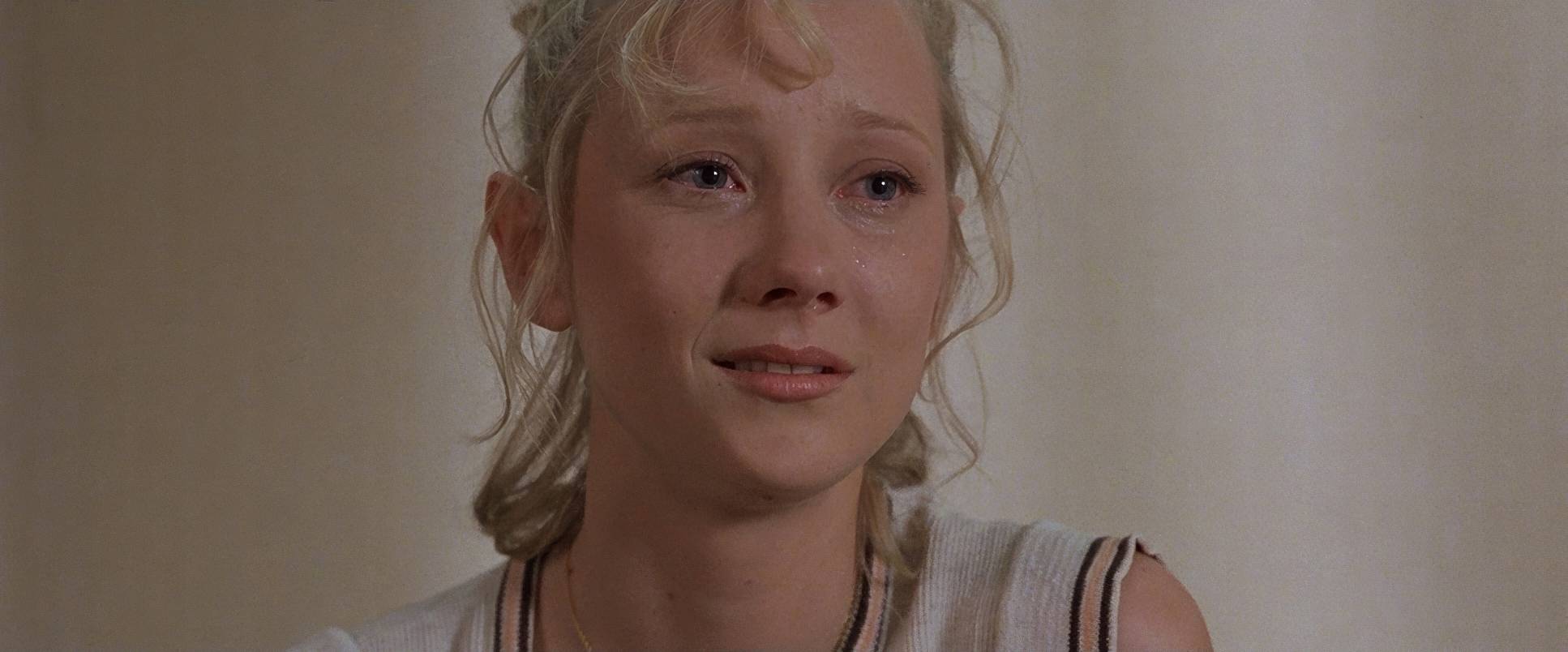
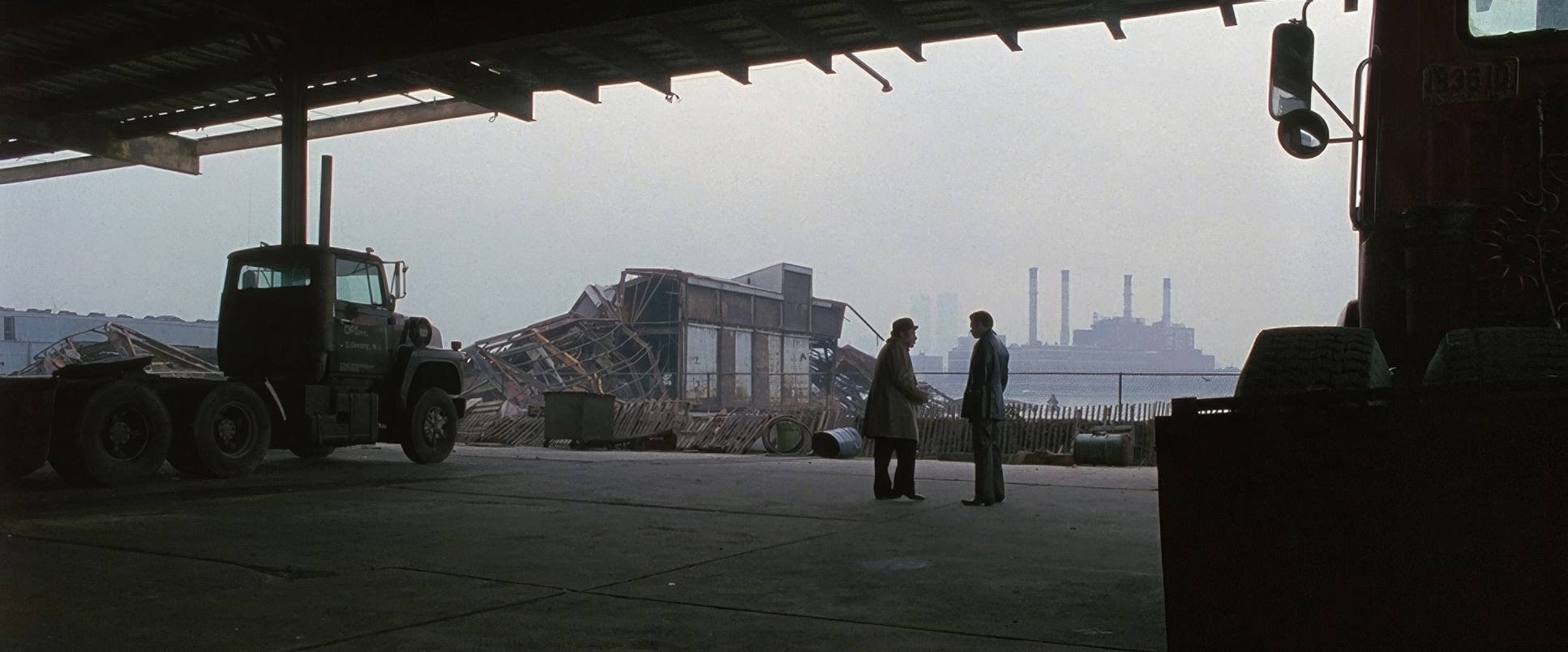
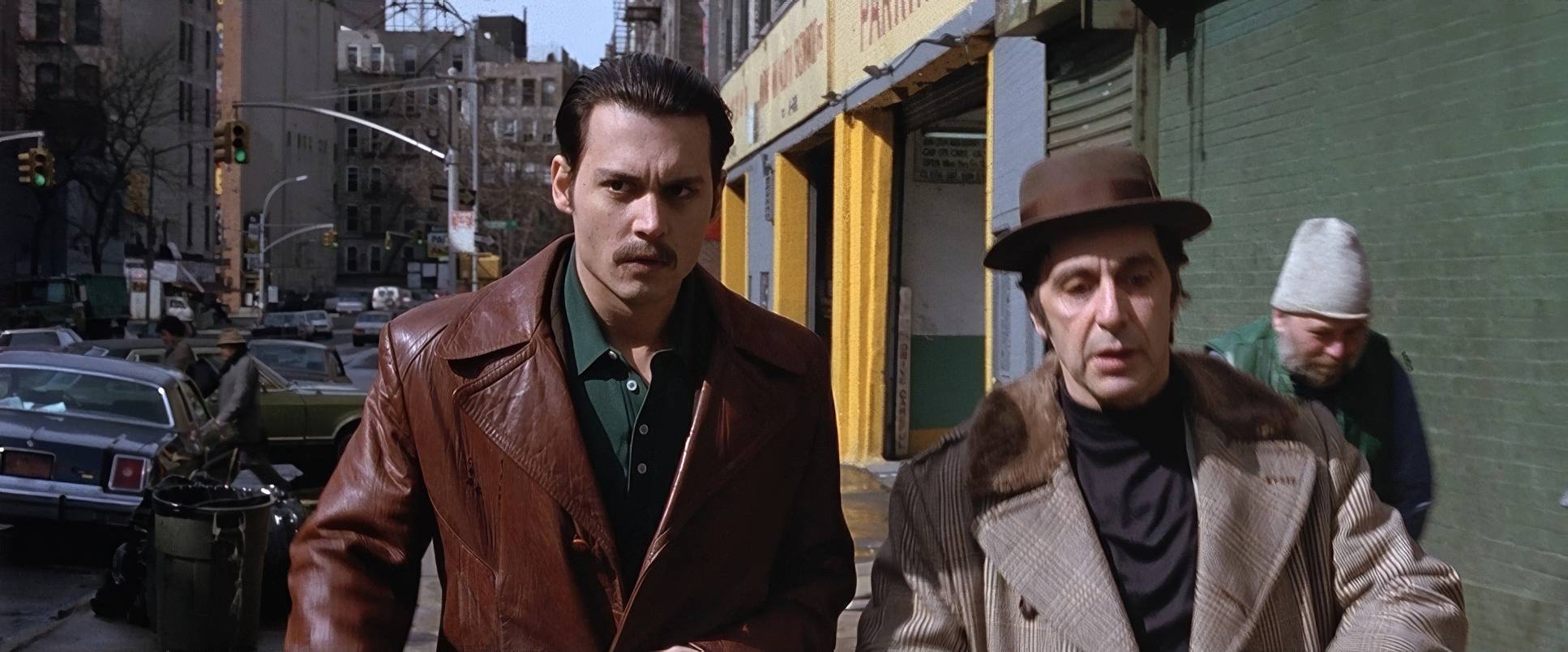
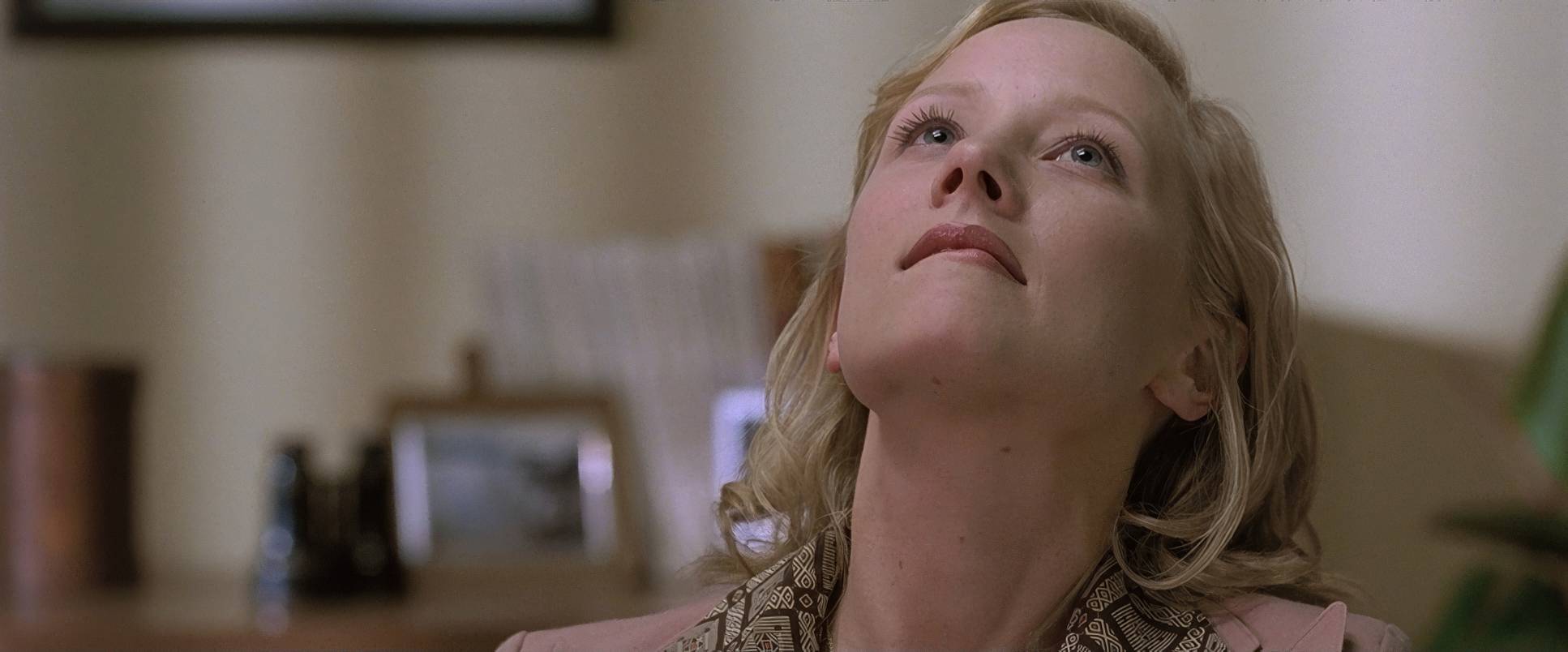
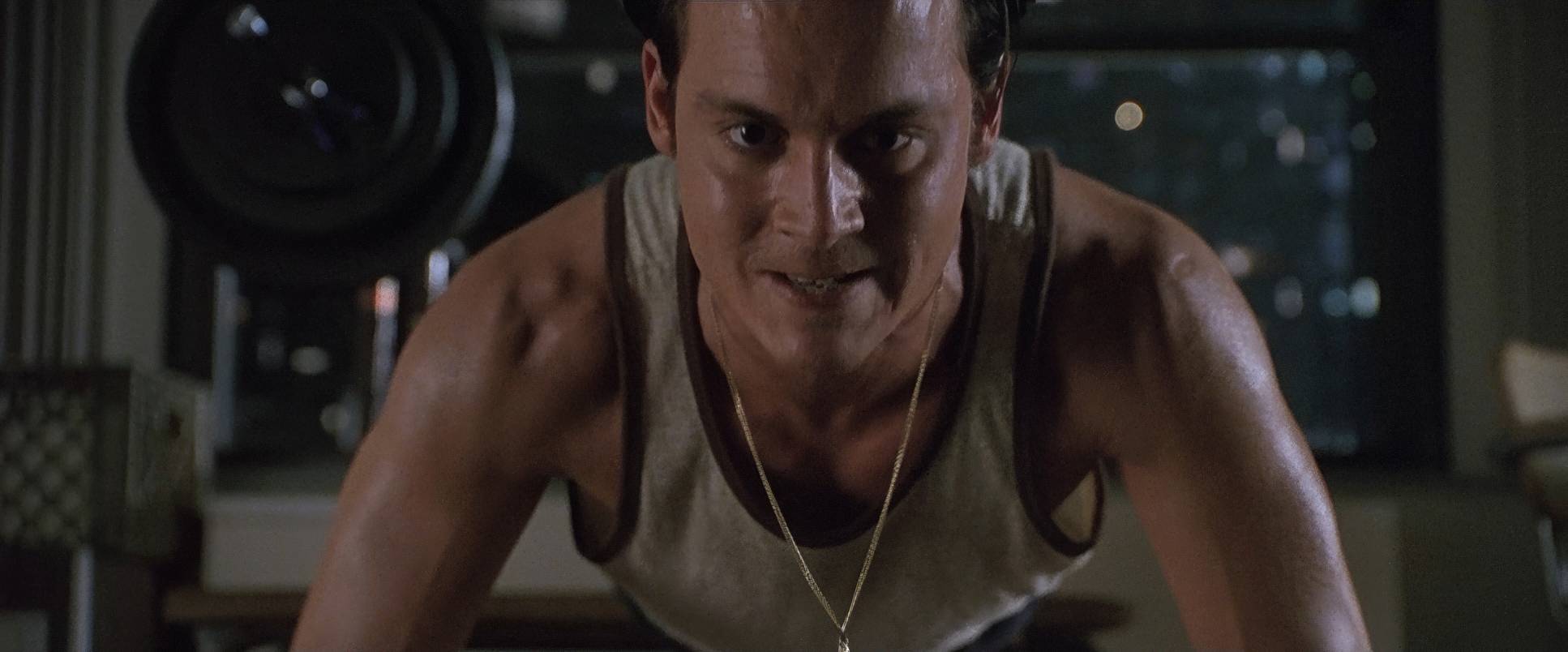
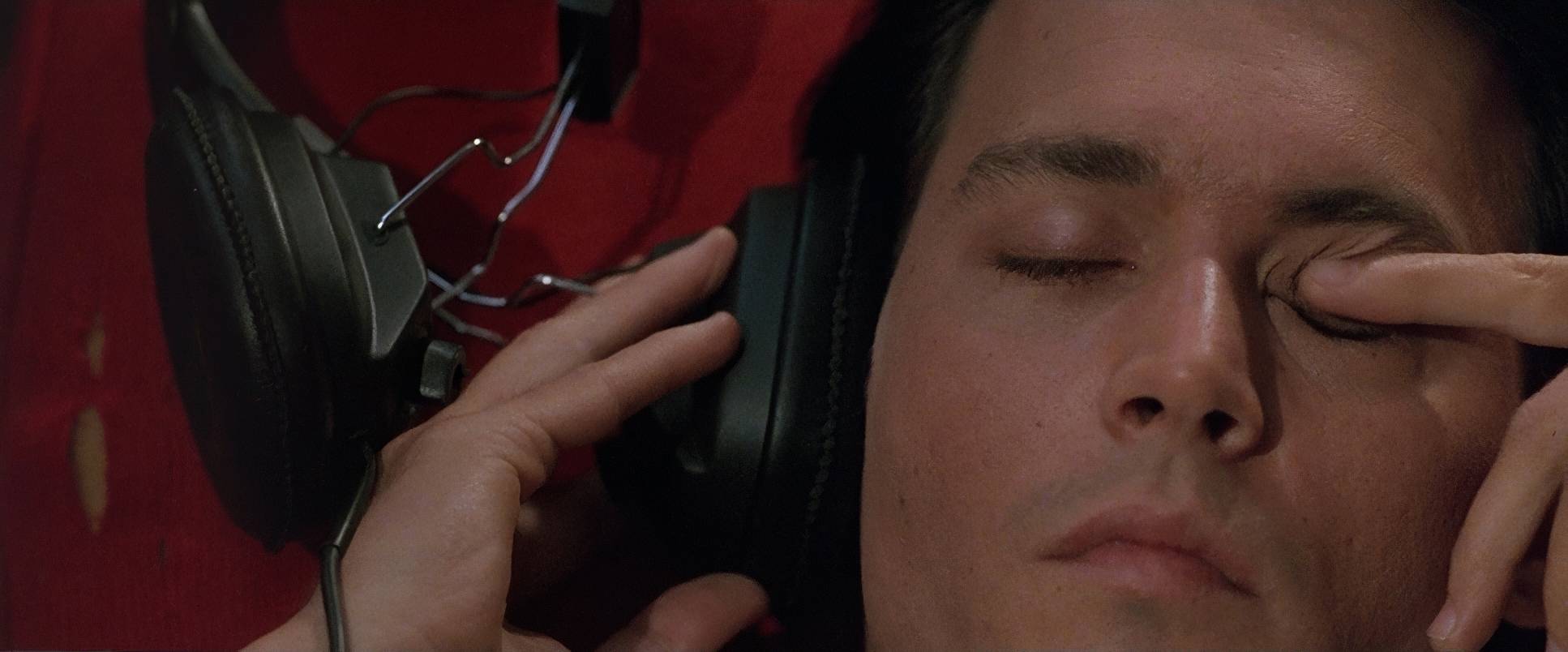
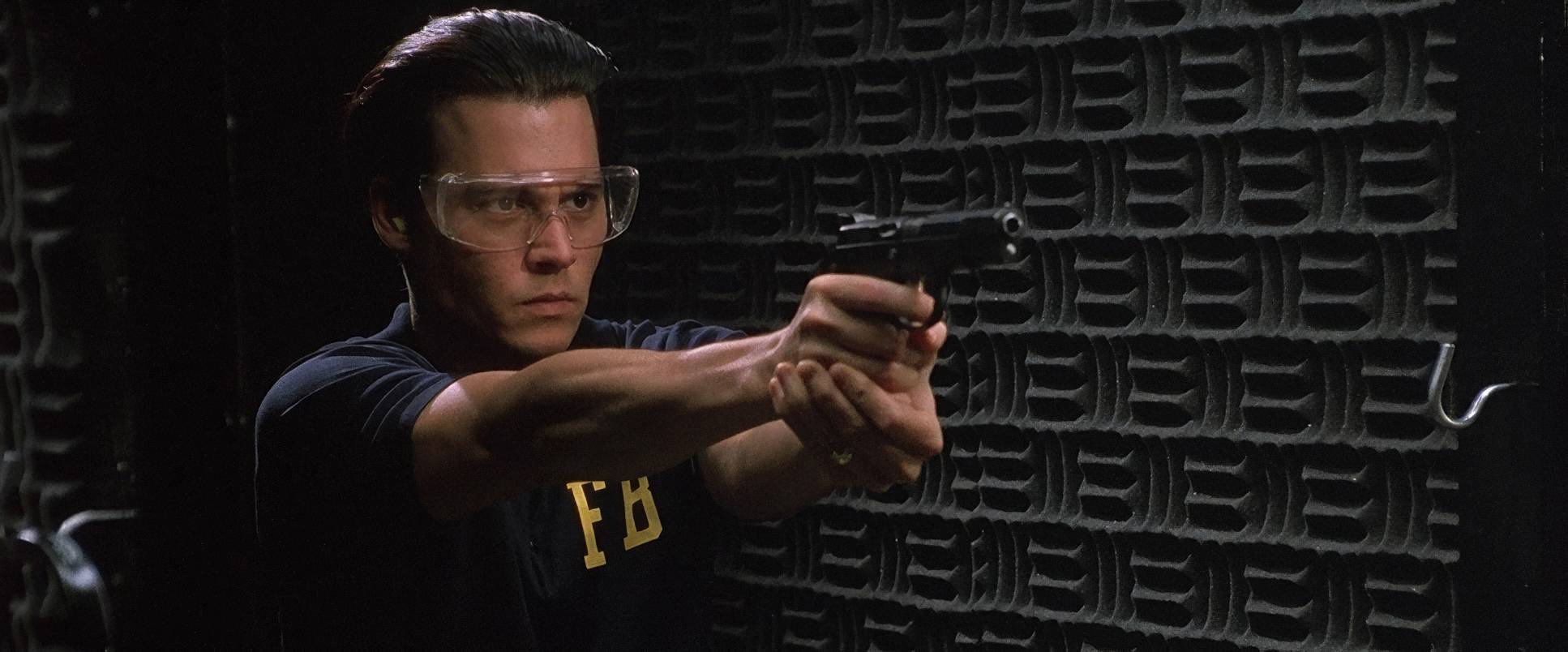
Close-ups are used with surgical precision. Rather than being sensational, they bring us uncomfortably close to the weariness on Lefty’s face. When Lefty confides in Donnie about his regrets and his feeling that he “should have been chosen as the leader,” the camera lingers, allowing Pacino’s nuanced expressions to do the heavy lifting. Wide shots, meanwhile, are reserved for establishing the characters’ insignificance within the bleak urban landscape. They rarely feel expansive; they feel lonely.
Lensing and Blocking
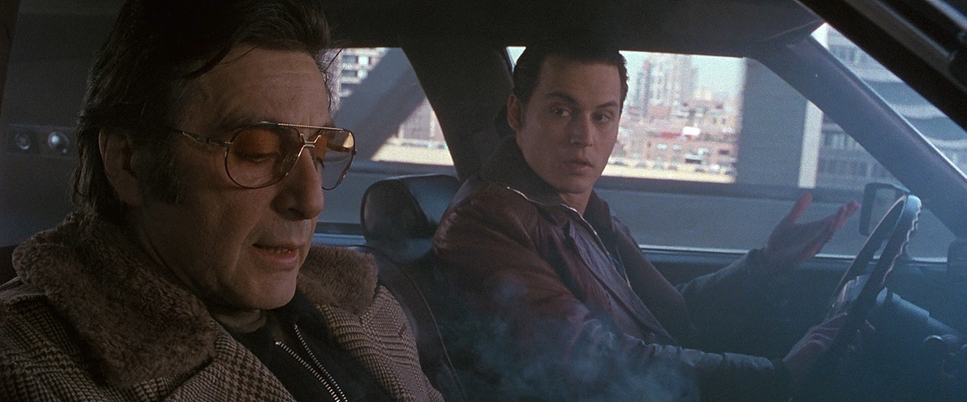
For Donnie Brasco, Sova opted for Panavision Panaflex cameras paired with Primo Classic lenses. These lenses are known for their beautiful contrast and sharpness, which helped maintain that “clean single” look even in low light. The lensing generally favors standard and longer focal lengths, avoiding the distortion of wide angles to keep the reality grounded.
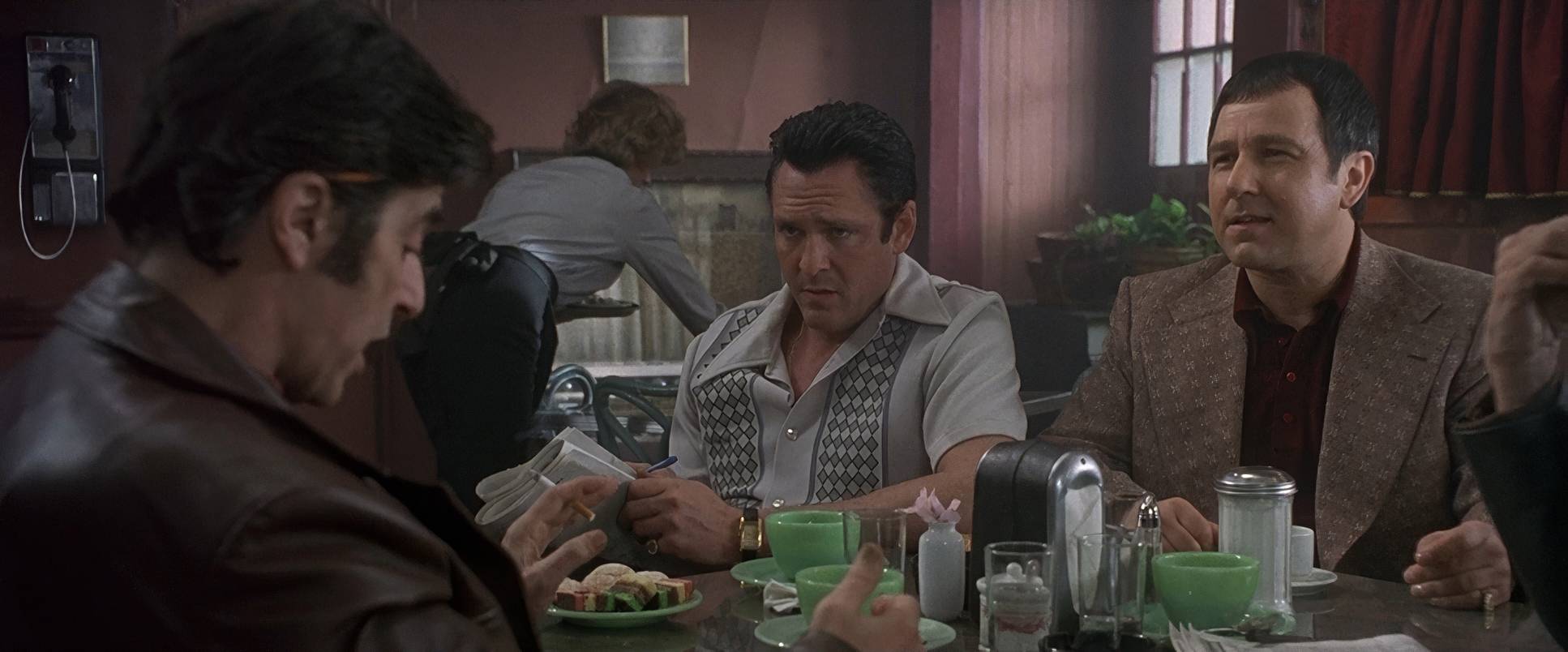
The blocking is equally precise. In early scenes, Lefty often positions himself physically “above” Donnie, signifying his mentorship. As the power dynamic shifts and Donnie becomes the one with the “connection,” the blocking levels out, eventually showing a Lefty who is physically dependent on Donnie. There are often visual barriers between characters tables, drinks, or other bodies reminding us that in this world, trust is never absolute.
Color Grading Approach
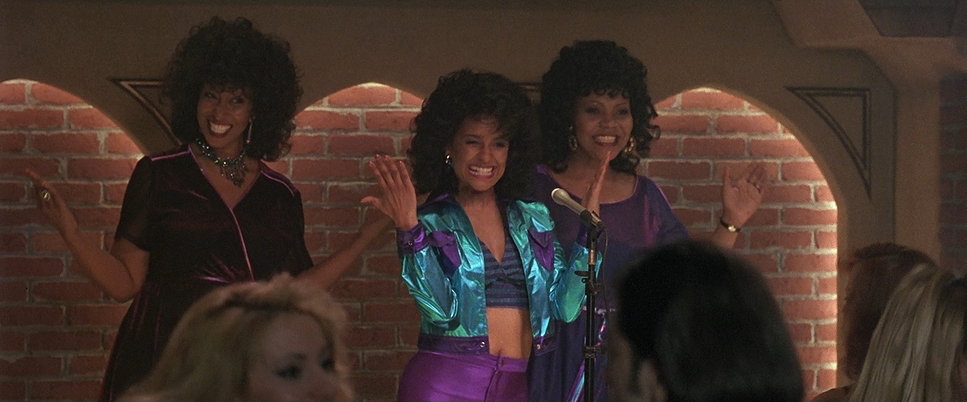
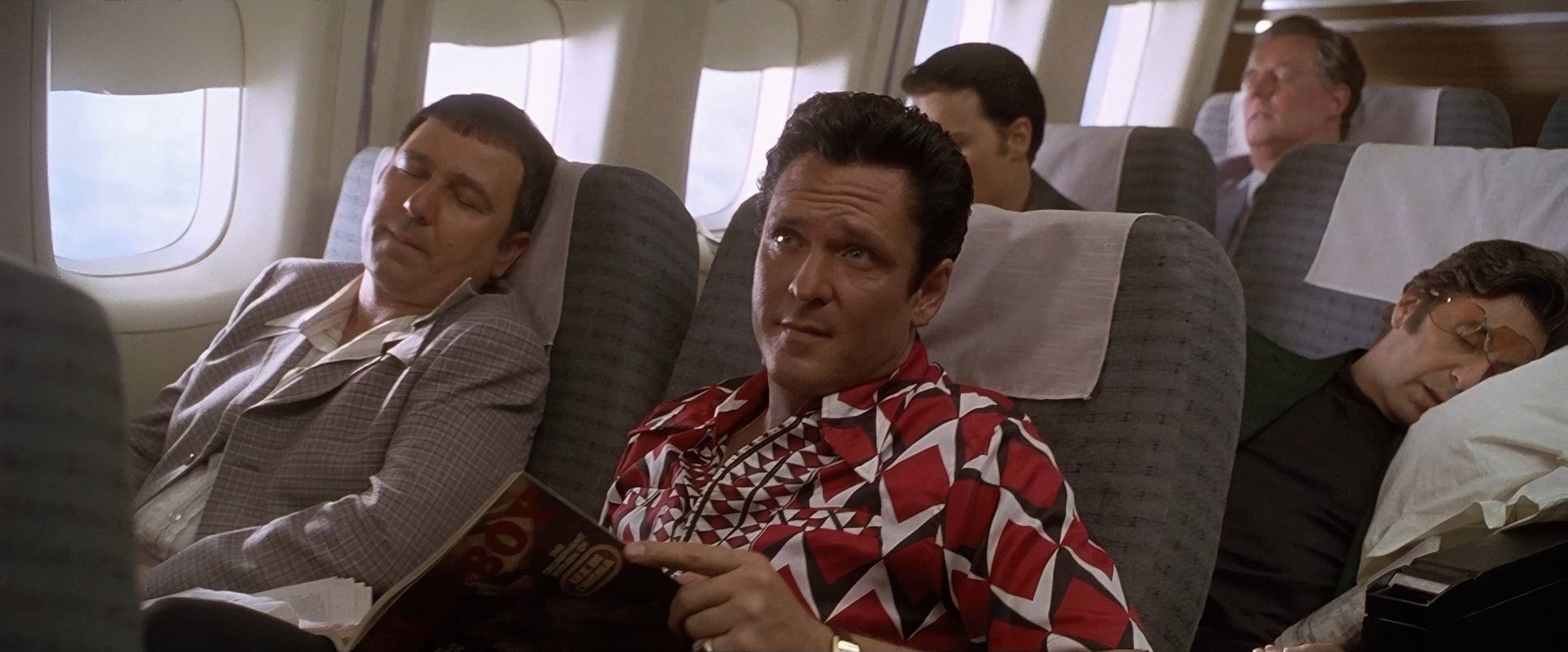
From a colorist’s perspective, the grade on Donnie Brasco is a masterclass in restraint. Shot on 35mm film, the original image possessed an inherent texture that the final timing (by John Stanborough) was careful to preserve. The palette is muted and desaturated, particularly in the greens and blues, pulling back from vibrant hues to reflect a fading dream.
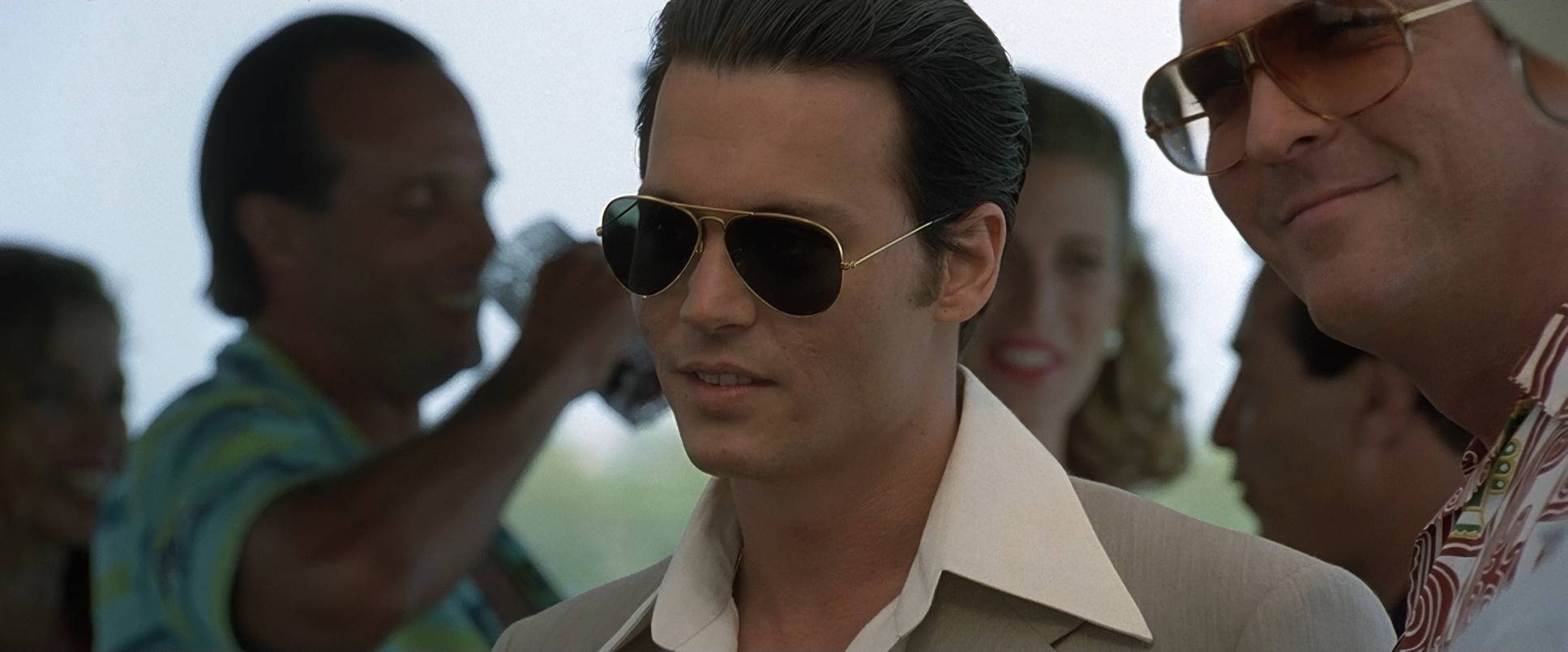
The contrast shaping is robust. What I love most is how the “toe” of the curve is handled; shadow details are retained just enough to give the image a heavy, substantial feel without ever feeling “crushed” or digital. The highlight roll-off is smooth a hallmark of film which prevents those bright Florida exteriors or New York windows from feeling clinical. The skin tones remain natural but lean slightly toward a warm bias, which humanizes the characters against the cold, indifferent backdrop of the city. It eschews modern digital crispness for an organic, slightly imperfect look that mirrors the lives of the characters.
Technical Aspects & Tools
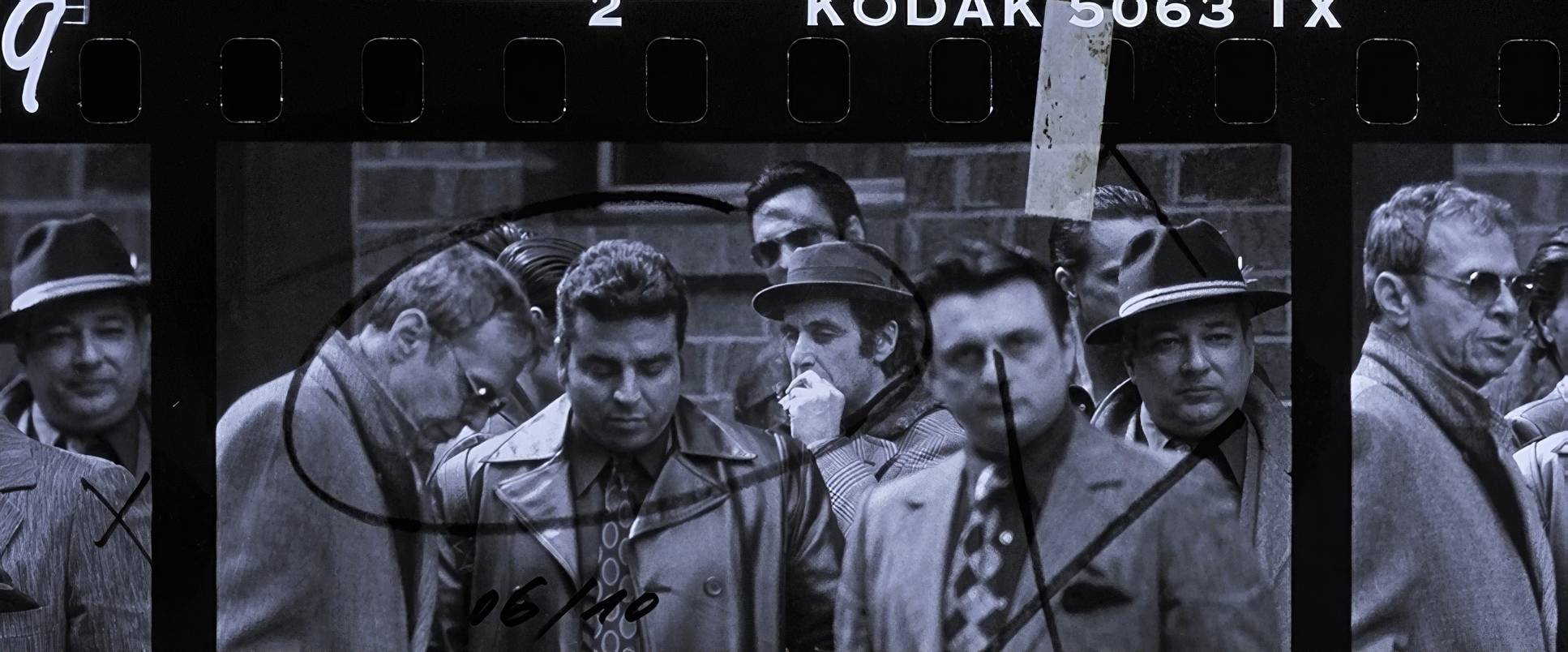
In 1997, the production relied on 35mm stock, likely Kodak Vision 500T for those dense, moody interiors. This gave Sova the latitude needed to capture detail in the shadows while maintaining that fine-grained texture. The post-production process would have been largely photochemical. There’s something about that physical manifestation of light and chemicals on celluloid that offers a depth digital still strives to replicate.
The beauty of Donnie Brasco lies in its unflinching honesty. It doesn’t romanticize the mob; it strips it down to its grim, human core. Even Gravano, despite his issues with the film’s accuracy, admitted it “brought me back… I relive my life again.” That resonance is a testament to the visual team.
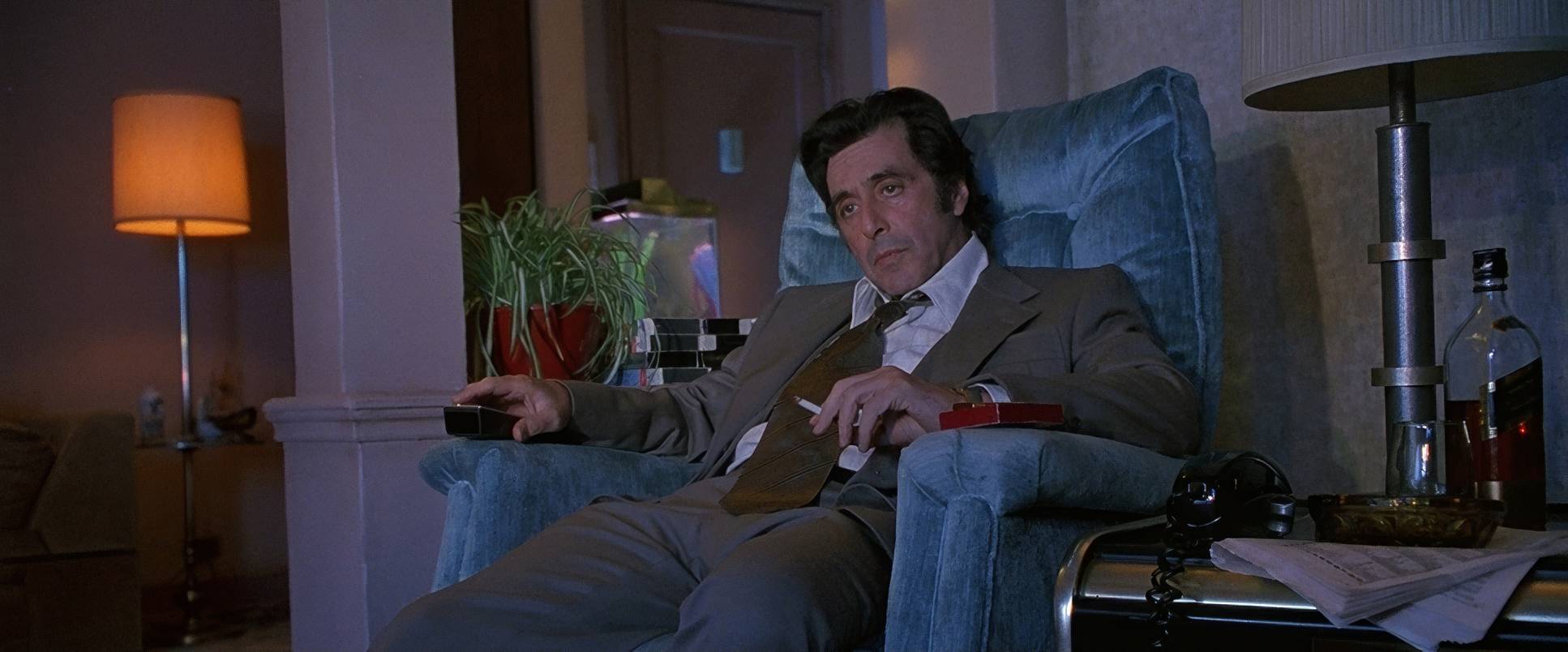
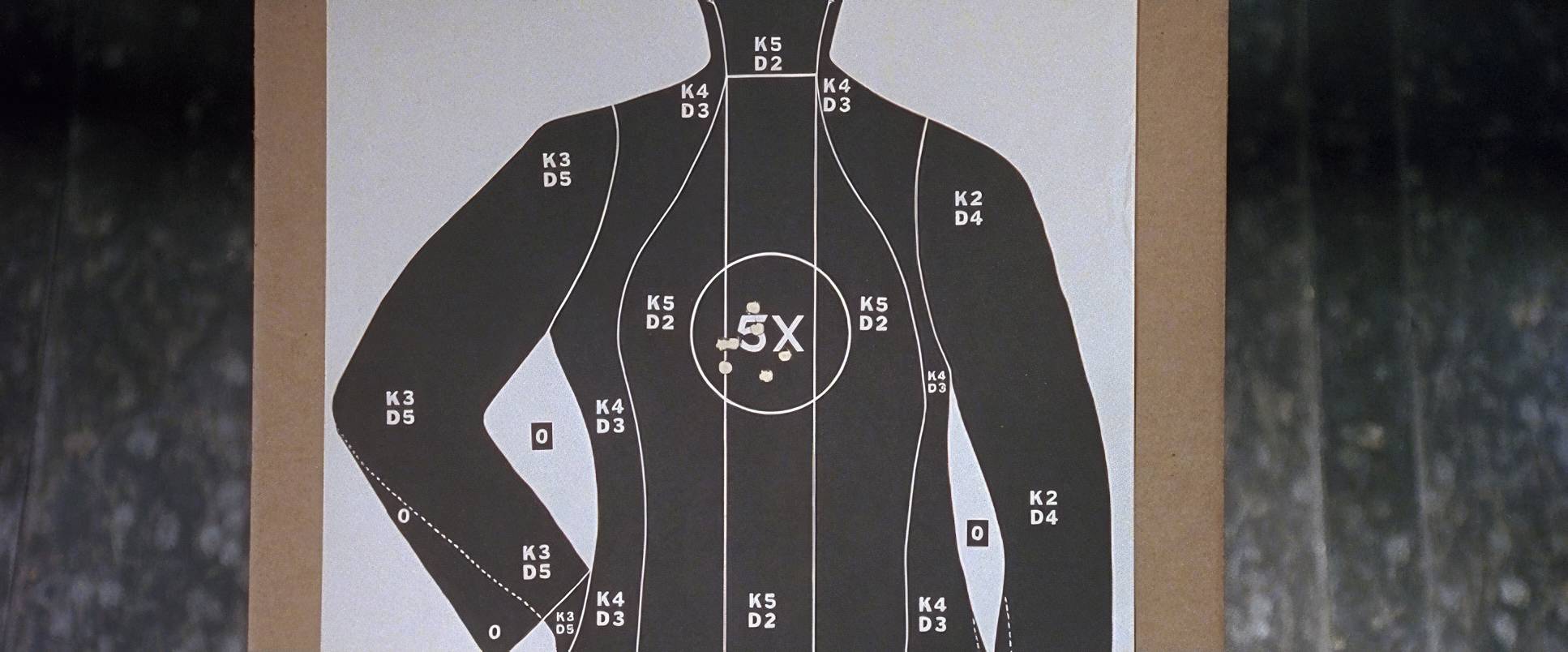
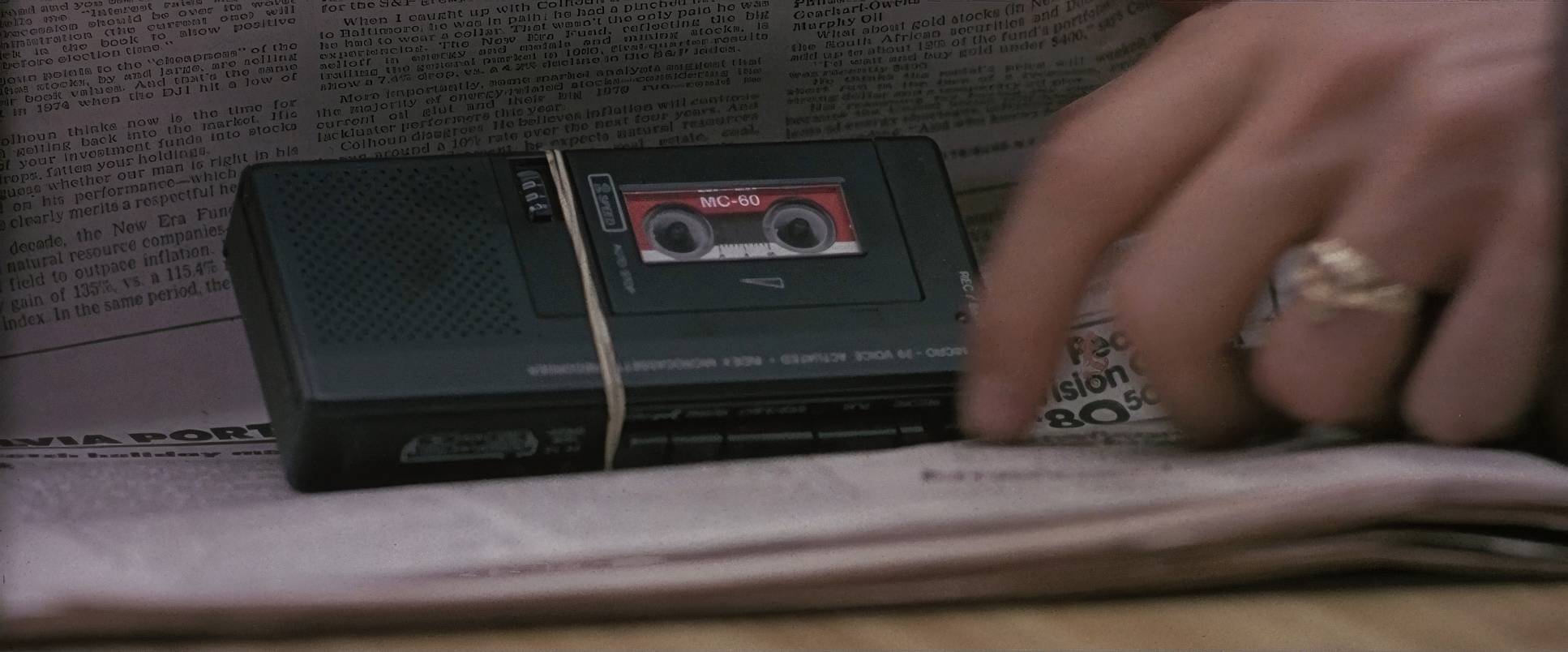
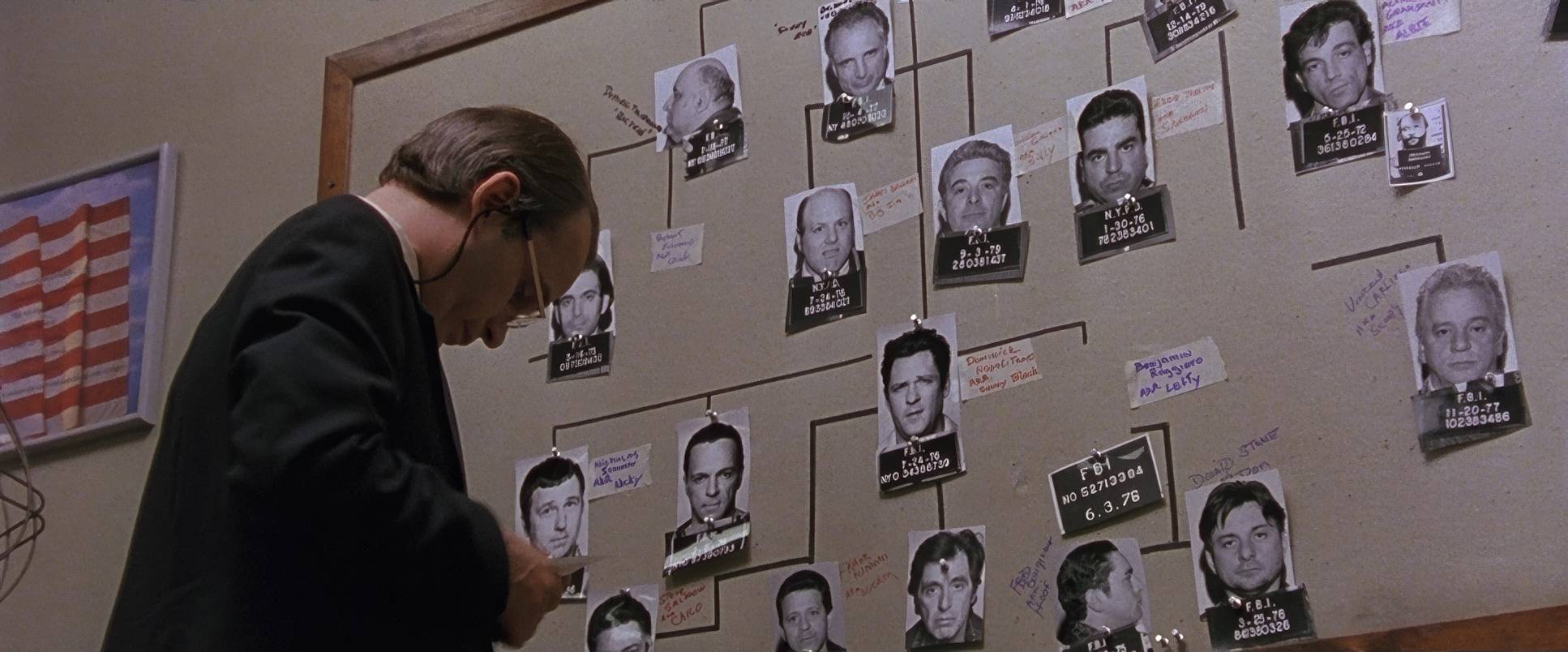
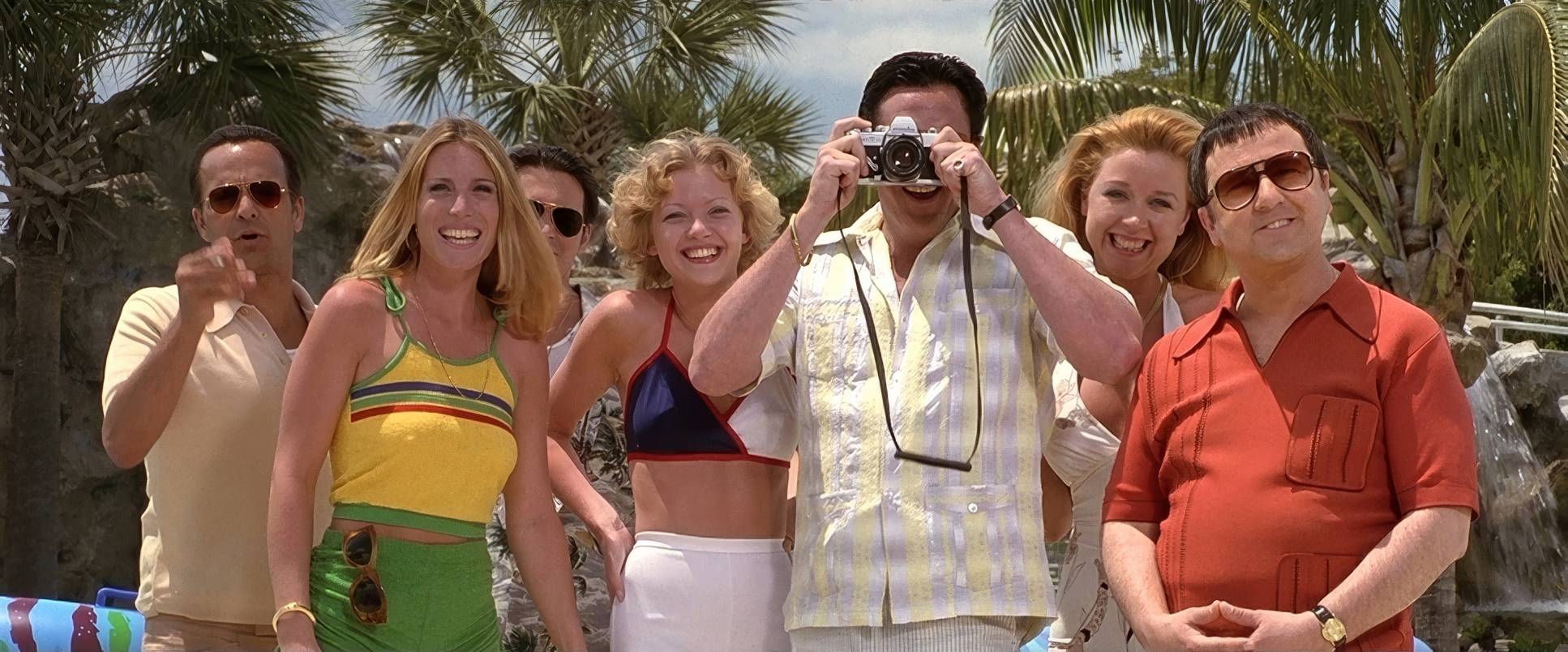
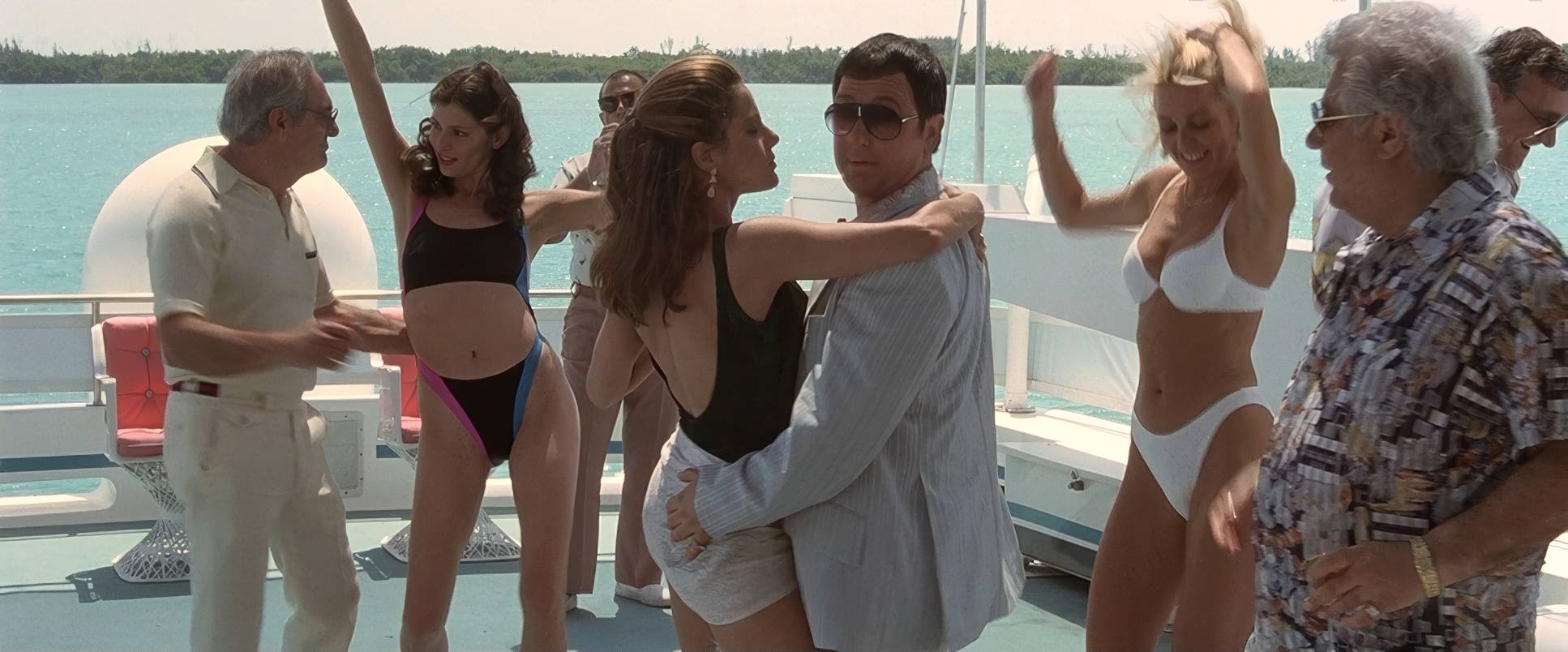
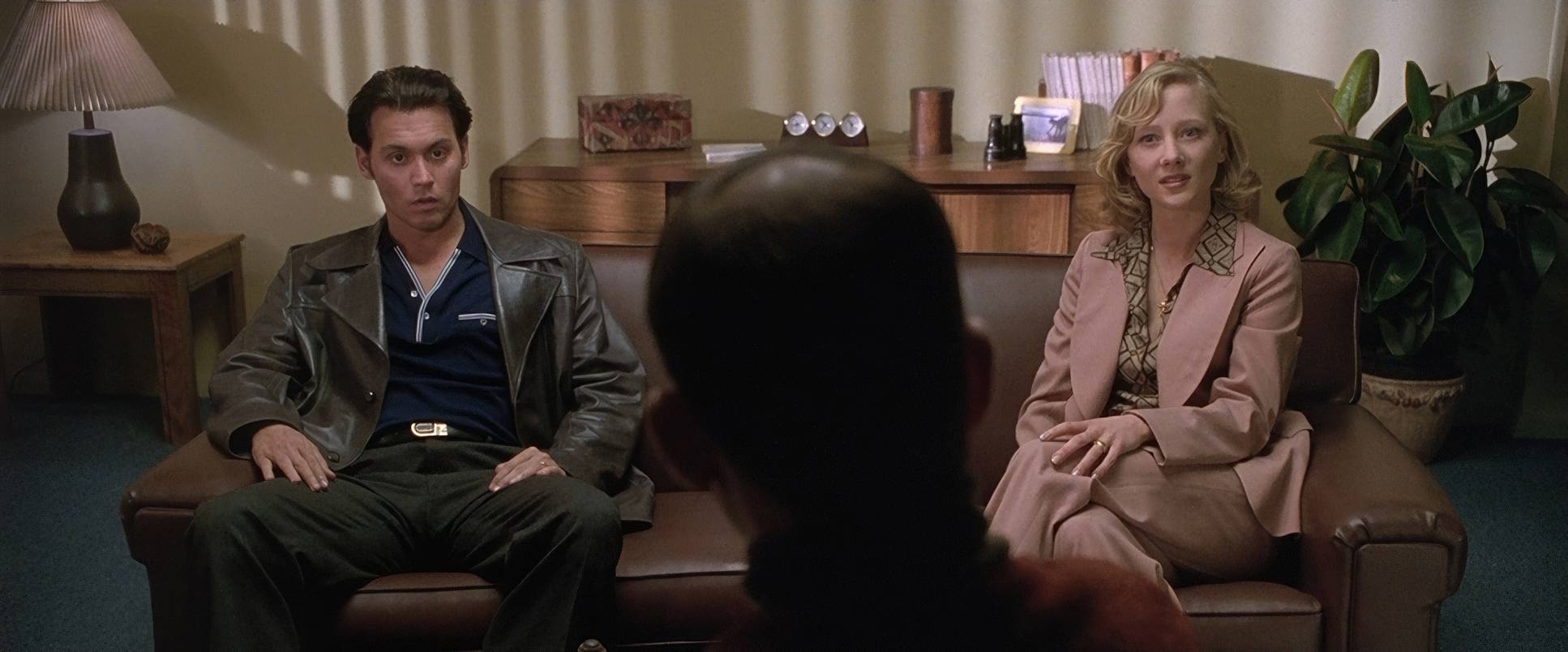
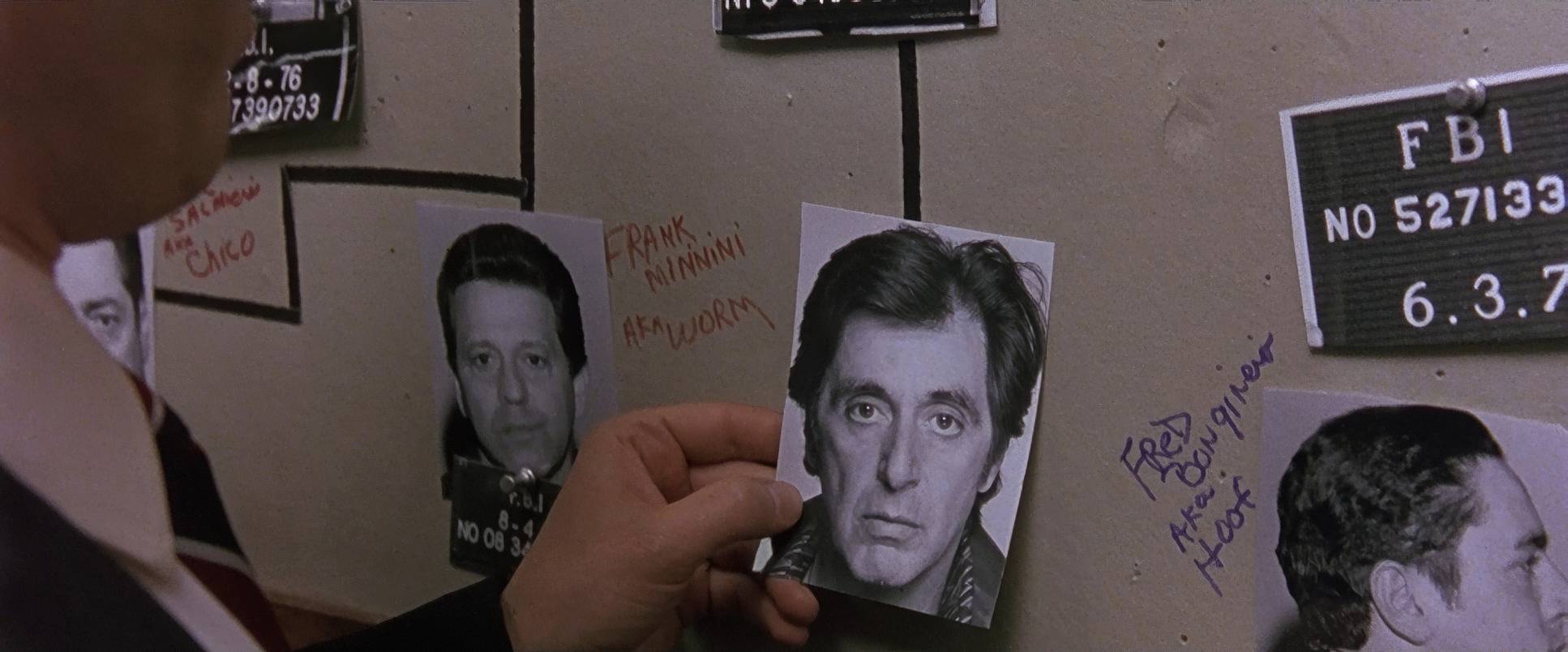
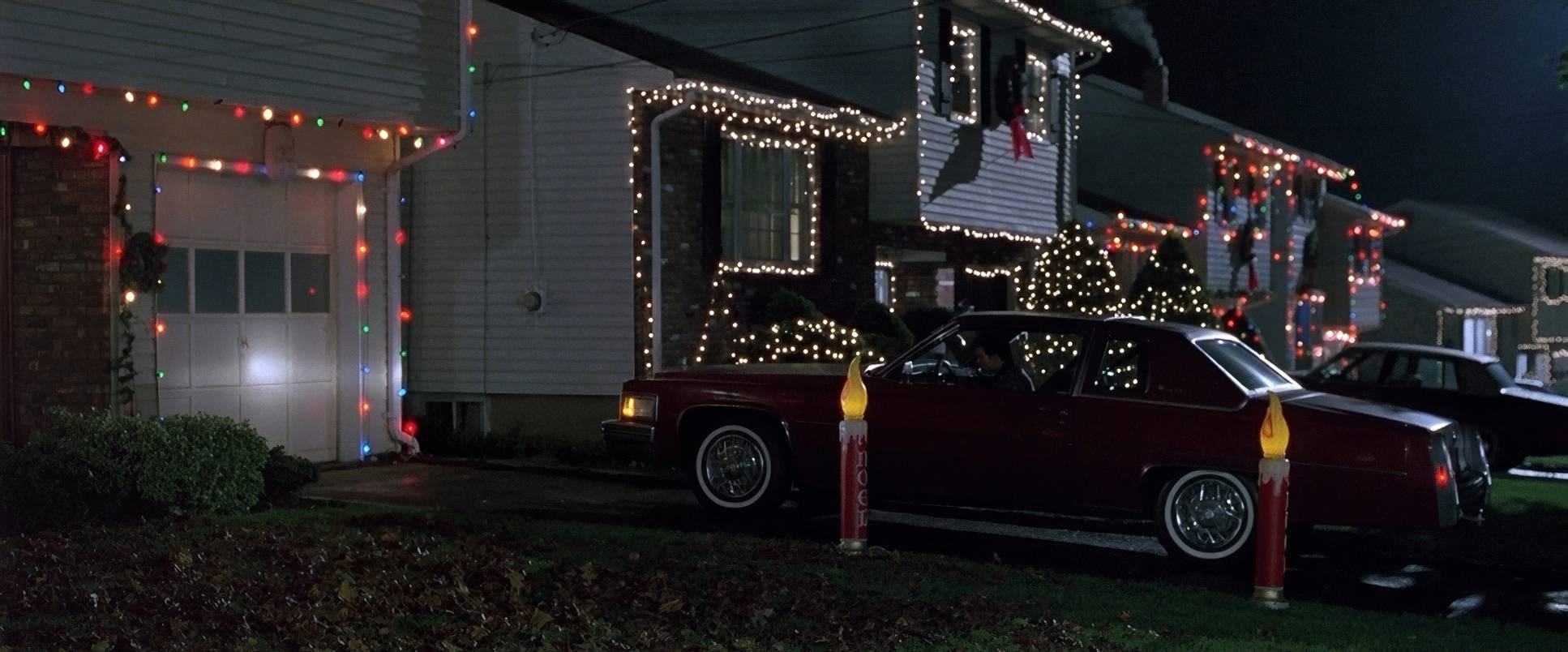
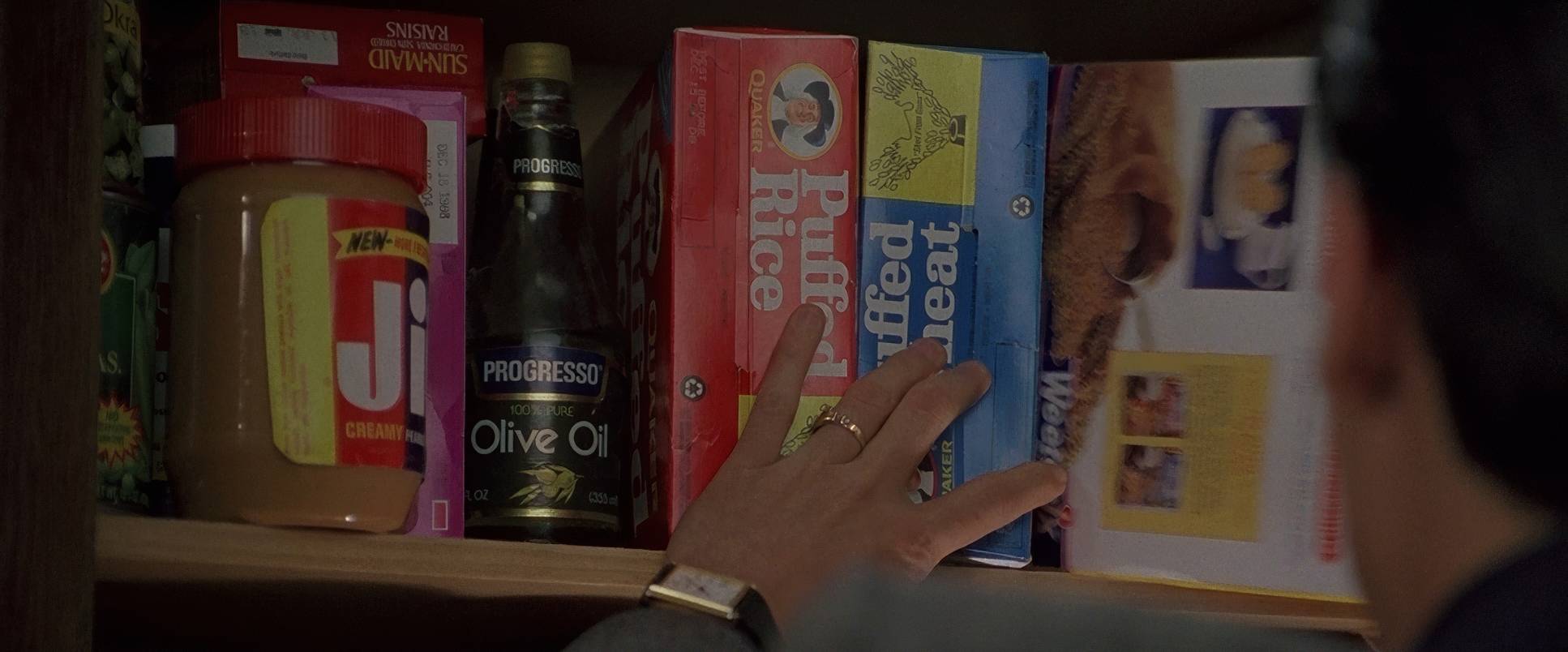
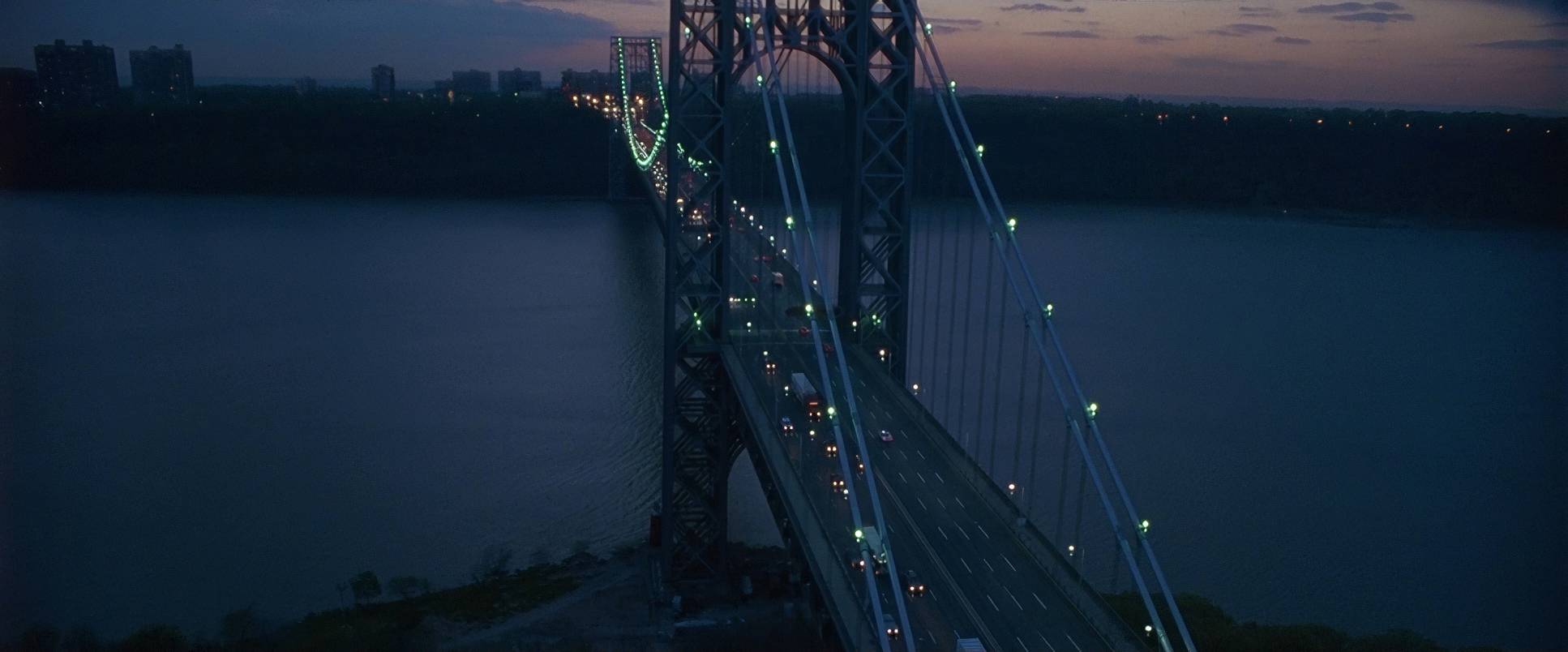
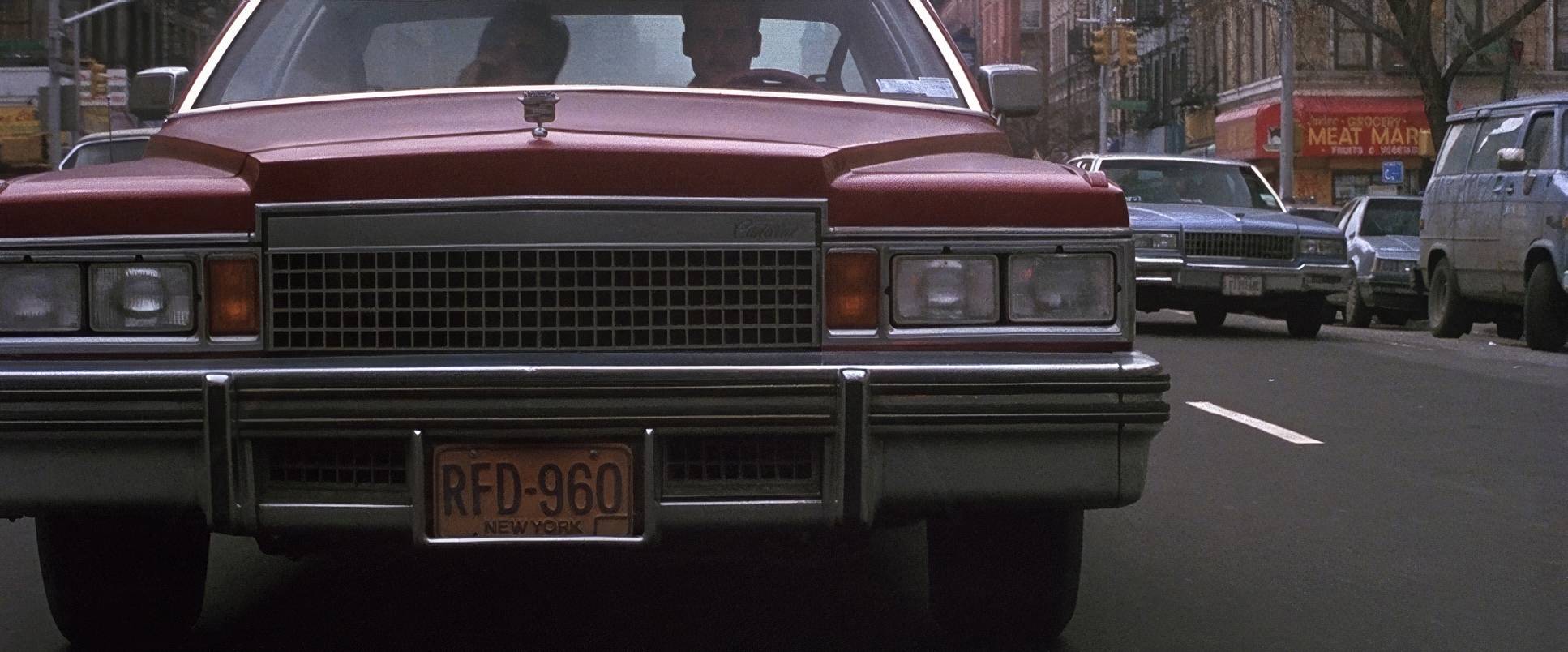
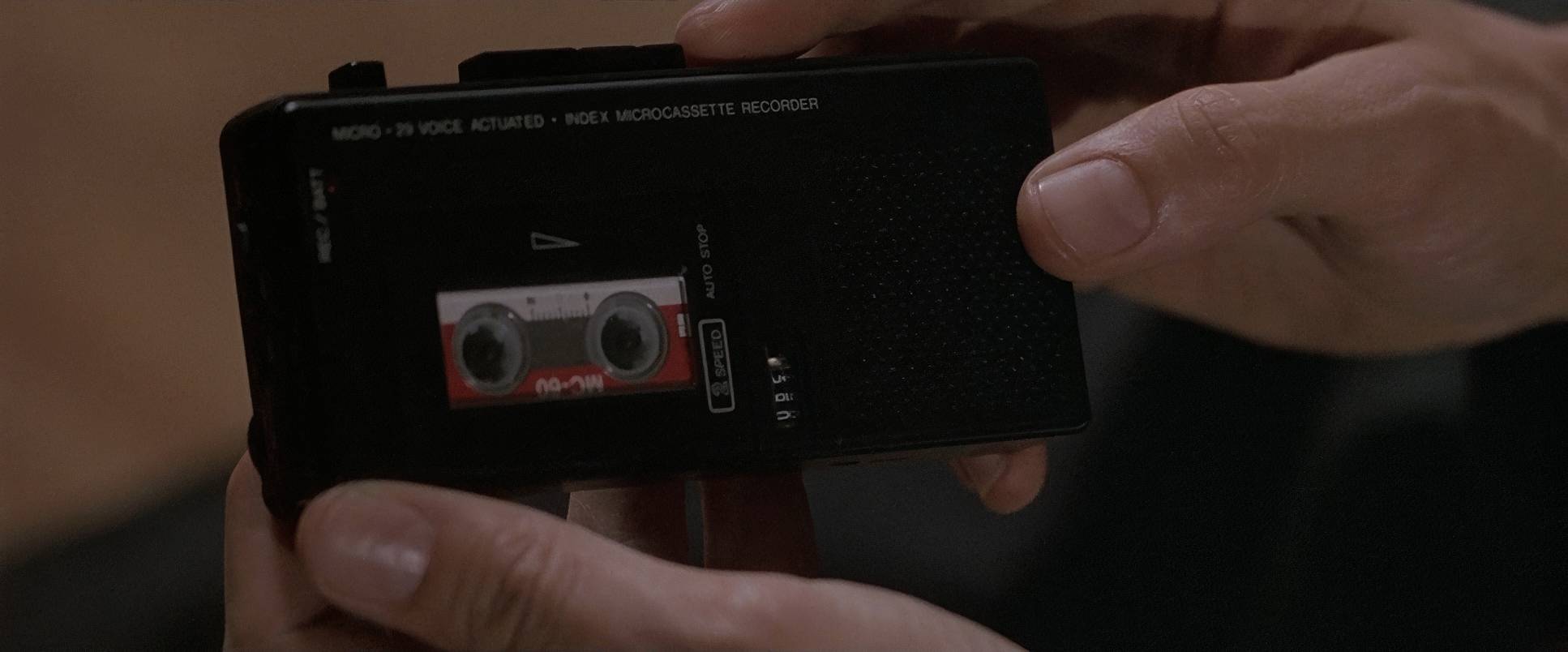
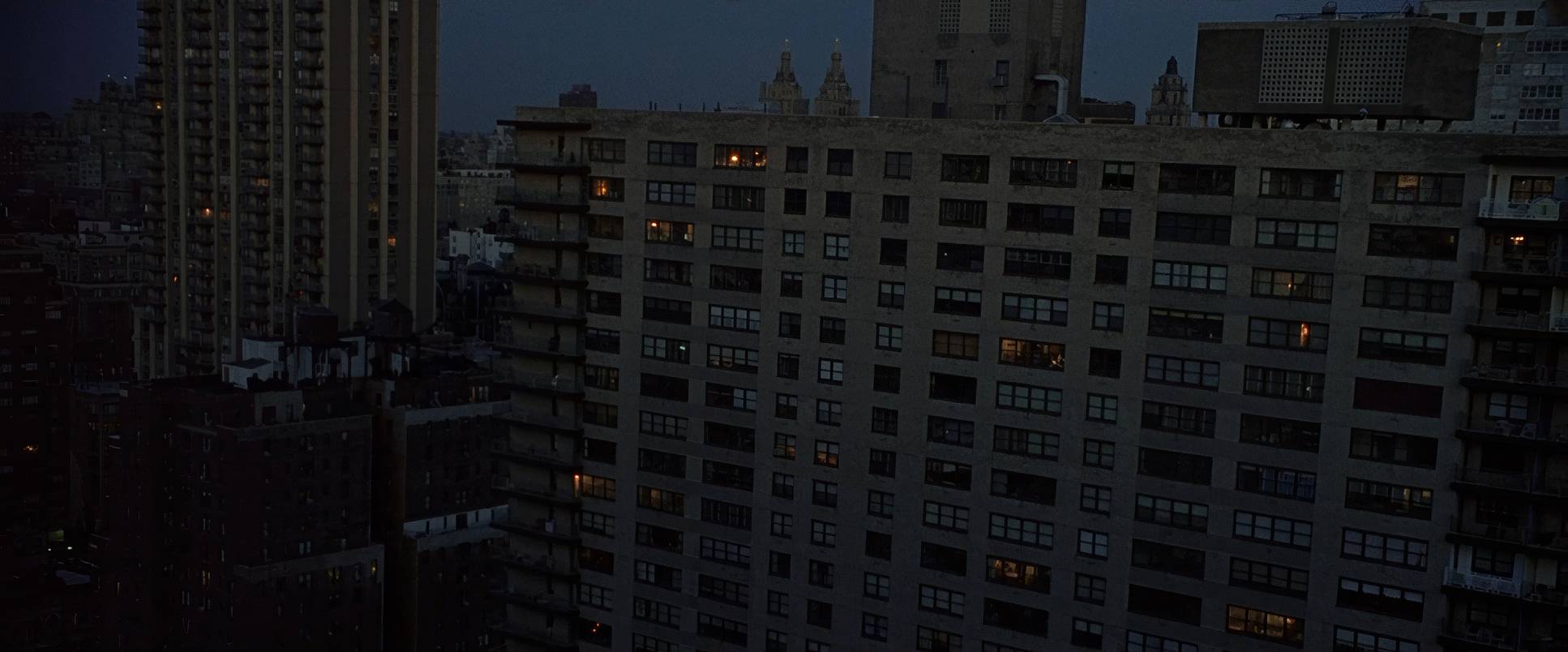
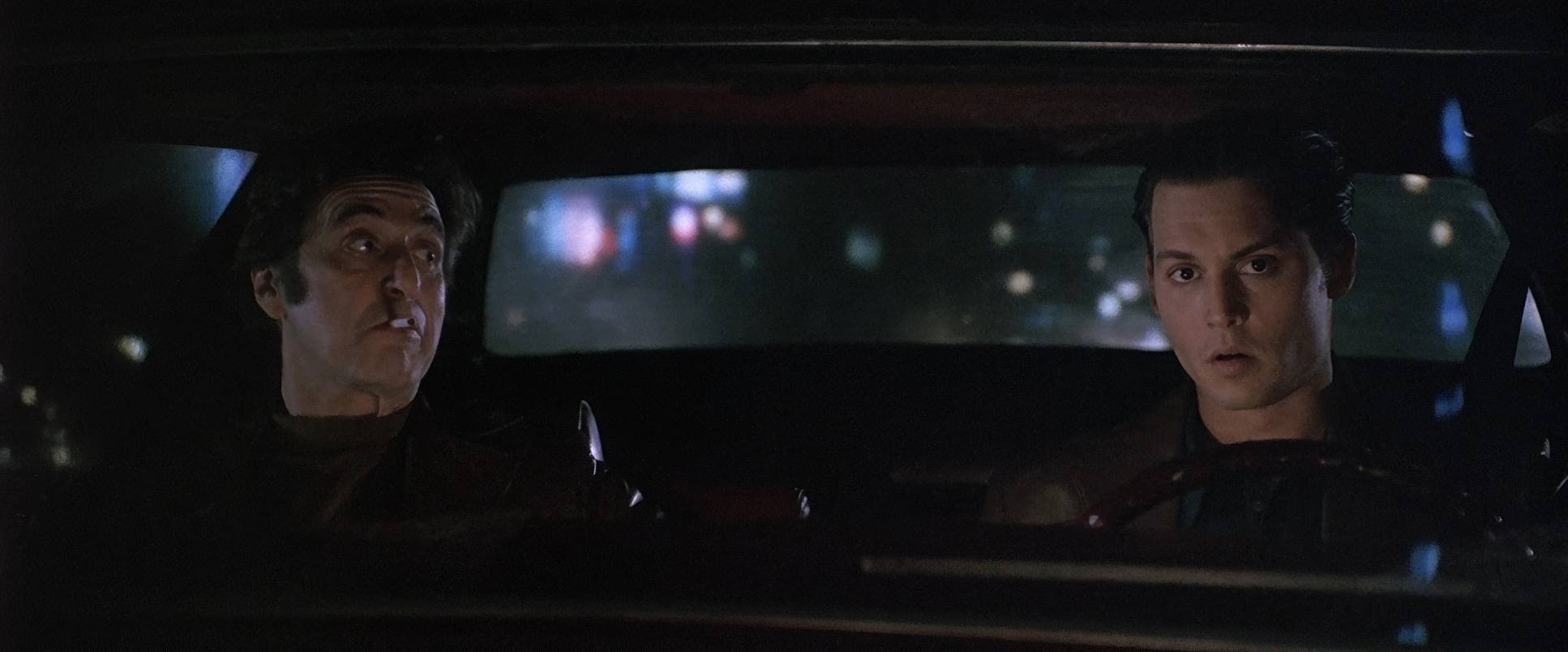
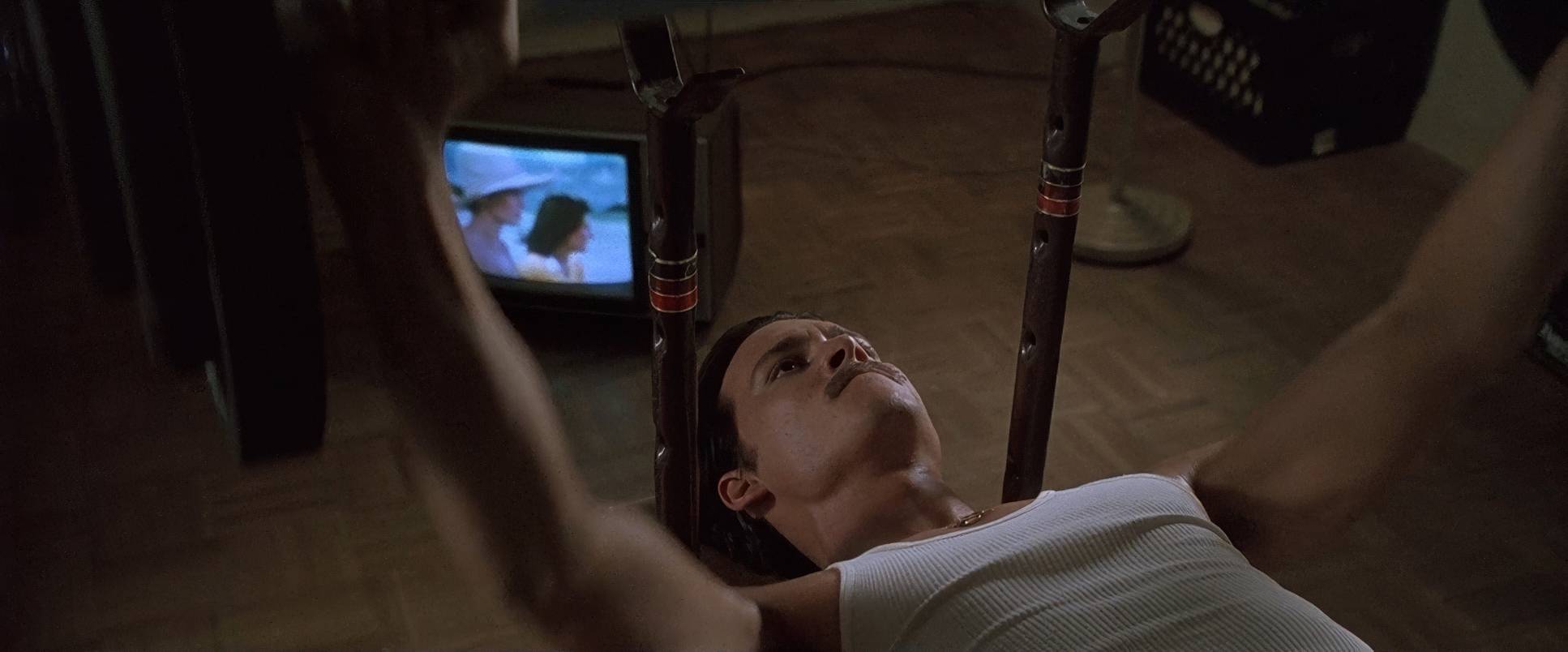
Donnie Brasco (1997) Film Stills
A curated reference archive of cinematography stills from Donnie Brasco (1997). Study the lighting, color grading, and composition.










- Also read: BEING JOHN MALKOVICH (1999) – CINEMATOGRAPHY ANALYSIS
- Also read: THE LEGO MOVIE (2014) – CINEMATOGRAPHY ANALYSIS
Browse Our Cinematography Analysis Glossary
Explore directors, cinematographers, cameras, lenses, lighting styles, genres, and the visual techniques that shape iconic films.
Explore Glossary →