This is one of those films that stays in your teeth long after you’ve finished watching it. I remember the first time I saw Thomas Vinterberg’s The Celebration (Festen) it hit me like a ton of bricks. Even now, as someone who spends my days staring at Scopes and tweaking Log footage, this 1998 masterpiece still rattles me. It’s a masterclass in how “limitations” aren’t actually hurdles; they’re the fuel.
It isn’t “beautiful” in the way we usually talk about cinematography in 2025. There are no anamorphic flares or 15 stops of dynamic range here. It’s grainy, it’s jarring, and it’s deeply, disturbingly authentic. It’s the visual equivalent of an open wound, and for a filmmaker, that is its own kind of beauty.
Inspiration Behind the Cinematography
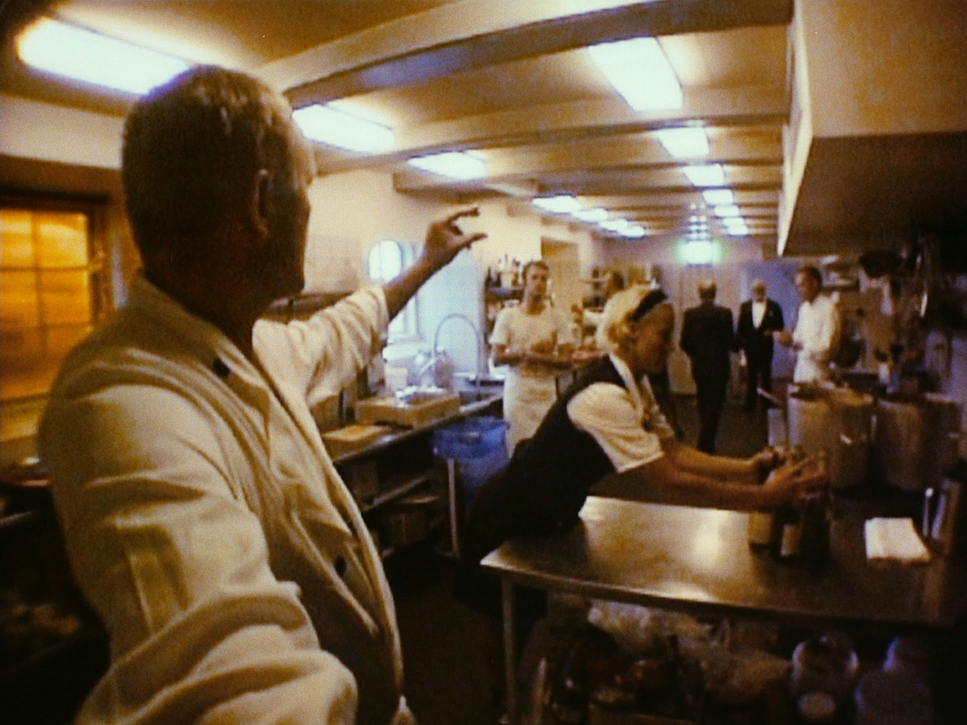
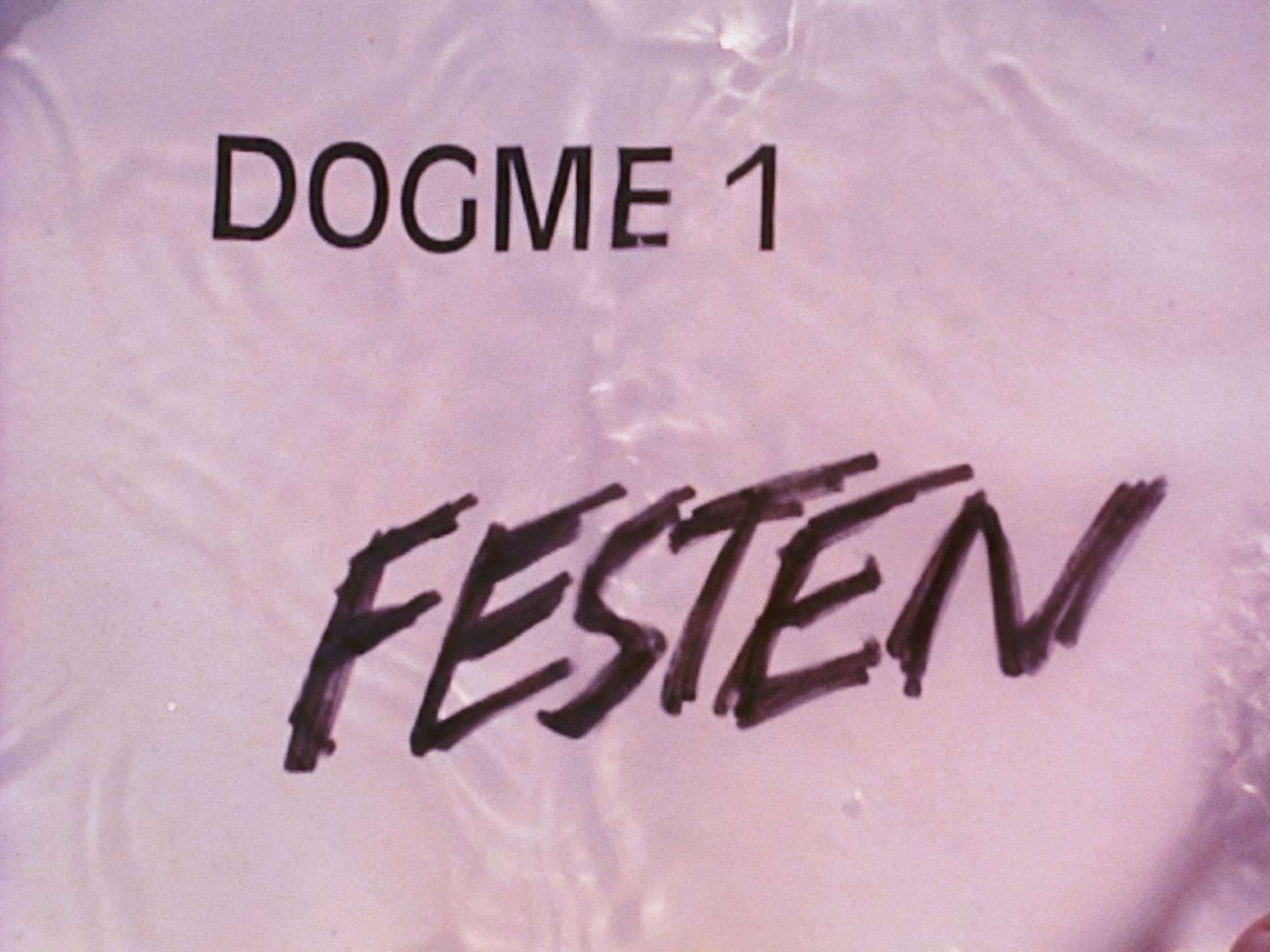
You can’t talk about Festen without talking about the Dogme 95 Manifesto. It wasn’t just a set of rules; it was a middle finger to the polished, over-produced “perfection” of 90s cinema. Thomas Vinterberg and Lars von Trier called it a “Vow of Chastity,” but as Vinterberg later put it, it was pure arrogance and ideology. They wanted to strip away the artifice no sets, no props brought in, no special lighting, and absolutely no post-production trickery.
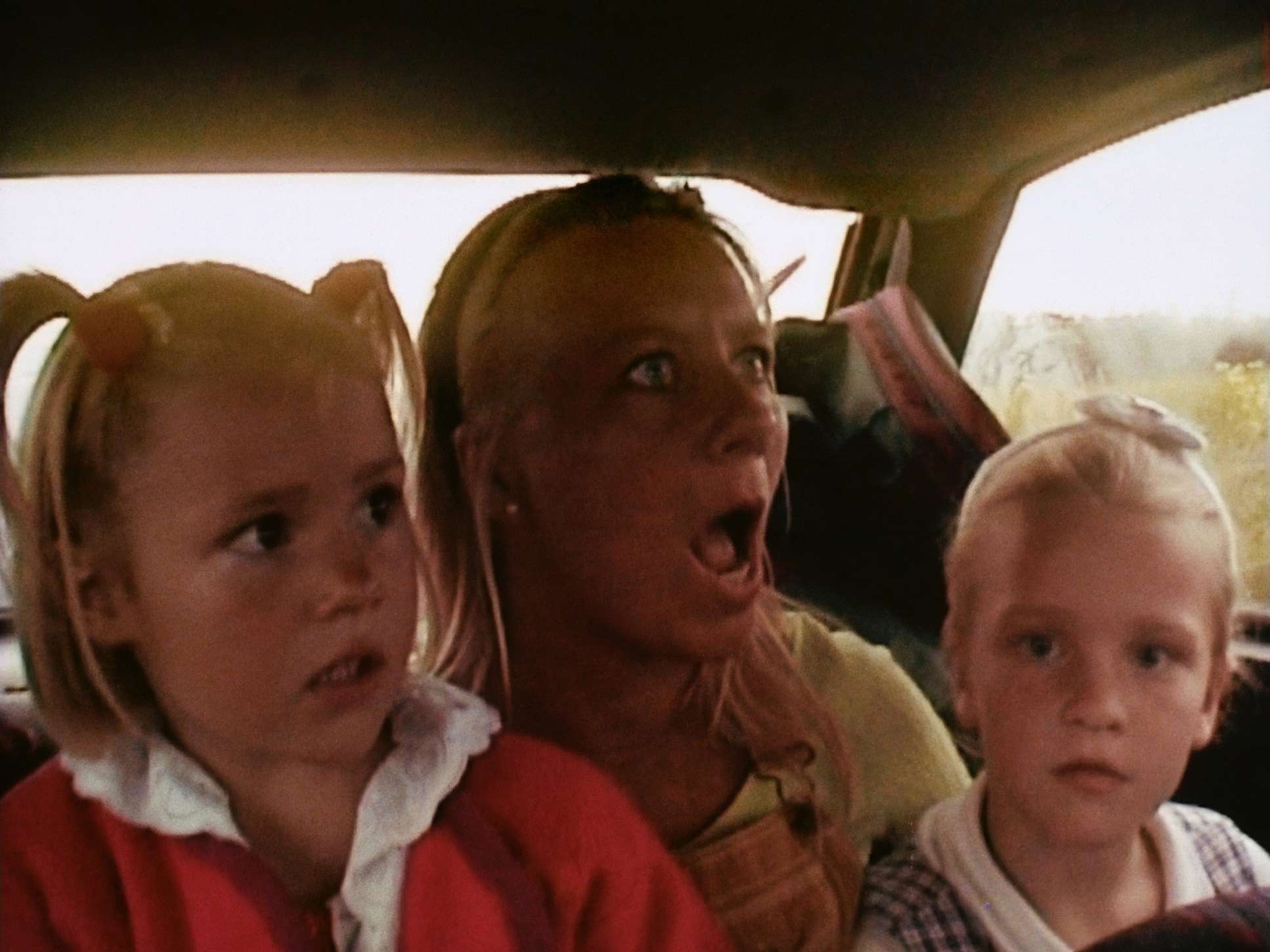
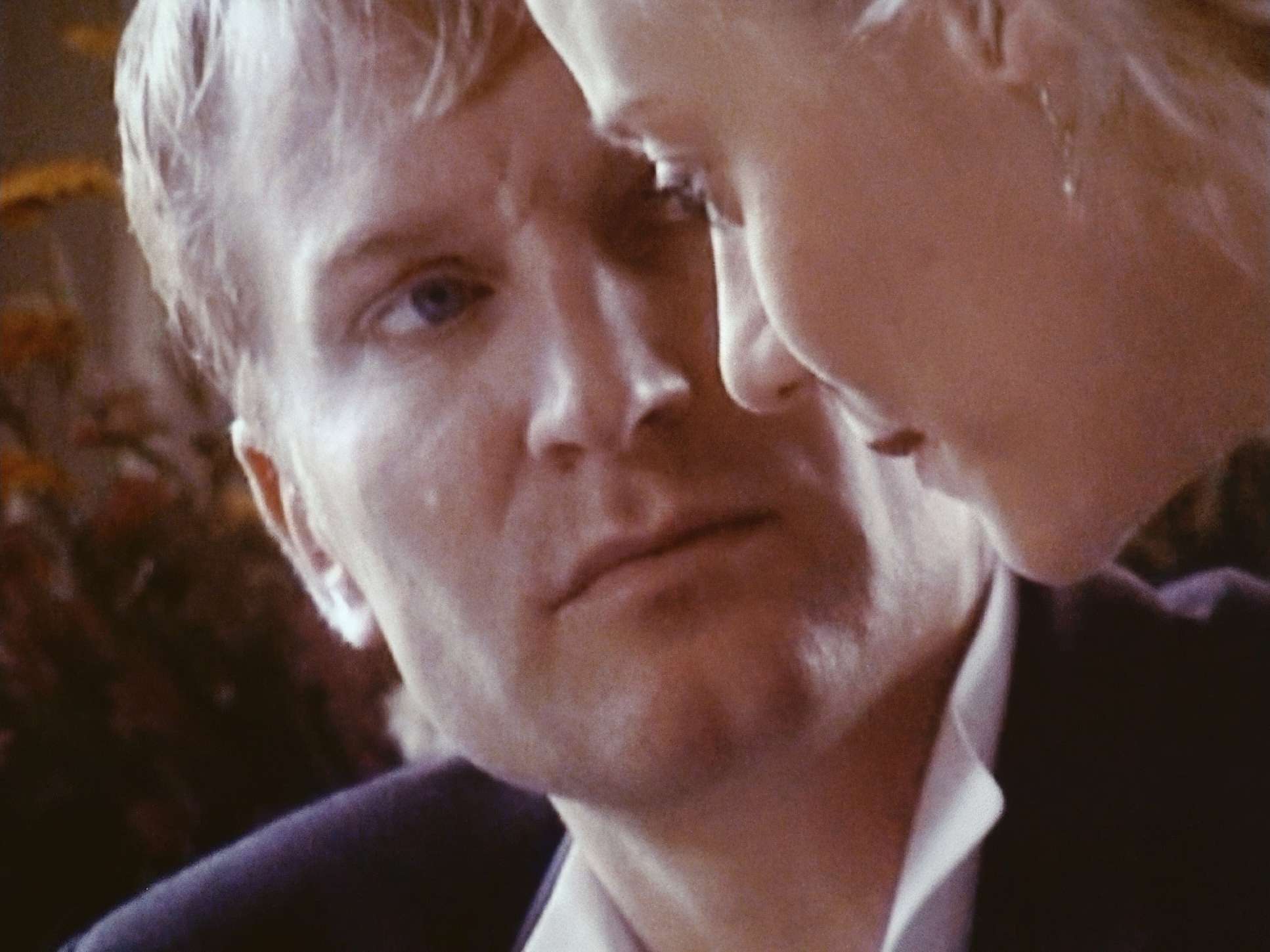
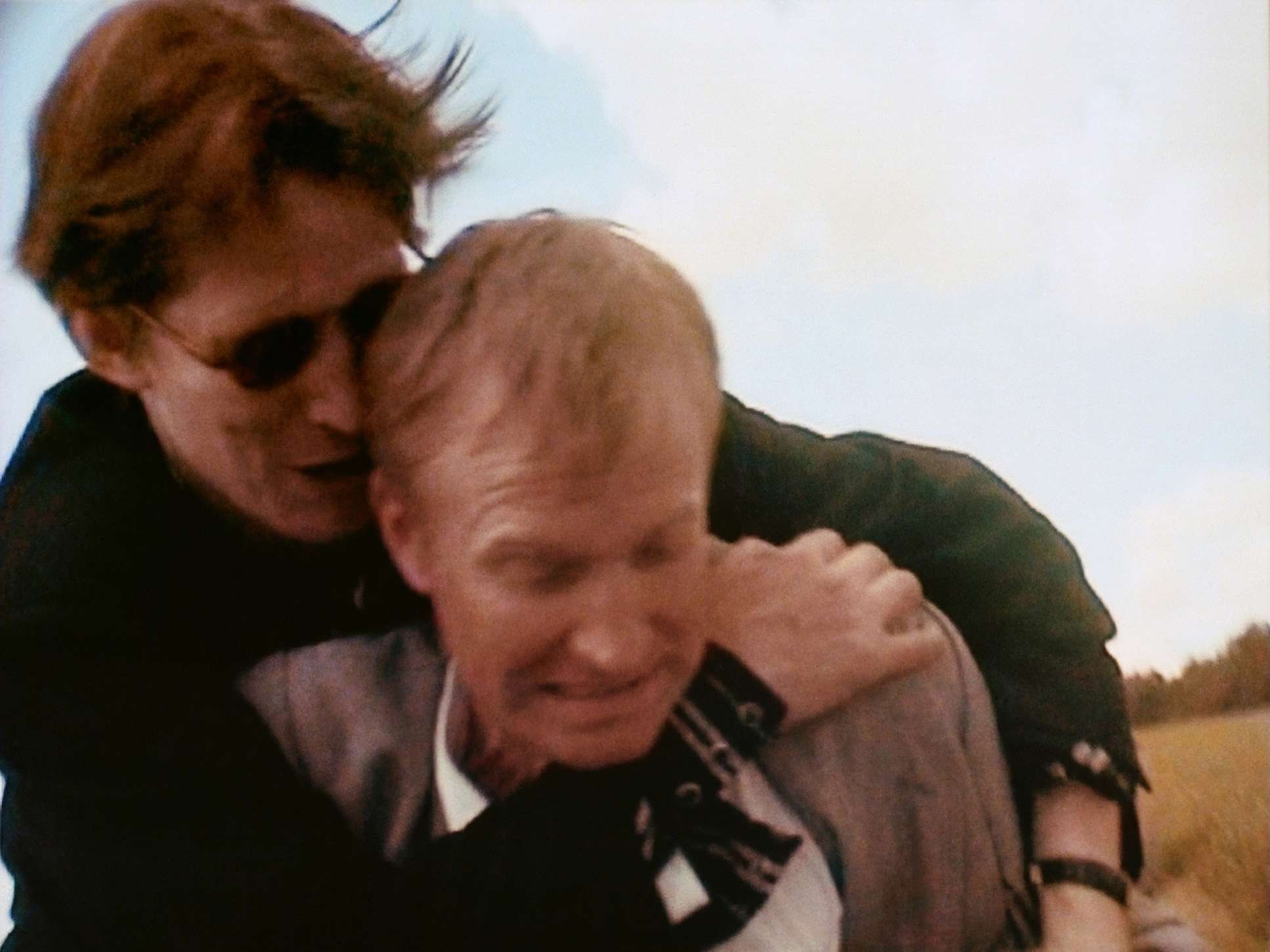
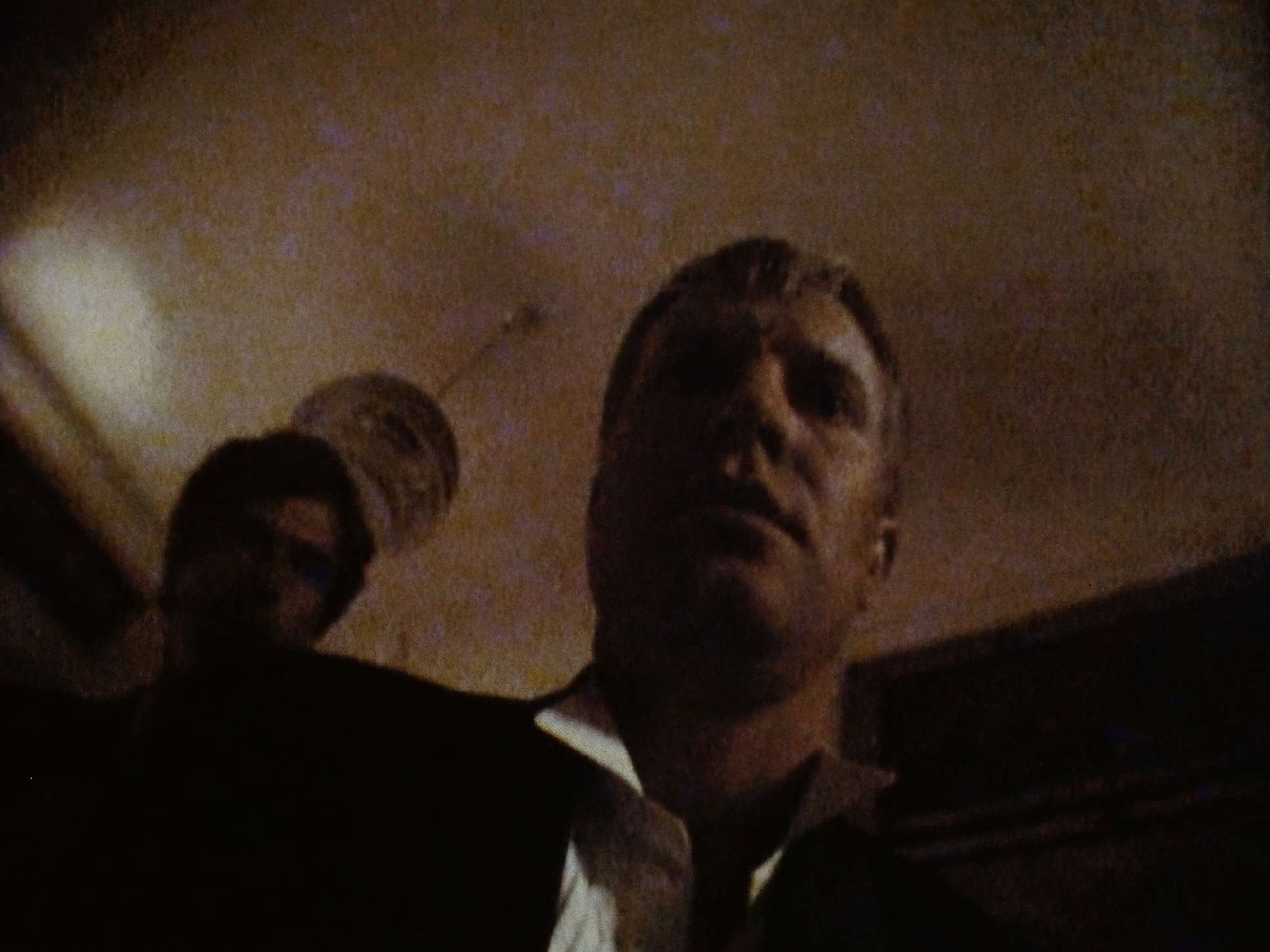
Festen was the first real test of this experiment. The goal was a “home video aesthetic,” but not in a gimmicky way. By committing to handheld cameras and available light, they created something that feels less like a movie and more like a horrifying Super 8 recording of a family dinner you weren’t supposed to see. That raw, unvarnished look is exactly why the central revelation of the film feels so devastating there’s no “movie magic” to protect you from the truth.
About the Cinematographer
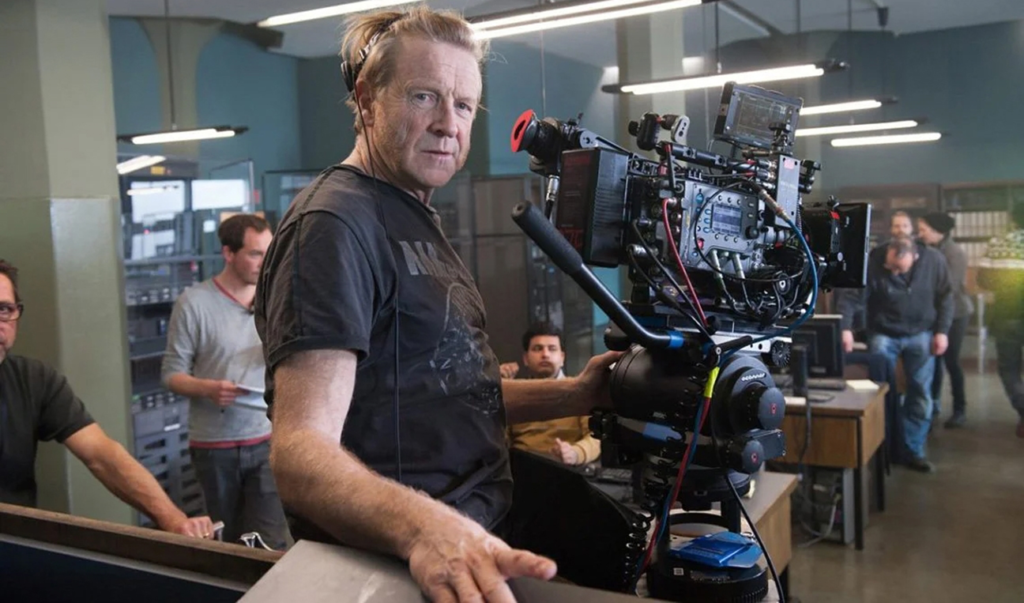
The man who had to actually execute this madness was Anthony Dod Mantle. While the Dogme rules technically forbid director credits (an “anti-ego” rule they eventually broke), Mantle’s fingerprints are all over this thing. You might know him from his Oscar-winning work on Slumdog Millionaire or the gorgeous, haunting frames of Antichrist, but Festen was where he proved he was fearless.
Vinterberg described the camera as an “extension of his hand,” and Mantle really lived that. He didn’t just operate a lens; he became a frantic, uninvited guest at the table. He let the camera breathe, react, and flinch. It wasn’t about being an omniscient observer; it was about being a witness. He brought that Sony Handycam to life in a way that felt like a raw conduit for the family’s emotional implosion.
Color Grading Approach
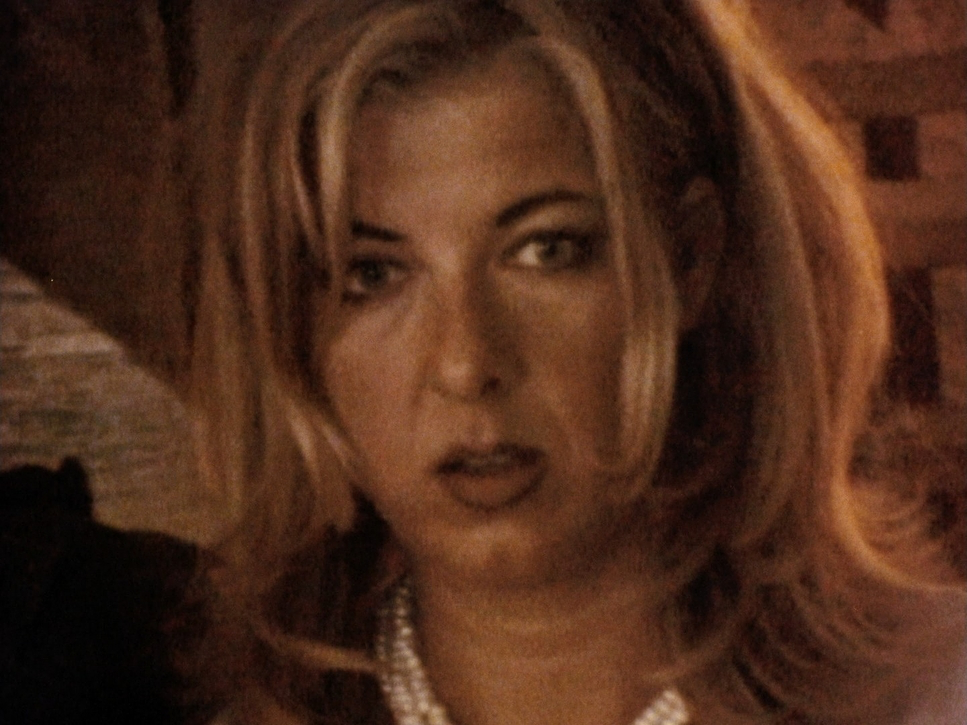
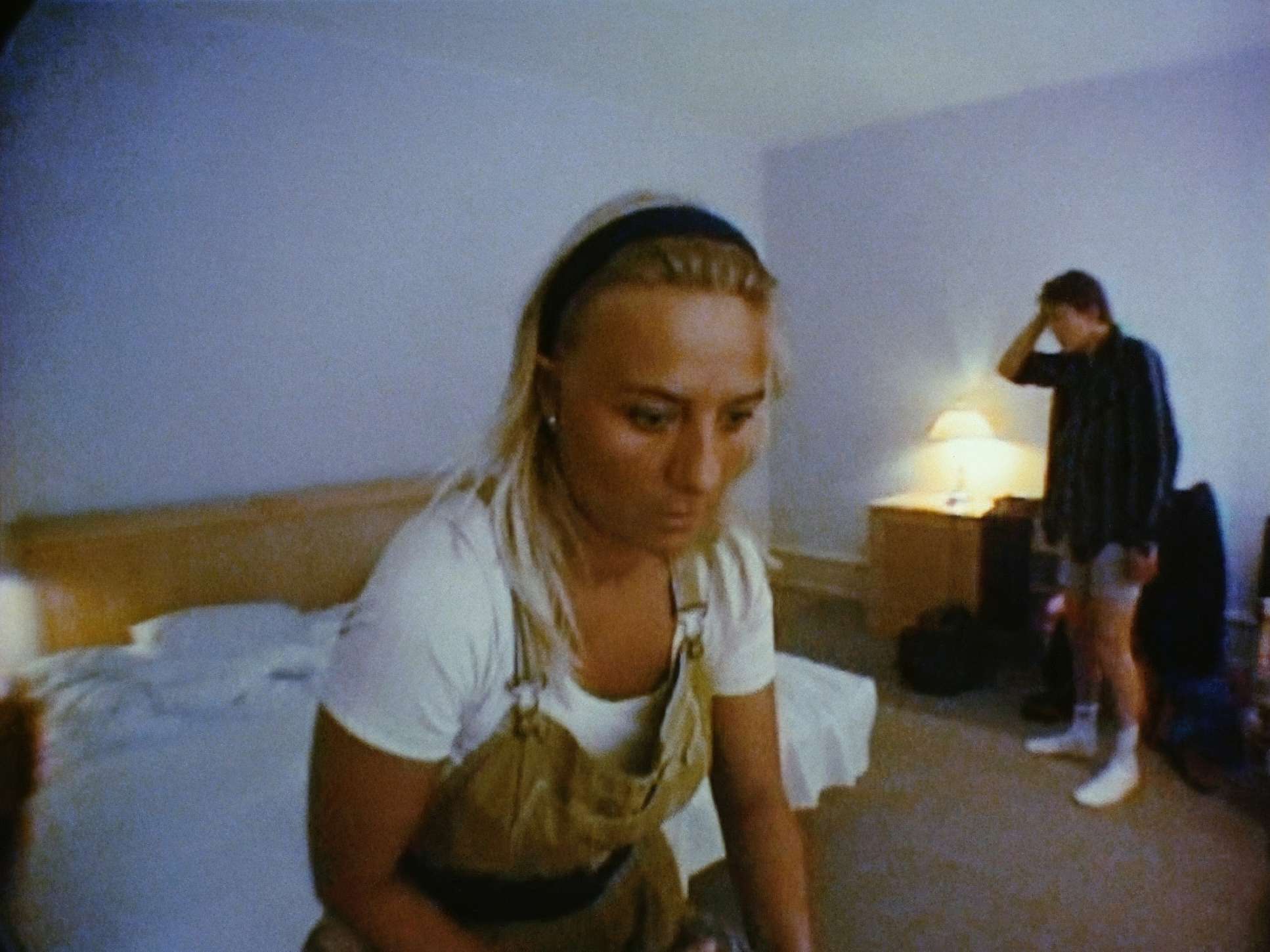
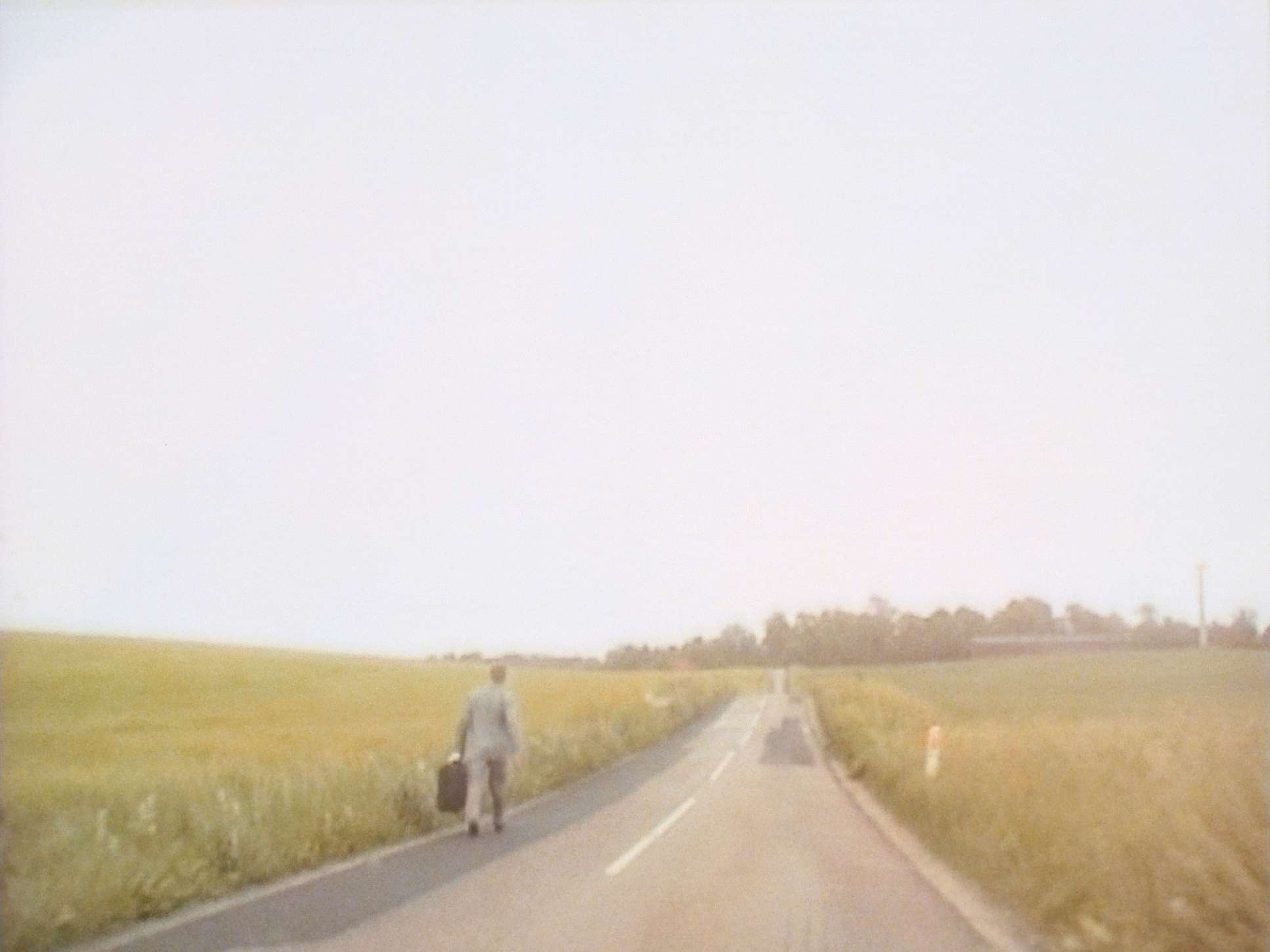
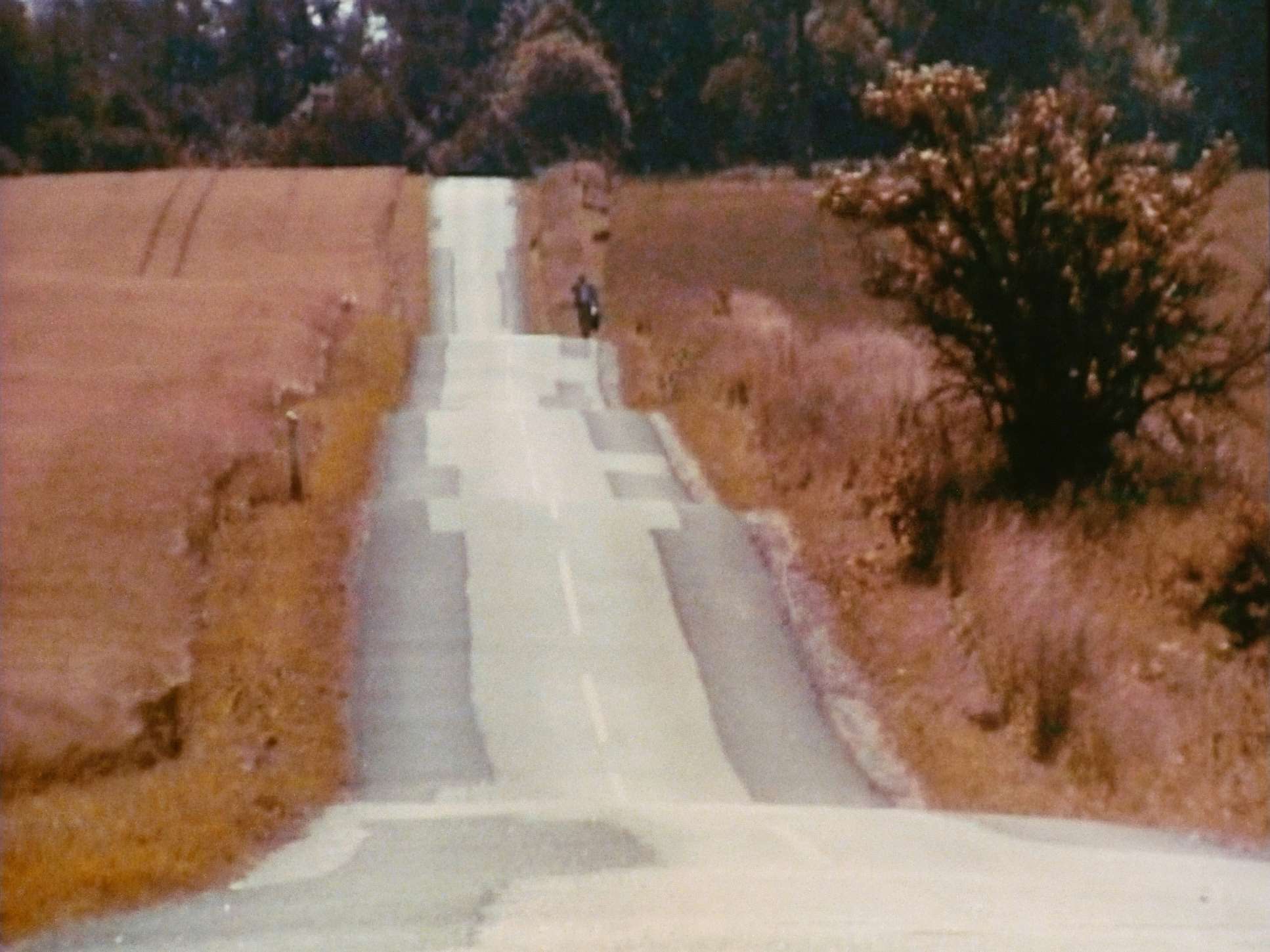
As a full-time colorist, this is where I get really nerdy and honestly, a bit stressed. Looking at Festen through a modern lens is a trip. It was shot on a Sony Handycam (MiniDV), which, let’s be real, is a nightmare format by today’s standards. We’re talking about massive digital noise in the shadows, “blocky” artifacts, and a color science that’s… well, let’s call it “utilitarian.”
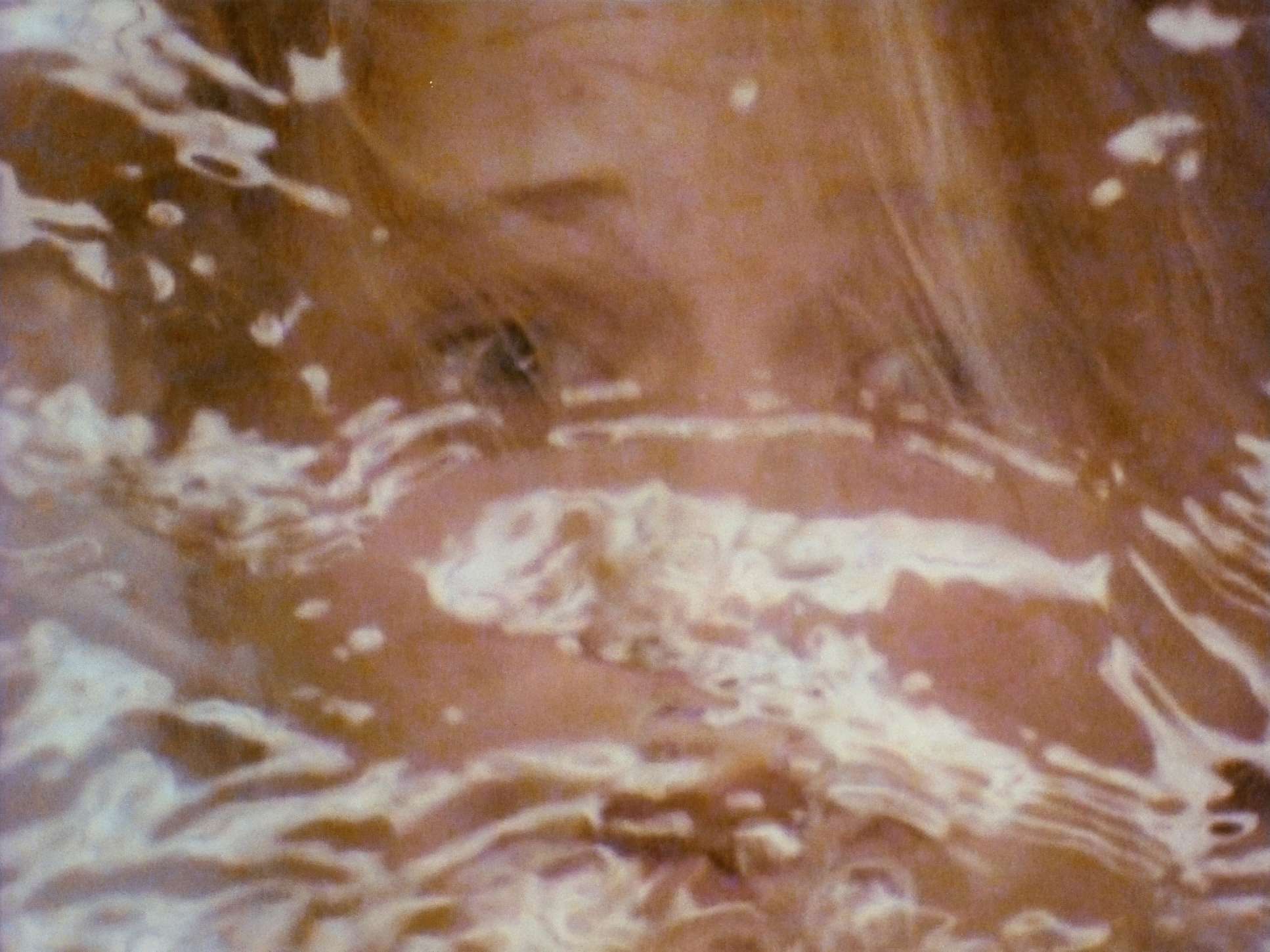
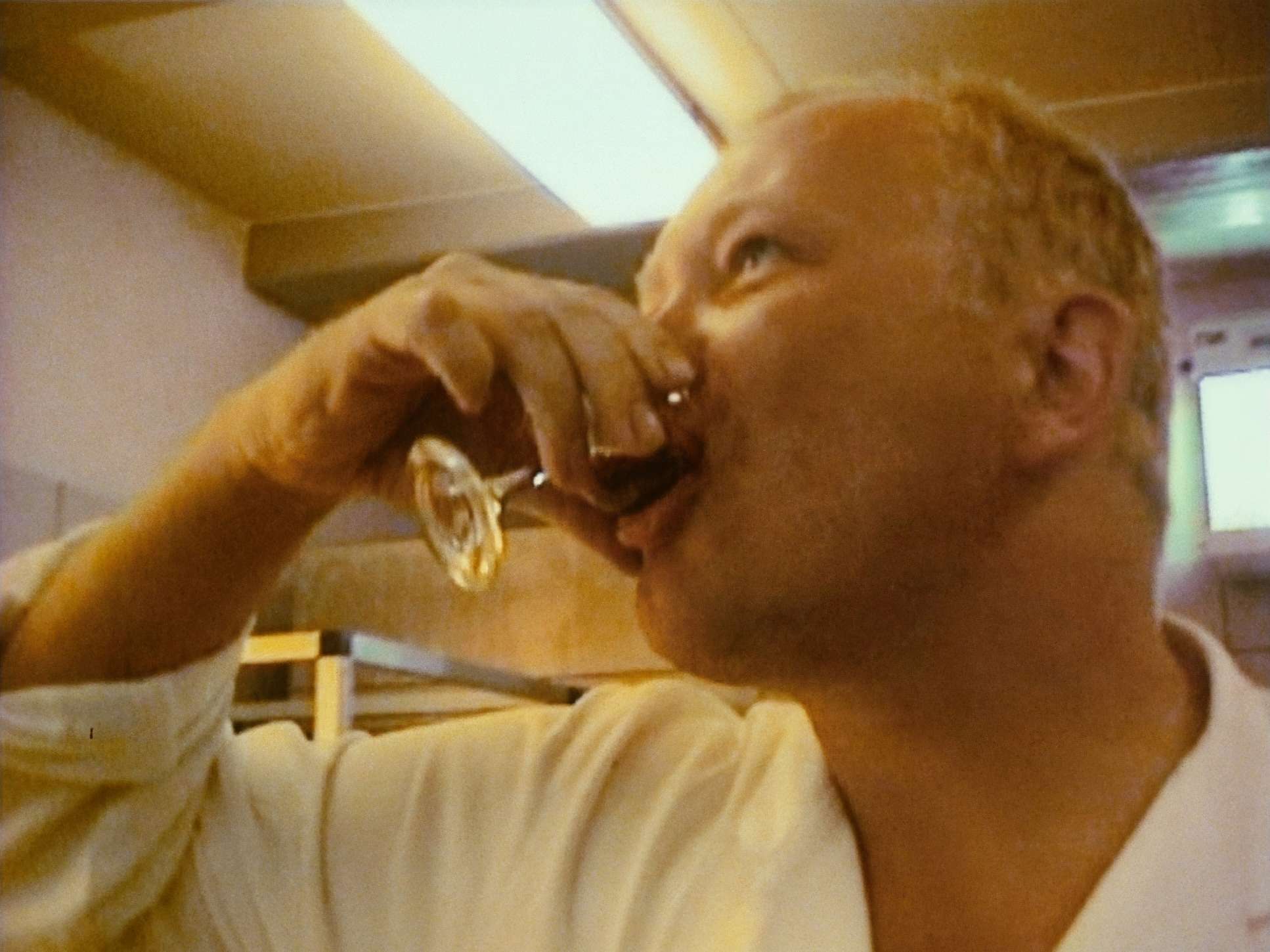
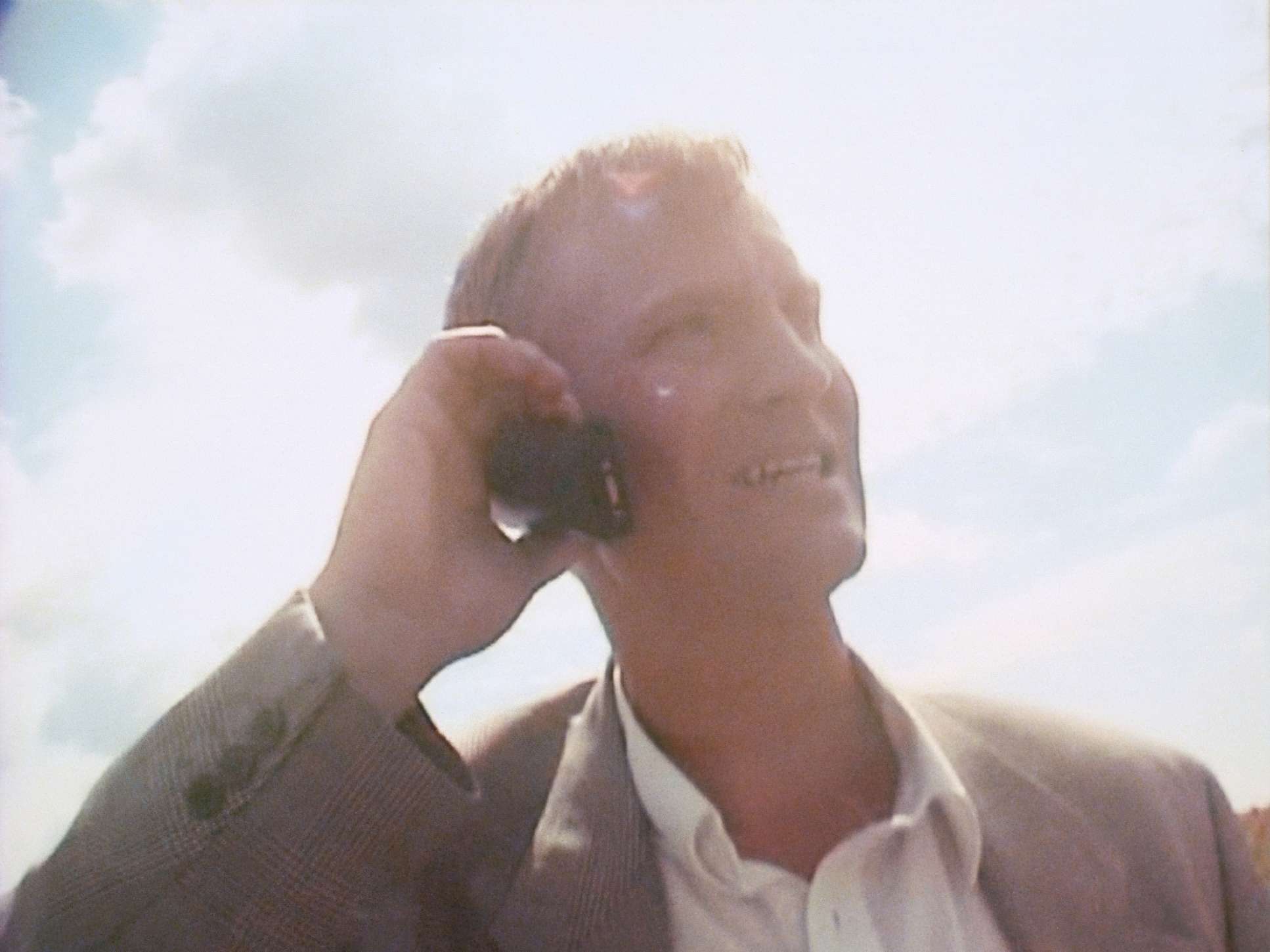
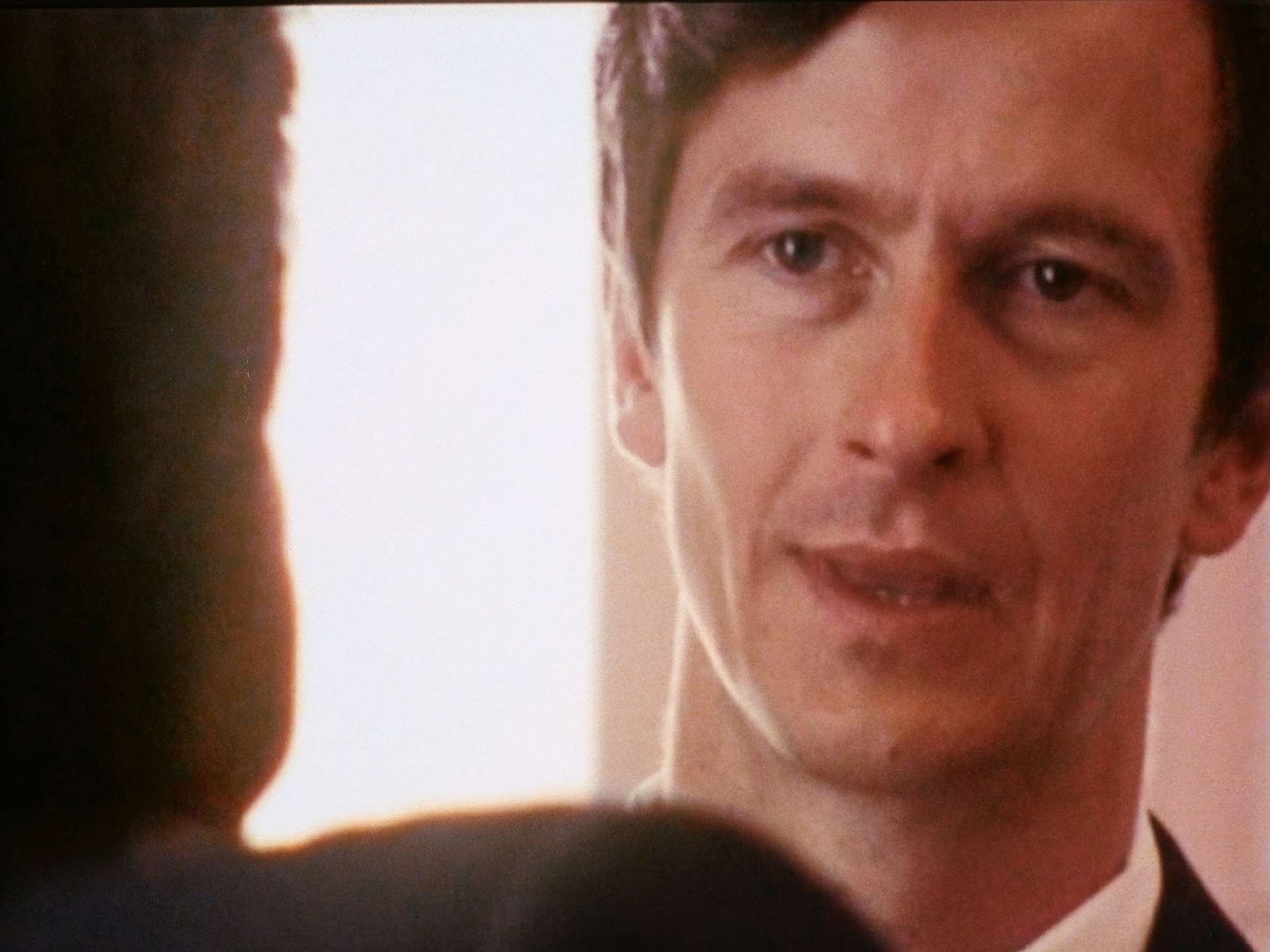
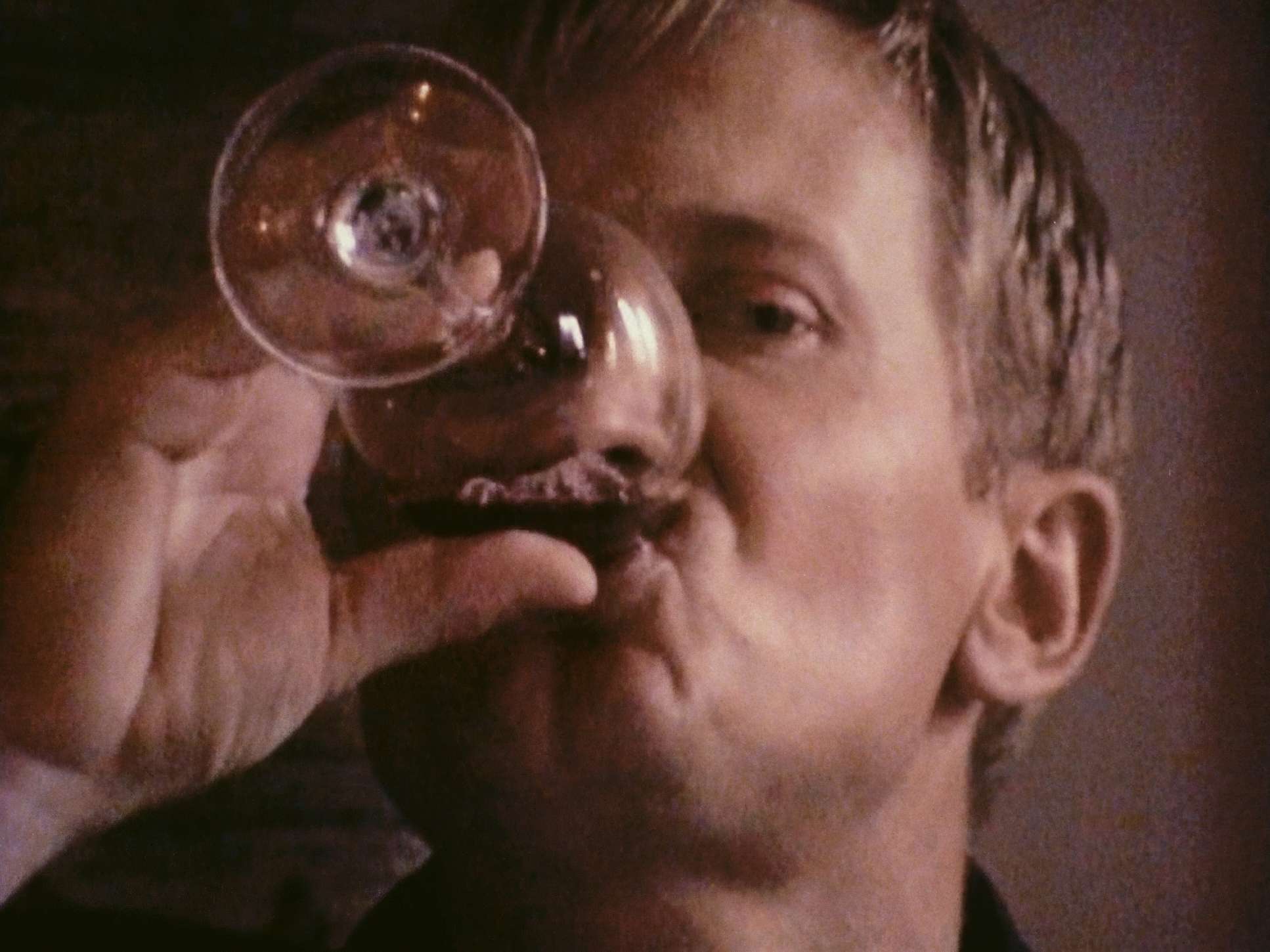
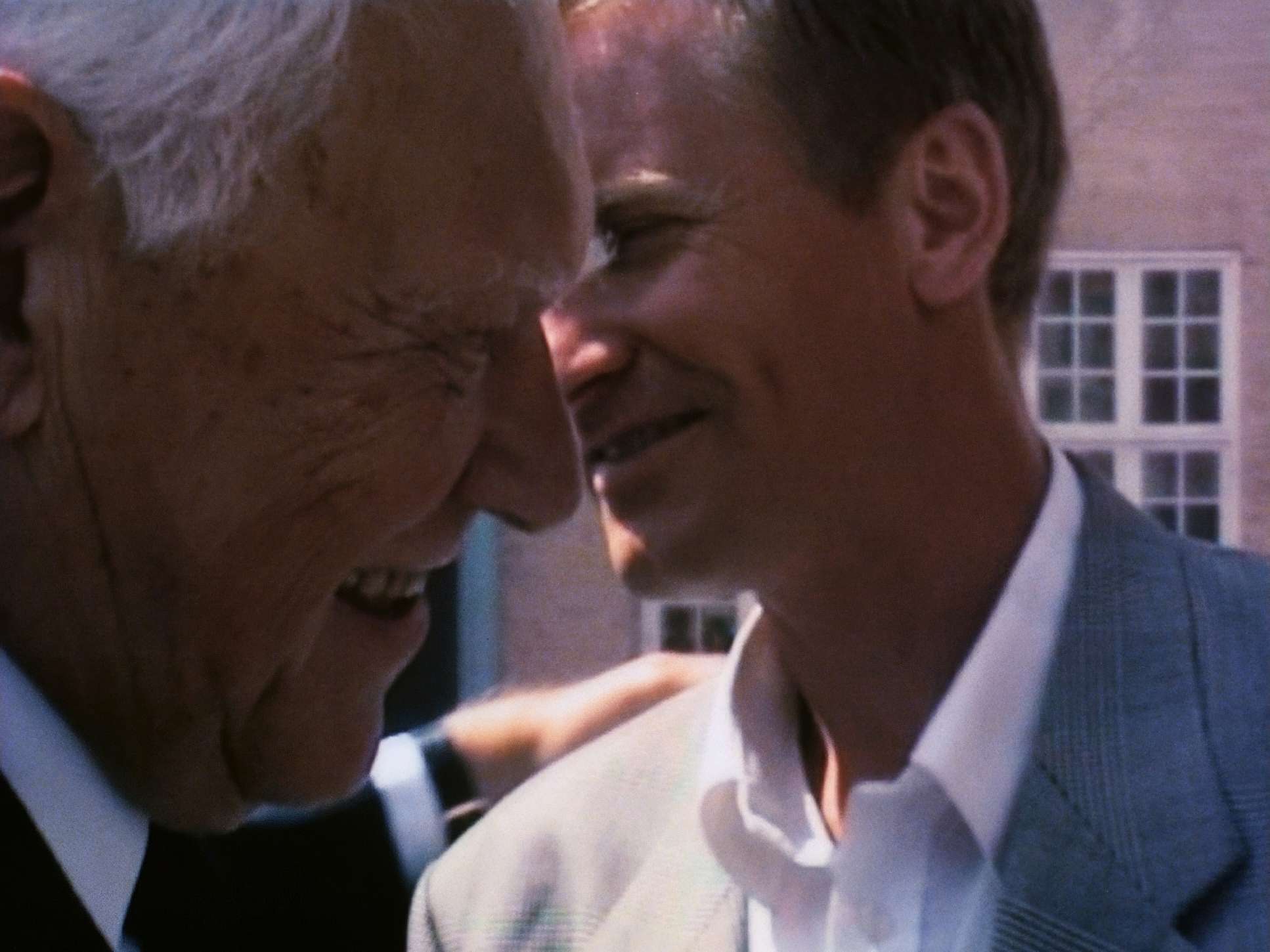
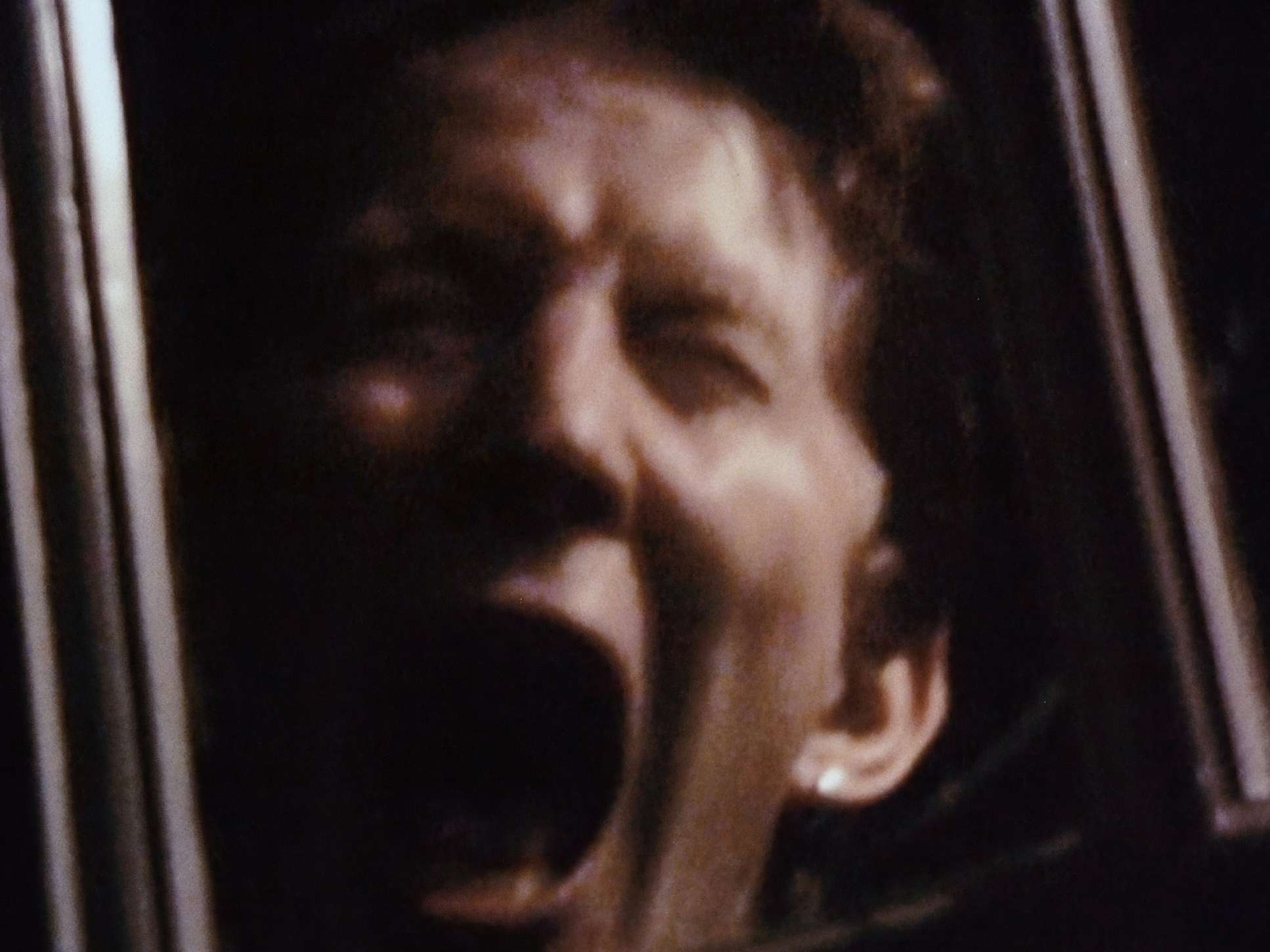
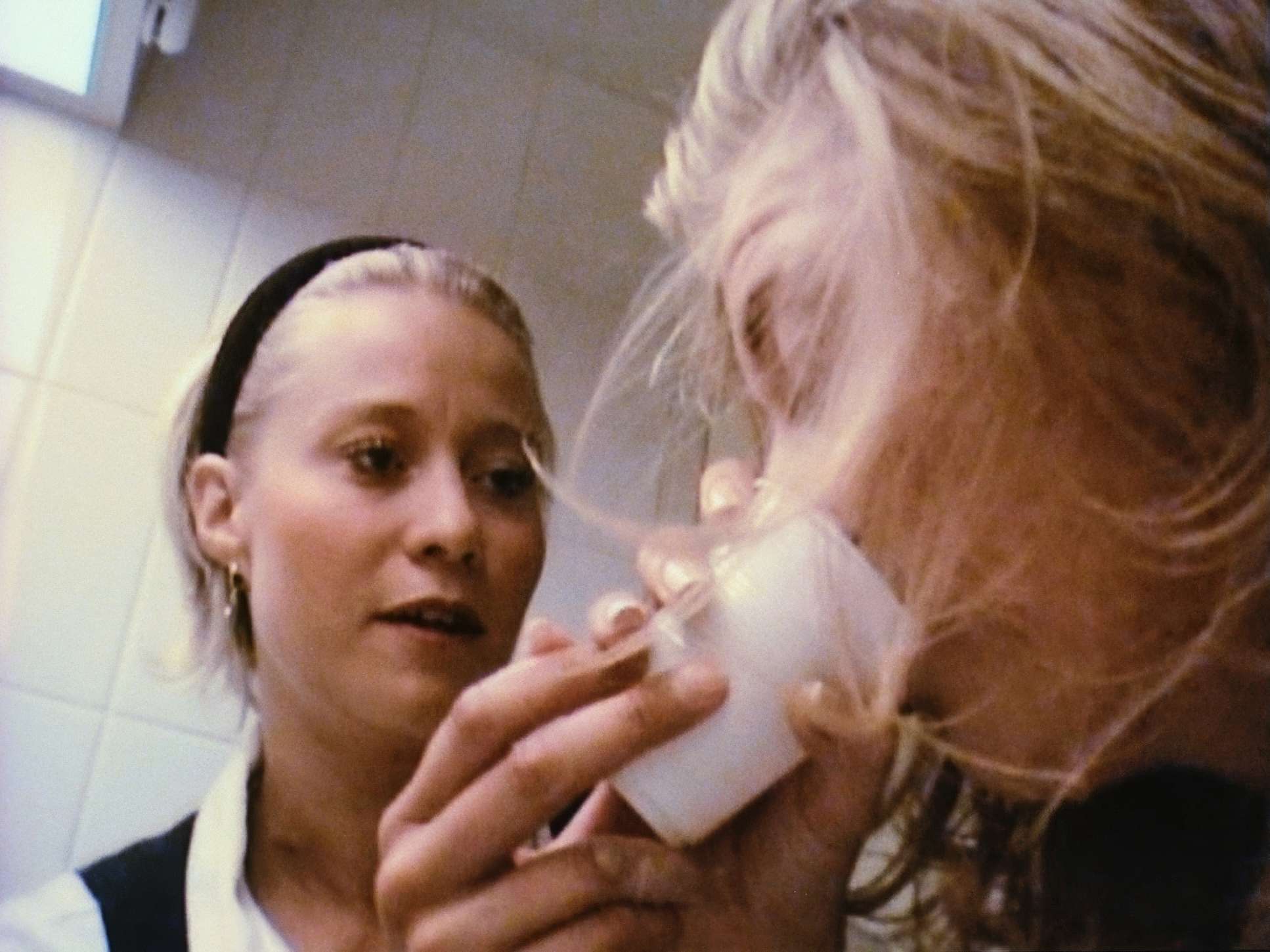
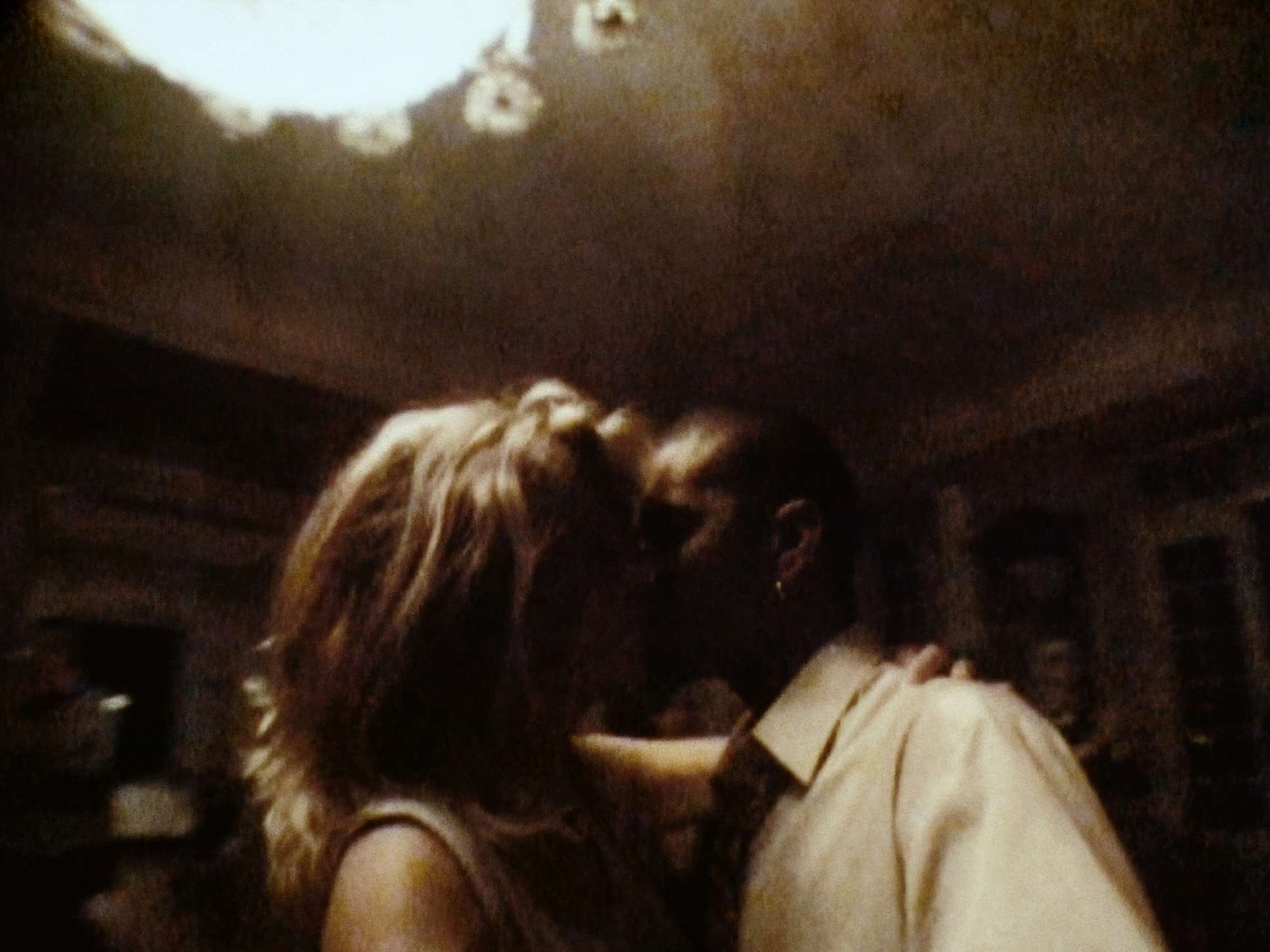
But the brilliance of the grade here is that they didn’t try to fix it. If I were grading this, the instinct might be to smooth out the highlights or desaturate the “video-ish” greens, but that would have killed the soul of the film. They embraced the “ugly” textures. The highlights clip harshly, the blacks are often crushed into a muddy mess, and there’s no fancy hue separation. It feels like “found footage” because it wasn’t refined in post. It rejects the film-print look entirely, leaning into the harsh, honest texture of digital tape. It’s not “pretty,” but it’s unavoidable.
Camera Movements
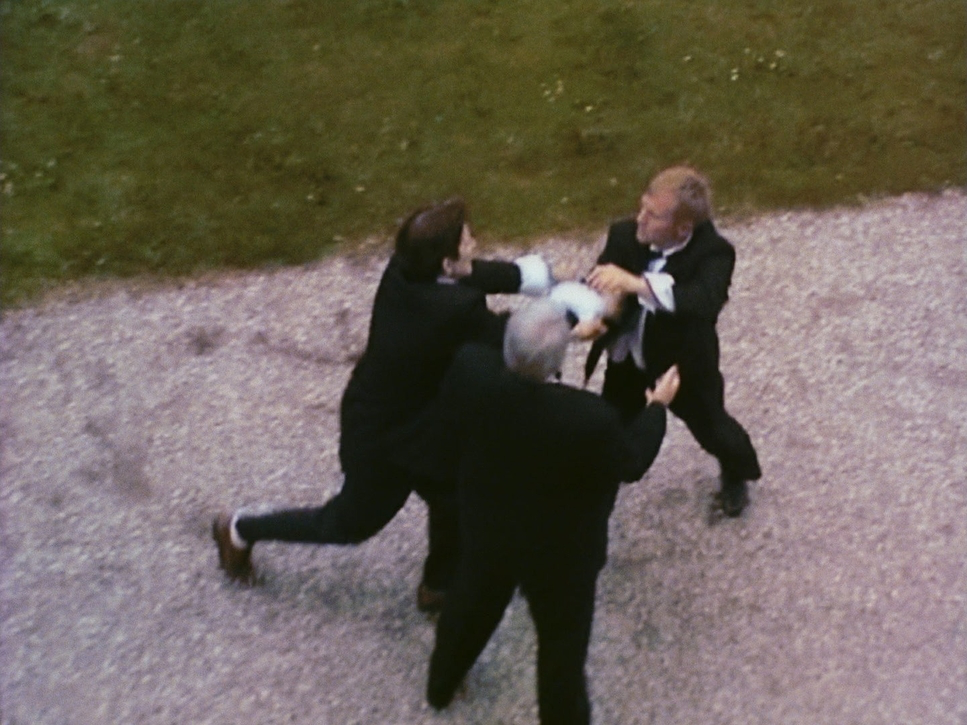
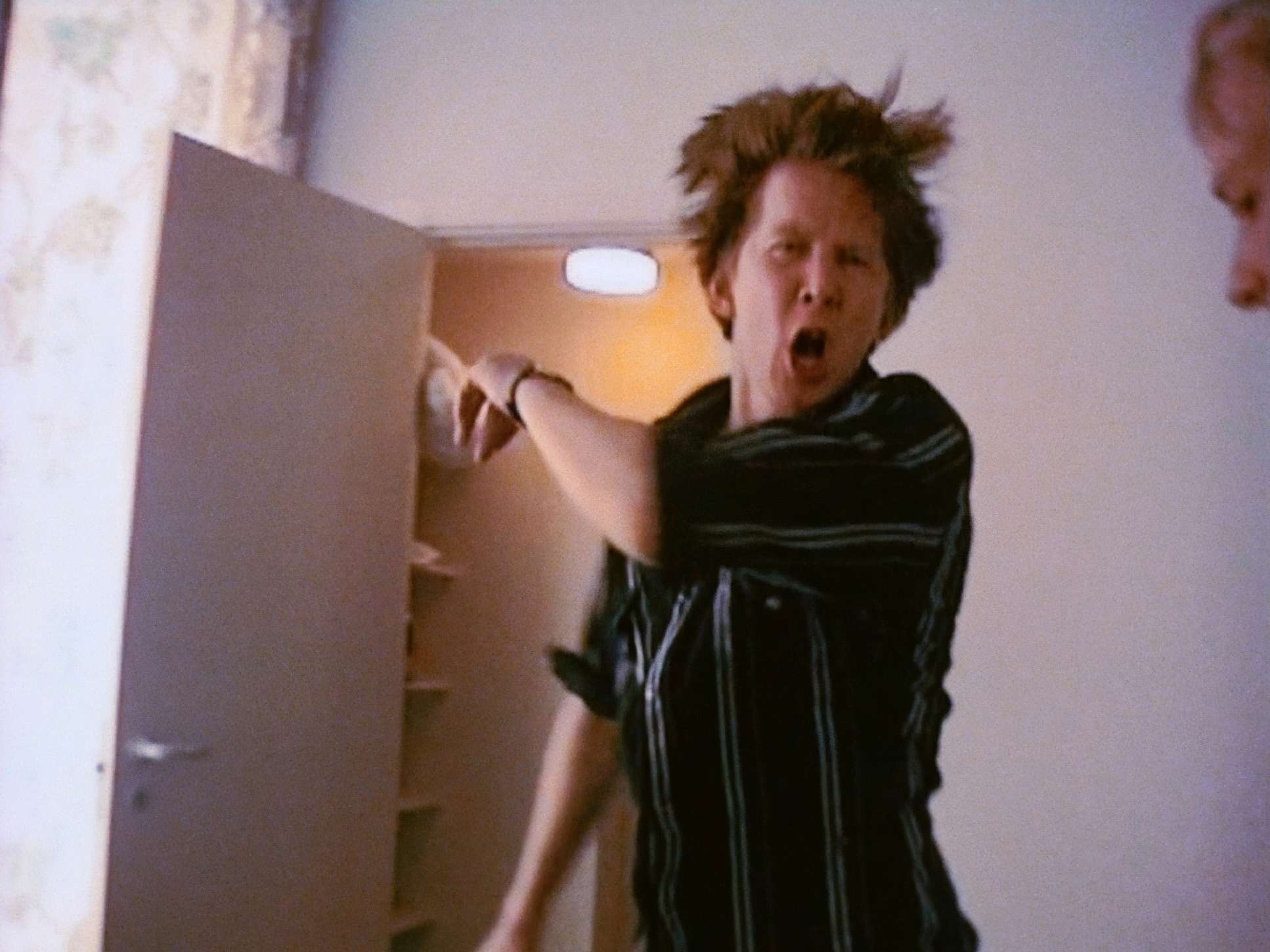
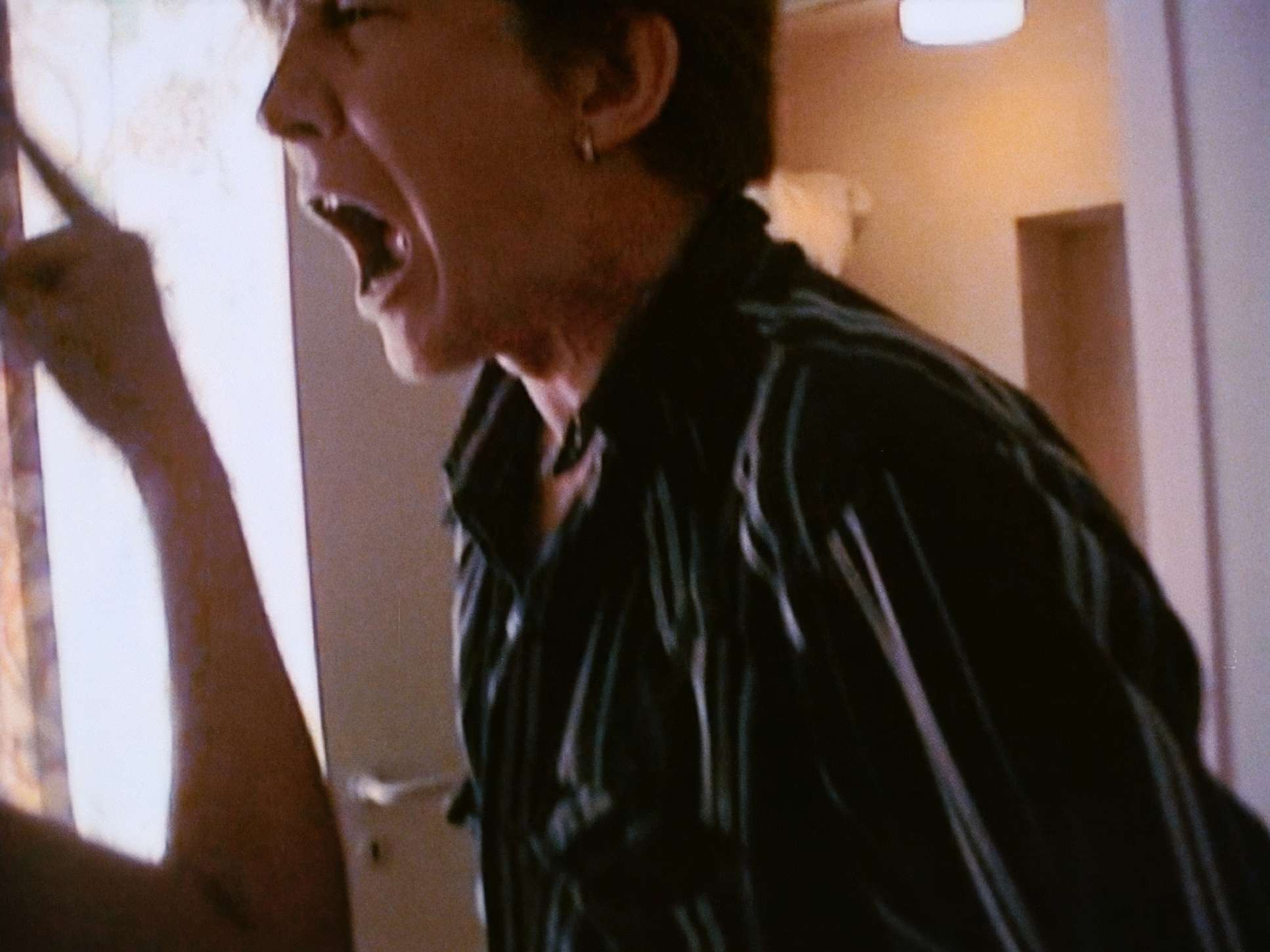
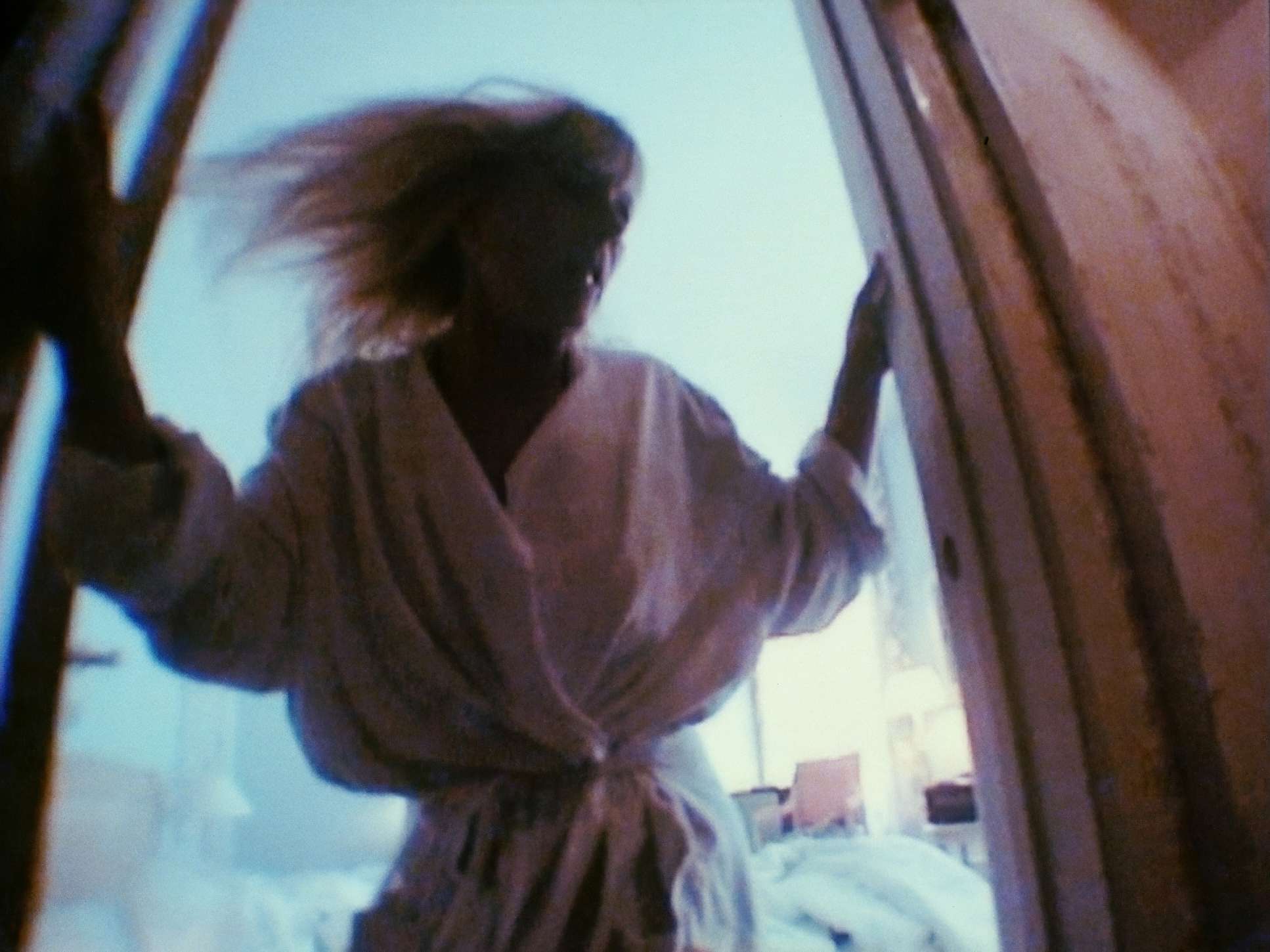
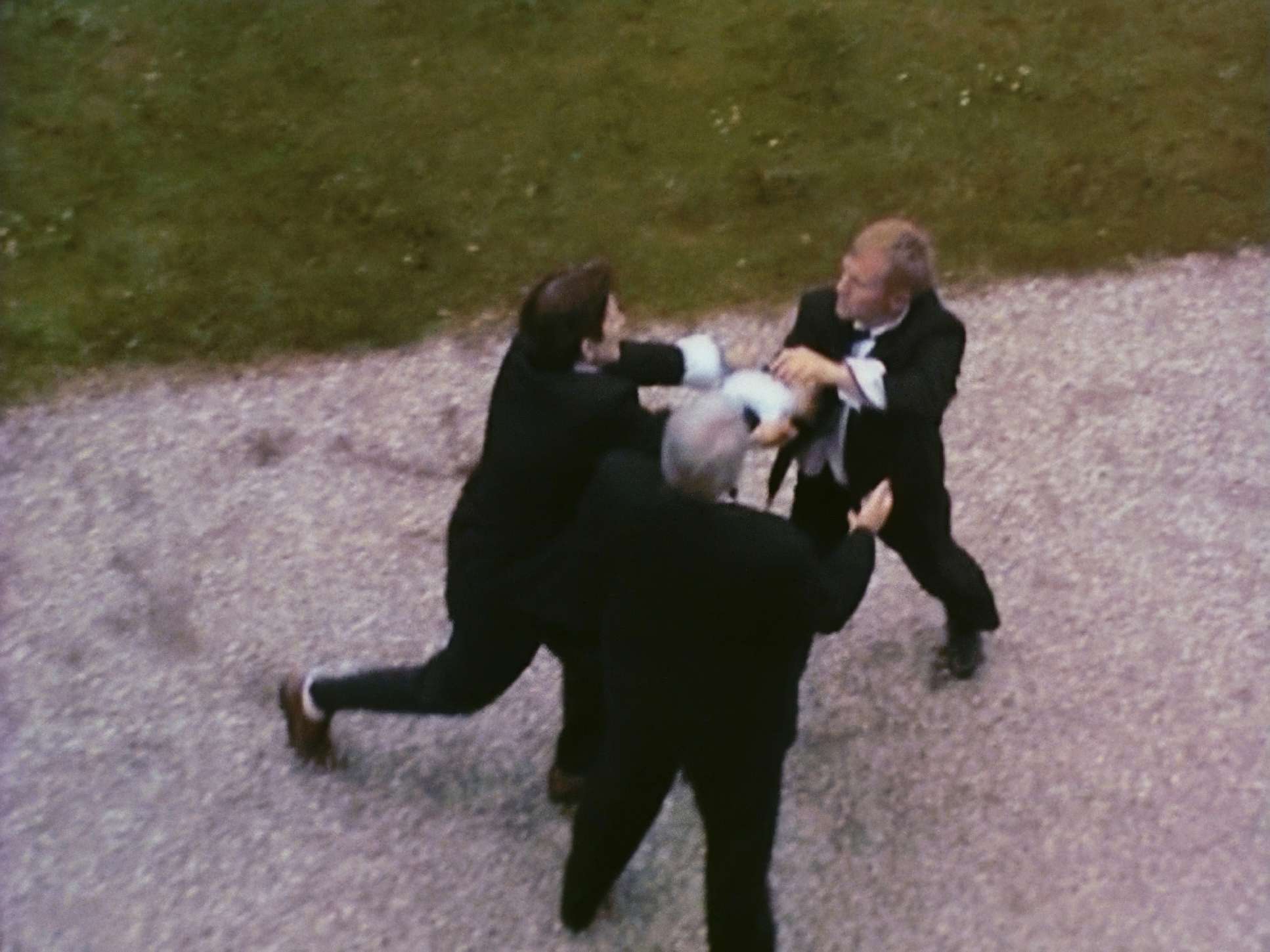
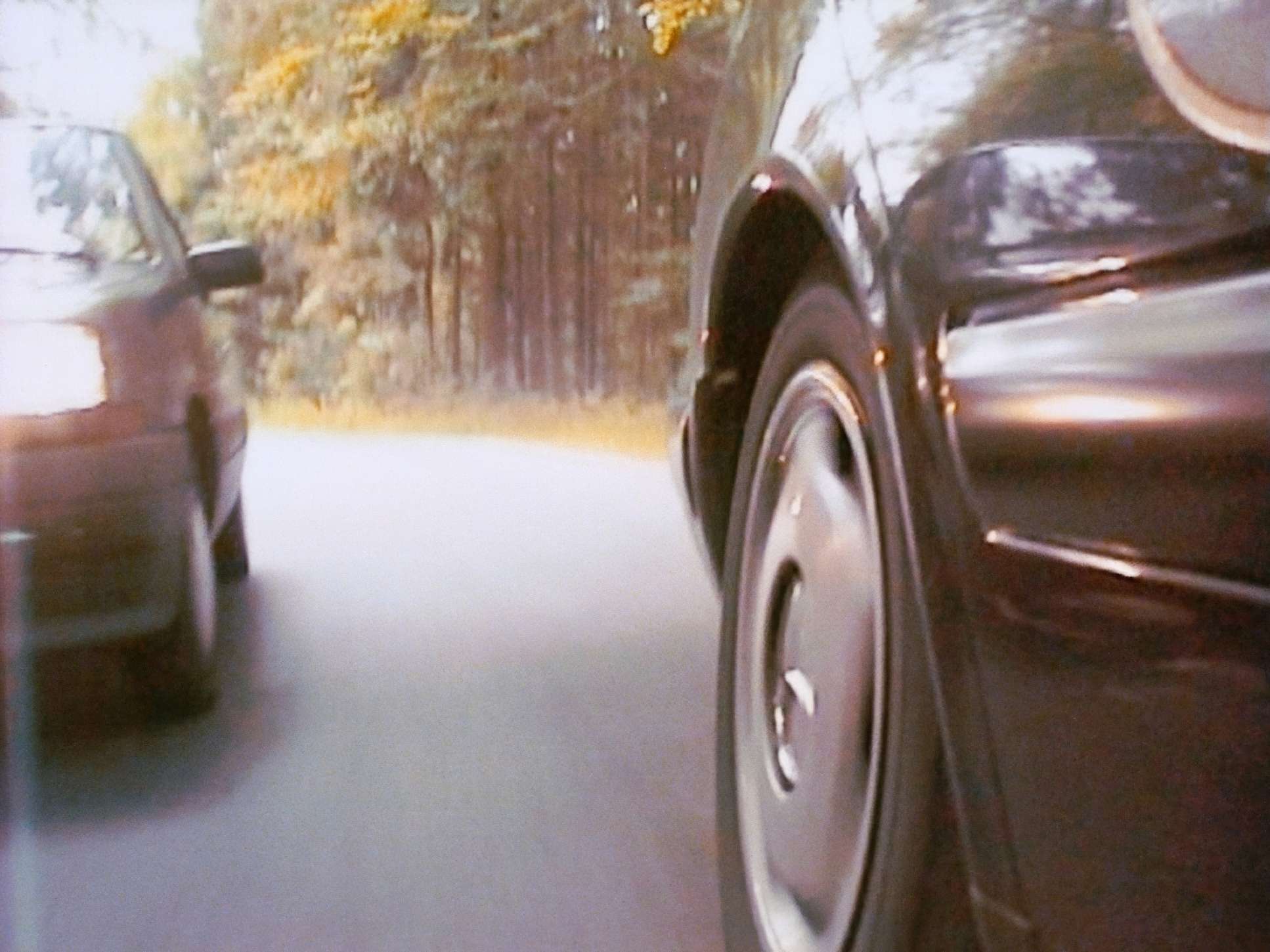
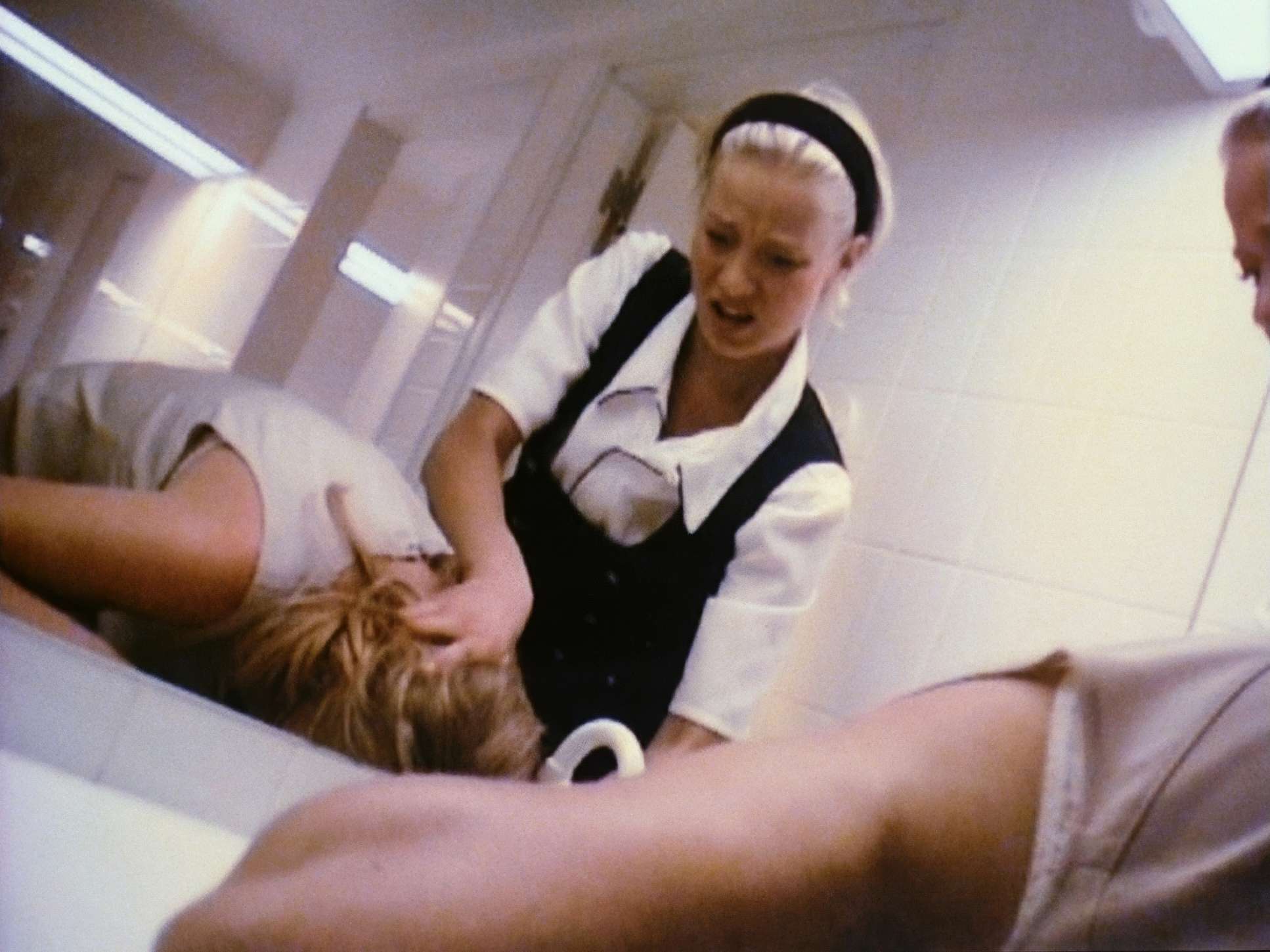
The defining trait of The Celebration is that the camera never, ever settles down. The Dogme rules mandated handheld work, but Mantle turned it into a weapon. This isn’t the “smooth handheld” you see in a modern indie drama; this is a jittery, searching, frantic eye.
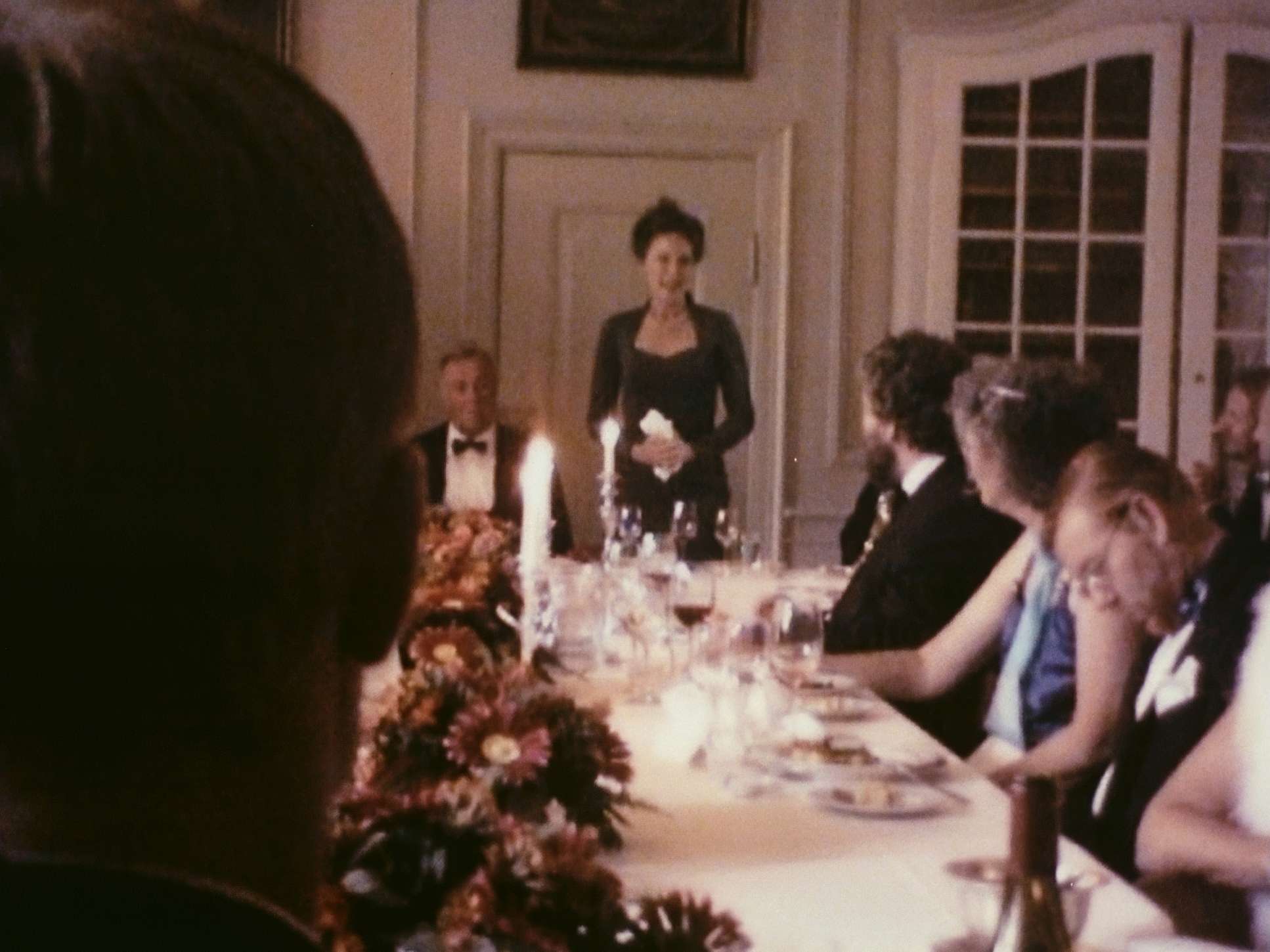
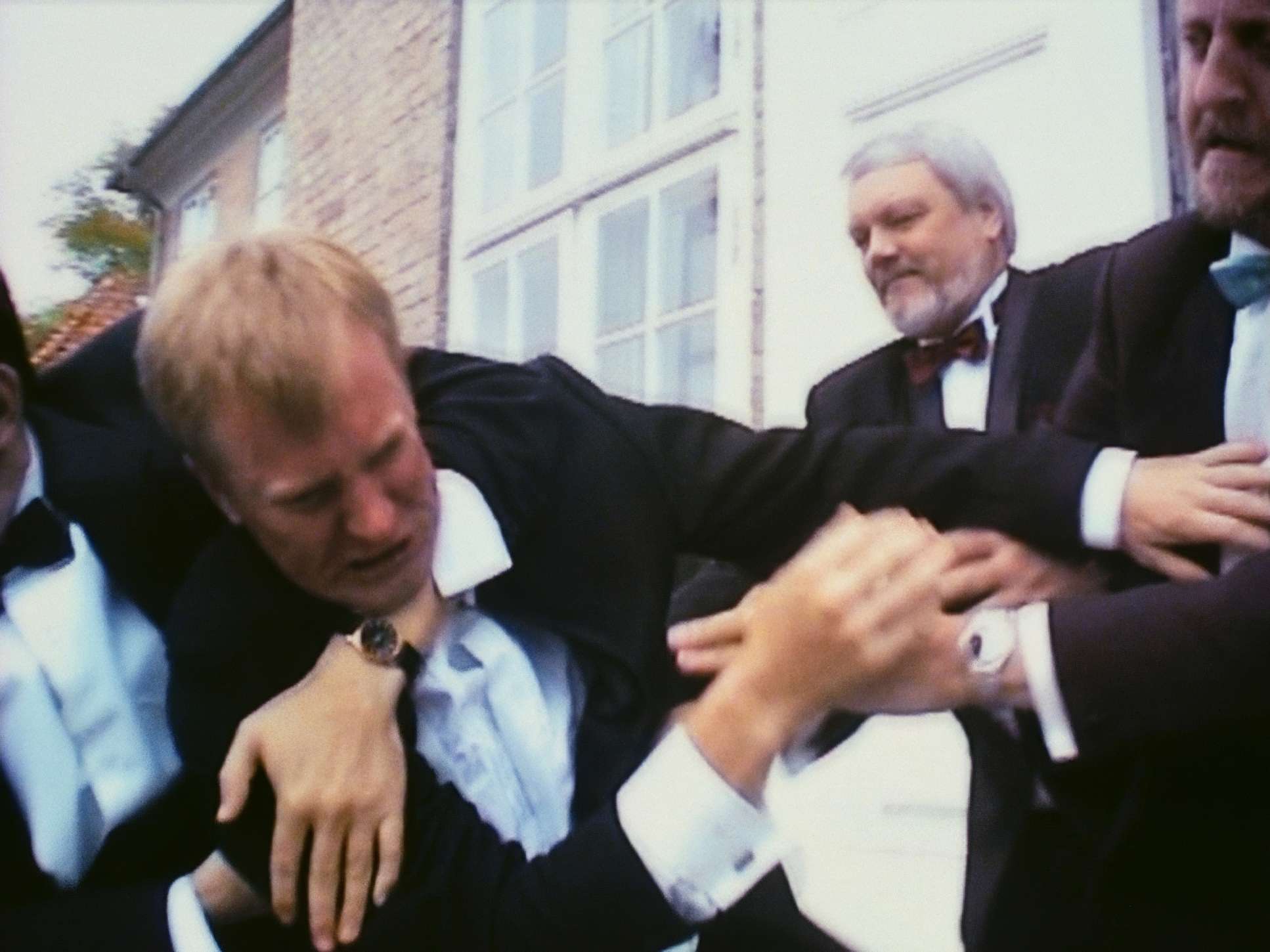
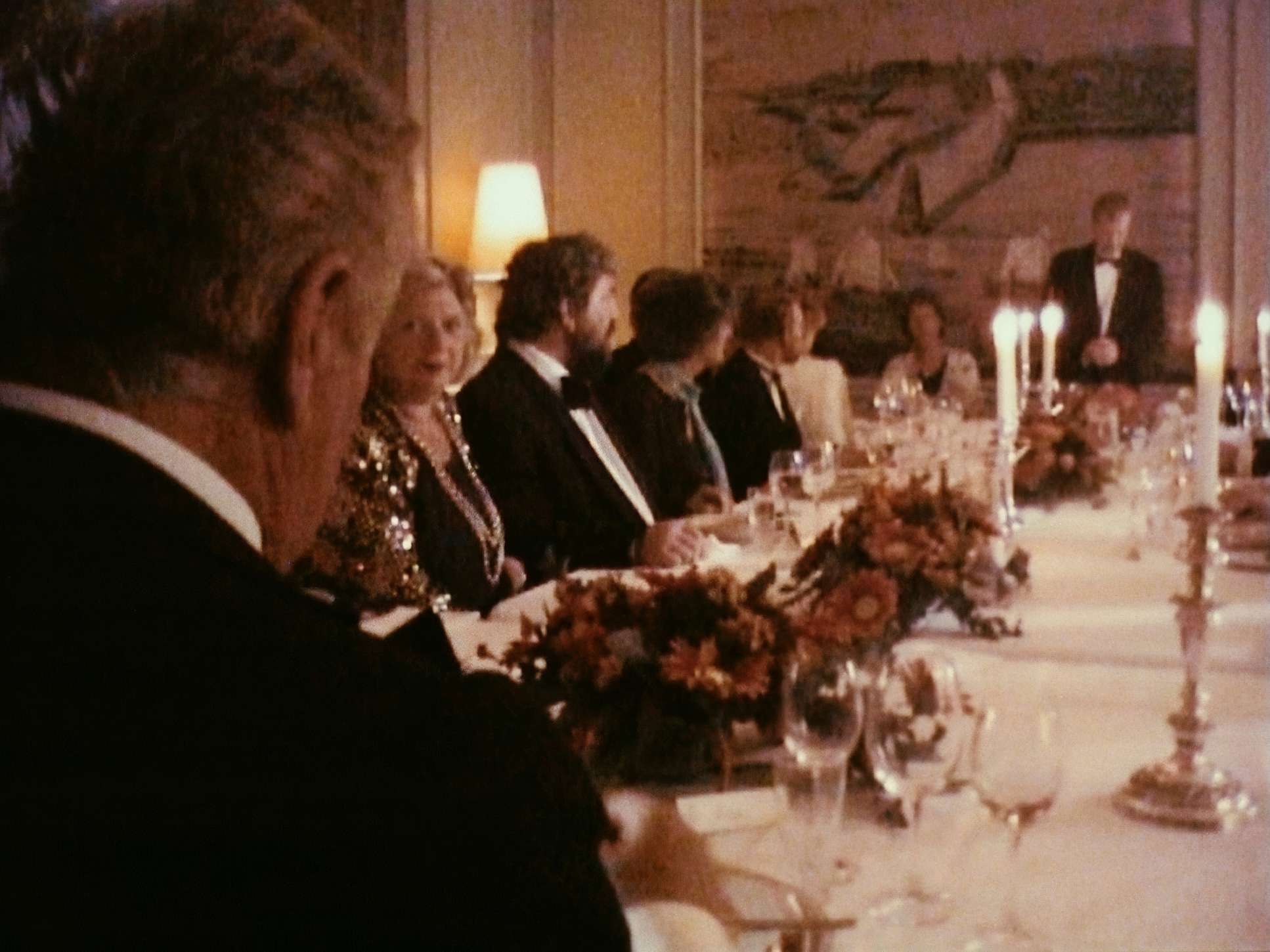
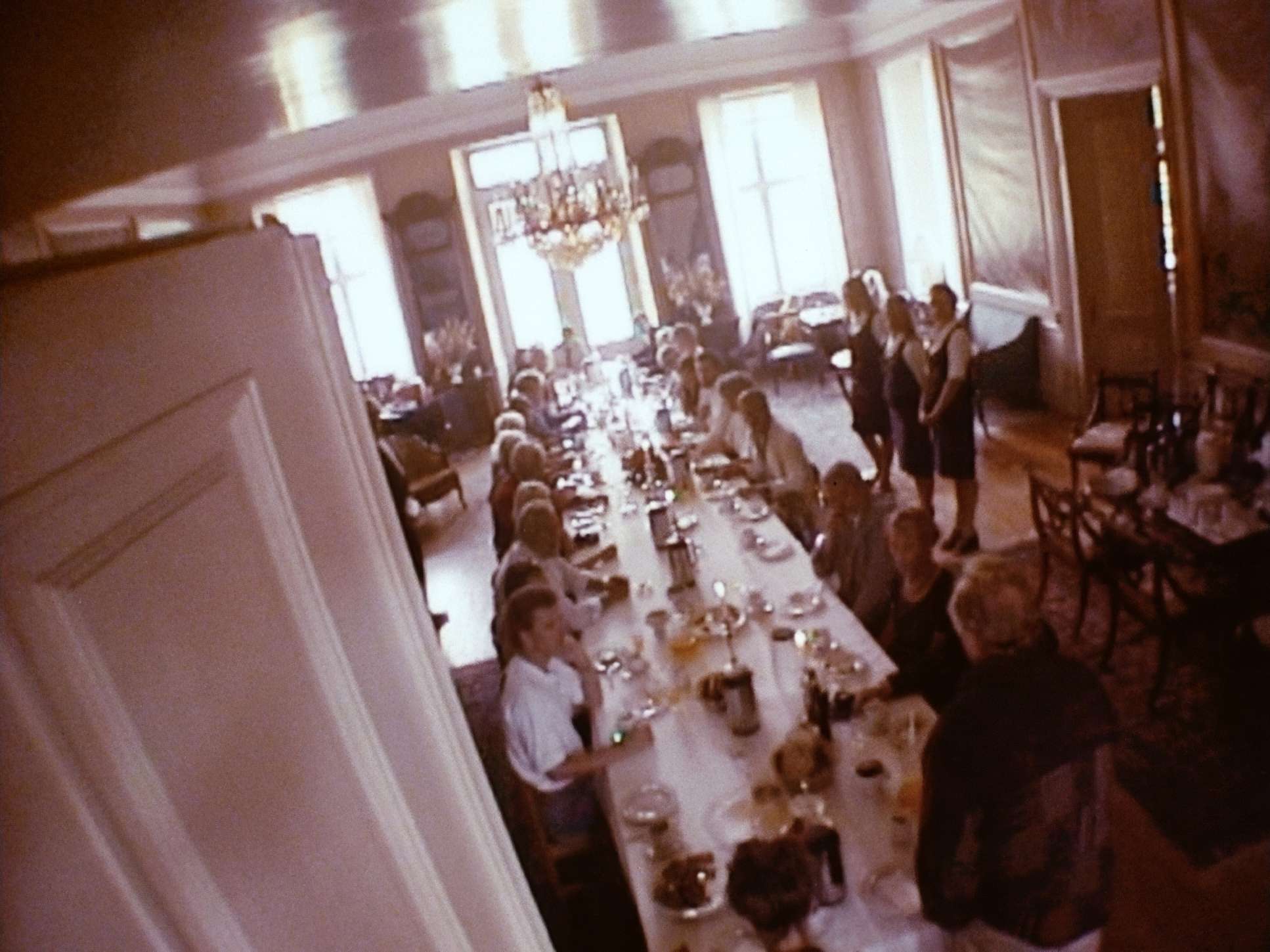
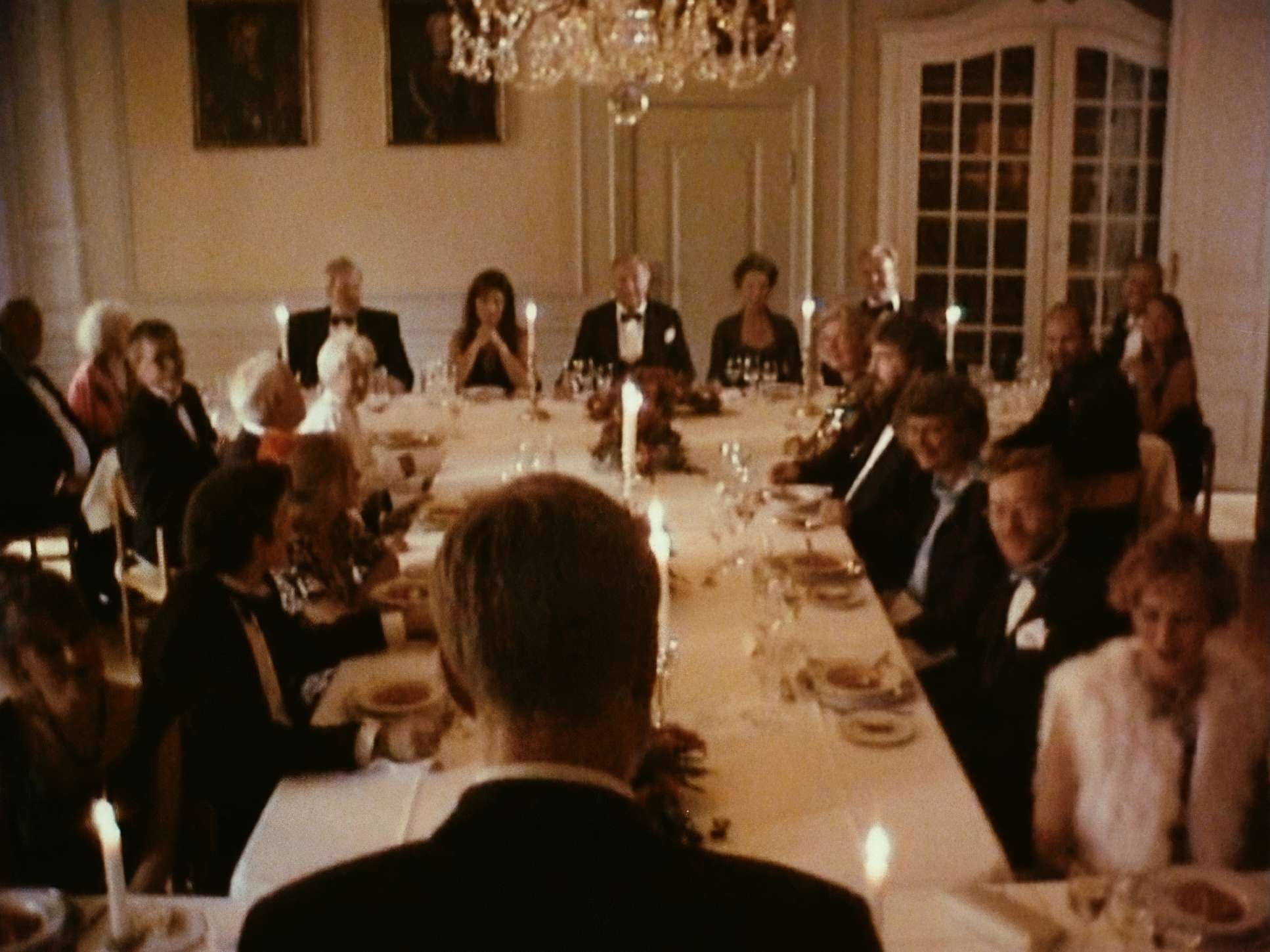
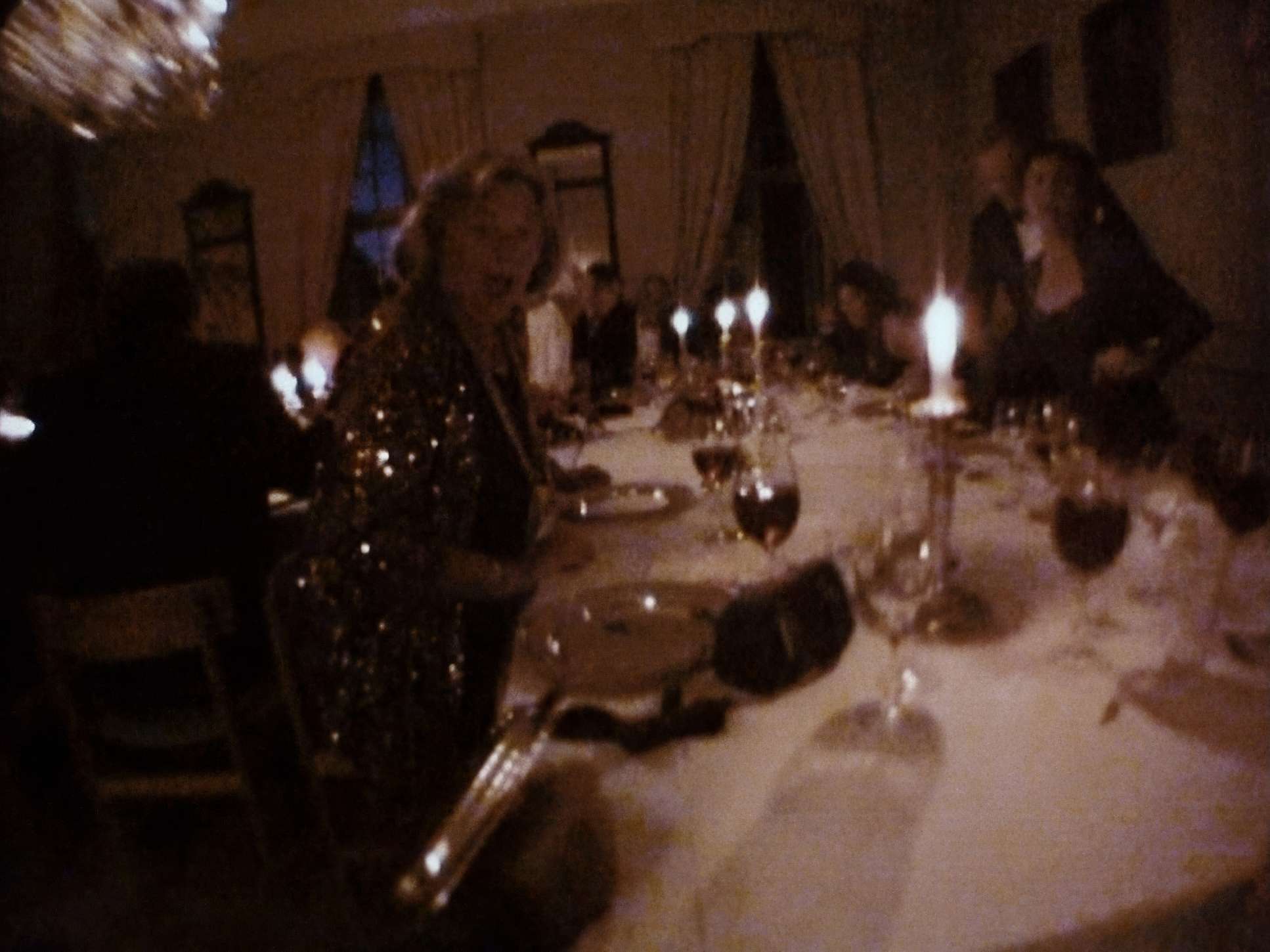
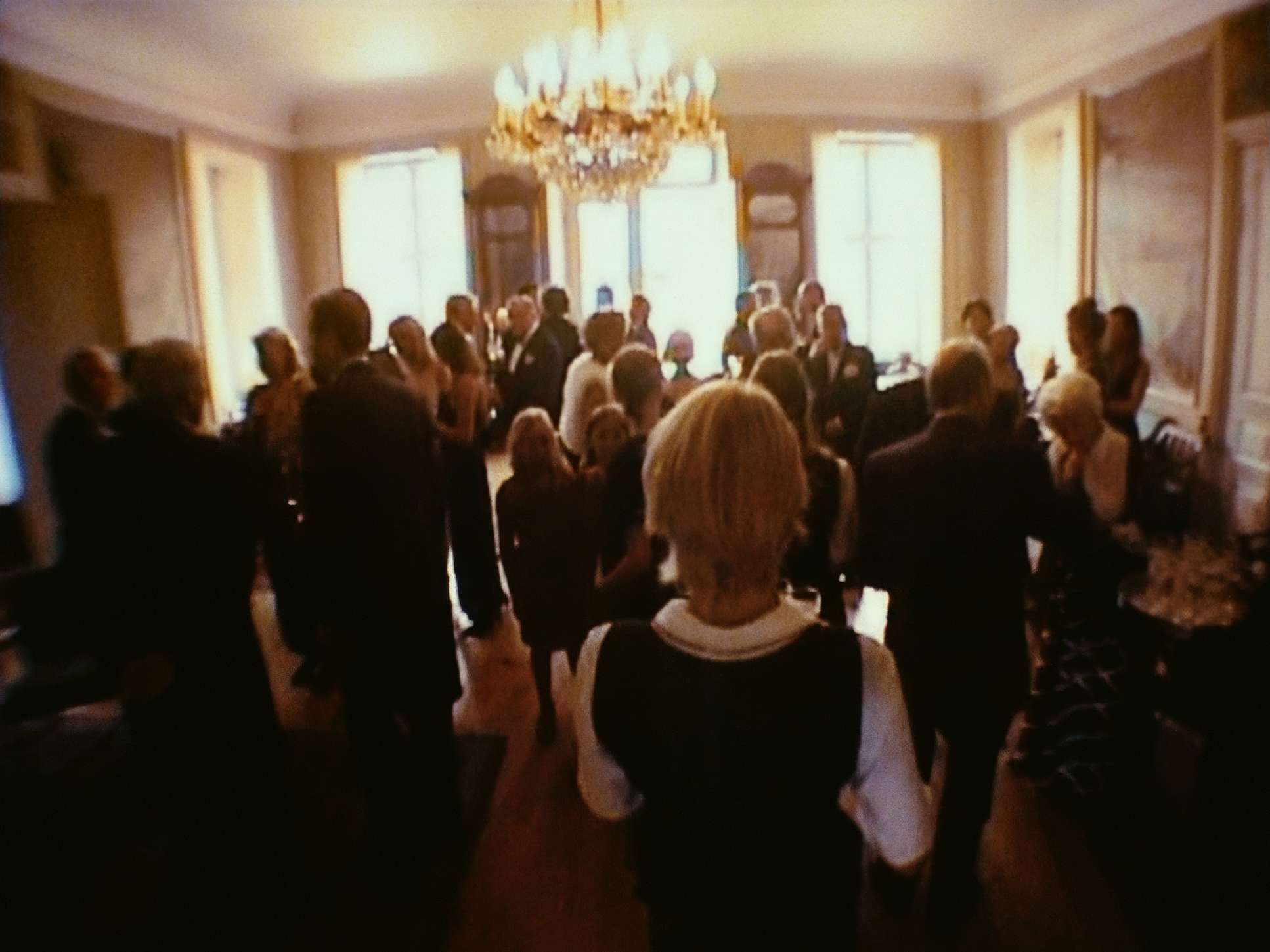
The camera is constantly jostled, peeking through gaps in the crowd or darting from face to face. Vinterberg talked about being “a part of the emotion with your arm,” and you can feel that. During the dinner scene, especially after Christian’s first toast, the camera becomes as unsettled as the guests. It bobs and weaves, preventing us from ever feeling like safe, passive observers. It keeps you on edge, forcing you to squint and scrutinize the chaos, mirroring the breakdown of the Klingenberg family in real-time.
Lensing and Blocking
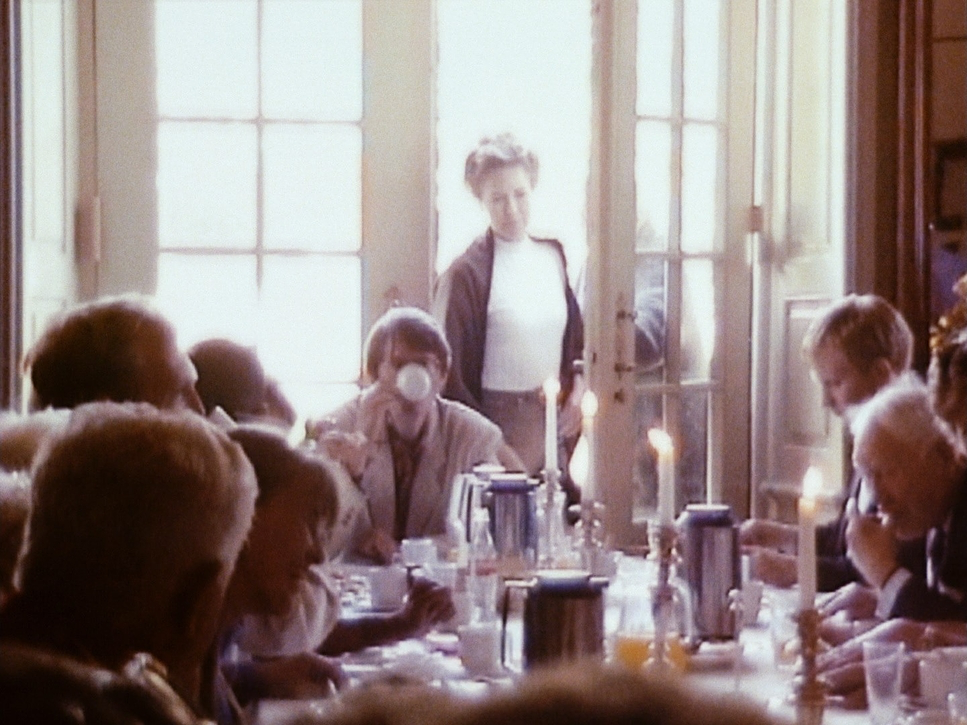
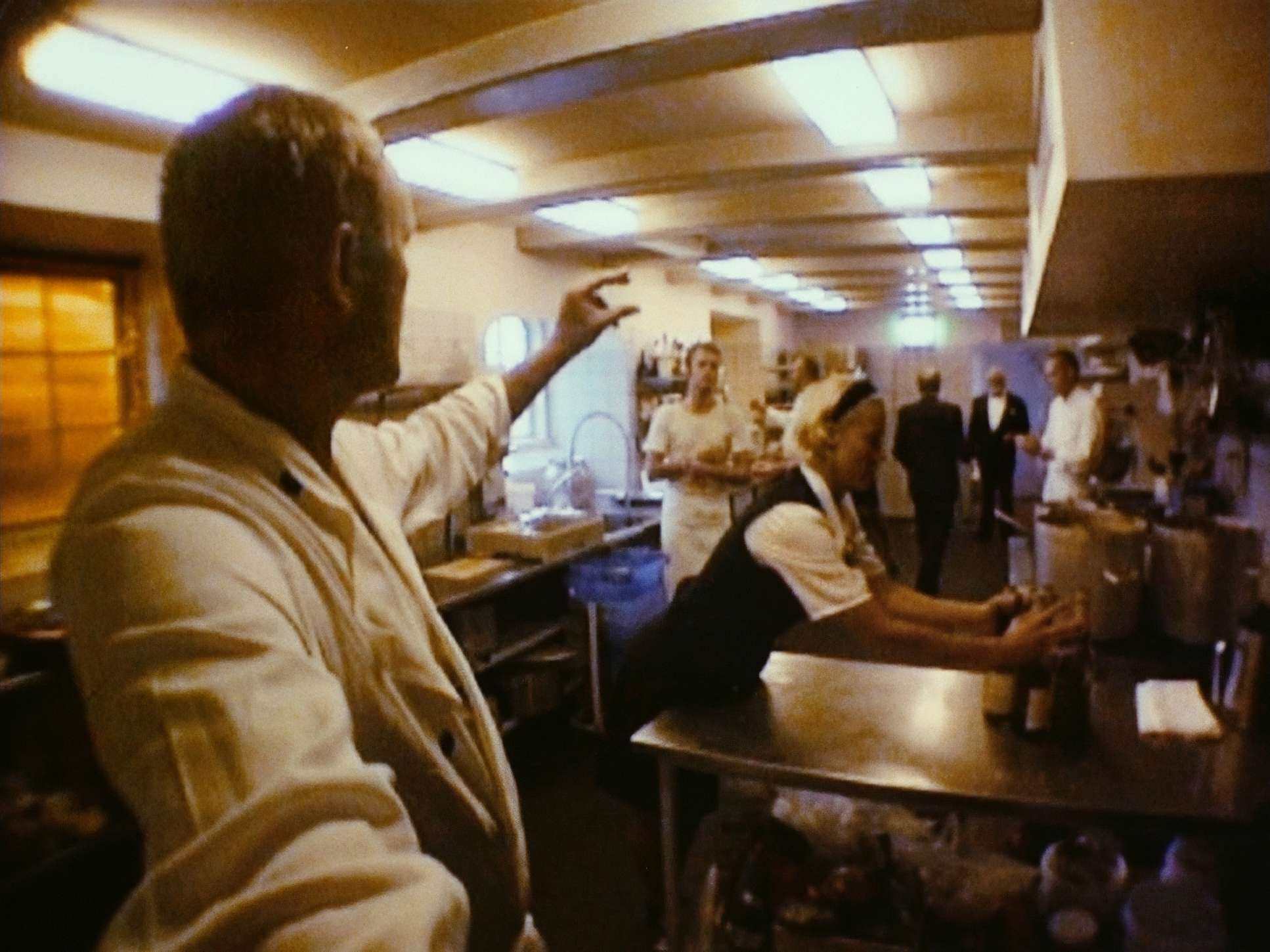
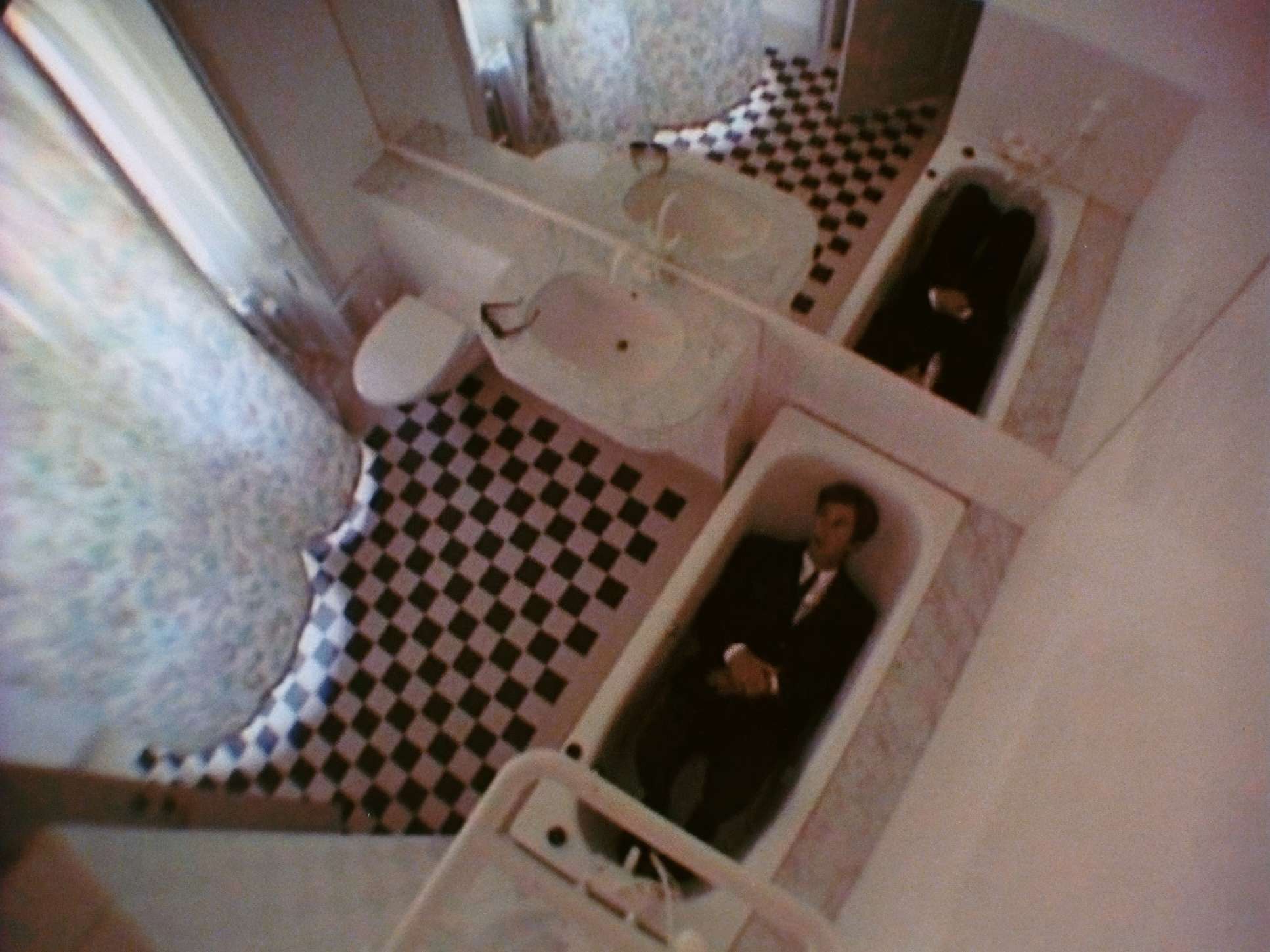
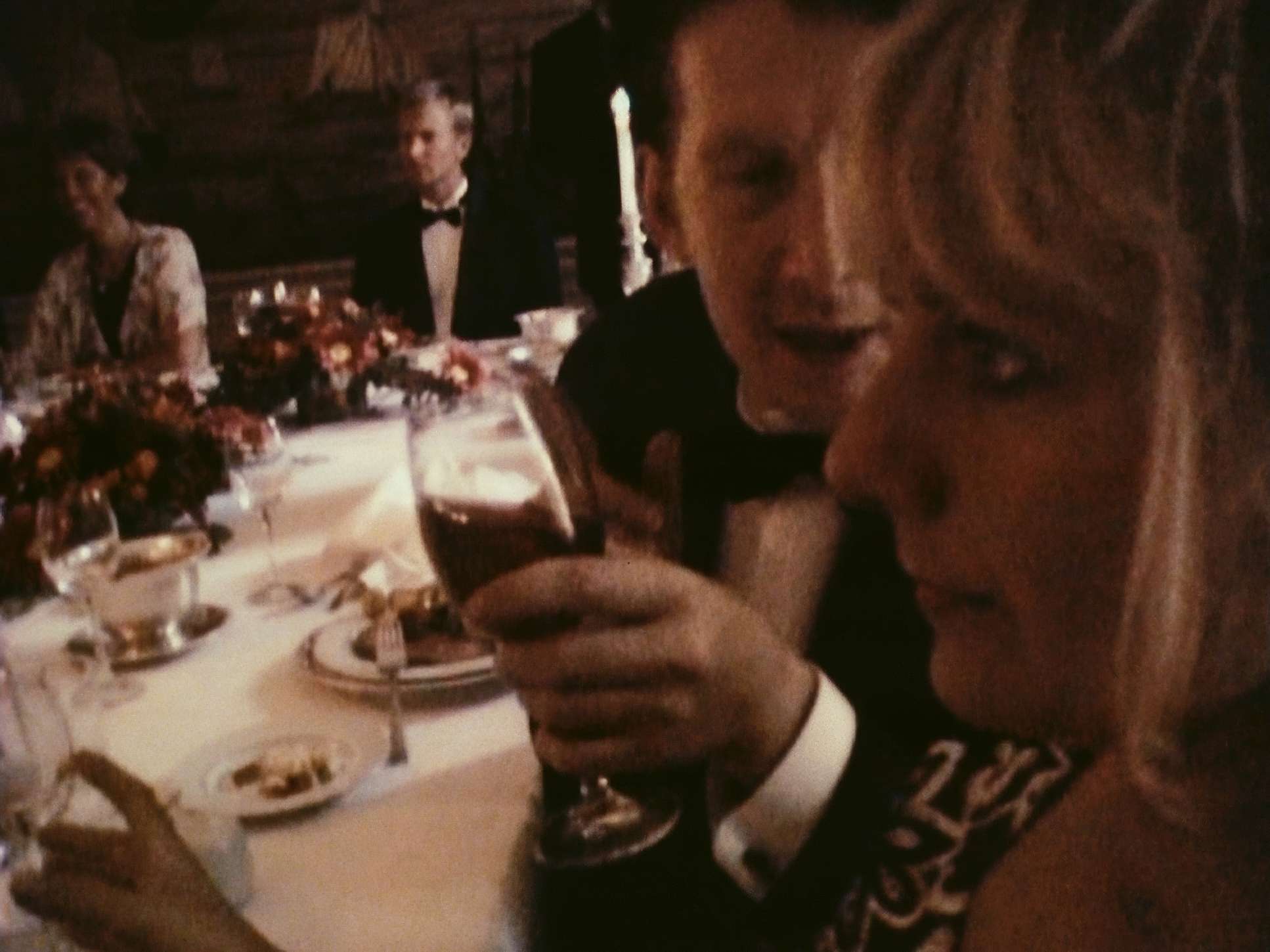
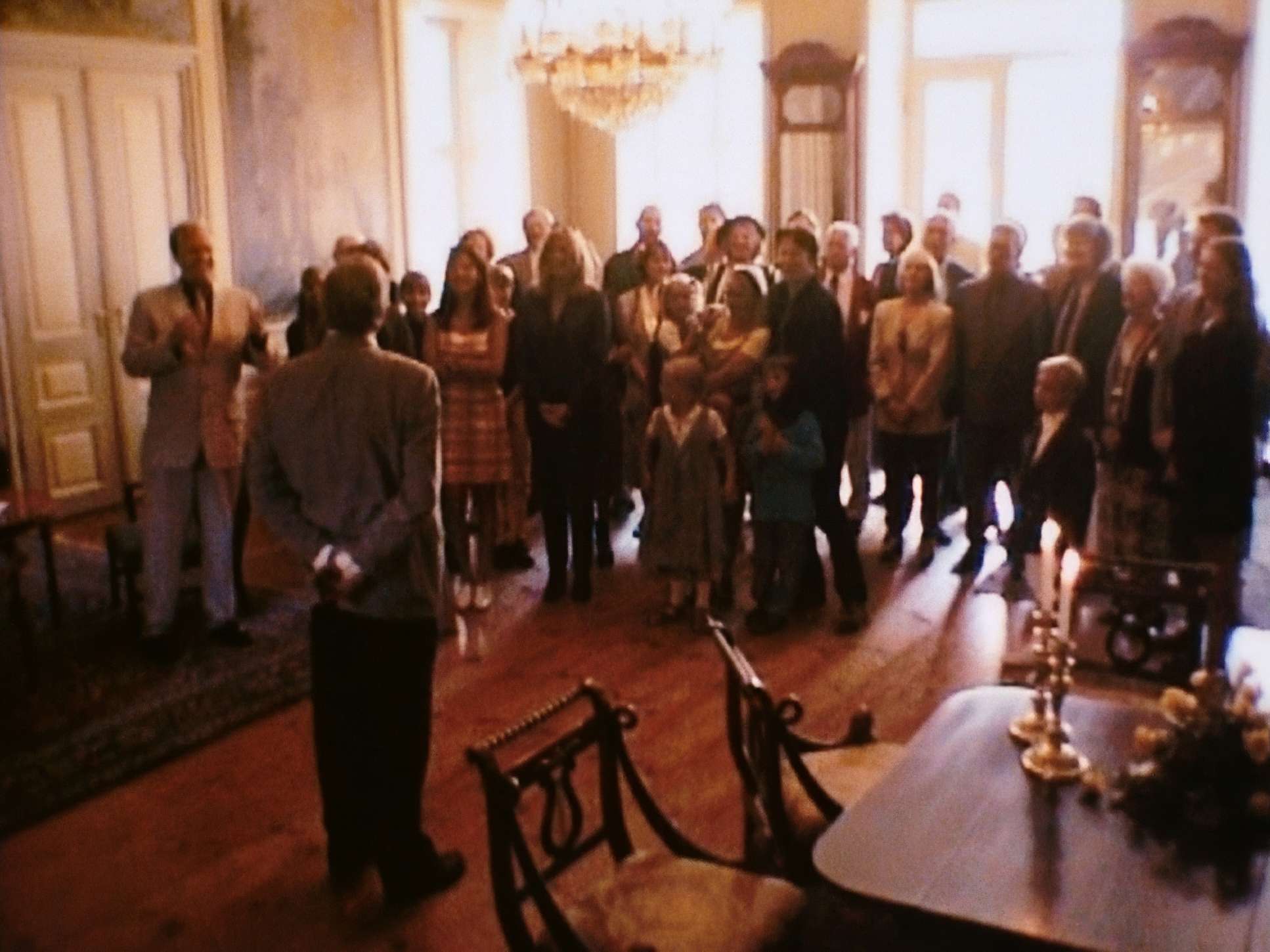
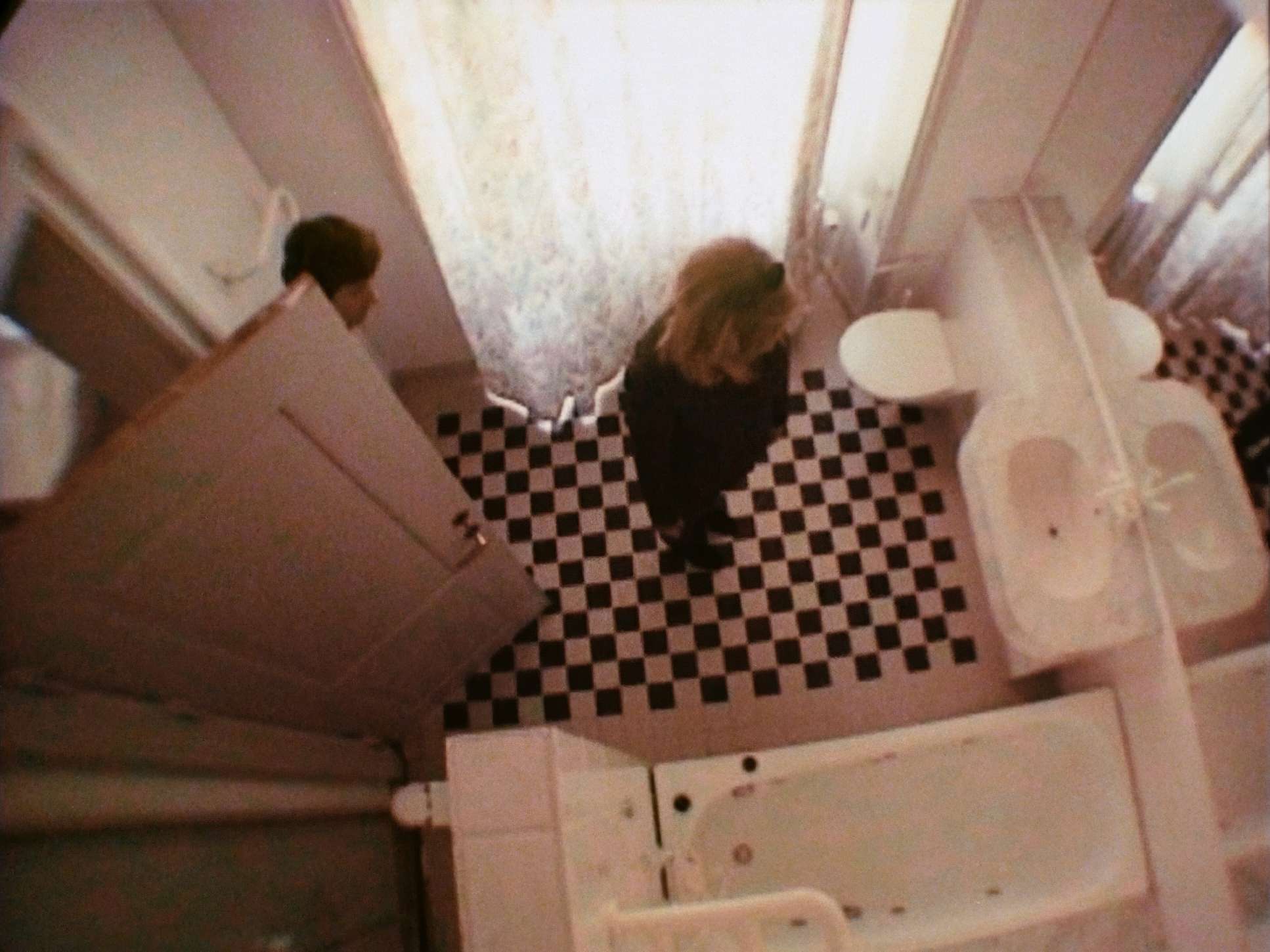
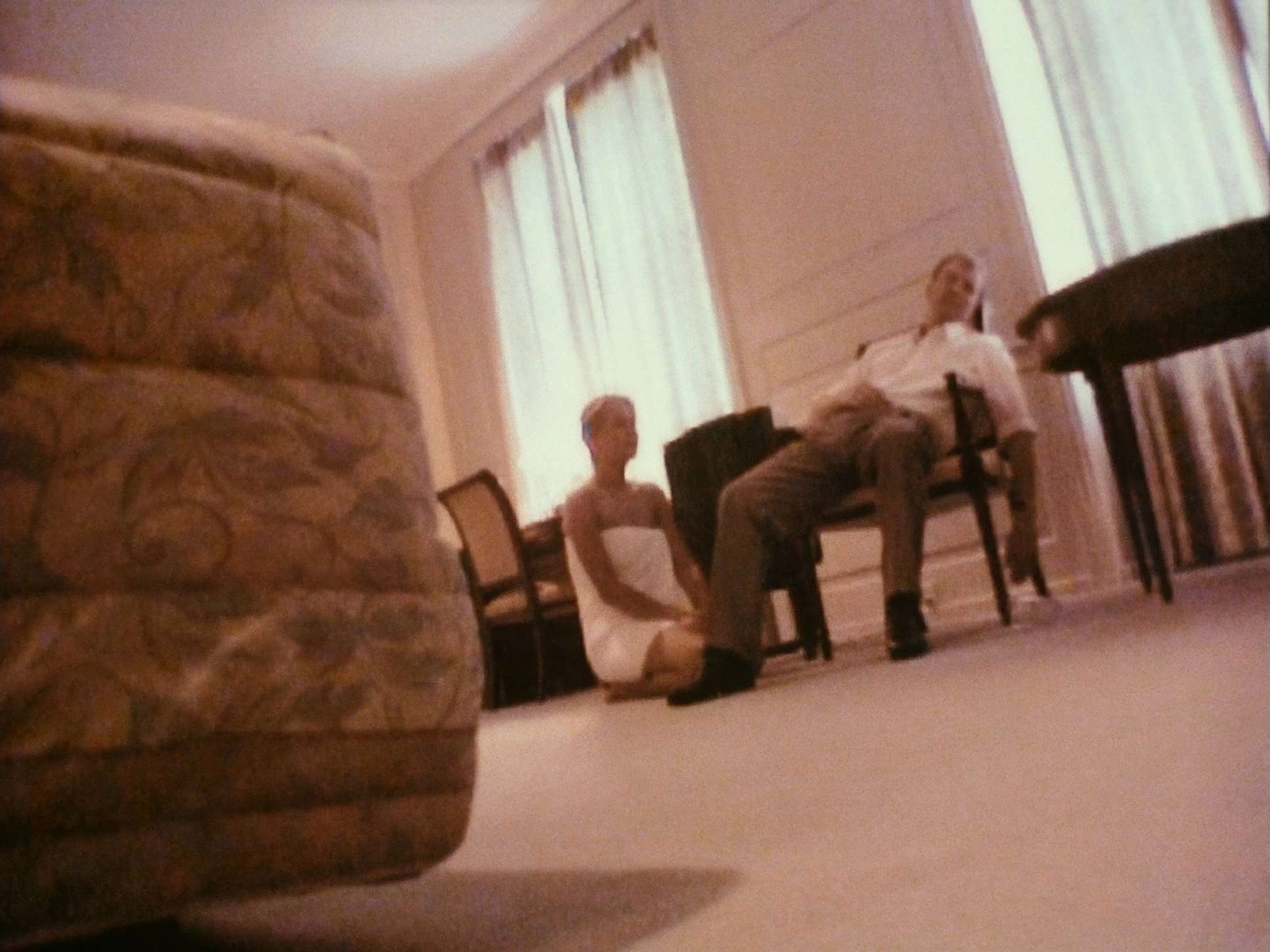
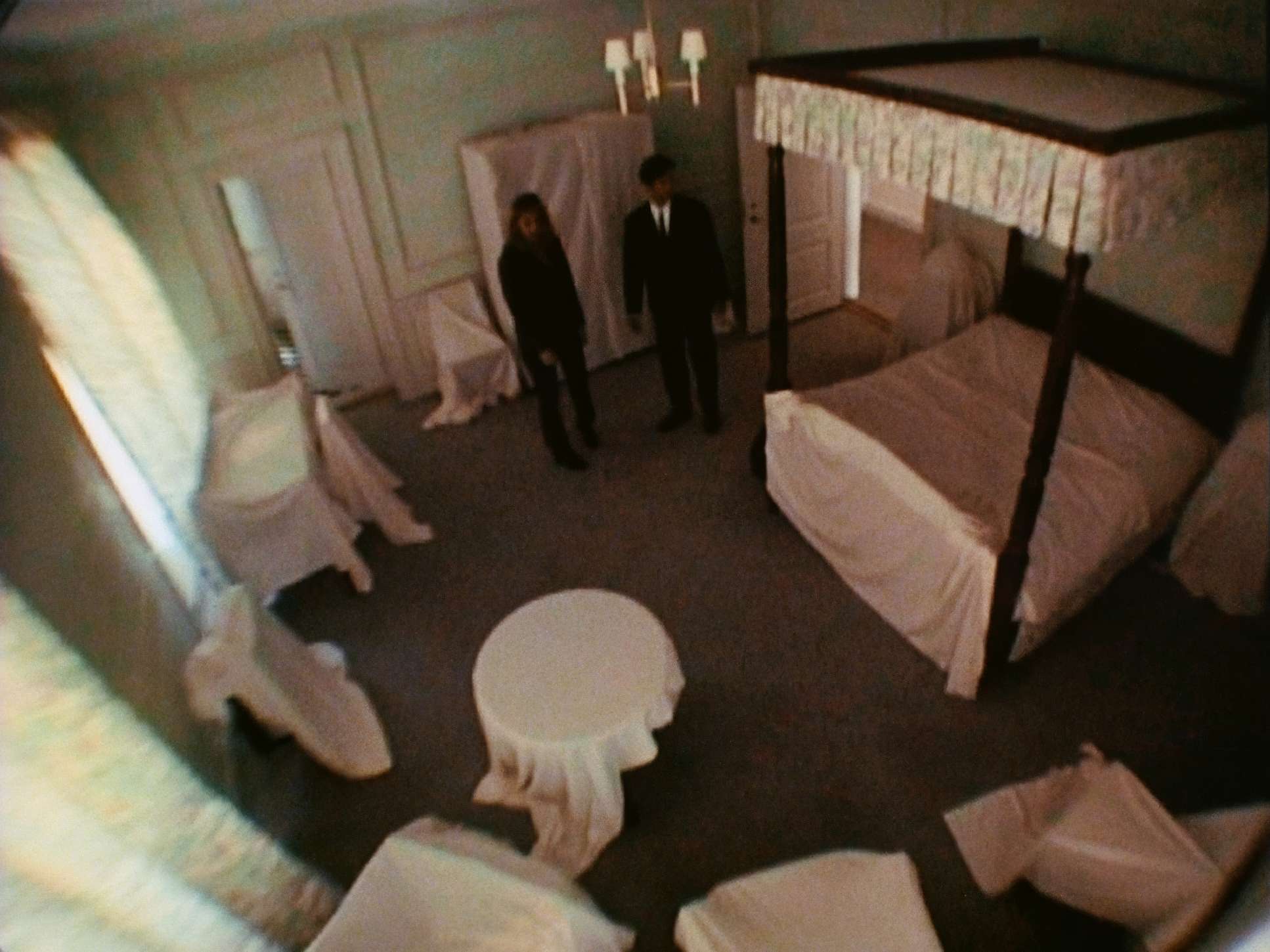
The choice of the Sony DCR-PC3 Handycam basically dictated how the whole movie was blocked. Because it’s a tiny consumer sensor, you get a massive depth of field. Even on a wide-angle lens, almost everything from the foreground to the background is in focus. In a “normal” movie, you’d use shallow focus to tell the audience where to look. In Festen, you can’t hide. Everything is equally present, which adds to that claustrophobic, “no escape” feeling.
Blocking was totally reactive. Mantle and Vinterberg weren’t staging actors for the camera; they were chasing them. The actors moved naturally, and the camera had to keep up. I love the detail about the “flipscreen” being a relatively new thing it allowed Mantle to monitor the chaos while moving. It turned the camera into an active participant. You can almost feel the operator sidestepping a character or lunging to catch a reaction. It’s spontaneous, messy, and incredibly alive.
Compositional Choices
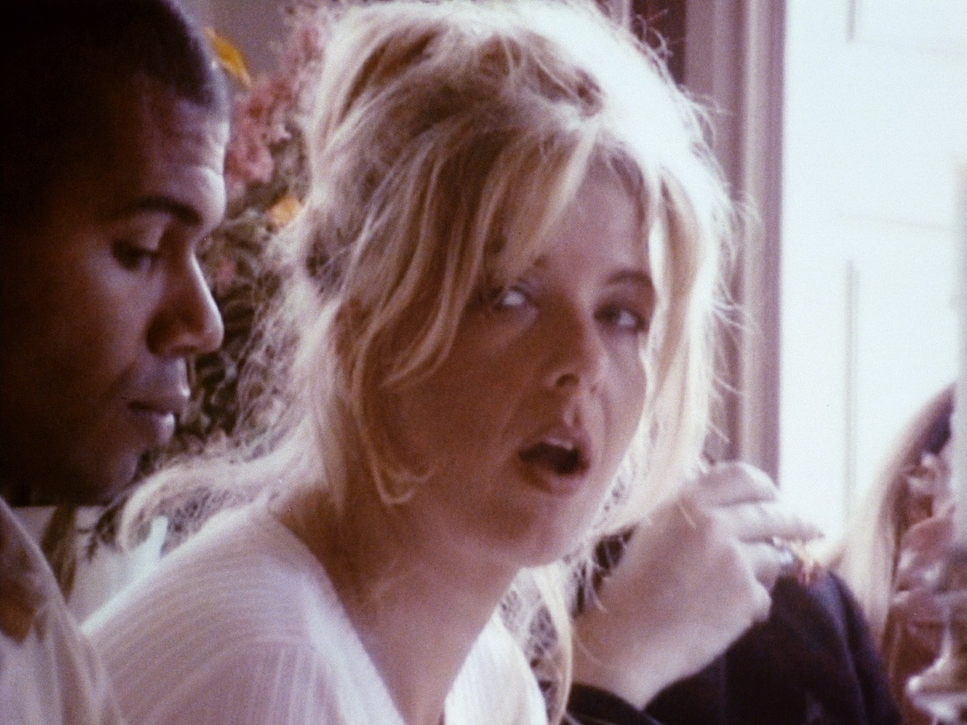
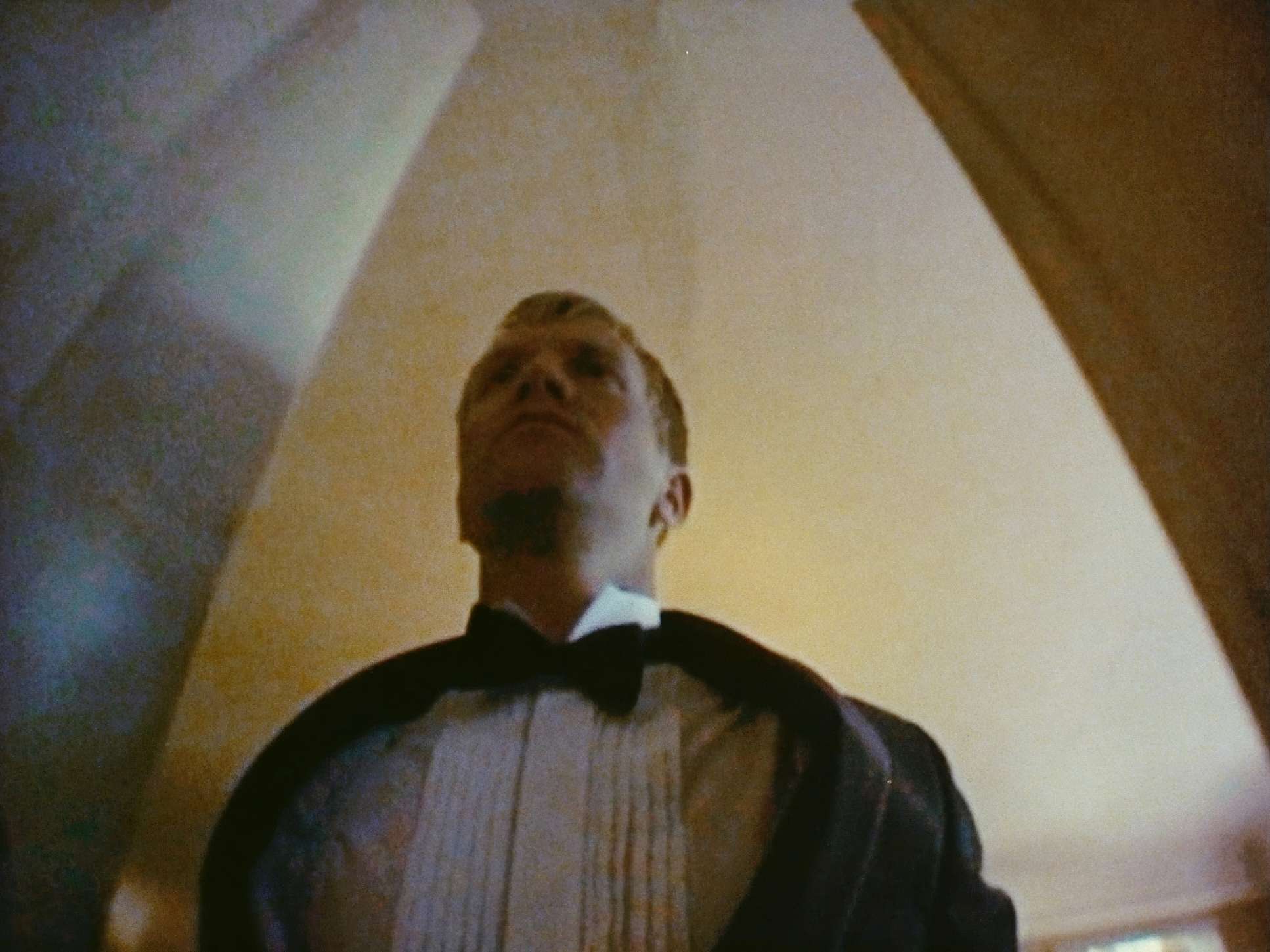
If you look at the metadata for this film, it might tell you the composition is “balanced,” but I’d argue that’s a bit of a misnomer. Sure, there are moments of balance, but the real power lies in the imbalance. Conventional film school teaches you to compose for beauty; Festen composes for honesty.
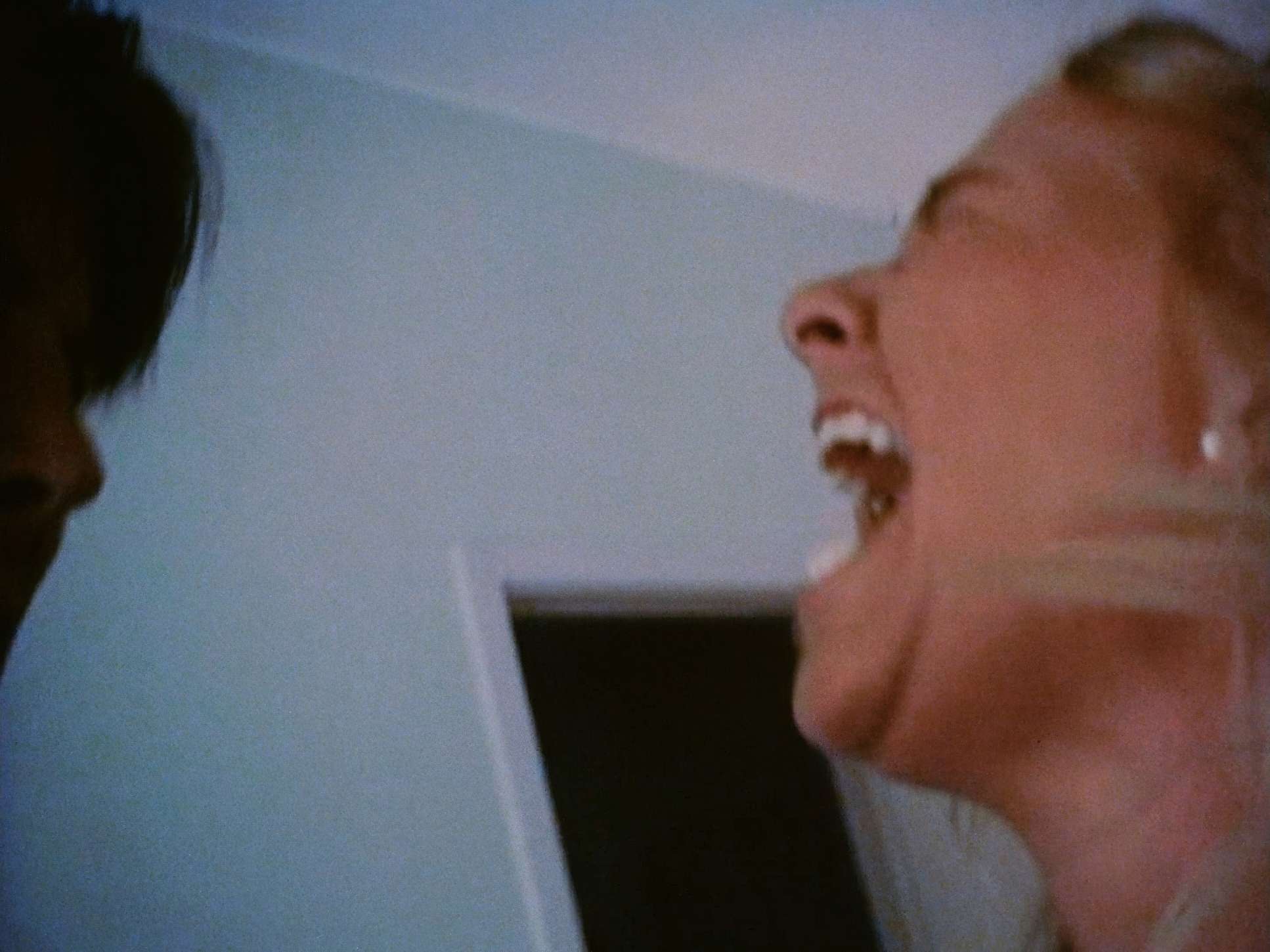
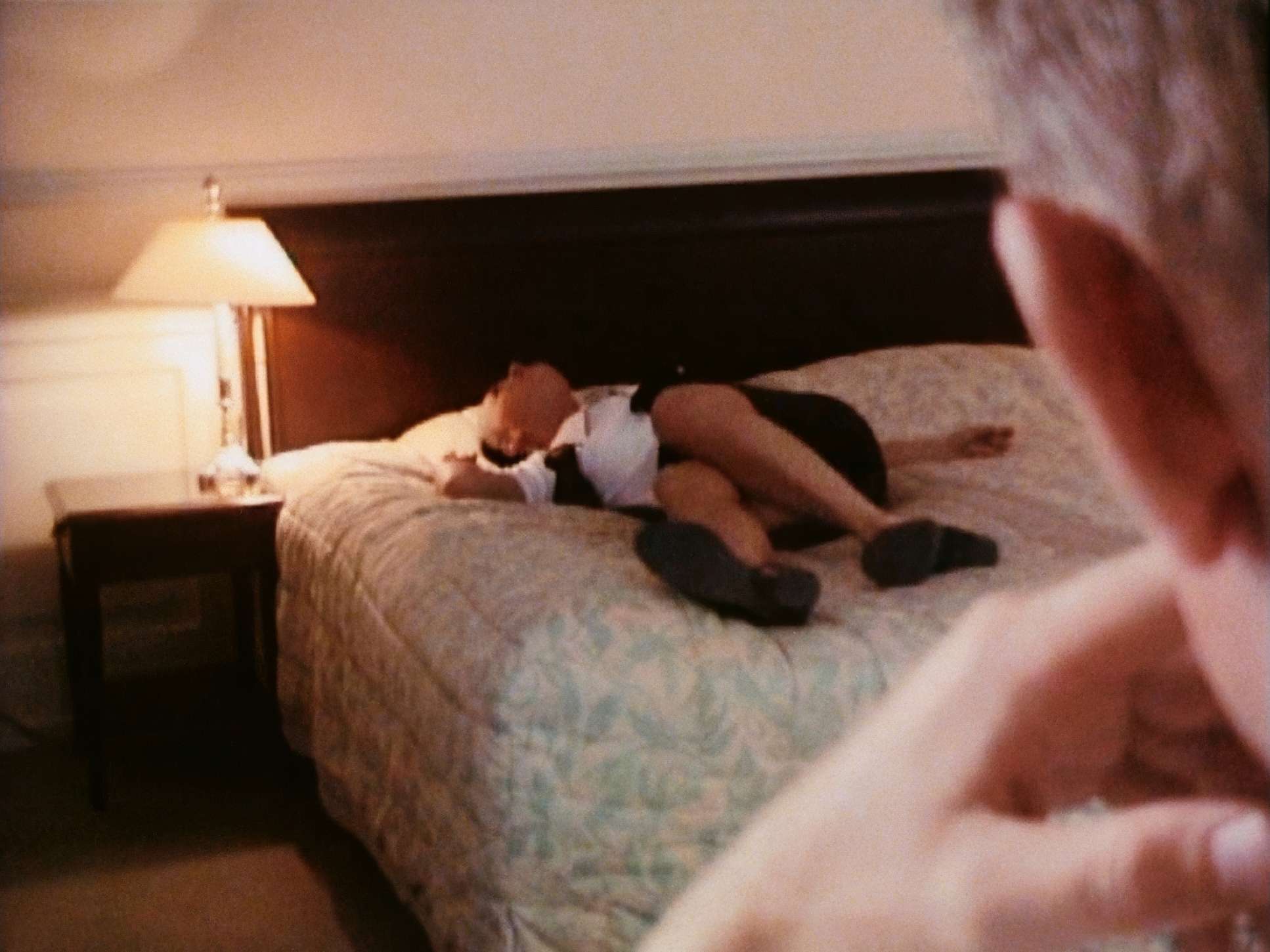
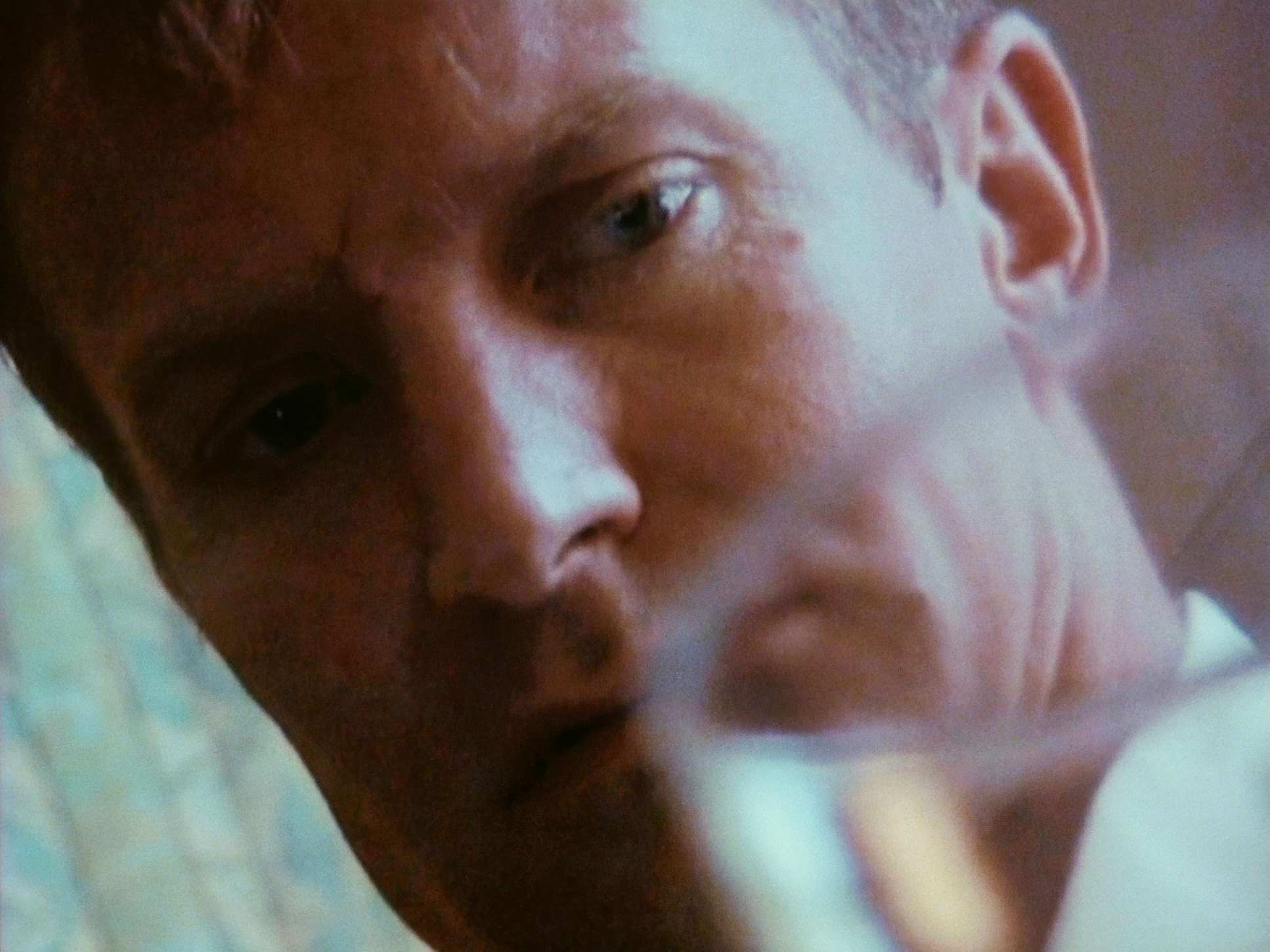
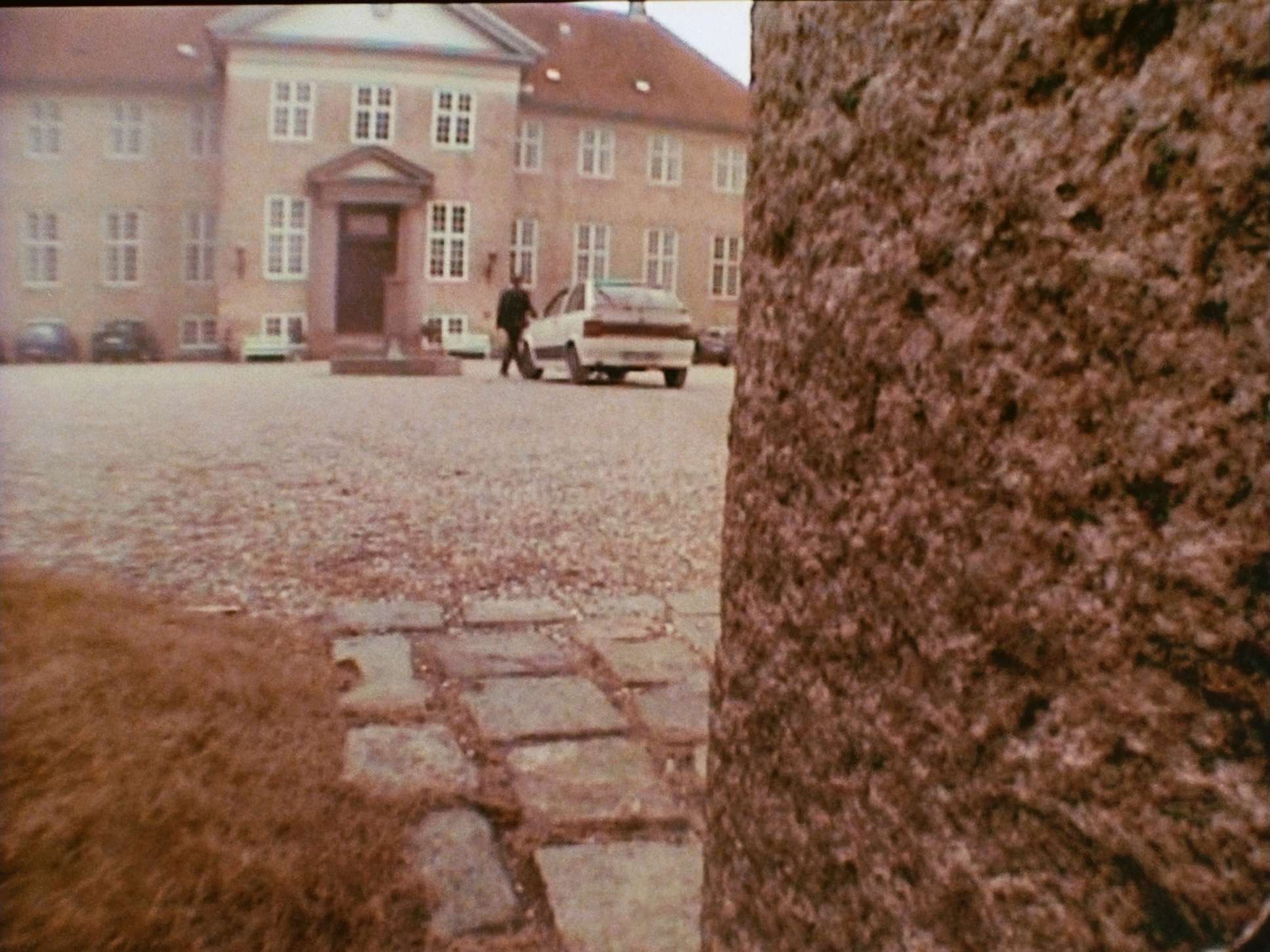
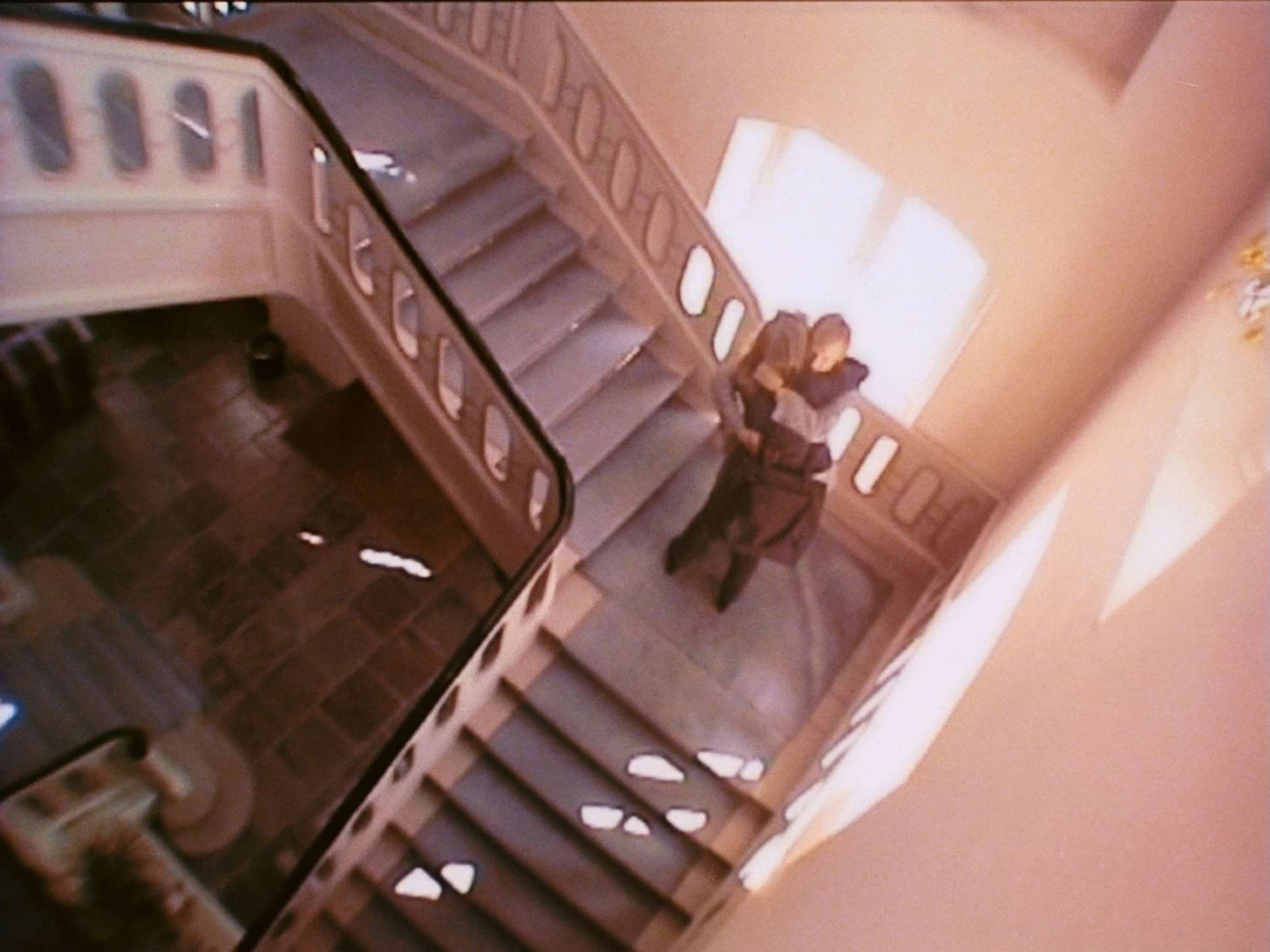
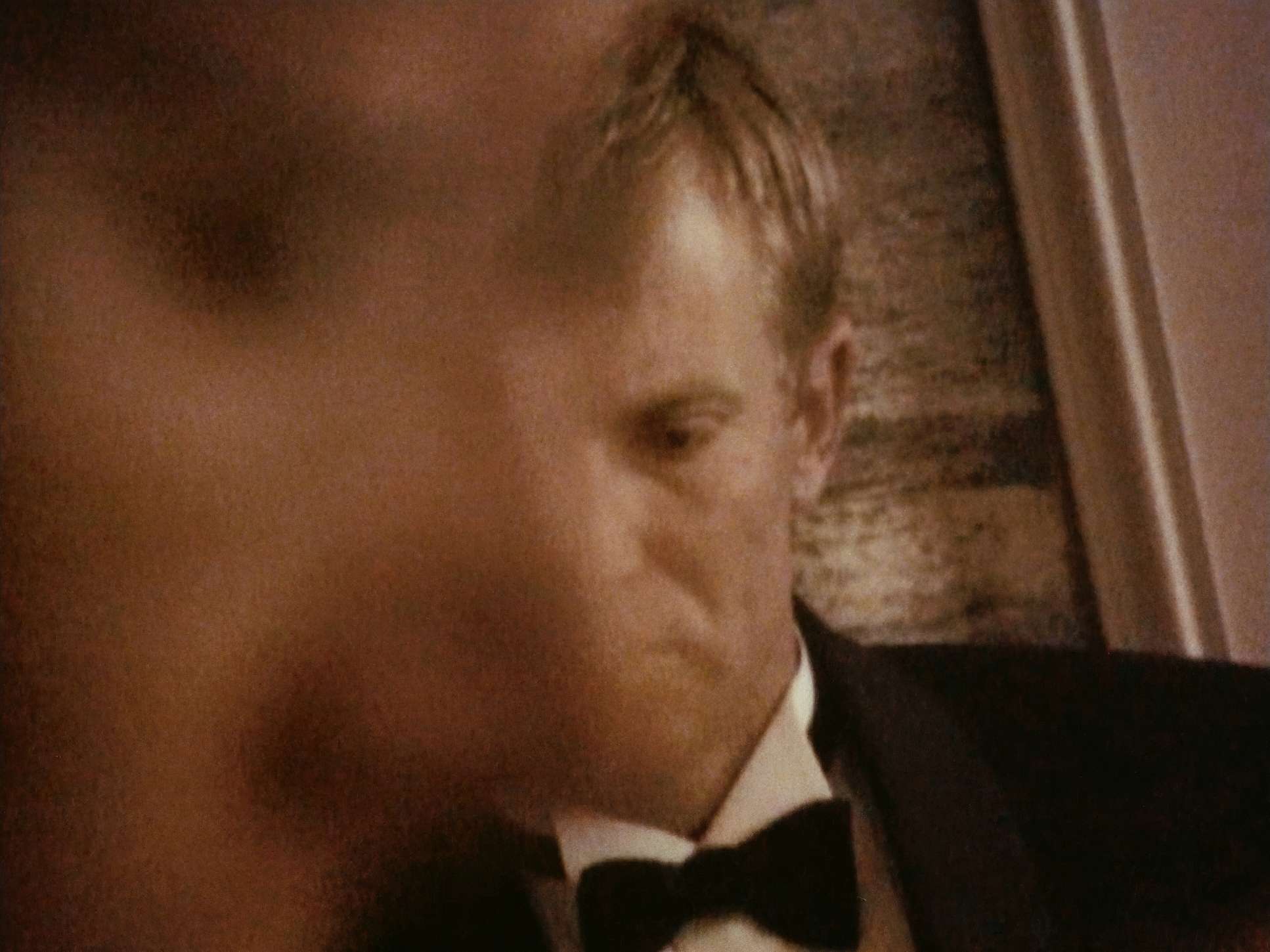
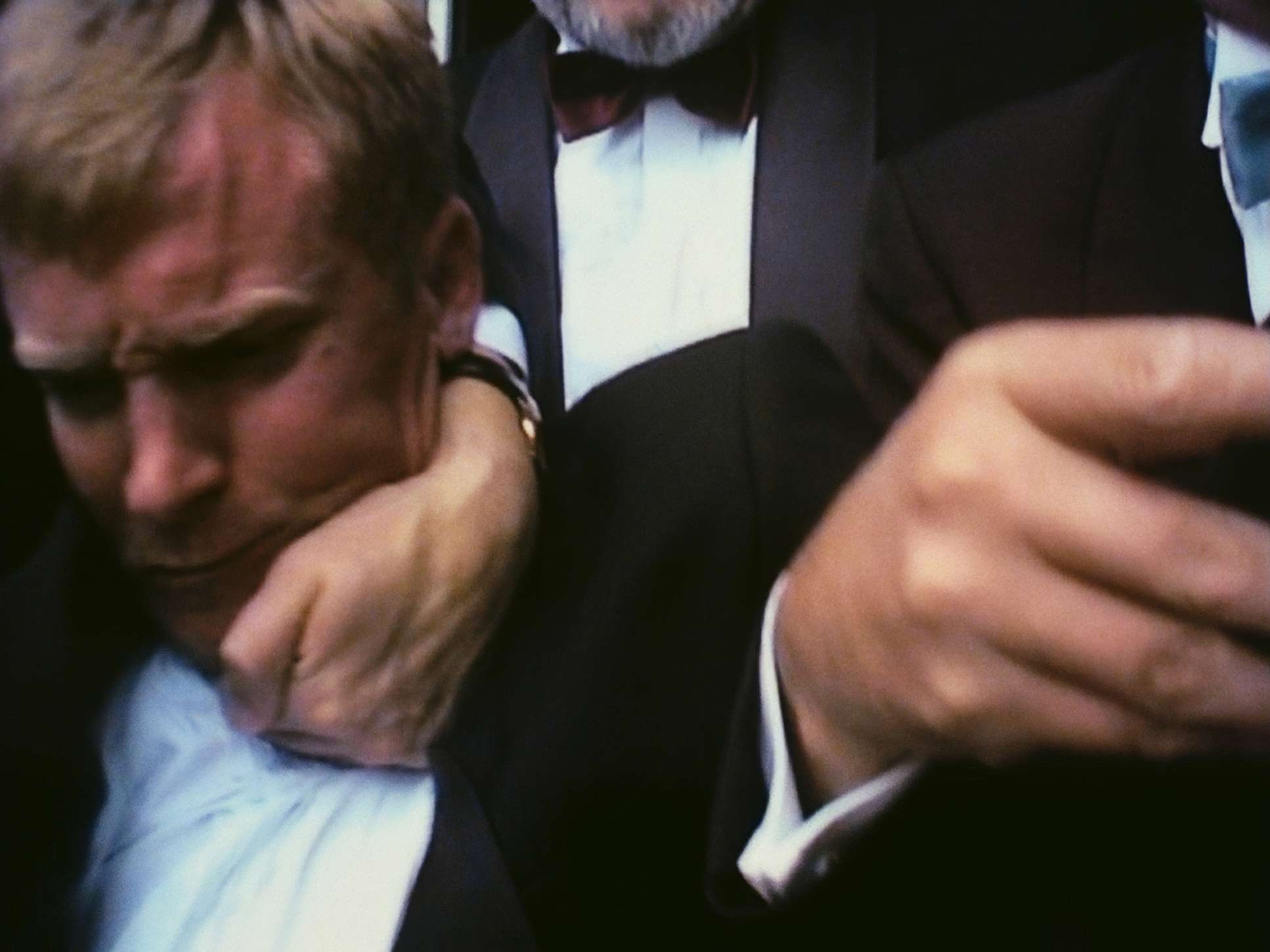
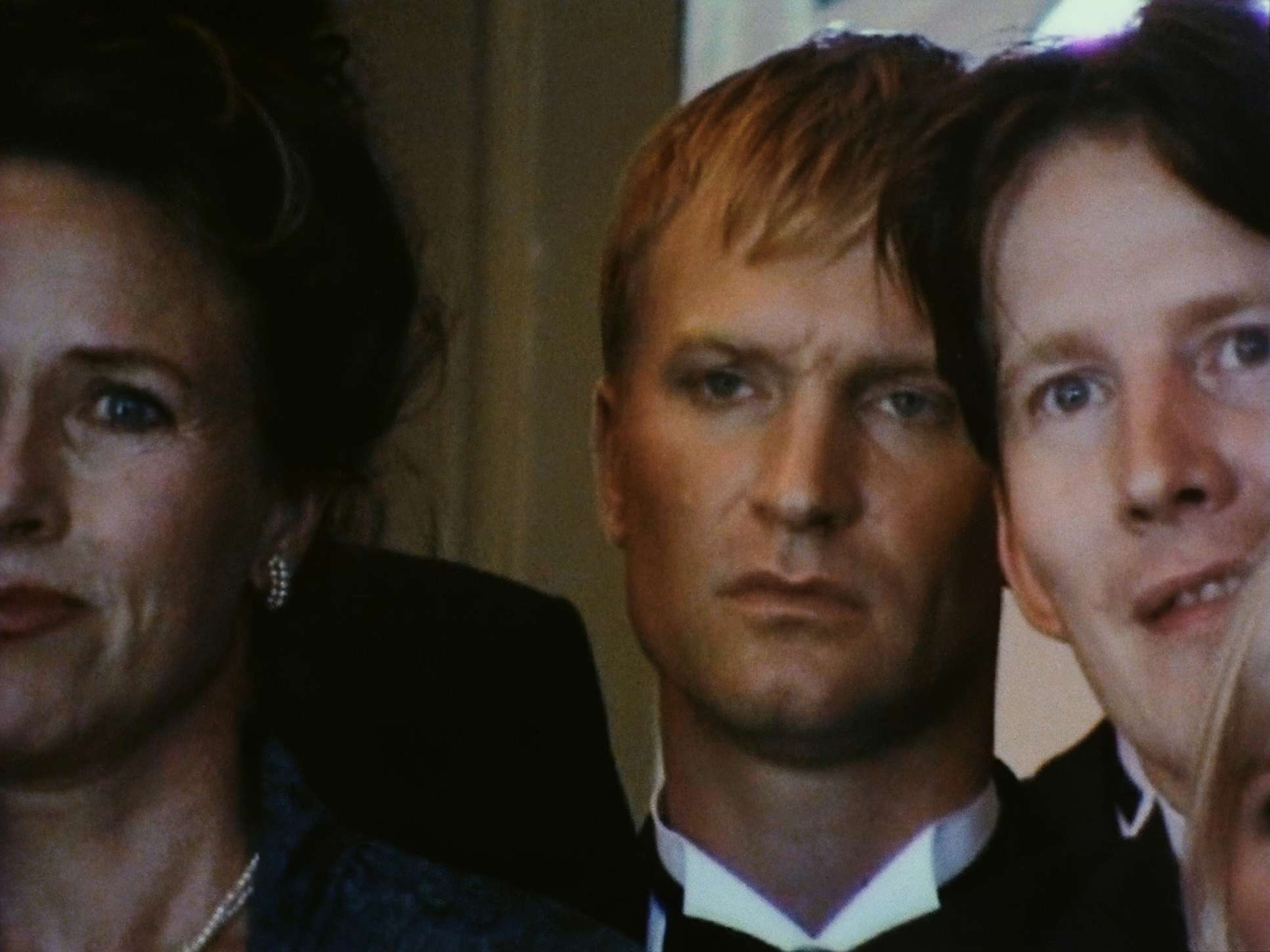
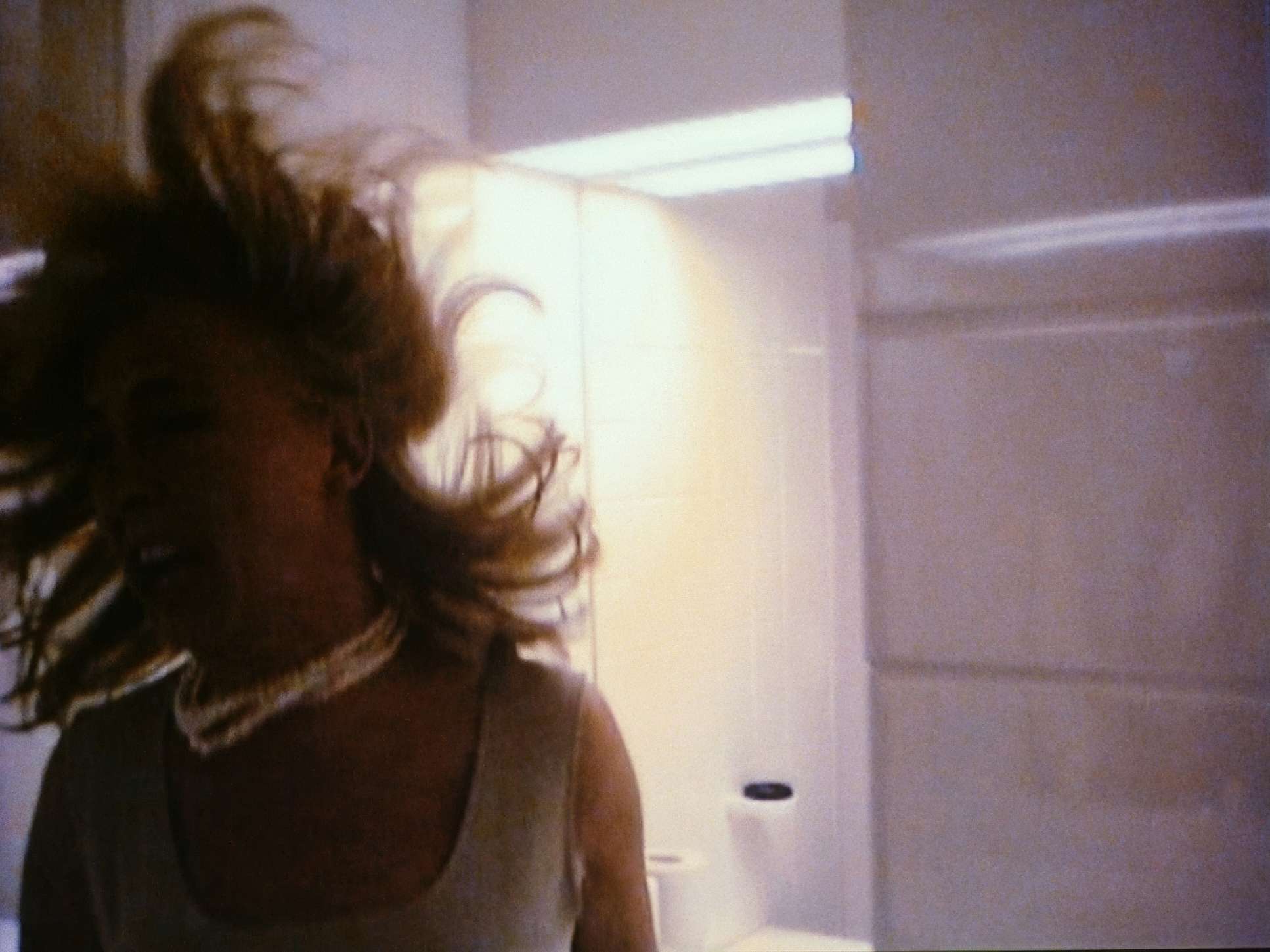
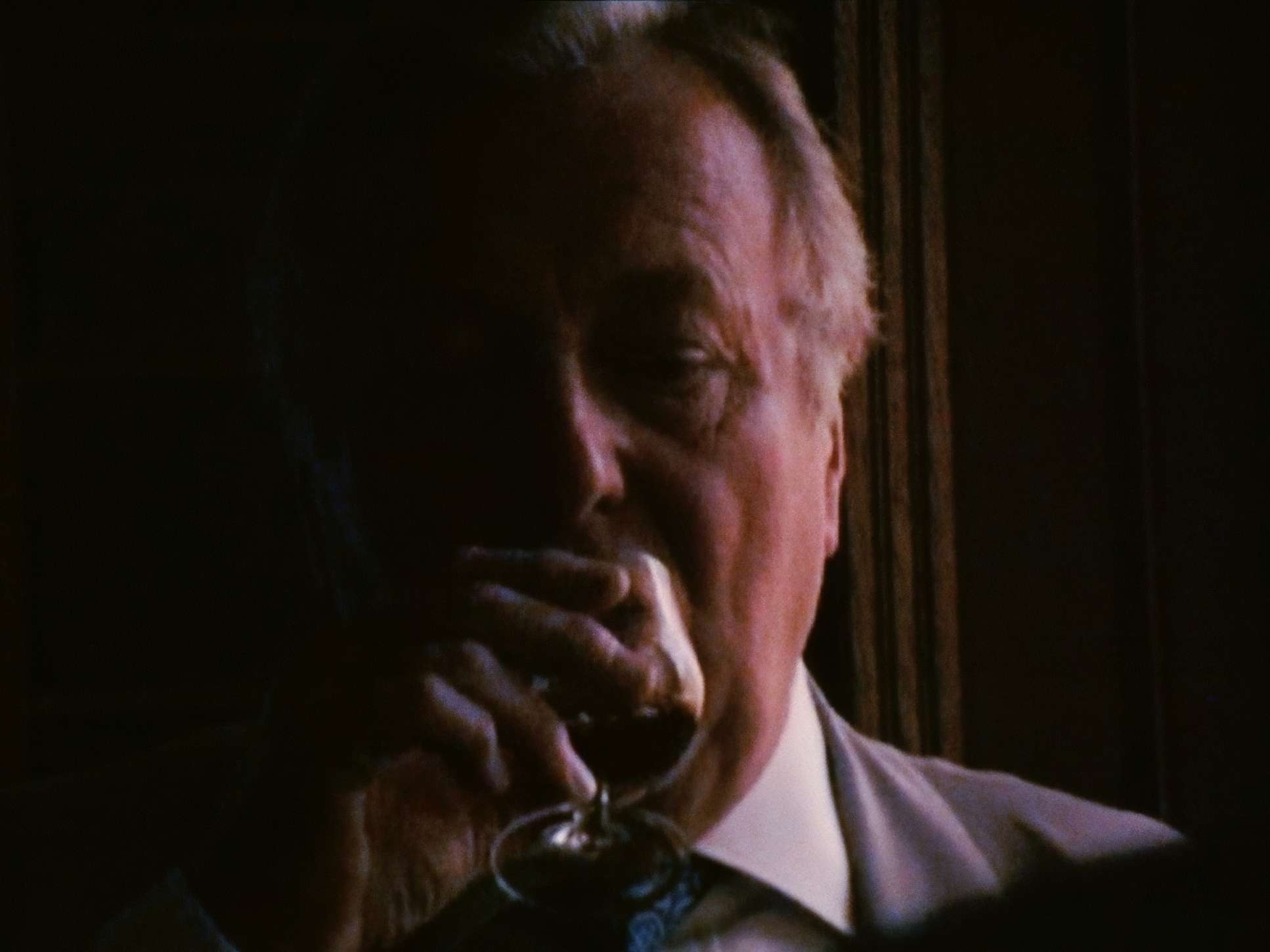
Faces get partially cut off. Characters drift out of frame. The “Rule of Thirds” goes out the window in favor of whatever the camera can catch in the heat of the moment. It’s a “fly-on-the-wall” style that mimics how we actually look at things when we’re uncomfortable we peek, we look away, we focus on small, weird details. This “accidental” composition strips away the wall between us and the screen. You aren’t watching a movie; you’re a voyeur at a family disaster.
Lighting Style
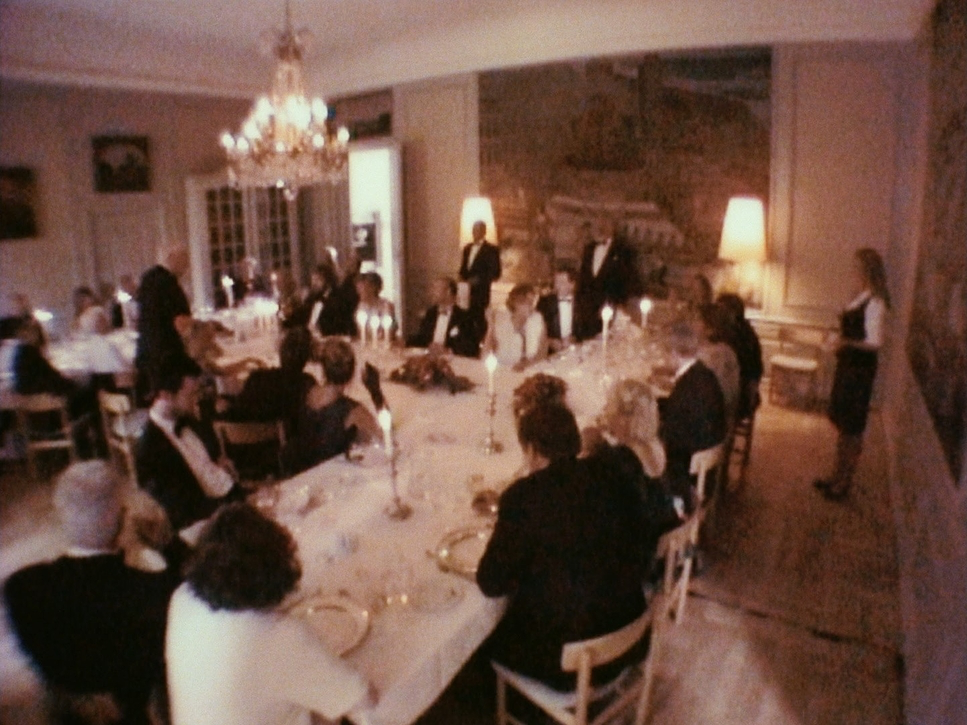
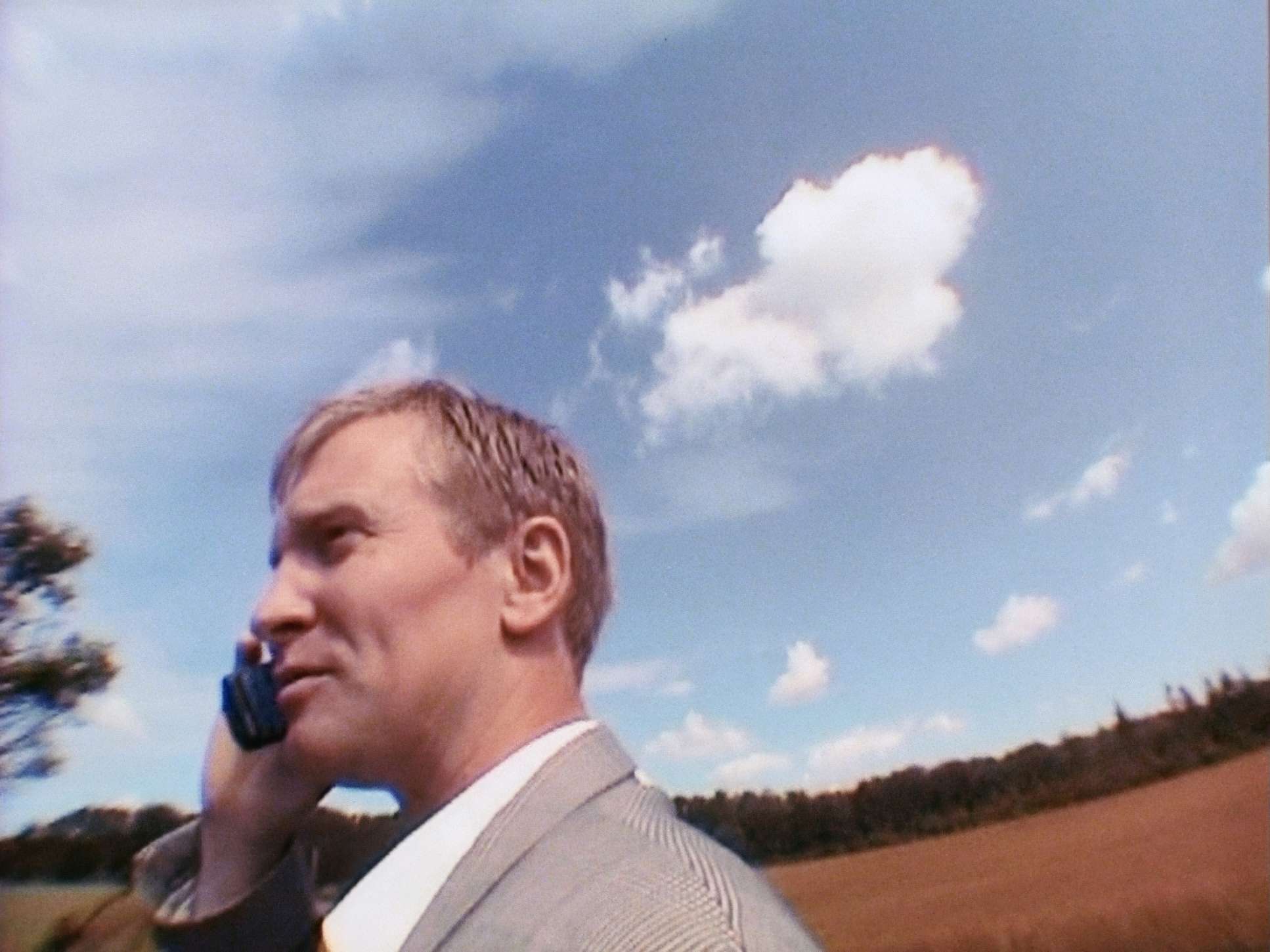
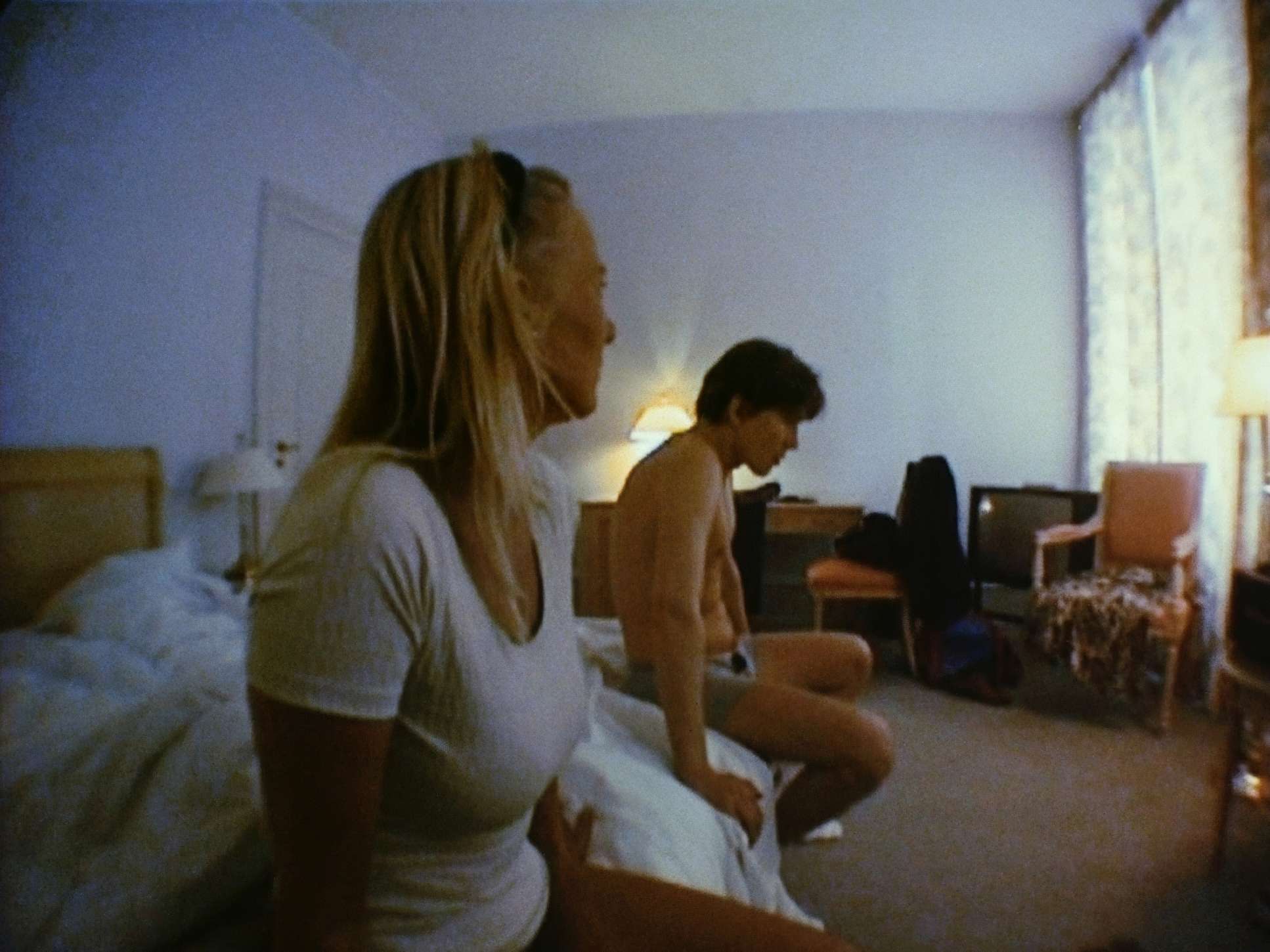
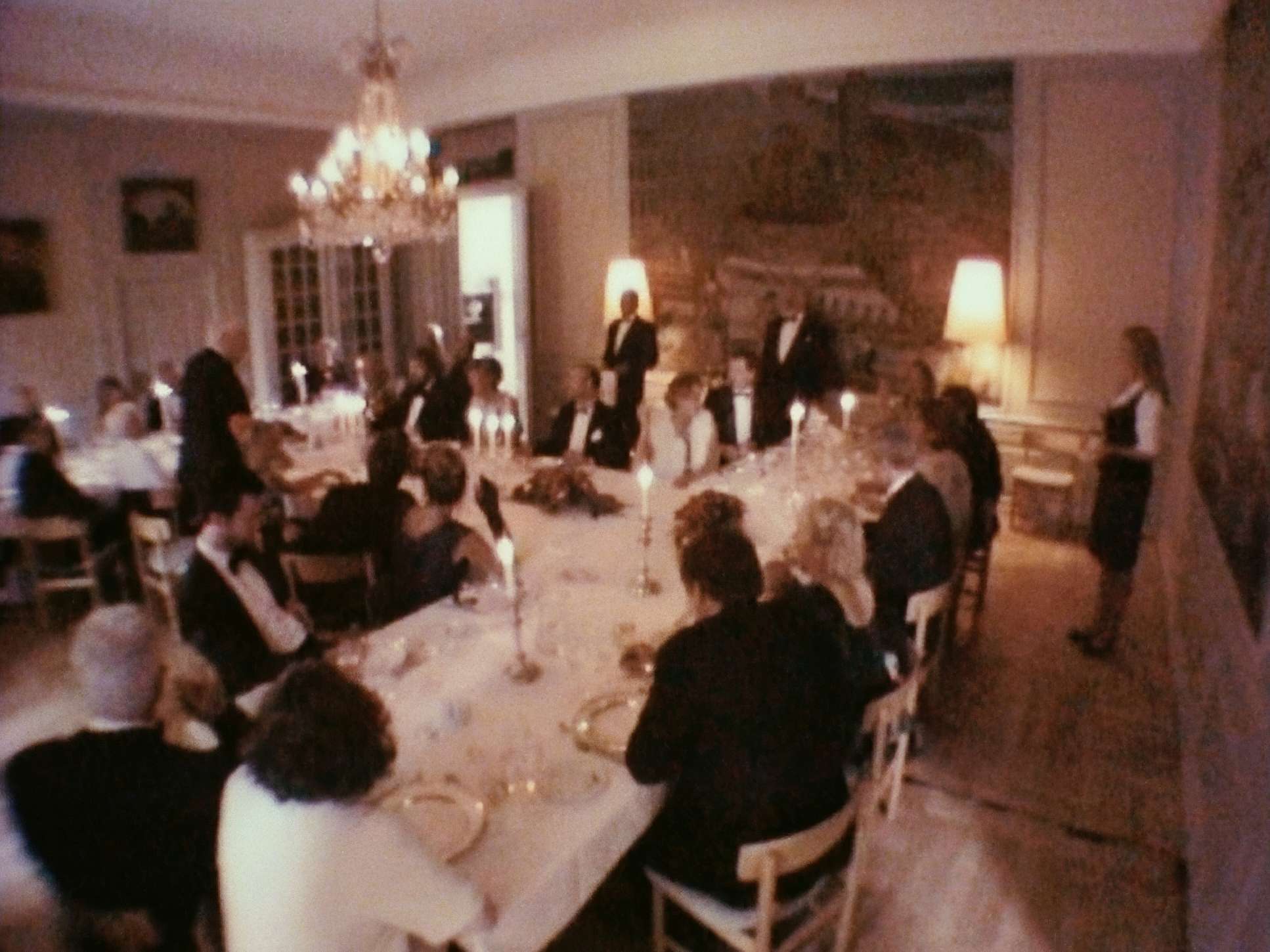
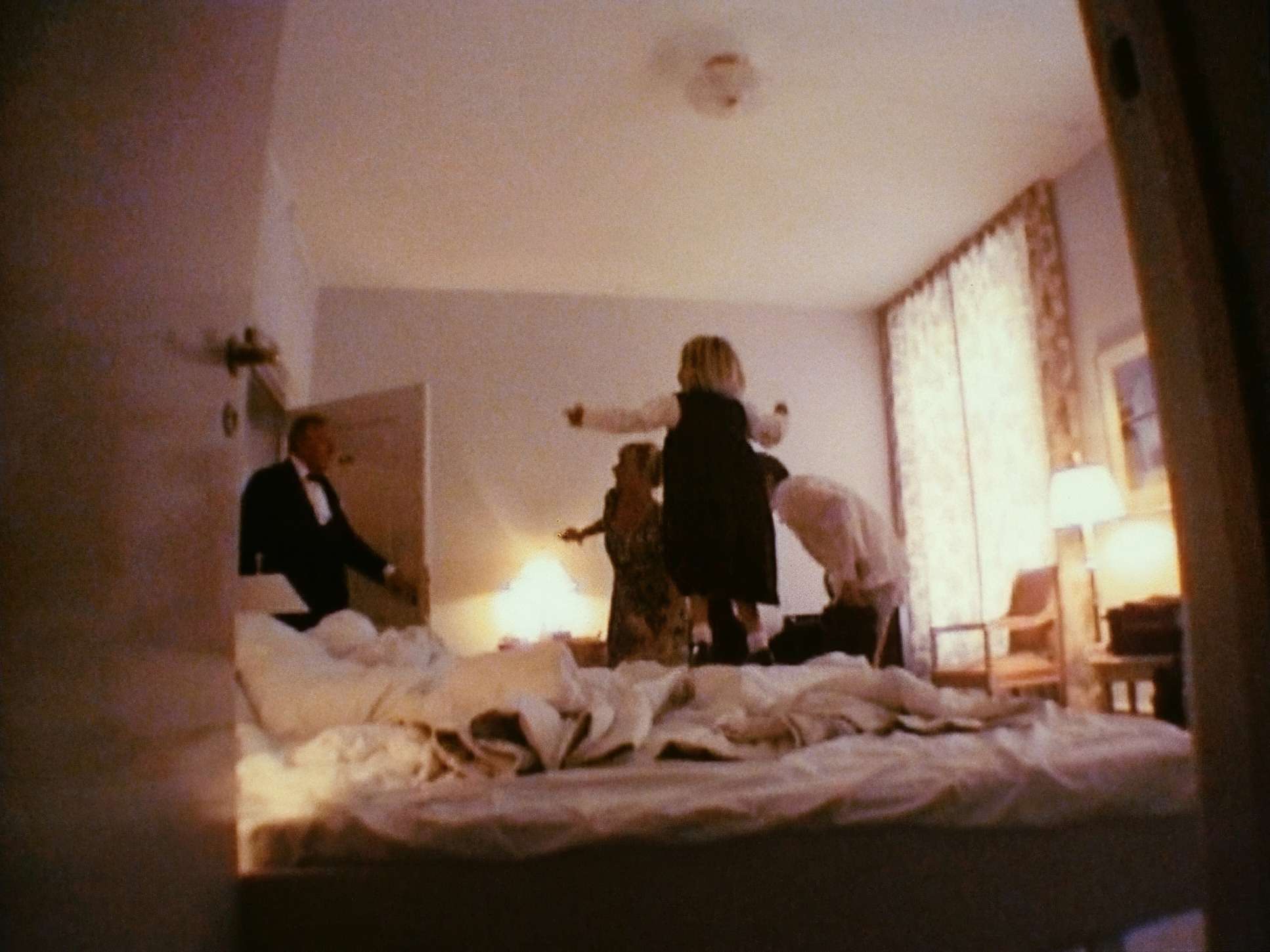
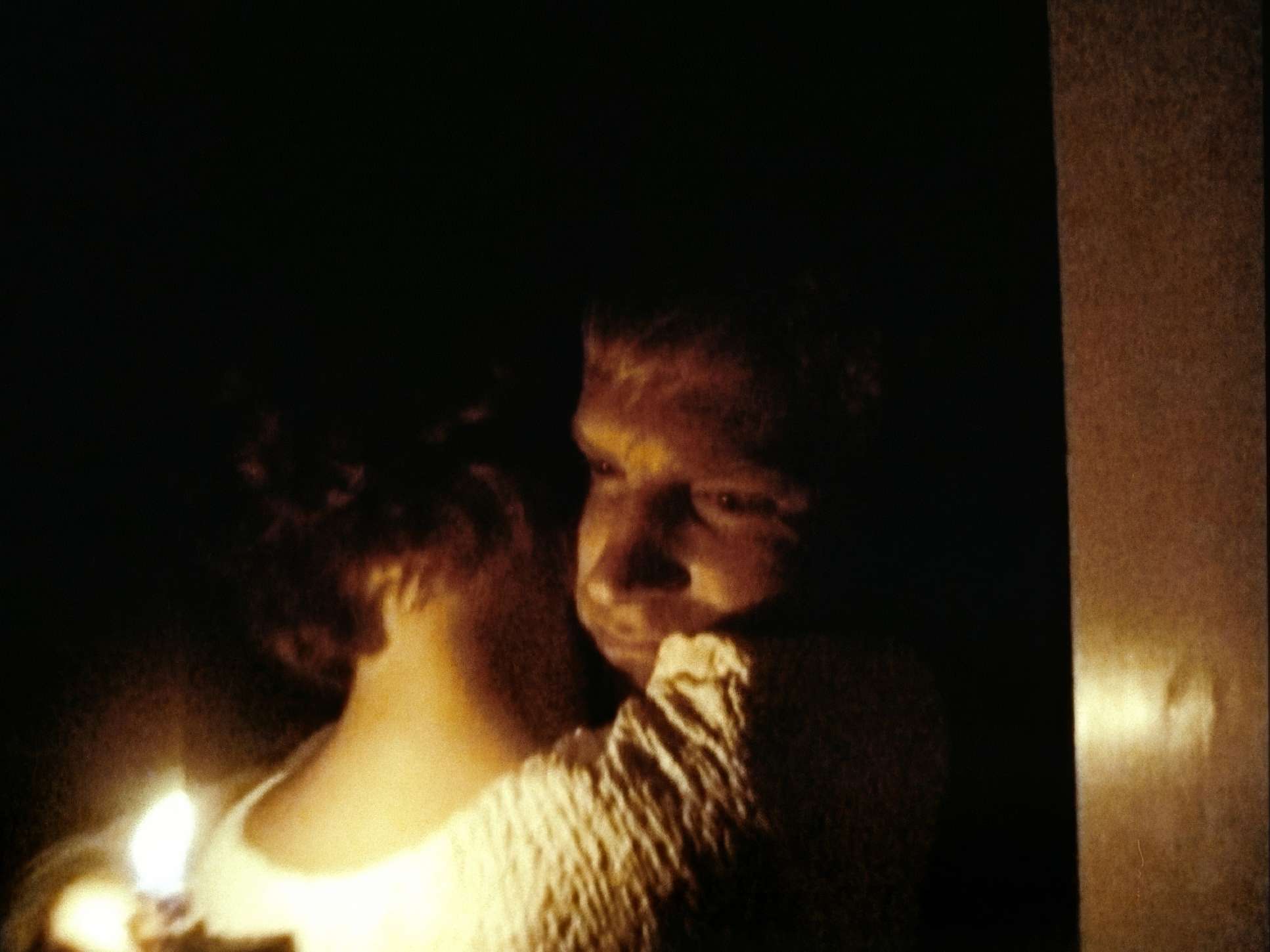
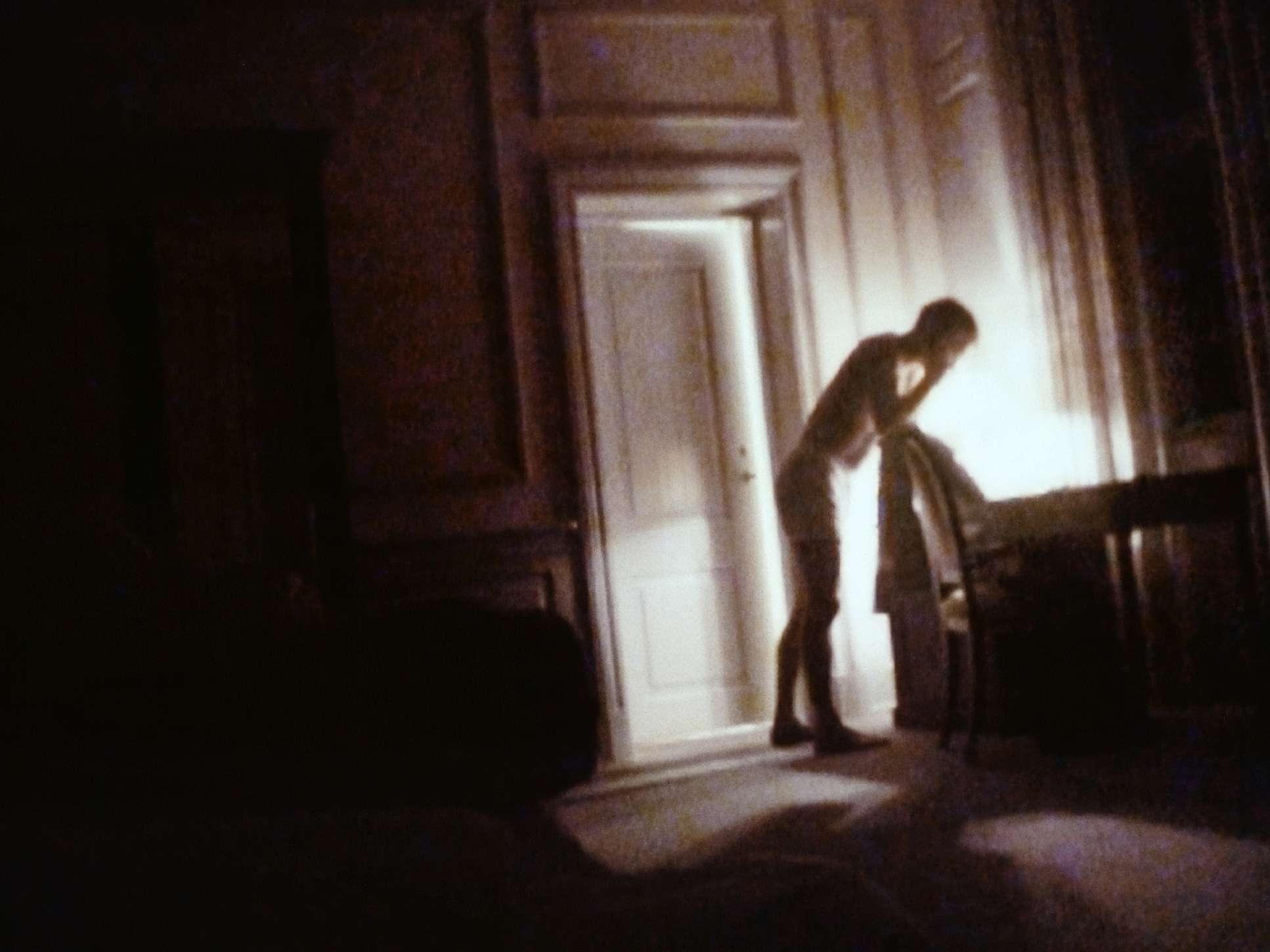
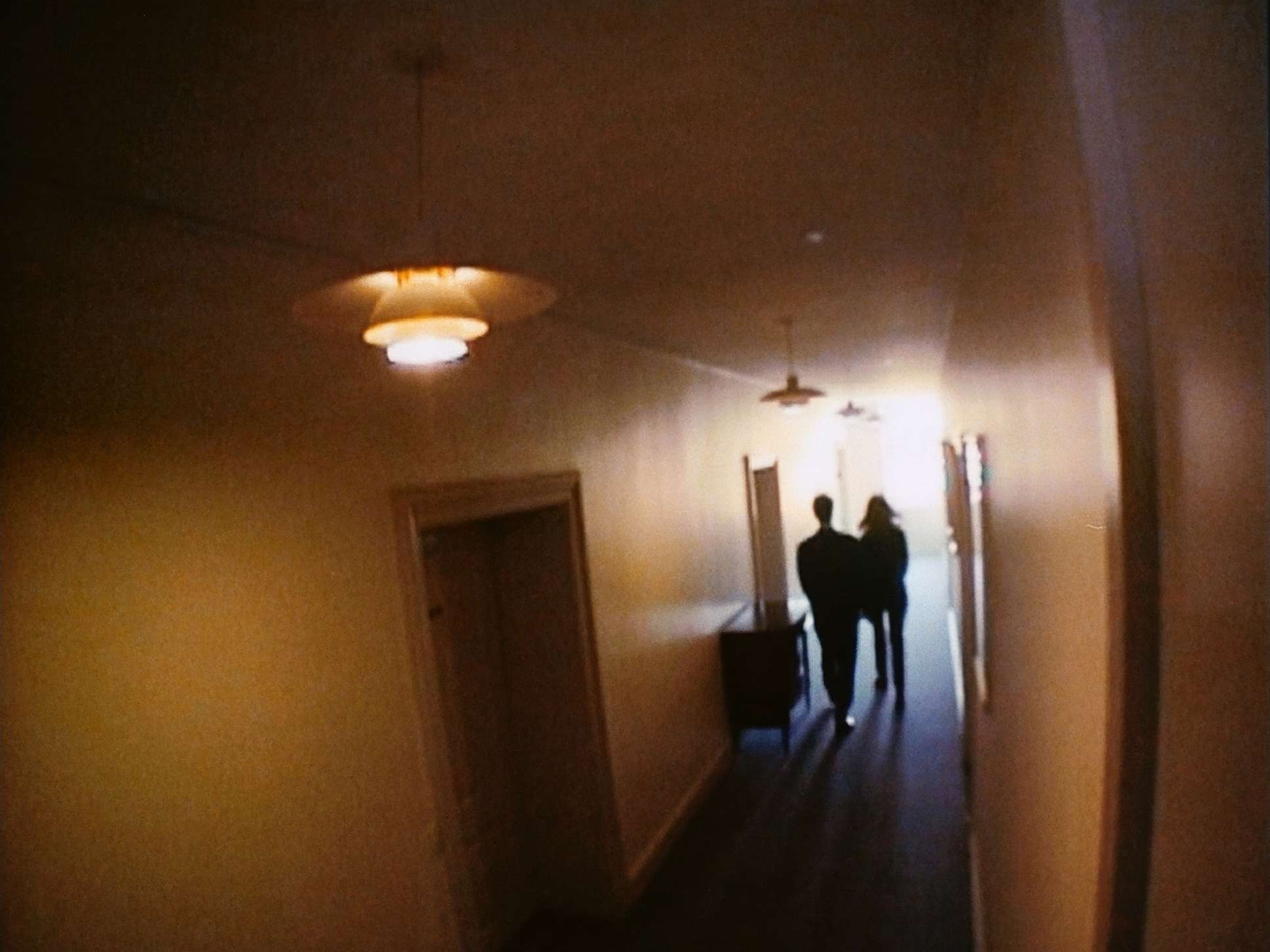
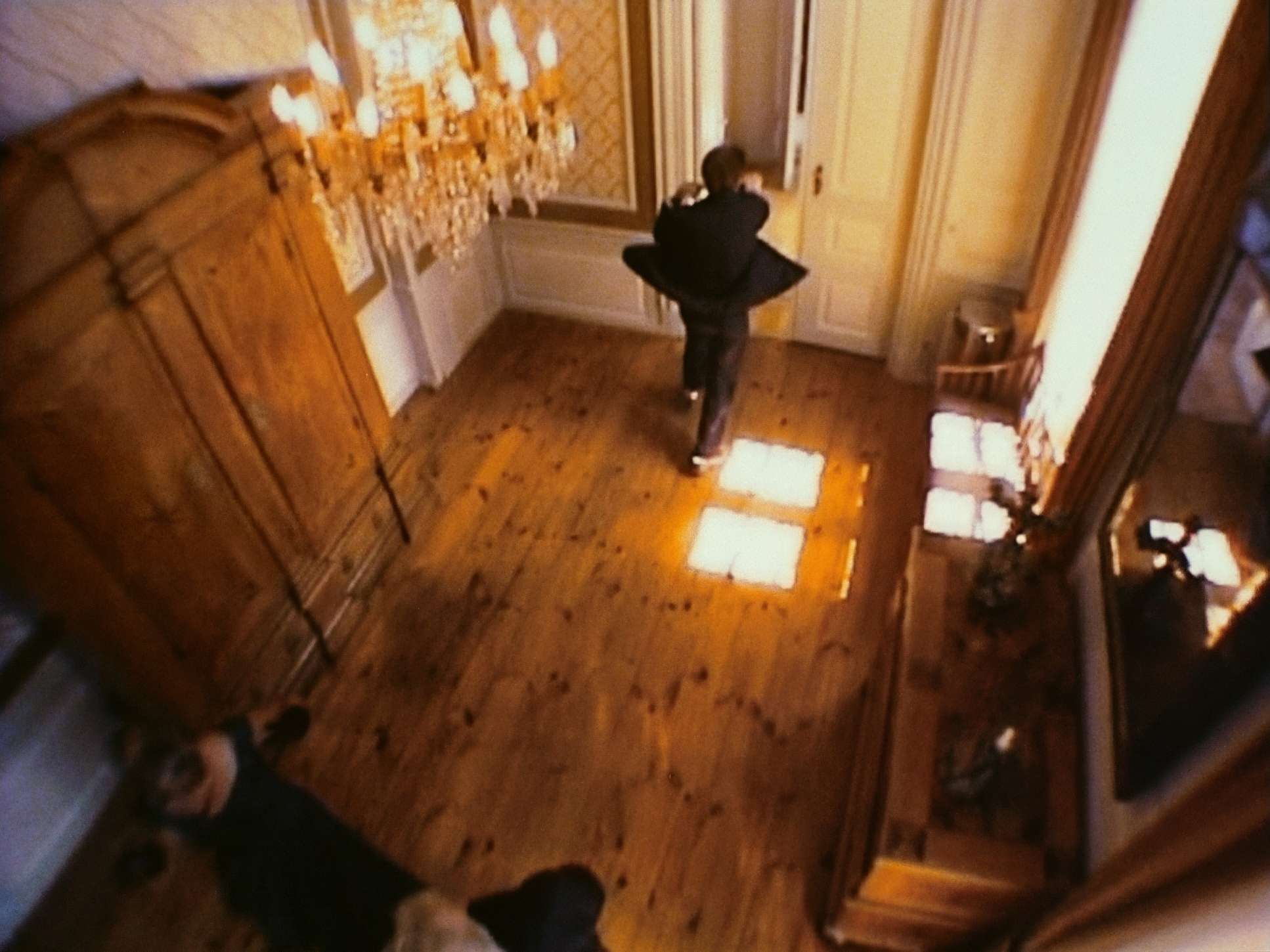
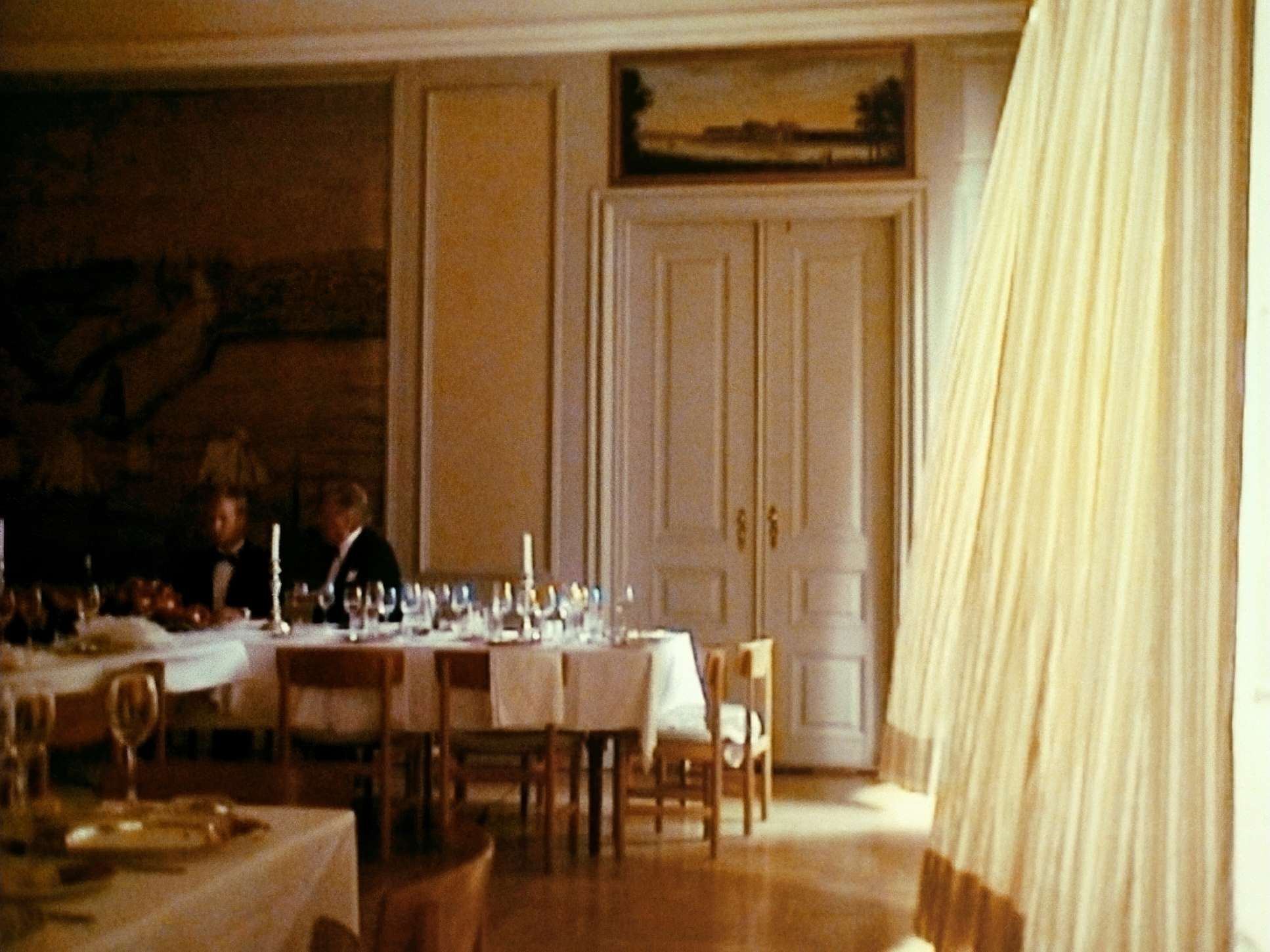
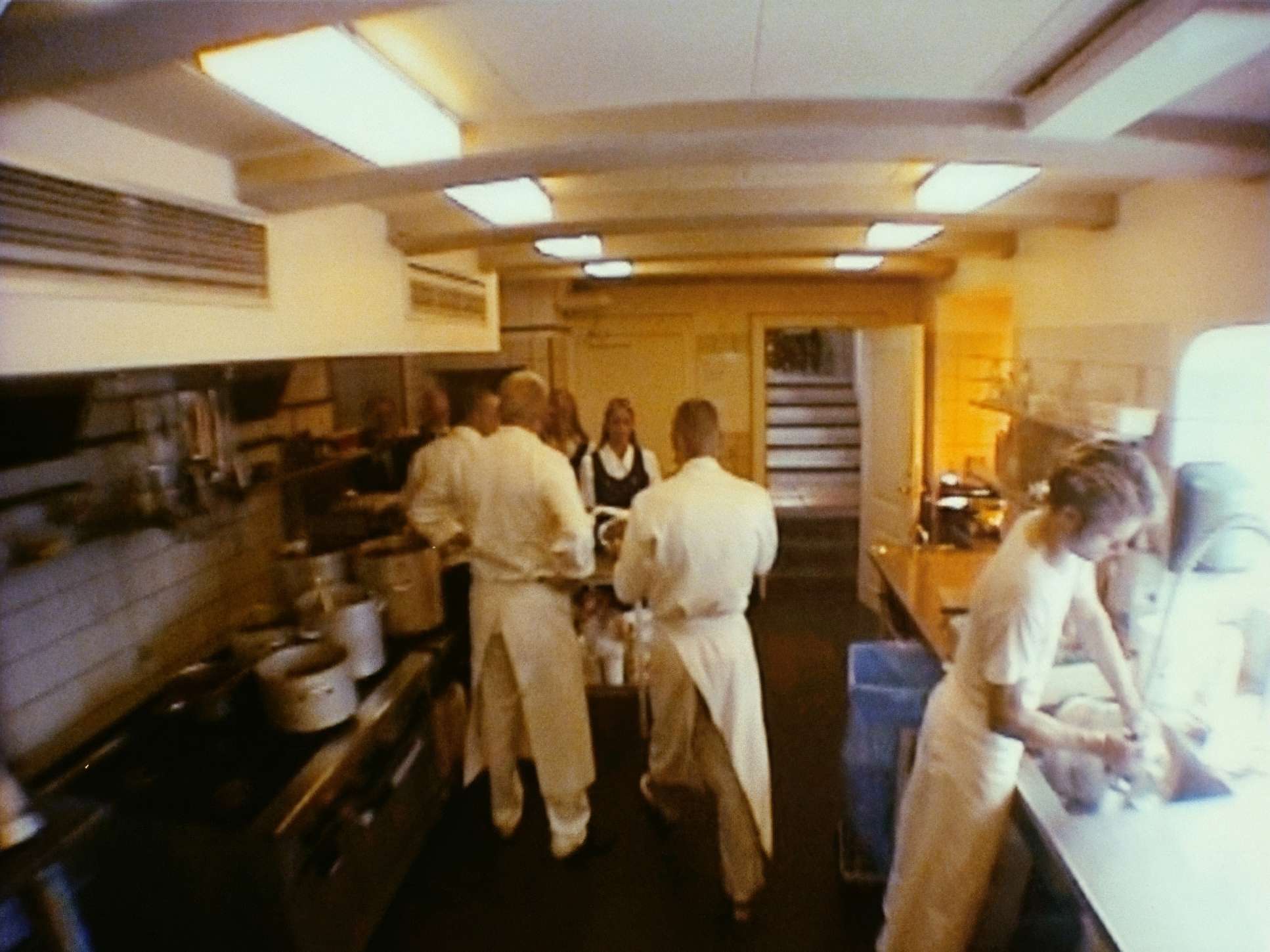
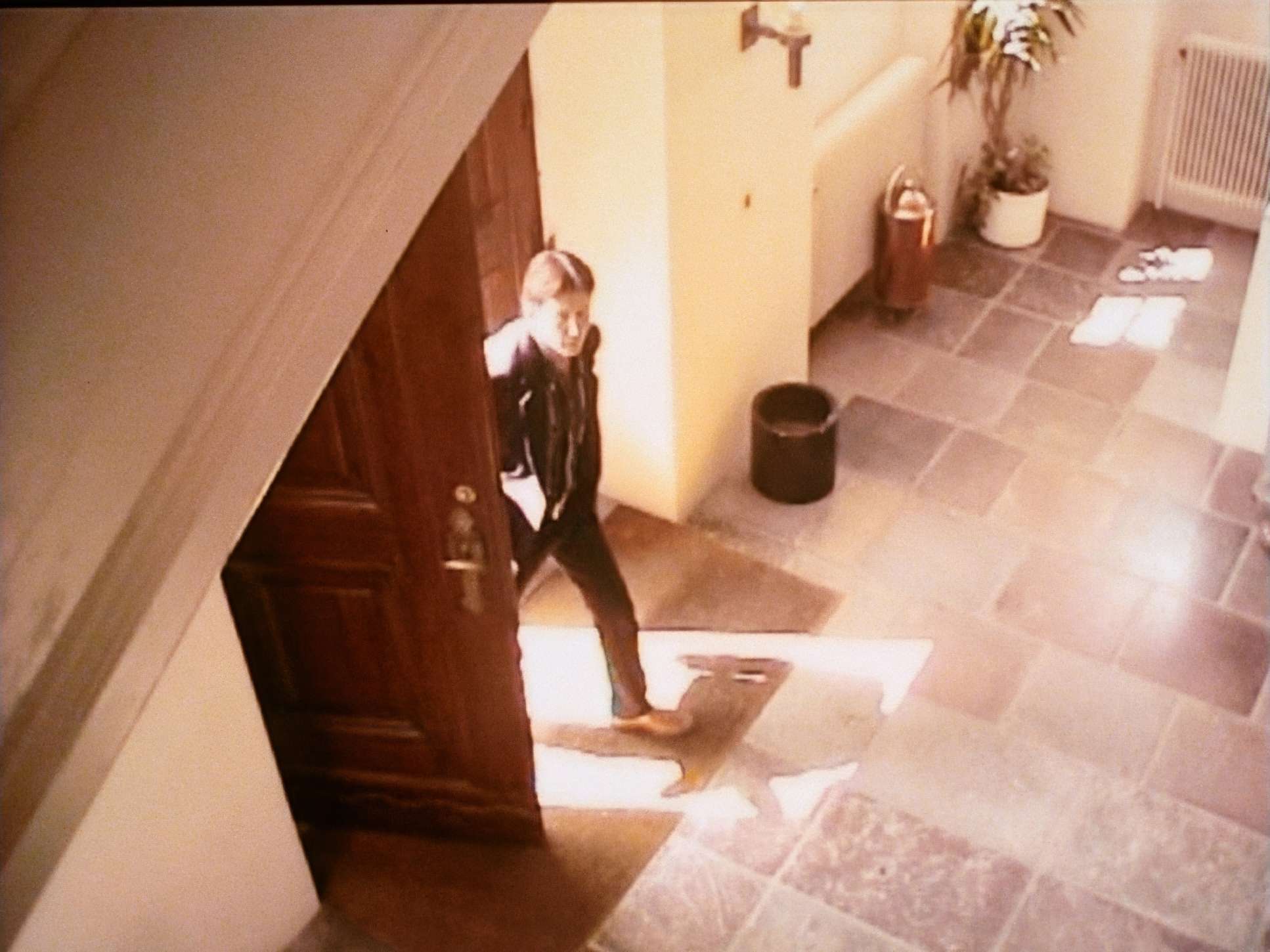
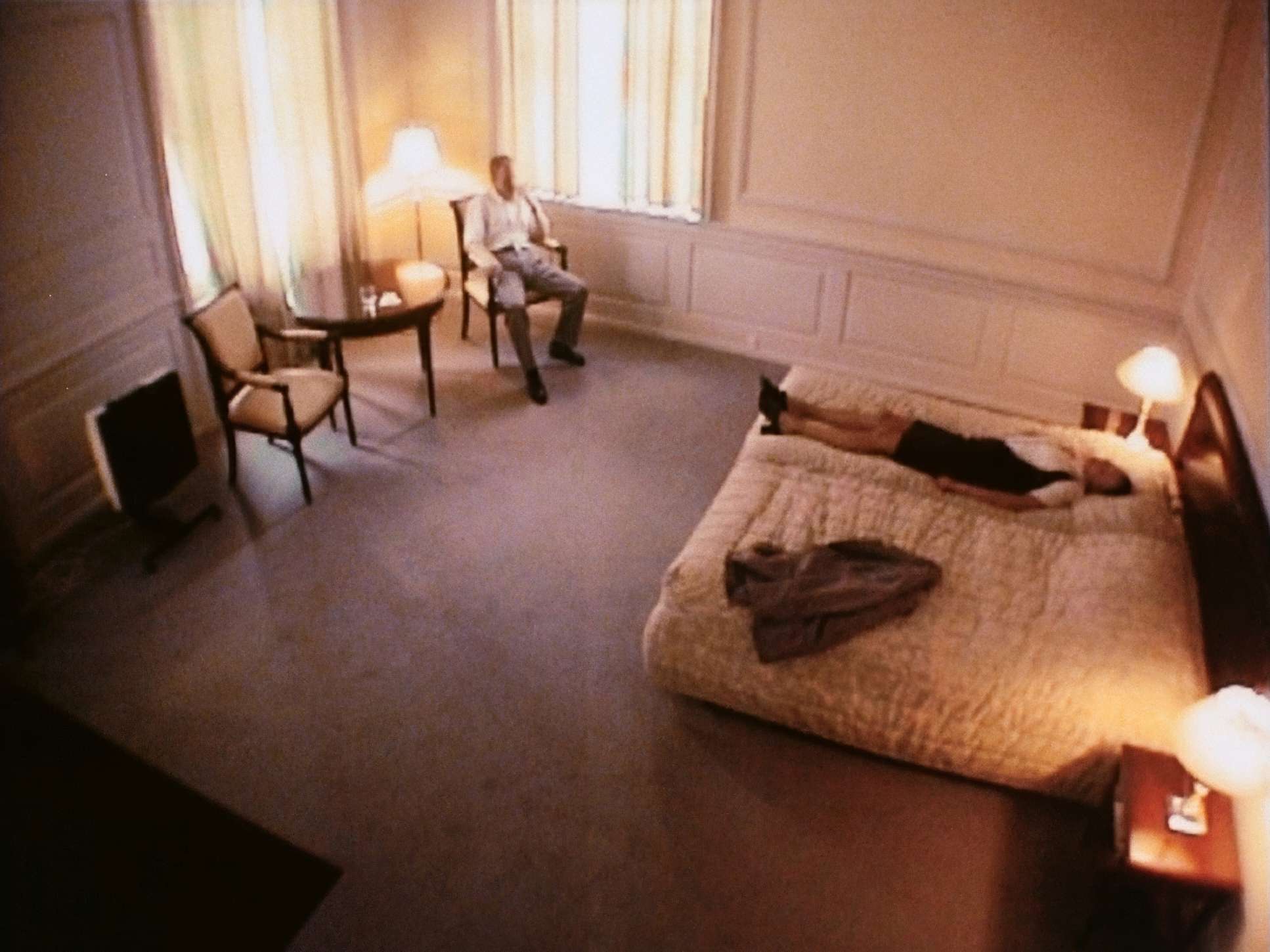
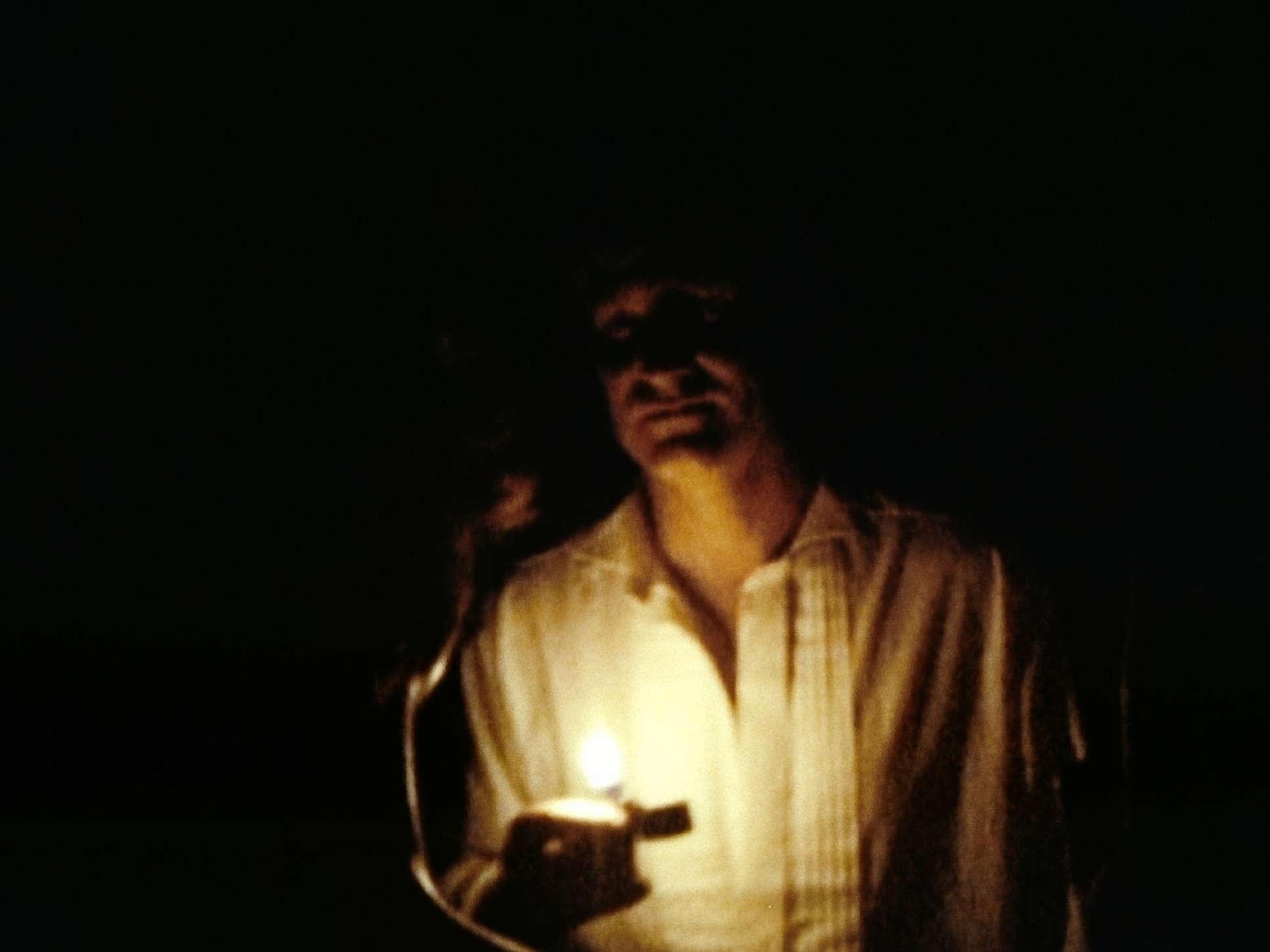
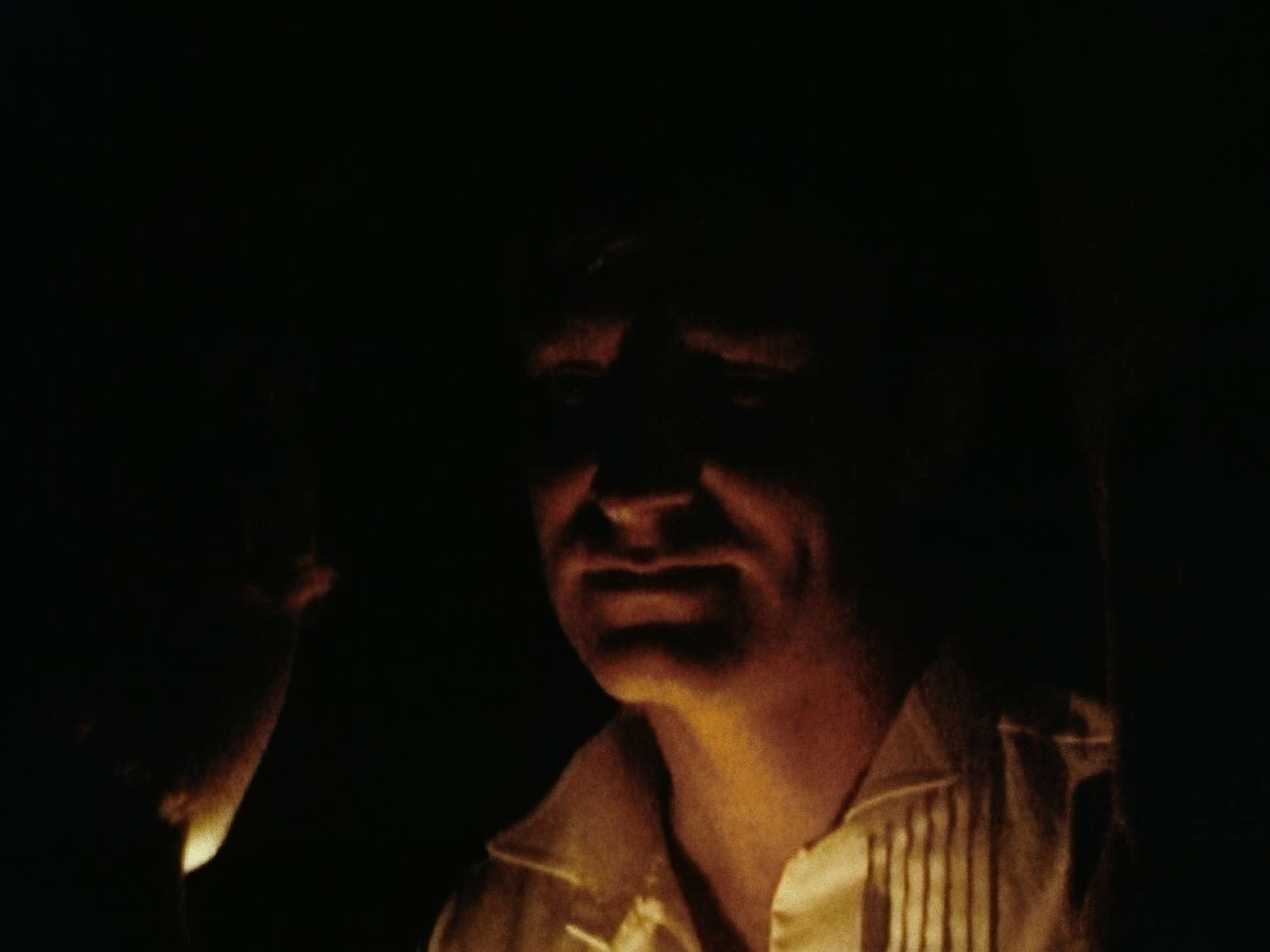
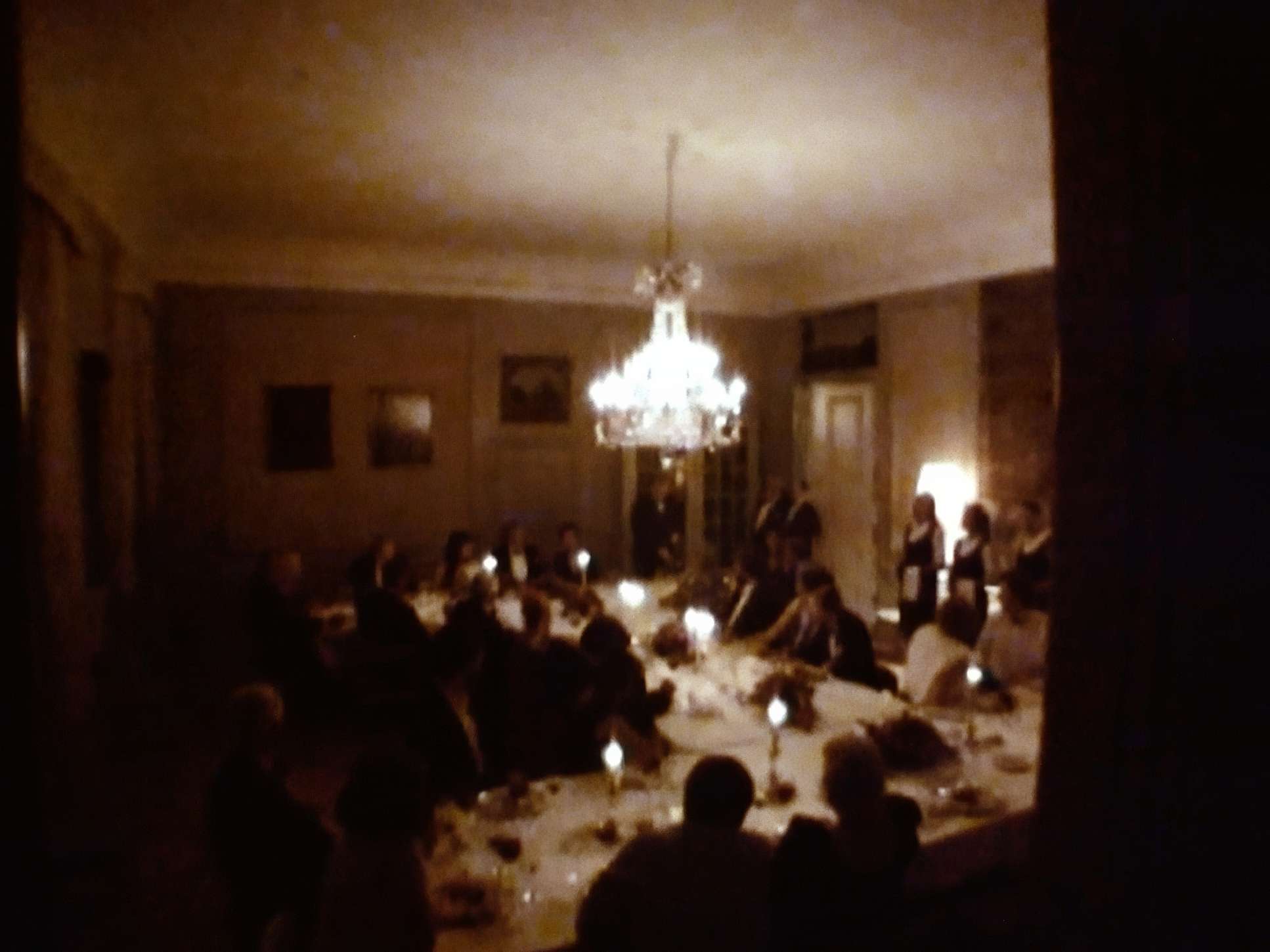
Lighting or the total lack of it is where Festen gets really radical. The “Vow of Chastity” strictly forbade special lighting. What you see is what was there: chandeliers, table lamps, candles, and whatever sunlight hit the windows of that estate.
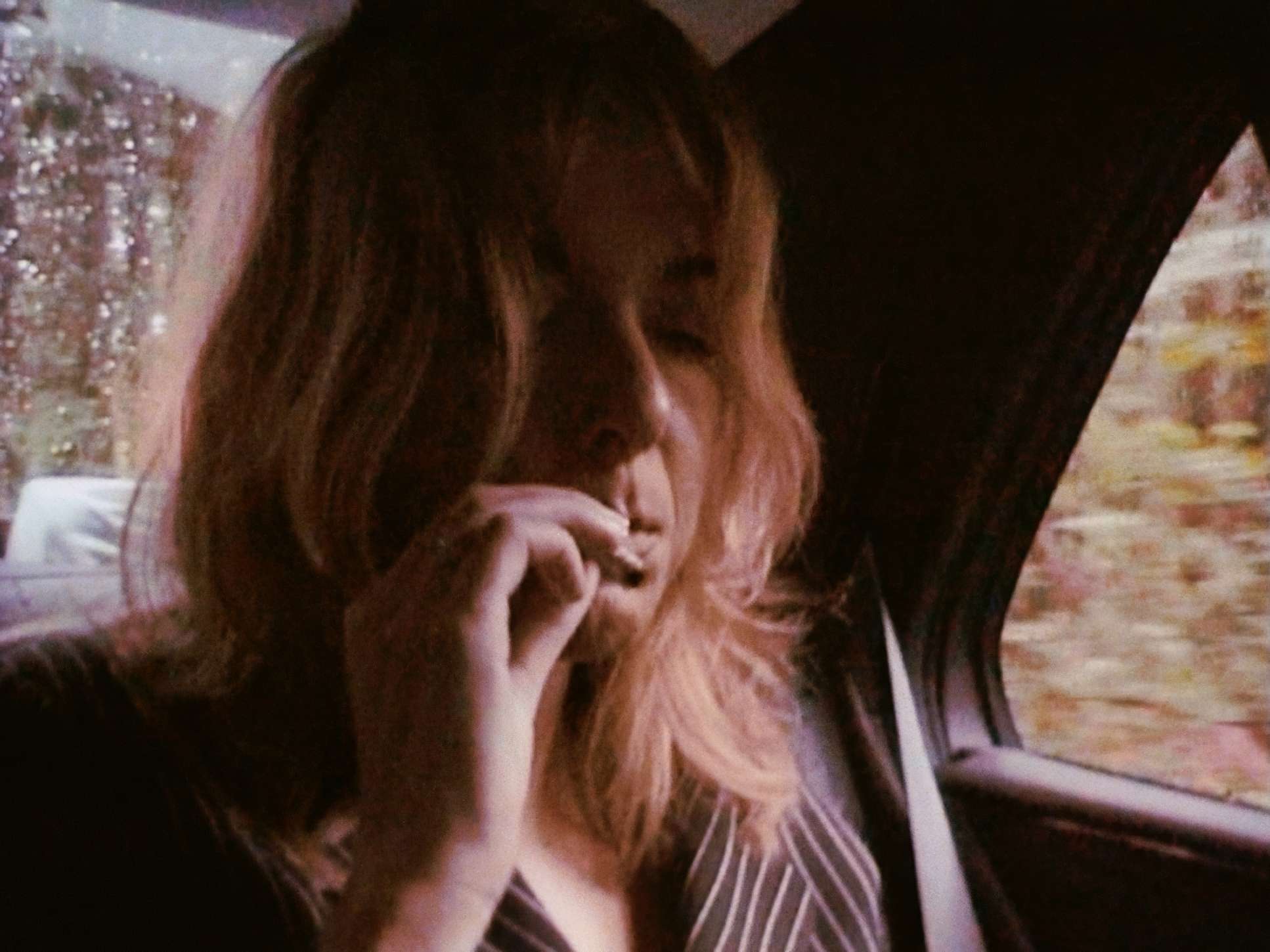
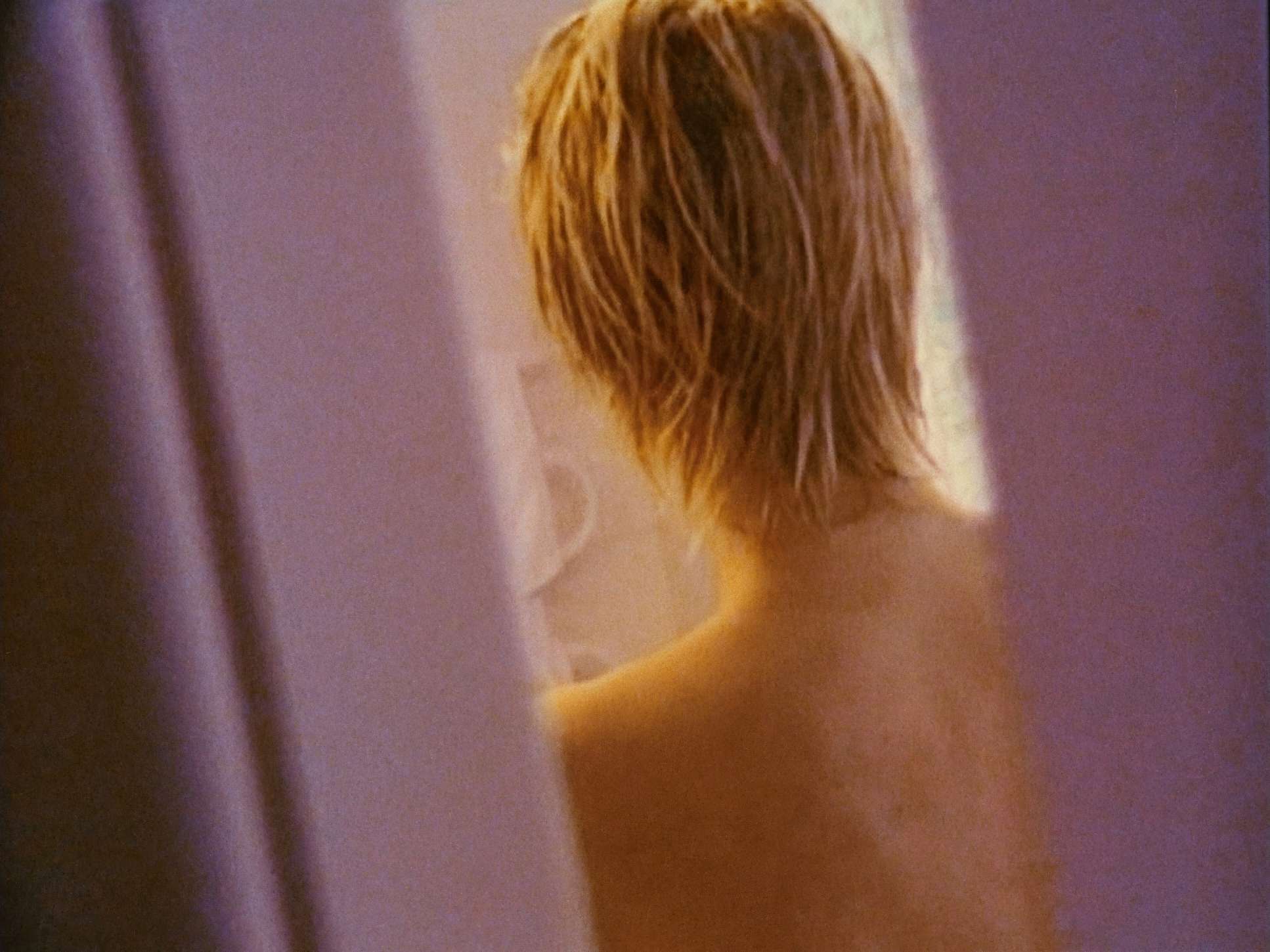
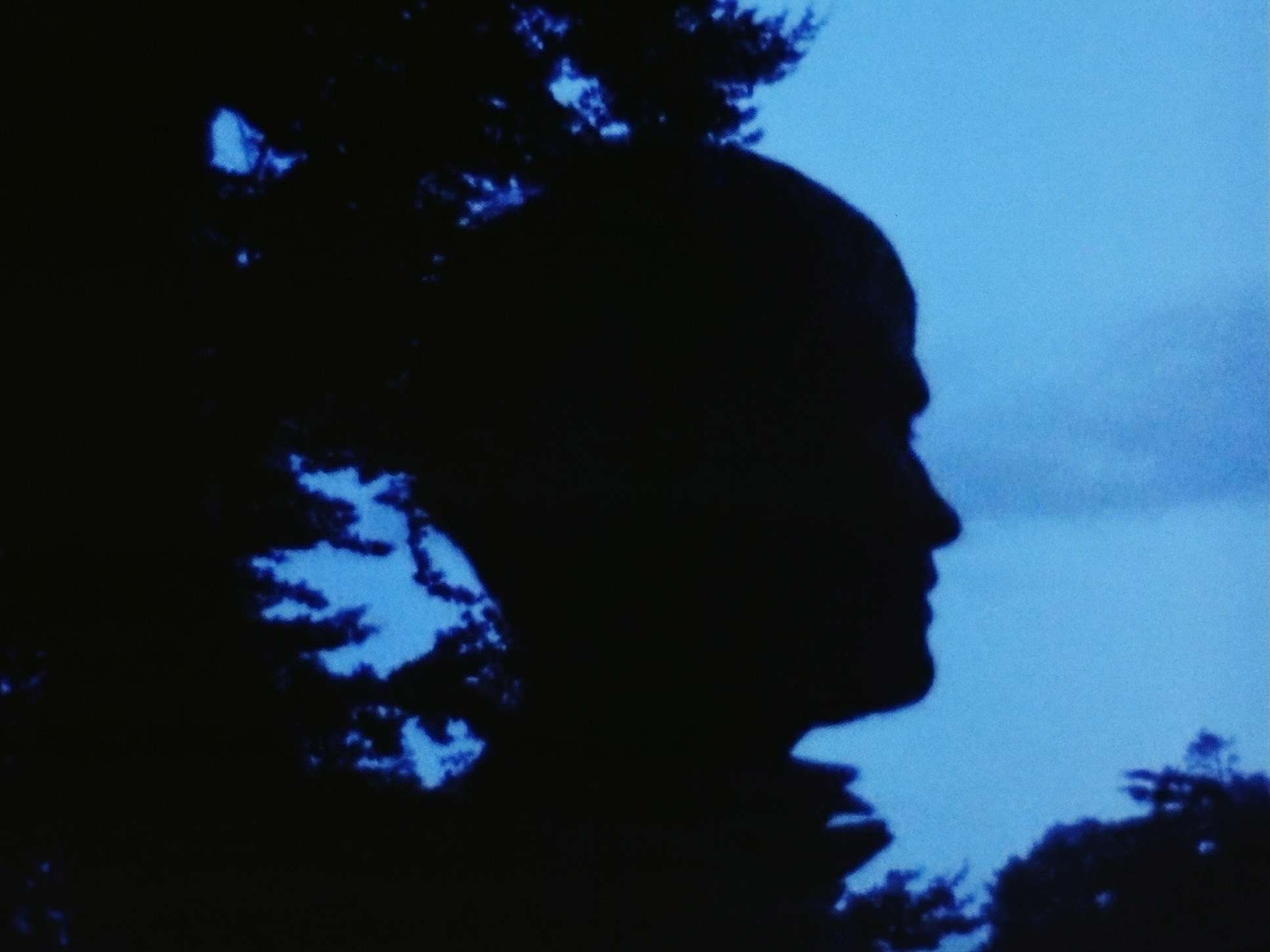
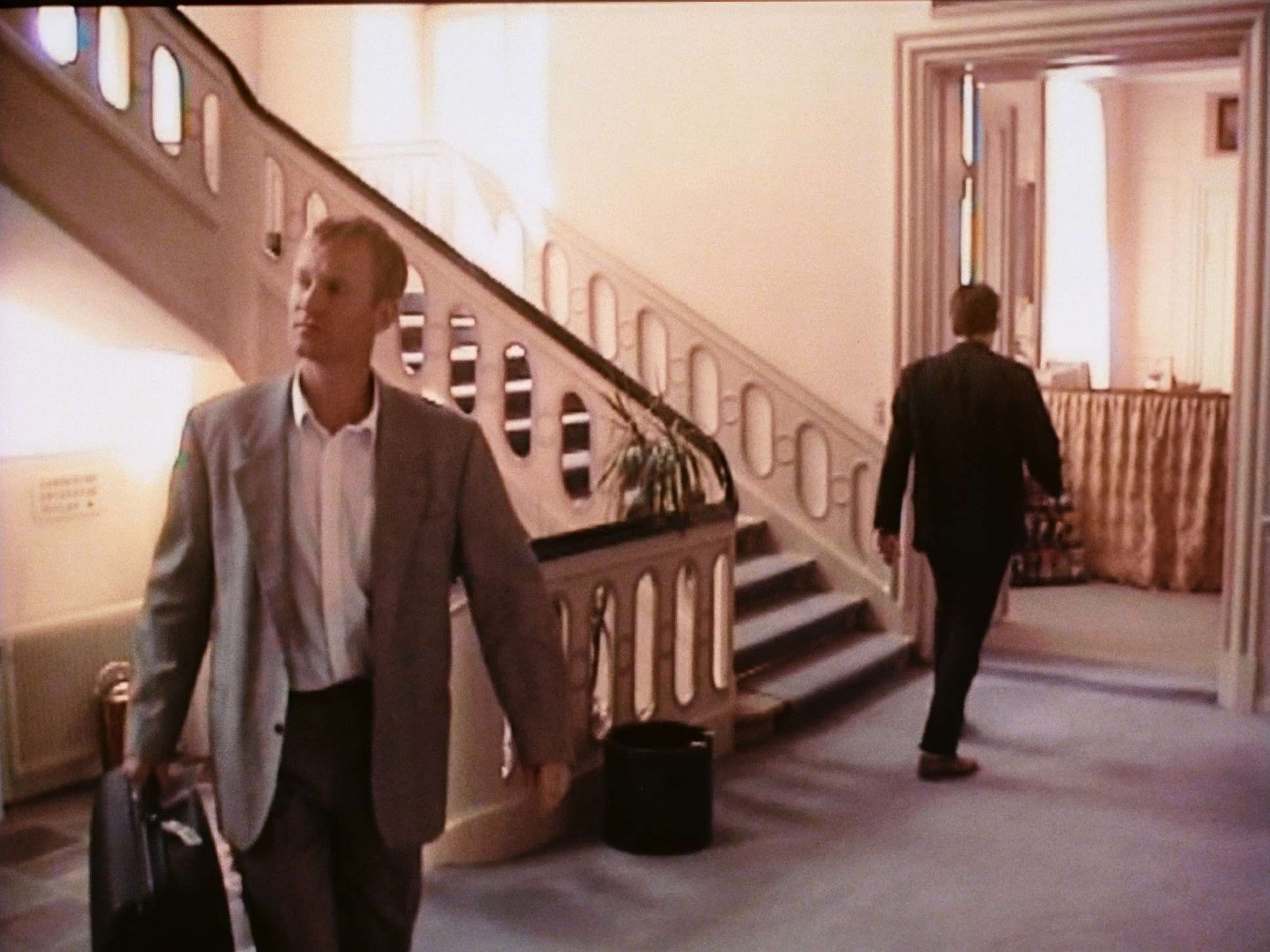
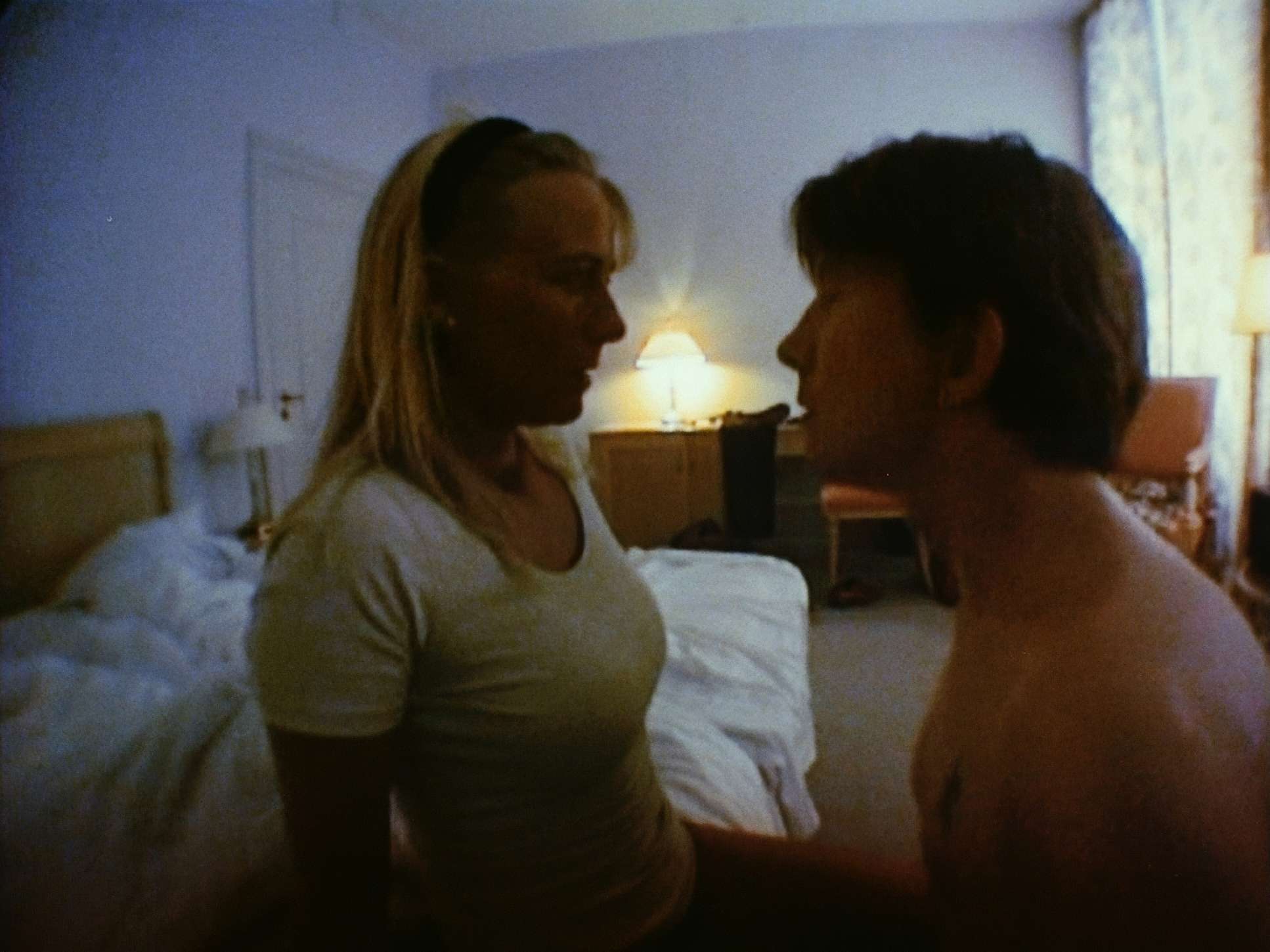
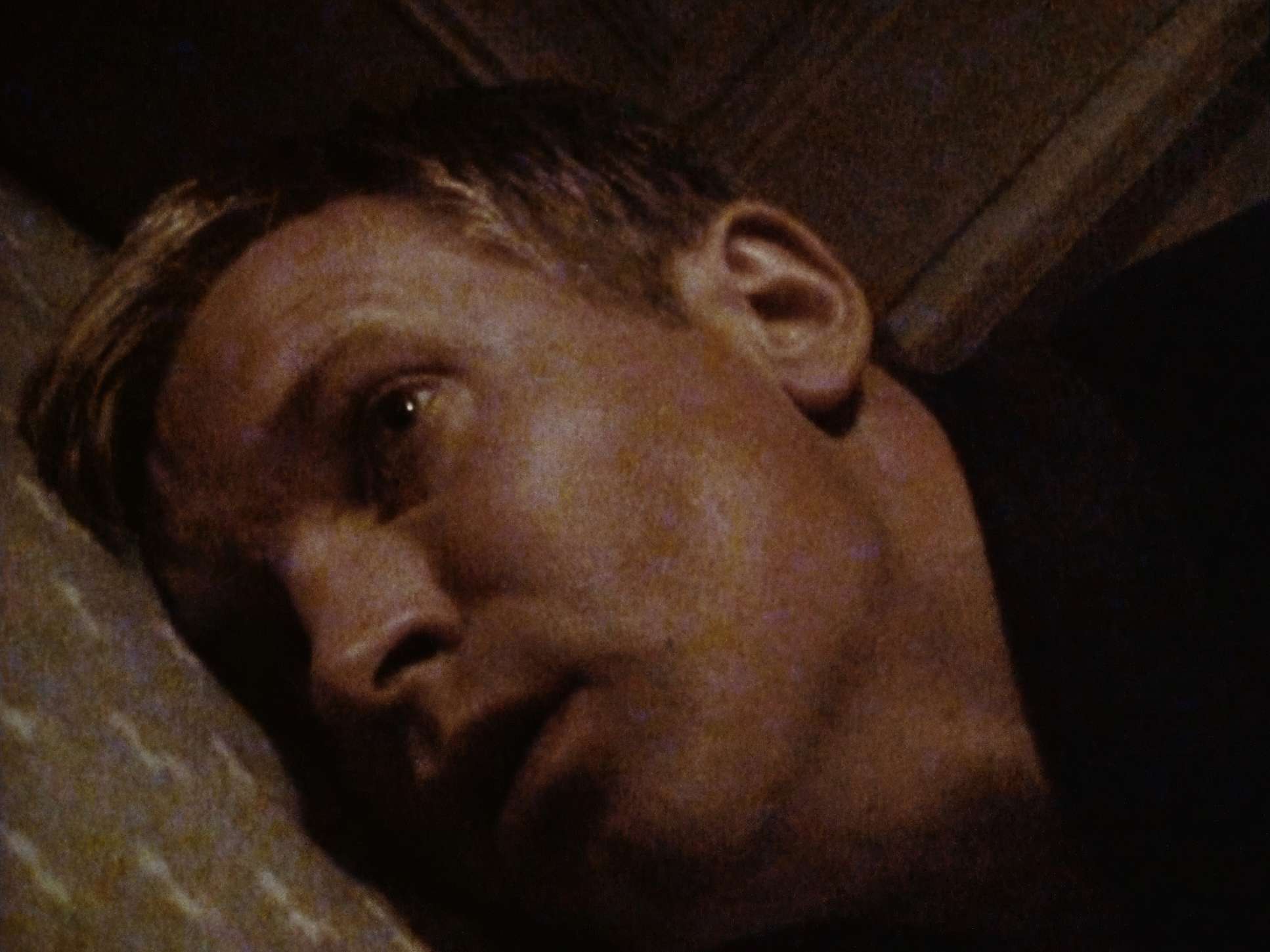
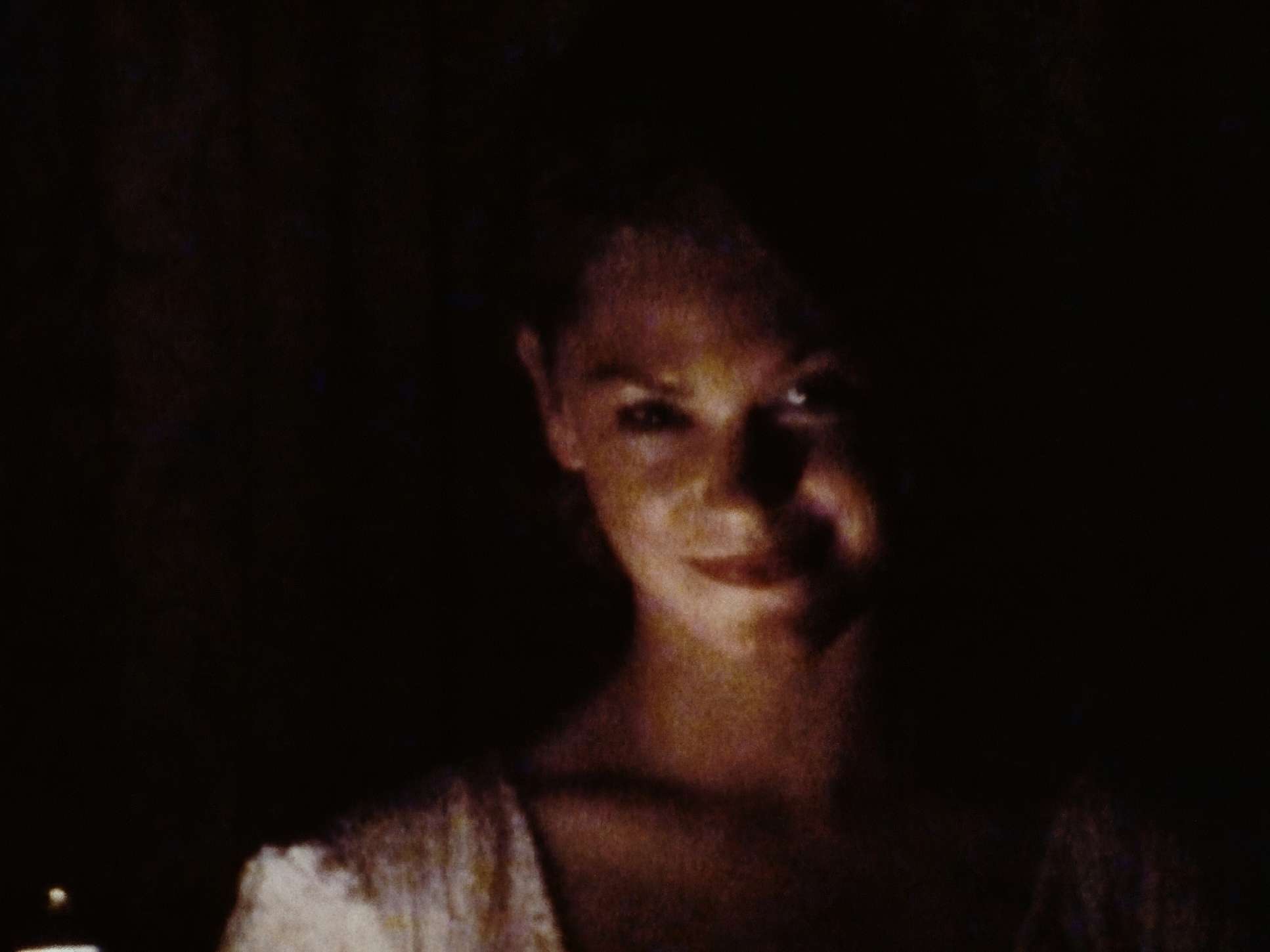
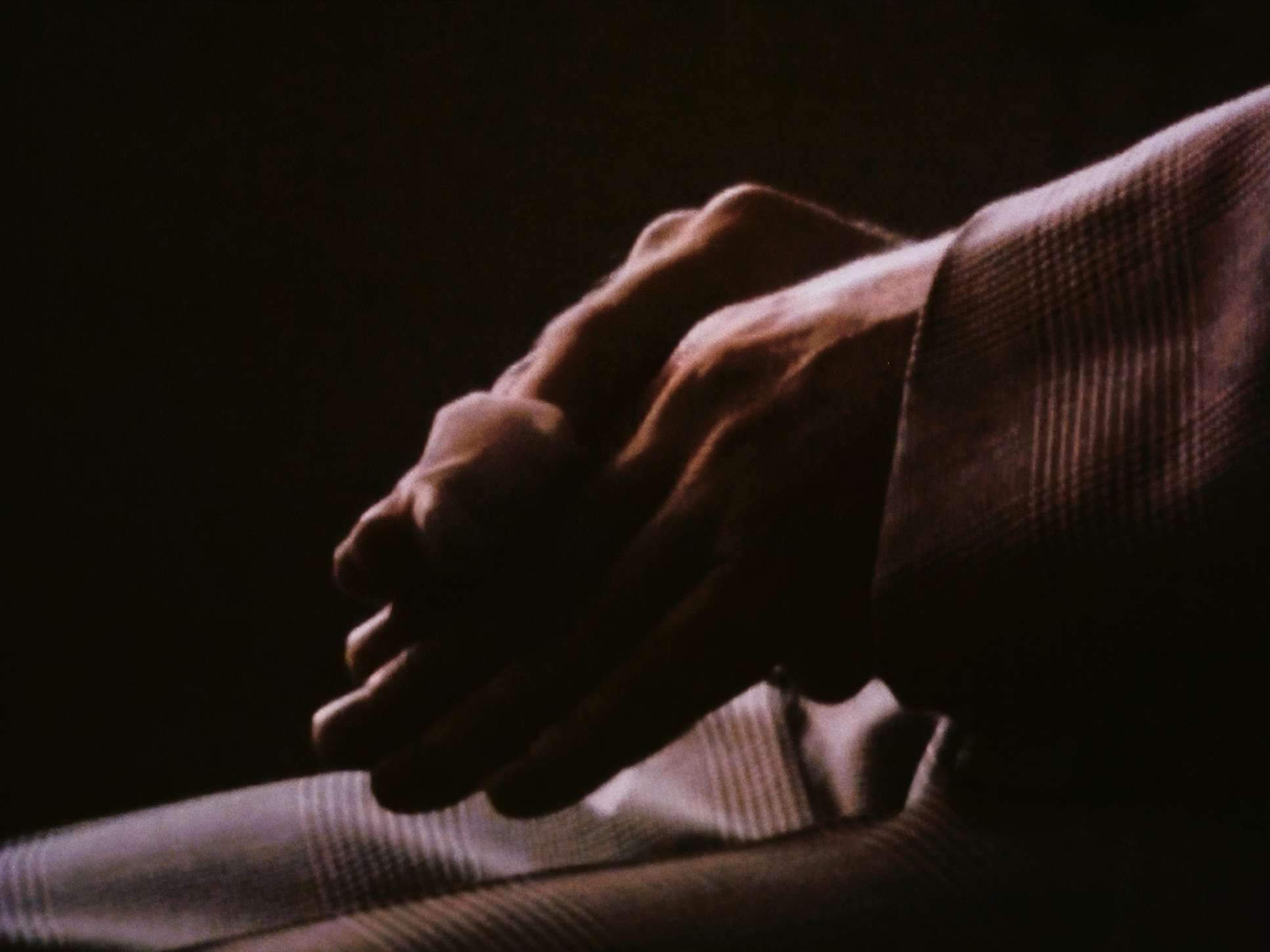
As a result, the lighting is often “unflattering.” Shadows are deep and uncorrected, and skin tones often look raw and grainy. There’s no softbox to make the actors look heroic. Instead, the mood is the room itself the sterile glare of the dining hall or the gloomy, dim hallways. This visual honesty forces the audience to confront the characters as they are, without the “glow” of cinema. It’s a brave choice that challenges our expectations of what a professional film “should” look like, making the story feel terrifyingly real.
Technical Aspects & Tools
The Celebration (Festen)
1.33:1 | Sony Handycam | MiniDV
| Genre | Comedy, Dark Comedy, Drama, Family |
| Director | Thomas Vinterberg |
| Cinematographer | Anthony Dod Mantle |
| Editor | Valdís Óskarsdóttir |
| Time Period | 1990s |
| Color | Warm, Saturated, Red, White |
| Aspect Ratio | 1.33 – Spherical |
| Format | Tape |
| Lighting | Soft light, Backlight |
| Lighting Type | Daylight |
| Story Location | Zealand > Ringsted |
| Filming Location | Zealand > Ringsted |
| Camera | Sony | Handycam | DCR-PC3 |
| Film Stock / Resolution | SD, MiniDV |
The real “star” of the show, technically speaking, was the Sony Handycam. It’s funny to think about now, but this consumer-grade camcorder was the perfect tool for a revolution.
- Low Resolution: The SD, MiniDV format gave the film a “grit” that 35mm simply couldn’t. On a big screen, that grain feels like emotional texture.
- Low Light Noise: These cameras hated the dark. The “splotchy” digital noise in the shadows became part of the aesthetic, adding to the unvarnished realism.
- Direct Sound: No ADR, no foley, no artificial music. The audio is as raw as the visuals. If someone drops a fork, that’s the sound you hear. It creates a sonic landscape that is just as immediate and jarring as the handheld camerawork.
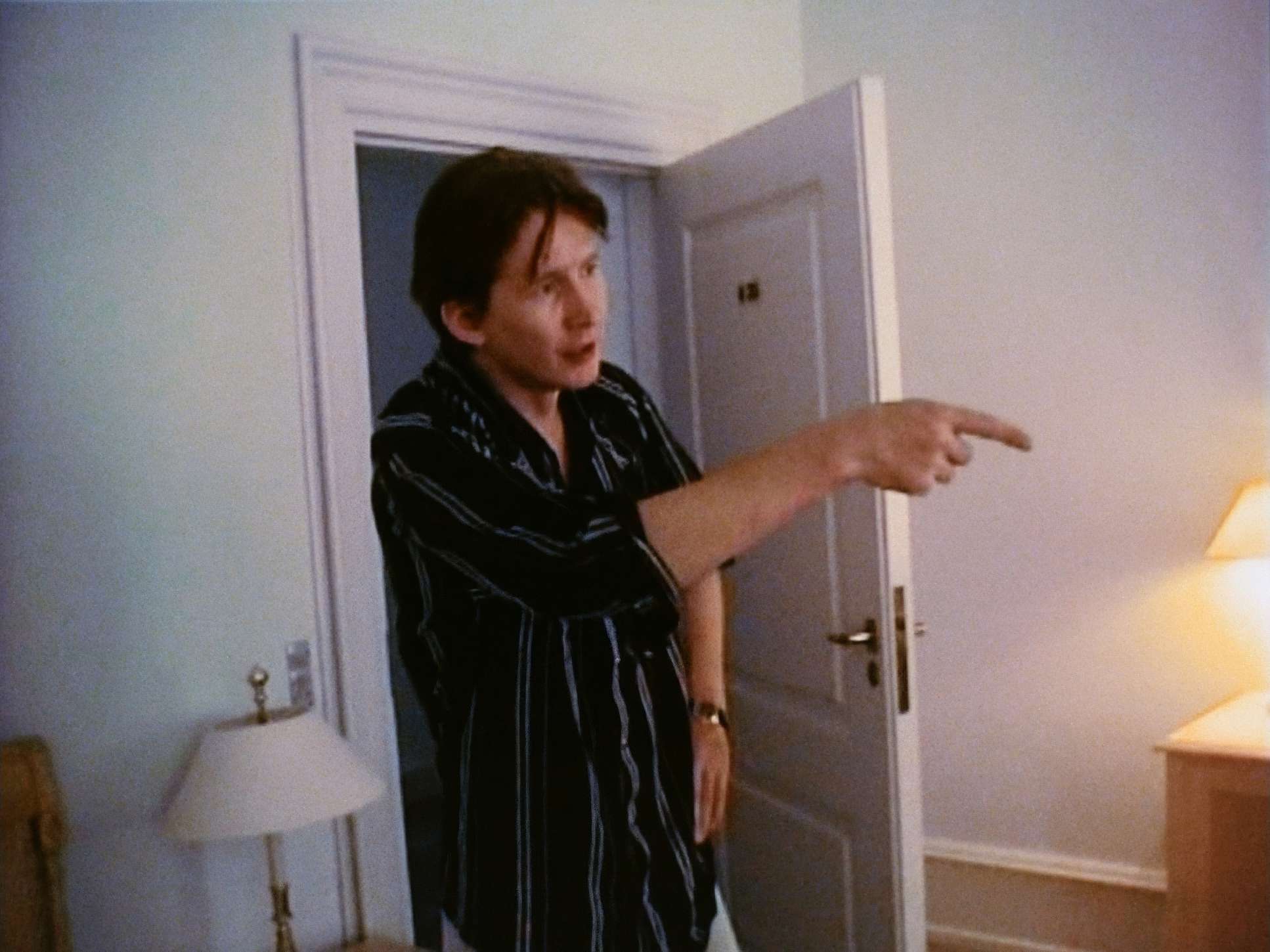
The Celebration (1998) Film Stills
A curated reference archive of cinematography stills from The Celebration (1998). Study the lighting, color grading, and composition.
- Also read: FLOW (2024) – CINEMATOGRAPHY ANALYSIS
- Also read: SOLARIS (1972) – CINEMATOGRAPHY ANALYSIS
Browse Our Cinematography Analysis Glossary
Explore directors, cinematographers, cameras, lenses, lighting styles, genres, and the visual techniques that shape iconic films.
Explore Glossary →