I’ve lost count of how many times I’ve scrubbed through “The Social Network (2010)” at the Color Culture studio. Every time I do, I find something new. Most people call it a “modern classic” because of Aaron Sorkin’s dialogue, but as a filmmaker, I see it differently. It’s a film that uses a cold, digital aesthetic to tell a story that feels ancient almost Shakespearean. It’s a narrative of betrayal and ego, just dressed up in hoodies and Harvard dorm rooms. For me, that timelessness isn’t just in the script; it’s baked into the very pixels of the image, meticulously underscoring Mark Zuckerberg’s isolation.
About the Cinematographer
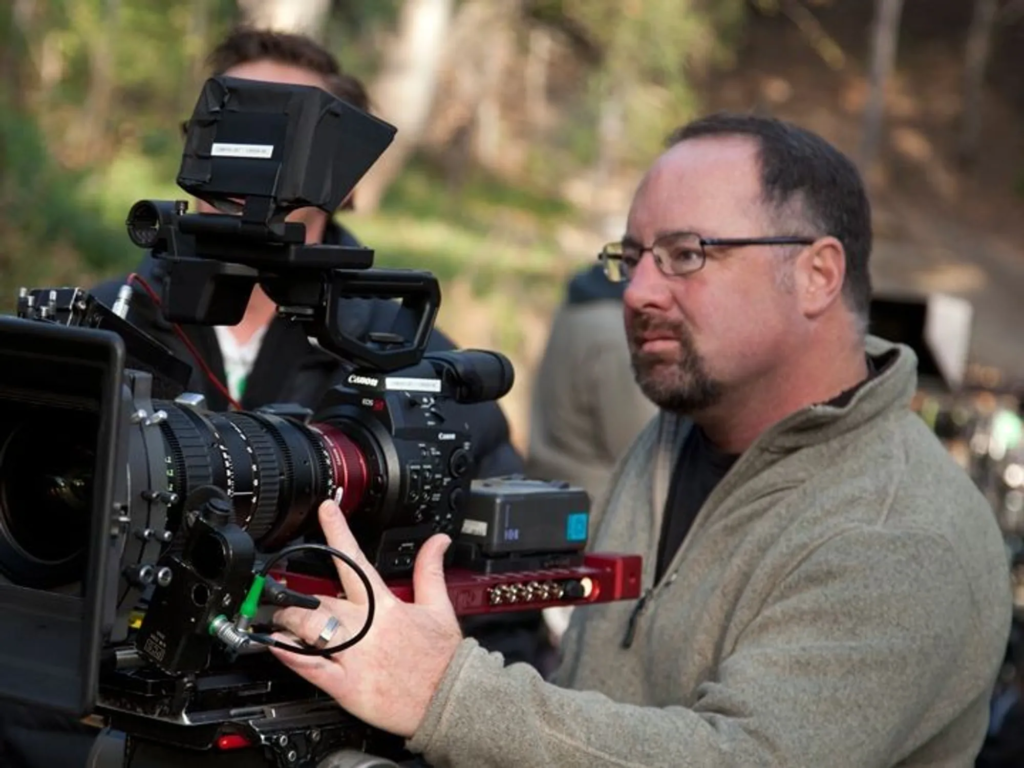
When you talk about David Fincher, you have to talk about Jeff Cronenweth. Their partnership is essentially a high-performance machine. Cronenweth isn’t just a technician; he’s a visual strategist whose aesthetic aligns perfectly with Fincher’s obsessive, often grim worldview. He has this incredible ability to translate Fincher’s precision into a palpable reality. It’s a collaborative dance where Cronenweth’s eye for detail ensures that even the most clinical digital frames serve a deep emotional core. They work with a shared meticulousness that makes every shot feel intentional, never accidental.
Inspiration Behind the Cinematography

The visual DNA of this film is tied to the unreliability of memory and the loneliness of the digital age. It’s a “Rashomon-style” exploration of conflicting testimonies, and Cronenweth’s camera supports that by acting like a forensic observer.
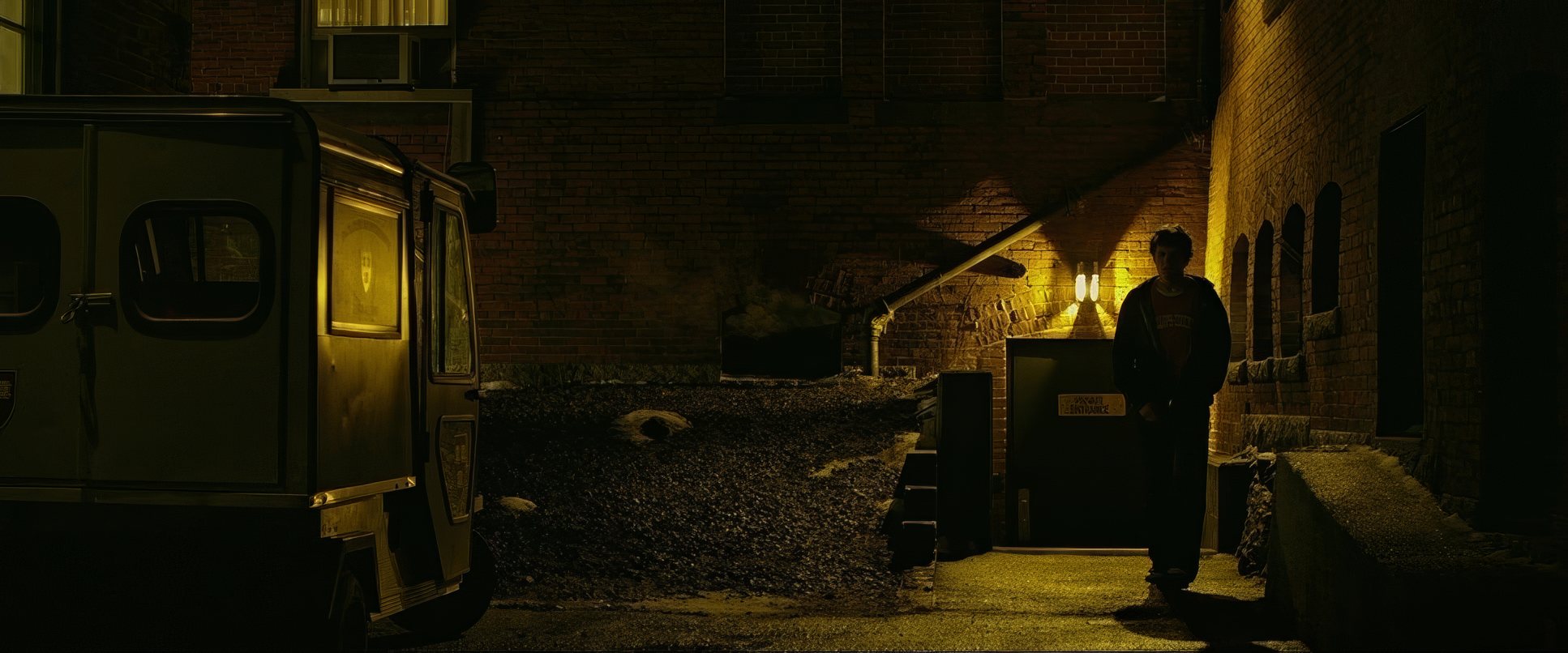
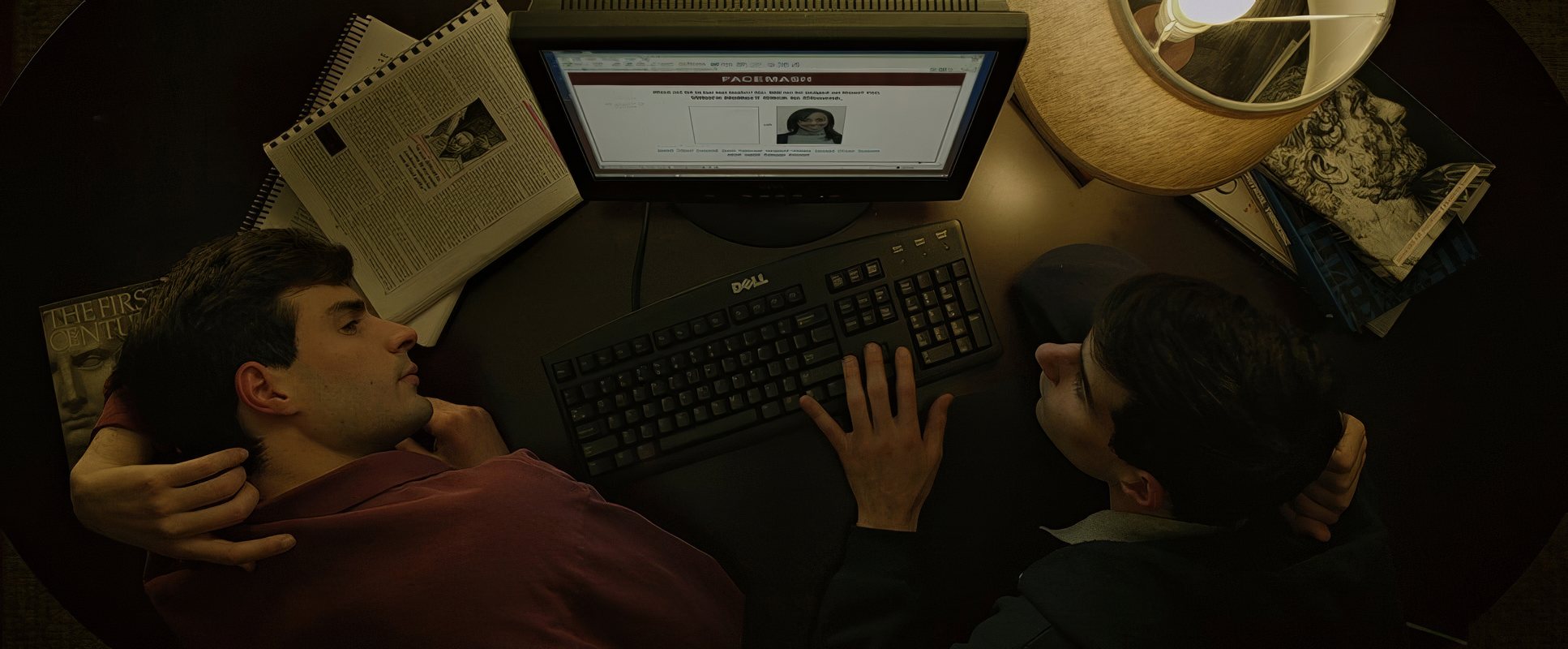
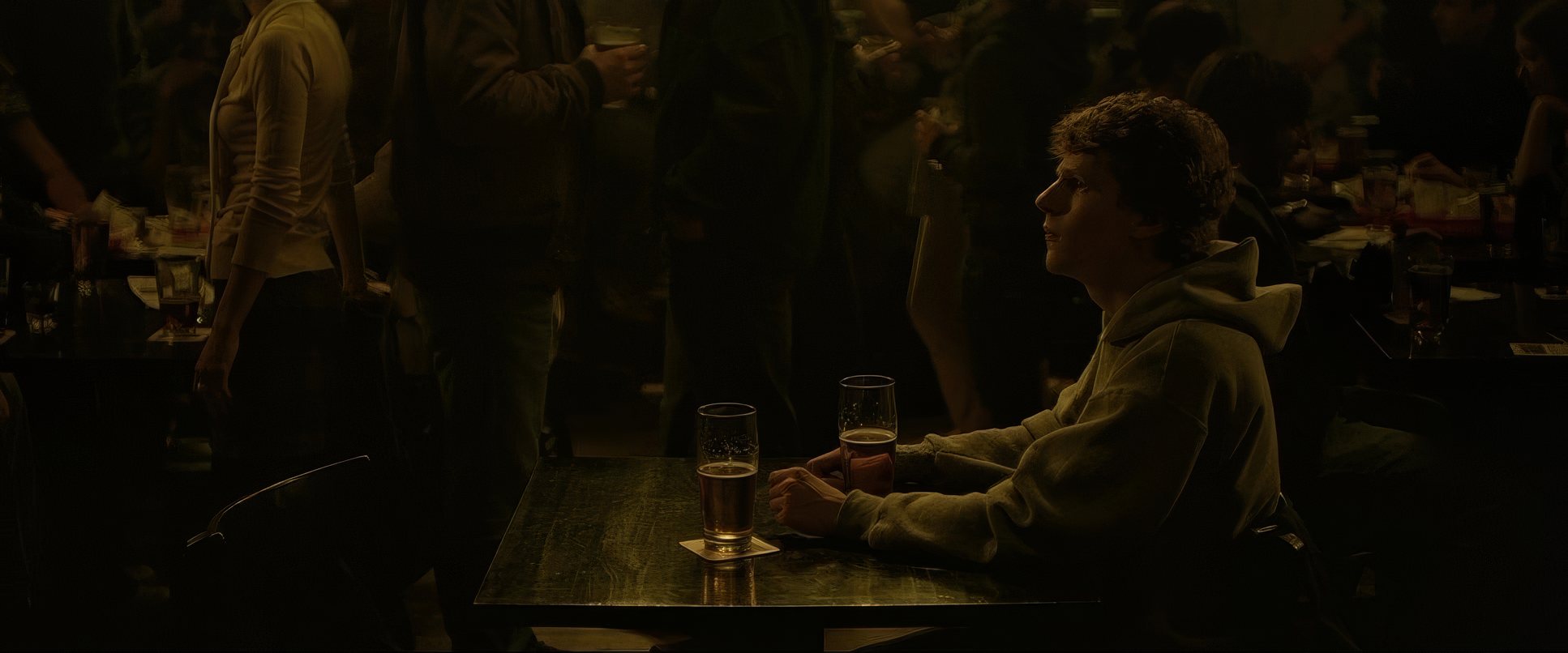
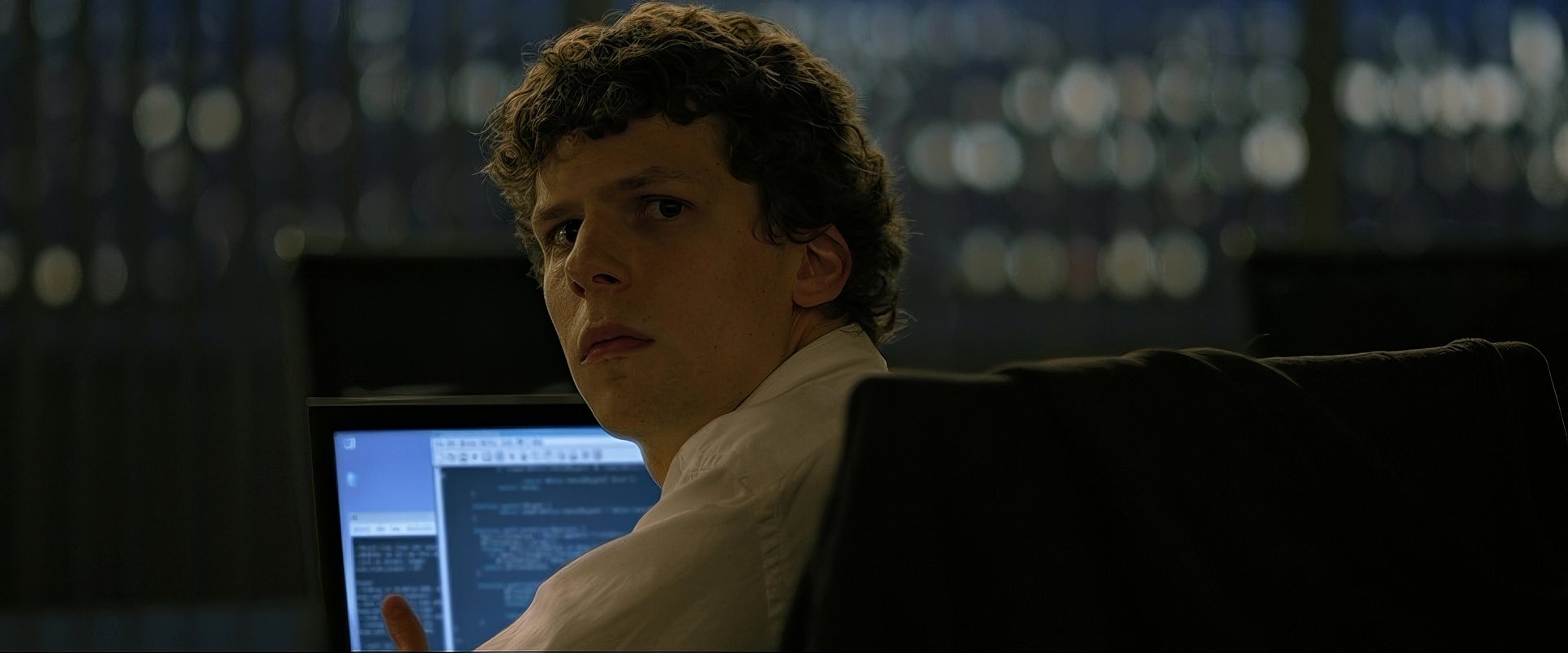
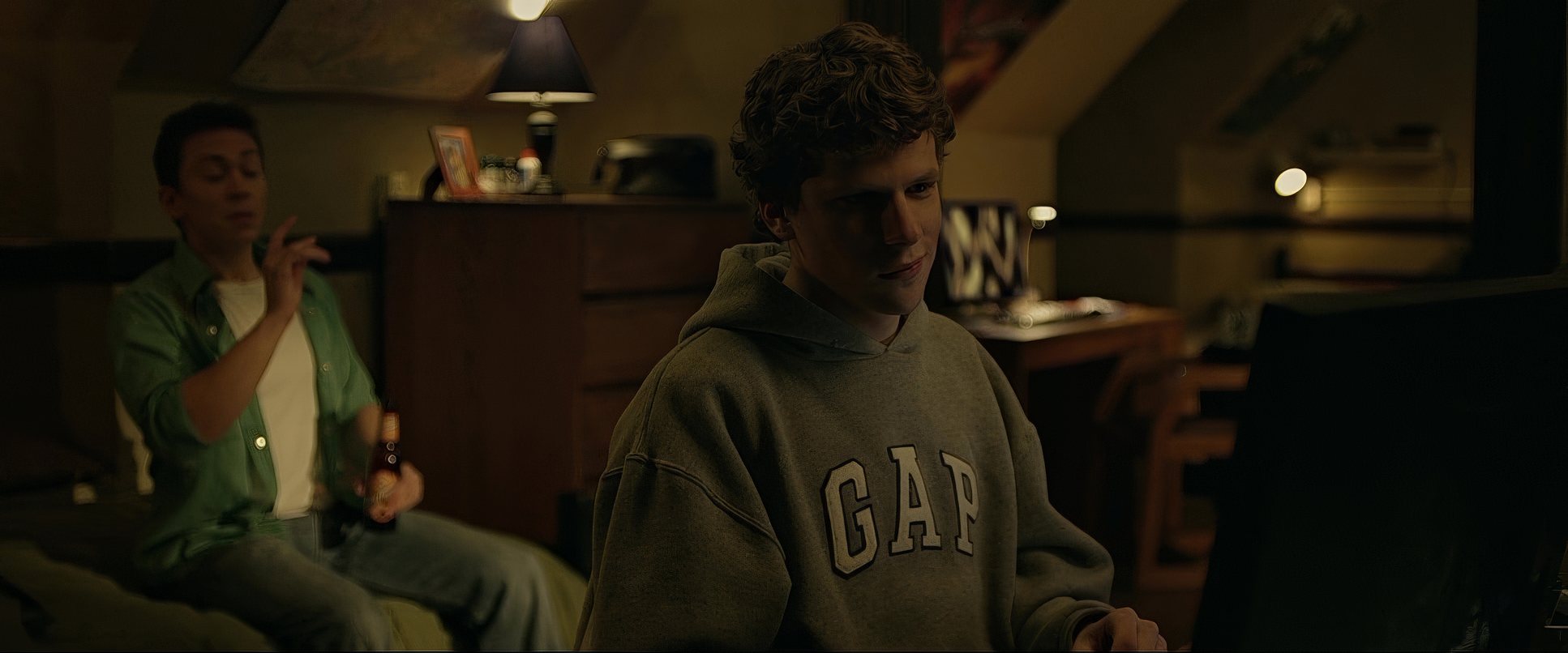
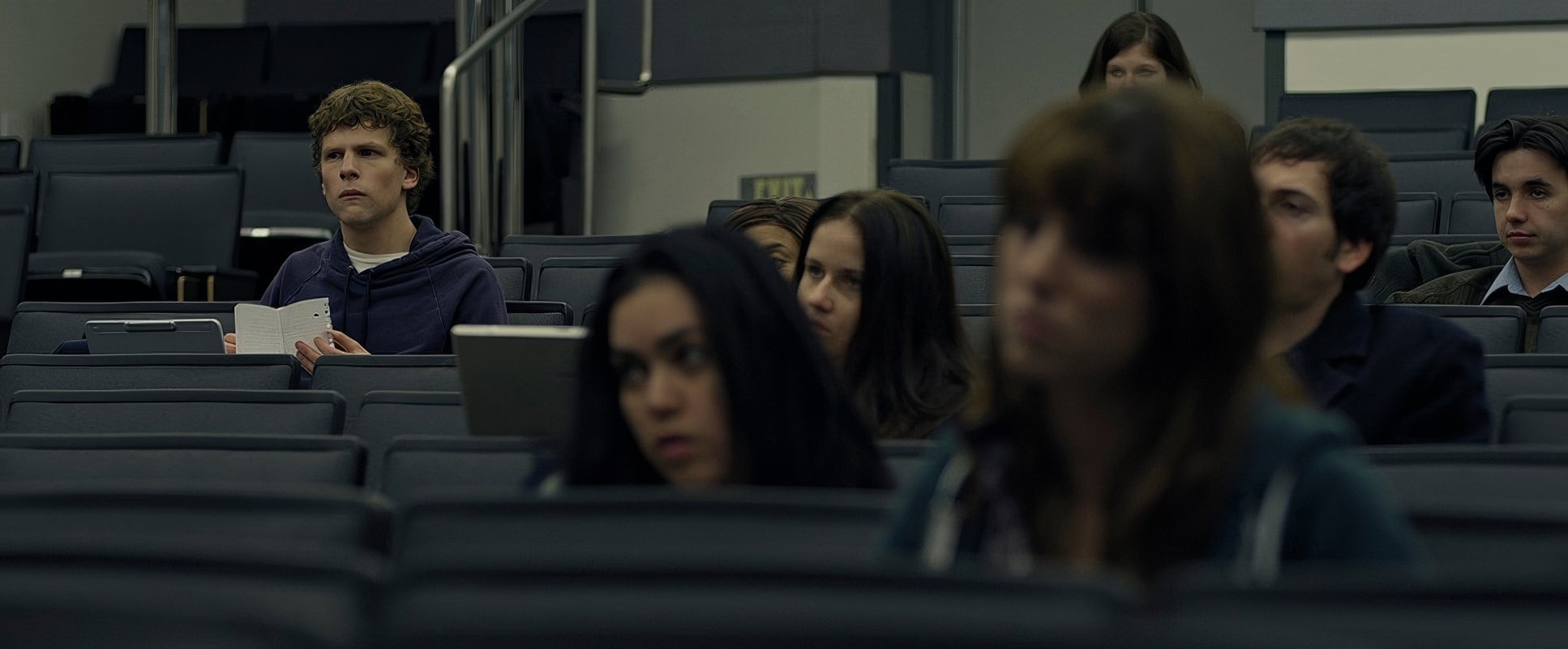
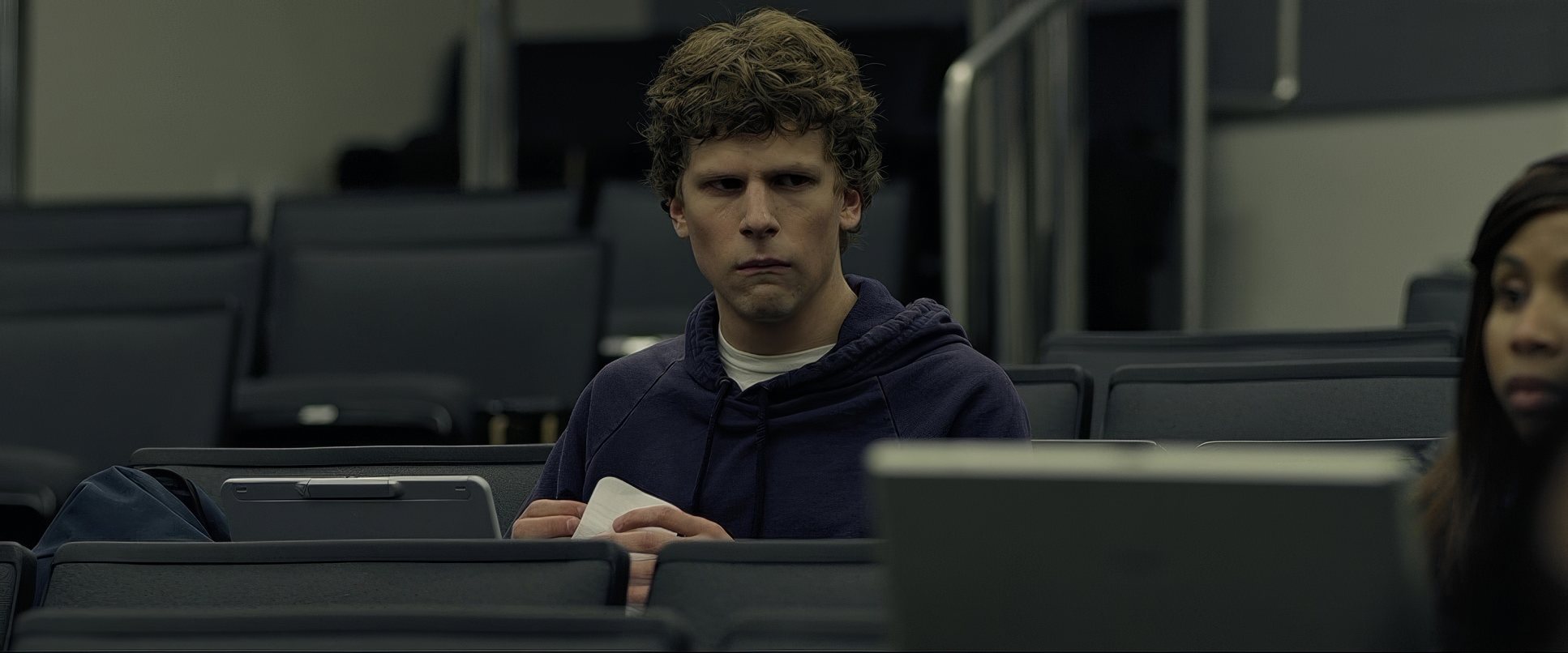
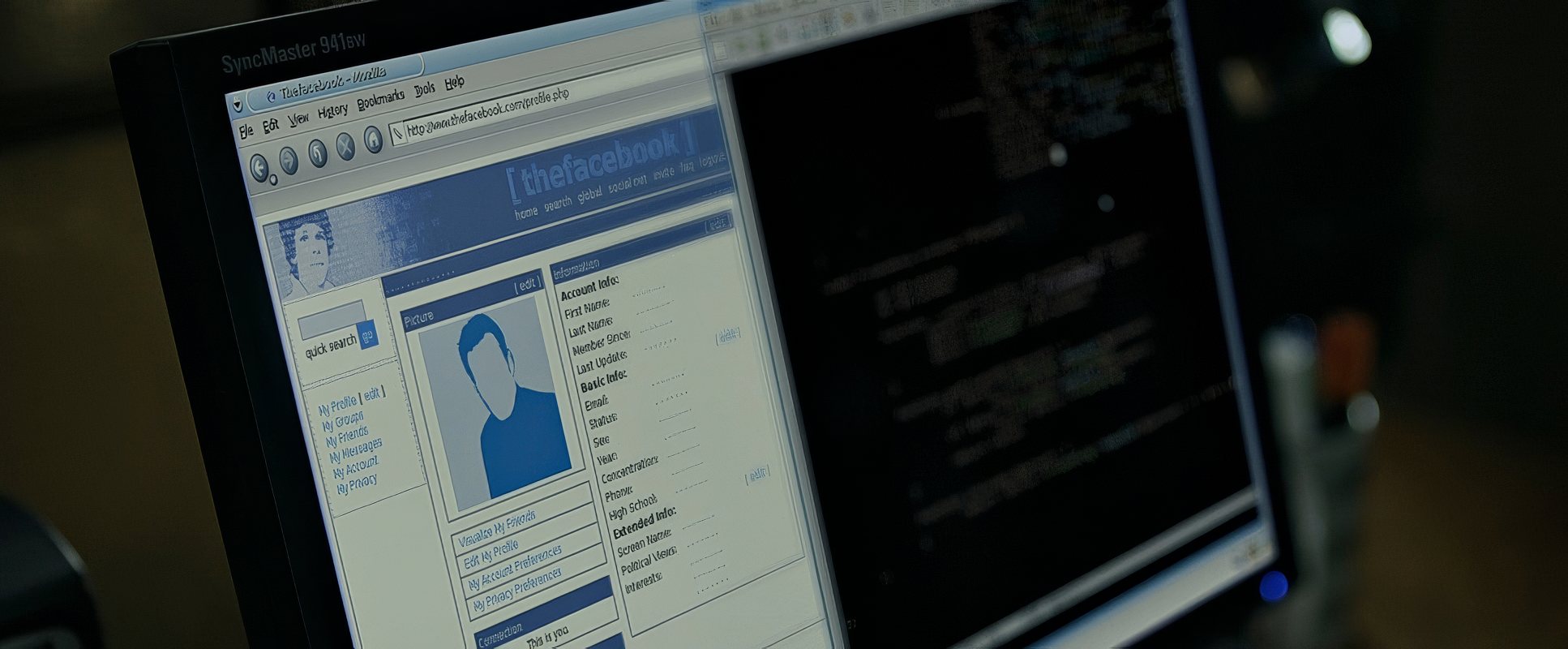
There’s a constant tension between Mark’s genius and his insecurity. We see this through the visuals Mark is frequently isolated within the frame, using negative space to emphasize his disconnect. The film embraces a certain “artificiality” in the modern world. It’s sharp and deliberate, but emotionally distant. It’s a visual manifestation of Mark’s struggle to connect, making the high-tech world he built feel paradoxically empty.
Lensing and Blocking

Cronenweth’s choice of glass here is fascinating. Shooting on Zeiss Master Primes and Angenieux Optimo Zooms, they opted for a restraint that feels almost like reportage. They often use wider lenses for intimate dialogue, which lets the environment breathe. This isn’t about distortion; it’s about context.
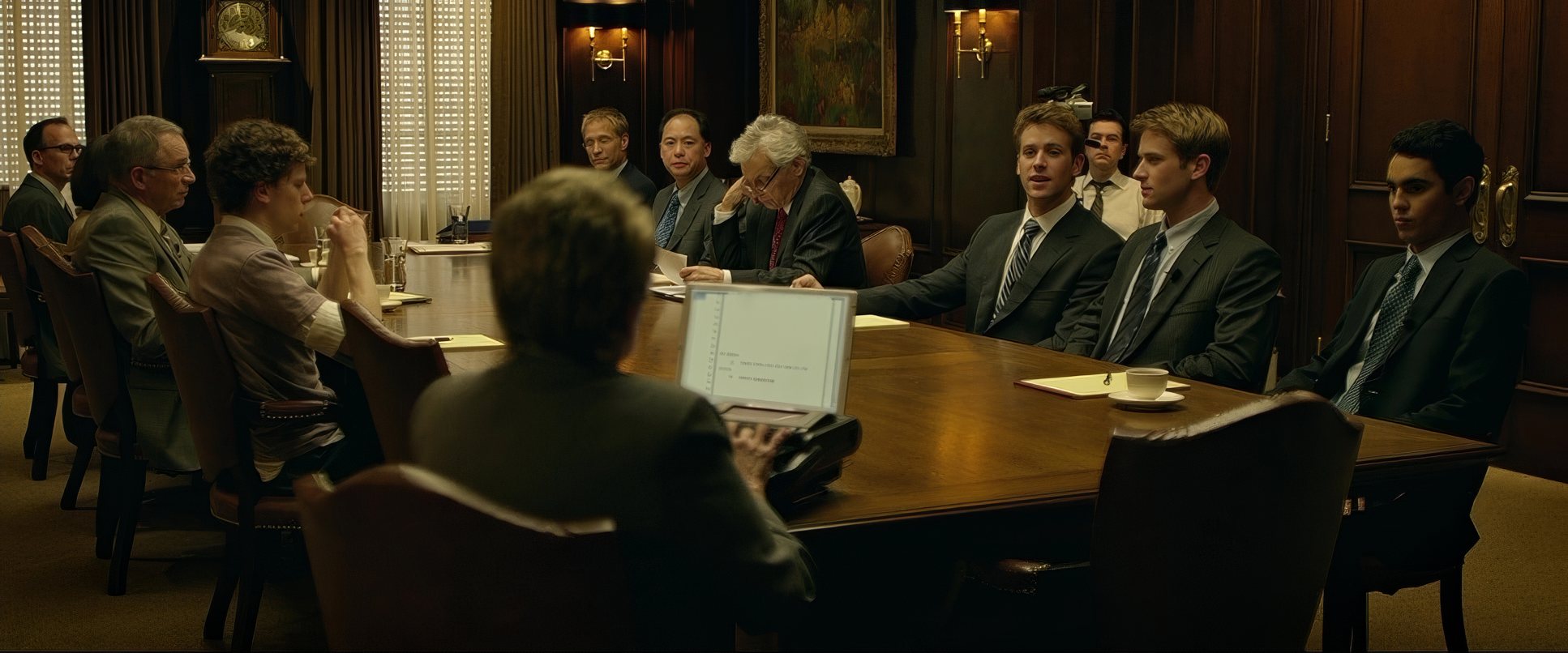
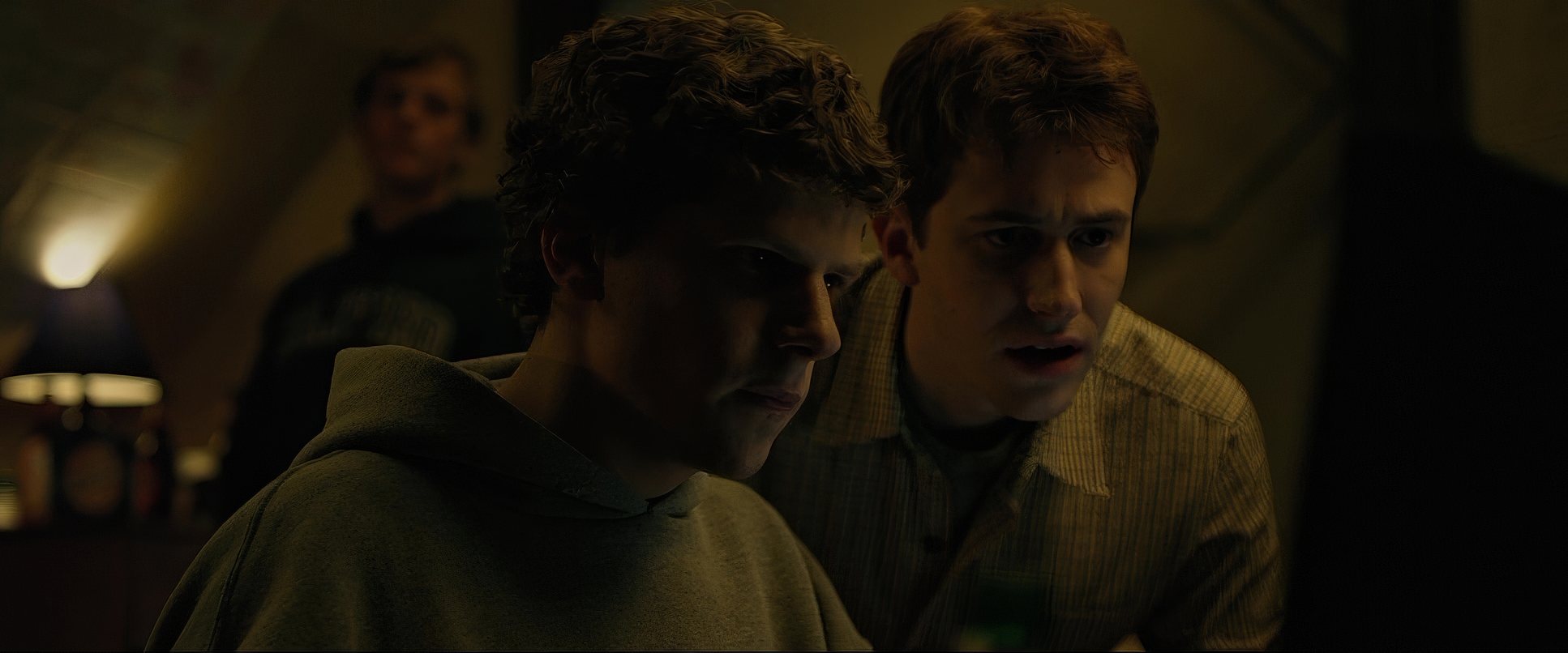
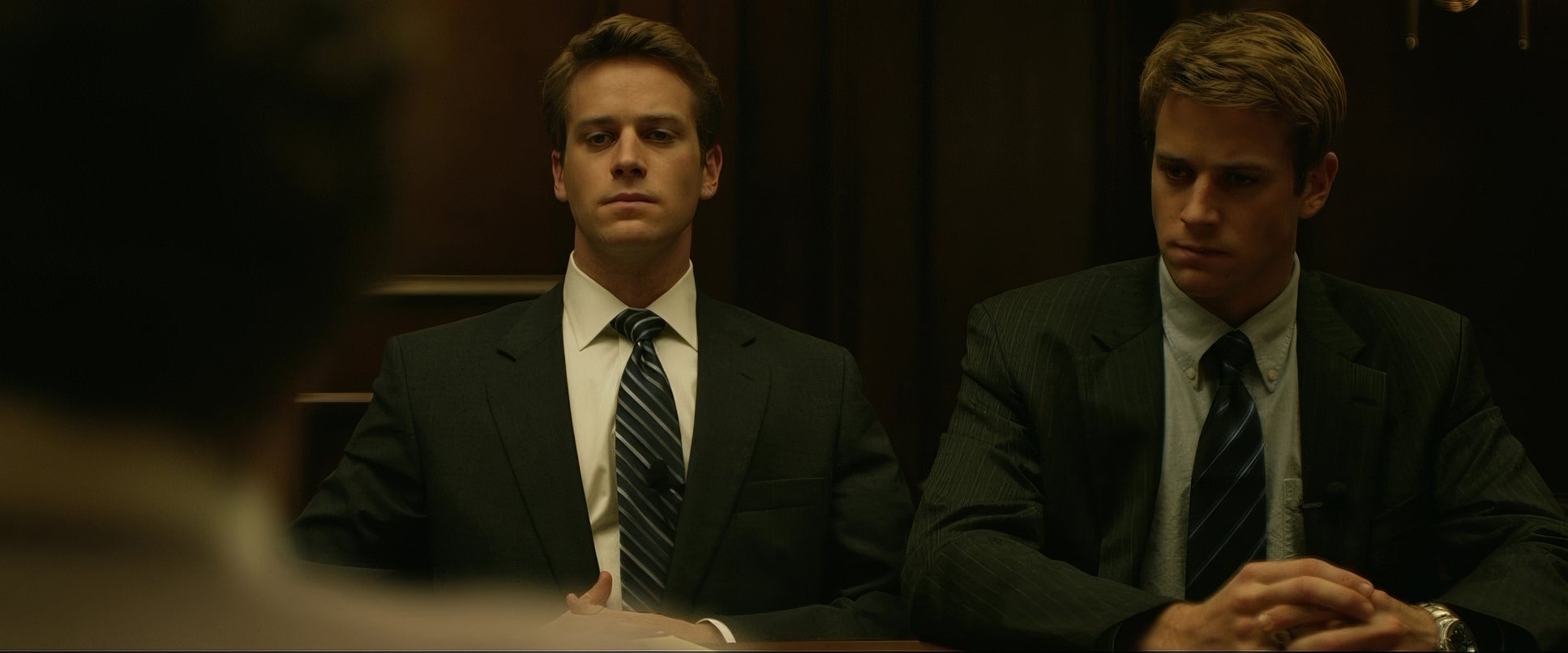
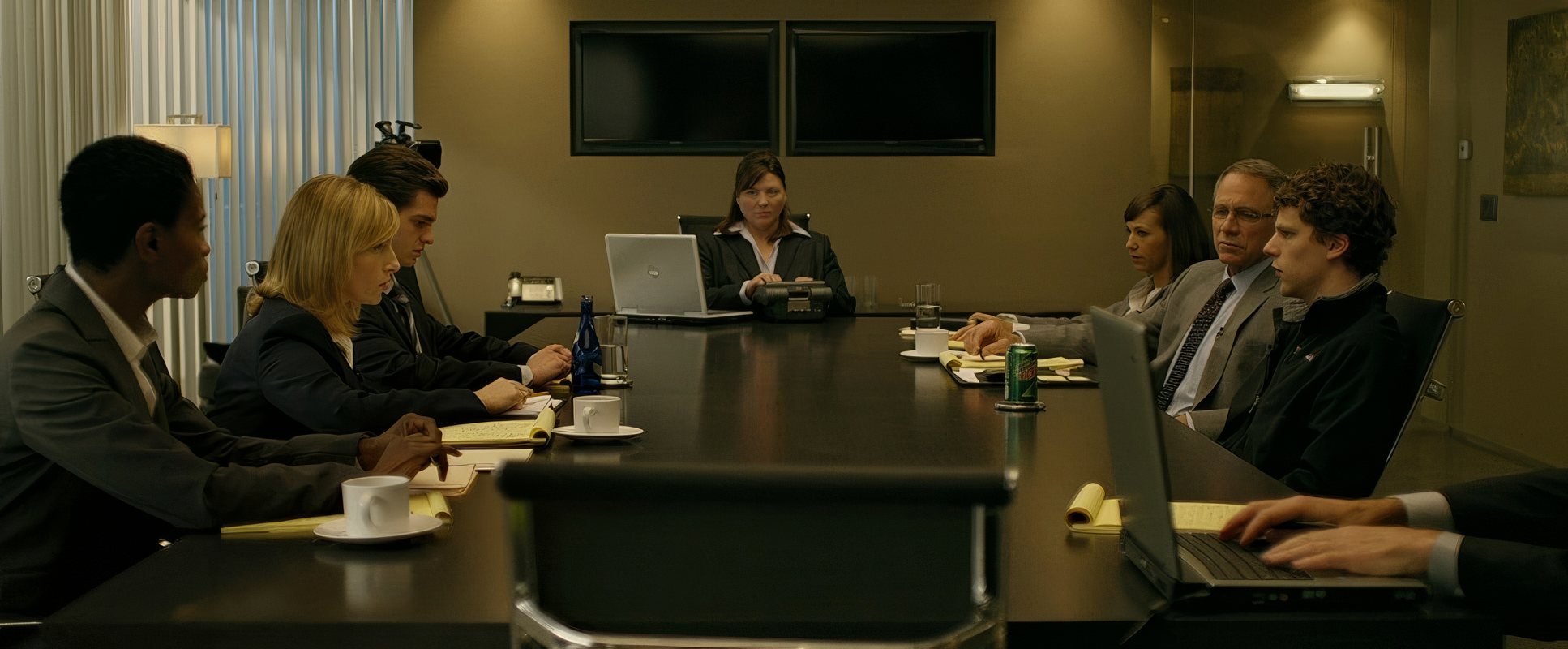
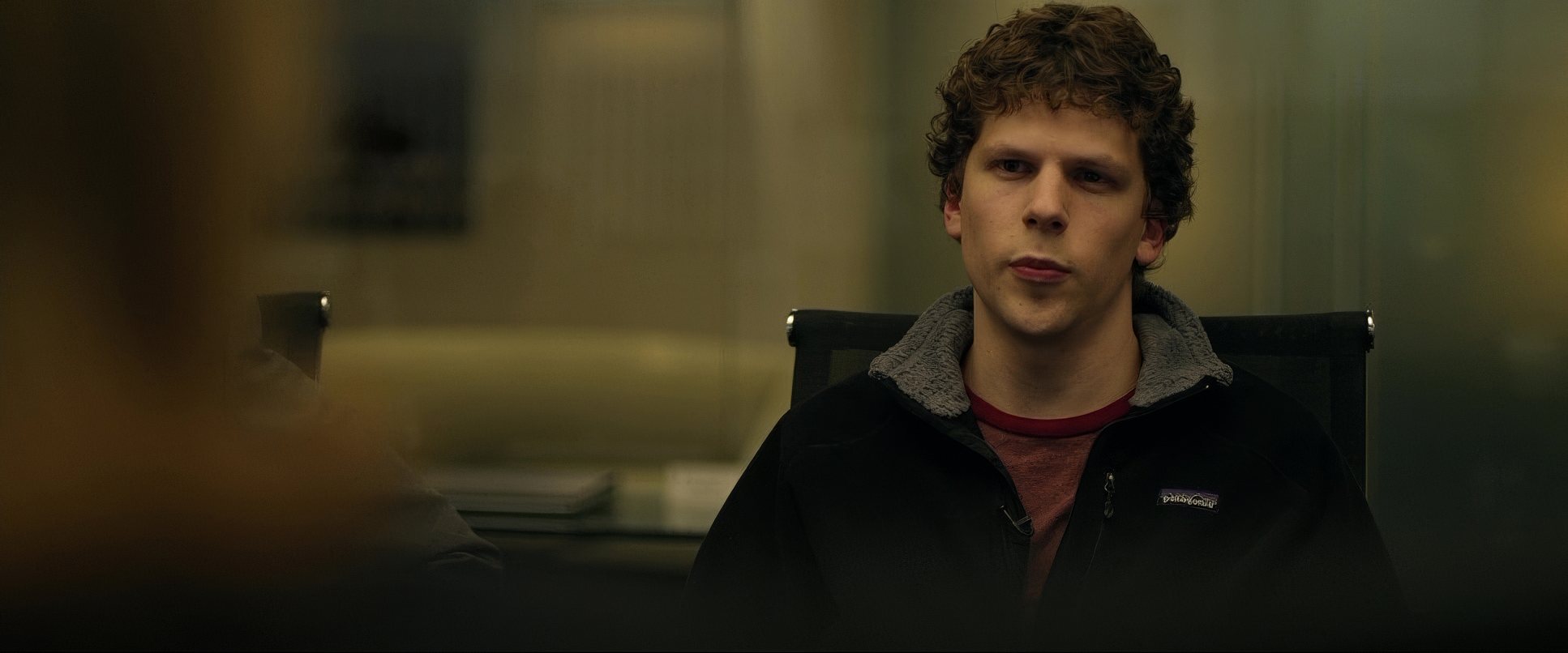
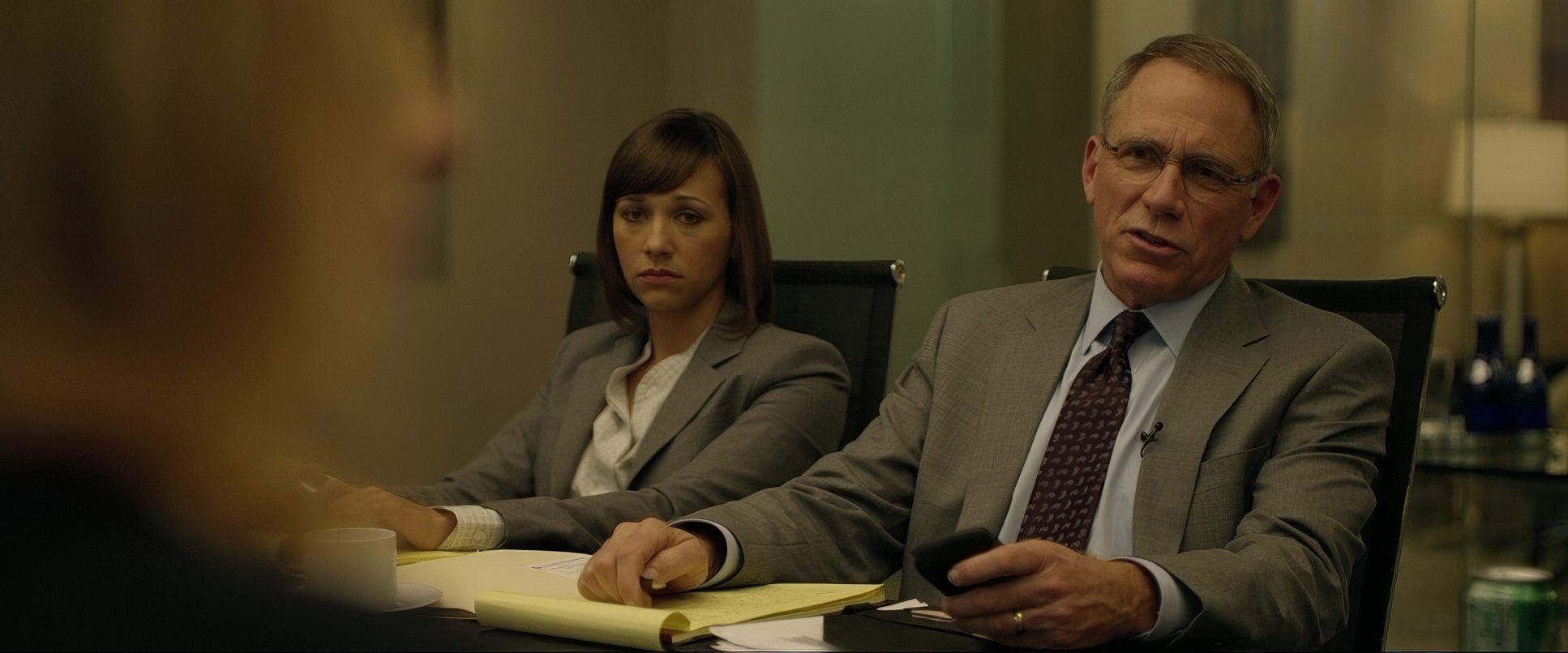
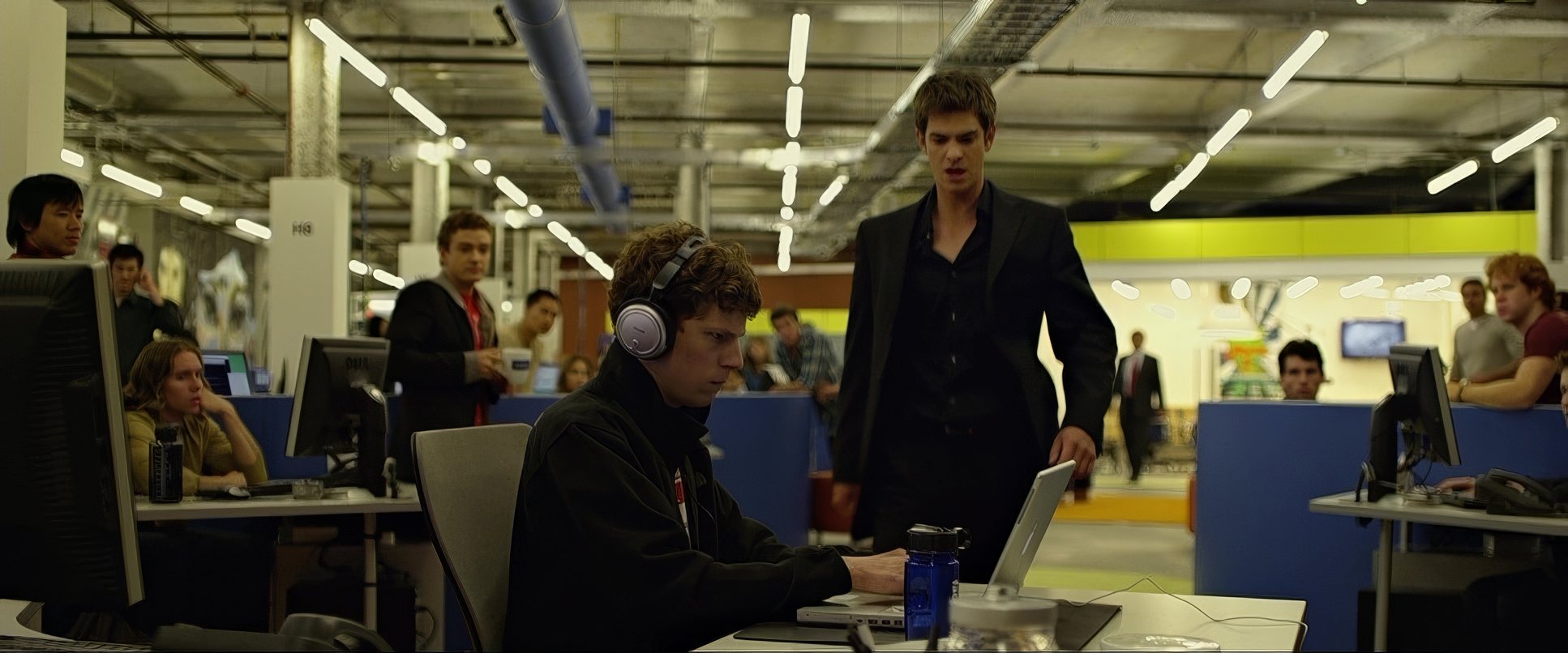
The blocking is where Fincher’s hand is most visible. Characters are positioned to dictate power dynamics. Mark usually holds the center or a controlling position, while Eduardo is gradually marginalized to the edges of the frame as their friendship dies. Even the digital feat of the Winklevoss twins where Armie Hammer plays both roles adds to the “coldness.” Their synchronized, mirror-image blocking makes them feel less like people and more like a collective, privileged entity. It’s a genius move that blurs the line between reality and Fincher’s controlled digital artistry.
Camera Movements
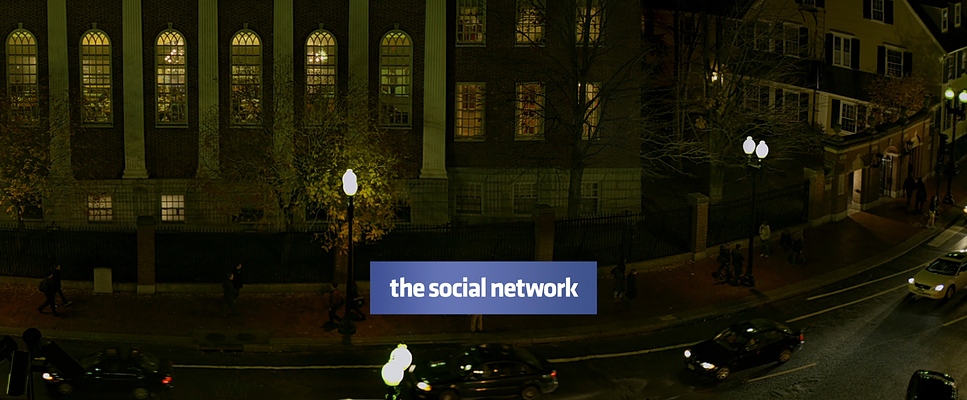
You won’t find any shaky-cam here. Even with Sorkin’s rapid-fire dialogue, the camera stays eerily still or moves with clinical precision. The dollying shots don’t feel liberating; they feel like an inexorable march.
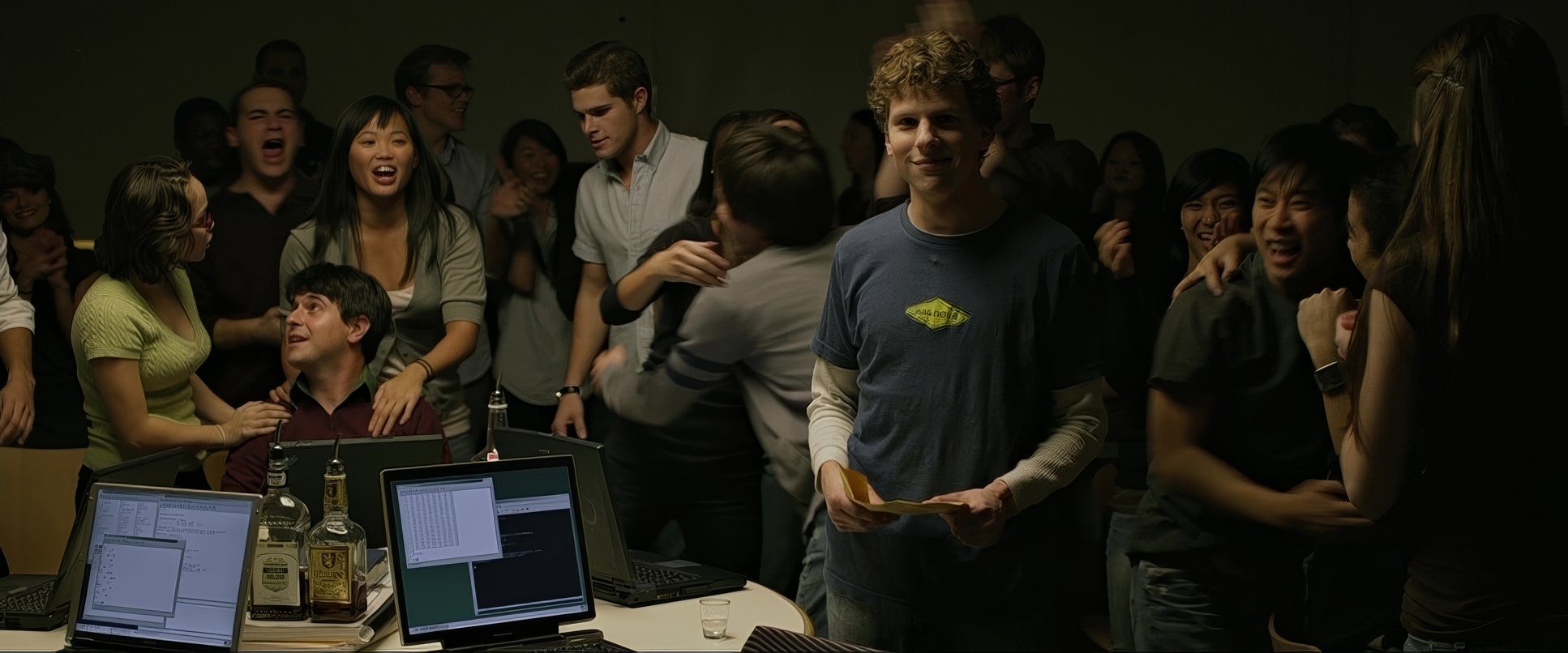
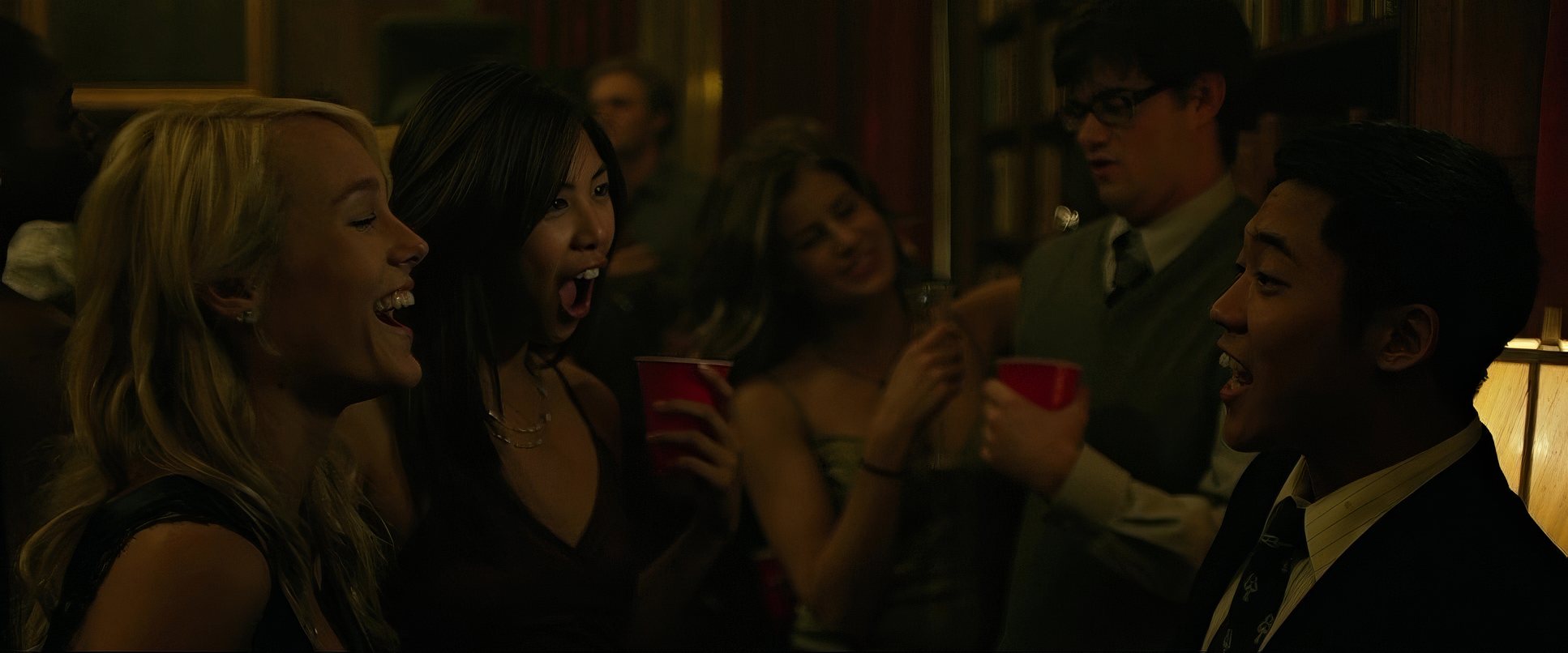
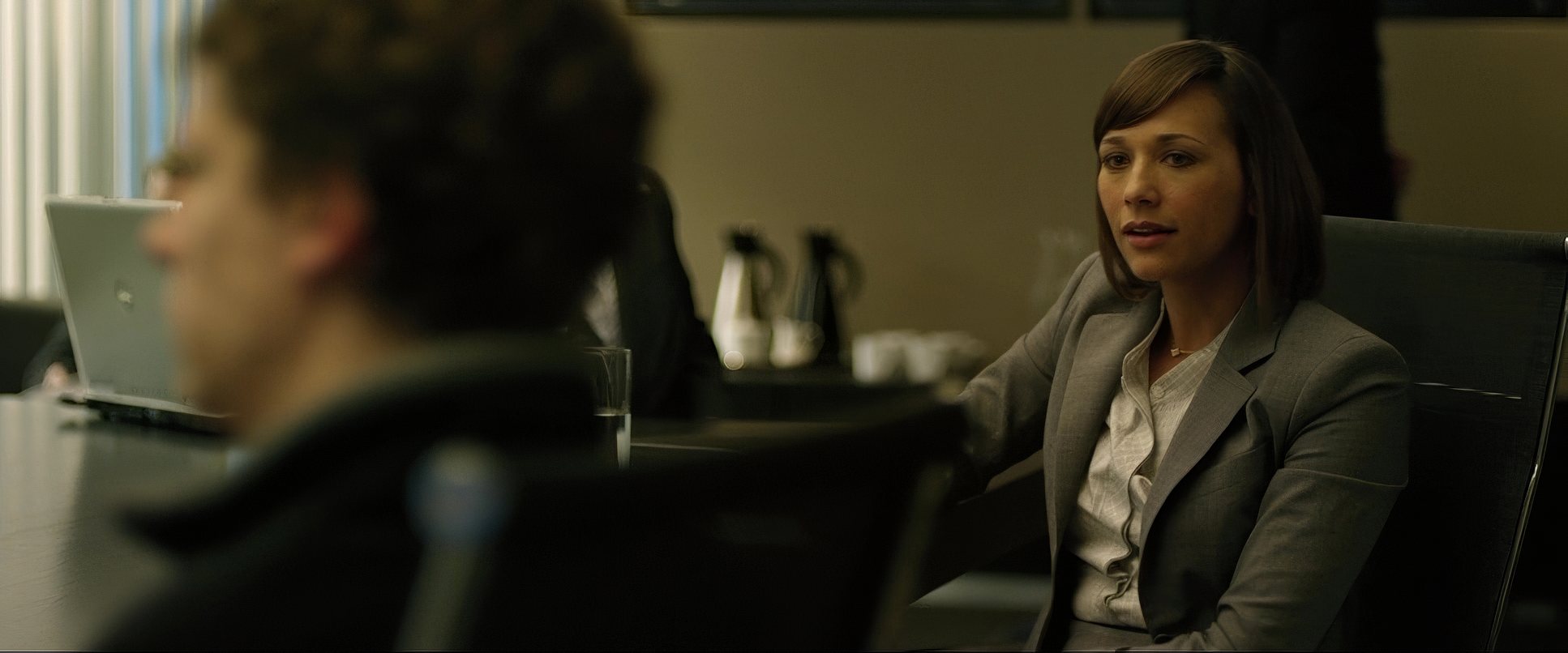
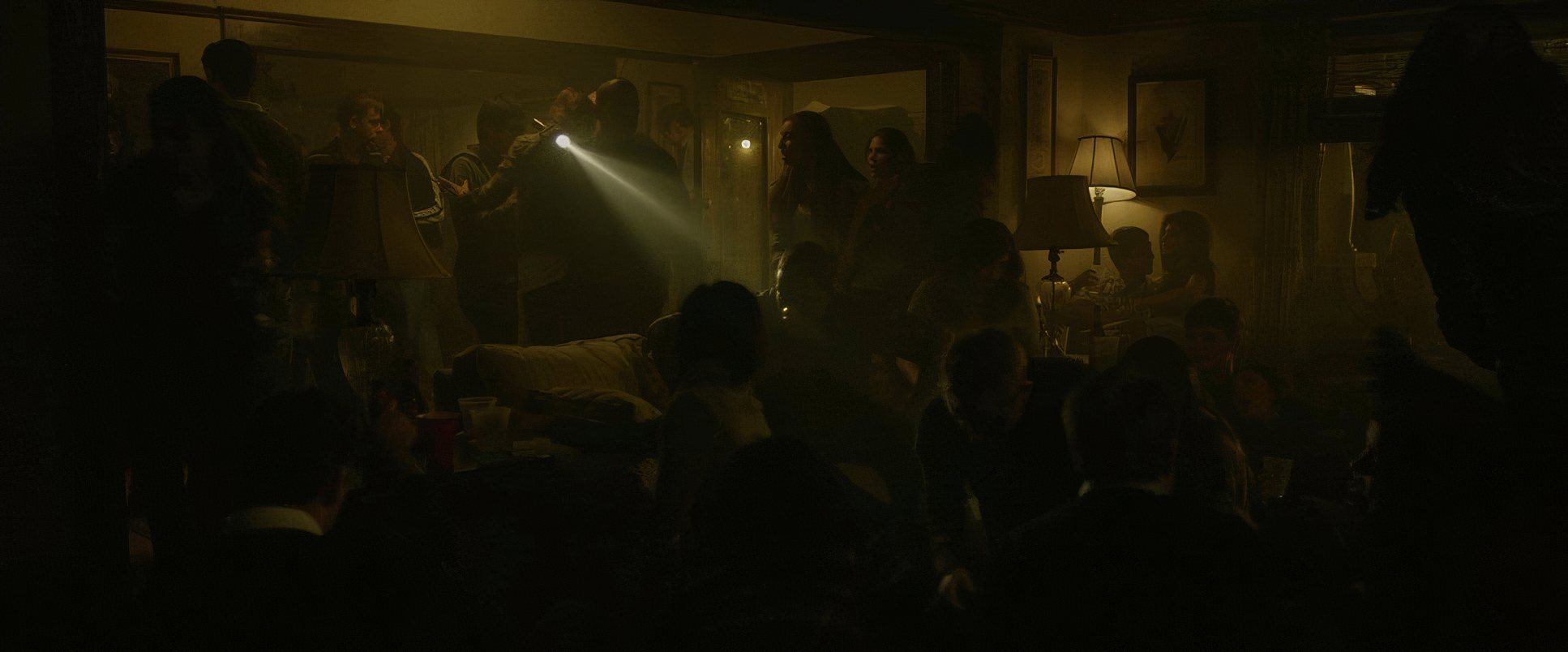
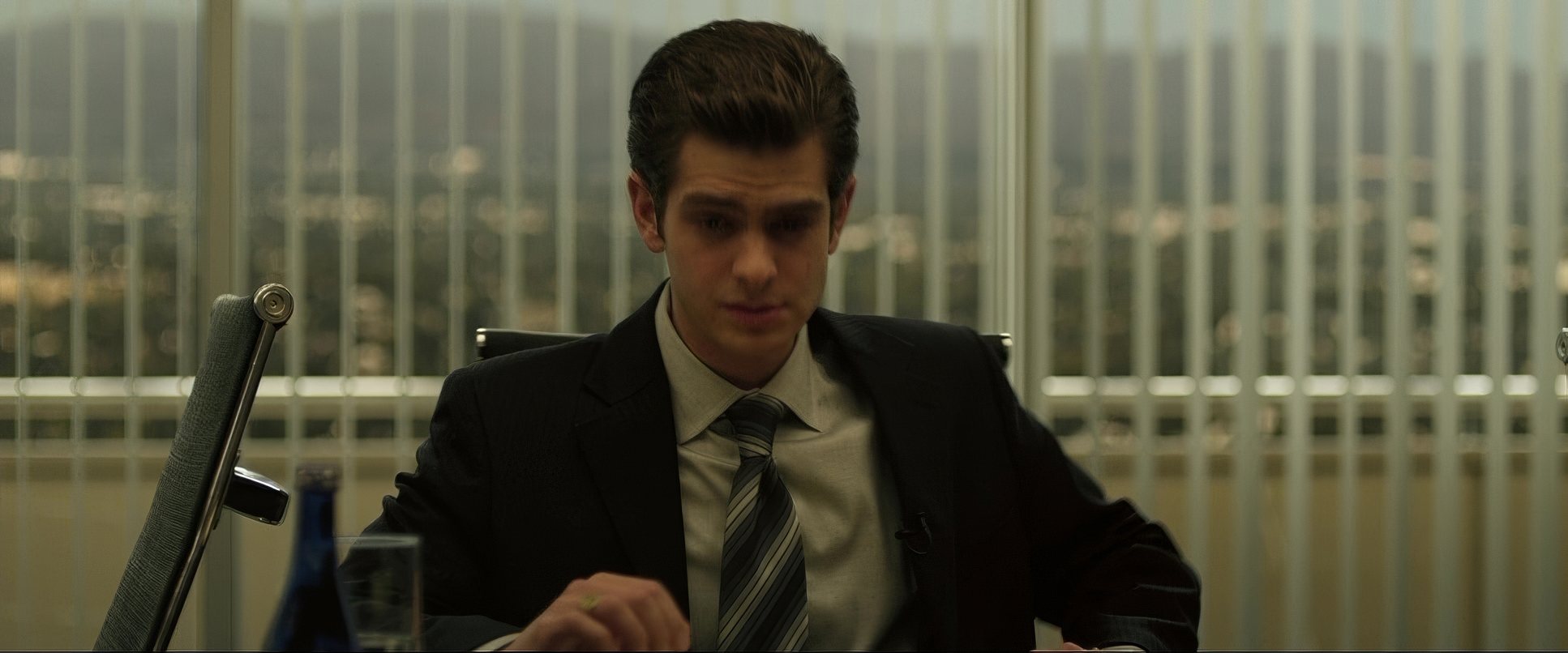
Think of the early Harvard party scenes. The camera tracks through the crowd but keeps Mark at a slight remove. Or the deposition scenes, where the slow, deliberate push-ins or pans emphasize the weight of the legal scrutiny. These movements mirror Mark’s own calculated nature everything is considered and executed with a sense of inevitability. The camera is rarely “flashy”; its job is to guide your eye through Mark’s increasingly isolated journey with a sense of detached observation.
Compositional Choices
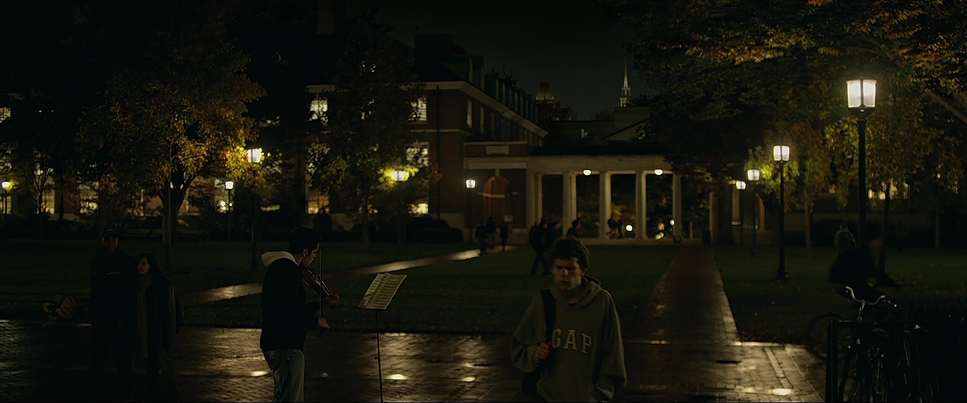
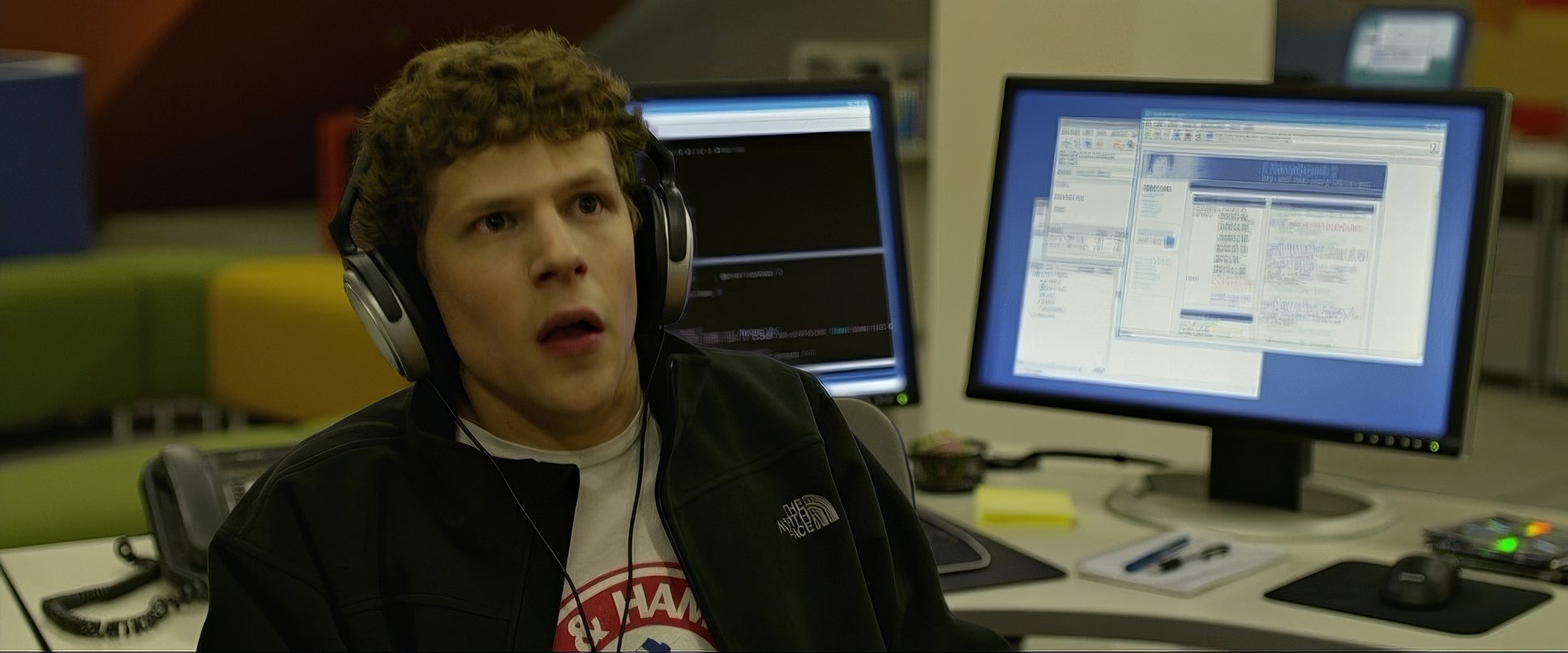
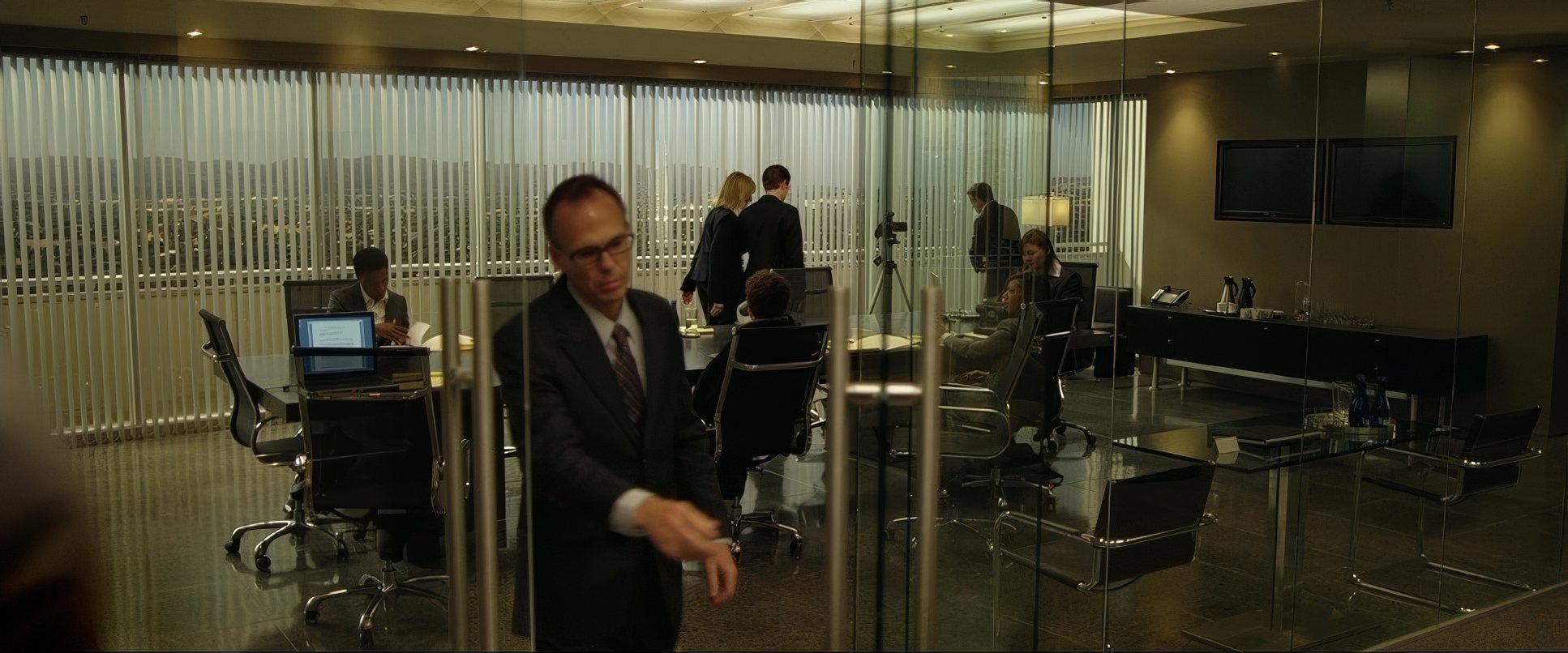
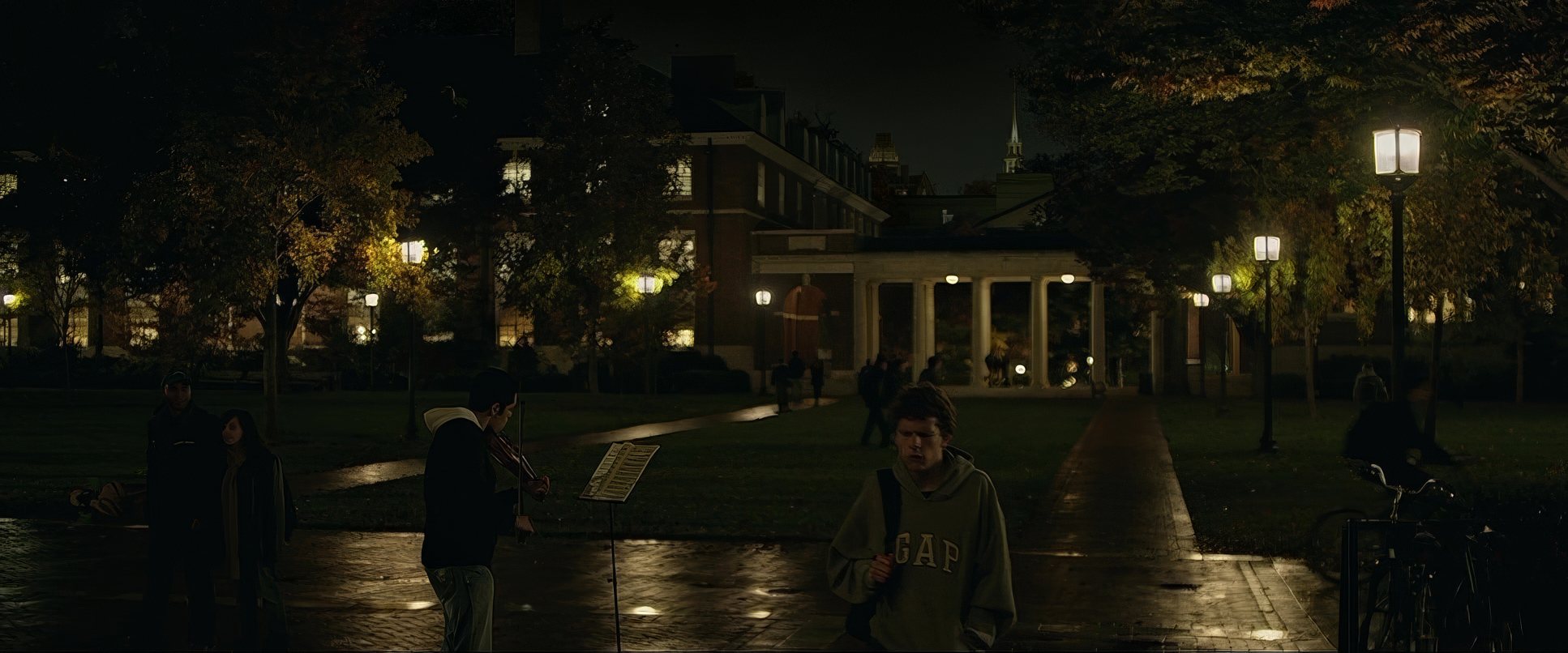
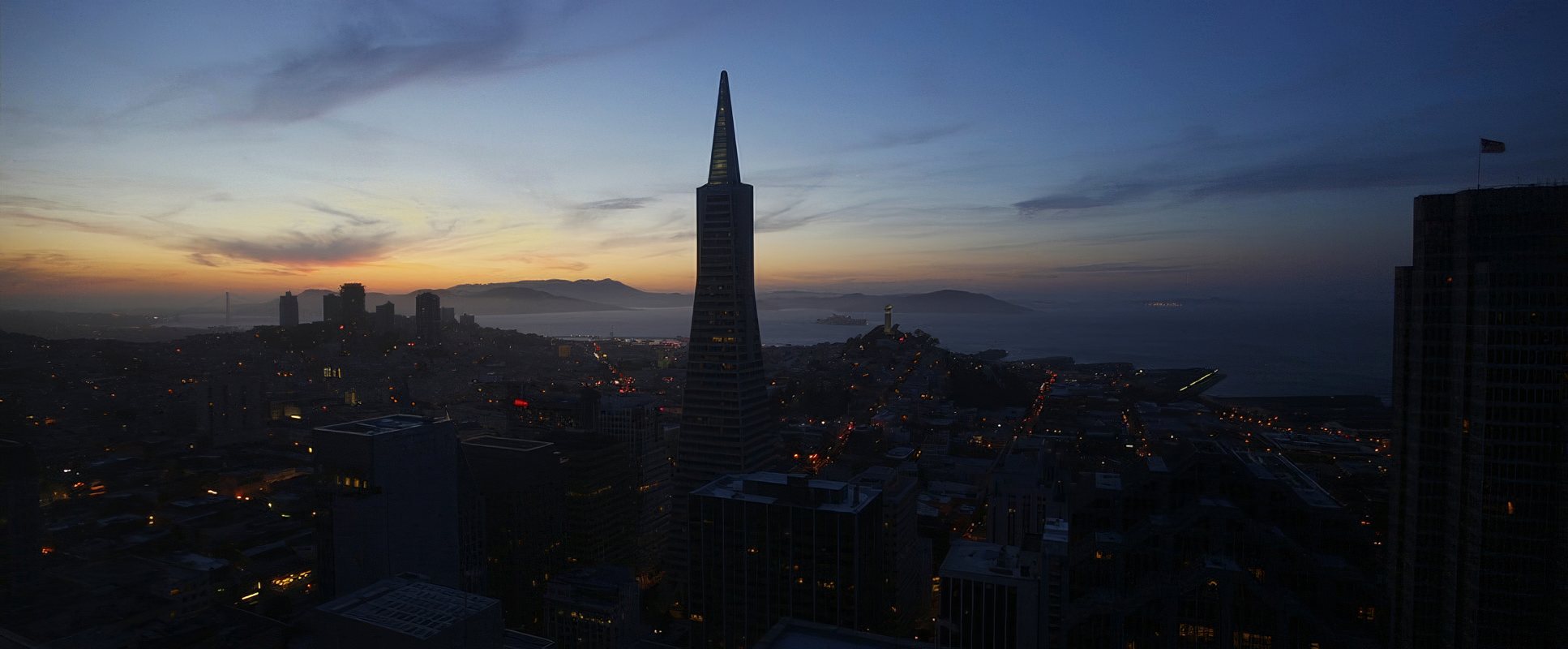
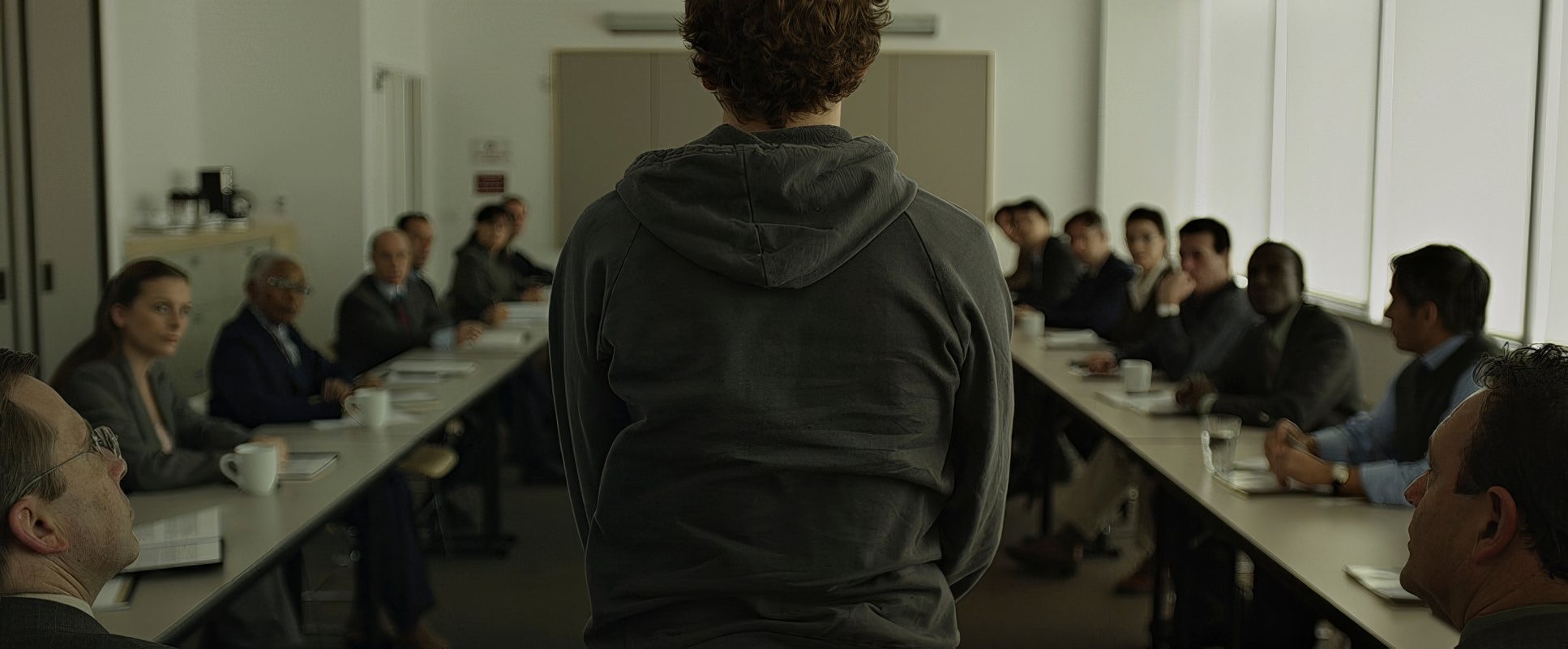
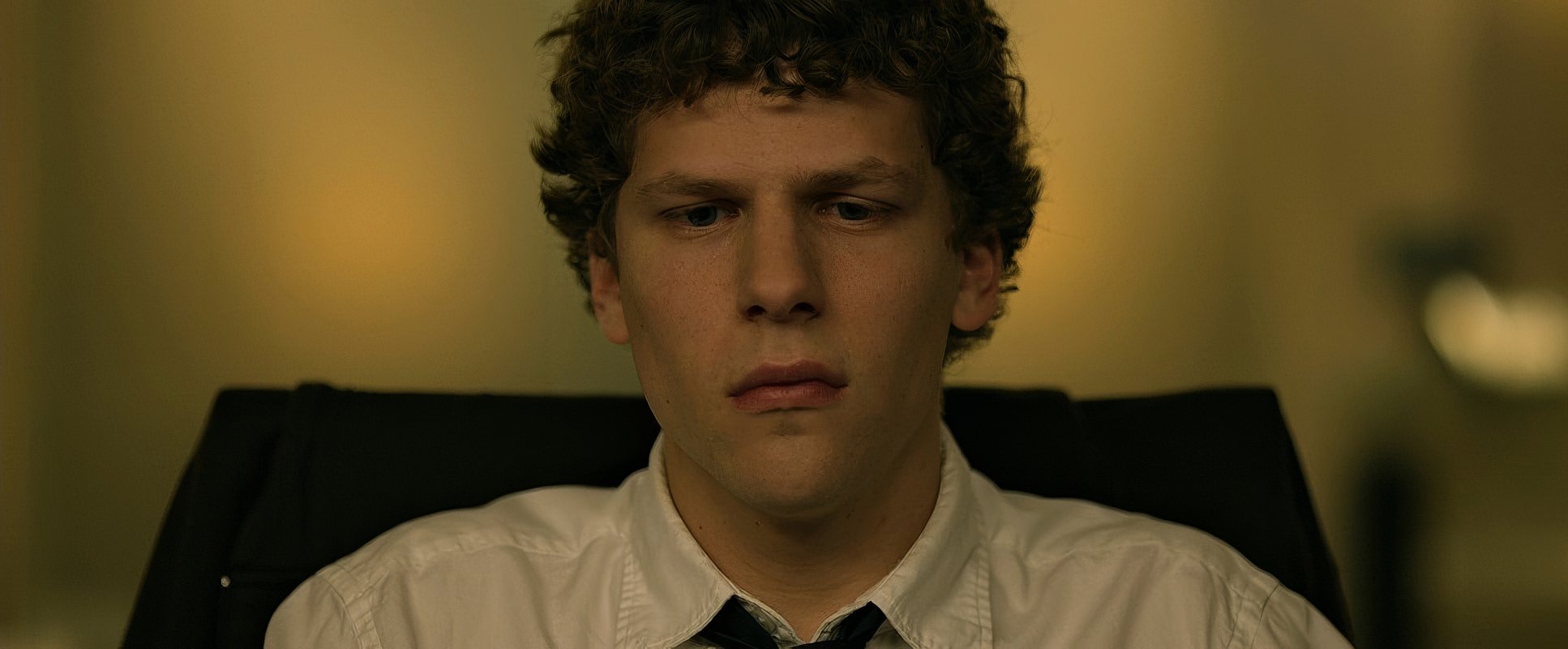
The composition in this film is a masterclass in using the frame to show absence. Cronenweth frequently uses wide shots to dwarf Mark within sterile environments cavernous deposition rooms or empty offices.
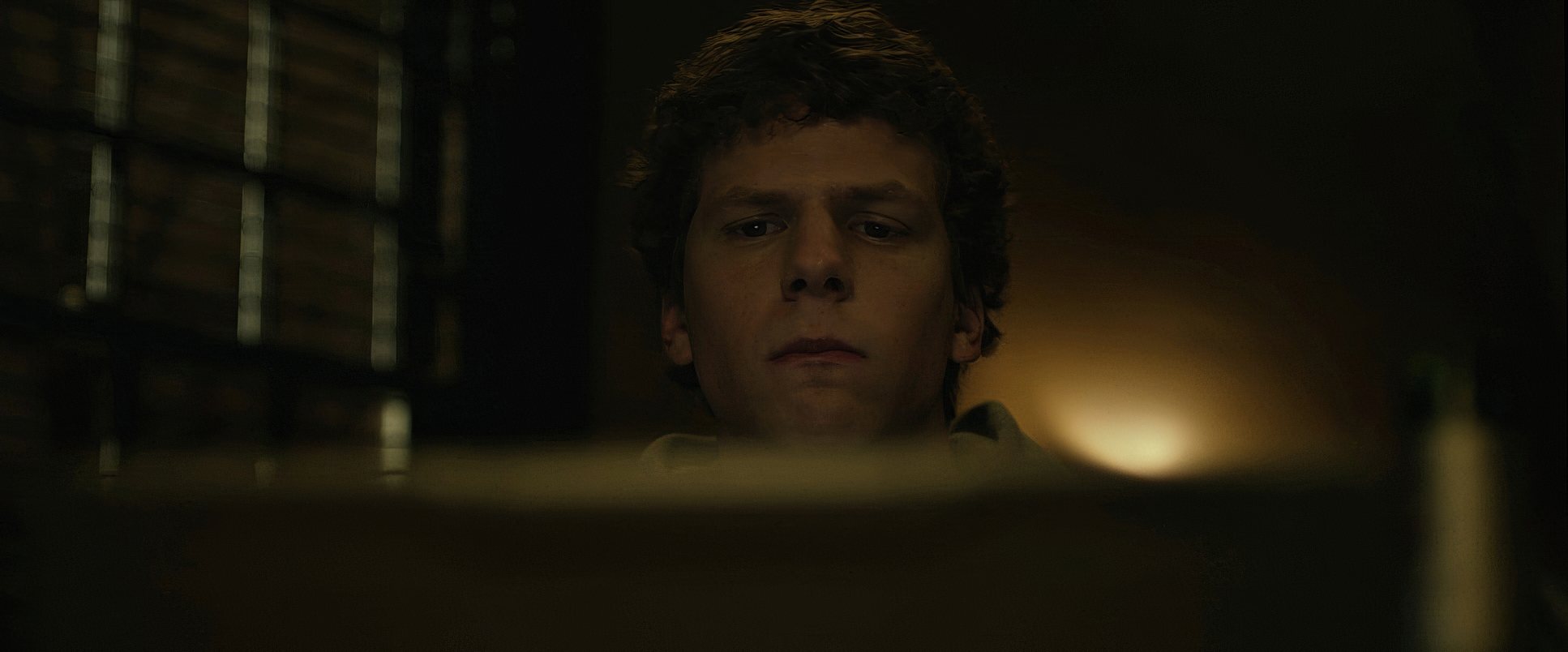
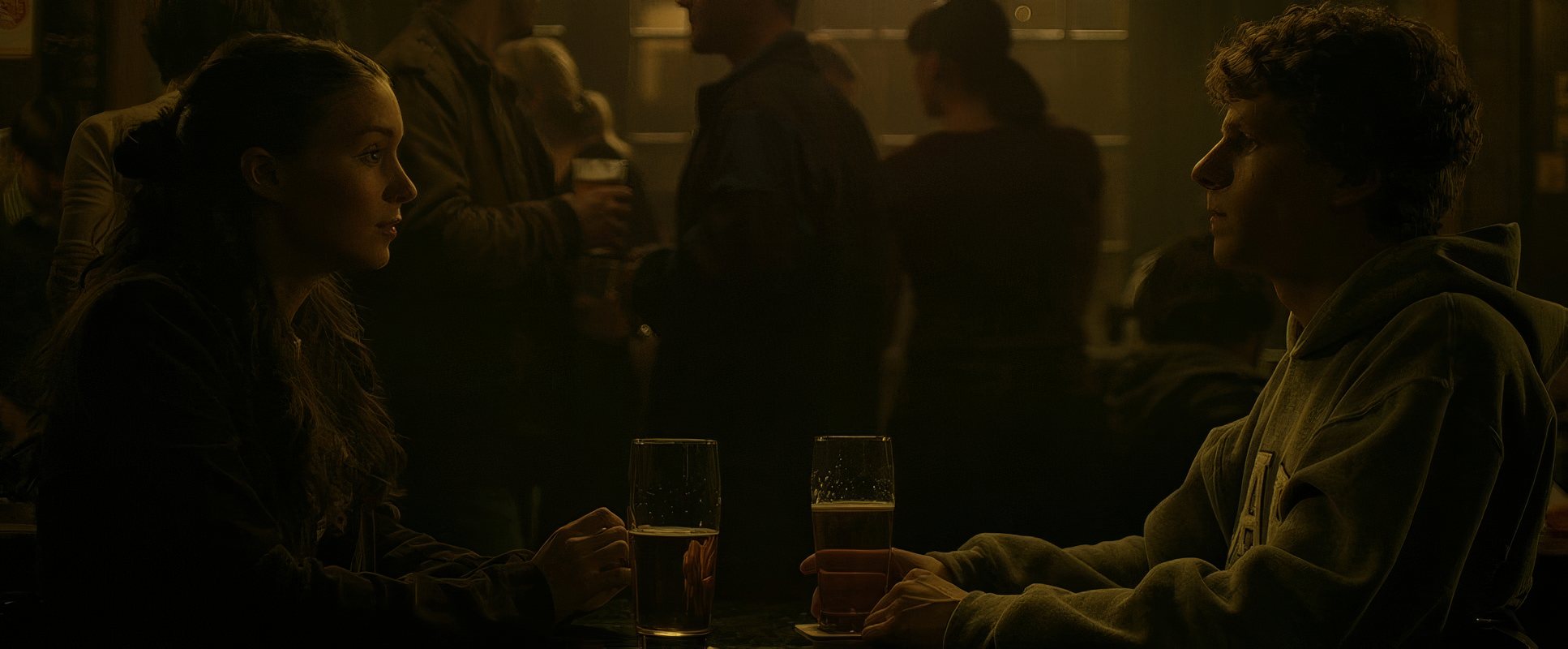
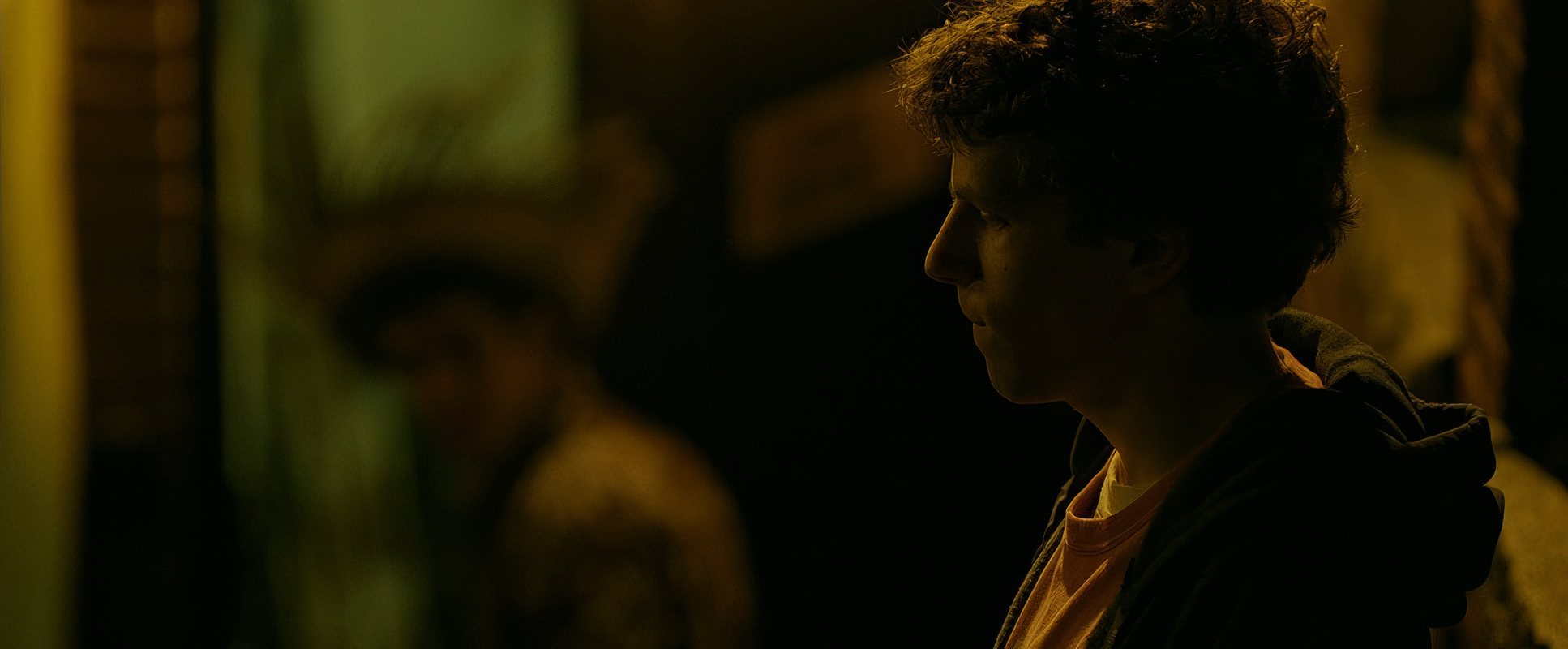
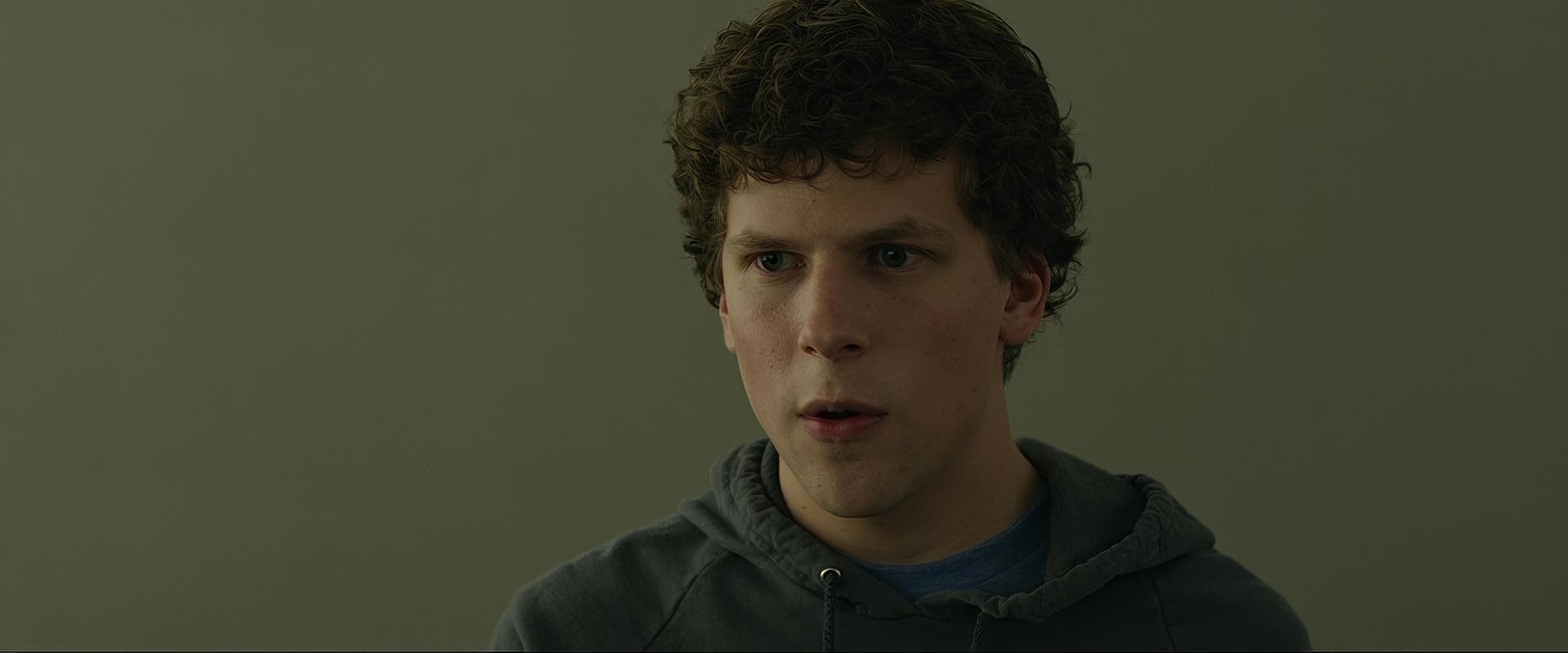
There’s a heavy use of negative space that draws your eye to Mark while highlighting the void around him. In two-shots, characters are often separated by subtle barriers or large spatial gaps, underlining their emotional rift. Look at that final, poignant scene: Mark, alone, refreshing a page. The close-up on Jesse Eisenberg’s face is earned. It’s the culmination of an entire film’s worth of wide, objective shots. The camera finally lets us into his private anguish, revealing that “spark of pain” that confirms his internal world.
Lighting Style
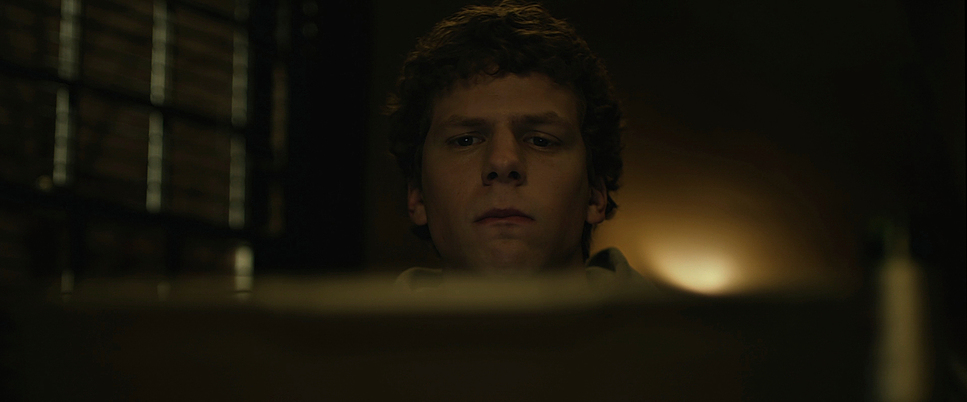
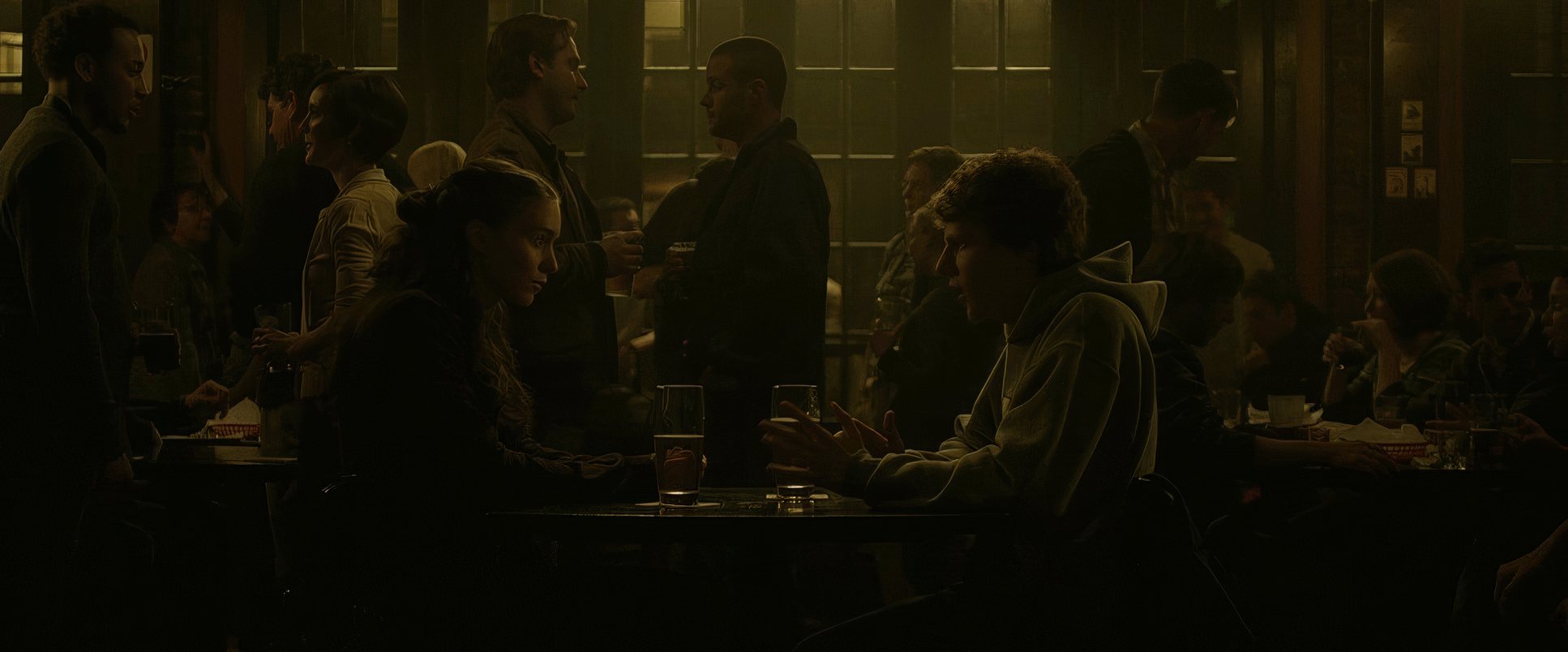
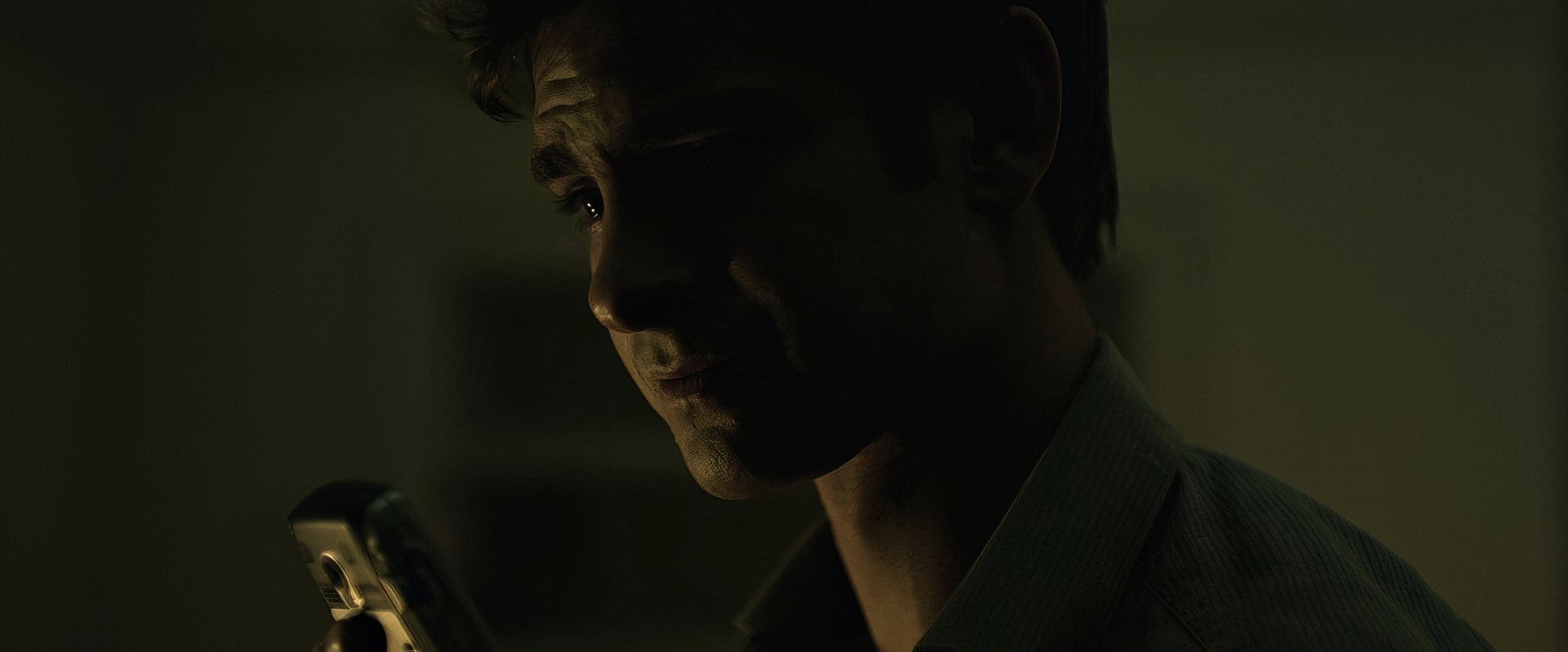
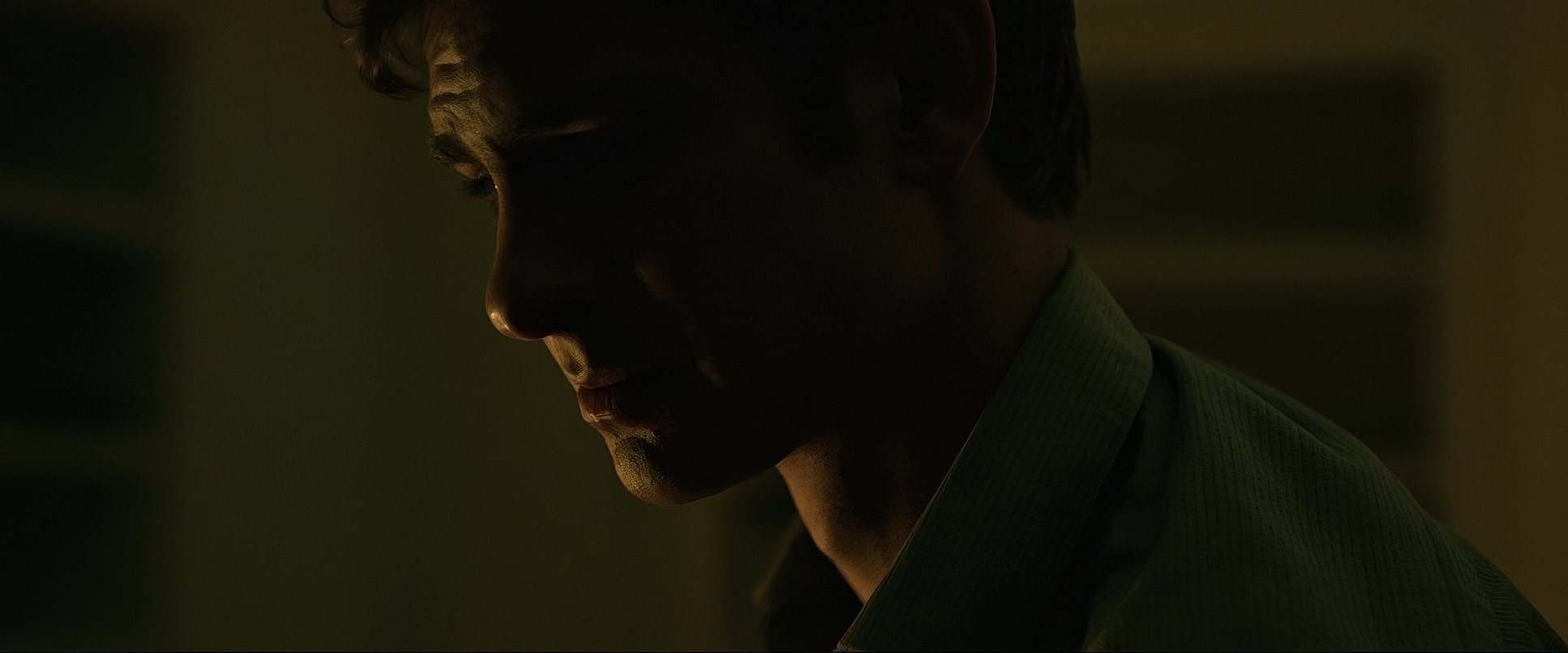
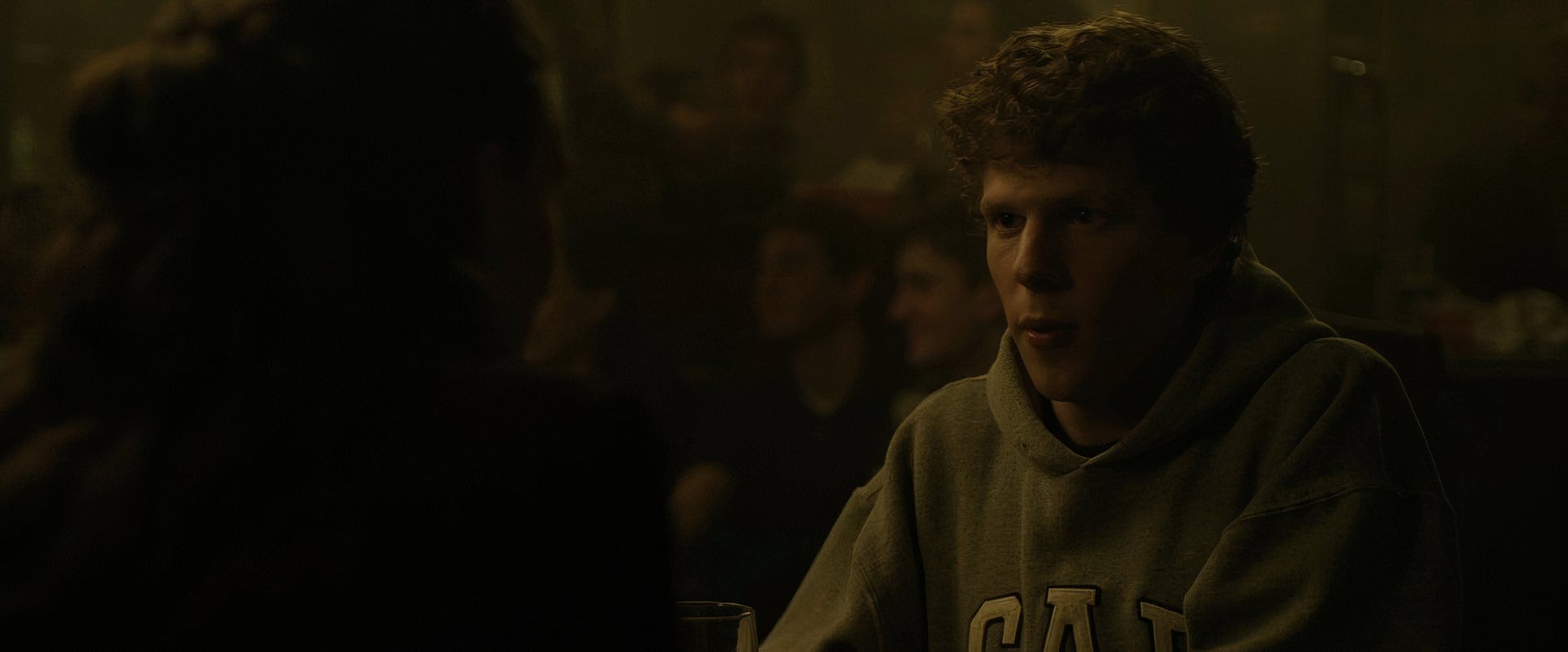
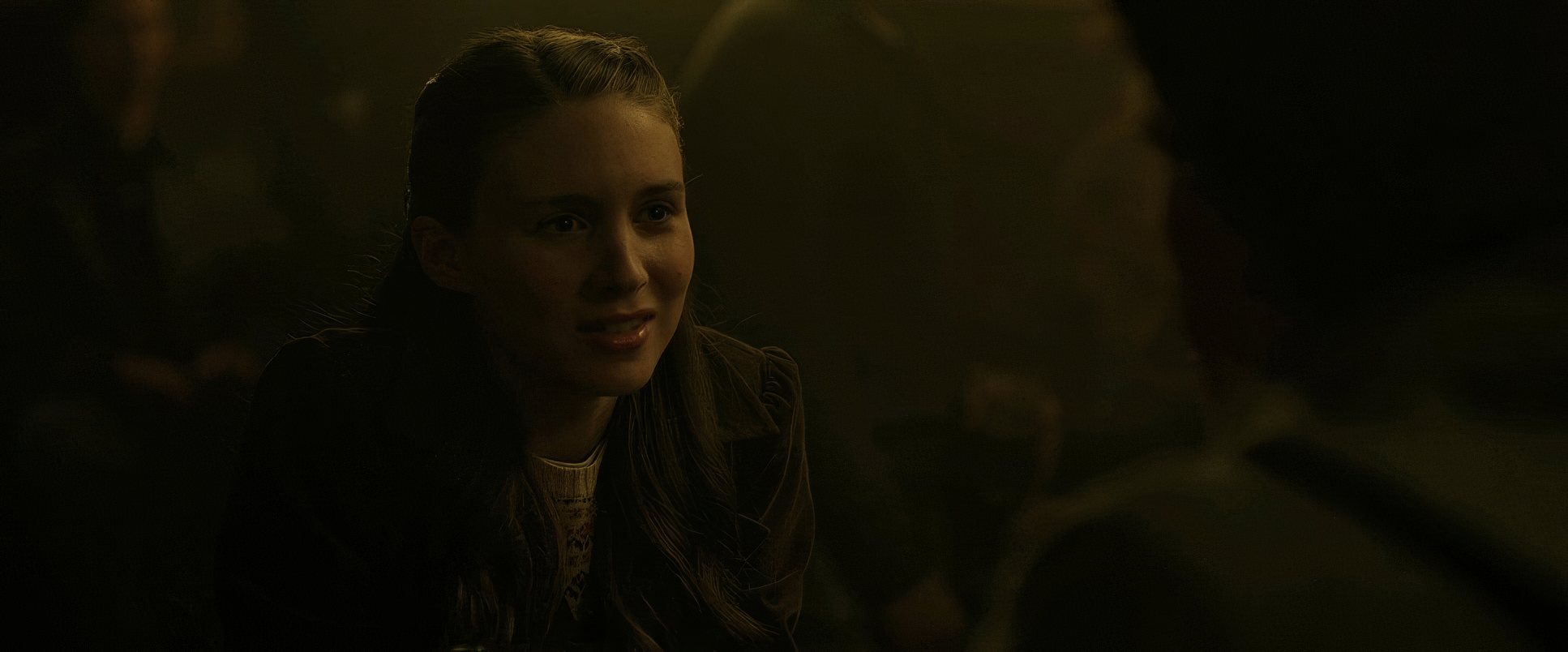
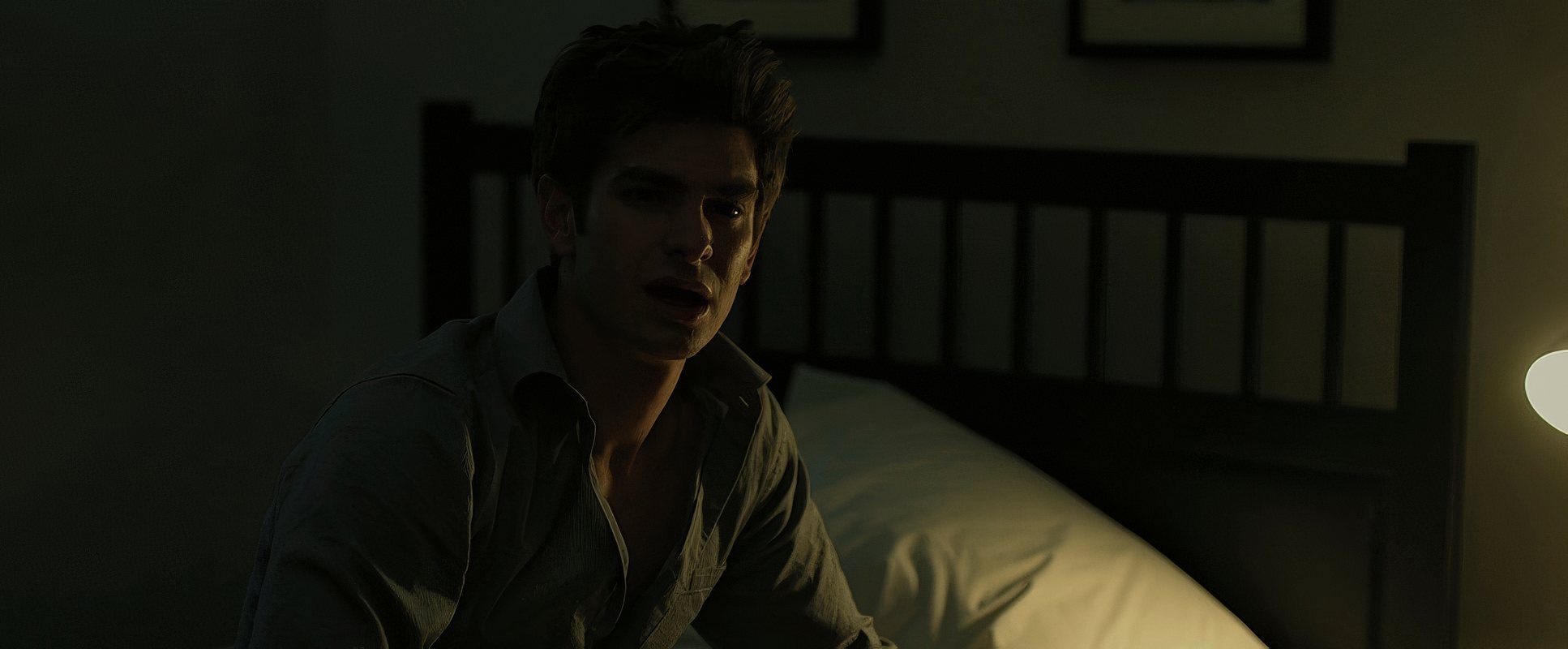
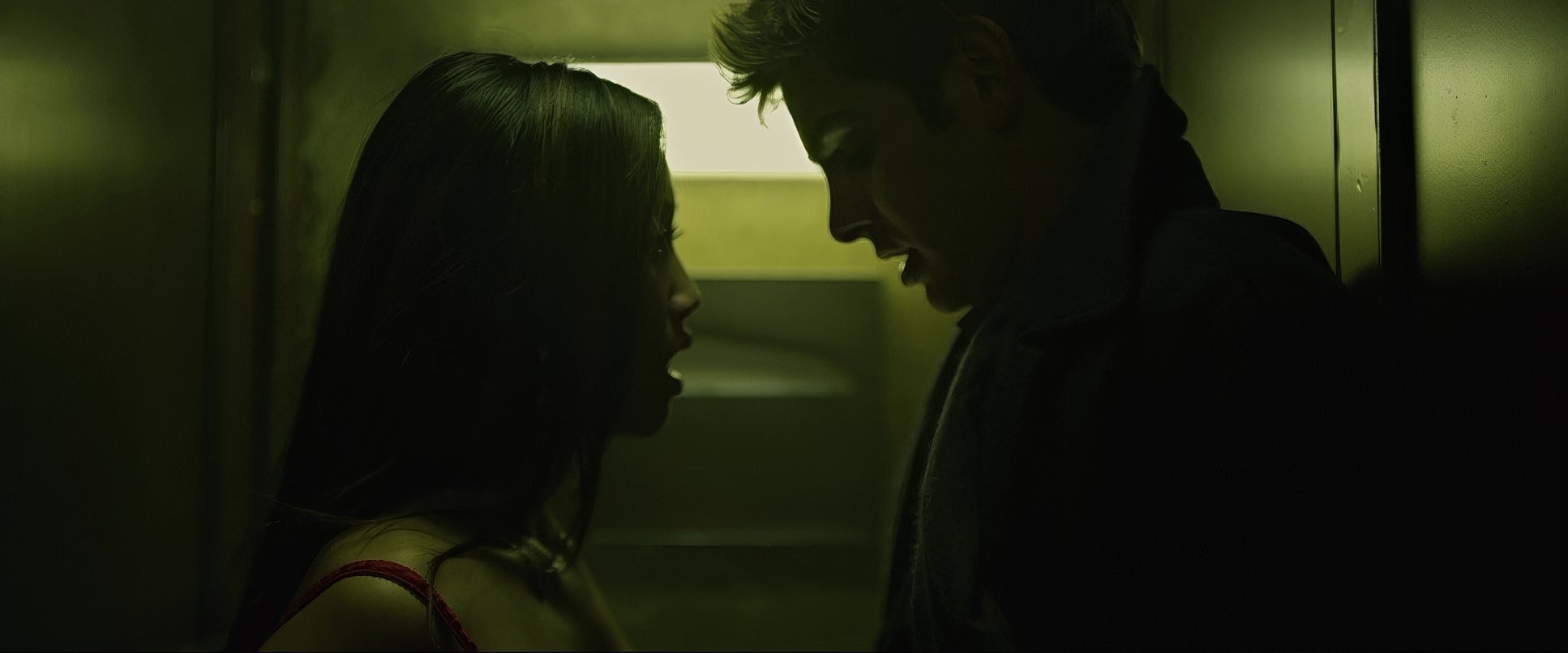
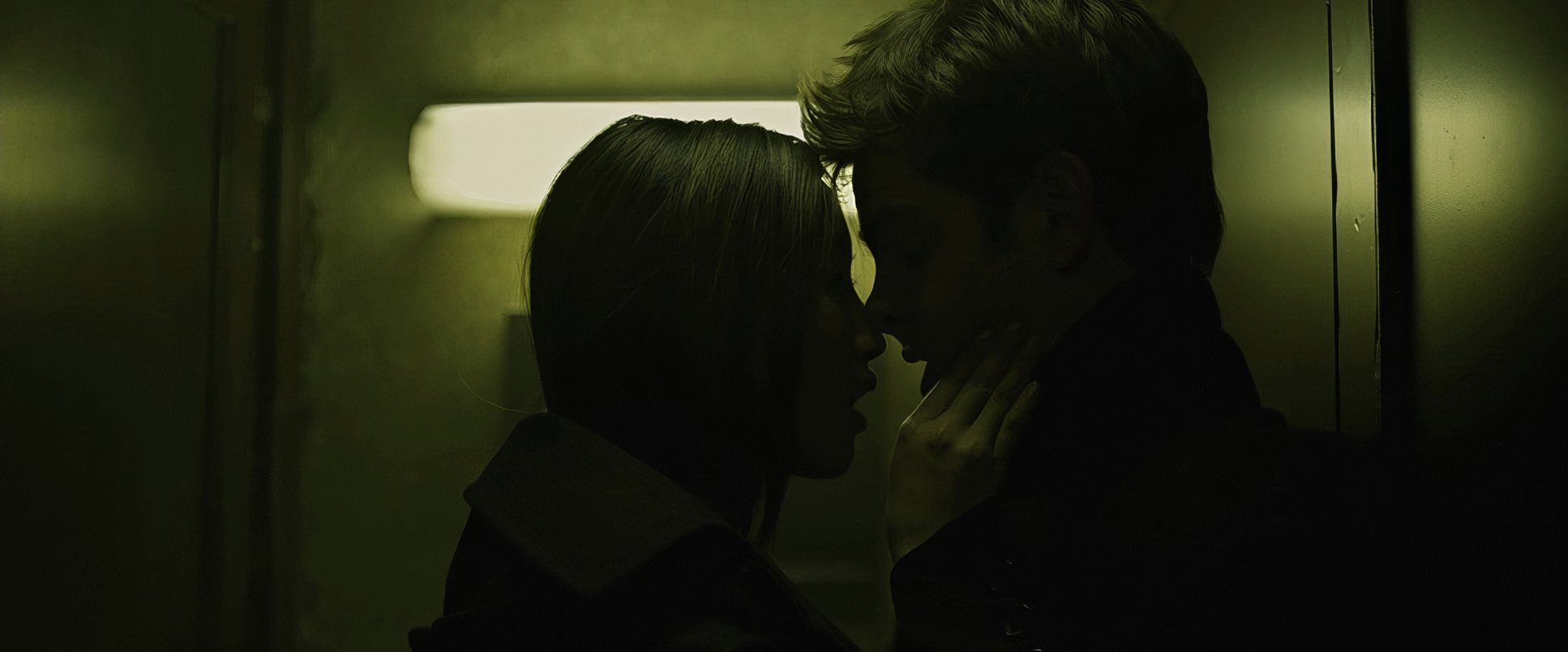
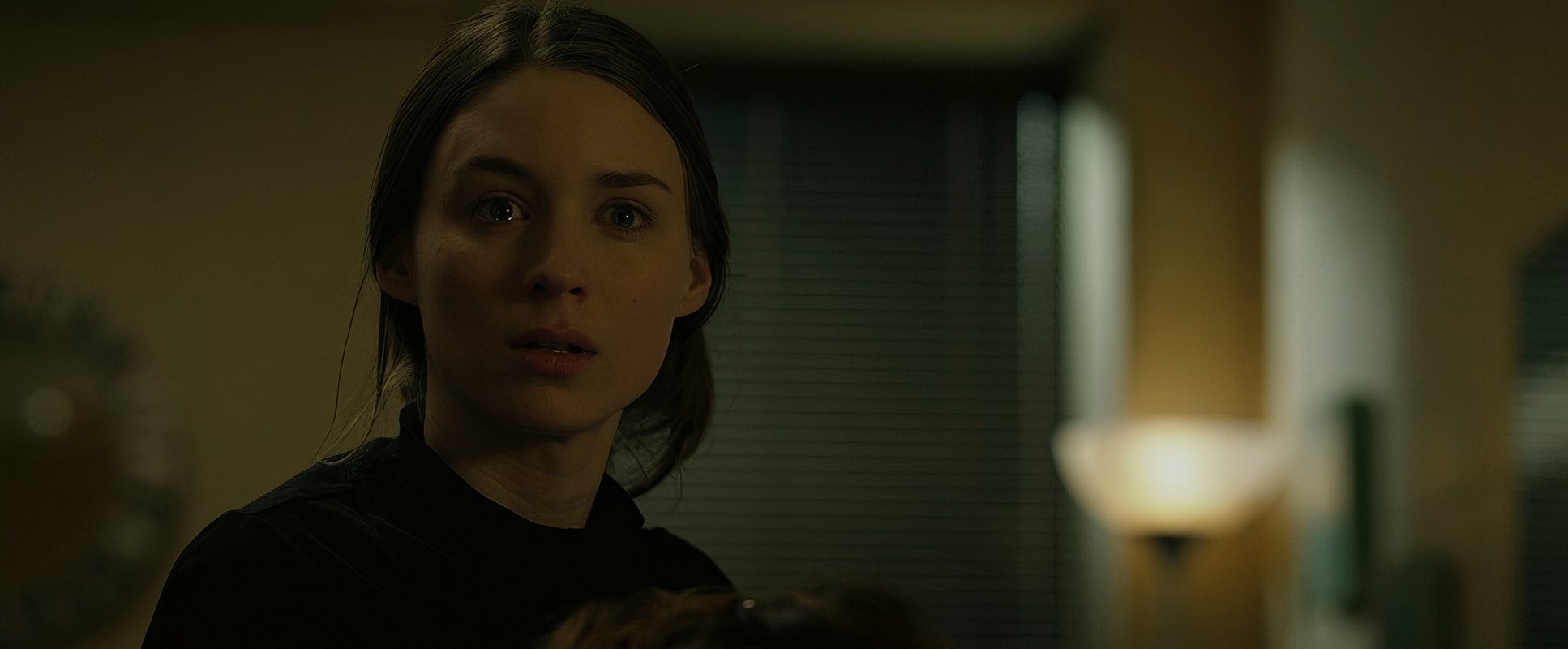
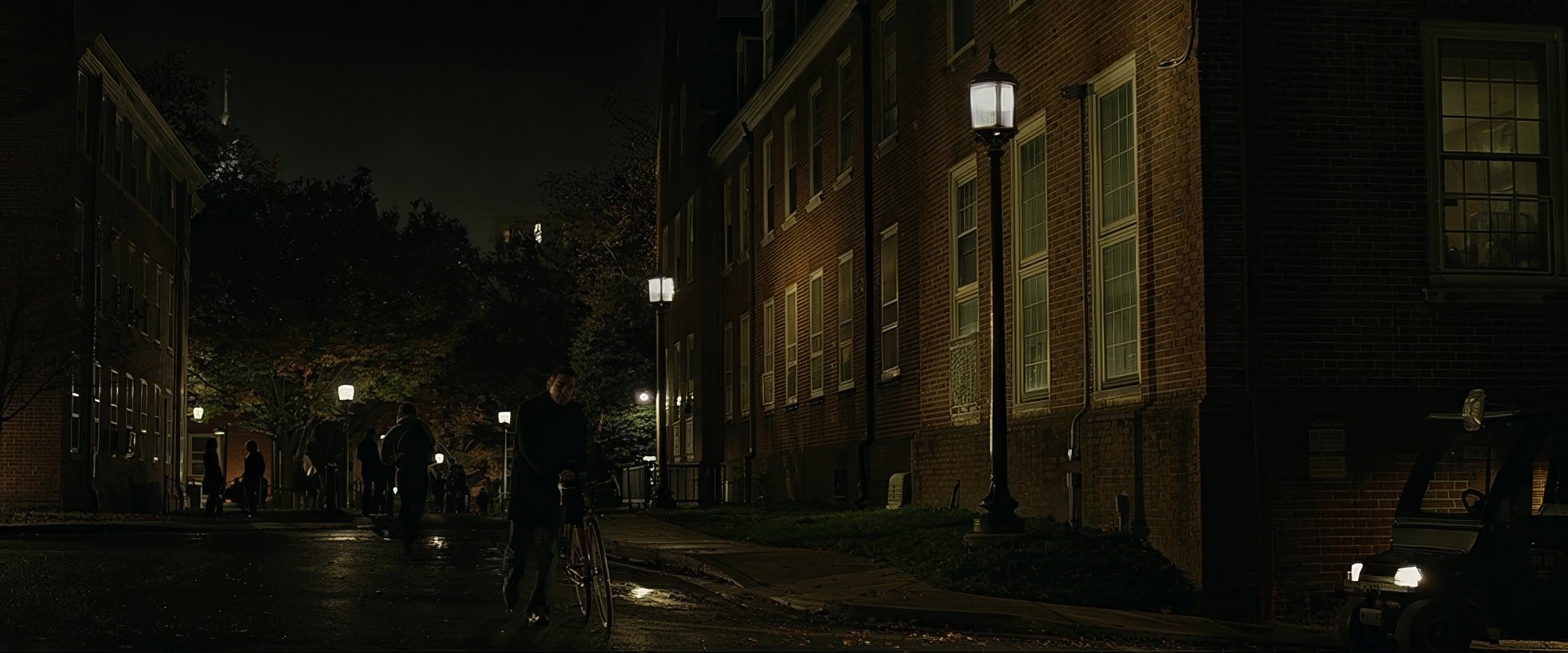
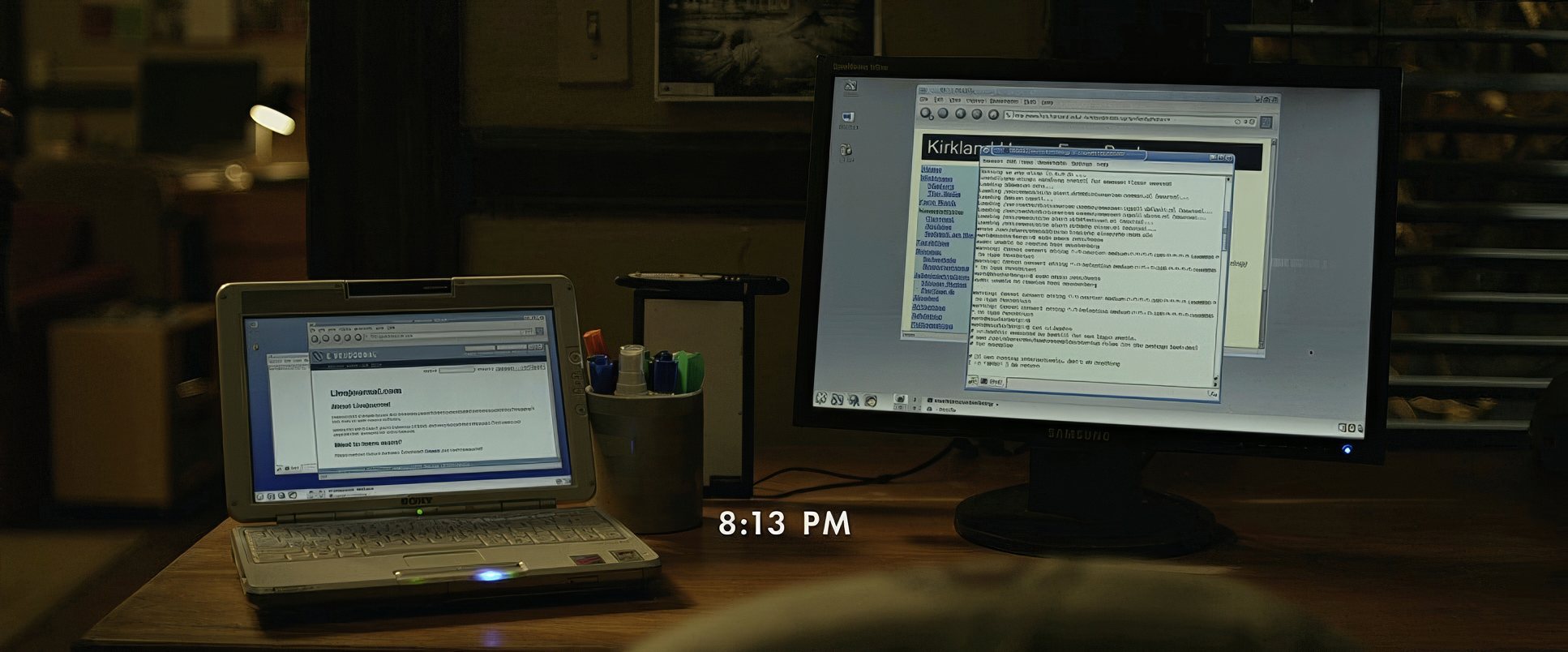
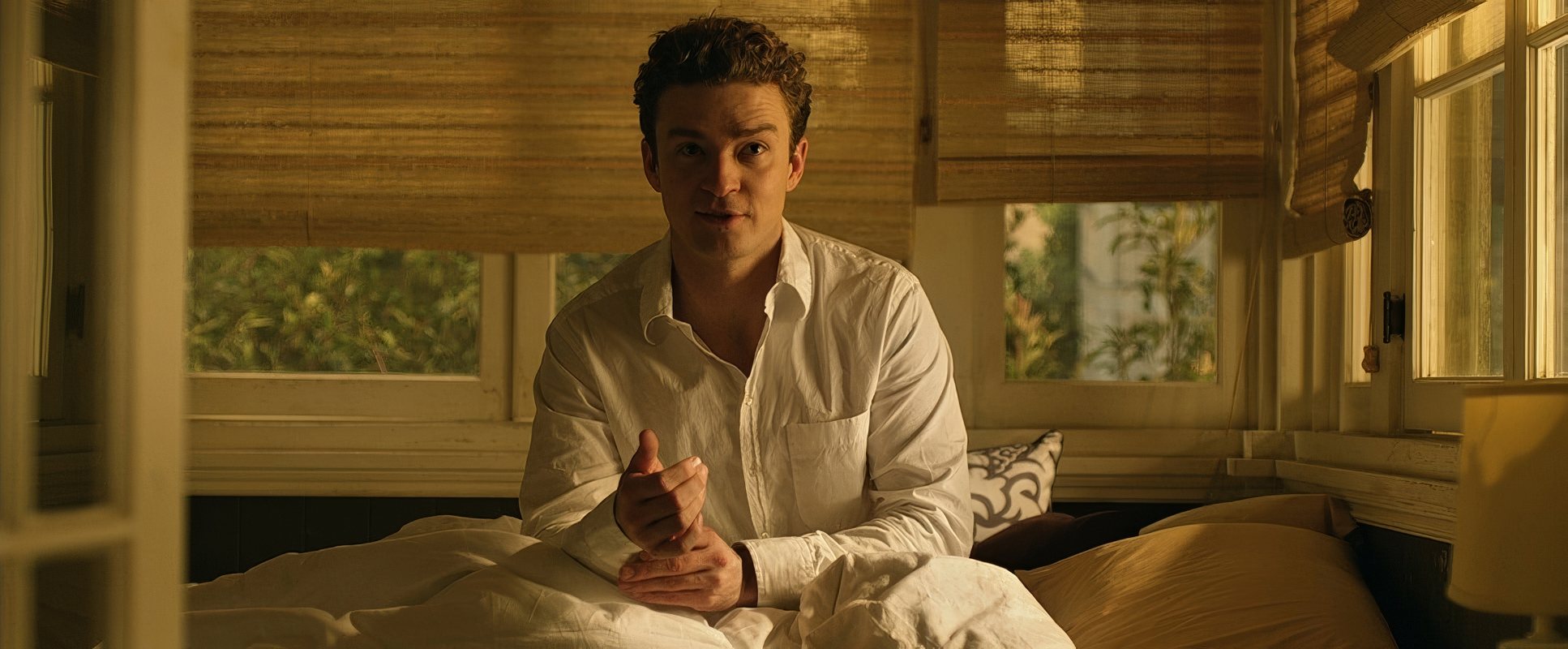
The lighting is undeniably Fincher moody, cool-toned, and rigorously controlled. While it uses motivated practicals, it pushes them into a distinct, clinical aesthetic.
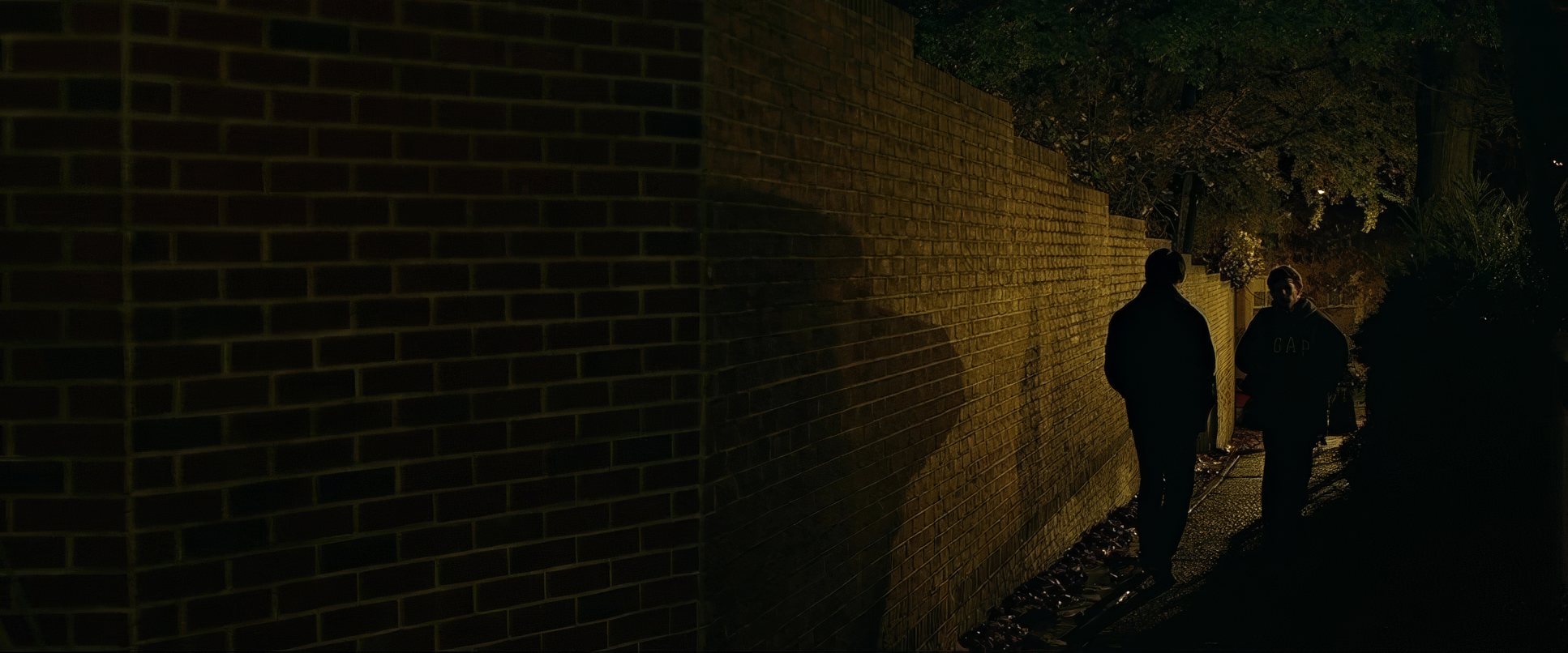
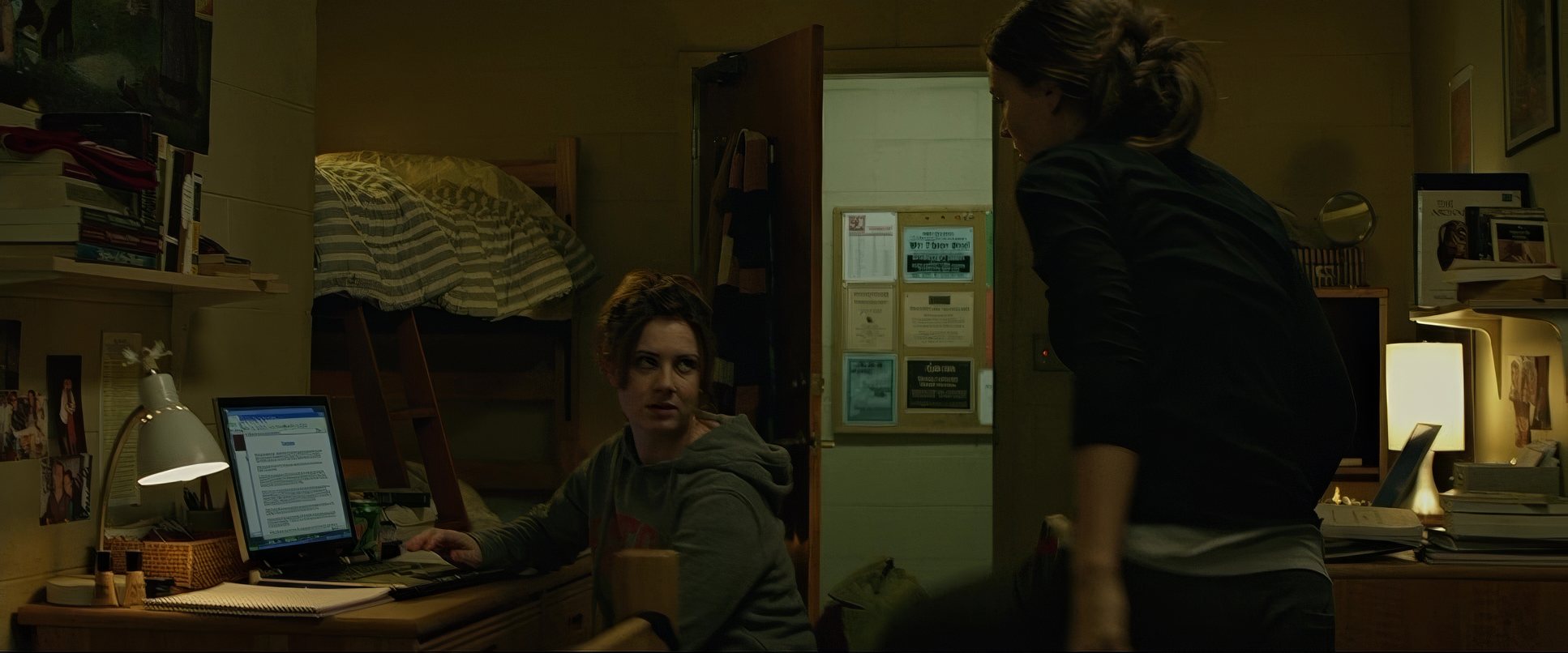
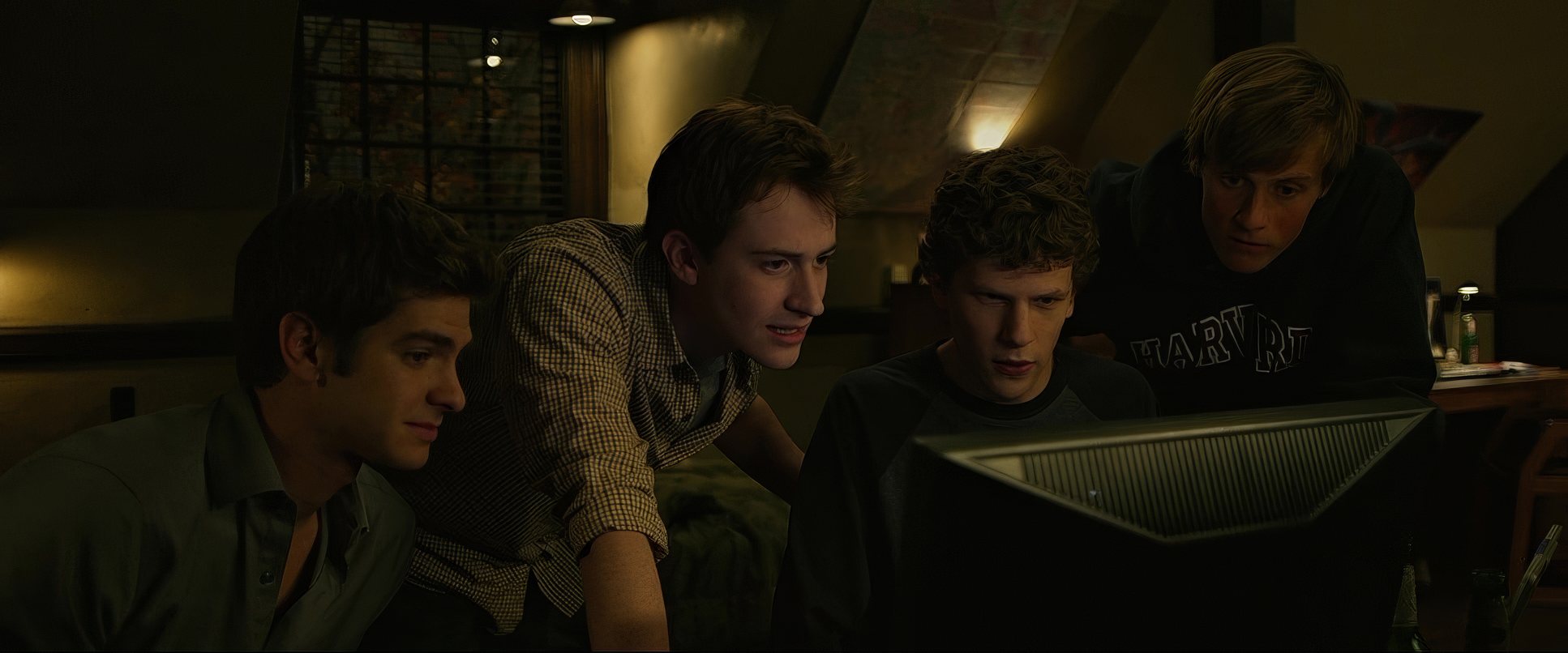
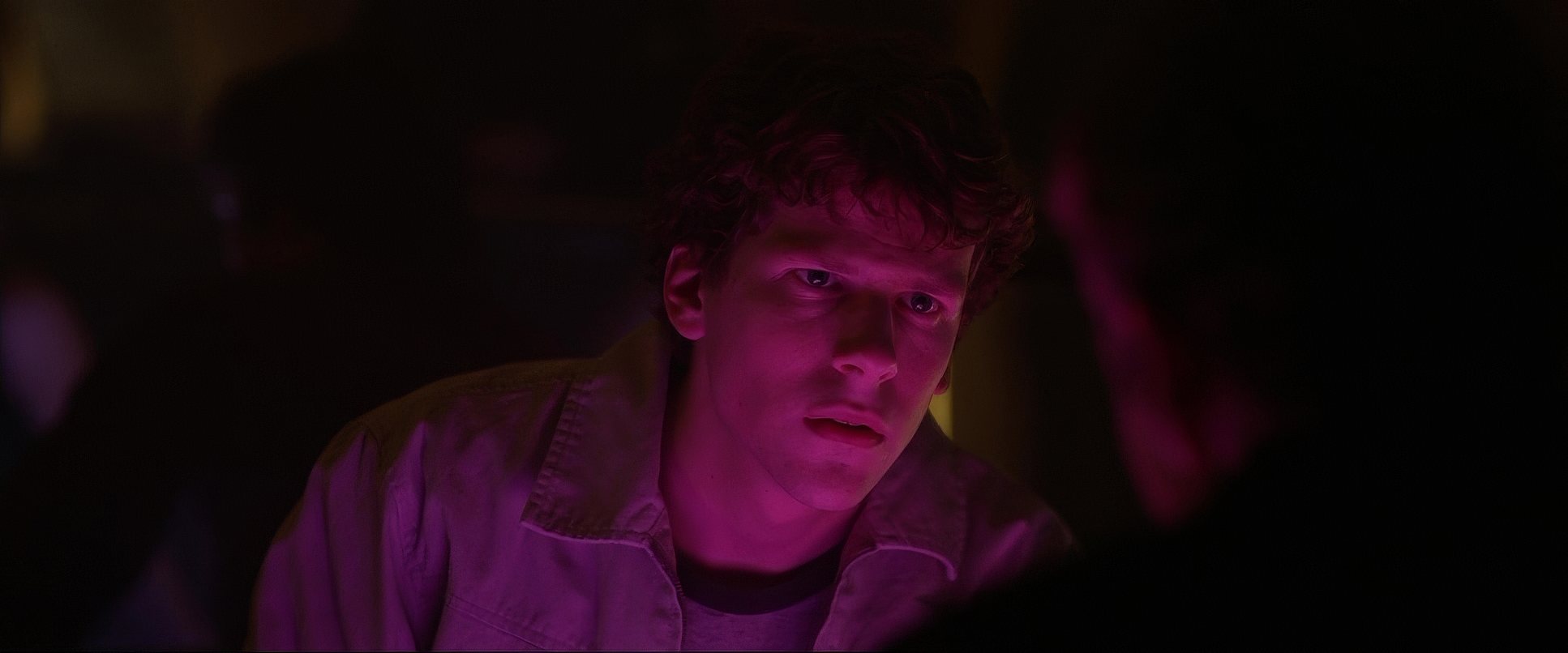
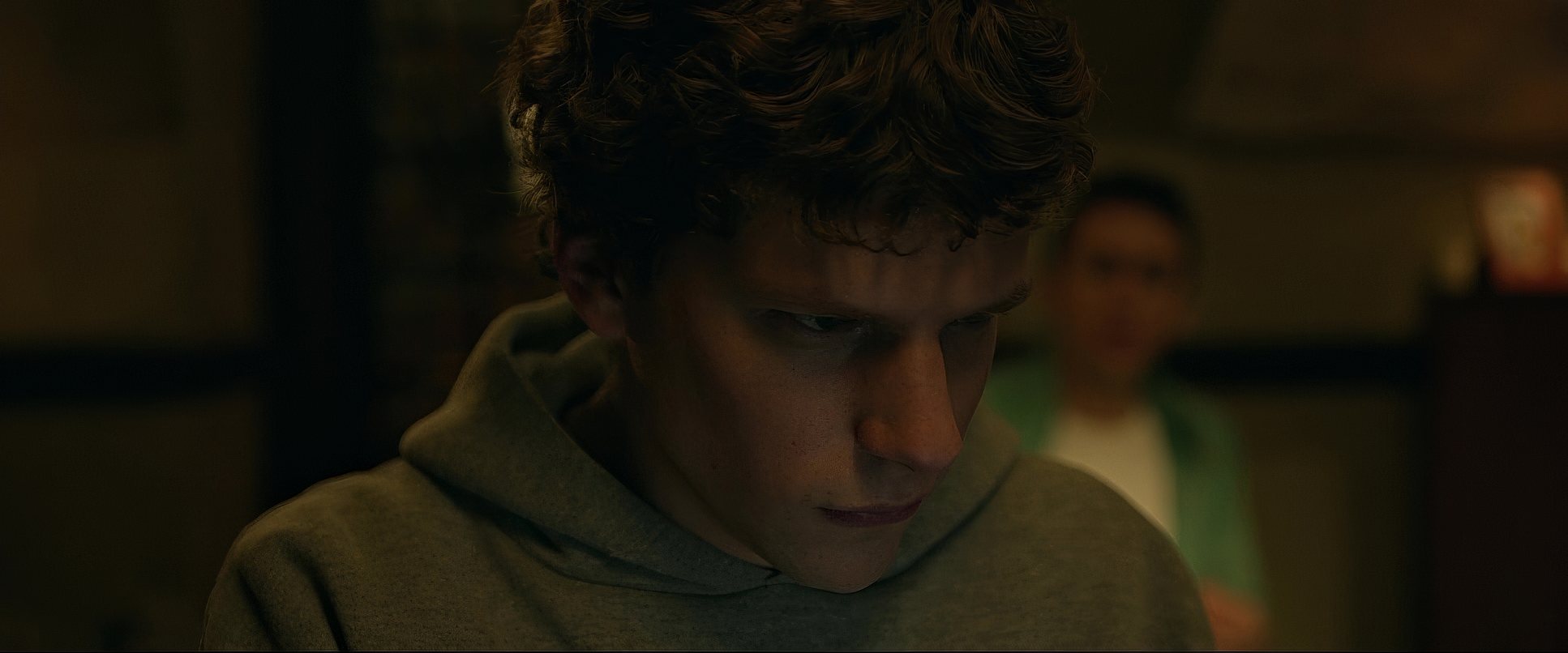
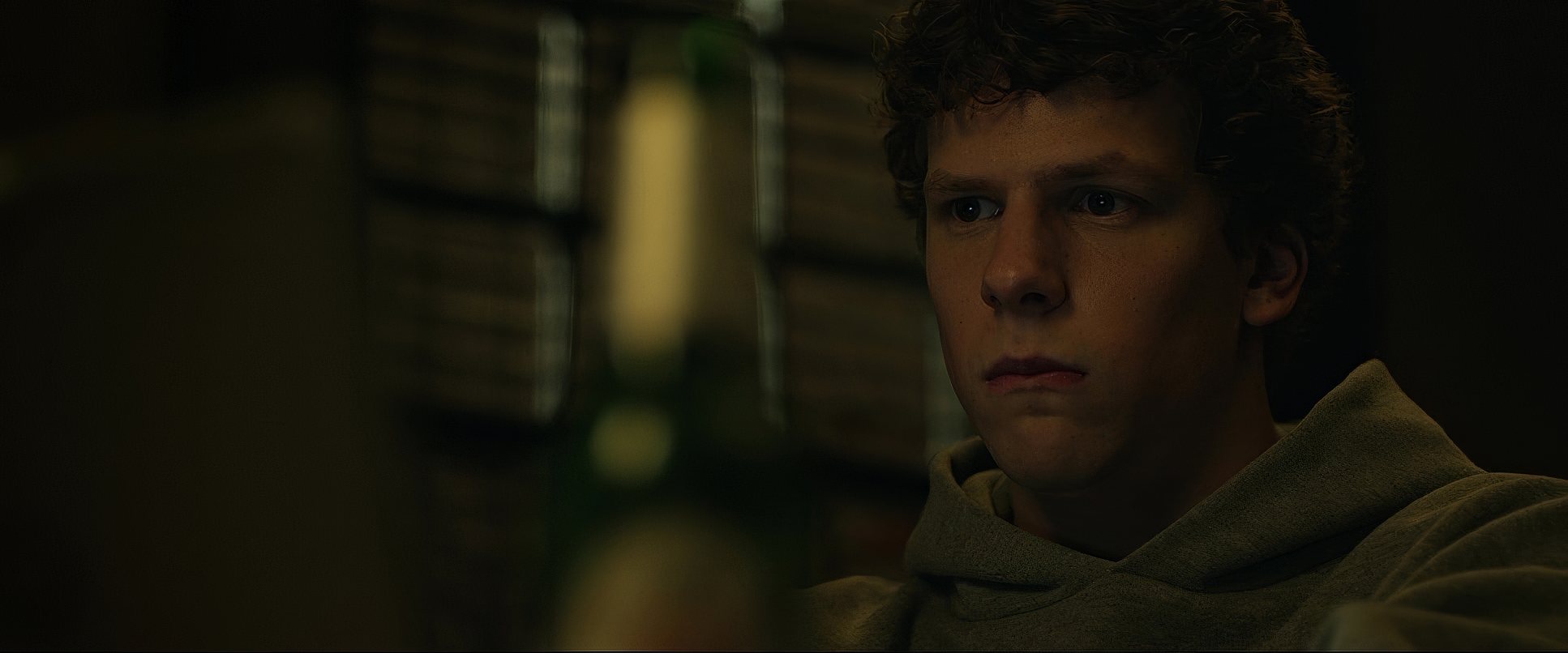
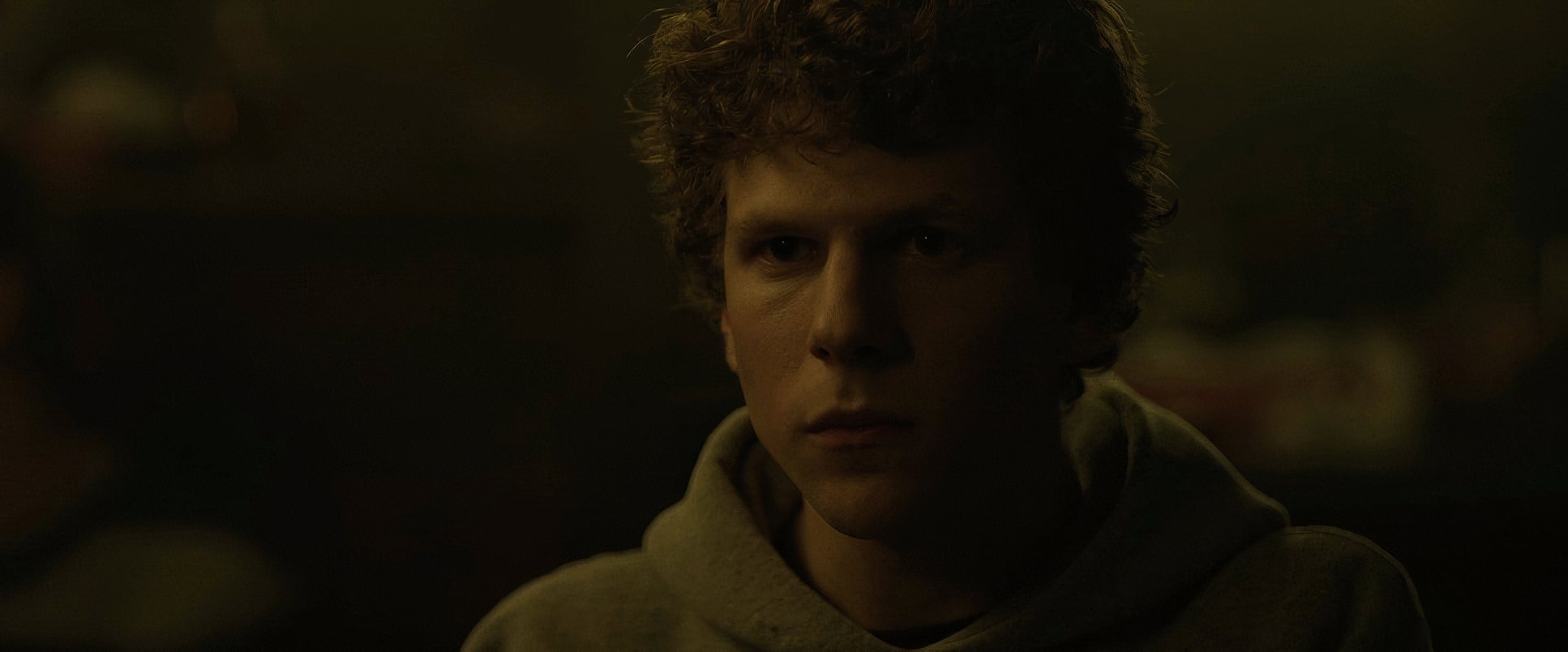
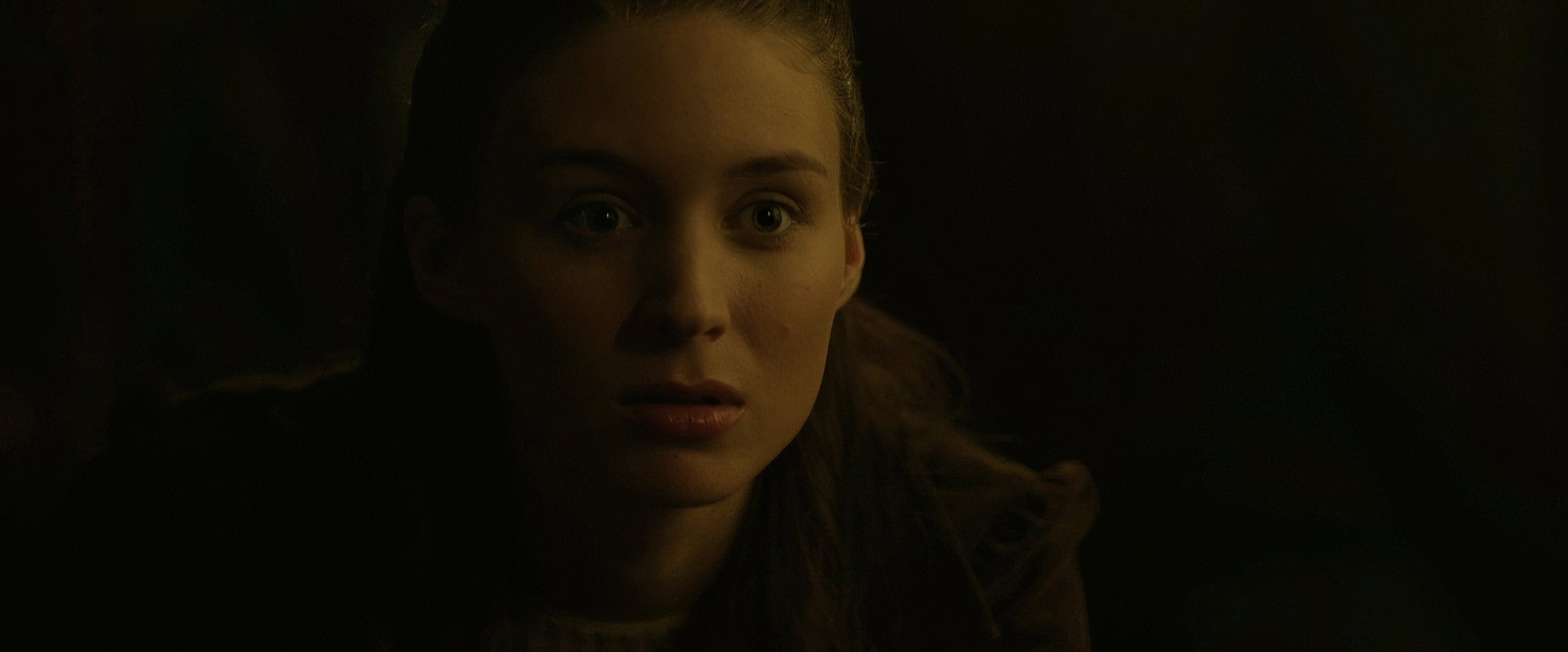
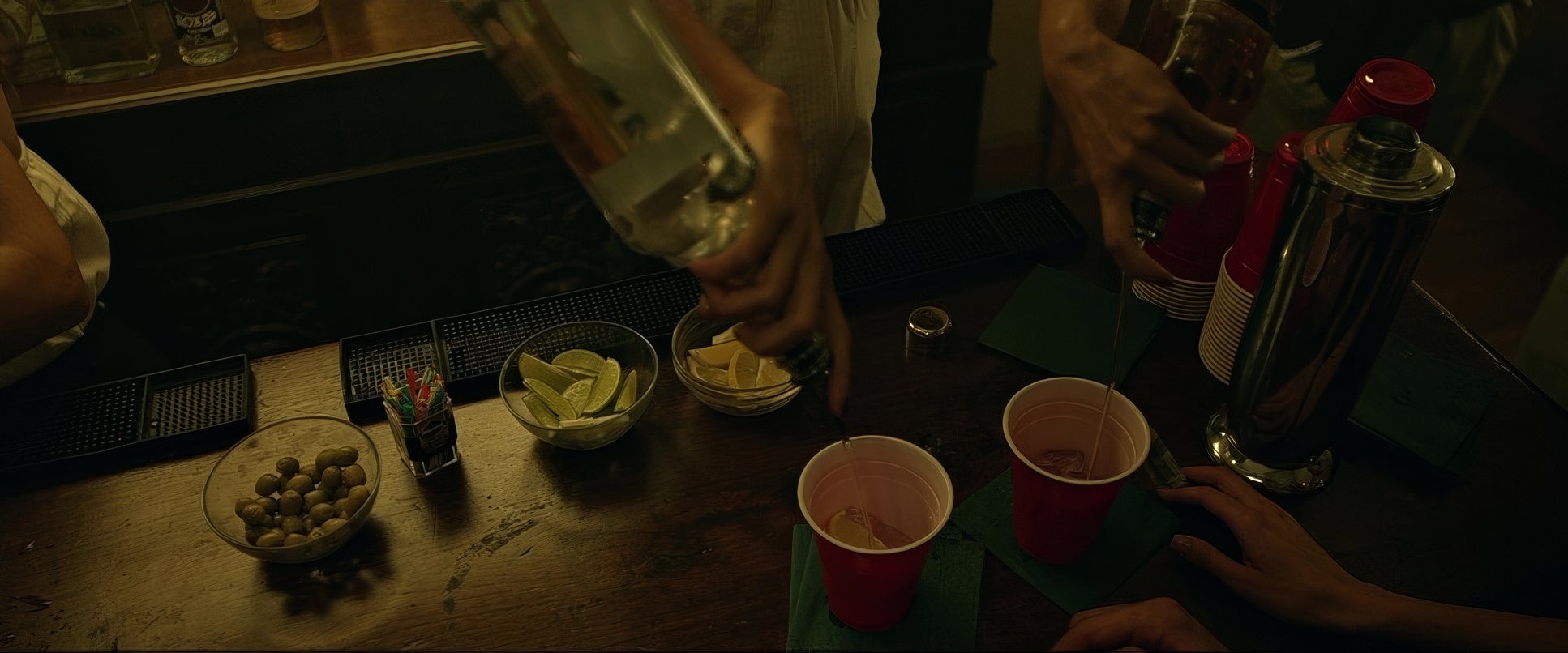
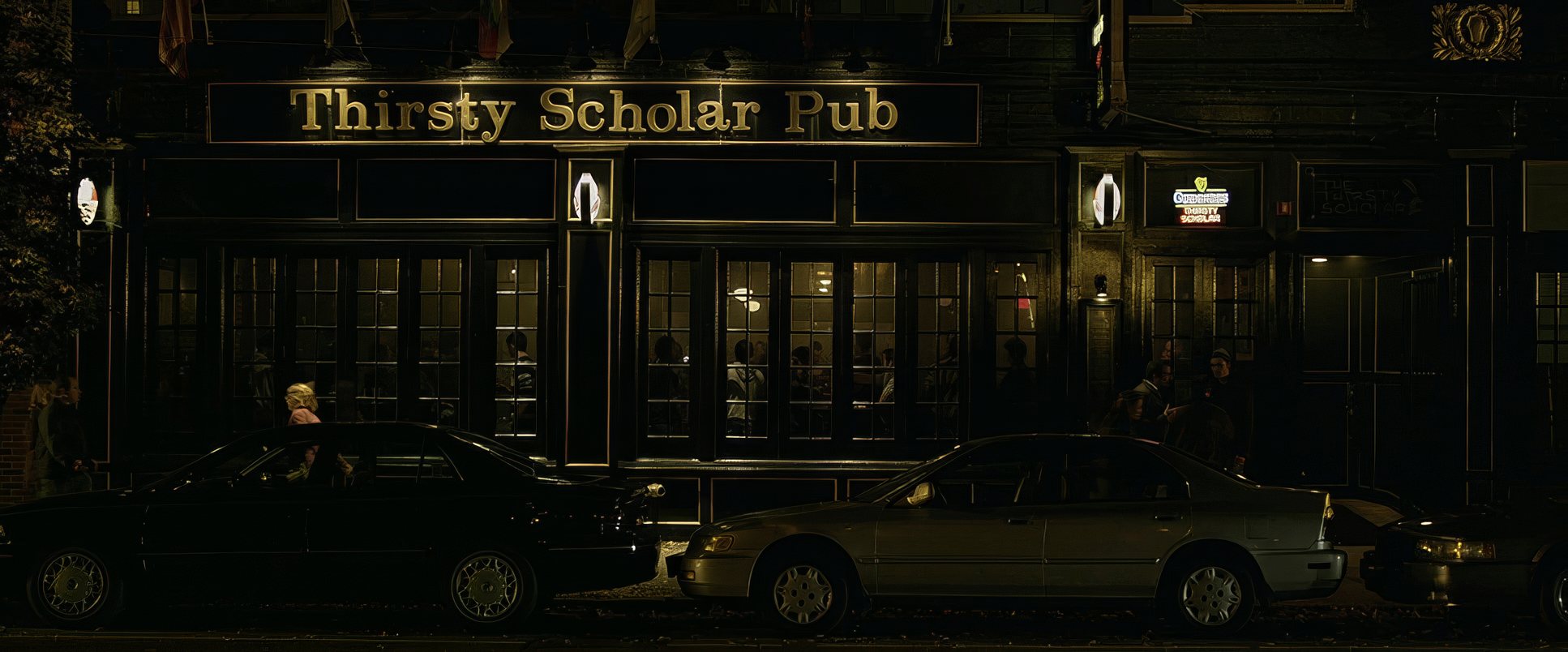
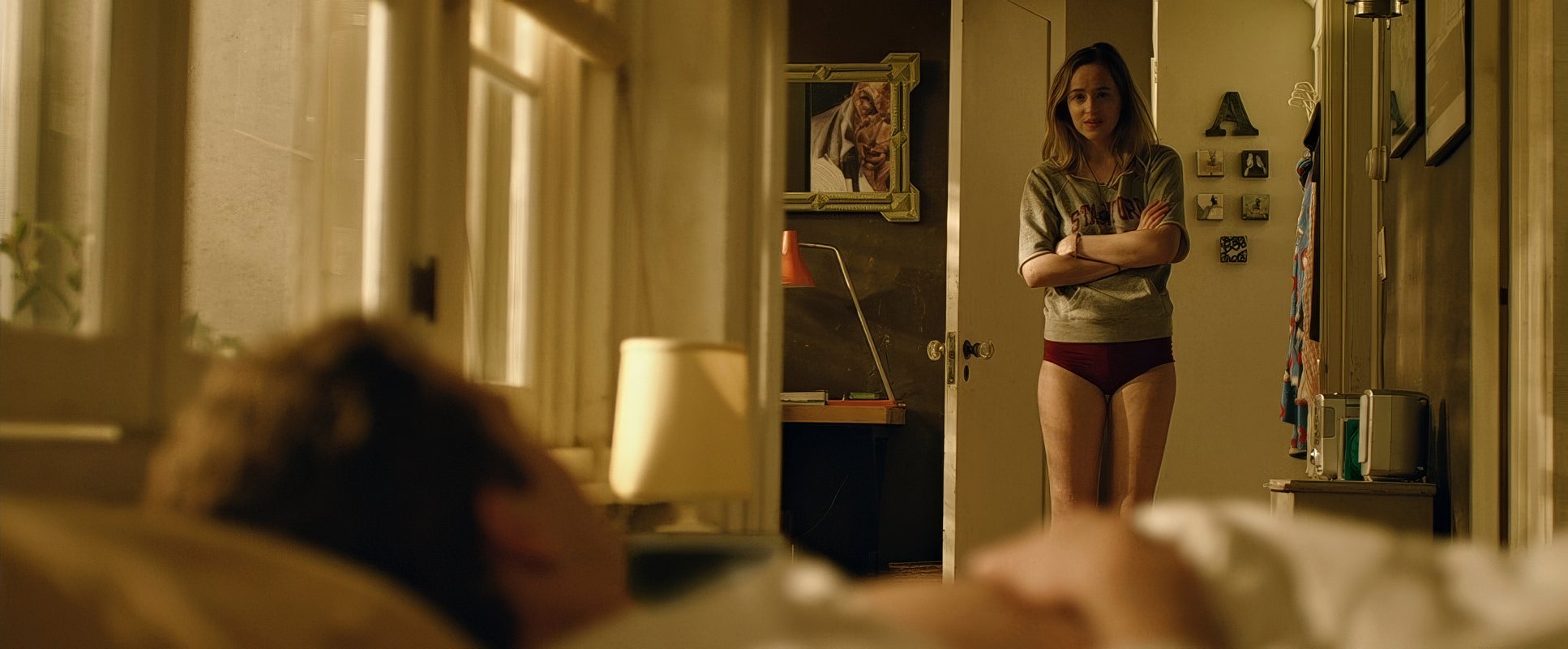
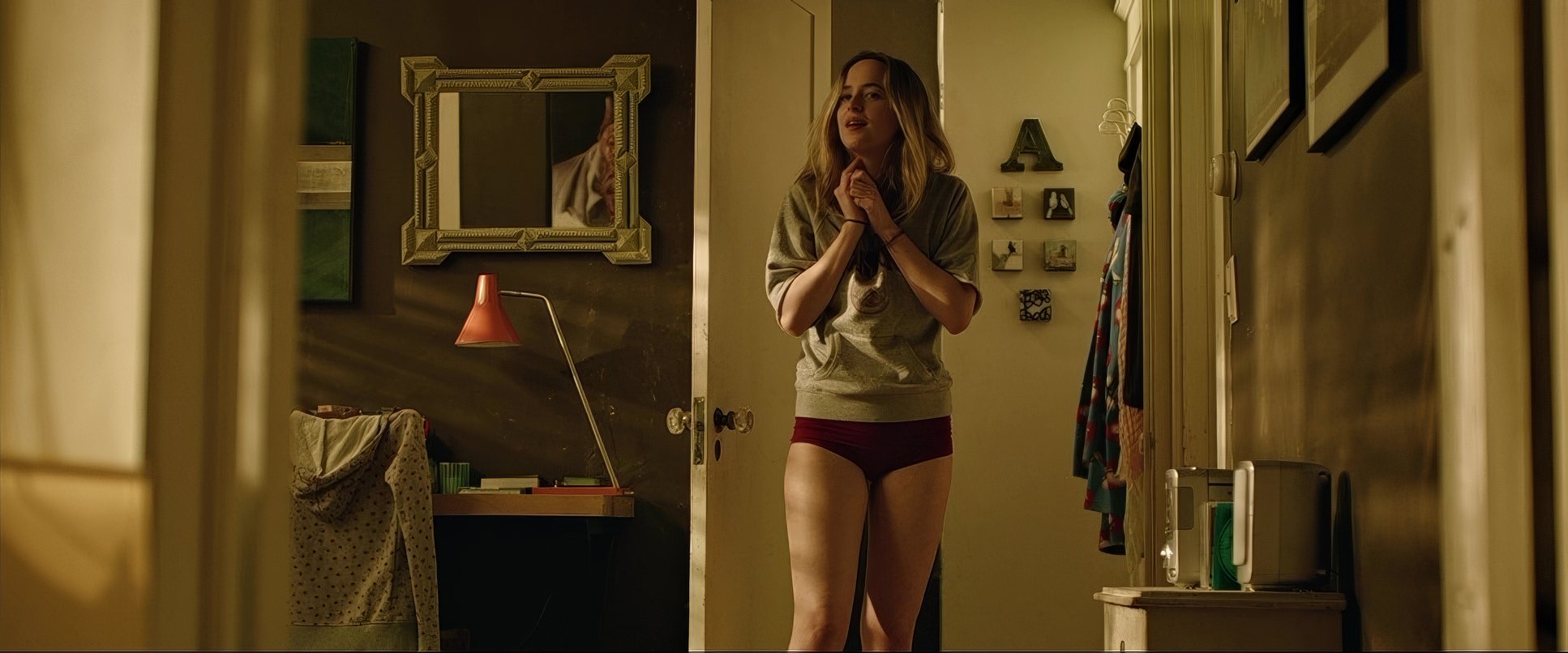
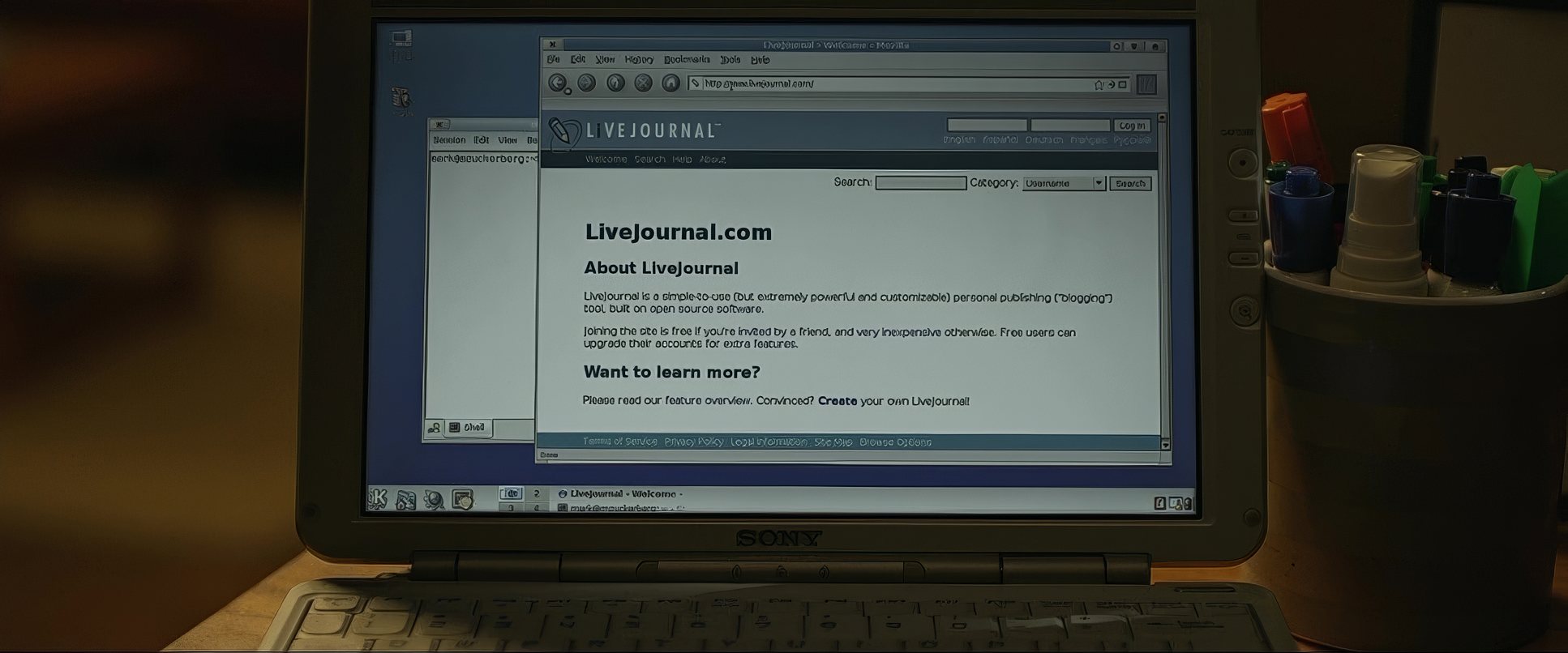
Interestingly, while the film is often remembered for its “cool” look, there’s a complex balance of warm, desaturatedtones in places like the bars or dorms. Shadows aren’t just for mood; they represent the moral grey areas of the story. I love how they handled the dynamic range: the highlights have a soft, naturalistic fall-off, while the shadows stay
Color Grading Approach
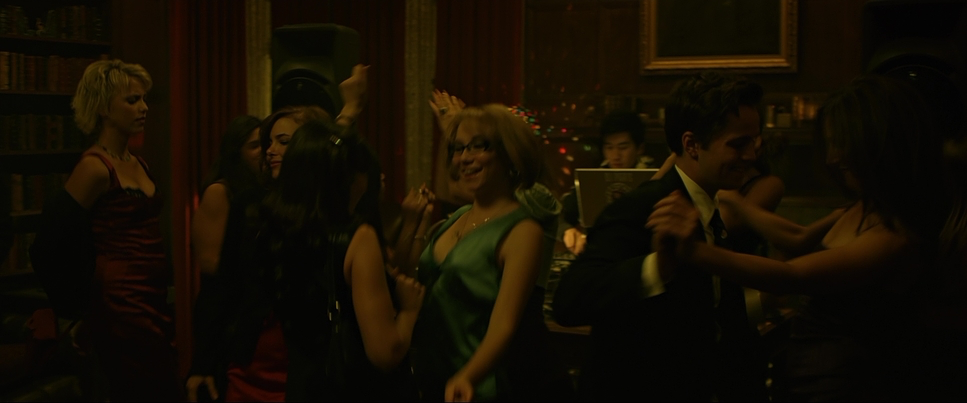
As a colorist, this is the part I could talk about for hours. Working with Ian Vertovec, Fincher used the grade as a profound narrative tool rather than just a “look.” The overall palette is desaturated, dominated by those signature cool hues blues, cyans, and desaturated greens that make the deposition rooms feel like an operating theater.
From a technical standpoint, the contrast shaping is what makes it work. The blacks are deep and provide a solid foundation, but Vertovec kept enough detail in the shadows to prevent it from looking like a muddy mess. The mid-tone contrast is robust, giving the textures a crispness that feels very “tech,” while the highlights have a gentle roll-off that mimics classic print-film sensibilities. This prevents the RED One footage from feeling too “video-y.” The grade creates a world that is technologically advanced yet emotionally barren—a perfect visual metaphor for Mark’s journey.
The Unspoken Language of Light and Shadow
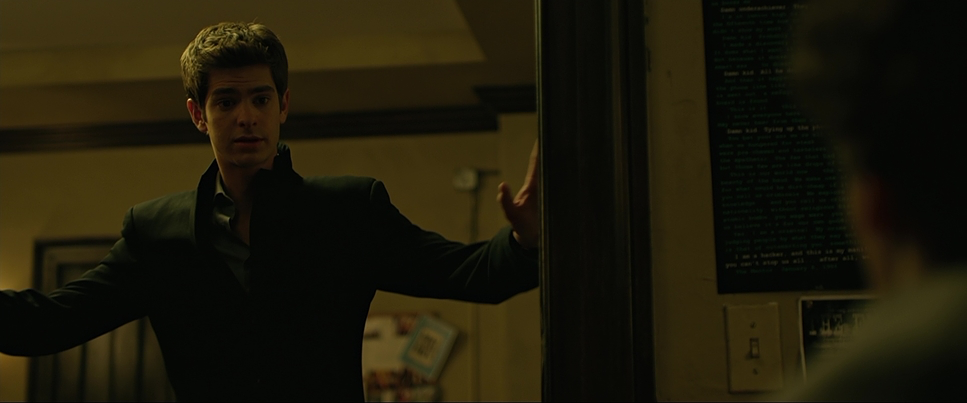
“The Social Network” is the gold standard for digital cinematography. What Fincher and Cronenweth achieved isn’t just an aesthetic; they forged a visual language that is inseparable from the story. Every frame, every shadow, and every node in the color grade serves to amplify the narrative of a genius who built a platform for connection but couldn’t master it himself. It’s a film that reminds us that even with all the notoriety in the world, the deepest human need remains a connection one that can easily be lost in the very pursuit of standing out.
Technical Tools & Specifications
To give you a clearer picture of the “engine” behind these visuals, here is the breakdown of the gear and specs used to achieve this look:
The Social Network: Technical Specifications
| Genre | Docudrama, Drama, Political, Biopic, Business, College, Workplace |
| Director | David Fincher |
| Cinematographer | Jeff Cronenweth |
| Production Designer | Donald Graham Burt |
| Costume Designer | Jaqueline West |
| Editor | Kirk Baxter, Angus Wall |
| Colorist | Ian Vertovec |
| Time Period | 2000s |
| Color | Warm, Desaturated |
| Aspect Ratio | 2.39 – Spherical |
| Format | Digital |
| Lighting Type | Artificial light |
| Story Location | Massachusetts > Cambridge |
| Filming Location | Massachusetts > Cambridge |
| Camera | RED One / OneMX |
| Lens | Zeiss Master Primes, Angenieux Optimo Zooms |
| Film Stock / Resolution | Redcode Raw |
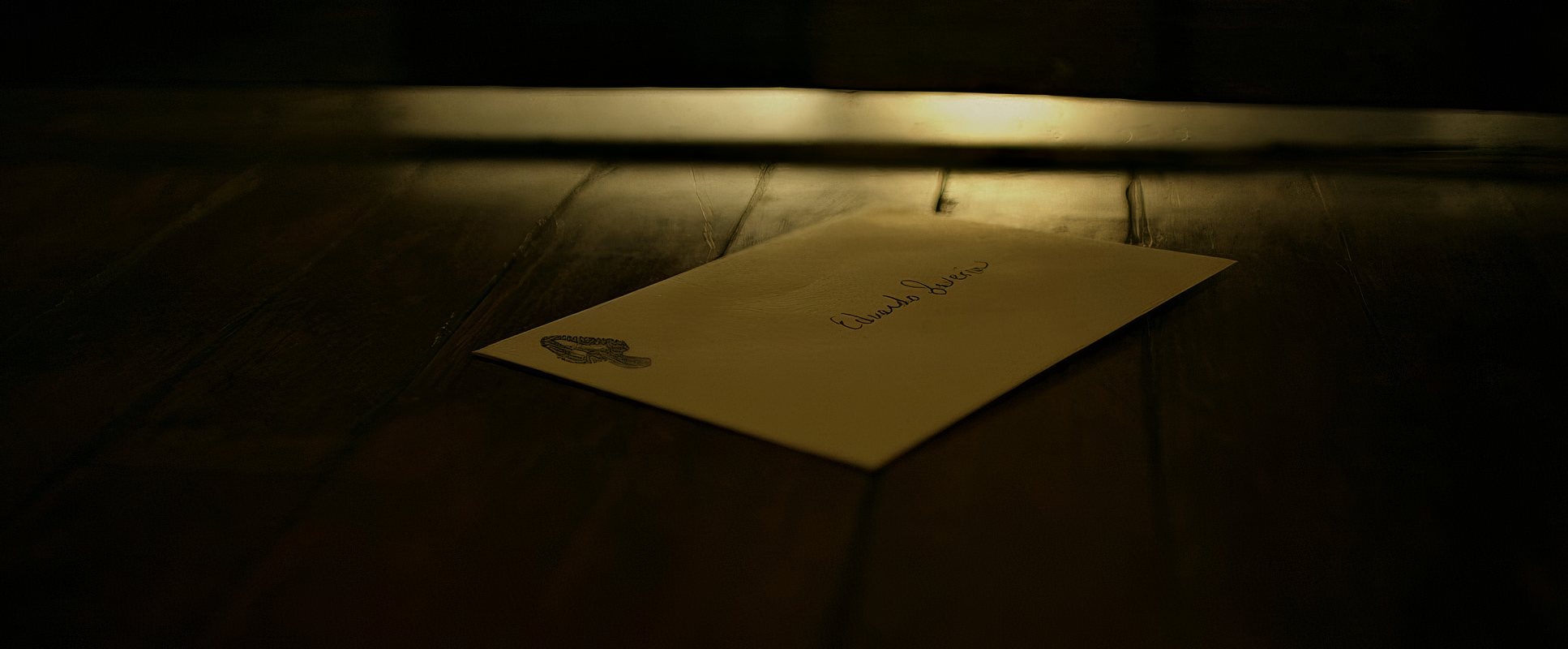
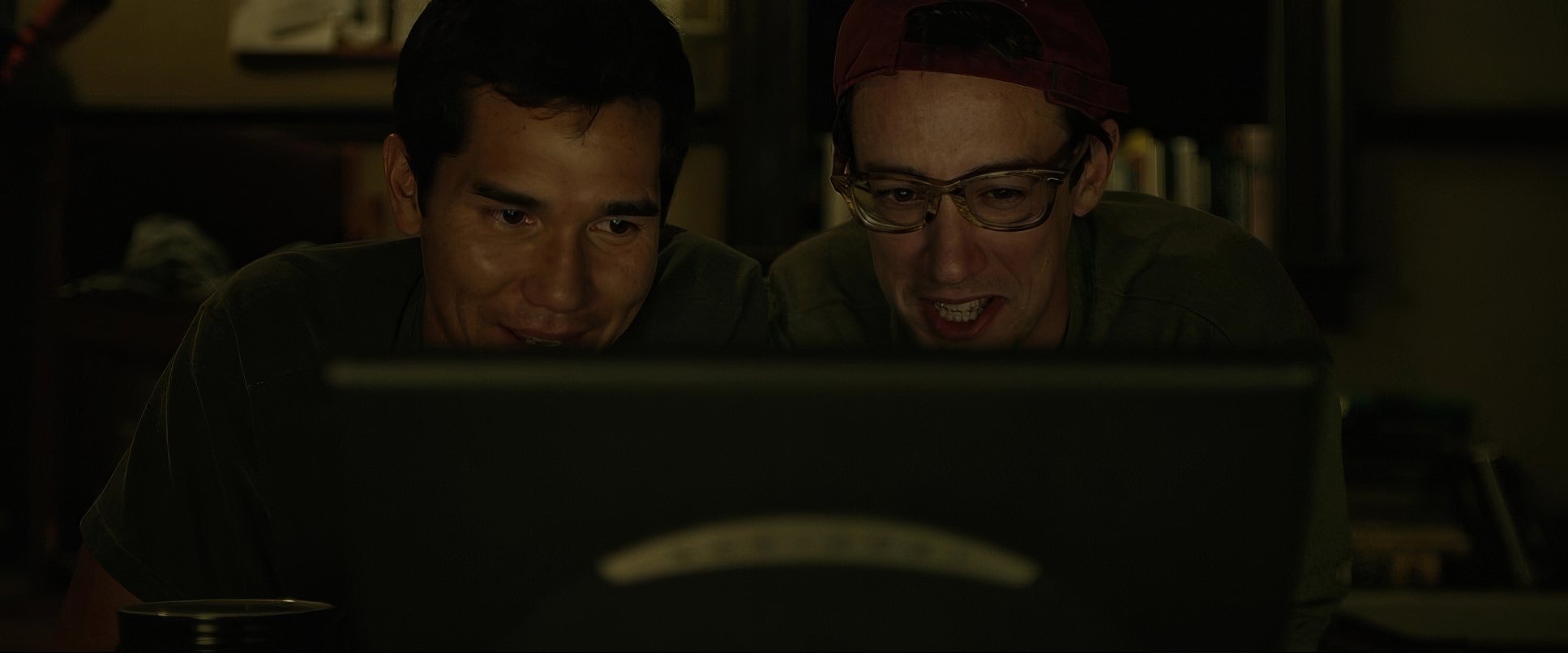
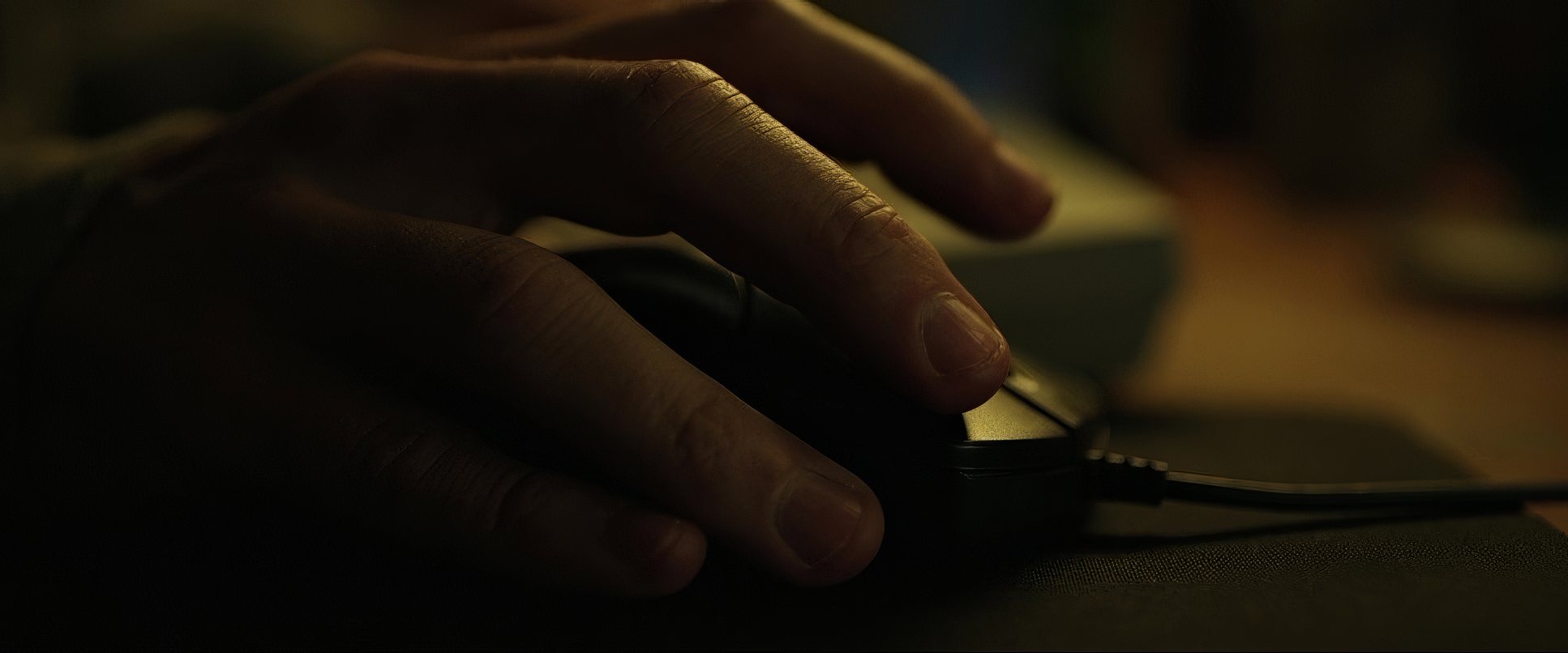
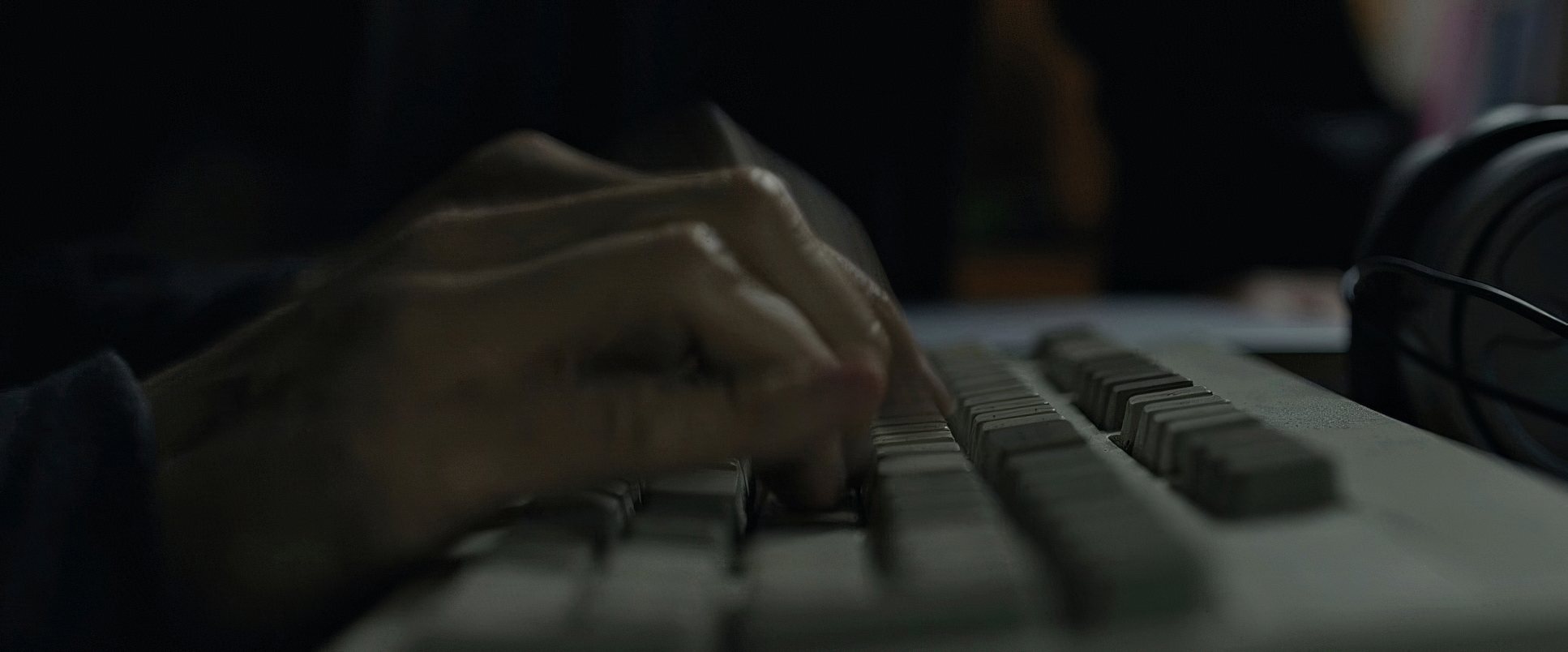
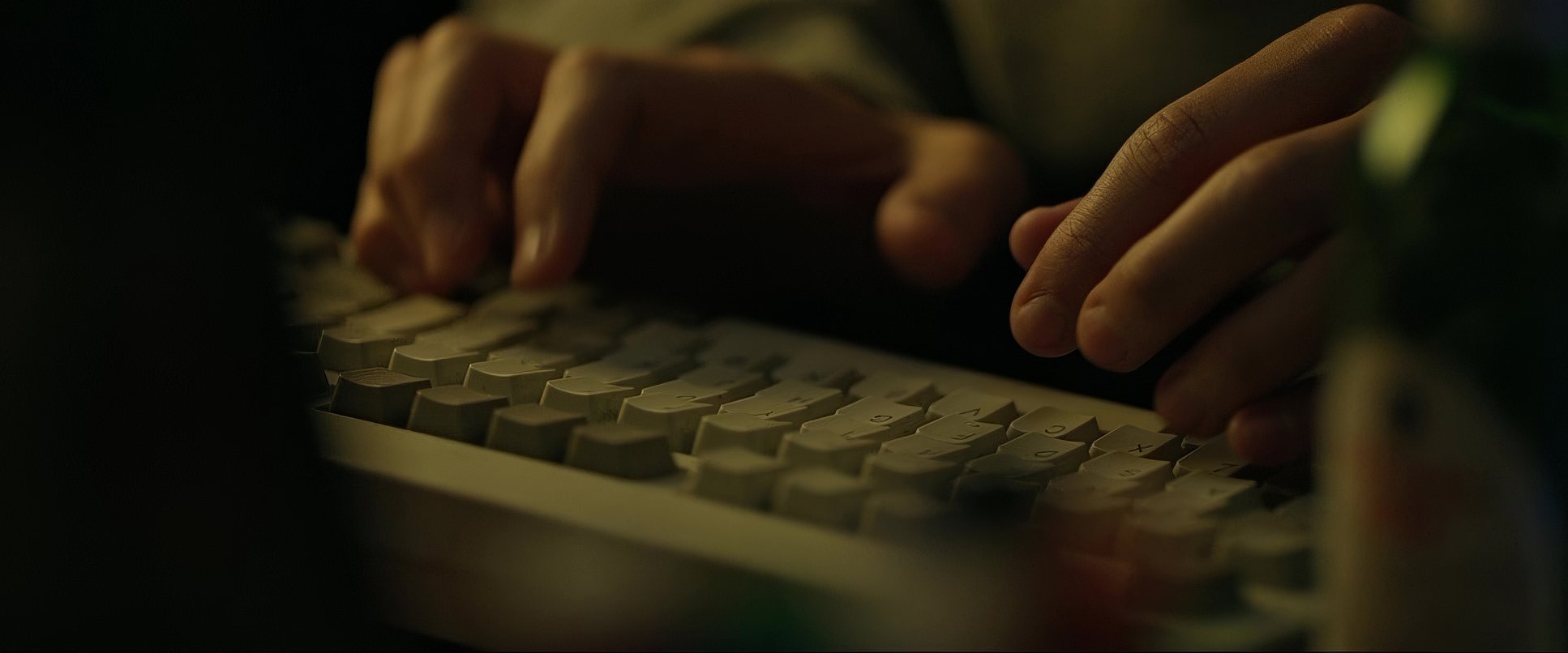
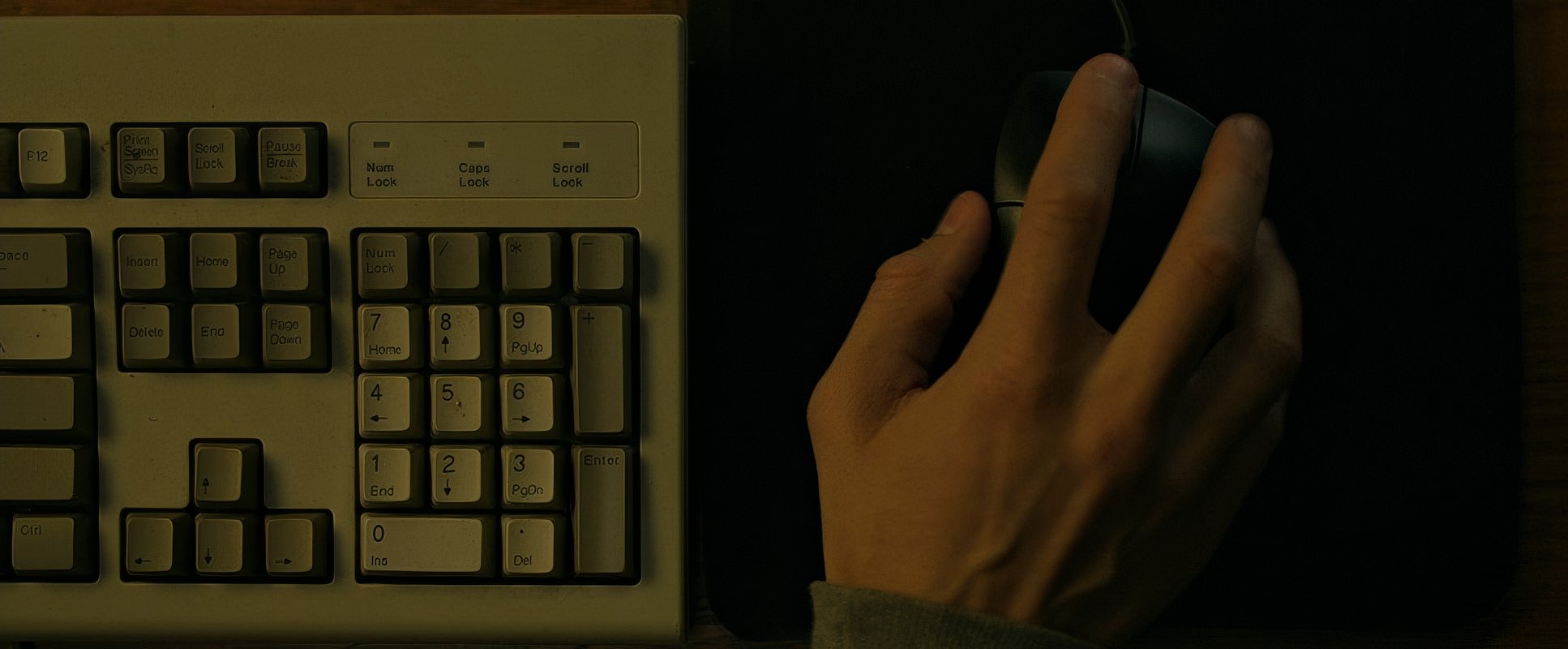
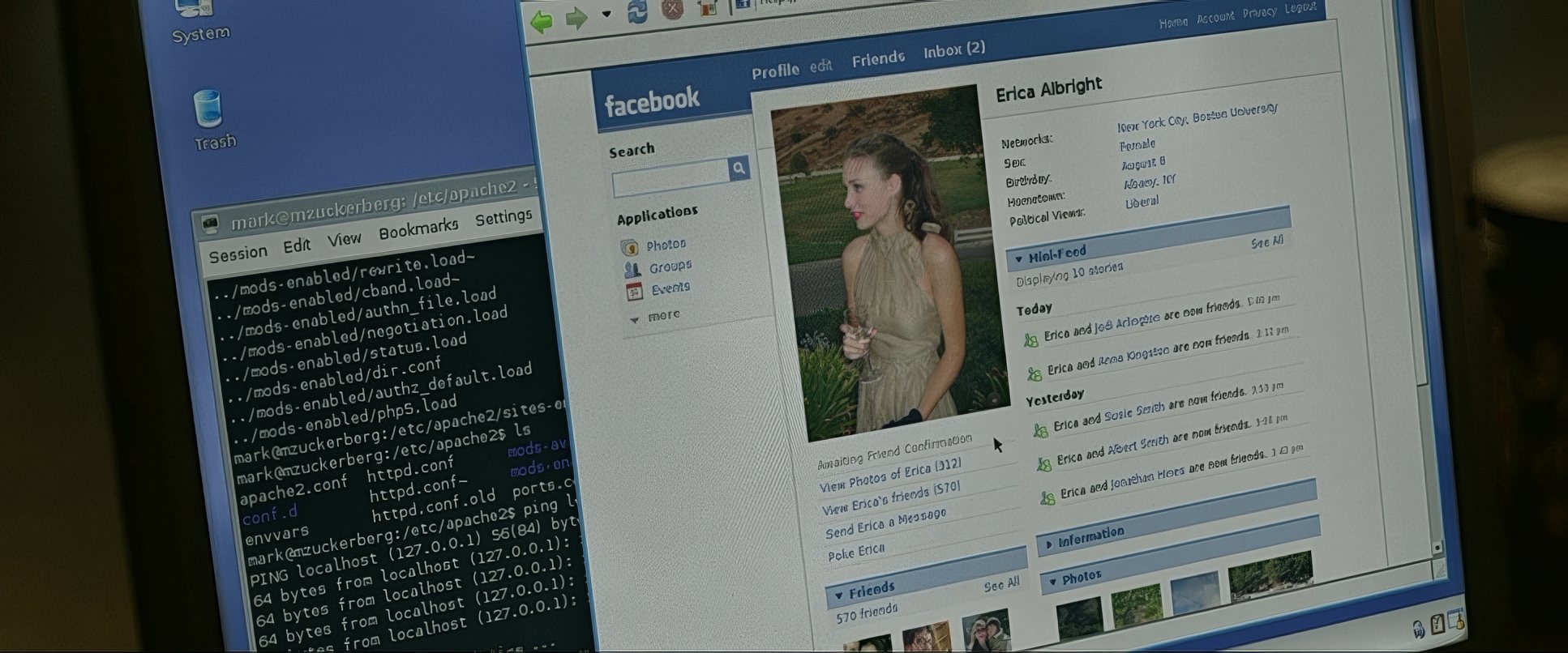
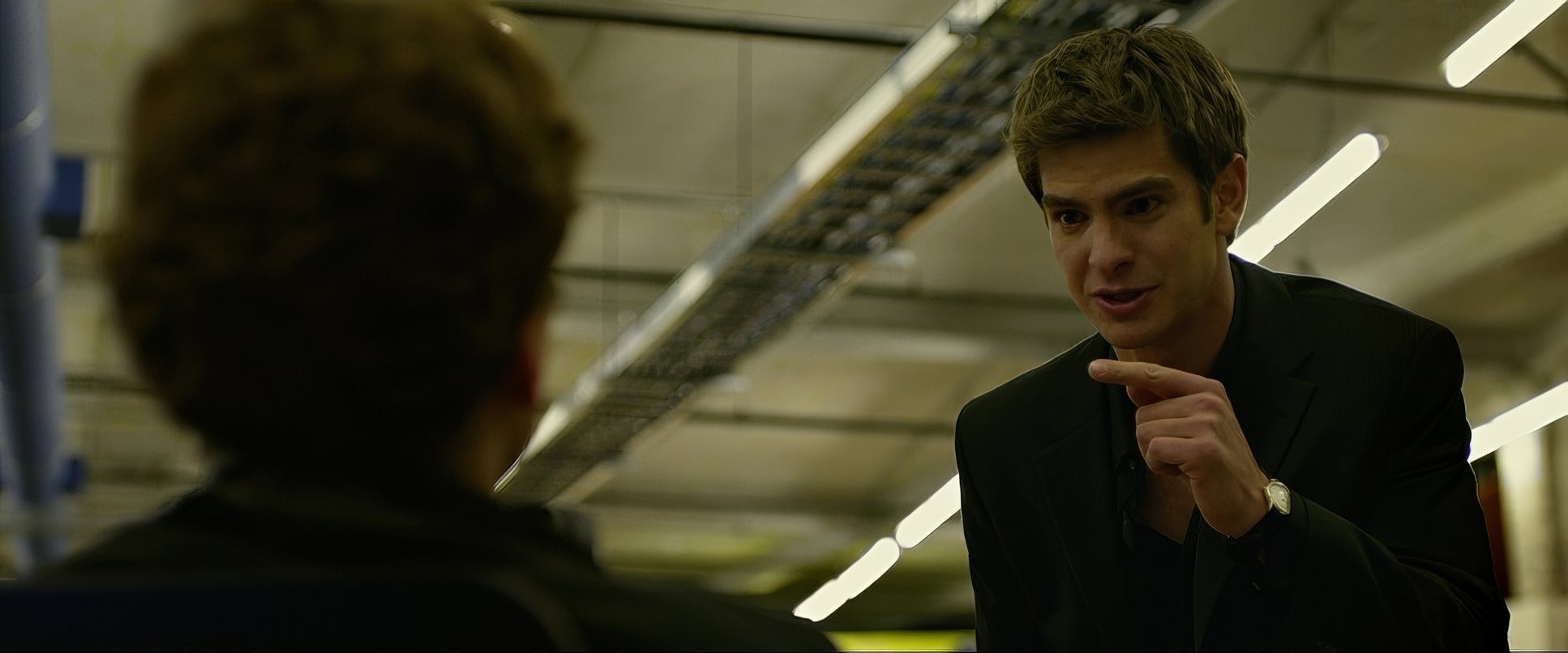
The Social Network (2010) Film Stills
A curated reference archive of cinematography stills from The Social Network (2010). Study the lighting, color grading, and composition.




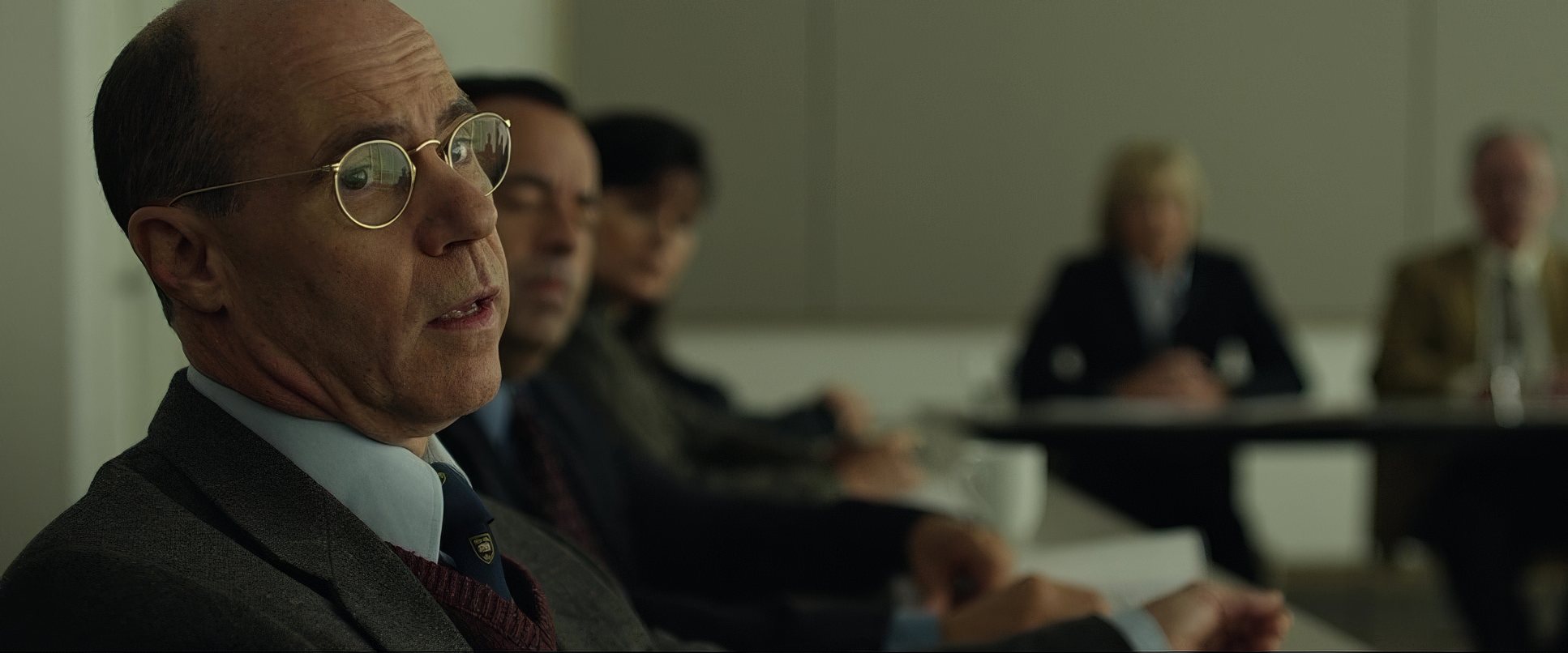
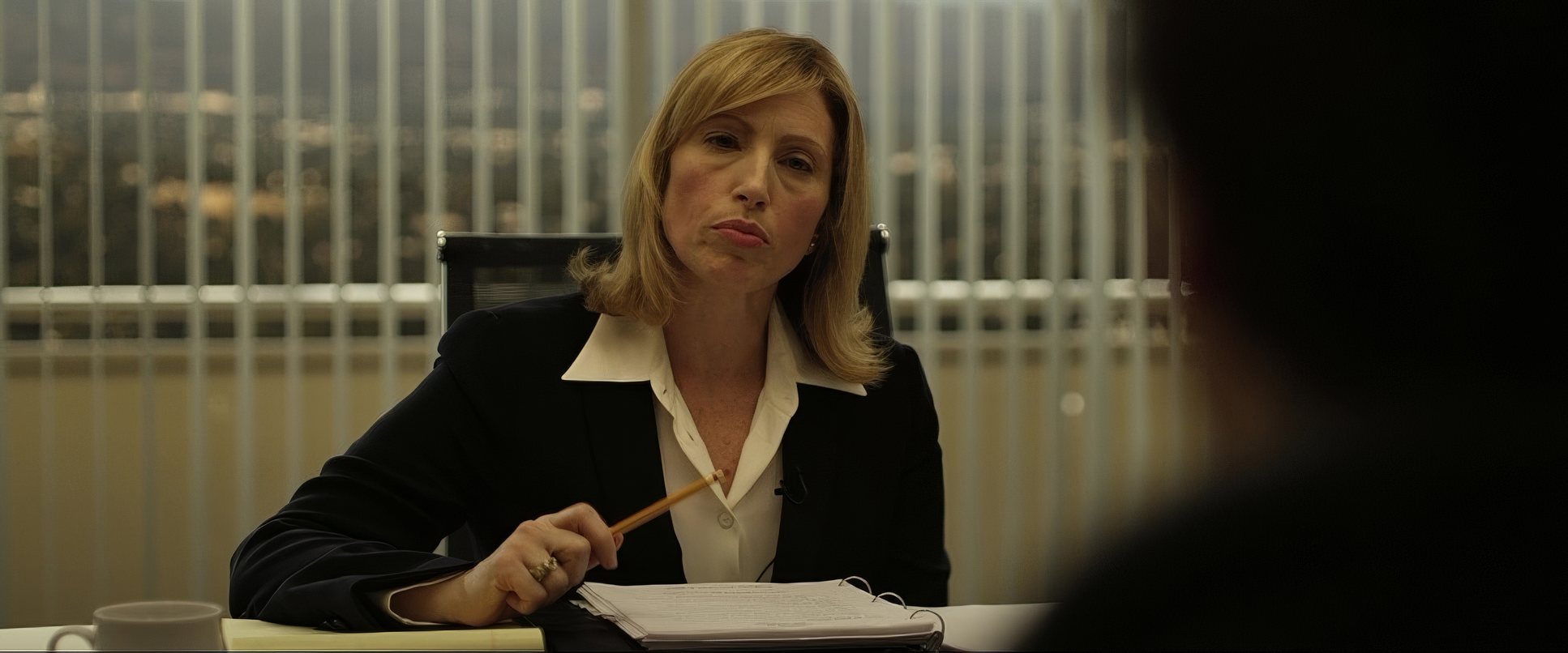
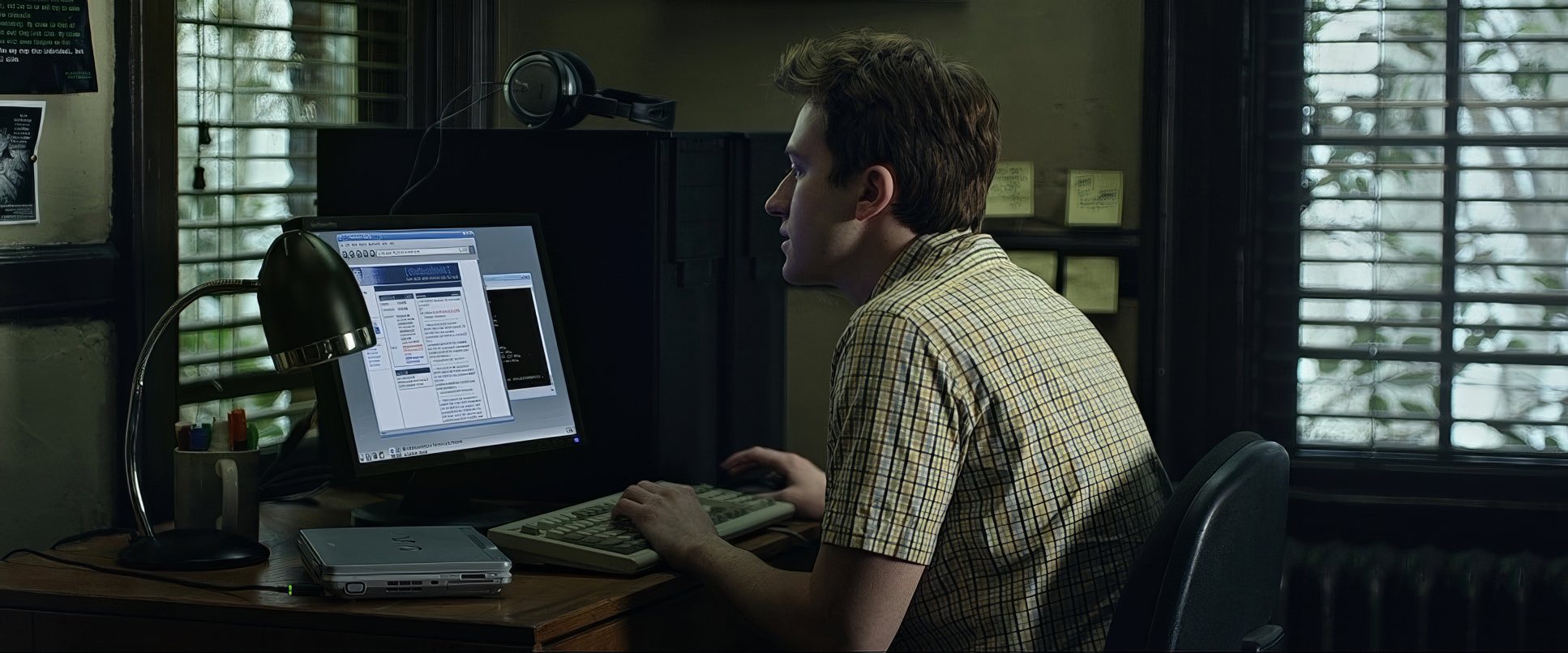

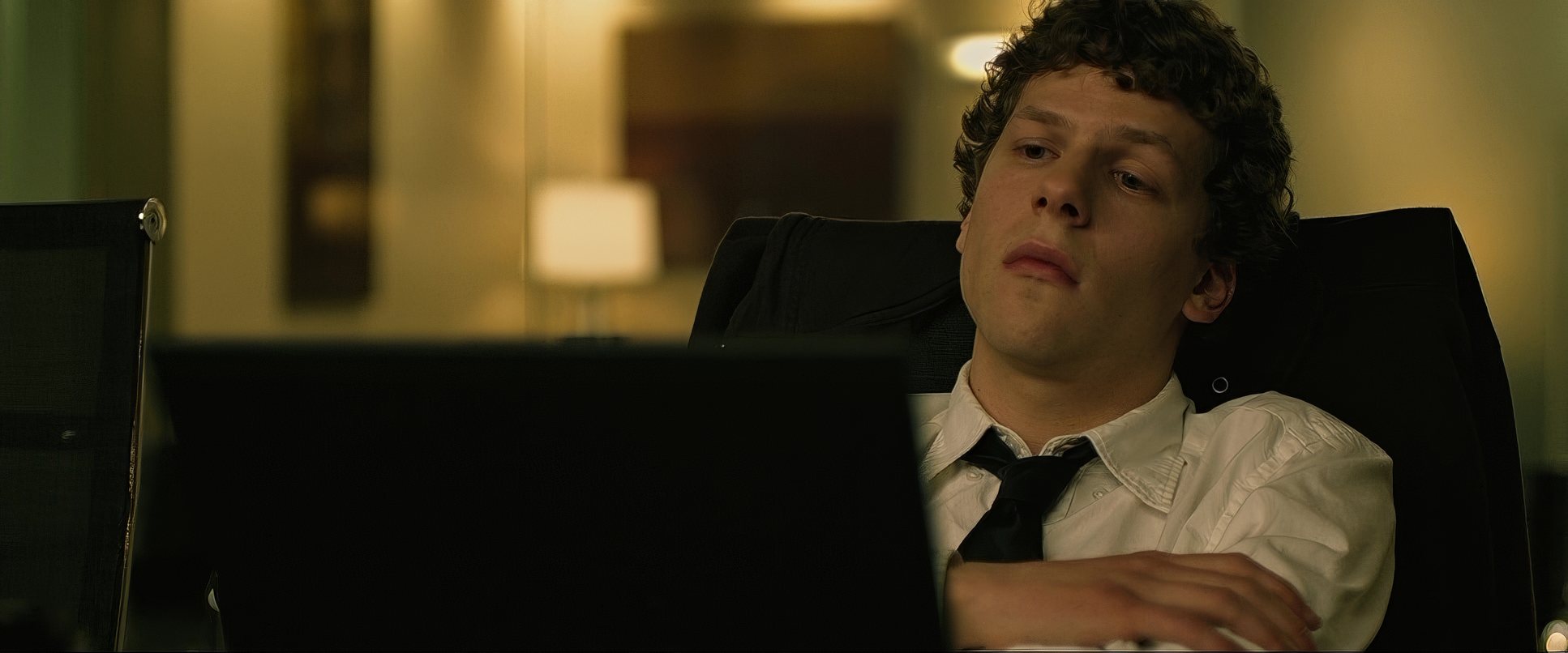
- Also read: THE BATMAN (2022) – CINEMATOGRAPHY ANALYSIS
- Also read: CAPTAIN AMERICA: CIVIL WAR (2016) – CINEMATOGRAPHY ANALYSIS
Browse Our Cinematography Analysis Glossary
Explore directors, cinematographers, cameras, lenses, lighting styles, genres, and the visual techniques that shape iconic films.
Explore Glossary →