Edward Zwick’s The Last Samurai is one of those rare 2003 epics that hasn’t aged a day. Lensed by John Toll, this isn’t just a “Tom Cruise movie”, it’s a masterstroke in how cinematography can articulate the soul of a culture standing on the edge of extinction.
While critics in the early 2000s were busy debating historical accuracy, those of us in the industry were staring at the screen, mesmerized by the textures. It’s a film that breathes. It understands that a clash of cultures isn’t just written in the script it has to be felt in the contrast, the palette, and the very grain of the image.
Inspiration Behind the Cinematography
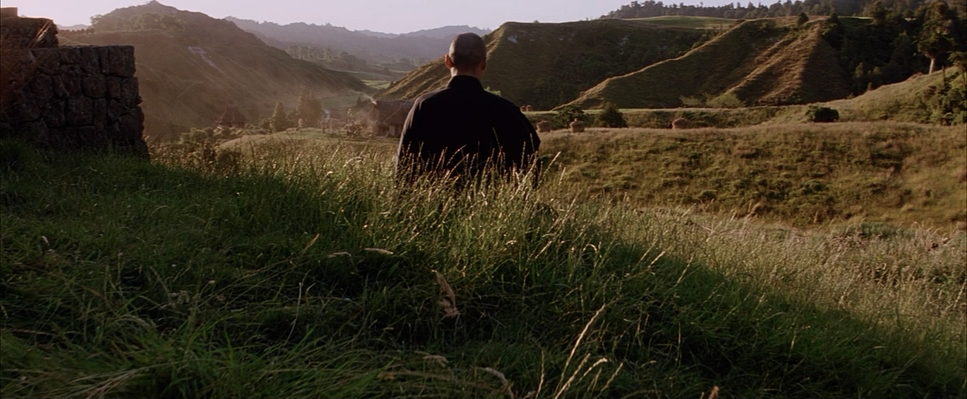
You can’t look at these frames without feeling the ghost of Kurosawa. Toll and Zwick clearly drew from the classic Japanese aesthetic wide, contemplative compositions and a dramatic use of the landscape as a character but they didn’t just copy it. They evolved it.
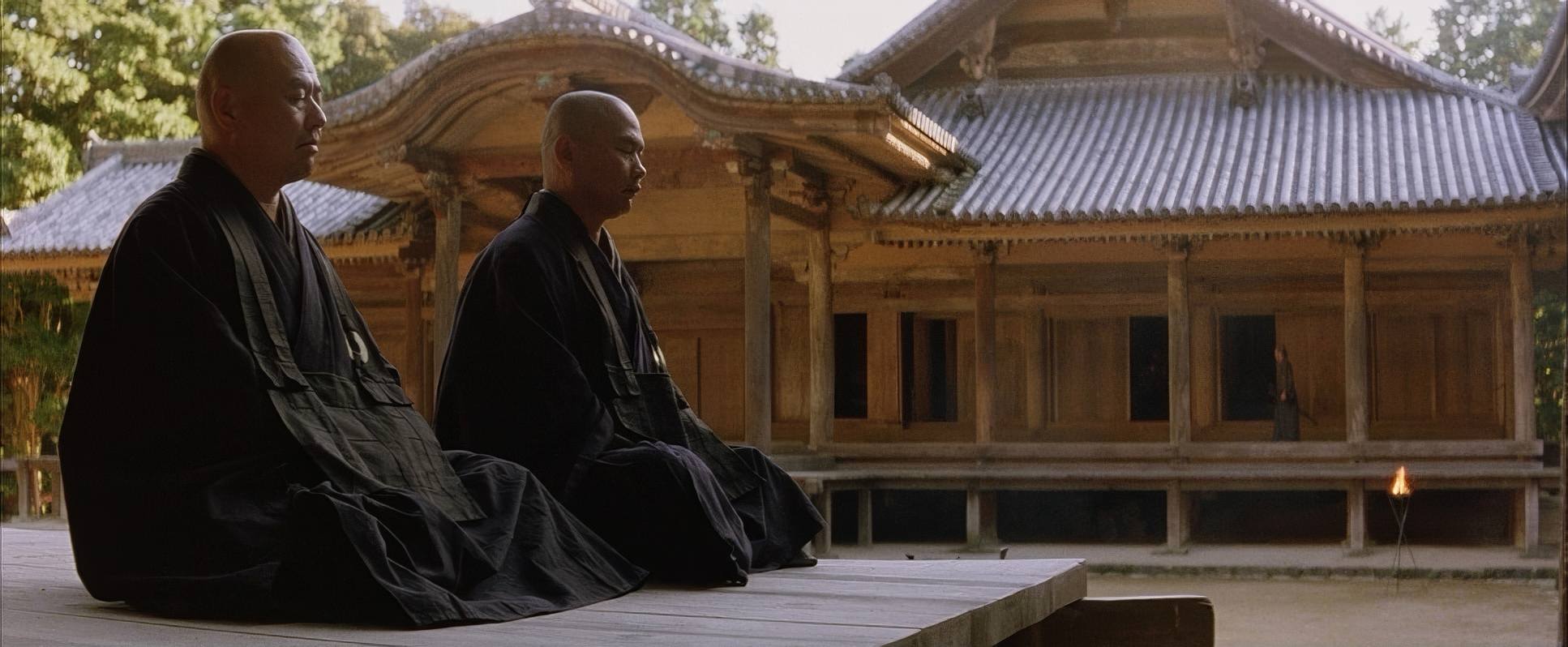
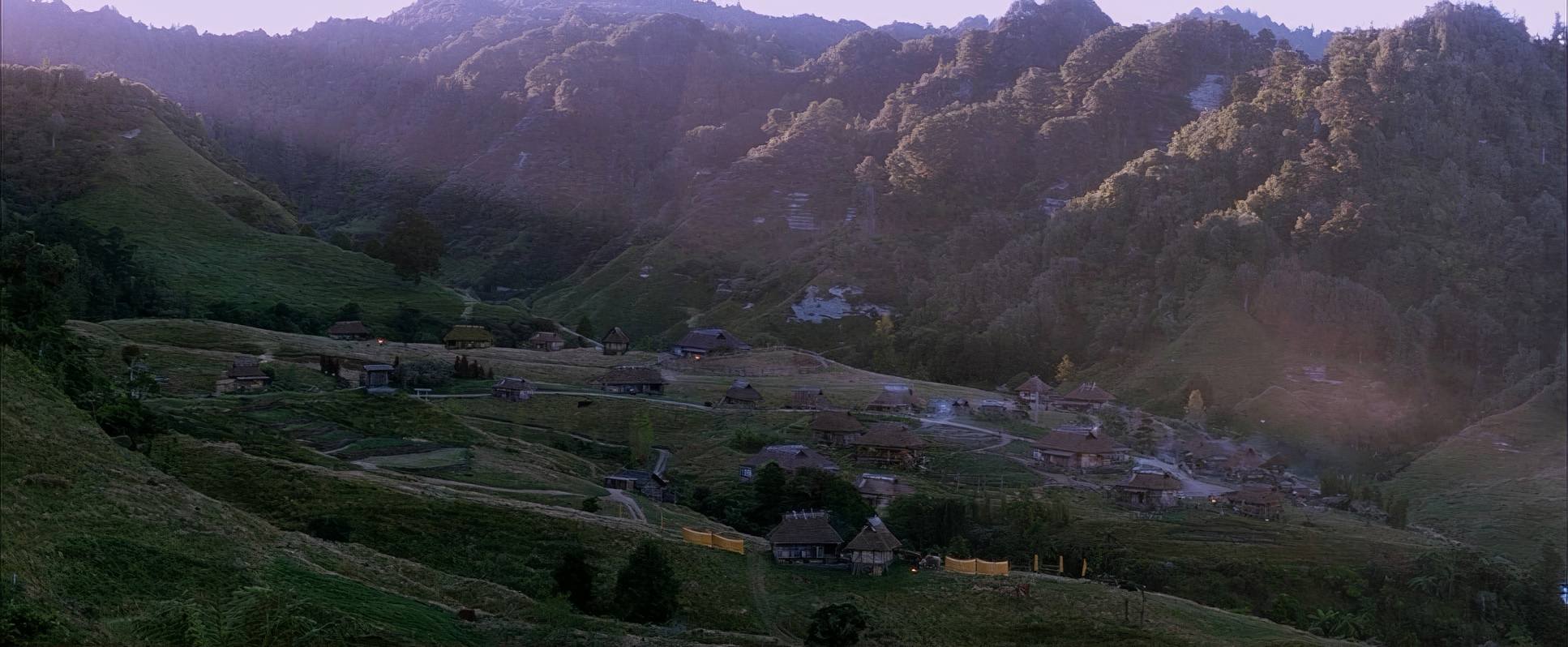
The visual core of the film is the friction between two worlds. On one side, you have the encroaching Western influence: industrialized, cold, and rigid. On the other, the Samurai world is bathed in a warm, organic glow that feels almost idyllic. It’s a deliberate choice. We are meant to fall in love with Katsumoto’s village through our eyes before we ever do through the dialogue. This isn’t “rose-tinted” for the sake of beauty; it’s a thematic stand against the “creeping modernity” represented by the Imperial Army’s flatter, more clinical world.
About the Cinematographer: John Toll
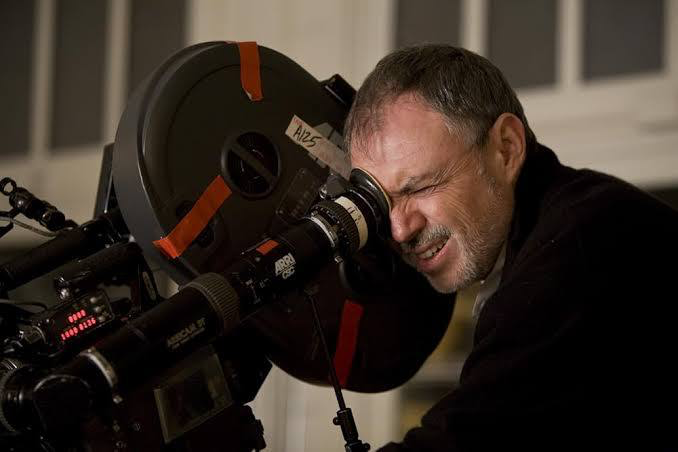
To talk about The Last Samurai is to talk about the genius of John Toll. He’s a titan. If you look at his run Braveheart, The Thin Red Line, Legends of the Fall the man is a poet of the epic scale. Toll has this rare ability to paint with light on a massive canvas without ever losing the intimate human touch.
He’s not a “flashy” DP. You won’t see him using camera tricks just to show off. Instead, his work here is marked by a painterly quality that relies on natural light and organic textures. He allows the scenes to breathe. It’s a perfect marriage with Zwick’s directorial style: grand, yet deeply focused on the internal arc of the characters.
Camera Movements
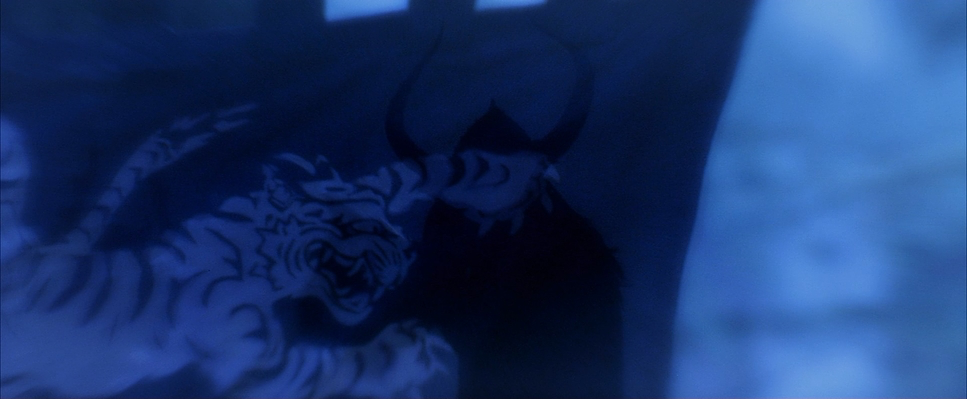
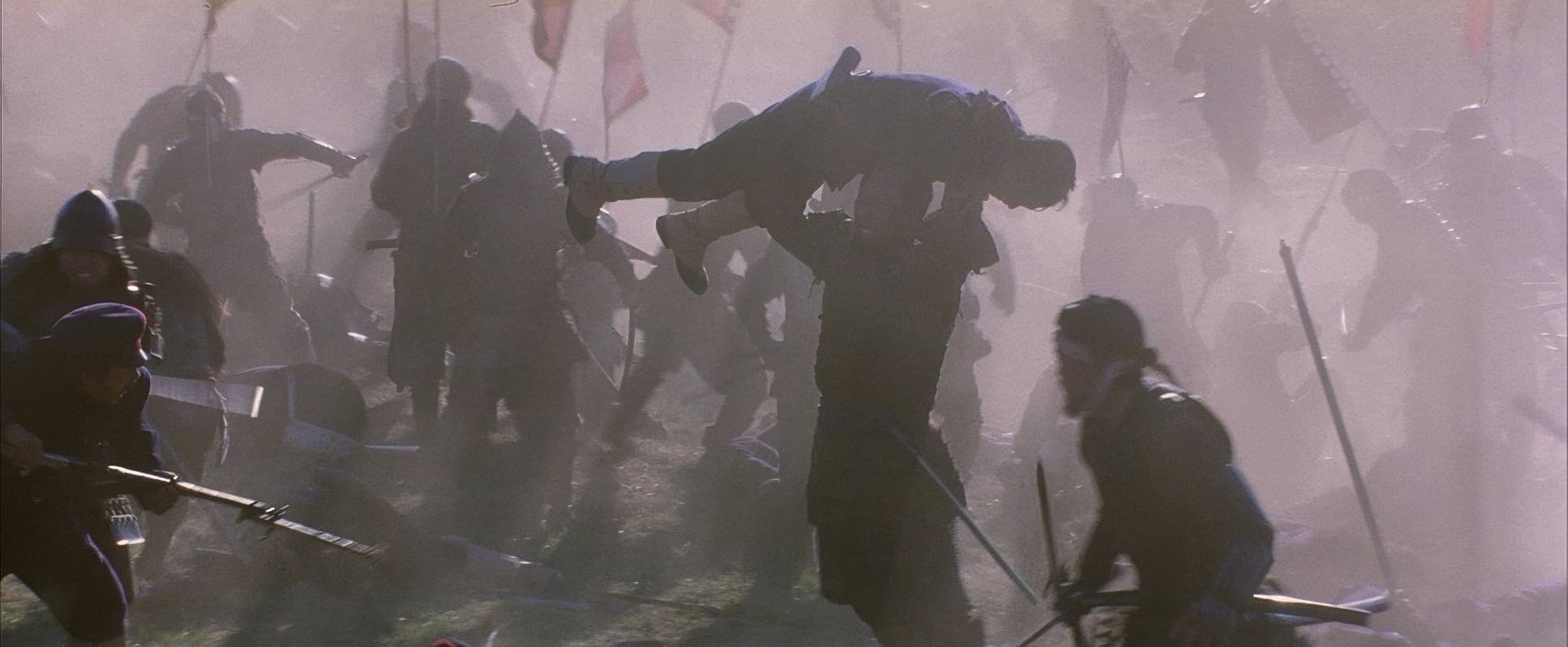
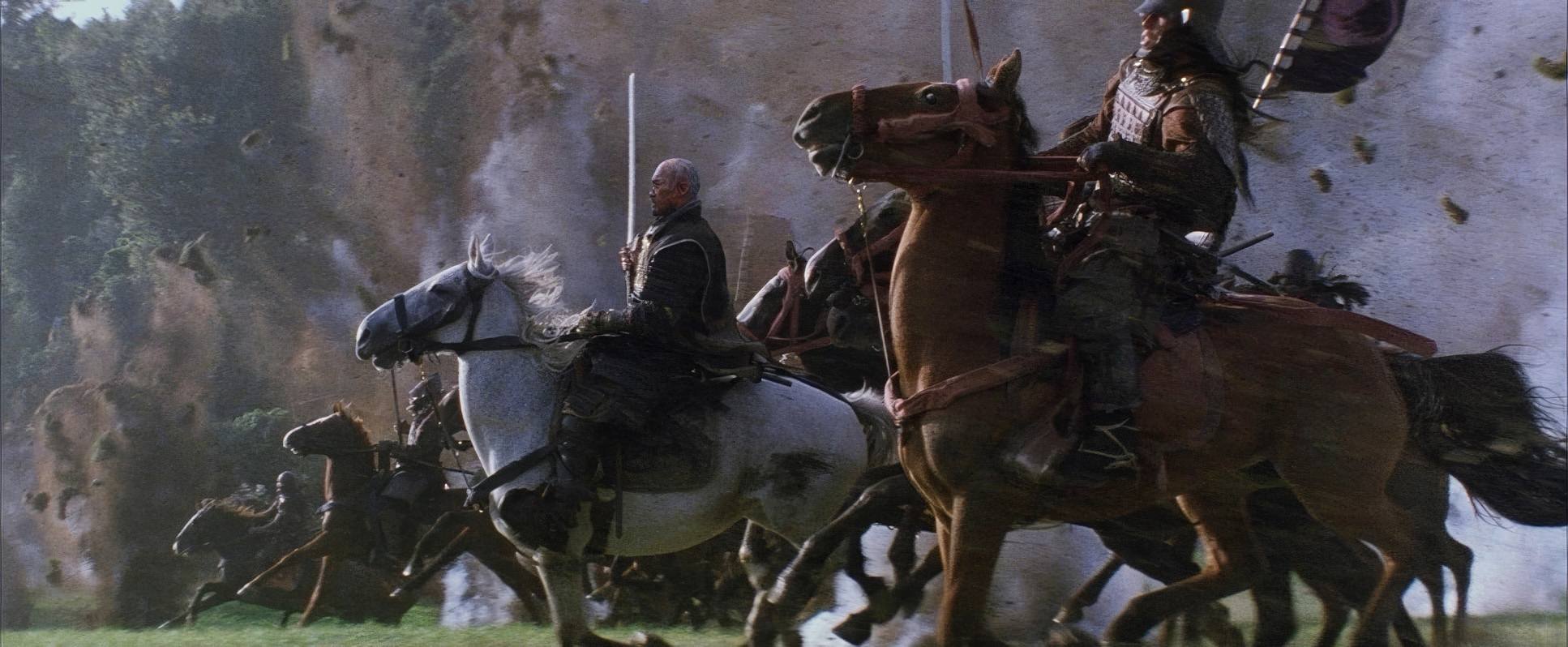
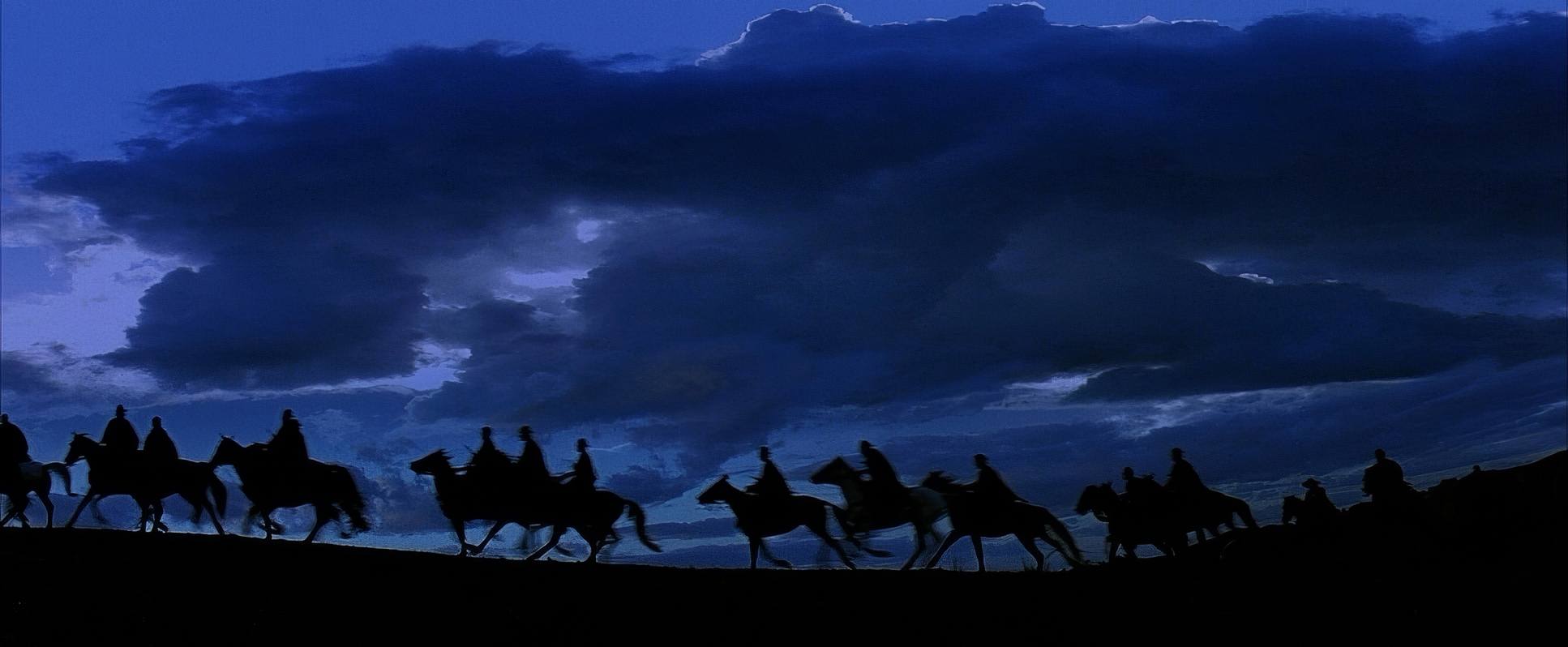
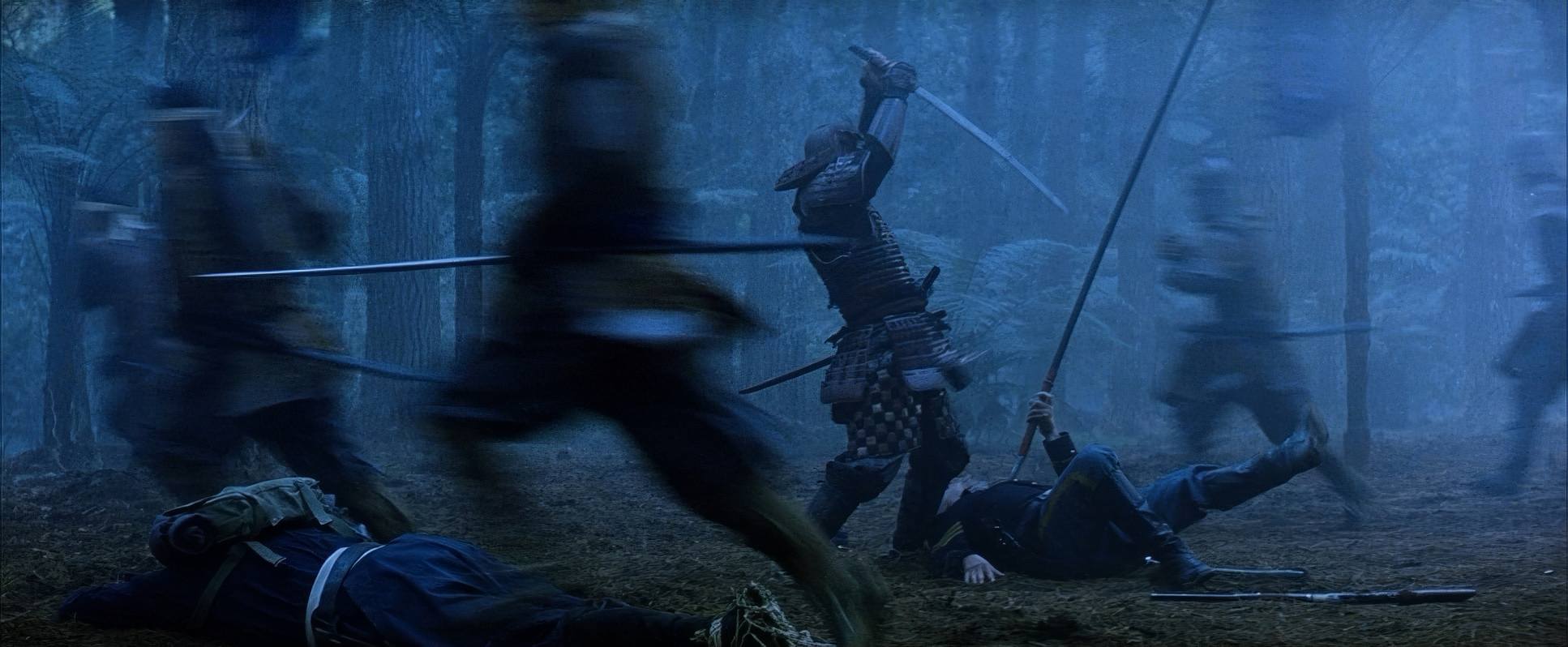
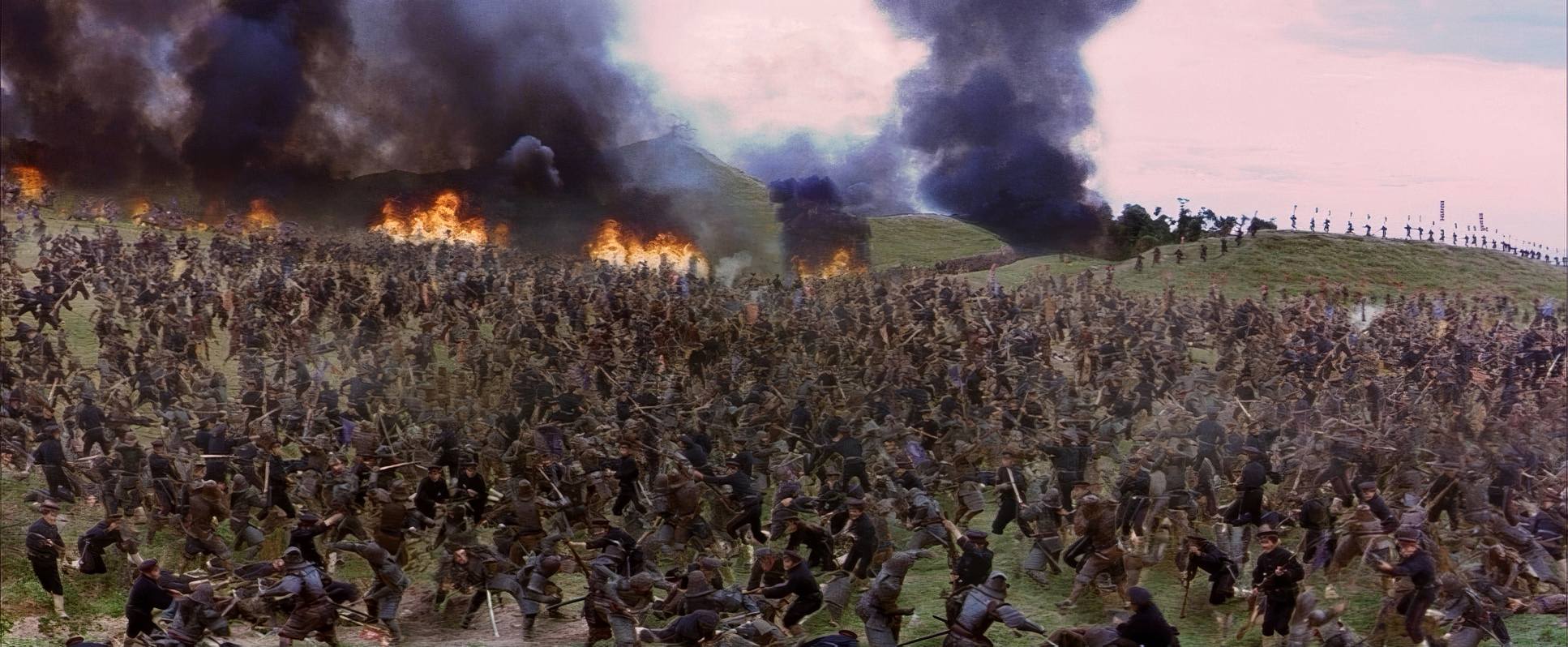
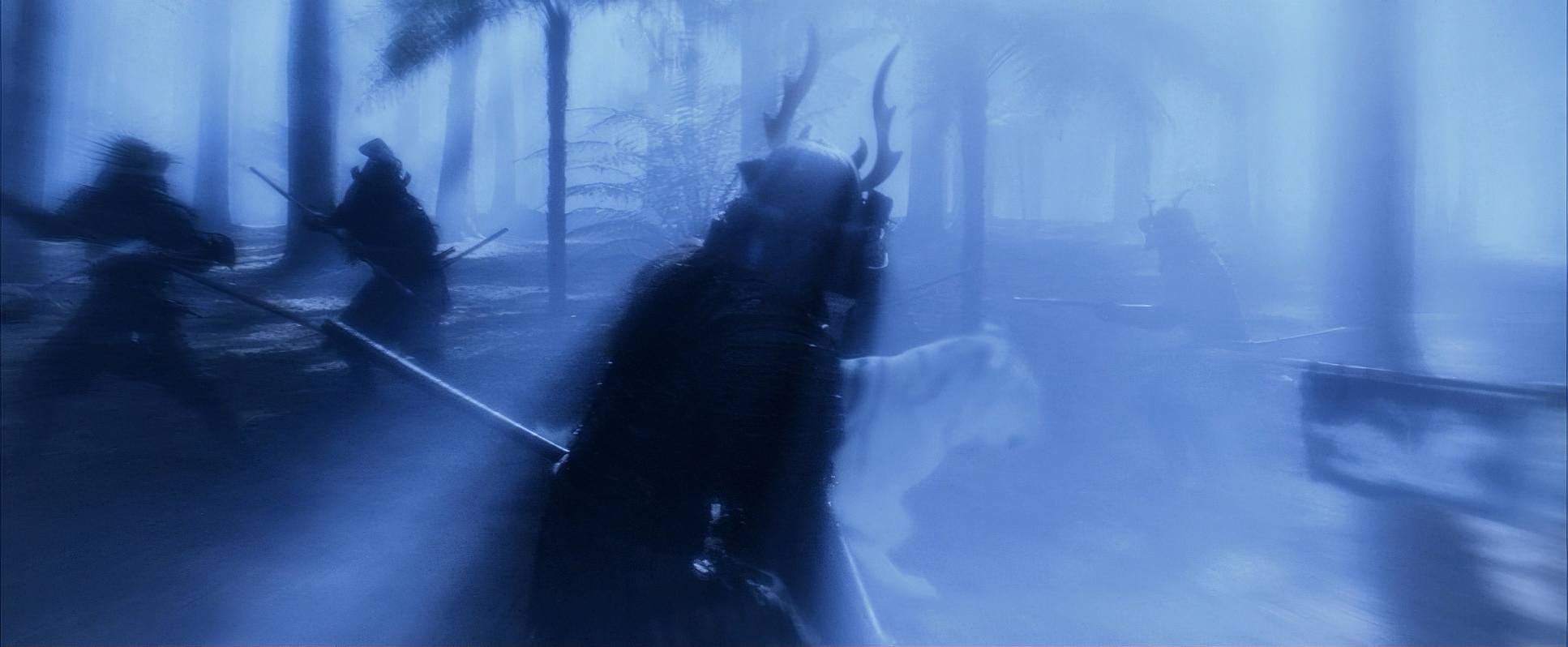
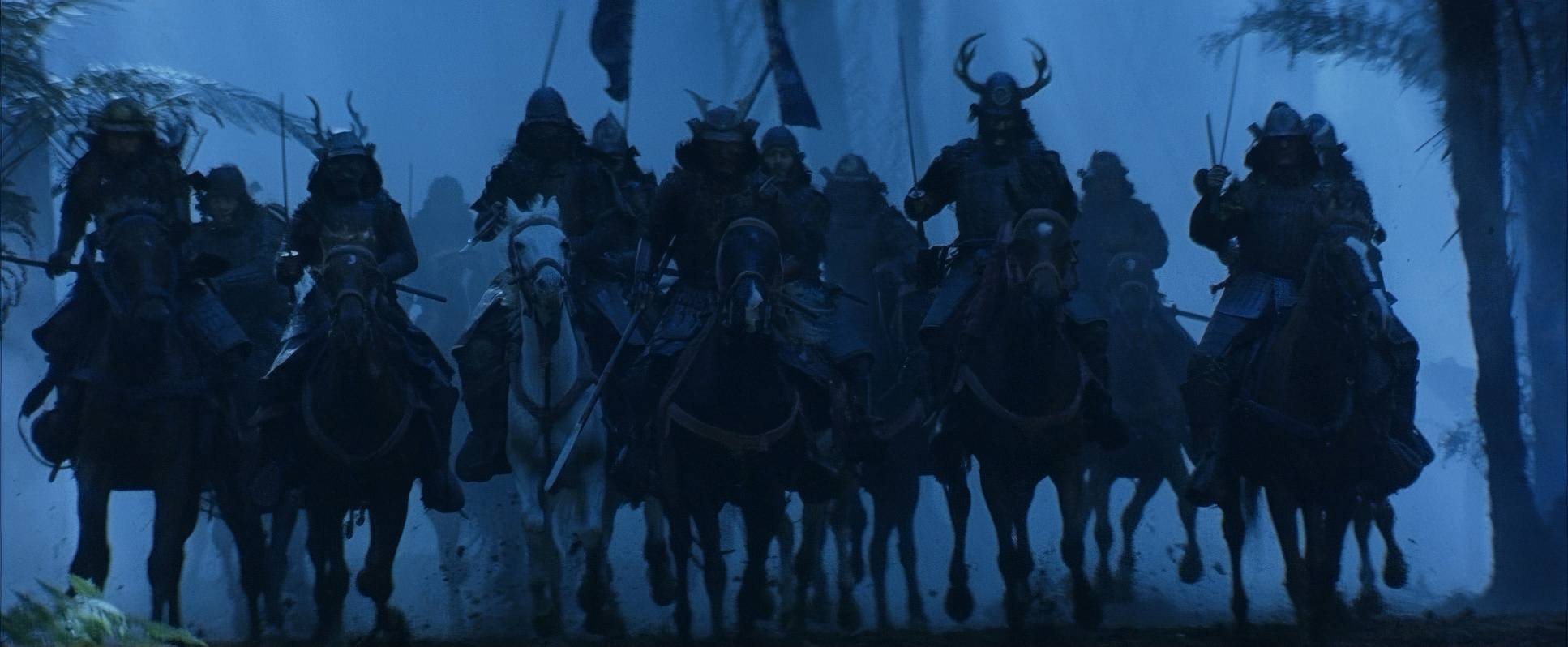
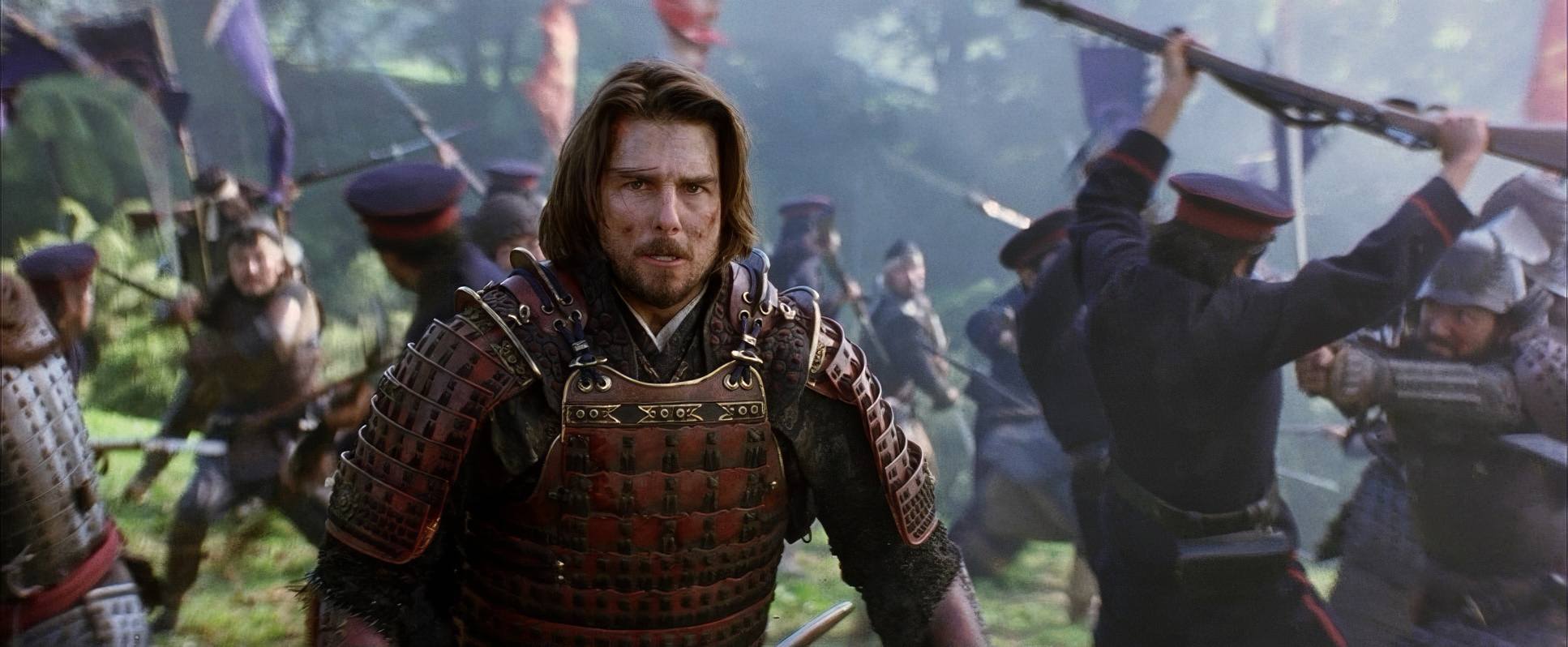
The movement in this film is all about controlled dynamism. For the battles, Toll uses sweeping cranes and wide tracking shots that capture the sheer visceral chaos of the front lines. There’s a detached, almost operatic perspective to the Samurai’s final charge that makes it feel like a piece of brutal art.
But it’s the quiet moments where the camera really does the work. When Algren is in the village, the camera shifts to a subtle, observational quality slow dollies and steady, witness-like framing. It’s a rhythmic dance. The film constantly pulls back to show us the grandeur of the tragedy, then pushes in tight to force us into the emotional space of the friendship between Algren and Katsumoto.
Compositional Choices
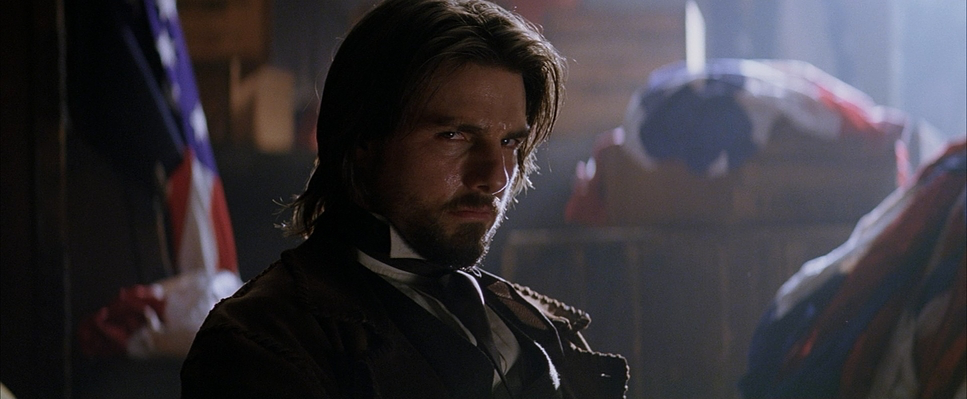
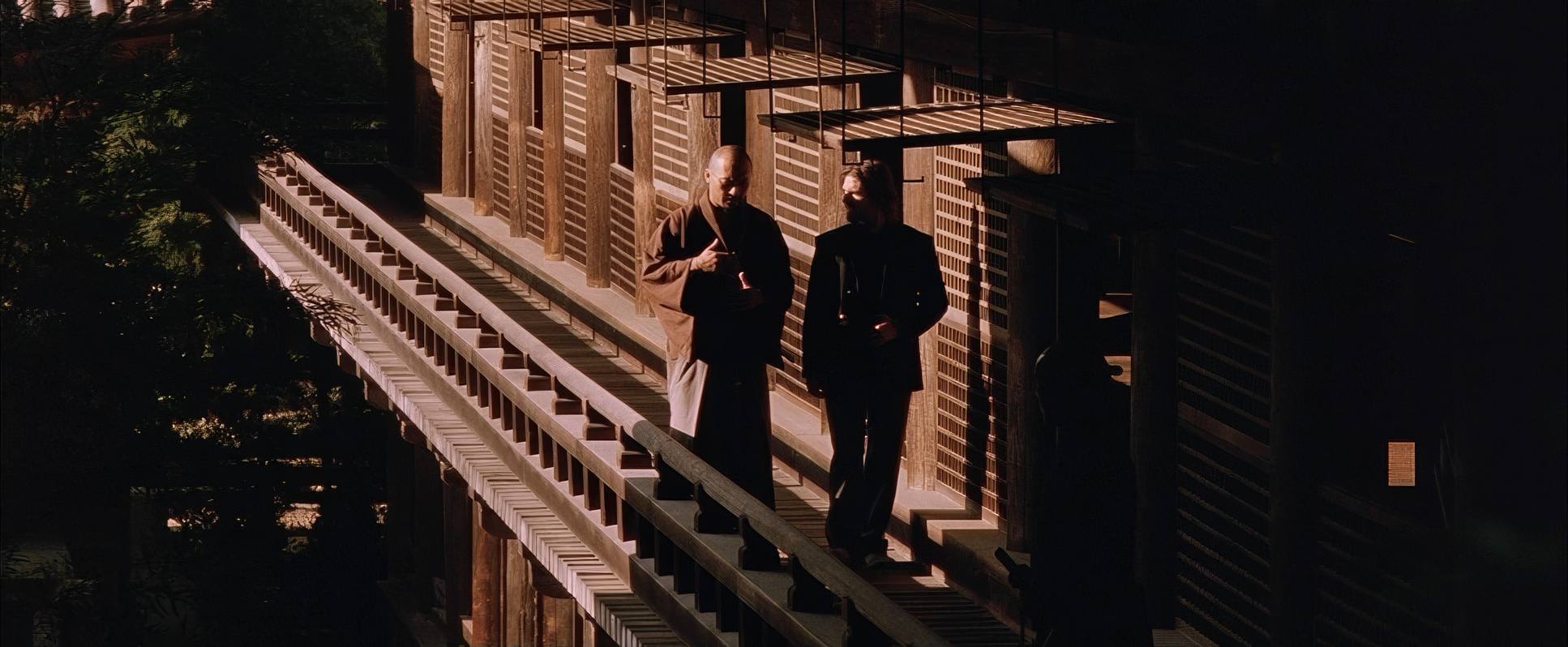
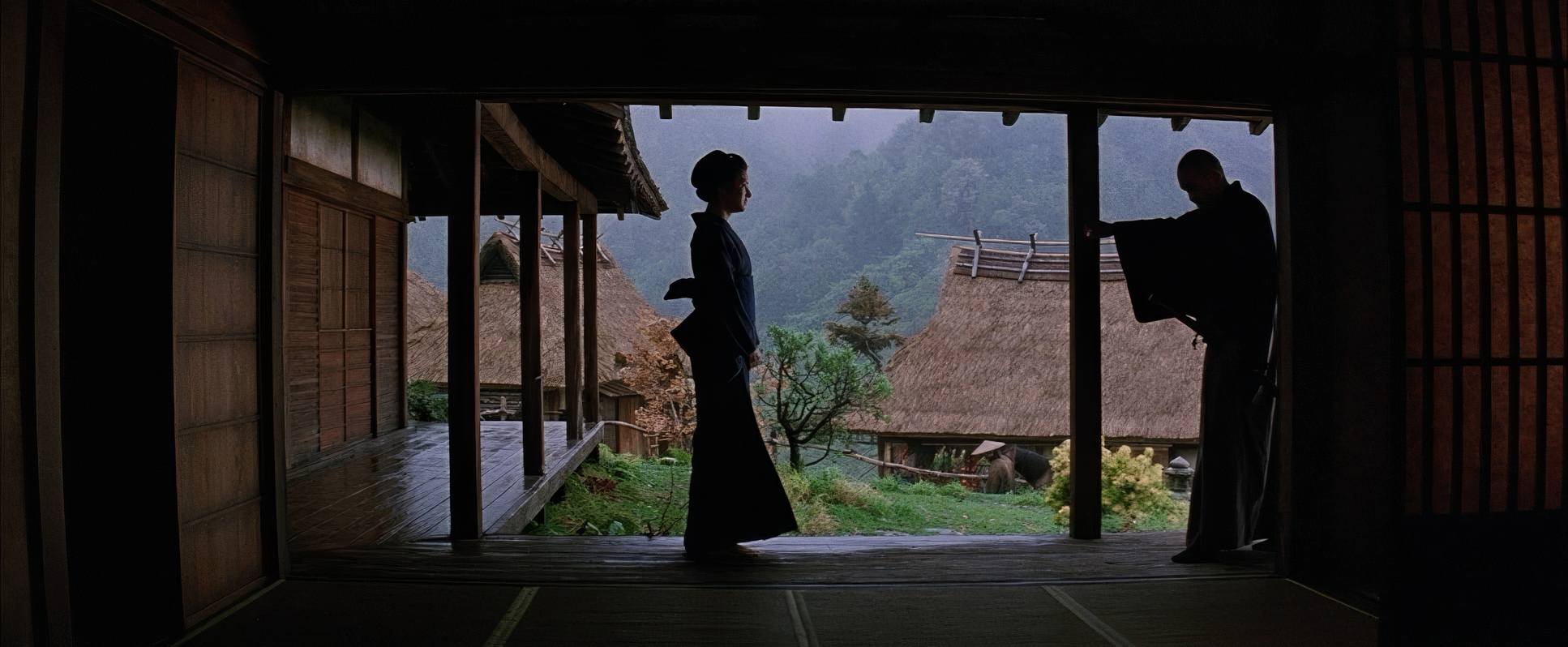
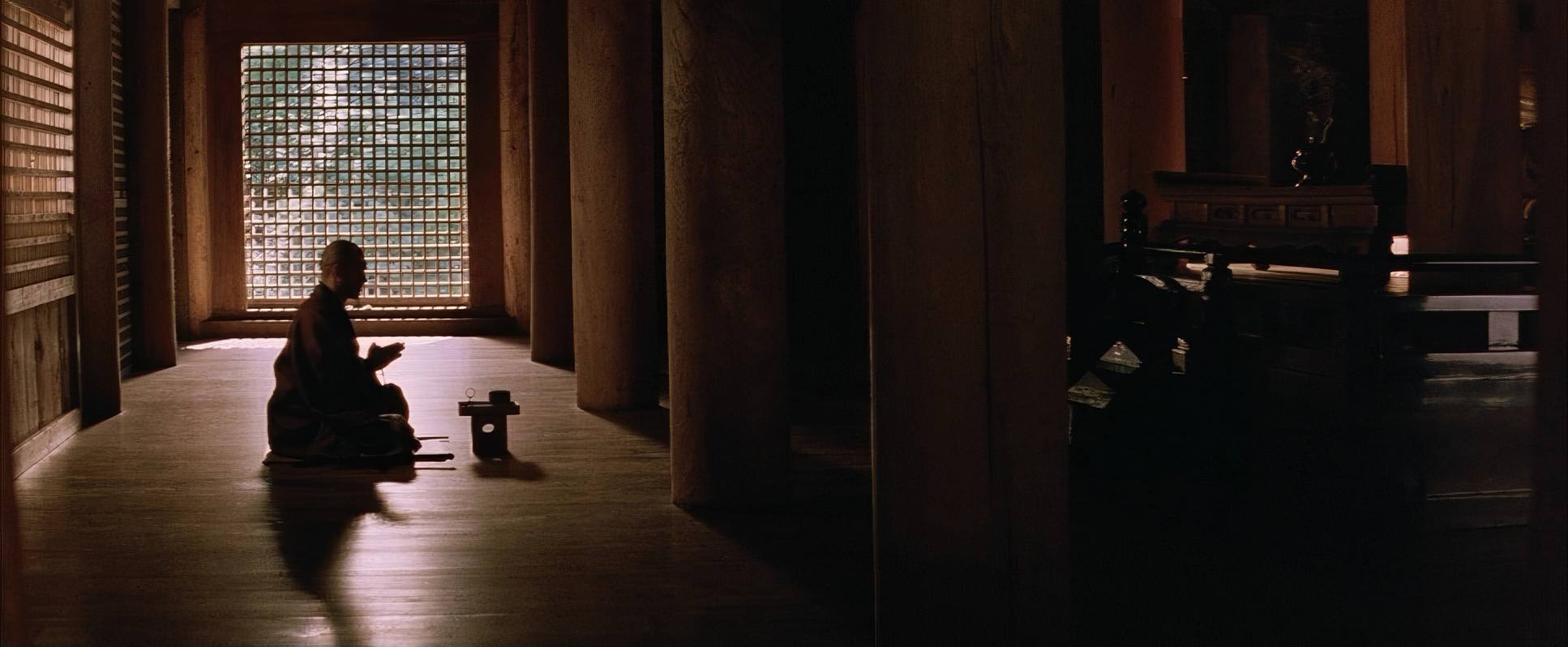
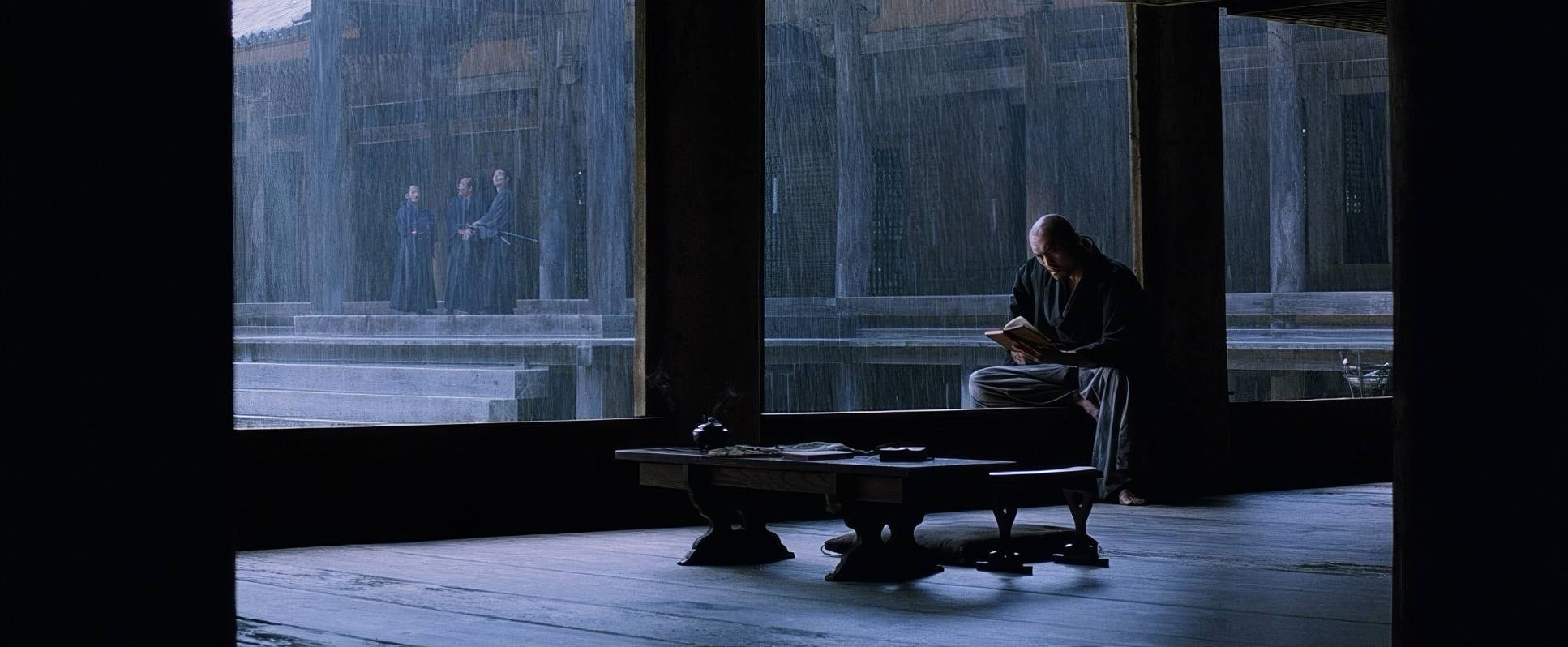
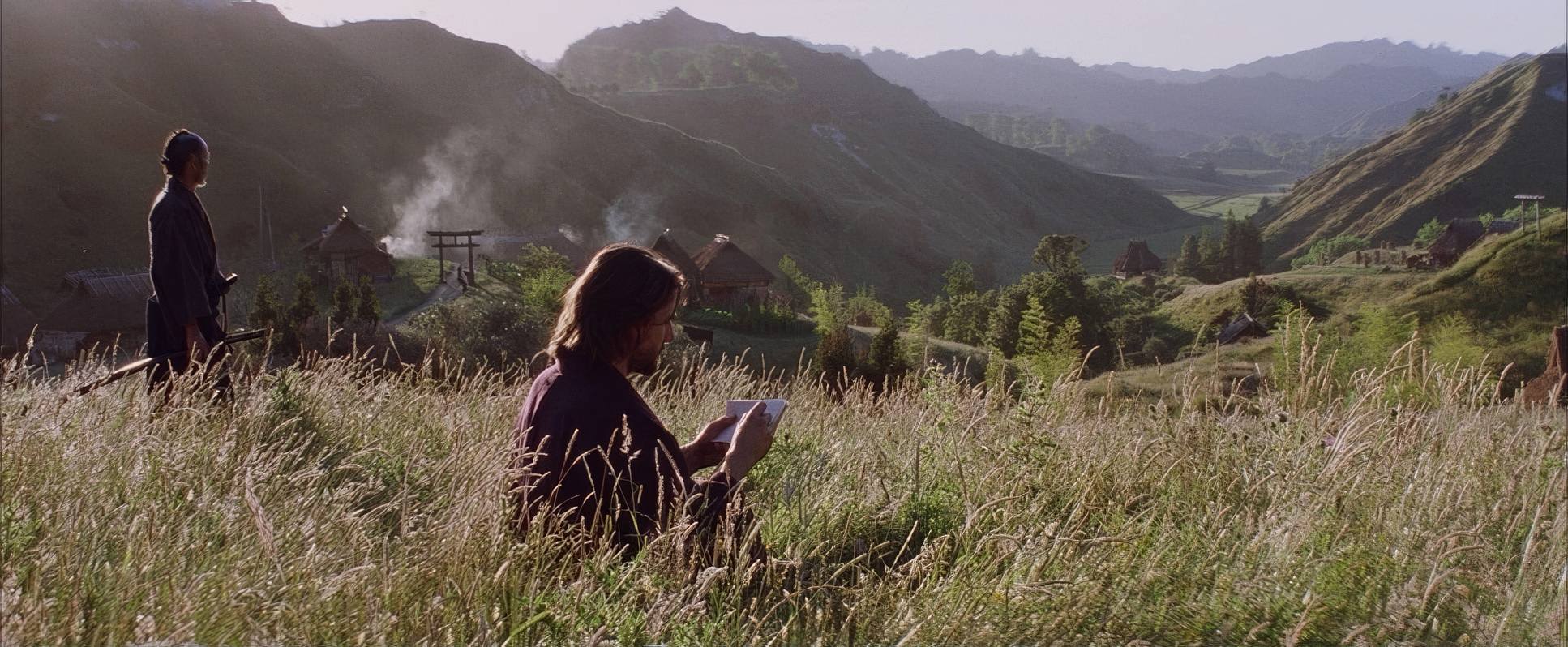
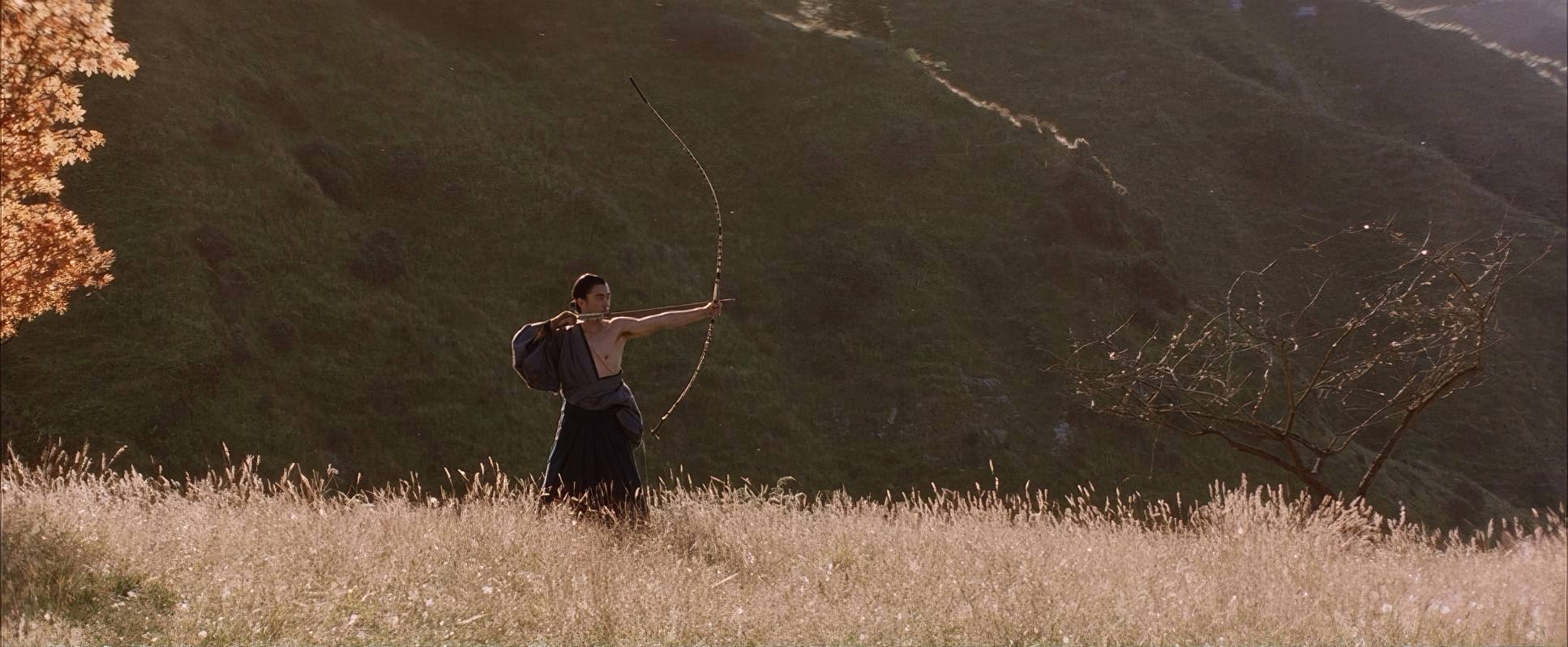
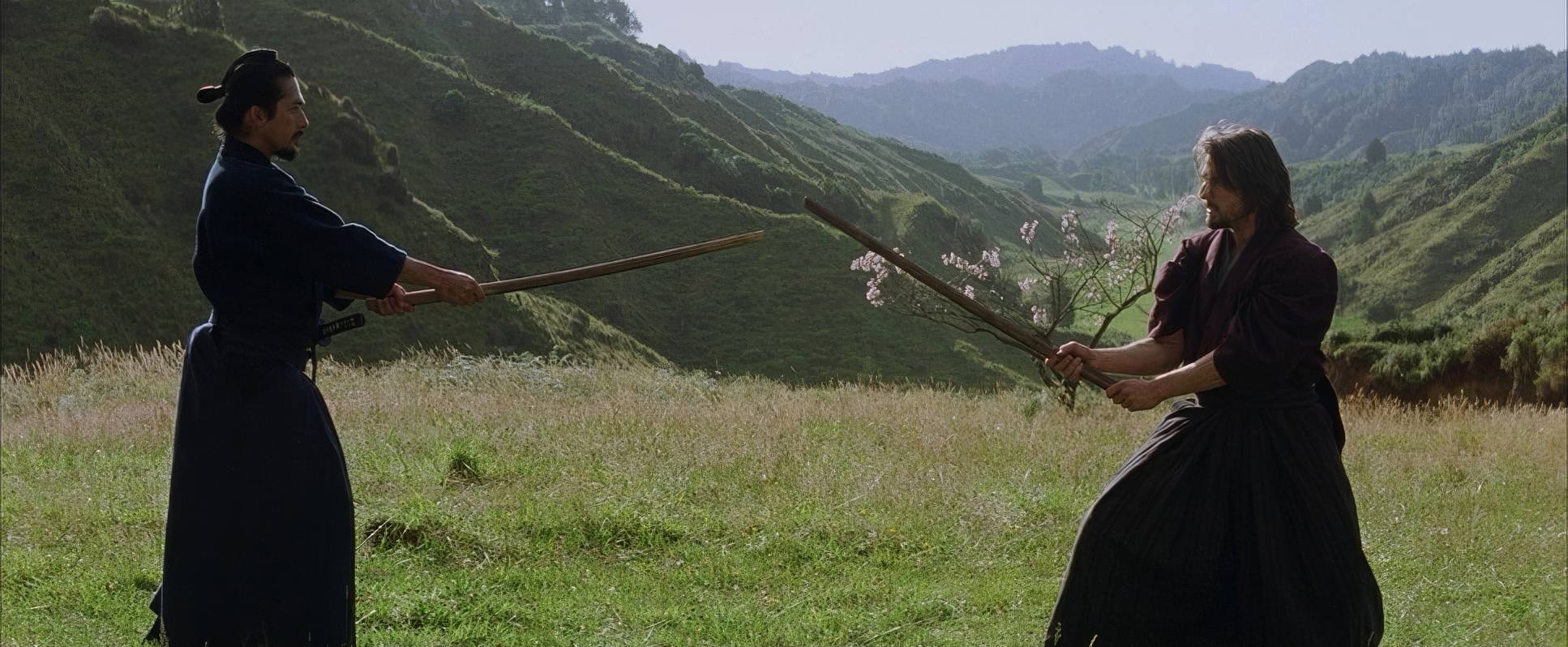
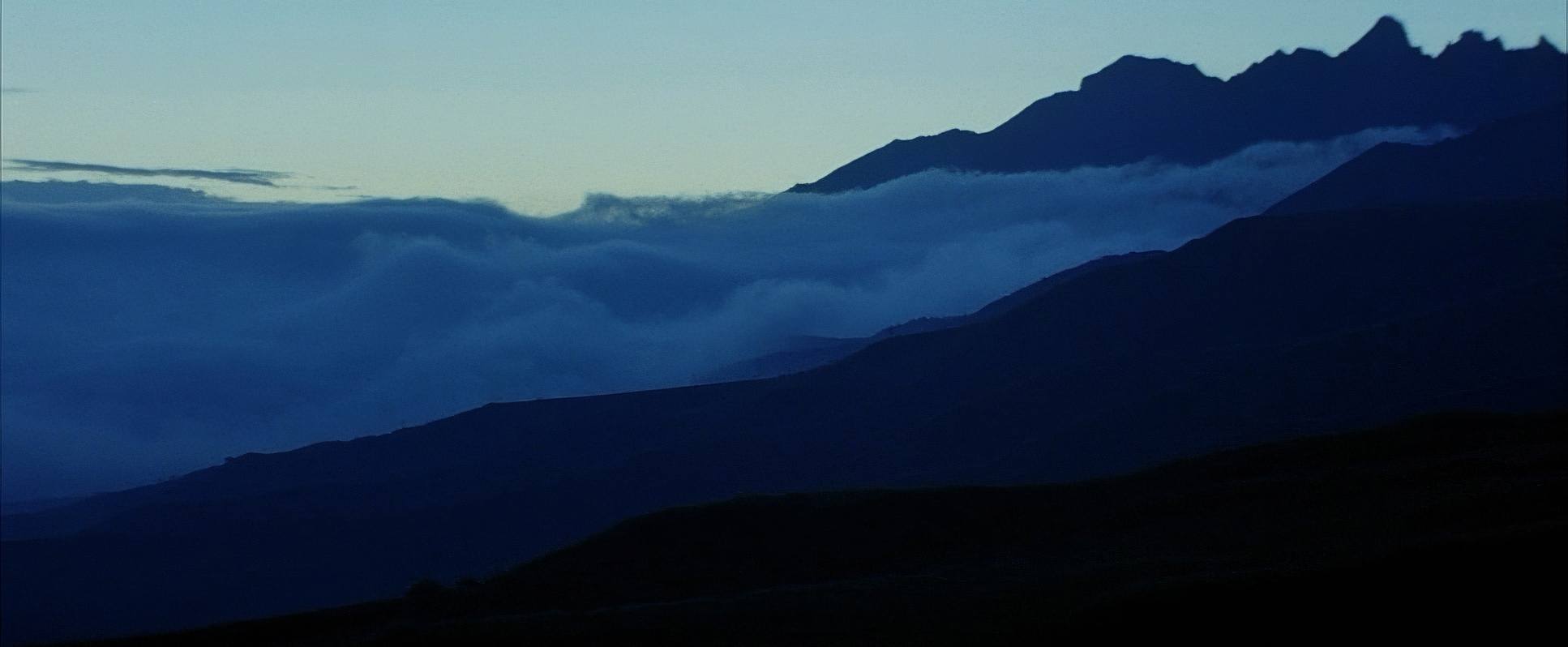
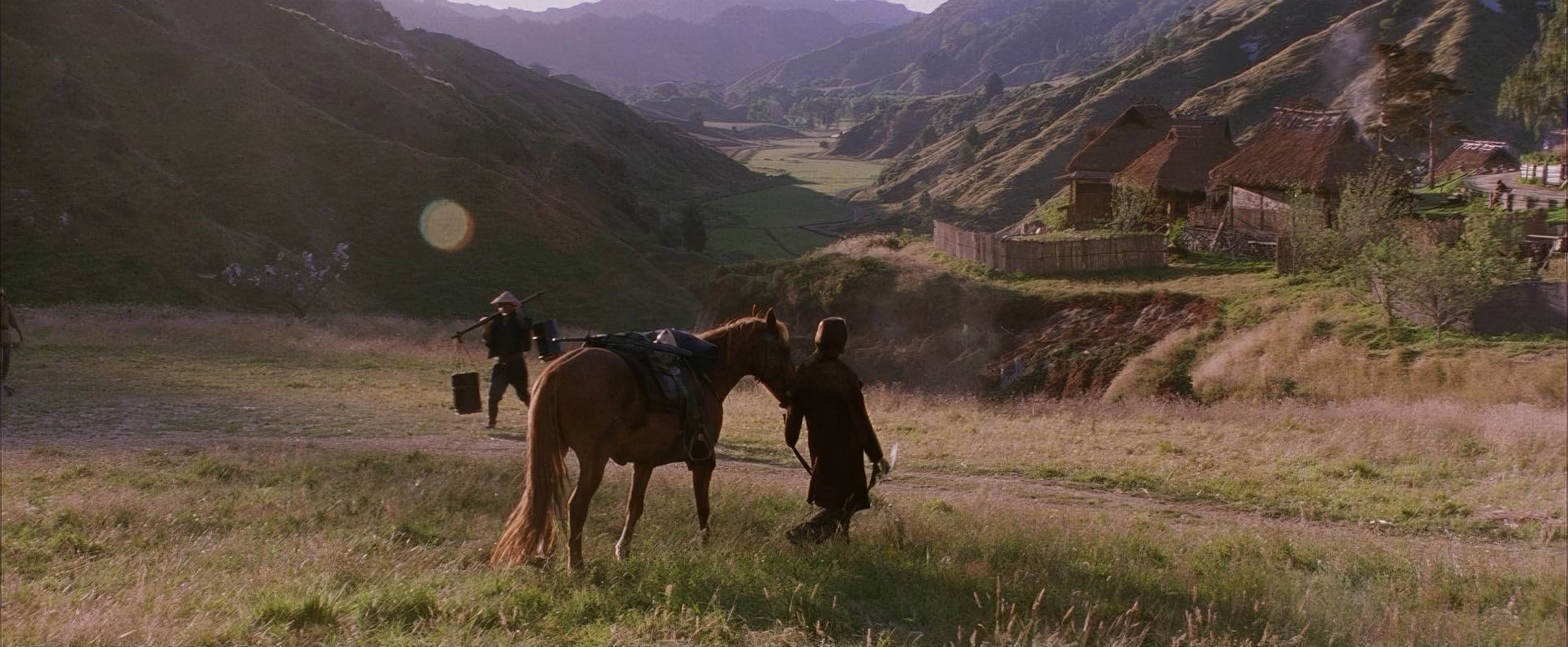
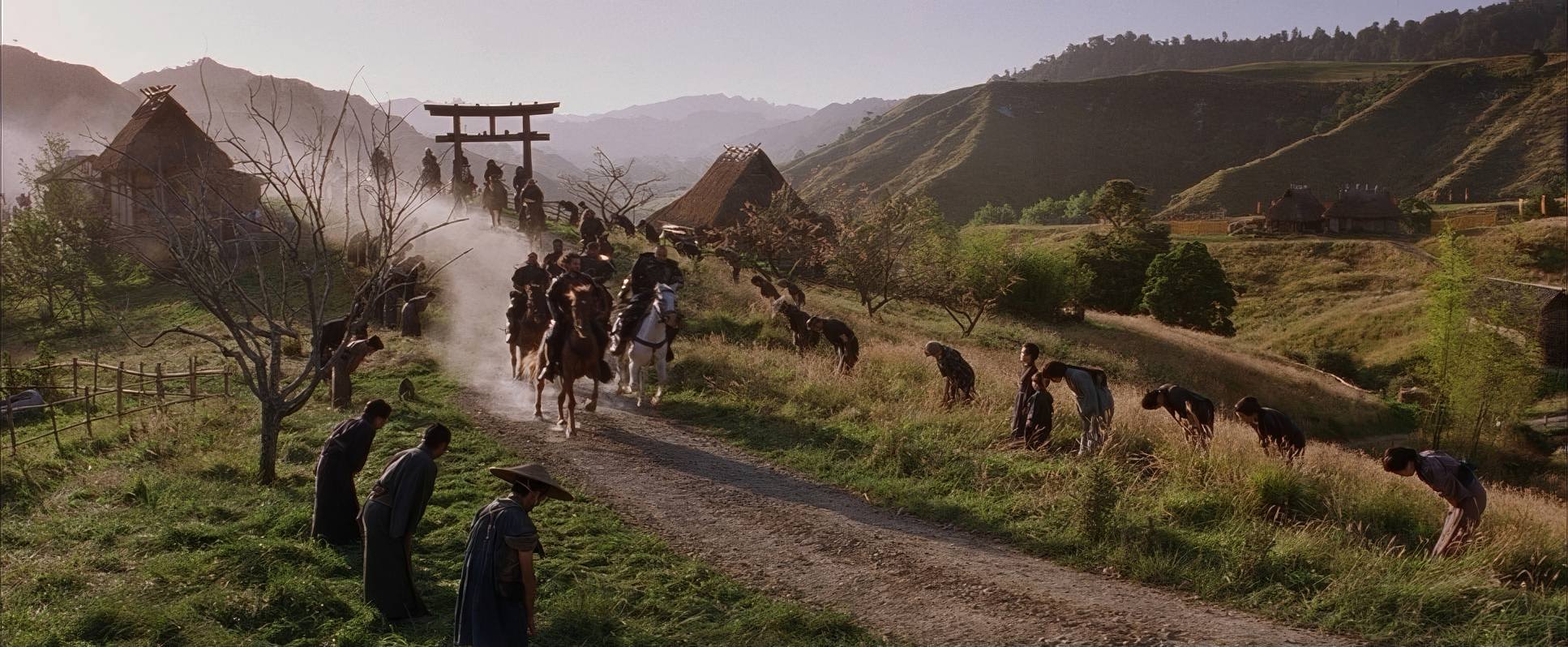
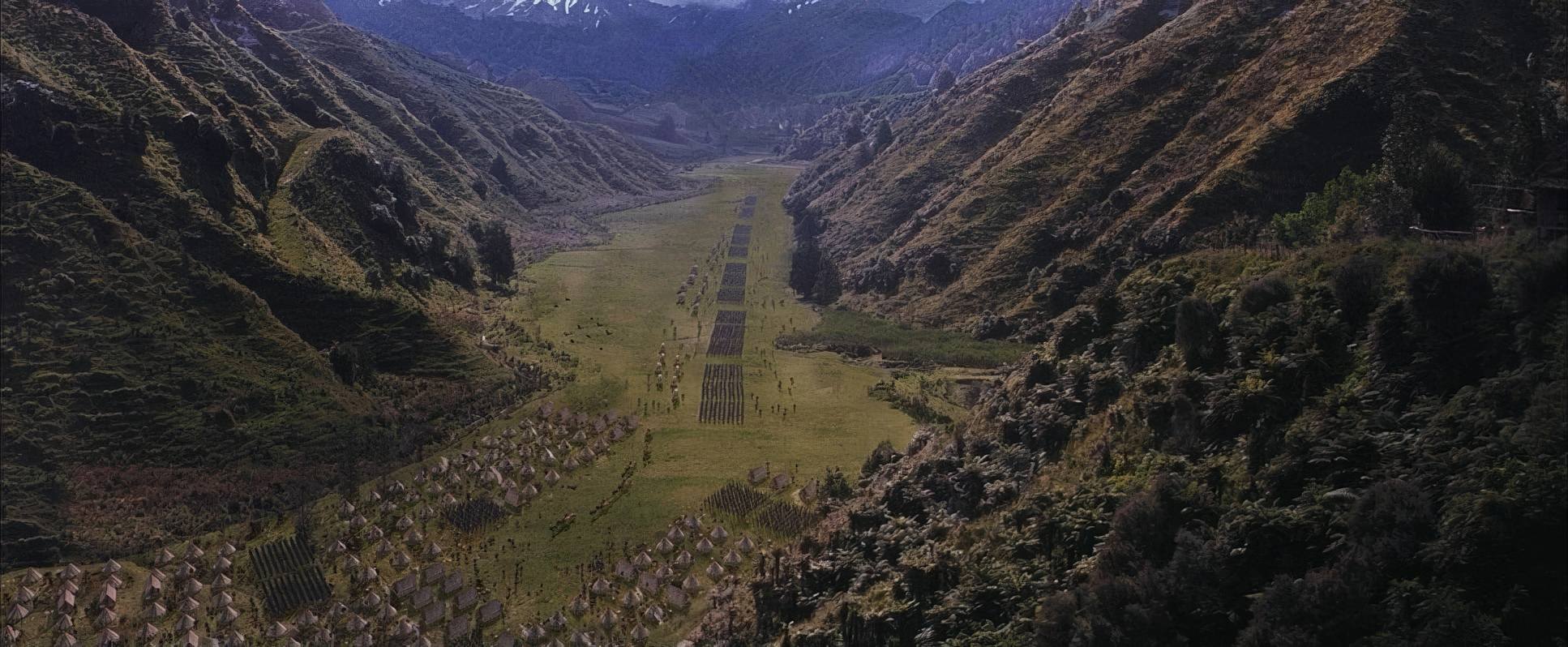
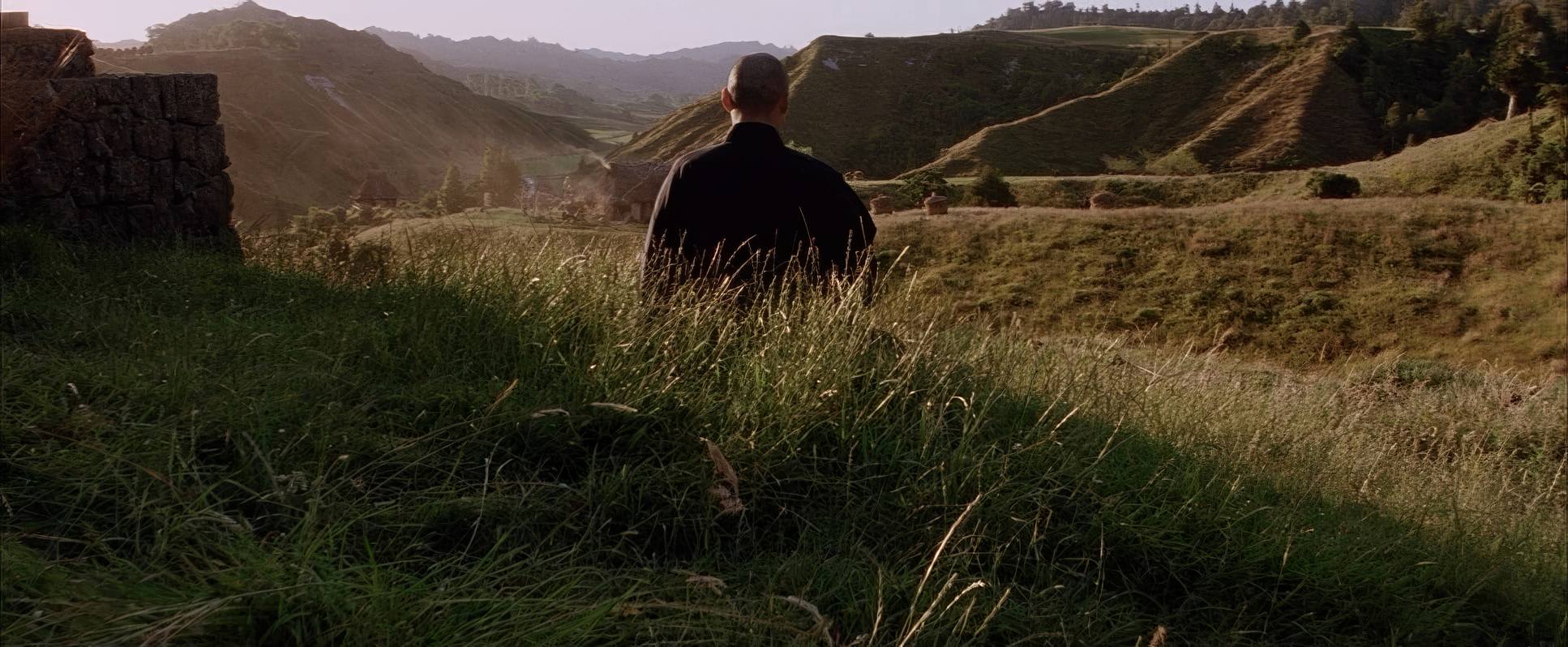
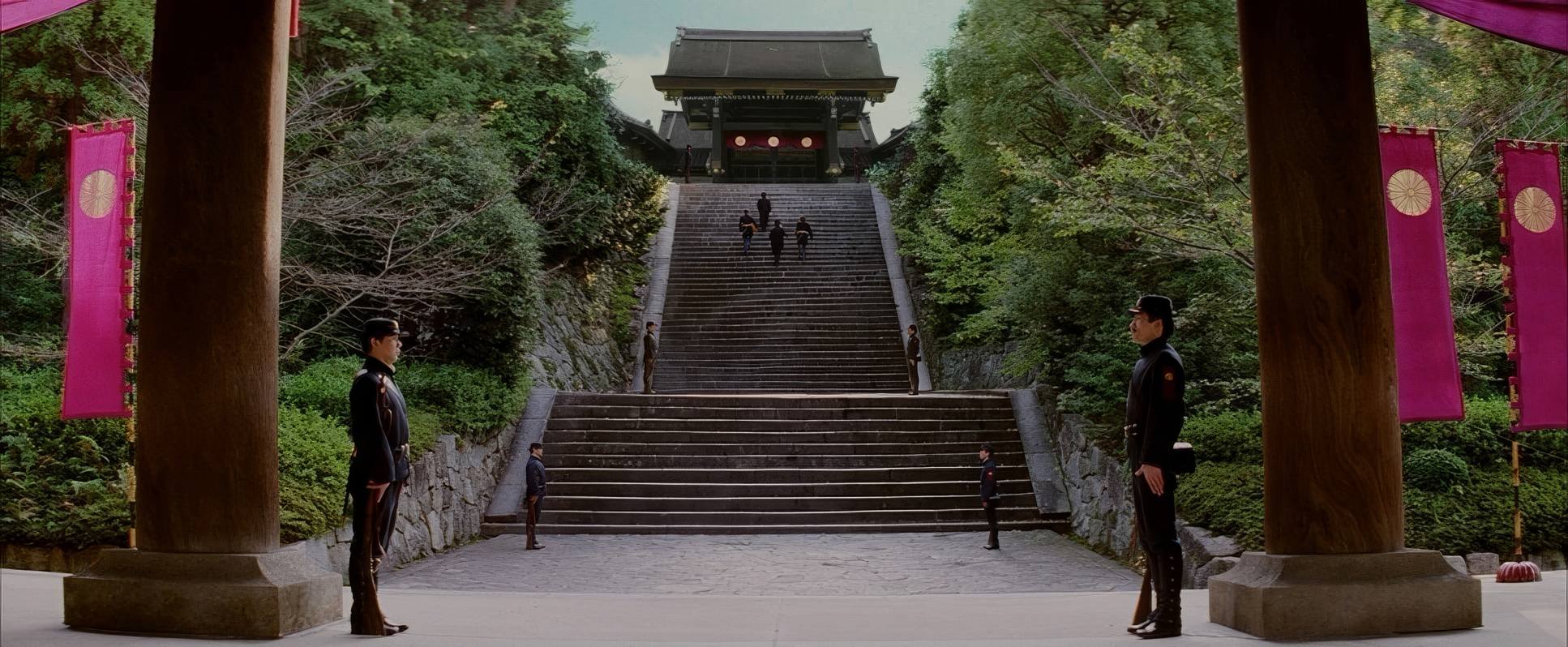
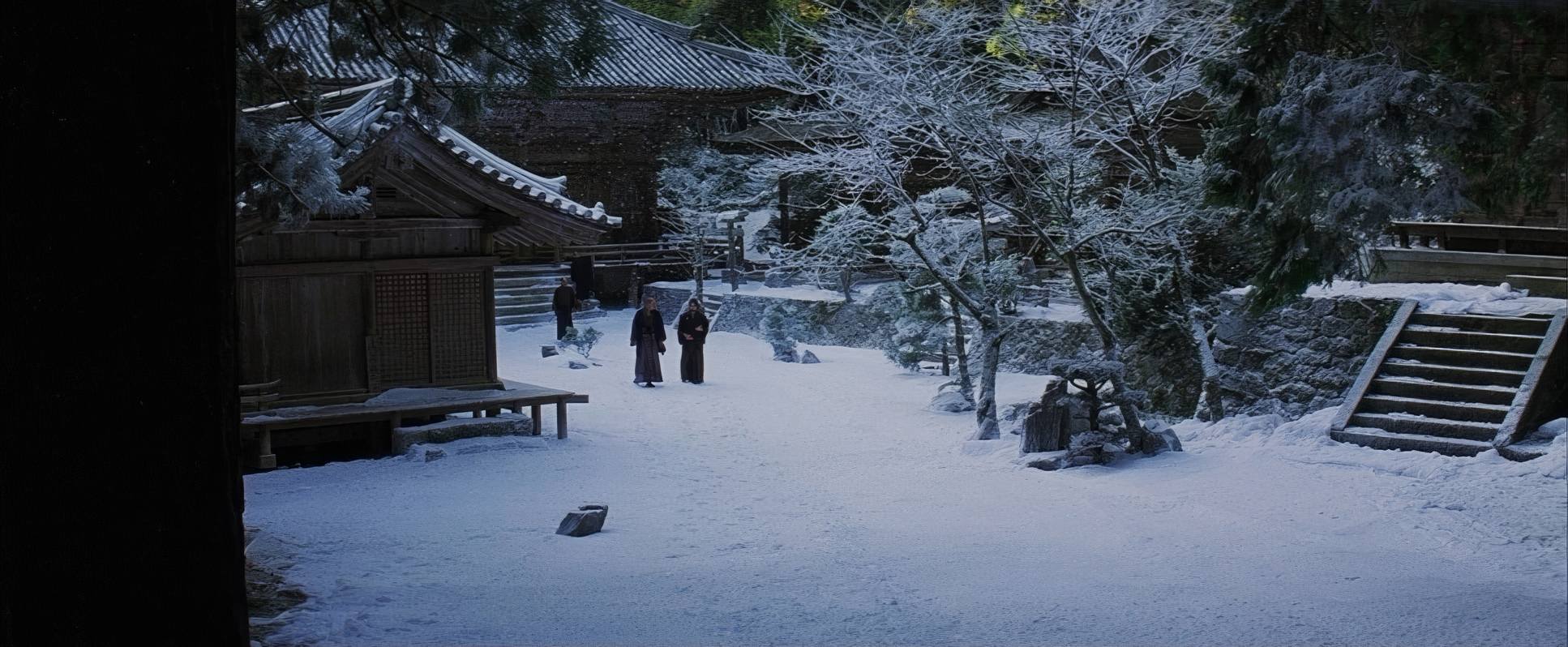
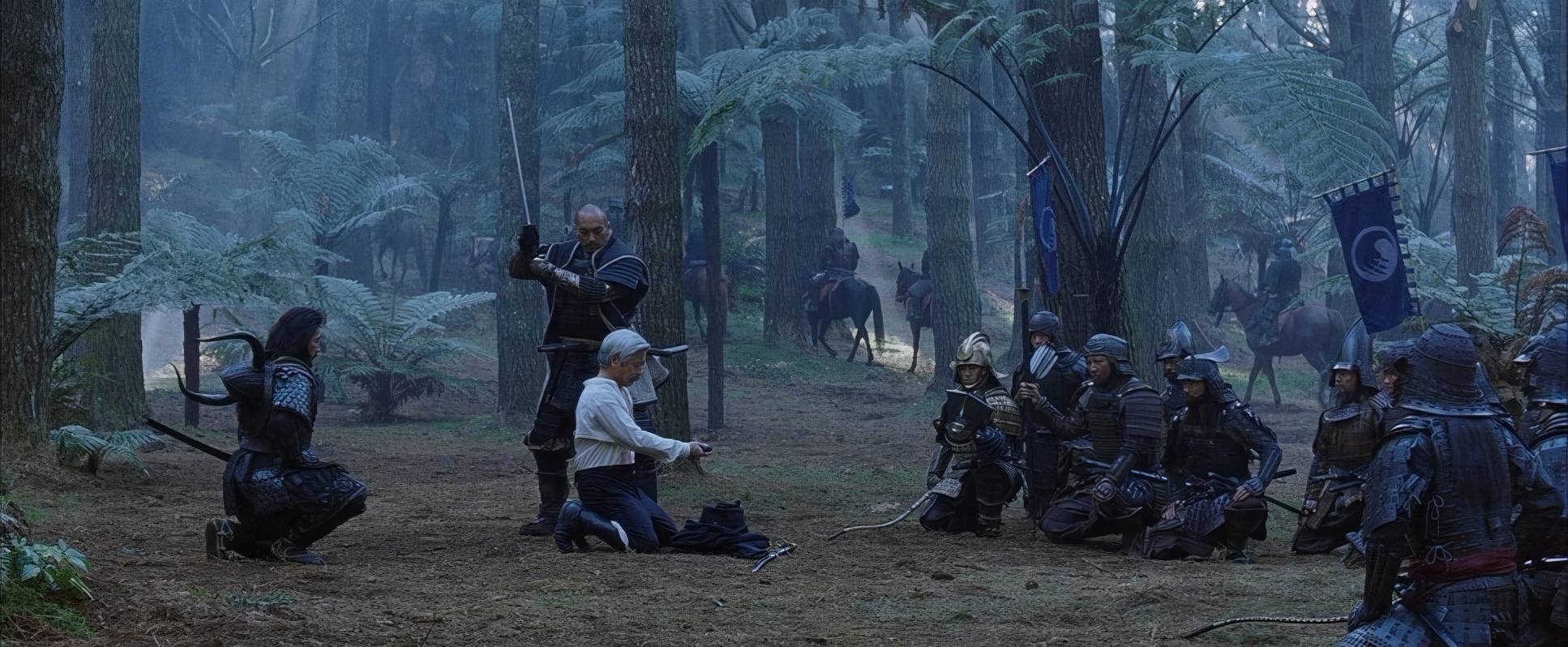
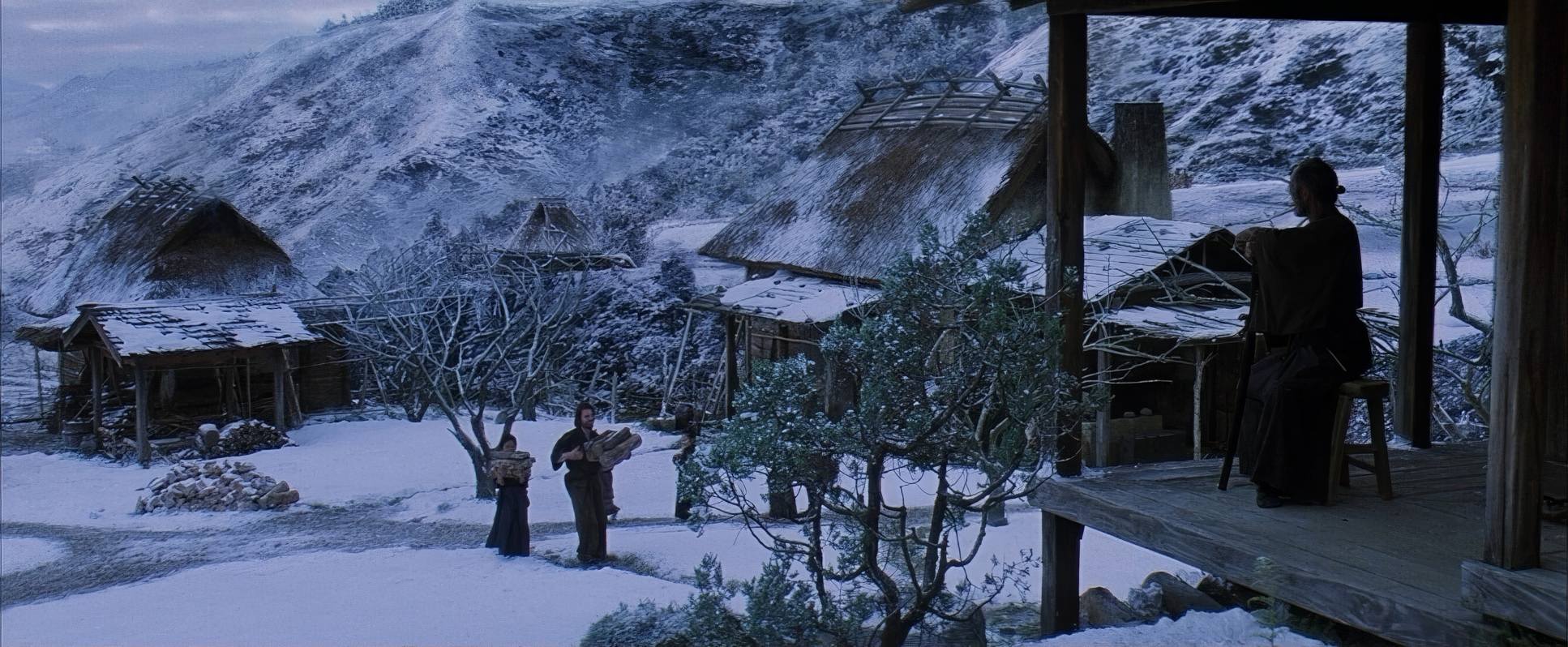
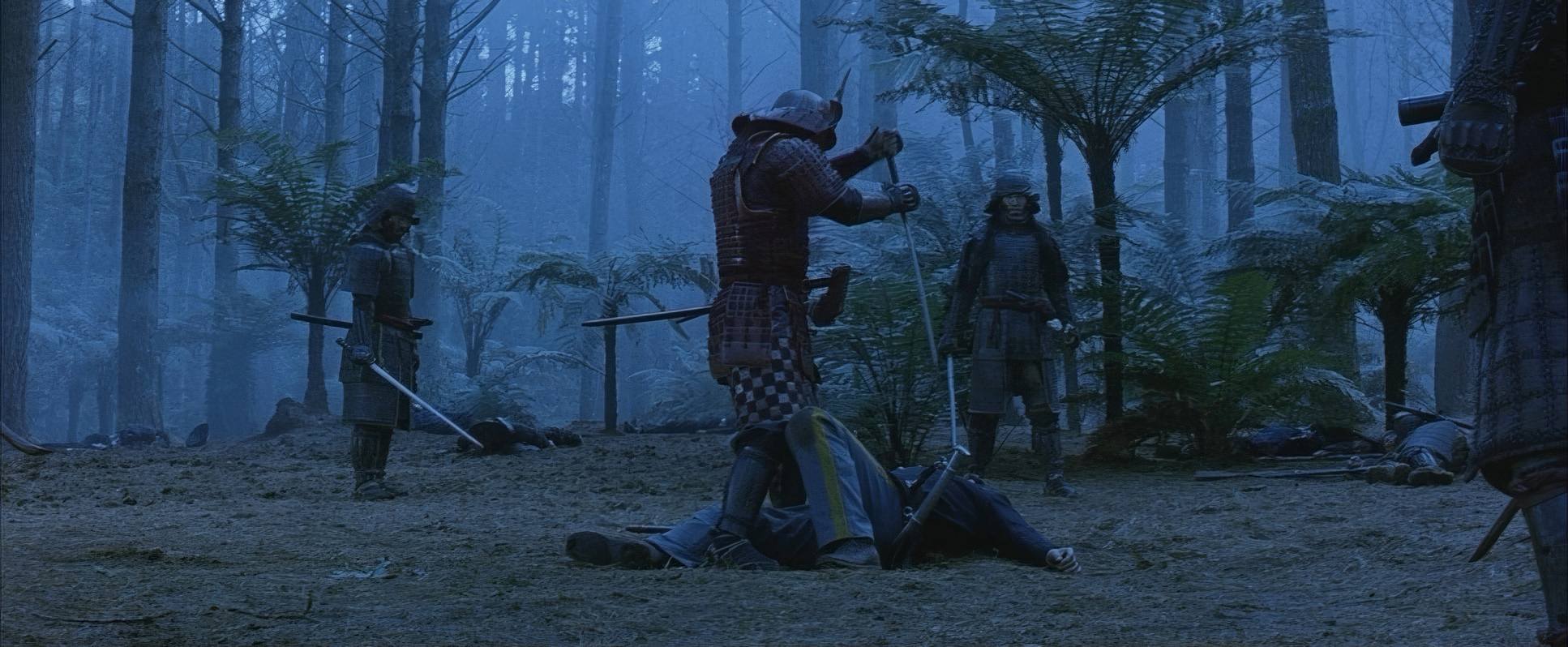
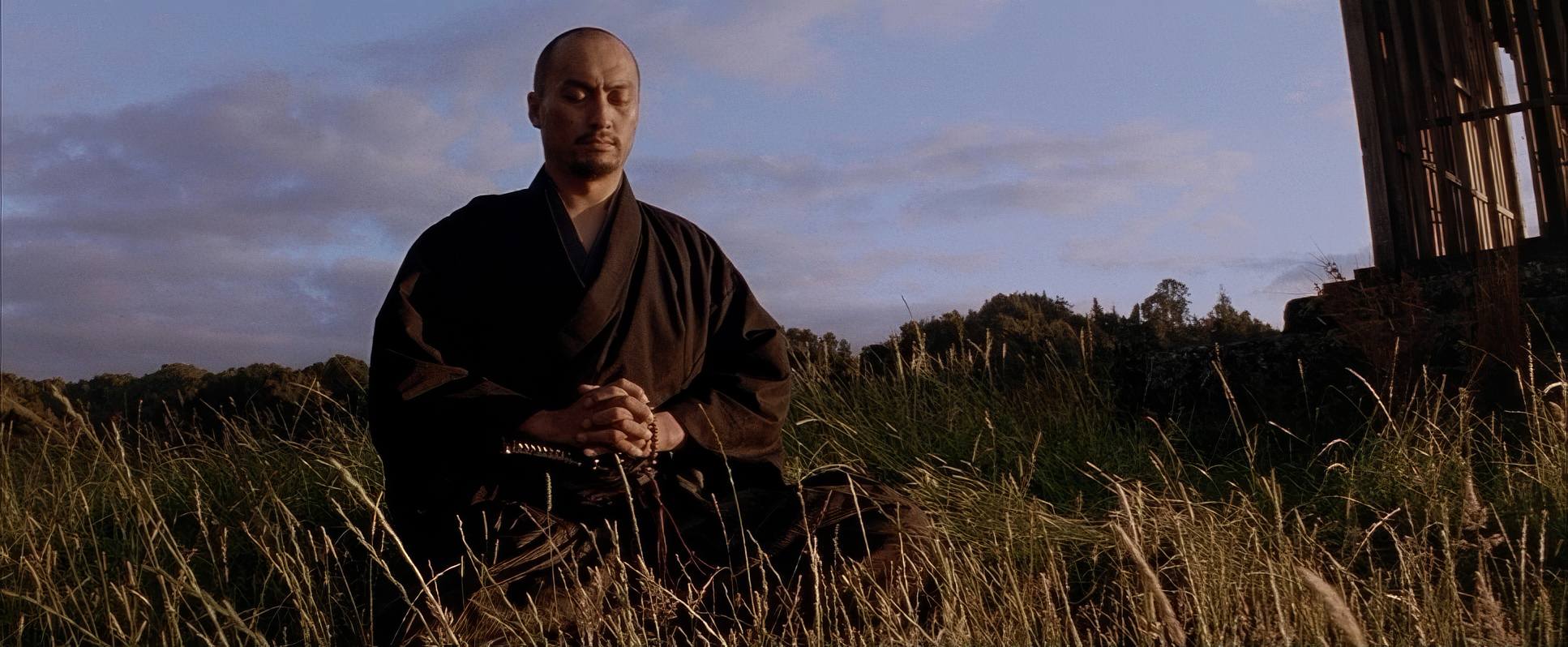
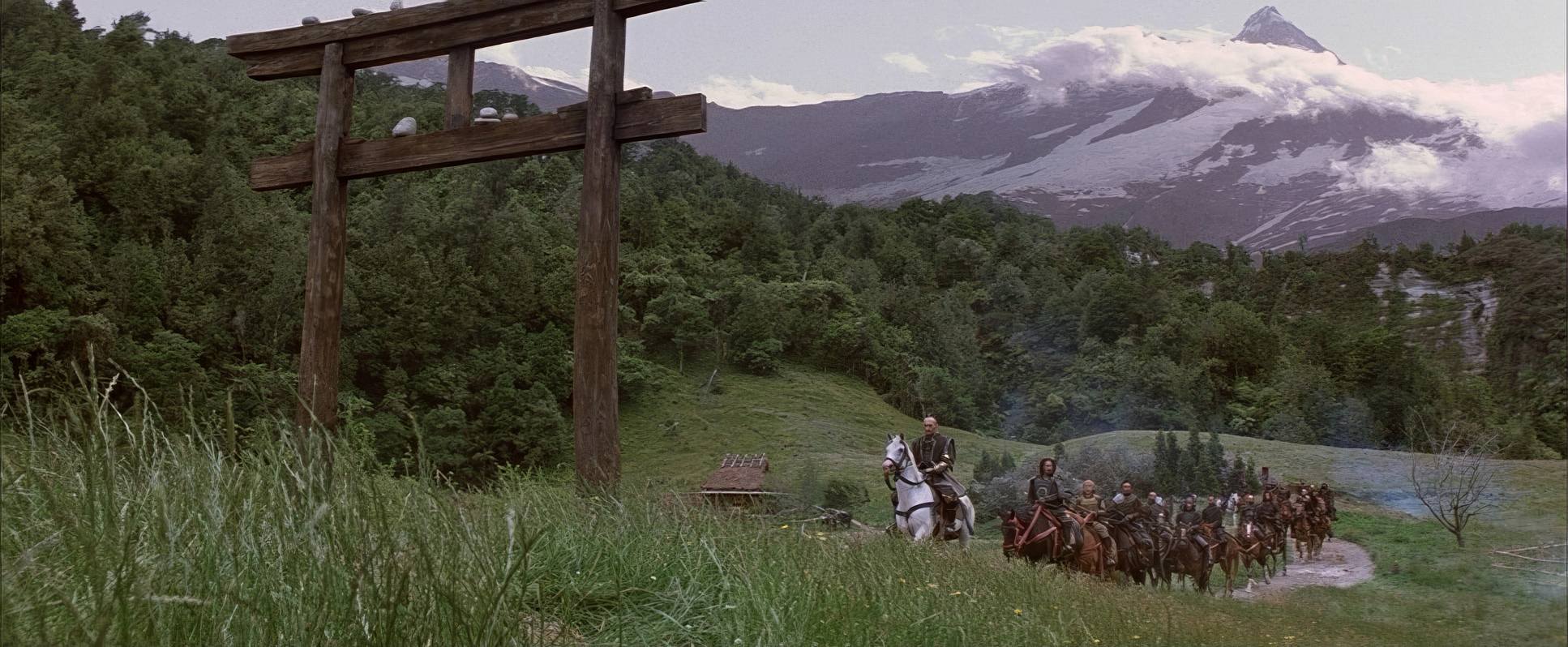
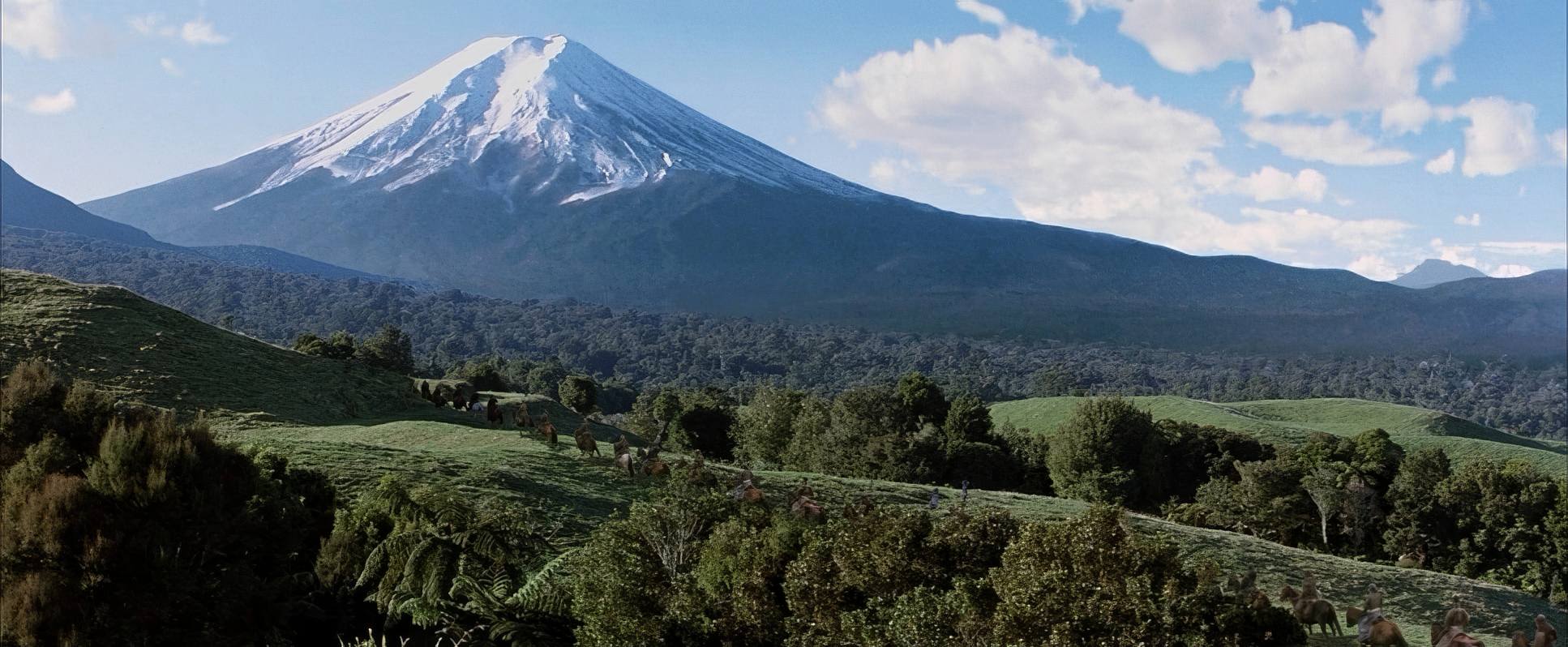
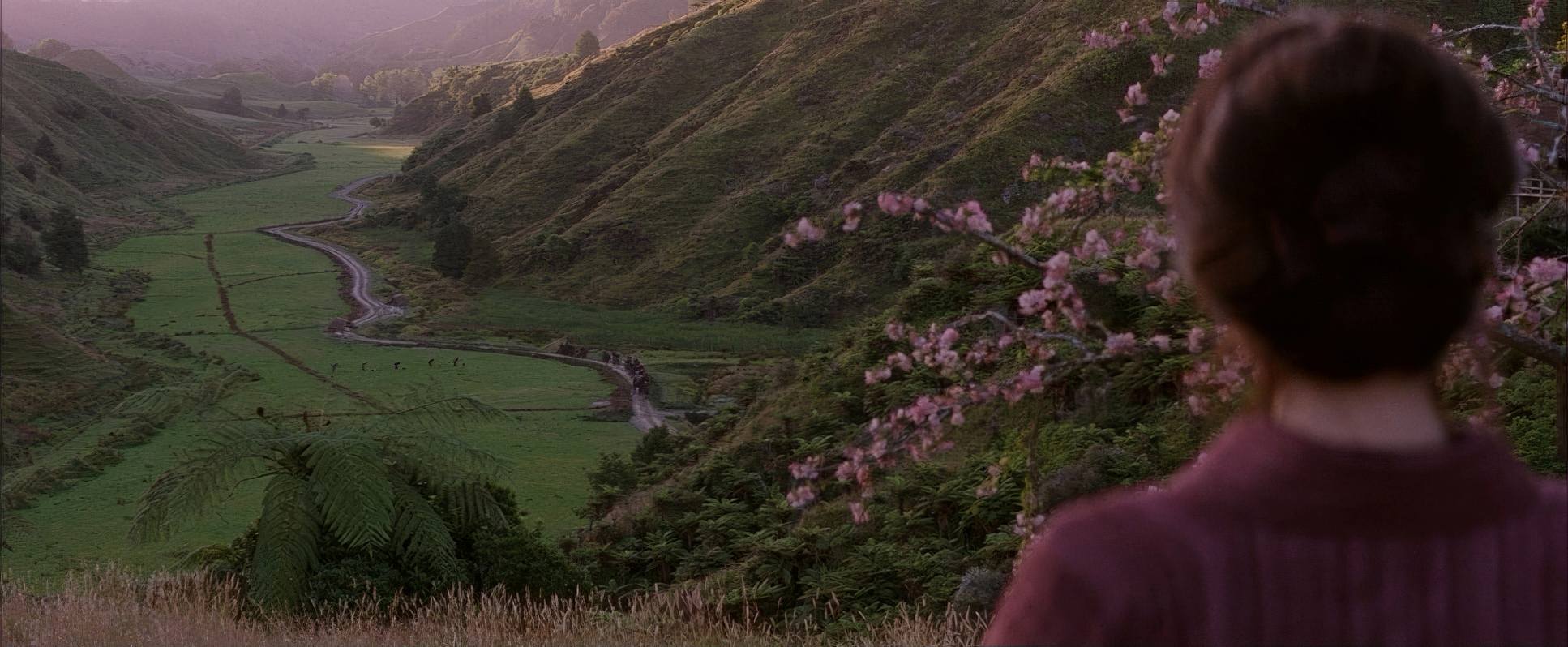
Toll’s use of space is deeply psychological. He utilizes massive, majestic frames to capture the Japanese landscape, often letting the human figures appear small against the snow-capped mountains or misty forests. It’s a constant reminder of the weight of tradition and the indifference of nature.
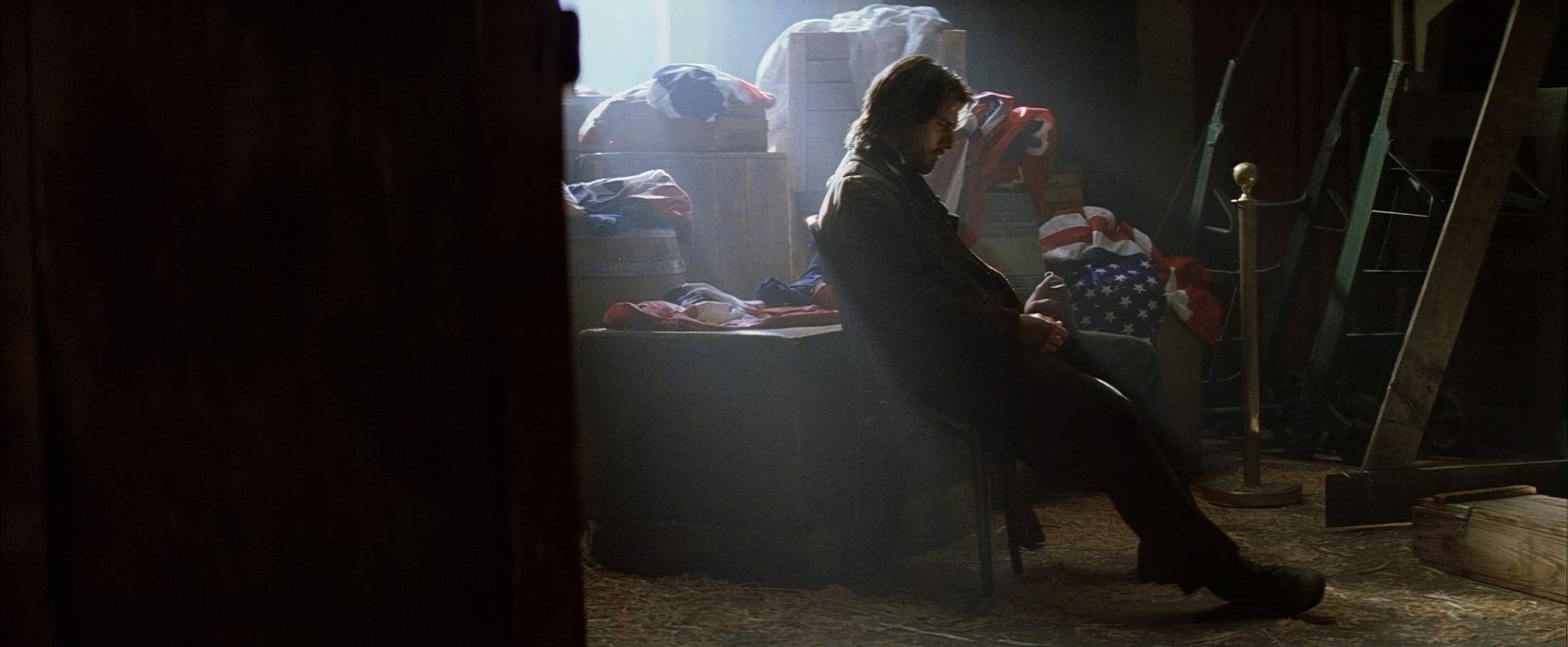
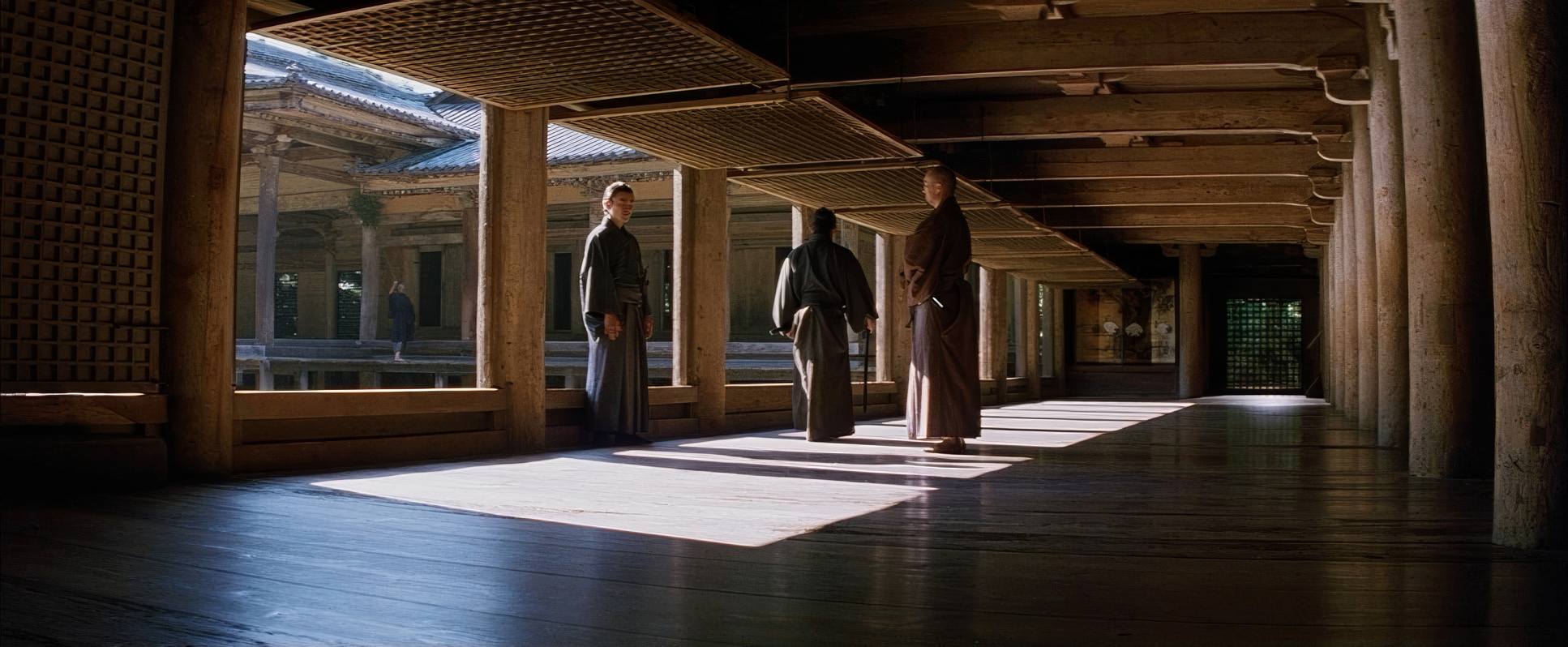
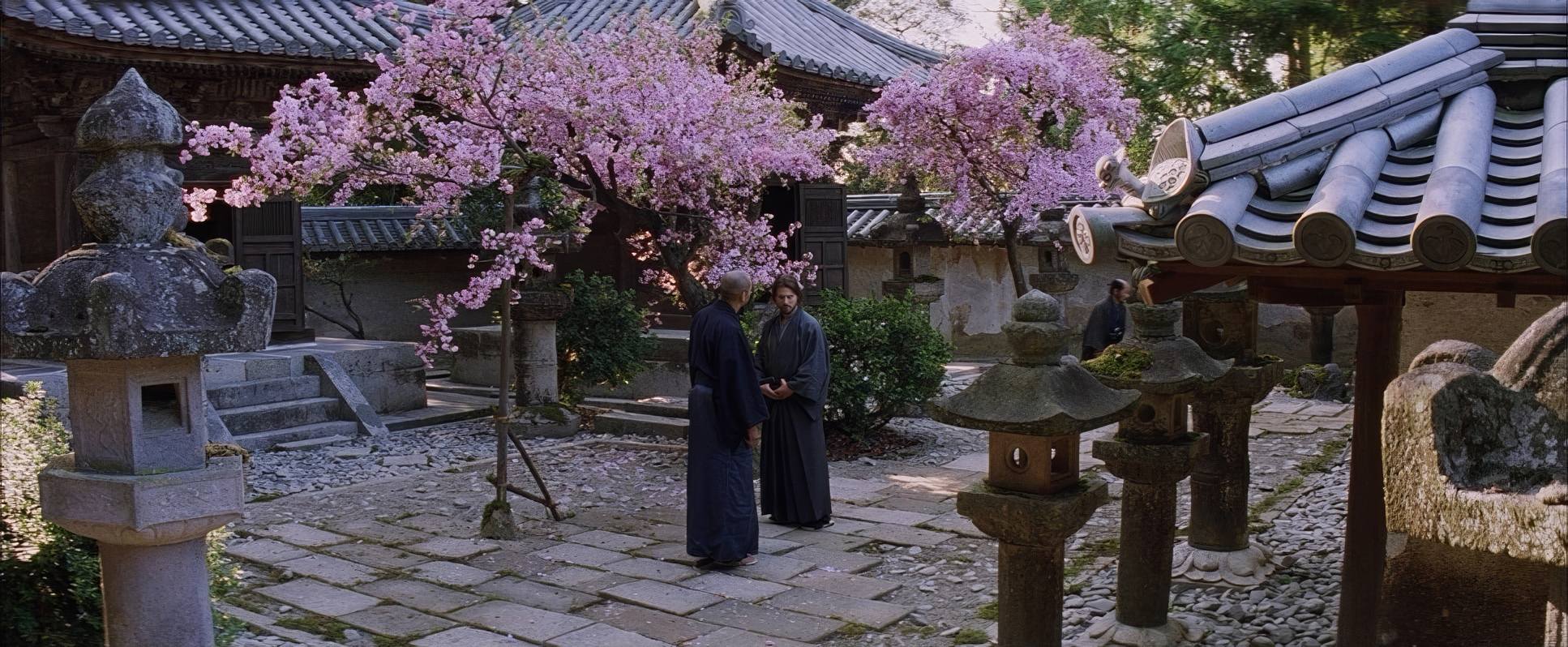
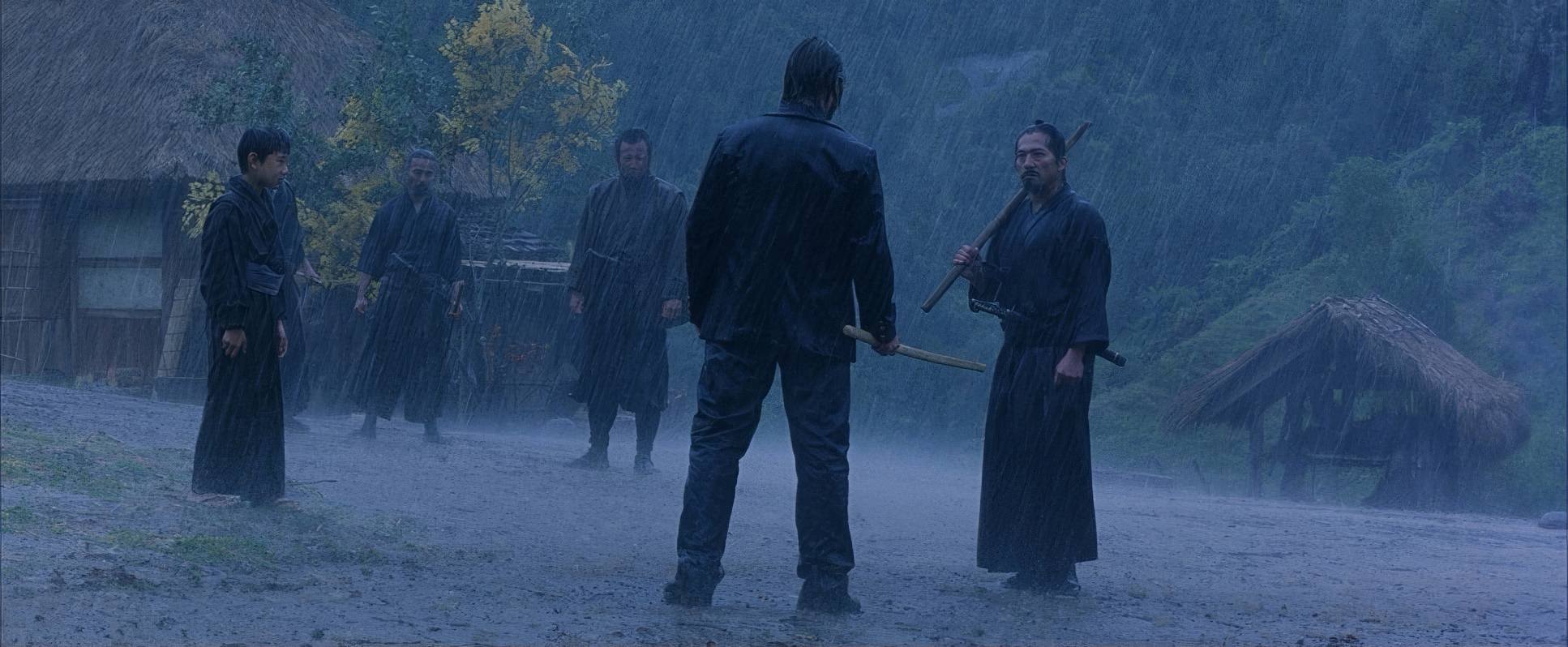
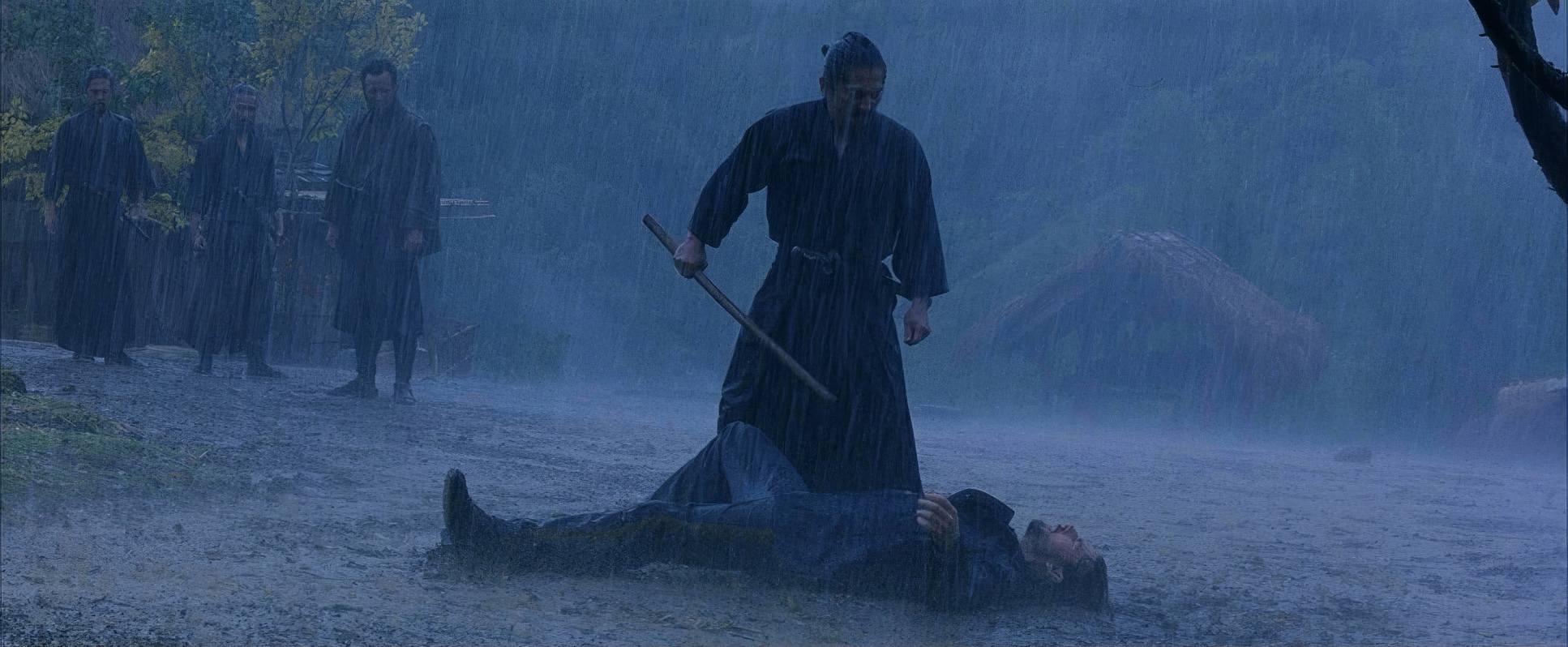
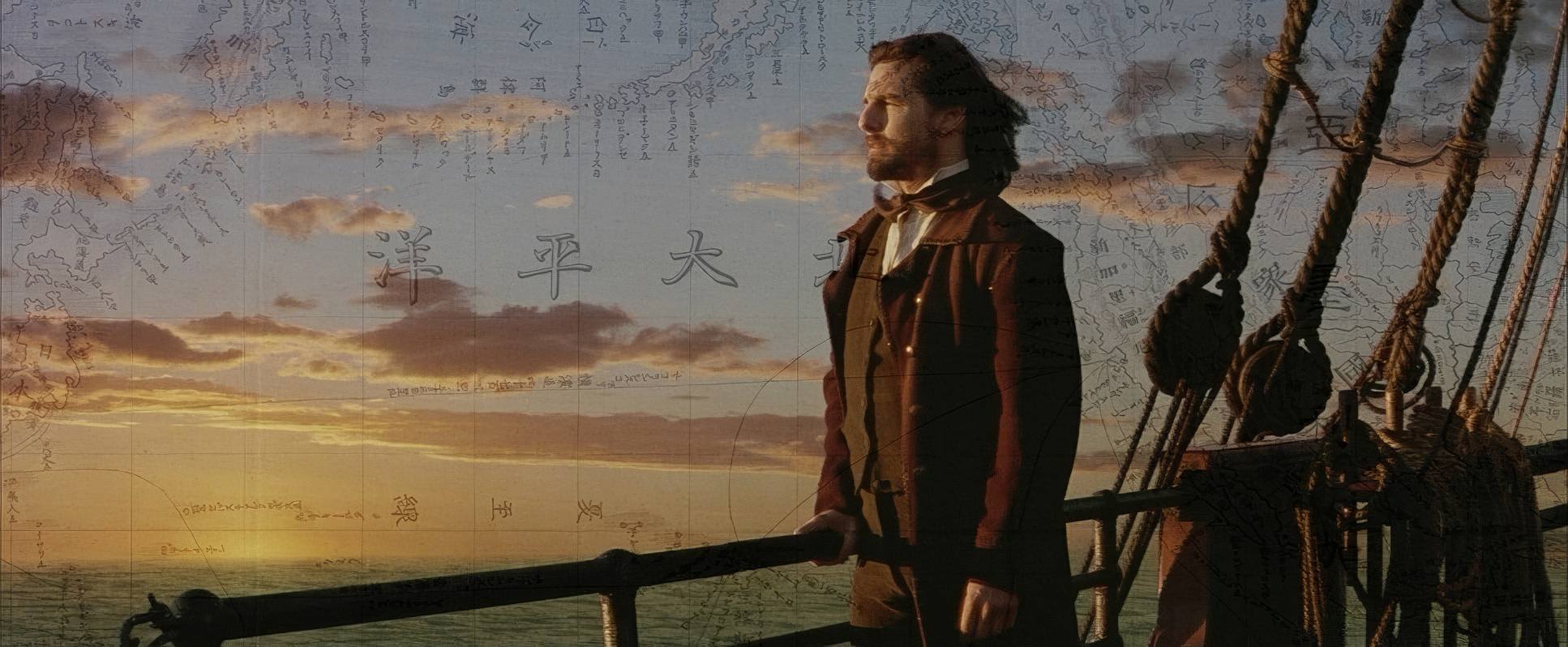
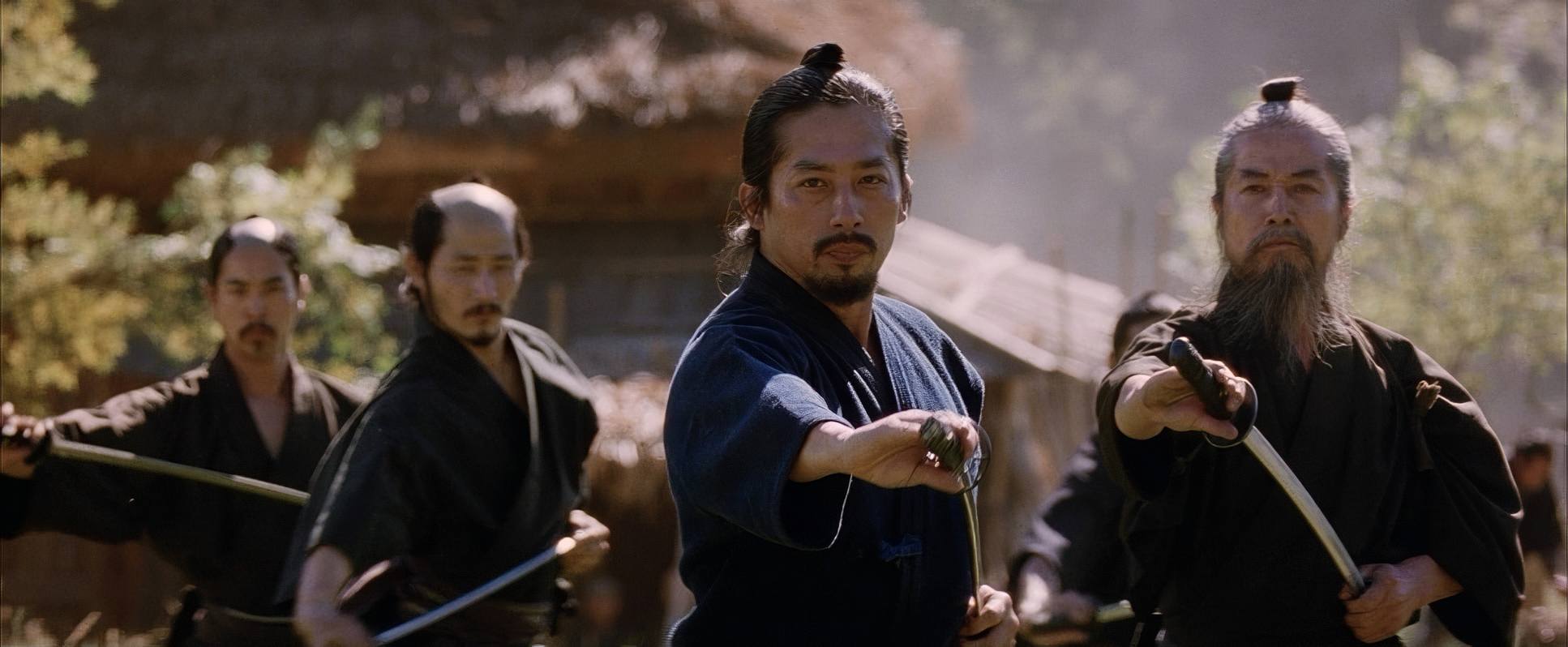
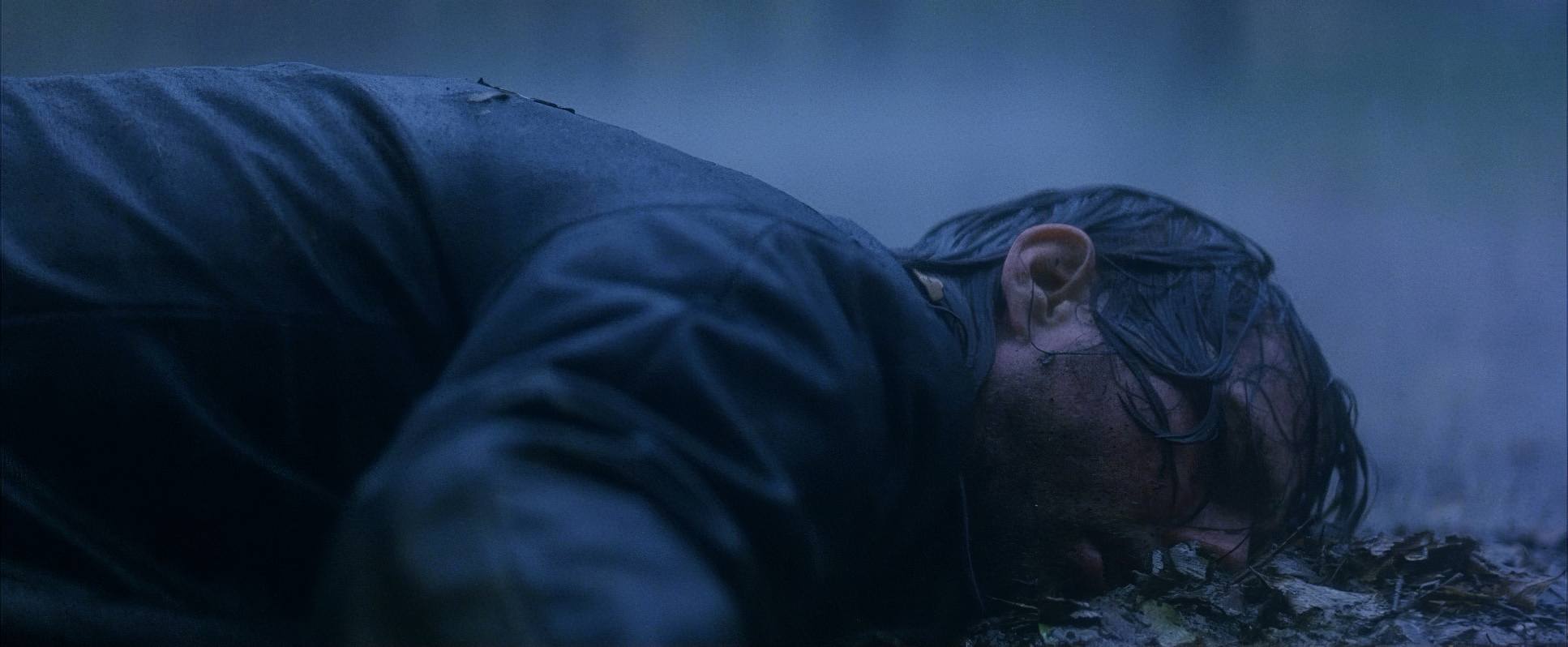
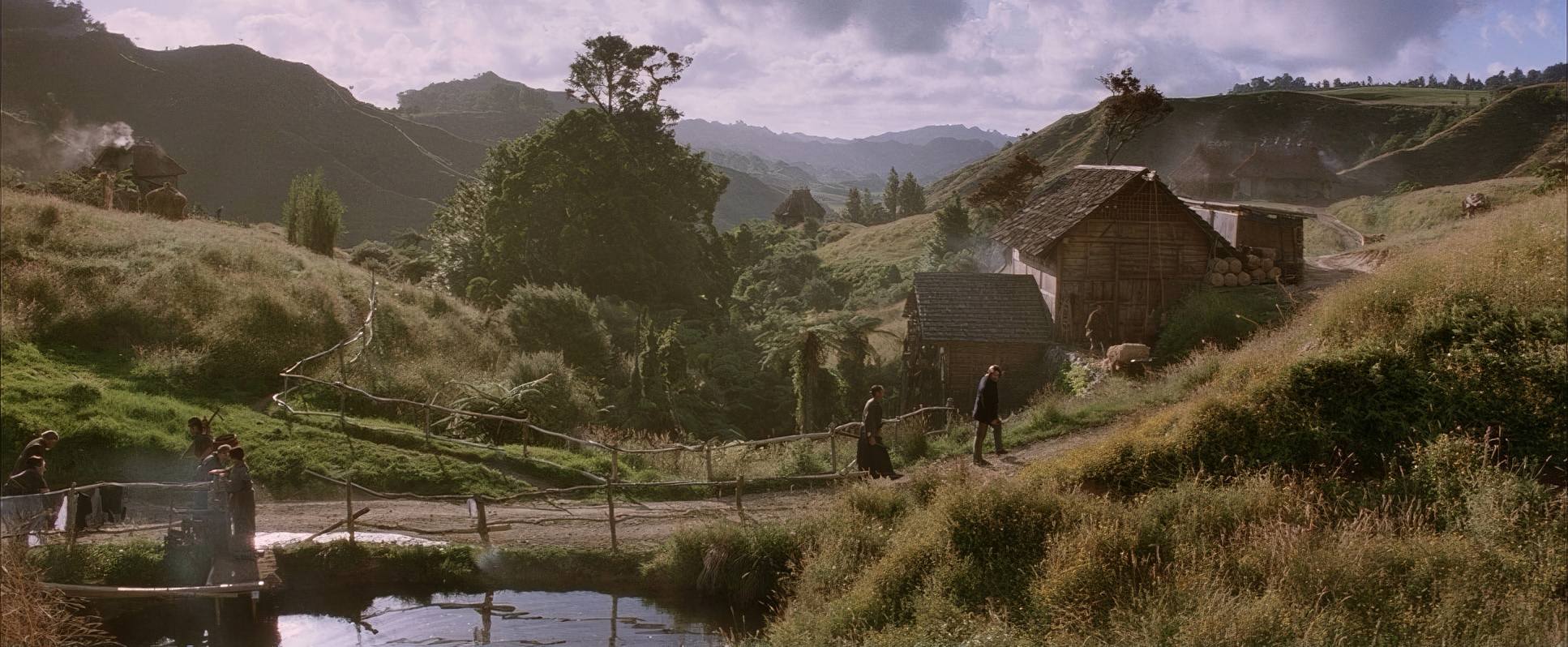
Negative space is weaponized here. When Algren is first captured, the compositions highlight his isolation he’s a tiny, discordant note in a very structured world. As he integrates, the framing shifts. He starts sharing the frame with Katsumoto in balanced, symmetrical compositions that signal his acceptance. The village scenes have a lived-in depth, with layers of activity in the foreground and midground that make the world feel three-dimensional, unlike the regimented, flat compositions of the Imperial forces.
Lighting Style: The Power of the Natural Source
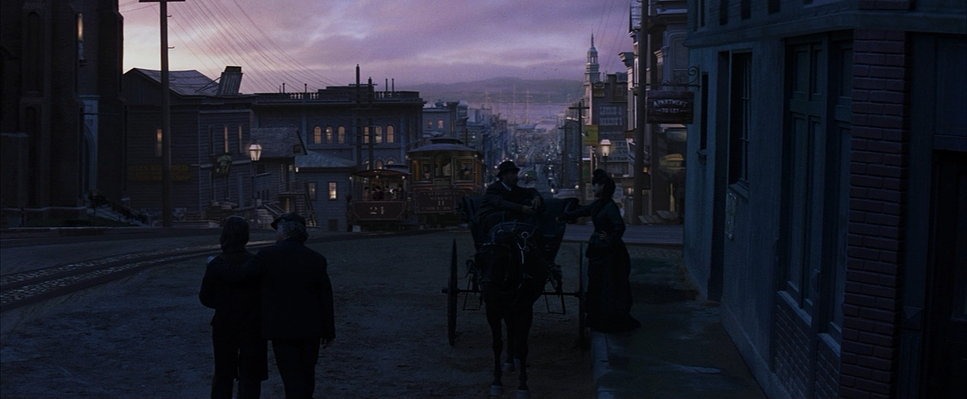
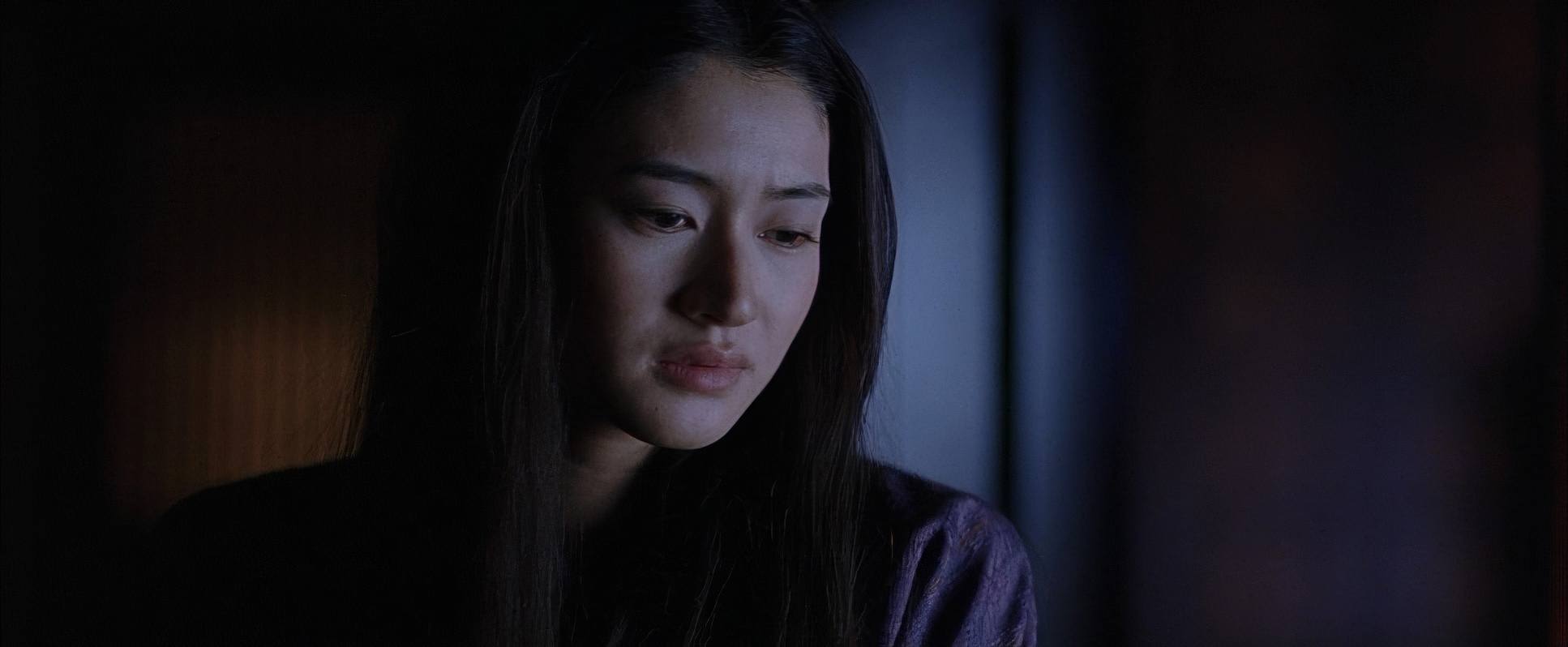
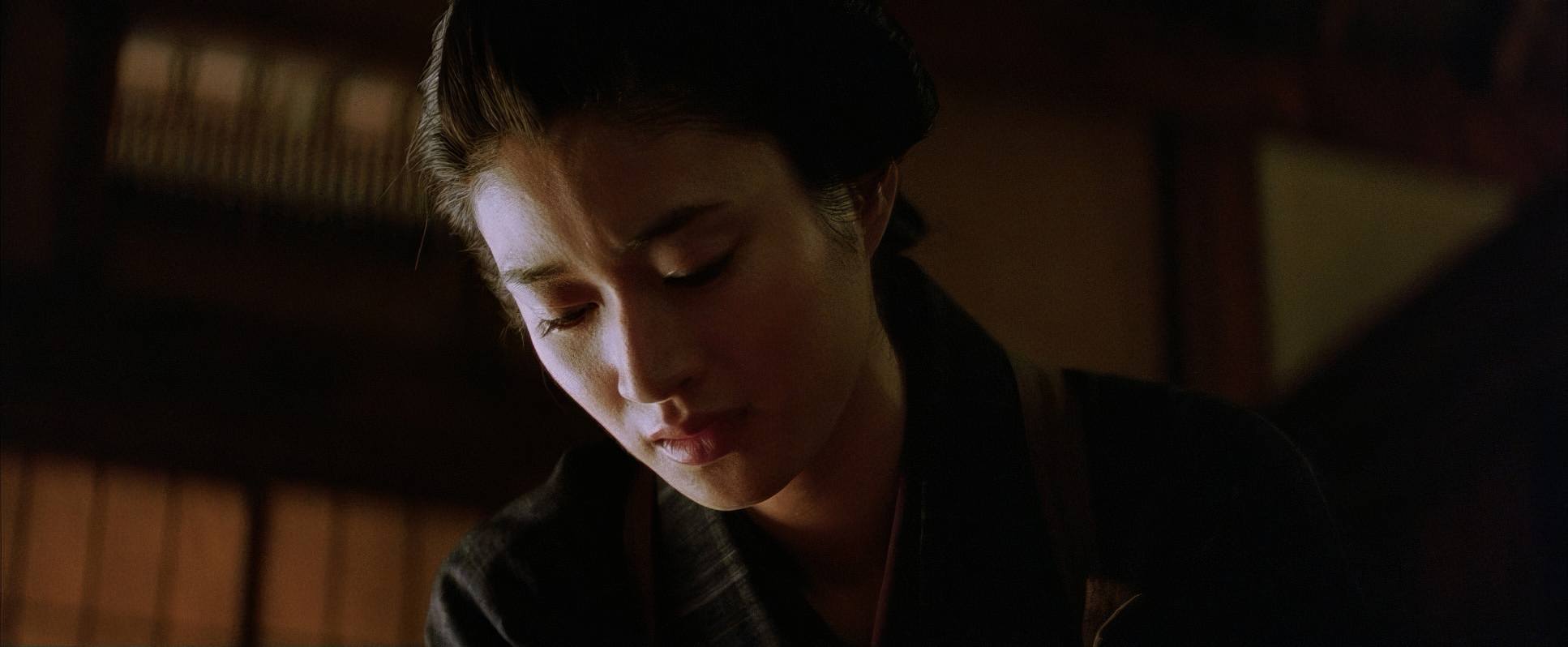
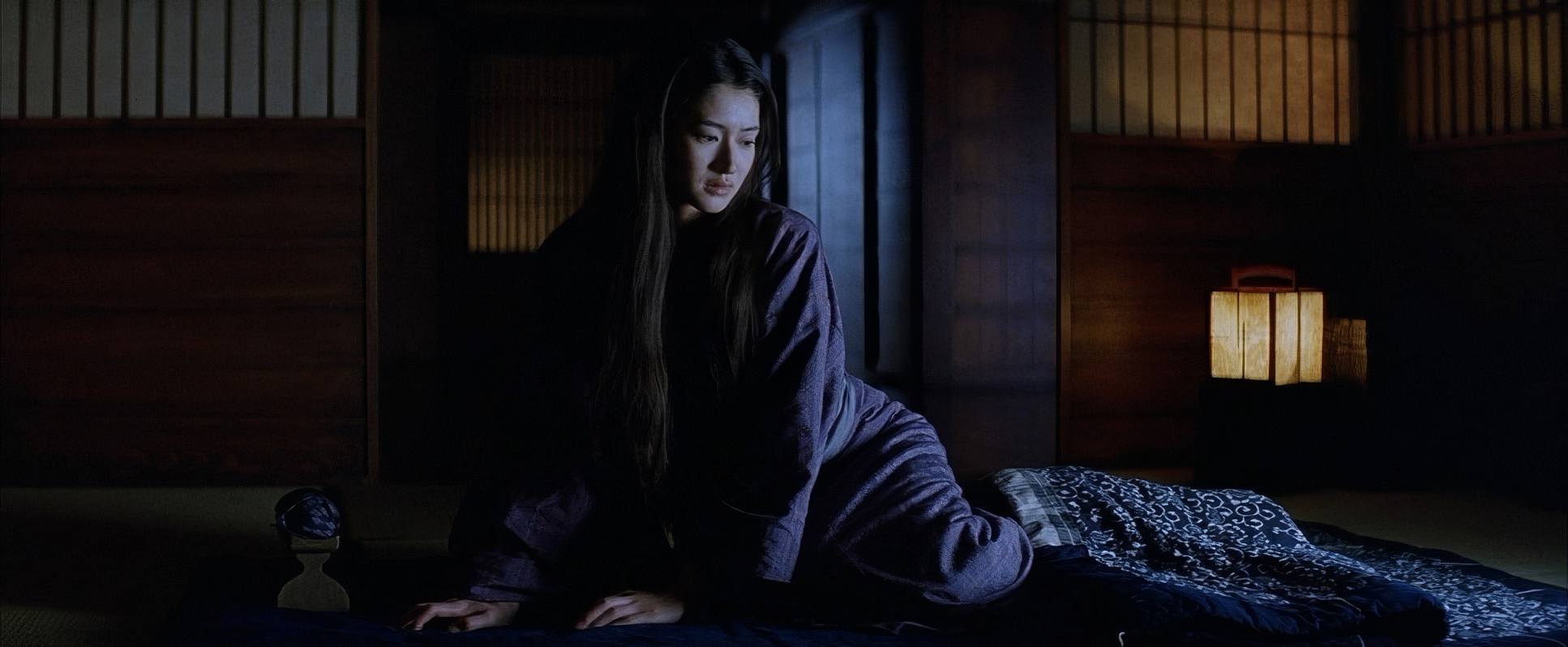
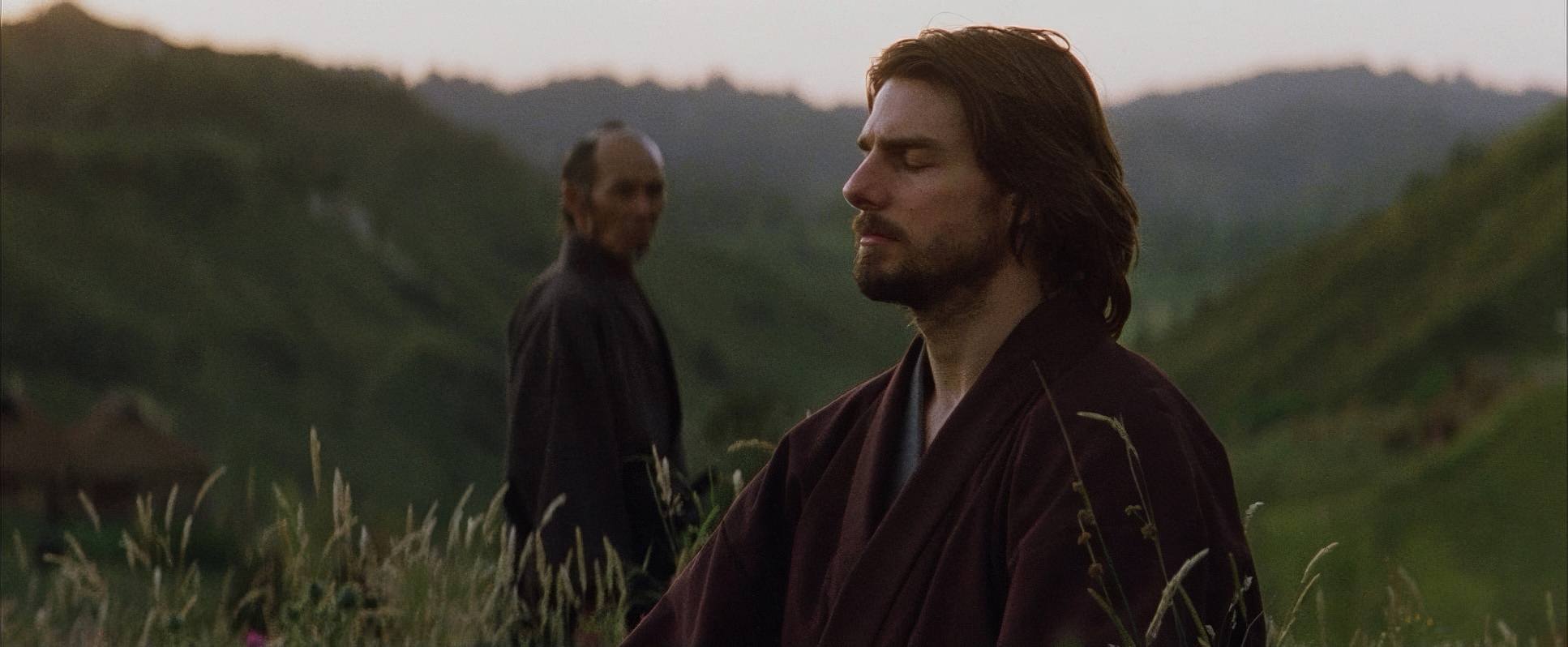
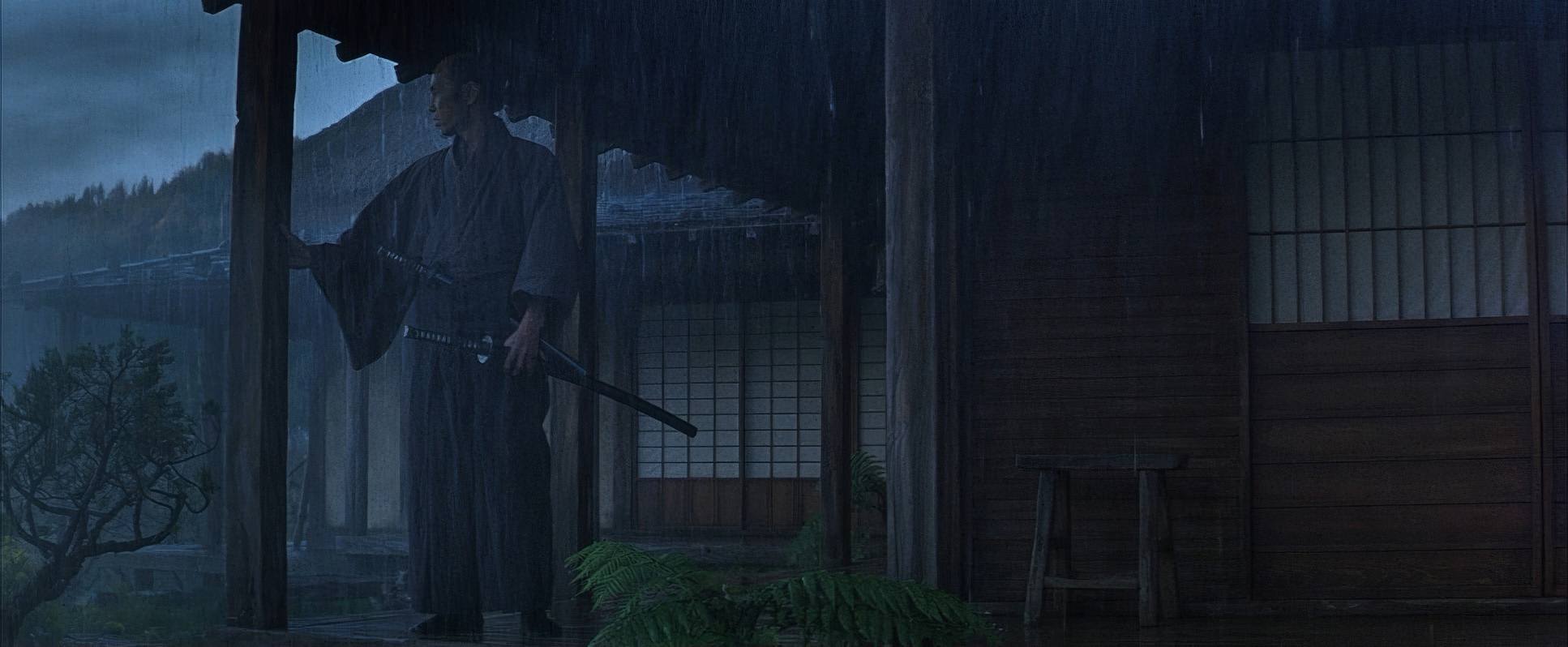
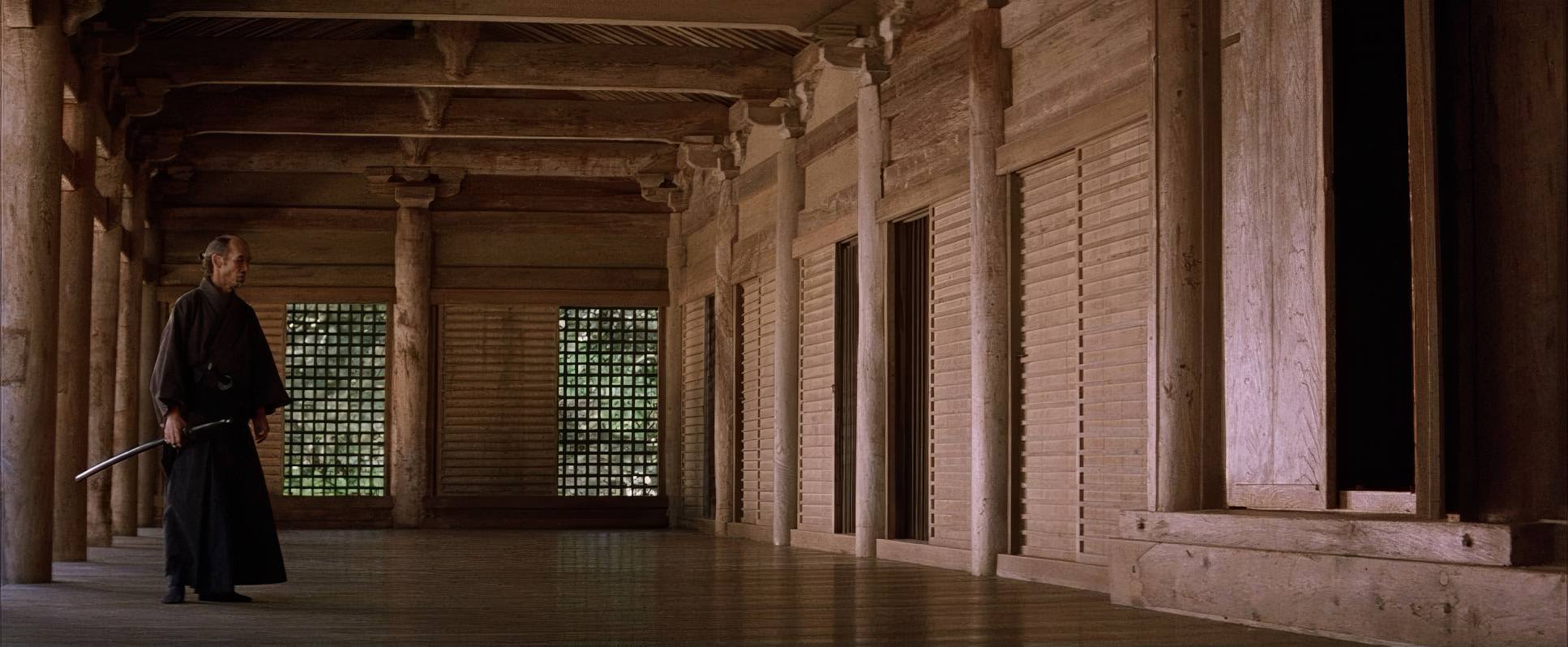
As a colorist, this is where I get really excited. Toll’s lighting is overwhelmingly naturalistic. He makes you feel the temperature of the air. In the village, the light is soft, filtered through shoji screens or thick foliage, mimicking the sun and oil lamps.
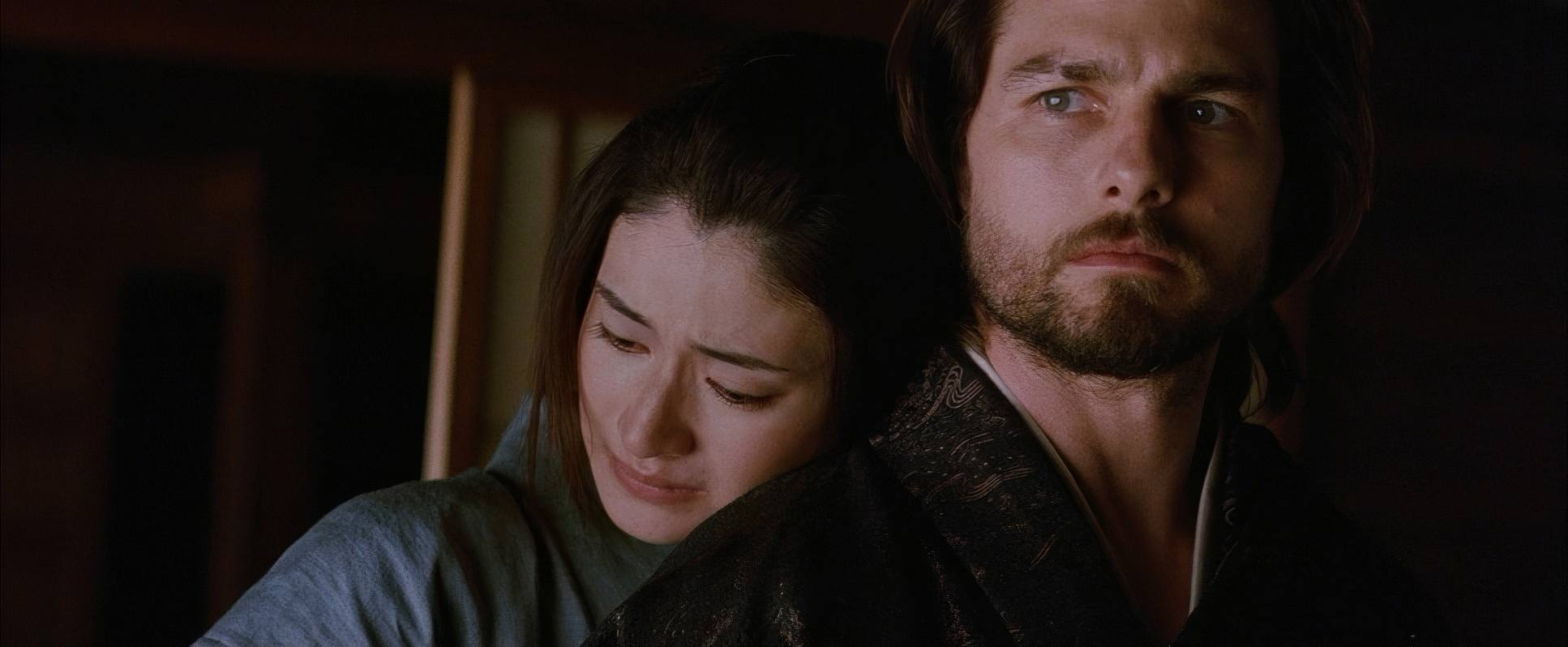
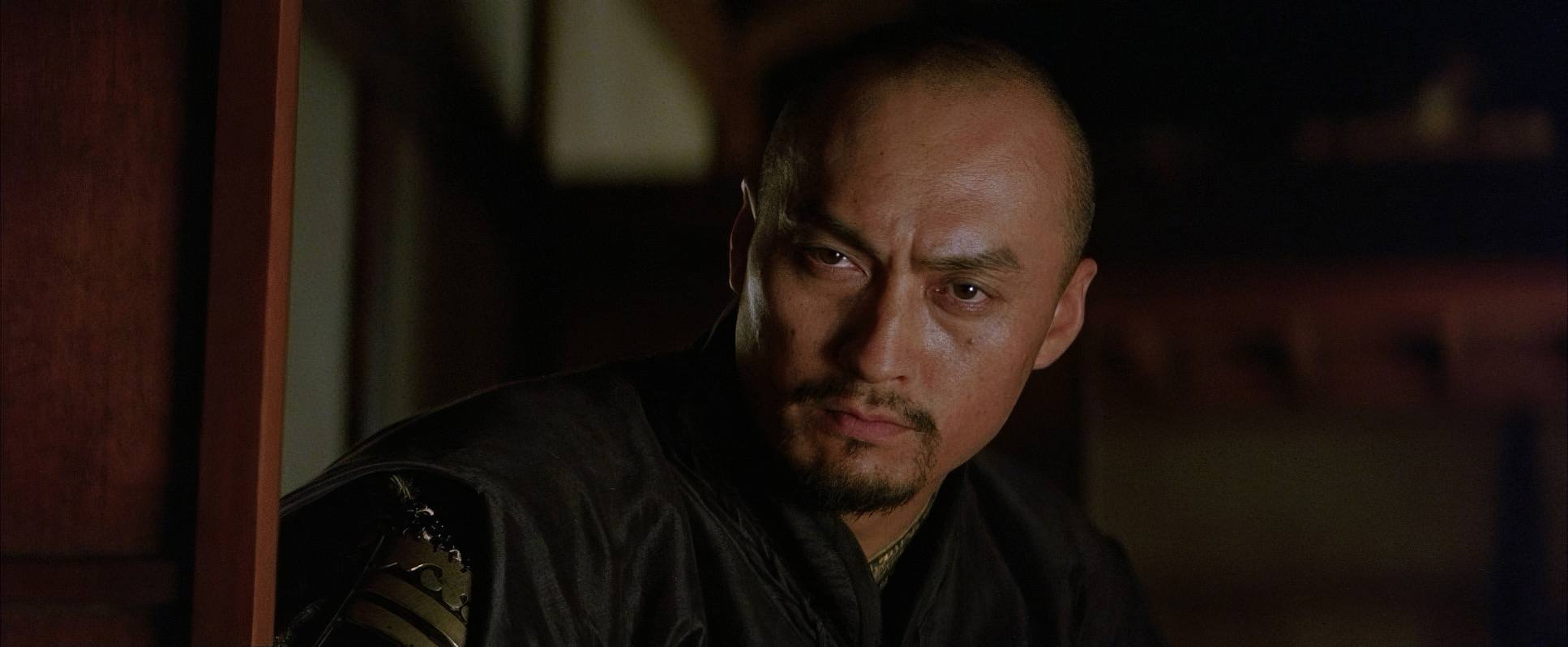
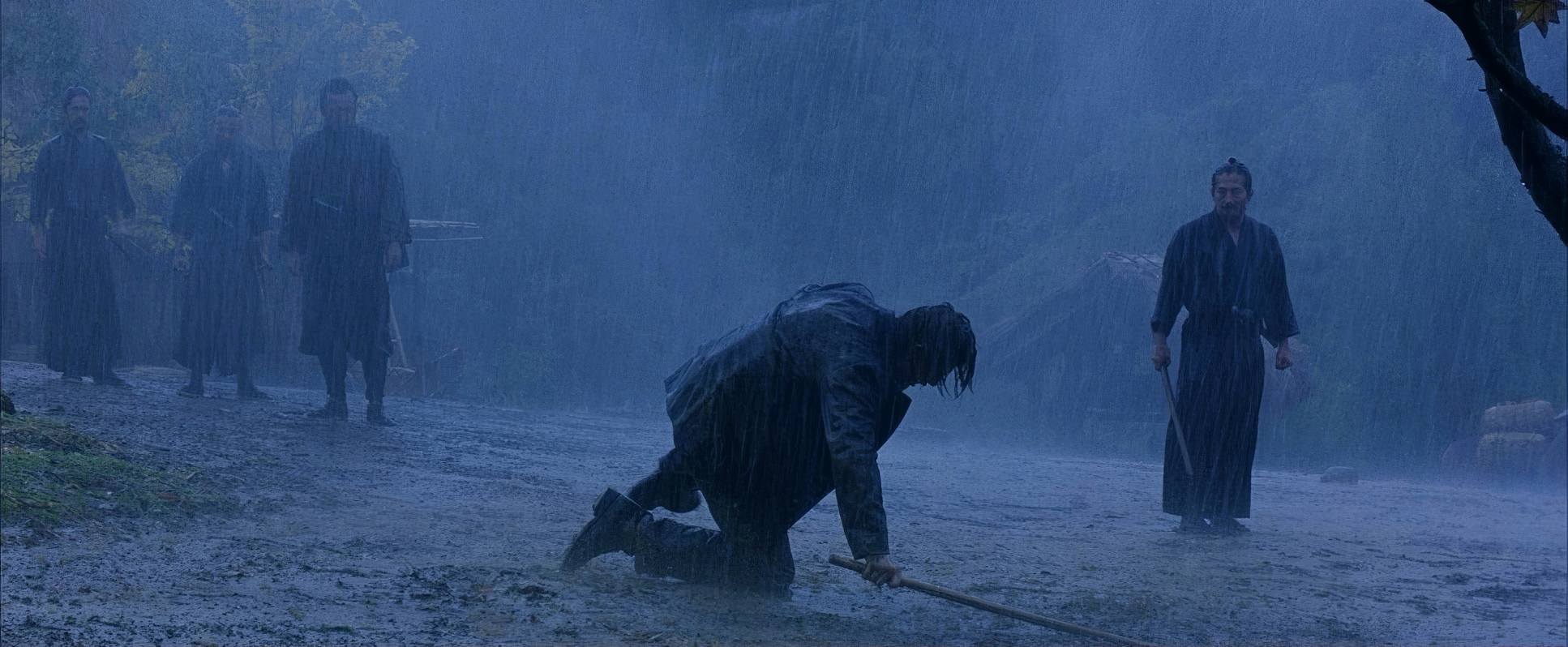
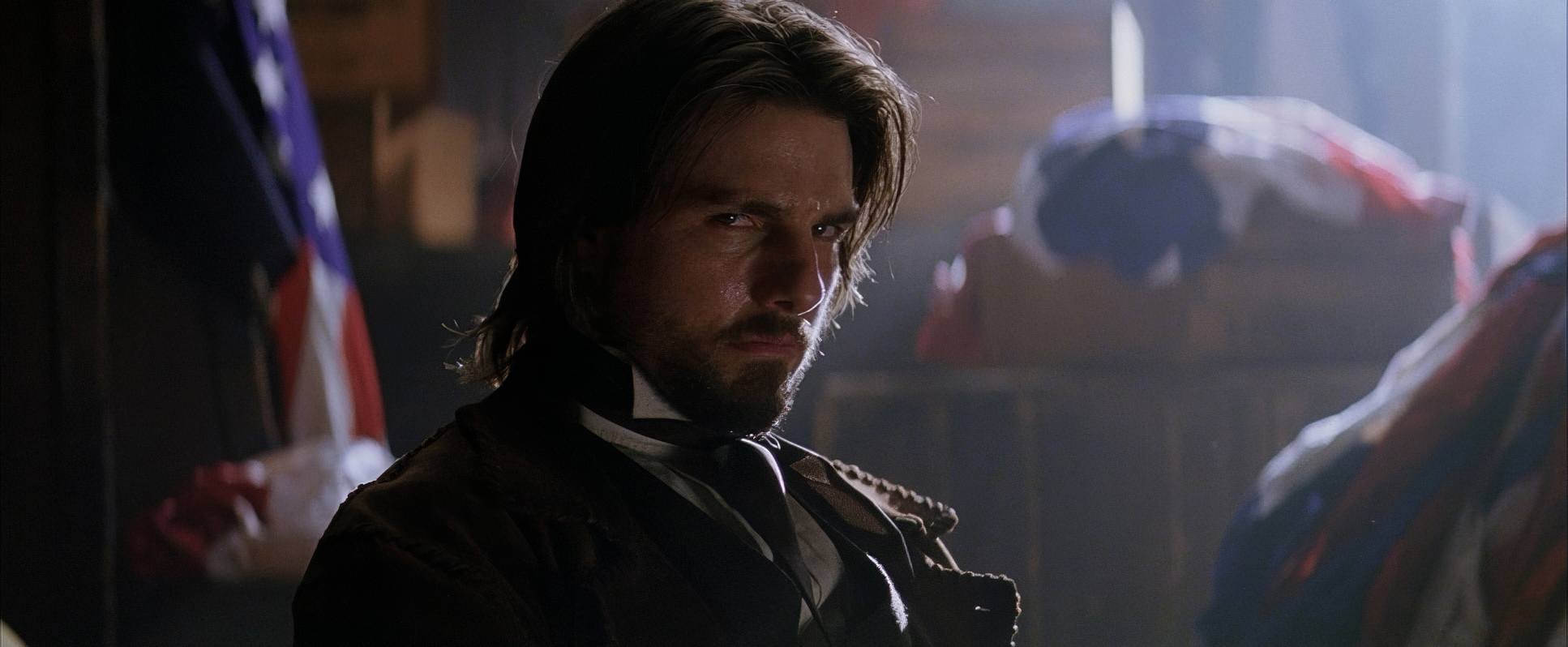
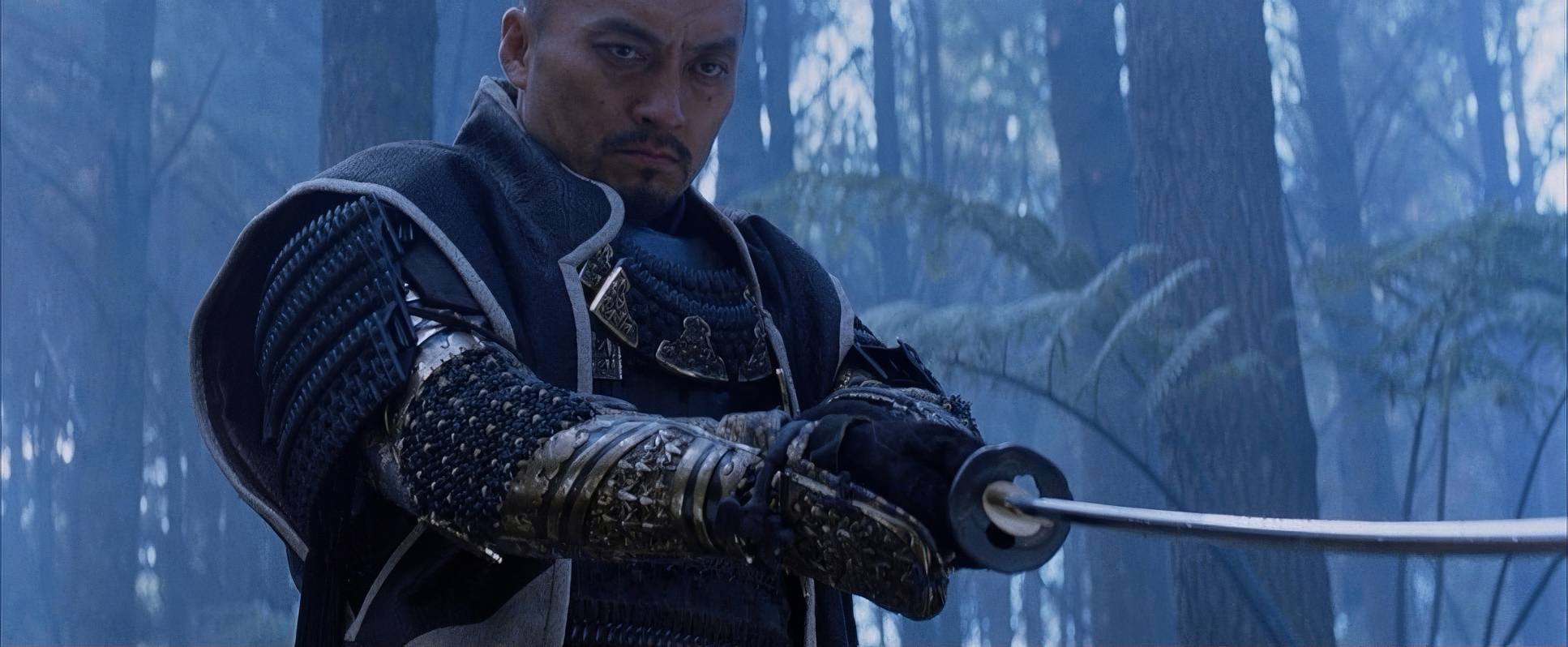
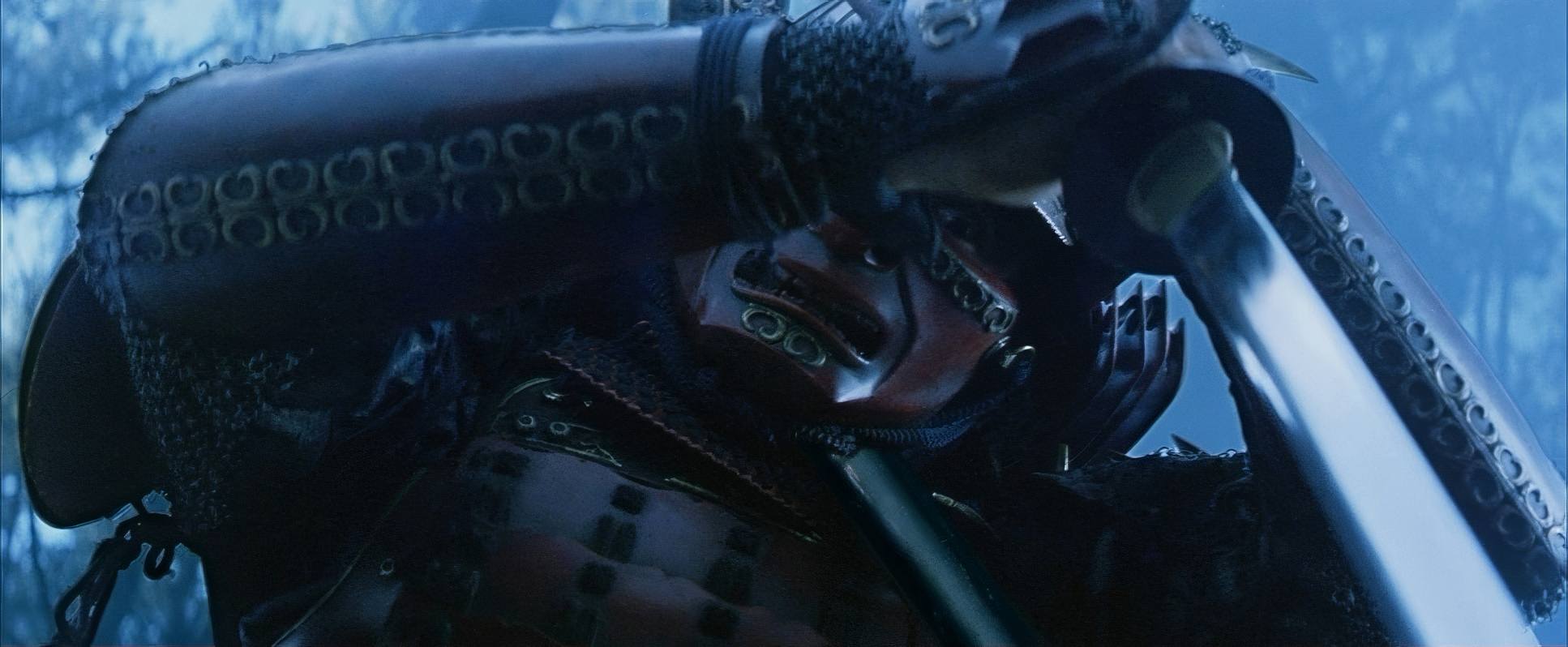
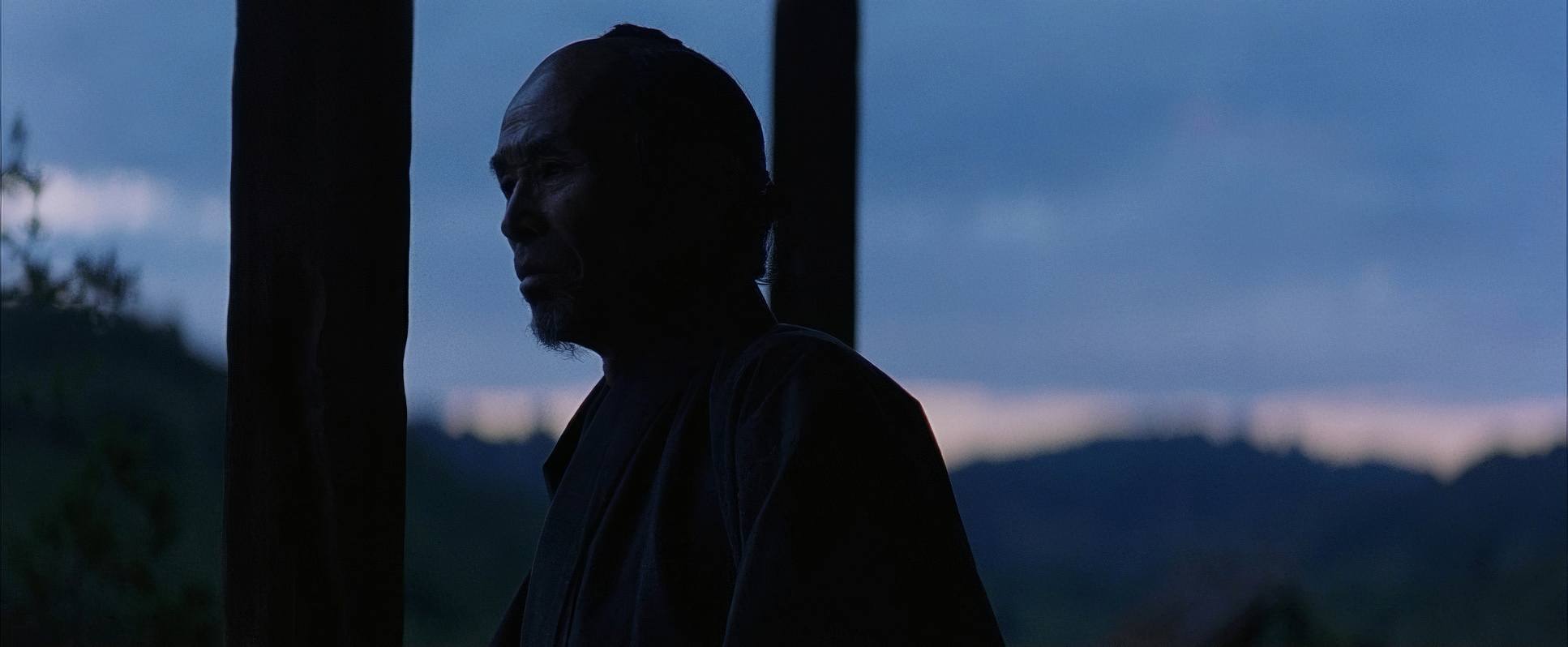
The interiors are a masterclass in tonal sculpting. He uses low-key ambiance and practical sources to create deep, velvety shadows and warm, glowing highlights. There’s a gentle roll-off into the blacks that feels incredibly organic. Compare that to the harsh, cooler lighting of the Imperial camps. It’s a subtle visual cue of the “thematic clash” at the heart of the film.
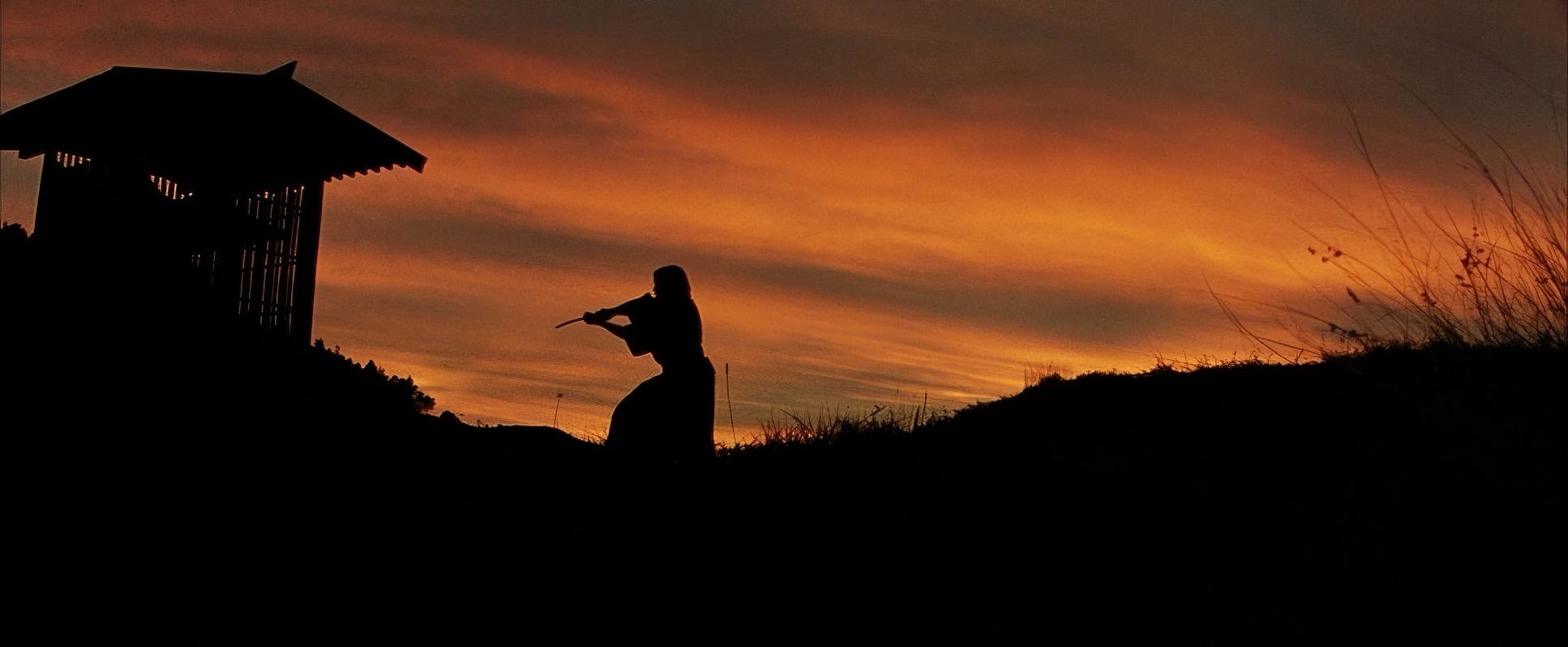
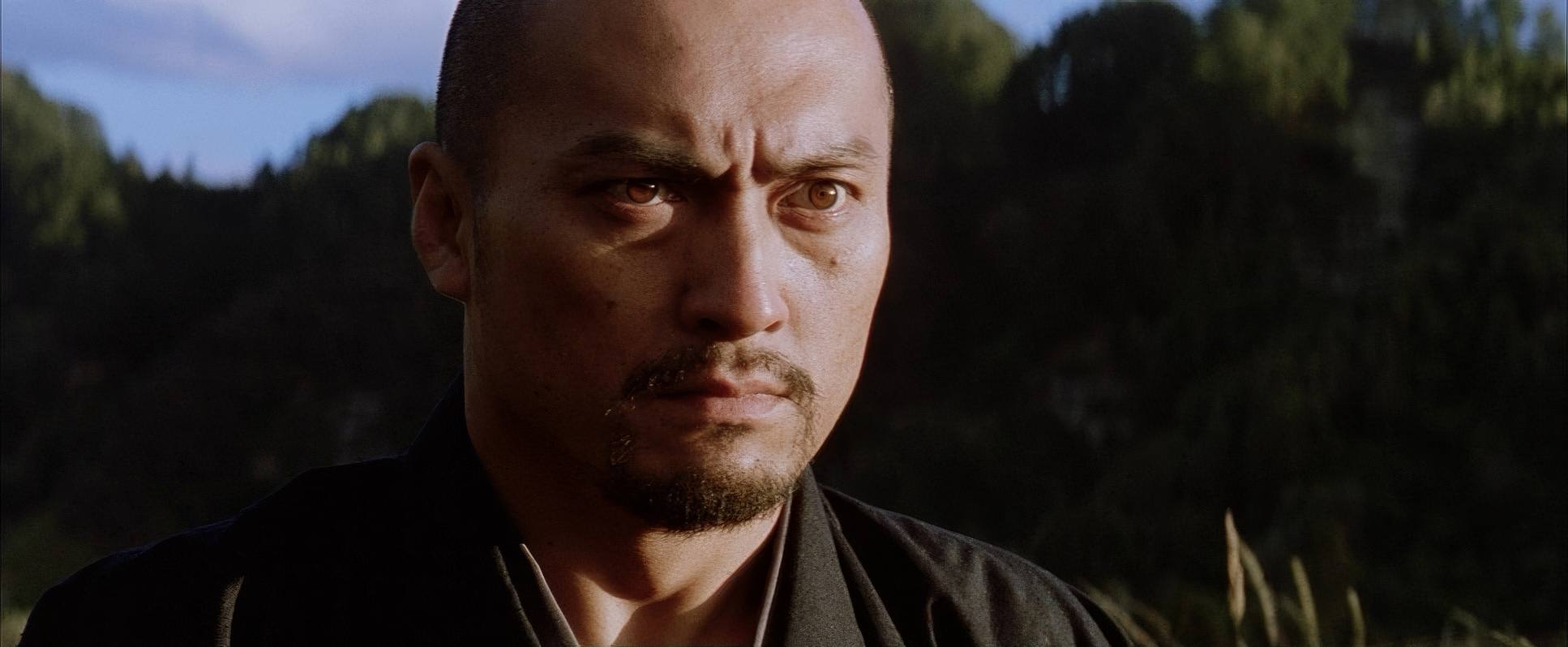
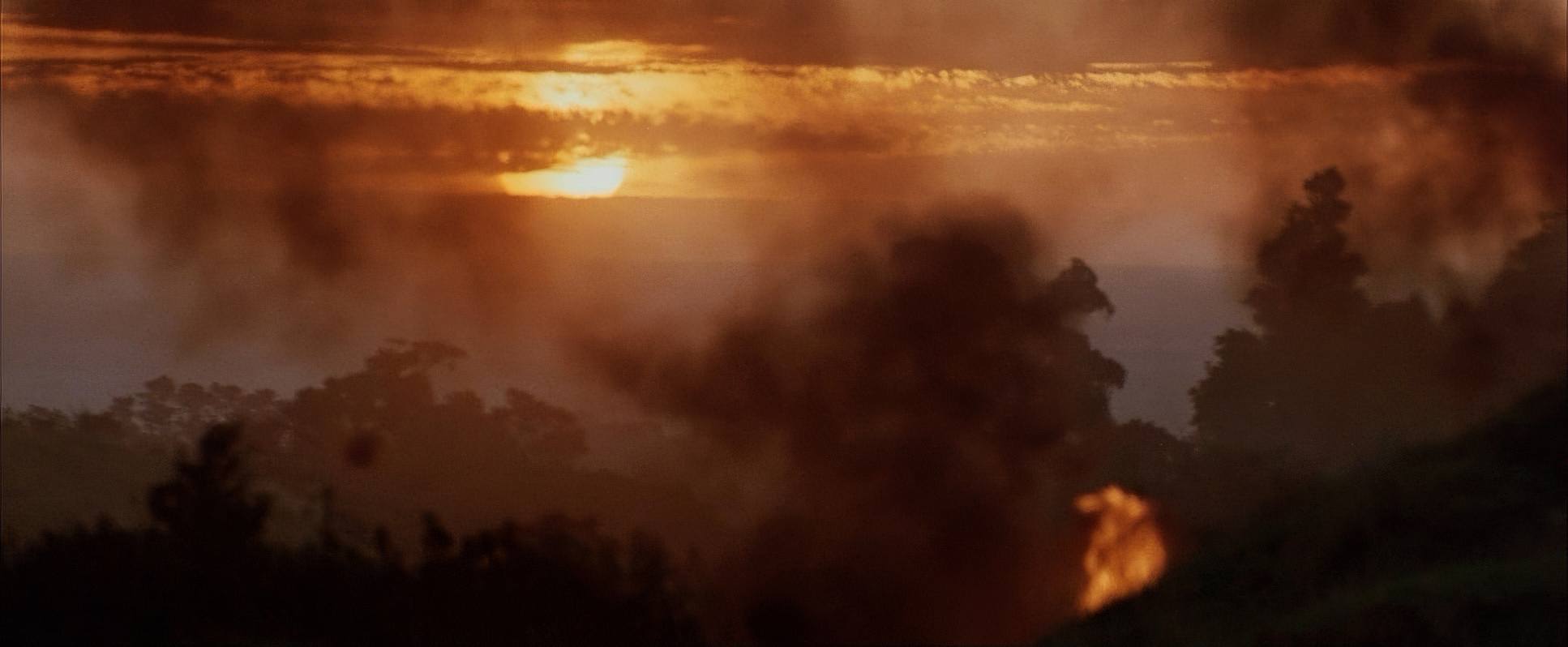
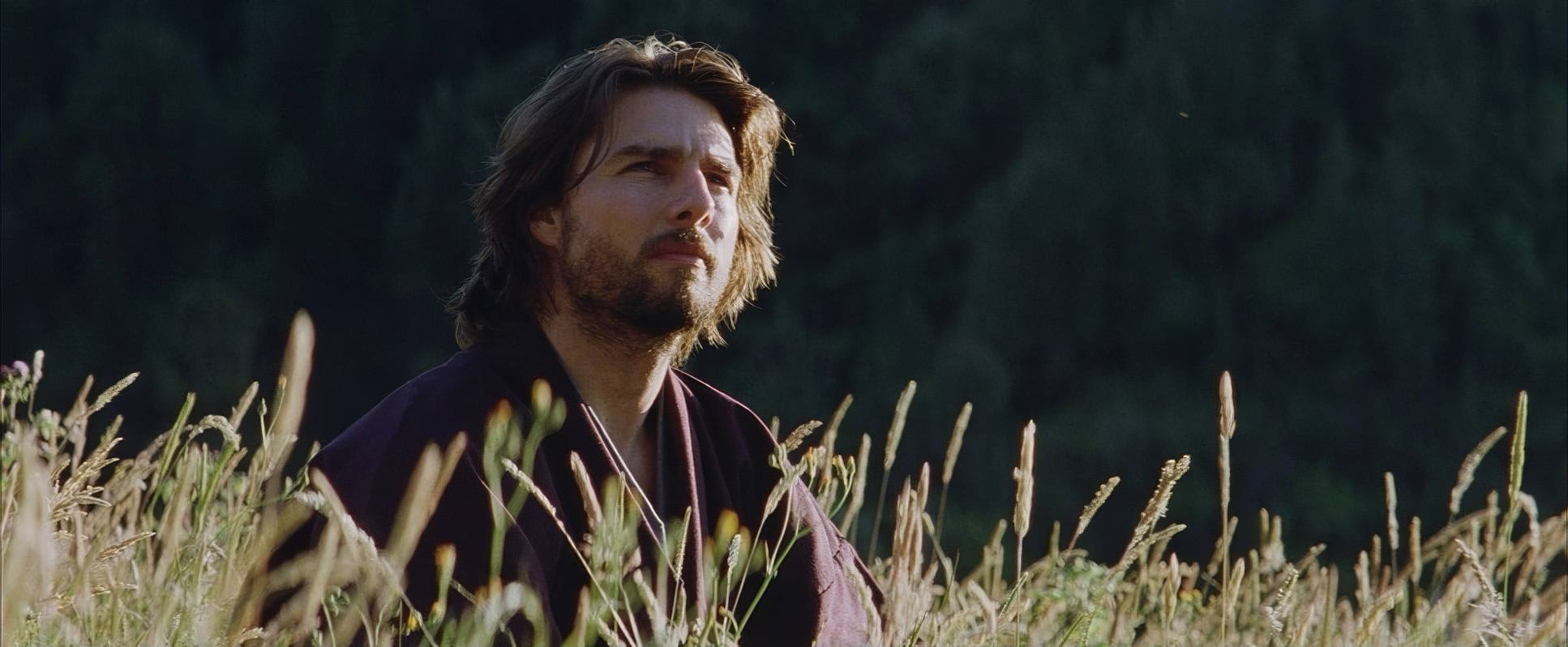
For the final battle, shooting during the golden hour wasn’t just an aesthetic choice; it gave the tragedy an ethereal, haunting quality. The highlights bloom just enough to feel filmic without ever feeling artificial.
Lensing and Blocking
You can feel the weight of the glass Toll used here. Working with Panavision anamorphic lenses, he captures that classic widescreen 2.39:1 aspect ratio that gives the film its “epic” DNA.
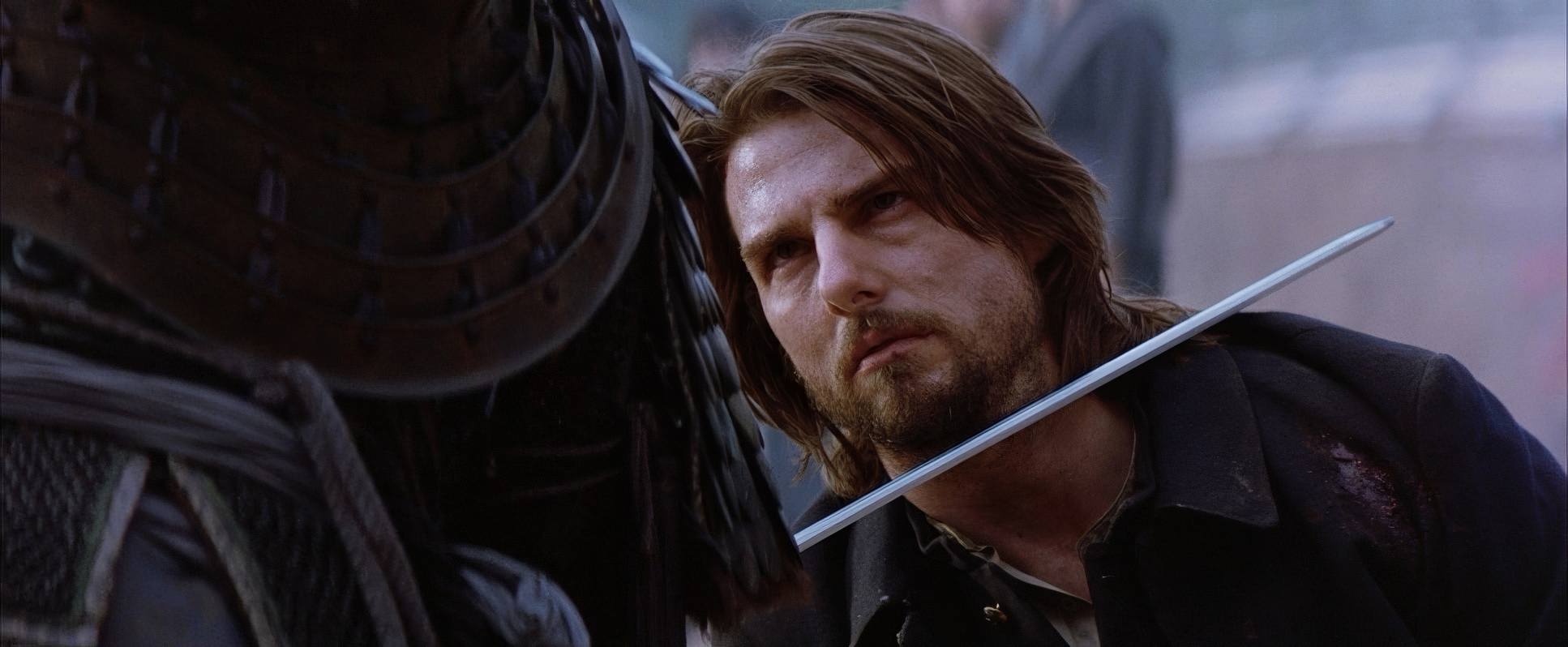
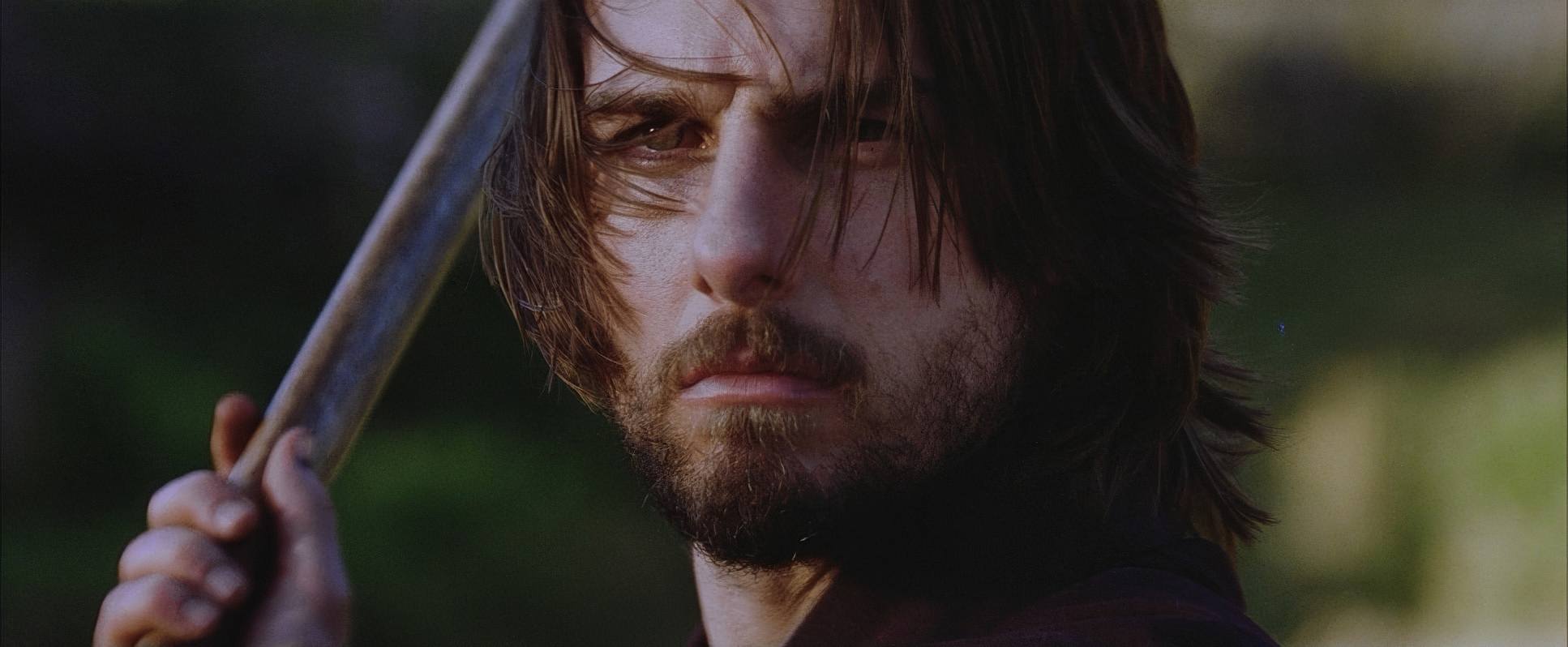
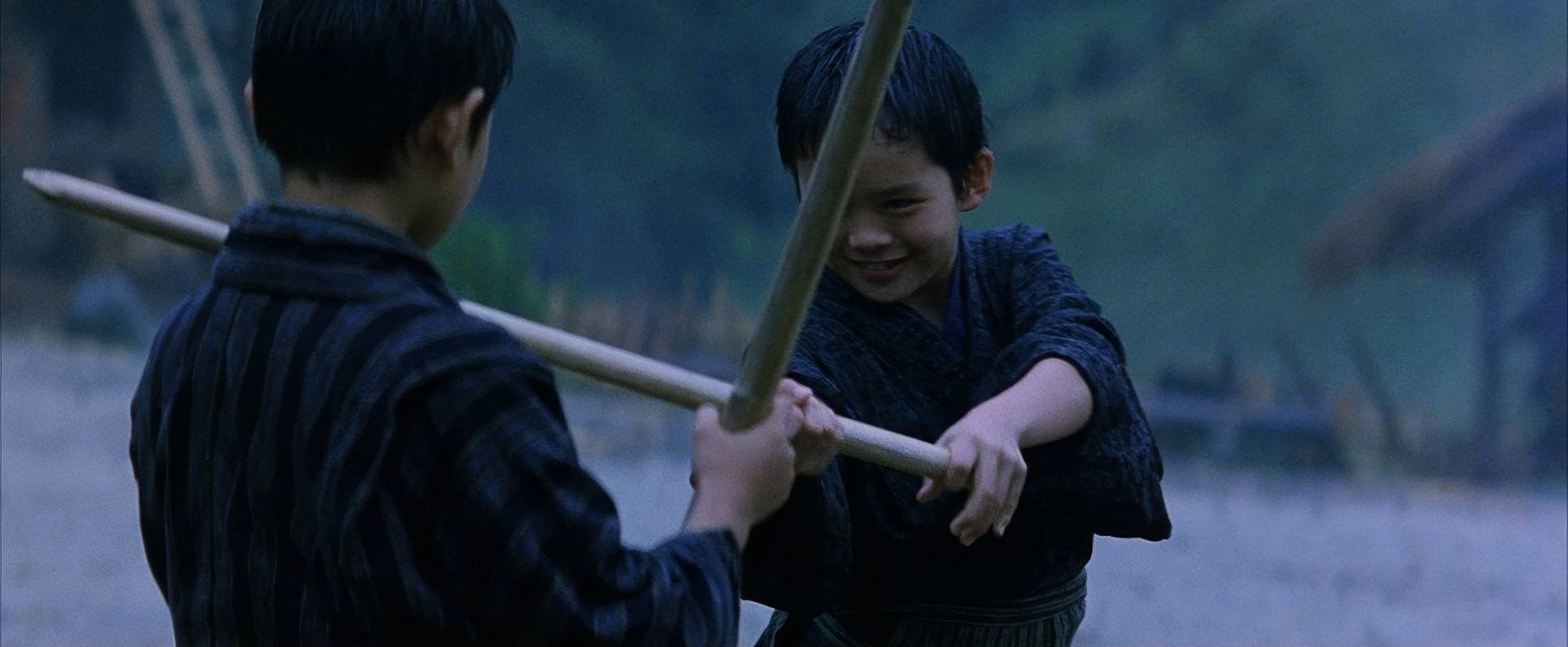
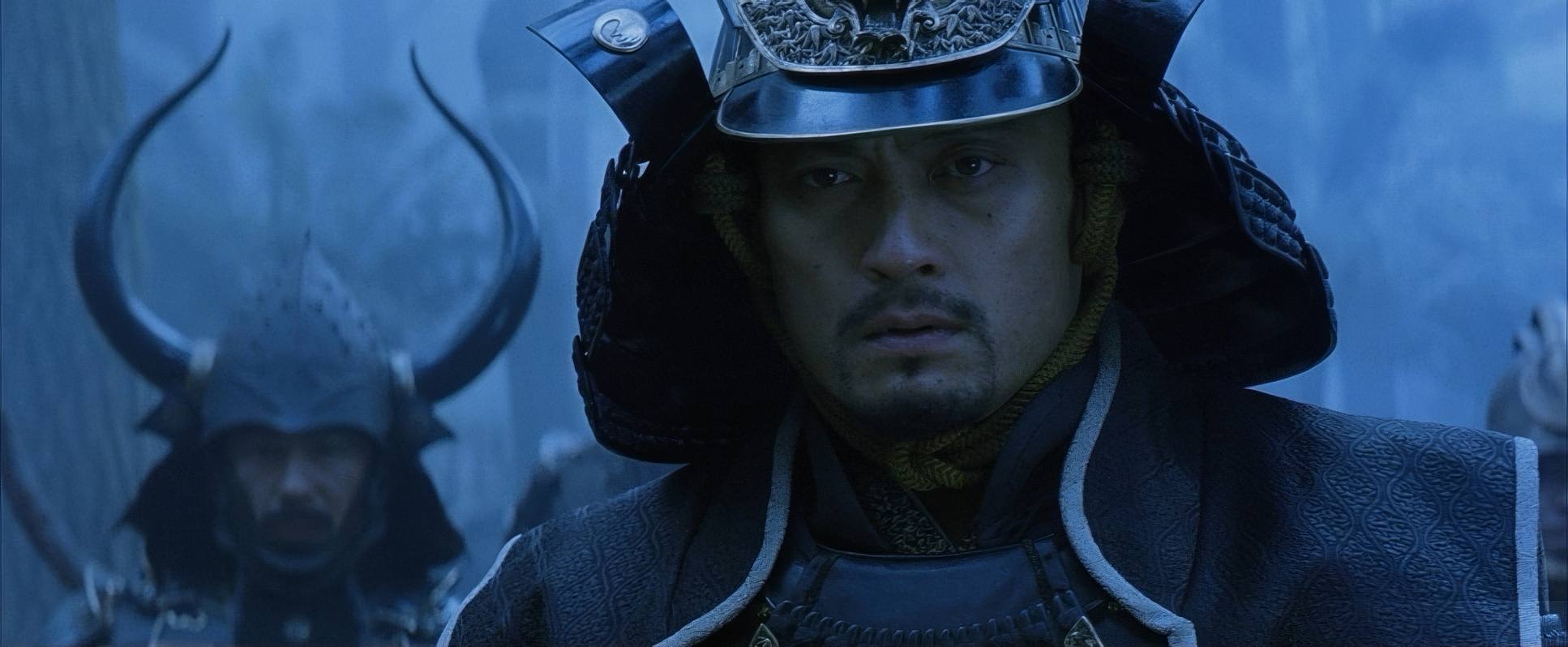
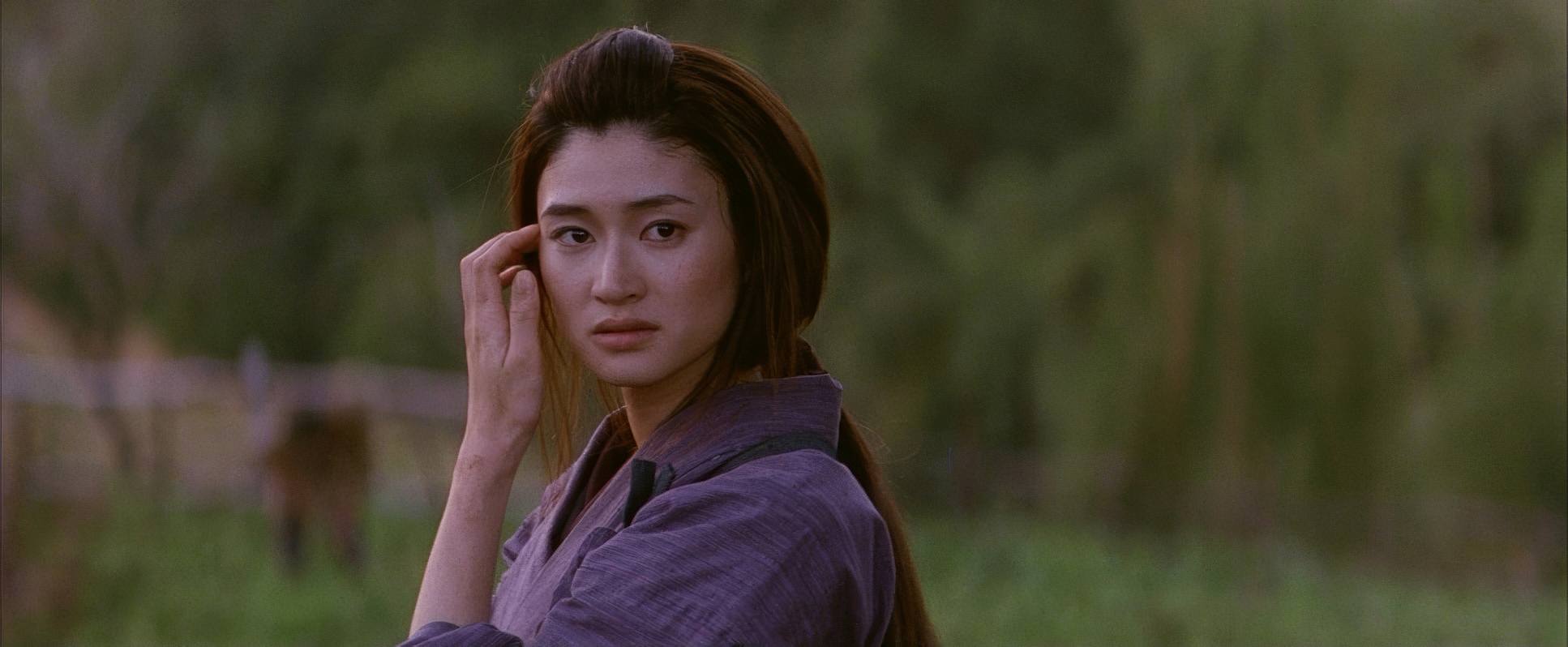
The wide-angle lenses establish the world, but the longer focal lengths are reserved for the soul of the film. Those long-lens close-ups between Algren and Katsumoto compress the background, blurring away the world and forcing us to focus on the micro-expressions and the unspoken respect between them.
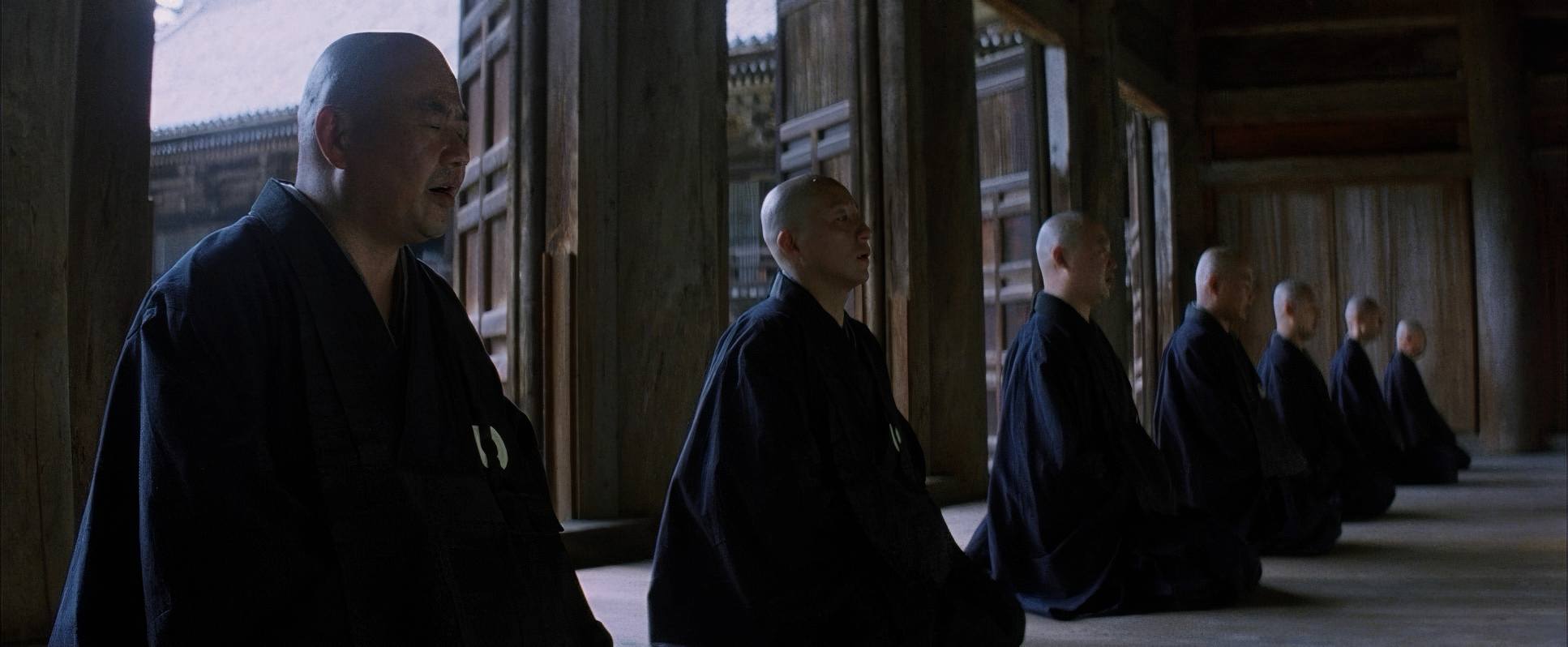
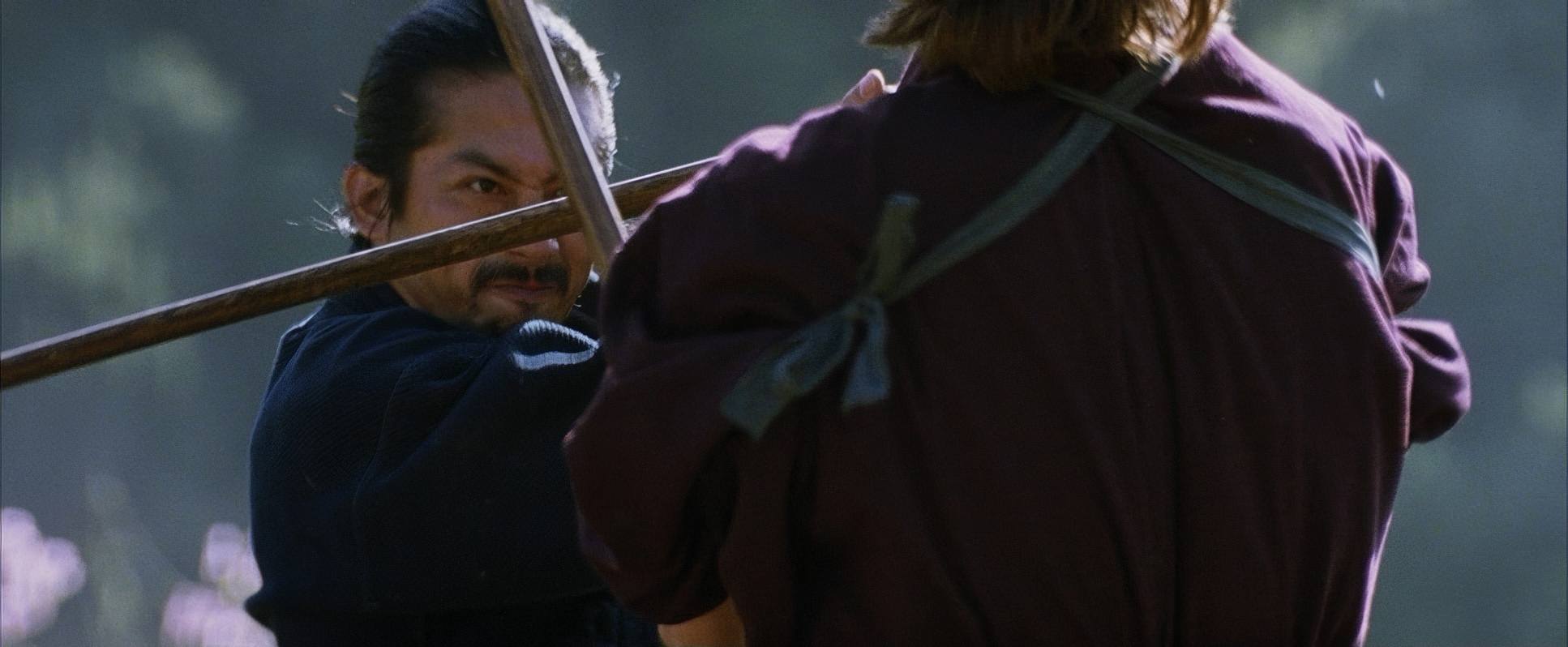
The blocking is equally precise. Early on, Algren is physically pushed to the edges of the frame, isolated by objects or depth. As the “respect” grows, he is brought into the center, sitting shoulder-to-shoulder with the Samurai. It’s a silent narrative told entirely through physical proximity.
Color Grading: The “Color Culture” Perspective
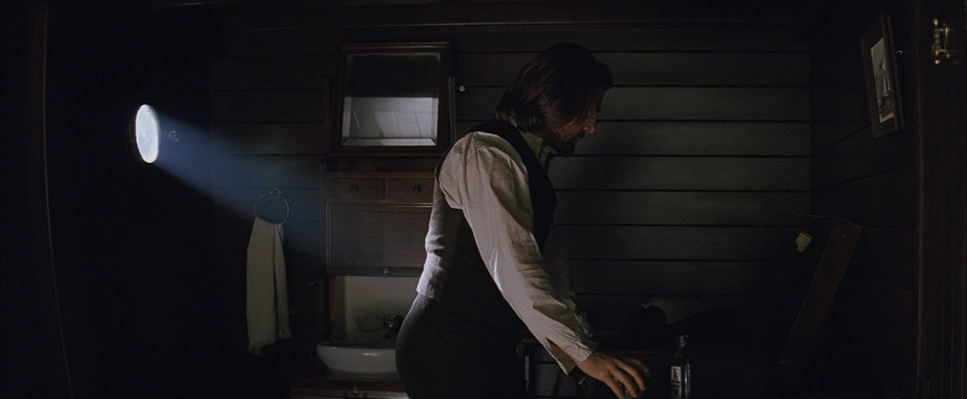
This is my bread and butter. If I were sitting at the DaVinci Resolve panel for this film, I’d be obsessing over the print-film sensibility. The look is rich, historically informed, and avoids the hyper-saturated “plastic” look of modern digital epics.
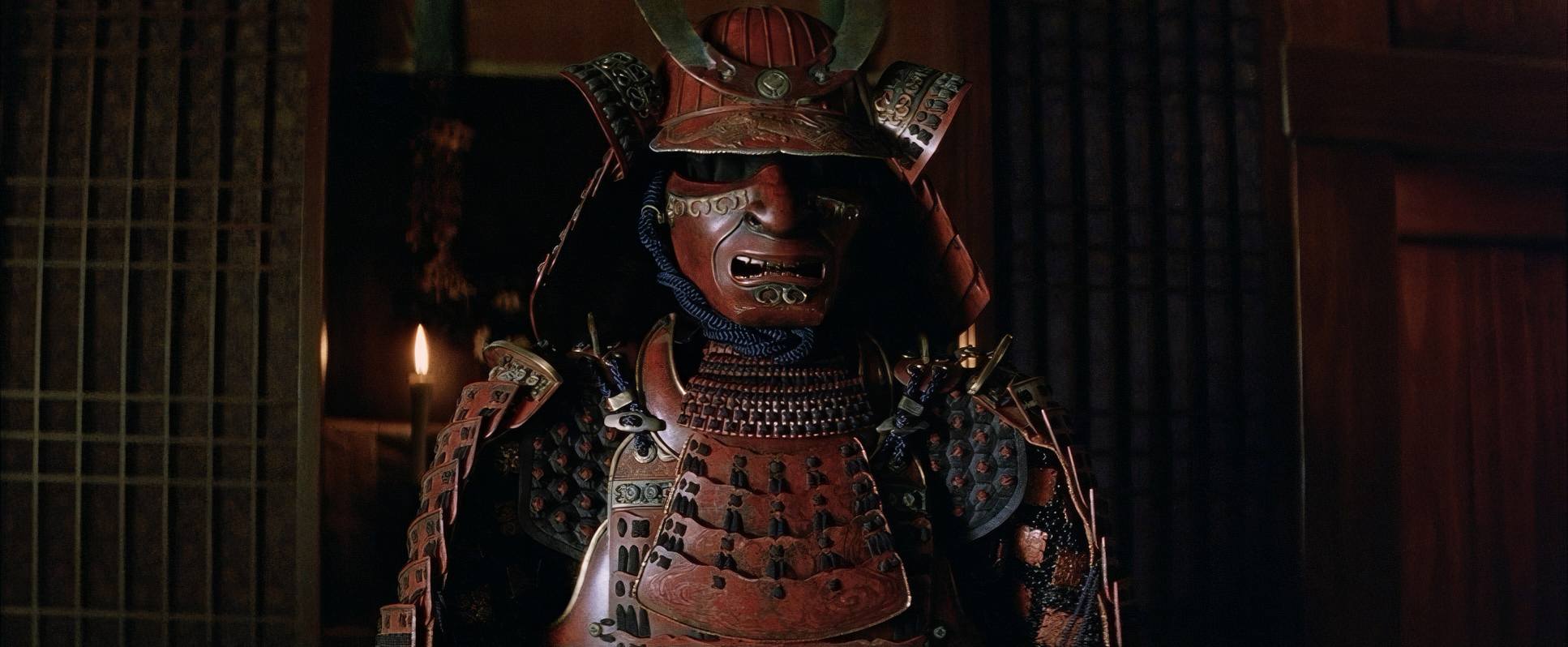
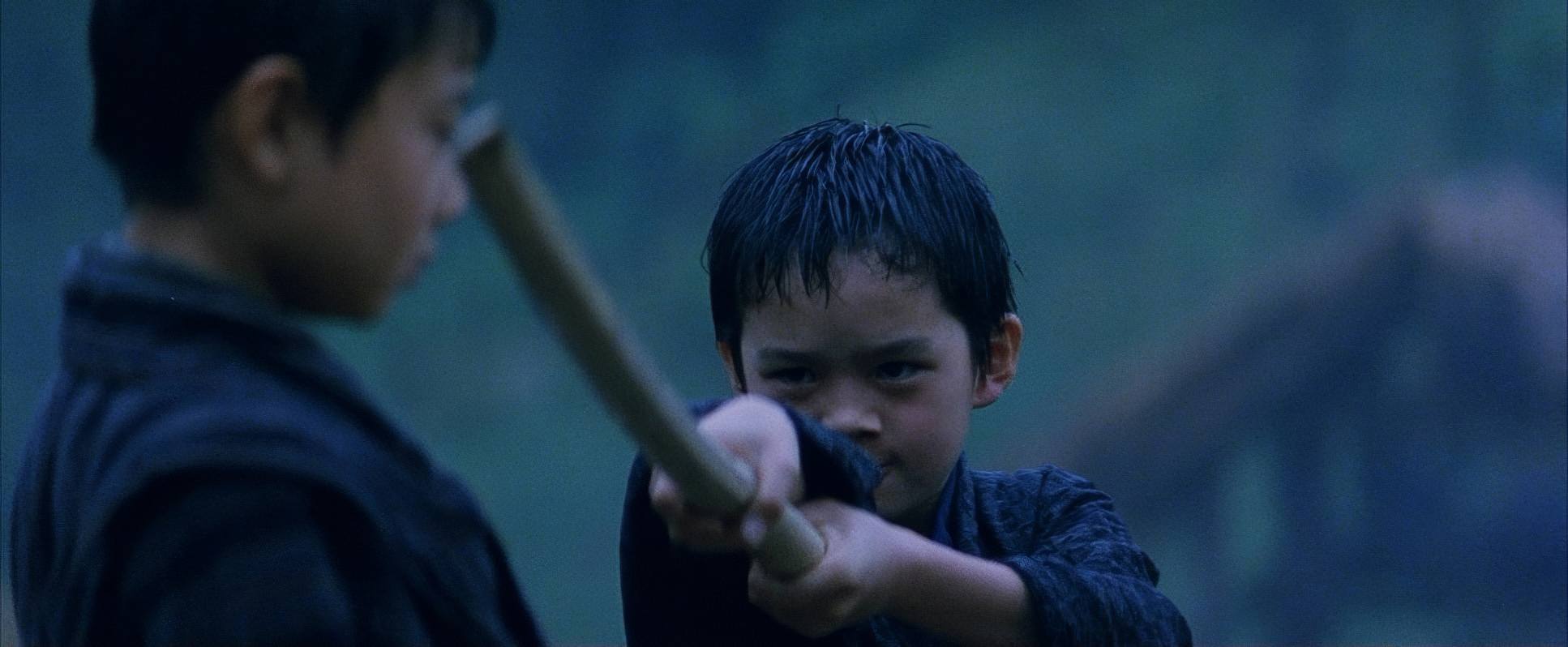
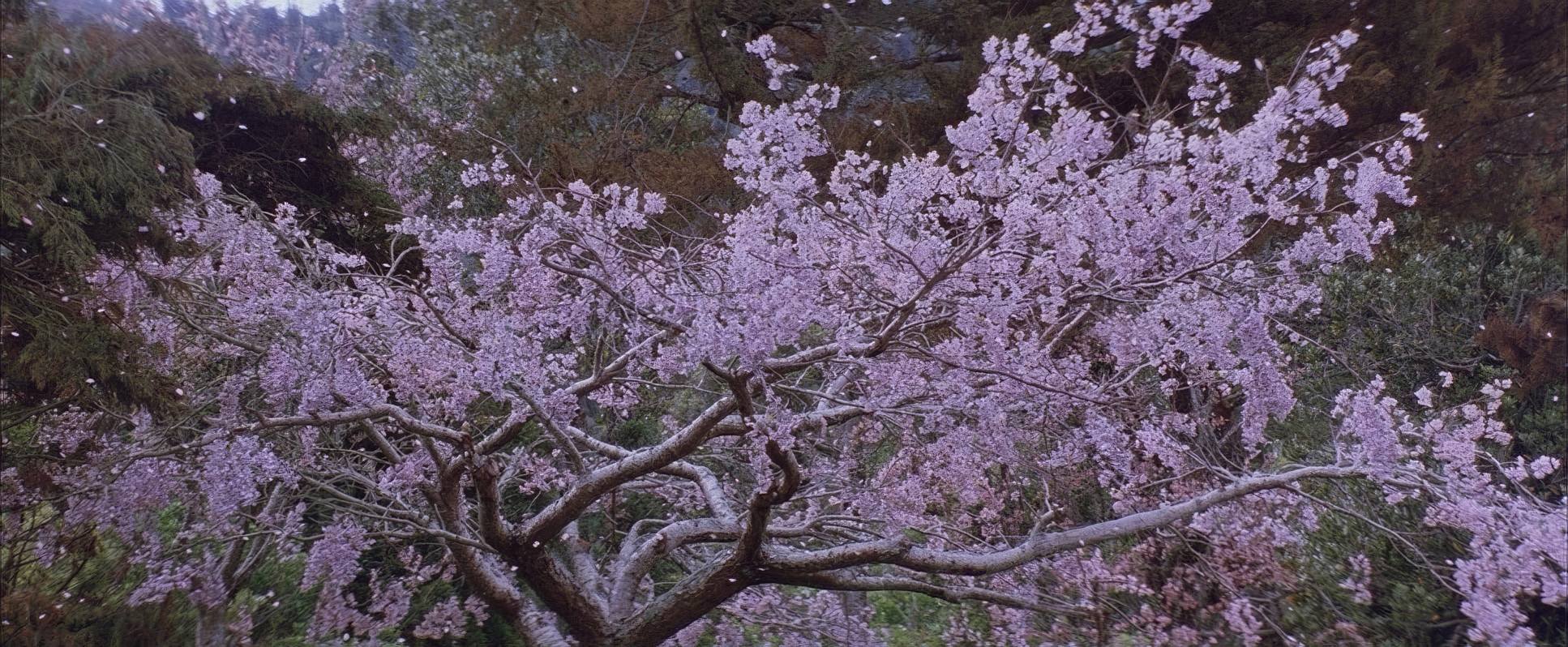
We’re looking at a palette of deep forest greens, rustic wood browns, and warm firelight oranges. This creates beautiful hue separation the blue of a kimono or the crimson of blood pops against the earthy backdrop without feeling “dialed in.”
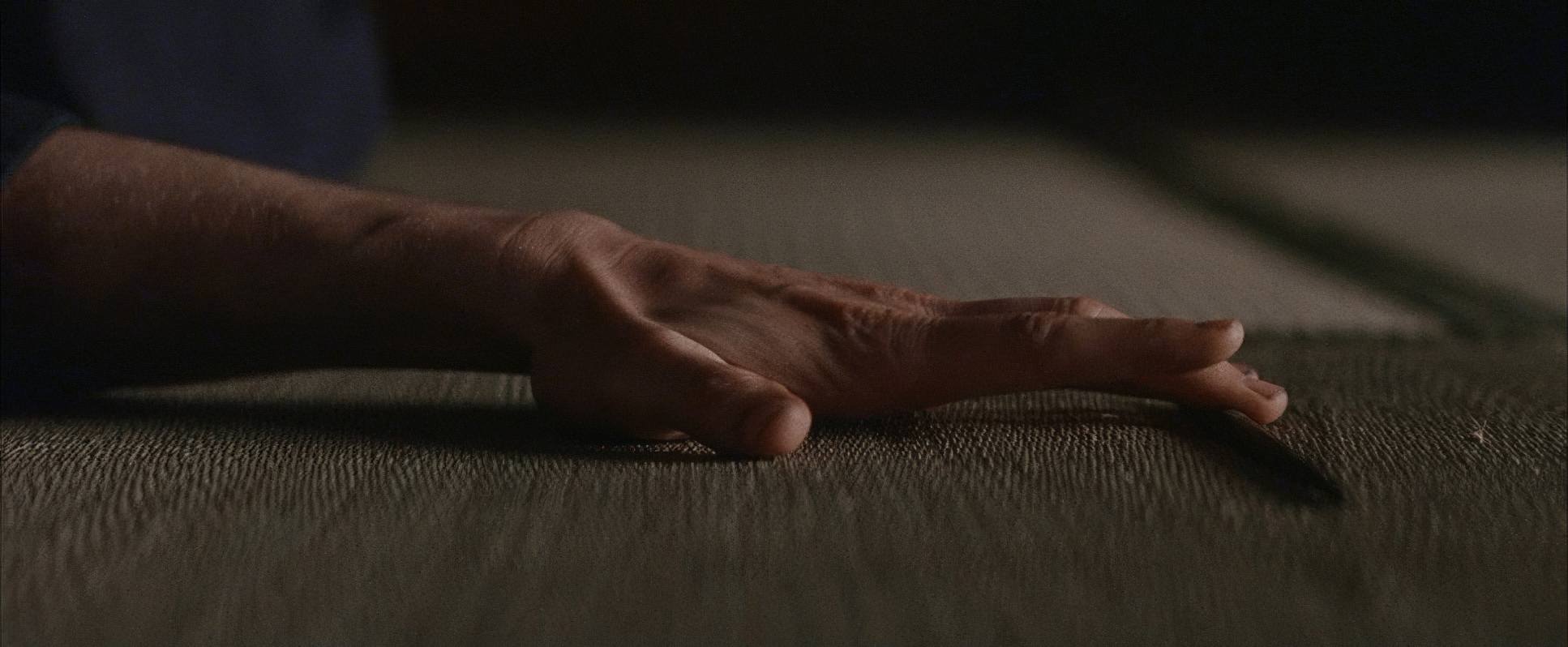
The contrast is where the magic happens. The shadows aren’t just crushed; they have a jurisdictional density. There’s detail in the blacks that feels like a heavy film print. While the original was timed photochemically, the later DI work (handled by the brilliant Jill Bogdanowicz for the remasters) preserves that timeless, “rose-tinted” memory. It’s meant to feel like a cherished old photograph come to life.
Technical Aspects & Tools
The Last Samurai | Film 35mm · 2.39:1 Anamorphic
| Genre | Action, Drama, History, War, Adventure, Epic |
| Director | Edward Zwick |
| Cinematographer | John Toll |
| Production Designer | Lilly Kilvert |
| Costume Designer | Ngila Dickson |
| Editor | Steven Rosenblum, Victor Du Bois |
| Colorist | Jill Bogdanowicz |
| Time Period | 1800s |
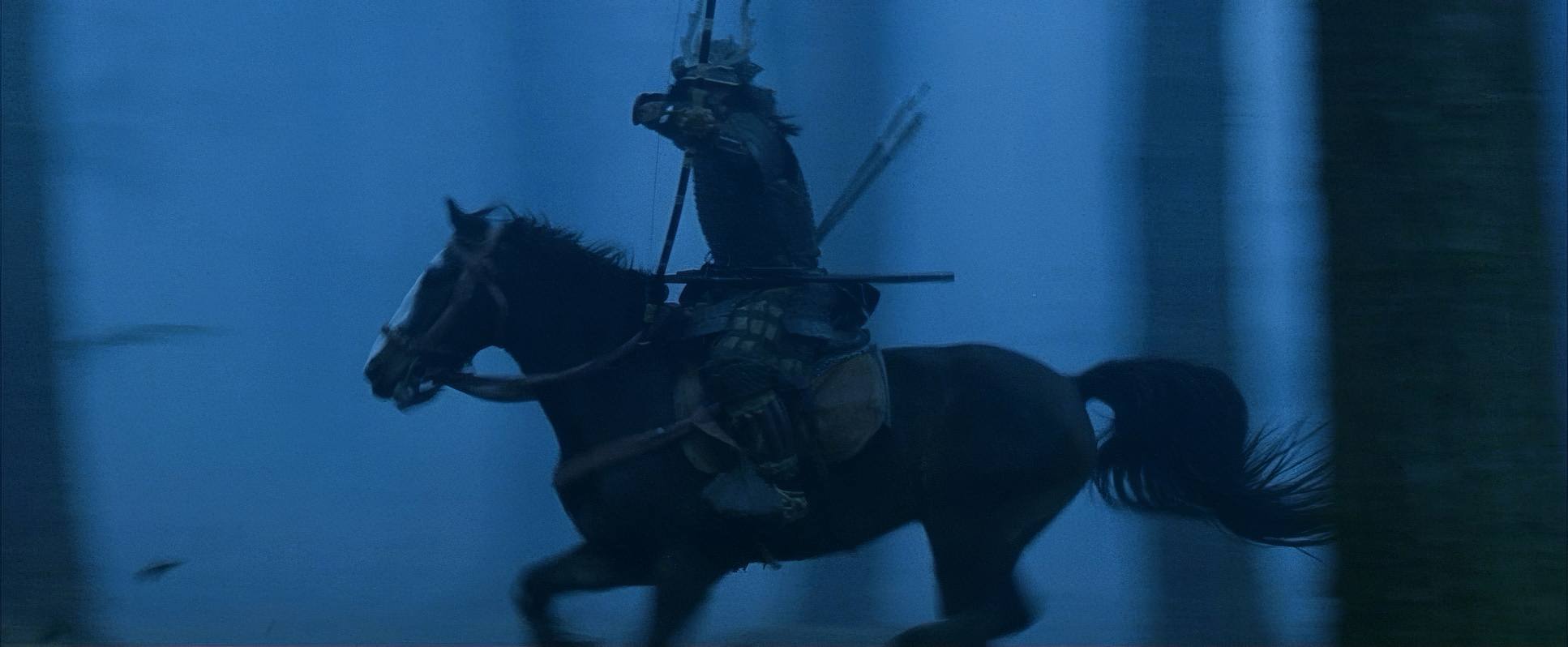
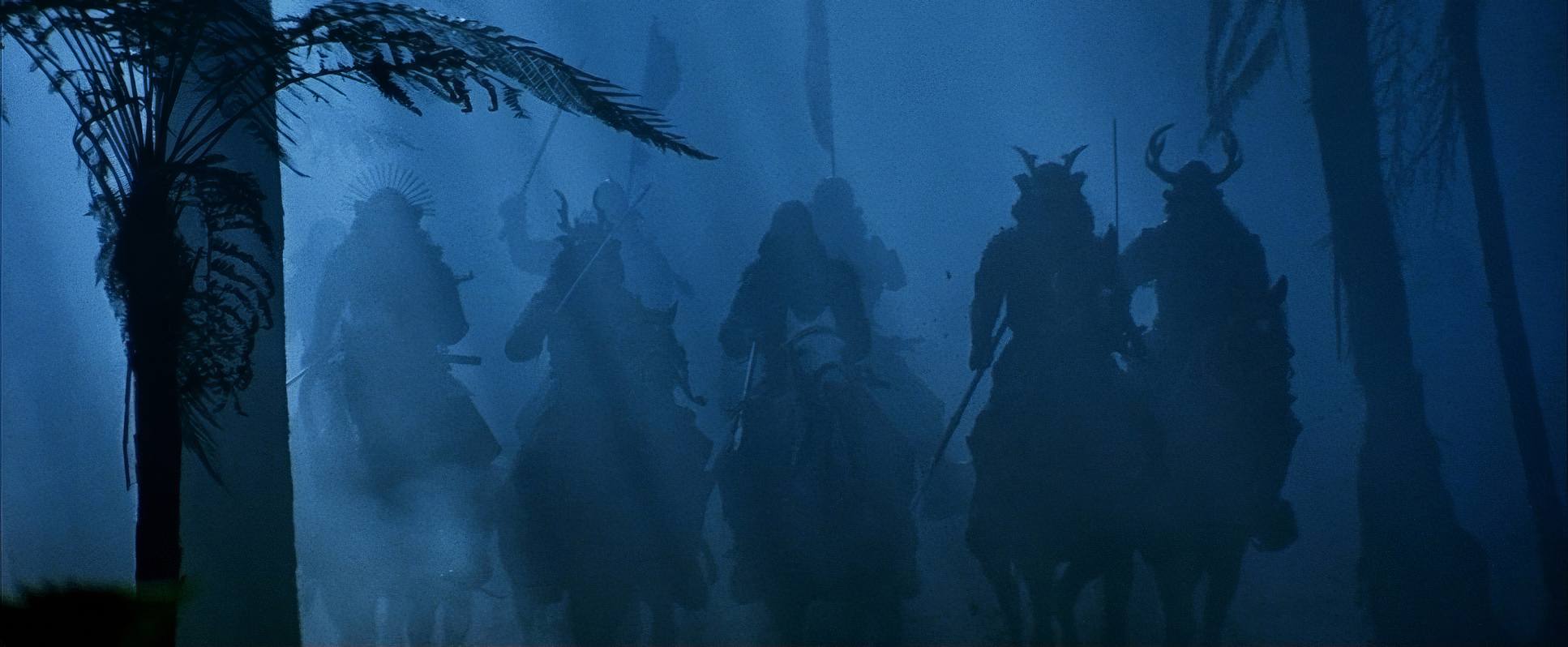
| Color | Blue |
| Aspect Ratio | 2.39 – Anamorphic |
| Format | Film – 35mm |
| Lighting | Hard light, Side light |
| Lighting Type | Daylight, Sunny |
| Story Location | Japan > Yoshino Province |
| Filming Location | Taranaki > Uruti |
| Camera | Arriflex 435, Panavision Panaflex, Panavision Panastar |
| Lens | Panavision C series, Panavision E series, Panavision Primo Primes |
| Film Stock / Resolution | 5218/7218 Vision 2 500T, 5248/7248 EXR 100T, 5293/7293 EXR 200T, 5298/7298 EXR 500T |
Shot in 2003, The Last Samurai is a testament to the peak of 35mm film. They used Kodak Vision and EXR stocks (like the 500T 5218), which provided that characteristic fine grain and exceptional dynamic range. This is why the film feels so tactile compared to modern digital acquisition there’s an organic texture that digital still struggles to replicate.
The “amazing lack of CGI” is a technical achievement in itself. Thousands of extras, real horses, and practical sets meant Toll had to be a master of exposure control on set. Managing the range from blinding sunset to deep shadow on a film negative requires precision that most modern DPs, pampered by digital monitors, would find daunting. The use of Panavision C and E series anamorphics adds those beautiful oval bokehs and horizontal flares that anchor the film in a classic cinematic tradition.
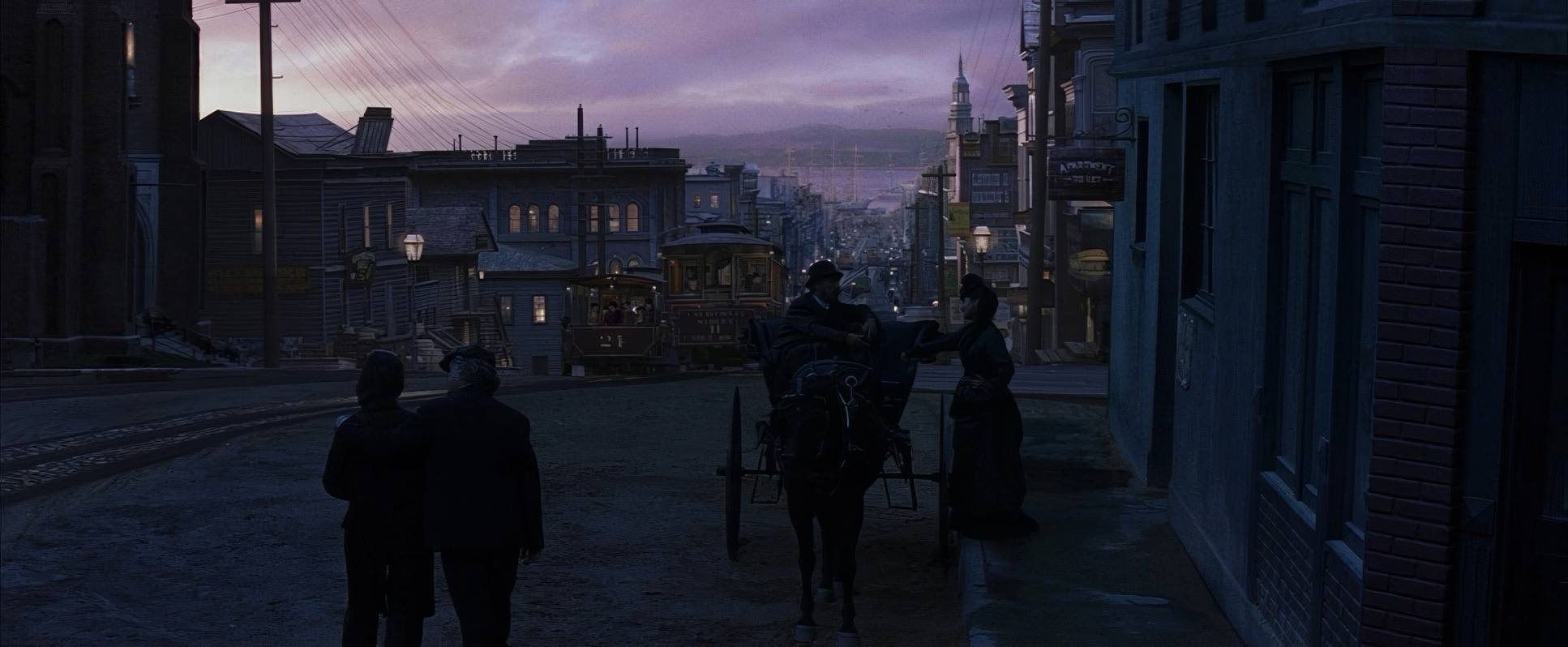
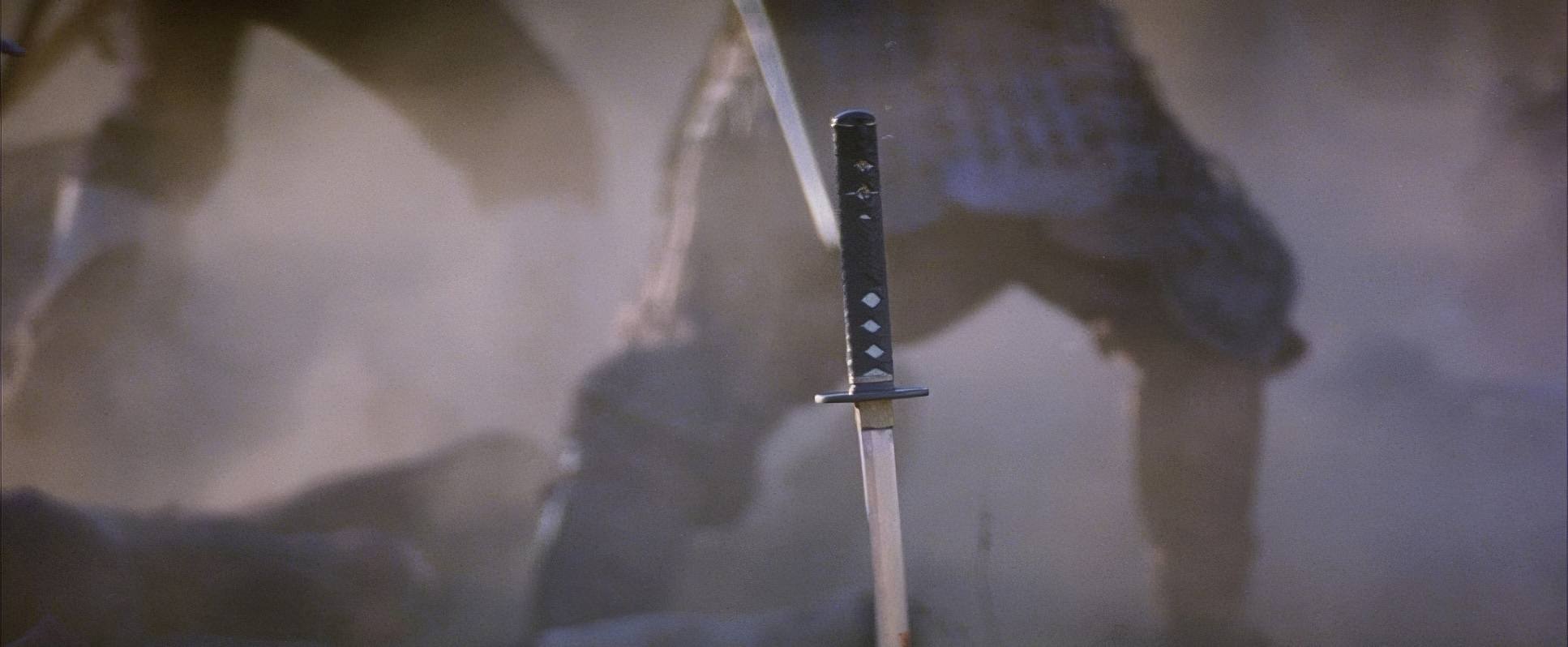
The Last Samurai (2003) Film Stills
A curated reference archive of cinematography stills from The Last Samurai (2003). Study the lighting, color grading, and composition.
- Also read: TRAINING DAY (2001) – CINEMATOGRAPHY ANALYSIS
- Also read: CAPTAIN PHILLIPS (2013) – CINEMATOGRAPHY ANALYSIS
Browse Our Cinematography Analysis Glossary
Explore directors, cinematographers, cameras, lenses, lighting styles, genres, and the visual techniques that shape iconic films.
Explore Glossary →