The Goonies hits different when you look at it through a viewfinder. For most, it’s a foundational memory of hidden maps and pirate ships. It’s a “pirate mafia monster movie” that manages to feel both like a rough-and-tumble neighborhood hang and a sweeping epic. My goal here isn’t just to gush about a classic, but to unpack the visual grammar that keeps this film thriving decades later.
About the Cinematographer

While many attribute the “Spielberg Look” to the usual suspects, the man actually behind the lens for The Goonies was Nick McLean. McLean is a fascinating figure in cinematography history. Before he was a DP in his own right, he was a legendary camera operator, working under masters like Vilmos Zsigmond on Close Encounters of the Third Kind and The Deer Hunter.
That background is vital to understanding The Goonies. McLean brought a specific kind of “operator’s intuition” to the set an ability to manage complex, multi-character blocking while maintaining a sense of grand scale. He wasn’t just capturing a kids’ movie; he was grounding a high-concept adventure in a visual verisimilitude that felt dangerous. It’s why the opening prison break with a faked suicide and a high-speed chase feels so much heavier than your standard family fare. McLean’s work ensured that when these kids said they felt like they could die, the audience actually believed them.
Inspiration Behind the Cinematography

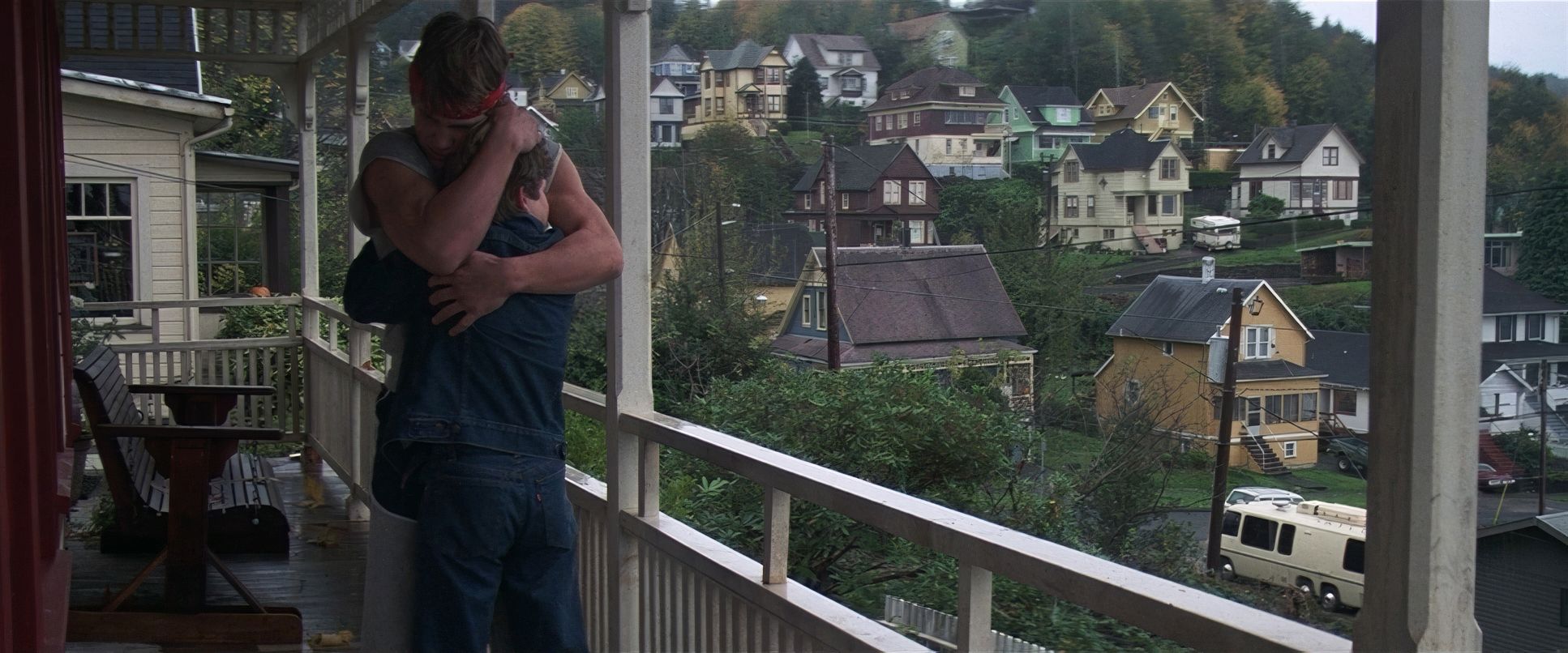
The visual DNA of The Goonies is a collision between Richard Donner’s sense of grand, “Superman-sized” narrative and Steven Spielberg’s obsession with childhood wonder. The mandate was clear: the world had to feel expansive and mysterious, even within the rain-slicked streets of Astoria, Oregon.
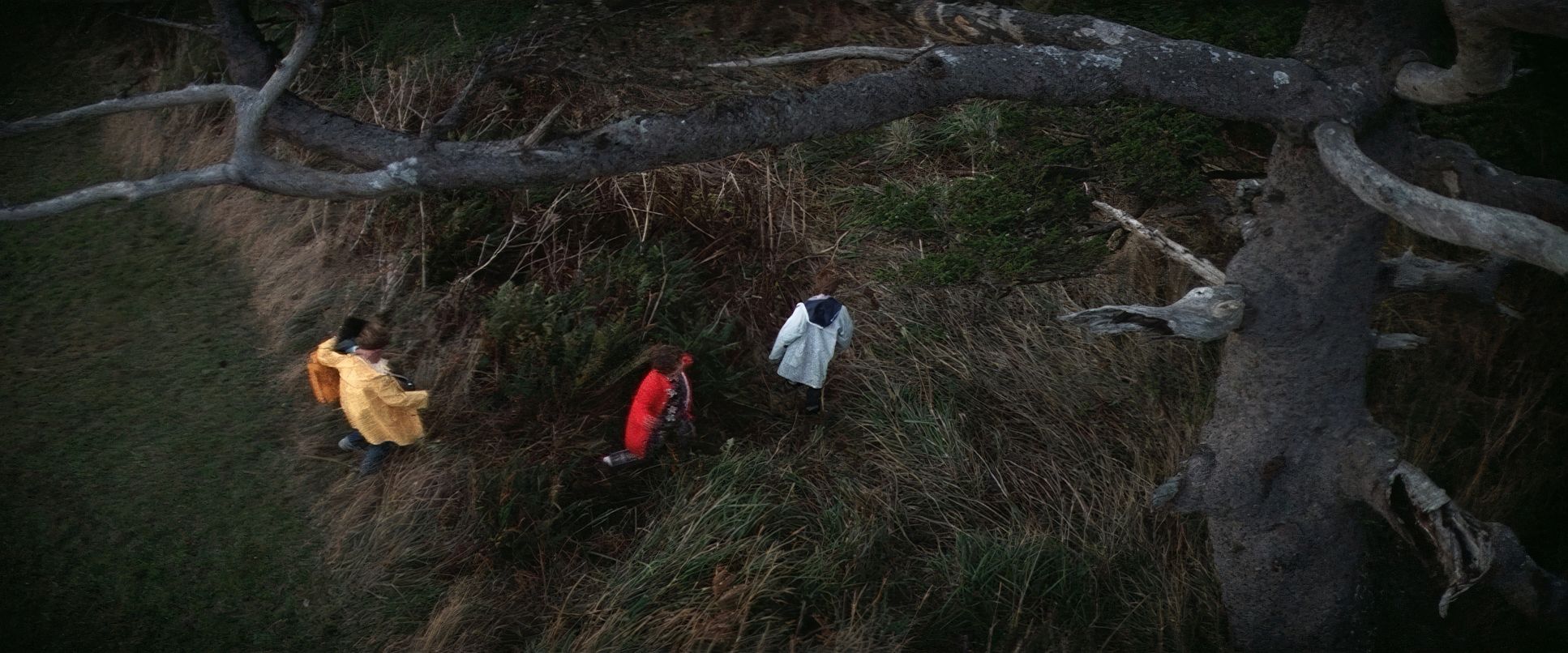
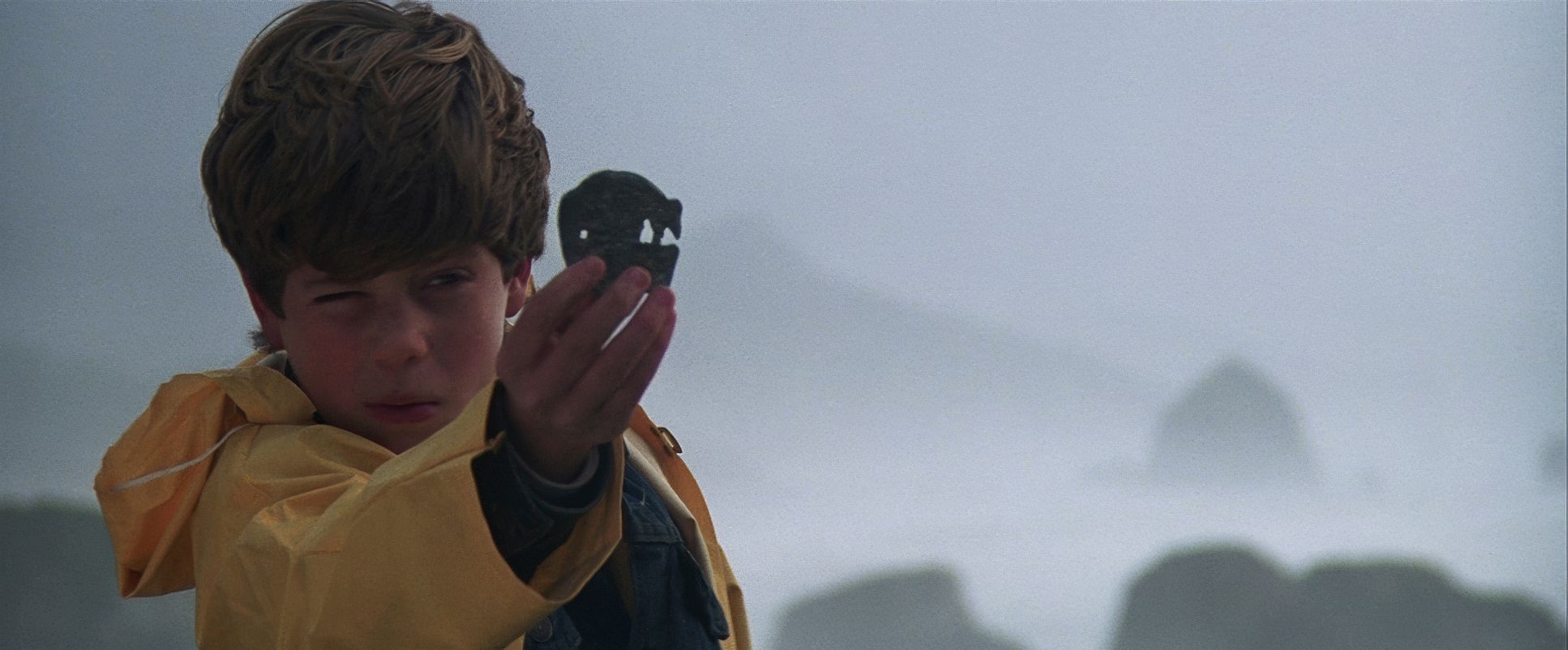
The inspiration feels rooted in a specific kind of escapism the “afternoon fog” and hilly geography of the Pacific Northwest serving as a natural canvas for a last-gasp adventure. The cinematography reflects the emotional state of the Goonies themselves: the fading light of childhood and the desperate, frantic energy of trying to save their homes. McLean didn’t just light a set; he captured a state of mind where an ordinary attic could hide a world-changing secret. It’s about that “wanting to believe in magic,” and the visuals underscore that by making the transitions from the mundane (packing boxes) to the mythic (One-Eyed Willie’s ship) feel seamless.
Camera Movements

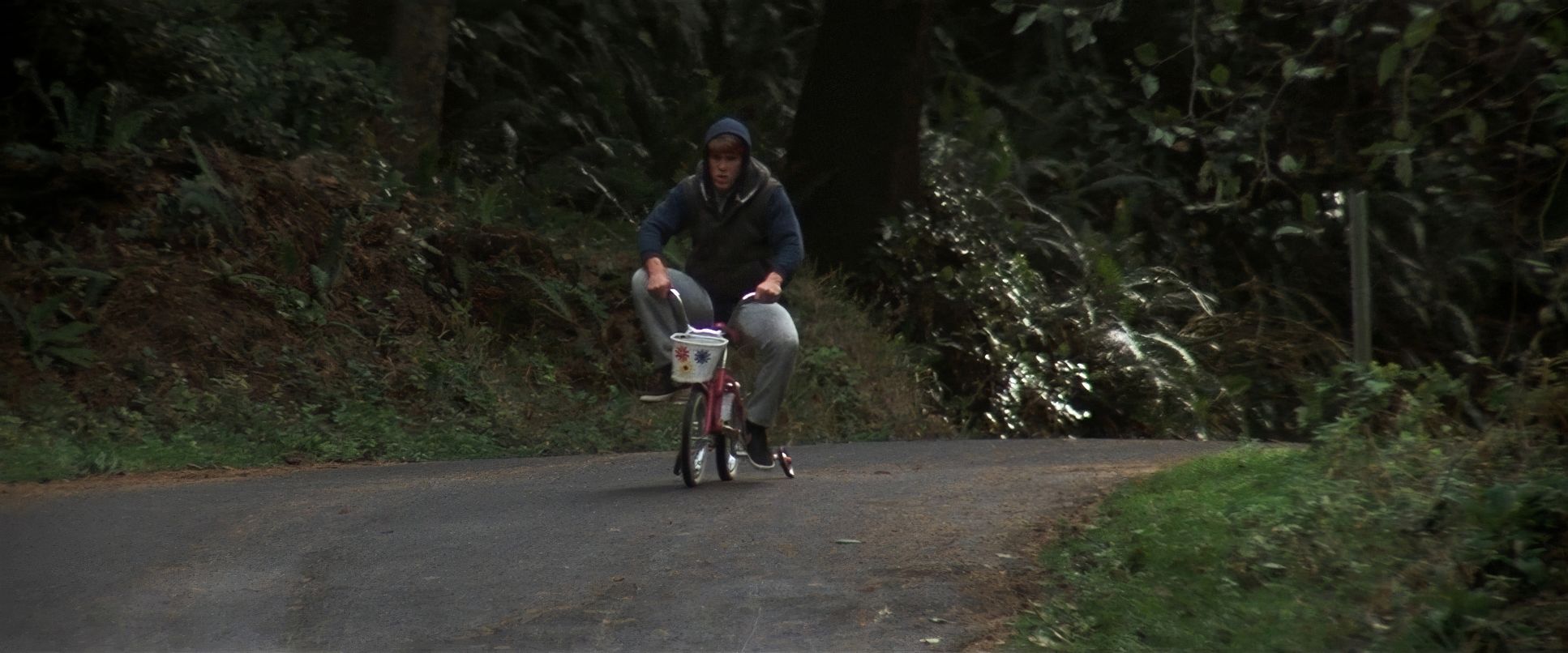
The camera in The Goonies doesn’t just watch; it’s practically the ninth member of the gang. There’s a restless, kinetic energy to the movement that mirrors the frantic pace of the kids. We see a lot of tracking shots, often low to the ground, pulling us through the Fratellis’ hideout or pushing us into the claustrophobic tunnels.
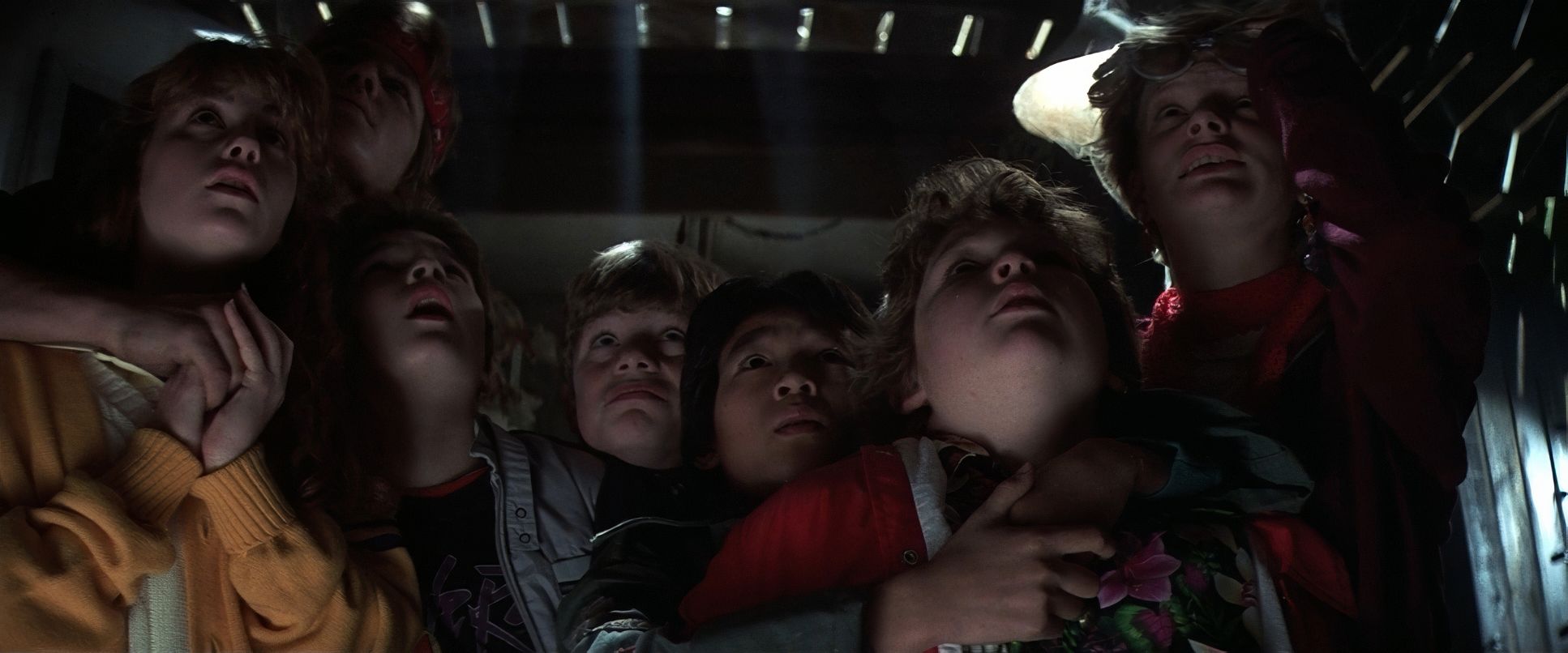
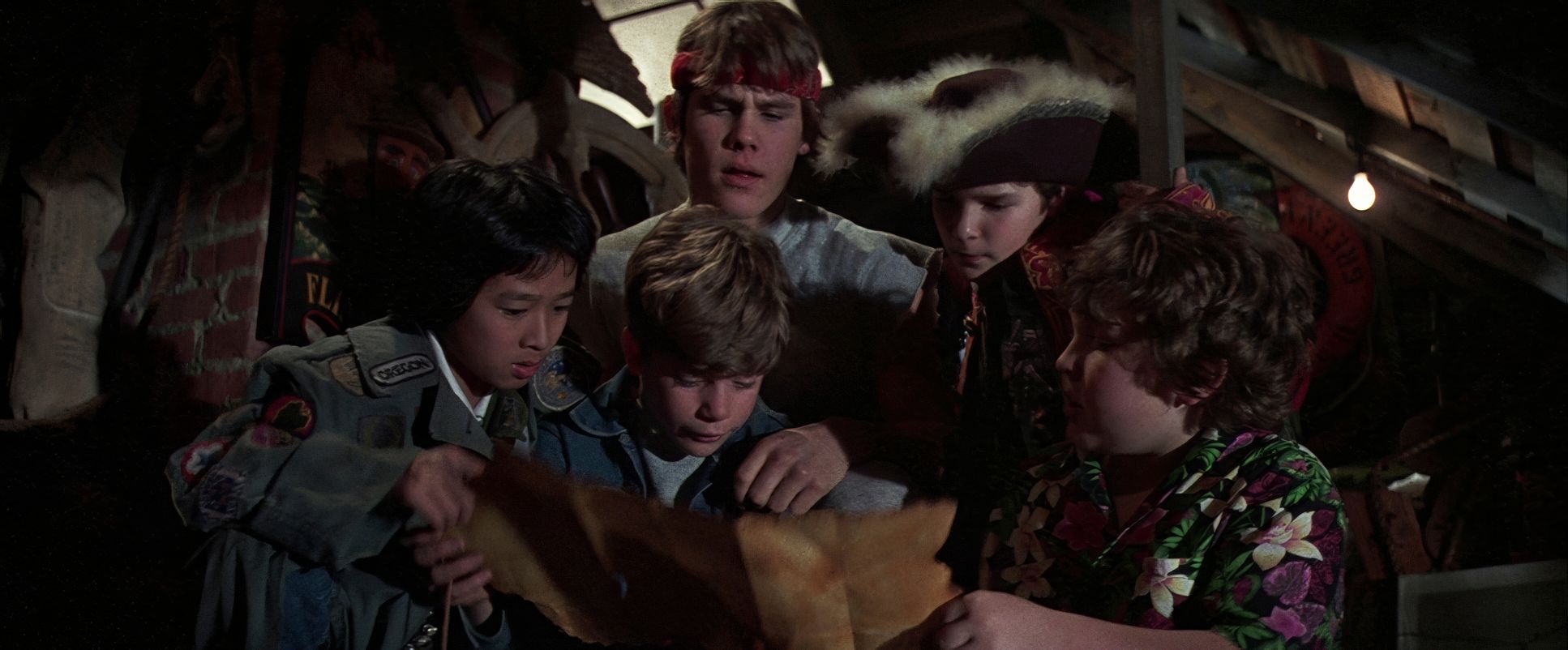
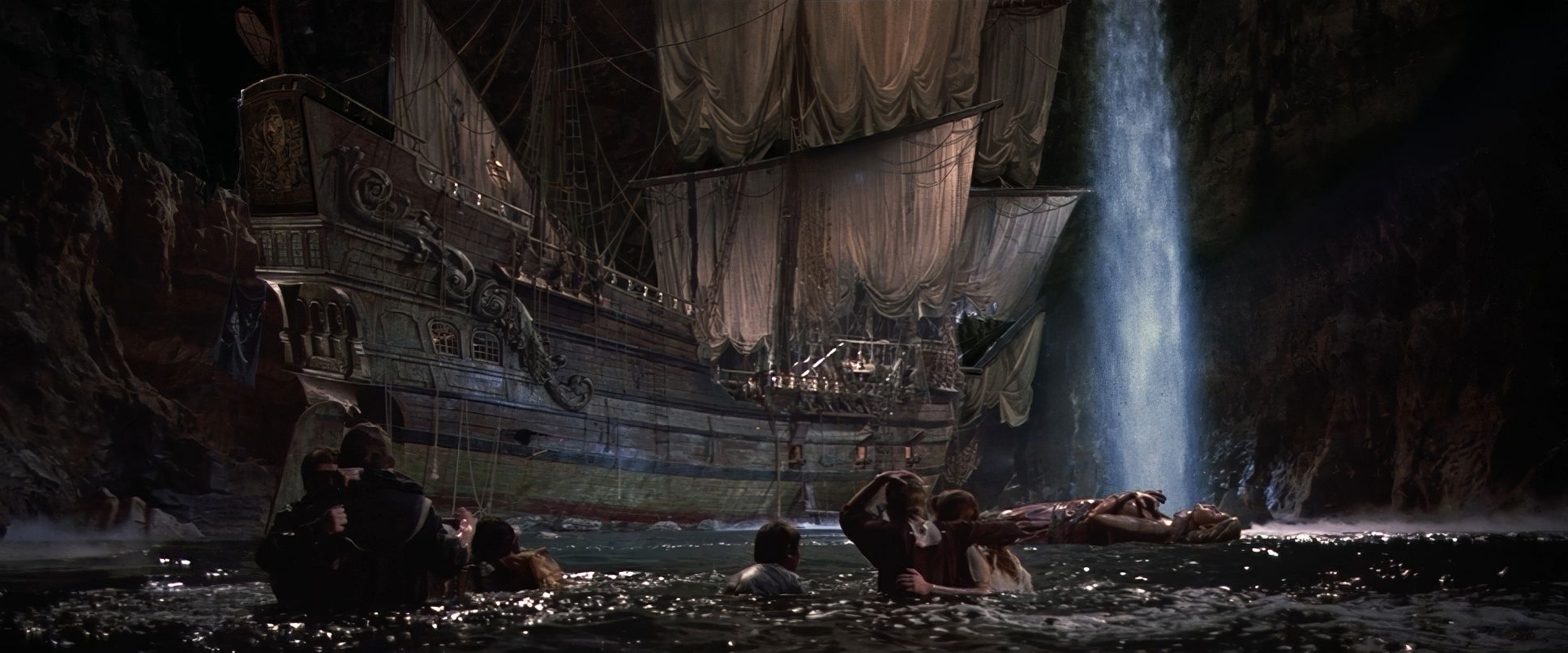
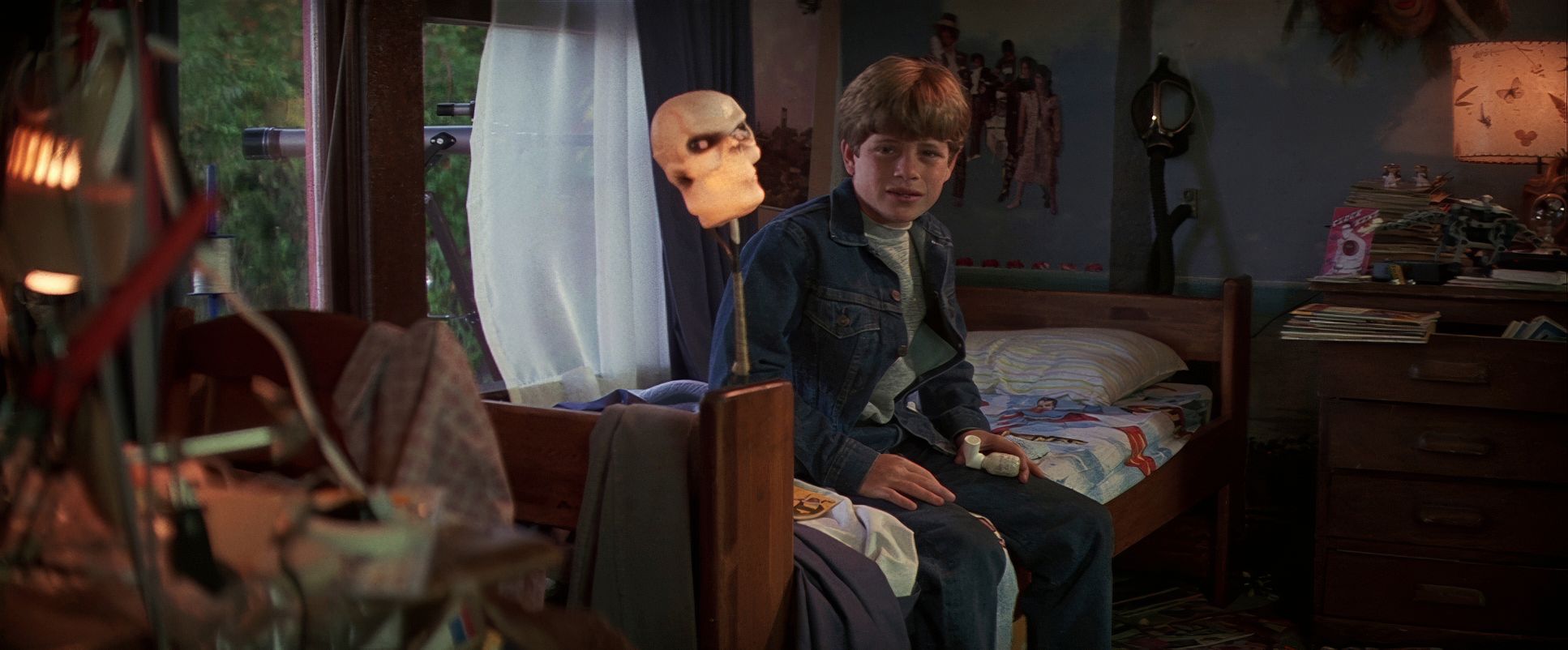
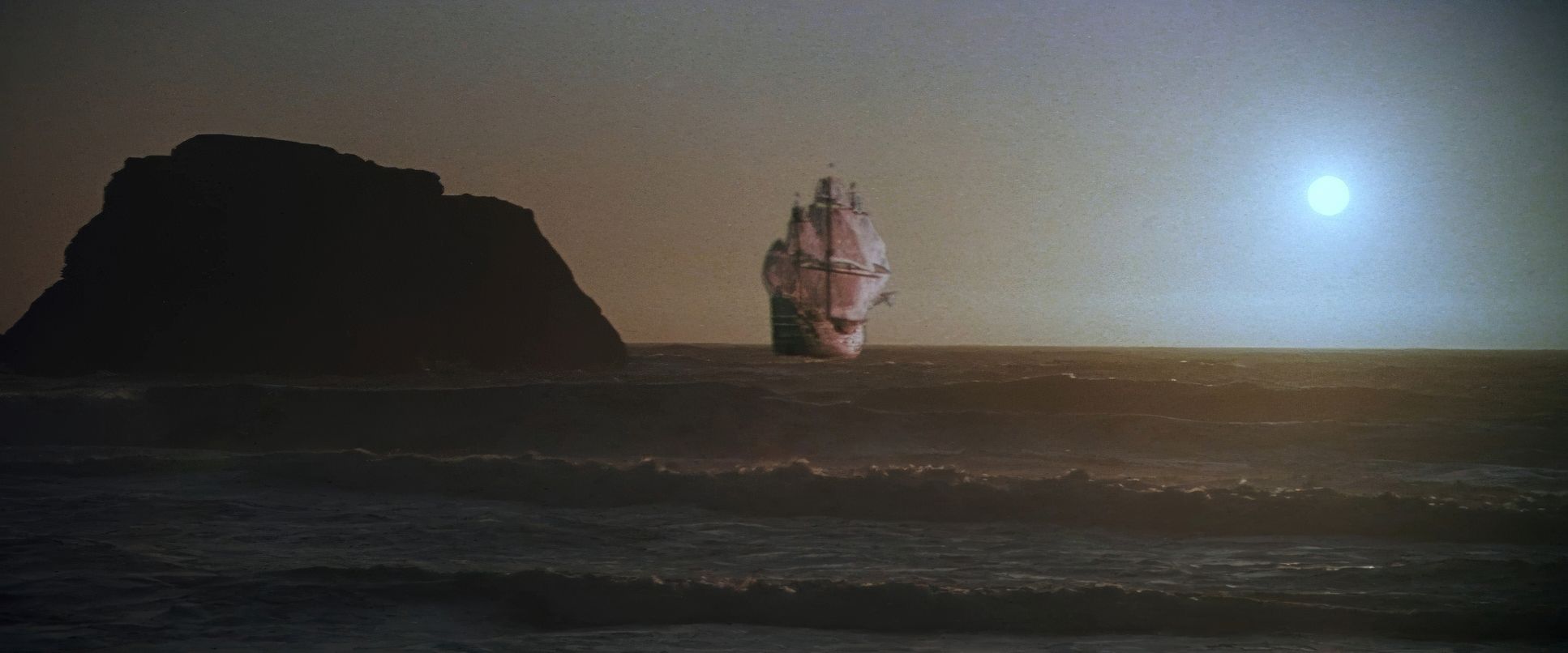
These movements create a visceral sense of participation. When the kids explore Mikey’s attic, the camera doesn’t just cut it pans and pushes, following their gazes to emphasize the shared thrill of discovery. Then, you have the “Gasp” moments. The first glimpse of the cavern or the reveal of the pirate ship is handled with sweeping crane and dolly moves. These are designed to expand the world, shifting the perspective from the intimate to the epic. That slow, deliberate reveal of the ship is pure cinematic magic, proving McLean understood exactly when to be in the thick of the chaos and when to stand back and let the scale speak for itself.
Compositional Choices

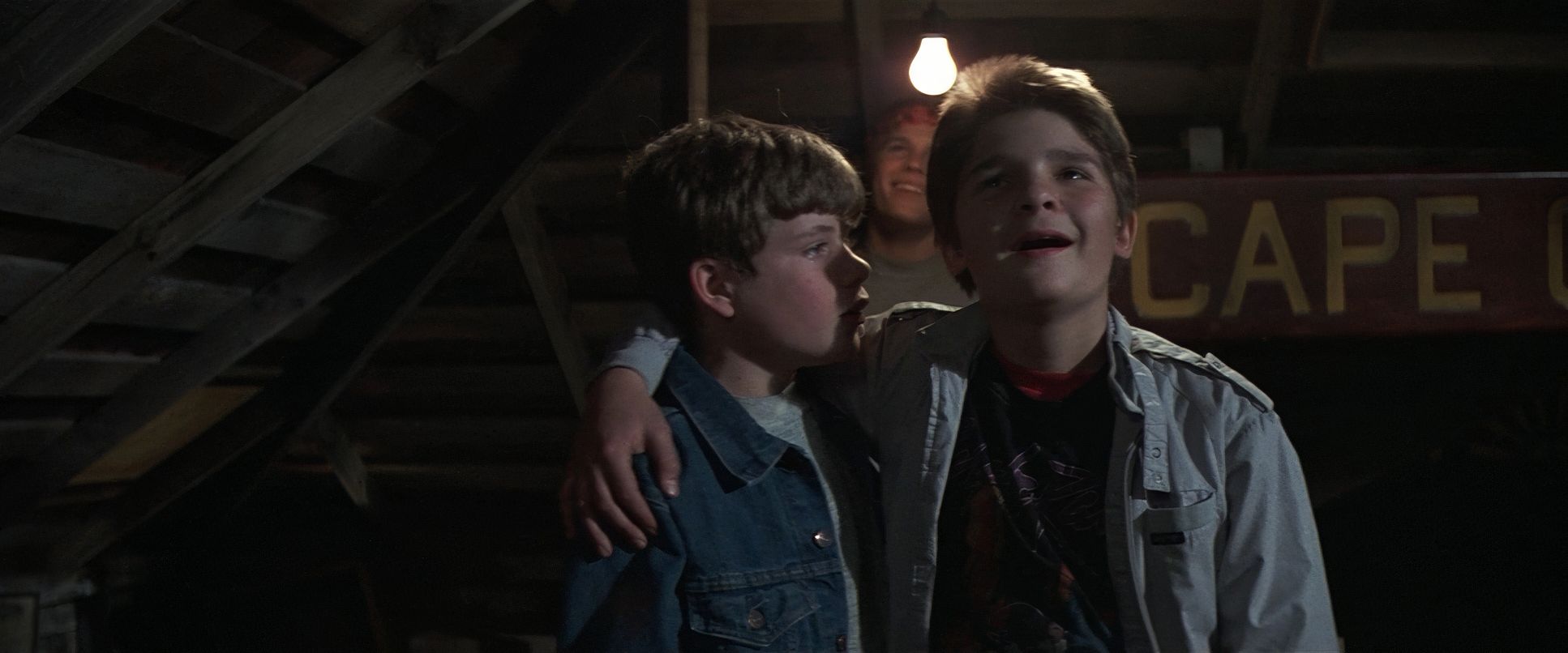
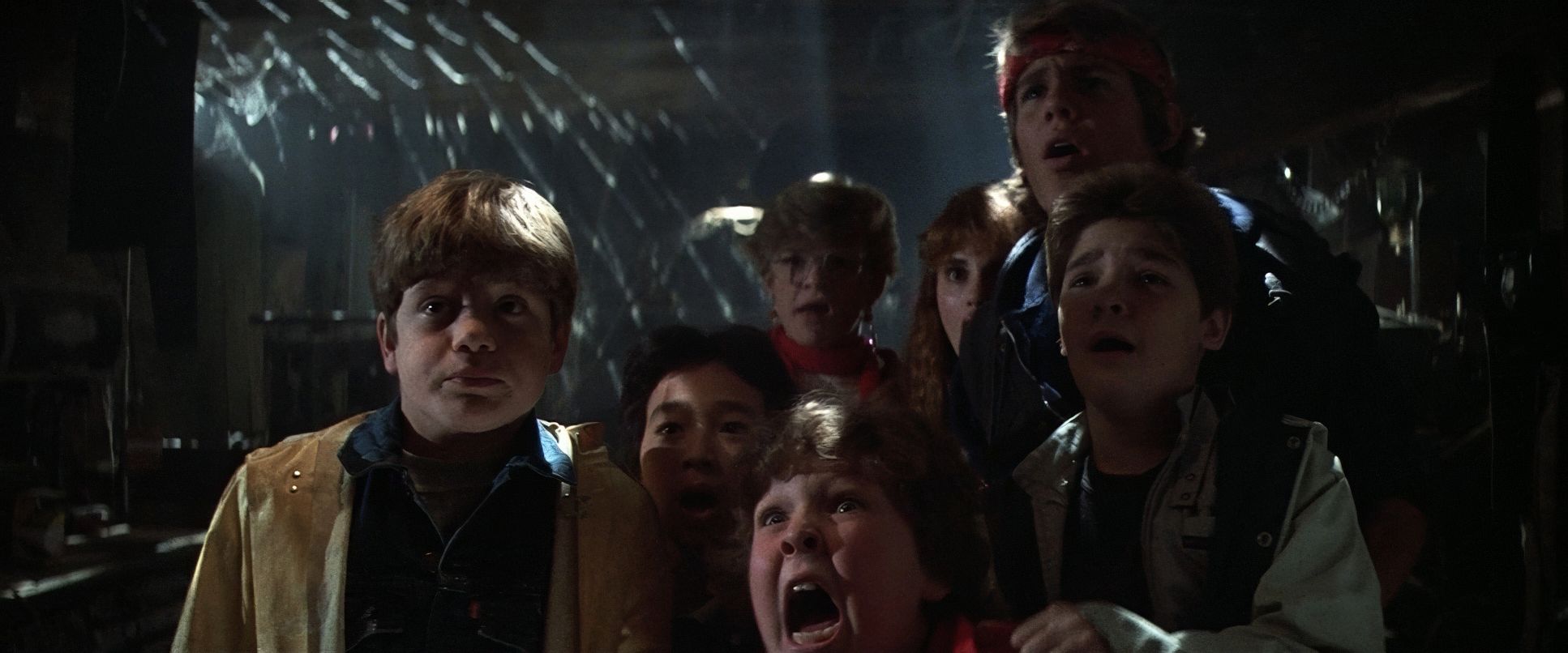
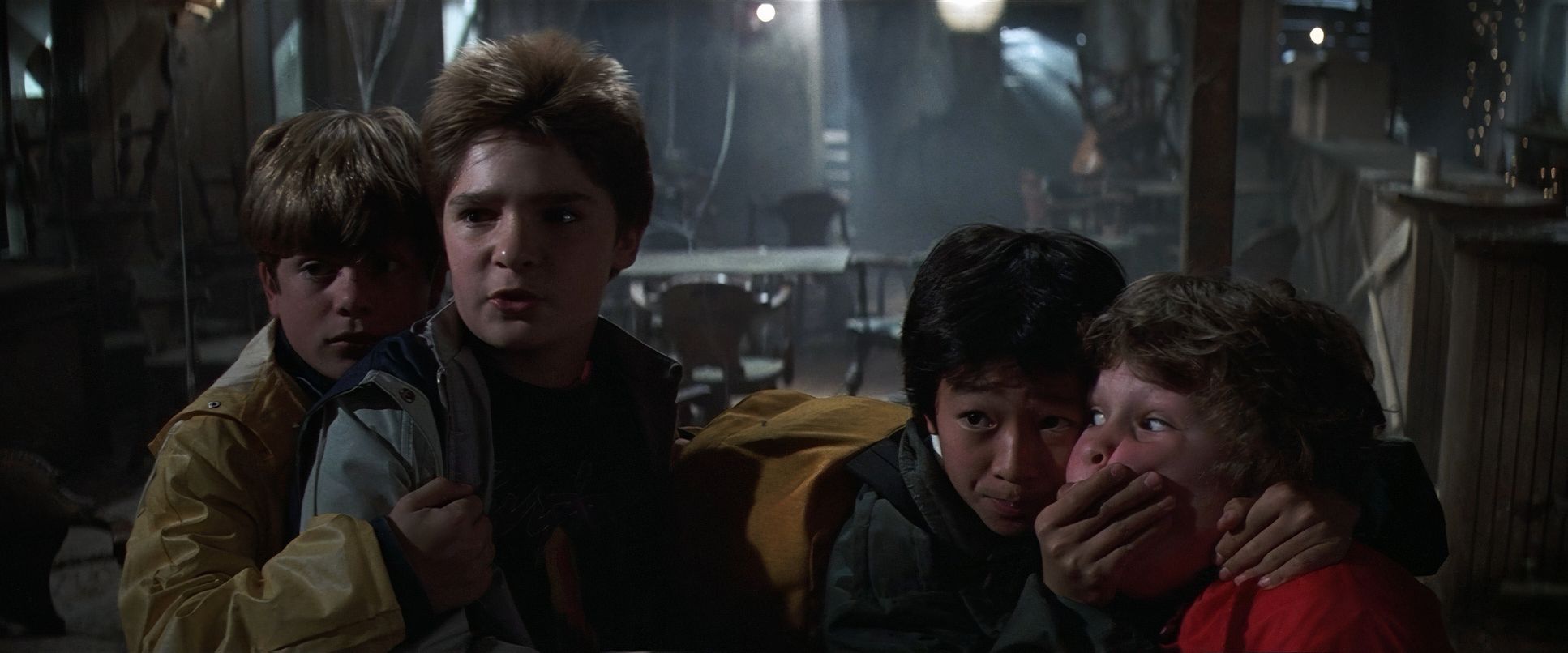
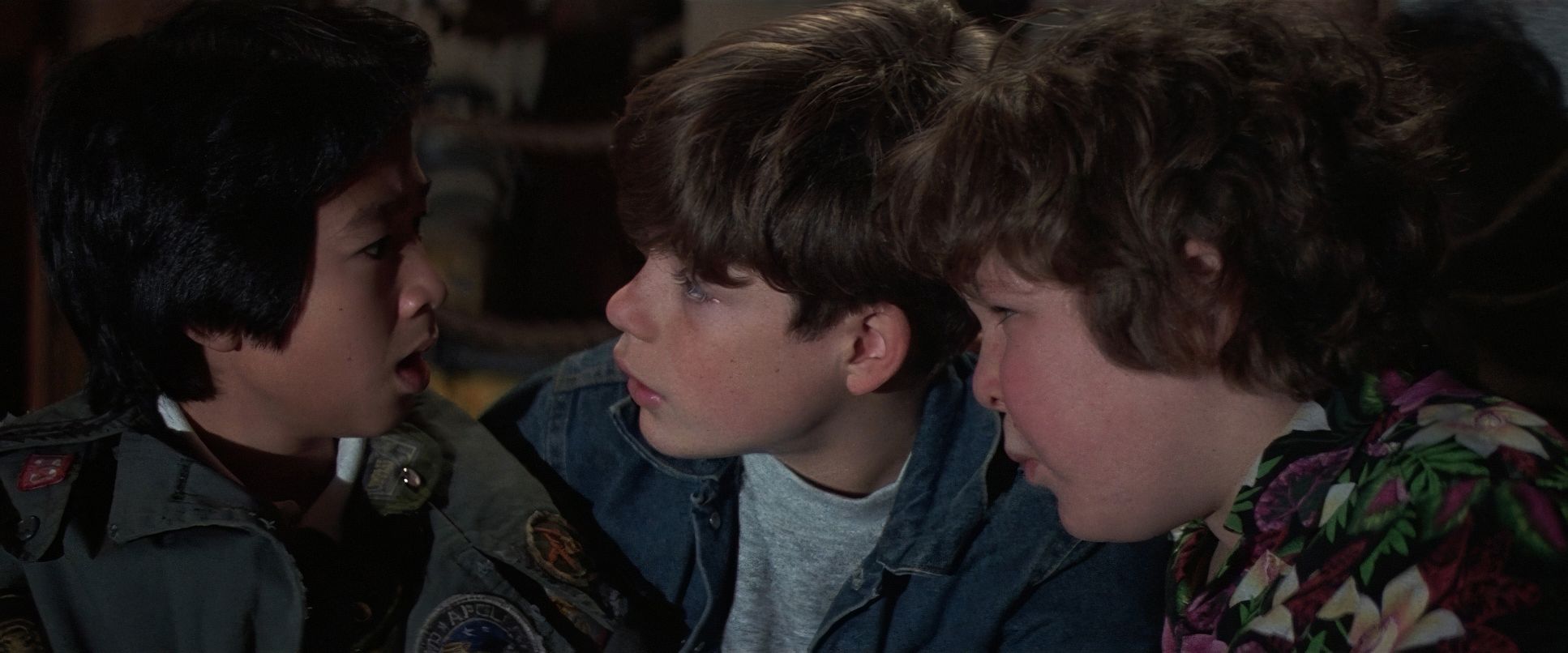
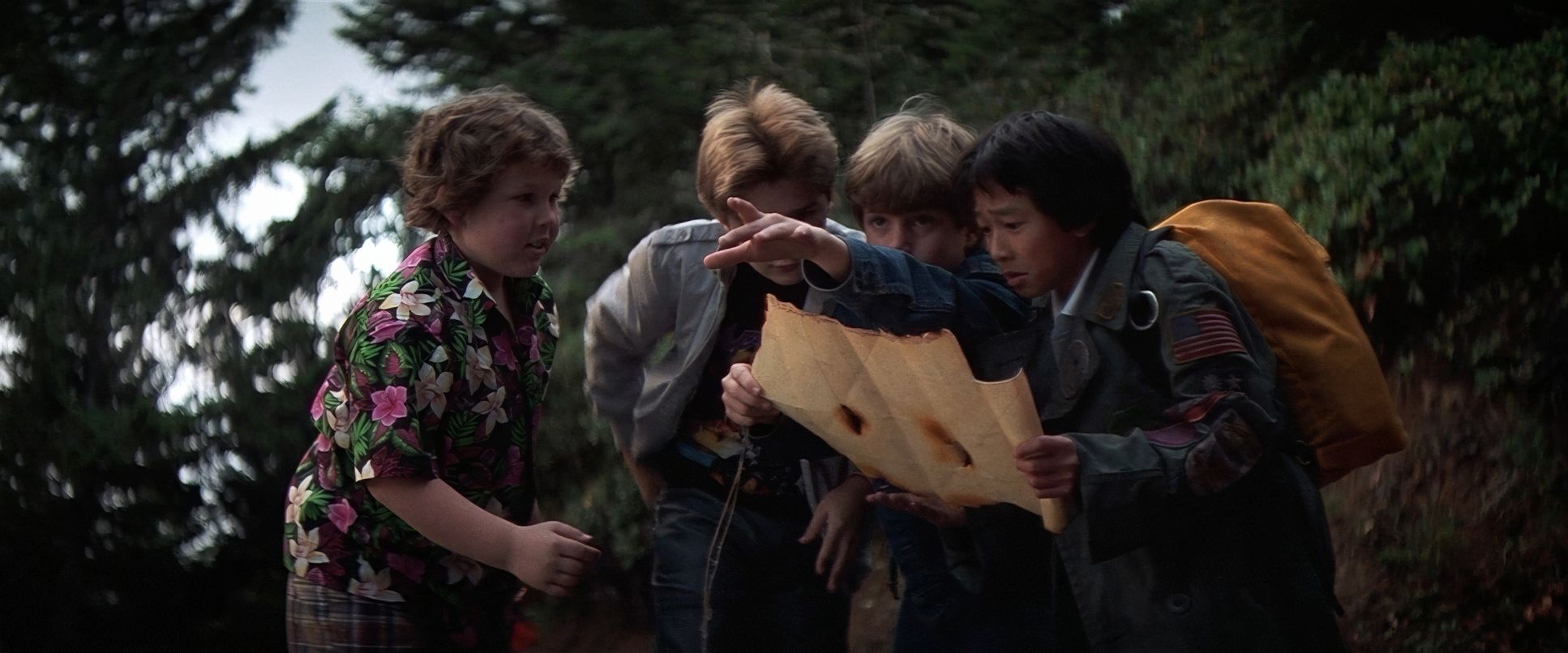
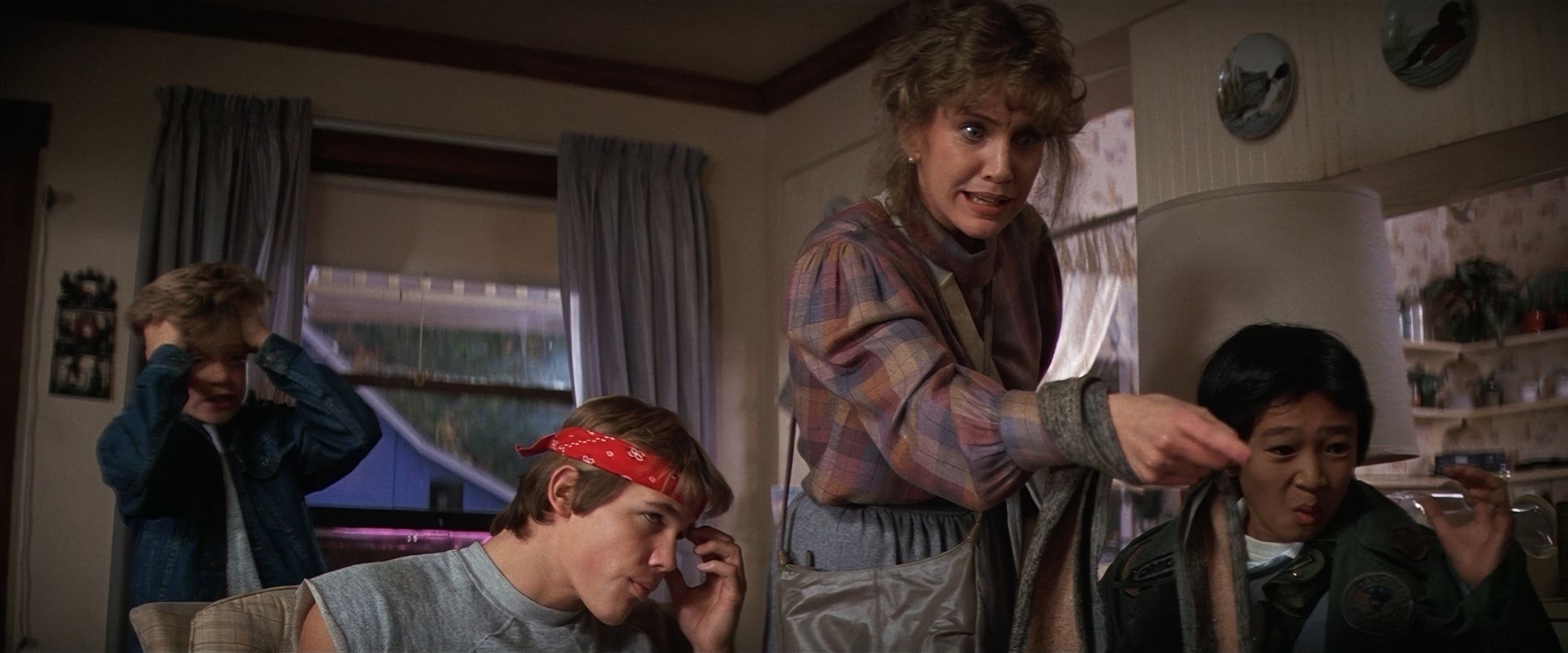
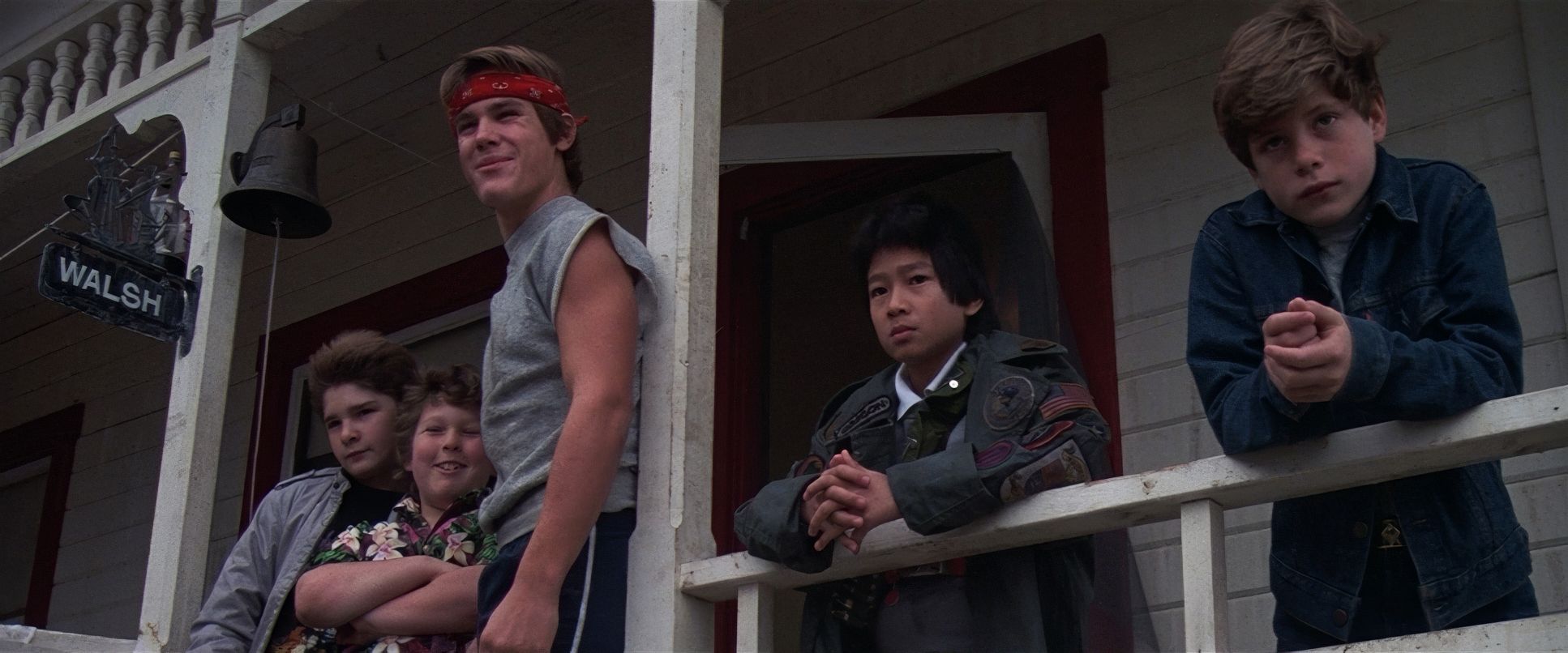
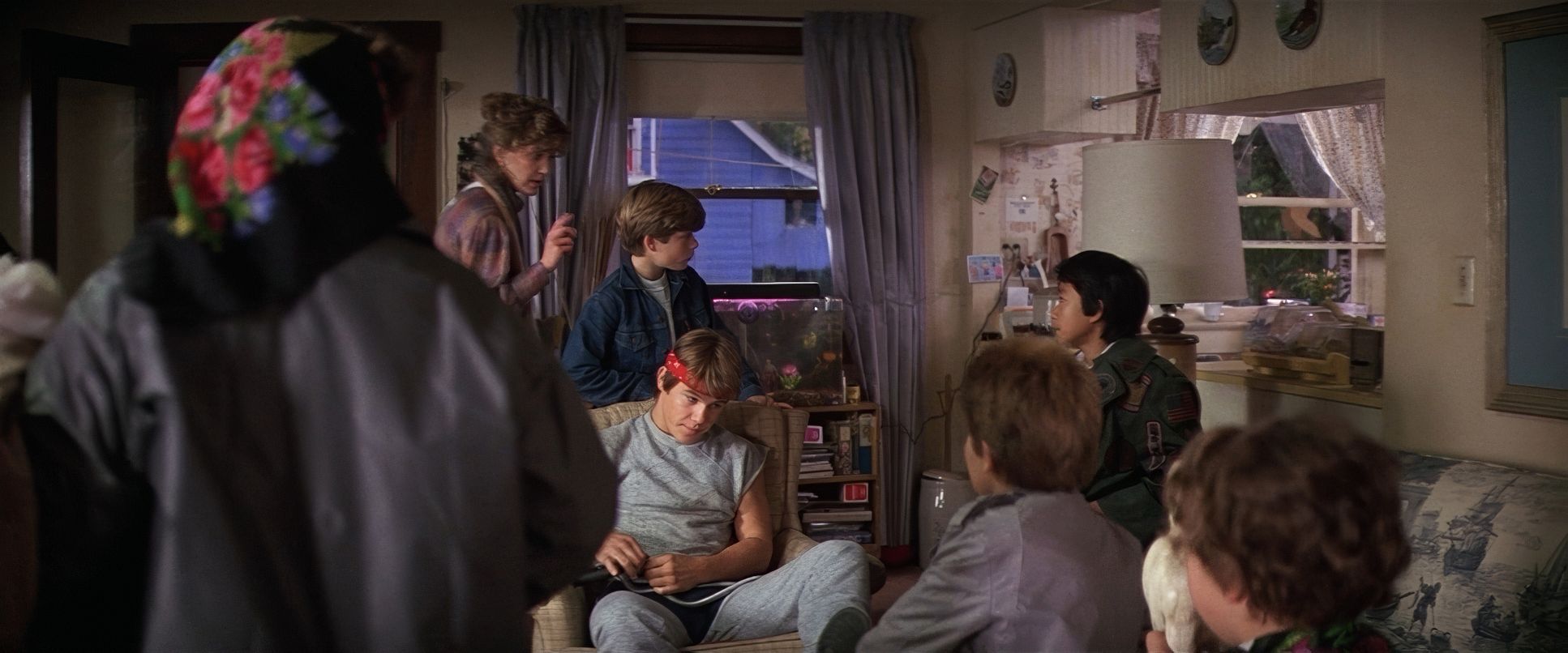
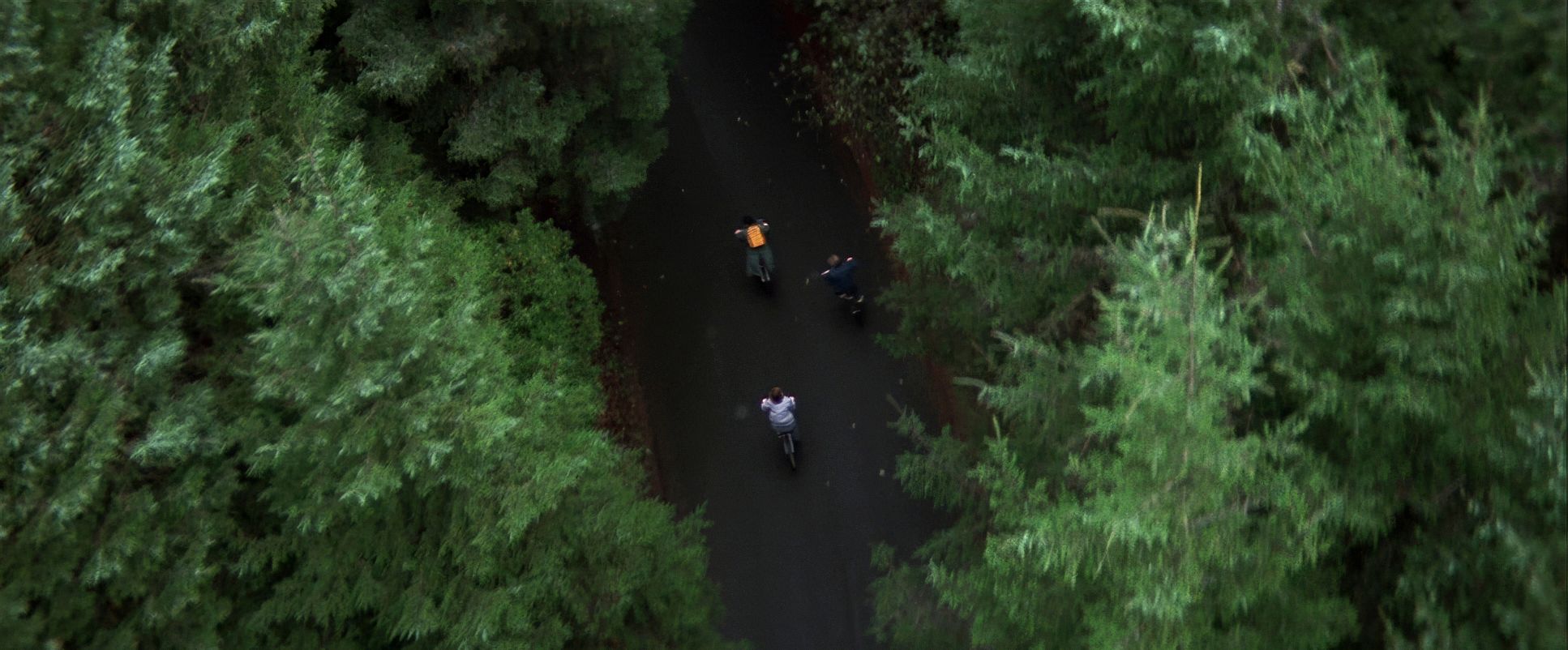
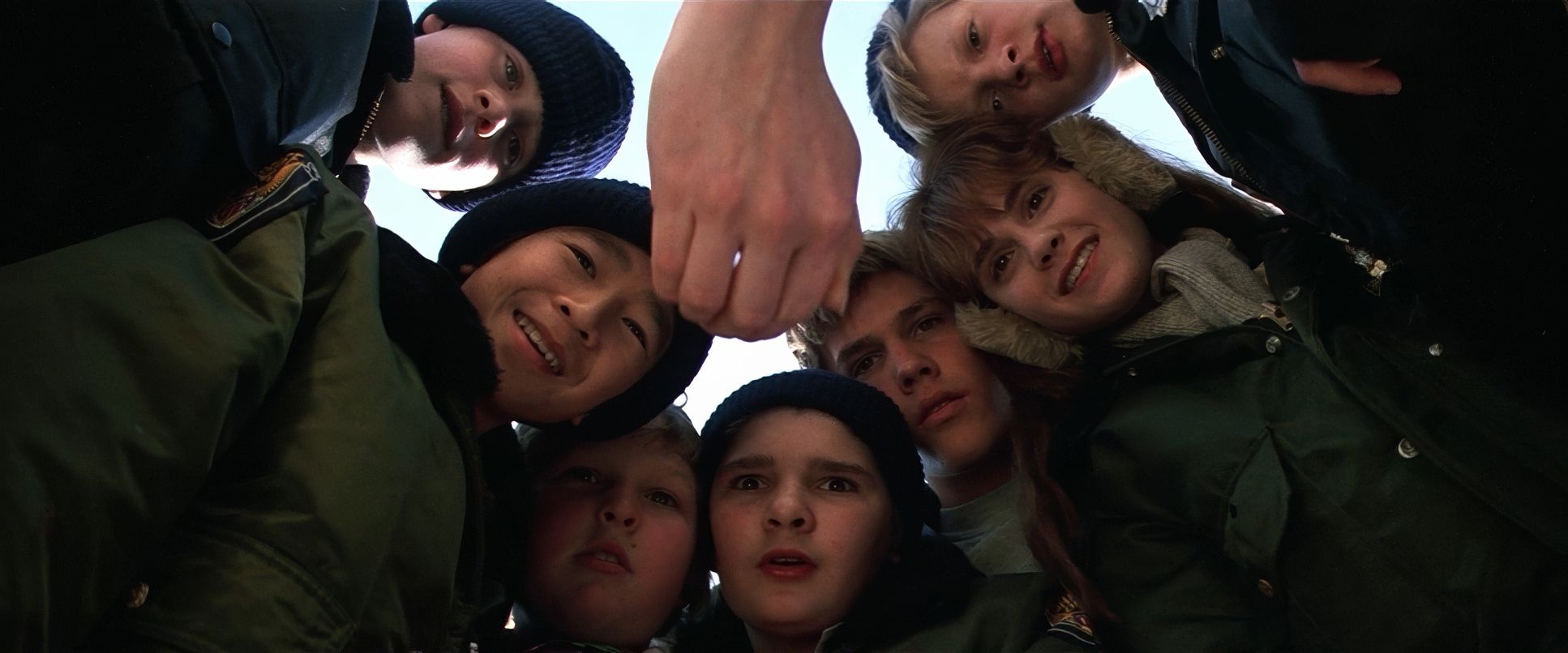
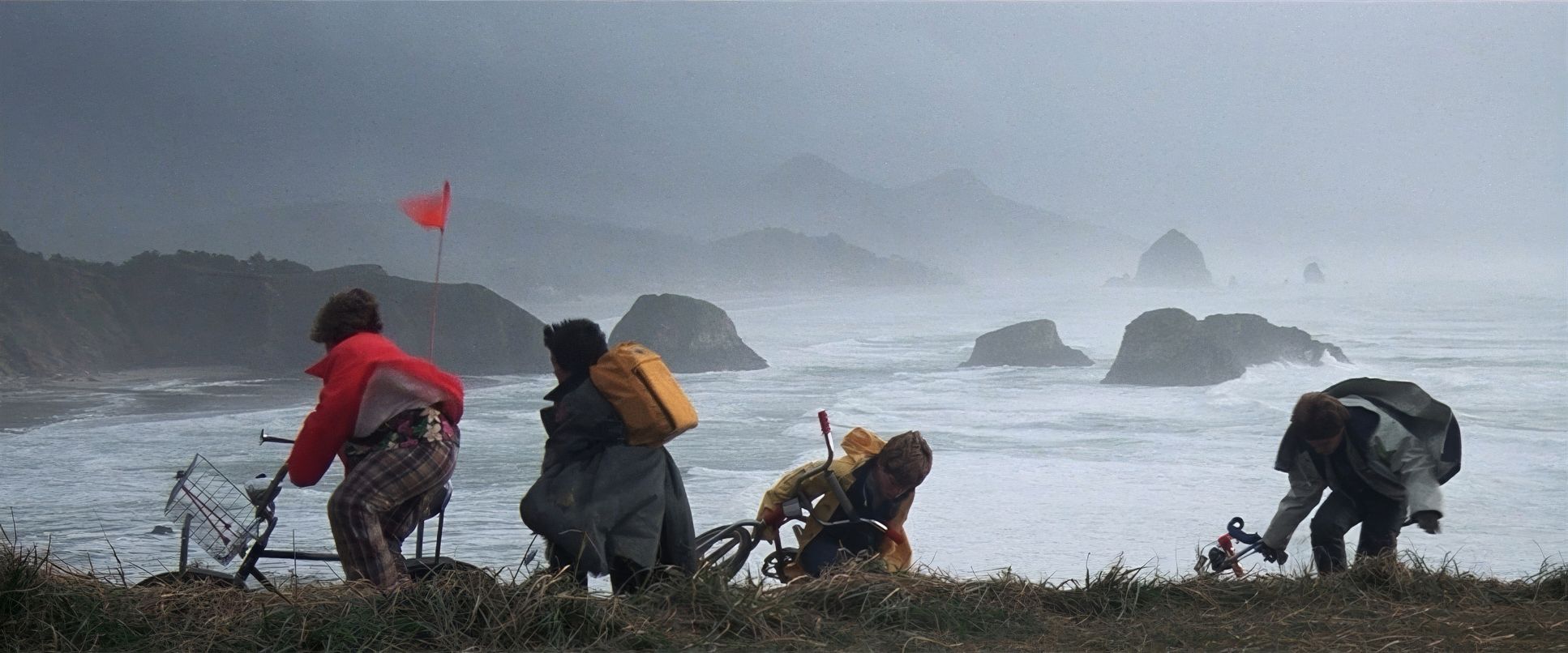
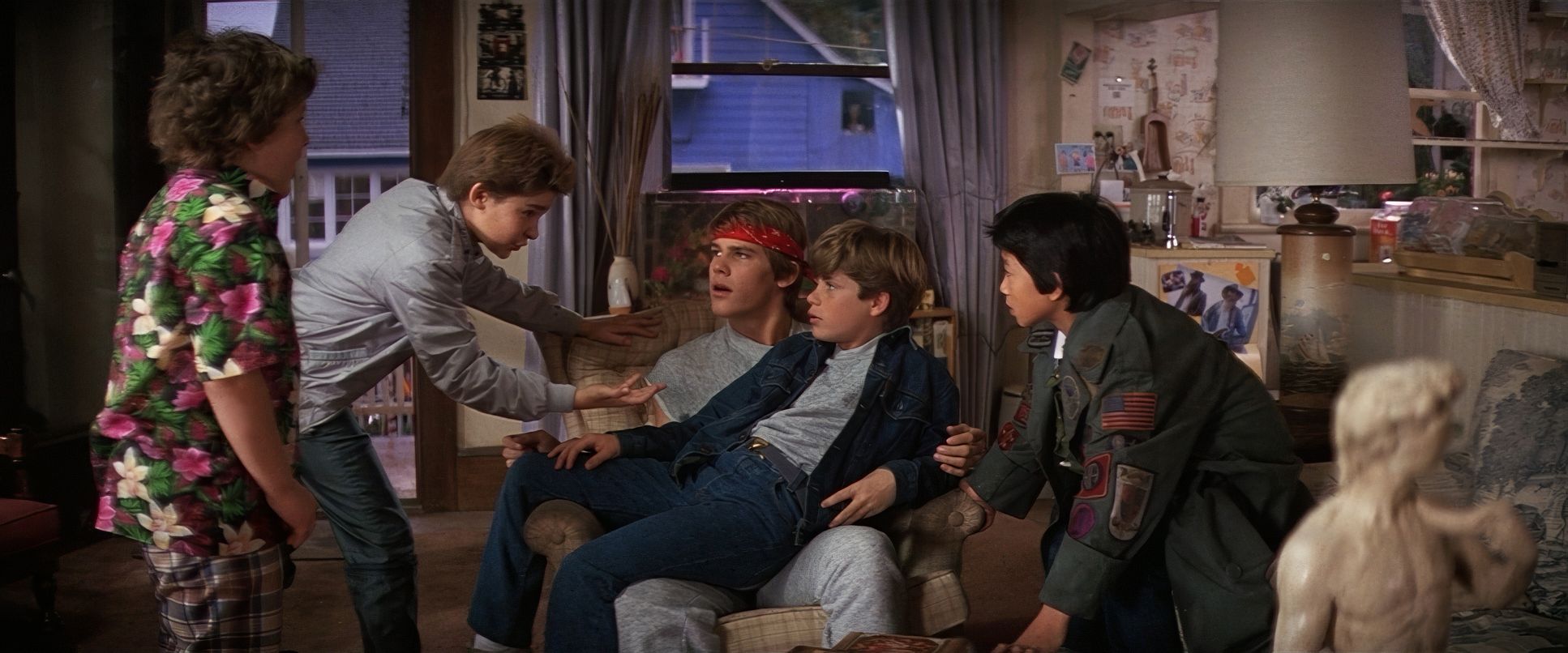
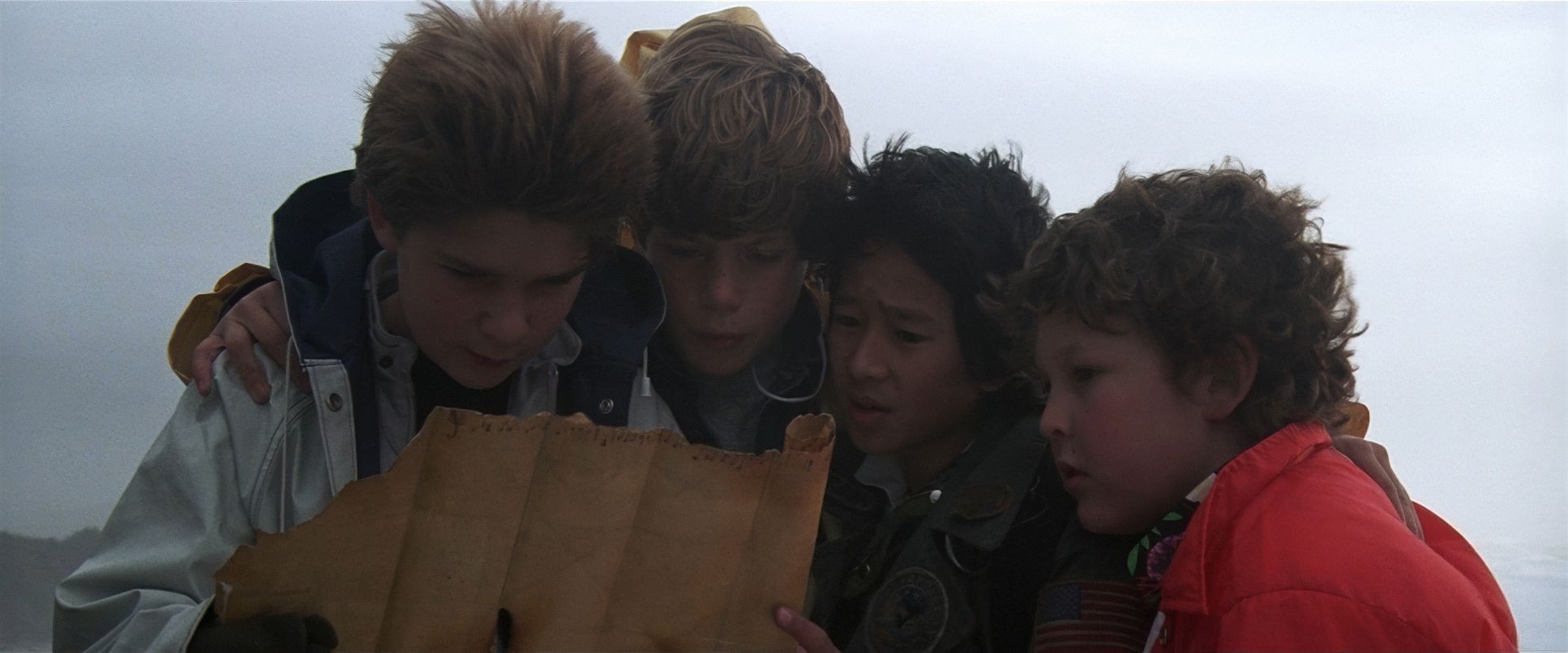
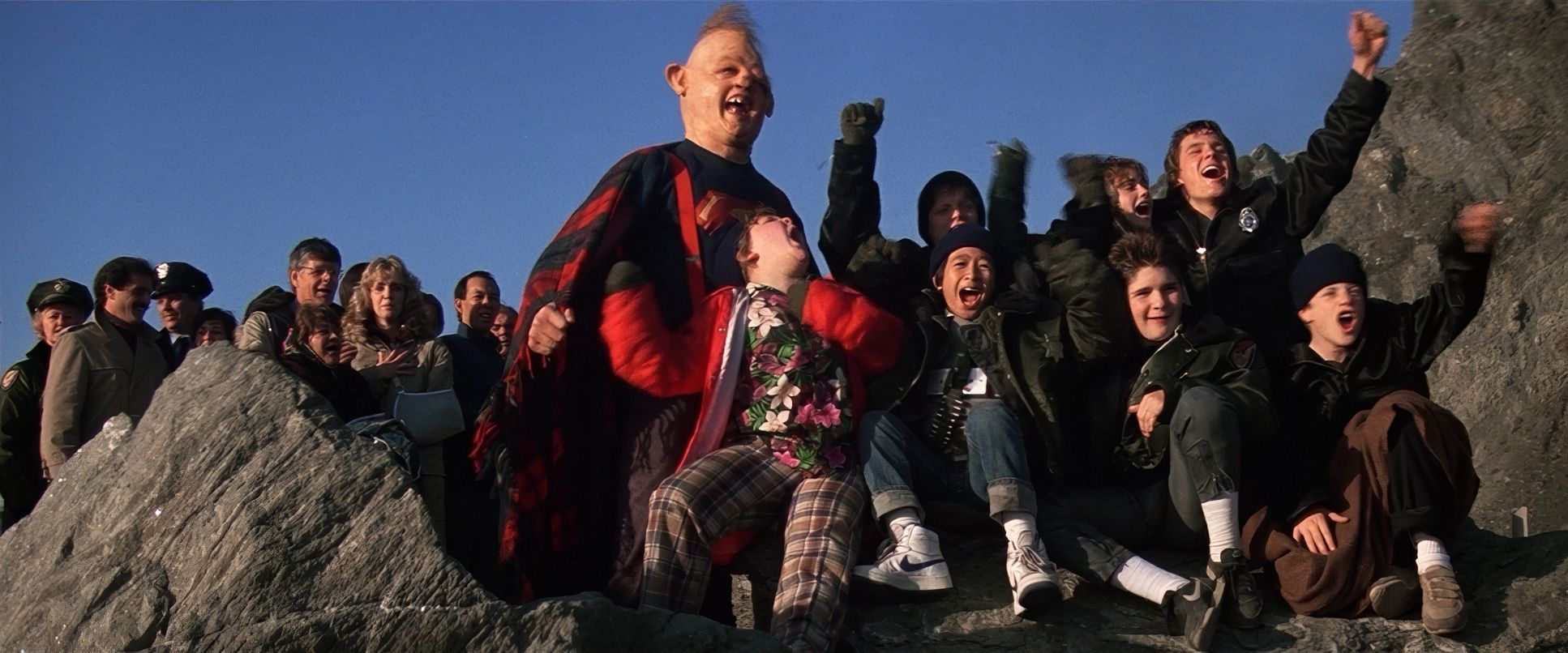
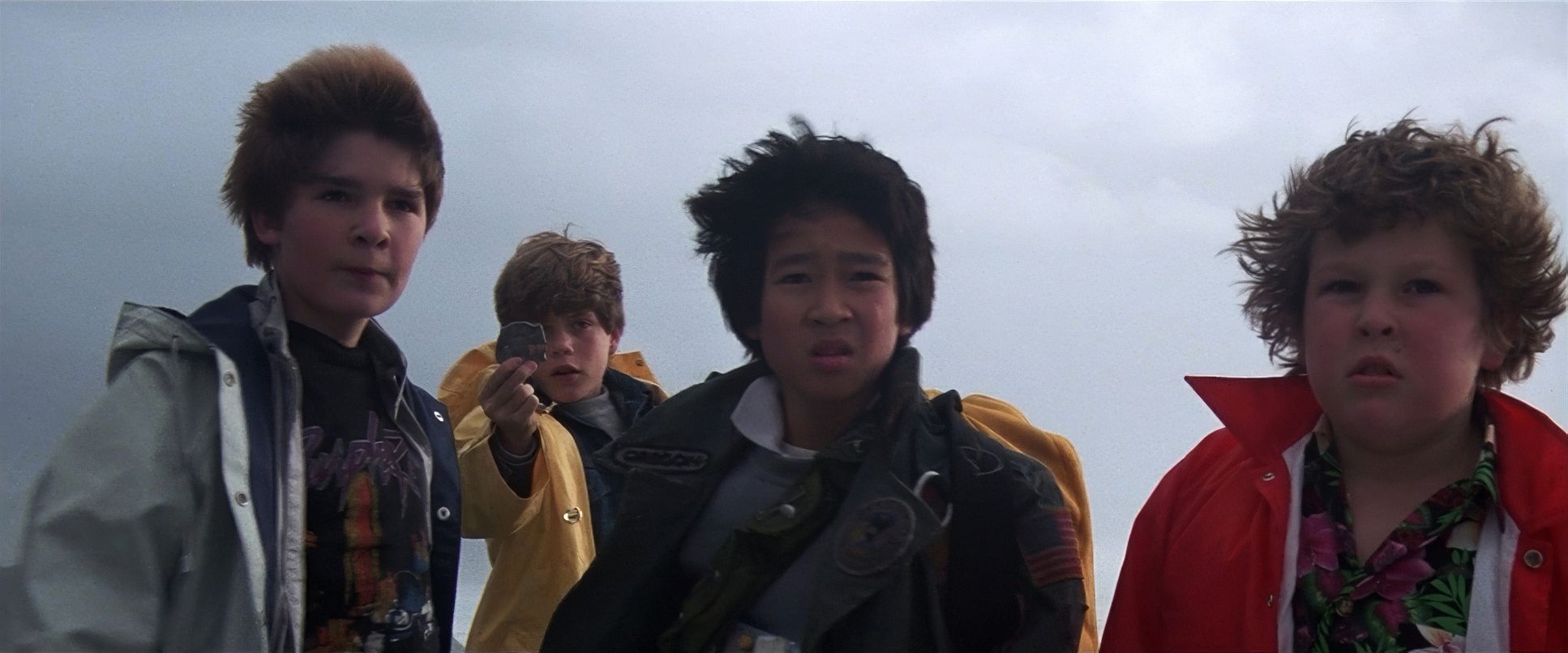
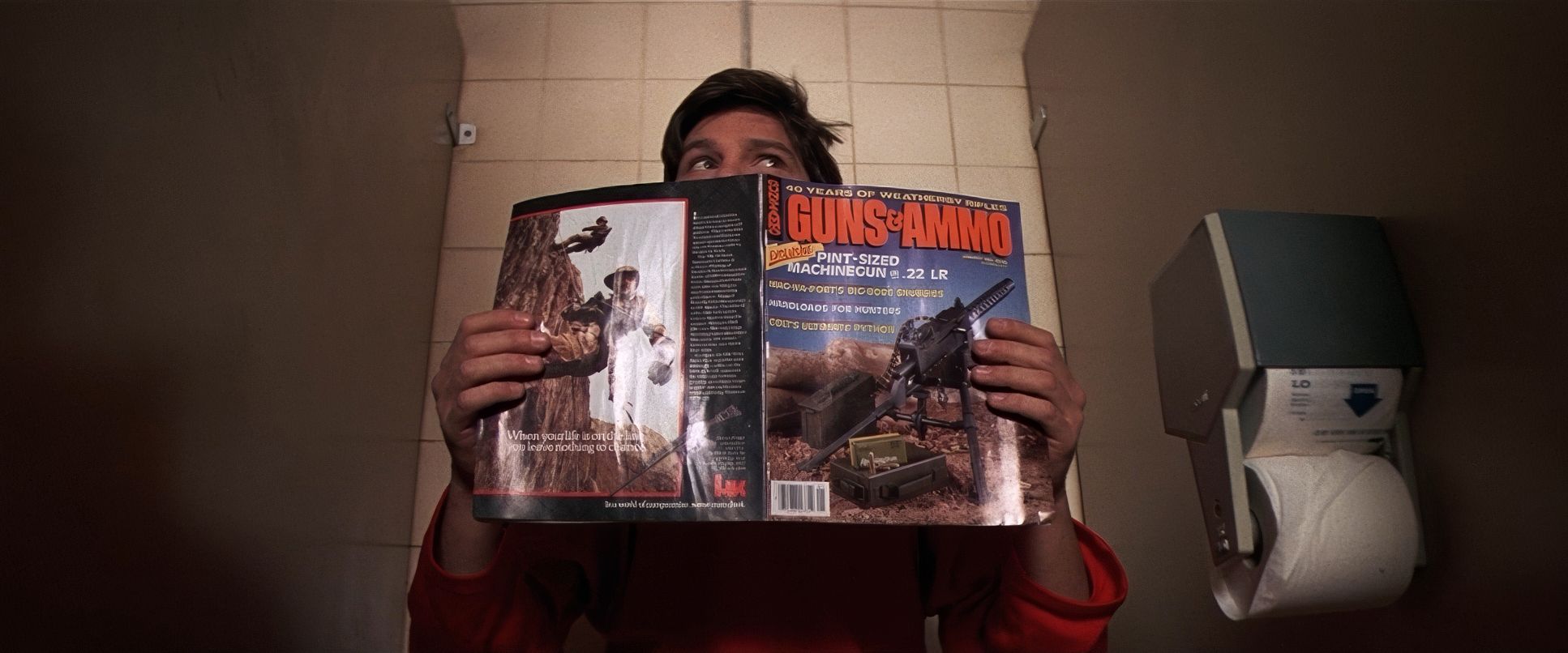
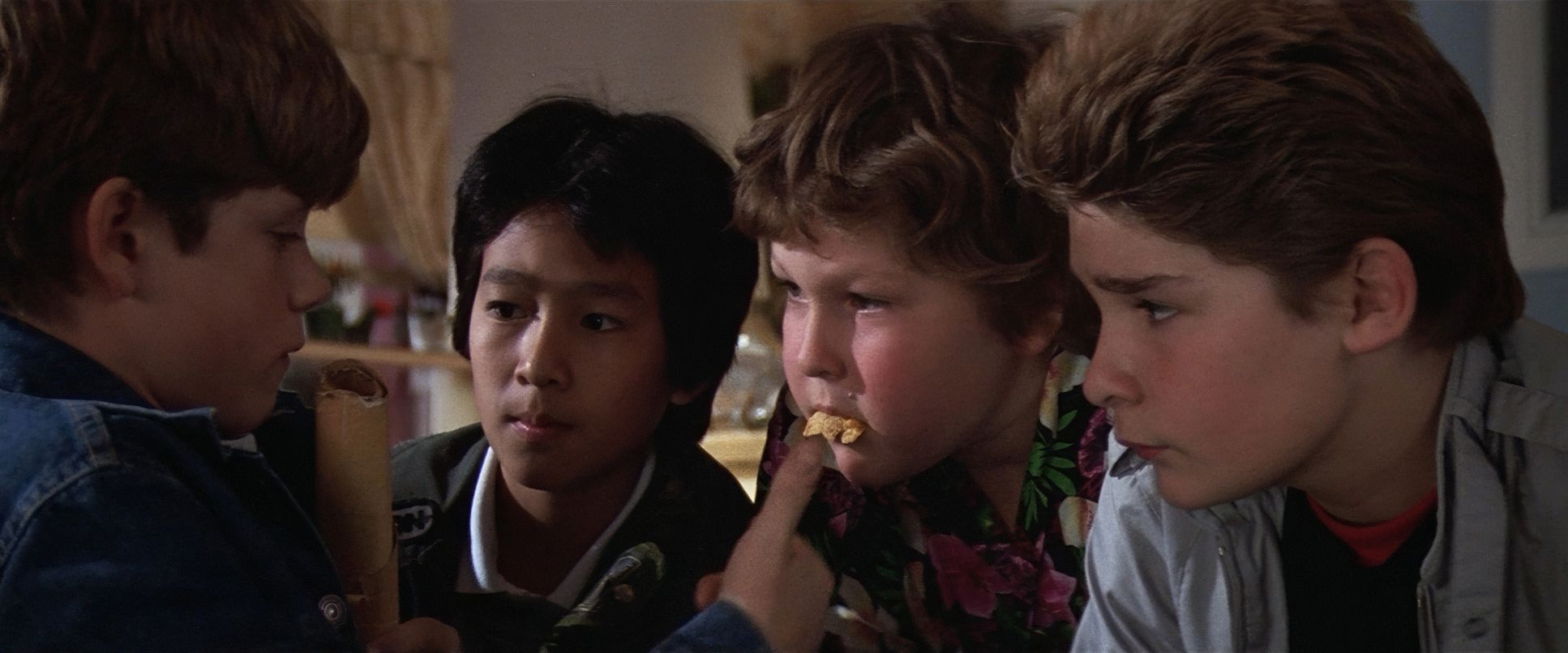
Managing an ensemble cast is a nightmare for composition, but McLean makes it look effortless. He leans heavily into wider frames early on to establish the Goonies as a collective unit. Whether they’re crammed into Mikey’s house or huddled on their bikes, the framing reinforces their bond.
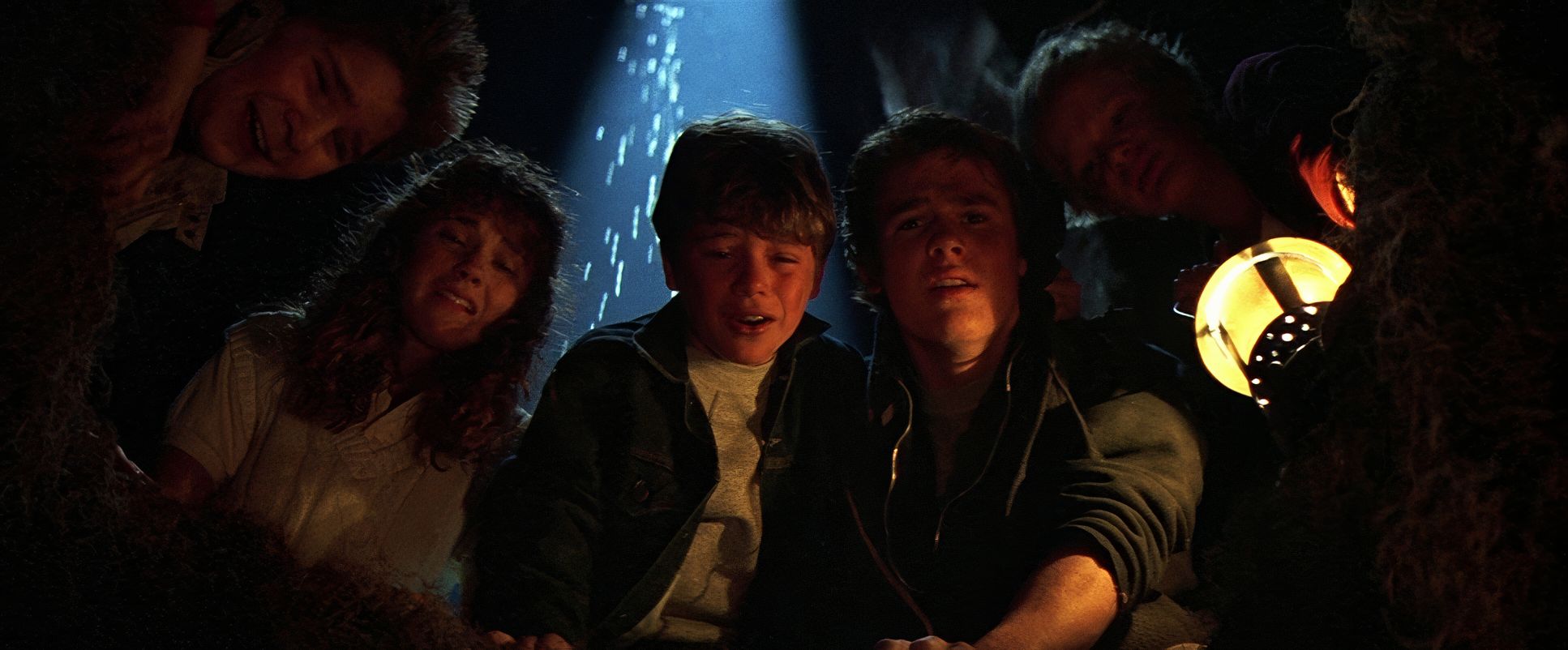
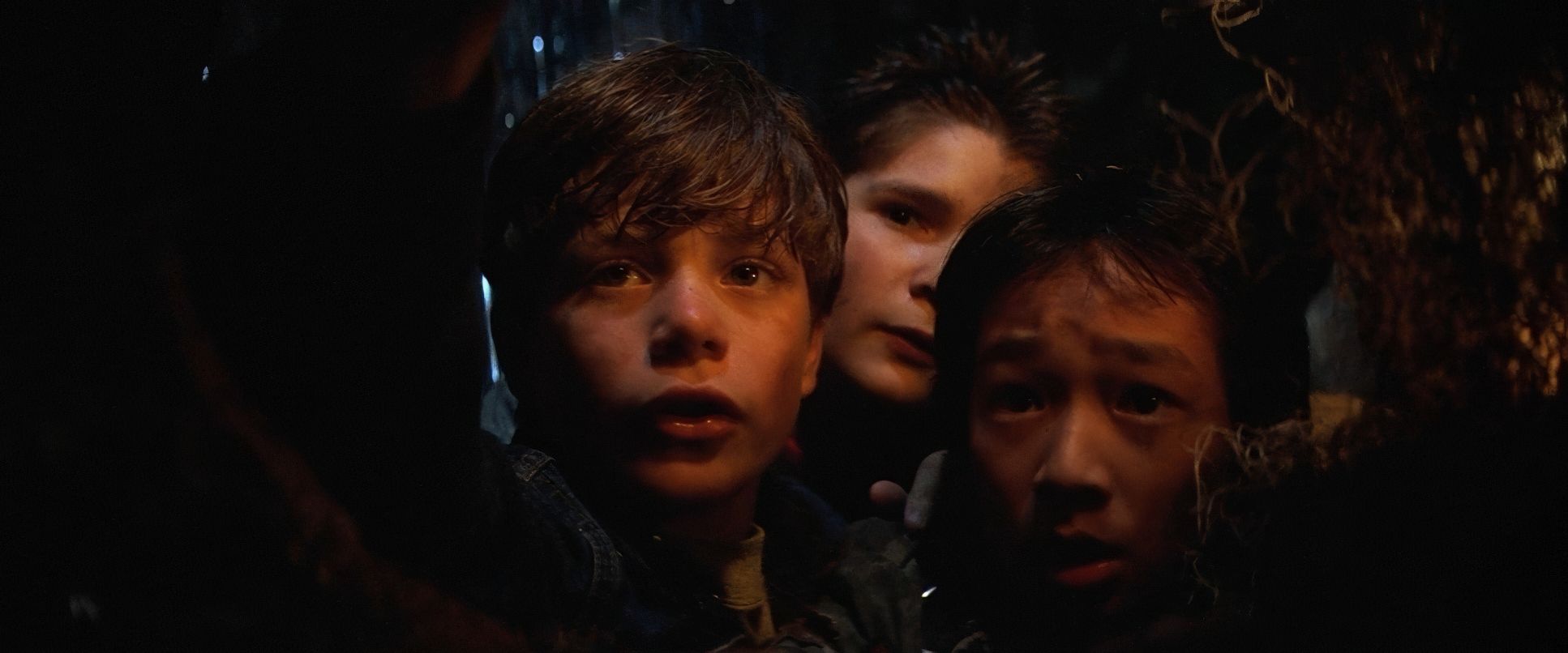
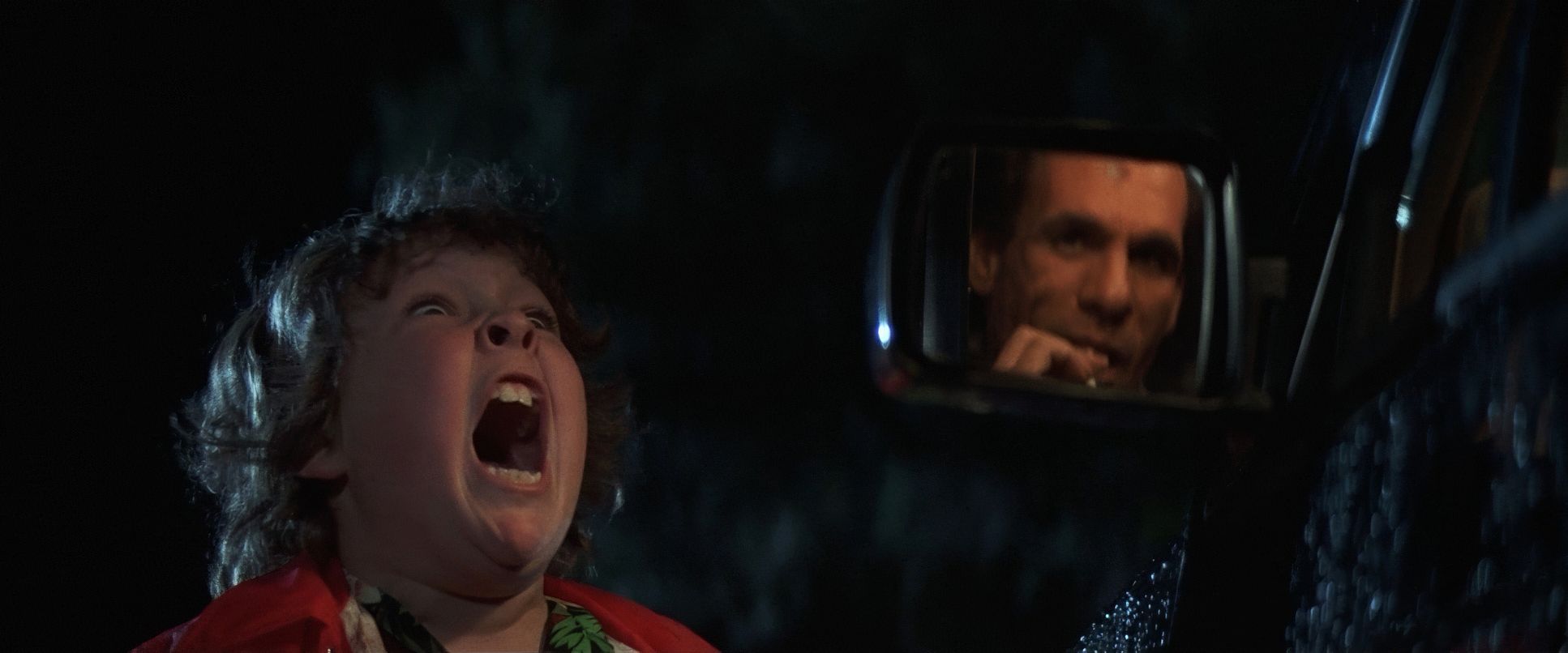
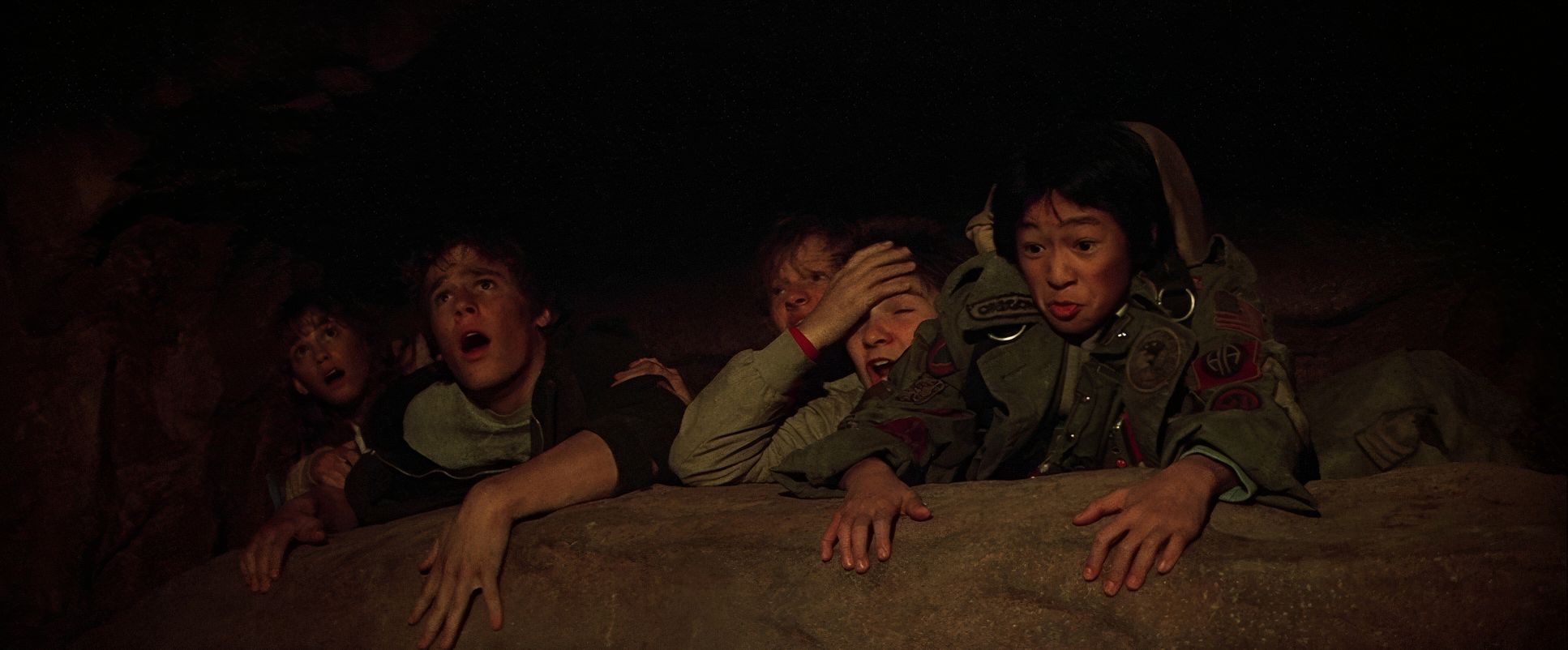
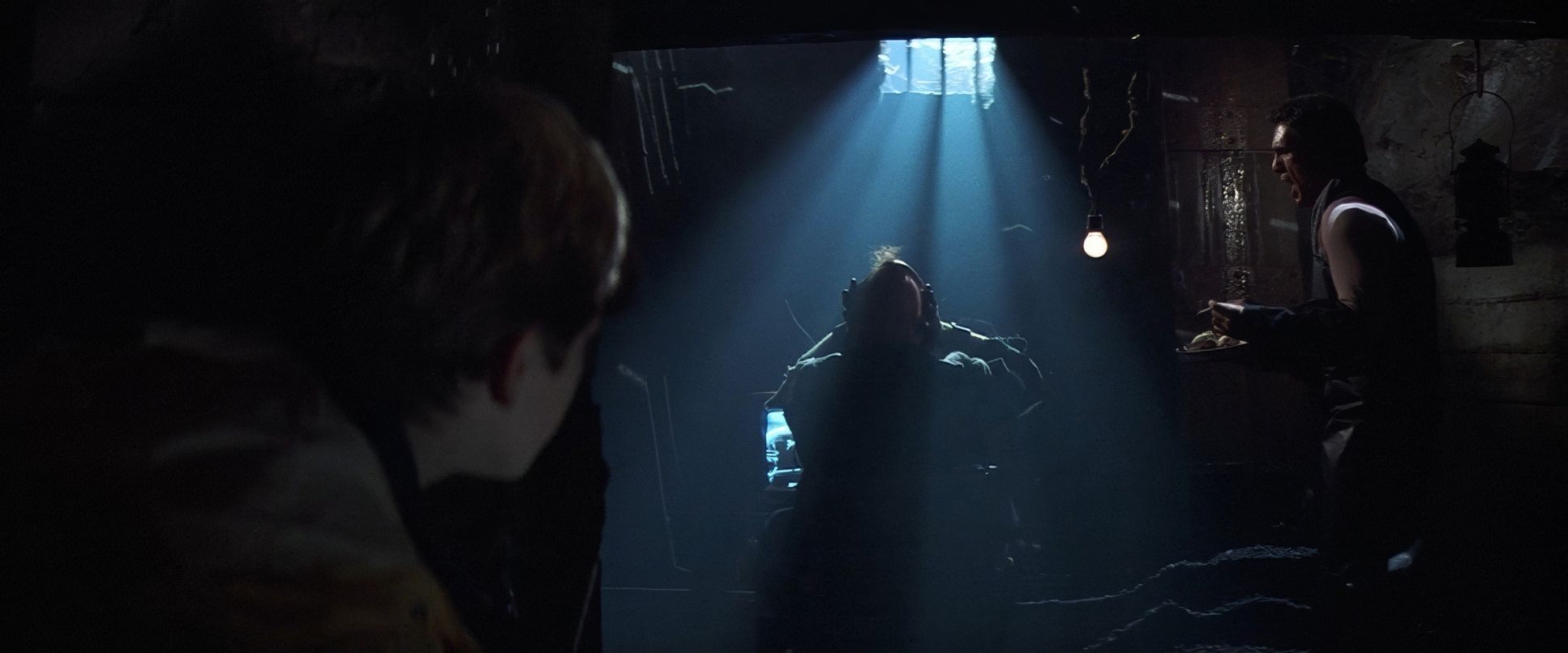
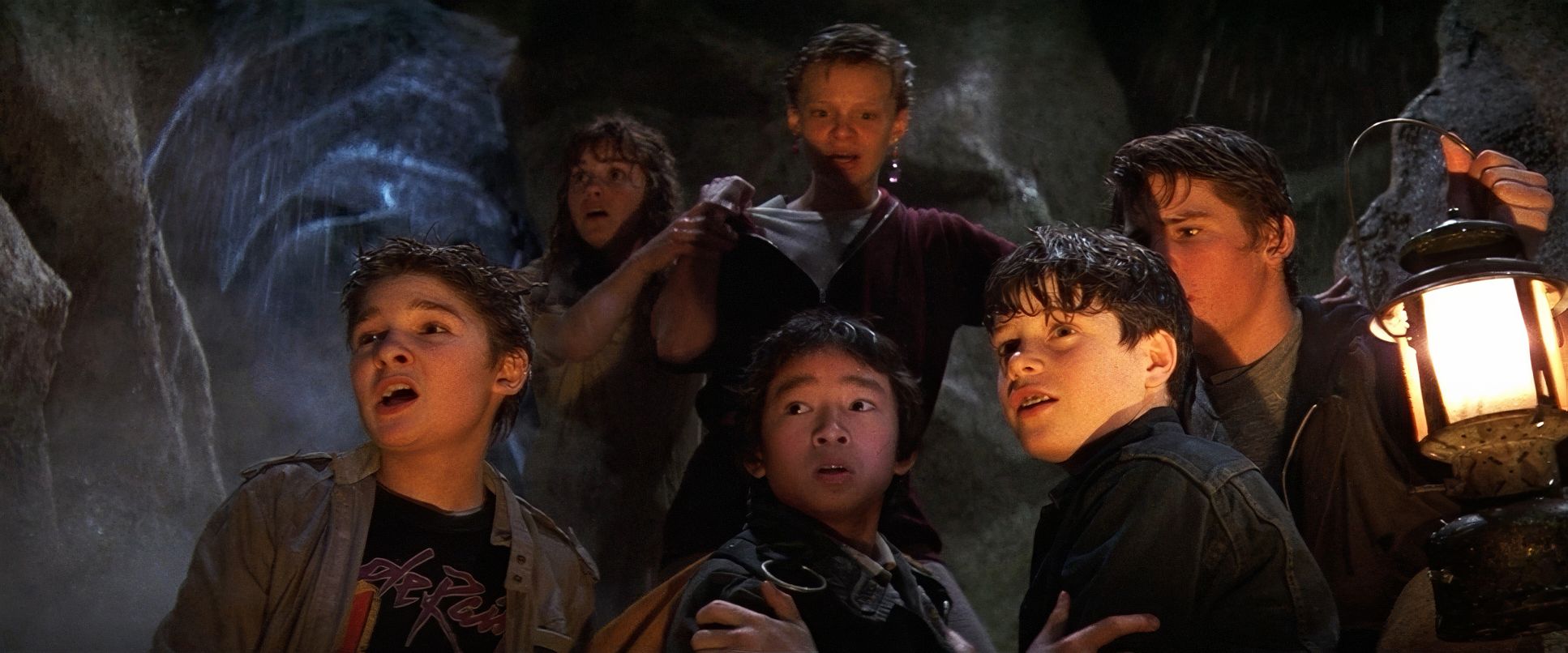
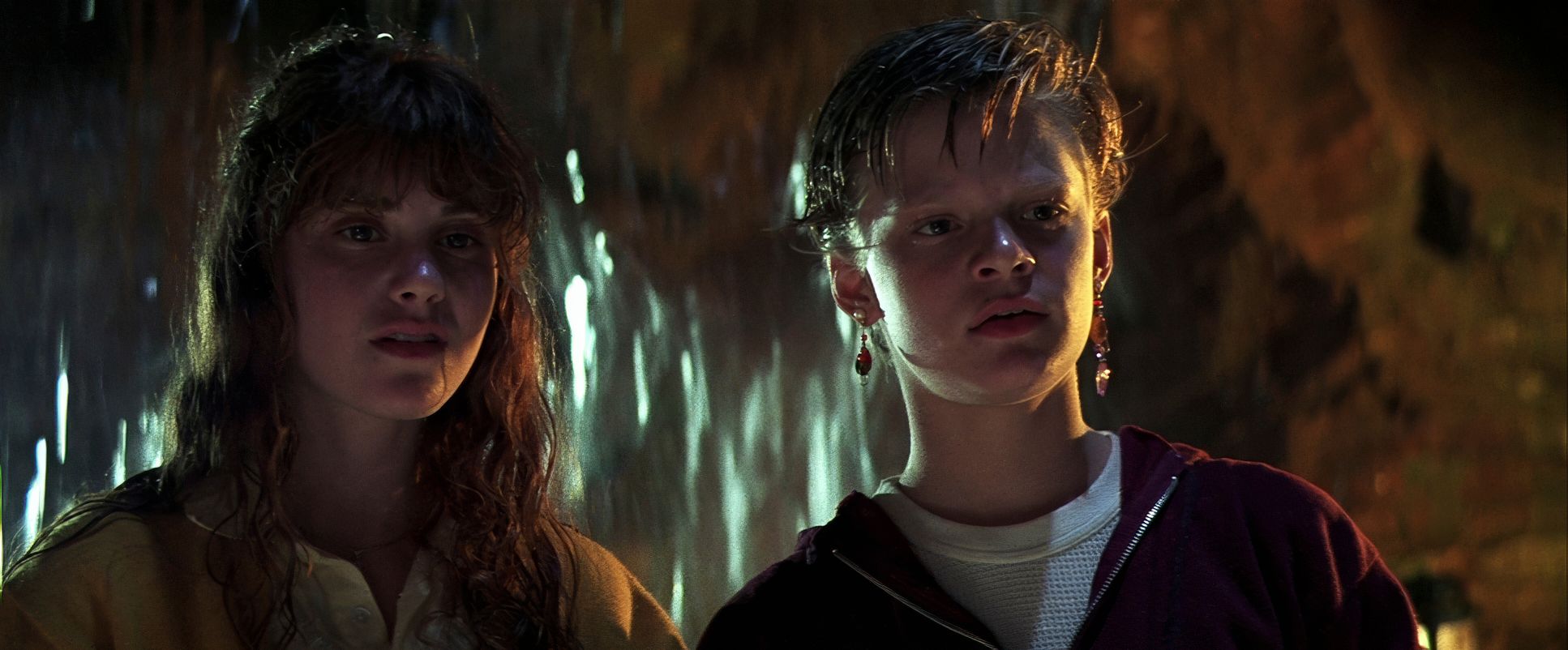
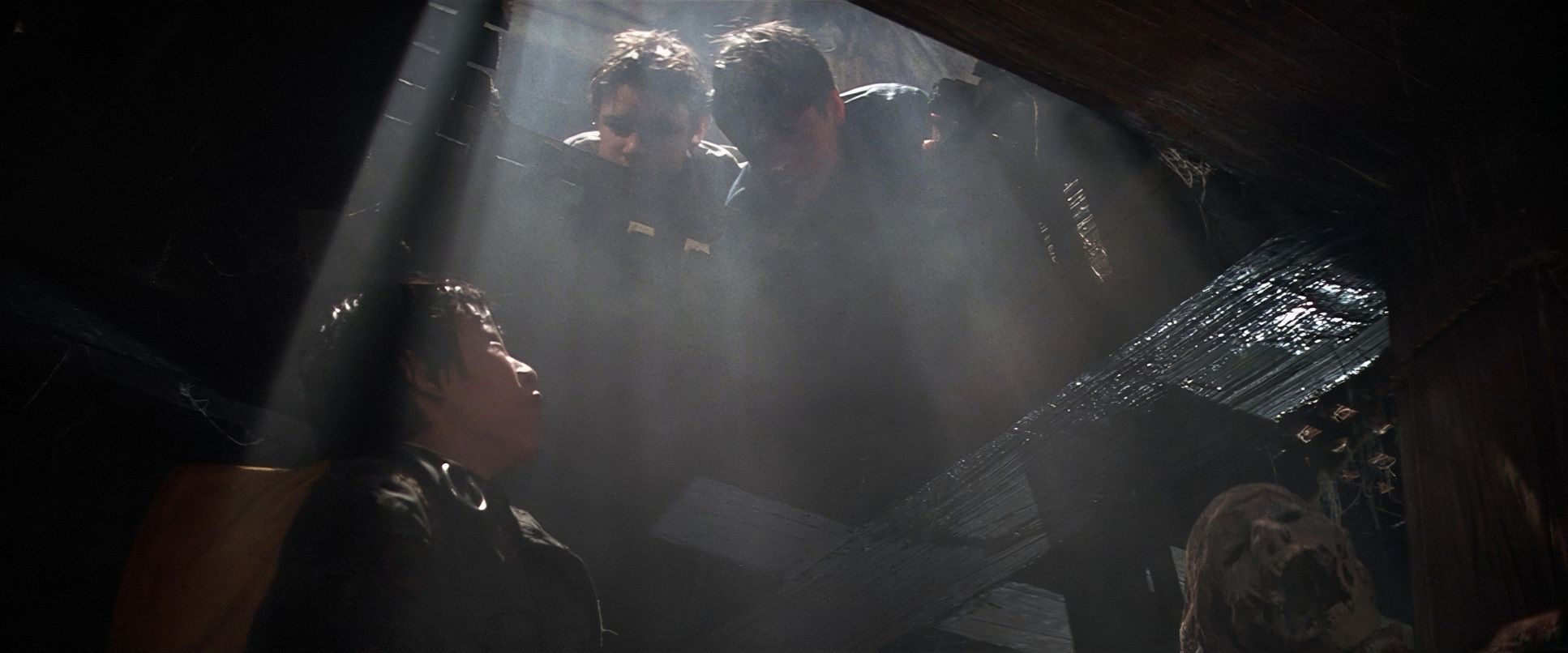
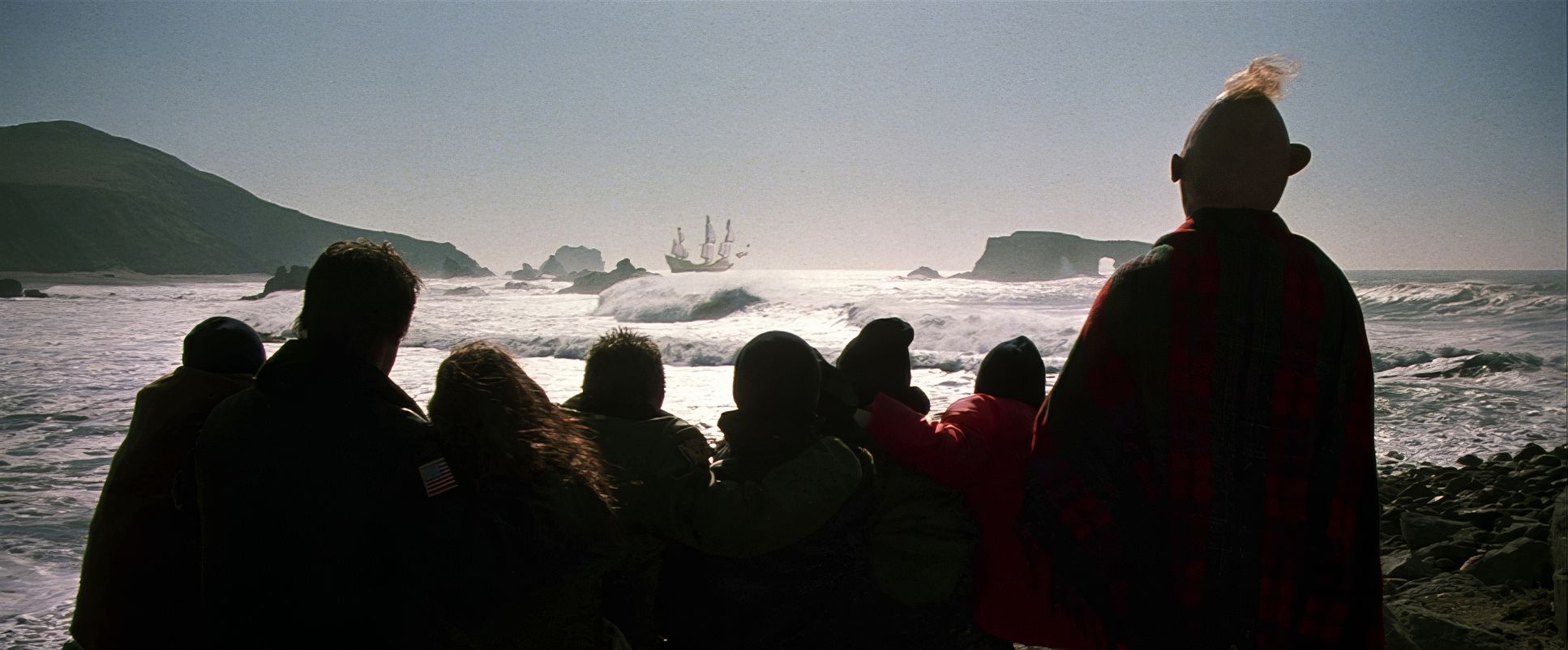
As they descend into the caverns, the compositions become more dynamic. We see a lot of deep-focus work where one kid is in the foreground determined or terrified while the others are visible behind him, maintaining that group solidarity even in tight spaces. Conversely, the Fratellis are often framed to look imposing or dysfunctional, using low angles to enhance their menace. And then there’s that final, iconic wide shot of the ship. Even if the optical effect is a bit “ropey” by modern standards the black levels don’t quite match the sky and the matte lines are visible the compositional intent is perfect. It’s the aspirational “wide” that signals the end of an era.
Lighting Style

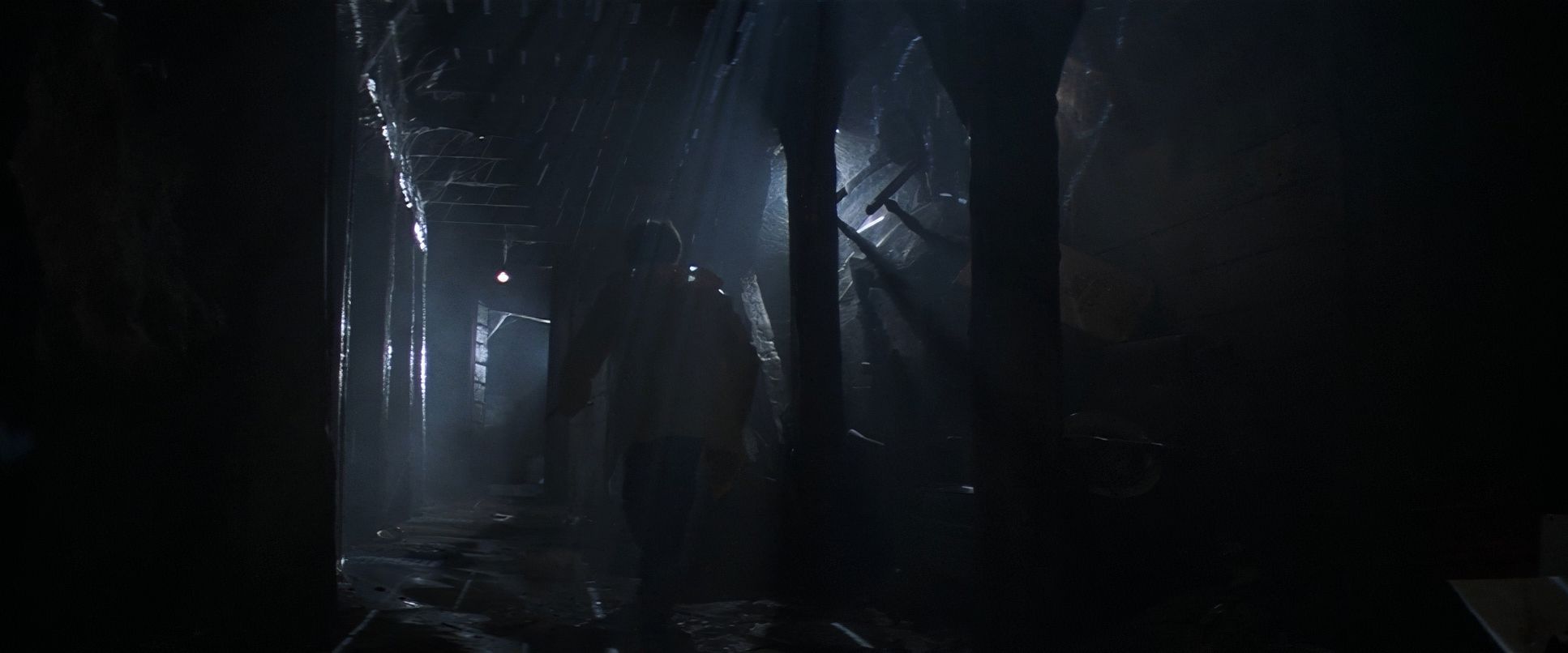
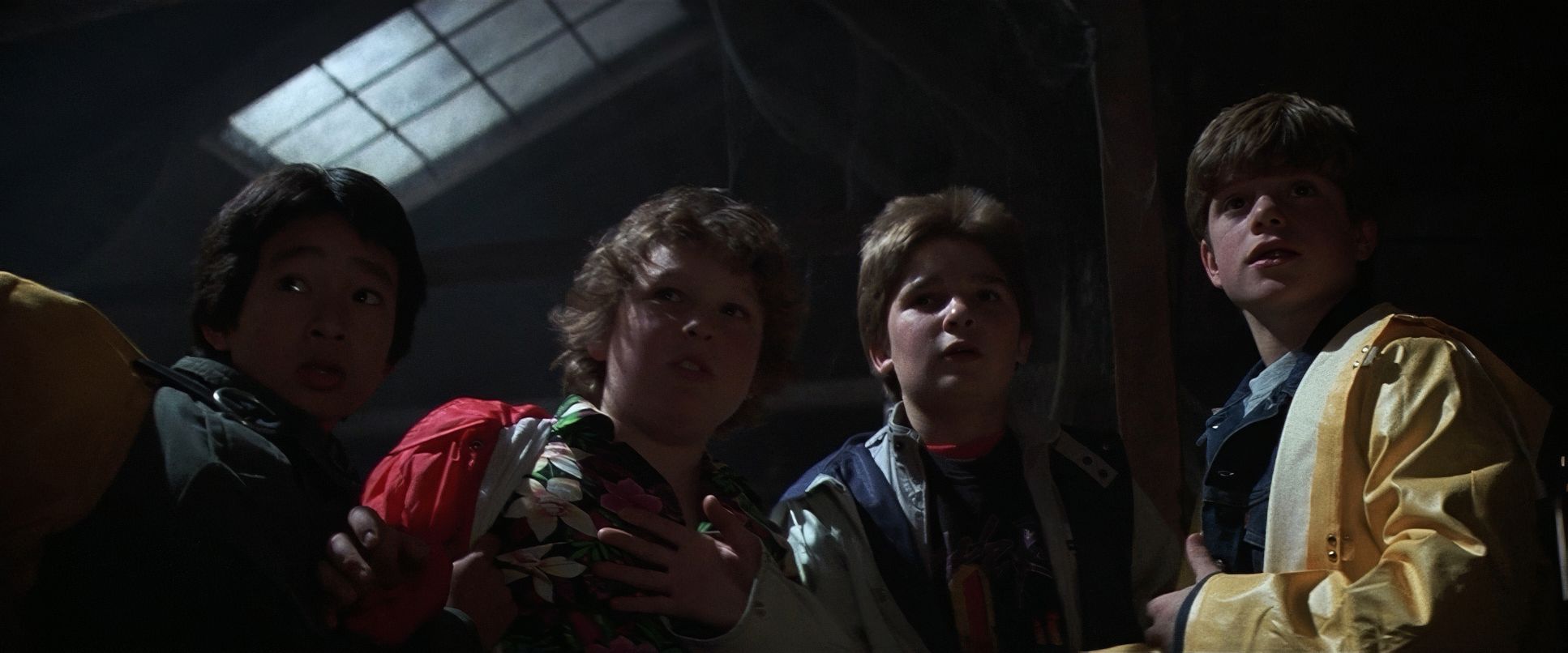
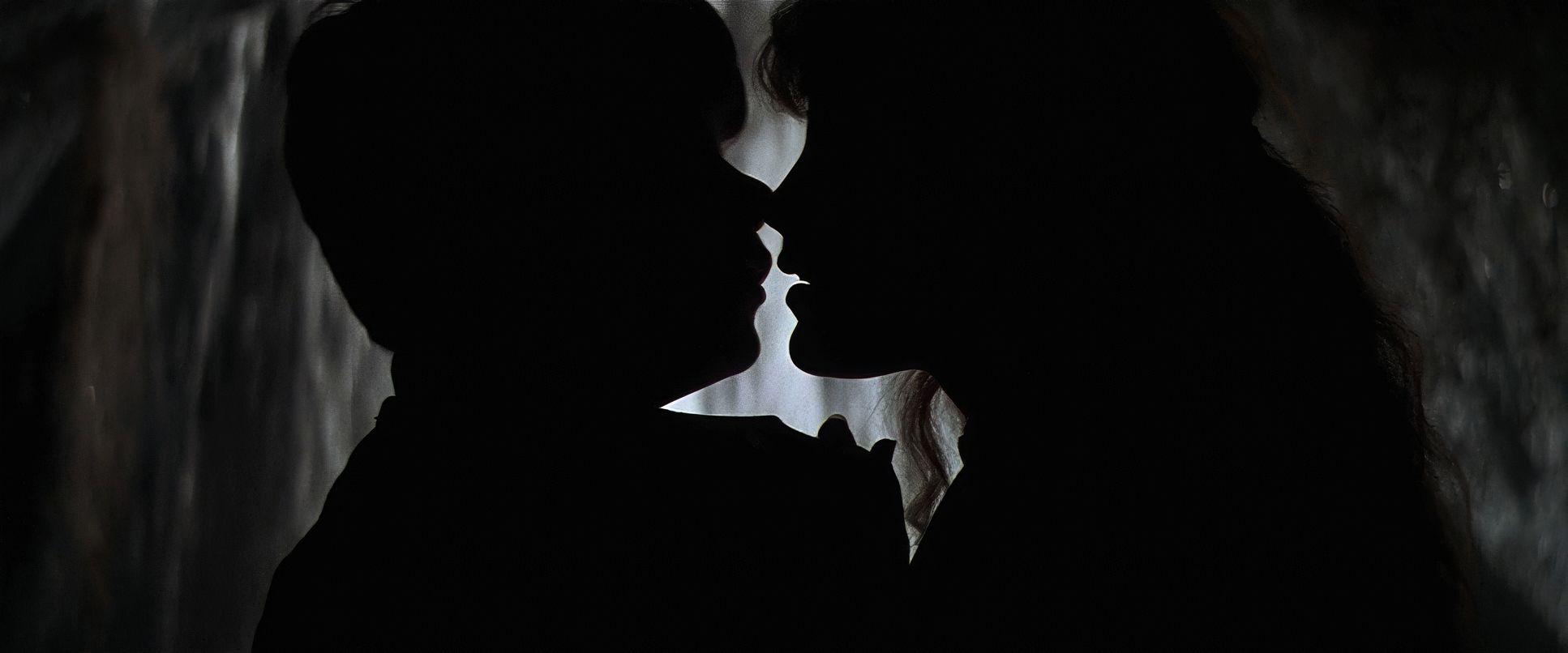
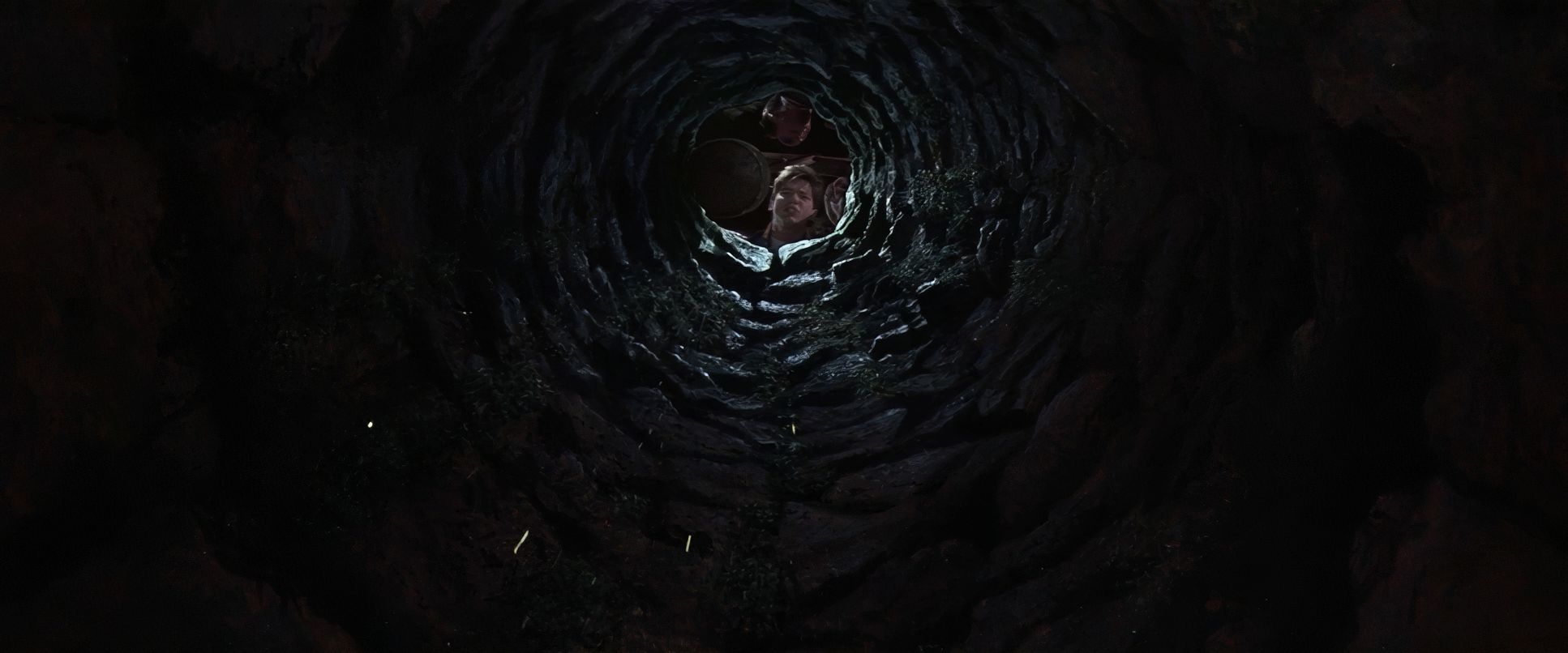
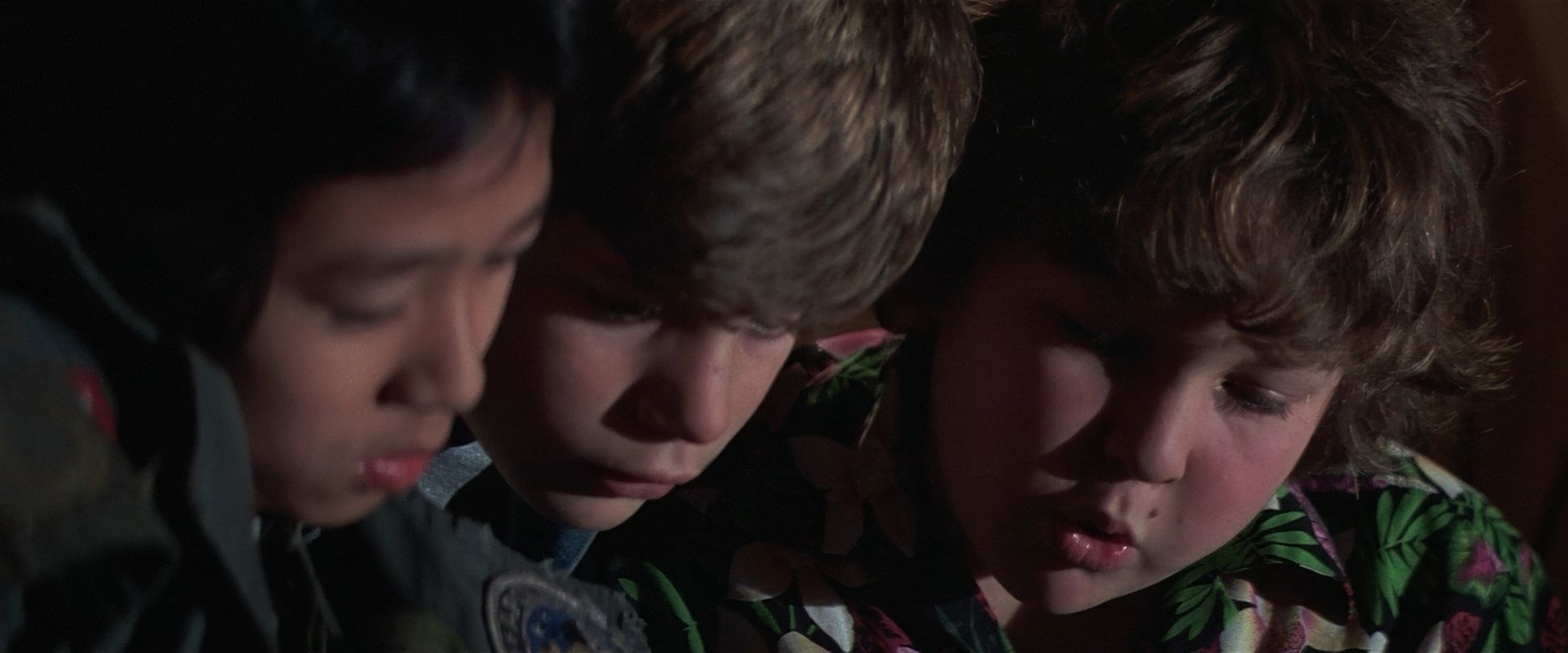
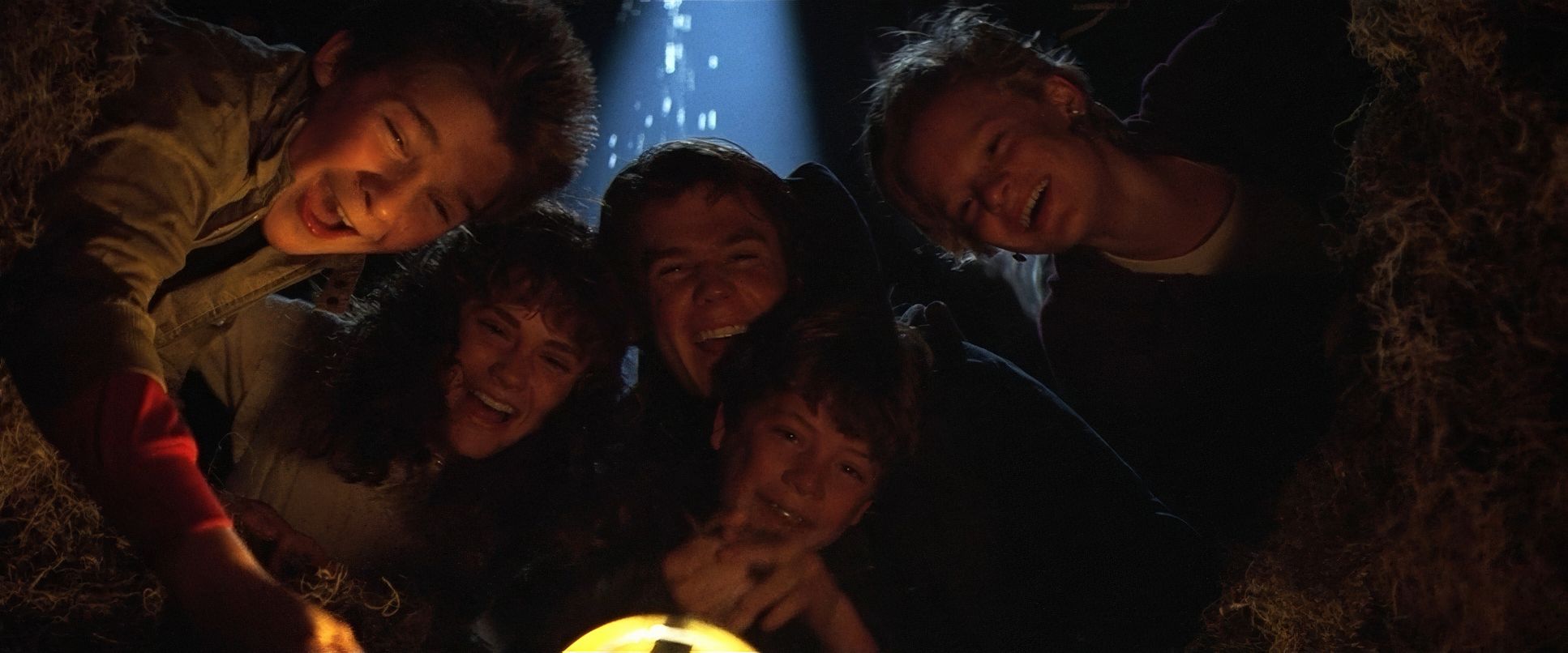
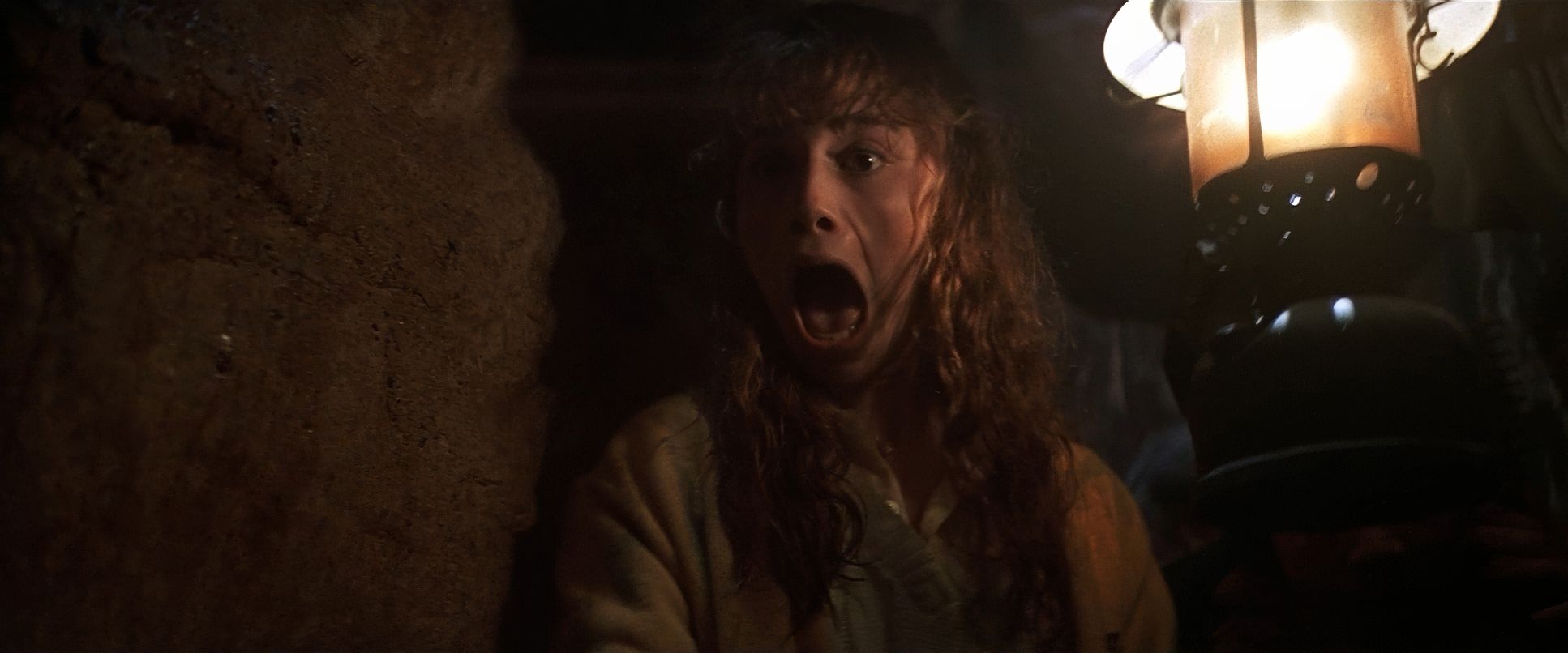
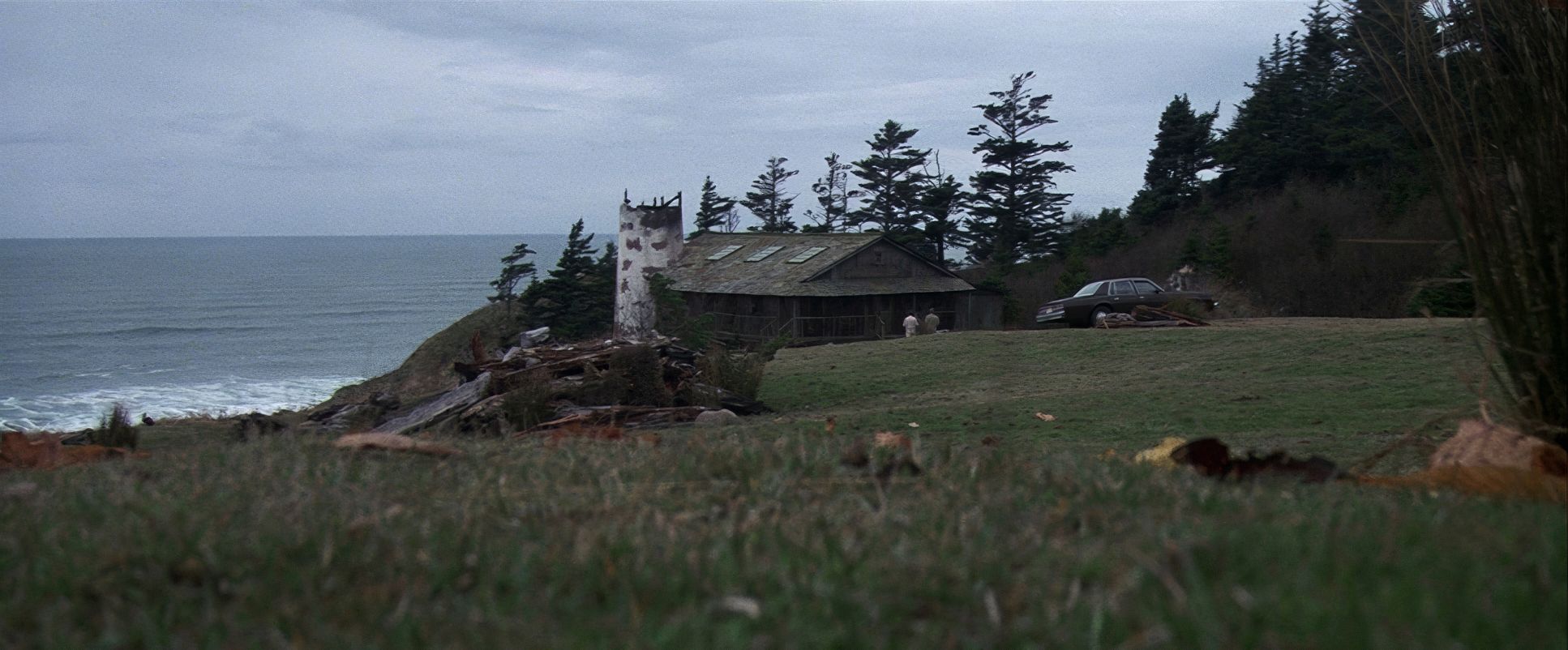
This is where the film’s dual nature really shows up. McLean and Donner weren’t afraid of the dark. The film moves from the overcast, naturalistic light of the Goon Docks into the high-contrast, grimy interiors of the restaurant, and finally into the “motivated” darkness of the caves.
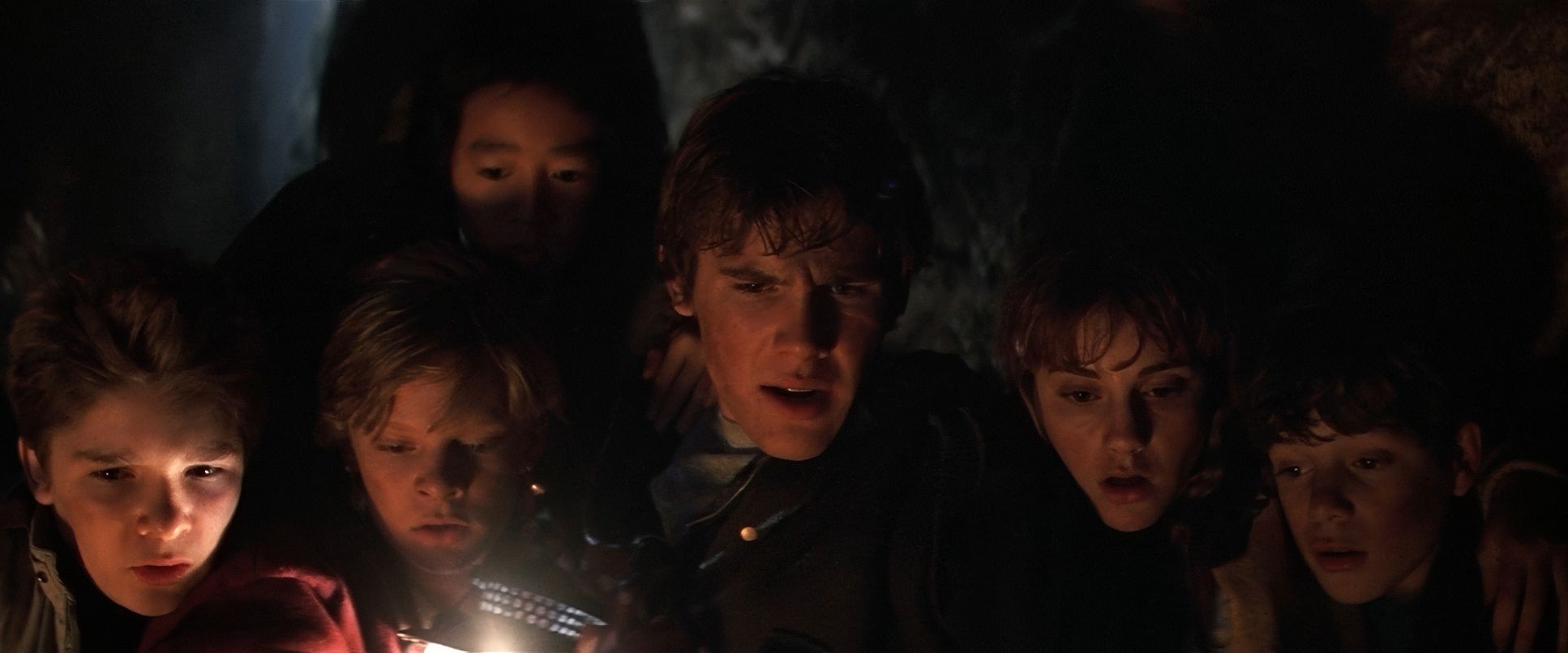
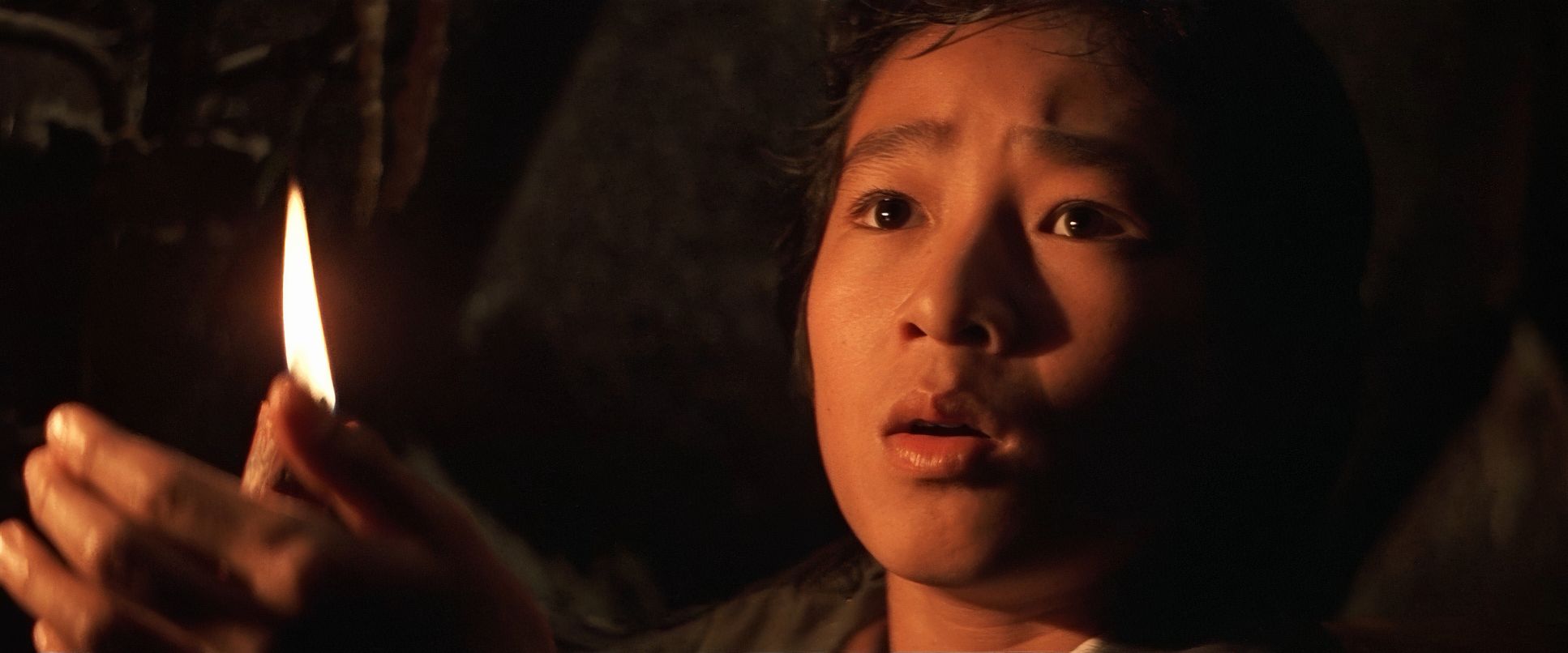
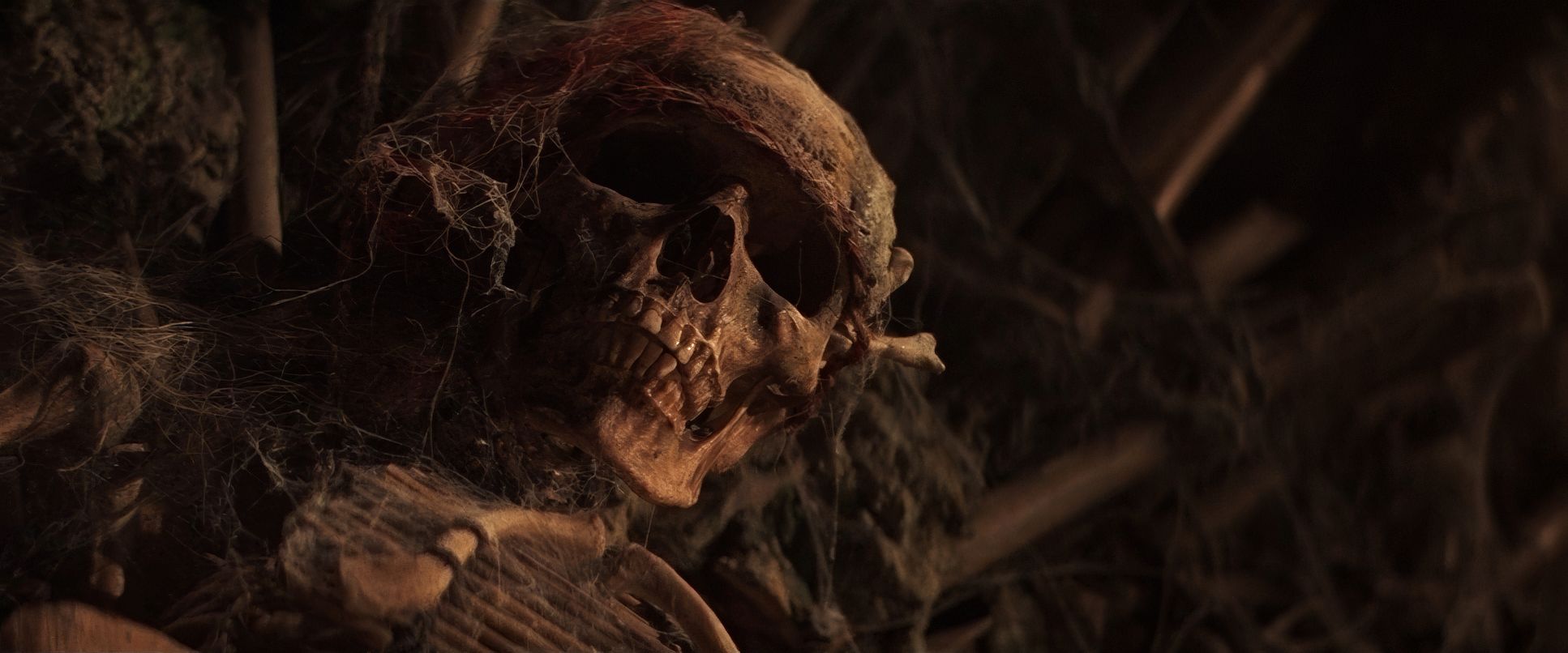
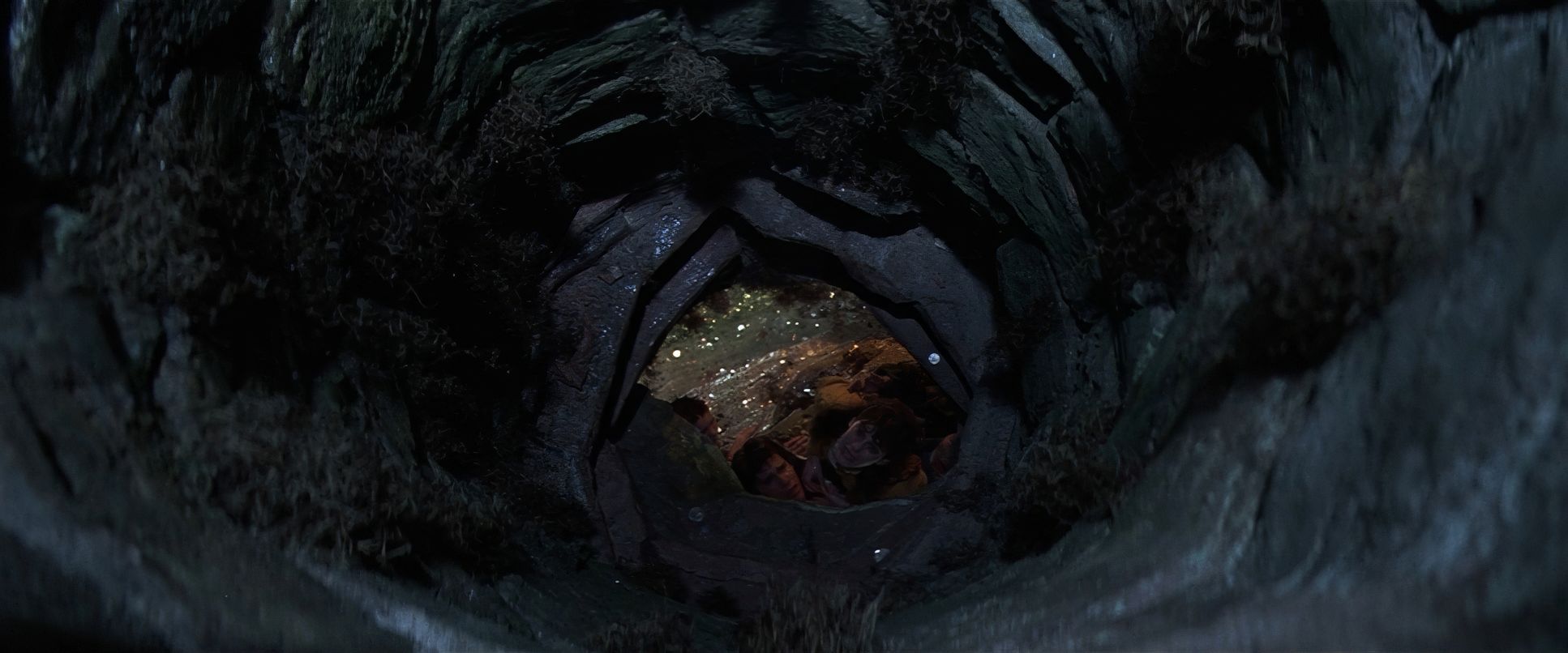
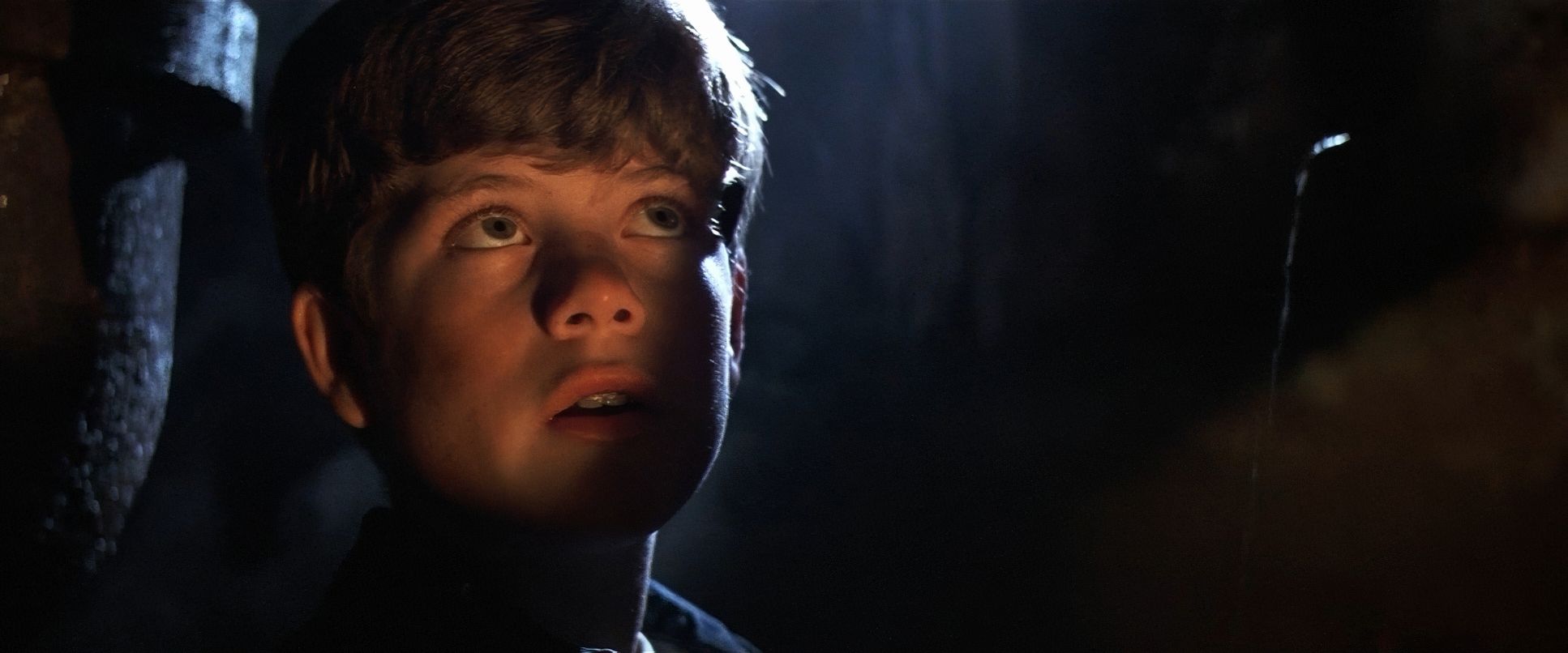
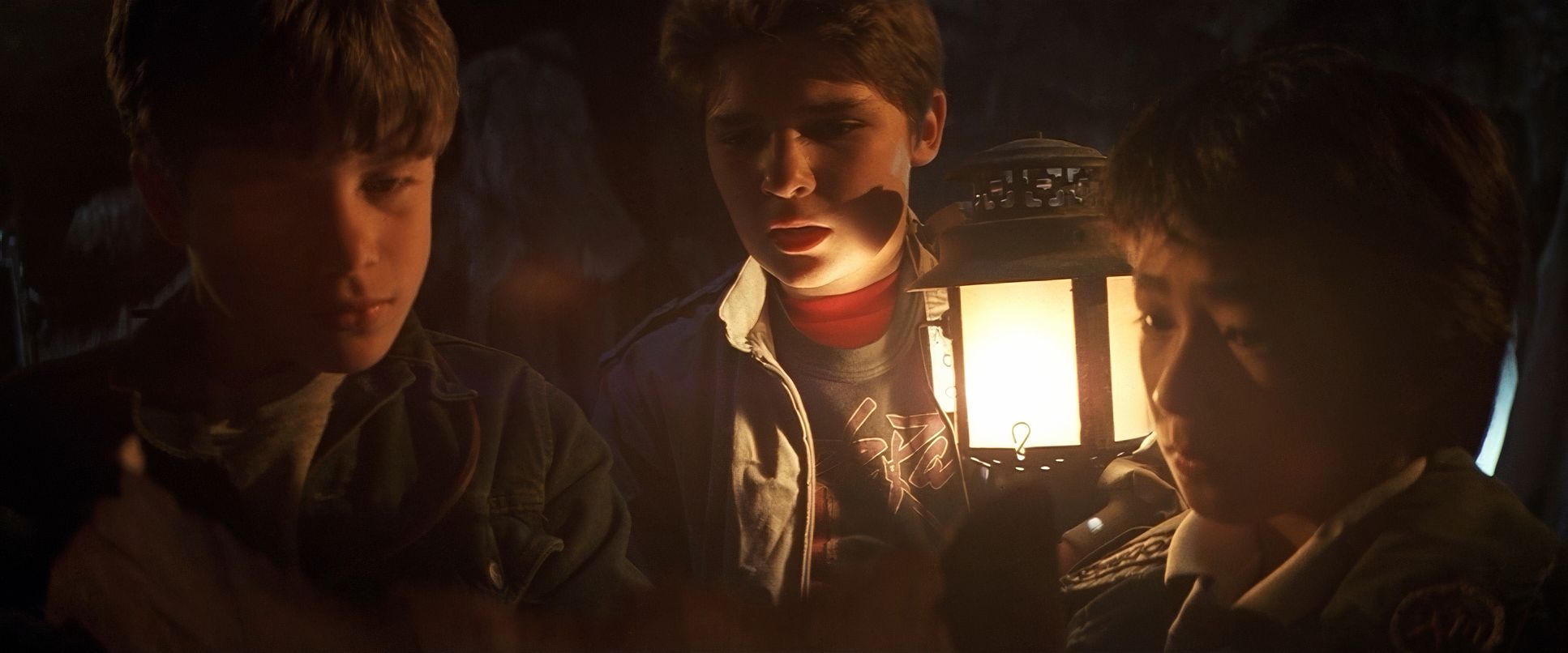
In the cave sequences, the lighting is almost entirely driven by flashlights and lanterns. As a colorist, I love the pockets of illumination here they let the frame fall into true, inky blacks. There’s a rawness to the lighting that makes the peril feel unmanufactured. The highlight roll-off from those practical flashlights on the 80s film stock is beautiful; it’s a gentle, organic transition that prevents the image from feeling “flat.” It’s a style that champions mood over visibility, forcing the audience to strain their eyes right along with the characters.
Lensing and Blocking

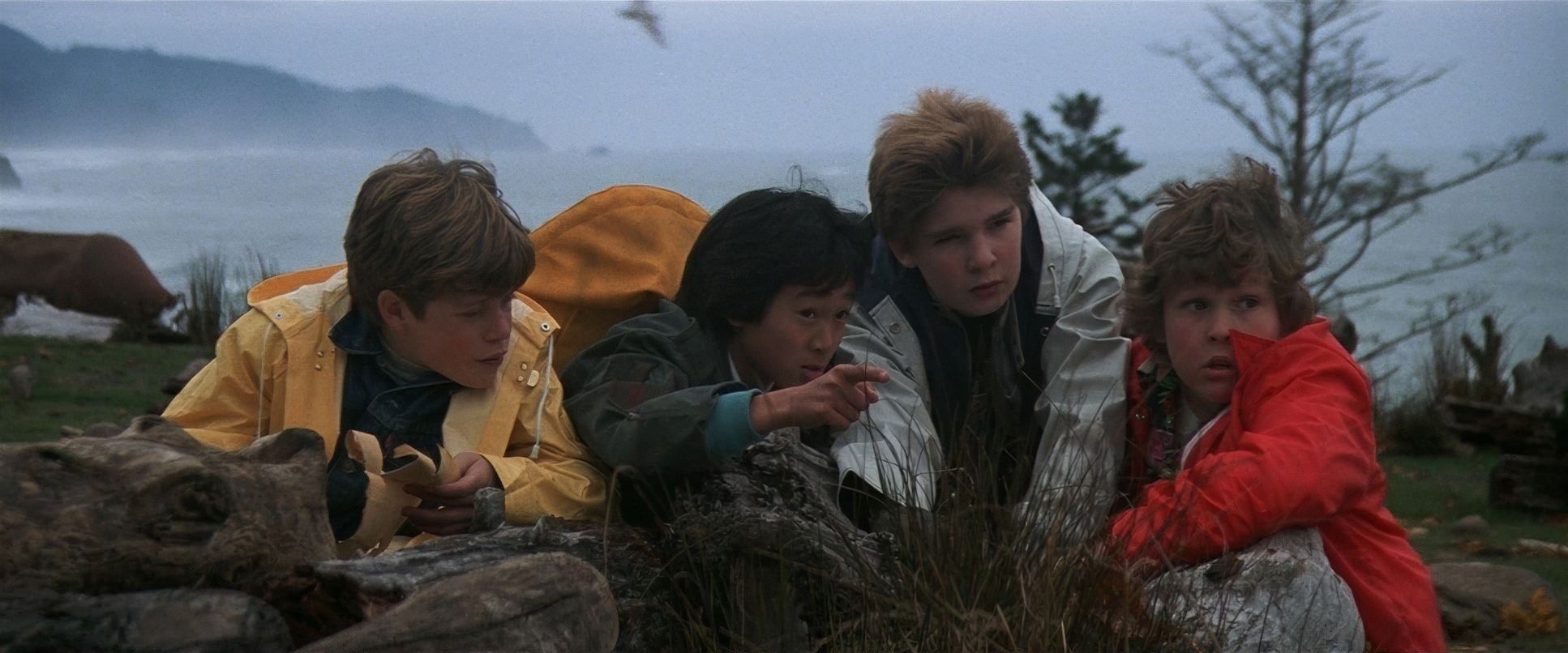
To keep the group dynamic alive, McLean relied on wider spherical lenses (Cooke Varotal and Panavision C series). These lenses provided the depth of field necessary to keep multiple kids in focus across the frame. There’s a slight, subconscious distortion at the edges that actually helps the “child’s eye view,” making the environments feel just a little bit more exaggerated and intimidating.
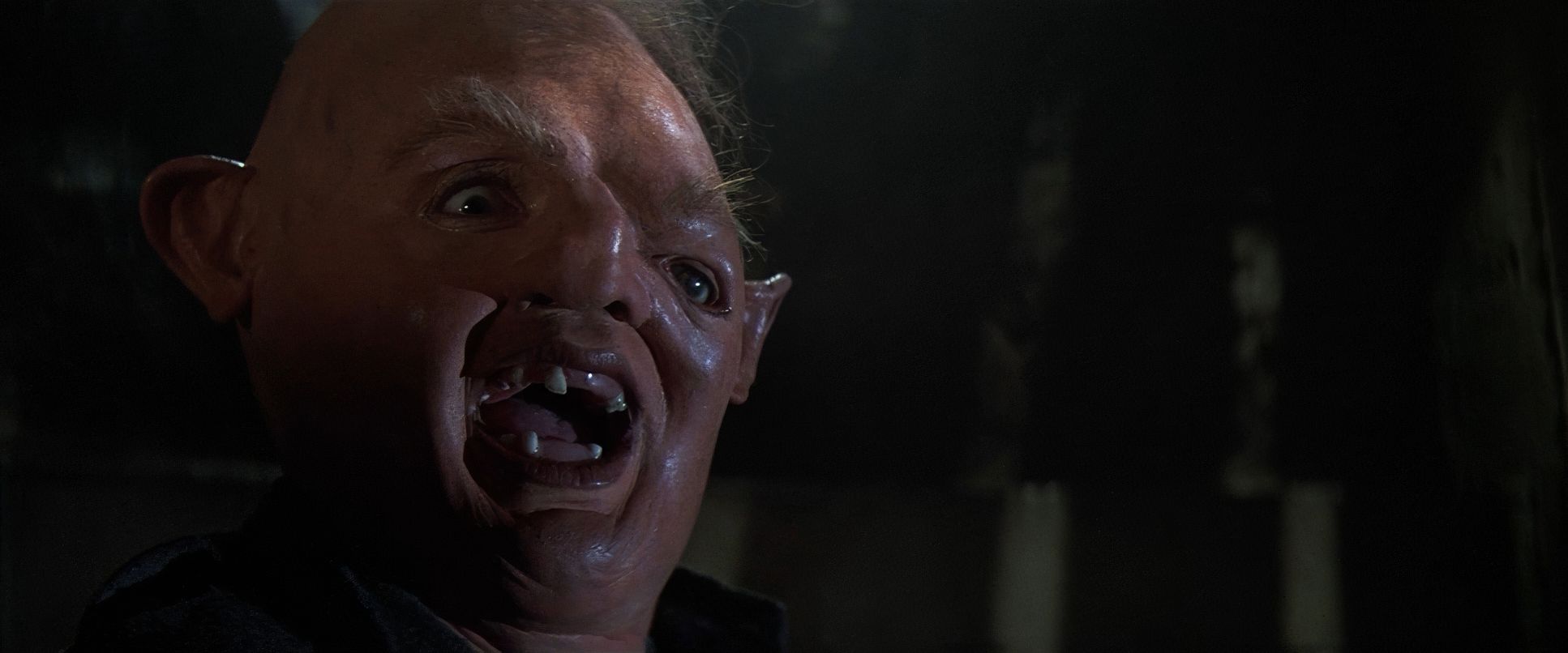
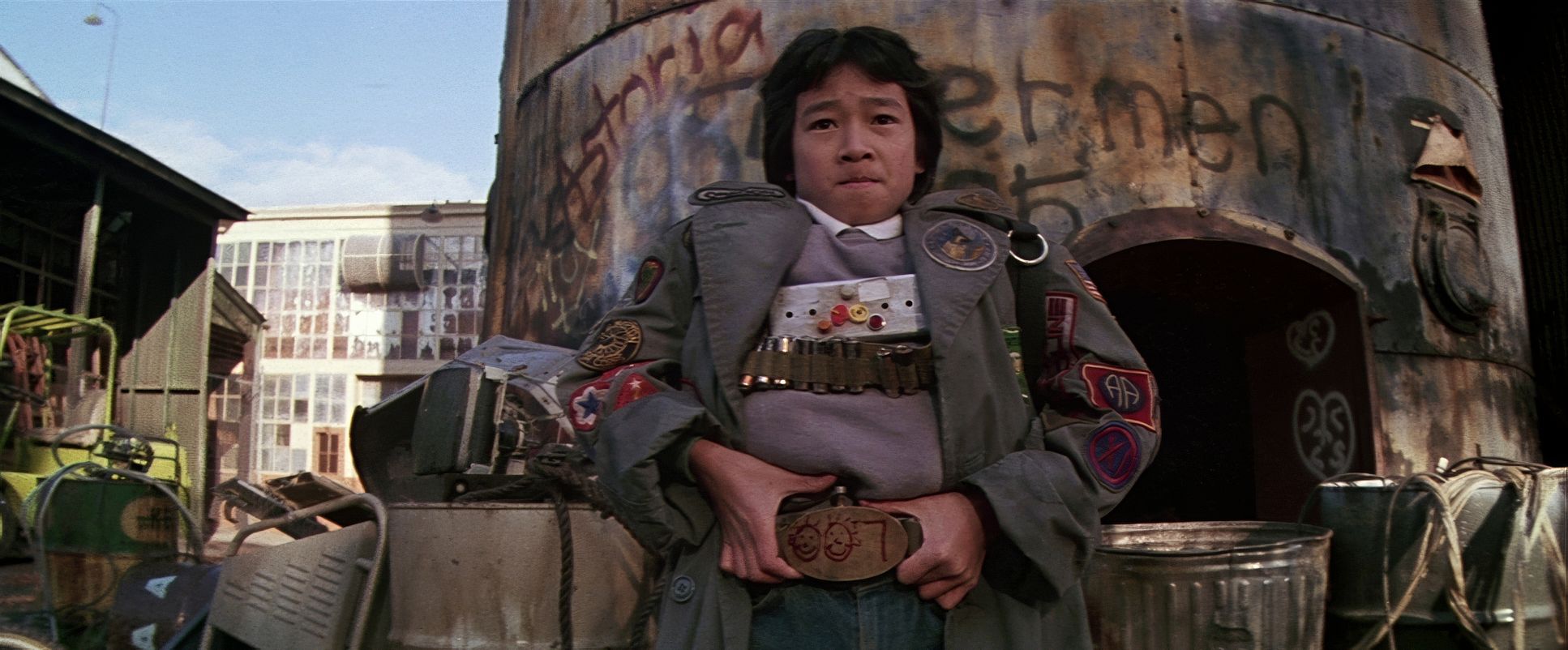
The blocking is where the character work happens. Mikey is almost always central or leading the pack. Data is often tinkering at the edges, and Chunk is frequently blocked as the outlier, physically separated for both comedic beats and his eventual emotional arc with Sloth. Their physical huddling against threats visually embodies the “Goonies never say die” mantra. It’s a masterclass in choreography managing eight kids and a group of villains in tight, subterranean sets without the visual ever feeling cluttered or confusing.
Color Grading Approach

From my perspective in the grading suite, The Goonies is a beautiful example of the Kodak 5384 print-film era. The palette is earthy rich browns, mossy greens, and steely blues. It has a “lived-in” feel that modern digital grades often struggle to replicate.
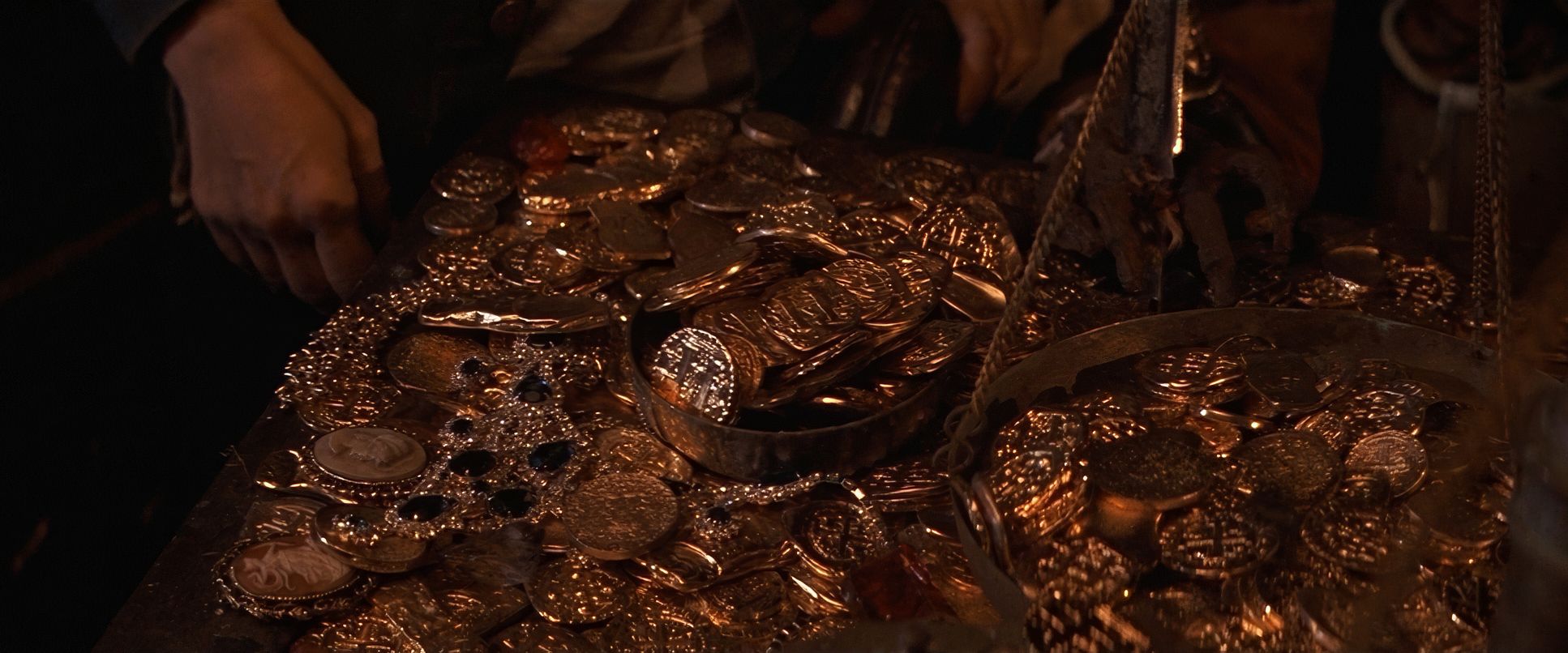
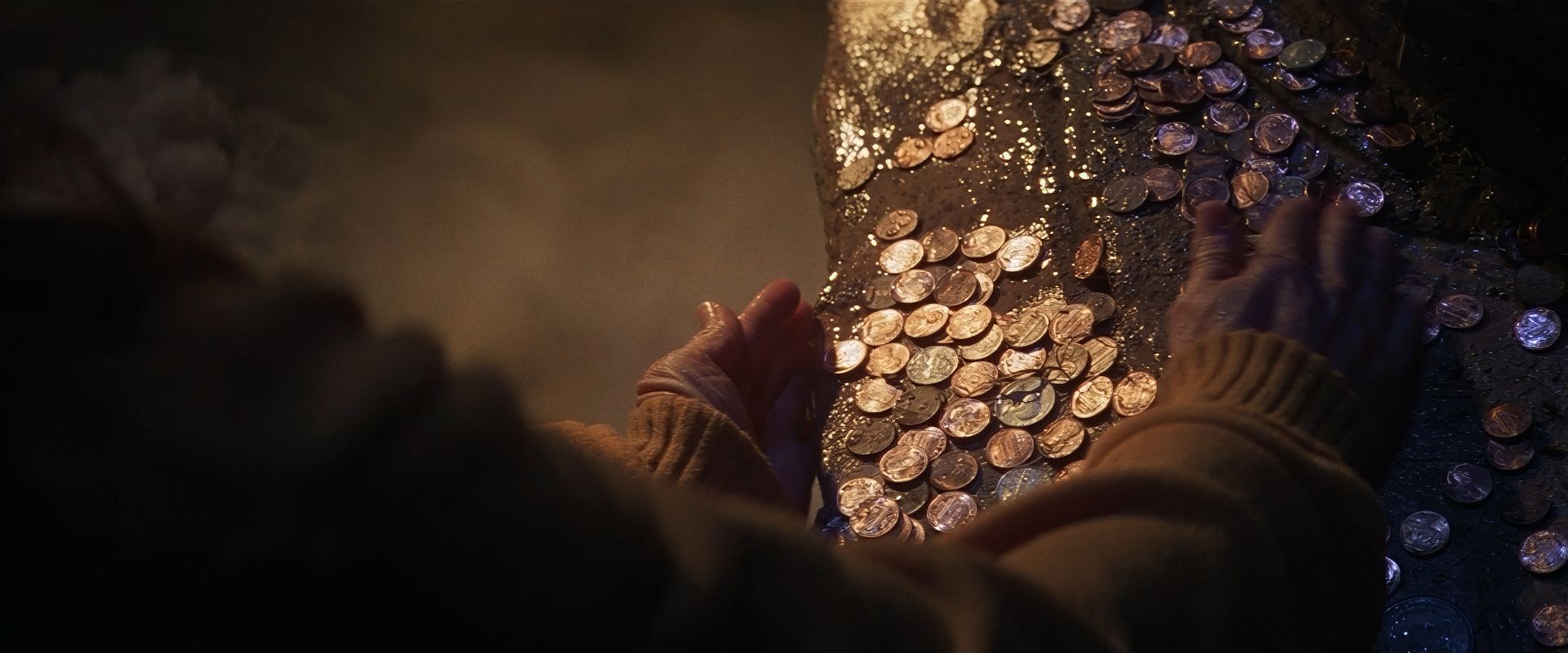
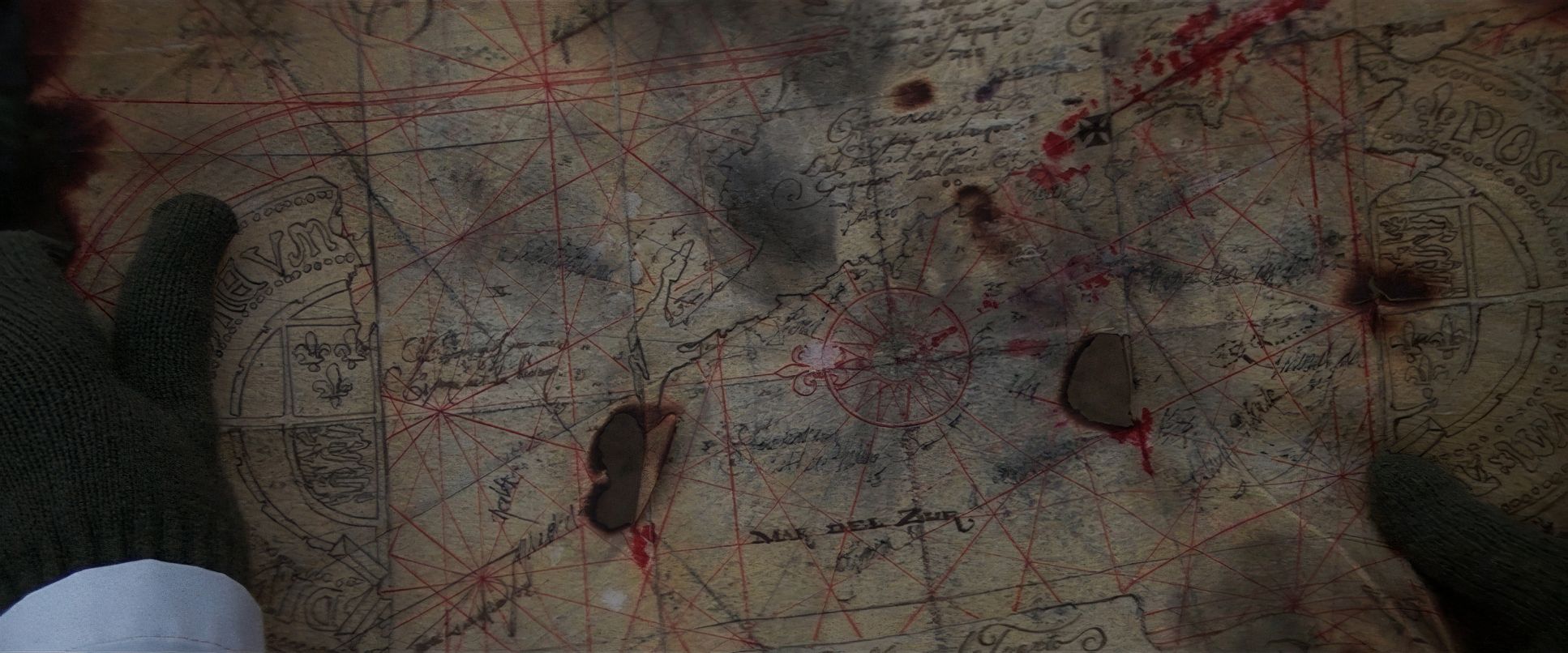
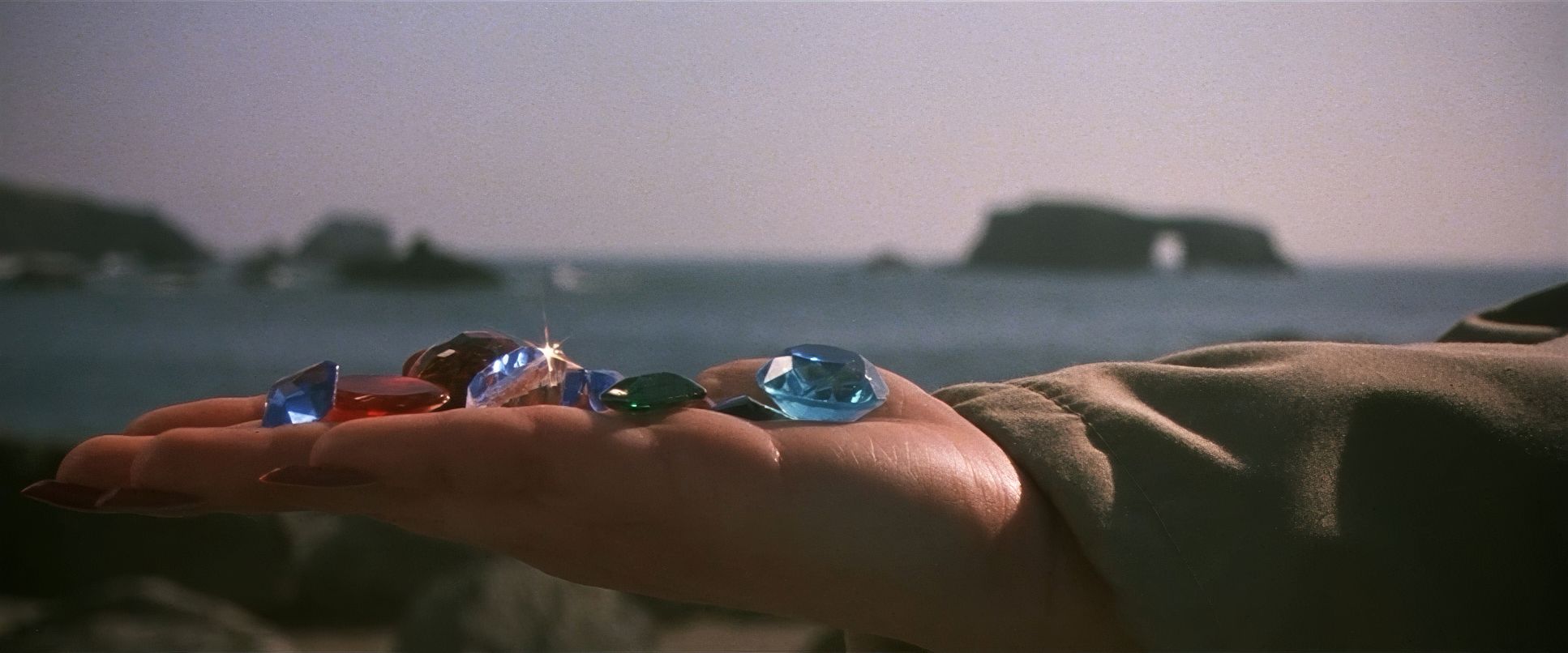
The color isn’t about “pop”; it’s about density. The shadows hold a surprising amount of detail without looking washed out, giving the caves a tactile, painterly depth. Hue separation is subtle the warm gold of the treasure vs. the cool, damp blue of the cavern walls. The inherent grain structure of the 35mm stock adds a texture that signals “adventure” to our brains. There’s an honest simplicity to the color here; it feels like a photograph, not an illustration. It’s the kind of look where you can almost smell the damp salt air and the old wood of the ship.
Technical Aspects & Tools
The Goonies: Technical Specifications (35mm Anamorphic)
| Genre | Adventure, Comedy, Family, Road Trip |
| Director | Richard Donner |
| Cinematographer | Nick McLean |
| Production Designer | J. Michael Riva |
| Costume Designer | Richard La Motte |
| Editor | Michael Kahn, Steven Spielberg |
| Time Period | 1980s |
| Color | Warm, Desaturated, White |
| Aspect Ratio | 2.39 – Anamorphic |
| Format | Film – 35mm |
| Story Location | Oregon > Astoria |
| Filming Location | United States > Oregon |
| Camera | Panavision Gold / G2, Panavision Panaflex, Arriflex 35 IIIc |
| Lens | Cooke Varotal Lenses, Panavision C series |
| Film Stock / Resolution | Eastman 5384 |
McLean shot this on Panavision Gold and G2 systems, using 35mm film that offered the latitude needed for those dark cave sets. Lighting these massive practical sets, including the full-scale pirate ship, was a monumental task. They had to hide powerful HMI and tungsten units within the “rock” formations to mimic the puny light sources the kids were carrying.
The film’s reliance on practical effects over opticals is why it holds up so well. When you see a rock slide or a booby trap, the camera is capturing a physical event. While the final ship sailing away was a “bad” optical (a product of the photochemical limitations of the mid-80s), the rest of the film feels remarkably grounded because the cinematography was focused on capturing the physical world Donner built.
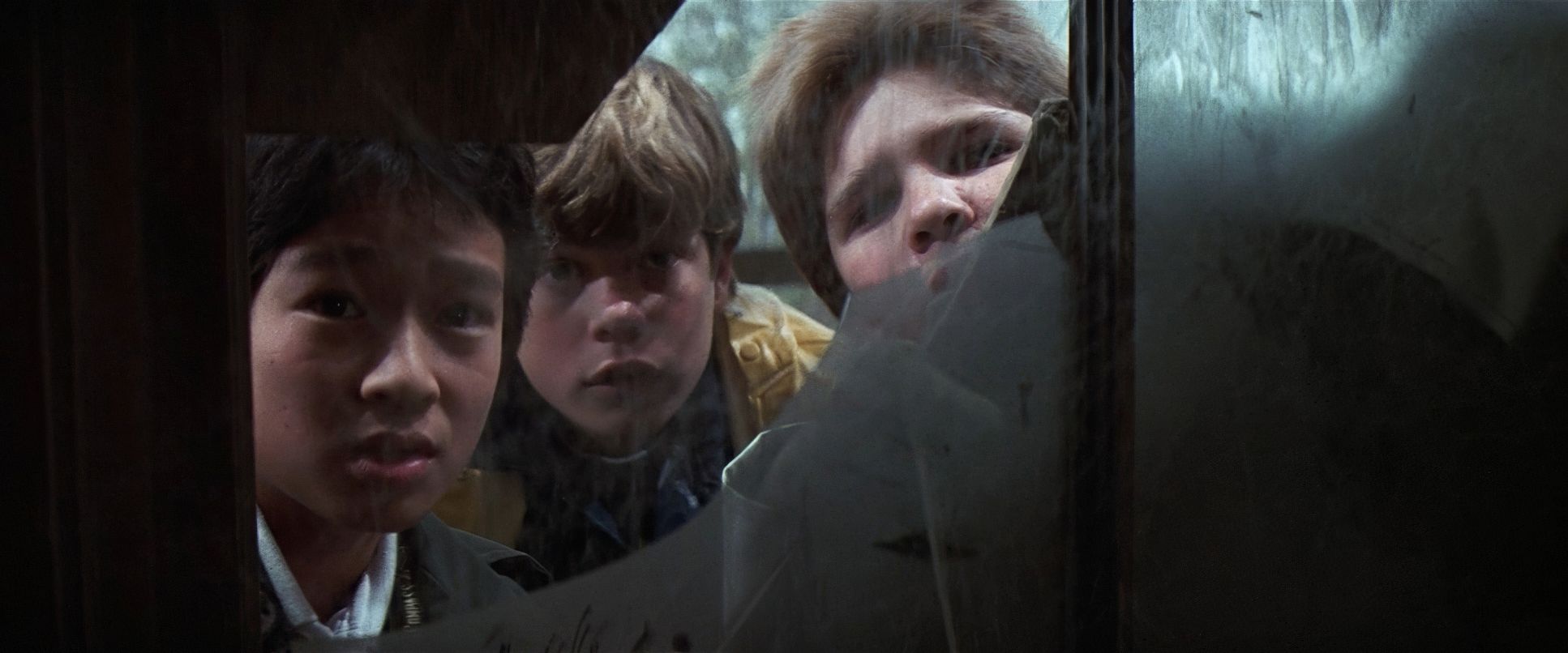
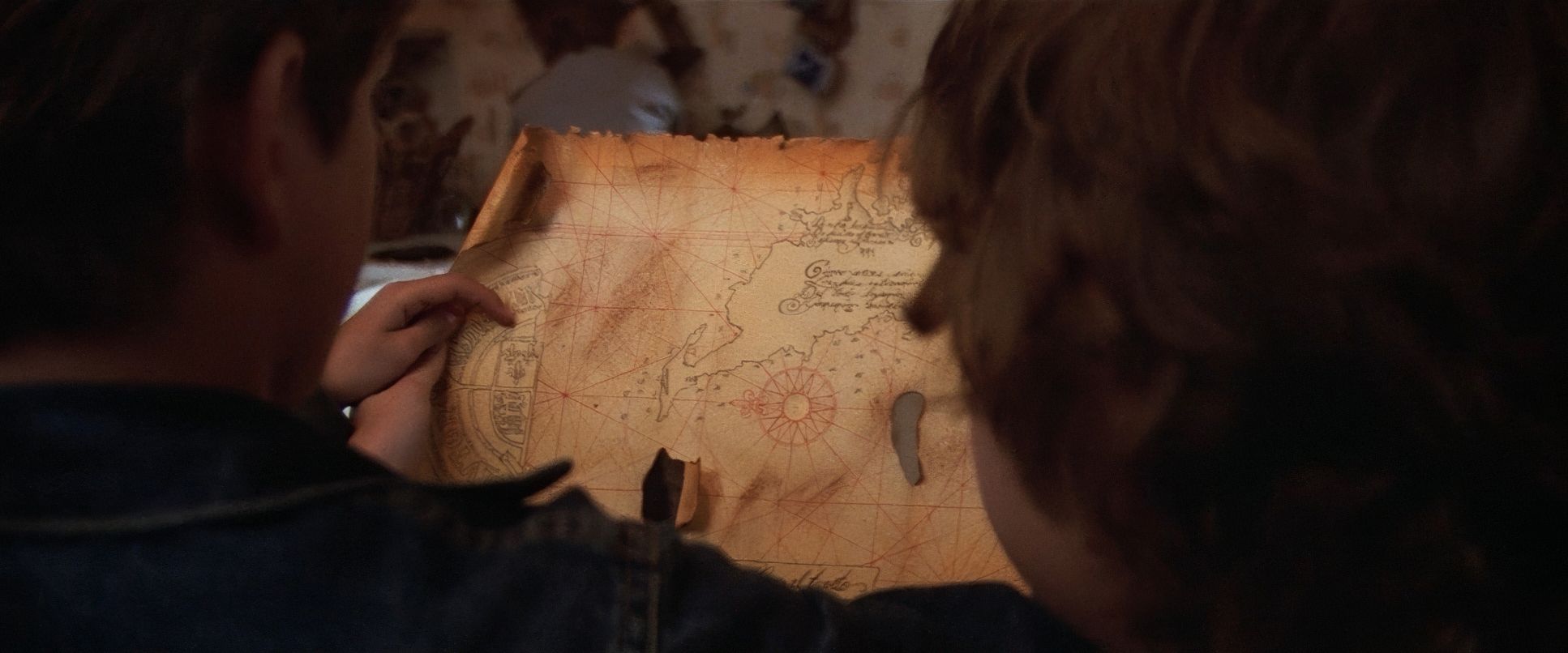
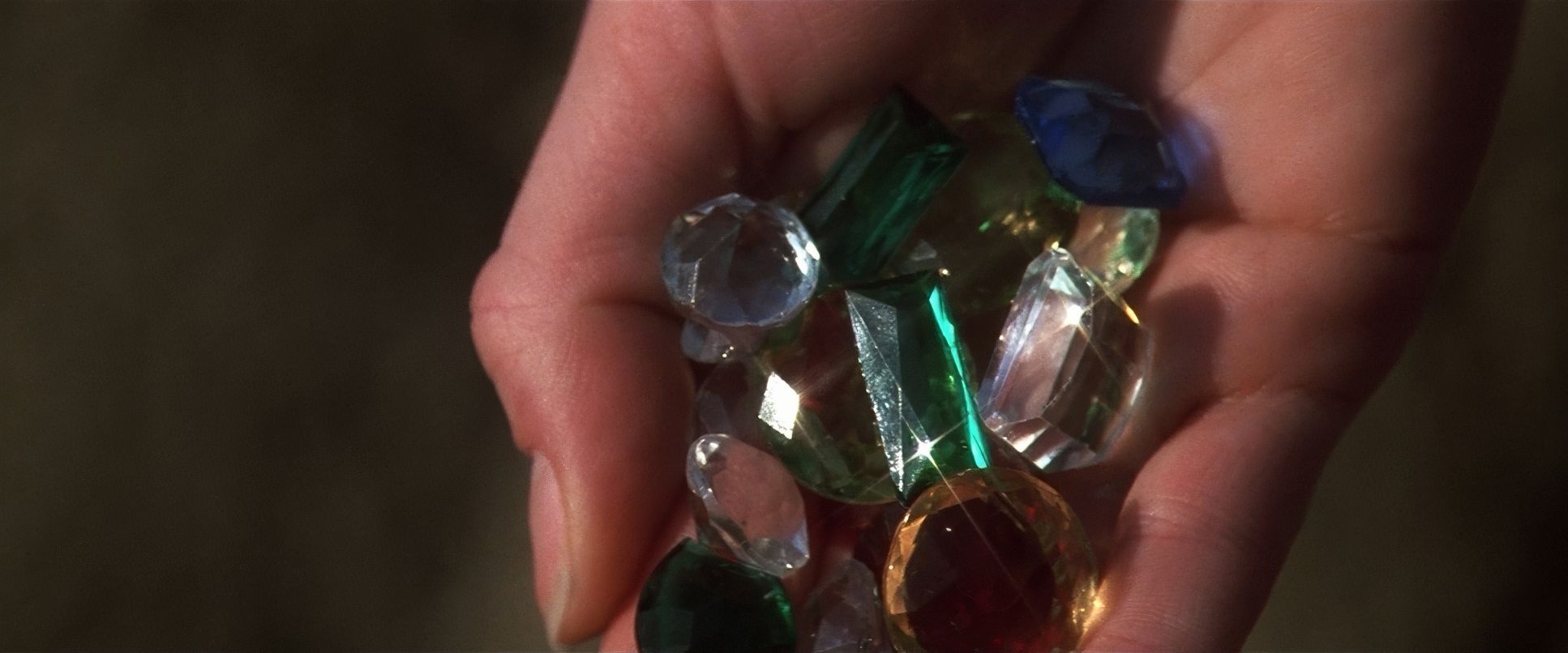
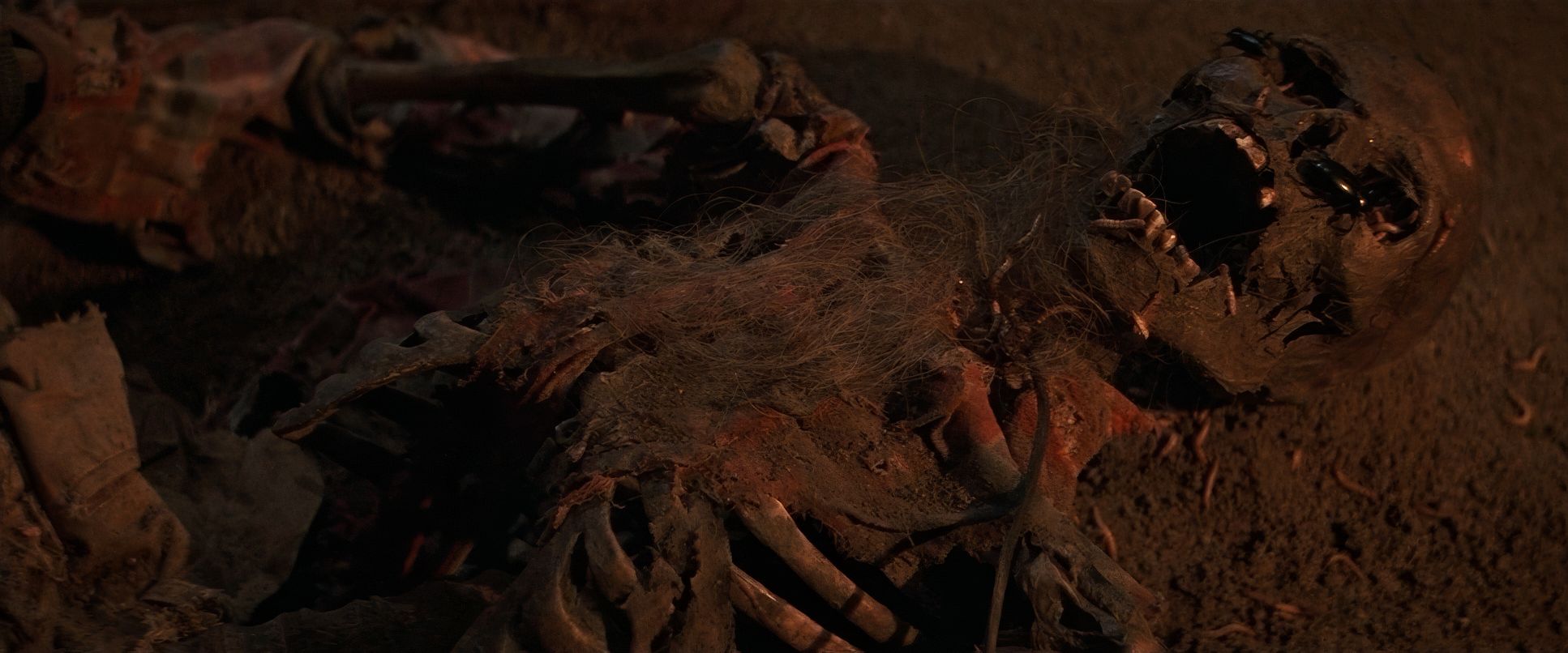
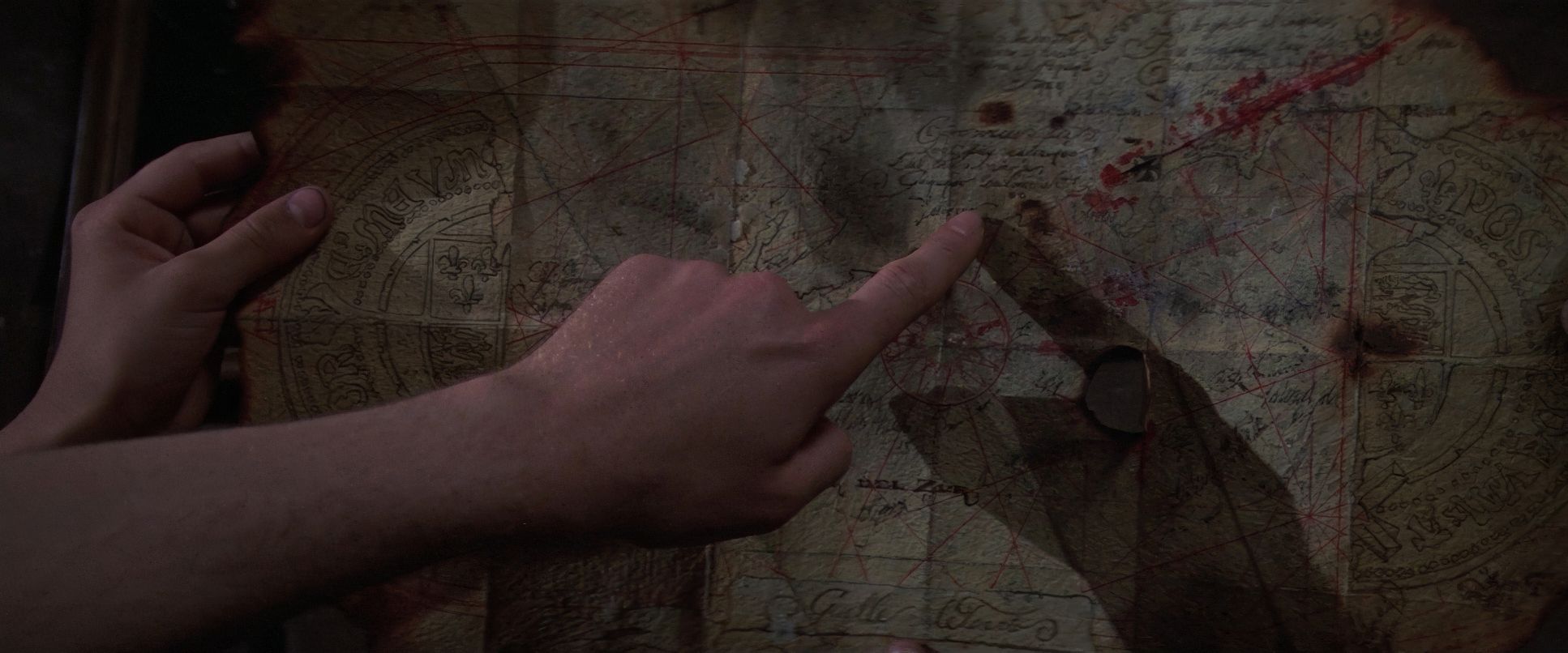
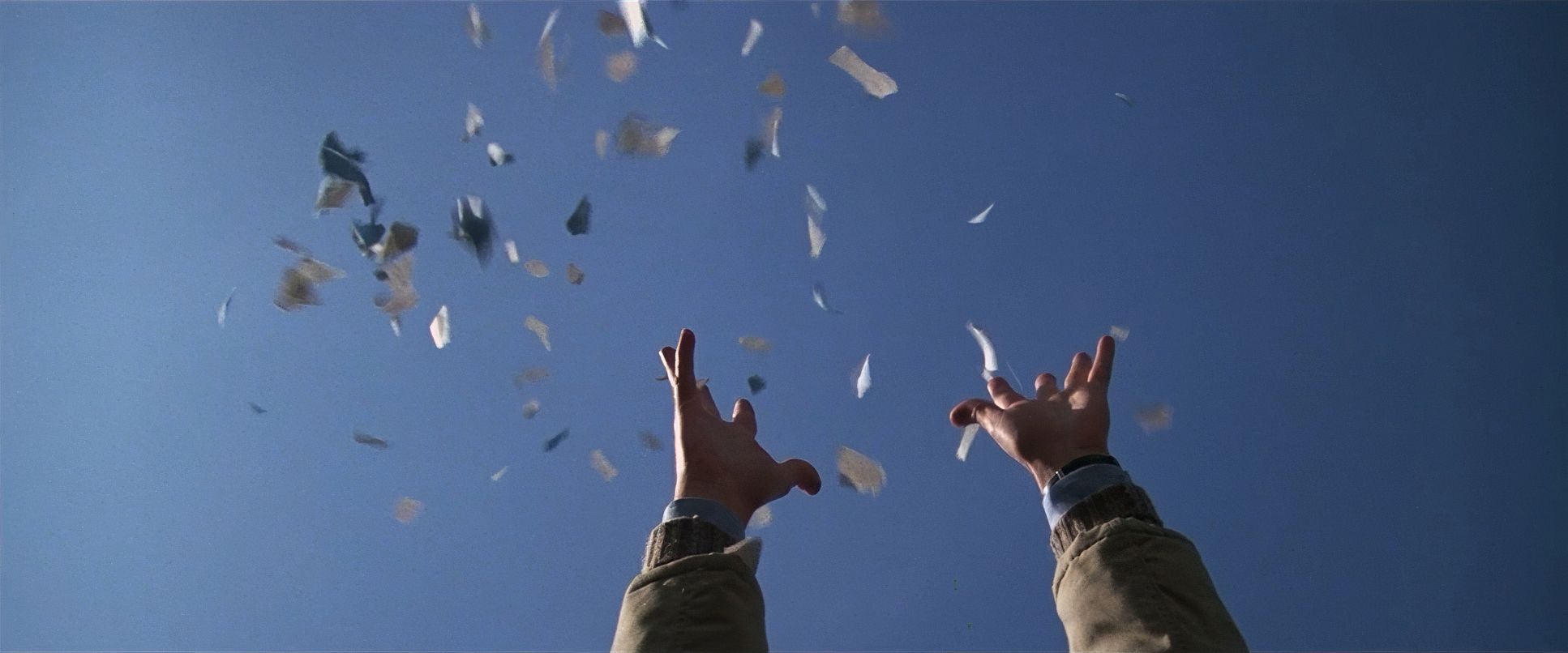
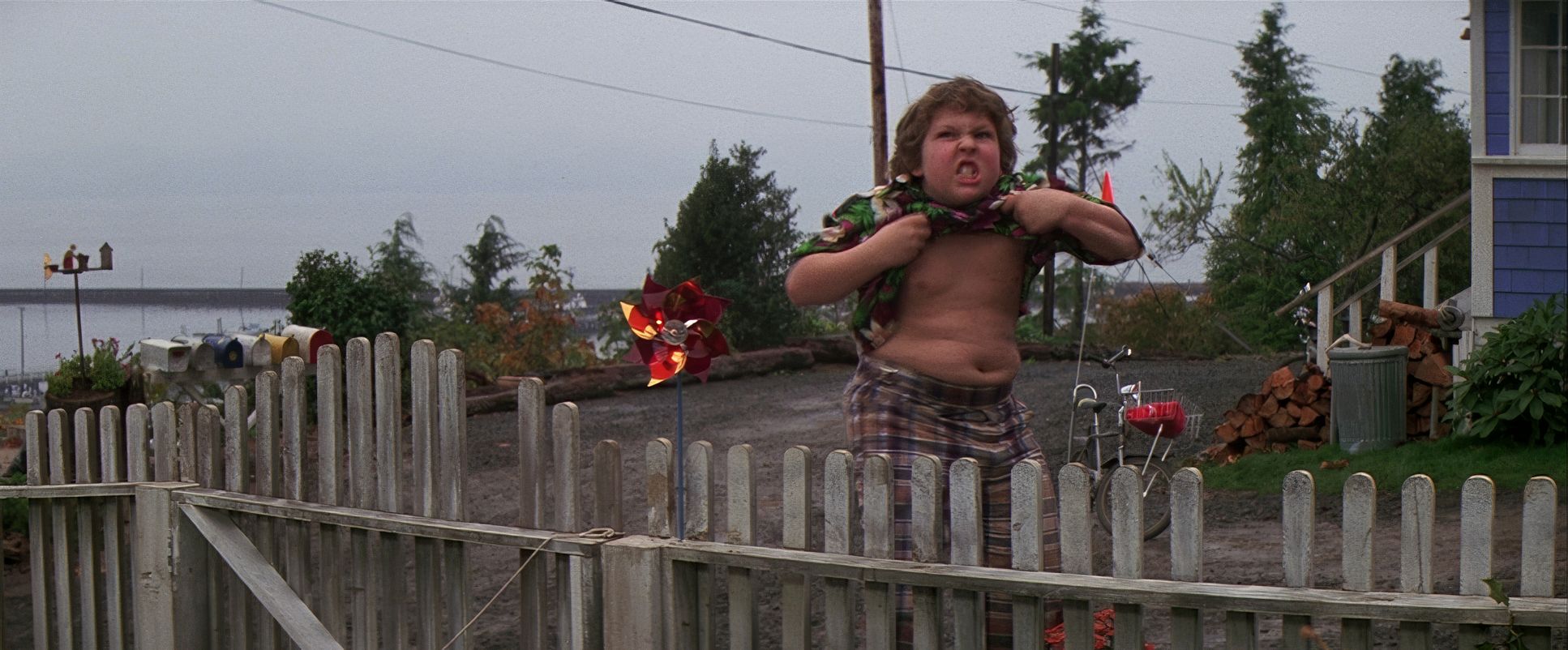
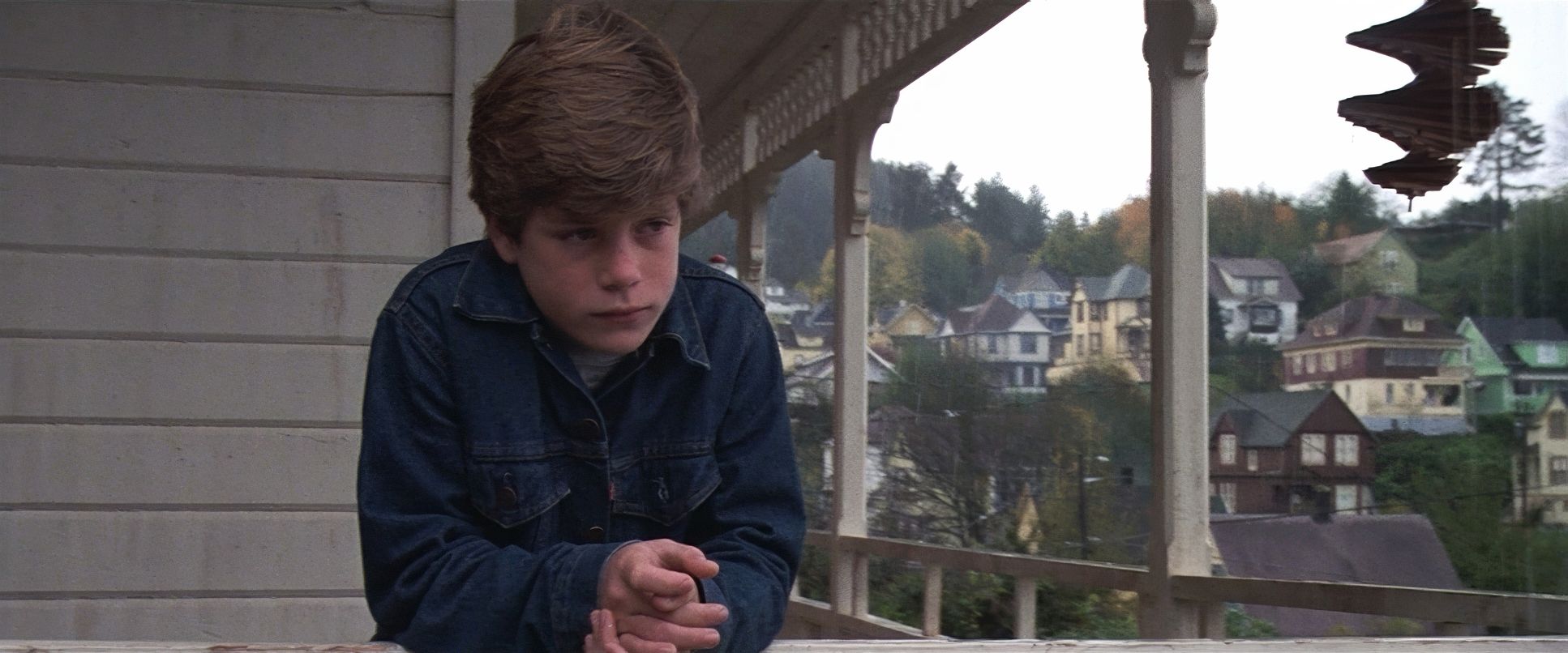
The Goonies (1985) Film Stills
A curated reference archive of cinematography stills from THE GOONIES (1985). Study the lighting, color grading, and composition.







- Also read: F1: THE MOVIE (2025) – CINEMATOGRAPHY ANALYSIS
- Also read: APOLLO 13 (1995) – CINEMATOGRAPHY ANALYSIS
Browse Our Cinematography Analysis Glossary
Explore directors, cinematographers, cameras, lenses, lighting styles, genres, and the visual techniques that shape iconic films.
Explore Glossary →