The Game (1997) is a perfect example of the latter. People always call it Fincher’s most “underrated” work, and honestly, after revisiting it recently, I’m inclined to agree. It’s a masterclass in psychological tension, but the real magic isn’t just in the script; it’s in the obsessive, meticulous cinematography.
Fincher is a director known for a almost pathological precision. He has this “fastidious eye” that colleagues joke about, but on screen, that translates to a “precisely orchestrated cinematic outing” that refuses to let the audience breathe. While The Game doesn’t get the same meme-status as Fight Club or Se7en, it’s a pivotal moment in his career where he really started to flex his muscles over the visual narrative. For me, it’s a film that demands repeat viewings not to solve the puzzle, but to appreciate the sheer audacity of the craft.
About the Cinematographer

You can’t talk about the “soul” of The Game without talking about the late Harris Savides, ASC. Fincher brought Savides in from their music video days, and it was a match made in cinematic heaven. Savides had this incredible gift for making images feel palpable he could give a frame a texture you felt like you could touch.
There was a beautiful grittiness to his work that felt raw yet strangely poetic. On set, some called him “Haggis,” a nickname Fincher leaned into, jokingly claiming you could find a can of “Haggis” hidden in every scene. But jokes aside, Savides was the architect of that “nocturnal visual tableau” that defines the movie. He didn’t just execute Fincher’s story; he built the world. He knew how to make shadows feel heavy and light feel like a scarce resource, which is exactly what a character like Nicholas Van Orton needed.
Inspiration Behind the Cinematography
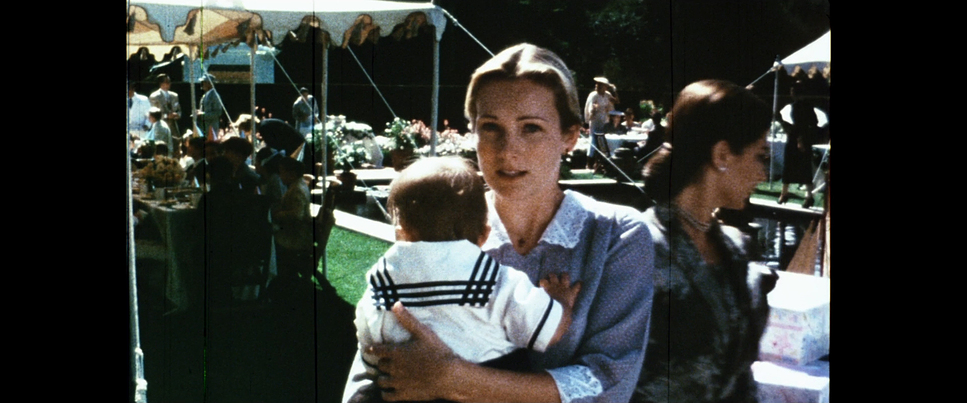
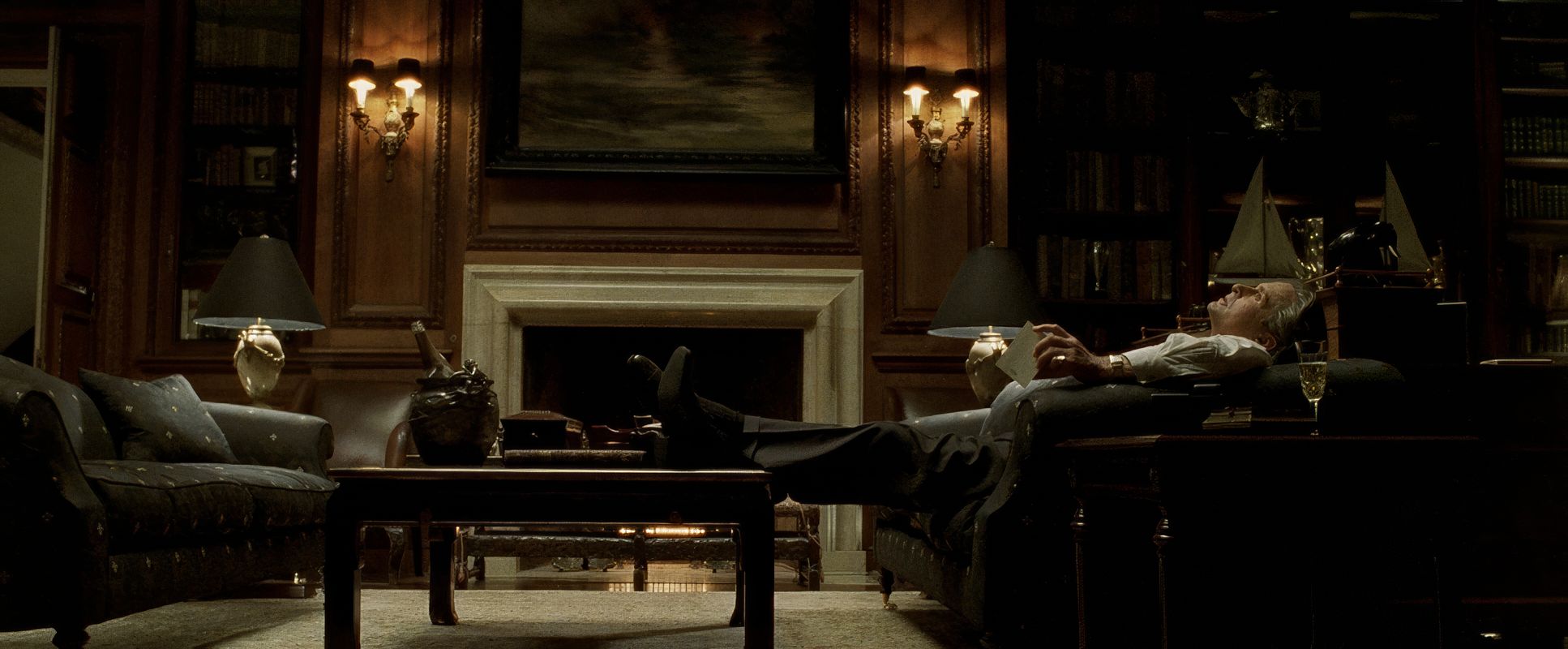
The DNA of The Game is a wild mix of classic Hollywood and experimental chemistry. Fincher and Savides weren’t looking at other thrillers; they were looking at the “rich and supple texture” of The Godfather. That might seem odd for a 90s thriller, but it makes sense when you look at the world Nicholas inhabits. They wanted that opulent, “pretentious” feel of old-money San Francisco a world of deep, velvety shadows and warm, expensive tones just so they could watch it all crumble.
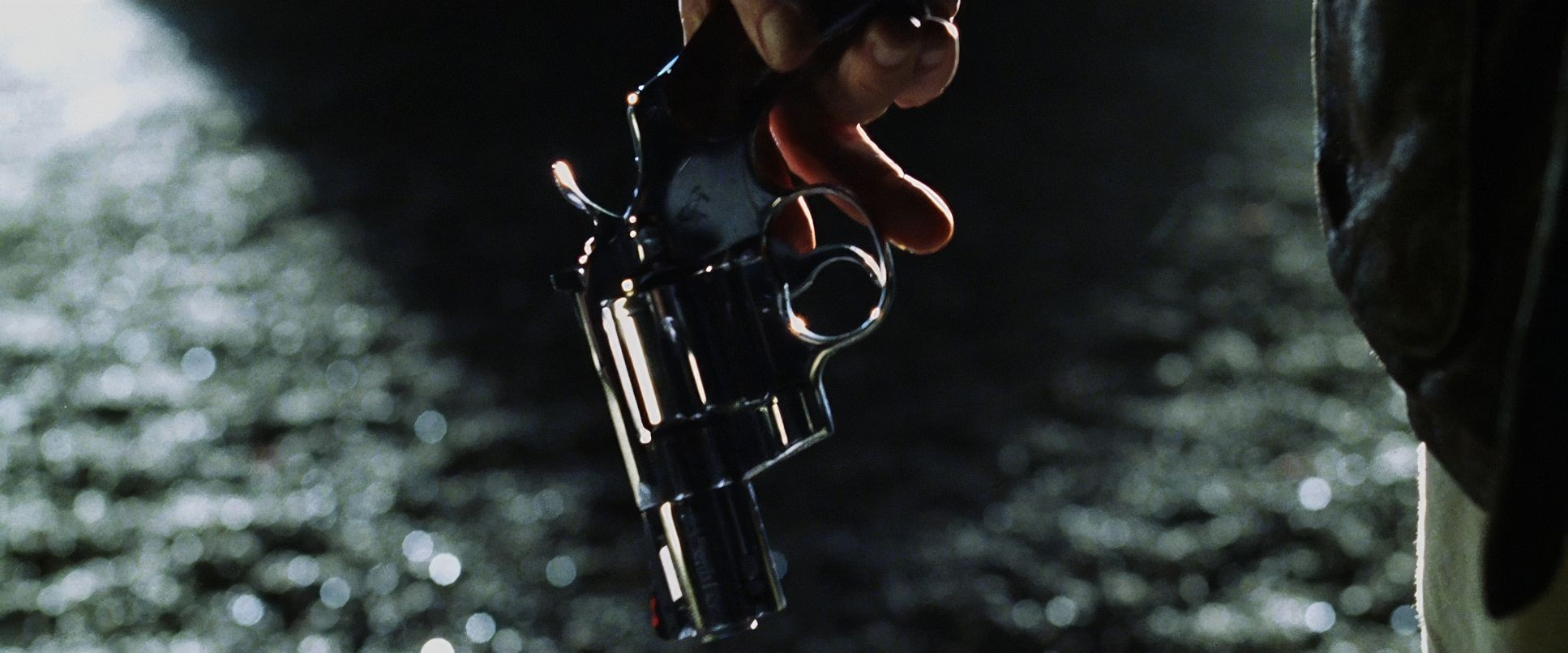
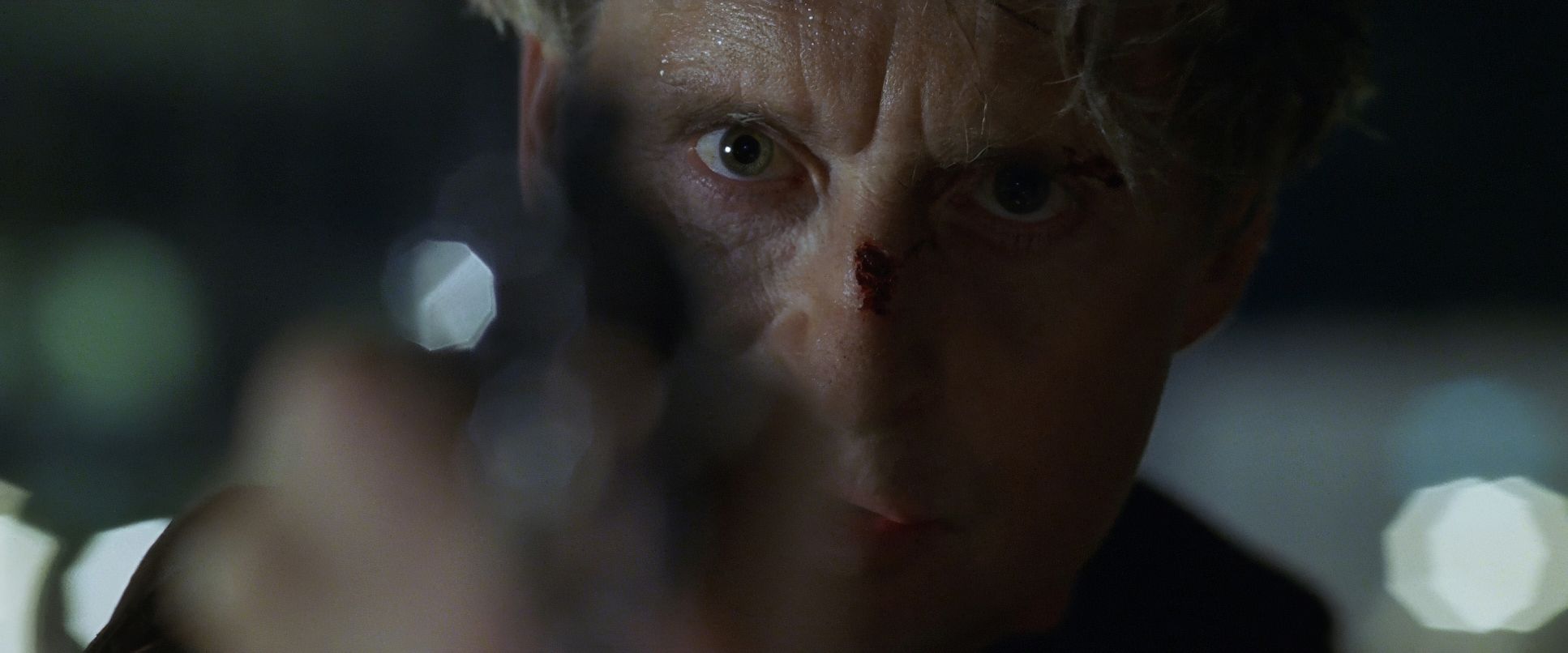
Then there’s the bleach bypass process. This is where it gets interesting for us technical nerds. By skipping the bleaching stage during film development, they left silver halide in the emulsion. The result? A massive spike in contrast and a desaturated, gritty look that feels like a fever dream. Fincher used this to give the nighttime sequences a specific “smoothness” which sounds like a contradiction but in reality, it created this dense, oppressive texture that traps the audience in Nicholas’s “Kafka-esque nightmare.” It makes the world feel both stylized and disturbingly tactile.
Lighting Style
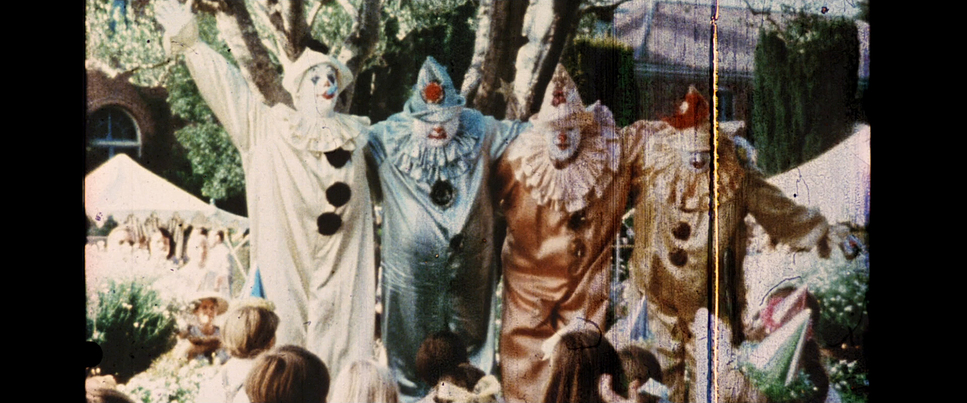
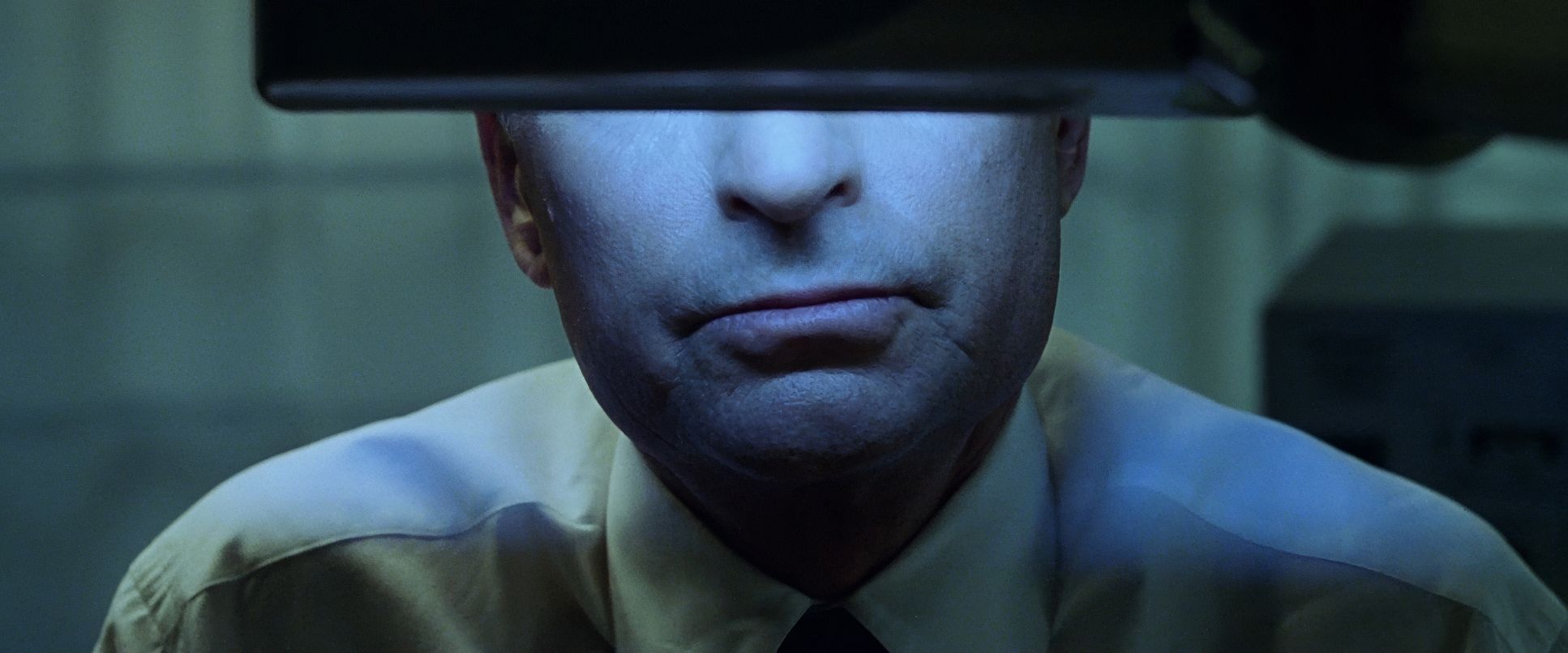
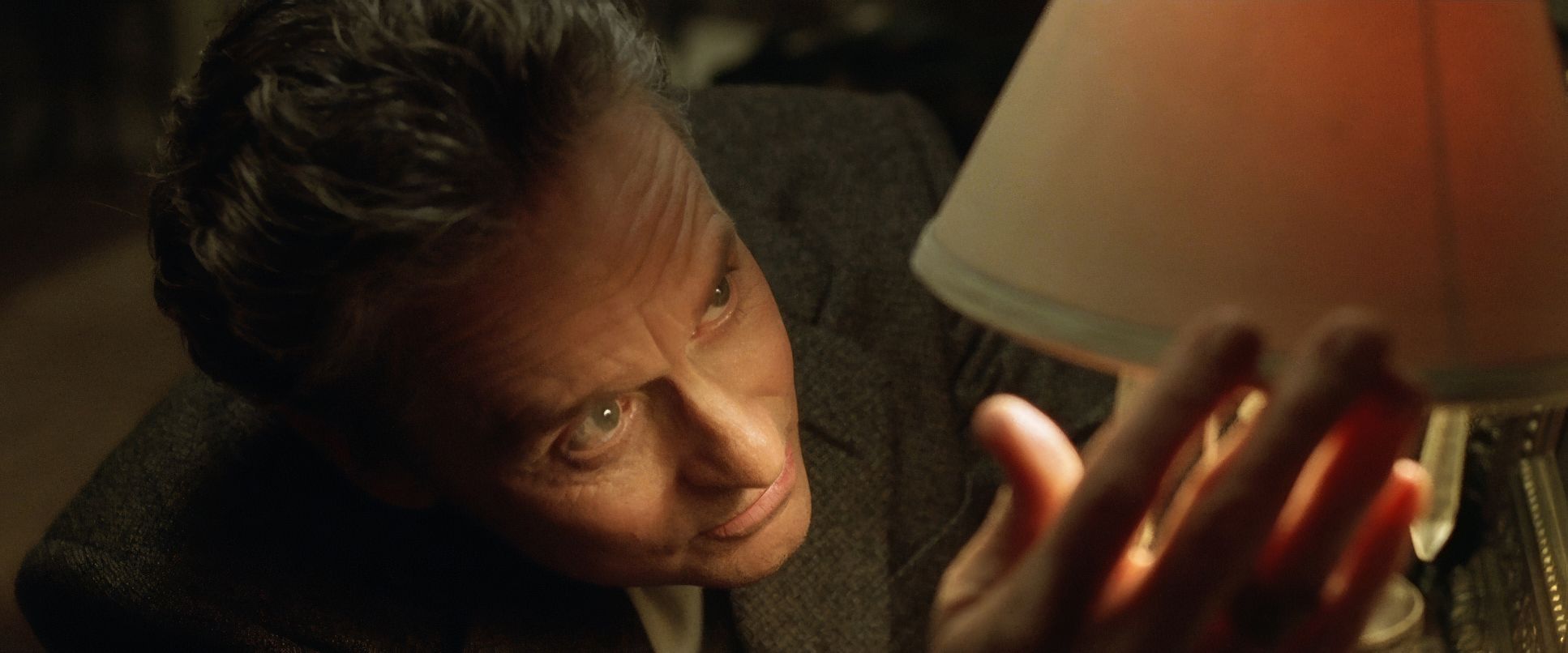
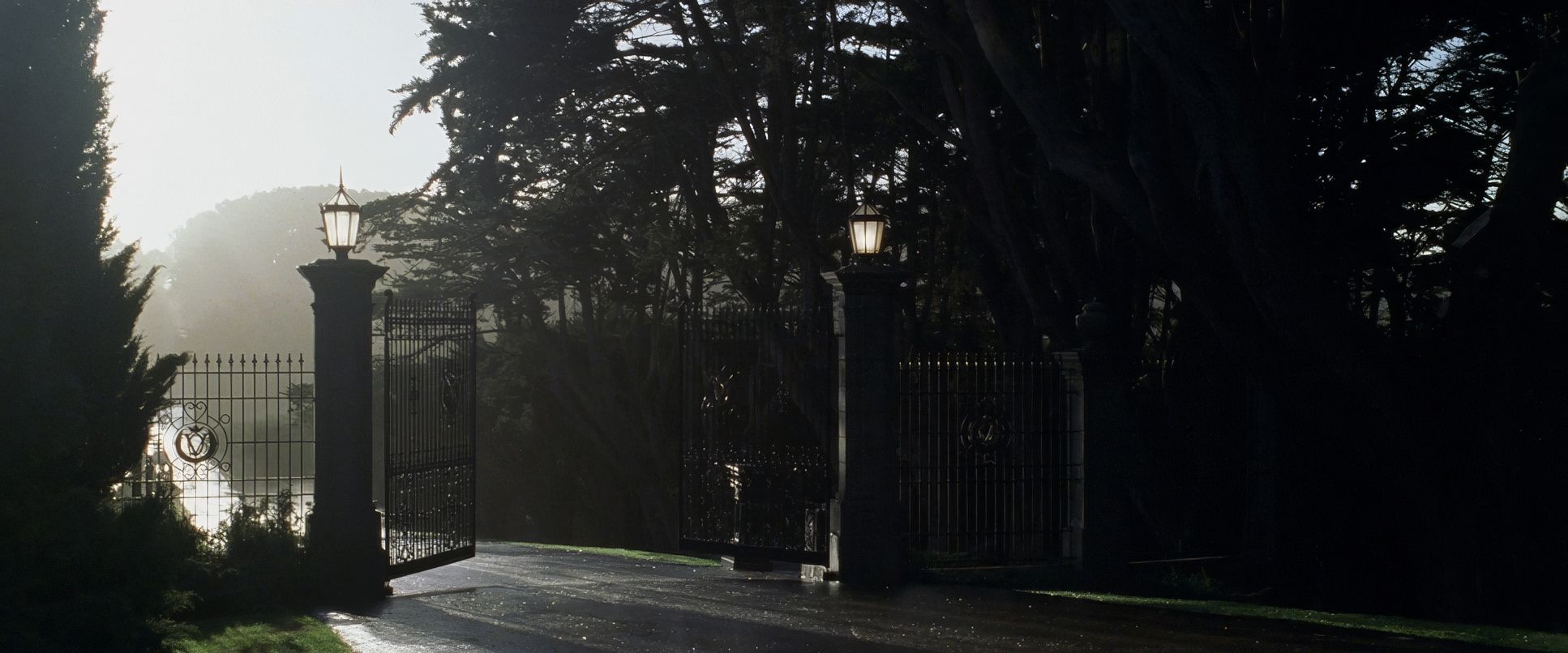
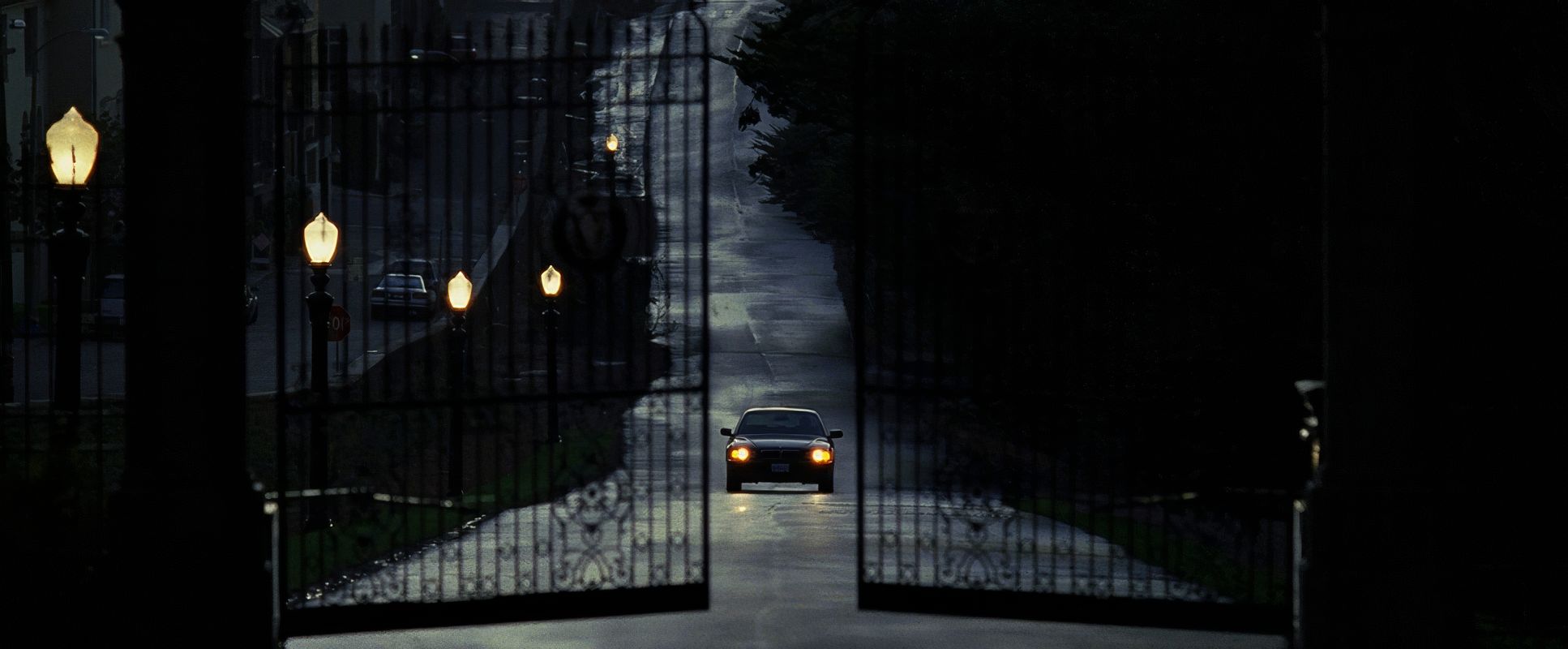
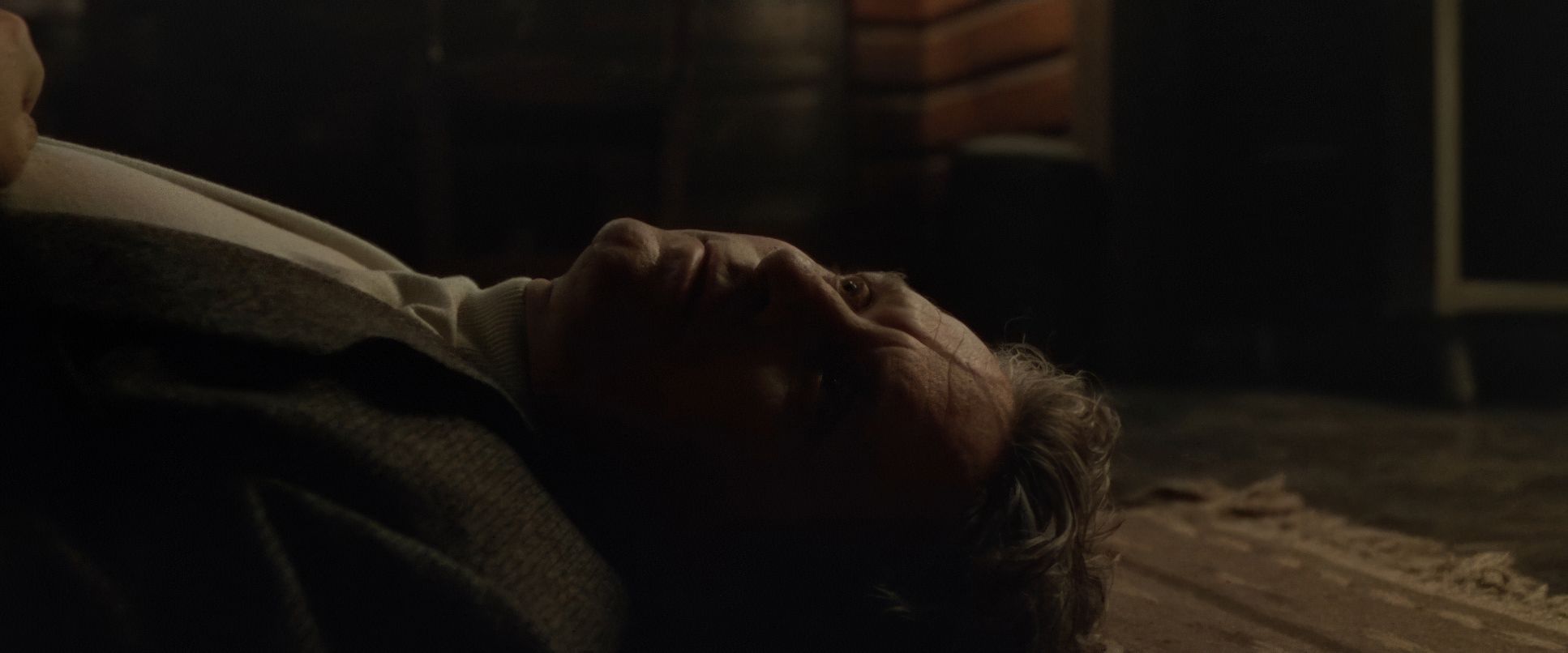
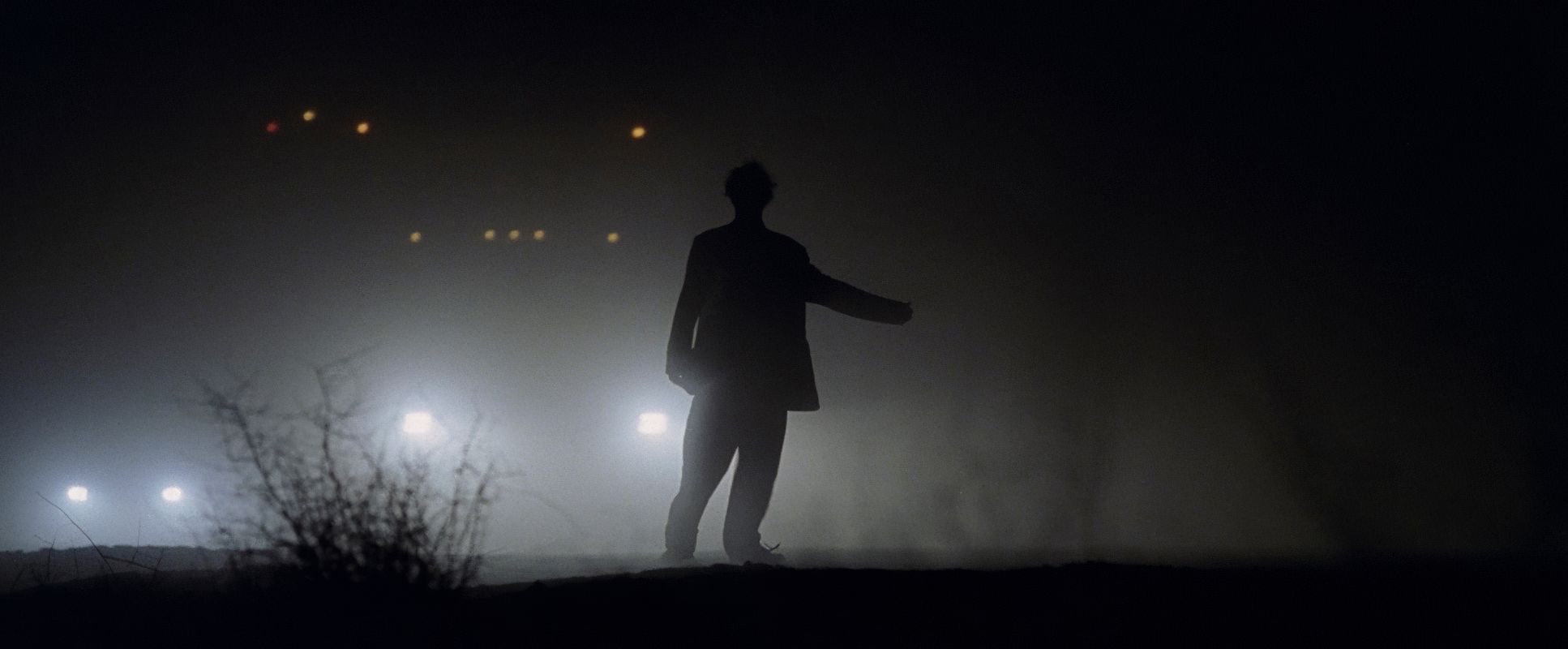
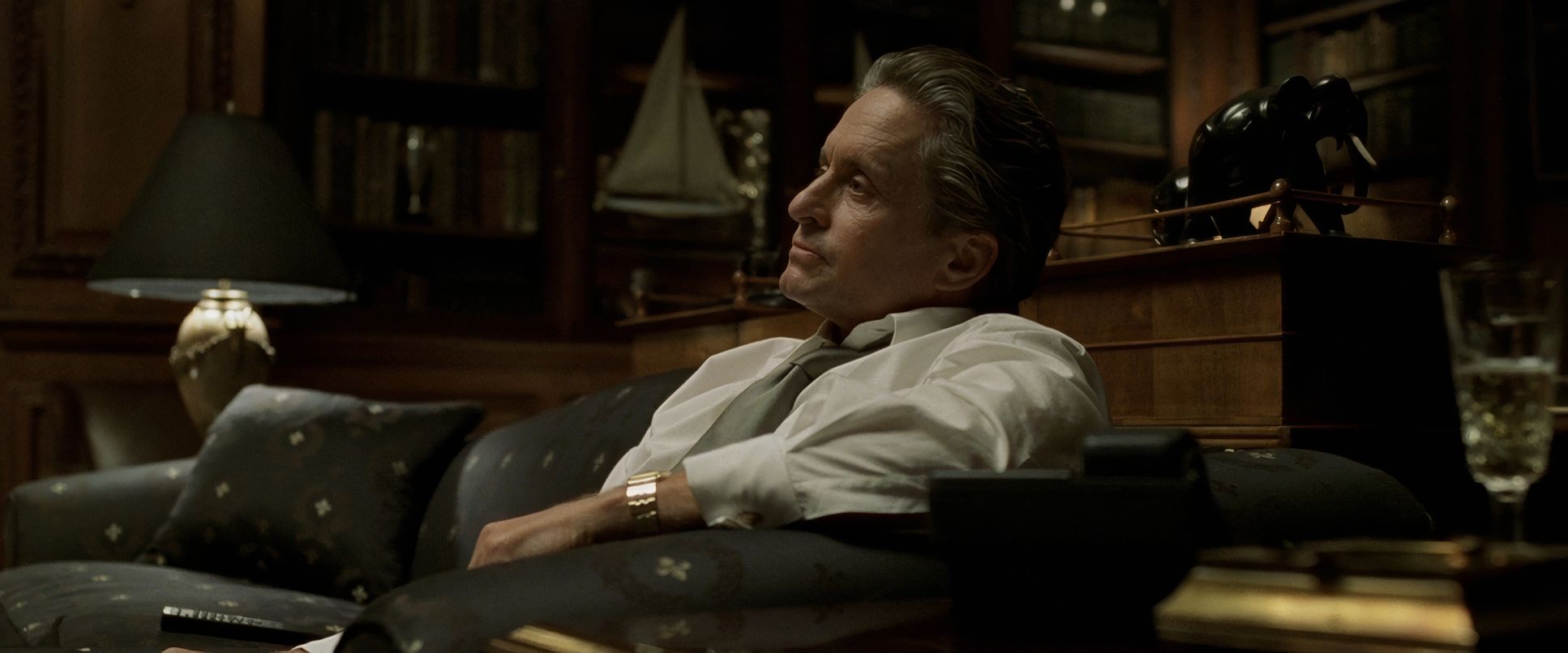
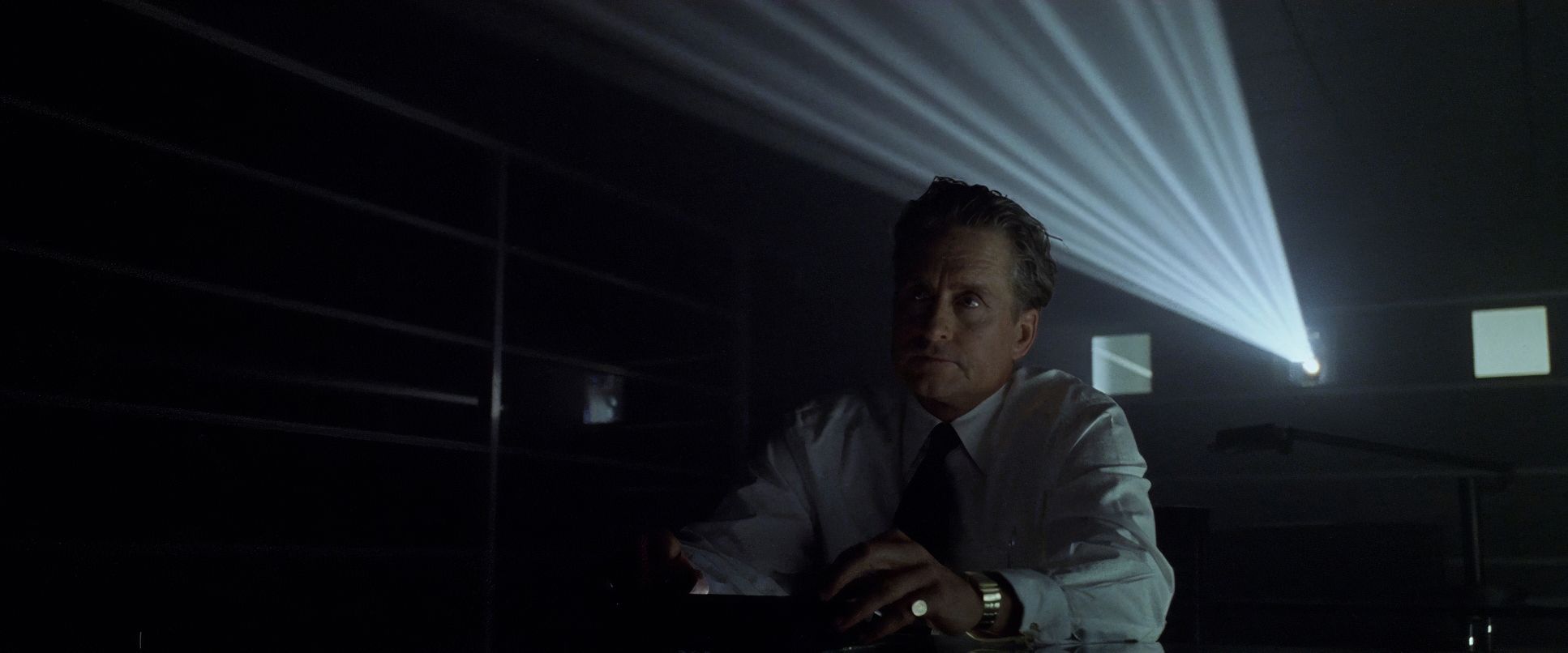
Savides’ lighting in The Game is a dark, moody masterpiece. Because so much of the film was shot at night or on weekends in San Francisco, they had to lean heavily into a “nocturnal tableau.” Everything feels motivated streetlights, lamps, computer screens but it’s all dialed up for maximum drama.
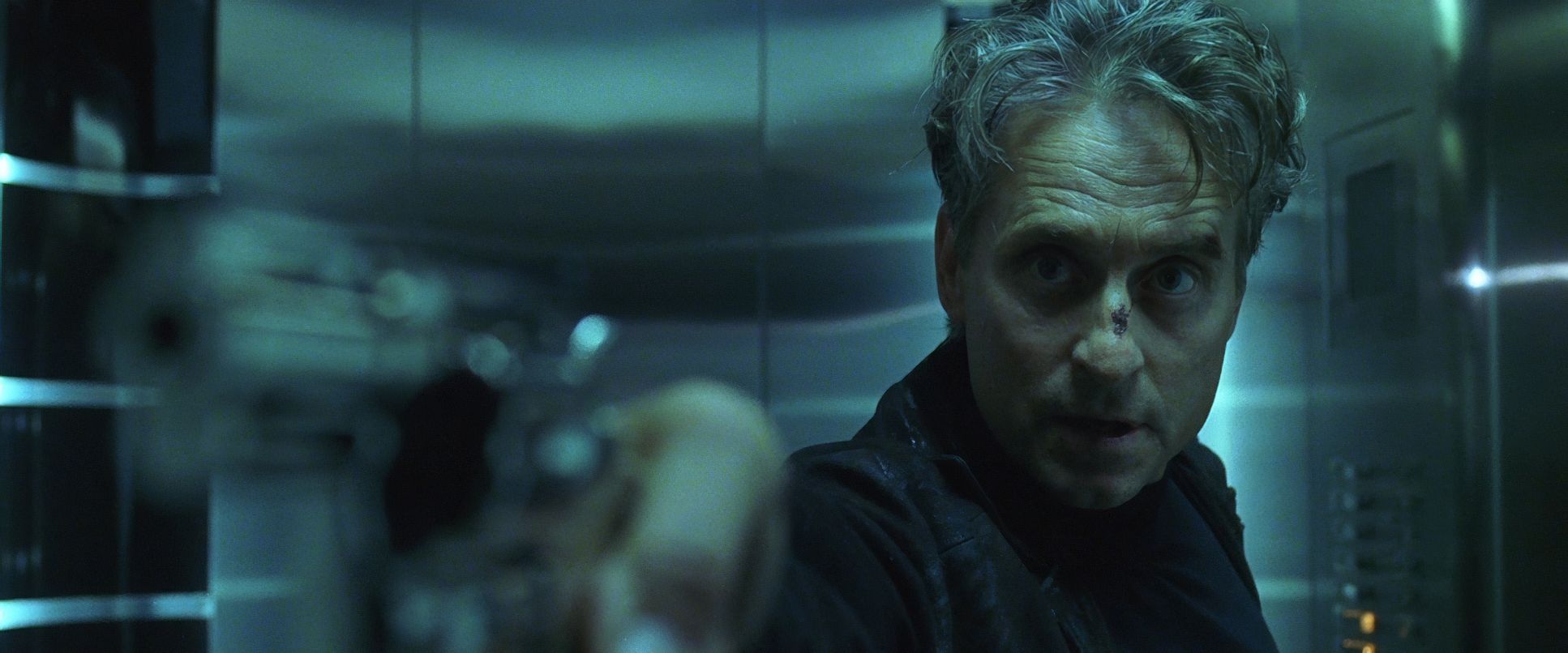
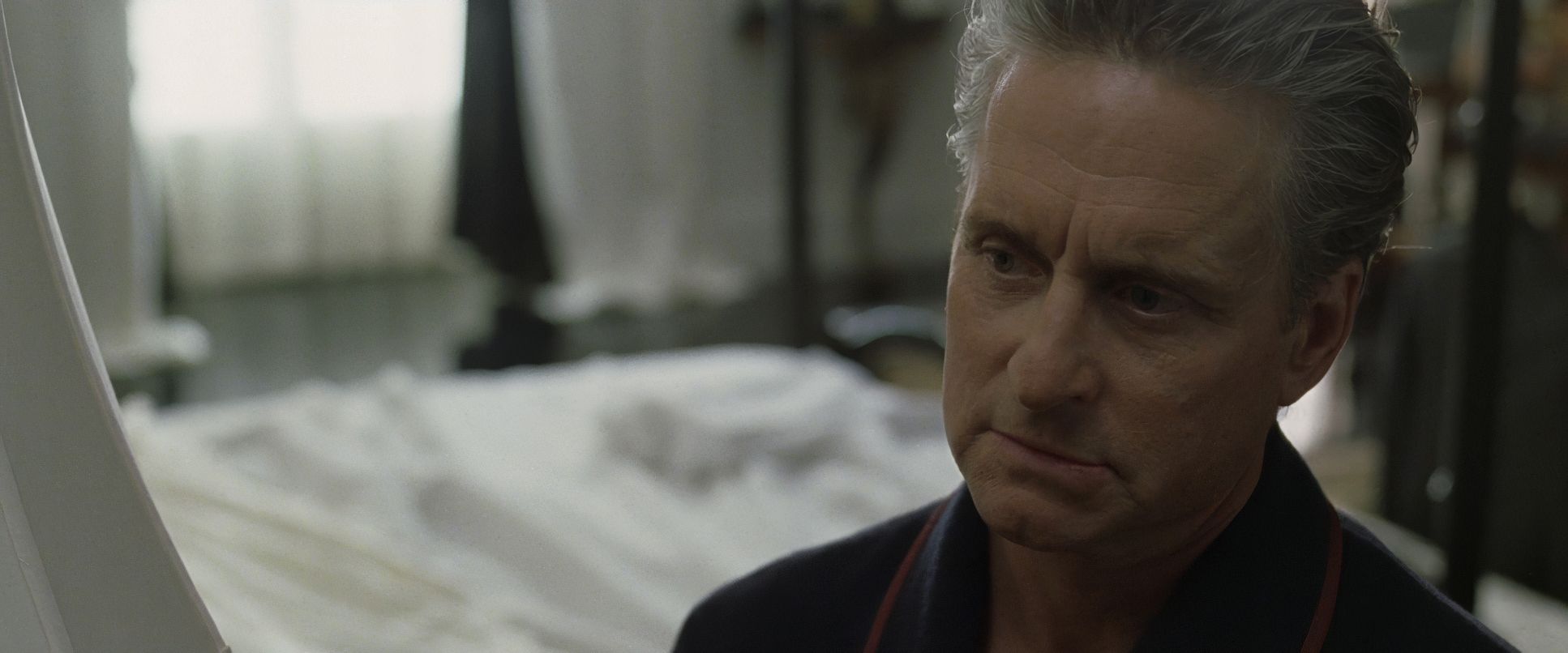
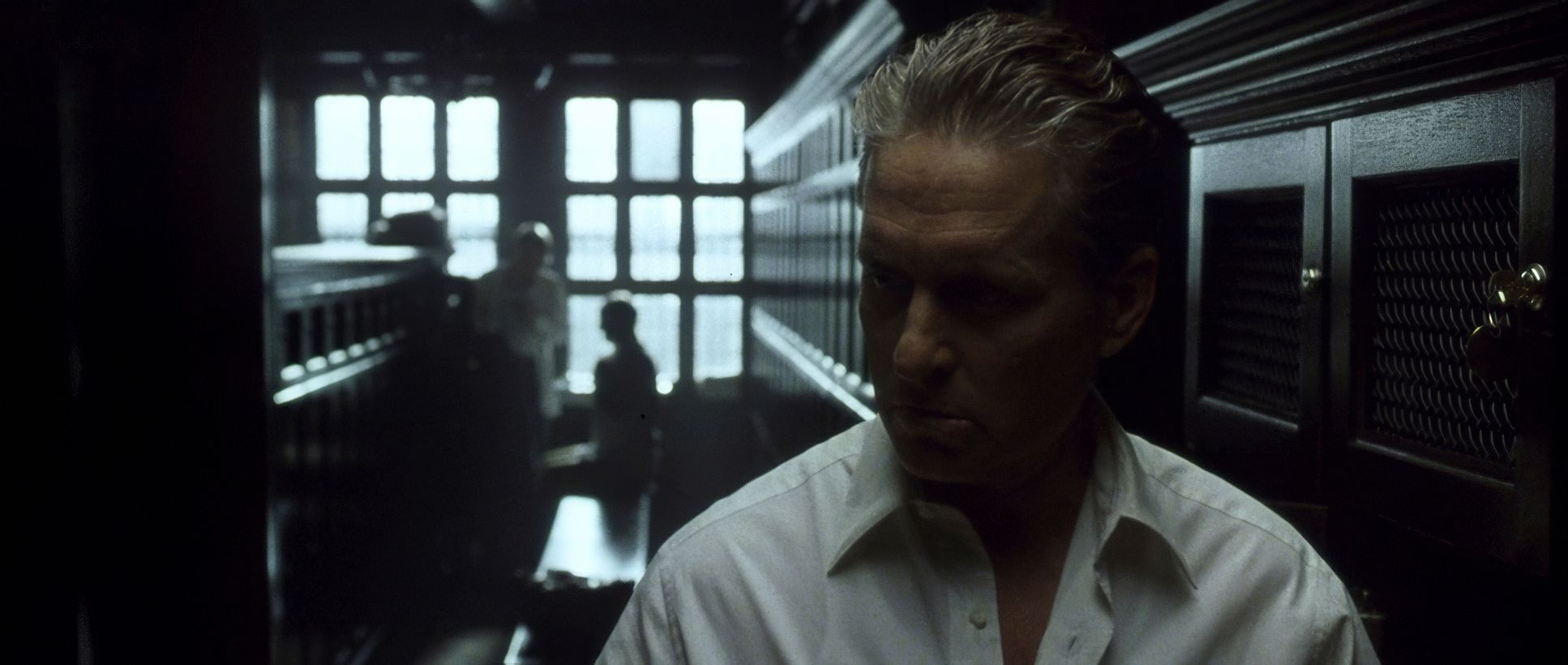
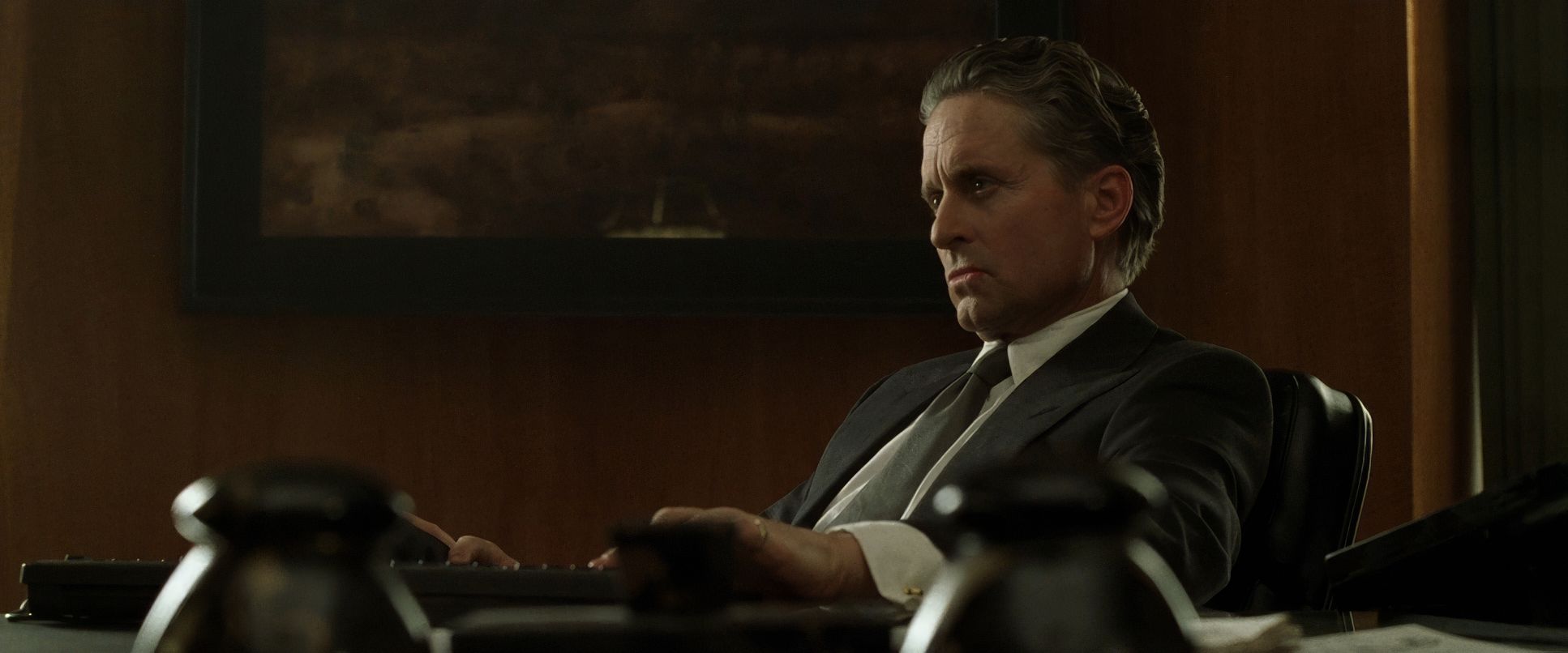
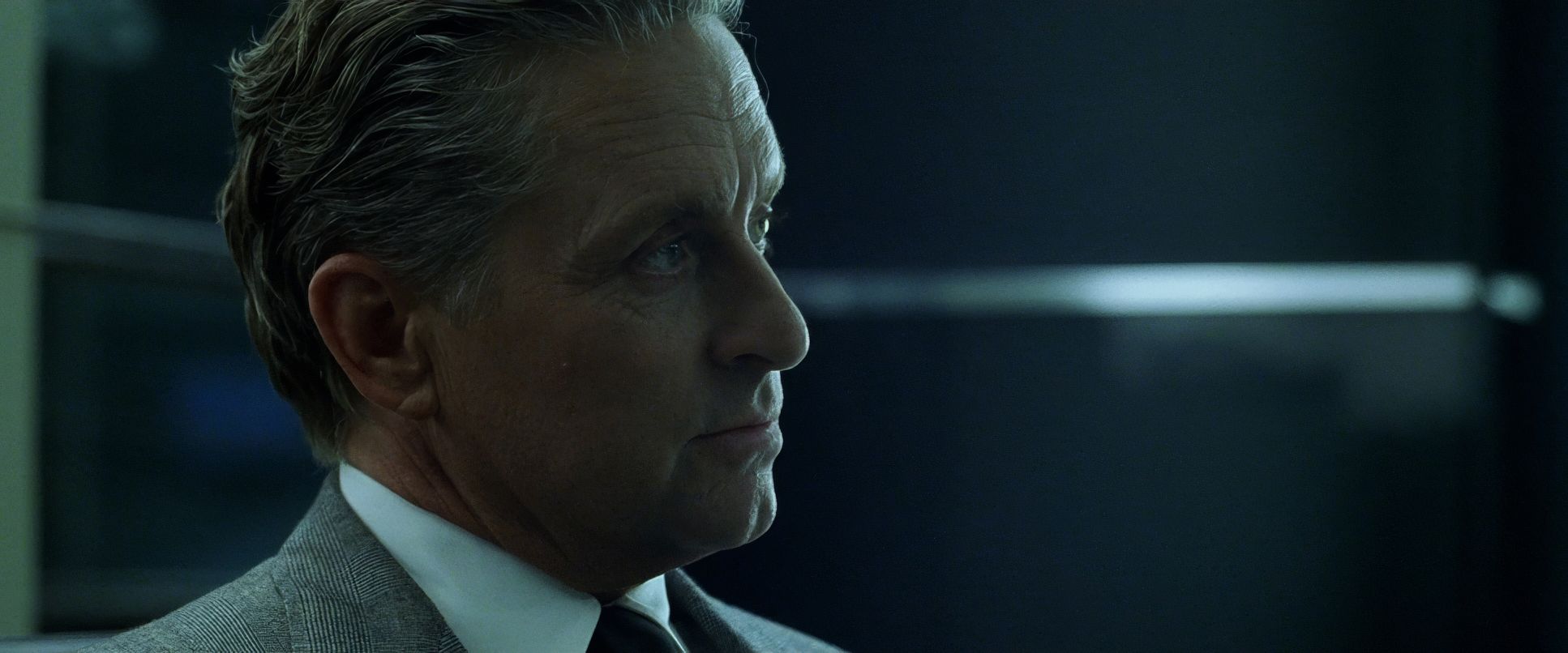
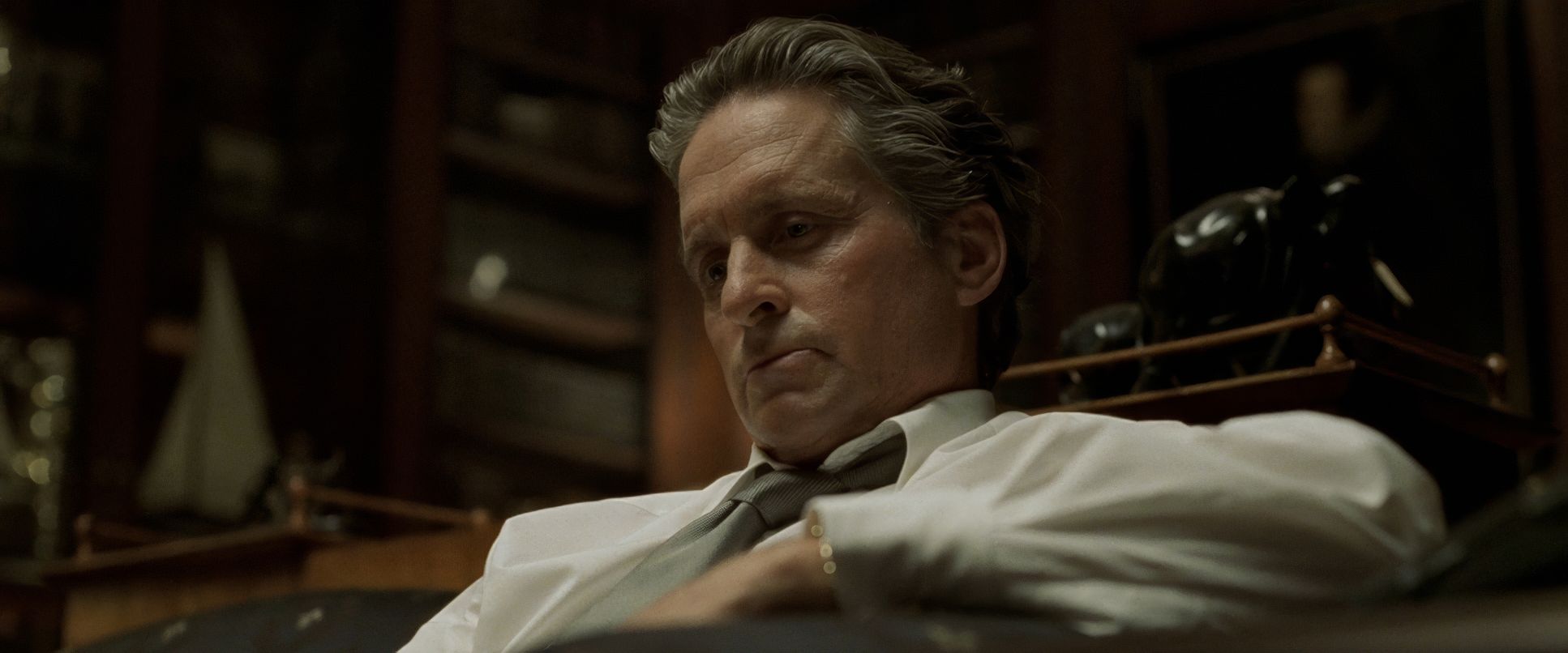
We see these inky, crushed blacks that hide everything. Nicholas is often hit with hard, directional light that carves out sharp shadows, perfectly mirroring his rigid, isolated personality. As his life starts to spiral, the lighting follows suit. It becomes disorienting flickering fluorescents and pools of light that offer zero comfort. The bleach bypass process only weaponized this, making the whites bloom and the blacks feel even more suffocating. It’s not just about visibility here; it’s about a “continuing sense of dread.”
Color Grading Approach
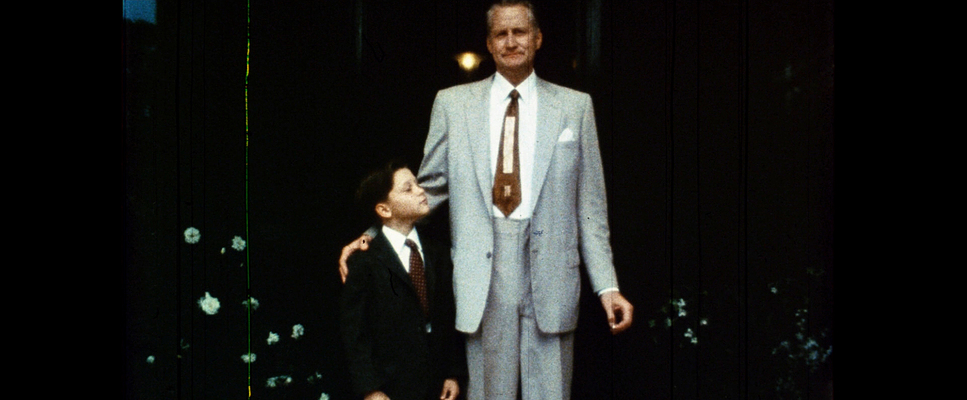
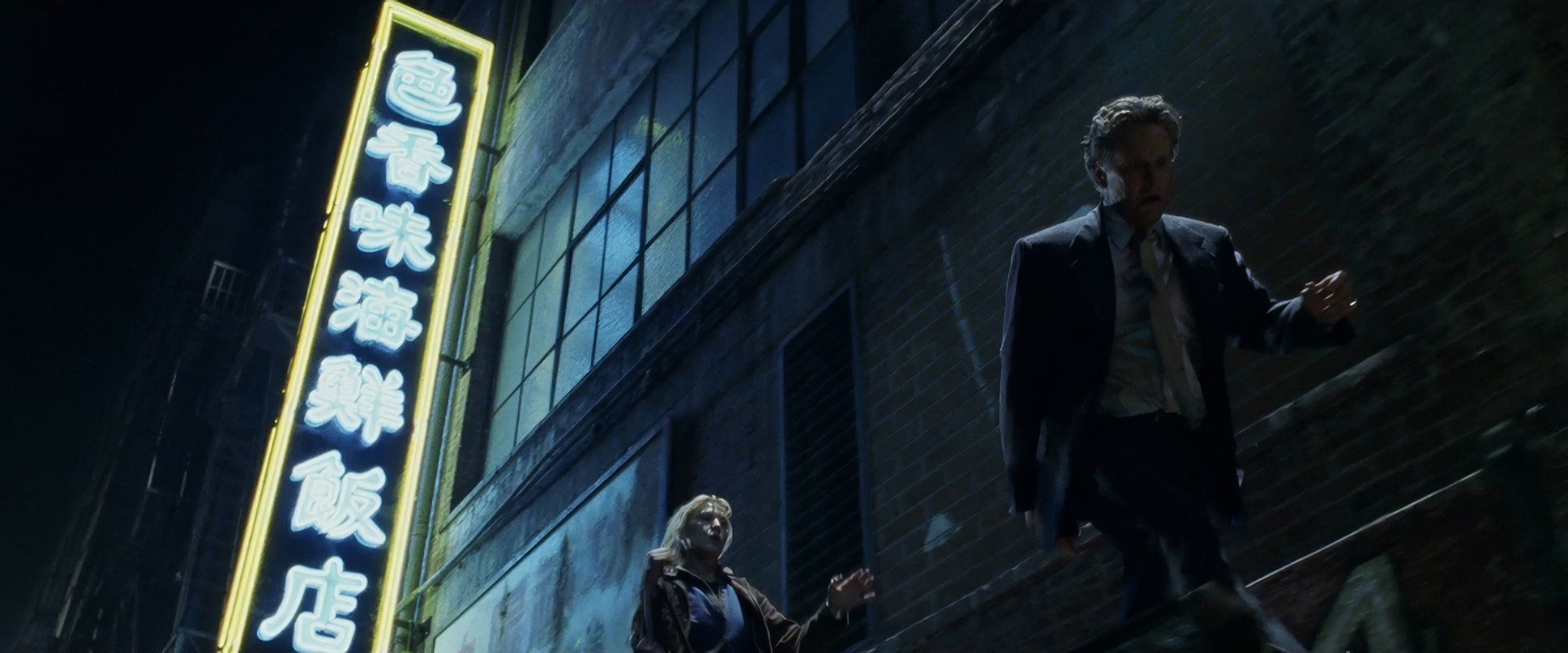
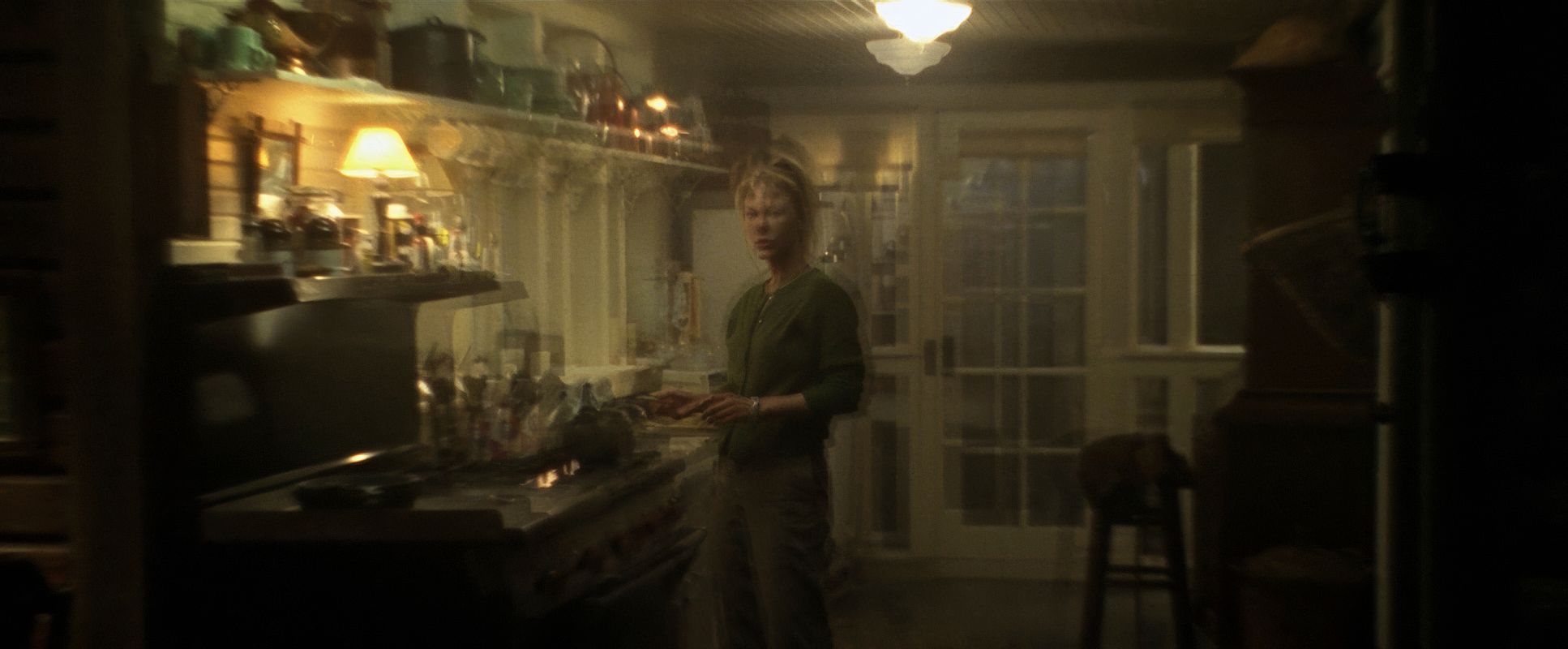
Now, this is my favorite part. As a colorist, the “look” of The Game is a fascinating study in film chemistry. When Fincher talks about using bleach bypass for a “smoother appearance,” he’s talking about tonal sculpting. In a modern digital suite, we’d emulate this by pushing the black point down hard crushing those blacks until they feel heavy while letting the highlights bloom just enough to feel organic.
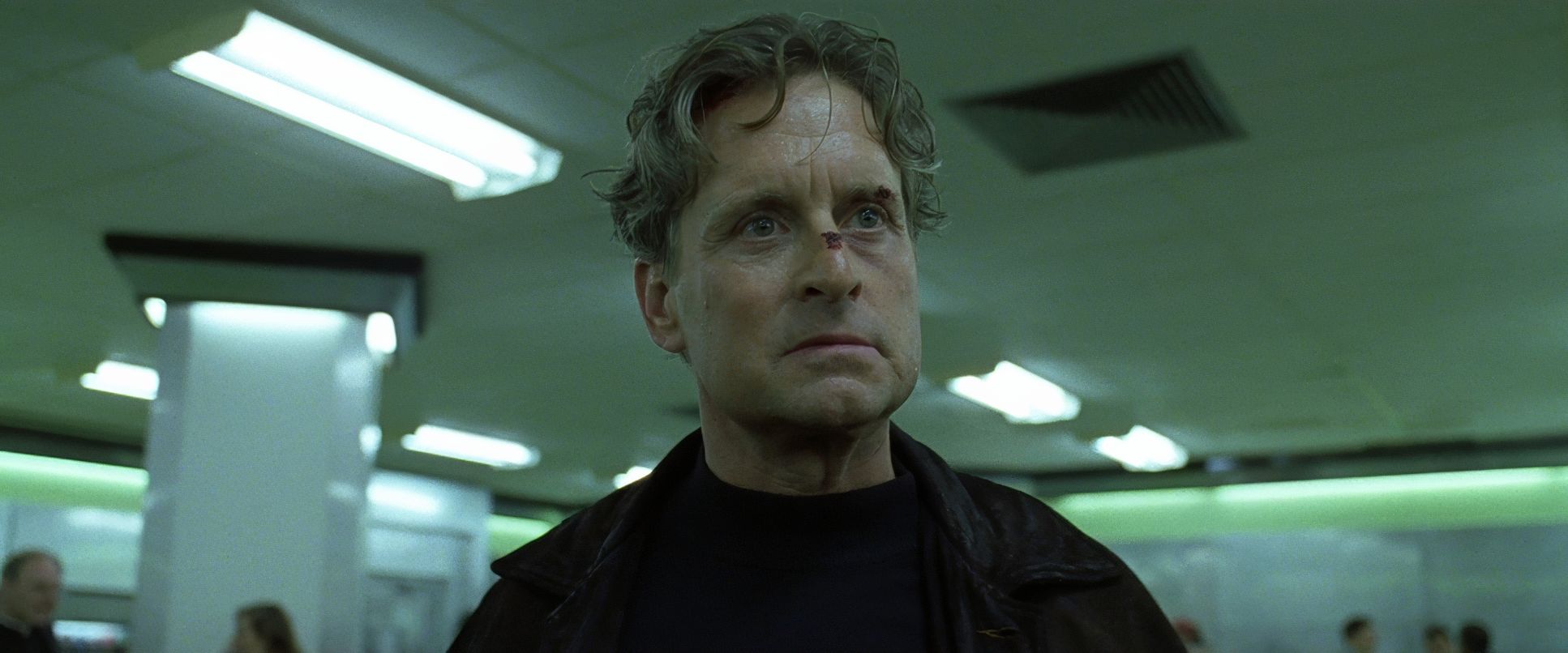
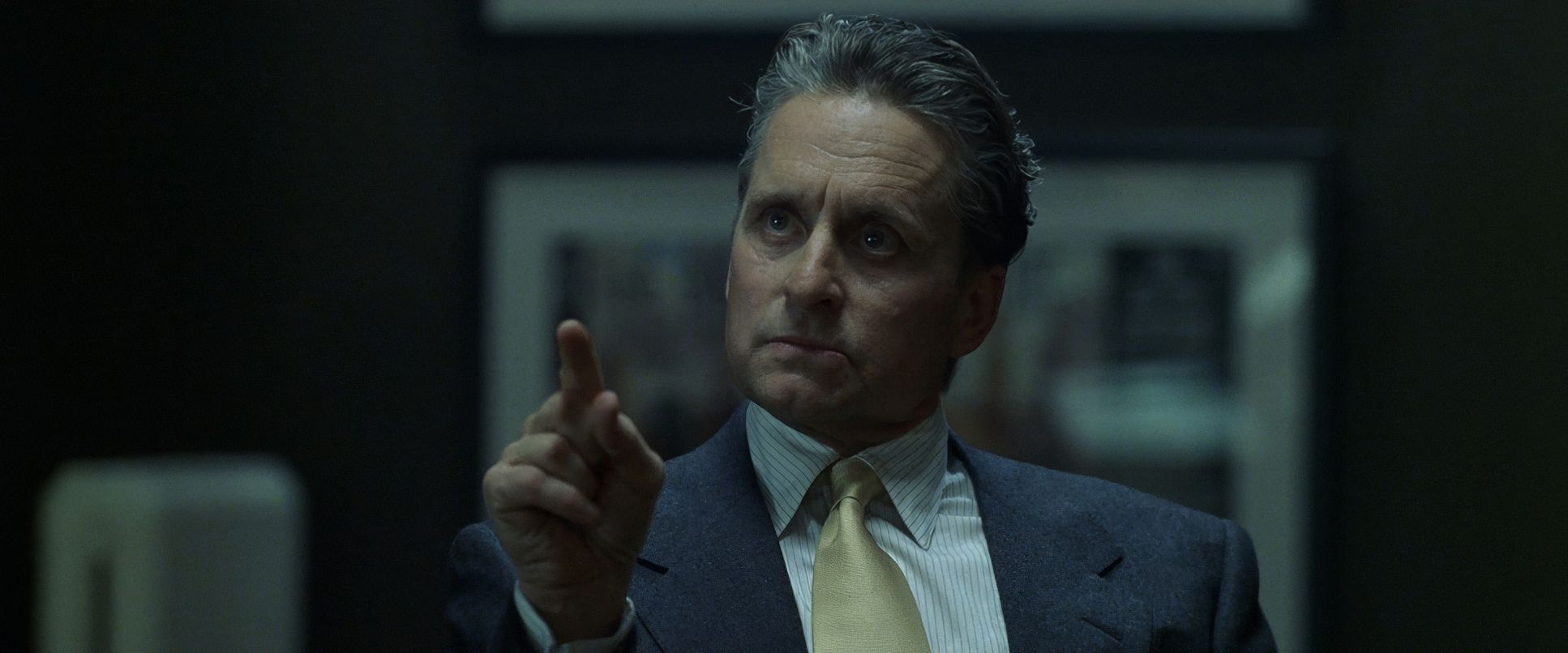
The hue separation is where the real work happens. Bleach bypass naturally strips away the vibrant stuff, leaving you with a palette of cool greens, steely blues, and desaturated browns. Any warmth left over like skin tones is carefully managed so it doesn’t break the spell. It’s about carving out depth from a limited spectrum. We aren’t making “pretty” pictures here; we’re crafting an aesthetic that is inherently unsettling. It’s a testament to the power of print-film sensibilities where the physical process dictates the emotional logic.
Lensing and Blocking
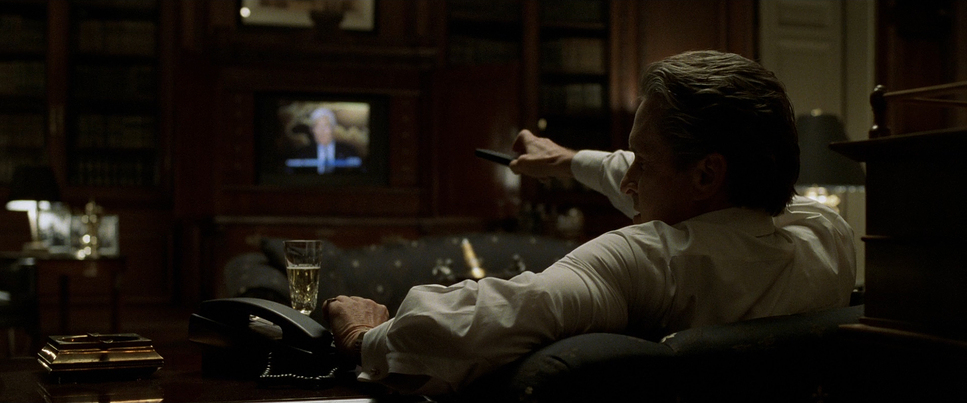
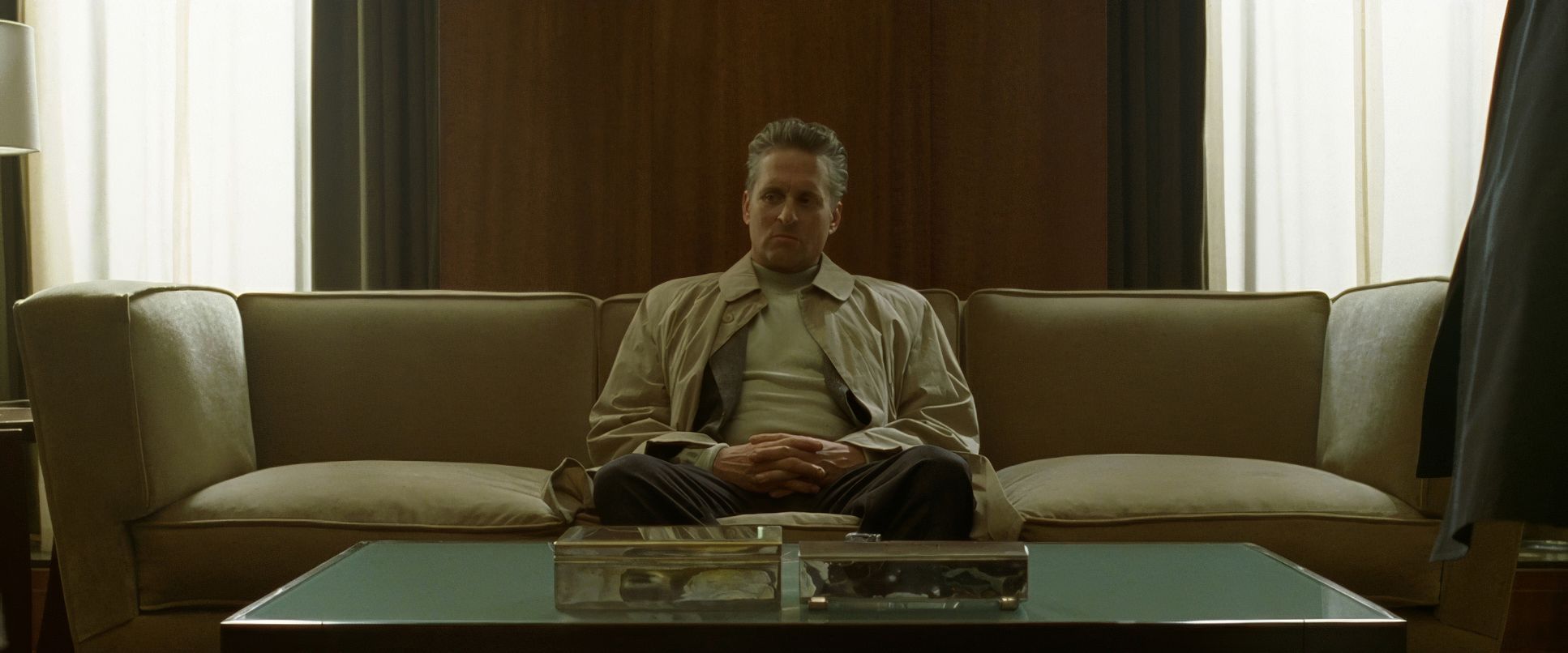
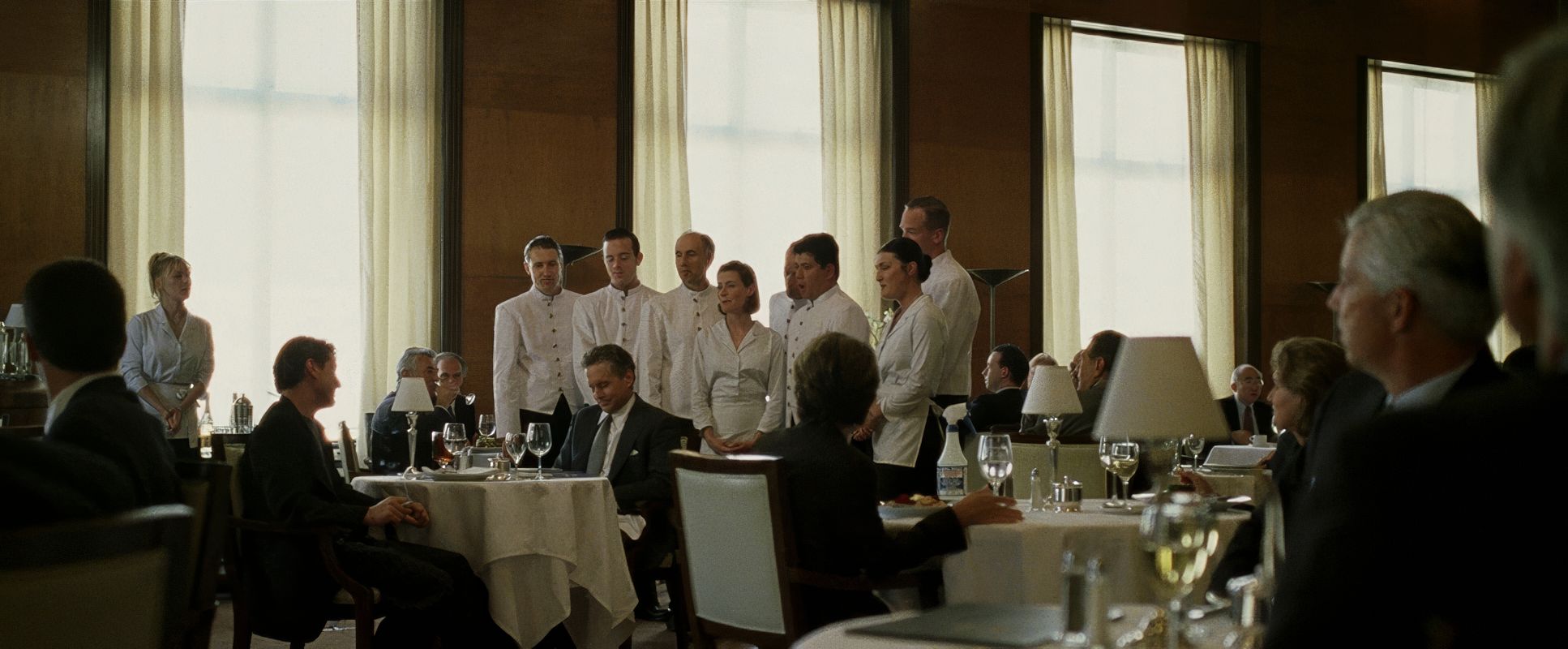
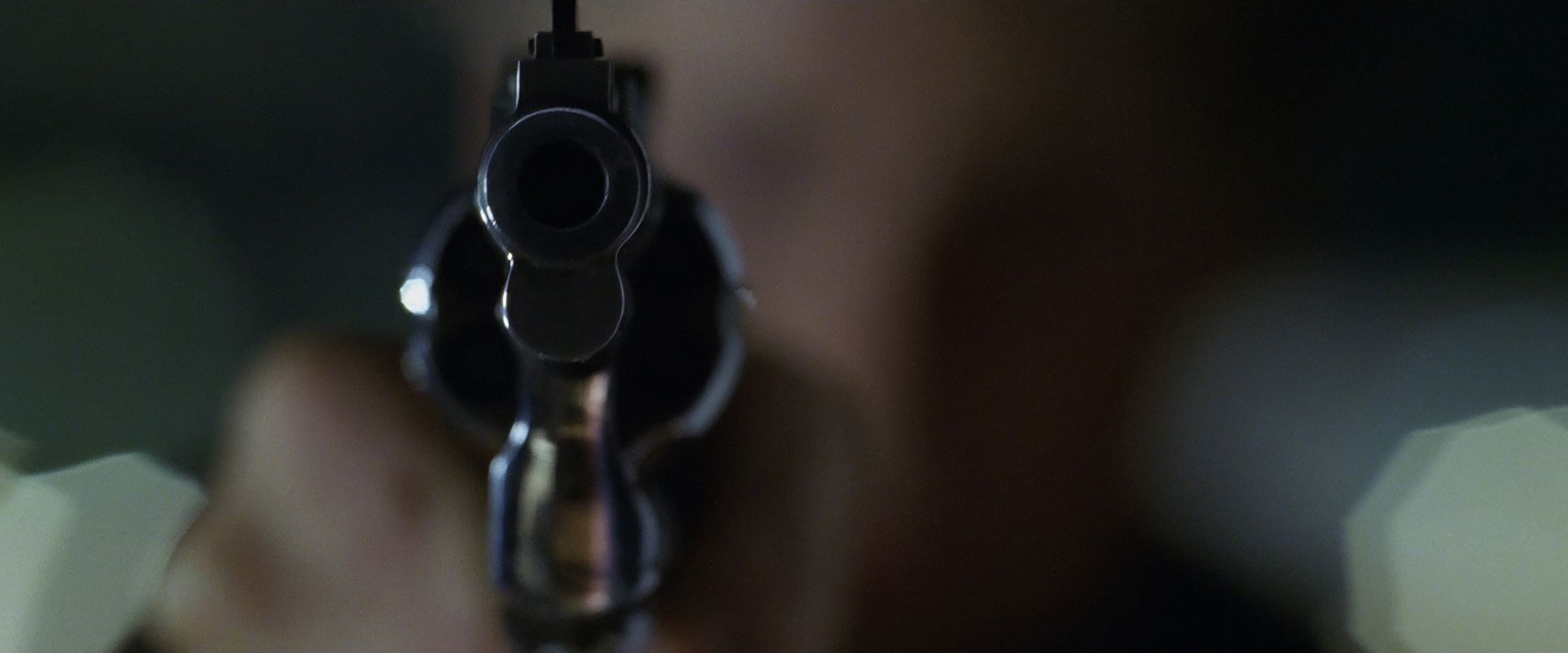
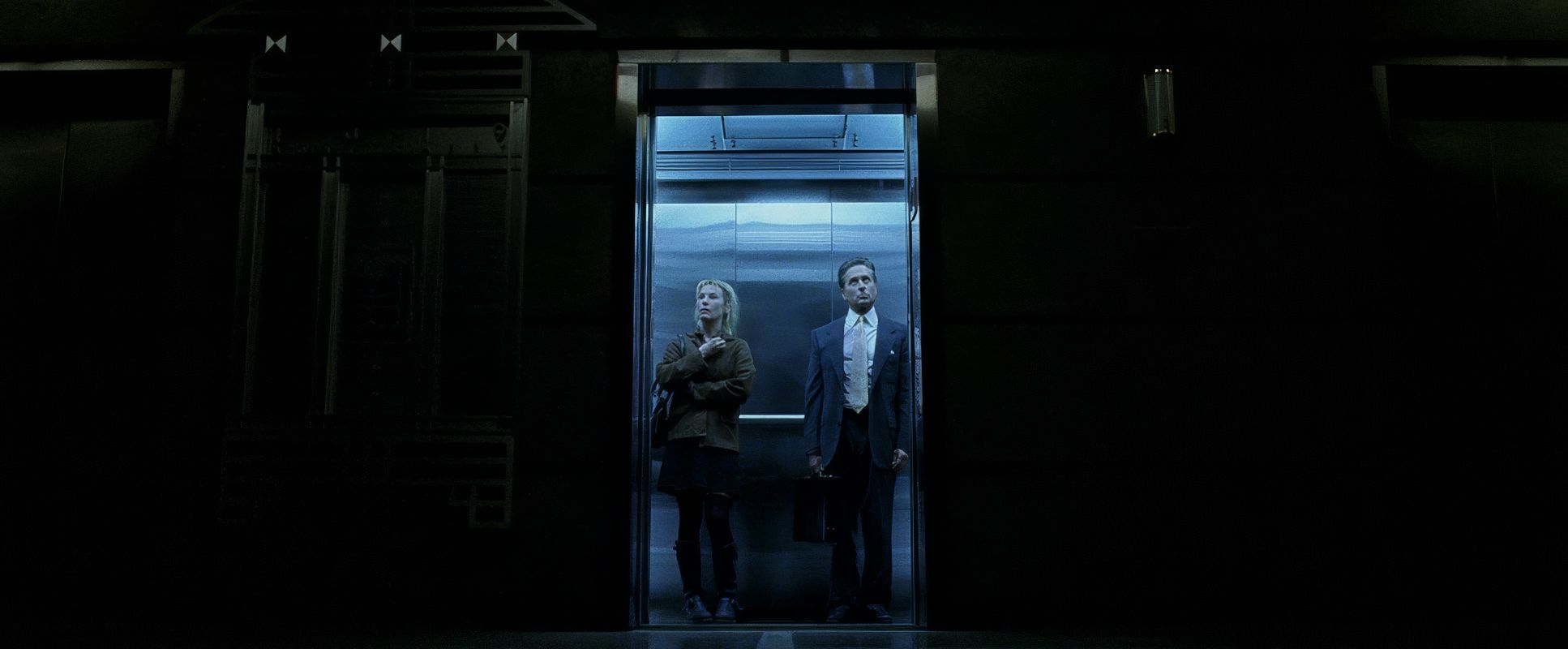
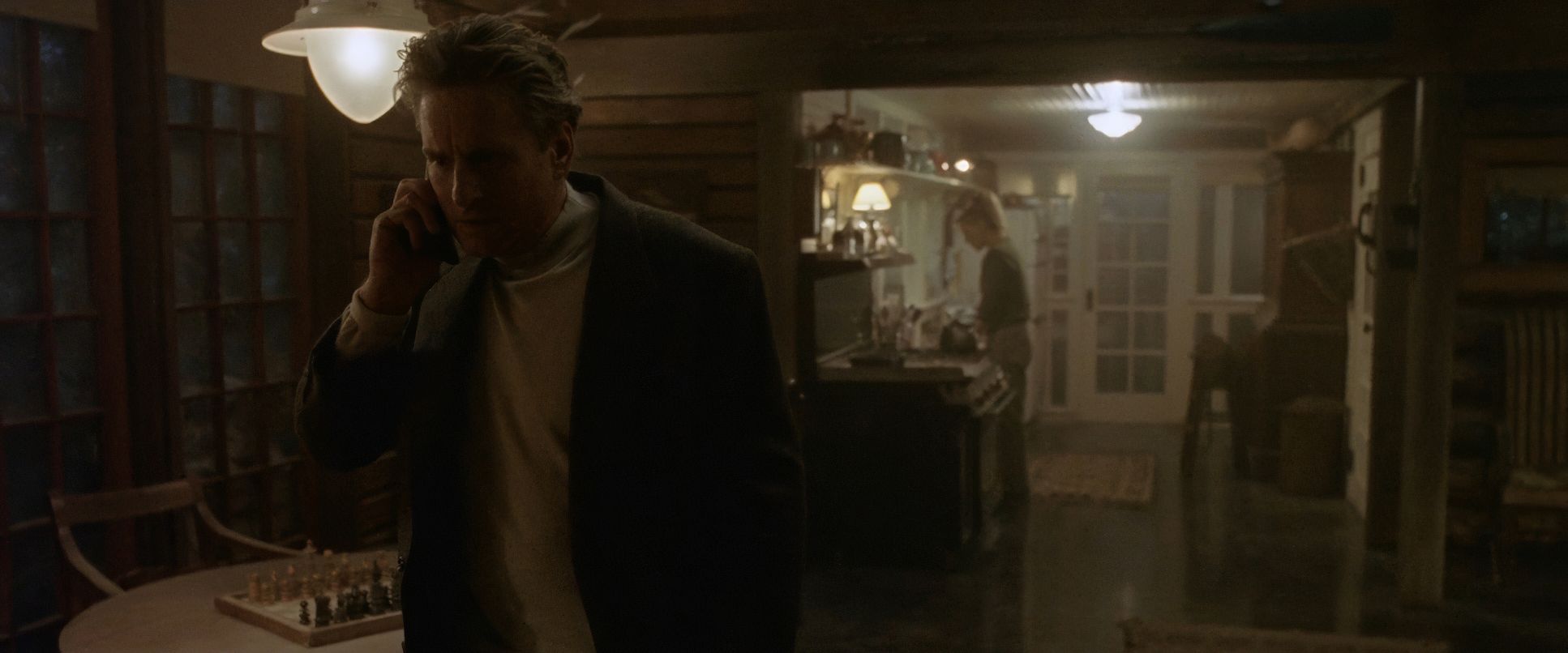
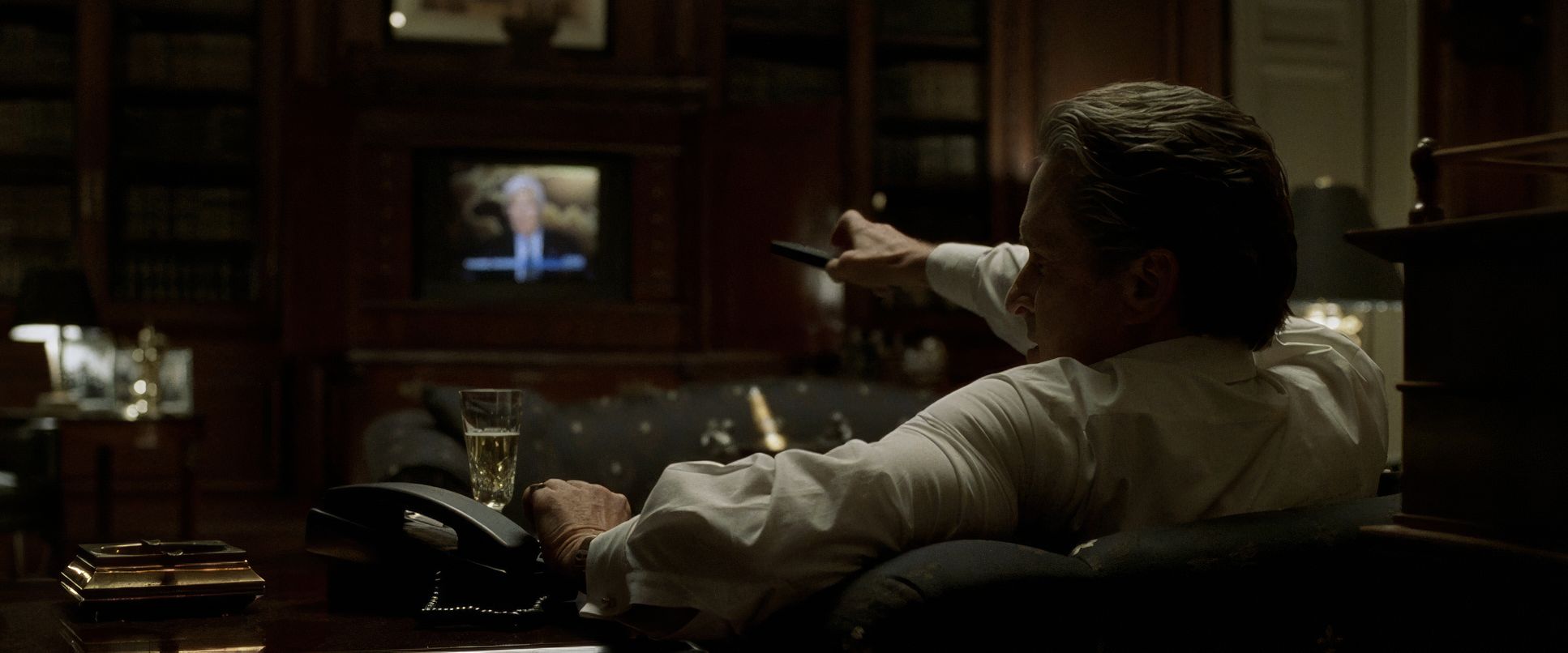
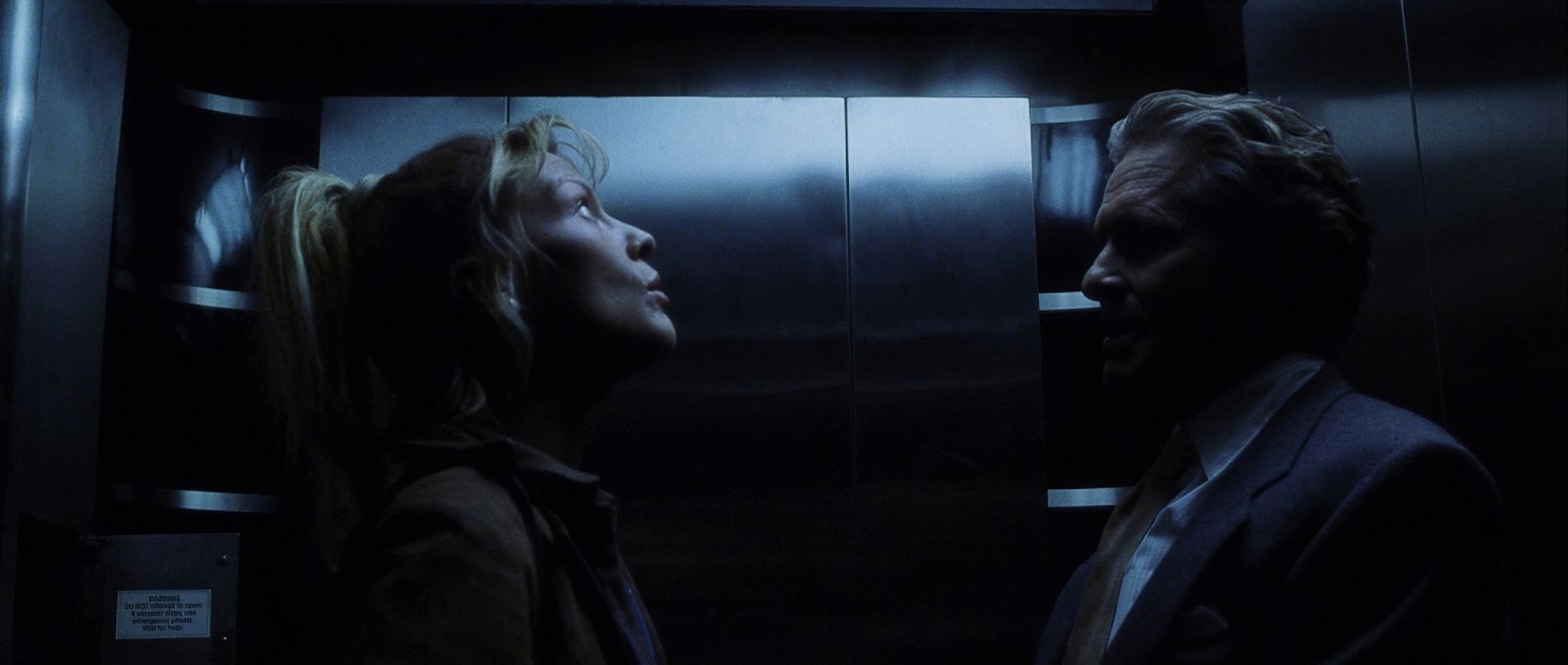
This is where the rubber truly meets the road for a filmmaker. Fincher and Savides stayed away from the “long lens” tropes of the 90s, opting instead for a “wide and unloaded” point of view. They wanted us to see Nicholas within his environment, not separated from it. Using Panavision Primo Primes, they maintained a deep focus that made every background detail feel potentially significant or potentially a threat.
I remember working on a short film years ago where we tried to make a character feel cornered. We went with a tight, long lens, thinking intimacy would work. It didn’t. It actually detached the character from the room. We finally switched to a wider lens, keeping the character tight in the frame but letting the edges of the room creep in. Suddenly, it clicked. The character looked vulnerable because the environment was swallowing them. That’s exactly what Fincher does here. Nicholas is blocked to look isolated in these grand, cavernous rooms, emphasizing his lack of agency.
Camera Movements
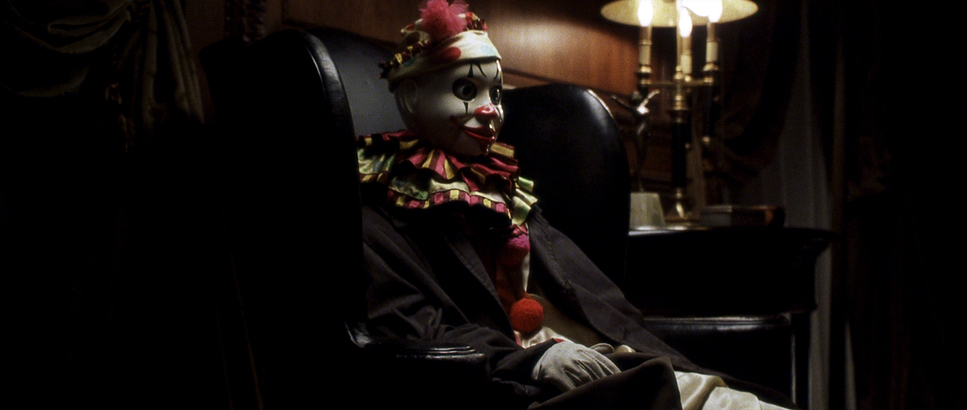
Fincher’s camera in The Game is all about controlled restraint. He famously said he wanted to avoid “cinematic engineering” and just show what the guy sees. Initially, the camera is an observational, silent witness slow tracks, subtle pushes. It feels almost documentary-like.
But as the “game” takes over, the camera starts to sweat. Look at the taxi sequence where the car plunges into the bay. It’s an incredible bit of camerawork seamlessly blending location shots with Michael Douglas in a water tank at Sony Pictures. By using three cameras simultaneously, they captured a raw, frantic energy that makes you feel the water rising. The camera stops being an observer and starts “trapping” us, just like it traps Nicholas.
Compositional Choices
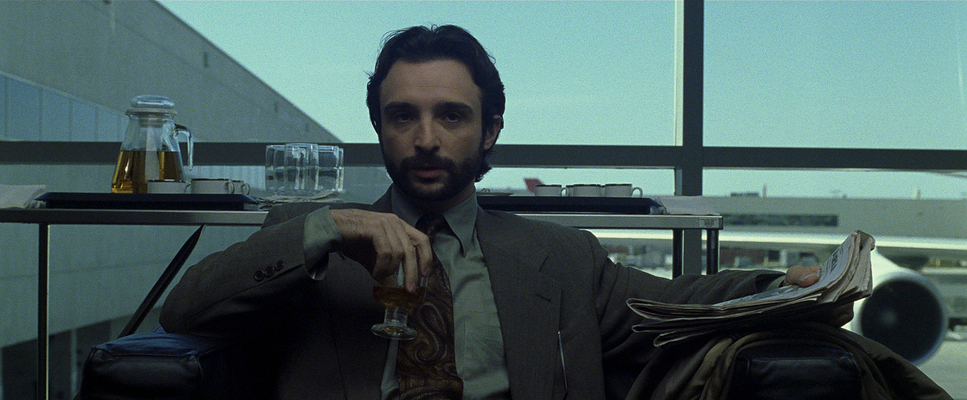
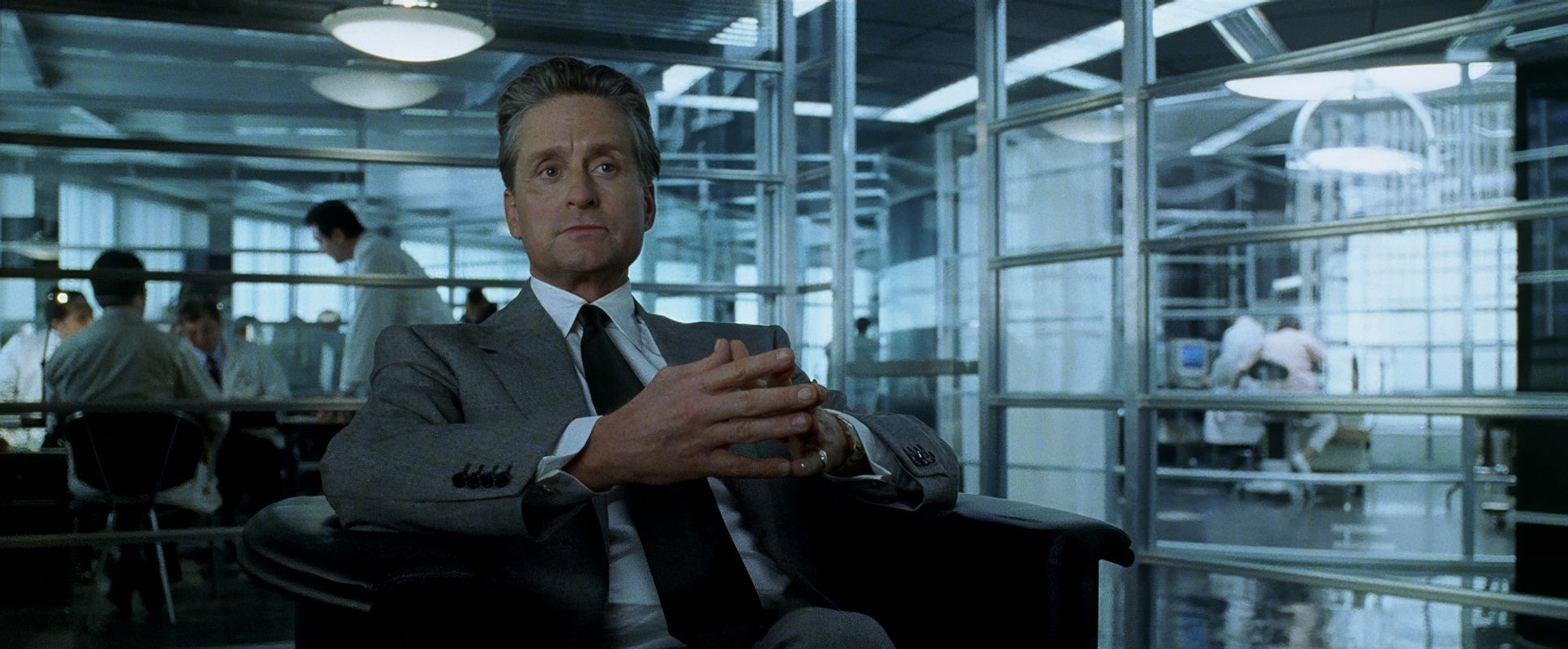
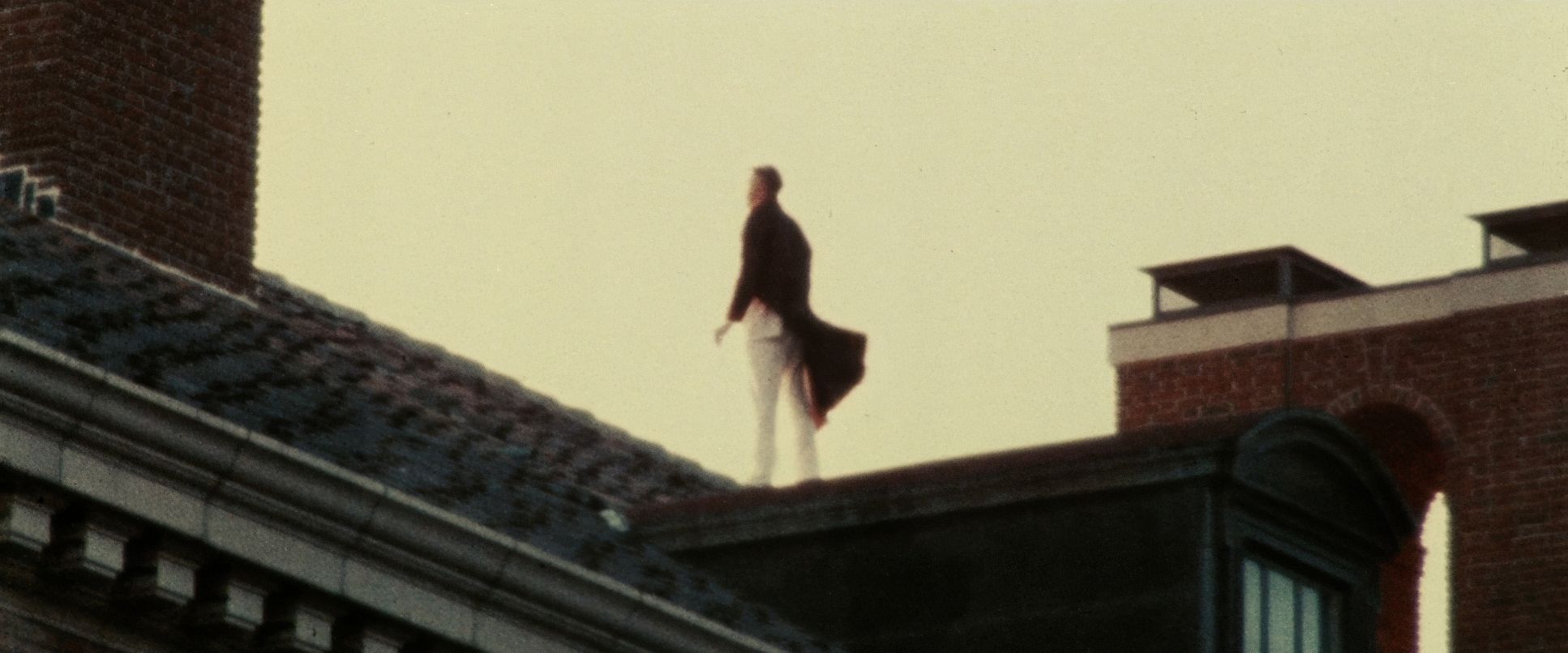
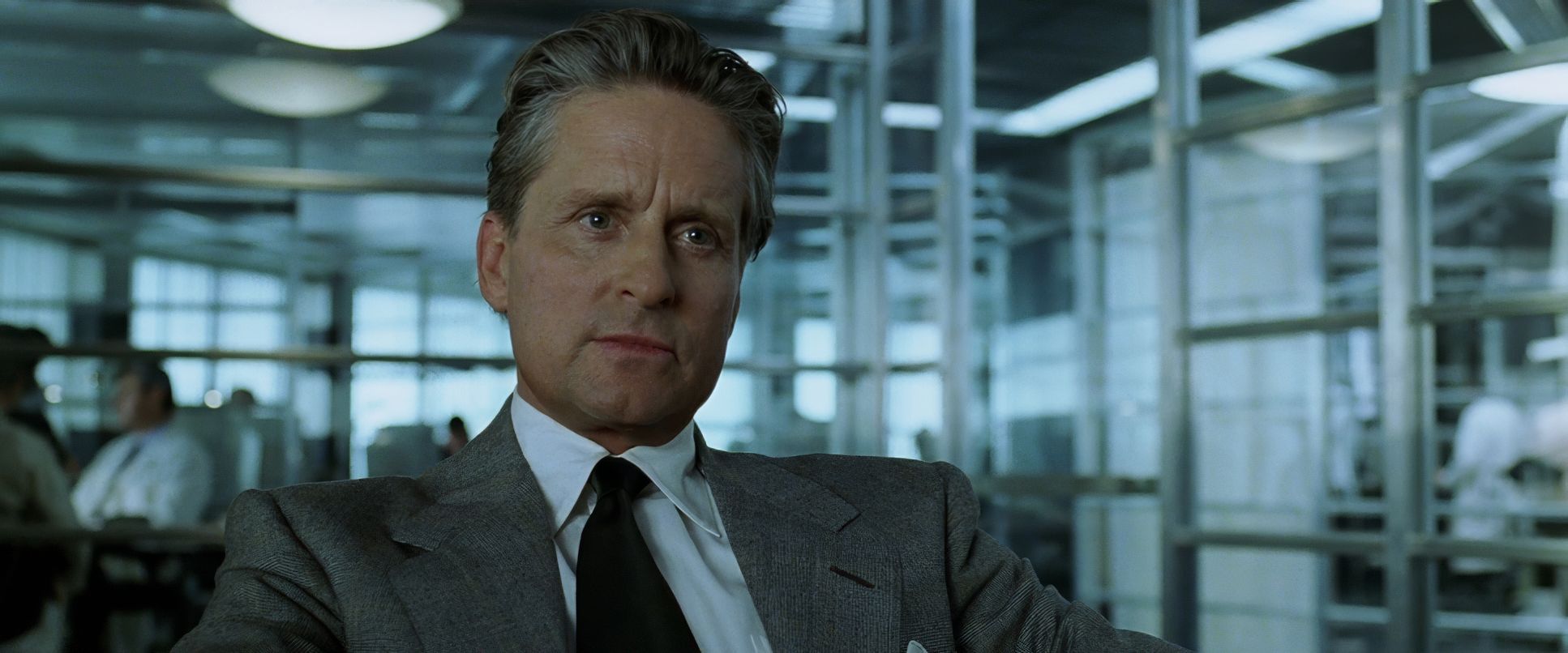
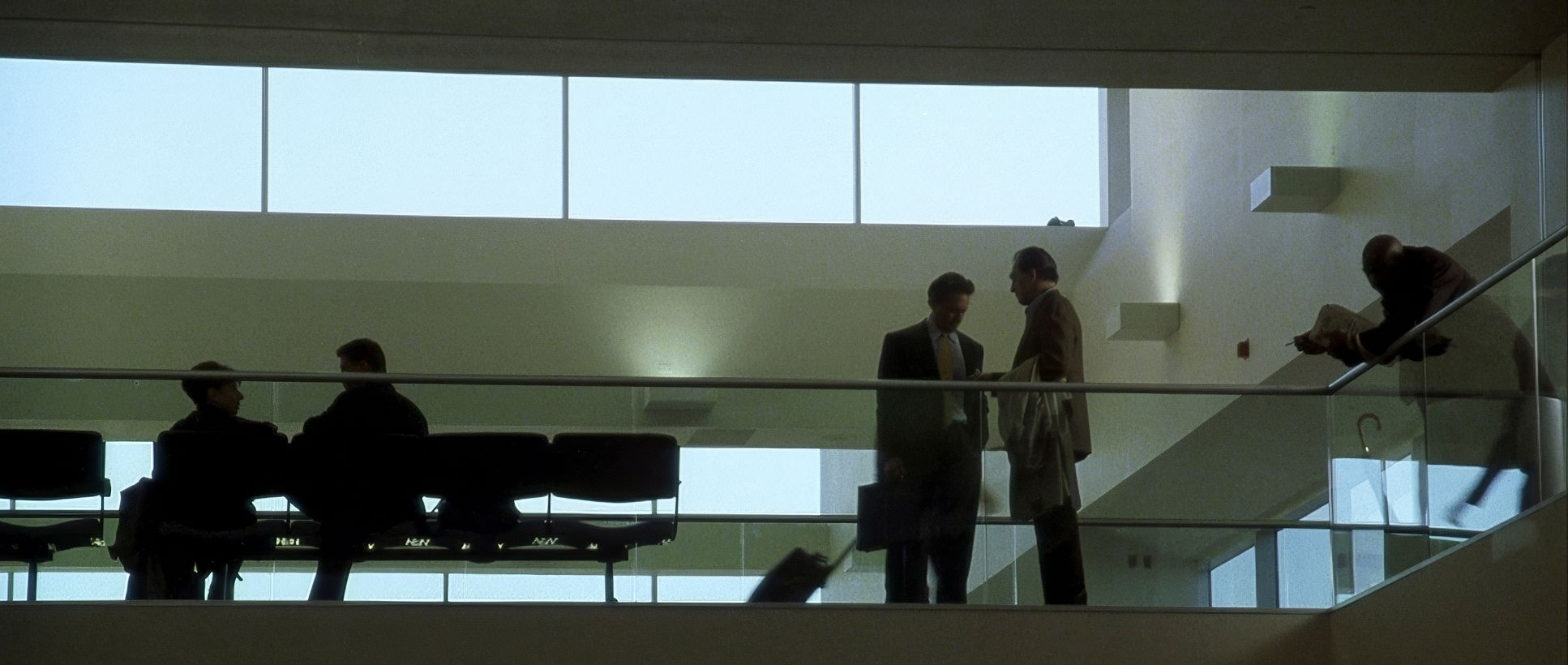
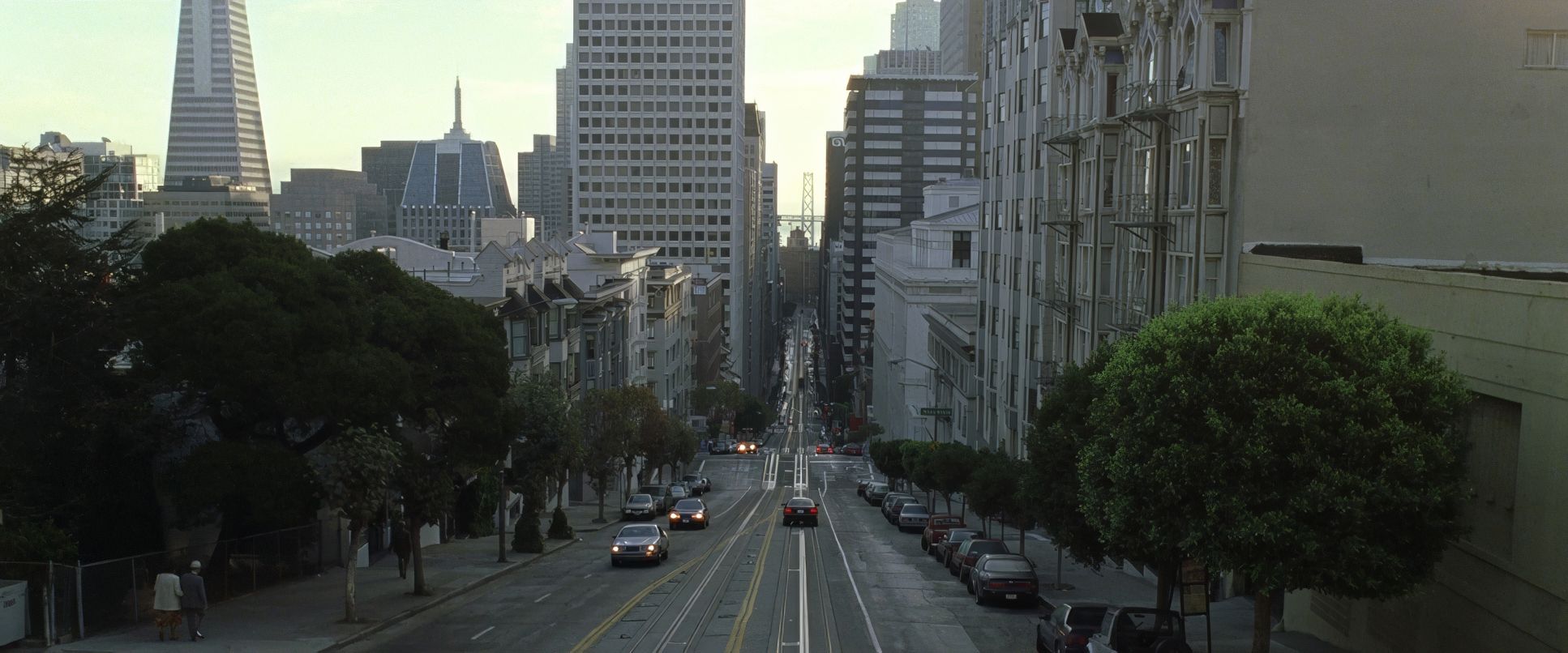
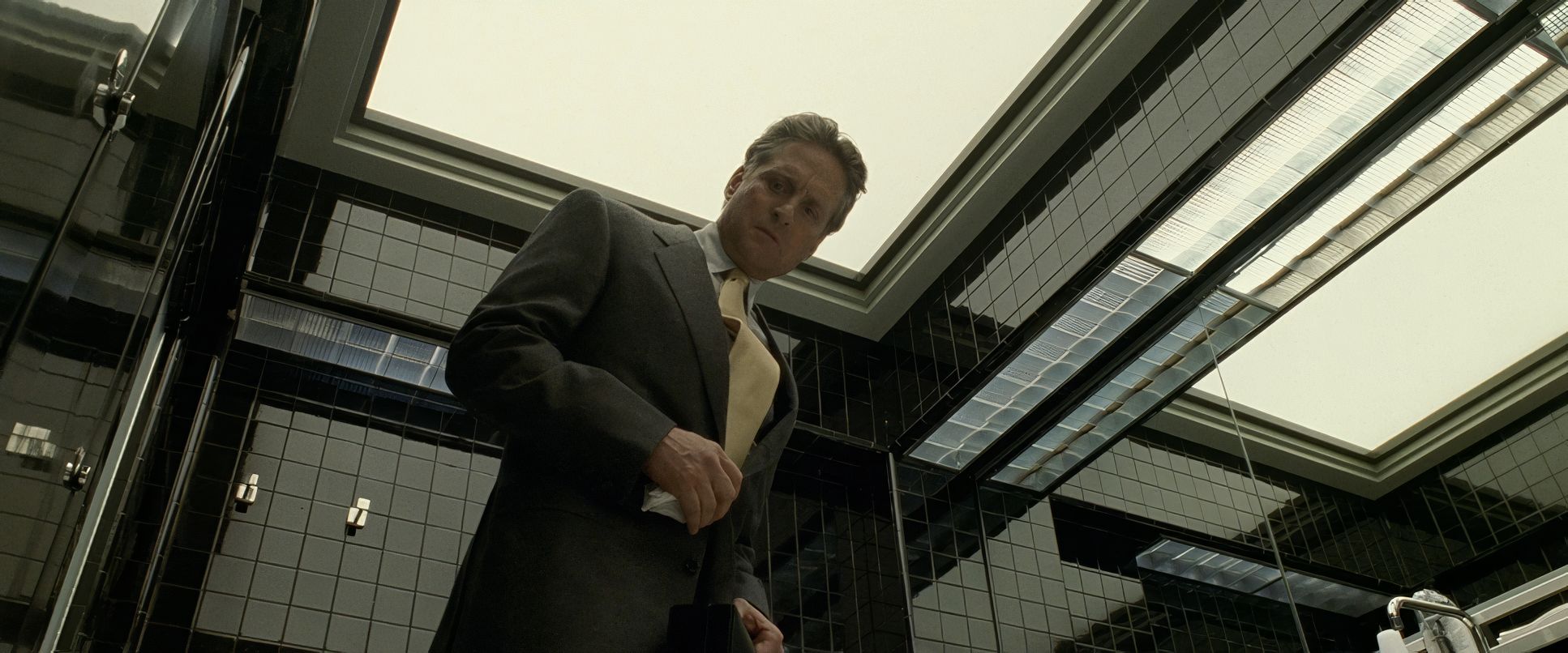
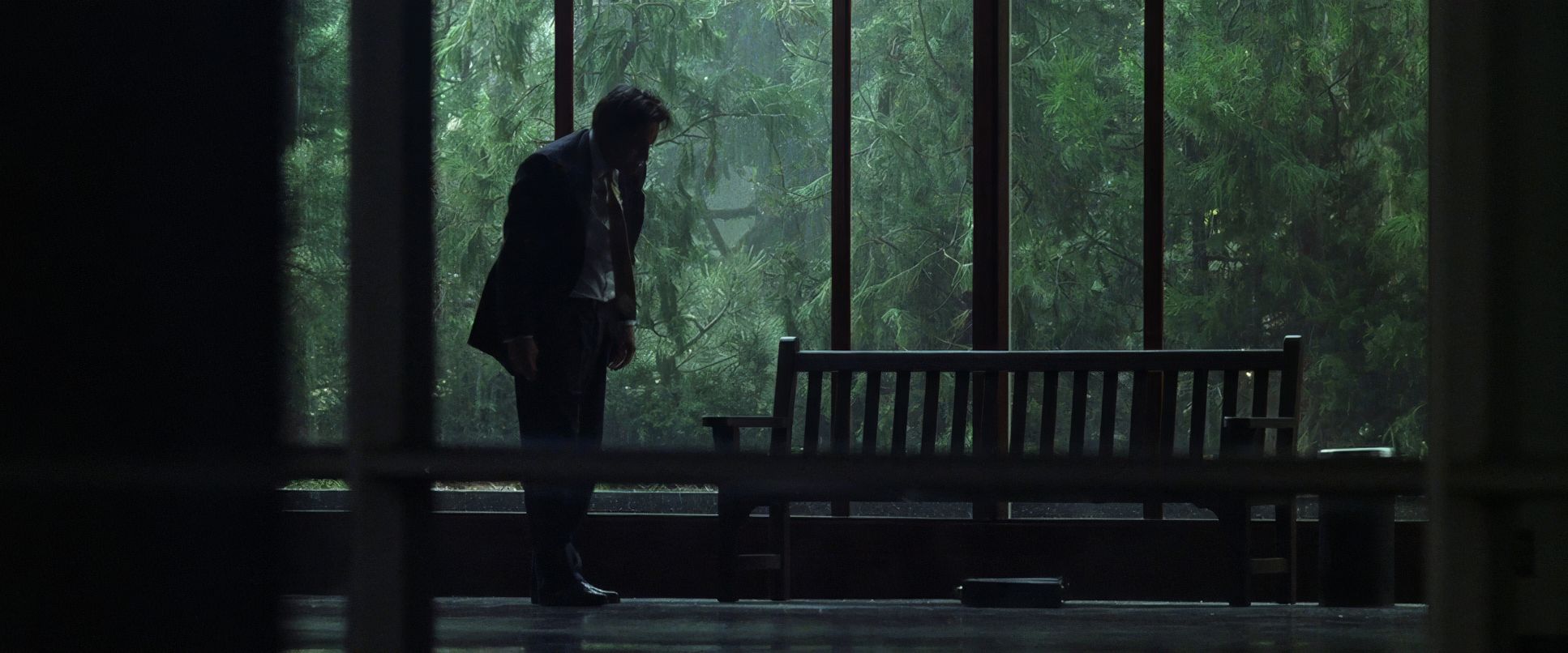
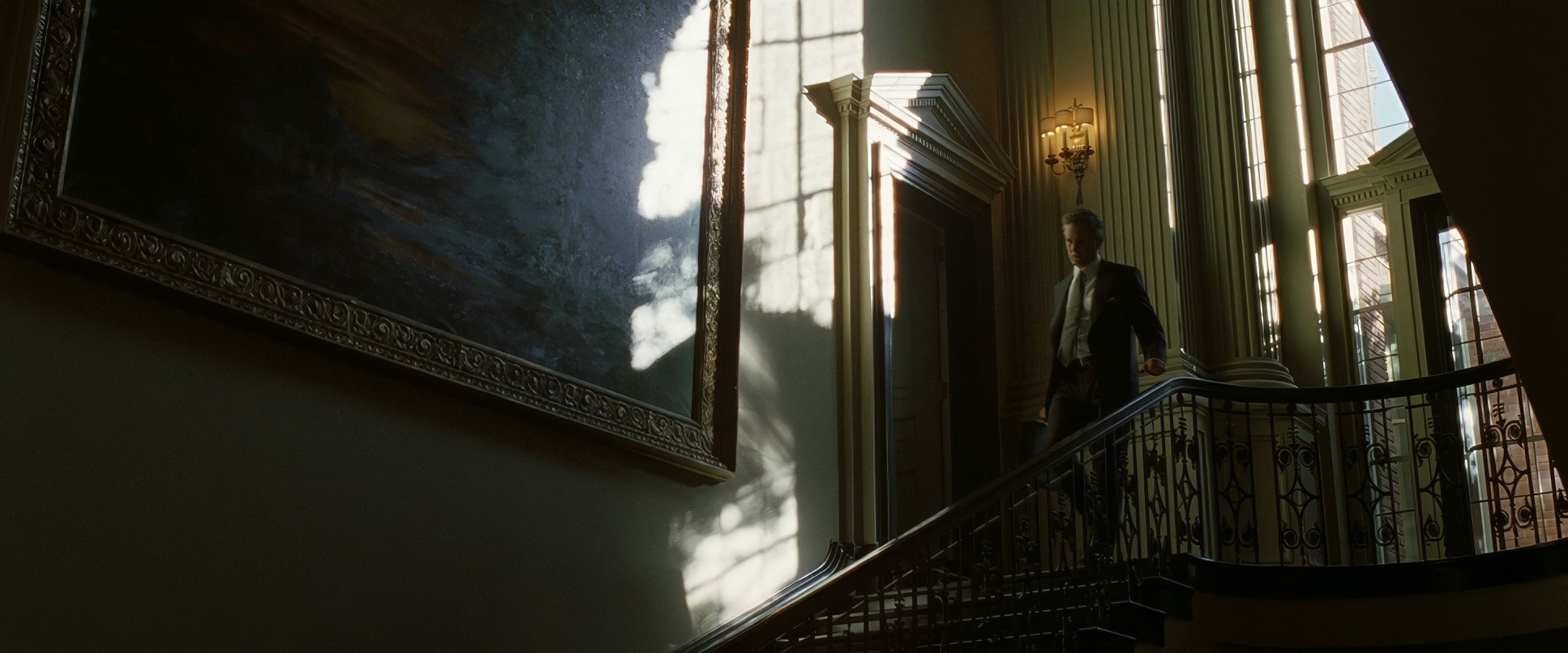
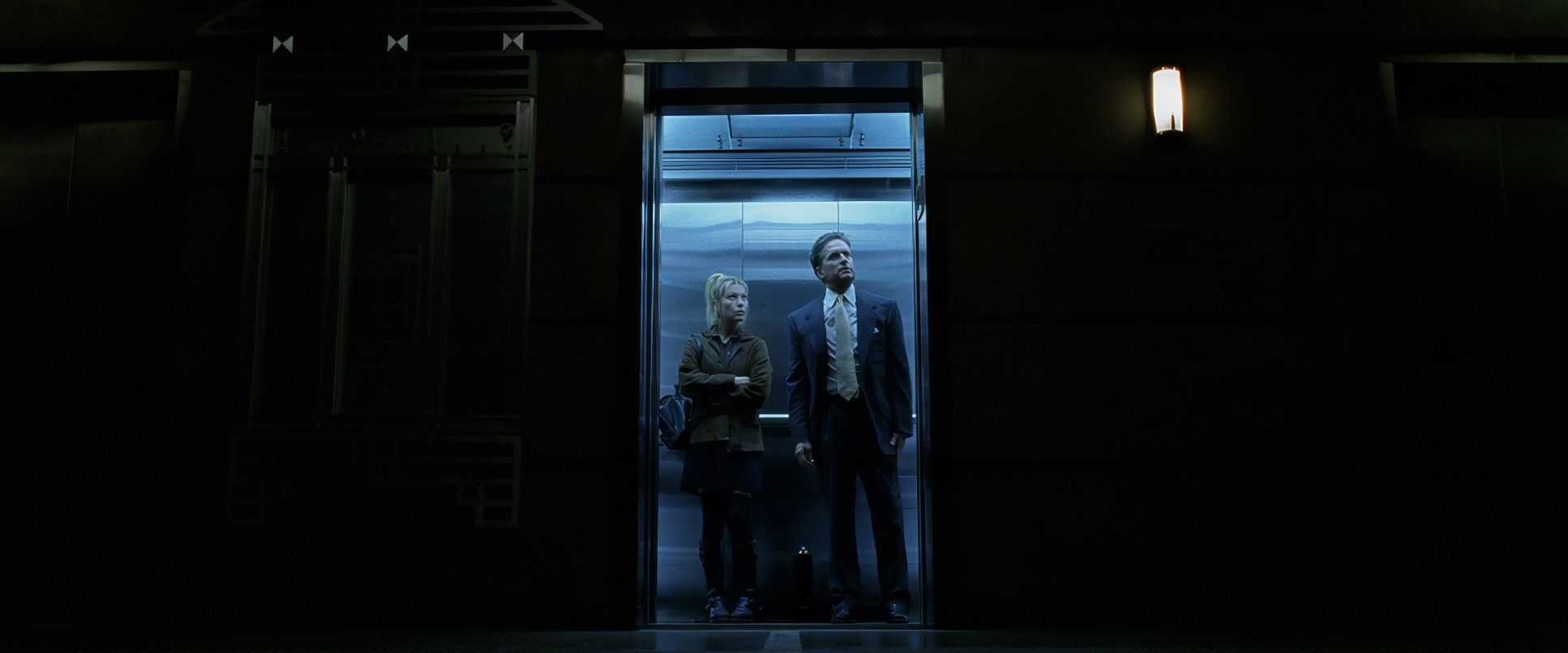
The “fastidious eye” I mentioned earlier? It’s most obvious in the composition. Fincher uses the geometry of San Francisco to do the heavy lifting. Nicholas is constantly dwarfed by architecture whether it’s his Gaudi-inspired mansion or the financial district. This use of negative space is a visual gut-punch; it tells you he’s lonely before he even opens his mouth.
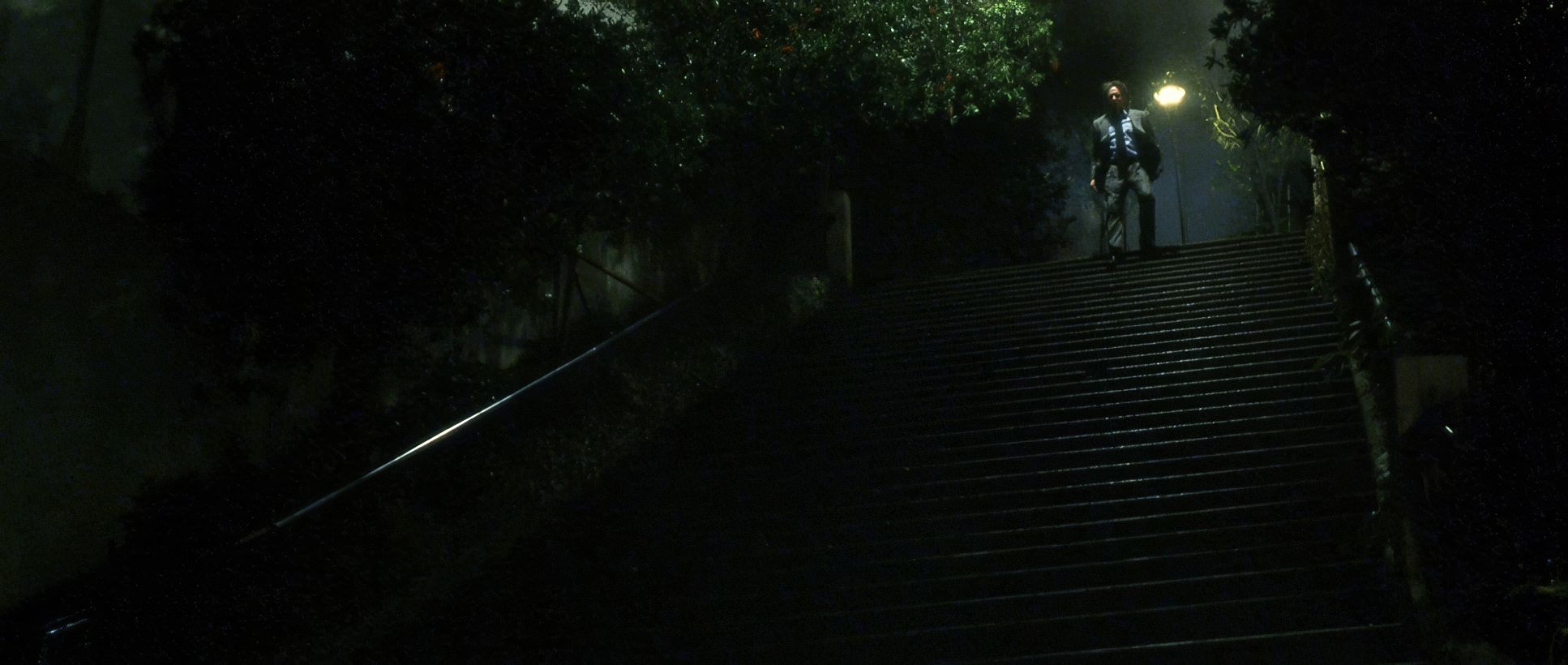
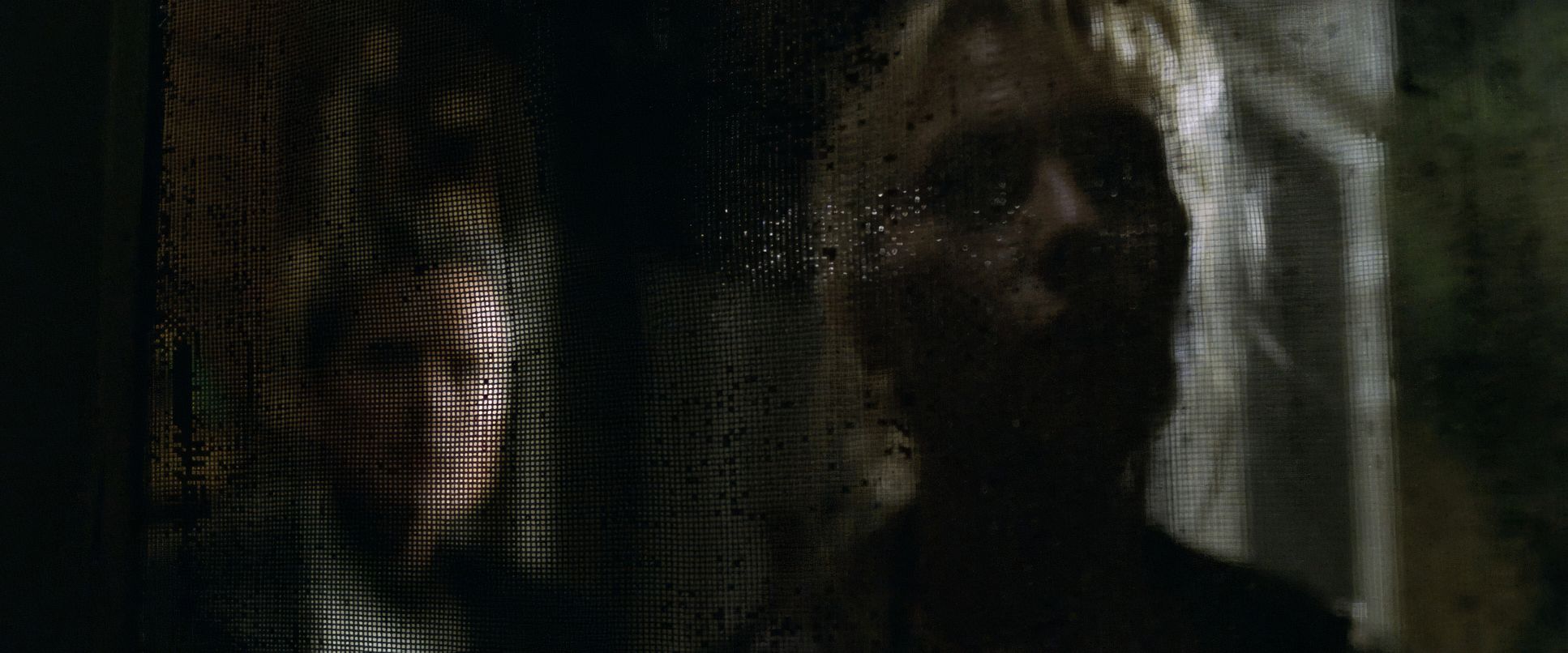
He’s also frequently framed through doorways or windows visual cages that suggest he’s being watched. Fincher even used the steep hills of the city to “underscore the class differences,” shooting up or down to create a vertical hierarchy. These aren’t just “cool shots”; they are precise instruments of psychological warfare.
Technical Aspects & Tools
The Game (1997) — 35mm, 2.39:1, Spherical
| Genre | Drama, Psychological Horror, Mystery, Thriller |
| Director | David Fincher |
| Cinematographer | Harris Savides |
| Production Designer | Jeffrey Beecroft |
| Costume Designer | Michael Kaplan |
| Editor | James Haygood |
| Time Period | 1990s |
| Color | White |
| Aspect Ratio | 2.39 – Spherical, Super 35 |
| Format | Film – 35mm |
| Lighting | Hard light, Low contrast |
| Lighting Type | Daylight |
| Story Location | San Francisco, California |
| Camera | Panavision Platinum, Panavision Gold / G2 |
| Lens | Panavision Primo Primes |
| Film Stock / Resolution | 5279/7279 Vision 500T |
Executing this vision was a massive undertaking a five-month, 100-day shoot primarily on location. Shooting on 35mm (specifically Kodak Vision 500T for those night exteriors) gave the film a tactile grain that digital still struggles to replicate. Fincher’s commitment to a single-camera approach meant every shot had to be perfect because there was no “safety” coverage to hide behind.
The technical grit was real, too. When you see Deborah Cara Unger in that filthy dumpster with live rats, that’s not just acting she actually fractured her foot during the shoot. That blend of high-end Panavision tech and raw, physical stunts is what gives the film its visceral impact. It’s sophisticated, but it’s got dirt under its fingernails.
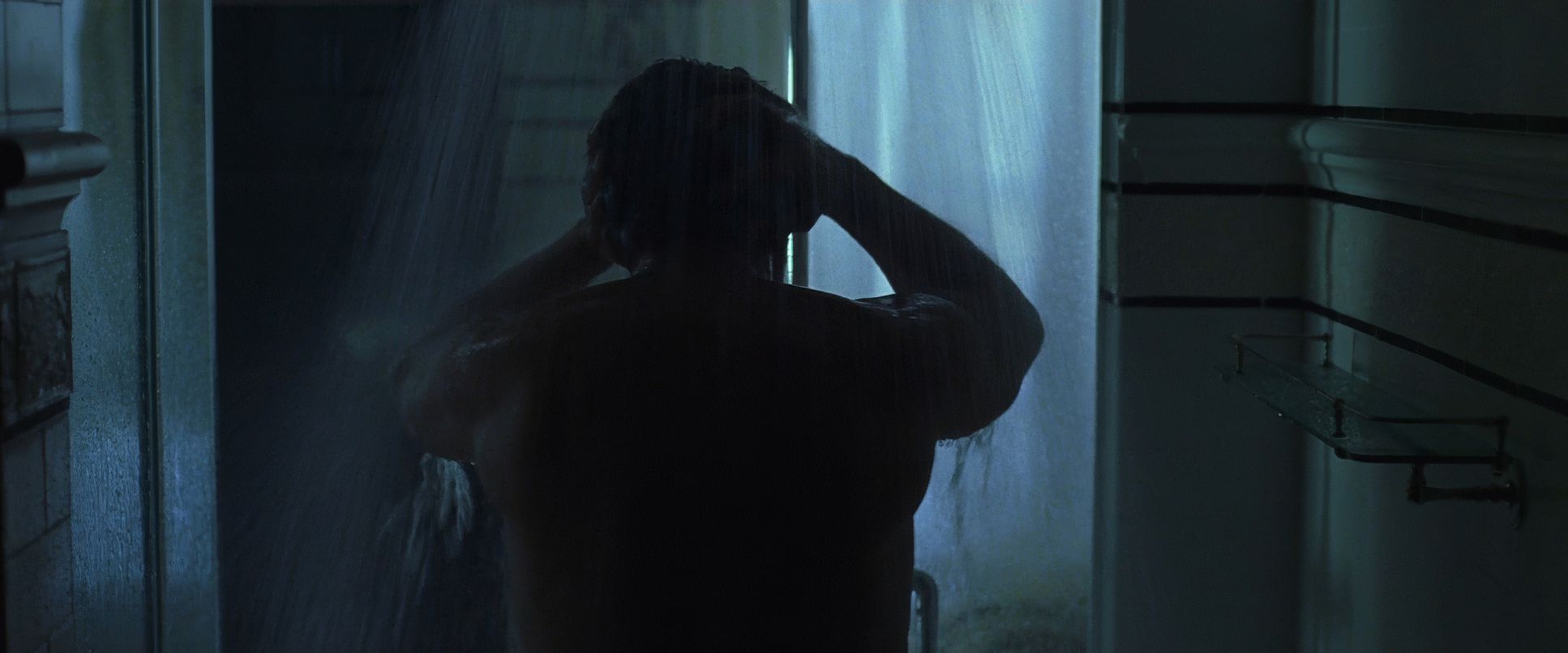
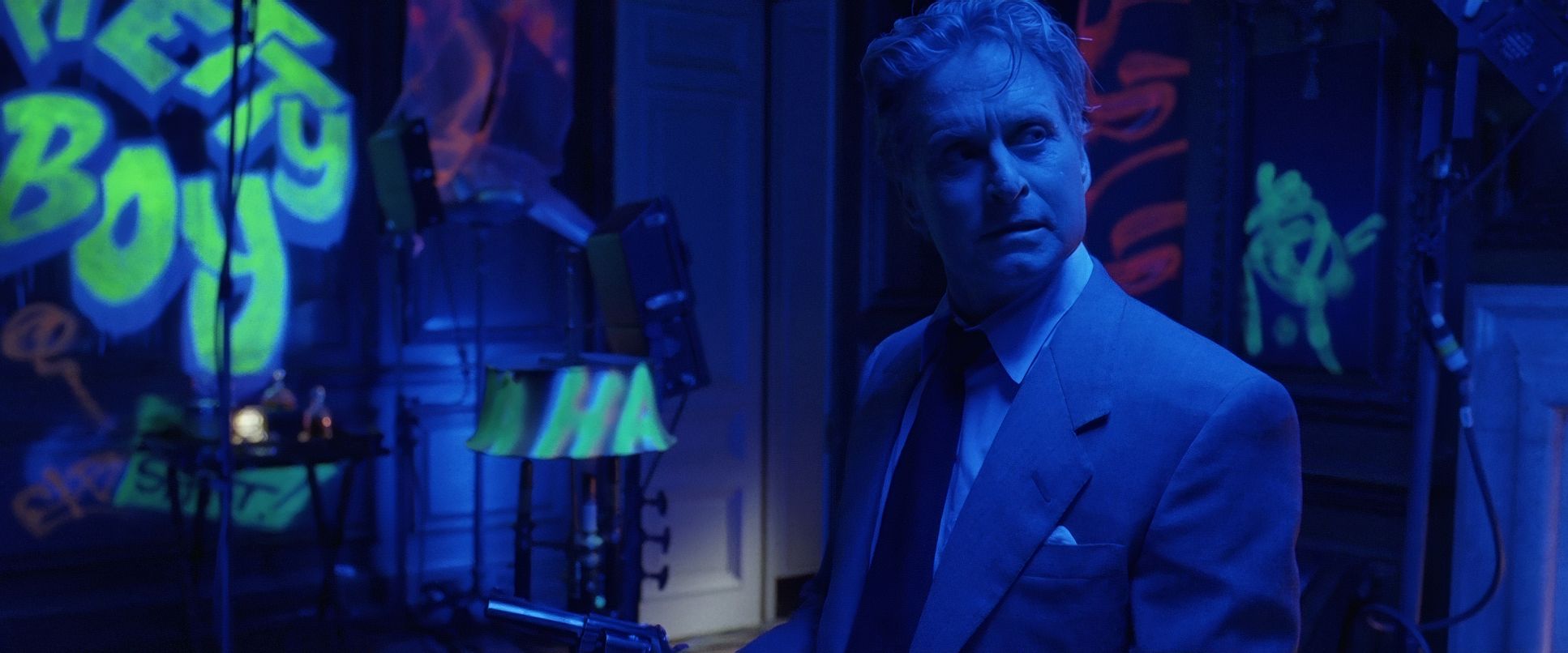
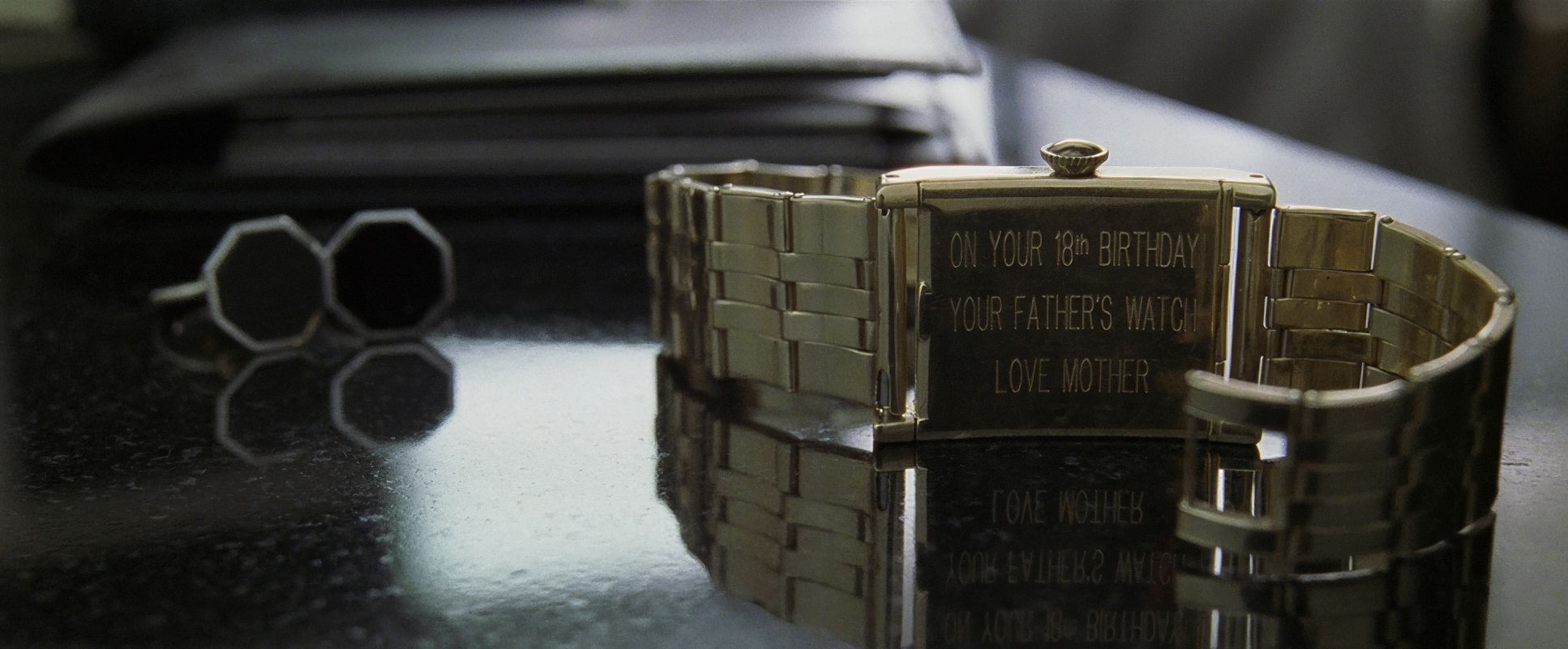
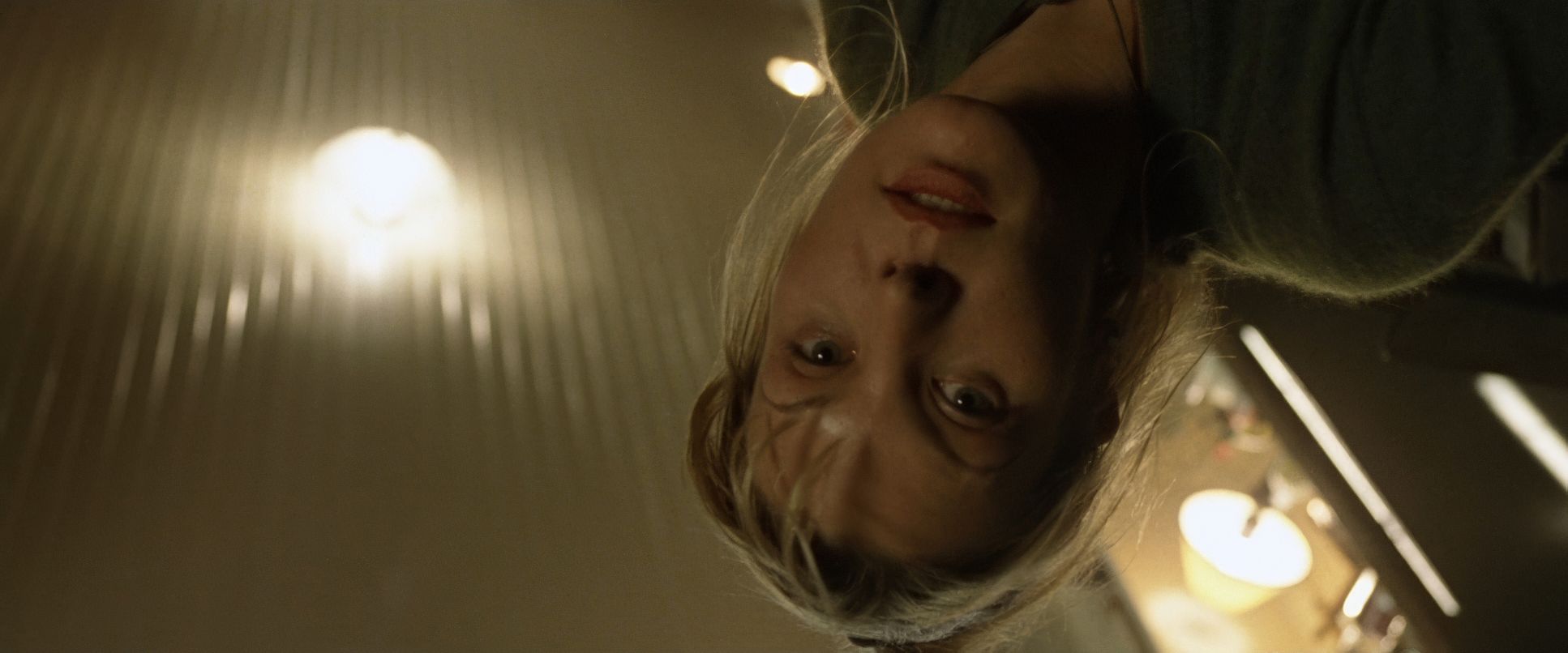
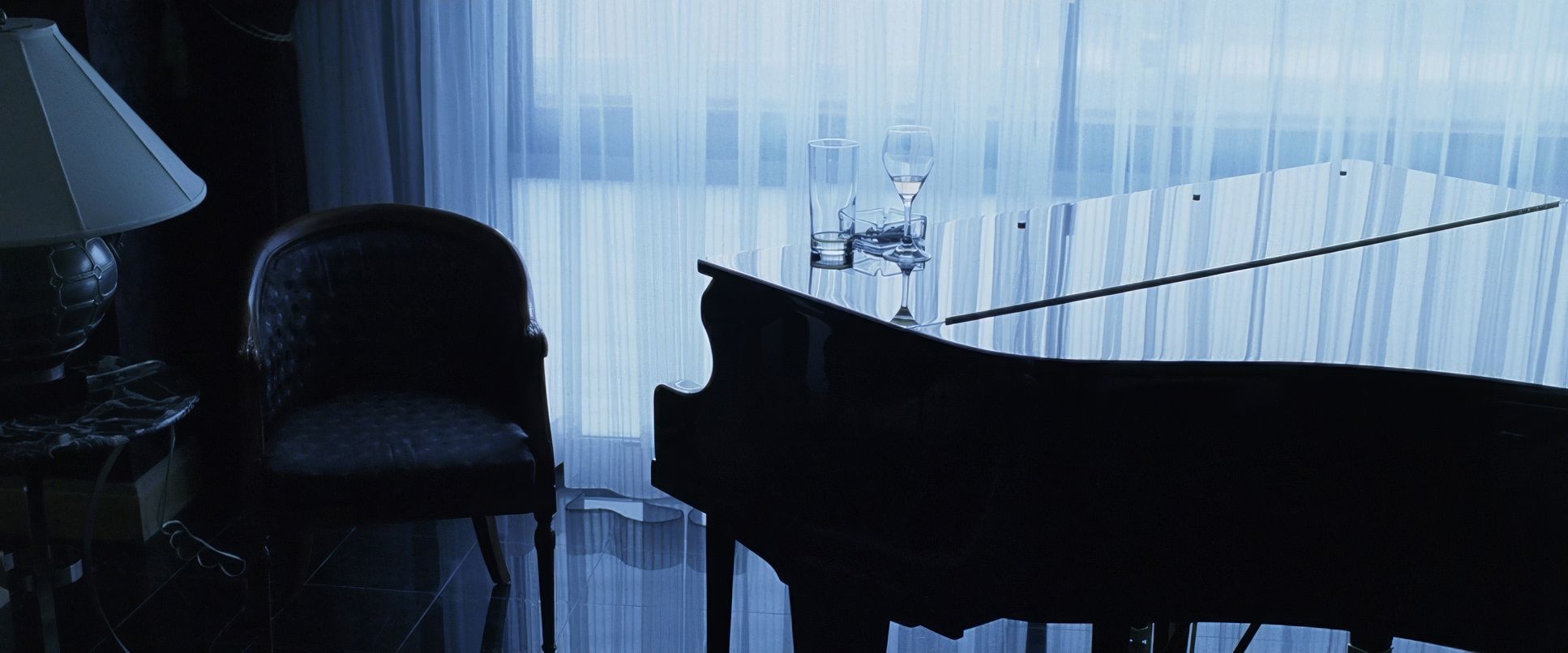
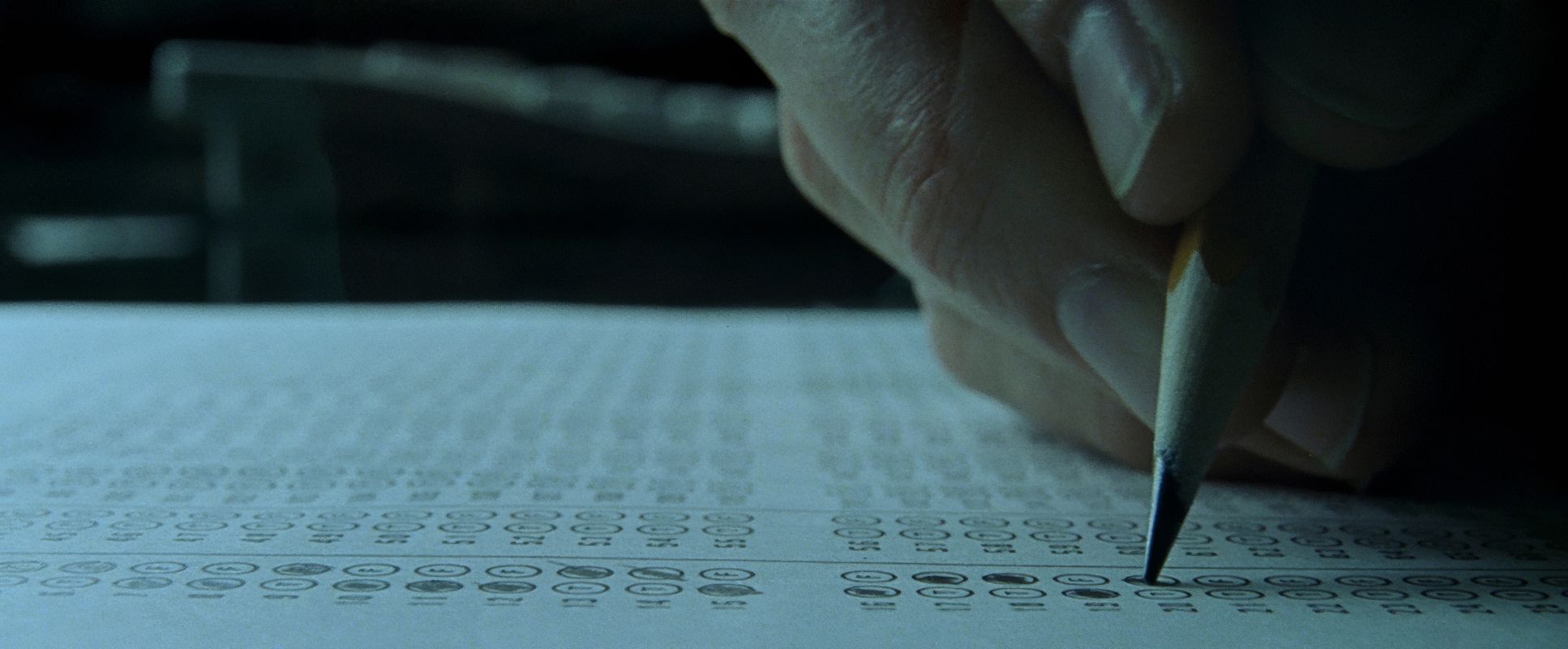
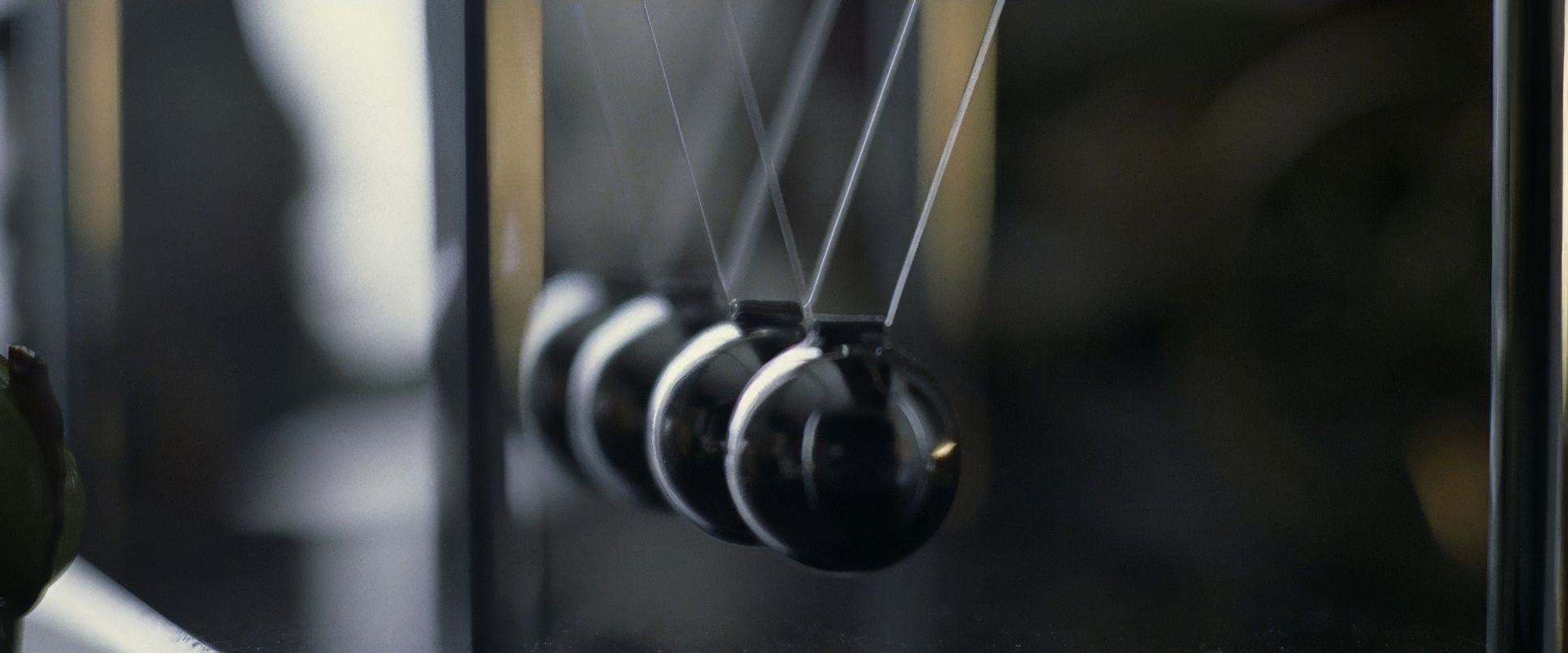
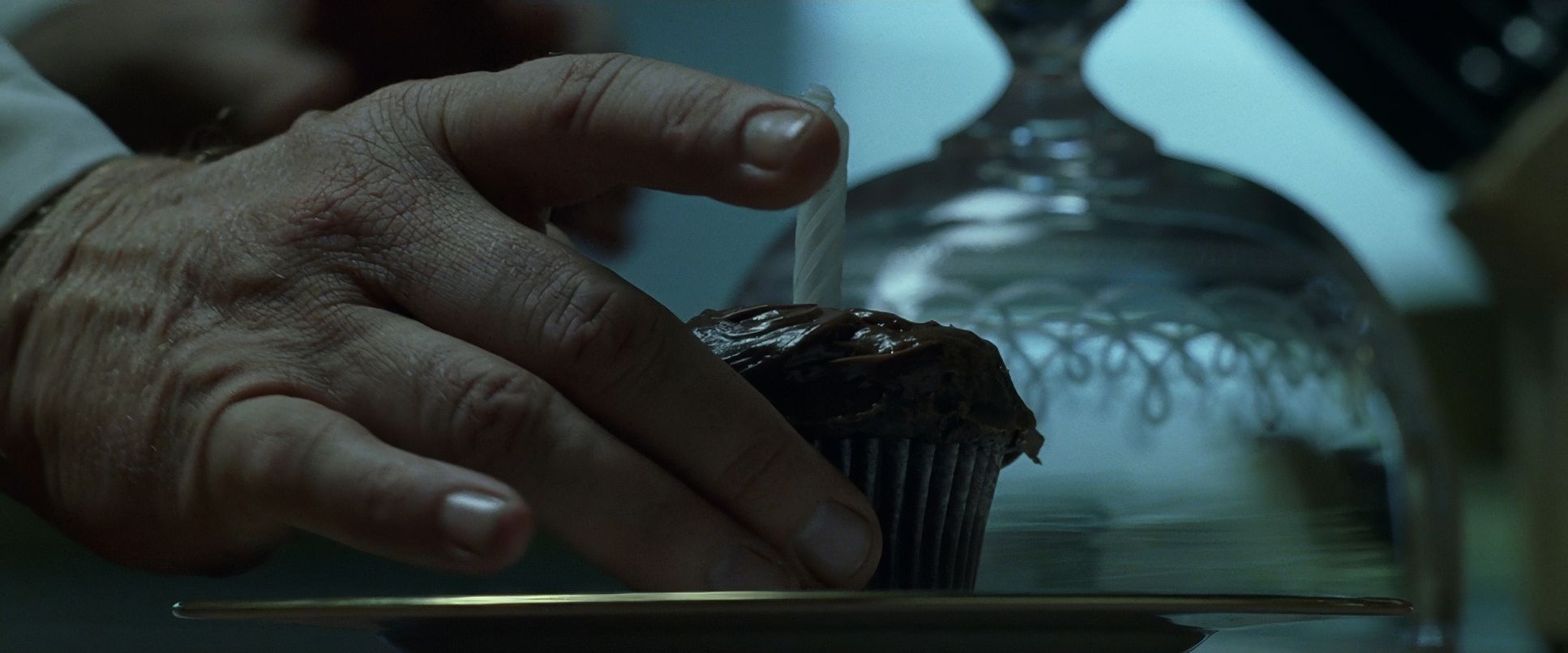
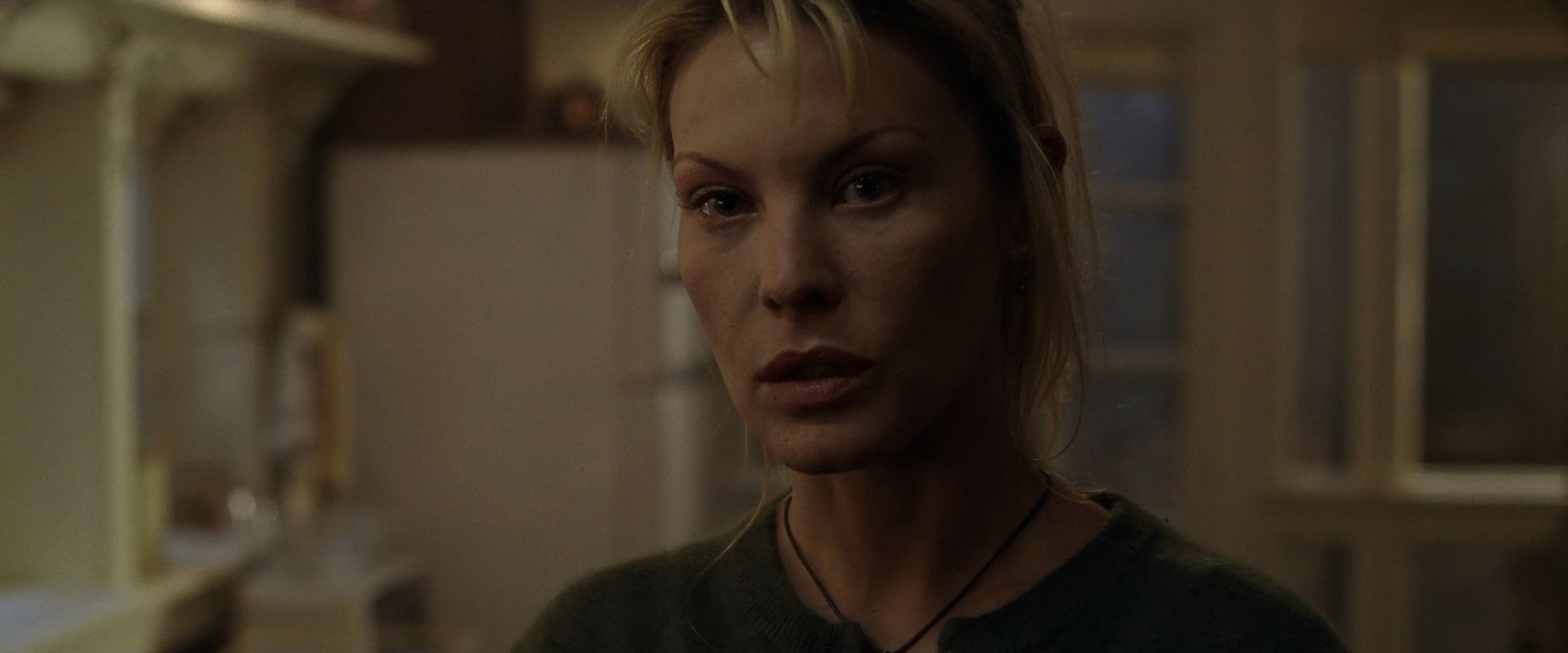
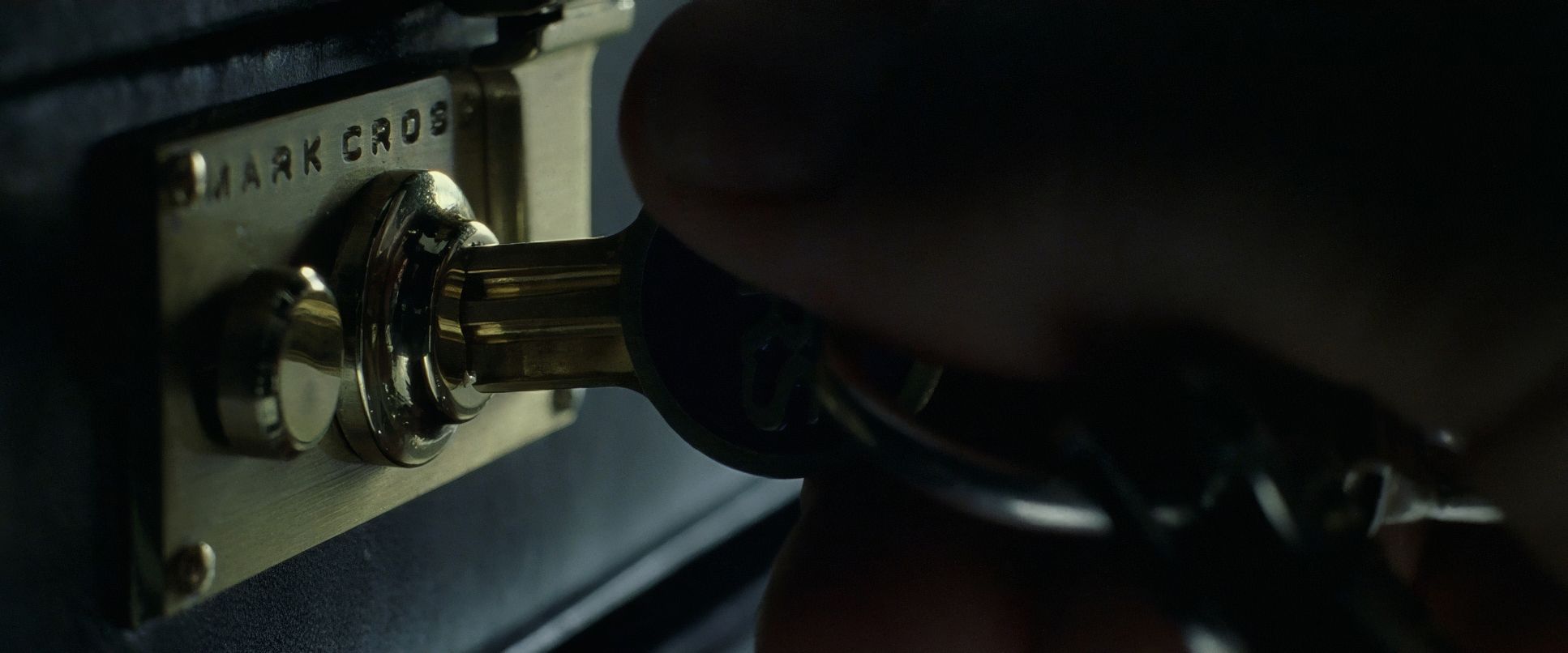
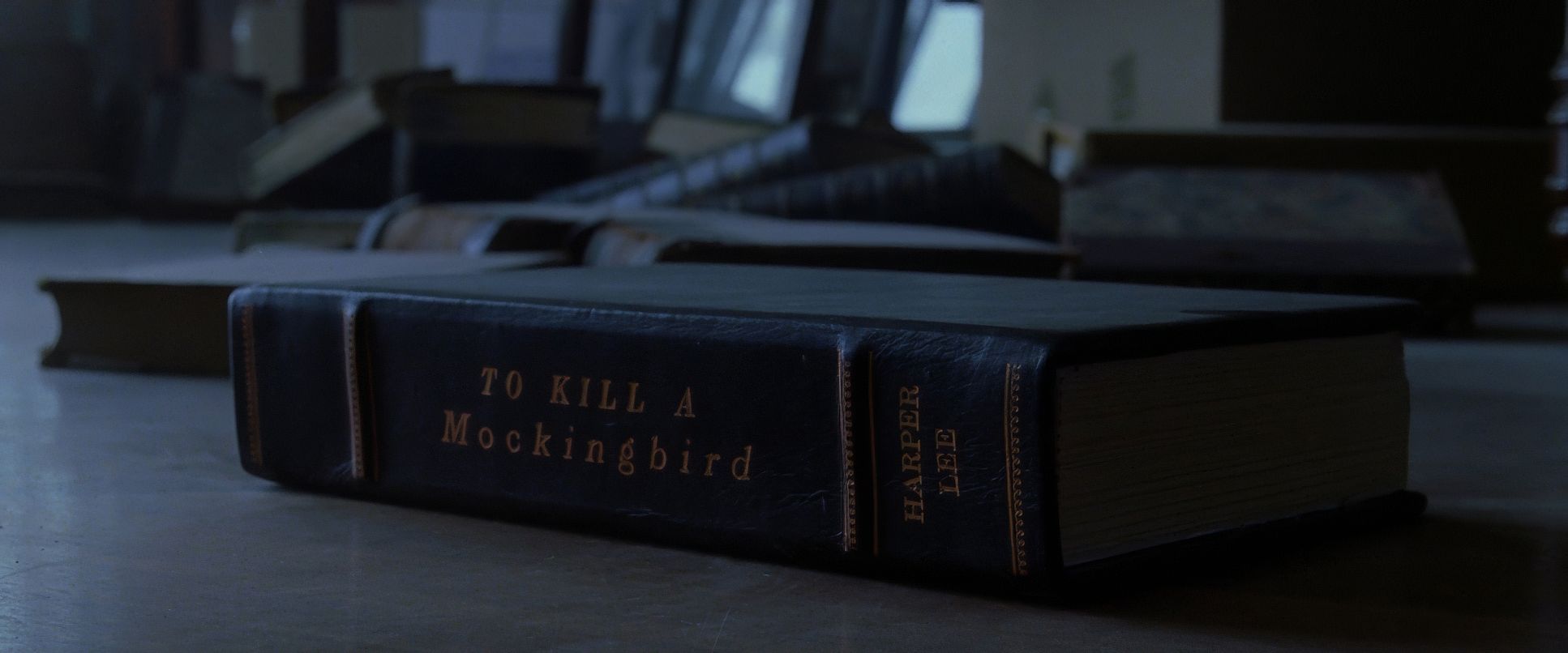
The Game (1997) Film Stills
A curated reference archive of cinematography stills from The Game (1997). Study the lighting, color grading, and composition.






















- Also read: WRECK-IT RALPH (2012) – CINEMATOGRAPHY ANALYSIS
- Also read: THE THEORY OF EVERYTHING (2014) – CINEMATOGRAPHY ANALYSIS
Browse Our Cinematography Analysis Glossary
Explore directors, cinematographers, cameras, lenses, lighting styles, genres, and the visual techniques that shape iconic films.
Explore Glossary →