David O. Russell’s The Fighter (2010) is a film that, for me, embodies this principle beautifully. It presents a raw, unflinching look at a family caught in the gravitational pull of boxing, addiction, and brotherly love. It might not be “the best boxing movie since Rocky” as some trailers boldly proclaimed a claim Mark Kermode rightly challenges but it’s an undeniable masterclass in character-driven cinematography and emotionally resonant color.
This isn’t just a boxing movie; it’s a deeply personal drama about Micky Ward and his older half-brother Dicky Eklund, set against the gritty backdrop of 1990s Lowell, Massachusetts. The visual style, much like the performances, manages to be both explosive and understated. Christian Bale’s electrifying, Oscar-winning portrayal of Dicky a former boxer now ravaged by crack addiction alongside Mark Wahlberg’s quieter, more internal performance as Micky, forms the emotional core. It’s a testament to how visual choices can underscore character arcs and imbue a true story with a sense of lived-in authenticity that feels almost documentary-like.
About the Cinematographer
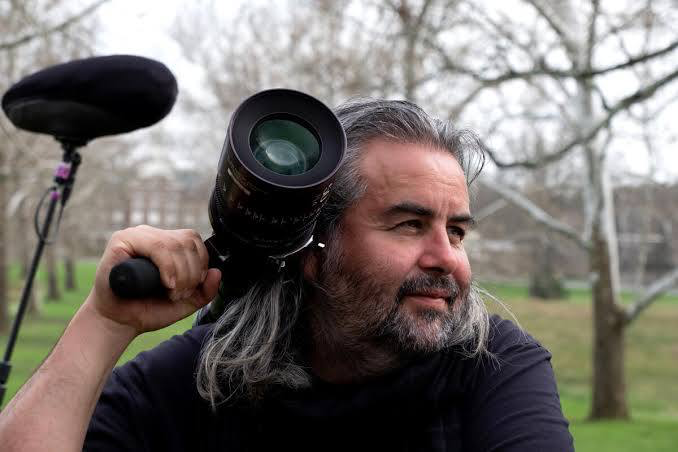
The visual architect behind The Fighter was Hoyte van Hoytema. Before he was shooting massive spectacles like Oppenheimer or Interstellar, Hoytema was bringing a distinct European naturalism to American indie dramas. His work here speaks to a massive talent for capturing gritty realism without making it feel “designed.” He isn’t a DP known for overly stylized, flashy aesthetics; instead, Hoytema leans into a naturalistic, somewhat desaturated palette, favoring motivated lighting and a keen eye for character expression within complex social dynamics. His work feels organic, allowing the performances and environments to breathe rather than imposing a heavy visual hand. This approach made him the perfect partner for Russell’s semi-documentary style, focusing on truth over artifice.
Inspiration Behind the Cinematography
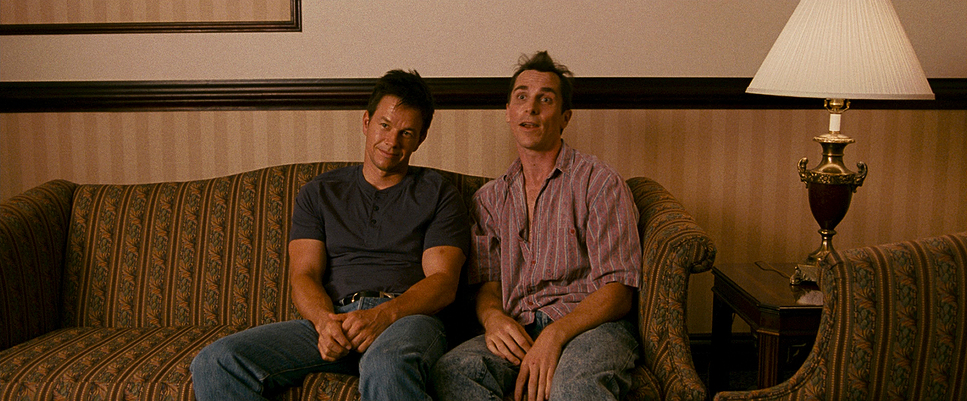
From the jump, The Fighter establishes its visual language with a compelling sleight of hand. The film opens not with a dramatic boxing match, but with Christian Bale’s Dicky Eklund on a couch, ostensibly being filmed for an HBO documentary about his “comeback.” This initial framing immediately immerses us in a sense of vérité, making us believe we’re watching something unscripted, almost found footage.
For me, as a filmmaker, this opening shot is a masterclass in setting audience expectations and then subtly subverting them. It promises authenticity or a “crack at it,” as one reviewer hilariously described Bale’s character and then delivers it in spades. This mock-documentary conceit heavily influenced Hoytema’s approach. He wasn’t just shooting a dramatic film; he was capturing the essence of a real place. The aim was to make Lowell feel palpable its industrial decay, its working-class grit, and the tight-knit but often suffocating family dynamics.
Camera Movements
The camera in The Fighter is rarely static, yet its movement is purposeful. Much of the film employs a handheld, almost observational style, particularly in those chaotic family scenes. This choice contributes immensely to the “of its place” feel. When Dicky is in a drug-induced frenzy or during the raucous arguments among the seven sisters, the camera often feels like another member of the family, jostling for space and capturing the raw energy of the room. This kineticism amplifies Bale’s “wired manic energy,” making his performance even more immediate and jarring.
However, Russell and Hoytema know when to let the camera settle. These moments of stillness are often reserved for Micky, the “underperformer” at the heart of the film. When he’s grappling with his choices, the camera settles, allowing us to feel his internal struggle. In the boxing sequences, the camera work aims for visceral impact, placing us right in the ring to experience the blows and the exhaustion. It’s a delicate dance: enough movement to feel alive, but enough restraint to underscore the emotional beats.
Compositional Choices
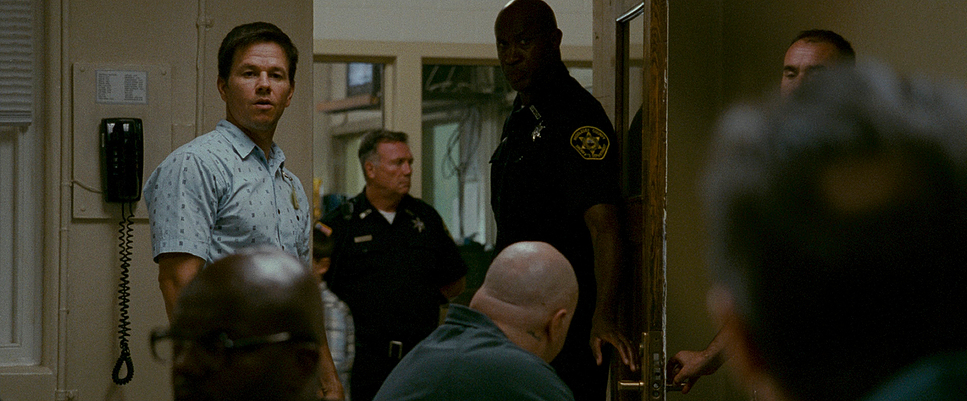
Composition in The Fighter is often about creating a sense of intimacy and, at times, claustrophobia. Many scenes utilize tight framing, especially in close-ups. Bale’s gaunt, expressive face is frequently highlighted, allowing every twitch and manic gleam in his eye to register. This level of detail is a potent depth cue, immersing us in his internal world.
When the entire Ward family is assembled particularly that “gaggle of sisters” with their giant hair and cigarettes wider compositions are employed to capture the sheer volume of personalities. These wider shots often use a shallow depth of field to keep the focus on the immediate interplay while letting the lived-in home inform the background. The blocking here is meticulously orchestrated to reflect power dynamics someone standing over another, or a character literally trying to push another out of the frame. It’s visual storytelling at its most fundamental.
Lighting Style
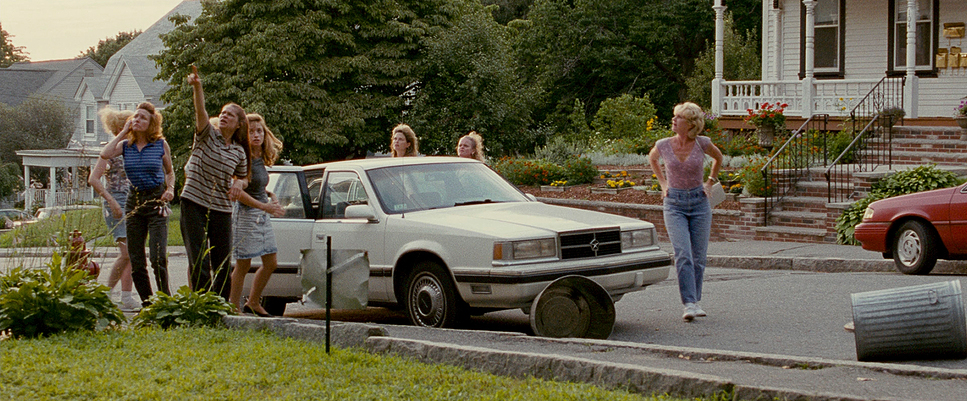
The lighting is arguably the film’s most subtle yet effective element, firmly rooted in naturalism and motivated sources. There’s a deliberate lack of “Hollywood” lighting; instead, Hoytema crafted a look that felt available and organic. We see a lot of practical lights lamps in cramped living rooms, overhead fluorescents in the gym, and the stark, unforgiving light of a crack house.
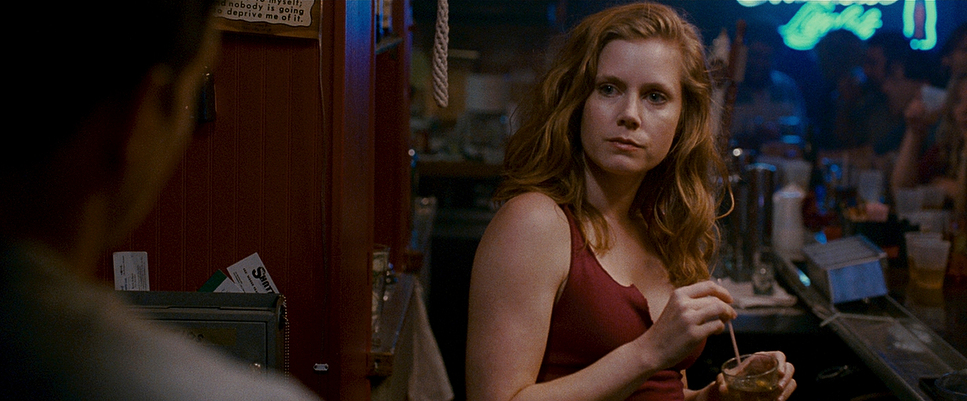
For Dicky, the lighting is often harsh, enhancing his gauntness and the physical toll of his lifestyle. Shadows are used to sculpt his face, emphasizing sunken eyes and sharp cheekbones. For Micky, while still naturalistic, the lighting sometimes softens, particularly in scenes with Shalian (Amy Adams), hinting at a burgeoning hope. Even in the boxing ring, the lighting aims for an authentic arena feel sometimes harsh and directional creating dramatic pools of light rather than polished, high-key sports lighting.
Lensing and Blocking
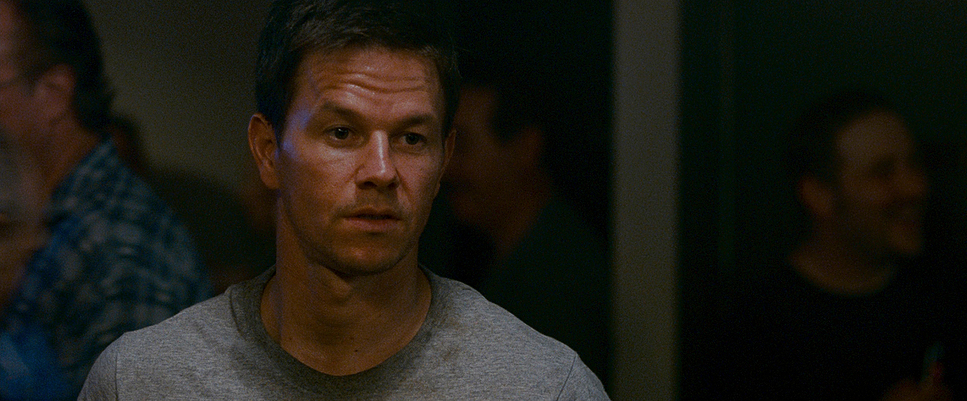
The choice of lenses was instrumental in creating this immersive narrative. Hoytema likely favored wider prime lenses for the intimate, handheld shots that bring us uncomfortably close to the characters. This creates a sense of direct engagement, pulling us into the arguments as if we’re eavesdropping in the Ward household.
Blocking, too, was a powerful tool. The crowded, almost claustrophobic blocking of the sisters, chain-smoking and drinking Budweiser, visually communicates their collective influence. Their physical proximity creates a dynamic where individual voices contribute to an overwhelming chorus. When Shalian first confronts the family, her physical distance and determined posture speak volumes about her “spine.” Every actor’s position is a calculated decision designed to reinforce narrative themes.
Color Grading Approach
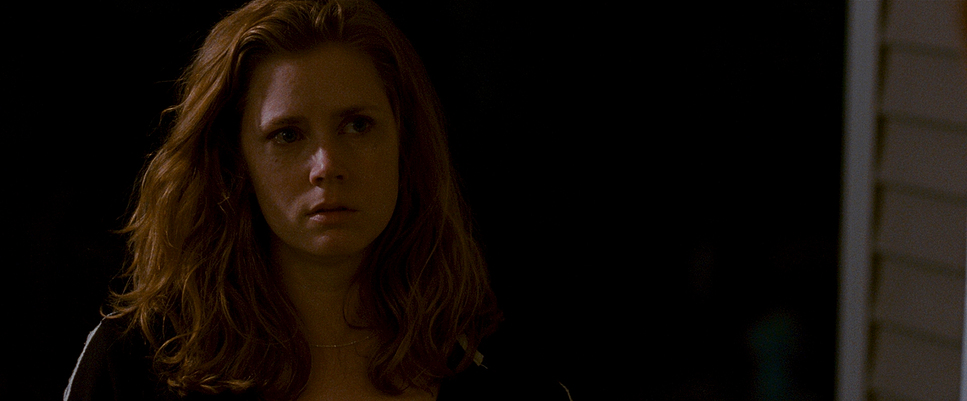
Now, this is where my colorist brain truly lights up. For The Fighter, the grading by Tony Dustin is a crucial component in cementing its gritty aesthetic. The film embraces a slightly desaturated palette, eschewing vibrant, punchy colors for a more muted tone. This immediately evokes an unglamorous portrayal of working-class life.
From a technical standpoint, I notice a significant amount of contrast shaping. The shadows are rich and deep, providing a strong anchor, while the highlights have that beautiful, gentle roll-off you only get from film. This is crucialnit’s about preserving dynamic range while ensuring the visual texture remains soft and inviting, despite the harshness of the story. Skin tones are carefully protected to ensure they feel natural and alive, even within the cooler overall palette. We see the occasional pop of boxing glove red, but otherwise, the color stays true to the drab, earthy tones of the Lowell streets.
Technical Aspects & Tools
The Fighter (2010) — 35mm, 2.39:1 (2-perf)
| Genre | Drama |
| Director | David O. Russell |
| Cinematographer | Hoyte van Hoytema |
| Production Designer | Judy Becker |
| Costume Designer | Mark Bridges |
| Editor | Pamela Martin |
| Colorist | Tony Dustin |
| Time Period | 1990s |
| Color | Saturated |
| Aspect Ratio | 2.39 – 2 perf |
| Format | Film – 35mm |
| Lighting | Soft light |
| Story Location | Lowell, Massachusetts |
| Filming Location | Lowell, Massachusetts |
To achieve its distinctive look, The Fighter was predominantly shot on 35mm film, specifically using the 2-perf (Techniscope) format. As a colorist, I find this choice fascinating. 2-perf gives the image a slightly more aggressive grain and a native 2.39:1 aspect ratio, which perfectly suits the “scrappy” feel of the movie. It’s a format that feels “of the earth” textured, organic, and unforgiving in its detail.
Working with an Arriflex 35mm camera and prime lenses, Hoytema achieved an optical clarity that allows for precise depth of field. In the grading suite, working with scanned film negative offers tremendous latitude. The workflow would have centered around a digital intermediate, where the color grade was applied to sculpt light on specific faces, ensuring Bale’s “manic” energy or Adams’ “spine” registered with maximum impact. It’s a testament to how technical choices from the 2-perf acquisition to the final grade are deeply intertwined with the creative vision.
- Also read: EDWARD SCISSORHANDS (1990) – CINEMATOGRAPHY ANALYSIS
- Also read: HOT FUZZ (2007) – CINEMATOGRAPHY ANALYSIS
Browse Our Cinematography Analysis Glossary
Explore directors, cinematographers, cameras, lenses, lighting styles, genres, and the visual techniques that shape iconic films.
Explore Glossary →