Let’s talk The Bourne Ultimatum. For me, this film isn’t just an action movie; it’s a blueprint for how to sculpt anxiety using nothing but color and camera movement. Paul Greengrass, alongside his collaborators, solidified a visual grammar here that defined a decade of action cinema. Revisiting it today is like looking under the hood of a machine that still runs hotter and faster than most things coming out of Hollywood. It’s a reminder of what purposeful cinematography can achieve when it’s married to a director who refuses to compromise on intensity.
About the Cinematographer
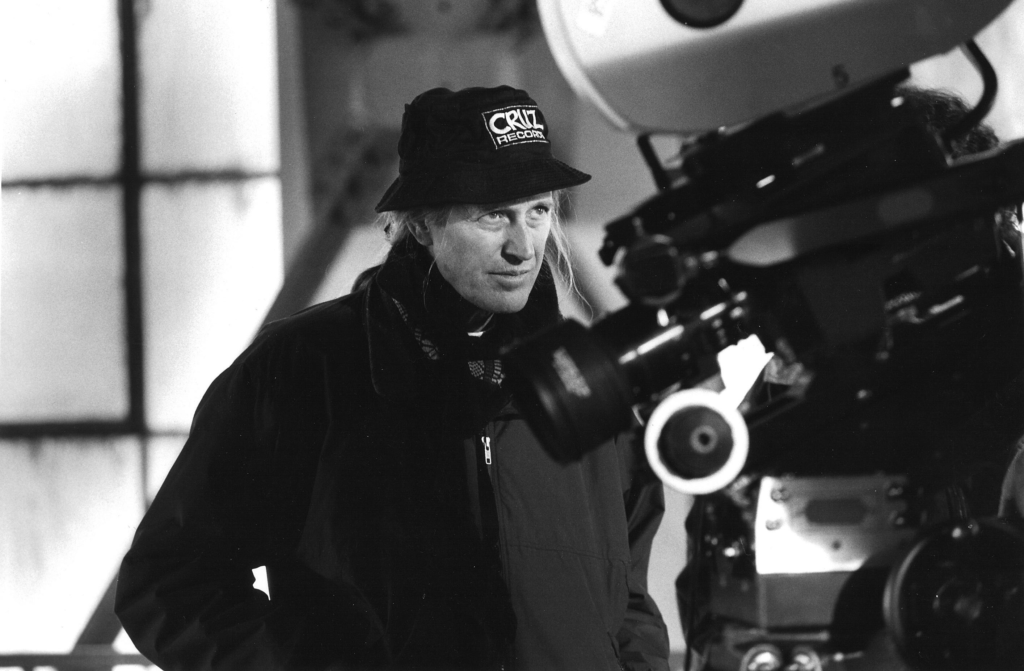
The man behind the lens was Oliver Wood. He wasn’t just a hired gun on this project; he had already established a powerful synergy with Greengrass on The Bourne Supremacy. What I respect about Wood’s work here is his absolute commitment to “raw immediacy.” He isn’t chasing pretty frames for the reel; he’s chasing the narrative. He treats the camera as an active participant almost a character itself rather than a passive observer. It’s a difficult tightrope walk to achieve this level of chaos without devolving into visual incoherence, but Wood pulls it off by prioritizing energy over perfection.
Inspiration Behind the Cinematography

The driving force behind the visual style is undeniably Greengrass’s background in documentaries. But this wasn’t just a marketing gimmick; it was a fundamental philosophy. The goal was to strip away the artifice of the spy genre and push for a sense of unfiltered reality what they called “grounded and realistic.” It feels like we are watching raw footage from a war correspondent who is right there in the thick of it.
This approach enhances the psychological impact. When Jason Bourne is being hunted, the visual style puts us directly in his shoes. It bypasses the typical slickness of franchise action movies and opts for a grittier connection. It makes you lean forward because the camera’s unsteadiness mirrors the characters’ high-stakes reality. It’s less about watching a movie and more about experiencing a panic attack in real-time.
Camera Movements
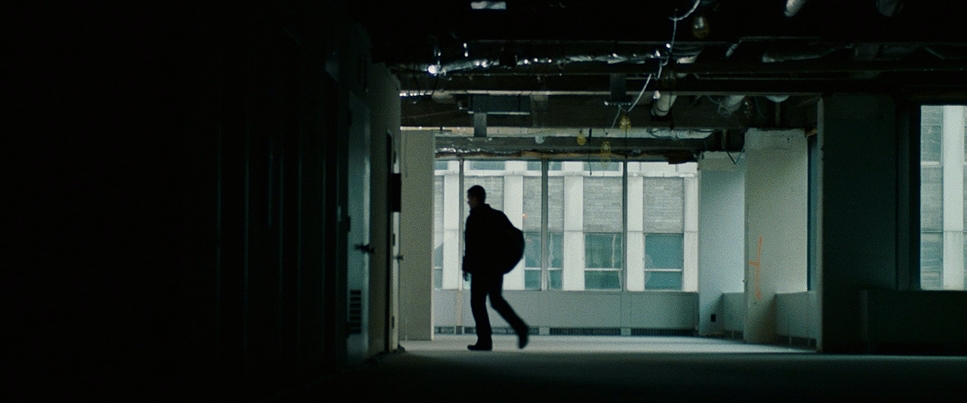
Okay, let’s address the elephant in the room: the “shaky cam.” I usually hate this technique it’s often a cheap trick used to hide poor stunt work or lazy choreography. But Greengrass and Wood get a pass here. Why? Because the shake isn’t arbitrary; it’s reactive.
The camera isn’t on a tripod; it’s practically breathing with the characters. It’s handheld, constantly shifting, panning, and jerking to follow the action. If you look closely at the foot chase through Tangier, the operator isn’t anticipating the action perfectly they are reacting to it, sometimes a split second late. This is crucial. It creates a subconscious feeling of authenticity. The whip pans and snap zooms aren’t messy; they are urgent. The camera becomes an extension of Bourne’s frantic, hyper-aware state, mirroring his almost superhuman ability to process his environment.
Compositional Choices

In line with the documentary aesthetic, the framing in The Bourne Ultimatum is functionally imperfect. Wood often “short-sides” characters (putting them close to the edge of the frame) or shoots through “dirty” foregrounds doorways, walls, crowds. This isn’t poor planning; it’s designed to simulate spontaneous observation.
Close-ups are tight, often verging on claustrophobic, pulling us right into the texture of the actors’ skin. Wide shots are rarely used for grandeur; they are used to establish the labyrinthine environments Bourne has to navigate, like the bustling Waterloo Station. These wider frames quickly give way to tighter, chaotic compositions once the action starts. It’s a pragmatic approach to composition, prioritizing the visceral experience over aesthetic perfection. It’s not about making every shot a painting; it’s about visual utility.
Lighting Style
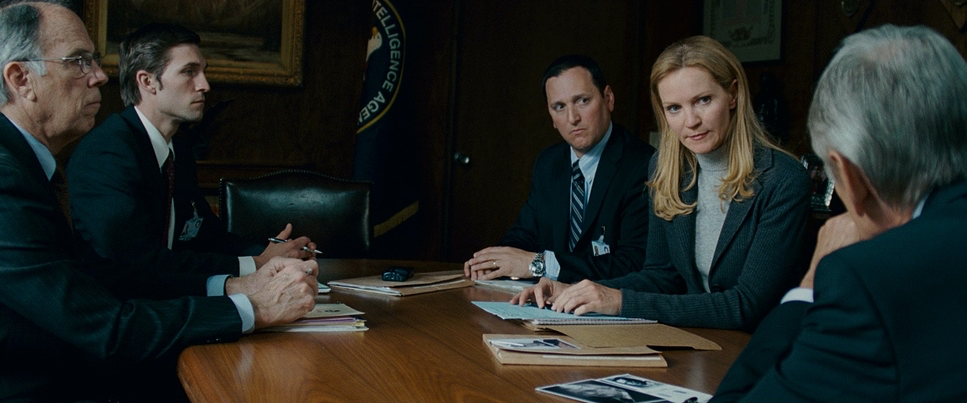
The lighting is a lesson in motivated realism. You won’t see many unjustified rim lights or “Hollywood moon” backlights here. Wood relies heavily on practicals and available light. When Bourne is in a shadowy room, the blacks are truly crushed, with only slivers of light cutting through. When he’s in a train station, the light is that specific, unflattering, cool overhead fluorescence that feels authentic to the location.
This preference for naturalistic light creates a palpable mood. Interiors often have a gritty, desaturated feel, while exteriors are stark and unforgiving. The contrast ratio is high deep blacks lend a sense of mystery, while highlights are carefully controlled. It creates a world that feels tangible and dangerous, devoid of a soft, flattering “glamour glow.”
Lensing and Blocking

Technically, the choice of glass here is fascinating. Wood paired the aggressive handheld movement with Cooke S4 lenses. This is a specific, smart choice. Cookes have a well-known “roundness” and a gentle way of rendering skin tones (the “Cooke Look”) that takes the digital edge off the high-contrast lighting.
He often favors wider focal lengths close to the actors, which exaggerates the movement and makes the audience feel uncomfortably close to the violence. For chase sequences, longer lenses compress the perspective, making the pursuit feel relentless. The blocking is equally loose; it’s not about hitting a precise “T” mark on the floor. The actors and operators dance around each other, allowing for a spontaneity that a rigid blocking scheme would kill.
Color Grading Approach
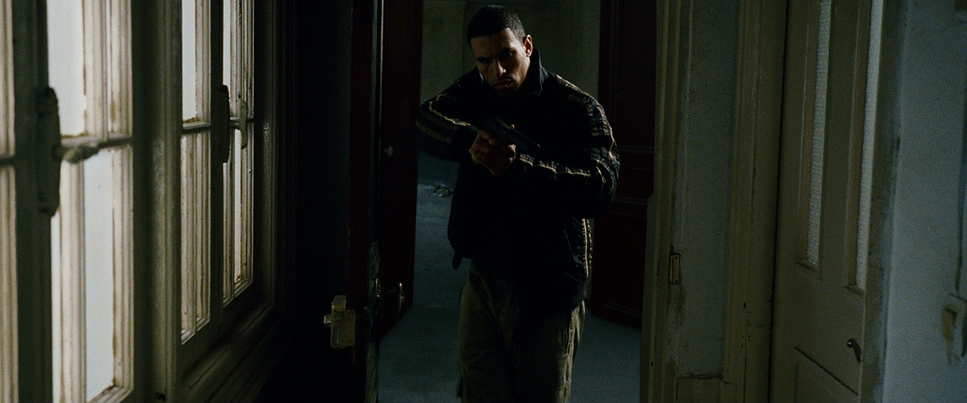
This is where I really geek out. The grade on this film, executed by Stephen Nakamura, is iconic. It’s not just “teal and orange” it’s a sophisticated emulation of a bleach-bypass look. The palette leans heavily into cool cyans, steely grays, and dirty whites.
If you look at the waveform, the blacks are dense and crushed (likely emulating the silver retention of a bleach bypass), which removes shadow detail to increase tension. The highlights often have a greenish-cyan tint, mimicking the color cast of industrial lighting. But crucially, the skin tones are protected. There is just enough warmth pushed back into the faces to keep the characters from looking like zombies, providing a human anchor in a cold world. This grade gives the film a tactile, chemical quality it feels physically processed, not just digitally tweaked.
Technical Aspects & Tools
The Bourne Ultimatum – Technical Specs
| Genre | Action, Drama, Mystery, Thriller, CIA, Crime, Political, Spy |
| Director | Paul Greengrass |
| Cinematographer | Oliver Wood |
| Production Designer | Peter Wenham |
| Costume Designer | Shay Cunliffe |
| Editor | Christopher Rouse |
| Colorist | Stephen Nakamura |
| Time Period | 2000s |
| Color | Cool, Desaturated, Cyan, White |
| Aspect Ratio | 2.39 – Super 35 |
| Format | Film – 35mm |
| Lighting | Soft light, Low contrast |
| Lighting Type | Daylight |
| Story Location | New York State > New York City |
| Filming Location | New York > New York City |
| Camera | Arri 435 / 435ES, Arricam LT |
| Lens | Cooke S4/i |
| Film Stock / Resolution | 5205/7205 Vision 2 250D, 5218/7218 Vision 2 500T |
In 2007, digital hadn’t taken over yet, and this film benefits purely from being shot on 35mm film. Wood used Arri 435 and Arricam LT cameras. This was essential for the look. They were pushing Kodak Vision 2 500T (5218) for the night and interior work, and Vision 2 250D (5205) for daylights.
Why does this matter? Dynamic range. With the harsh, naturalistic lighting, digital cameras of that era would have clipped the highlights instantly. Film allowed them to roll off those hot windows and sky details while digging into the gritty grain of the 500T stock in the shadows. The “edited very fast” pacing by Christopher Rouse was only possible because the operators, unencumbered by heavy rigs, shot mountains of coverage, giving editorial the freedom to construct that breathless rhythm.
- Also read: INTO THE WILD (2007) – CINEMATOGRAPHY ANALYSIS
- Also read: HER (2013) – CINEMATOGRAPHY ANALYSIS
Browse Our Cinematography Analysis Glossary
Explore directors, cinematographers, cameras, lenses, lighting styles, genres, and the visual techniques that shape iconic films.
Explore Glossary →