Denis Villeneuve’s Sicario is different. Lensed by Roger Deakins, it’s a film that lodges itself in your creative consciousness. It’s a masterclass in how cinematography can transcend mere aesthetics to become an oppressive, visceral force. This isn’t just a movie you watch; it’s one you feel in your bones.
About the Cinematographer
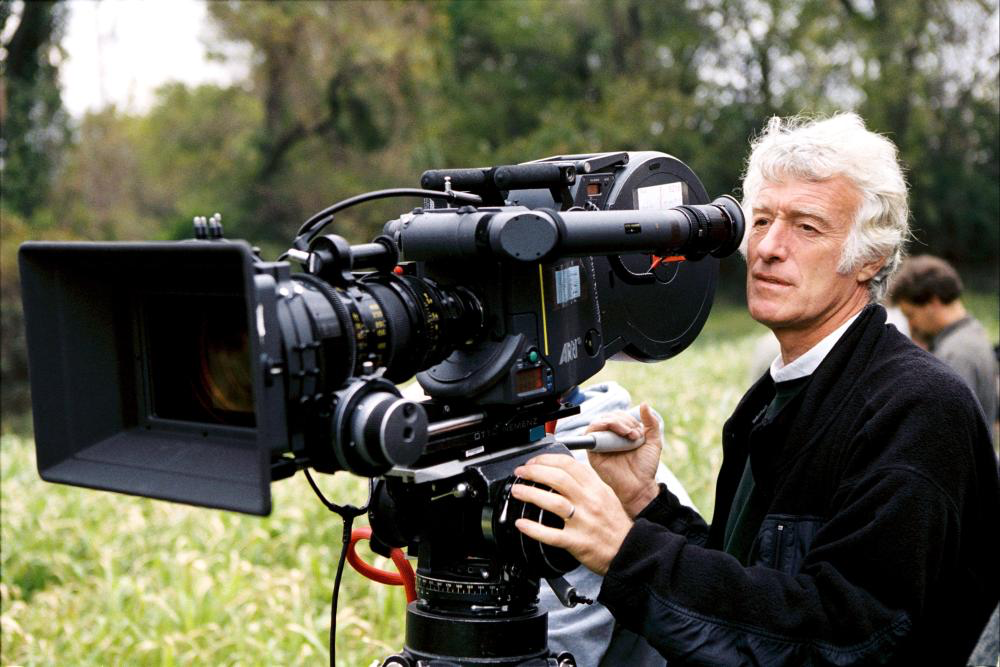
To talk about Sicario is to talk about Roger Deakins. In our field, he’s the gold standard a true visionary who manages to make the frame feel alive by stripping away everything that doesn’t matter. His previous collaborations with Villeneuve on Prisoners and Enemy set a high bar, but Sicario feels like their most potent synergy. Deakins has this singular ability to find a brutal honesty in a shot. He doesn’t hide behind “pretty” pictures; he uses the camera to craft a morally ambiguous world that seeps into the viewer.
Technical Aspects & Tools
Sicario (2015) — Technical Specifications
| Genre | Action, Crime, Drama, Mystery, Thriller, CIA, FBI, Contemporary Western, Western, Political, Epic, Police, Neo-Noir |
| Director | Denis Villeneuve |
| Cinematographer | Roger Deakins |
| Production Designer | Patrice Vermette |
| Costume Designer | Renée April |
| Editor | Joe Walker |
| Colorist | Mitch Paulson |
| Time Period | 2010s |
| Color | Warm, Desaturated |
| Aspect Ratio | 2.39 – Spherical |
| Format | Digital |
| Lighting | Side light |
| Lighting Type | Daylight, Artificial light, Tungsten |
| Story Location | Arizona > Phoenix |
| Camera | ARRI ALEXA XT / XTplus, ARRI ALEXA M |
| Lens | Zeiss Master Primes |
| Film Stock / Resolution | 3.2K / 3.2K ArriRaw, ARRIRAW (3.4k) |
When you look at the technical bones of Sicario, you see a very deliberate choice of tools. Deakins shot this predominantly on the ARRI Alexa XT. For a film that relies so heavily on low-light integrity, the Alexa’s dynamic range was essential. It’s what allowed him to capture those rich shadows without losing the texture of the world.
For glass, he went with Zeiss Master Primes. As a colorist, I love these lenses because they are “clinically perfect” fast, sharp, and remarkably clean. They don’t offer the nostalgic flare of vintage glass, and that’s exactly the point. The Master Primes provided a clarity that contrasted perfectly with the moral murkiness of the cartel war. In post, working with the 3.2K ArriRaw files, the team (including colorist Mitch Paulson) was able to maintain a photographic, film-like roll-off that never feels “digital.”
Inspiration Behind the Cinematography
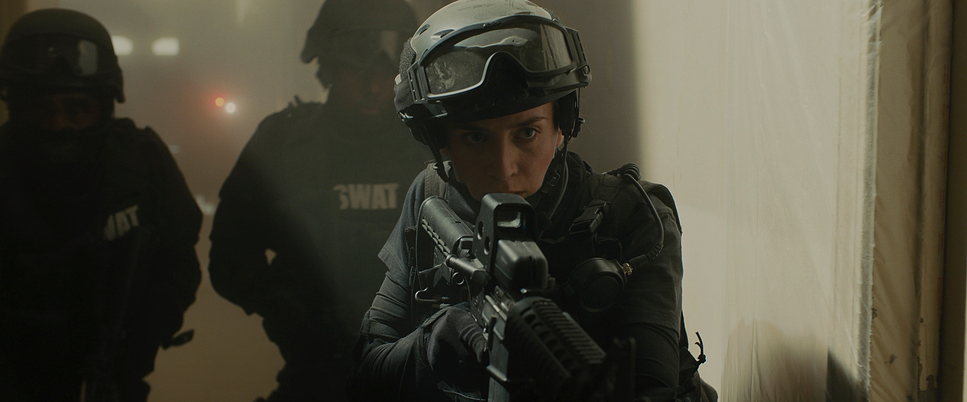
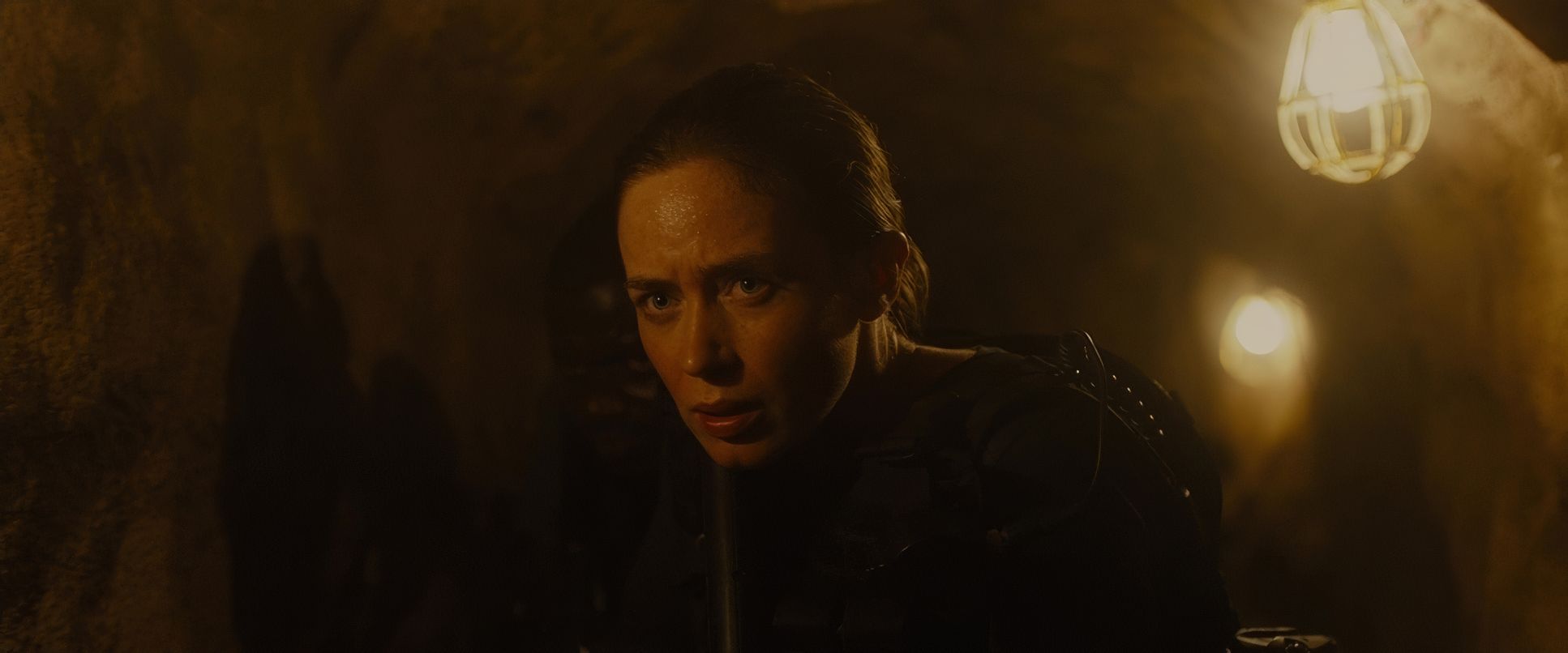
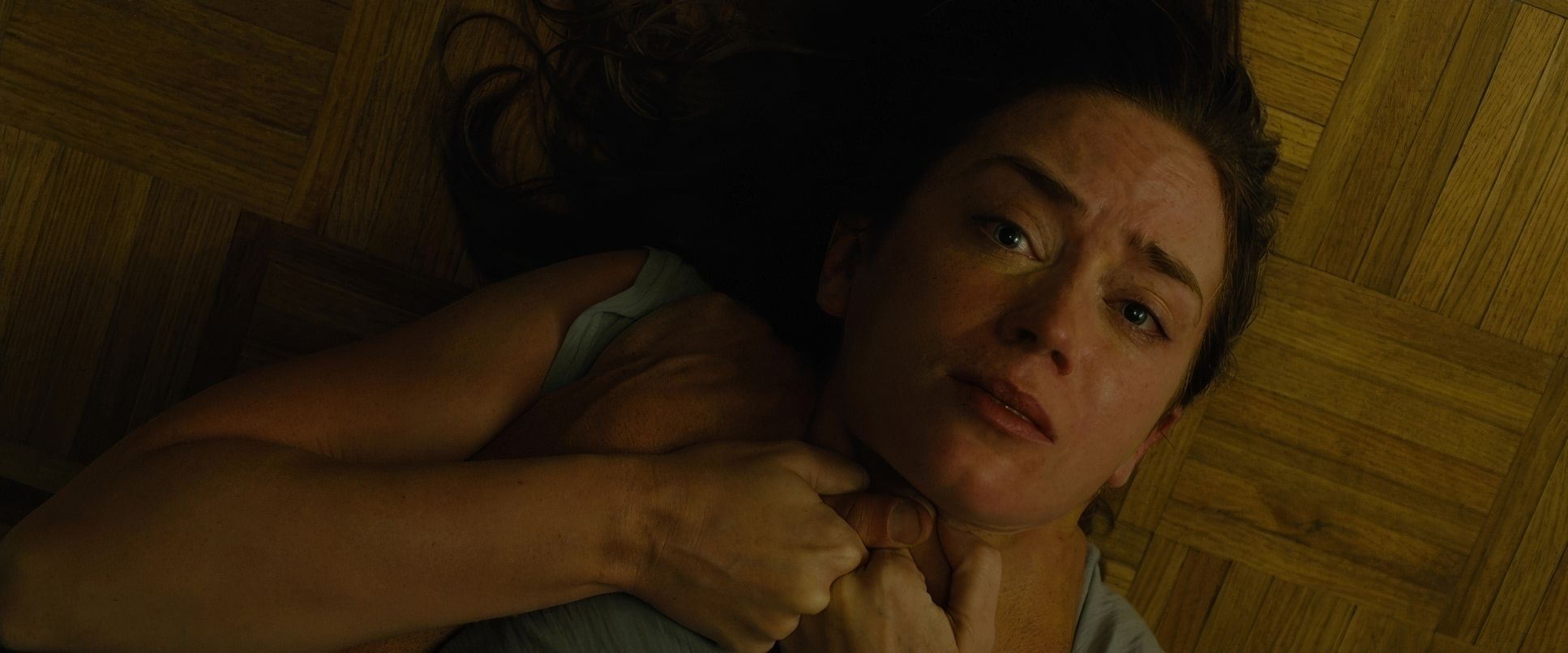
The visual philosophy here isn’t about beauty; it’s about a world with “no hope.” Deakins and Villeneuve wanted to create a grimy, dirty environment that makes you want to take a shower after the credits roll. Everything is filtered through the eyes of Kate Macer (Emily Blunt). She’s an FBI agent left in the dark, perpetually out of her depth. The inspiration was clearly a raw, almost documentarian realism depicting a clandestine war without the usual Hollywood embellishments. It’s a visual “squeeze,” much like a coiled snake, where the unseen is just as terrifying as what’s on screen.
Lighting Style
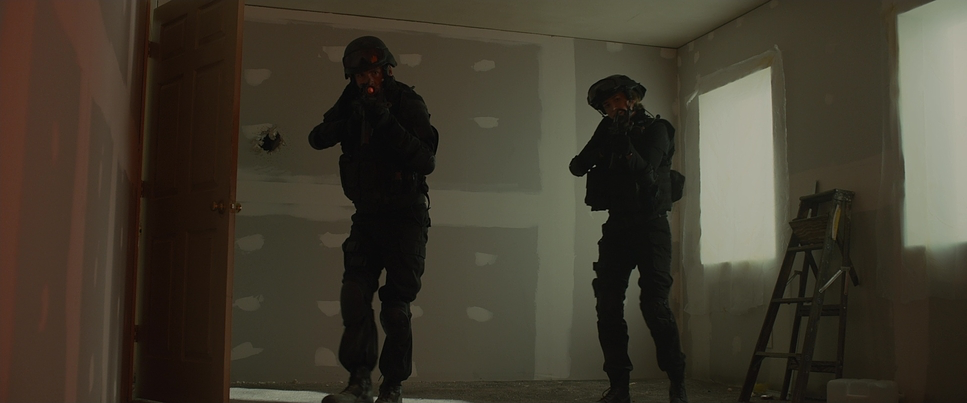
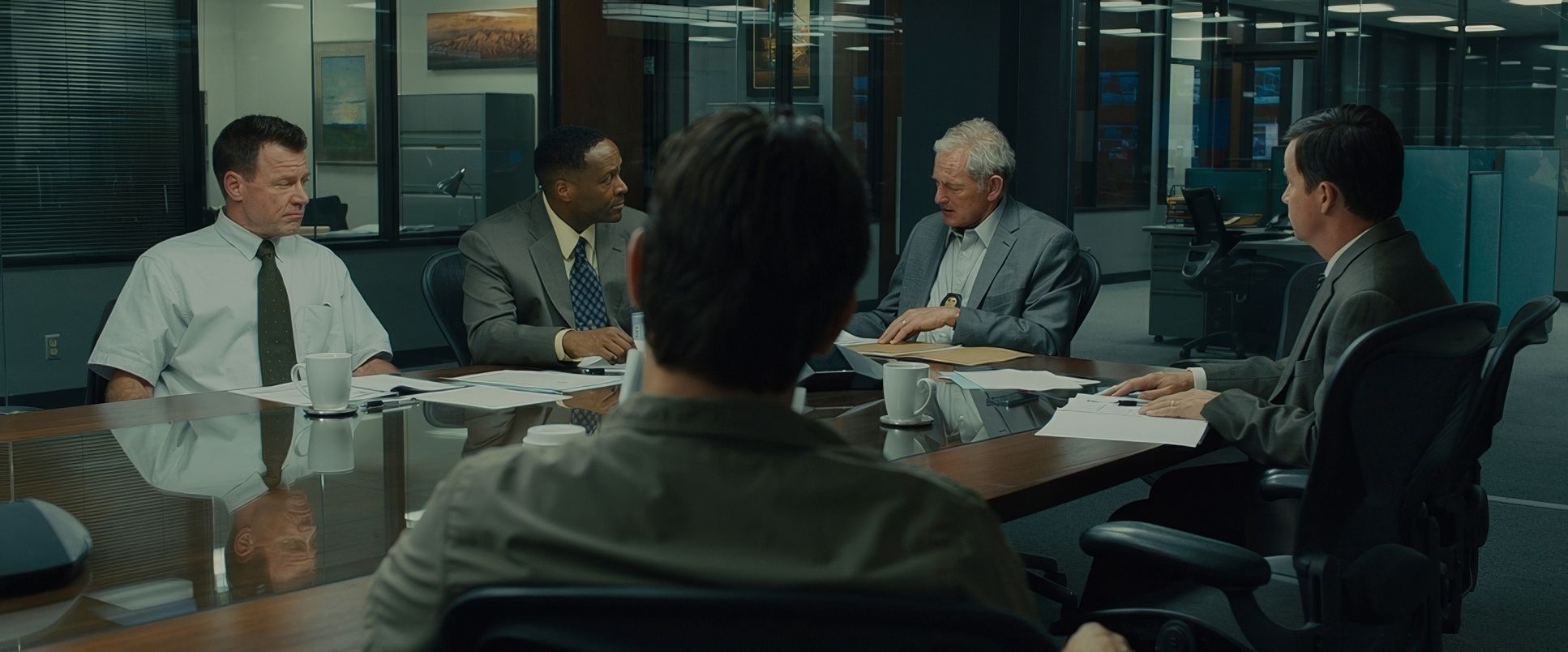
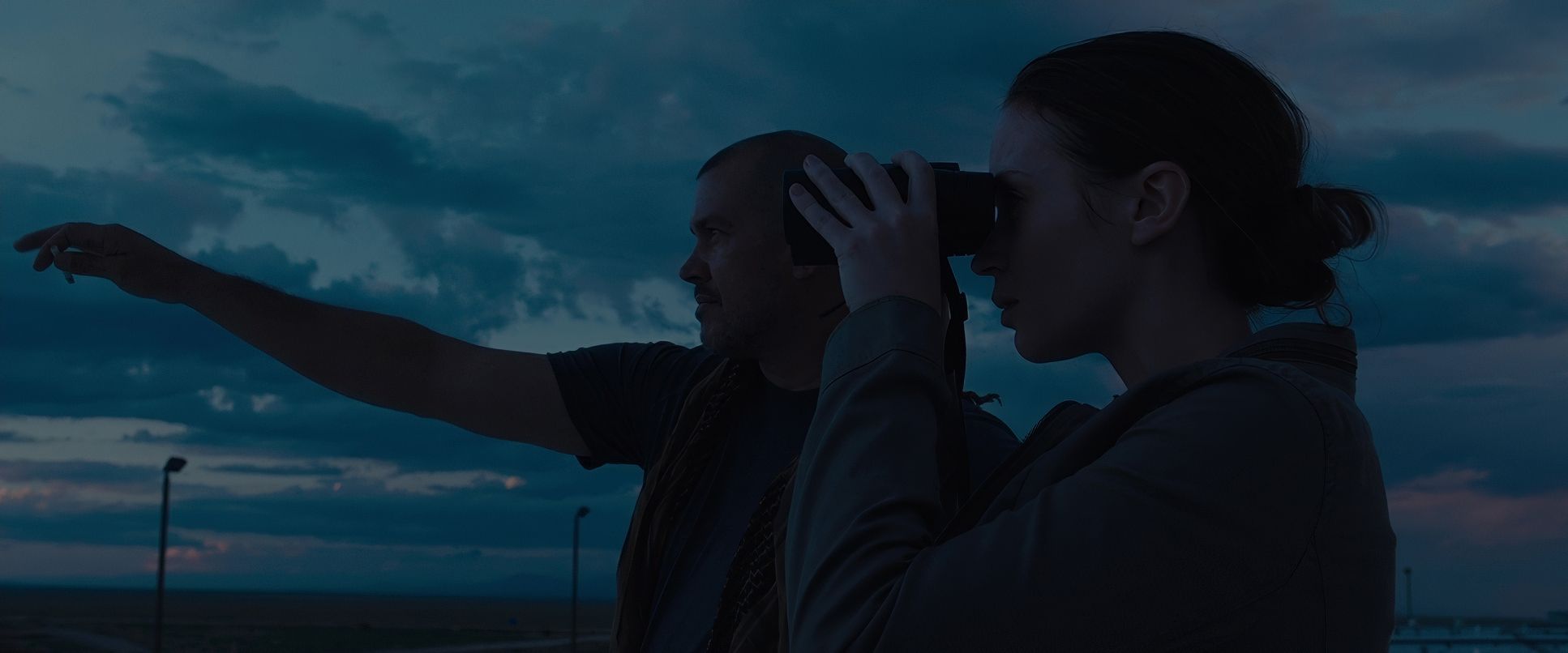
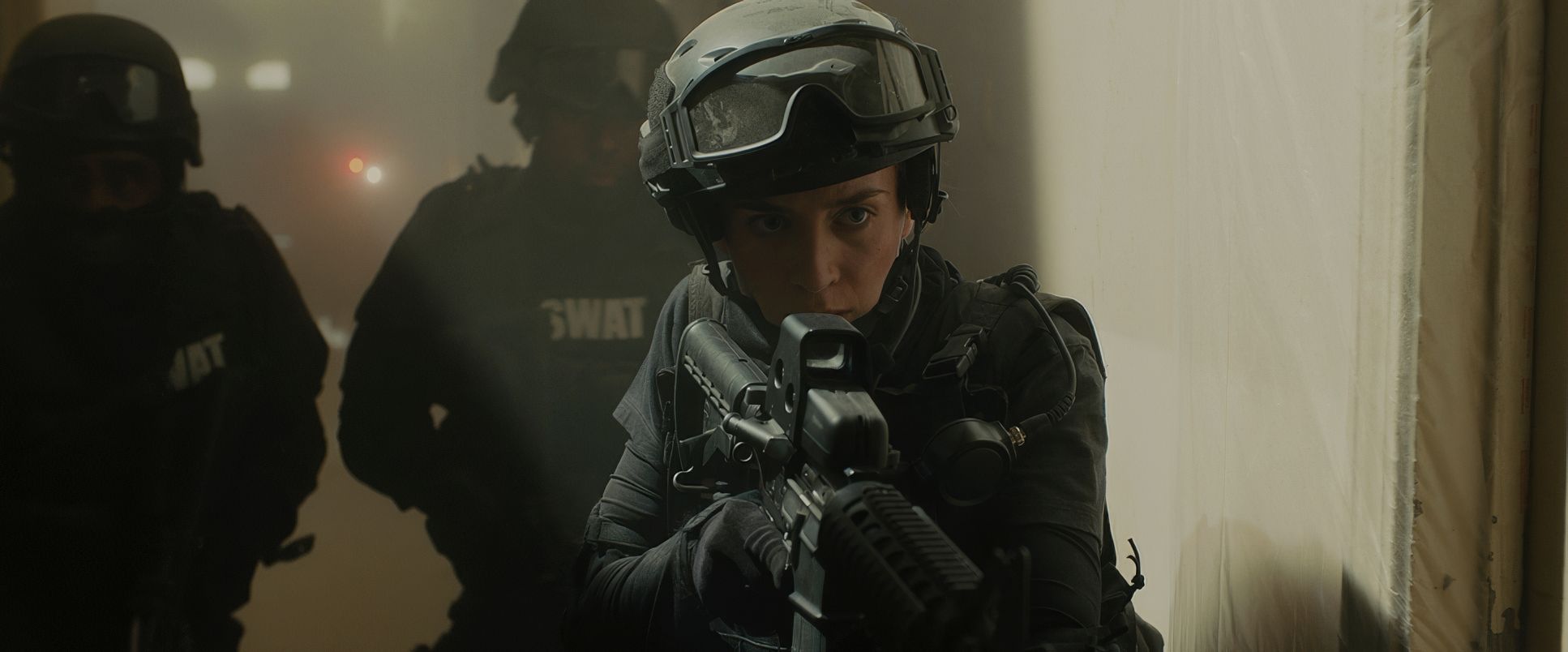
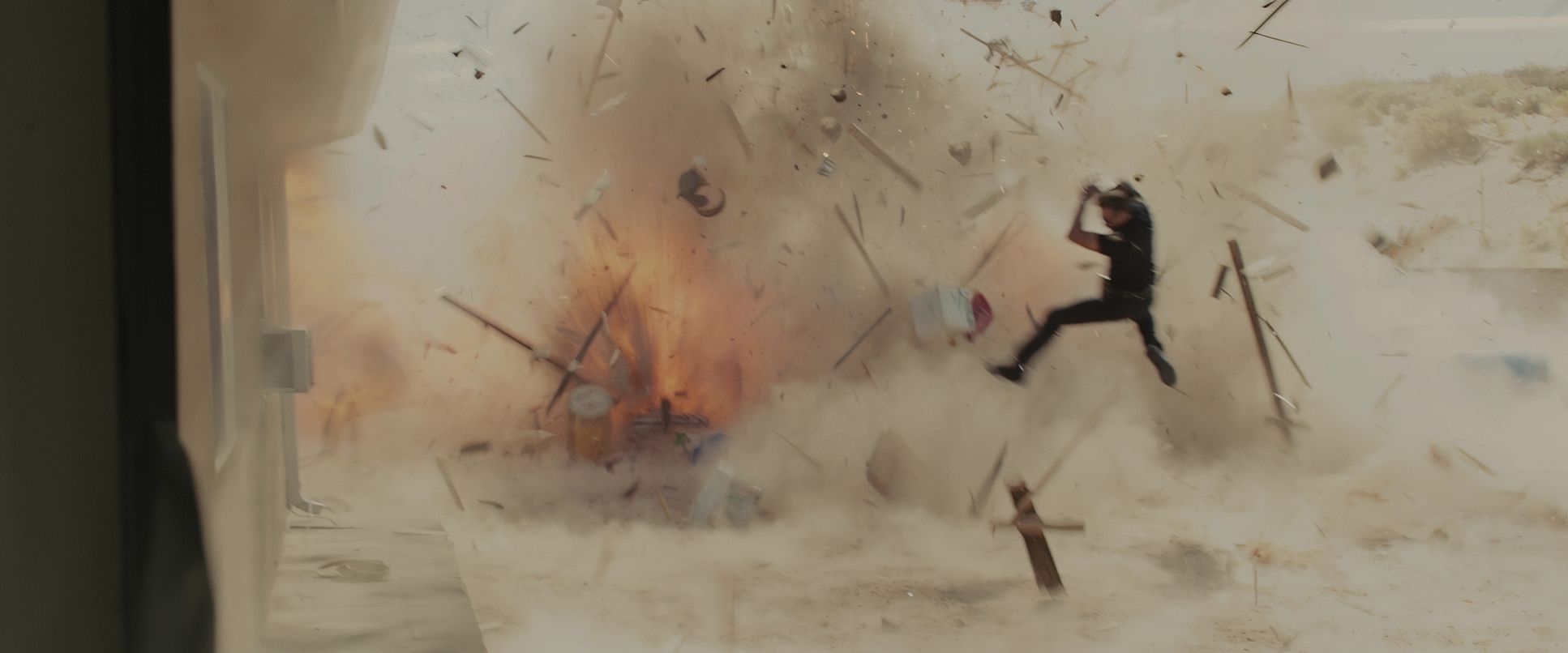
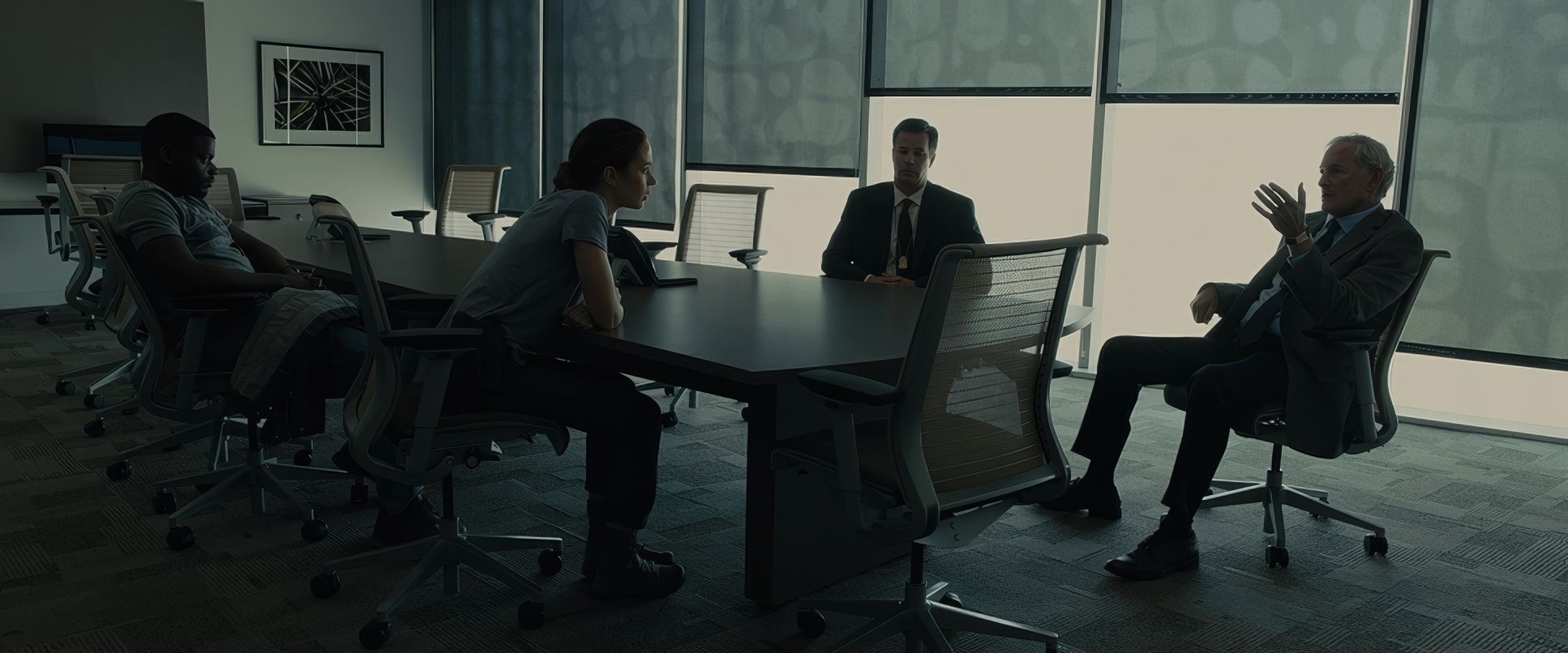
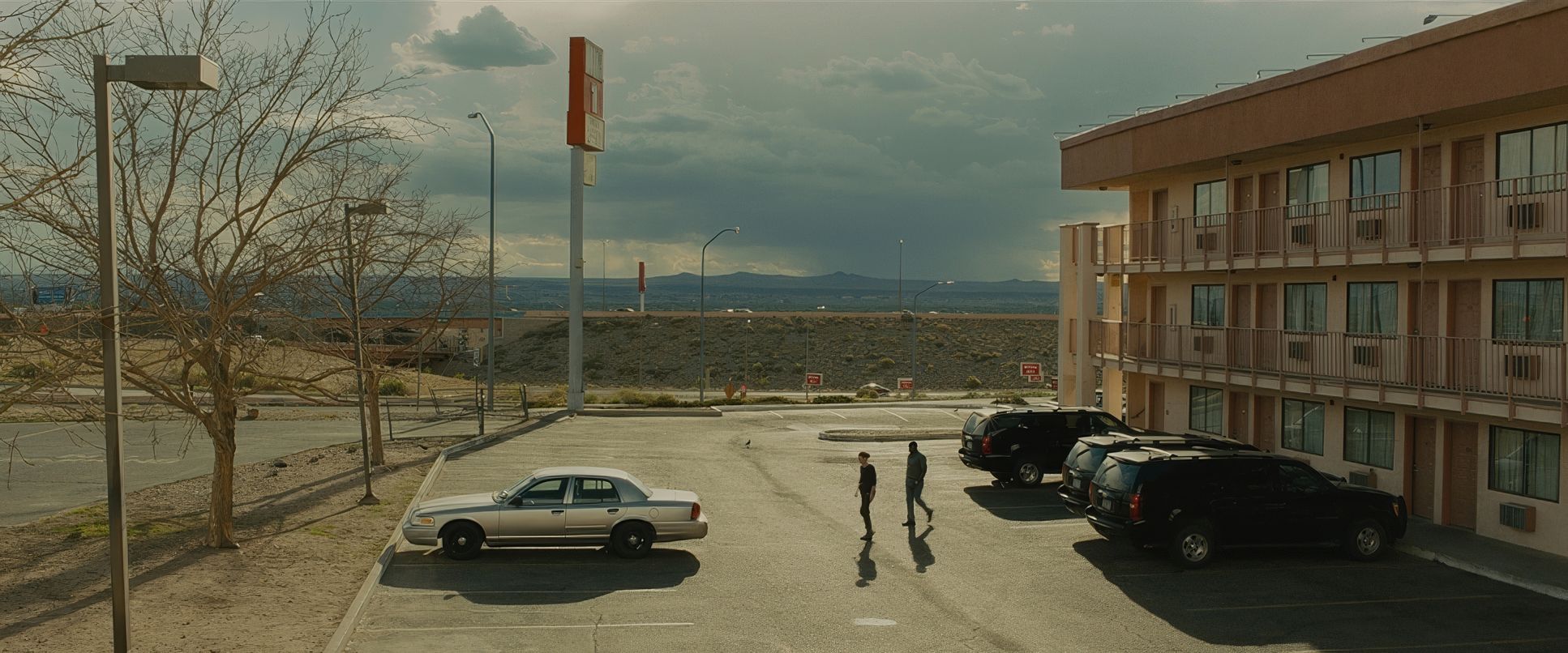
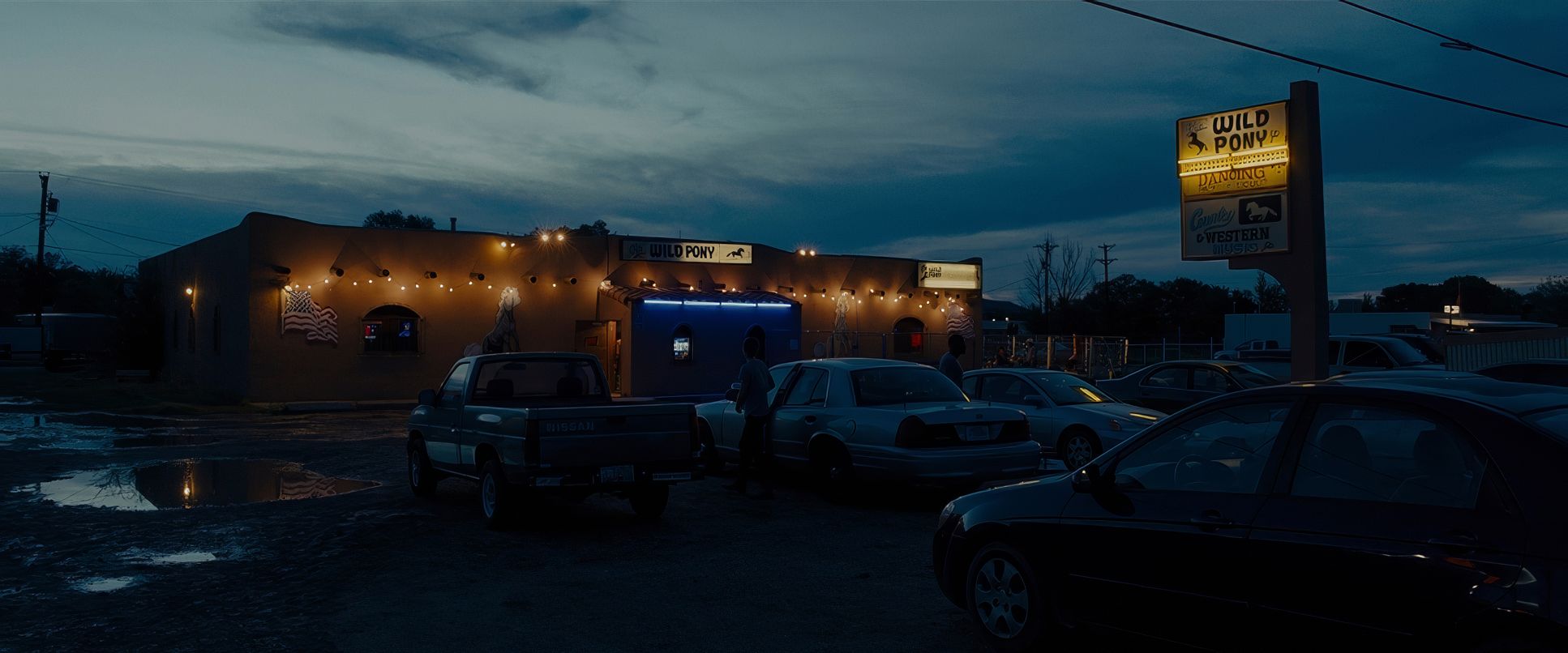
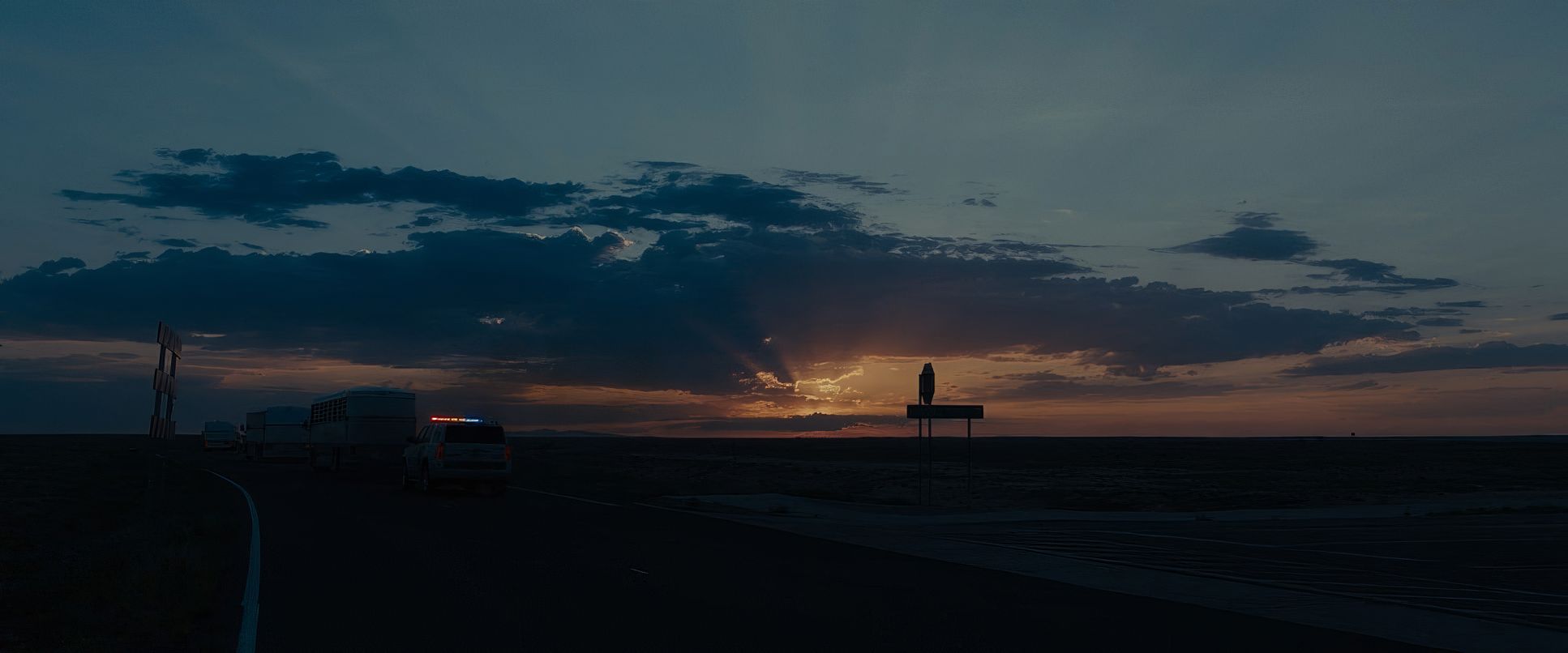
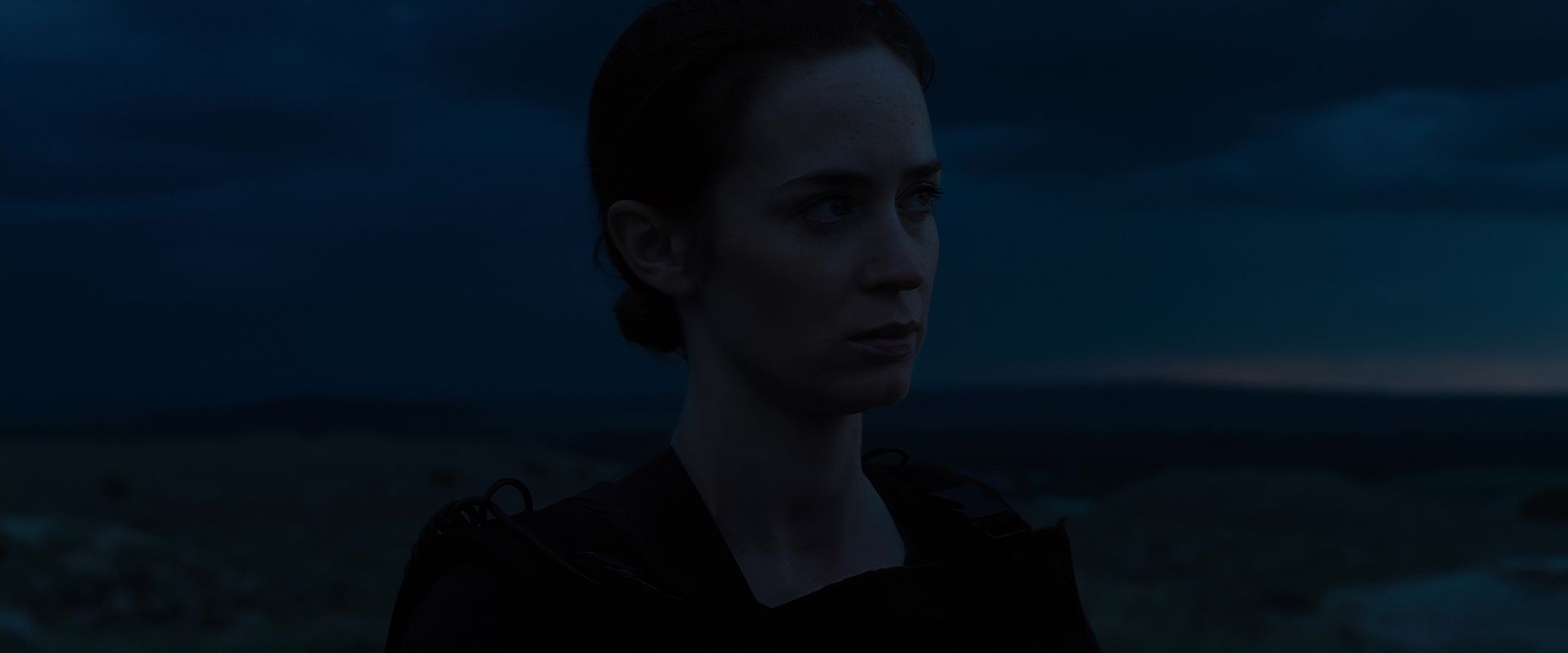
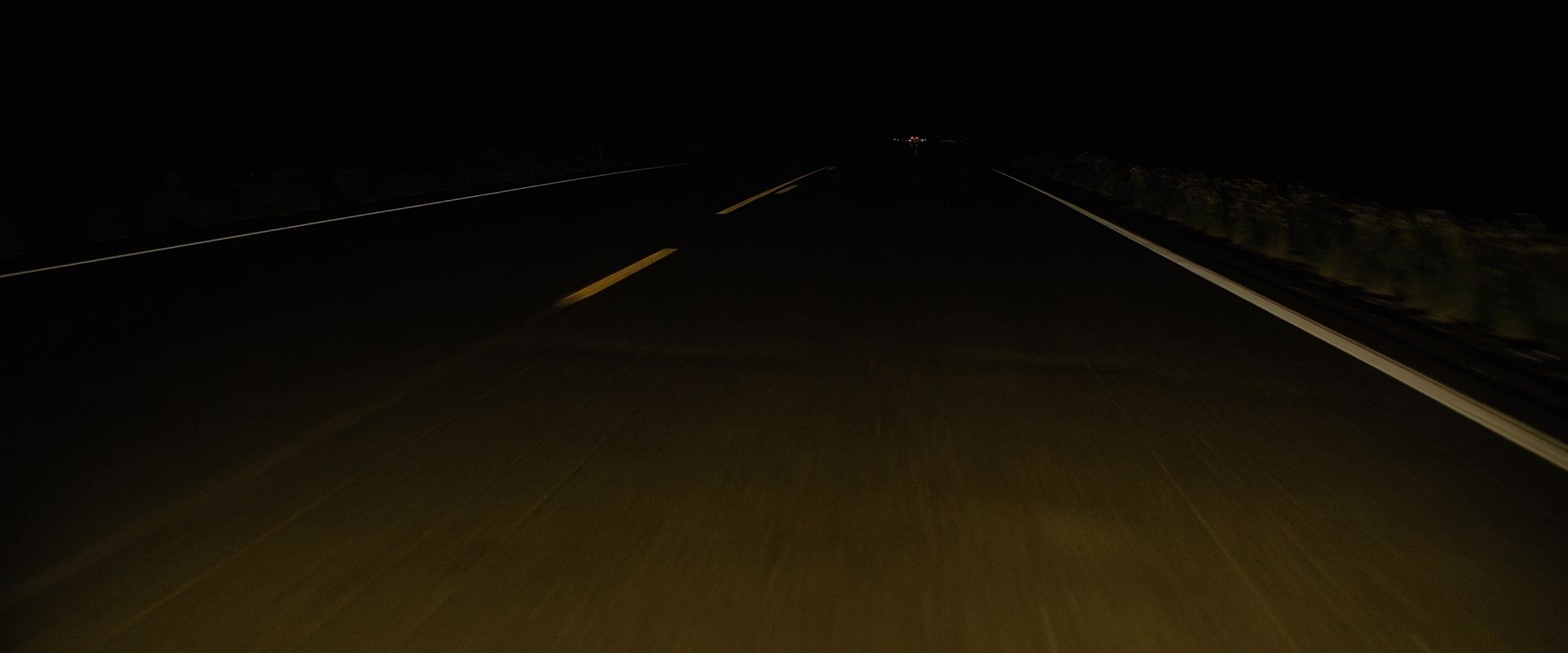
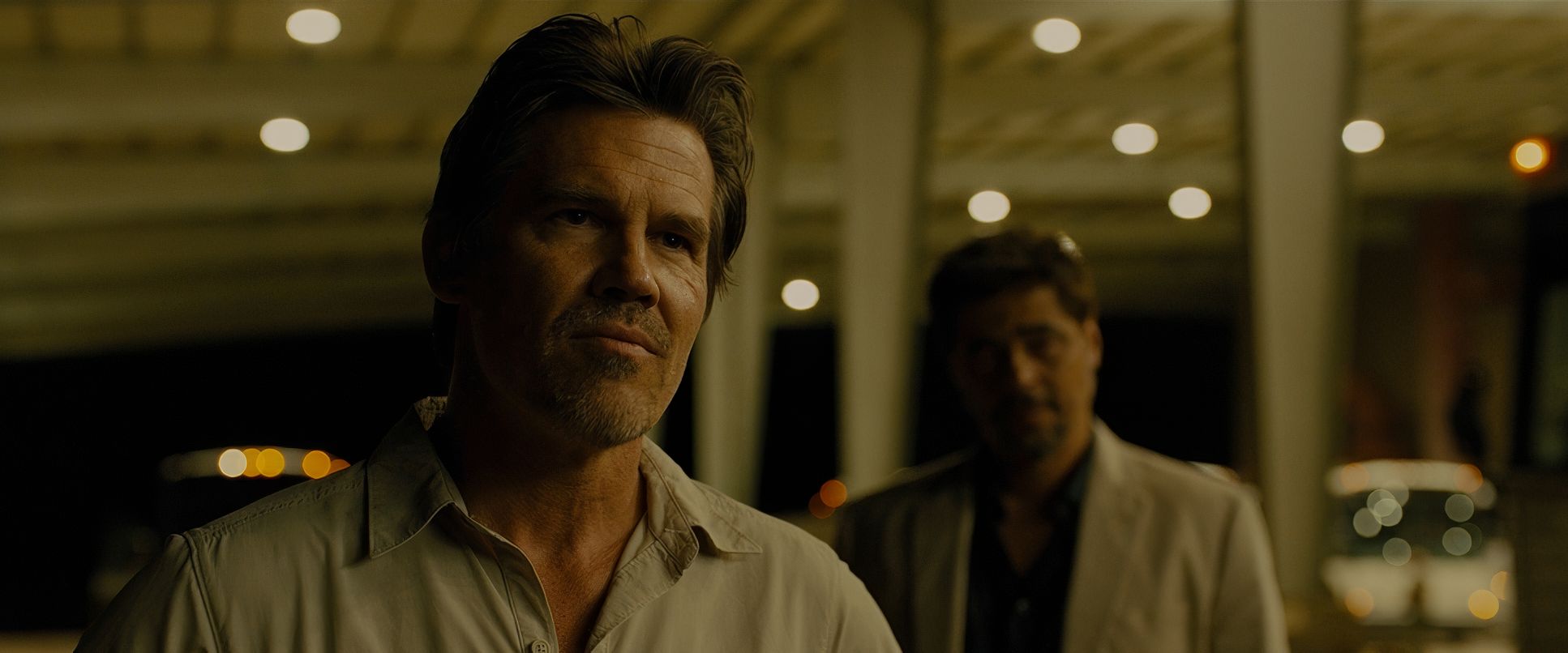
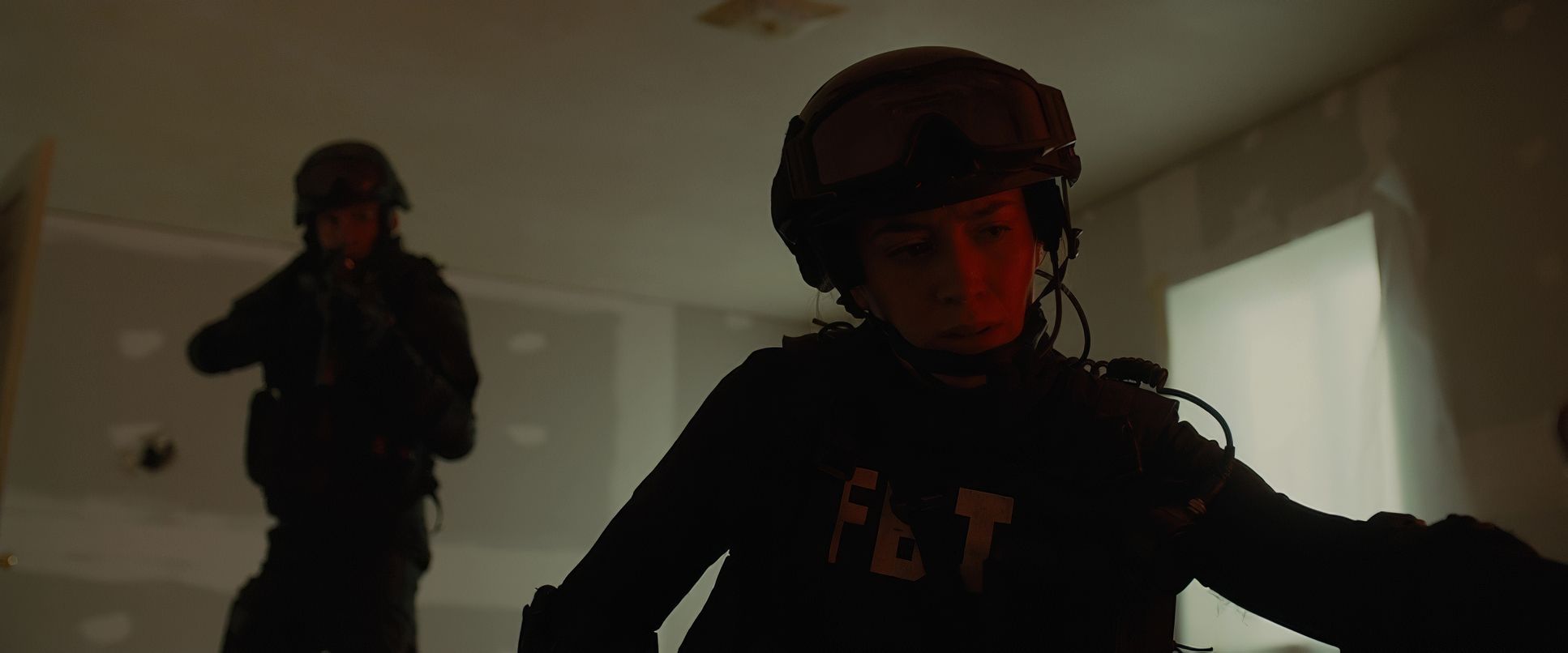
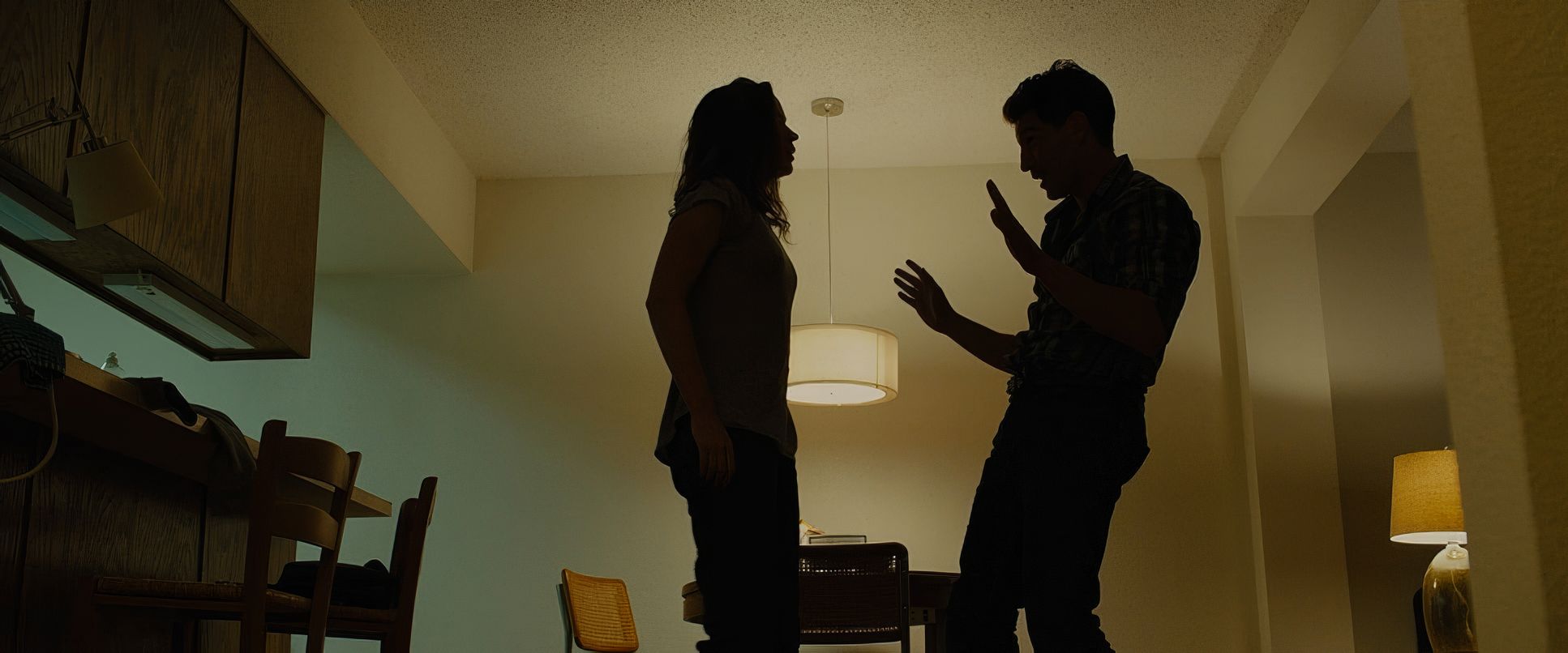
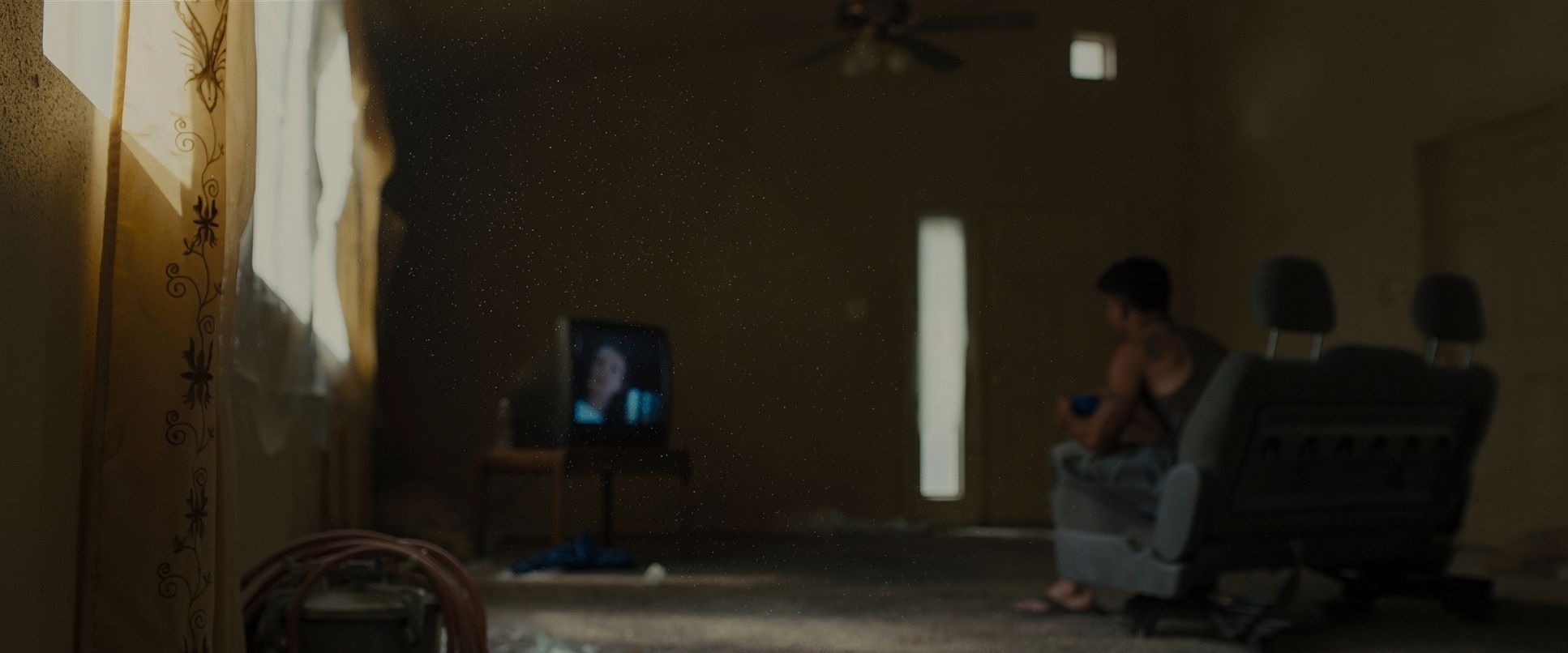
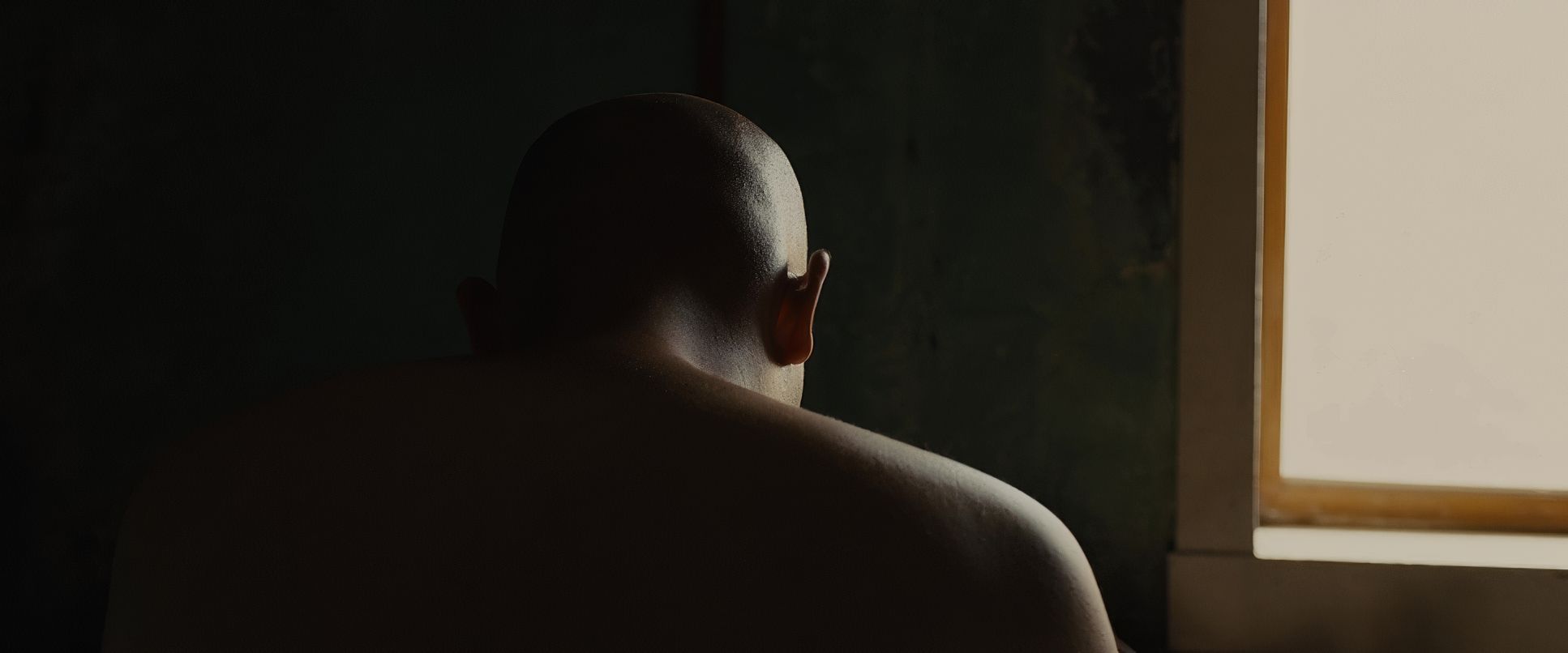
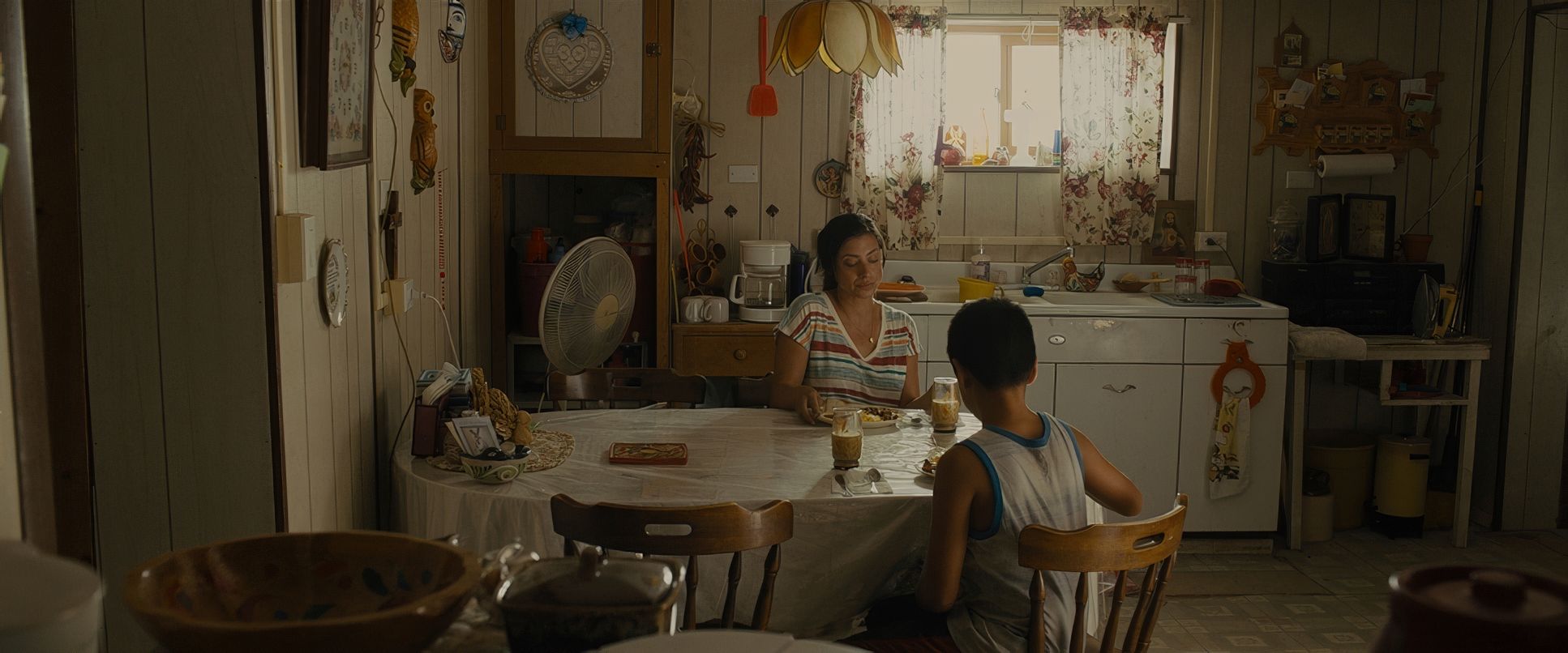
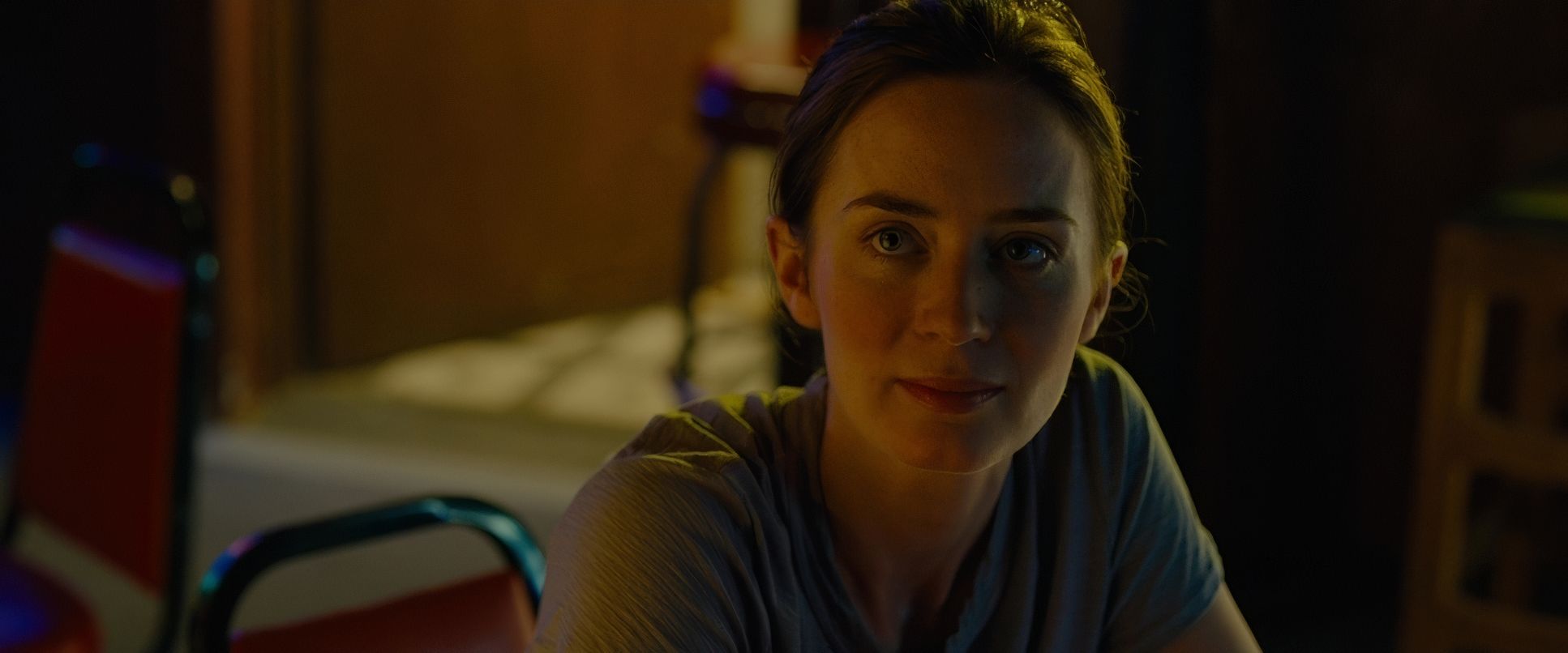
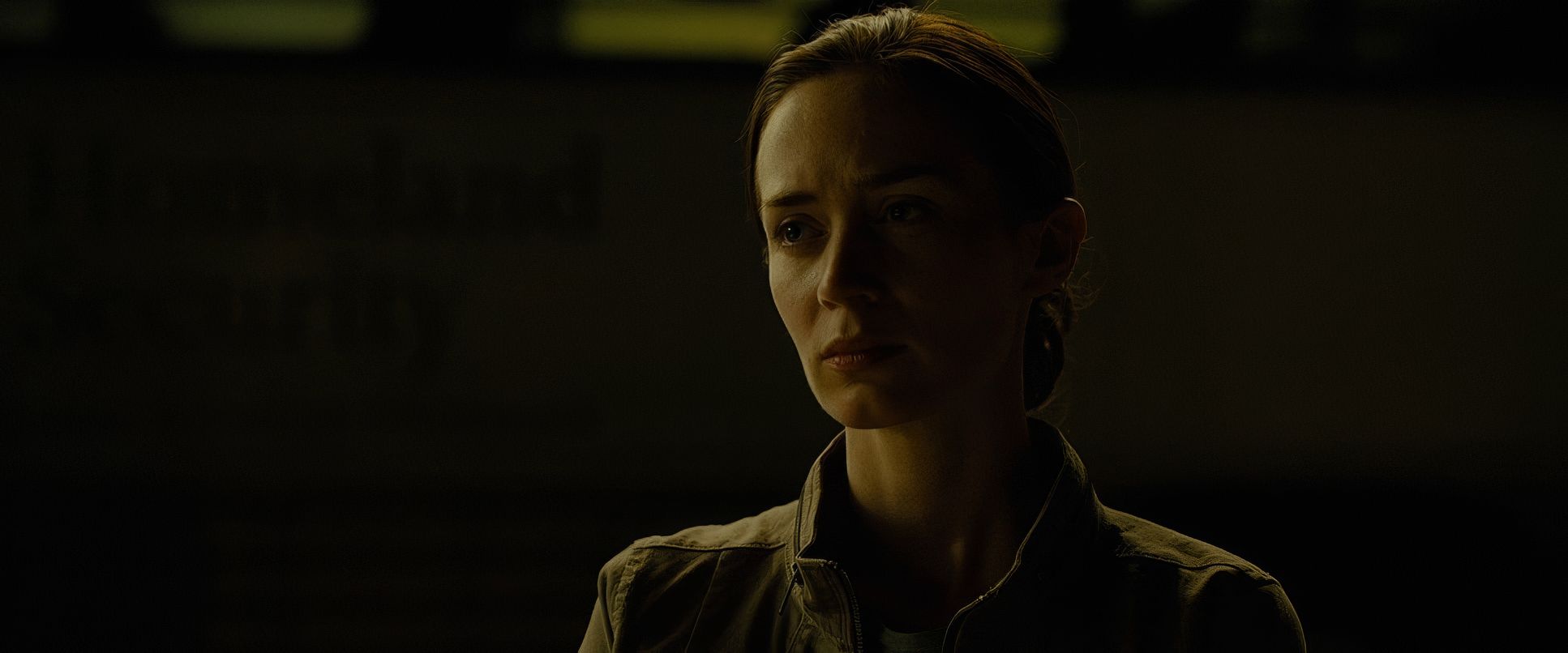
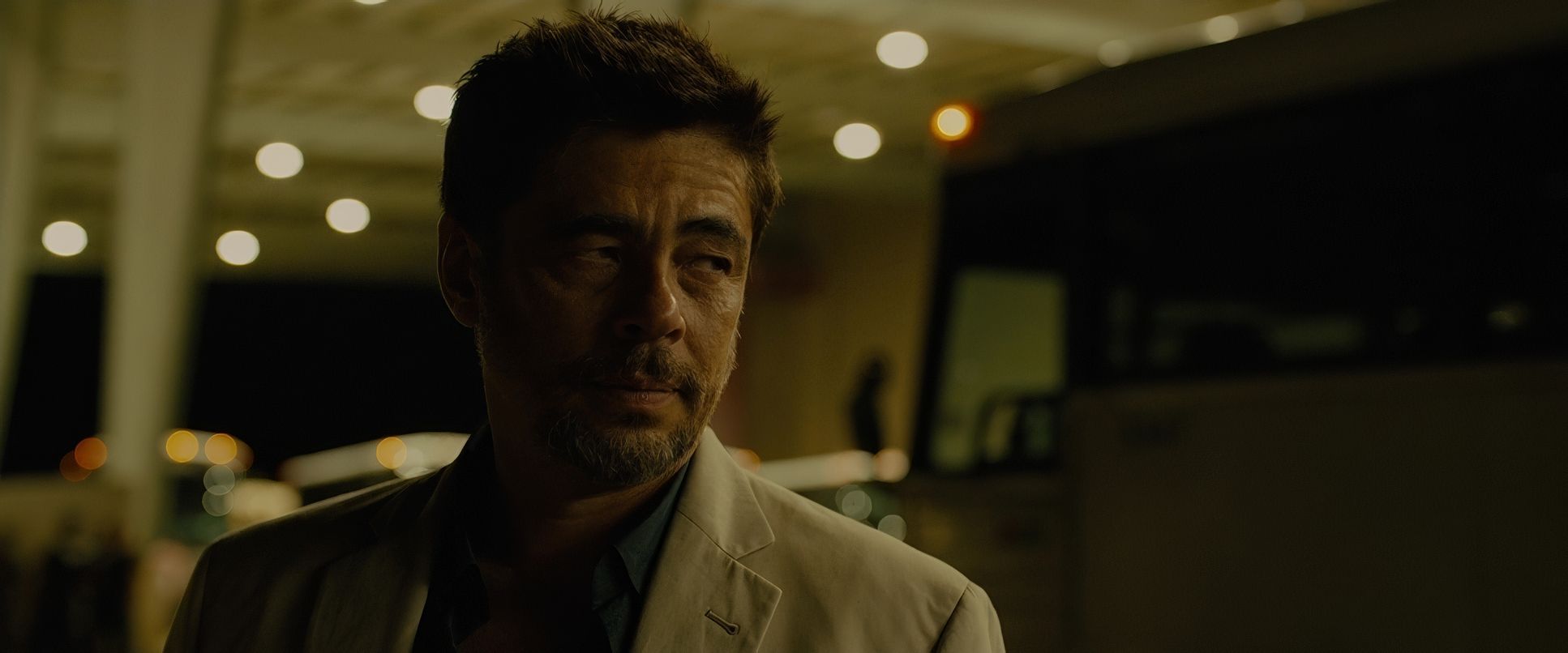
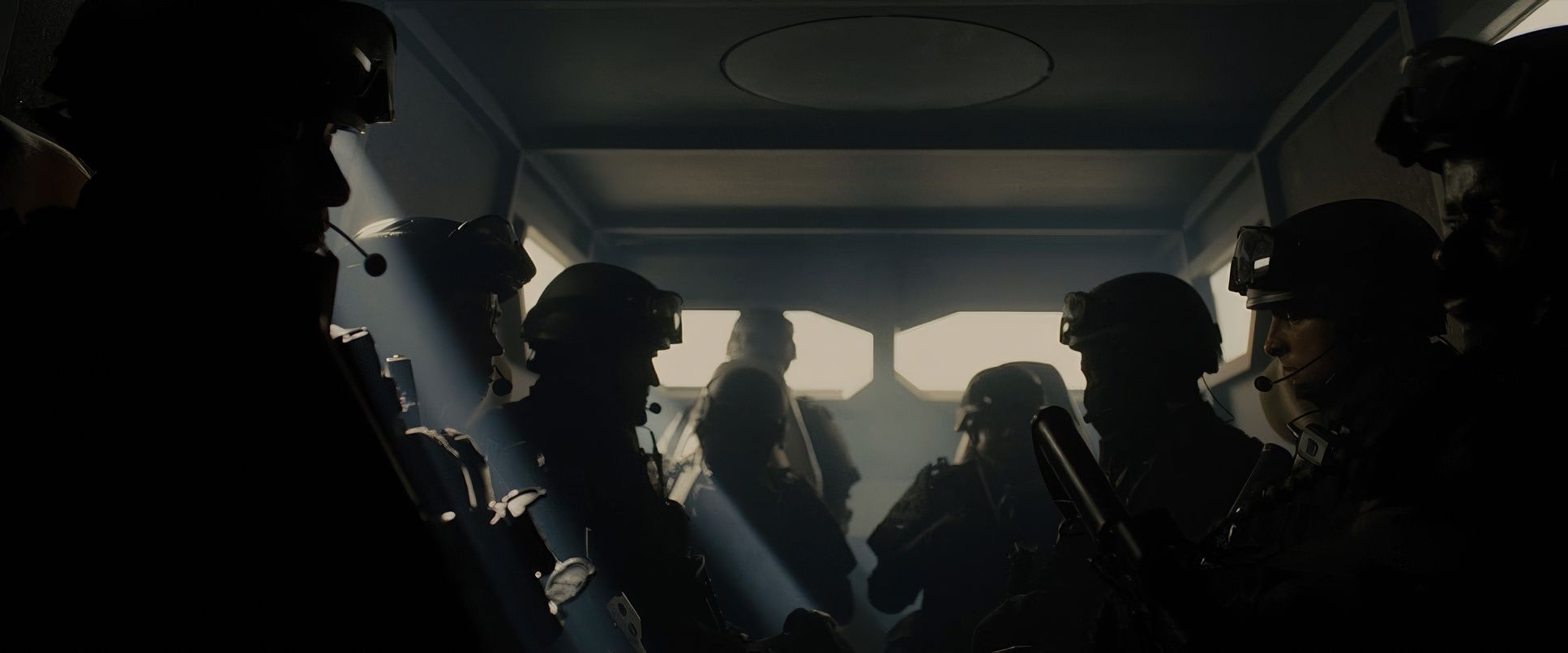
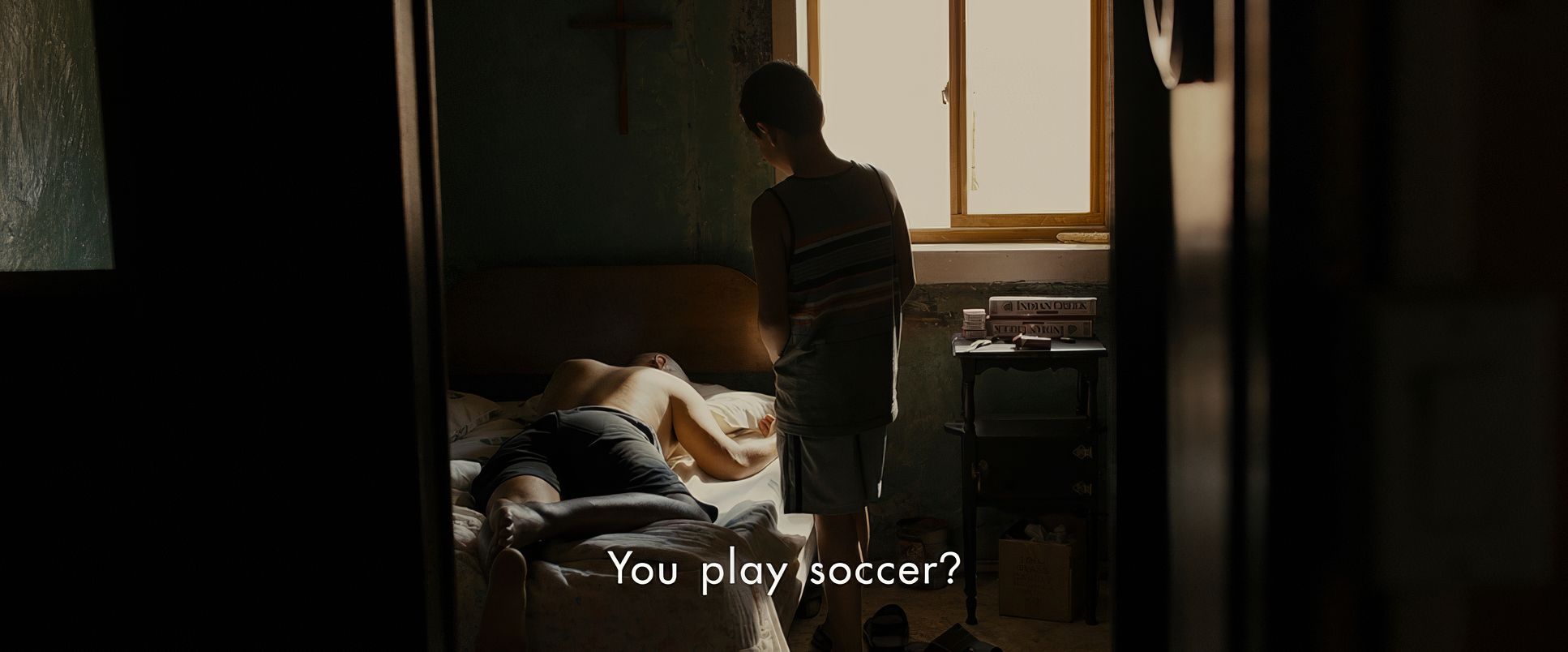
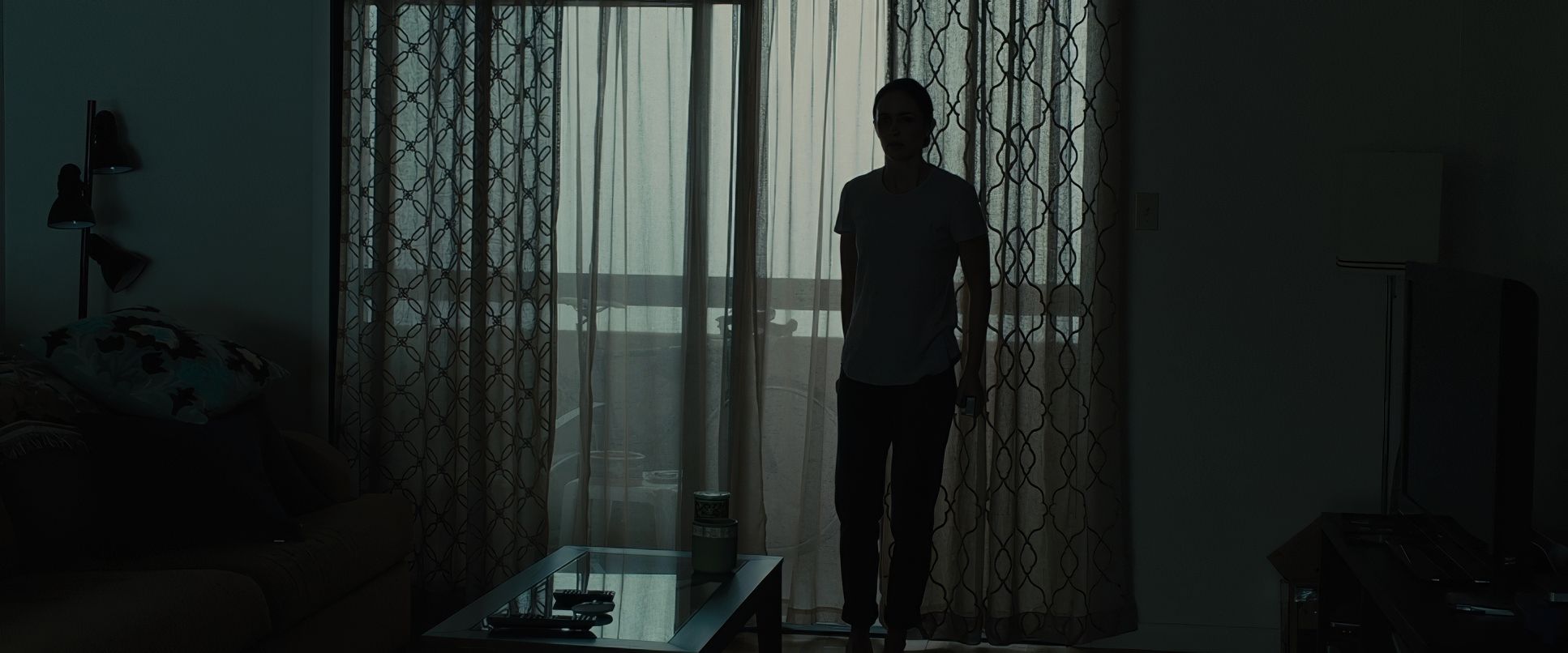
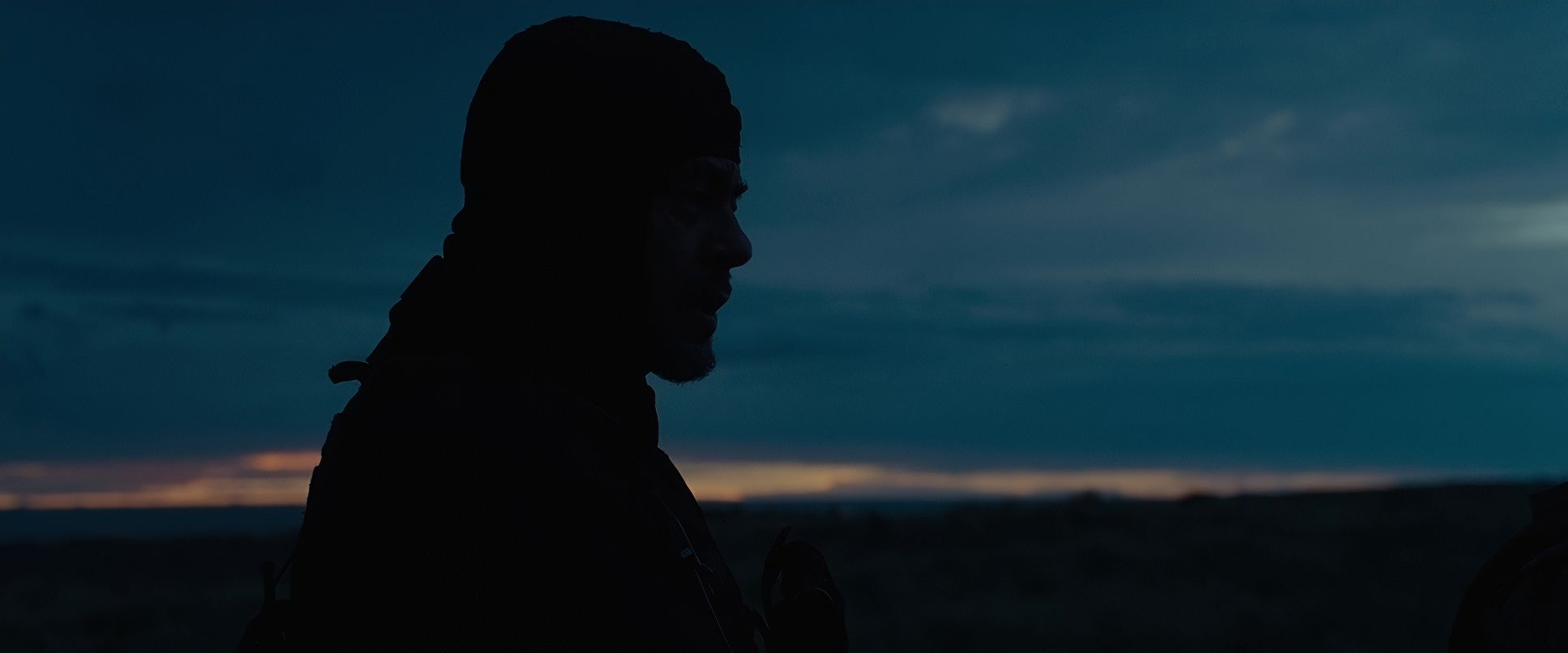
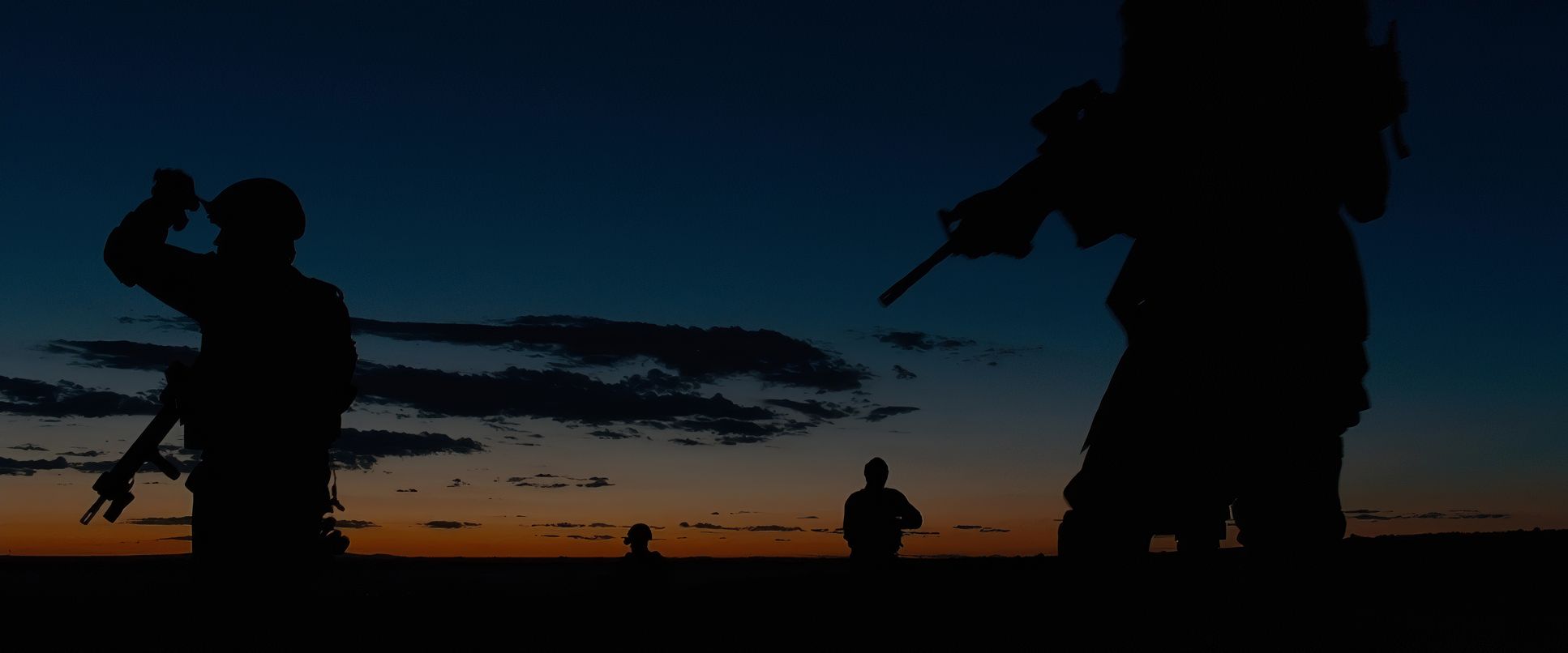
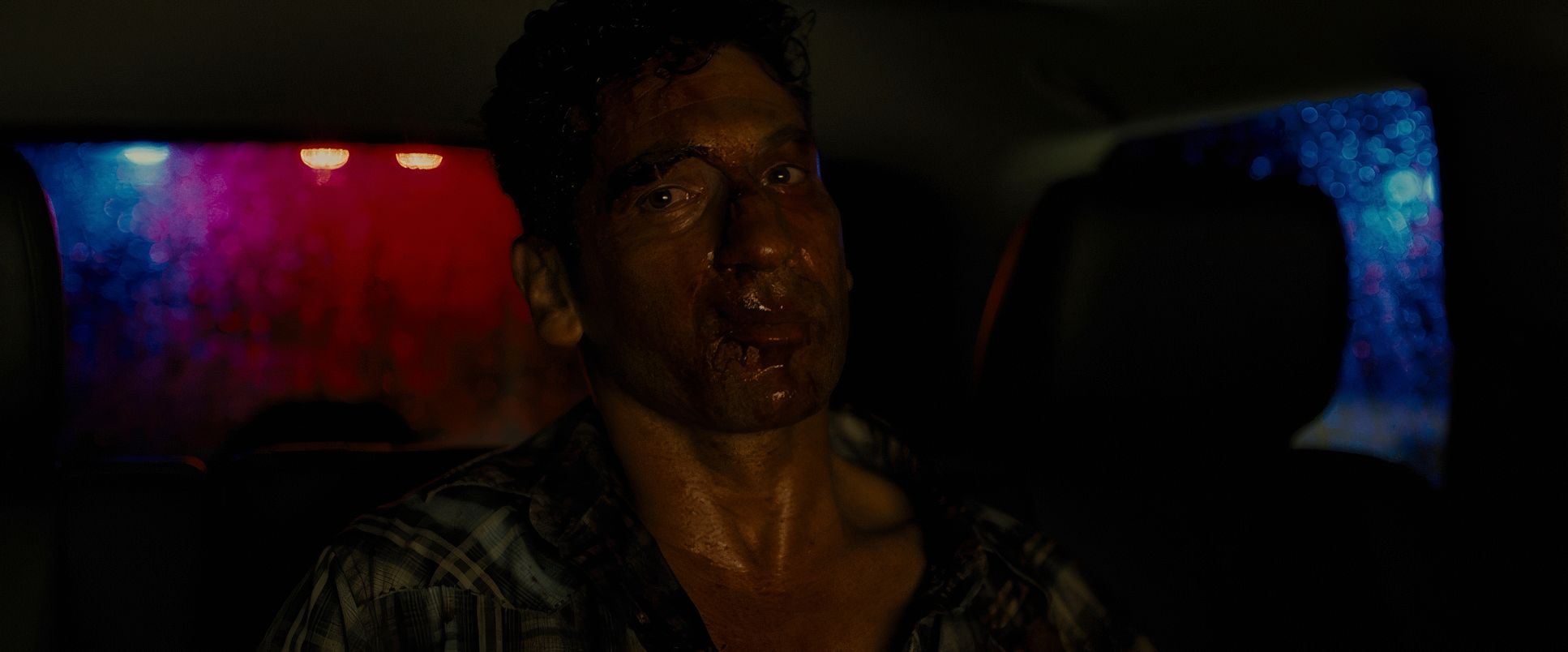
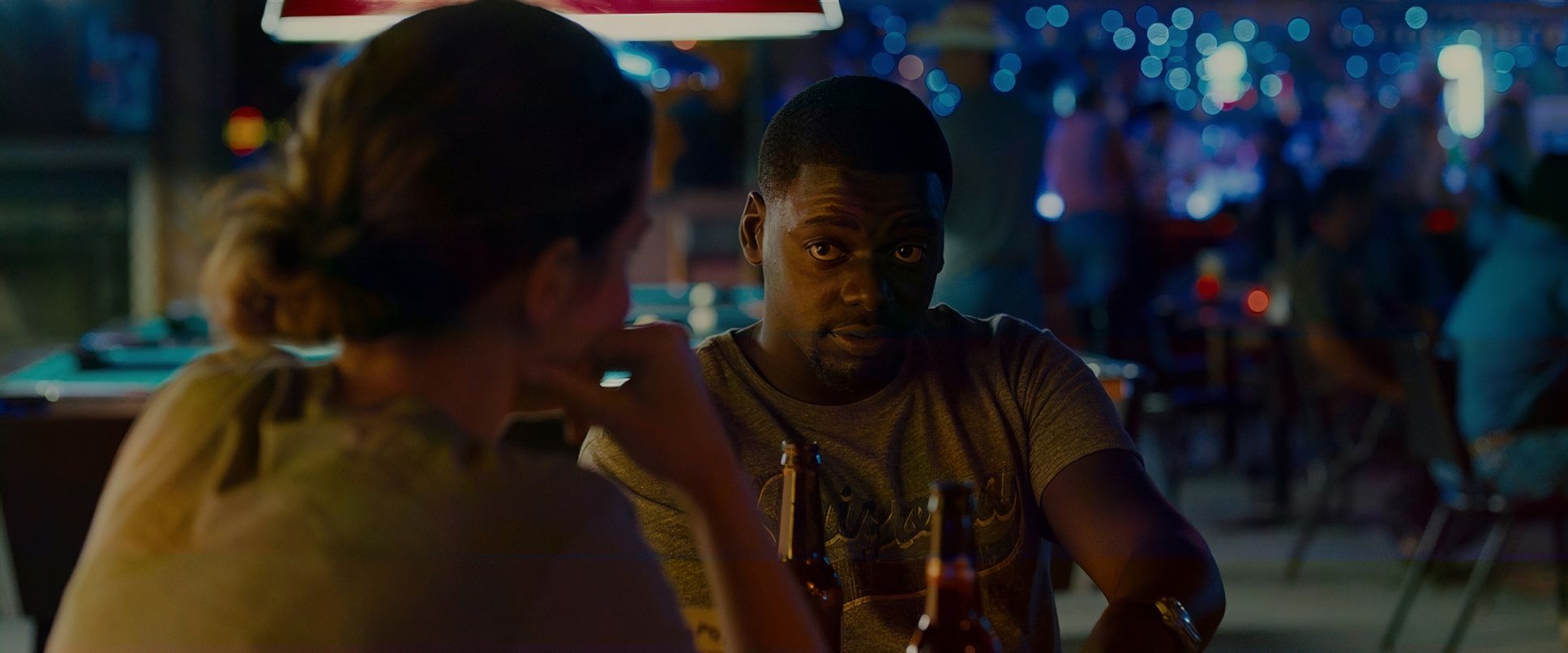
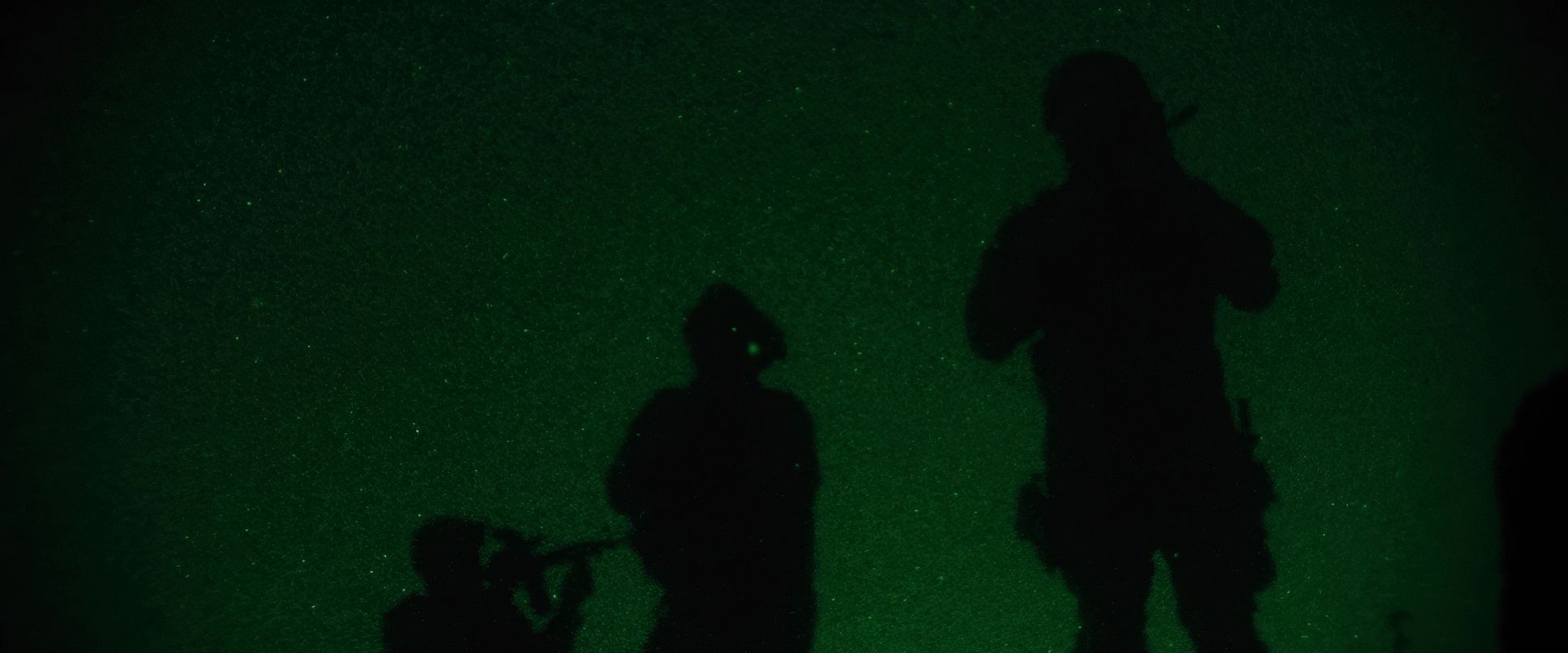
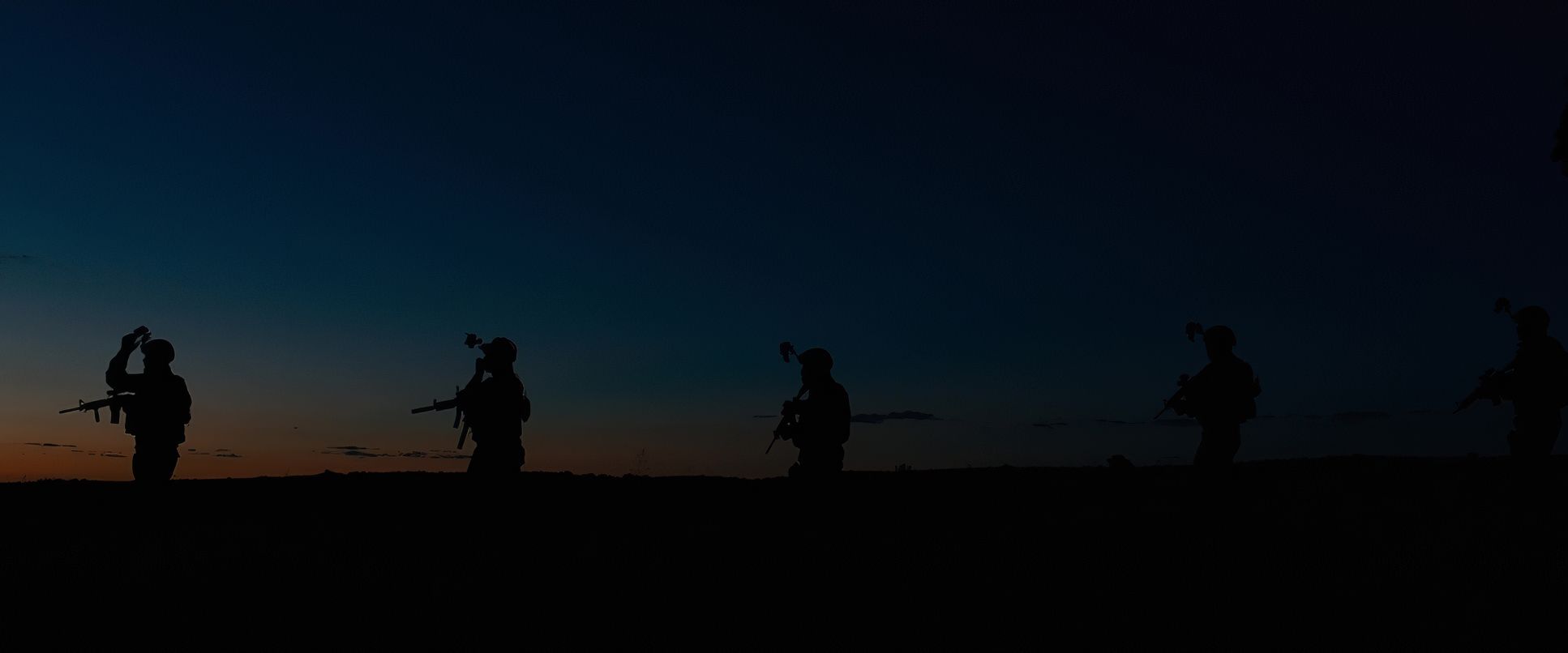
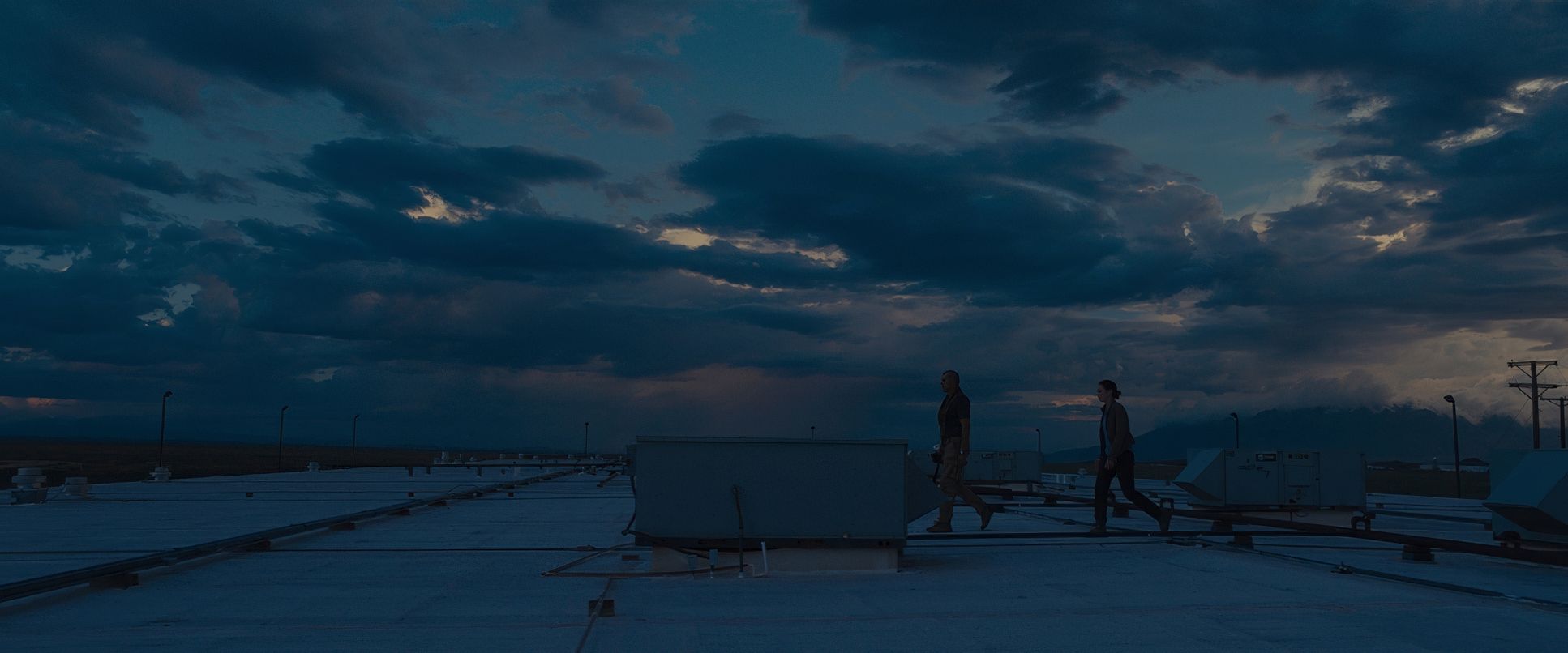
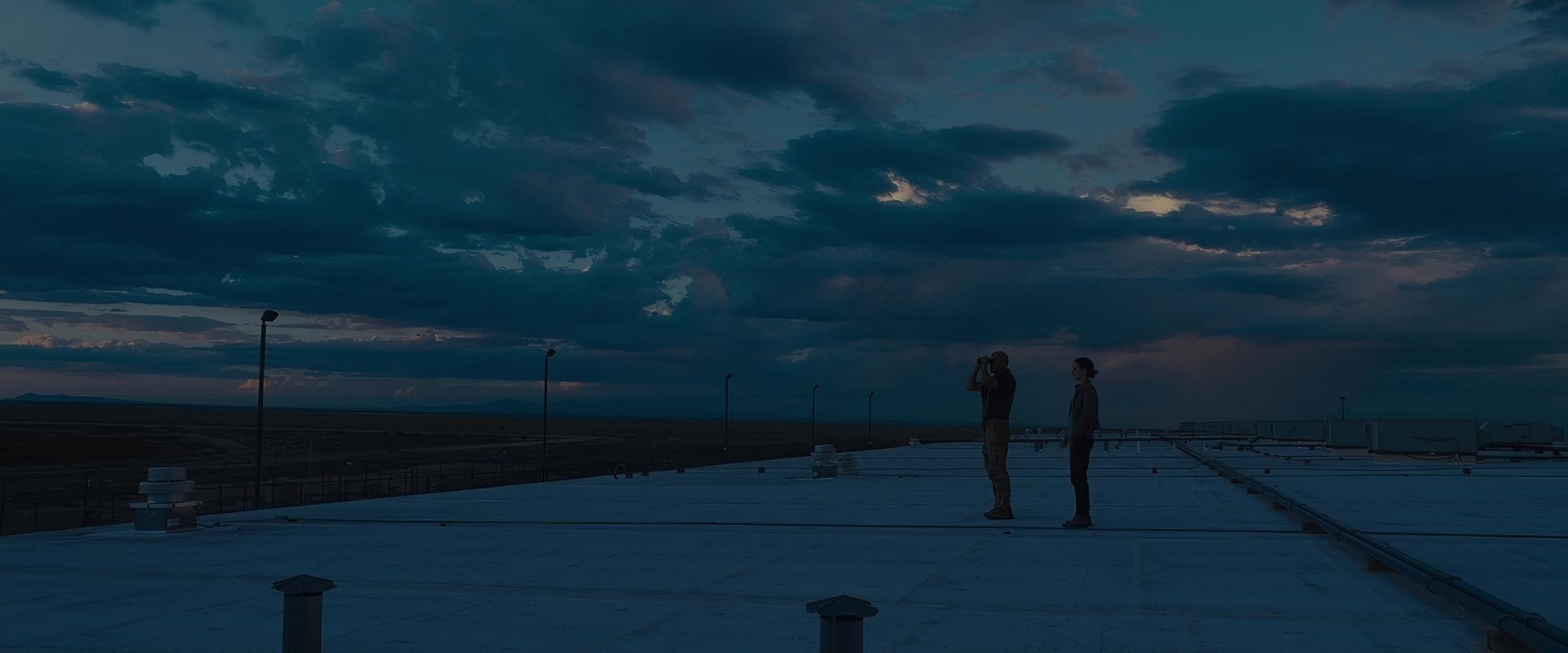
The lighting in Sicario is, frankly, legendary. Deakins’ approach is a masterclass in motivated, naturalistic light. The most striking thing? Night actually looks like night. We’ve all seen those Hollywood night scenes that are inexplicably bright. Here, Deakins embraces true black. He relies on moonlight, car headlights, or the distant glow of Juárez to do the work. From my grading chair, this is a dream to look at. It shows a complete trust in the camera’s sensor to hold detail in the shadows without “lifting” them artificially. This commitment to darkness makes the cartel the “Beast” feel omnipresent. Even the daylight scenes feel harsh and oppressive, with side-lighting that emphasizes the grit on every surface.
Color Grading Approach
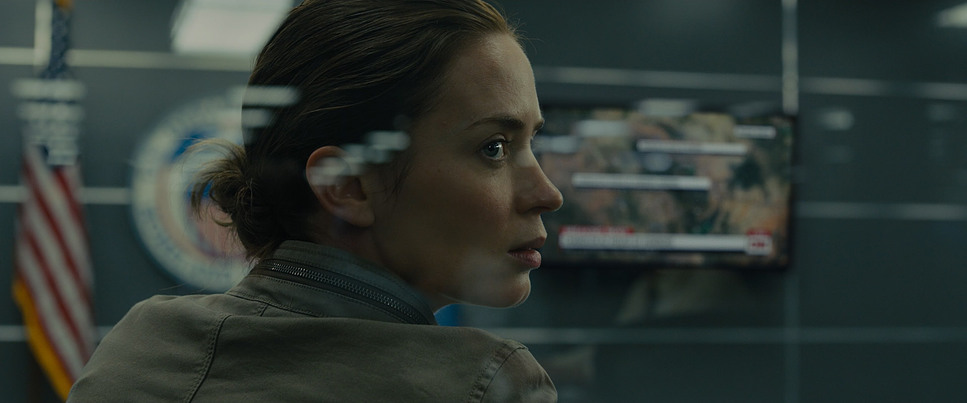
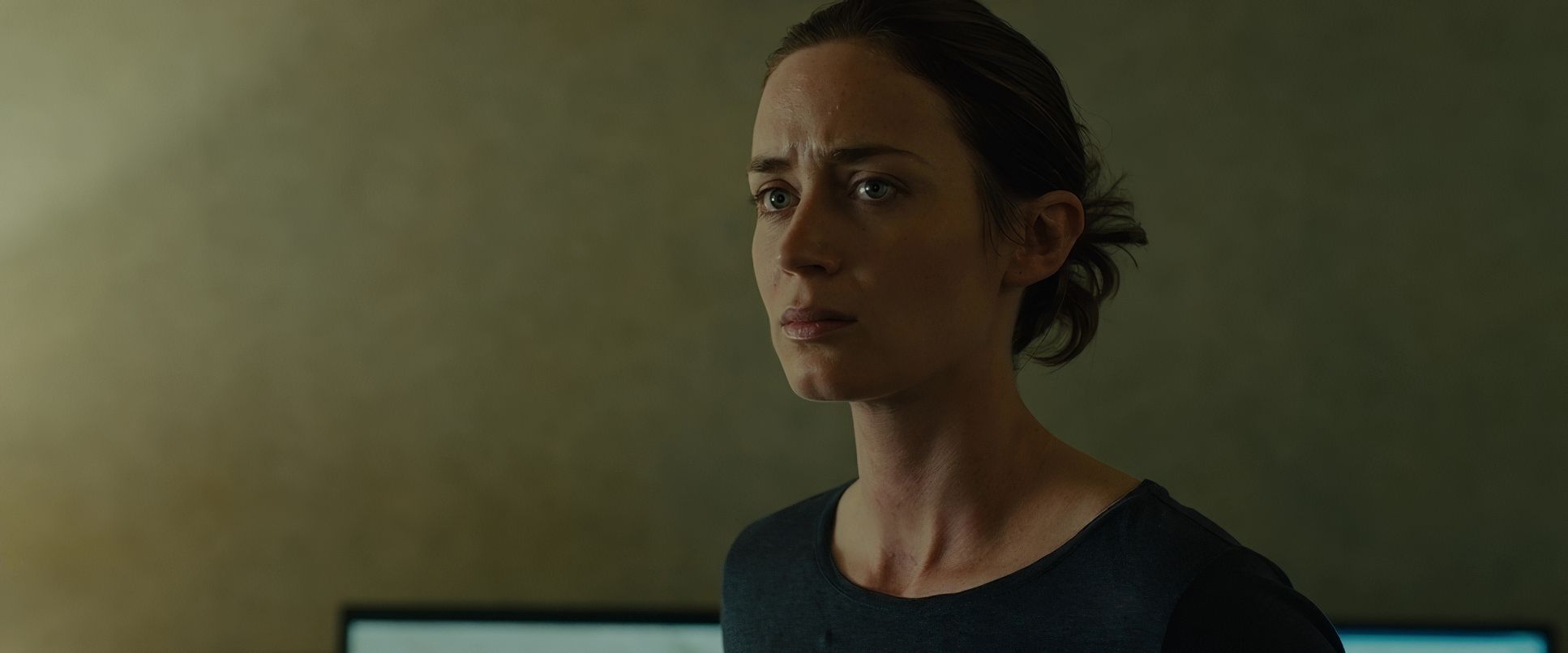
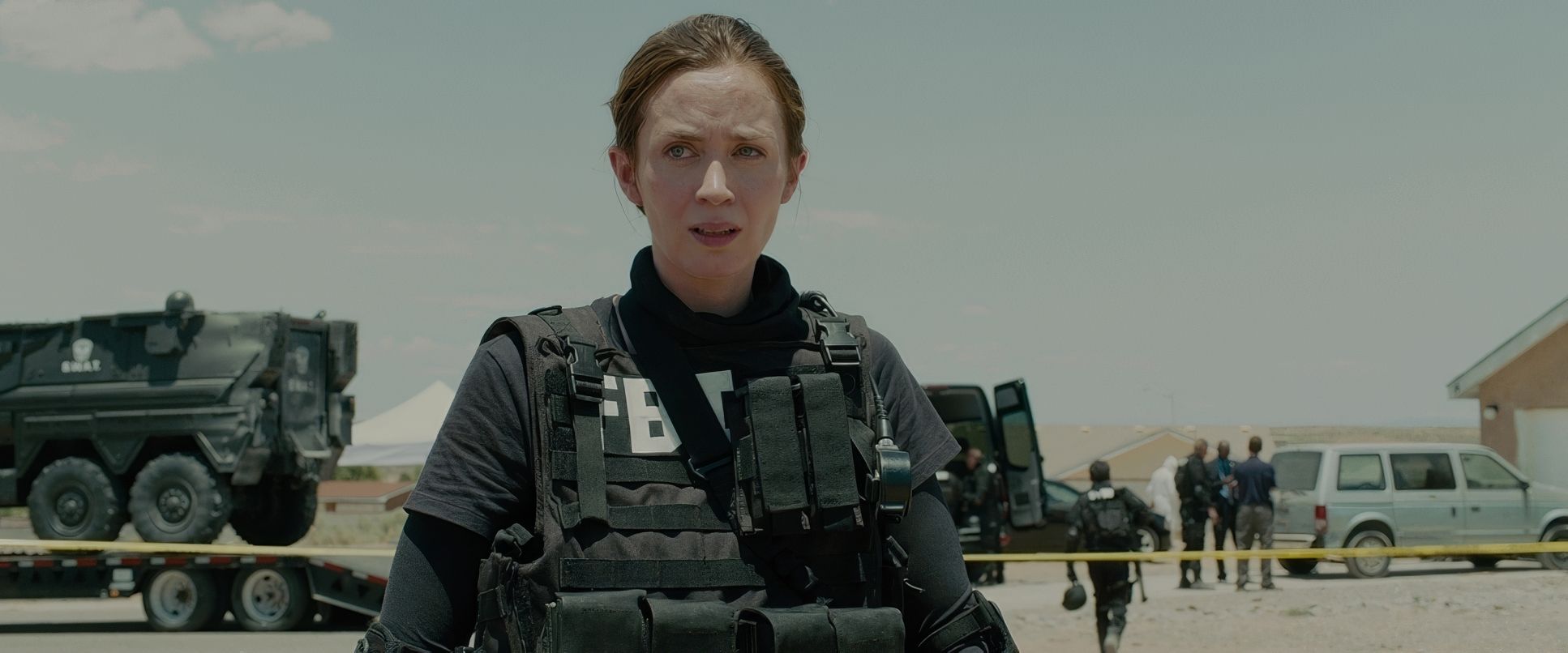
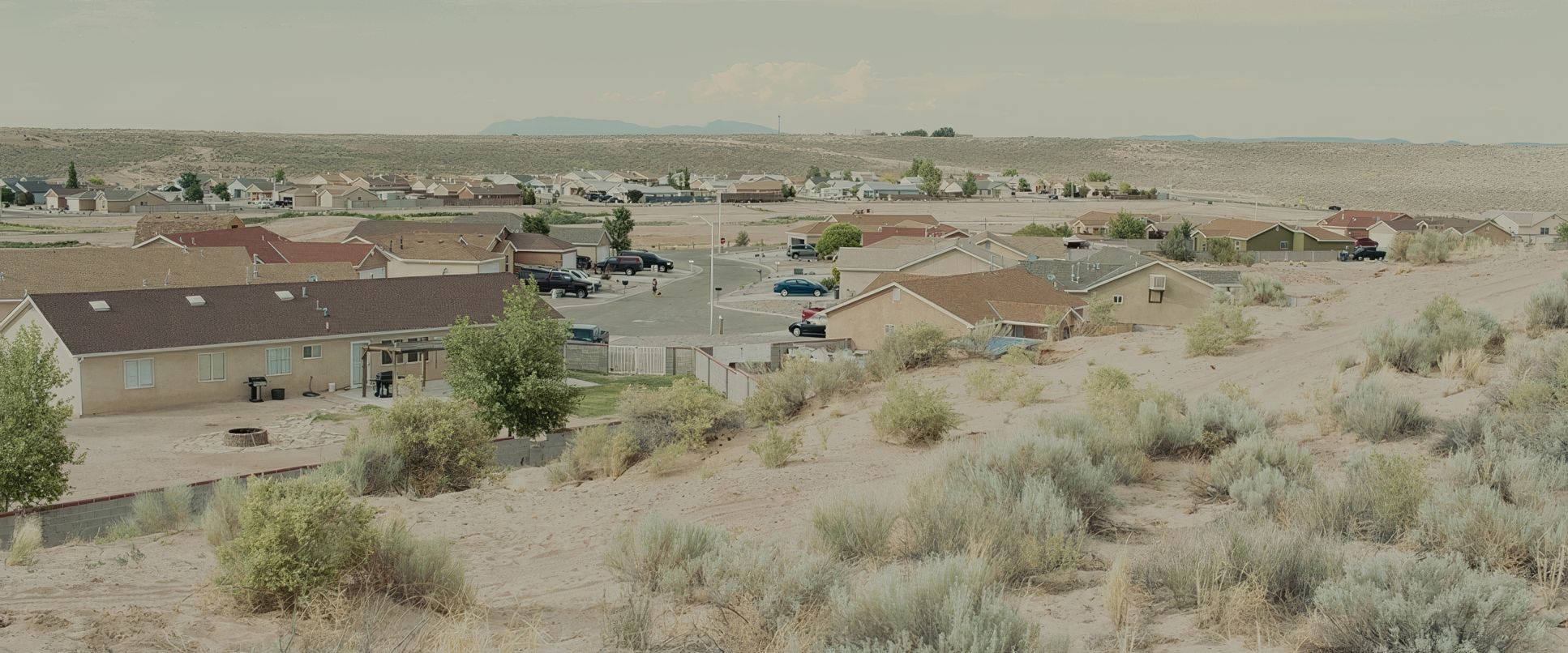
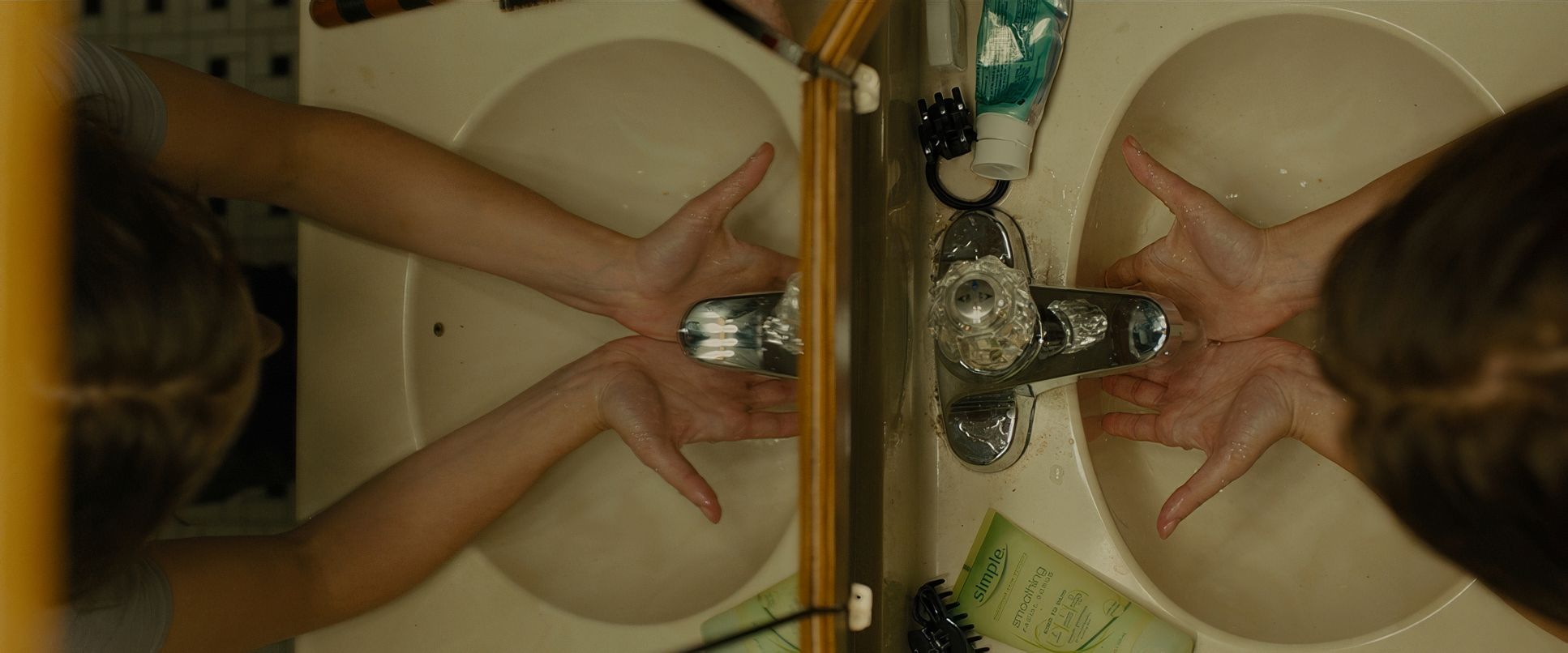
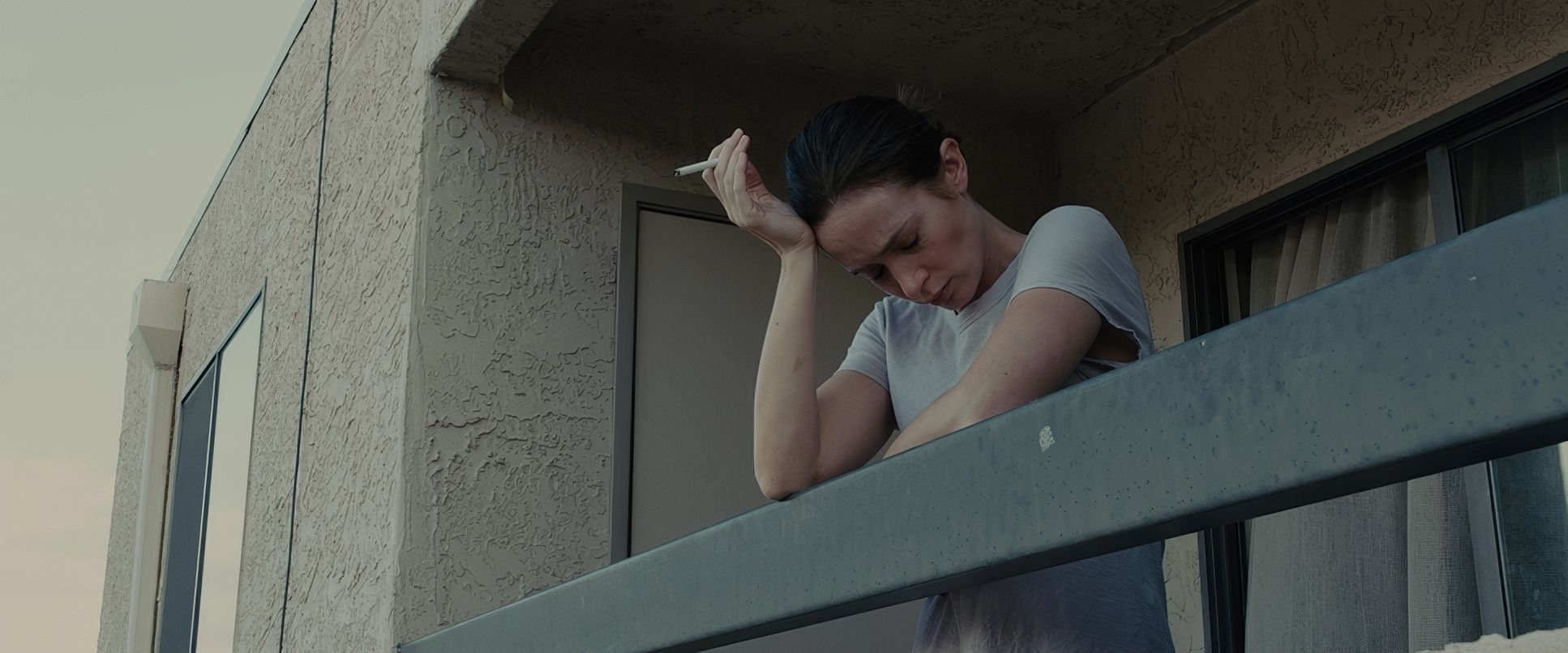
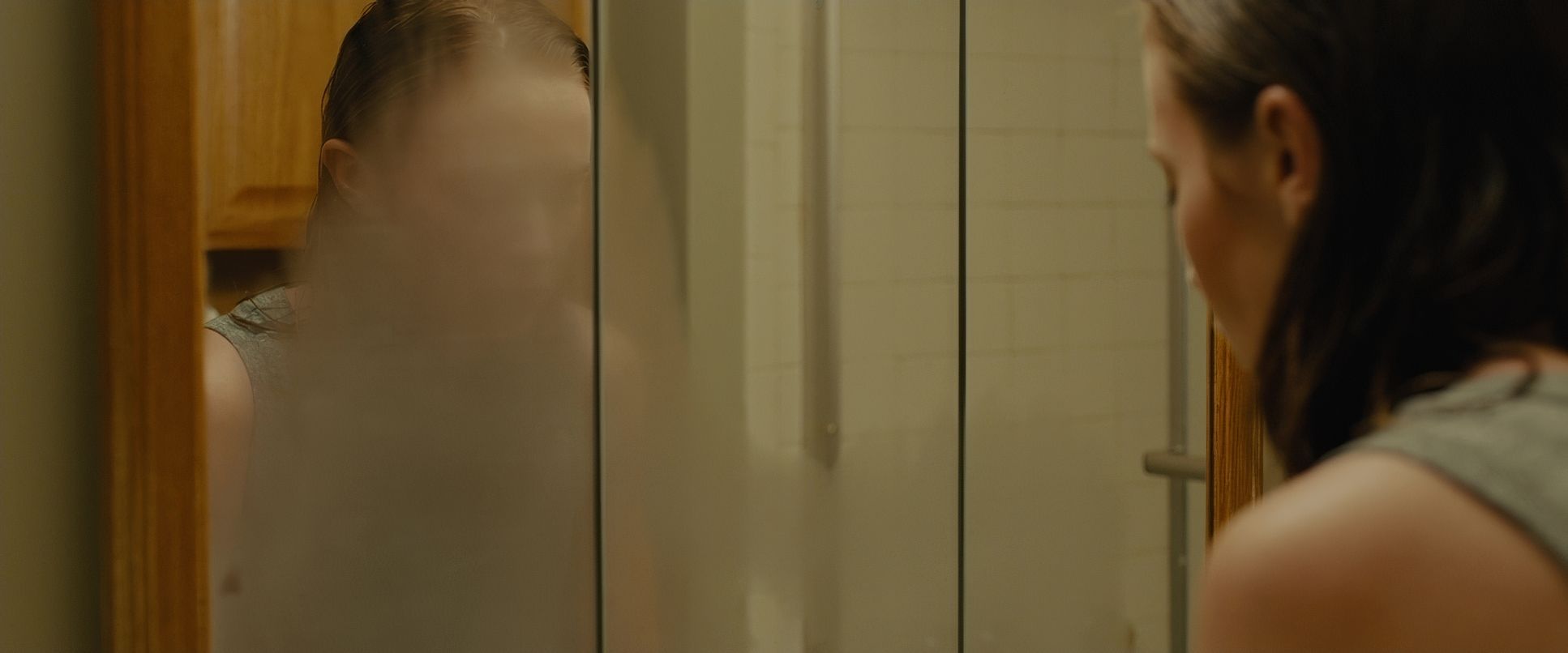
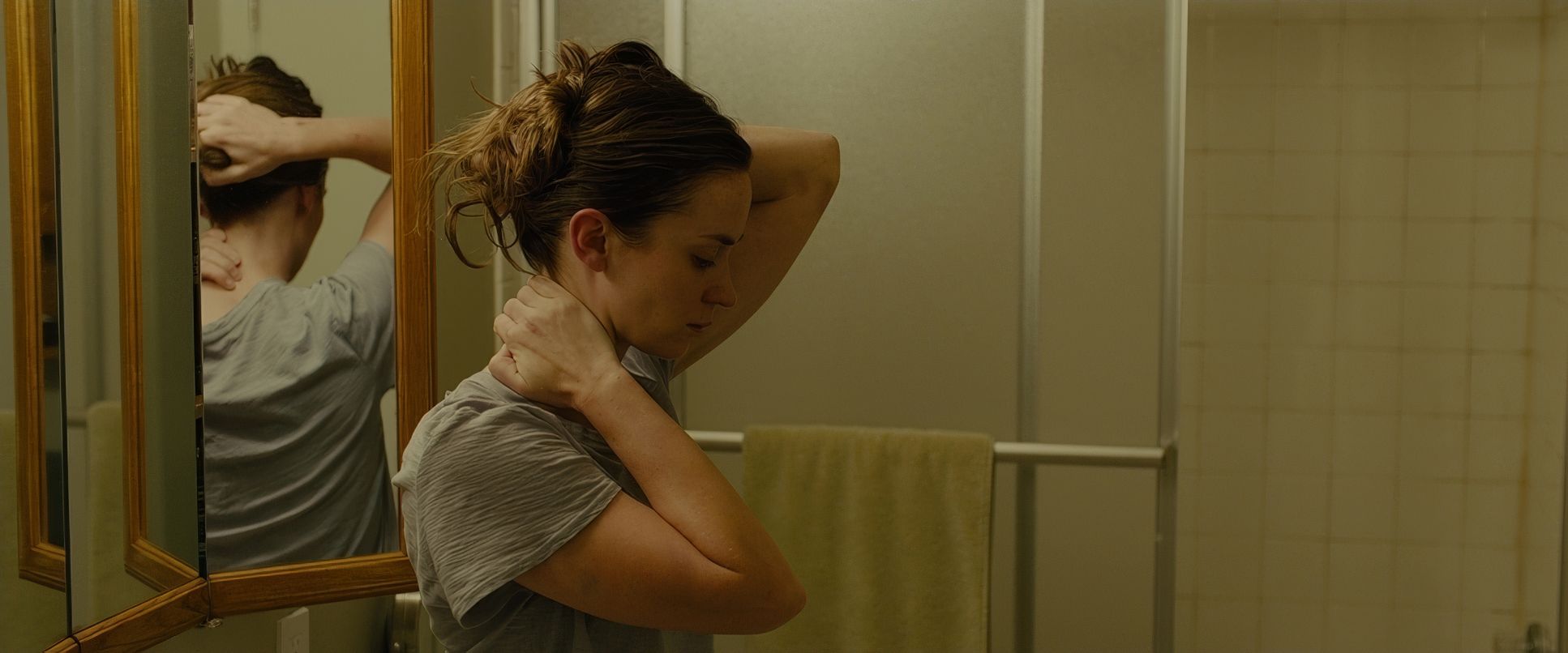
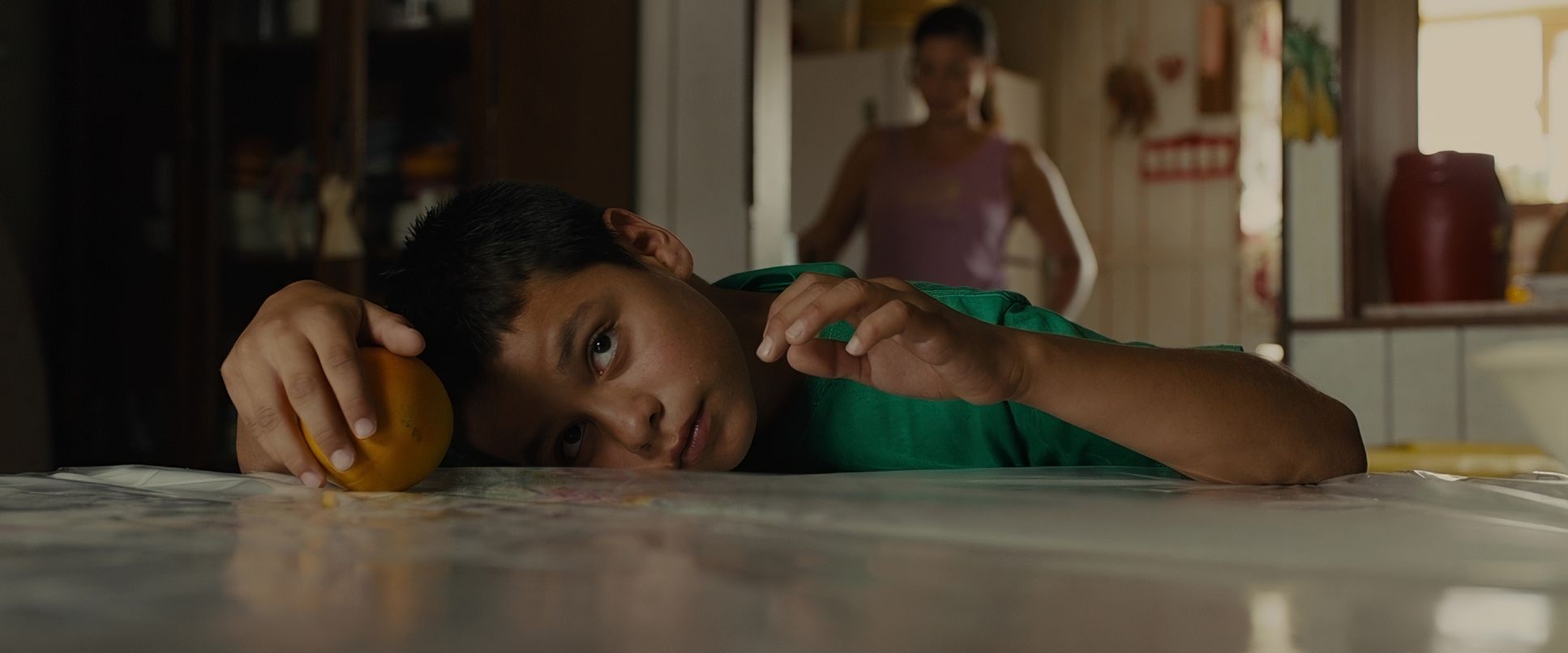
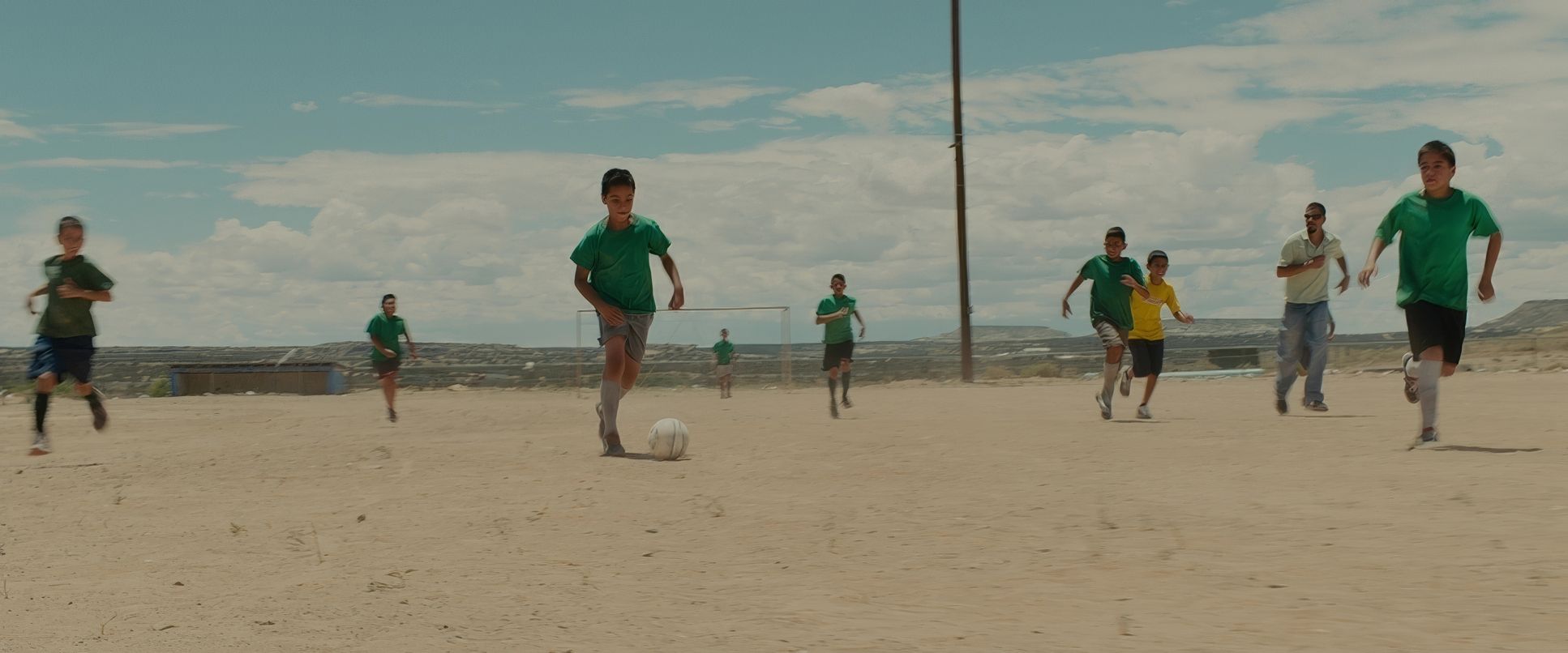
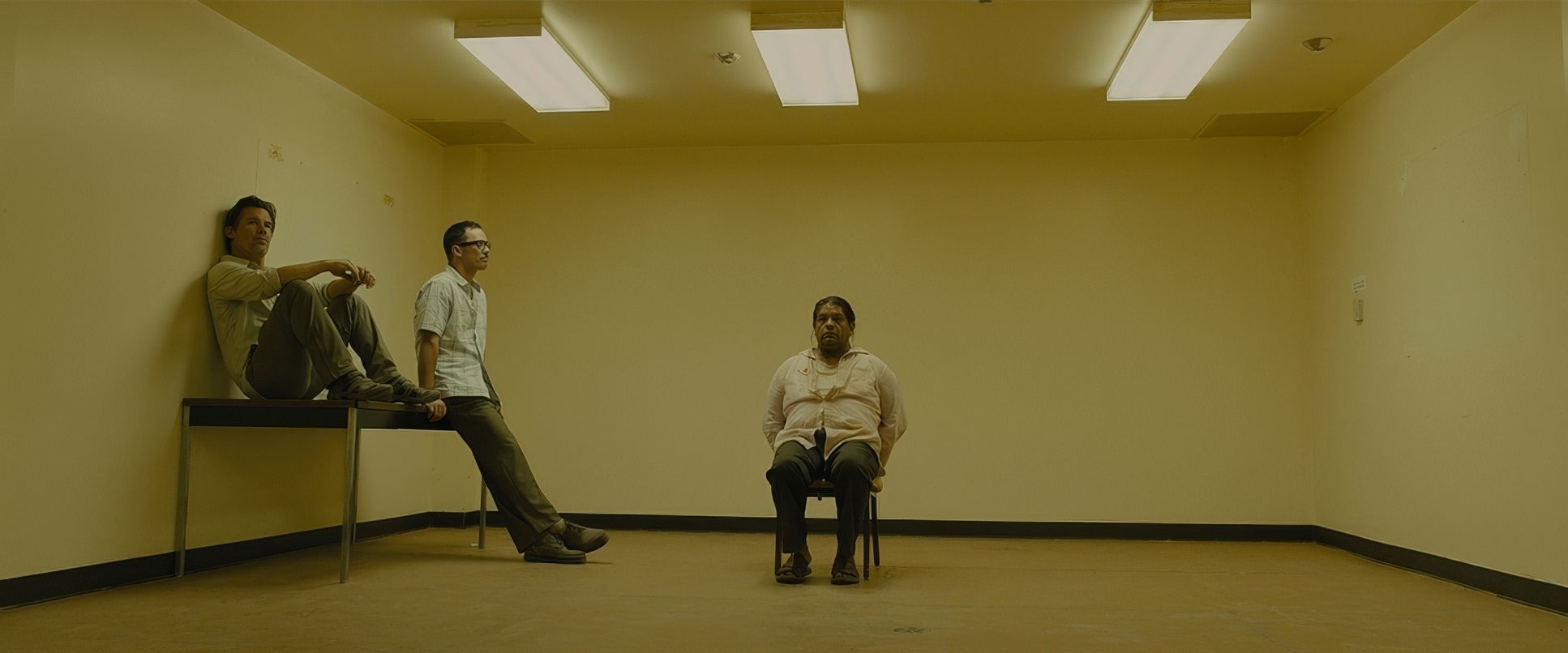
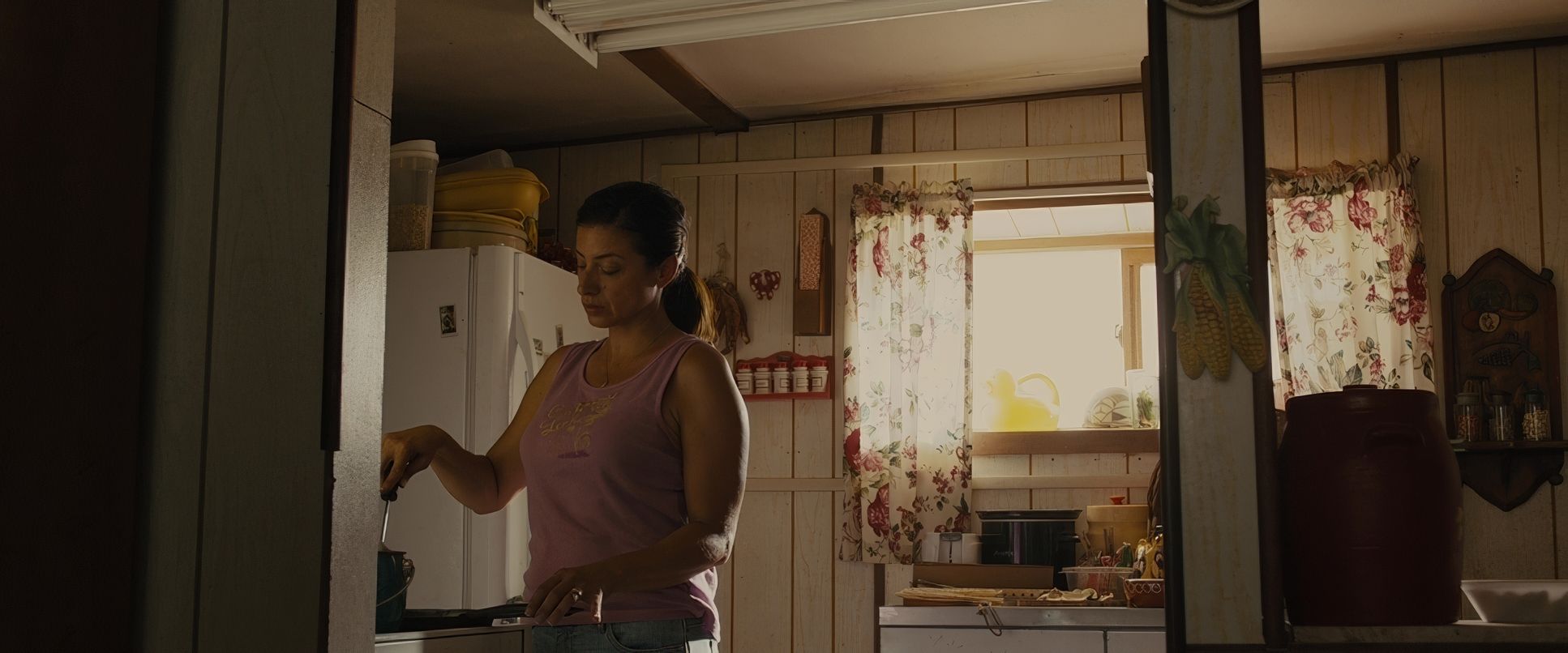
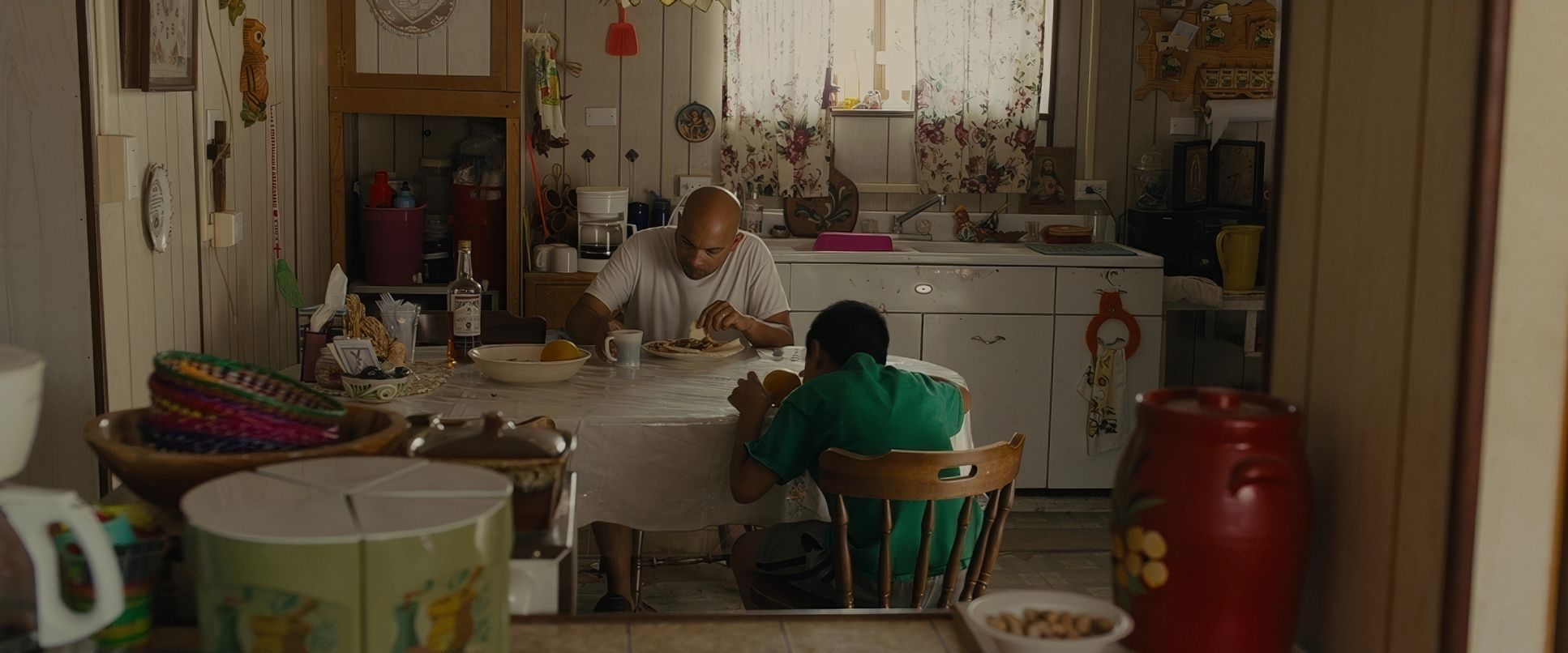
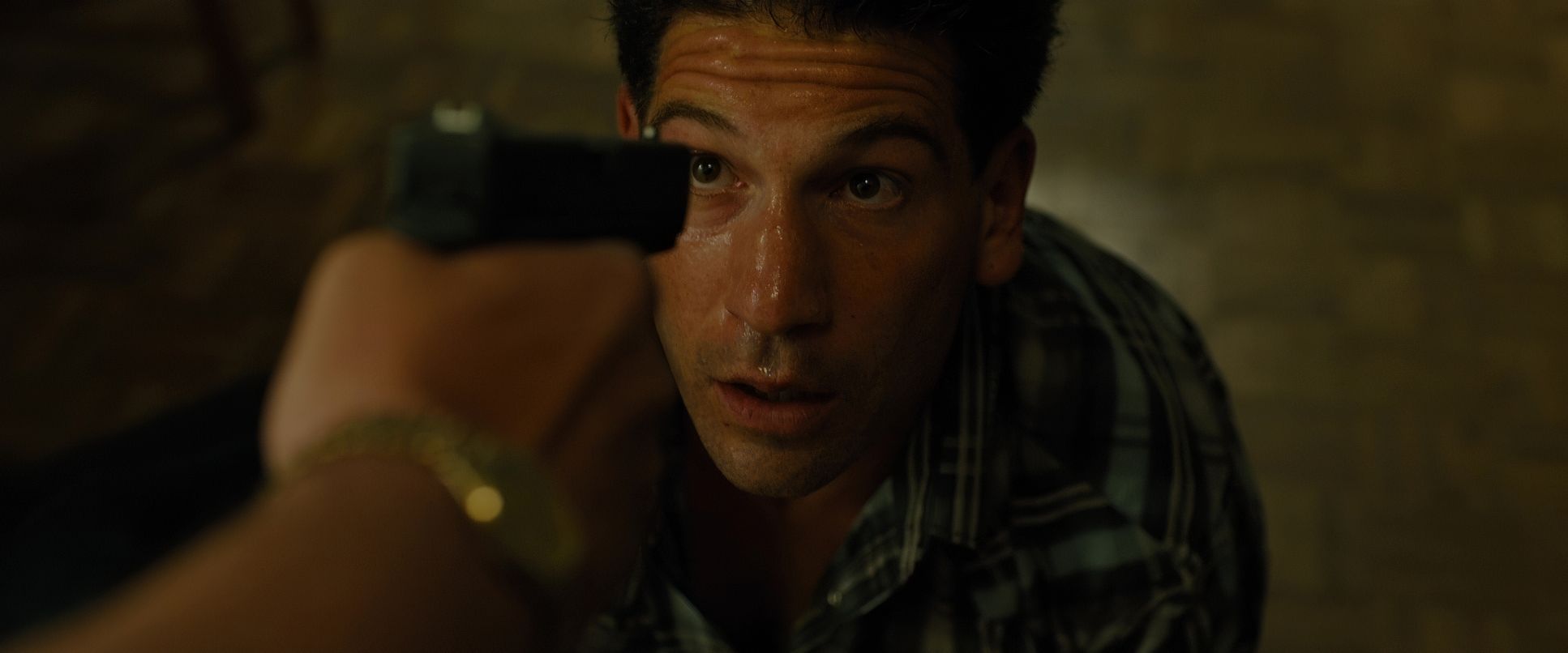
This is where the vision truly coalesces. The palette is intentionally desaturated, leaning hard into ochres, dusty browns, and faded greens. It’s a muted, parched world.
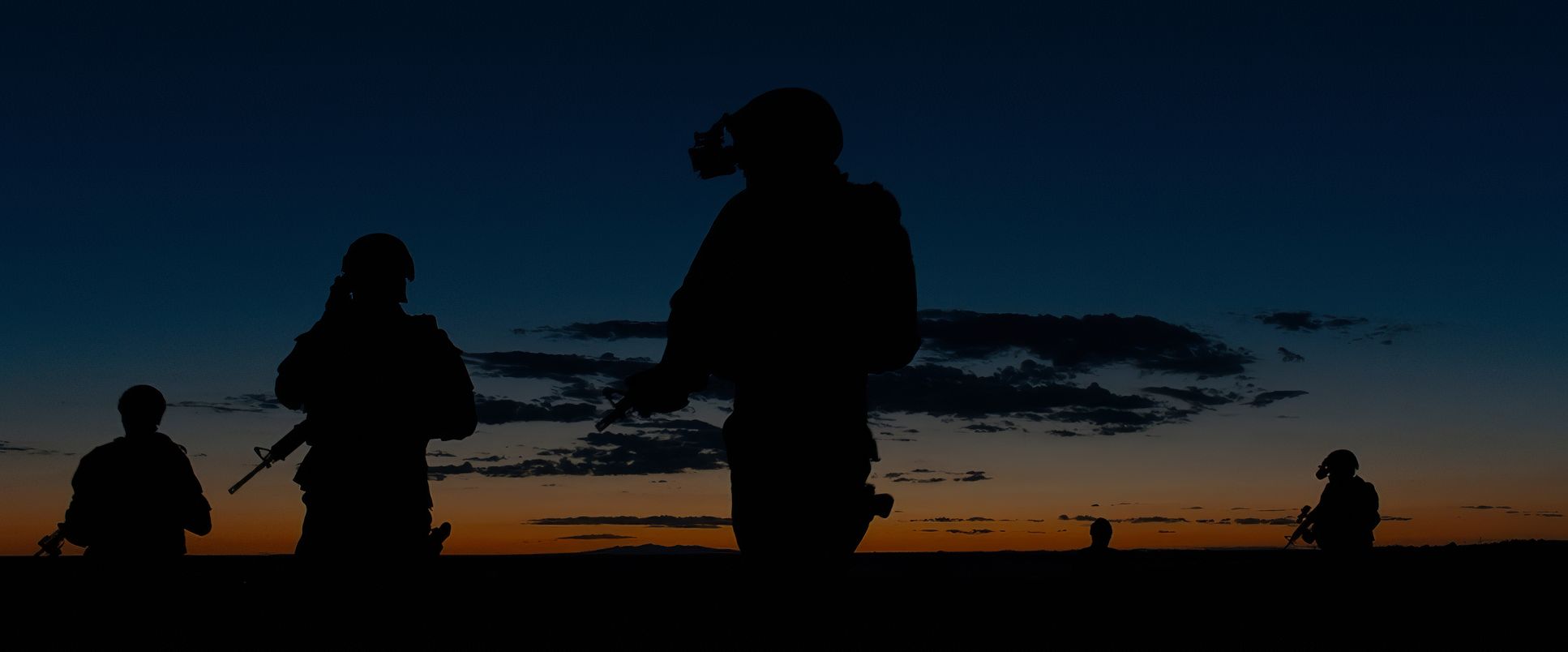
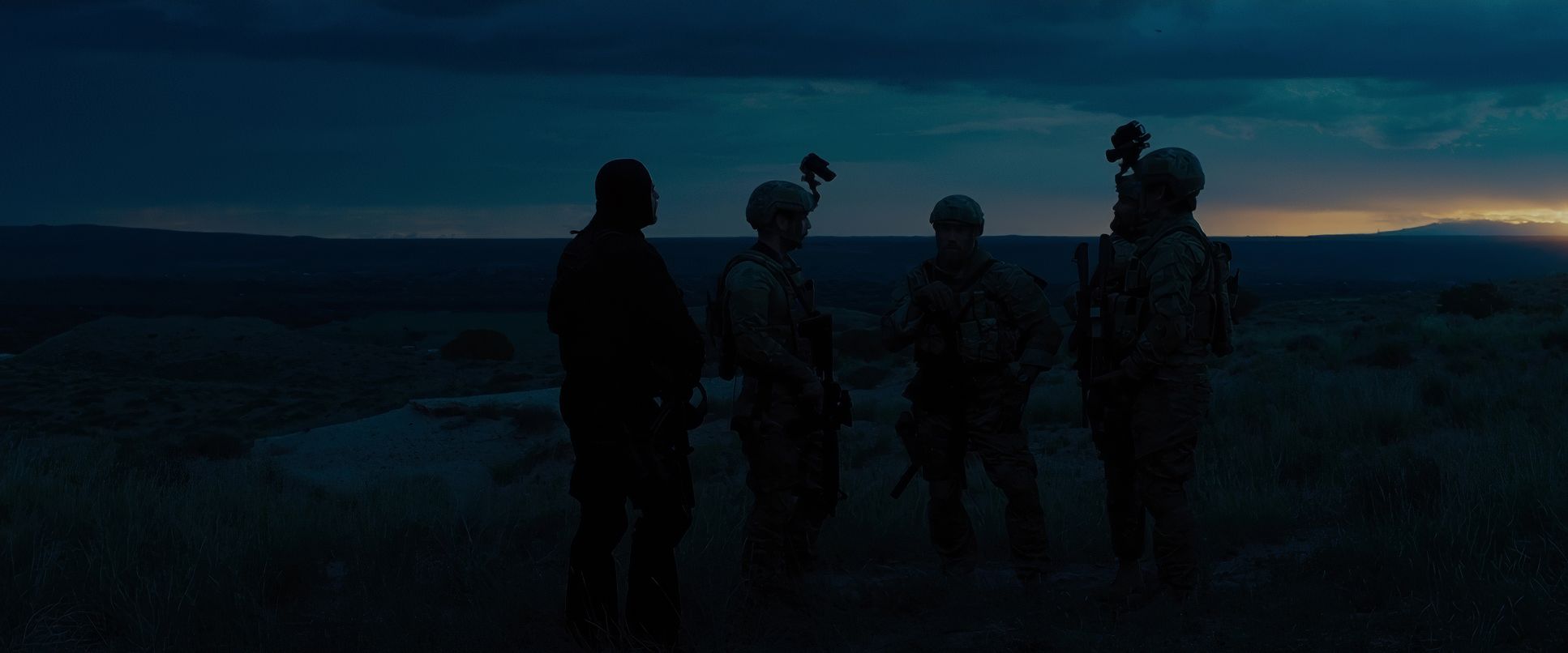
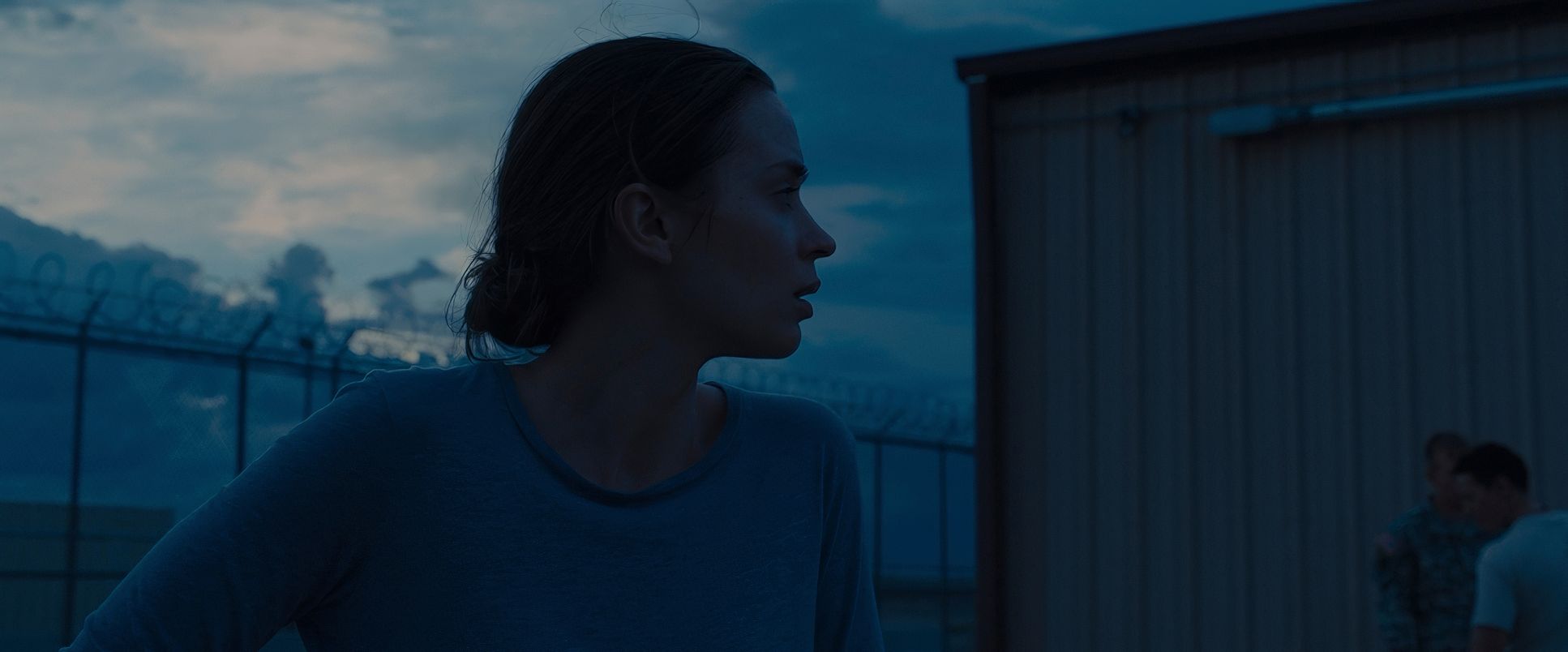
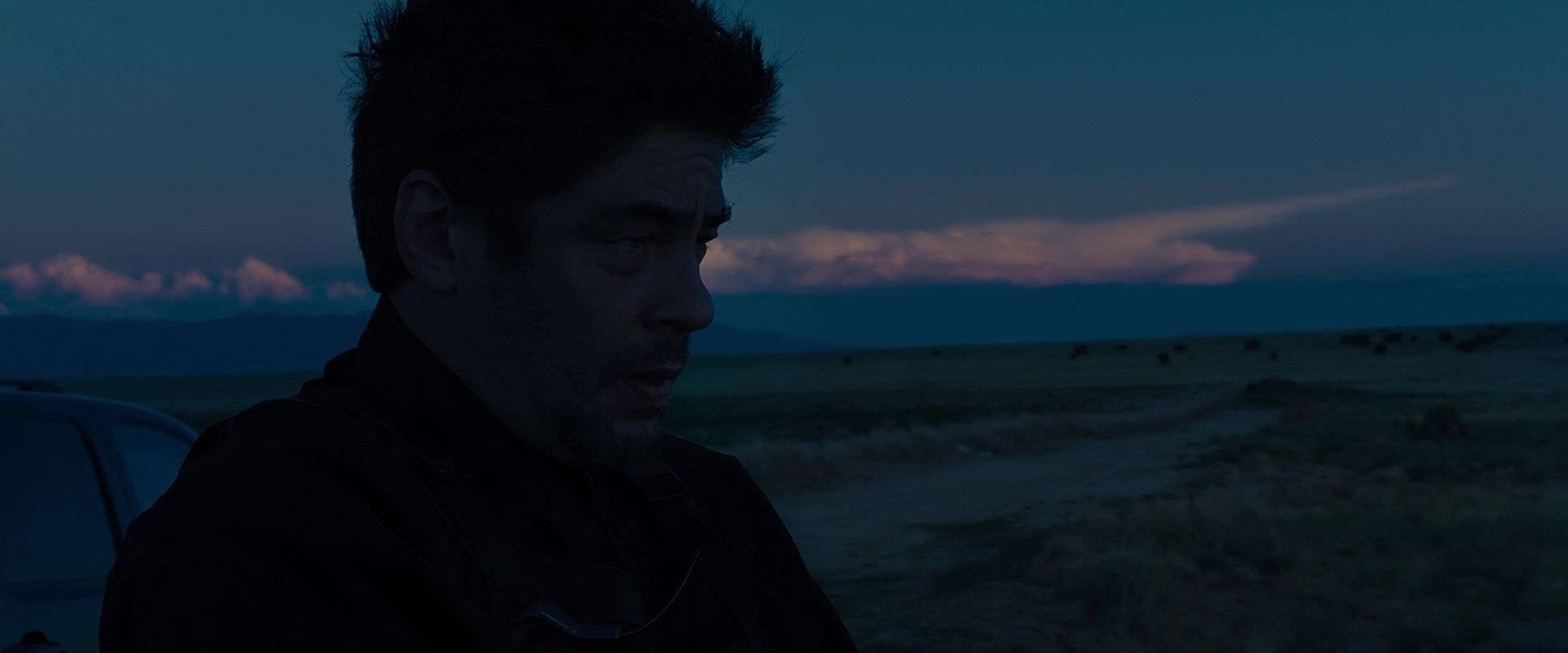
What I find most impressive about Mitch Paulson’s grade is the contrast shaping. The film embraces deep, rich blacks, but the highlights especially that piercing desert sun are allowed to roll off beautifully. There are no “trendy” color shifts here. Instead, the grade reinforces the realism. The skies are often a cold, sickly blue that acts as a counterpoint to the warm, dusty earth. It’s a grade designed for immersion, not spectacle. It proves that the most powerful grades are often the ones that feel invisible.
Lensing and Blocking
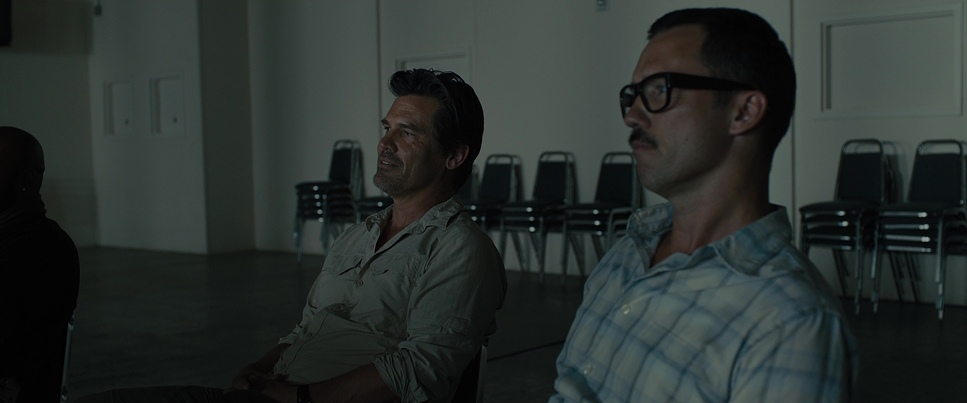
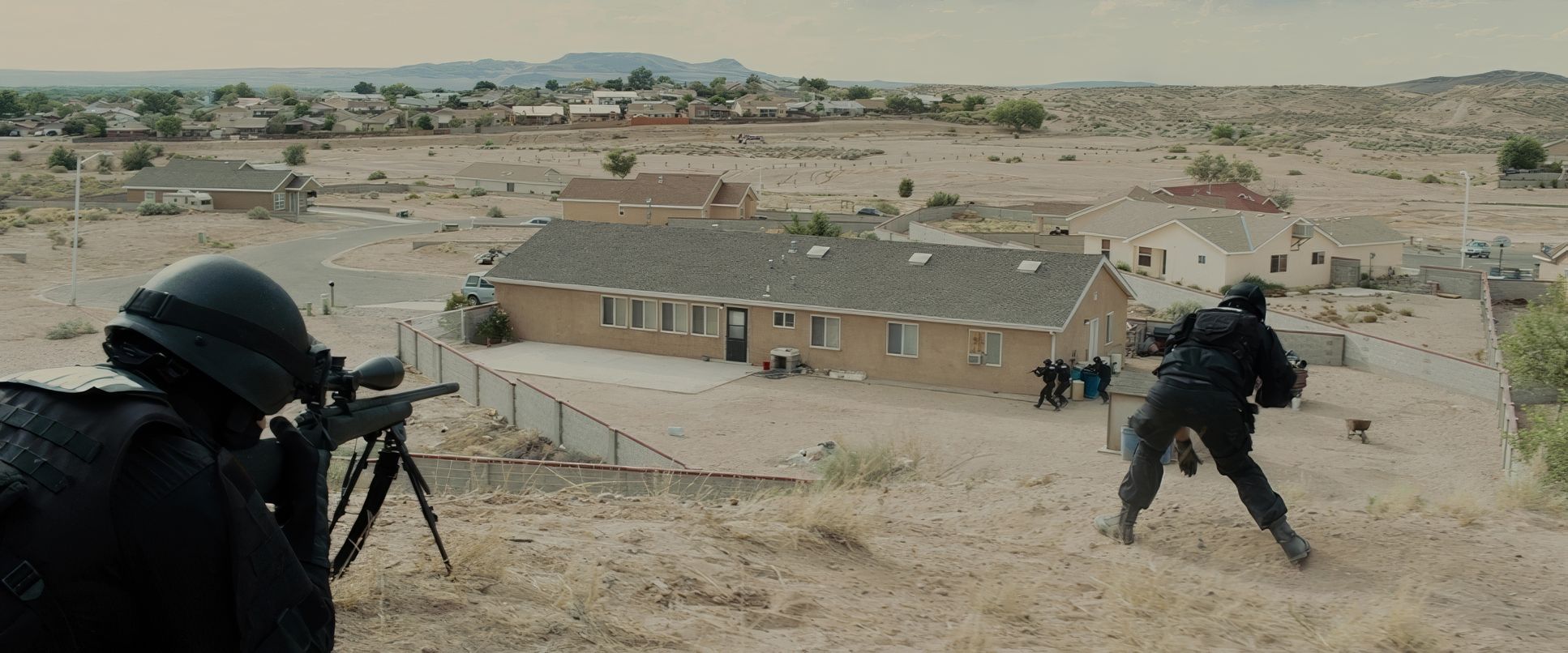
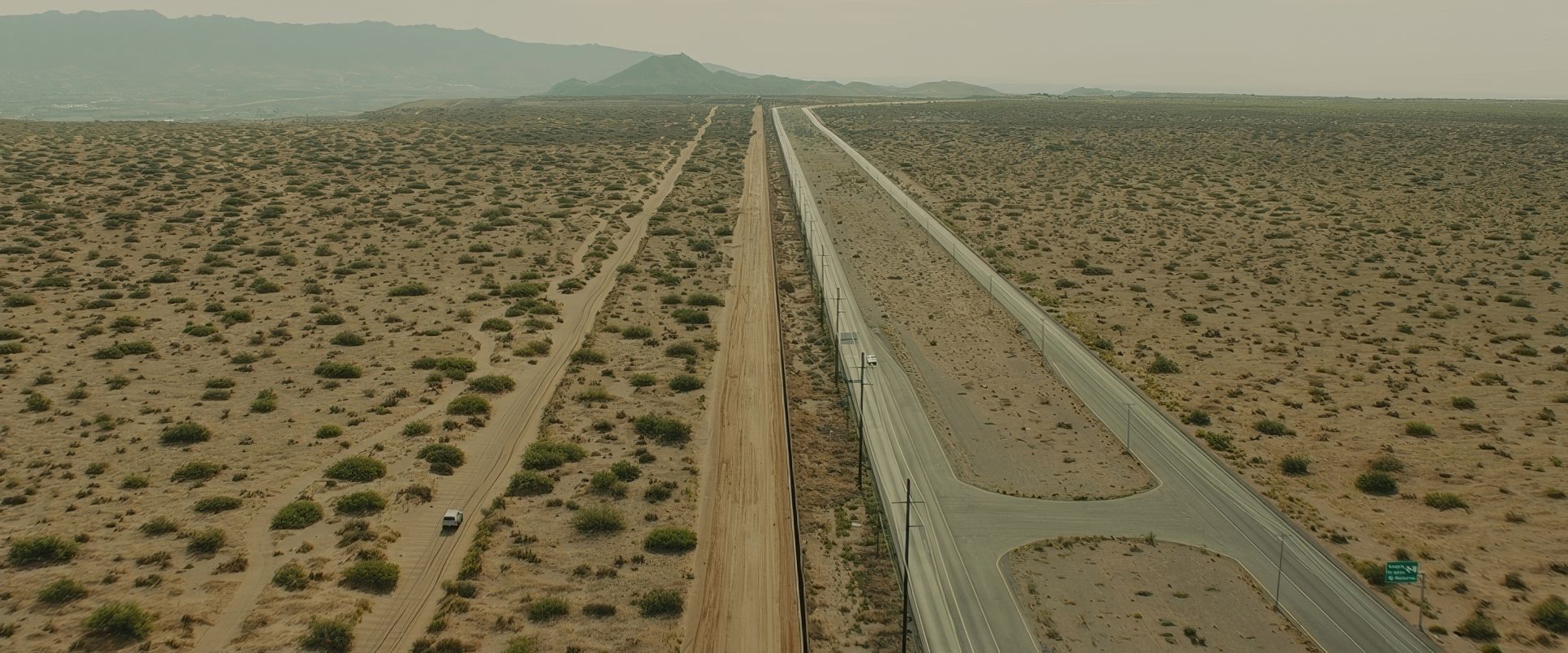
Deakins uses his lenses to manipulate our sense of scale. He often opts for wider focal lengths, not to distort, but to make the characters look small against the vast, unforgiving landscape. Kate is constantly dwarfed by her surroundings, visually reinforcing her lack of agency.
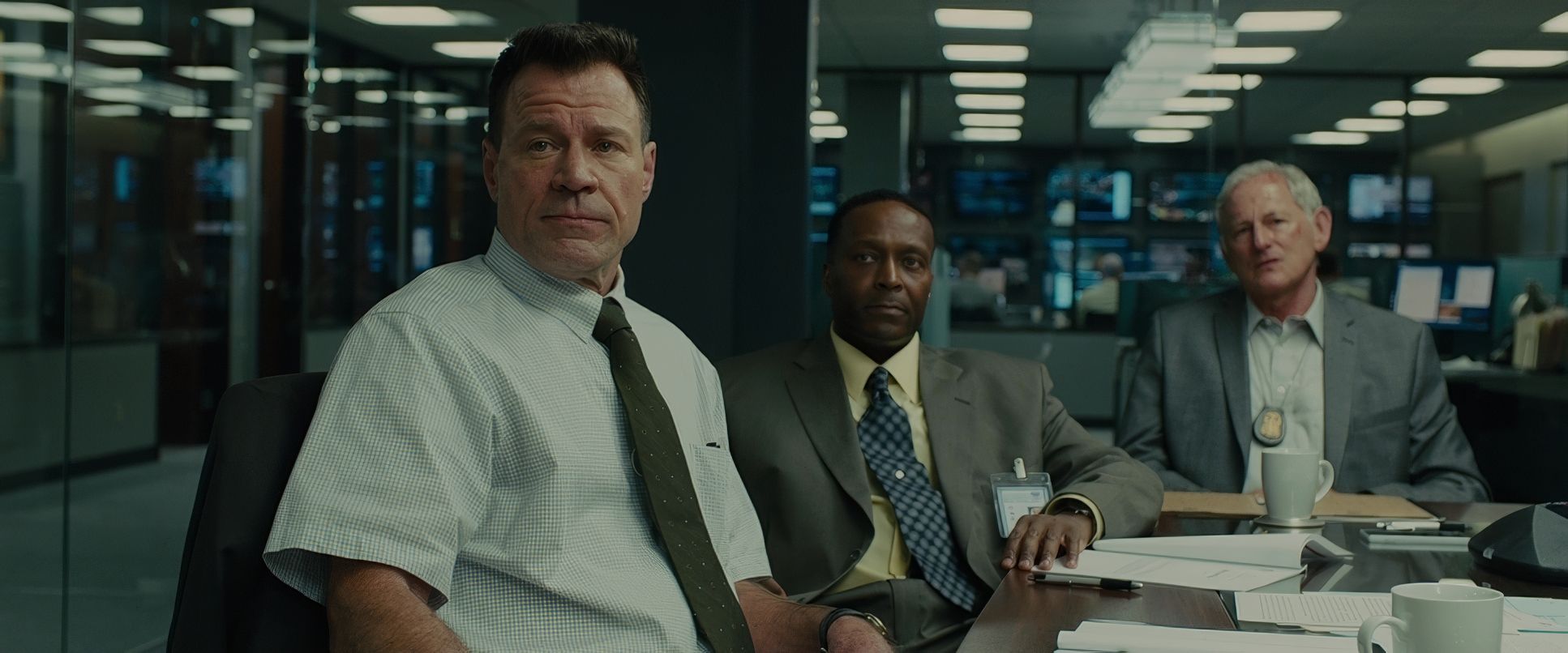
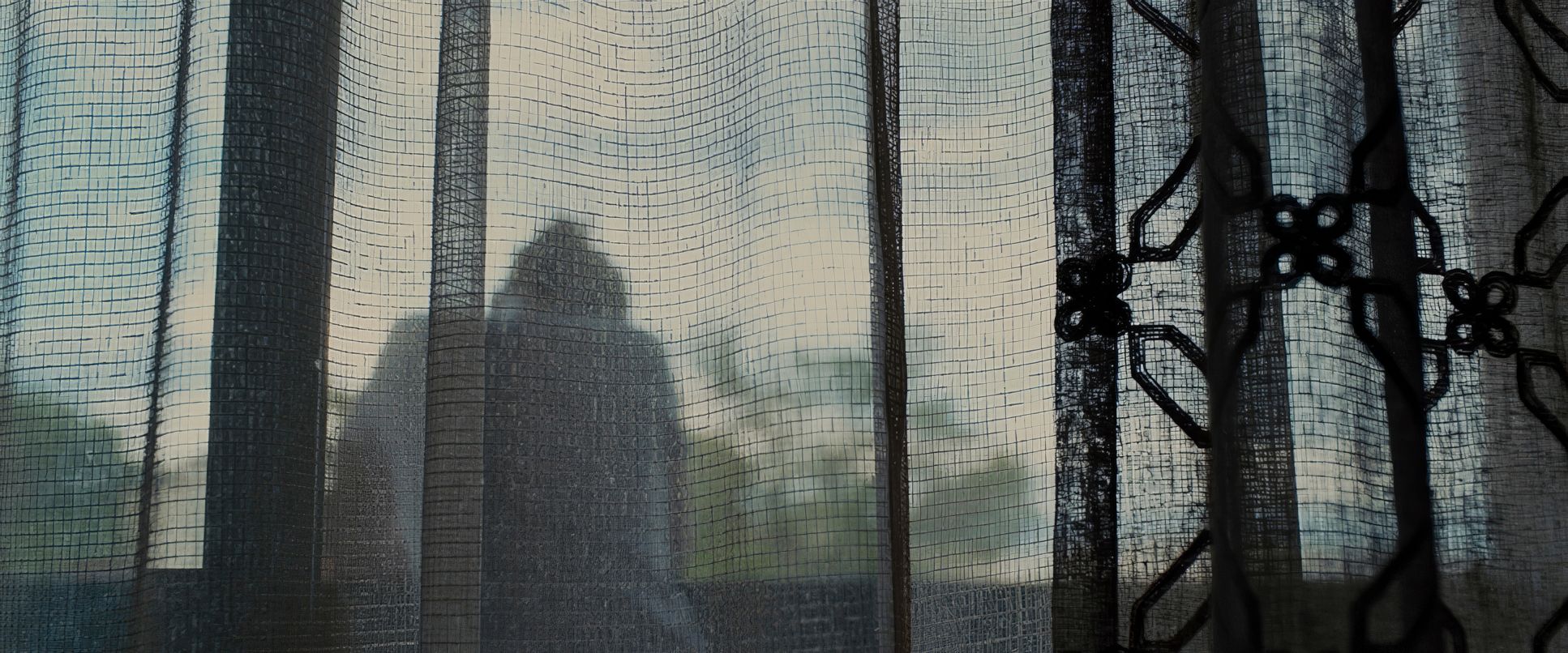
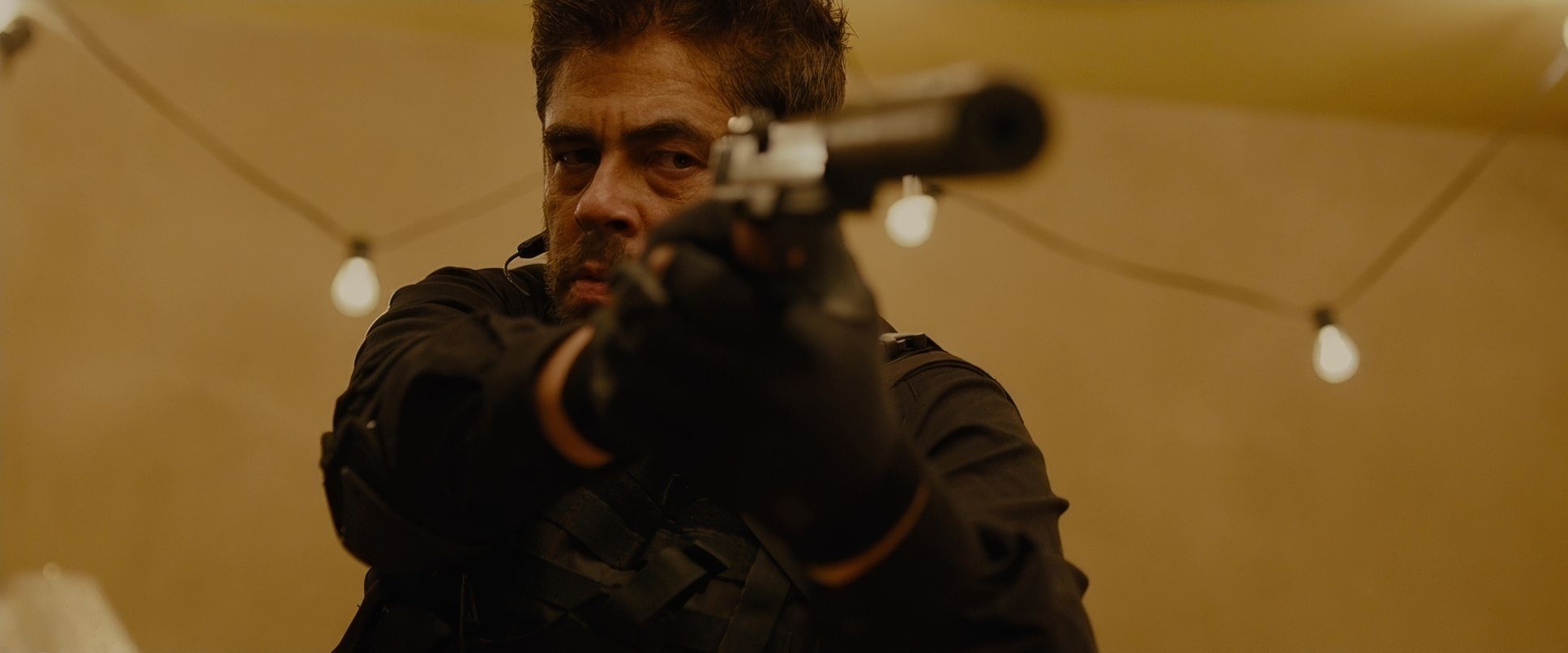
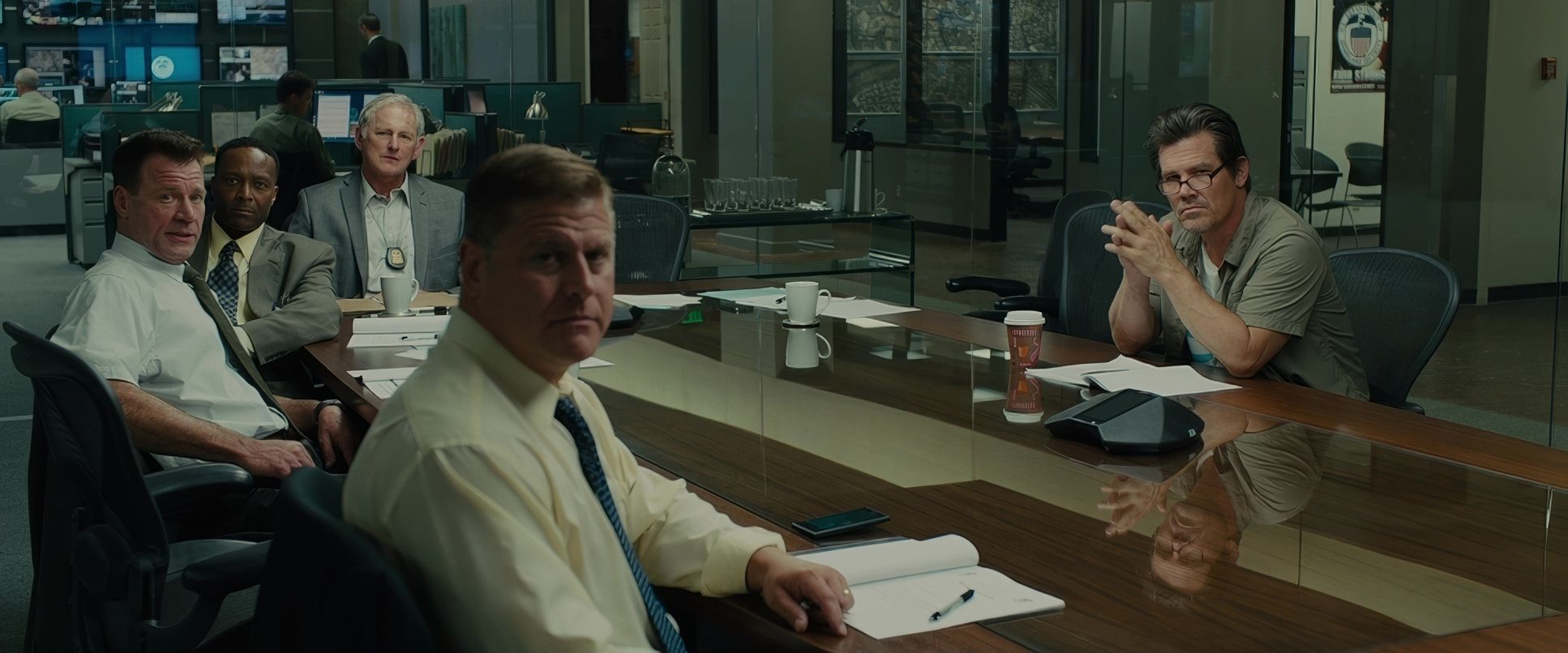
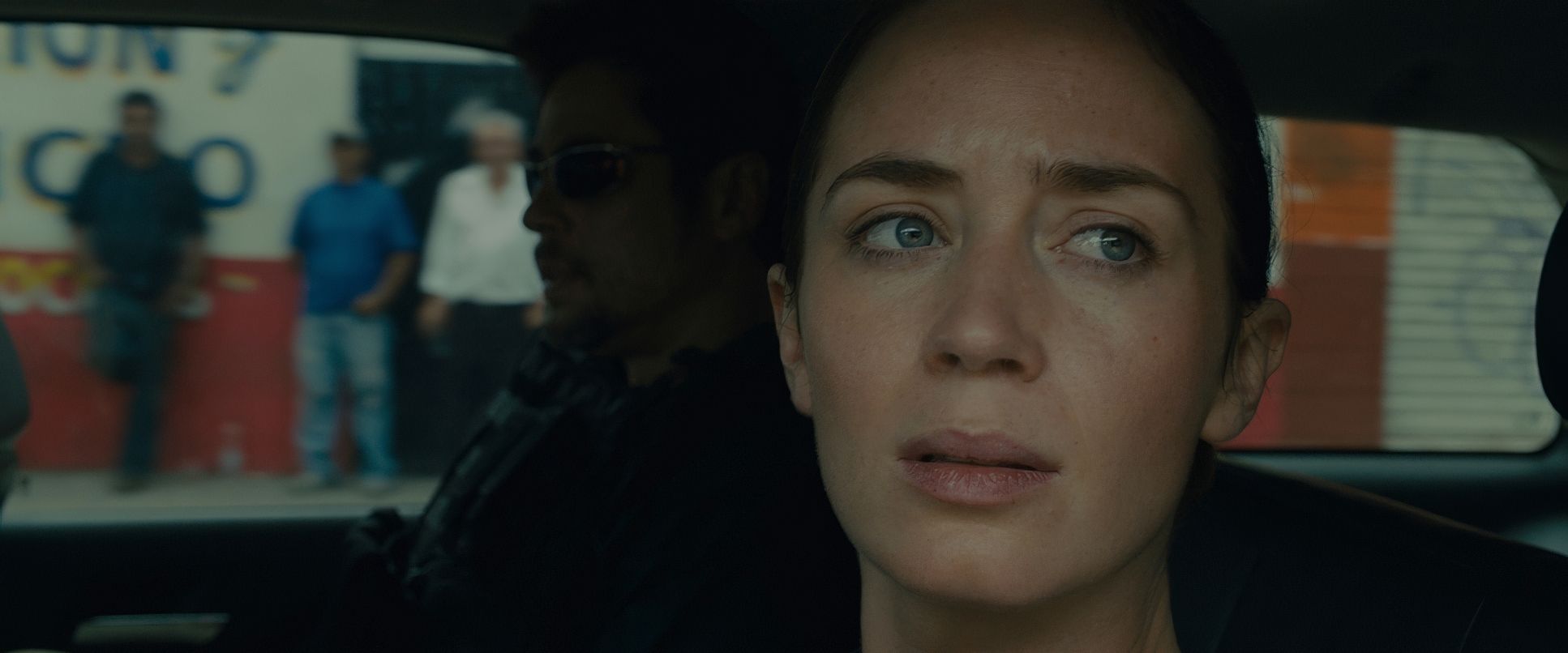
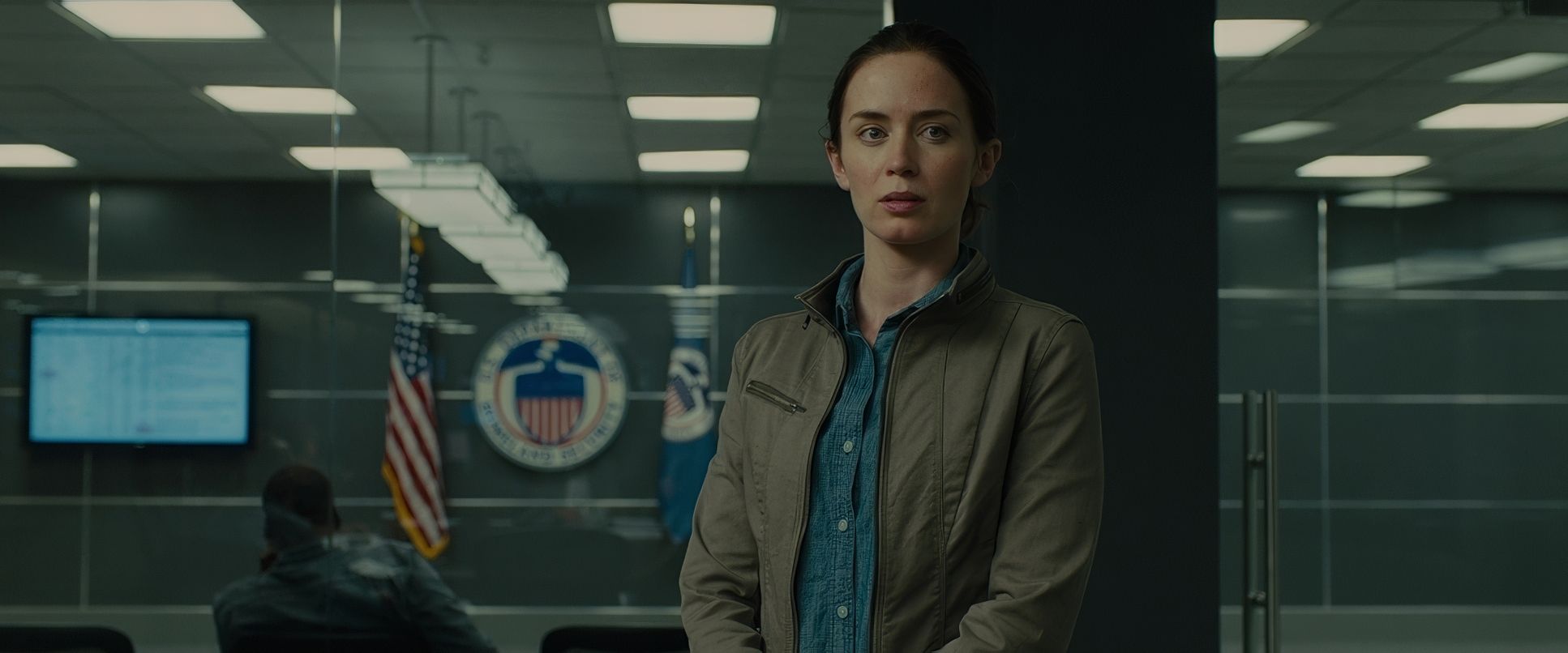
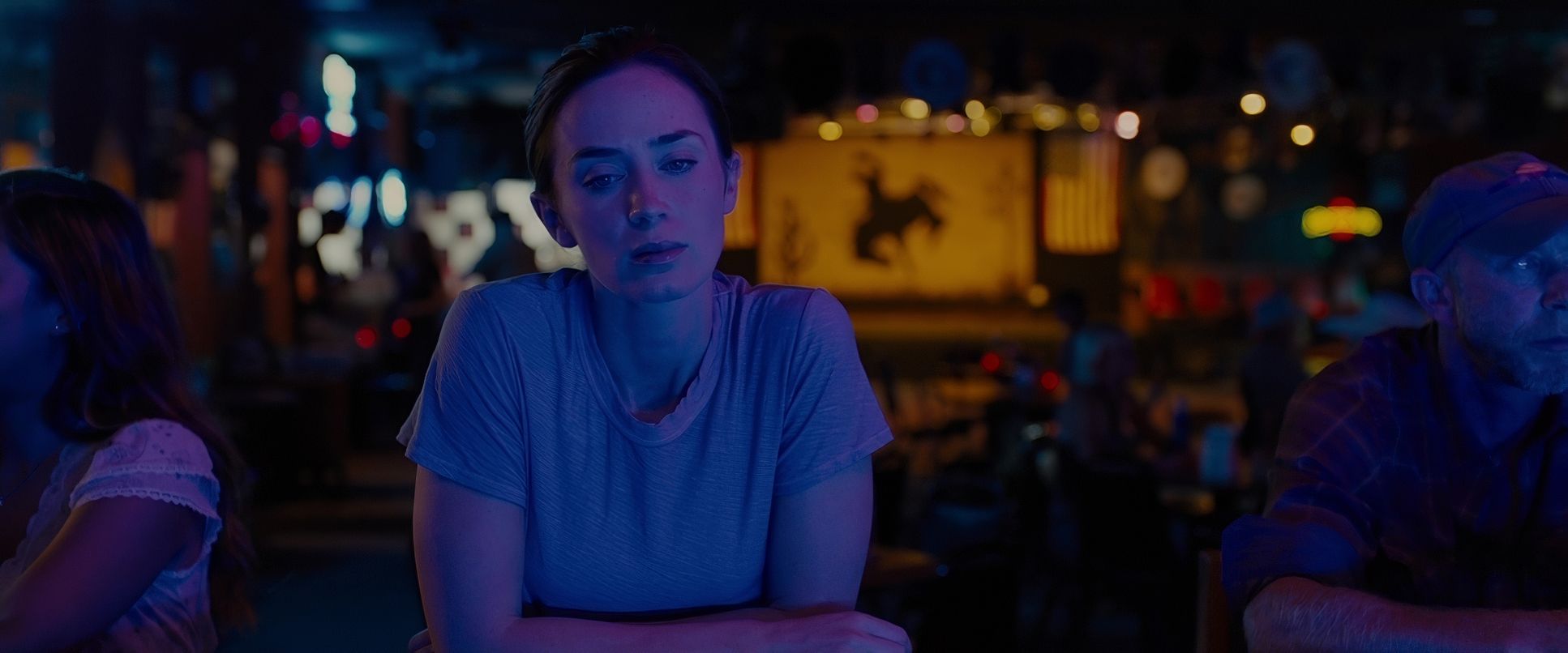
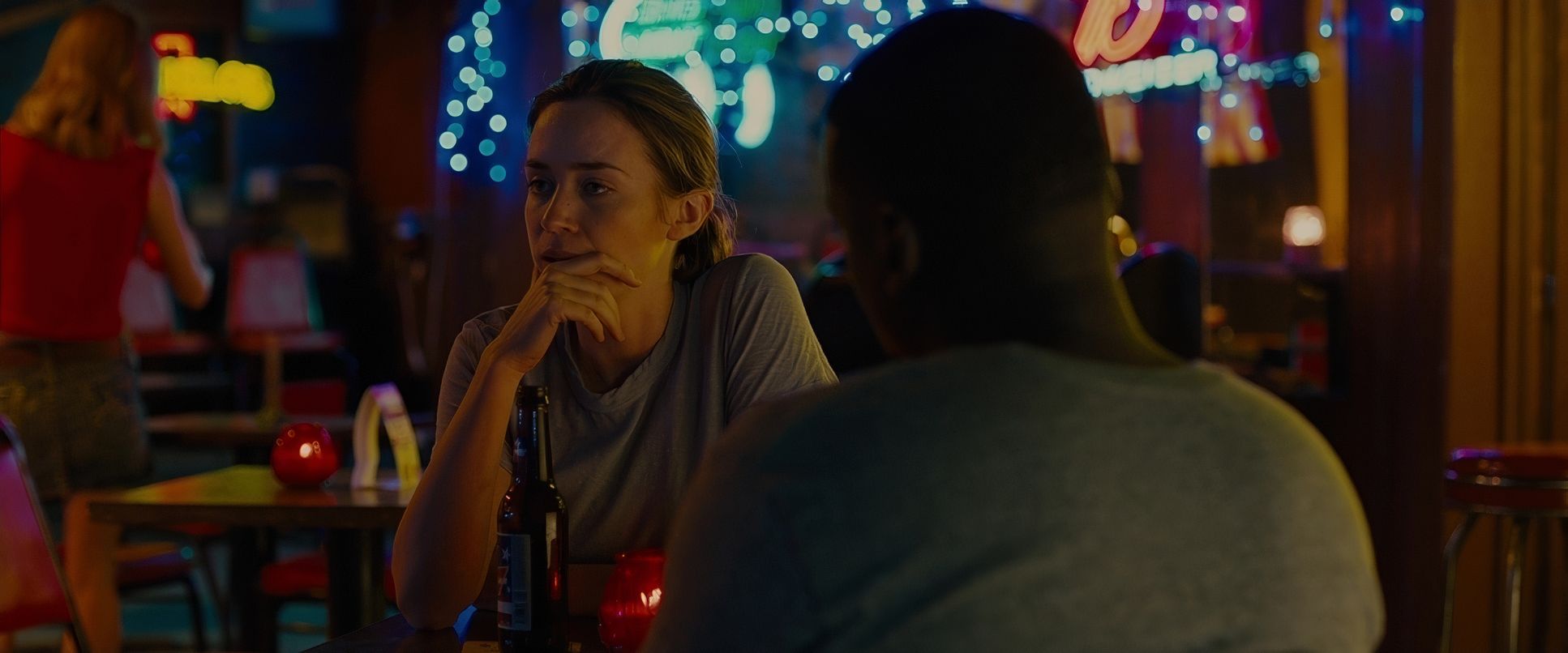
The blocking is just as precise. Kate is usually positioned at the periphery behind a desk, outside a circle, or looking through a window. She’s always an outsider looking in. Contrast that with Alejandro (Benicio del Toro). He is blocked with a predatory stillness. While everyone else is moving or panicked, he occupies the center of the frame with a chilling, direct purpose. It’s a subtle shift in visual power that tells you exactly who the narrative “engine” really is.
Compositional Choices
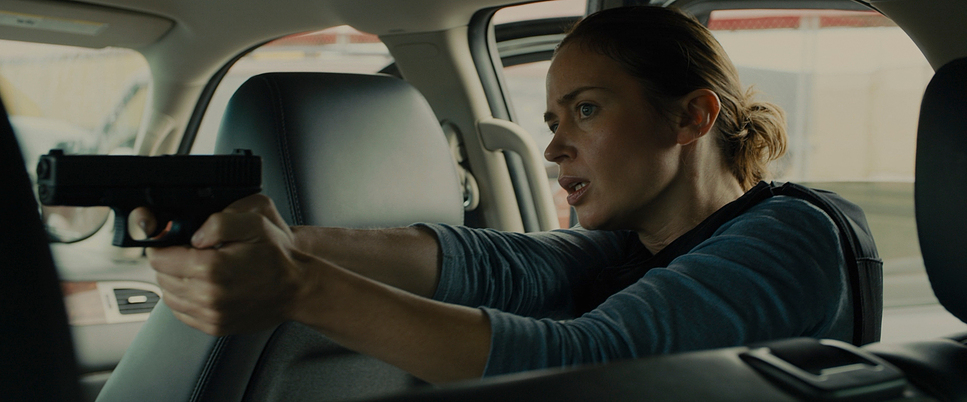
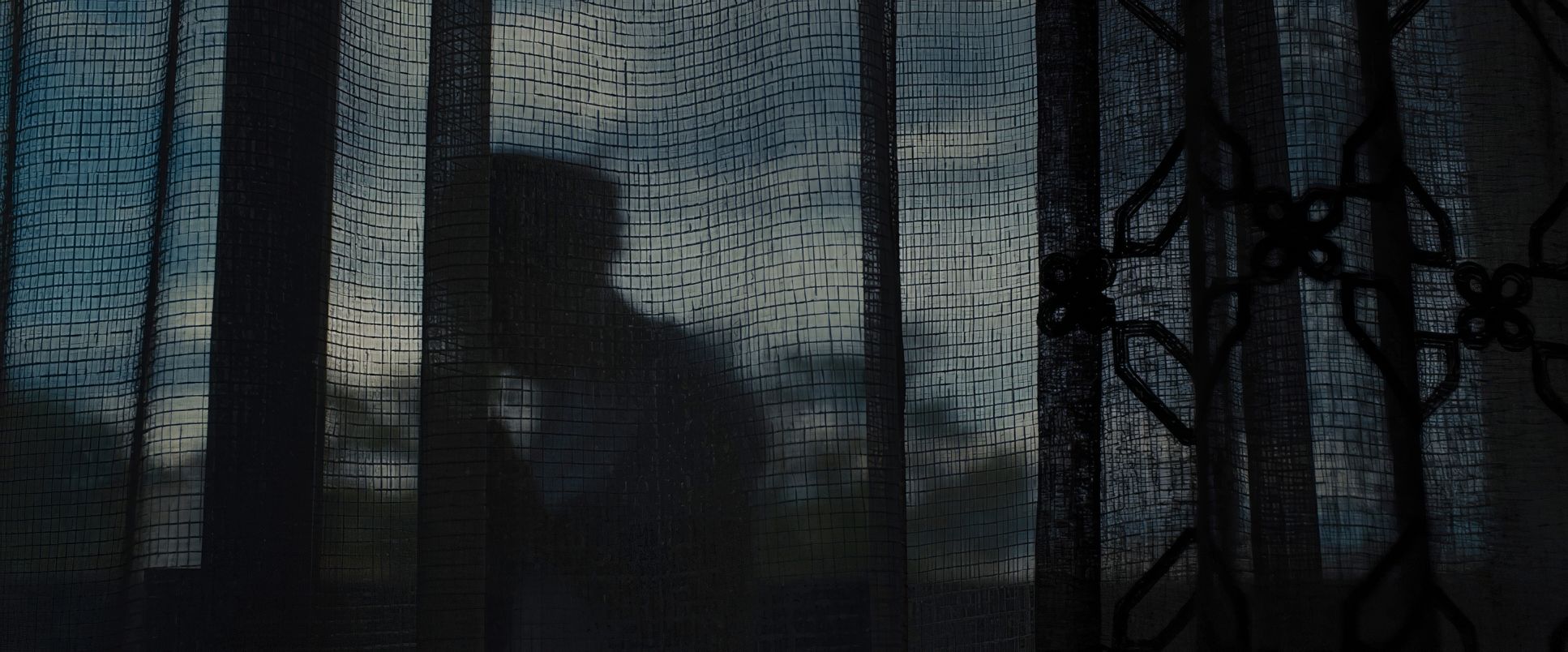
Deakins’ compositions are all about isolation. He uses wide shots to establish the oppressive urban sprawl of Juárez and frames within frames car windows, doorways to suggest that we are only ever seeing a partial truth. We are peering through keyholes.
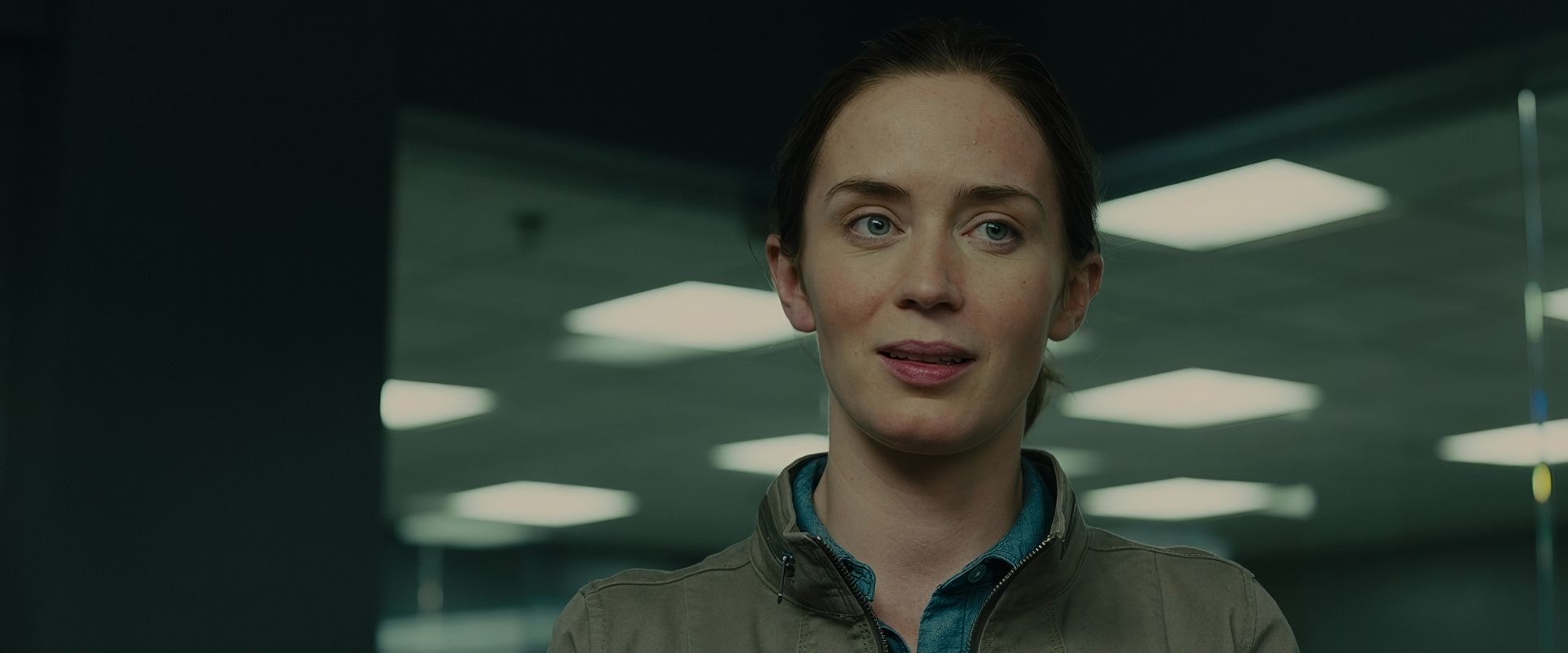
Even in simple dialogue scenes, the placement is never accidental. Kate is often off-center or dominated by her counterparts in the frame, signaling the power imbalance before a word is even spoken. It’s stark, often symmetrical, and always purposeful.
Camera Movements
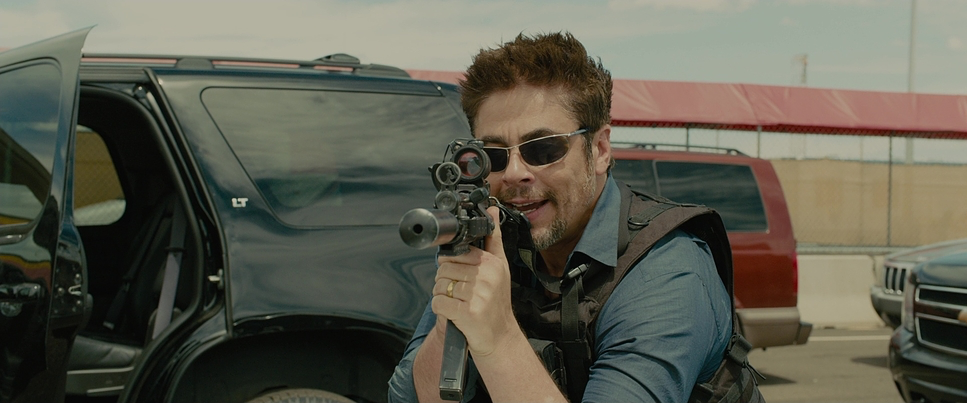
The camera in Sicario is patient. It doesn’t rely on frenetic handheld or rapid-fire cuts to create tension. Instead, Deakins uses slow pushes and deliberate pans.
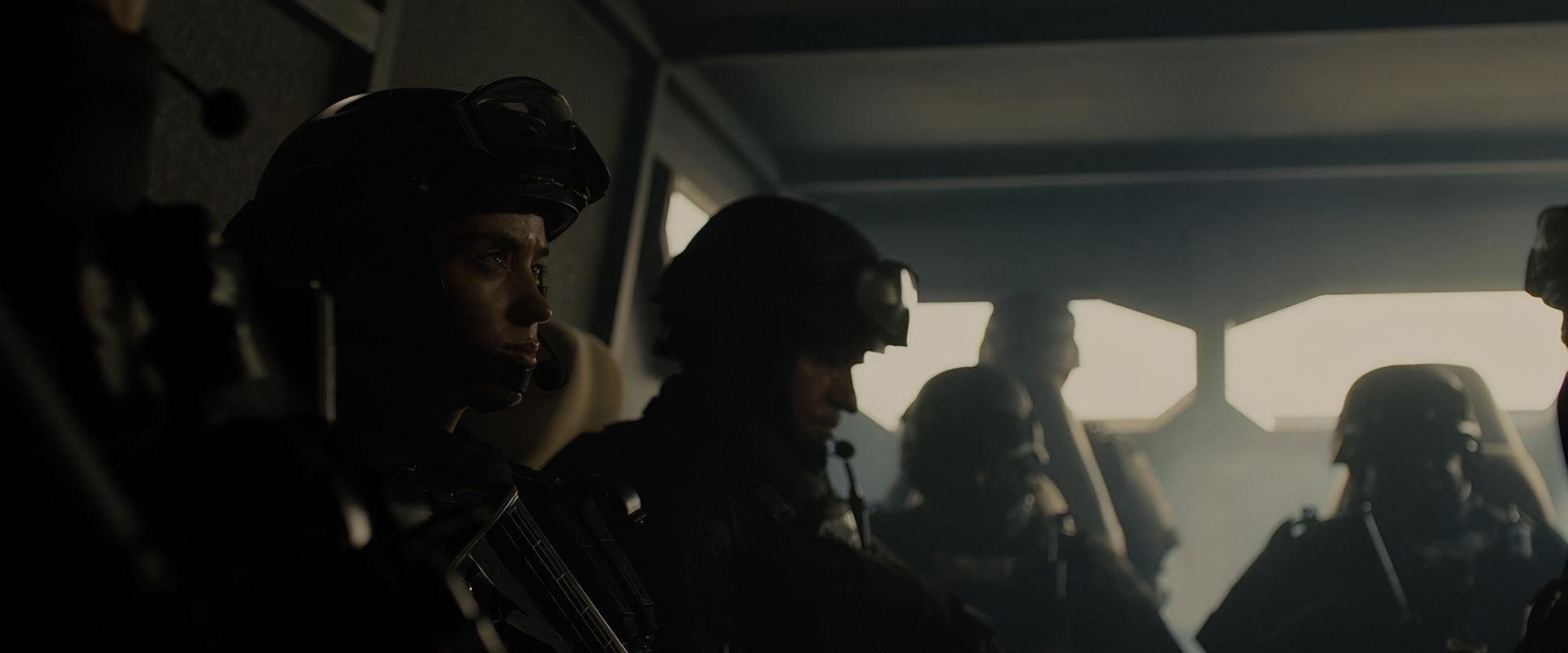
Take the Juárez convoy sequence. The camera doesn’t frantically cut; it holds. It observes from a distance. This restraint is what makes the air feel thick with dread. It mirrors Kate’s experience: she’s a passenger in a game she doesn’t understand. Some might find the pacing slow, but that “tension without explosive payoff” is exactly the point. As a filmmaker, it’s a reminder that sometimes the most powerful statement you can make is through stillness and economy of motion.
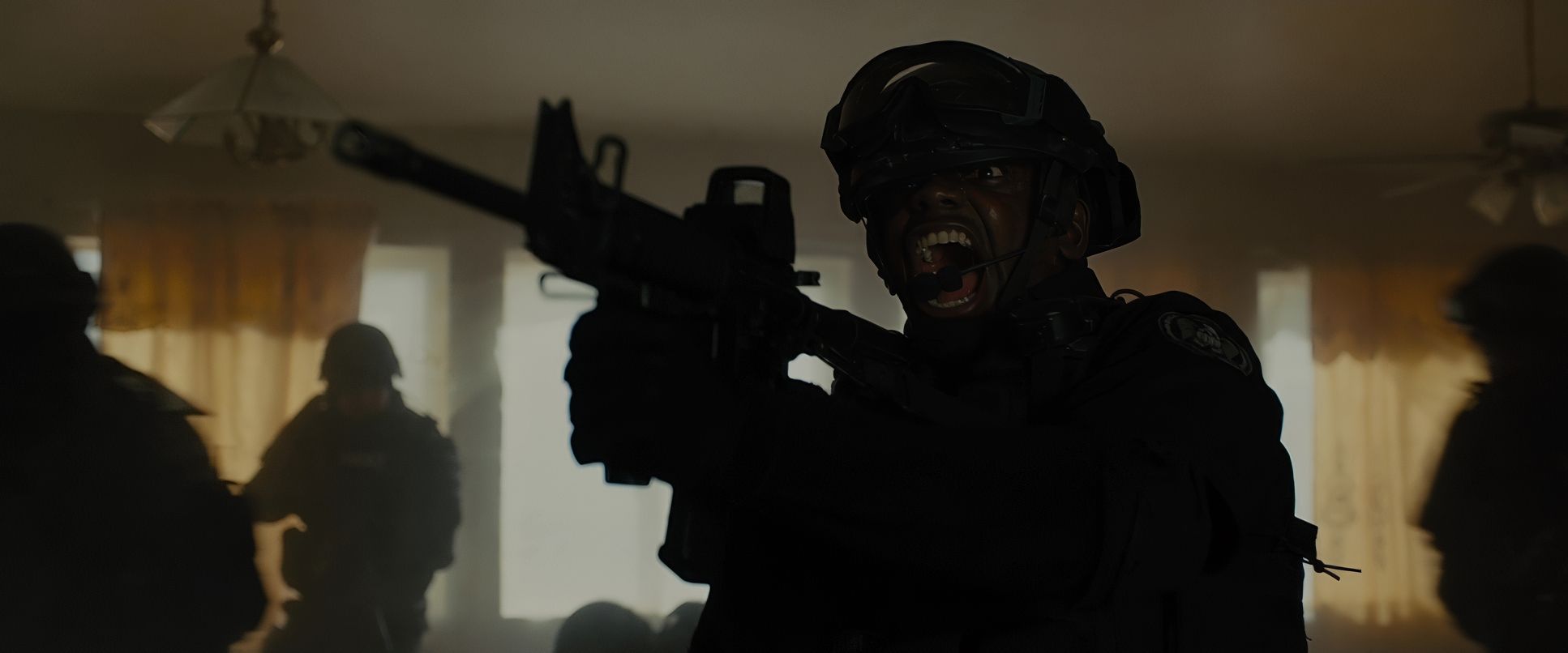
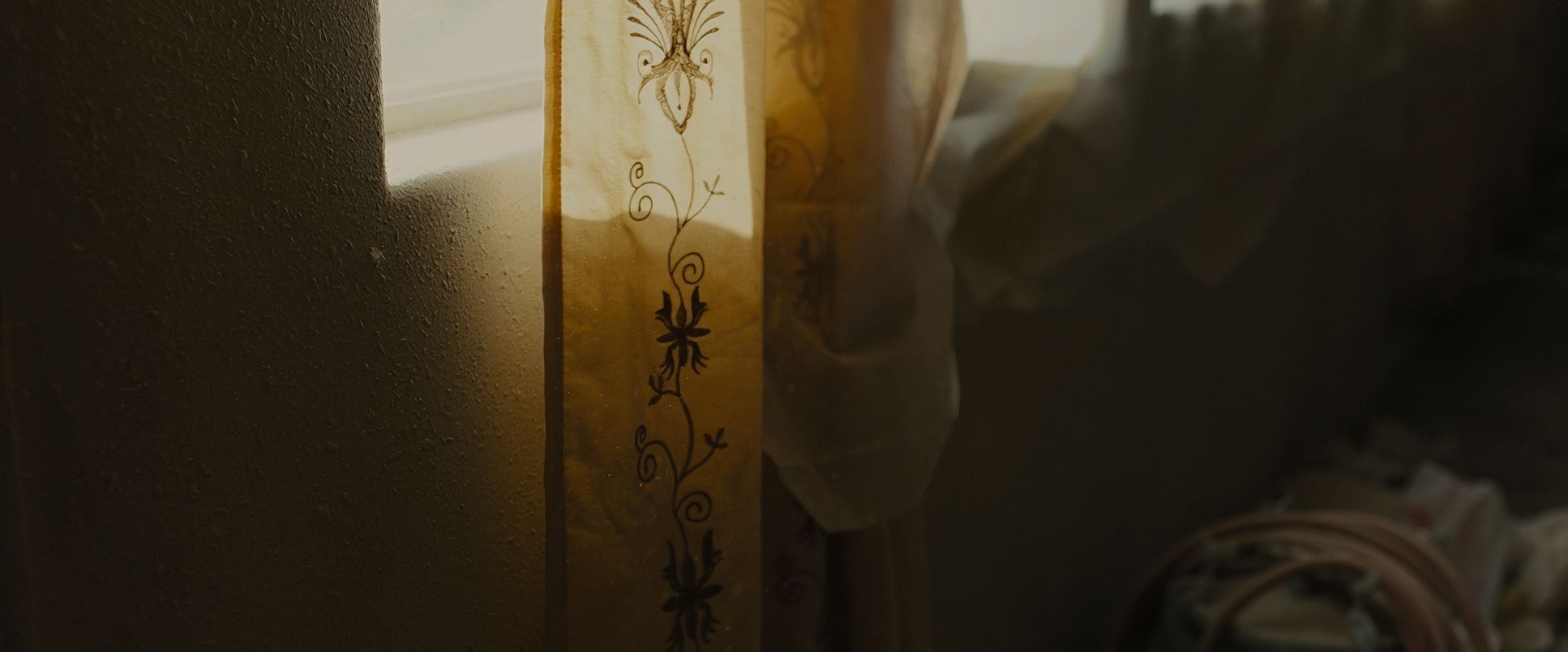
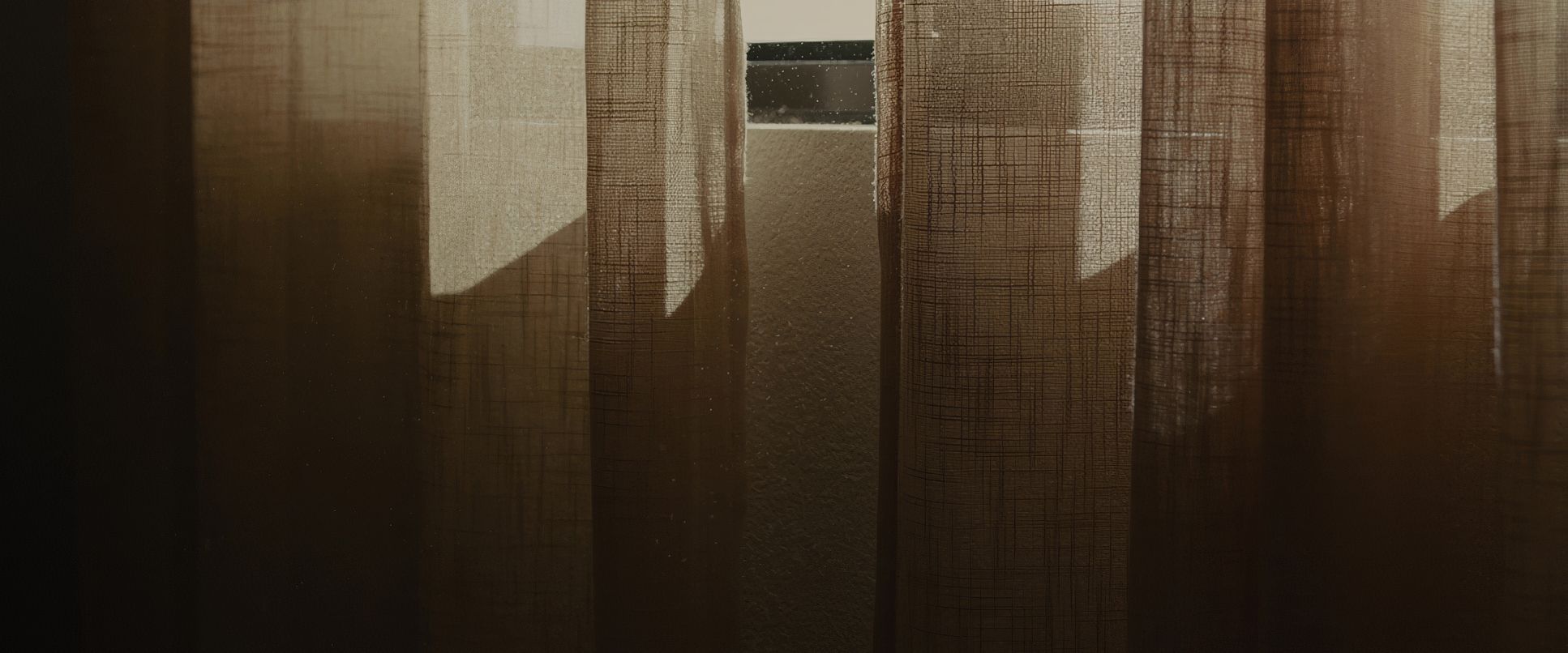
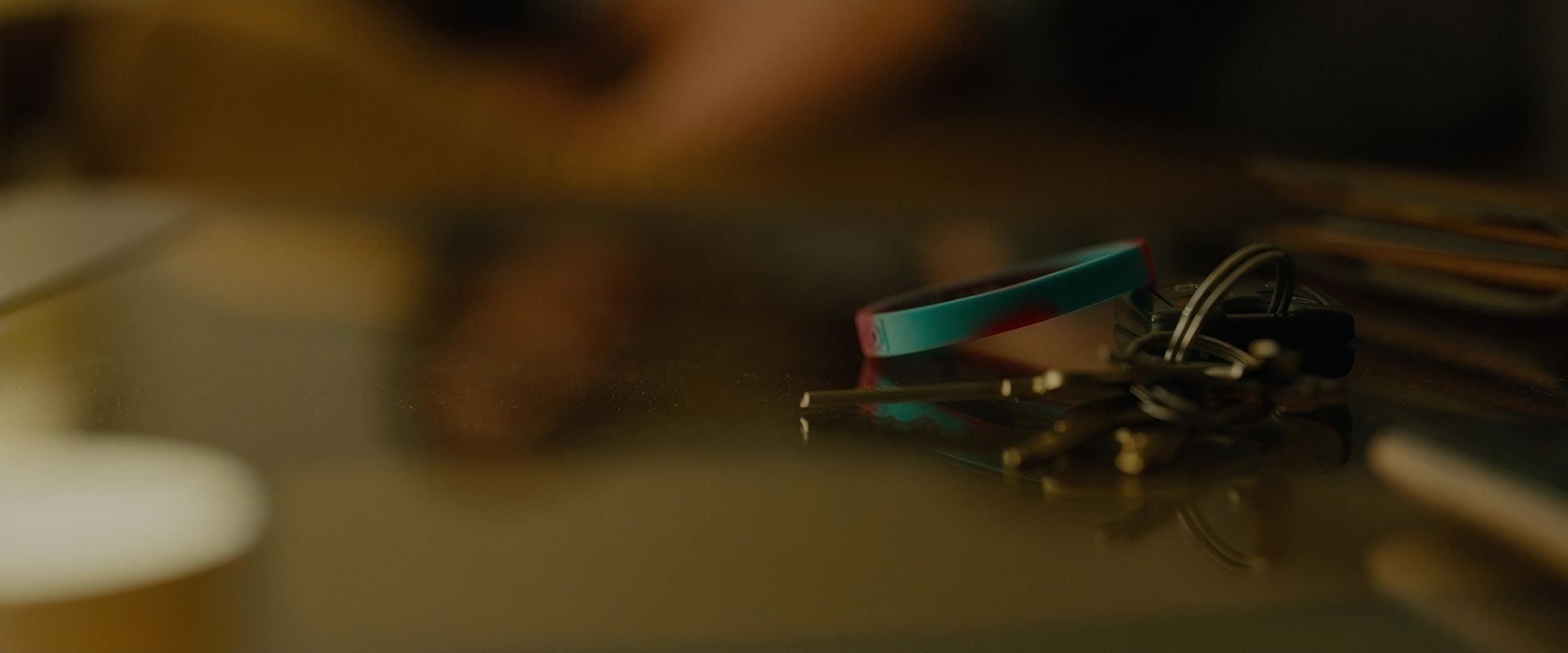
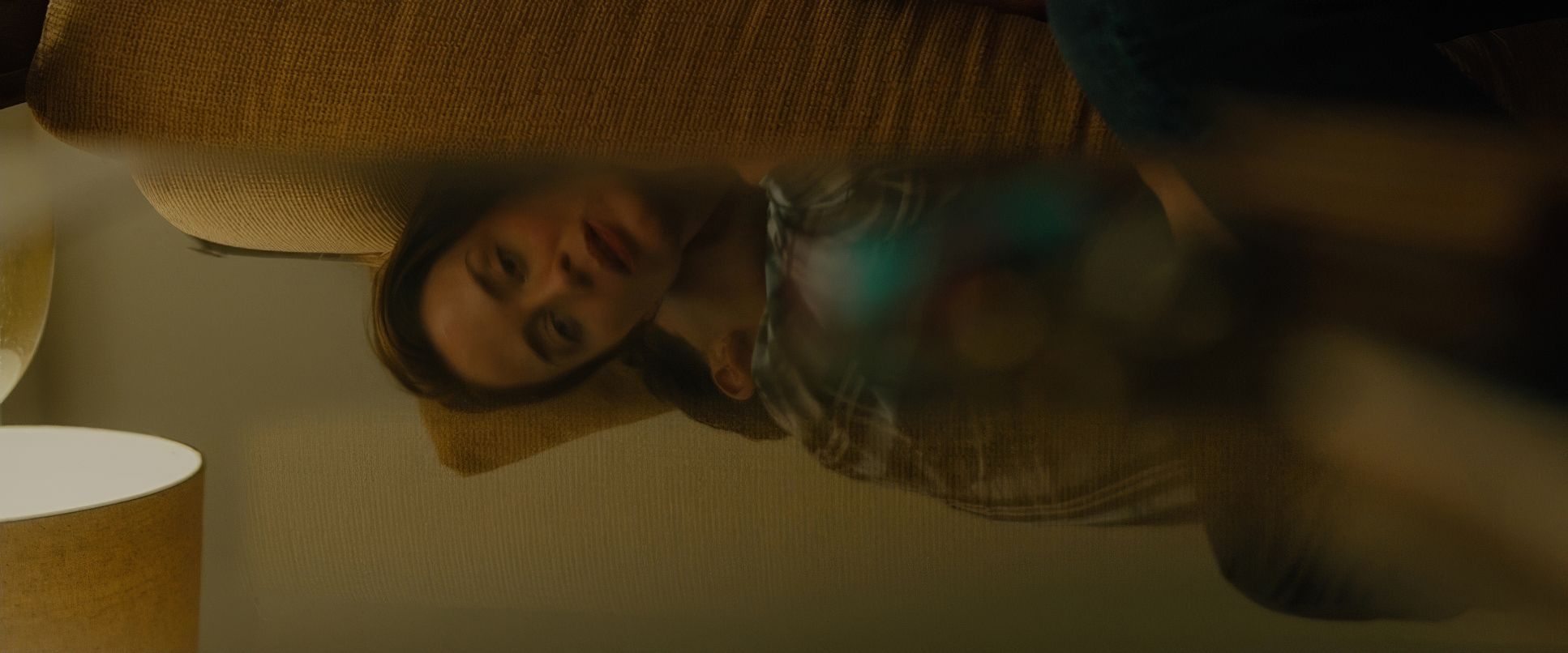
Sicario (2015) Film Stills
A curated reference archive of cinematography stills from Sicario (2015). Study the lighting, color grading, and composition.





- Also read: TANGLED (2010) – CINEMATOGRAPHY ANALYSIS
- Also read: EX MACHINA (2015) – CINEMATOGRAPHY ANALYSIS
Browse Our Cinematography Analysis Glossary
Explore directors, cinematographers, cameras, lenses, lighting styles, genres, and the visual techniques that shape iconic films.
Explore Glossary →