Wim Wenders’ “Perfect Days” is a masterclass in quiet observation. It’s a film that doesn’t scream for your attention; it gently invites you to lean in, to see, and to feel.
It’s the antithesis of the aggressive, high-frenetic engagement we see in most modern cinema. As the review states, it finds its “heart and depth… only with a certain amount of patience.” For me, analyzing the visual craft here isn’t an academic exercise; it’s a way to understand how light and shadow can convey the very essence of the human experience.
About the Cinematographer

The man behind the lens is Franz Lustig, a German cinematographer whose long-standing collaboration with Wenders (notably on Pope Francis: A Man of His Word) has reached a sort of creative peak here. Lustig’s approach feels deeply symbiotic with Wenders’ vision. He isn’t a showman; he’s a profound observer.
His craft in “Perfect Days” feels like a meditation, aligning perfectly with the protagonist, Hirayama. You see Lustig’s fingerprints not in overt stylistic flourishes, but in the subtle empathy and stillness he brings to each frame. He understands that sometimes the most powerful visual statement is simply allowing the world to exist, unmanipulated, while carefully choosing how that existence is presented to the audience.
Technical Aspects & Tools
Perfect Days
Technical Specifications
| Genre | Drama, Workplace, Comedy, Melodrama |
| Director | Wim Wenders |
| Cinematographer | Franz Lustig |
| Production Designer | Towako Kuwashima |
| Costume Designer | Daisuke Iga |
| Editor | Toni Froschhammer |
| Colorist | Philipp Orgassa |
| Time Period | 2020s |
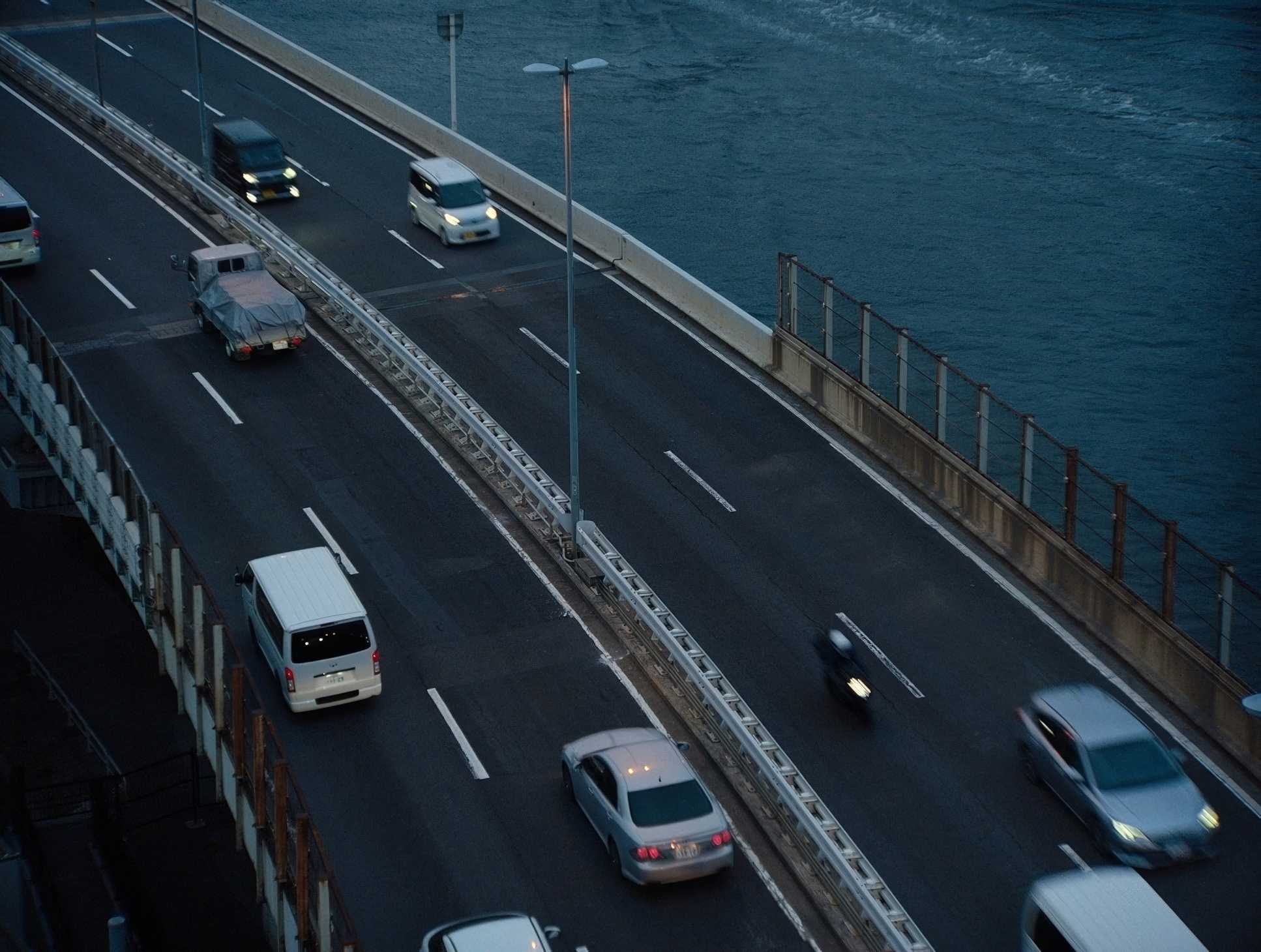
| Color | Cool, Desaturated, Cyan, Blue |
| Aspect Ratio | 1.33 – Spherical |
| Format | Digital |
| Lighting | Soft light, Top light |
| Lighting Type | Daylight, Overcast |
| Story Location | Japan > Tokyo |
| Filming Location | Japan > Tokyo |
| Camera | Sony VENICE 2 |
| Lens | Canon K35 |
| Film Stock / Resolution | 4K |
While the “gear” is just a means to an end, the specific choices here are vital to the film’s soul. Lustig opted for the Sony VENICE 2, a camera I’ve always admired for its incredible dynamic range and organic color science. But the real magic is in the glass: they shot on Canon K35 primes.
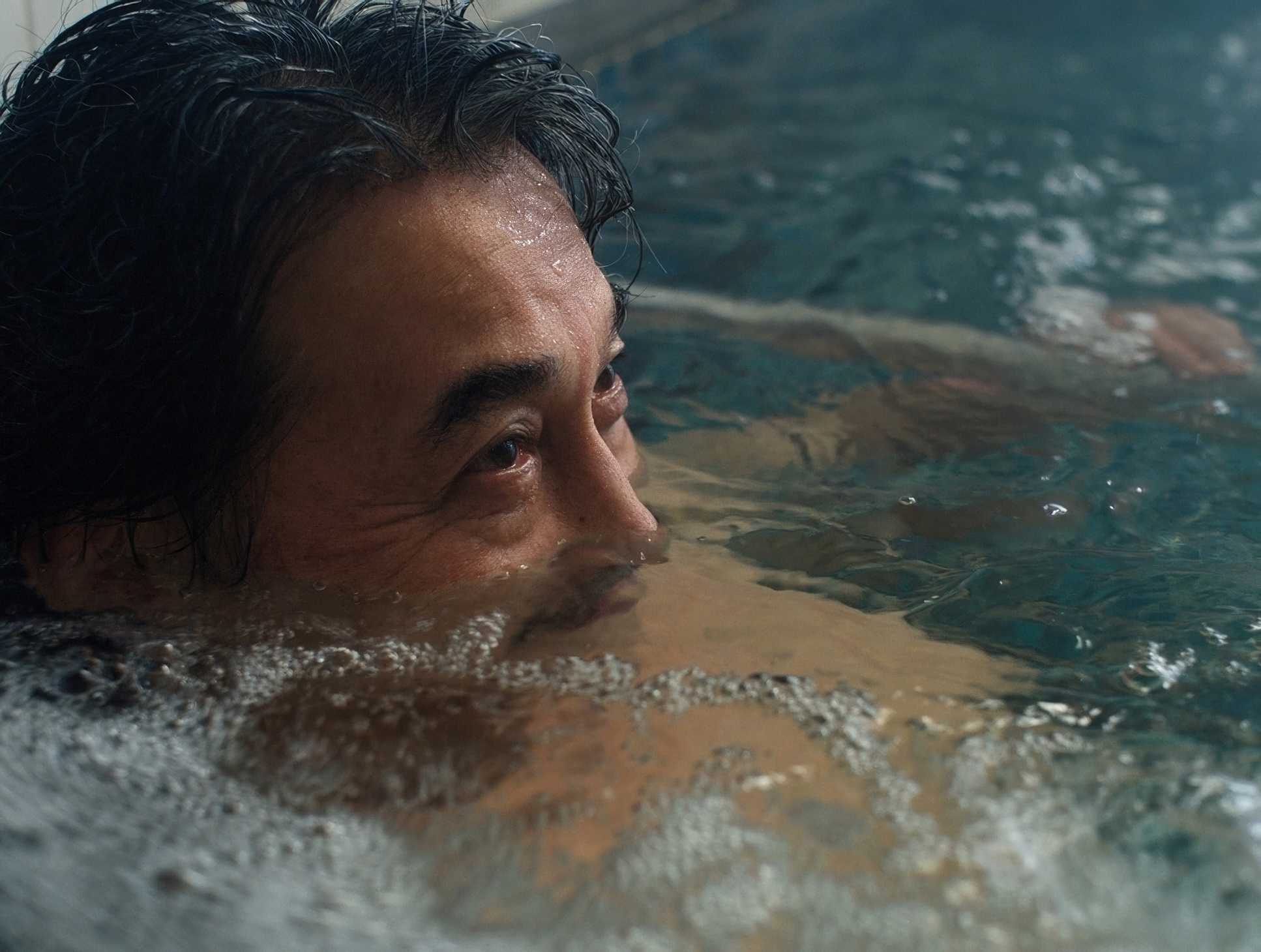
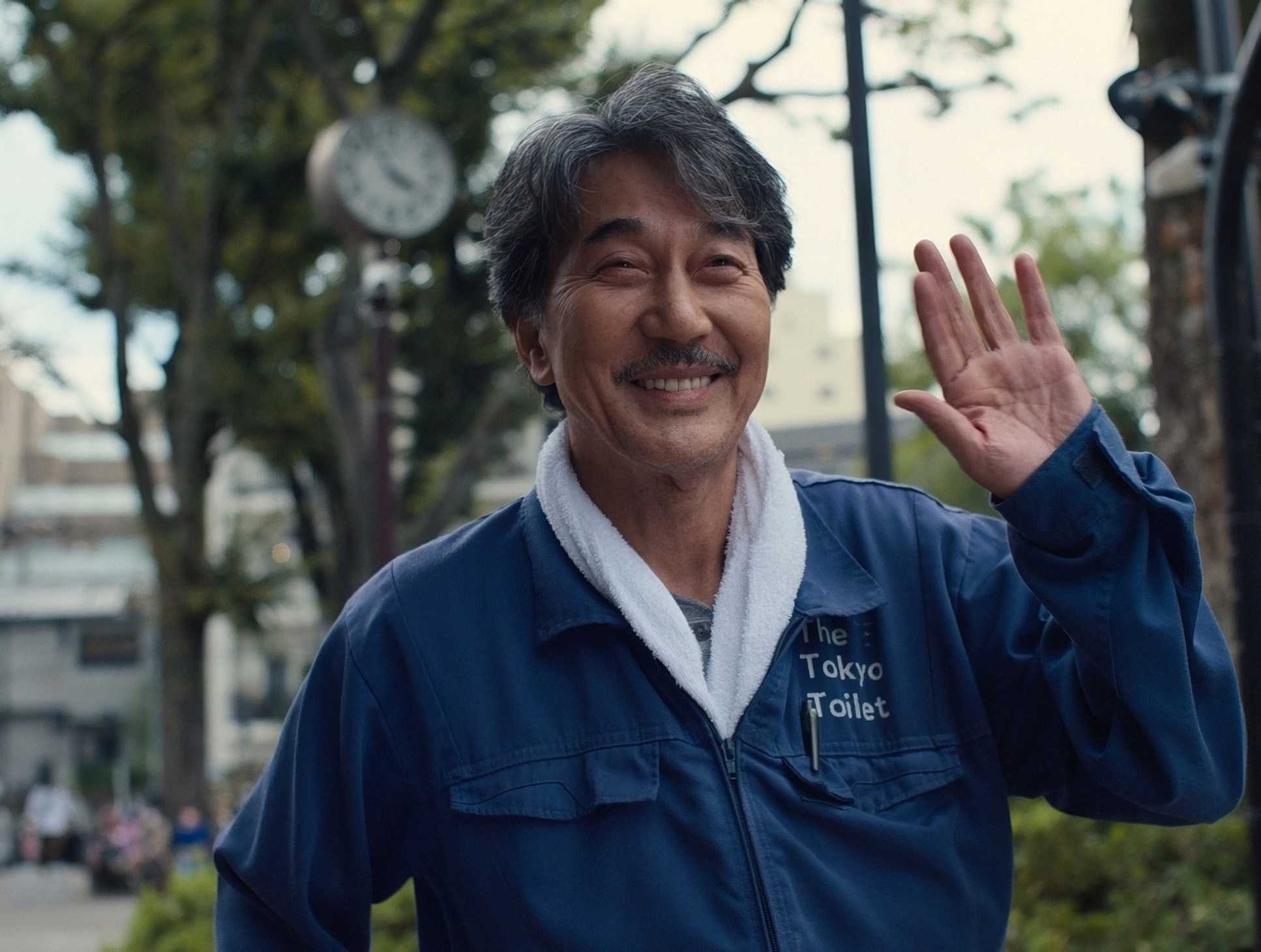
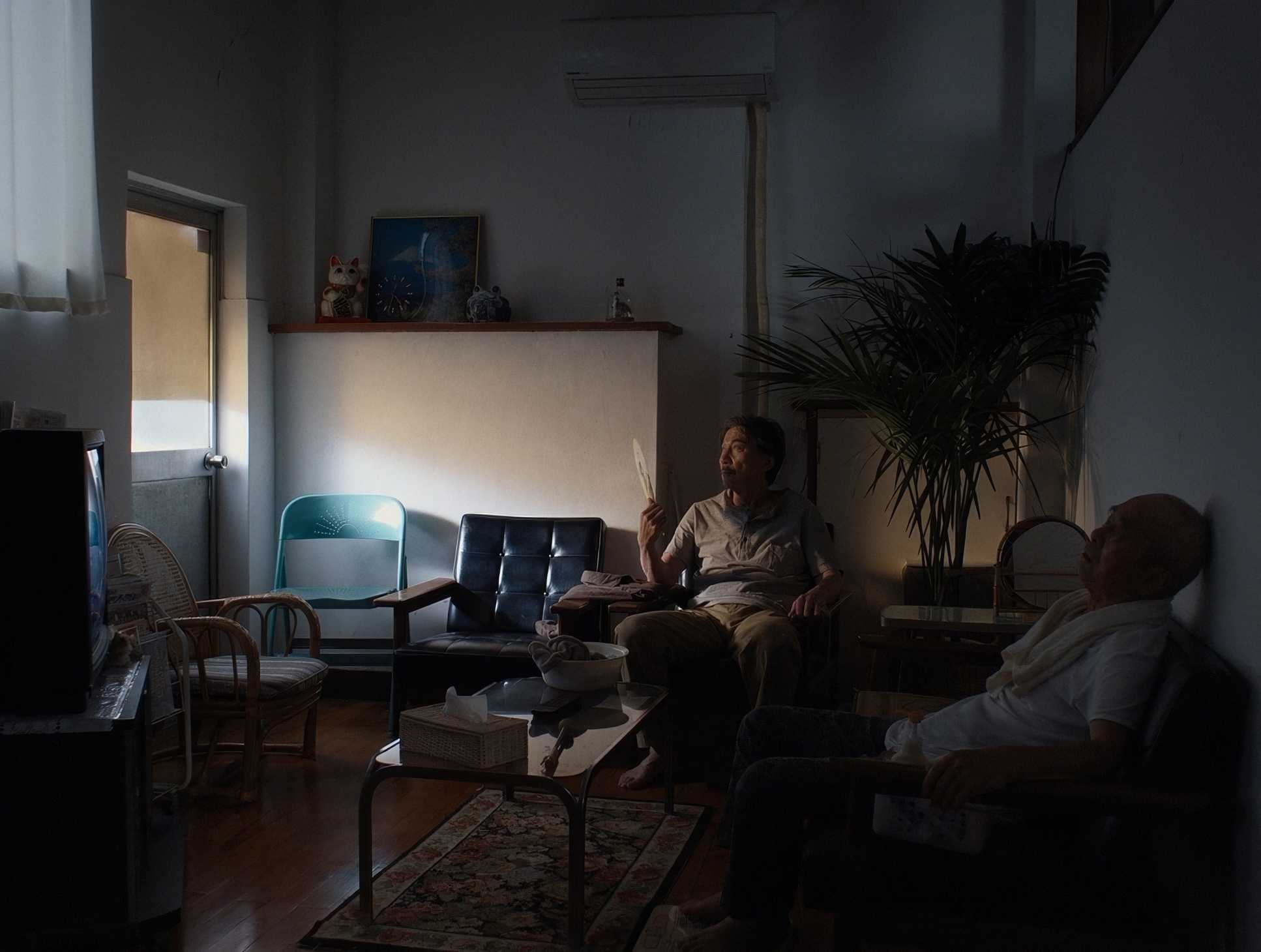
As a colorist, I love the K35s because they have this legendary ability to take the “digital edge” off a high-resolution sensor like the VENICE 2. They provide a creamy, vintage texture and a beautiful highlight roll-off that feels more like a memory than a recording. Perhaps the most striking technical choice, however, is the 1.33:1 aspect ratio. In an age of ultra-widescreen, boxing Hirayama into a 4:3 frame creates a sense of profound intimacy. It forces us to look closer at the micro-details of his routine, making his small world feel both monumental and sacred.
Lensing and Blocking

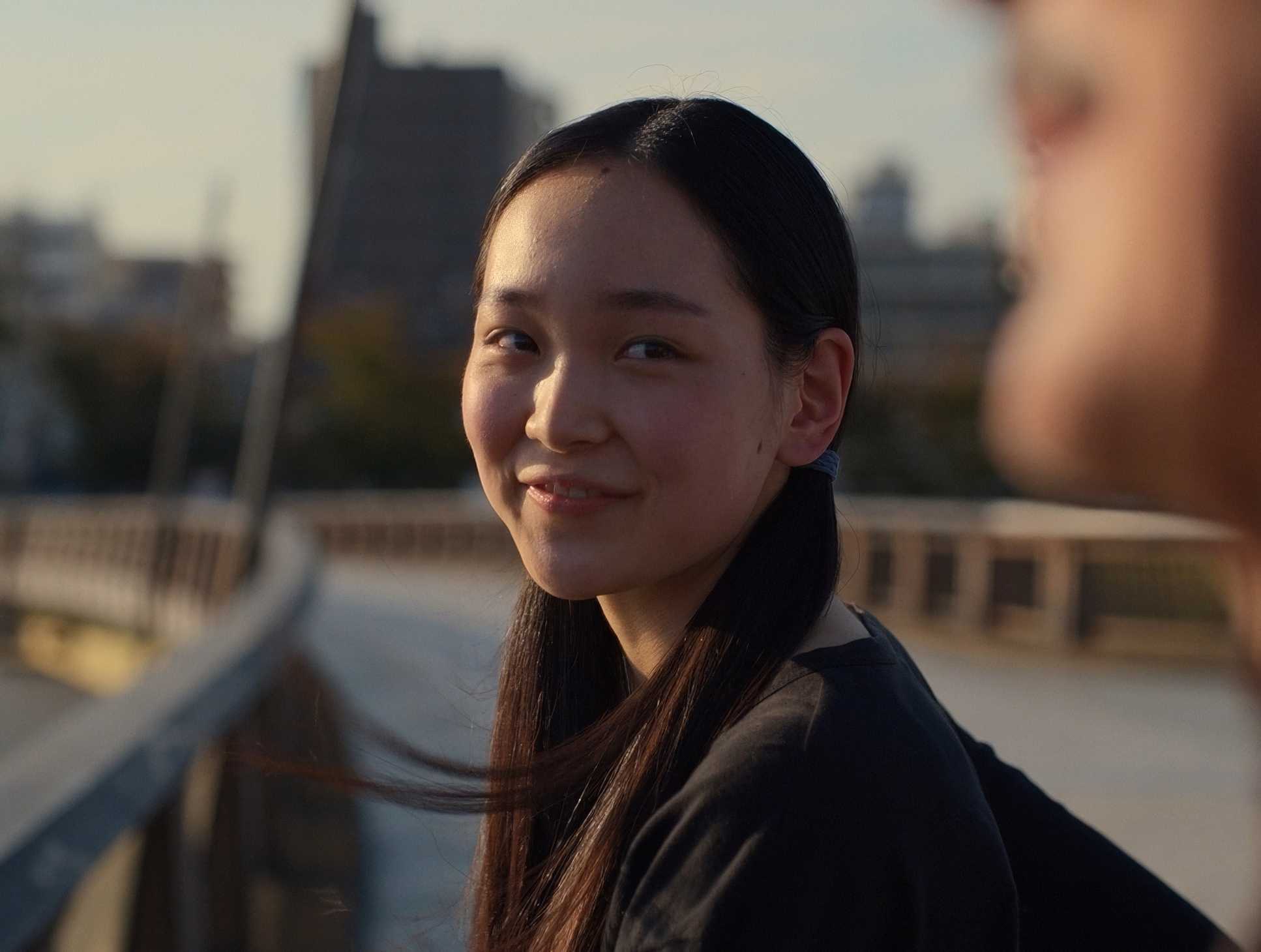
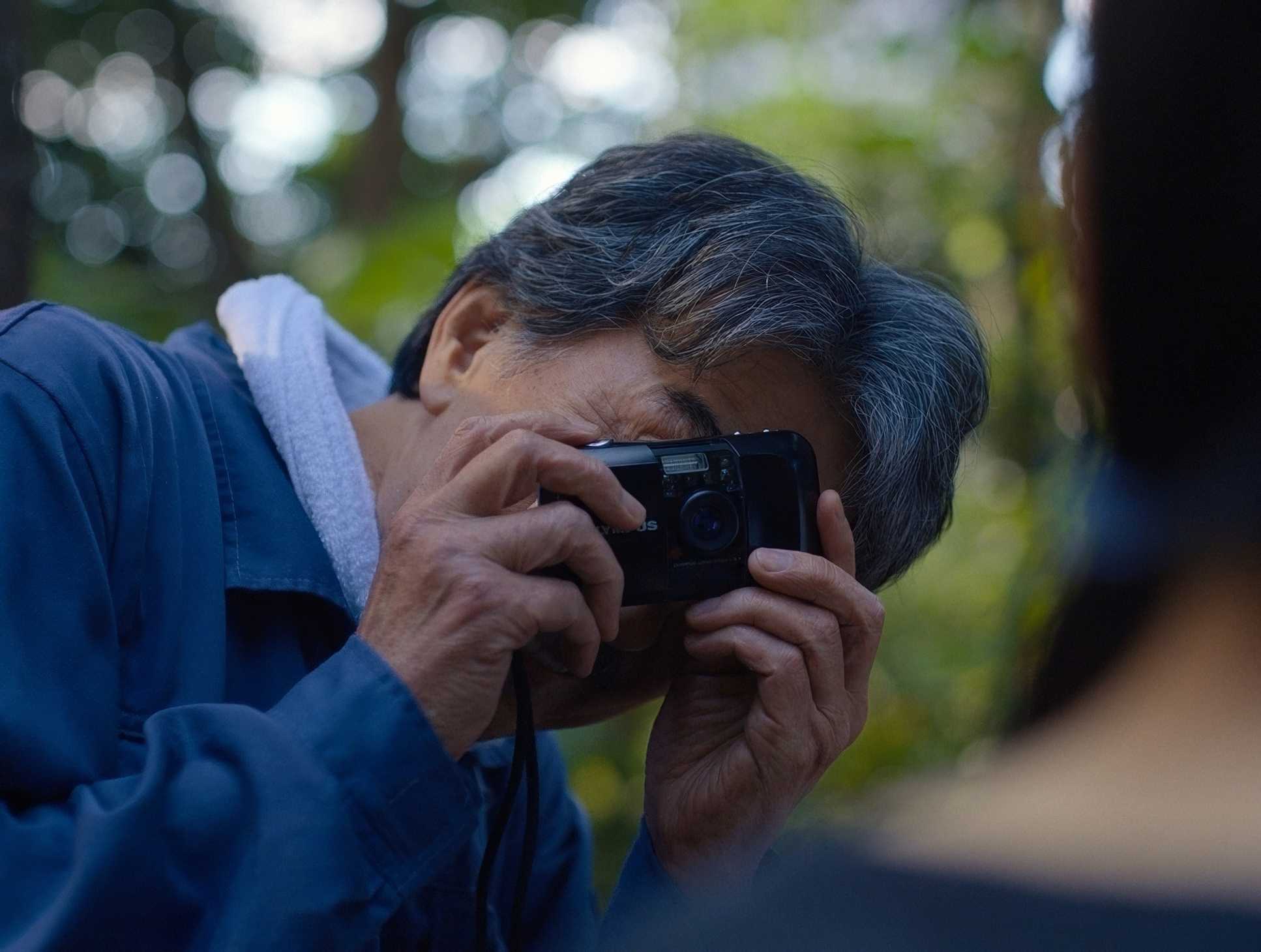
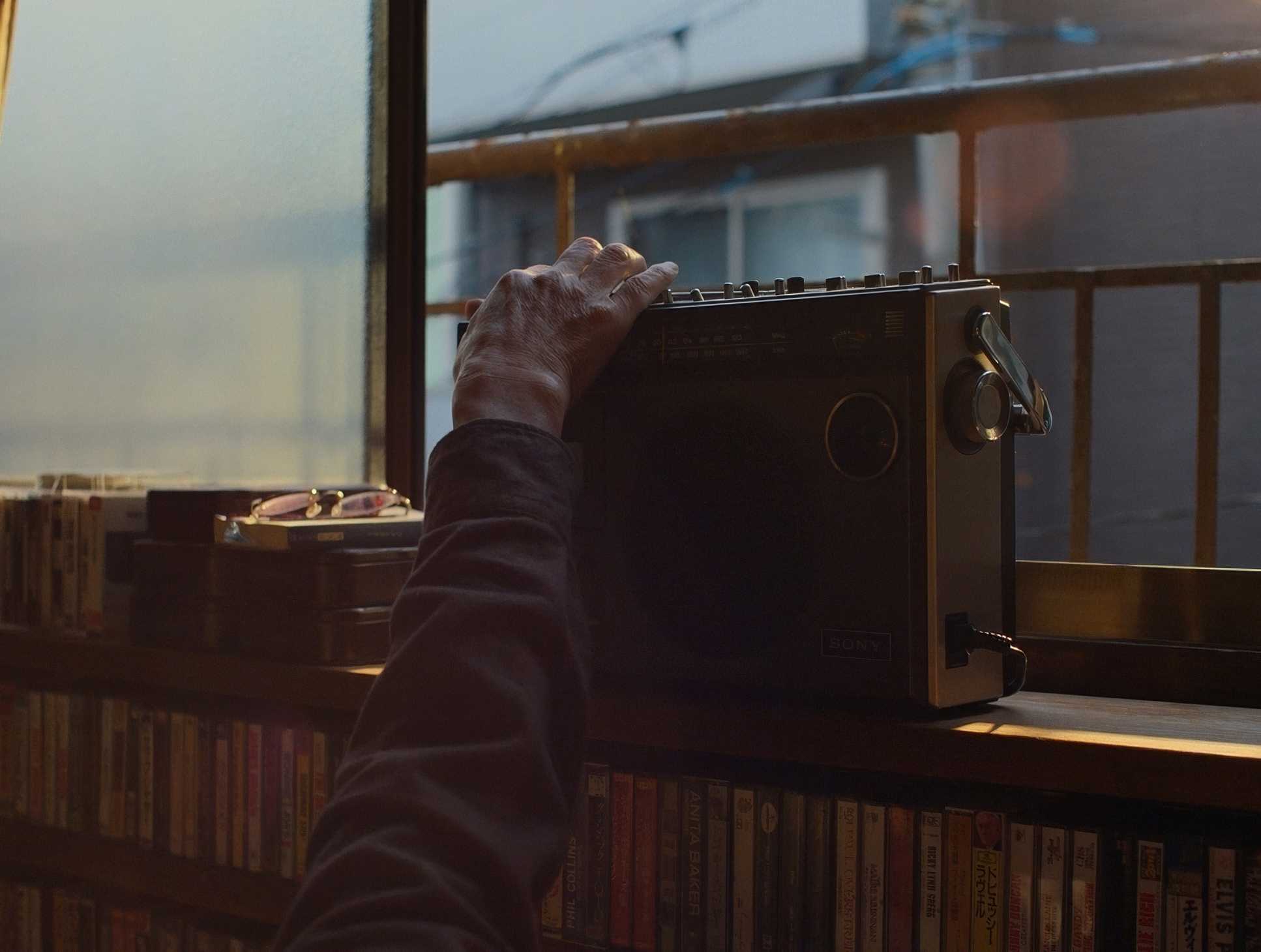
The choice of those K35 primes allowed for a gentle compression in the medium-telephoto range, which Lustig uses frequently for Hirayama’s moments of reflection. It brings elements like the trees he photographs into an intimate relationship with the foreground without creating an artificial, distracting depth of field.
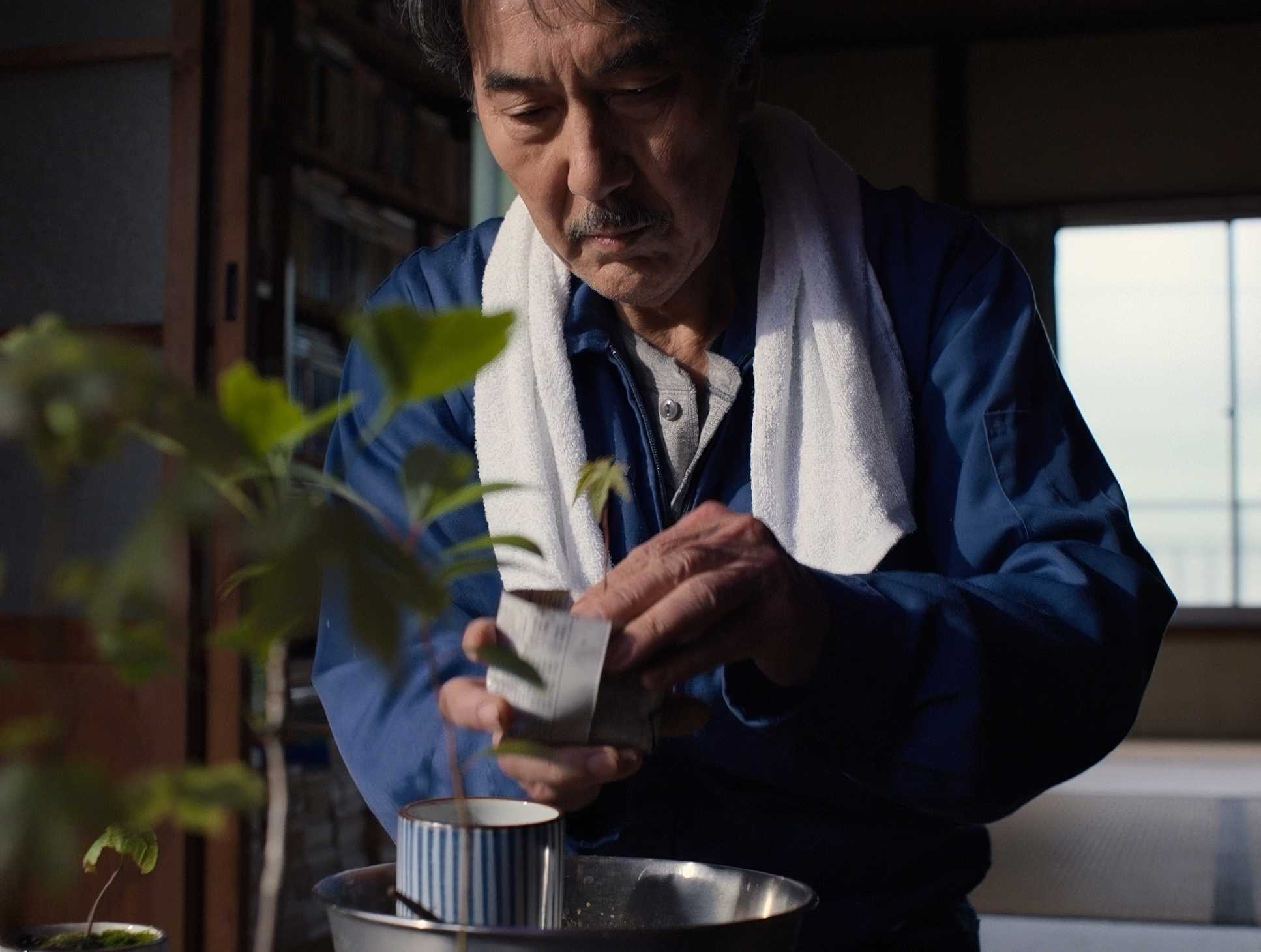
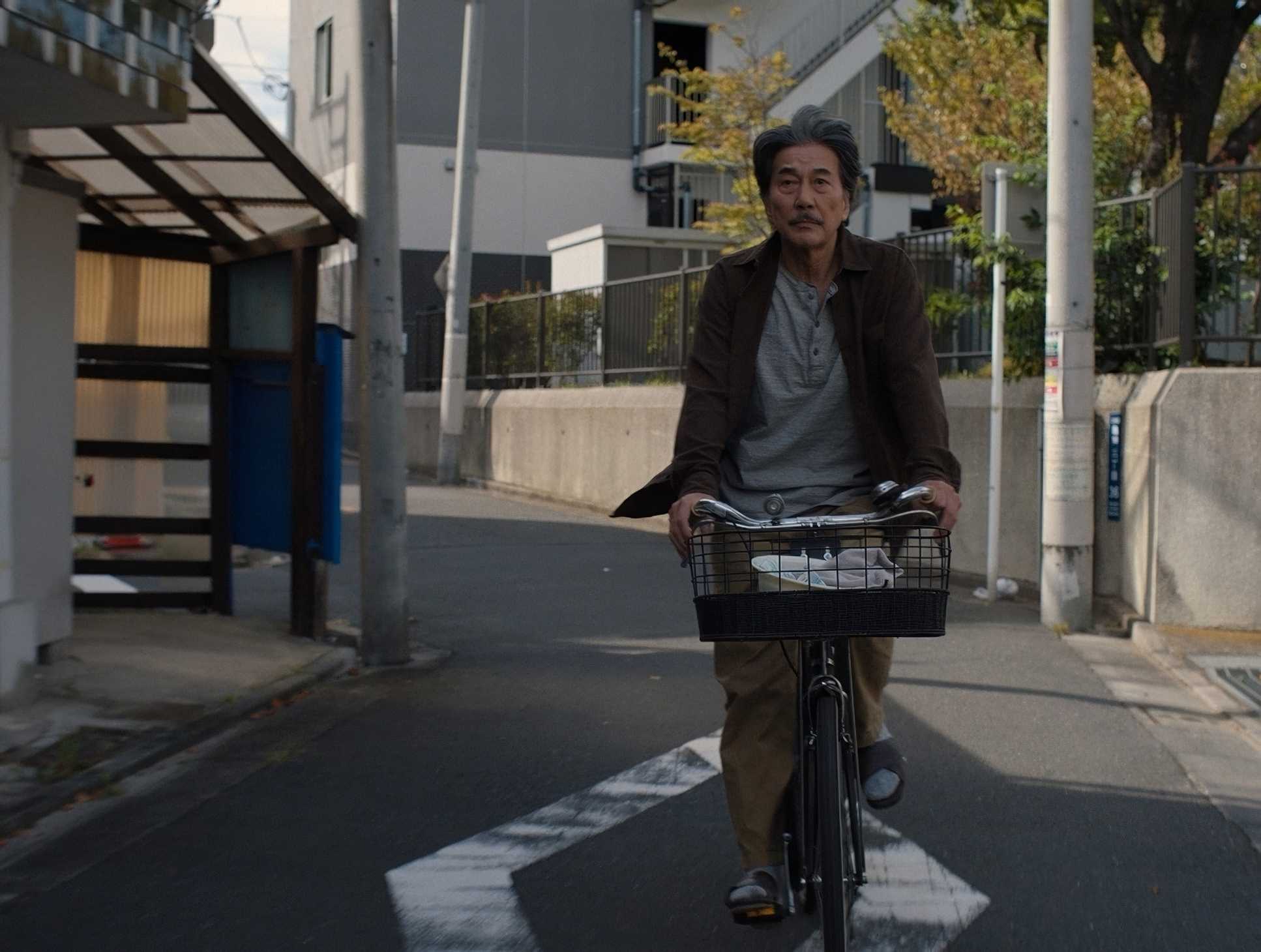
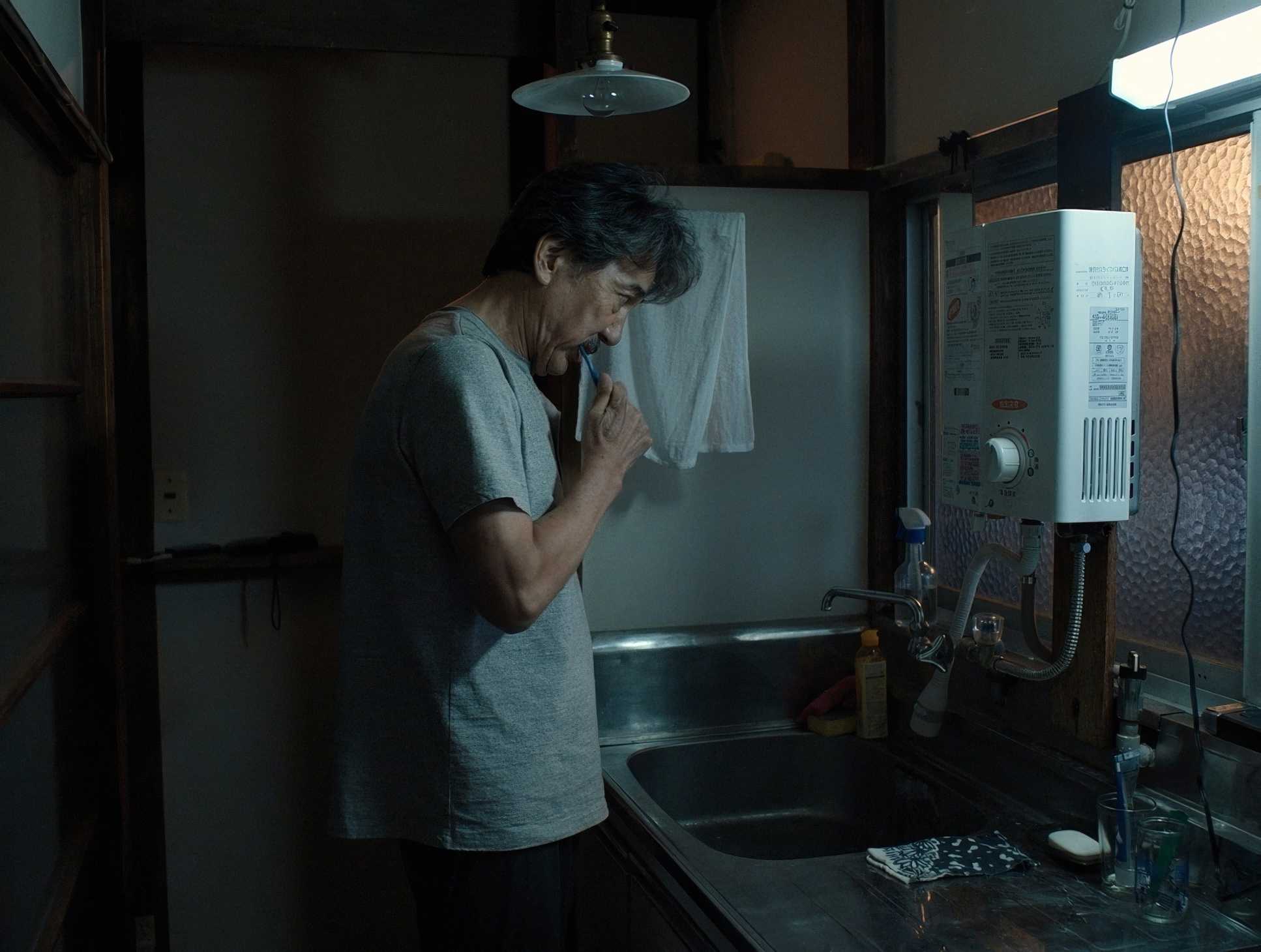
The blocking is exceptionally deliberate, reinforcing the ritualistic nature of Hirayama’s life. He moves through spaces with a precision that borders on the spiritual. The camera often frames him centrally as he performs his duties, establishing his solitary focus. When he interacts with others like the scene with the lost child the blocking highlights a subtle visual barrier, emphasizing his quiet, non-imposing nature. It’s a testament to how meticulous choices in character placement can deepen a theme without a single word of dialogue.
Lighting Style

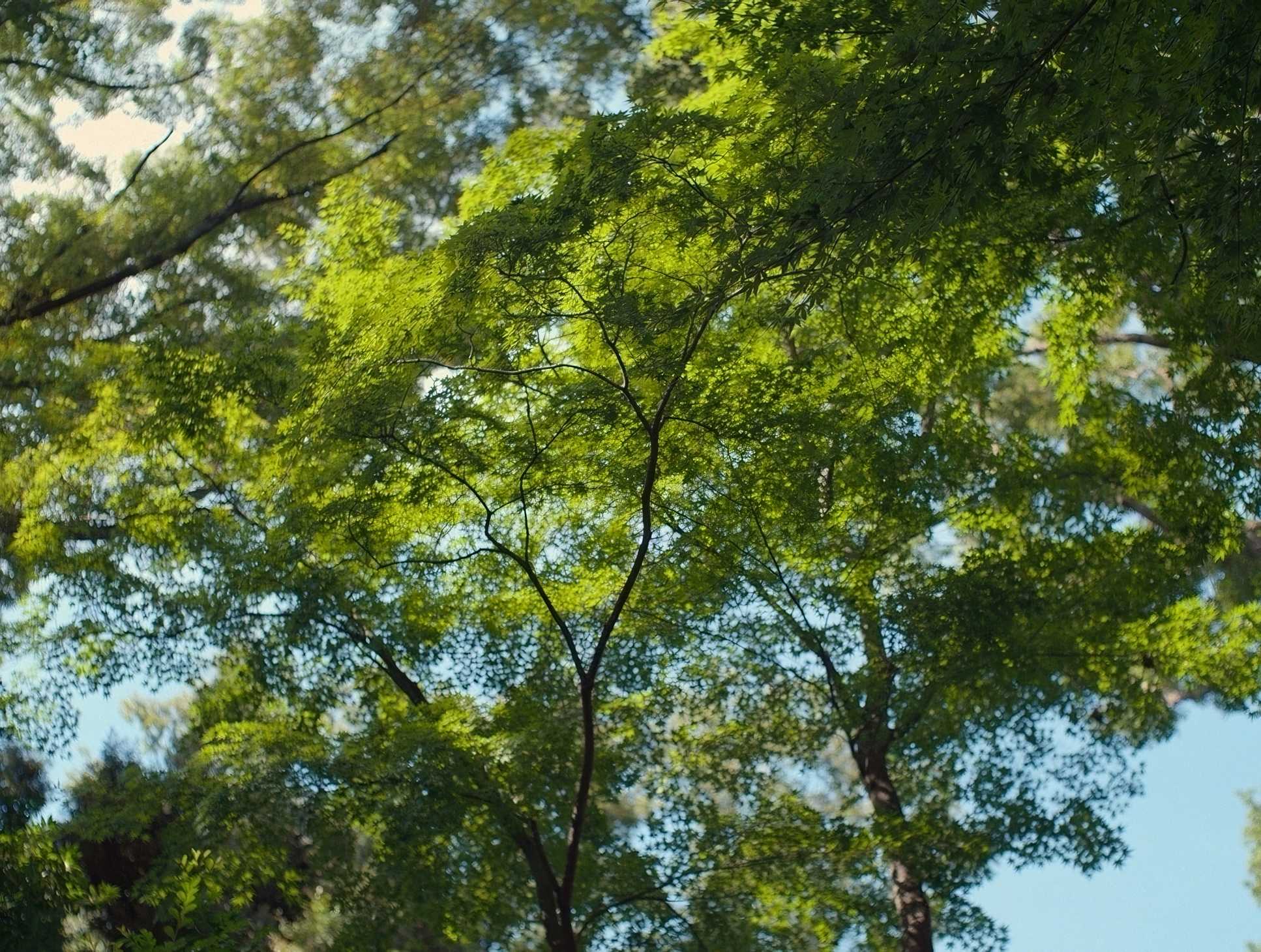
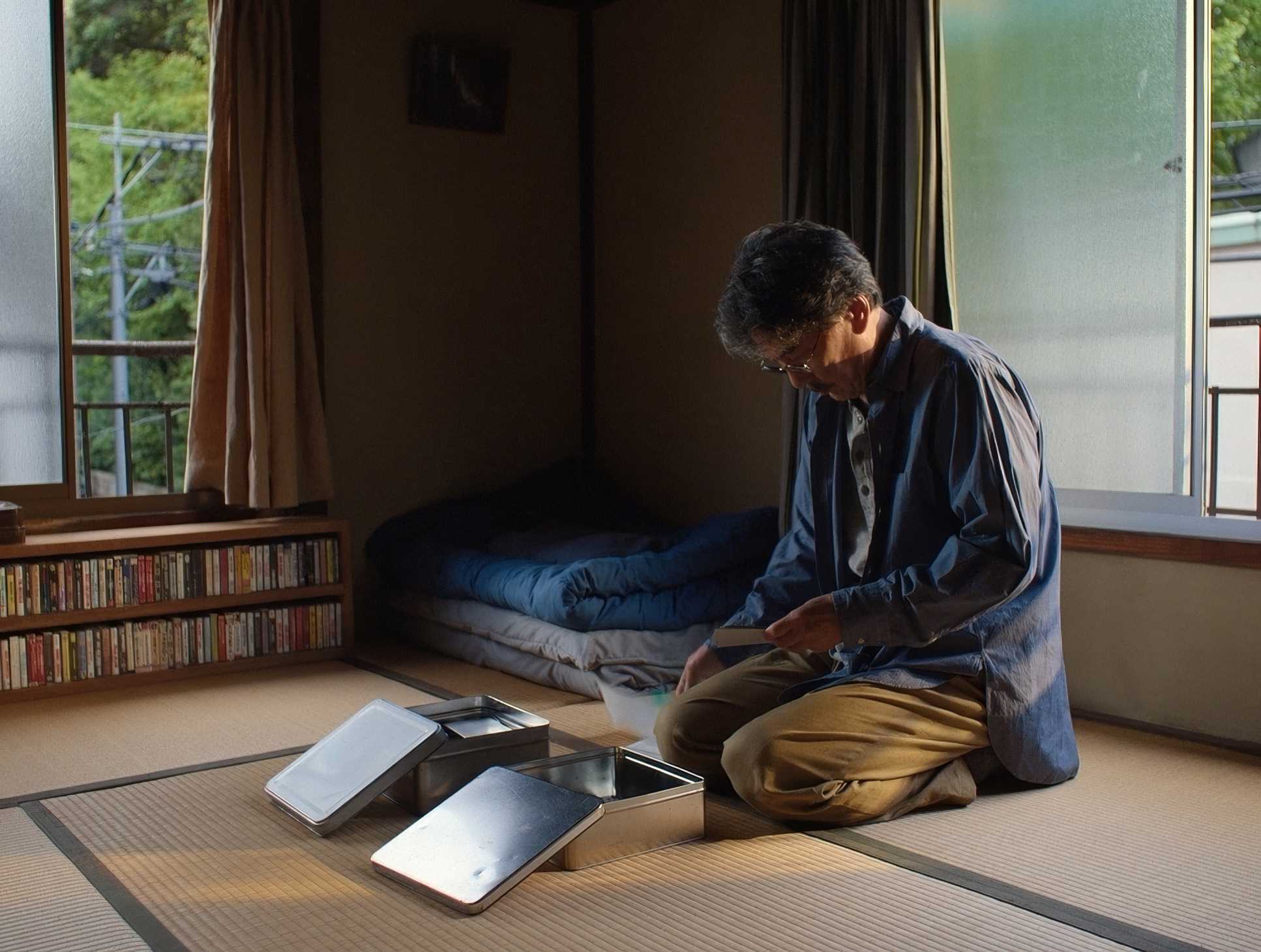
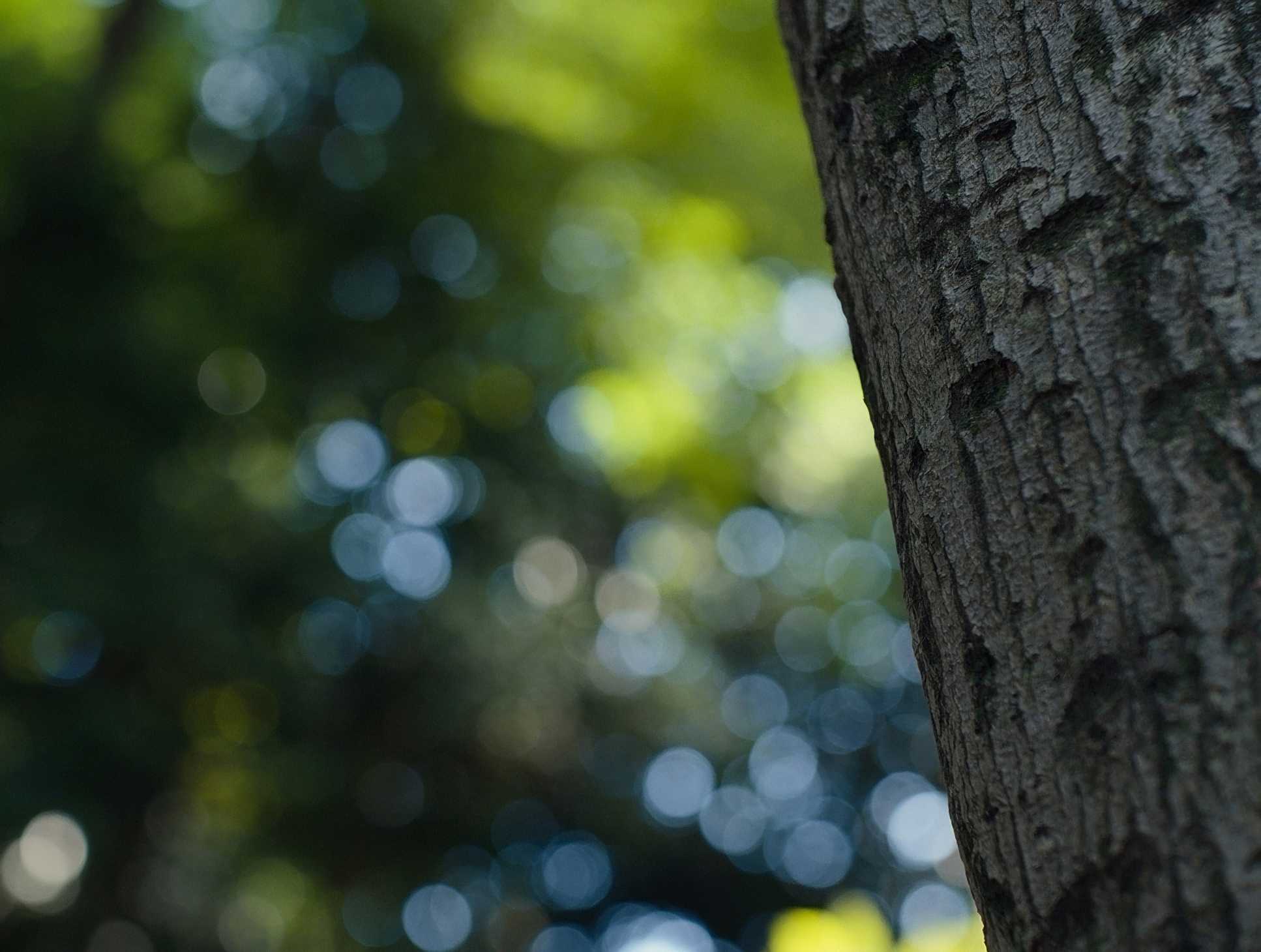
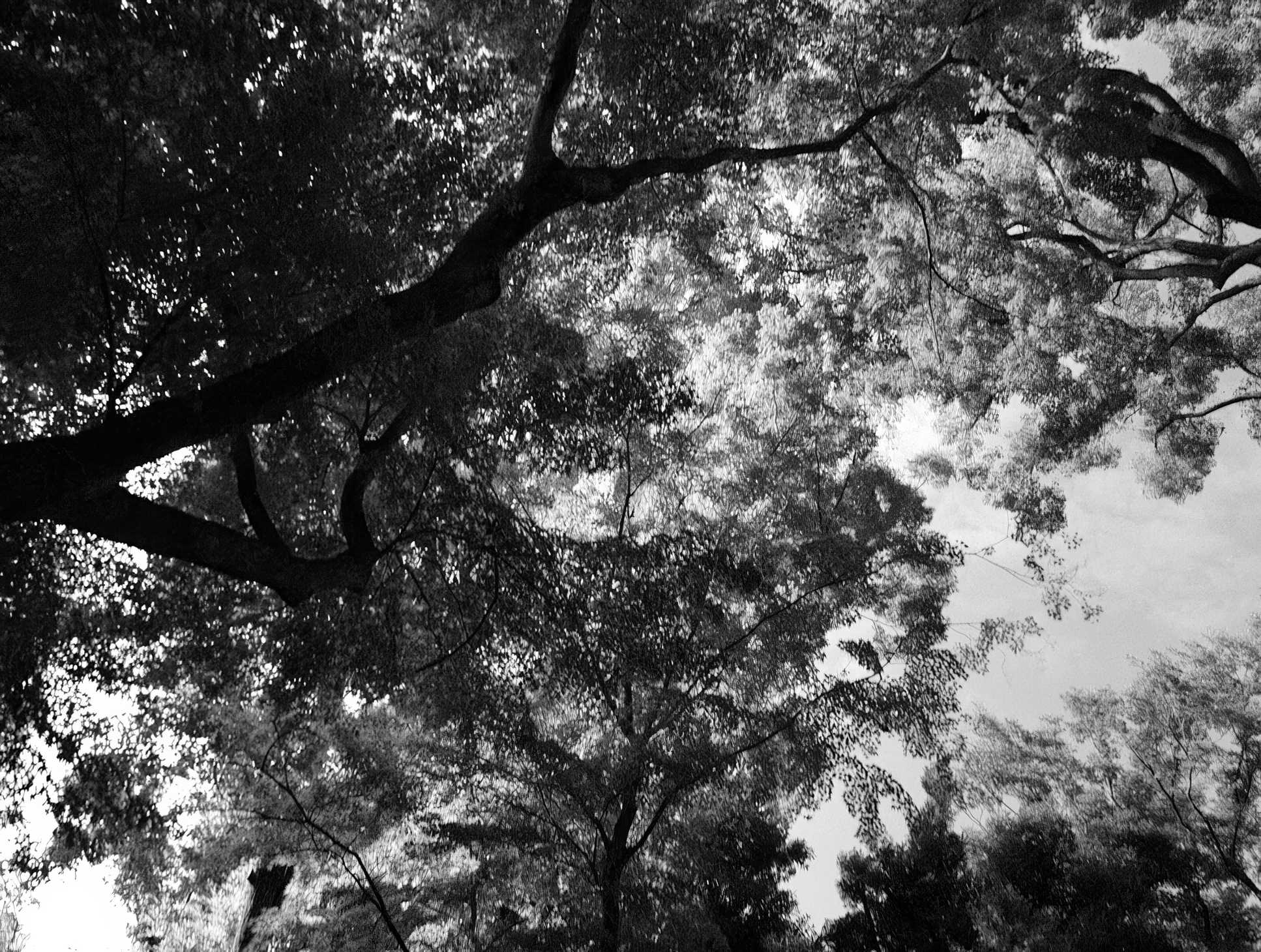
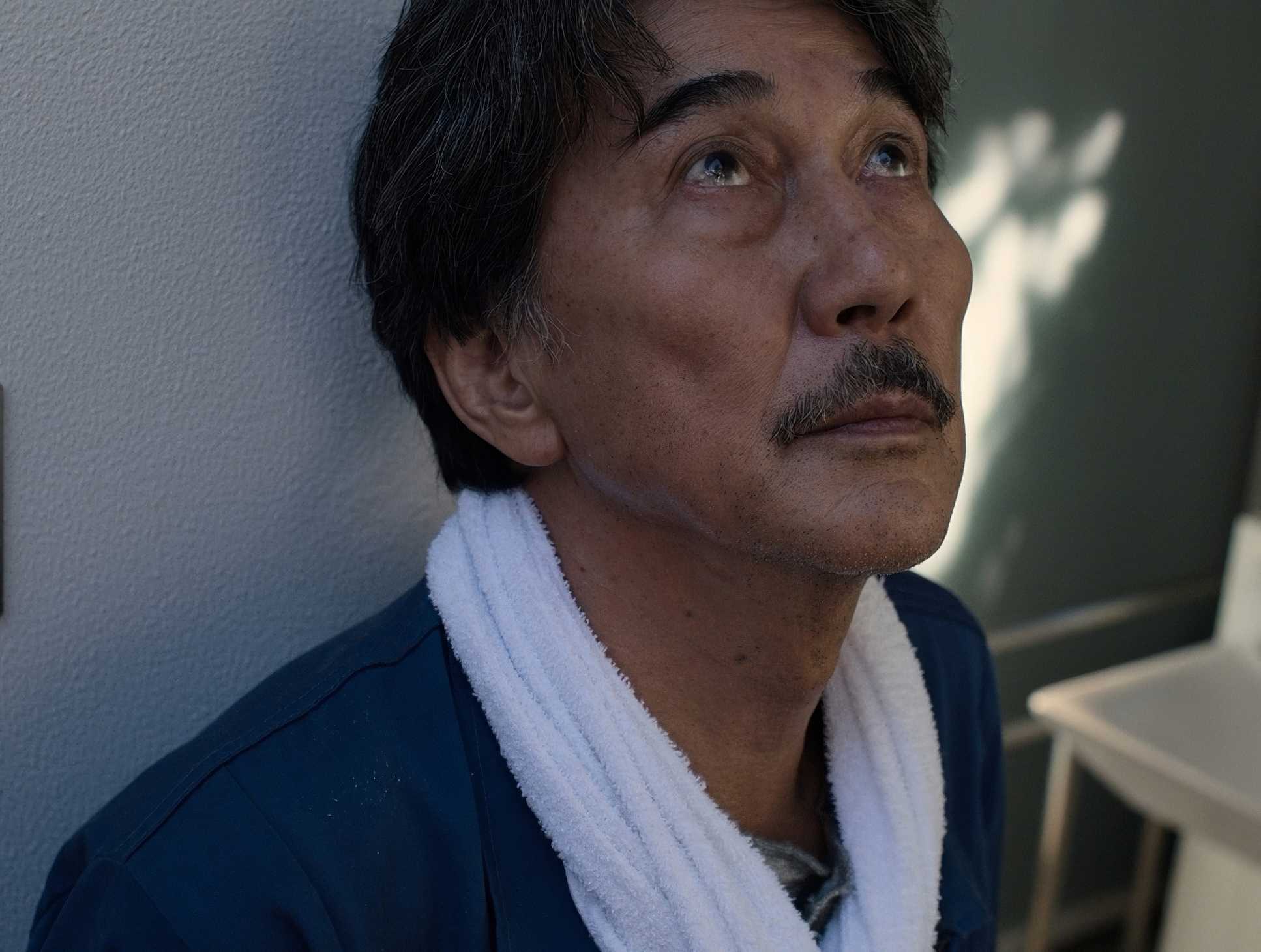
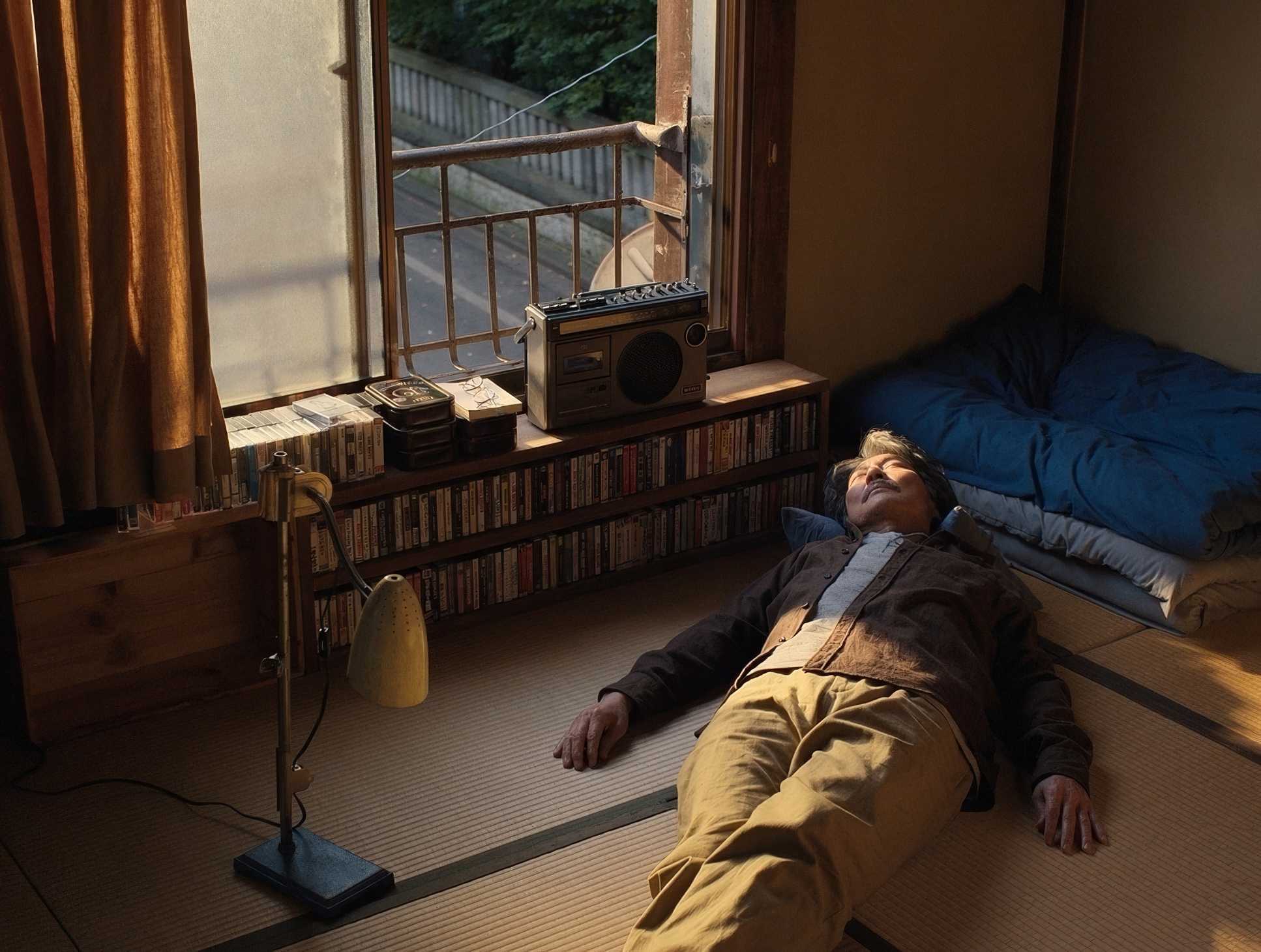
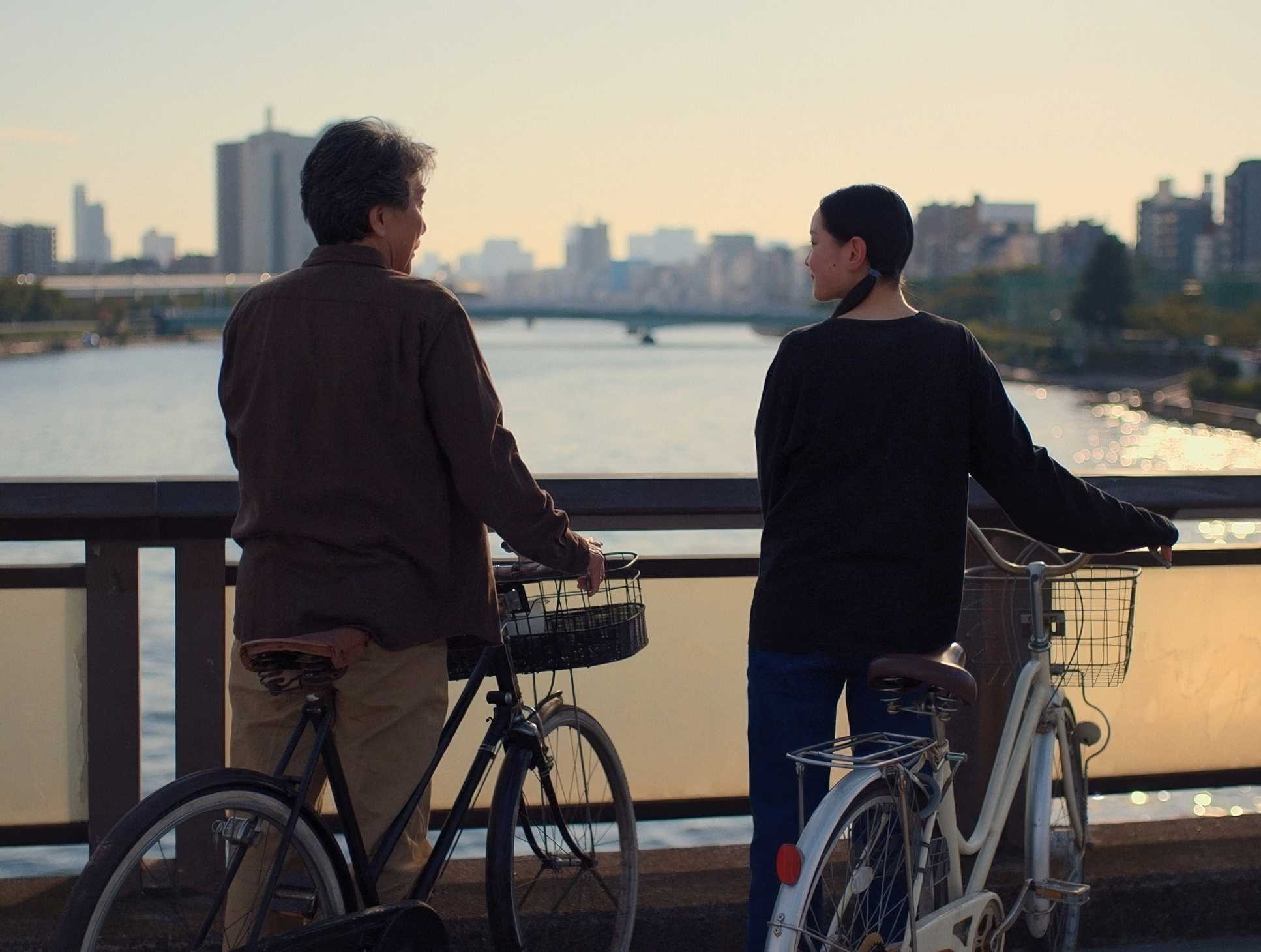
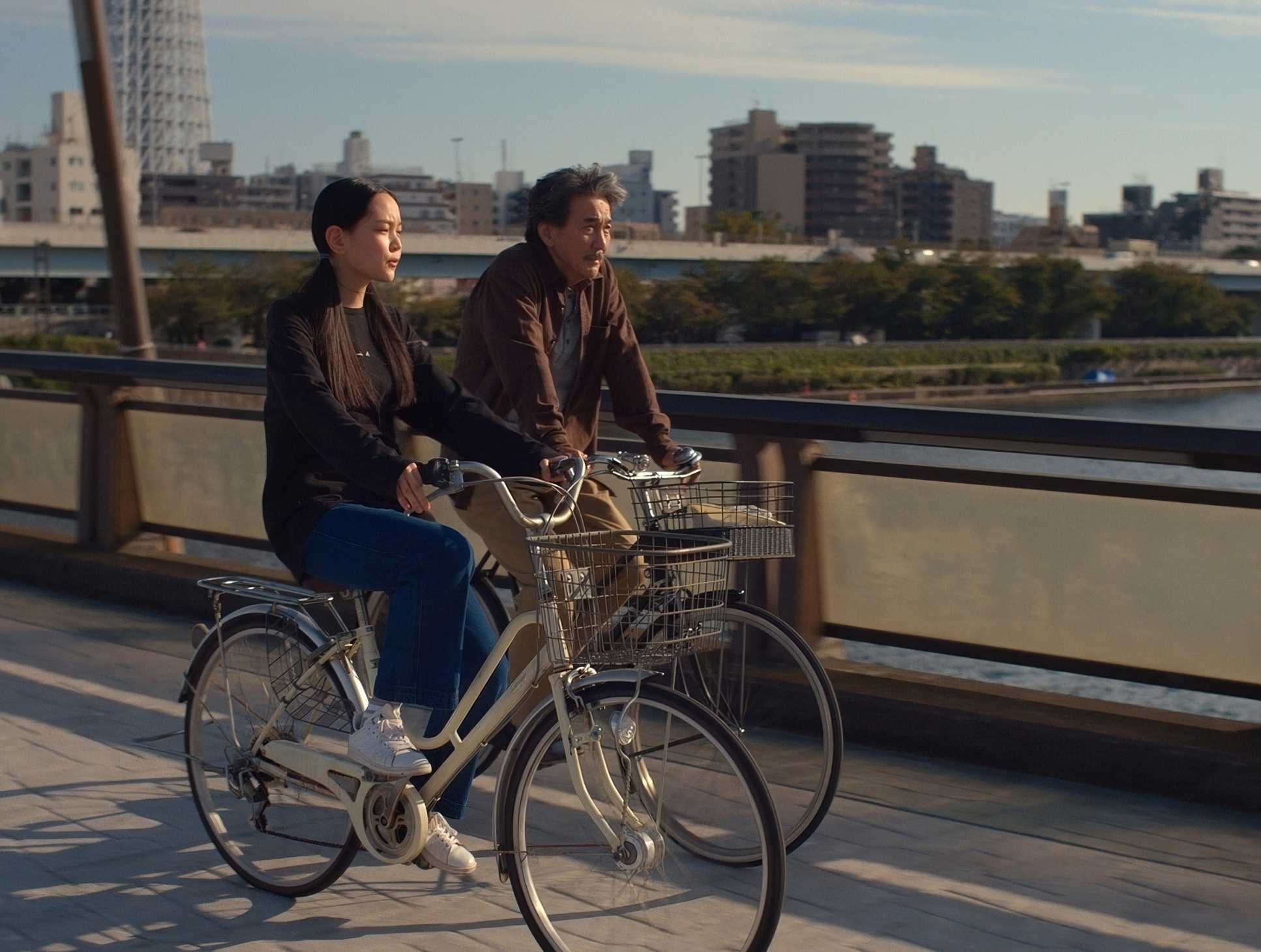
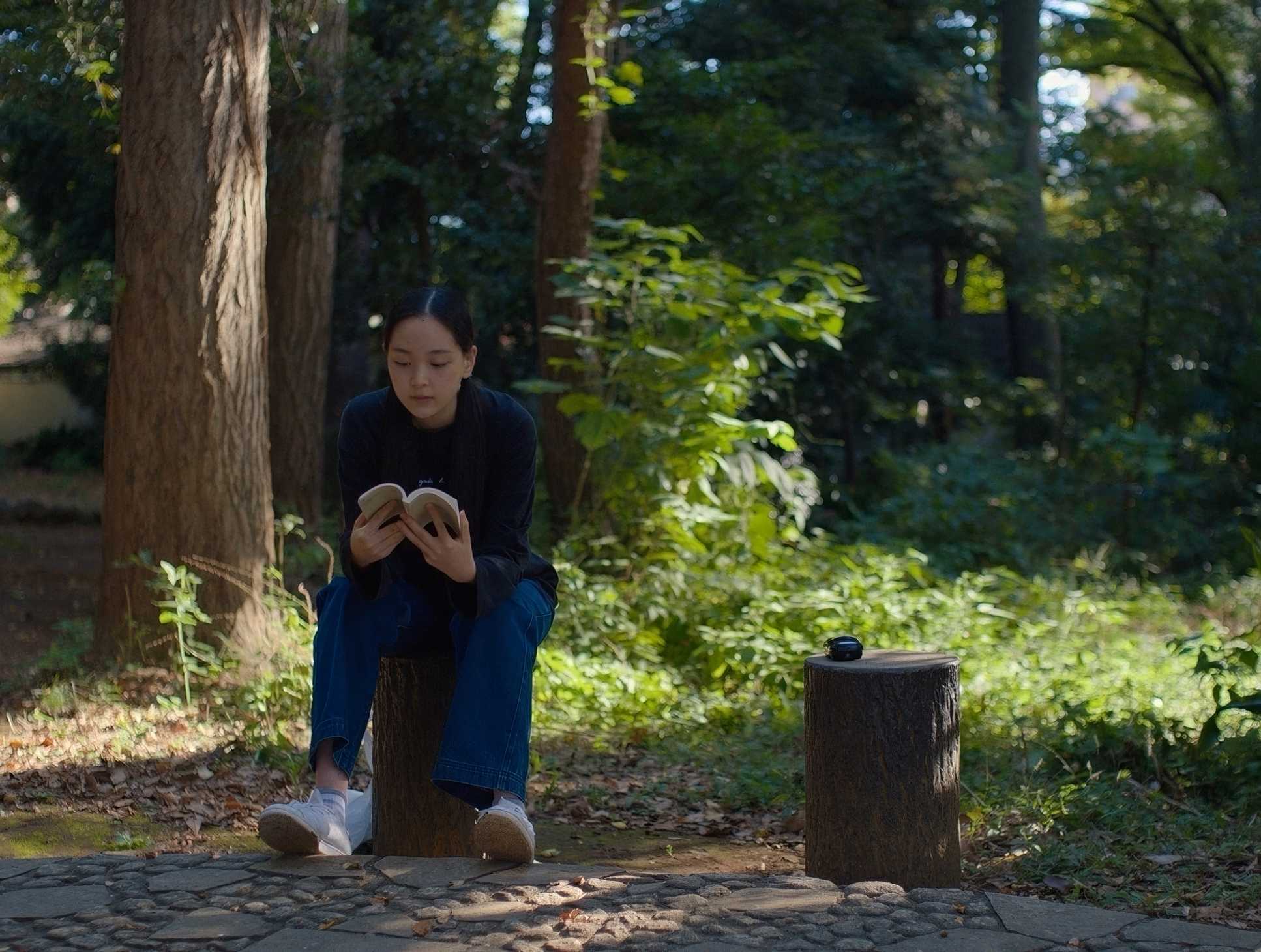
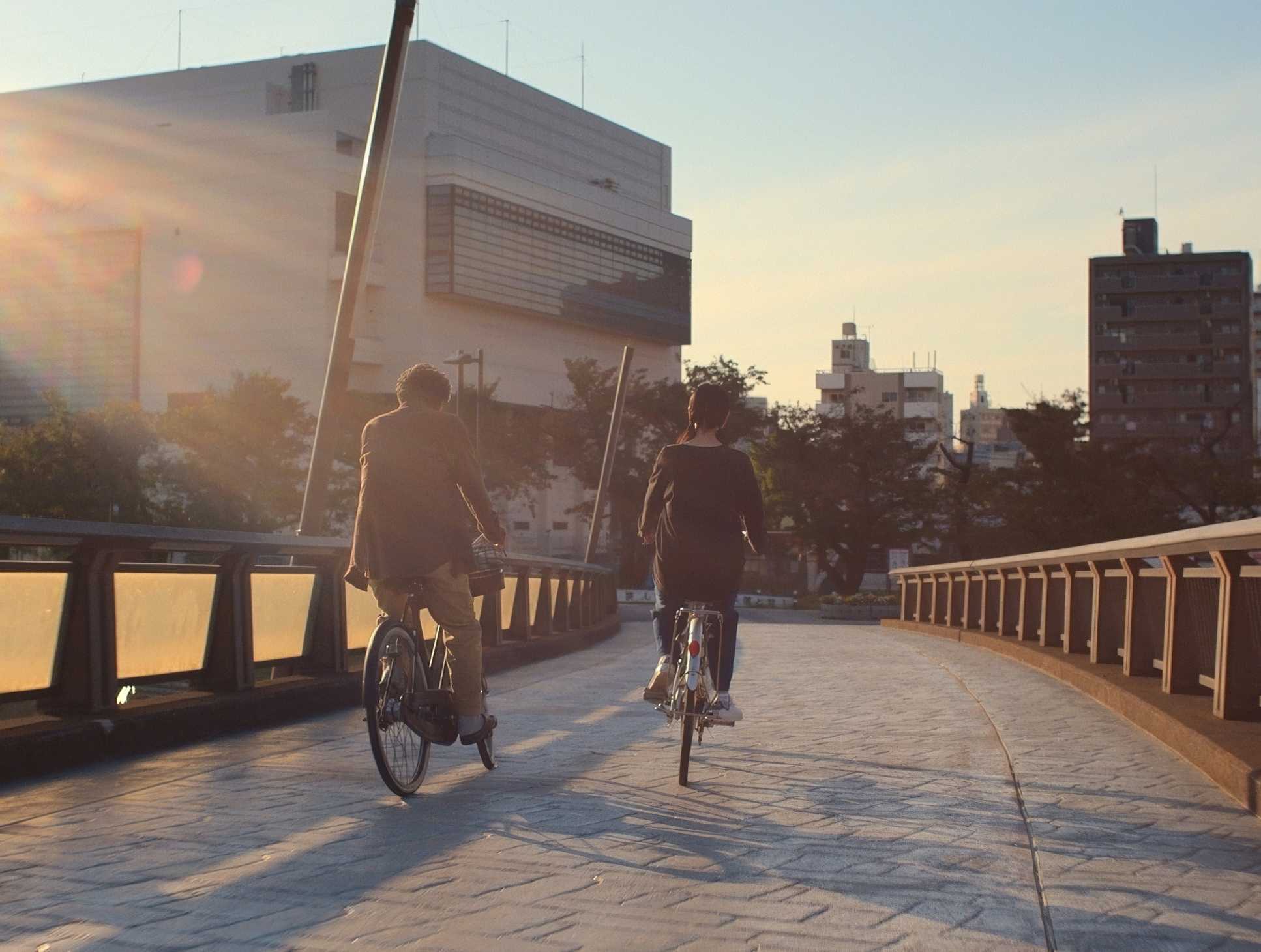
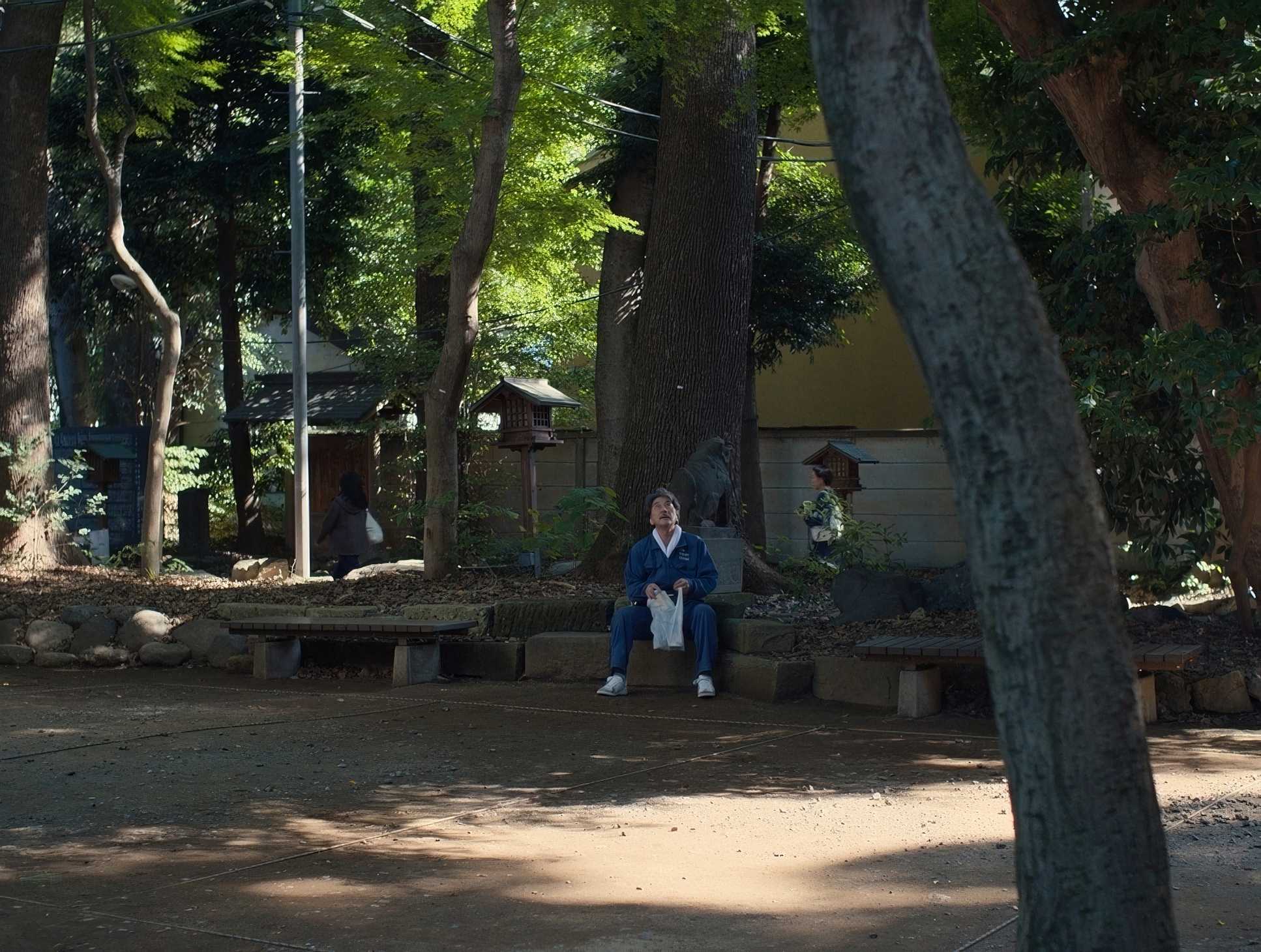
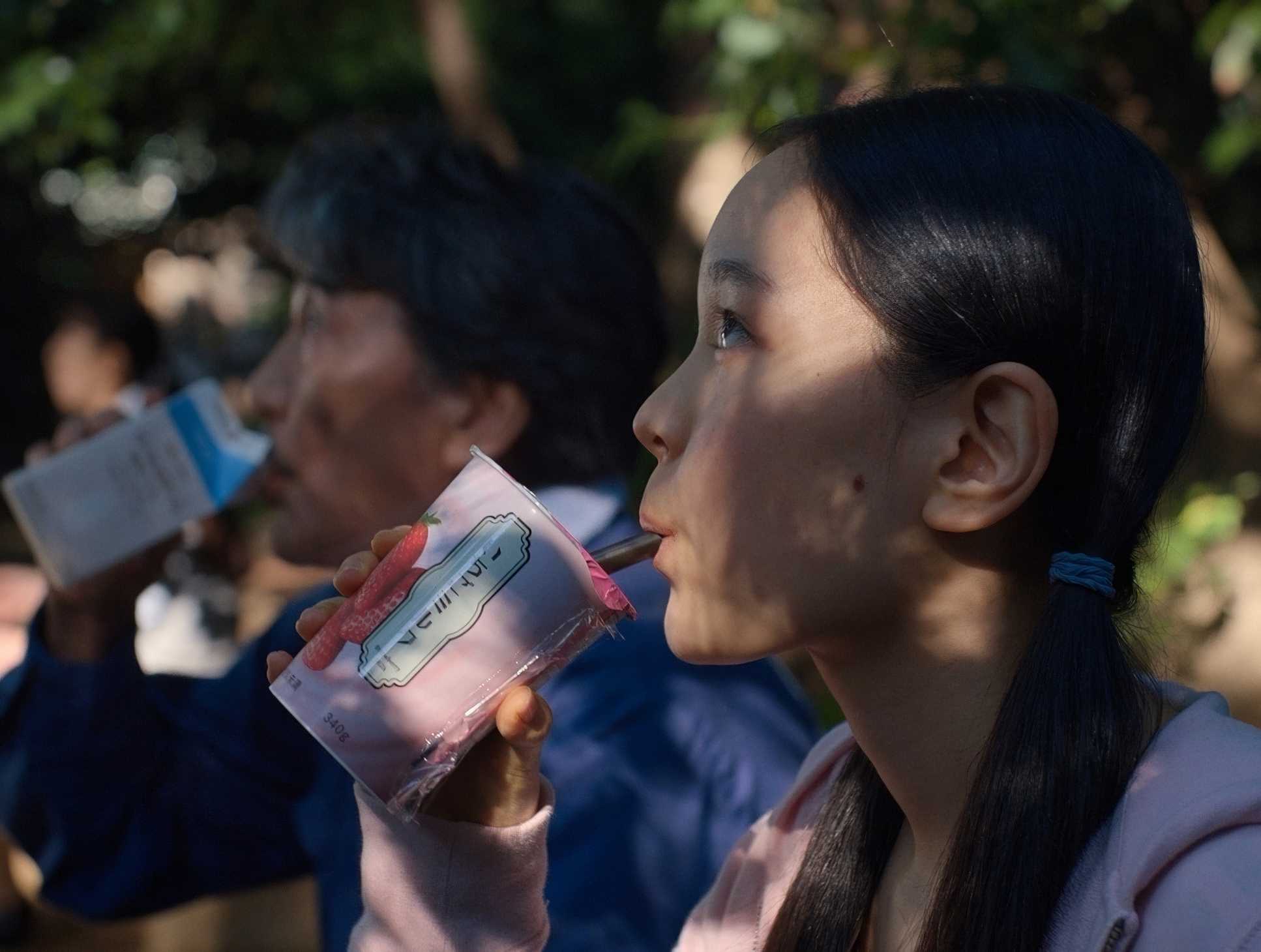
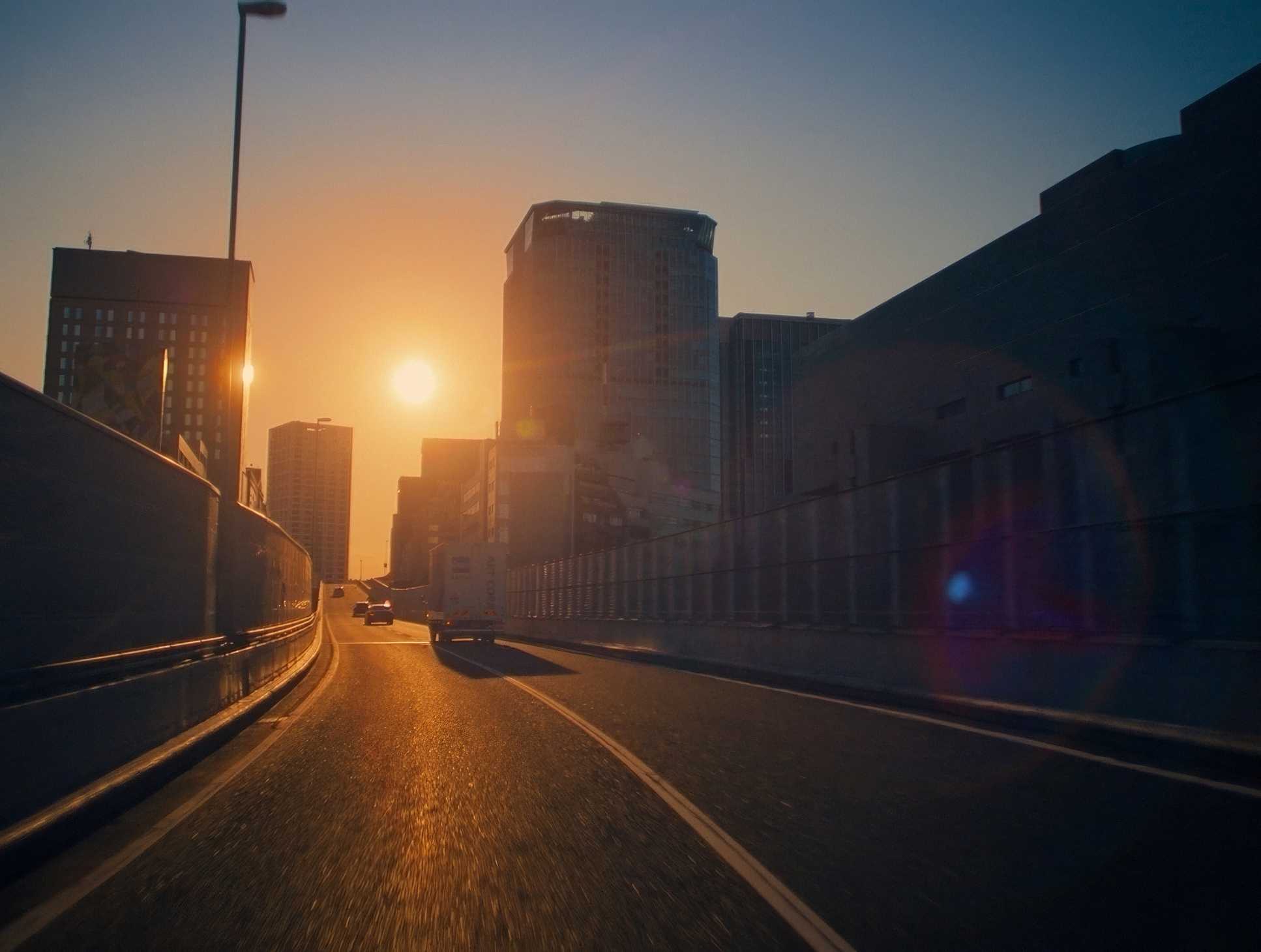
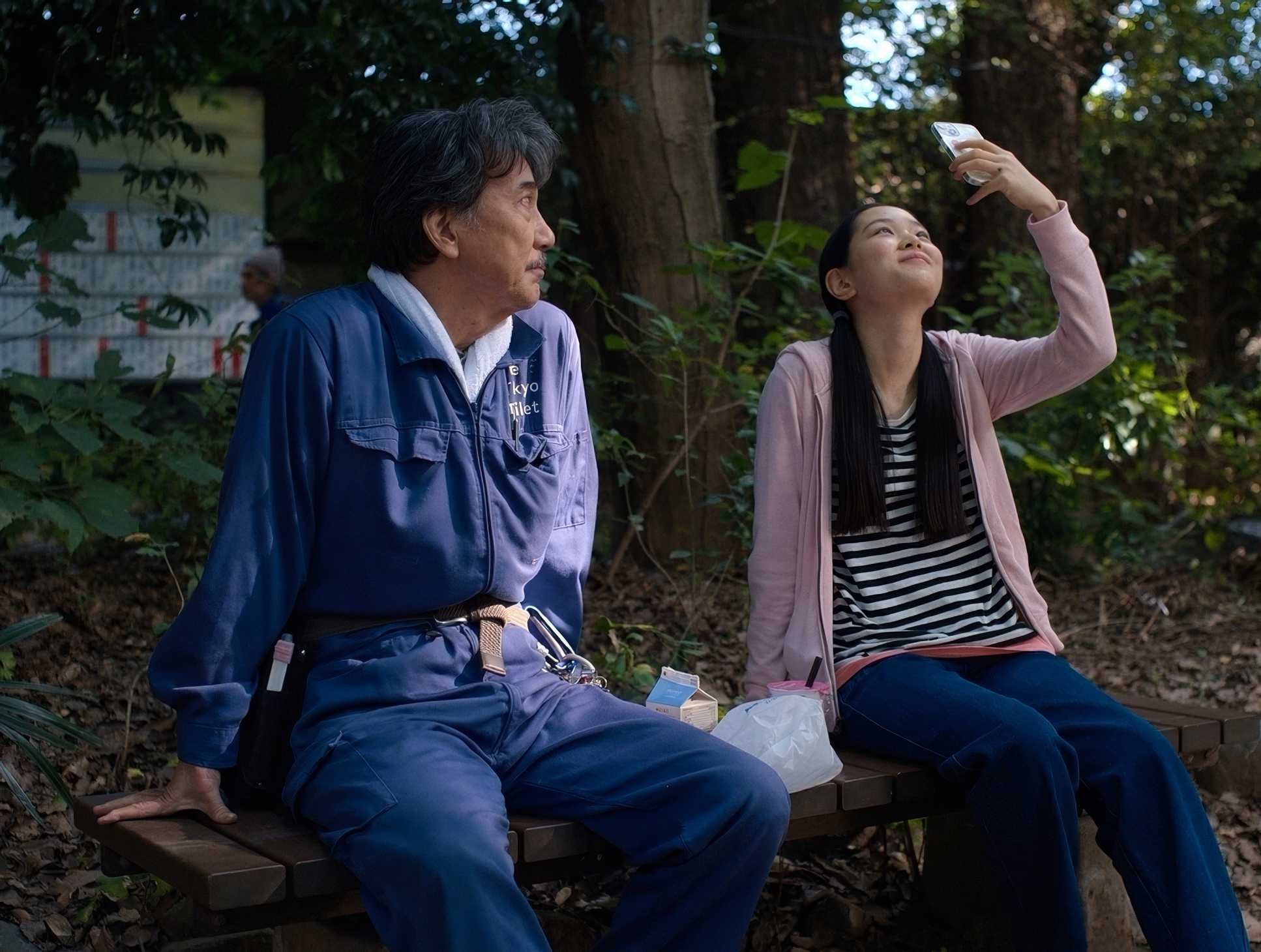
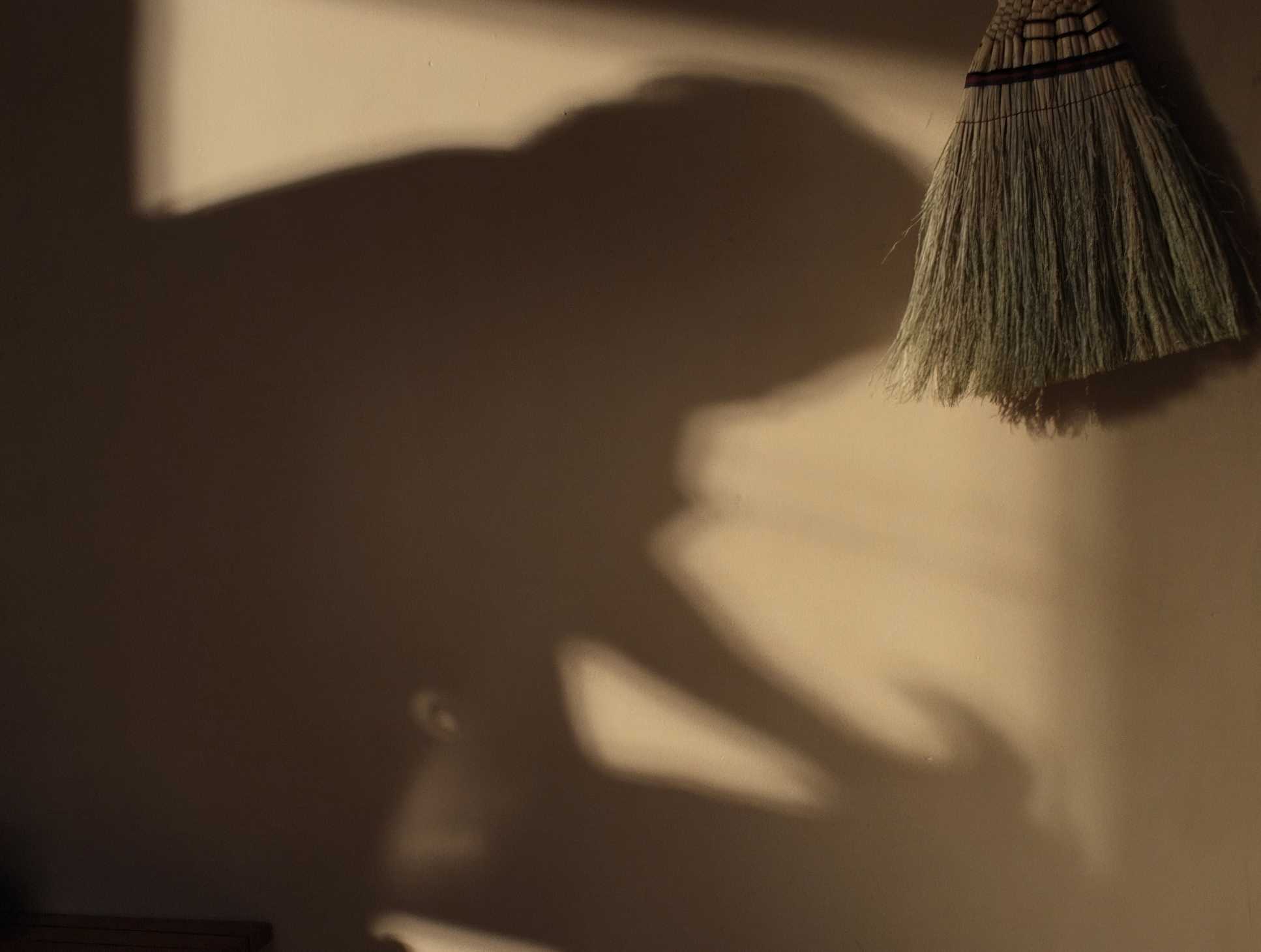
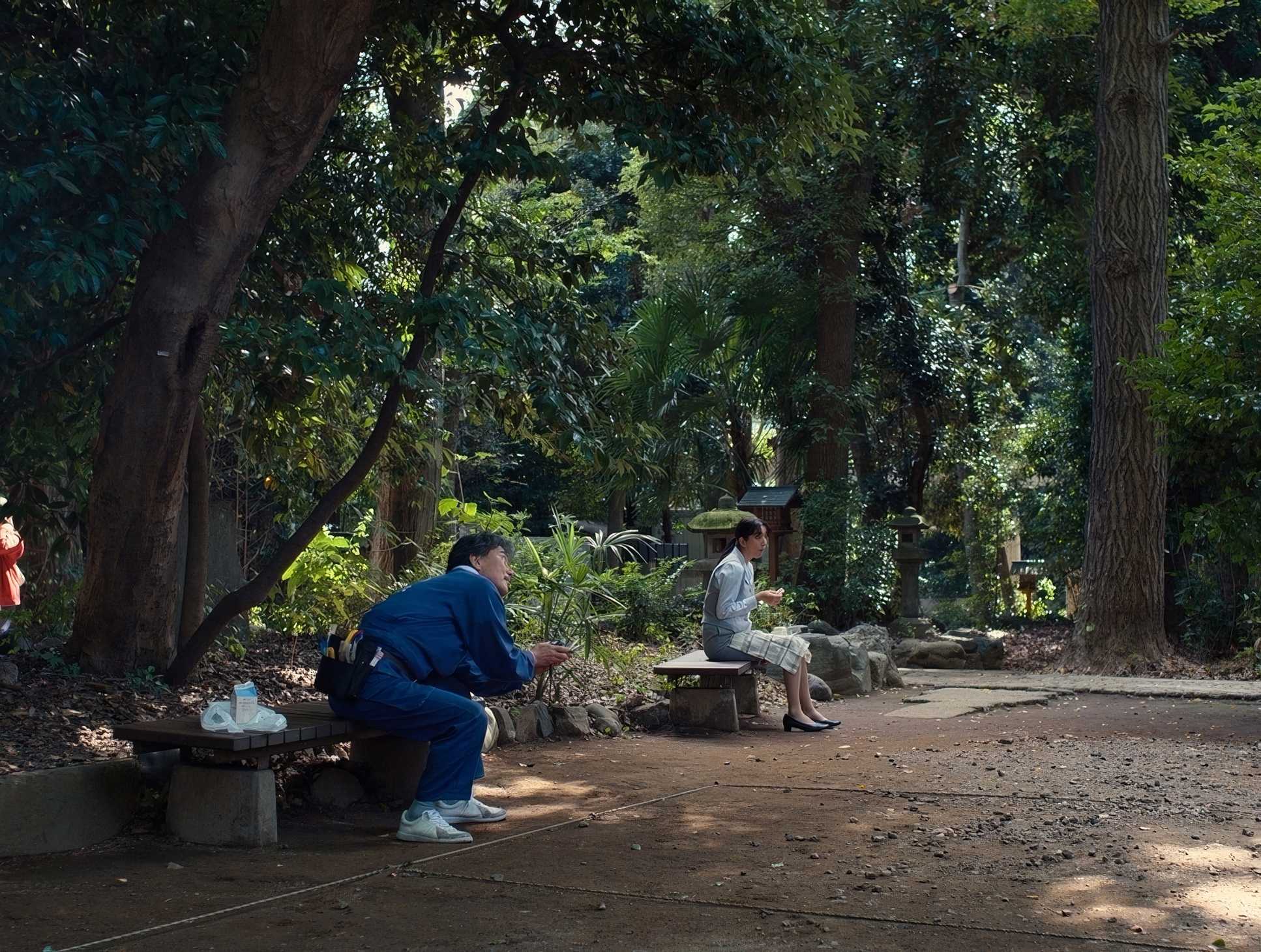
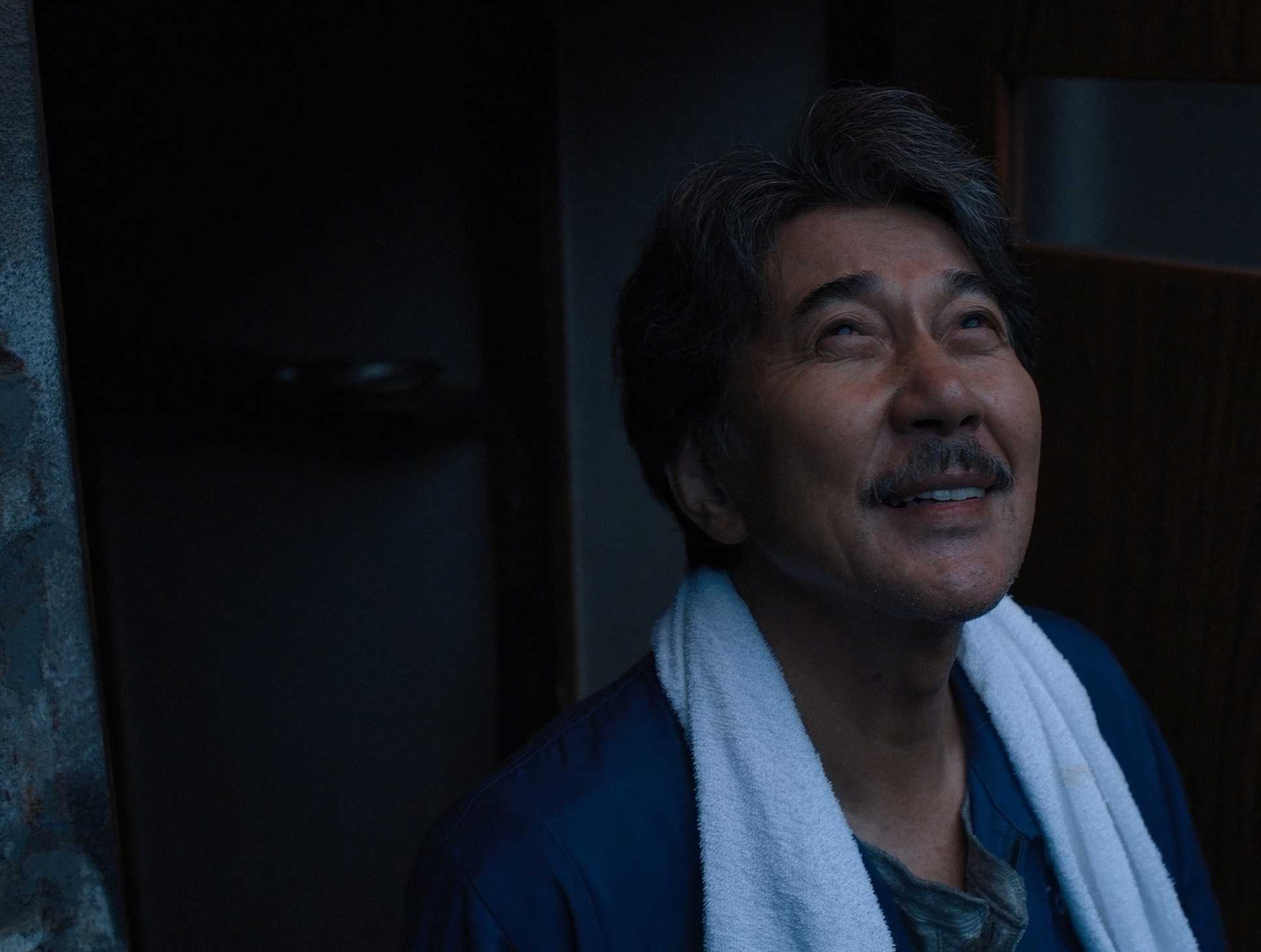
The lighting in “Perfect Days” is exquisite in its naturalism. This is motivated lighting at its finest. Lustig doesn’t impose light; he finds it, shaping and enhancing the environment of Tokyo. Much of the film basks in soft, diffused daylight, often filtered through the canopy of trees a visual manifestation of Komorebi (sunlight leaking through leaves).
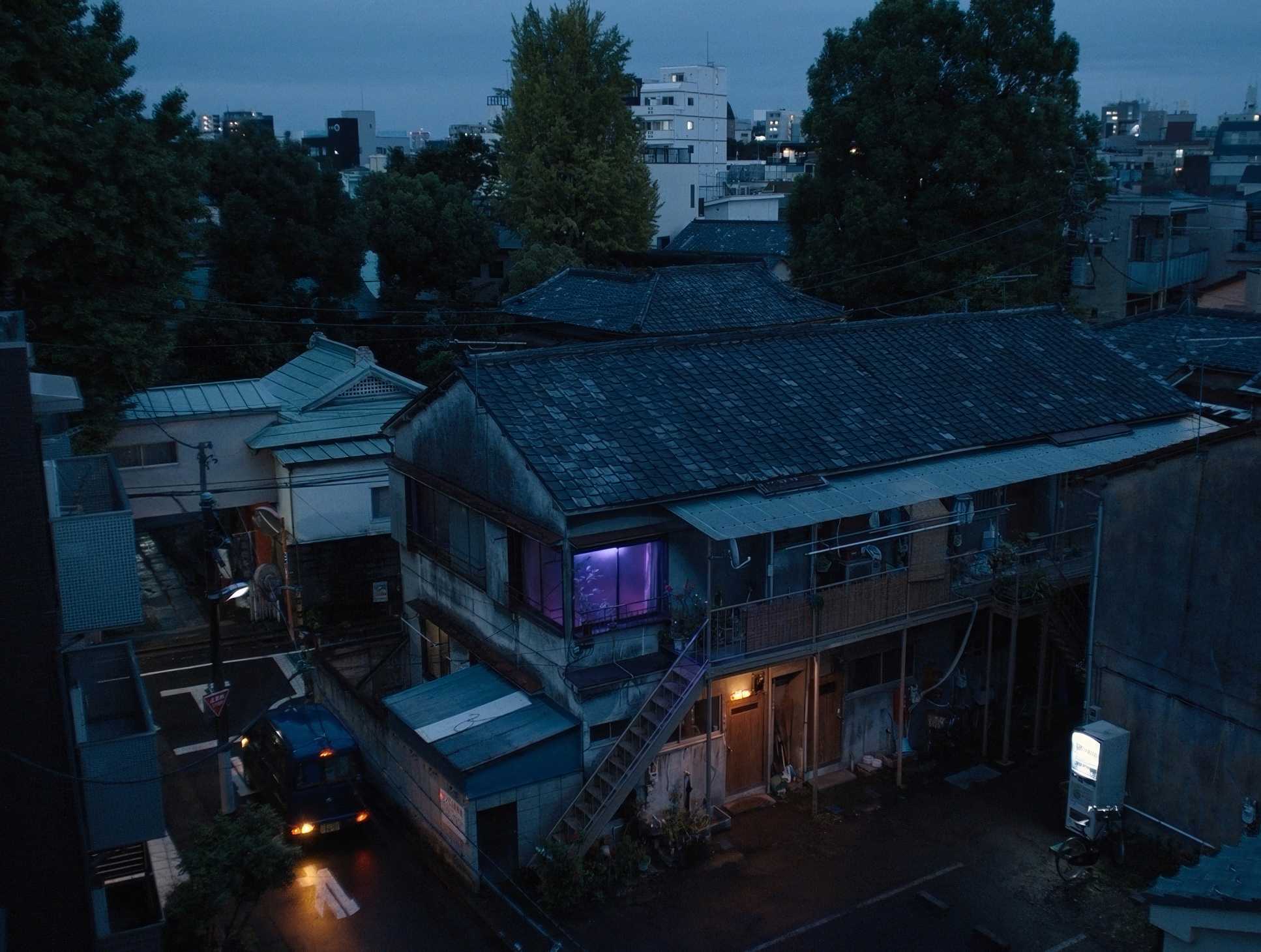
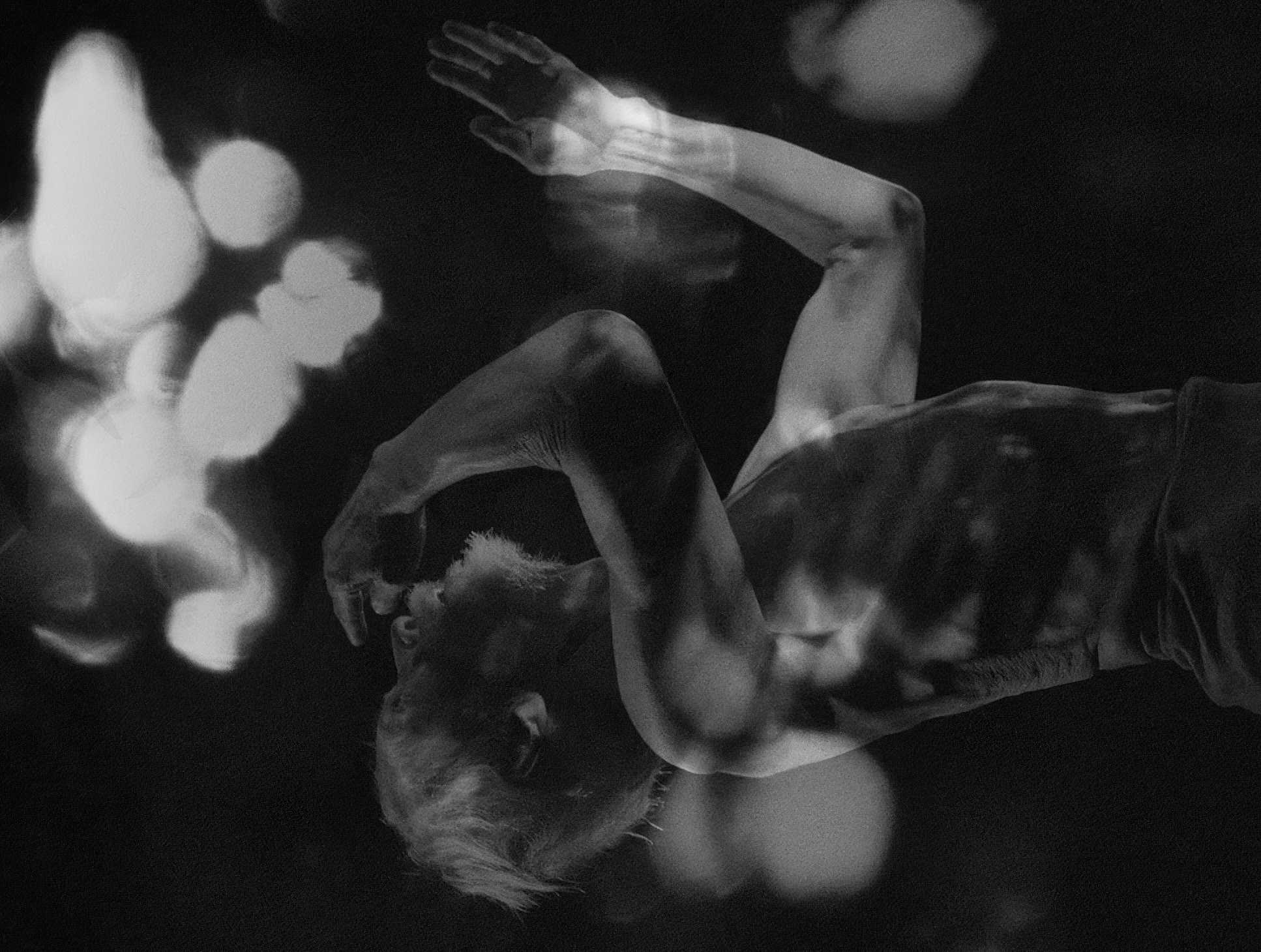
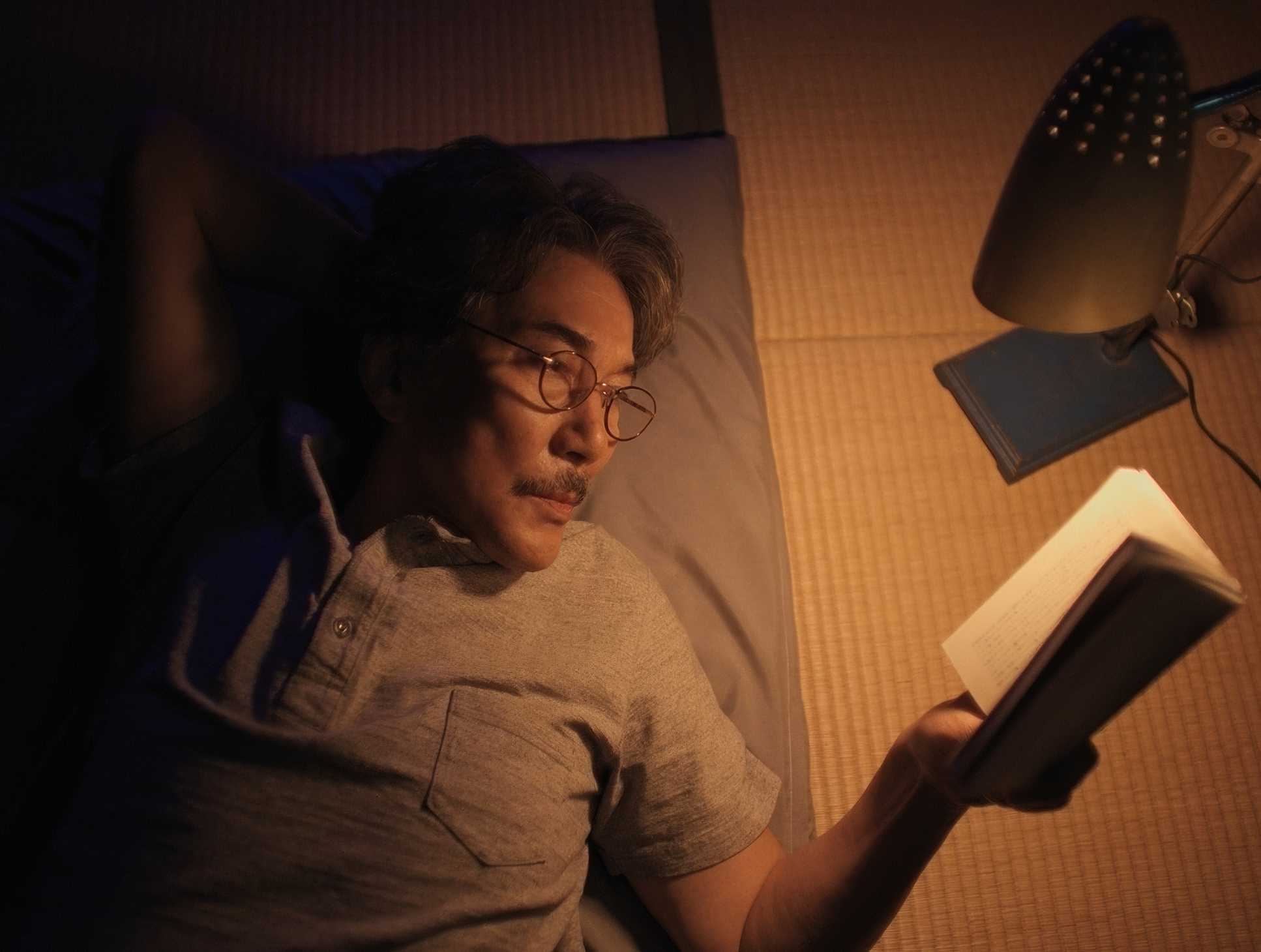
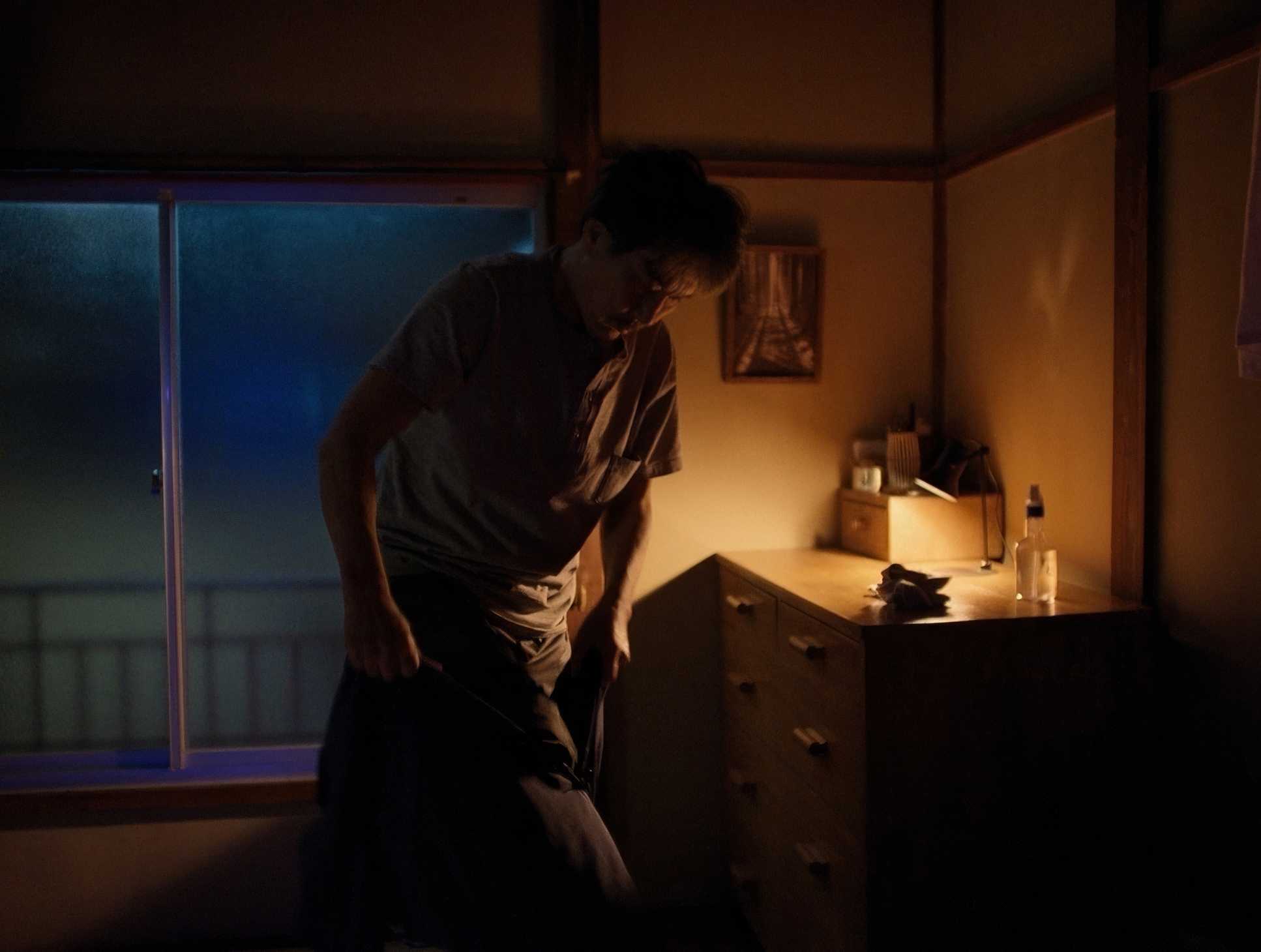
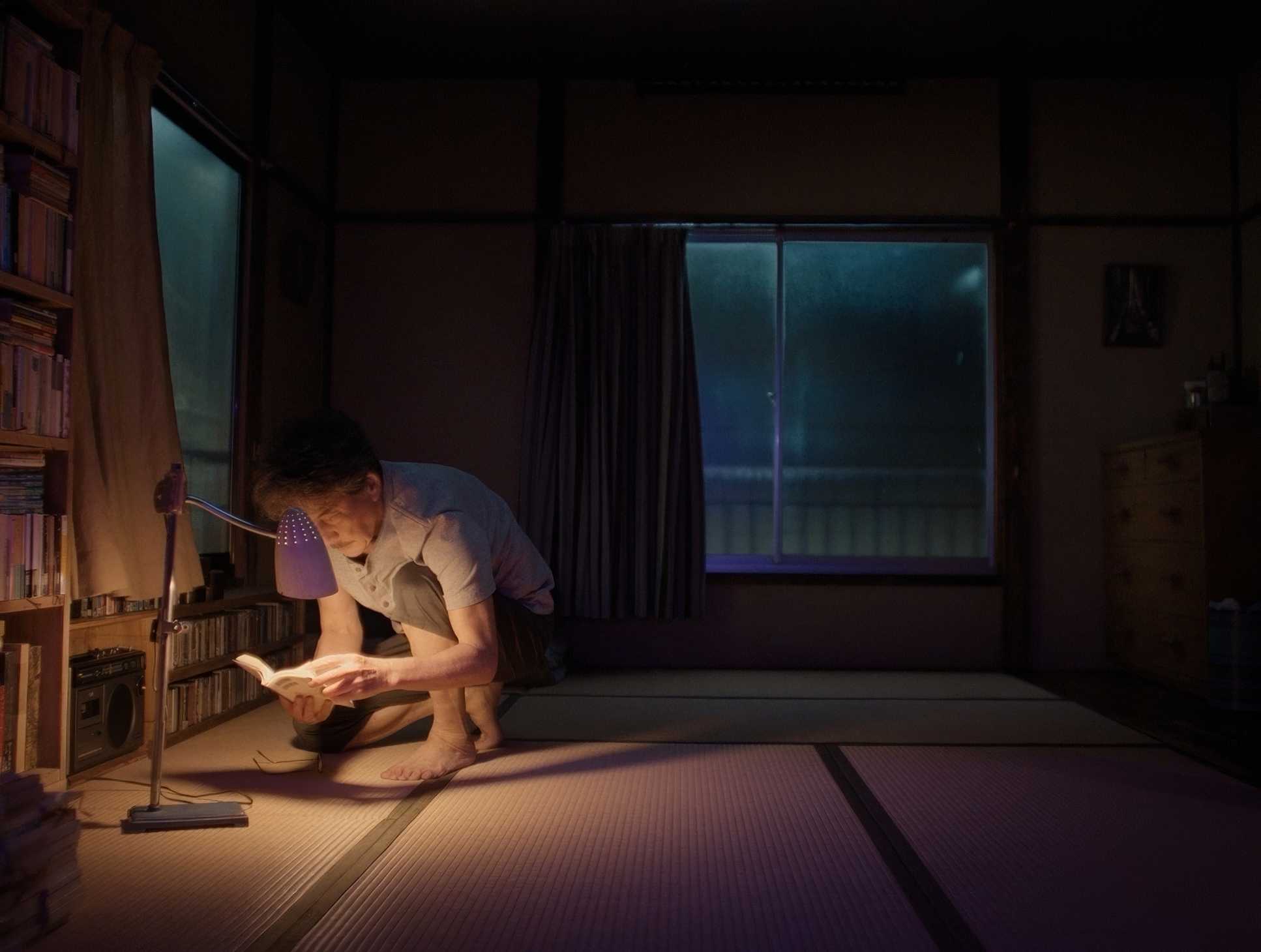
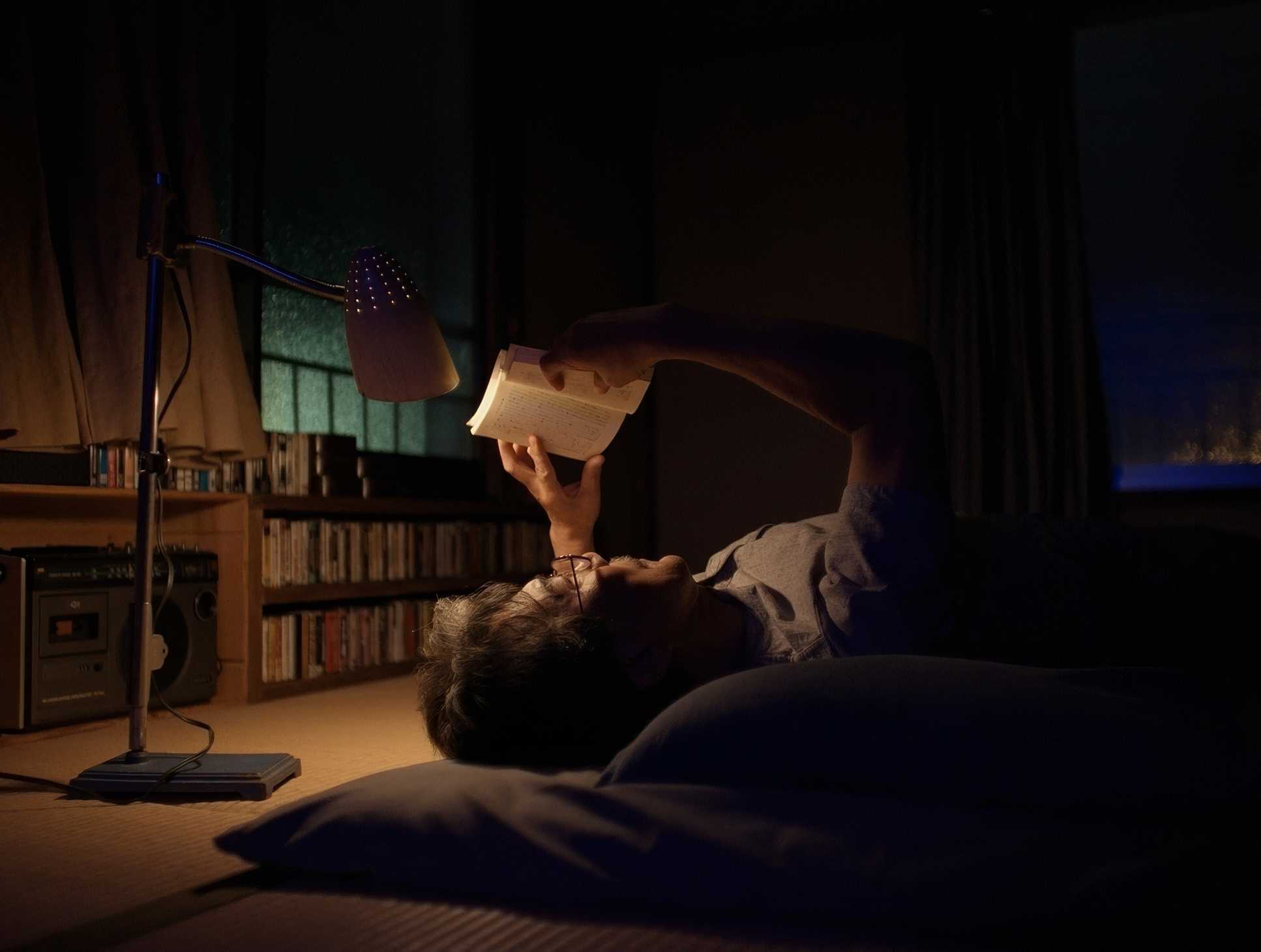
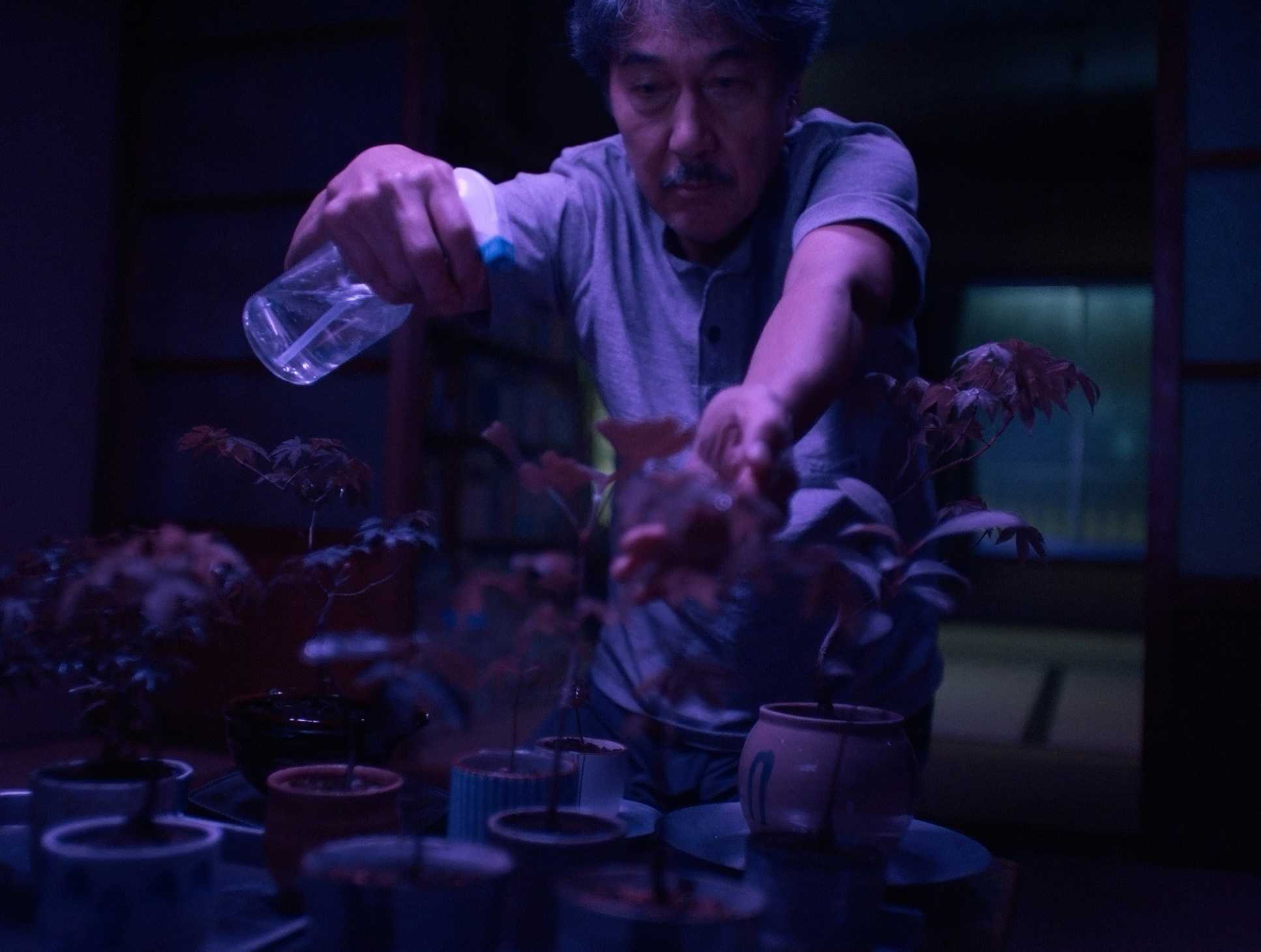
The dynamic range handling is remarkable. The highlights in those dappled sunlight moments retain every bit of detail, rolling off with a filmic quality that never feels “clipped.” Then there’s Hirayama’s apartment, bathed in that distinct purple fluorescent light. It’s a brilliant stroke of subtle magical realism. As the review notes, purple signifies “passion and dignity,” and seeing that glow emanate from his window acts as a visual beacon, signaling that there is far more going on inside Hirayama than the outside world realizes.
Camera Movements
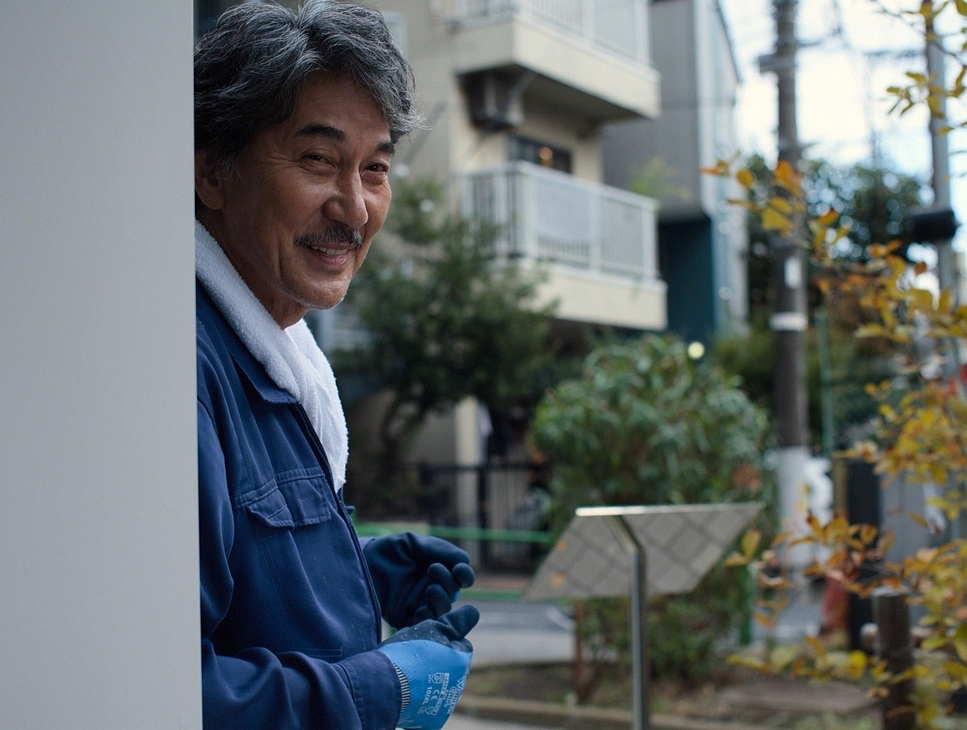
In “Perfect Days,” the discussion of camera movement is really a discussion of restraint. While modern cinema relies on frantic handheld work or complex crane shots to inject energy, Lustig exercises incredible discipline. Most shots are static and locked down, allowing us to truly inhabit Hirayama’s space.
When the camera does move, it breathes at Hirayama’s pace. A slow, deliberate pan or a gentle push-in like when he’s listening to his cassette tapes in the van isn’t showy; it’s empathetic. It invites us to share his rhythm. This deliberate lack of movement forces the audience to slow down and engage their own “patience and quiet observation,” proving that stillness can be more dynamic than motion.
Compositional Choices
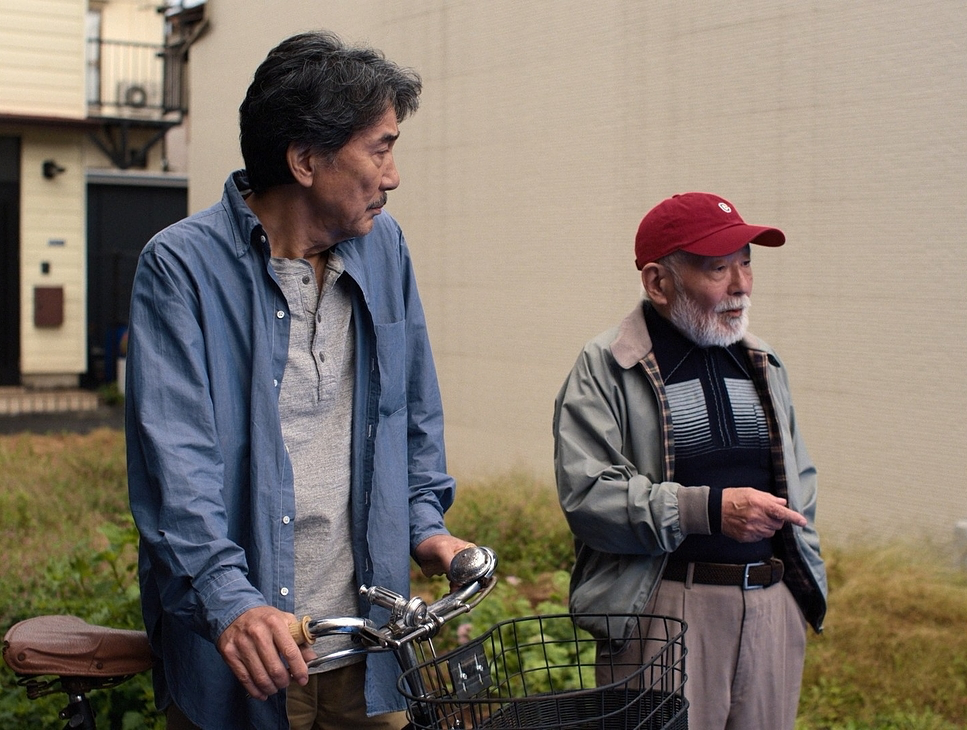
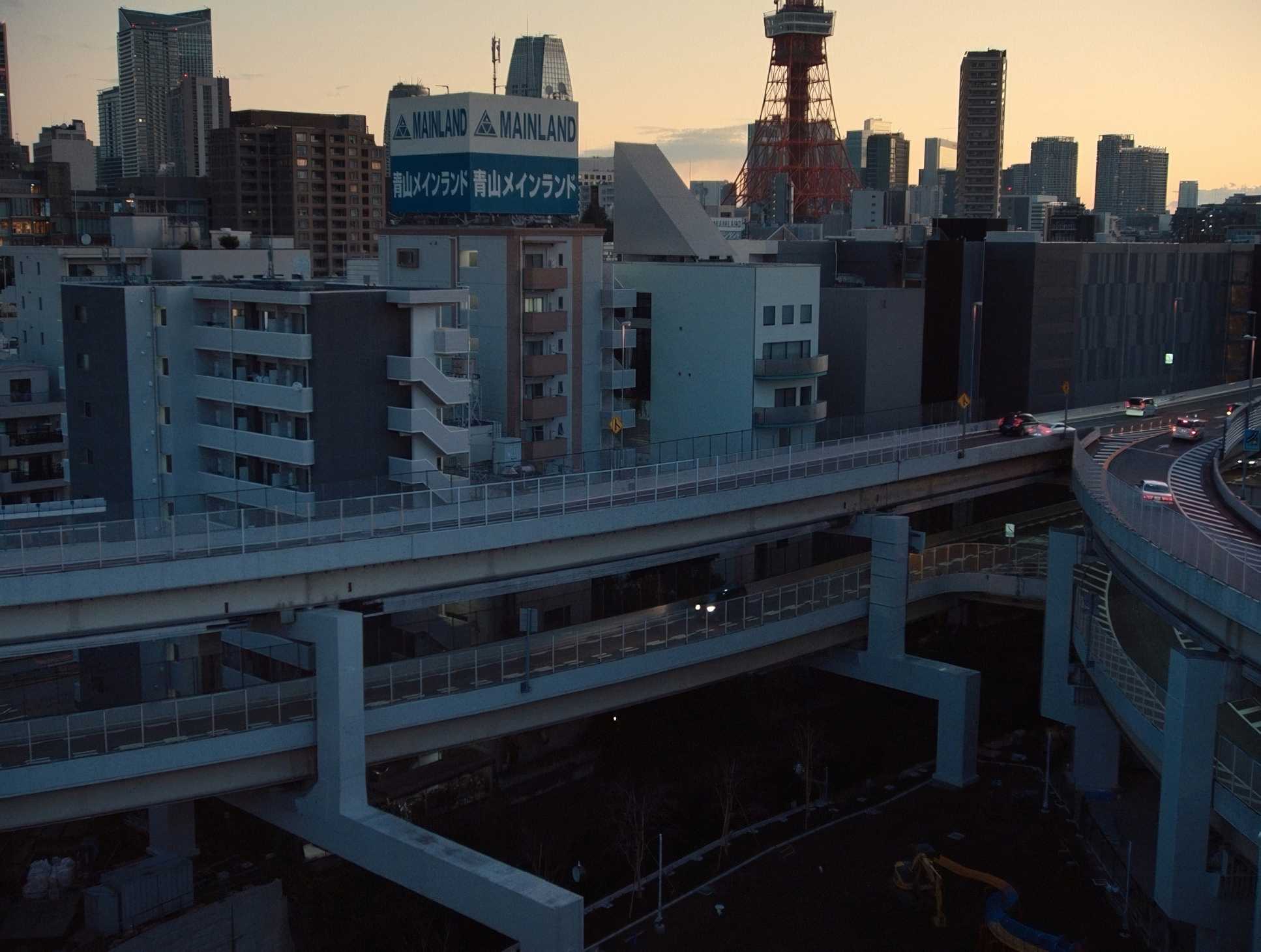
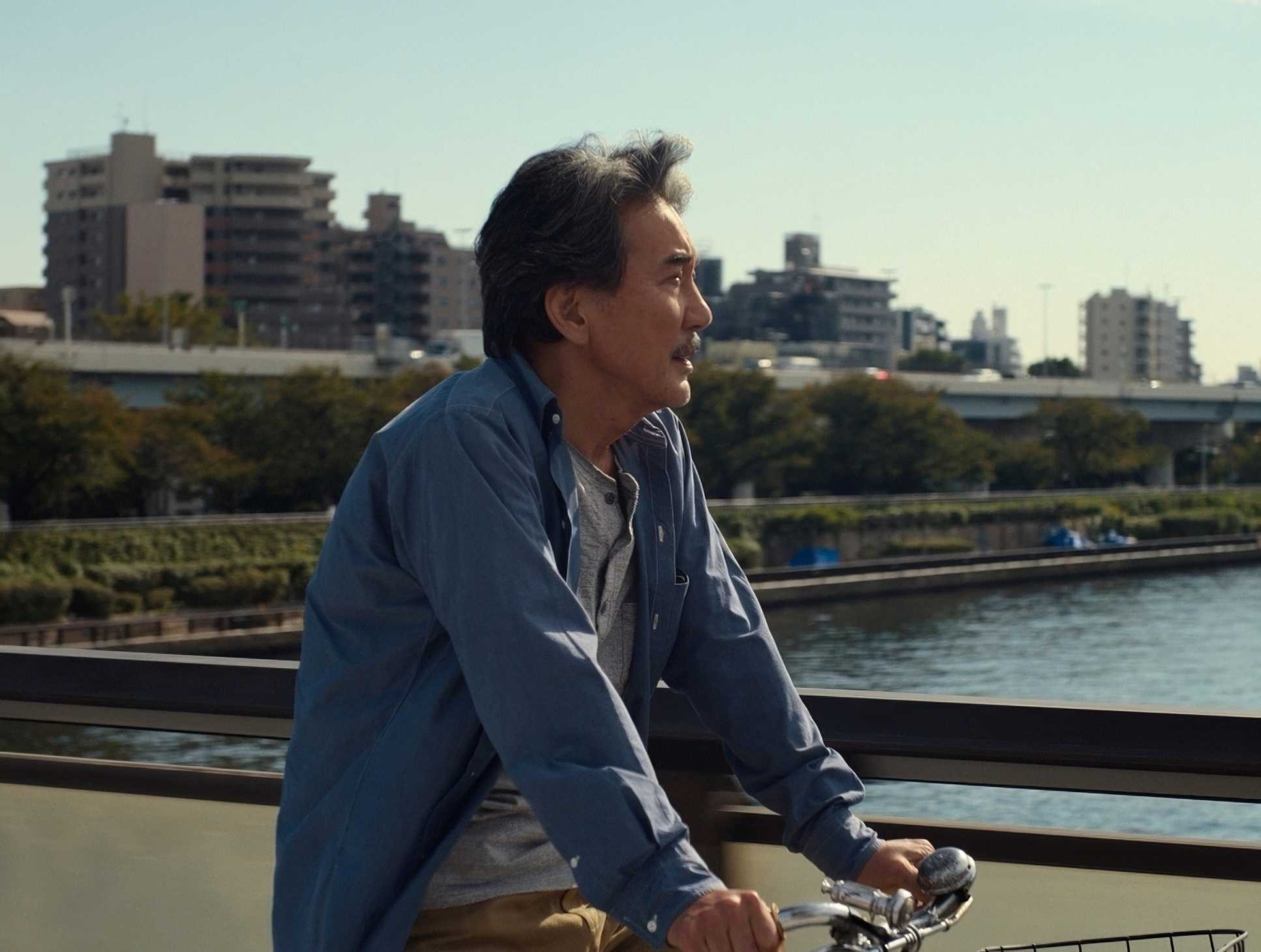
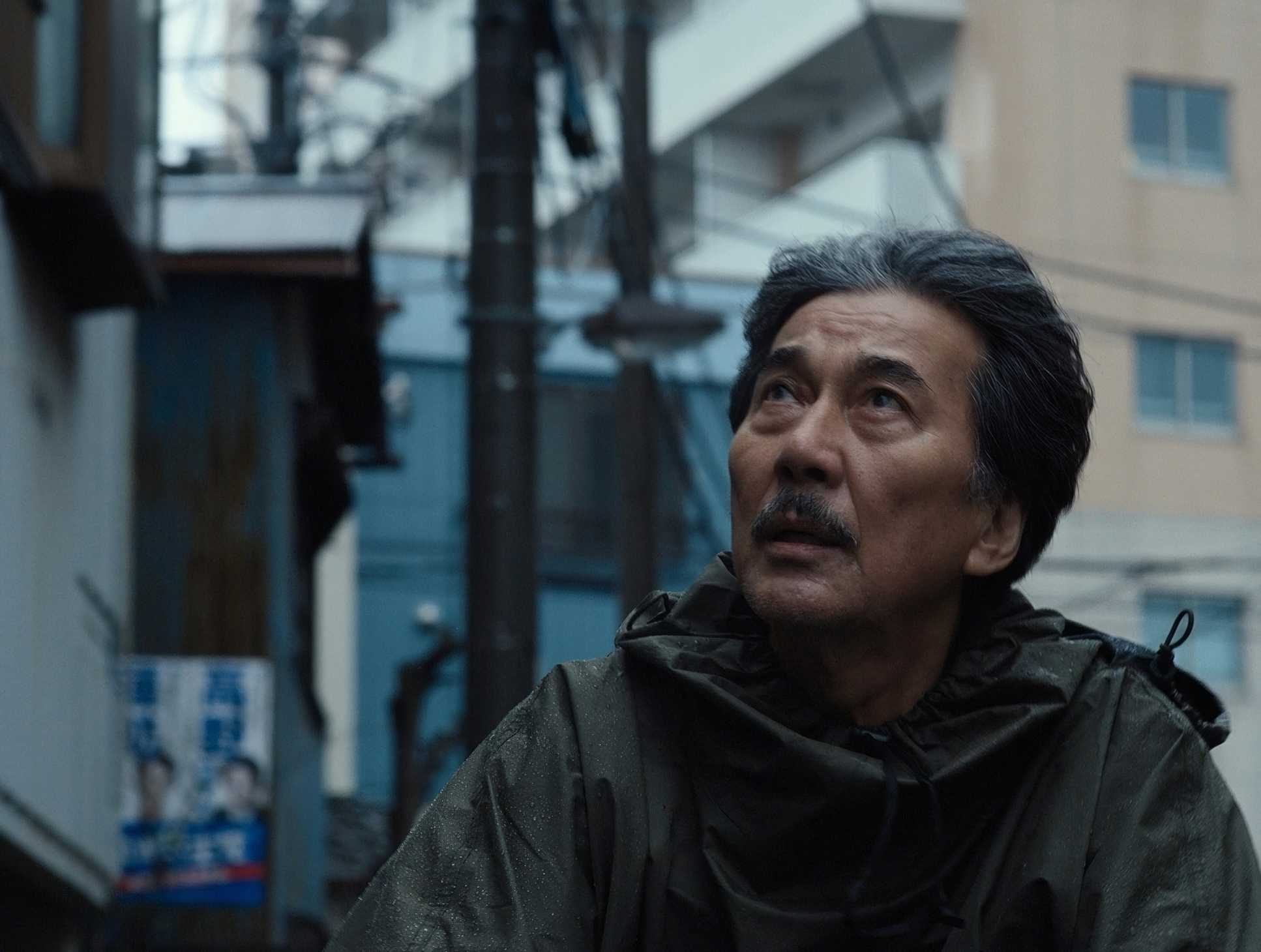
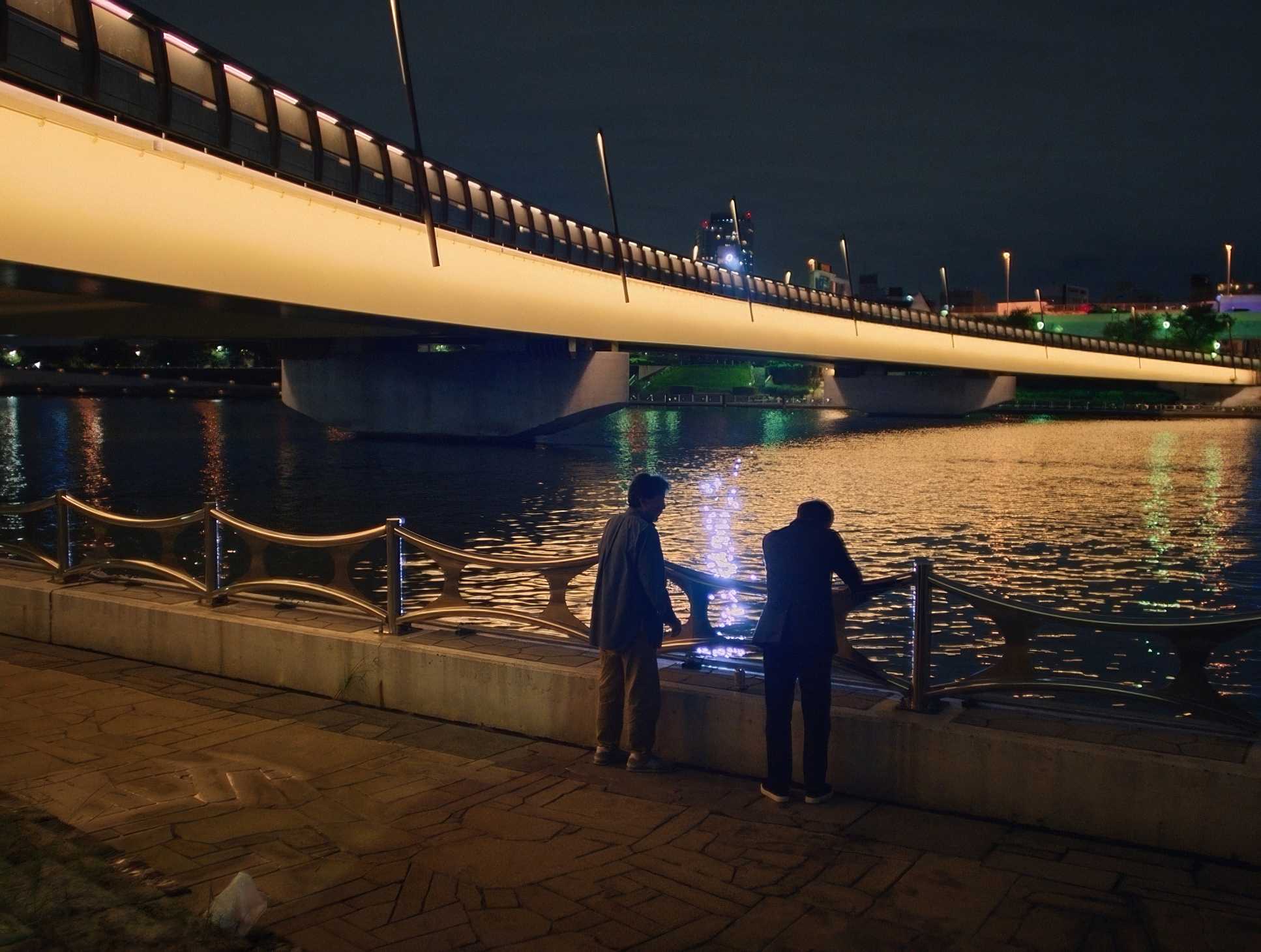
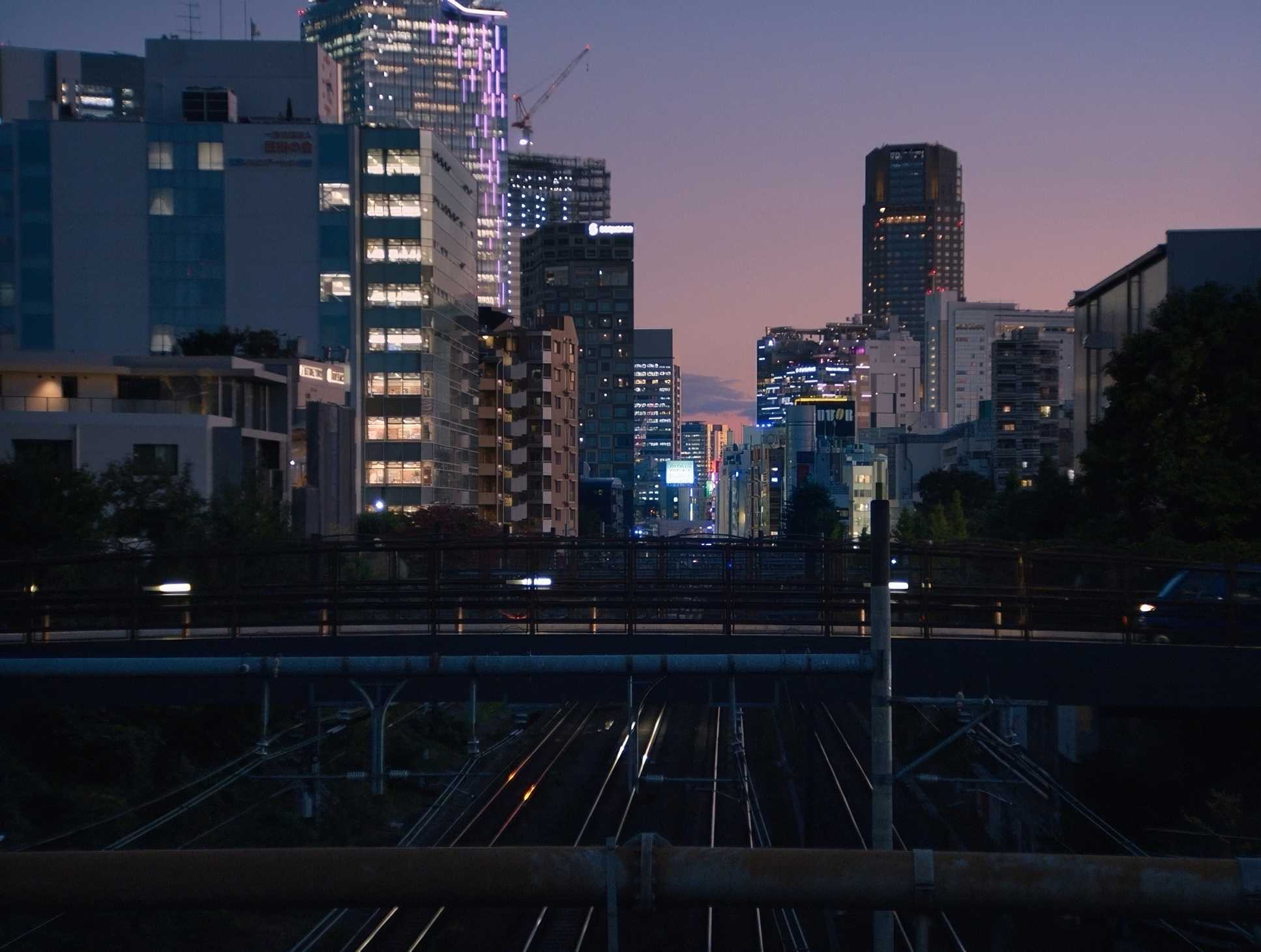
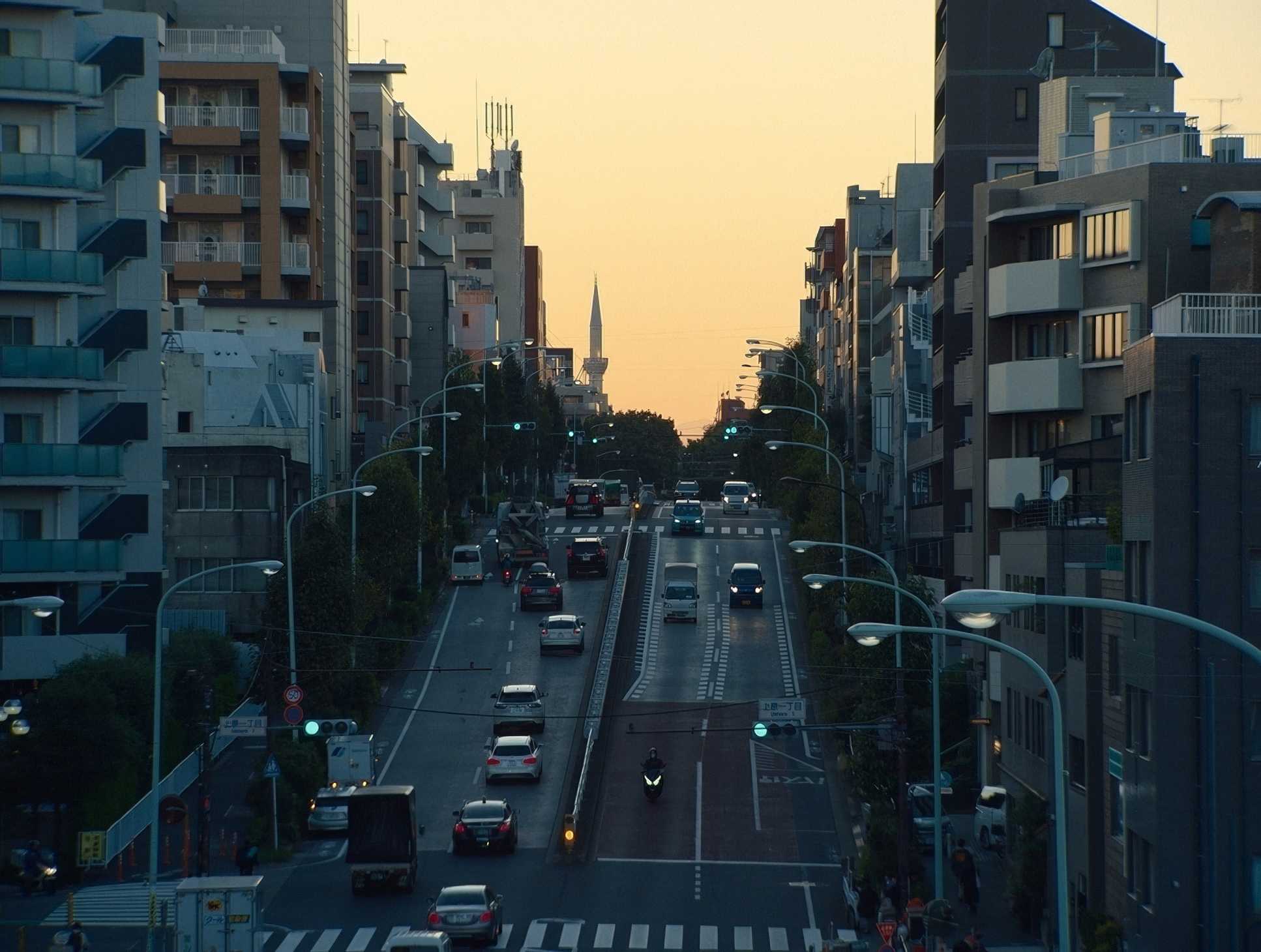
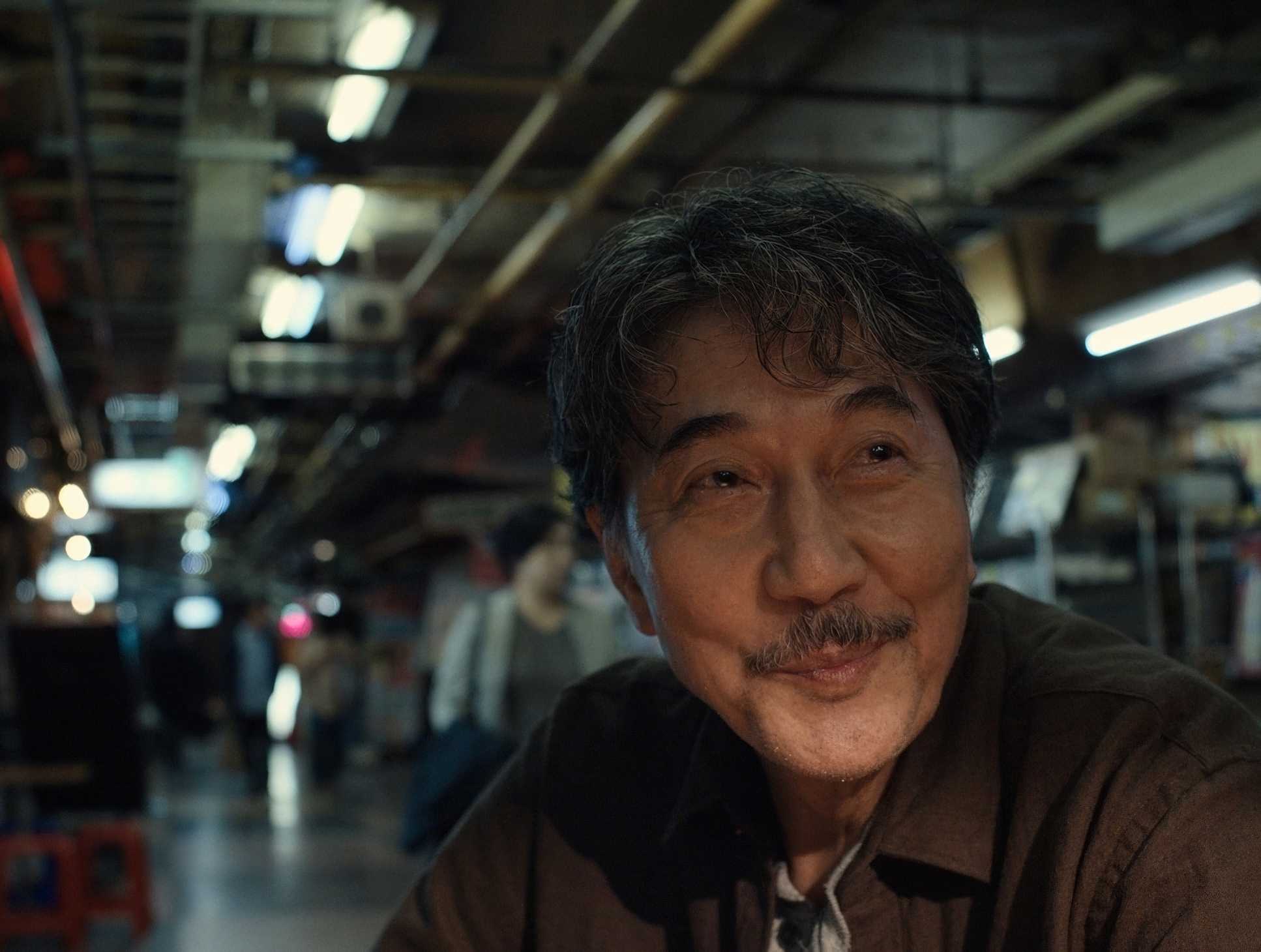
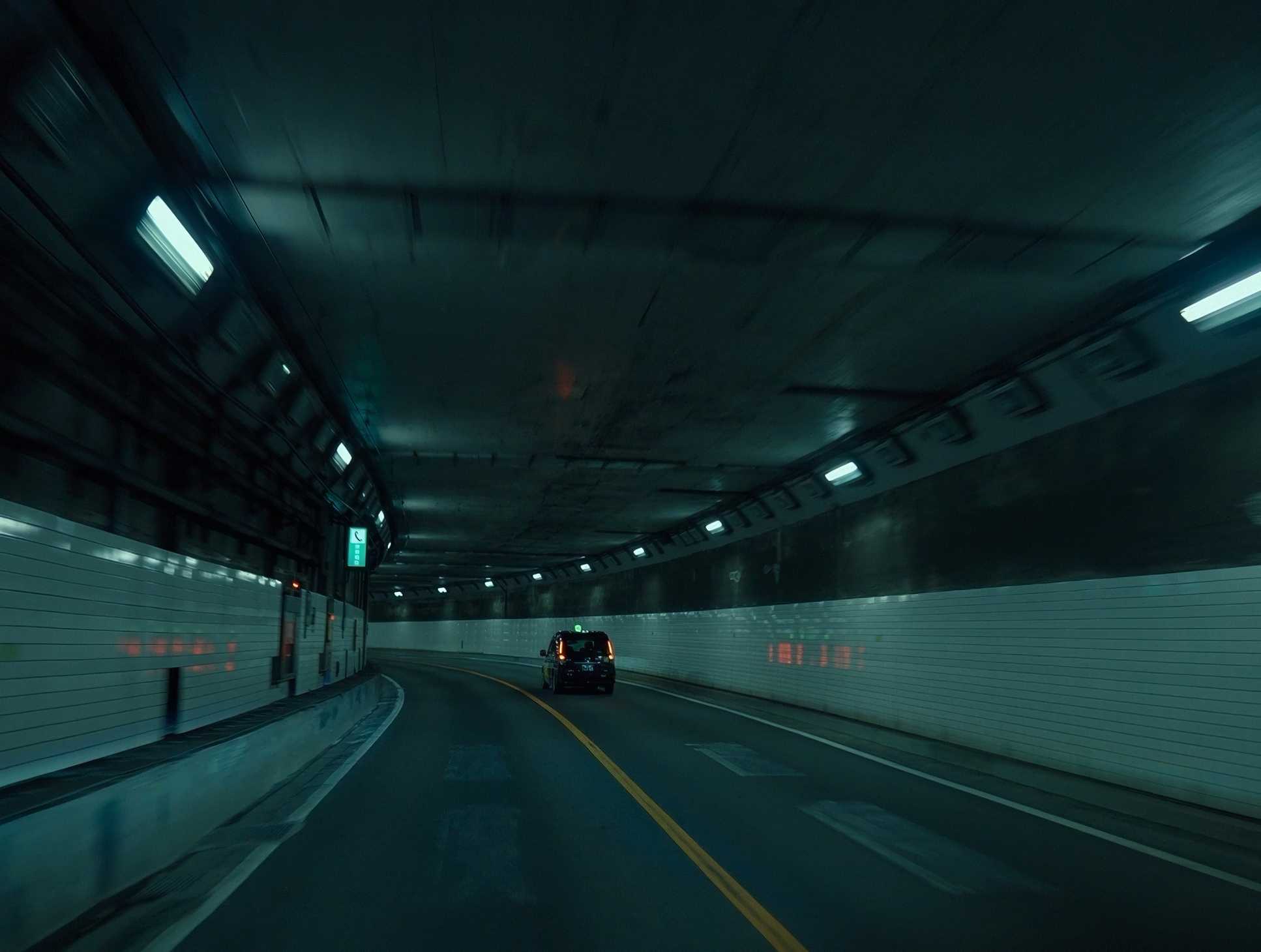
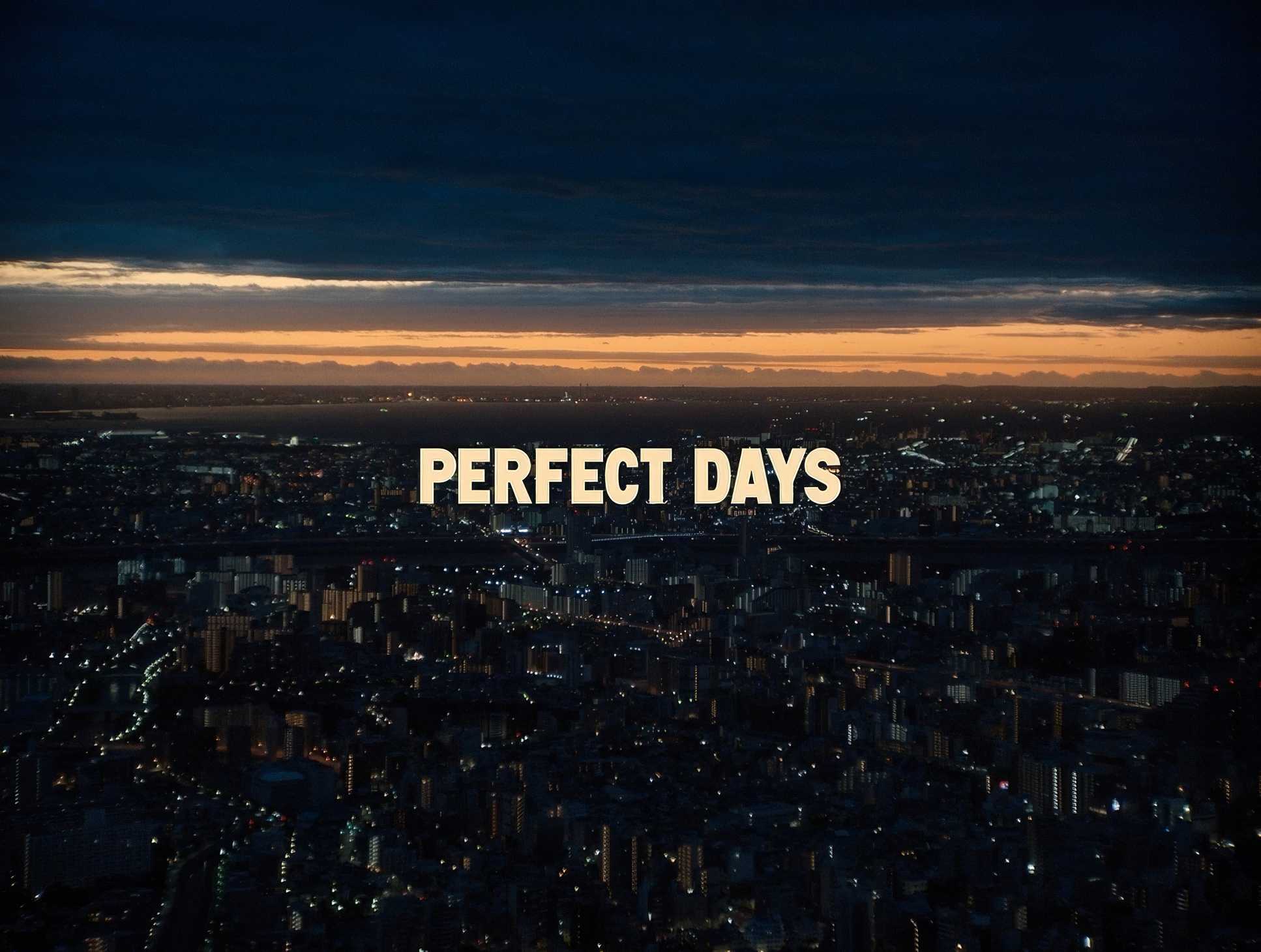
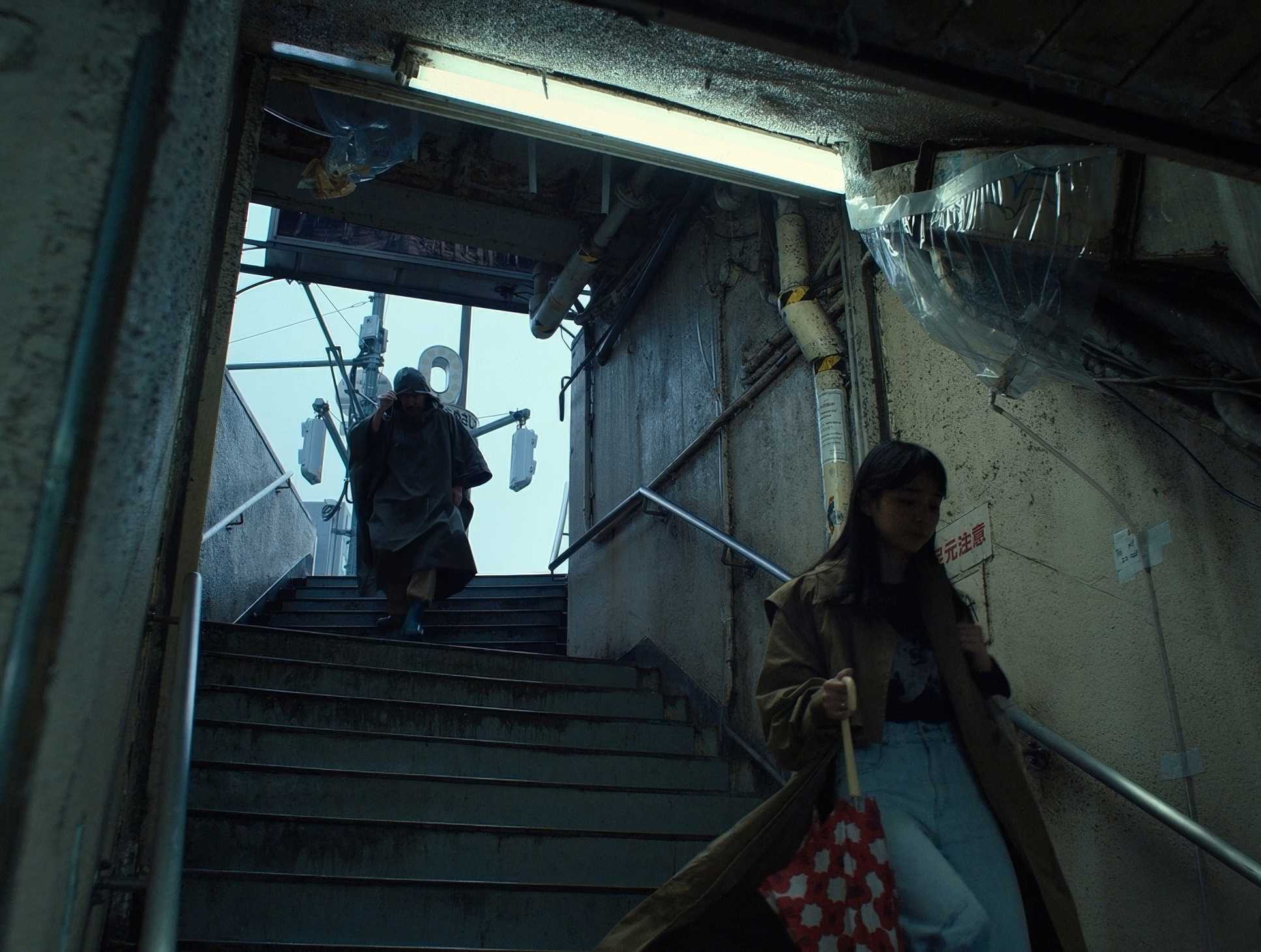
Lustig’s compositions are a masterclass in visual economy. The frames are clean, balanced, and mirror Hirayama’s inner calm. There’s a masterful use of negative space in the wider shots of Shibuya, emphasizing Hirayama’s quiet presence amidst a bustling, indifferent city.
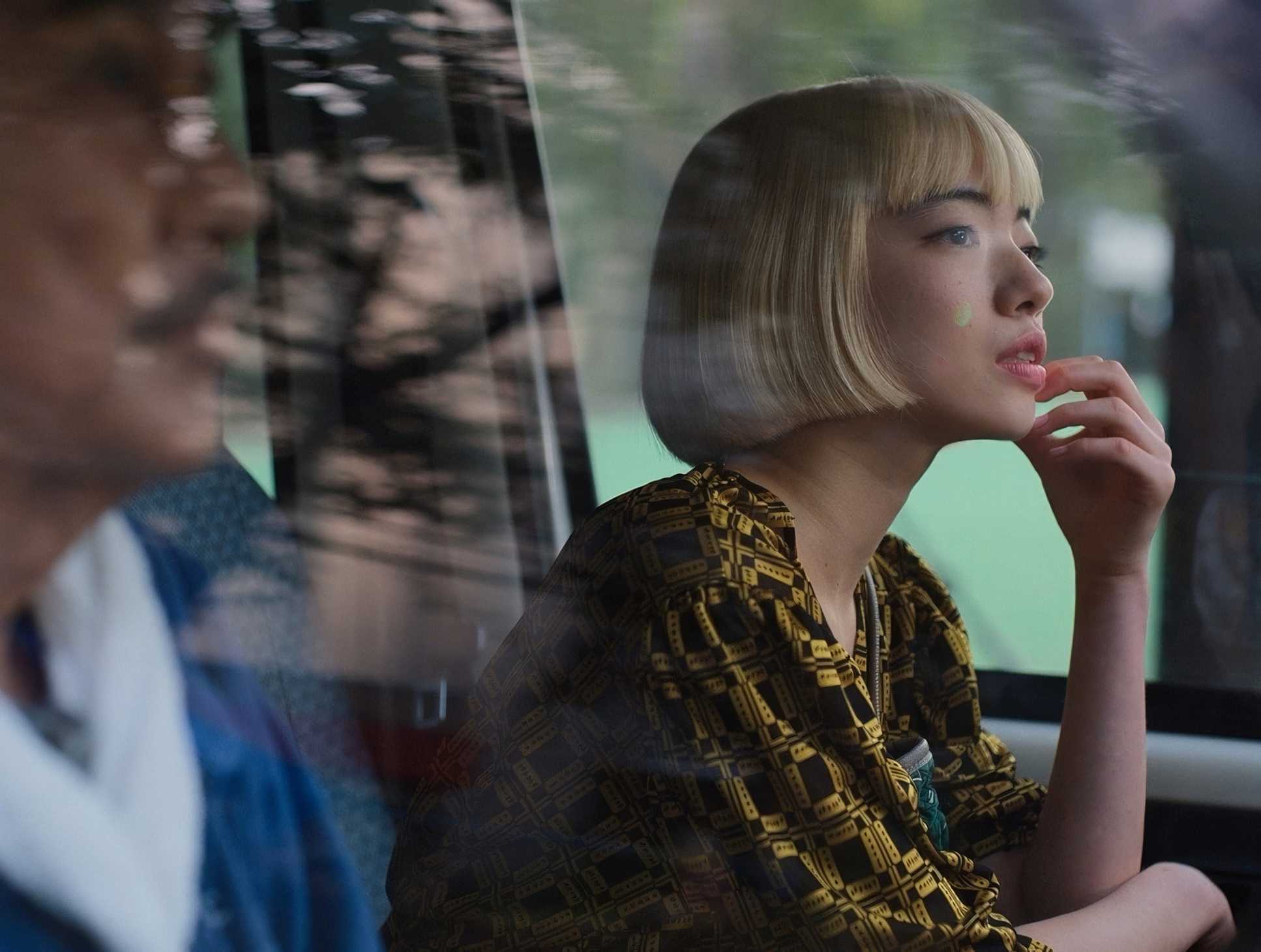
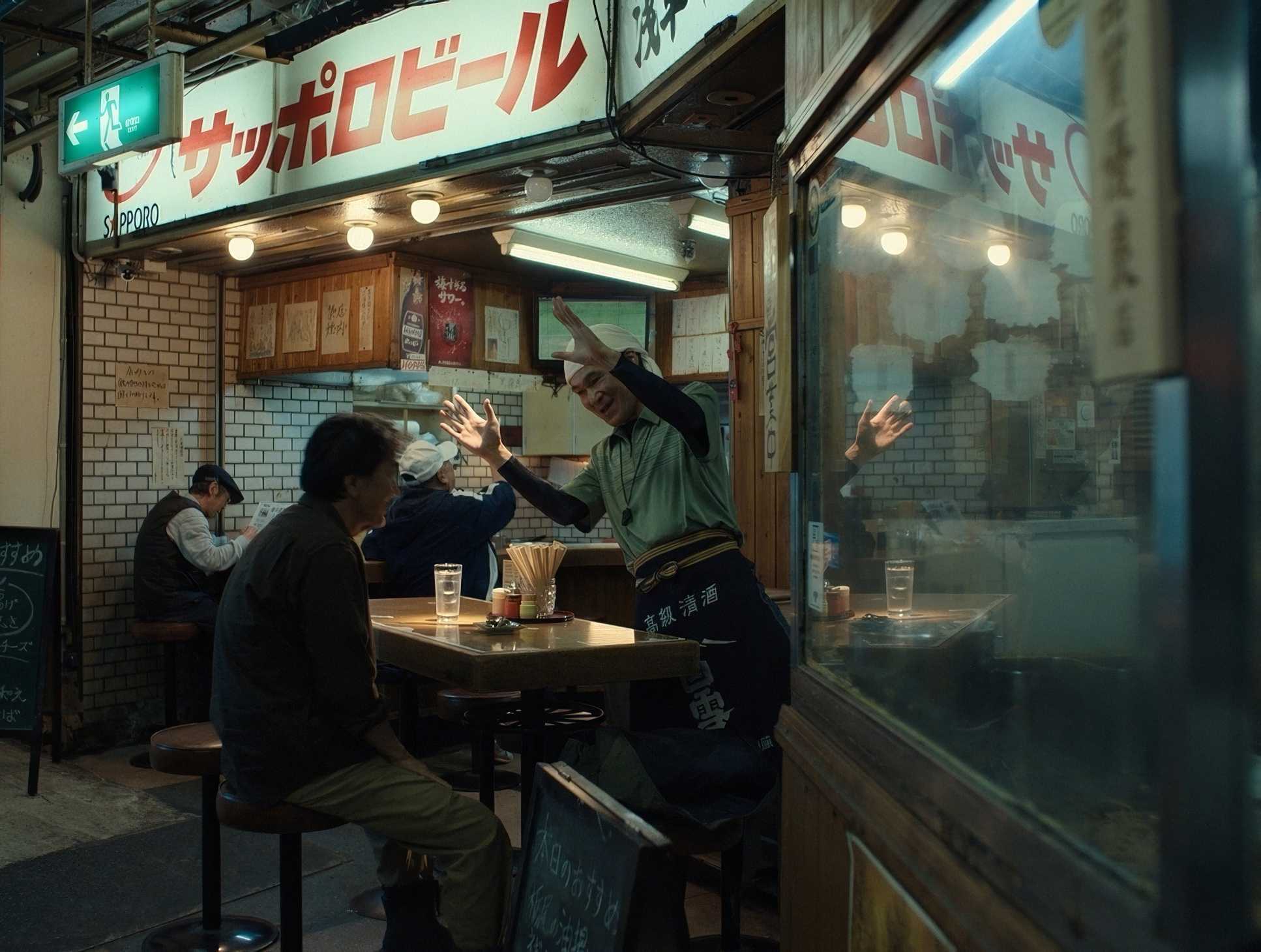
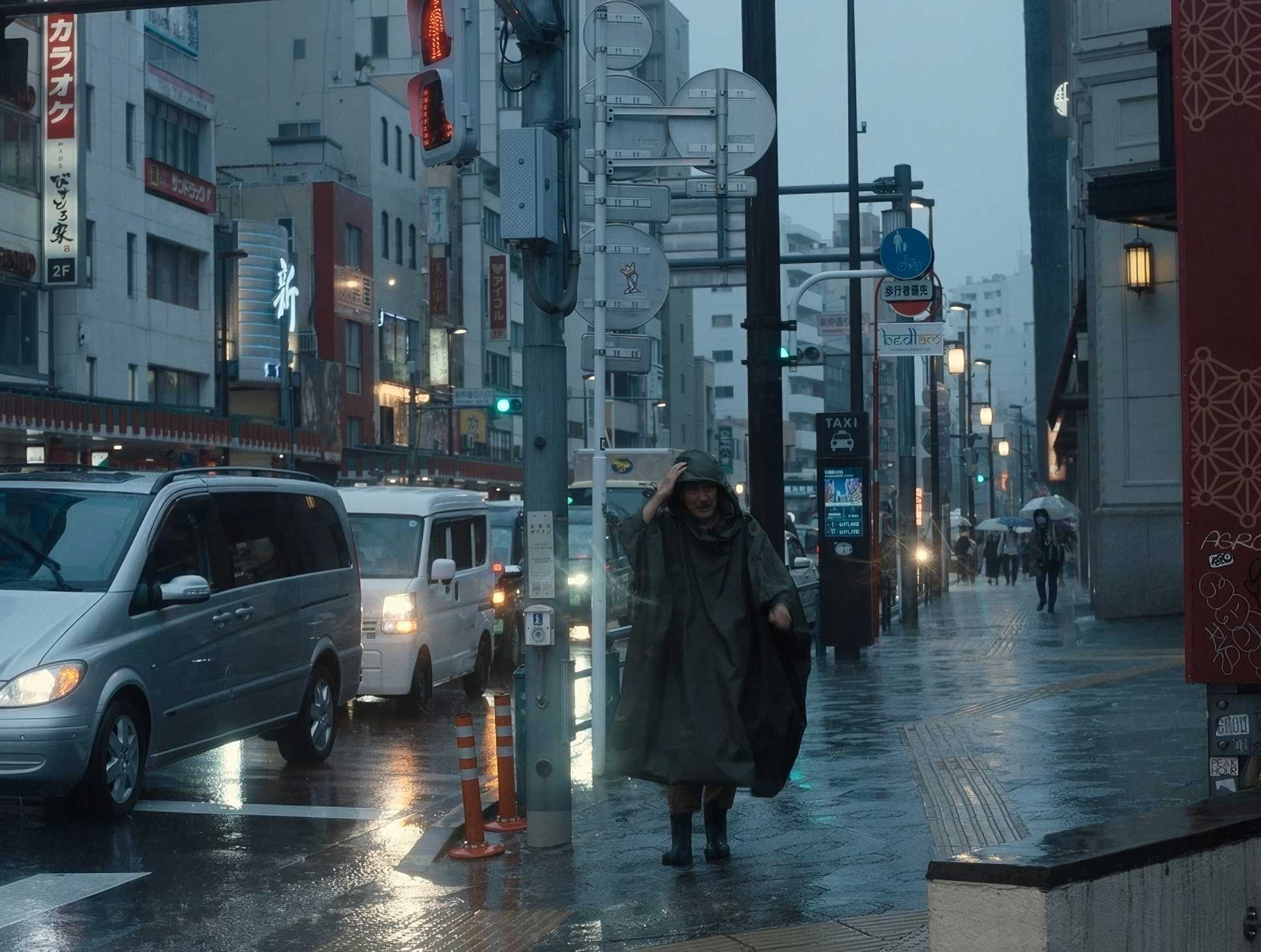
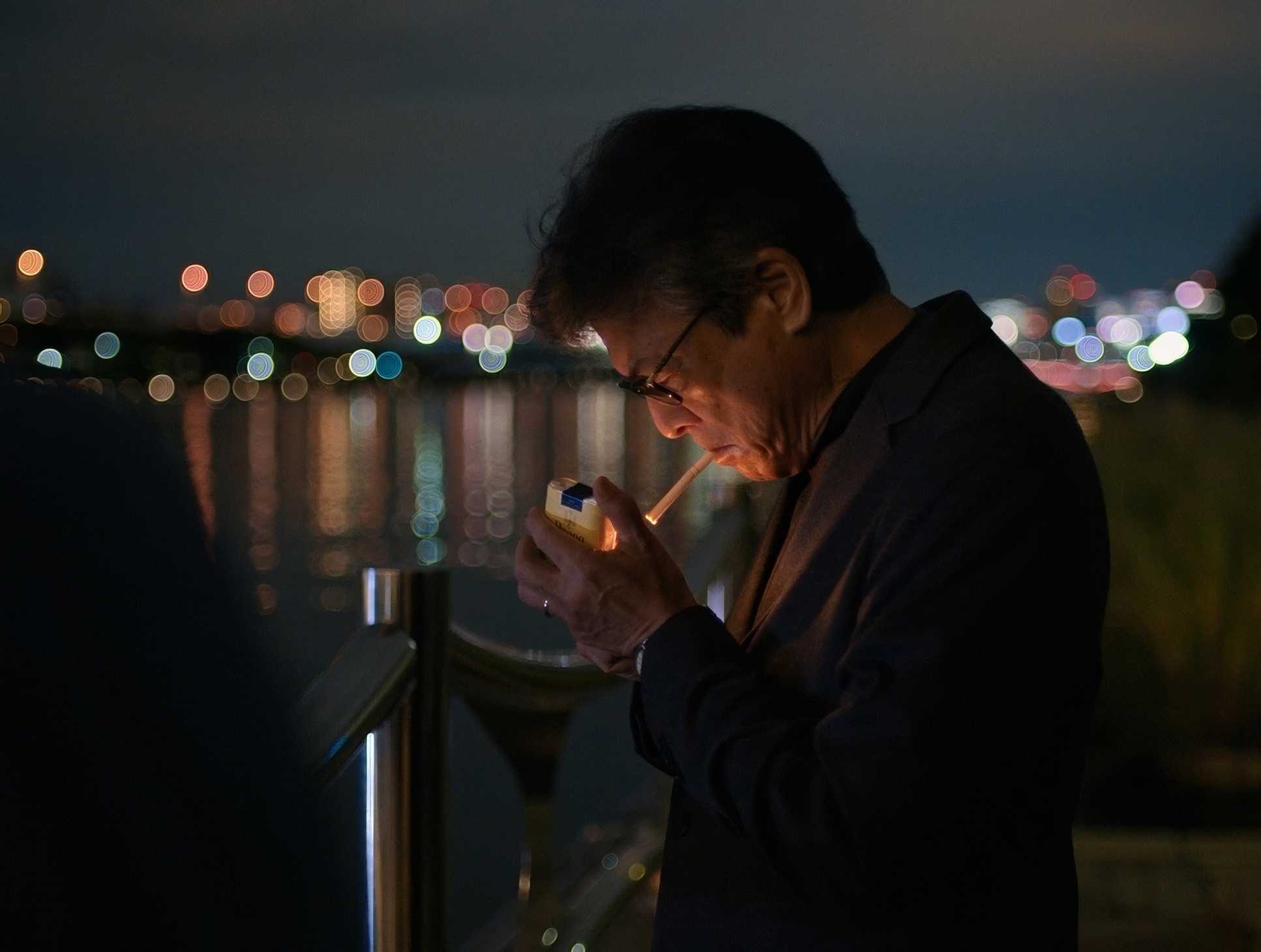
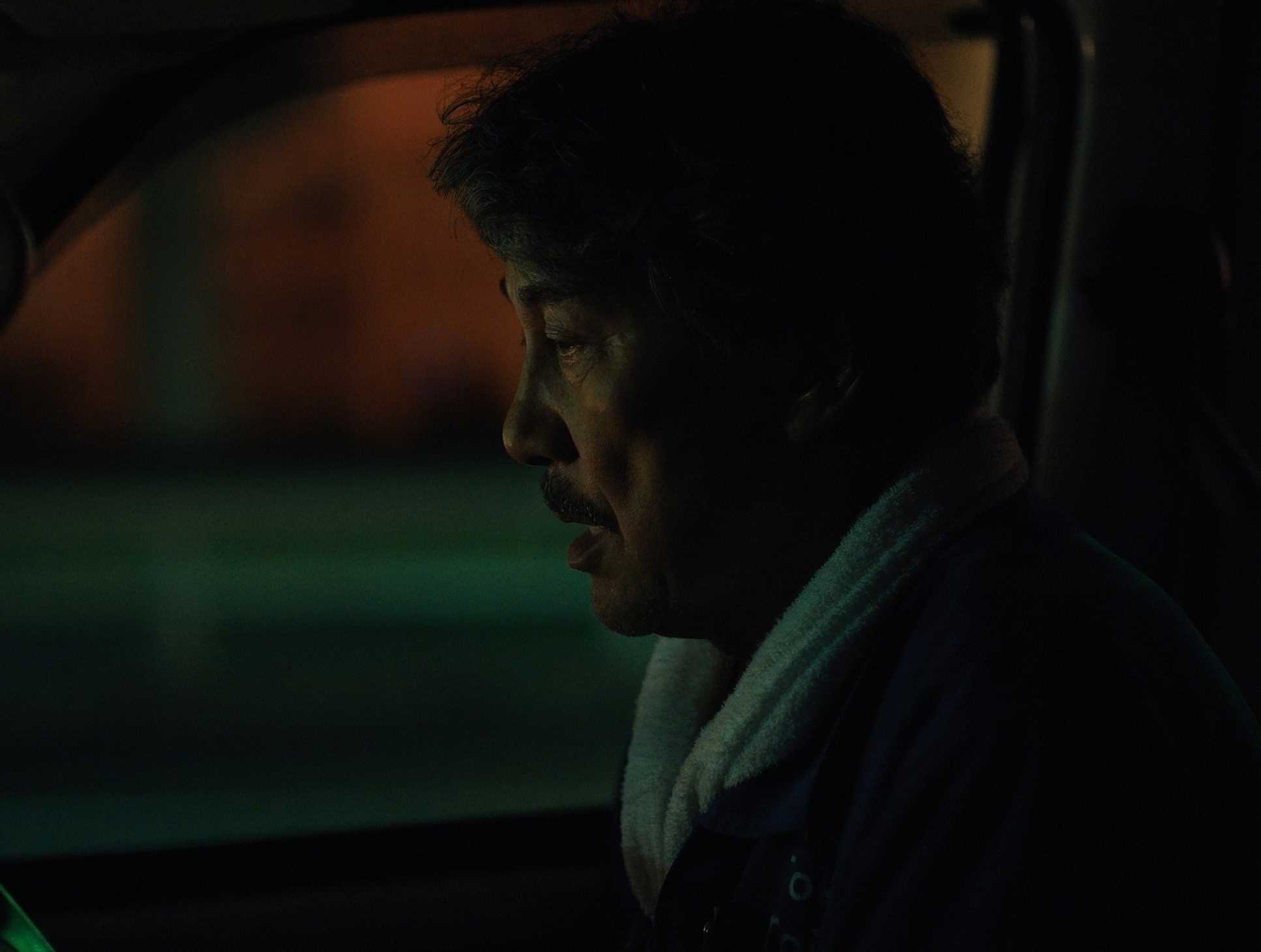
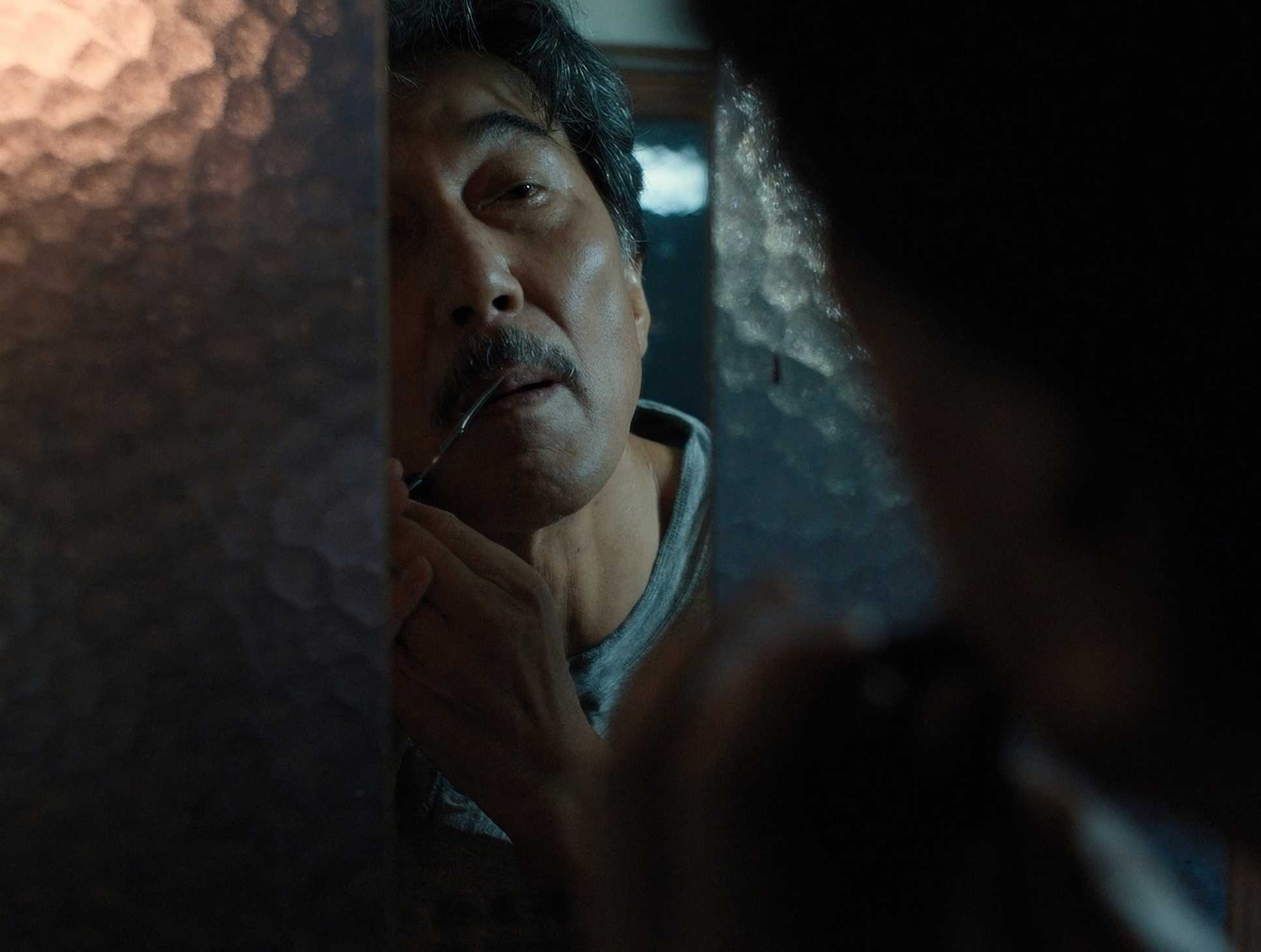
Reflections are a major motif here. Whether it’s the polished surfaces of the public toilets or the glass of his van, these reflections capture the “rushing pedestrians” who never stop moving. It’s a brilliant way to visually articulate the contrast between the world’s chaos and Hirayama’s stillness. The compositions often frame natural elements as if they are works of art, elevating the mundane to the sacred.
Color Grading Approach
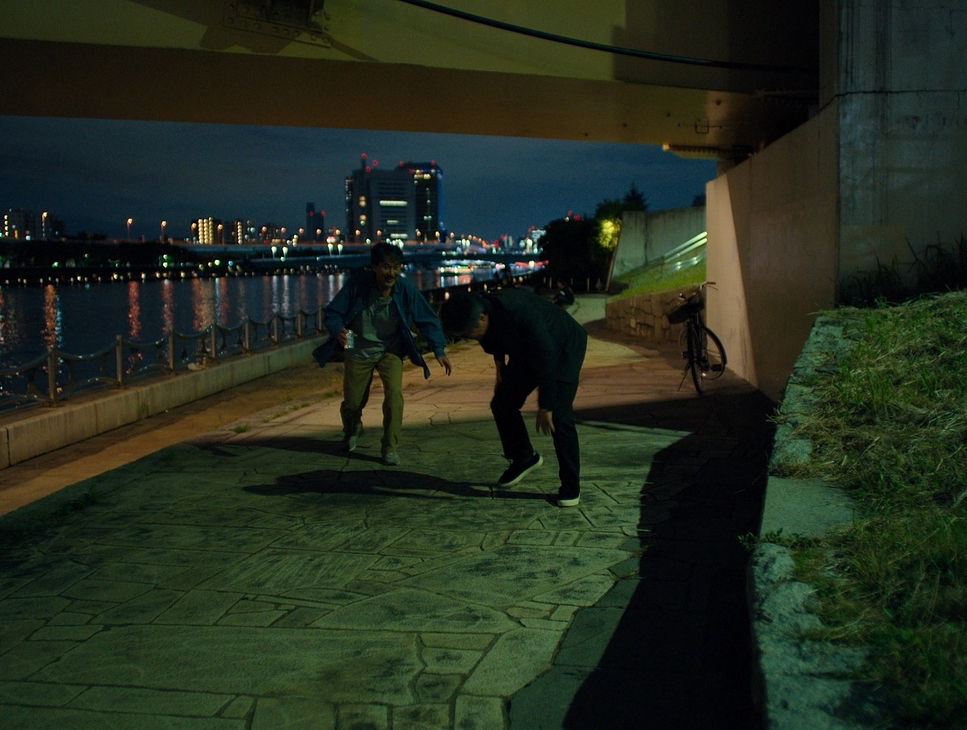
Now we’re talking my language. The color grade, handled by Philipp Orgassa, is a goldmine of nuance. It’s an understated beauty a dance between realism and artistic elevation.
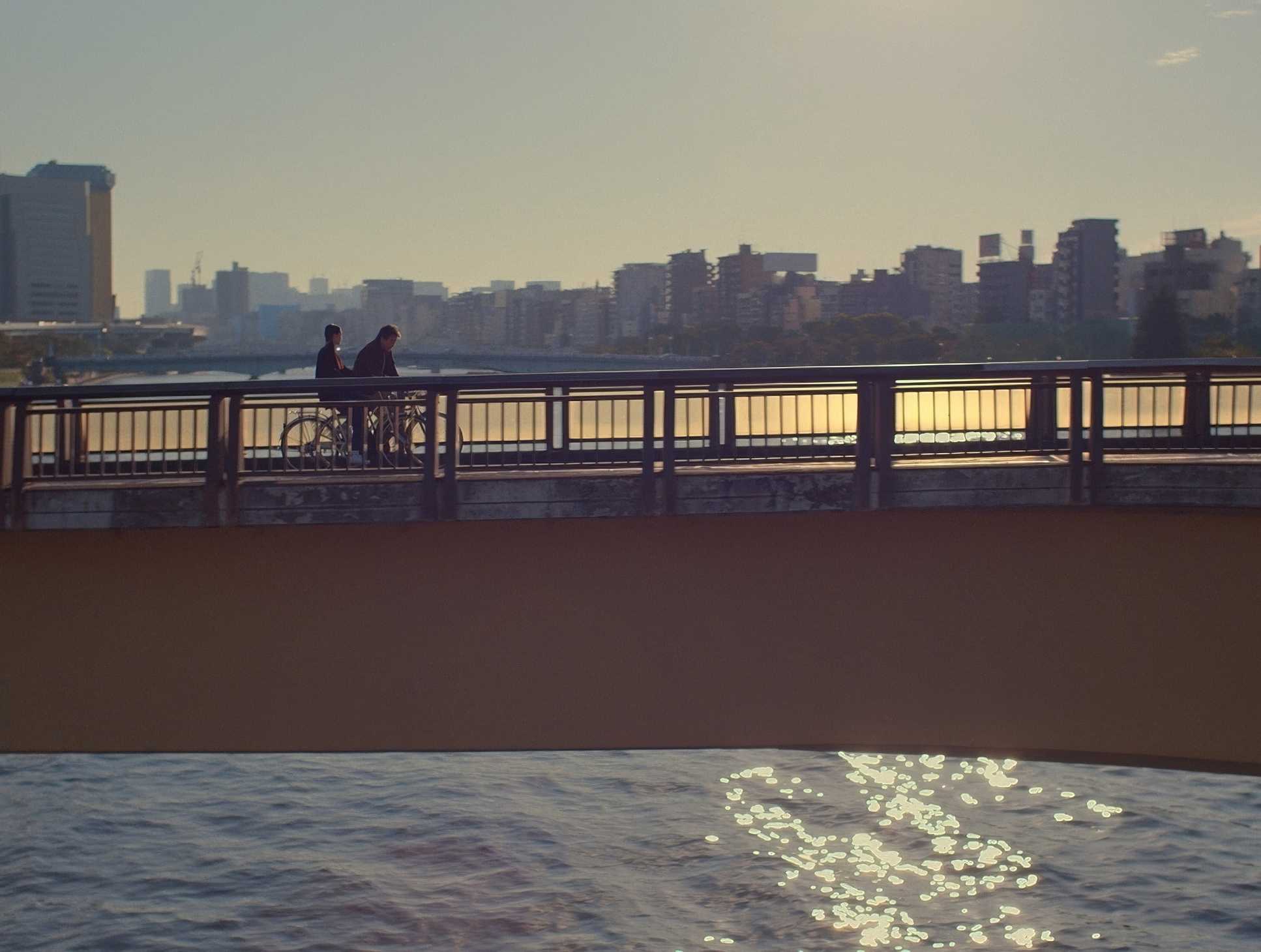
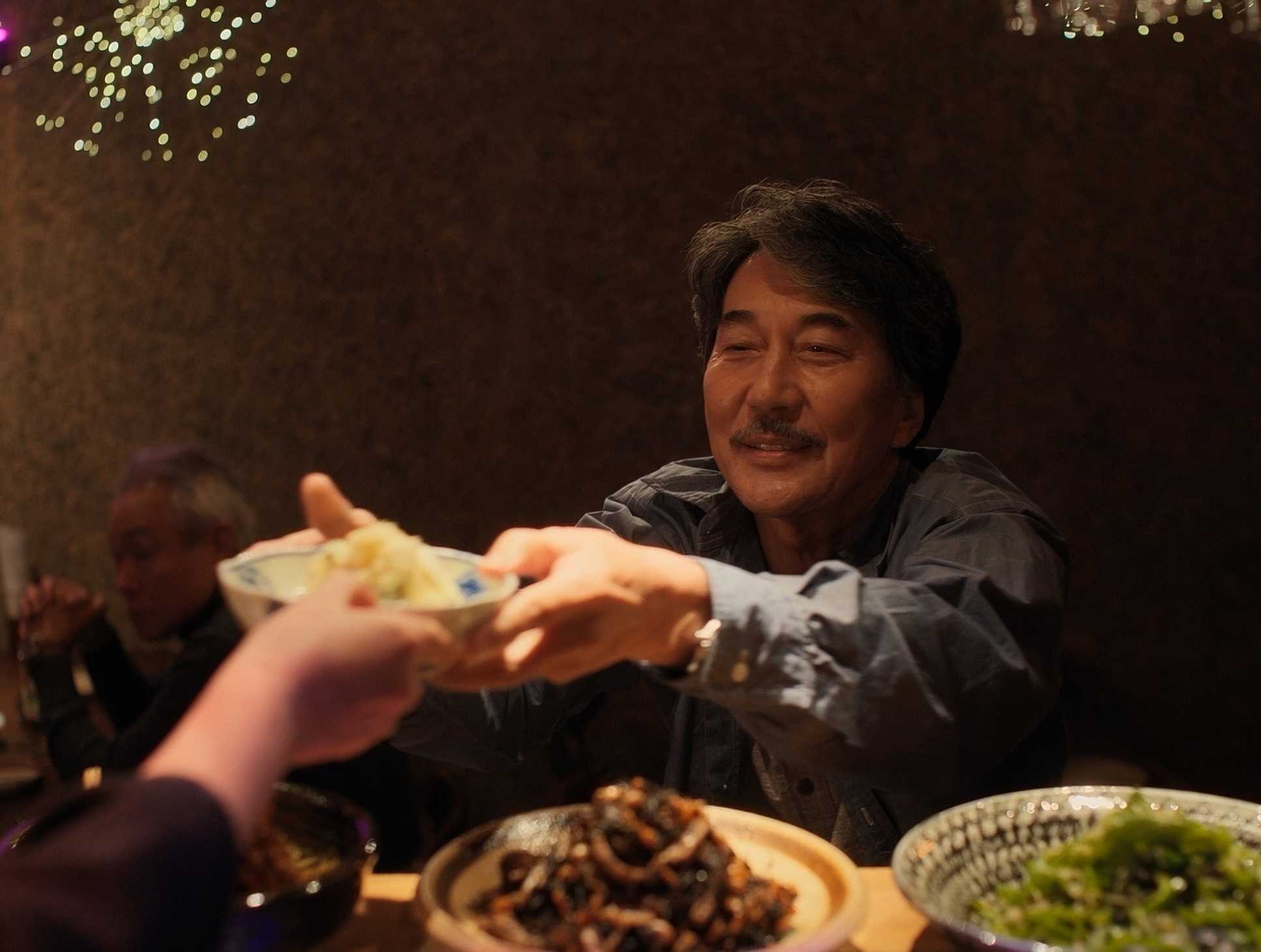
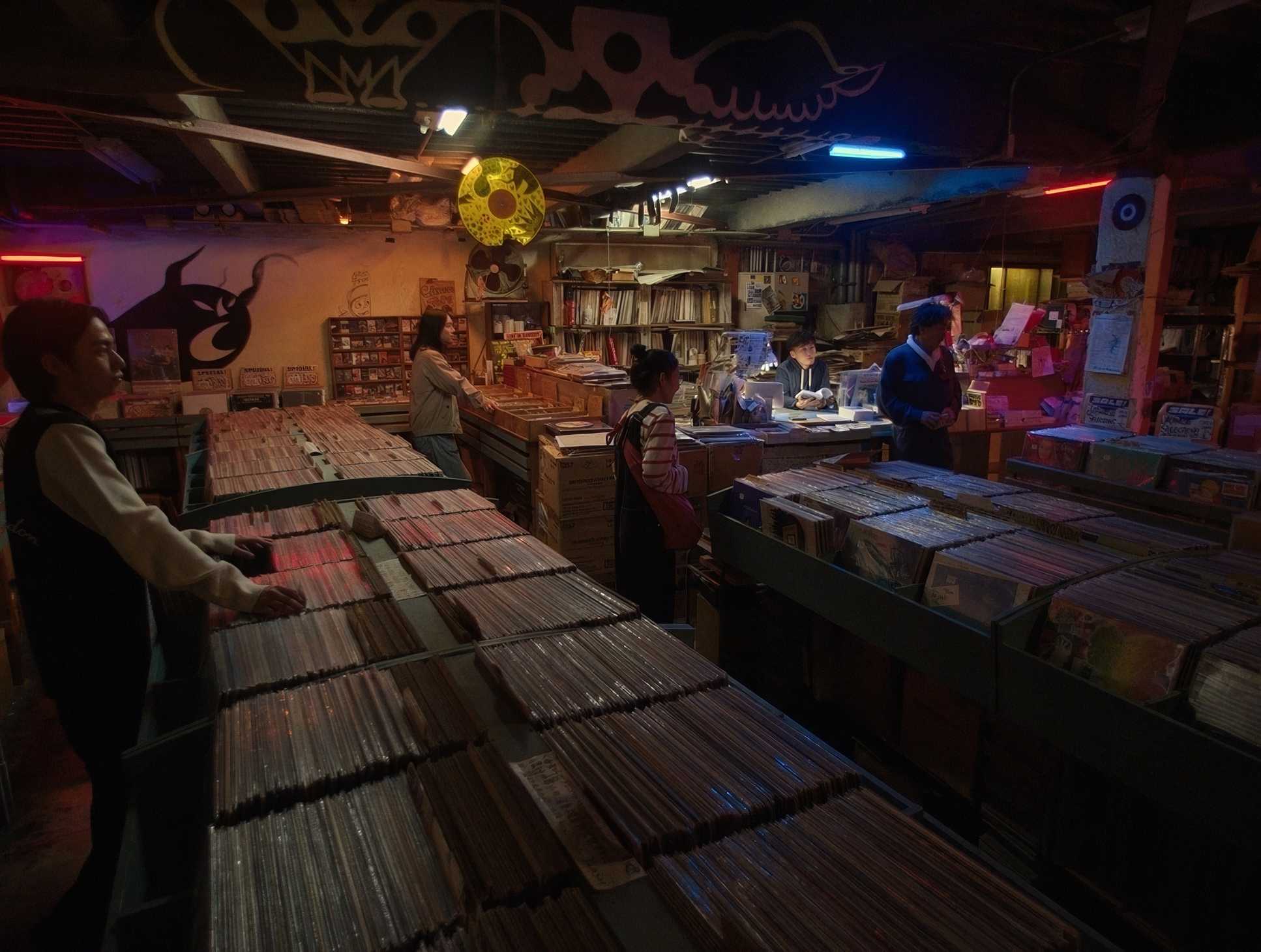
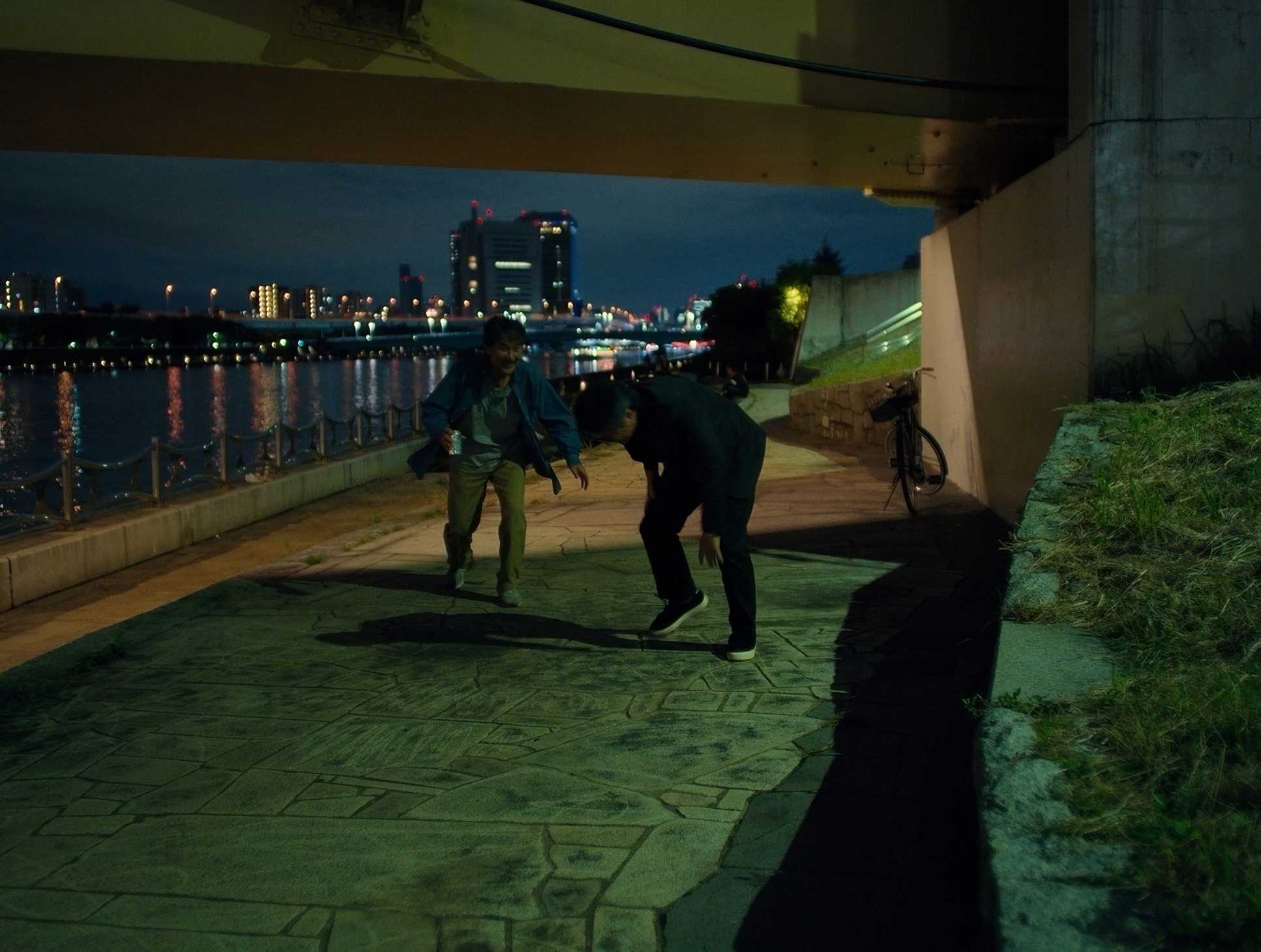
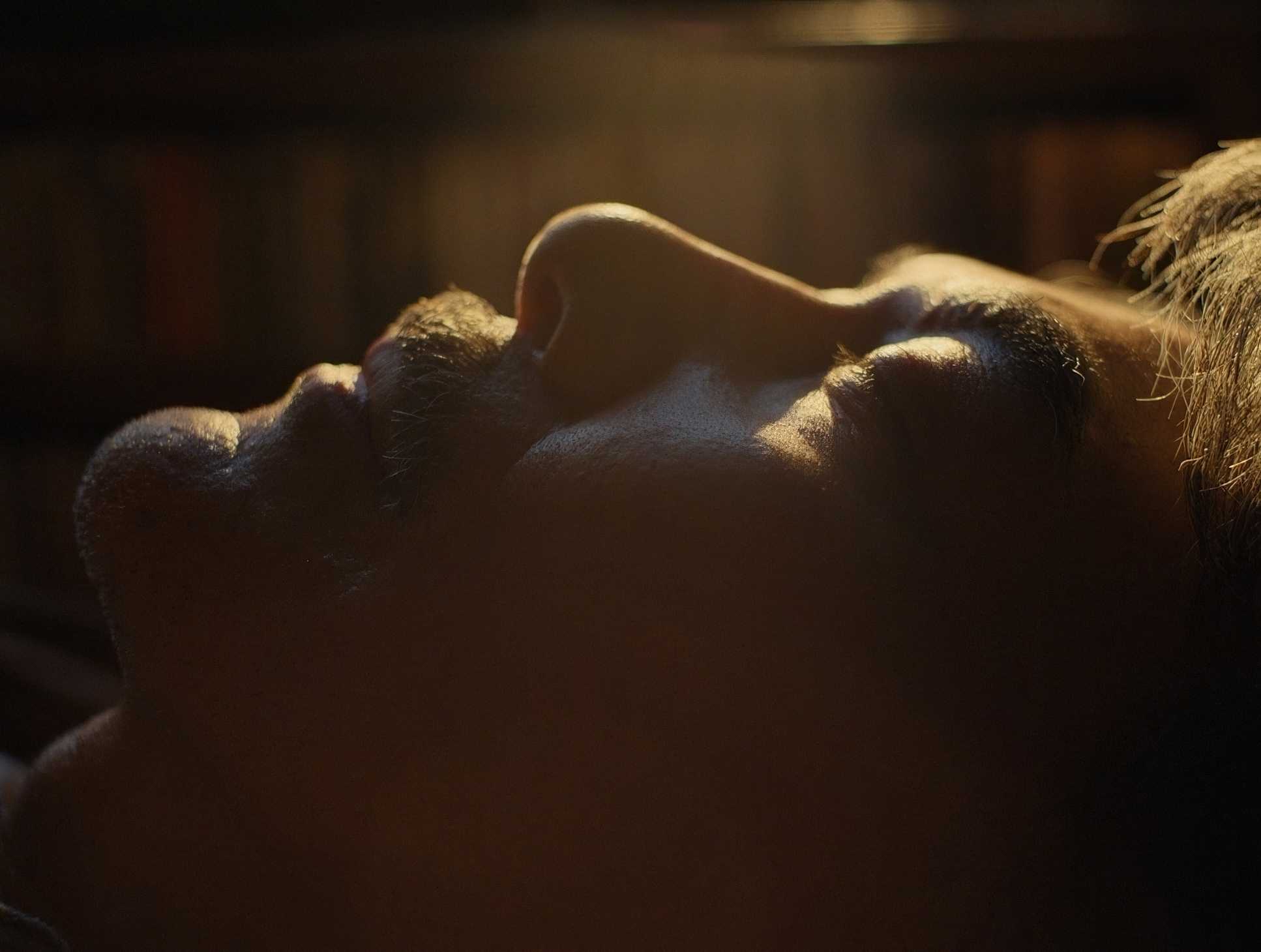
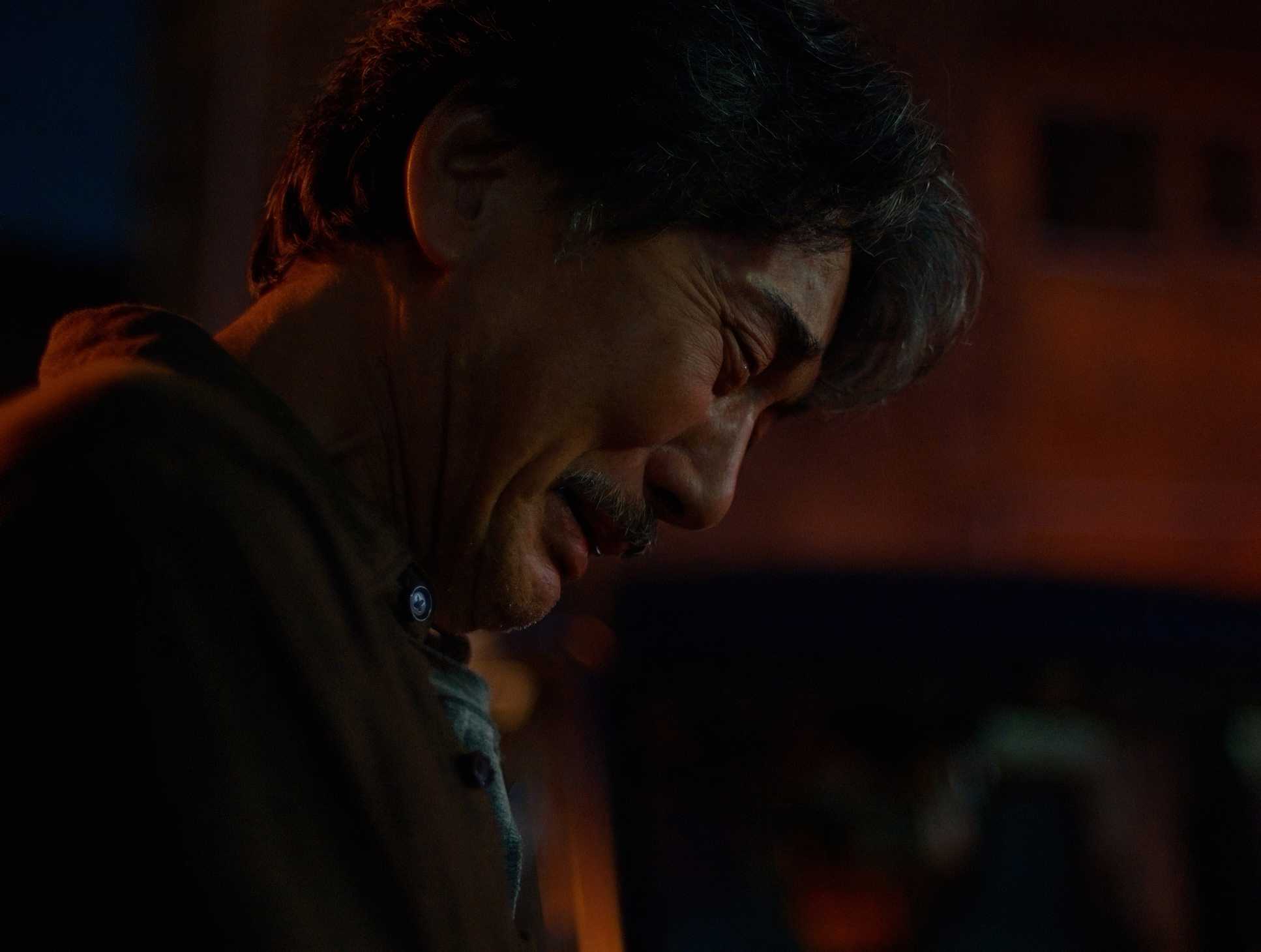
To my eye, there is a distinct print-film sensibility here. The blacks are rich and dense but remain “open,” preserving crucial shadow detail in the Tokyo alleys. The overall palette has a subtle desaturation and a gentle warmth that prevents anything from feeling garish. I especially love the hue separation; the greens of the trees are vibrant without feeling artificial, and the skintones are rendered with a soft, natural warmth.
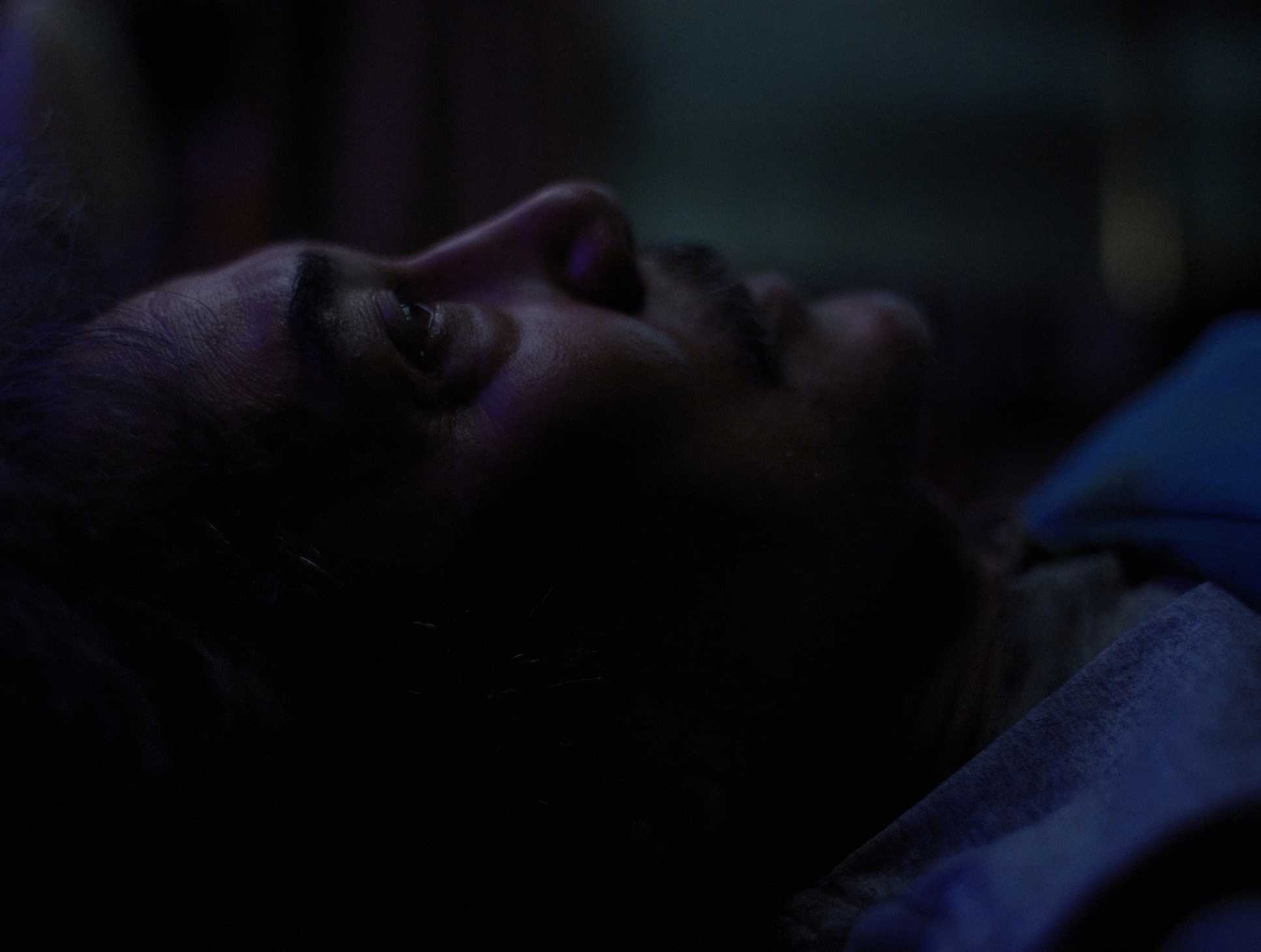
And then, of course, there’s that captivating purple. Orgassa sculpted that hue beautifully; it’s not just a generic purple, but a specific, luminous glow that sets Hirayama’s inner world apart from the subdued tones of the city. It’s a perfect example of using color to signify character depth.
Inspiration Behind the Cinematography

The core inspiration for the visuals clearly springs from the film’s central theme: finding contentment through observation. Wenders, being an accomplished photographer himself, places the act of seeing at the center of the narrative.
The camera itself acts as Hirayama’s eye, soaking in the transient beauty of the everyday. The film’s visual language isn’t just supporting this thesis; it is the thesis in action. By focusing on the “layered depth of branches” or the “play of colors on the shiny metal of the public restroom,” the cinematography teaches the audience how to look at the world again.
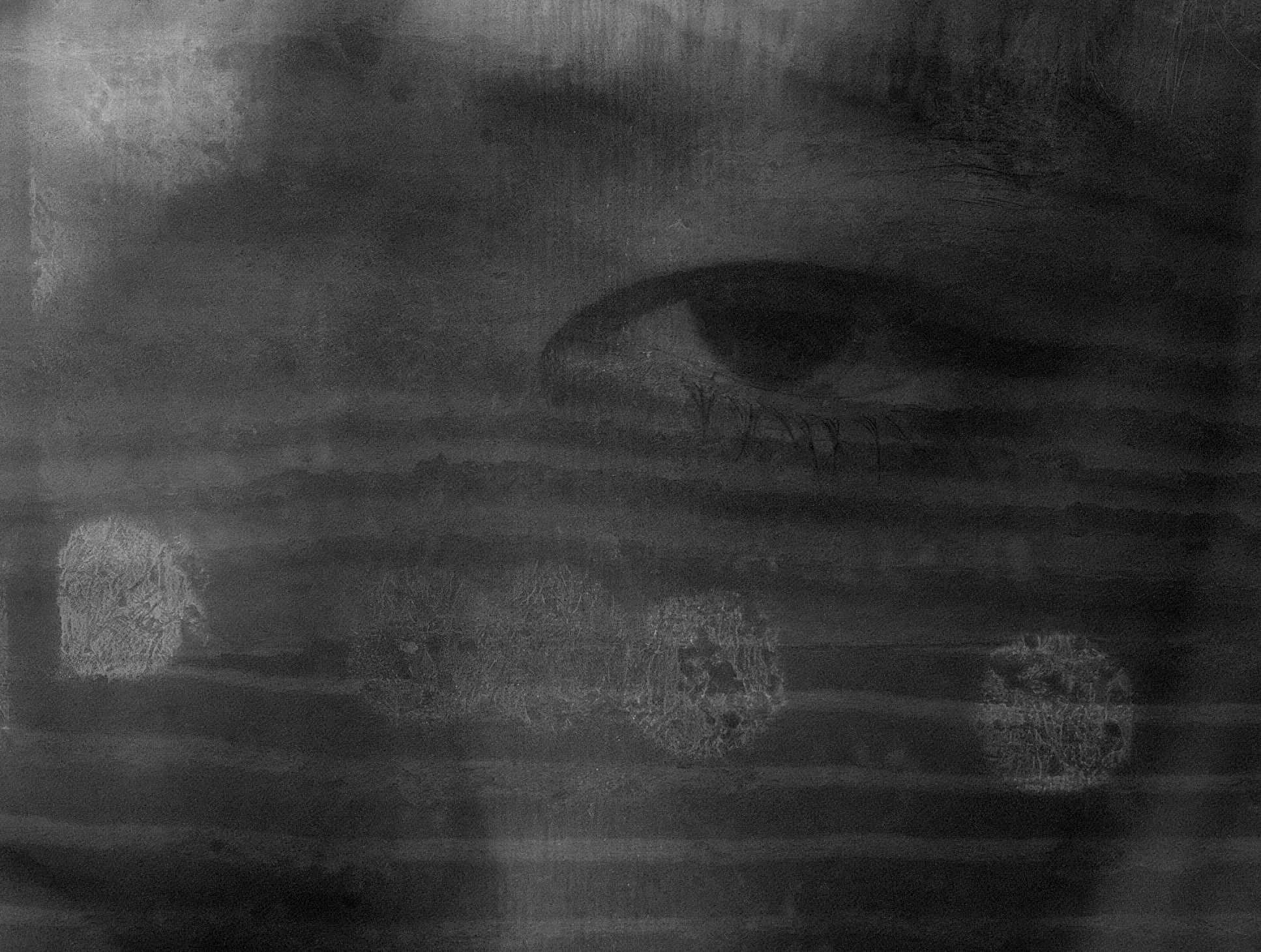
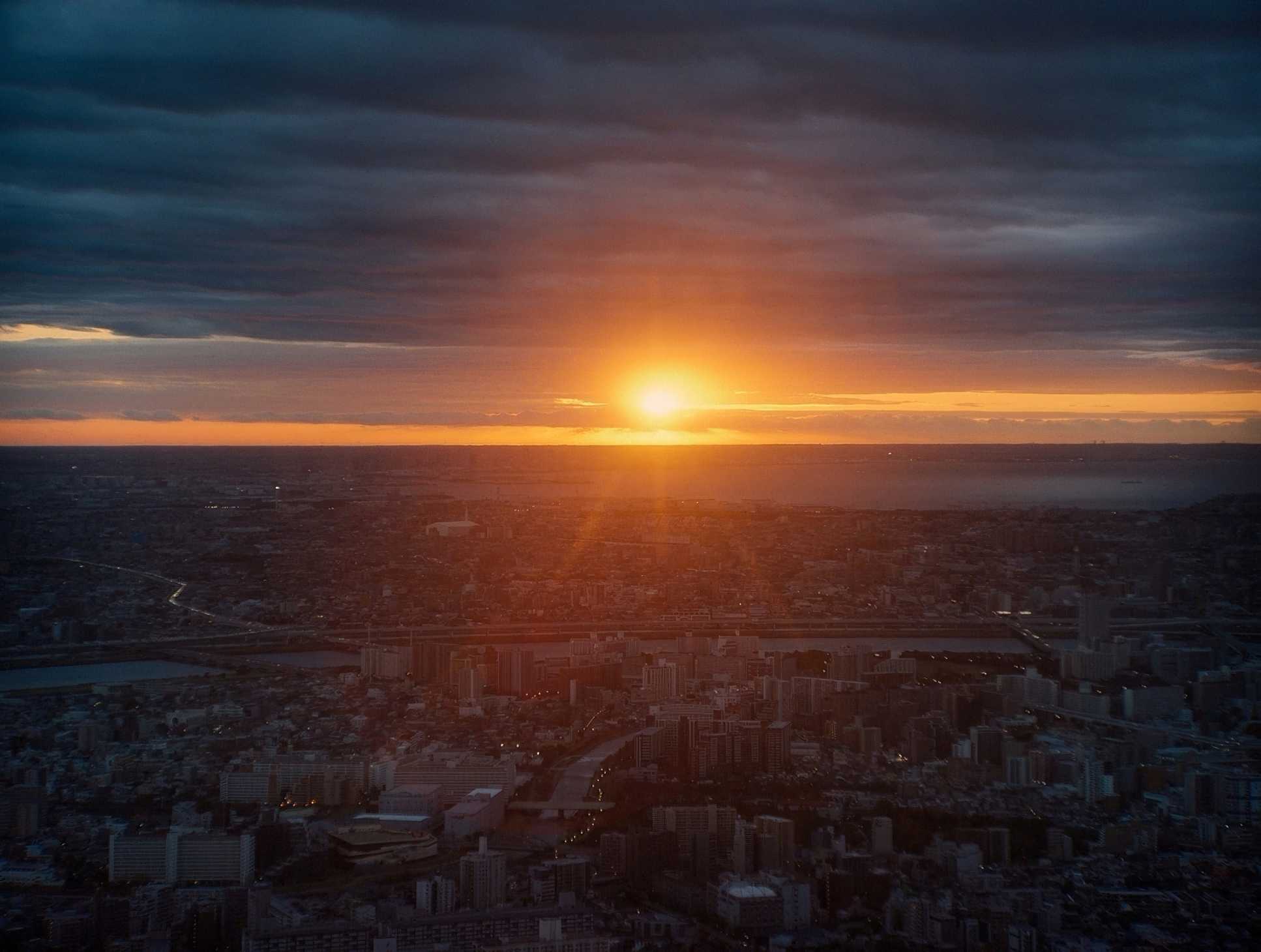
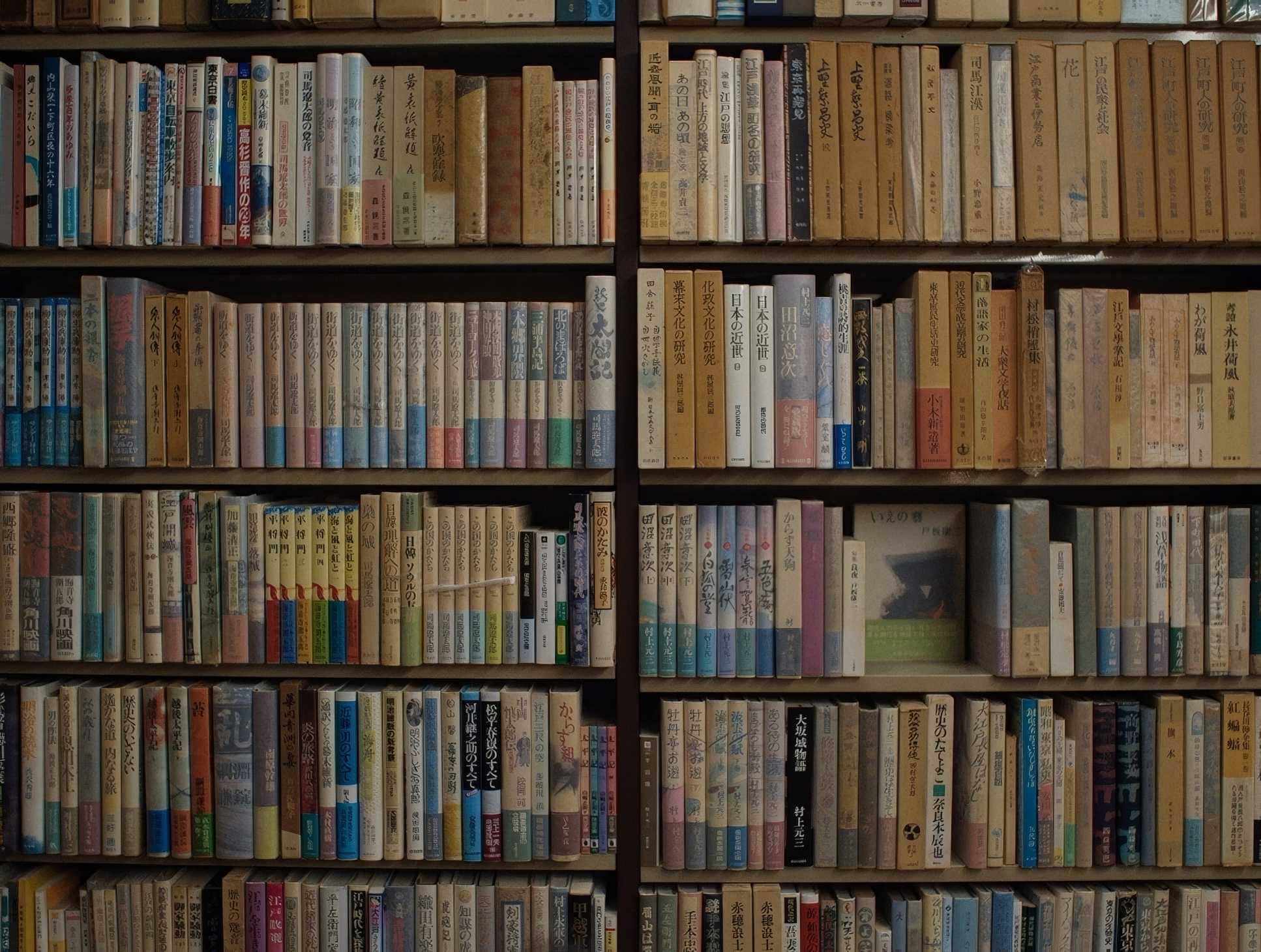
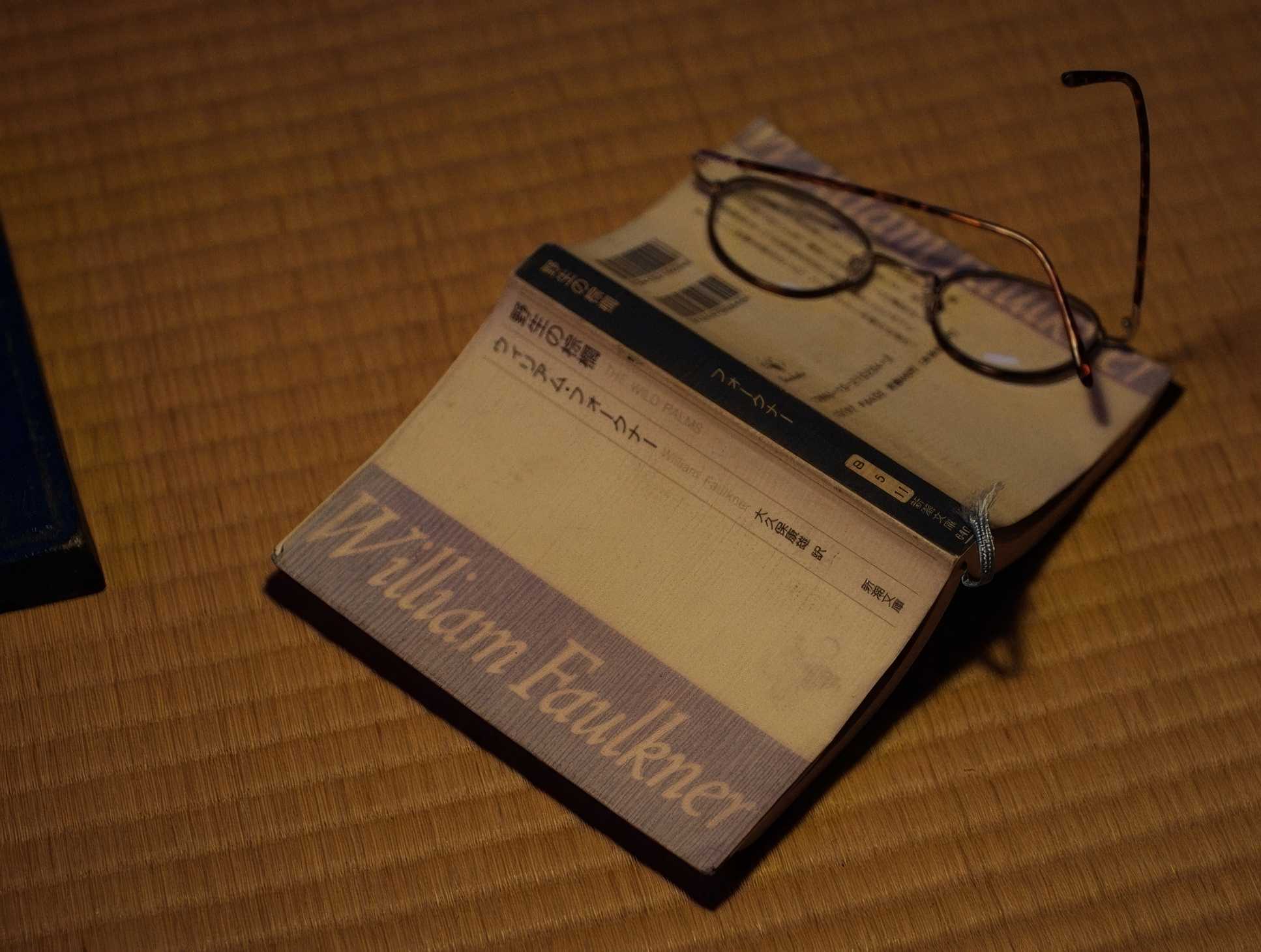
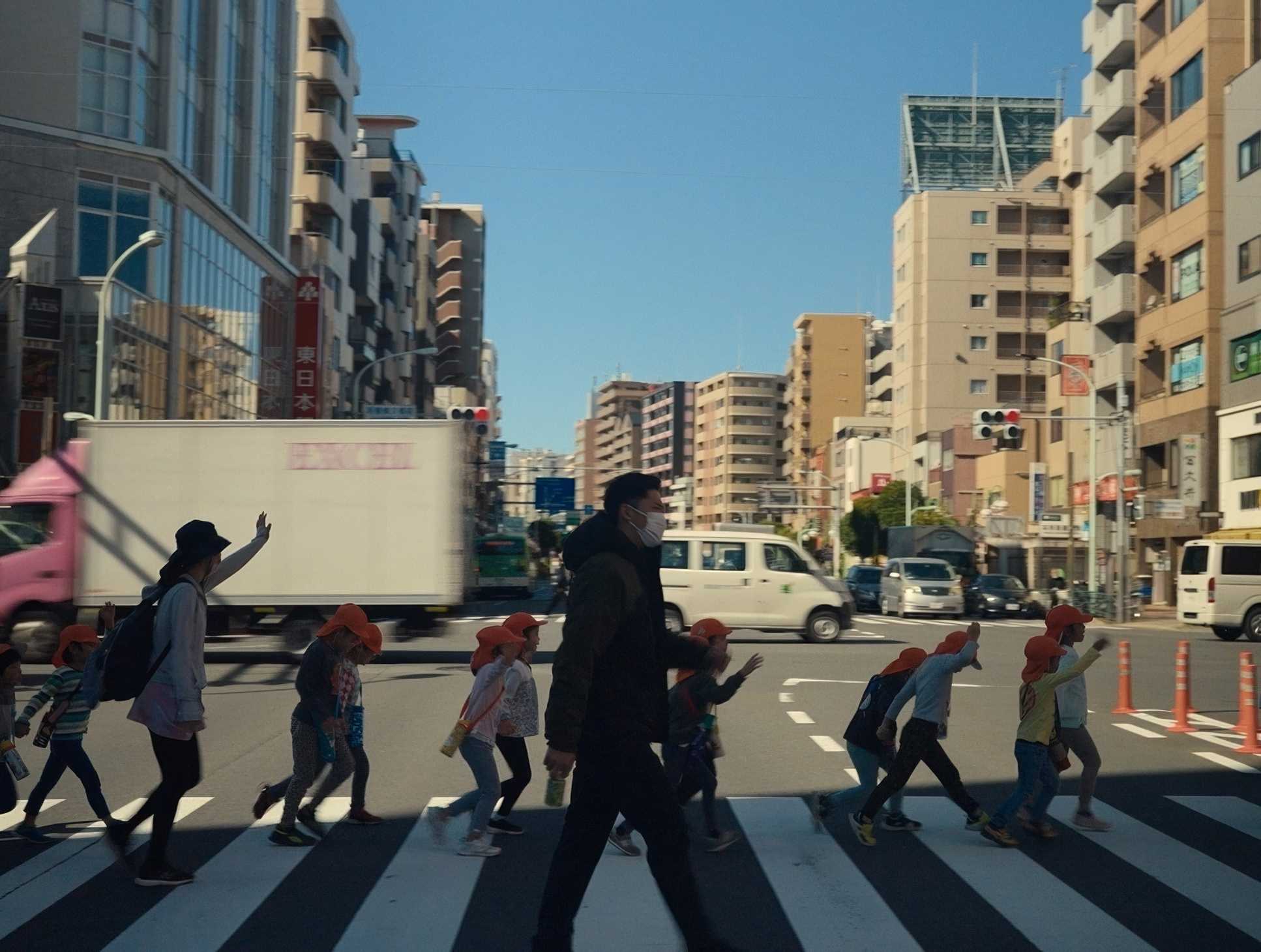
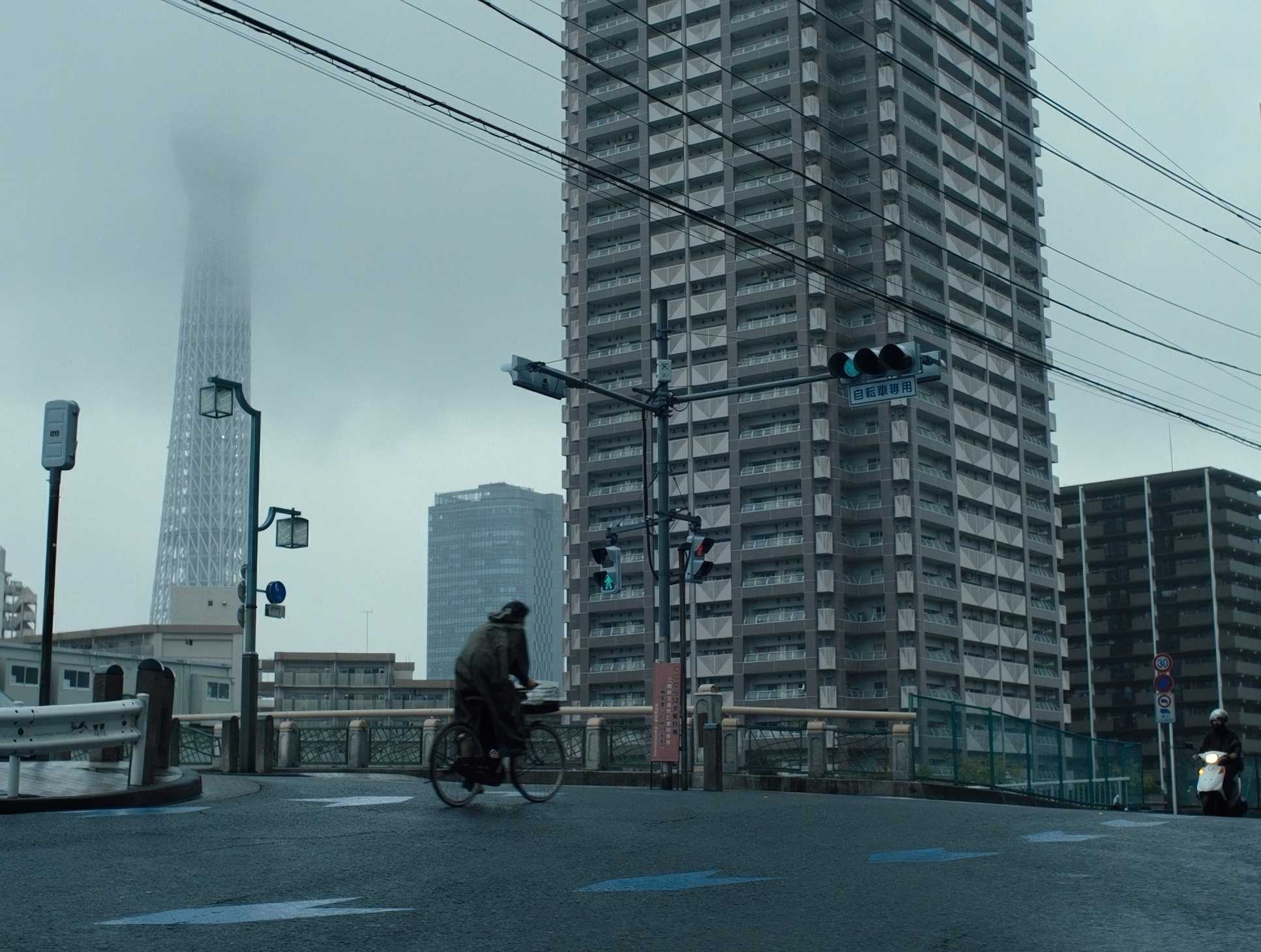
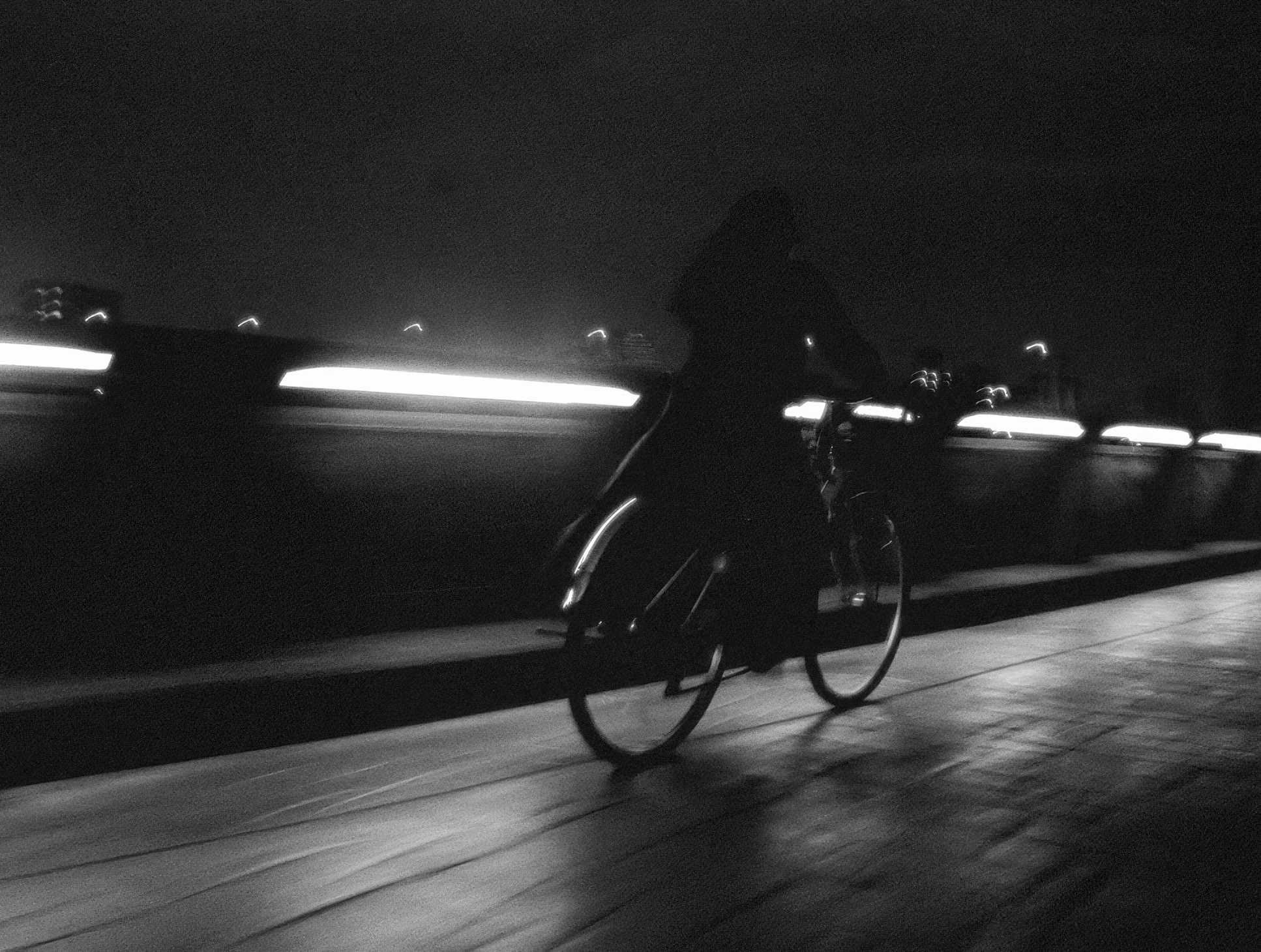
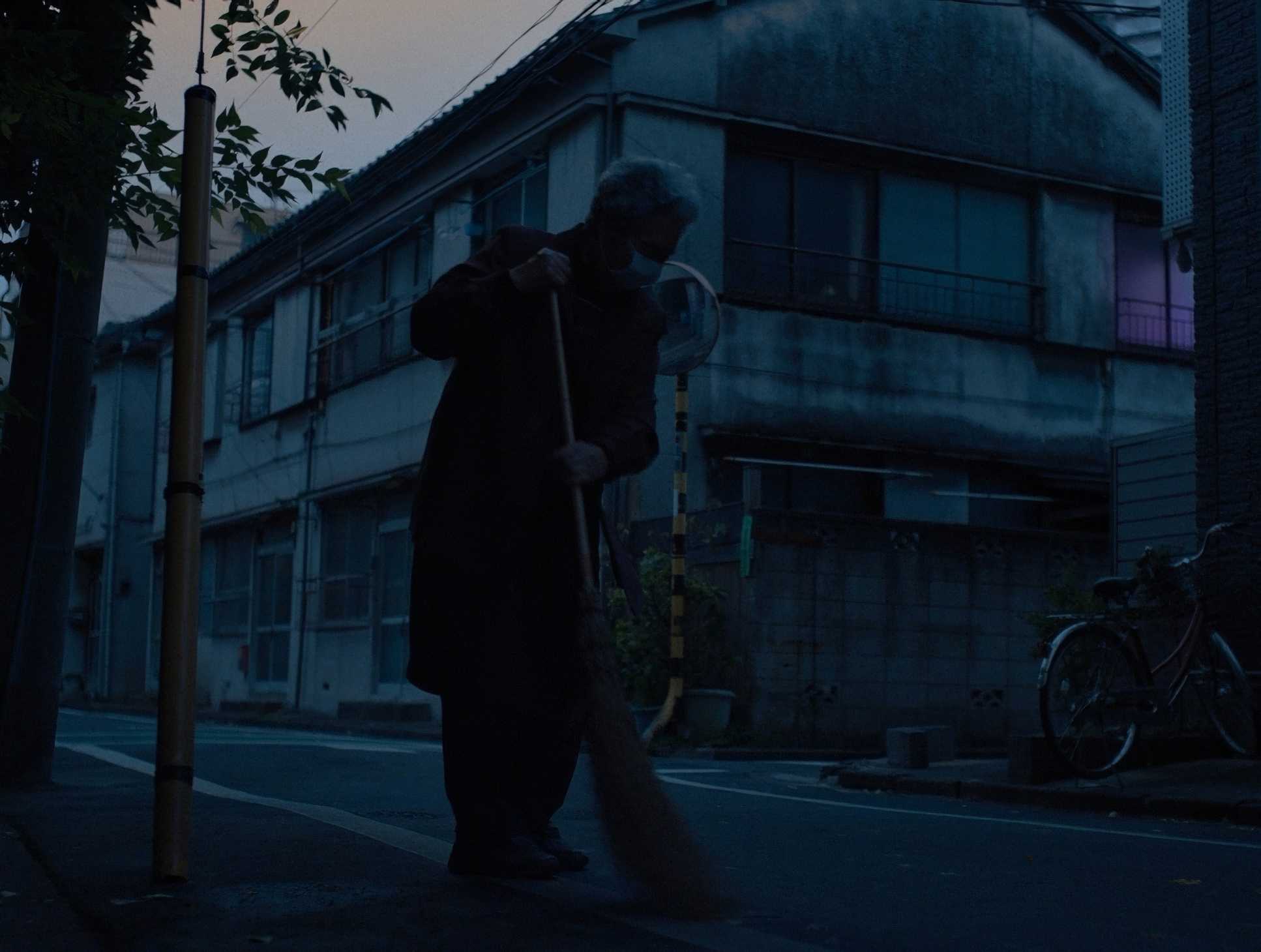
Perfect Days (2023) Film Stills
A curated reference archive of cinematography stills from Perfect Days (2023). Study the lighting, color grading, and composition.







- Also read: THE CELEBRATION (1998) – CINEMATOGRAPHY ANALYSIS
- Also read: FLOW (2024) – CINEMATOGRAPHY ANALYSIS
Browse Our Cinematography Analysis Glossary
Explore directors, cinematographers, cameras, lenses, lighting styles, genres, and the visual techniques that shape iconic films.
Explore Glossary →