Alfred Hitchcock’s 1946 thriller Notorious, my brain is basically wired to look at how light and shadow do the heavy lifting for the script. Notorious is the ultimate example of this. It’s a movie that balances being a high-stakes spy thriller and a messy, passionate romance it even flirts with some rom-com energy in the early banter but underneath the star power of Cary Grant and Ingrid Bergman, there’s a level of visual craft that is just insane. Hitchcock used the camera like a precision instrument to dissect his characters’ emotions without needing a single line of dialogue. Let’s break down how he did it.
Inspiration Behind the Cinematography
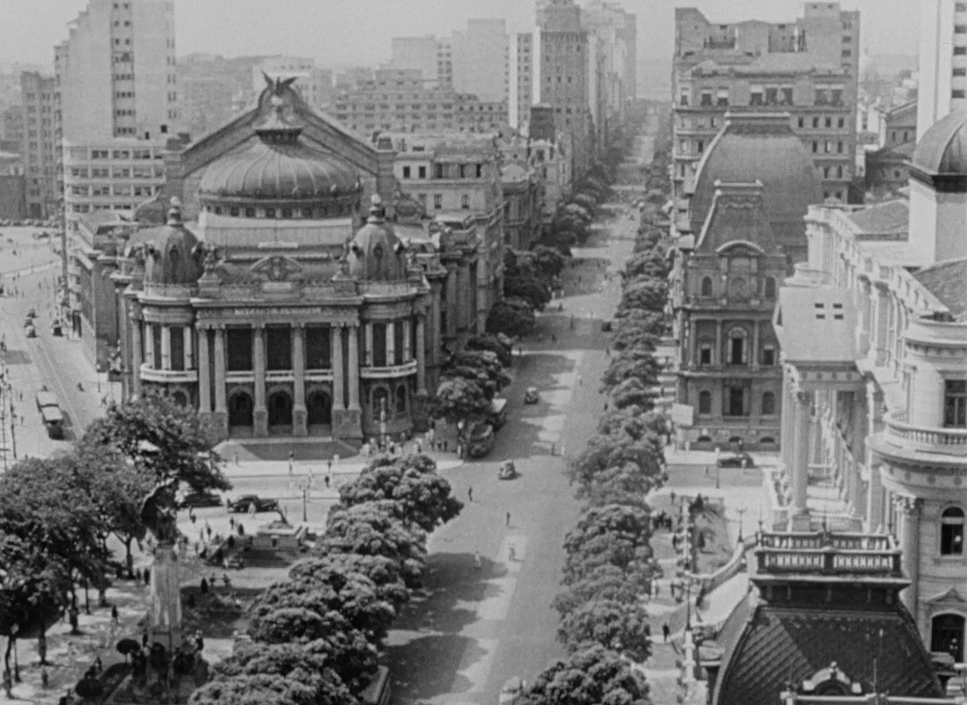
Hitchcock’s “secret weapon” was his obsession with the silent era. He truly believed that cinema achieved its peak before sound even existed because directors were forced to tell stories purely through images. In Notorious, you can feel that “visual-first” map in every scene. He wasn’t interested in using dialogue to explain the plot; he wanted the frame to tell you who to trust and who to fear.
This was 1946 right after World War II and you can see that post-war paranoia creeping into the style. The world was darker, and the film reflects that. It sits in this interesting space where it looks glamorous because it’s a Hollywood production, but it feels gritty and duplicitous because of the subject matter. Hitchcock managed to layer these genres so effectively that you could watch it as a straight spy flick or a tragic romance, and it works perfectly both ways.
About the Cinematographer
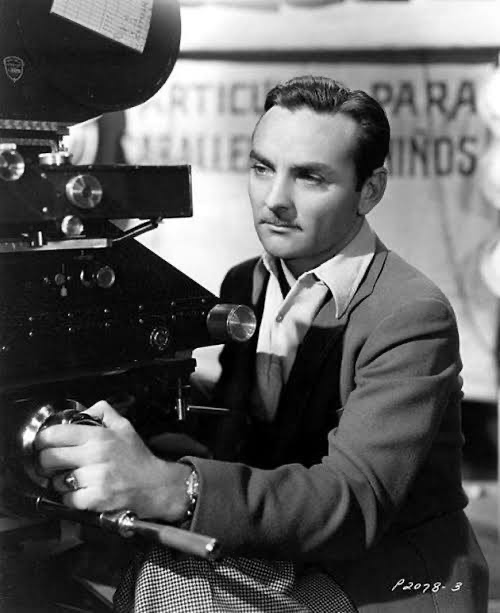
When we talk about the cinematography here, Ted Tetzlaff is the name on the credits, but we all know Hitchcock was the primary visionary. Hitch had an almost architectural way of working he pre-visualized everything. Tetzlaff, who had a great run at RKO, was the perfect partner to execute those rigid demands.
Tetzlaff brought a level of technical polish and dramatic lighting that grounded Hitchcock’s “silent film” sensibilities in a modern, 1940s noir aesthetic. They didn’t just record the actors; they built the narrative frame by frame. In this partnership, the camera wasn’t just an observer; it was an active character in the room.
Camera Movements
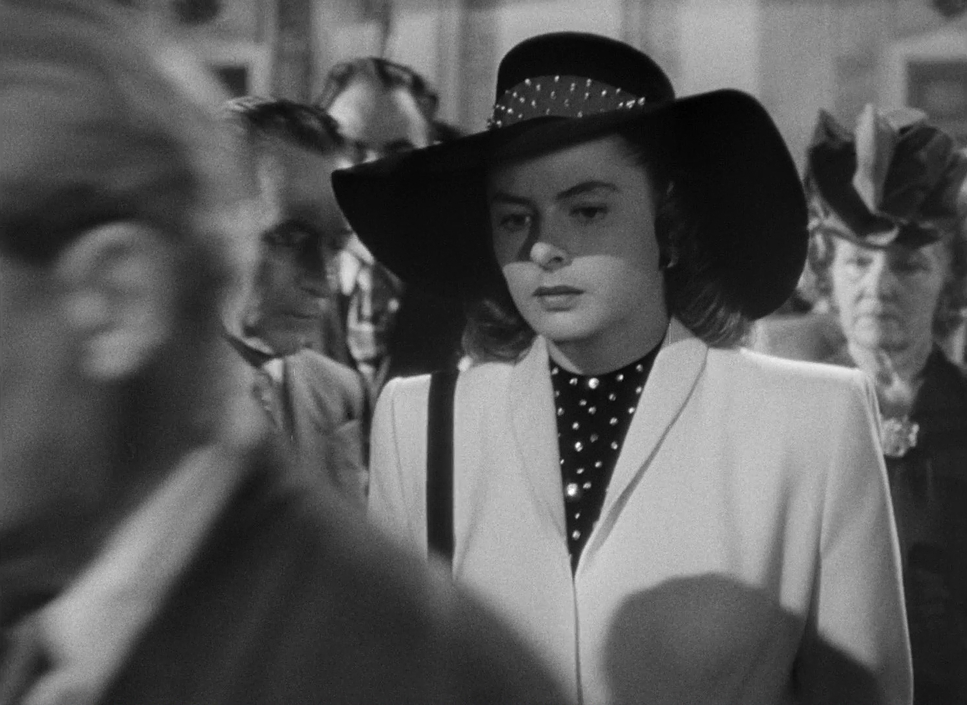
Hitchcock’s camera in Notorious never feels static or “lazy.” It’s a narrator. Look at the courtroom opening: instead of staying on Alicia, the camera dollies in to show the people whispering about her. That one move tells the audience everything: she’s under a microscope, she’s being judged, and she’s vulnerable.
Later, in the big party scene, Hitch teases us with Devlin’s introduction. We see his back a motif used to keep him mysterious and “outside” the center of the story. The camera pans but refuses to show his face until the very last second. That’s how you build anticipation with movement. My favorite bit, though, is Alicia’s “hangover” POV shot. It’s disorienting and dizzying, putting the audience right in her shoes. These aren’t just “cool shots”—they are emotional conduits.
Compositional Choices

The framing in this film is a masterclass in power dynamics. In the beginning, Hitchcock uses tight medium close-ups for Alicia and Devlin to create this sense of immediate, private intimacy. We feel like we’re eavesdropping on something real.
But as the mission gets complicated, the framing changes. When Alicia is placed behind a curtain, it’s not just a set piece it’s a visual wall. It separates her from us and from Devlin. Hitchcock also loved using depth to show who had the upper hand, placing one character in the foreground and the other far in the back. And of course, there’s “the key.” That tight insert shot of the keychain moving from four keys to three is one of the most efficient bits of storytelling in cinema history. No one says a word, but the stakes just went through the roof.
Lensing and Blocking
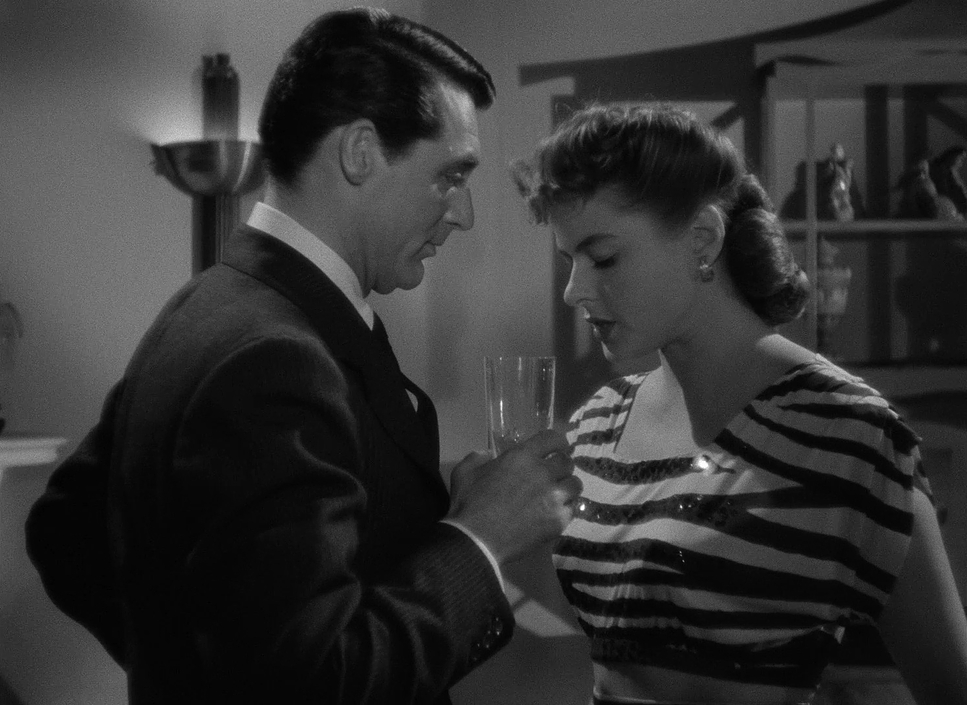
Hitchcock’s blocking was often intentionally uncomfortable. There’s a famous story about Bergman and Grant protesting a close-up because they had to be physically awkward to make it work. Hitchcock didn’t care. He wanted that “uncomfortably close” feeling because it forces the audience into their personal space.
Then you have the legendary “three-minute kiss.” Because of the Hays Code (the censorship rules at the time), you couldn’t have a long, continuous kiss. Hitchcock got around it by having them kiss, break to talk, kiss again, and walk across the room. By keeping them in a constant, tight embrace while blocking the movement around a telephone, he made it feel more erotic and intimate than a standard Hollywood kiss ever could. He used the “constraints” of the time to invent something better.
Lighting Style
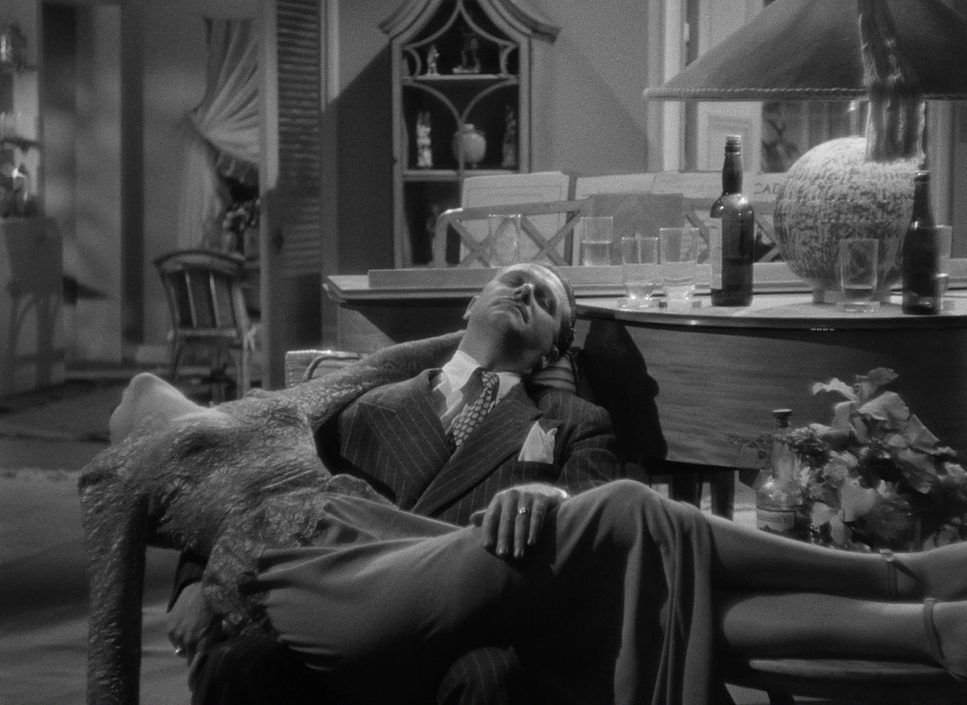
This is where the post-war “Noir” influence really shines. They used heavy chiaroscuro the sharp contrast between bright light and deep shadows. As a colorist, I love B&W because you can’t hide behind a pretty palette; you have to communicate through luminance and texture.
The lighting in Notorious is “motivated” (it looks like it’s coming from lamps or windows), but it’s dialed up for drama. You’ll notice faces are often half-lit. One side is clear, the other is total shadow. It’s the perfect metaphor for the double lives these spies are leading. The shadows in the house become tangible; they feel heavy, like they’re closing in on Alicia as her paranoia grows.
Color Grading Approach (The Colorist’s Perspective)
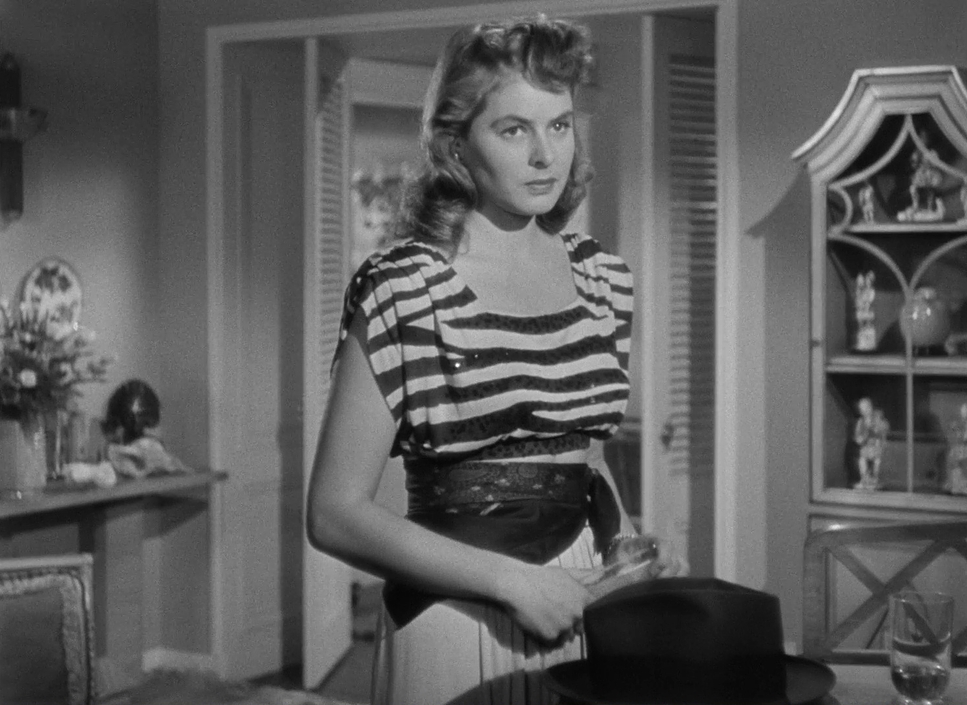
If a 4K restoration of Notorious landed on my desk today, I wouldn’t be “adding color,” I’d be sculpting the tonal landscape. In a B&W film of this caliber, my focus would be on “grayscale management.”
I’d want to protect the highlight roll-off on Ingrid Bergman’s skin making sure she glows without looking “clipped” or plastic on a modern HDR display.
I’d look at the density of the blacks in those shadowy hallways; you want them deep and “inky,” but you don’t want to “crush” the detail so much that you lose the texture of the sets. I’d also make sure to preserve the original 35mm grain structure. It gives the film its “teeth” and authenticity. My goal would be to make it feel like a fresh print from 1946, but with the dynamic range that modern audiences expect.
Technical Aspects & Tools
Notorious
ALFRED HITCHCOCK, 1946It’s humbling to think about how they pulled this off without digital playback or DIT tents. They were shooting on 35mm film with massive, heavy studio cameras. Every dolly move or pan had to be rehearsed dozens of times because you didn’t know if you “got the shot” until the dailies came back from the lab.
They used physical filters (like yellow or red) on the lenses to change how colors like blue skies or skin tones translated into grey. There were no “safety nets.” Every decision about lens choice or light placement carried massive weight. The fact that Hitchcock and Tetzlaff created such a fluid, visual experience with these “bulky” tools is a testament to how well they understood their craft.
- Also read: PATTON (1970) – CINEMATOGRAPHY ANALYSIS
- Also read: HIGH NOON (1952) – CINEMATOGRAPHY ANALYSIS
Browse Our Cinematography Analysis Glossary
Explore directors, cinematographers, cameras, lenses, lighting styles, genres, and the visual techniques that shape iconic films.
Explore Glossary →