There are films that simply exist, and then there are films that changed the DNA of the medium. King Kong (1933) is the latter. It isn’t just a “classic” it’s the moment raw imagination collided with burgeoning technology. For me, revisiting Kong isn’t an academic chore; it’s a reminder of why we do this. It’s about the audacious attempt to bring the impossible to life and the emotional weight that comes from sheer technical will.
Technical Aspects & Tools
| Genre | Adventure, Drama, Horror, Monster |
| Director | Merian C. Cooper, Ernest B. Schoedsack |
| Cinematographer | Vernon L. Walker, Edward Linden, J.O. Taylor, Kenneth Peach |
| Production Designer | Carroll Clark, Alfred Herman |
| Costume Designer | Walter Plunkett |
| Editor | Ted Cheesman |
| Time Period | 1930s |
| Color | Desaturated, Black and White |
| Aspect Ratio | 1.37 – Spherical |
| Format | Film – 35mm |
| Lighting | Hard light, Top light |
| Lighting Type | Daylight, Sunny |
| Story Location | … Earth > Atlantic Ocean |
| Filming Location | … Los Angeles > RKO Pictures |
| Camera | Mitchell |
The technical achievements here are legendary, but let’s talk about the actual sweat involved. The heart of the film is Willis O’Brien’s stop-motion animation. We’re talking about a process so painstaking it makes modern rendering look like a vacation. To animate a single minute of film took roughly 150 hours.
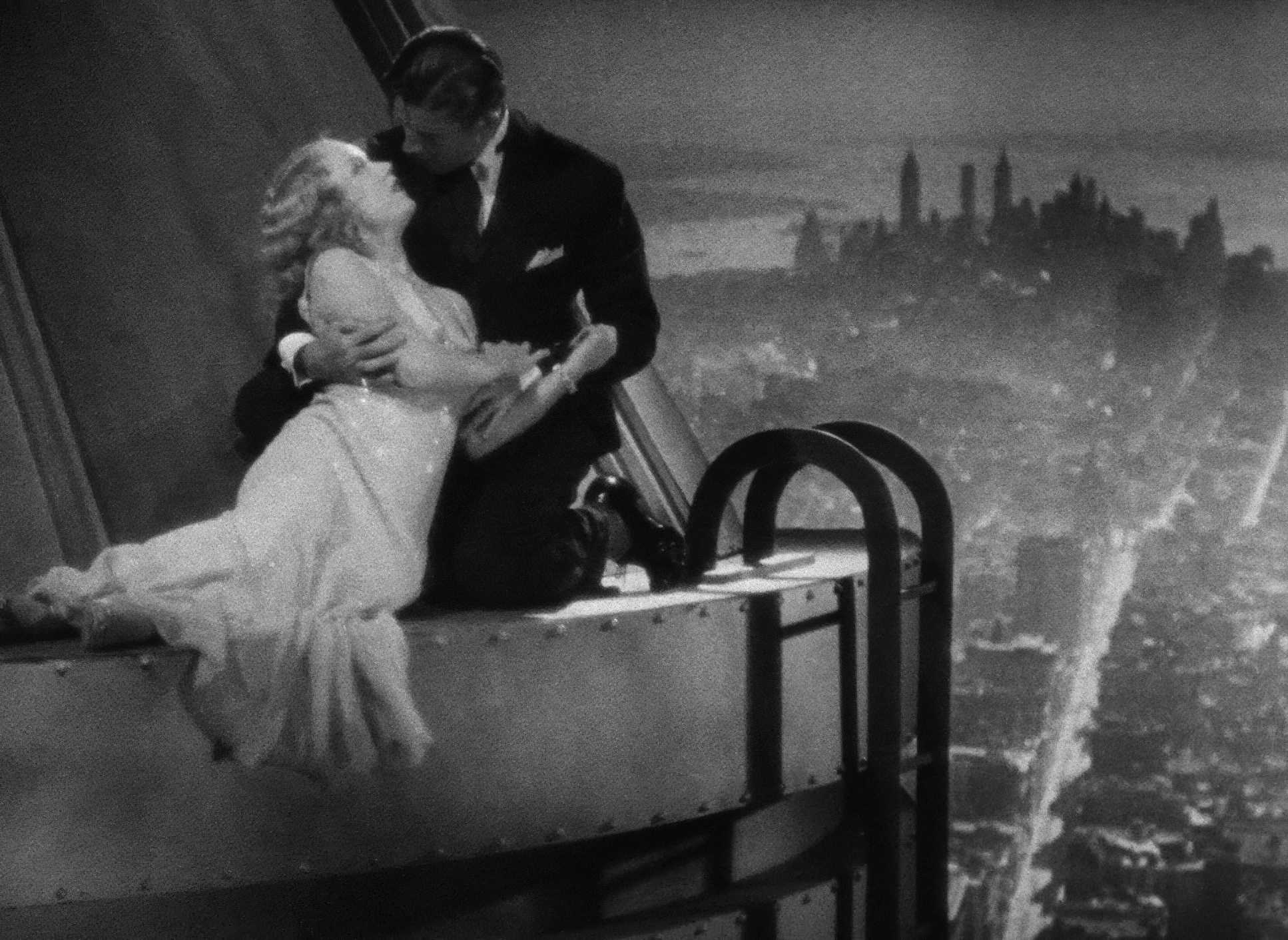
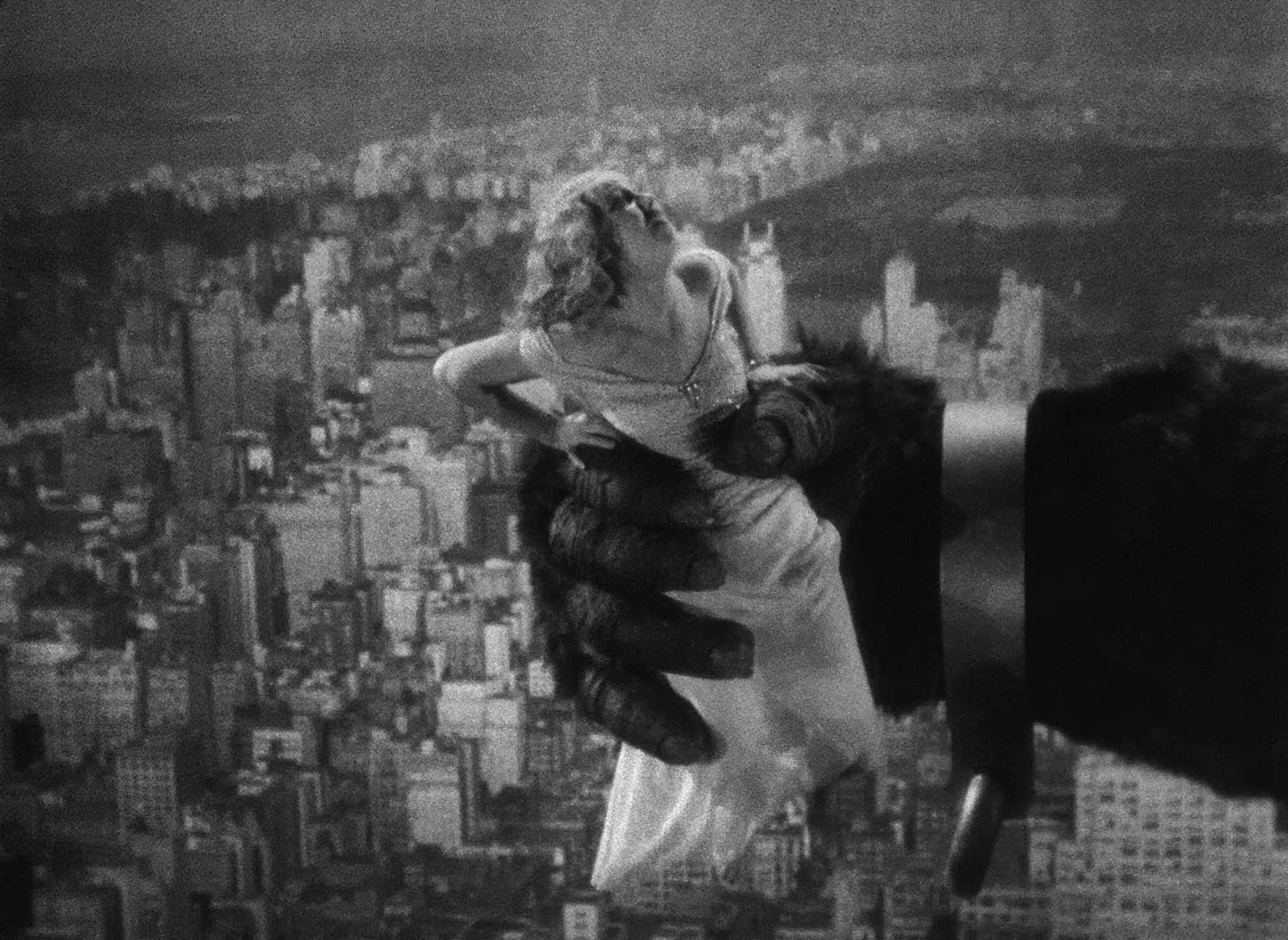
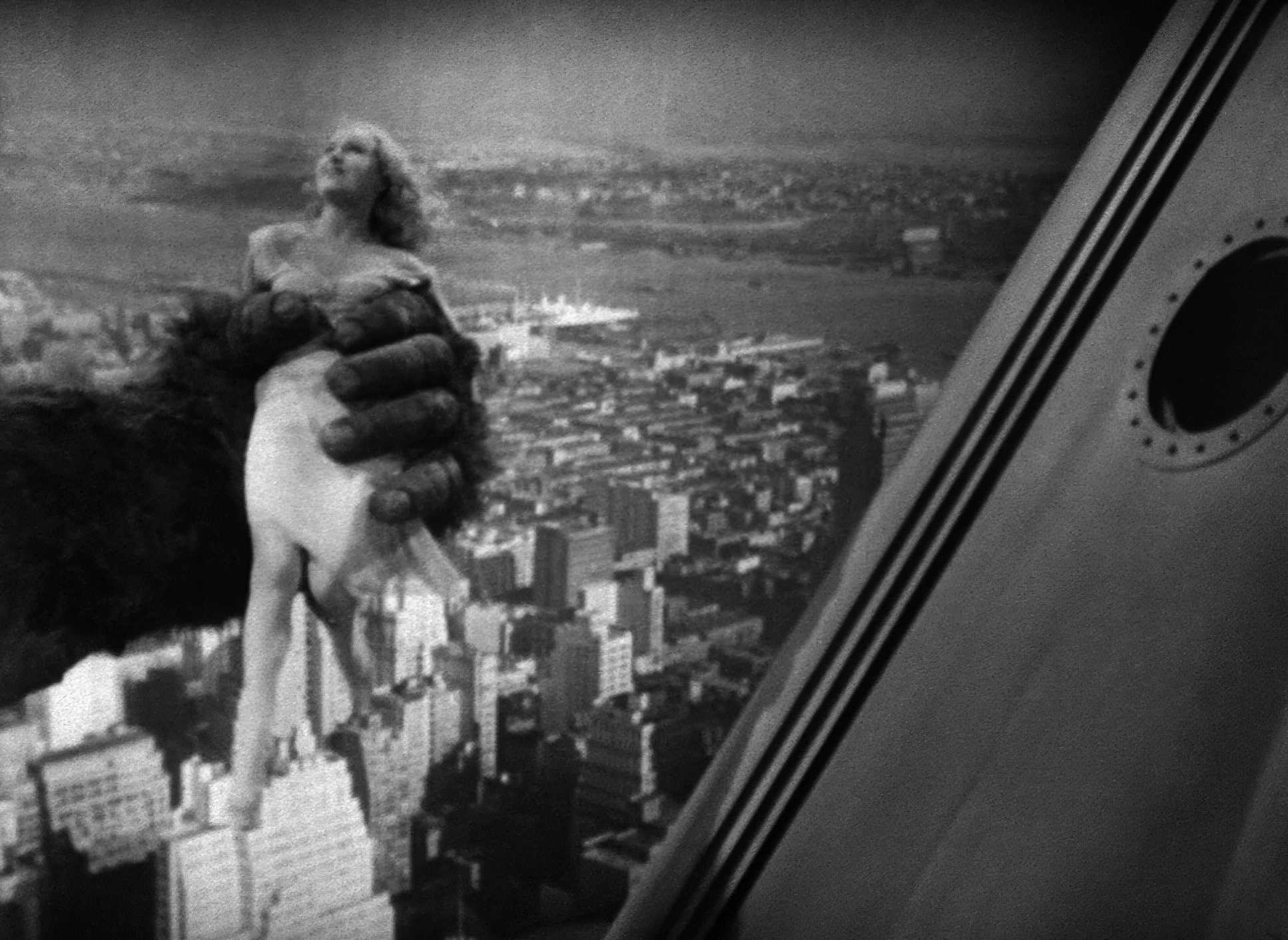
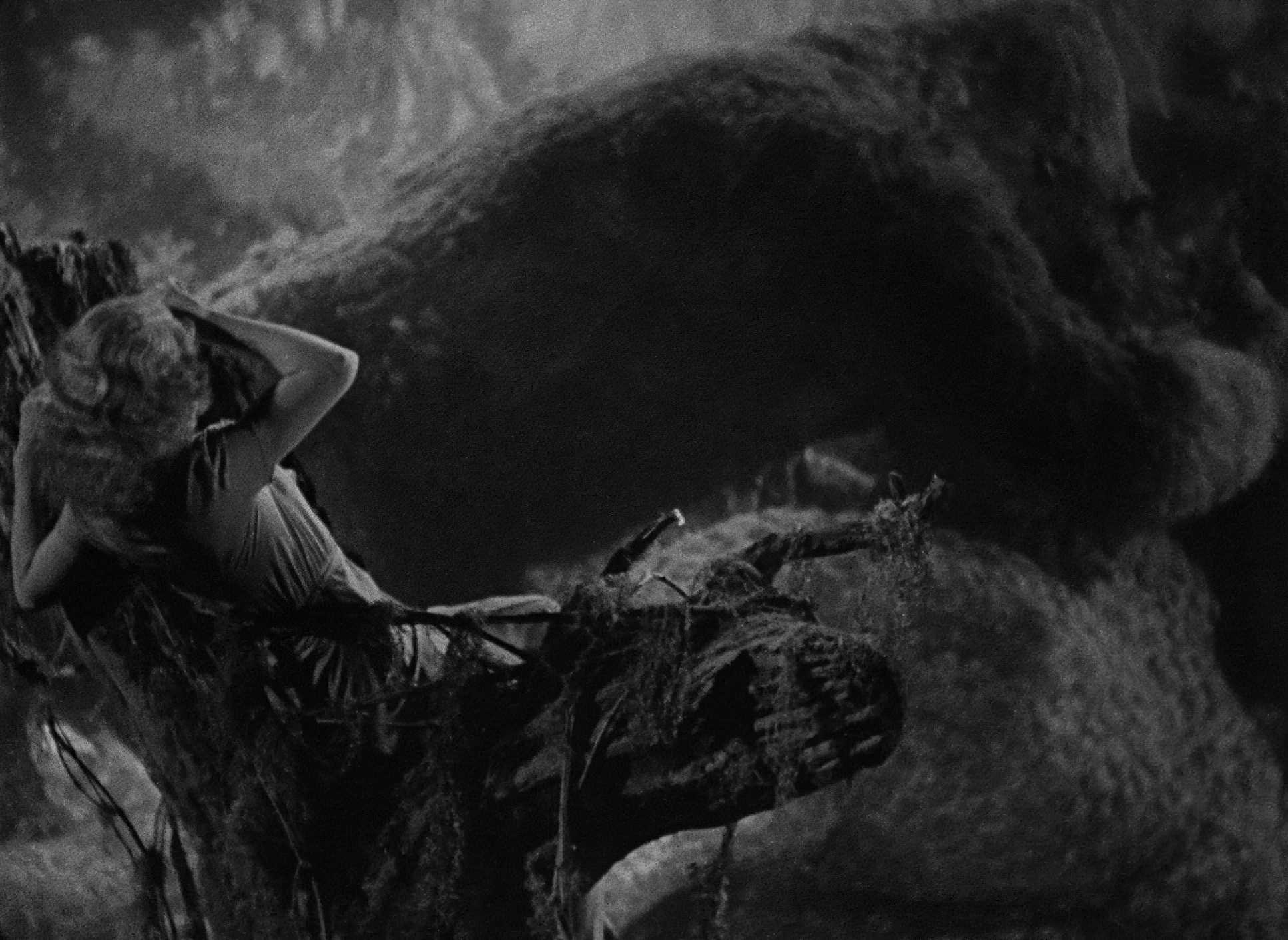
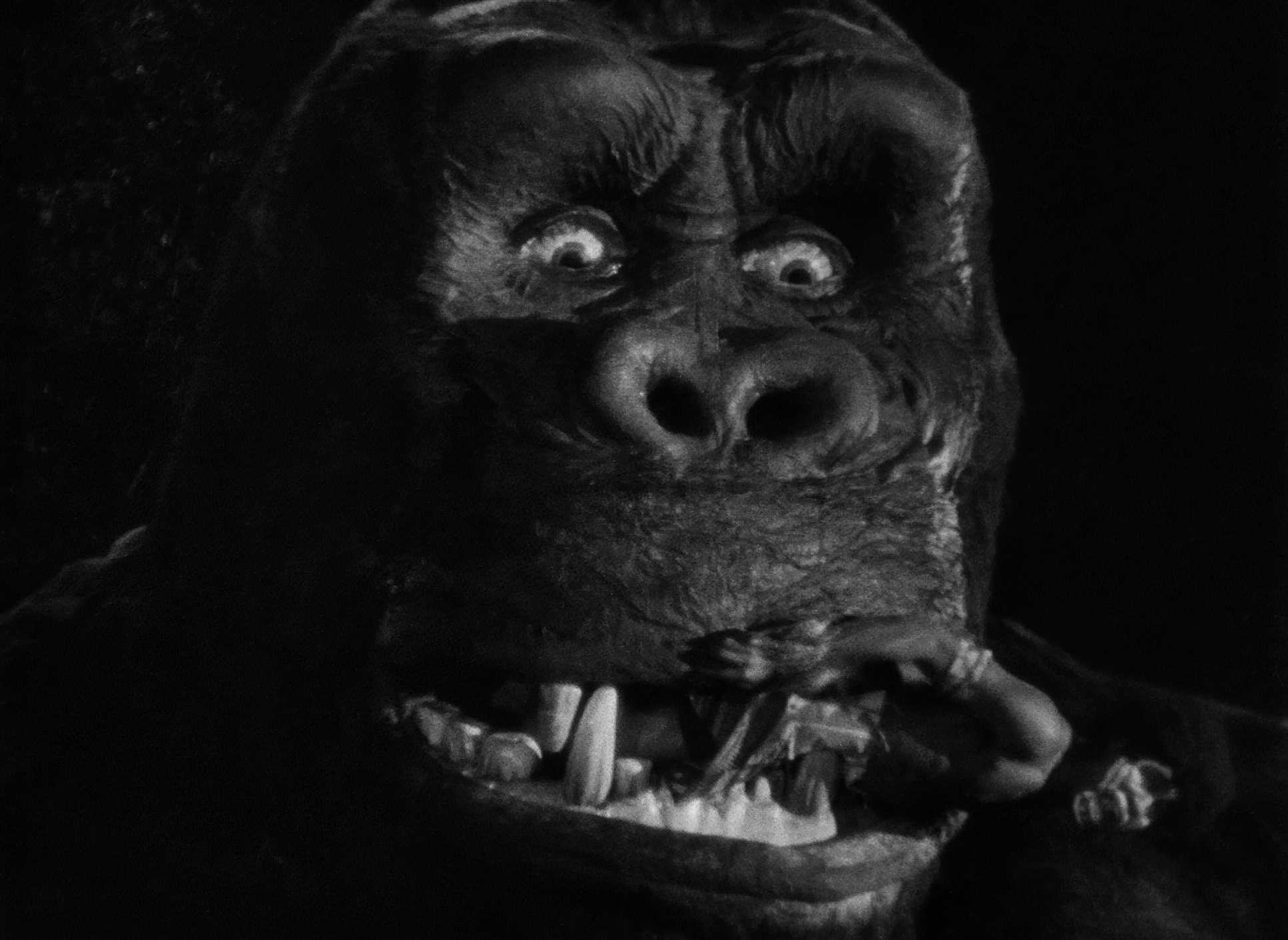
The genius wasn’t just in moving a puppet; it was the integration. They were pioneering optical compositing and rear projection on the fly. They’d have actors hitting marks in front of a screen displaying pre-shot miniature footage, using multiple exposures and masks to bake different film strips onto a single negative. When you realize they didn’t have digital playback to check their work, the precision becomes staggering. They also used full-scale practical props Kong’s massive hand and foot to give Fay Wray something physical to scream at, blending the miniature and the massive in a way that still feels tactile.
About the Cinematographer

If you look at the credits, you’ll see Eddie Linden, Vernon L. Walker, and J.O. Taylor. But the visual identity was really a hydra-headed beast. You had the directors, Merian C. Cooper and Ernest B. Schoedsack, pushing the limits, and Willis O’Brien acting as the de facto visual architect.
Cooper was a fascinating guy a “not-so-subtle stand-in” for his character, Carl Denham. He wanted visuals that didn’t exist yet, so the “cinematography” here wasn’t just about lighting a soundstage; it was about inventing a way to photograph a miniature, a prop, and a projection all in one frame. It’s a perfect case study in how VFX and cinematography were inextricably linked from the very start.
Lensing and Blocking

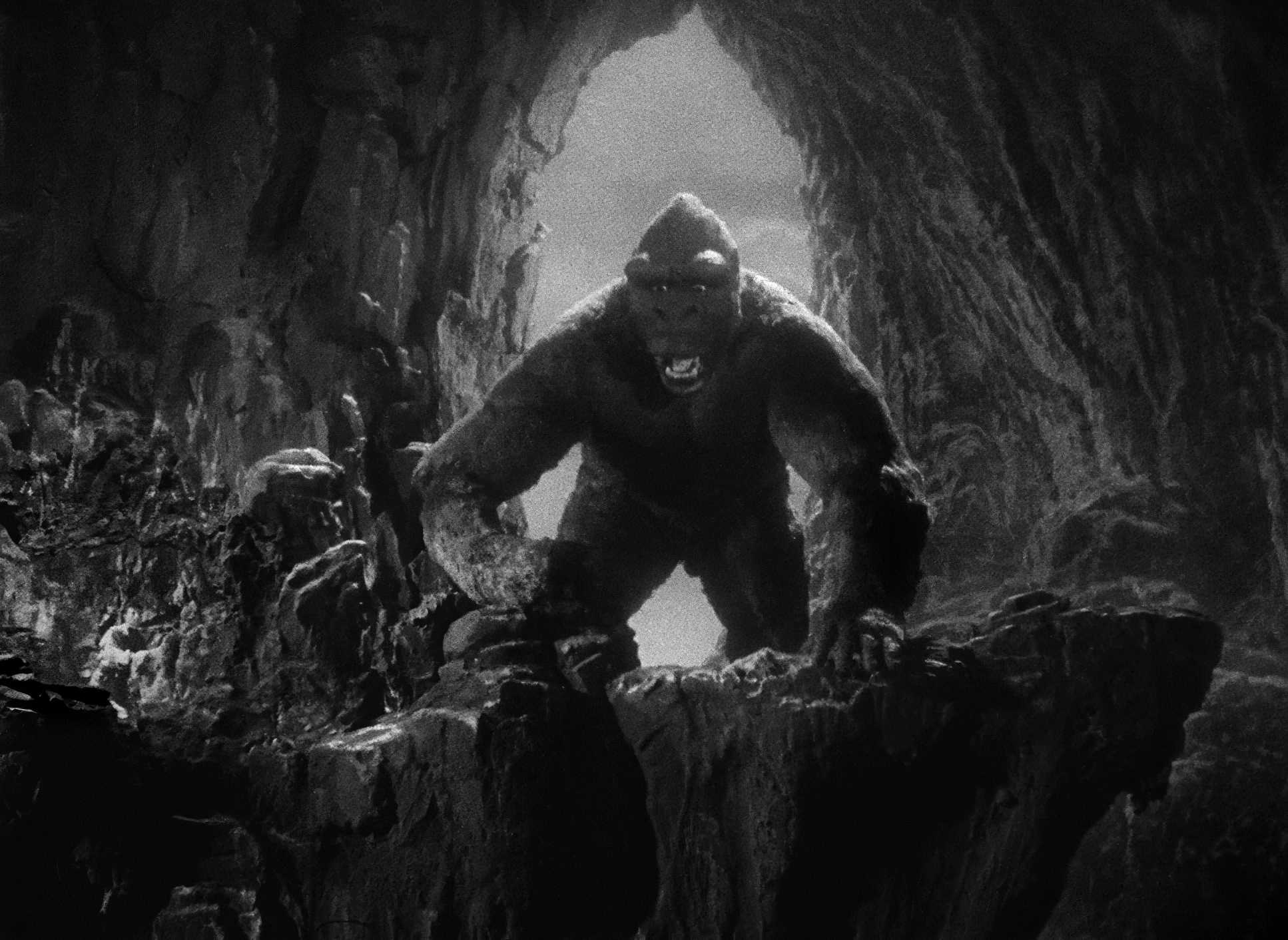
The lensing choices were pragmatic but smart. Shooting on 35mm film with Mitchell cameras, they primarily used spherical lenses. To make Kong feel like a mountain of fur, they leaned on wide-angle lenses from low angles, exaggerating the scale.
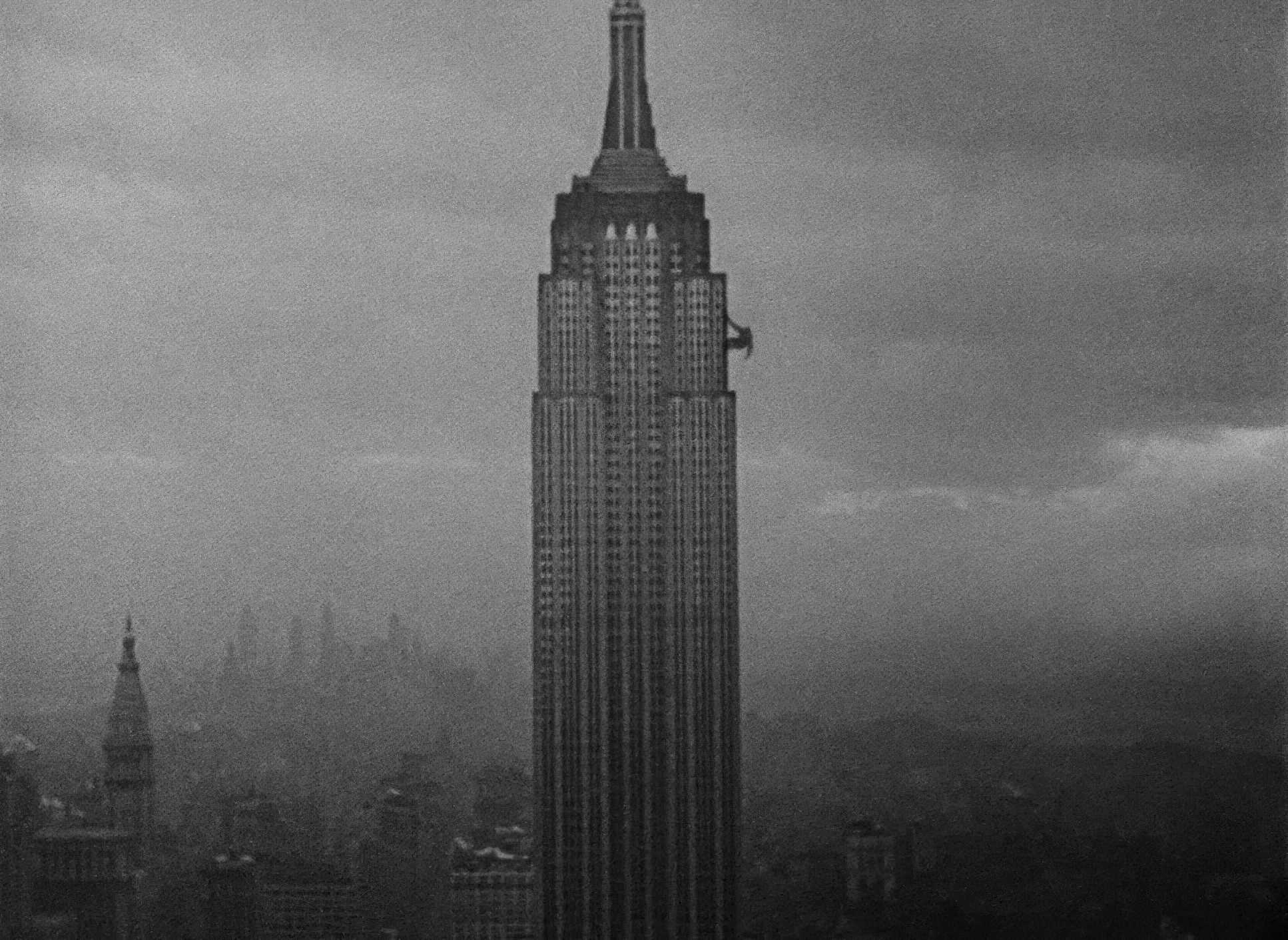
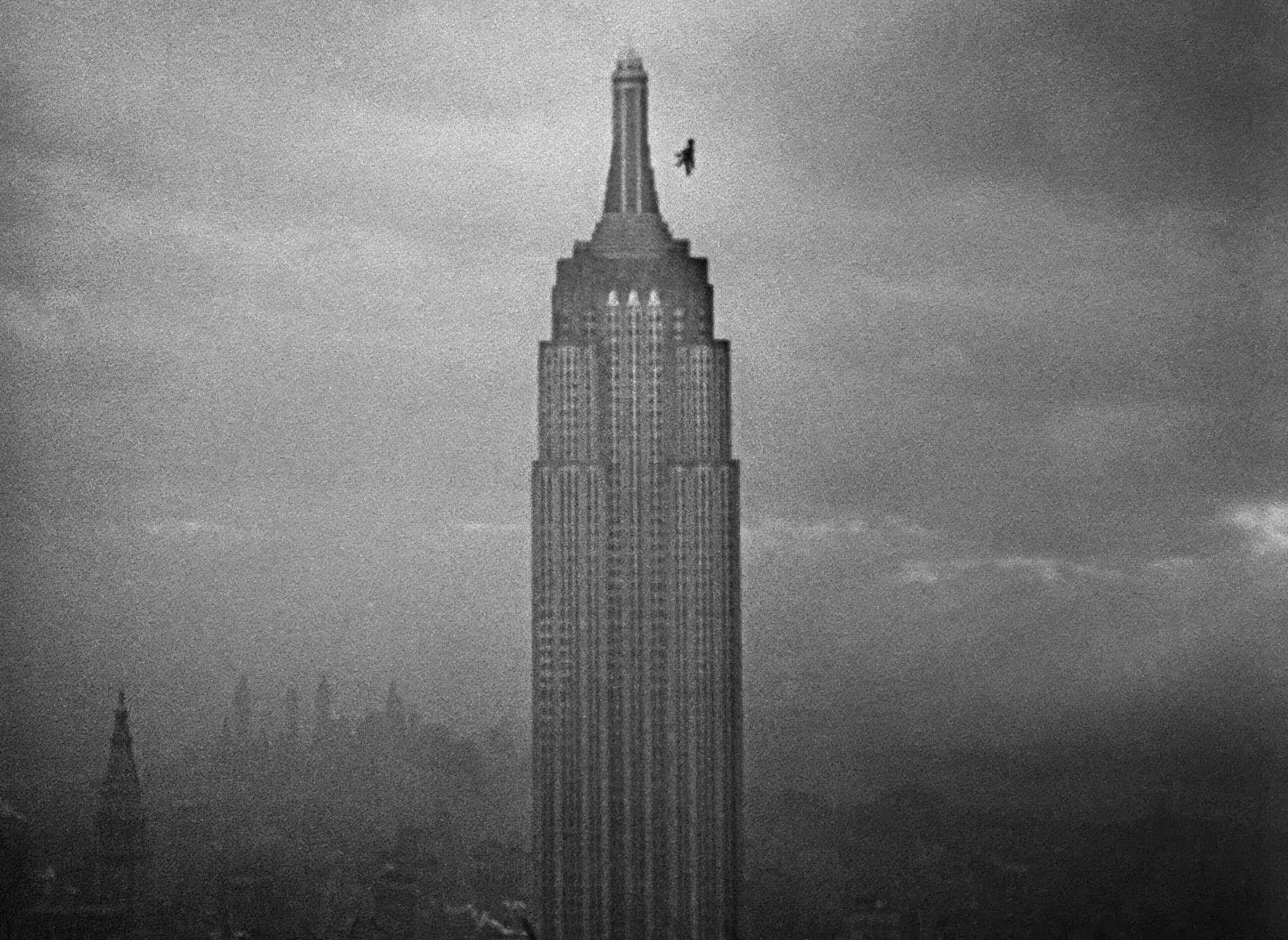
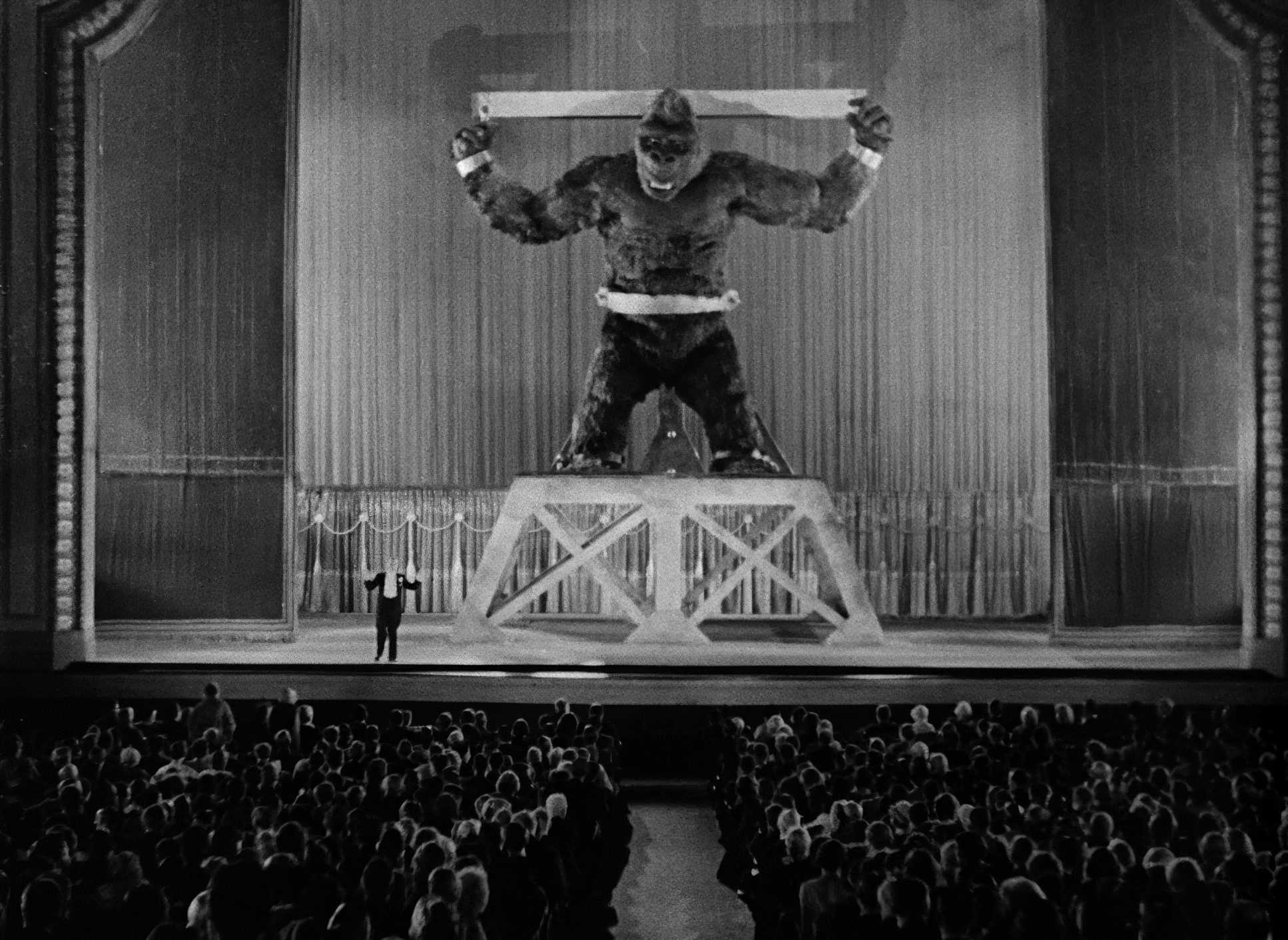
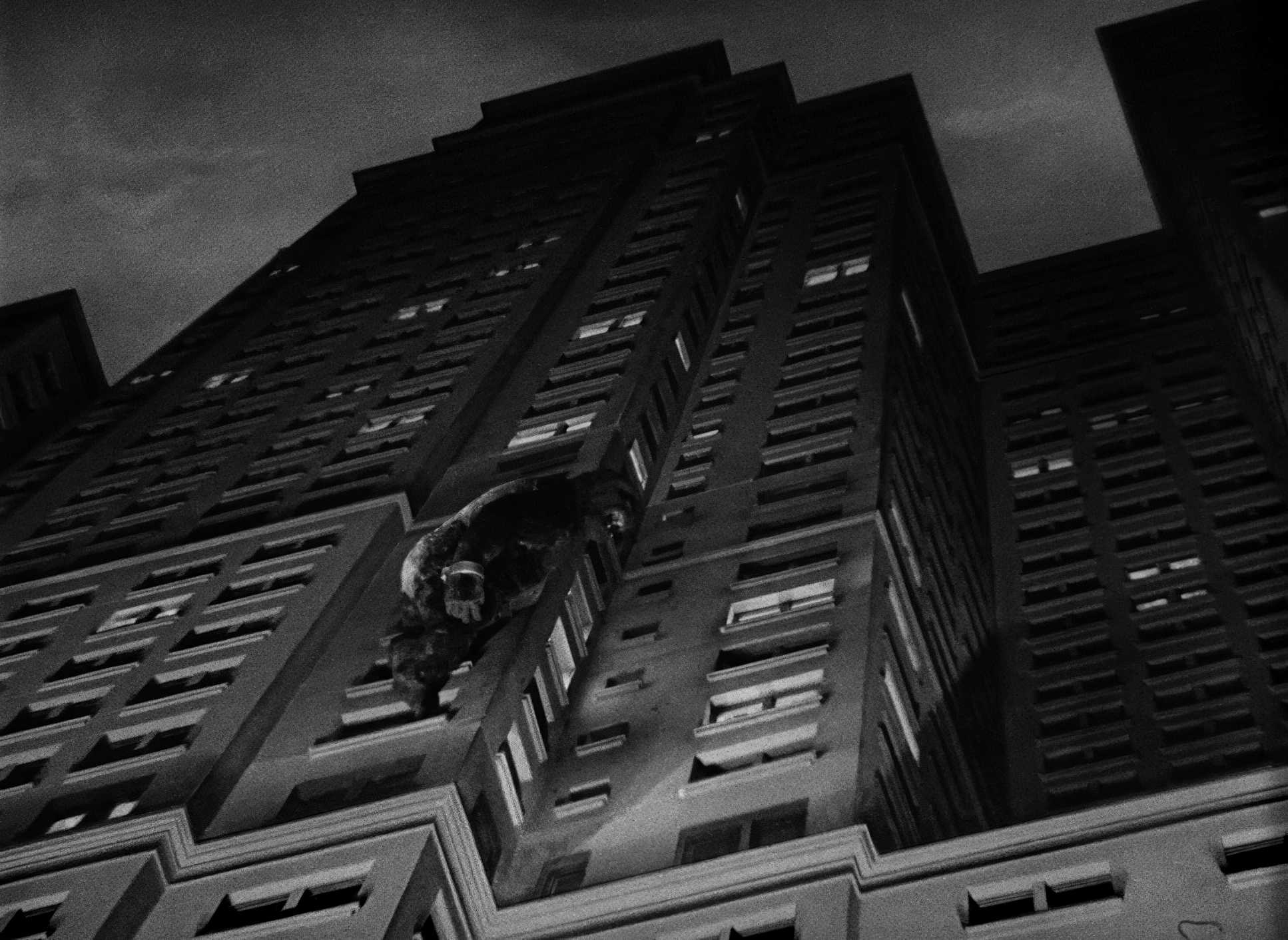
The blocking was a nightmare of pre-visualization. For those rear-projection scenes, the actors had to be perfectly timed with a non-existent creature. It’s also worth noting the 1.37:1 aspect ratio. In a modern widescreen world, we forget how much vertical energy that boxy frame gives you. It’s perfect for a giant ape climbing a skyscraper; it forces your eye to travel up, emphasizing the height in a way that a wider frame might lose.
Lighting Style

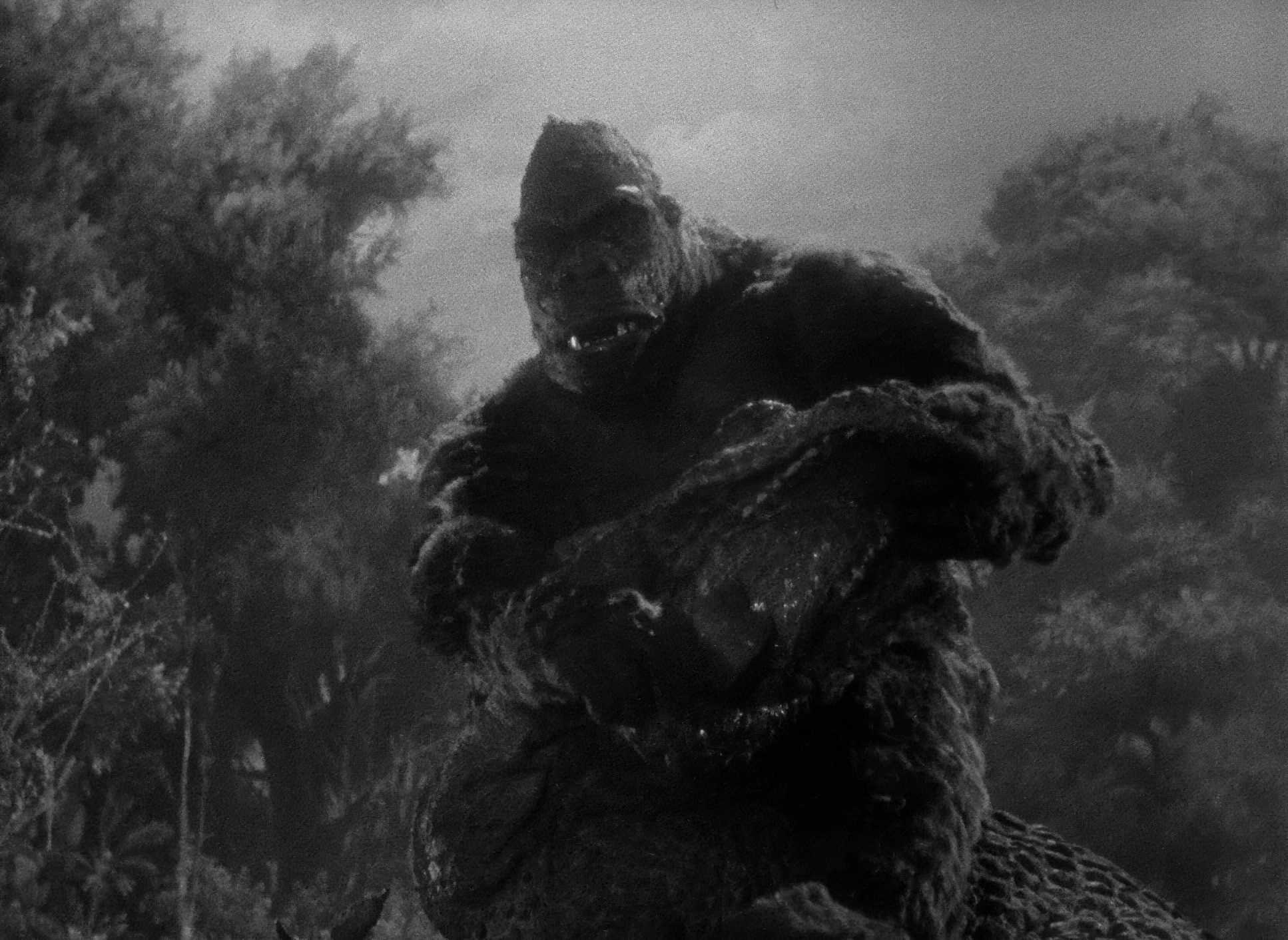
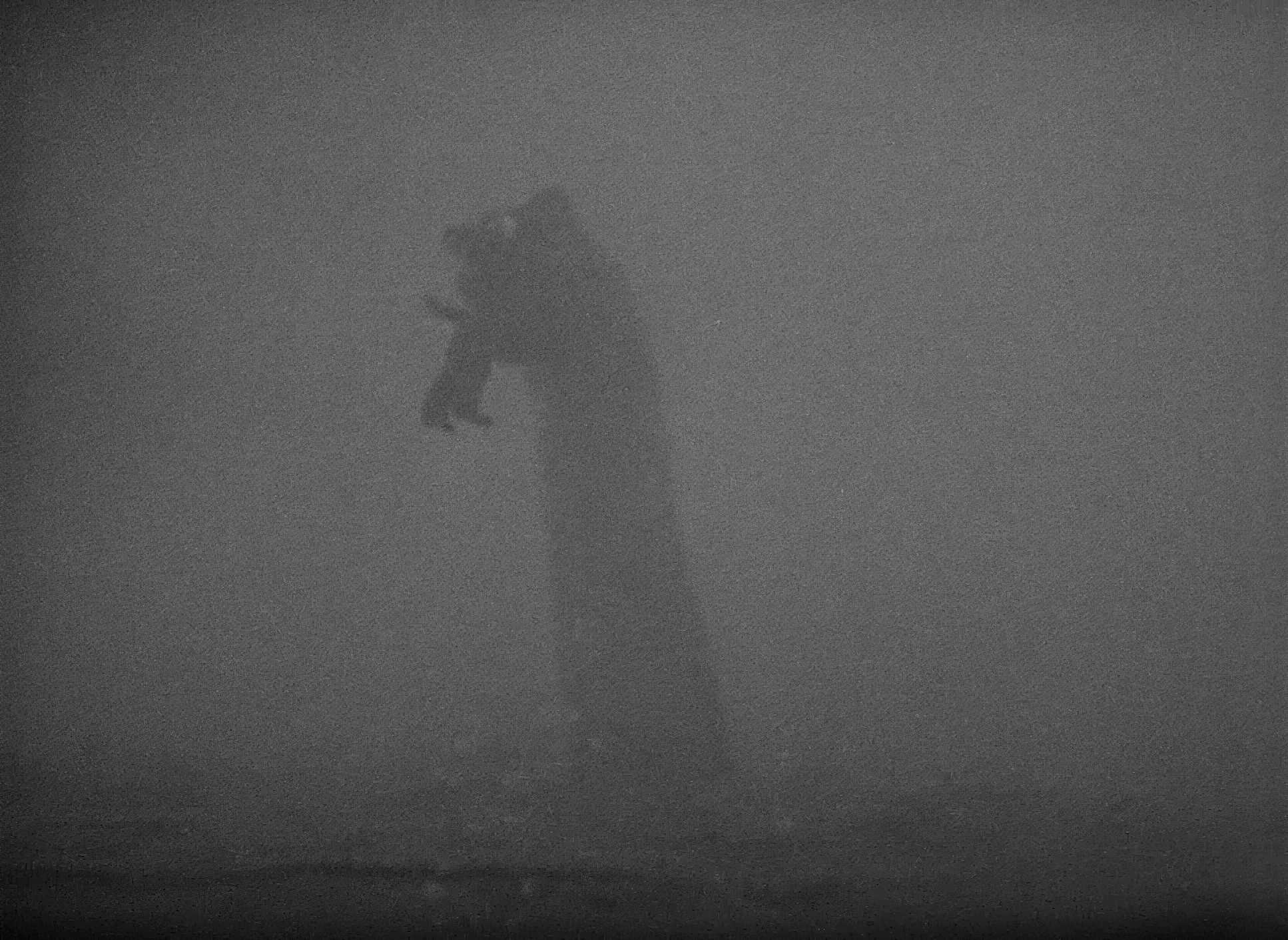
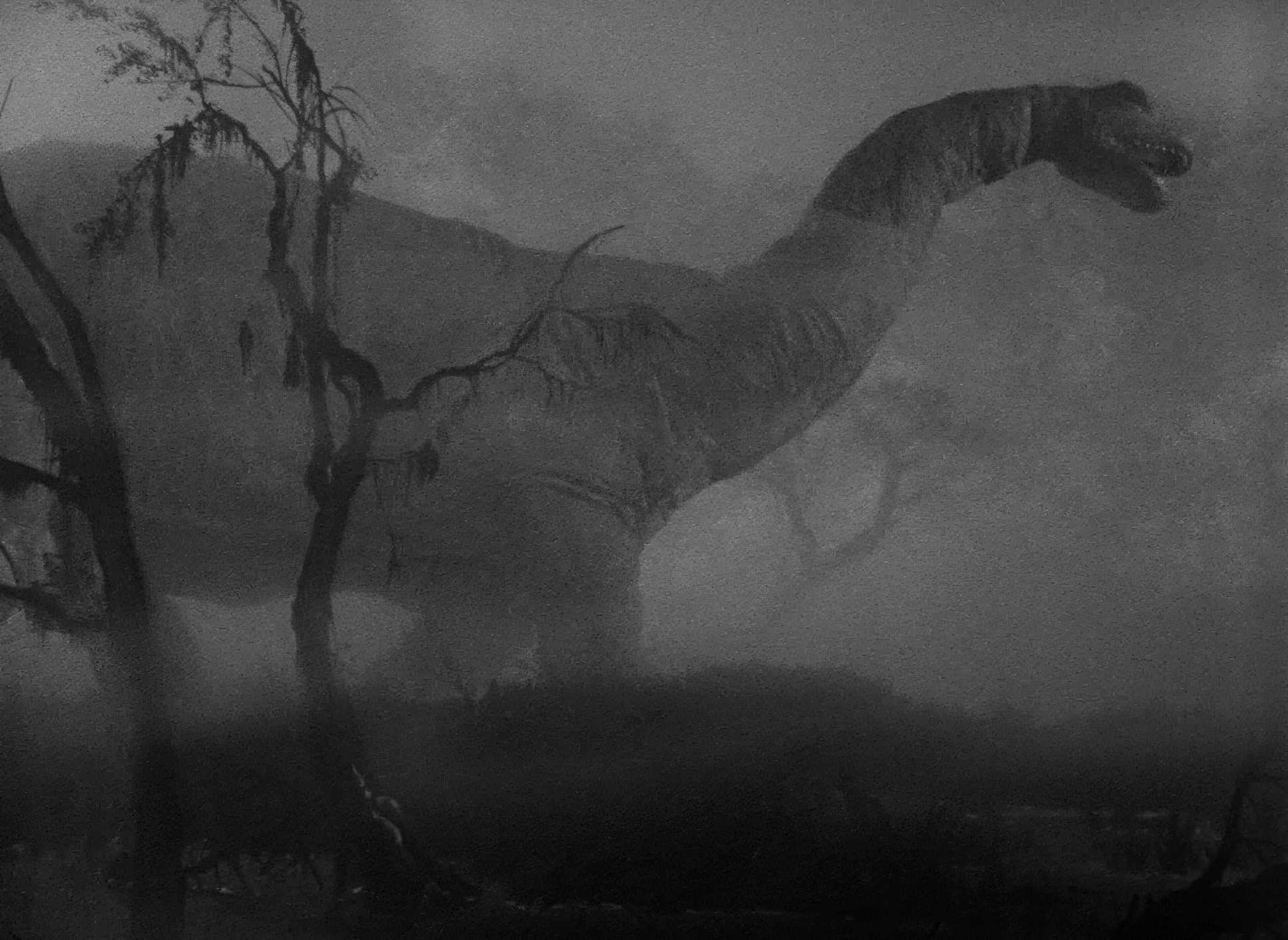
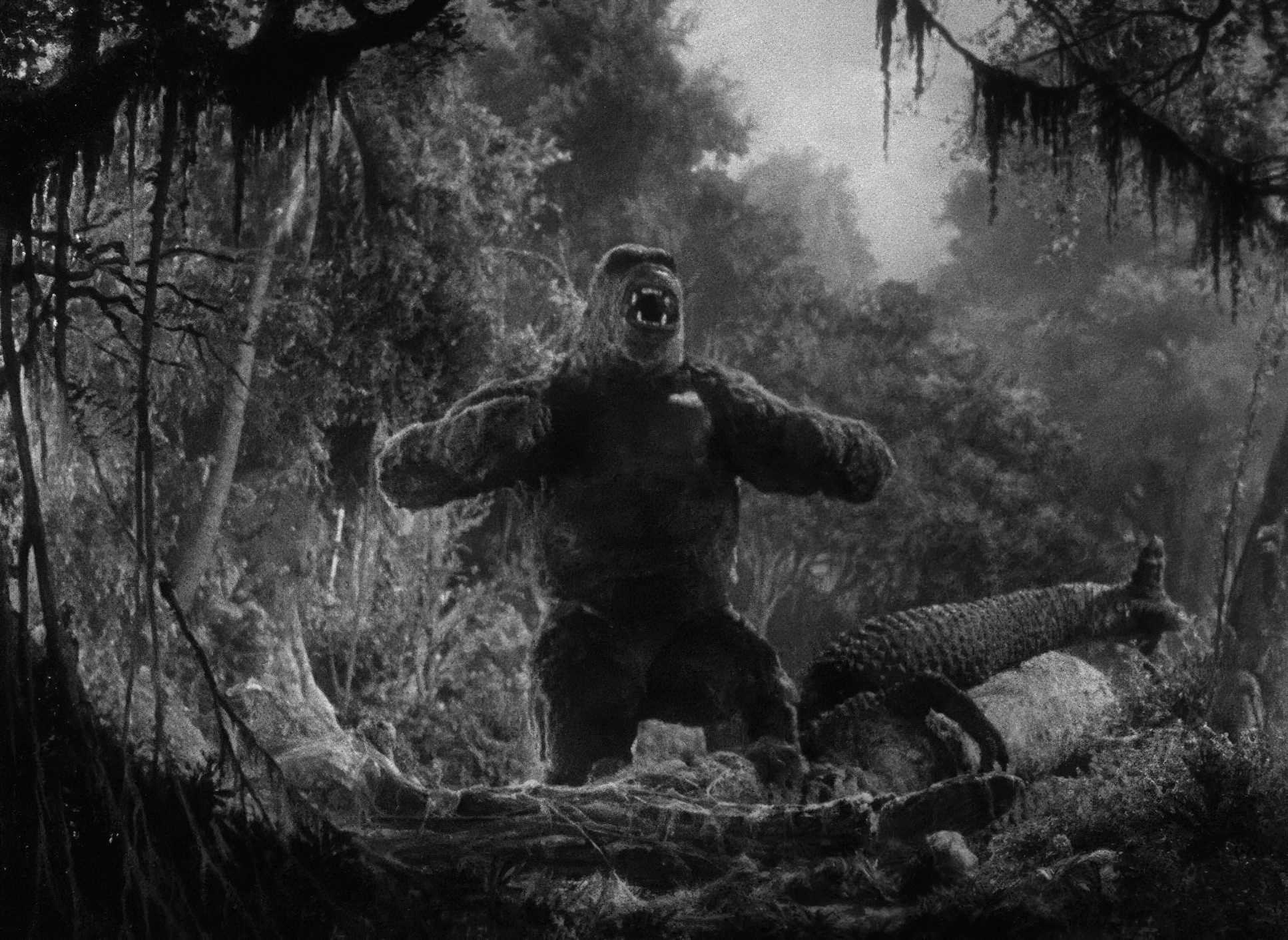
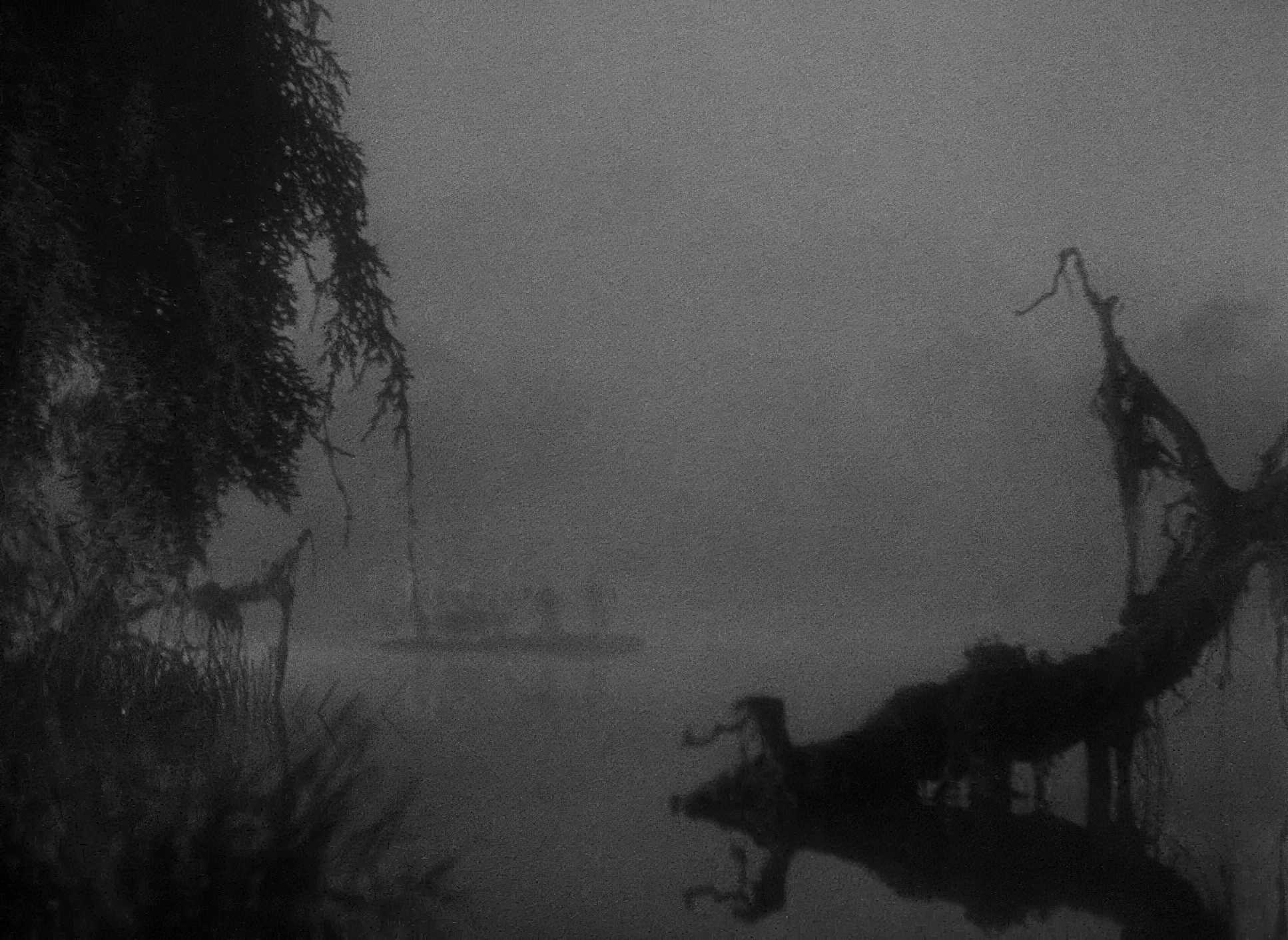
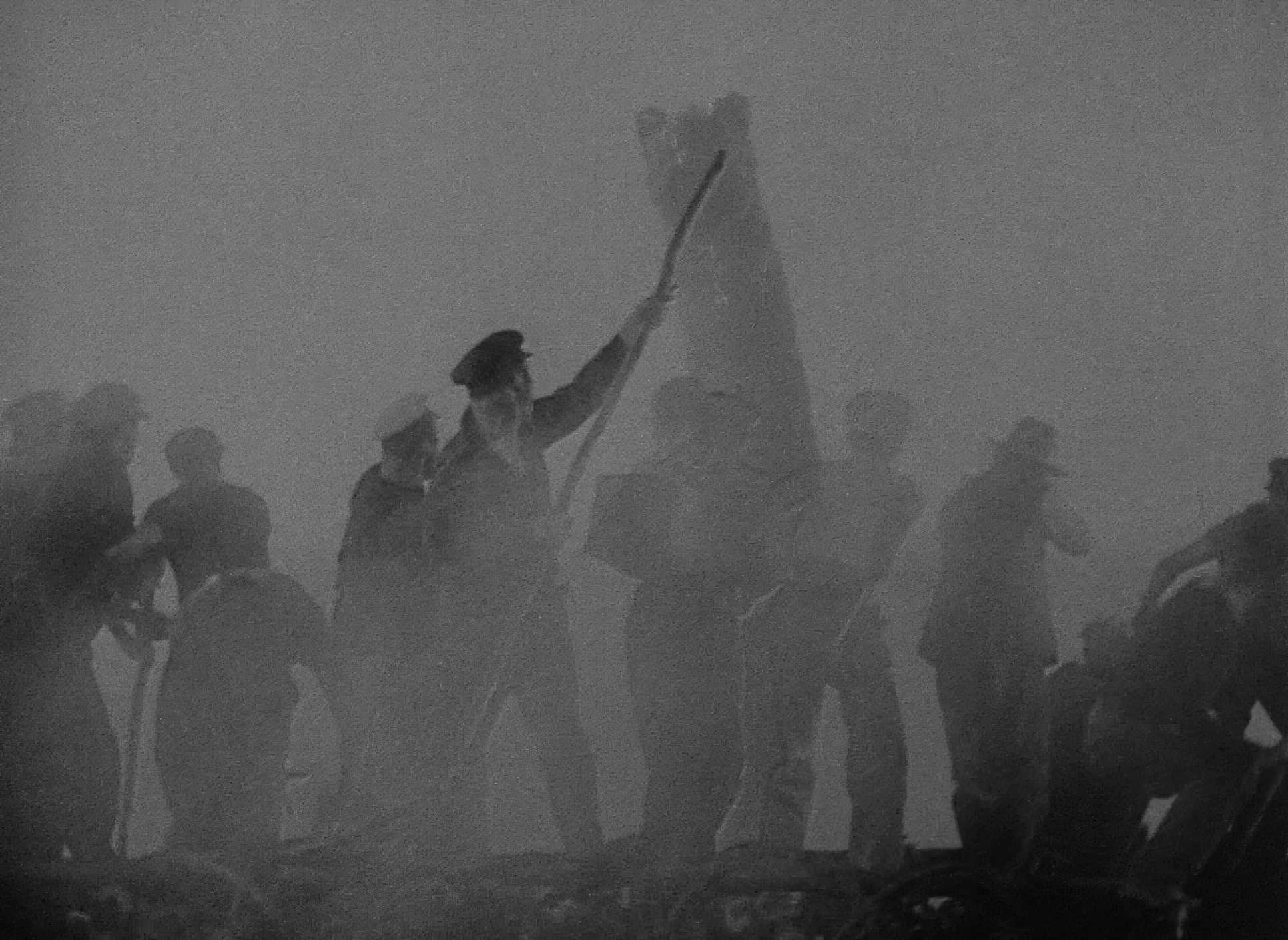
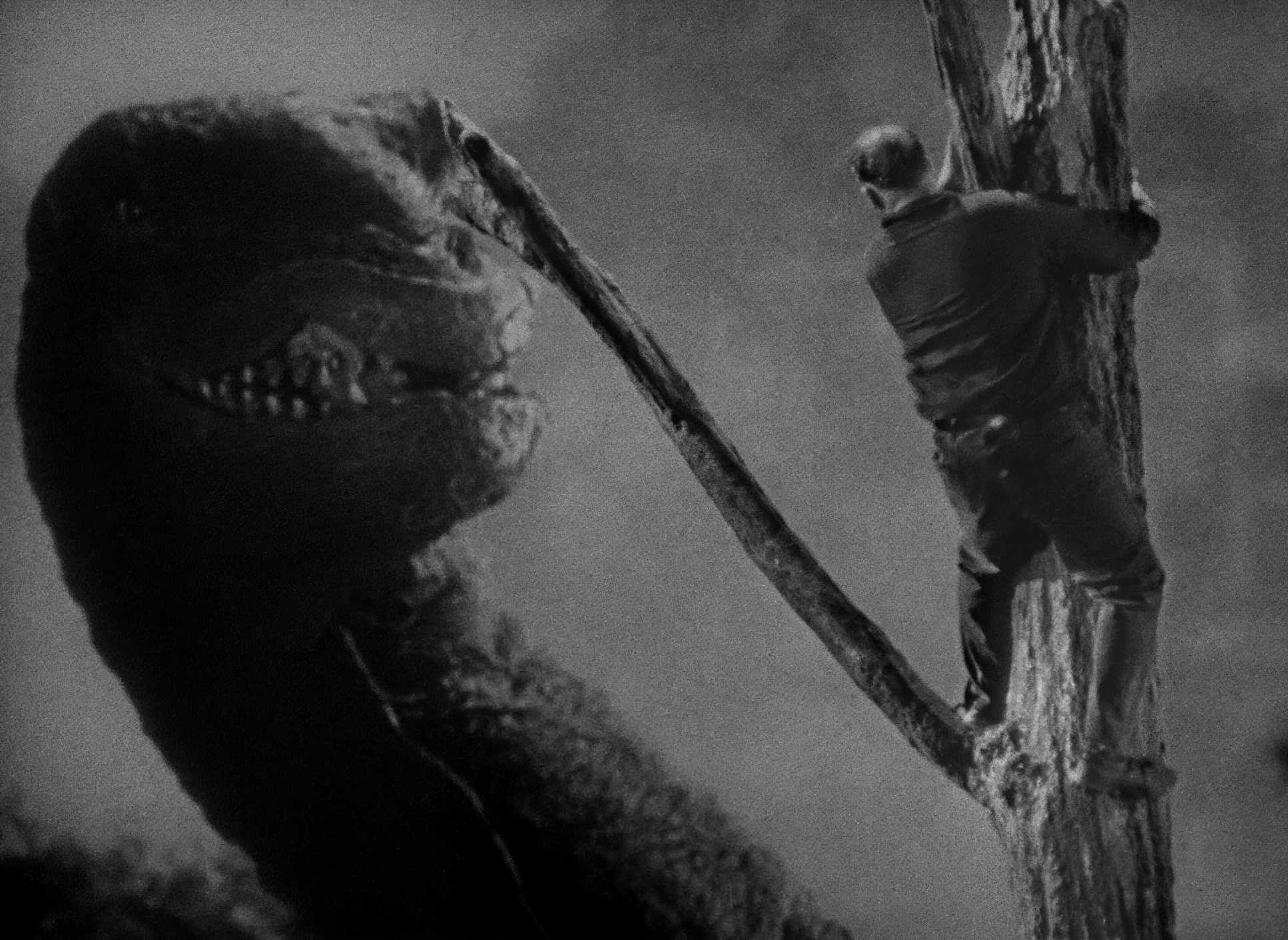
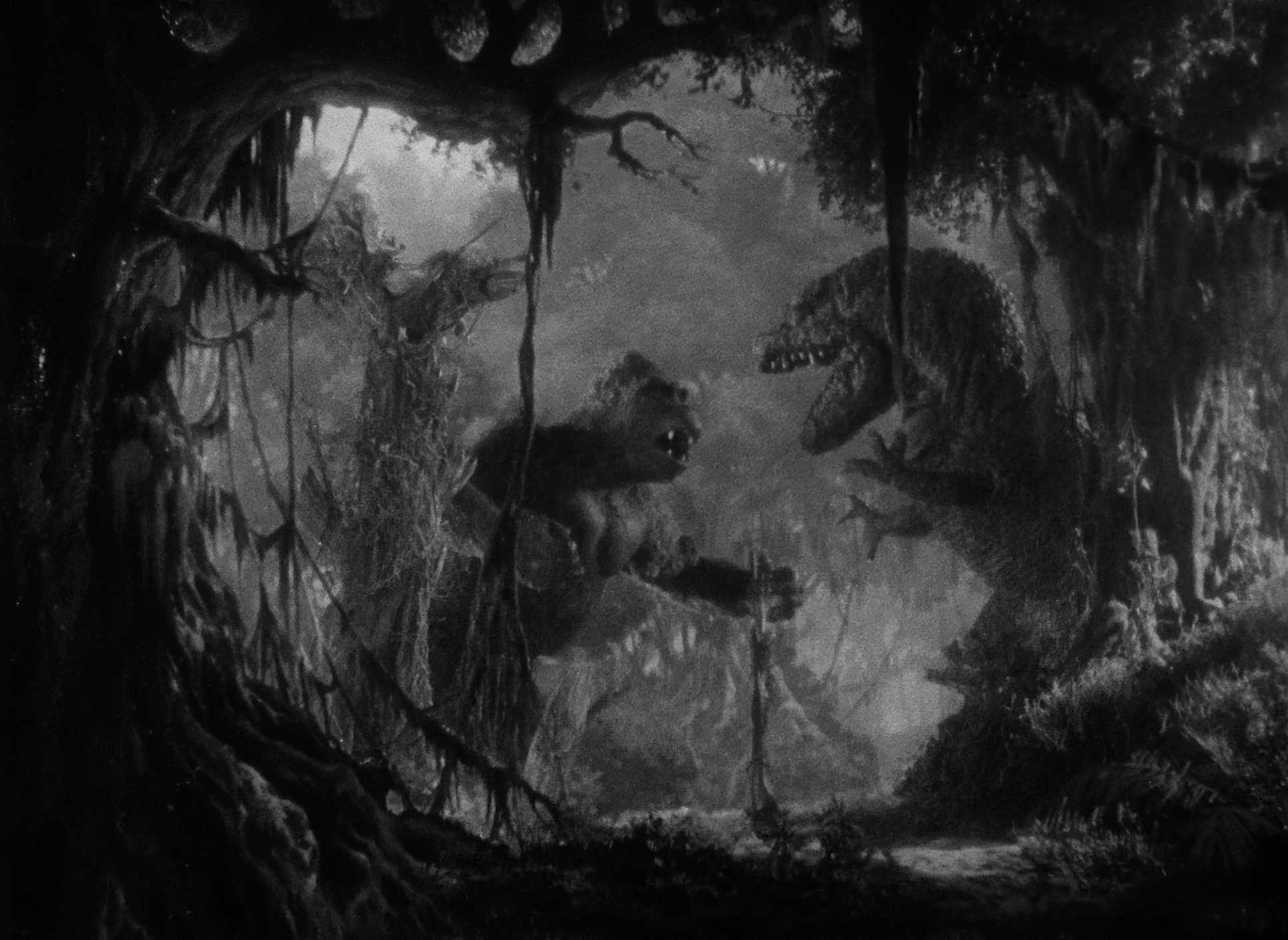
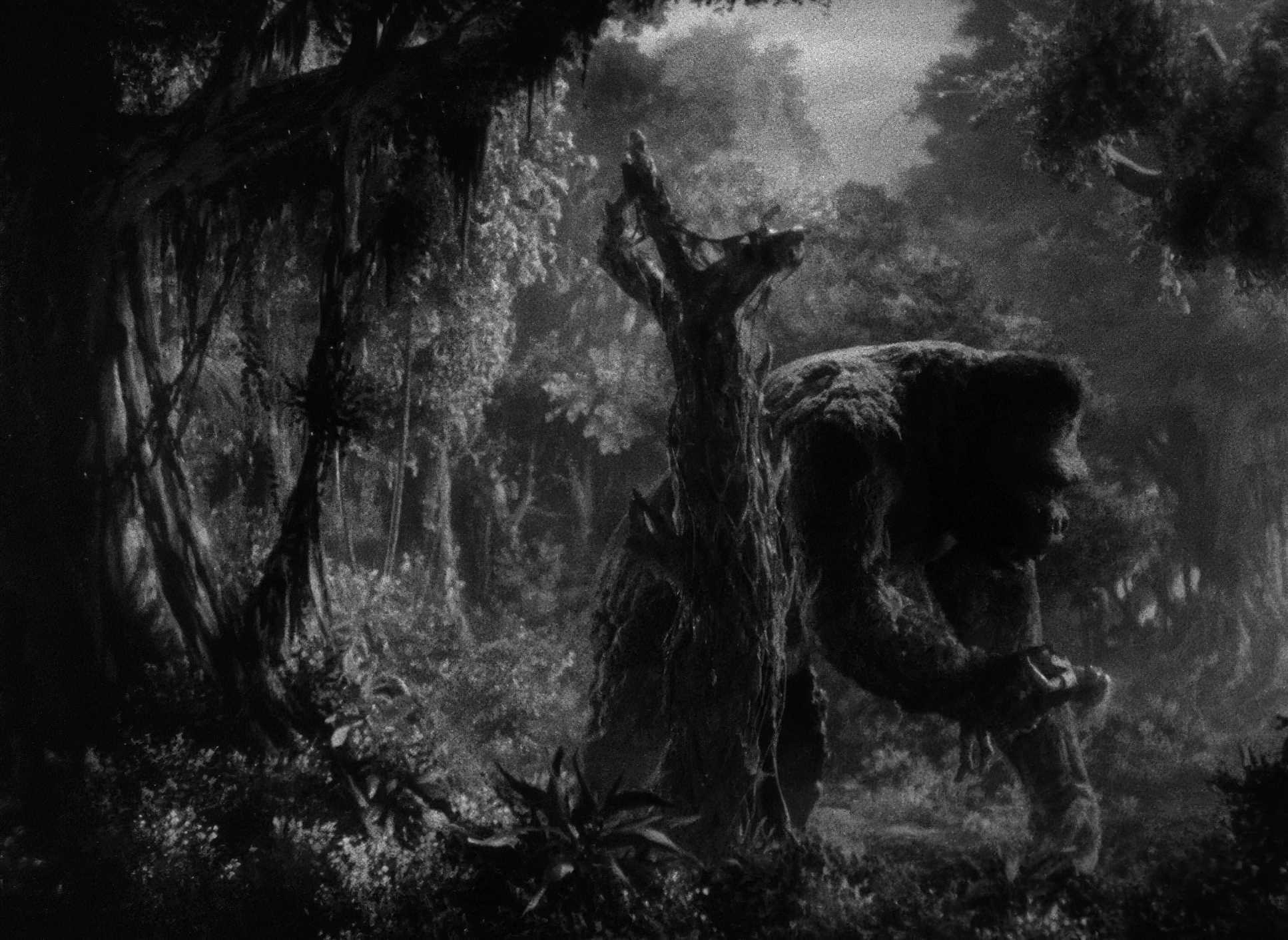
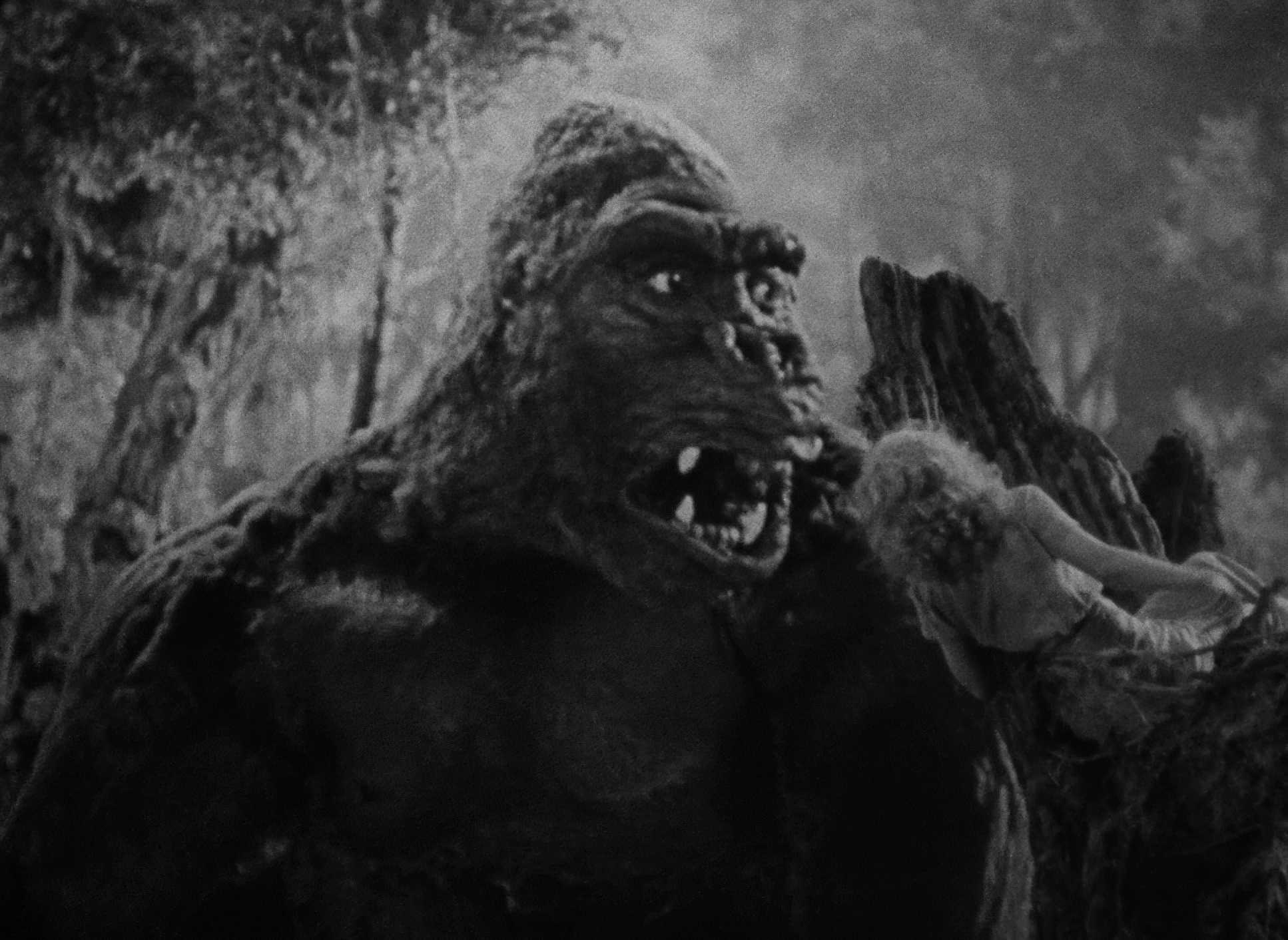
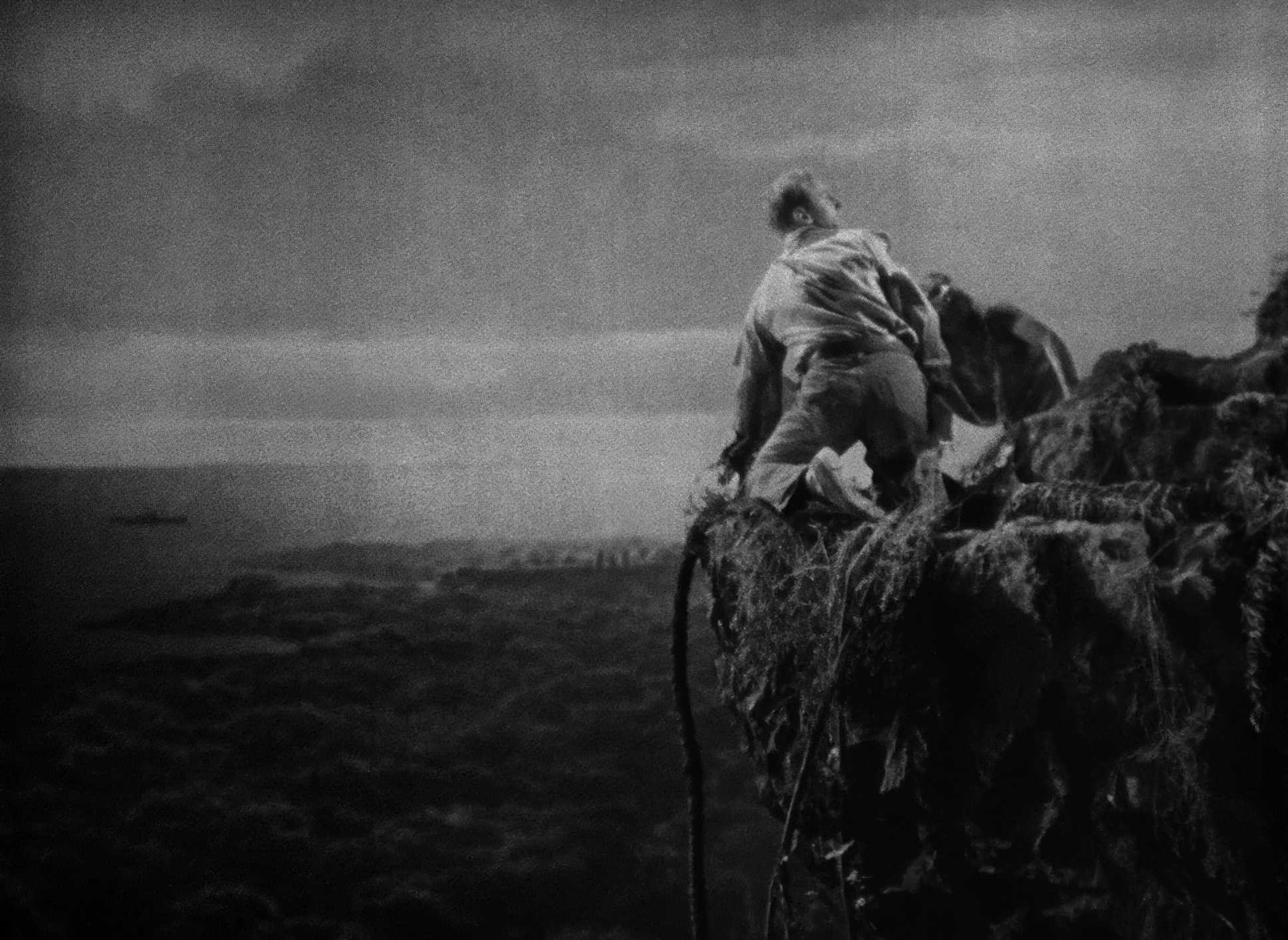
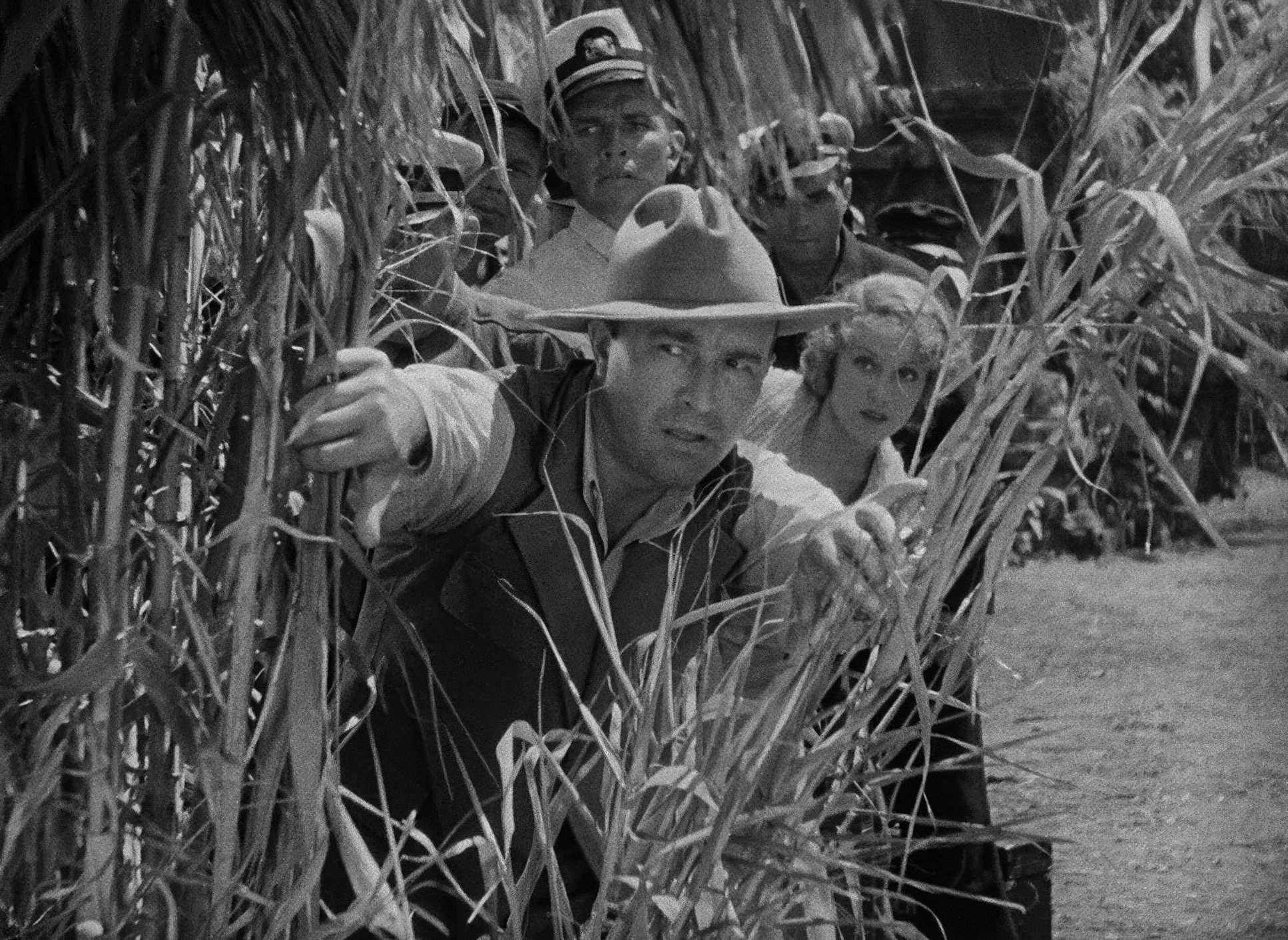
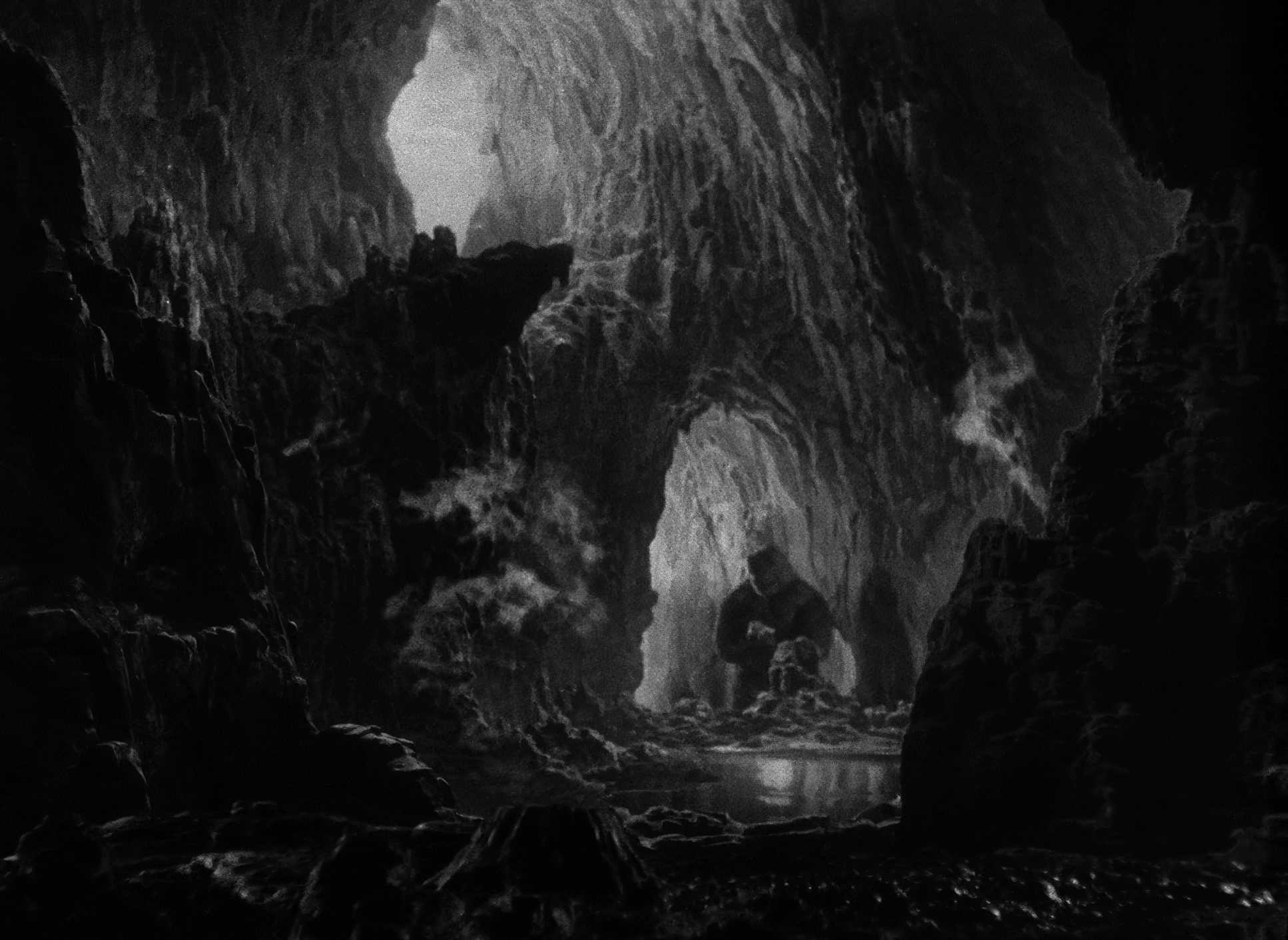
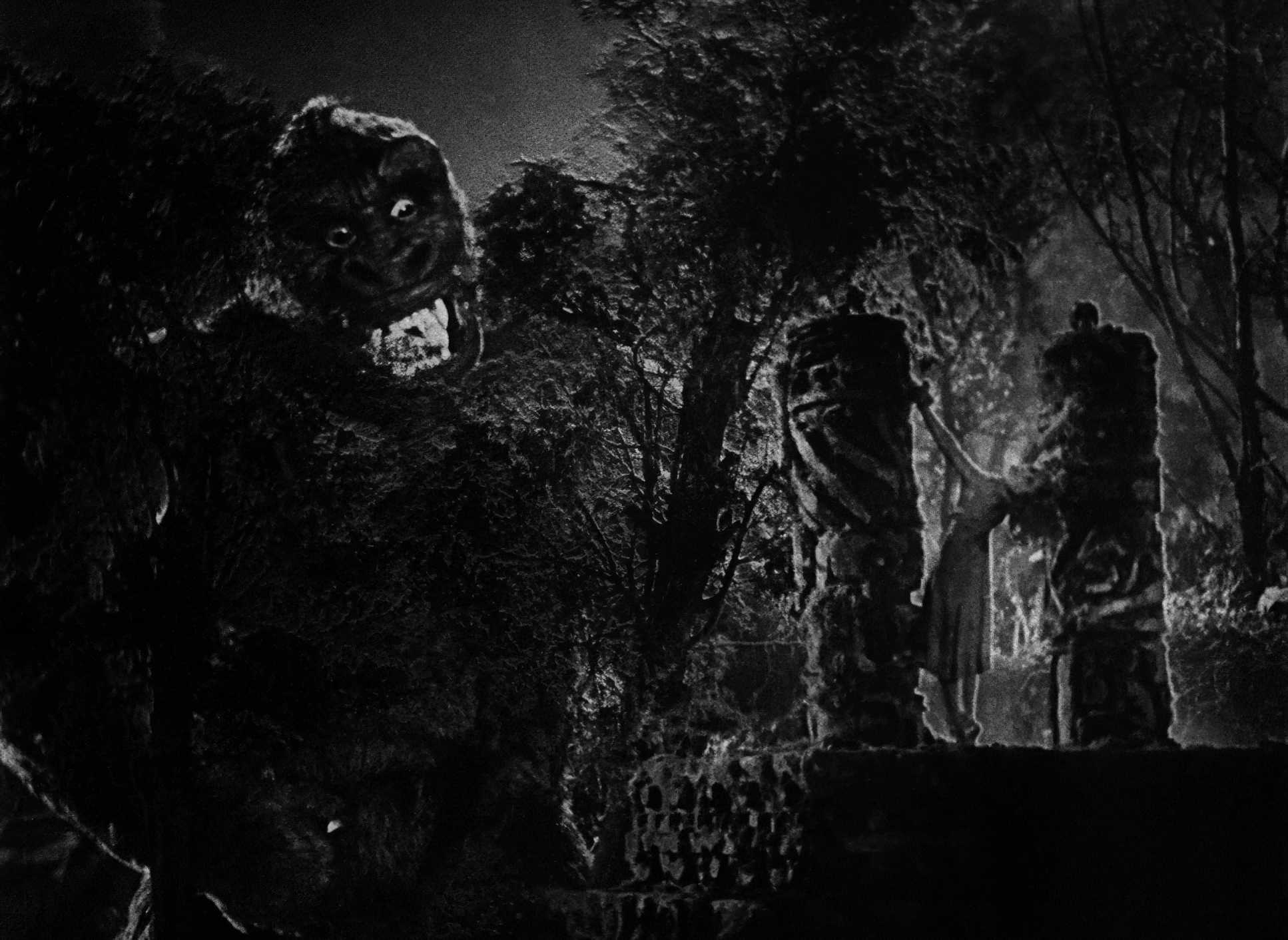
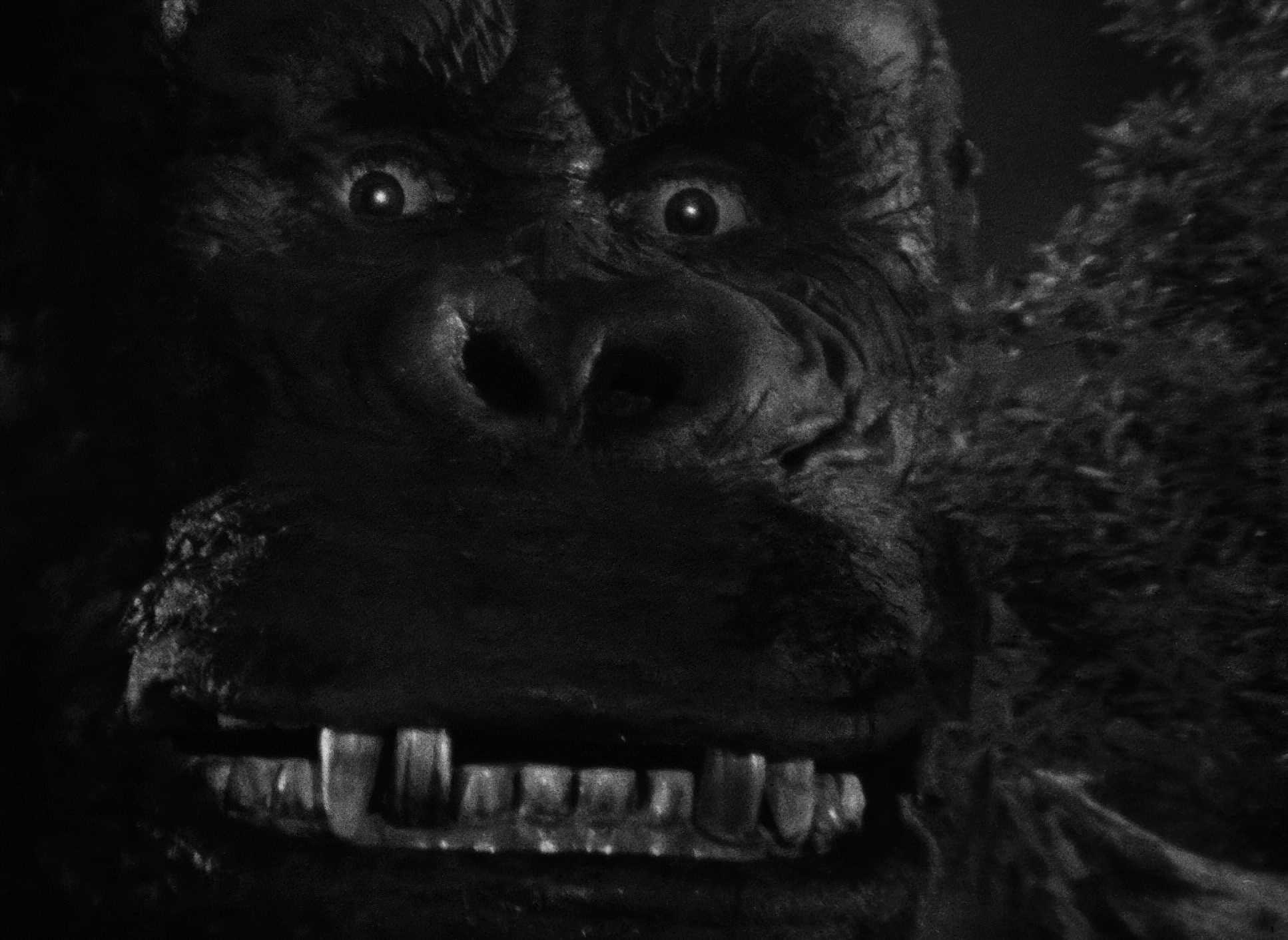
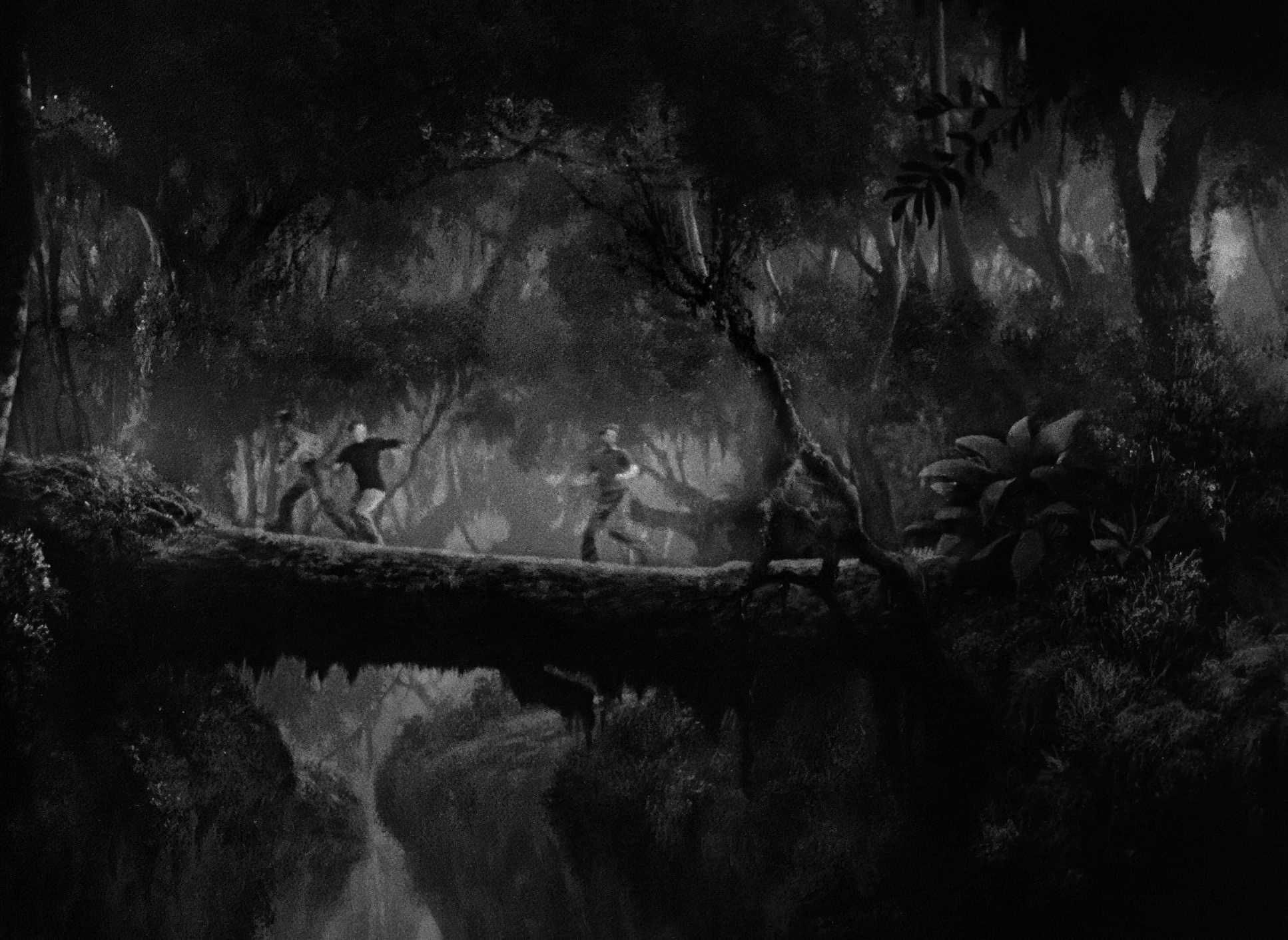
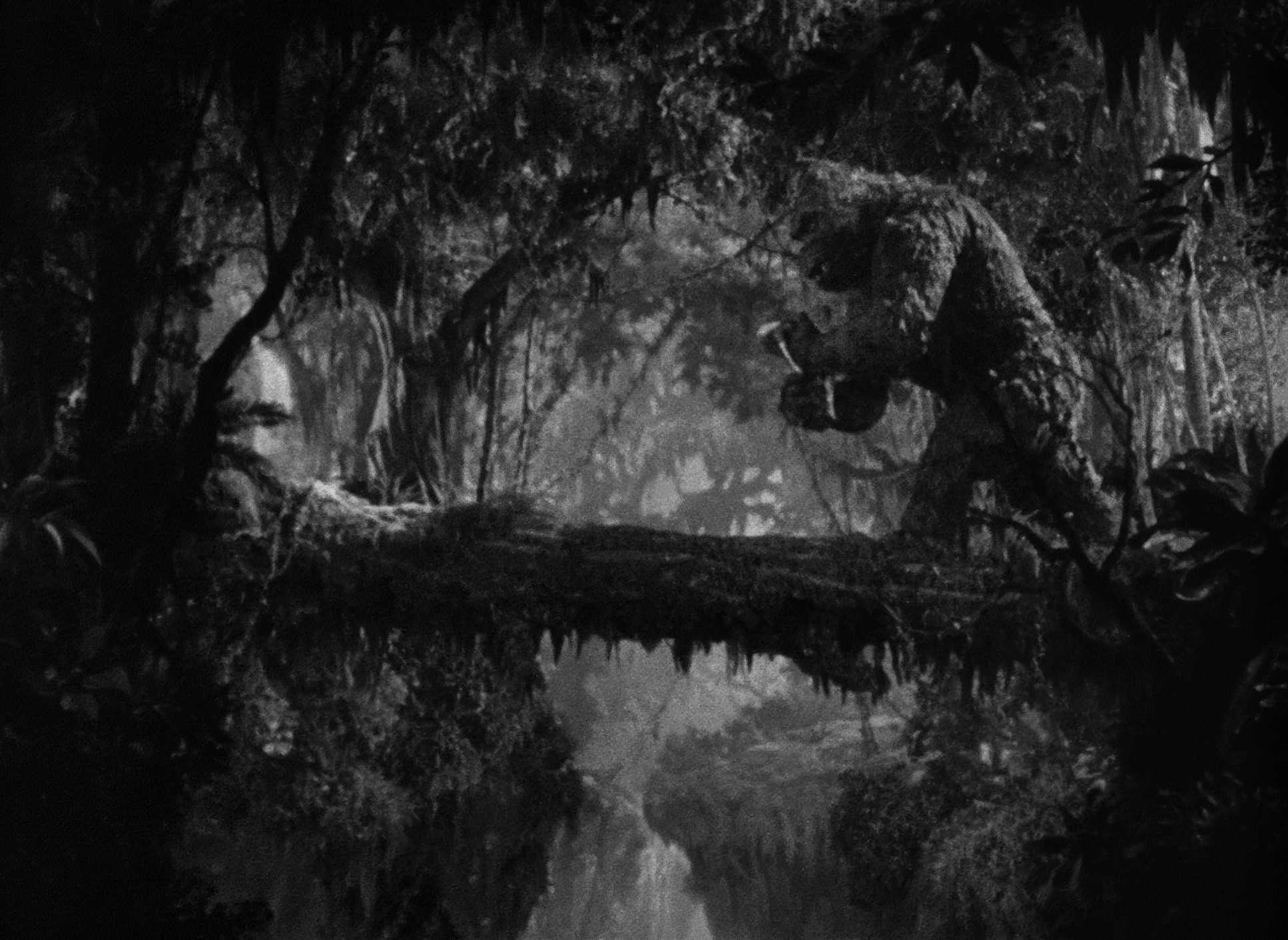
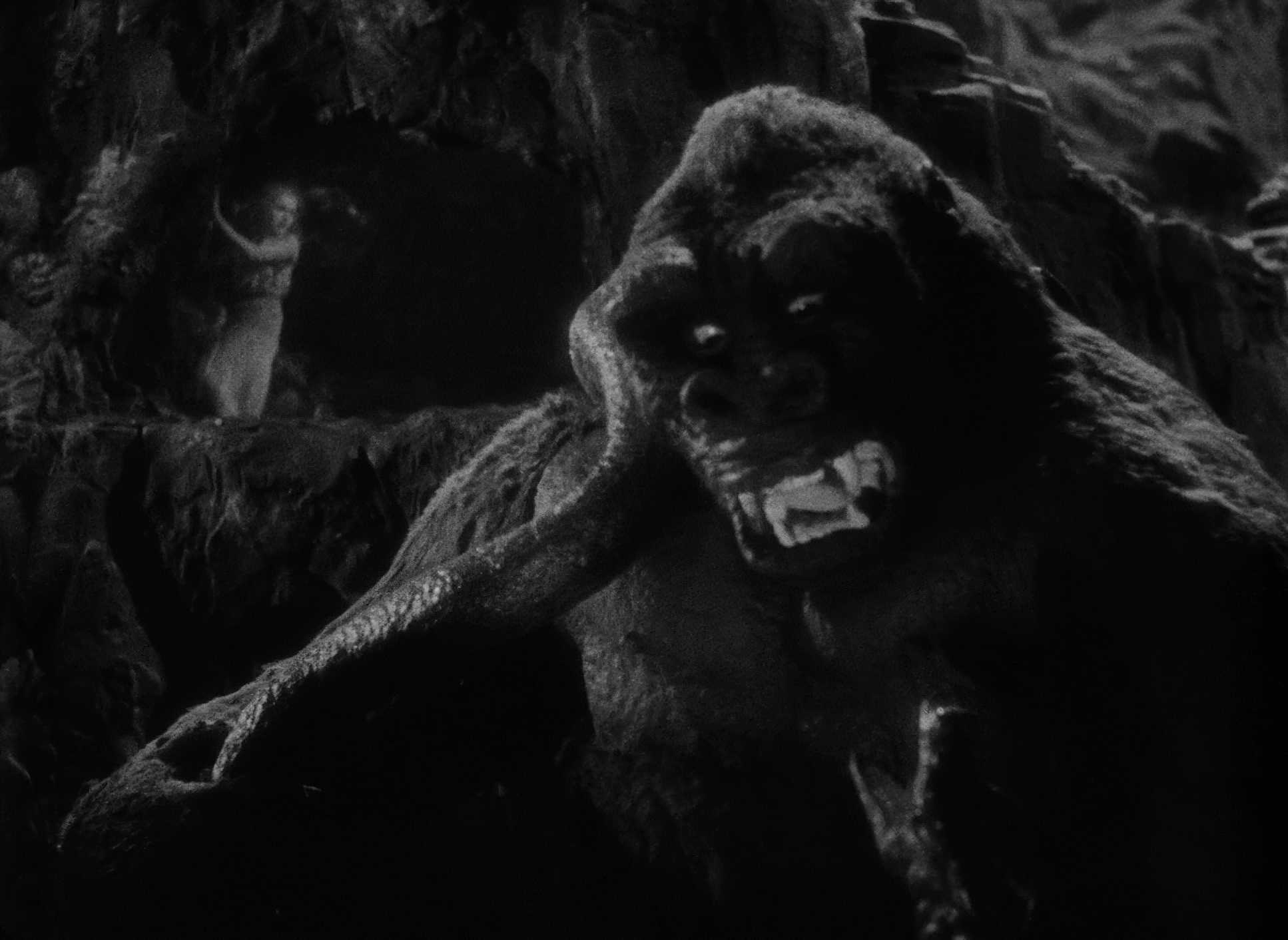
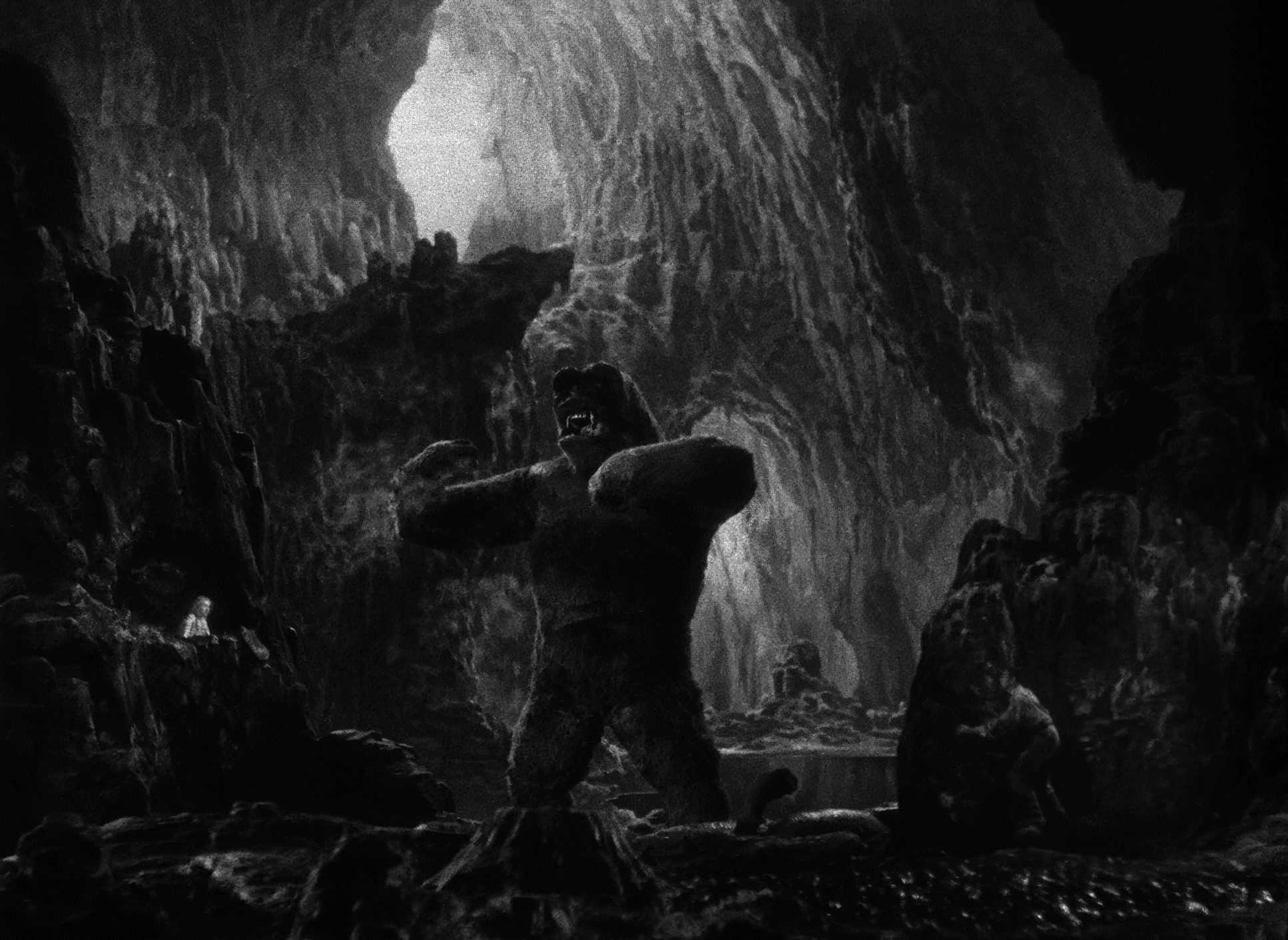
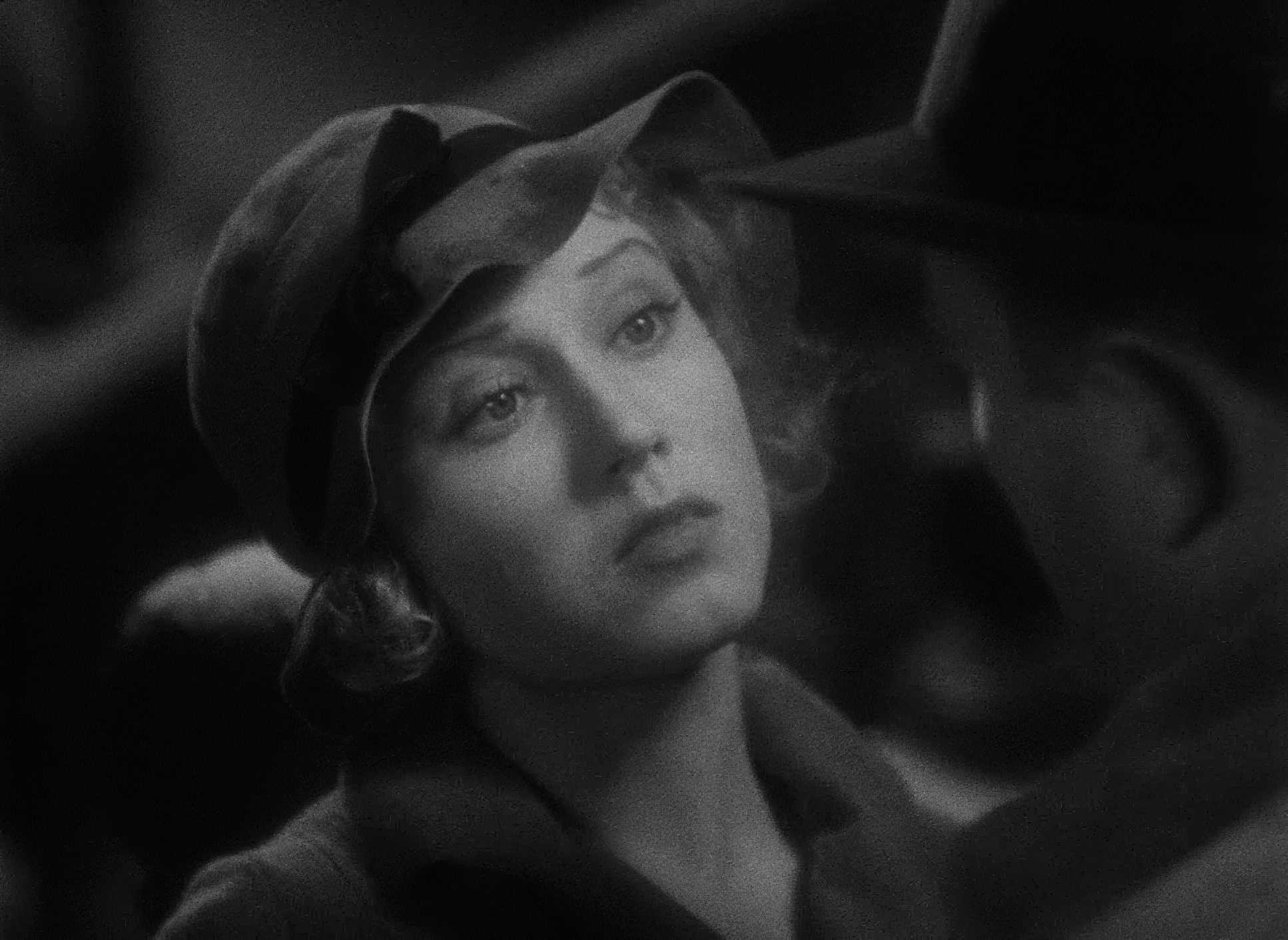
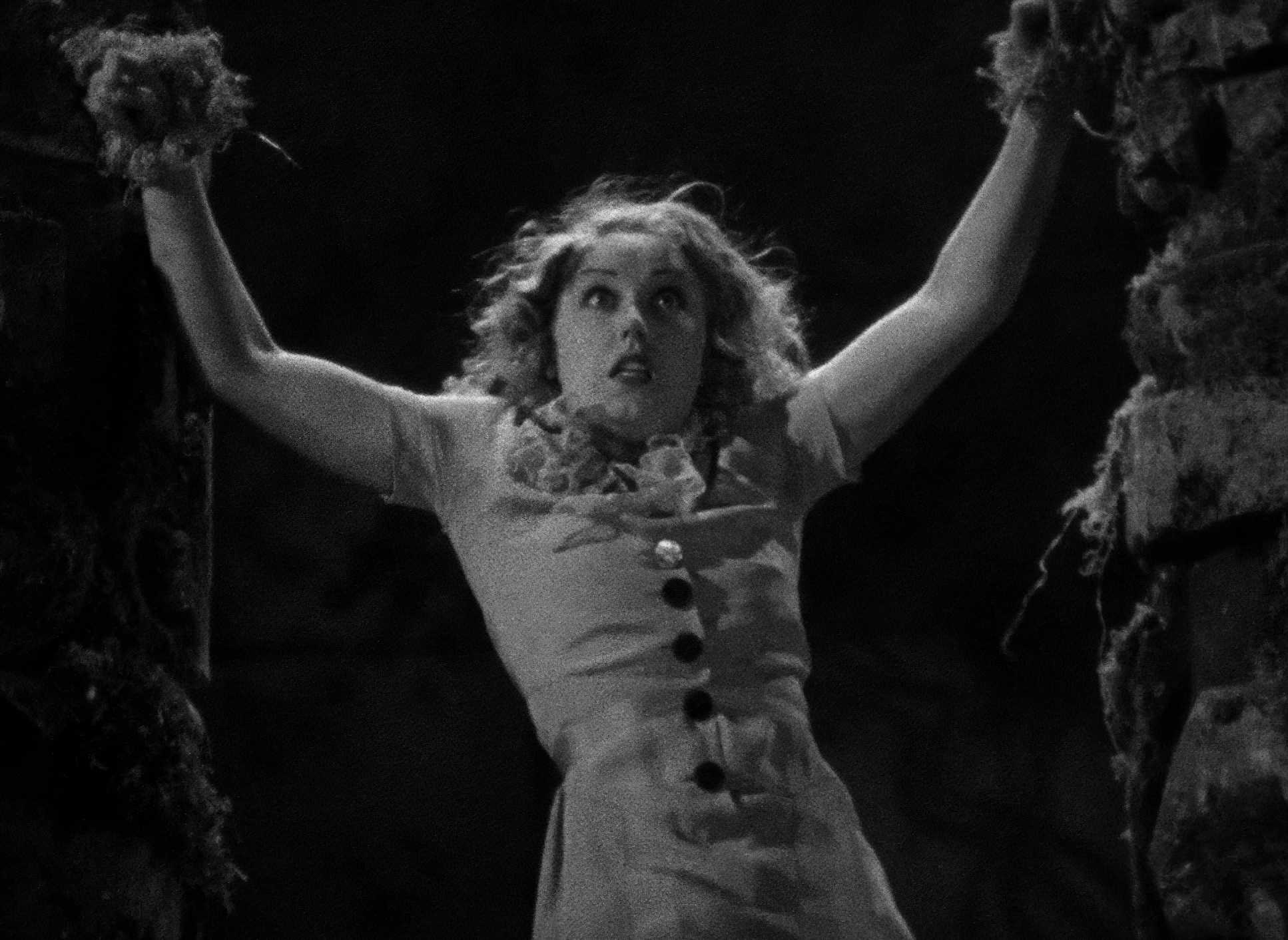
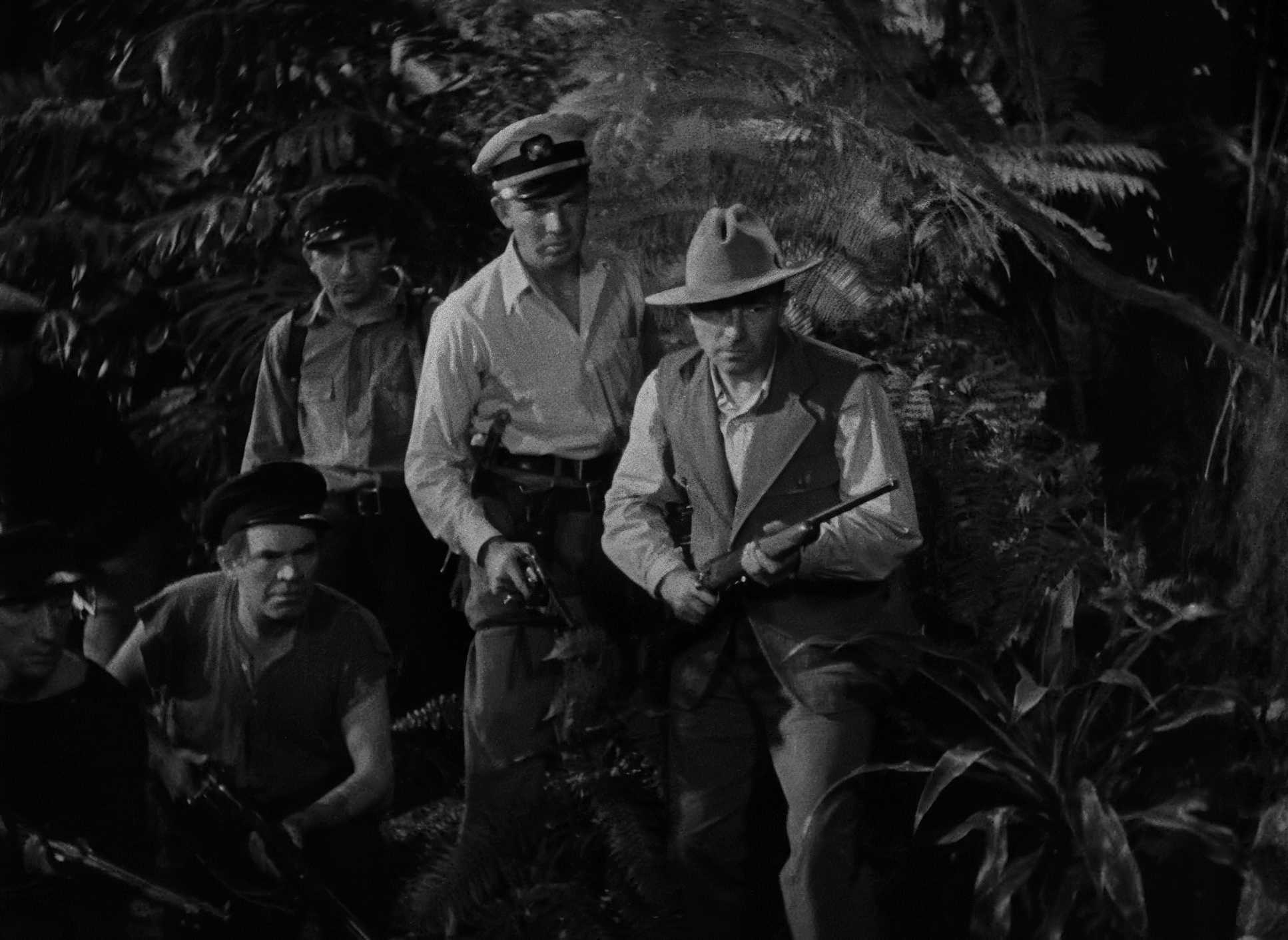
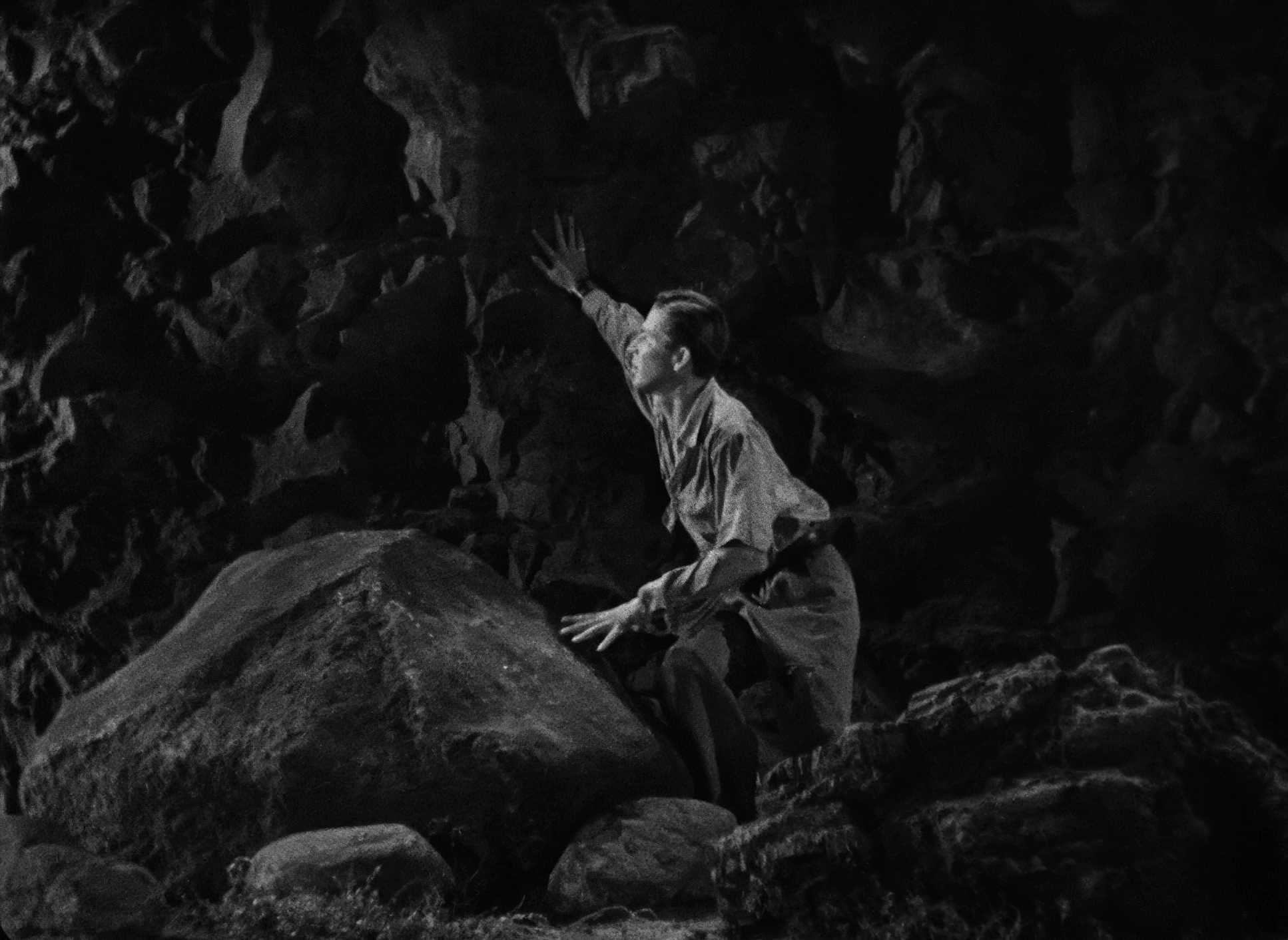
In a black-and-white canvas, lighting is your only tool for separation. The jungle sequences are a masterclass in high-contrast storytelling. Shadows aren’t just dark areas; they are consuming, hiding the creatures until the perfect beat.
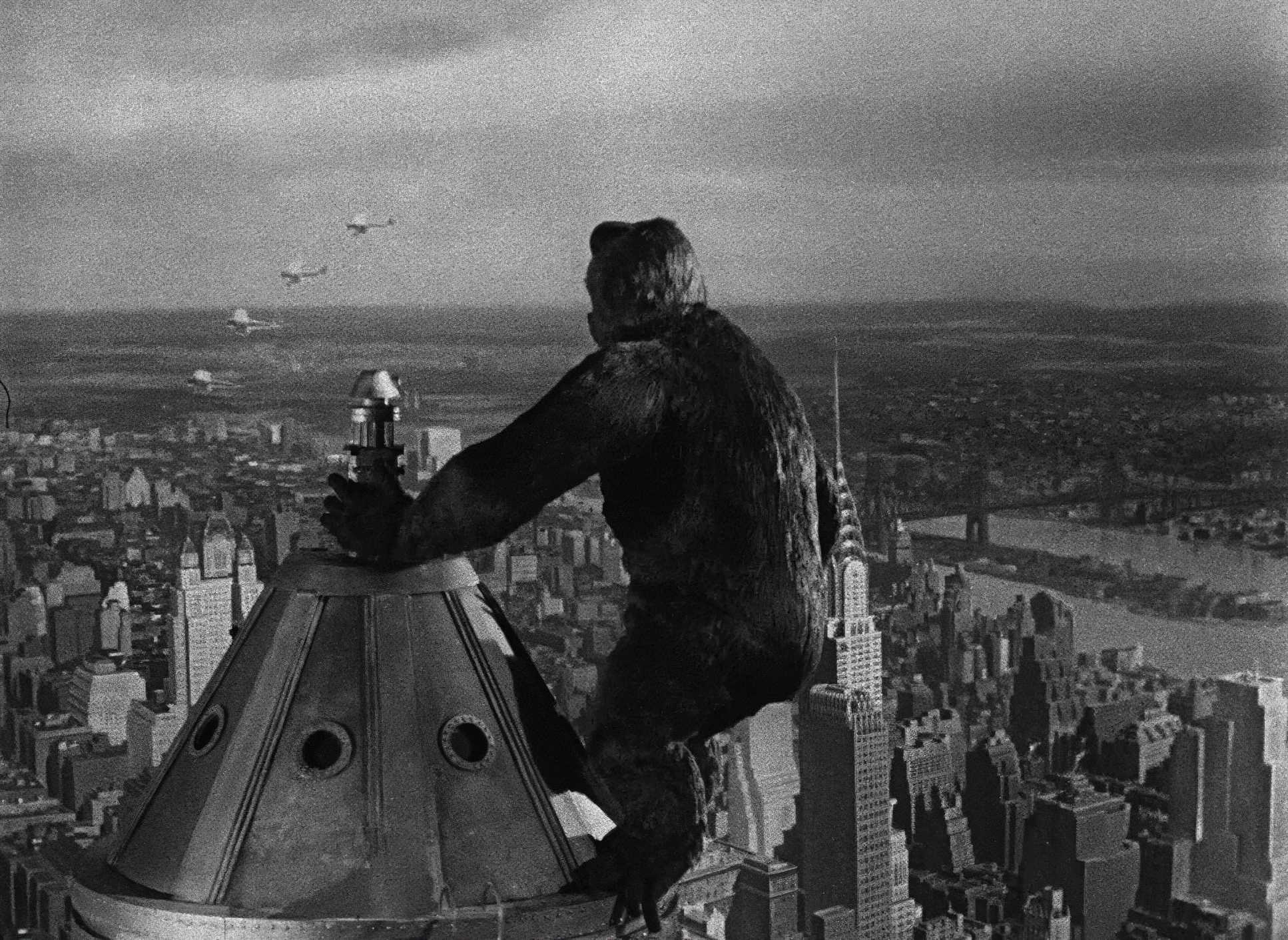
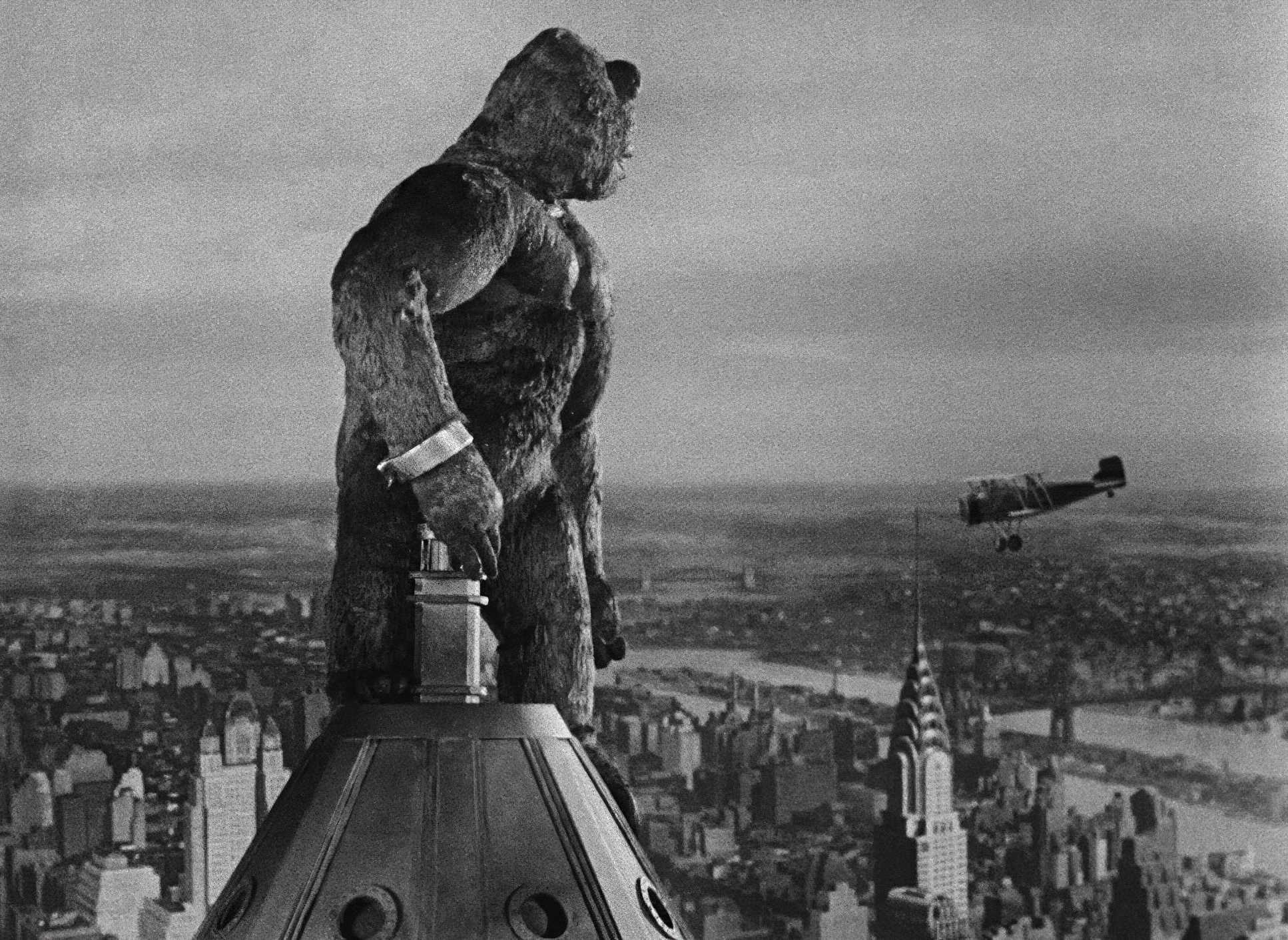
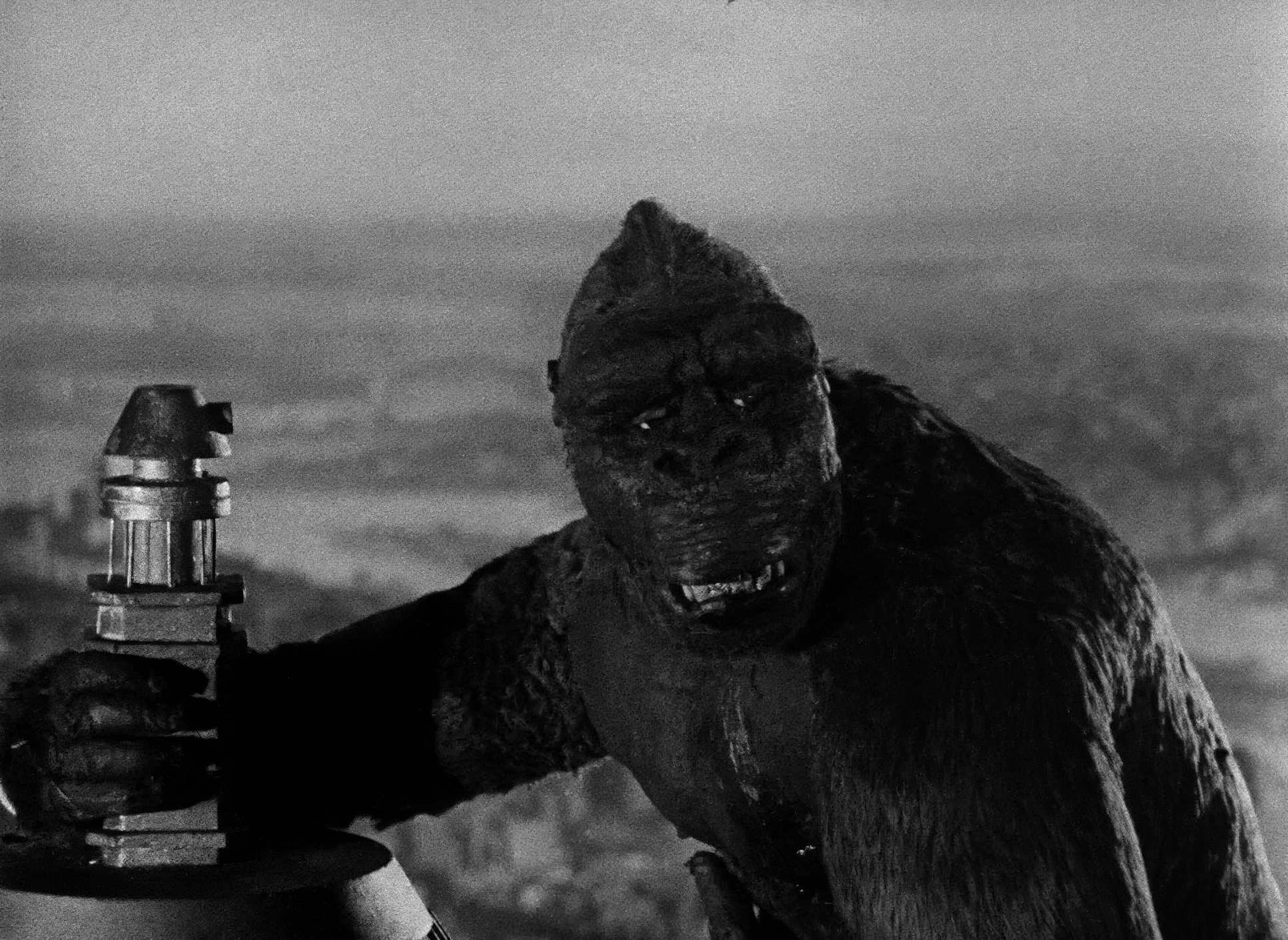
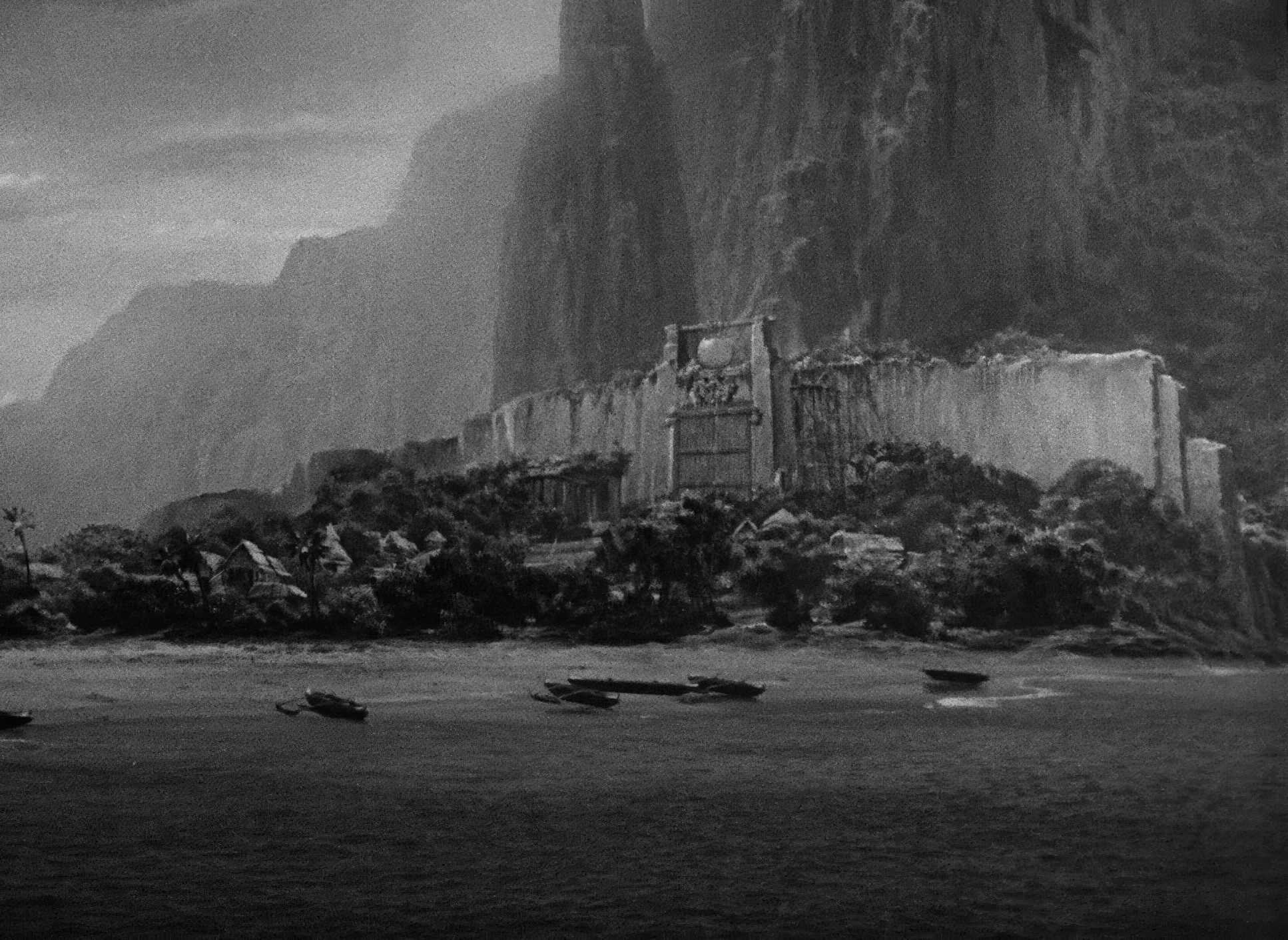
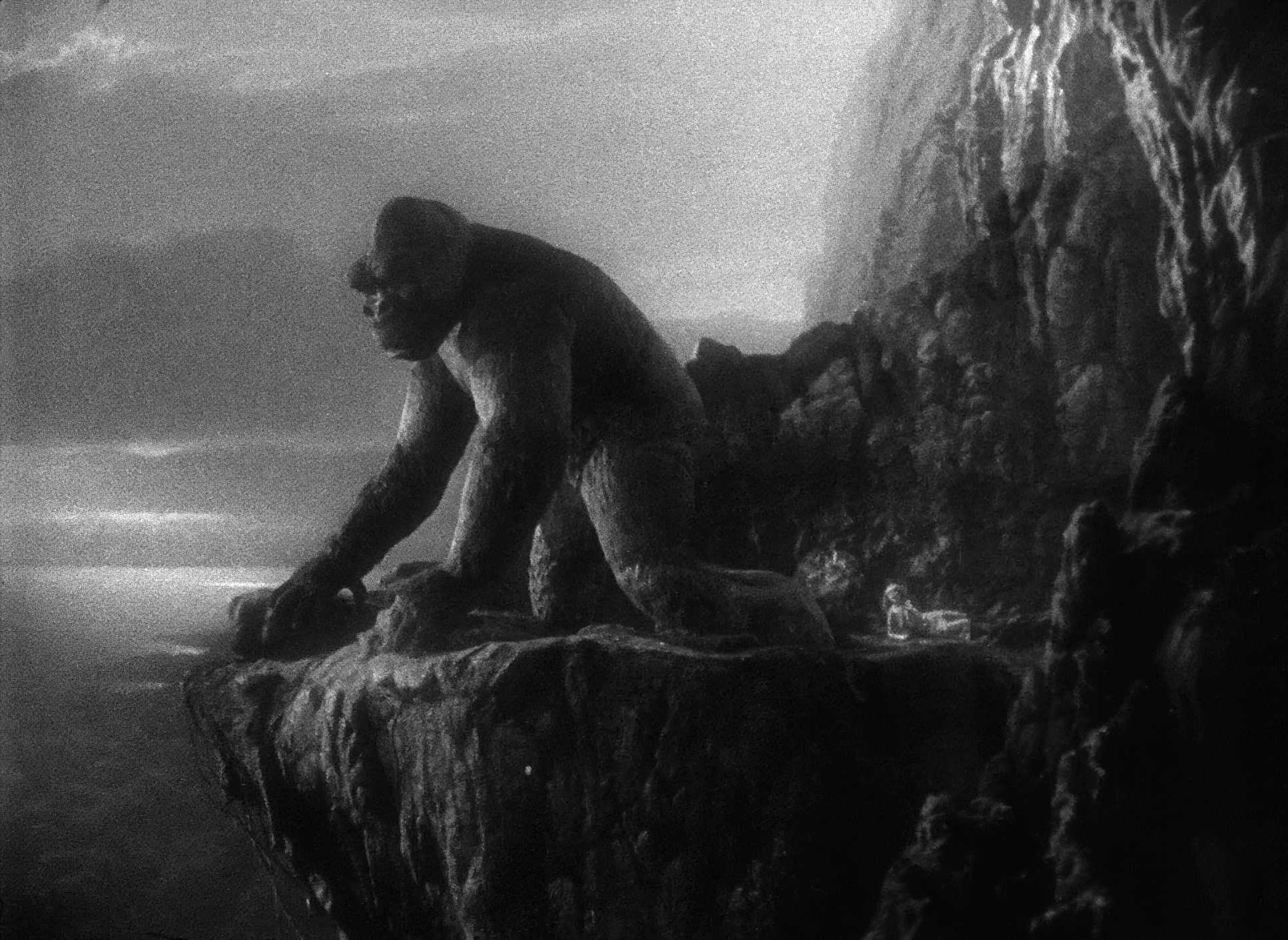
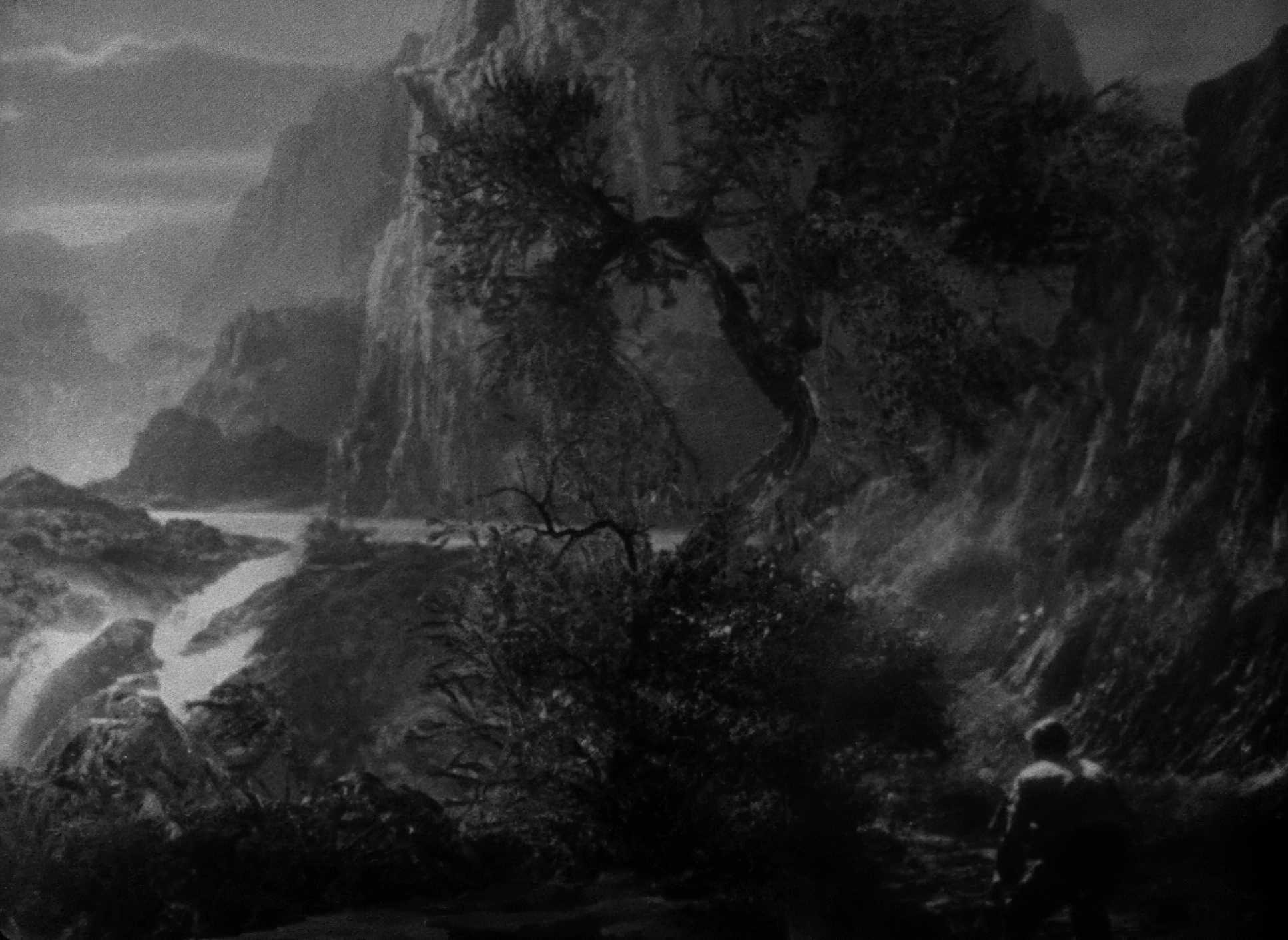
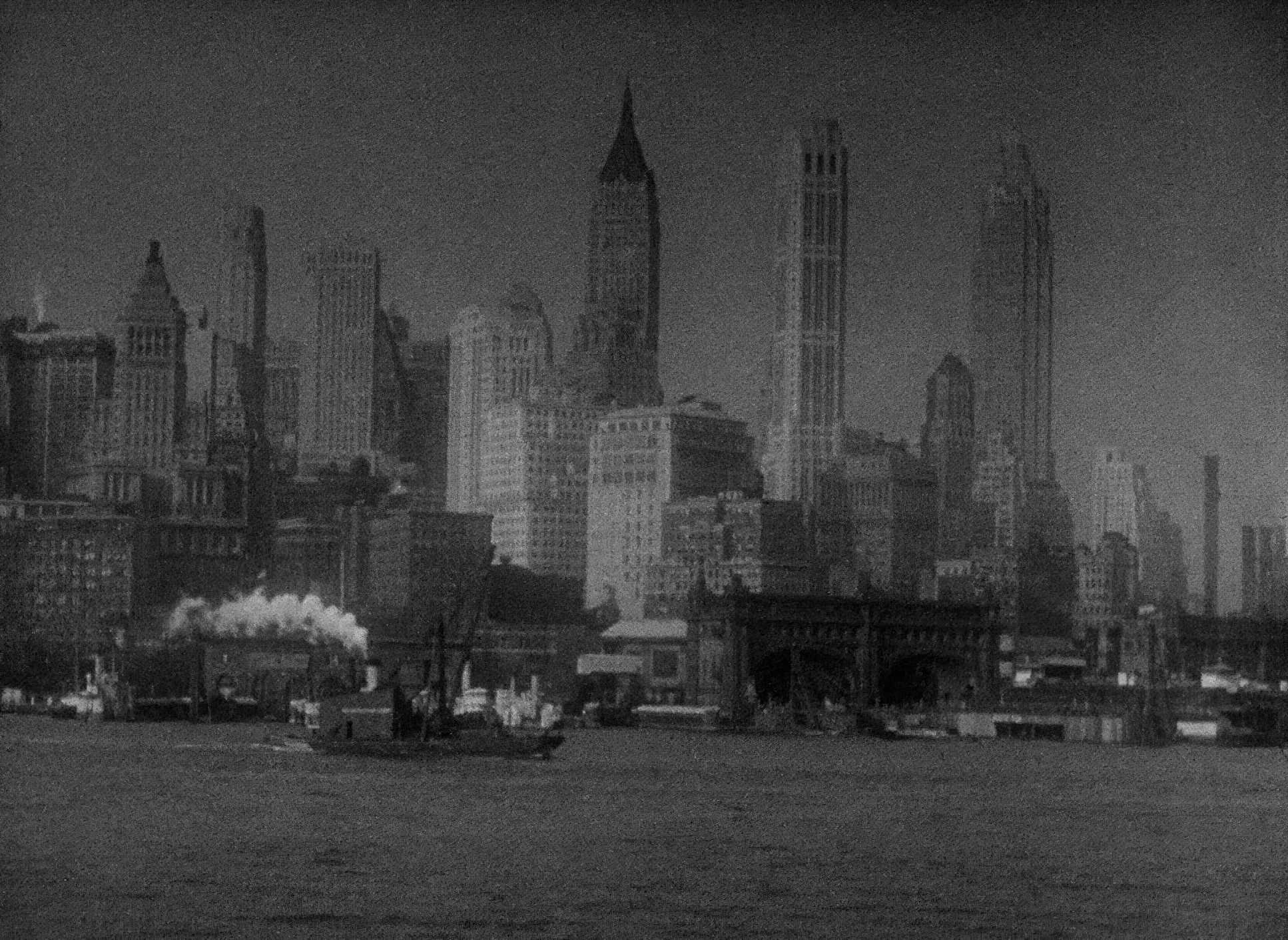
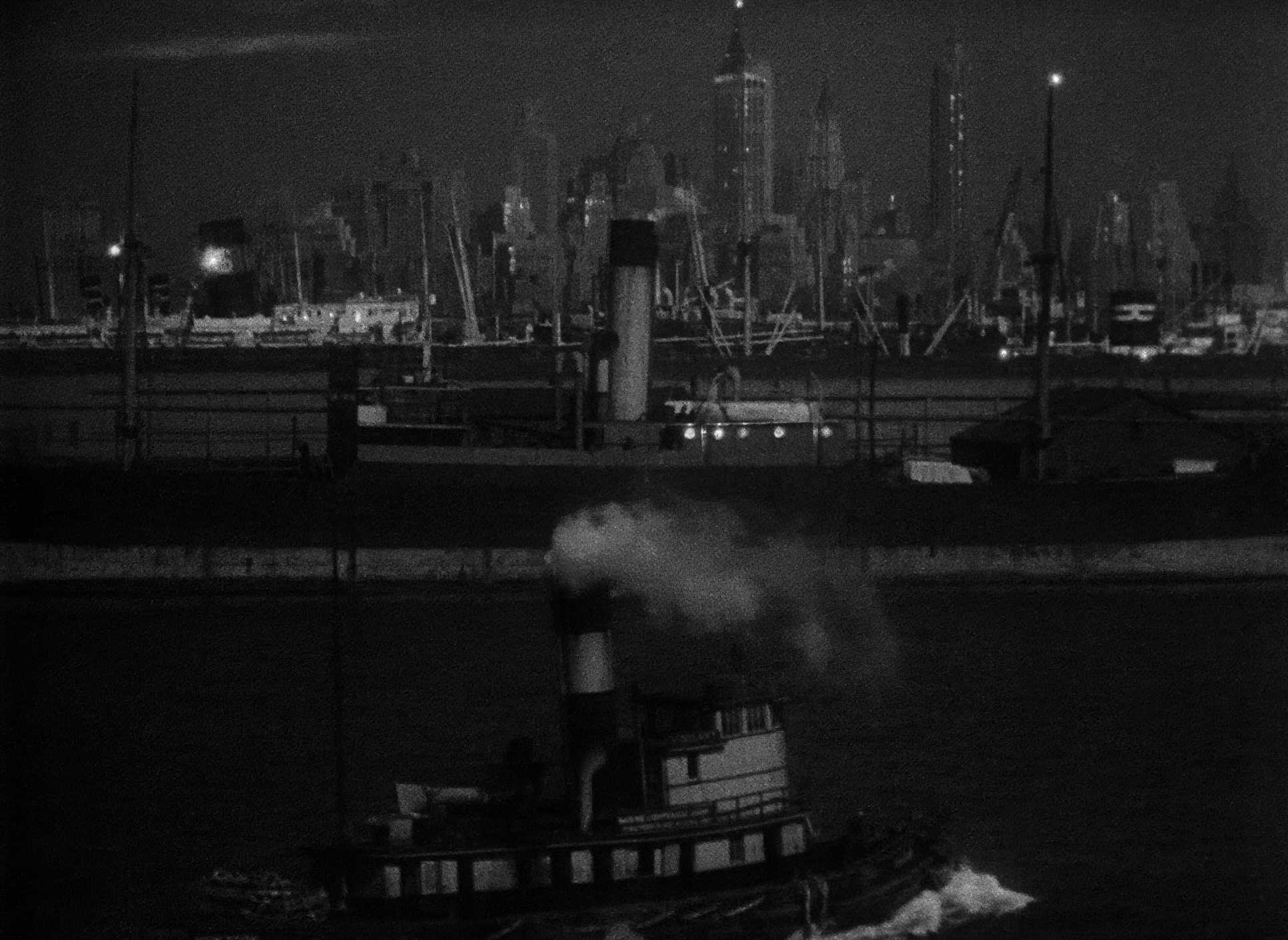
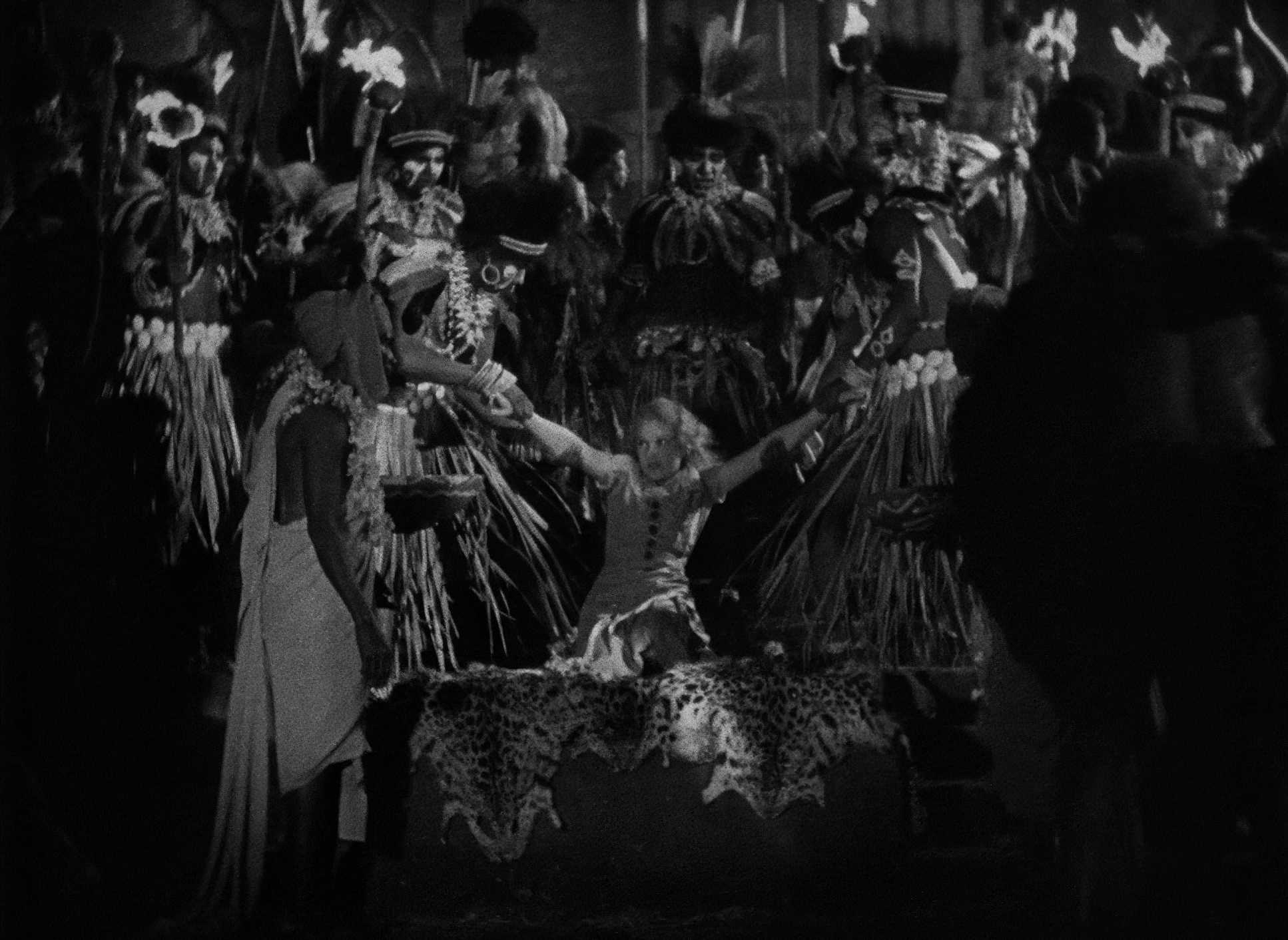
I love looking at the motivated lighting on Skull Island. They used dappled light to mimic a dense canopy, which helped hide the seams between the live-action footage and the miniature sets. In the New York finale, the lighting shifts to a sharper, urban feel. When the searchlights hit Kong on the Empire State Building, it creates an expressionistic, tragic mood. They weren’t just exposing a frame; they were sculpting a nightmare.
Color Grading (Tonal Sculpting)

Even without “color,” this is where my colorist brain starts firing. I think of black-and-white grading as tonal sculpting. The decisions made in the lab the film stock, the chemistry, the printing are exactly what we do today in Resolve.
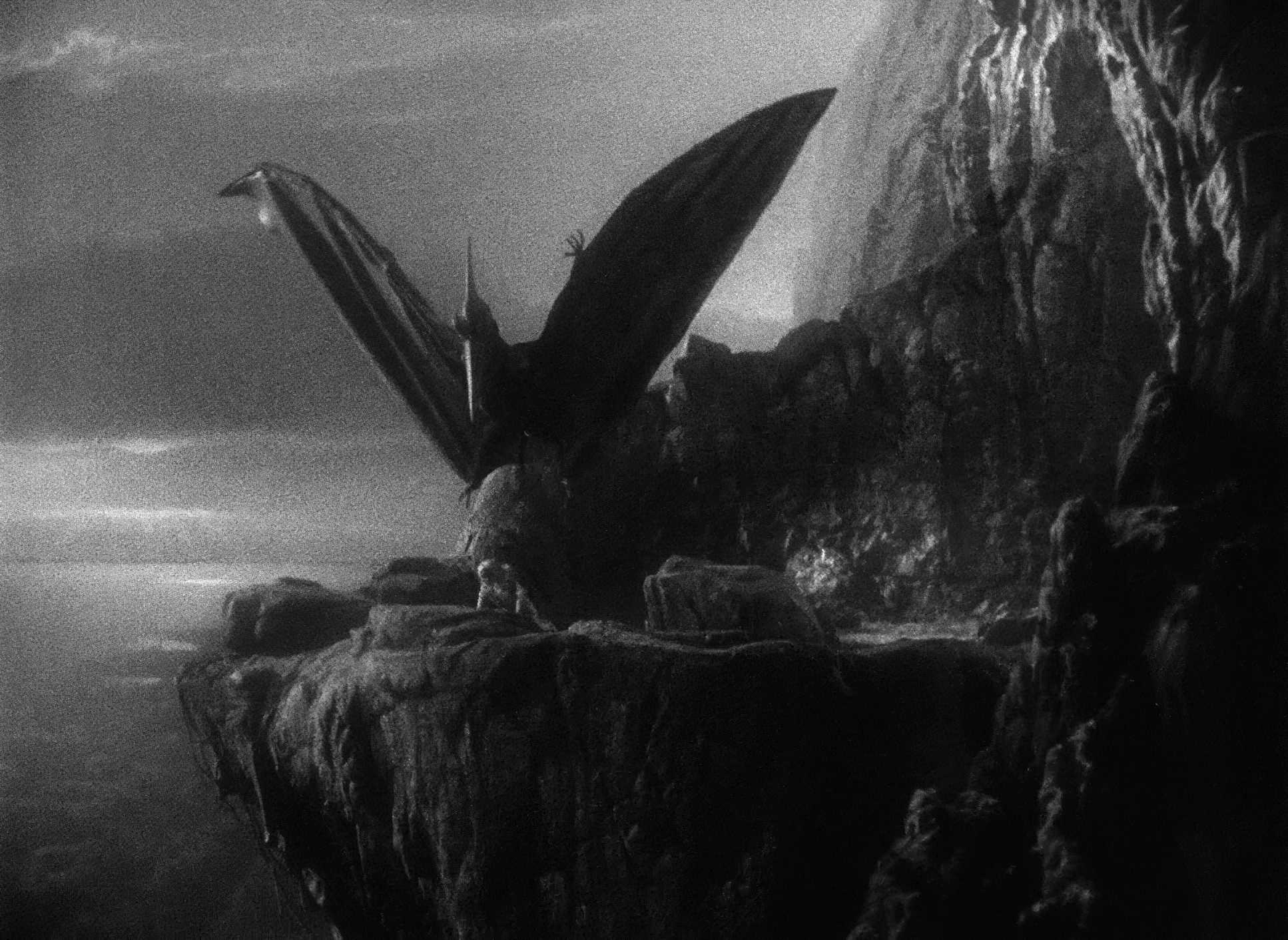
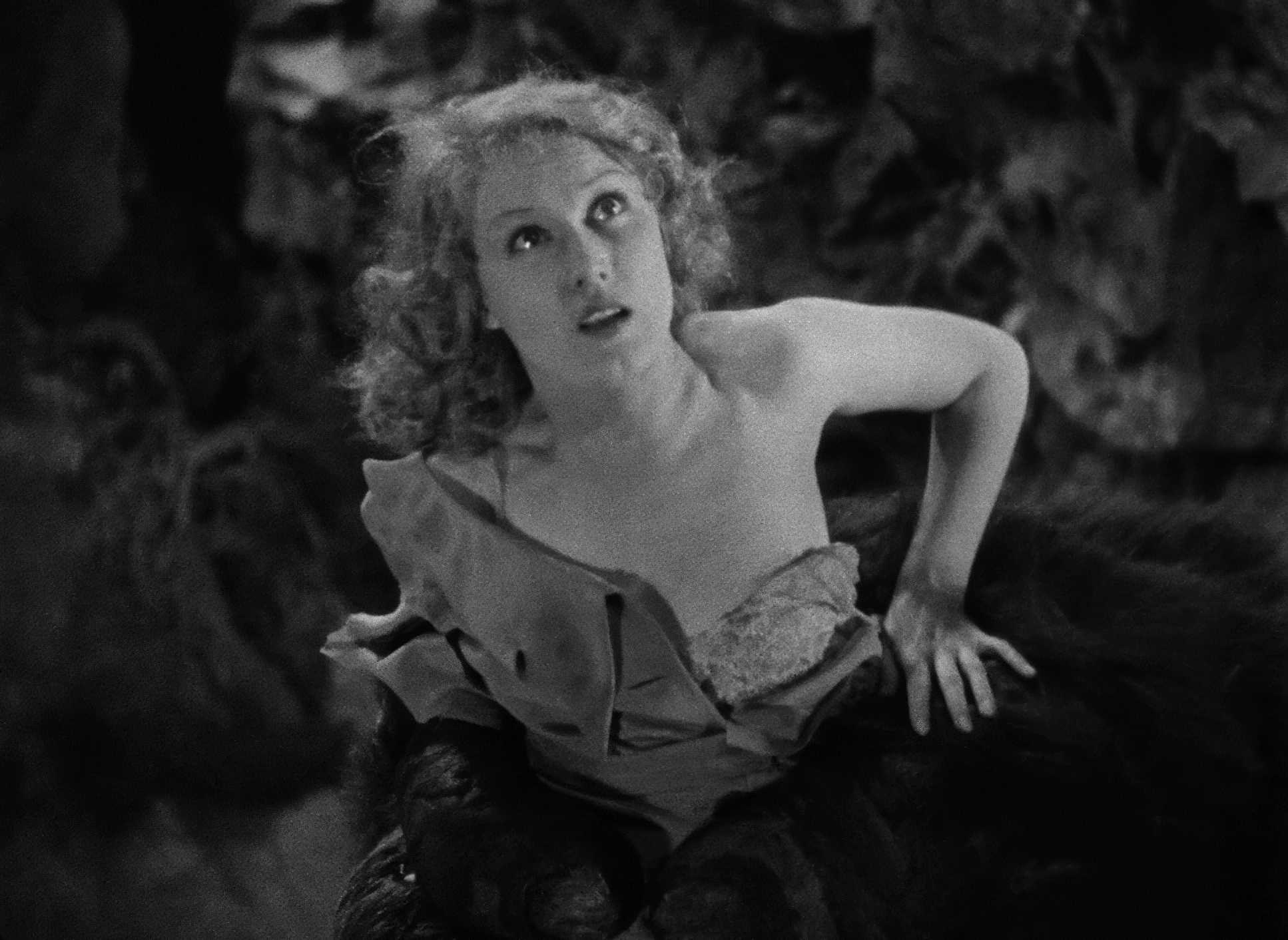
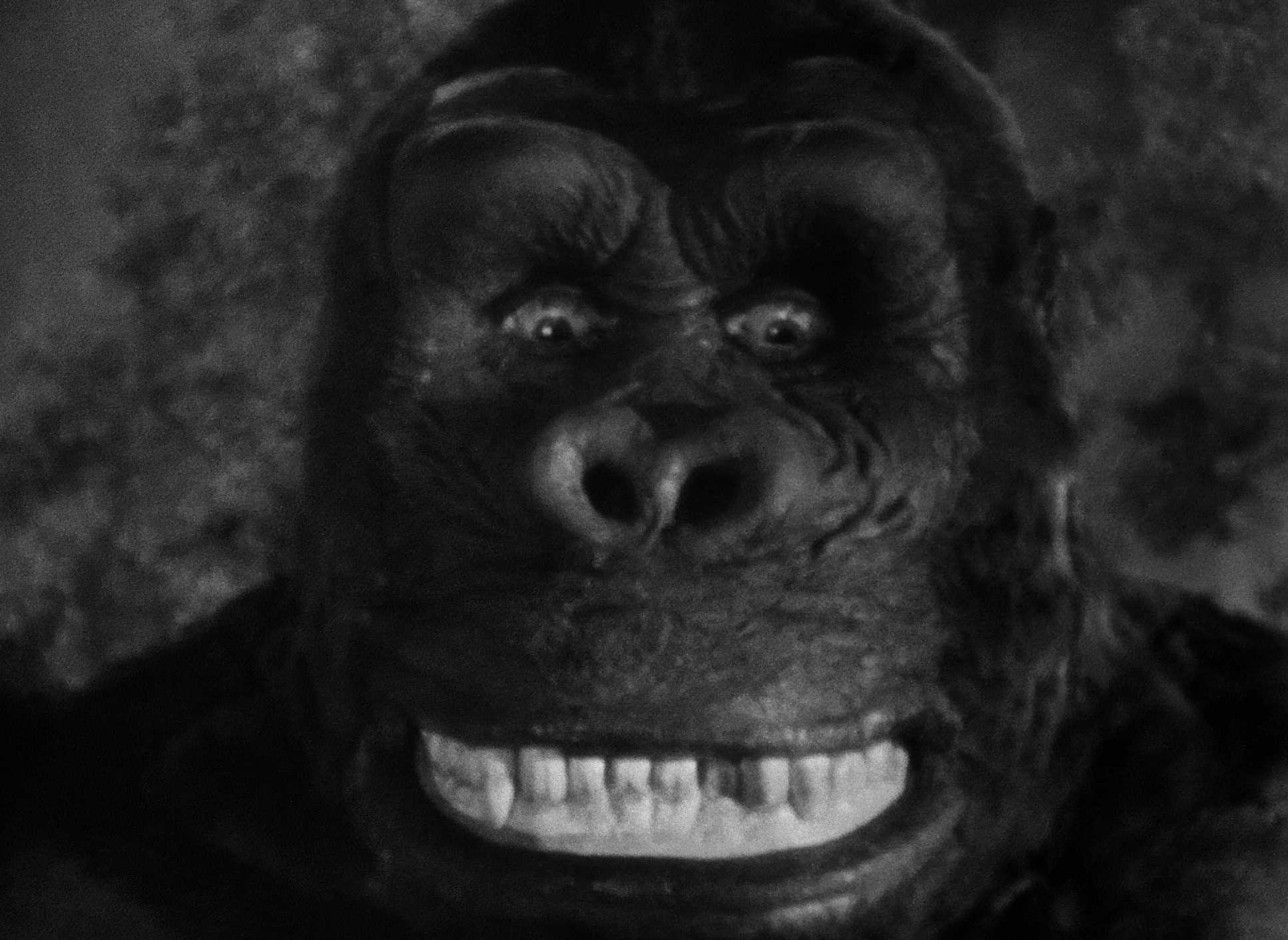
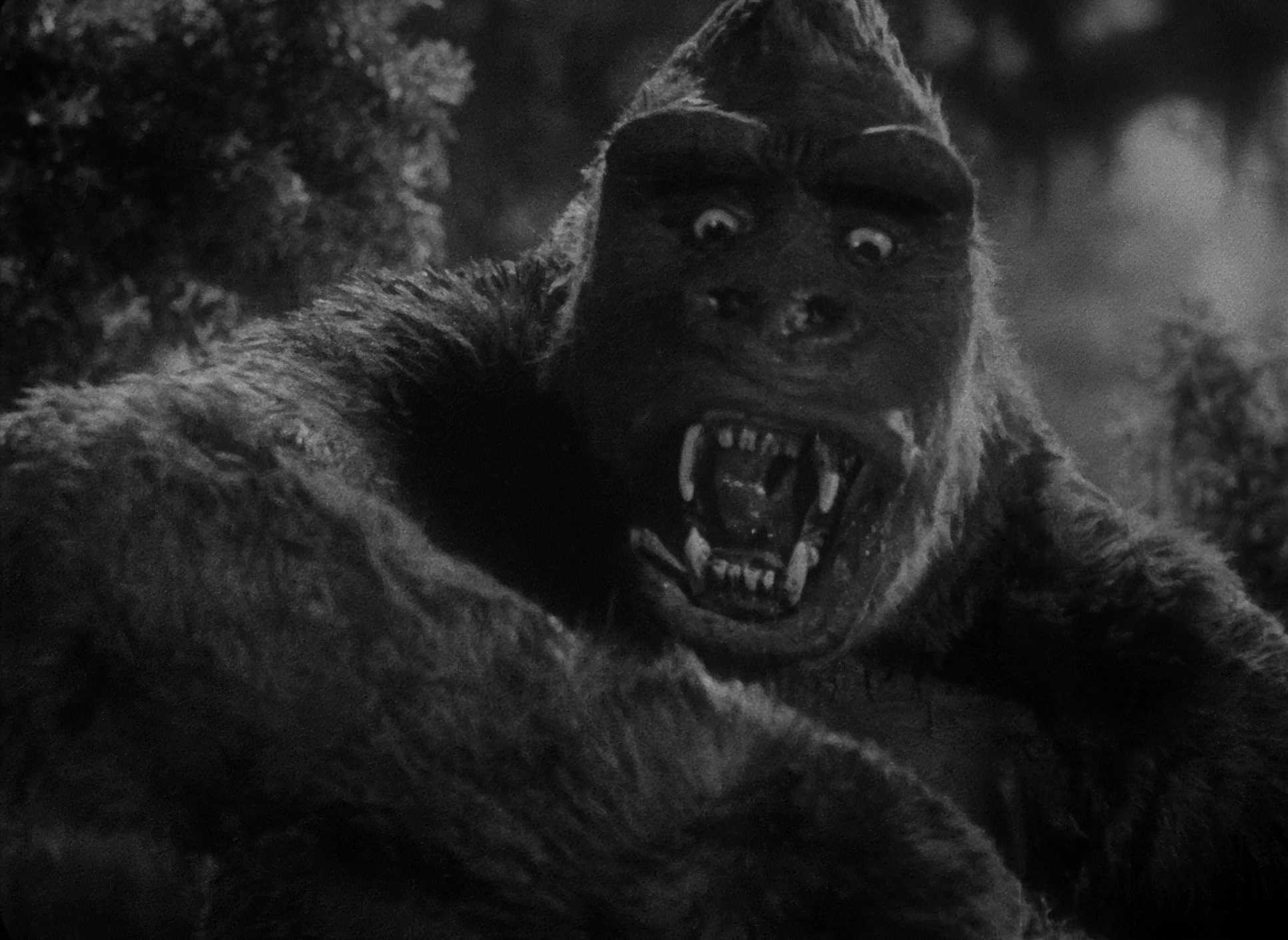
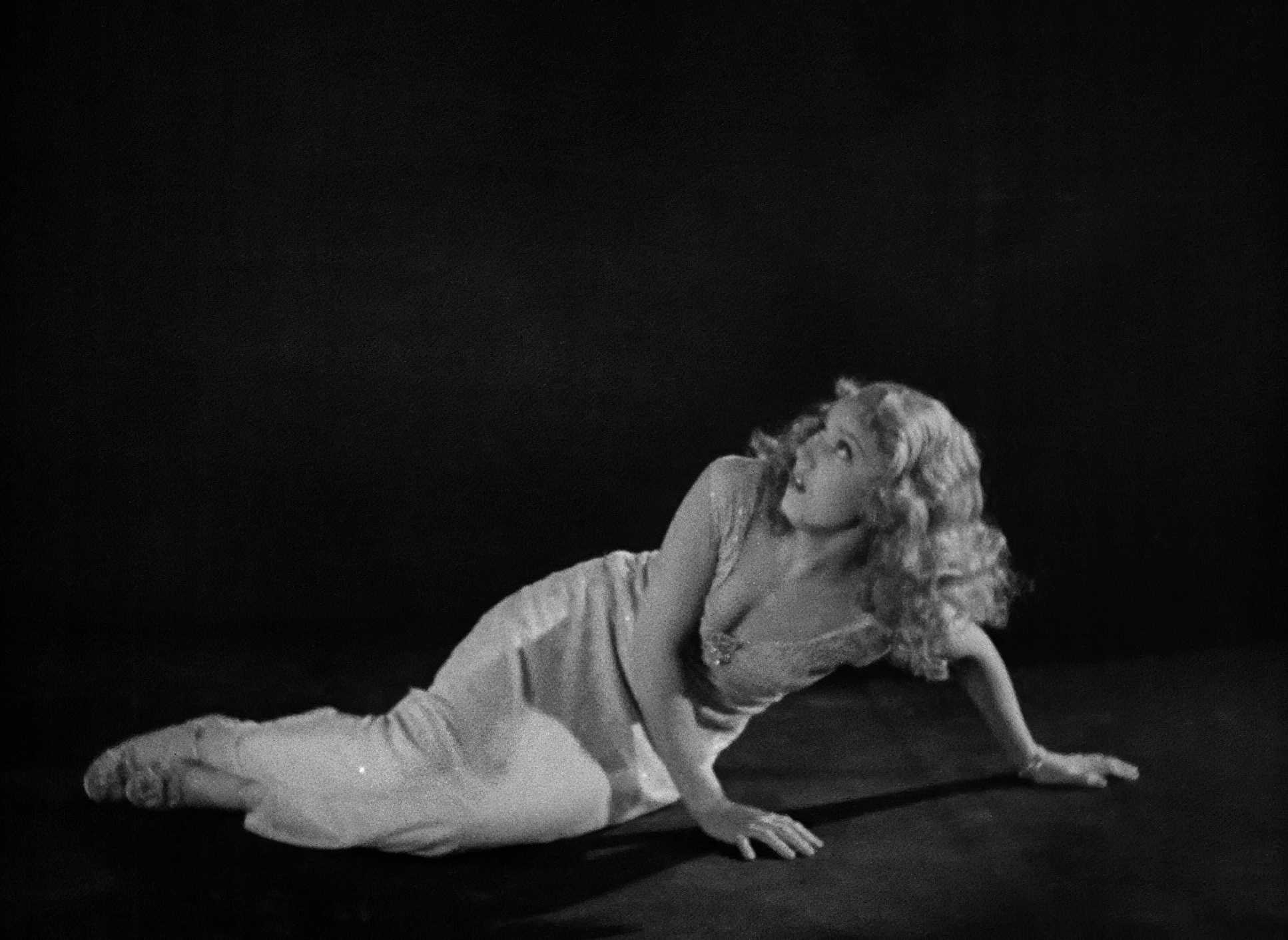
For Kong, they went for a punchy, dramatic look. They pushed the dynamic range of the 35mm stock to its limits, favoring deep, velvety blacks and luminous highlights. There’s an organic “glow” to the highlights in these old nitrate stocks that digital sensors still struggle to replicate perfectly. As a colorist, I’m looking at the luminance separation how they kept a brown ape from disappearing into a dark green jungle when everything is a shade of gray. It’s all about controlling the roll-off and ensuring the contrast serves the scale.
Compositional Choices

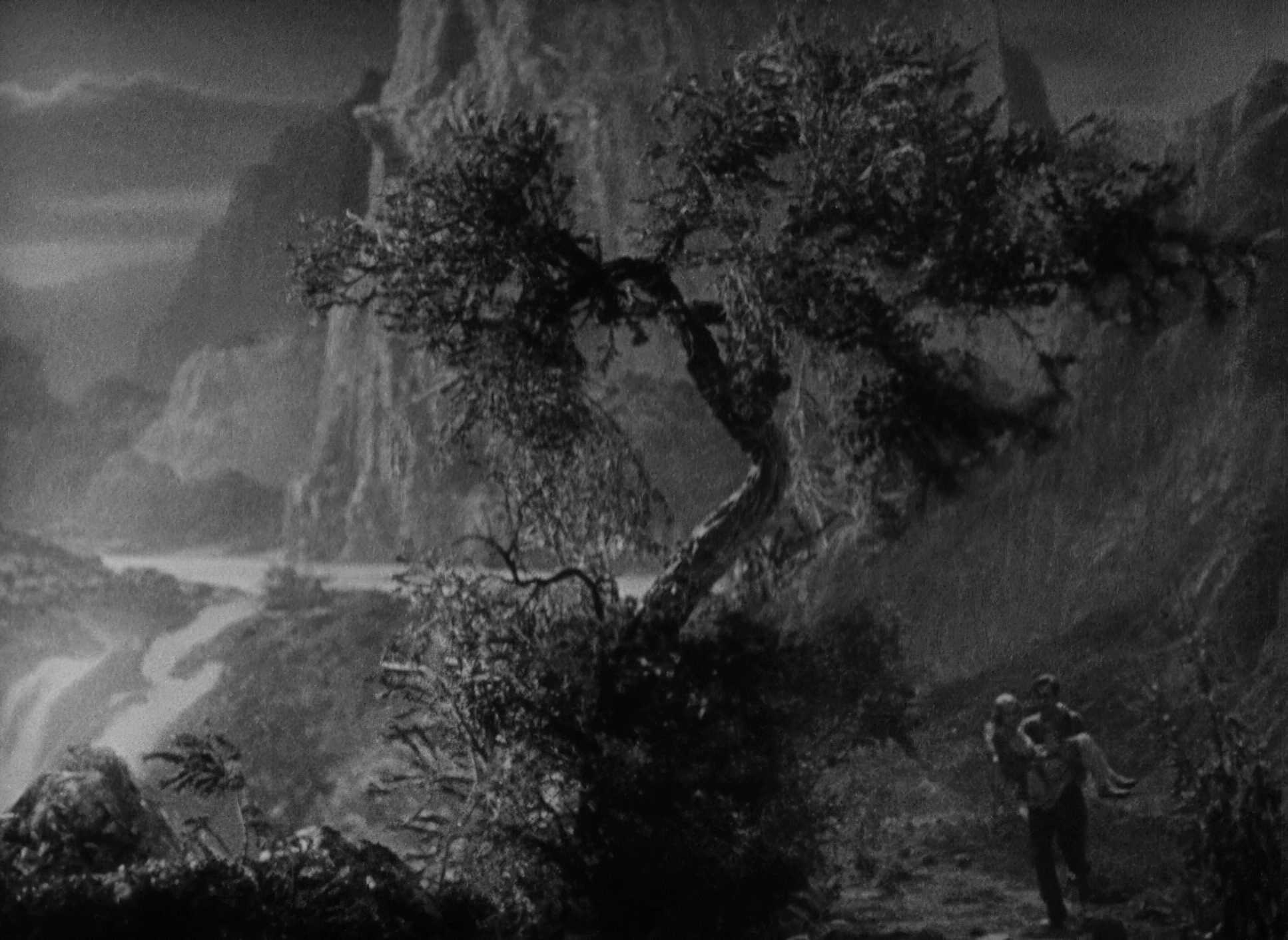
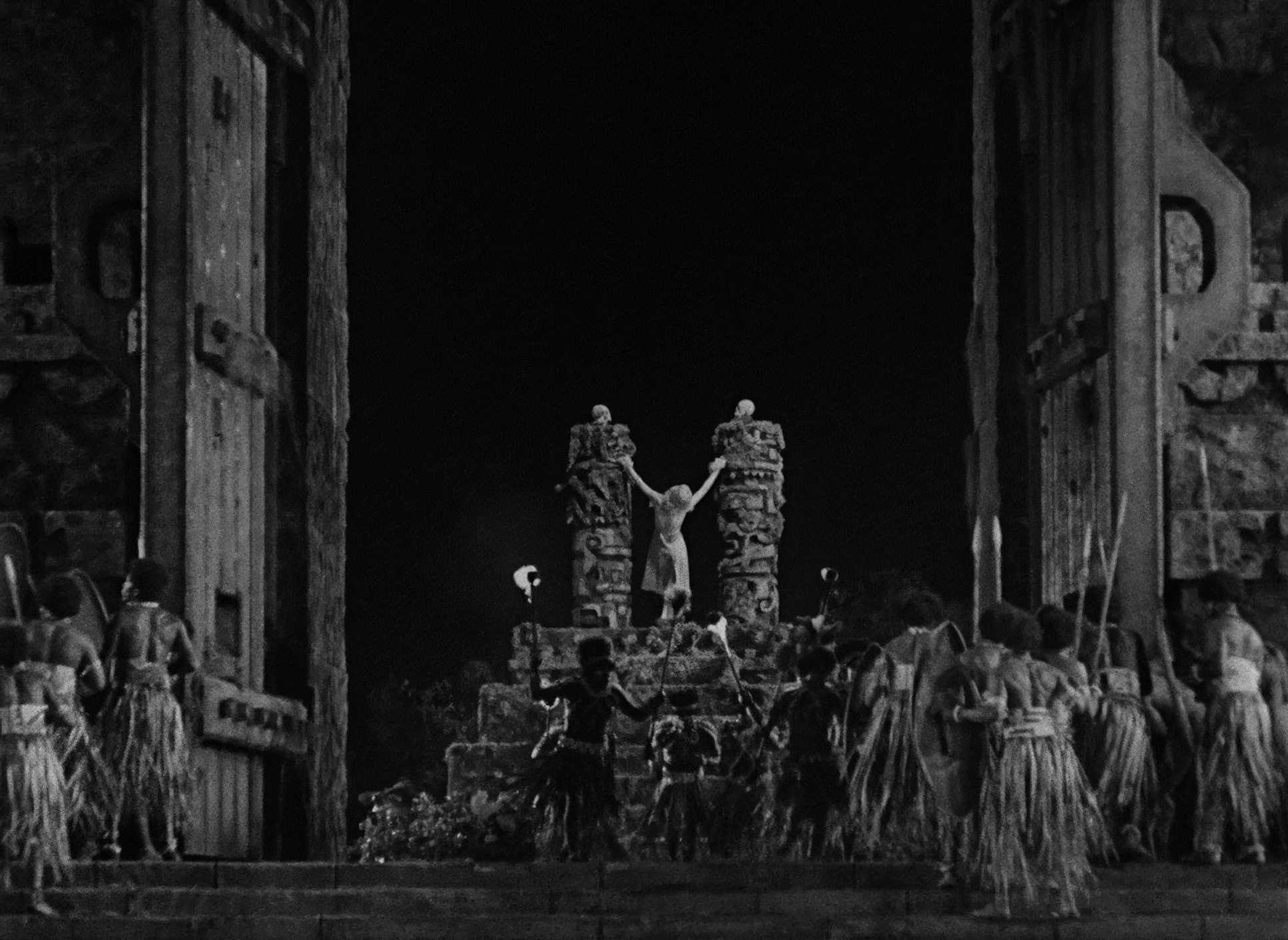
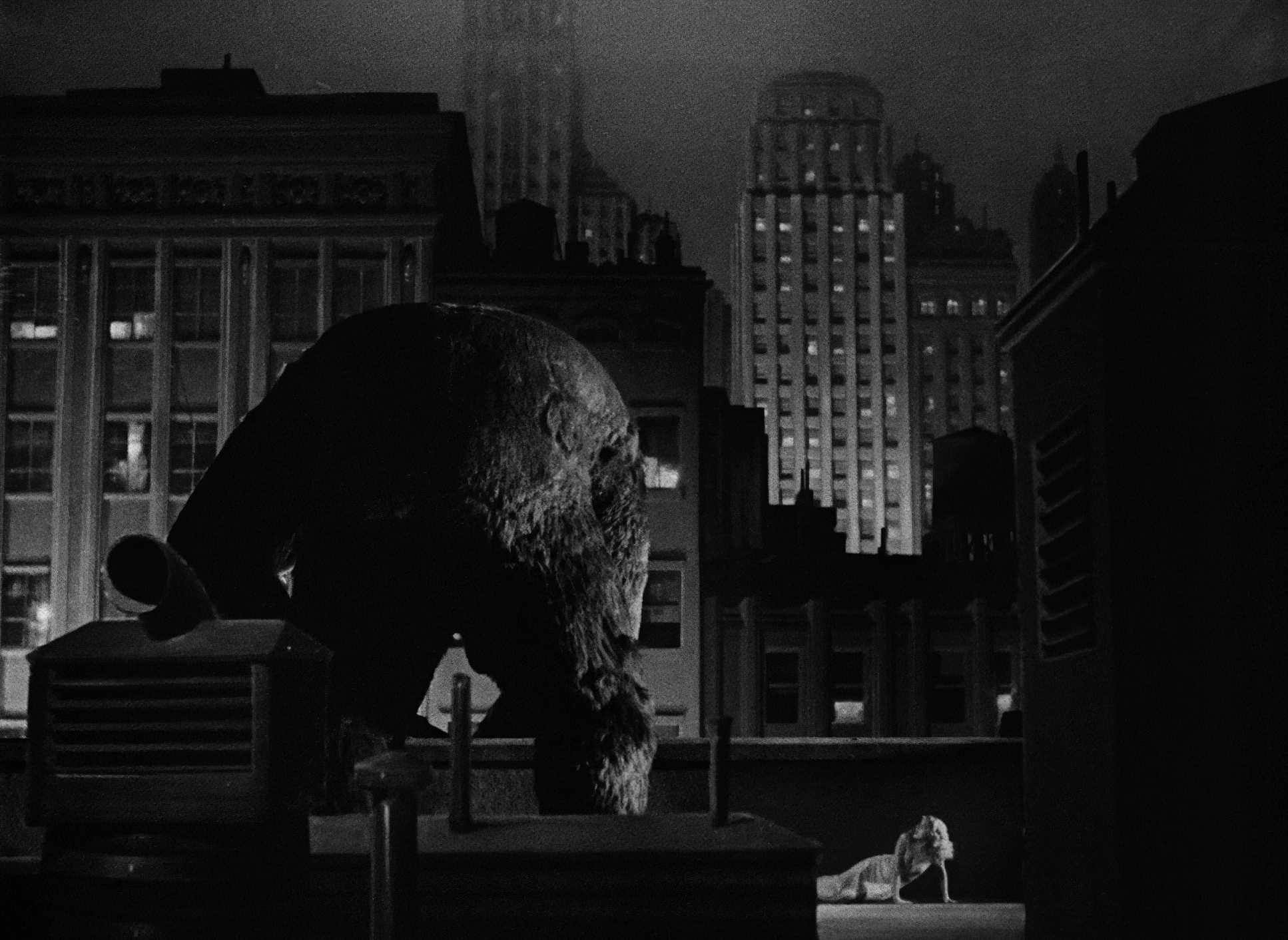
Composition in Kong is all about reference points. Fay Wray (Ann Darrow) is the “human ruler” we use to measure everything else. By framing her tiny figure against a massive hand or a miniature jungle, the filmmakers ground the fantasy in reality.
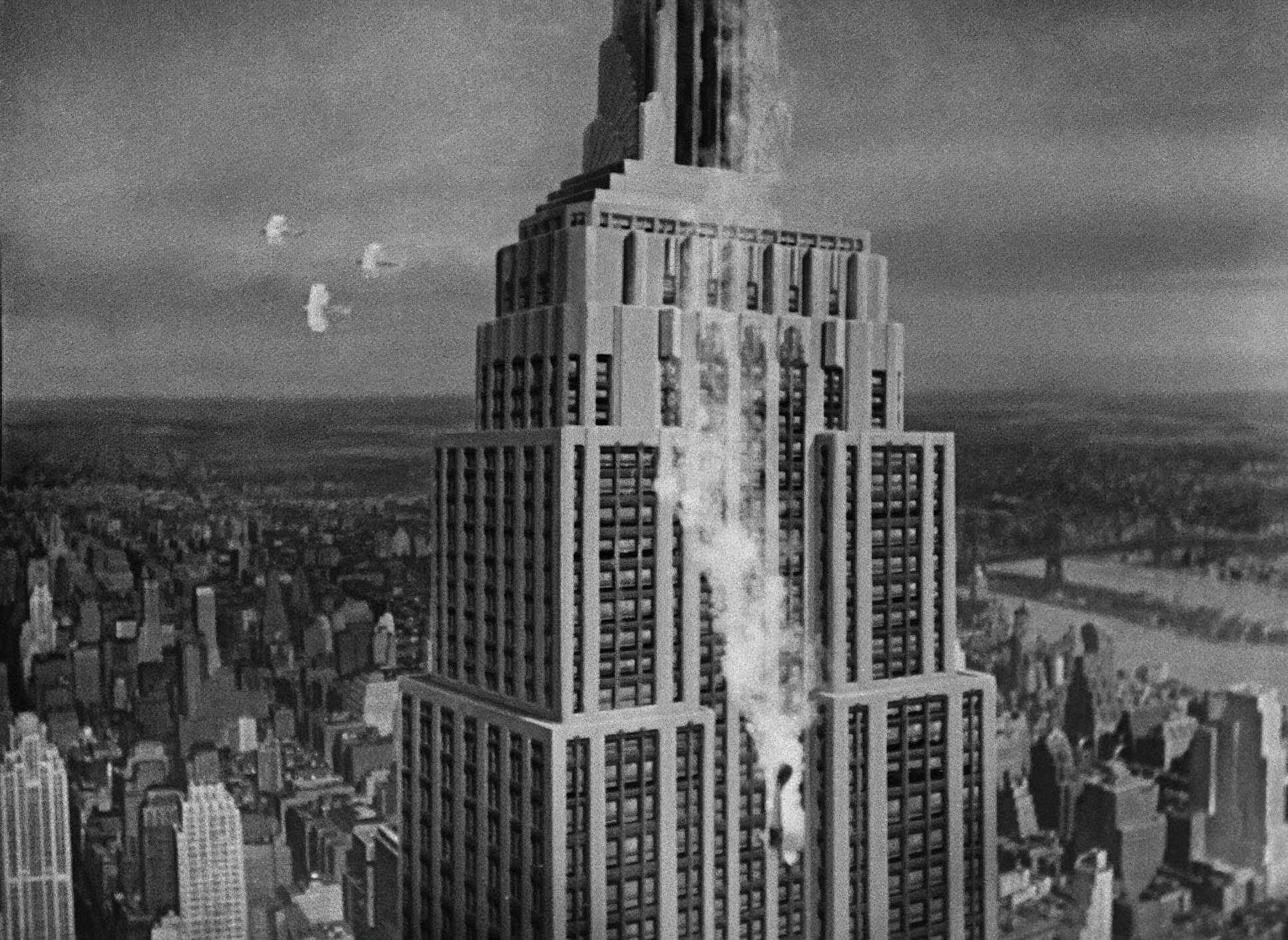
The Empire State Building shot is the gold standard: the silhouette of the ape against a vast sky, with tiny biplanes circling like gnats. It communicates isolation and defiance without a single line of dialogue. They also used forced perspective and depth cues (overlapping miniatures and matte paintings) to make a small studio set feel like a miles-deep prehistoric world. It’s an object lesson in using the frame to tell a story of immense proportions.
Inspiration Behind the Cinematography

At its core, the inspiration was the pursuit of the impossible. Cooper’s vision of a “massive ape fighting a Komodo dragon” was the spark, but O’Brien’s test footage of dinosaurs proved it could actually be done. The visual language was designed to transport a 1930s audience to a place they literally couldn’t imagine.
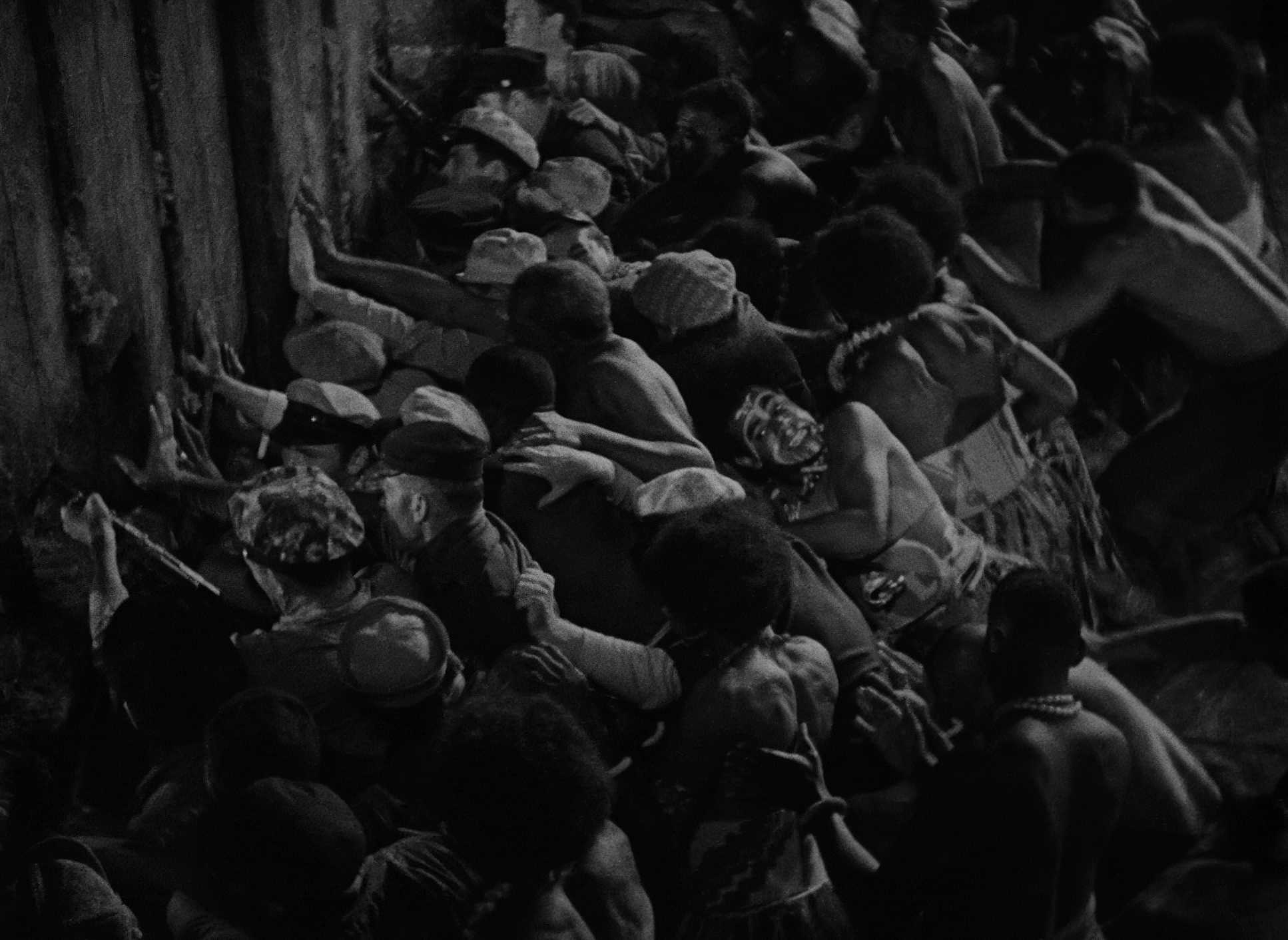
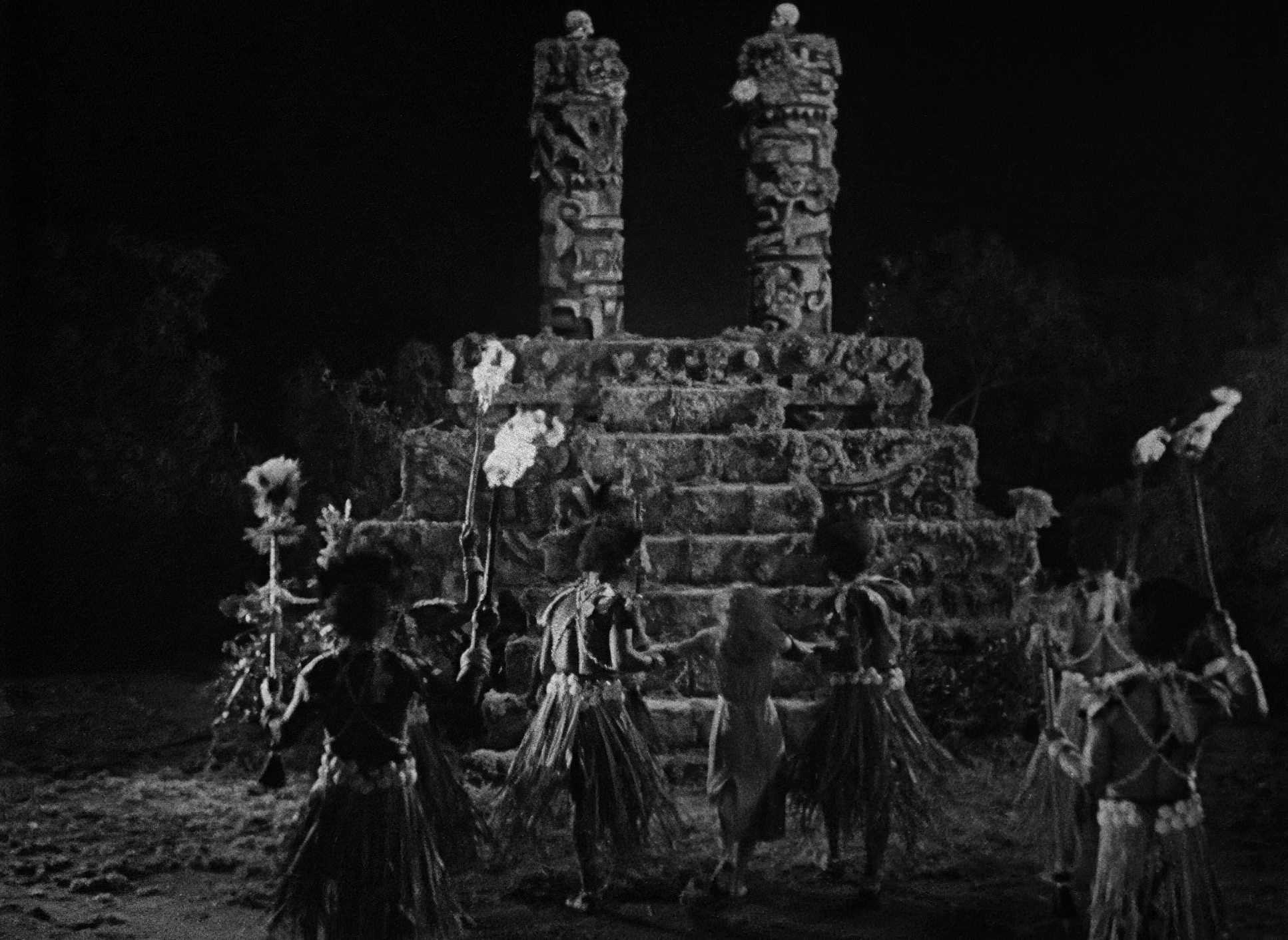
We have to address the “great white hunter” vibe that Tarantino often mentions. Whether it was the intent or just a product of the era, the cinematography frames the island and its people as “other” exotic, dangerous, and ripe for conquest. This mix of awe and cultural appropriation is baked into the visuals, creating a world that is as uncomfortable as it is wondrous.
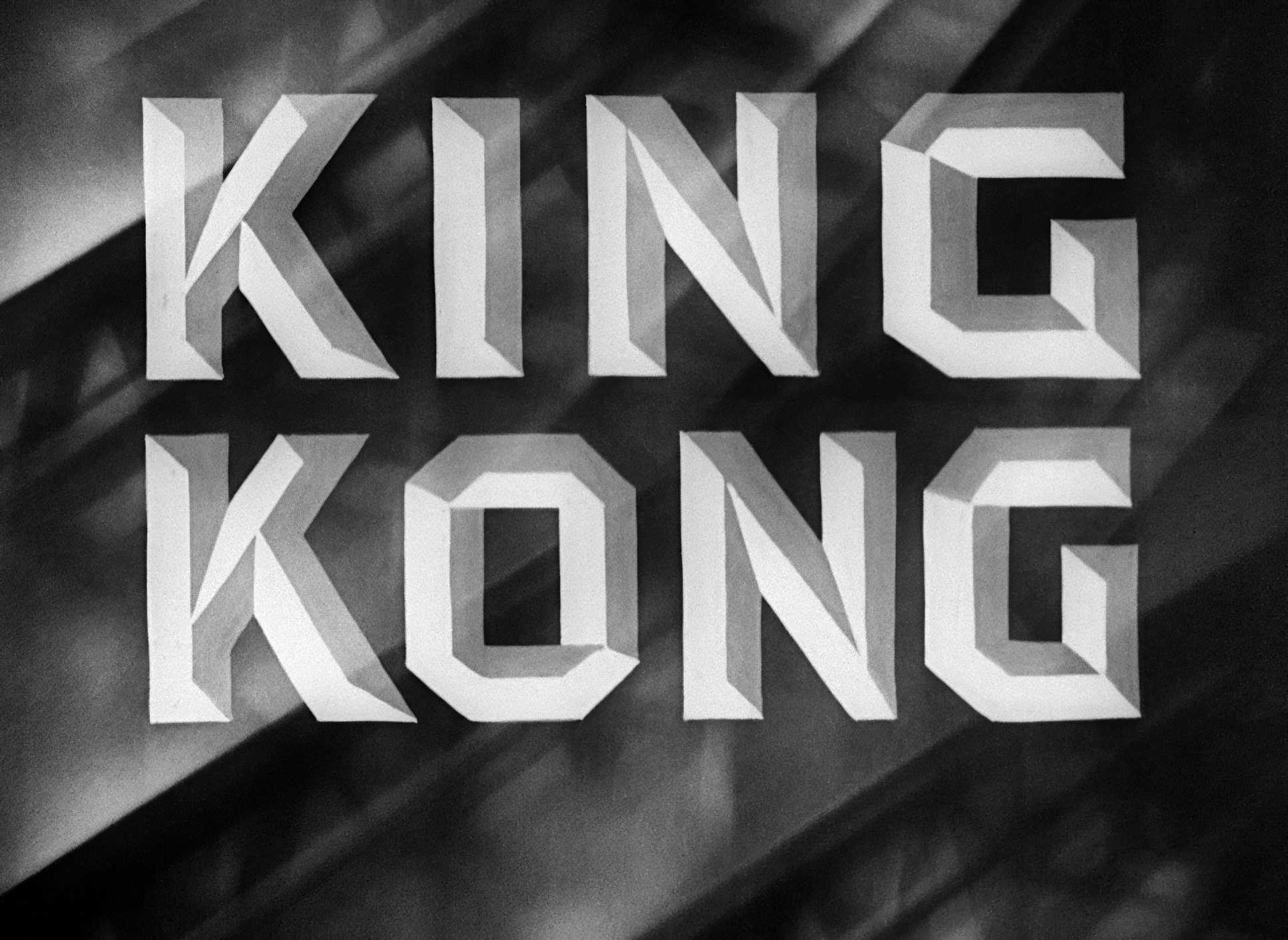
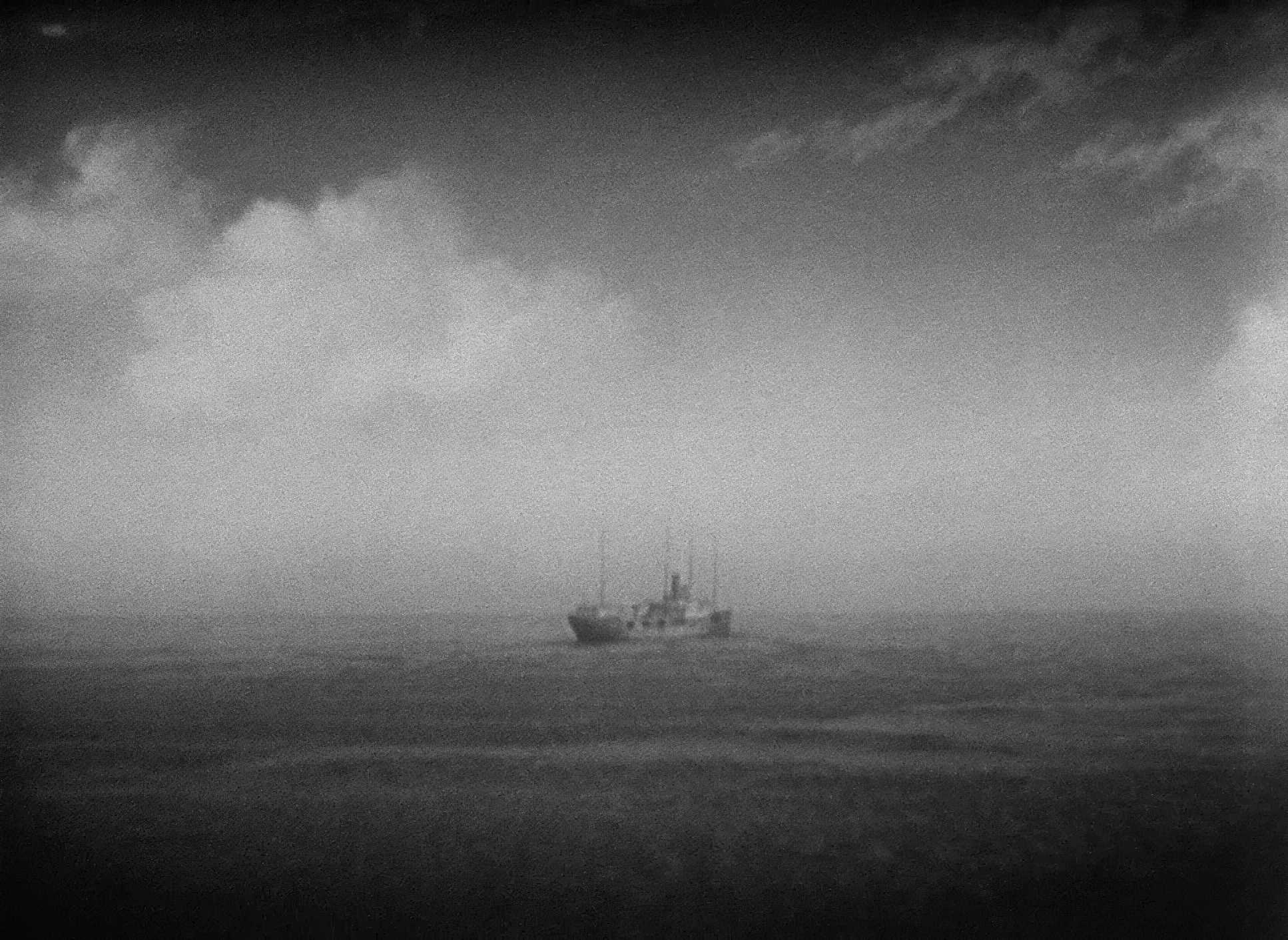
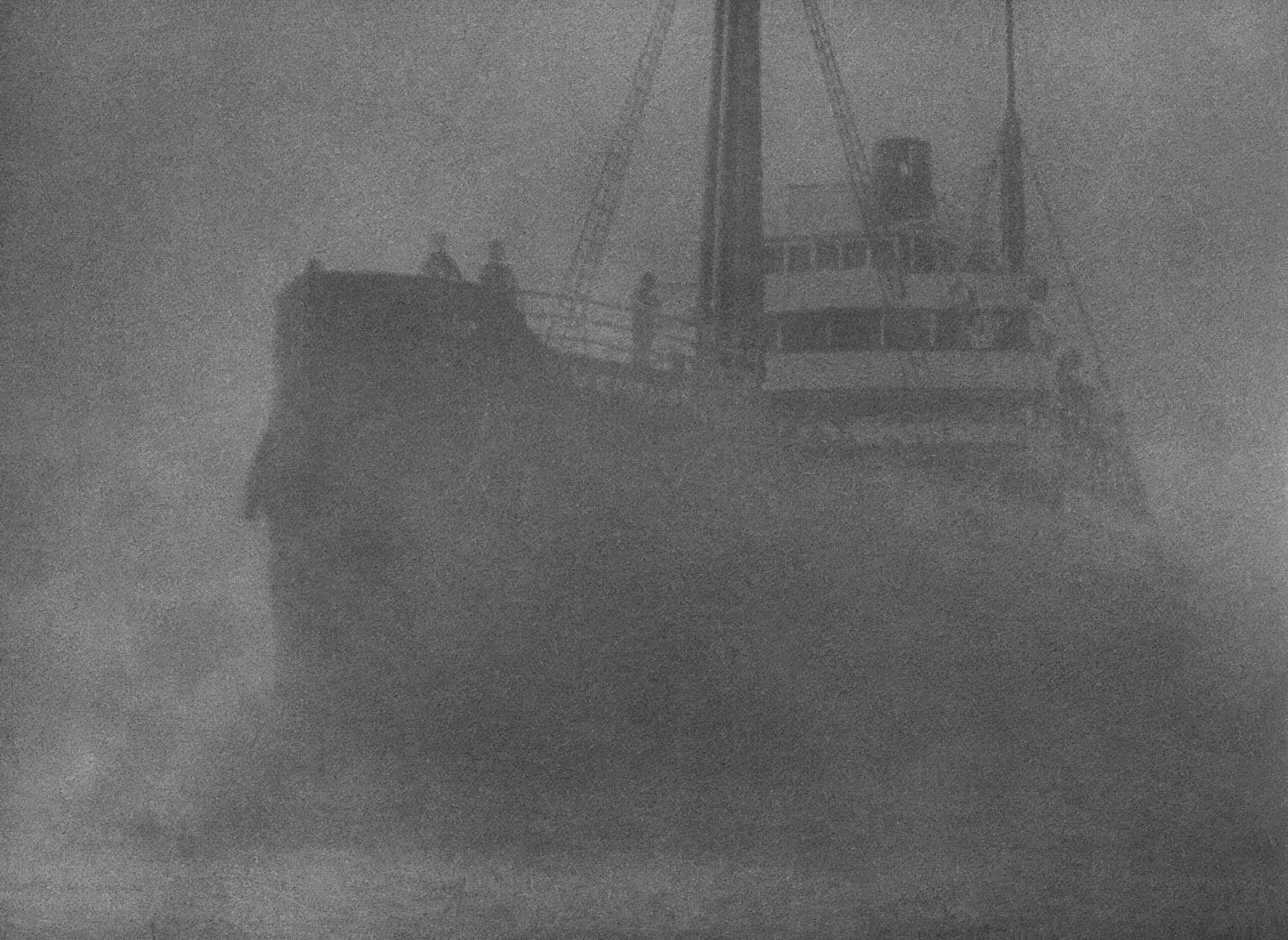
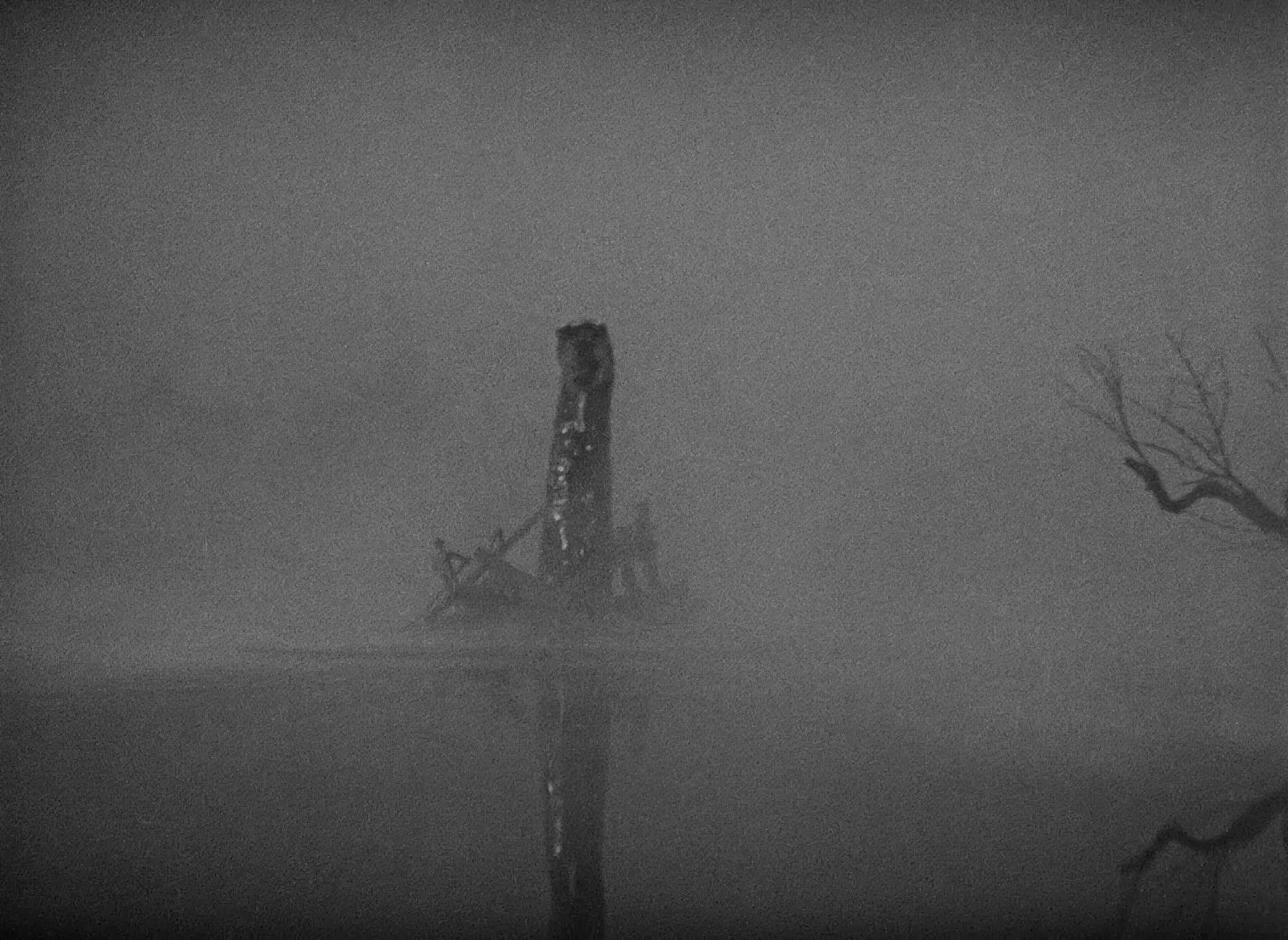
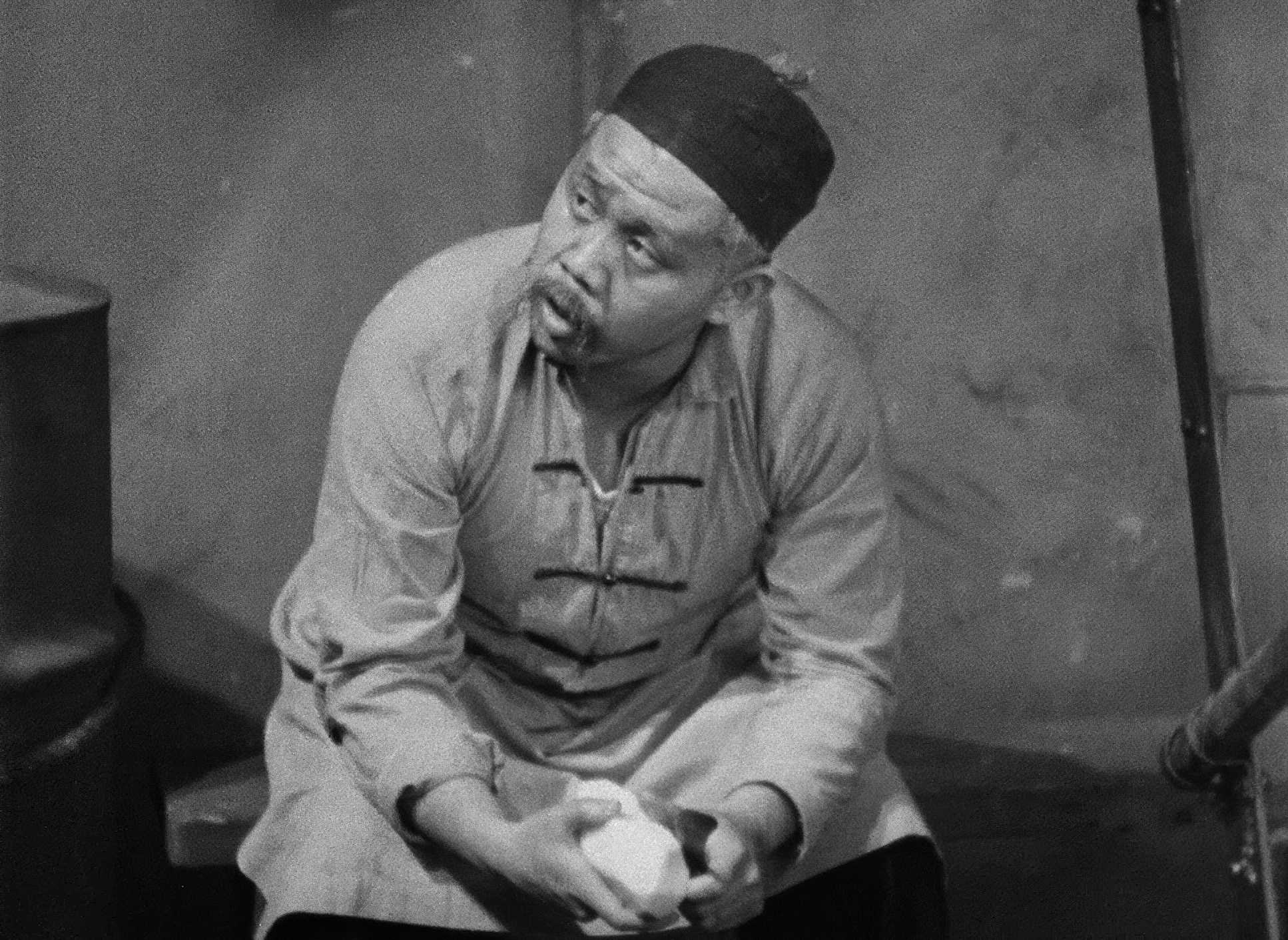
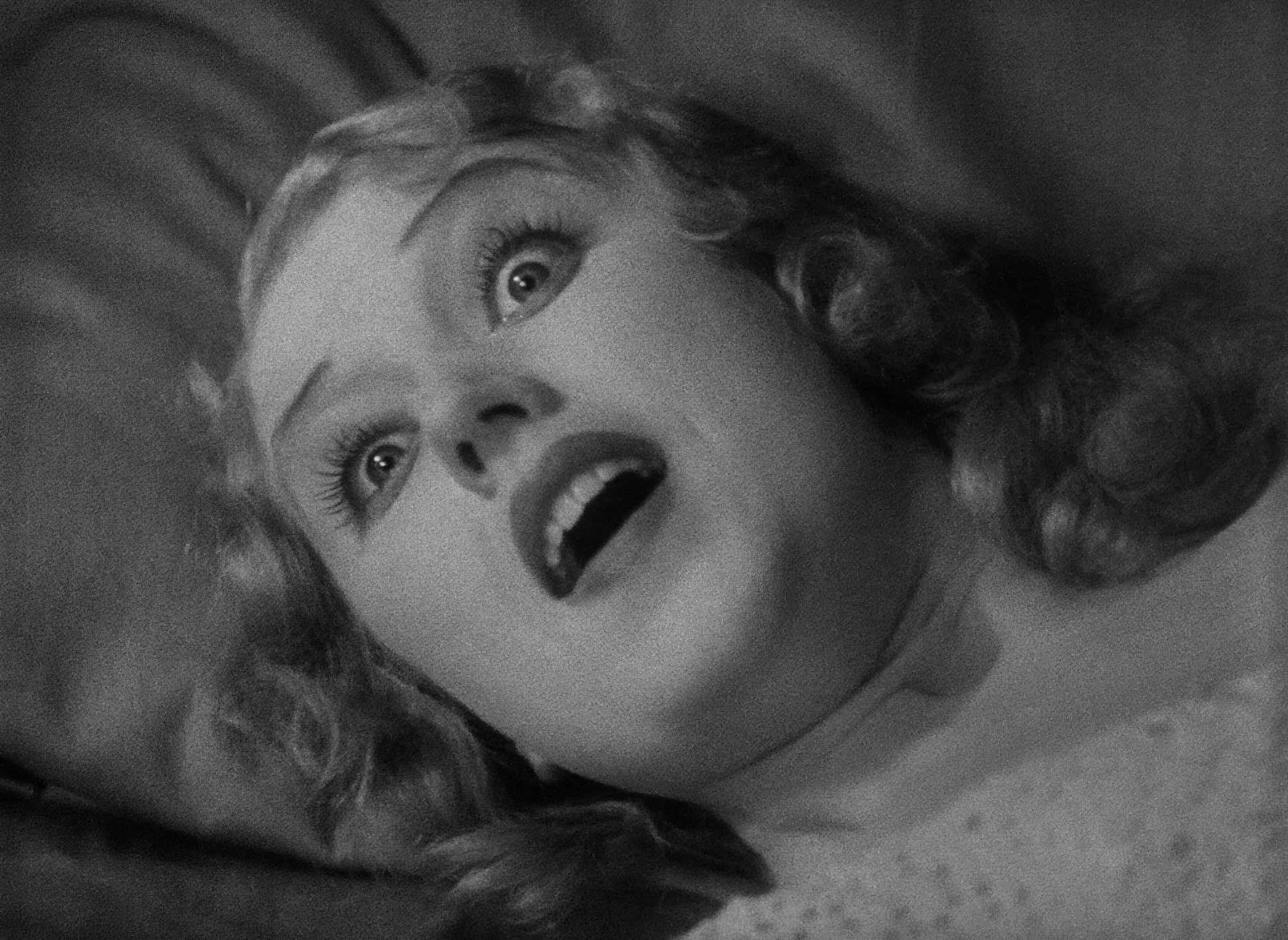
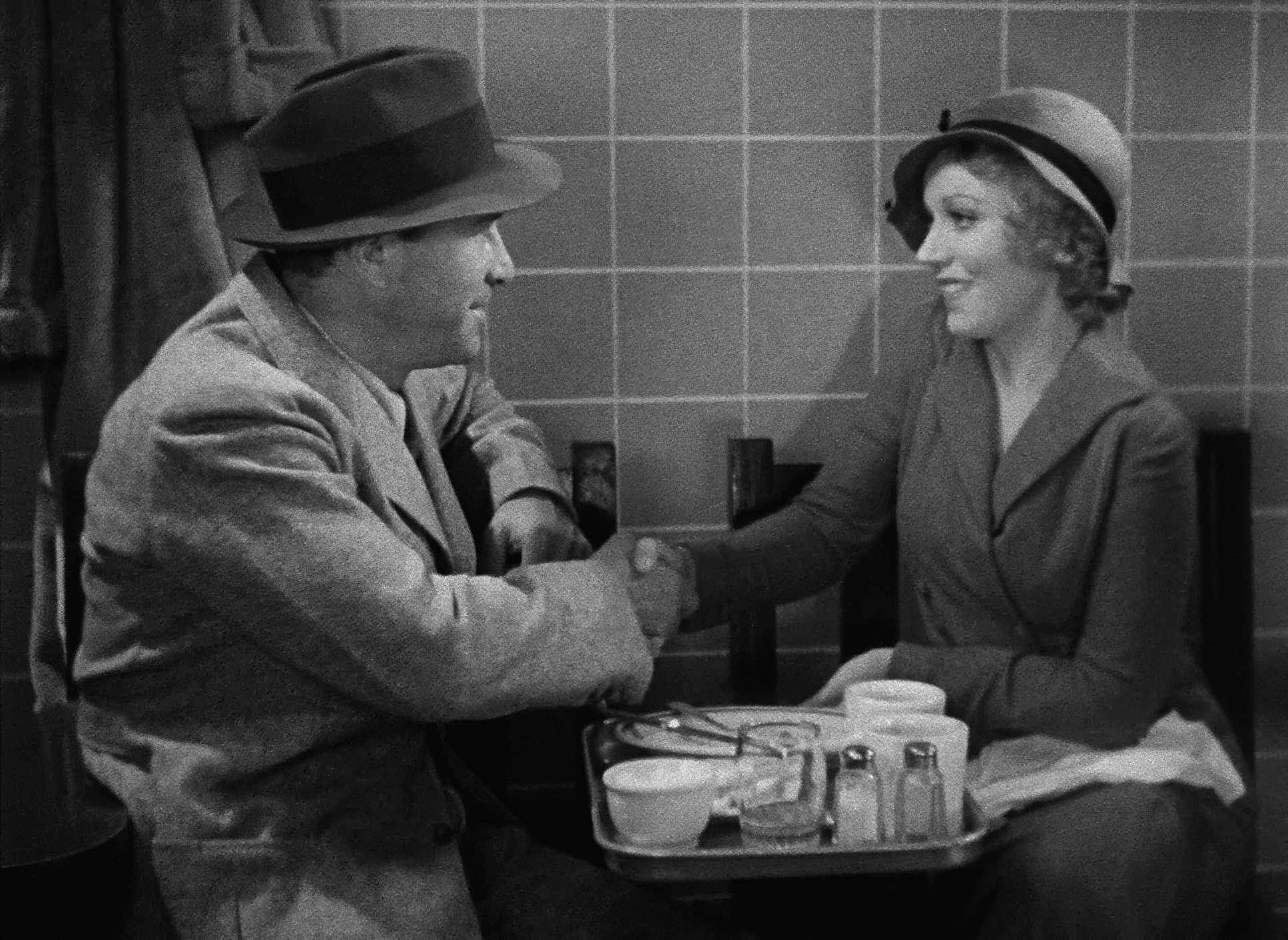
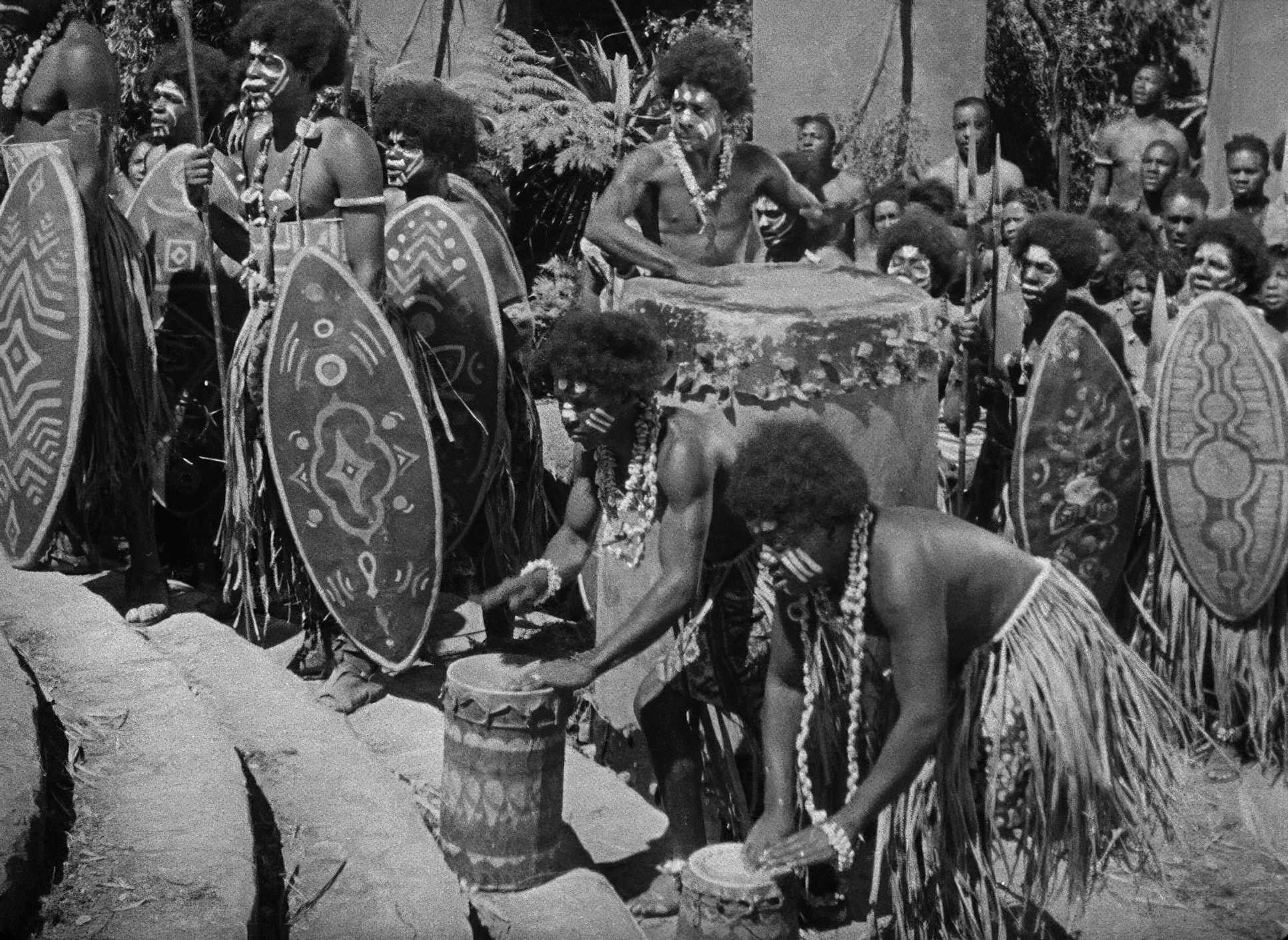
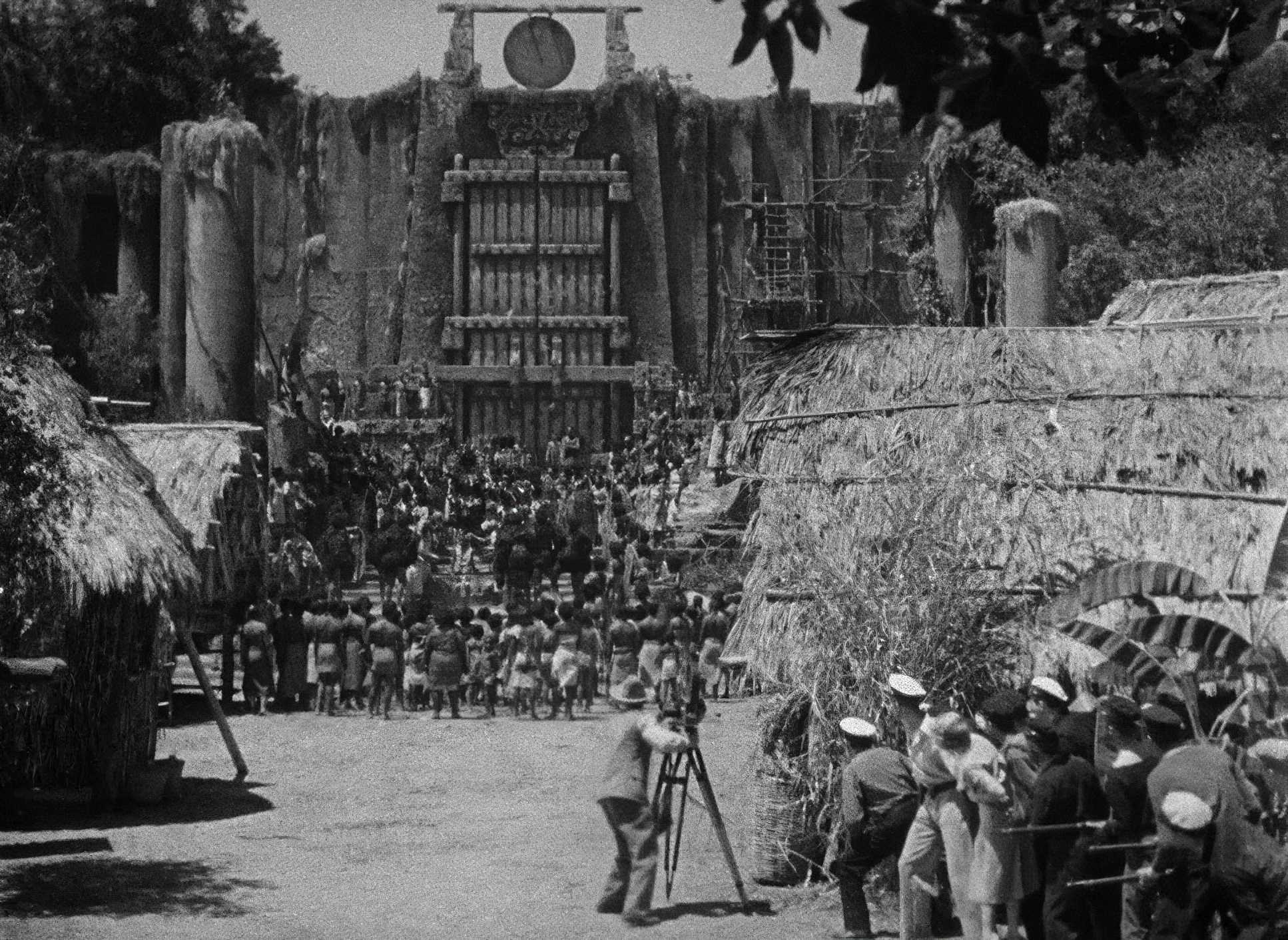
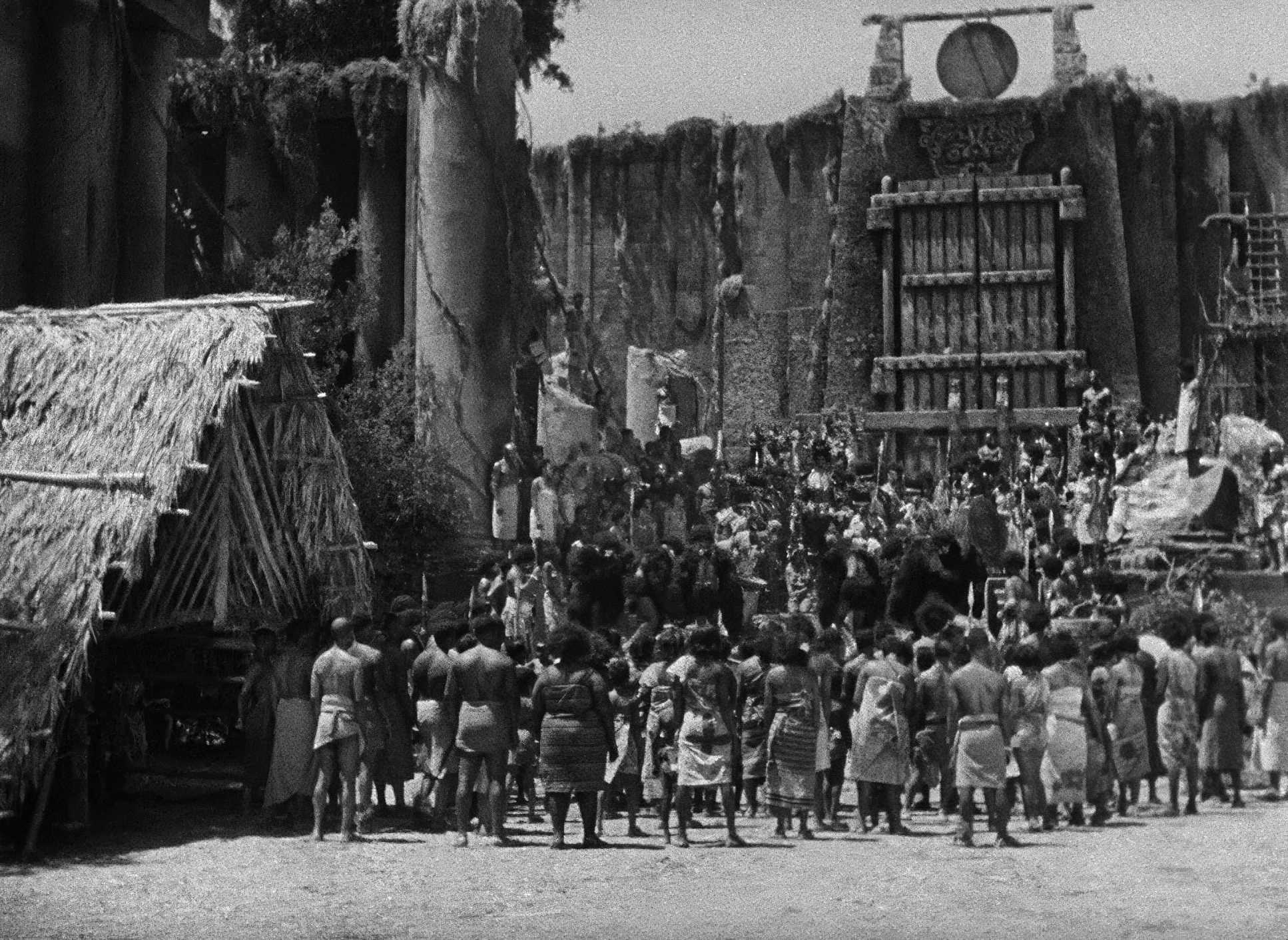
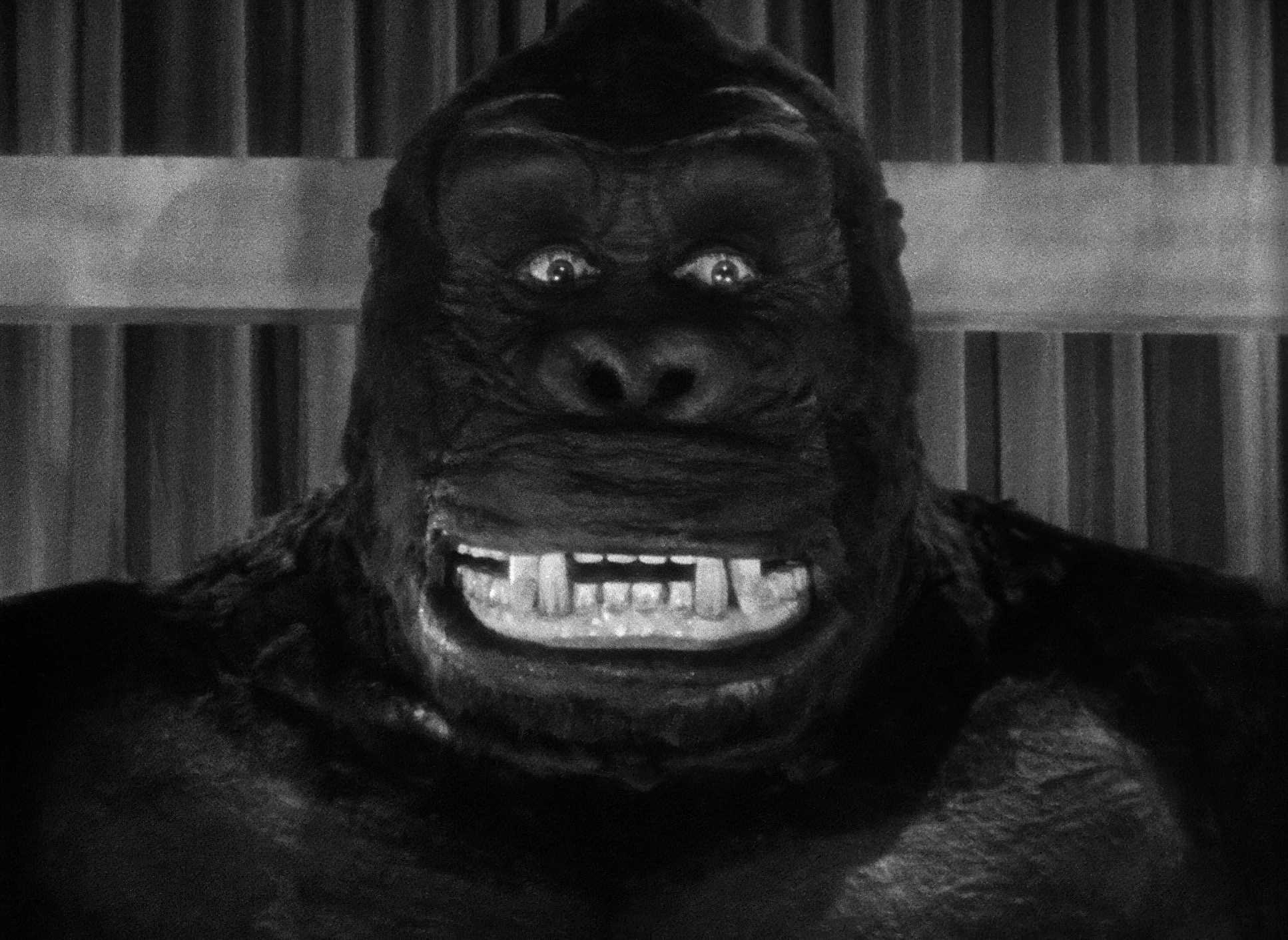
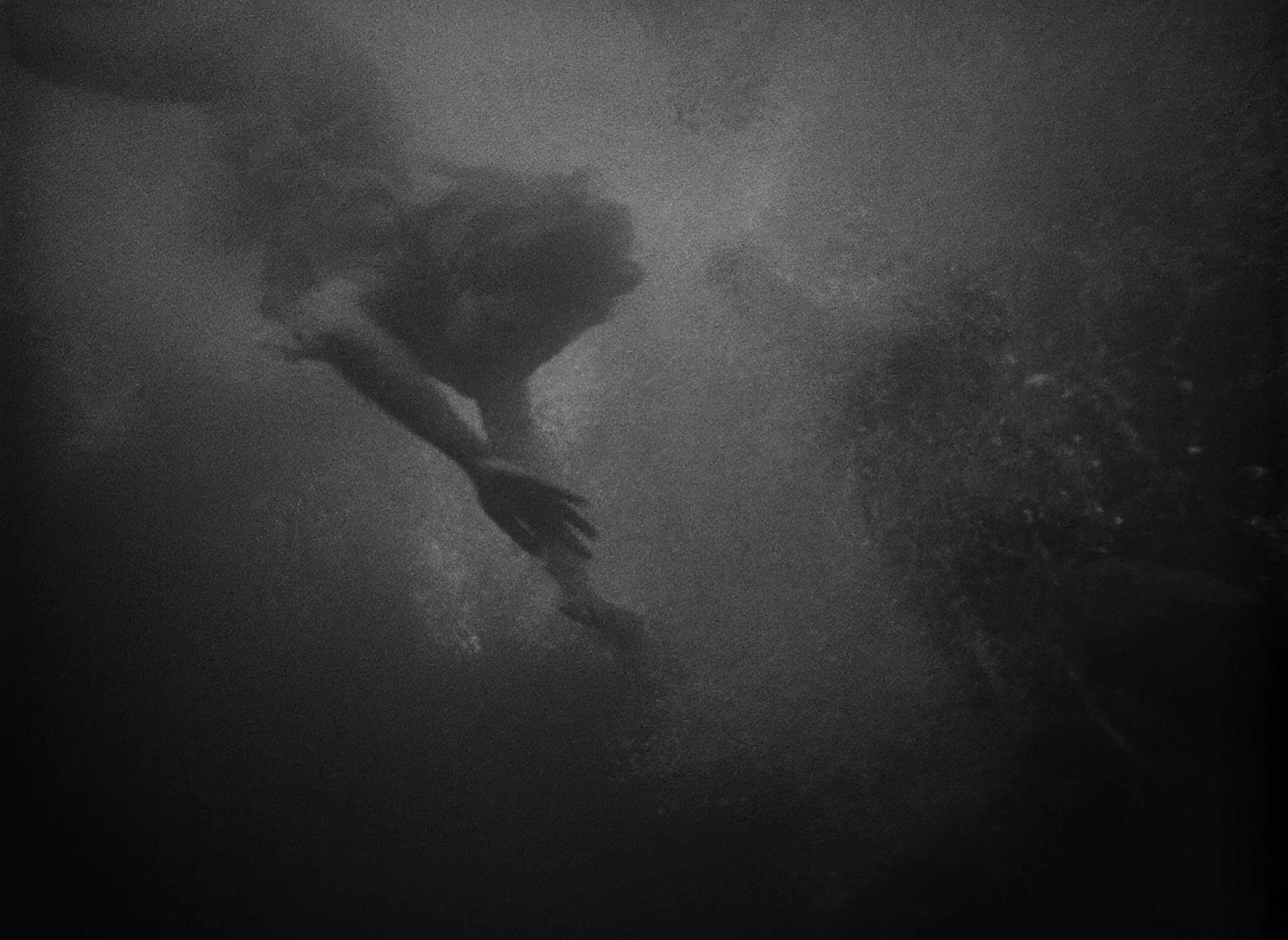
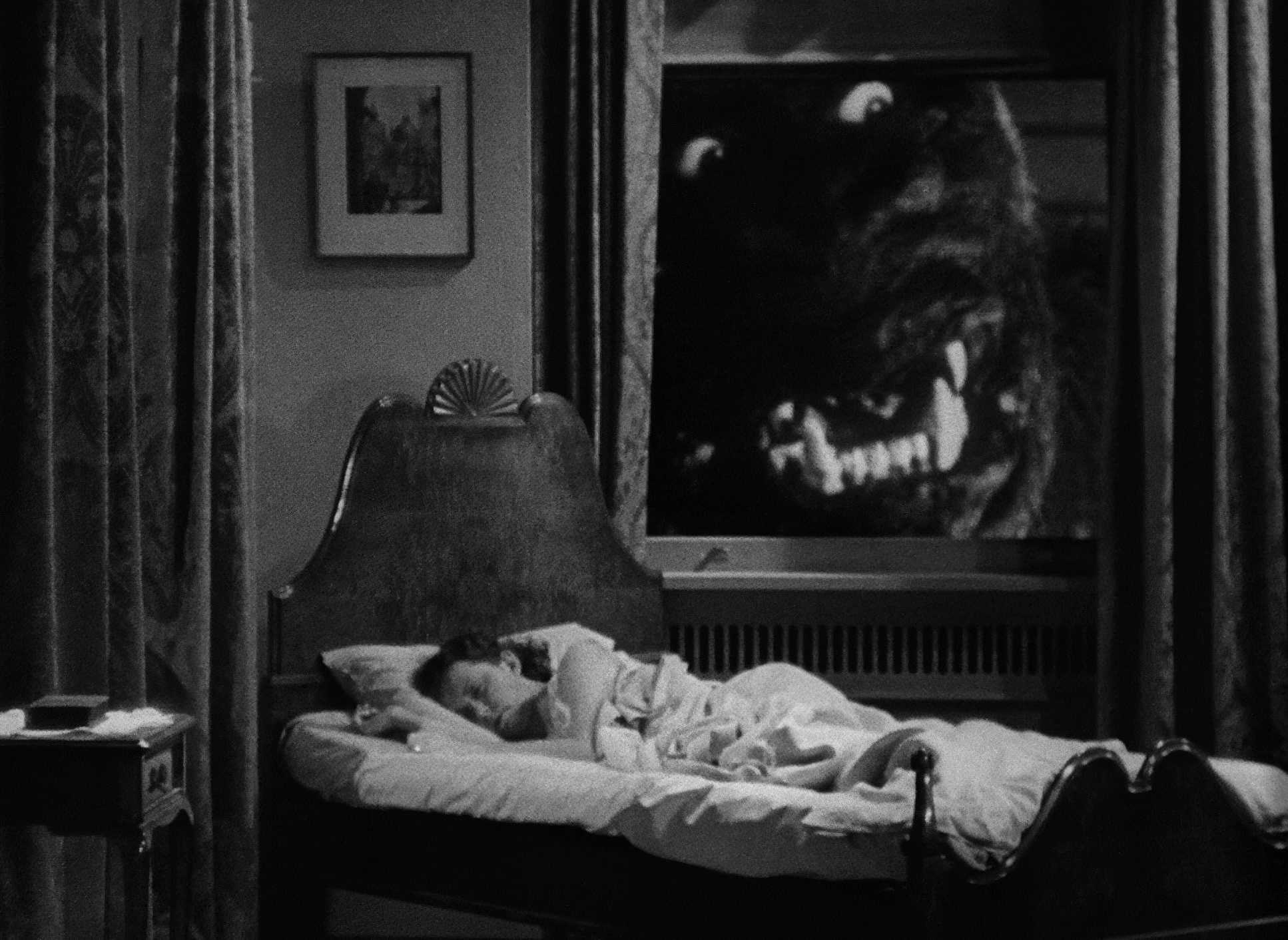
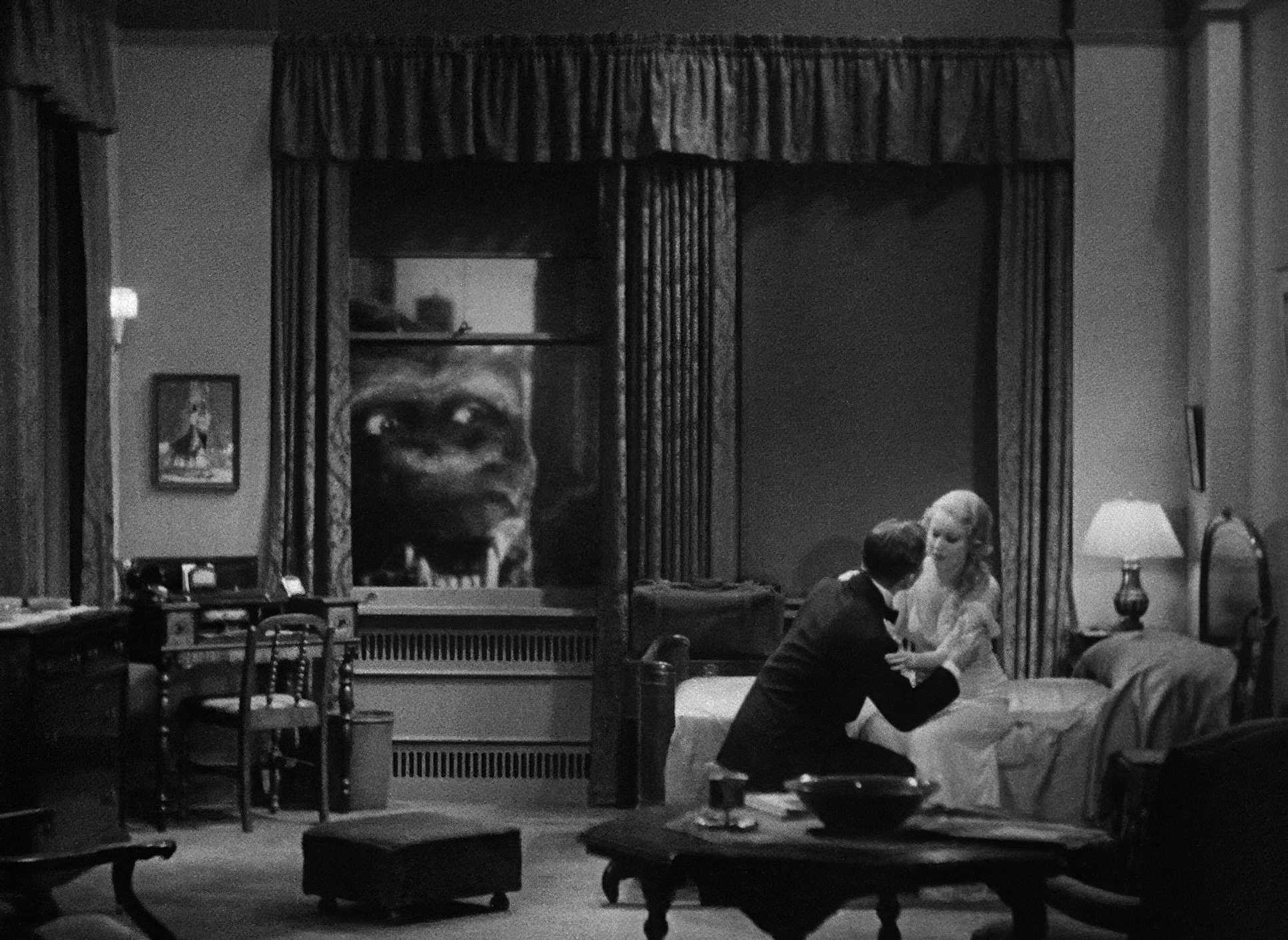
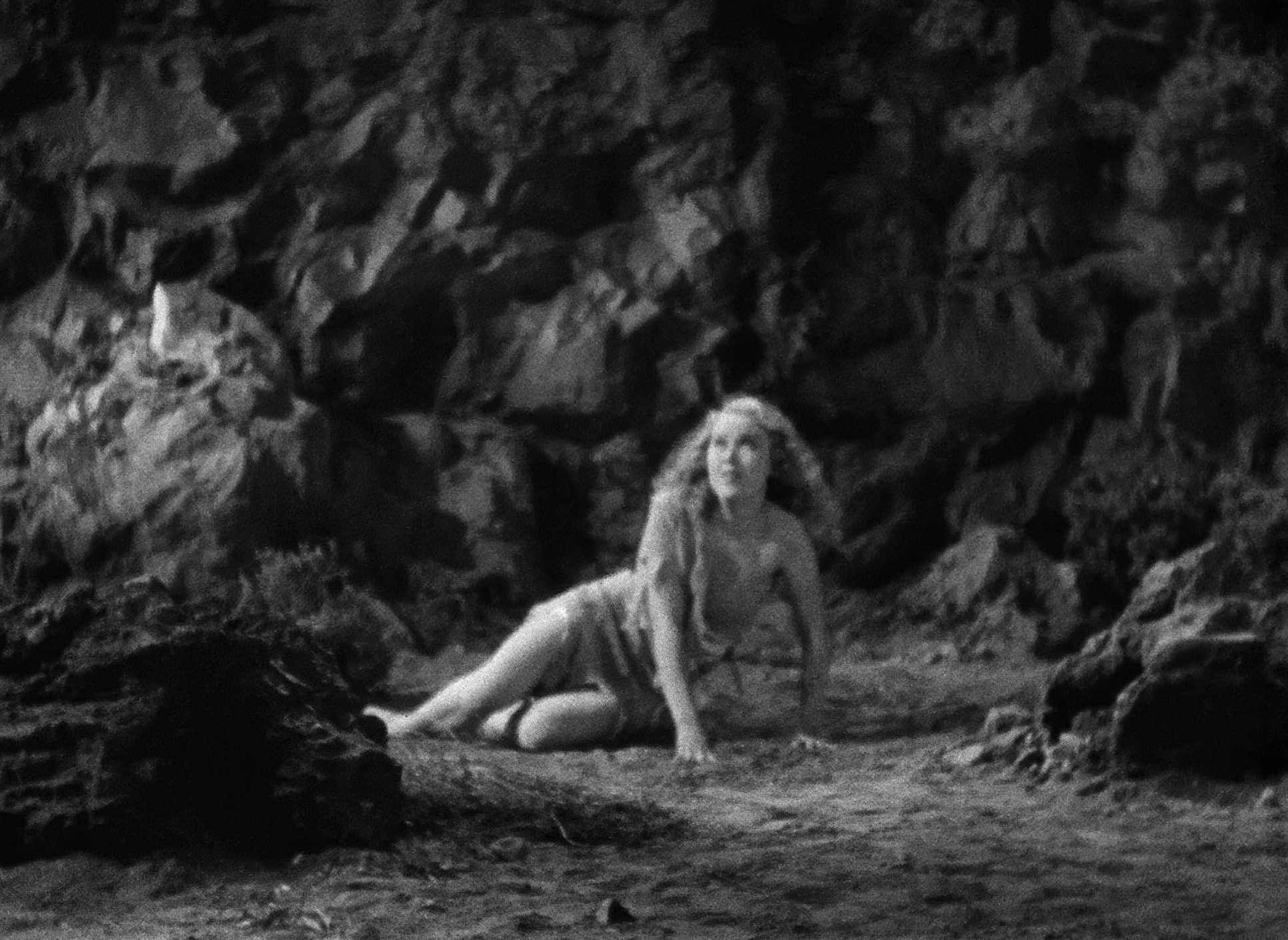
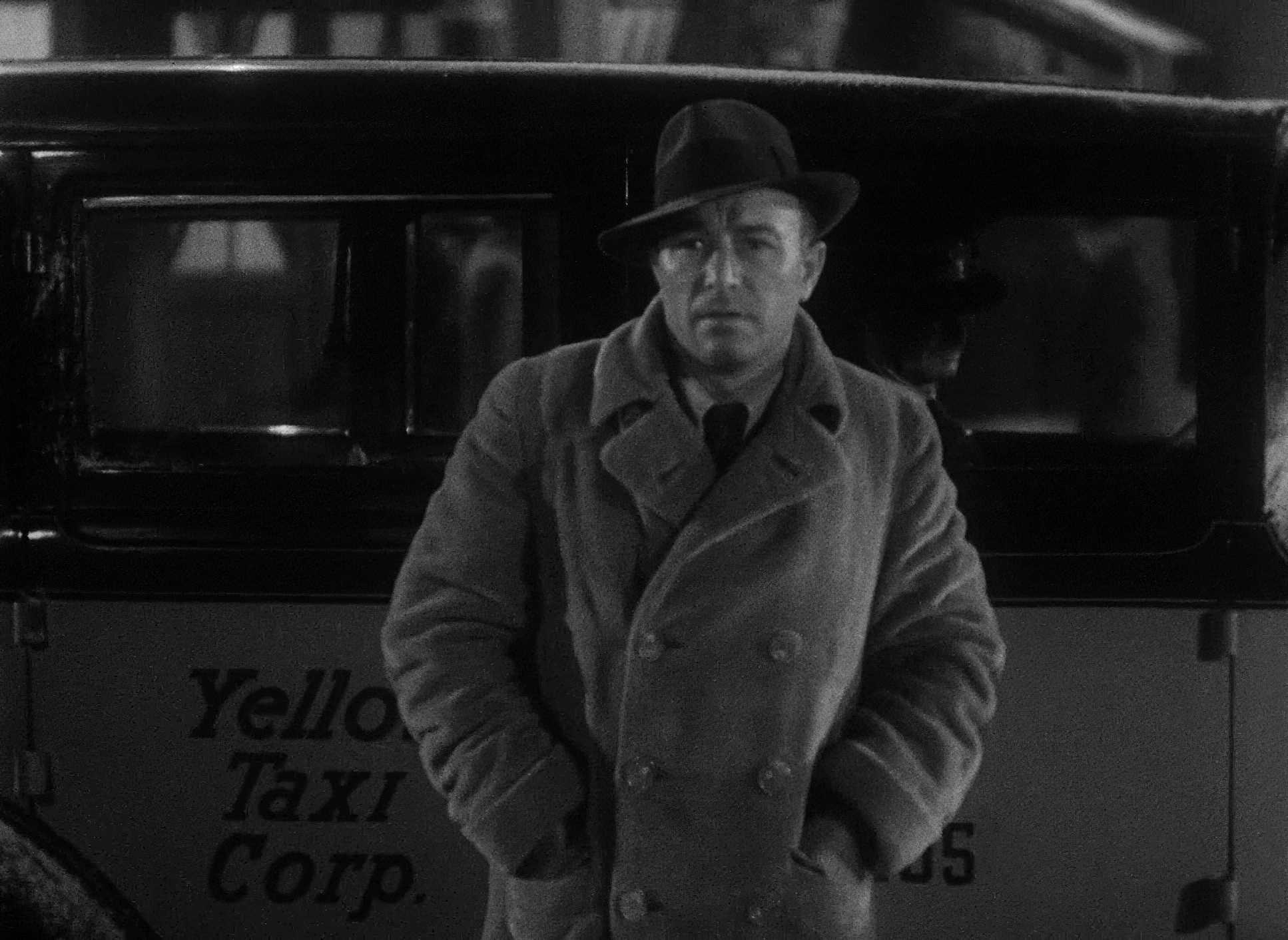
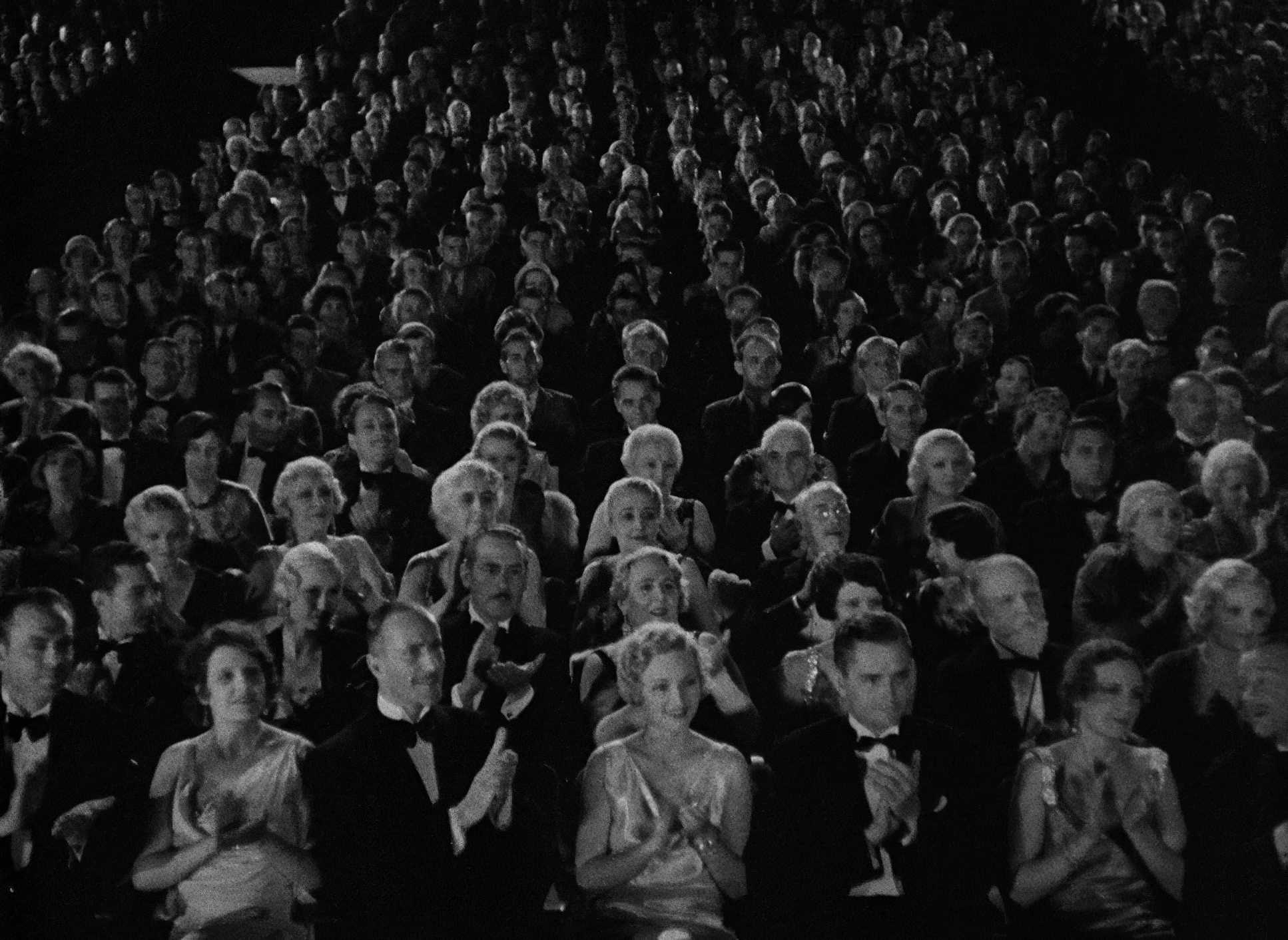
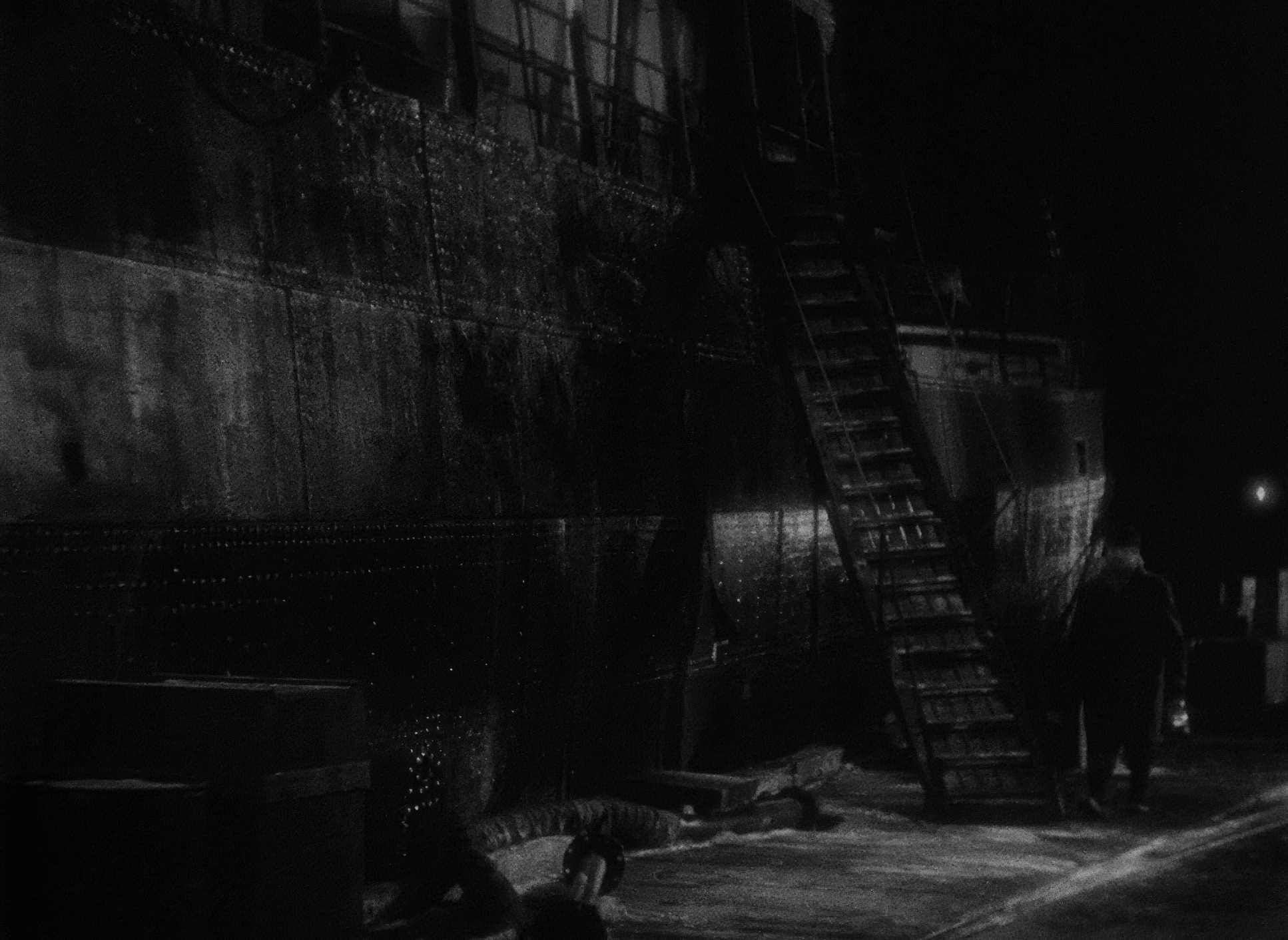
King Kong (1933) Film Stills
A curated reference archive of cinematography stills from King Kong (1933). Study the lighting, color grading, and composition.

- Also read: PERFECT DAYS (2023) – CINEMATOGRAPHY ANALYSIS
- Also read: THE CELEBRATION (1998) – CINEMATOGRAPHY ANALYSIS
Browse Our Cinematography Analysis Glossary
Explore directors, cinematographers, cameras, lenses, lighting styles, genres, and the visual techniques that shape iconic films.
Explore Glossary →