Let’s talk District 9. For a professional colorist someone who lives and breathes the visual language of cinema diving into this film isn’t just an analysis; it’s a masterclass in texture. It’s a film that understands that visual style isn’t just a pretty wrapper; it is the very fabric of the storytelling. When I first saw it back in 2009, it hit me like a ton of bricks. Here was a sci-fi film that felt utterly, brutally real, yet entirely fantastical. It managed to build a complex new world without ever feeling like an exposition dump. Instead, it was a visceral ride, driven largely by an incredibly shrewd, texture-heavy cinematographic approach.
About the Cinematographer
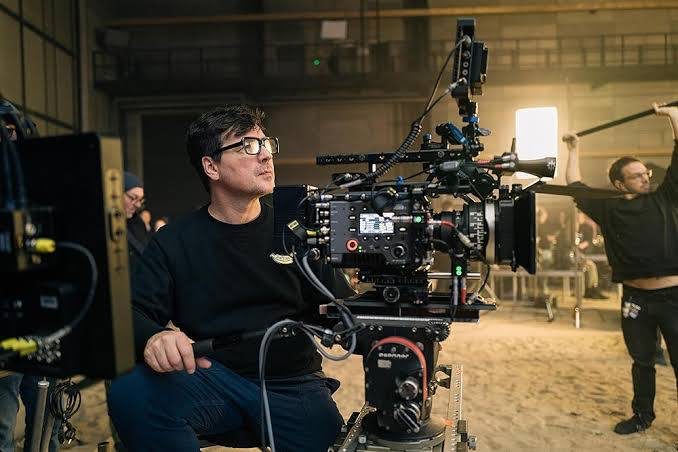
The lens behind District 9 was wielded by Trent Opaloch, a name now synonymous with grounded, kinetic realism you see his evolution in his later work with the Russo Brothers on the Marvel films. But District 9 is the foundational text for his style. His work here avoids overt beauty or highly stylized “hero shots” in the traditional sense. He isn’t chasing picturesque frames; he is chasing authenticity. As a colorist, I appreciate how DPs like Trent don’t just “capture” images; they intuitively understand how those images need to survive the post-production pipeline. He gave the post team a robust, rugged foundation that could be pushed and pulled in the grade to achieve that gritty, heat-soaked final look without falling apart.
Inspiration Behind the Cinematography
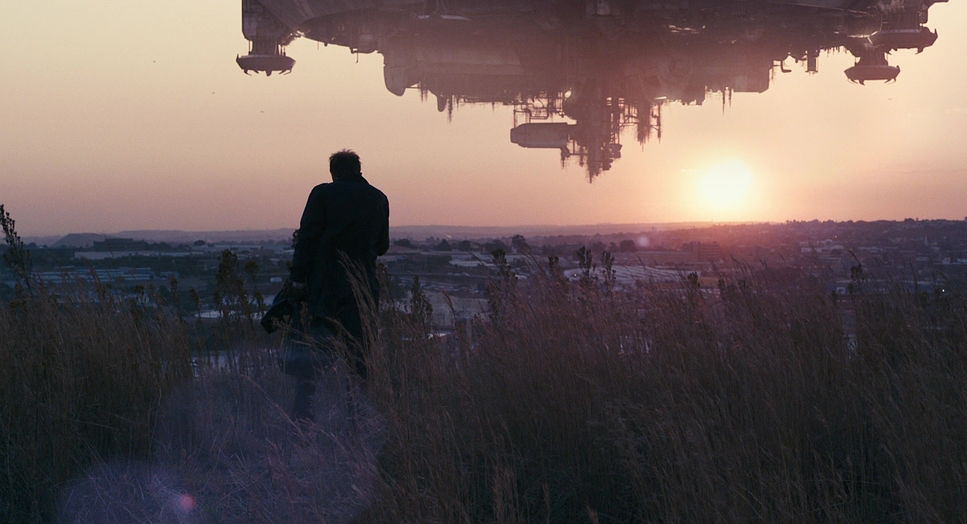
The most striking aspect of District 9‘s visual identity is its commitment to a quasi-documentary, found-footage aesthetic. We’ve seen the “shaky cam” trope beaten to death in lesser films, but here, it’s not a gimmick it’s the narrative engine. It borrows the language of cinema verité and war journalism to sell a high-concept sci-fi premise.
Neill Blomkamp and Trent Opaloch weren’t just throwing handheld cameras around; they were crafting a sense of immediate, unmediated observation. This was their “cheat” for worldbuilding: by presenting the alien situation through the lens of news crews, surveillance footage, and corporate interviews, they bypassed the need for clunky explanations. We learn about the alien biology and the squalor of the camps through observation. This decision grounds the extraordinary elements the Prawns, the Mothership, the bio-tech in a familiar, mundane reality. It allows the audience to accept the CGI elements because the camera treats them with the same casual indifference as it treats the garbage piles in the slums.
Camera Movements
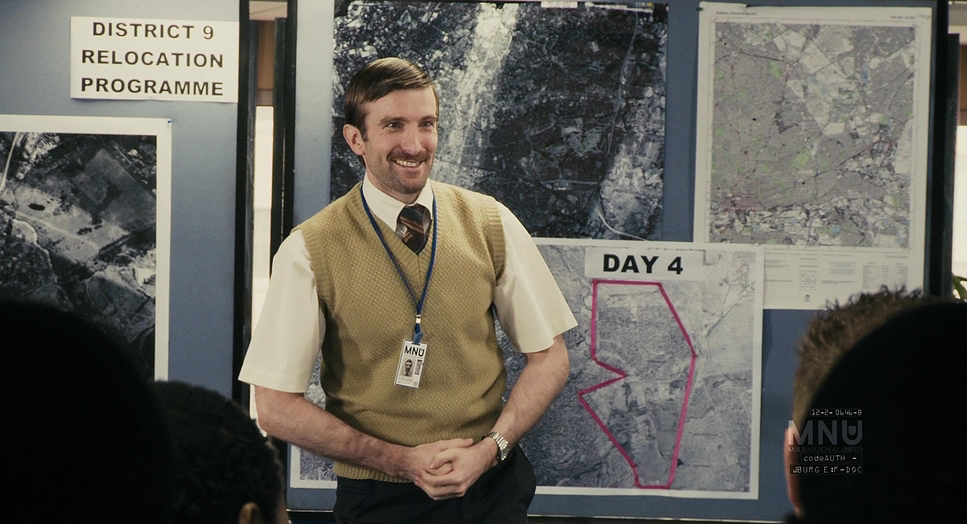
The camera movement in District 9 is predominantly handheld, but there is a nuance here that separates it from the “nauseating” shaky-cam of the mid-2000s. It feels reactive. The operator isn’t anticipating the action; they are struggling to keep up with it, much like a seasoned war photographer.
Think about the early eviction scenes: the camera jostles, pans quickly, and zooms abruptly as Wikus navigates the chaotic shantytown. This kinetic energy serves a dual purpose. First, it enhances the documentary verisimilitude the slight focus hunts and the unpolished pans tell our brains we’re watching raw footage. Second, it immerses us. We aren’t observing the conflict from a safe distance; we are suffocating in the crowd. Even when the film transitions away from the strict mockumentary format in the third act, that instinctive handheld quality persists. The camera breathes with the characters, maintaining that grounded feel even when the screen is filled with mech suits and missile barrages.
Compositional Choices
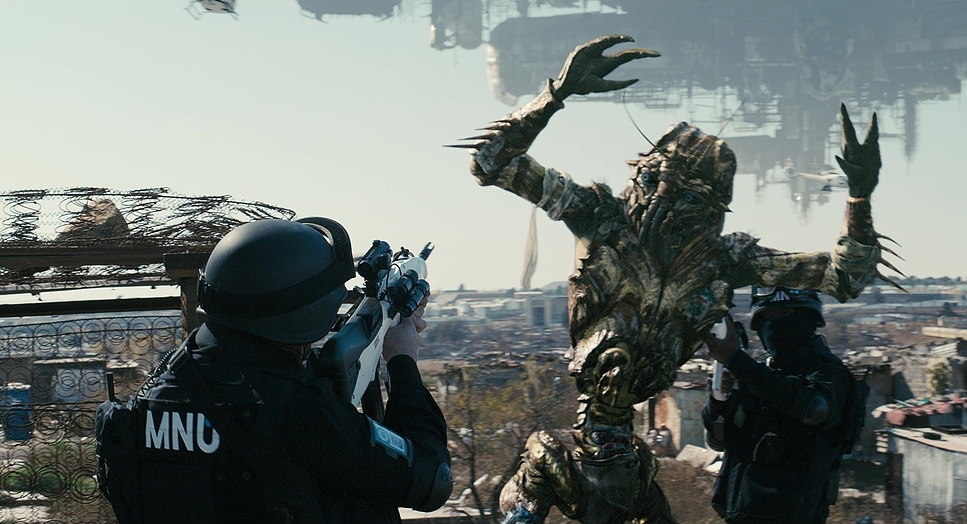
In terms of composition, District 9 leans into a calculated imperfection. The frames often feel spontaneous, capturing a moment rather than staging it. We see characters partially obscured or off-center, reflecting the uncontrolled environment. But this “messiness” is deceptive.
On closer inspection, the composition is incredibly deliberate. Take the establishing shots: wide angles emphasizing the sprawling, ramshackle nature of the slum with the vast, dormant Mothership hovering silently above. The composition uses the heat haze and the density of the shacks to create a tangible sense of oppression. The filmmakers also use framing to normalize the bizarre; we often see alien weaponry or “Prawns” in the background of a shot, out of focus, while the camera focuses on something mundane like cat food. It’s a genius move disguising purposeful composition as raw, observational footage to reinforce the idea that in this world, aliens are just another part of the daily grind.
Lighting Style
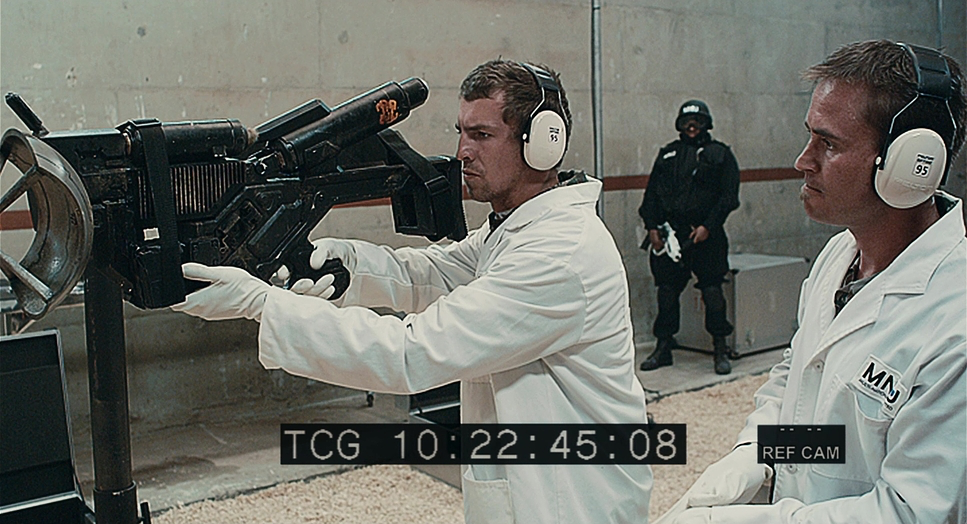
The lighting in District 9 is ruthlessly naturalistic, mimicking the harsh, unforgiving light of the midday South African sun. This isn’t a film about flattering rim lights or Hollywood “moonlight.” It embraces high contrast and hard, directional sources. The exterior look is often bleached and stark, creating deep shadows and blown-out highlights that feel consistent with the setting.
Interior scenes, especially within the shacks, utilize practical sources bare bulbs and weak fluorescents which anchor the film in gritty realism. As a colorist, I see this as a bold choice. Naturalistic lighting often creates challenges in the grade, but here, it provides a canvas for tonal sculpting. The harsh lighting helps integrate the VFX; digital characters often look fake because they are lit too perfectly. By lighting the scenes with “bad” natural light, the CGI Prawns integrate seamlessly because they suffer from the same harsh highlights and crushed shadows as the human actors.
Lensing and Blocking
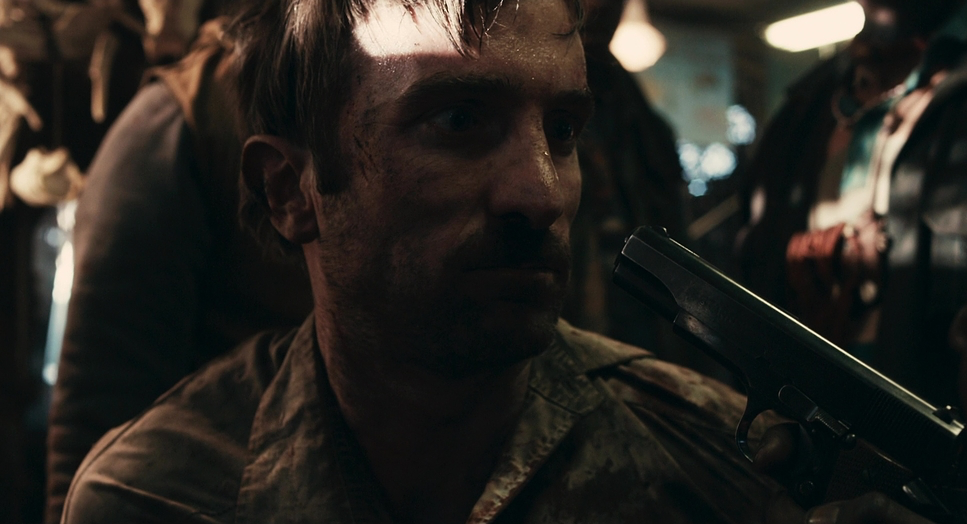
Opaloch’s choice of glass was crucial here. The production utilized Cooke S4/i primes and Angenieux Optimo Zooms. The use of zooms is particularly effective; the “snap zoom” is a hallmark of news gathering, used to re-frame on the fly. It contributes to that feeling of spontaneity it’s not about a perfect locked-off frame, but about catching the “truth” of the moment before it passes.
The blocking follows suit. It feels organic and unchoreographed. Characters jostle for space in cramped environments, and Wikus is often physically overwhelmed by the crowds. As the film progresses into action sequences, the blocking remains chaotic. Even in the explosive mech suit battle, the camera and characters interact with the environment in a way that feels reactive. The choice to mix high-end cinema glass (Cookes) with a run-and-gun zoom style bridges the gap between cinematic storytelling and documentary texture.
Color Grading Approach
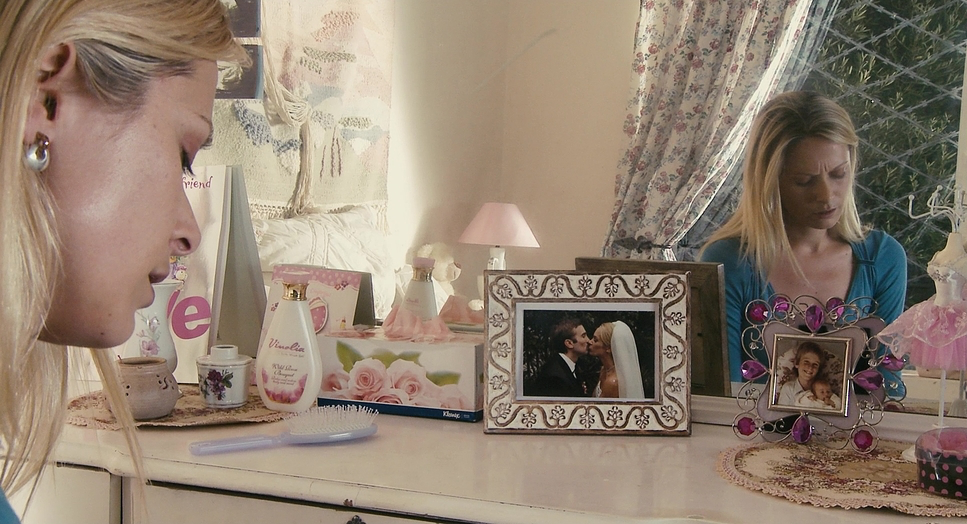
From a grading perspective, District 9 is a study in Bleach Bypass emulation. The palette leans heavily into a desaturated realism, stripping away the vibrant, idealized tones of a typical blockbuster to convey the poverty and grim reality of the district.
There is a distinct hue separation at play: the rusty oranges and browns of the slum’s corrugated iron versus the sickly, synthetic greens of the alien technology. But the defining characteristic is the contrast curve. The grade pushes for a harder, grittier look, crushing the blacks in the interiors while letting the highlights roll off naturally in the exteriors. This is where the choice of shooting format matters (which I’ll touch on next). The grade creates a “thick” image it feels like celluloid that has been left in the sun too long. It underscores the theme of “extraordinary surface but familiar inside,” allowing the audience to emotionally connect with the story through its visual harshness. It screams “real-world problems,” preventing the sci-fi elements from feeling sterile or clean.
Technical Aspects & Tools
District 9 — Technical Specs
| Genre | Action, Cyberpunk, Dystopian, Hard Sci-Fi, Horror, Lo-Fi Sci-Fi, Mockumentary, Psychological, Science Fiction, Thriller, Satire, Comedy, Political, Romance |
|---|---|
| Director | Neill Blomkamp |
| Cinematographer | Trent Opaloch |
| Production Designer | Philip Ivey |
| Costume Designer | Diana Cilliers |
| Editor | Julian Clarke |
| Colorist | David Hollingsworth, Dave Pickett |
| Time Period | 2010s |
| Color | White |
| Aspect Ratio | 1.85 – Spherical |
| Format | Tape |
| Lighting | Soft light |
| Lighting Type | Daylight, Sunny, Fluorescent |
| Story Location | … South Africa > Johannesburg |
| Filming Location | … Miramar > Stone Street Studios |
| Camera | RED One / OneMX, Phantom |
| Lens | Cooke S4/ i, Angenieux Optimo Zooms |
| Film Stock / Resolution | Redcode Raw |
Technical choices in 2009 defined the look of this film. They shot on the RED One (and One MX), recording to Redcode RAW. At the time, this was a somewhat risky move for a feature of this scale, but it was essential. The digital workflow allowed for a 4K capture that could be stabilized and reframed in post to perfect the “handheld” feel without losing resolution.
Crucially, the RED sensor’s dynamic range handled the harsh daylight surprisingly well. The highlight roll-off feels organic, avoiding that “electronic clipping” that plagued early digital cinema. This technical foundation was vital for the VFX. Because the base plate was sharp, high-resolution, and naturally lit, the VFX team at Image Engine could integrate the Prawns with incredible fidelity. The “Arc Gun” effect (the one that blasts enemies like a shockwave) felt dangerous and physical precisely because it was rendered into this high-fidelity, gritty, R-rated reality. The tech wasn’t showing off; it was serving the vision of a world where high-tech weaponry is just another dirty tool in a slum.
- Also read: HARRY POTTER AND THE PRISONER OF AZKABAN (2004) – CINEMATOGRAPHY ANALYSIS
- Also read: X-MEN: DAYS OF FUTURE PAST (2014) – CINEMATOGRAPHY ANALYSIS
Browse Our Cinematography Analysis Glossary
Explore directors, cinematographers, cameras, lenses, lighting styles, genres, and the visual techniques that shape iconic films.
Explore Glossary →