CODA (2021) Child of Deaf Adults is a title that immediately anchors you. It’s the story of Ruby Rossi, the only hearing member of a deaf fishing family in Gloucester, caught between the literal “heavy lifting” of the family business and her own burgeoning voice. On a first pass, you might catch those “Disney Channel movie vibes” some critics harped on the coming-of-age structure is familiar territory. But once you peel back that top layer, you find a film with a deeply honest heart. It’s driven by raw, authentic performances and a visual approach that is intentionally understated. It’s not just about a girl who sings; it’s about a family navigating a hearing world through their daughter, and the seismic shift that occurs when she stops being their mouthpiece. It might not be the most “visually daring” film of its year, but the cinematography and color work are incredibly effective tools used to protect and support its emotional core.
About the Cinematographer
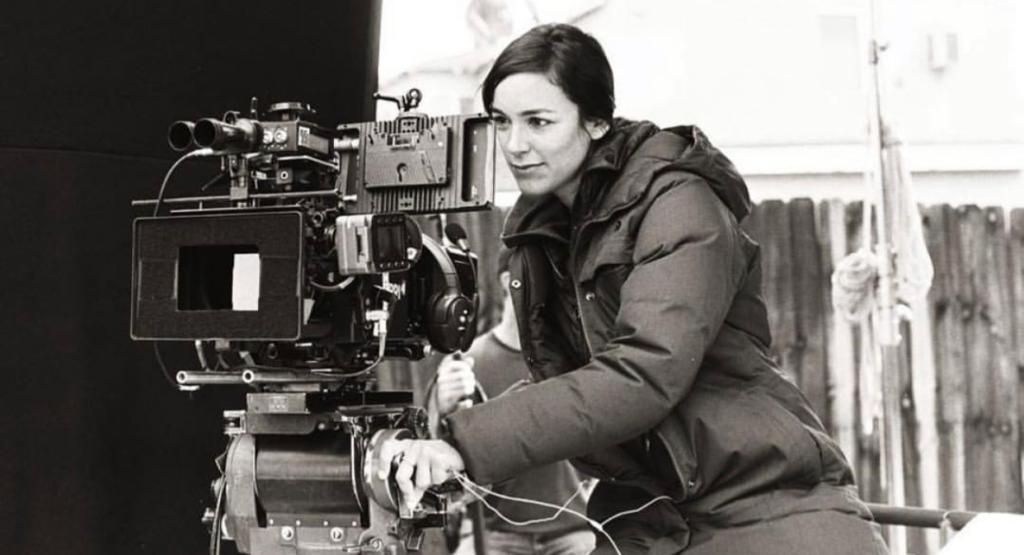
The visual world of CODA was built by Paula Huidobro. If you look at her filmography, she clearly has a thing for naturalistic aesthetics that don’t sacrifice emotional weight. She’s known for creating intimacy on screen, prioritizing character perspective over flashy, “look at me” stylistic flourishes. As a colorist, I appreciate her work because she treats the camera as an extension of the character’s internal life rather than just an impartial observer. For CODA, where the narrative hinges on non-verbal cues and facial micro-expressions, Huidobro’s sensitivity is invaluable. She wasn’t looking for the “hero shot”; she was looking for the “truth shot.” Her approach grounds the audience in Ruby’s world a space that is simultaneously vibrant, isolating, tactile, and silent.
Inspiration Behind the Cinematography
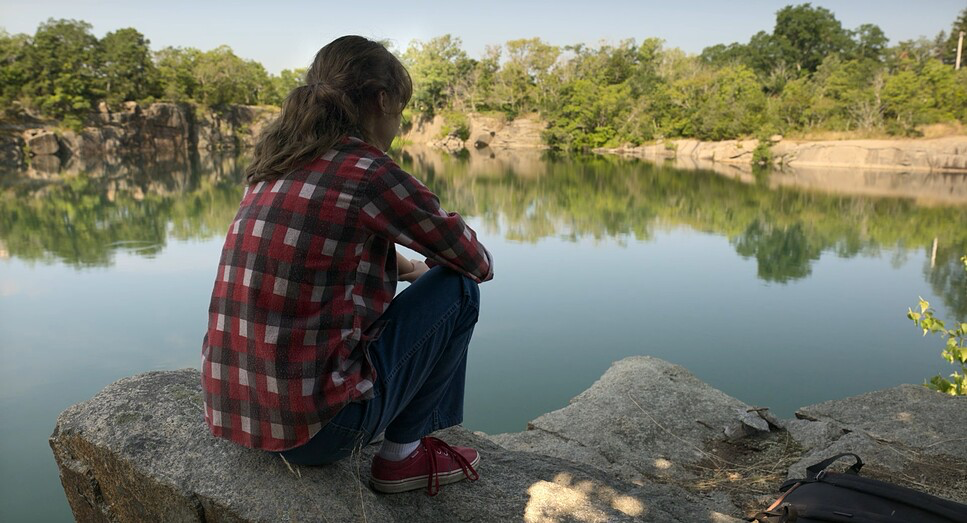
The engine behind the cinematography here was a fierce commitment to authenticity. This wasn’t just a remake of the French film La Famille Bélier; it was a reimagining that centered on deaf actors Marlee Matlin, Troy Kotsur, and Daniel Durant. That casting choice changed the entire visual DNA of the film. ASL (American Sign Language) isn’t just about hands; it’s a full-body experience involving the chest, face, and spatial relationships.
Huidobro had to find a “sweet spot” with the framing: close enough to catch the nuance of a flickering expression, but wide enough to keep the “canvas” of the sign language intact. In the grading suite and on set, you realize that if you cut too tight or too often, you’re essentially “silencing” the dialogue by breaking the flow of the signs. The choreography between the actors’ hands and Huidobro’s lens required a deliberate, patient pacing. Beyond the human element, the grit of Gloucester itself the low-hanging coastal light and the expansive, indifferent ocean acted as a visual metaphor for both Ruby’s entrapment and her family’s livelihood.
Camera Movements
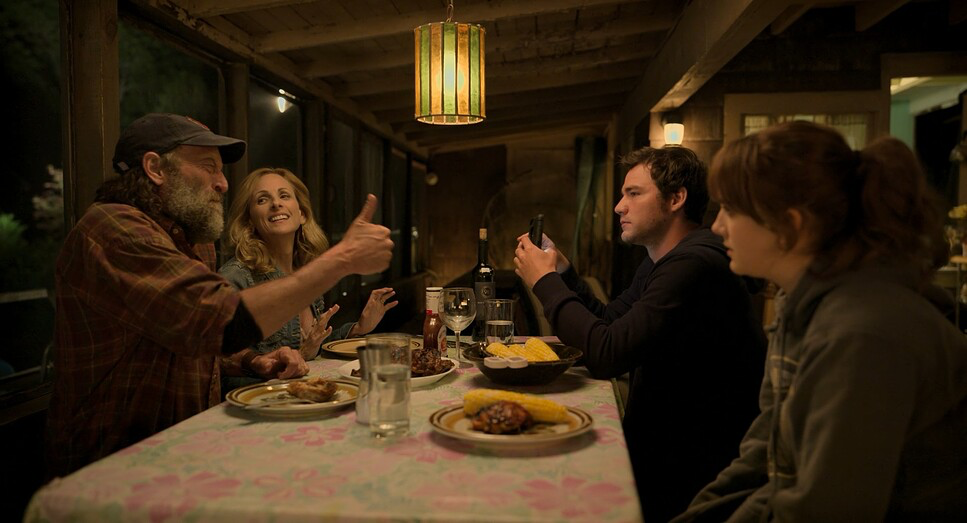
The movement in CODA is refreshingly motivated. You won’t see any gratuitous crane sweeps or “because we can” Steadicam flexes. Instead, Huidobro employs an observational style with fluid, subtle shifts. When the camera moves, it’s usually because the emotional gravity of the scene pulled it there.
On the fishing boat, the camera feels organic almost handheld swaying with the rhythm of the waves and the physical labor. It puts you in the visceral experience of Ruby’s exhaustion. In the more intimate, emotionally charged scenes, the camera has the courage to just stay still. This stillness is powerful. In a film where communication is visual, the camera forces the audience to look intently and absorb the non-verbal subtext. By maintaining a stable, respectful distance during ASL-heavy scenes, Huidobro allows the performances to breathe without the distraction of frantic editing.
Compositional Choices
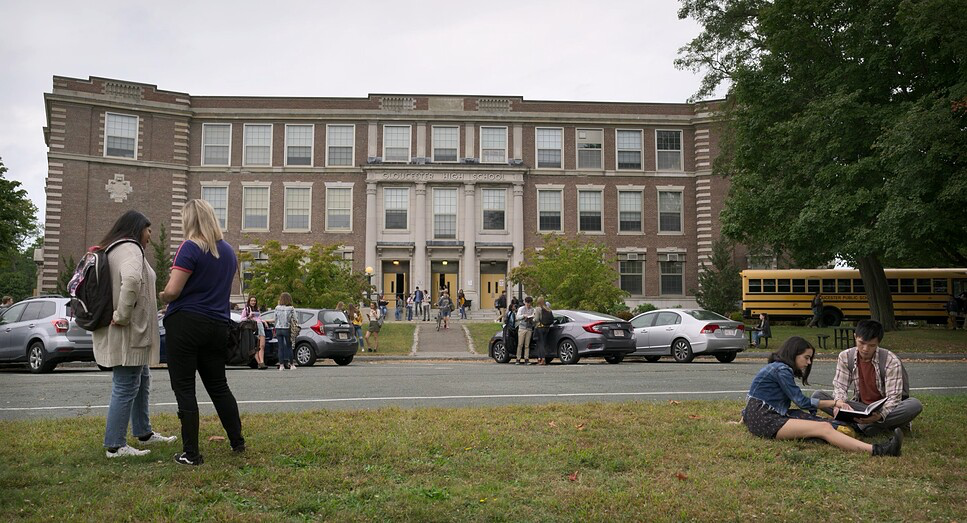
Huidobro’s compositions are pragmatic but deeply thoughtful. She leans on medium shots and “three-shots” to keep the family unit cohesive in the frame, ensuring the “visual dialogue” is always legible. But she also knows when to pull back and let the environment swallow the characters. Framing the family against the vastness of the Atlantic emphasizes their isolation from the “hearing world” on the shore.
I specifically noticed how often Ruby is framed with a bit of “dead space” around her or slightly separated from the group, even in crowded rooms. It subtly reinforces her role as the “bridge” who doesn’t quite fit on either side. In the more hilarious or raw moments like the parents’ “sex talk” the blocking is tight and invasive, making the audience feel like they’ve been pulled into a private family circle. It creates an immediate, empathetic connection that’s a hallmark of solid dramatic filmmaking.
Lighting Style
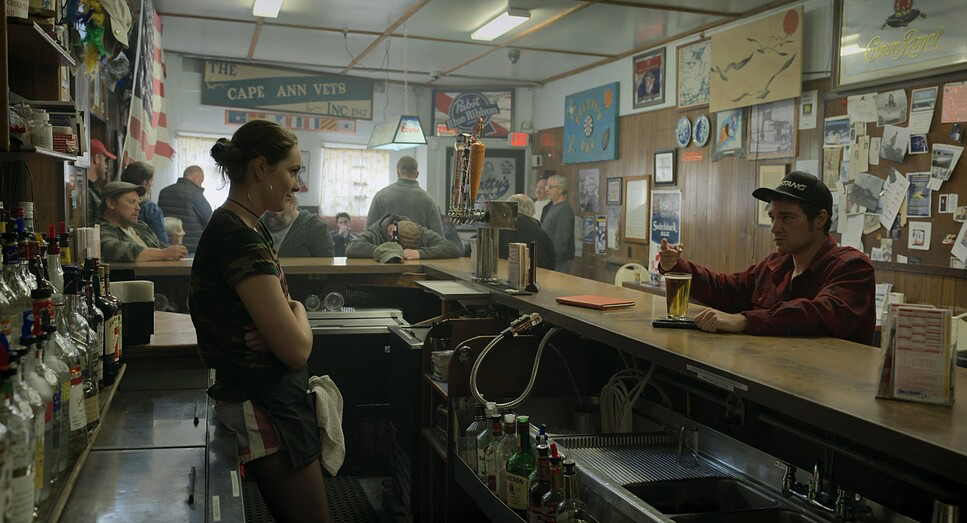
This is where the film’s “honesty” really lives. The lighting is wonderfully naturalistic almost documentary-like. Huidobro sticks to motivated light sources: the glare of the morning sun off the water, practical lamps in a cramped living room, or the harsh fluorescent hum of a high school hallway.
There’s a soft, diffused quality to the indoor scenes that avoids high-contrast melodrama. It feels approachable and warm, mirroring the family’s bond. On the water, she doesn’t try to “beautify” the work; she leans into the natural ambient light. You get the glint of the sun and the flat, grey overcast of a Massachusetts morning. It doesn’t look like a “movie” version of a fishing town; it looks like the real thing. This “unlit” look allows the emotional performances to take center stage without being overshadowed by artificial drama.
Lensing and Blocking
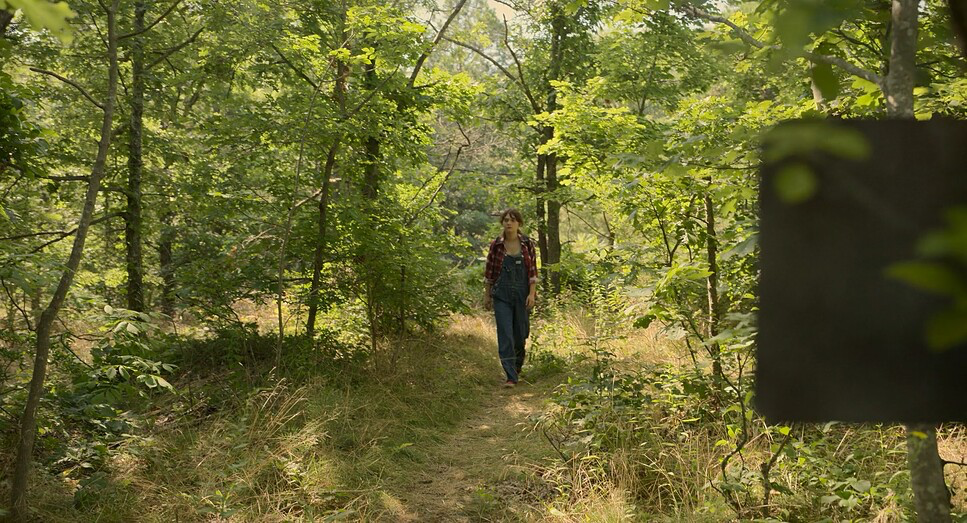
Technically, Huidobro went with the Sony VENICE paired with Arri Signature Prime Lenses. As a colorist, I love this combo. The VENICE sensor is legendary for its skin tone rendition and highlight roll-off, while the Signature Primes provide a clean, “creamy” image without the distracting flares or “funk” of vintage or anamorphic glass. Using spherical lenses was the right call it keeps the world undistorted and direct.
The blocking is where the real heavy lifting happens. Every scene had to be choreographed so that signing hands were never obstructed by a prop or the edge of the frame. This is harder than it looks. You have to maintain a naturalistic flow while adhering to the strict “sightlines” of ASL. In the famous “sound off” scene at the concert, the blocking carries the entire narrative. We see the family experiencing the music through the vibrations and the reactions of the hearing audience. The camera isn’t just showing an action; it’s translating a sensory experience.
Color Grading Approach
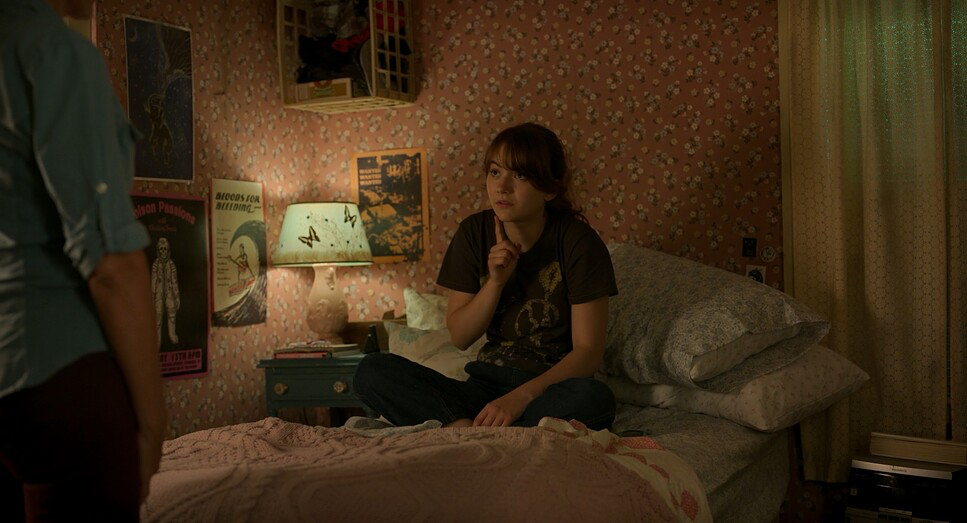
This is my territory, and I have to tip my hat to colorist Marc Lussier. The grade on CODA is a masterclass in “invisible” support. It’s not a stylized “look” film; it’s about enhancing the naturalism while guiding the viewer’s mood. The palette is warm and earthy, anchored by the natural blues and greens of the Gloucester coast.
What stands out to me is the contrast sculpting. The film maintains a beautiful dynamic range the highlights never feel “clipped” or “digital,” even in the bright exterior shots on the boat. There’s a gentle, filmic roll-off that gives it a print-like sensibility. The skin tones are rendered with a healthy, “lived-in” warmth that keeps the characters feeling human and accessible.
Lussier also used subtle tonal shifts to differentiate the family’s world from the outside world. The fishing boat scenes have a slightly cooler, grittier “bite” to them, while the home interiors are infused with a softer, amber glow. It’s a nuanced touch that reinforces the story without shouting at the audience. It’s a grade that serves the performance, never the ego of the colorist.
Technical Aspects & Tools
CODA (2021) — Technical Specifications
| Genre | Romance, Drama, Music, Melodrama, Coming-of-Age |
| Director | Siân Heder |
| Cinematographer | Paula Huidobro |
| Production Designer | Diane Lederman |
| Costume Designer | Brenda Abbandandolo |
| Editor | Geraud Brisson |
| Colorist | Marc Lussier |
| Time Period | 2020s |
| Color | Green |
| Aspect Ratio | 1.85 |
| Format | Digital |
| Lighting | Soft light, Top light |
| Lighting Type | Daylight |
| Story Location | Massachusetts > Gloucester |
| Filming Location | United States of America > Massachusetts |
| Camera | Sony VENICE |
| Lens | Arri Signature Prime Lenses |
| Film Stock / Resolution | 4K |
The foundation of CODA‘s look is built on that Sony VENICE/Arri Signature Prime package shot at 4K resolution. Choosing a 1.85:1 aspect ratio was a smart move it’s tall enough to capture the verticality of sign language and the height of the choir stage, but wide enough to feel cinematic.
Post-production was likely handled in a high-end suite using DaVinci Resolve or Baselight, allowing for the precise hue separation we see in the ocean blues and the foliage greens. Even the decision to use “open captions” for the release was a technical choice that served the film’s social goal. By integrating these high-end tools with a “less is more” philosophy, the filmmakers created a visual language that feels high-fidelity but entirely grounded.
- Also read: NAUSICAÄ OF THE VALLEY OF THE WIND (1984) – CINEMATOGRAPHY ANALYSIS
- Also read: CASTLE IN THE SKY (1986) – CINEMATOGRAPHY ANALYSIS
Browse Our Cinematography Analysis Glossary
Explore directors, cinematographers, cameras, lenses, lighting styles, genres, and the visual techniques that shape iconic films.
Explore Glossary →