Being John Malkovich (1999) is one of those rare films that, even after twenty-five years, still manages to boggle my mind in the best possible way. Spike Jonze and Charlie Kaufman delivered a masterclass here taking a premise that, on paper, sounds like a fever dream and making it feel gritty, tactile, and almost uncomfortably believable.
It’s a movie that some production companies famously passed on because it was “too out there.” Yet, it stands today as a testament to what happens when you have a bold vision backed by deeply intentional cinematography. For me, the magic isn’t just in the portal or the 7.5th floor; it’s in how the camera acts as the anchor for all that narrative chaos.
About the Cinematographer

The visual architect behind this madness was Lance Acord. If you look at his later work on Adaptation or Where the Wild Things Are, you can see a throughline: he has this incredible ability to make the fantastical feel grounded and documentary-like. He doesn’t do “flashy.” Instead, he’s meticulously observant, letting the inherent oddity of Kaufman’s script breathe without burying it in unnecessary visual tricks.
Before this, Jonze was the king of music videos think Weezer’s “Buddy Holly.” You’d expect a director with that background to go for something frenetic or highly stylized. But Acord tempered that. He understood that to make a portal into John Malkovich’s head work, the rest of the world had to feel lived-in and skewed. He didn’t make the mundane look beautiful; he made it look real, which is much harder to pull off.
Inspiration Behind the Cinematography
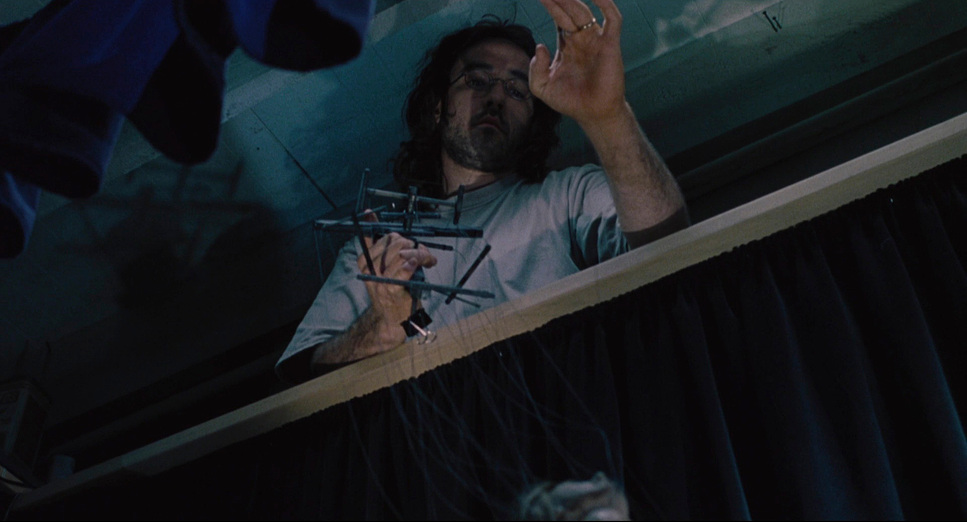
Charlie Kaufman has talked about “smushing” two unconnectable ideas together: a man falling in love with the wrong person, and a literal portal into a celebrity’s brain. That clash of the boring and the surreal became the visual blueprint for the entire film. The cinematography doesn’t shy away from this dichotomy; it leans into it.
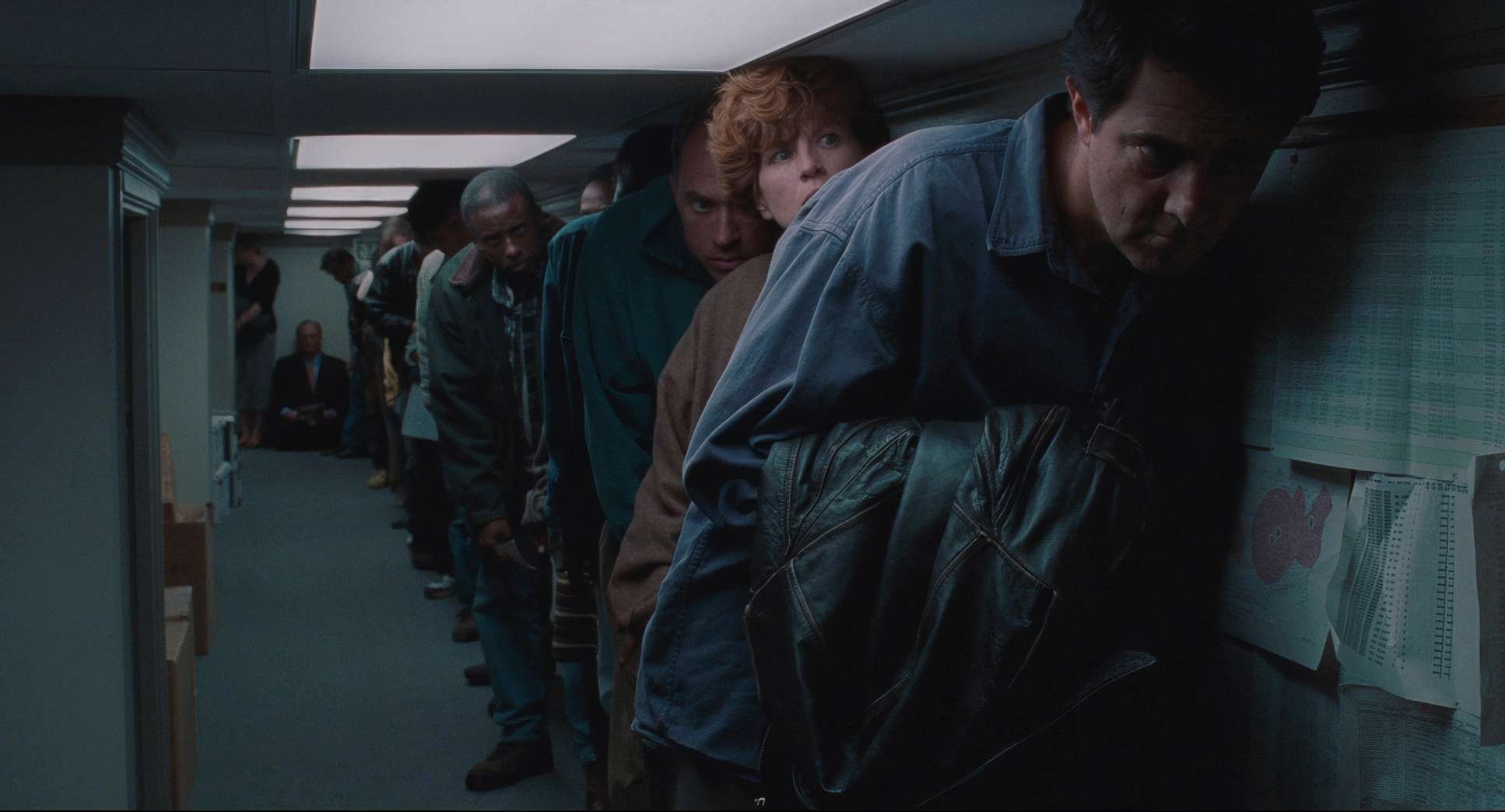
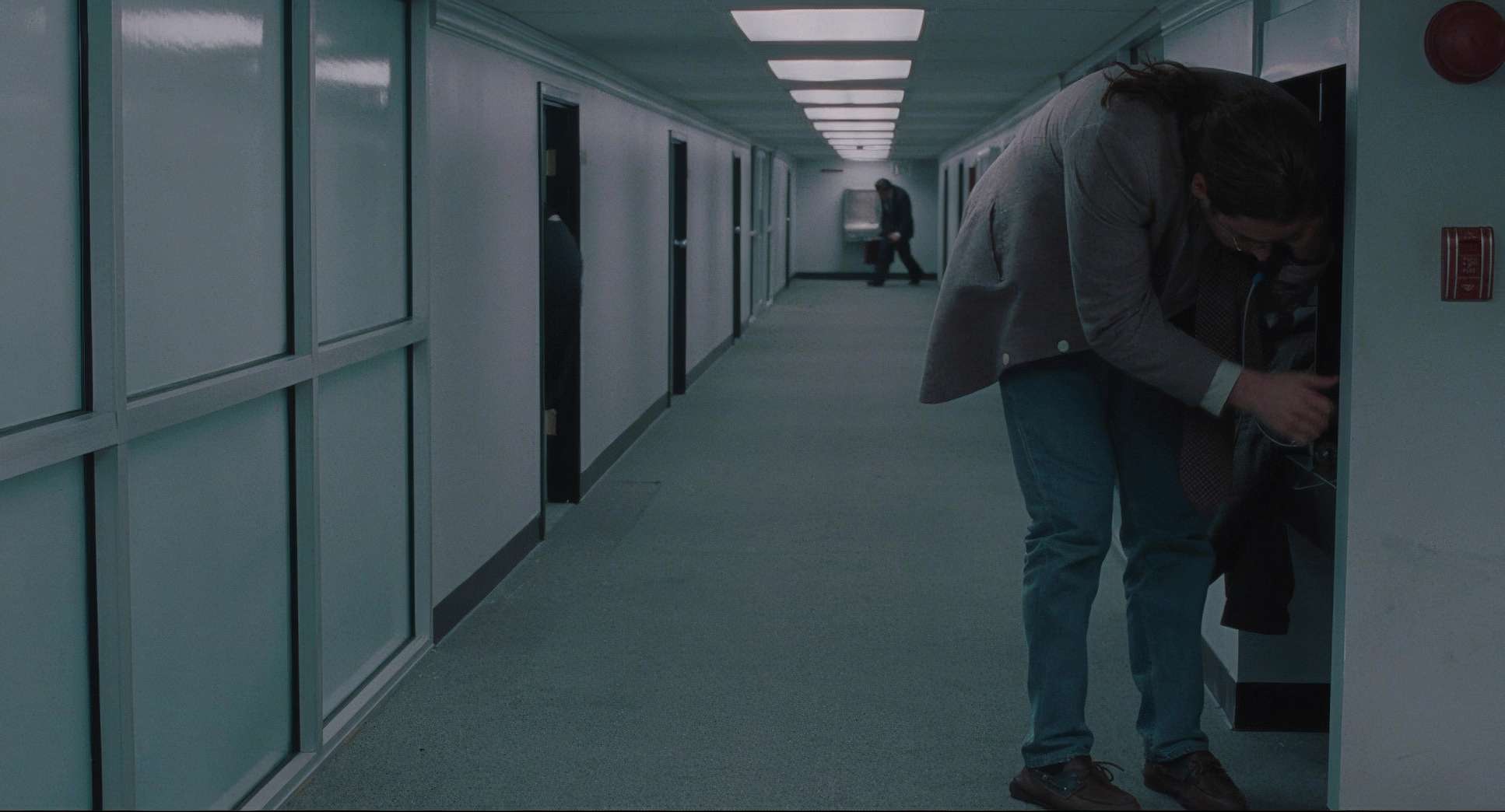
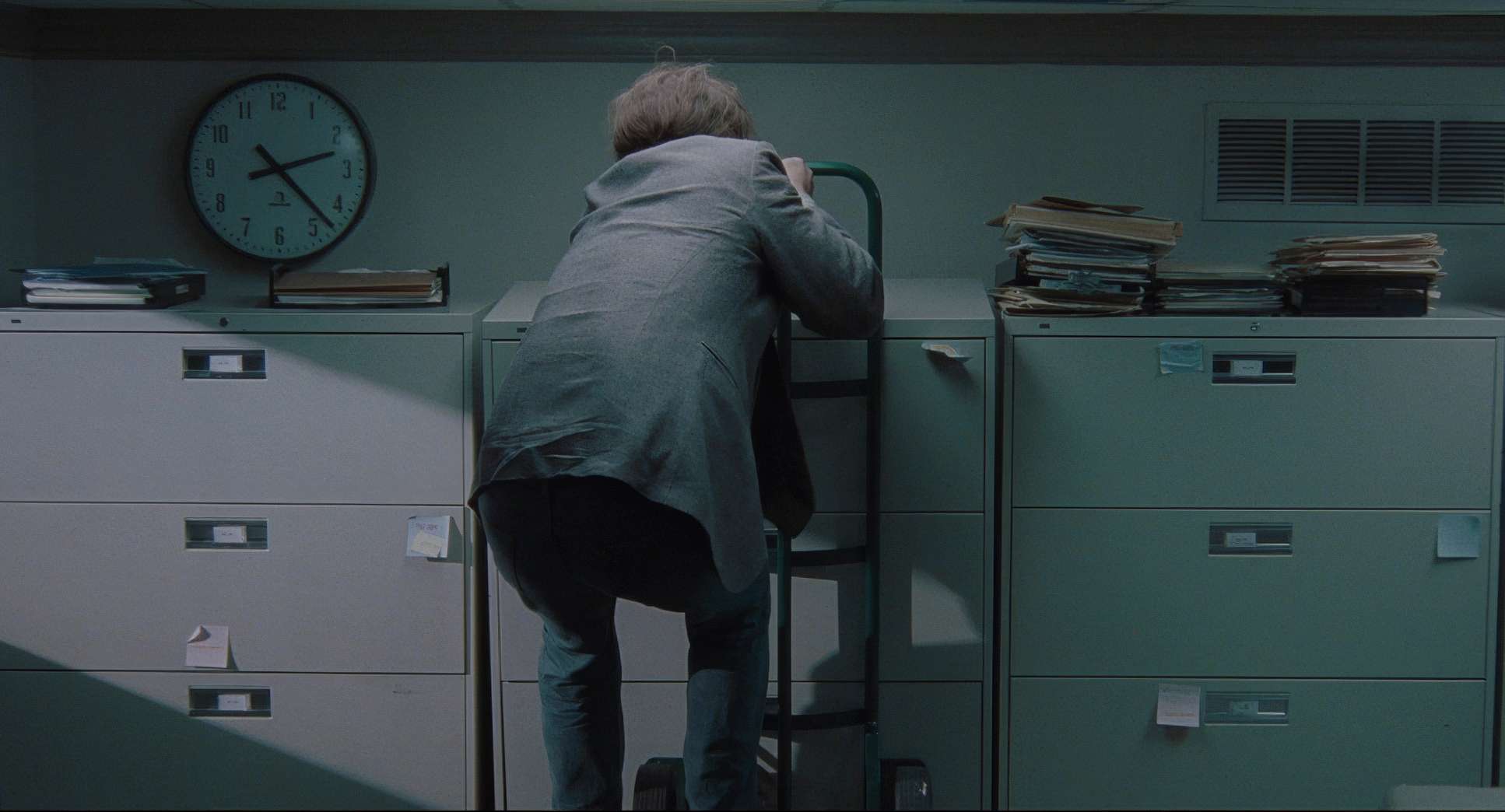
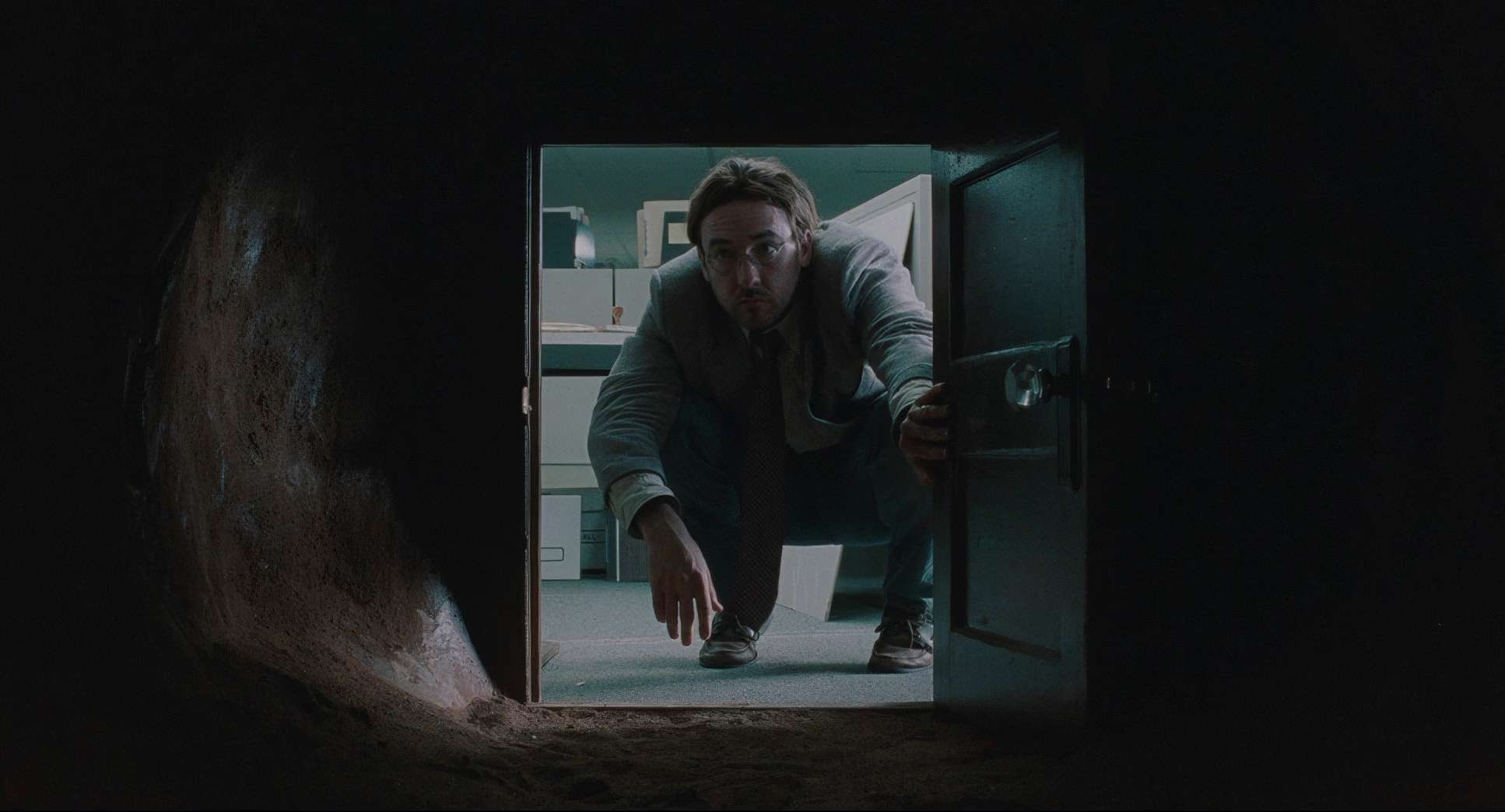
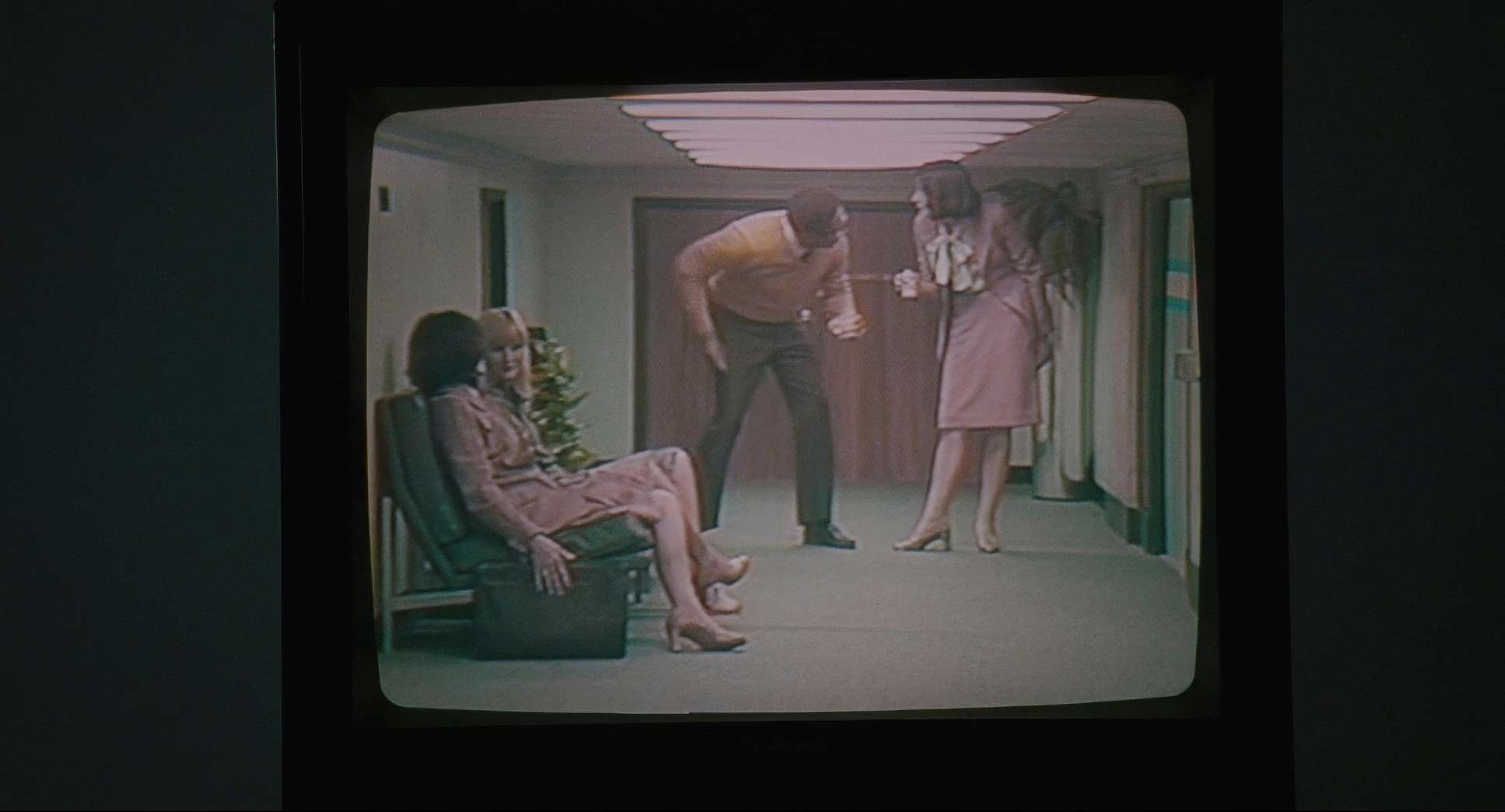
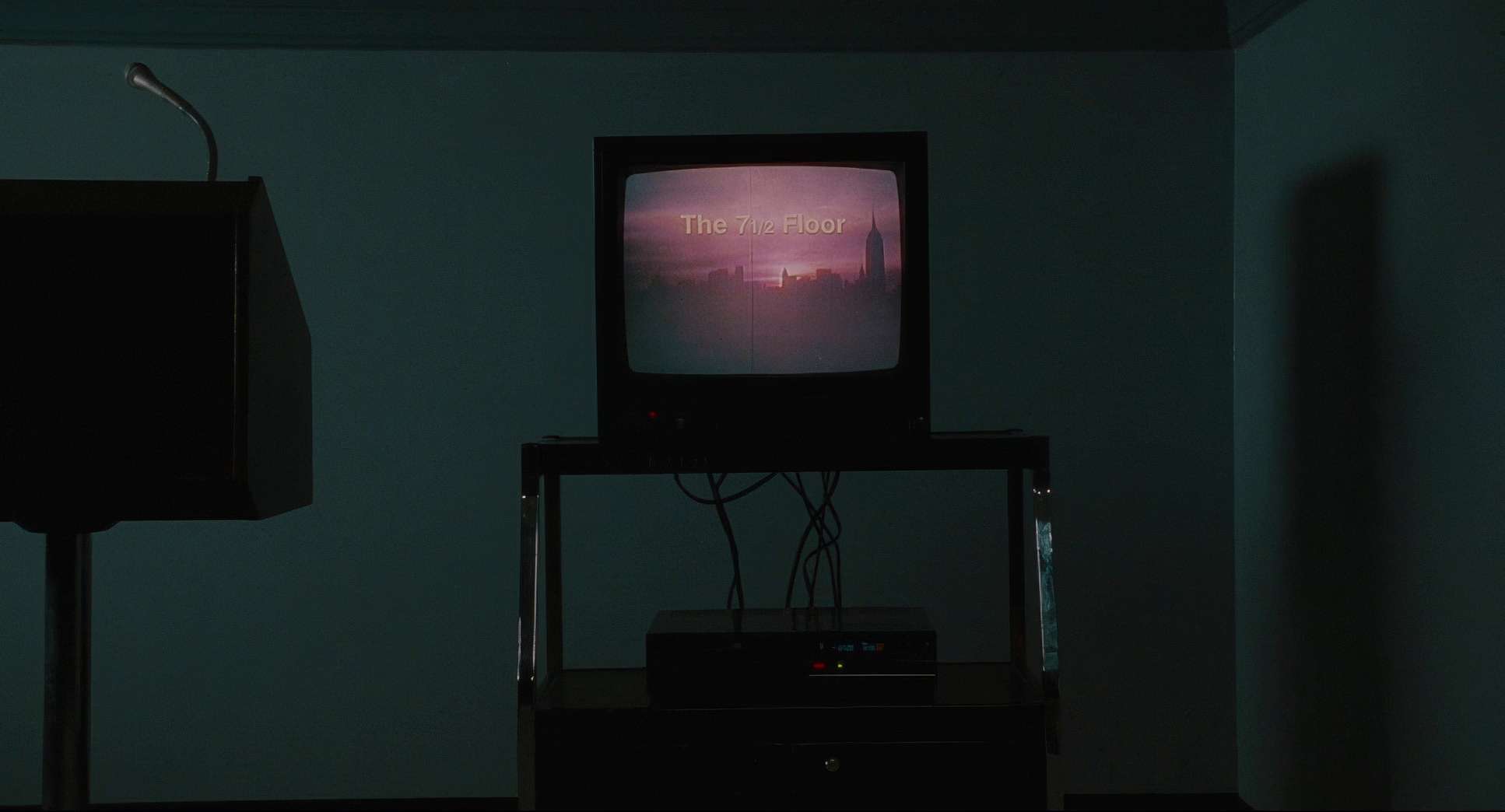
The most iconic manifestation of this is the 7.5th floor of the Merton Flemmer Building. It’s an absurd concept—a floor built for “short-statured people” but Acord and Jonze treated it as a physical character. The camera work here is deliberately oppressive. Every frame reminds you of the lack of headspace, visually mirroring Craig’s own stunted creative life and his desperation to be literally anywhere (or anyone) else.
Camera Movements
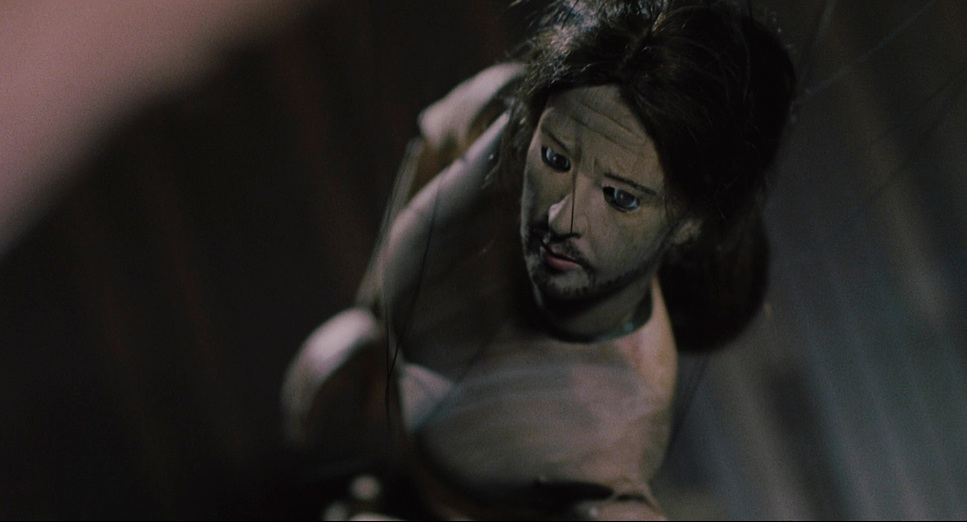
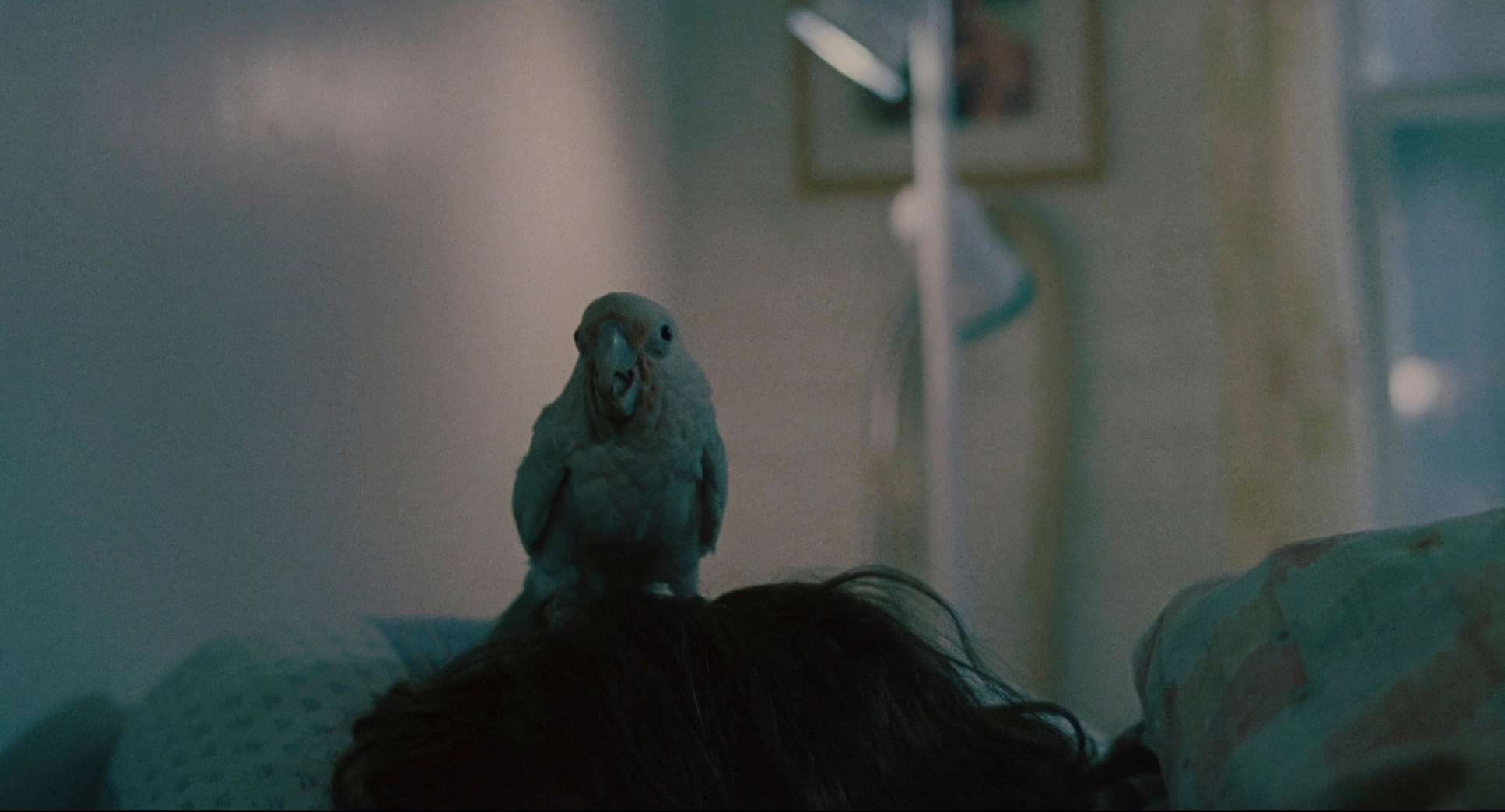
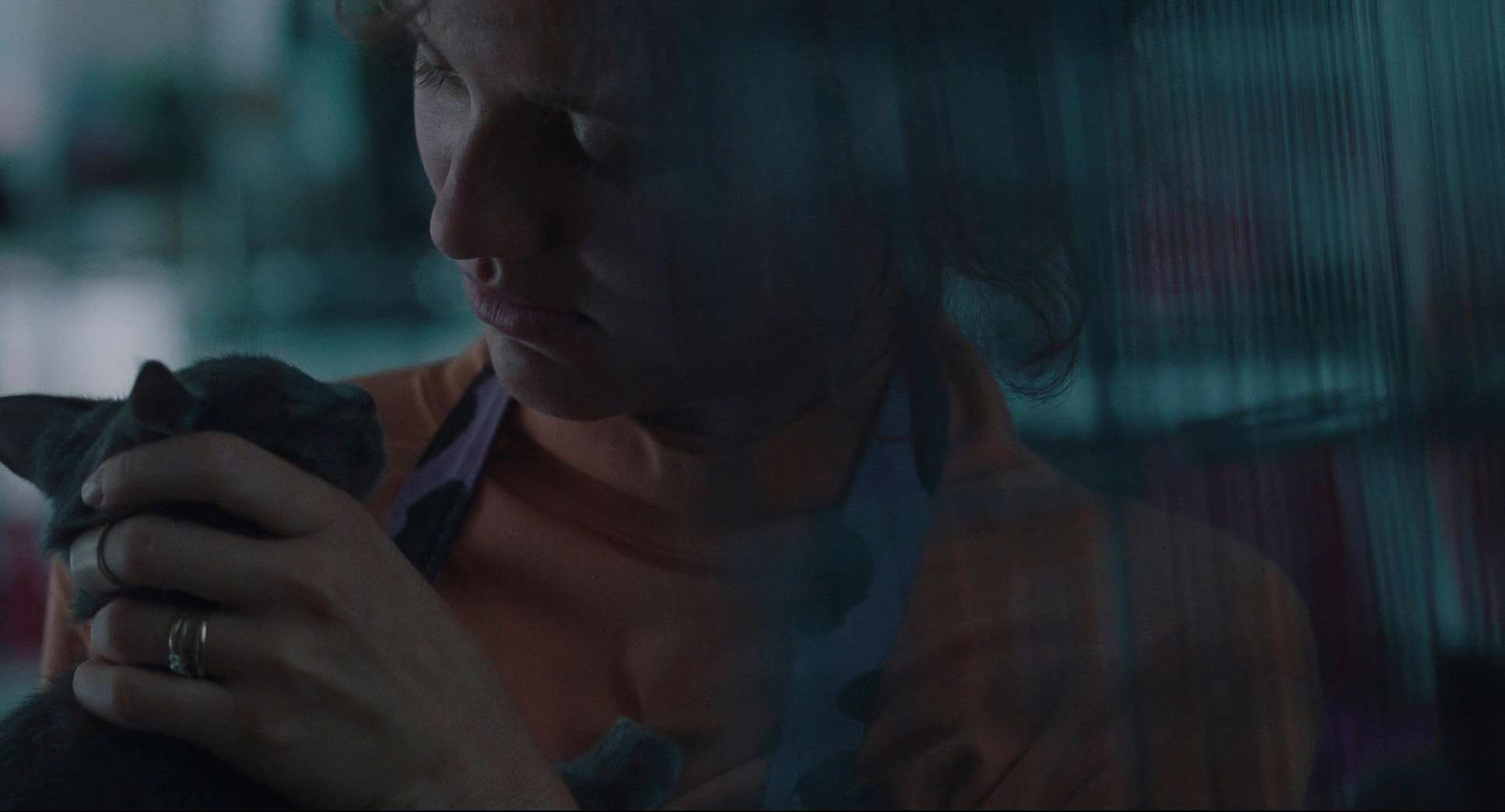
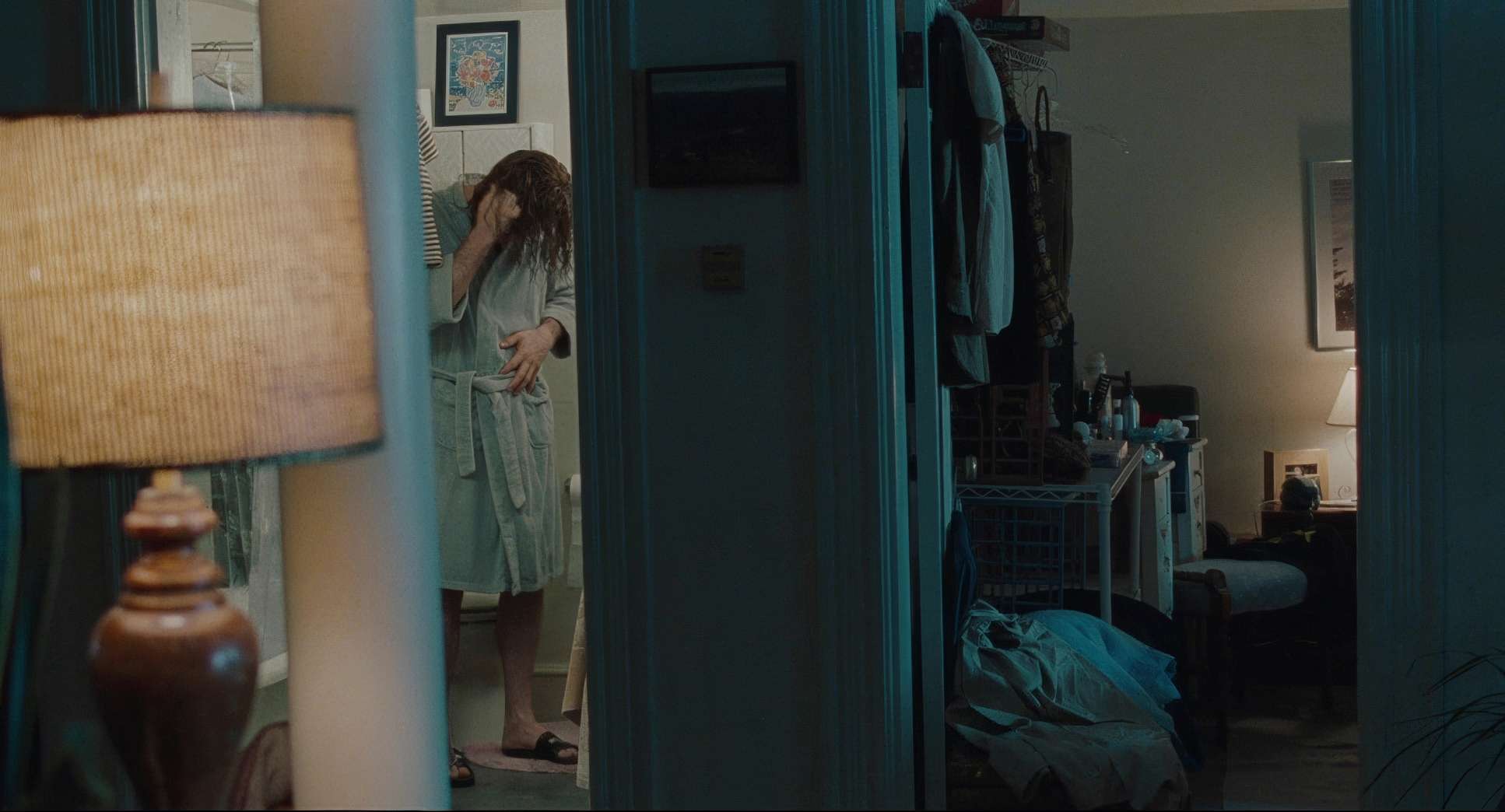
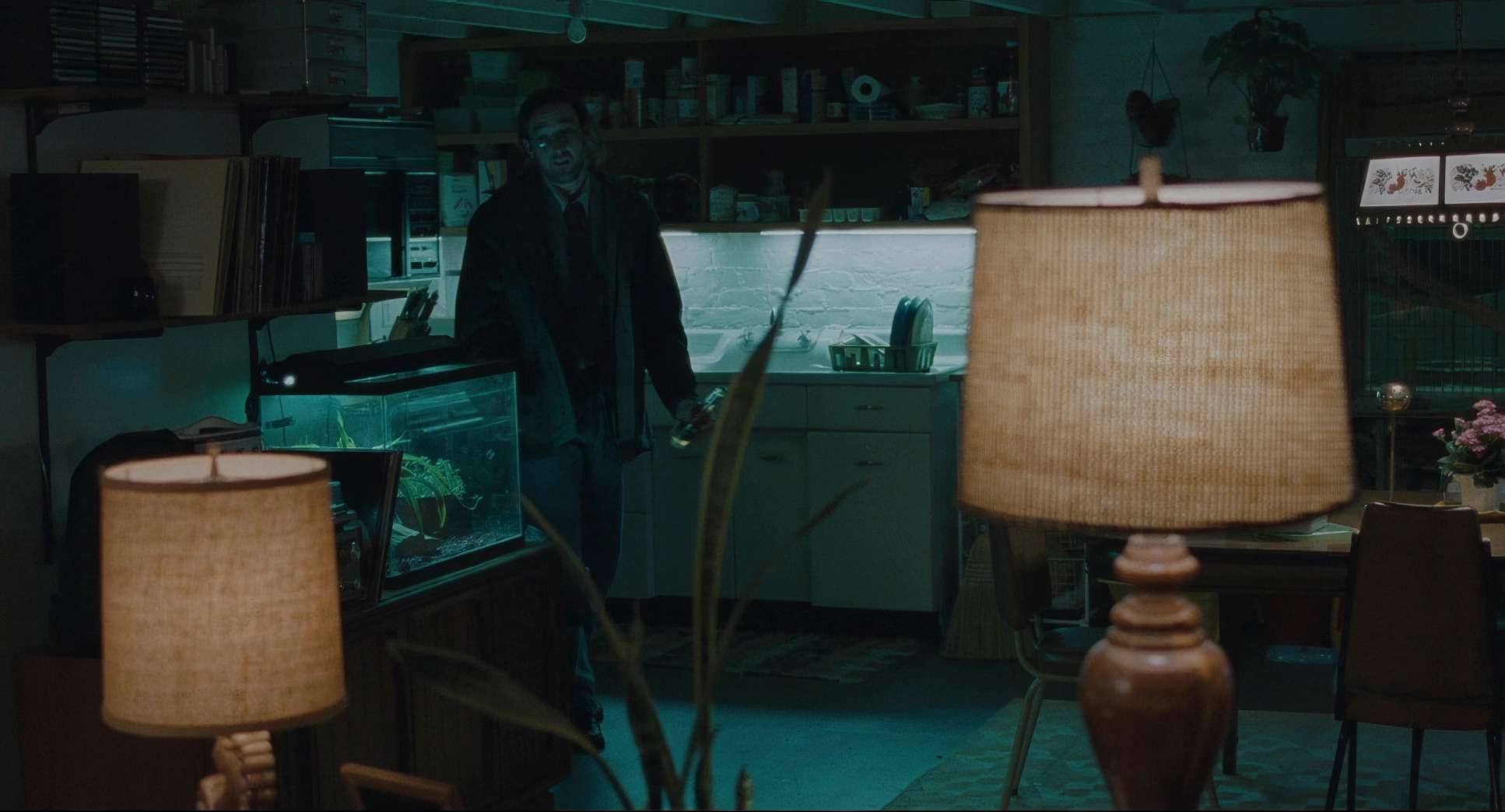
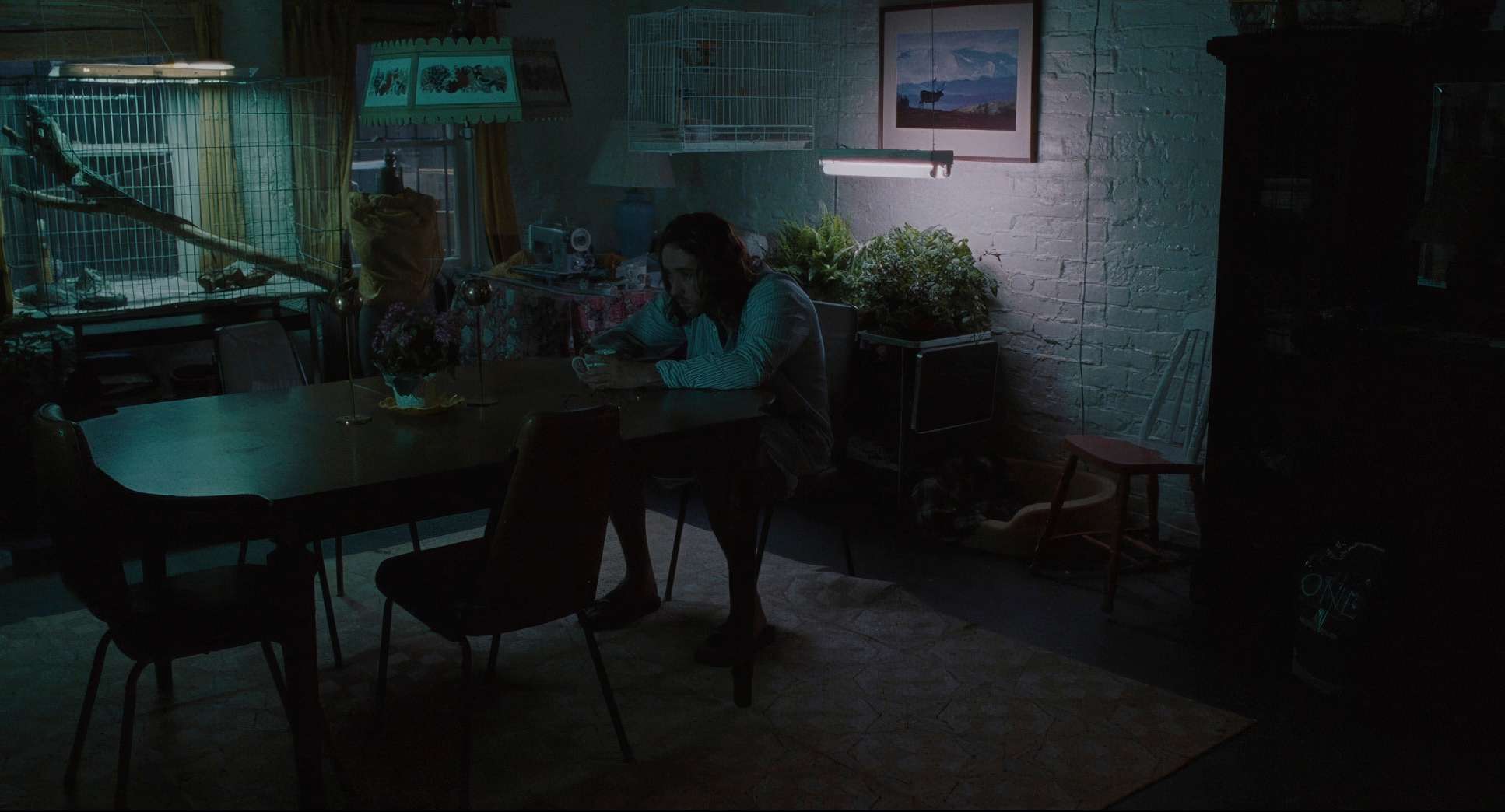
The camera in Being John Malkovich isn’t an attention-seeker. It’s functional and observational. In Craig and Lotte’s animal-packed apartment or the low-ceilinged office, the camera stays mostly static or moves with these slow, almost imperceptible pans. It creates a sense of detachment, like we’re just another fly on the wall in their miserable lives.
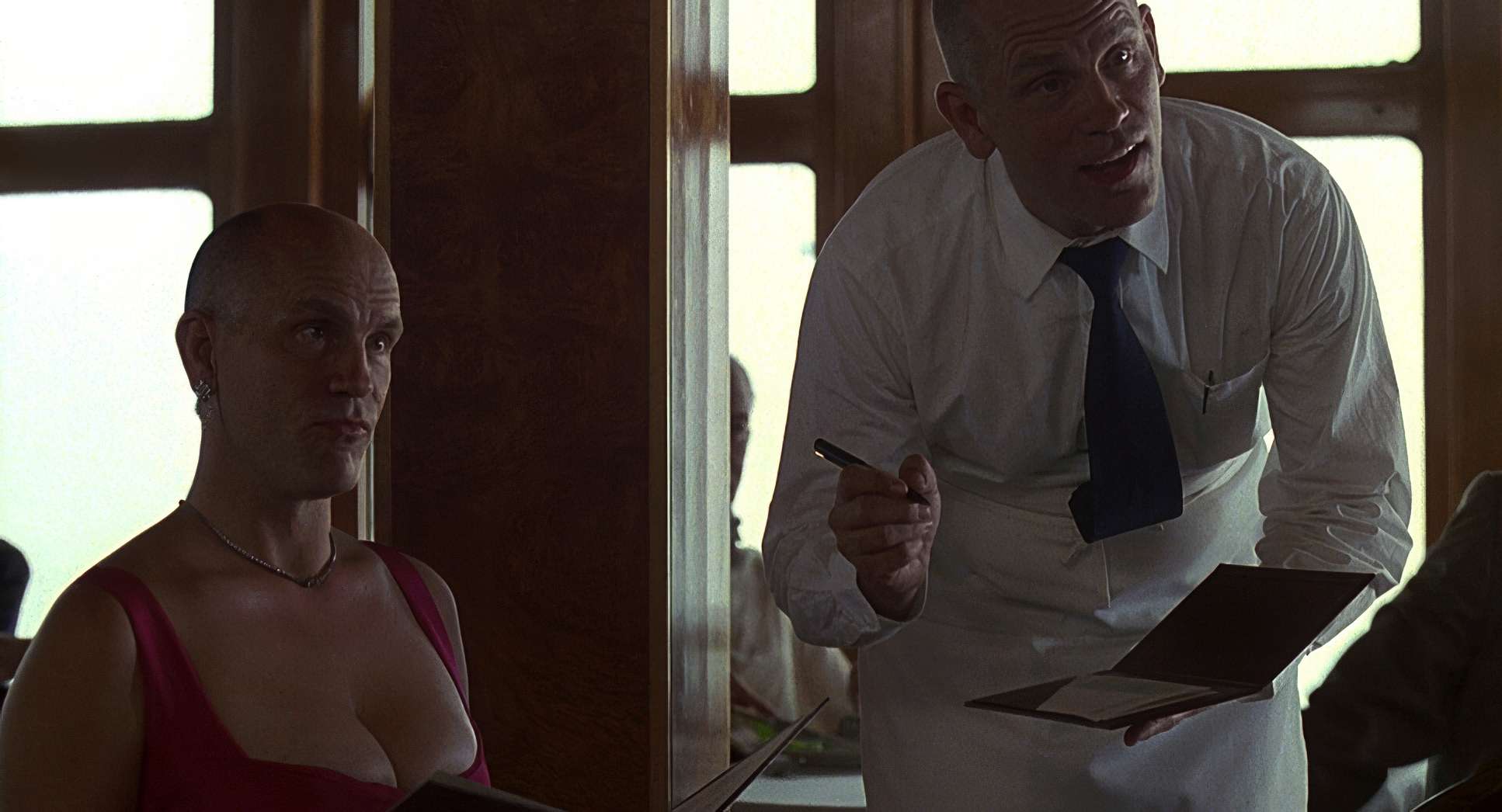
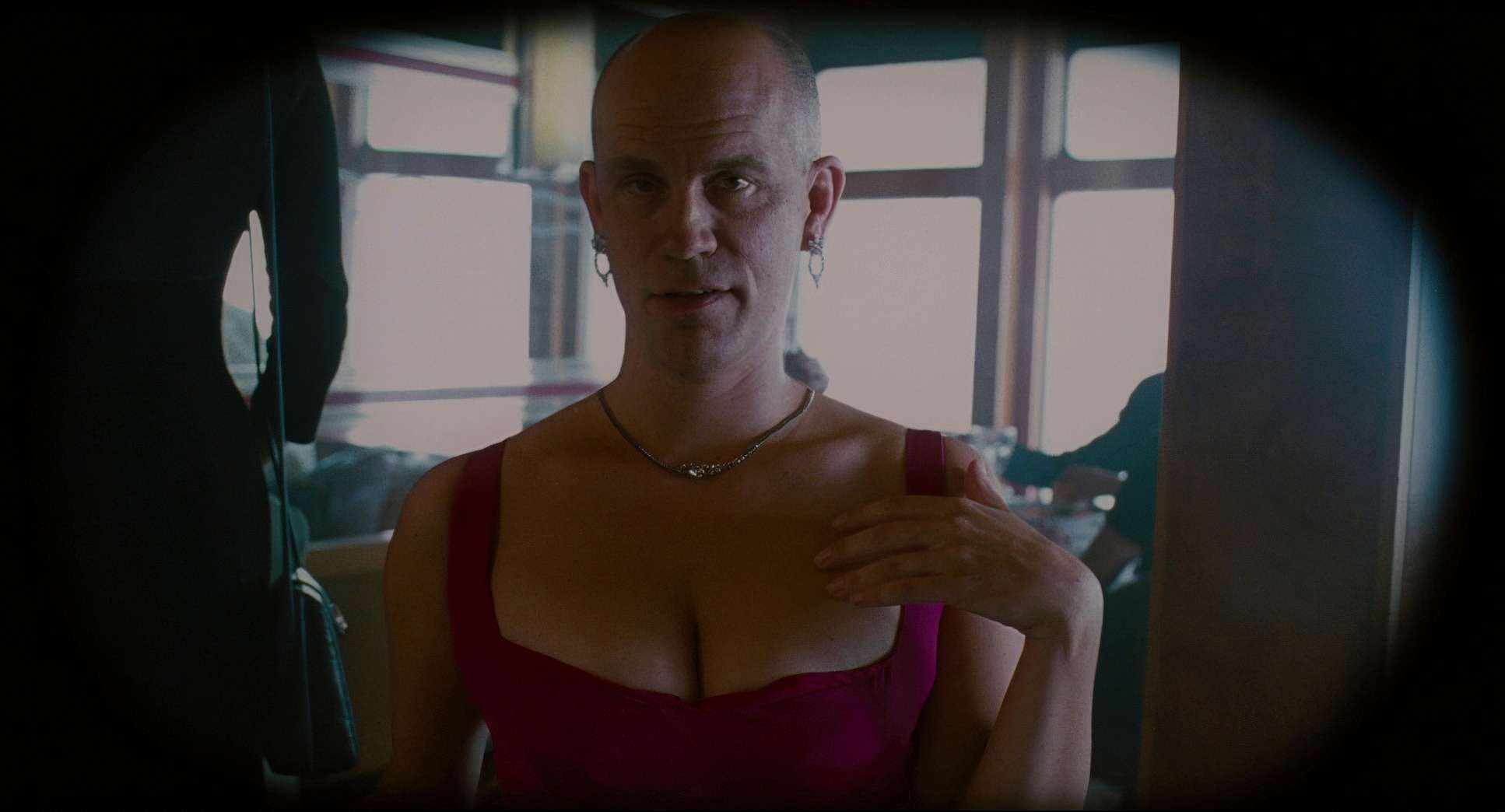
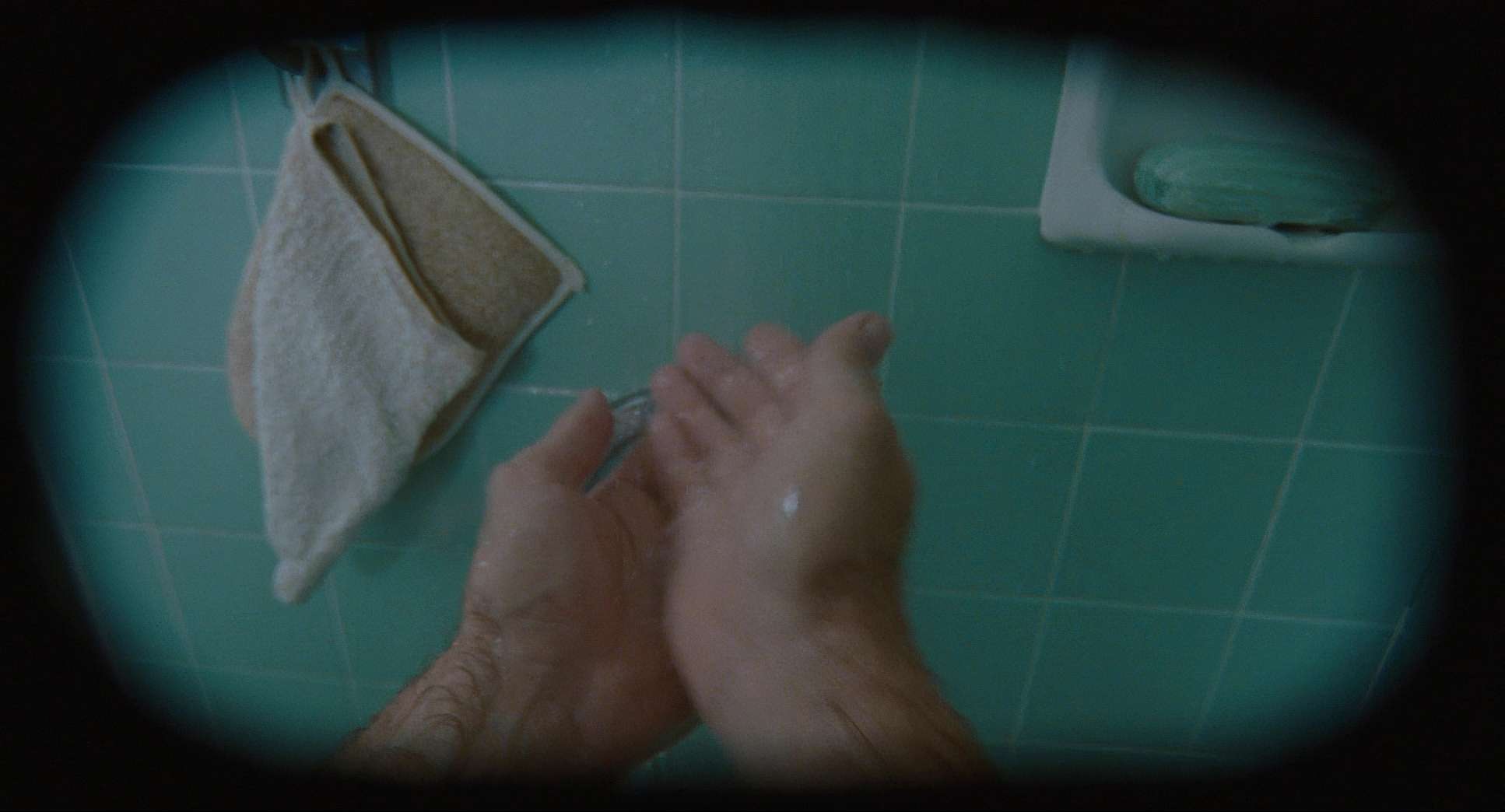
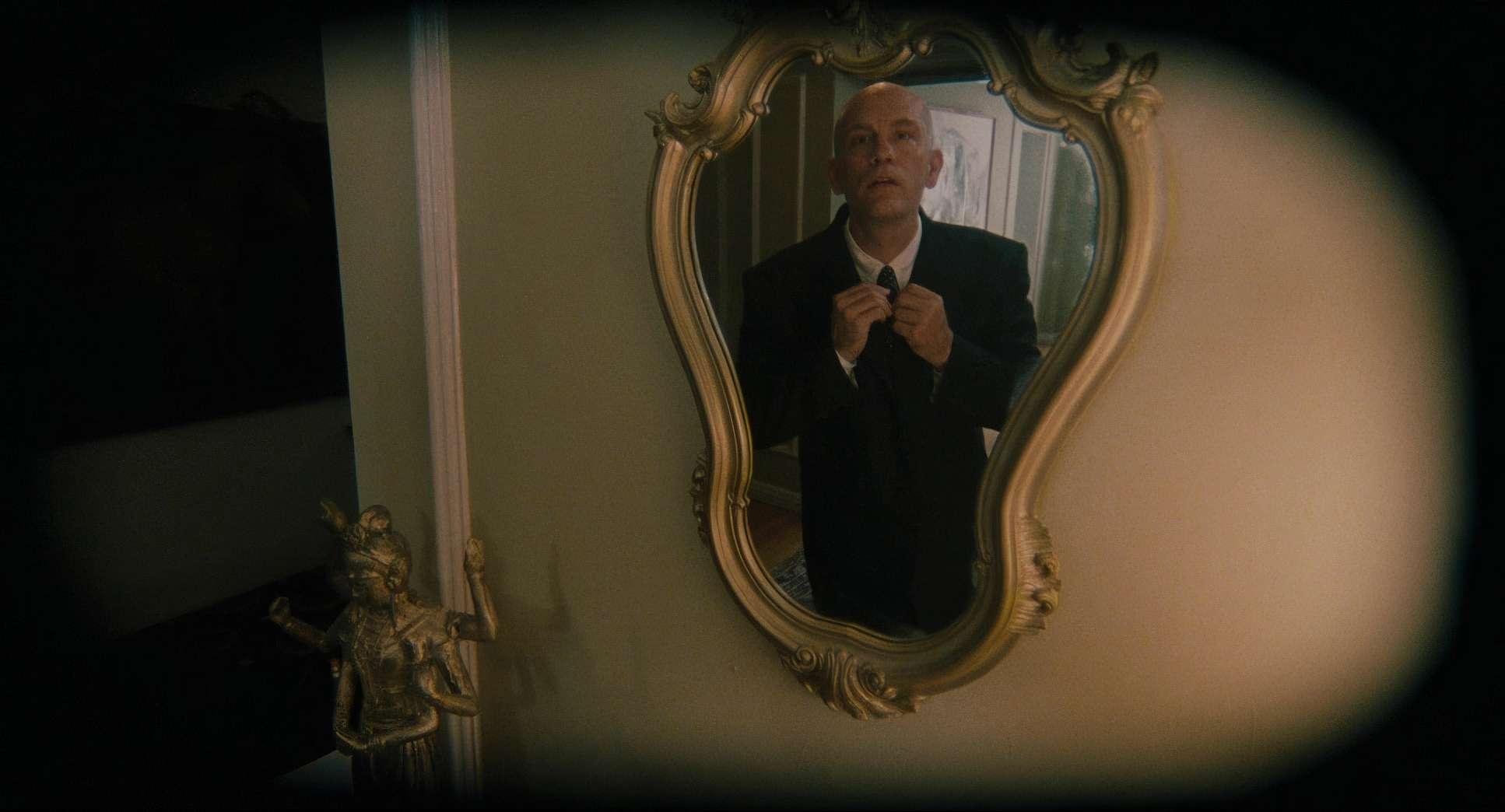
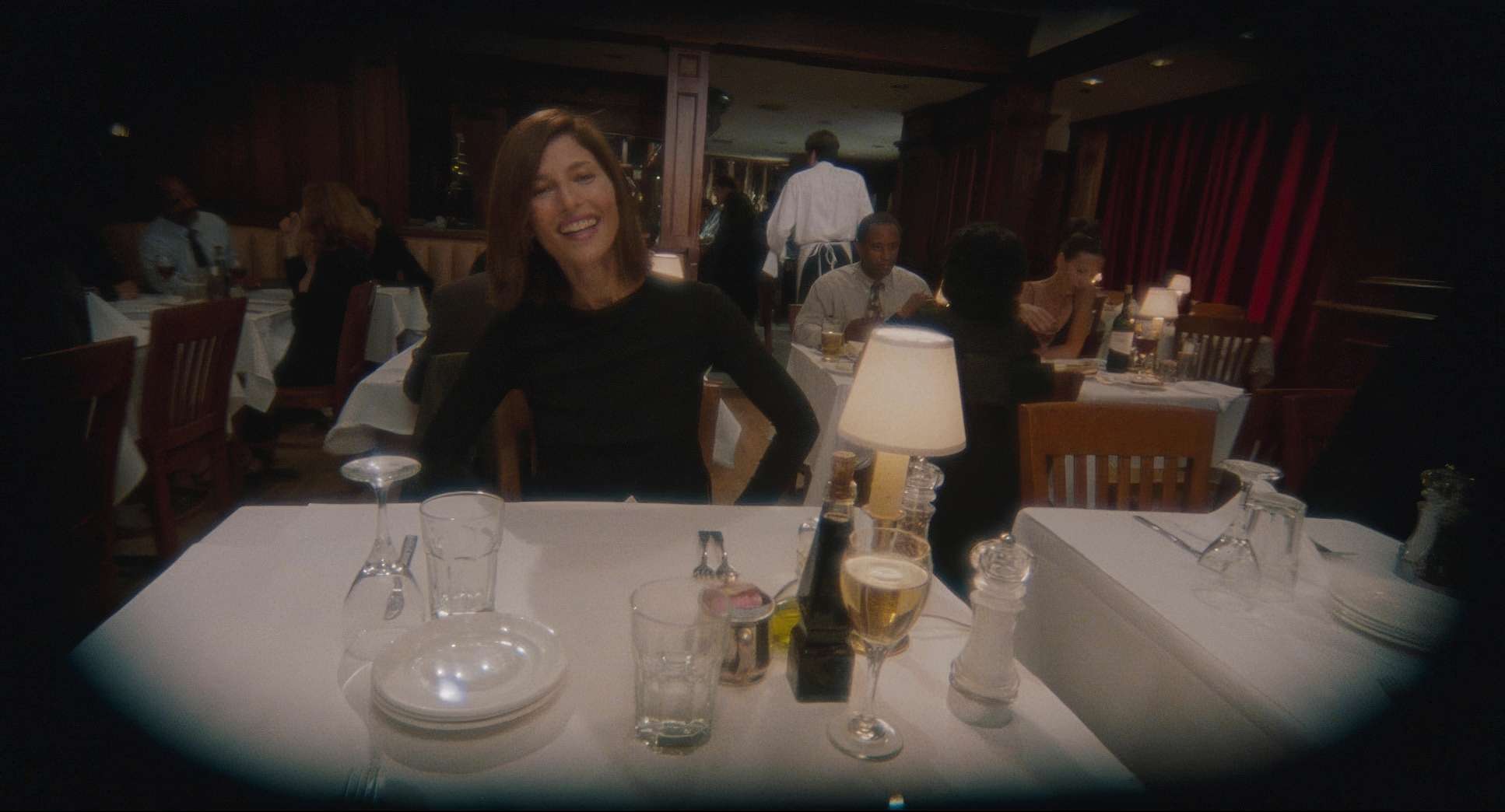
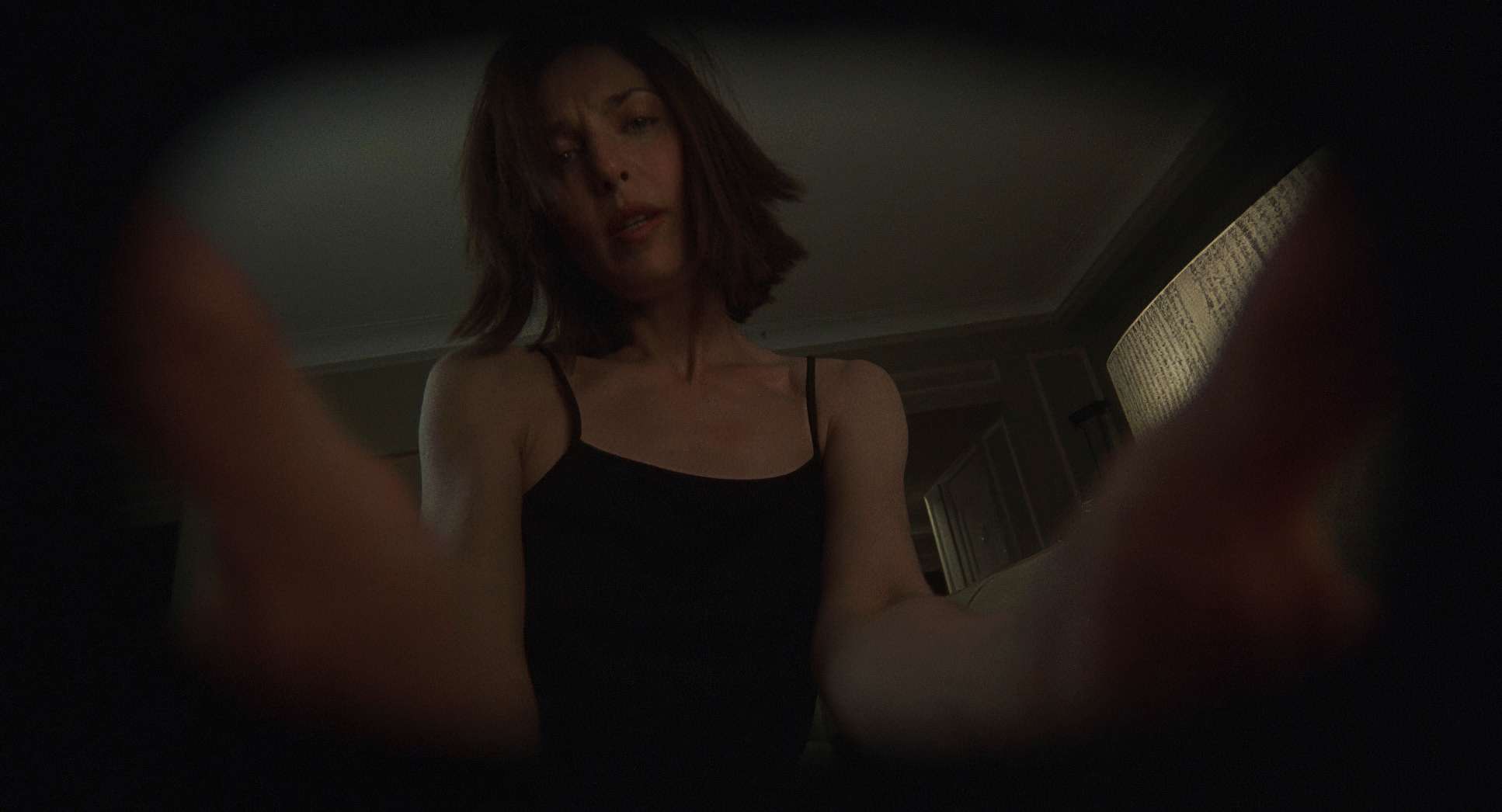
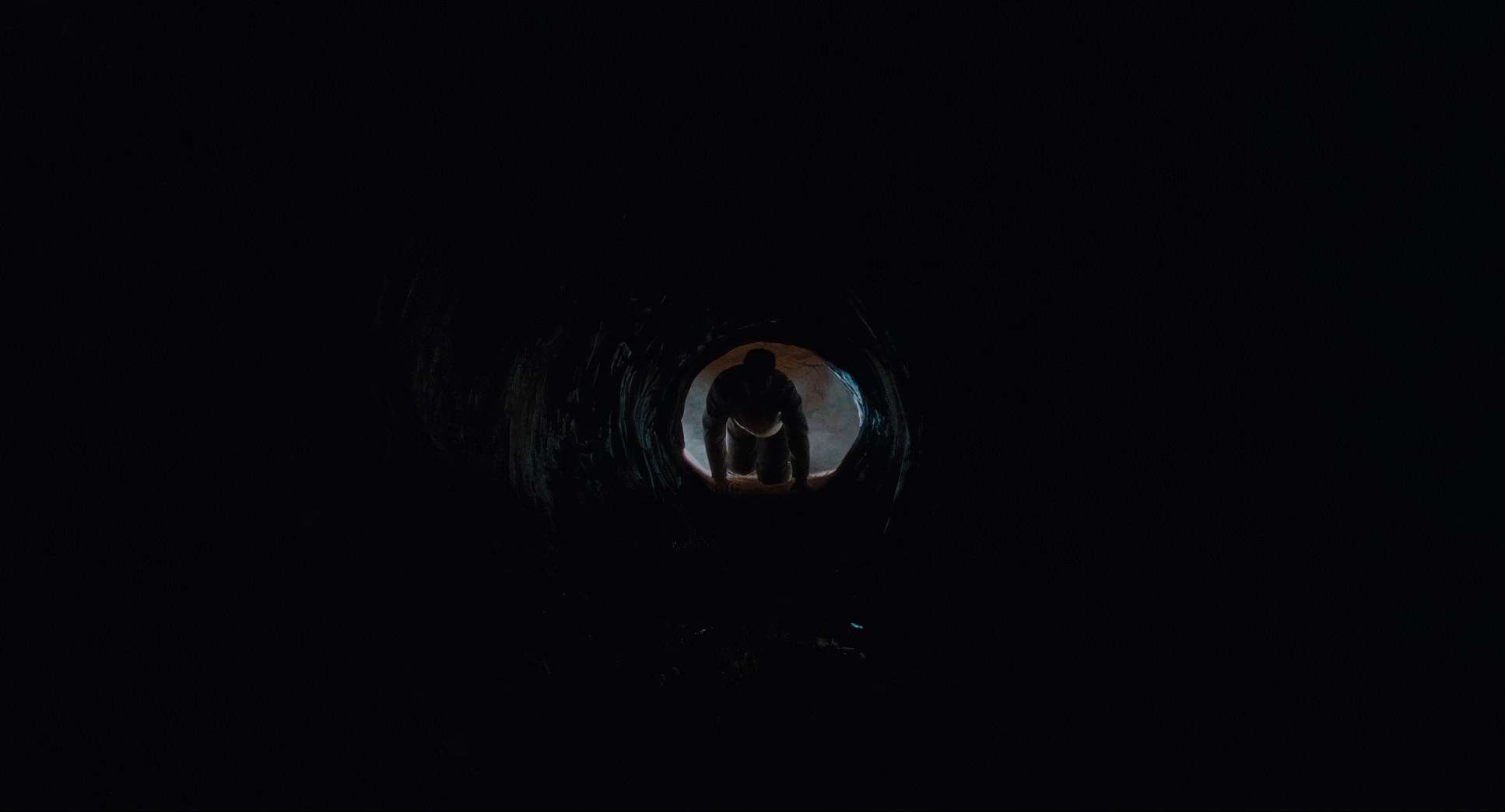
But when the movement hits, it hits hard. Entering the portal feels visceral like being dragged into a tunnel before suddenly viewing the world through someone else’s eyes. Then you have the “Malkovich Malkovich Malkovich” restaurant scene. The camera stops observing and starts participating in the panic, catching that rapid-fire succession of identical faces. It’s a visual cacophony that captures an existential crisis better than any dialogue could.
Lensing and Blockin
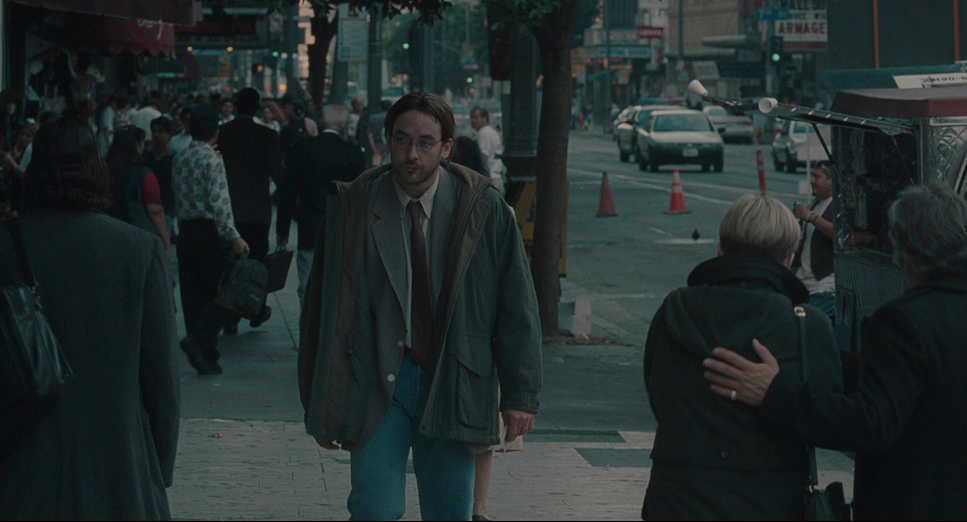
This is where the technical choices really shine. They used Moviecam Compact and SL bodies paired with Cooke S4glass. If you’re a gear nerd, you know that Cooke lenses have that legendary “Cooke Look” a certain warmth and a gentle way of handling highlights that takes the clinical edge off the image.
On the 7.5th floor, they used wide-angle lenses to exaggerate the compression. It distorts the perspective just enough to make those low ceilings feel even more imposing. The blocking is equally brilliant; seeing characters forced into a sideways shuffle or a permanent hunch isn’t just a gag it’s a physical negotiation with their environment. Conversely, when we move into close-ups, the medium telephoto lenses provide a clean, intimate perspective that lets the performances and the skin tones really land.
Lighting Style
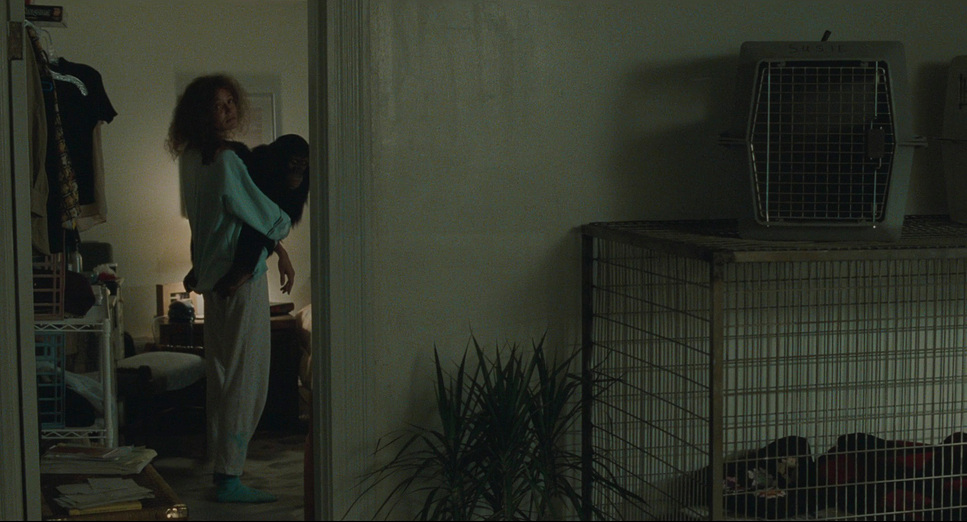
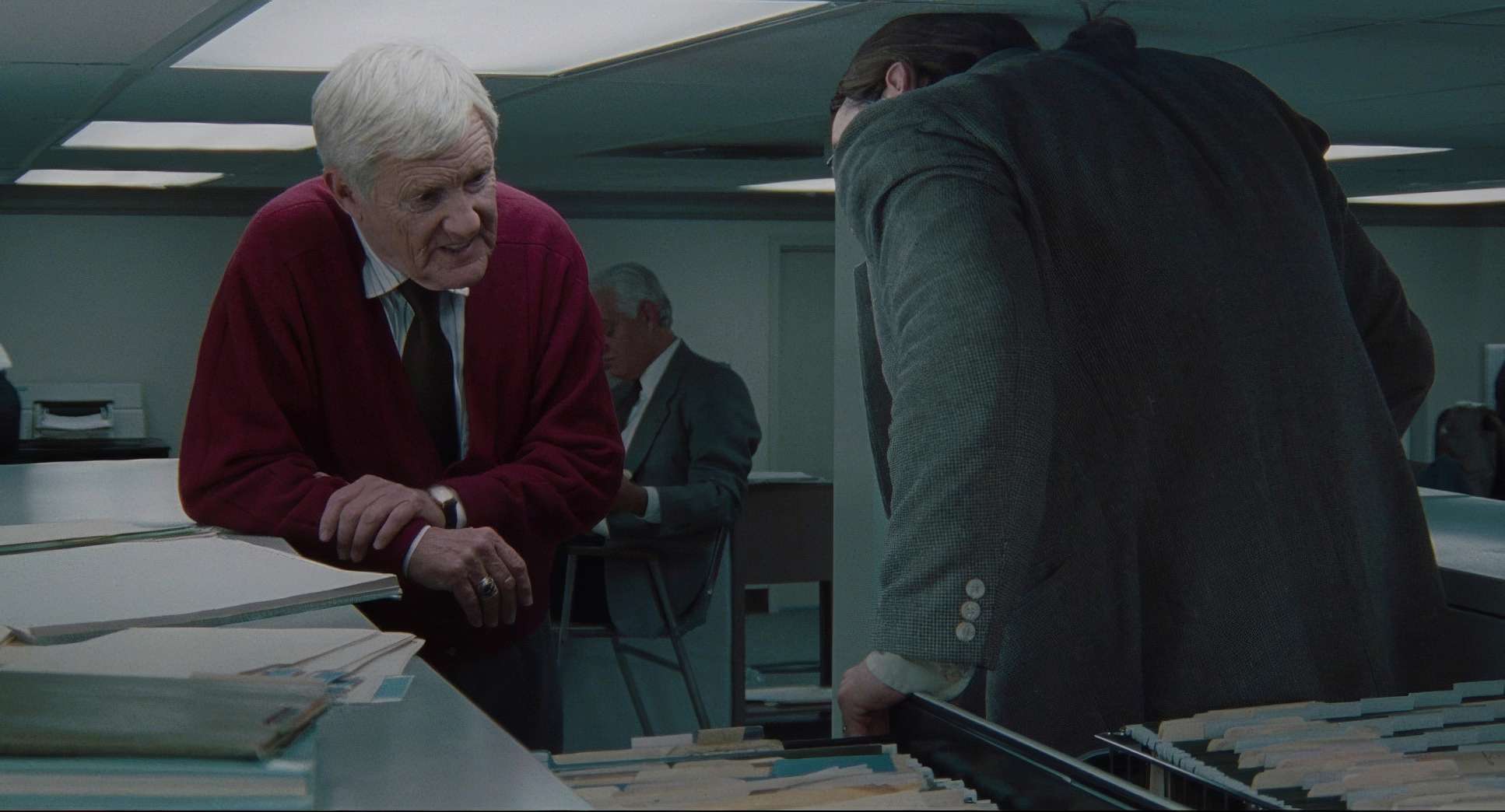
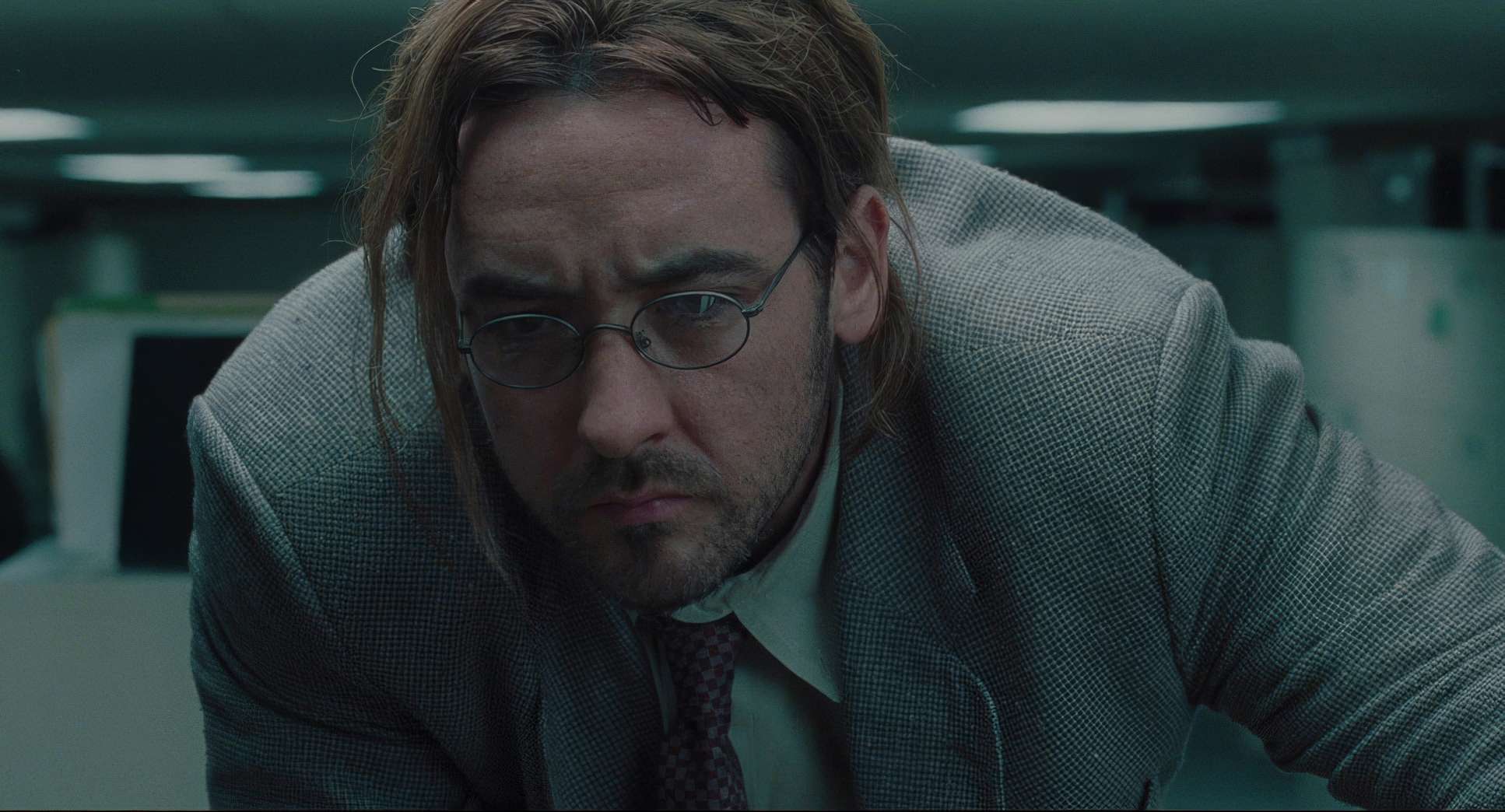
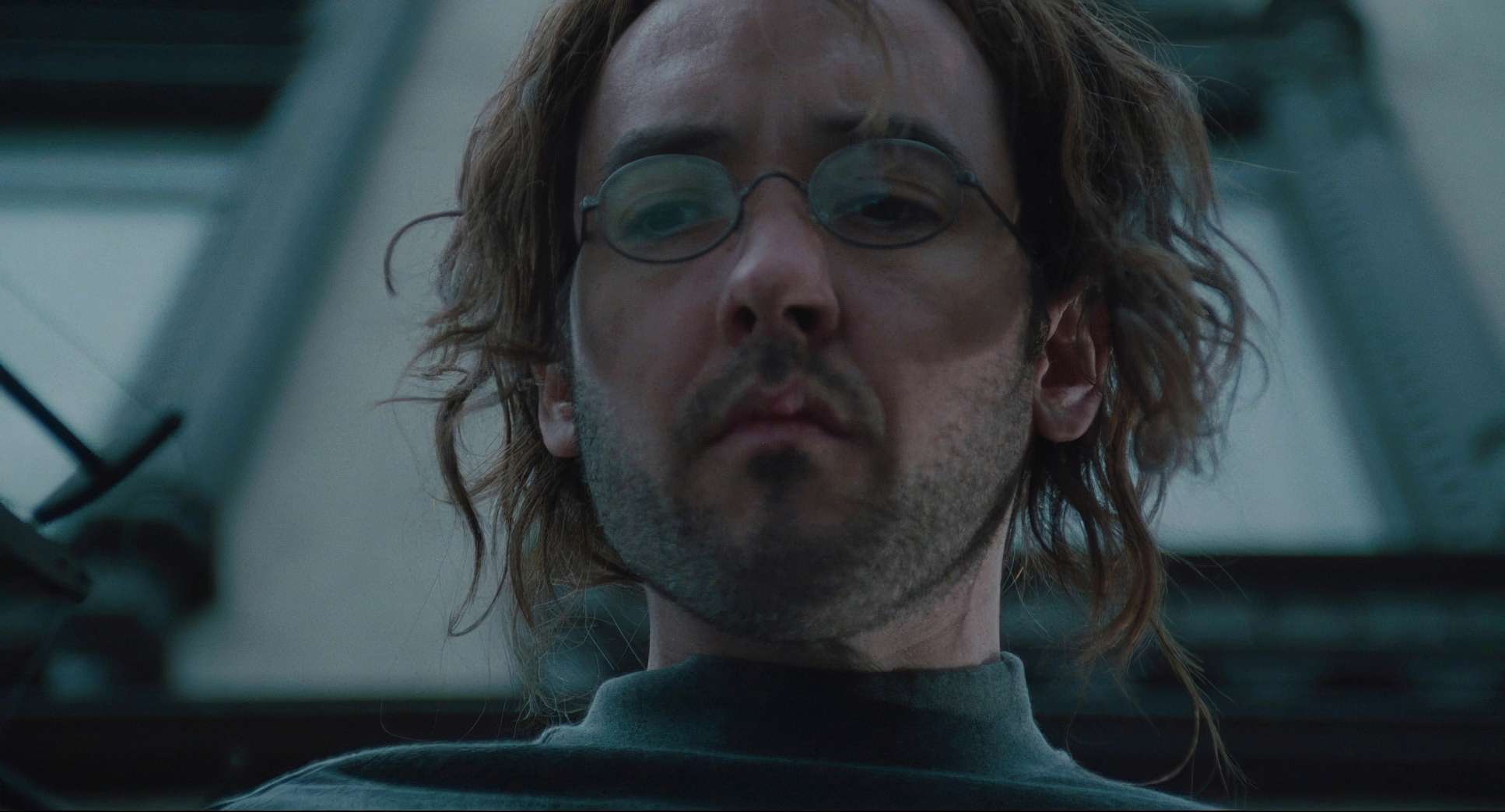
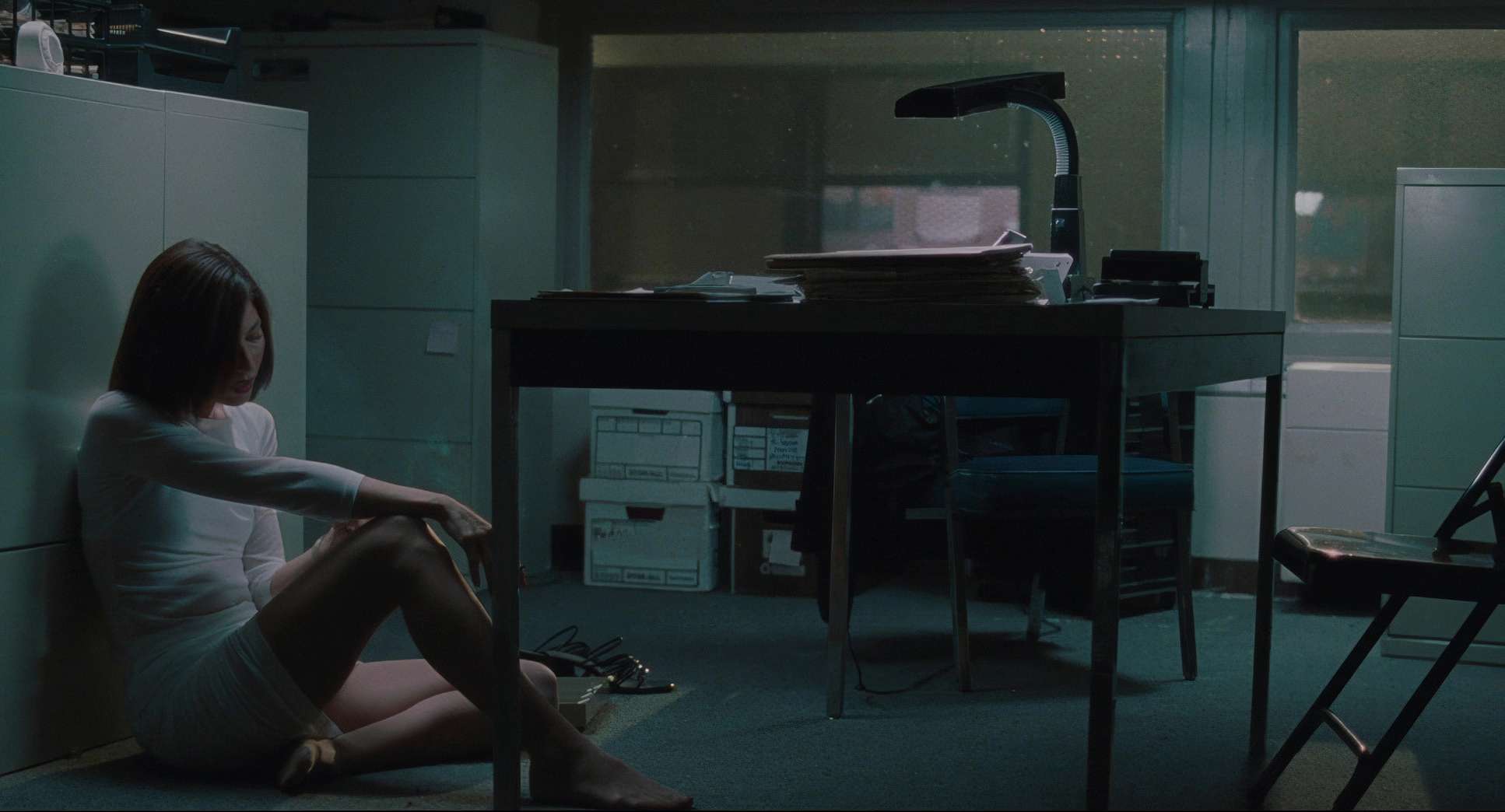
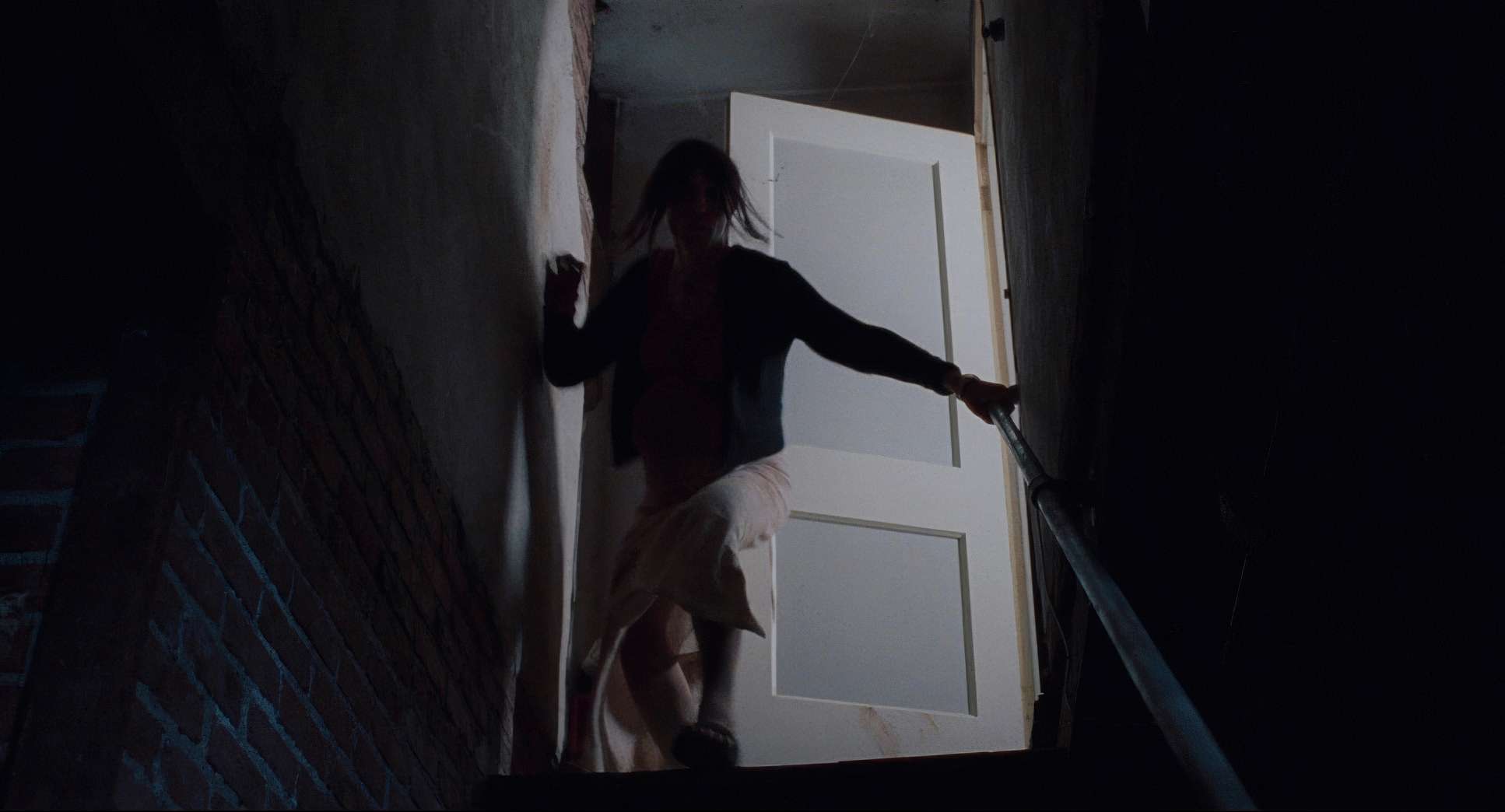
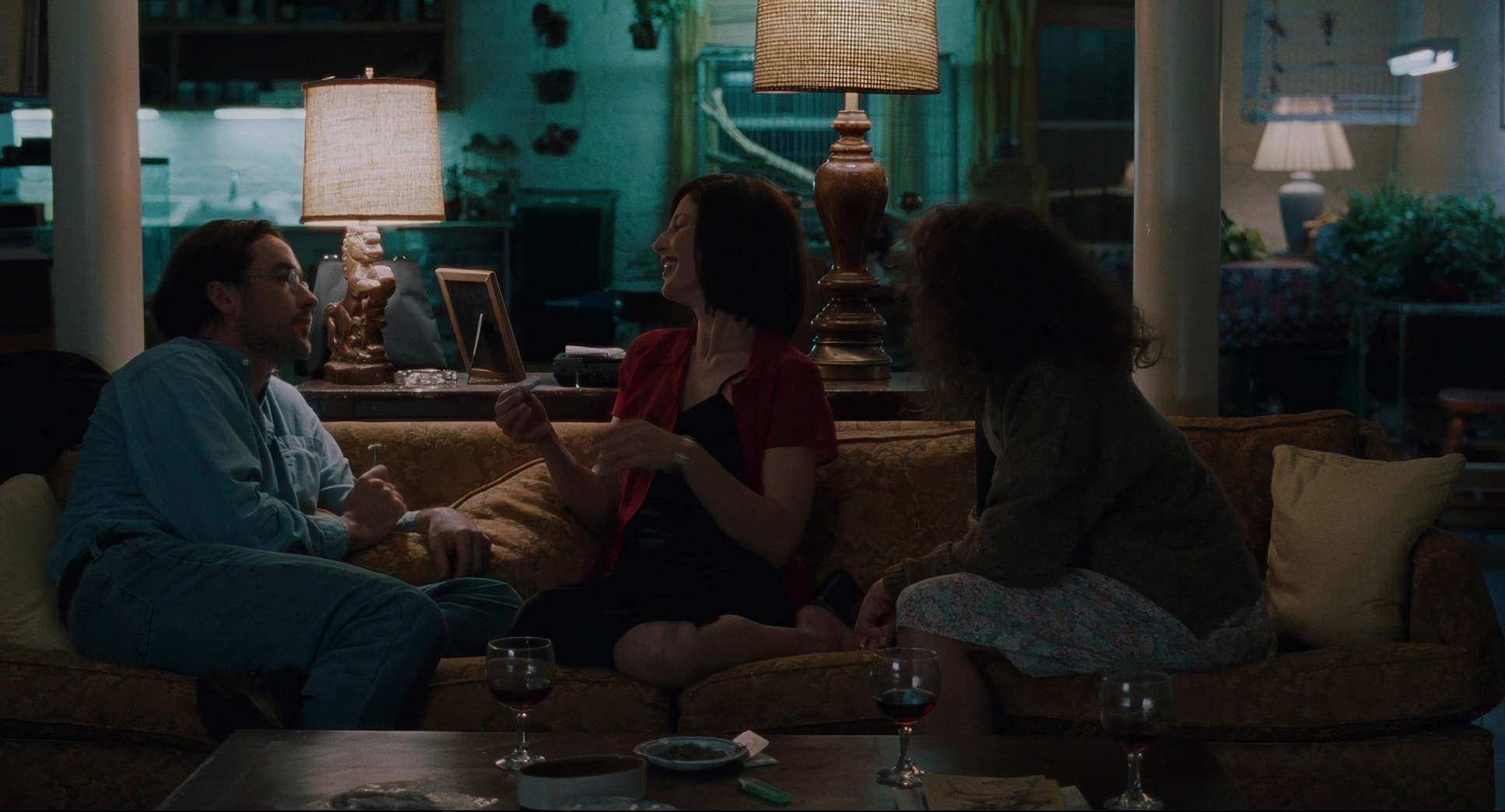
The lighting here is “grungily” naturalistic. It’s not that polished “movie” naturalism; it’s the kind of flat, slightly depressing light you find in a cluttered apartment or a bureaucratic office. We’re talking a lot of soft side-lighting and HMI sources that feel motivated by the world itself.
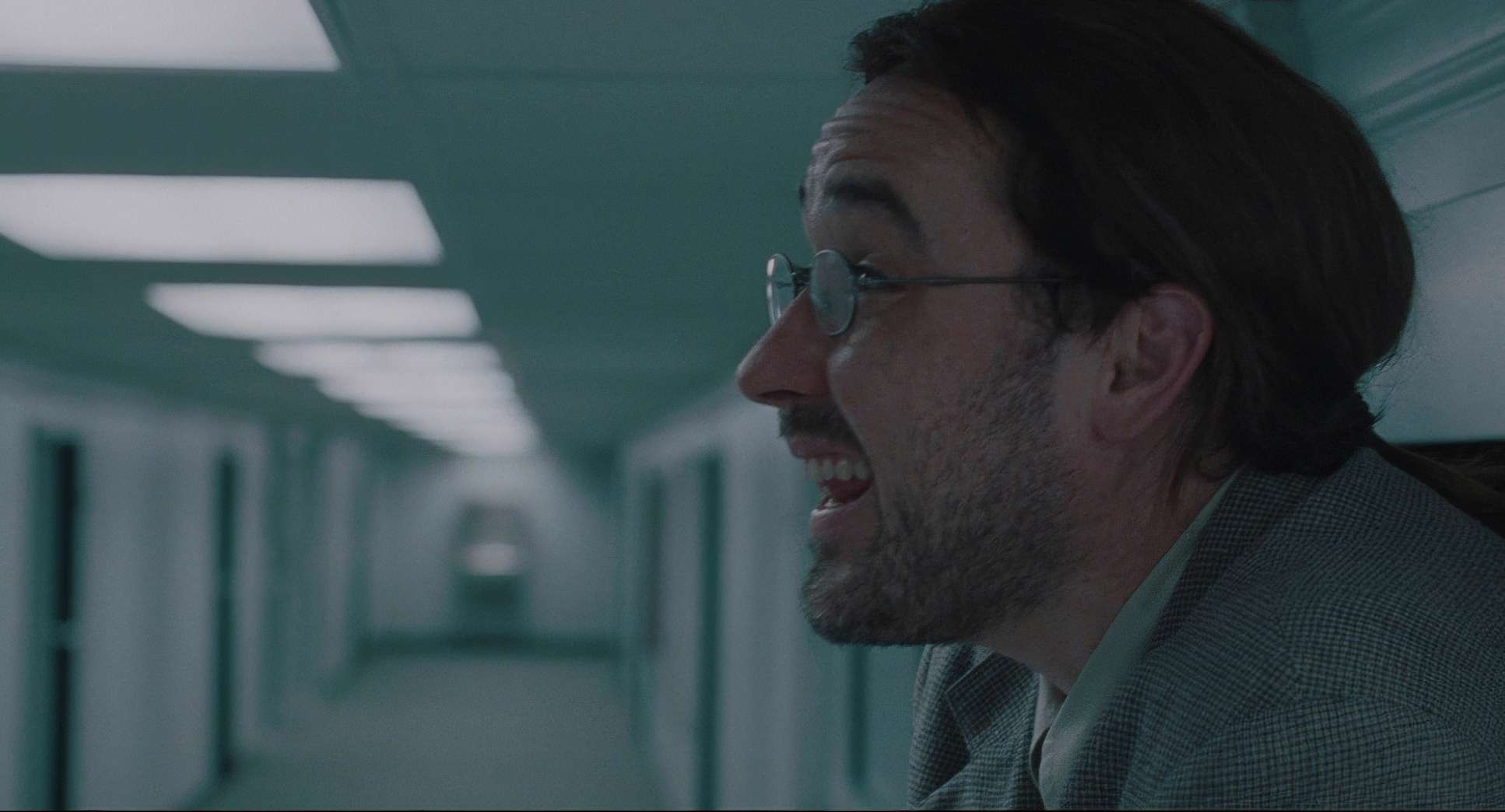
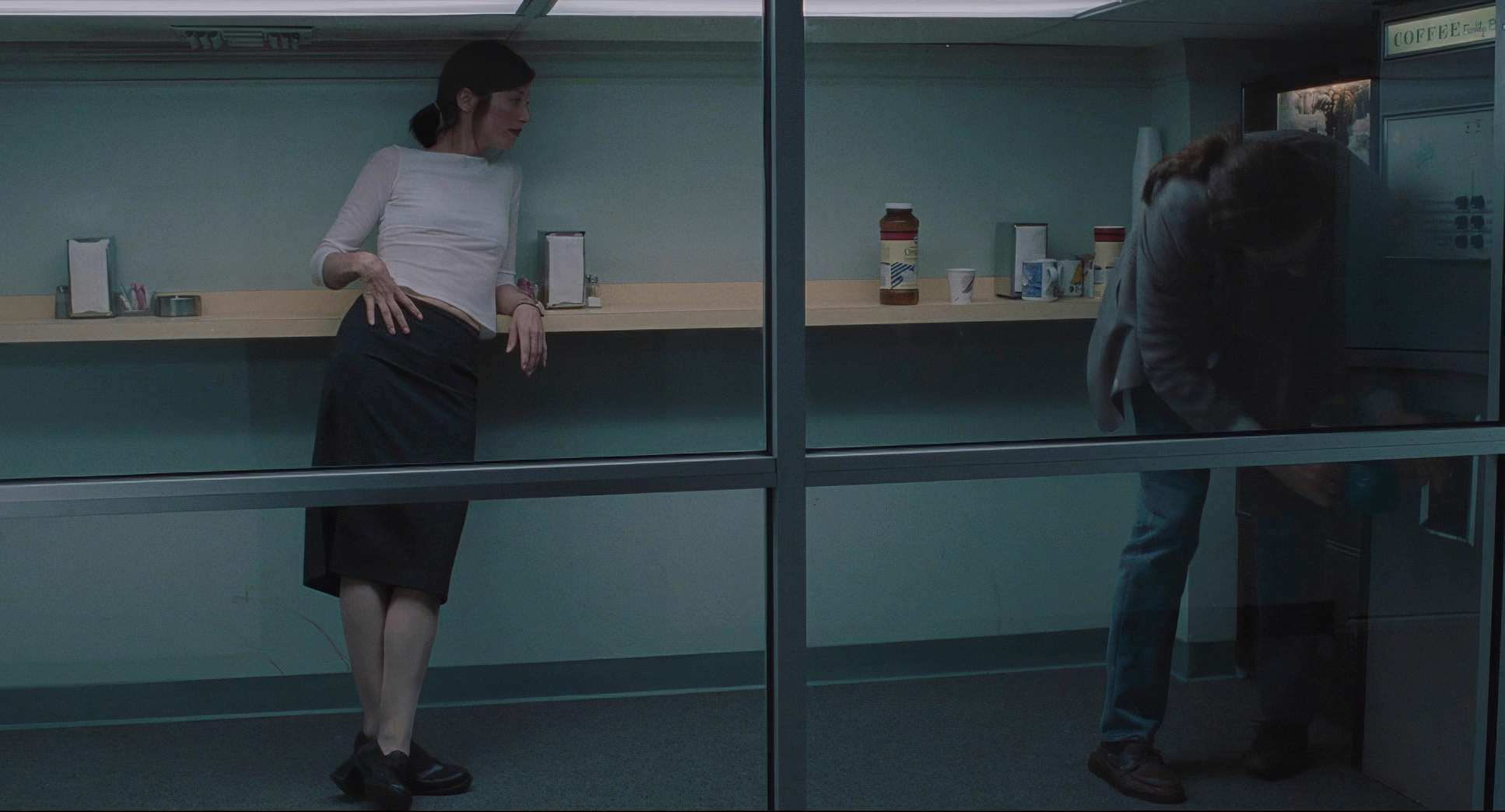
In the 7.5th floor office, the mix of utilitarian fluorescents creates this drab, yellowish-green cast. There’s no “beauty lighting” here. Even Maxine, who functions as the film’s femme fatale, isn’t lit with conventional glamour. The light highlights her intensity rather than her “look.” When we finally go inside Malkovich’s mind, the light shifts it gets cleaner, brighter, and more diffused. It’s a subtle shift that tells the audience we’ve moved from the “real” world into a more direct, unfiltered experience.
Compositional Choices
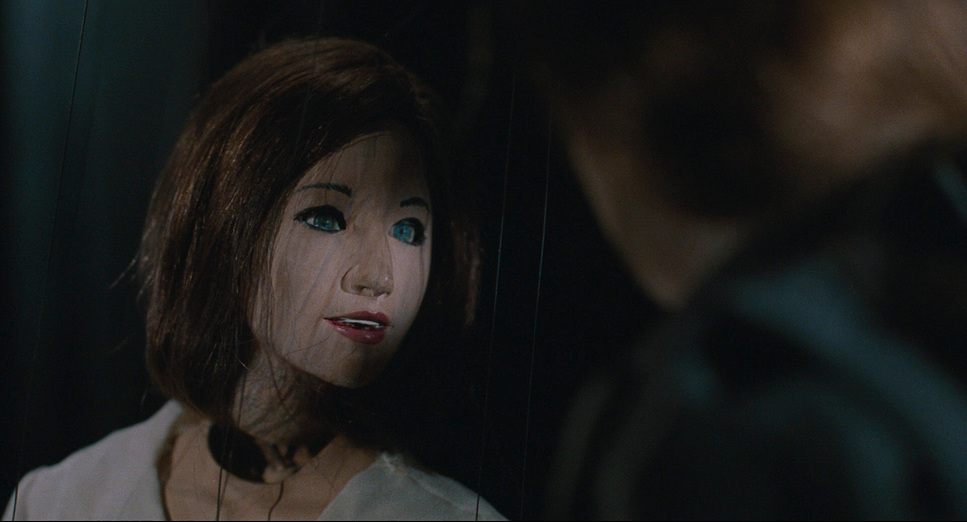
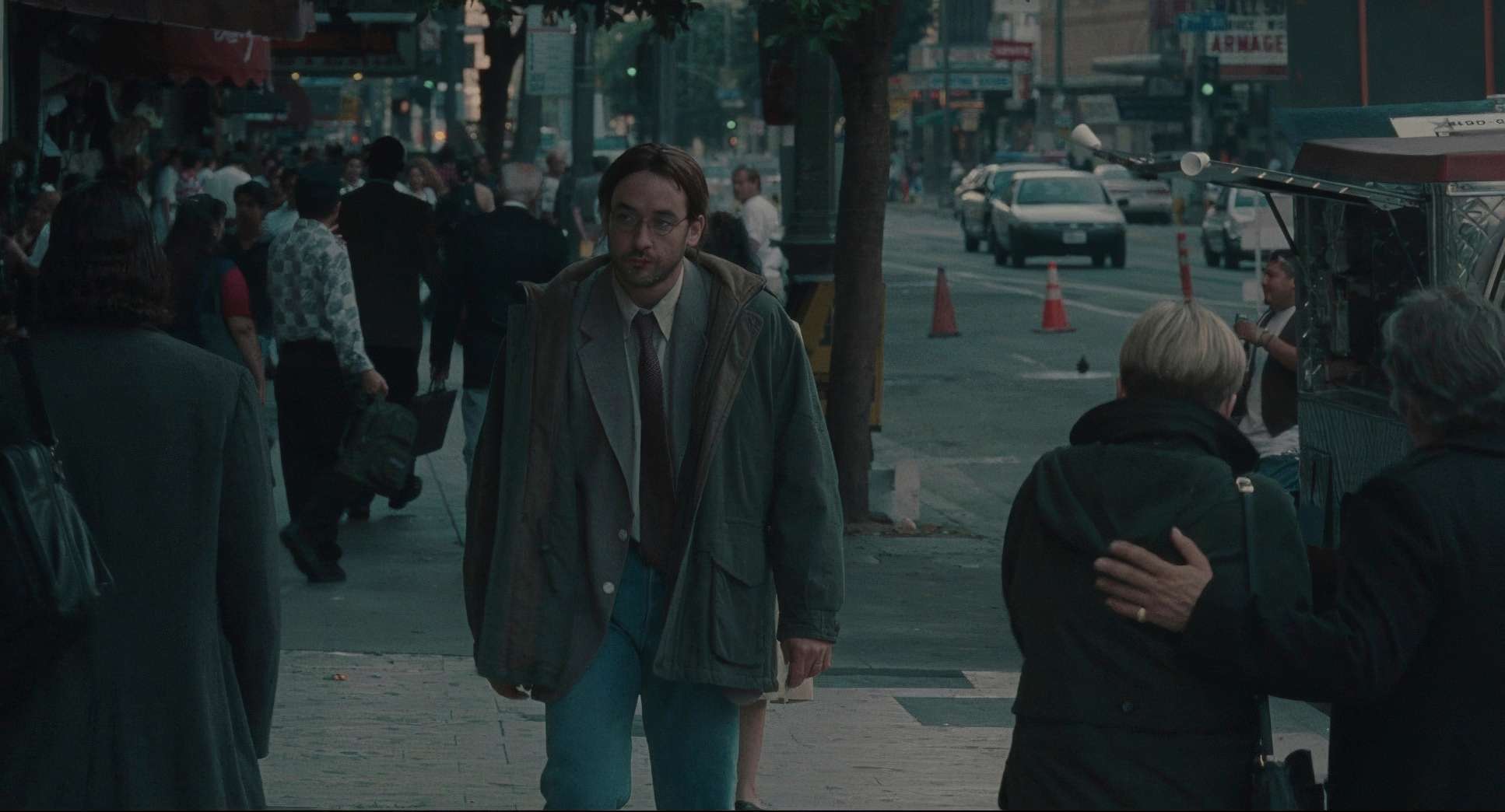
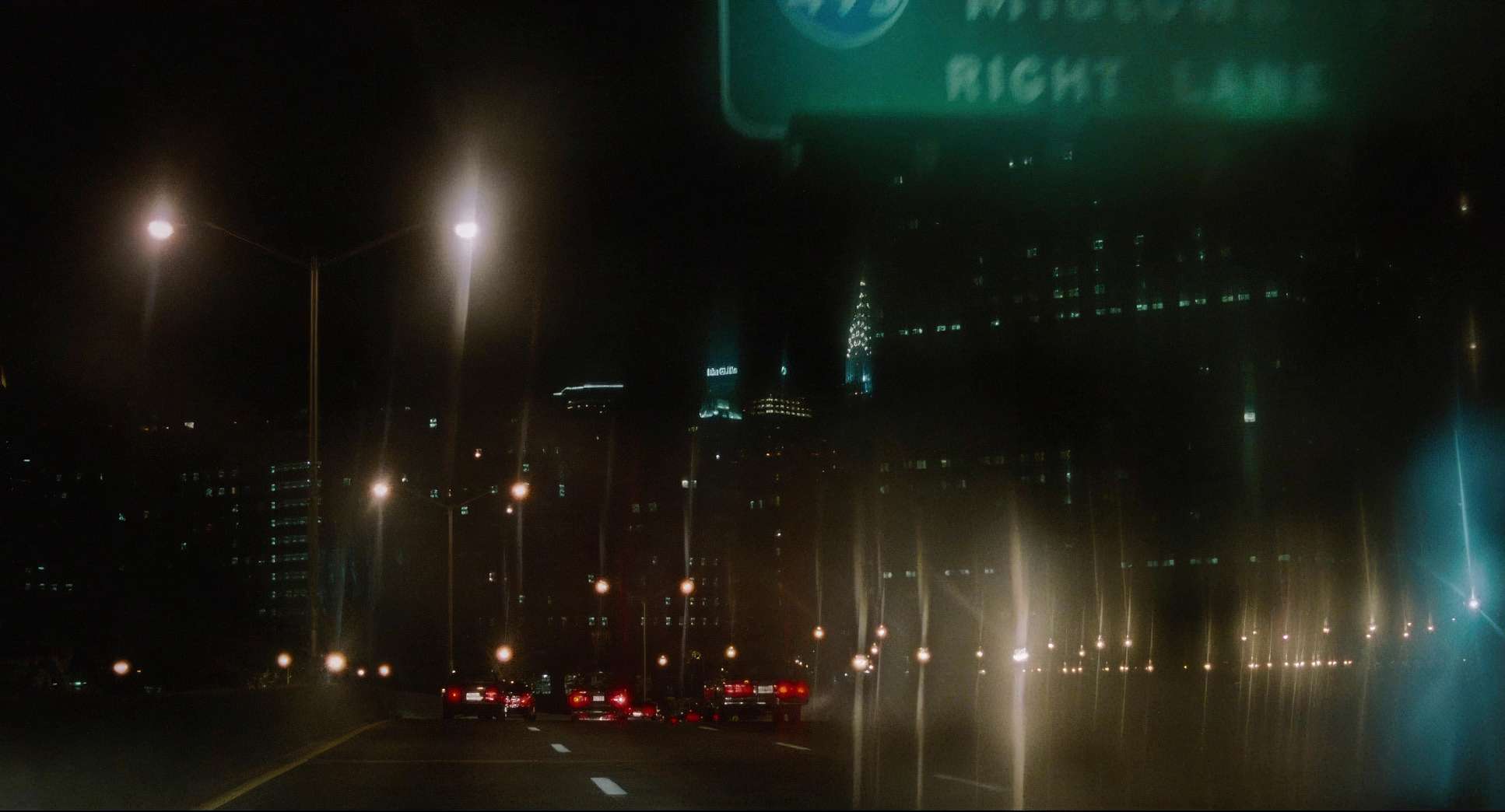
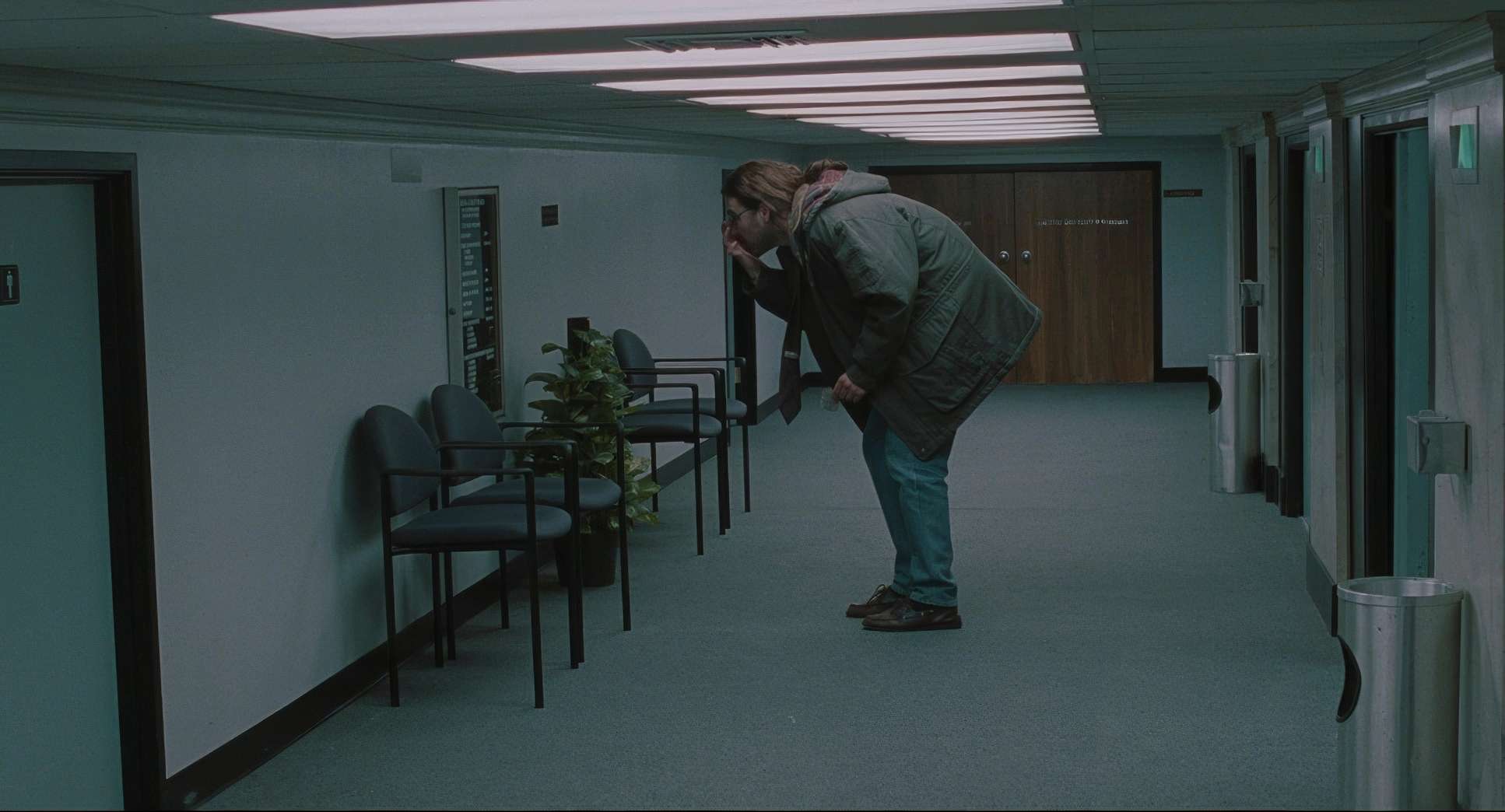
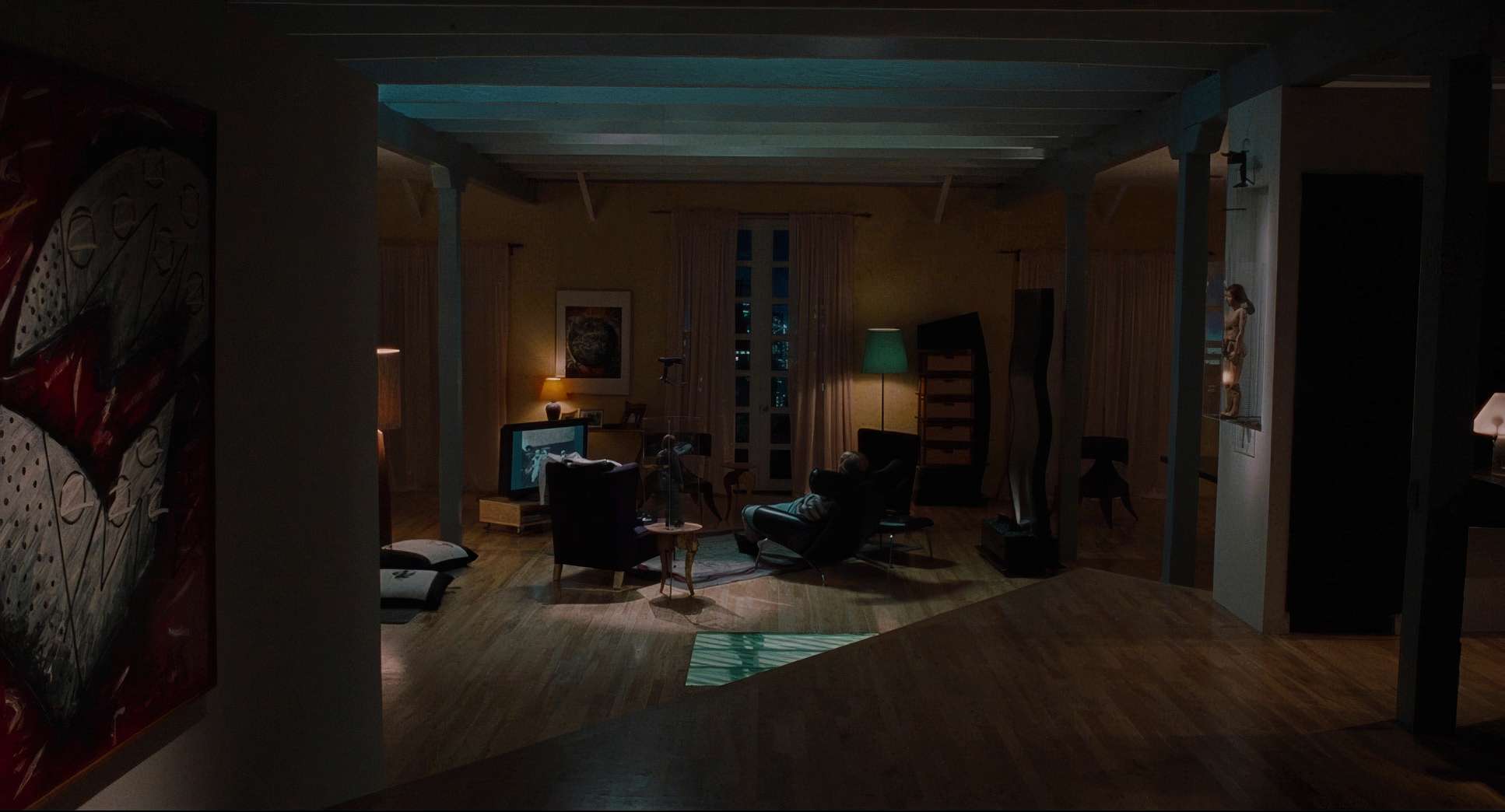
Compositionally, the film is a study in isolation. The wide shots often employ heavy negative space, making Craig look tiny and insignificant against the vast, drab backgrounds of New York.
The 1.85:1 aspect ratio feels perfect here. It’s tight enough to feel intimate but wide enough to capture the architectural absurdity of the 7.5th floor. Using deep focus allows the background weirdness like Lotte’s menagerie of animals or the bizarre office workers to stay sharp. It keeps the viewer’s eye wandering, looking for the next joke or odd detail hidden in the frame.
Color Grading Approach
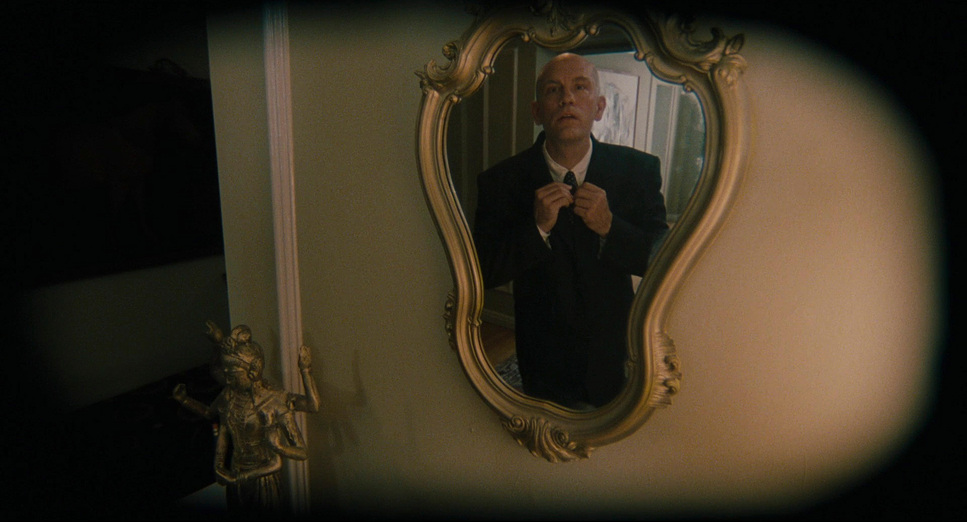
As a colorist, this is my favorite part of the film to dissect. Being John Malkovich has a beautiful, photochemical soul. It was shot on Kodak Vision 500T (5279), which was the workhorse of the late 90s, and it shows in that organic grain and “Kodalith” grit.
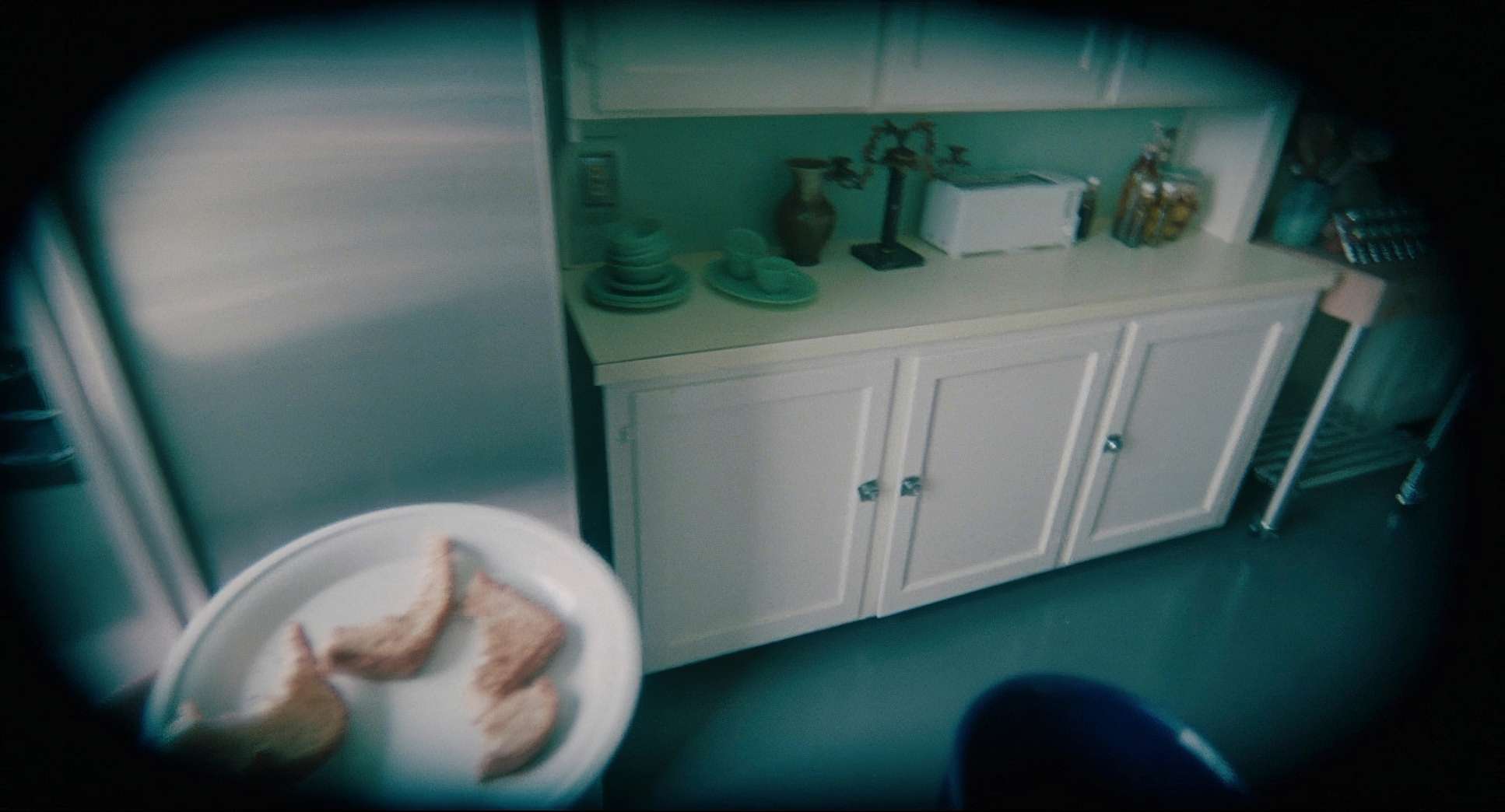
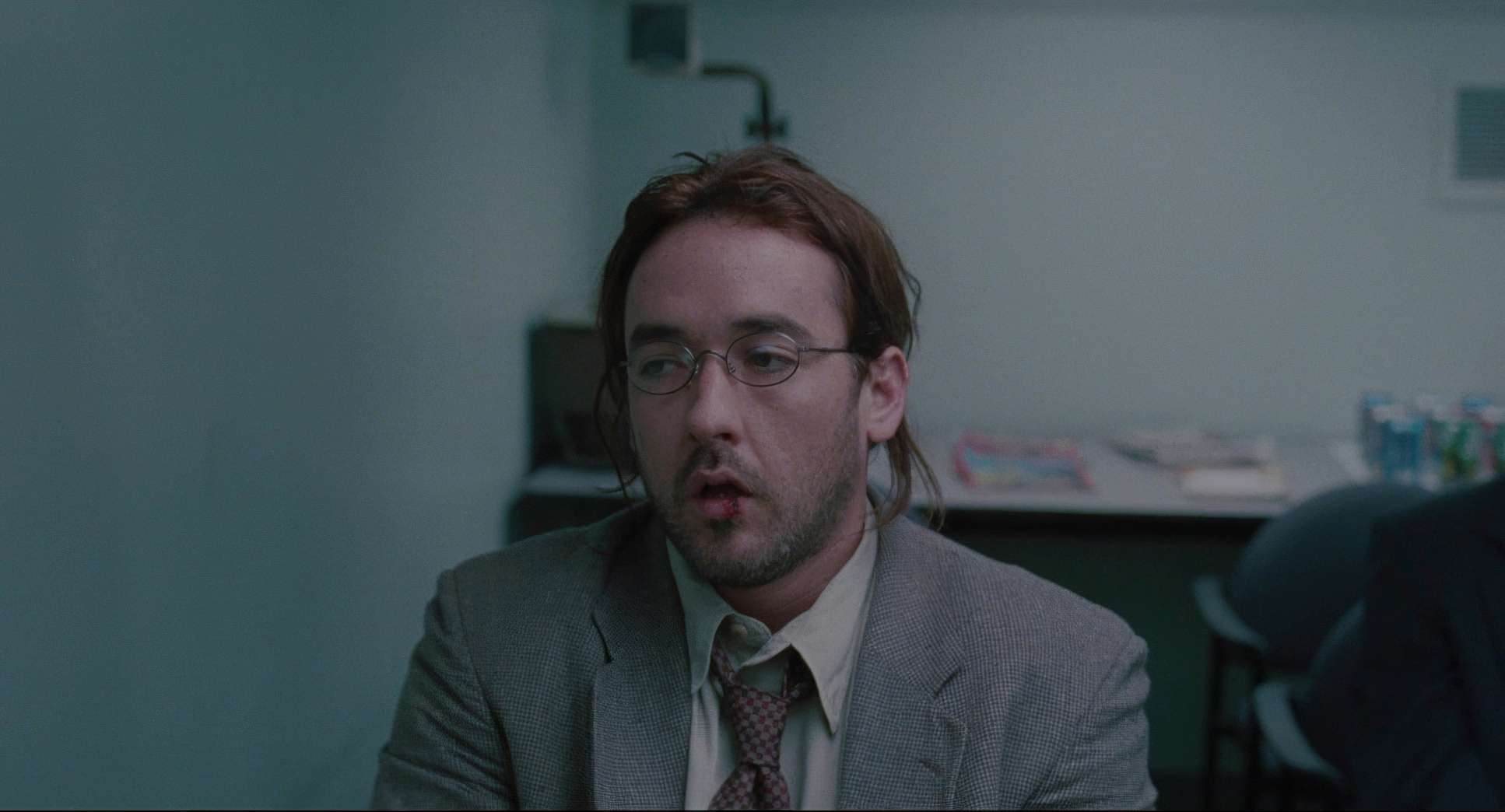
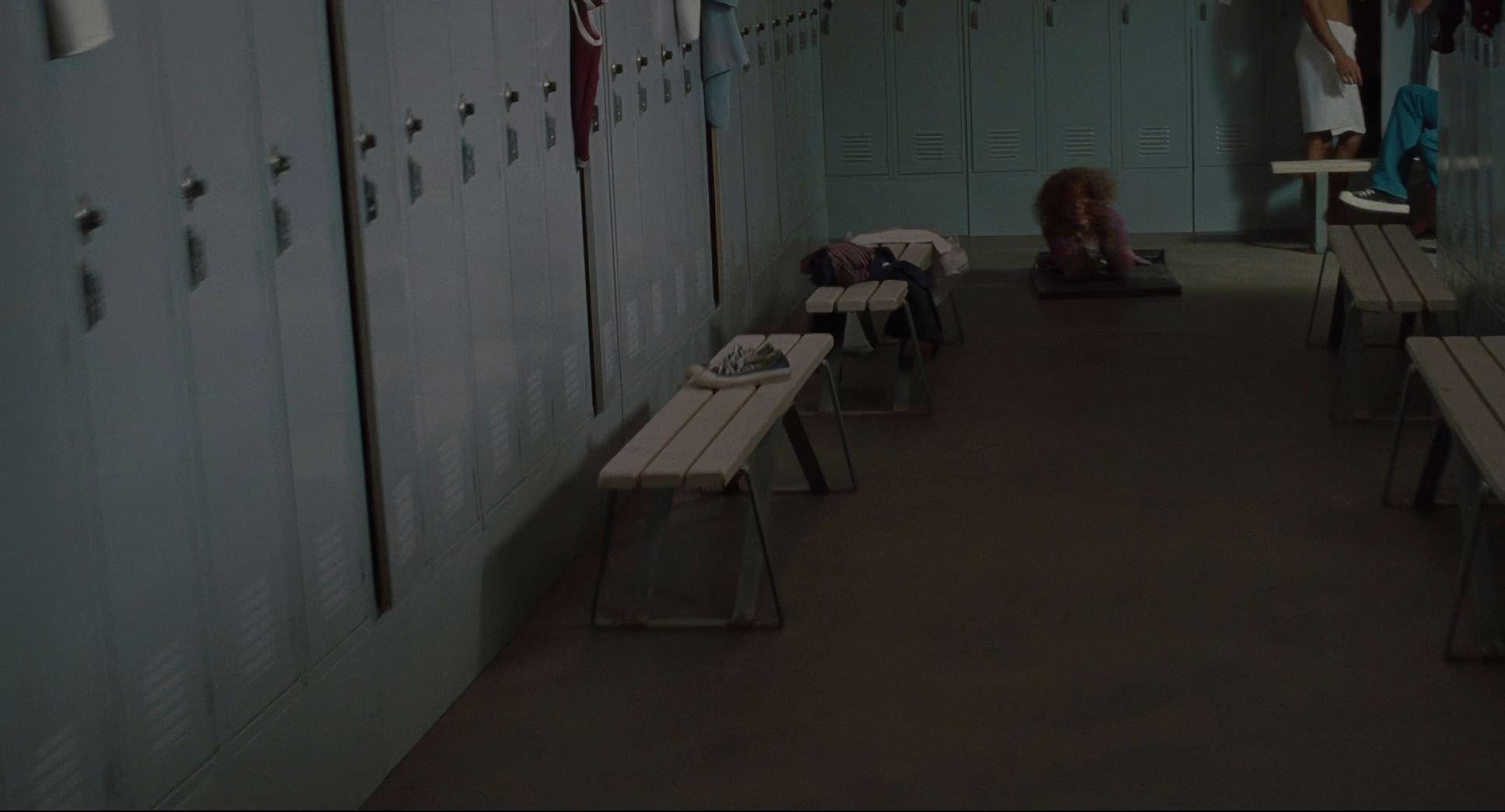
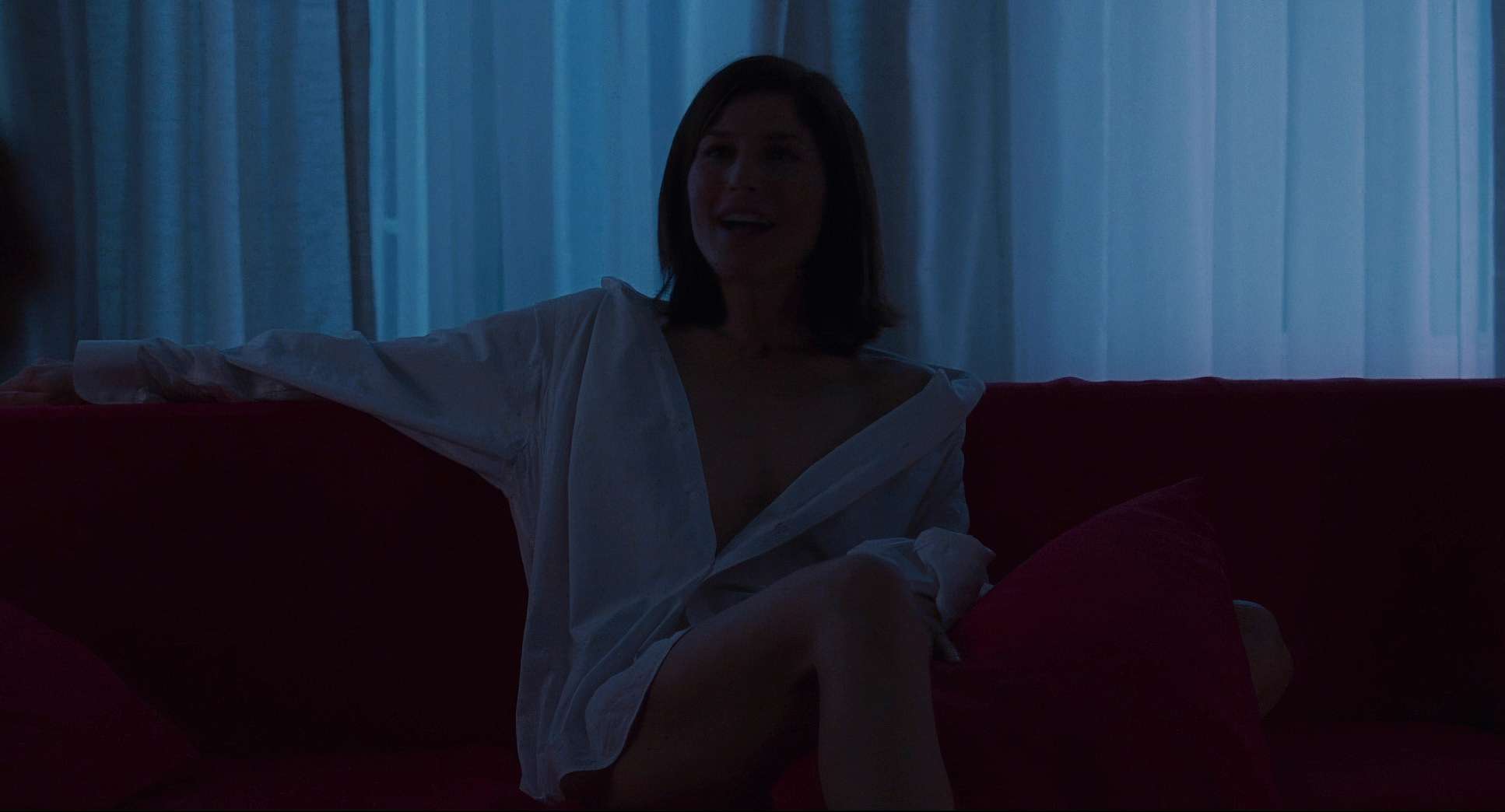
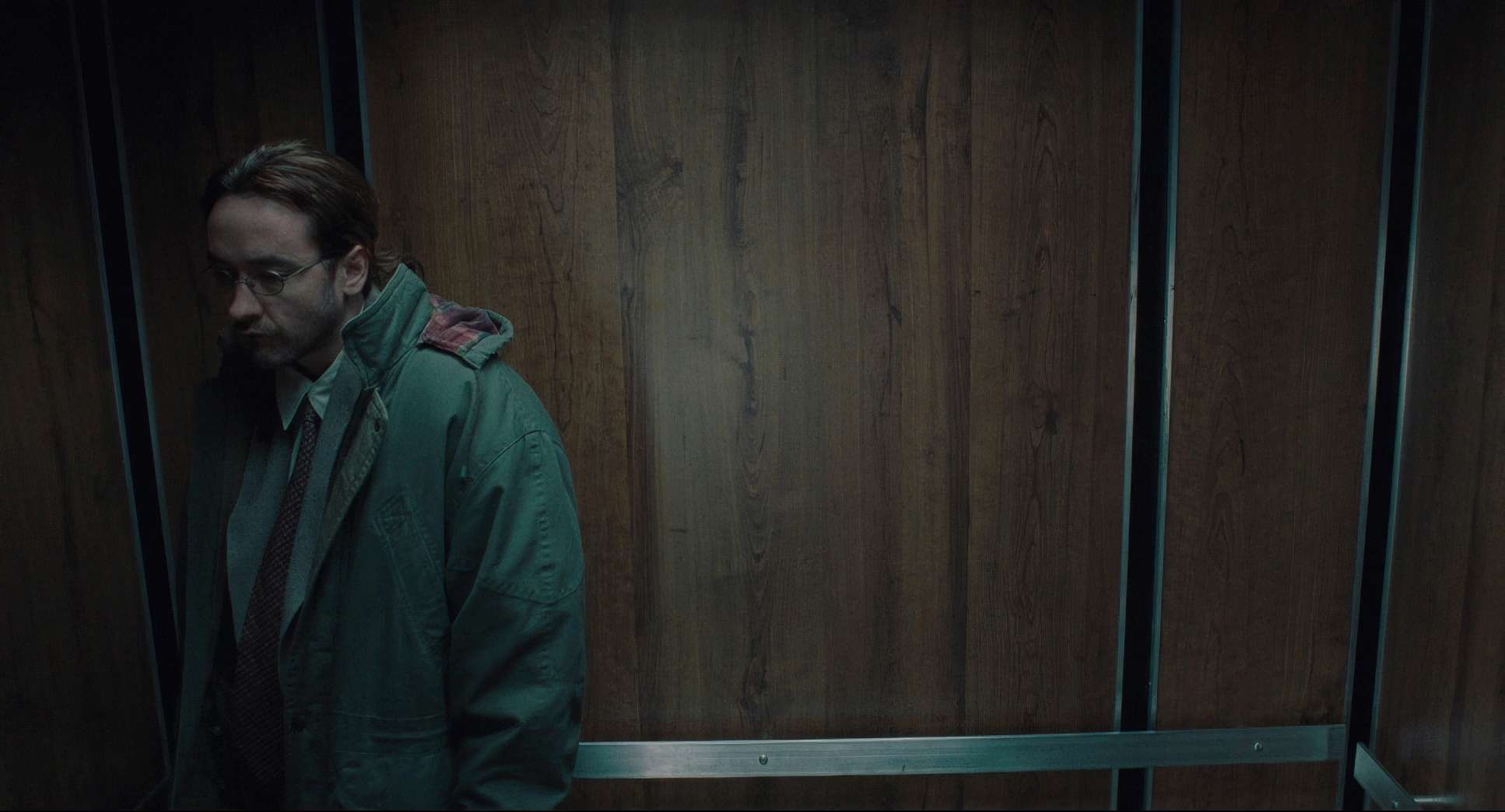
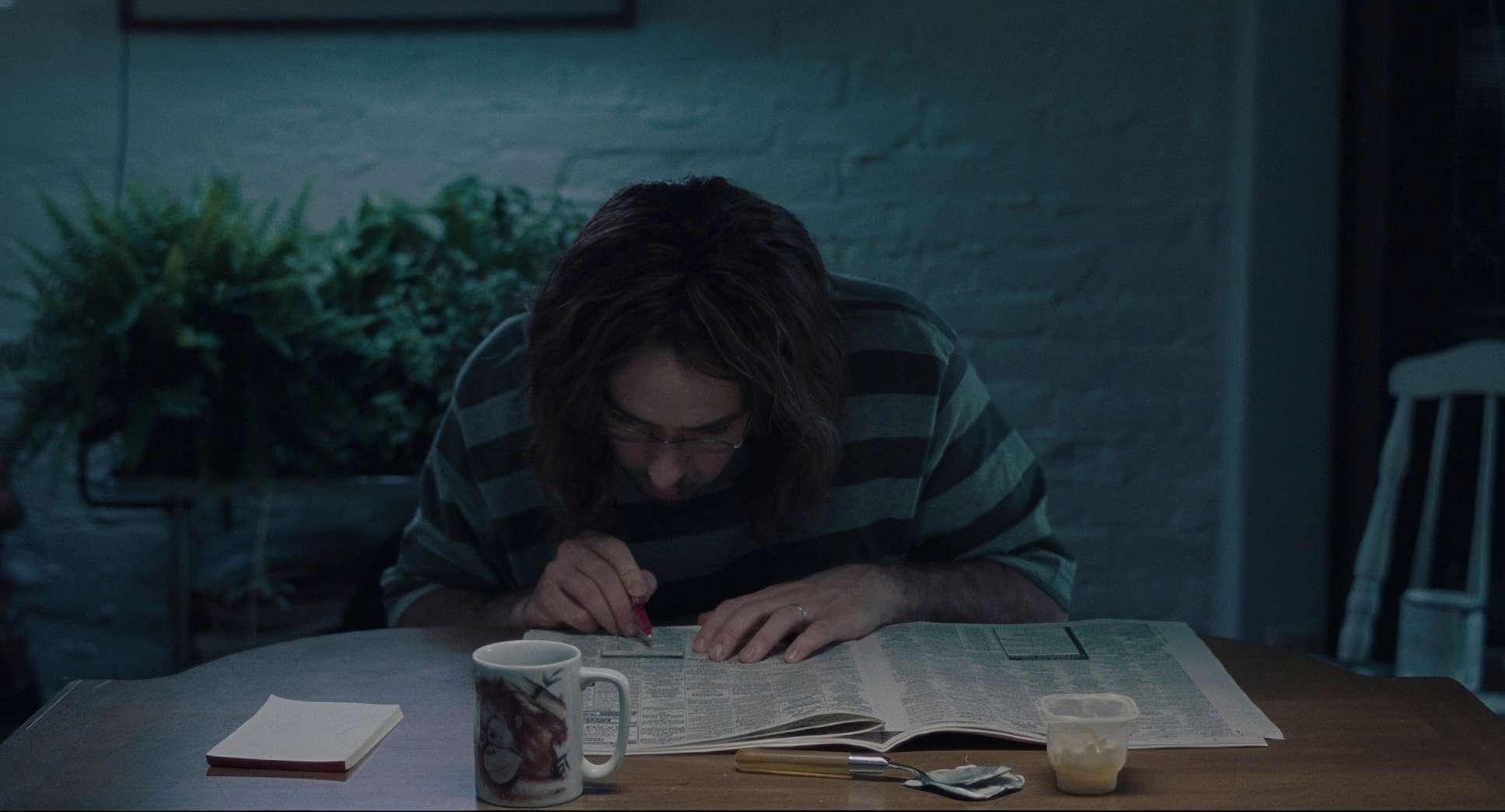
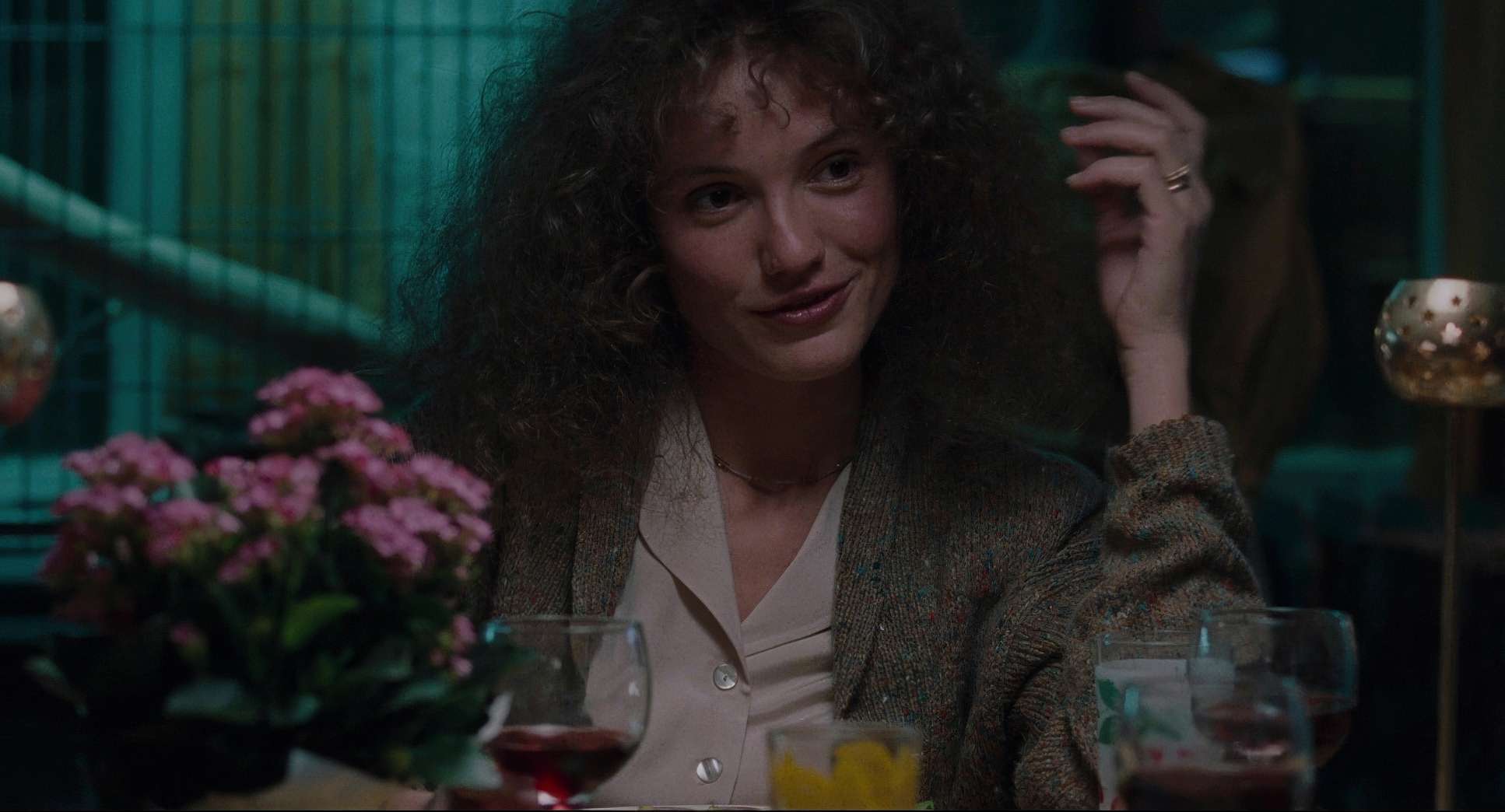
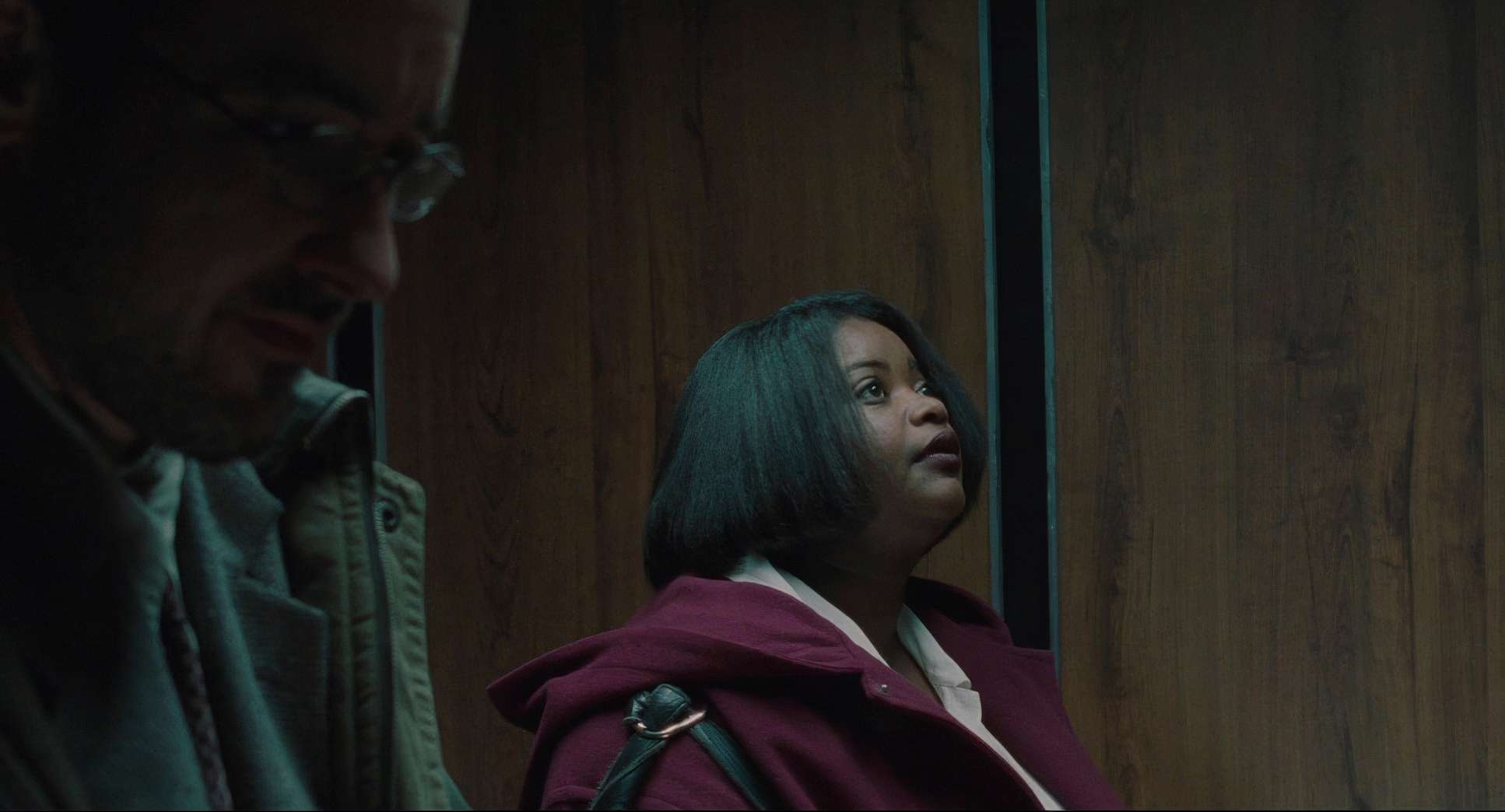
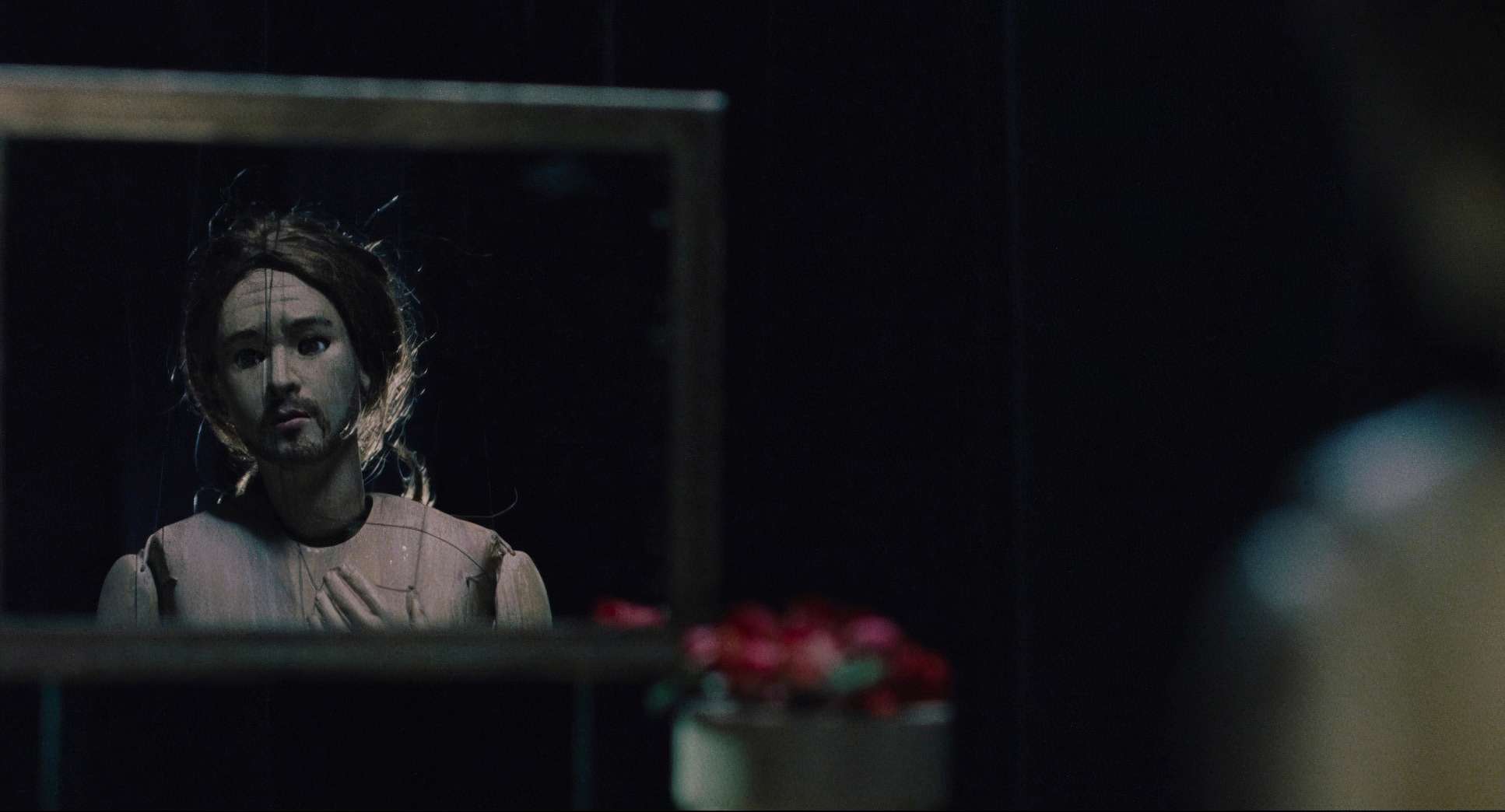
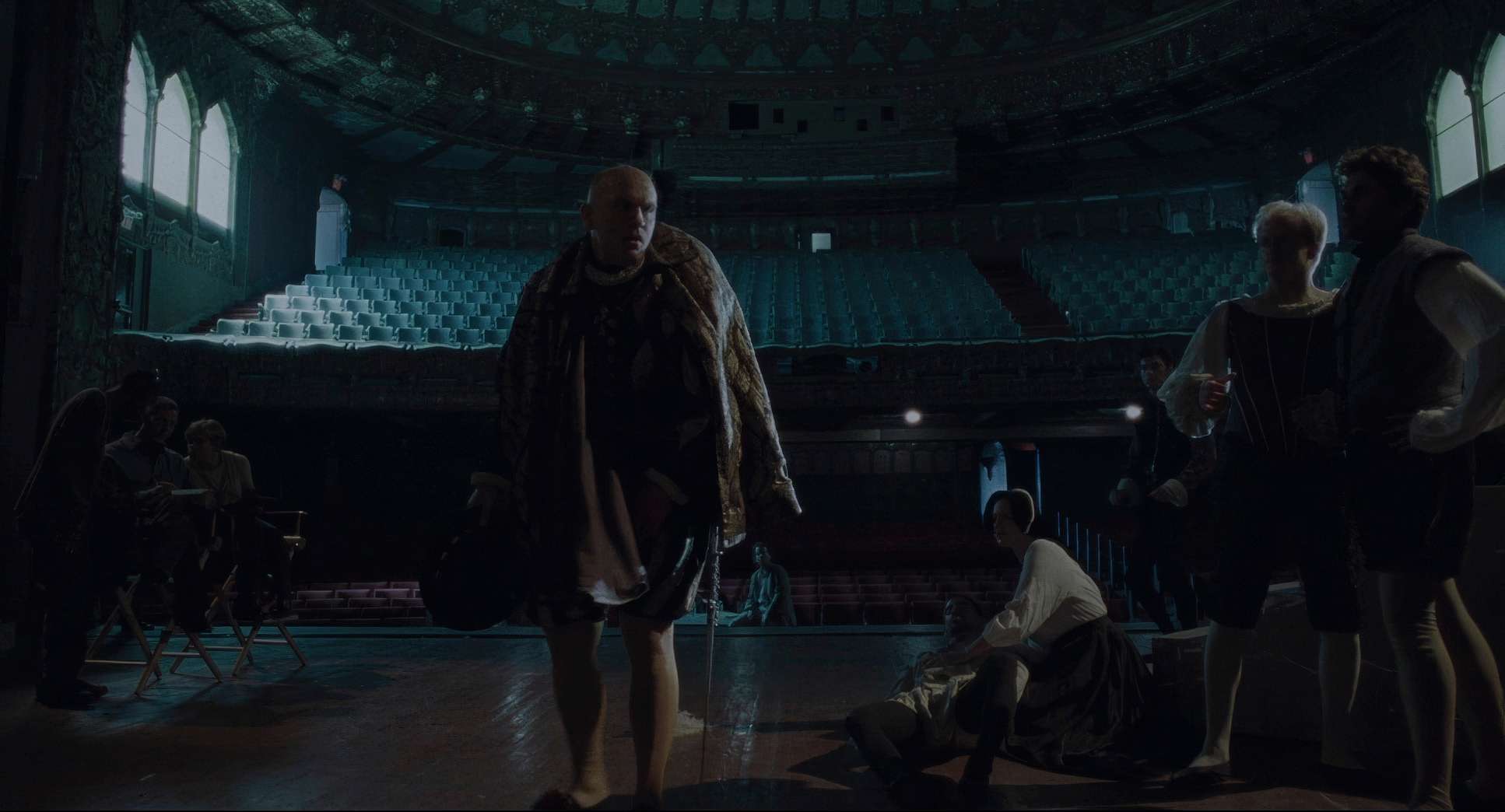
The palette is unapologetically desaturated. We’re living in a world of muddy browns, dull greens, and faded yellows. It’s a mid-range contrast grade nothing is ever truly “crushed” to black or blown out to white. It lives in that 10-to-90 range, giving the image a density and weight that feels like a memory rather than a digital capture.
The highlight roll-off is what I love most. In the brighter scenes, the highlights taper off so smoothly, maintaining detail in a way that modern digital sensors often struggle to replicate without heavy post-processing. It’s a grade that supports the story by being almost invisible, shaping the mood without ever shouting for attention.
Technical Aspects & Tools
Being John Malkovich (1999) | Technical Specifications
| Genre | Comedy, Drama, Fantasy, Magical Realism, Psychedelic, Satire |
| Director | Spike Jonze |
| Cinematographer | Lance Acord |
| Production Designer | K.K. Barrett |
| Costume Designer | Casey Storm |
| Editor | Eric Zumbrunnen |
| Colorist | David Orr |
| Time Period | 1990s |
| Color | Desaturated |
| Aspect Ratio | 1.85 – Spherical |
| Format | Film – 35mm |
| Lighting | Soft light, Side light |
| Lighting Type | HMI |
| Story Location | United States > New York |
| Camera | Moviecam Compact, Moviecam SL |
| Lens | Cooke S4/ i |
| Film Stock / Resolution | 5279/7279 Vision 500T |
Shot on 35mm film, the movie benefits from that natural, vibrating texture. Building the 7.5th floor wasn’t a digital trick; it was a massive physical undertaking. You can tell when a camera is physically restricted by a ceiling the angles feel different, the actors move differently. That practical approach is what makes the surrealism feel so tangible. They used the Moviecam SL specifically for its lightweight profile, which likely helped navigate those cramped spaces during the more kinetic sequences.
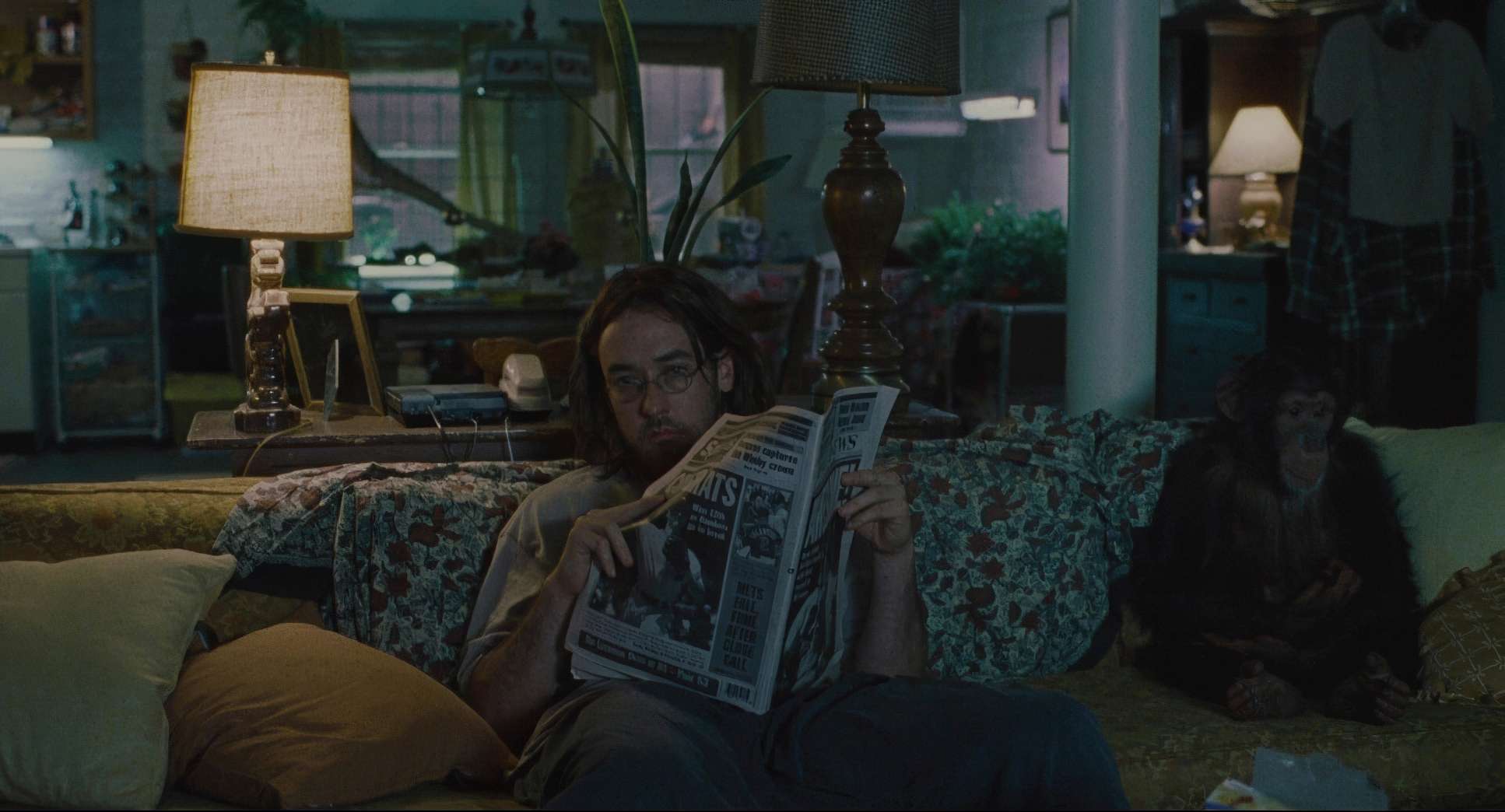
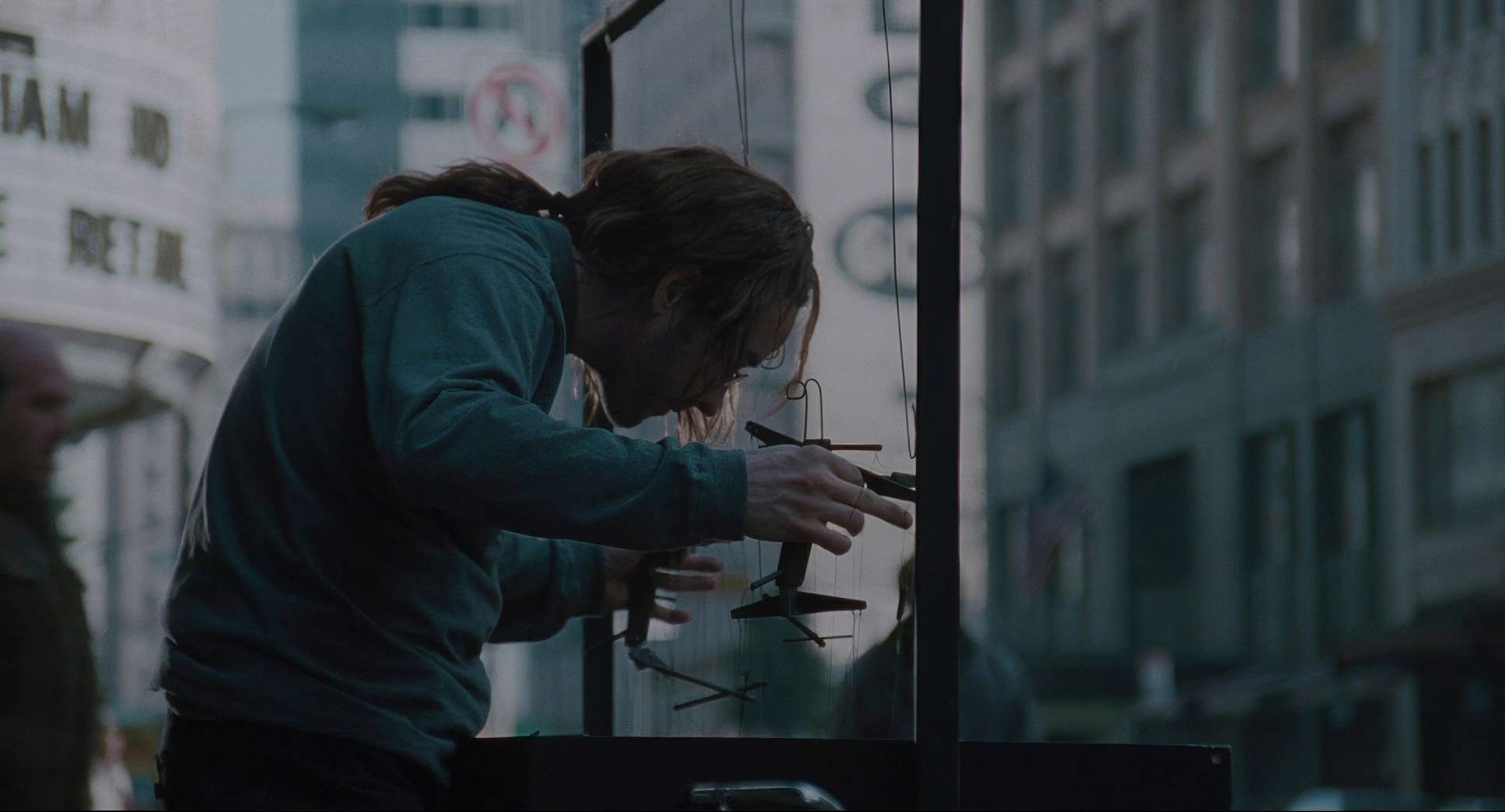
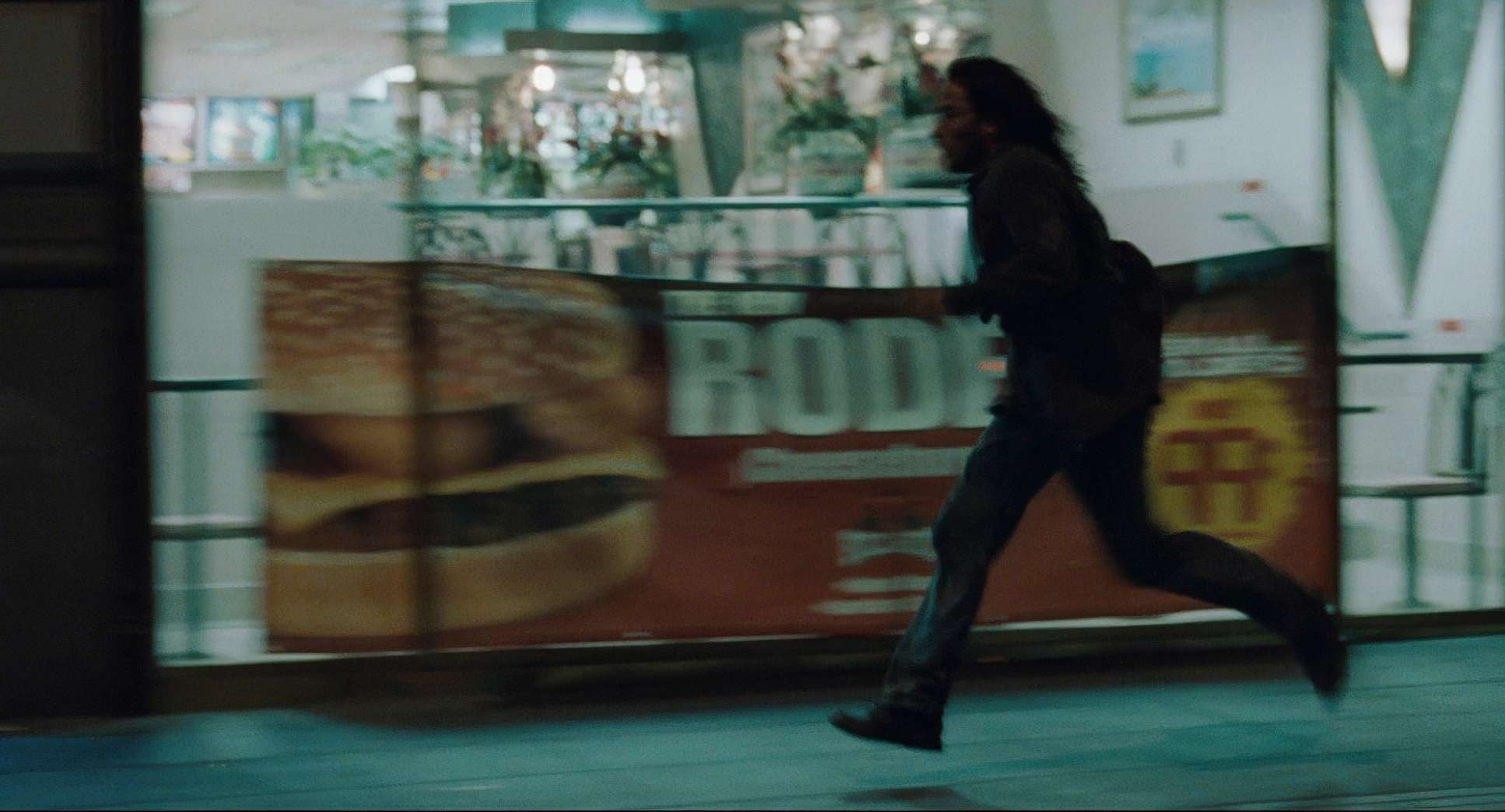
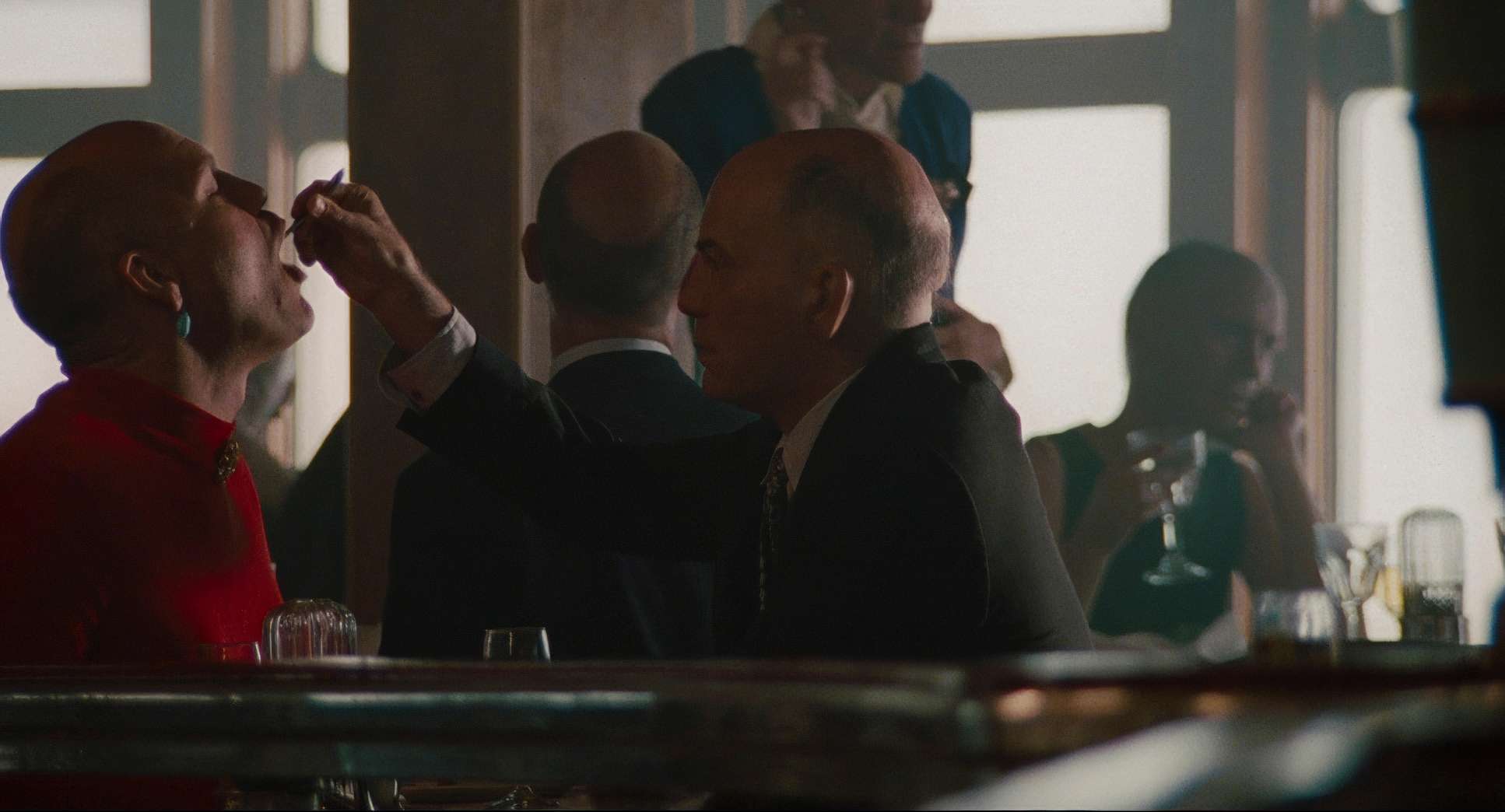
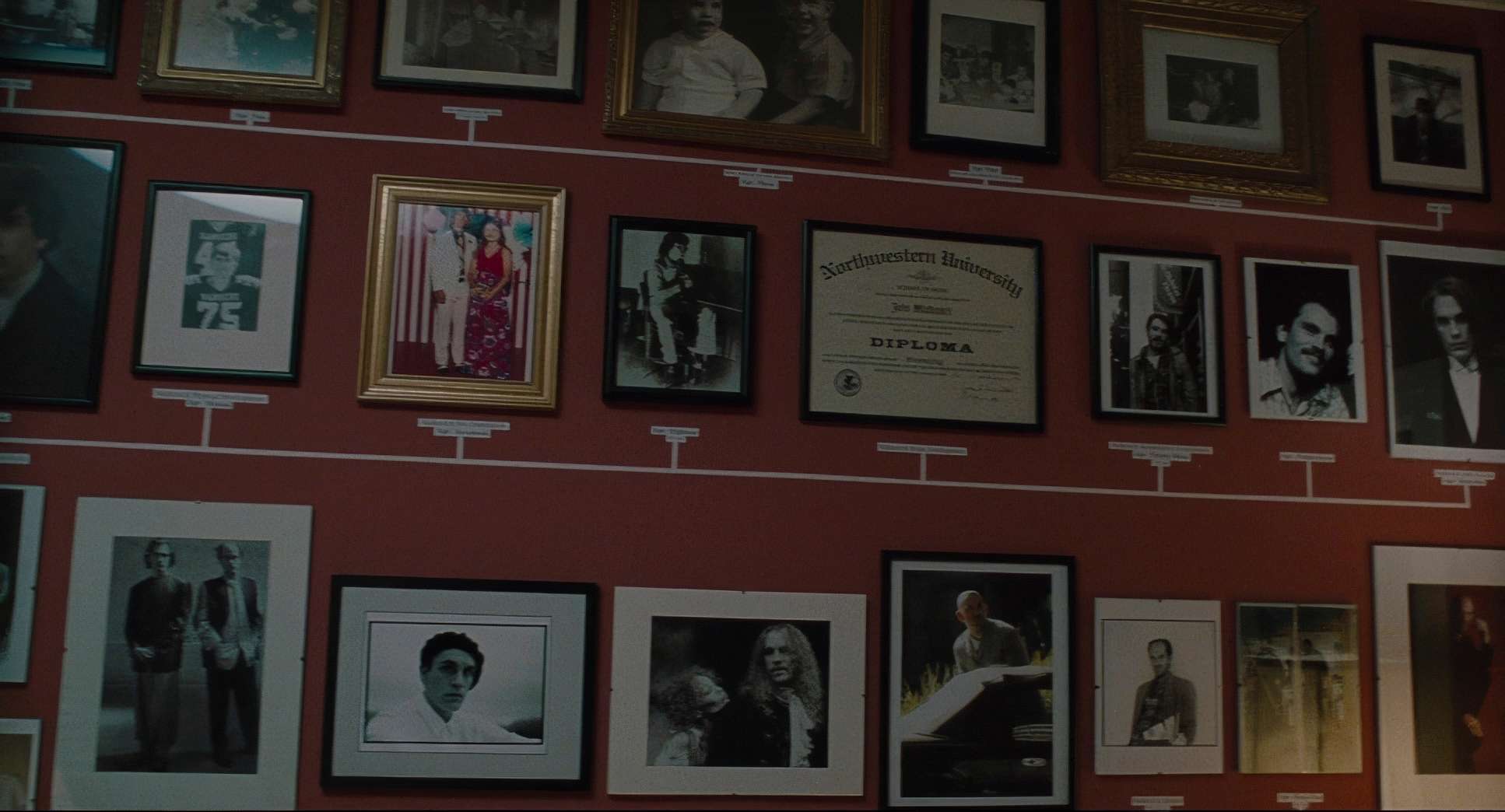
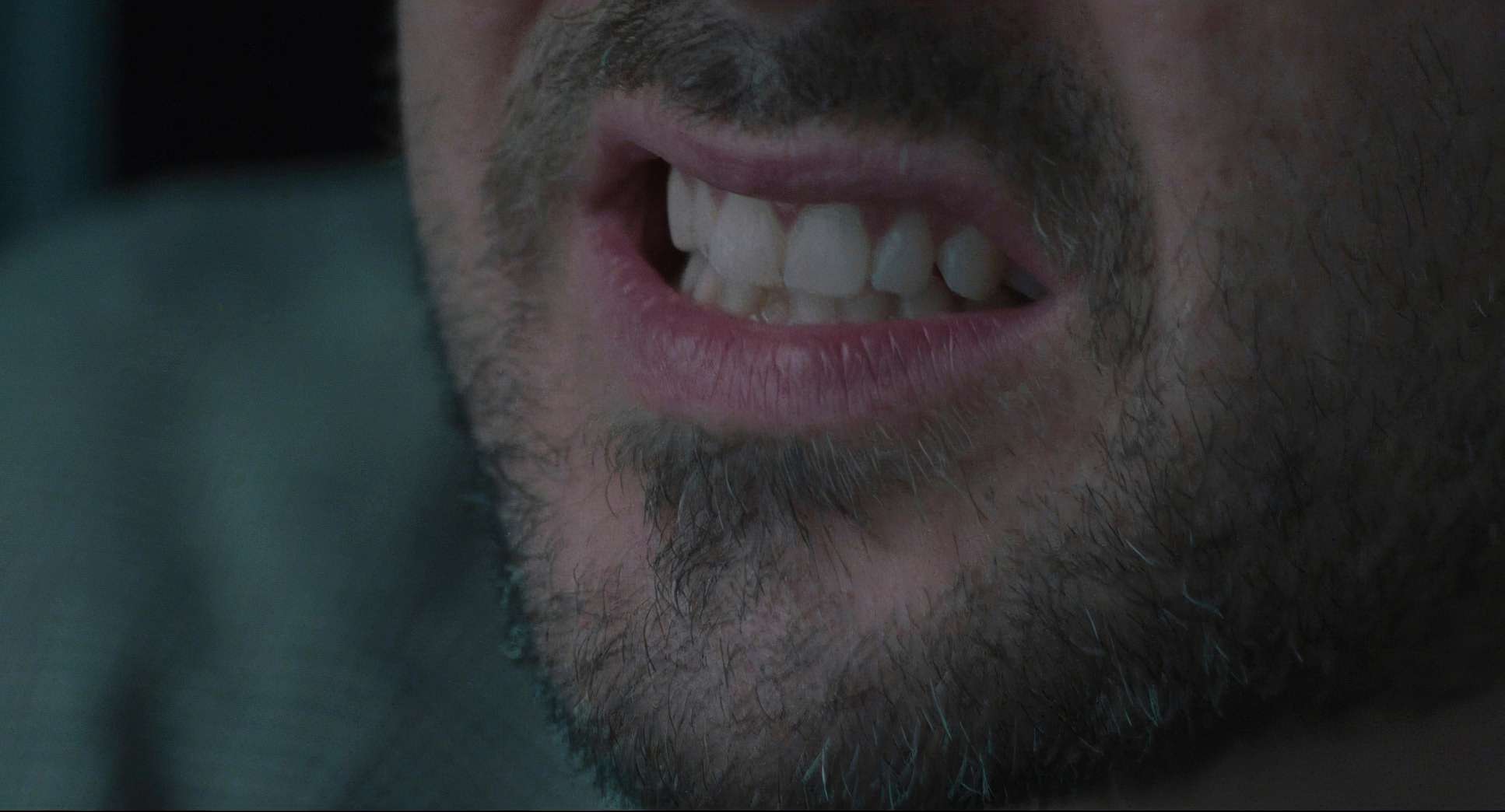
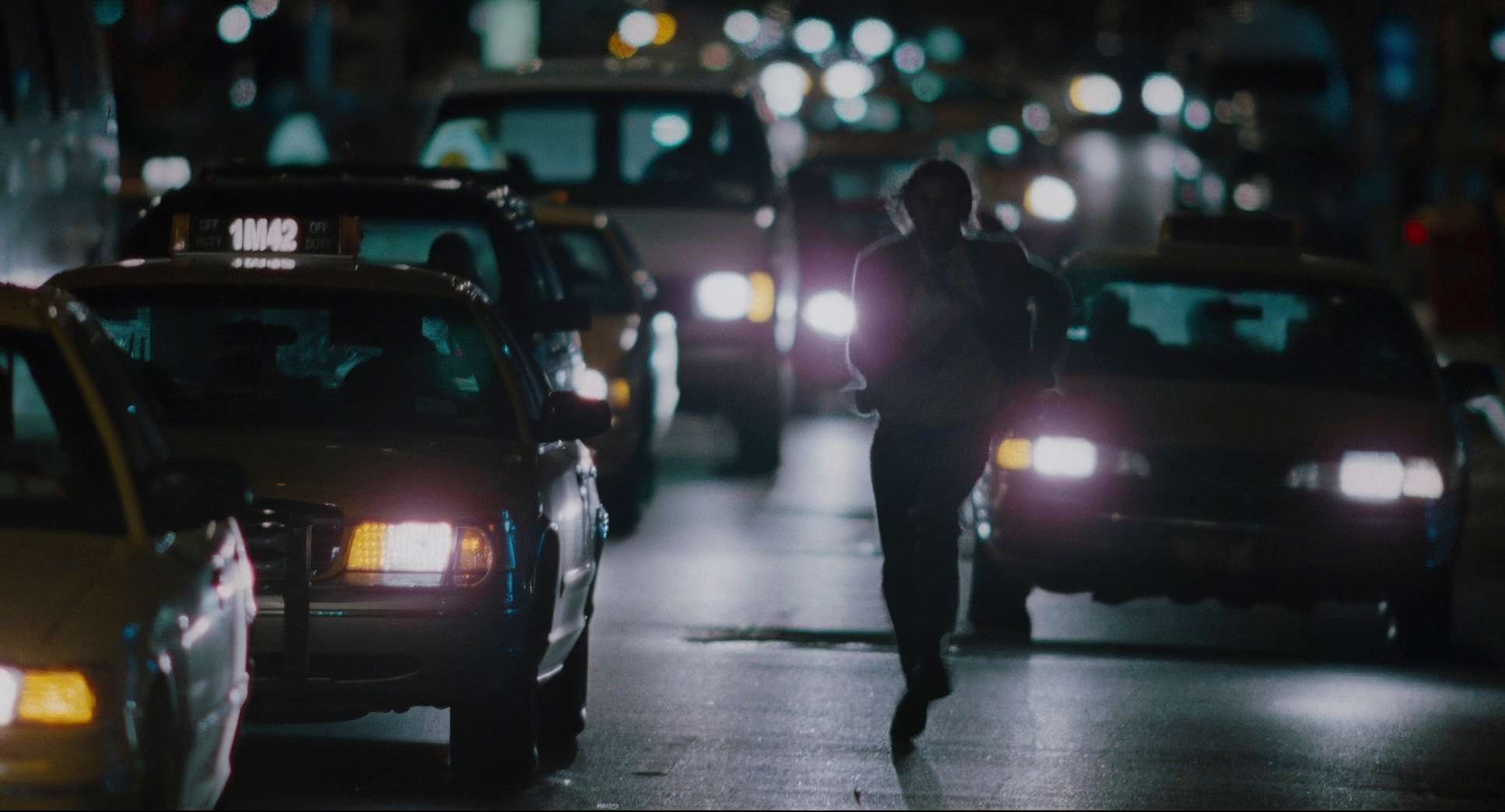
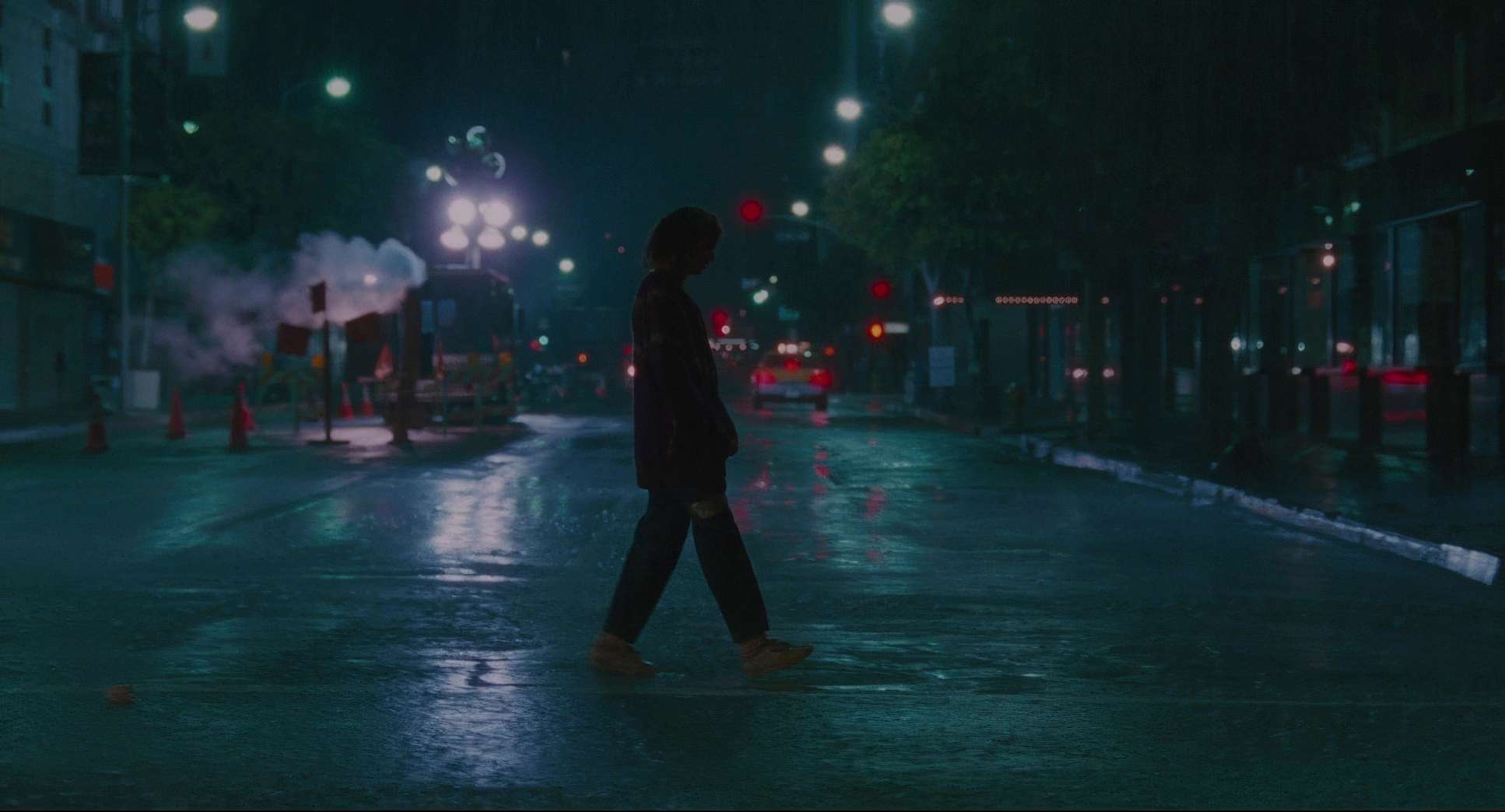
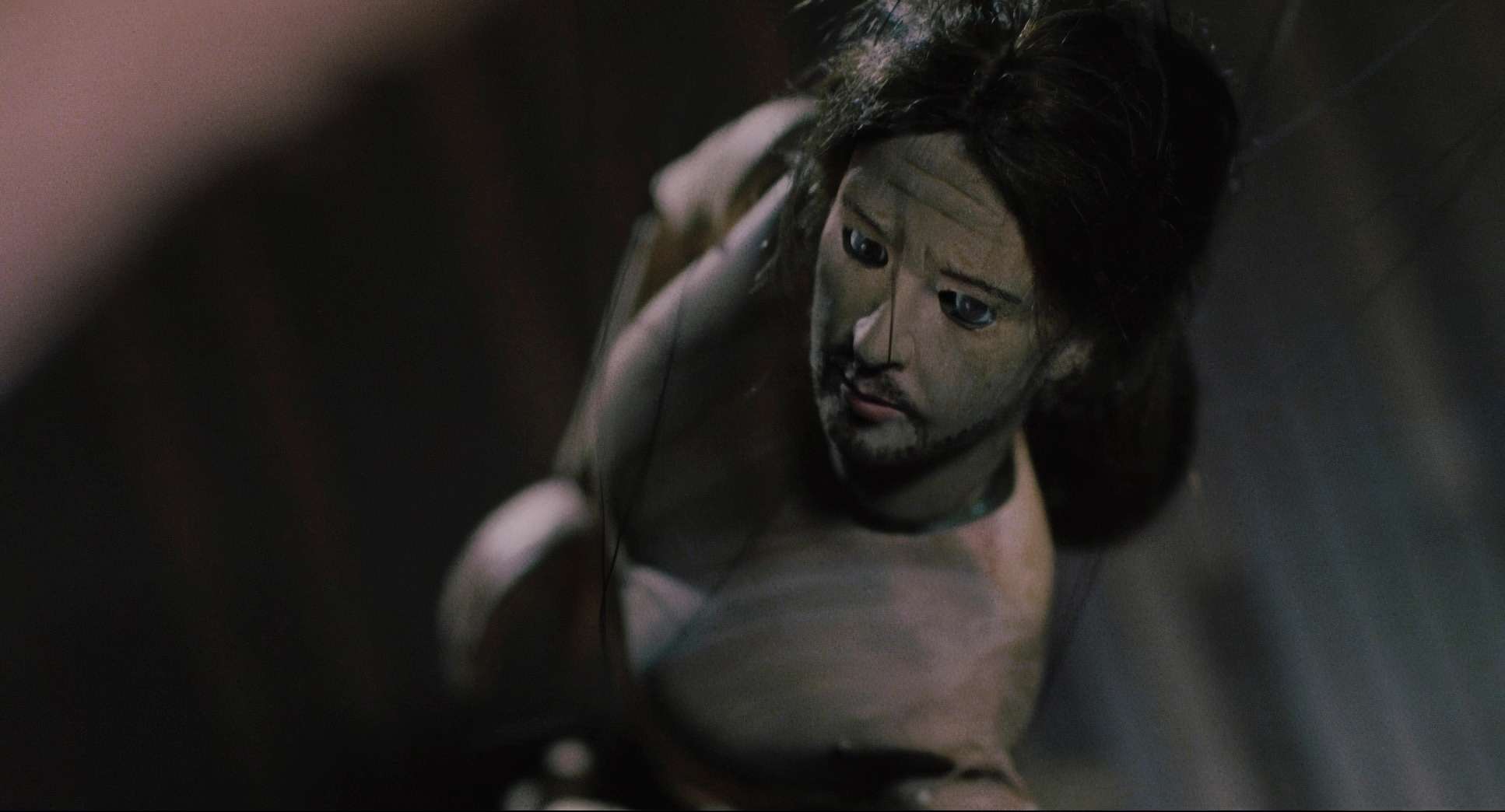
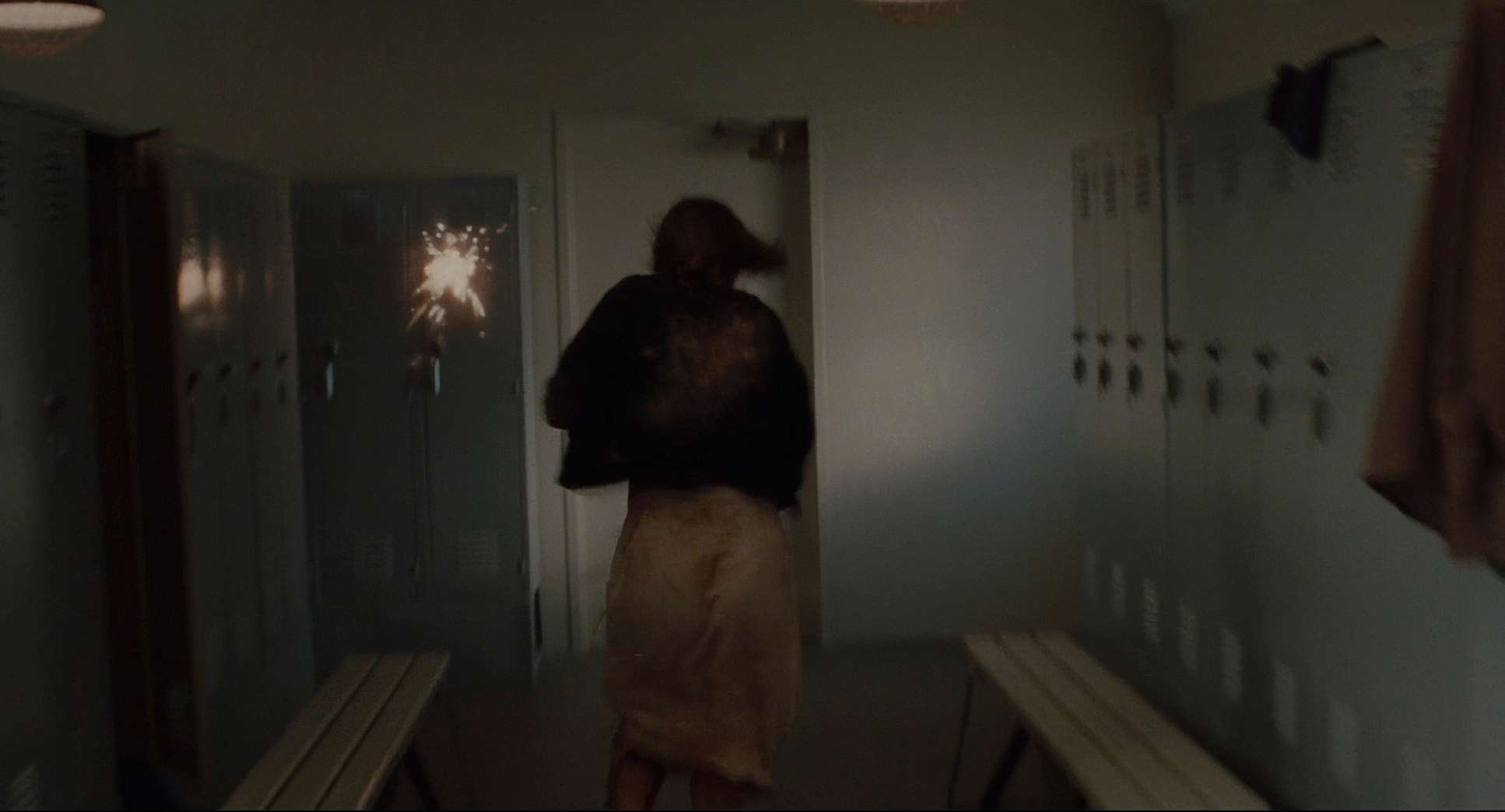
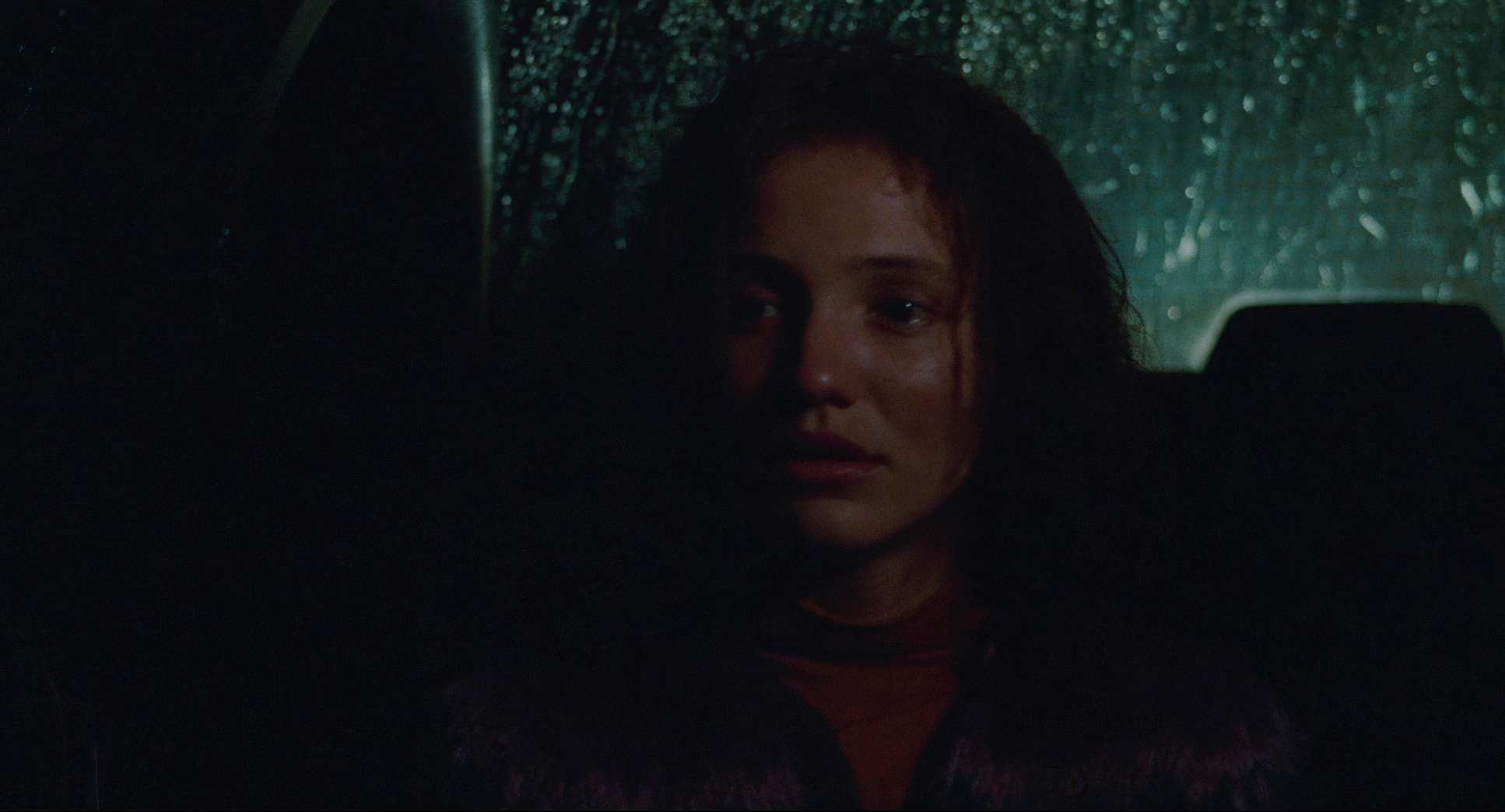
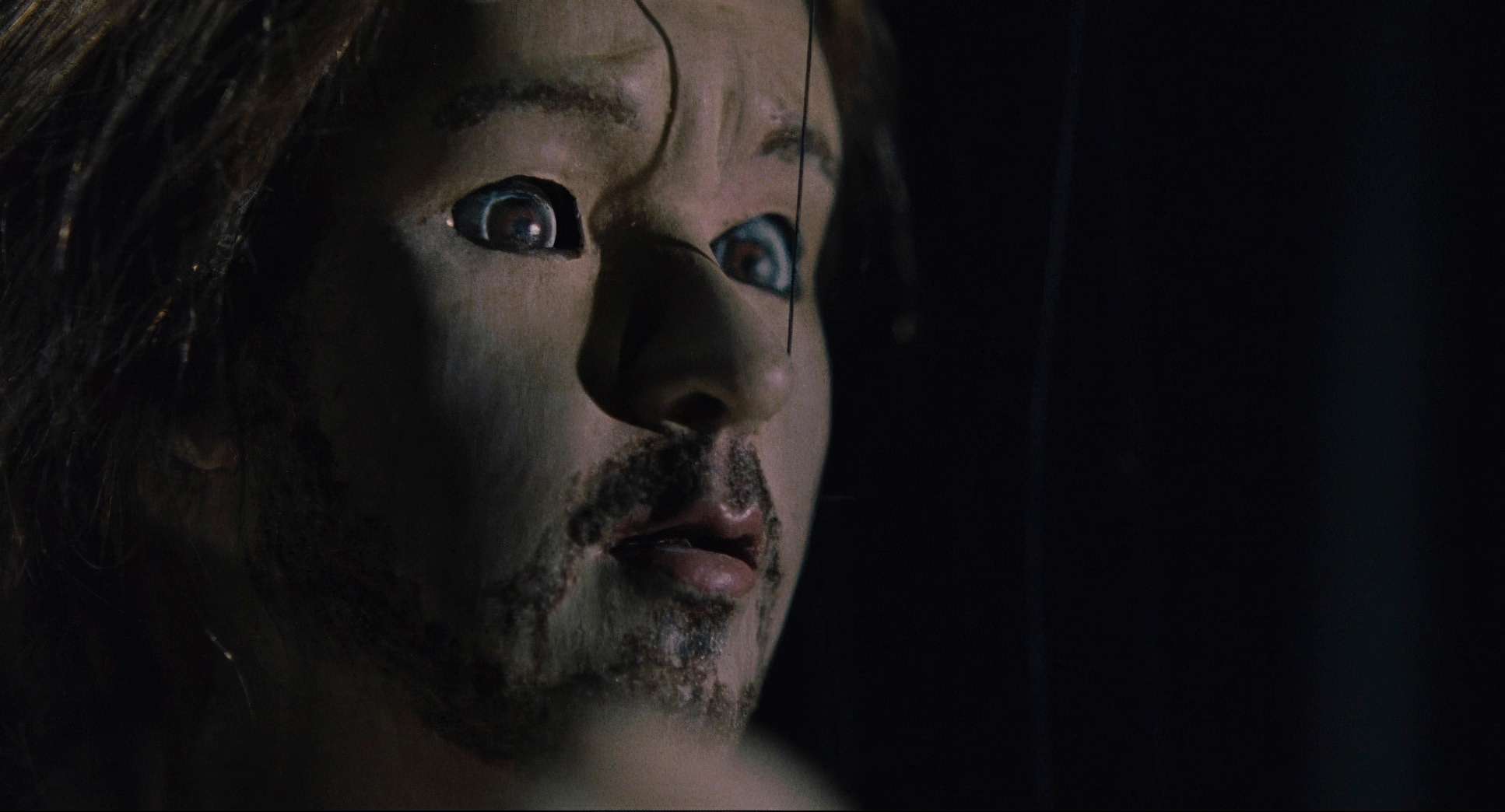
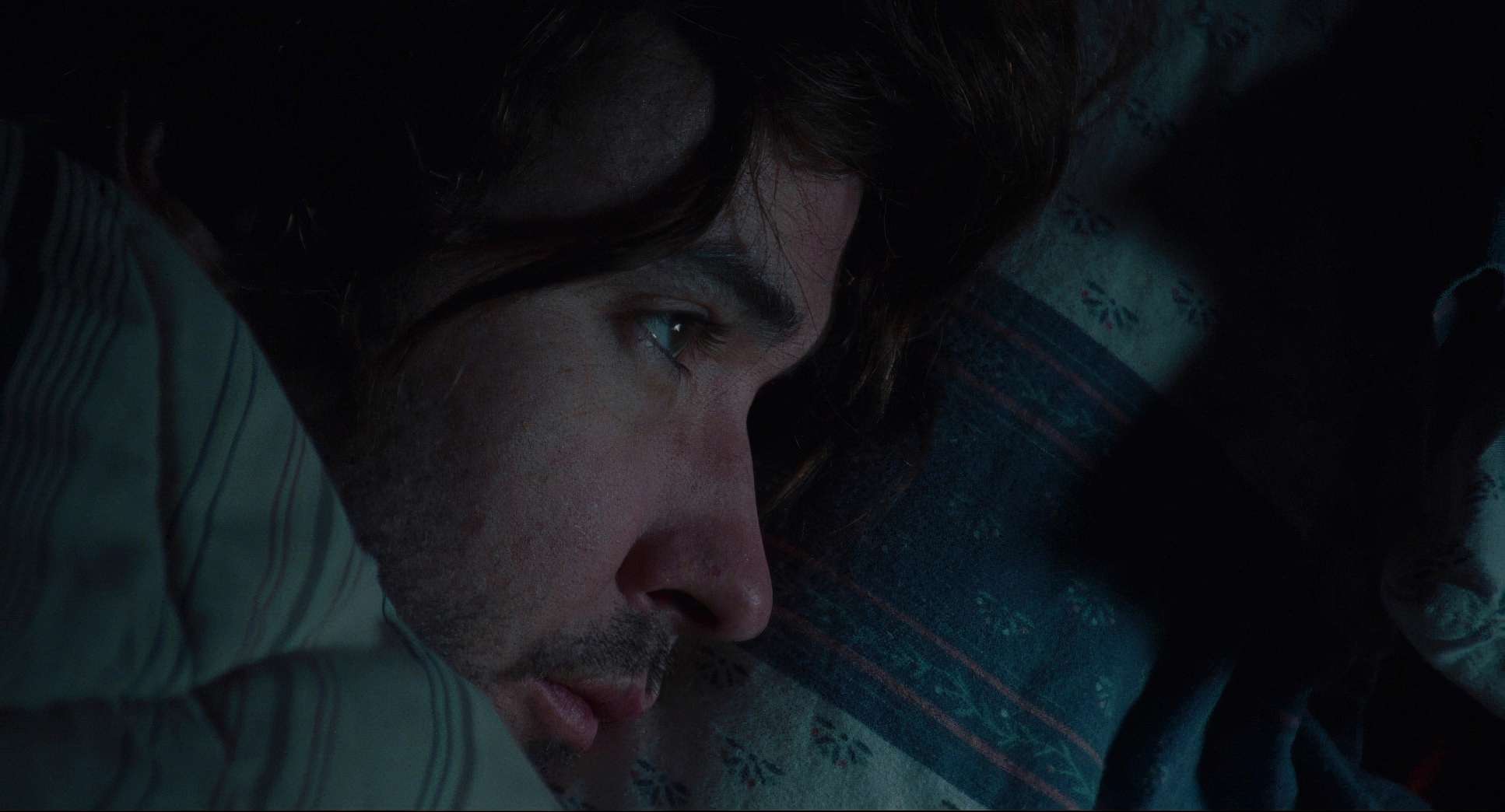
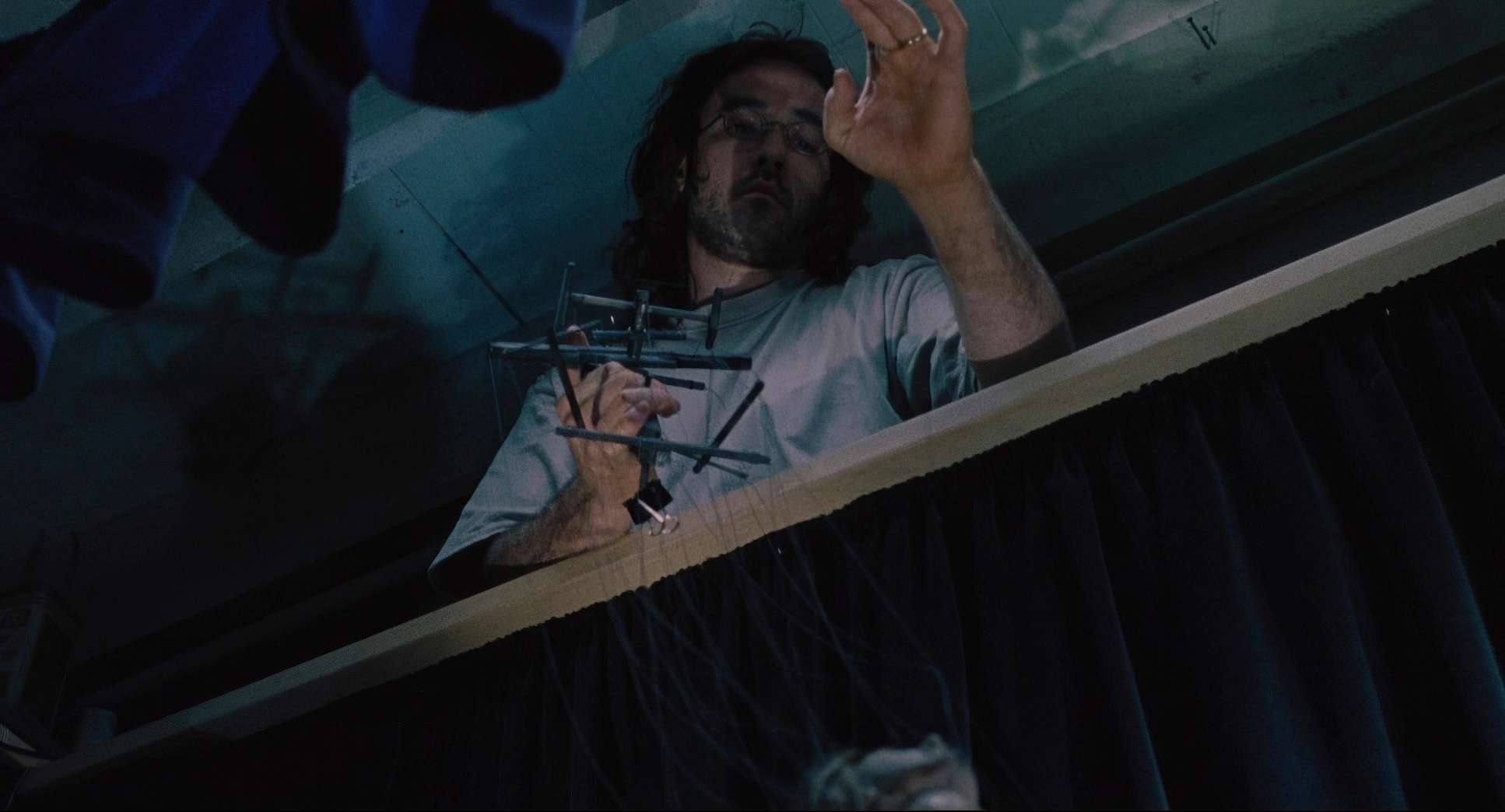
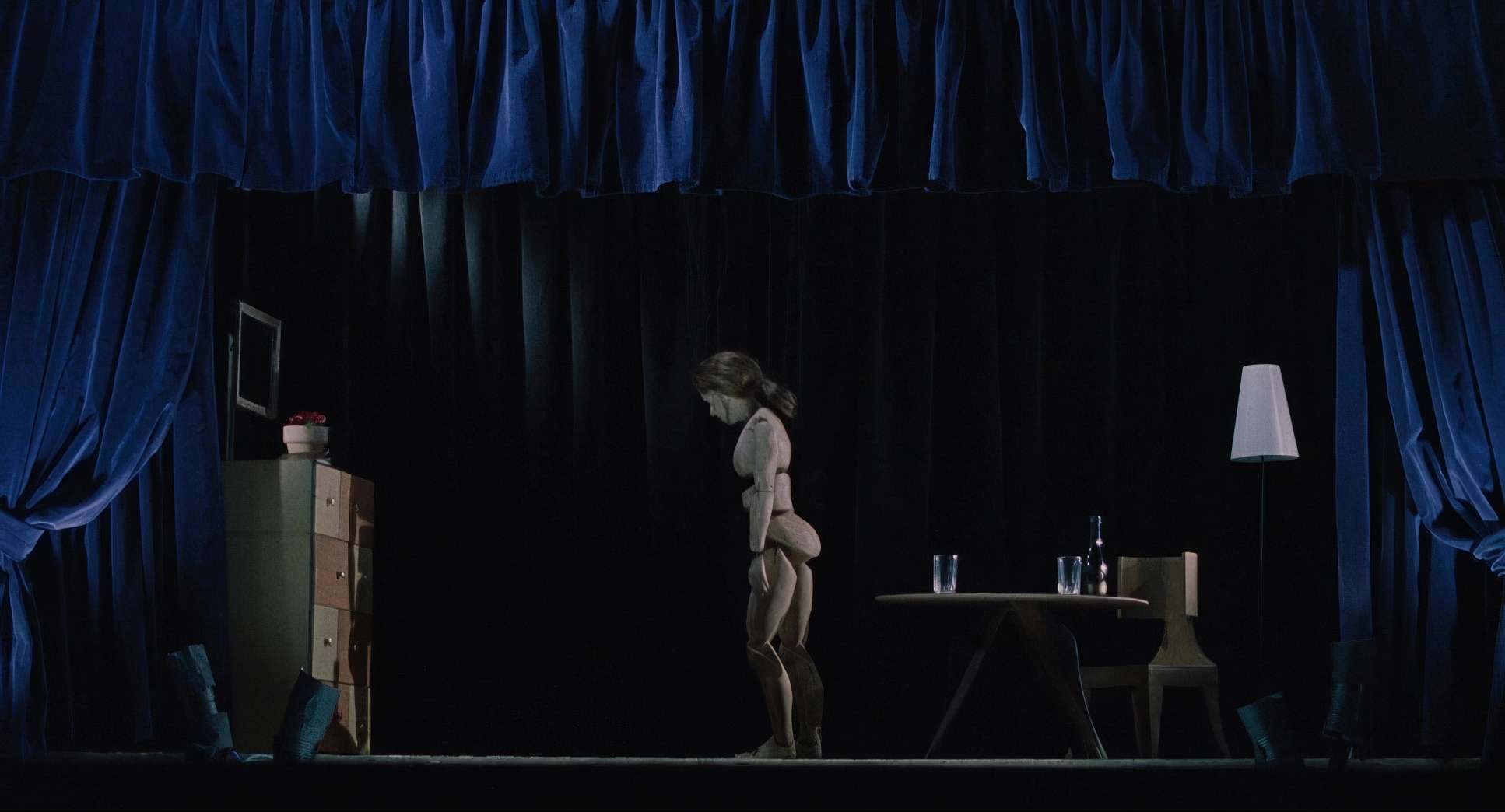
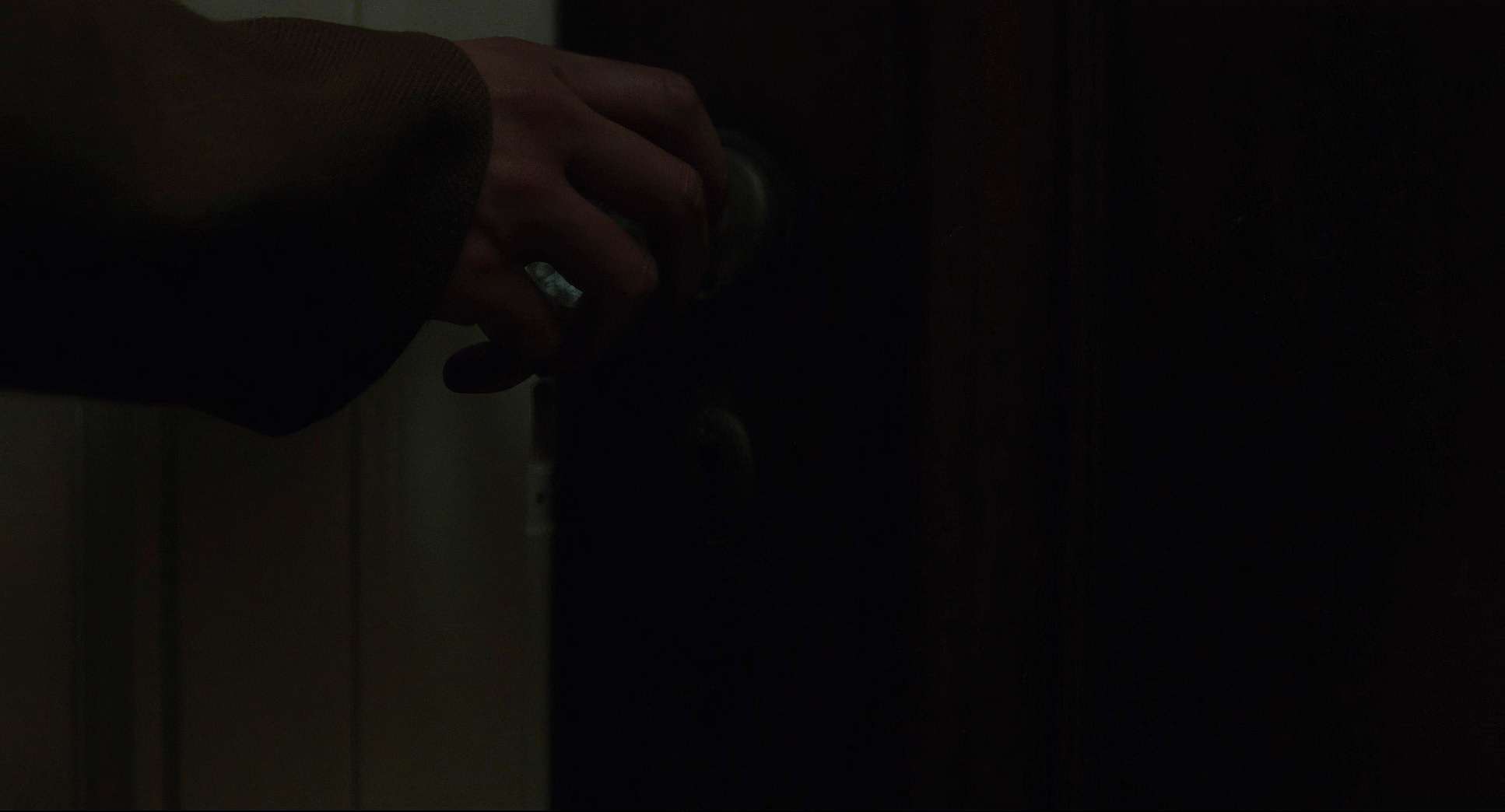
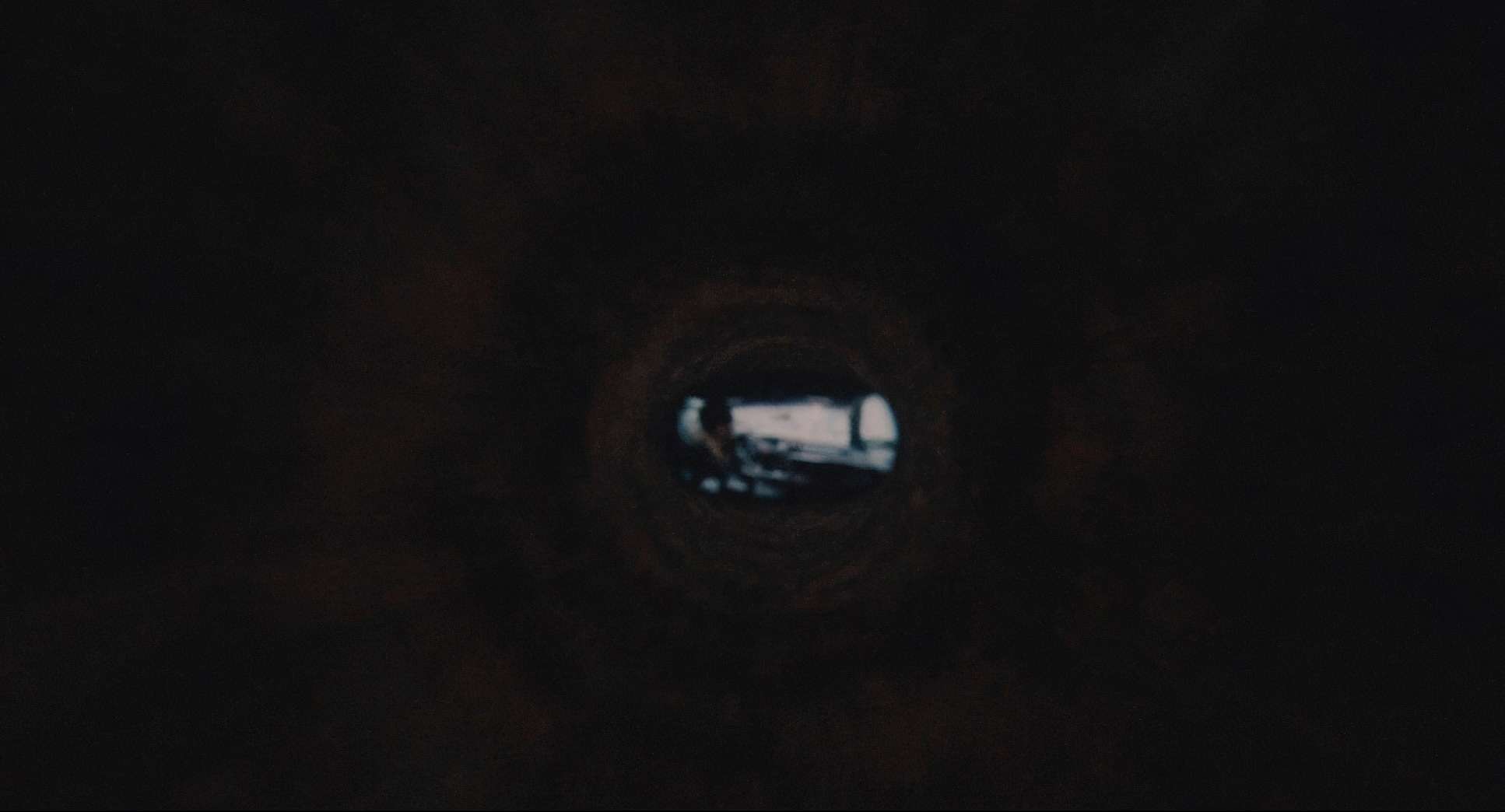
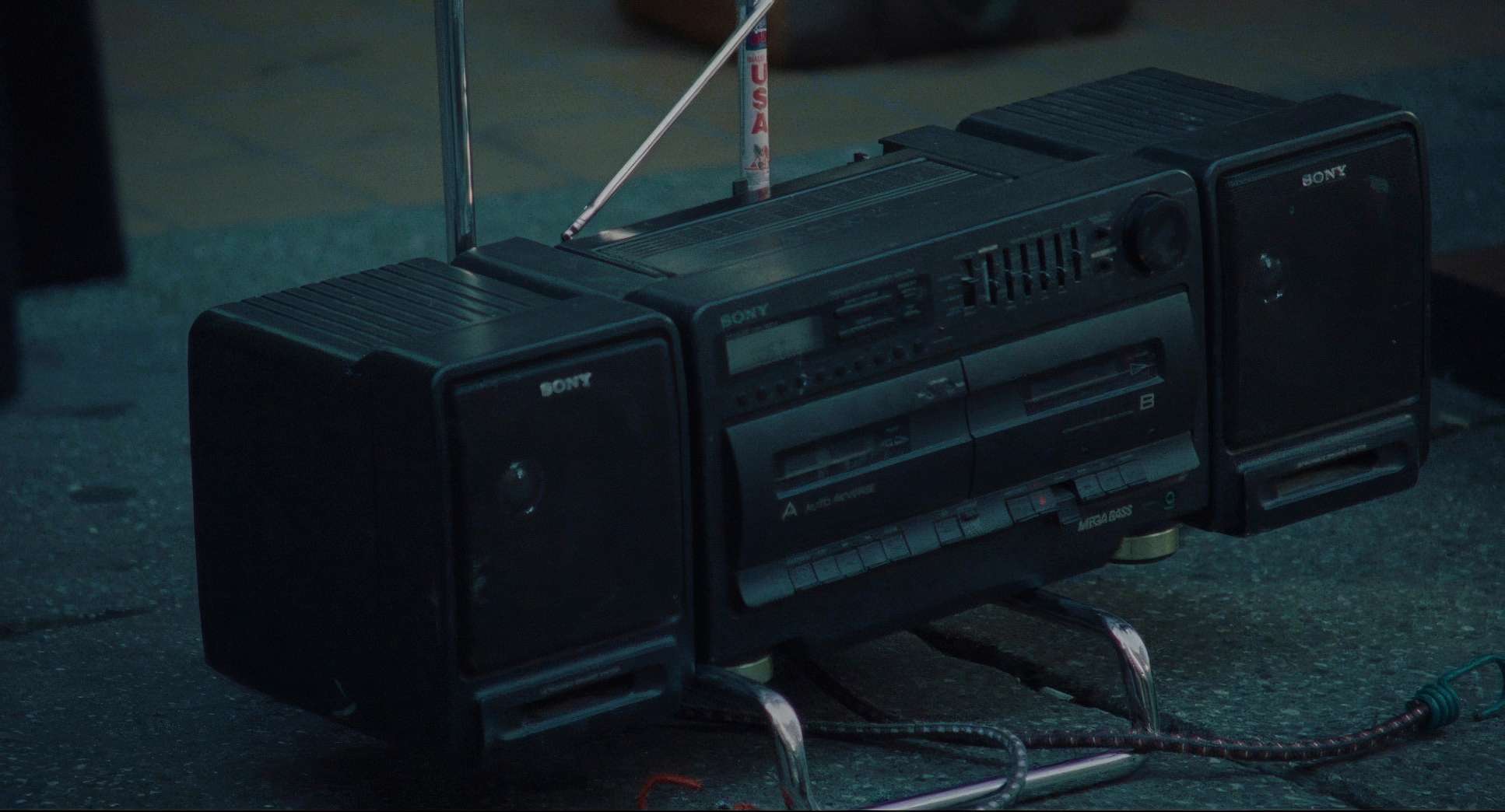
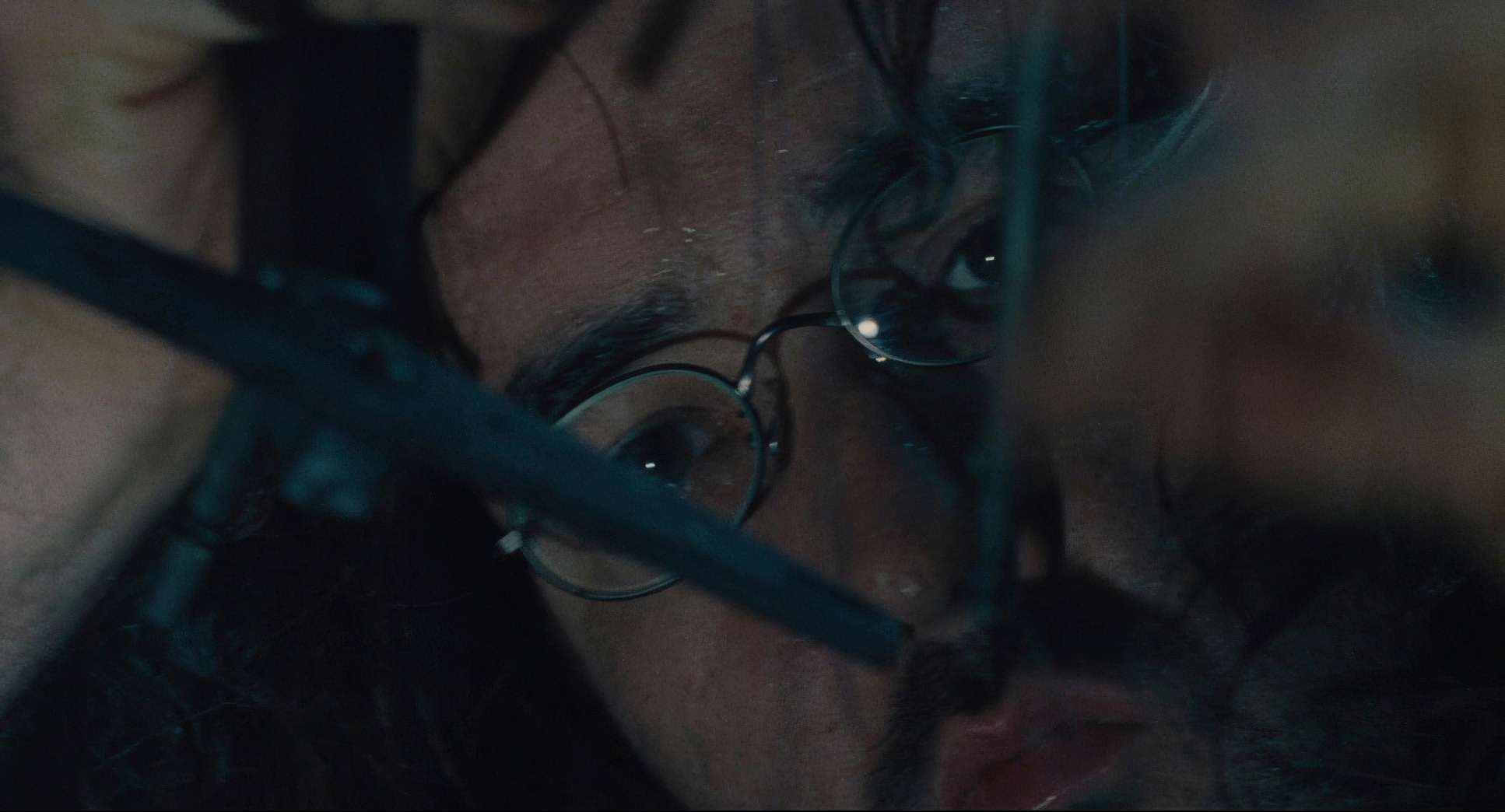
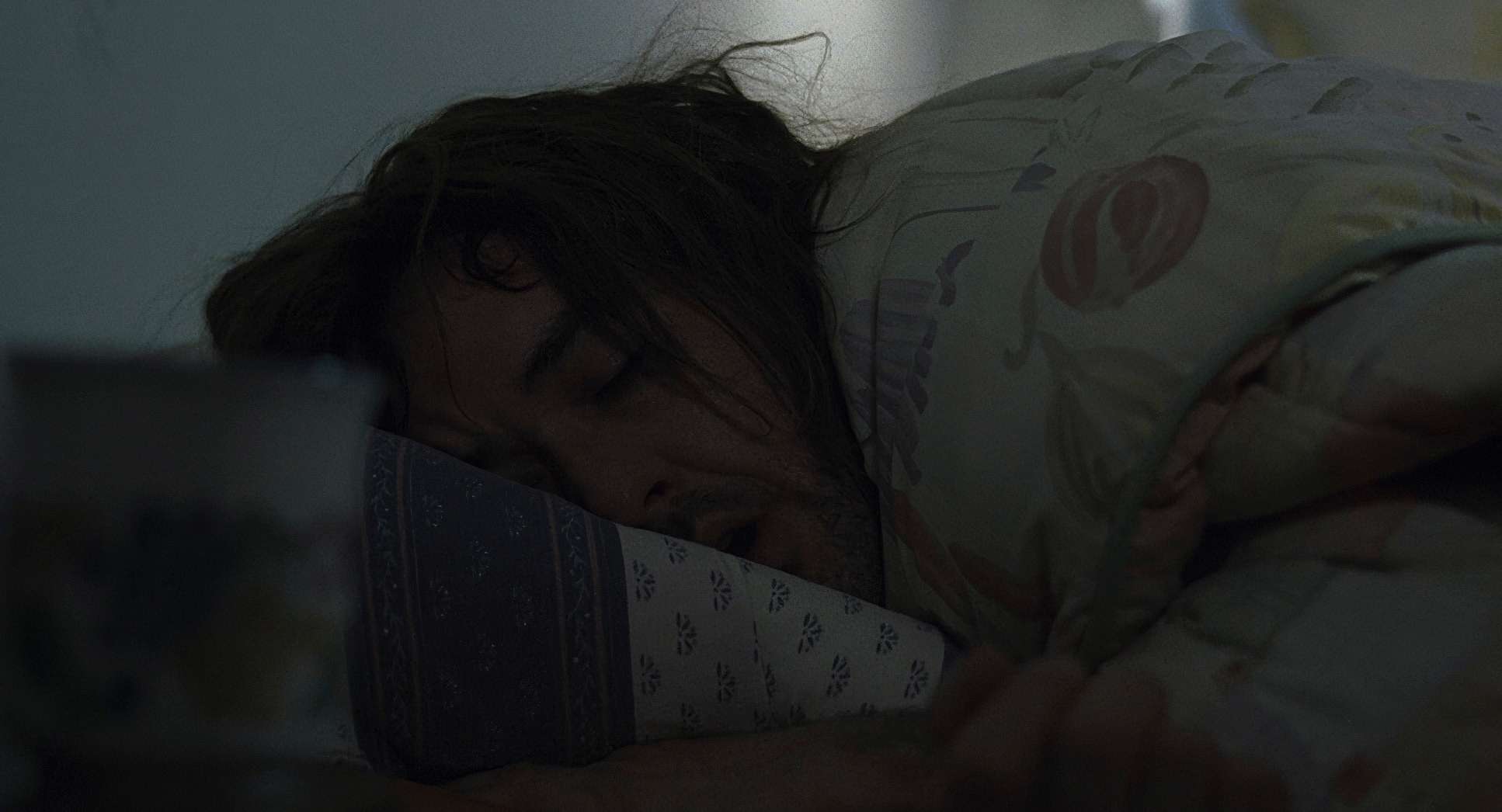
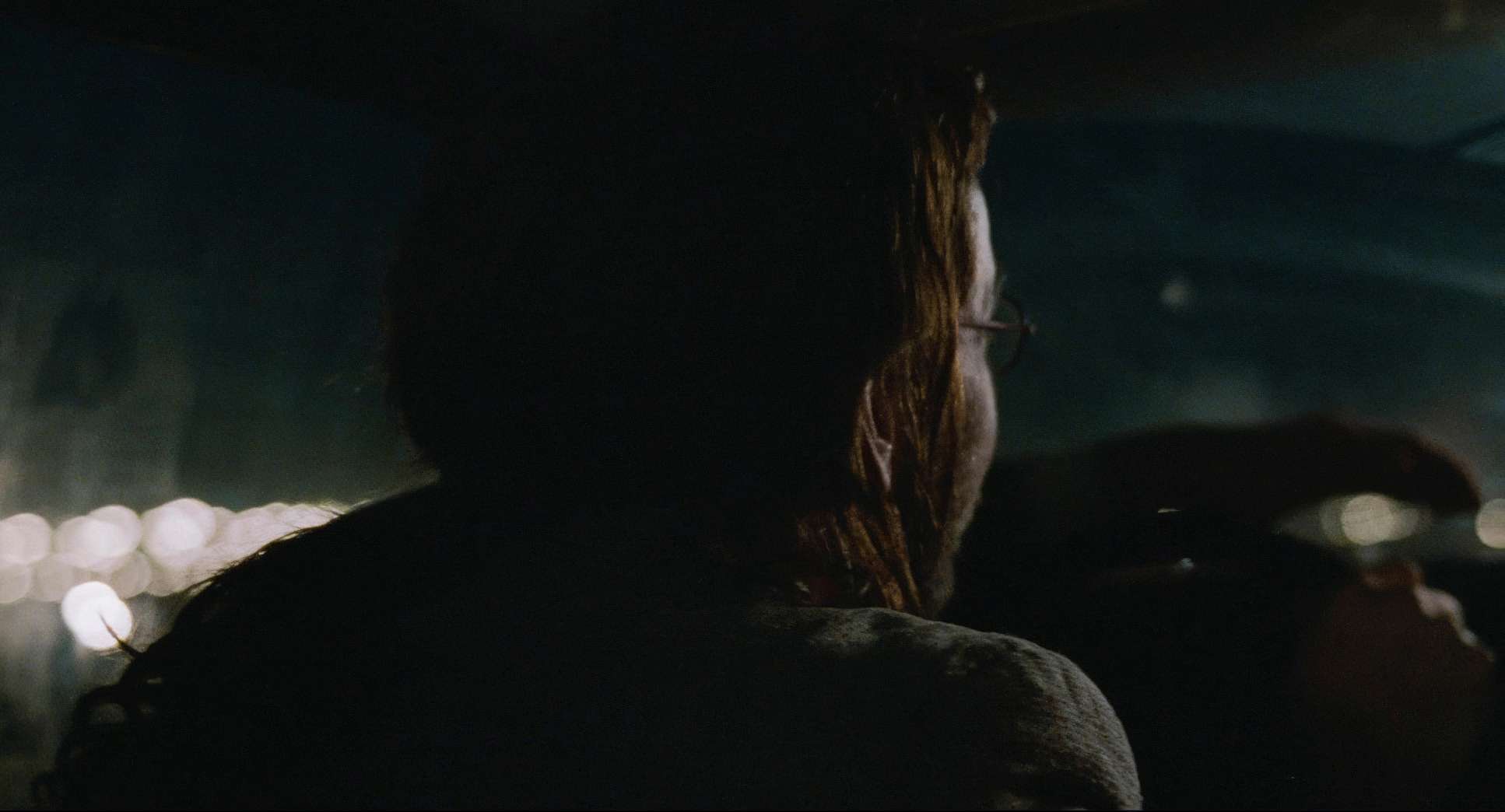
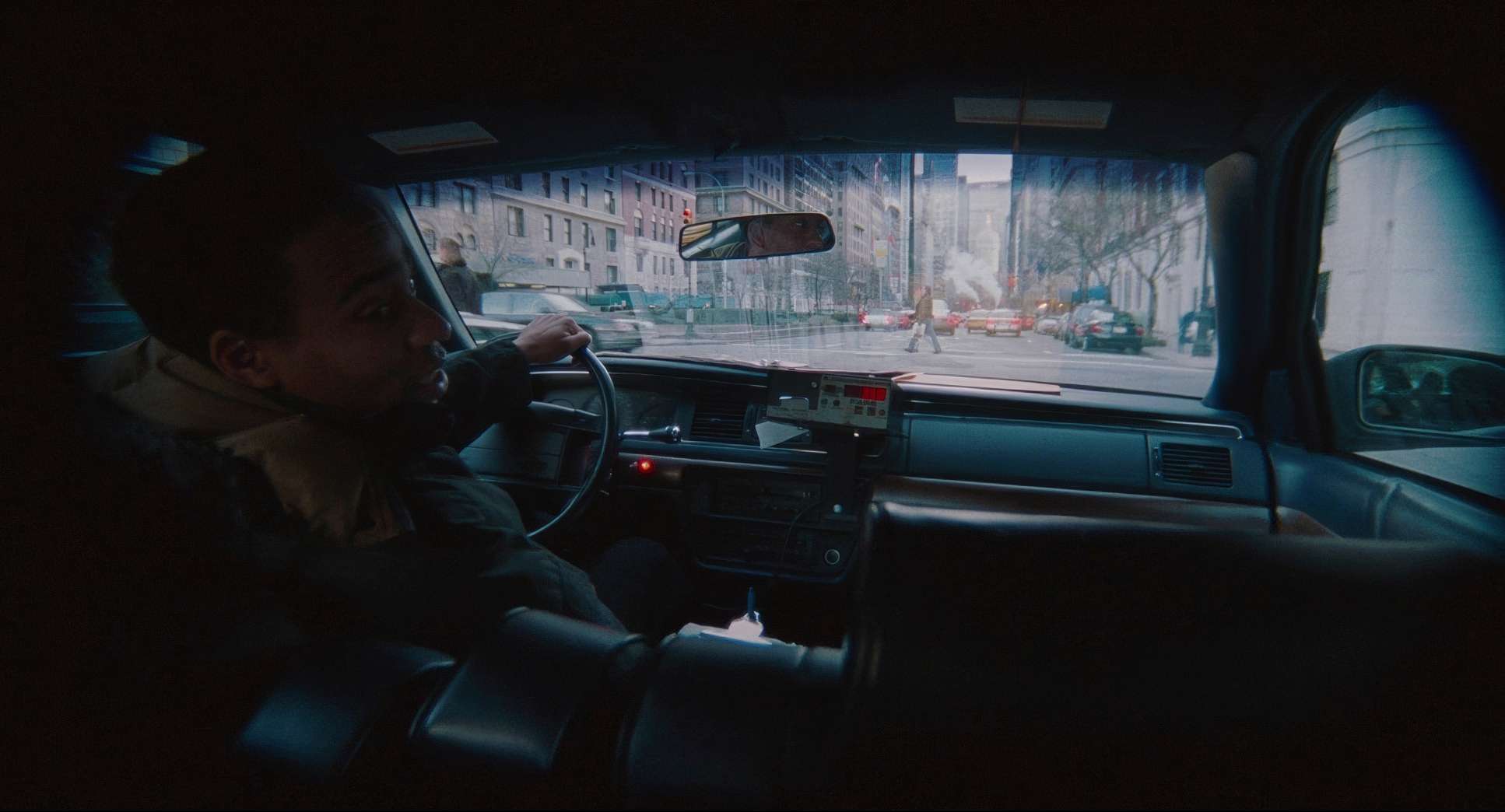
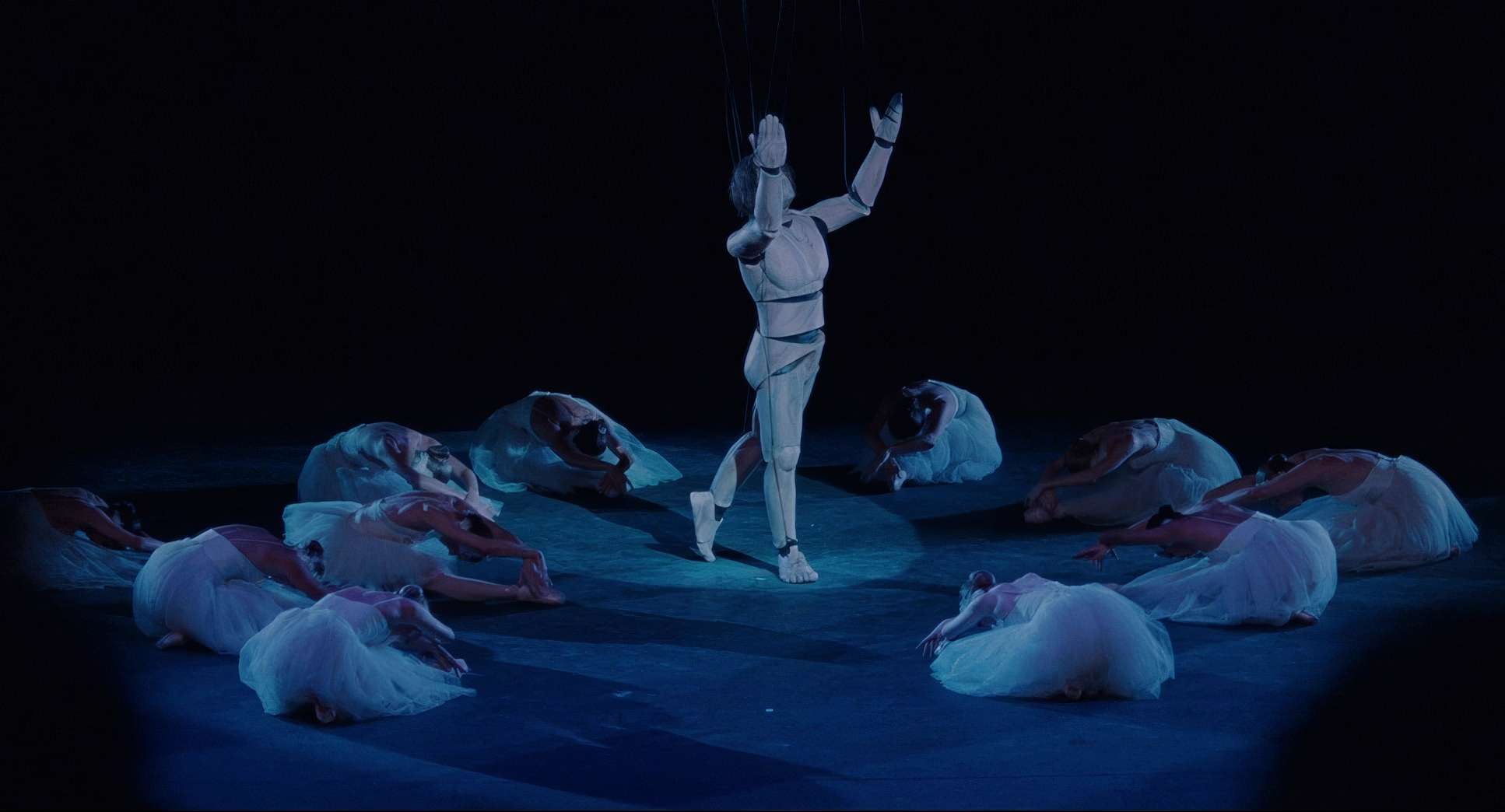
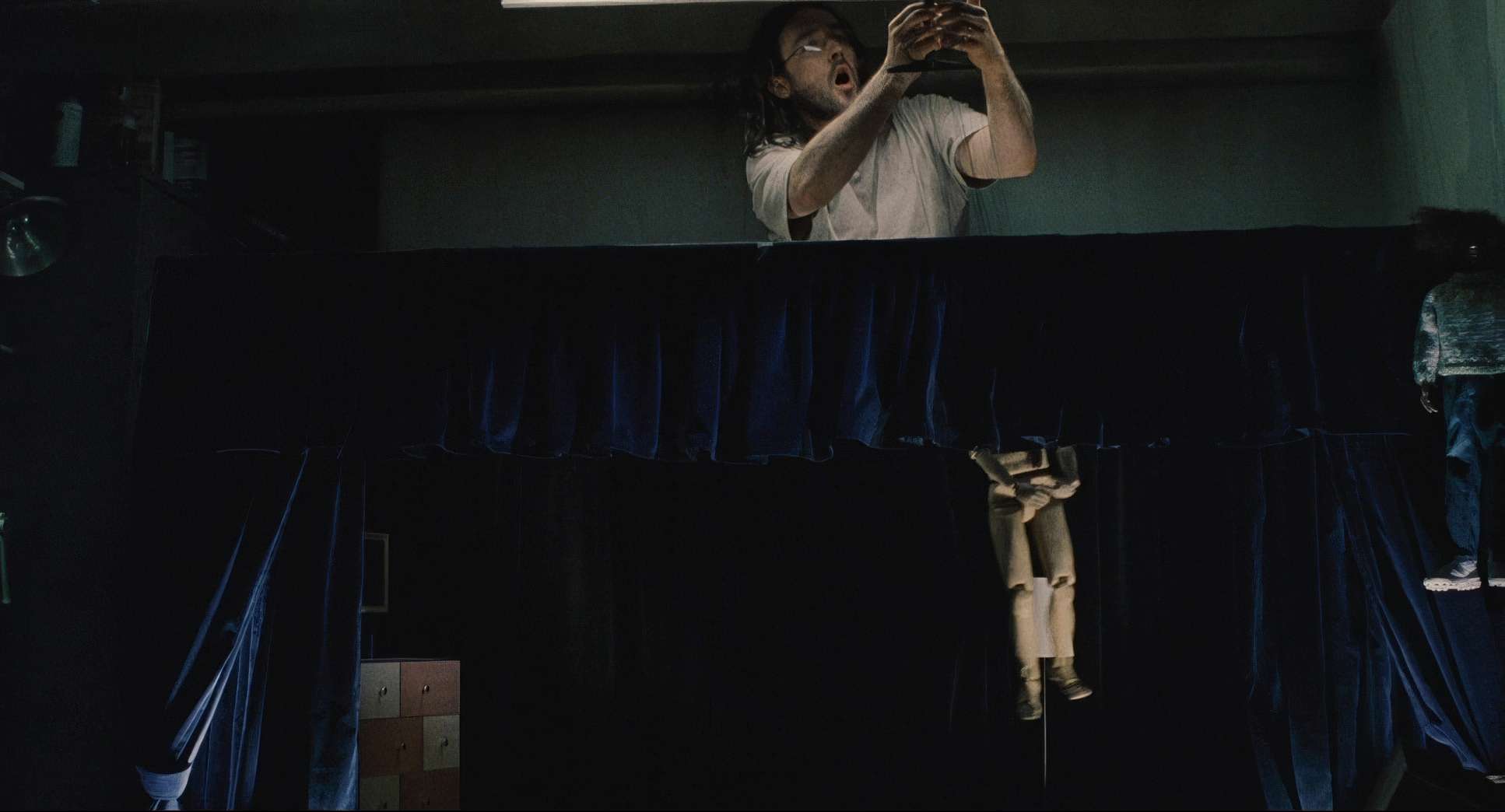
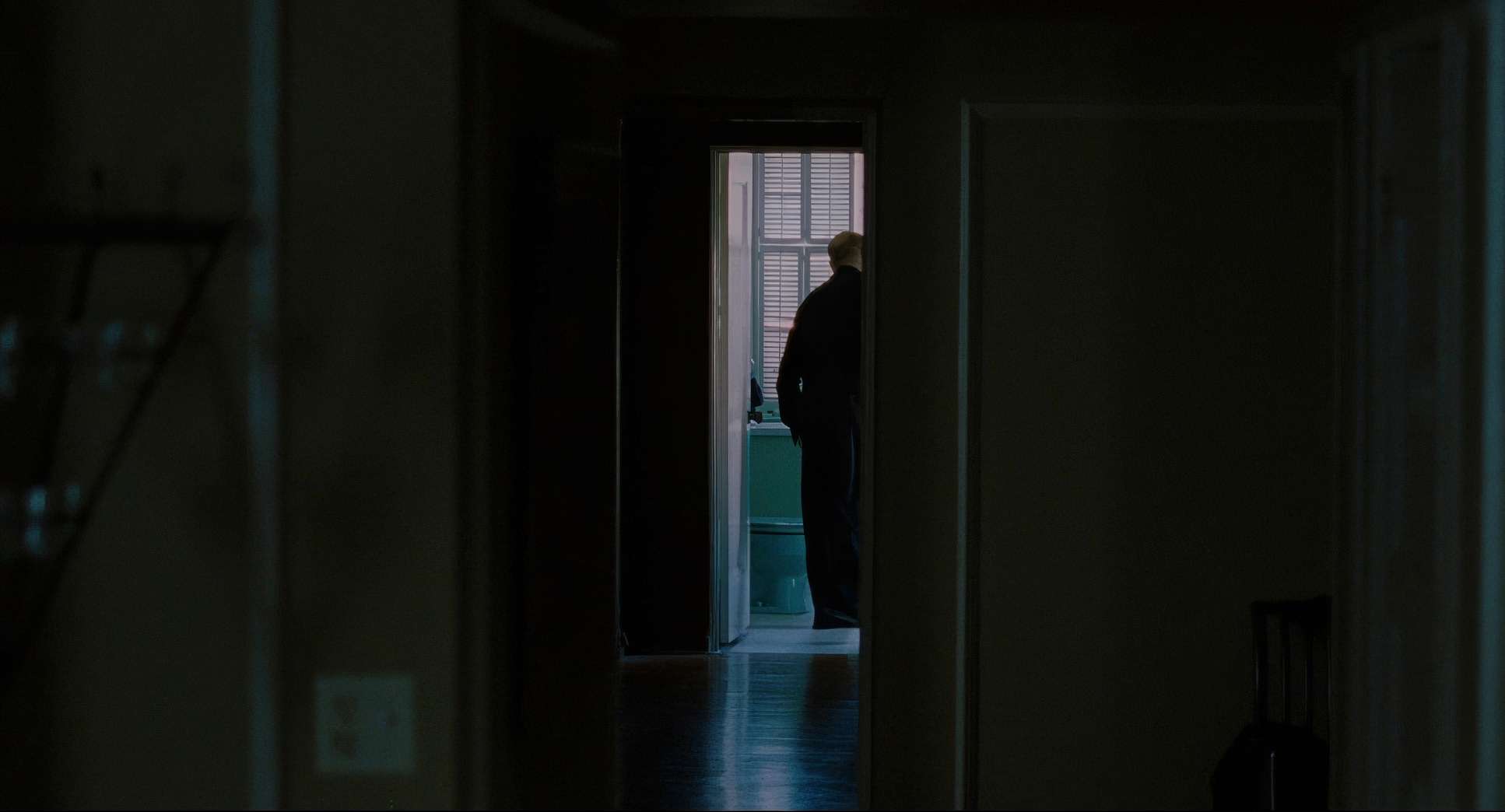
Being John Malkovich (1999) Film Stills
A curated reference archive of cinematography stills from Being John Malkovich (1999). Study the lighting, color grading, and composition.







- Also read: THE LEGO MOVIE (2014) – CINEMATOGRAPHY ANALYSIS
- Also read: BROKEBACK MOUNTAIN (2005) – CINEMATOGRAPHY ANALYSIS
Browse Our Cinematography Analysis Glossary
Explore directors, cinematographers, cameras, lenses, lighting styles, genres, and the visual techniques that shape iconic films.
Explore Glossary →