Richard Linklater’s Before Sunset (2004) remains a touchstone for me precisely because it seems to have no “look” at all. It doesn’t scream for attention with flashy gimbal work or stylized grading. Instead, it relies on a rigorous, almost invisible discipline. Watching it again recently with a technical eye, I realized that this “natural” aesthetic is actually a complex technical achievement, relying on specific film stocks, practical lighting disciplines, and highly reactive camerawork to make the audience feel like a silent third party in a reunion nine years in the making.
About the Cinematographer
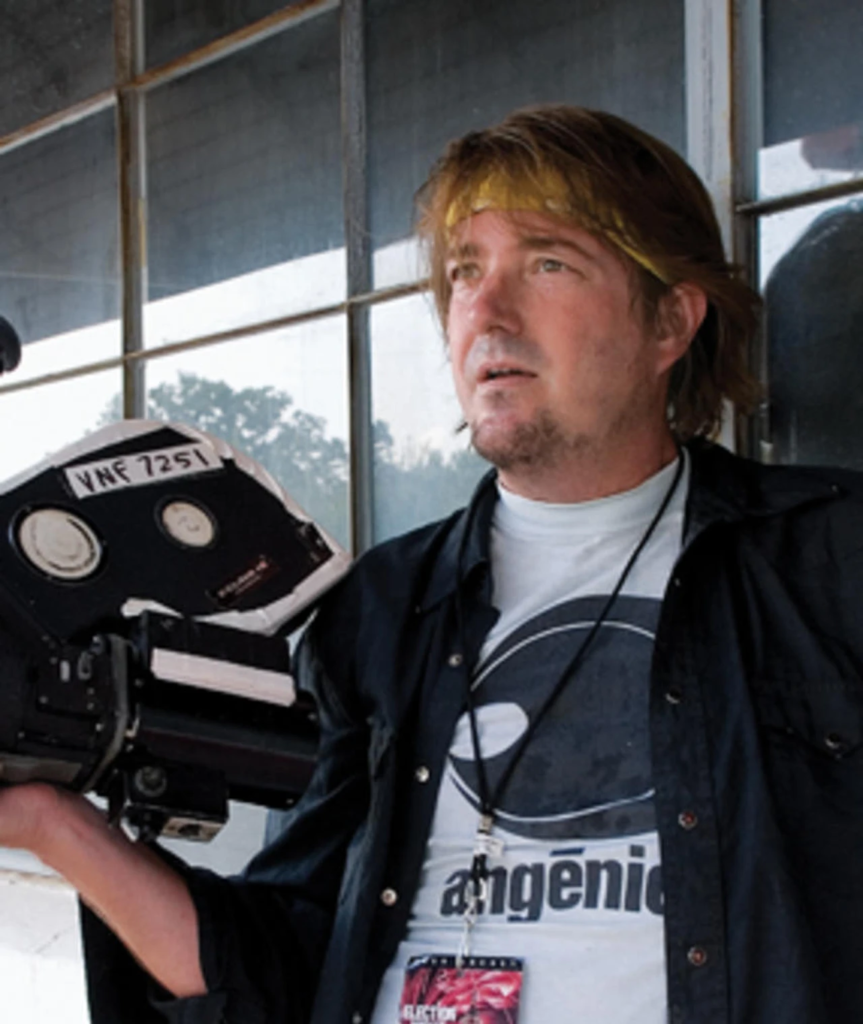
The cinematographer behind this approach is Lee Daniel, a long-time collaborator with Richard Linklater on films like Dazed and Confused. Daniel’s specialty isn’t overt stylization; it’s capturing a heightened sense of lived-in reality. This sensibility was a practical necessity for Before Sunset. The film’s premise real-time interaction occurring within a tight 80-minute window demanded cinematography that could sustain long takes without becoming static. The challenge for Daniel wasn’t just about making pretty pictures of Paris; it was about creating a visual container sophisticated enough to hold the viewer’s attention through extended dialogue scenes, yet unassuming enough to let the raw performances of Ethan Hawke and Julie Delpy take center stage. Daniel understood that the camera’s role here was to observe, not perform.
Inspiration Behind the Cinematography
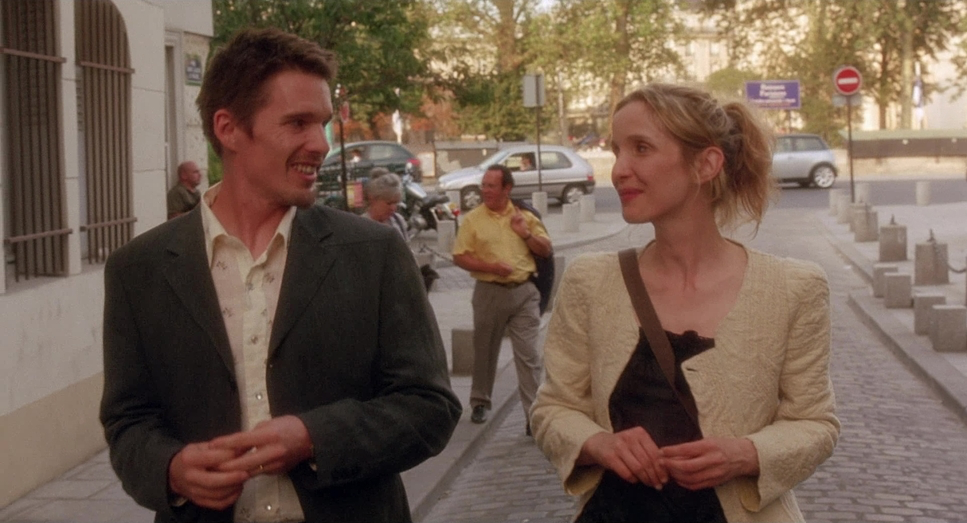
The visual strategy stems directly from the narrative constraints. The filmmakers’ stated desire to strip away “artifice and melodrama” fundamentally shaped the aesthetic choices. The inspiration wasn’t abstract; it was rooted in the need to create a visual intimacy that mirrored the emotional rawness of the script, which Hawke, Delpy, and Linklater were constantly refining. The goal was to ensure the audience felt the characters’ internal struggle and vulnerability, rather than just watching them stroll through a scenic backdrop. As a colorist, I see this achieved through a dedication to simplicity. The visuals are designed to eliminate barriers between the viewer and the characters, creating a shared space where the universal themes of regret and second chances feel immediate and personal.
Camera Movements
The camera movements in Before Sunset are predominantly handheld, lending an immediate, documentary-like authenticity to the unfolding drama. This isn’t the jarring, shaky-cam often associated with the mid-2000s; rather, it’s a breathing, fluid presence that subtly follows and anticipates the actors. As Jesse and Celine navigate the streets of Paris, the camera drifts alongside them, occasionally circling or settling into a steady frame. This constant, gentle motion is crucial for preventing the dialogue-heavy scenes from feeling theatrical or staged. It injects a dynamic visual energy that mirrors the characters’ own internal agitation and the relentless pressure of Jesse’s departing 7:30 PM flight. The slight imperfections of the handheld work a natural sway, a quick re-framing keep the audience tethered to the moment, making the conversation feel unchoreographed.
Compositional Choices
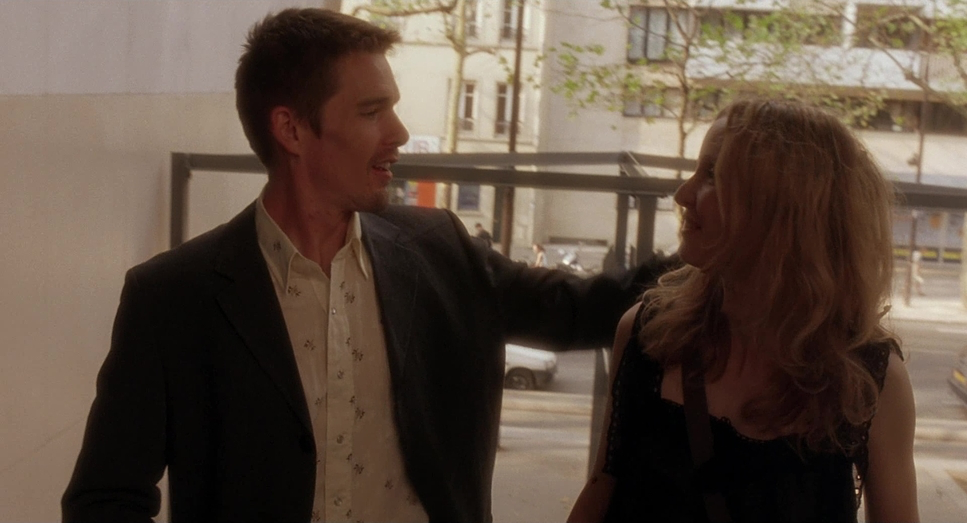
Compositionally, Lee Daniel consistently employs natural, often slightly asymmetric framing that feels like a captured moment rather than a meticulously planned shot. We frequently see Jesse and Celine framed in medium two-shots, allowing us to absorb their body language and subtle facial expressions, which are paramount in a film driven by subtext.
Crucially, the backdrop of Paris is never allowed to dominate. It contributes to the atmosphere, but Daniel avoids overtly picturesque, “postcard” compositions. Instead, he opts for frames that feel functional and intimate. Buildings, trees, and passersby serve as depth cues, grounding the characters in a real-world environment while maintaining focus on their dialogue. This deliberate choice to strip away visual noise amplifies the emotional resonance of their interaction.
Lighting Style
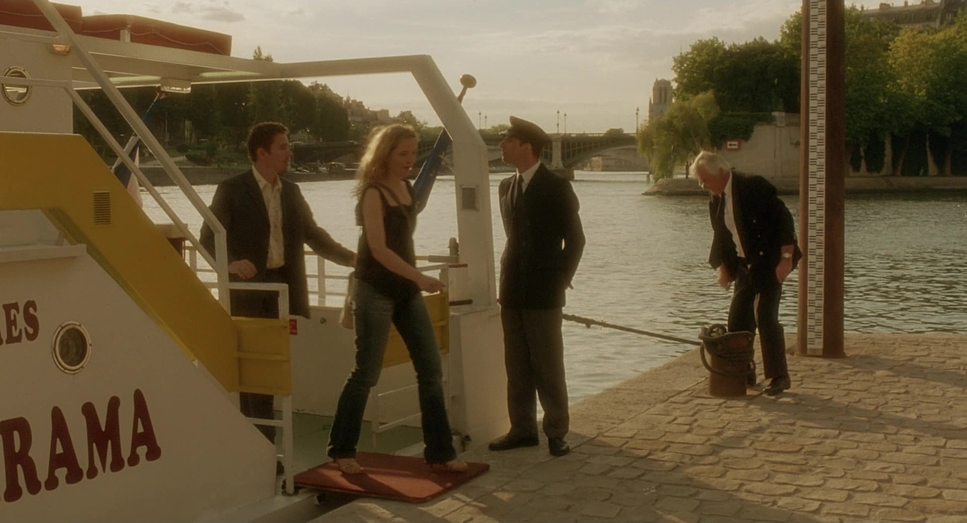
The lighting operates entirely on the principle of motivated naturalism. Whether in a bookshop, a café, walking along the Seine, or sitting in a car, the lighting feels organic, seemingly sourced from available light or subtly augmented practicals. This creates a soft, diffused quality, particularly noticeable in the outdoor scenes bathed in the specific, warm glow of the Parisian late afternoon.
From a color perspective, the management of dynamic range is key to the film’s feel. Highlights are allowed to gently roll off rather than harshly clipping, lending a creamy quality to the sky and bright exteriors. Shadow areas retain significant density and detail, contributing to the sense of intimacy without crushing blacks. There is a soft contrast shaping that aligns perfectly with the film’s tone. It’s not about dramatic chiaroscuro; it’s about making the environment feel tangible, creating a visual texture that feels as honest as the performances.
Lensing and Blocking
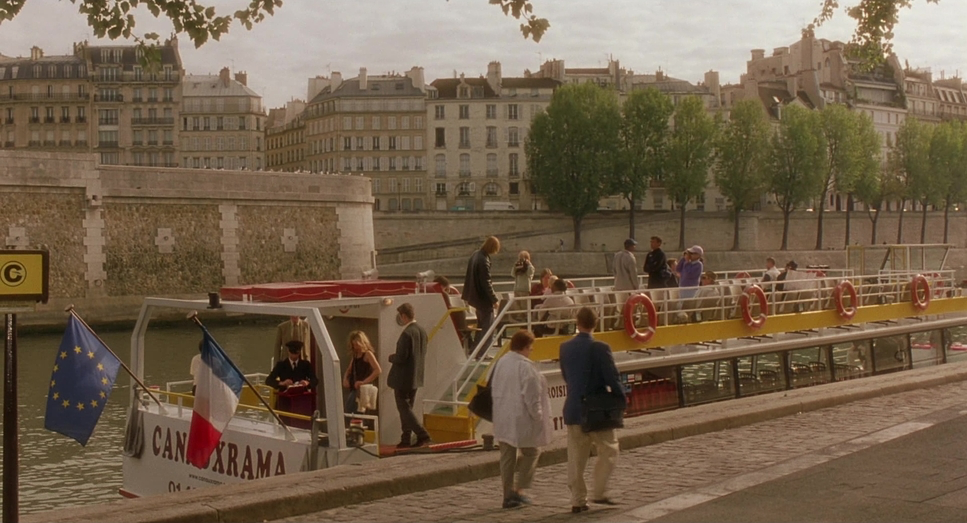
To maintain intimacy without distorting the subjects, the production utilized spherical lenses, primarily sticking to medium focal lengths that replicate the natural field of view of the human eye. This approach keeps Jesse and Celine relatable and avoids the detachment that can come with extreme wide angles or long telephoto compression.
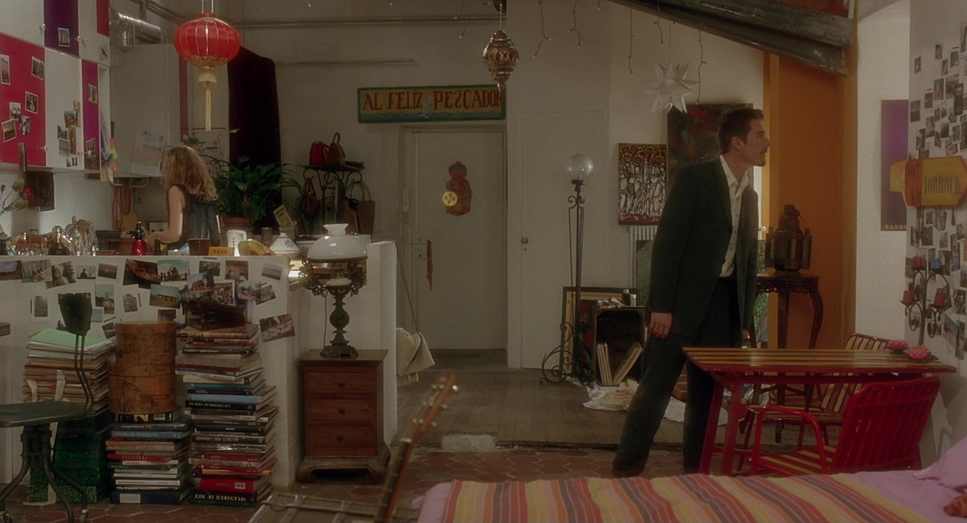
Blocking is where Before Sunset truly solves the problem of its “long walk and talk” format. The movements of Hawke and Delpy are choreographed with such precision that the conversation remains visually fresh. They are rarely static for long; their constant movement pausing at a bridge, sitting on a bench, navigating a narrow apartment staircase breaks up the visual rhythm. This motion often reflects their emotional state: physical closeness preceding an emotional confession, or a sudden increase in distance signifying a retreat. The climactic car scene is a prime example of effective blocking in a confined space, where physical proximity forces an emotional confrontation.
Color Grading Approach
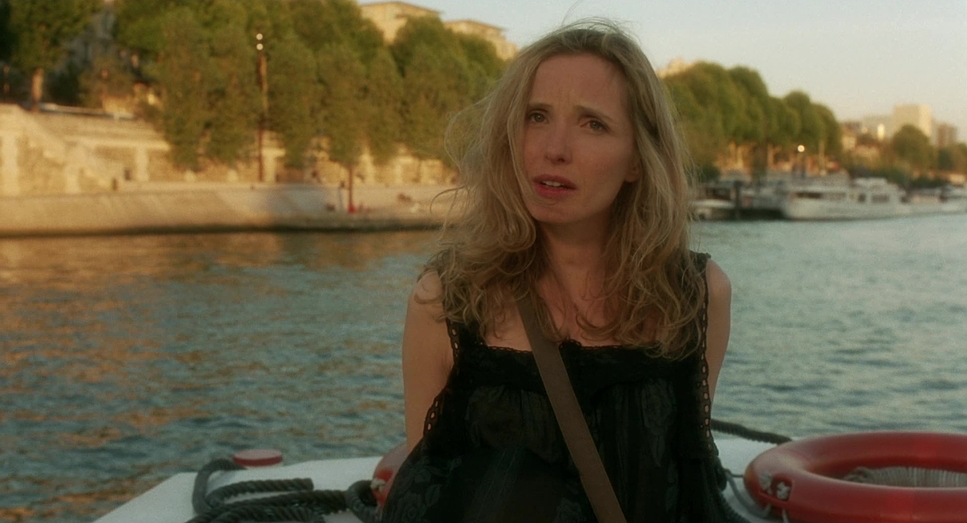
From my vantage point as a colorist, the grade of Before Sunset is a prime example of emulating a high-quality film print. The film carries a warm, saturated palette that captures the “golden hour” light without becoming sickly or overly processed. The greens of the park and the skin tones are rich and healthy, grounded in reality rather than a stylized digital wash.
The contrast shaping preserves detail across the tonal spectrum. Instead of the harsh, crushed blacks often seen in digital emulation, the shadows feel deep but carry distinct density and ambient warmth. The midtones are rich and full. The overall impression is one of a textured, photochemical sensibility a look that feels organically lived-in rather than digitally pristine. This naturalistic approach to color supports the emotional truth of the performances, allowing the Parisian afternoon light to reflect the characters’ internal states.
Technical Aspects & Tools
Before Sunrise
Technical Specifications| Genre | Drama, Romance |
| Director | Richard Linklater |
| Cinematographer | Lee Daniel |
| Production Designer | Baptiste Glaymann |
| Costume Designer | Thierry Delettre |
| Editor | Sandra Adair |
| Colorist | David Orr |
| Time Period | 1990s |
| Color | Mixed, Saturated, Red |
| Aspect Ratio | 1.85 – Spherical |
| Format | Film – 35mm |
| Lighting | Soft light |
| Lighting Type | Daylight |
| Story Location | Austria > Vienna |
| Filming Location | Austria > Vienna |
| Camera | Panavision Millennium / Millennium XL / XL2 |
| Film Stock / Resolution | 8560/8660 F-250D |
The film’s specific aesthetic is heavily informed by its capture medium: 35mm film. The production used Fuji F-250D stock, known for its fine grain structure and excellent handling of mixed daylight conditions, which contributed to the nuanced shadow detail and soft highlight roll-off observed throughout the movie. To facilitate the extensive handheld work and fluid movement through narrow Parisian streets, the crew utilized the compact and lightweight Panavision Millennium XL camera.
- Also read: HACHI: A DOG’S TALE (2009) – CINEMATOGRAPHY ANALYSIS
- Also read: BEFORE SUNRISE (1995) – CINEMATOGRAPHY ANALYSIS
Browse Our Cinematography Analysis Glossary
Explore directors, cinematographers, cameras, lenses, lighting styles, genres, and the visual techniques that shape iconic films.
Explore Glossary →