Billy Wilder’s 1951 masterpiece Ace in the Hole (or The Big Carnival) is exactly that. It’s a blistering, uncomfortable watch. Even seventy years later, it feels like a punch to the gut, holding up a mirror to media sensationalism and human greed in a way that feels disturbingly “2025.” When I first sat down with it, the unwavering gaze of the camera hit me immediately. It doesn’t look away from the wreckage it creates.
About the Cinematographer
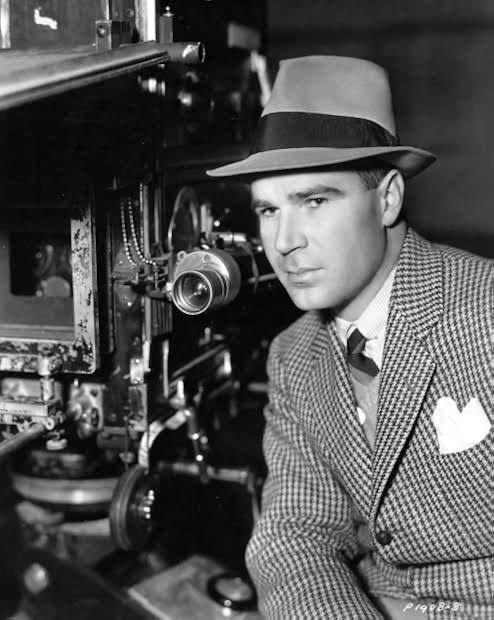
Wilder tapped Charles Lang Jr. for this project, which, on paper, is a wild choice. Lang was the architect of the “Hollywood Glow.” He was the master of making stars look ethereal, the man behind the sophisticated, polished lighting of Sabrina and Some Like It Hot. You’d expect him to bring a sense of glamour to the screen, but Ace in the Hole shows a completely different side of his craft.
What’s fascinating to me is how Lang pivoted. He traded his soft-light toolkit for something much more skeletal and grittier. He wasn’t trying to make Kirk Douglas look like a matinee idol here; he was trying to make the New Mexico desert feel like a moral vacuum. It’s a masterclass in range proving that a truly great cinematographer doesn’t just have a “style,” they have a narrative soul that adapts to the dirt and the heat of the story.
Inspiration Behind the Cinematography
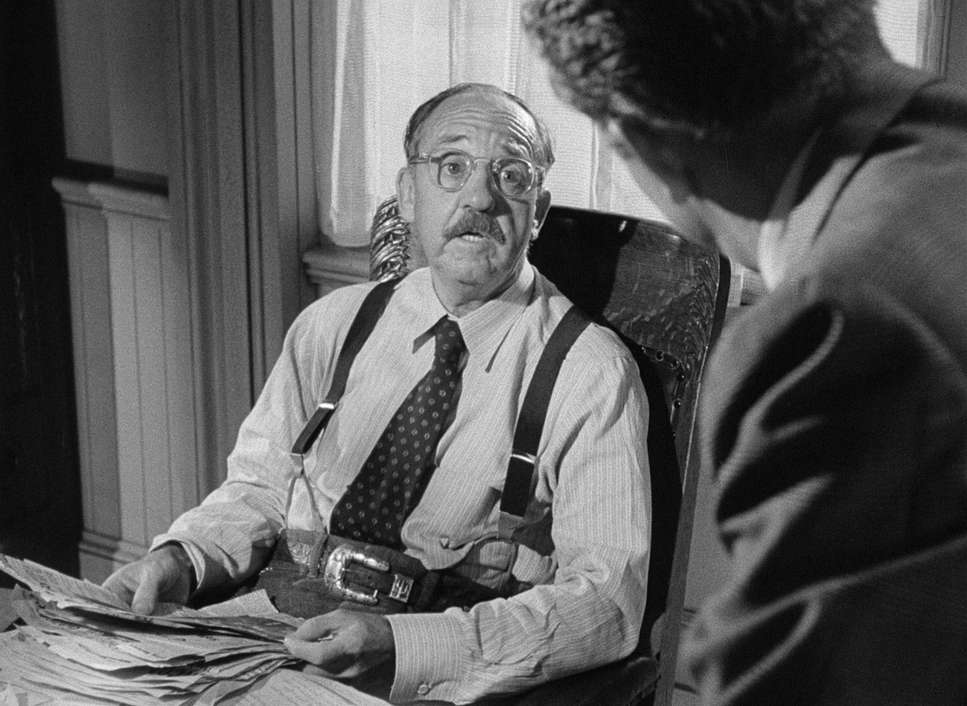
The visual DNA of Ace in the Hole is rooted in the “Big Carnival” of the title that grotesque intersection of tragedy and entertainment. Loosely based on the 1925 Floyd Collins incident, the film demands a look that feels documentary-adjacent but remains profoundly cinematic.
When I look at the “carnival” Wilder and Lang built, I see the 1950s version of a TikTok disaster-tourism trend or a modern 24-hour news cycle frenzy. The objective wasn’t to make a “pretty” movie. It was to document a moral collapse with a journalistic eye. You can practically feel the dust in your throat and the heat radiating off the screen. They weren’t just capturing a rescue; they were exposing the ugliness of the crowd’s “need” to watch someone suffer.
Camera Movements
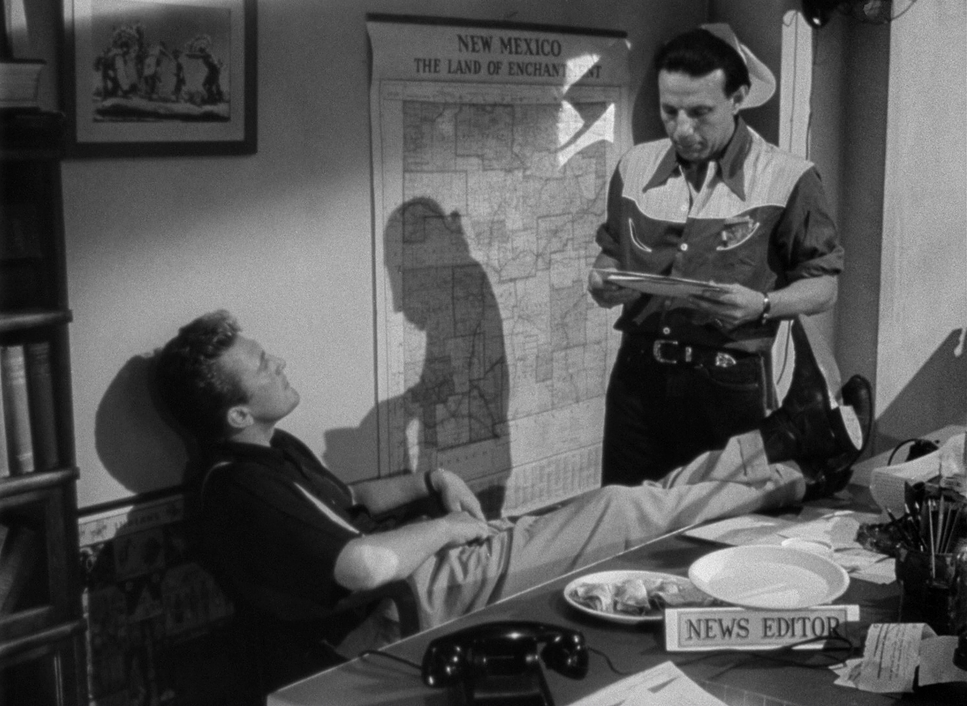
The camera in Ace in the Hole has the energy of a predator. Much of that comes from how it mirrors Chuck Tatum (Kirk Douglas). Tatum is a shark, and the camera is his shadow. In the early scenes, as he’s clawing for his “big break,” the framing is restless panoramic sweeps and quick reframes that create a sense of frantic ambition.
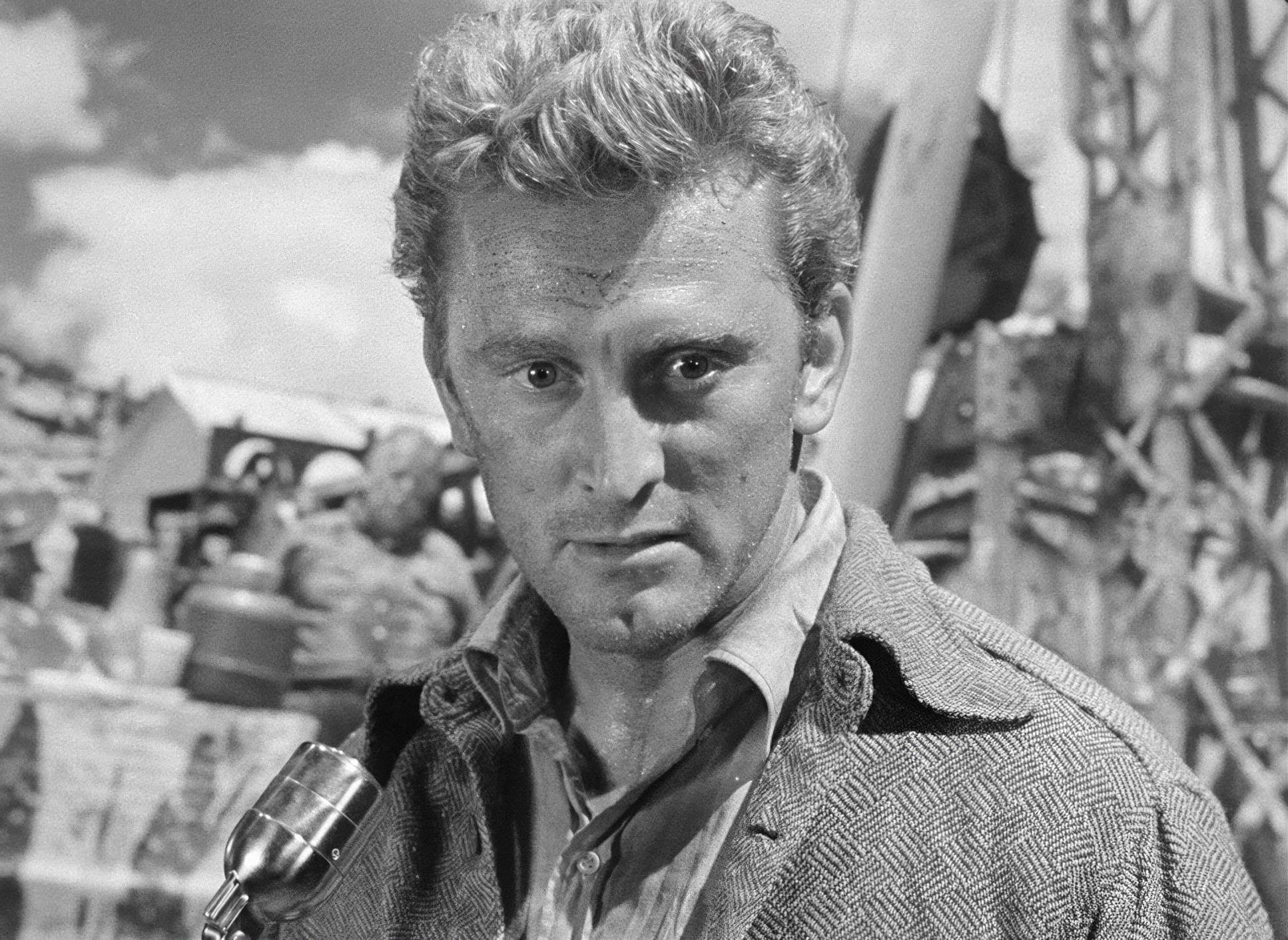
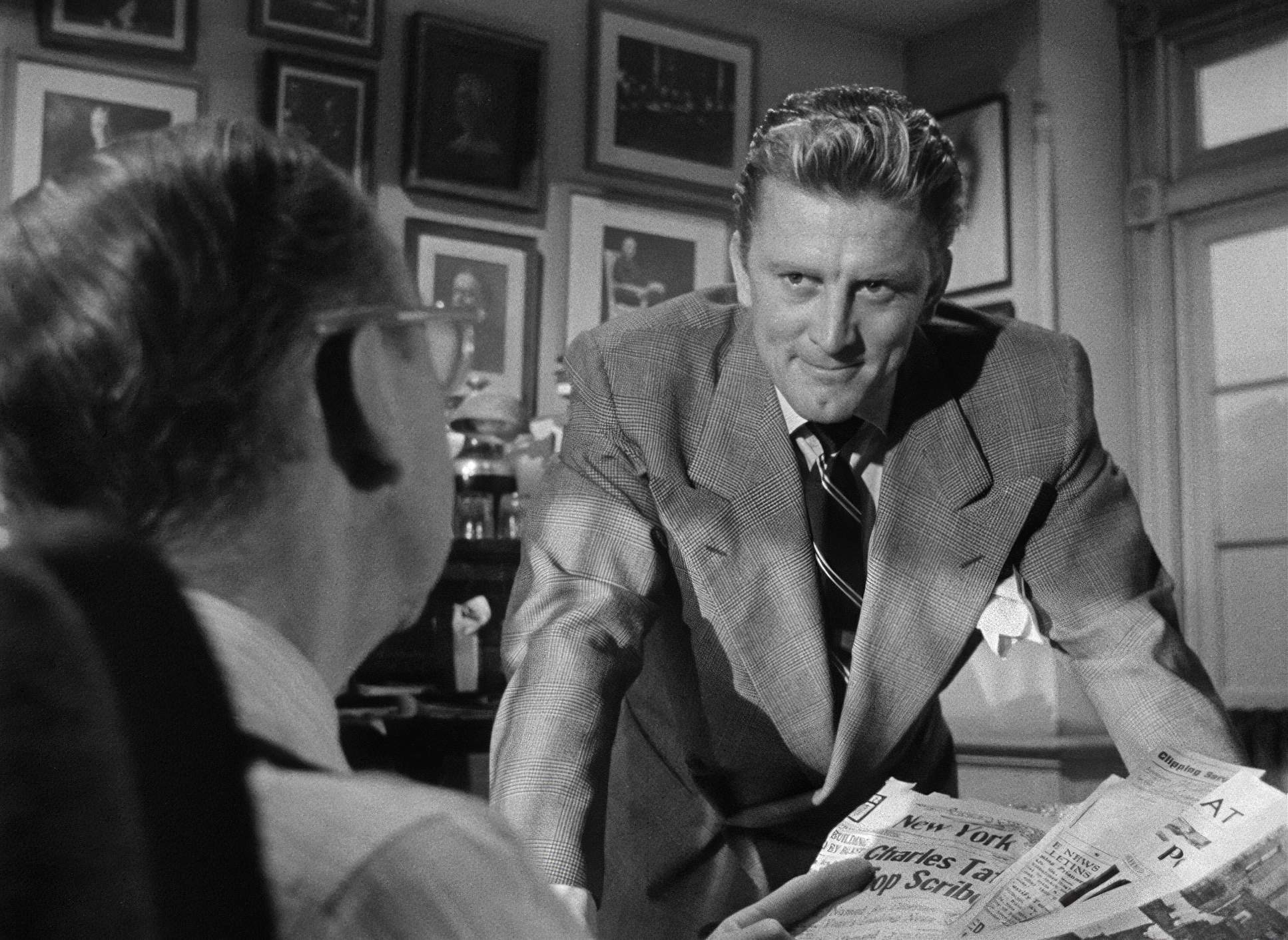
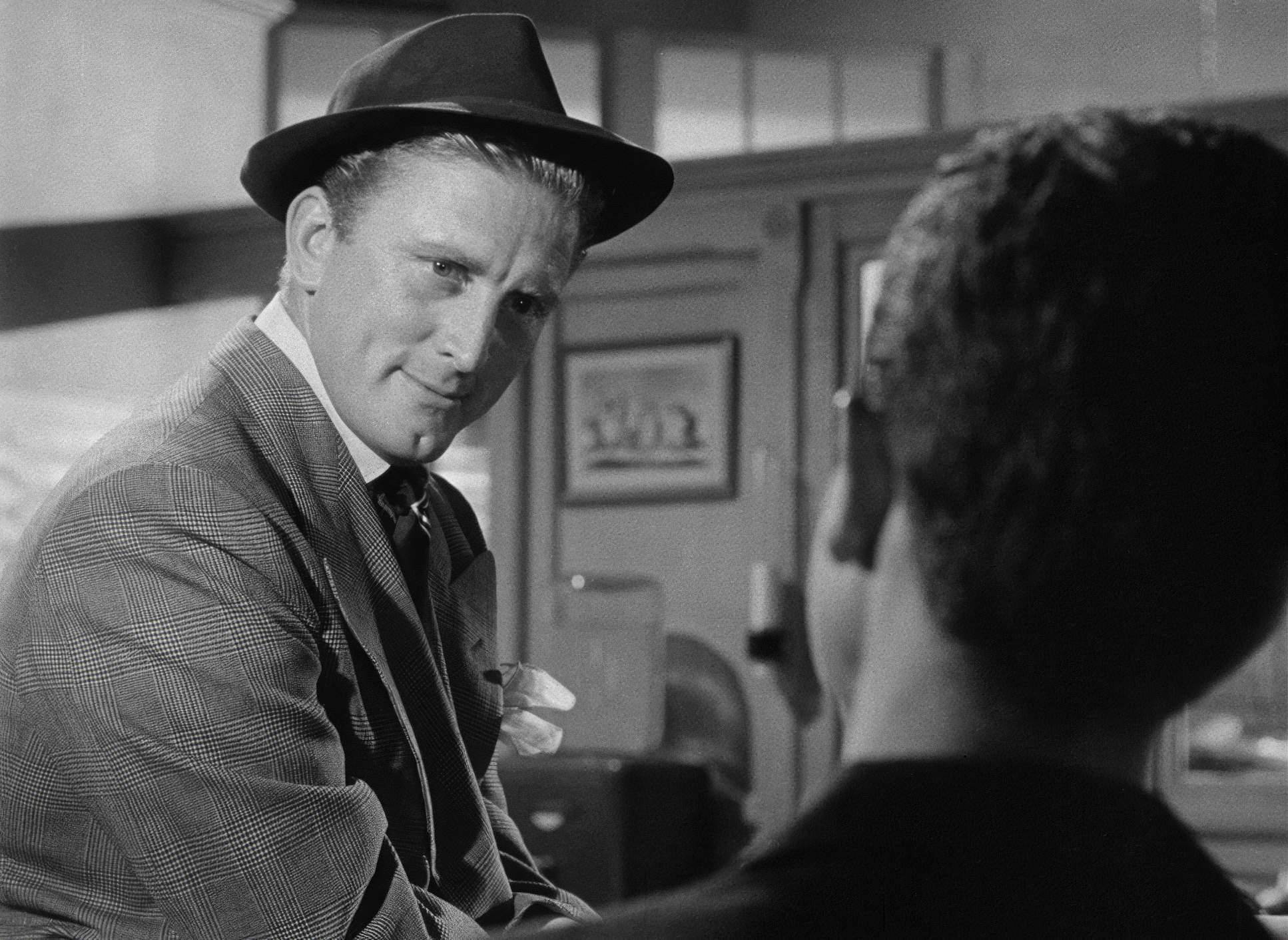
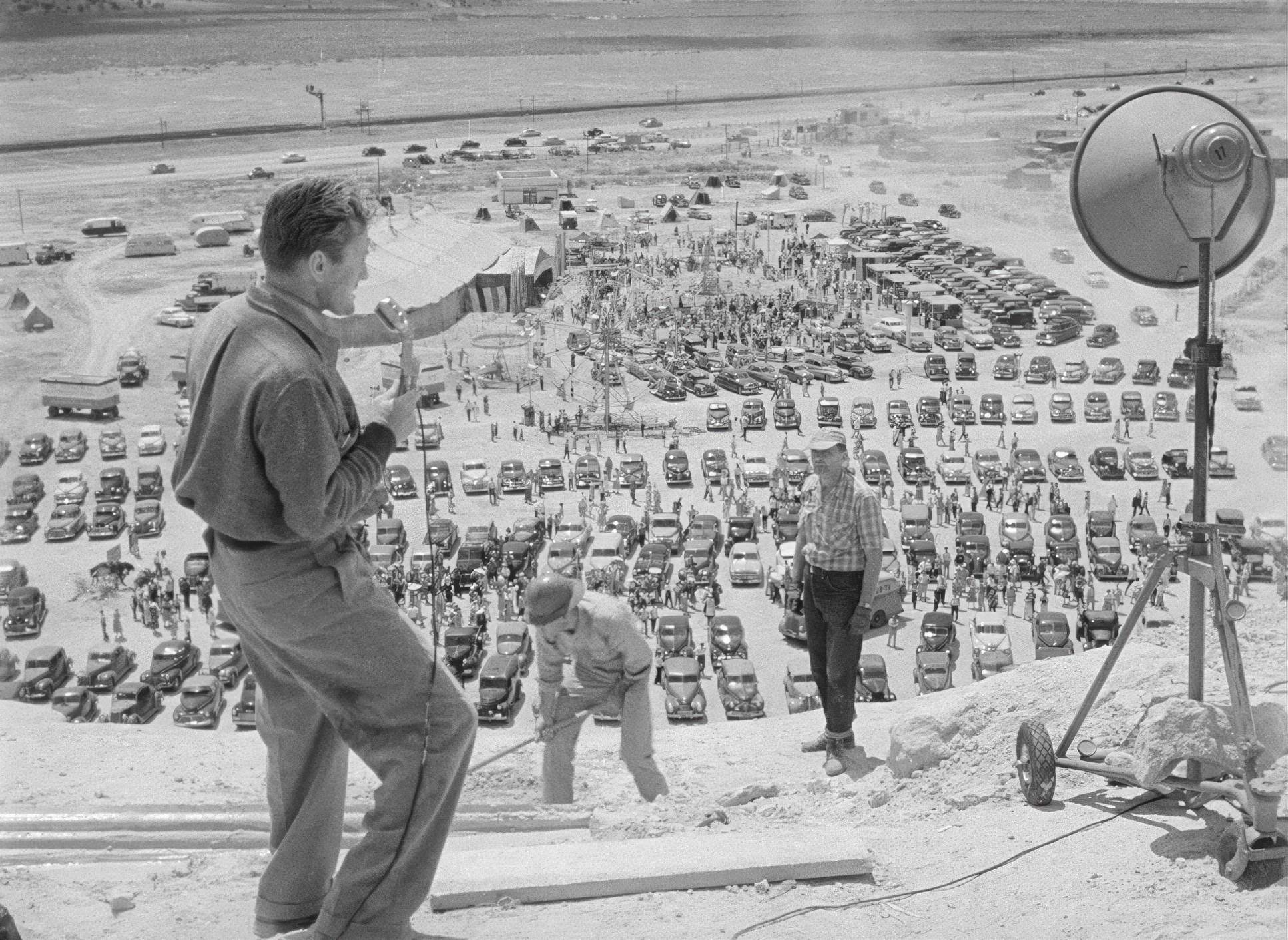
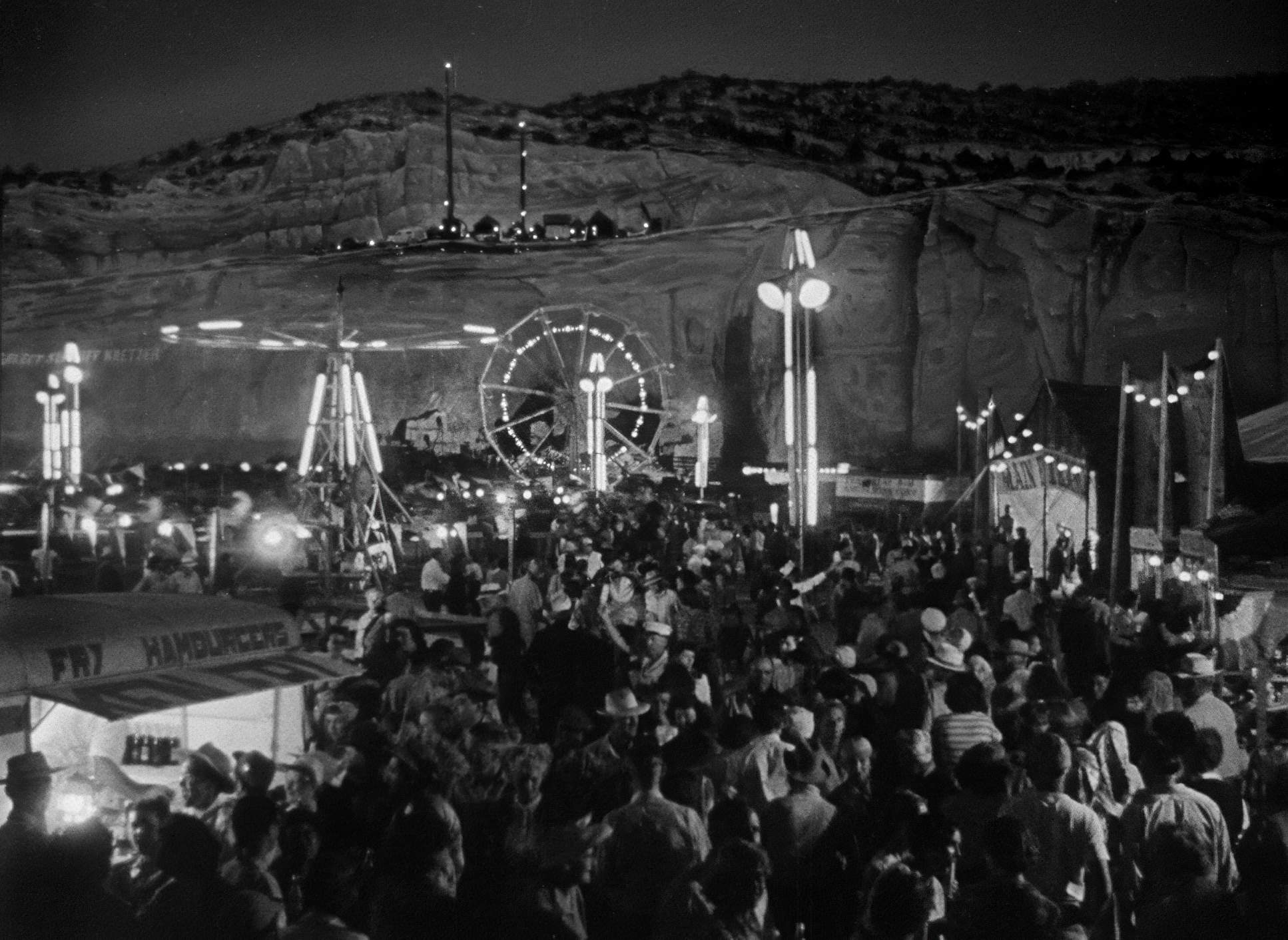
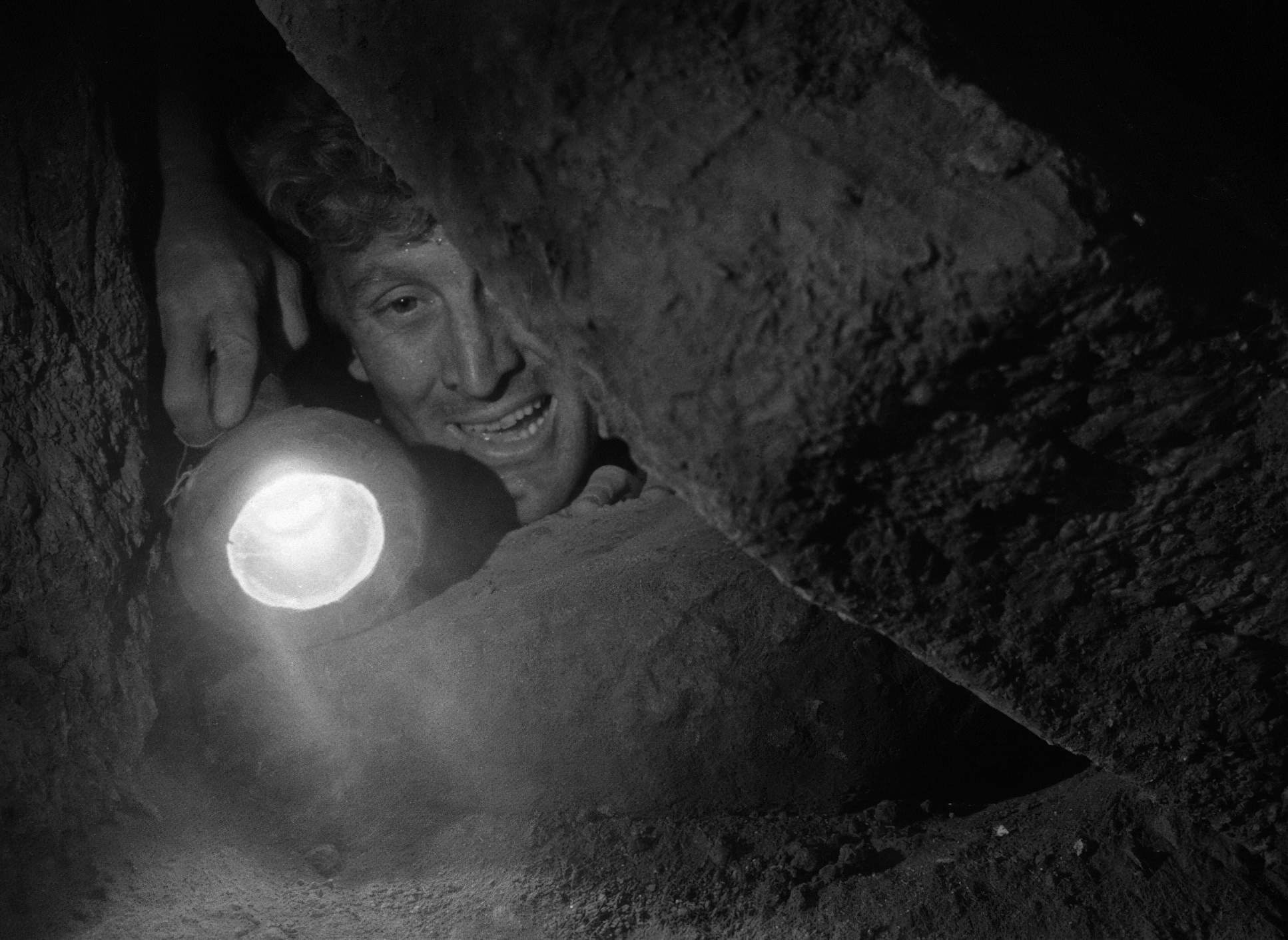
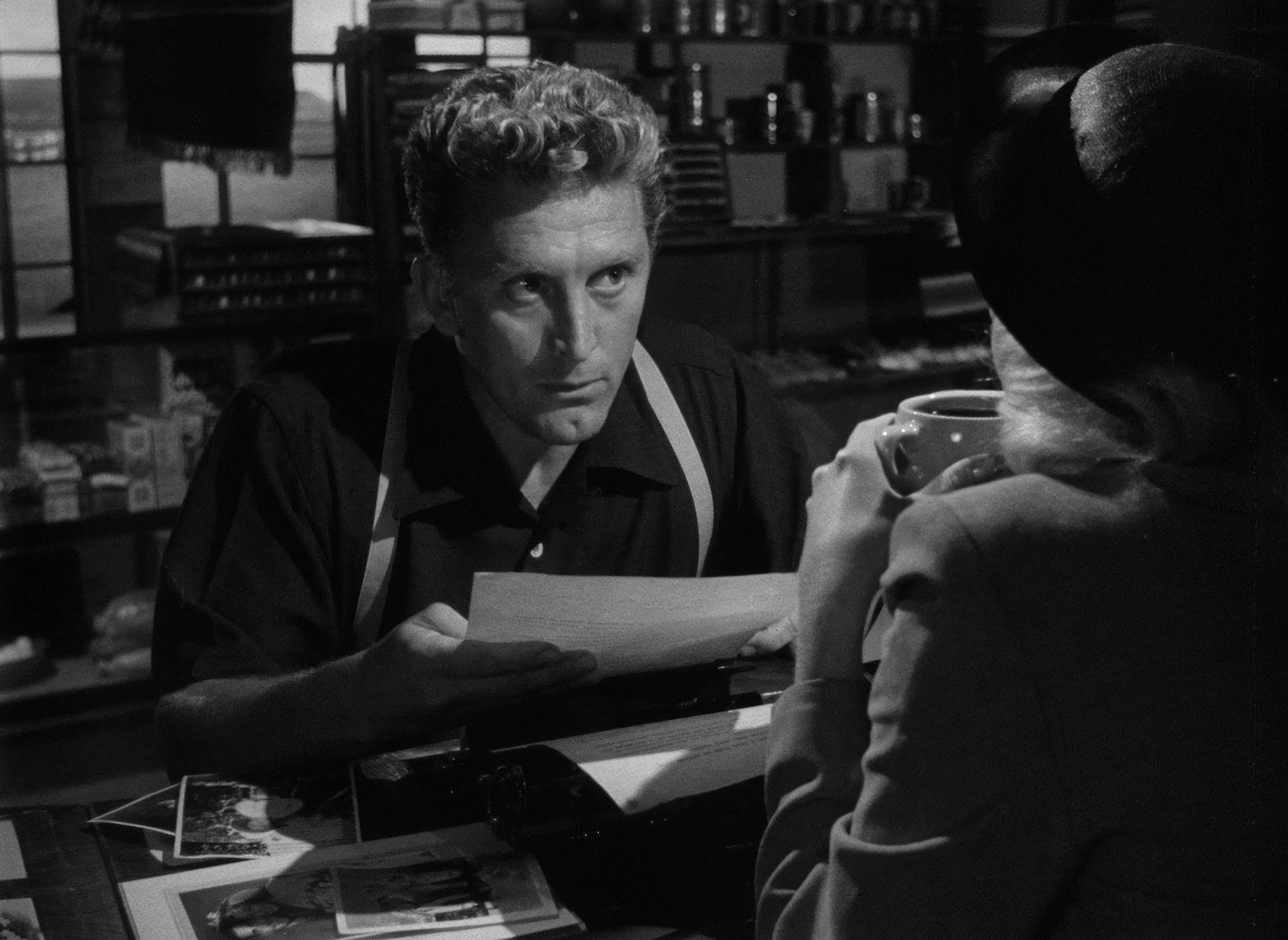
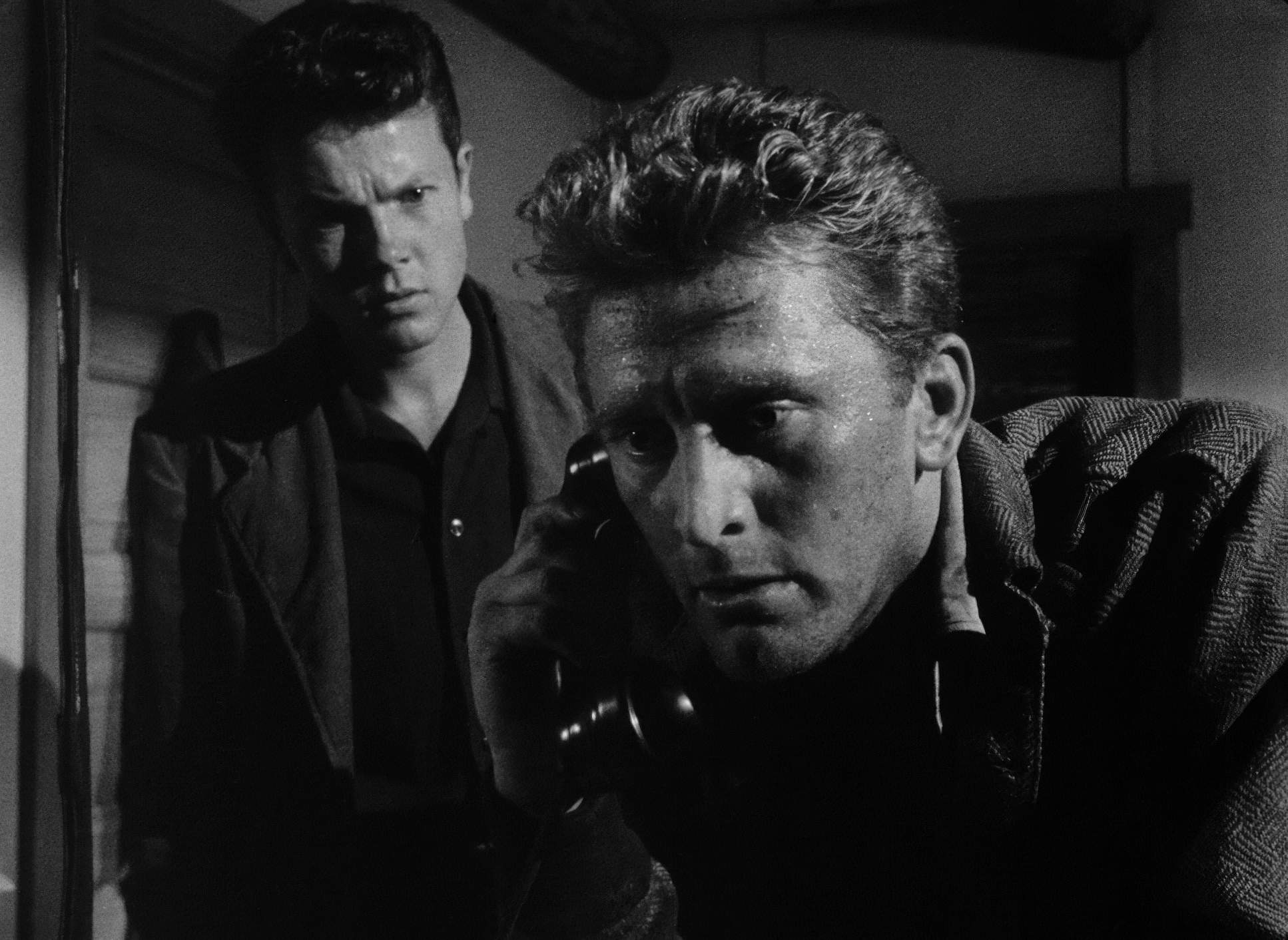
As the spectacle grows, the camera shifts into a voyeuristic mode. We get these massive, sweeping wide shots of the fairground that emphasize just how many people have showed up to watch a man die. It’s a clever bit of visual irony: when Tatum is manipulating someone, the camera pulls him into an intimate, conspiratorial tight shot. It forces the audience to feel like an accomplice to his lies.
Compositional Choices
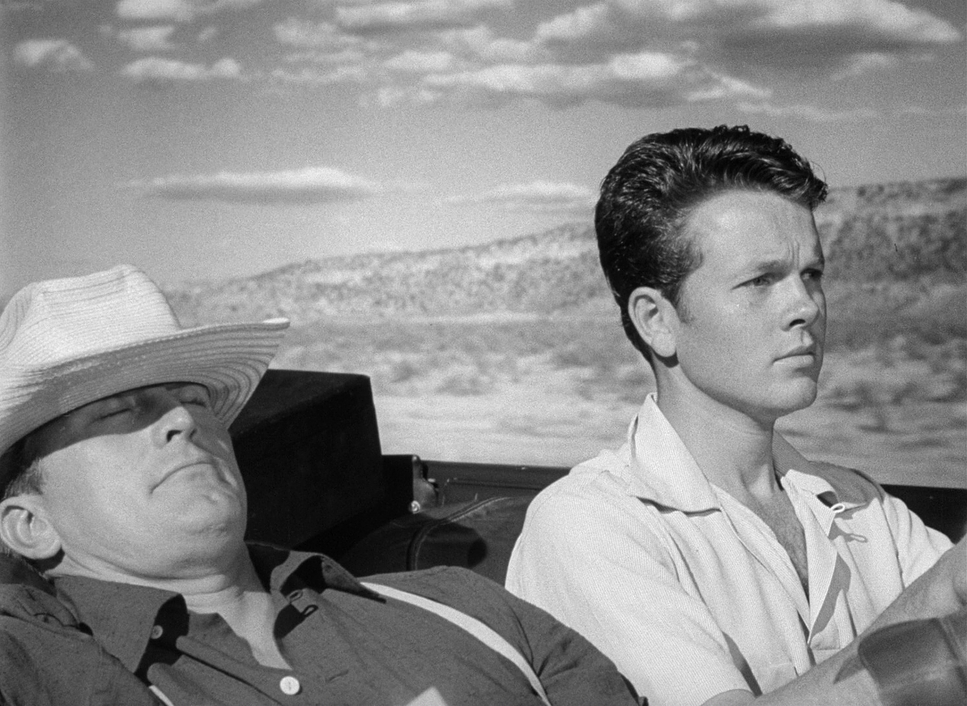
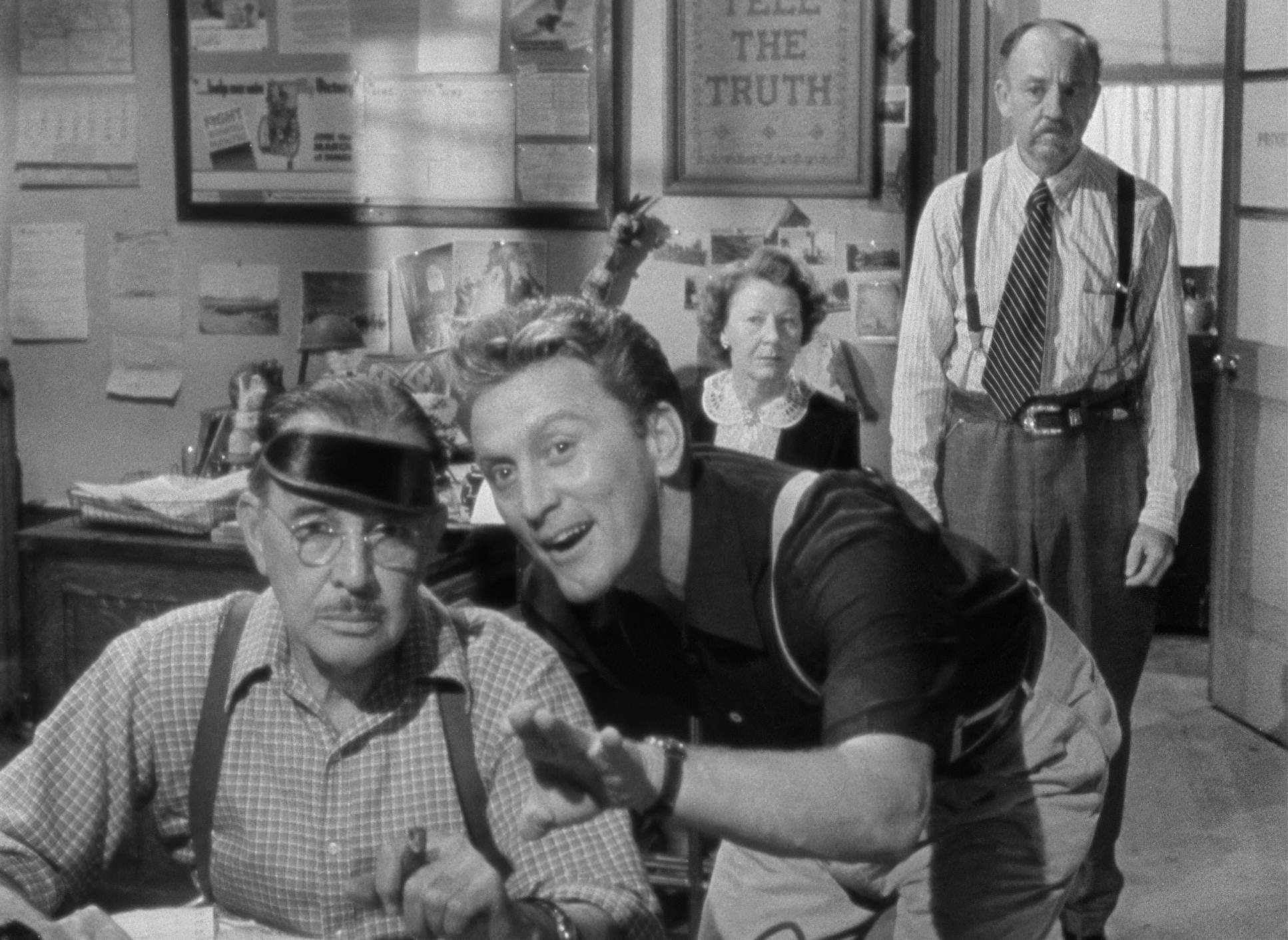
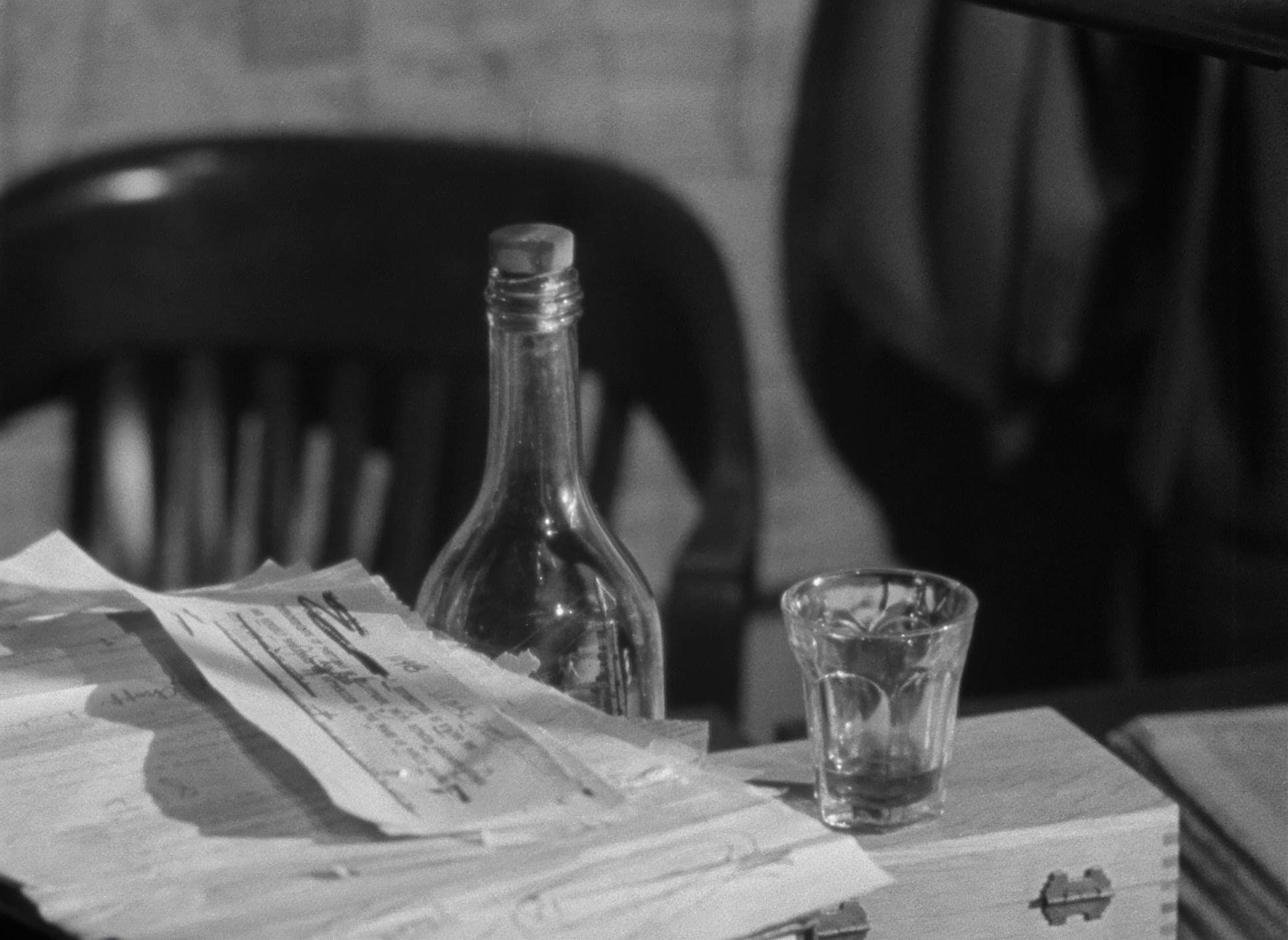
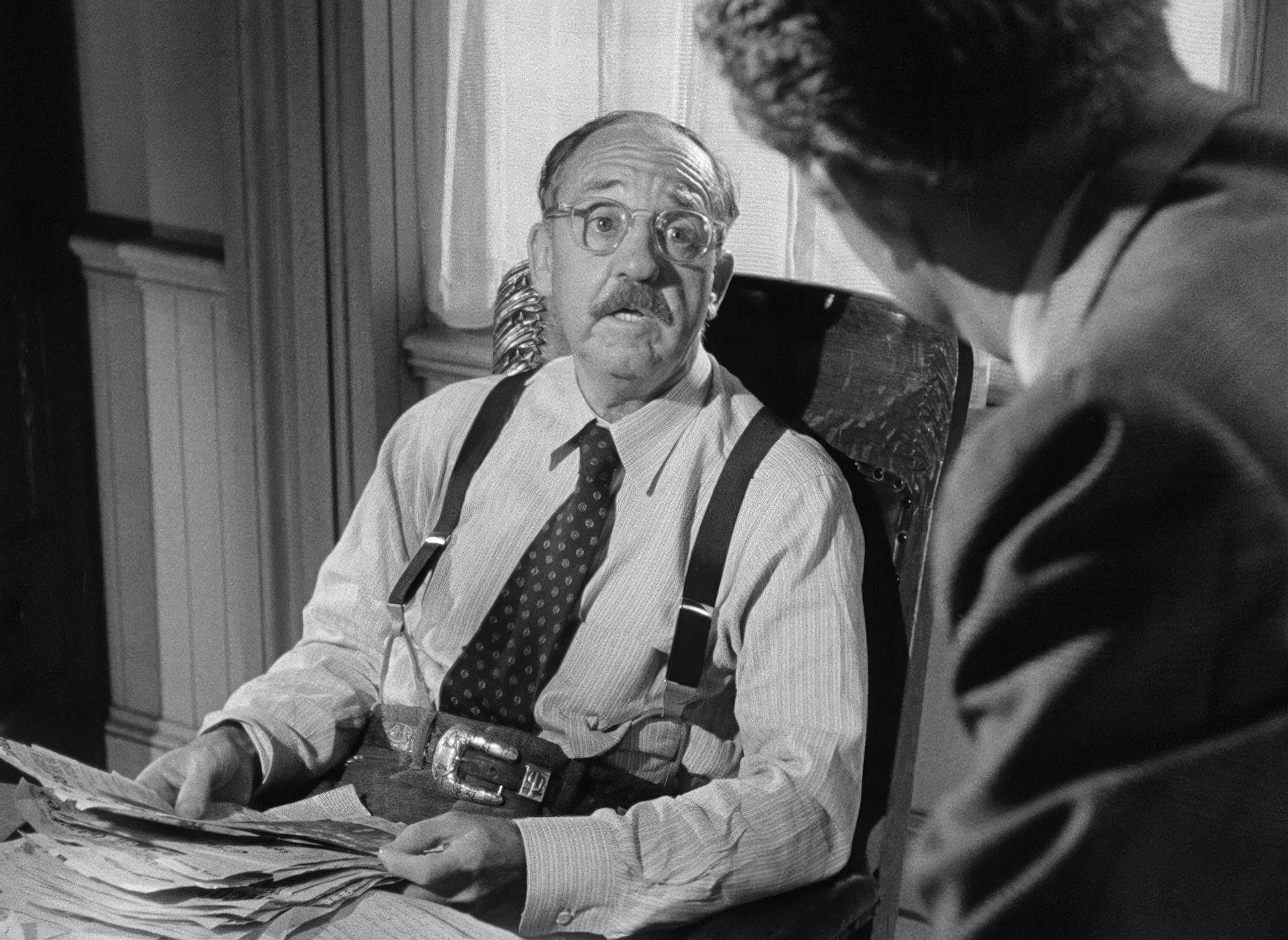
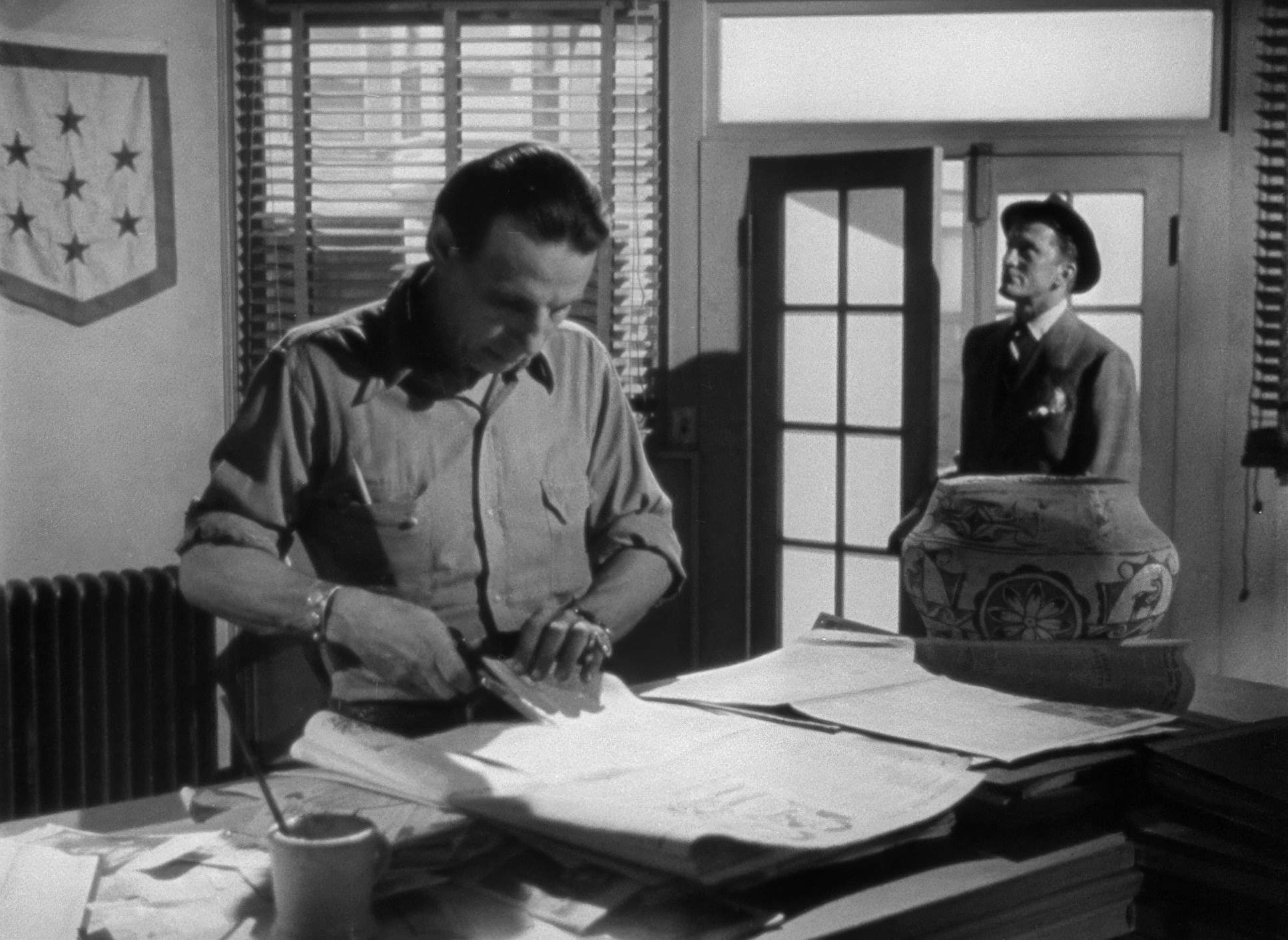
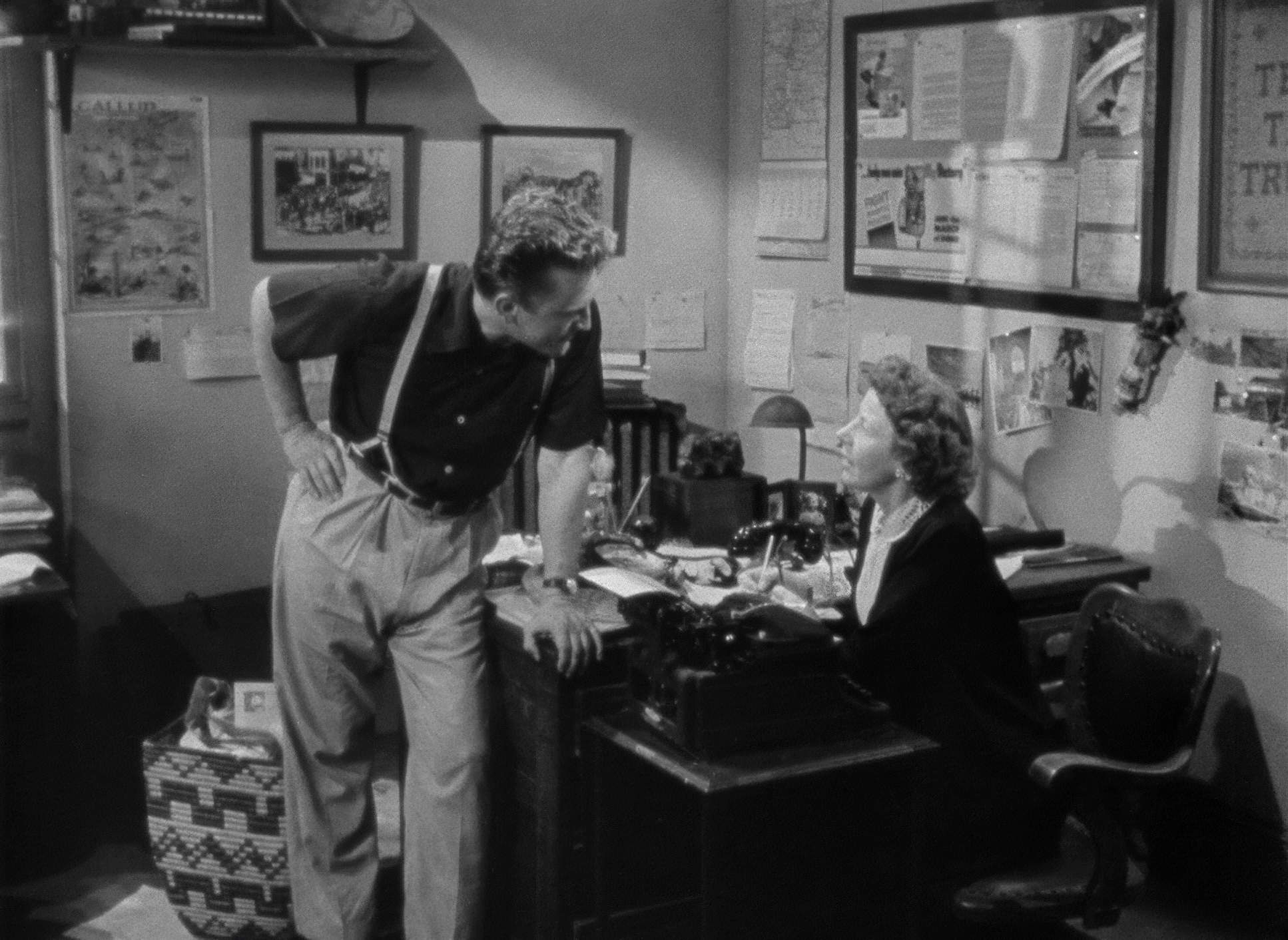
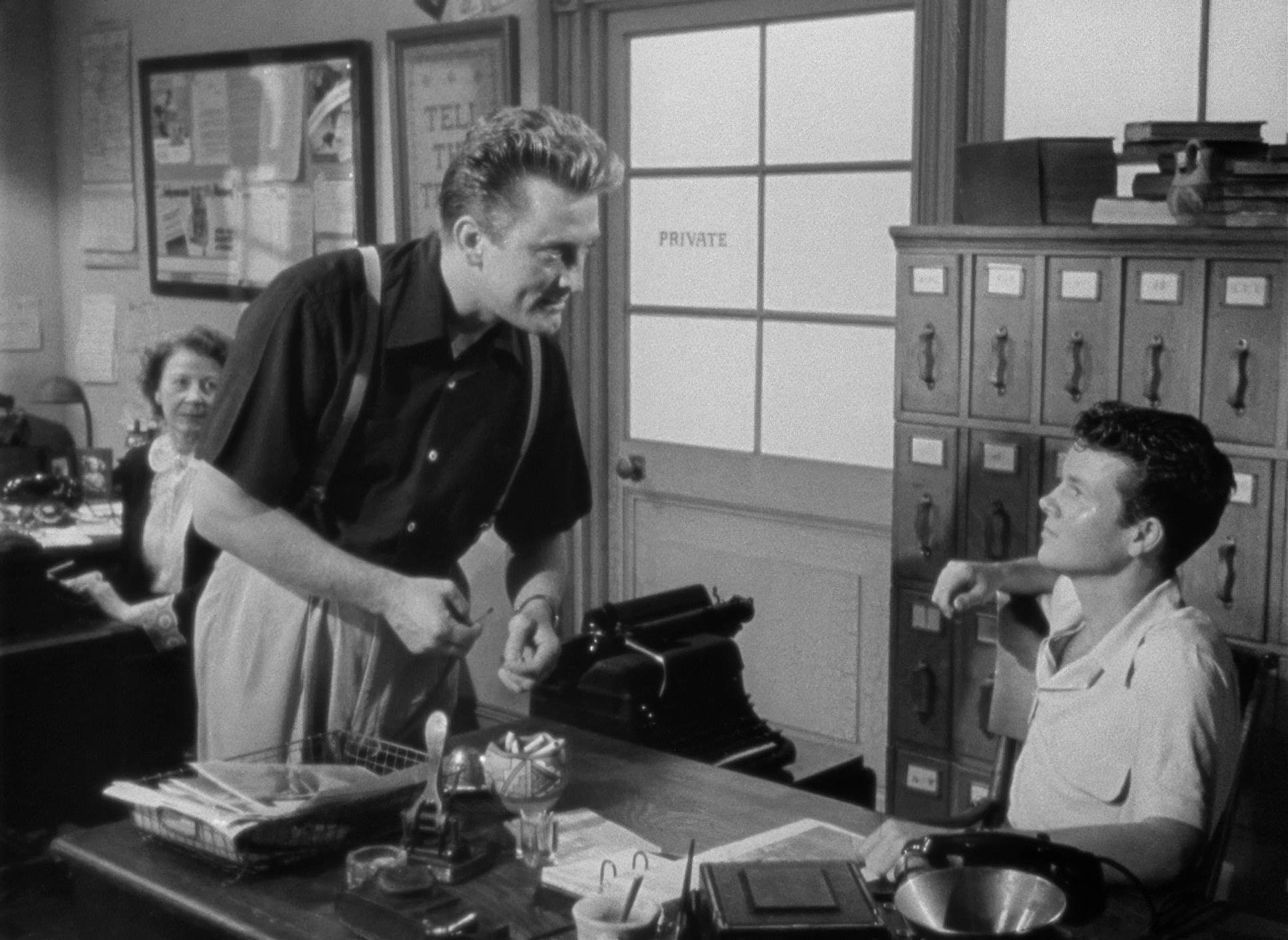
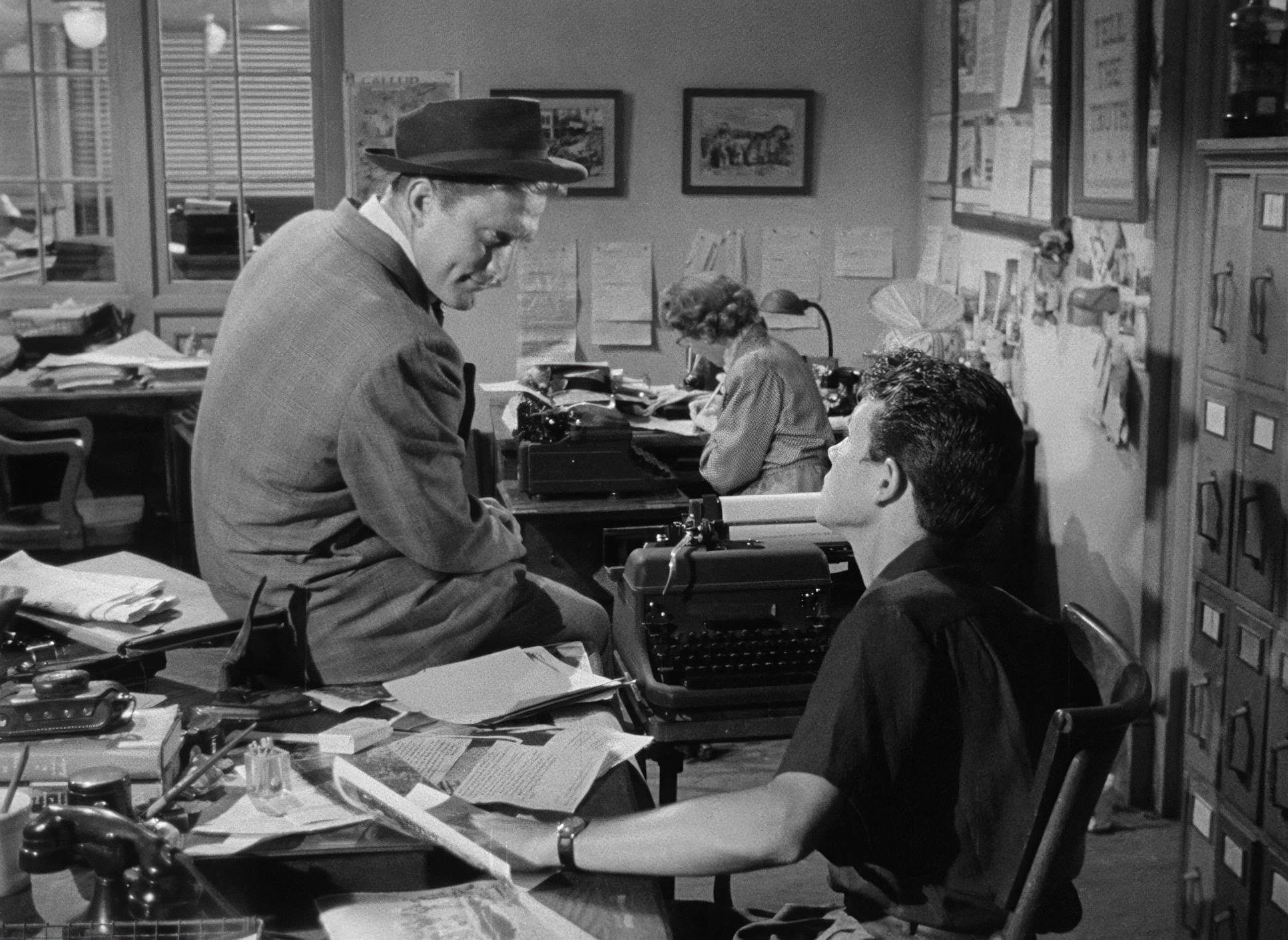
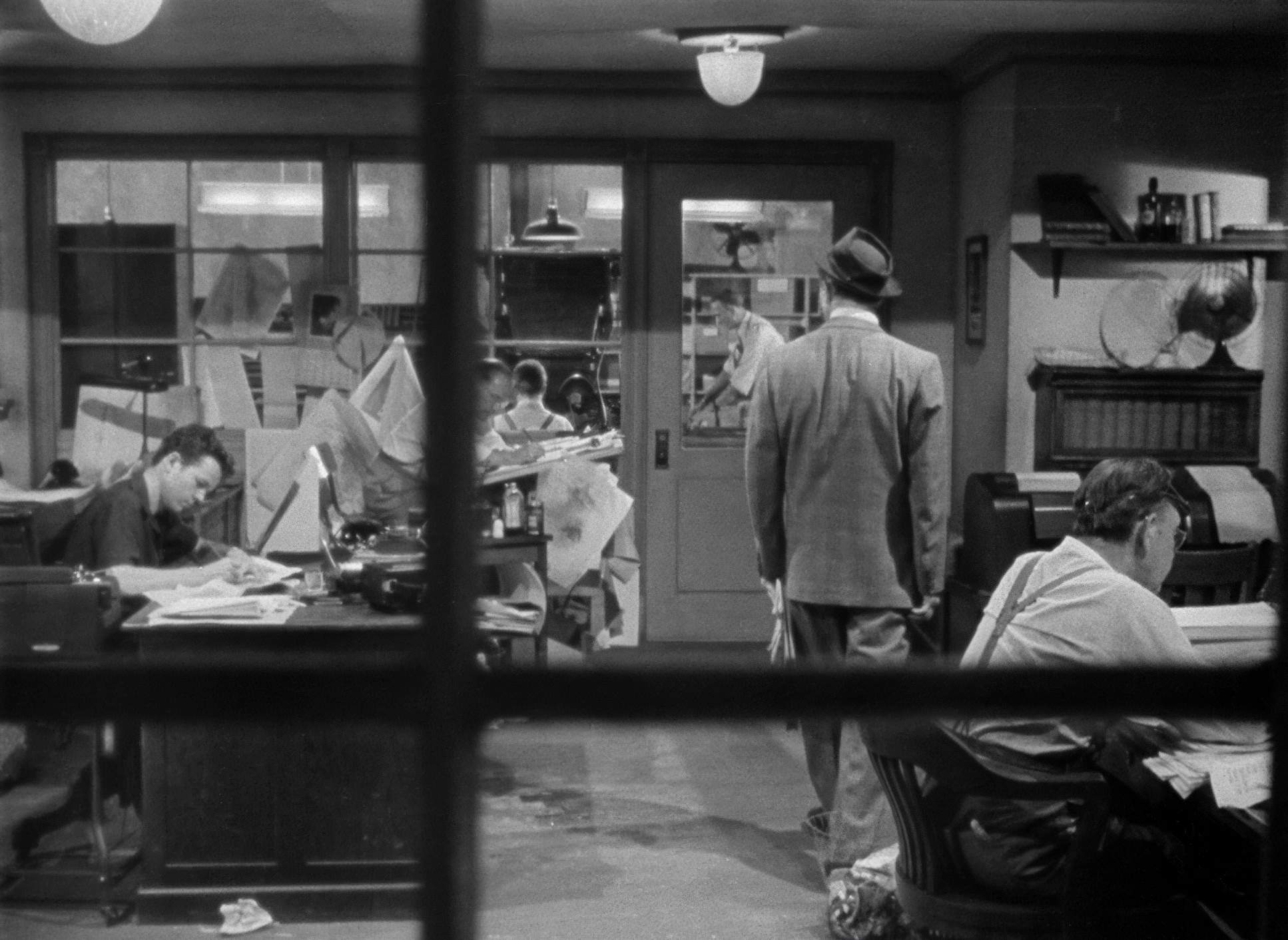
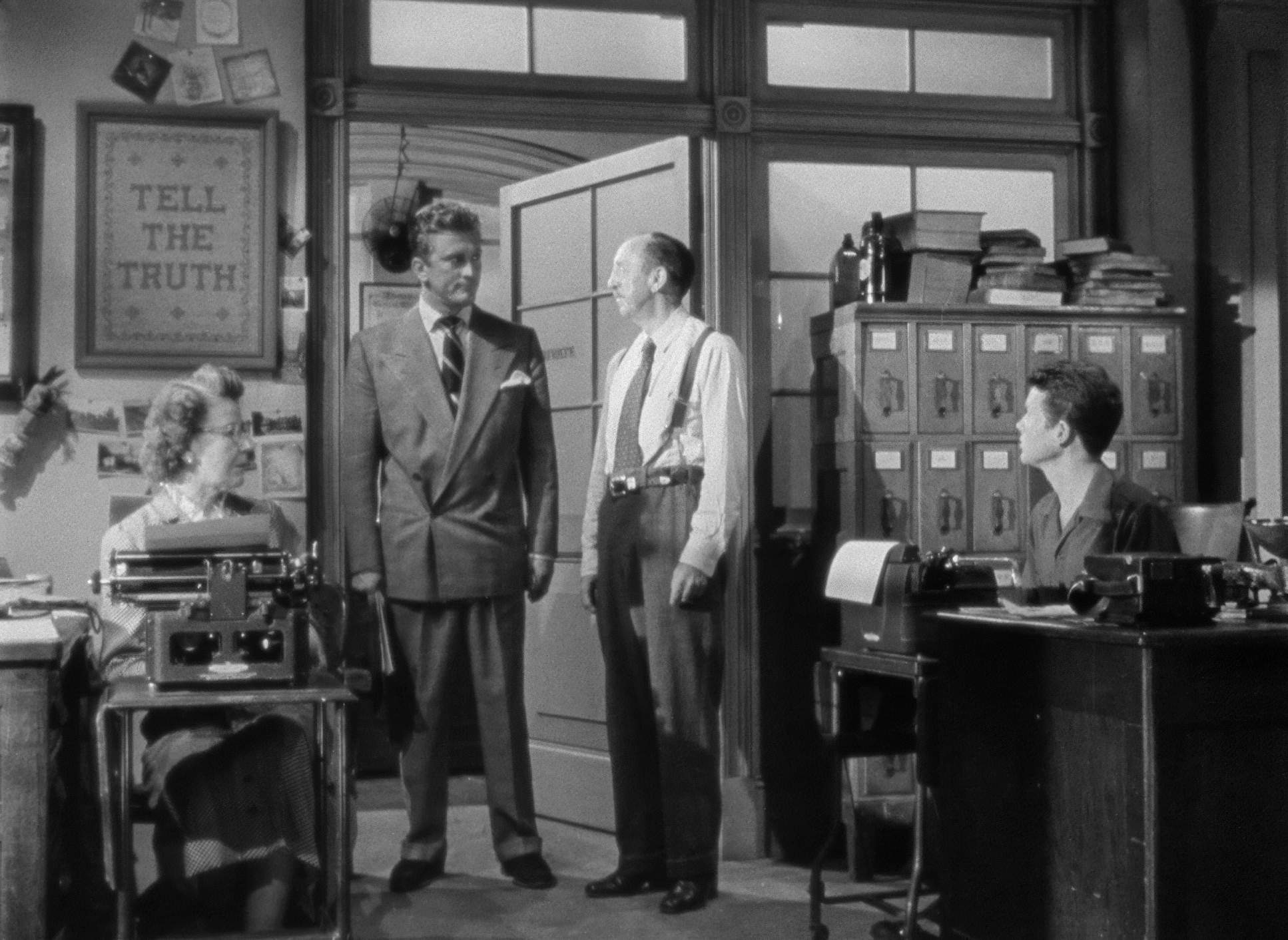
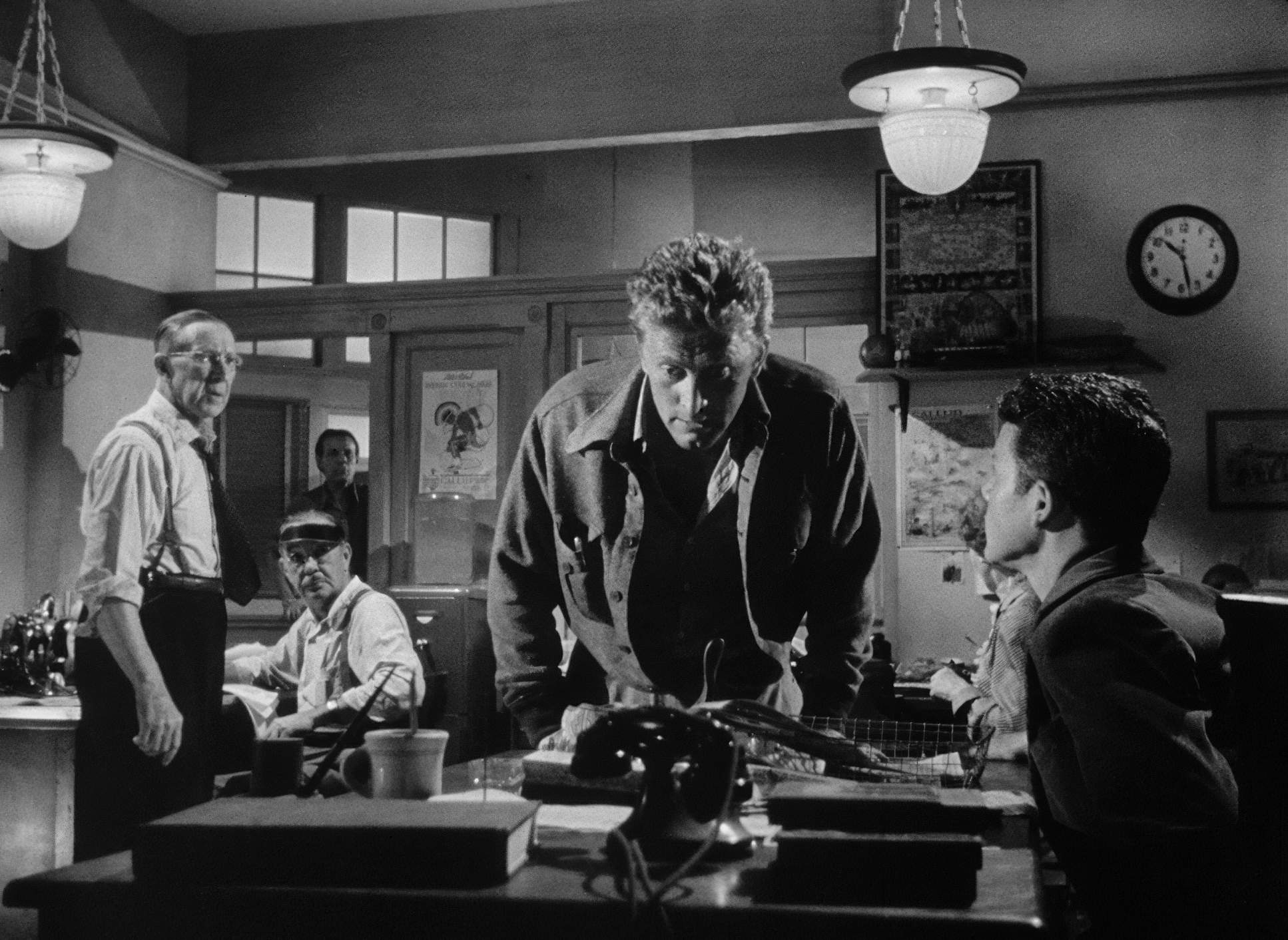
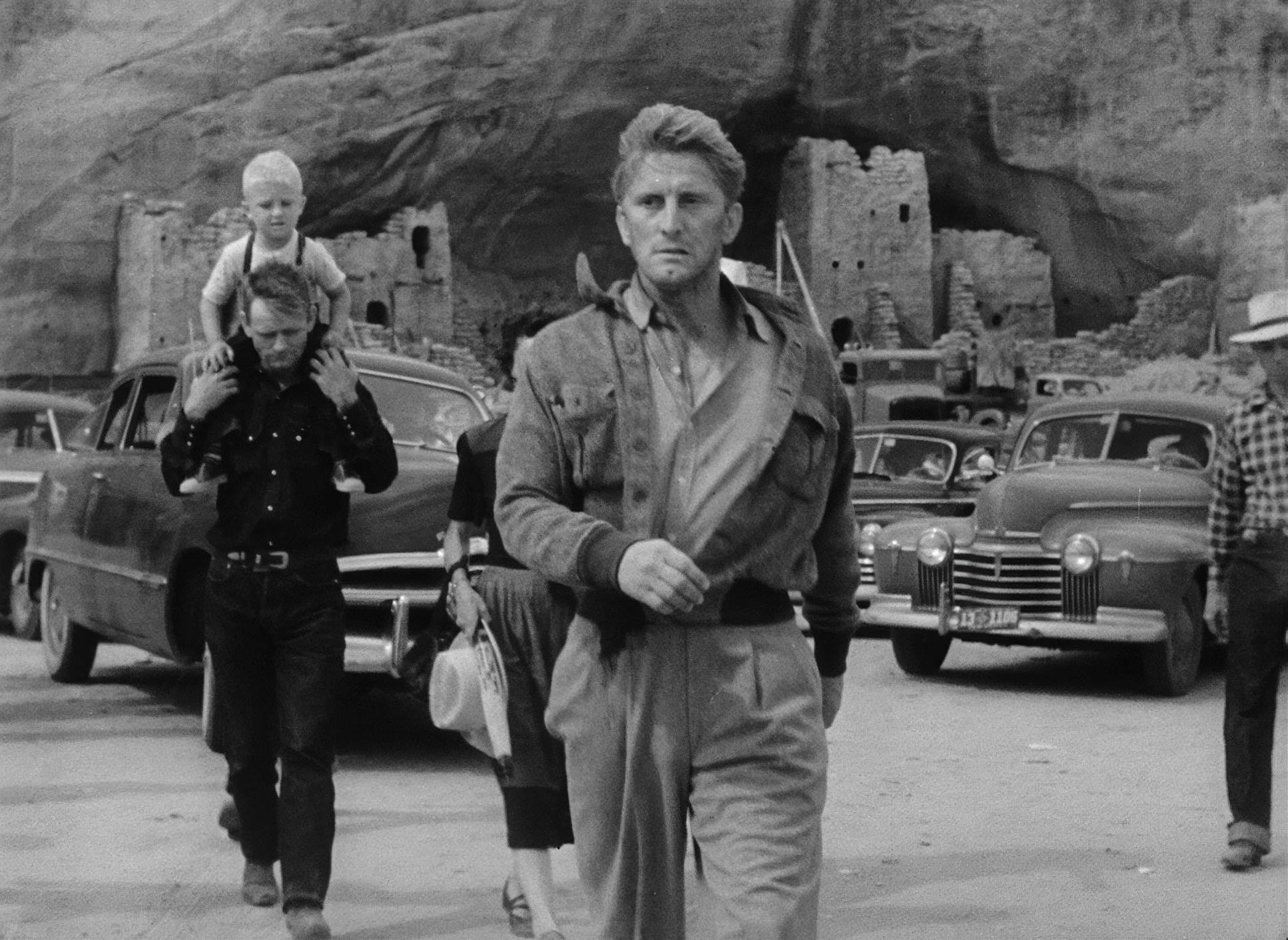
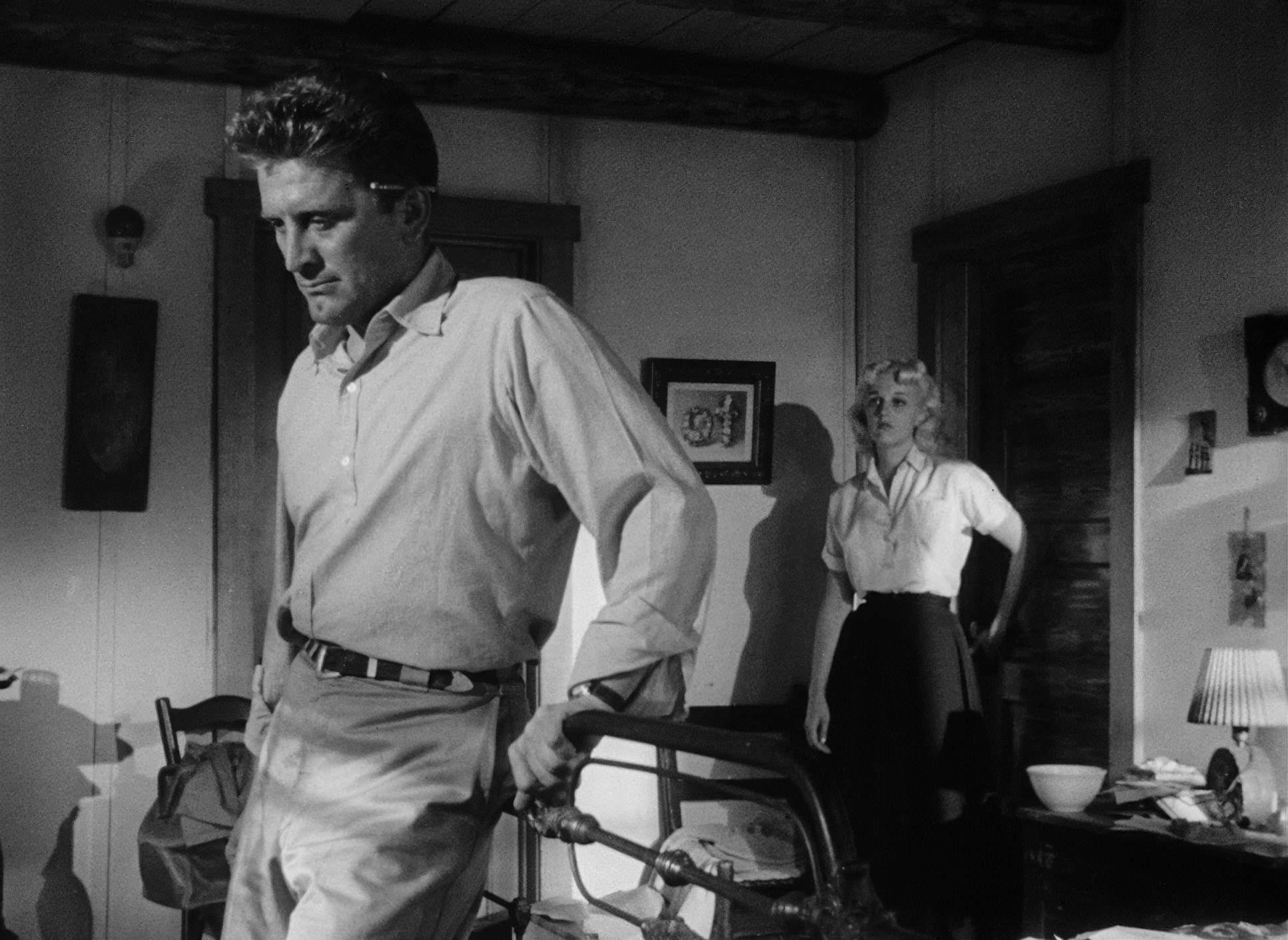
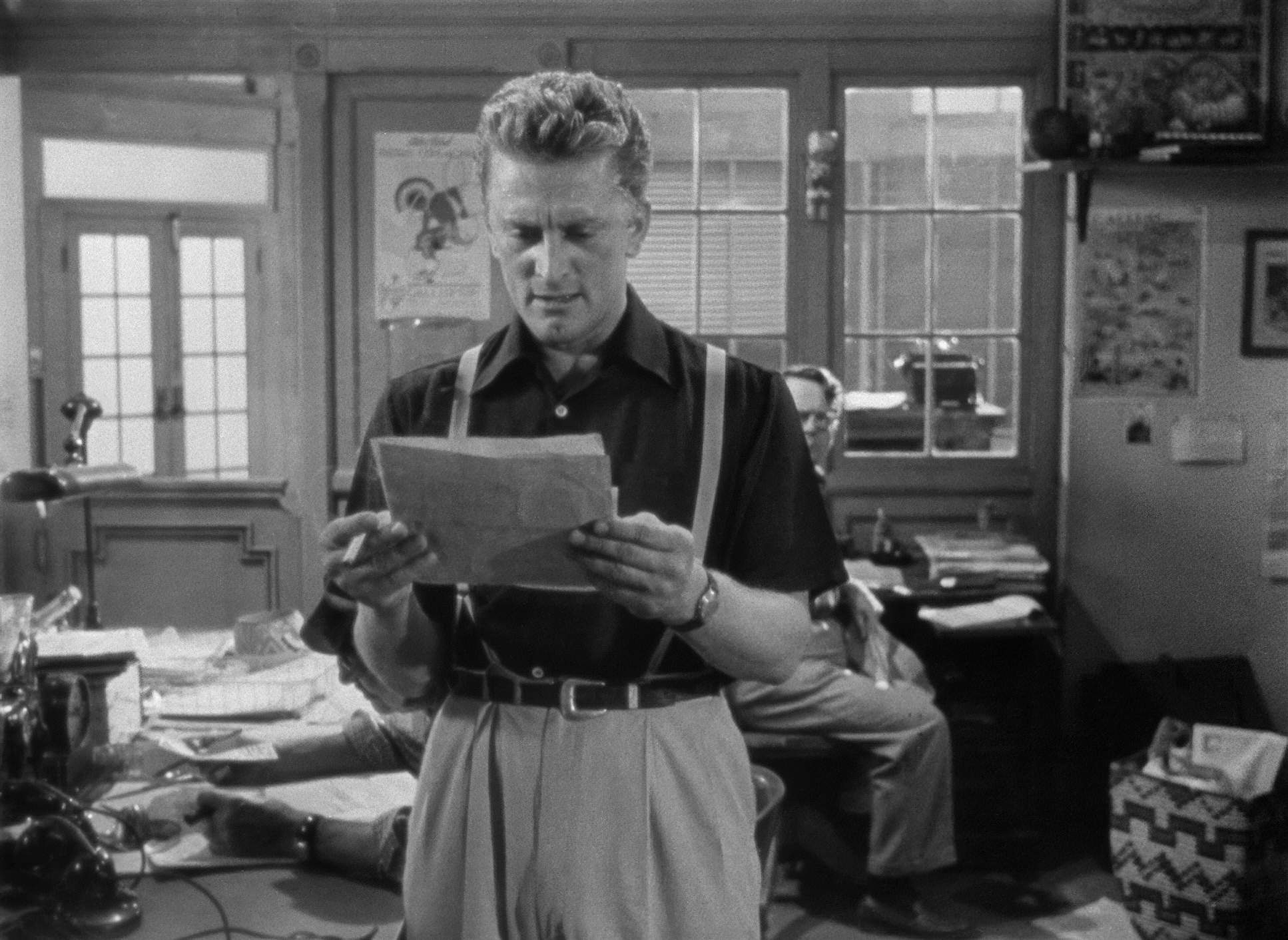
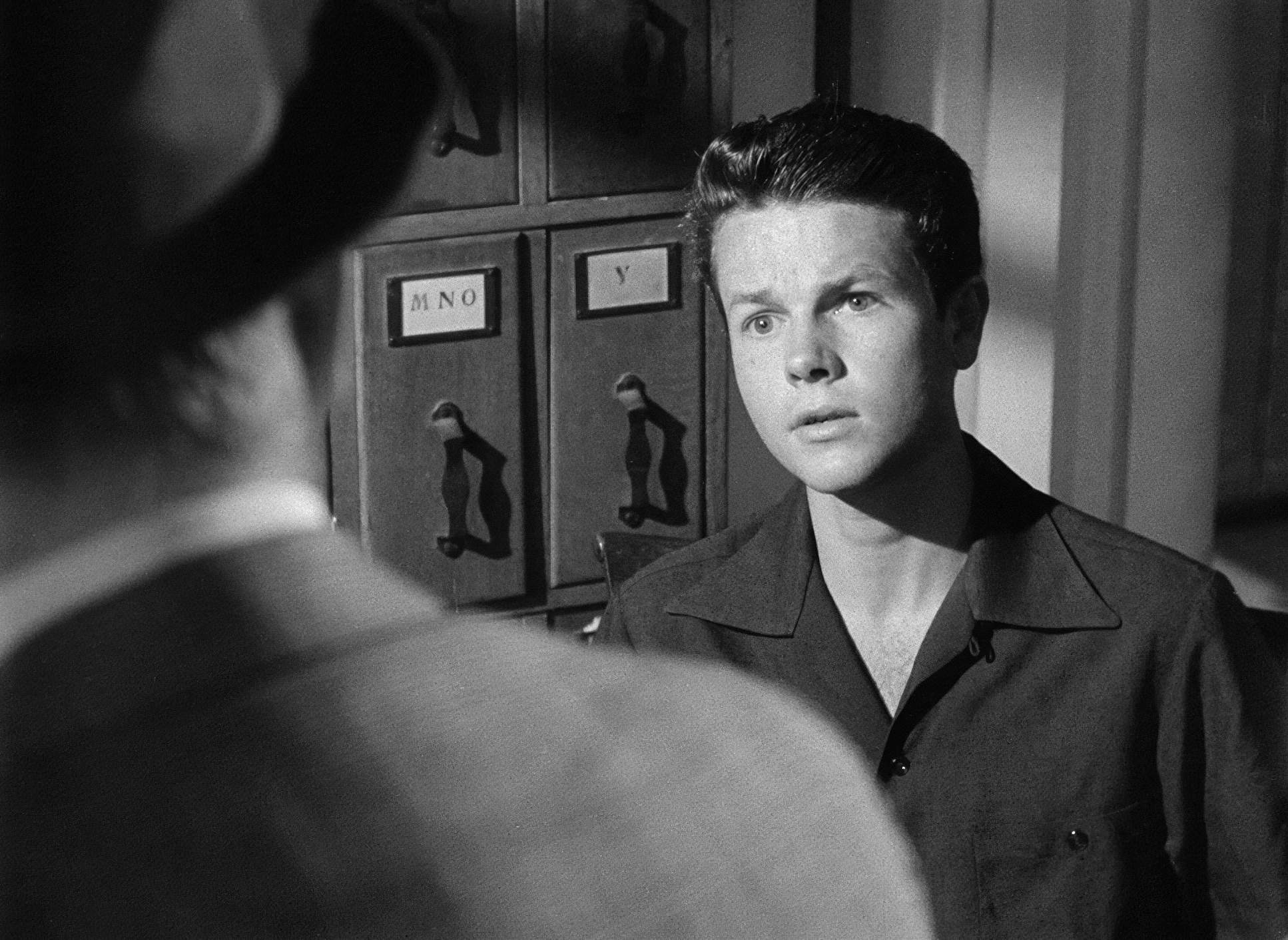
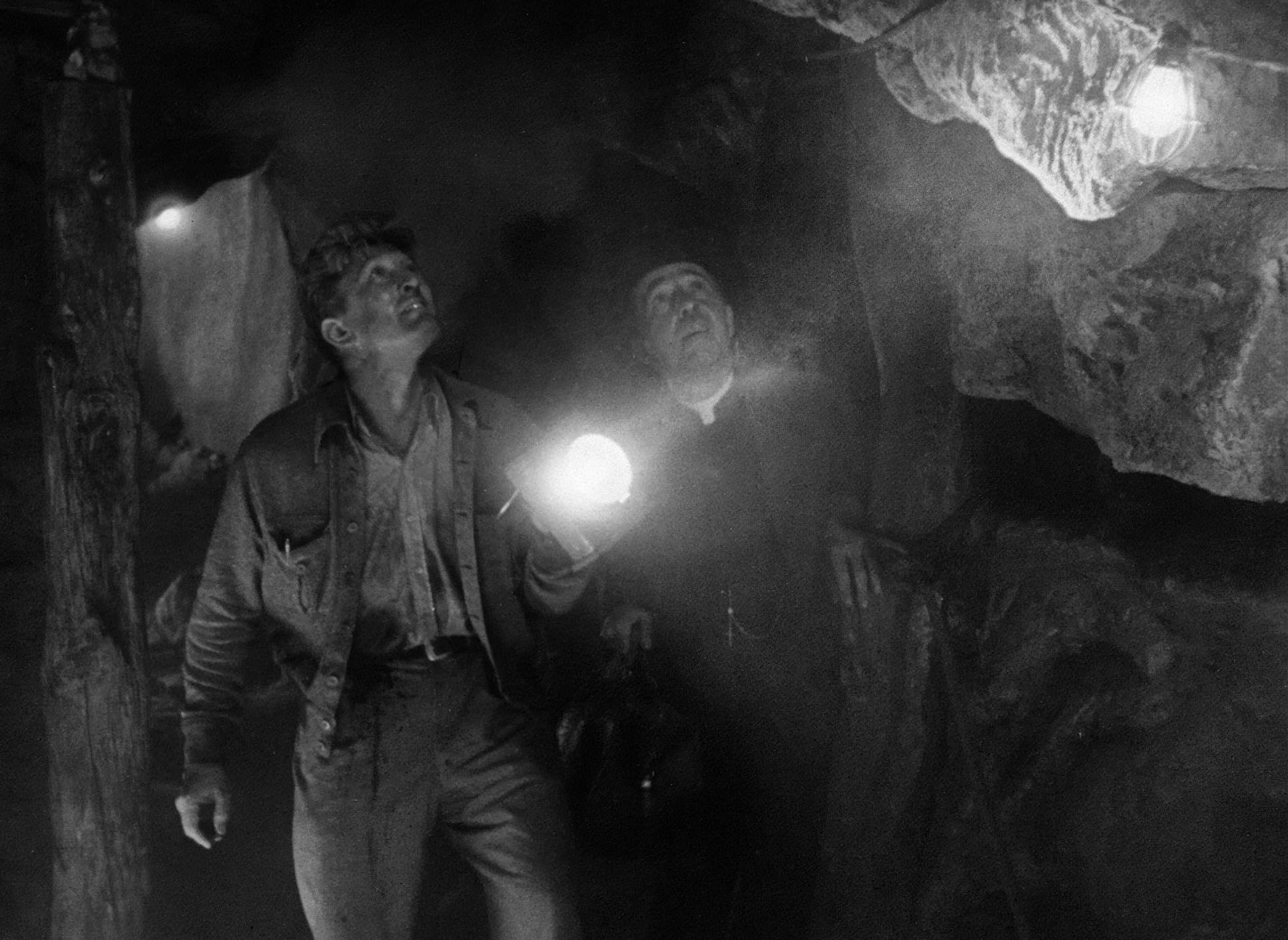
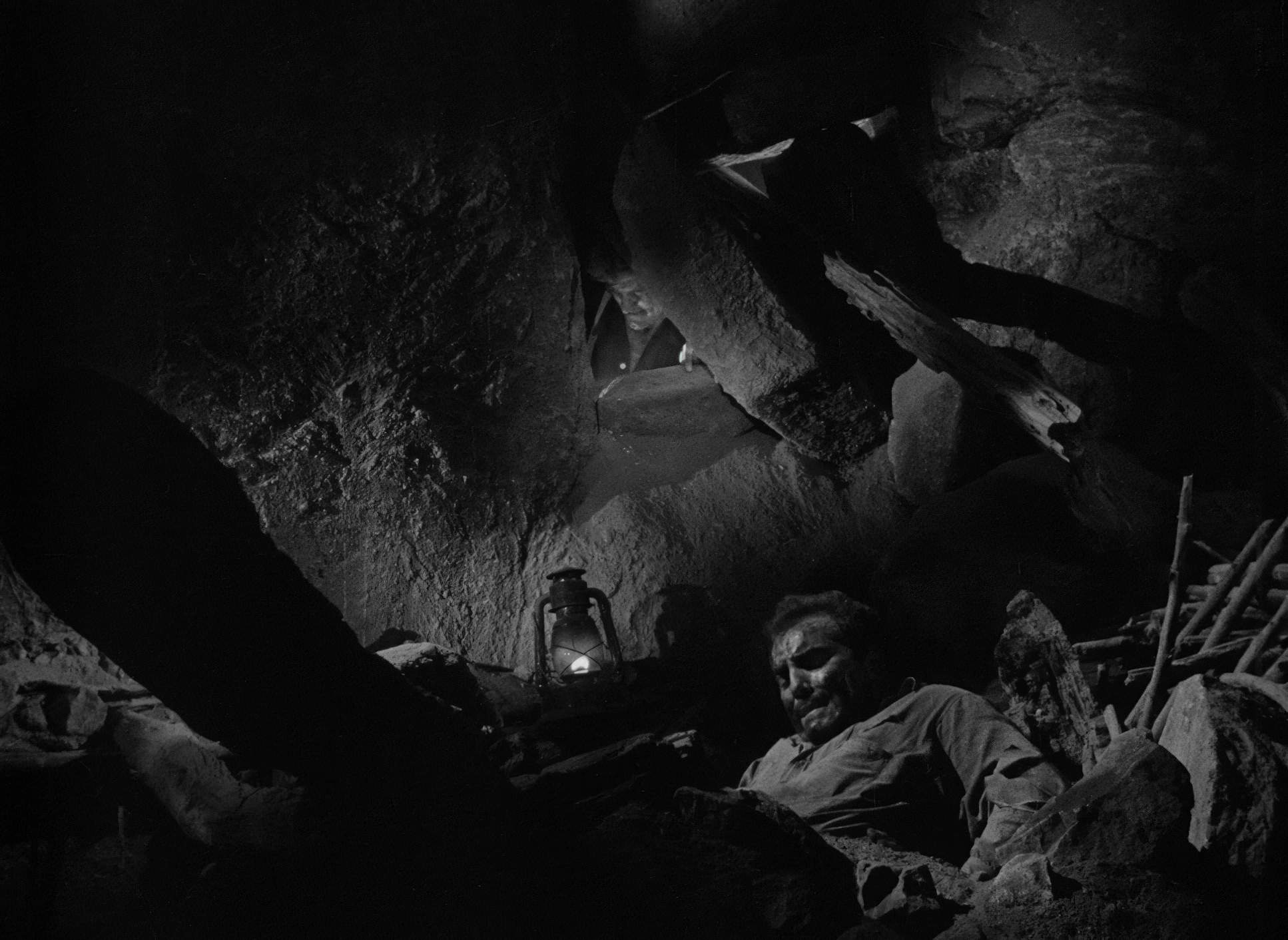
Wilder and Lang use composition to define power. Period. They lean heavily on deep focus keeping the victim Leo in the background, the rescue workers in the mid-ground, and Tatum’s calculating face in the foreground. It’s a layer-cake of corruption. You can’t ignore the context because Lang won’t let anything fall out of focus.
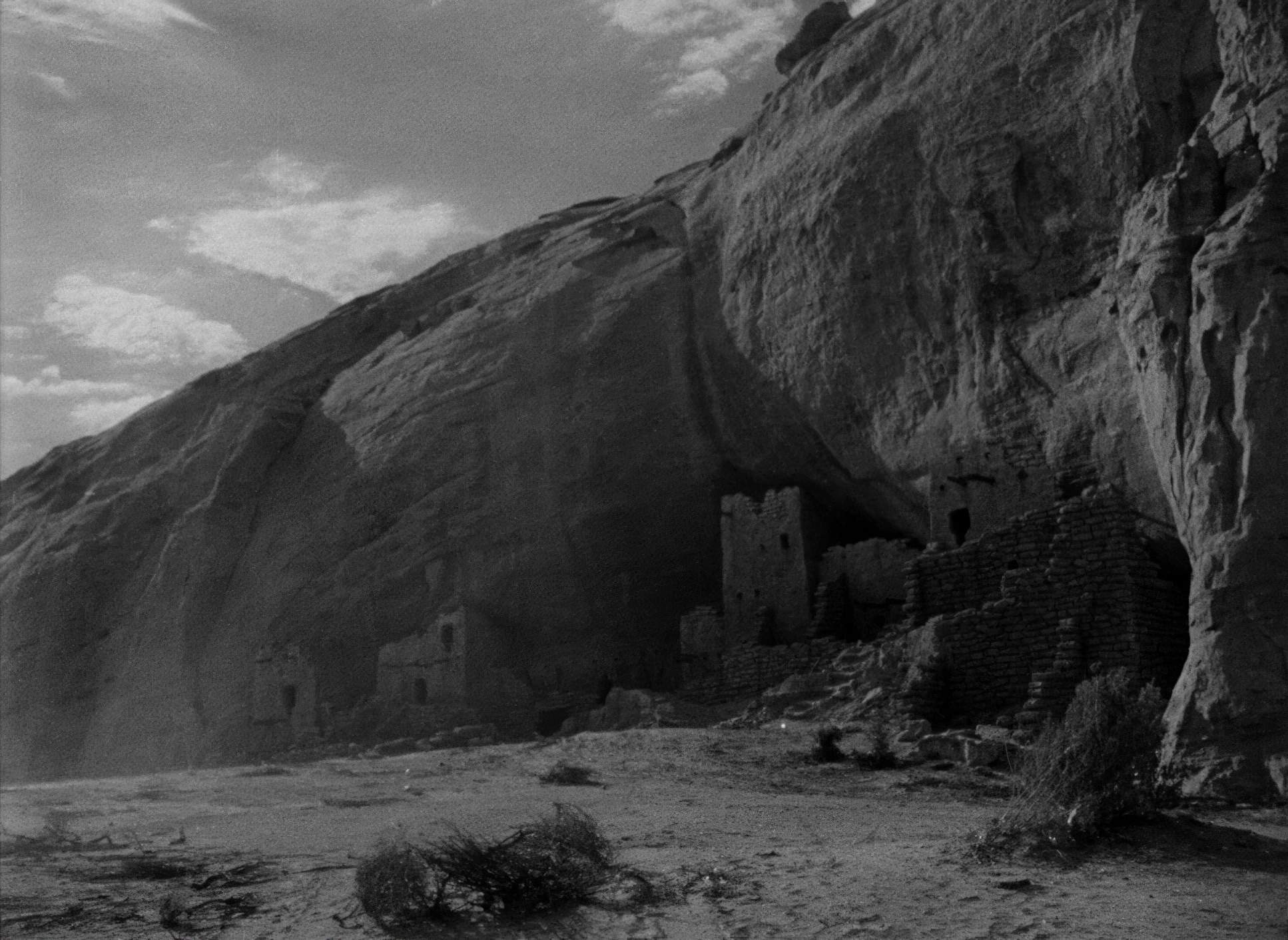
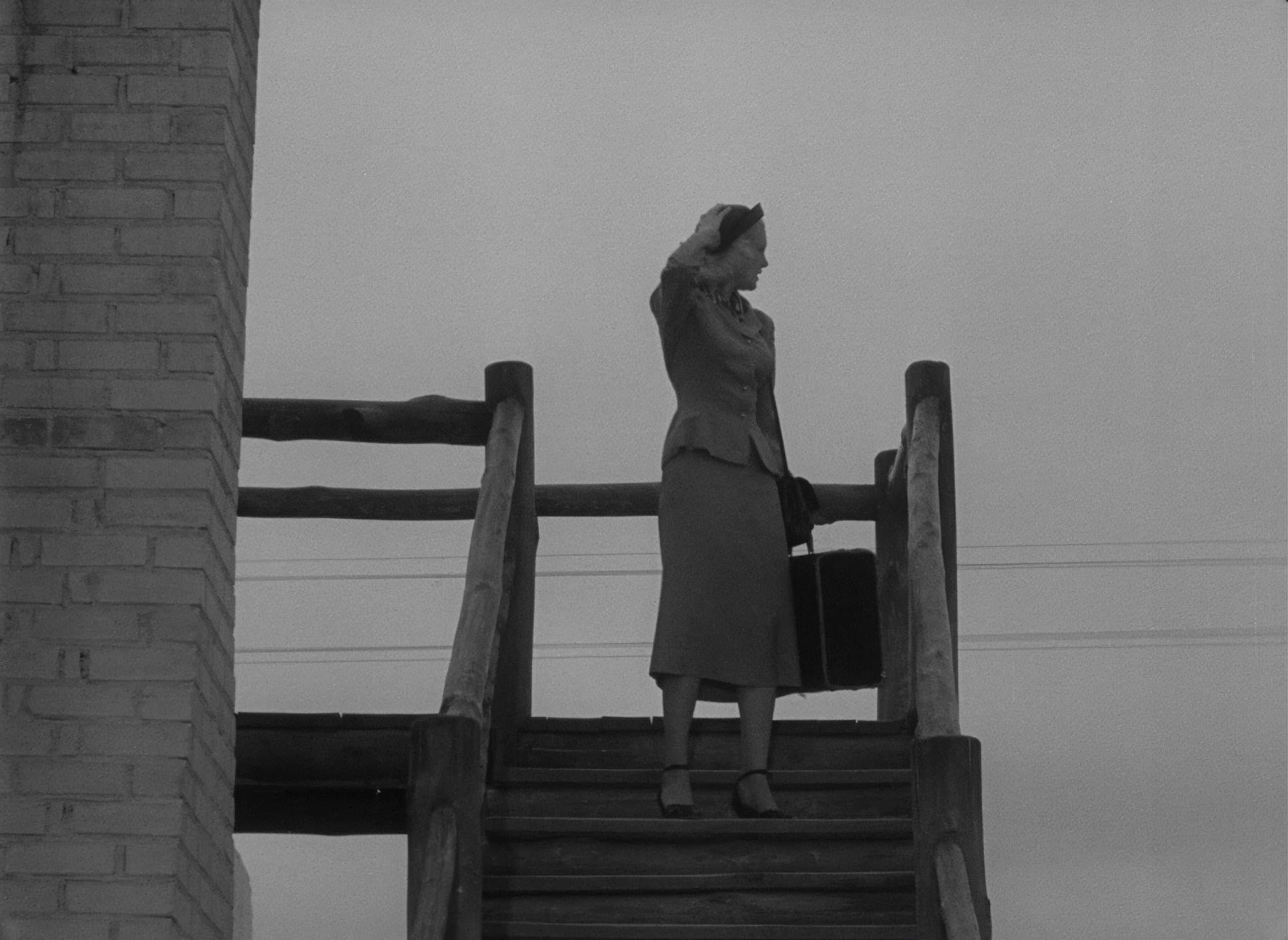
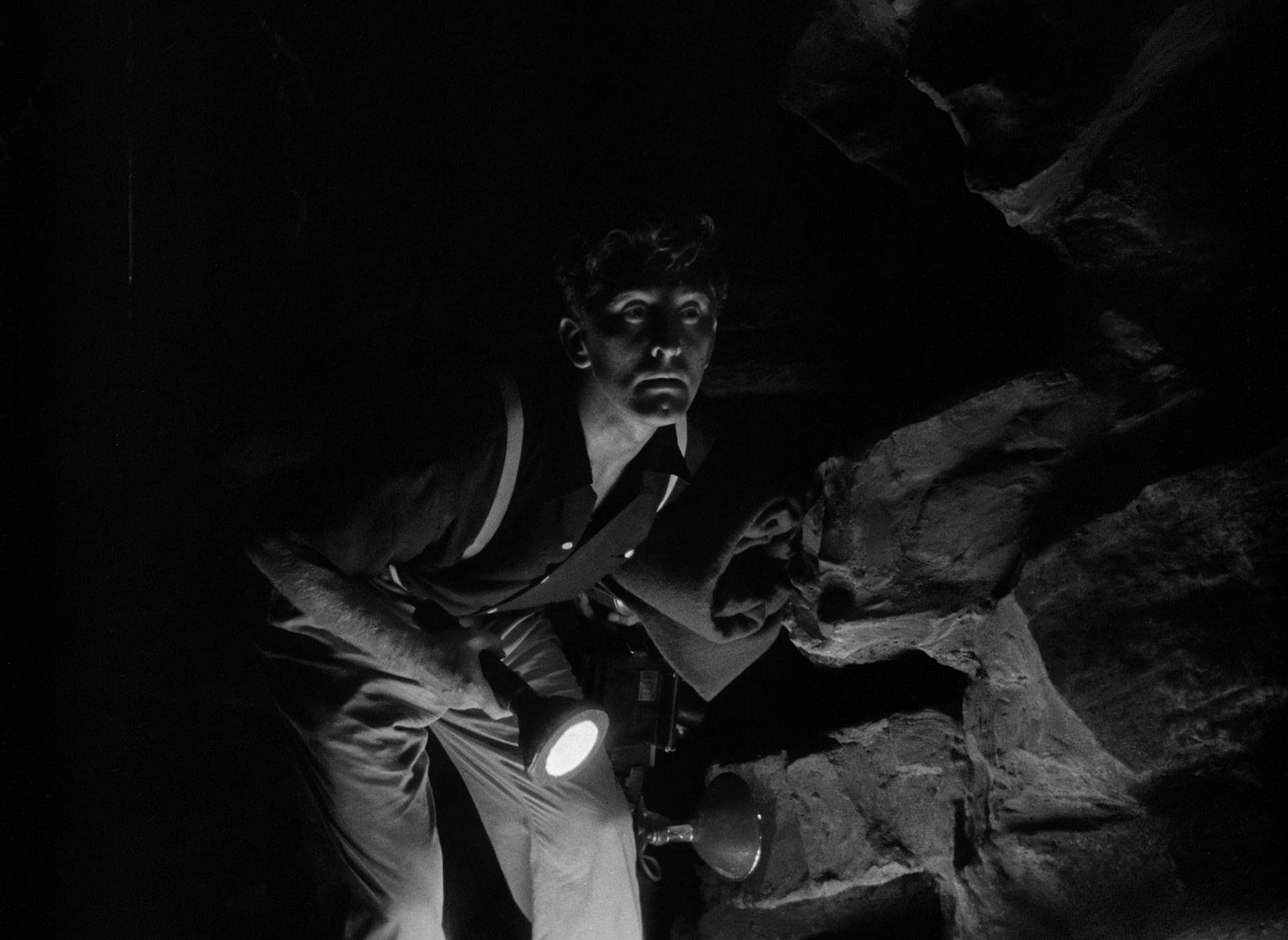
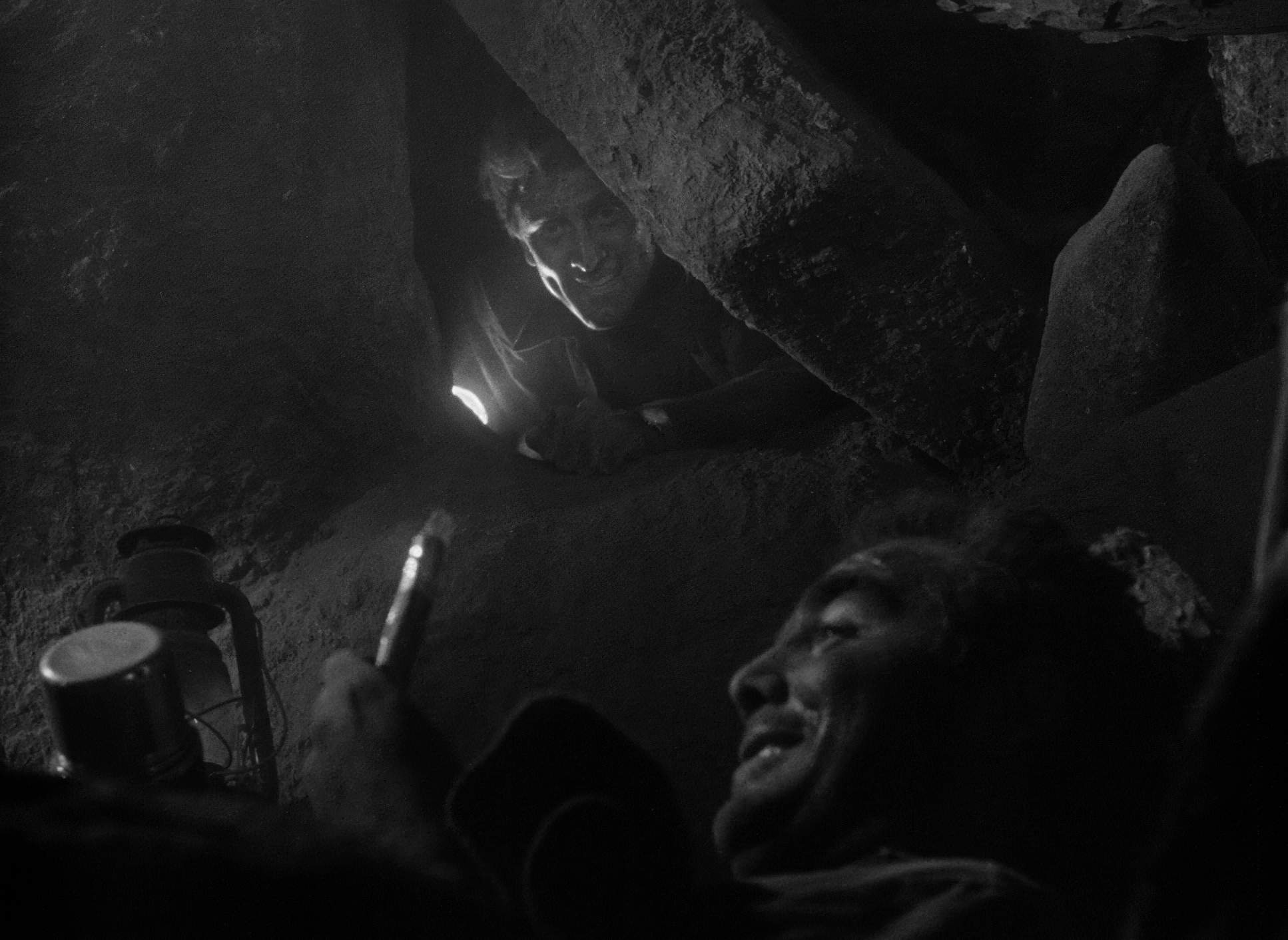
There’s also this recurring motif of entrapment. It’s the obvious physical trap for Leo in the cave, but it’s also a psychological cage for Tatum. He starts the film dominating the frame, centrally positioned and towering over others. But as his web of lies tightens, the environment begins to swallow him. By the end, he’s dwarfed by the very landscape he tried to control. My initial thought was that Lang was dehumanizing the crowds by framing them as a faceless mass, but it’s more pointed than that he’s showing the loss of individual conscience in favor of the “spectacle.”
Lighting Style
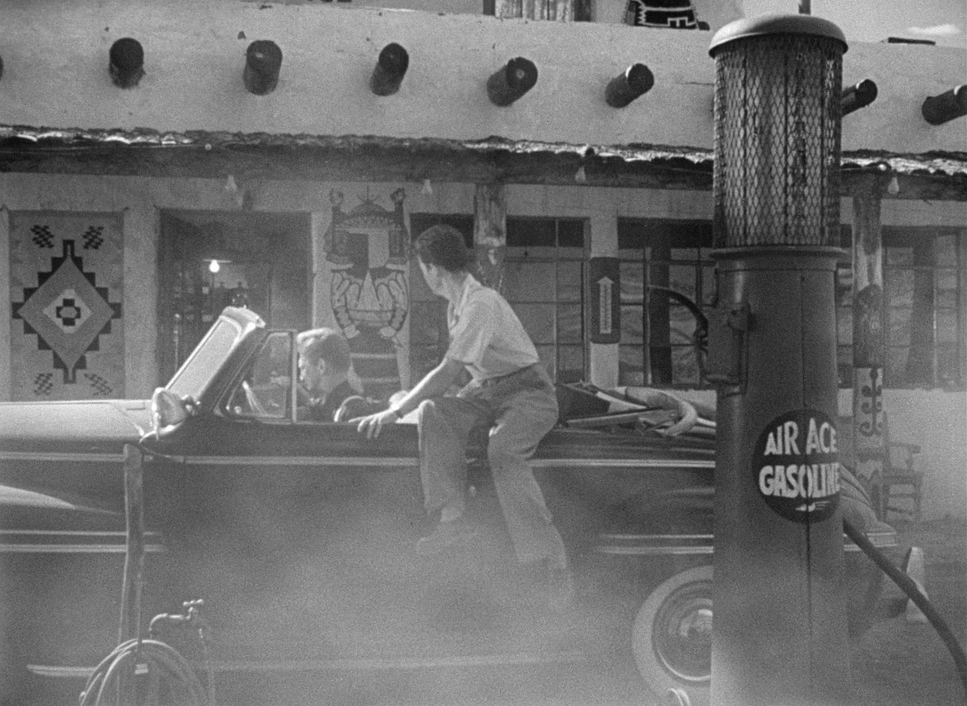
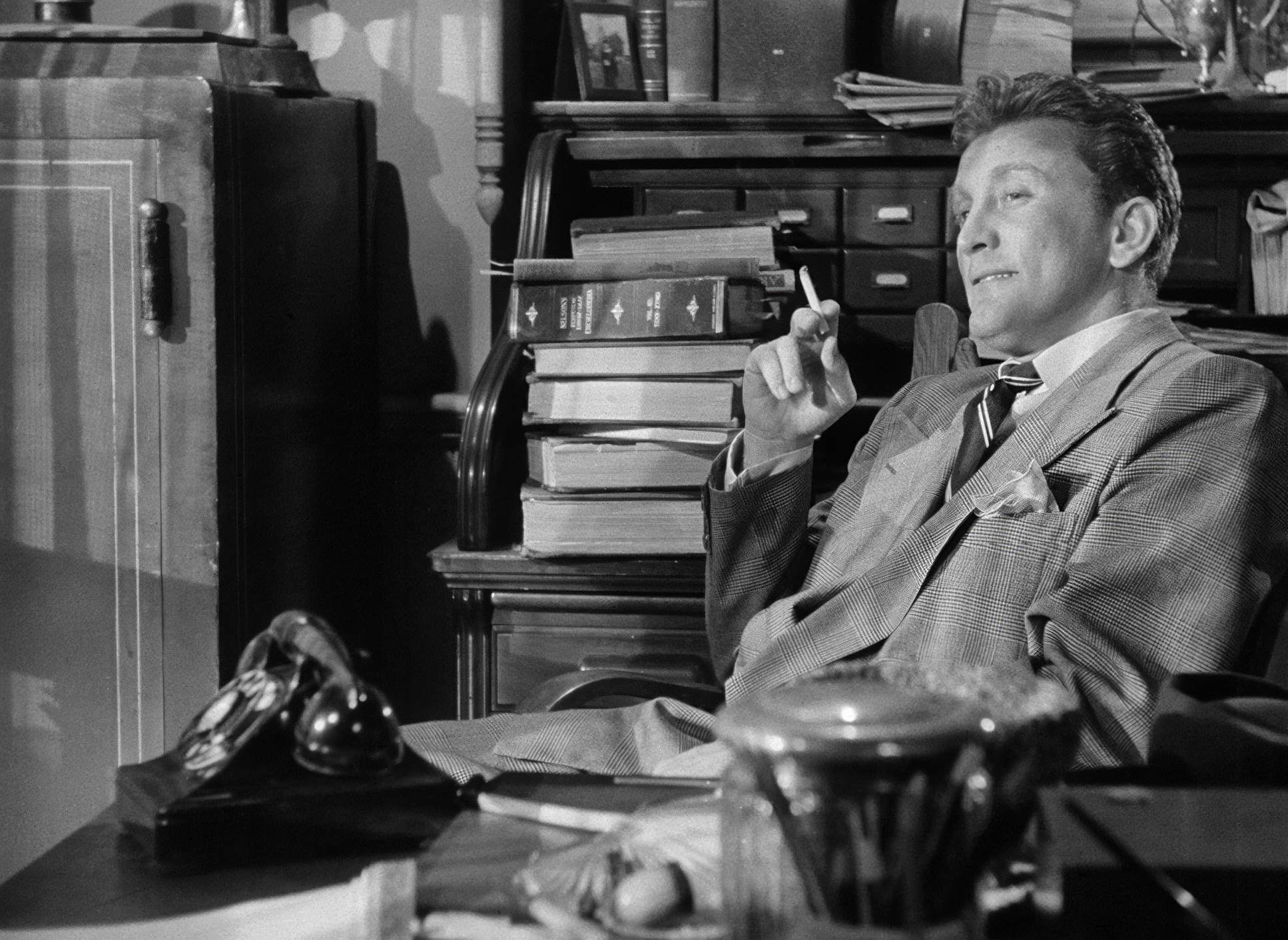
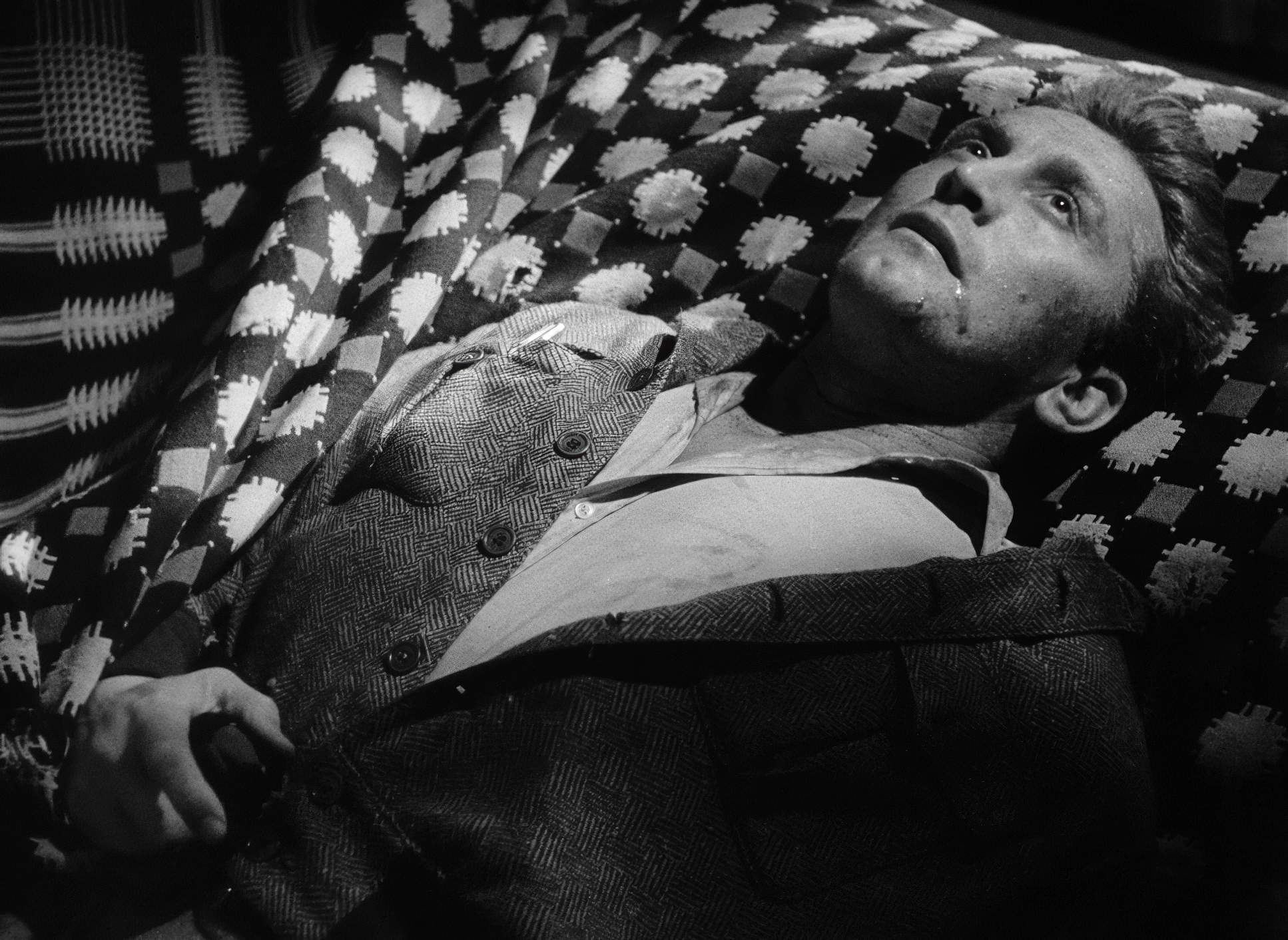
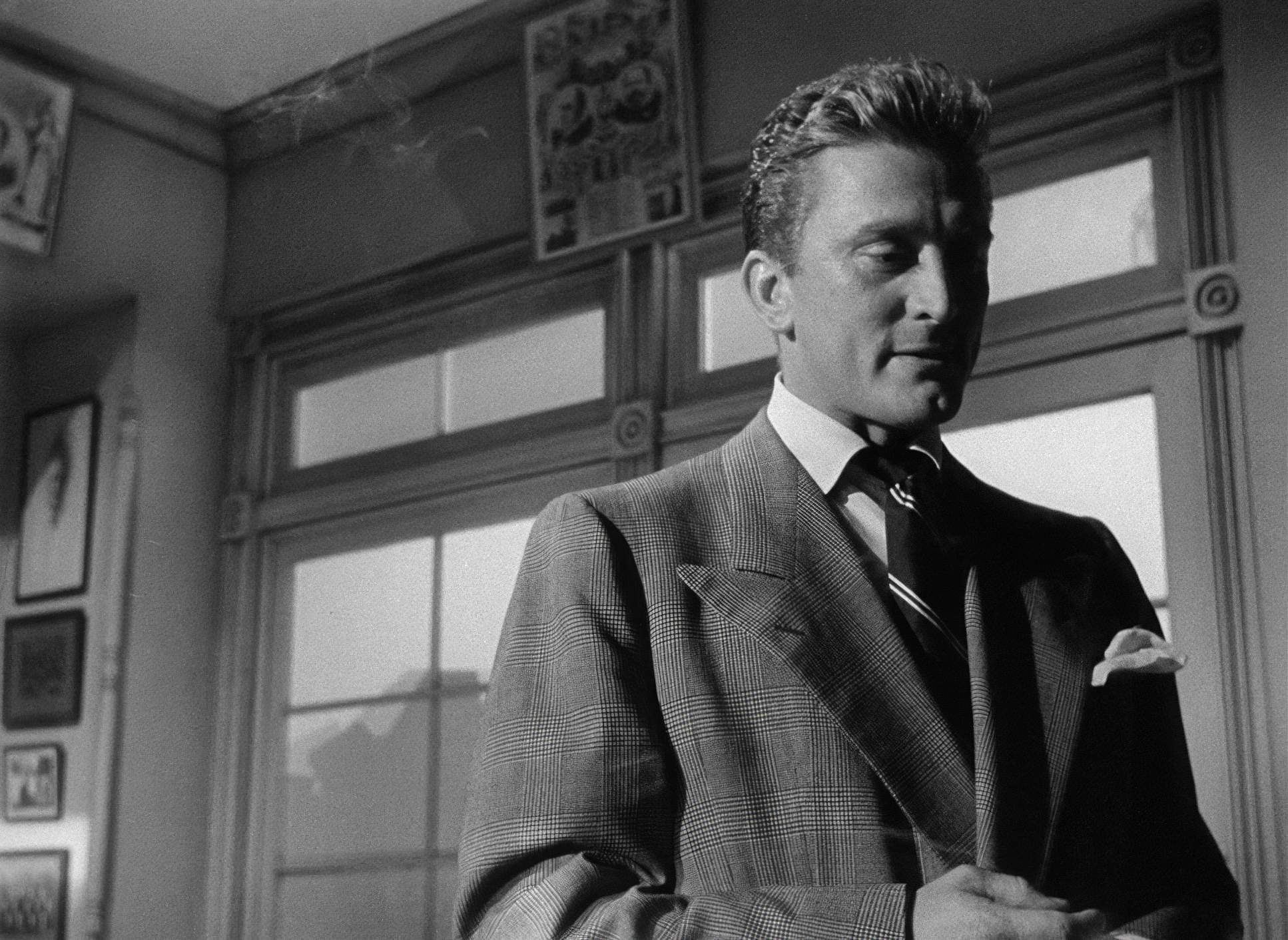
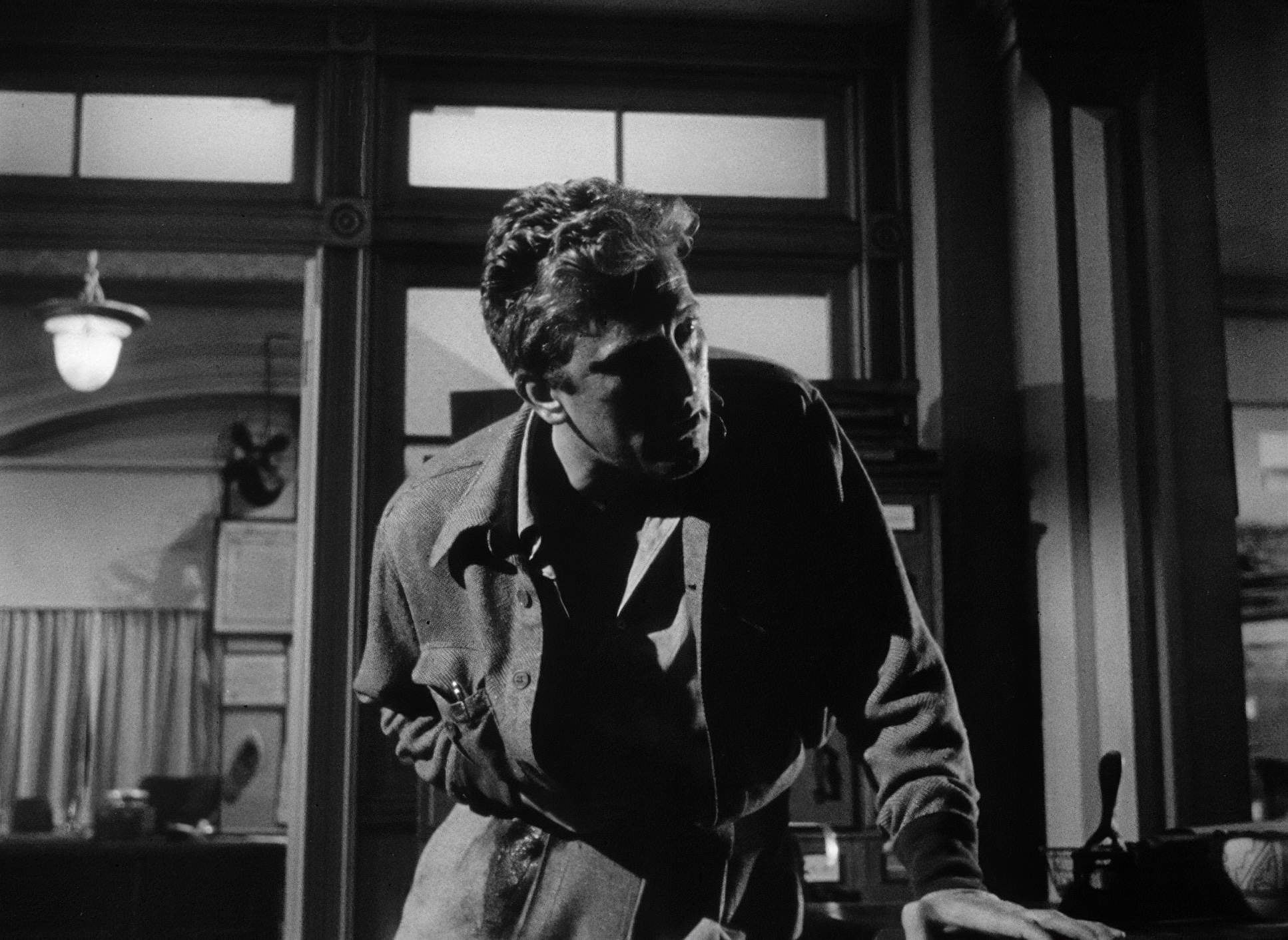
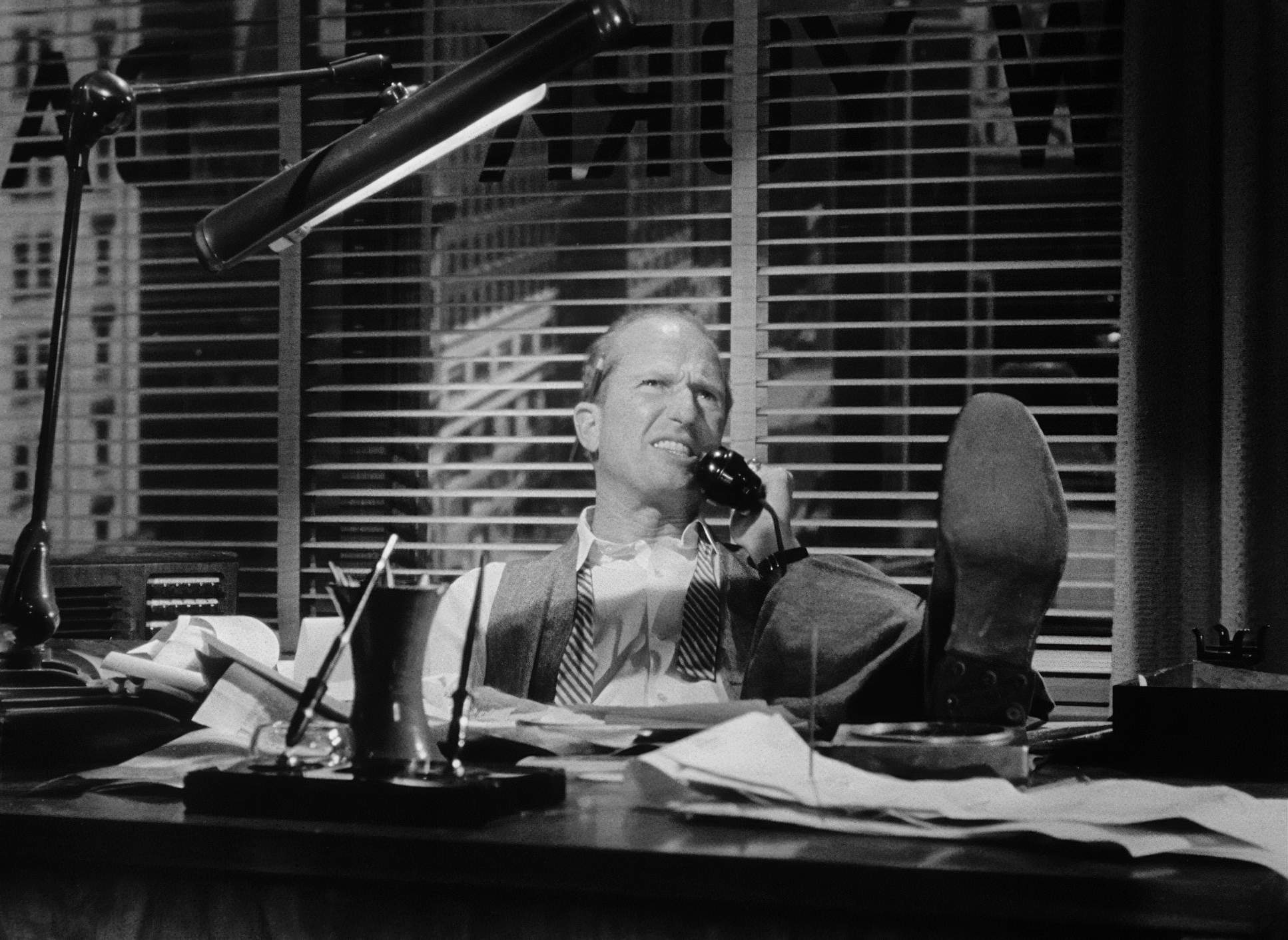
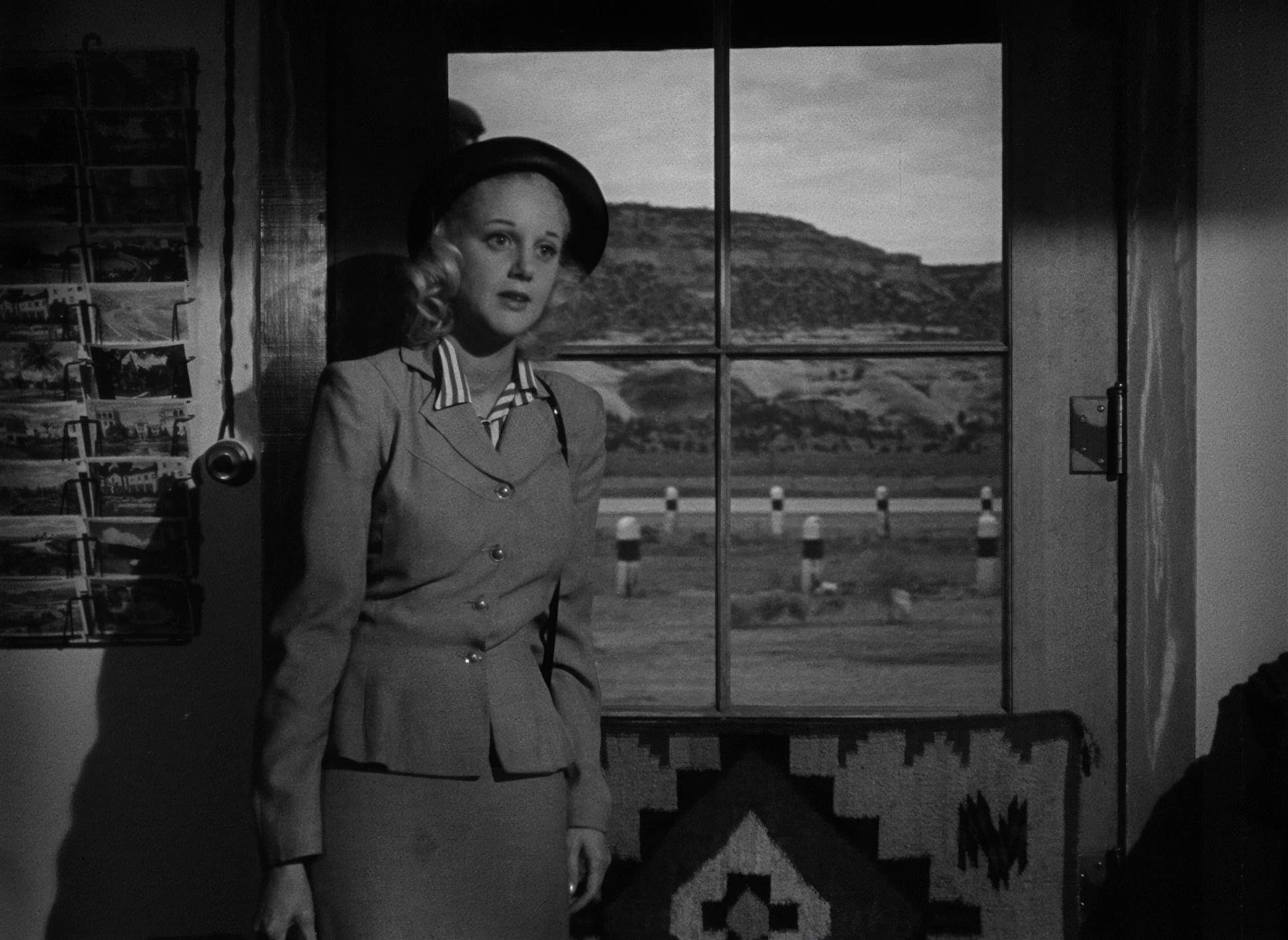
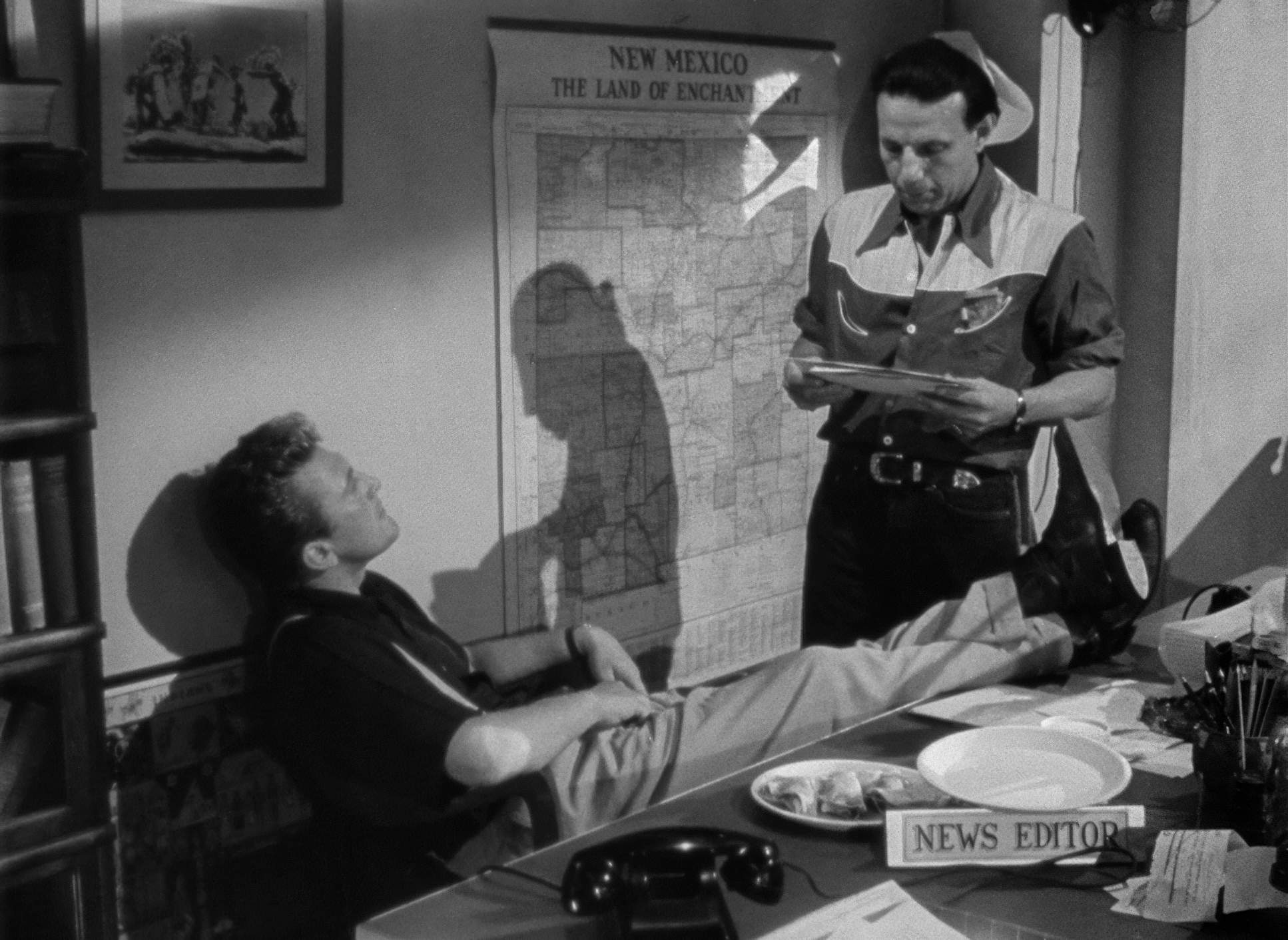
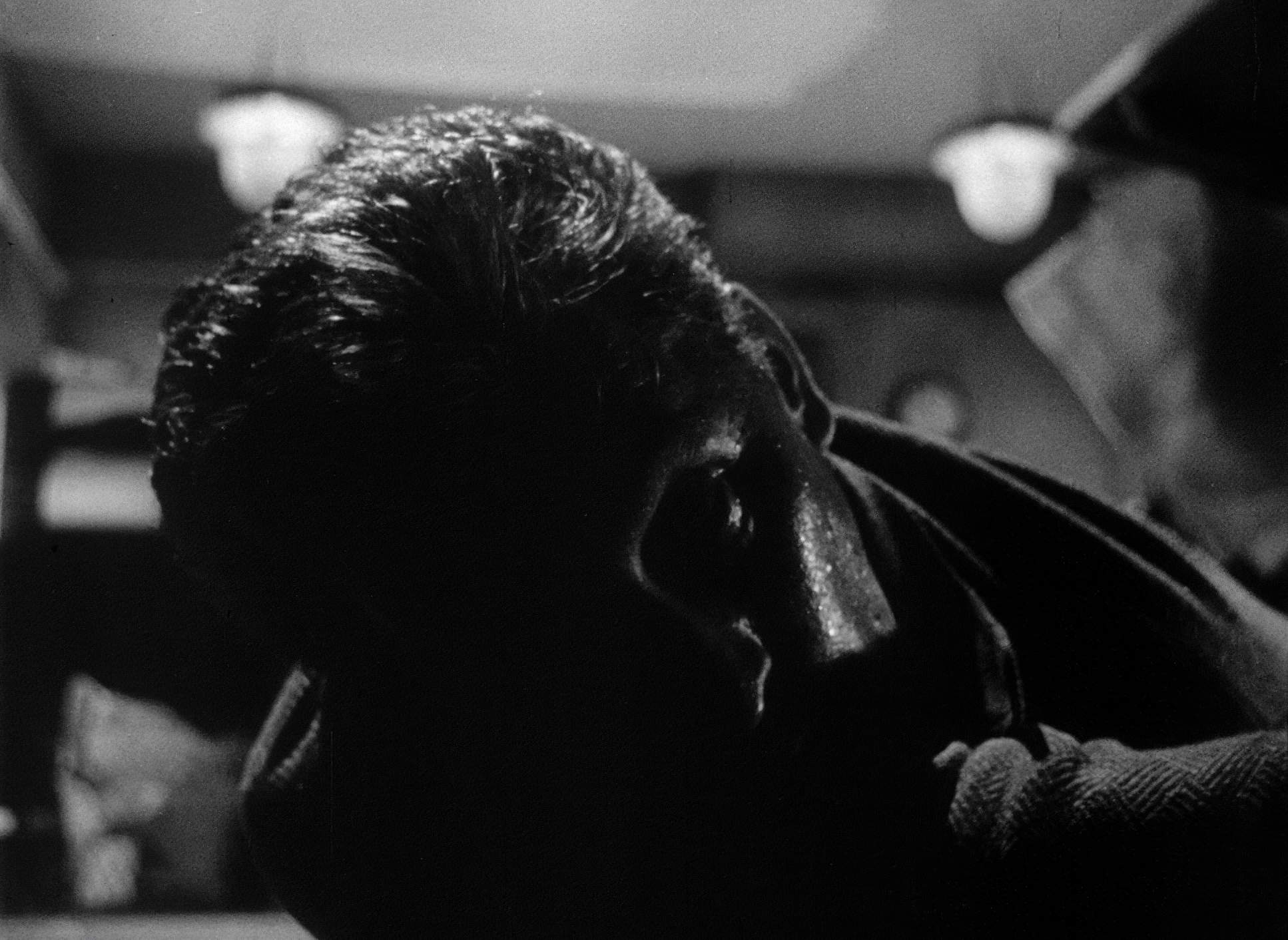
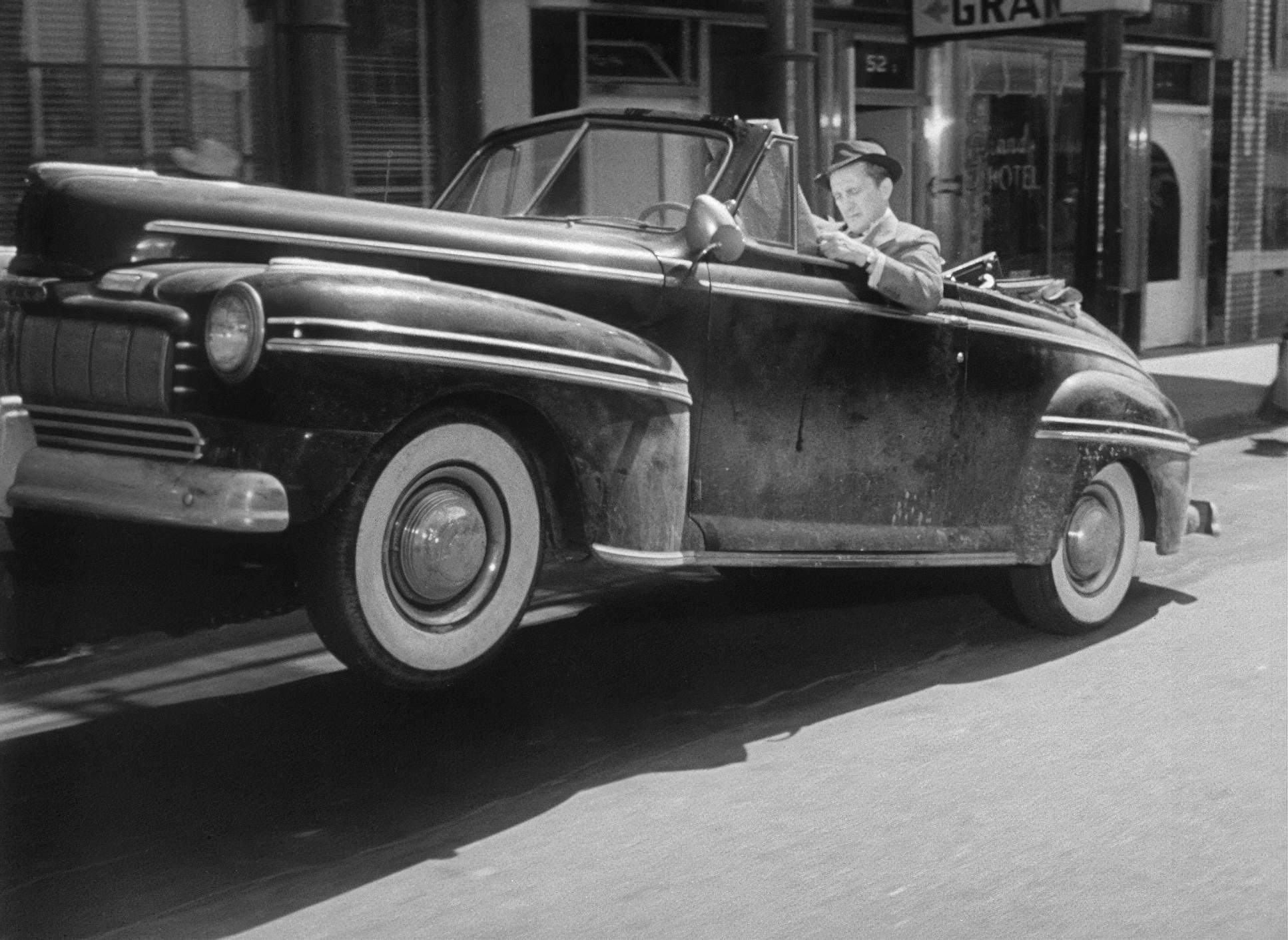
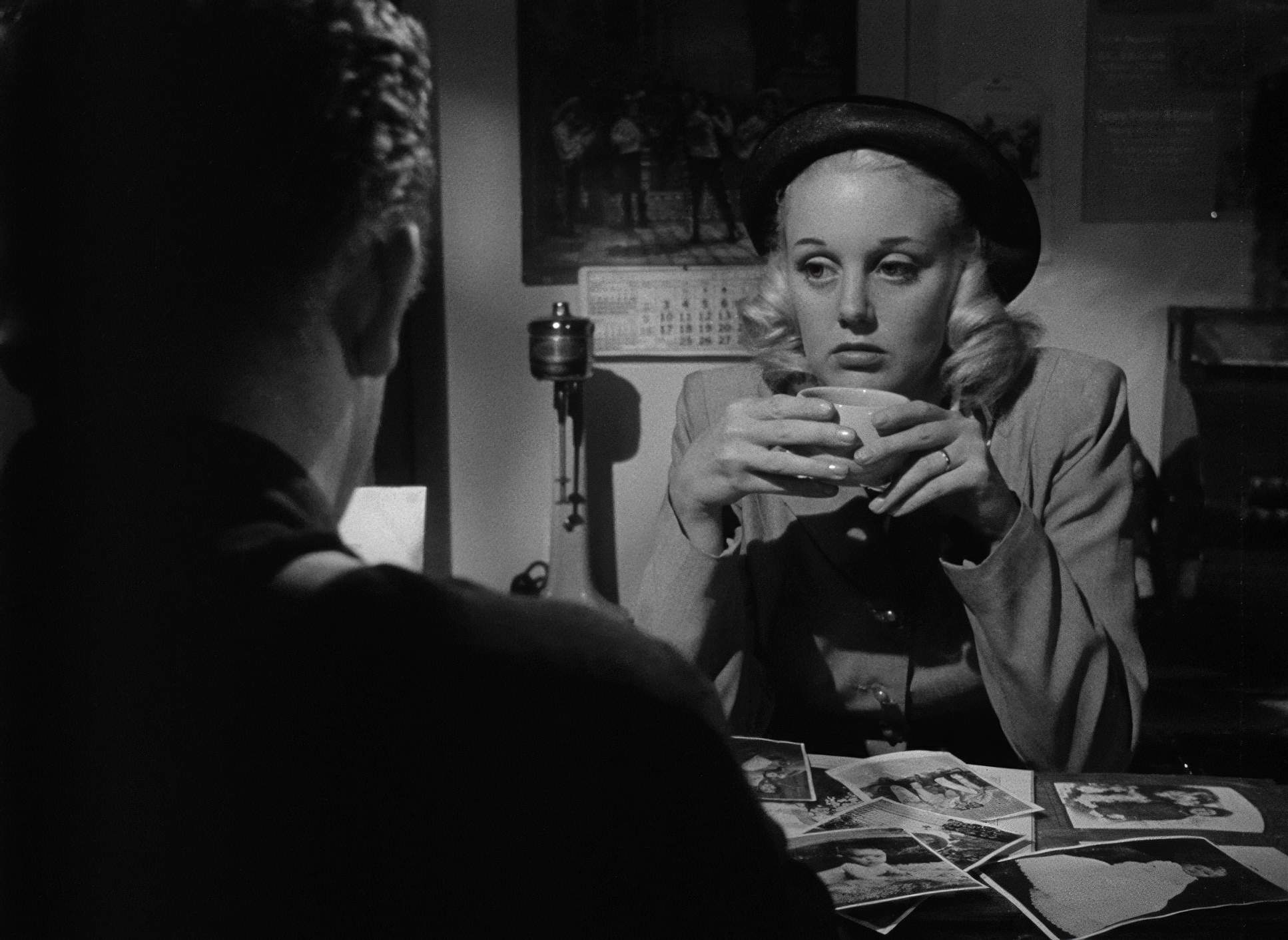
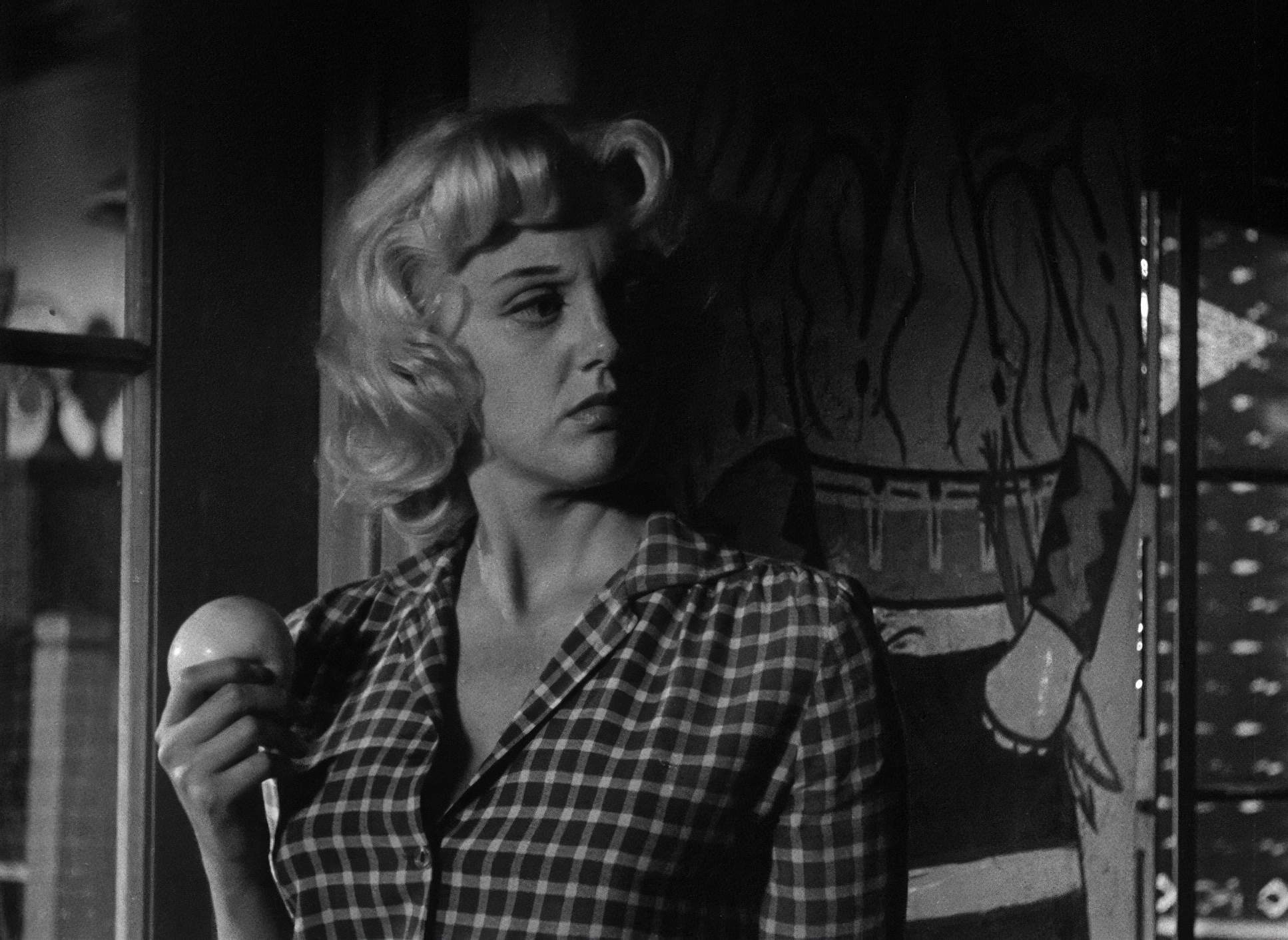
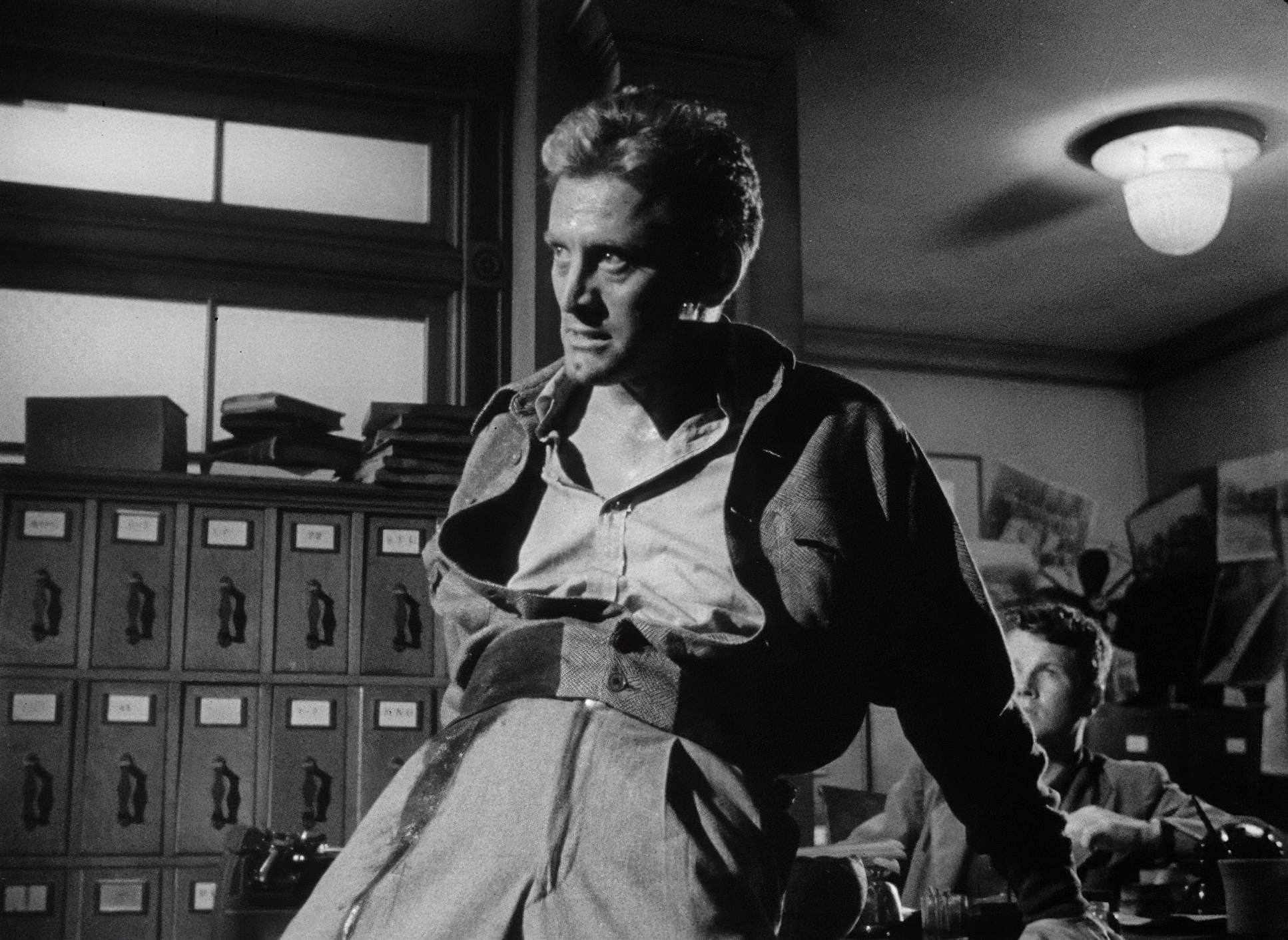
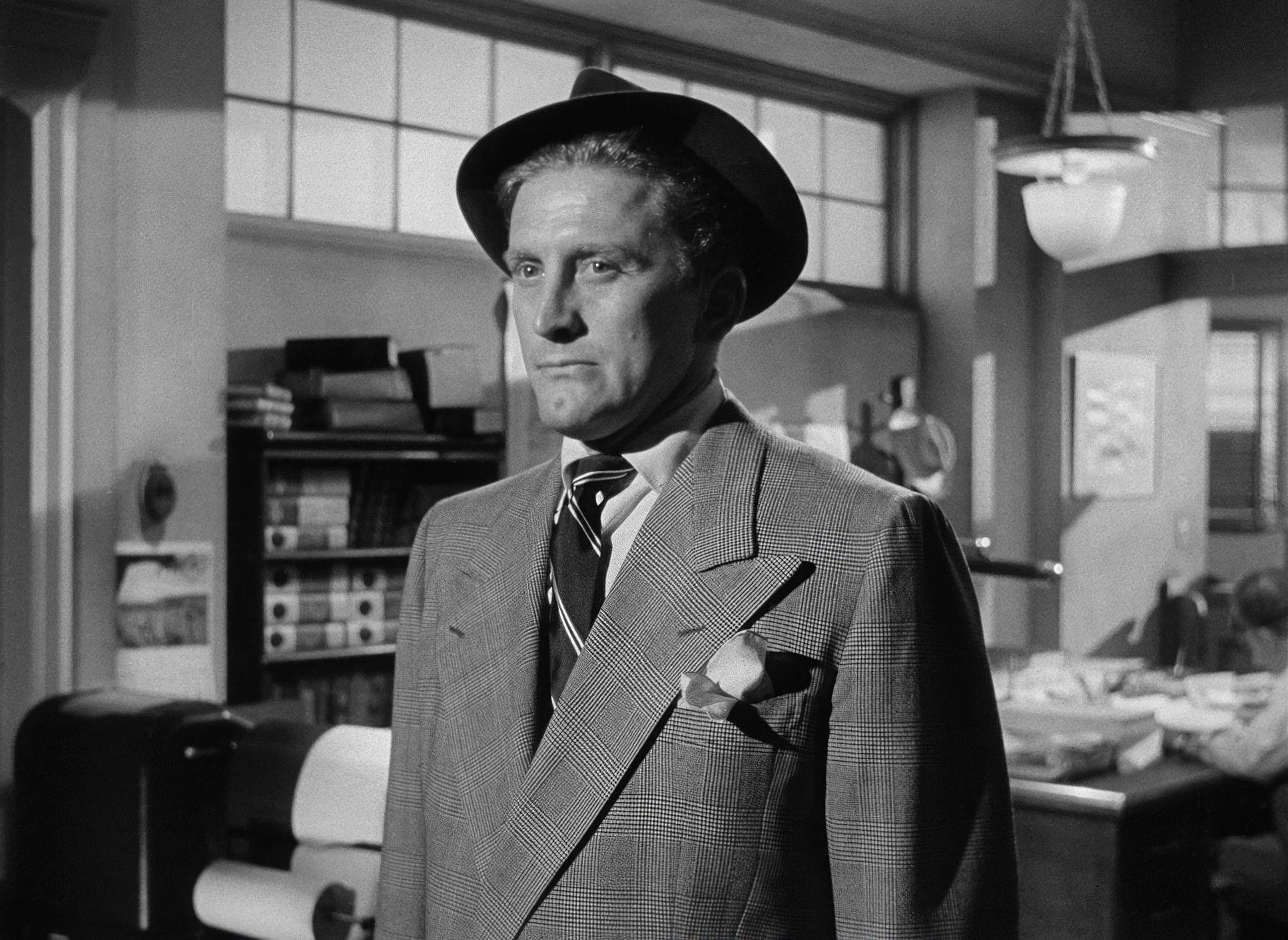
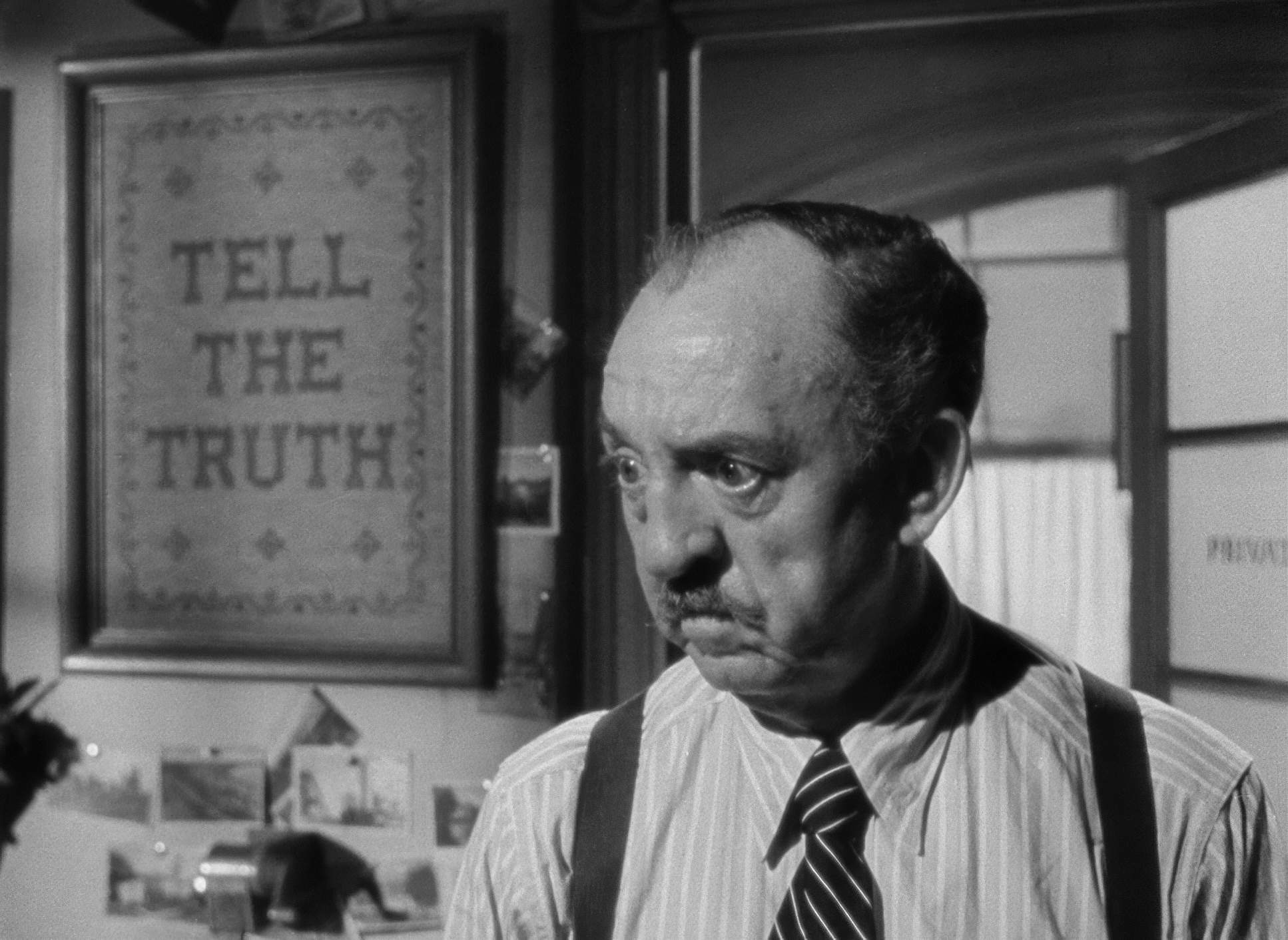
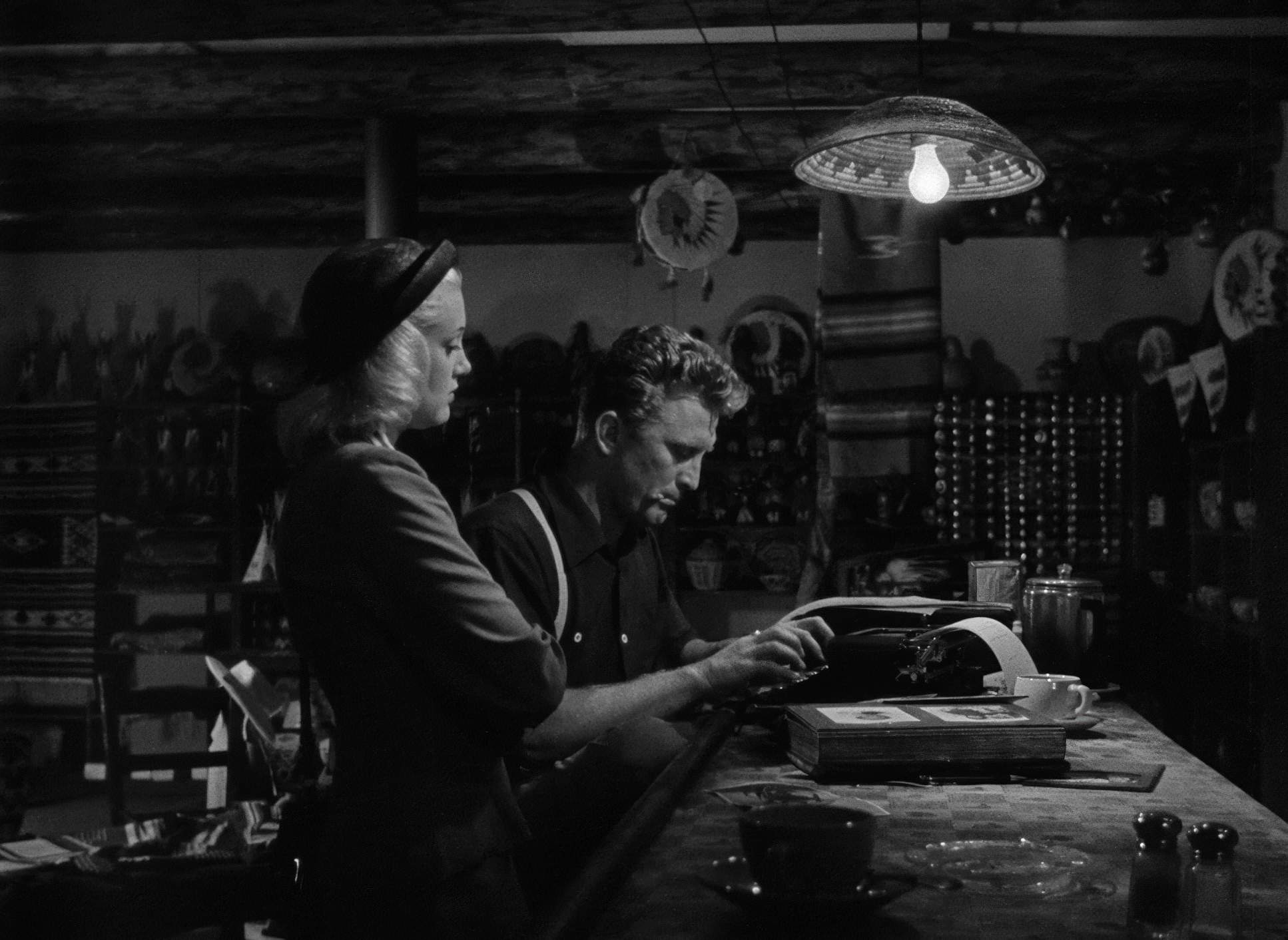
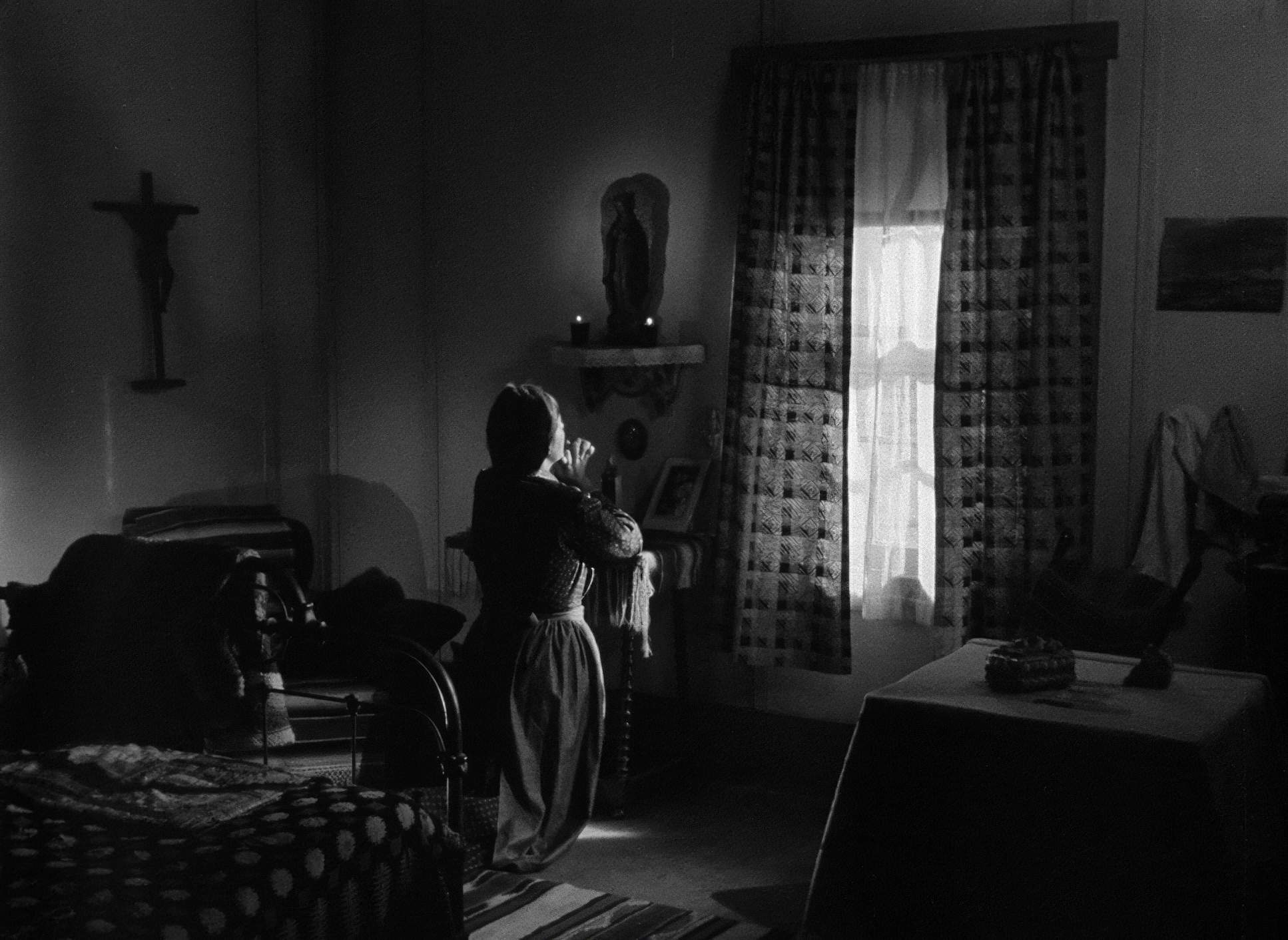
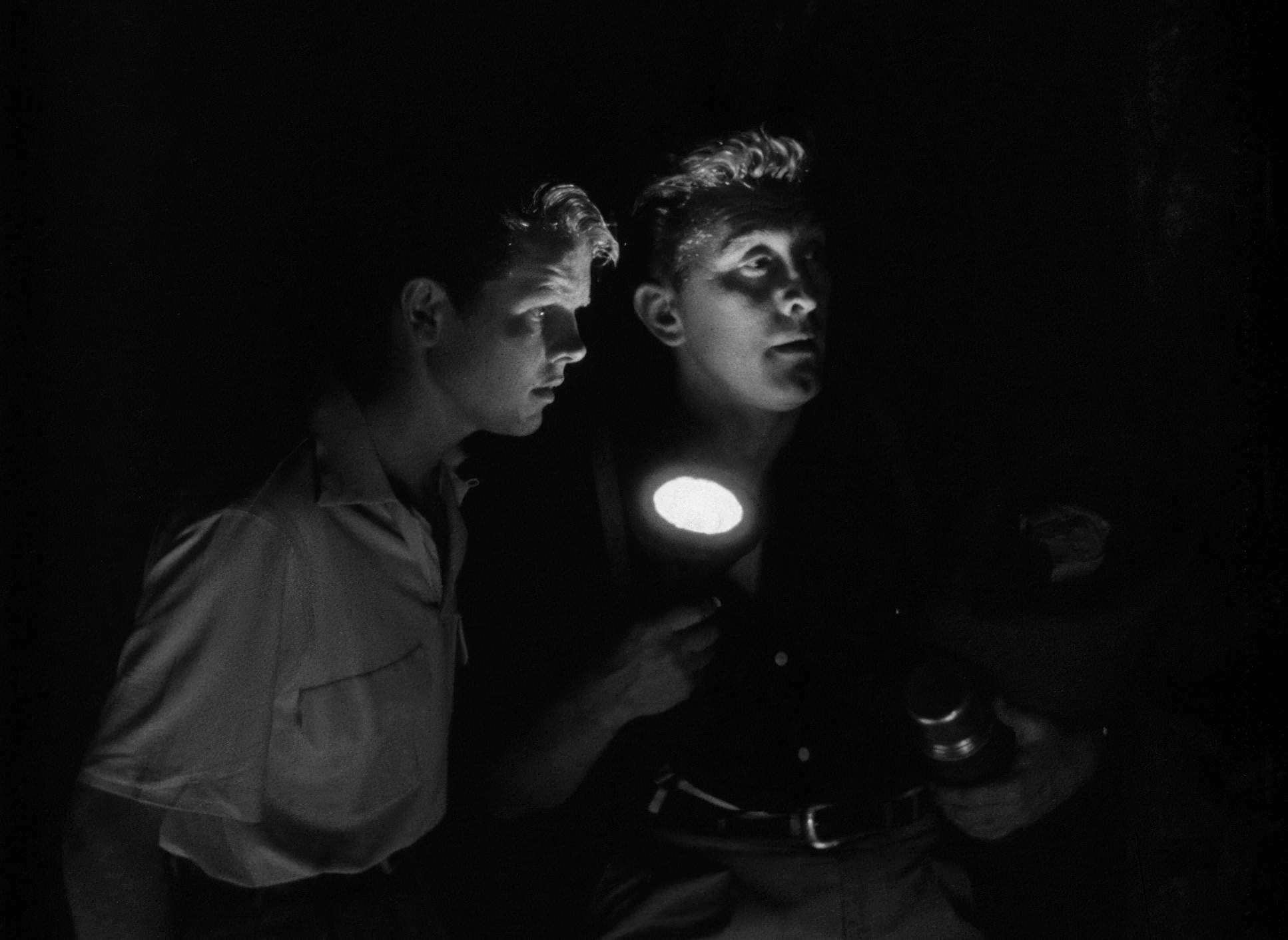
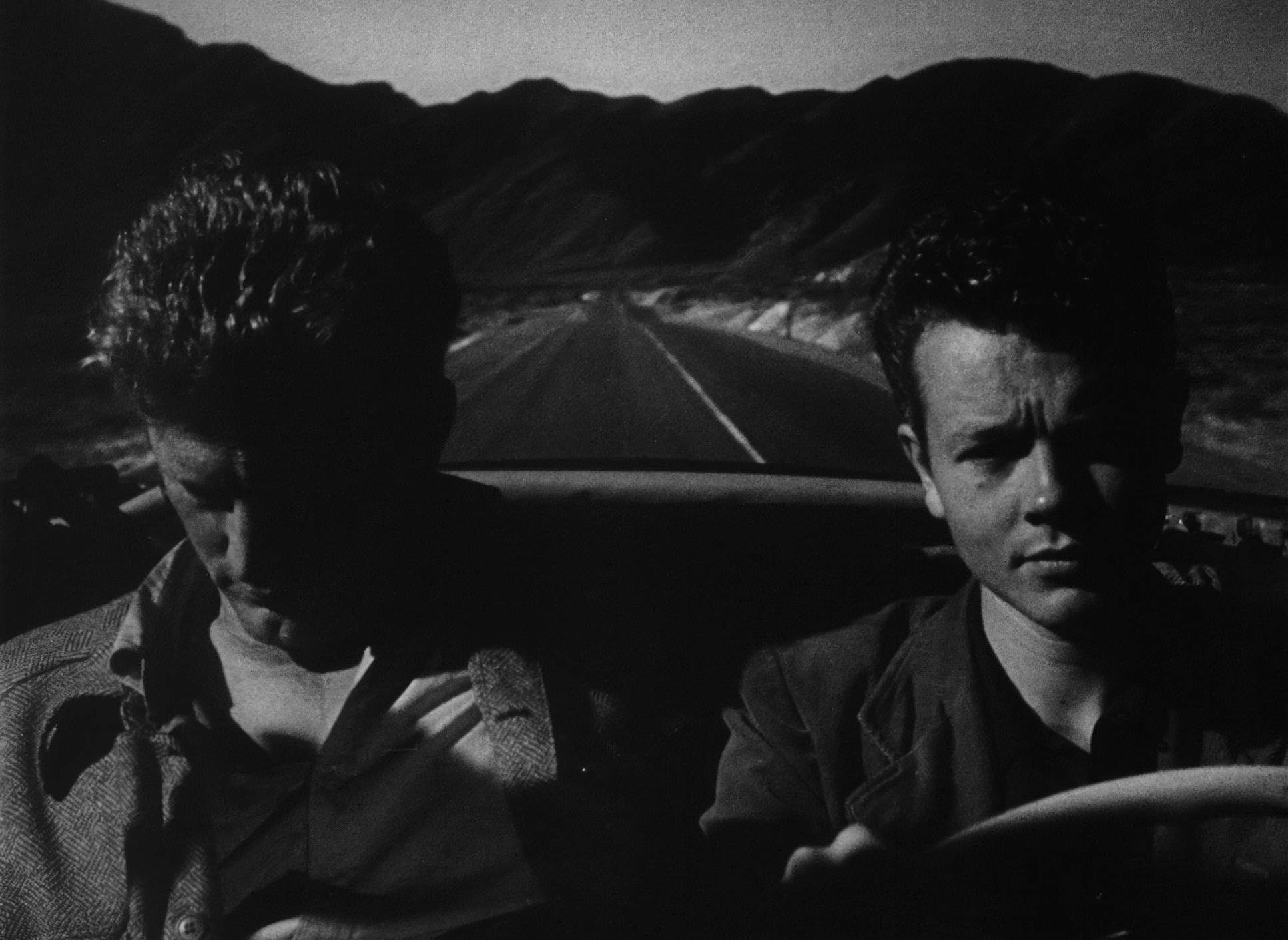
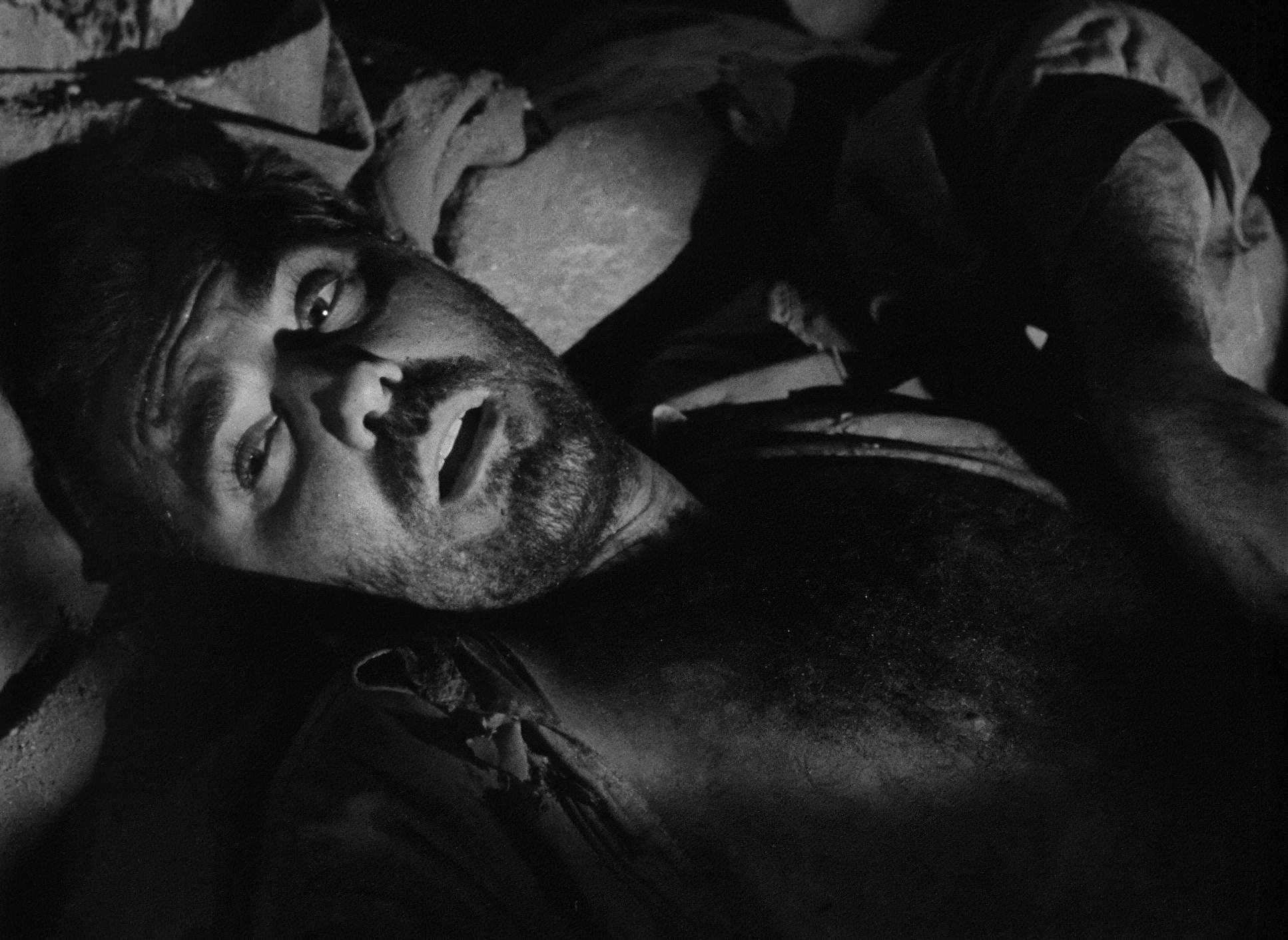
This is where Lang really gets his hands dirty. While Ace in the Hole isn’t a traditional Film Noir, it borrows heavily from that playbook to illustrate moral murkiness. We’re talking high-contrast, aggressive chiaroscuro. Interior scenes are sliced with deep shadows that don’t just obscure the set they obscure the characters’ motives.
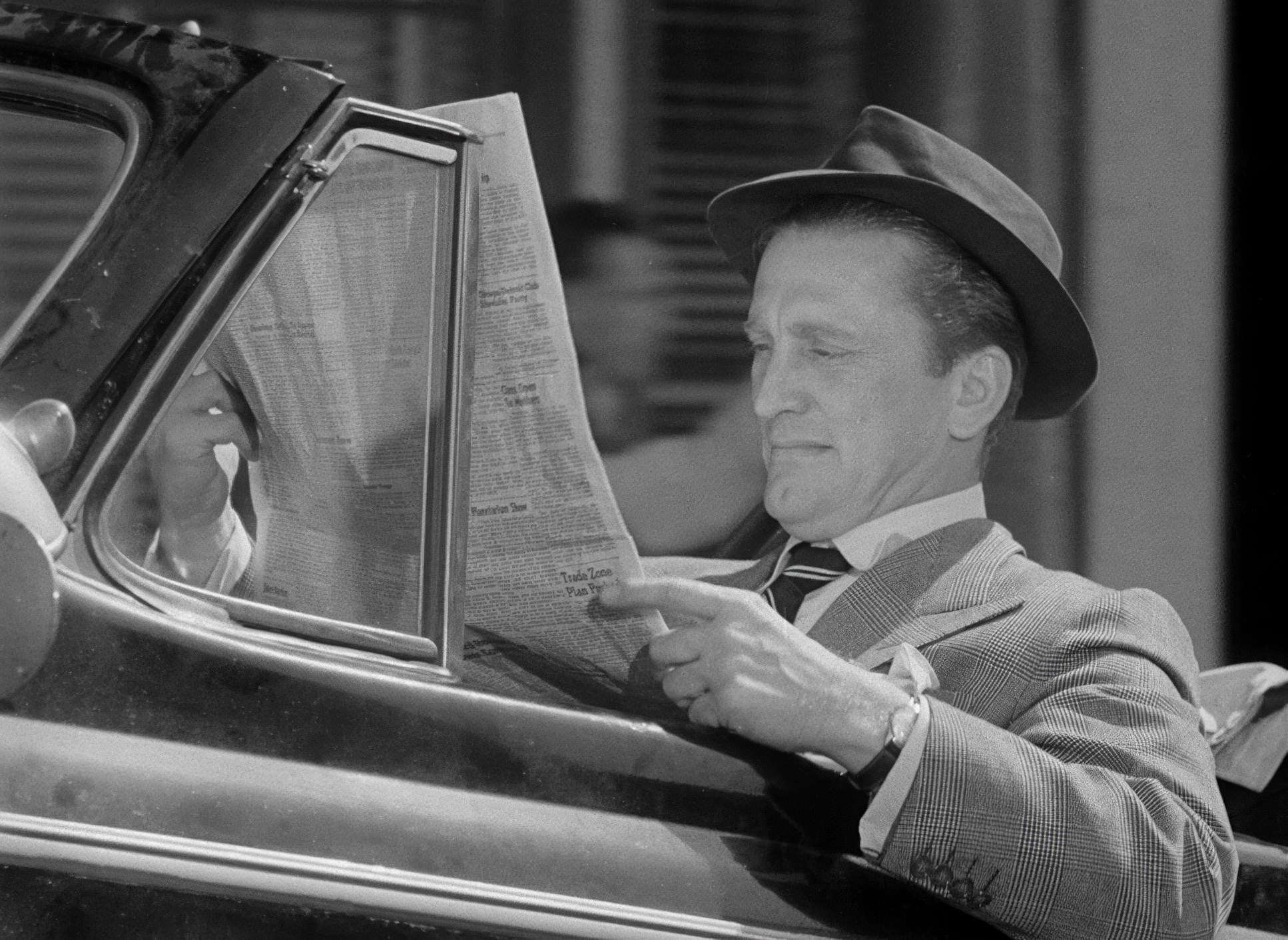
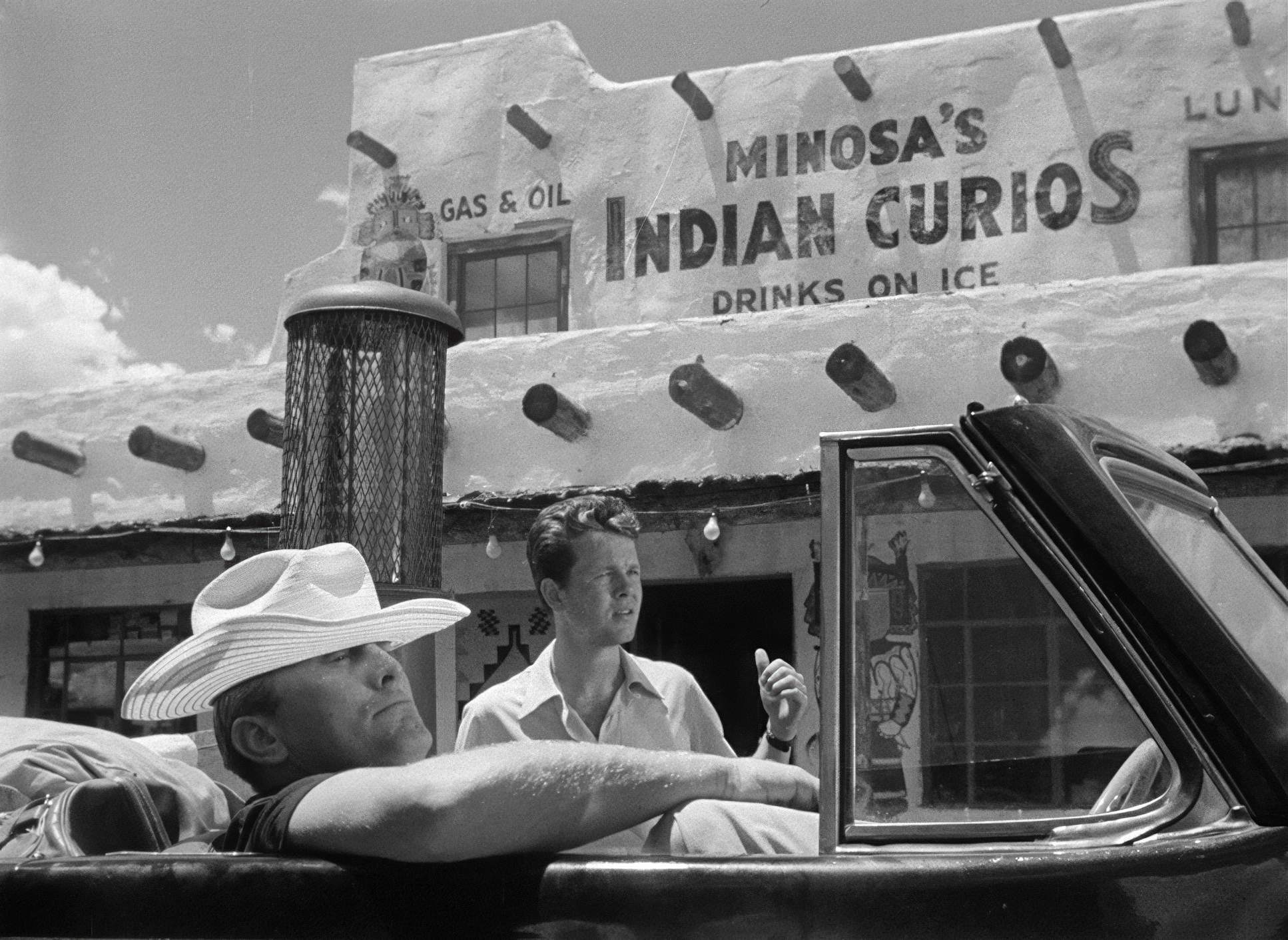
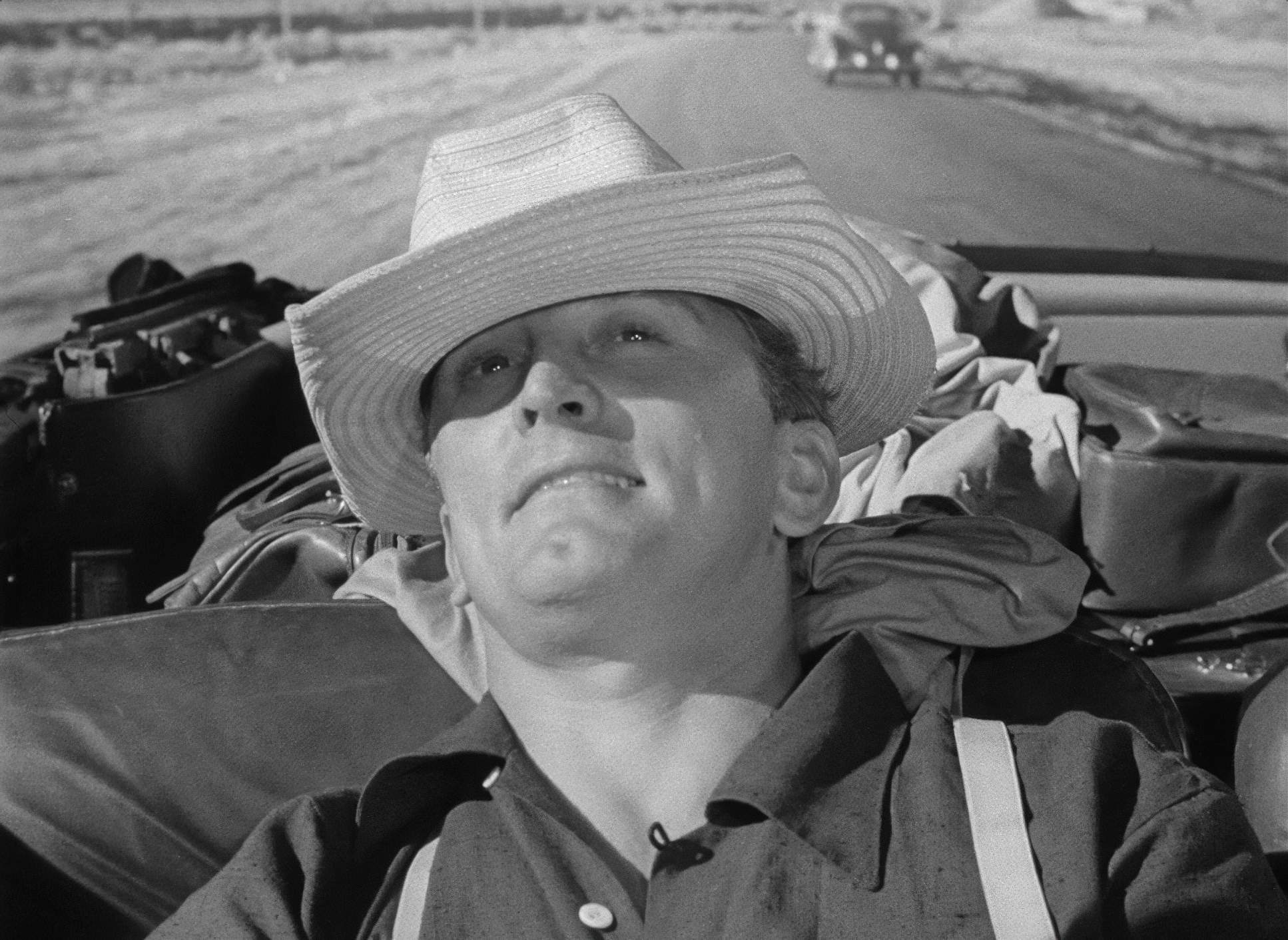
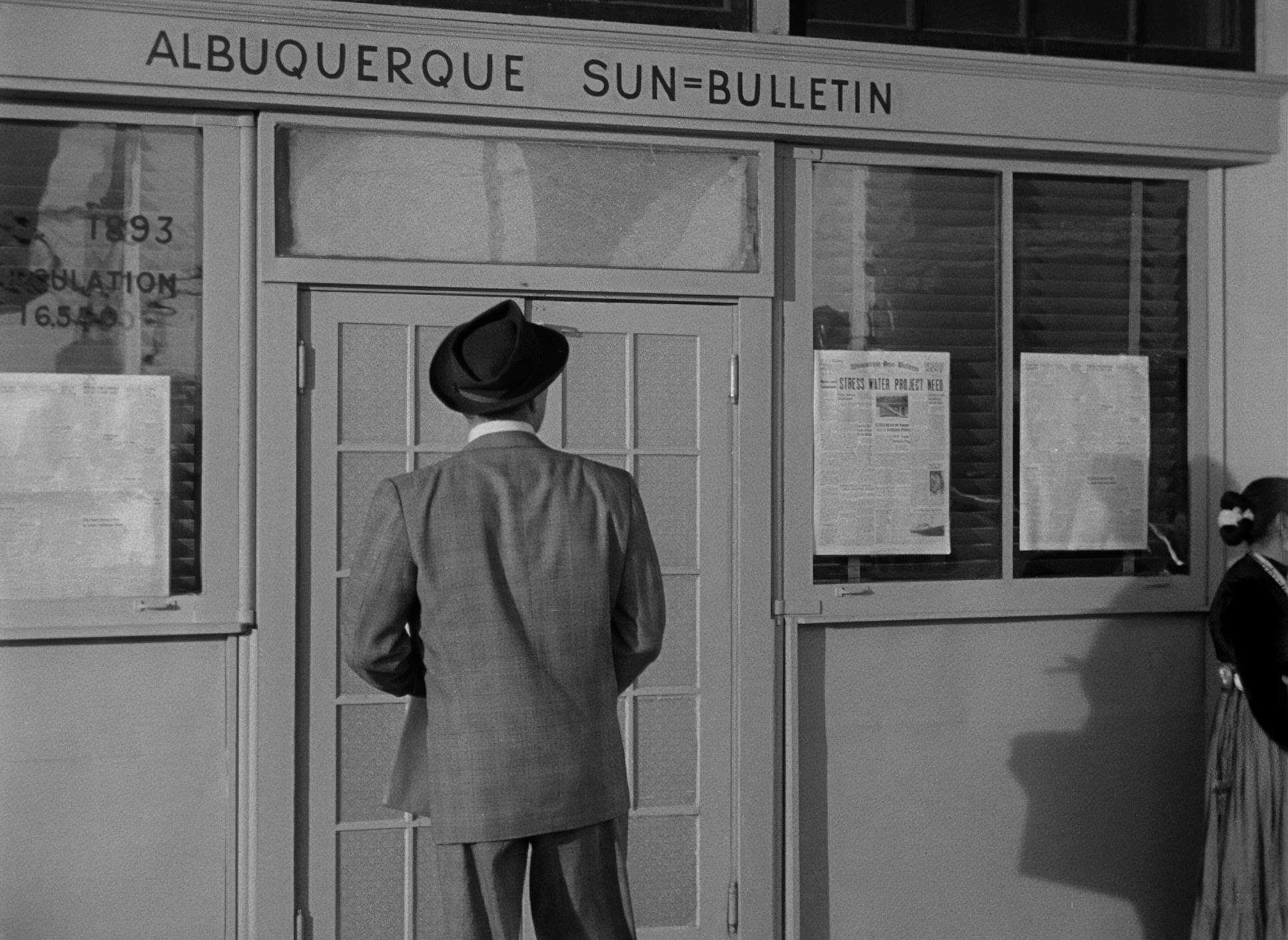
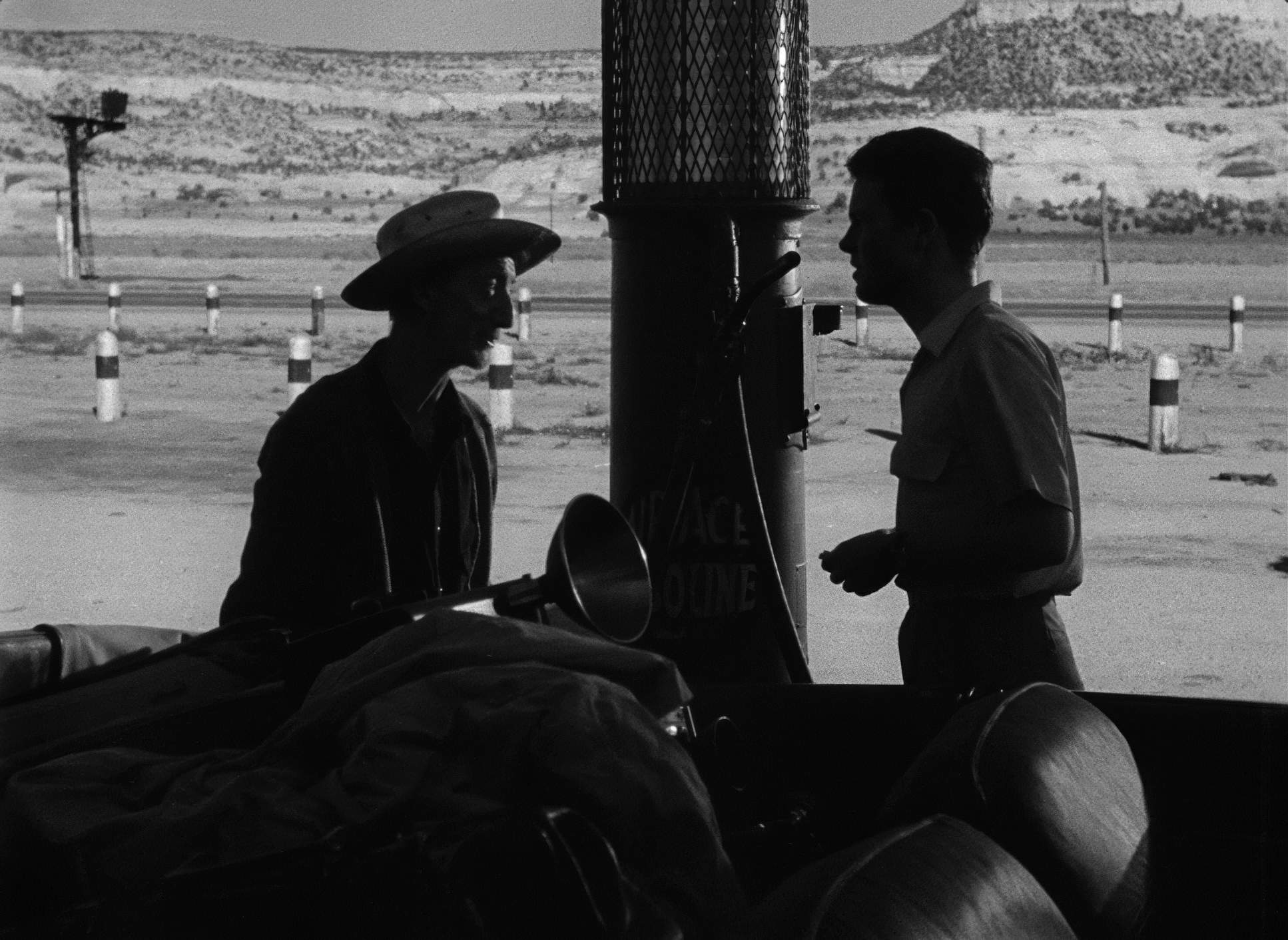
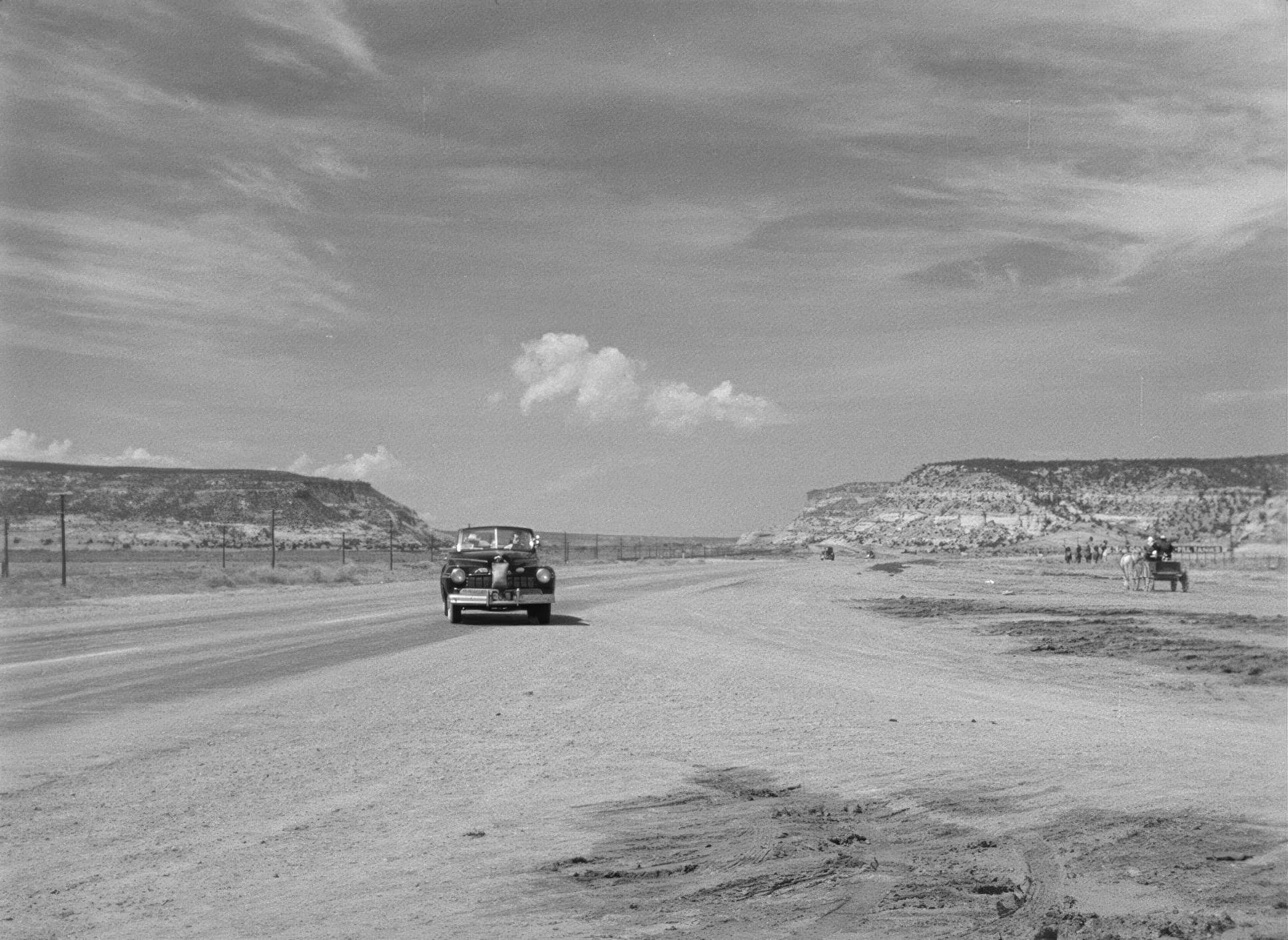
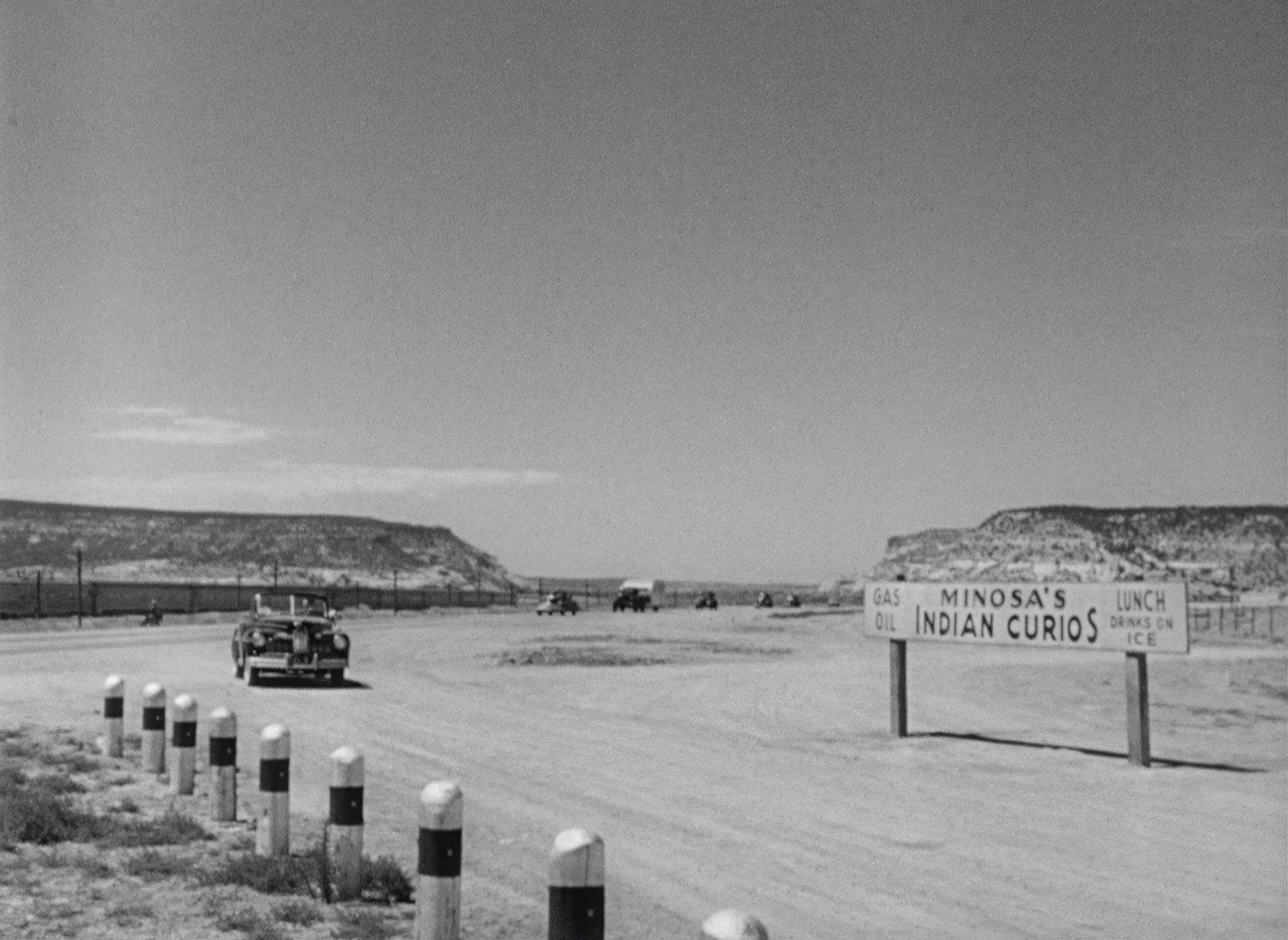
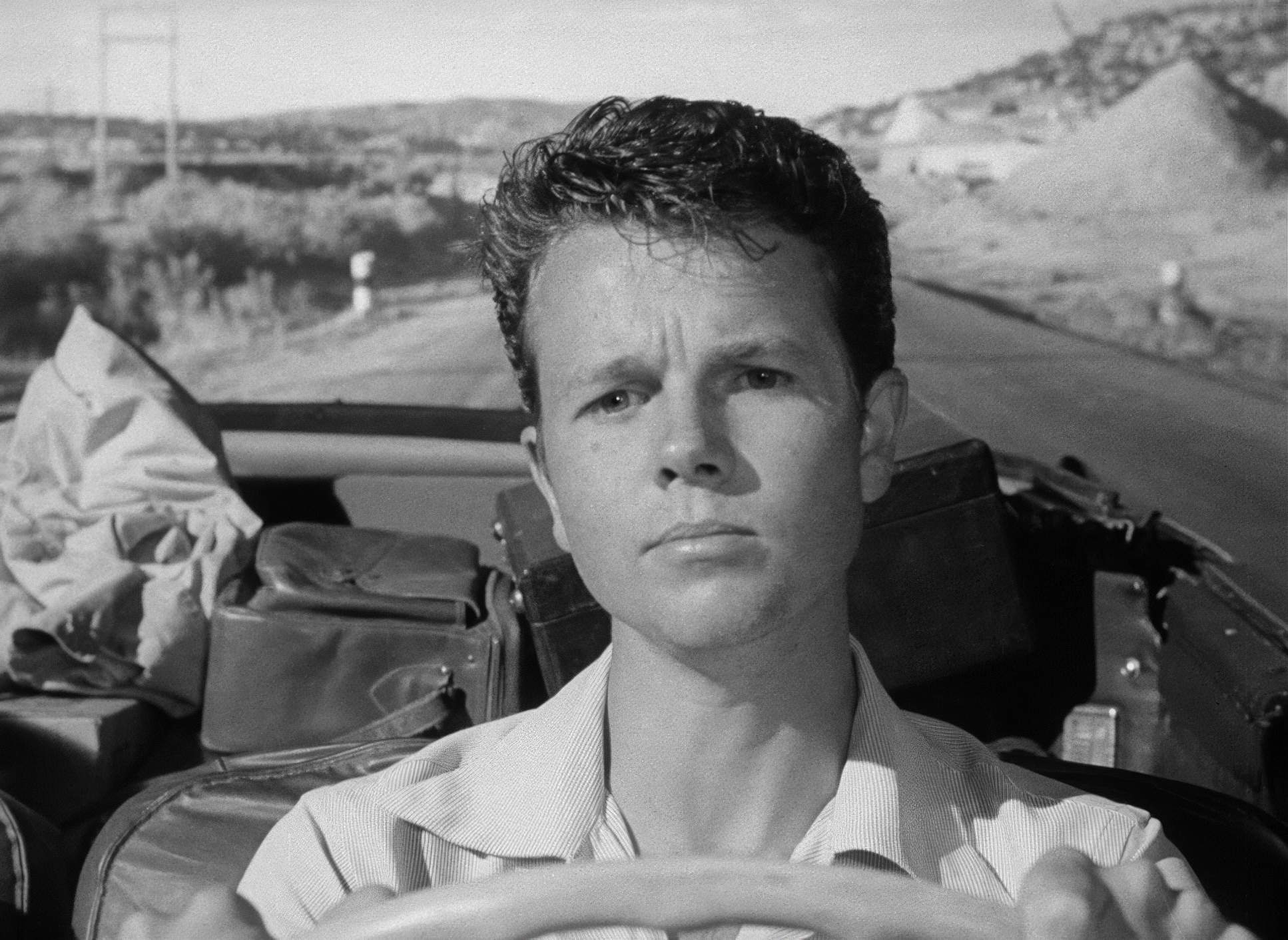
In the daytime exteriors, the lighting is brutal. Lang uses the harsh, unyielding New Mexico sun to create a naturalistic “truth” that Tatum spent the whole movie trying to warp. Once the carnival takes over at night, the lighting becomes artificial strung bulbs, flickering stalls, and the garish glow of the fairground. It creates this macabre party atmosphere that feels completely wrong for a rescue site. The light doesn’t beautify; it sculpts texture into the greed and desperation on every face.
Lensing and Blocking
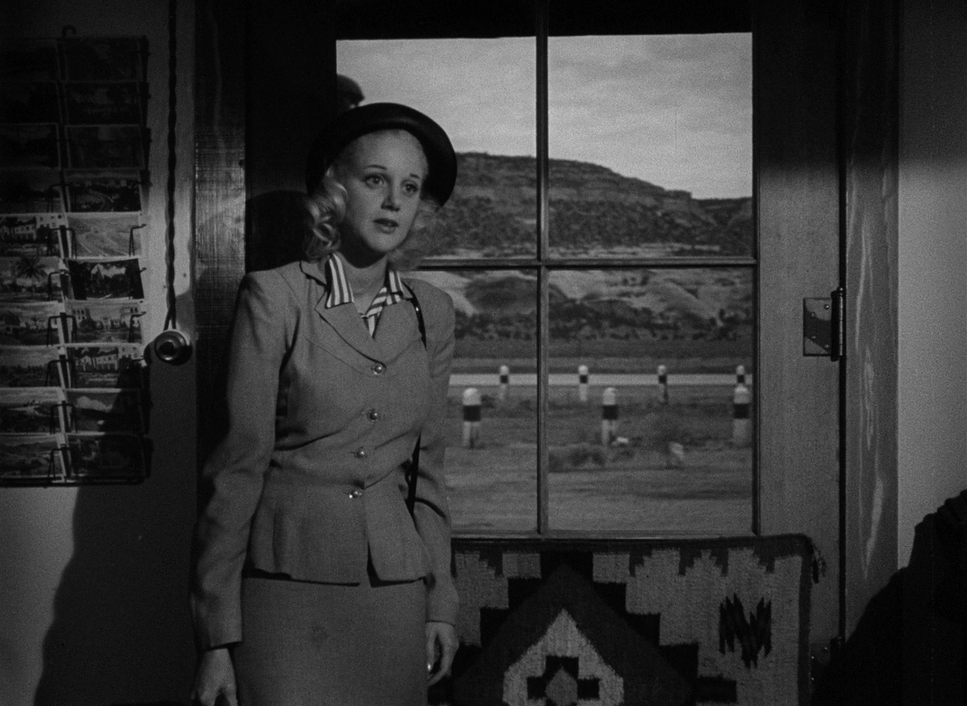
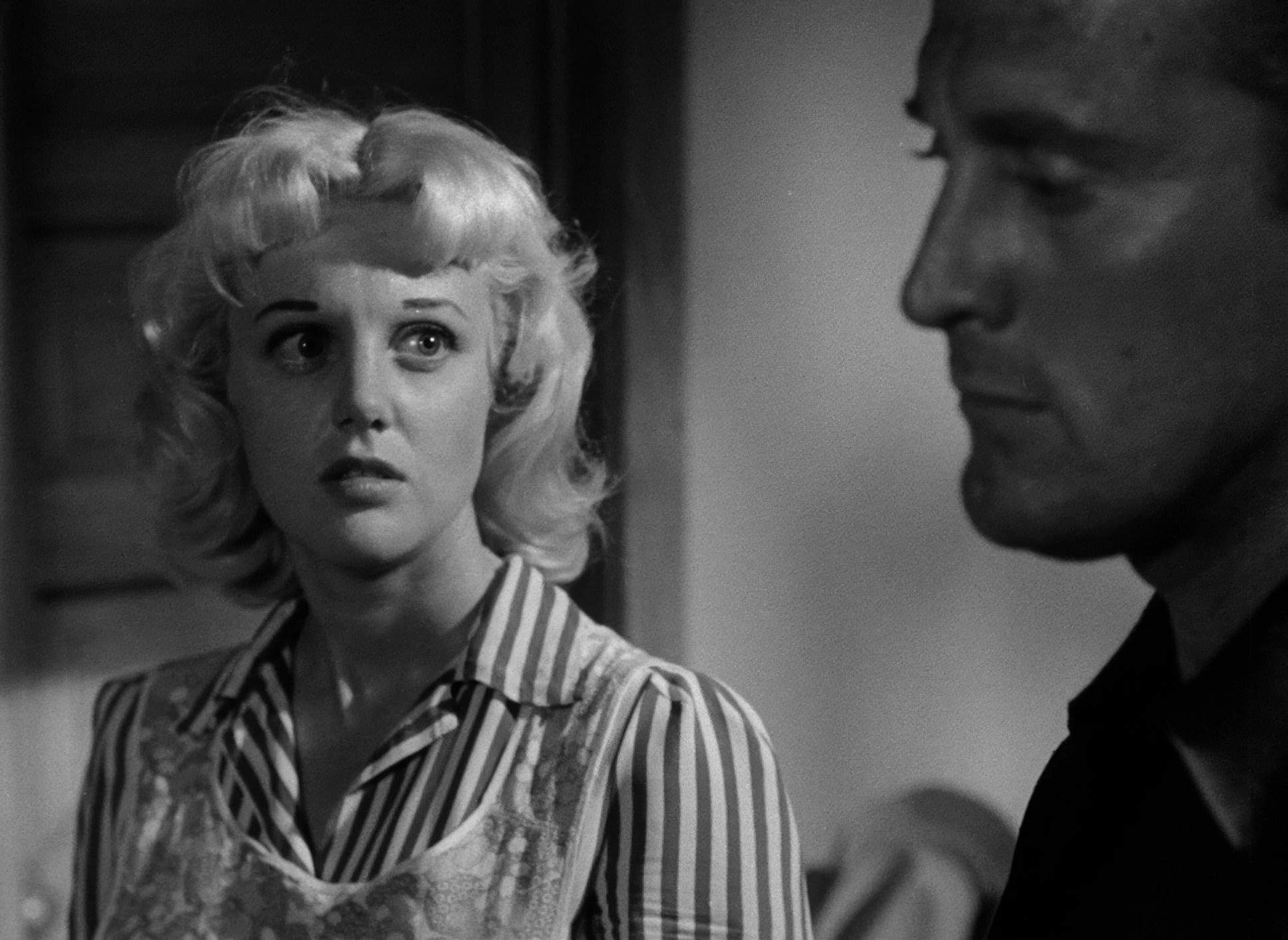
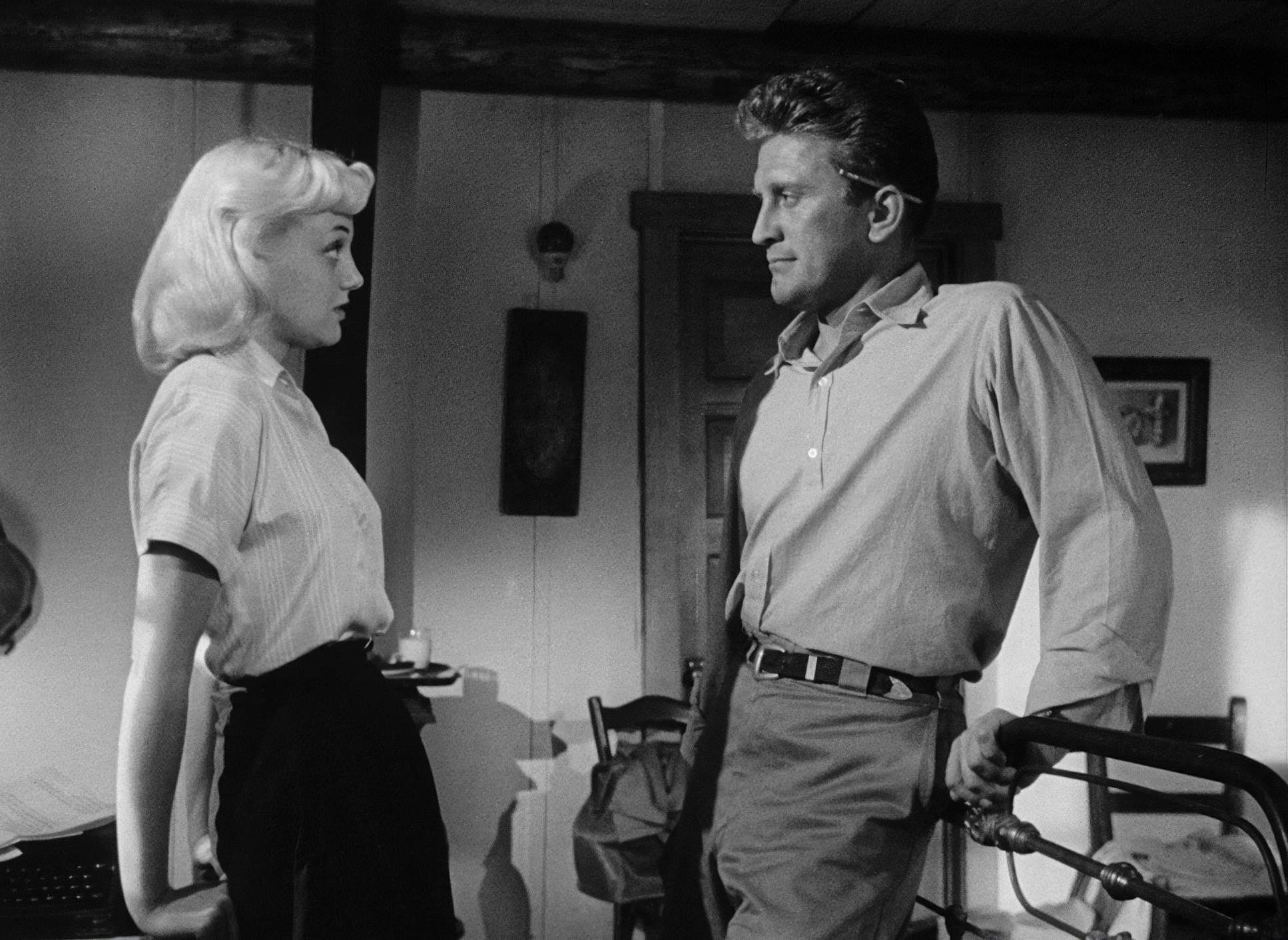
The blocking here is incredibly strong. Kirk Douglas has this “riveting” presence, and the camera treats him like the sun that everyone else orbits. Wilder stages the interactions between Tatum and Lorraine (Jan Sterling) with a clinical coldness they’re rarely in a warm two-shot; they’re usually physically separated by the frame, highlighting the transactional nature of their “relationship.”
Lang favors wider lenses for the desert, which allows for that massive depth of field I mentioned earlier. It lets the viewer’s eye wander through the chaos, scrutinizing the details of the “Big Carnival.” When the tension ramps up, they move to tighter glass to isolate characters, making the air feel thin. It’s a dynamic interplay that makes the drama feel raw and unvarnished.
Technical Aspects & Tools
| Genre | Drama, Satire, Comedy |
| Director | Billy Wilder |
| Cinematographer | Charles Lang |
| Production Designer | A. Earl Hedrick, Hal Pereira |
| Costume Designer | Edith Head |
| Editor | Arthur P. Schmidt |
| Time Period | 1950s |
| Color | Desaturated, Black and White |
| Aspect Ratio | 1.37 |
| Format | Film – 35mm |
| Lighting | Hard light |
| Lighting Type | Daylight, Artificial light |
| Story Location | New Mexico > Albuquerque |
| Filming Location | New Mexico > Gallup |
Back in 1951, you didn’t have the luxury of “fixing it in post.” Lang was likely shooting on Mitchell BNCs the heavy-duty workhorses of the era and probably used Cooke or Zeiss glass. These lenses had a character that modern digital sensors often lack; they captured a crispness that still felt “organic.”
The film stocks of the time, like Eastman Plus-X or Double-X, offered incredible latitude if you knew how to light for them. To get those “inky” blacks while maintaining detail in the sun-bleached desert required massive amounts of light. Lang’s gaffers would have been wrestling with powerful arc lights and incandescent units, shaping them with flags and scrims to keep the contrast high without blowing out the highlights. It was a physical, sweat-equity kind of cinematography.
Color Grading Approach
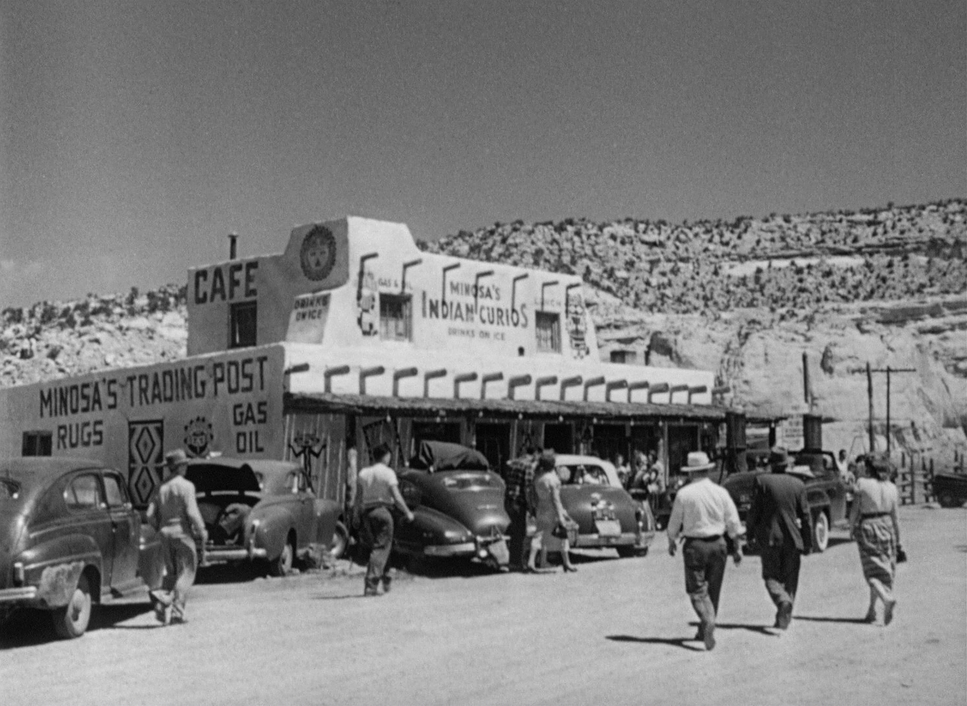
As a colorist, even though I’m looking at a black-and-white image, I’m seeing a masterclass in luminance management. If I had this film on my Resolve panel today, I’d be obsessing over the “toe” and “shoulder” of the film curve.
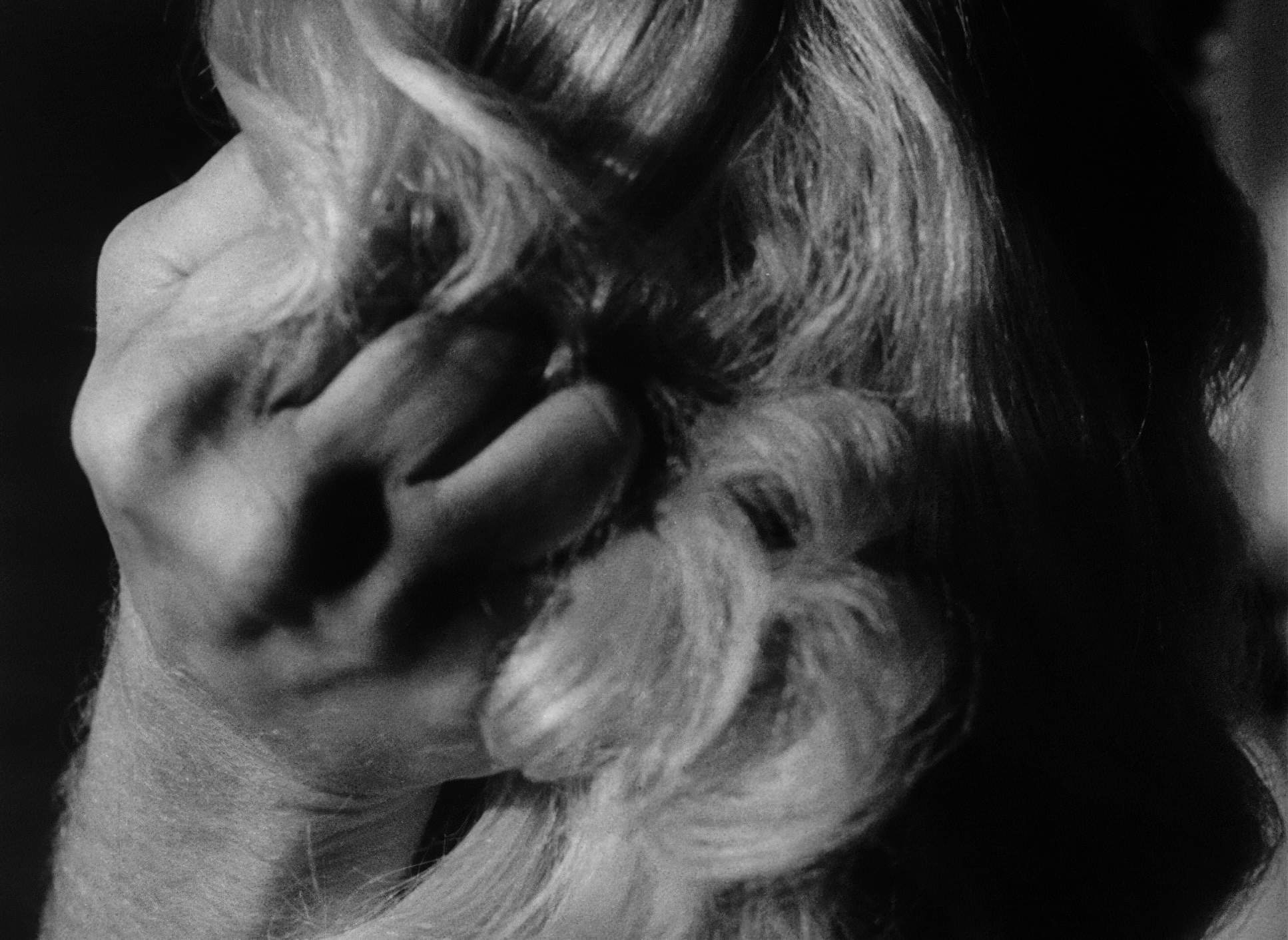
The tonal sculpting is what makes the image feel heavy. There’s a beautiful separation in the mid-tones you can see the grain in the rock, the sweat on the skin, and the dust on the suits. It avoids that flat, “digital” gray look. Lang understood how the 1950s print-film stocks handled highlight roll-off; notice how the bright desert sky never feels like a “white hole” in the frame. It has density. My approach to grading a project like this would be to maximize that tactile feel leveraging the contrast to guide the eye toward Tatum’s increasingly desperate expressions while keeping the “inky” depth of the shadows to maintain the noir DNA.
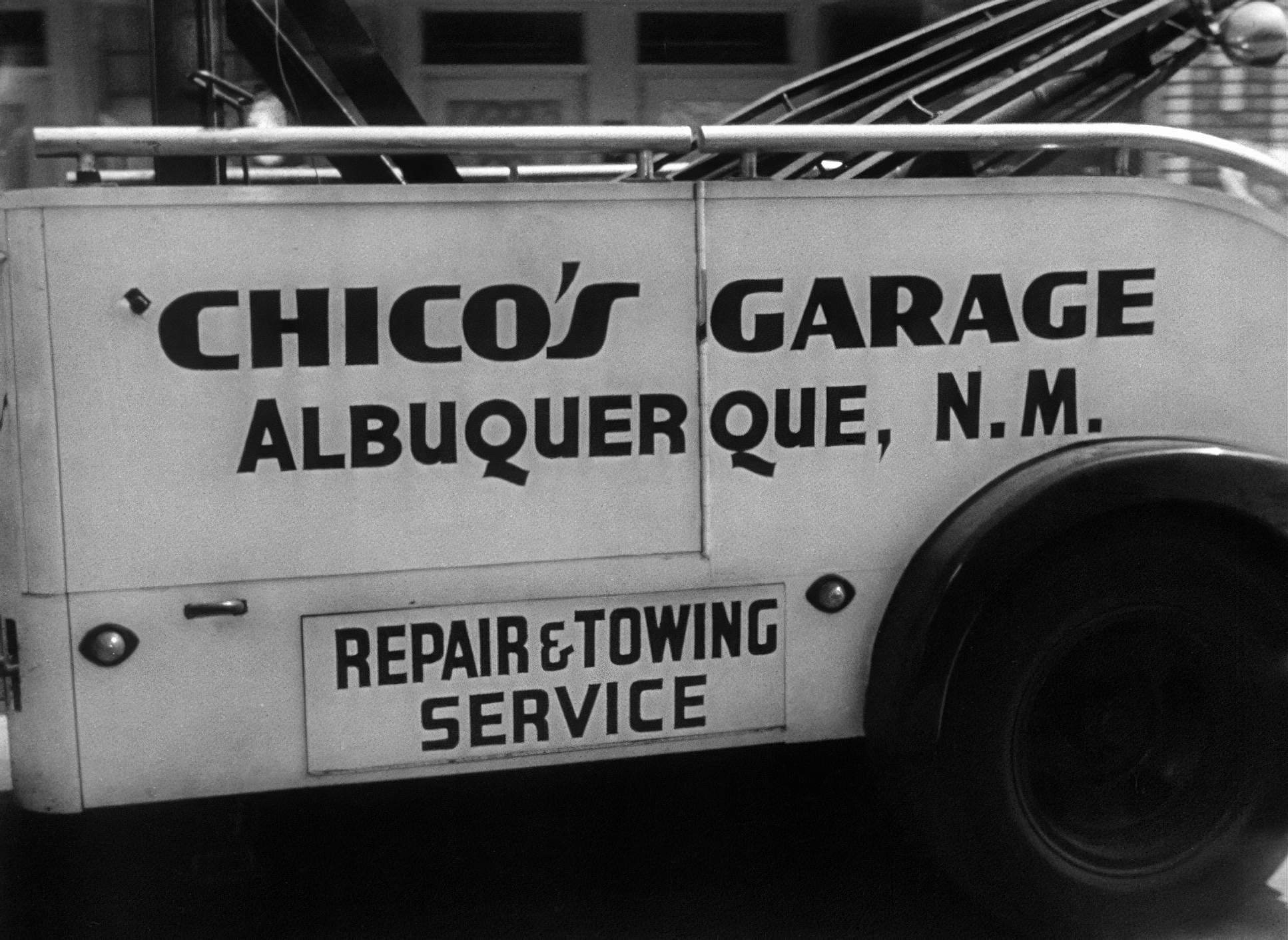
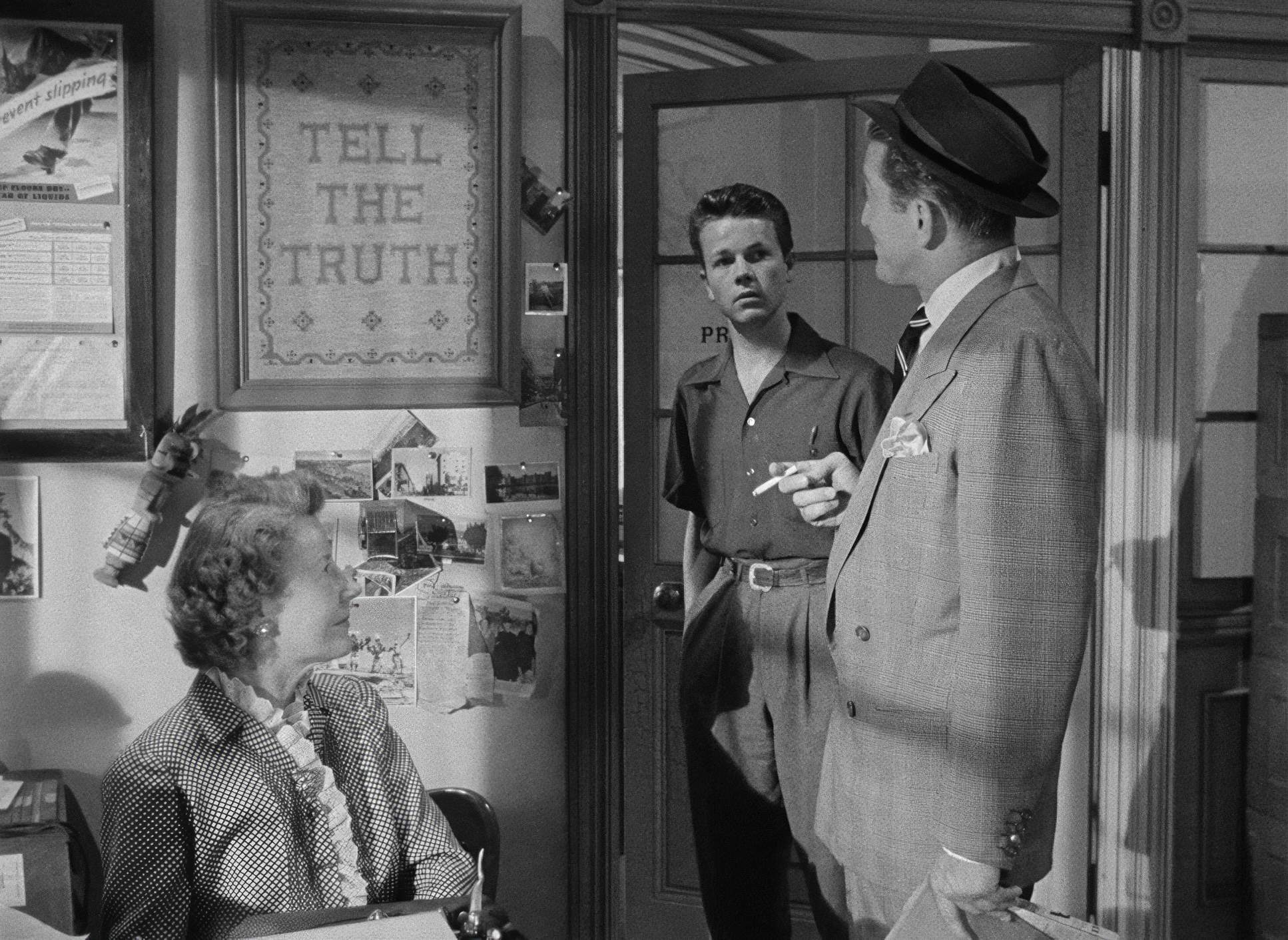
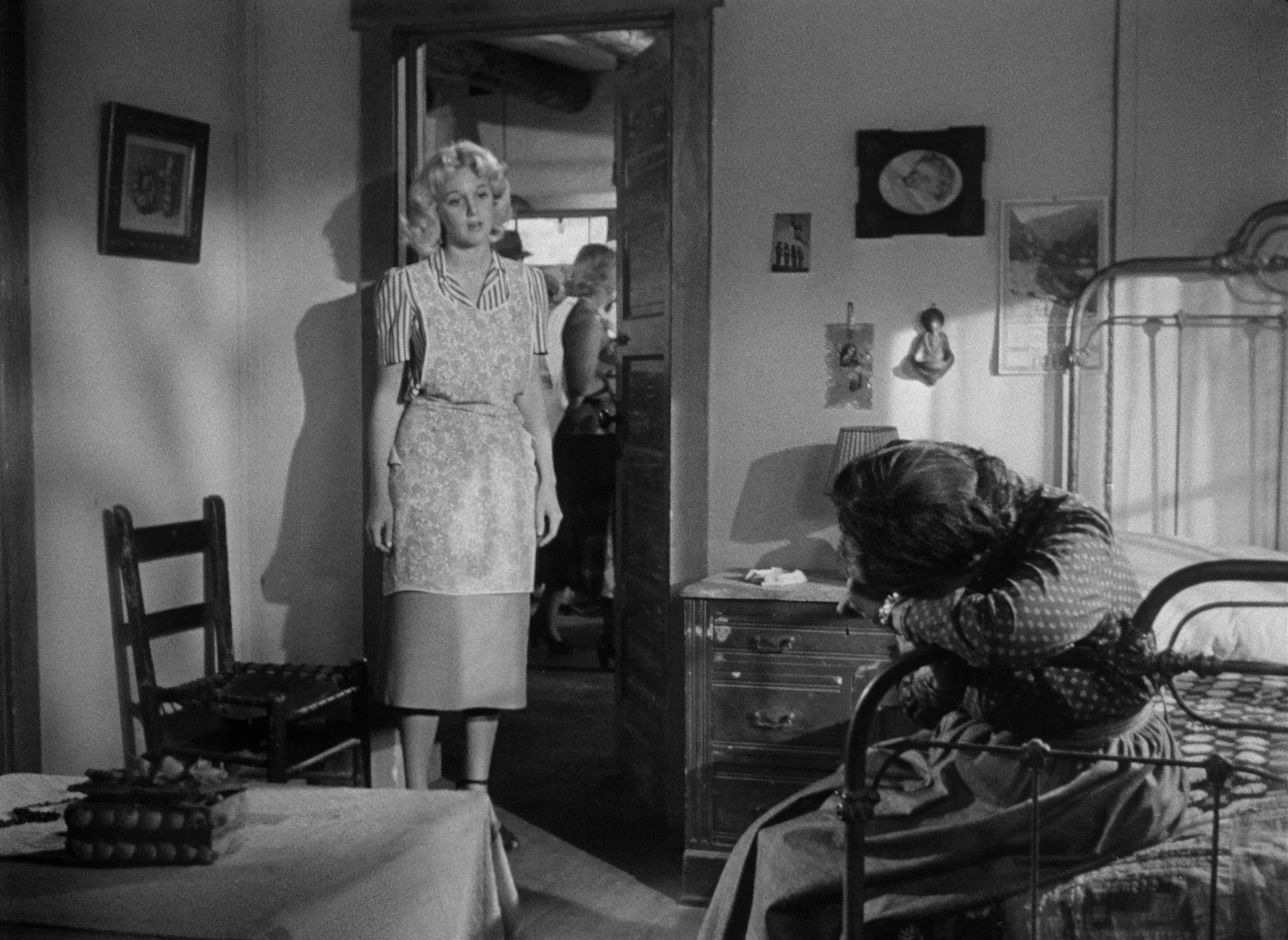
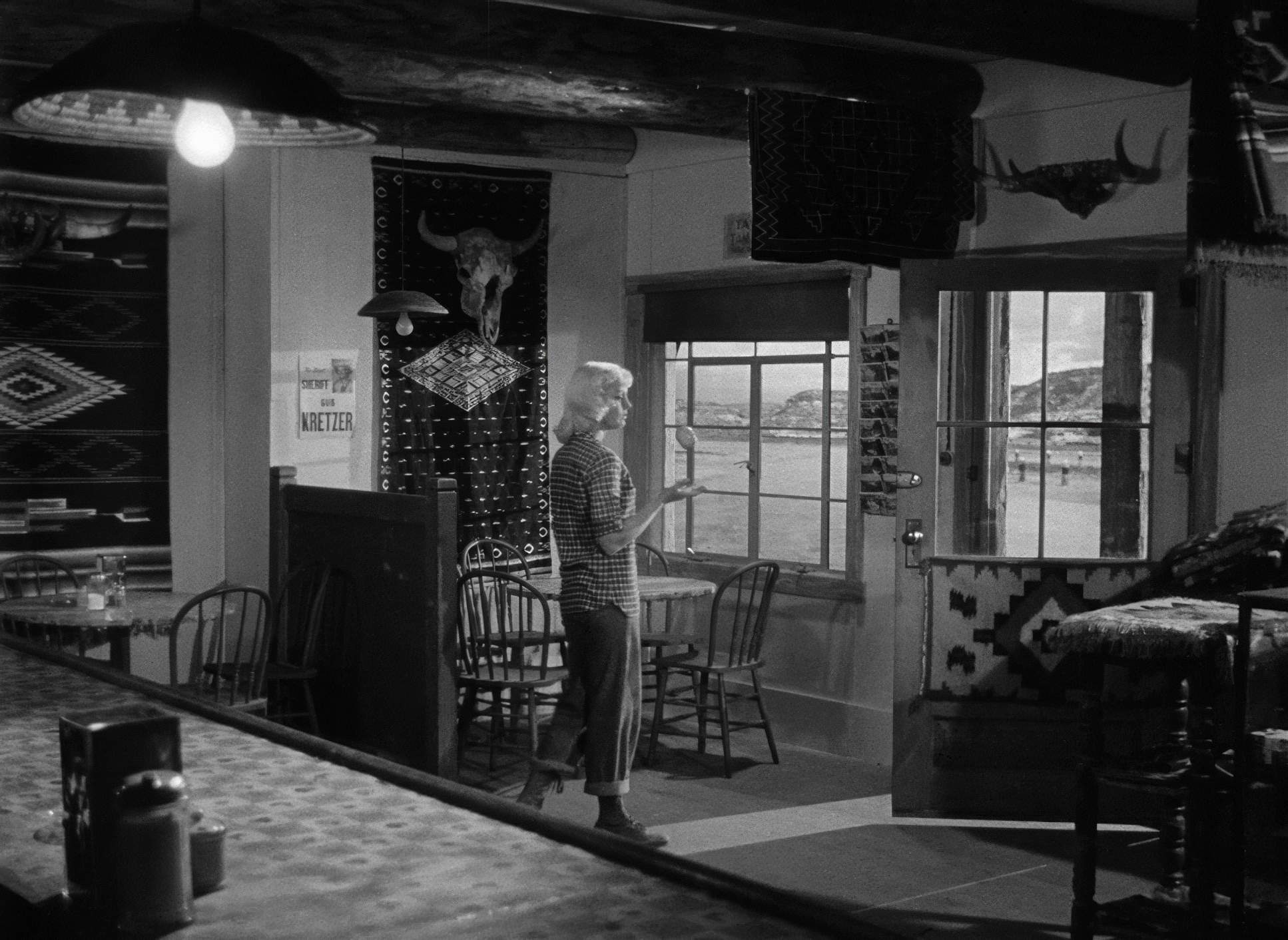
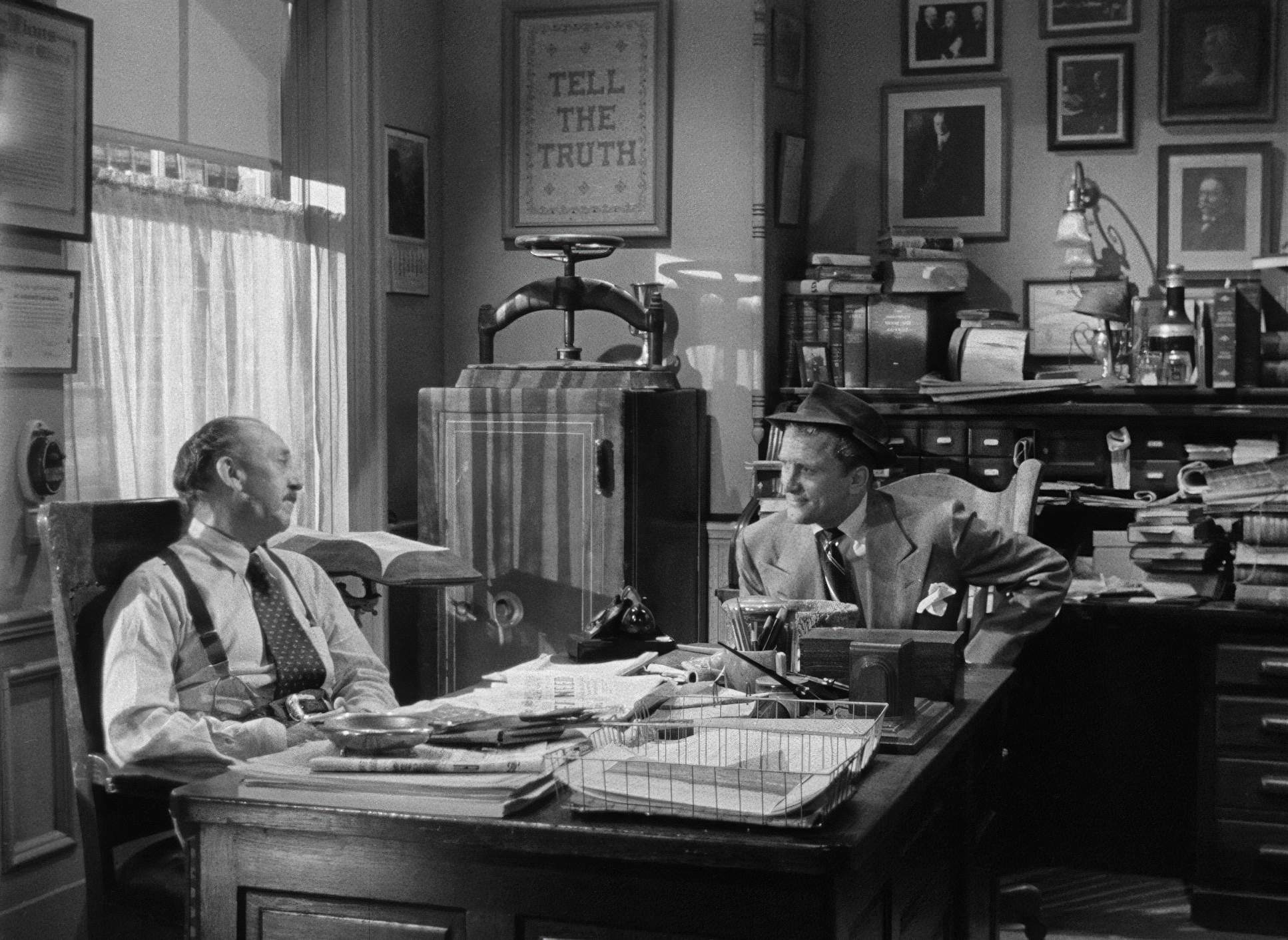
Ace in the Hole (1951) Film Stills
A curated reference archive of cinematography stills from Ace in the Hole (1951). Study the lighting, color grading, and composition.








- Also read: THE RED SHOES (1948) – CINEMATOGRAPHY ANALYSIS
- Also read: THE ACT OF KILLING (2012) – CINEMATOGRAPHY ANALYSIS
Browse Our Cinematography Analysis Glossary
Explore directors, cinematographers, cameras, lenses, lighting styles, genres, and the visual techniques that shape iconic films.
Explore Glossary →