Sometimes a film comes along that reminds me why we do this in the first place. Wild Tales (2014), the Argentine-Spanish anthology, is one of those films. It’s a masterclass in visual storytelling where the cinematography isn’t just aesthetic decoration it is the engine driving the narrative.
I often return to this film not just to enjoy the chaos, but to study how Director Damián Szifron and Cinematographer Javier Juliá crafted a visual language that feels meticulously controlled, even when the characters are spiraling out of control.
About the Cinematographer
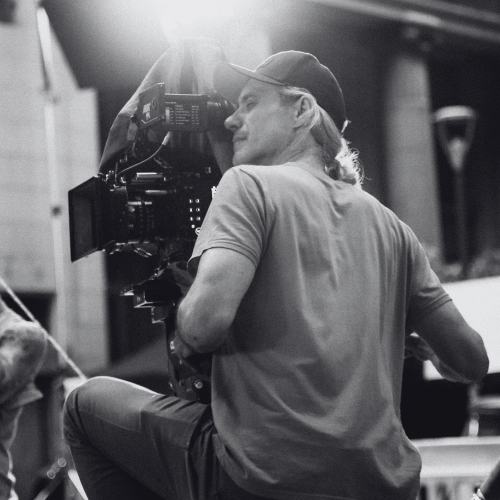
The visual architect behind Wild Tales is Javier Juliá. His collaboration with Szifron here is a lesson in “invisible precision.” While Szifron’s directorial voice is loud a blend of sharp wit, social commentary, and extreme tension—Juliá’s lens is the steady hand that grounds it. He isn’t just documenting the madness; he’s shaping the psychological landscape. His work showcases incredible versatility, adapting to the distinct needs of six wildly different stories while maintaining a cohesive, high-calibre aesthetic that binds the anthology together.
Inspiration Behind the Cinematography
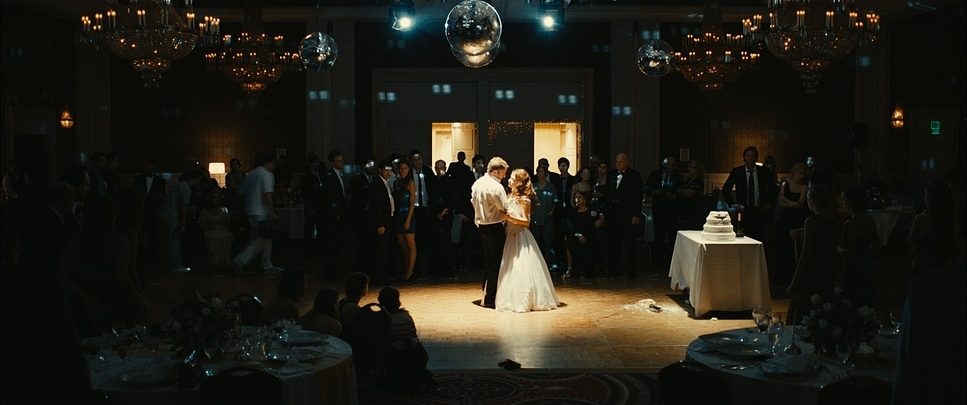
The core themes of Wild Tales are universal: catharsis, revenge, and characters pushed “like animals in a cage.” Juliá’s cinematography amplifies this feeling of entrapment and the explosive release that follows.
Consider the framing. The film frequently utilizes wide lenses with a deep depth of field. In the first segment, “Pasternak,” the wide shots emphasizing the airplane’s cabin aren’t just for exposition; they build a sense of inescapable doom. By keeping the background in focus, every passenger is visually isolated yet trapped within the same shared, confined space. The cinematography transforms the mundane setting of a commercial flight into a menacing pressure cooker. It’s a testament to how visual information, even when initially presented as benign, can be seeded to pay off dramatically later.
Camera Movements
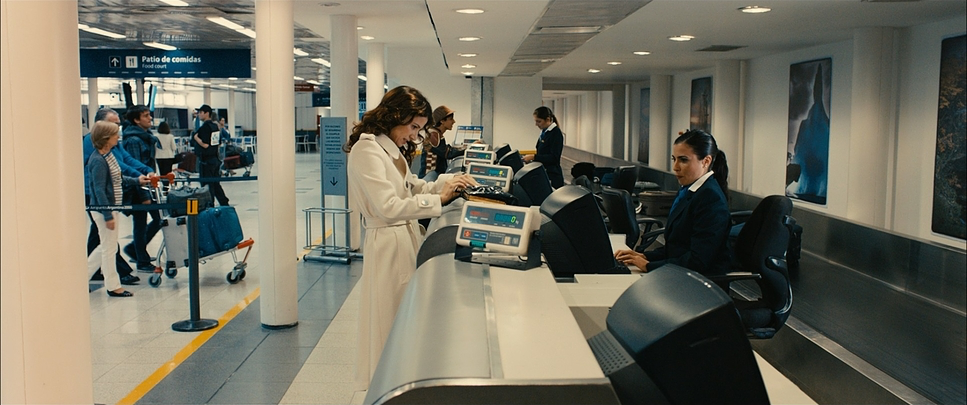
Juliá’s camera movements are rarely gratuitous; they are intrinsically linked to the emotional rhythm of the scene. They’re less about showing off and more about mirroring the characters’ internal states.
In the “Rats” segment, notice how the camera tracks fluidly, leading us from the waitress’s distressed face in the kitchen to the unsuspecting loan shark in the dining room. This dynamic movement physically links the antagonist and protagonist, visually highlighting the tension between their worlds even when separated by a wall.
I particularly appreciate the deliberate use of lateral tracking shots. The camera often drifts, almost like a voyeuristic observer trying to keep up with the unraveling events. And when the scene demands impact, Juliá utilizes a simple, slow push-in. It creates the feeling that the walls are closing in a common cinematic device, yes, but executed here with such timing that it lands perfectly. The lateral motion becomes especially poignant when the waitress rushes to stop the child from eating the poisoned food; the camera movement underscores her desperate physical attempt to intervene.
Compositional Choices
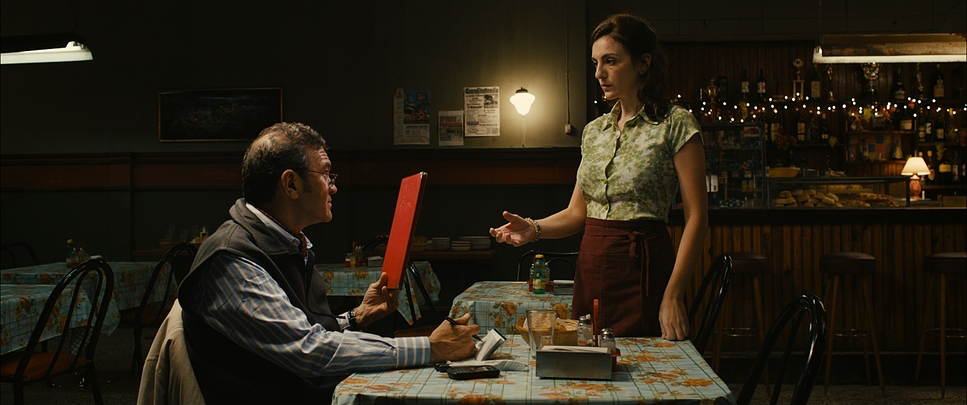
This is where Wild Tales truly shines for me. Shooting in the 2.39:1 aspect ratio, the film maximizes its wide canvas, avoiding the modern trap of using scope without filling it intelligently. Juliá and Szifron are masters of staging multiple pieces of information within a single frame, enriching the narrative without relying on rapid-fire cuts.
In the “Bombita” segment, there are numerous wide shots featuring Ricardo Darín’s character, Simon, framed within a bustling environment. We see him, but we also see the world around him extras working, walking, living. This compositional choice makes Simon’s struggle feel universal; he is just another face in the crowd fighting an unyielding system.
The use of negative space is also incredibly clever. In “The Strongest,” when the driver gets a flat tire, the initial frames show his car on the left, leaving ample empty room on the right. This isn’t dead space; it’s waiting space. It anticipates the arrival of the antagonist, who eventually fills that void with violence. This kind of anticipatory framing establishes geography and subconsciously prepares the audience for the impact.
Lighting Style
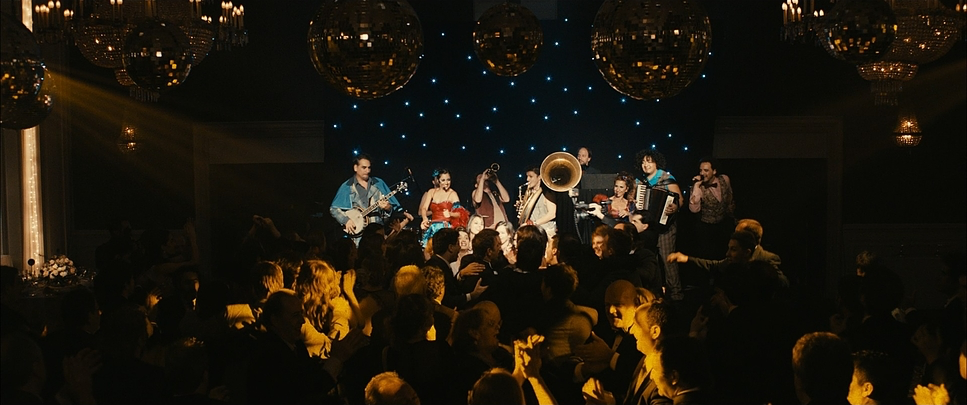
Wild Tales employs a motivated and often naturalistic lighting style that underpins its gritty realism. Juliá largely harnesses practical and available light, augmenting it with strategic top-lighting to maintain control over contrast and mood.
In the “Rats” story, the lighting tells the story of class divide. The kitchen scenes are bathed in the harsh, cooler light of overhead fluorescents, creating an unromantic atmosphere fitting for the morally compromised decisions happening there. In contrast, the dining room is warmer, illuminated by softer practicals. This interplay of cool, almost cyan kitchen lighting versus the warmer dining room light separates the internal conflict from the external threat. As a colorist, I love when a DP commits to color contrast on set it provides a solid foundation for shaping the mood in post, giving us the dynamic range to separate elements without breaking the image.
Lensing and Blocking
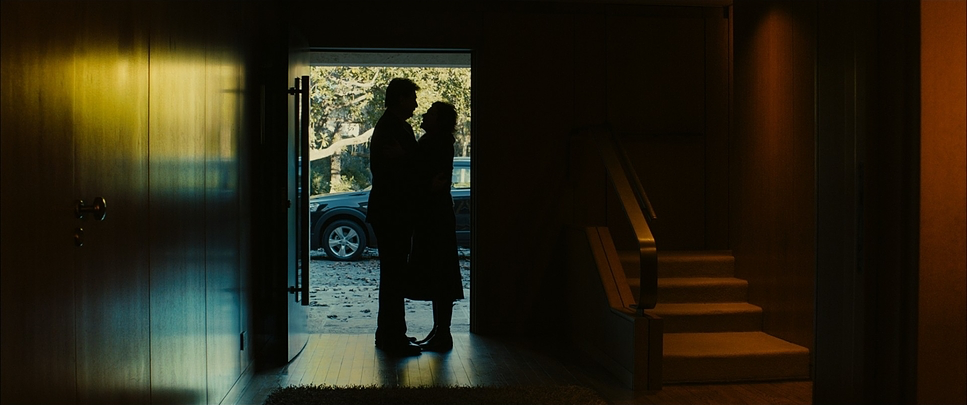
This is where the craft really comes into play. Juliá paired the ARRI Alexa with Cooke S4/i lenses. This choice is significant; the “Cooke Look” offers a sharpness that is still gentle on skin tones, providing a smooth focus roll-off that helps take the digital edge off the Alexa sensor.
The film uses rack focus not just as a visual flourish, but as a narrative punctuation mark. In “The Proposal,” when the father decides to blame the groundskeeper, the camera pulls focus from him on the right to the groundskeeper starting the lawnmower on the left, then back to the father. That swift change in focus is the decision being made, without a single line of dialogue.
Similarly, in the wedding segment, the bride’s investigation of the phone number is communicated through a series of intricate rack focuses between her, her reflection, and the suspected mistress in the background. It plays like a visual chess match. I often work with DPs who think rack focus is just about shifting attention, but here, it conveys internal thought. That’s next-level craft.
Color Grading Approach
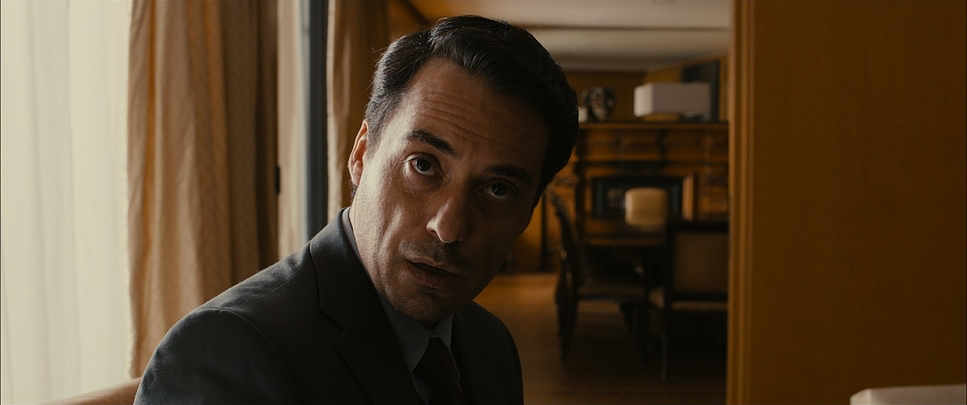
From my perspective at Color Culture, the work done by Colorist Luisa Cavanagh is phenomenal. She integrated the grade deeply into the film’s emotional landscape. The palette leans into cool tones cyans and blues which reinforces the dark, thriller elements of the anthology.
The contrast curve feels grounded, mimicking a print-film sensibility. The blacks are rich but not overly crushed (likely sitting safely above 0 IRE to retain texture), while the highlights have a gentle roll-off. This ensures that even in high-contrast night scenes, the image feels organic rather than digital.
Hue separation is key here. Even within scenes of muted tones, specific elements like the red of a dress or the green of a uniform pop just enough to draw the eye. It’s a balance I constantly strive for in my own work: ensuring the grade supports the narrative, enhancing the feeling without distracting from the story unfolding on screen.
Technical Aspects & Tools
Wild Tales
ARRI ALEXA • Cooke S4/i • Digital
| Genre | Anthology, Comedy, Drama, Revenge, Thriller, Courtroom Drama, Dark Comedy |
|---|---|
| Director | Damián Szifron |
| Cinematographer | Javier Juliá |
| Production Designer | María Clara Notari |
| Costume Designer | Ruth Fischerman |
| Editor | Pablo Barbieri Carrera |
| Colorist | Luisa Cavanagh |
| Time Period | 2000s |
| Color Palette | Cool, Cyan, Blue |
| Aspect Ratio | 2.39 – Spherical |
| Format | Digital |
| Lighting | Soft light, Top light |
| Lighting Type | Artificial light, Mixed light |
| Story Location | South America > Argentina |
| Filming Location | South America > Argentina |
| Camera | ARRI ALEXA |
| Lens | Cooke S4/i |
Shot on the ARRI Alexa, the film benefits from that camera’s legendary dynamic range and color science. This foundation allowed Juliá and Cavanagh to push the look in post while maintaining natural skin tones.
The 2.39:1 aspect ratio is consistently used to great effect, transforming the frame into a canvas for complex blocking. Looking at the pacing metrics, the “Rats” story stands out with an exceptionally long Average Shot Length (ASL) of 9.5 seconds, compared to the action-packed “The Strongest” at 4.4 seconds.
This longer ASL in “Rats” underscores the deliberateness of the visual storytelling. It forces the viewer to sit in the tension. For a colorist, long takes are always a challenge you have to ensure the grade holds up as the camera moves through different lighting conditions within a single clip, keeping the skin tones consistent from the fluorescent kitchen to the shadowed dining area.
- Also read: THE BRIDGE ON THE RIVER KWAI (1957) – CINEMATOGRAPHY ANALYSIS
- Also read: THE IRON GIANT (1999) – CINEMATOGRAPHY ANALYSIS
Browse Our Cinematography Analysis Glossary
Explore directors, cinematographers, cameras, lenses, lighting styles, genres, and the visual techniques that shape iconic films.
Explore Glossary →