Richard Linklater’s 1995 classic is one of those films that seems simple on the surface but is actually doing a lot of heavy lifting visually. It’s a film that resonates with me because it proves you don’t need a massive budget to create something iconic you just need intentional cinematography.
When I watch Before Sunrise, I don’t just see a romance; I see a great example of visual support. The philosophy here is “show, don’t tell,” but not through explosions or complex VFX. It’s in the glances and the silence. The camera isn’t just recording the actors; it’s acting as a silent third participant, allowing us to hang out with Jesse and Céline without getting in the way.
About the Cinematographer
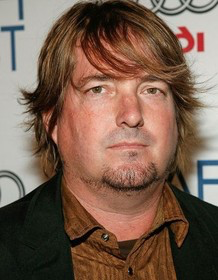
The look of Before Sunrise comes down to the eye of Lee Daniel. Daniel has a long history with Linklater, shooting everything from Slacker and Dazed and Confused to Boyhood. His work is defined by a commitment to naturalism. He shoots in a way that aligns perfectly with Linklater’s vérité style it feels unscripted, even though we know it isn’t.
Daniel understands that the best cinematography often goes unnoticed. His approach here is gentle observation. He lets the performances lead while the camera creates a sense of intimacy. He isn’t trying to impress us with flashy lighting setups; he’s trying to capture life. For a movie that relies entirely on chemistry, having a D.P. like Daniel, who prioritizes the actors over the gear, was the only way this could work.
Inspiration Behind the Cinematography
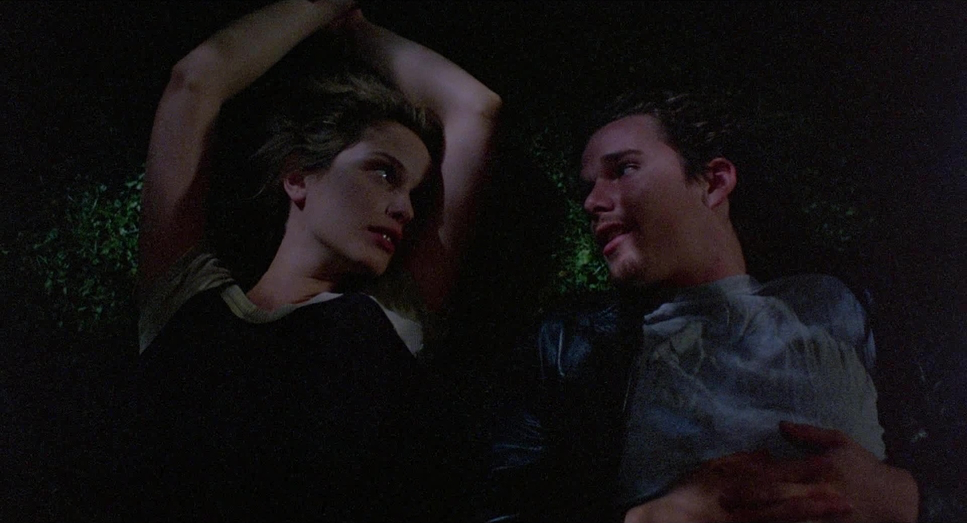
Linklater has been open about drawing inspiration from the French New Wave, particularly Eric Rohmer’s “pure dialogue films.” You can see that influence all over the visual approach here. Rohmer’s films are known for long takes and natural light, both of which are staples of Before Sunrise. The goal was to strip away the typical movie contrivances elaborate plots, dramatic set pieces and focus entirely on human interaction.
Consequently, the cinematography adopts an “imperfect” quality. It tries to remove the barrier between the audience and the characters. We aren’t just watching them; we are walking with them. This creates that “dream world” feeling the characters talk about a “tangent universe” separate from real life. The visuals ground this in reality, but it’s a heightened reality, showing us the internal feeling of falling in love against the backdrop of Vienna.
Camera Movements
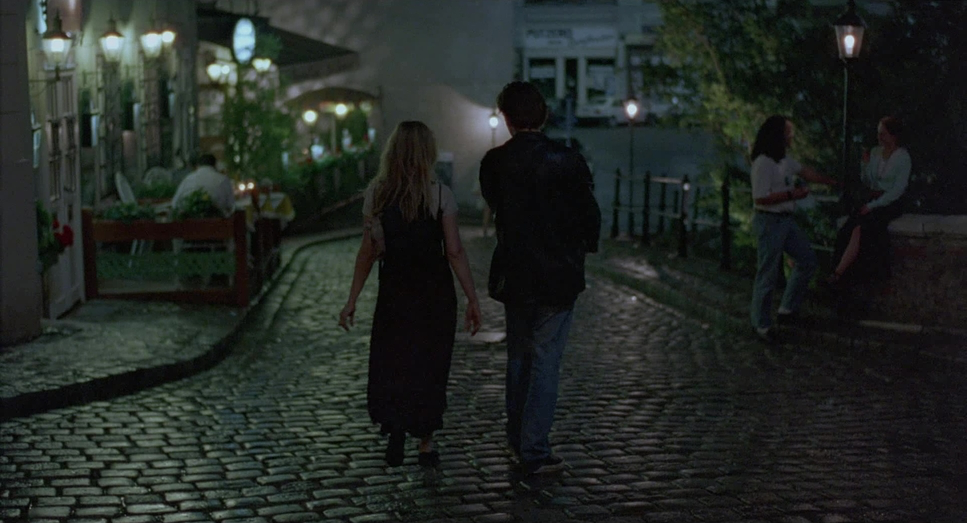
The camera movement in Before Sunrise is smart because it’s understated. Predominantly, Lee Daniel uses handheld operation, which is obvious in tight spaces like the listening booth scene. But it’s not the “shaky cam” action style we see today; it’s a subtle breathing motion that adds intimacy. It makes us feel like we are right there, eavesdropping on a private conversation.
Beyond handheld, the film relies heavily on tracking shots. As Jesse and Céline walk through Vienna, the camera simply follows. These aren’t elaborate Steadicam sequences; they are functional walk-and-talks that let the environment pass by while keeping the focus on the dialogue. These long takes allow the conversation to flow naturally without being chopped up by editing. The camera mirrors their journey sometimes meandering, sometimes purposeful reminding us that their connection is unfolding in real-time.
Compositional Choices
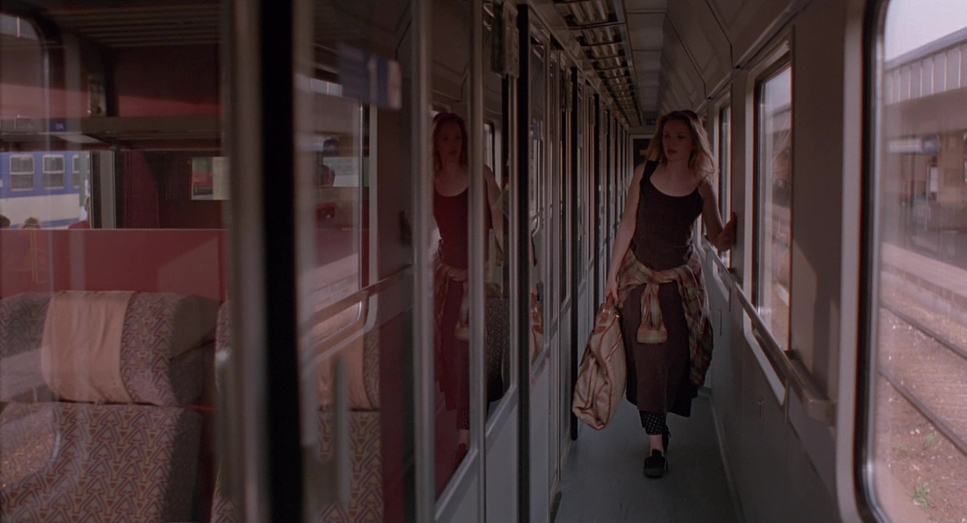
The compositions are deceptively simple. A huge portion of the film relies on the two-shot, framing Jesse and Céline together. This is a crucial narrative choice: it reinforces their bond and gives equal weight to both perspectives. We see their reactions to each other simultaneously the glances, the smiles, the hesitation all in the same frame.
While we get wide shots to establish Vienna, the camera usually returns to tighter framing to prioritize the actors. The film uses depth cues well, layering the city streets behind them, but often with a soft bokeh that keeps our attention on their faces. Watching it recently, I noticed how the framing often leaves just enough “breathing room.” They aren’t always perfectly centered. This slight looseness enhances the documentary feel, making it seem less like a “movie” and more like we just happened to catch this moment.
Lighting Style
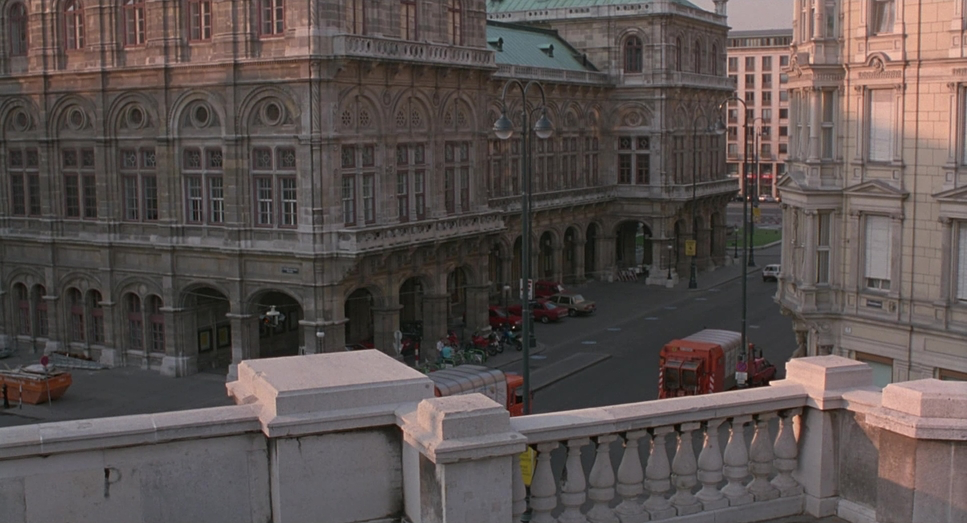
The lighting in Before Sunrise is all about motivated, mixed lighting. Since the story happens over a single night, Lee Daniel had to work with the changing available light. We go from the flat afternoon sun to the “magic hour,” and finally into the night.
Once the sun goes down, the film leans on practical sources: streetlamps, shop windows, and the warm glow of cafes. These aren’t just illuminating the scene; they create texture. The fact sheet notes the lighting is “mixed,” which suggests they didn’t try to color-correct every street lamp to match. They let the orange sodium vapor mix with the cool moonlight. The fall-off into shadow is organic, never stark. It allows the audience’s eyes to naturally find the characters’ faces, which are usually lit softly. It’s a realistic approach that makes Vienna feel like a genuine character in the story.
Lensing and Blocking
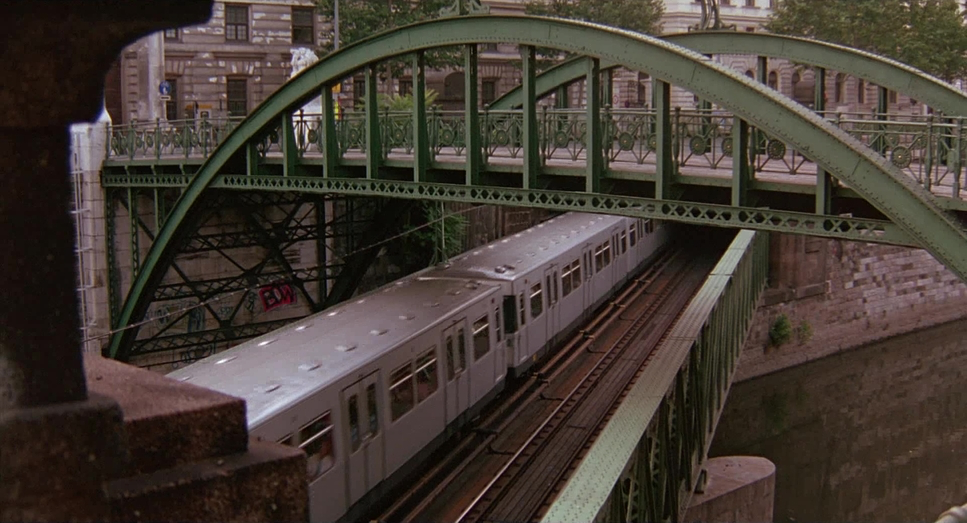
Lee Daniel’s lensing choices are another key ingredient. He likely stuck to medium prime lenses (standard for the time), which replicate the human field of view. There’s no extreme wide-angle distortion or heavy telephoto compression. This keeps the background present but allows for a gentle fall-off in focus, ensuring Jesse and Céline remain the primary subject without feeling cut out from their environment.
But it’s the blocking that makes the lensing work. Linklater is excellent at moving actors within a space. They are rarely static; they walk, stop, sit, lean, and turn away. This dynamic blocking prevents the film from becoming a boring “talking heads” piece. The physical movement like turning away during a vulnerable moment amplifies the tension. Combined with the neutral lens choices, it creates an immersive experience.
Color Grading Approach
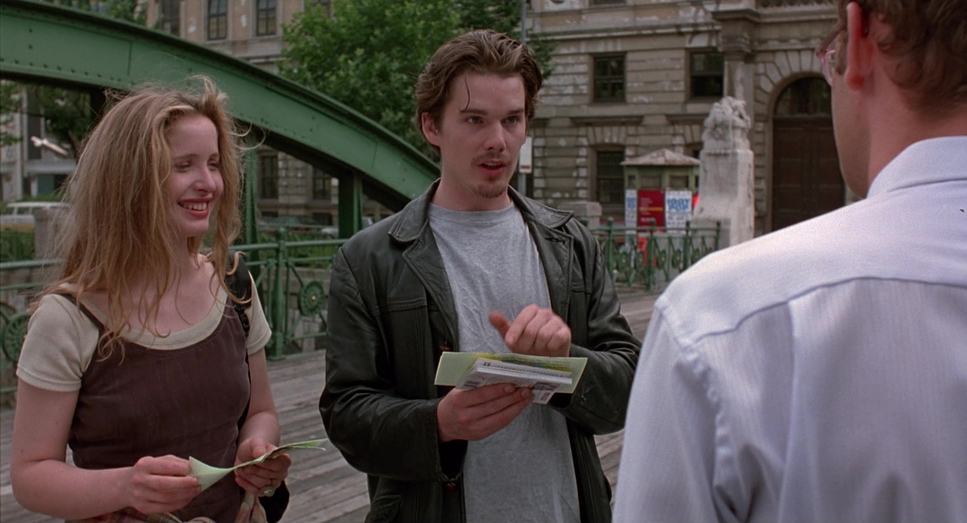
As a colorist, this is where I really pay attention. Shot in 1995, the aesthetic is rooted in print-film sensibilities. We’re looking at organic grain and a highlight roll-off that you just don’t get with digital clipping. The film has weight.
The look is described as “Cool and Desaturated,” which fits the nighttime setting perfectly. In the grade, this means the shadows aren’t crushed to a digital black; they sit in that dense, dark grey zone characteristic of film prints. The contrast shaping is likely soft, maintaining detail in the shadows to keep that “nighttime in a city” vibe without it becoming a muddy mess. Hue separation is key here keeping the skin tones looking natural and luminous against the mixed, often cooler lighting of the Vienna streets. It’s a subtle grade. It’s not trying to be a stylised music video; it’s trying to be a memory.
Technical Aspects & Tools
Before Sunrise
35mm Film • 1.85:1 • Moviecam Compact| Genre | Drama, Romance |
|---|---|
| Director | Richard Linklater |
| Cinematographer | Lee Daniel |
| Production Designer | Florian Reichmann |
| Costume Designer | Florentina Welley |
| Editor | Sandra Adair, Sheri Galloway |
| Time Period | 1990s |
| Color | Cool, Desaturated |
| Aspect Ratio | 1.85 – Spherical |
| Format | Film – 35mm |
| Lighting | Soft light |
| Lighting Type | Mixed light |
| Story Location | Austria > Vienna |
| Filming Location | Austria > Vienna |
| Camera | Moviecam Compact |
Here is where a lot of people get it wrong. Because it’s an “indie” movie, many assume it was shot on 16mm. But if you look at the specs, Before Sunrise was actually shot on 35mm film using a Moviecam Compact.
This was a brilliant choice. 16mm would have made the film feel grittier and more “student film” style. By shooting 35mm, Daniel gave the image a cleaner resolution and a more romantic, timeless polish. The Moviecam Compact is a lightweight, quiet camera (unlike the heavier studio cameras of the era), which allowed them to keep that handheld, agile energy while still capturing the high-fidelity image of 35mm. This format choice elevates the movie from a “rough indie” to a piece of cinema that has aged incredibly well. It respects the story enough to give it the highest quality capture available at the time.
- Also read: THE DEER HUNTER (1978) – CINEMATOGRAPHY ANALYSIS
- Also read: HOTEL RWANDA (2004) – CINEMATOGRAPHY ANALYSIS
Browse Our Cinematography Analysis Glossary
Explore directors, cinematographers, cameras, lenses, lighting styles, genres, and the visual techniques that shape iconic films.
Explore Glossary →