It is rare to find a film that is so distinctly bisected by its visual language. Hacksaw Ridge is absolutely one of those instances. As filmmakers, we often talk about “visual arcs,” but Mel Gibson and his team created two entirely different movies that happen to share a timeline. We see the soft, nostalgic romance of early adulthood crash violently into a horror film. Gibson’s return to the director’s chair was a question mark for many, but his handling of Desmond Doss’s story a conscientious objector in the deadliest of battlefields serves as a case study in using visual contrast to drive narrative impact.
About the Cinematographer
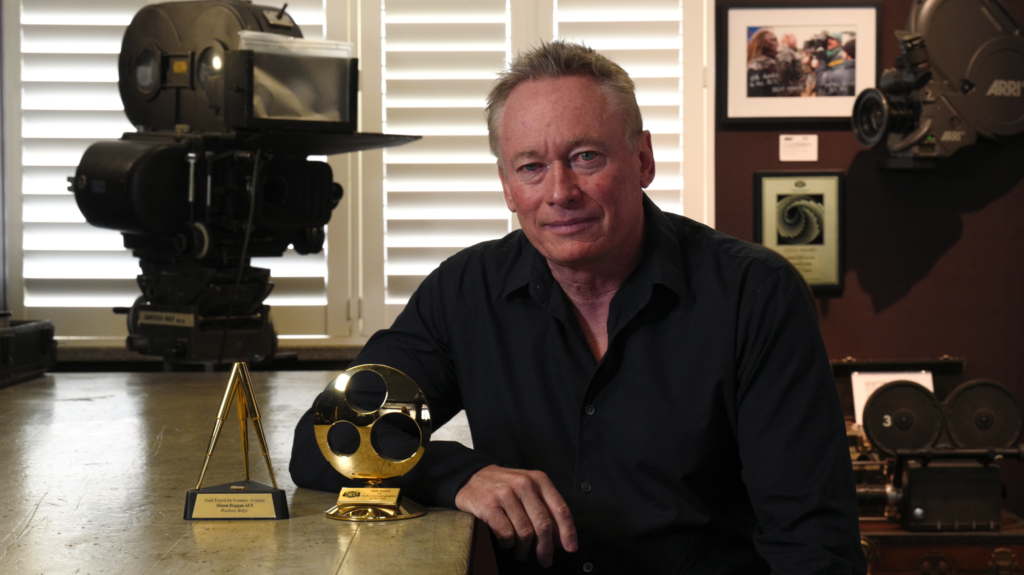
The man behind the lens was Simon Duggan, ASC, ACS. He’s a cinematographer with a remarkably diverse portfolio, having shot everything from the opulent, stylized world of The Great Gatsby to the gritty, intimate drama of Lion. This breadth of experience made him the ideal choice for Hacksaw Ridge. He isn’t pigeonholed into one aesthetic; he adapts. For this film, Duggan had to navigate the pastoral innocence of Lynchburg, Virginia, the rigid discipline of boot camp, and then plunge us into the visceral, unholy chaos of Okinawa. It is a massive undertaking, demanding a DP capable of shifting gears dramatically while maintaining a unified vision.
Inspiration Behind the Cinematography
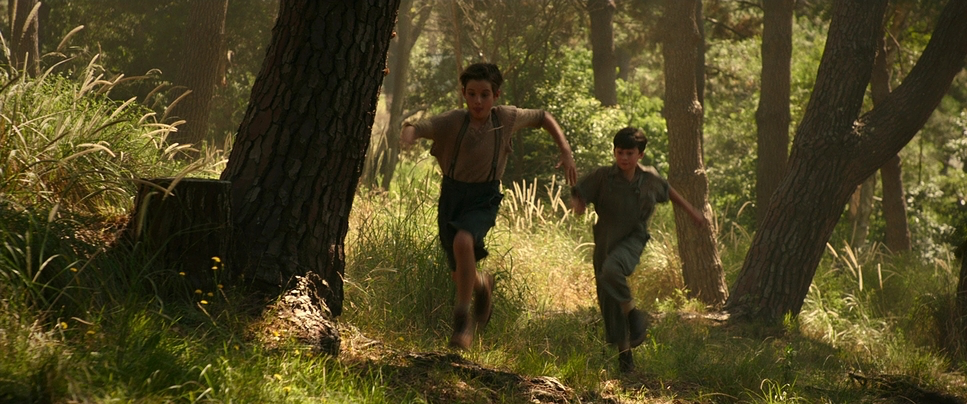
The core inspiration stemmed from the duality of Desmond Doss’s life: his unwavering faith against a backdrop of unimaginable brutality. The visual language reflects this split. The early scenes are steeped in a Rockwellian Americana, capturing the idealism that drew young men to enlist. This starkly contrasts with the sheer terror of the Ridge itself.
There is a distinct “old-fashioned” quality to the filmmaking here, reminiscent of classic war epics from the ’60s or ’70s, but sharpened by modern technology. It allowed Gibson to let scenes breathe and for Duggan to compose frames with a timeless sense of drama. However, once the battle begins, the inspiration shifts towards a horror aesthetic. The goal wasn’t to glorify combat but to depict its terrifying reality the “happened, this sucked” truth making Doss’s pacifism even more extraordinary against that canvas.
Camera Movements
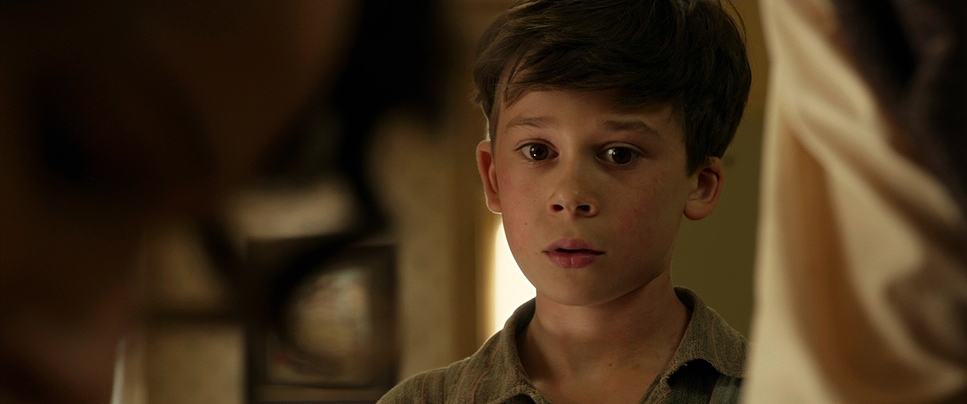
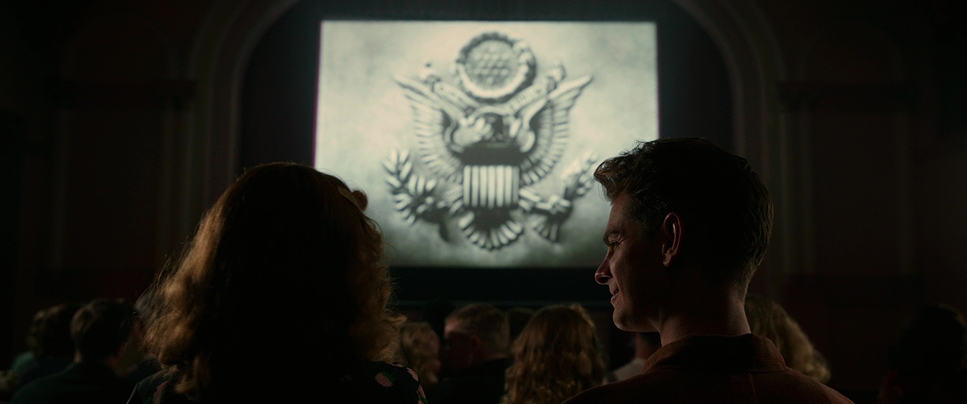
The camera movement in Hacksaw Ridge acts almost as a separate character, guiding our physiological response to the scene. In the idyllic pre-war sequences, the camera is composed and steady, utilizing smooth dollies and subtle crane shots to convey order and the blossoming romance between Desmond and Dorothy. There is a lyrical quality to these movements, allowing us to connect intimately with the quietude of Desmond’s world.
But when we hit the Ridge, the language changes. The camera becomes a participant. The use of handheld operation becomes predominant, chosen not just for chaos, but for proximity. We are right there with the soldiers, feeling the vibration of every explosion. Fast pans and whips track the unpredictable movements of battle. There are moments where the camera itself feels like it’s struggling to keep up, mirroring the soldiers’ desperate fight for survival. When a flamethrower erupts, the camera isn’t observing from a safe distance; it is experiencing the shockwave. This shift jars us from the safety of the first act into the terrifying reality of the battlefield.
Compositional Choices
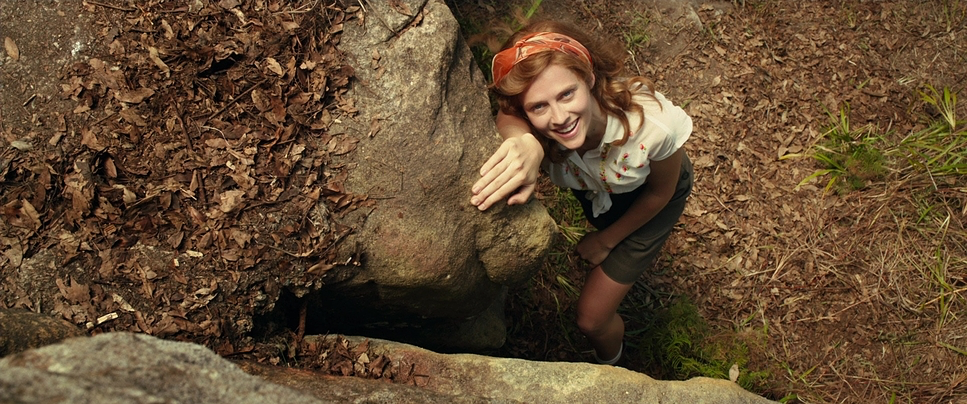
Duggan’s framing is meticulous, serving to isolate Desmond or highlight the overwhelming scale of the conflict. In the first half, we see open, balanced compositions, often framing Desmond against natural landscapes or with Dorothy. The frames are clean, allowing the actors’ performances to dictate the energy.
Once on the Ridge, the compositions become dense, fragmented, and claustrophobic. We see deep staging, with layers of debris, bodies, and combatants filling the frame. There are striking wide shots that emphasize the sheer scale of the cliff face and the exposed vulnerability of the soldiers ascending it. Conversely, Duggan employs incredibly tight, intimate shots boots stepping over fallen comrades, close-ups of faces contorted in fear—that pull us into the personal horror. The framing often places Desmond as a small, solitary figure against the vast machinery of war, visually underscoring his unique path.
Lighting Style
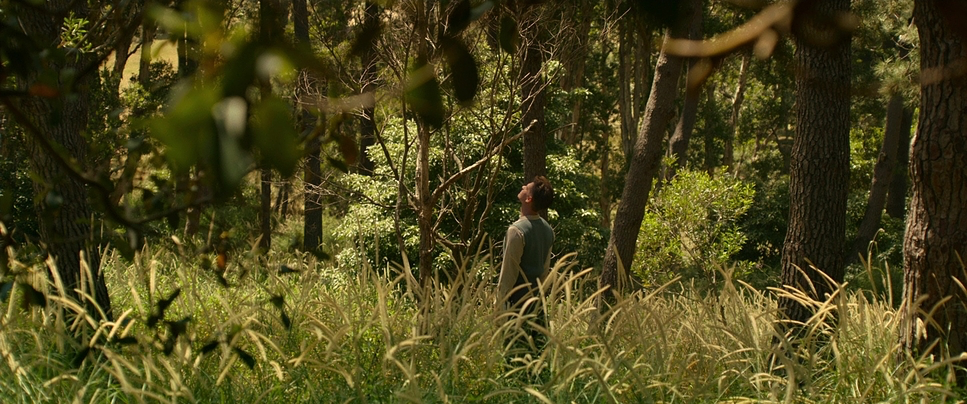
The lighting is a lesson in motivated illumination. In the pre-war scenes, the lighting is soft, warm, and naturalistic, often bathed in golden hour hues or gentle, diffused daylight. It evokes comfort and the inherent goodness of Desmond’s home life. Shadows are gentle and highlights are soft, creating a painterly quality.
On the battlefield, the lighting descends into a visceral, primeval state. It feels unvarnished, using “available light” logic to underscore the brutality. Explosions, flamethrowers, and muzzle flashes become primary light sources, painting scenes in violent, flickering oranges and deep, dangerous shadows. Duggan isn’t afraid of high contrast here; deep, impenetrable blacks coexist with searing highlights. The smoke and dust create dynamic light diffusion, obscuring and revealing threats, adding to the dread. Characters often emerge from the smoke illuminated by harsh, directionless light, like figures in a nightmare. It’s honest lighting for a dishonest situation.
Lensing and Blocking
While many modern war epics lean on anamorphic lenses to create a cinematic distance or “flare” the action, Duggan made a specific choice to shoot Hacksaw Ridge with Panavision Primo Spherical Primes. This choice was crucial. Spherical lenses lack the distortion and “dreamy” fall-off of anamorphic glass. They offer a cleaner, harsher reality ensuring that when a bullet hits or a body falls, you see it with clinical sharpness rather than romanticized softness.
In the early chapters, Duggan likely employed the longer end of the focal range (telephoto) to separate Desmond and Dorothy from backgrounds, enhancing the intimacy. On the Ridge, the lensing becomes wider and more aggressive. Wide lenses establish the devastation of the battlefield, pushing the actors deeper into the frame to illustrate their vulnerability.
The blocking during the battle is sheer brilliance. Gibson and Duggan orchestrated the chaos strategically. Soldiers are placed to create layers of action and reaction. Desmond is often blocked in dynamic contrast running towards the chaos as others flee, or tending to the wounded while explosions erupt just beyond his focused frame.
Color Grading Approach
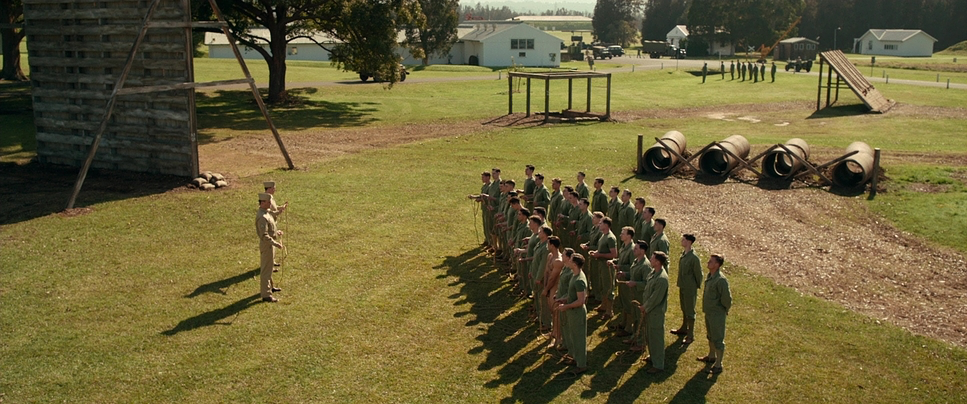
For a colorist, Hacksaw Ridge is a fascinating study in tonal separation and distinct palettes. The film operates with two specific Look Up Tables (LUTs) in mind.
The early scenes back home are bathed in a warm, nostalgic glow. We see rich, saturated greens in the landscapes, sun-kissed skin tones, and soft, inviting light. The contrast here is gentle, with smooth highlight roll-off and open shadows. There is a subtle print-film sensibility, lending a classic feel that reinforces the period setting without feeling dated.
When we arrive at the battle, the grade takes a gut-wrenching turn. The palette shifts to desaturated, earthy tones mud, ash, dried blood, and muted greens. The warmth is stripped away, replaced by a colder, steelier feel, often with a subtle cyan push in the shadows to contrast the orange of the explosions. Contrast is aggressive. Shadows become inky, swallowing details, while highlights are pushed to a harsh intensity. However, the grade retains enough information in the highlights to avoid that “digital clipping” look, which is essential when dealing with fire and explosions. The skin tones become desaturated and raw, reflecting dirt and fatigue. This isn’t just a “look”; it’s an emotional texture that grinds the audience down, making Desmond’s resilience shine brighter.
Technical Aspects & Tools
| Genre | Action, Family, History, Military, Samurai, Survival, War, World War I, World War II, Political, Epic |
| Director | Mel Gibson |
| Cinematographer | Simon Duggan |
| Production Designer | Barry Robison |
| Costume Designer | Lizzy Gardiner |
| Editor | John Gilbert |
| Colorist | Trish Cahill |
| Time Period | 1940s |
| Aspect Ratio | 2.39 – Spherical |
| Format | Digital |
| Lighting | Hard light, Backlight |
| Lighting Type | Daylight, Sunny |
| Story Location | … United States of America > Virginia |
| Filming Location | … Oceania > Australia |
| Camera | ARRI ALEXA XT / XTplus, Blackmagic Pocket Cinema Camera, RED Epic Dragon |
| Lens | Angenieux Optimo Zooms, Panavision Compact – 19-90mm (PCZ), Panavision Primo Primes, Panavision Primo V Primes |
| Film Stock / Resolution | 2.8K / 2.8K ArriRaw, Redcode Raw, Redcode RAW 6K |
To achieve this visual range, Simon Duggan didn’t stick to a single camera system. While the primary acquisition was done on the ARRI ALEXA XT Plus (recording ArriRaw for maximum dynamic range), the production also utilized RED Epic Dragons and even Blackmagic Pocket Cinema Cameras. The smaller Blackmagic and RED bodies were likely used as “crash cams” or for those visceral, handheld moments right in the middle of stunts where a larger cinema camera couldn’t fit.
Mixing these formats requires a rigorous color pipeline to match the sensors, but it allowed the camera team to get angles that feel dangerously close to the action. This technical versatility, combined with the decision to shoot spherical, grounded the film in reality. Furthermore, the reliance on practical effects over CGI was paramount. The explosions, the flamethrowers, and the debris were largely in-camera. This commitment to practical filmmaking gives the image a weight and texture that CGI simply cannot replicate. The combination of high-end digital acquisition, sharp spherical glass, and an old-school commitment to practical effects created a potent visual cocktail that few films manage to pull off with such conviction.
- Also read: ROCKY (1976) – CINEMATOGRAPHY ANALYSIS
- Also read: MILLION DOLLAR BABY (2004) – CINEMATOGRAPHY ANALYSIS
Browse Our Cinematography Analysis Glossary
Explore directors, cinematographers, cameras, lenses, lighting styles, genres, and the visual techniques that shape iconic films.
Explore Glossary →