Few films hit you with the physical force of Nadine Labaki’s Capernaum. It is relentless in its portrayal of poverty in the Beirut slums, yet it never feels exploitative. Watching the world through the eyes of 12-year-old Zain isn’t just a narrative device here; it’s a visual mandate. The film doesn’t just show you his desperation; it forces you to inhabit his headspace. For a story about a child suing his parents for giving him life, the filmmaking is shockingly clear-eyed. Much of that clarity comes from a cinematography strategy that refuses to romanticize the suffering, yet somehow finds a cinematic texture within the chaos.
About the Cinematographer
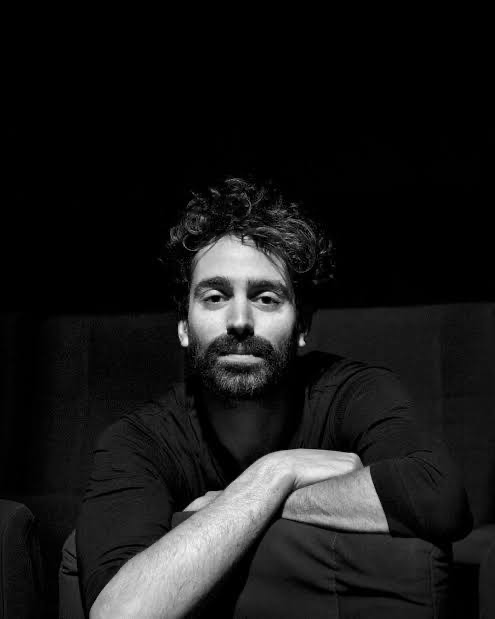
The DP behind this poignant realism is Christopher Aoun. What he achieved here is technically impressive, but more importantly, it shows incredible restraint. Aoun, working in lockstep with Labaki, crafted a visual language that feels almost invisible. He avoids flashy camera moves or overly stylized lighting that would draw attention to the filmmakers. Instead, the cinematography is entirely subservient to Zain Al Rafeea’s performance. This kind of raw authenticity requires discipline; it’s about knowing when to step back and let the available light and the actors dictate the frame.
Inspiration Behind the Cinematography
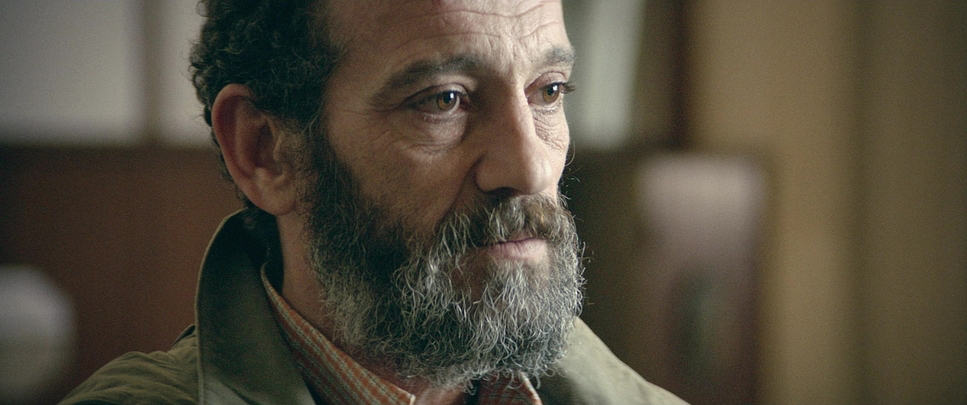
The visual approach feels rooted in a desire for a “documentary fiction” hybrid. The camera is aggressive in its intimacy, aiming to keep the audience “constantly at Zain’s level.” This isn’t just a stylistic choice; it changes how we interpret the environment. By physically lowering the camera to Zain’s eye line, Aoun forces us to look up at the adults who control his fate and navigate the chaotic streets from a perspective of vulnerability.
Labaki spent years researching and casting non-actors to play versions of themselves, and the camera respects that genesis. It moves like an observational documentary, reacting rather than anticipating. The goal wasn’t to polish the setting but to reveal the texture of the “grime” Zain inhabits. It’s an unvarnished approach that prioritizes emotional truth over aesthetic perfection, creating a sense of urgency that a more polished production would have lost.
Camera Movements
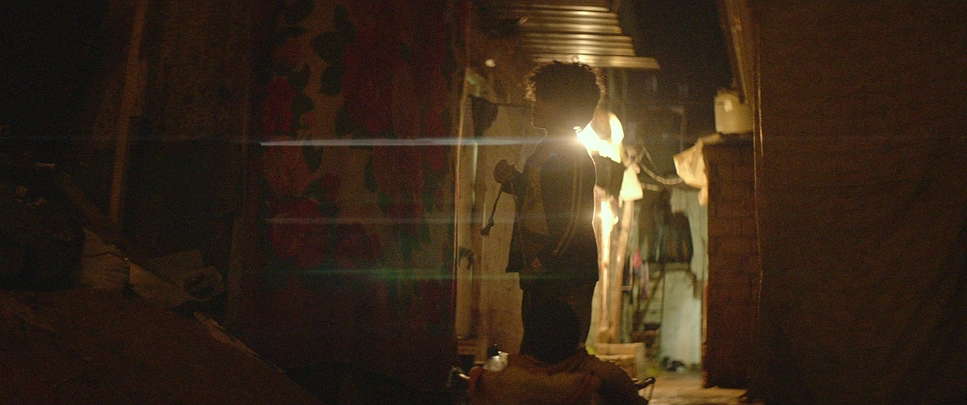
The movement in Capernaum is driven almost entirely by handheld energy. But this isn’t the chaotic “shaky cam” used to mask low production value; it’s a reactive, tethered handheld style. The operator seems to be physically linked to Zain’s emotional state. When he rushes through the markets or navigates the city with the toddler Jonas, the camera mirrors his anxious, hurried pace.
There’s a fluidity to the operation that allows for organic blocking. Zain weaves through crowds, and the camera adjusts instinctively. This is crucial in the cramped interiors of the slums, where a dolly or steadycam would feel too mechanical. The handheld work keeps the frame breathing, creating a subconscious connection where the viewer feels the instability of Zain’s life. Static shots are rare, used only to emphasize moments of entrapment or exhaustion, acting as a hard brake in the film’s otherwise restless rhythm.
Compositional Choices
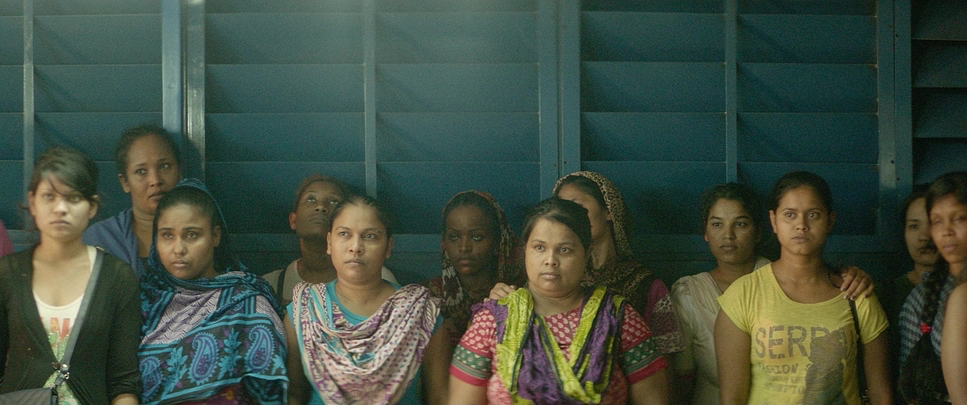
Compositionally, the film balances the intimacy of close-ups with the crushing weight of the environment. Aoun often frames Zain as a small figure against a sprawling, decaying urban landscape, using the negative space to communicate his isolation. Even when surrounded by people, the framing separates him.
The decision to stay at eye-level is strictly adhered to. We see the dusty streets, the cluttered apartments, and the looming authority figures exactly as Zain does. There is also a recurring visual motif of frames-within-frames—Zain is frequently shot through doorways, between bars, or boxed in by alleyways. It visually reinforces his lack of agency. Even in lighter moments, the composition remains grounded in pragmatic realism rather than Hollywood gloss.
Lighting Style
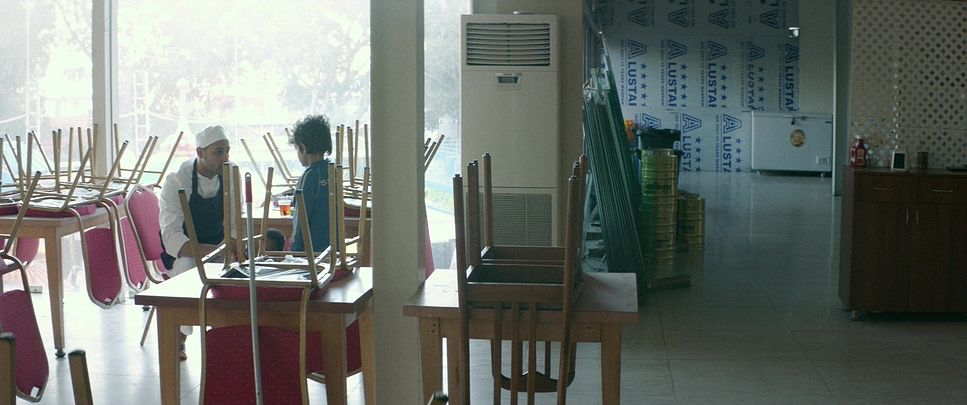
The lighting in Capernaum relies heavily on motivated, available light, which Aoun treats with great respect. He isn’t trying to create a “pretty” image; he’s dealing with the harsh reality of the Beirut sun. You can see the digital sensor being pushed to its limits—sunlight blows out through windows, creating hard clips and hot highlights that feel physically oppressive.
As a colorist, I appreciate that they didn’t try to over-manage the contrast ratios. Aoun allows the shadows to crush where they need to and the highlights to burn. Night scenes feel genuinely dark, lit by practical streetlights or the harsh fluorescent hum of a shop sign. It’s a “warts and all” approach. Faces aren’t softened with large diffusion frames; they are sculpted by the environment, revealing every texture of skin and sweat. It’s a reminder that sometimes the most cinematic lighting is simply the courage to leave the natural light alone.
Lensing and Blocking
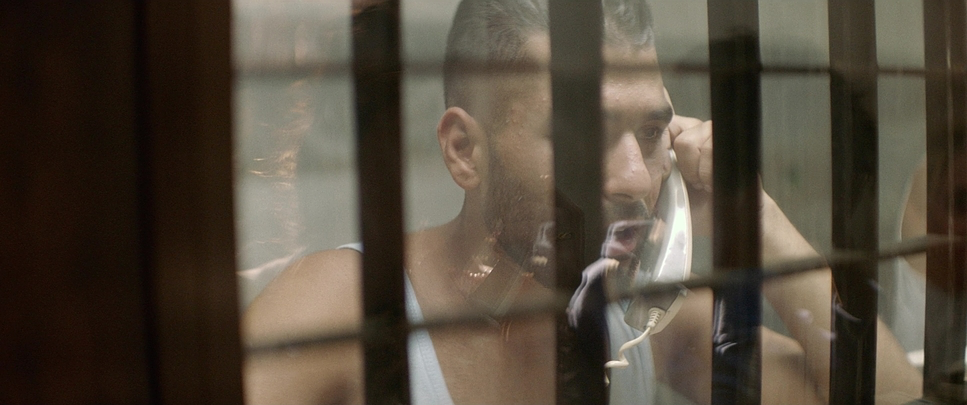
Technically, this is where the film makes its most interesting divergence from a standard documentary look. Aoun utilized Hawk C-Series Anamorphic lenses. Usually, you associate anamorphics with big sci-fi or epic vistas, but here, they add a crucial layer of cinematic separation to the grit. The anamorphic format provides a wider field of view without the distortion of extreme wide spherical lenses, but it introduces those unique optical imperfections—the slight barrel distortion at the edges and the distinct bokeh—that elevate the image beyond newsreel footage.
The blocking feels entirely organic. The characters—especially Zain—move through the space with a chaotic energy that the camera has to chase. The anamorphic glass helps here, keeping Zain sharp while the background falls off into a distinctive blur, isolating him in the chaos. The use of these lenses suggests that while the story is real, the presentation is cinema. It gives the poverty a texture and weight that a standard spherical zoom lens might have flattened.
Color Grading Approach
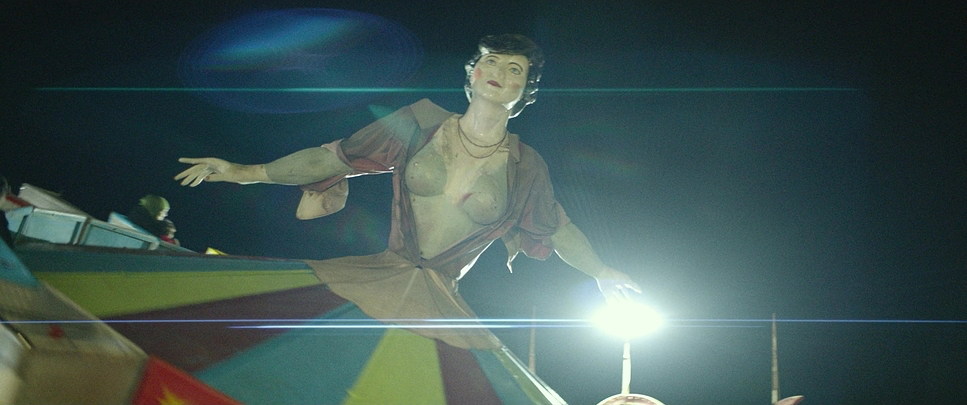
The color grade, executed by Shirine Sinno, is where the film’s atmosphere is finalized. It’s a masterclass in restraint. The palette is desaturated and leans heavily into cooler tones—cyans and teals—especially in the shadows. This creates a feeling of coldness and indifference, even in the heat of the city.
The contrast curve is interesting; it feels like a subtle print-film emulation. The blacks are slightly lifted, ensuring they don’t feel like “digital zeros,” which helps preserve the texture in the dark, grimy corners of the slums. The highlight roll-off is managed carefully, keeping the harsh sun intense without letting the image break apart completely.
Skin tones are the anchor. Despite the desaturated environment (dominated by browns, greys, and concrete), the skin tones remain human and legible. Sinno separates the characters from the background not with heavy power windows, but with subtle hue separation. The grade doesn’t scream for attention; it creates a subliminal feeling of weariness that matches Zain’s exhaustion.
Technical Aspects & Tools
Capernaum: Technical Specifications
| Genre | Drama, Courtroom Drama, Political, Legal, History, Coming-of-Age |
| Director | Nadine Labaki |
| Cinematographer | Christopher Aoun |
| Production Designer | Hussein Baydoun |
| Costume Designer | Zeina Saab de Melero |
| Editor | Laure Gardette, Konstantin Bock |
| Colorist | Shirine Sinno |
| Time Period | 2010s |
| Color Palette | Mixed, Saturated, Green, Cyan, Blue |
| Aspect Ratio | 2.39 |
| Format | Digital |
| Lighting | Hard light, Backlight (Daylight) |
| Story Location | Lebanon > Beirut |
| Filming Location | Lebanon > Beirut |
| Camera | ARRI ALEXA |
| Lens | Hawk C-series Anamorphics |
Understanding the tools helps contextualize the aesthetic. Shot on the ARRI ALEXA, the sensor’s dynamic range was essential for handling the uncontrolled lighting environments. The Alexa’s famous ability to roll off highlights smoothly allowed Aoun to shoot in the midday sun without the image looking “video-y” or harsh.
Pairing the digital sensor with the Hawk Anamorphics was the key creative decision. It softened the digital edge of the Alexa, adding an organic, optical texture that blended well with the “run-and-gun” production style. Post-production would have been a massive undertaking given the high shooting ratio of a production involving non-actors and improvisation. The final image is a testament to a rigorous workflow that preserved the integrity of the raw files, allowing the grade to bring out the subtle nuances of the location.
- Also Read: WITNESS FOR THE PROSECUTION (1957) – CINEMATOGRAPHY ANALYSIS
- Also Read: M (1931) – CINEMATOGRAPHY ANALYSIS
Browse Our Cinematography Analysis Glossary
Explore directors, cinematographers, cameras, lenses, lighting styles, genres, and the visual techniques that shape iconic films.
Explore Glossary →