The Banshees of Inisherin (2022) is one of those. Martin McDonagh’s reunion with Colin Farrell and Brendan Gleeson isn’t just a dark comedy it’s a visual case study in how environment and light can turn a simple “breakup” story into something that feels ancient and heavy.
The film is essentially a tragedy disguised as a “feckin’ hilarious” comedy. Set in 1923 on the fictional island of Inisherin, the dissolution of the friendship between Pádraic and Colm serves as a localized echo of the Irish Civil War rumbling on the mainland. For me, the visuals aren’t just “pretty” they’re doing the heavy lifting to convey a sense of isolation that words alone couldn’t manage.
About the Cinematographer
The look of the film belongs to Ben Davis, BSC. I’ve followed his work for a while; he has this range that goes from the massive scale of Guardians of the Galaxy to the gritty, grounded feel of Three Billboards Outside Ebbing, Missouri. What I appreciate about Davis is his restraint. In Banshees, he doesn’t lean on flashy, “look-at-me” camerawork. Instead, he uses the camera to mirror the internal states of the characters. His work here feels organic, motivated by the script rather than a desire to show off. It’s the kind of invisible mastery that a delicate story like this requires to stay grounded.
Inspiration Behind the Cinematography
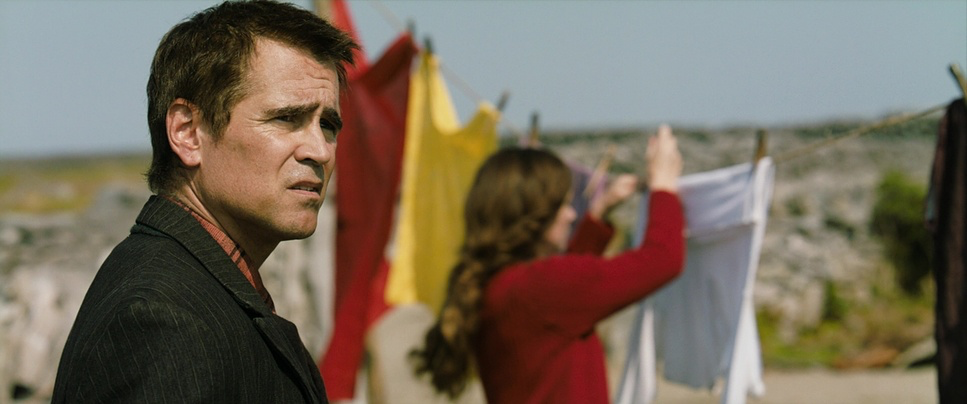
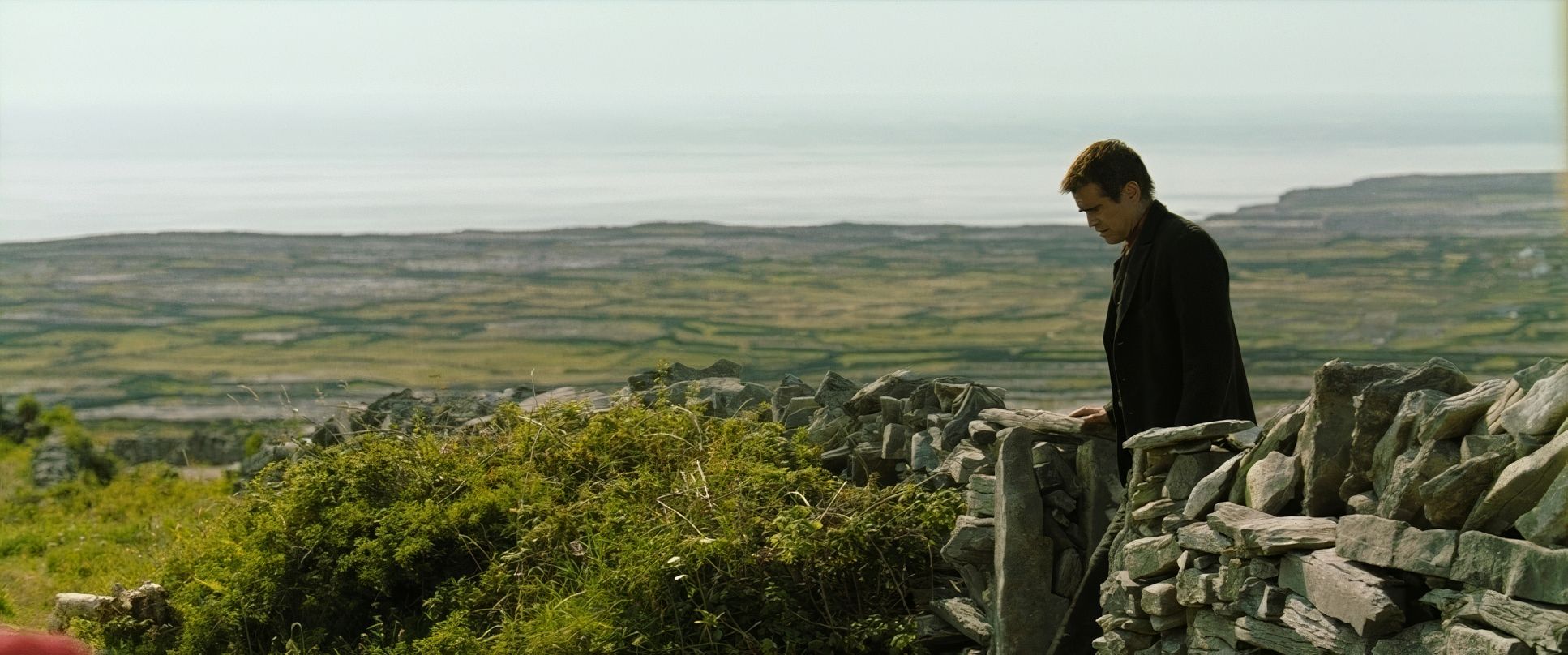
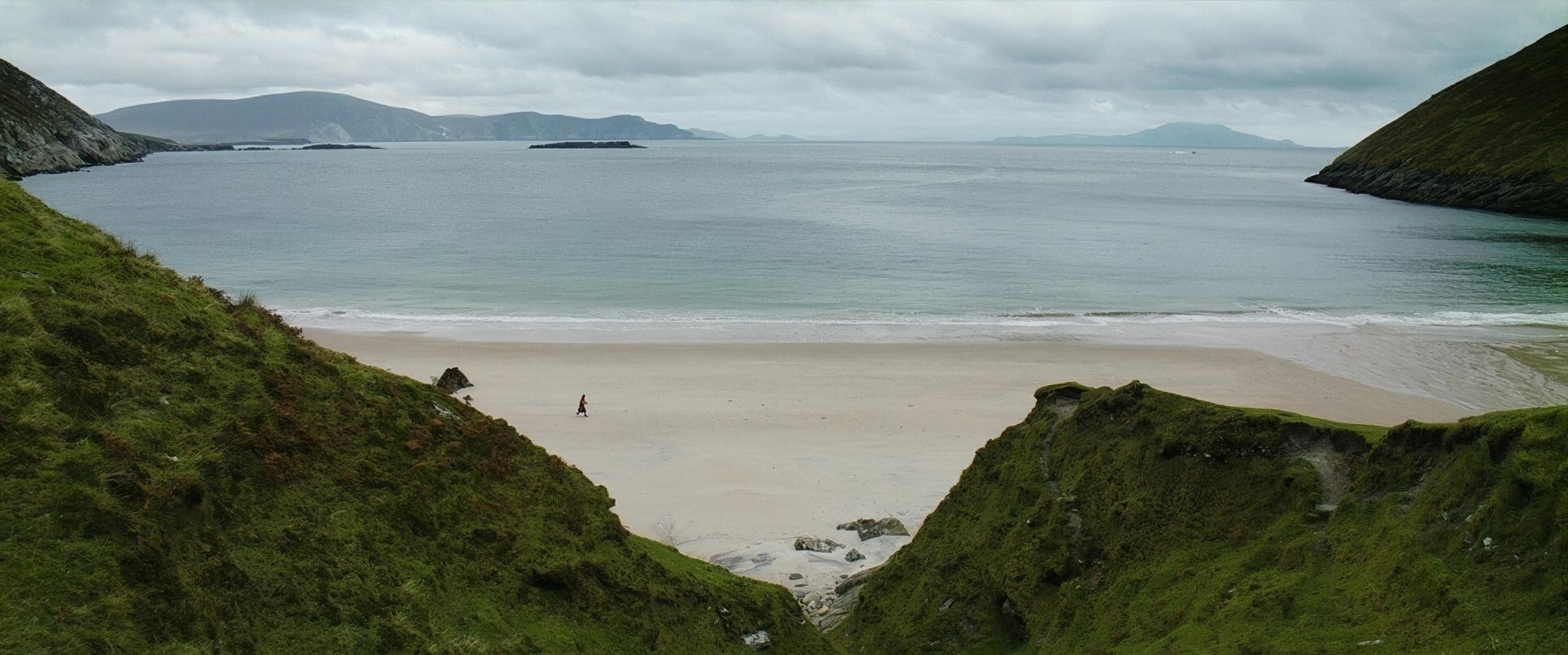
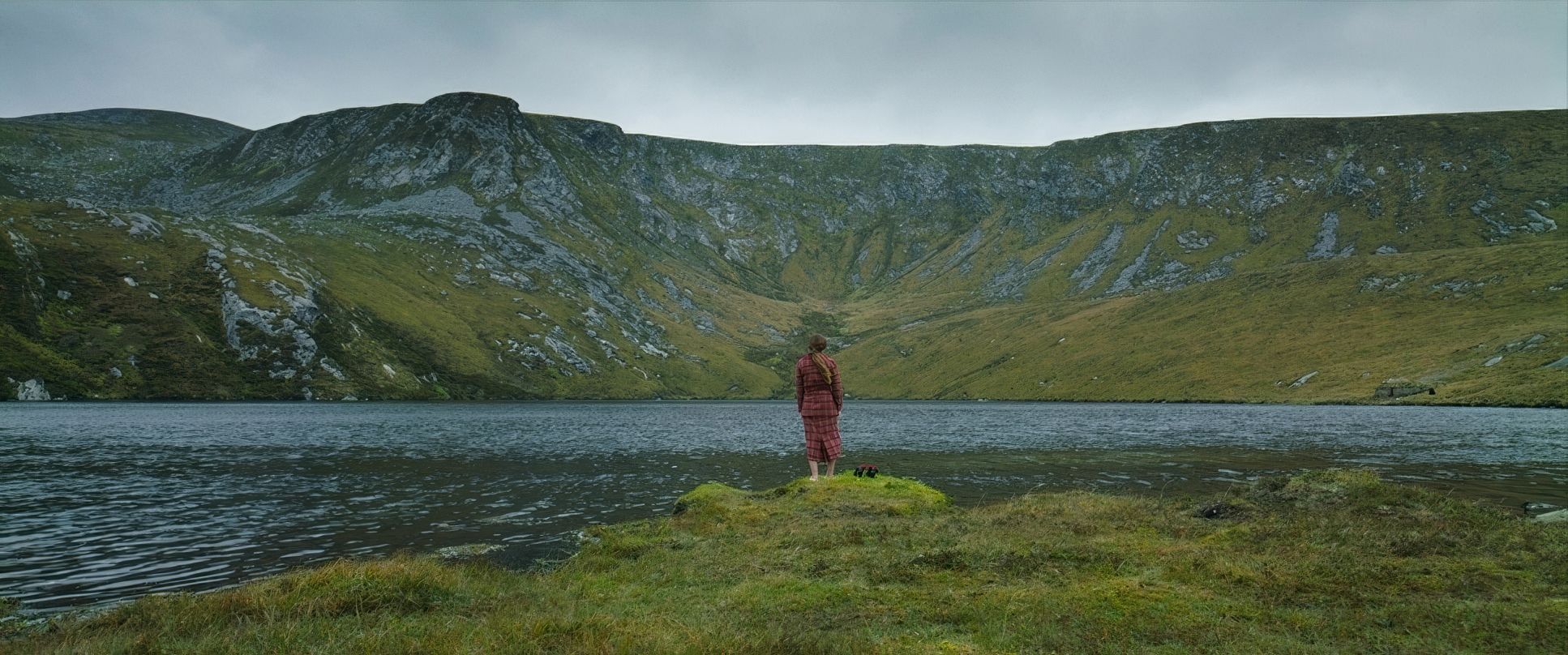
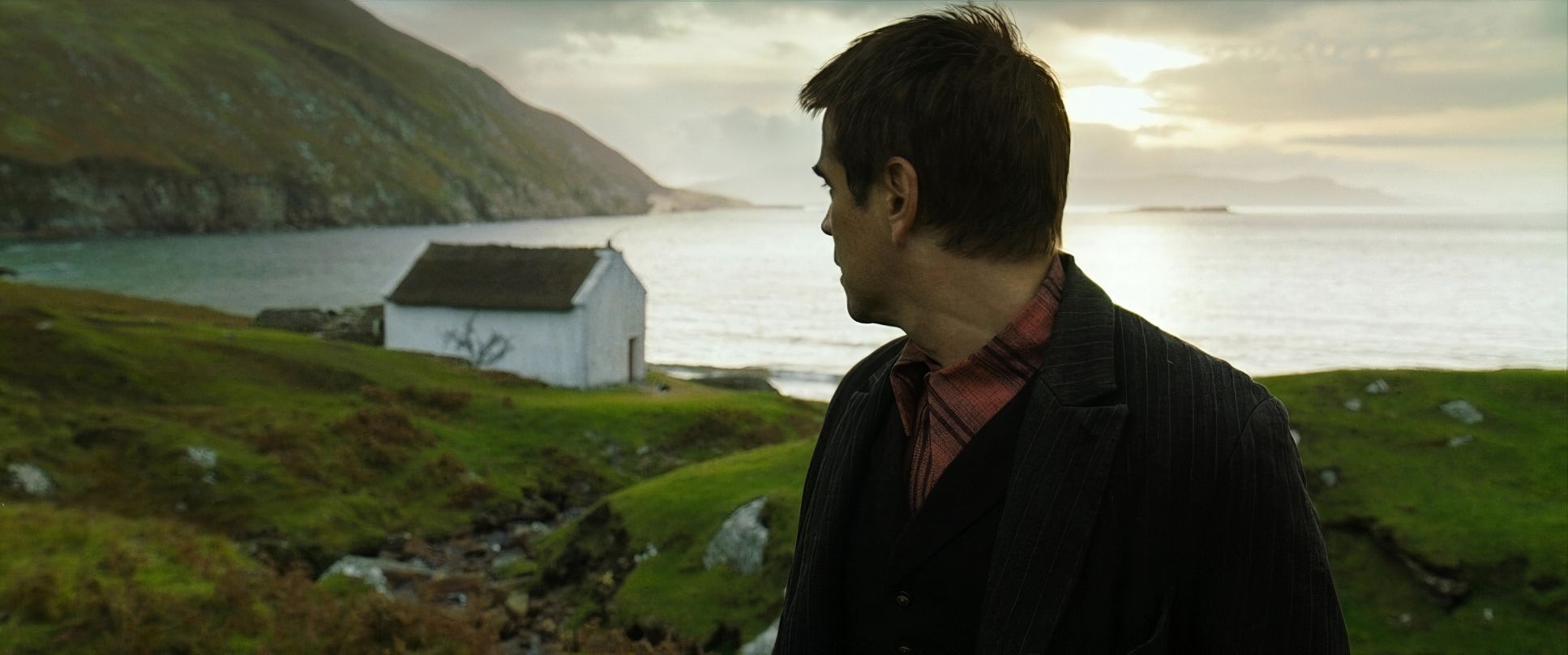
McDonagh wanted a “fable-like” quality, but he anchored it in the actual landscape of County Mayo and the Aran Islands. That’s a difficult balance to strike making a place look magical without losing its grit. The island of Inisherin is effectively a third lead character. It’s beautiful, sure, but it’s also a cage.
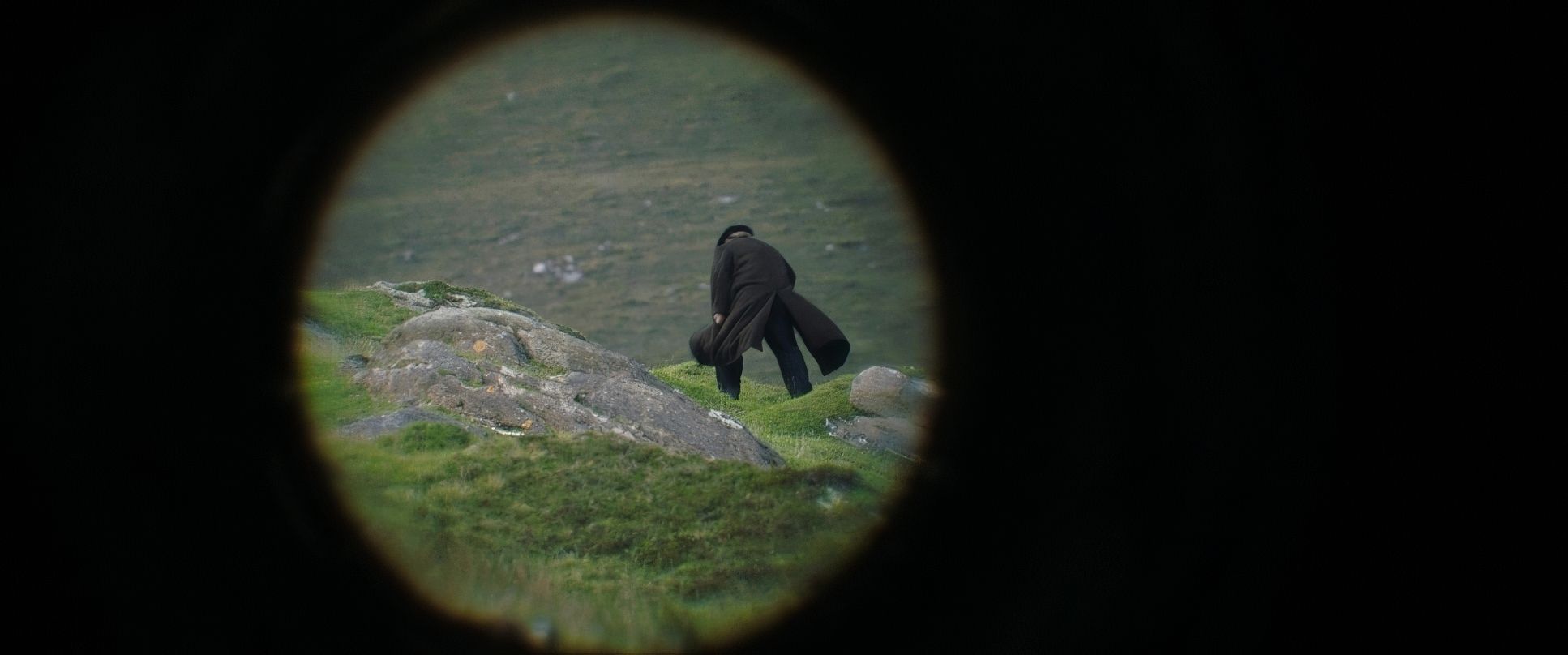
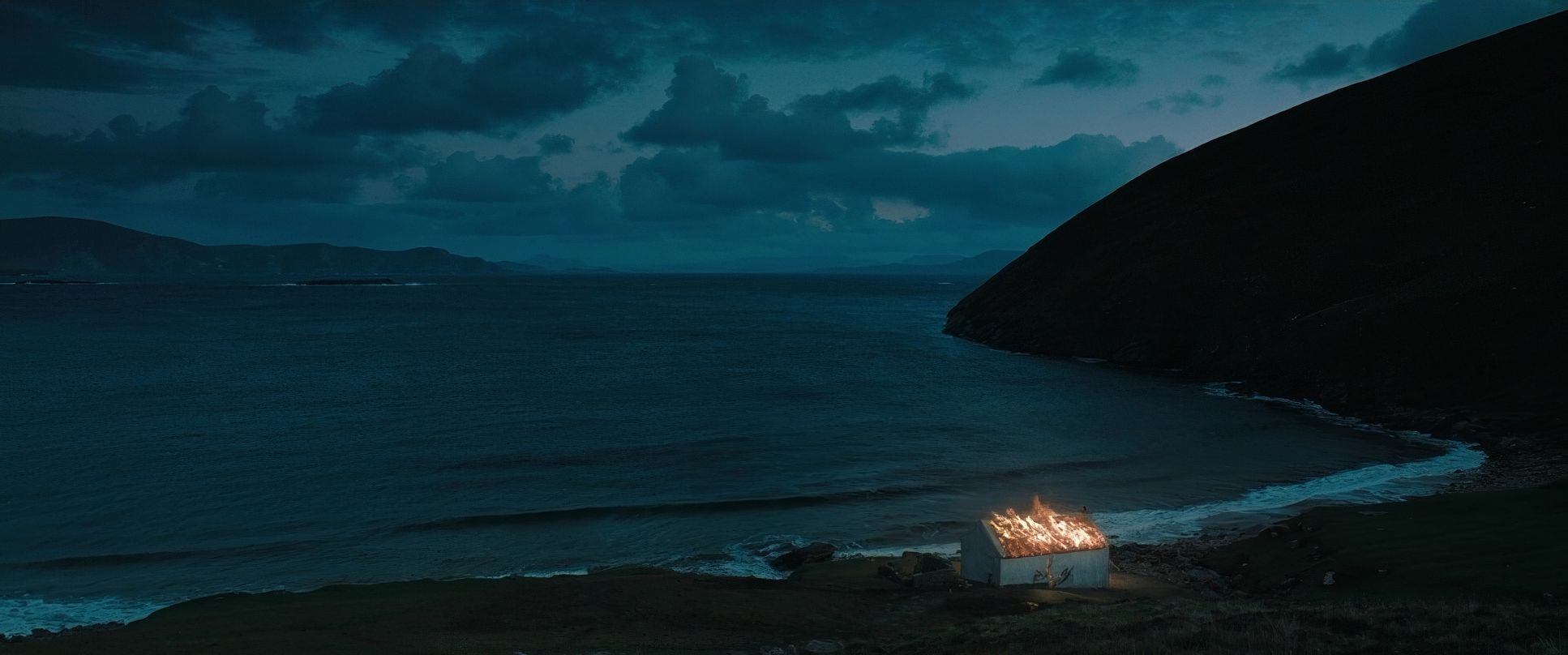
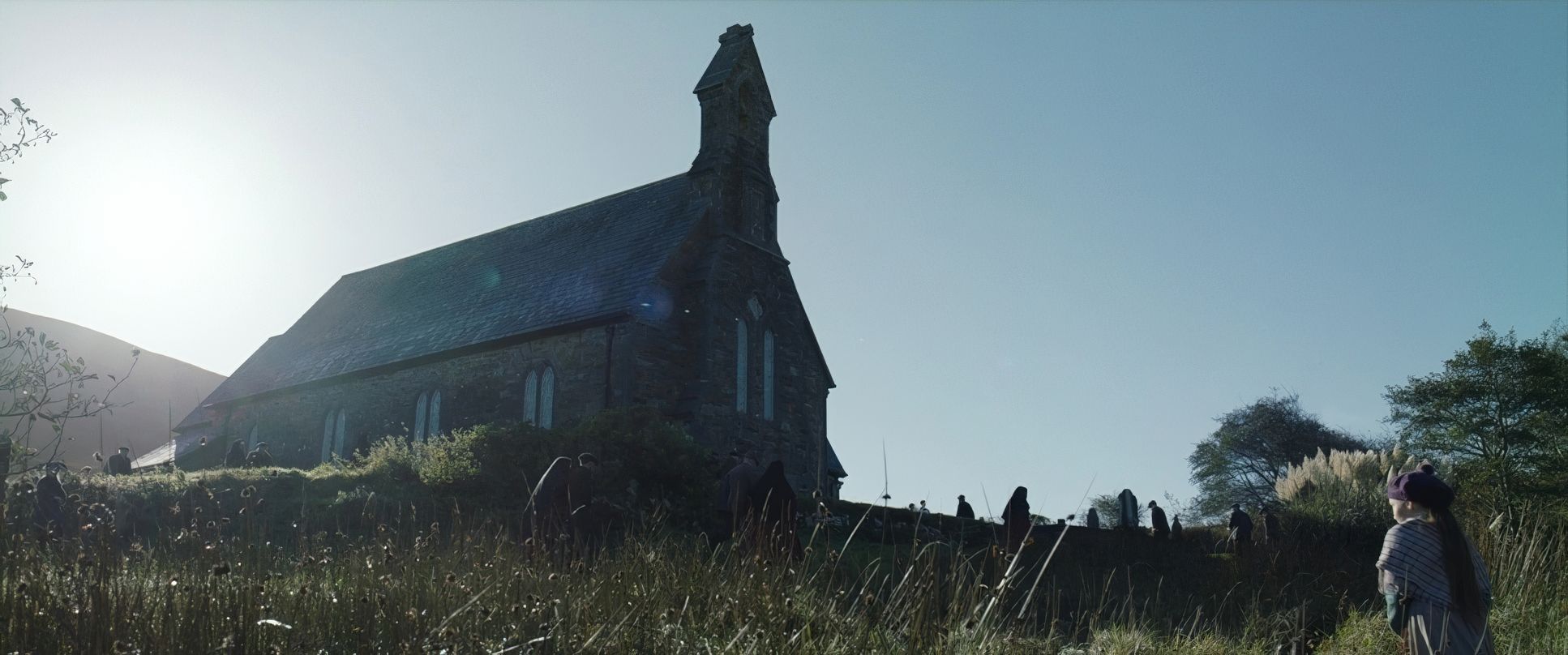
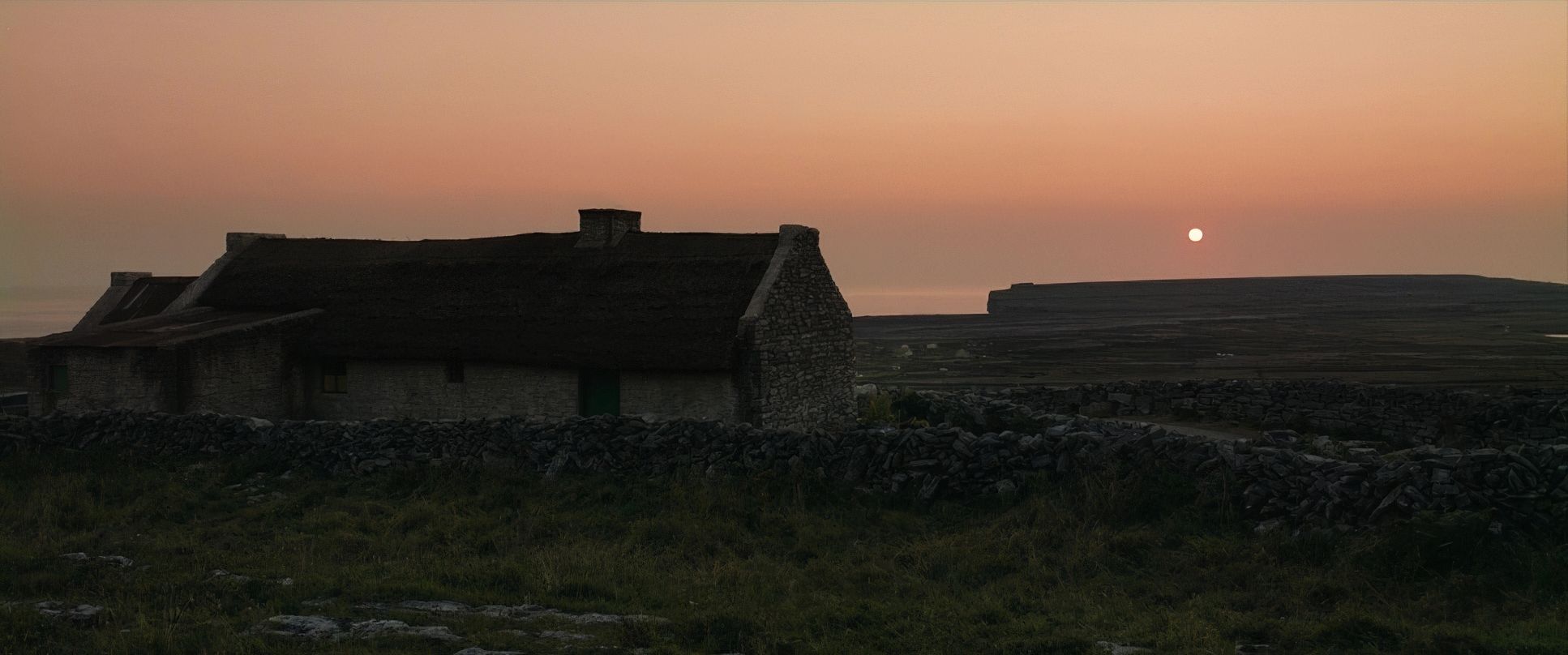
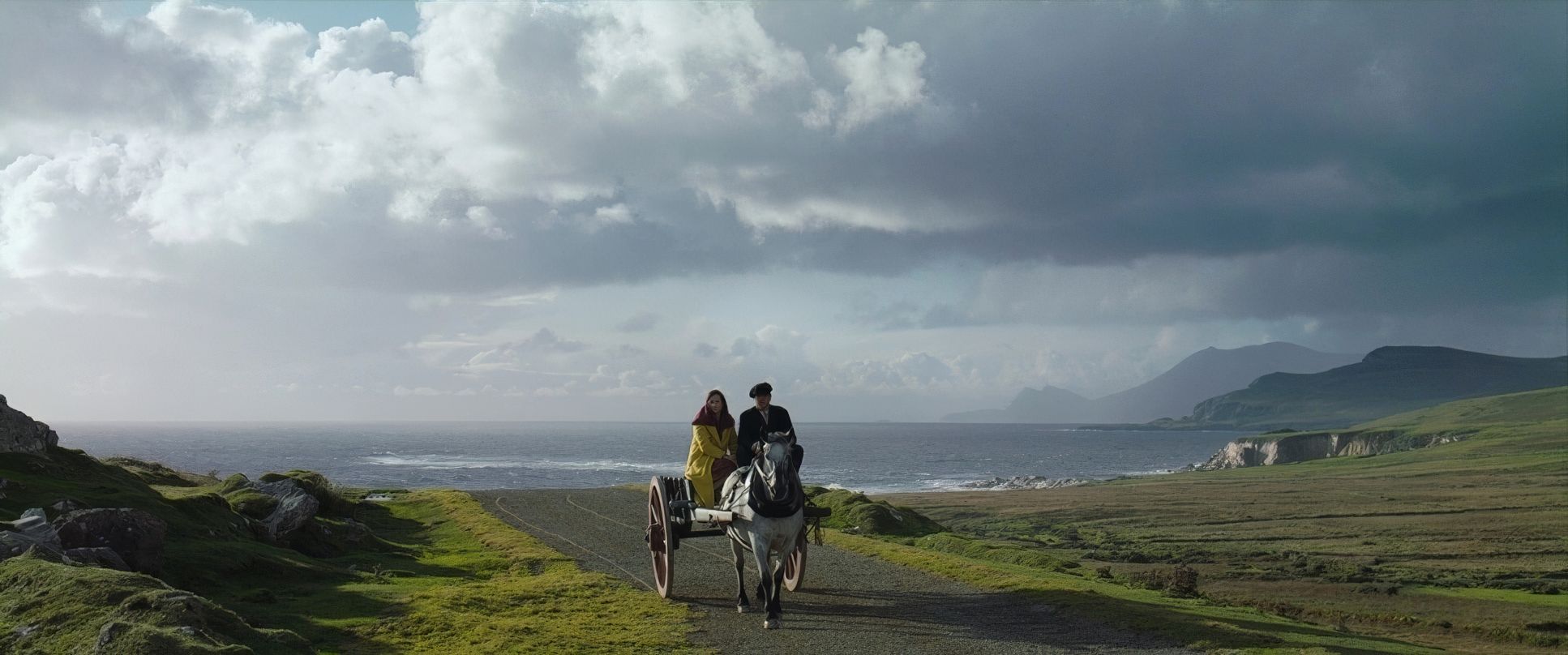
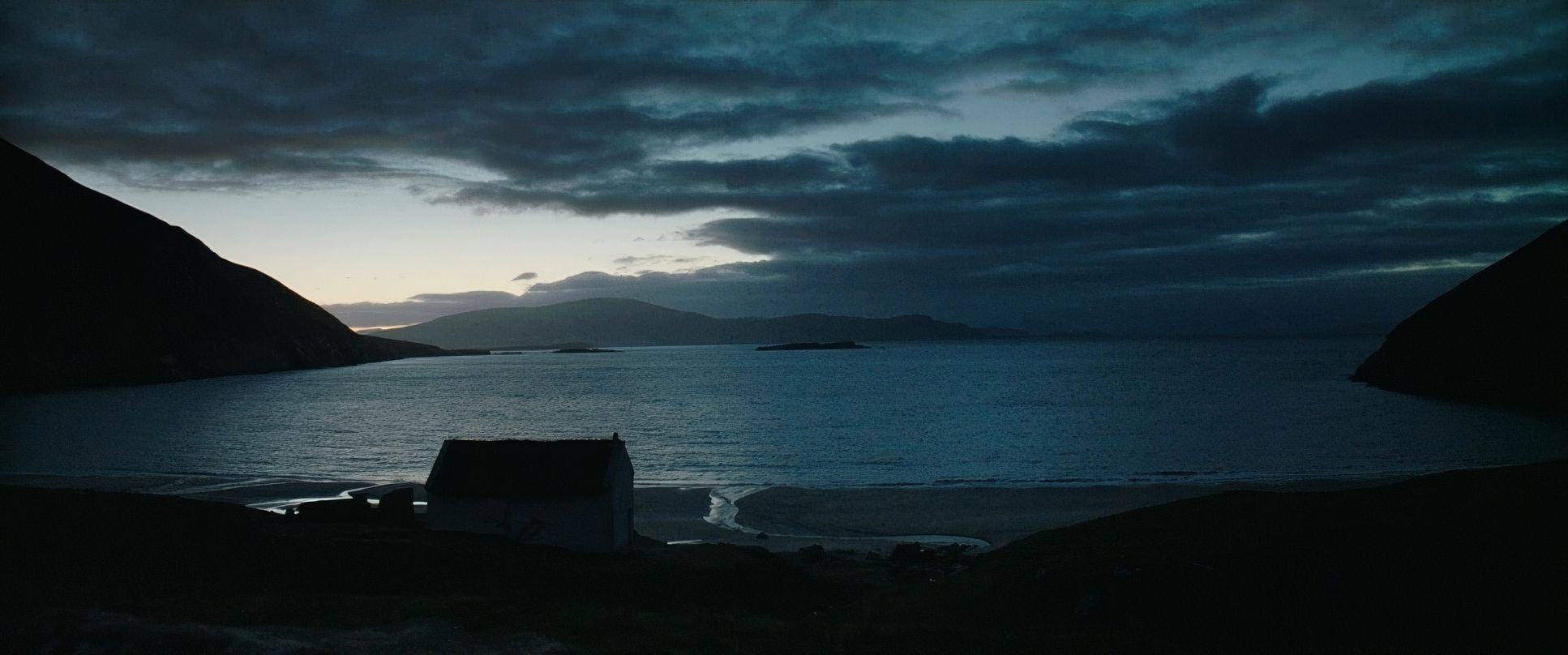
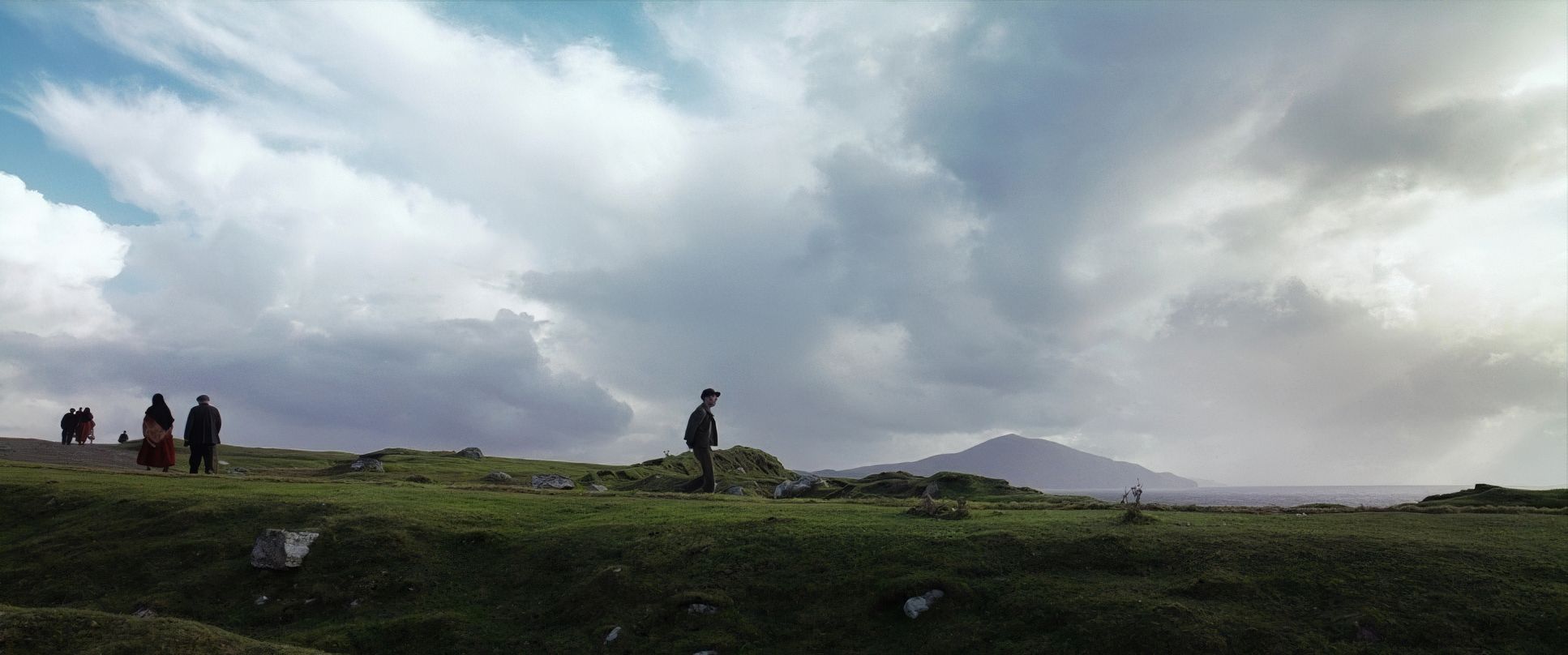
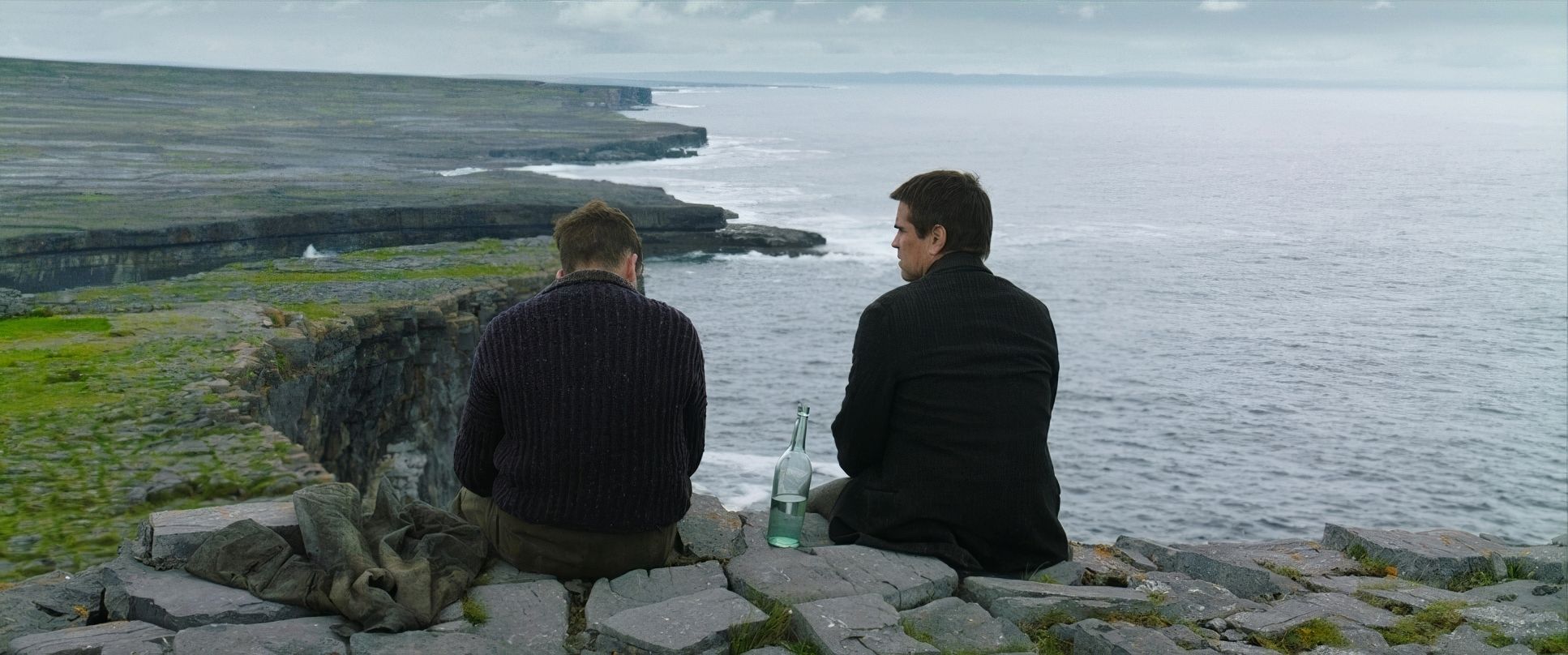
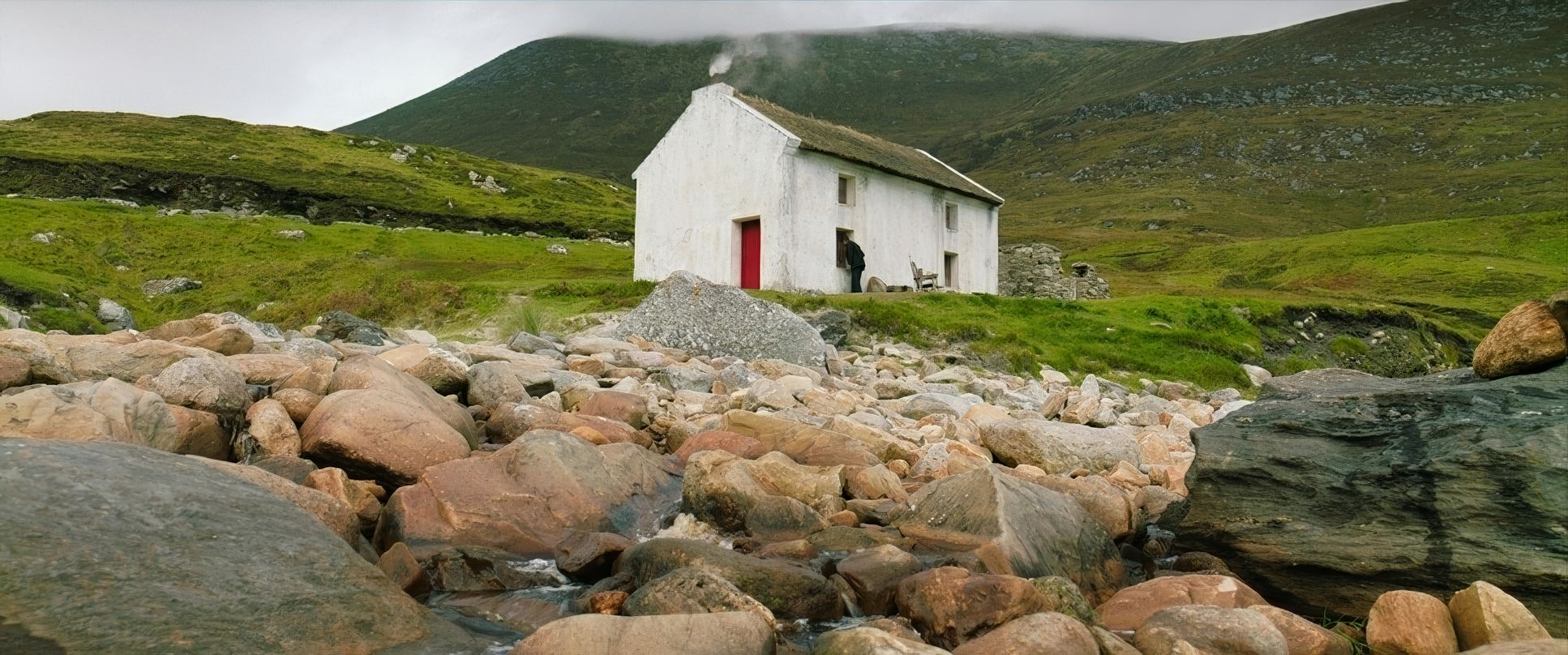
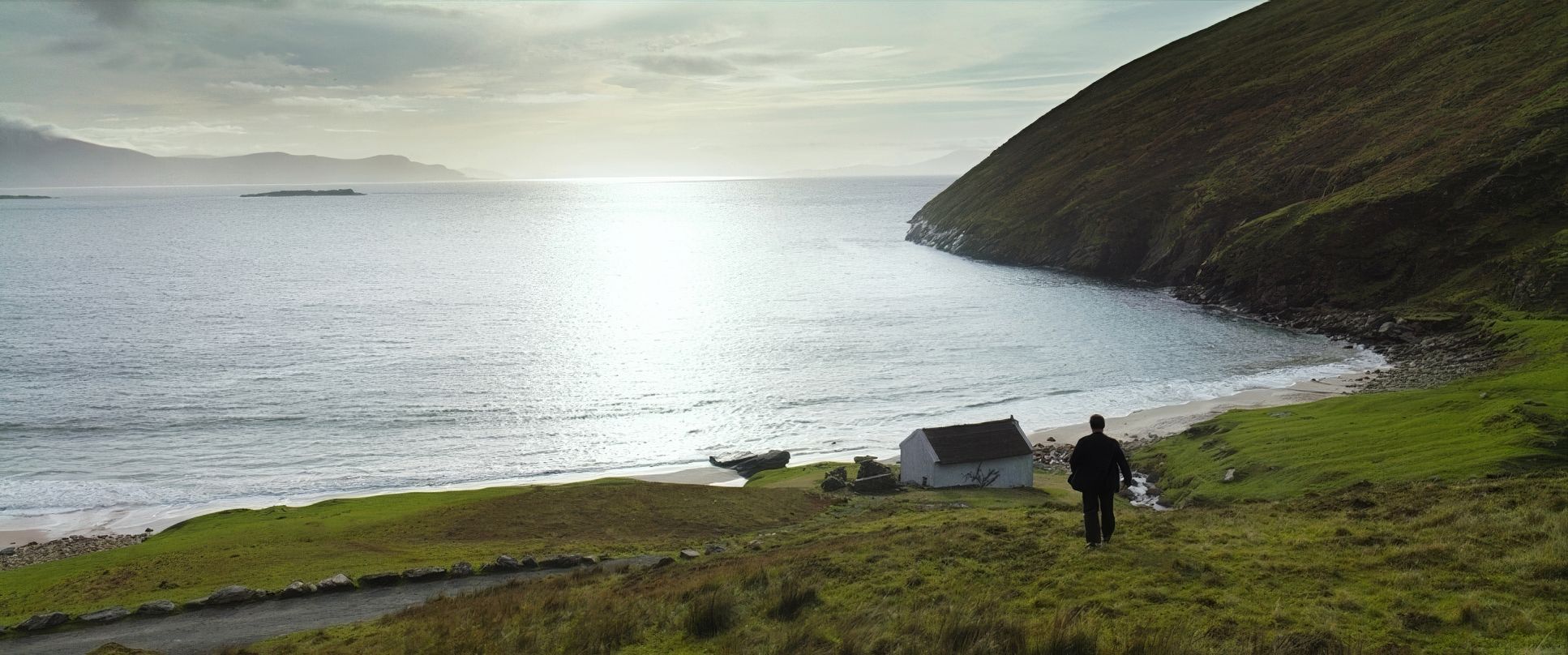
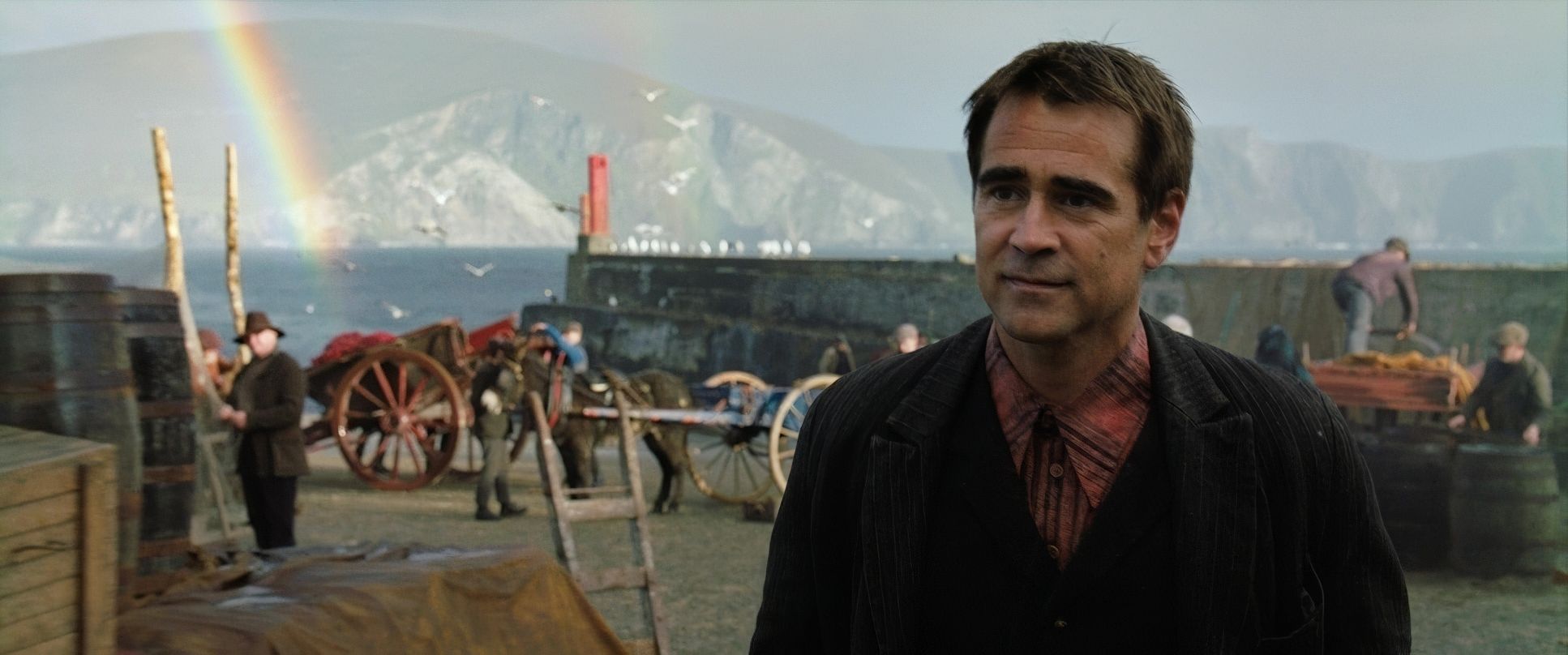
I recall reading that the goal was for the film to feel like a painting. You see that in the way they utilize the vastness of the Atlantic coast. The geographical isolation of Inisherin naturally led to those sweeping wide shots, but Davis uses them for more than just tourism. He uses that scale to make Pádraic and Colm look small. Their petty squabble feels both tiny and monumental when framed against the “endless stone walls” and the wild, harsh nature of the Irish coast.
Camera Movements
The pacing here is patient. The camera moves with a quiet grace that matches the rhythm of island life. It’s never static, but it’s never hurried. Many shots are held just a beat longer than you’d expect, forcing us to sit with the “unspoken subtleties” of Farrell’s performance.
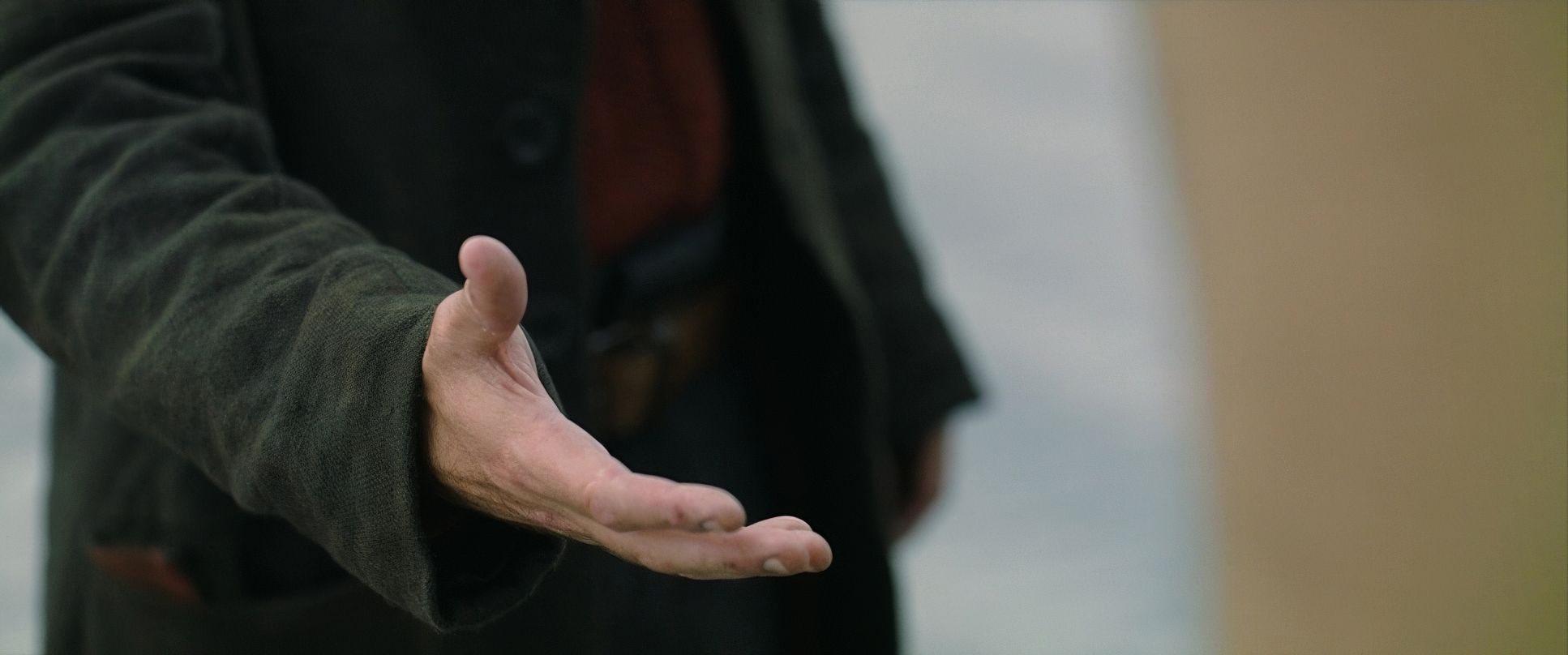
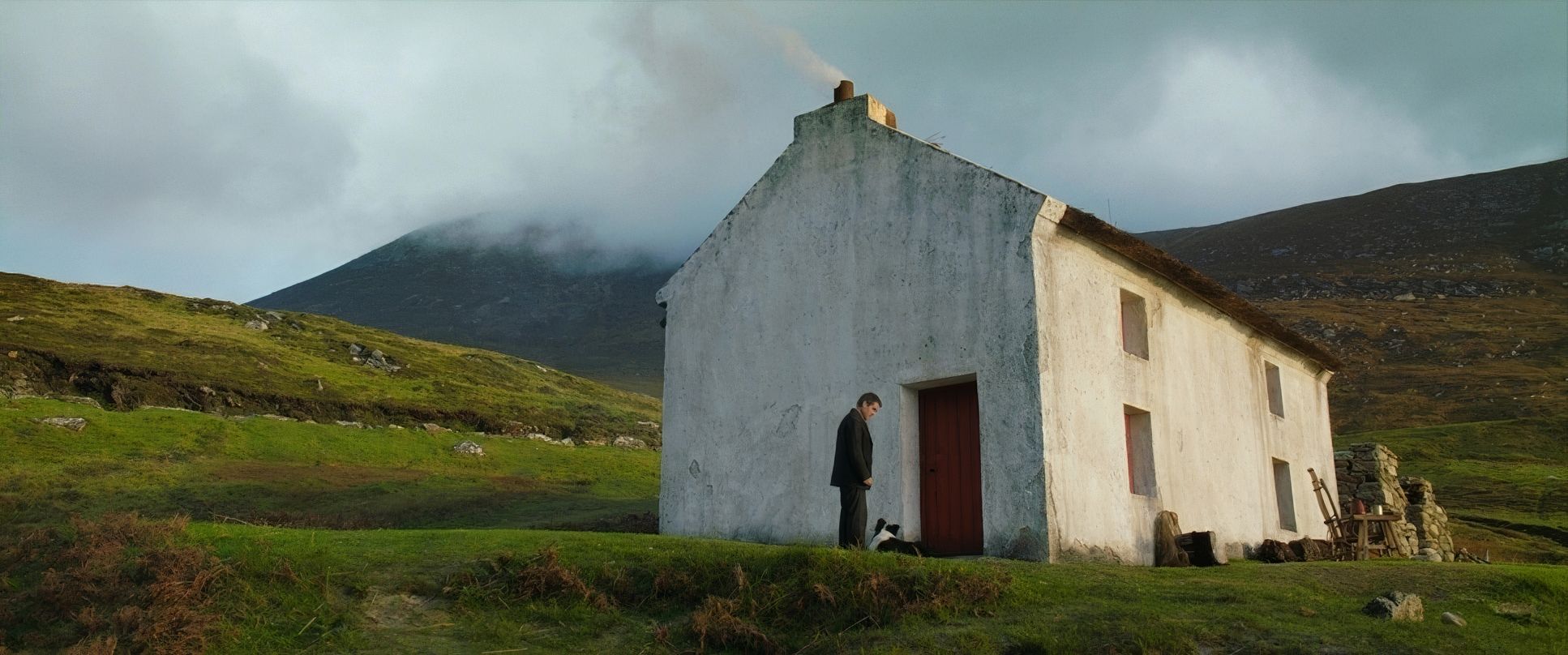
When the movement does happen, it’s intentional. We see gentle pans following Pádraic across fields, visually tethering him to the land he’s so afraid to leave. There are these subtle dollies that expand the space starting tight on a conversation and pulling back to reveal the crushing emptiness around them. One of the most effective moments is the simple rejection at Colm’s door. The routine is broken, the movement stops, and the camera’s sudden stillness makes the weight of that closed door feel like a physical blow.
Lensing and Blocking
Looking at the technical specs, Davis opted for the ARRI ALEXA Mini LF paired with Arri Signature Prime Lenses. This is an interesting choice. For a period piece set in the 1920s, many DPs would reach for vintage, “dirty” glass to add texture. But the Signature Primes provide a clean, naturalistic clarity that makes the island feel more immediate and less like a memory.
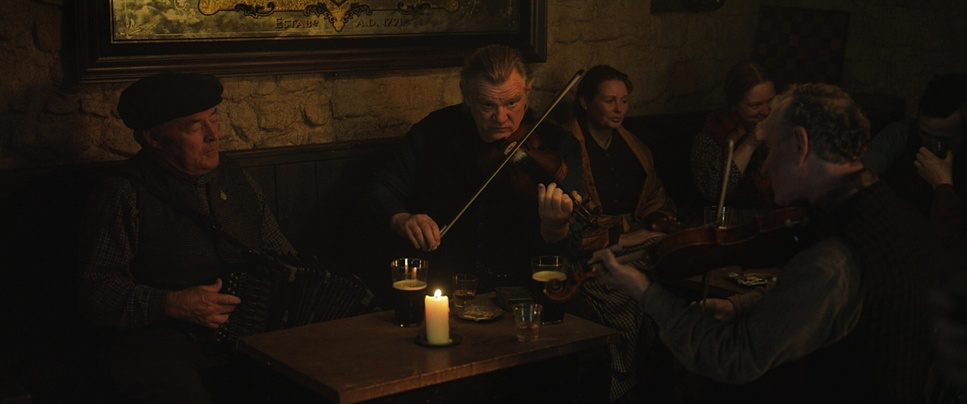
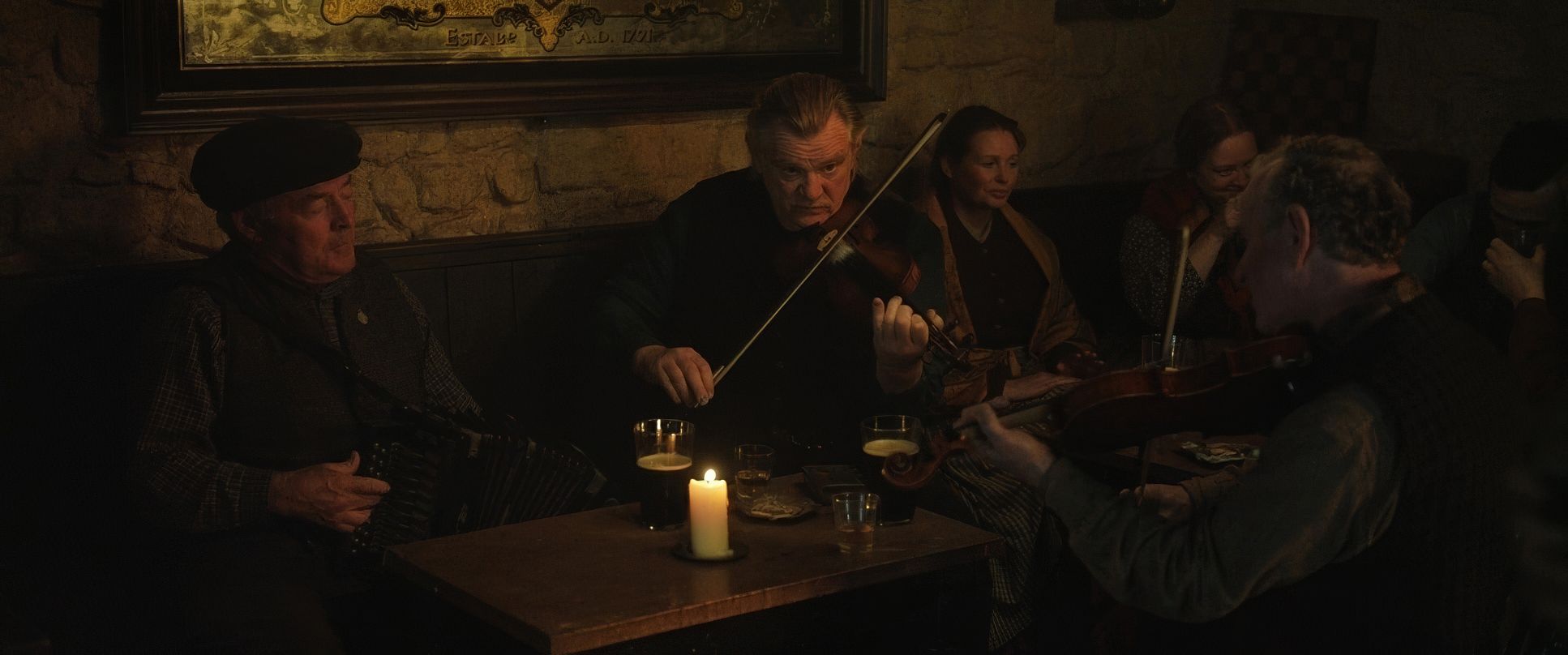
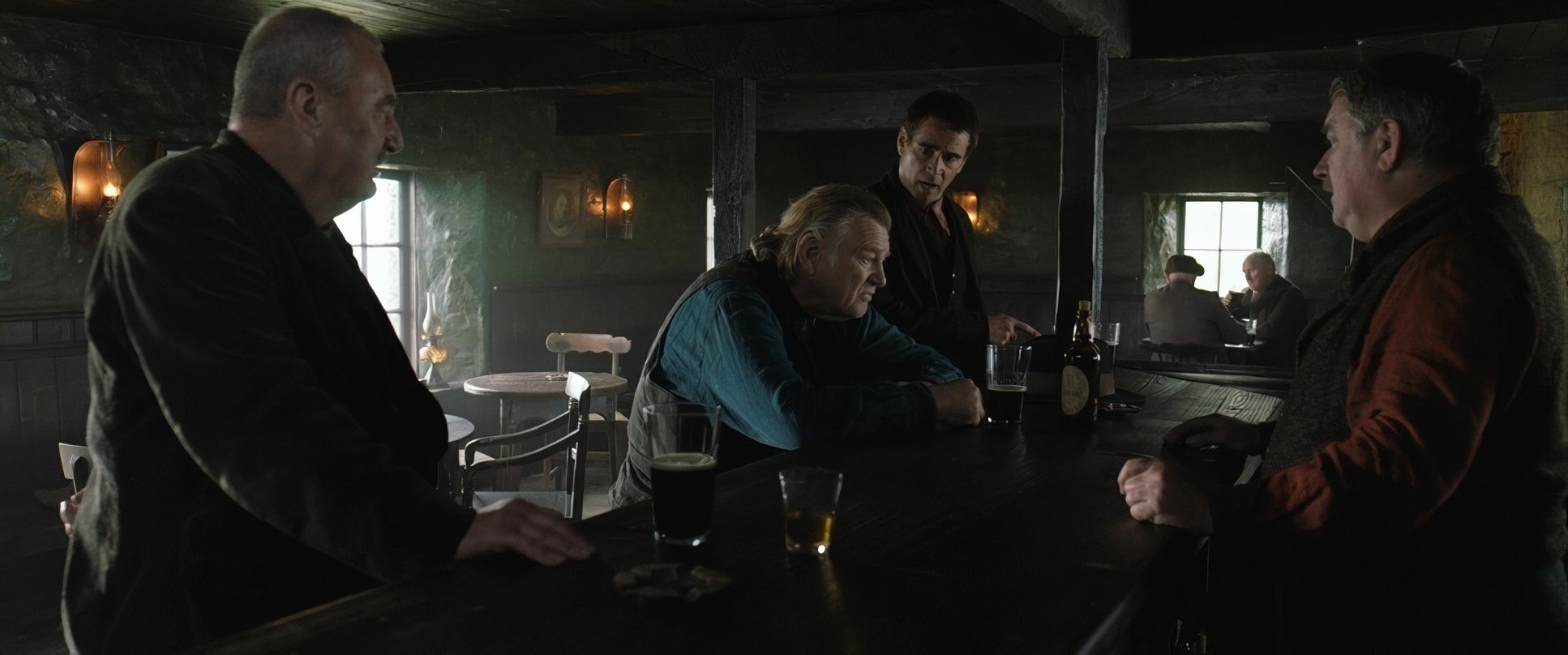
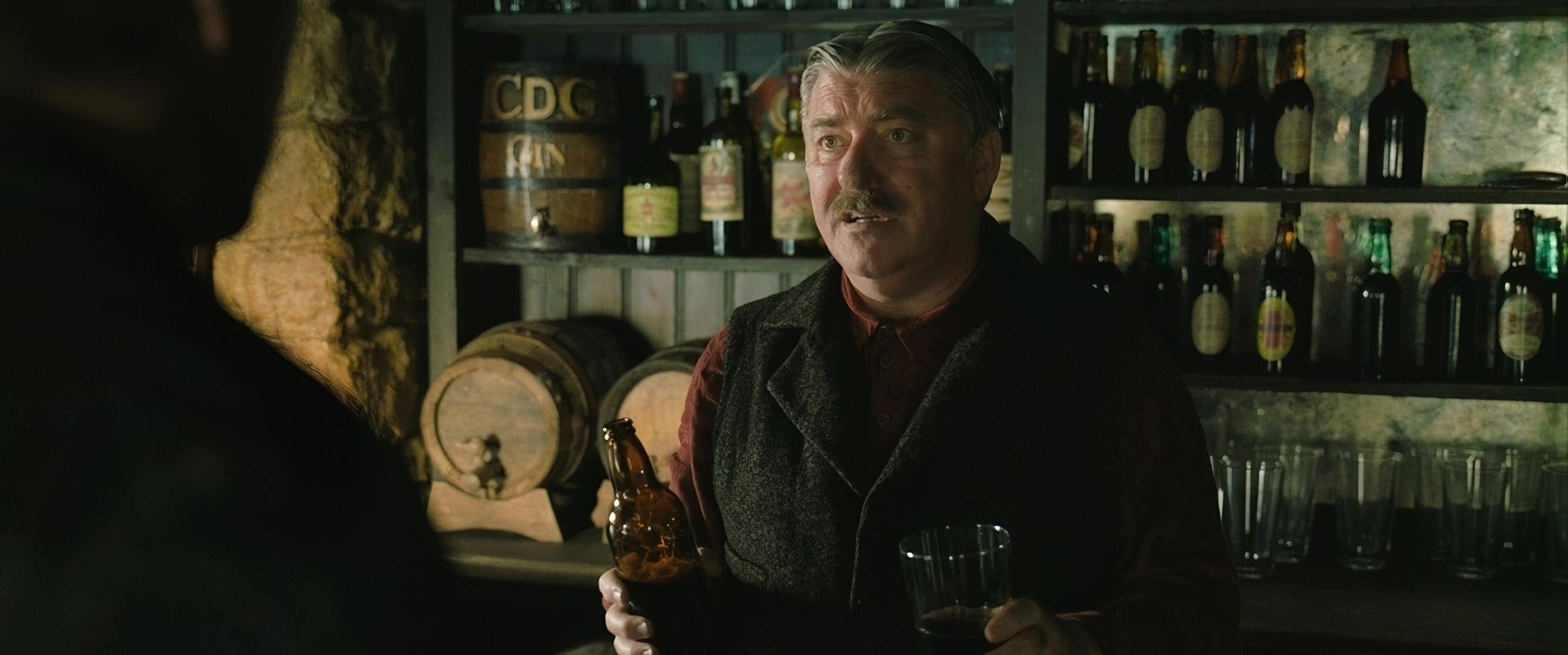
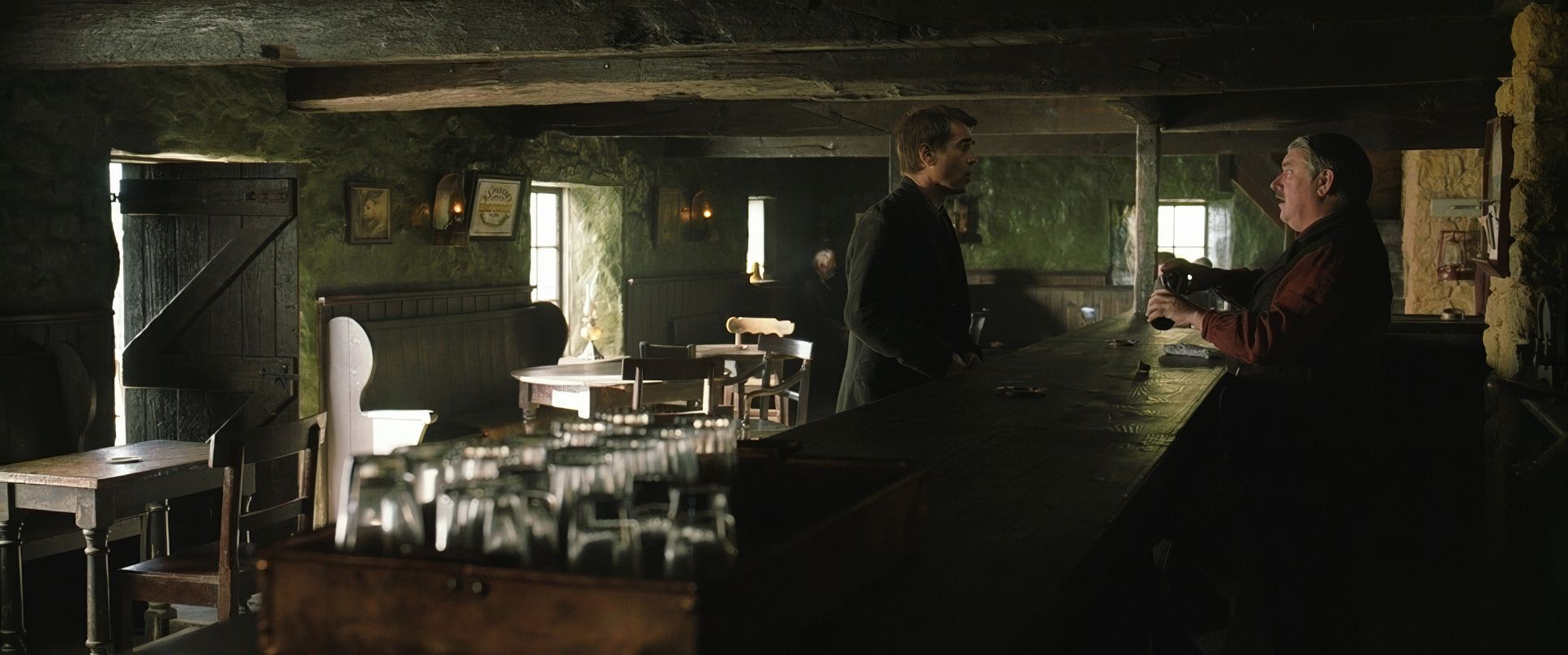
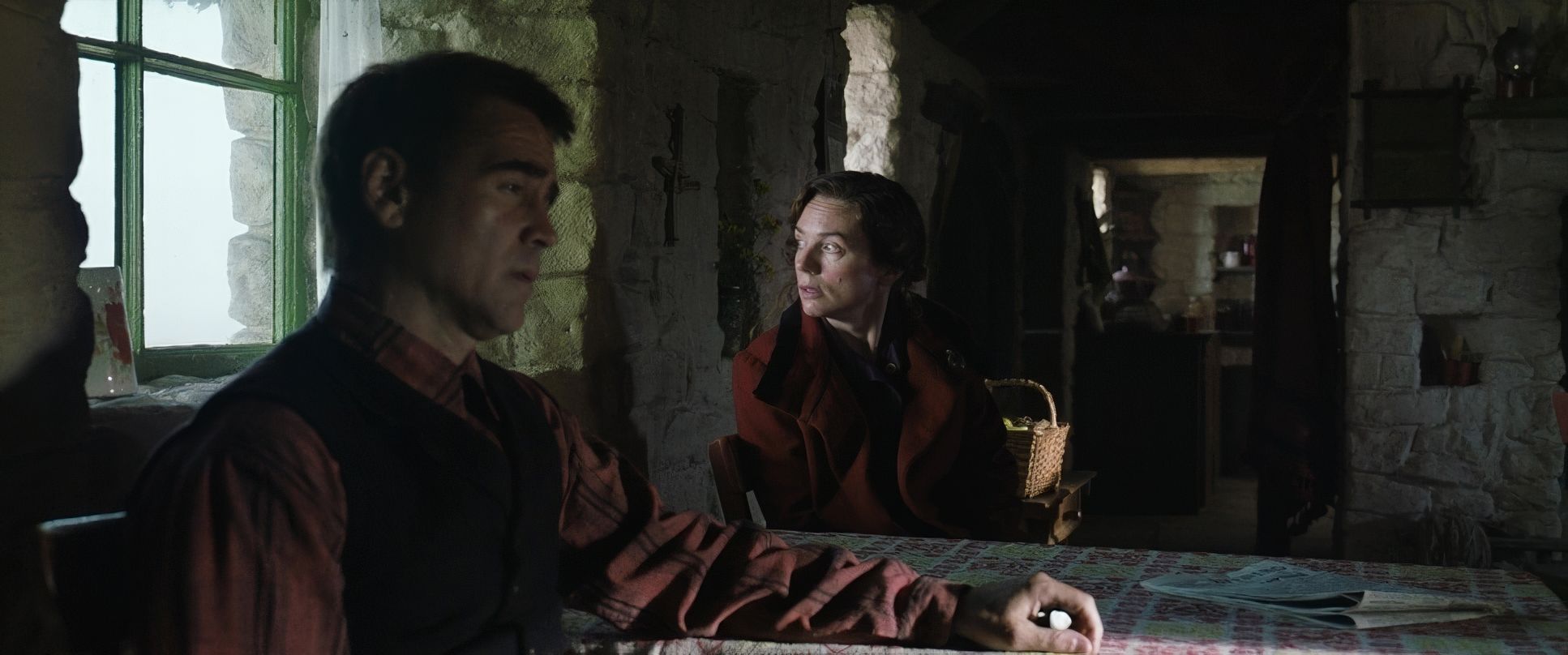
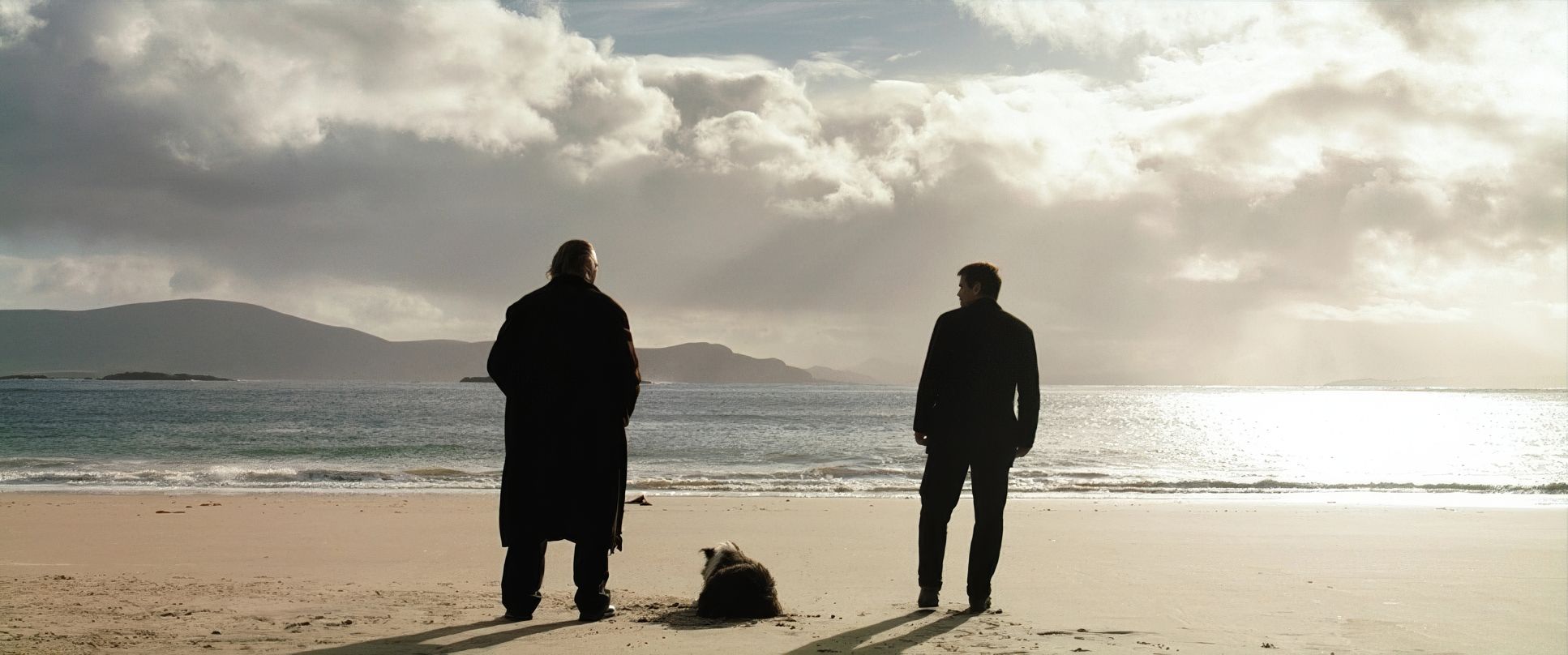
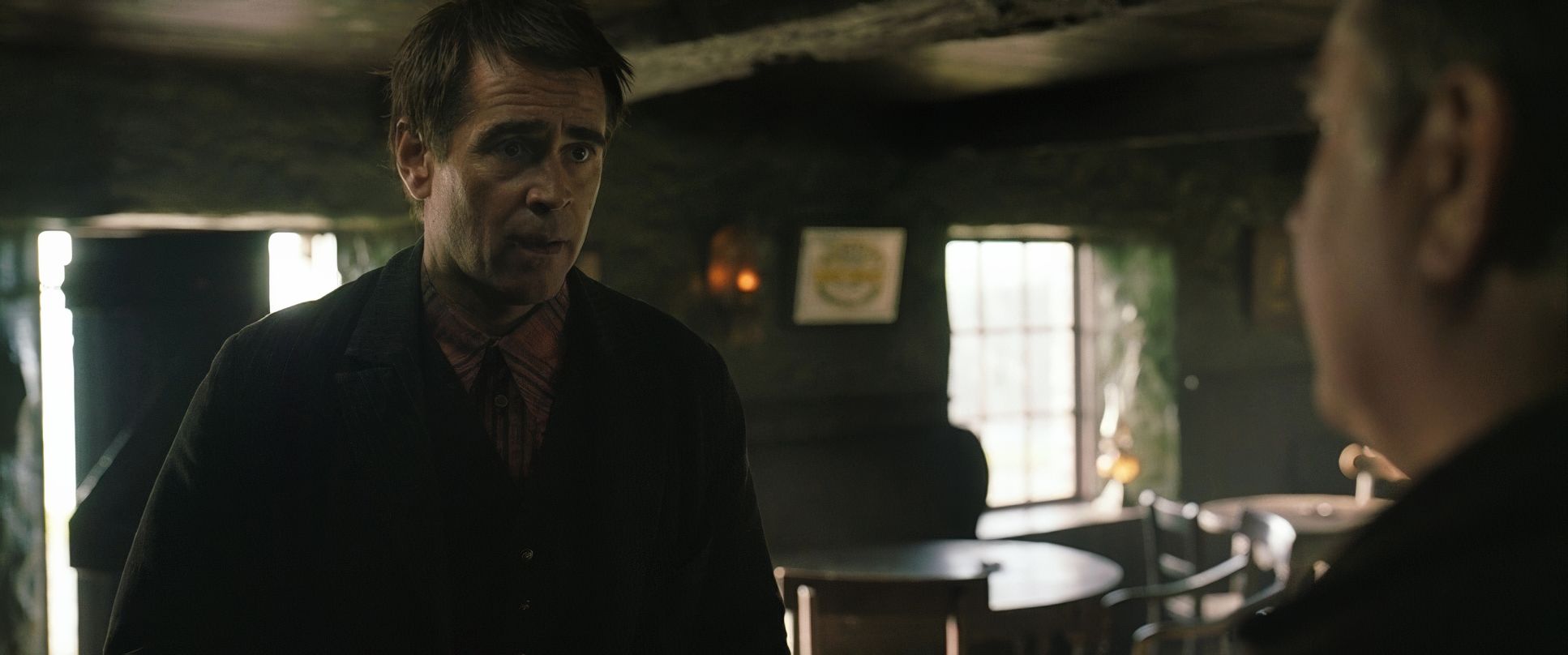
The large format (LF) sensor is the real hero here. It allows for those medium shots and “clean singles” to have a beautiful fall-off, keeping the focus squarely on the characters’ expressions while still giving us a sense of the world behind them. The blocking is equally precise. Throughout the film, there’s a clear spatial separation between Pádraic and Colm. Even when they’re in the same pub, the depth cues using stone walls or the furniture create a physical manifestation of the chasm between them. They’re looking toward the sea or the mainland, constantly reminding us that they are trapped on an island where “nothing happens” while history moves on without them.
Compositional Choices
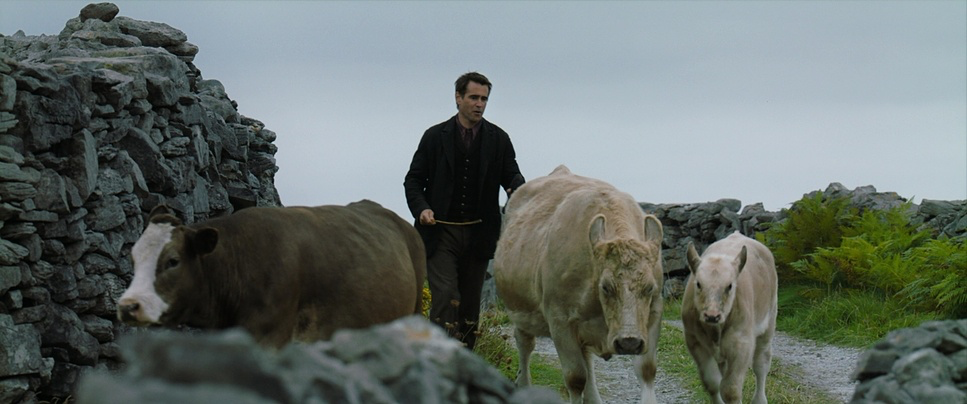
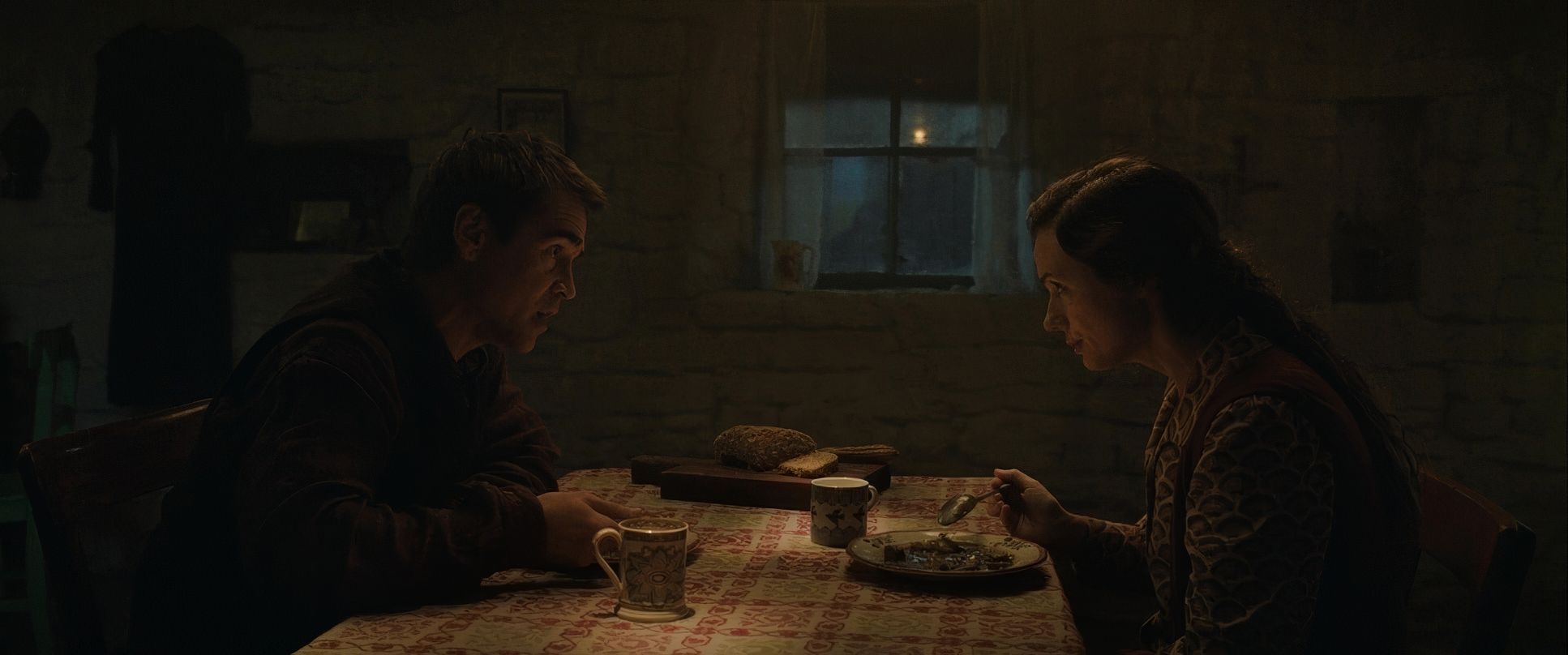
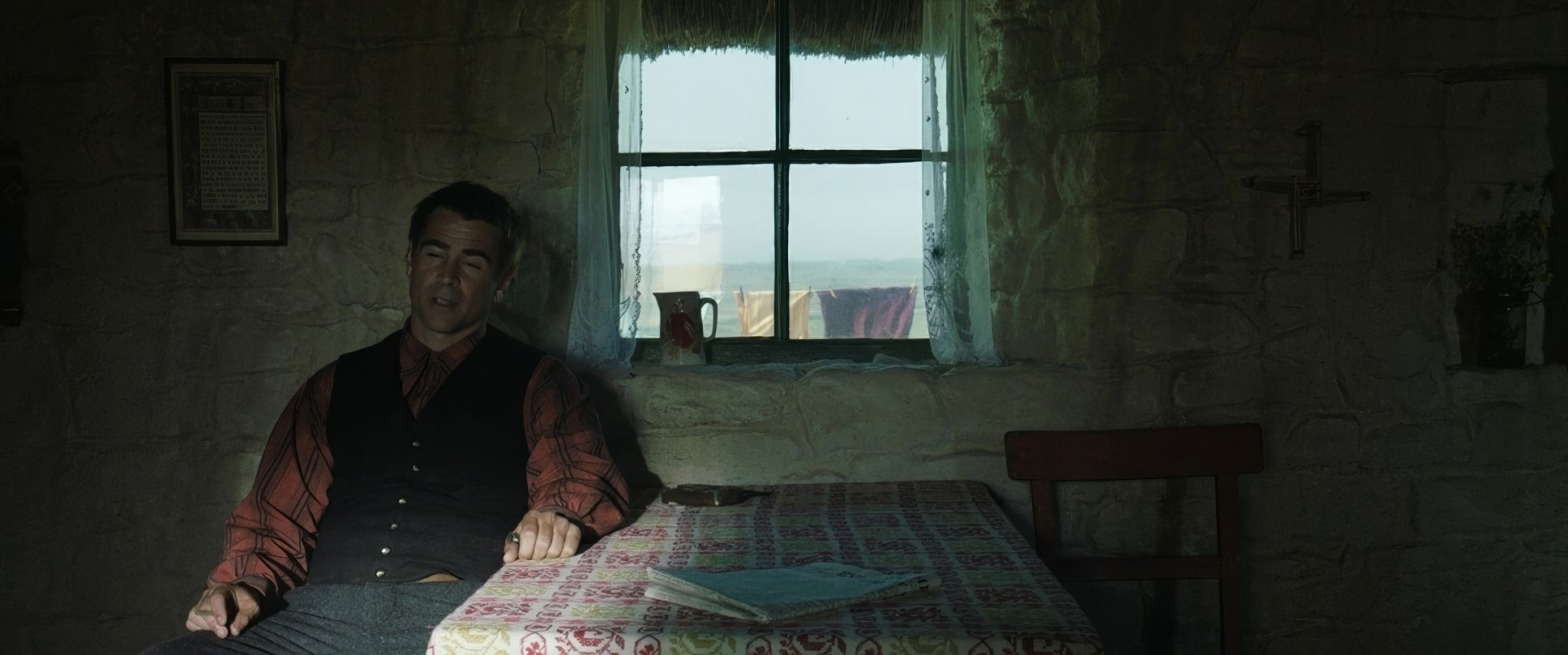
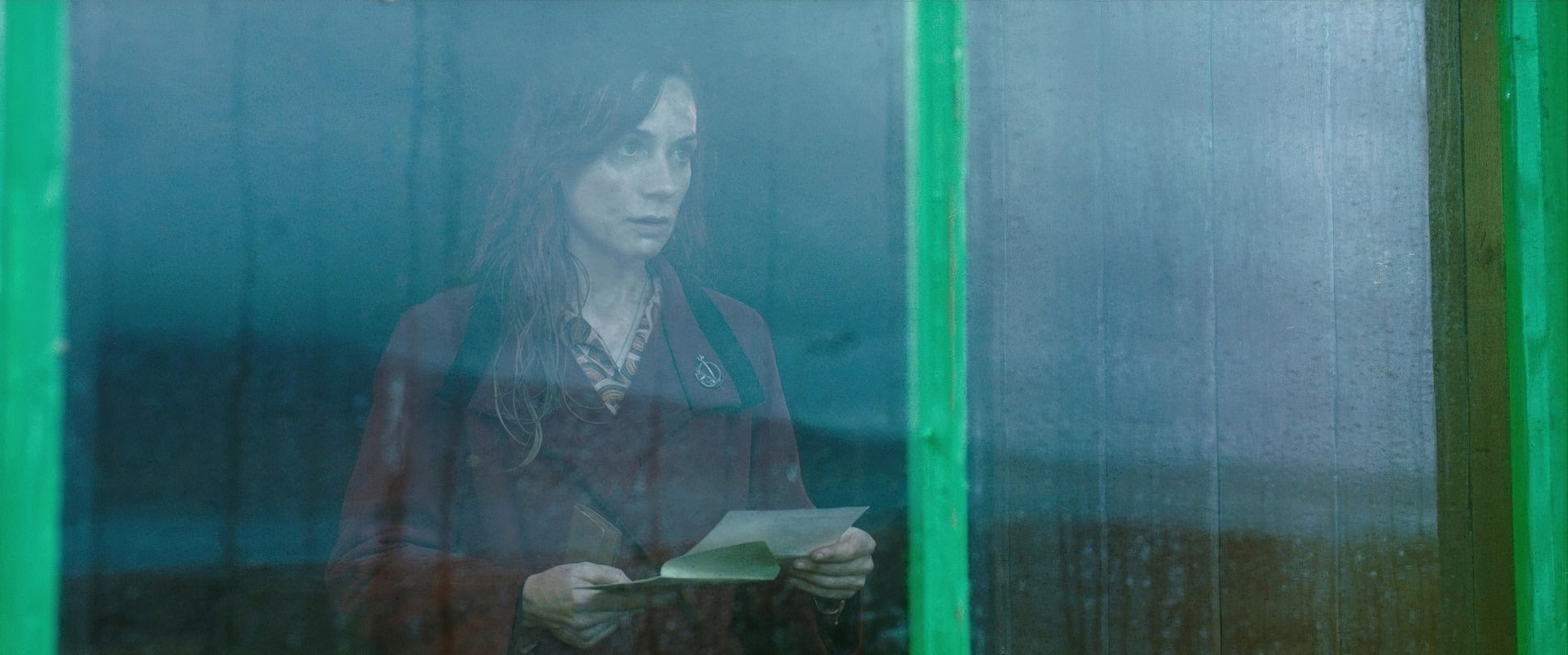
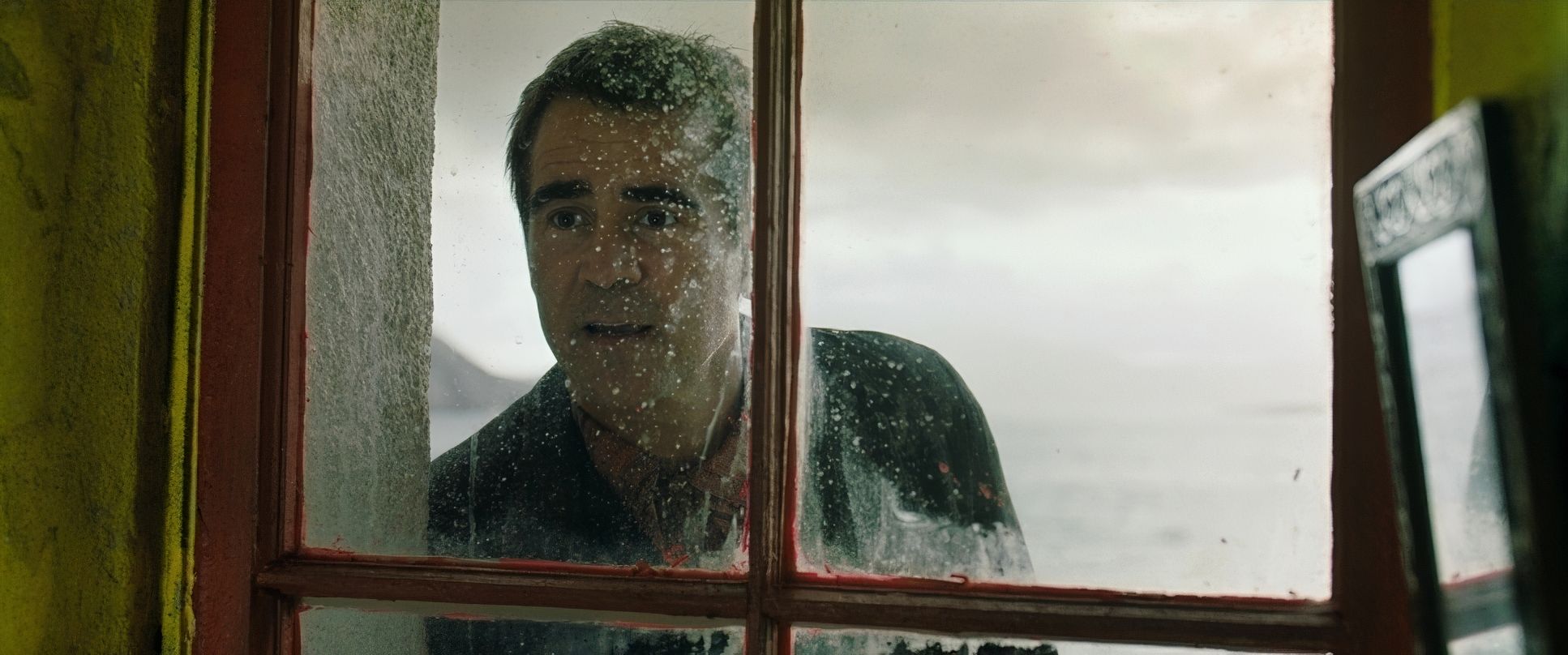
Davis is a master of using the frame to tell the story. The “right heavy” compositions and the use of the environment as a divider are everywhere. But the standout motif is the window.
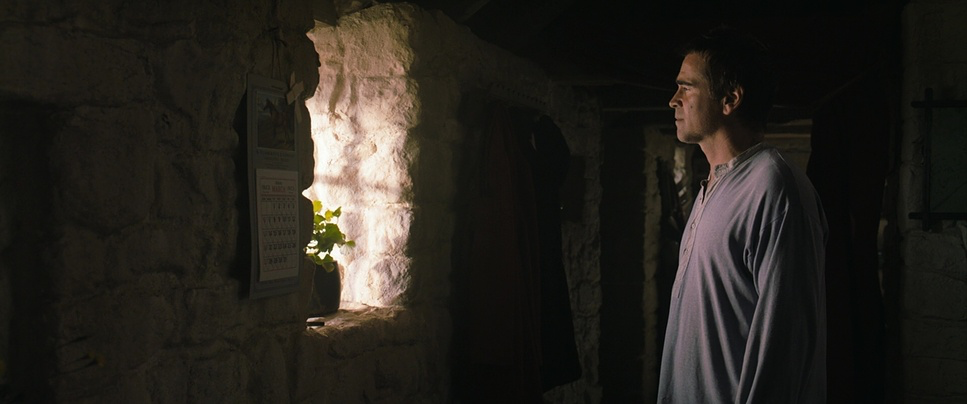
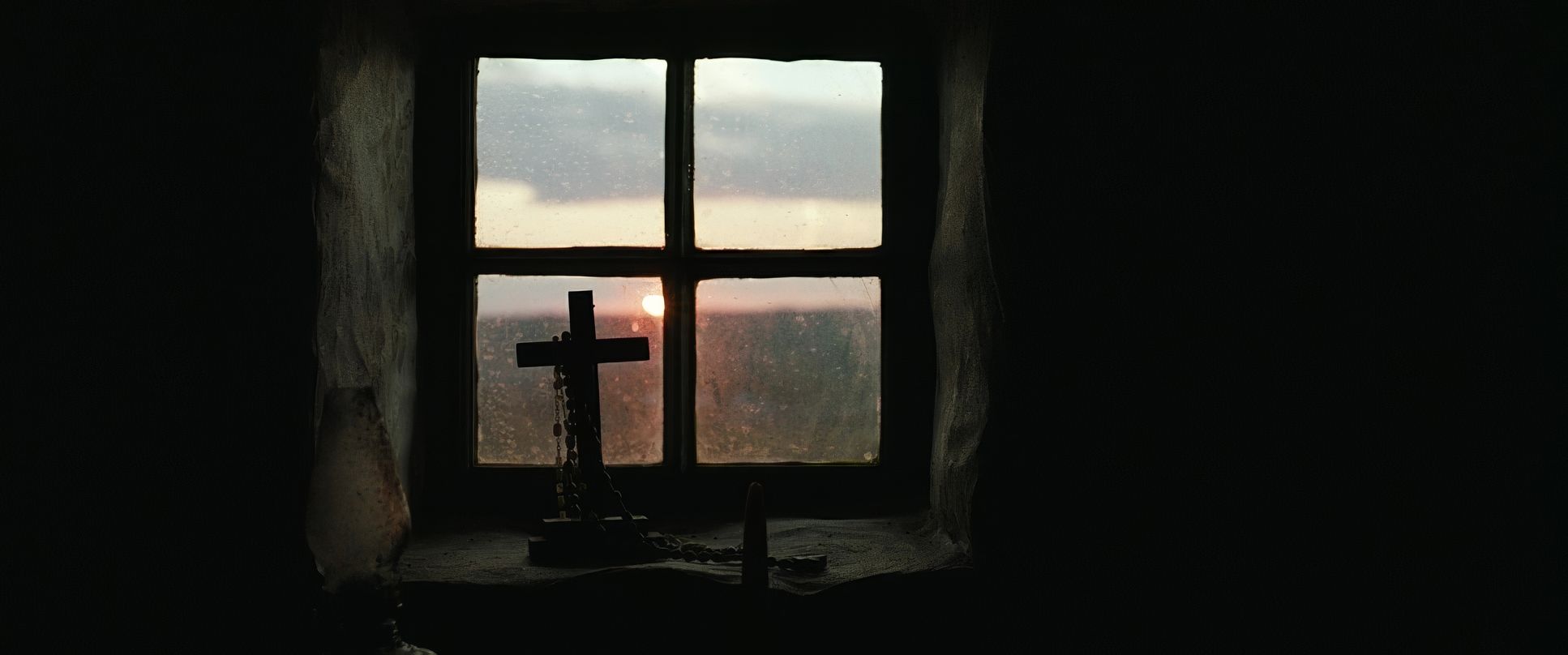
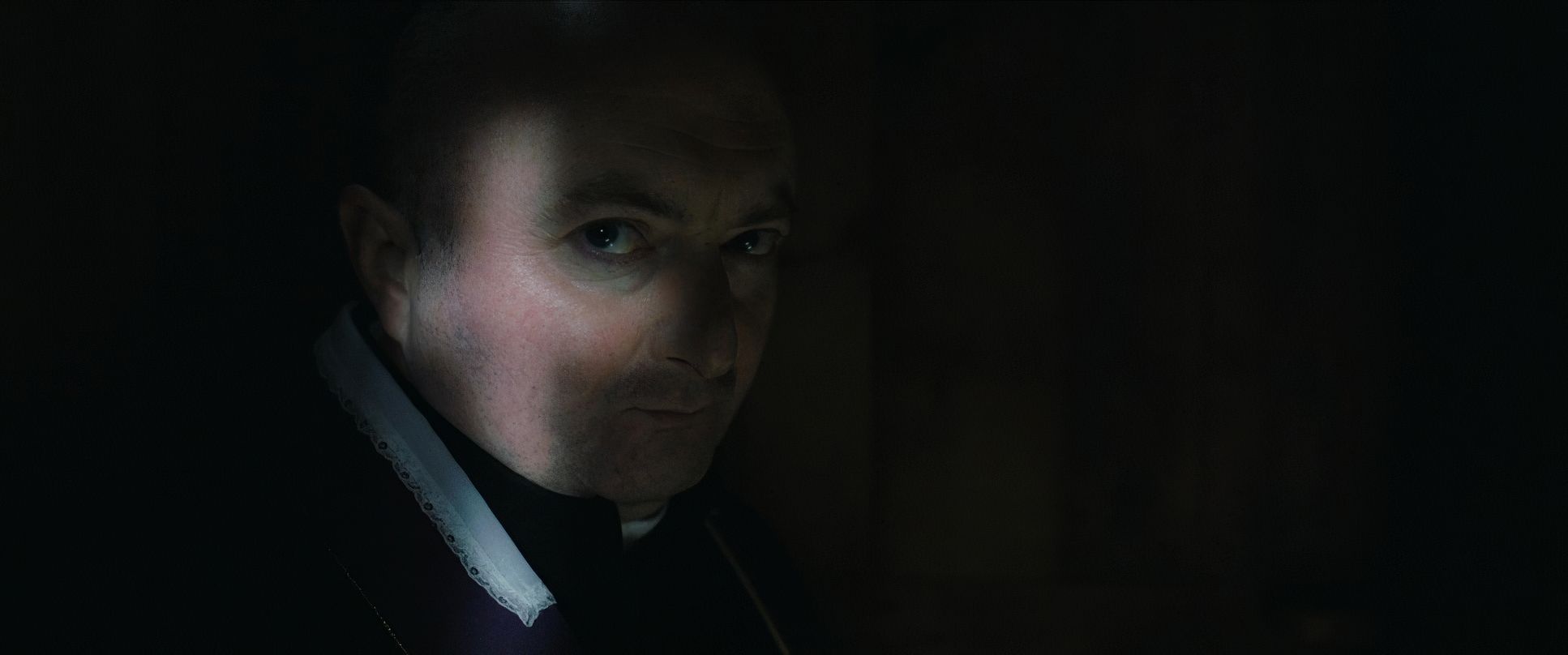
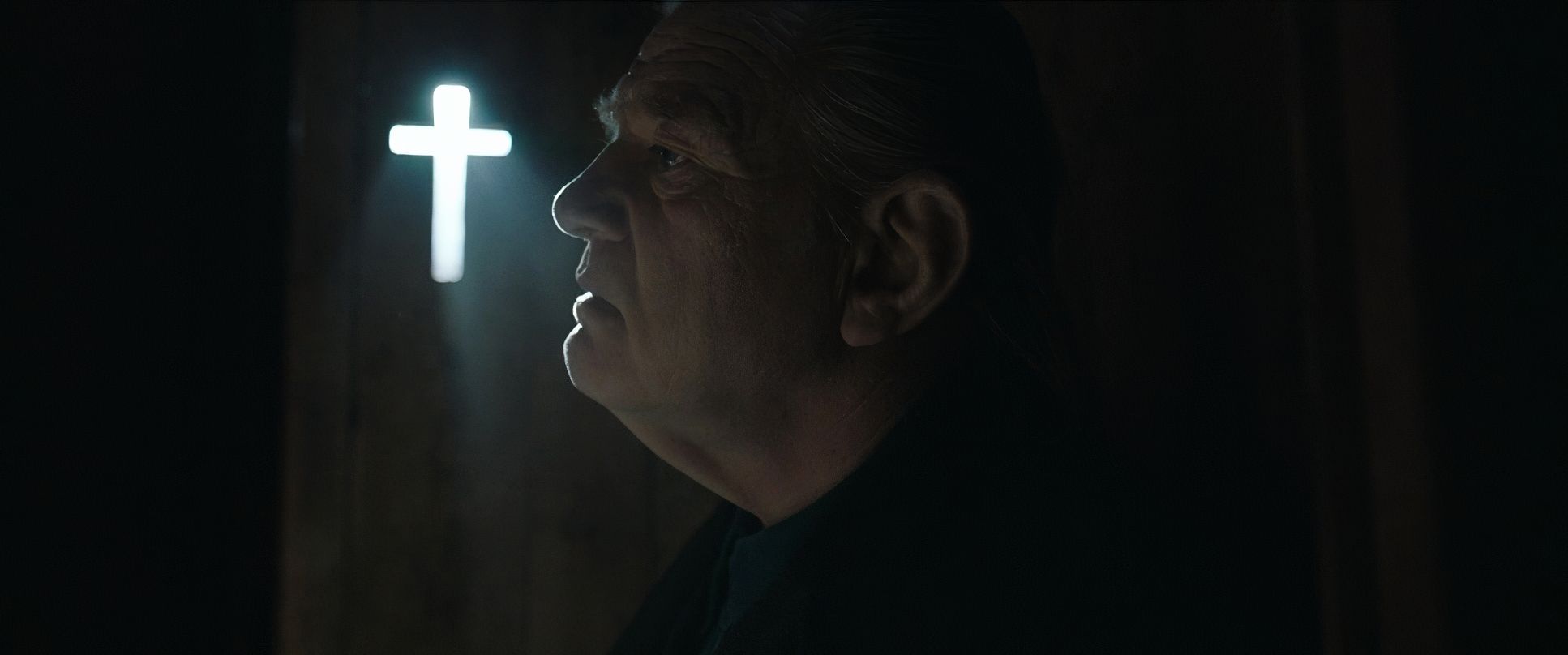
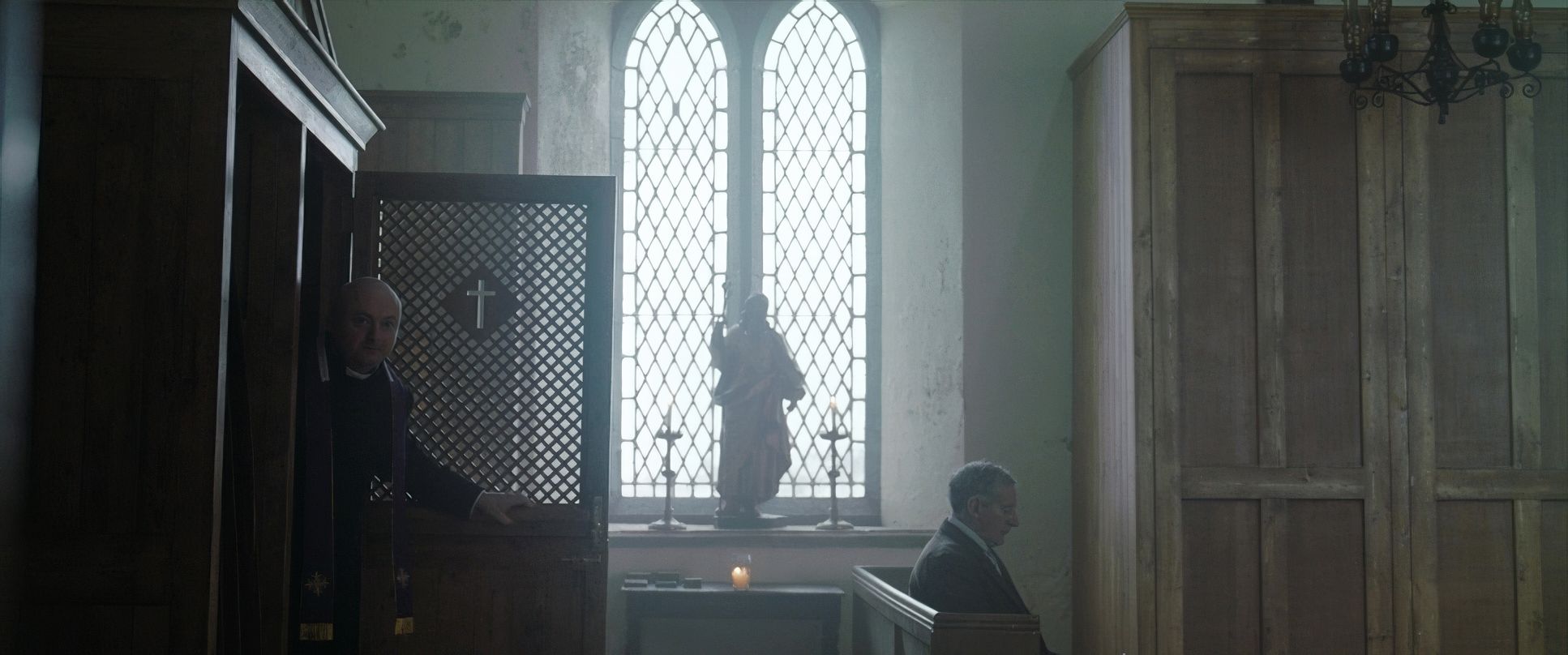
Windows are portals in this film. Pádraic is constantly framed either through a window or with one in the background. It emphasizes the “gossip culture” of the island the idea that everyone is watching everyone. But on a deeper level, it represents the barrier between the self and the world. There’s a shot of light piercing through a cross-shaped window in a confessional that I found particularly striking; it’s a subtle nod to the judgment and the religious influence over these men. The icons the Virgin Mary statue, the crosses against the sky aren’t just set dressing; they are visual reminders of the “watchful eye” that prevents anyone from truly being themselves.
Lighting Style
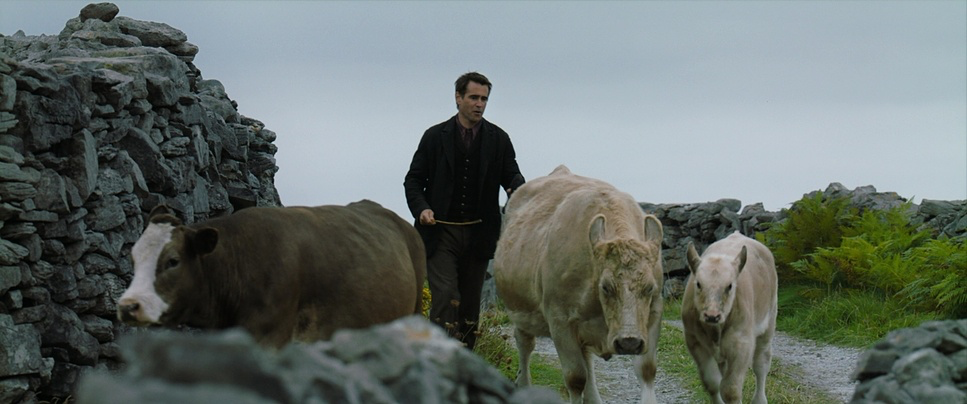
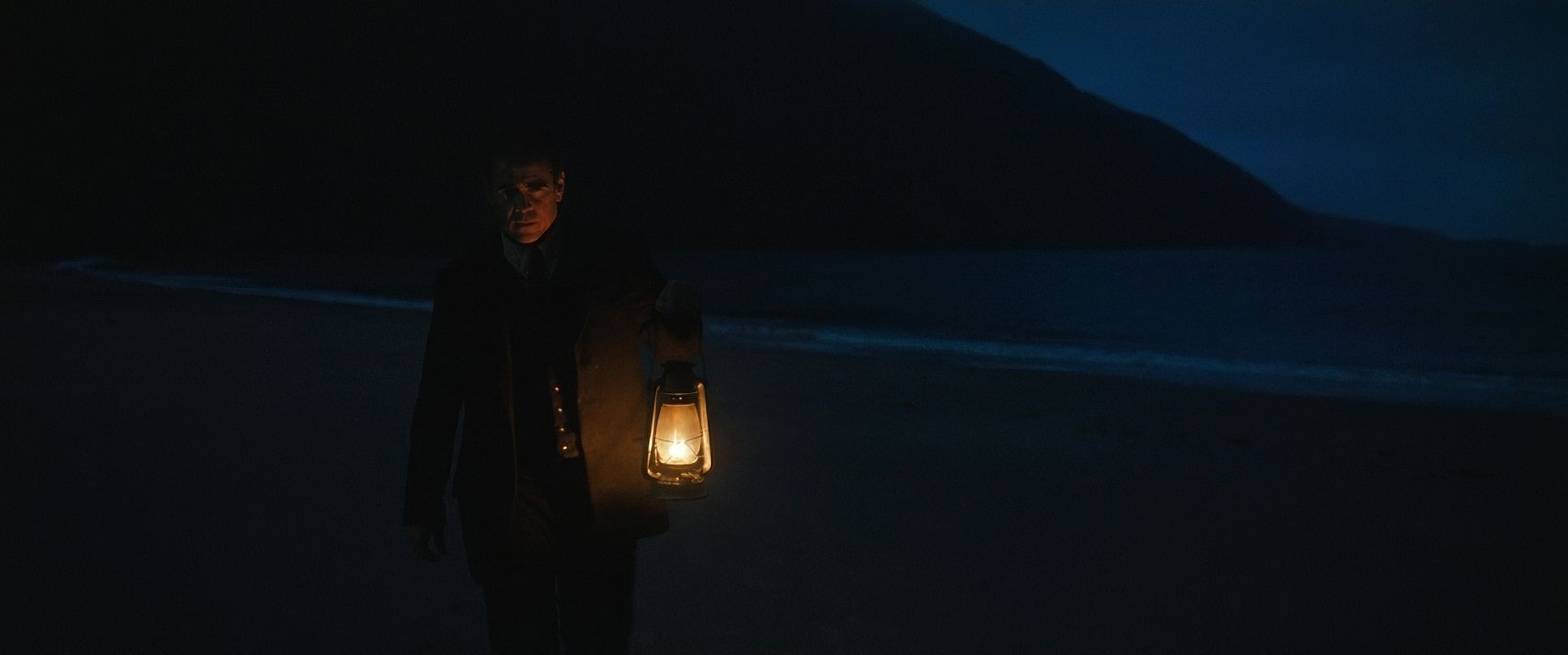
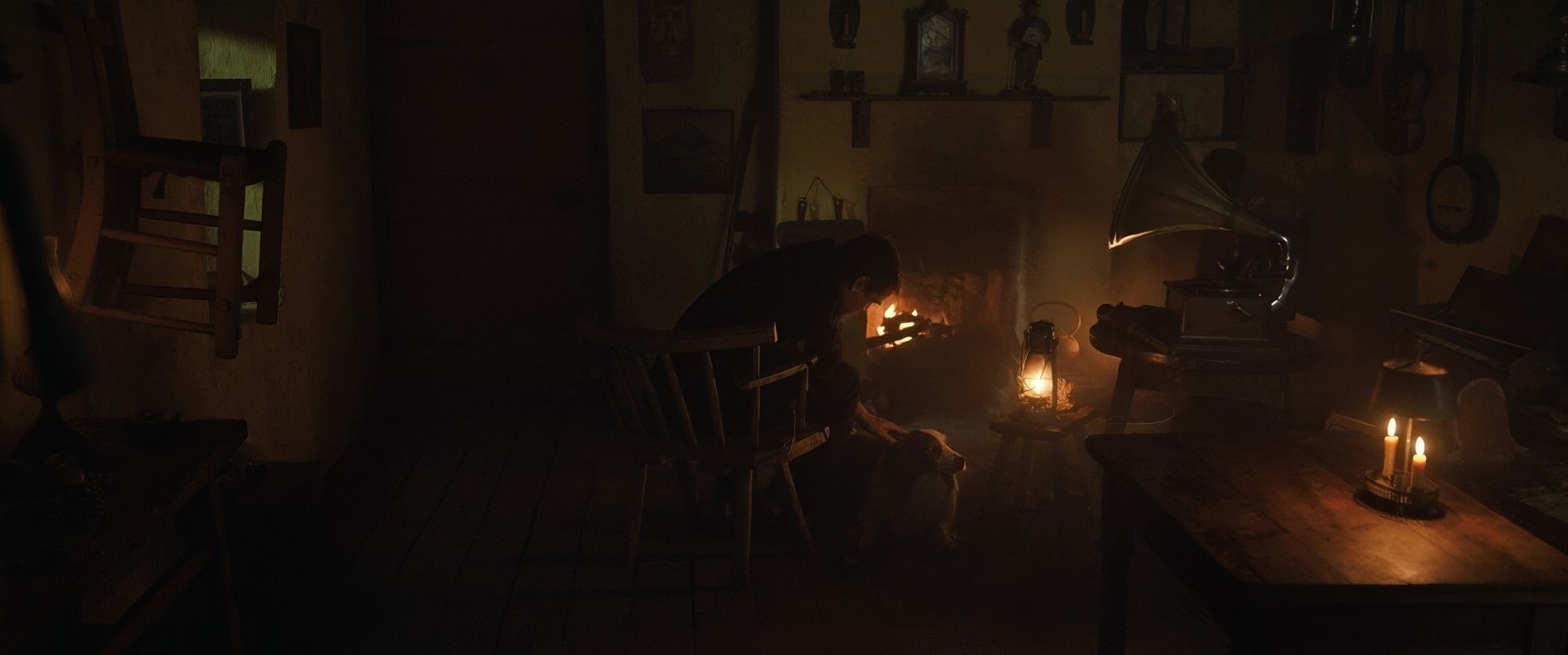
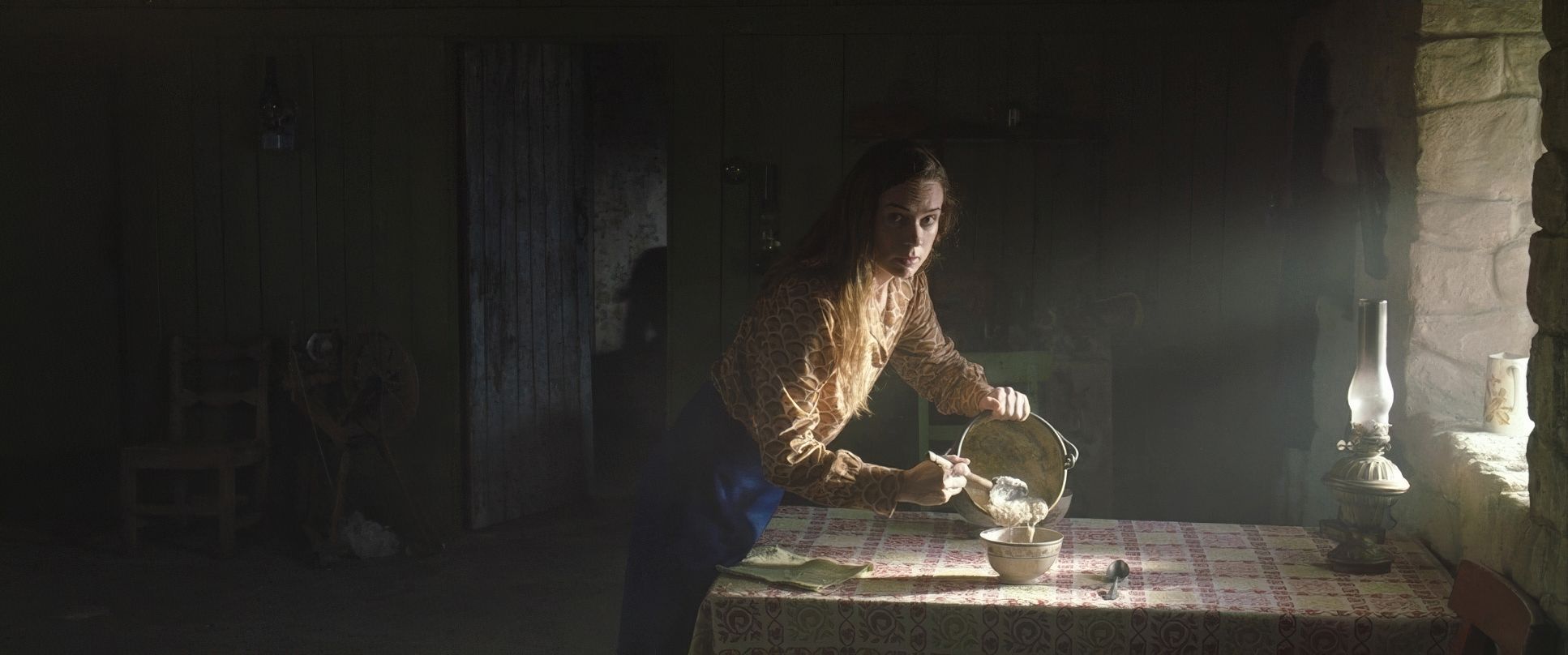
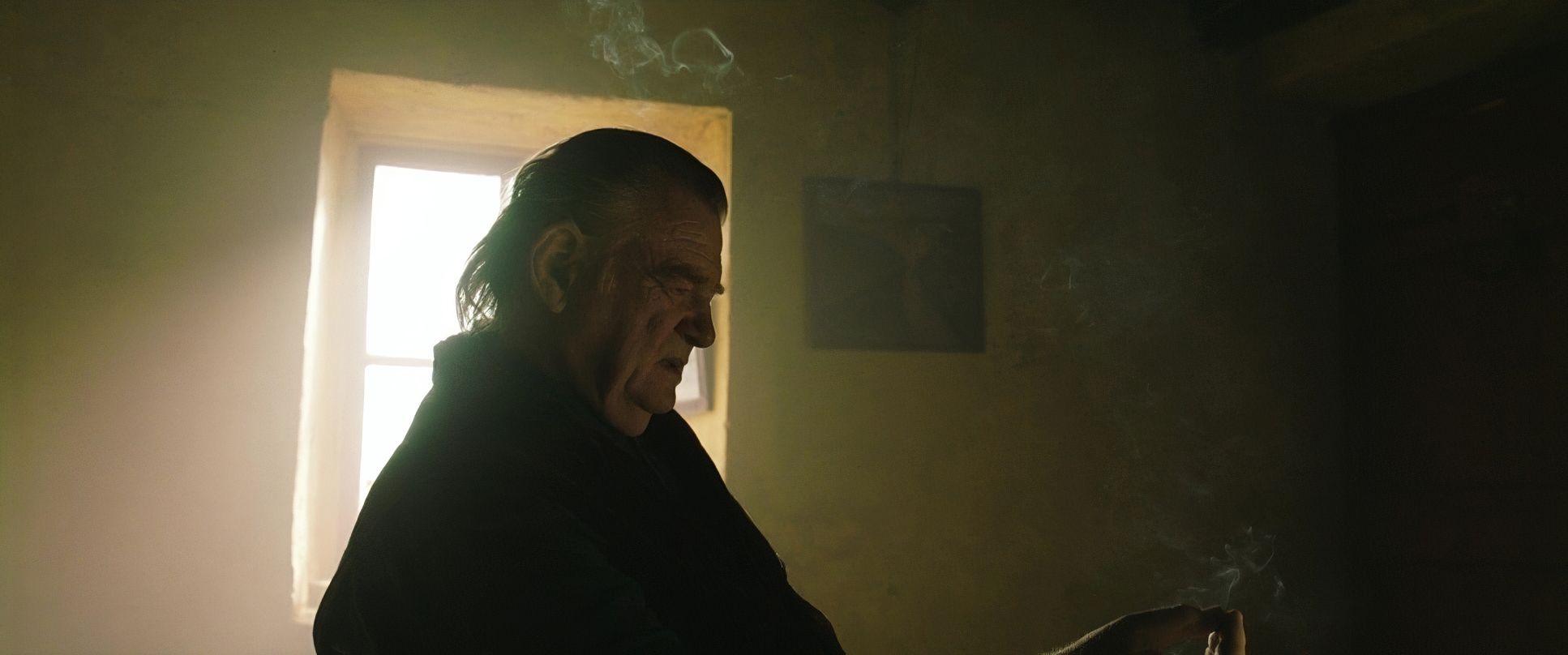
The lighting is a masterclass in motivated naturalism. It’s mostly daylight and sunny exteriors, but there’s a moodiness to it that feels very “West of Ireland.” Davis leaned into the natural light of the coast, but he clearly managed the dynamic range with a steady hand.
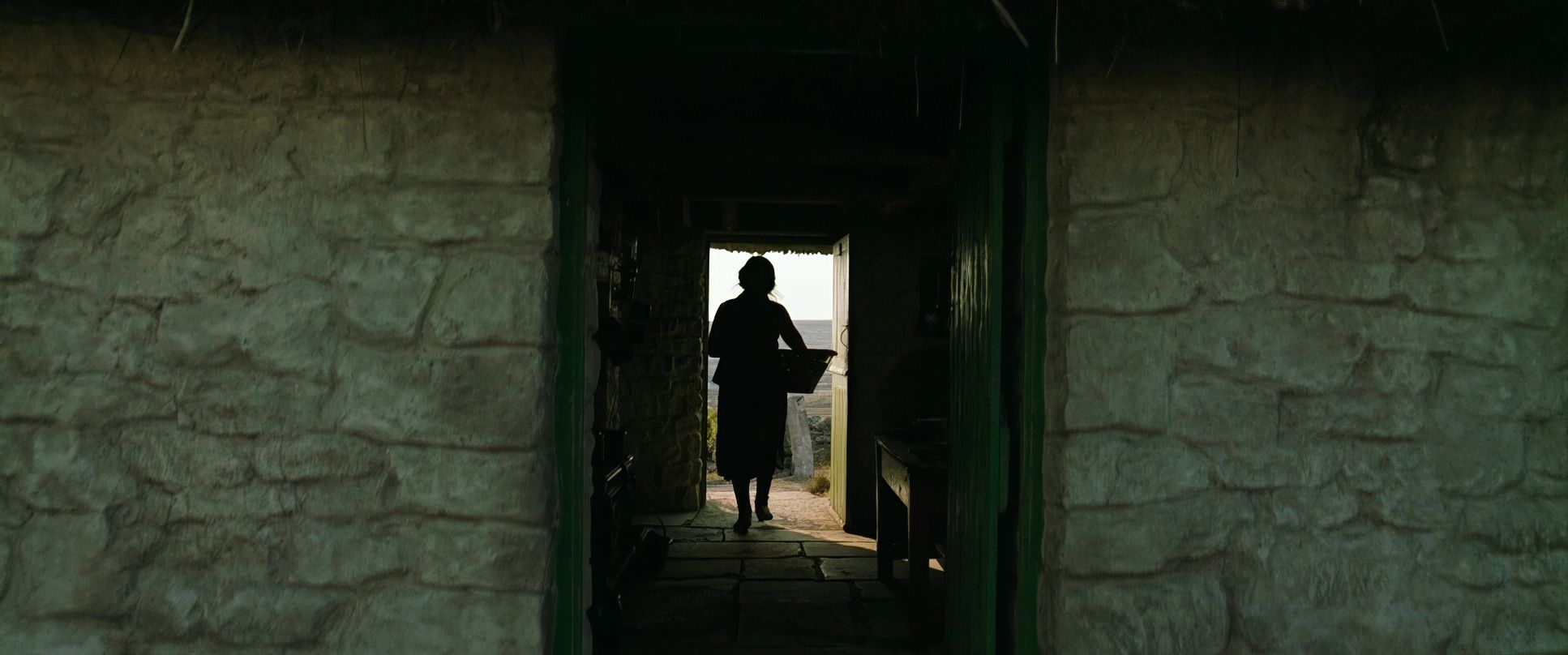
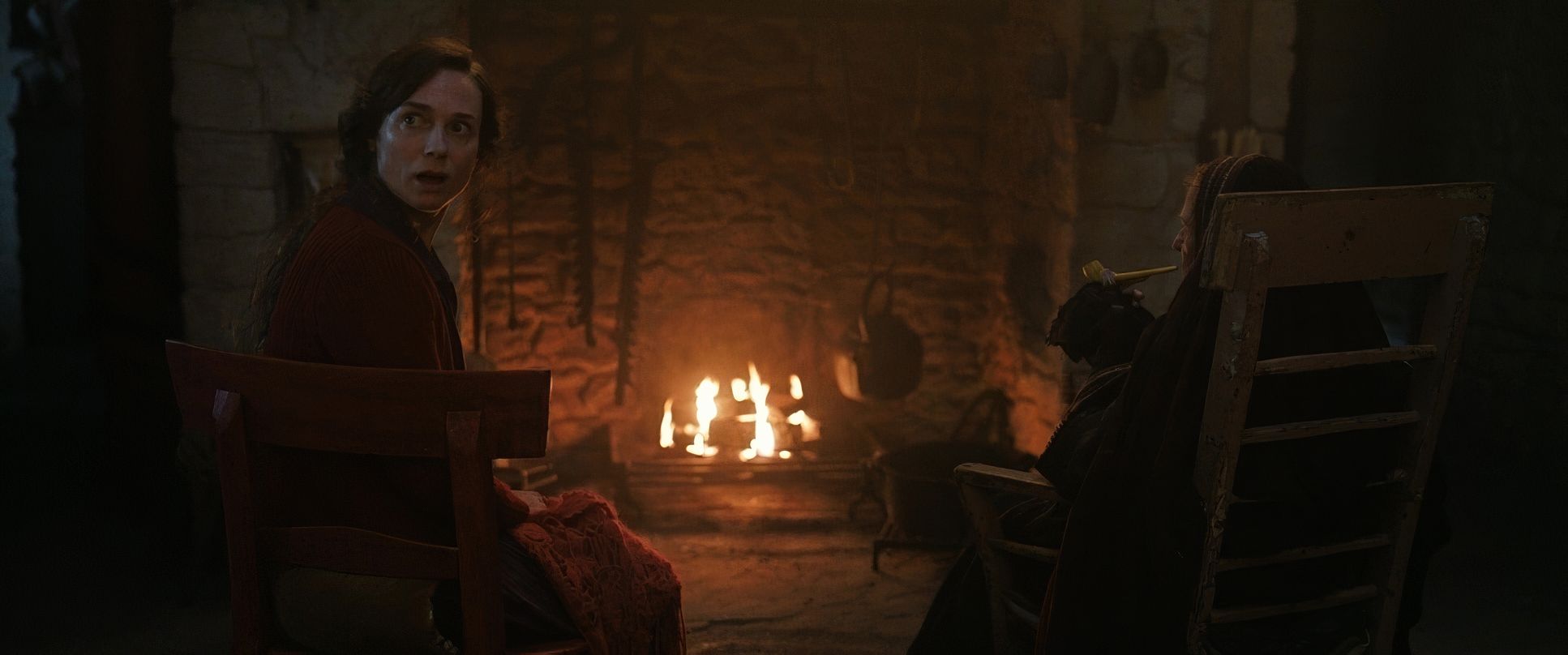
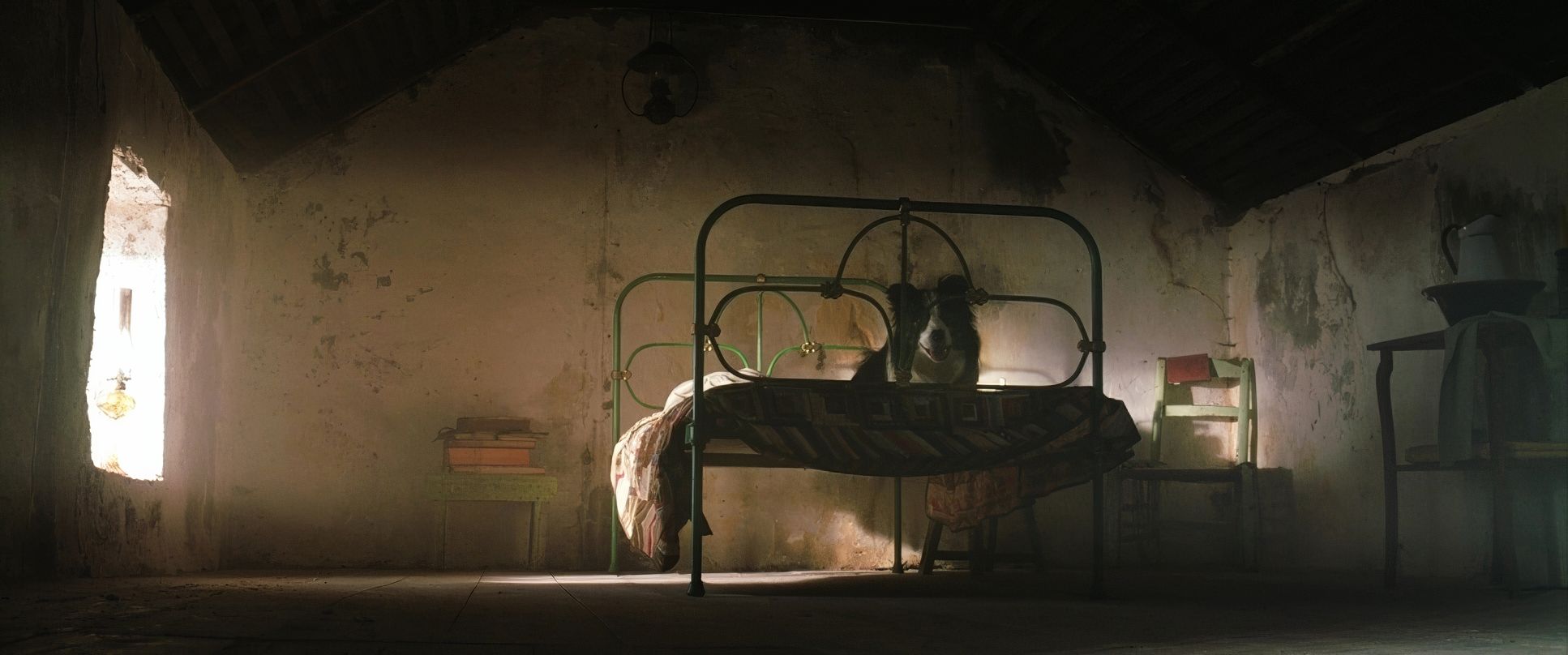
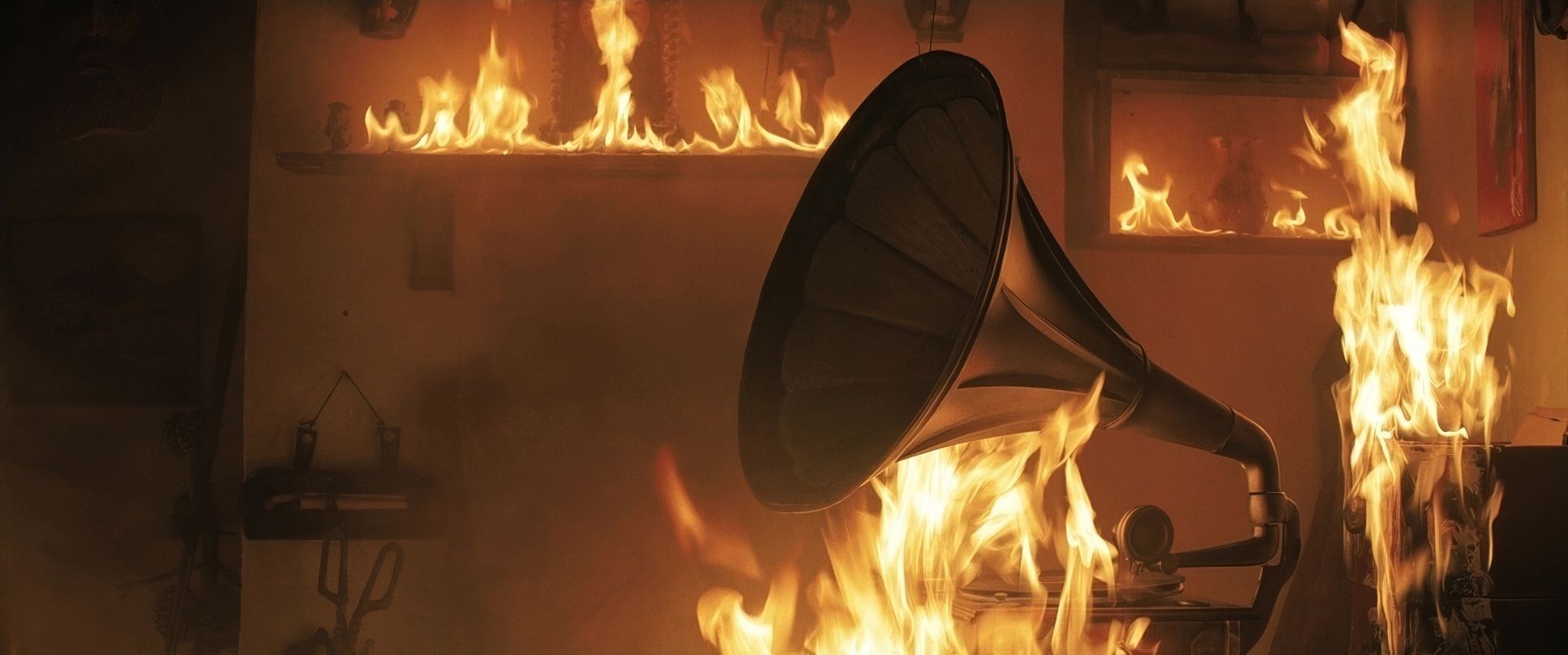
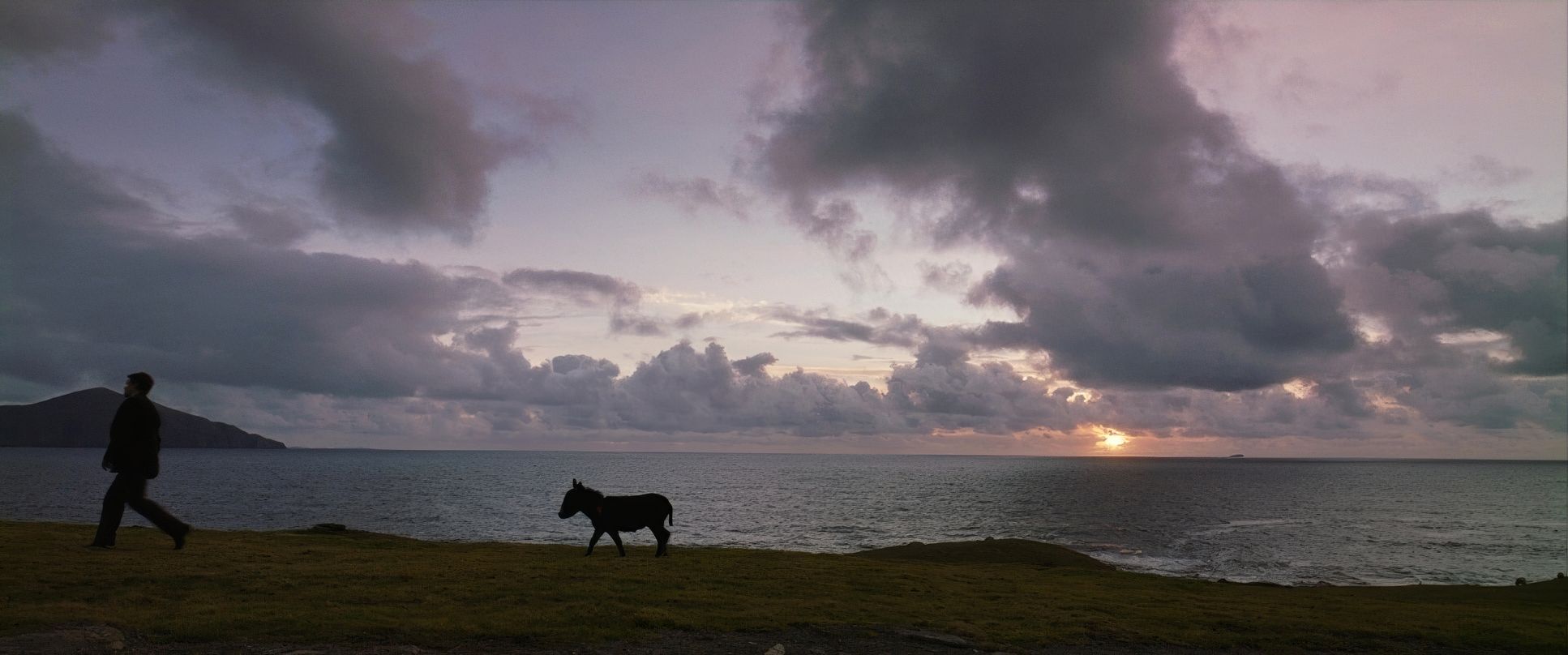
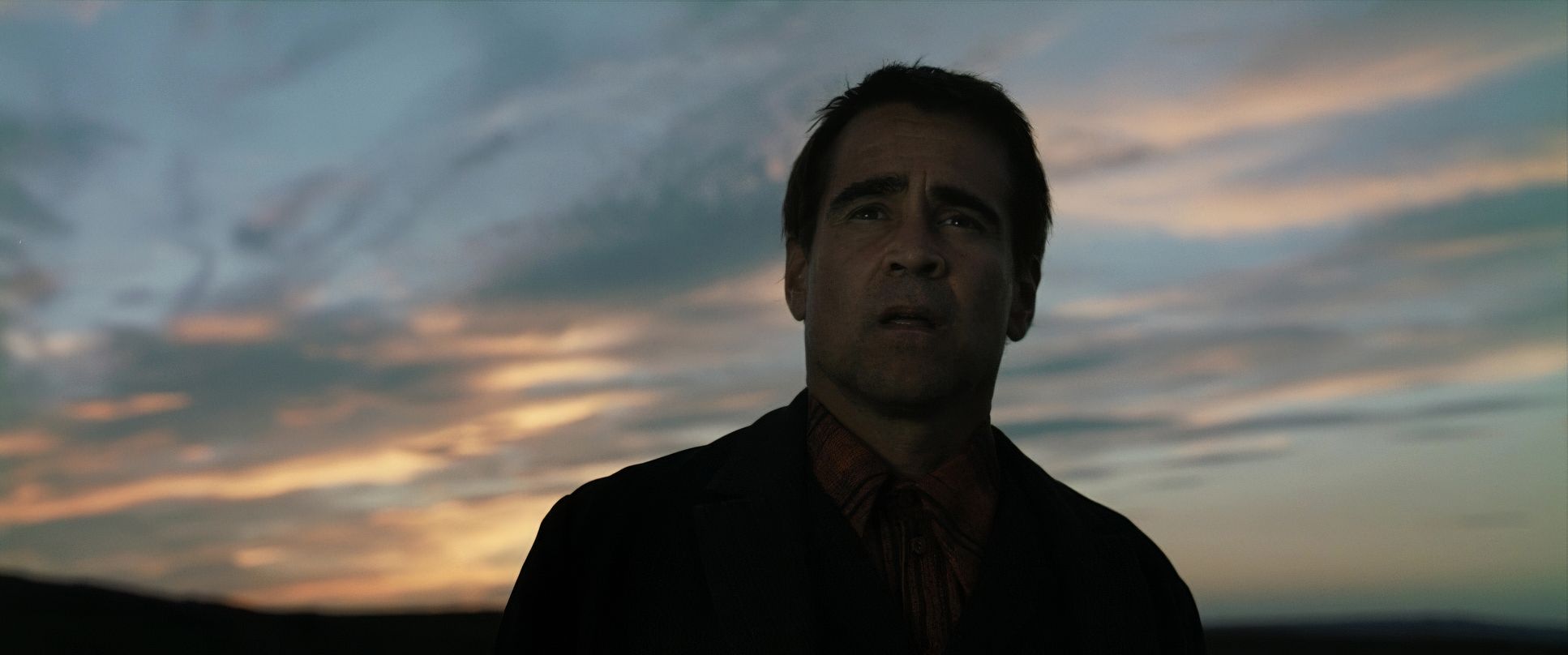
The “sunsets and sunrises” are vital here. They aren’t just for aesthetics; they capture the seesaw of “sorrow and hopefulness” that defines the film. As a colorist, I can see the effort it took to keep the detail in those highlights while maintaining the density in the shadows. The interiors lit by peat fires and practical lamps in the pub—feel lived-in and warm. This creates a sharp contrast with the cool, expansive exterior light, making the indoor spaces feel like small, fragile shelters against the elements.
Color Grading Approach
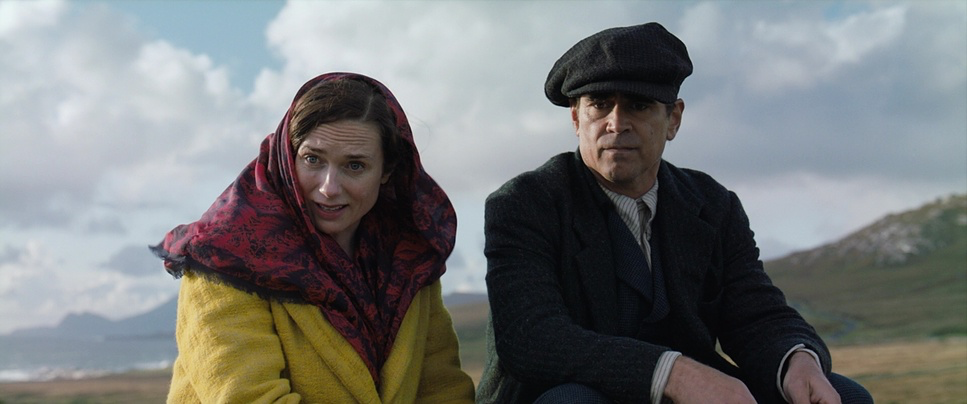
This is the part I could talk about for hours. The colorist, Darren Rae, did a fantastic job. The film has strong print-film sensibilities, giving the digital footage a thick, celluloid texture. The highlights have that gentle roll-off into white nothing feels “clipped” or digitally harsh.
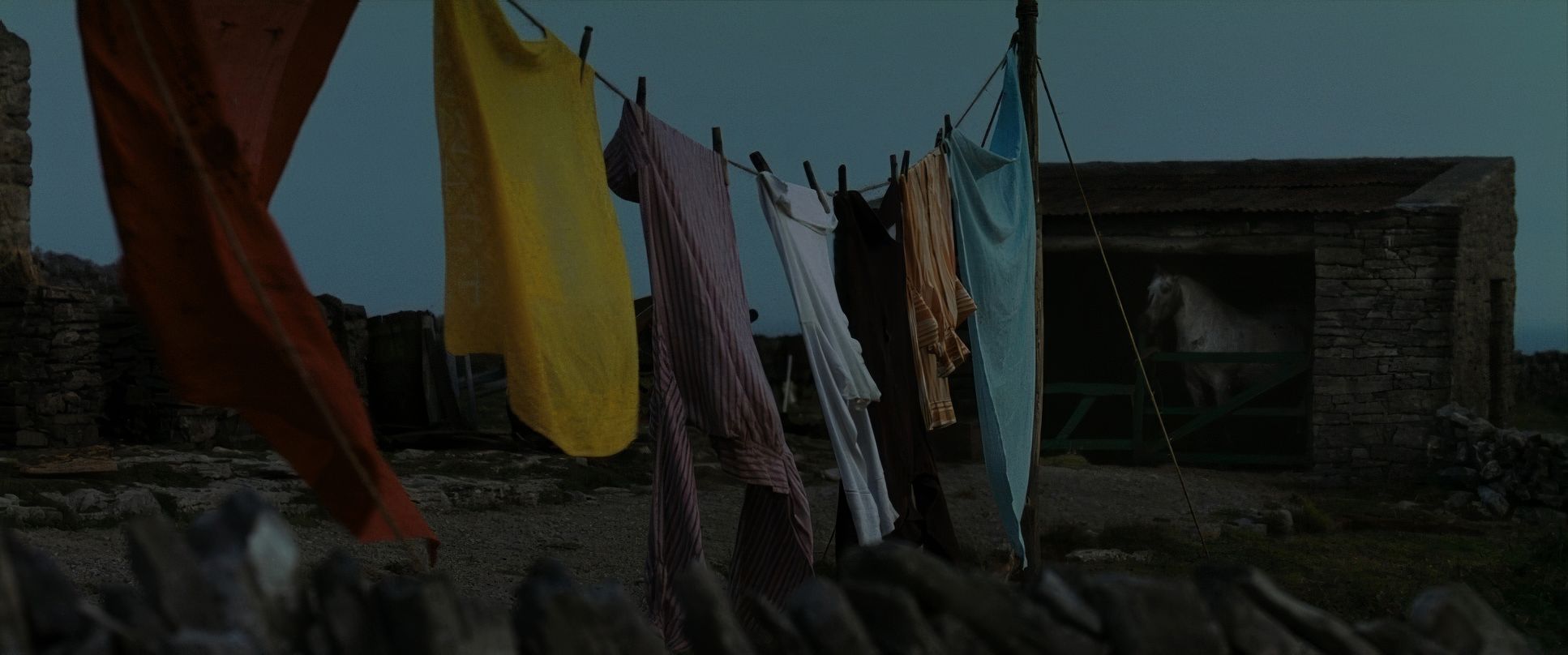
The hue separation is what really does it for me. The greens of the Irish hills are vibrant but grounded, and they sit perfectly against the muted blues of the sea. There’s a real tonal sculpting happening here. The blacks have a healthy density that gives the drama weight, but the mid-tones stay bright enough to keep it from feeling like a generic “dark” drama.
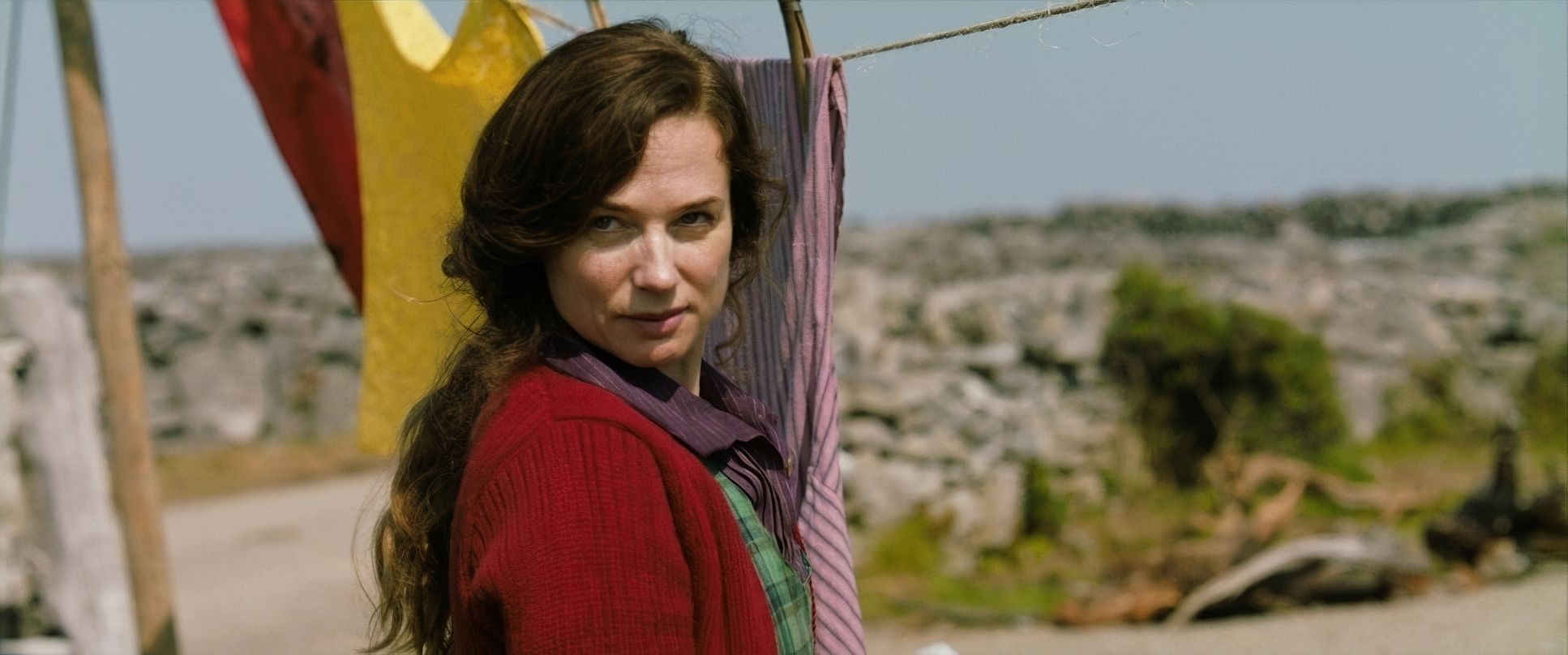
We also see some symbolic color work, specifically in the costumes. Shavon’s yellow and red jackets pop against the earthy palette of the island. In the grade, those reds (symbolizing anxiety) and yellows (symbolizing hope) feel slightly more saturated, acting as visual anchors for the audience. It’s a delicate balance: you want the symbolism to register, but you don’t want to break the “naturalistic spell” of the world.
Technical Aspects & Tools
The Banshees of Inisherin: Technical Specifications
| Genre | Comedy, Drama, Dark Comedy, Science-Fiction |
| Director | Martin McDonagh |
| Cinematographer | Ben Davis |
| Production Designer | Mark Tildesley |
| Costume Designer | Eimer Ní Mhaoldomhnaigh |
| Editor | Mikkel E.G. Nielsen |
| Colorist | Darren Rae |
| Time Period | 1920s |
| Aspect Ratio | 2.39 |
| Format | Digital, Digital – Large Format |
| Lighting | Top light, Underlight, Side light, Backlight, Edge light |
| Lighting Type | Daylight, Sunny |
| Story Location | Aran Islands > Inishmore |
| Filming Location | Ireland > County Mayo |
| Camera | ARRI ALEXA Mini LF |
| Lens | Arri Signature Prime Lenses |
The kit was top-tier: ARRI ALEXA Mini LF with Signature Primes, shooting in a 2.39:1 aspect ratio. Shooting Large Format was the right call for those wide Irish vistas; it gives the film a “bigness” that suits its fable-like tone.
In post-production, maintaining that palette across various lighting conditions requires a rock-solid workflow likely using ACES to keep the color consistency from the set to the final DI. For my work at Color Culture, I’m always looking at how the DIT and the colorist handle spectral highlights on water or the subtle gradations in a overcast sky. When you have an image captured this well, the colorist isn’t just “fixing” things; they are sculpting the light to hit the emotional notes the director intended.
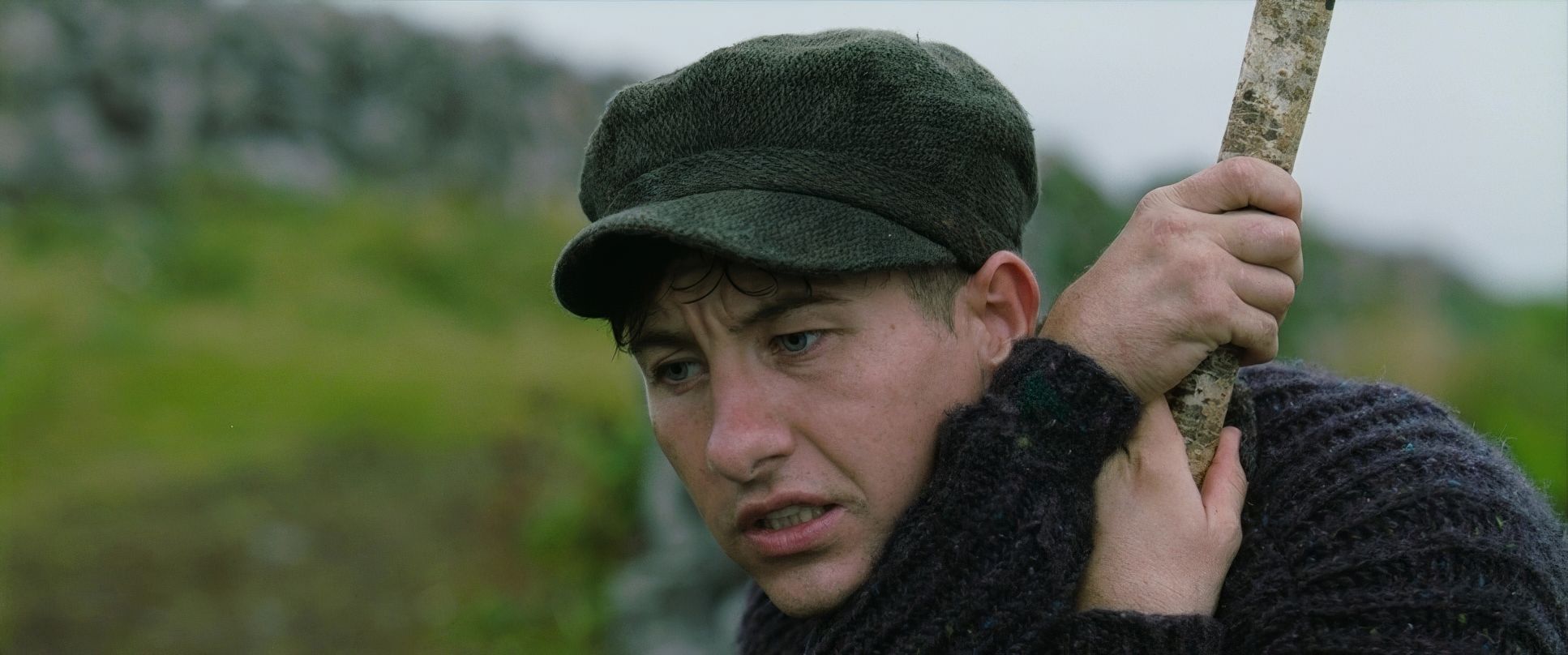
The Banshees of Inisherin (2022) Film Stills
A curated reference archive of cinematography stills from The Banshees of Inisherin (2022). Study the lighting, color grading, and composition.





















- Also read: FIRST BLOOD (1982) – CINEMATOGRAPHY ANALYSIS
- Also read: A FEW GOOD MEN (1992) – CINEMATOGRAPHY ANALYSIS
Browse Our Cinematography Analysis Glossary
Explore directors, cinematographers, cameras, lenses, lighting styles, genres, and the visual techniques that shape iconic films.
Explore Glossary →