Let’s get one thing straight about First Blood. Most people remember it as the start of the “Rambo” era the guns, the headbands, the 80s action tropes. I see something entirely different when I pull this up on a calibrated monitor. It’s not just an action flick; it’s a masterclass in visual storytelling that puts most modern, digitally-slick thrillers to shame.
This is a raw, intense character study. It’s about a man unmade by war, pushed to the edge by a small-town sheriff who picked the wrong vet to harass. The cinematography doesn’t just capture the action; it does the heavy lifting for Rambo’s internal trauma.
About the Cinematographer
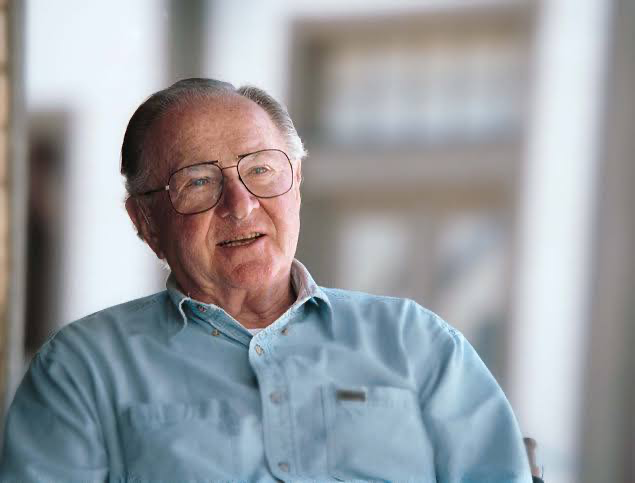
The eye behind First Blood was Andrew Laszlo, A.S.C. He wasn’t a “celebrity DP” in the way we think of them now, but look at his run: The Warriors, Southern Comfort, Streets of Fire. The guy had a gift for making a frame feel tactile and grounded. For First Blood, working with director Ted Kotcheff, Laszlo didn’t go for flashy, “look-at-me” cinematography. He leaned into the cold, damp, unforgiving texture of British Columbia. He understood that the environment wasn’t just a backdrop it was a character. There’s a certain grit to his work here that feels almost tangible, a far cry from the sanitized, overly-lit action we see on streaming platforms today.
Inspiration Behind the Cinematography
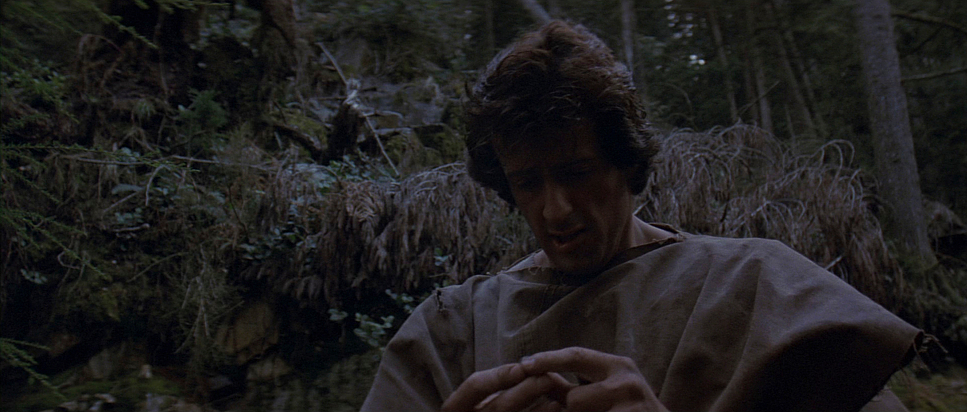
The visual DNA here is a massive departure from David Morrell’s original novel. In the book, Rambo is a killing machine. In the film, he’s a victim a “reluctant warrior.” This shift changed everything for the camera. Laszlo’s lens is used to build empathy, not just record carnage.
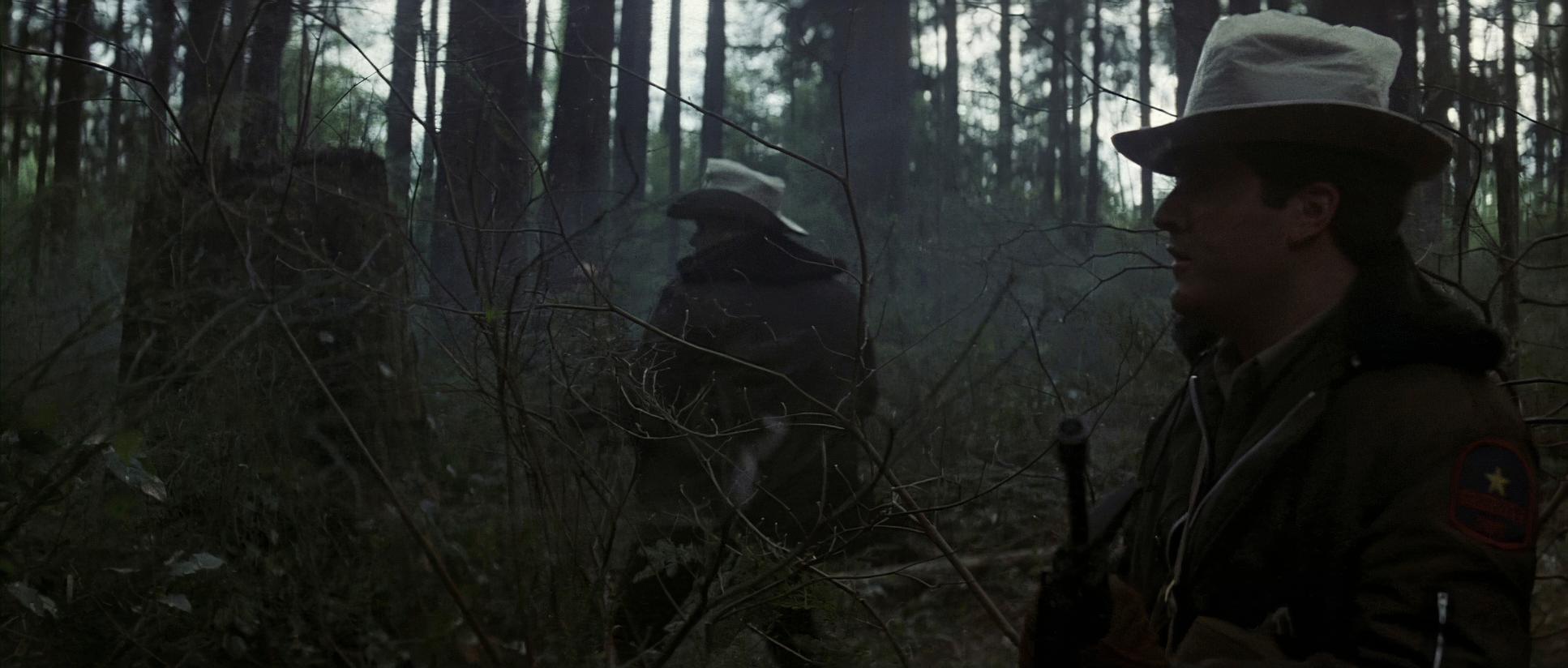
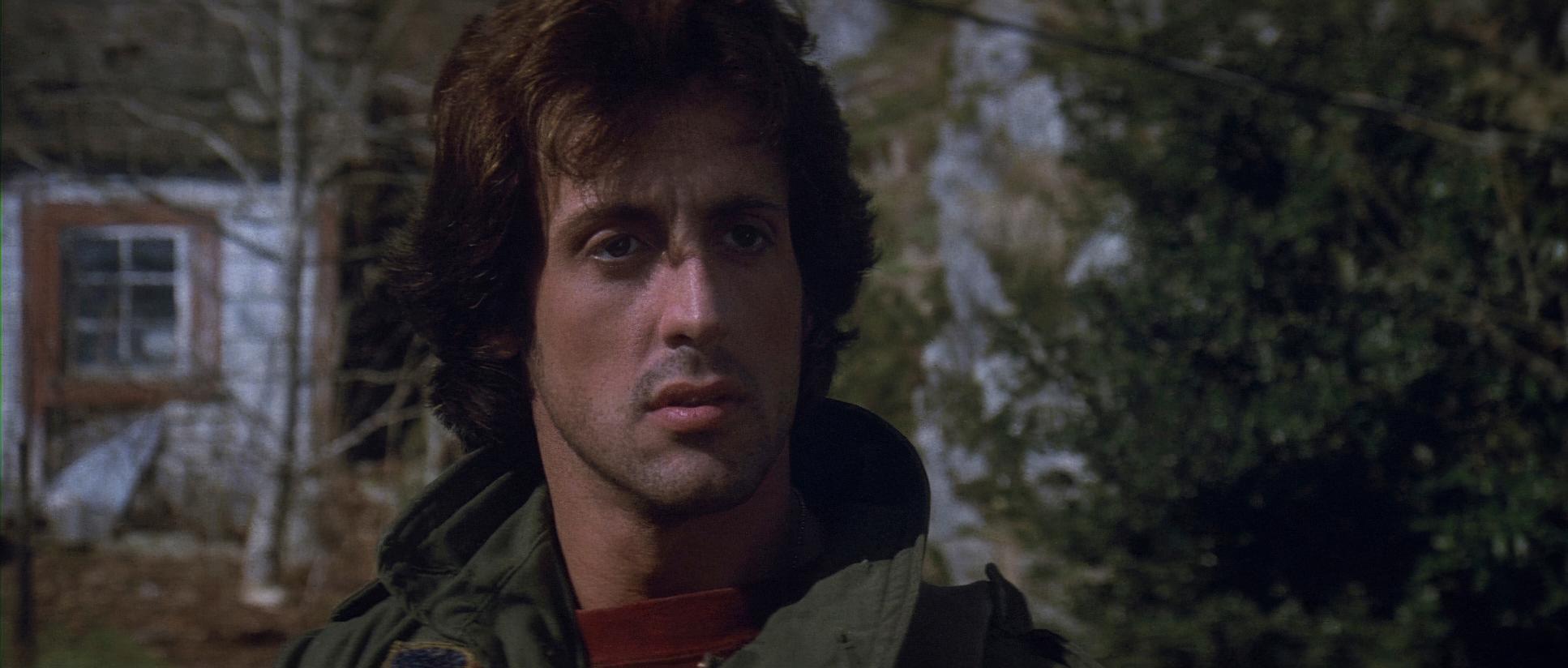
The “lush green look” of the Pacific Northwest isn’t there to look pretty; it’s Rambo’s sanctuary. The environment is beautiful but menacing, standing in stark contrast to the sterile, oppressive fluorescent hell of the police station. The aim was survival, not vengeance, and the visuals keep you locked into that psychological state. Even changing the “bat cave” from the book to a “rat cave” in the film shows a commitment to a more primal, grounded reality.
Lighting Style
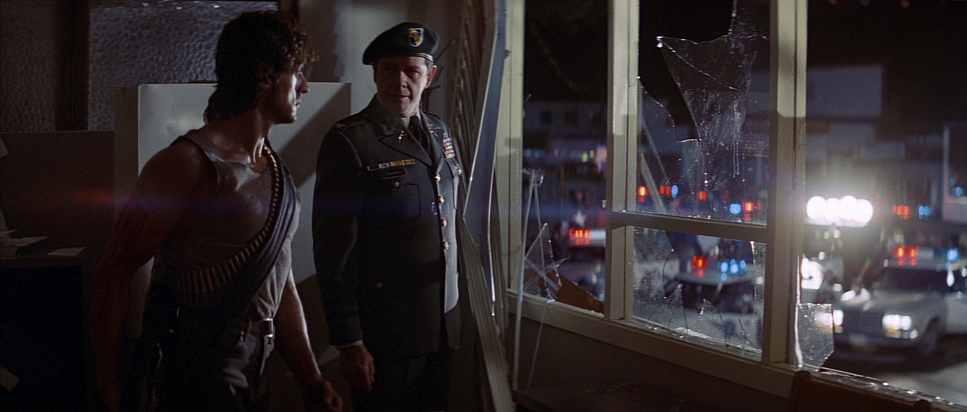
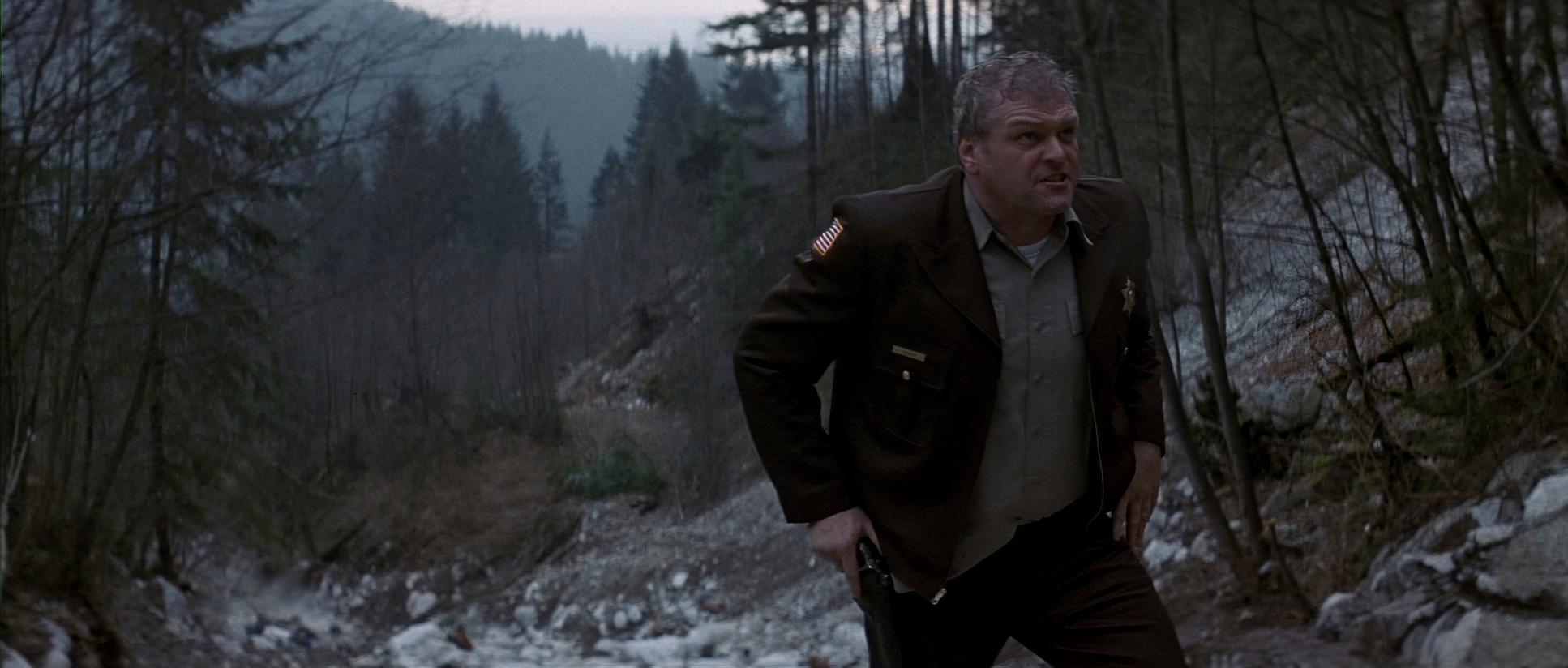
This is where the film really sings. Shooting in the Pacific Northwest means dealing with that flat, overcast light, but Laszlo turned that into a weapon. He leaned into the natural, diffused light of those thick BC clouds to create a moody, soft-but-heavy atmosphere.
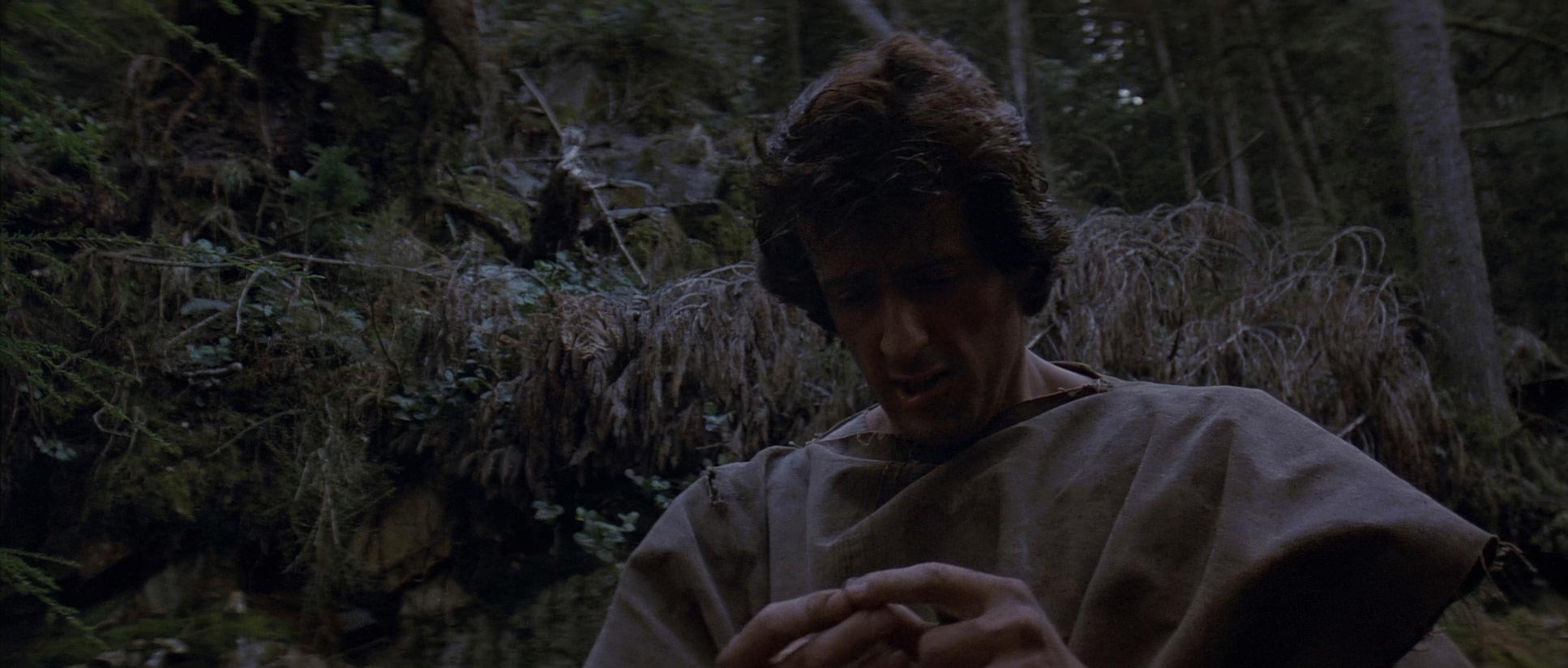
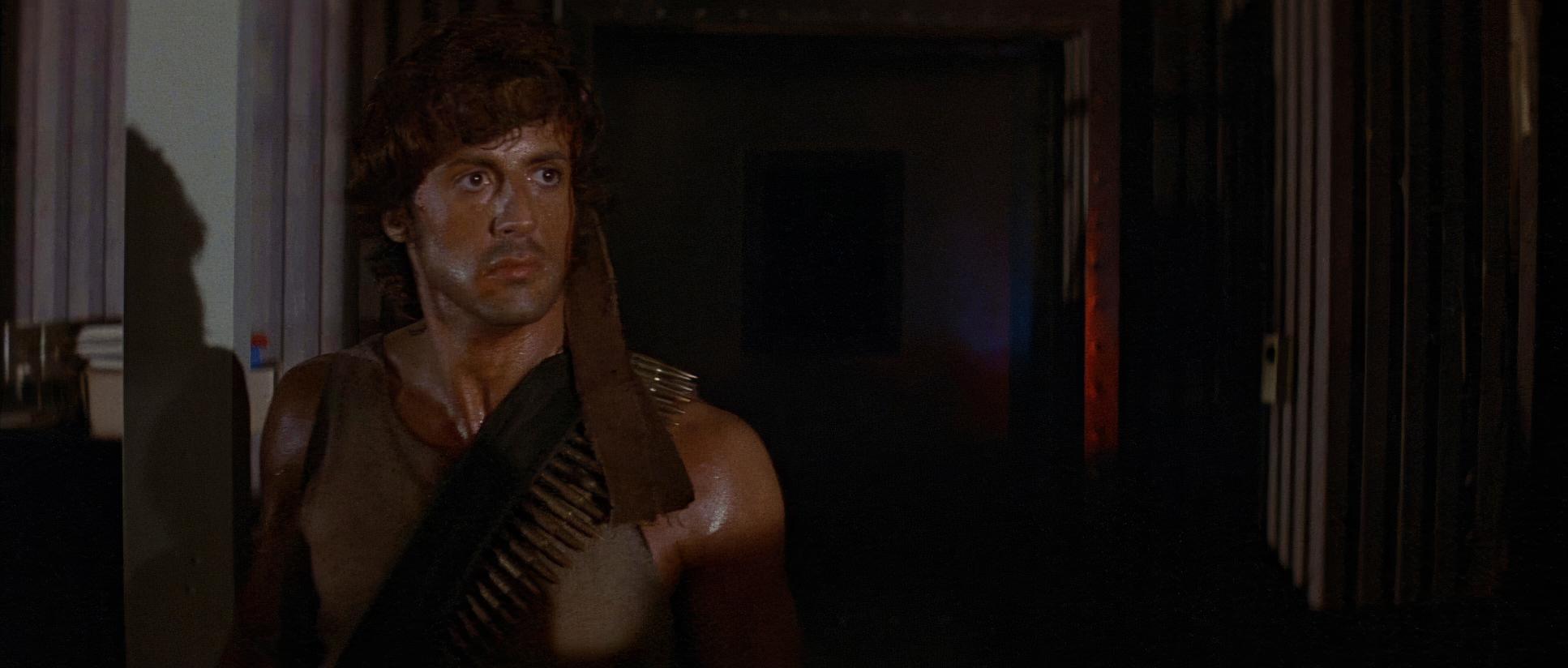
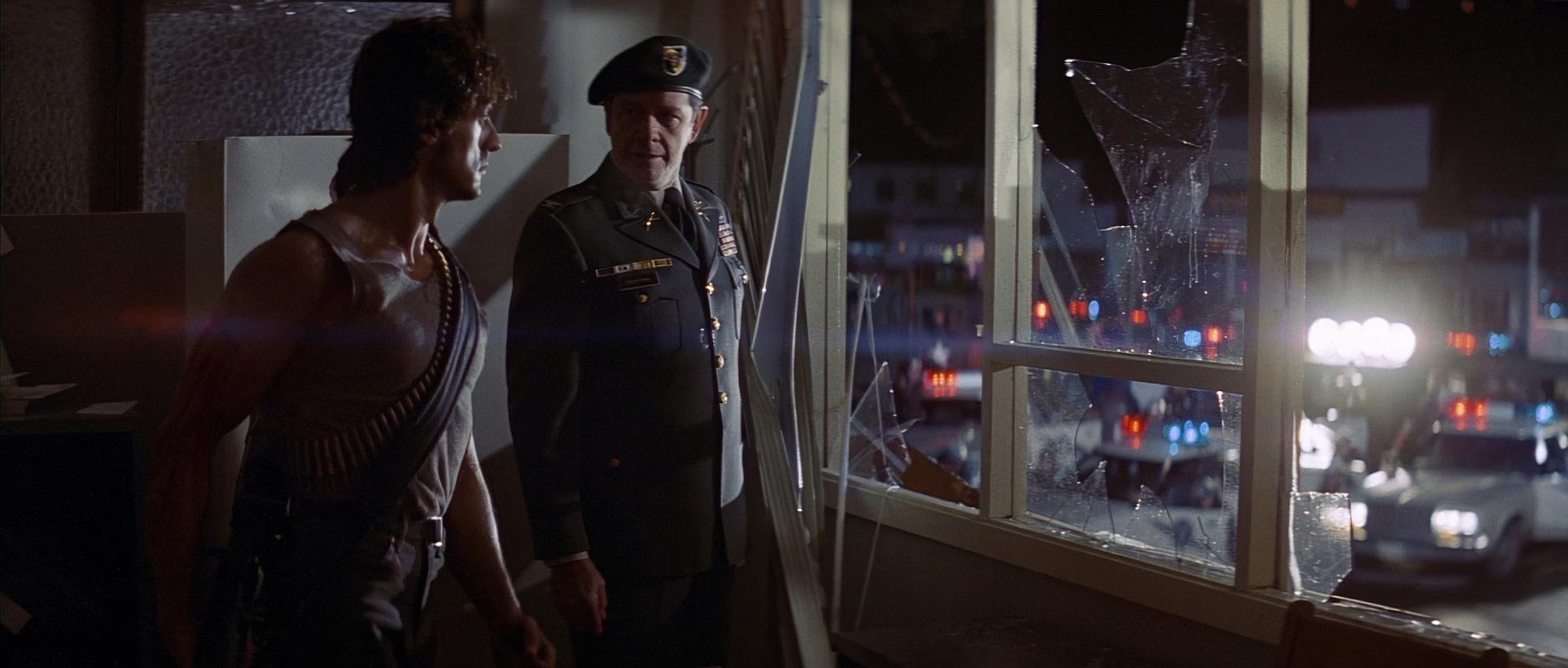
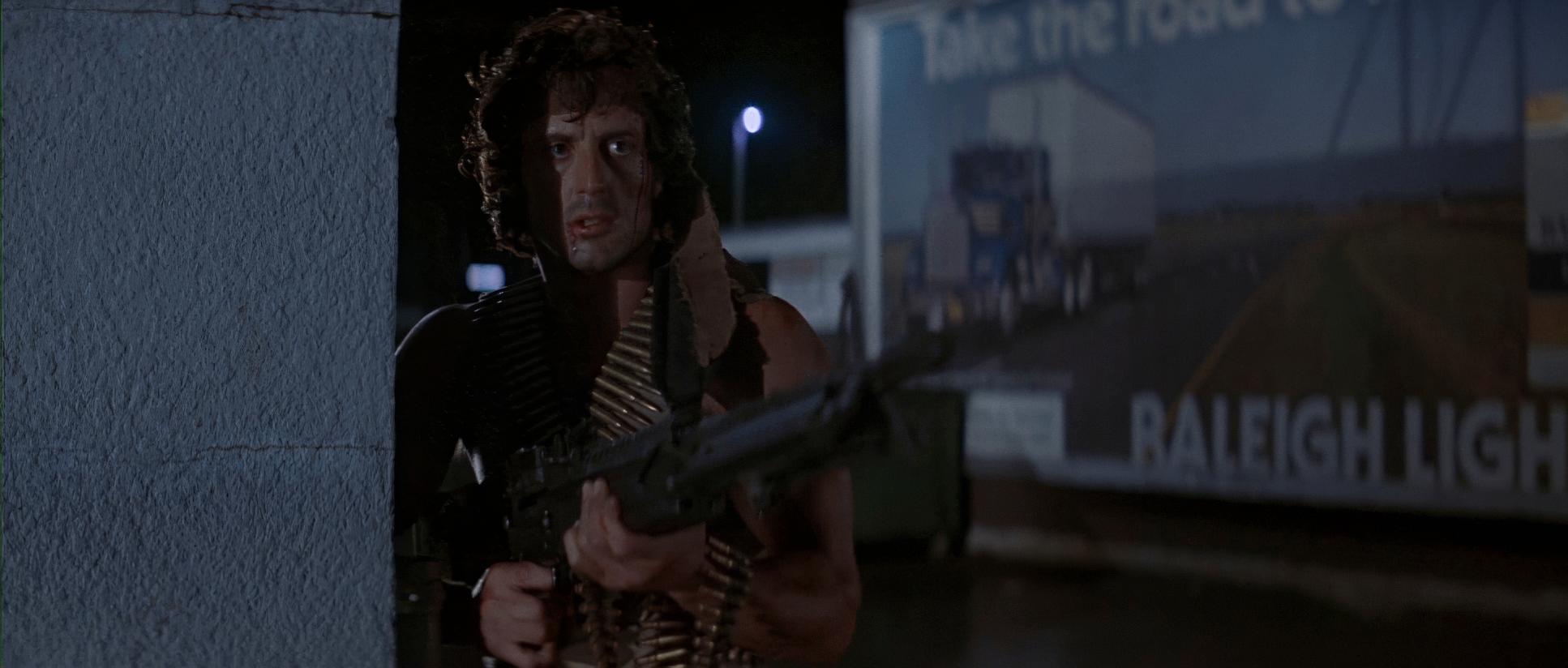
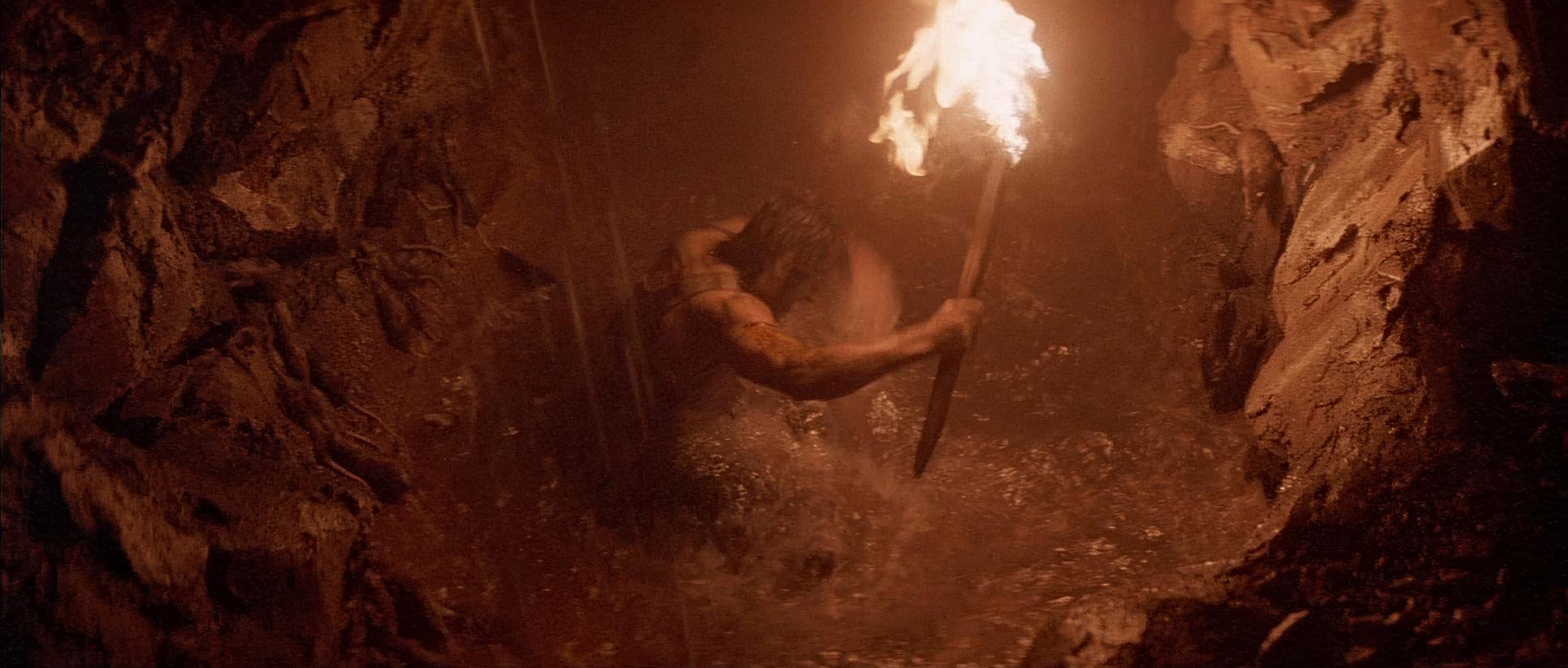
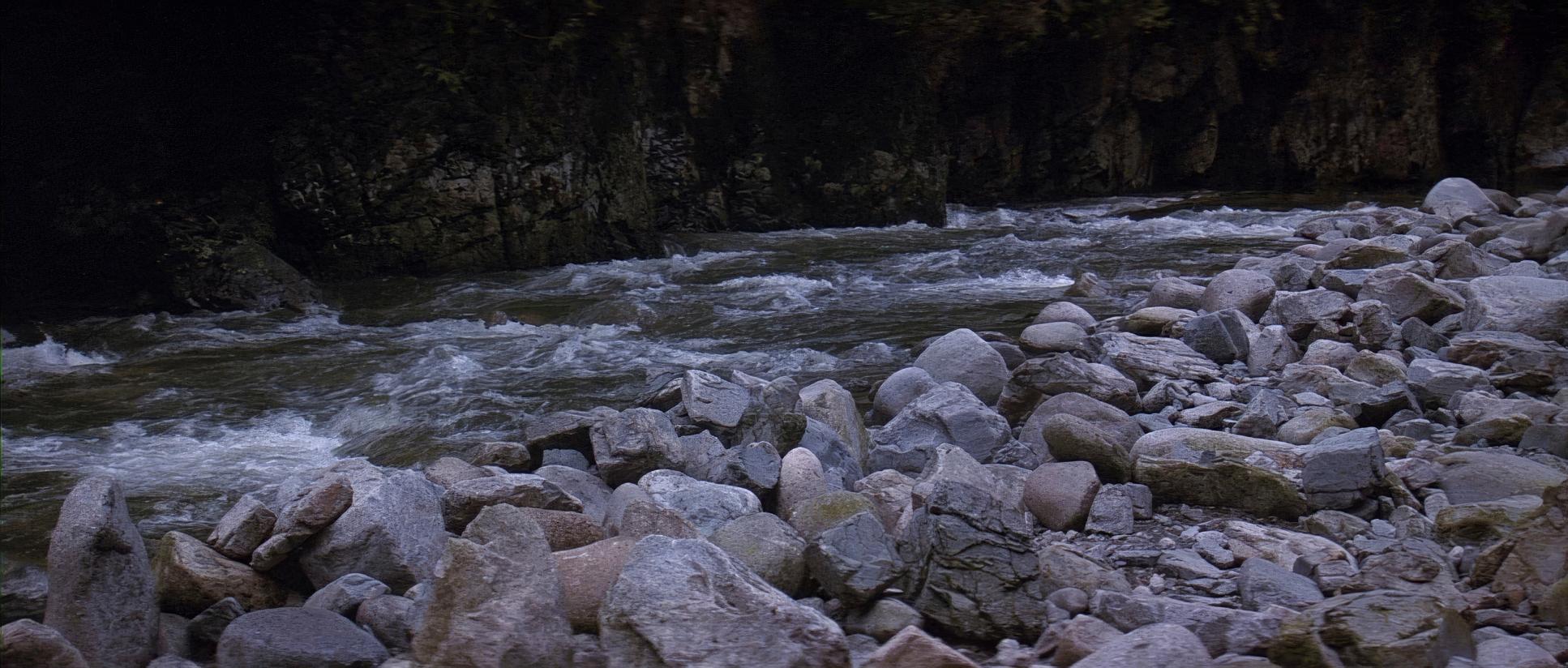
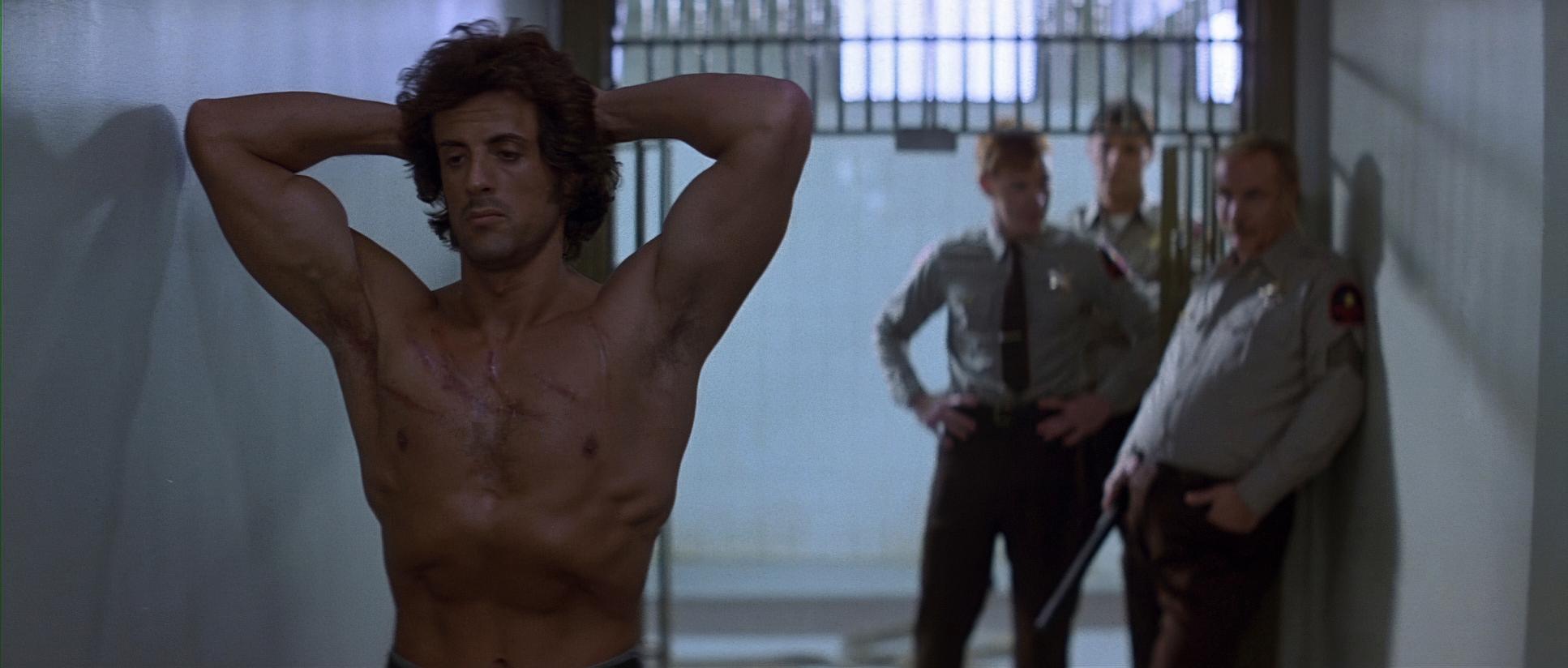
Inside the jail, the lighting is clinical and cold. It’s meant to feel abrasive. But look at how he handles the forest the way the light filters through the canopy to create dappled patterns. It’s “motivated” in the truest sense. As a colorist, I’m obsessed with the dynamic range here. Even in the overcast exteriors, the highlights in the sky have this beautiful, organic roll-off. They don’t “clip” or feel “thin” like digital sensors often do. In the cave sequences, he isn’t afraid of the dark. He uses high-contrast, directional light to carve out Stallone’s features, emphasizing the raw, animalistic desperation of a man backed into a corner.
Color Grading Approach
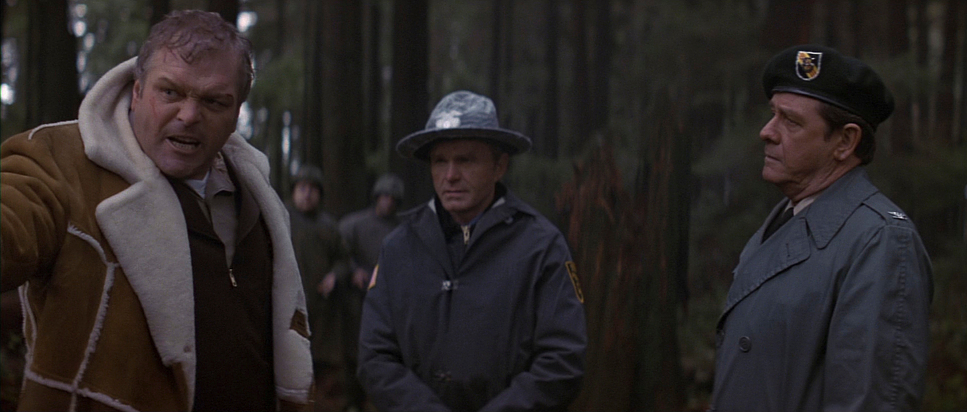
Stepping into my world the grade. Back in ’82, this was all photochemical, which gave it a density you just don’t get with a “Rec.709” digital finish. If I were sitting in Resolve today working on a restoration of this, I’d be fighting to keep that original soul alive.
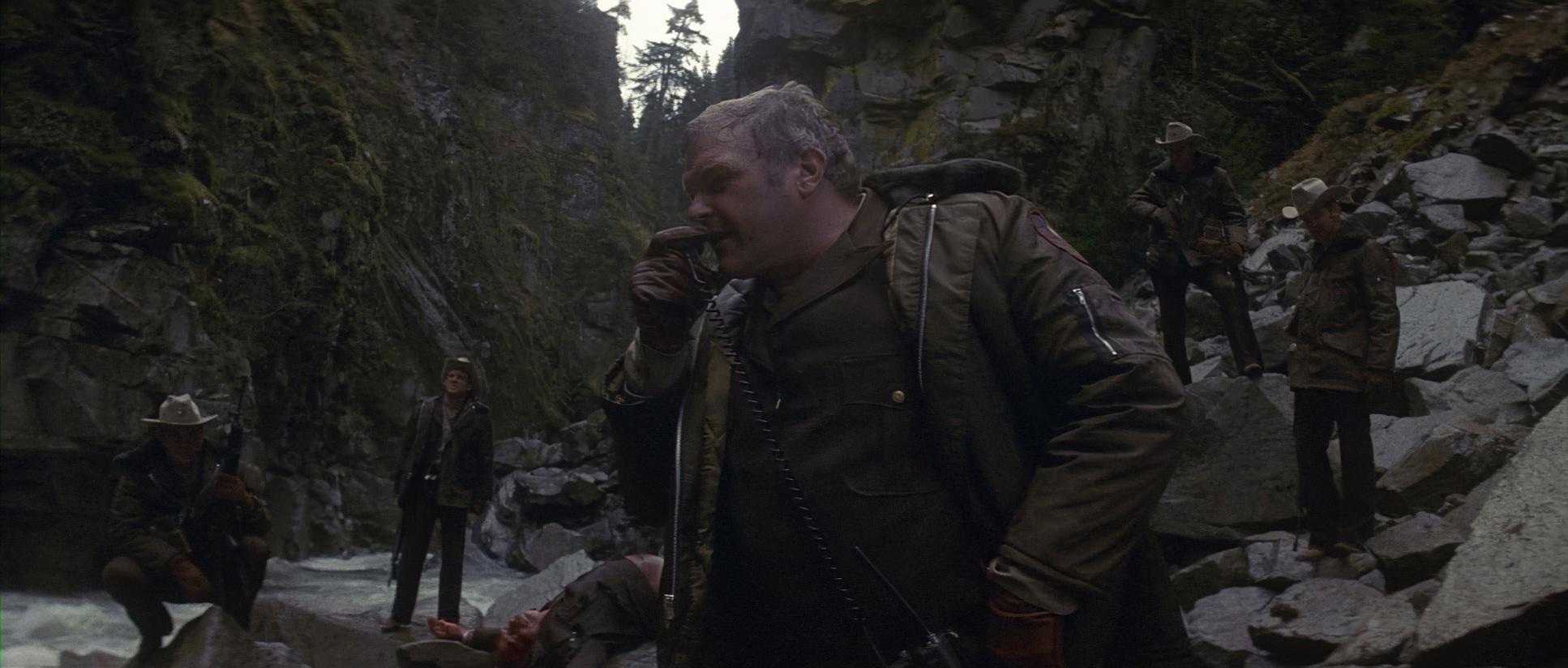
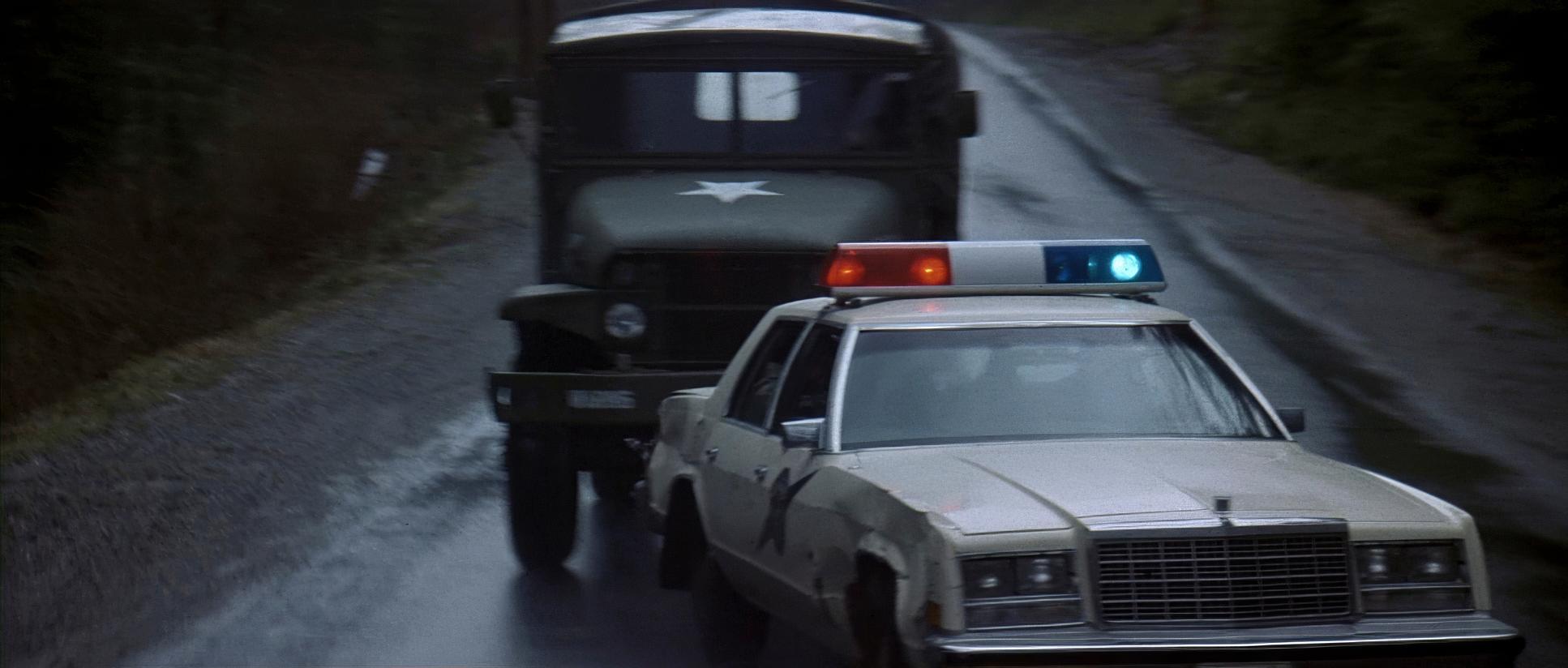
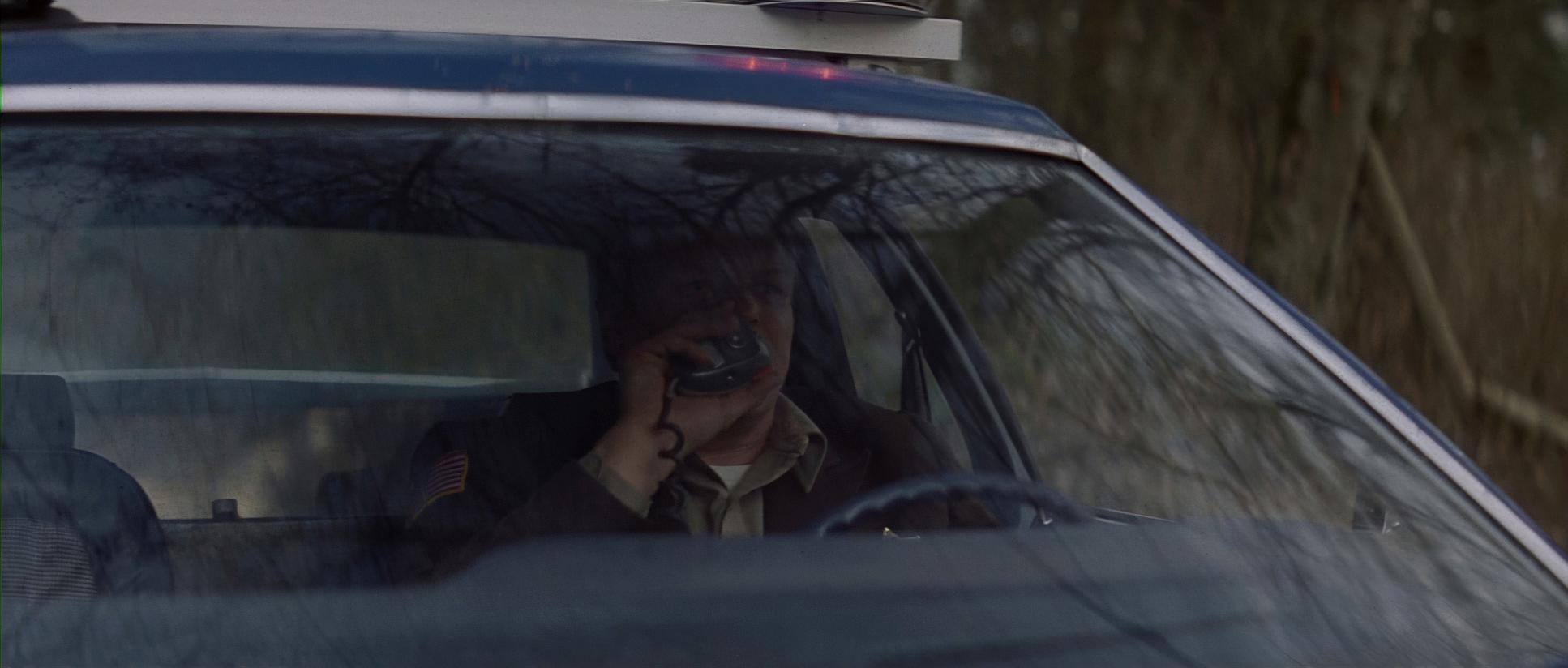
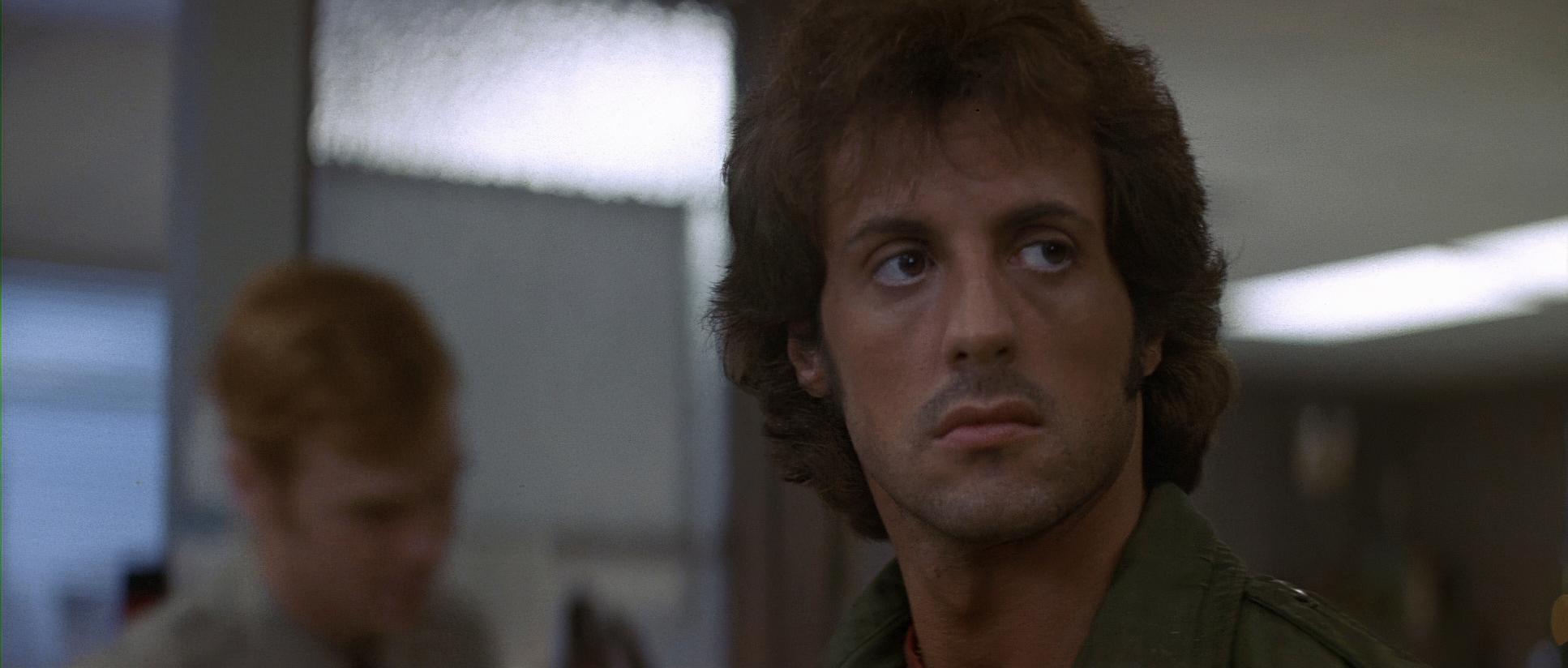
The “lush green” mentioned in the archives isn’t a neon green; it’s a deep, mossy, forest tone. I’d lean into hue separation keeping those rich greens distinct from the earthy browns of Rambo’s gear, while ensuring the “cop blue” of the uniforms feels cold and institutional. I’d want the blacks to be inky and deep to reflect Rambo’s “shadow-dwelling” nature, but I’d preserve enough texture in the shadows so the foliage doesn’t just turn into a black blob. Hot take: Too many modern grades “crush” the shadows to hide bad lighting. Laszlo’s lighting was so intentional that you can actually see the texture of the mud and the pine needles even in the dark. It’s a palette of “quiet intensity.”
Lensing and Blocking
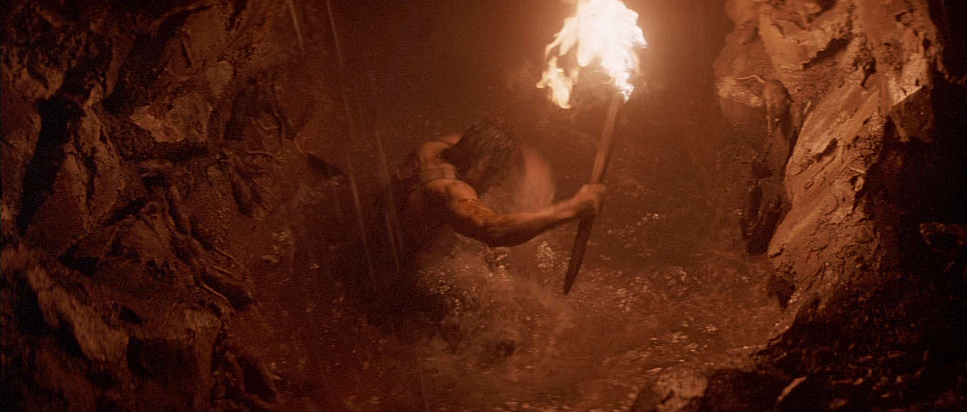
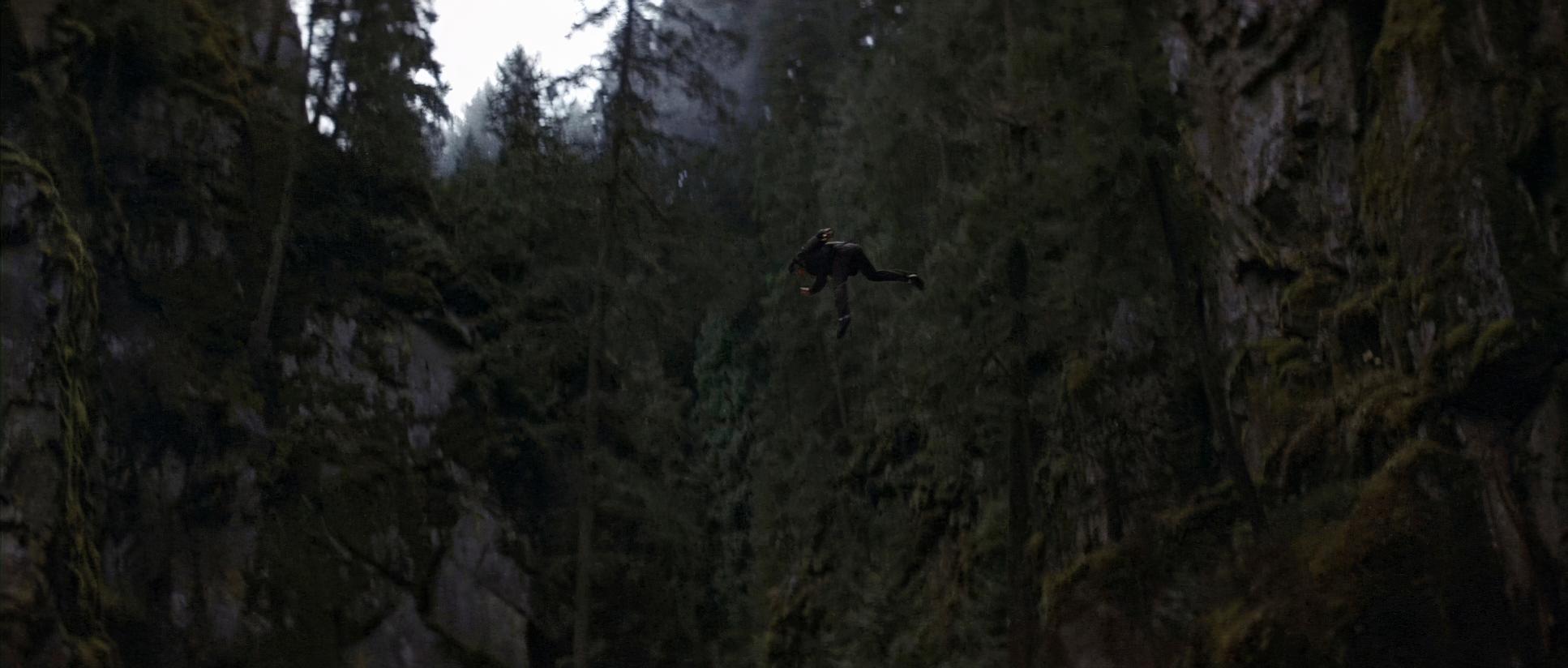
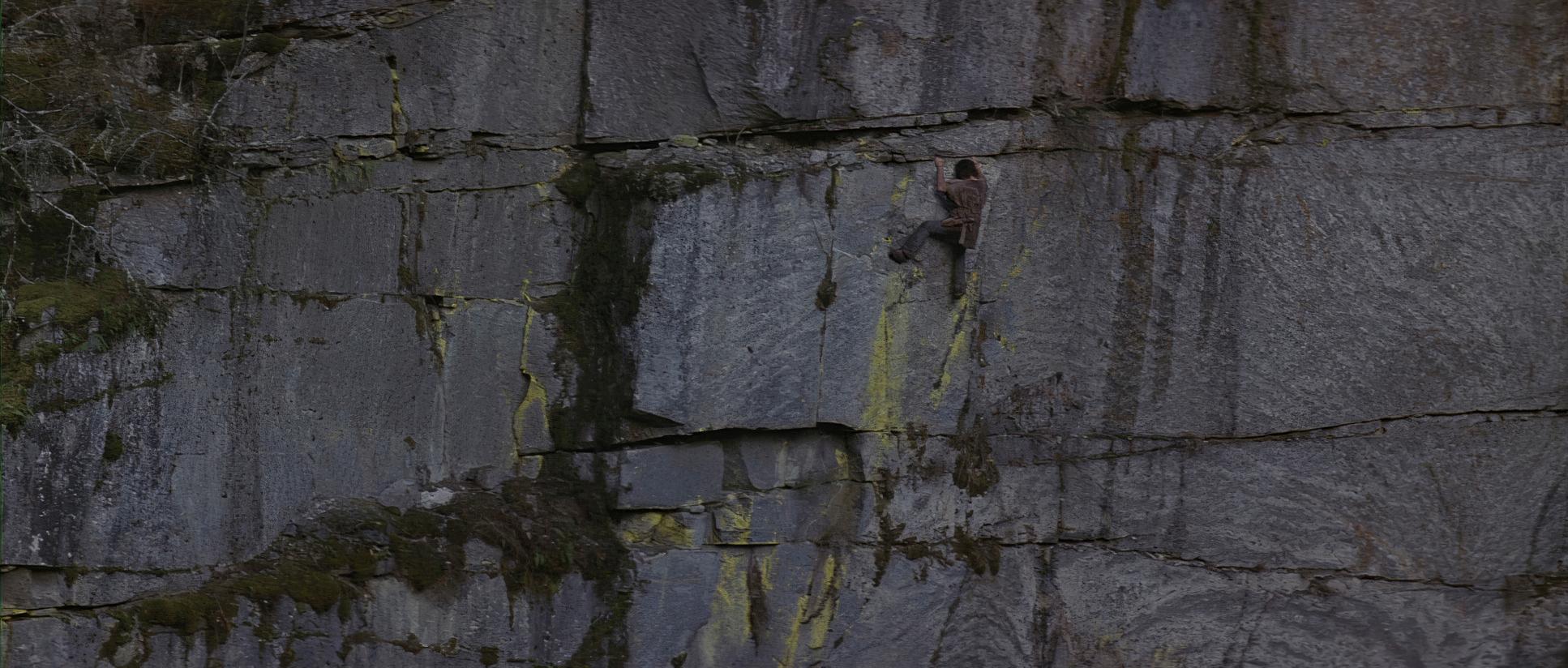
We’re talking 2.35:1 anamorphic here, and you can feel it in every frame. That wide aspect ratio is essential it allows you to see Rambo as a tiny figure dwarfed by the landscape, emphasizing his isolation. But it’s the “muck” of anamorphic lenses the slight distortion, the oval bokeh, the specific flare that gives the film its cinematic weight.
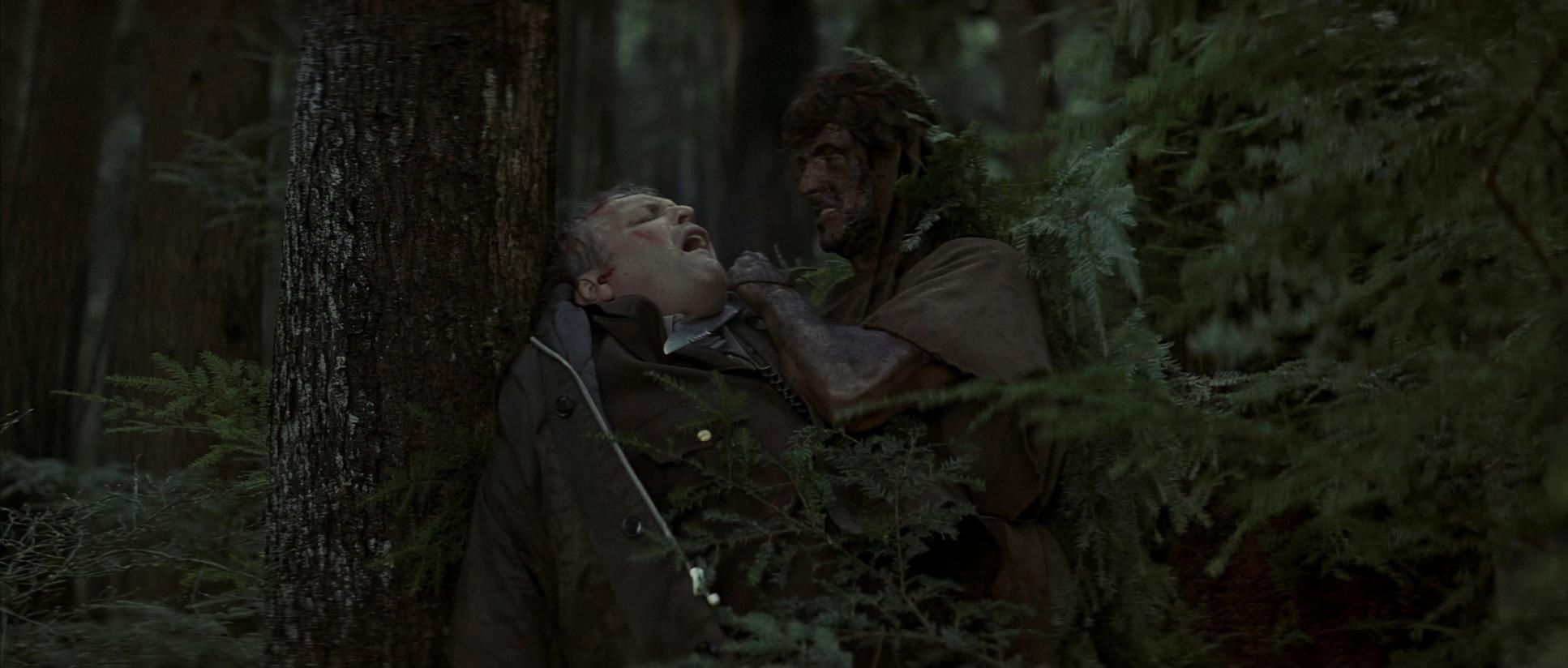
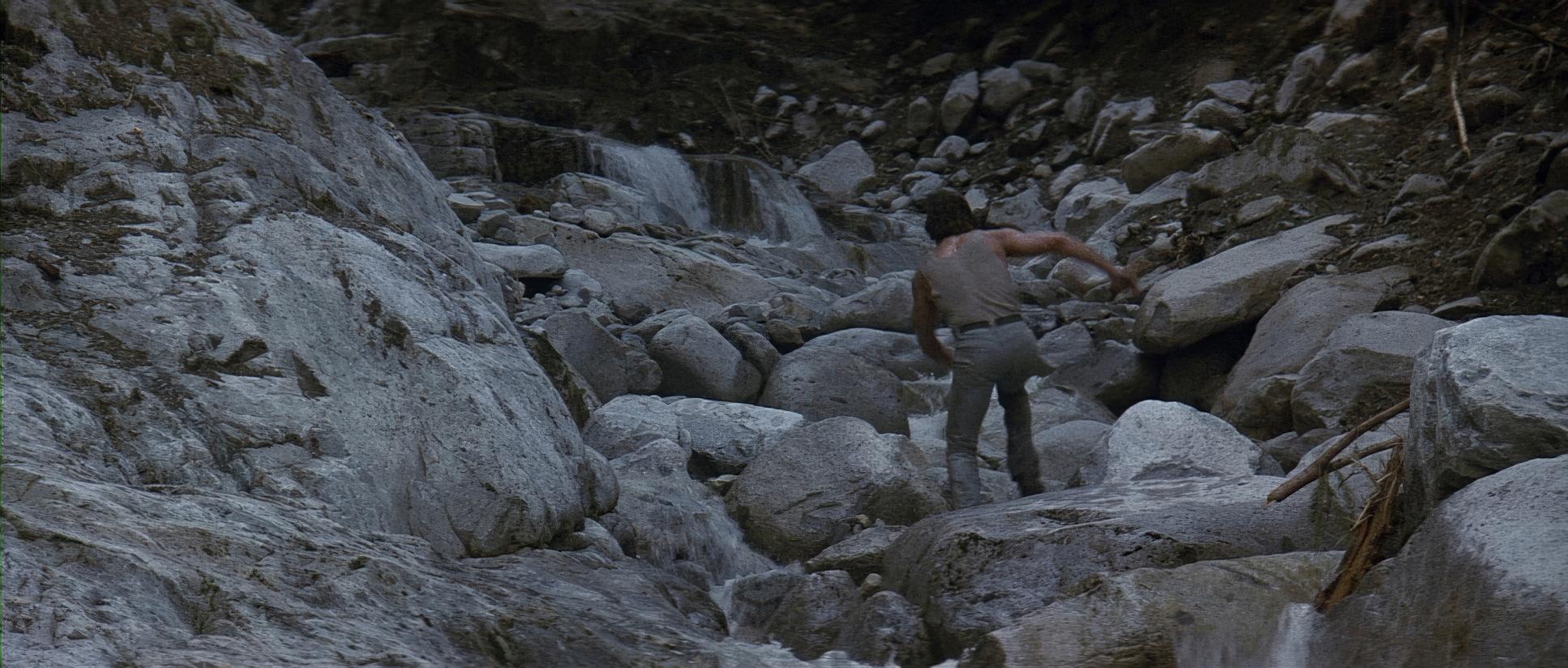
As a colorist, I’ll tell you: if the blocking is bad, I can’t save the shot. I’ve had projects where I’m desperately trying to “sculpt” light onto an actor’s face because they missed their mark or the DP didn’t create separation. It’s like trying to paint on a crumpled canvas. But in First Blood, the blocking is surgical. Stallone (who did a terrifying amount of his own stunts) moves through the frame with a specific physical presence. When he’s cornered, the blocking makes him look small; when he’s hunting, he’s a phantom blending into the leaves. The camera doesn’t just watch him; it follows his trajectory.
Camera Movements
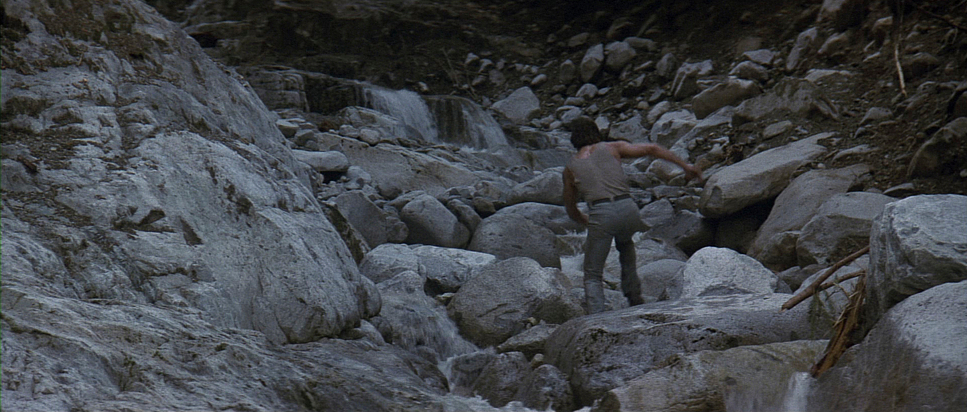
The camera work here is surprisingly disciplined. It avoids the “shaky-cam” mess that plagues modern action. In the beginning, it’s observational and steady we’re just watching Rambo walk into a trap.
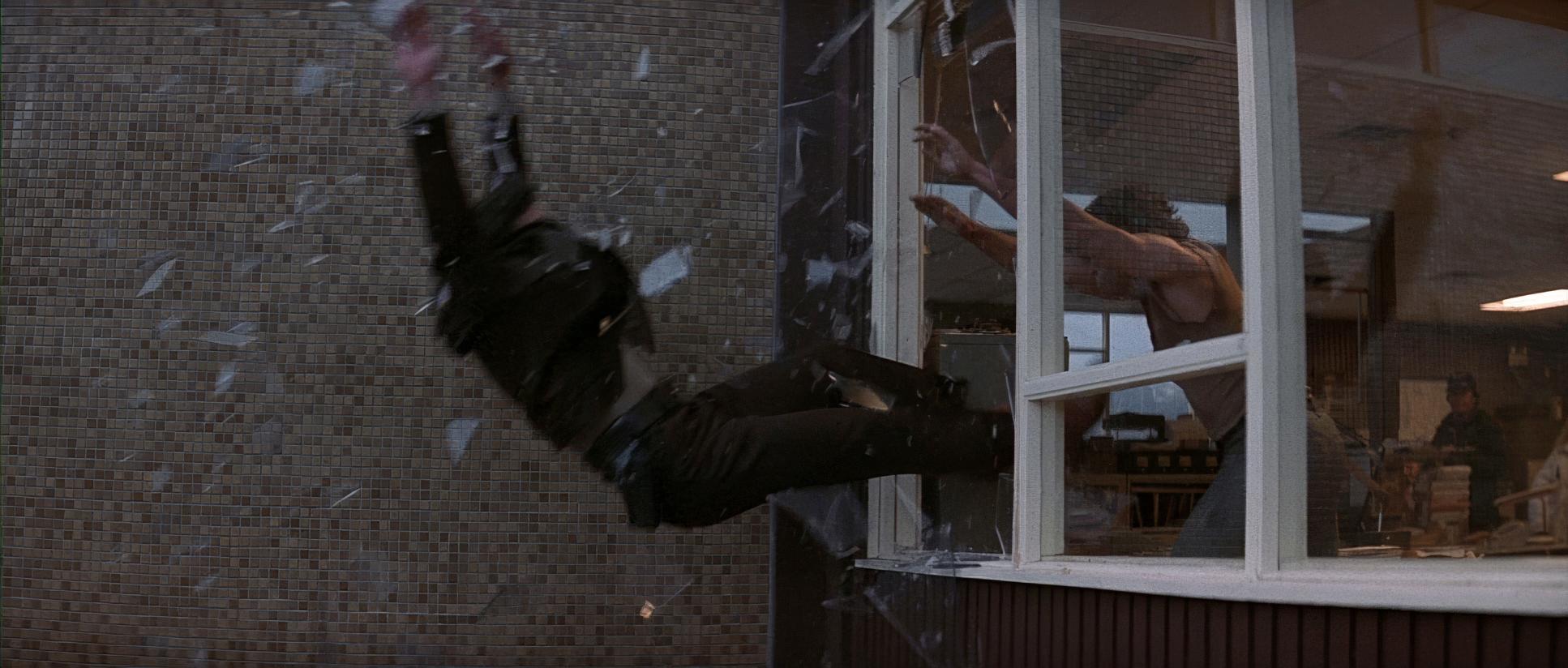
Once the chase hits the woods, the tracking shots take over. They follow him through the brush, making us feel his agility. When the helicopter is overhead, the camera is predatory, looking down on him. But when Rambo turns the tables, the lens gets lower, more immersive. We’re in the mud with him. The handheld work is used sparingly only during moments of absolute chaos, like the jail escape which makes those moments feel genuinely frantic rather than just annoying.
Compositional Choices
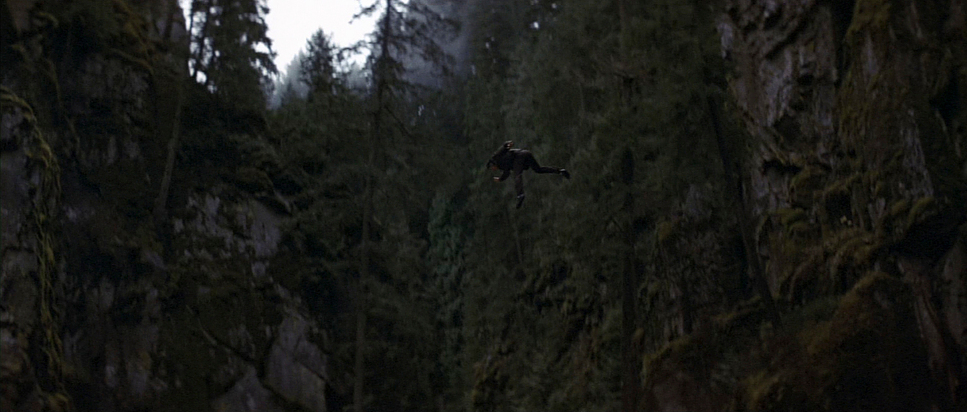
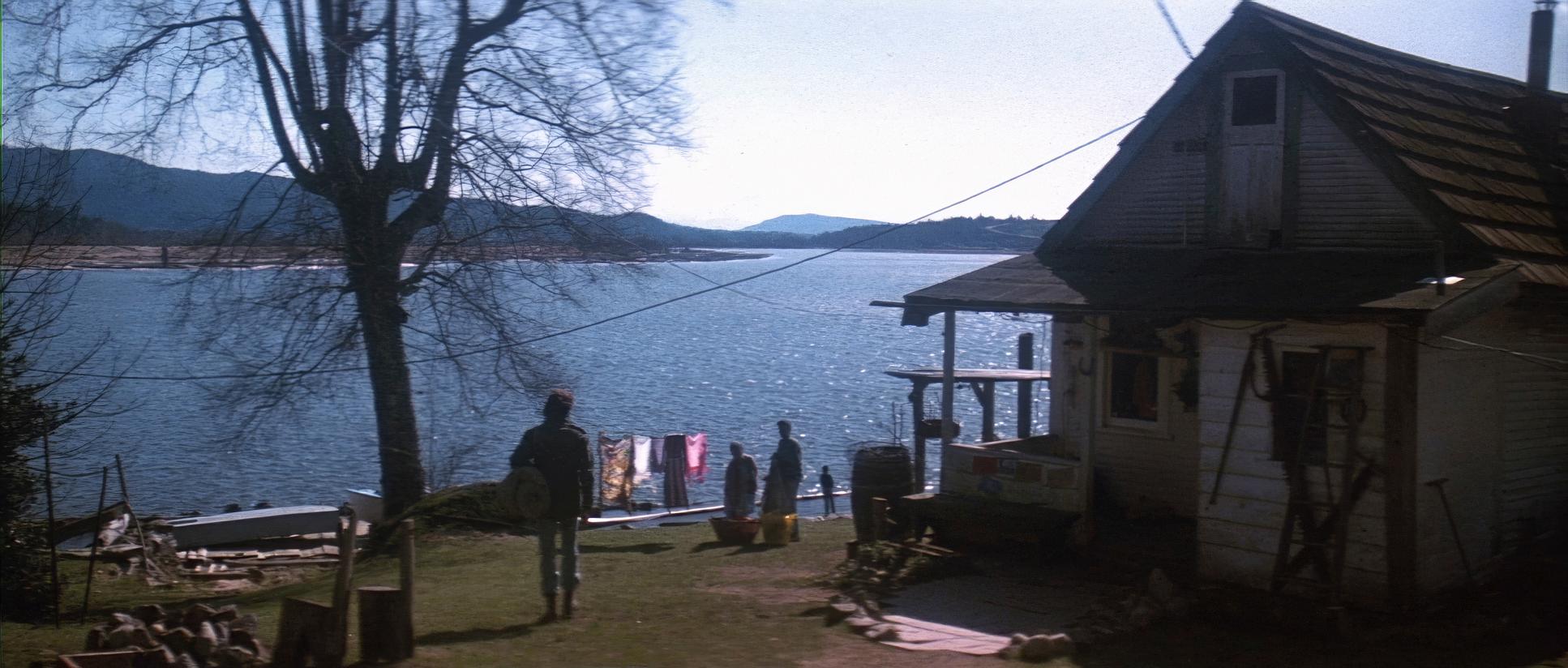
Laszlo uses the 2.35:1 frame to articulate loneliness. He frequently puts Rambo in wide shots, making him look insignificant against the ridges and forests. It’s a visual metaphor for a man versus the world.
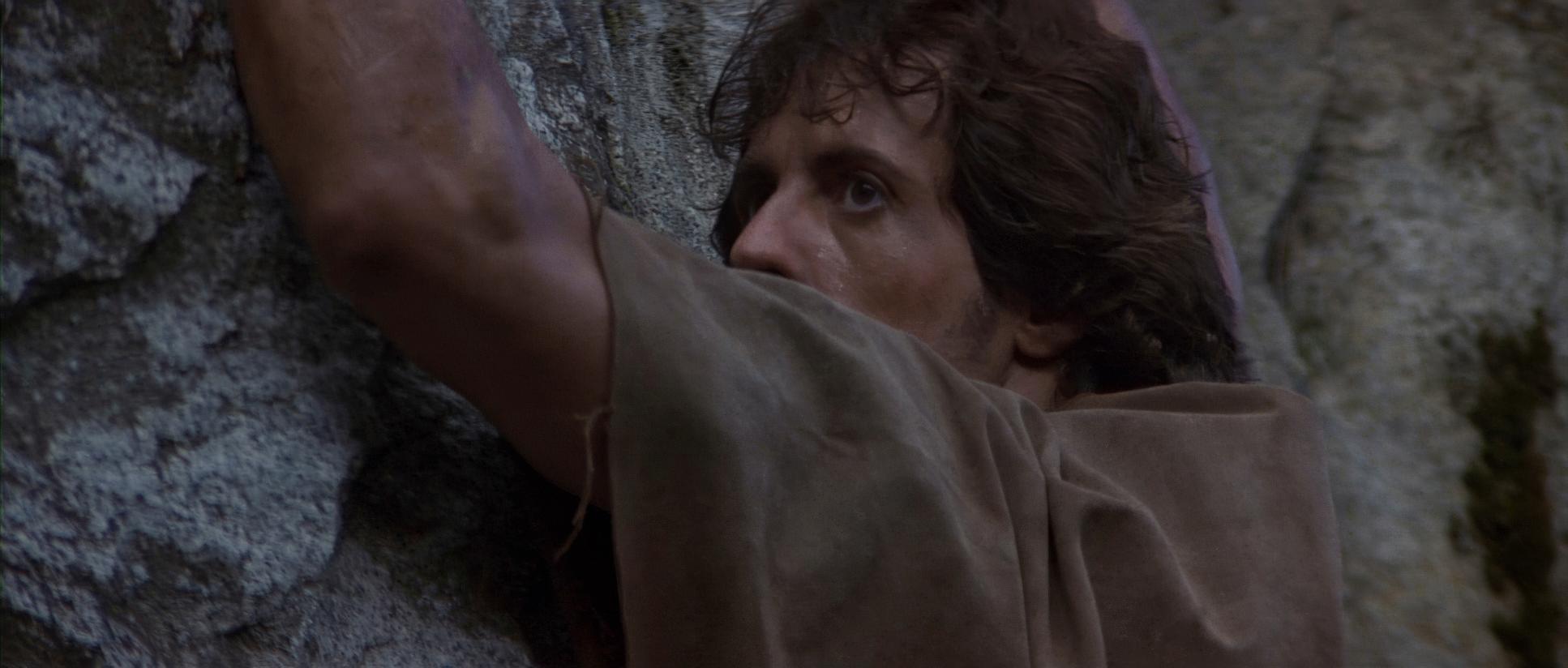
Contrast that with the tight, claustrophobic framing in the town. The police station feels like a cage because of how the angles are cut. I love the way Rambo is often framed through things branches, rocks, rain. It builds that “phantom” persona. He isn’t just in the forest; the composition tells us he is part of it.
Technical Aspects & Tools
This was a 35mm shoot, likely using Kodak 5247 or 5294 stock. That film gave the DPs of that era incredible latitude. You see it in the way the film handles the transition from bright morning mist to the deep shadows of the “rat cave.”
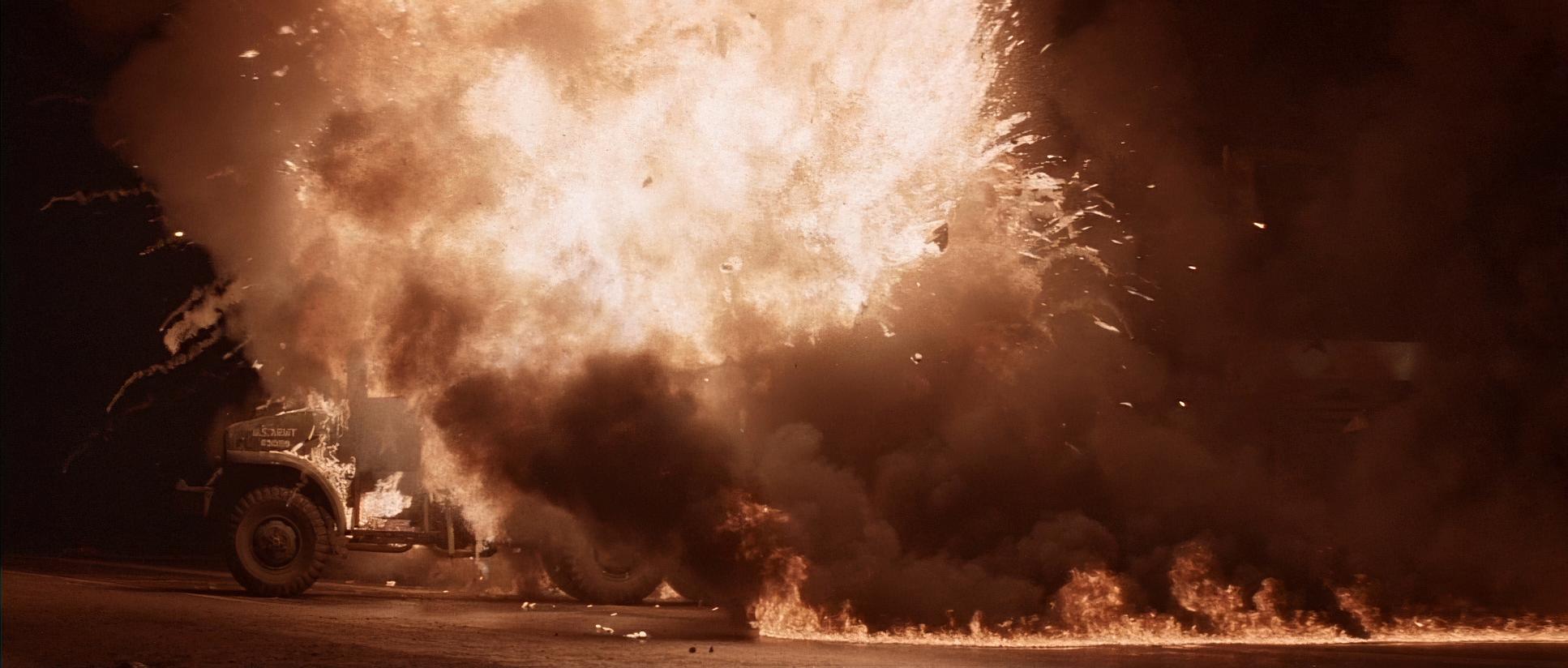
The fact that Stallone broke a rib and a nose during this shoot, and that a stuntman actually broke his back in that car slide, tells you everything you need to know about the “practical” era. There was no “we’ll fix it in post” or “add the explosion in CGI.” Every crash and every fall had to be captured on the day. That lack of digital safety net is why the film still feels so heavy and real 40+ years later. The camera department had to be perfect because there was no “undo” button.
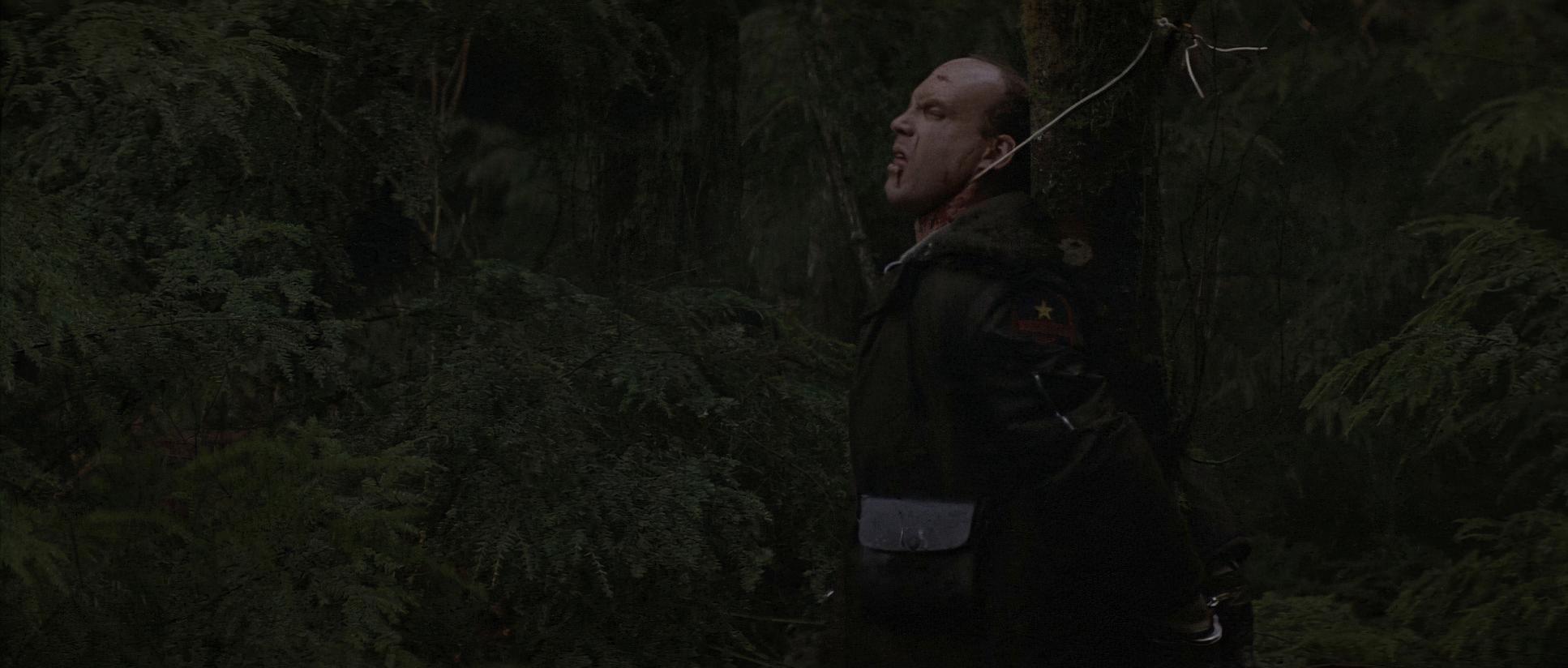
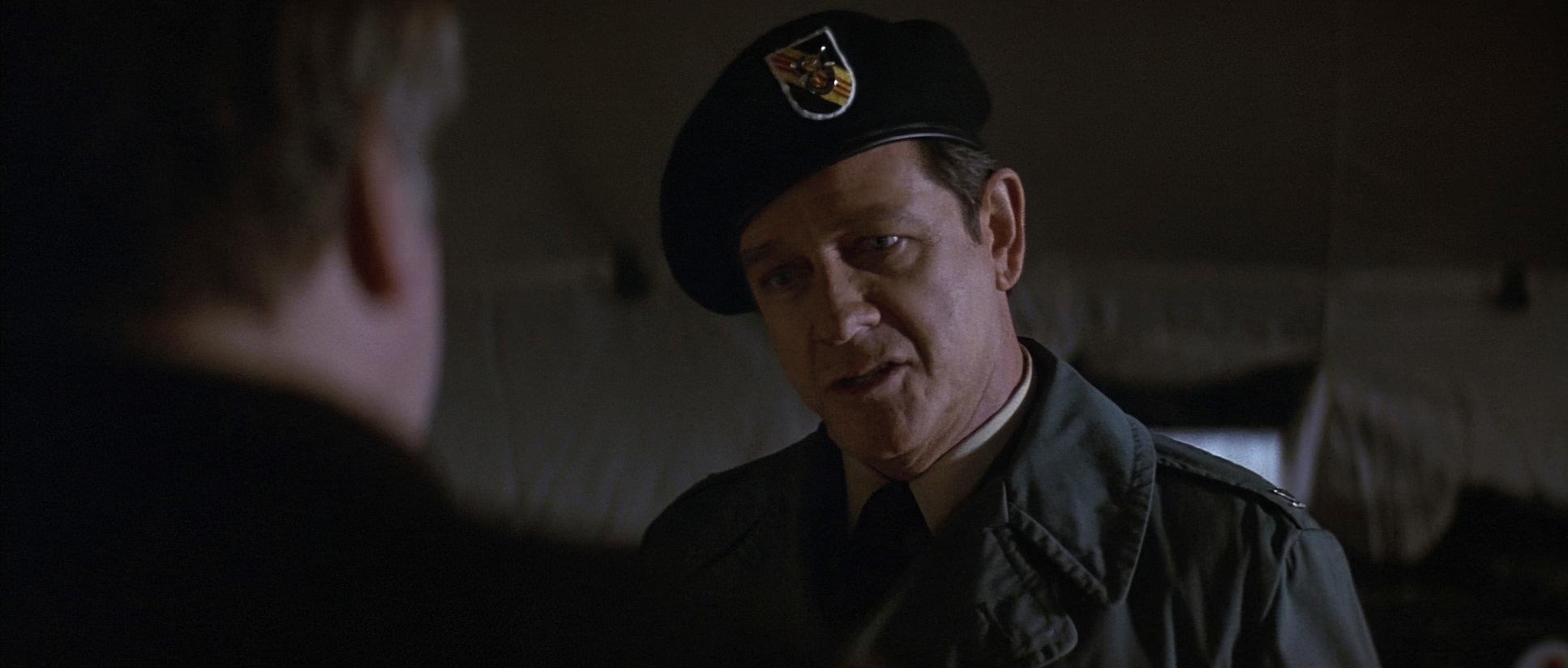
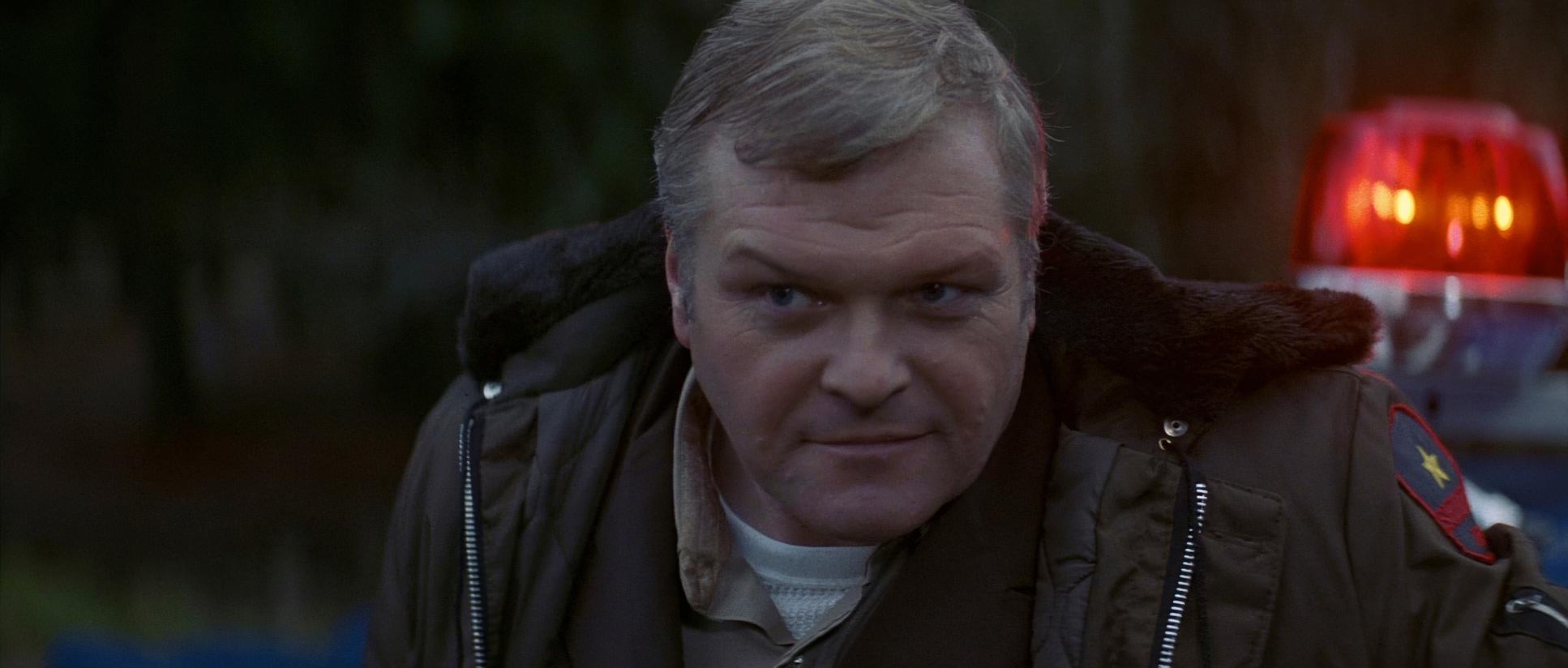
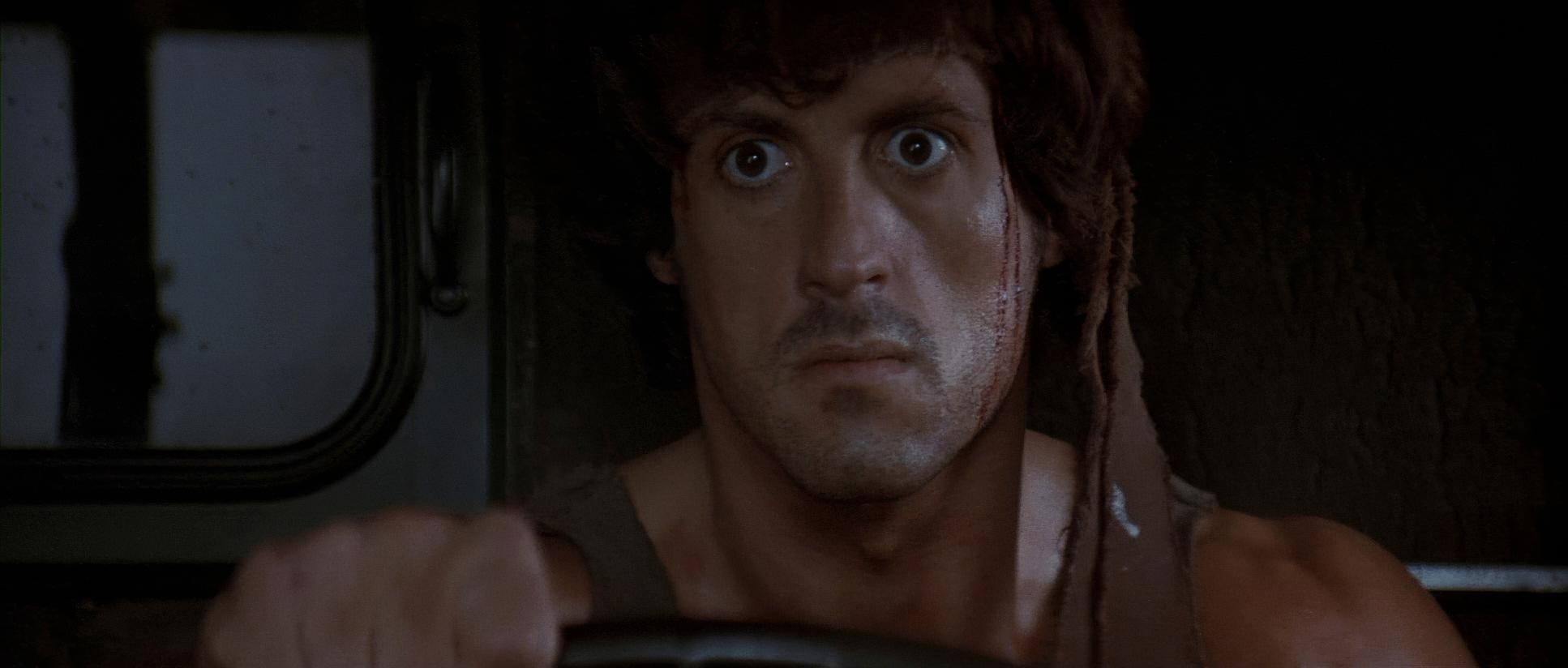
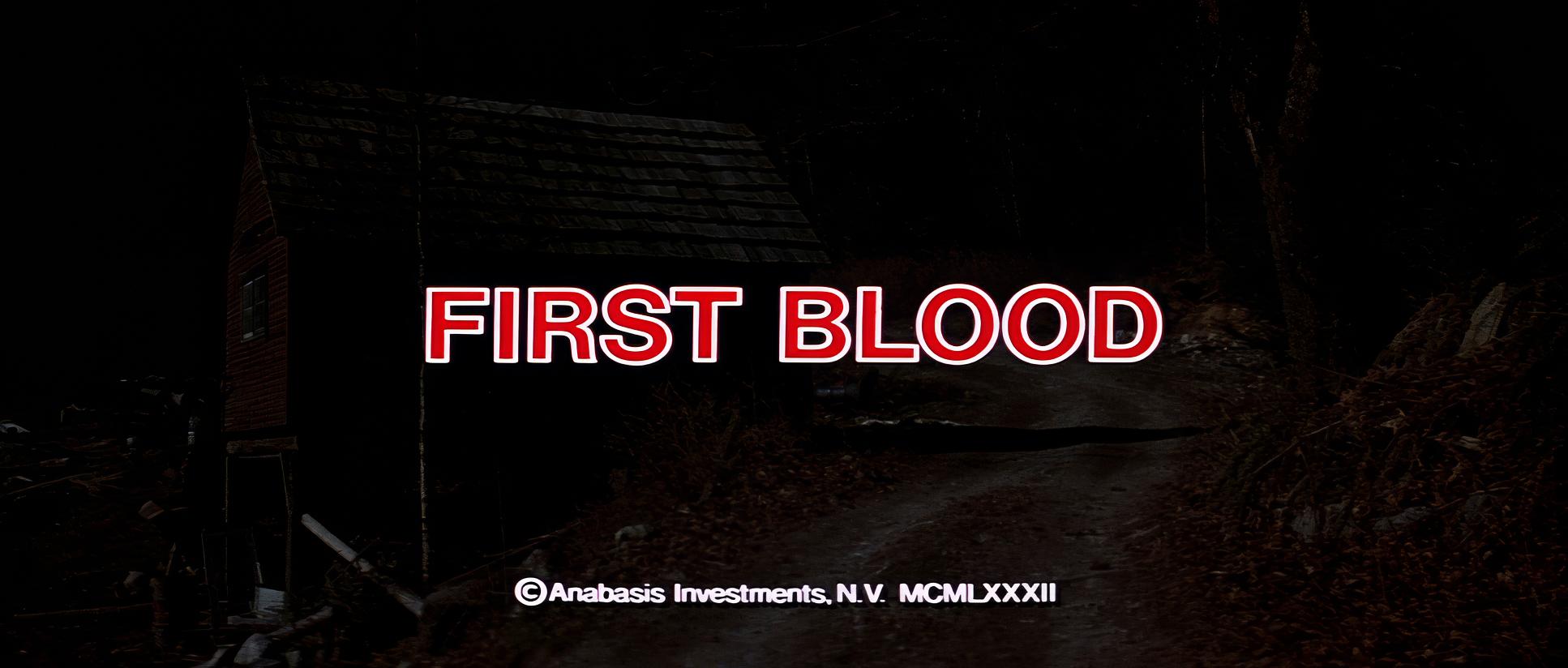
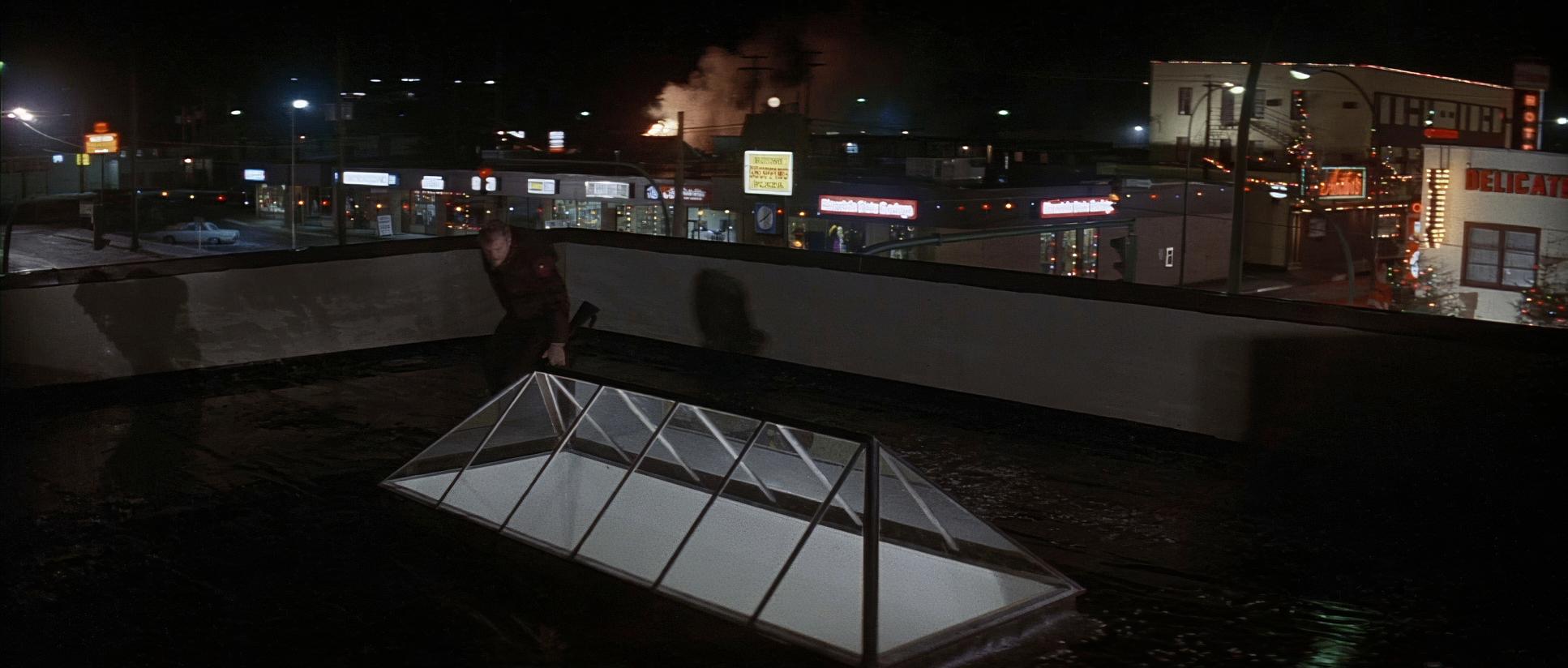
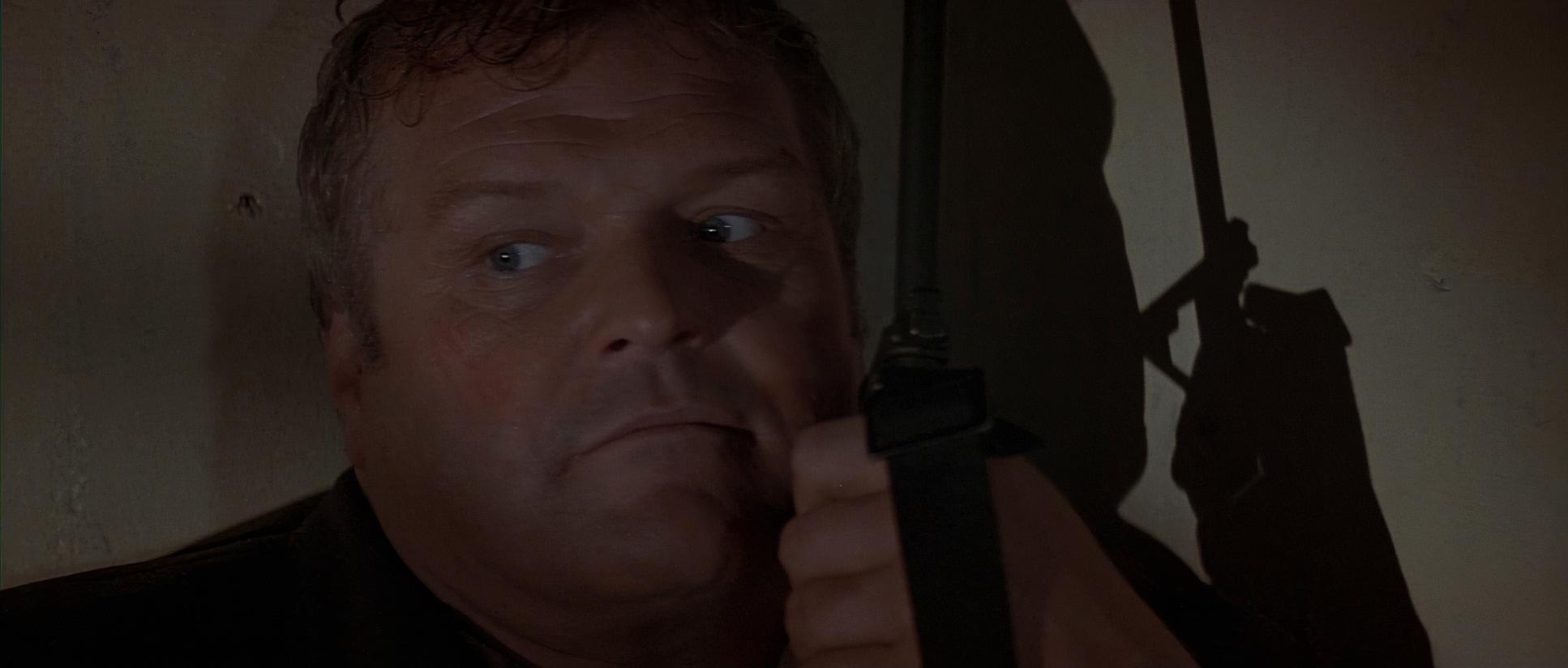
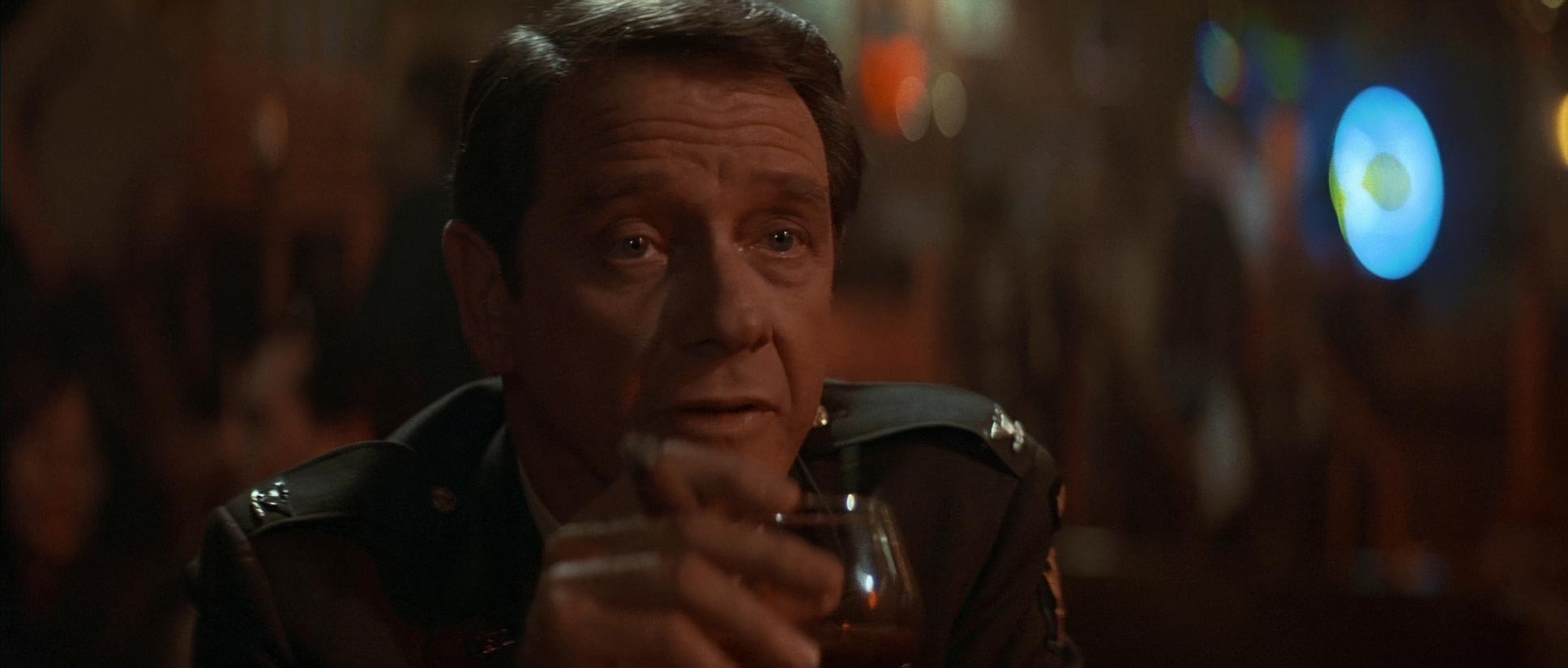
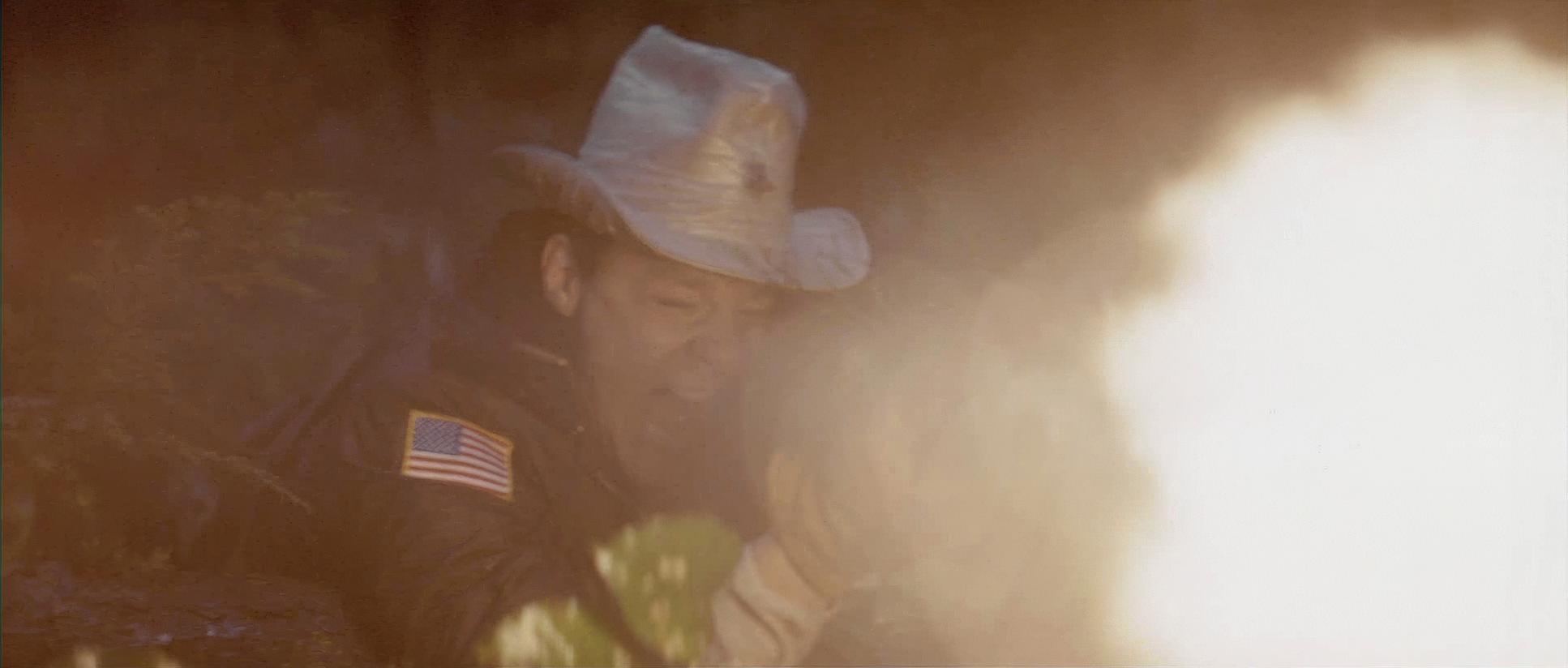
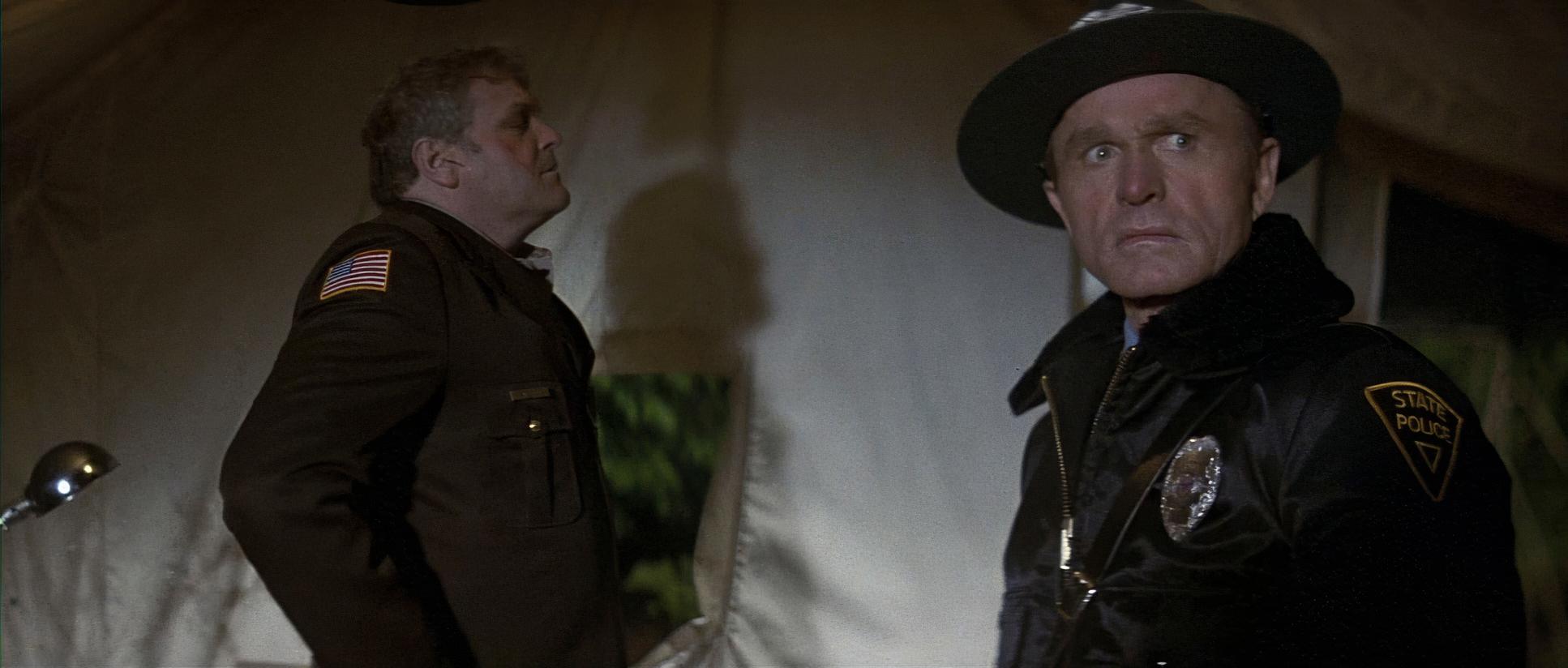
First Blood (1982) Film Stills
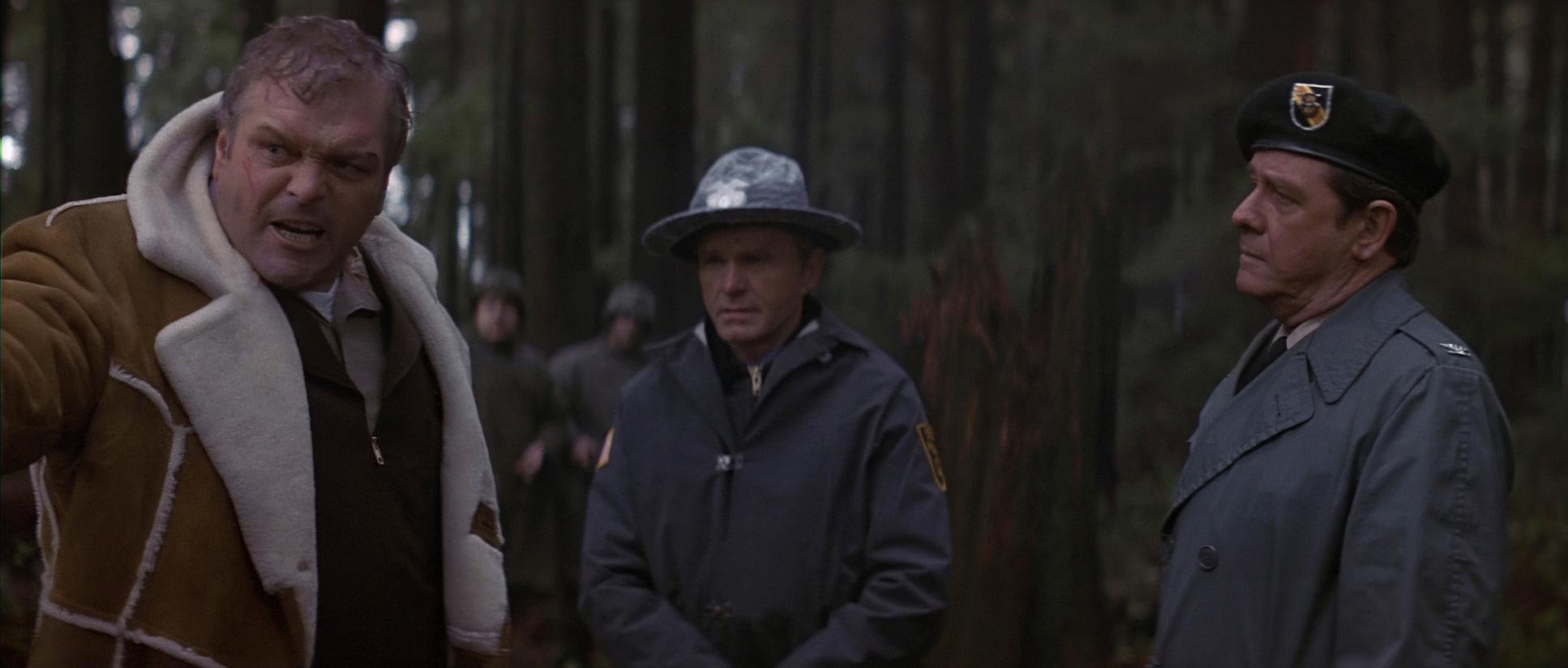
A curated reference archive of cinematography stills from FIRST BLOOD (1982). Study the lighting, color grading, and composition.
- Also read: A FEW GOOD MEN (1992) – CINEMATOGRAPHY ANALYSIS
- Also read: A FEW GOOD MEN (1992) – CINEMATOGRAPHY ANALYSIS
Browse Our Cinematography Analysis Glossary
Explore directors, cinematographers, cameras, lenses, lighting styles, genres, and the visual techniques that shape iconic films.
Explore Glossary →