I’ve been tracking Joseph Kosinski since Oblivion, but what he did with Maverick completely reset the bar for how we capture speed. So, when the word got out that he was teaming up with Brad Pitt for a Formula 1 epic, my first thought wasn’t about the plot it was about the glass and the sensors. F1: The Movie isn’t just a “racing flick.” It’s a loud, confident, old-school summer blockbuster that uses visual language to drag the audience into a cockpit they have no business being in. For those of us at Color Culture, this is exactly the kind of “visceral cinema” that demands a frame-by-frame autopsy.
About the Cinematographer

Let’s be honest: Claudio Miranda, ASC, was the only choice for this. His shorthand with Kosinski is legendary at this point, but more importantly, he knows how to make extreme technical precision feel human. In Maverick, he proved he could handle high-G environments without losing the soul of the character. Here, he’s doing it again. Miranda has this rare ability to blend grand scale with intimate drama he doesn’t just show you a car; he makes you feel the weight of it. His work is clean, impactful, and never gratuitous. I went into F1 expecting a masterclass, and Miranda delivered.
Inspiration Behind the Cinematography
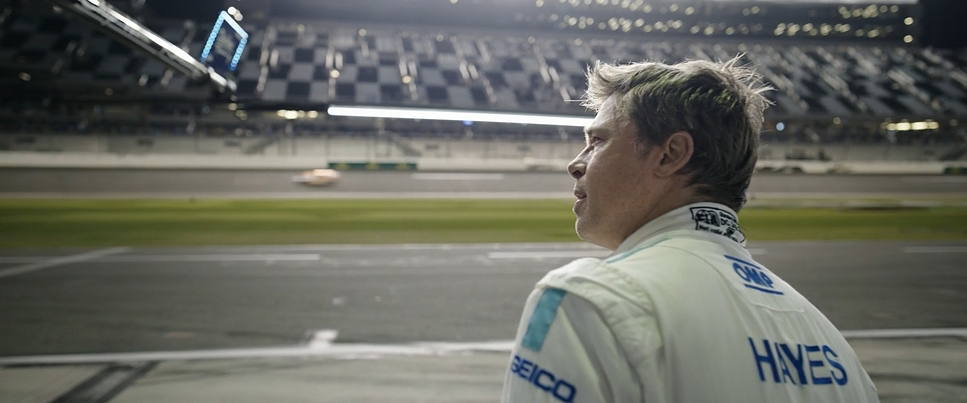
The DNA of Top Gun: Maverick is all over this film, and that’s a very good thing. The objective was clear: translate that “in-cockpit” intensity of a fighter jet into the cramped, terrifyingly fast environment of an F1 car.
They didn’t just lean on CGI. They went practical real cars, real tracks, and actual filming during F1 race weekends. As a filmmaker, I appreciate that commitment to “the real” more than I can say. It gives the image a tangible weight that even the best CG struggles to replicate. The inspiration here is clearly the classic summer blockbuster the kind that knows exactly what its audience wants and serves it up with zero apologies. It’s a love letter to the sport, the machinery, and the exotic chaos of the F1 calendar.
Camera Movements

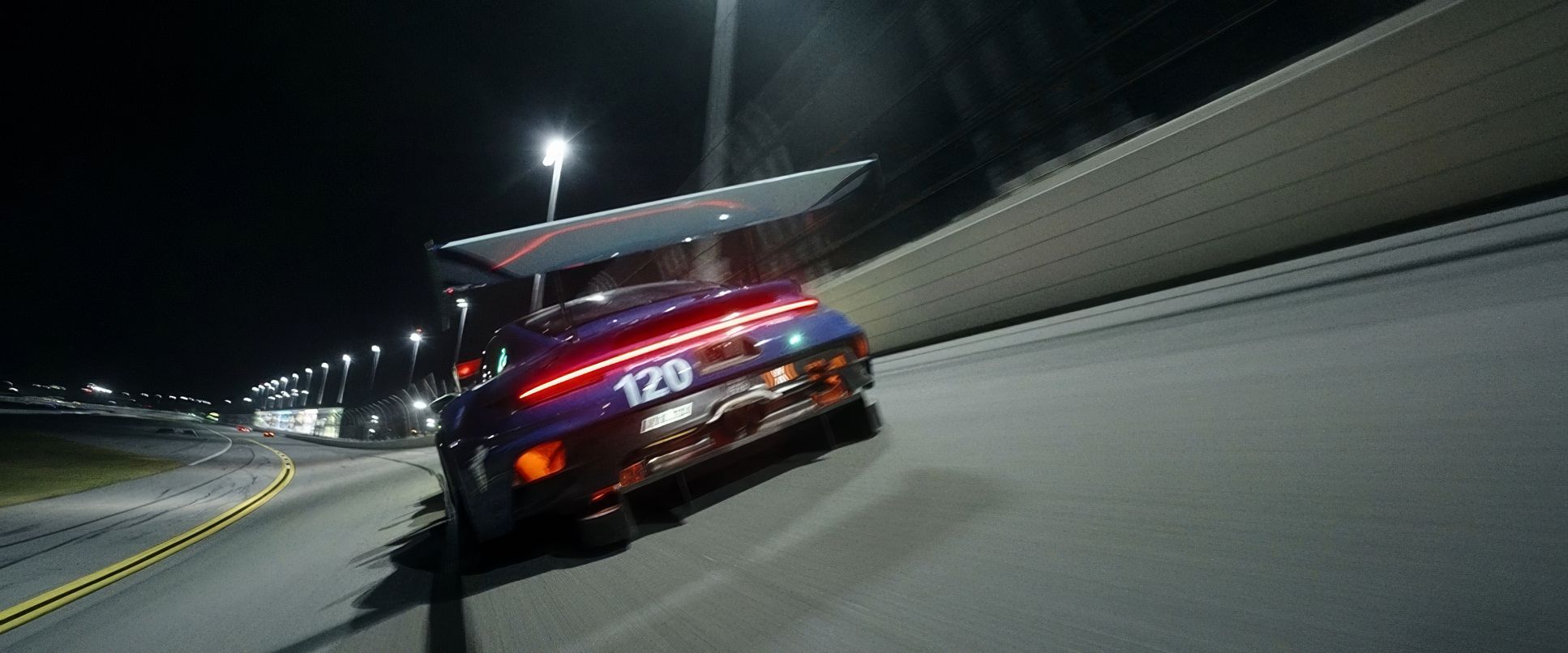
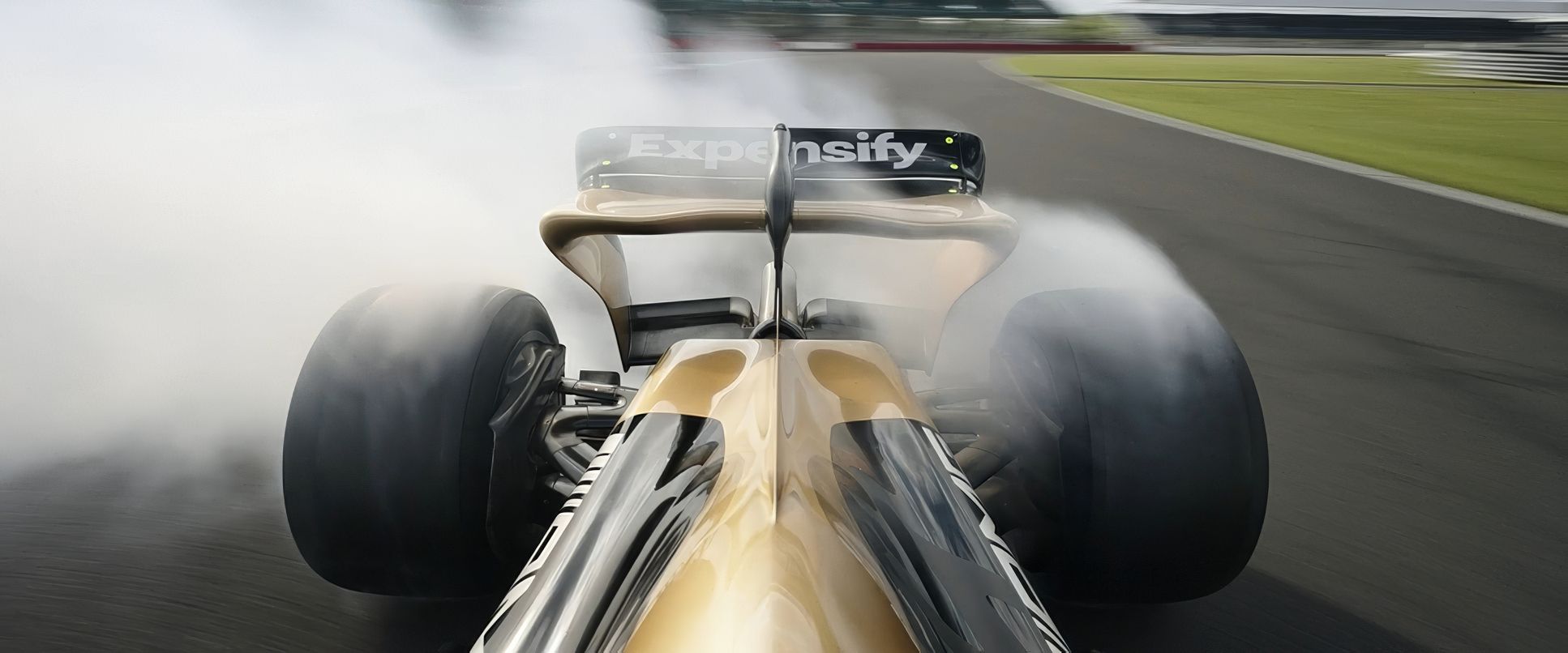
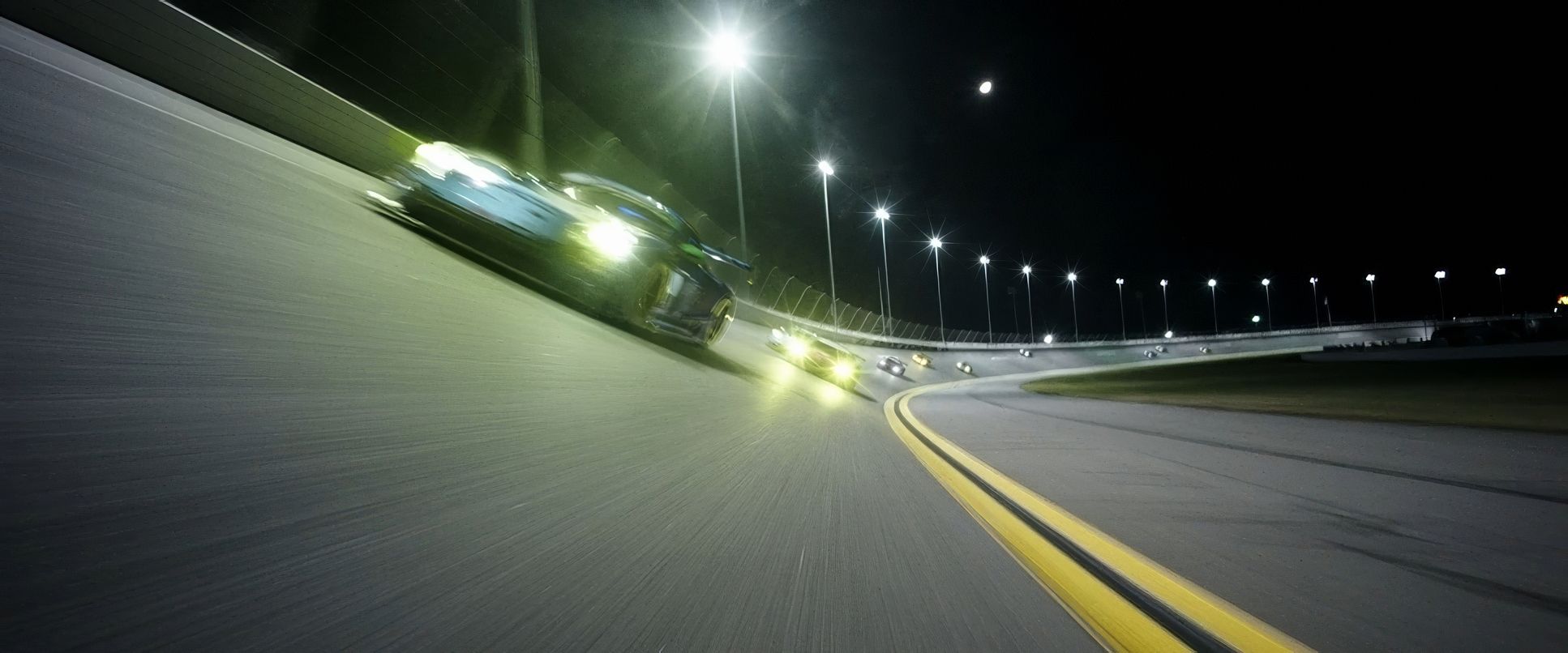
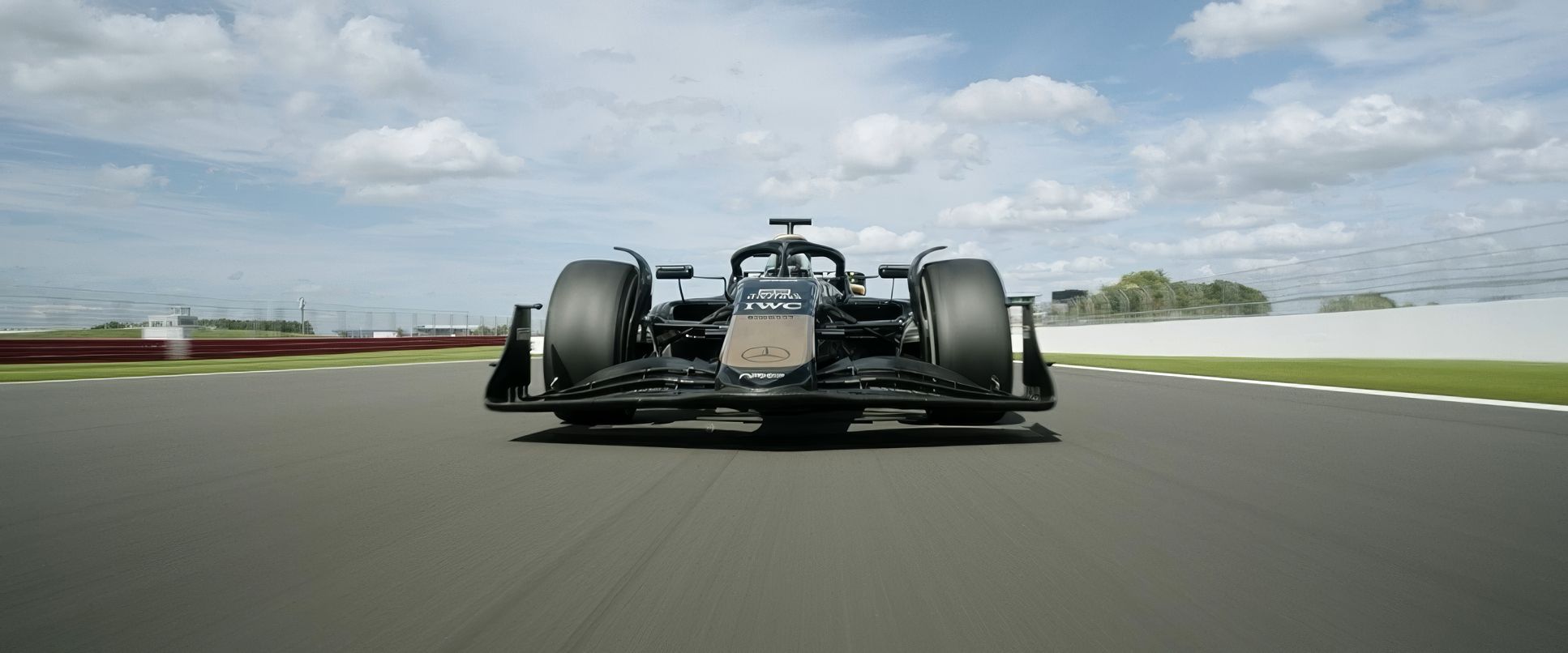
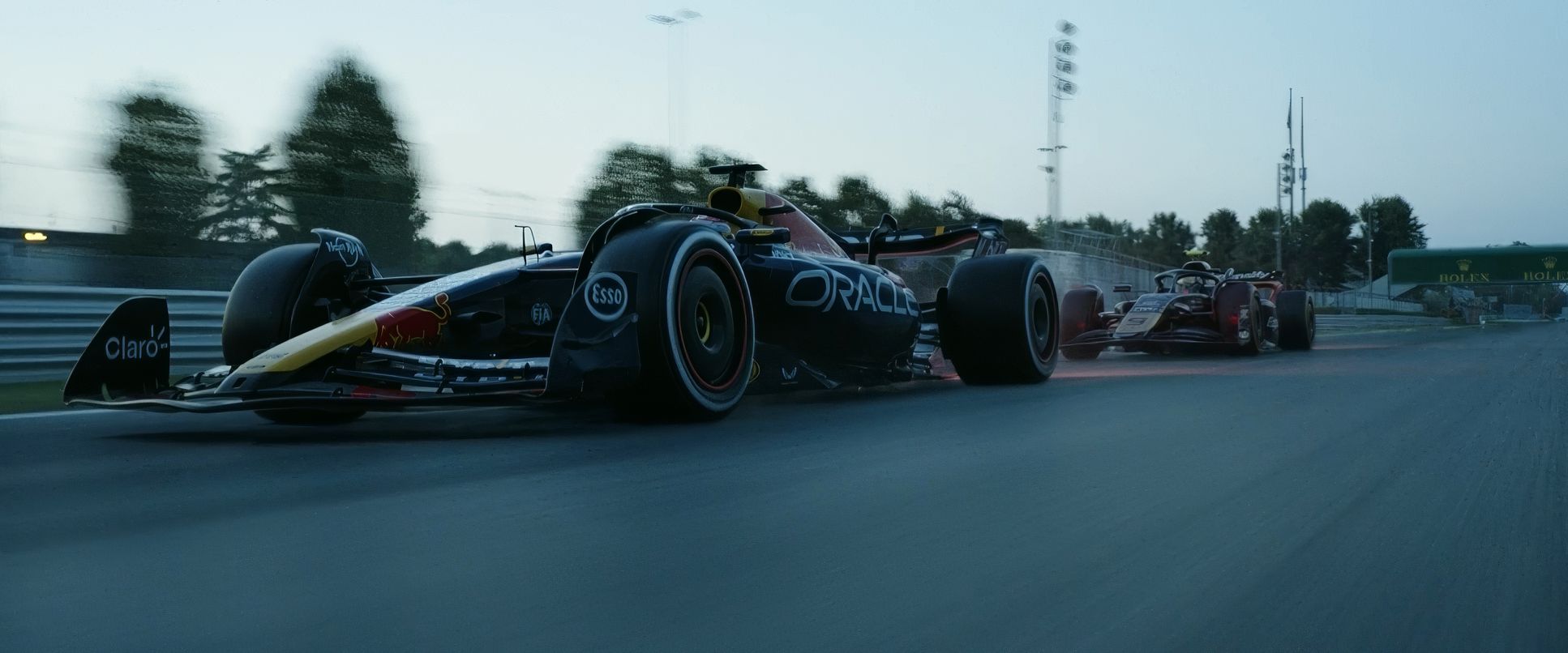
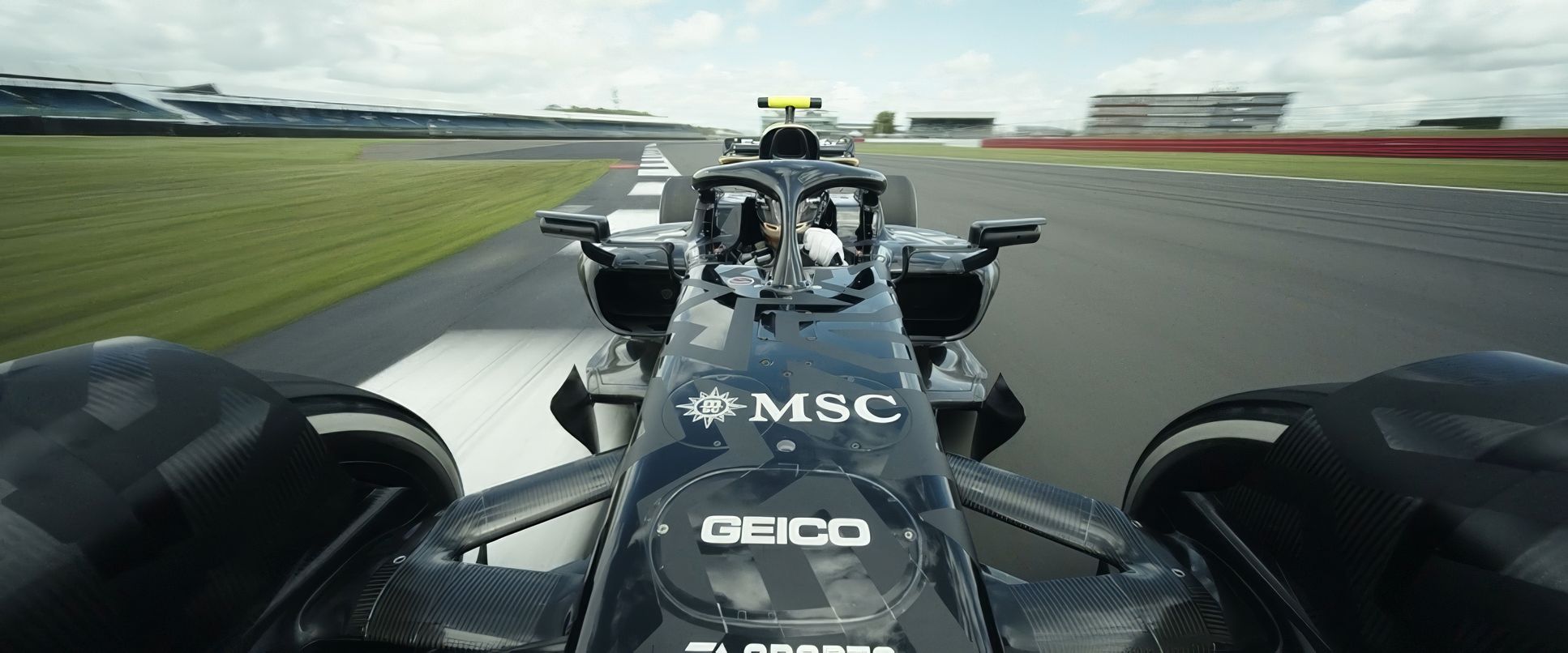
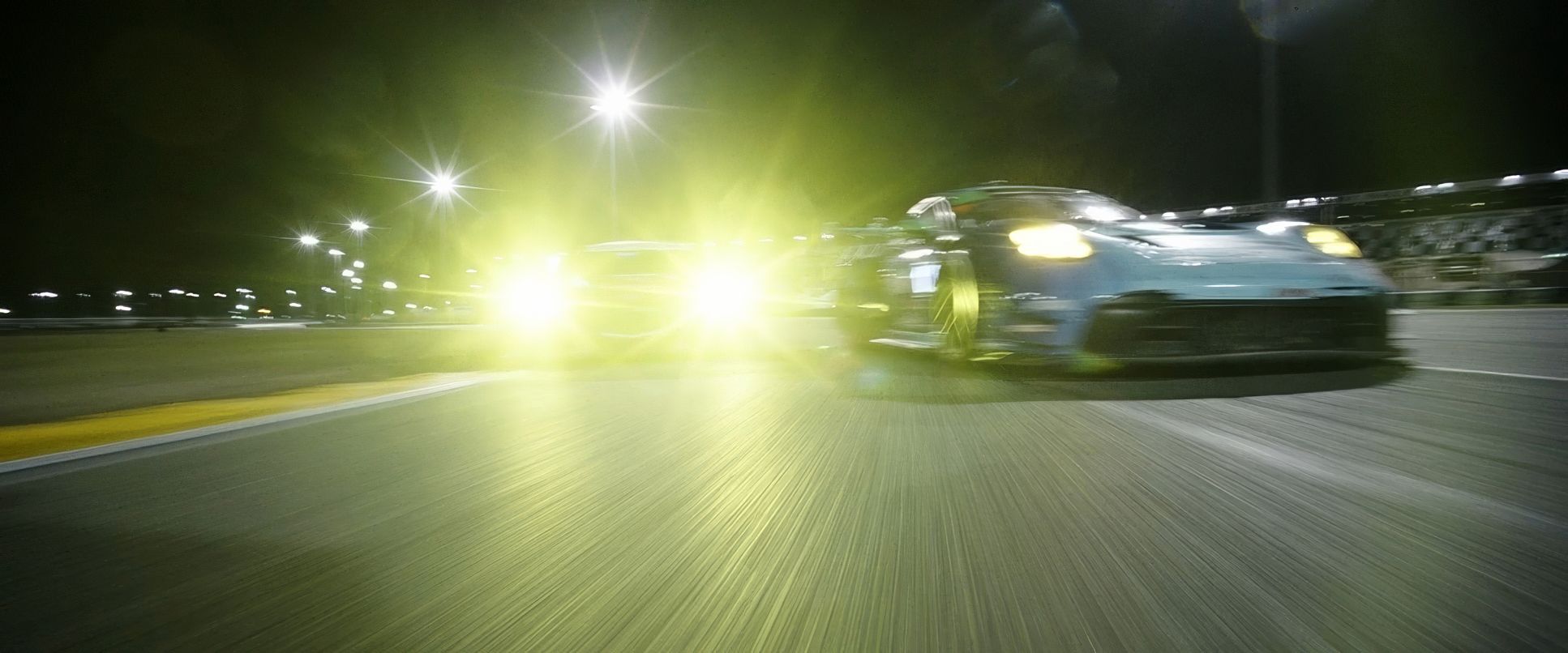
The camera work in F1 is relentless. During the races, the tracking shots are insanely low to the ground—it feels like the Sony Venice 2 is practically skimming the asphalt. We see these rapid whip-pans that follow the cars as they dart, creating this frantic sense of immediacy.
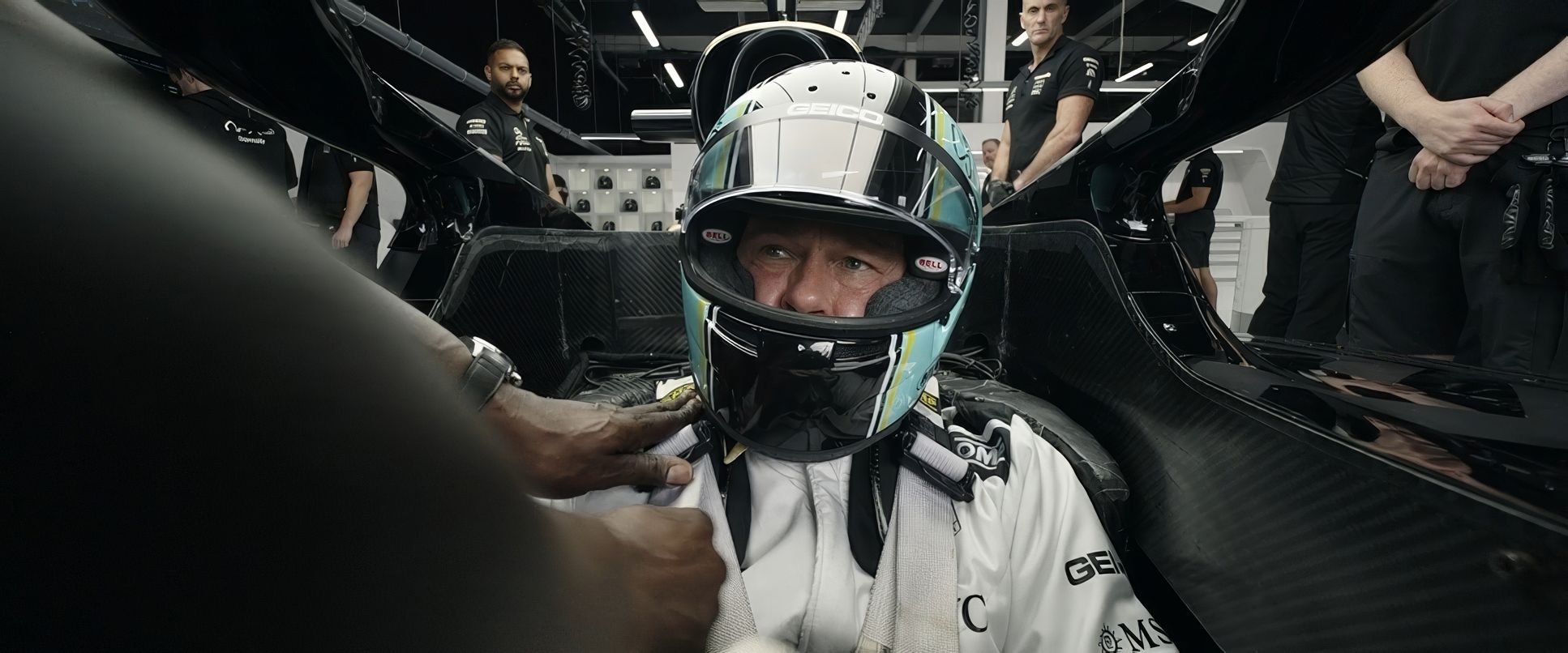
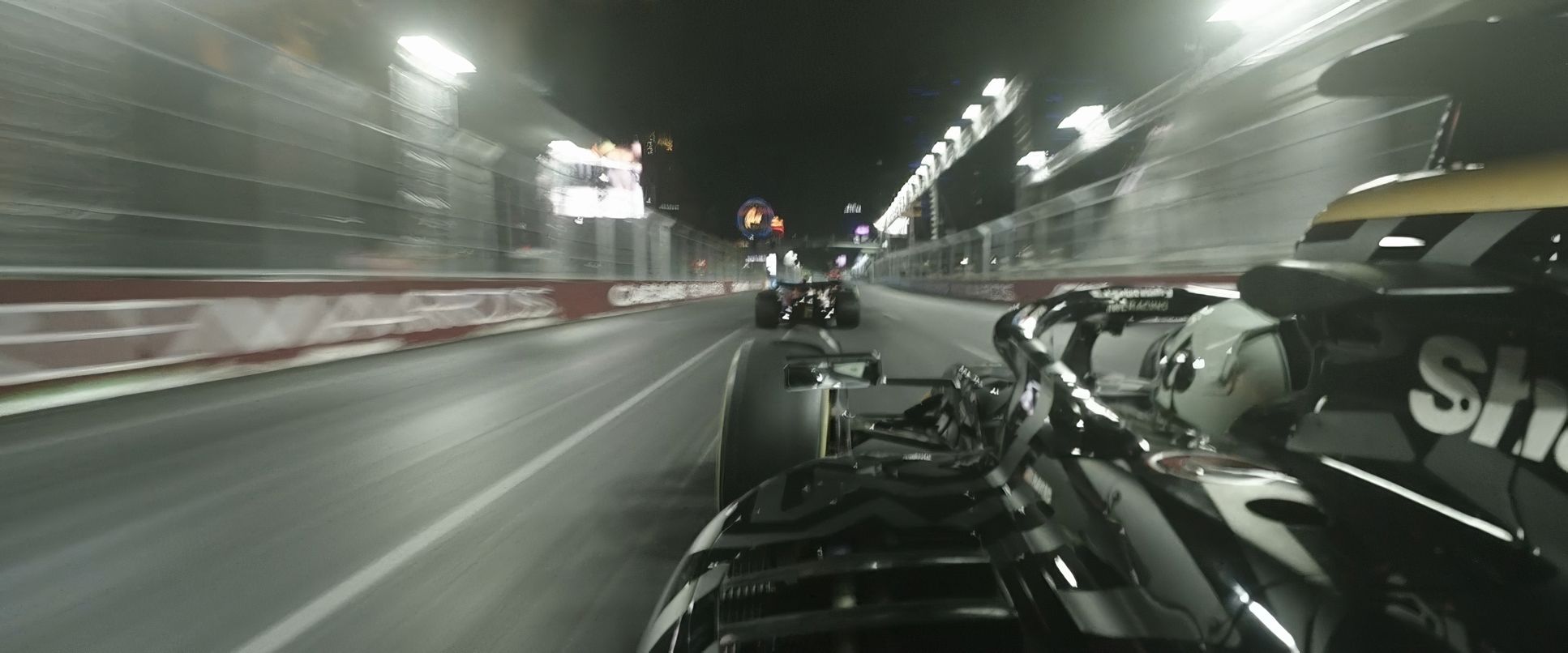
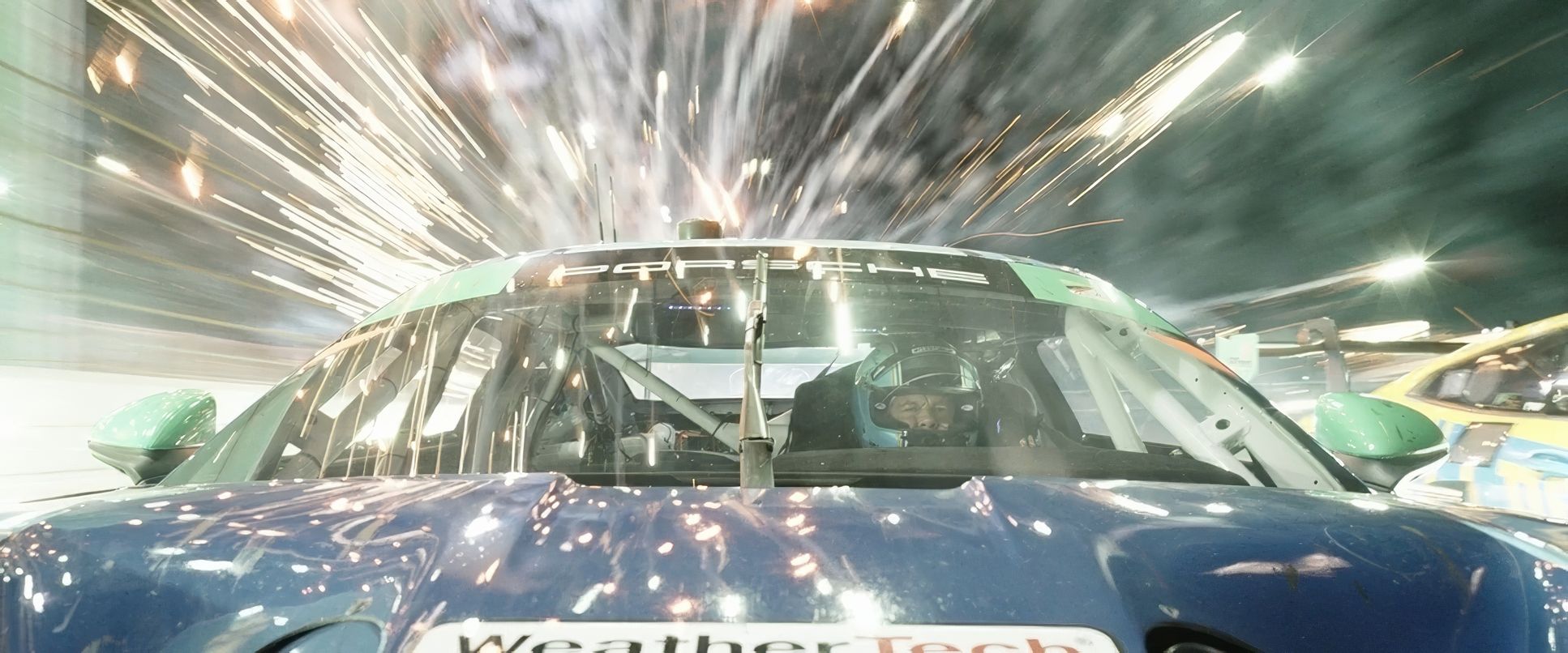
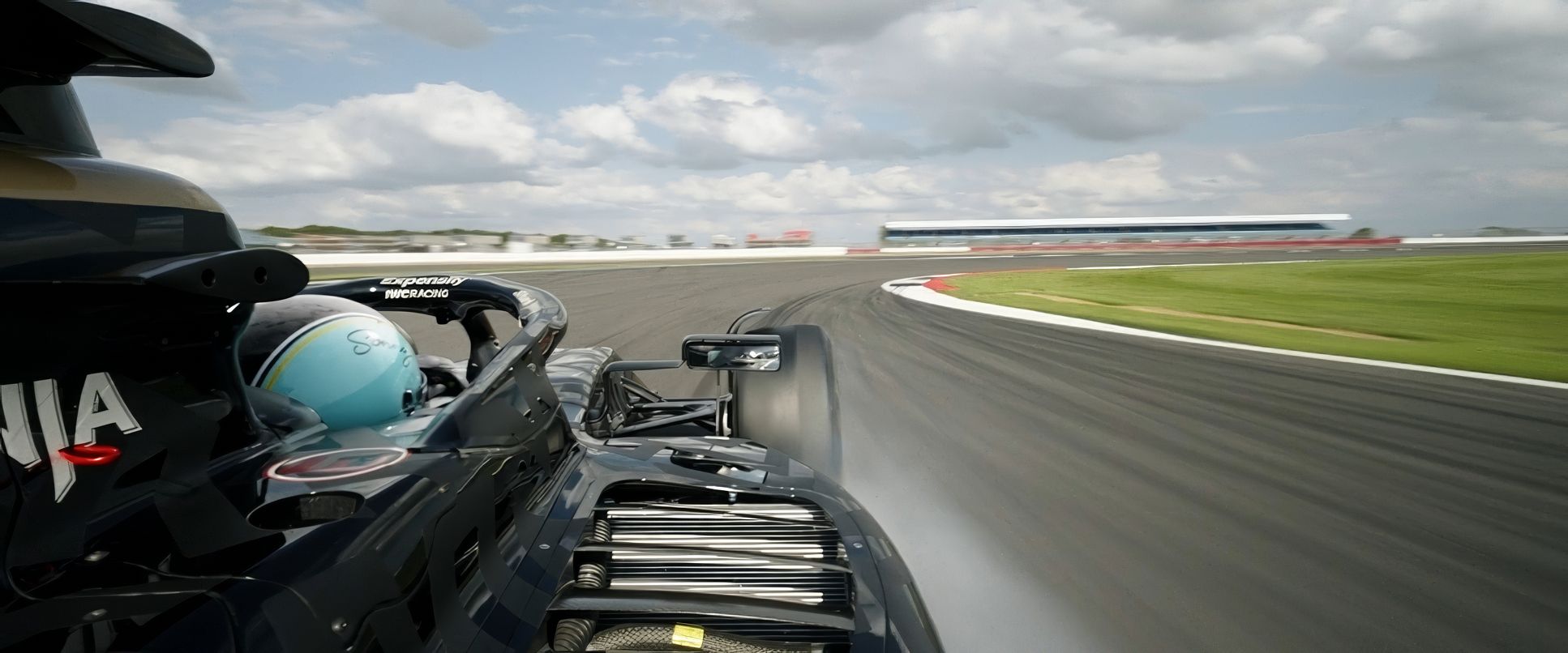
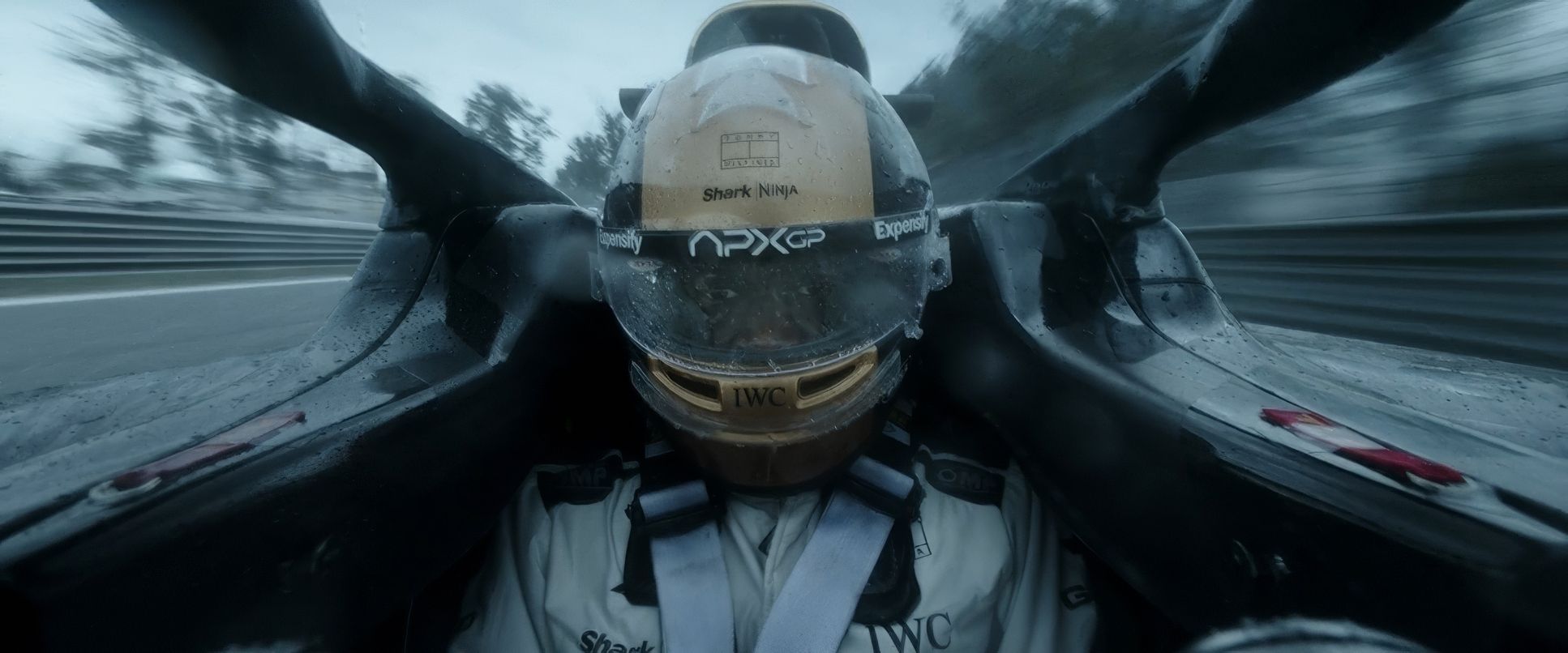
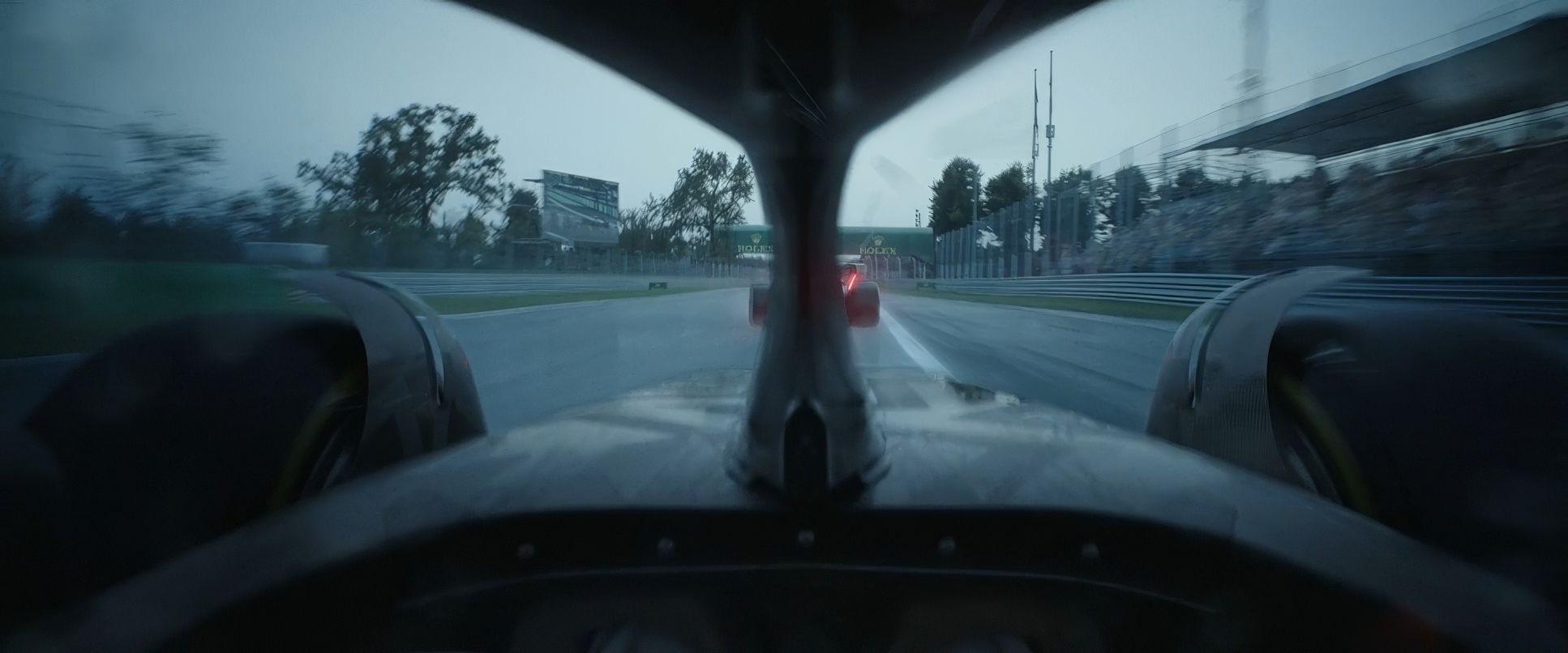
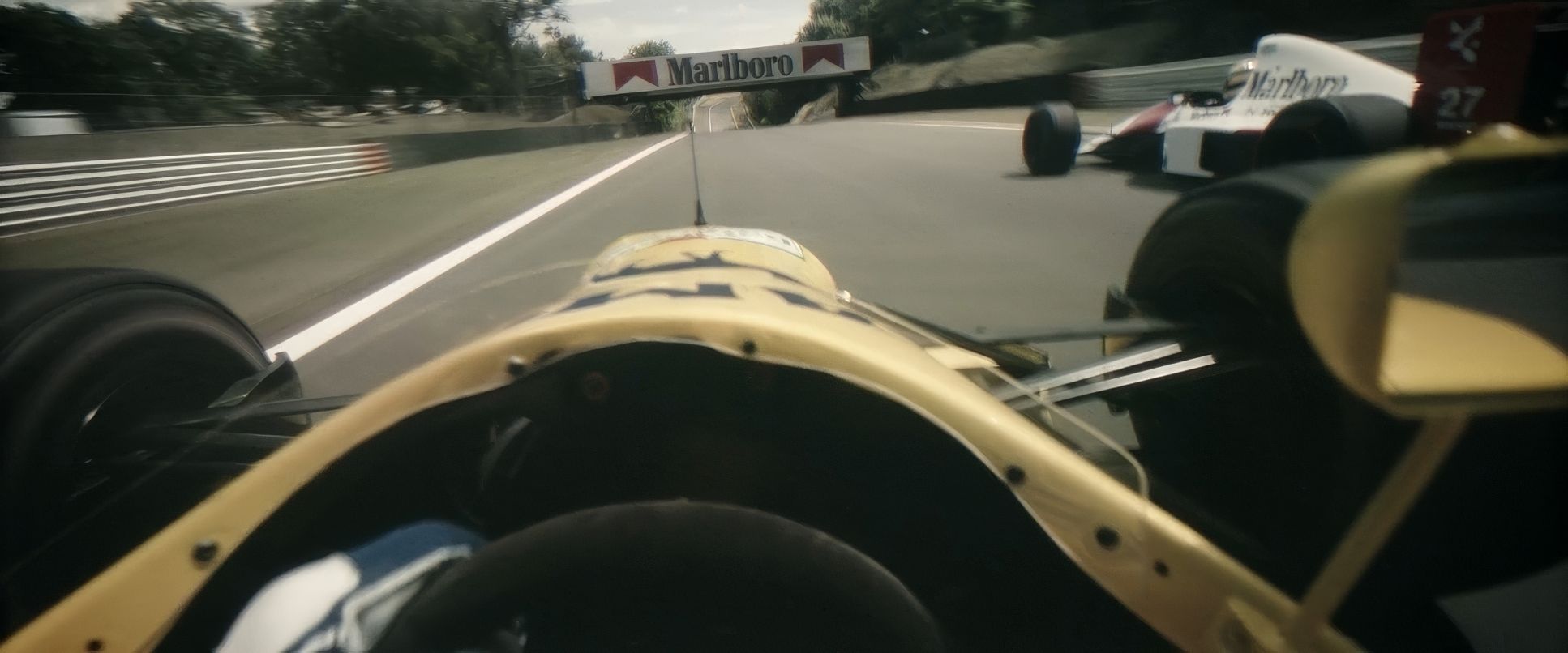
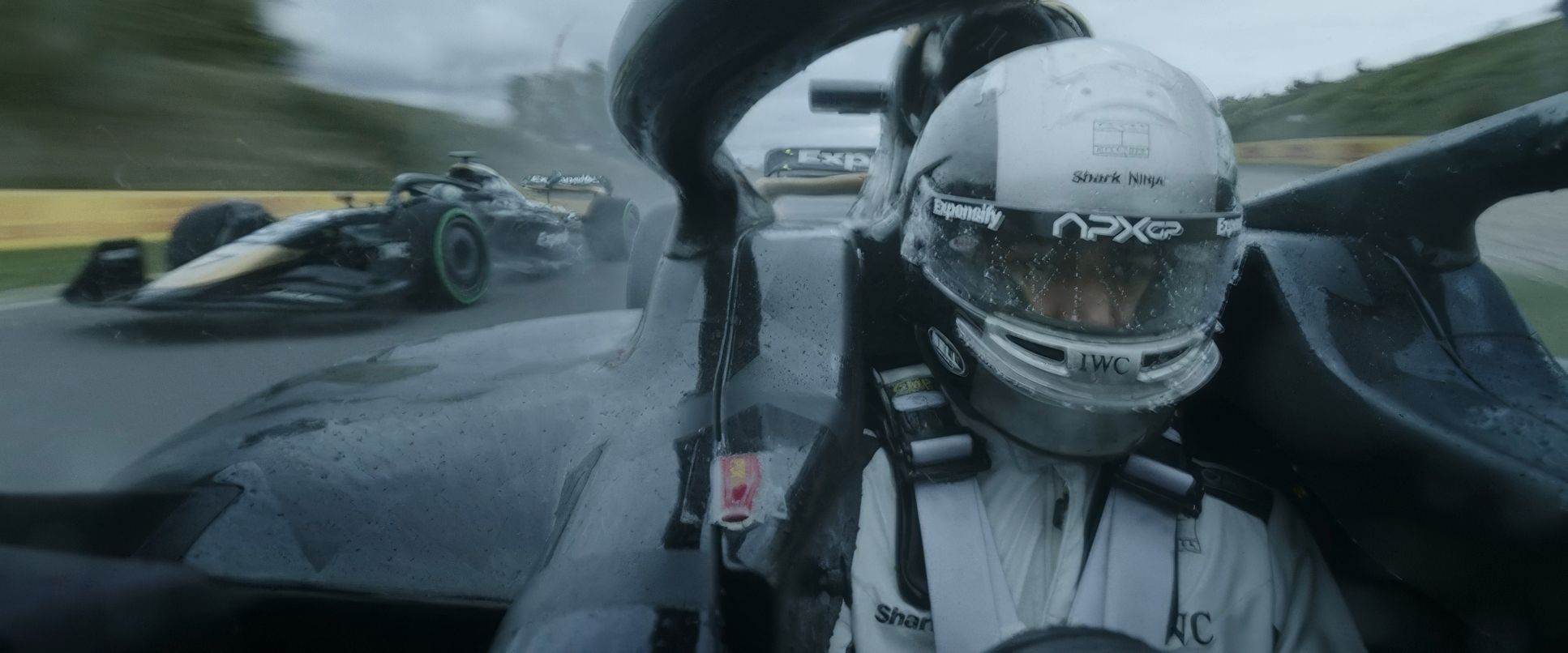
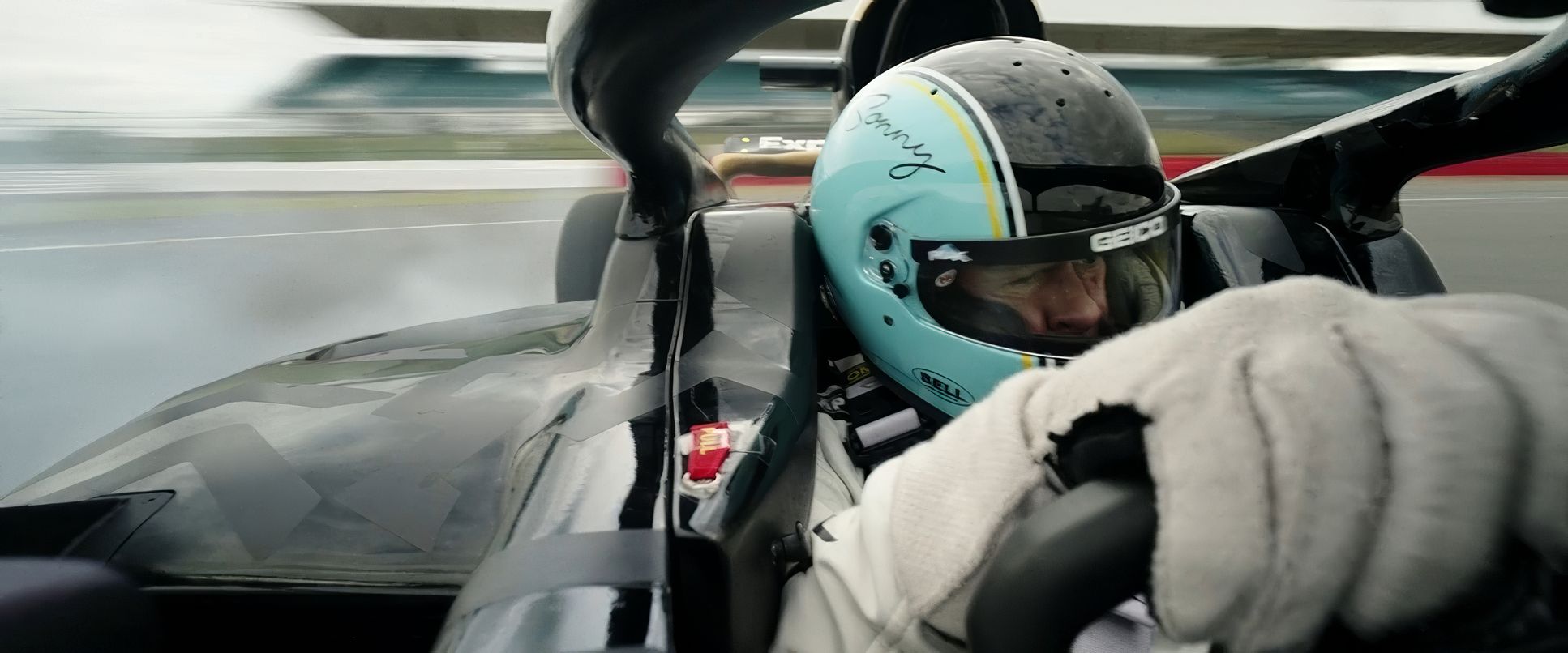
But the real “how did they do that?” moments come from the in-car rigs. Just like Maverick put us in the jets, F1 puts us in the seat. These aren’t just static GoPros; these are custom-engineered, compact systems that react to G-forces and vibrations. You see the steering inputs, the subtle shakes, the physiological toll on the drivers. Outside the cars, the drone and crane work provides that “global scale,” but it’s the kinetic, subjective chaos of the cockpit that really stays with you.
Compositional Choices

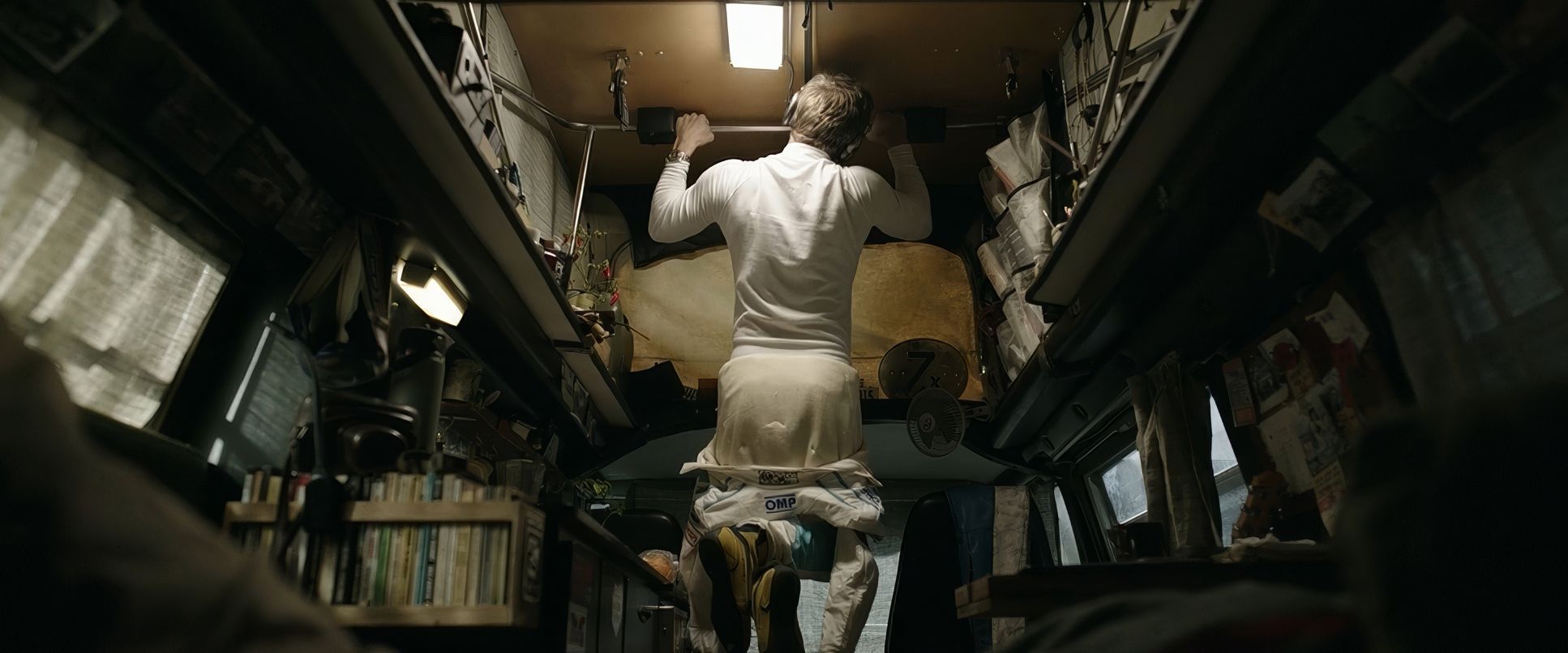
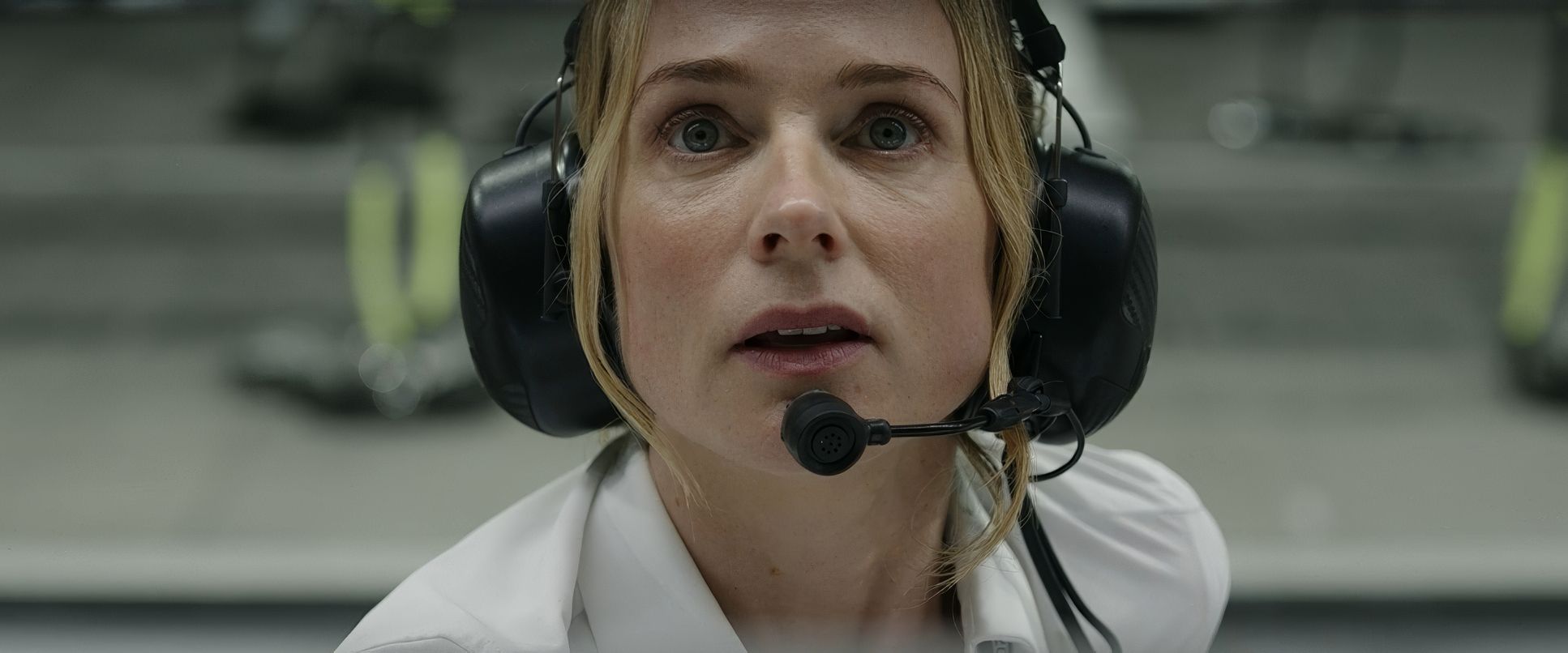
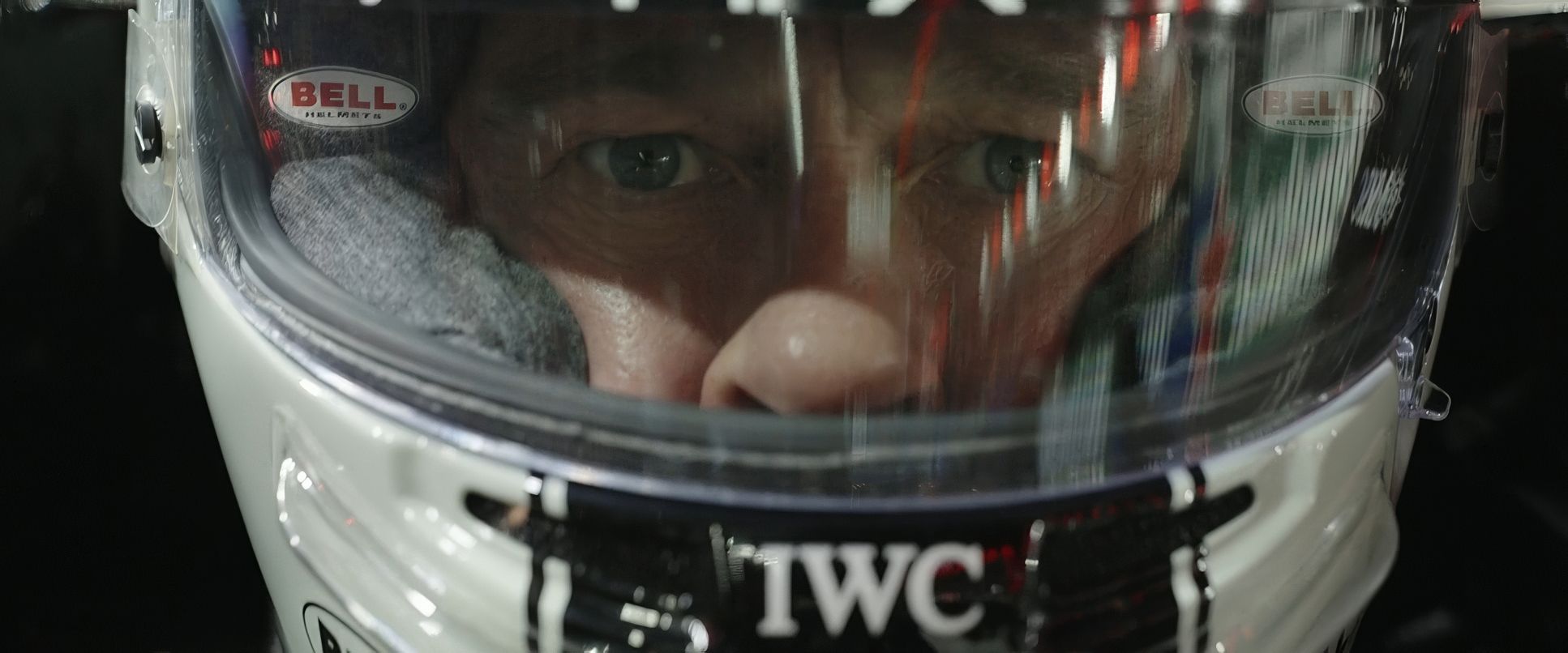
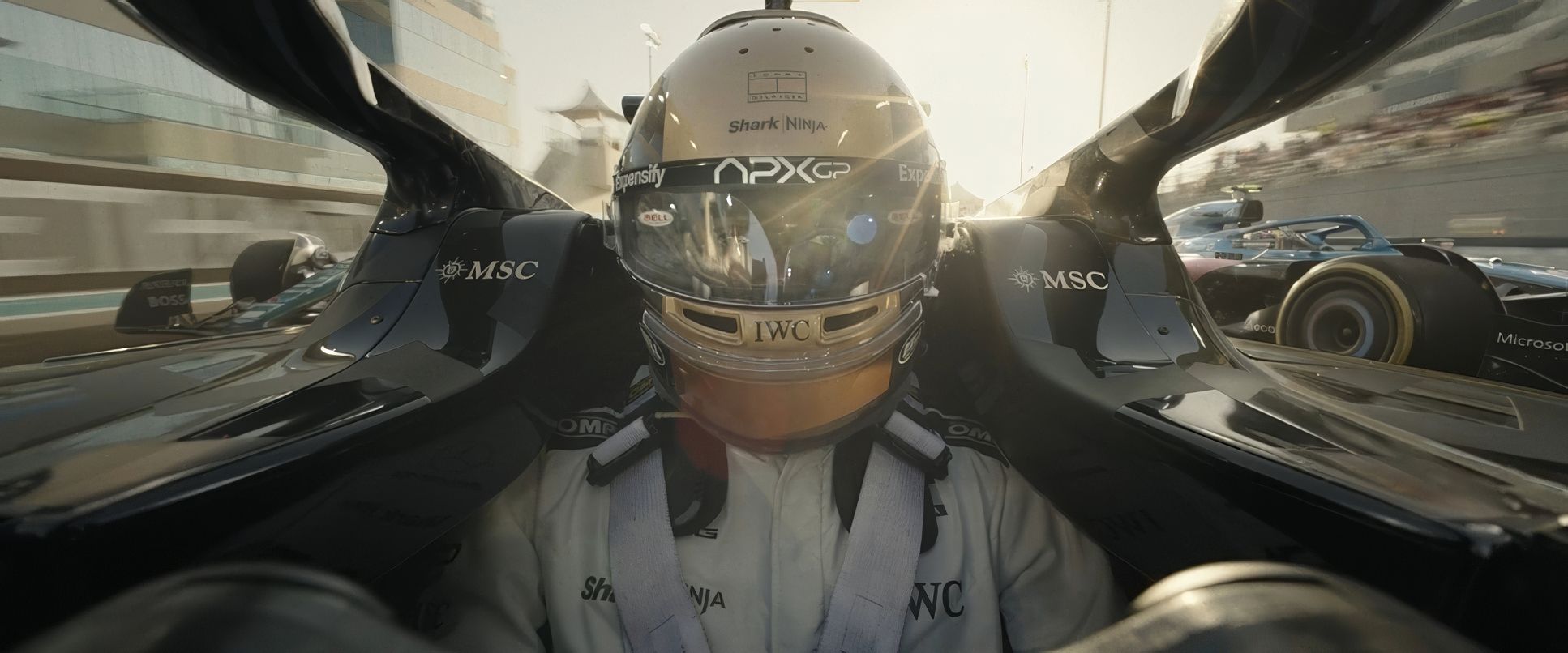
Miranda’s framing here alternates between “epic” and “claustrophobic.” During the race, he’s using wide lenses inside the cockpit to distort the world rushing past, putting you right in the driver’s POV. It’s a brilliant way to use depth cues to sell velocity.
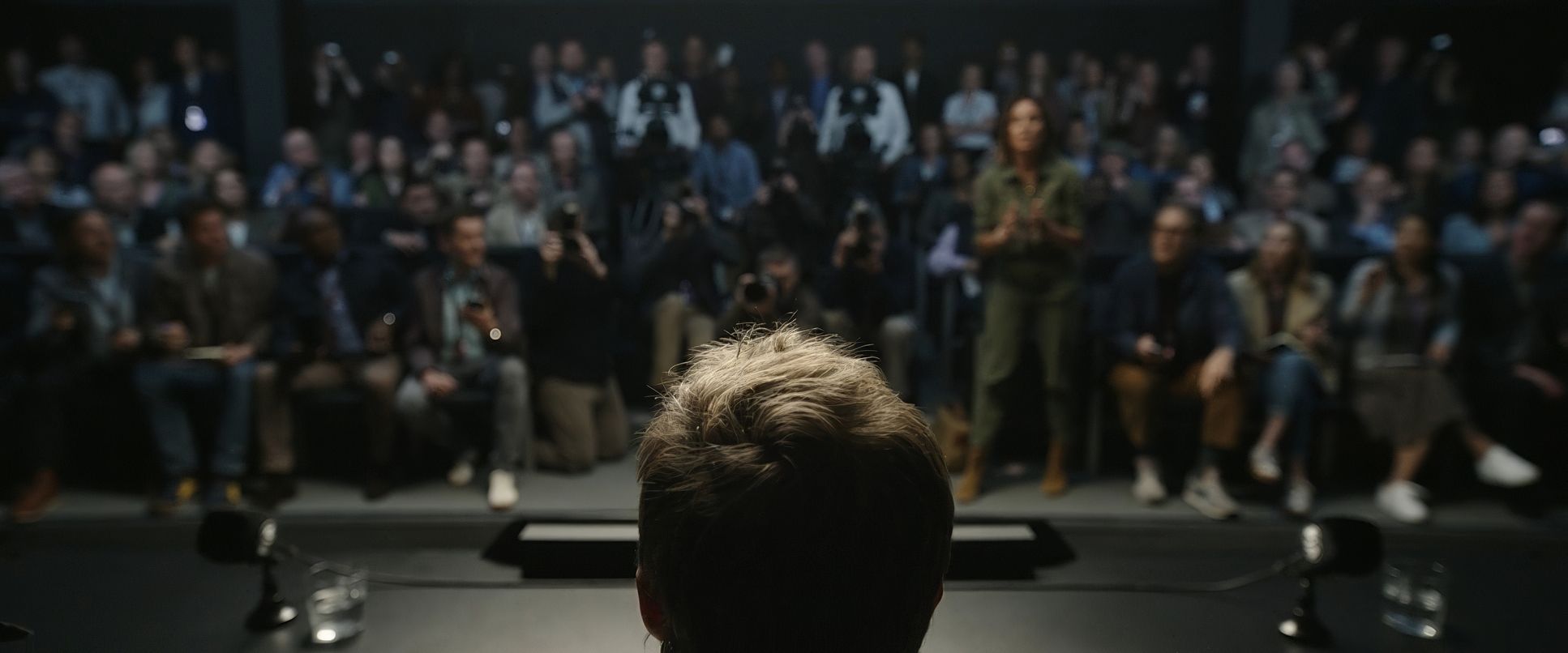
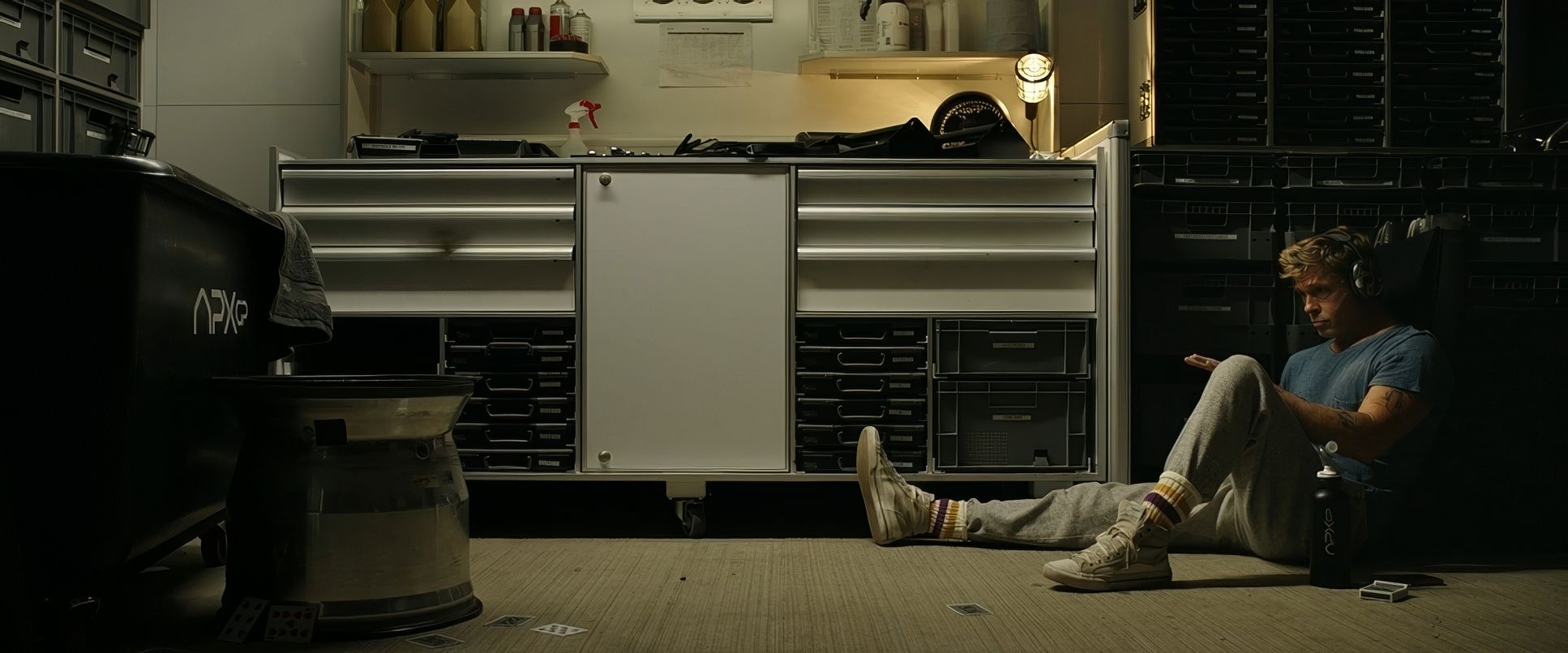
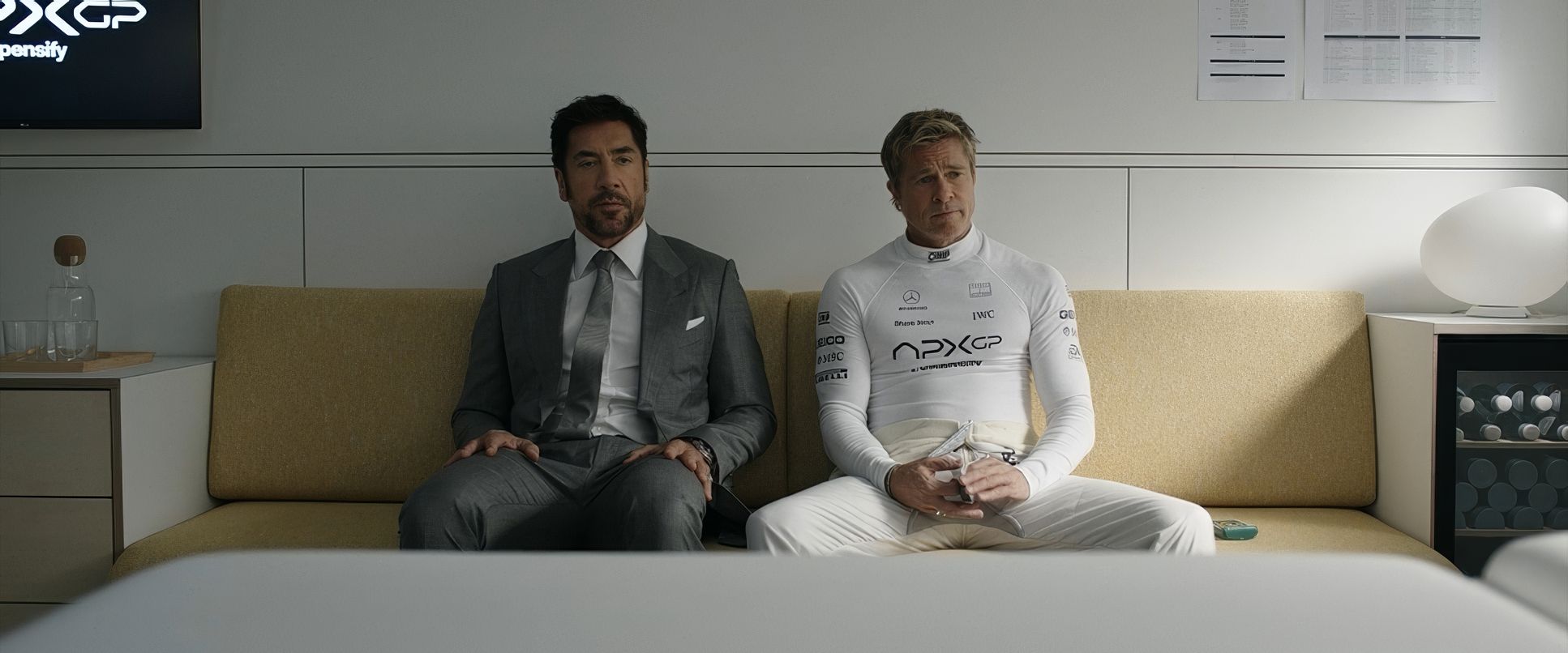
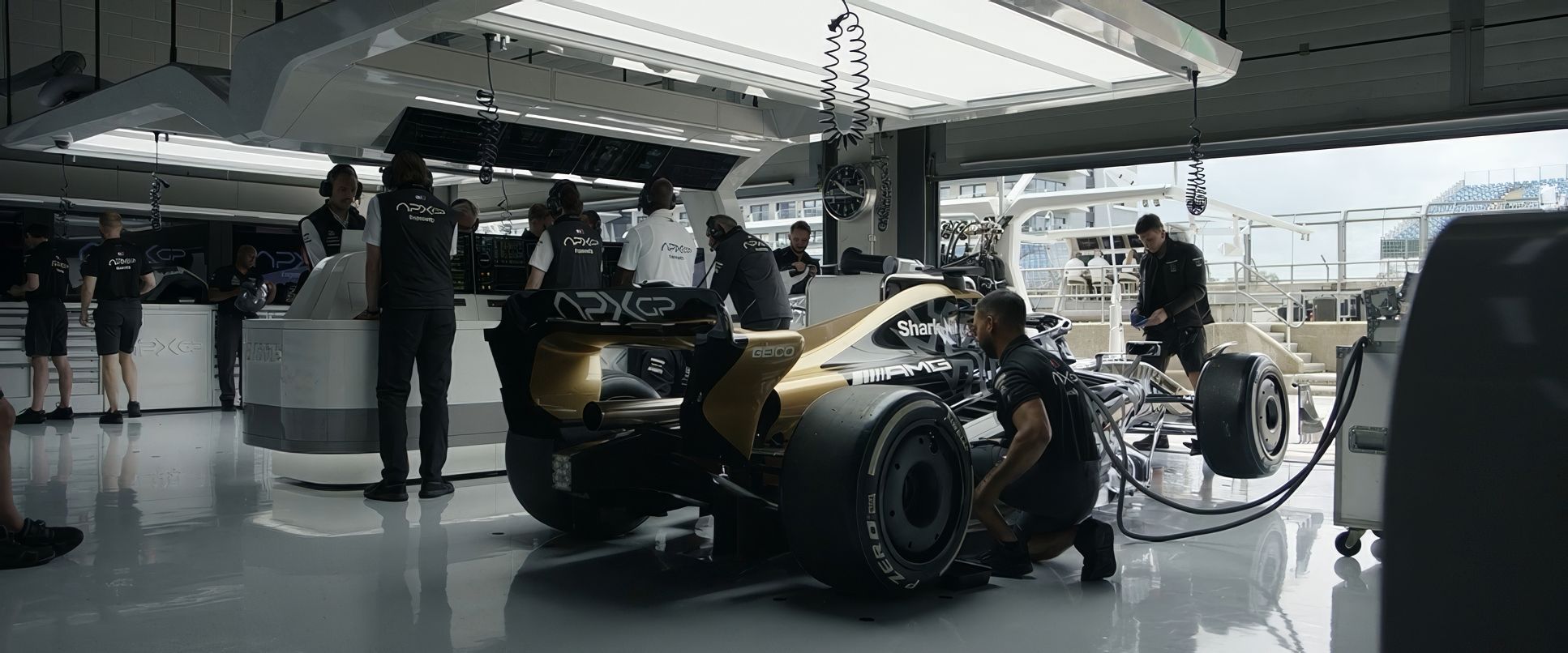
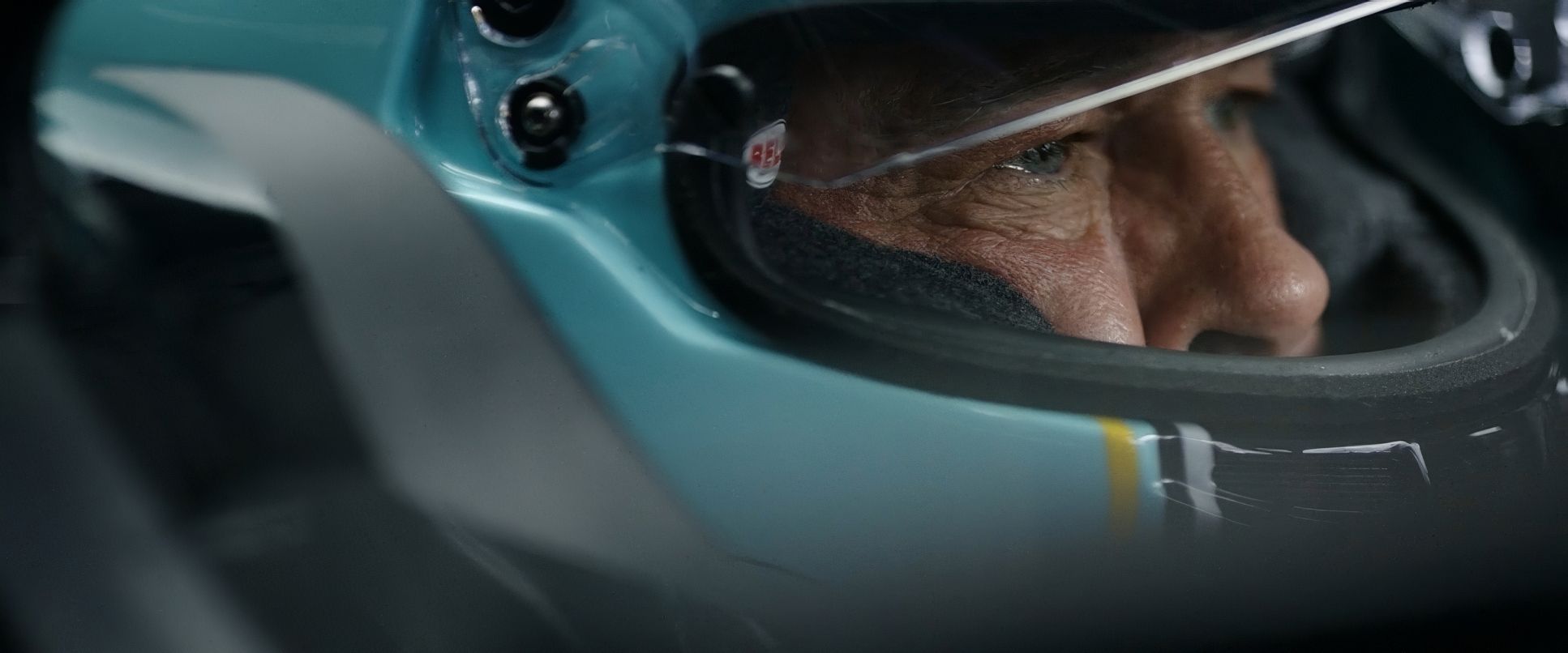
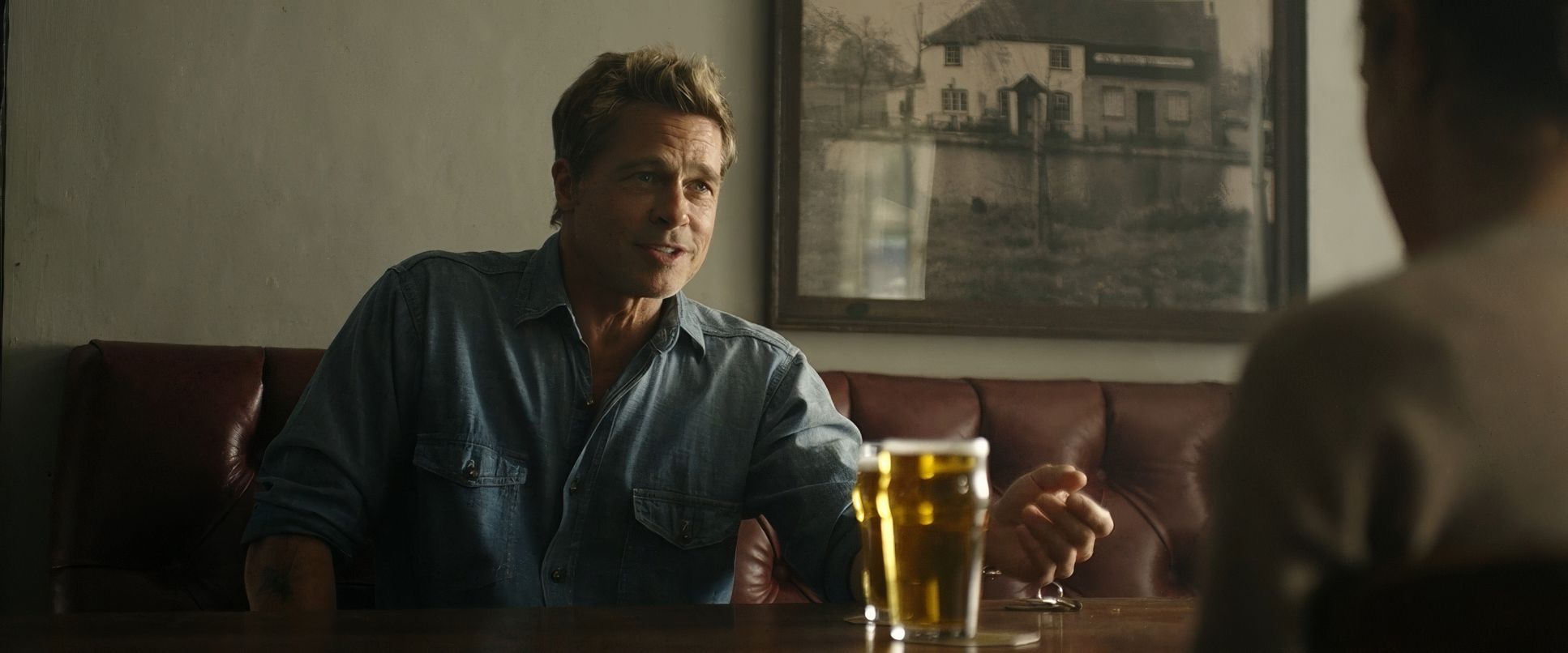
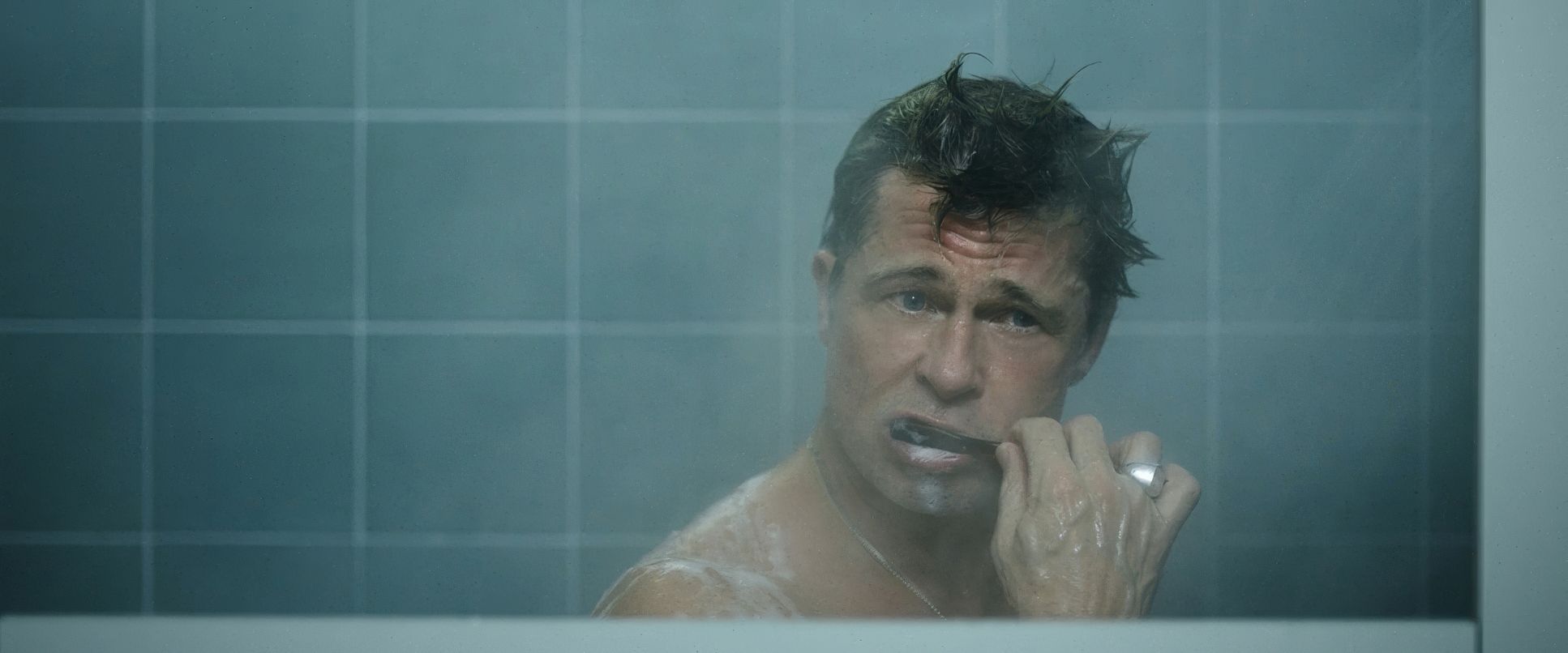
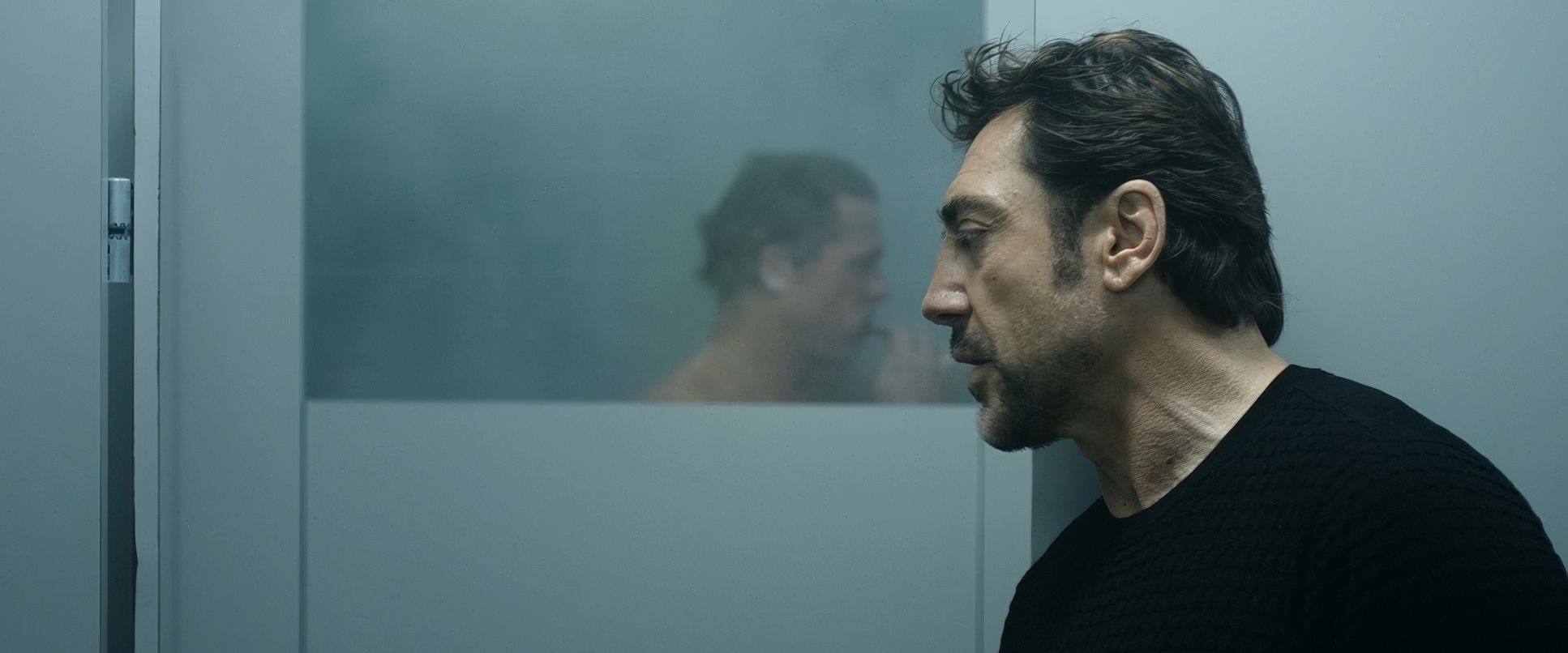
Then, he flips the script. Track-side, he’s using long glass to compress the frame, making the cars look like they’re inches apart even when they aren’t. It intensifies the danger. For the character beats between Sunny Hayes (Brad Pitt) and Joshua Pierce (Damson Idris), the framing gets much tighter. I noticed some really smart use of negative space in the garage scenes isolating Pitt, making him look burdened by the stakes. The compositions are never accidental; they’re always driving the narrative forward.
Lensing and Blocking

This is where the technical nerd in me gets excited. The choice of Panavision Primo 70s and Sigma lenses gives the film a very specific texture. The wide-angle lenses in the cockpit are visceral they keep the driver’s focus sharp while the world becomes a blur.
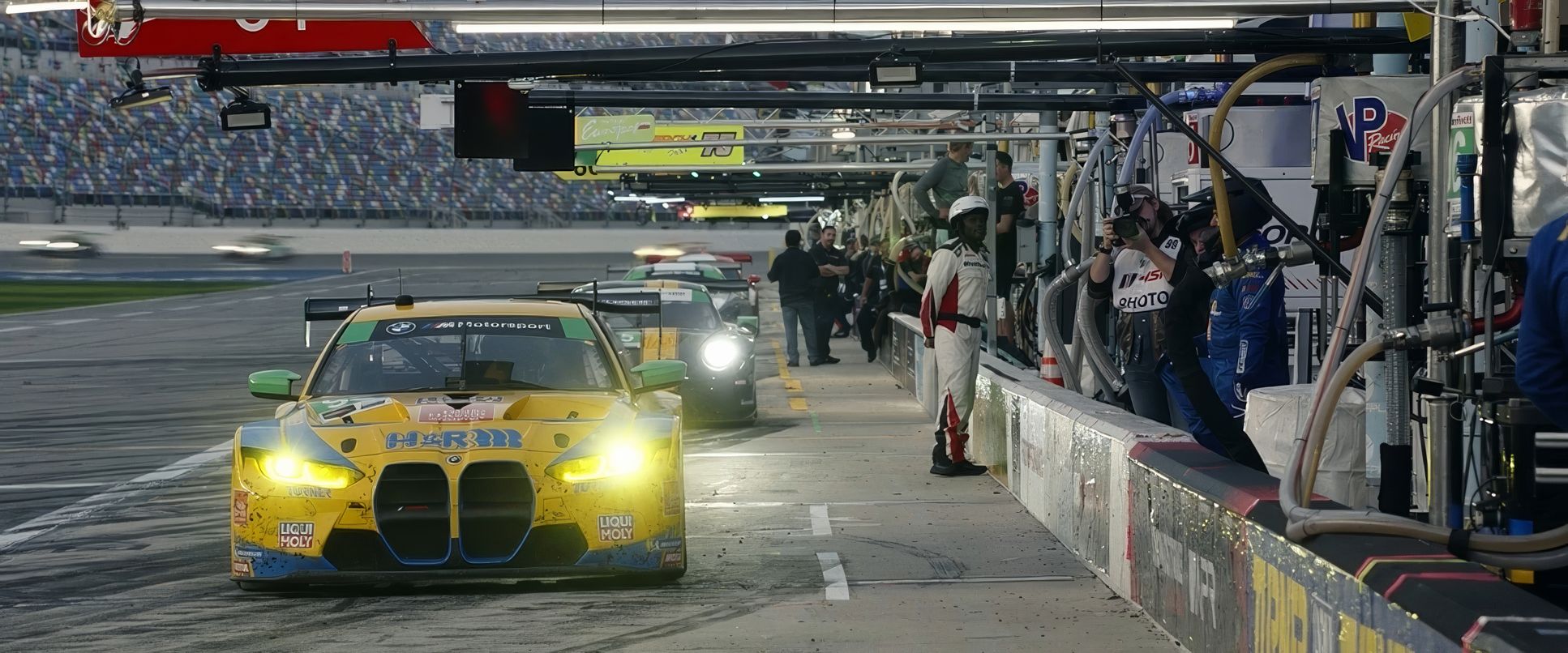
On the flip side, the telephoto shots from the track-side “mules” flatten the background into streaks of color. The blocking, too, is choreographed like a ballet. The way Sunny and Joshua’s cars mirror or obstruct each other isn’t just for show it’s visual shorthand for their relationship. Off-track, the blocking reinforces this; early scenes keep them physically distant, while later shots find them sharing the same tight frame. It’s subtle, but it works.
Lighting Style

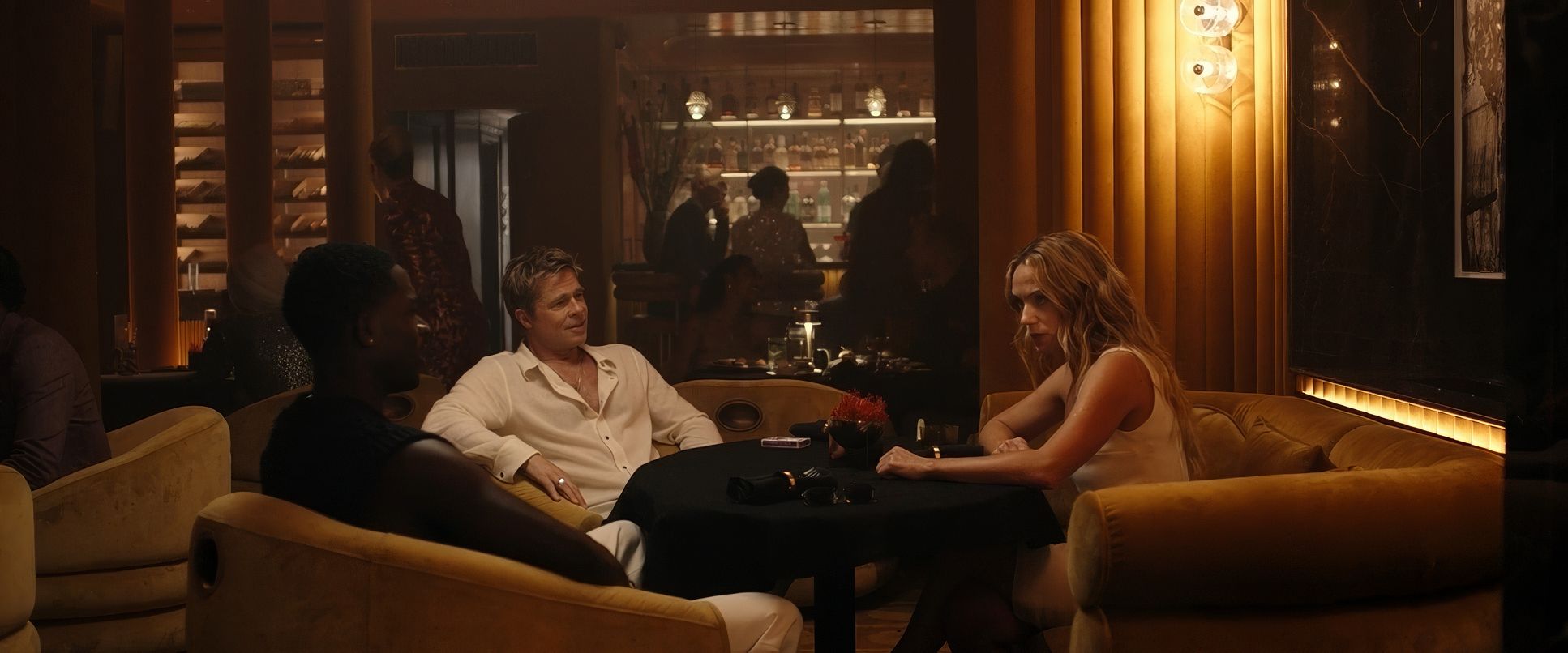
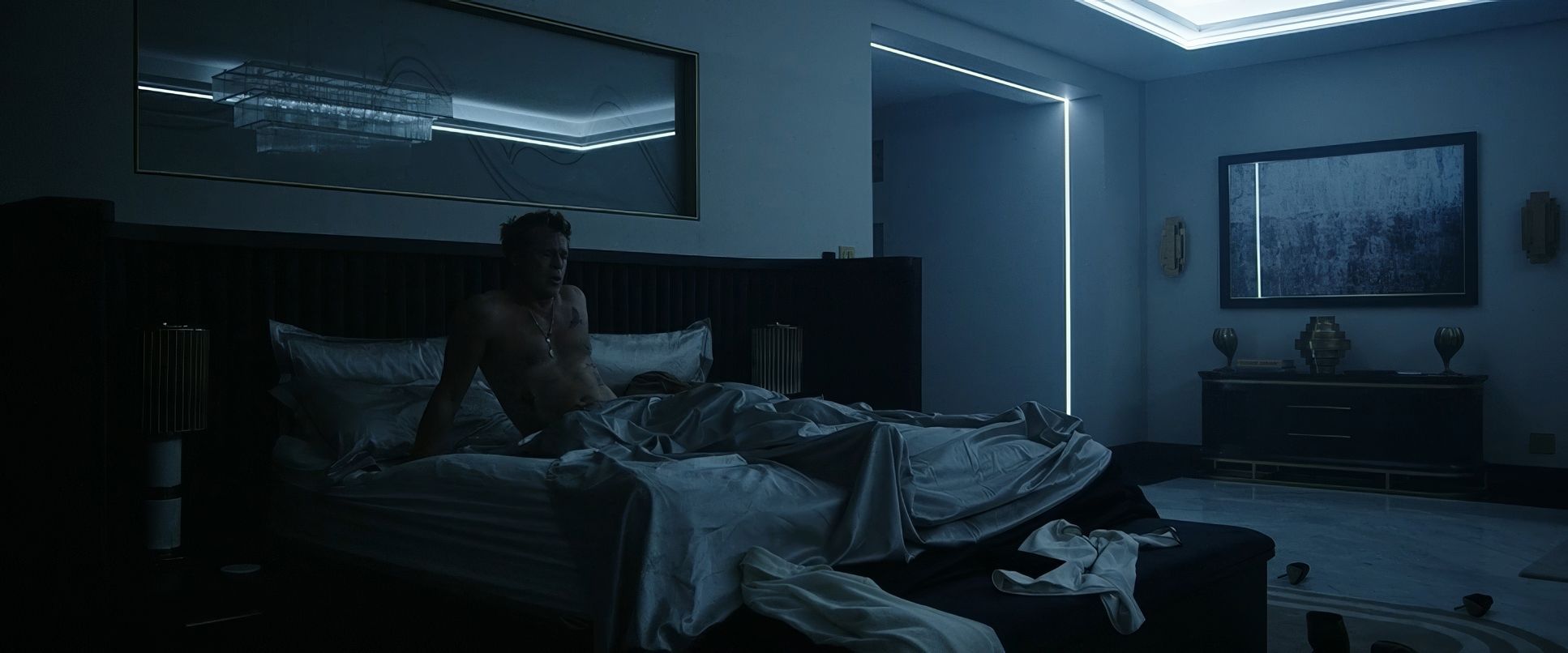
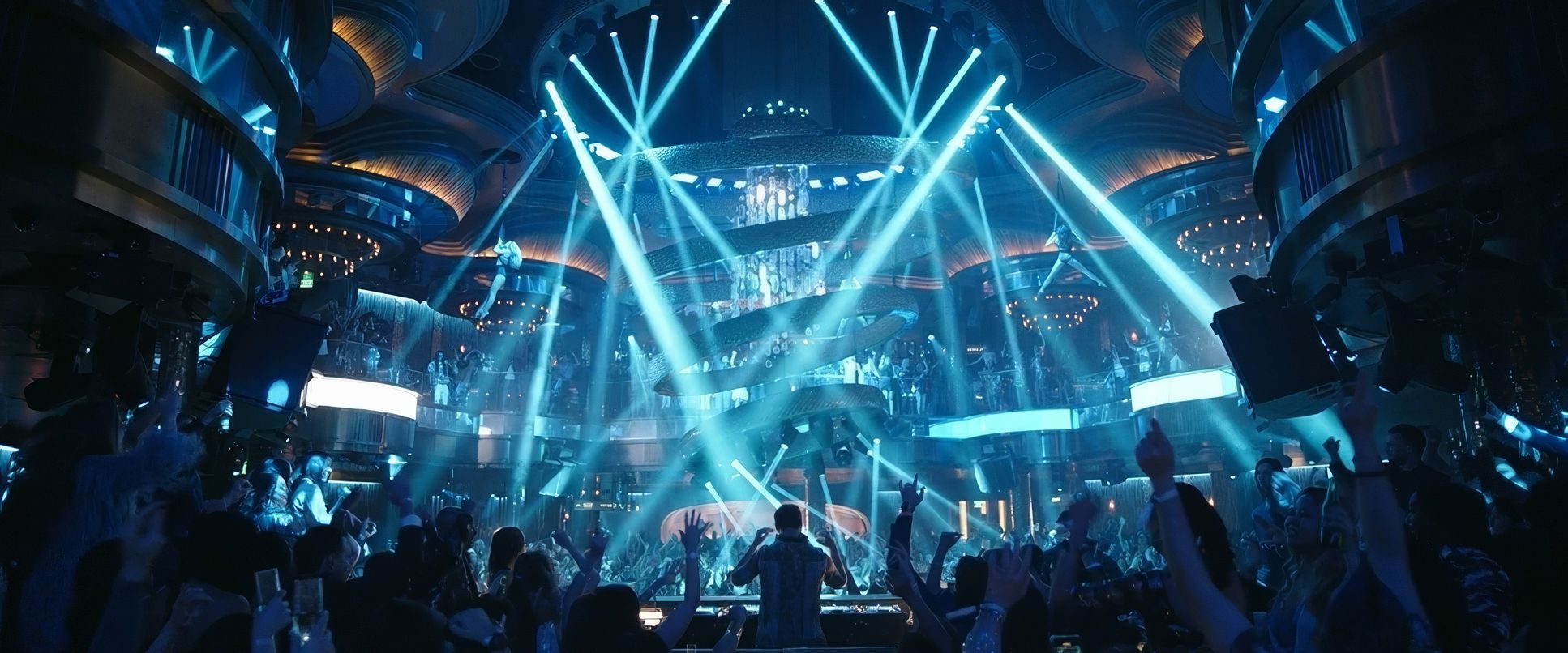
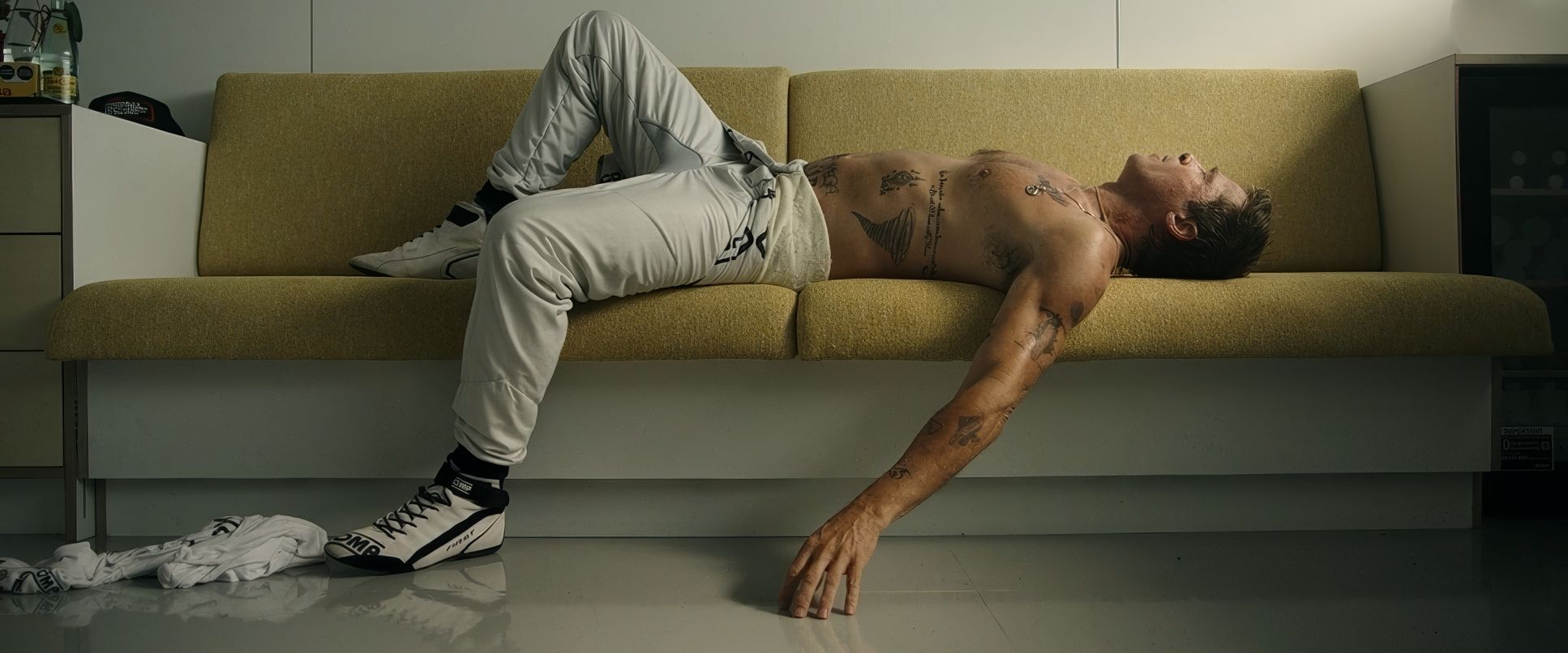
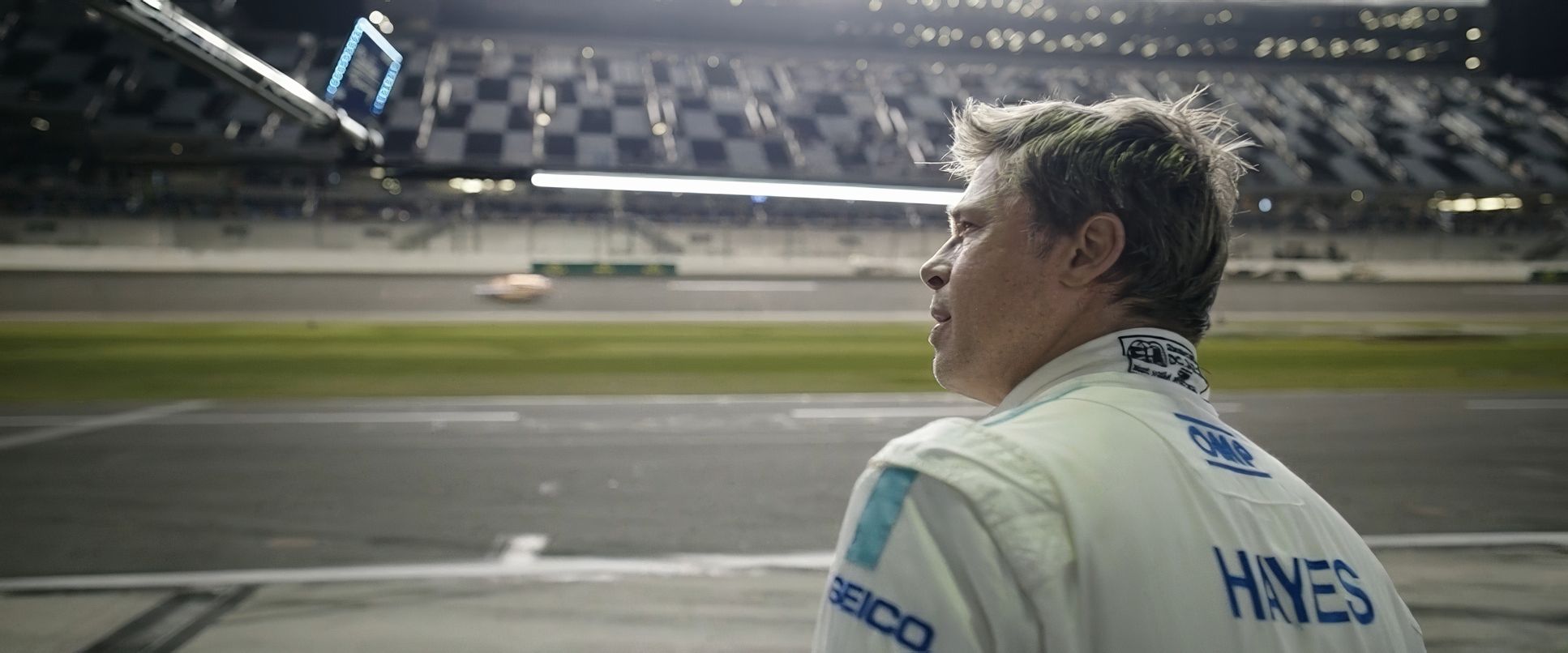
The lighting is a sophisticated mix of “found” and “sculpted.” For the daytime races, Miranda leverages the sun as his key, but you can see the fingerprints of some heavy-duty diffusion and negative fill. He’s shaping the light so the specular highlights on those carbon-fiber bodies look expensive, not blown out.
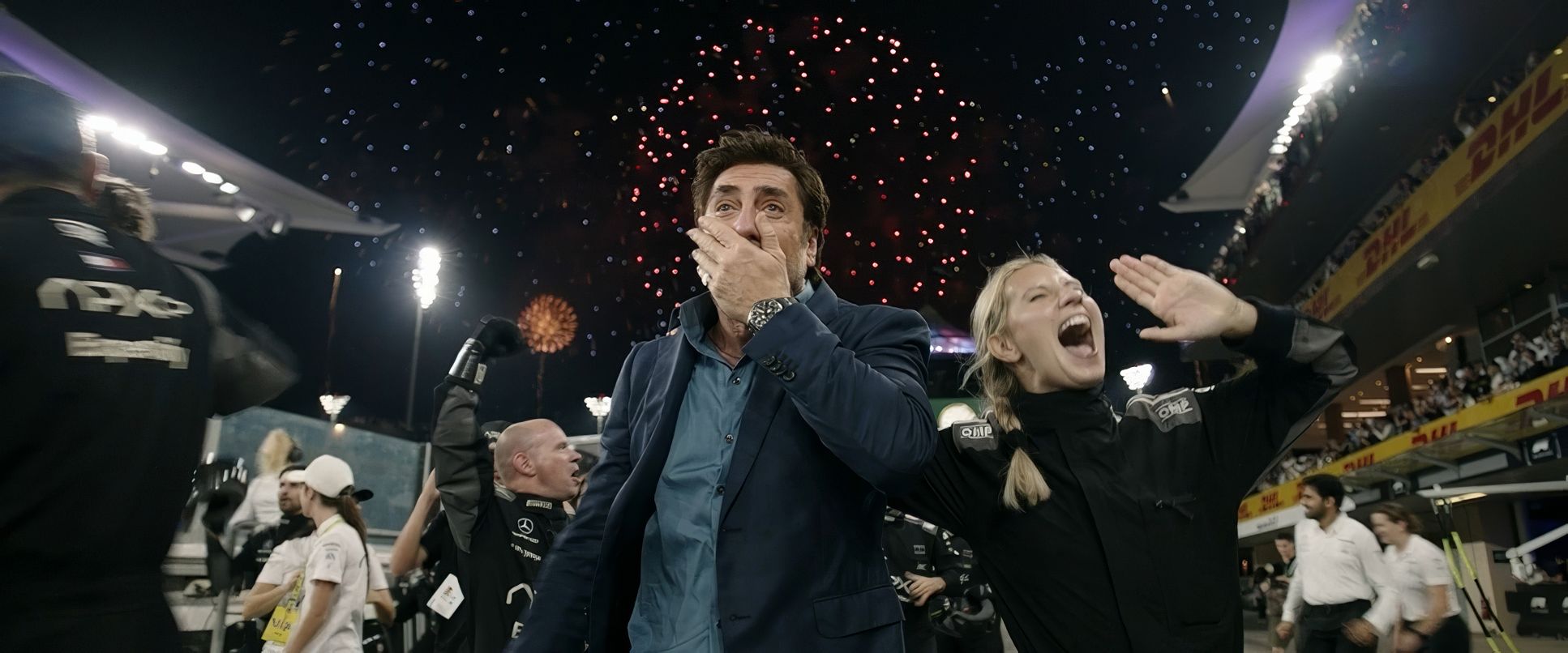
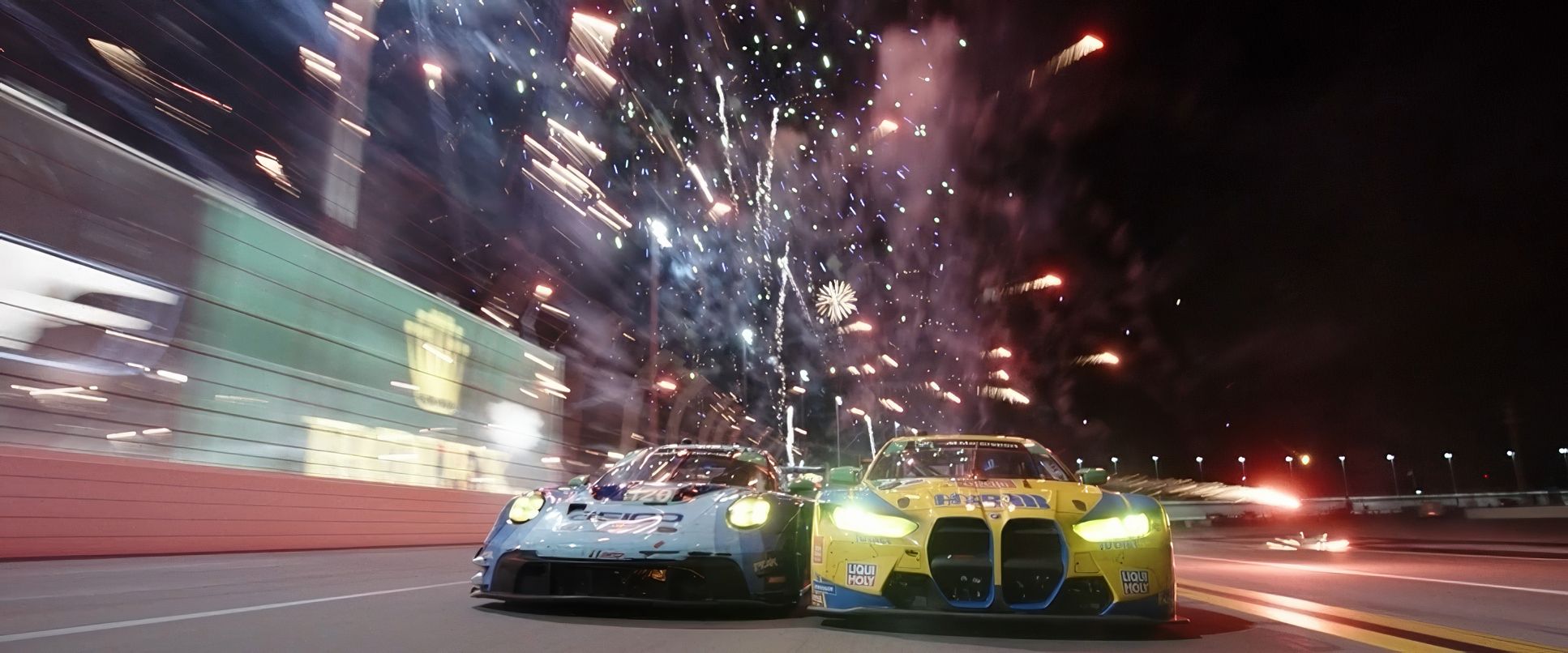
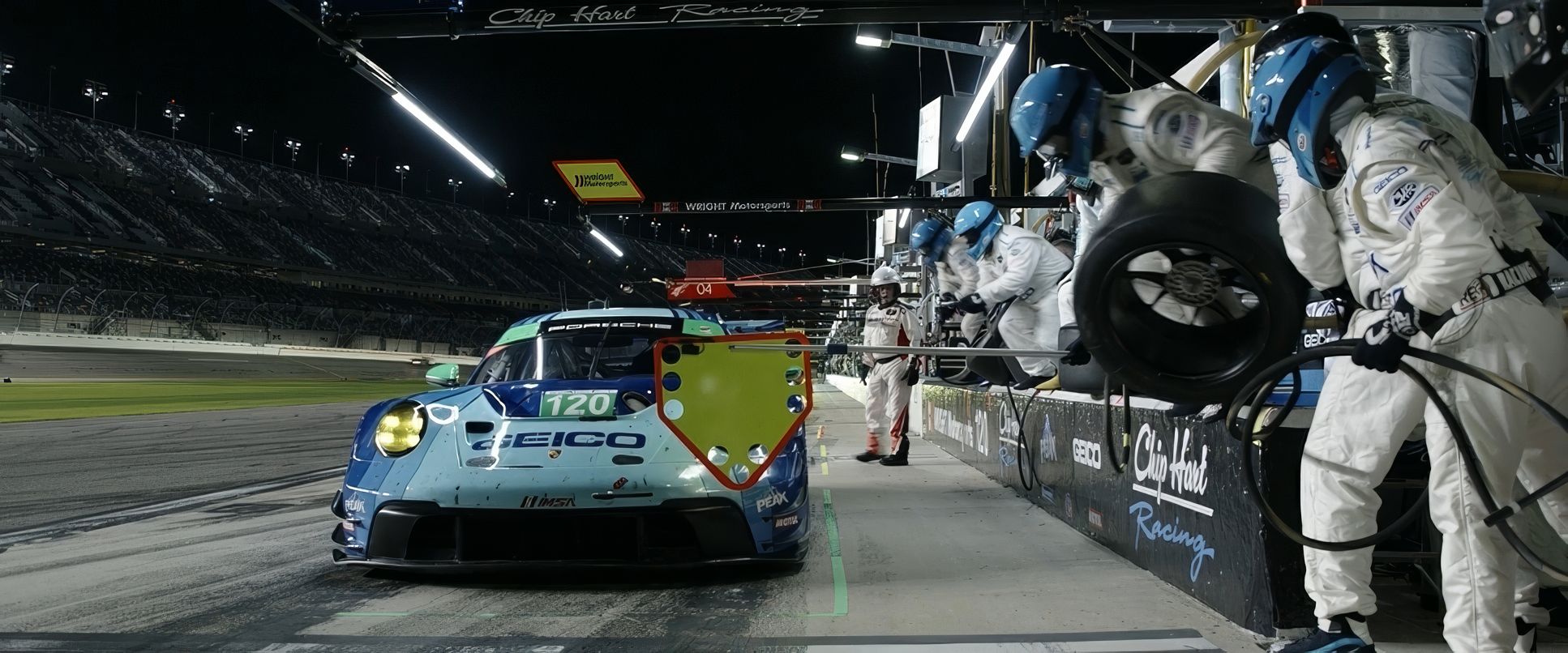
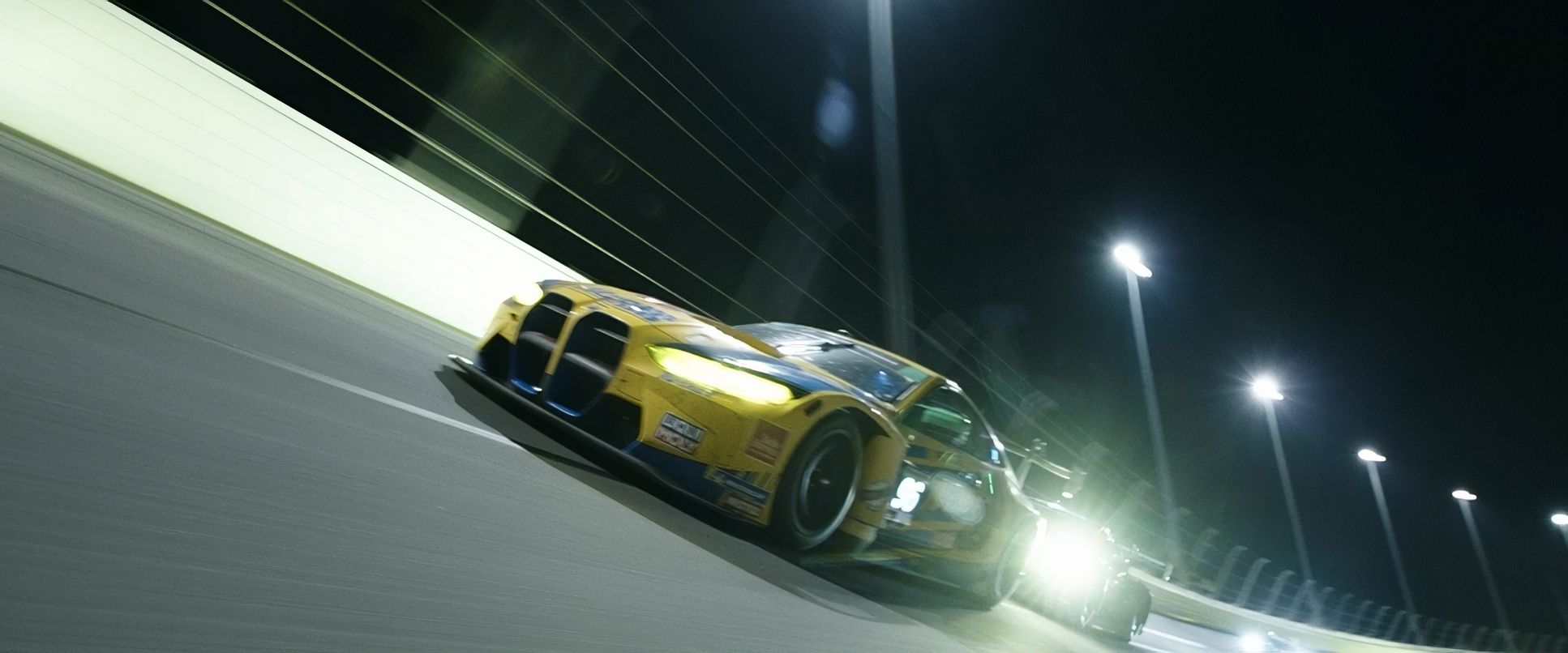
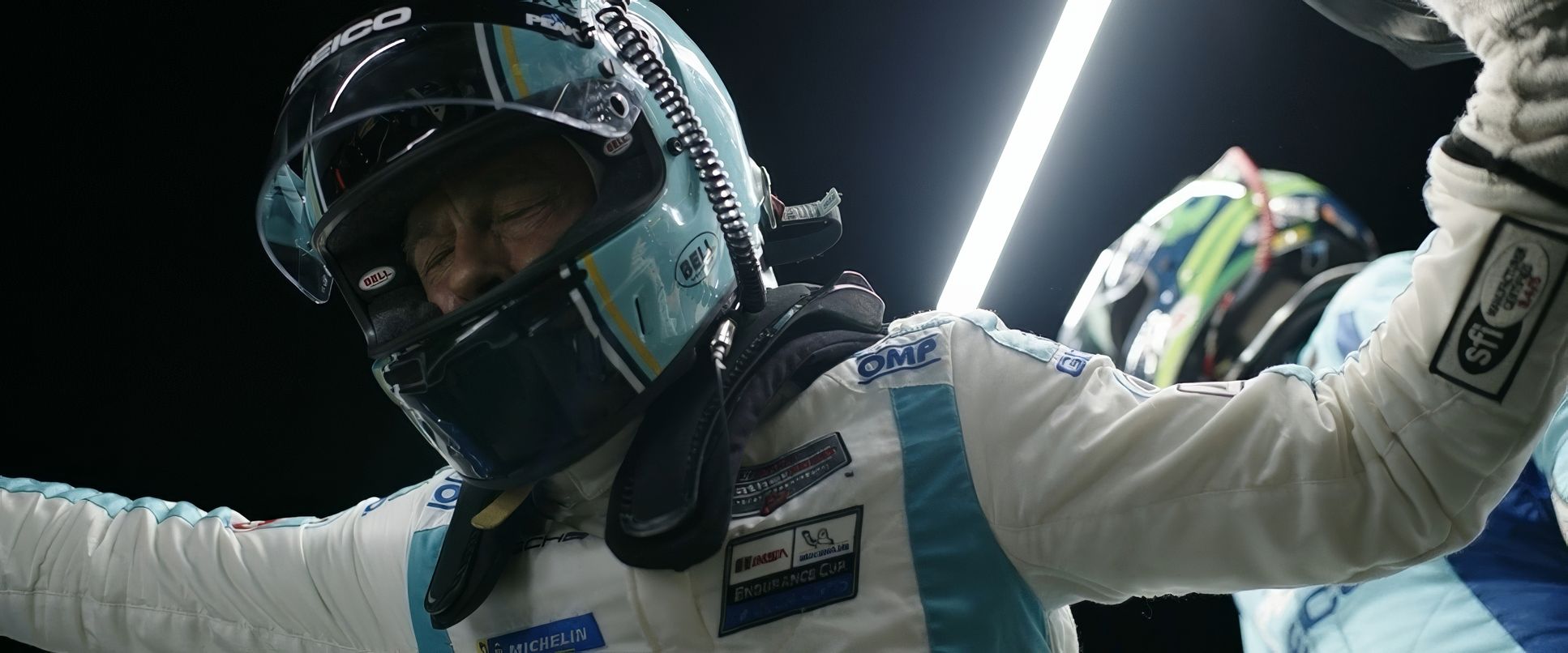
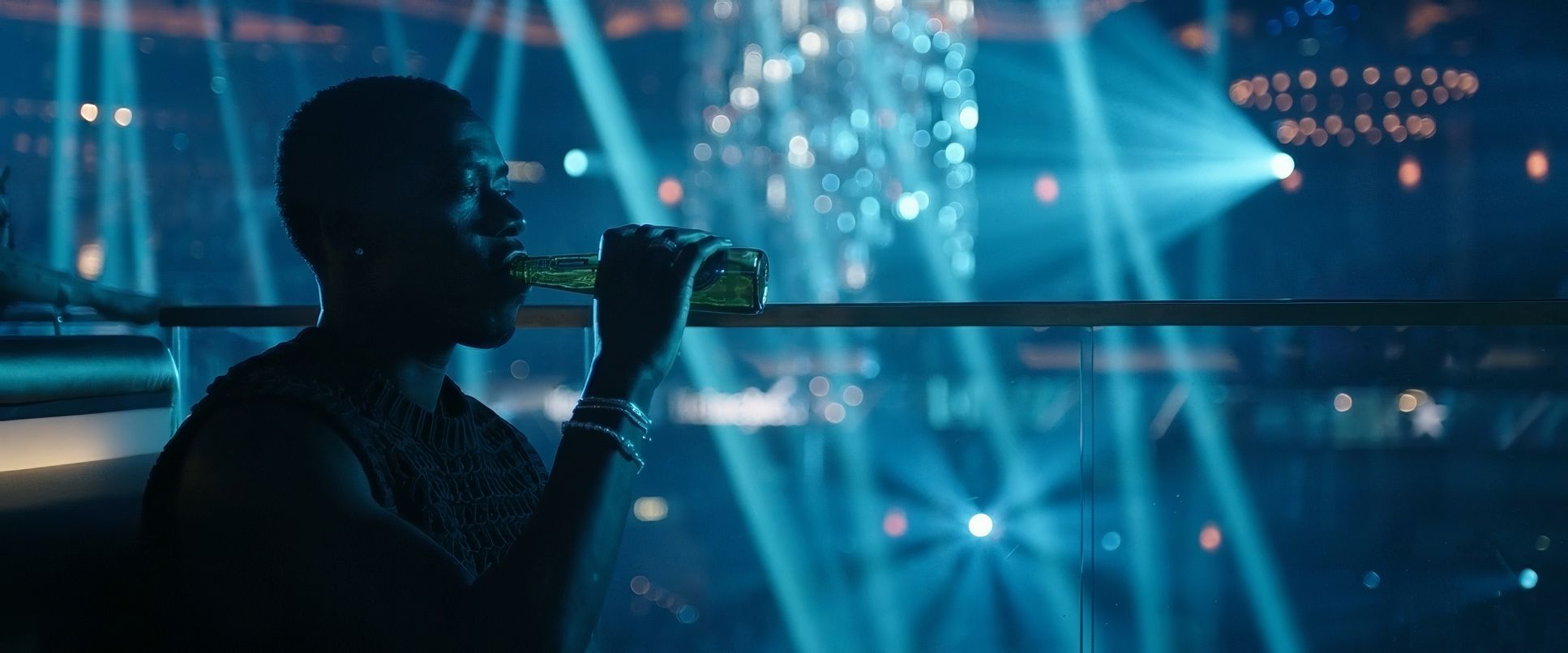
Then you have the night races, like the Daytona Beach sequences. It’s high contrast side-lit and edge-lit with artificial sources that make the cars look like jewels. The pit lanes are bathed in harsh, practical work lights that create deep shadows, amping up the tension of a 2-second stop. It’s a bold look that serves the spectacle without feeling “lit” in a fake, Hollywood way.
Color Grading Approach

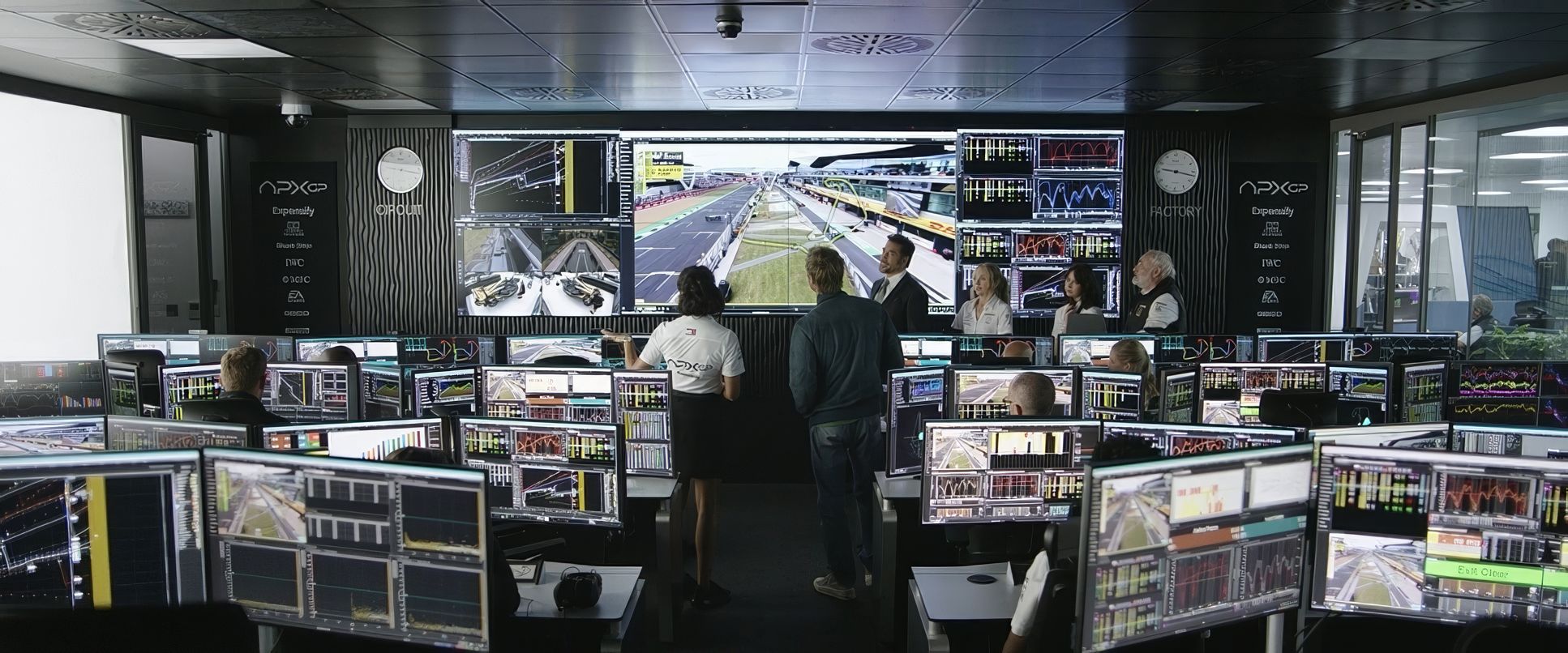
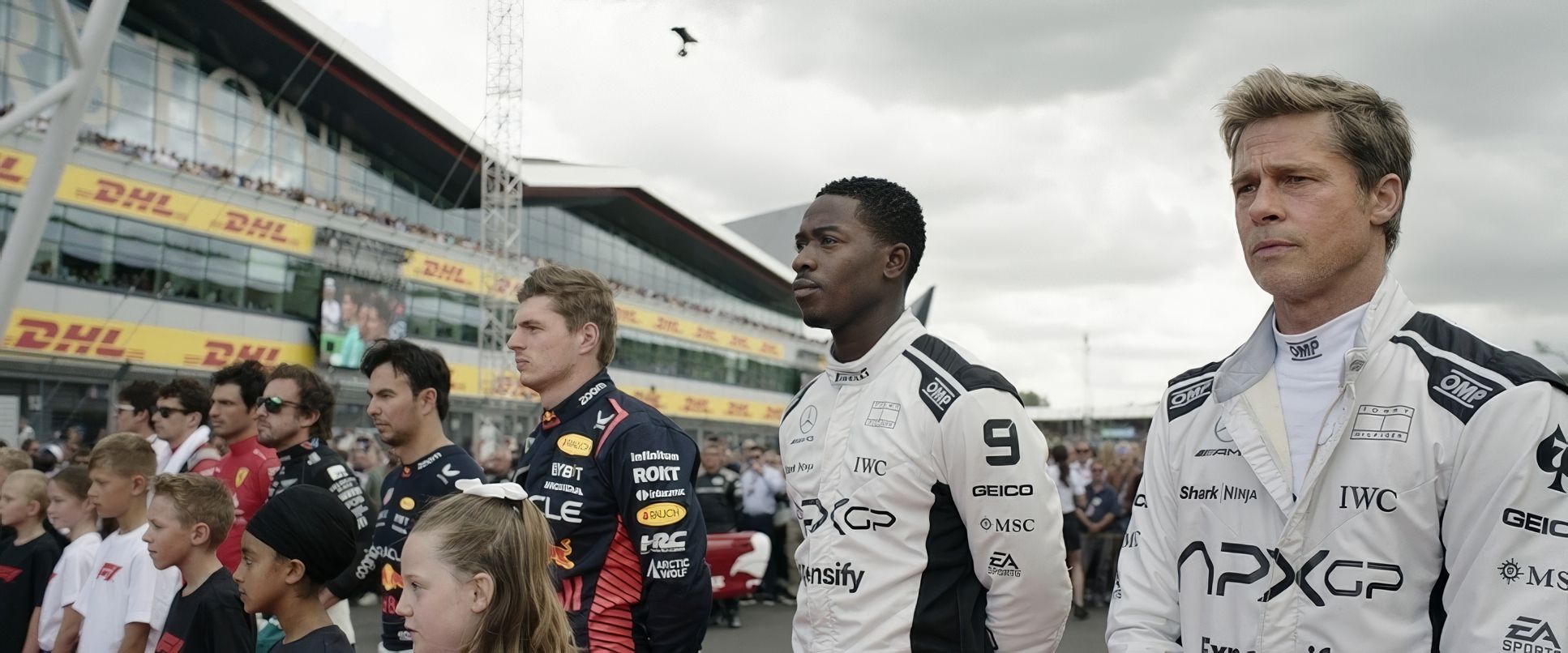
As a colorist, this is where I usually get picky. Interestingly, the fact-check notes this as a “desaturated” look, and you can see that in the 2020s-era grit. It’s a grounded, almost documentary-style palette.
However and this is the trick while the overall world is desaturated, the “hue separation” is still incredible. The reds of the Ferraris and the blues of the team kits still pop. It’s a difficult balance: keeping the image “gritty” and “filmic” without making it look muddy. The highlight roll-off is classic Miranda smooth, organic, and very “film-like.” The skin tones stay warm and natural, anchoring the human element amidst all that cold, high-tech machinery. It’s a confident grade that knows when to be quiet and when to let the track lights shine.
Technical Aspects & Tools
F1 (2025) — Sony VENICE 2 | 2.39:1 Digital
| Genre | Action, Drama |
| Director | Joseph Kosinski |
| Cinematographer | Claudio Miranda |
| Production Designer | Mark Tildesley |
| Costume Designer | Julian Day |
| Editor | Stephen Mirrione |
| Colorist | Stefan Sonnenfeld |
| Time Period | 2020s |
| Color | Desaturated |
| Aspect Ratio | 2.39 – Spherical |
| Format | Digital |
| Lighting | High contrast, Side light, Edge light |
| Lighting Type | Artificial light, Practical light |
| Story Location | Florida > Daytona Beach |
| Filming Location | Florida > Daytona Beach |
| Camera | Sony VENICE 2 |
| Lens | Panavision Primo 70s, Sigma Lenses |
| Film Stock / Resolution | Sony X-OCN XT/ST/LT (3.8k) |
The tech stack here is formidable. Shooting on the Sony Venice 2 in X-OCN (3.8K) gave them the dynamic range needed to handle both the blinding Florida sun and the deep shadows of the paddock. Those custom cockpit rigs are the unsung heroes engineering them to withstand those G-forces while maintaining a 2.39:1 spherical frame is no small feat.
The “no CGI” mandate meant the technical team had to rely on gyro-stabilized heads and high-speed chase cars that could actually keep up. The result is an image that has a “density” and “weight” that digital effects just can’t touch. They captured it in-camera, and it shows in every frame.
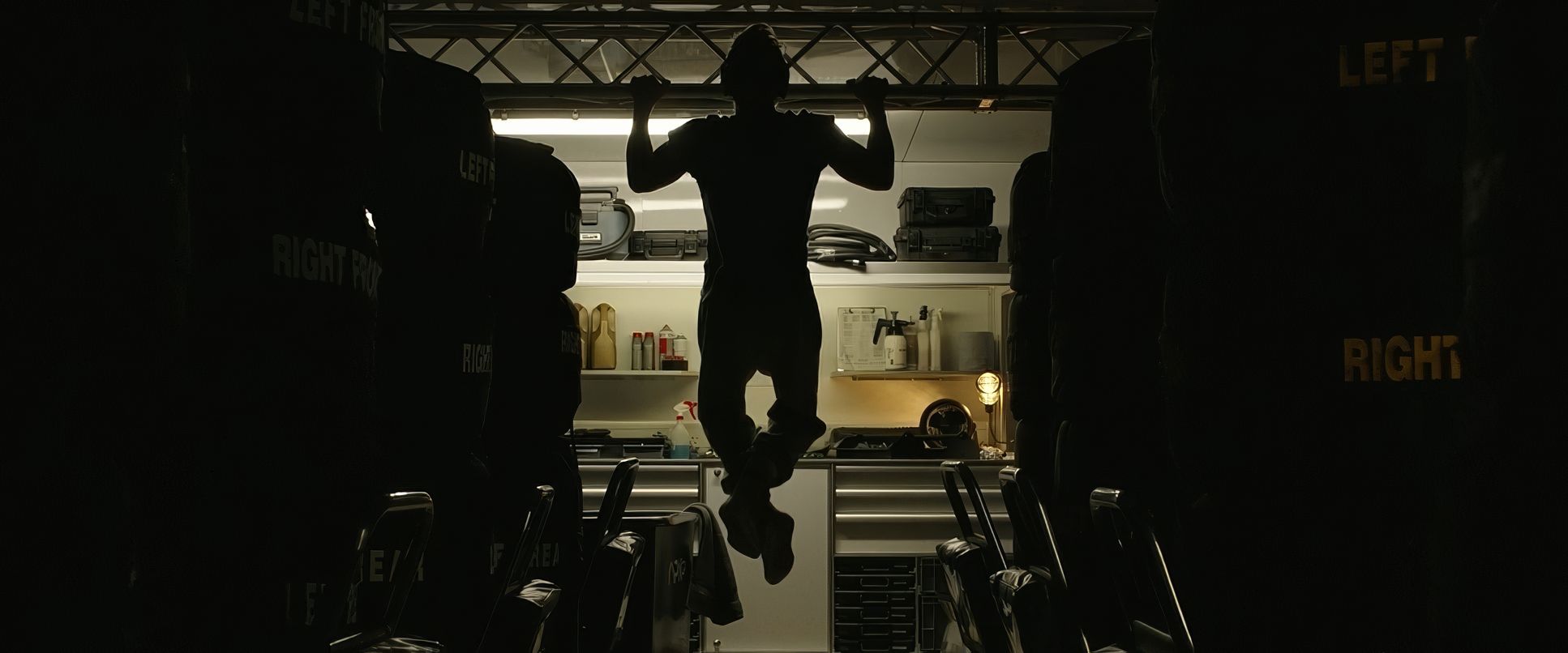
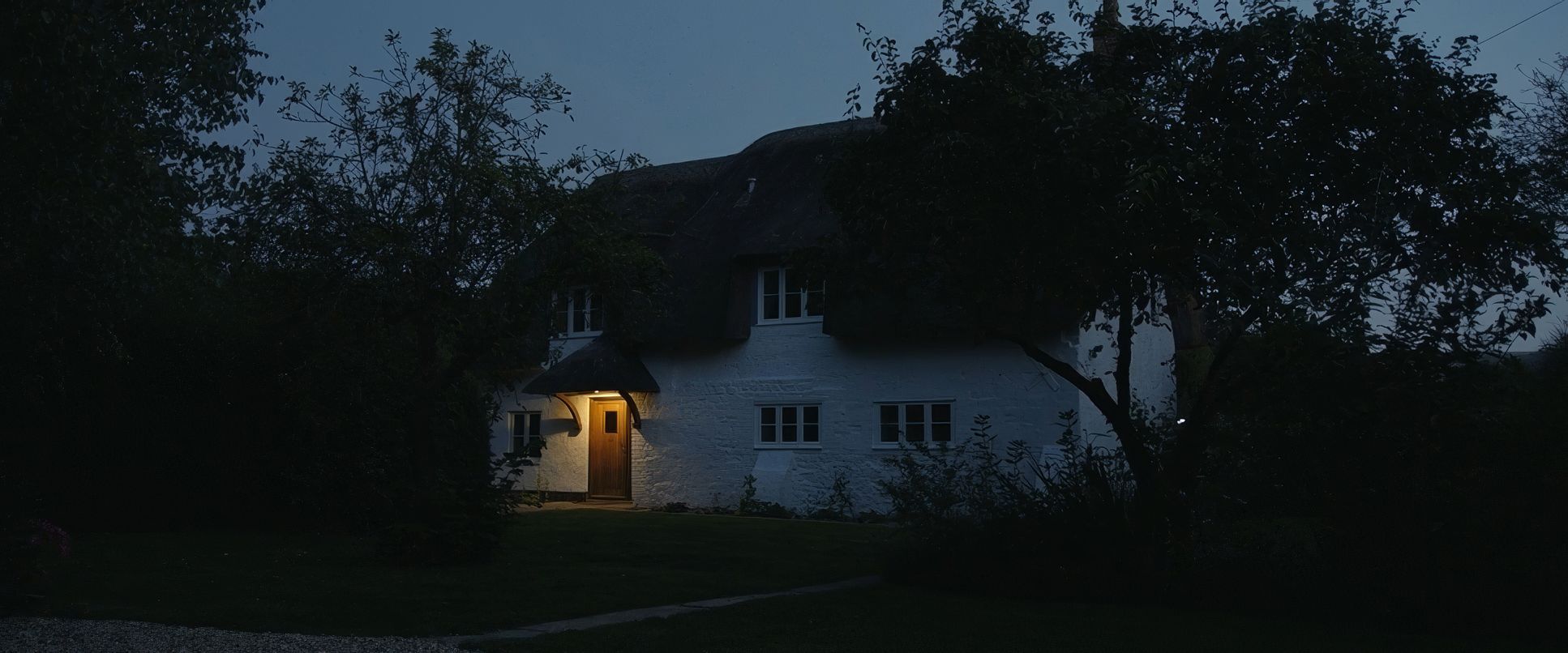
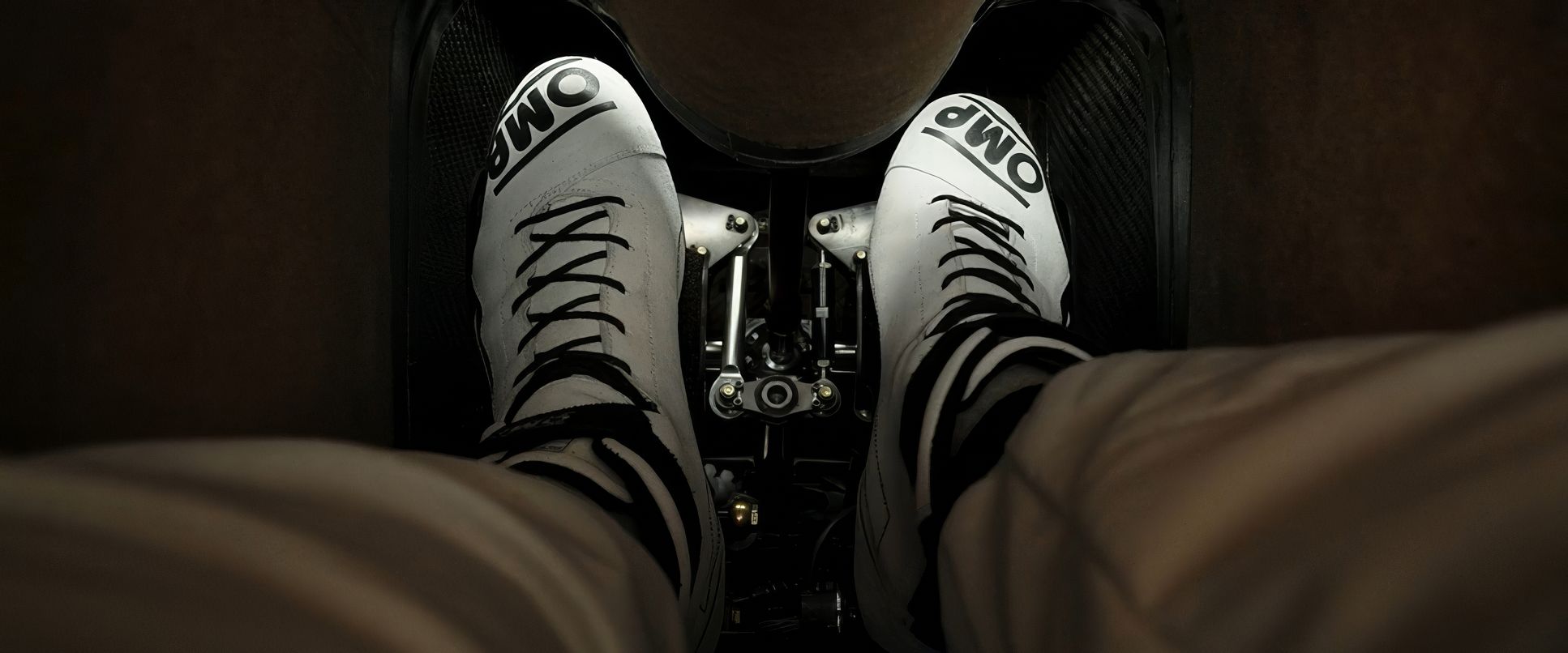
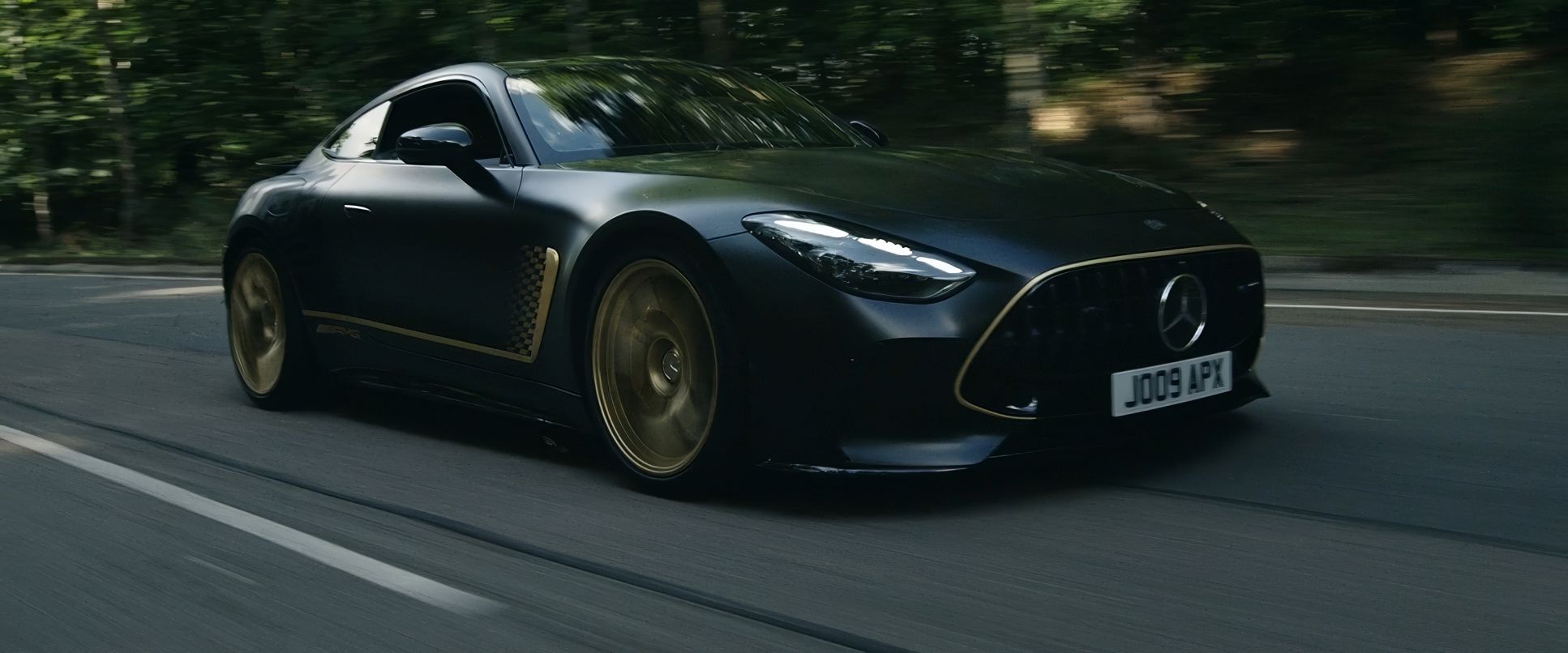
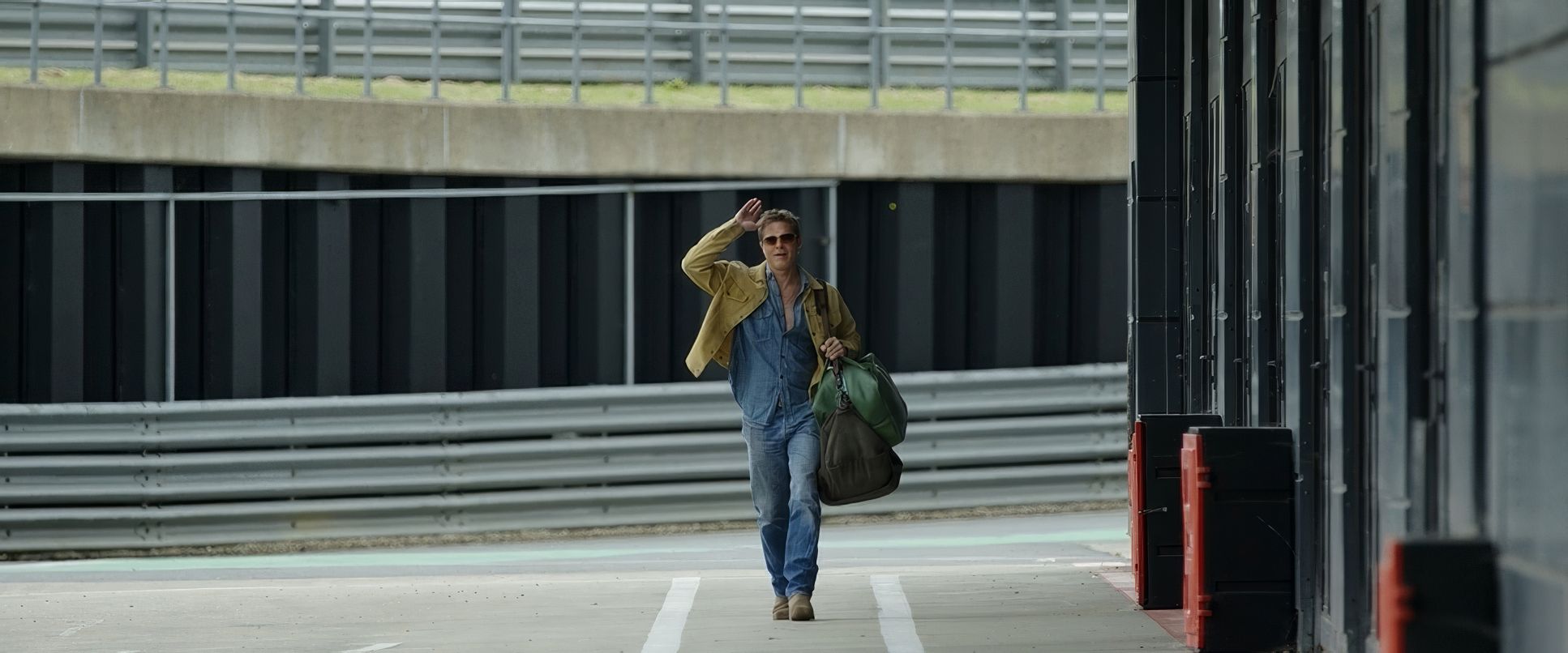
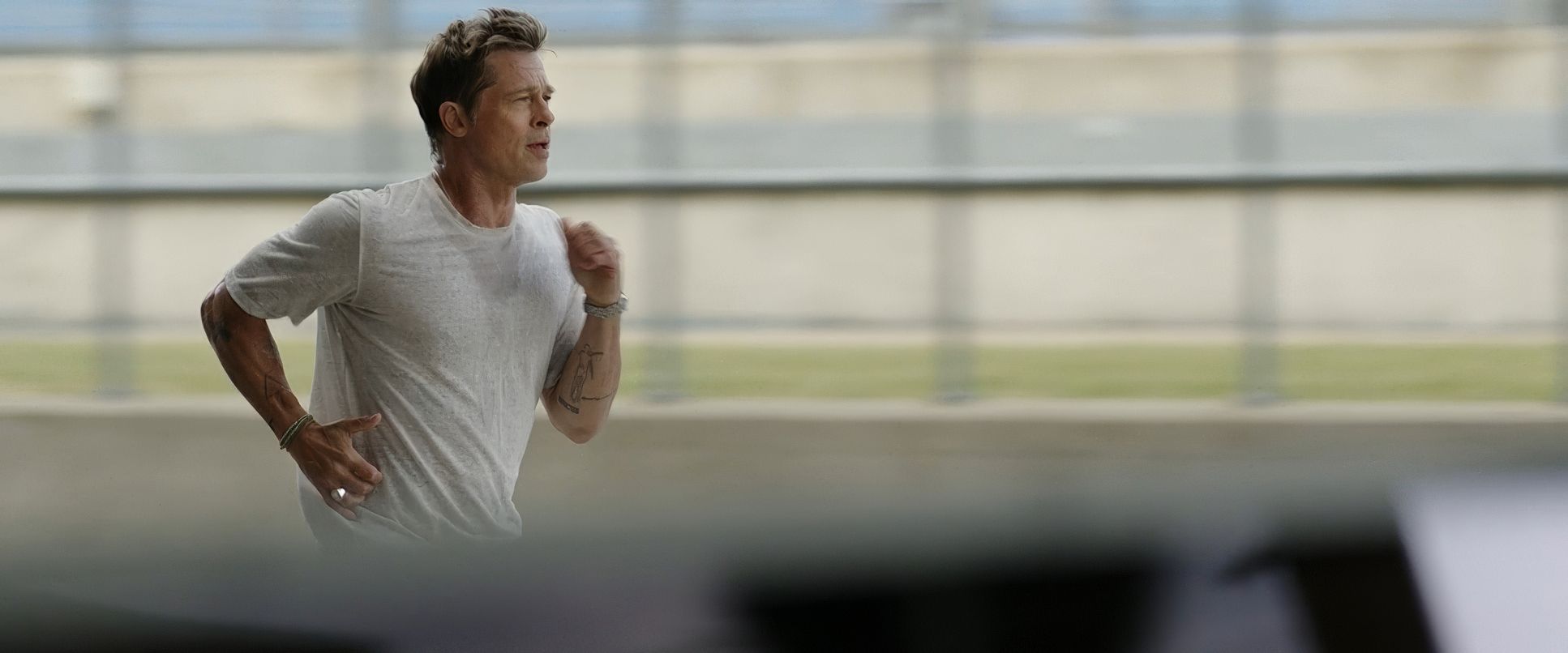
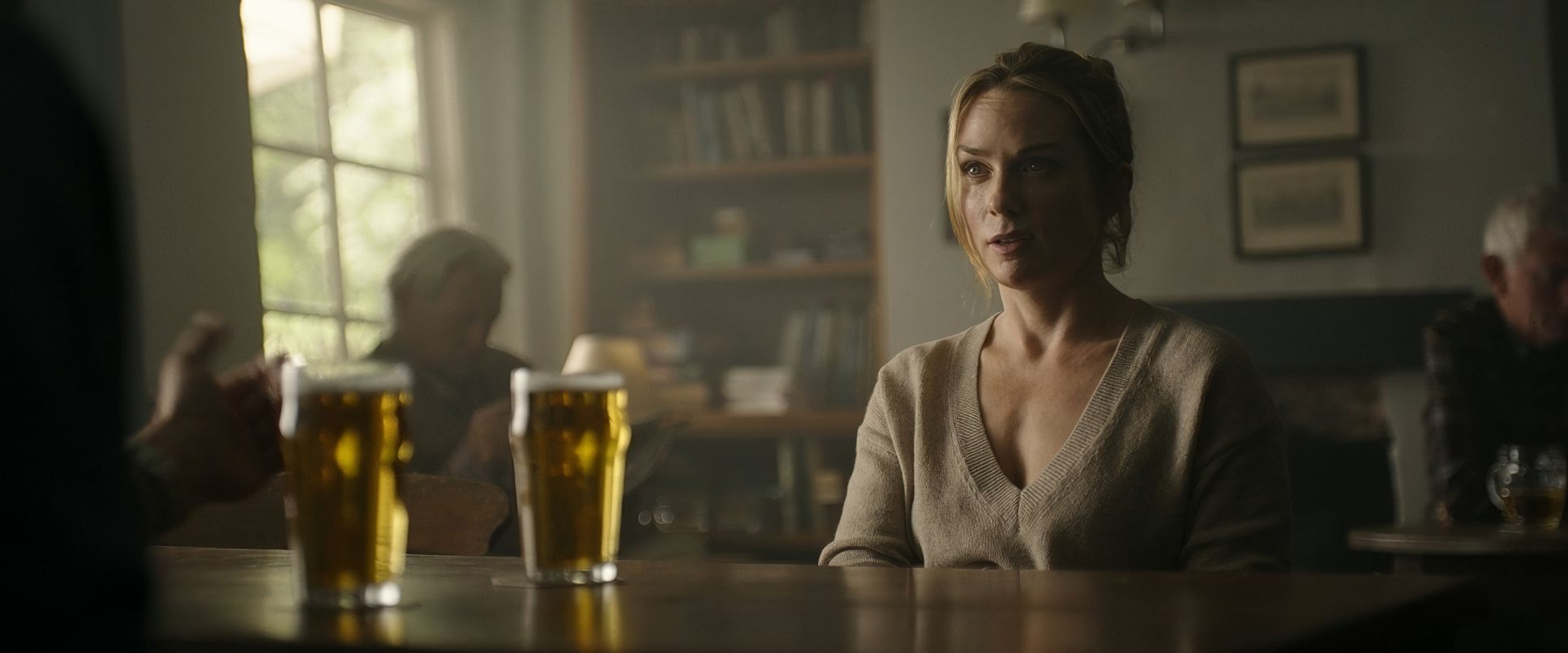
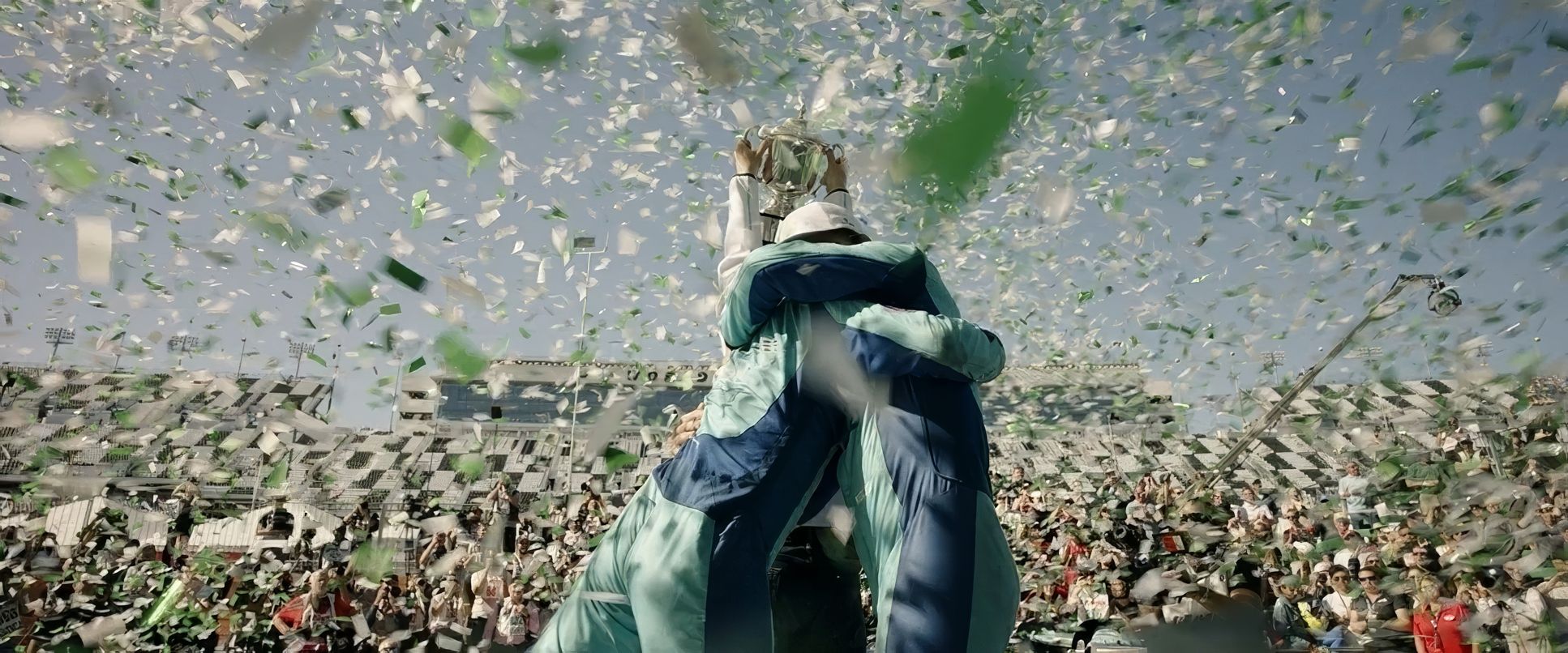
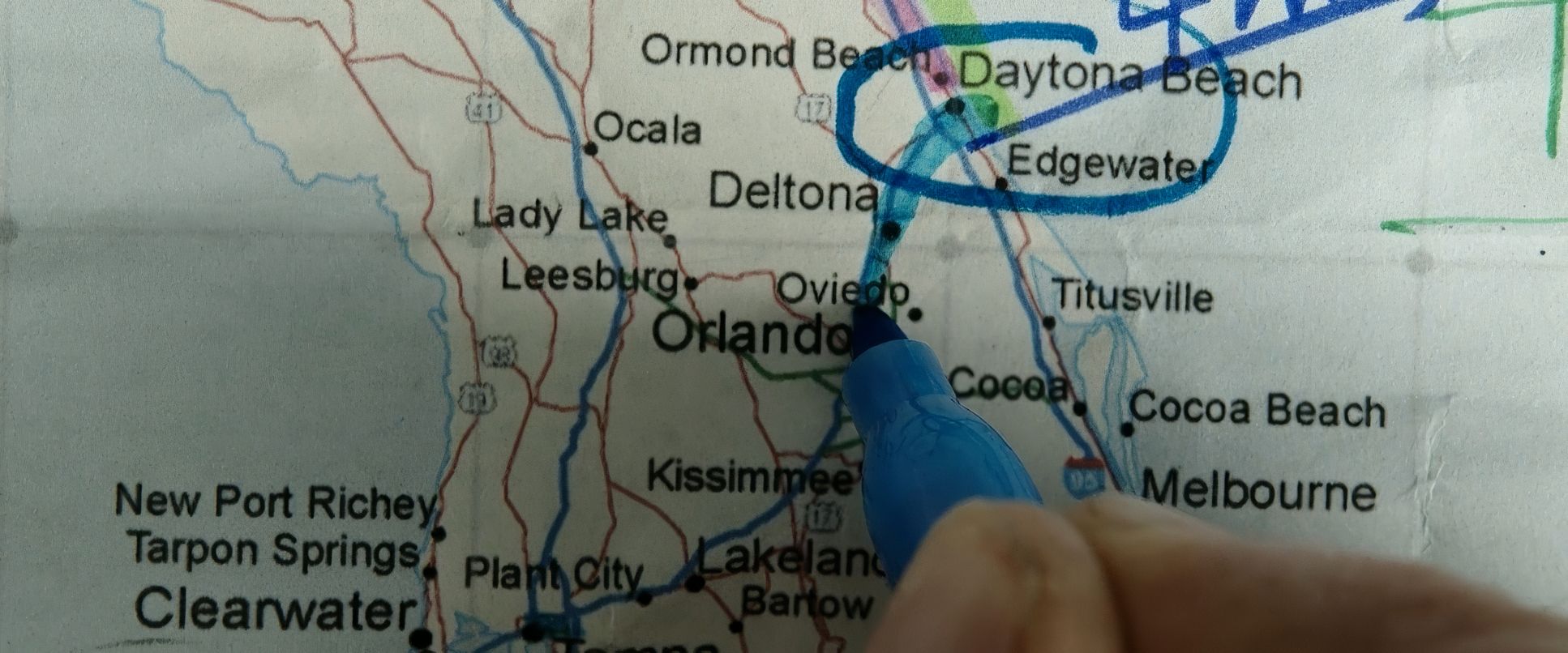
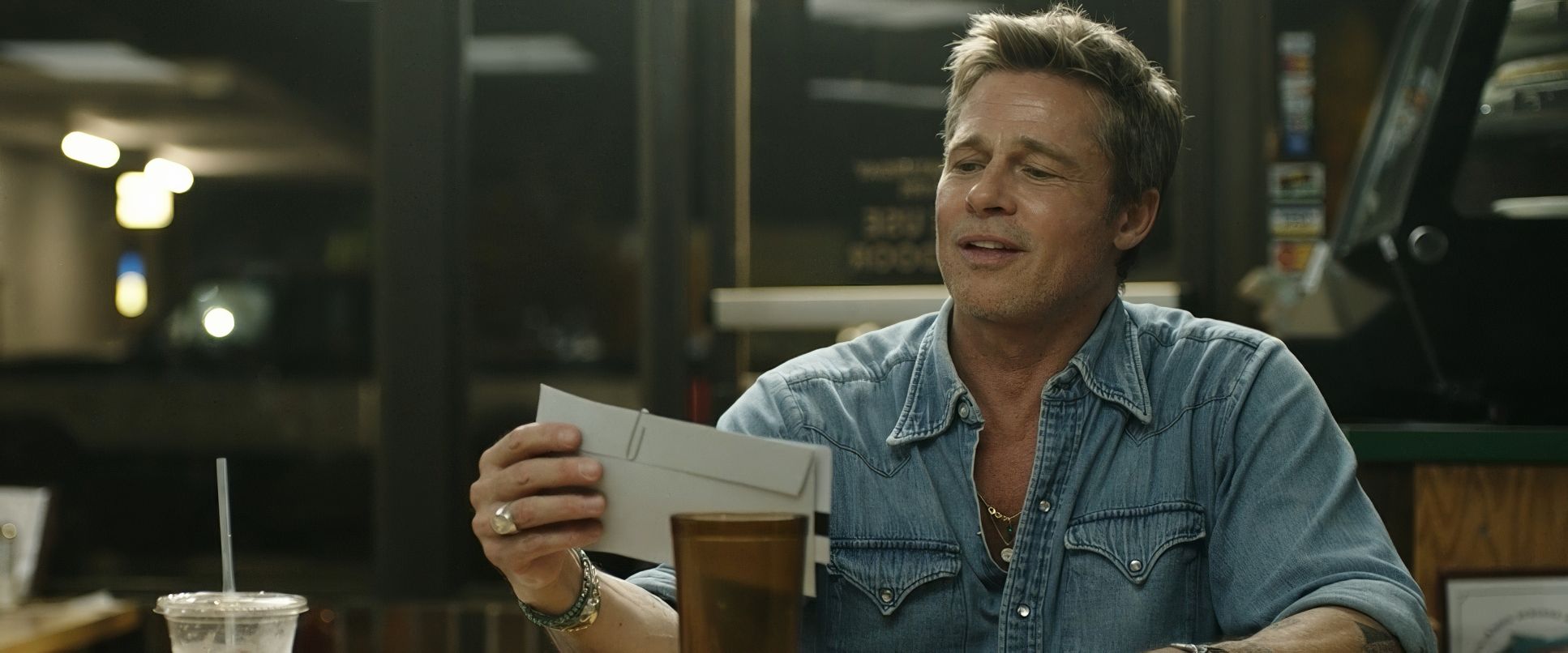
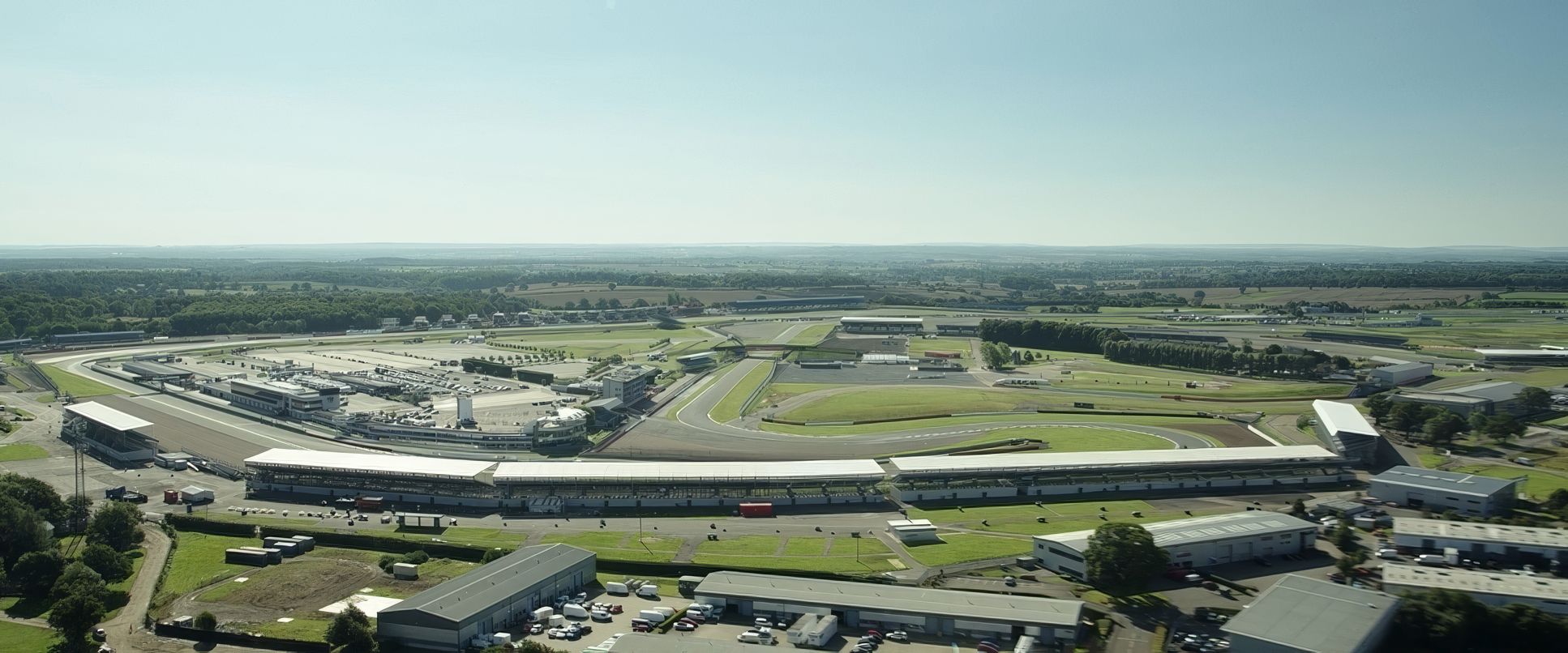
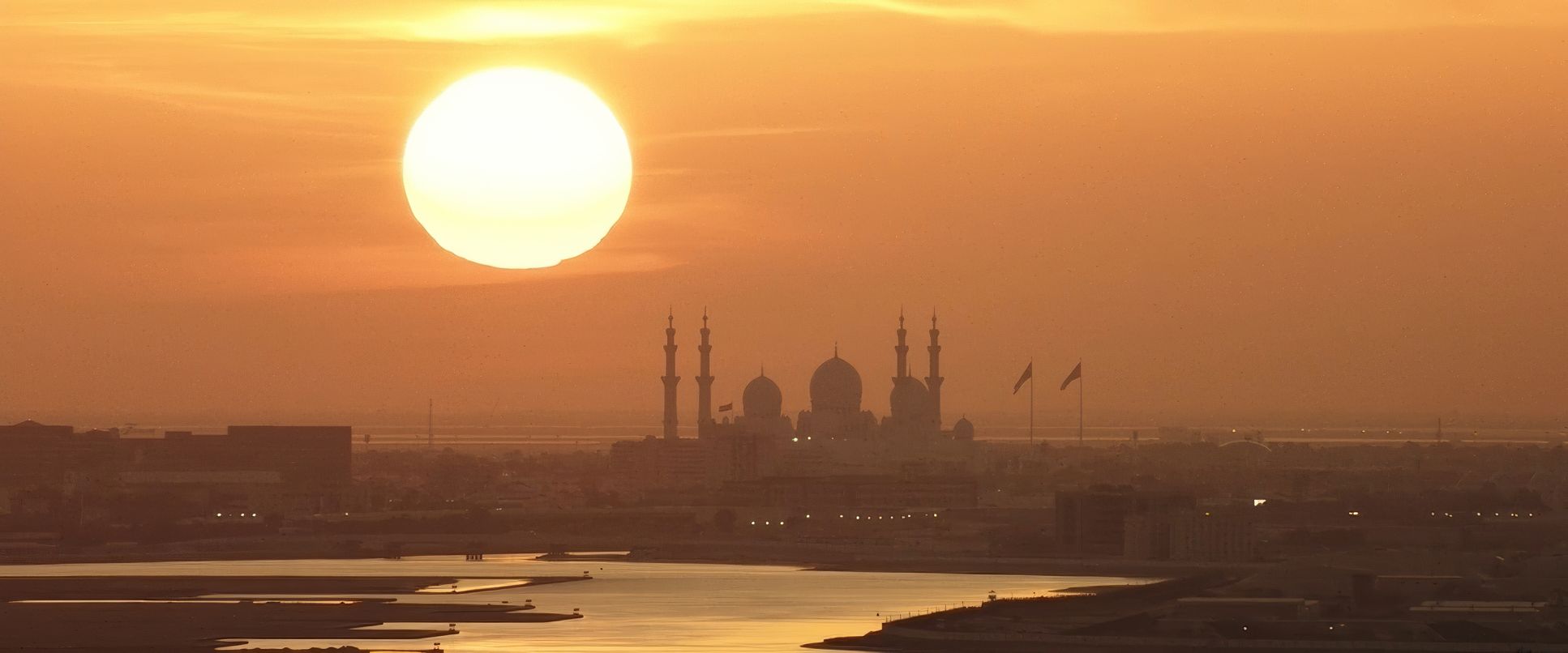
F1: The Movie (2025) Film Stills
A curated reference archive of cinematography stills from F1: The Movie (2025). Study the lighting, color grading, and composition.
















- Also read: APOLLO 13 (1995) – CINEMATOGRAPHY ANALYSIS
- Also read: HALLOWEEN (1978) – CINEMATOGRAPHY ANALYSIS
Browse Our Cinematography Analysis Glossary
Explore directors, cinematographers, cameras, lenses, lighting styles, genres, and the visual techniques that shape iconic films.
Explore Glossary →