Ang Lee’s Brokeback Mountain is, for me, the ultimate masterclass. It’s the film I revisit when I need to remind myself that cinematography isn’t about making “pretty pictures” it’s about weaving a raw, emotional tapestry into every single frame. The way it uses the vastness of nature to highlight the suffocating intimacy of a forbidden love is something I study constantly.
Rodrigo Prieto: The Visual Chameleon
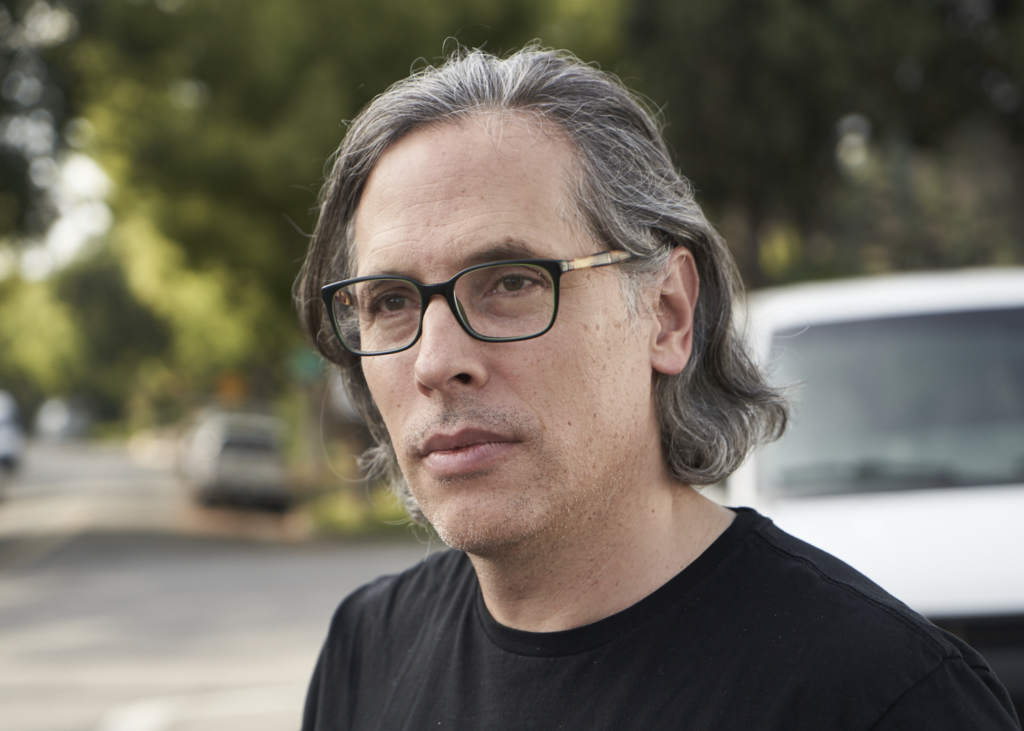
The soul of this film belongs to Rodrigo Prieto. In the industry, we call Prieto a chameleon because he doesn’t have a “ego-driven” style; he adapts his vision entirely to the director’s voice. His collaboration with Ang Lee is a perfect example of how light and shadow can translate complex human emotion better than any dialogue. Prieto has this incredible ability to be both grand and intimately personal within the same sequence. His work here isn’t just “technical proficiency” it feels deeply rooted in the narrative. He isn’t chasing trends; he’s building worlds, moment by moment, with a sensitivity that makes him the only choice for a film that demands both epic scope and gut-wrenching vulnerability.
The Alberta Illusion: Recreating Wyoming
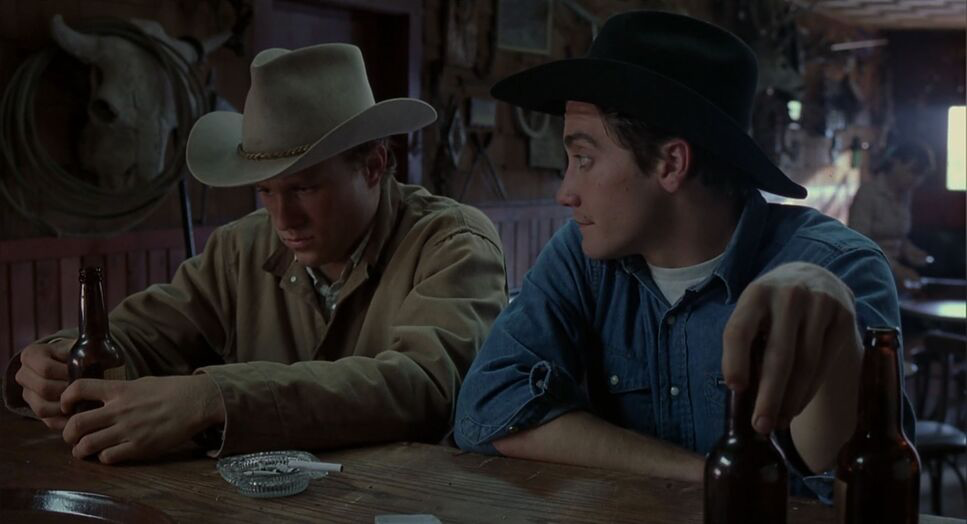
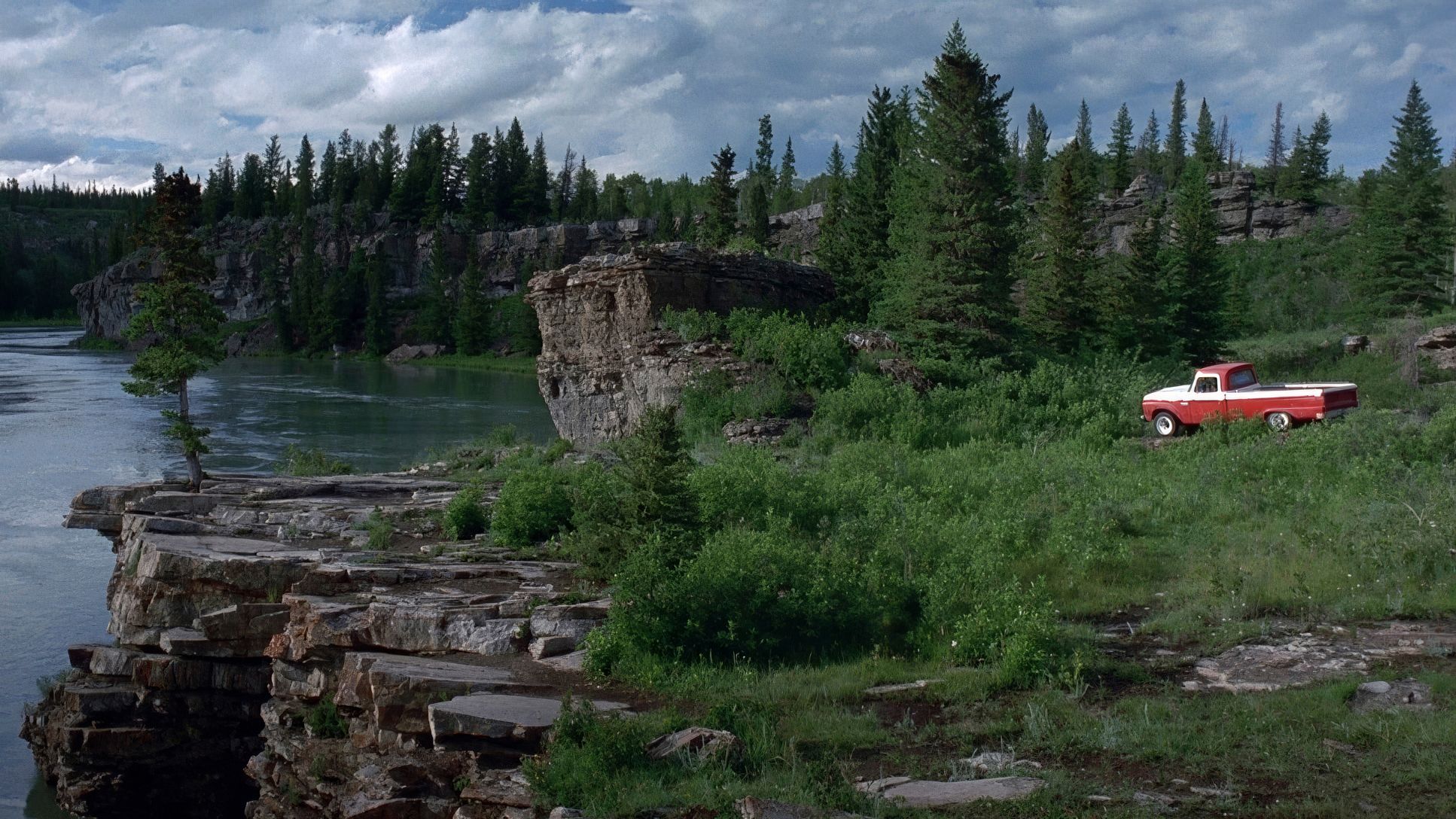
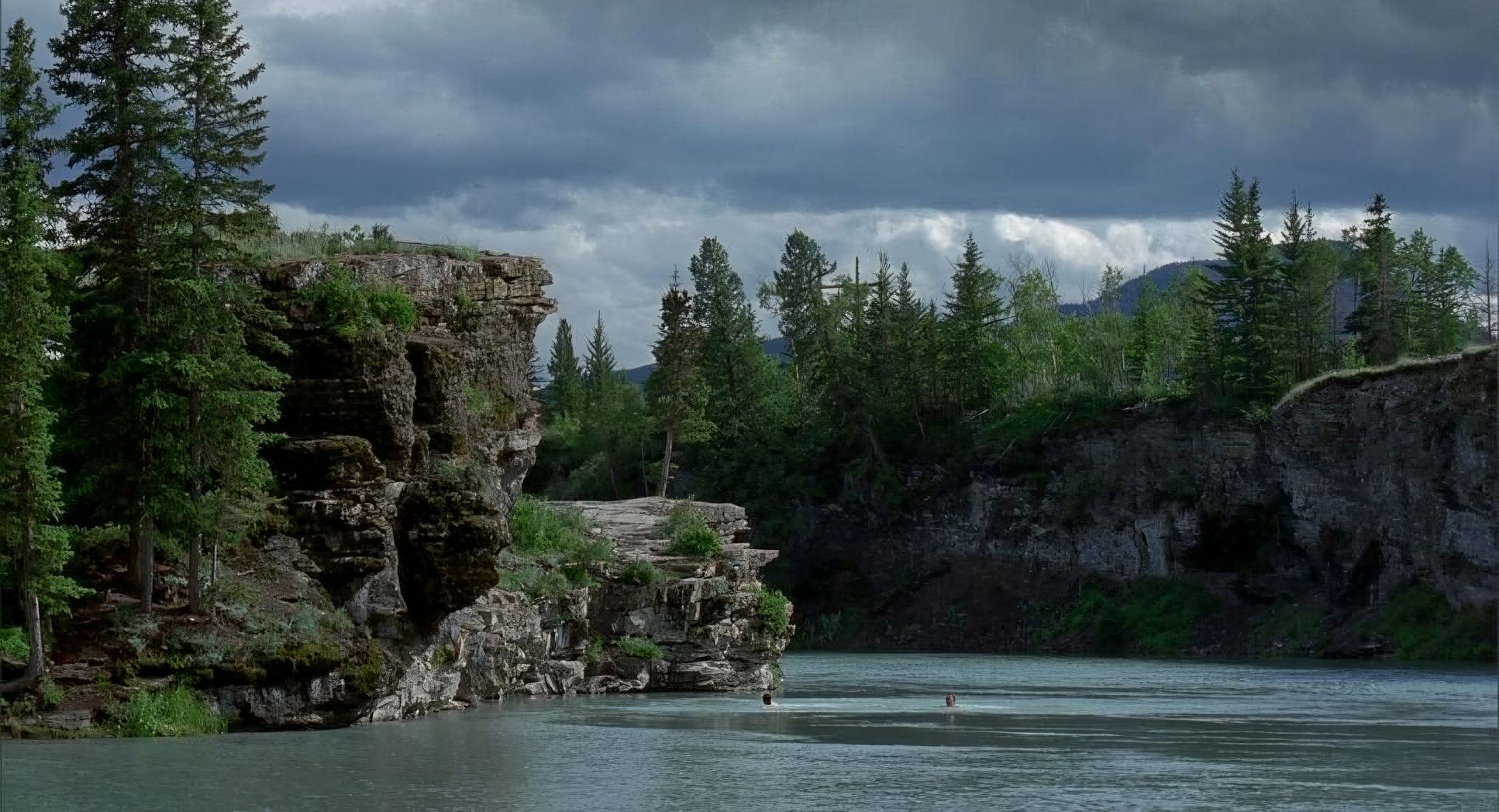
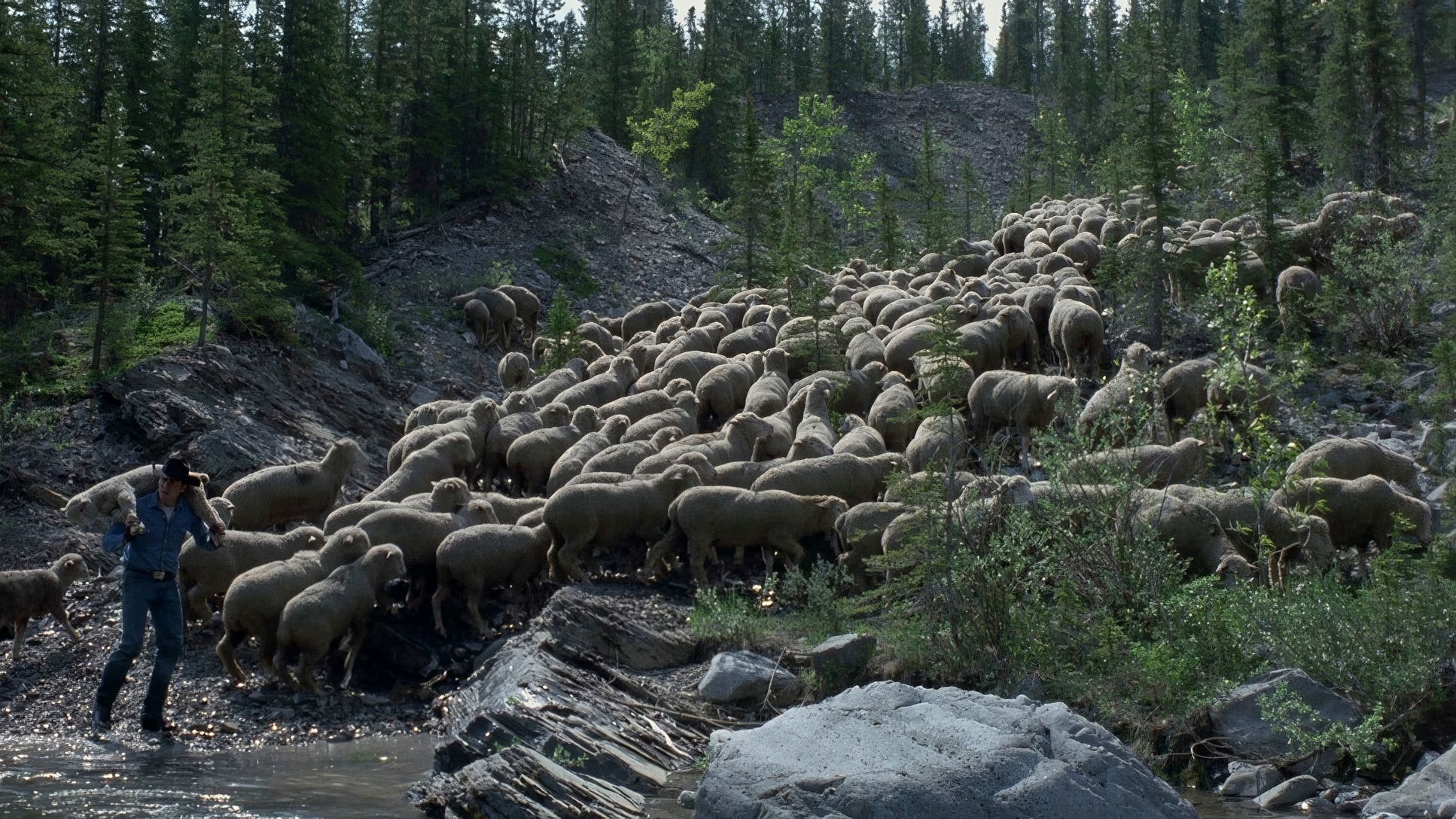
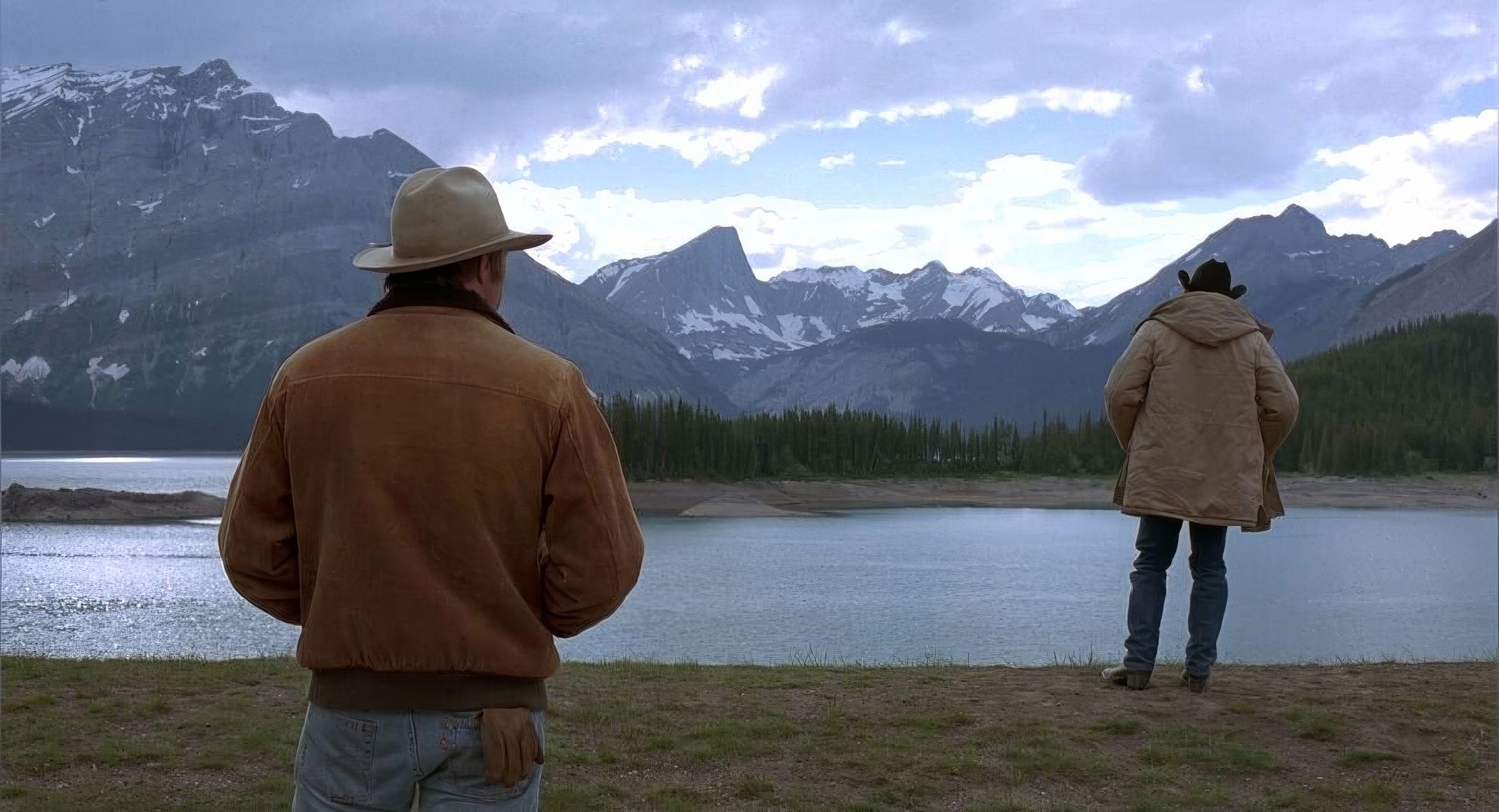
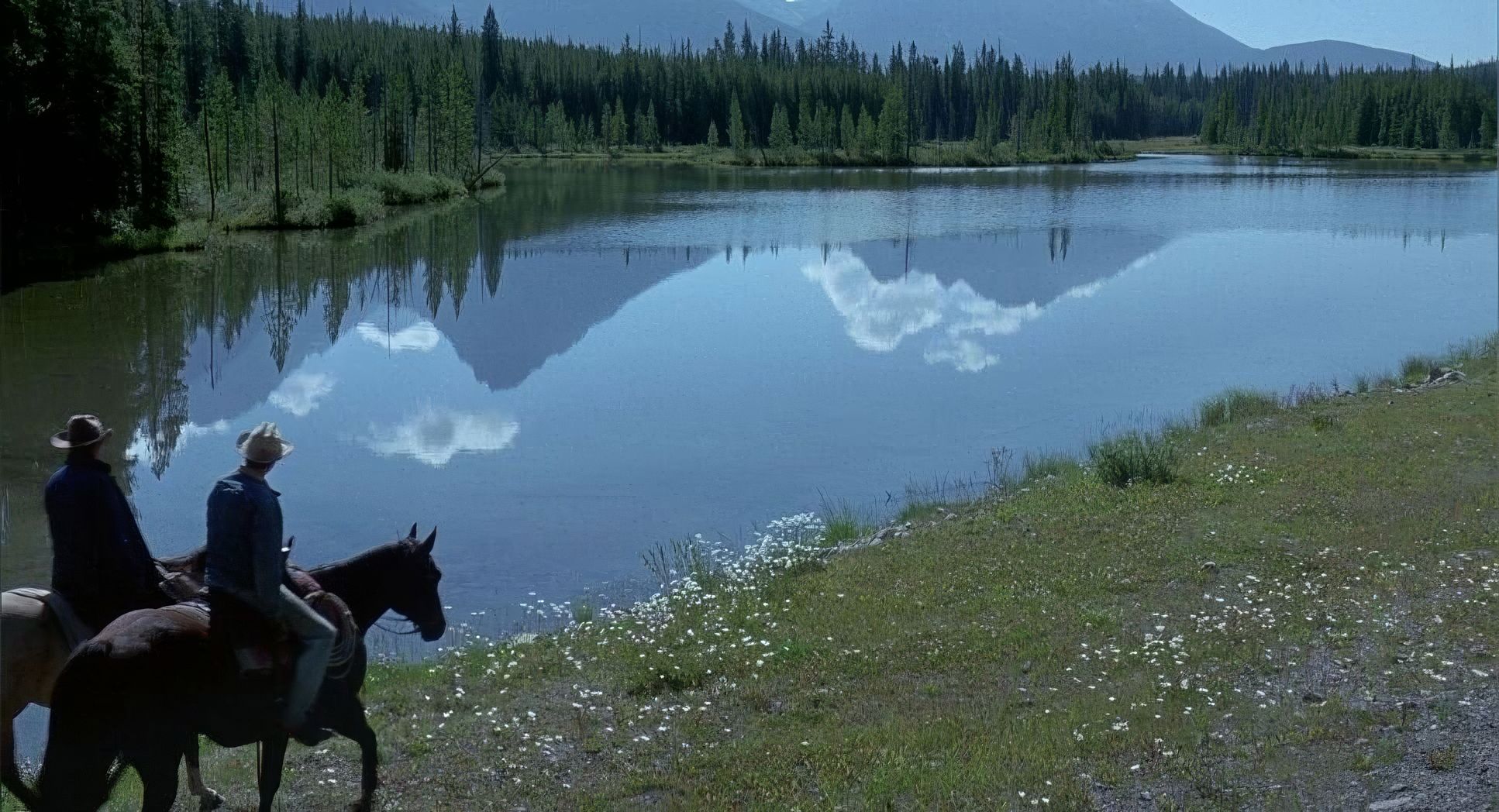
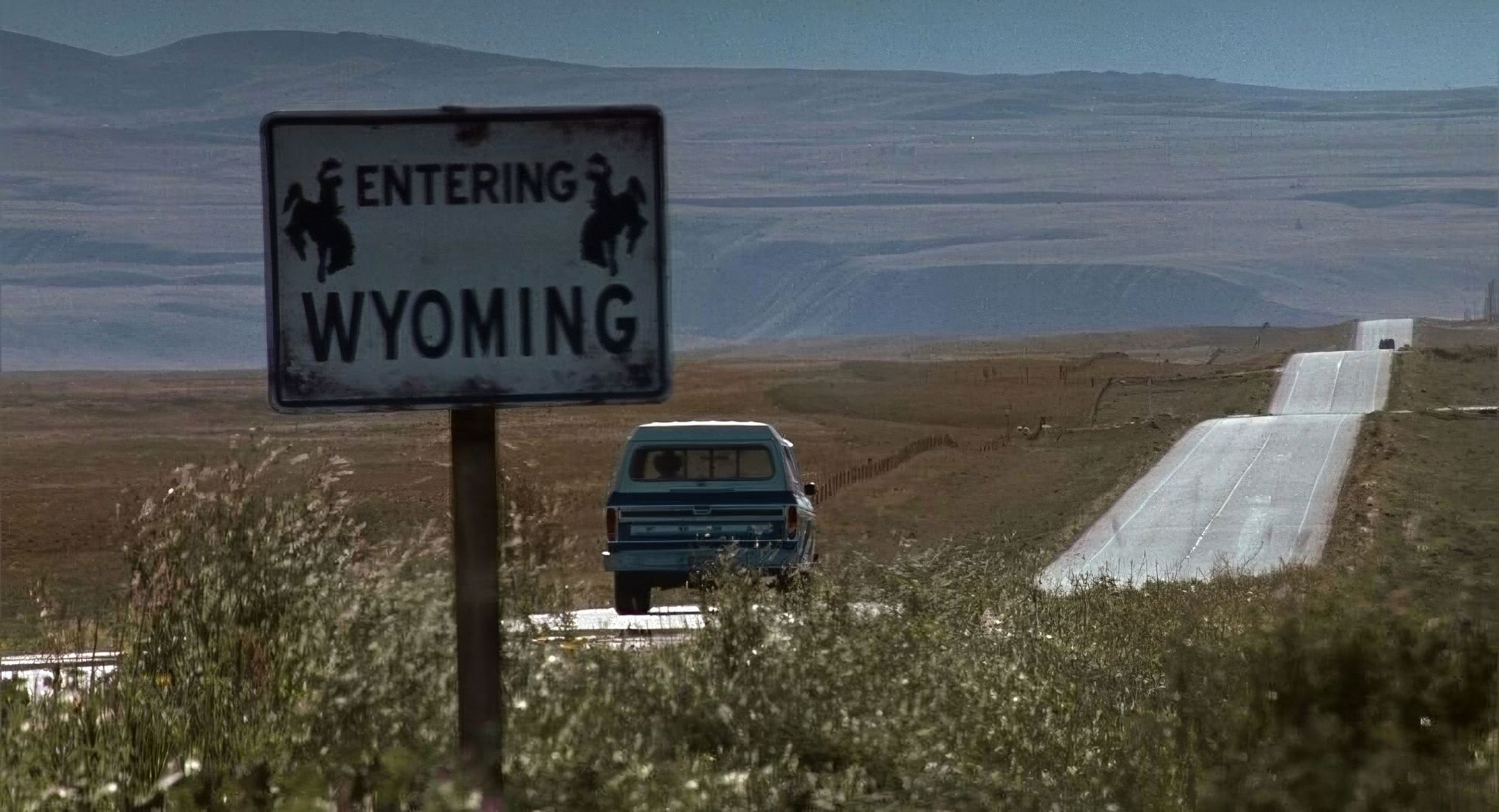
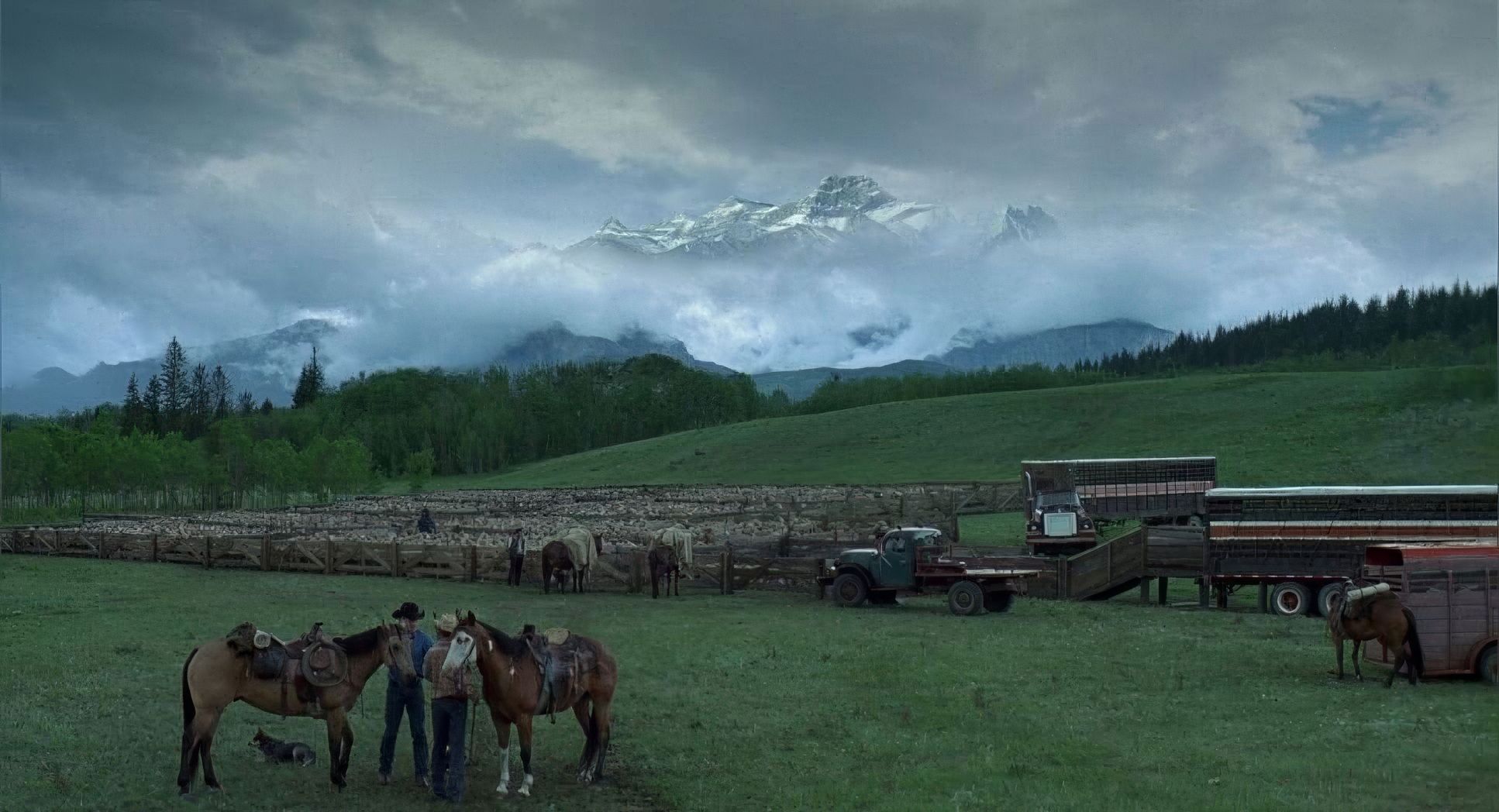
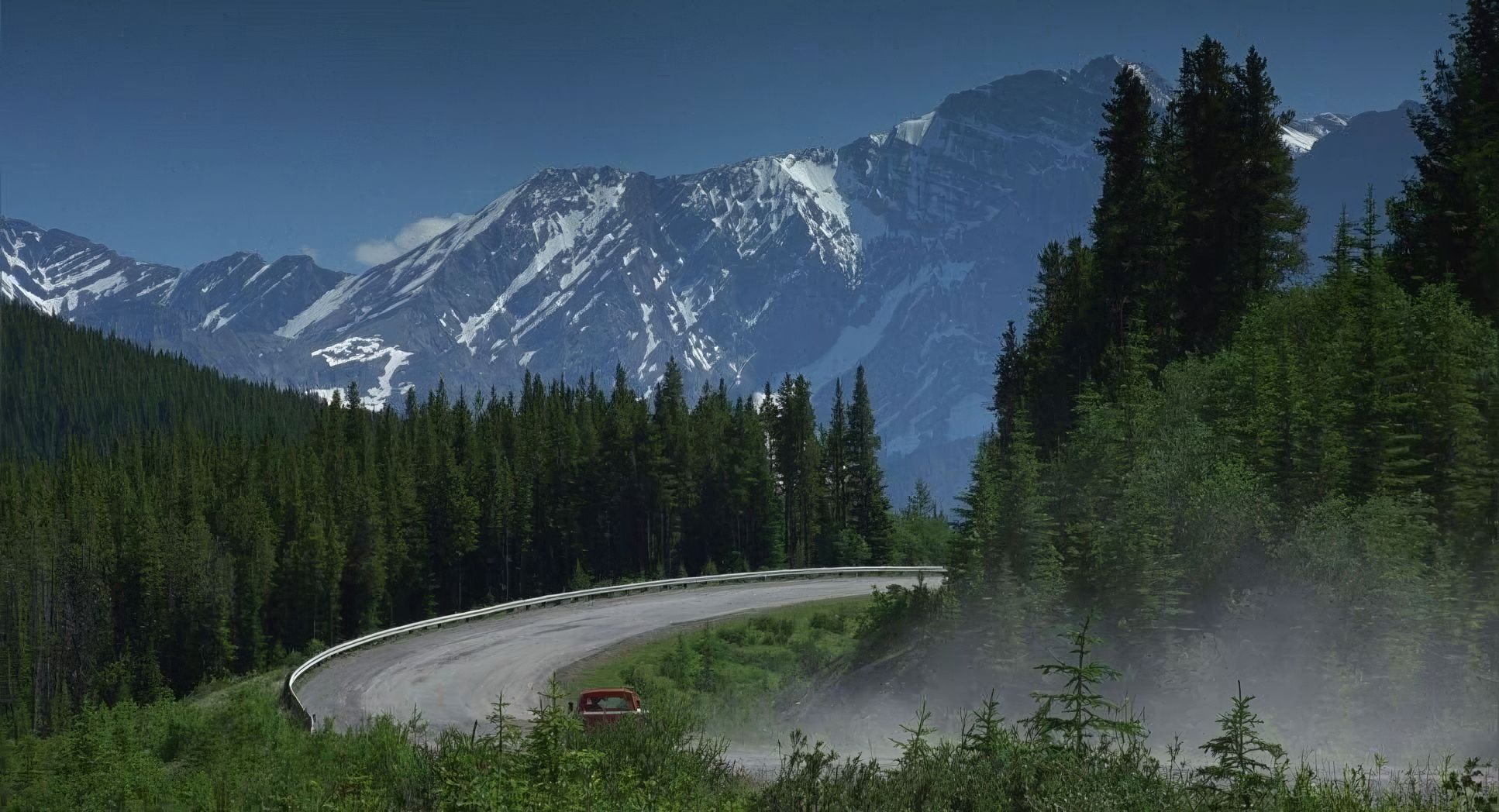
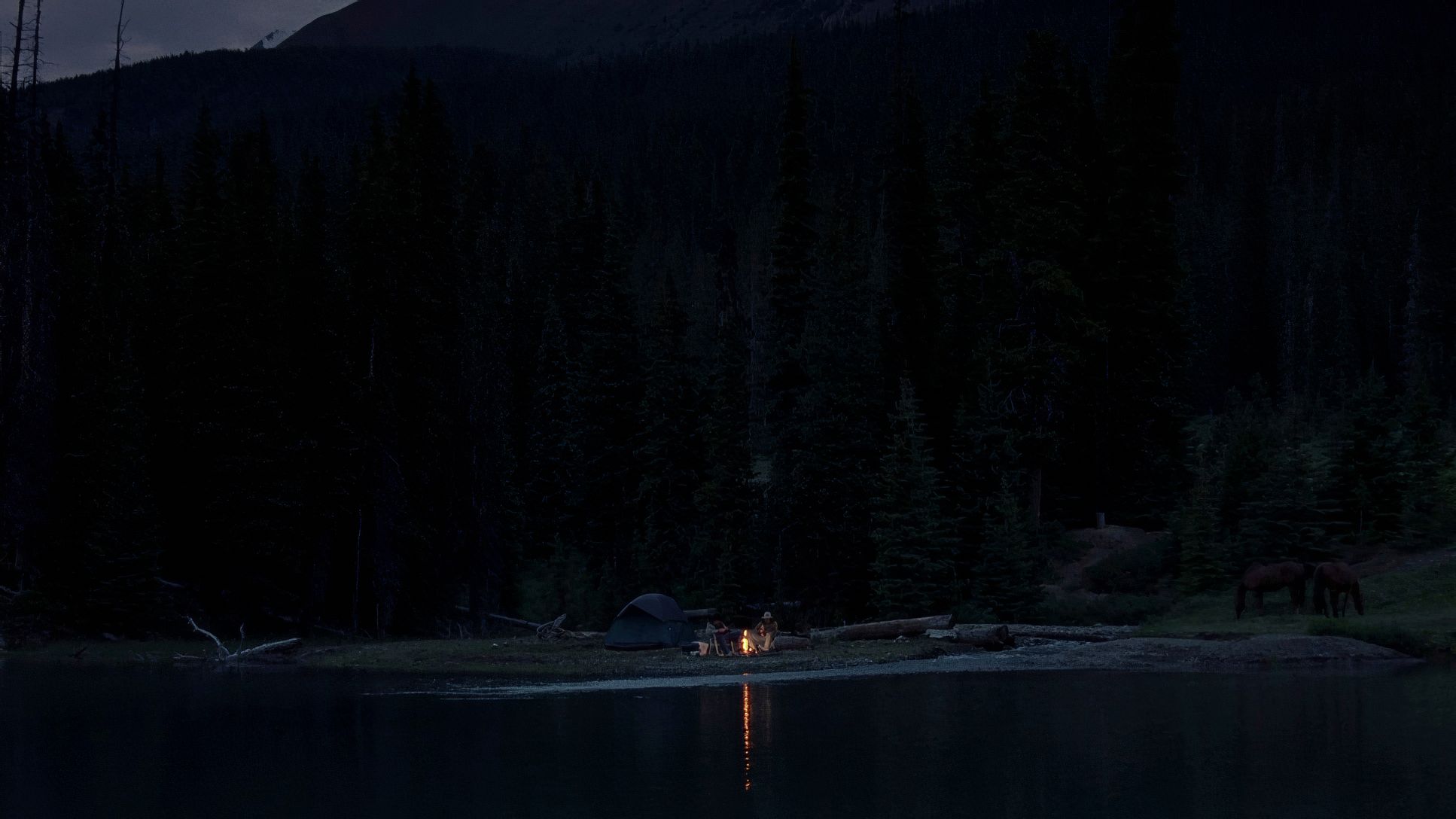
There’s a profound respect for the landscape here that dictates the entire visual approach. While the story is famously set in Wyoming, we know that most of the heavy lifting was done in Alberta, Canada. From a production standpoint, it was cost-effective, but artistically, the Canadian Rockies provided those stunning vistas that perfectly recreated the American West. The crew was meticulous carefully framing out any tell-tale Canadian landmarks to keep the Wyoming illusion intact.
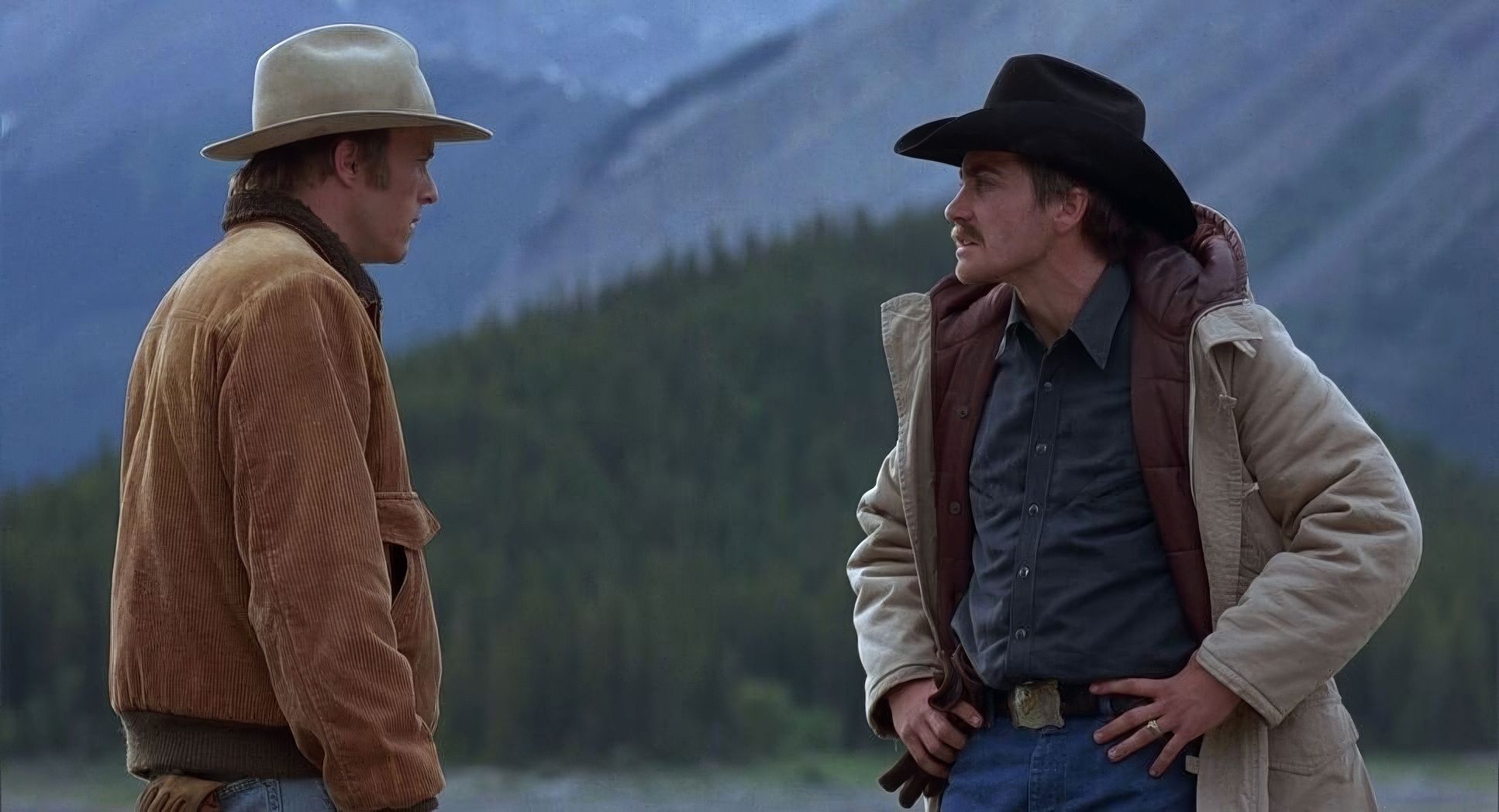
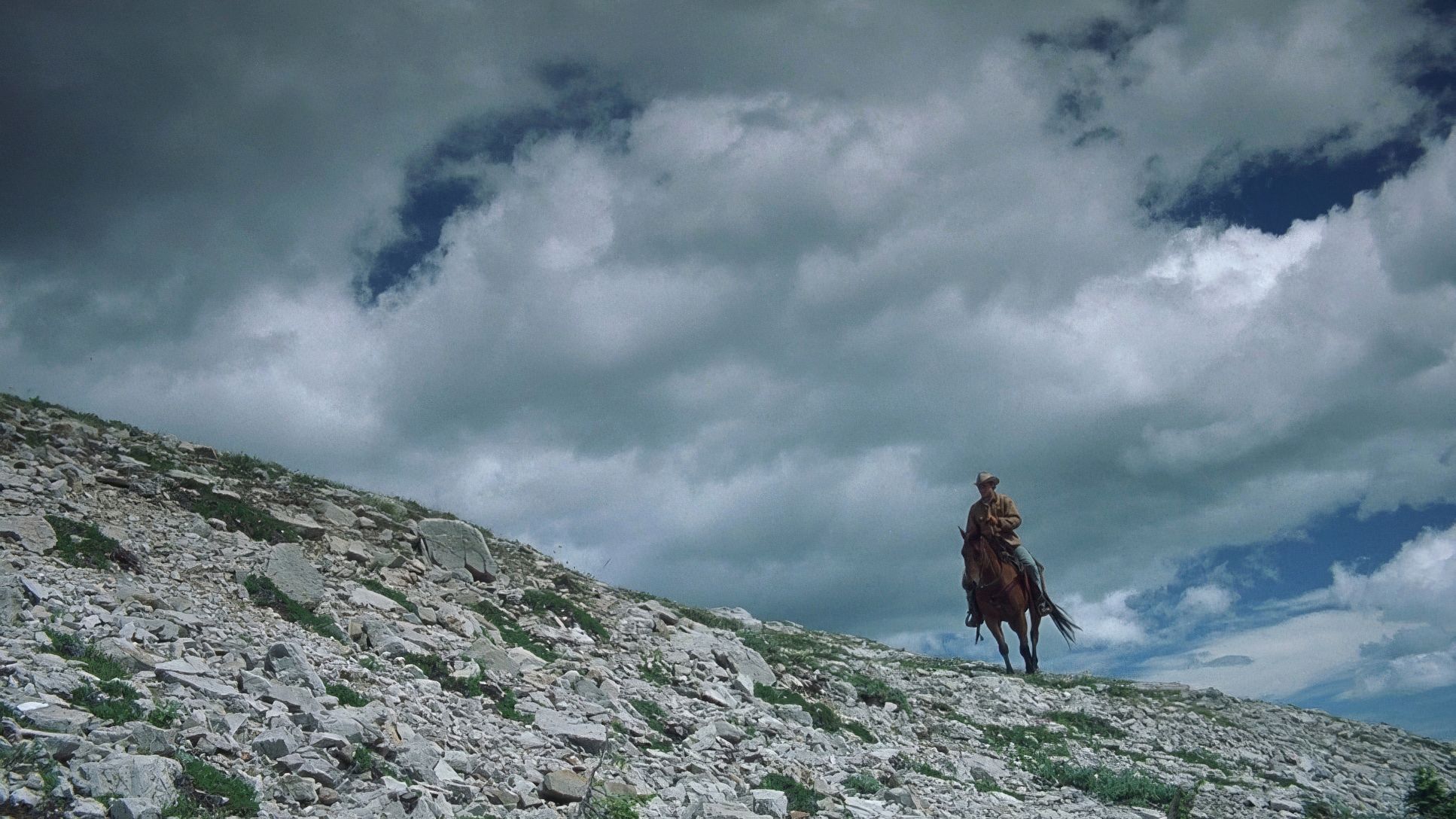
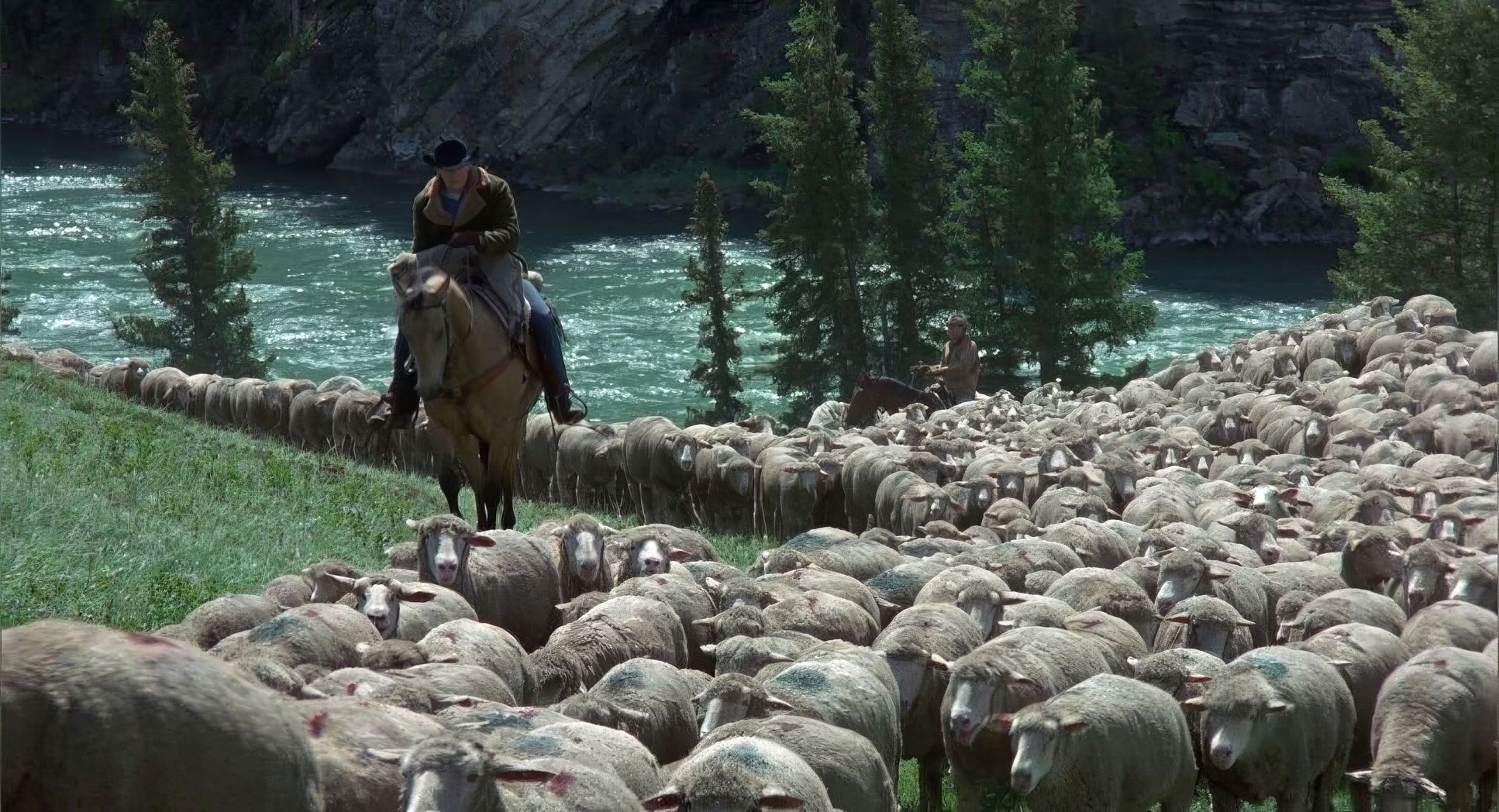
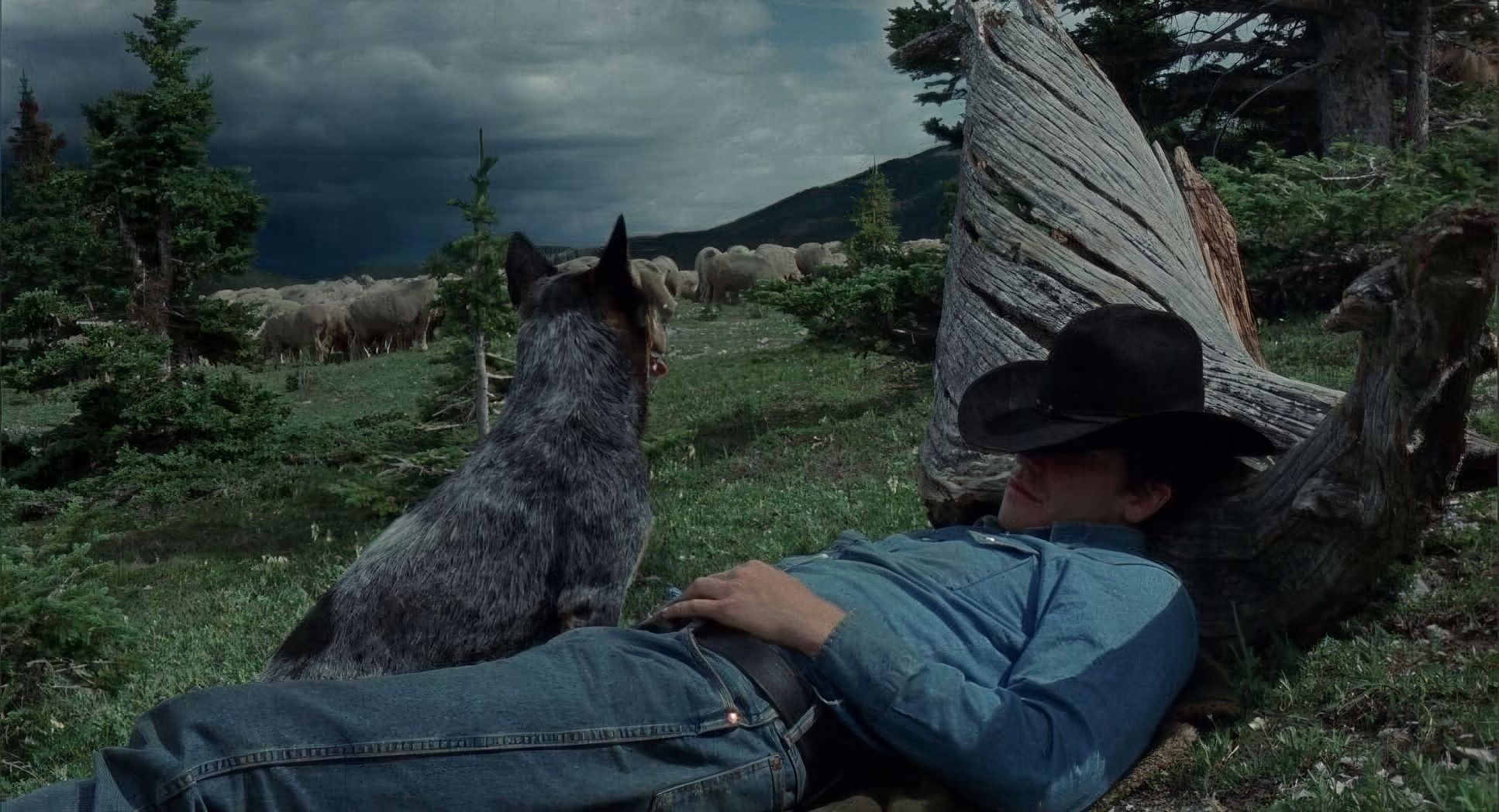
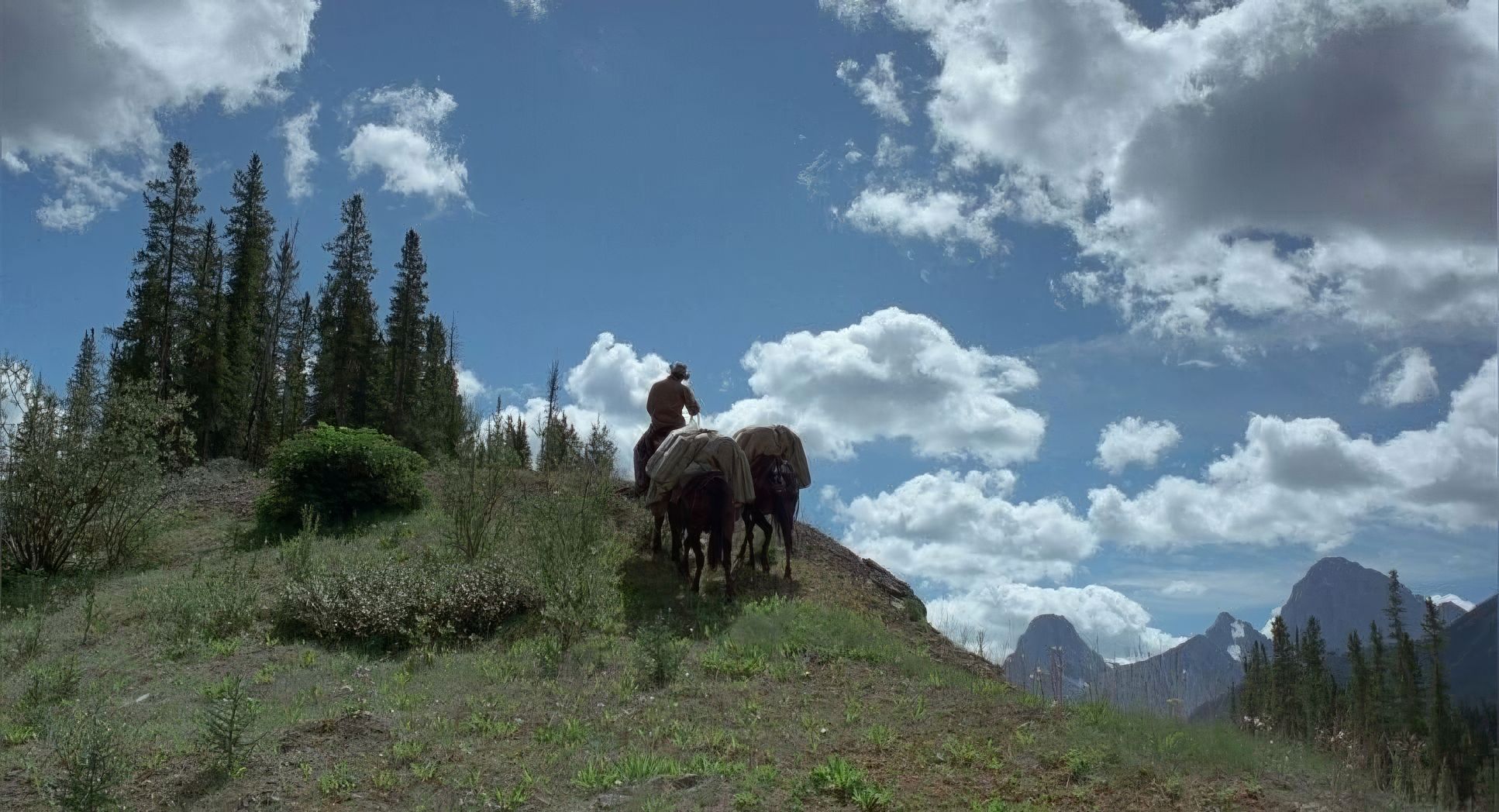
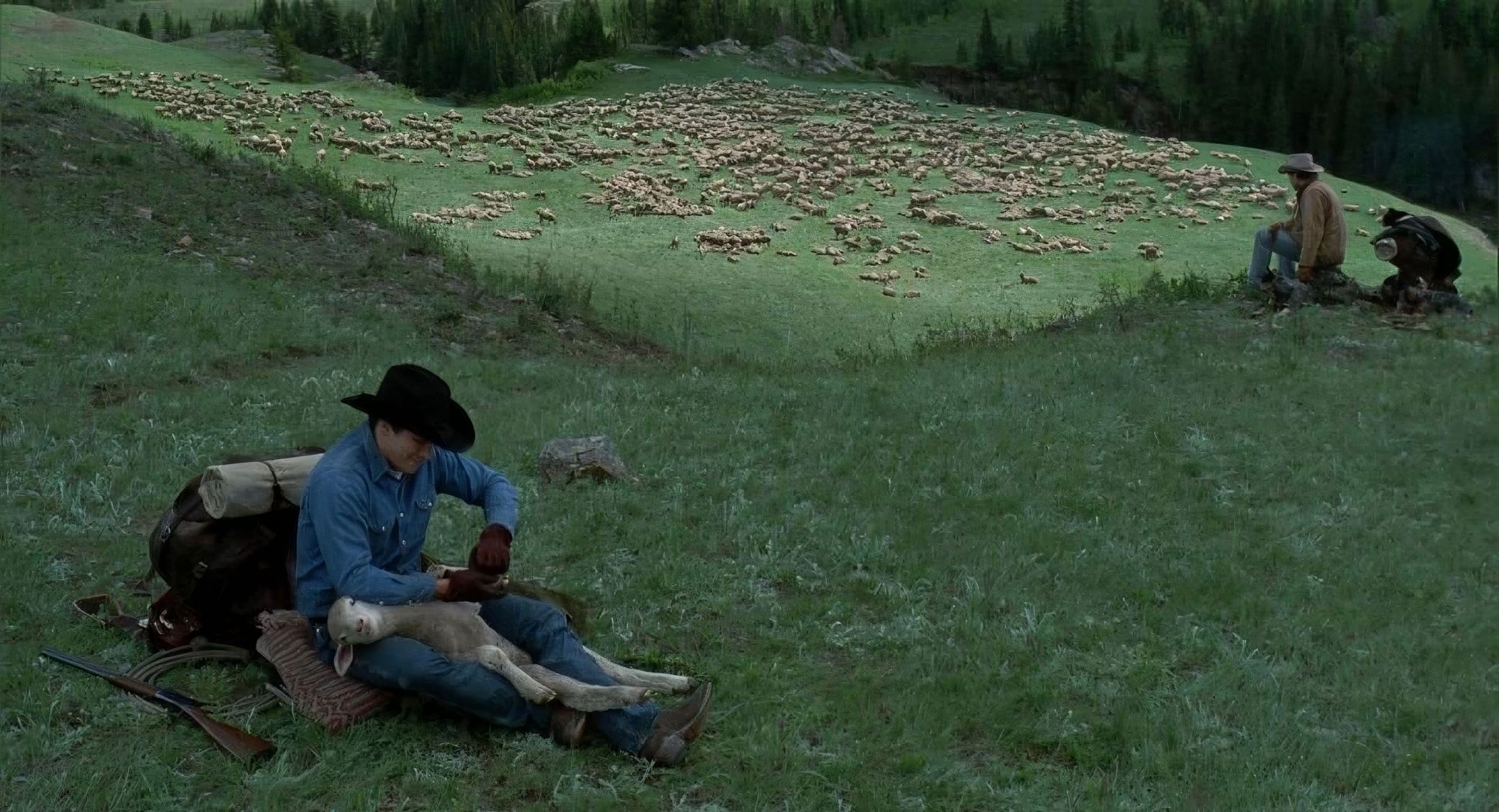
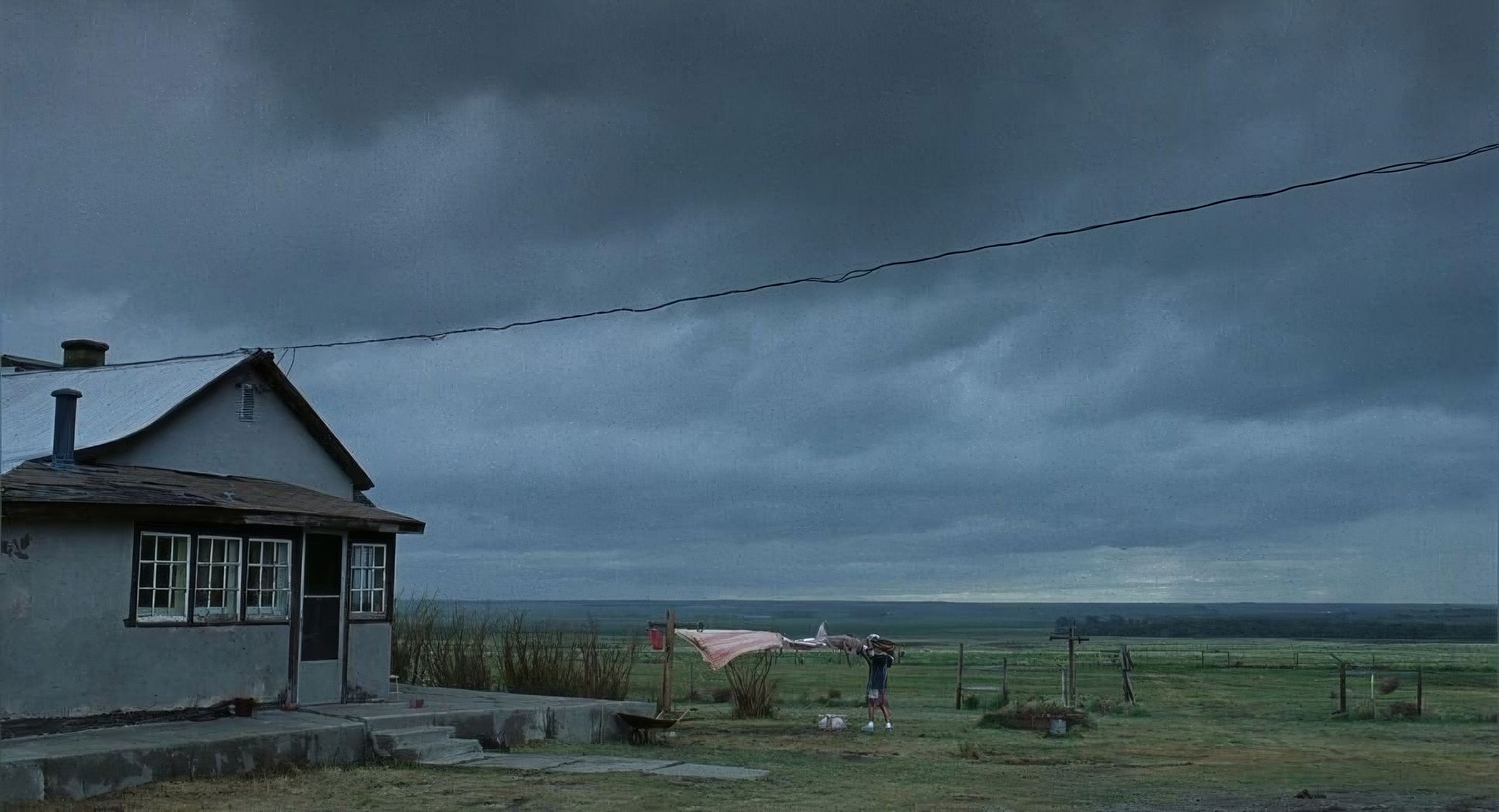
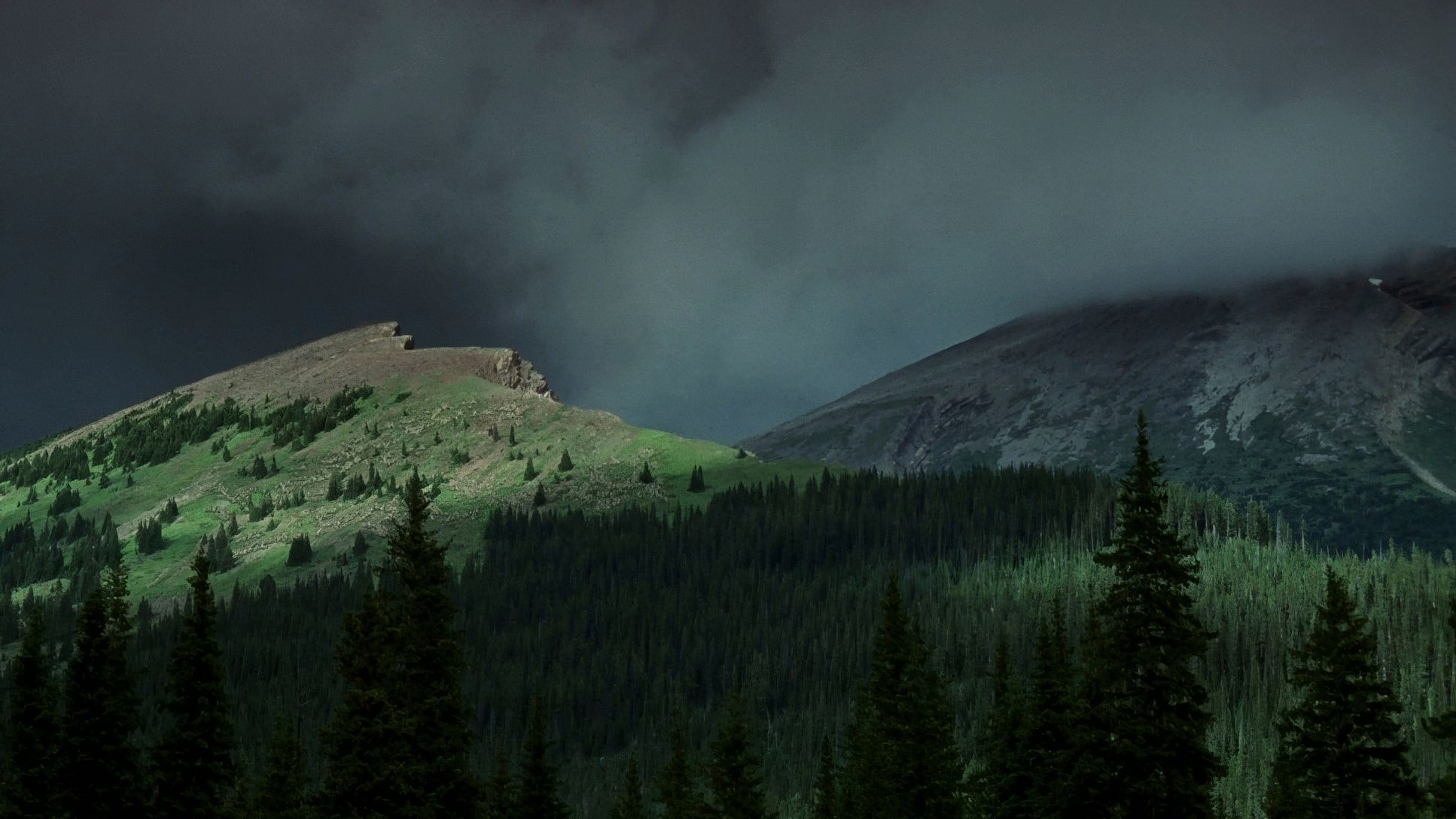
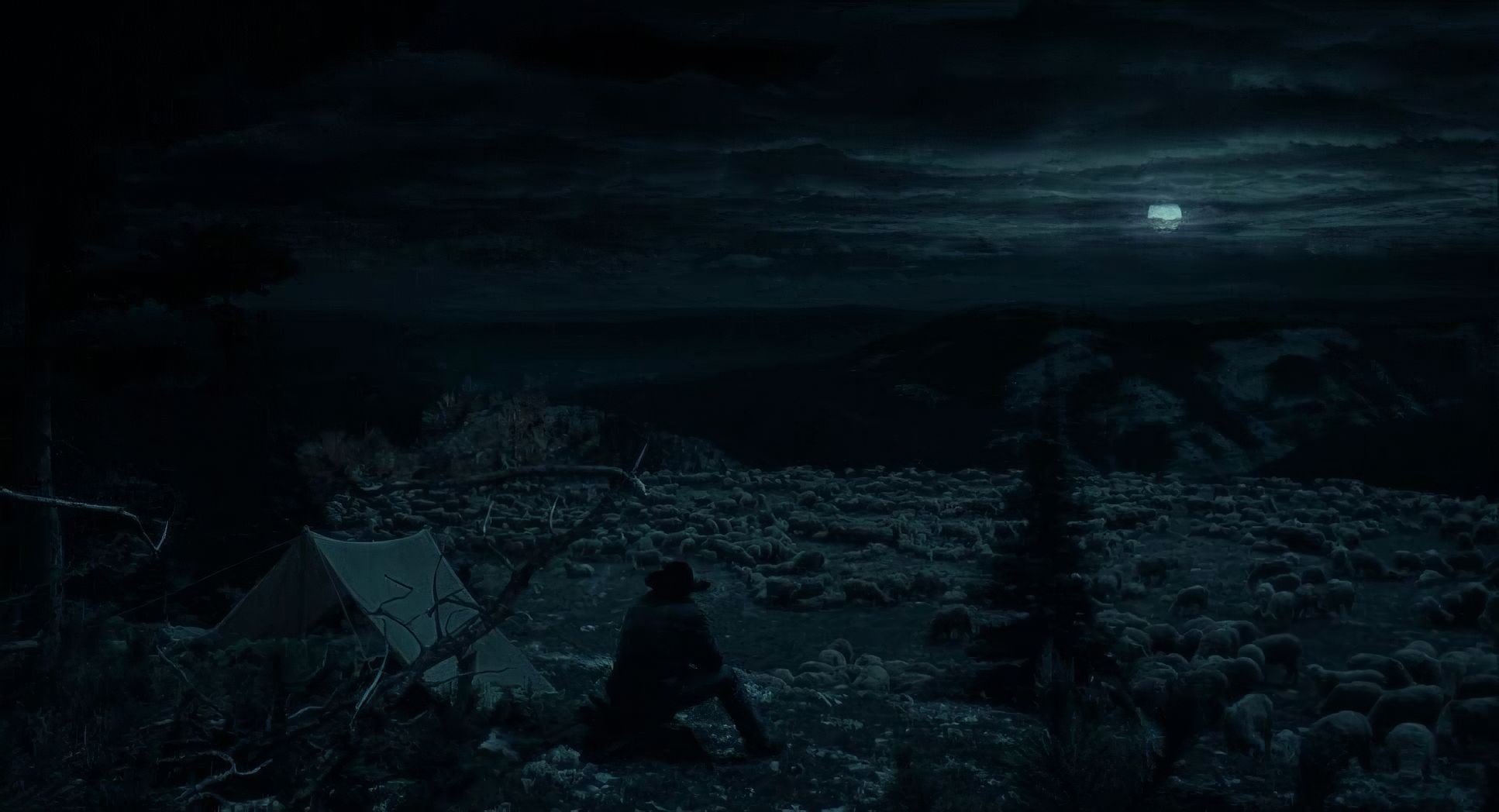
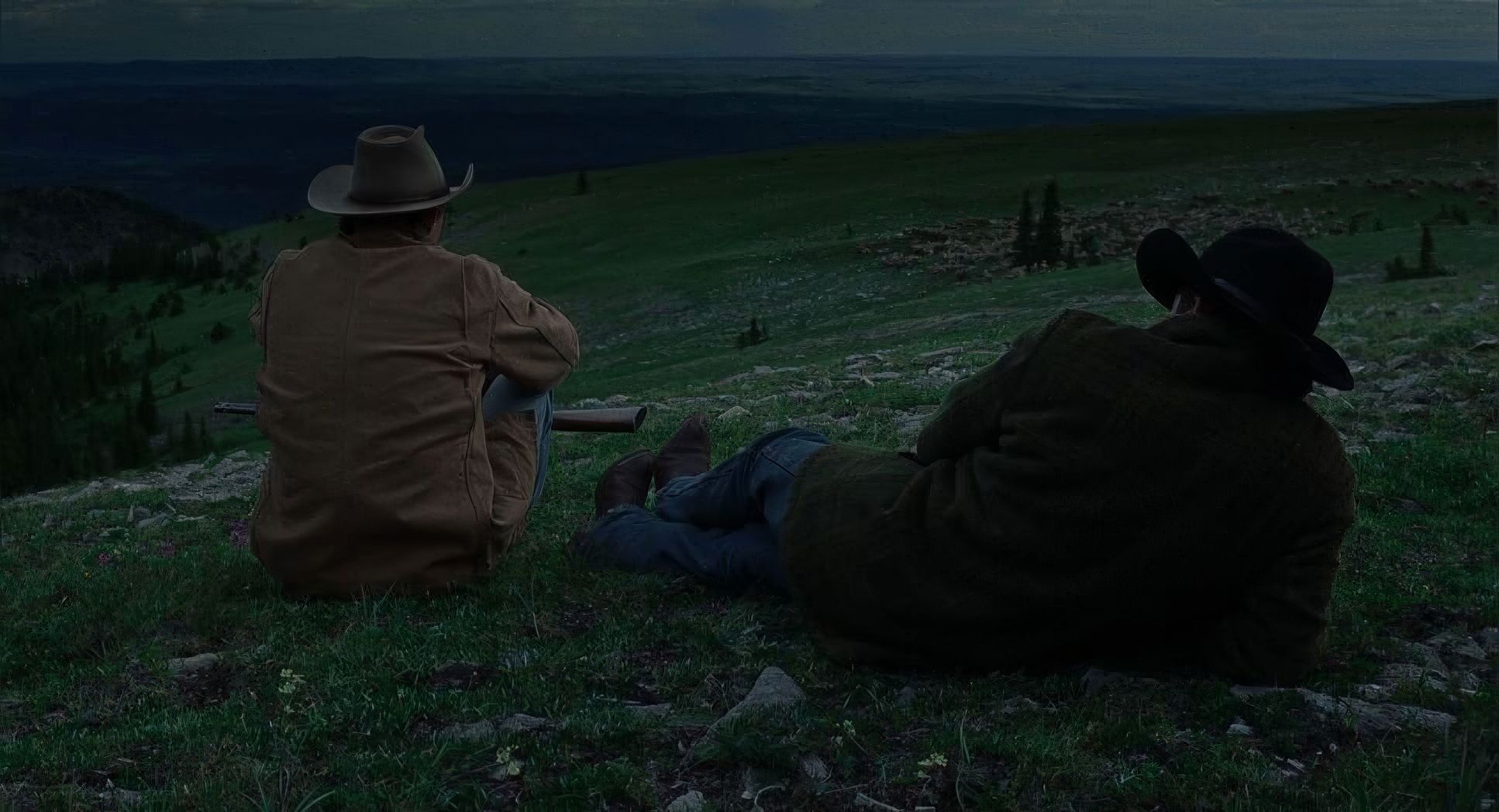
The goal was a visual contrast: the immense, unforgiving beauty of the natural world versus the confined, secret lives of Ennis and Jack. This concept guided everything. We see wide, panoramic shots that dwarf the characters, followed by intimate close-ups that betray their inner turmoil. I love that they embraced the “unseasonable weather” the sudden downpours and harsh winds. In the grade, those raw, unscripted moments add a layer of realism that makes nature feel like a sentient force reflecting the volatile nature of their relationship.
The Power of Restraint: Camera Movements
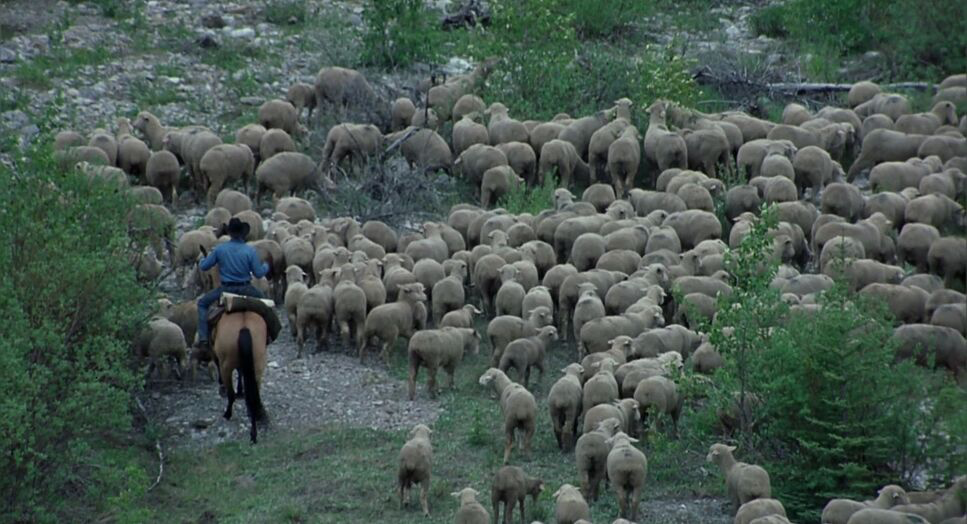
The camera work in Brokeback is a study in deliberate restraint. In an era of unearned gimbal shots and frantic handheld, Prieto’s camera rarely calls attention to itself. It acts as an invisible observer. You won’t find flashy crane shots here. Instead, there’s a quiet elegance to the pans across the landscapes a slow, contemplative pace that lets your eye drink in the scale.
When the camera does move with the characters, it’s subtle. A gentle push-in during a moment of burgeoning intimacy, or a slow dolly tracking alongside them on horseback. There’s a palpable sense of observation, as if the lens itself is trying to understand their unspoken emotions. This lack of overt movement amplifies the impact of the silence. Every slight shift in perspective feels motivated, revealing just enough without overstating it much like Ennis and Jack themselves.
Scale, Isolation, and the Empty Frame
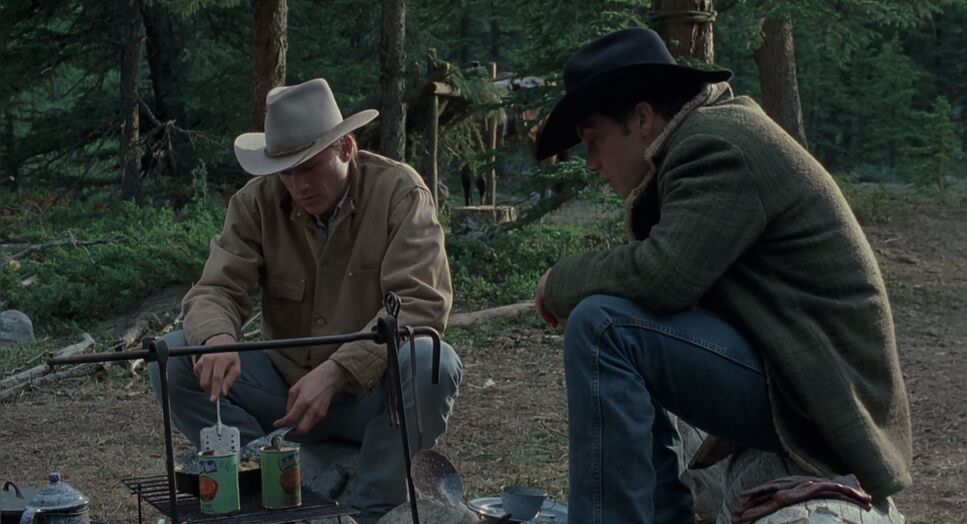
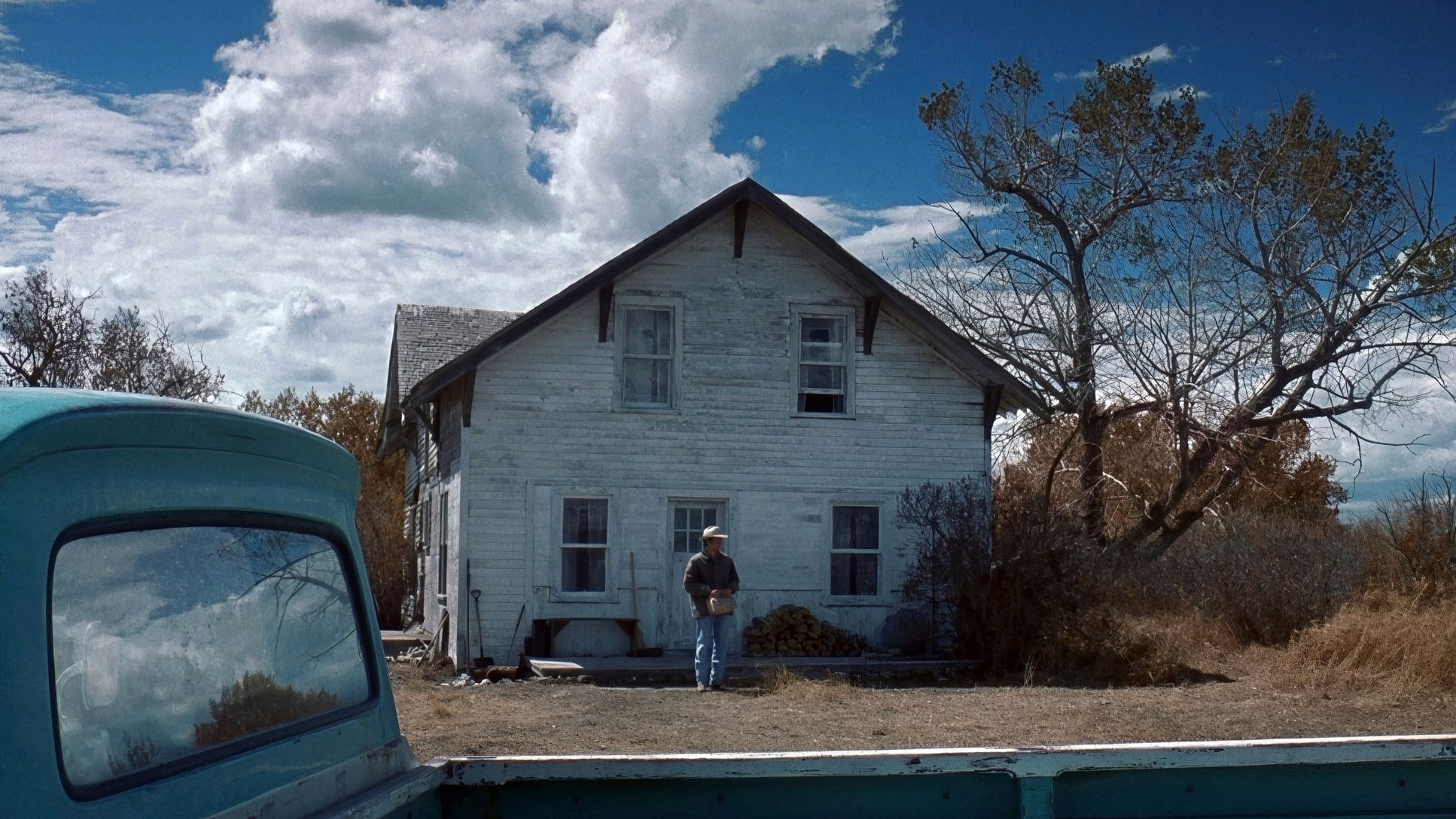
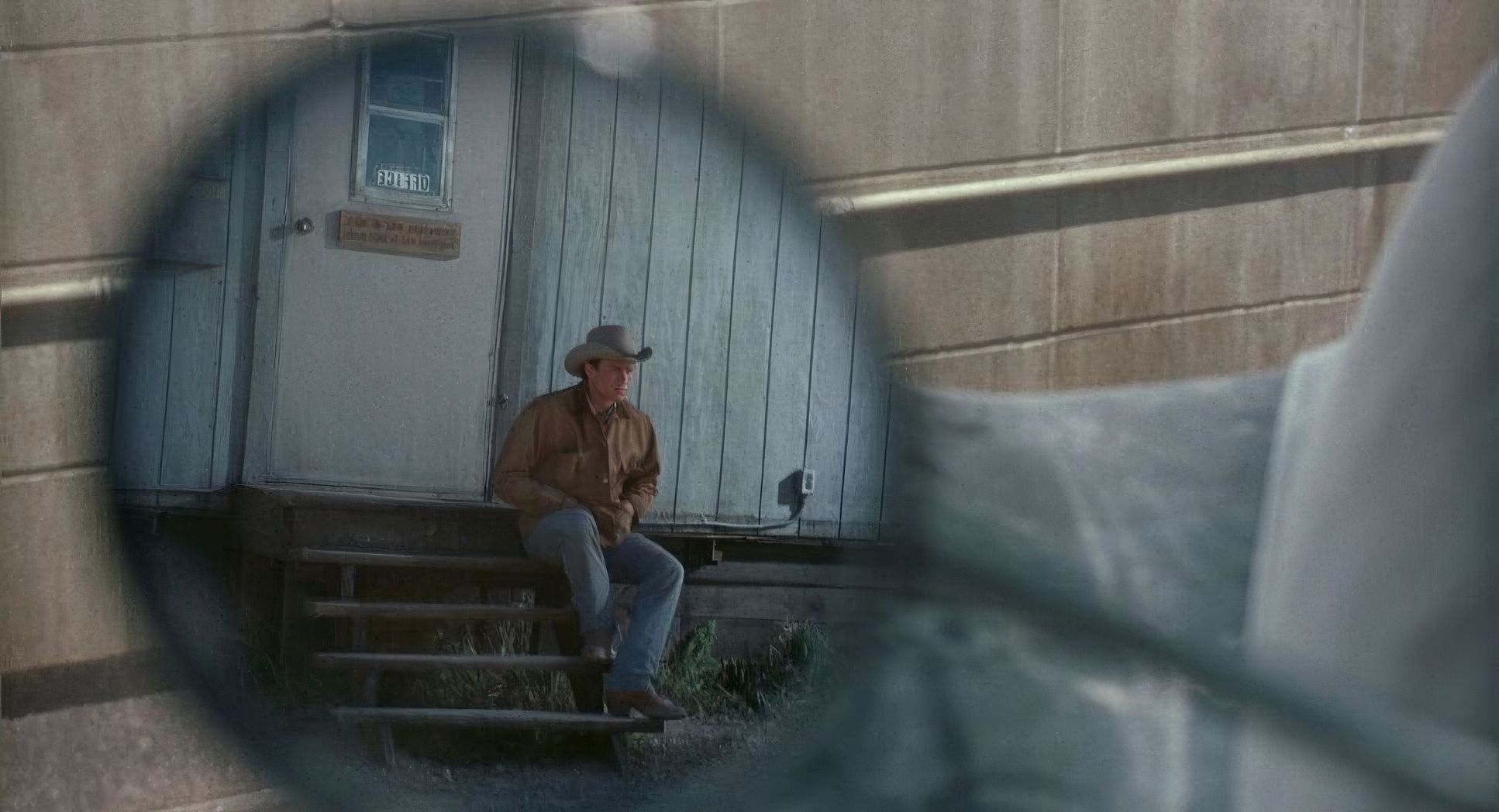
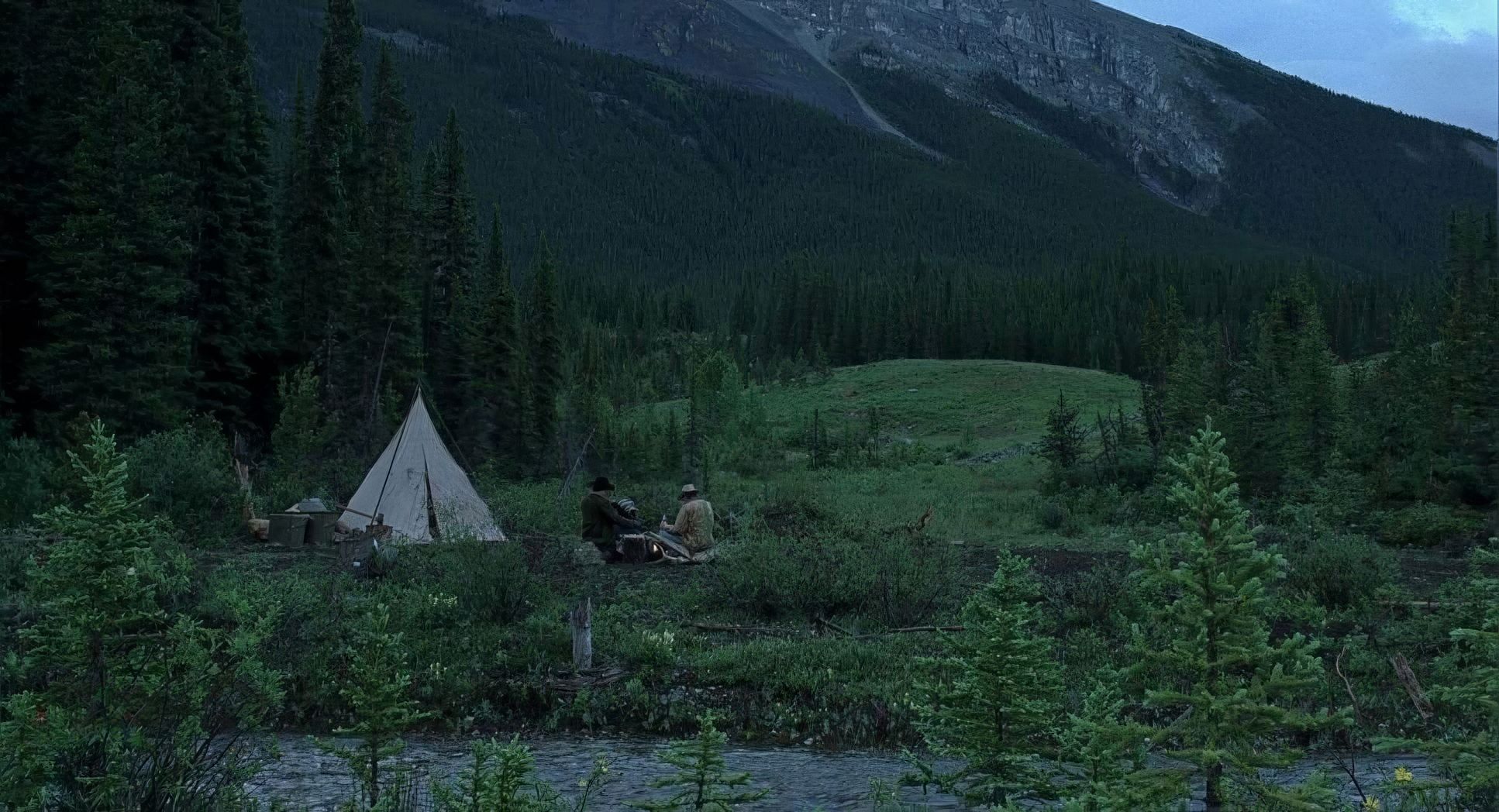
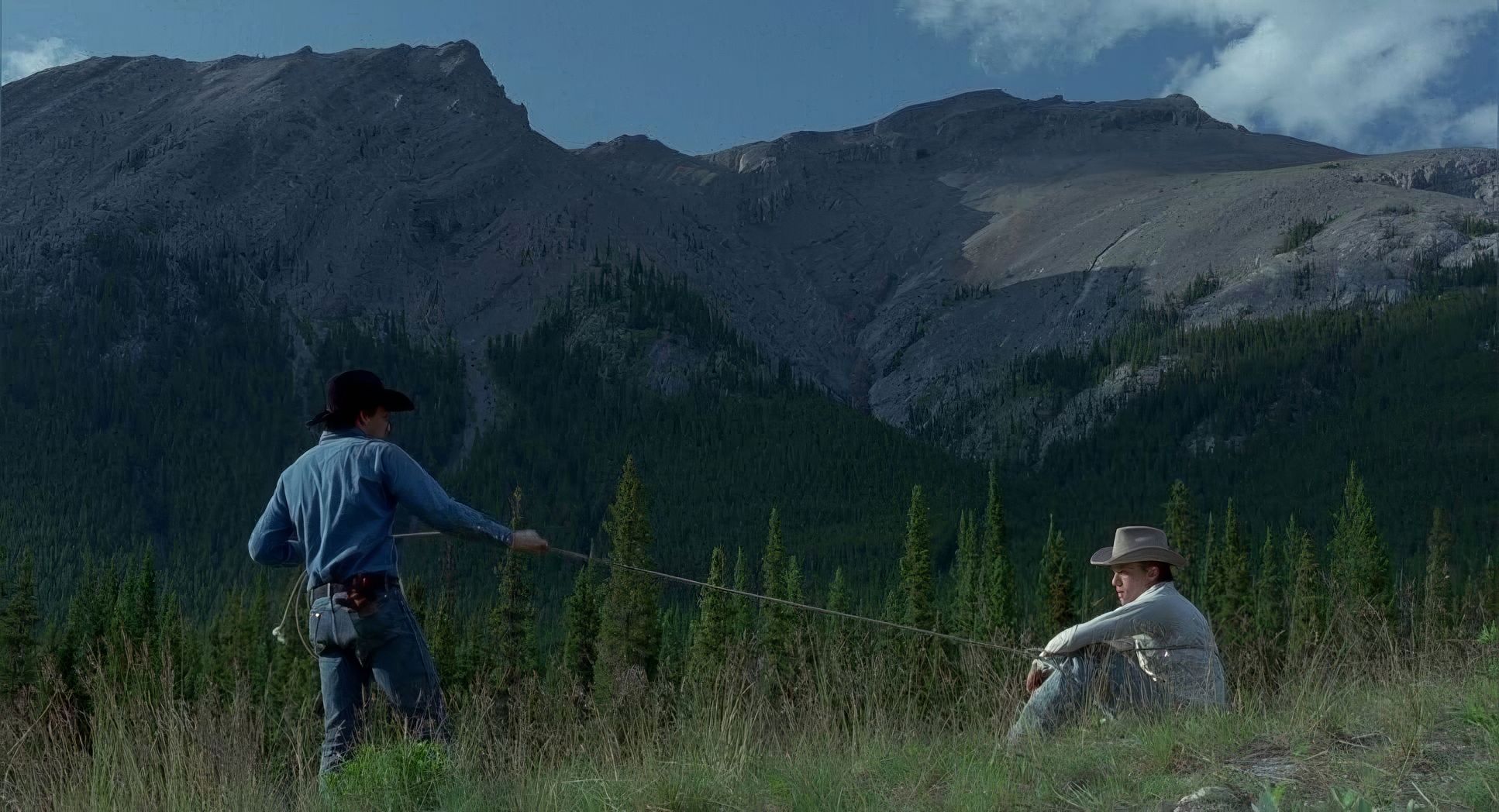
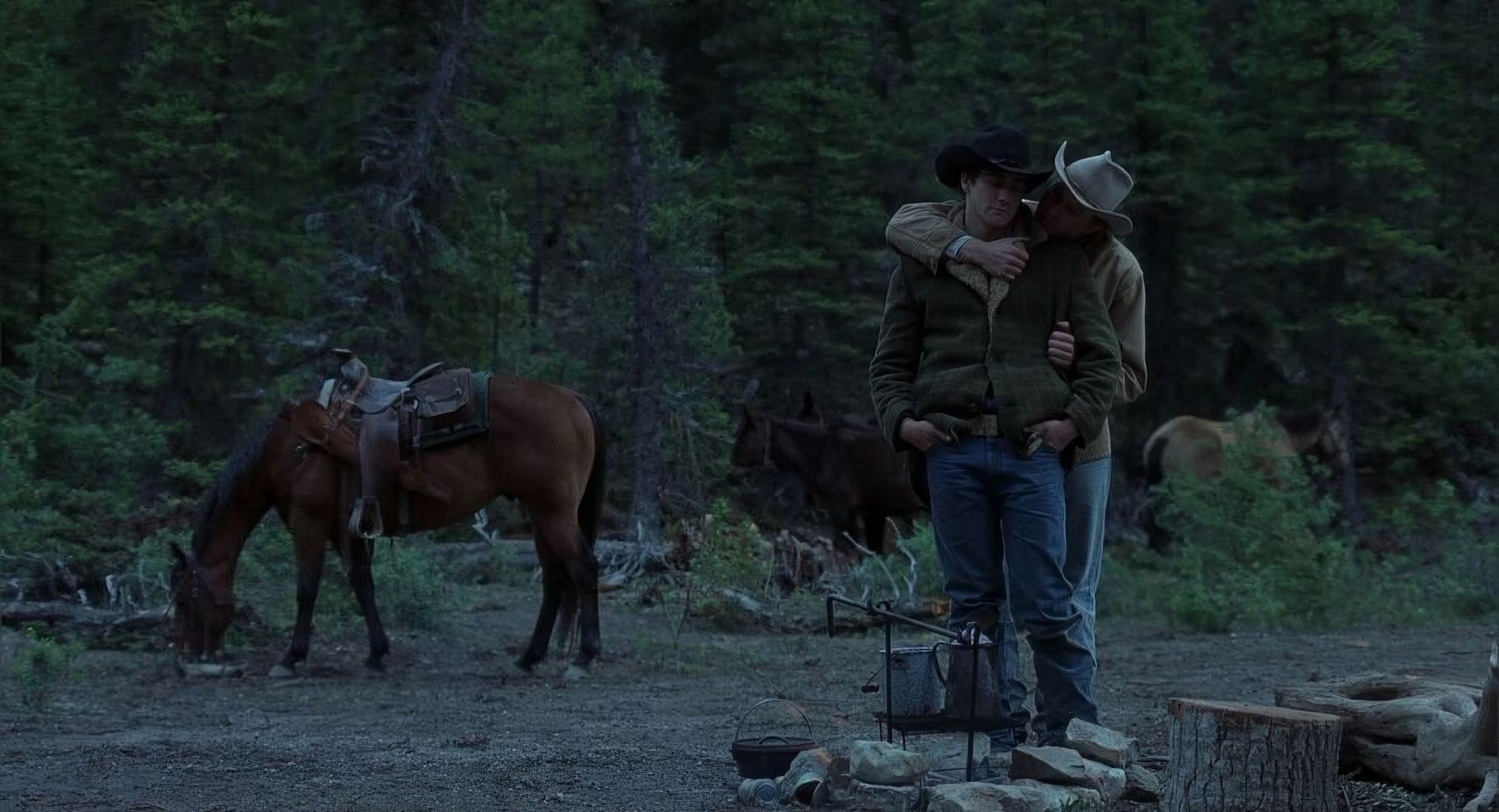
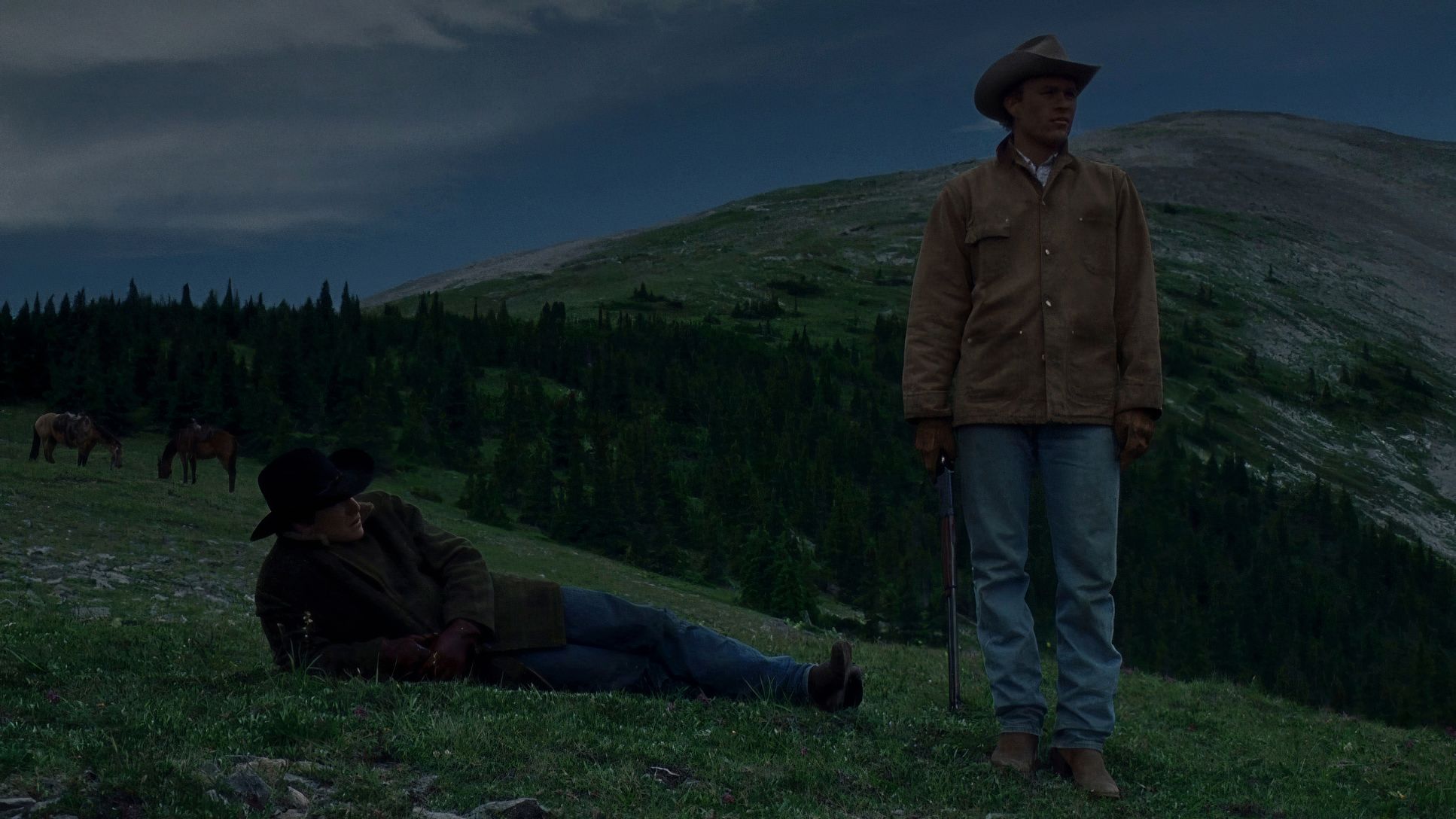
Prieto’s compositional choices are masterful, constantly playing with scale. He frequently employs wide shots, placing Ennis and Jack as tiny figures against monumental landscapes. This isn’t just for “the look”; it’s a powerful depth cue that highlights their insignificance in the face of societal expectations. The negative space in these shots feels “loaded” you can feel their loneliness even when they are standing right next to each other.
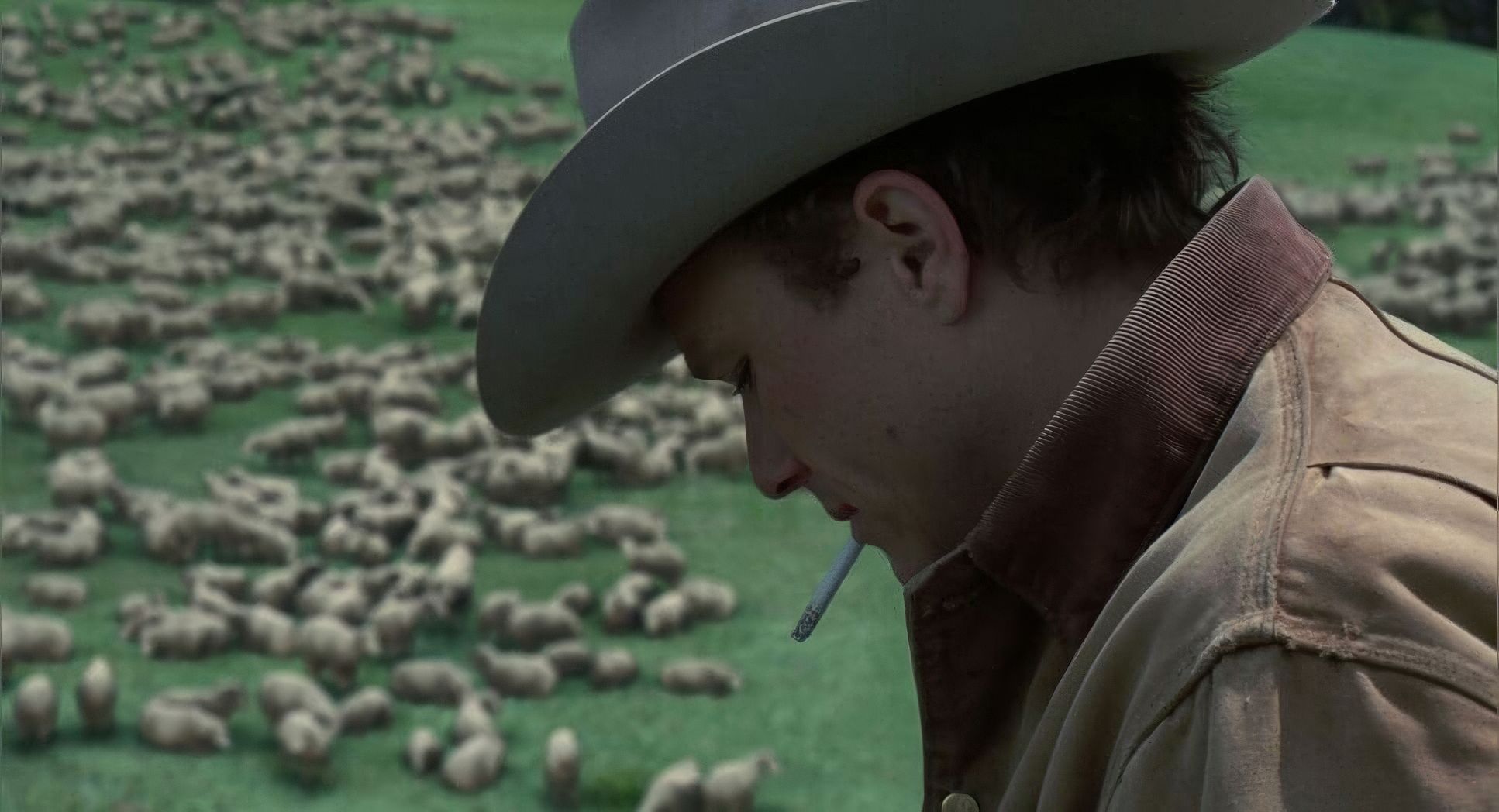
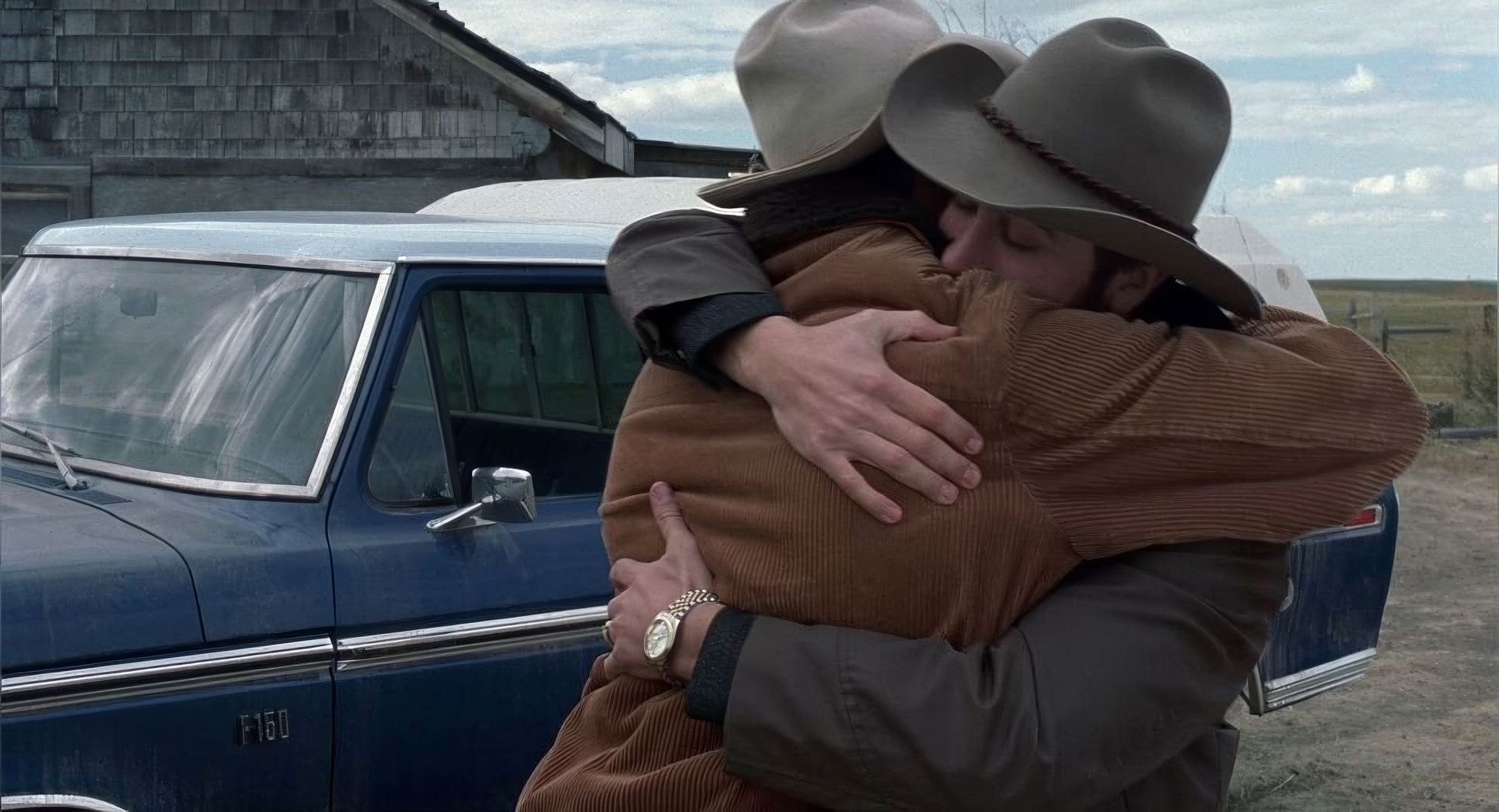
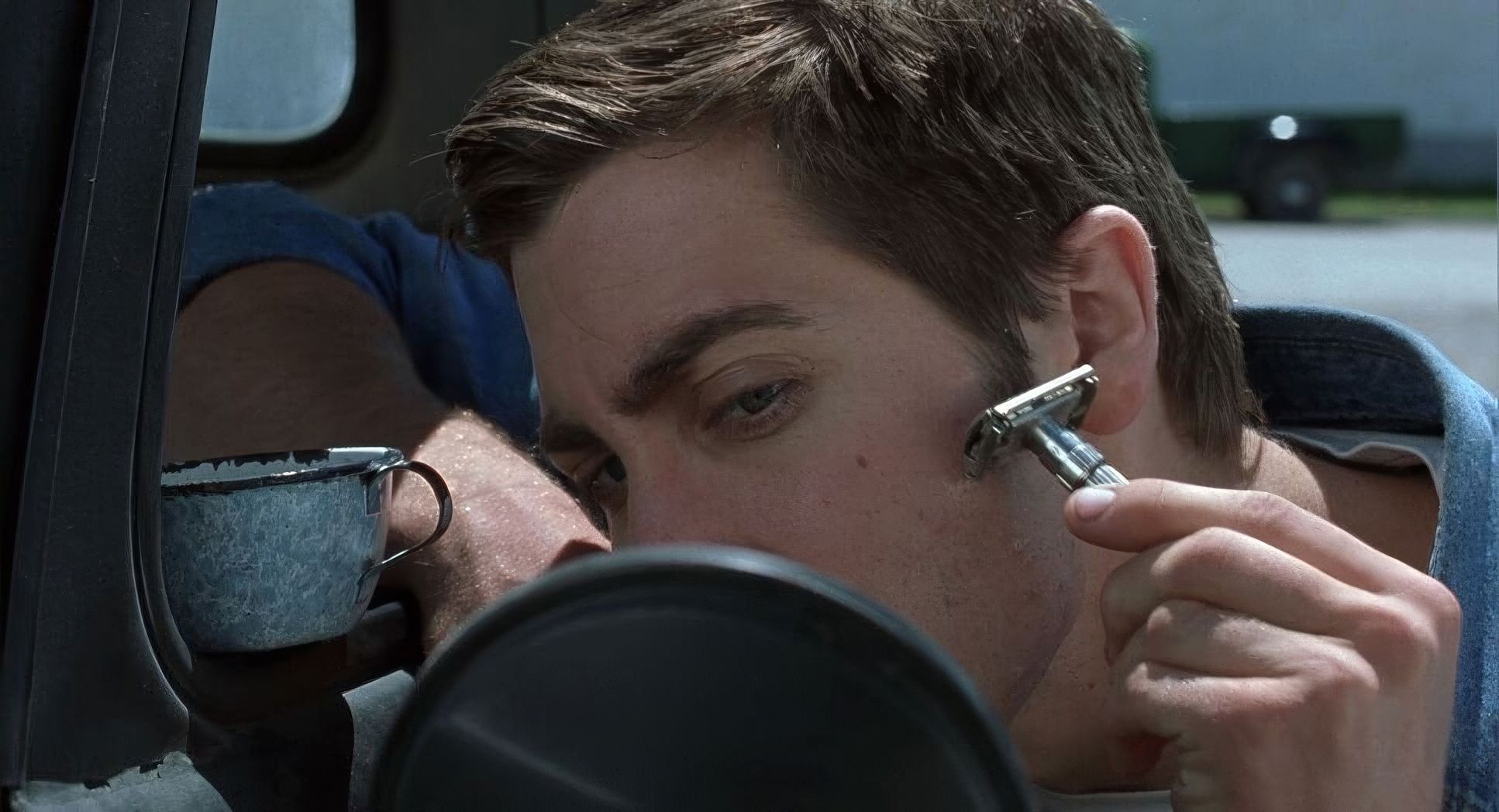
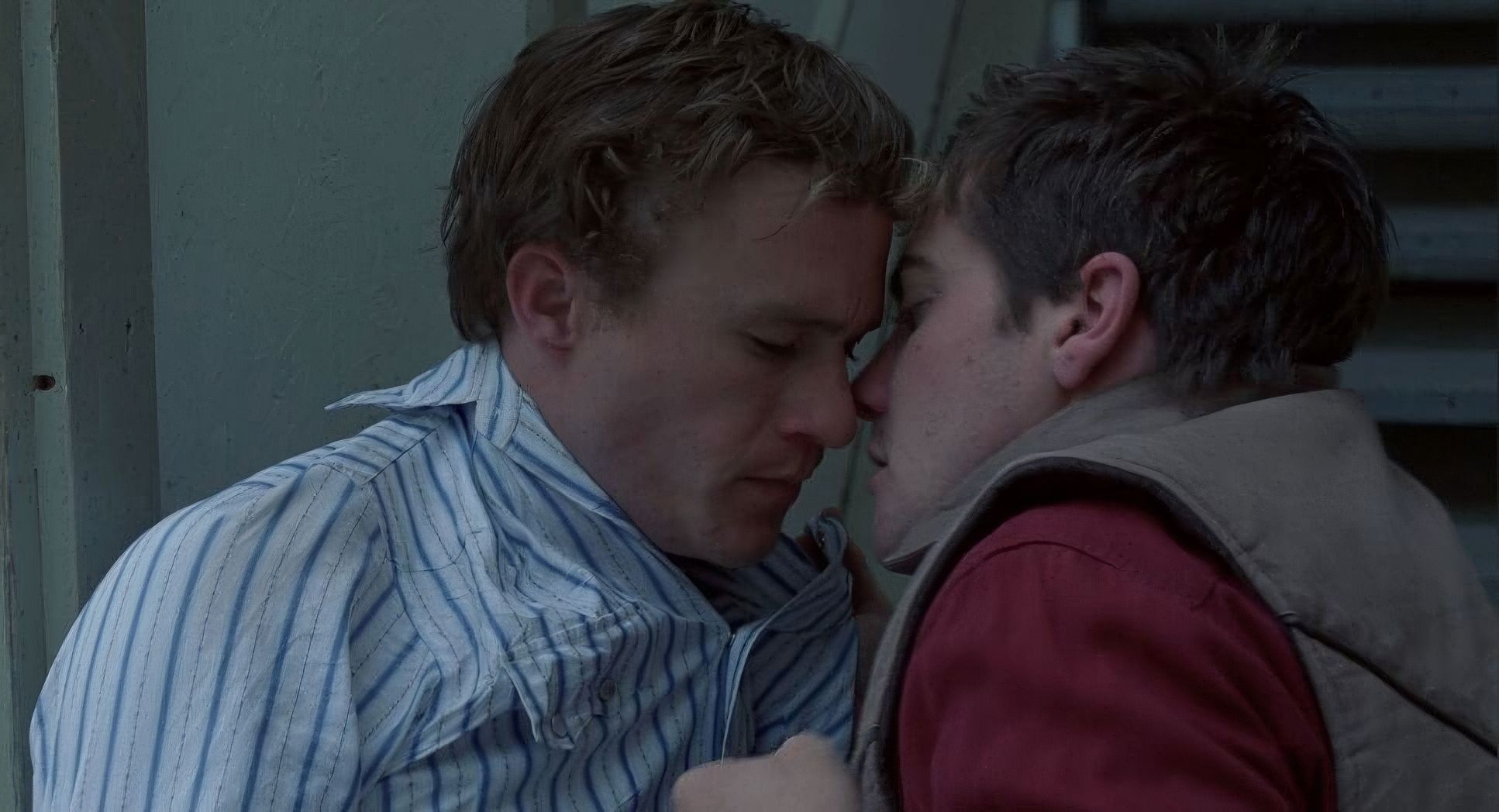
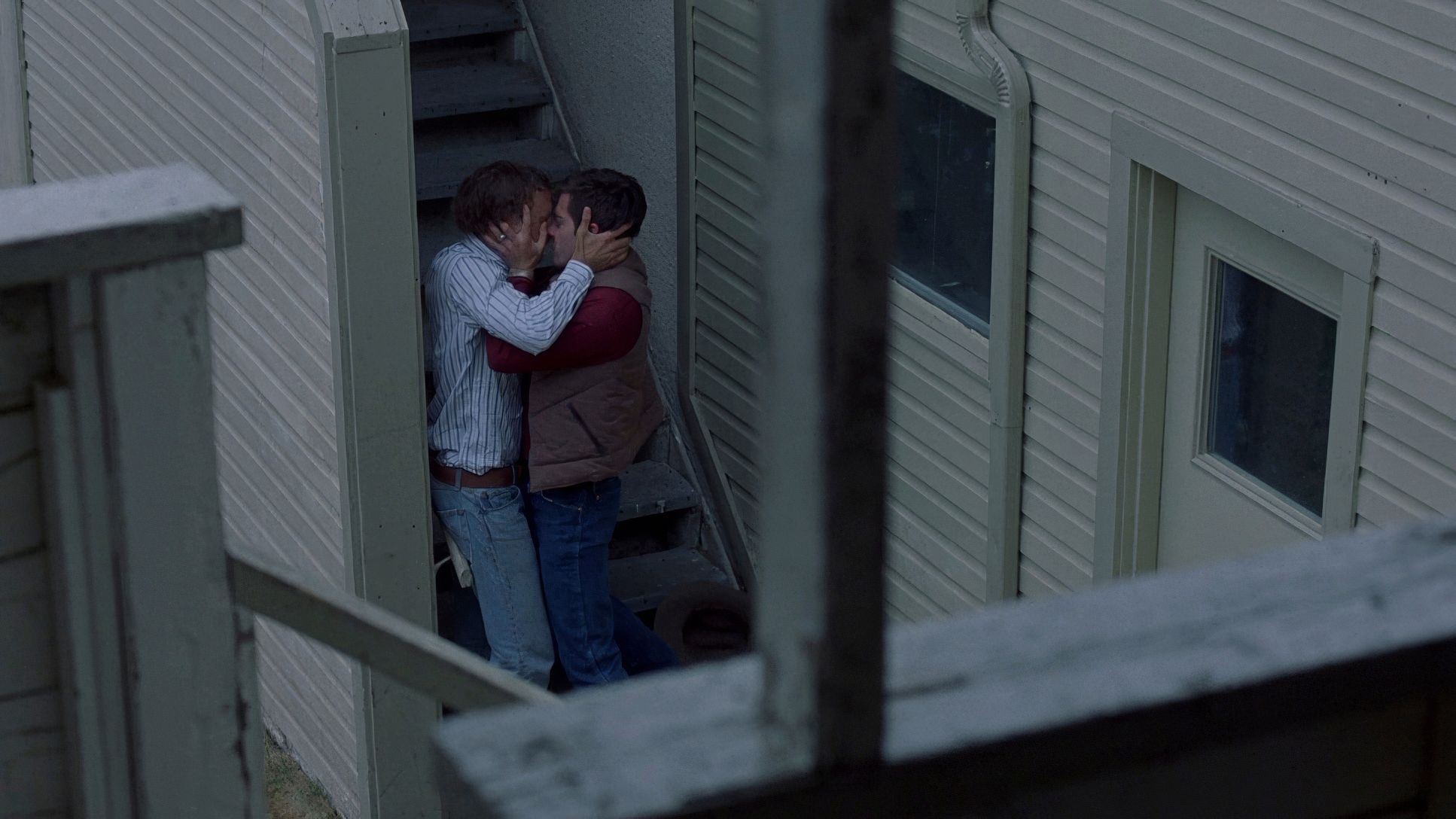
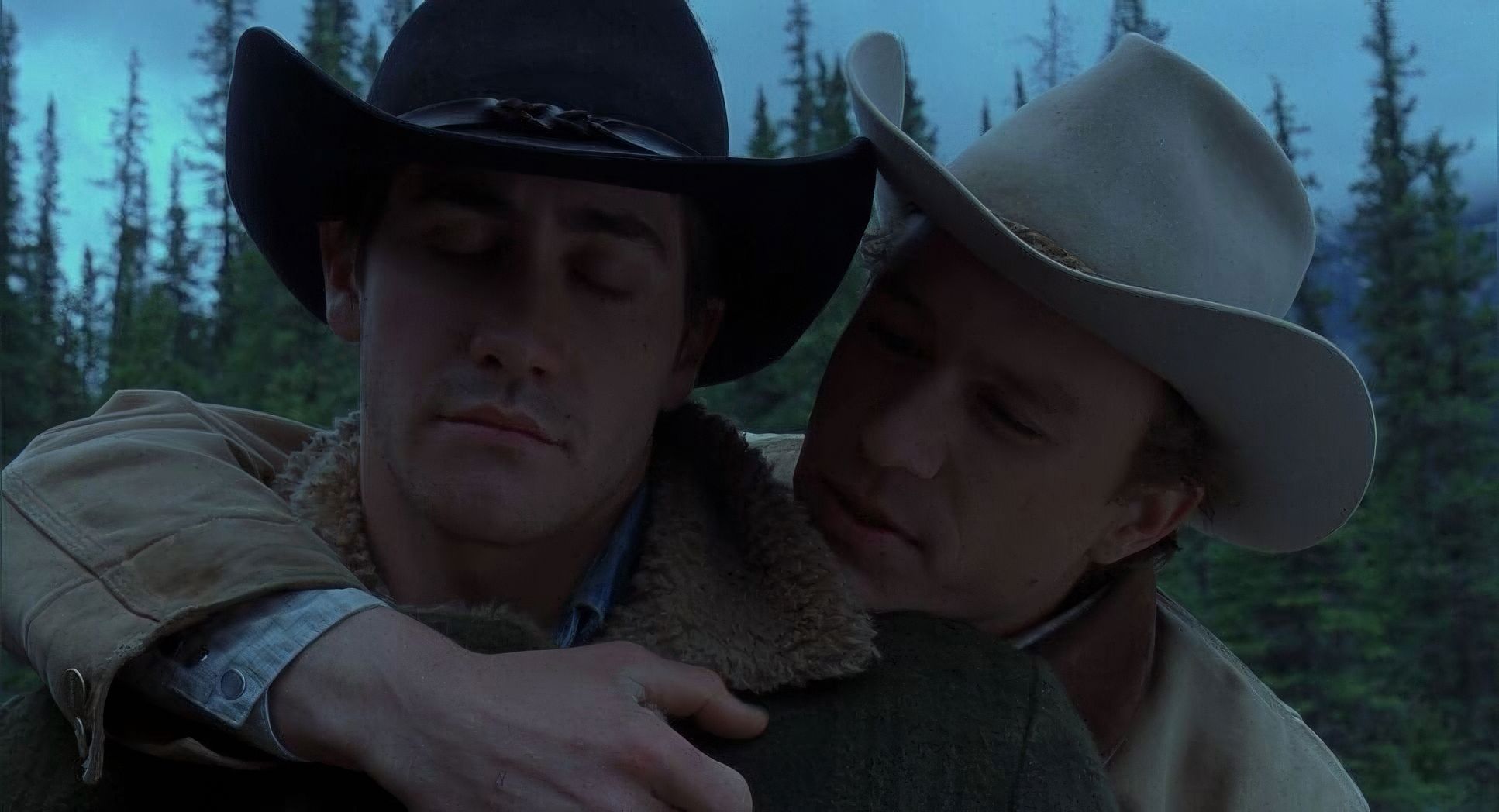
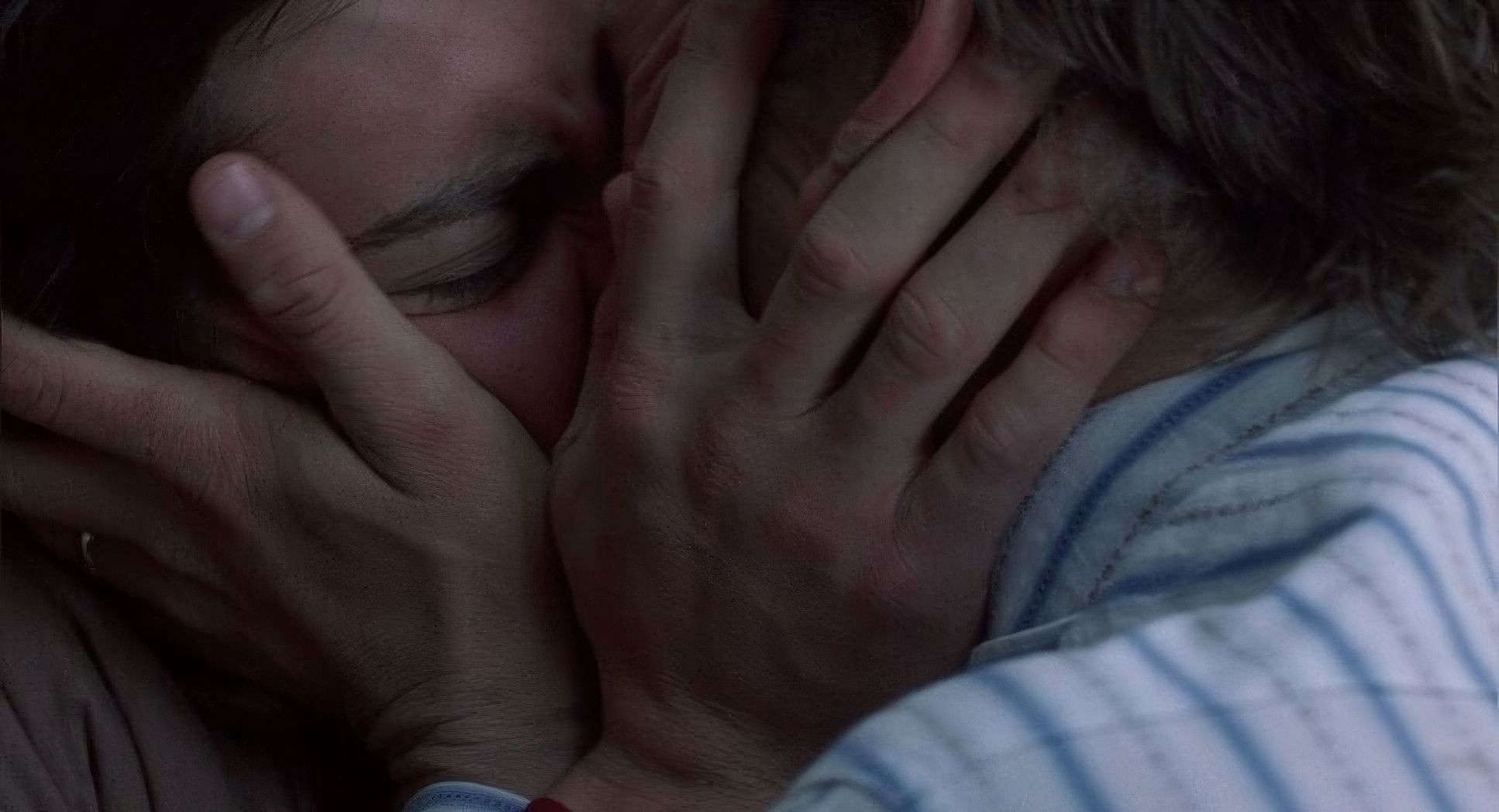
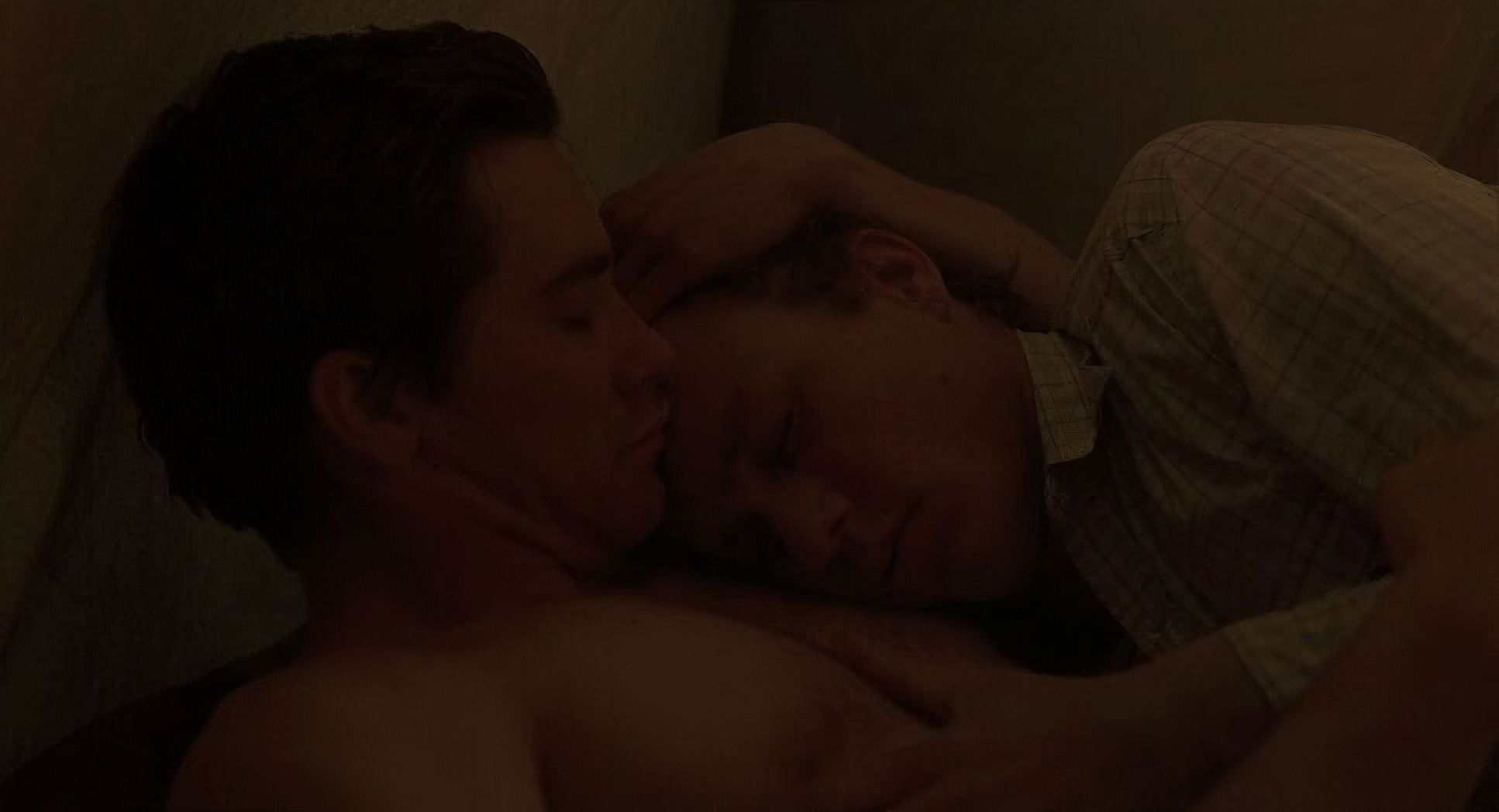
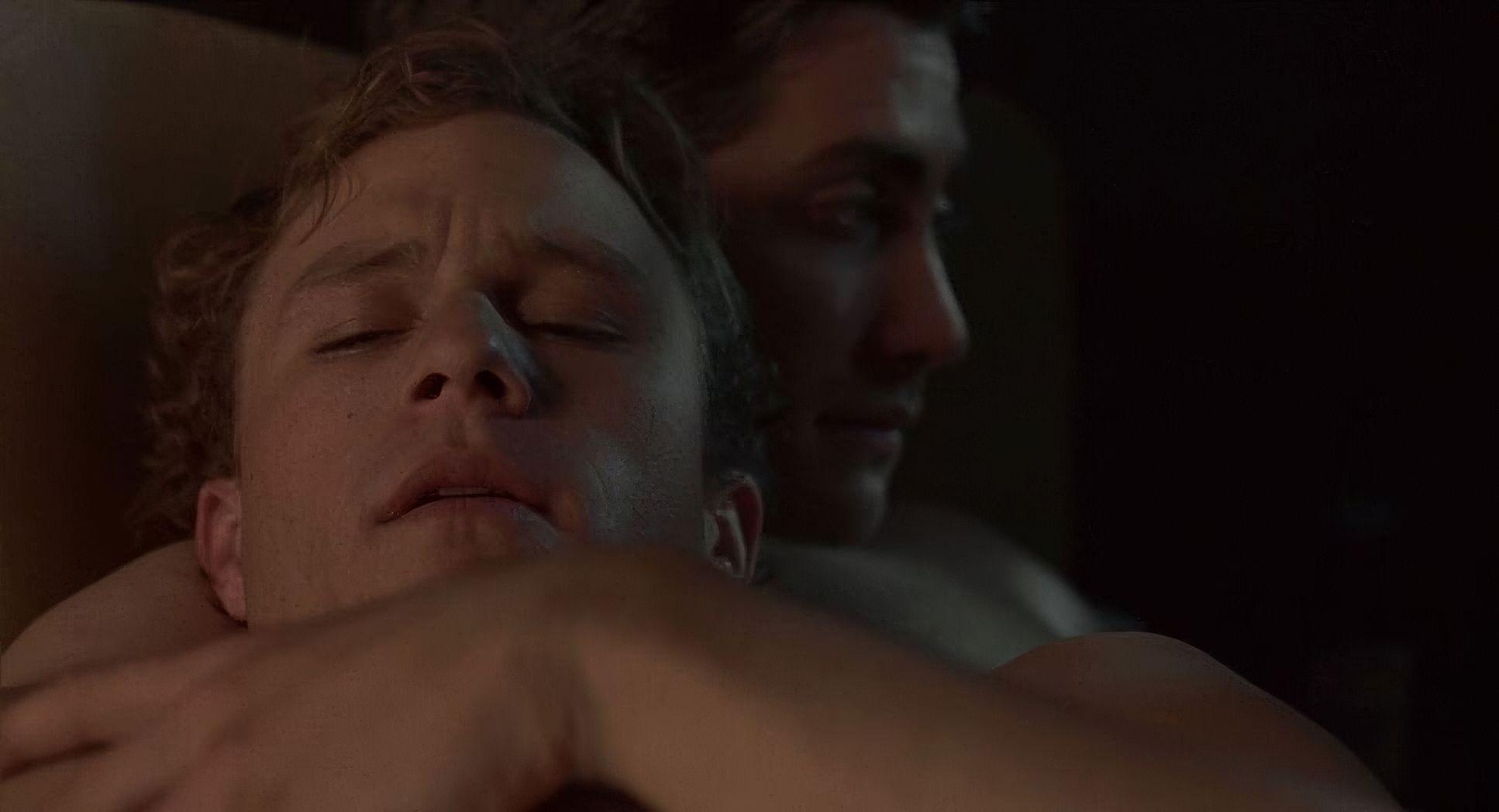
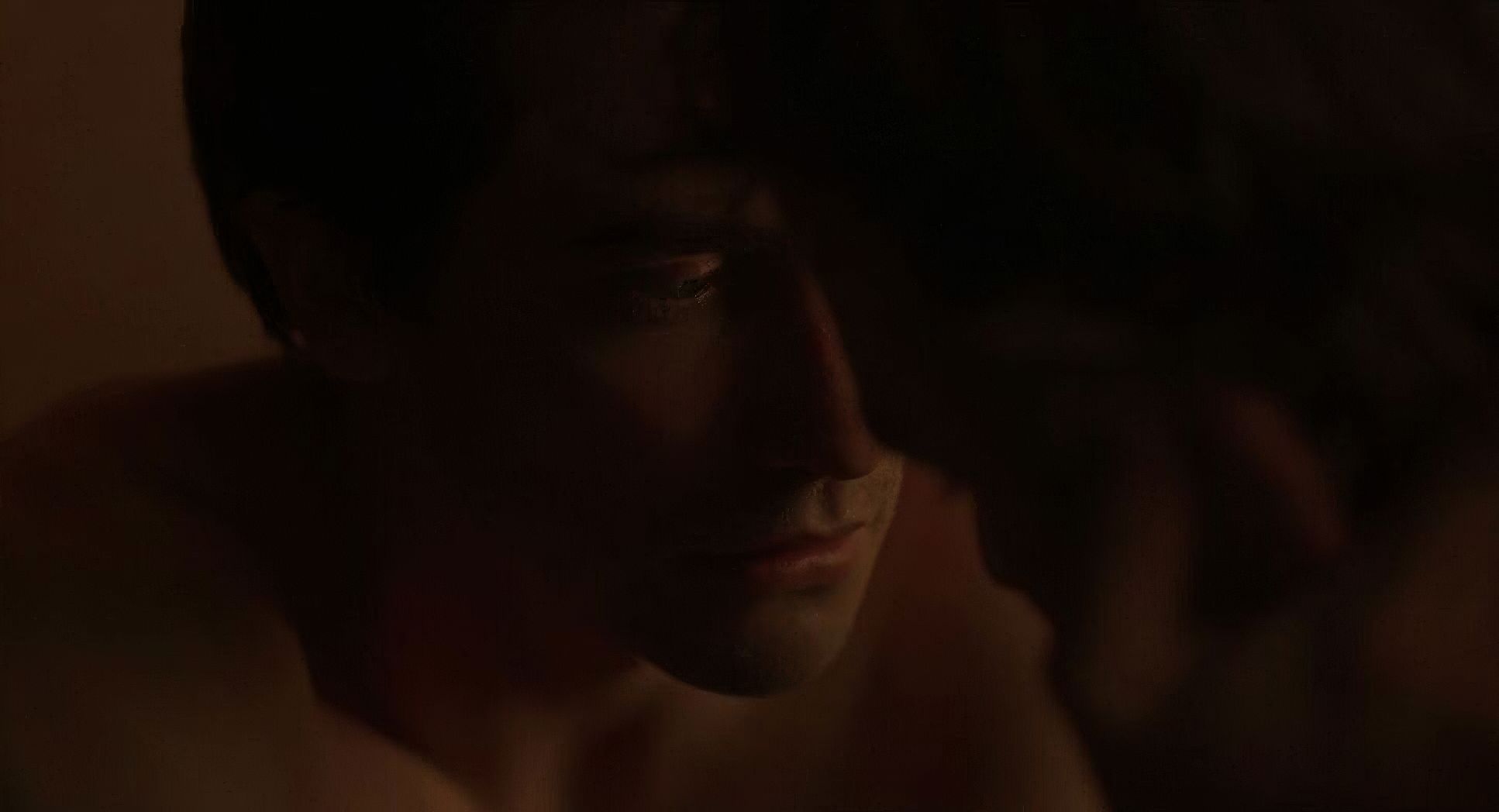
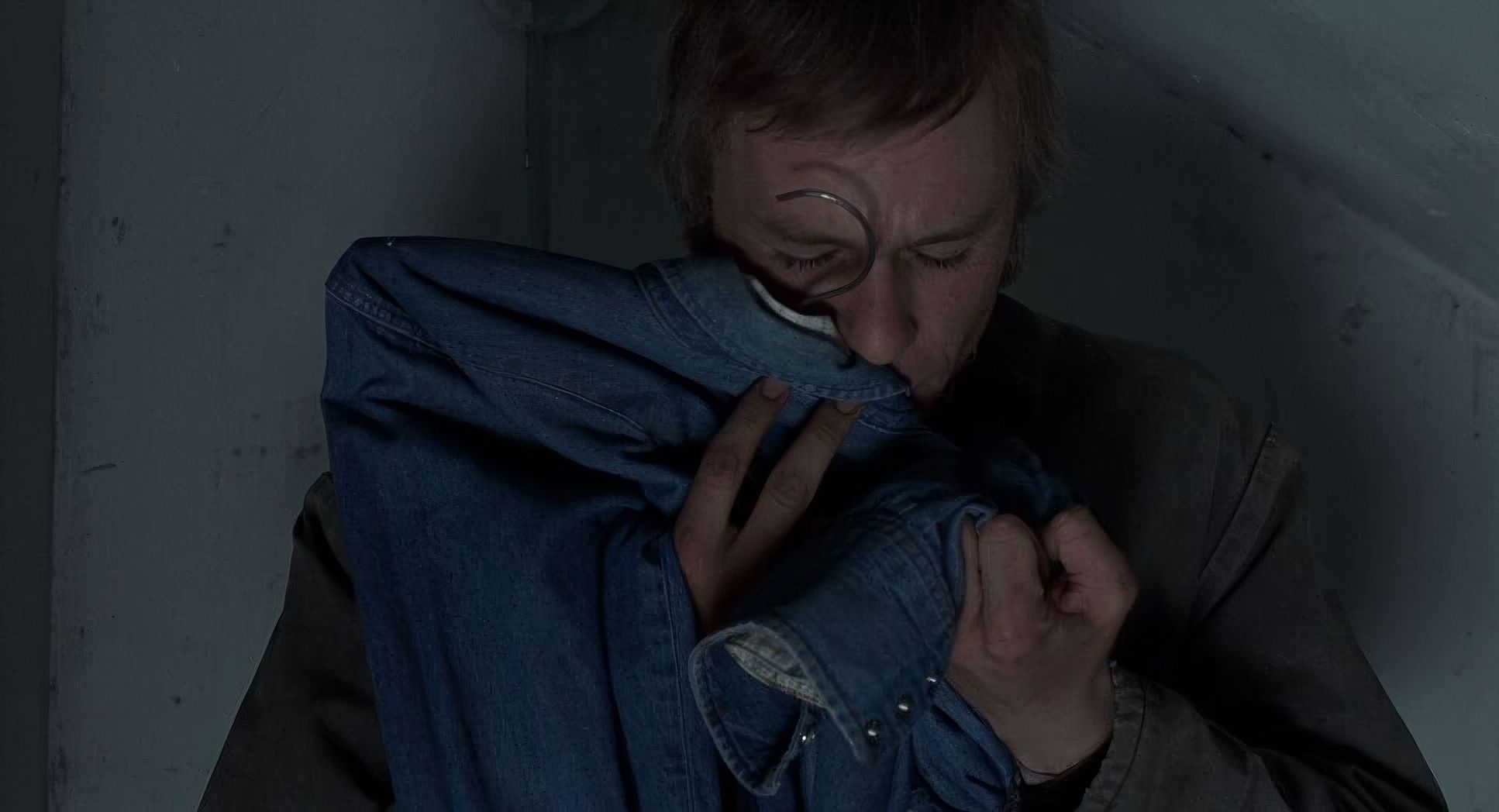
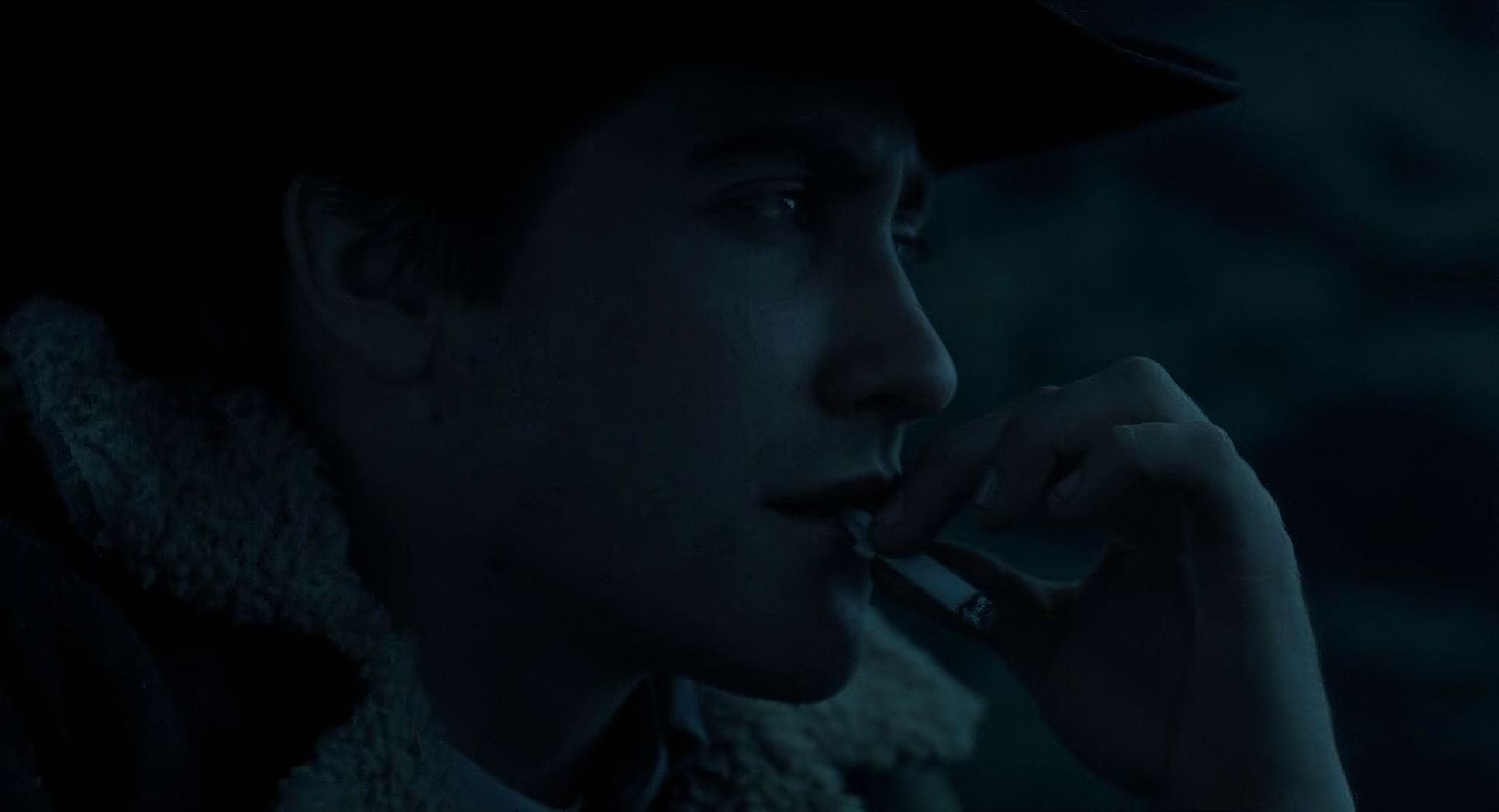
Conversely, for moments of connection, the framing tightens. We get brought intimately close to their faces to witness every nuanced expression. These close-ups are often grounded by elements of the environment the rough fabric of a tent or the texture of a rock. This juxtaposition of grand, isolating compositions with suffocatingly tight, emotionally charged frames creates a dynamic visual rhythm. Each frame feels like a painterly arrangement that communicates subtext without a single word.
Lighting the 500T: Naturalism vs. Narrative
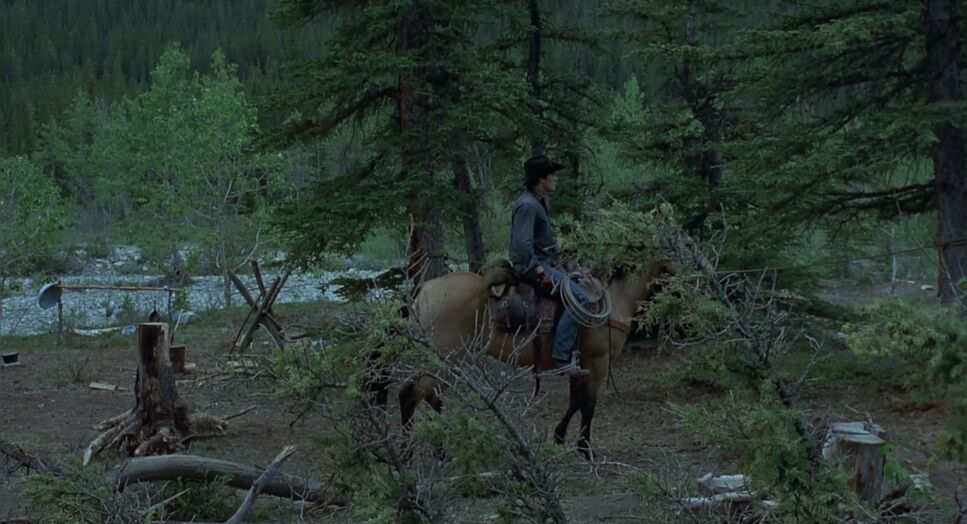
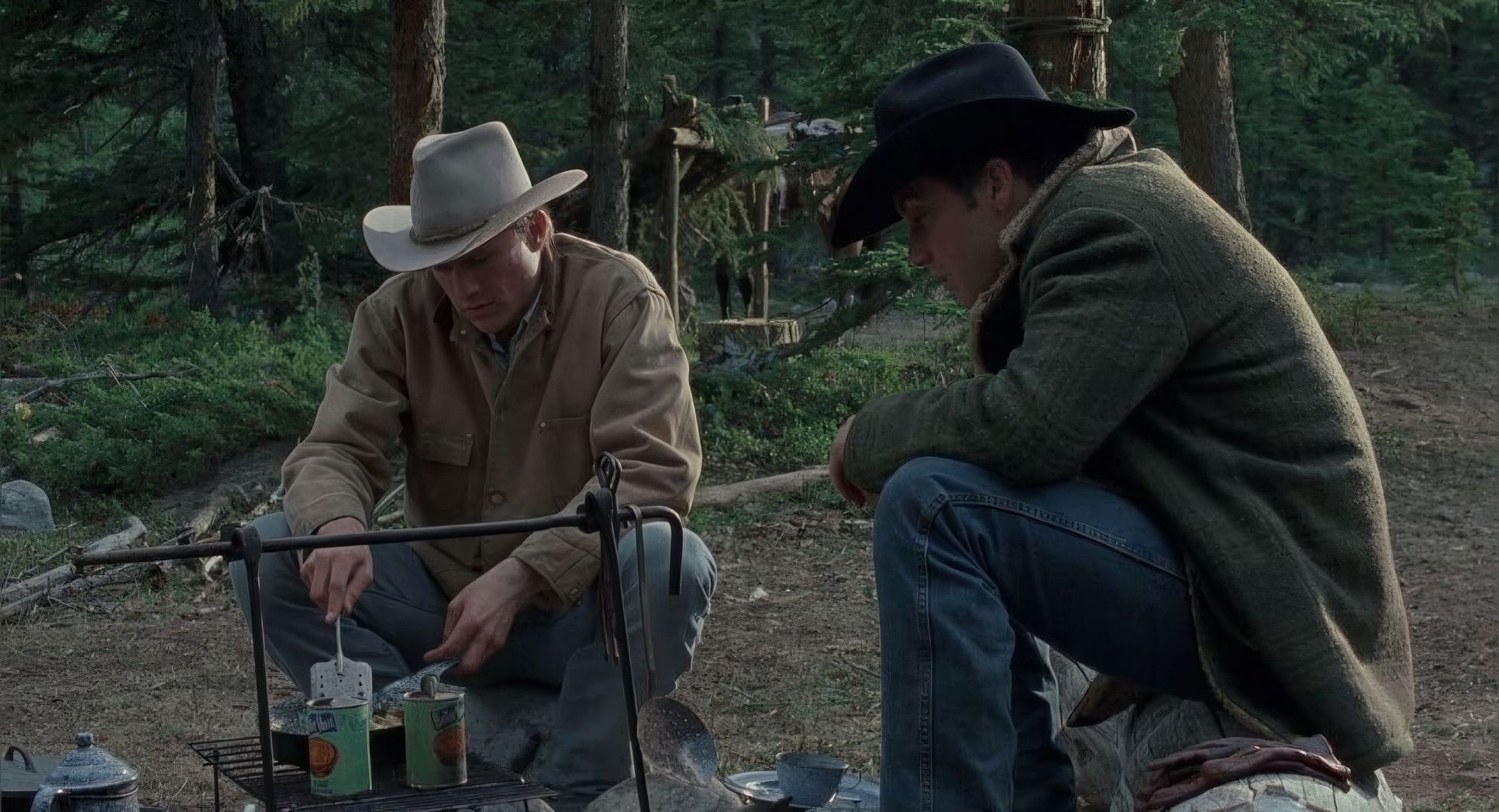
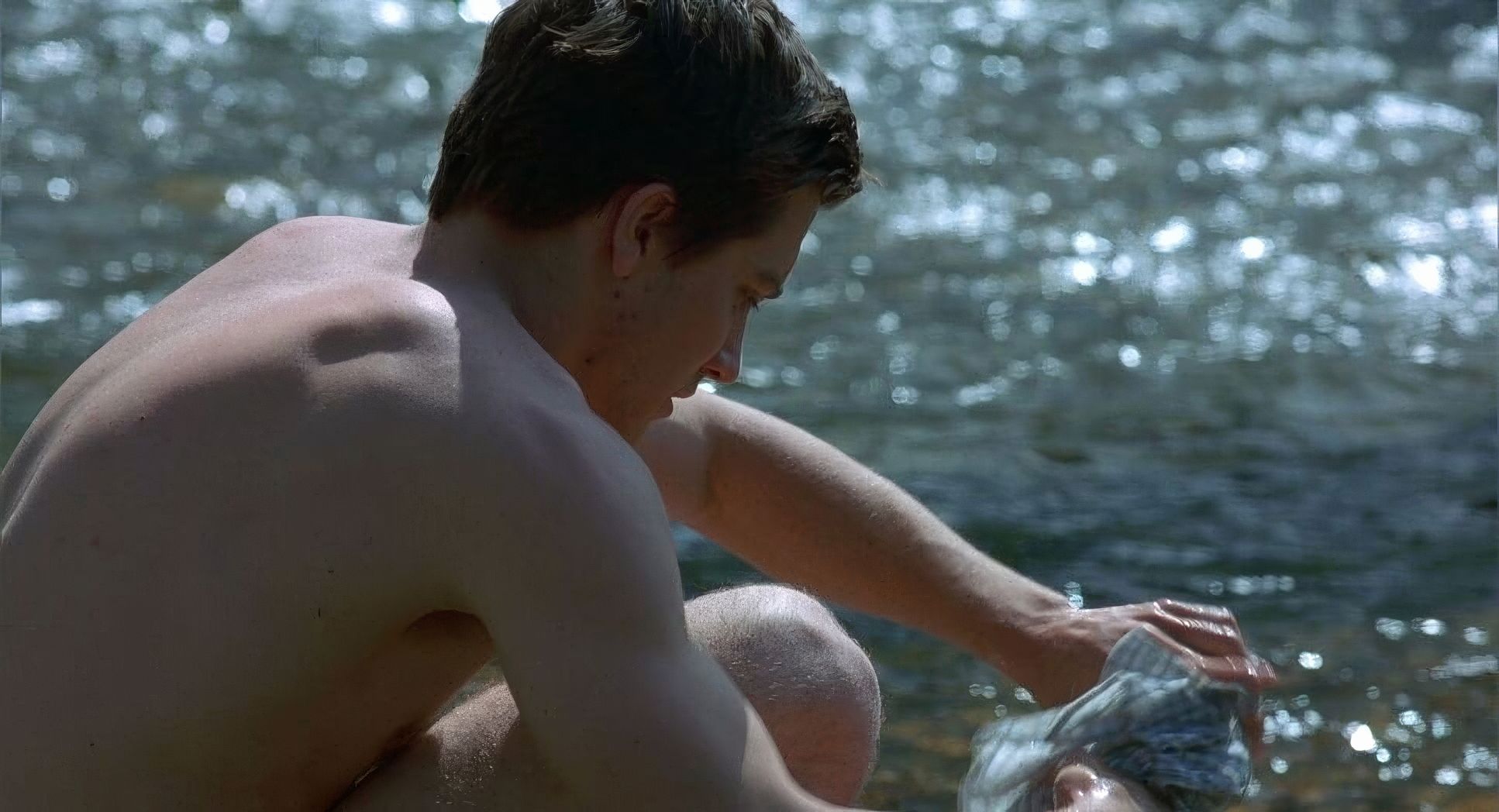
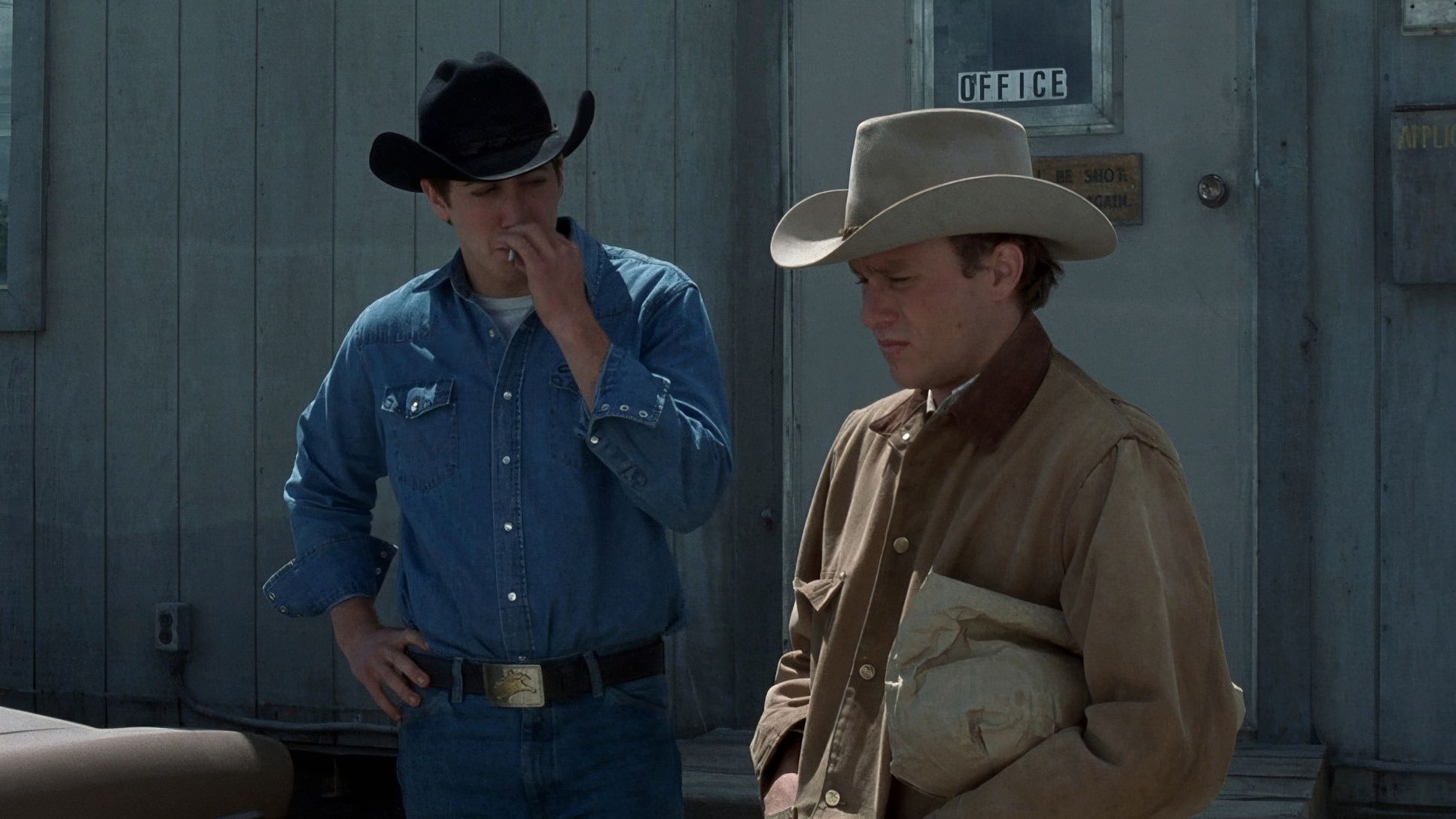
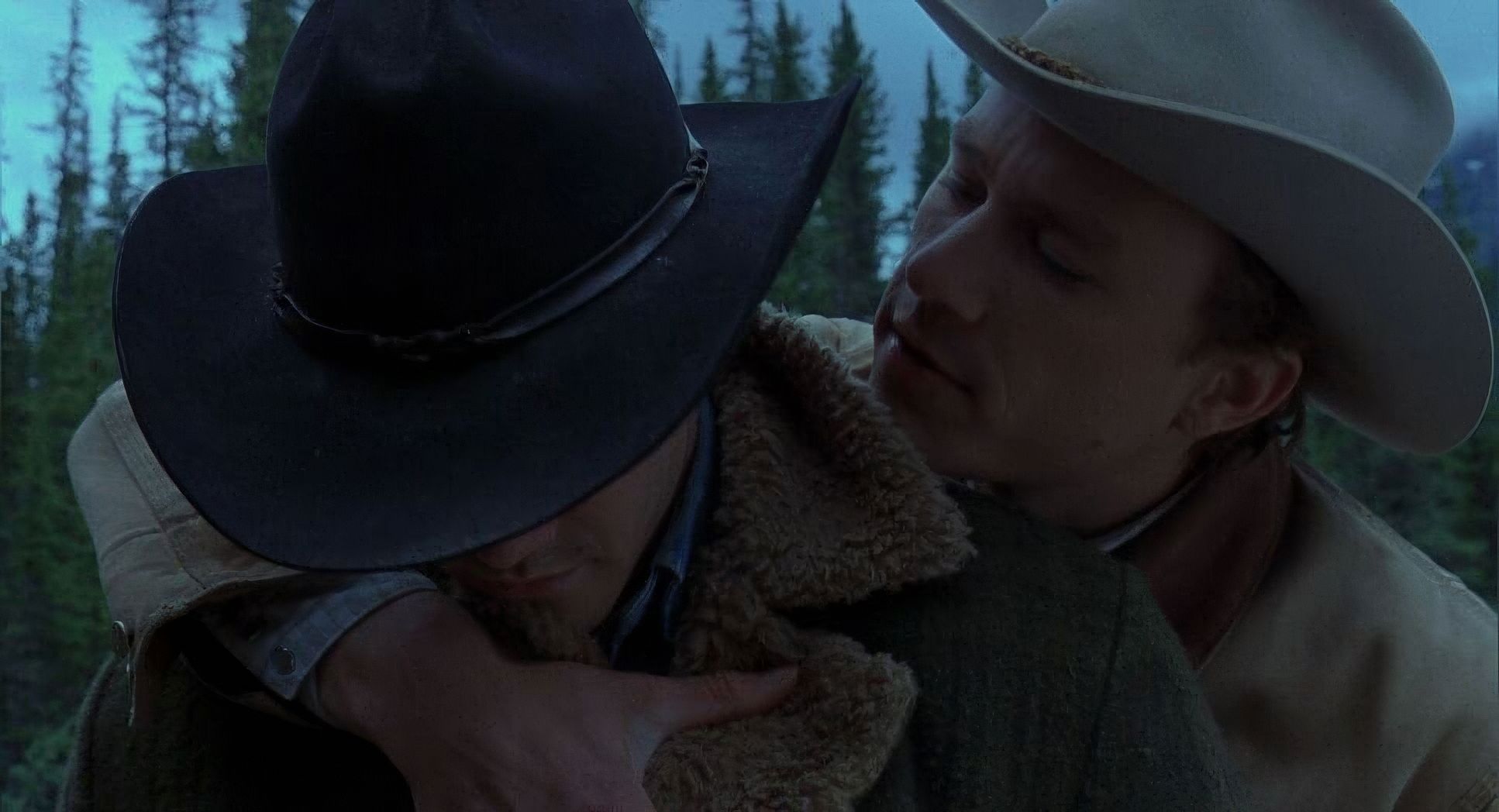
This is where the cinematography truly shines for me. Prieto largely avoids theatrical lighting, embracing the harsh, beautiful light of the natural world. On the mountain, the sunlight is often stark and clear. Using Vision2 500T (5218)and EXR 50D film stocks, they captured a texture that feels tactile you feel the sun on their skin and the chill of the morning air.
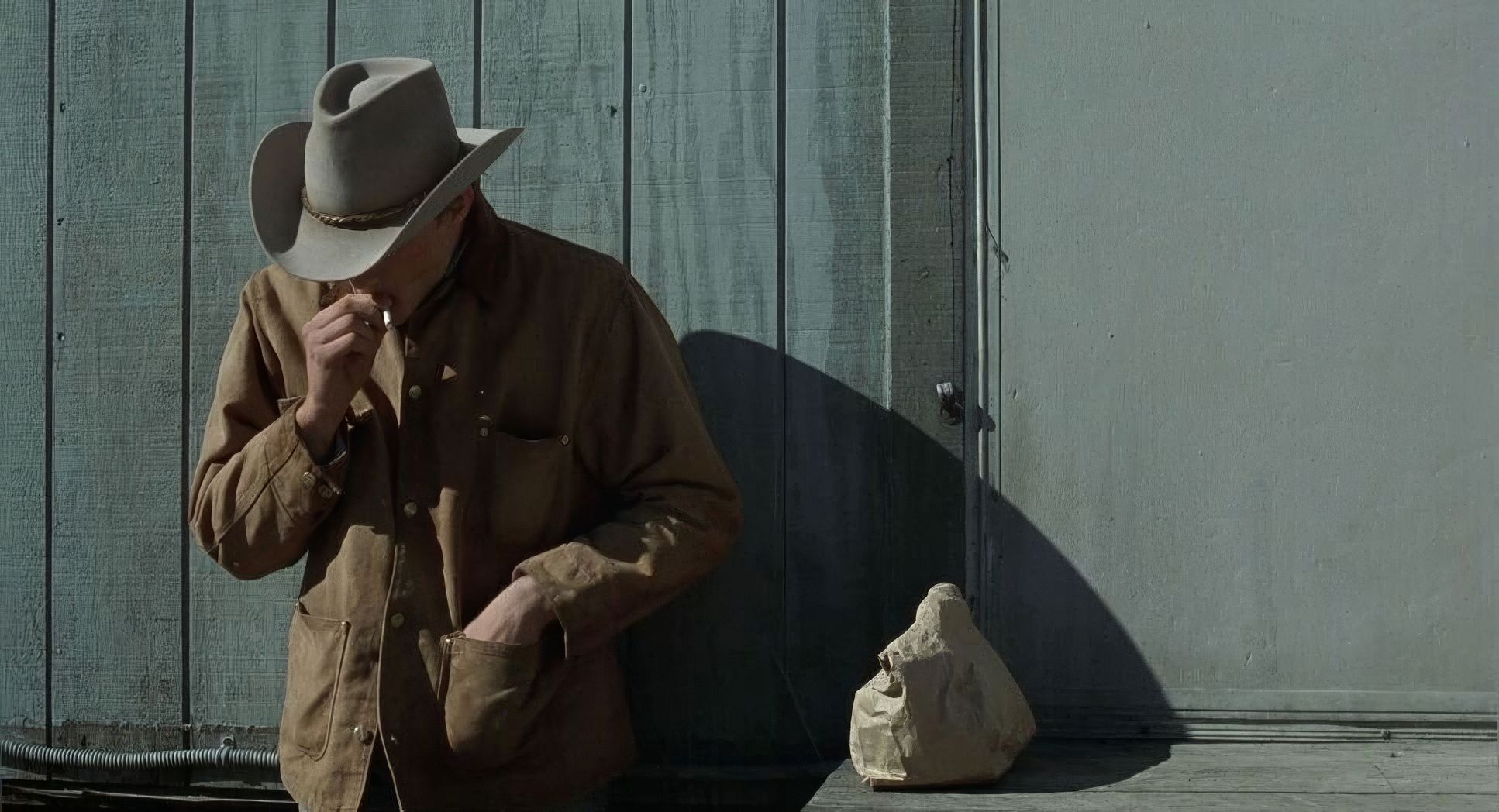
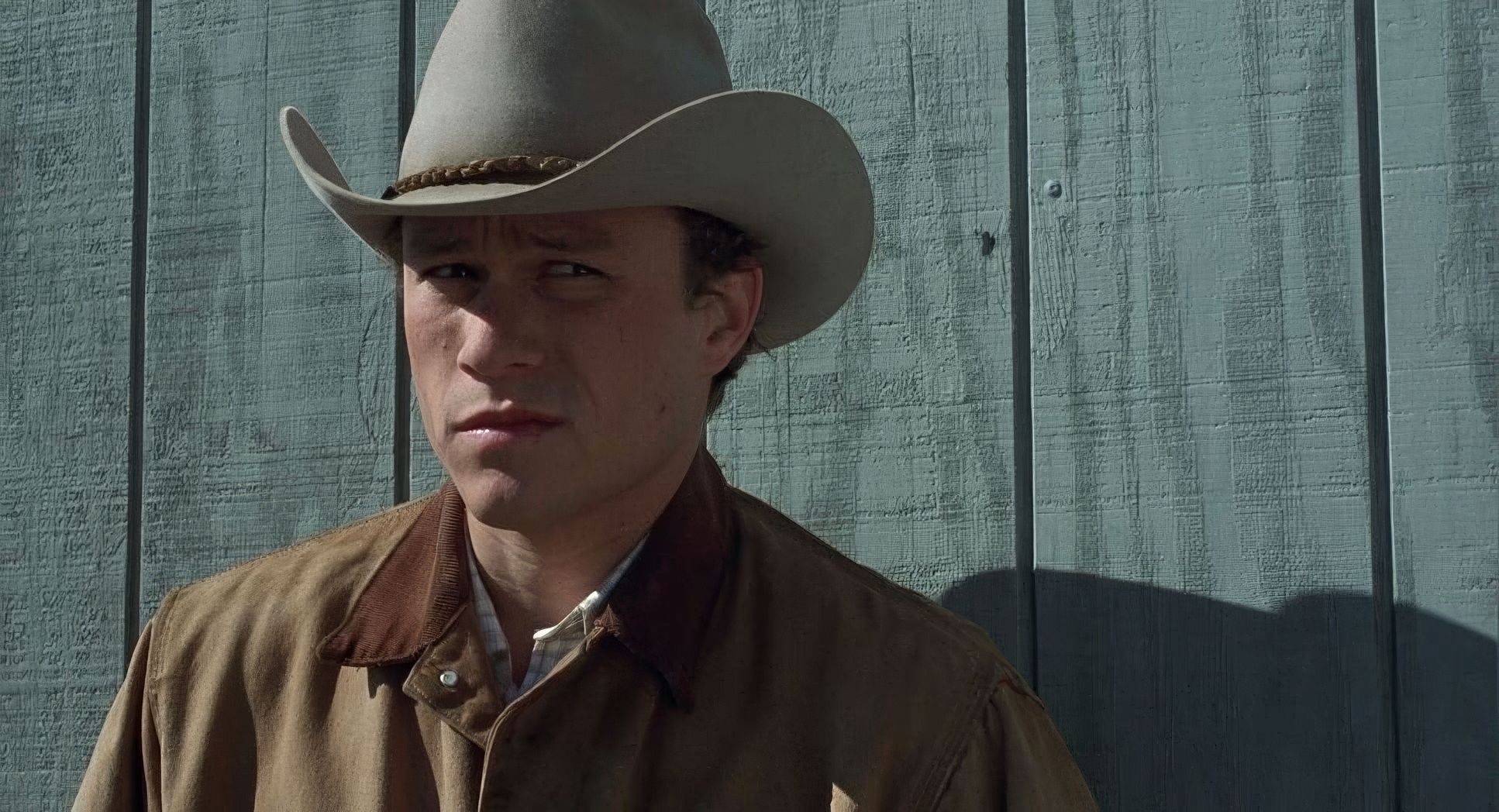
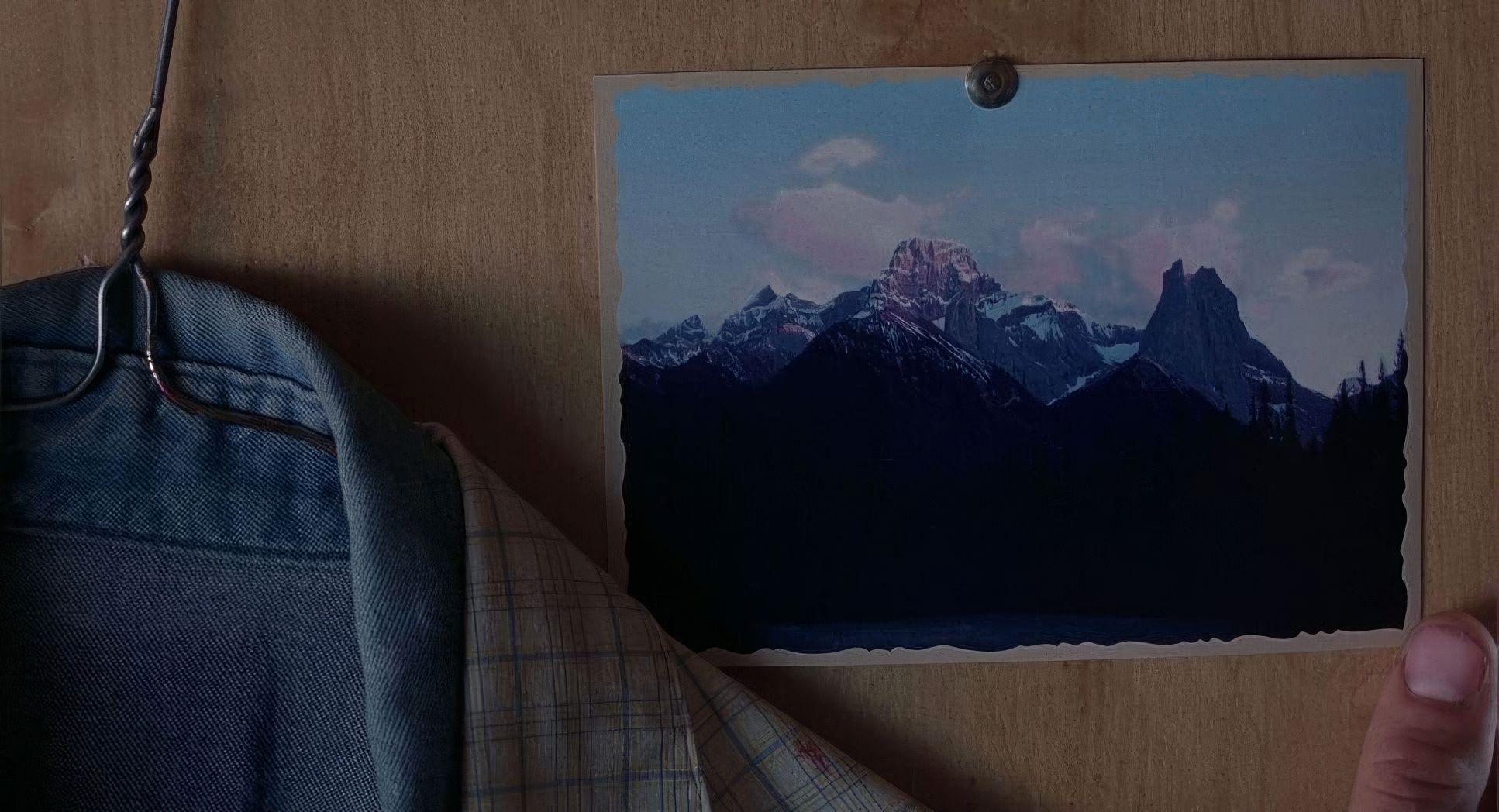
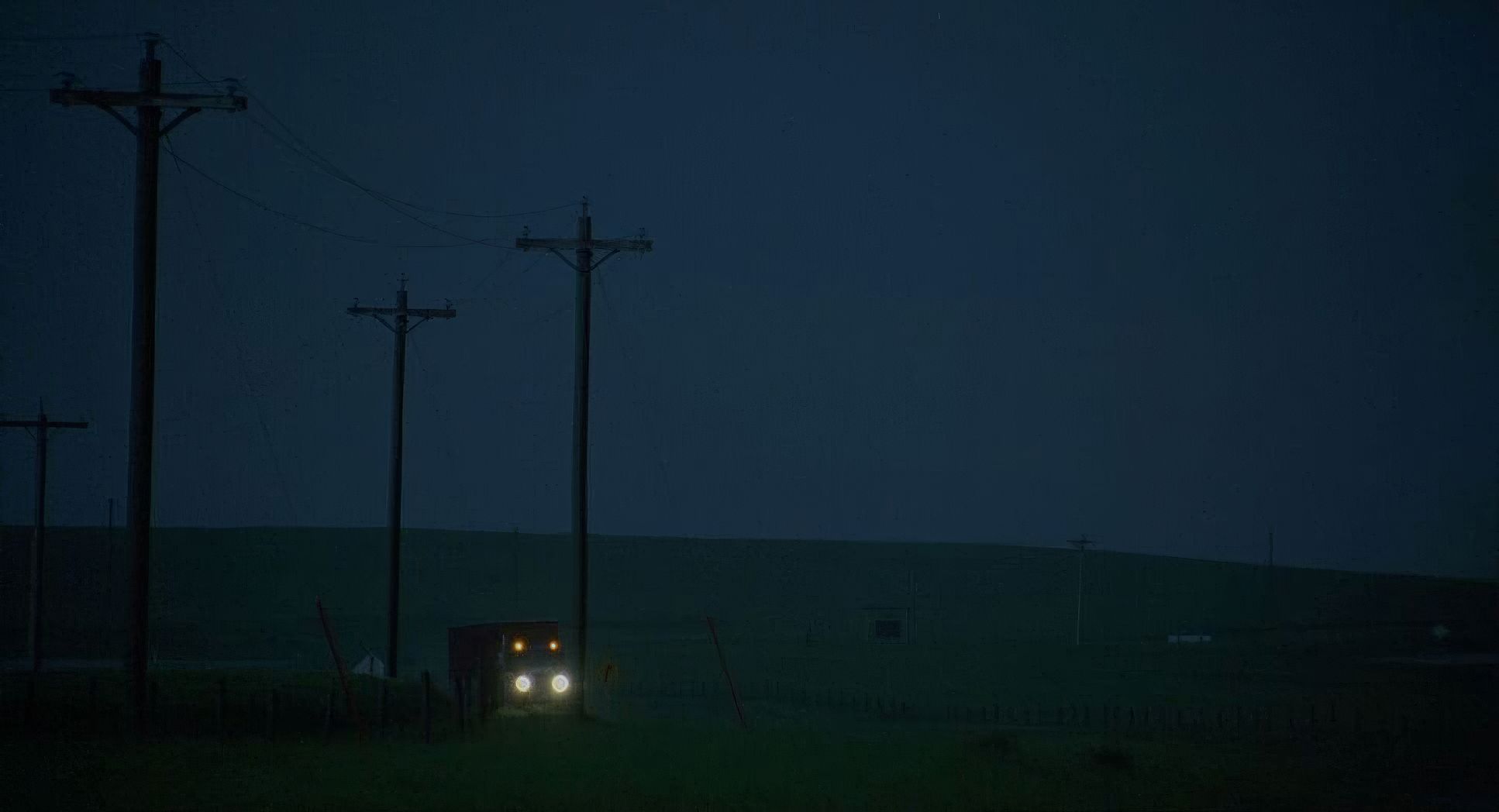
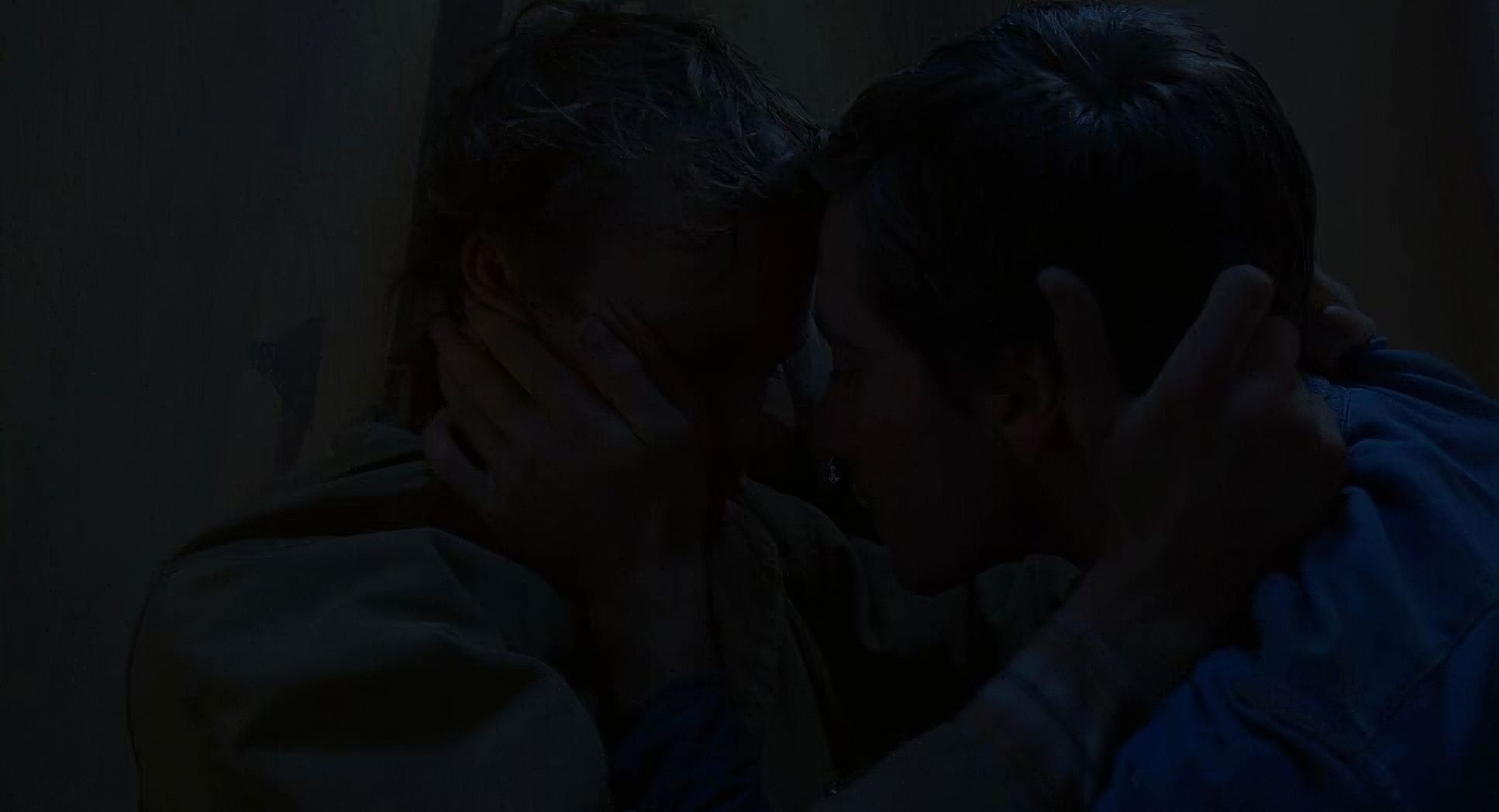
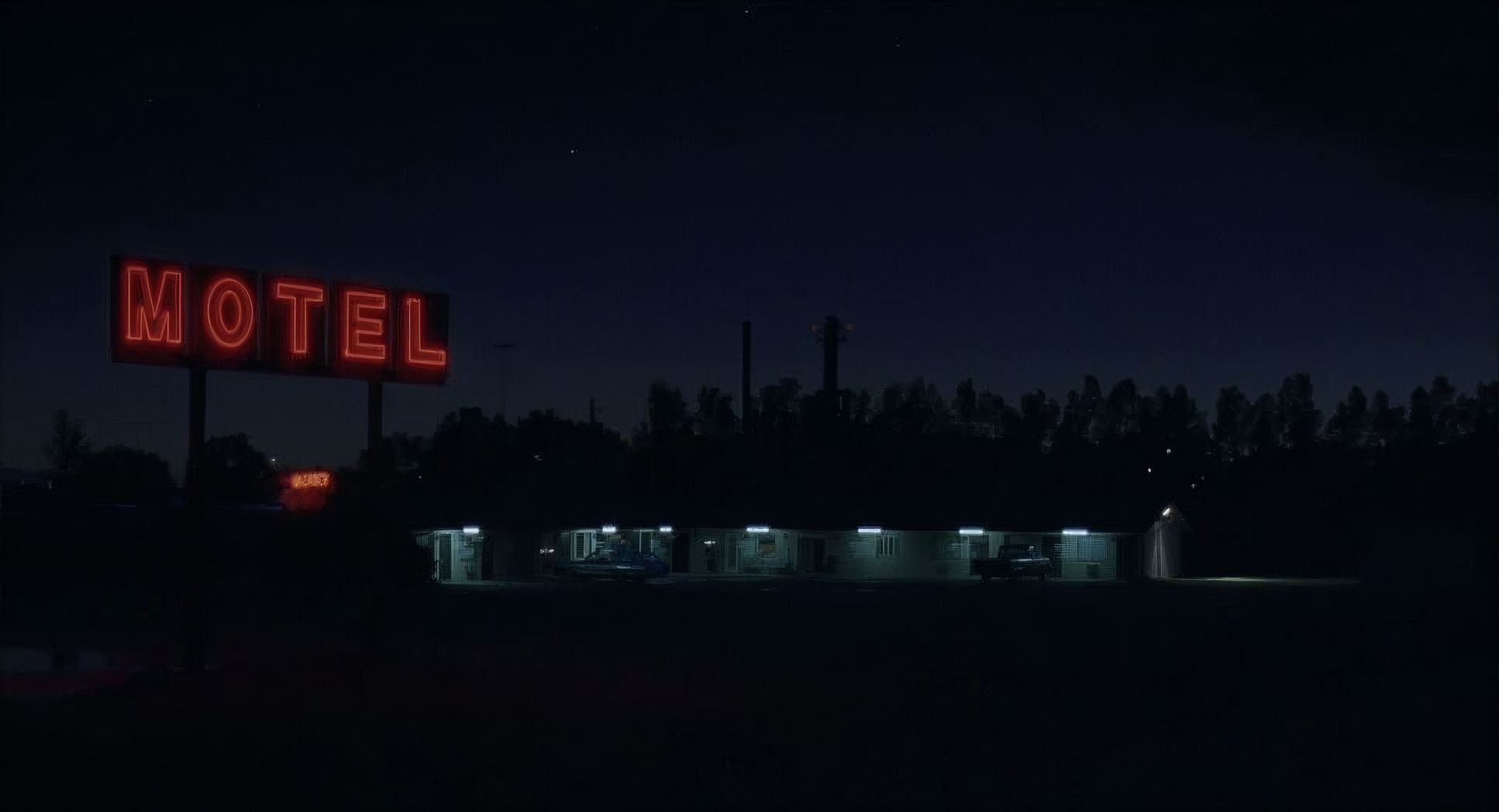
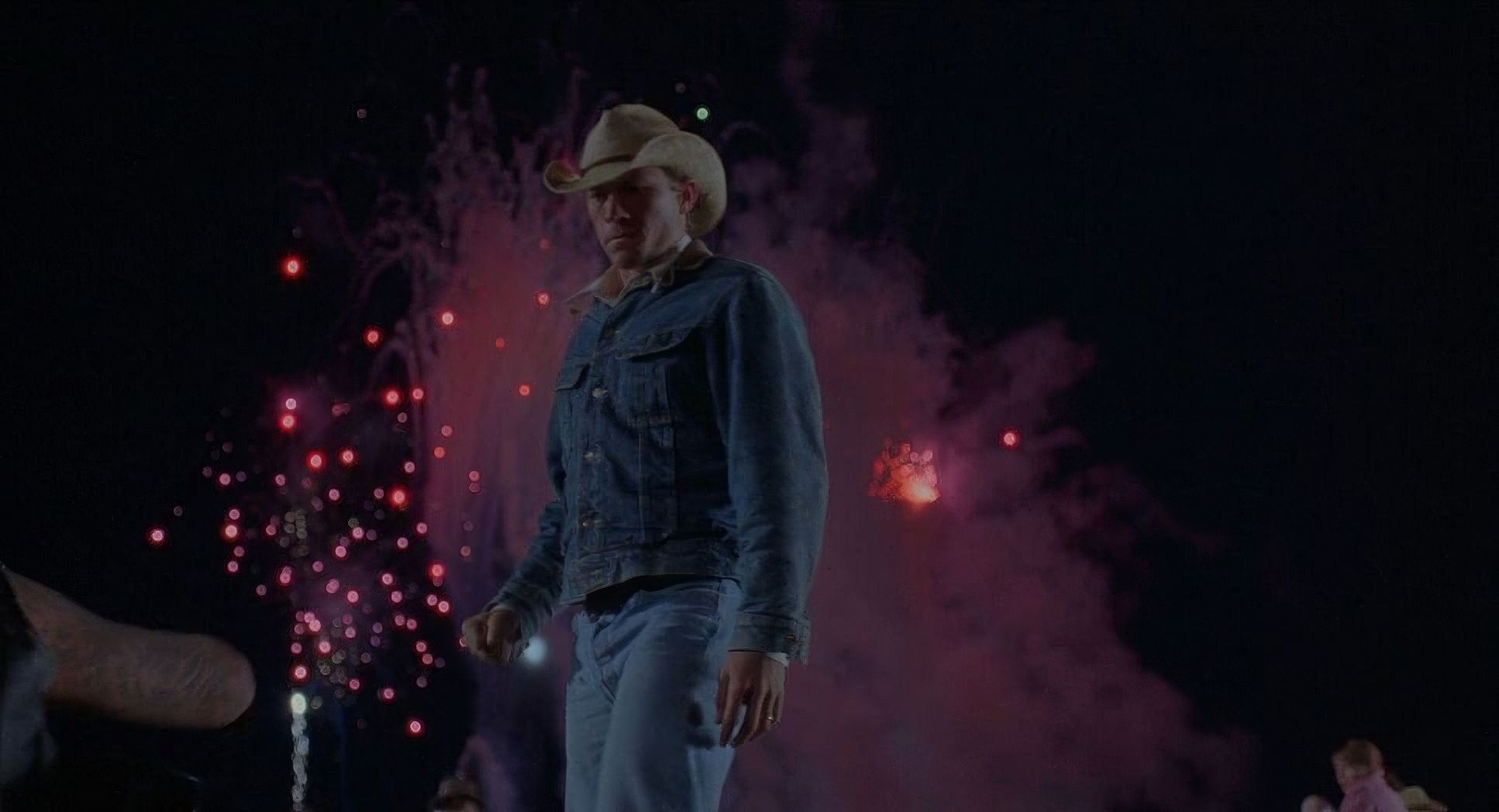
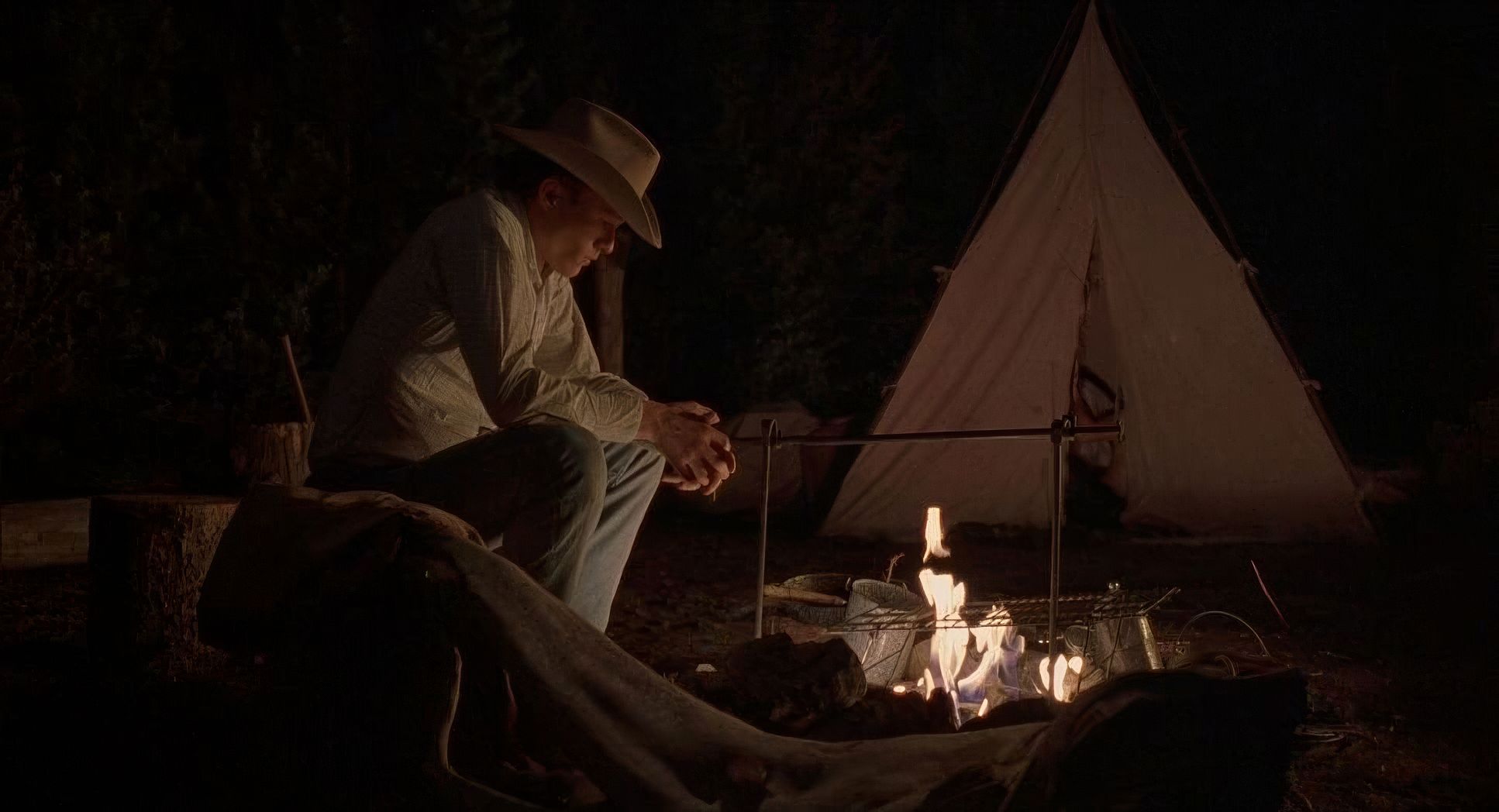
One of my favorite shots is at [00:03:07] a clean single on a long lens. The side-lighting is pure daylight, but it’s handled with such care that it feels narrative. When they are together in the tent, the lighting softens, using practical sources or diffused ambient light to create a sense of secluded warmth. The nighttime scenes are rendered with exquisite depth; the 4K scan proves that “black levels” can be deep and inky without “crushing” the detail. This management of dynamic range allows for an immersive quality you can still perceive the environment even in the shadows of their secrecy.
Cooke S4s and the Intimacy of Space
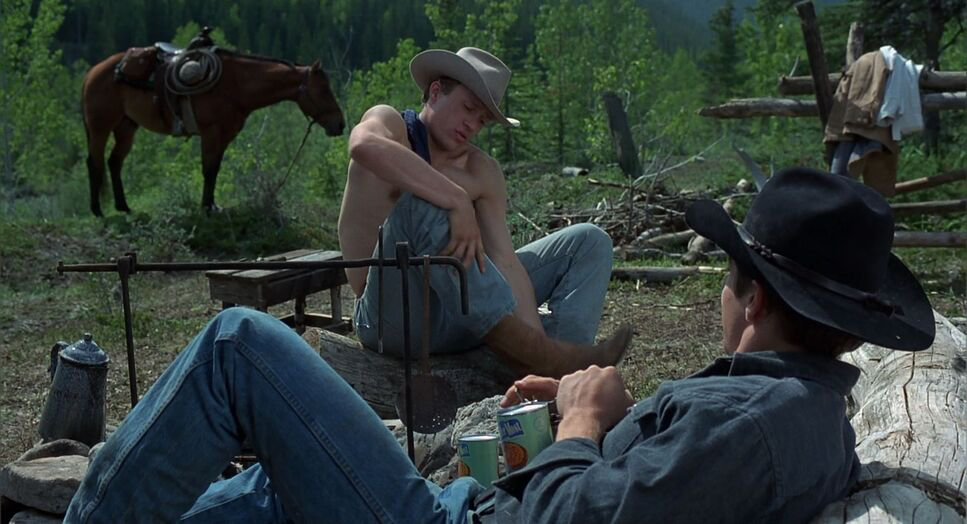
The choice of the Arricam LT and Cooke S4 lenses was inspired. On the mountain, wider lenses capture both their proximity and the expansive backdrop, allowing their bodies to express what words cannot. As the film progresses and their lives become more complicated, the blocking becomes more confined.
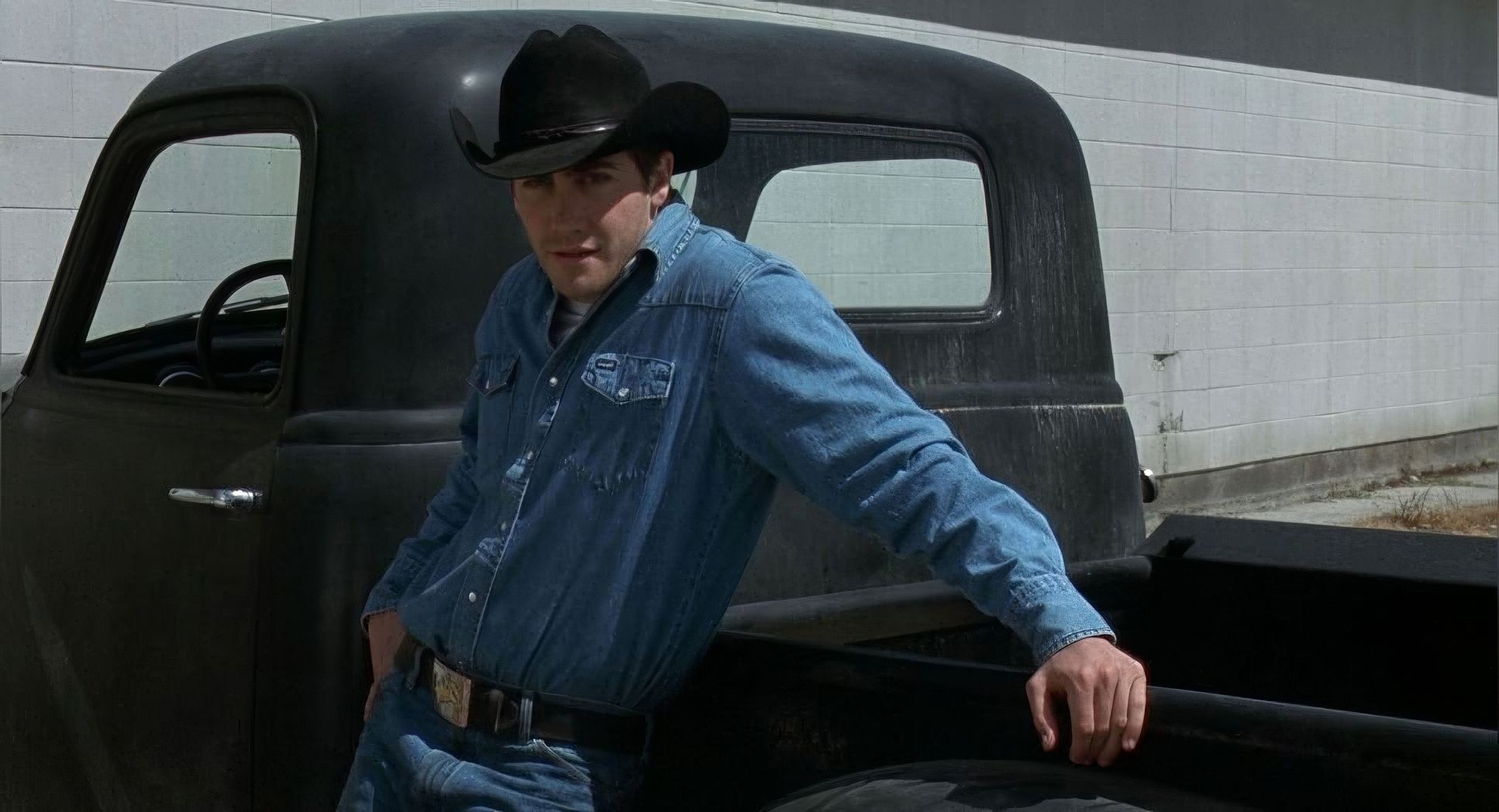
You see the shift as they age the “faint wrinkles” and “graying hair” captured by the Cooke glass are rendered with such fidelity that the aging feels organic, not like a “makeup job.” Even the production design details Ennis’s subtly upgrading truck or Jack’s evolving belt buckles are always present in the frame. They never distract, but they always enrich the story. This blend of subtle visual cues and careful character placement ensures that the lensing and blocking are active participants in the emotional narrative.
Grading the Evolution of a Secret
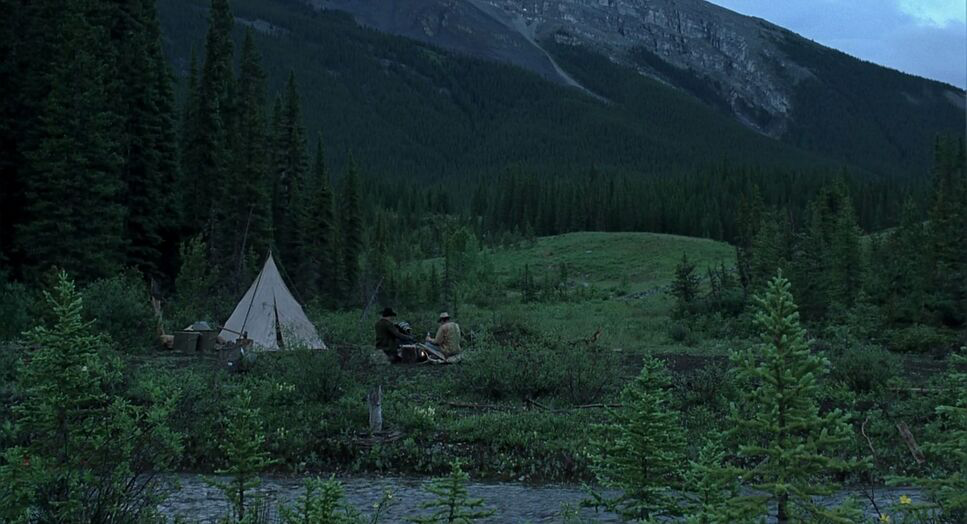
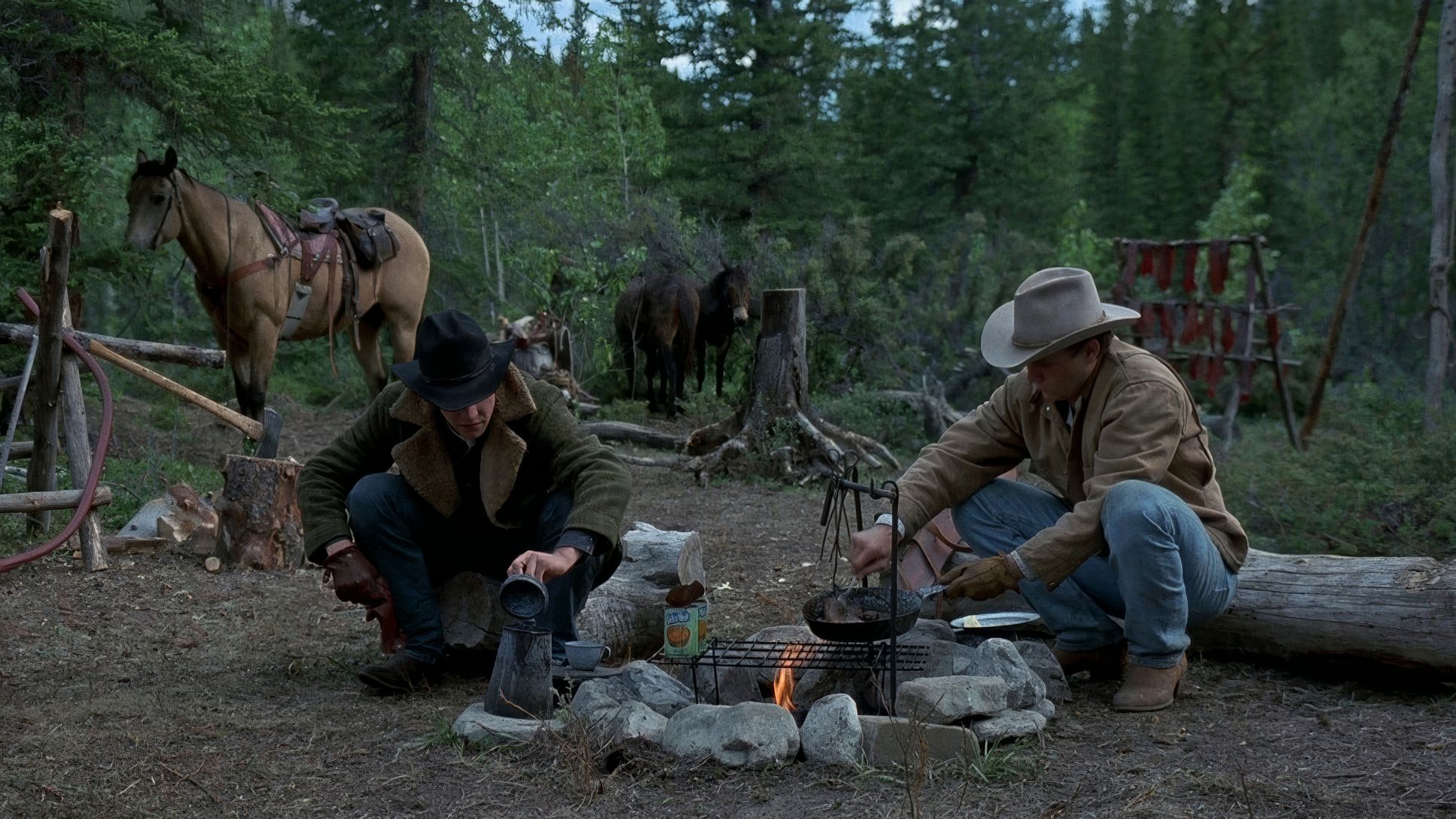
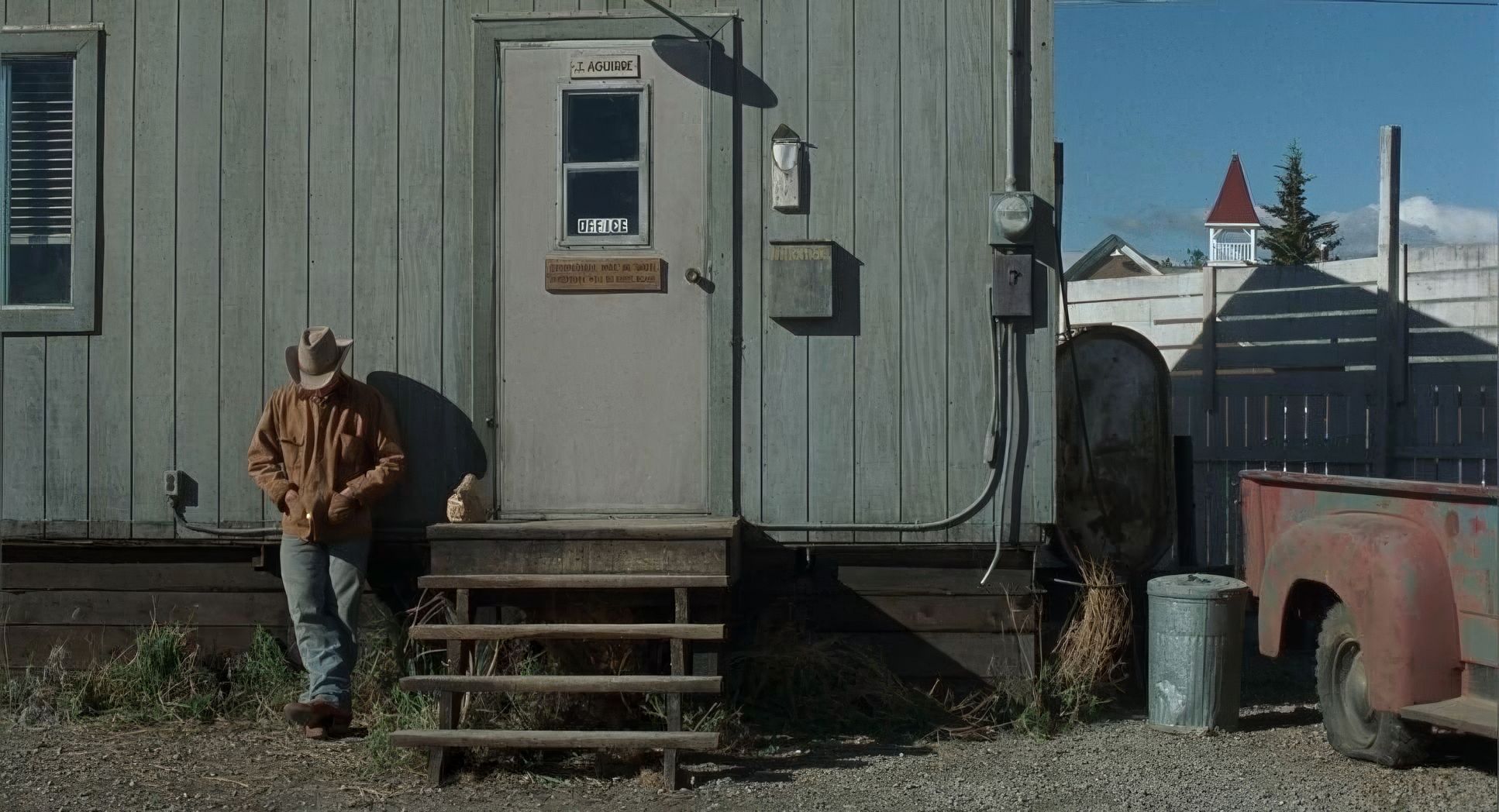
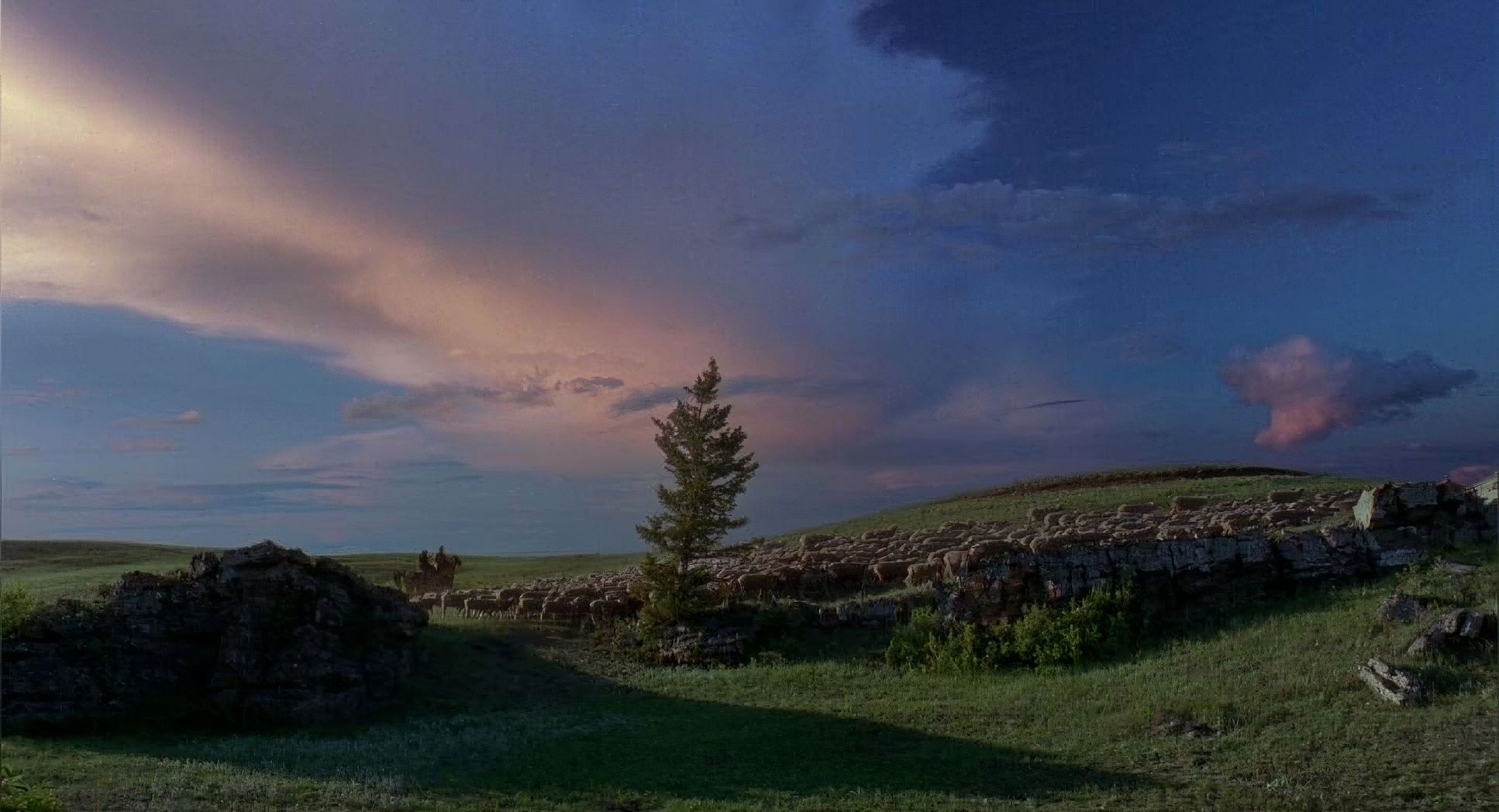
As a colorist, this is where I truly connect with the film. The grading isn’t just beautiful; it’s profoundly intelligent. The overarching strategy is one of evolution. Early on, we see a palette steeped in muted earth tones, reflecting the raw, unglamorous reality of ranch life. It’s a grounded, desaturated look that captures the routine of their existence before the bond ignites.
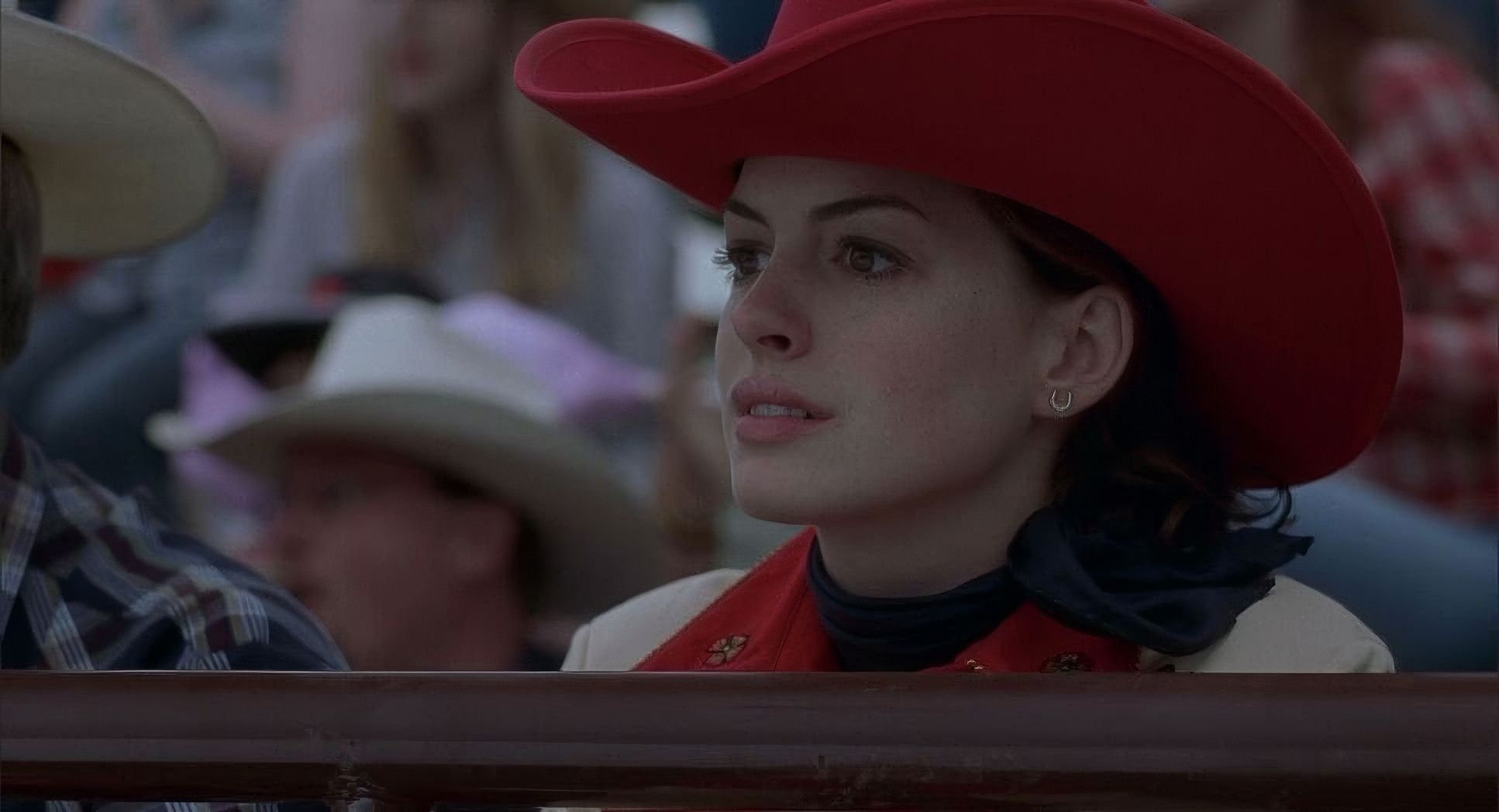
As their relationship deepens, we see “pops of color” a slight blue or red accent in their costumes. These aren’t garish; they’re delicate shifts, like flowers blooming in a desert. When they reunite, those colors intensify. The HDR pass (HDR10/Dolby Vision) on the recent restoration is a game-changer here. It allows for a broader spectrum of tones and more nuanced highlight roll-off in those breathtaking nature scenes.
The grade respects the 35mm original camera negative. The film grain resolves beautifully, maintaining that organic, photochemical feel I’m always chasing in my own work. Skin tones look natural, and the contrast shaping is key: it’s strong enough to give the images a robust, grounded feel, but never so aggressive that it kills the delicate shadow detail. The hue separation between the browns, greens, and blues of the landscape is exceptional. This isn’t just a “pretty” grade; it’s a deeply considered emotional language.
The 35mm Gold Standard: Why the 4K Scan Matters
Brokeback Mountain | 35mm • 1.85:1
| Genre | Drama, Romance, Contemporary Western, Western, Political, Epic, Melodrama |
| Director | Ang Lee |
| Cinematographer | Rodrigo Prieto |
| Production Designer | Judy Becker |
| Costume Designer | Marit Allen |
| Editor | Geraldine Peroni, Dylan Tichenor |
| Colorist | Chris Hinton |
| Time Period | 1960s |
| Color | Blue |
| Aspect Ratio | 1.85 – Spherical |
| Format | Film – 35mm |
| Lighting | Side light |
| Lighting Type | Daylight, Sunny |
| Story Location | United States > Wyoming |
| Filming Location | Alberta > Cowley |
| Camera | Arricam LT |
| Lens | Cooke S4/ i |
| Film Stock / Resolution | 5218/7218 Vision 2 500T, 5245/7289 EXR 50D, 5246/7246 Vision 250D, 5279/7279 Vision 500T |
Technically, Brokeback Mountain remains a benchmark for traditional filmmaking. Shooting on 35mm (using 5218 and 5245 stocks) provided a unique way of rendering light that digital still struggles to perfectly replicate. The recent 4K Ultra HD release, derived from a 4K scan of the original camera negative, is a huge win for our industry.
The 1.85:1 aspect ratio feels perfect it’s wide enough for the Canadian Rockies but tall enough for intimate two-shots. The clarity of the Kino Lorber transfer is stunning; source blemishes are non-existent. For professionals, the “better image clarity” means we can finally see the intentional makeup imperfections and the fine grain as it was meant to be seen. It avoids the digital sterility that plagues so many modern “remasters,” keeping the “properly cinematic” soul of Prieto’s work alive.
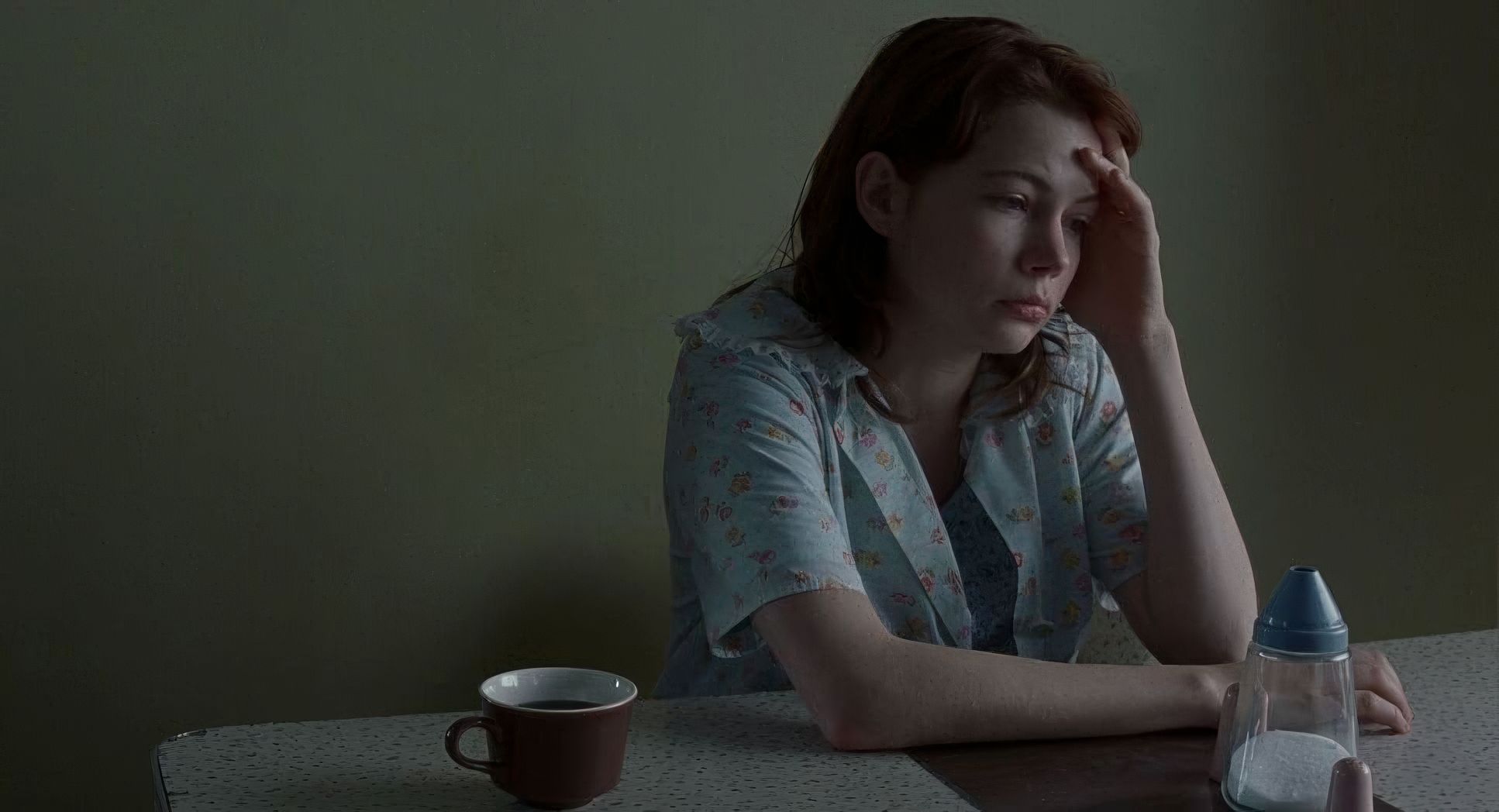
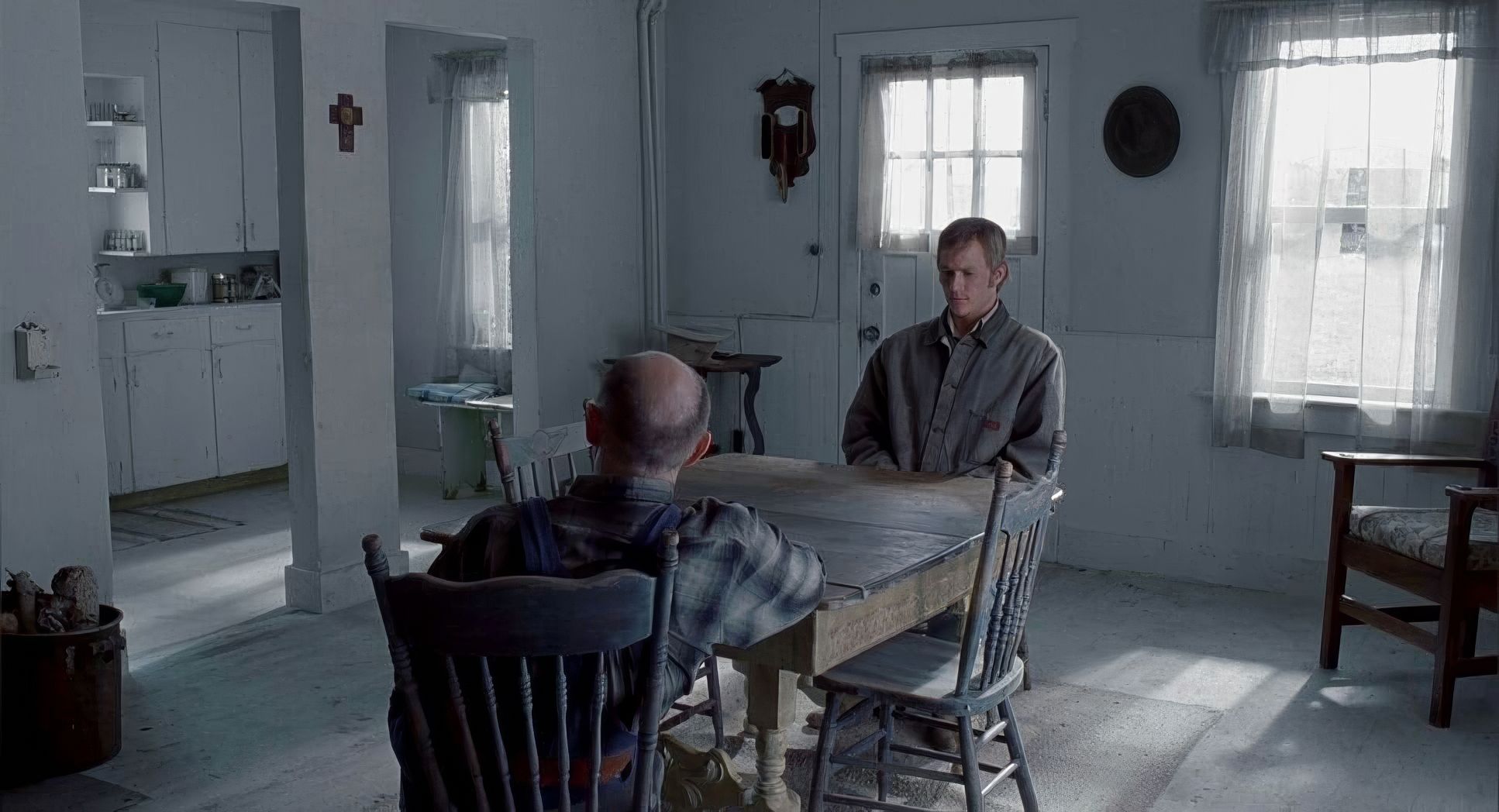
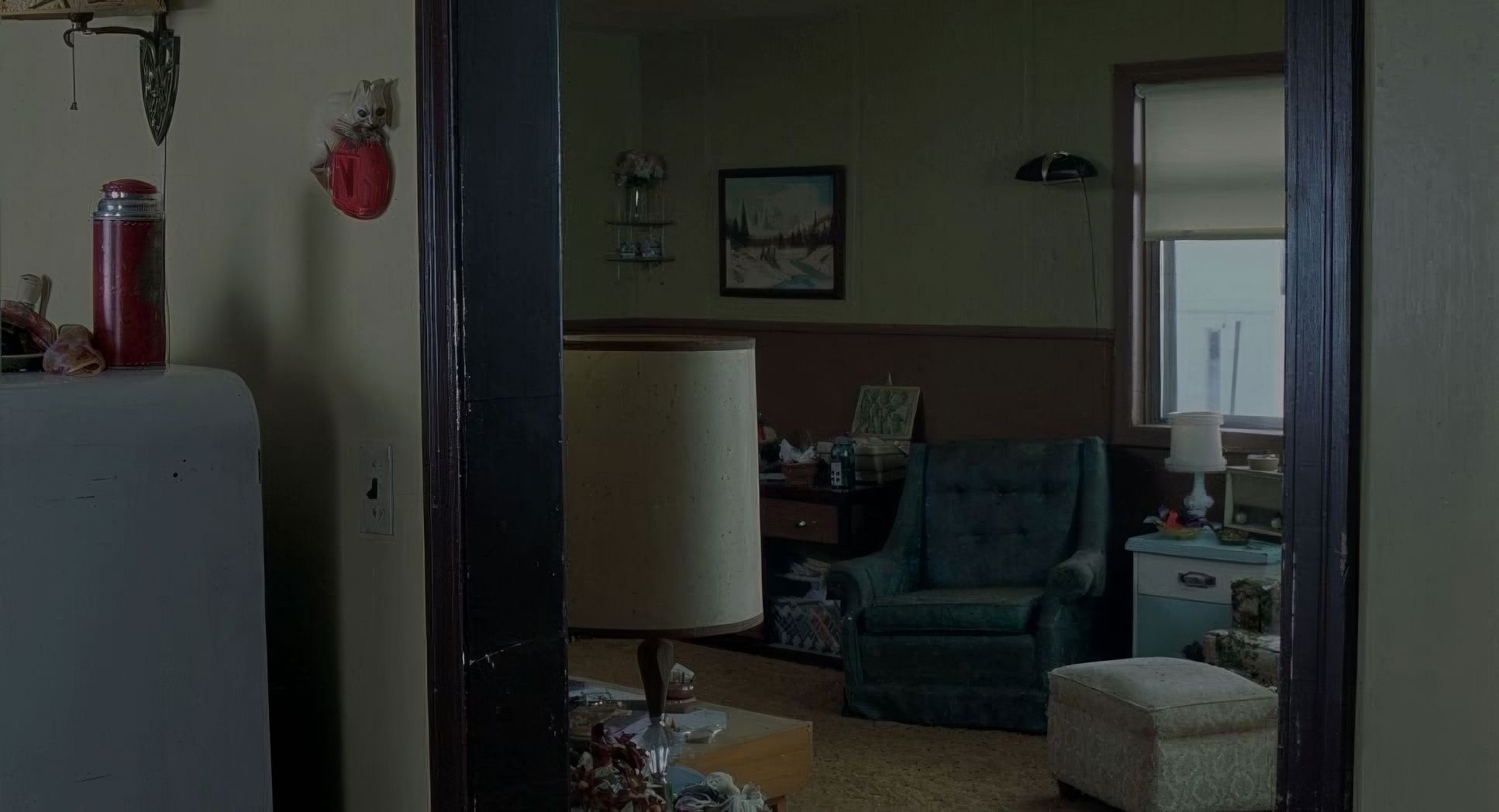
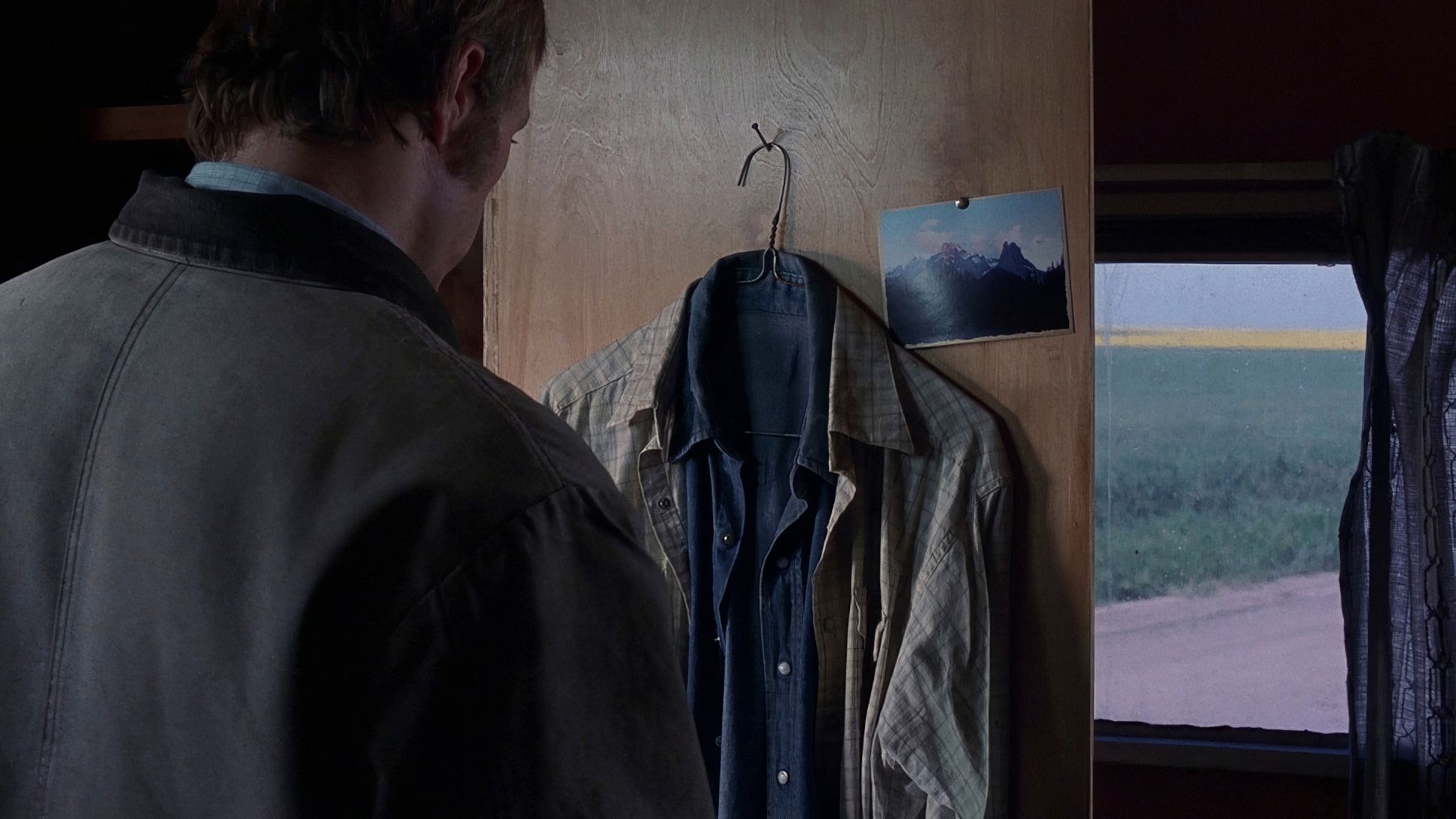
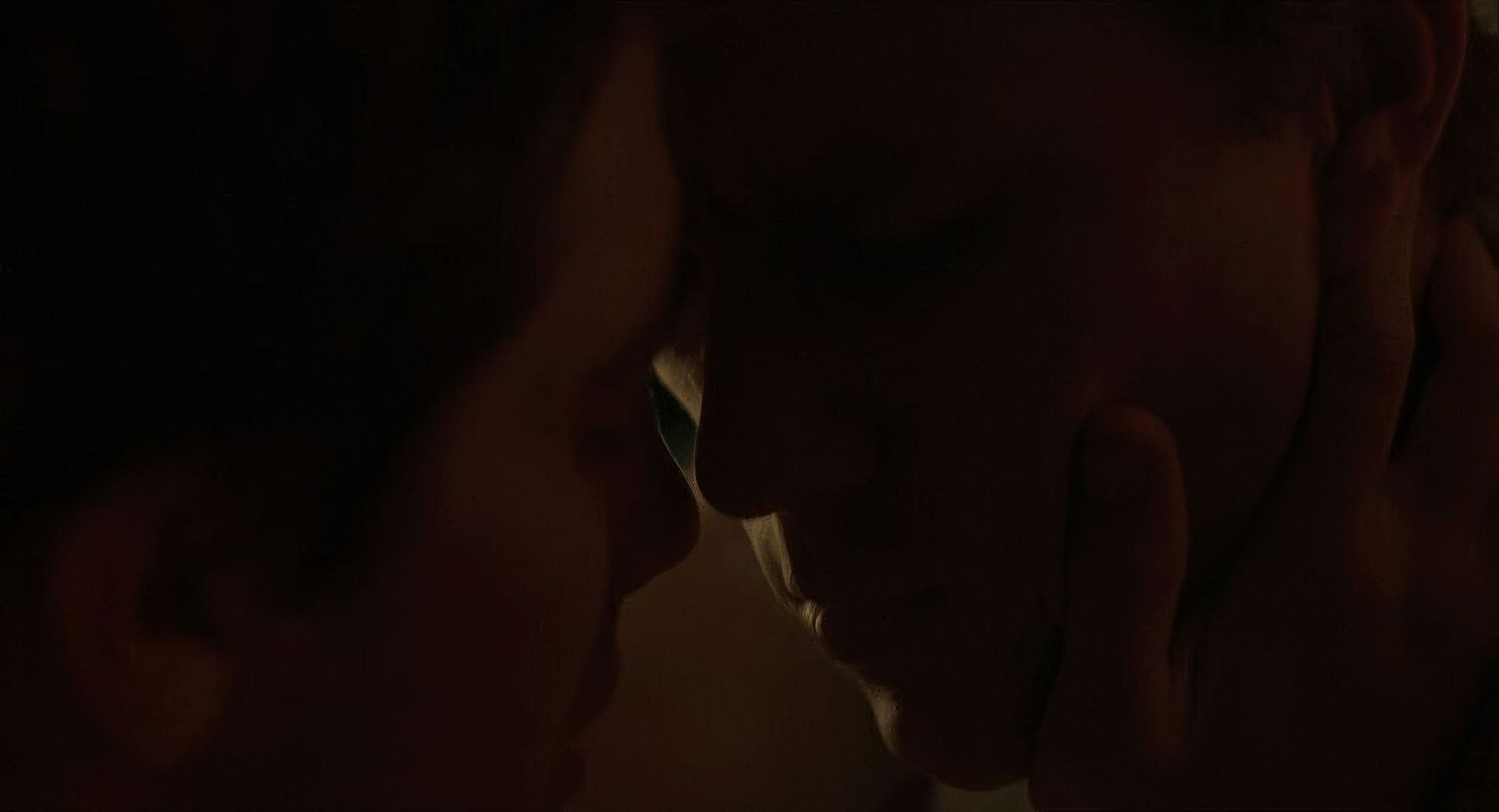
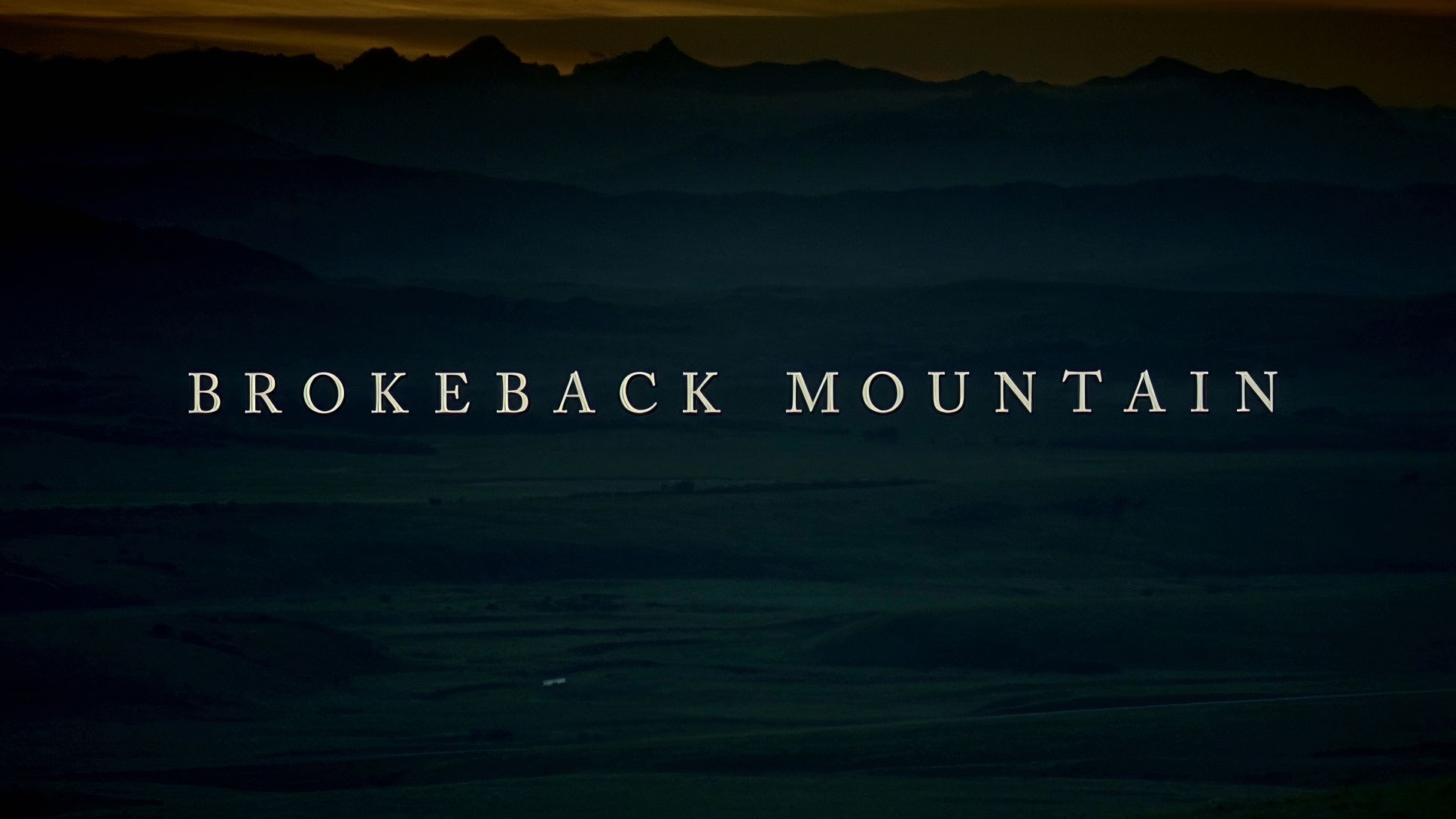
Brokeback Mountain (2005) Film Stills
A curated reference archive of cinematography stills from Brokeback Mountain (2005). Study the lighting, color grading, and composition.











- Also read: MAN ON FIRE (2004) – CINEMATOGRAPHY ANALYSIS
- Also read: MISSION: IMPOSSIBLE – FALLOUT (2018) – CINEMATOGRAPHY ANALYSIS
Browse Our Cinematography Analysis Glossary
Explore directors, cinematographers, cameras, lenses, lighting styles, genres, and the visual techniques that shape iconic films.
Explore Glossary →