Ben Affleck’s Argo (2012) is one of those rare cases where the cinematography and the grade aren’t just supporting the movie; they are the movie. It’s a masterclass in period recreation that balances political thriller tension with a weird, comedic Hollywood satire, and it manages to pull it off without ever feeling disjointed.
About the Cinematographer

While many associate Affleck’s later work with a certain look, the visual architect behind Argo is actually Rodrigo Prieto, ASC. If you follow his career from the gritty realism of Amores Perros to the lush, complex textures of The Wolf of Wall Street you know Prieto is a chameleon. He doesn’t have a “one-size-fits-all” style; instead, he has this incredible ability to make the camera feel like a living participant in the scene. For Argo, Prieto was tasked with a massive challenge: transporting us to 1979 Tehran and 1980 Los Angeles using a mix of formats while keeping the whole thing feeling like a single, cohesive piece of history.
Inspiration Behind the Cinematography
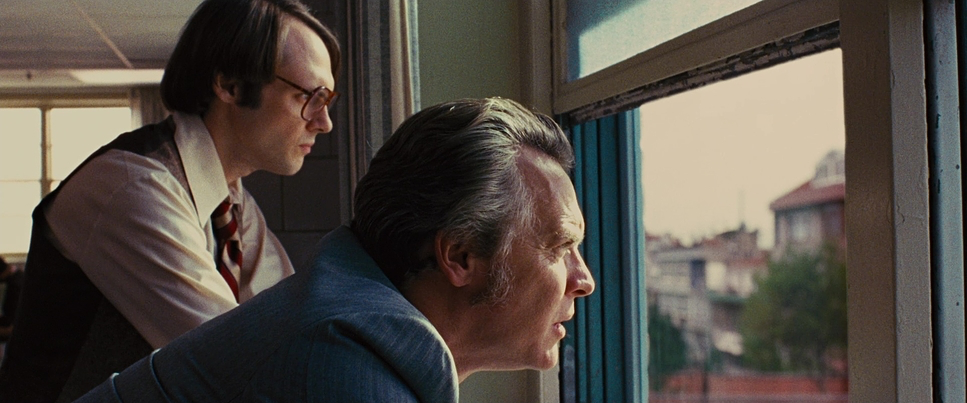
The foundation of Argo’s look isn’t just “retro” it’s a deep, obsessive dive into 70s cinema. Right from the jump, when that vintage Warner Brothers logo flickers on, you know you’re in a different era. But this isn’t just a superficial nostalgia trip. Prieto and Affleck looked at the visual language of 70s thrillers their grittiness, the often-desaturated palettes, and that raw, “caught-on-the-fly” composition.
To get that authentic texture, they actually “blew up” the image. They shot on 35mm film but would often crop into the frame or use 2-perf techniscope techniques to intentionally enlarge the grain. This wasn’t just “digital noise” added in post; it was a physical degradation of the image to recreate the organic imperfections of the era. It makes the absurd premise using a fake sci-fi movie to smuggle people feel grounded in a world that feels “recorded” rather than “filmed.”
Camera Movements
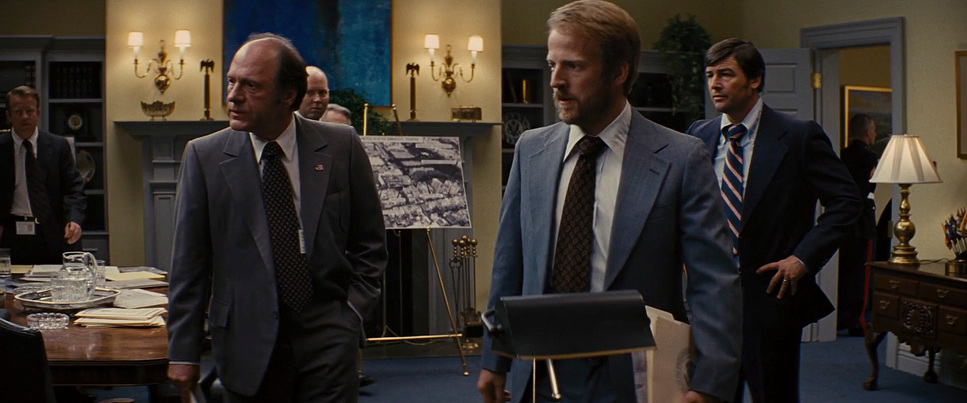
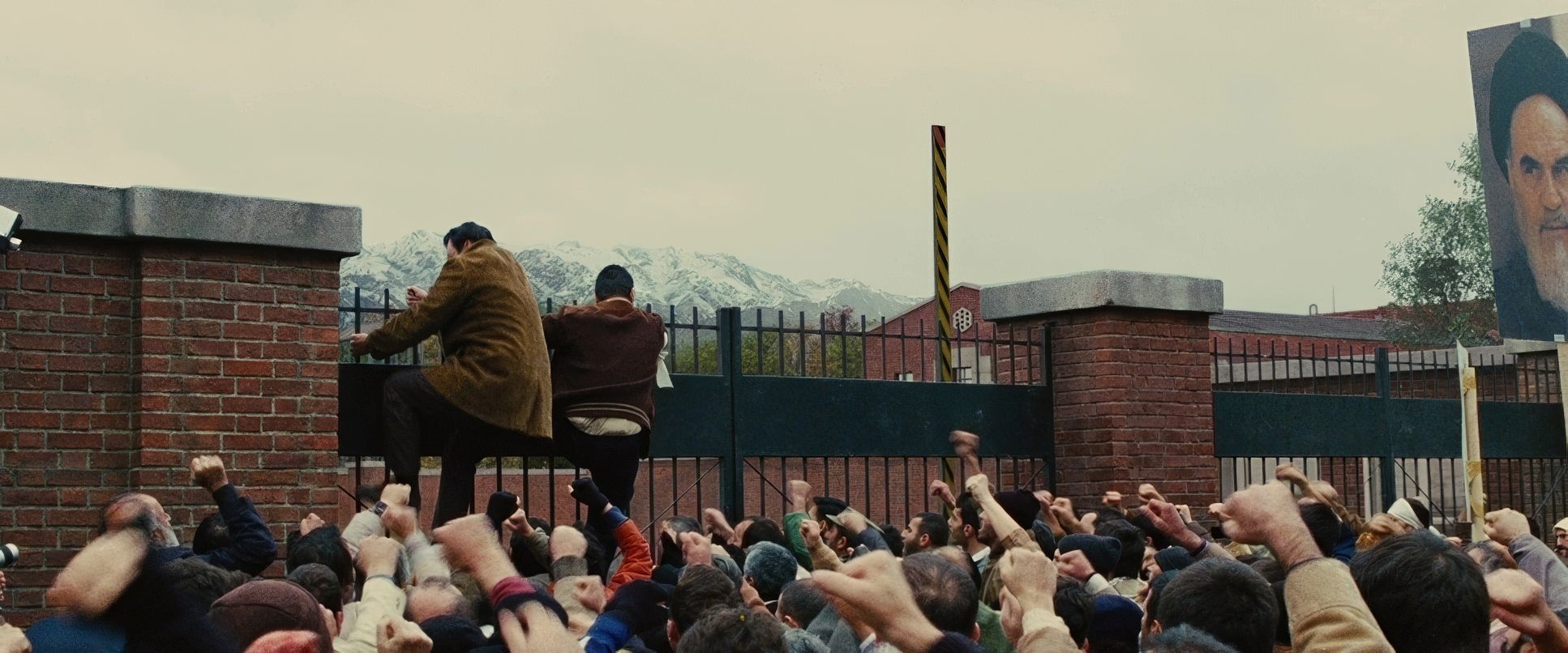
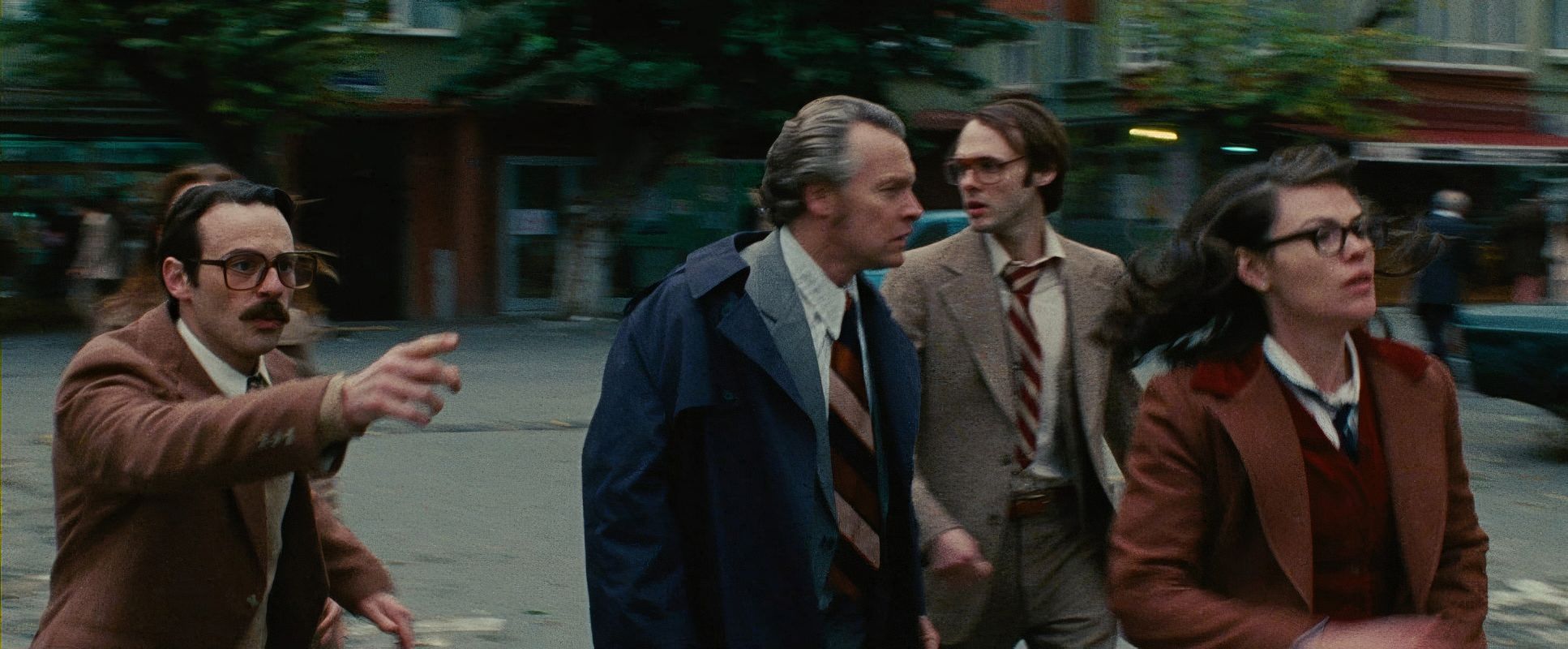
One of the most effective things about Argo is how it uses the camera to tell you where you are. In the Iranian sequences, Prieto leans heavily into handheld work. But let’s be clear: this isn’t that annoying, shaky-cam “Bourne” style. It’s a finely controlled, breathing tremor. During the embassy siege, the camera is right there in the thick of it, shoulder-to-shoulder with the Americans. It’s restless and voyeuristic, mirroring the internal panic of the “houseguests” hiding in the ambassador’s residence.
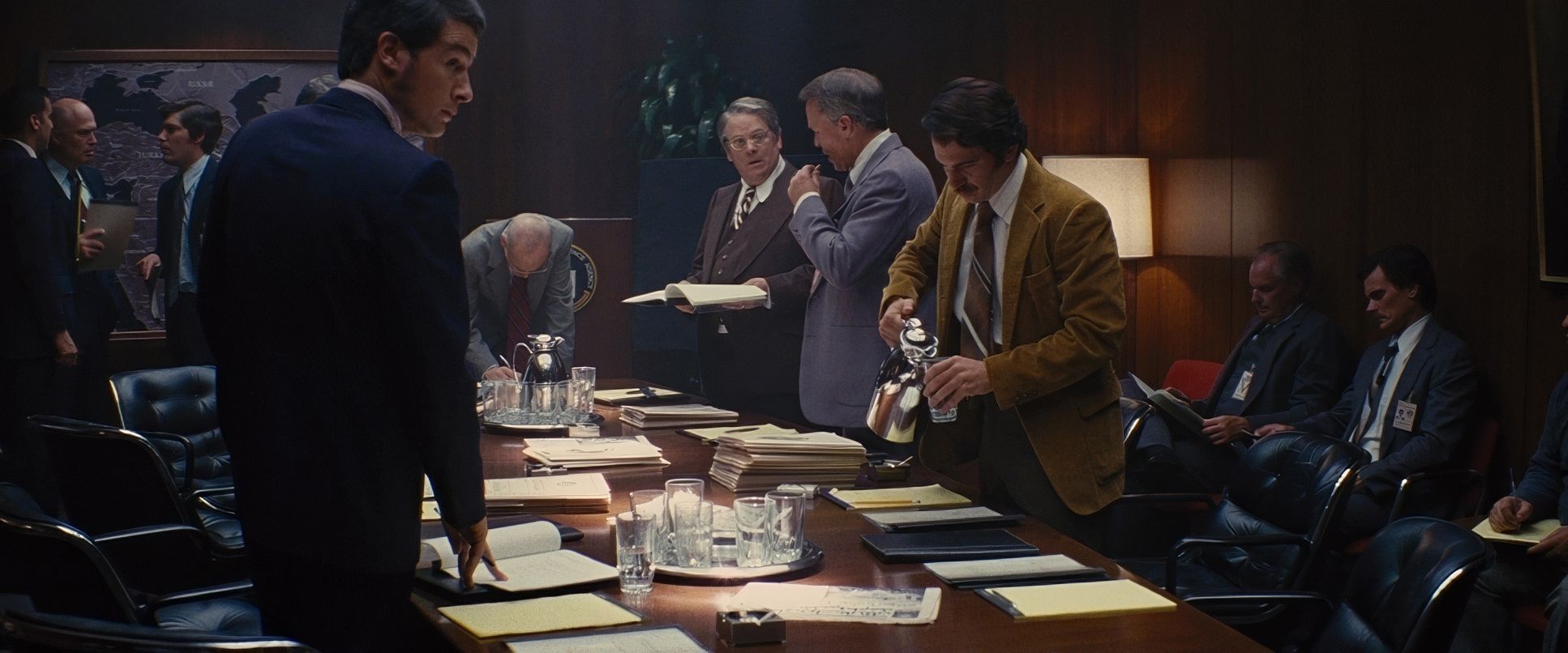
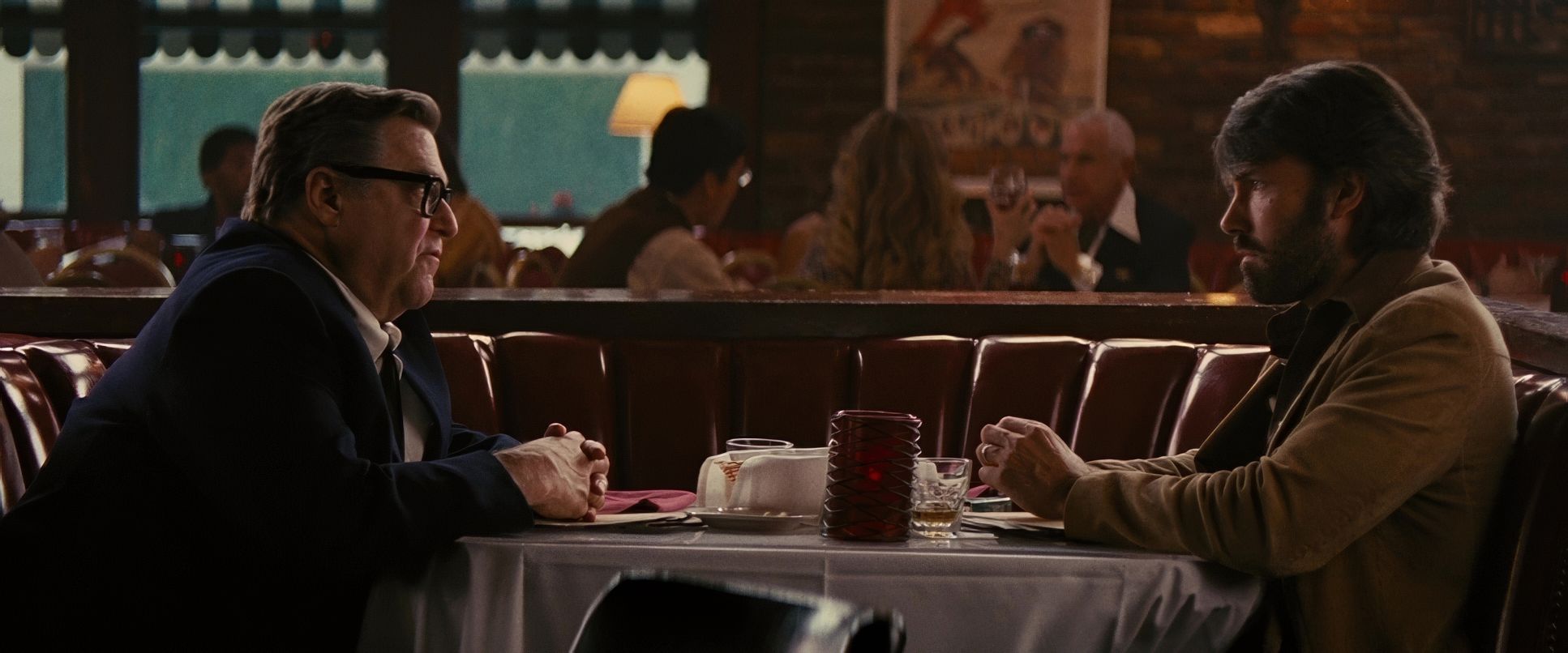
Then, look at how the style shifts when we go to the CIA or Hollywood. The camera suddenly finds its feet. We see more dollies, more static tripod shots, and a sense of institutional control. This contrast is brilliant it creates a subconscious relief when we’re in the “safe” zones and immediate, visceral anxiety the moment we head back to Tehran with Tony Mendez.
Compositional Choices
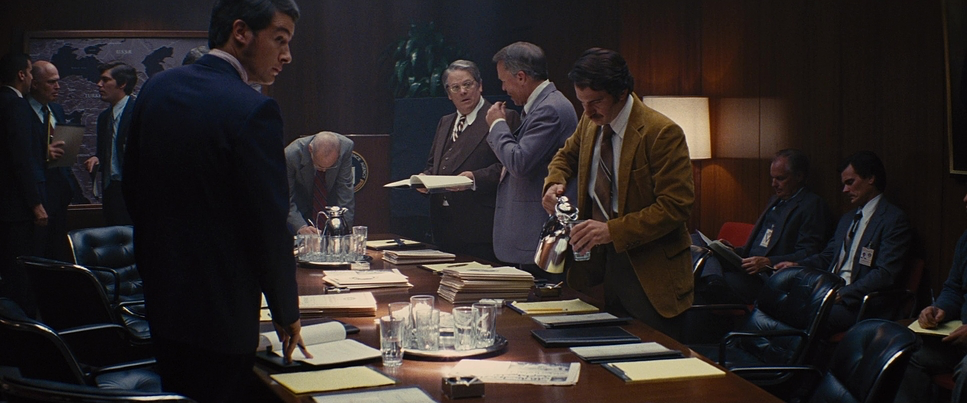
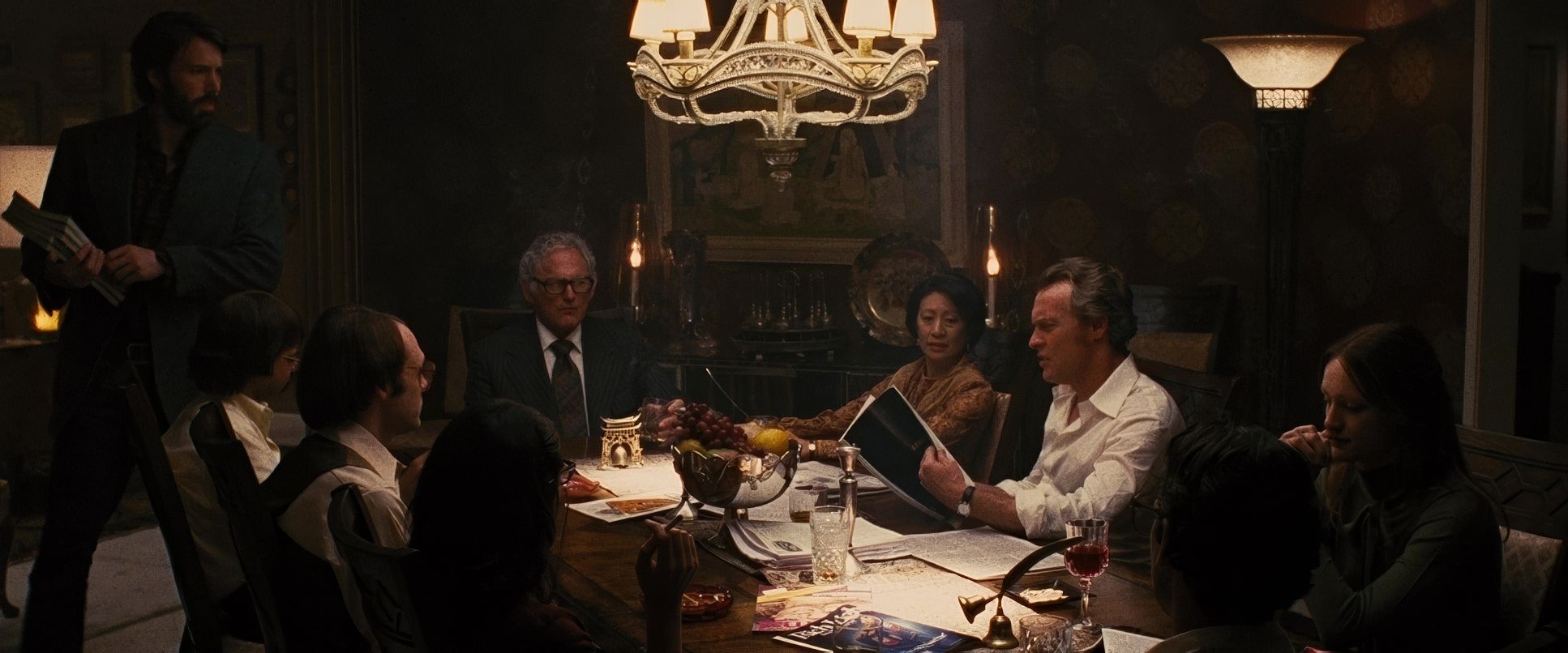
Compositionally, Argo is all about claustrophobia versus isolation. When the six Americans are trapped in the residence, the framing is incredibly tight. There’s no “breathing room” in those shots; the walls feel like they’re closing in, emphasizing that their world has shrunk to a few rooms.
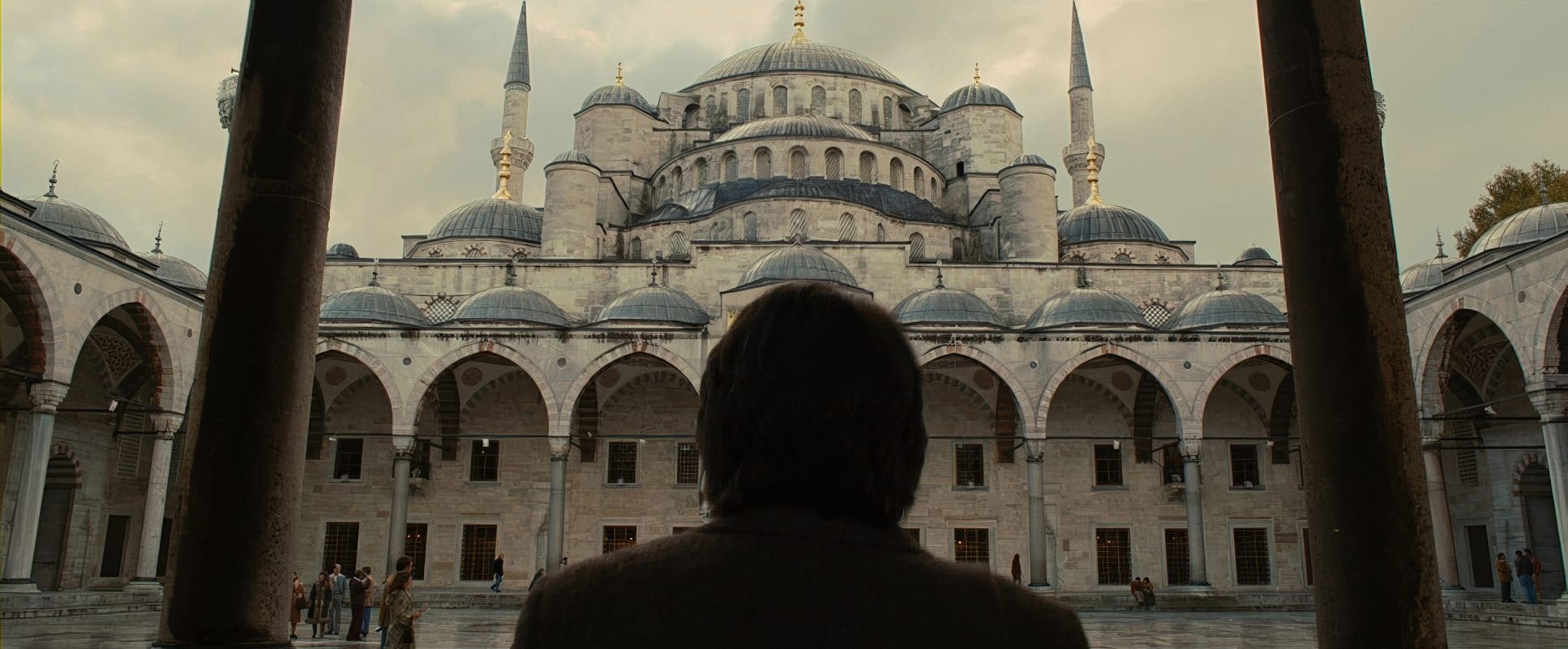
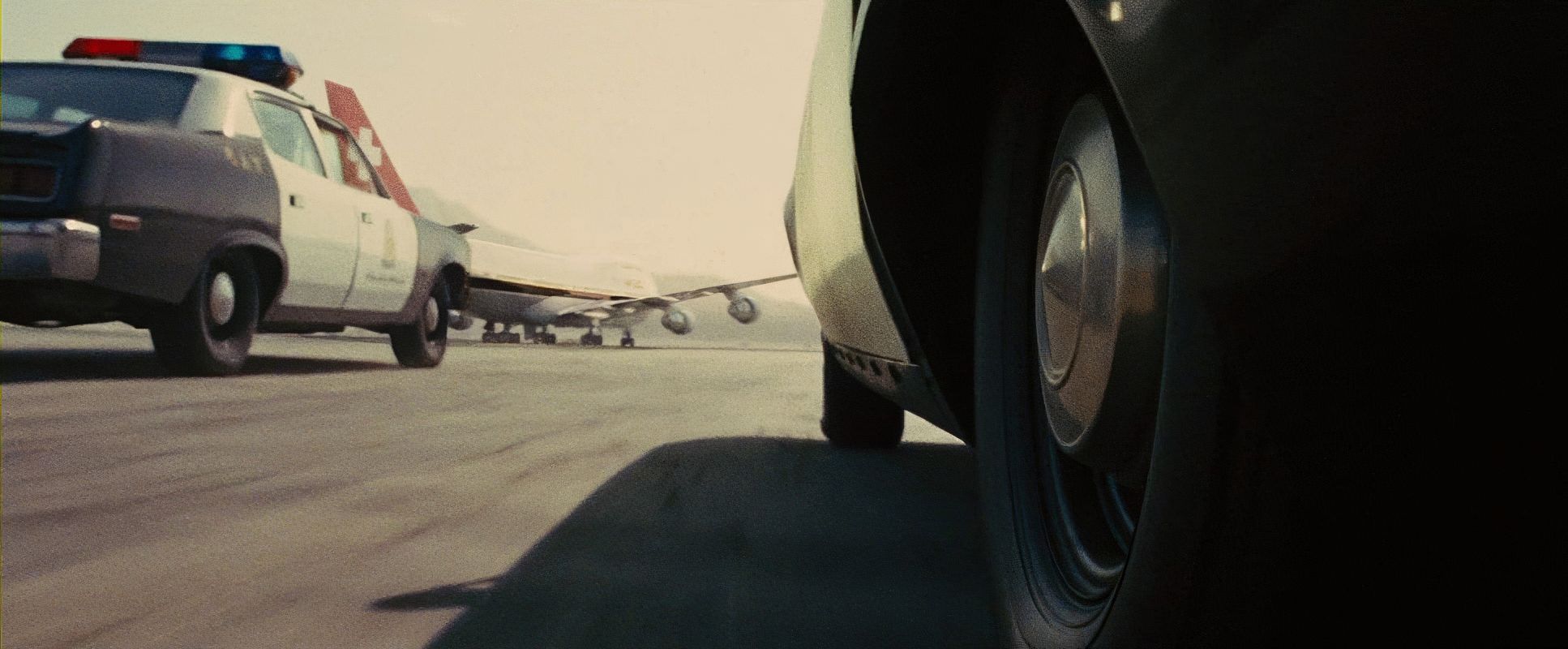
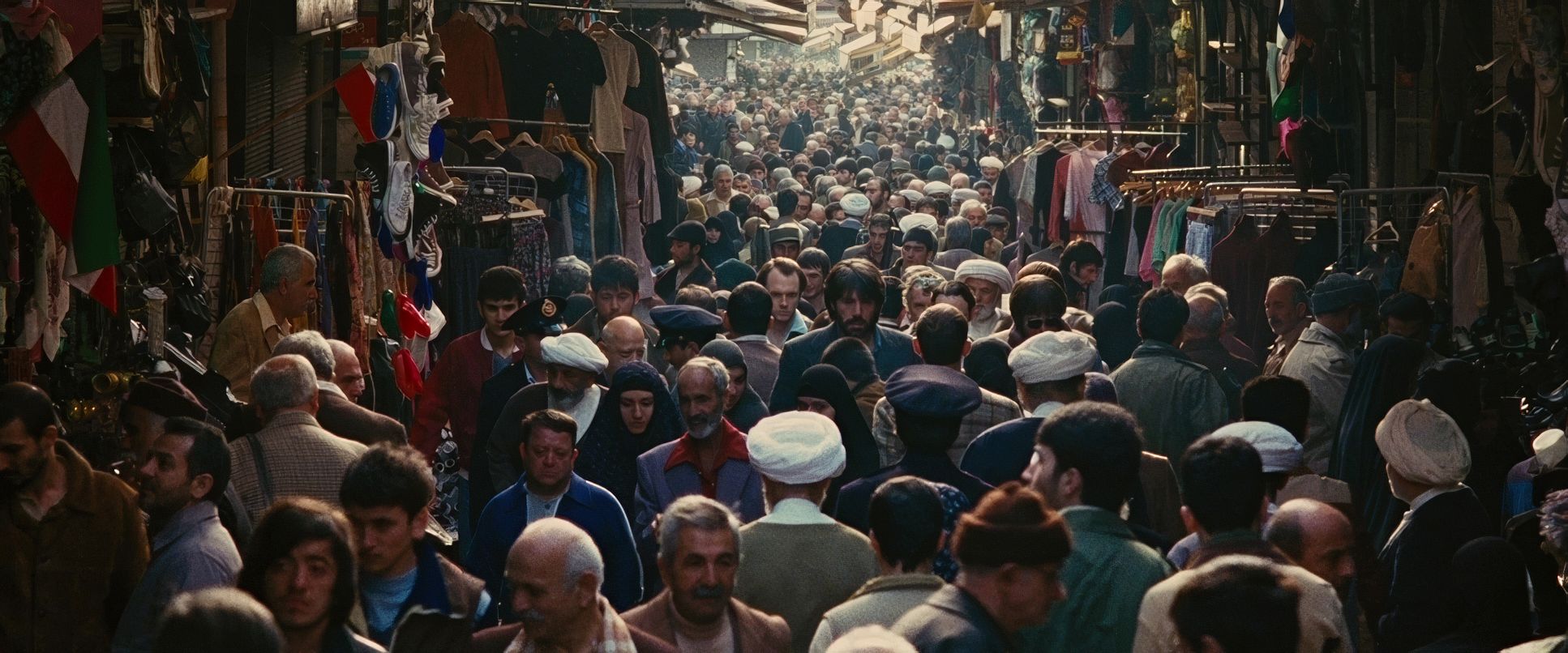
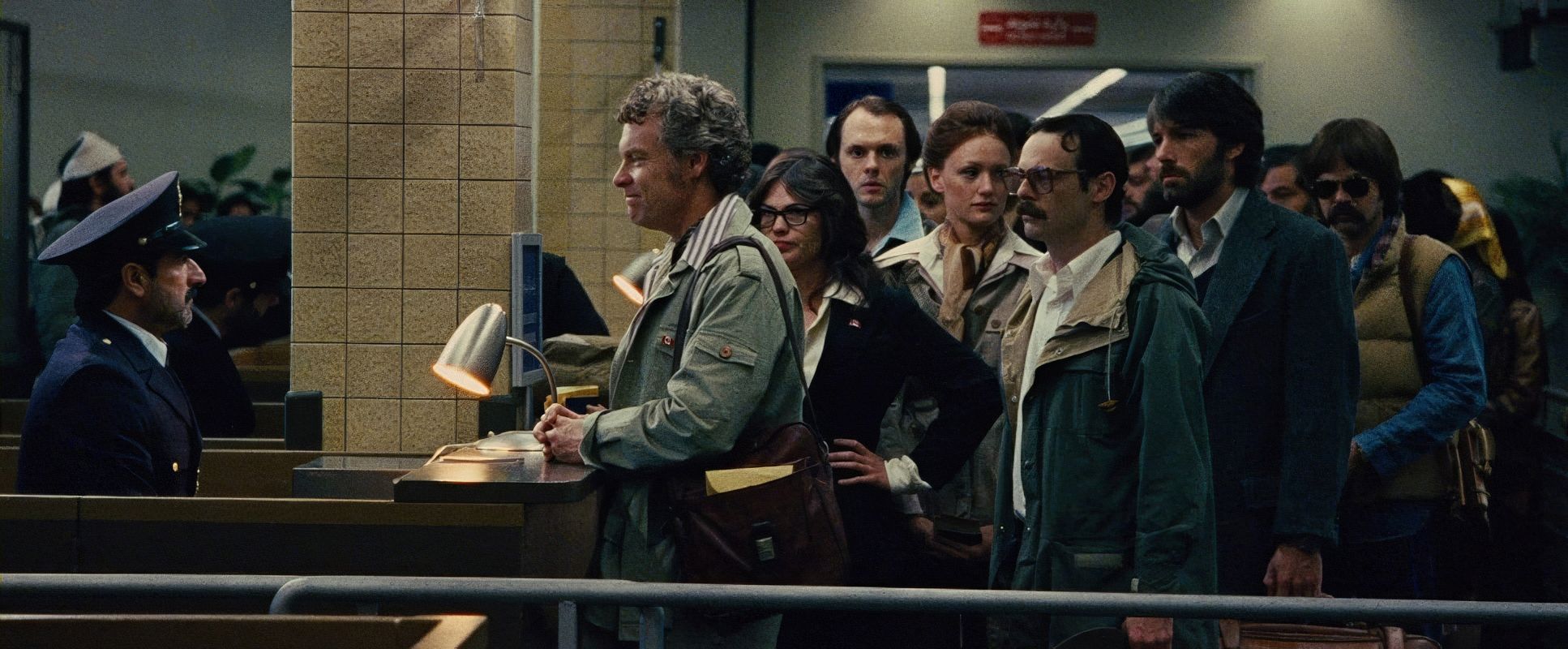
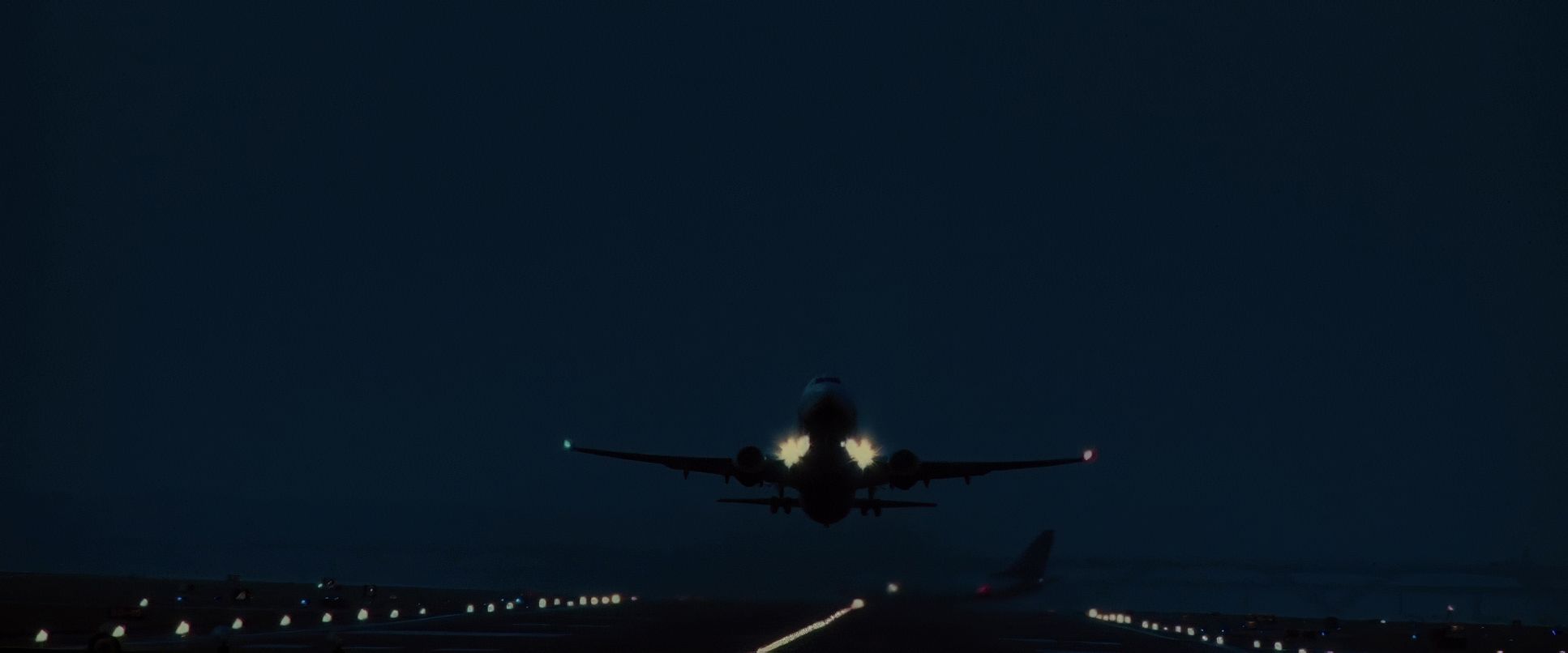
On the flip side, when we see Mendez in the streets of Tehran, Prieto uses depth to make him look small. By placing him against the massive, crowded backdrops of the markets or the looming architecture, the composition screams that he is a man alone against an entire city. Even in the big “Hollywood” moments, like the tarmac chase at the end, they used long lenses to compress the space. It makes the Revolutionary Guards’ vehicles look like they’re right on top of the plane, even when they’re still hundreds of yards away. It’s a classic trick, but here, it ratchets the heart rate up perfectly.
Lighting Style
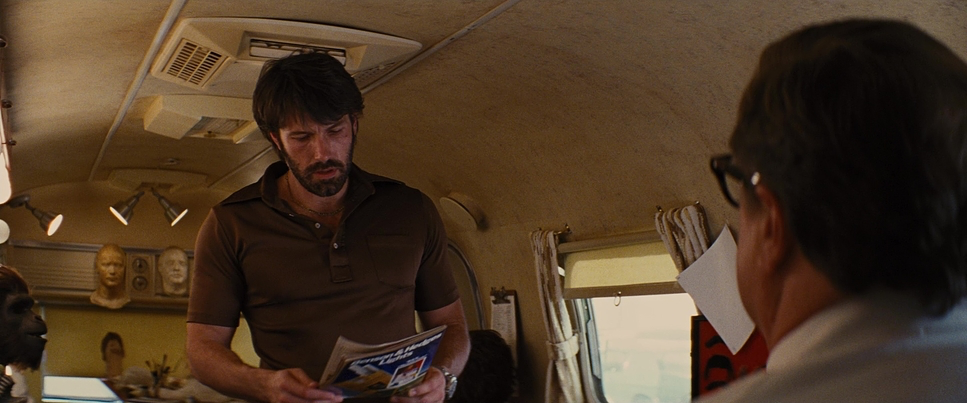
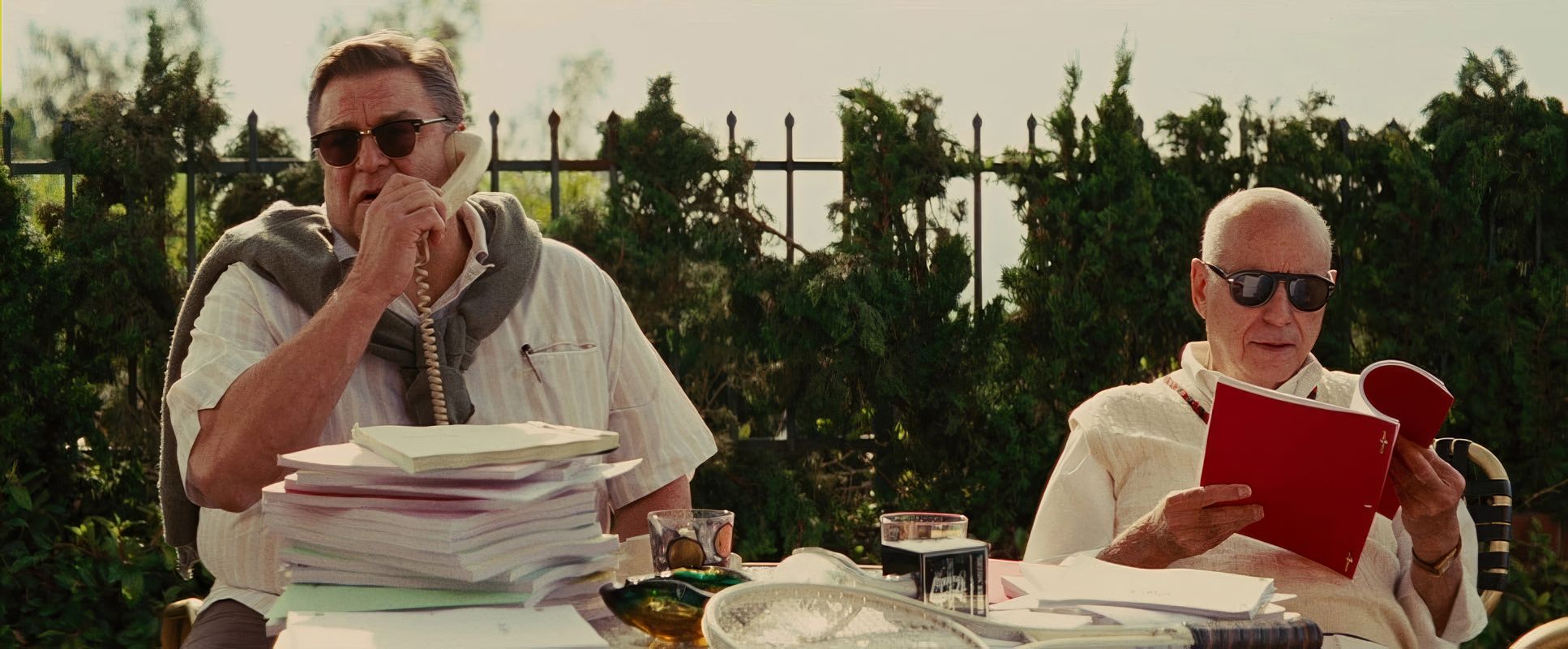
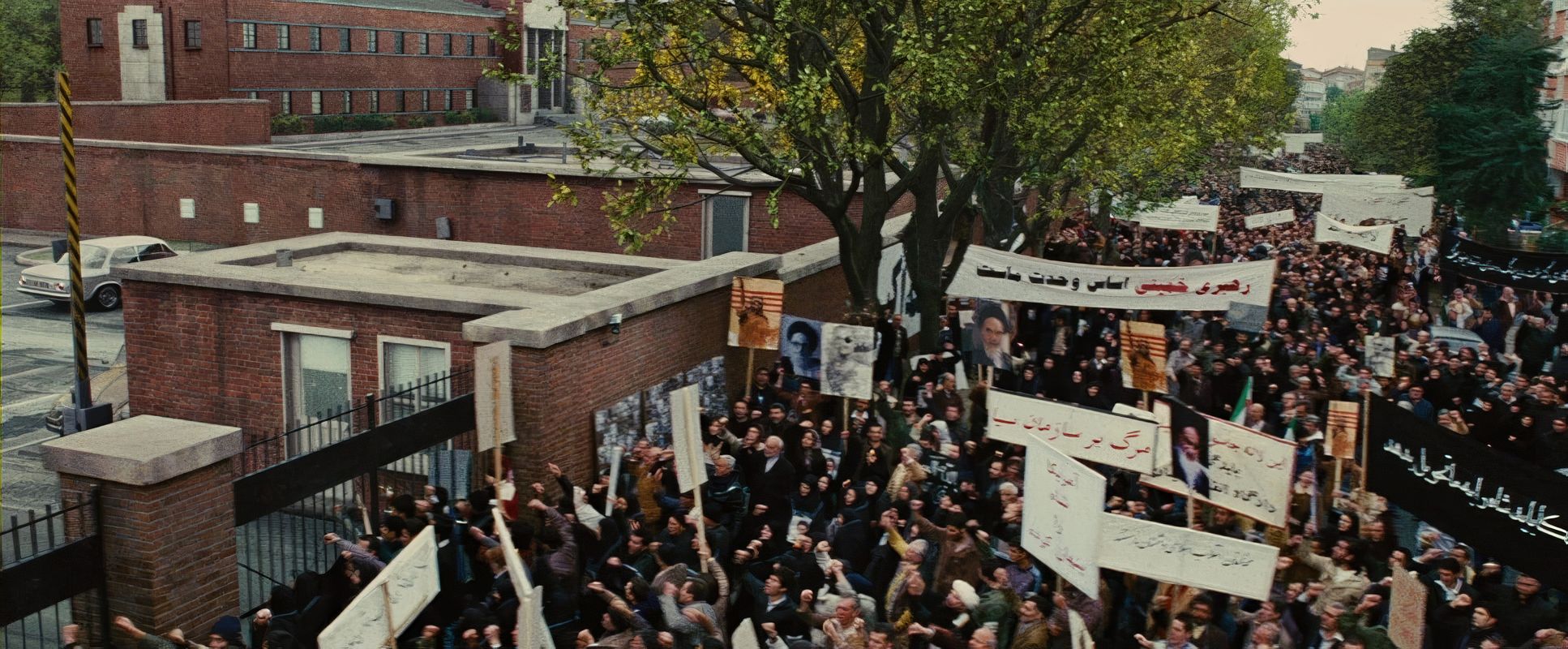
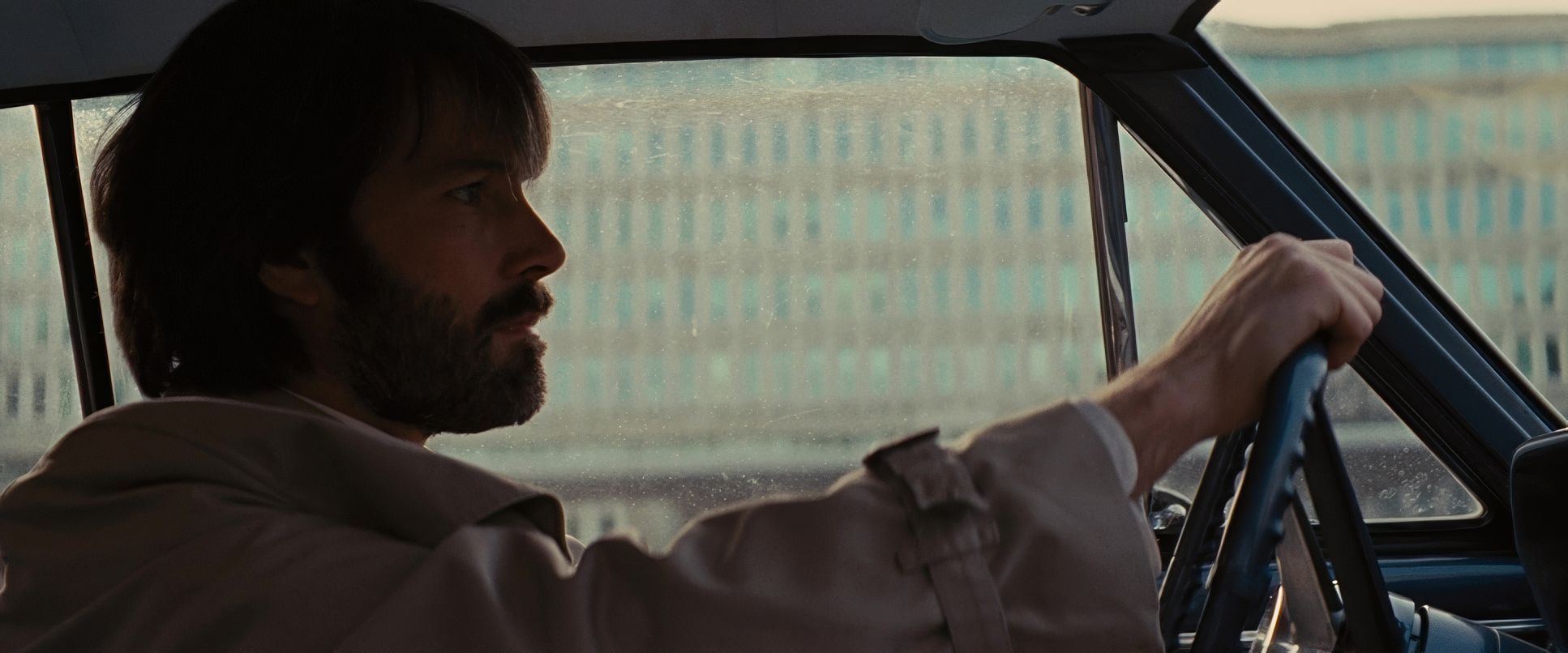
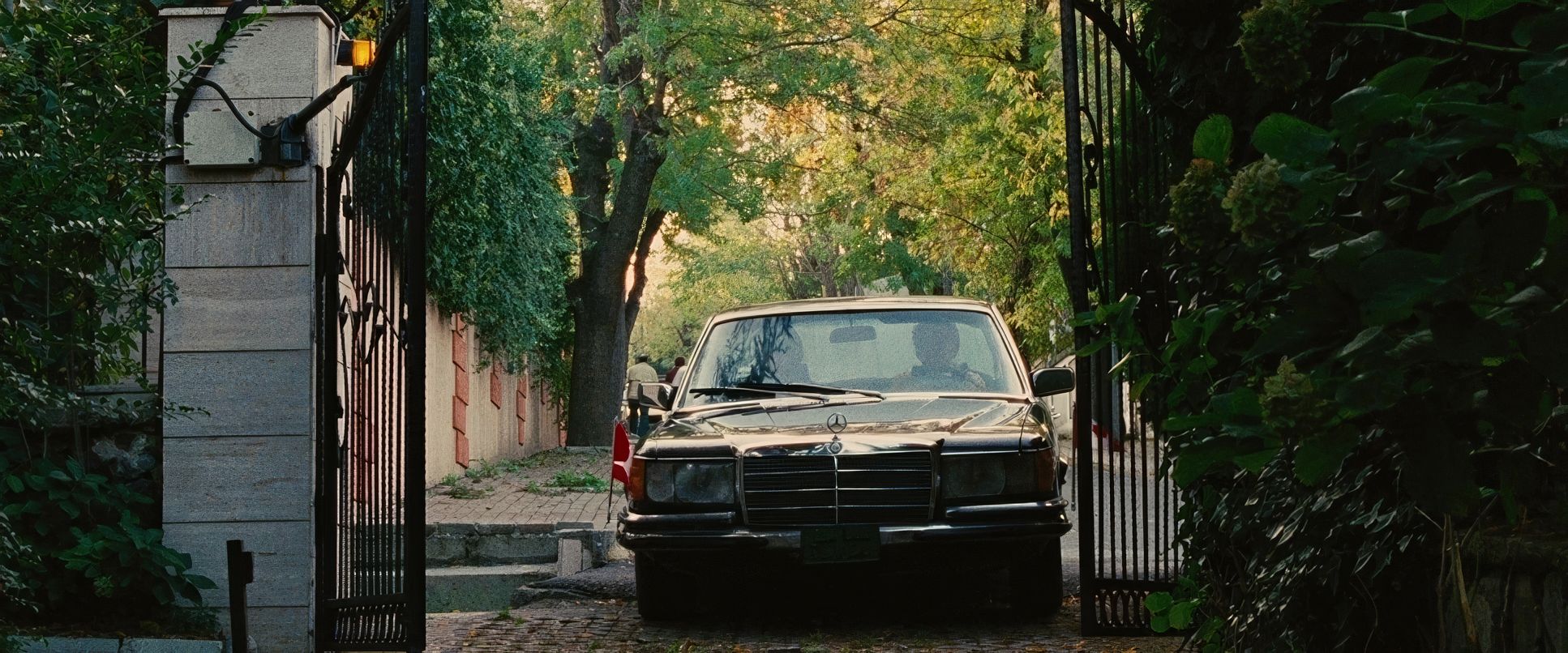
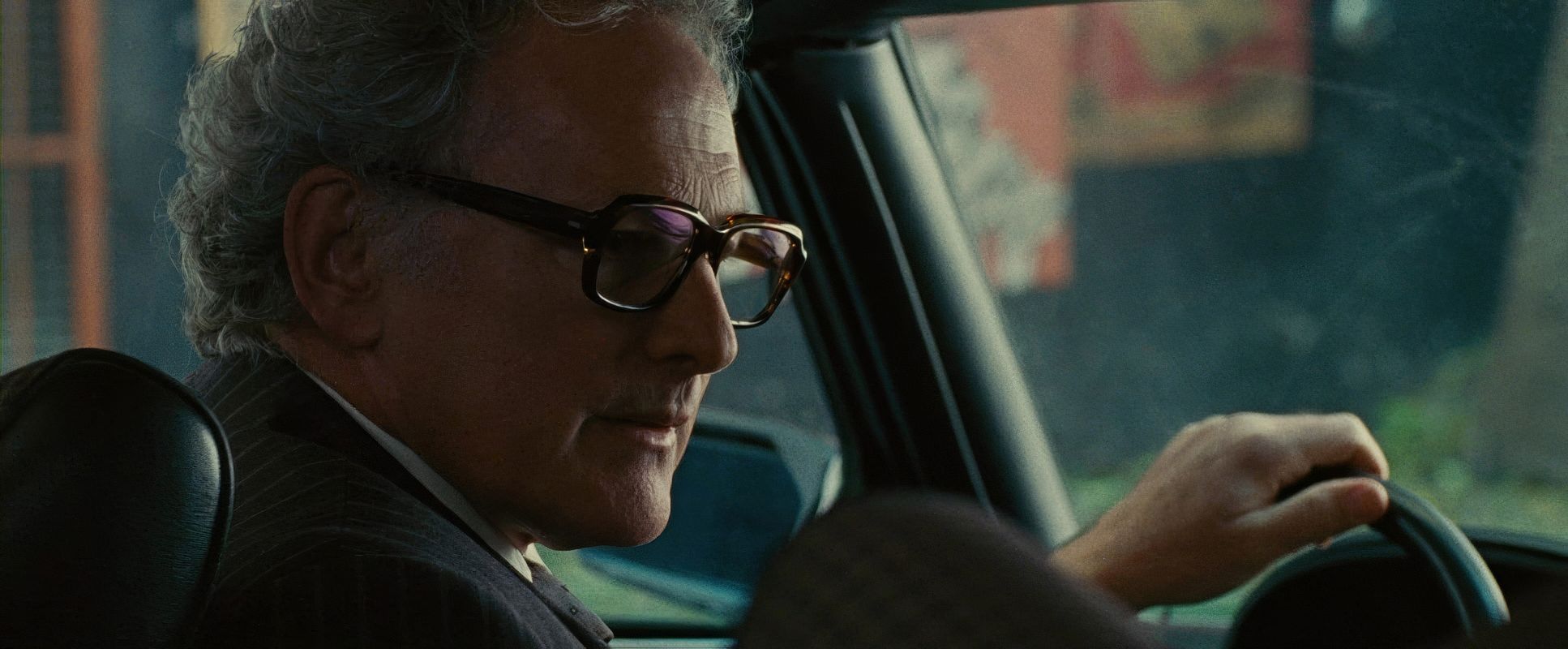
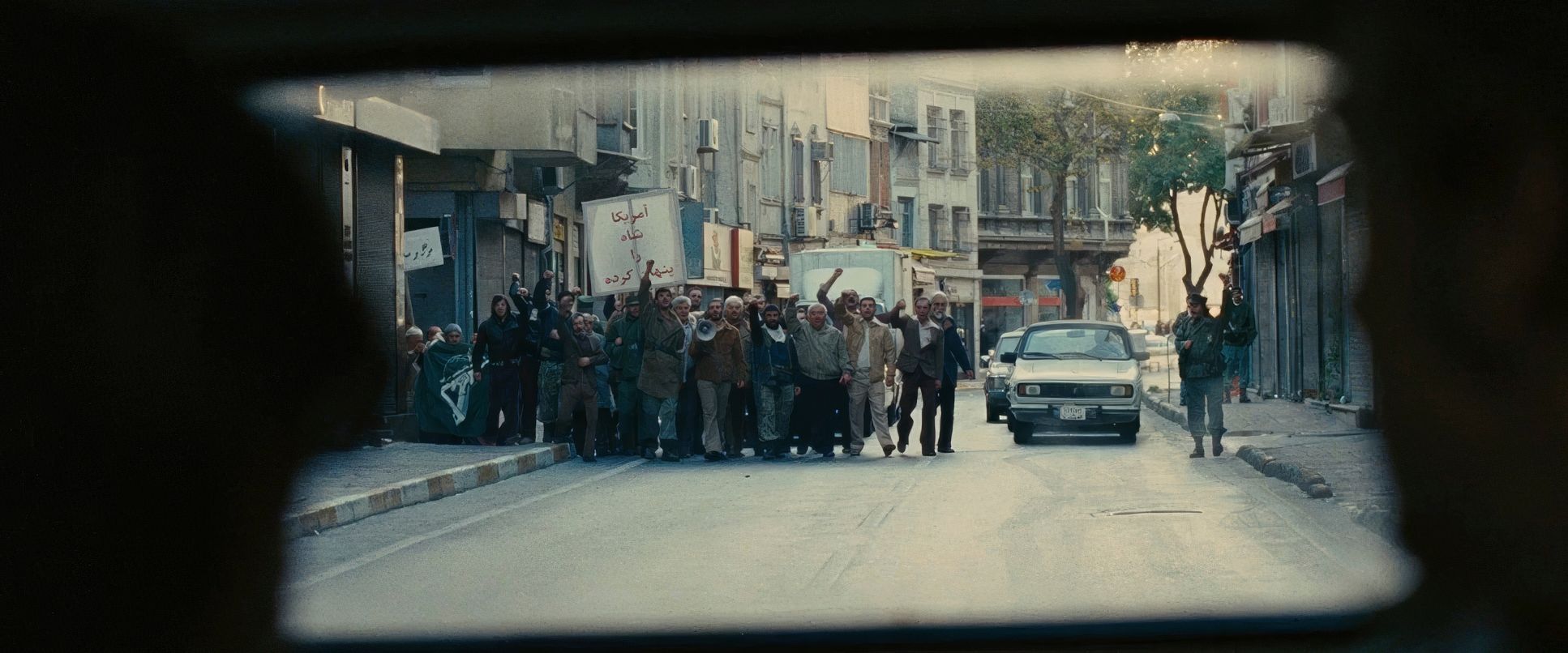
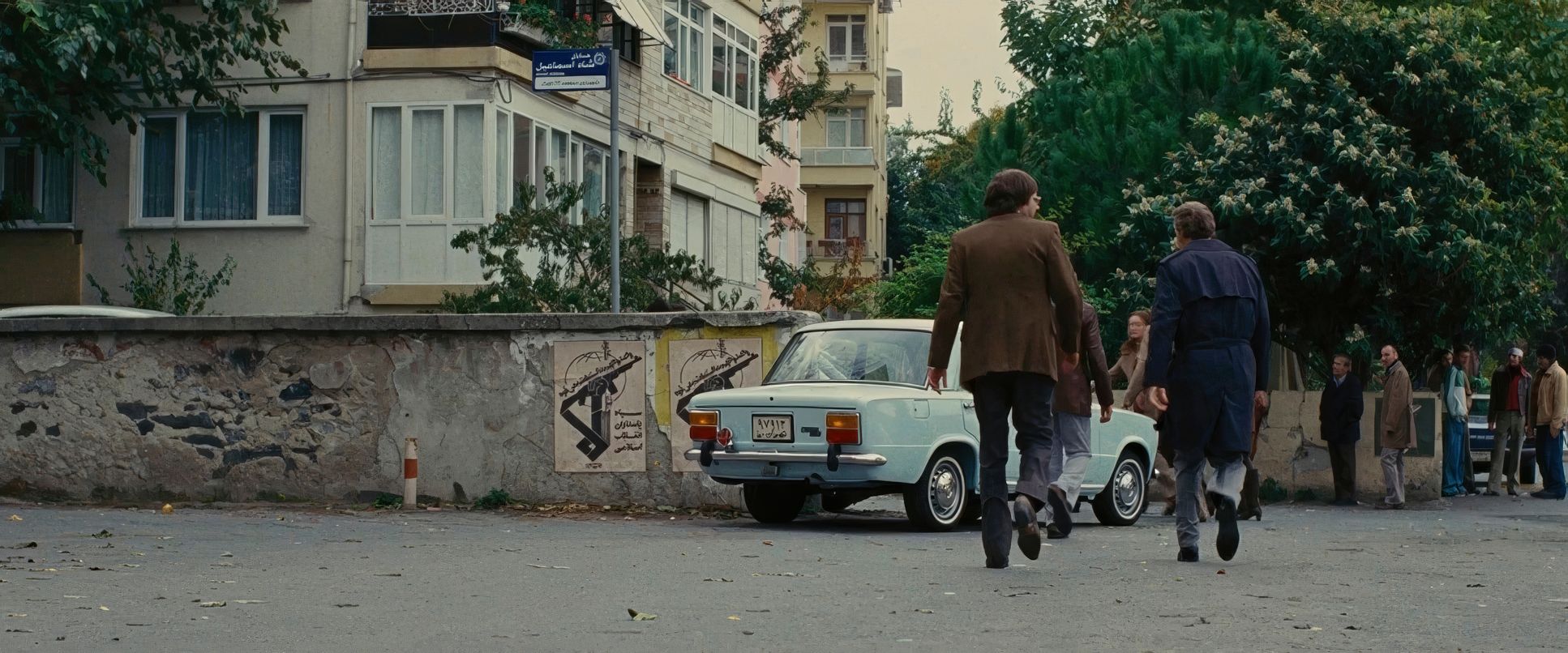
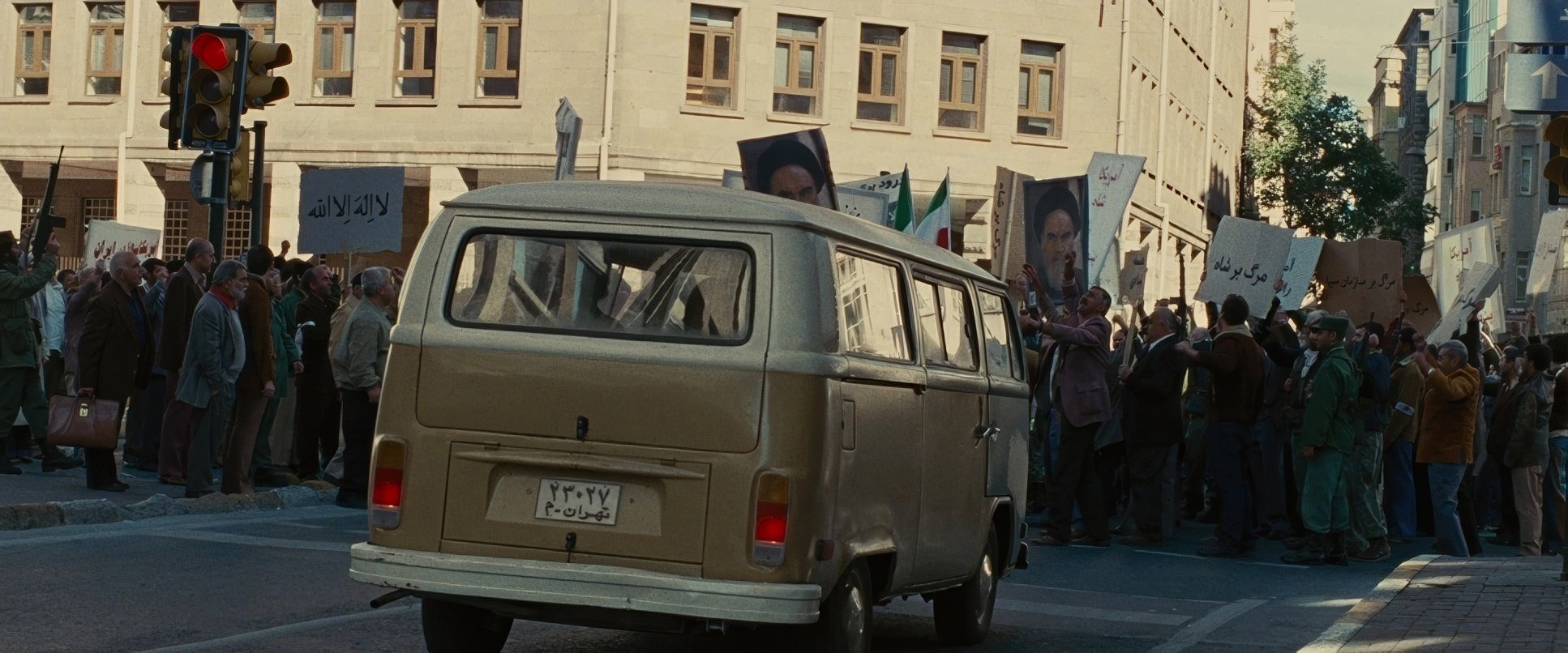
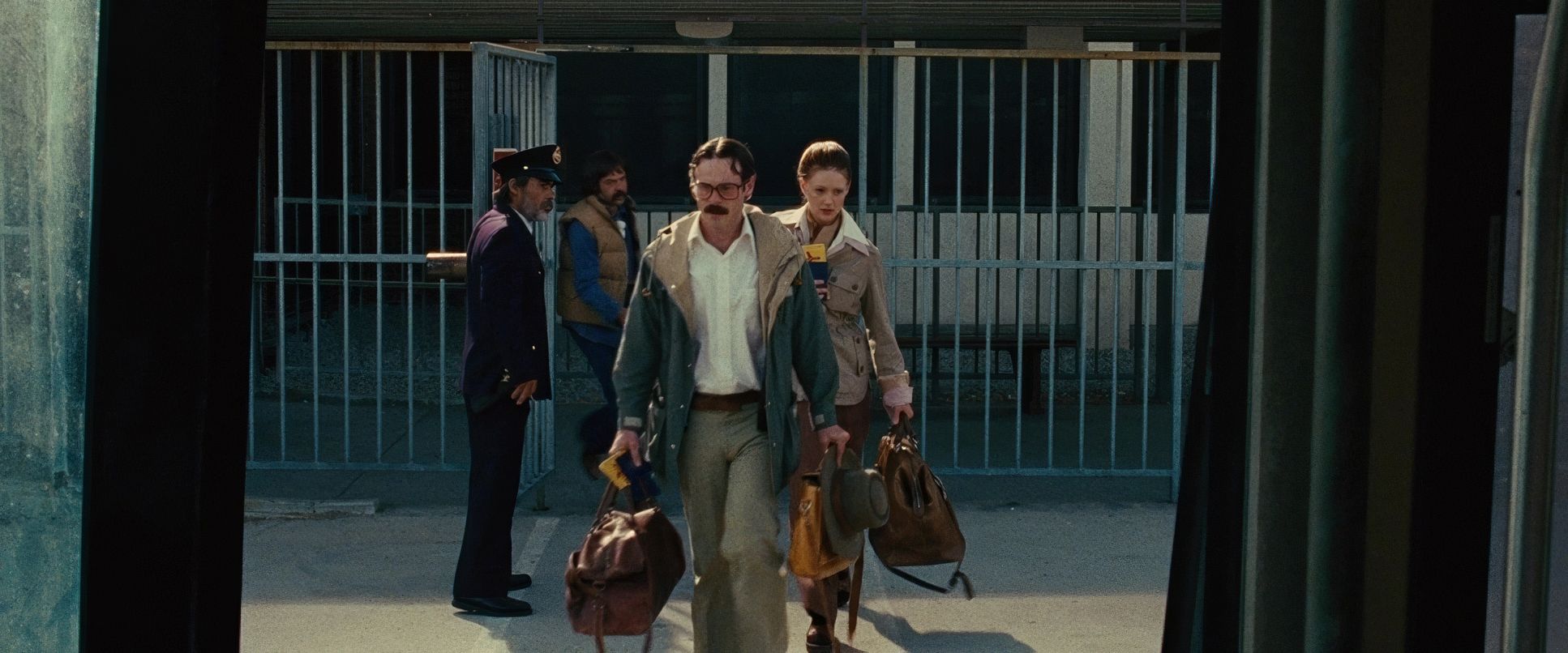
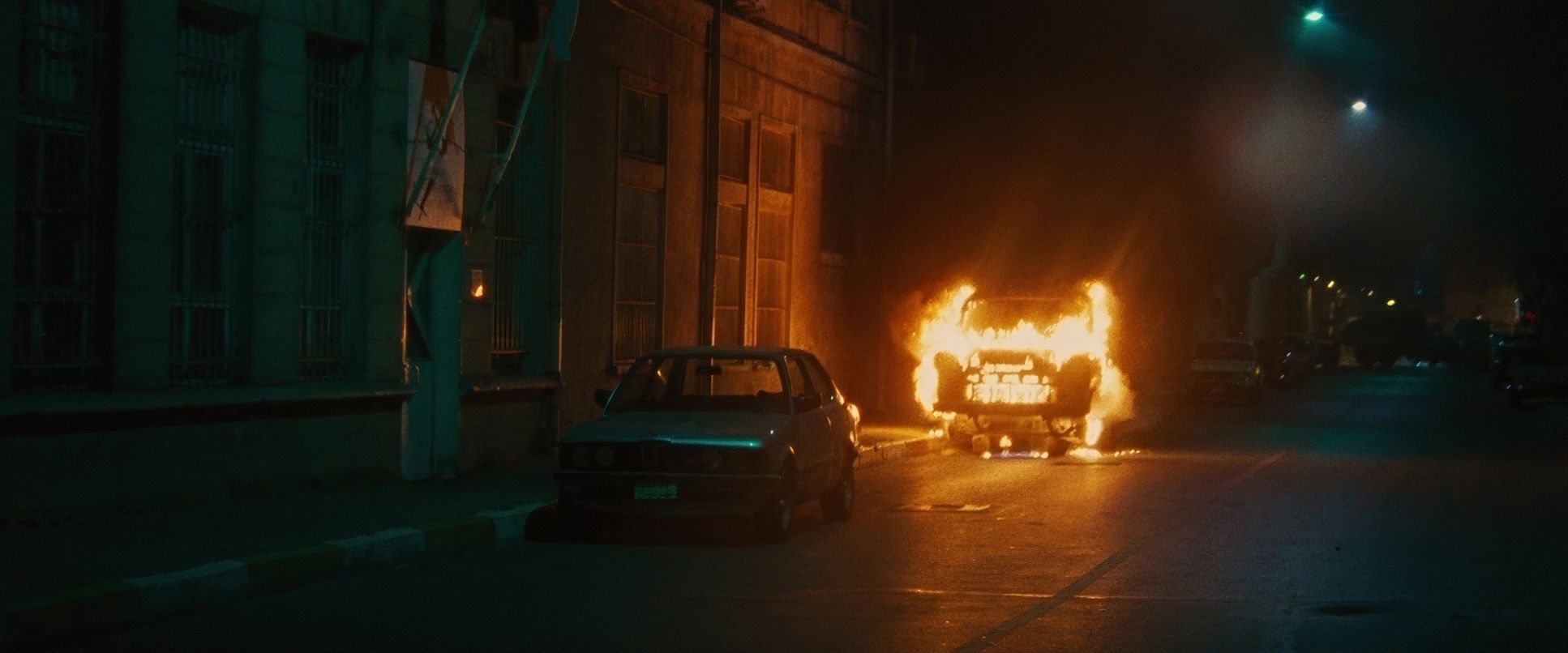
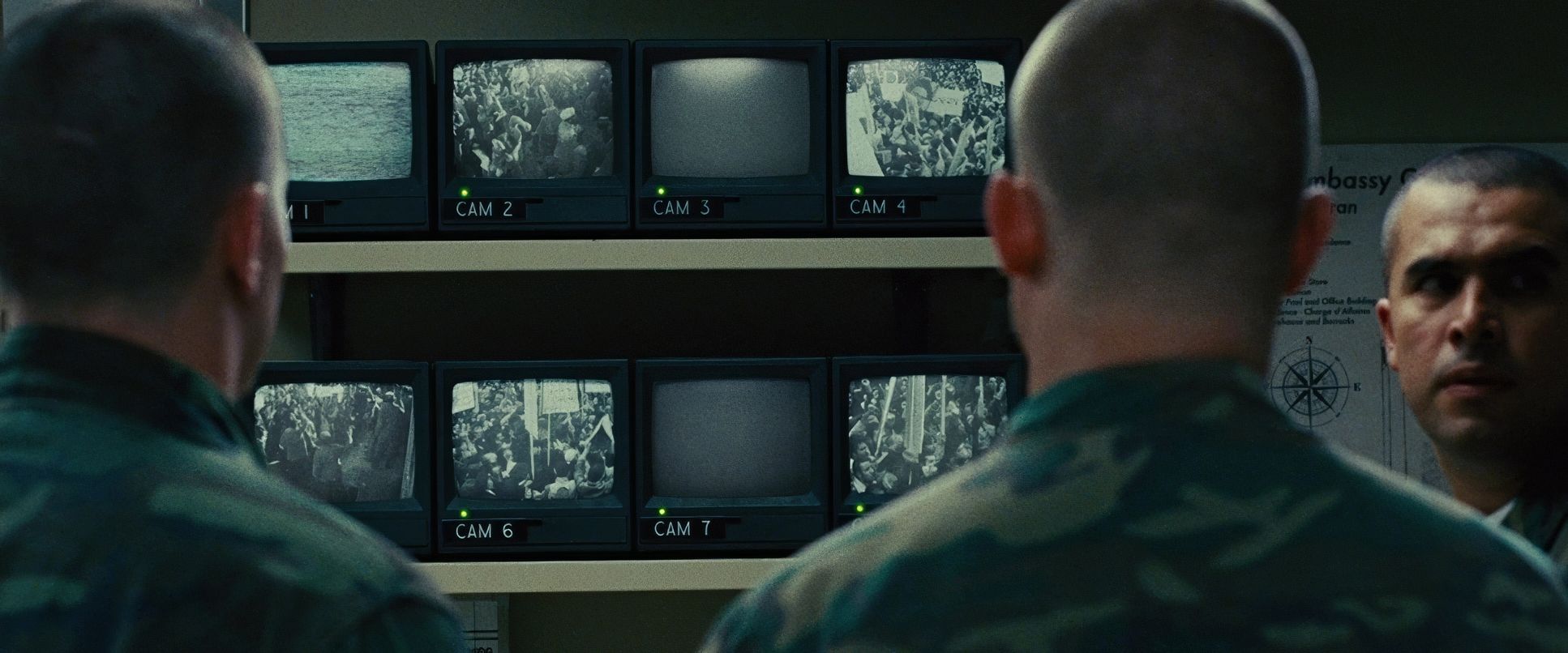
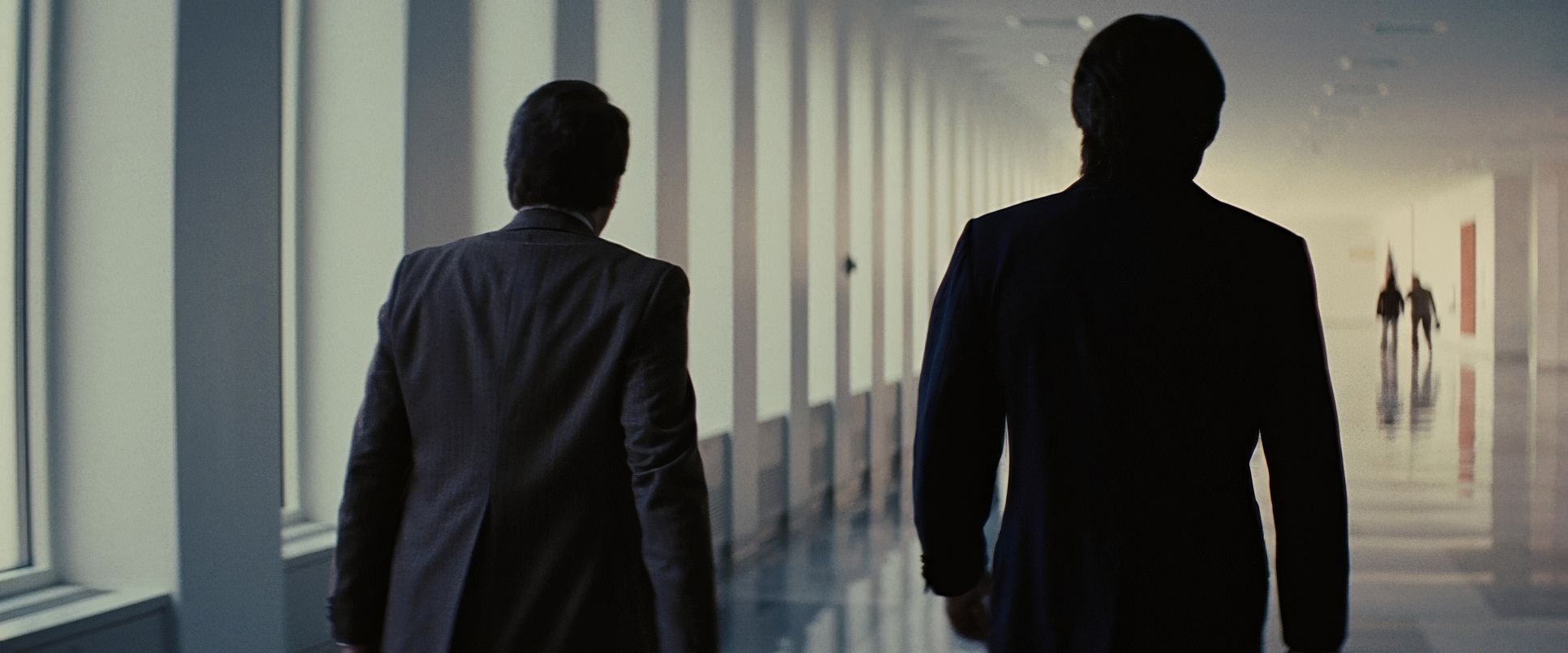
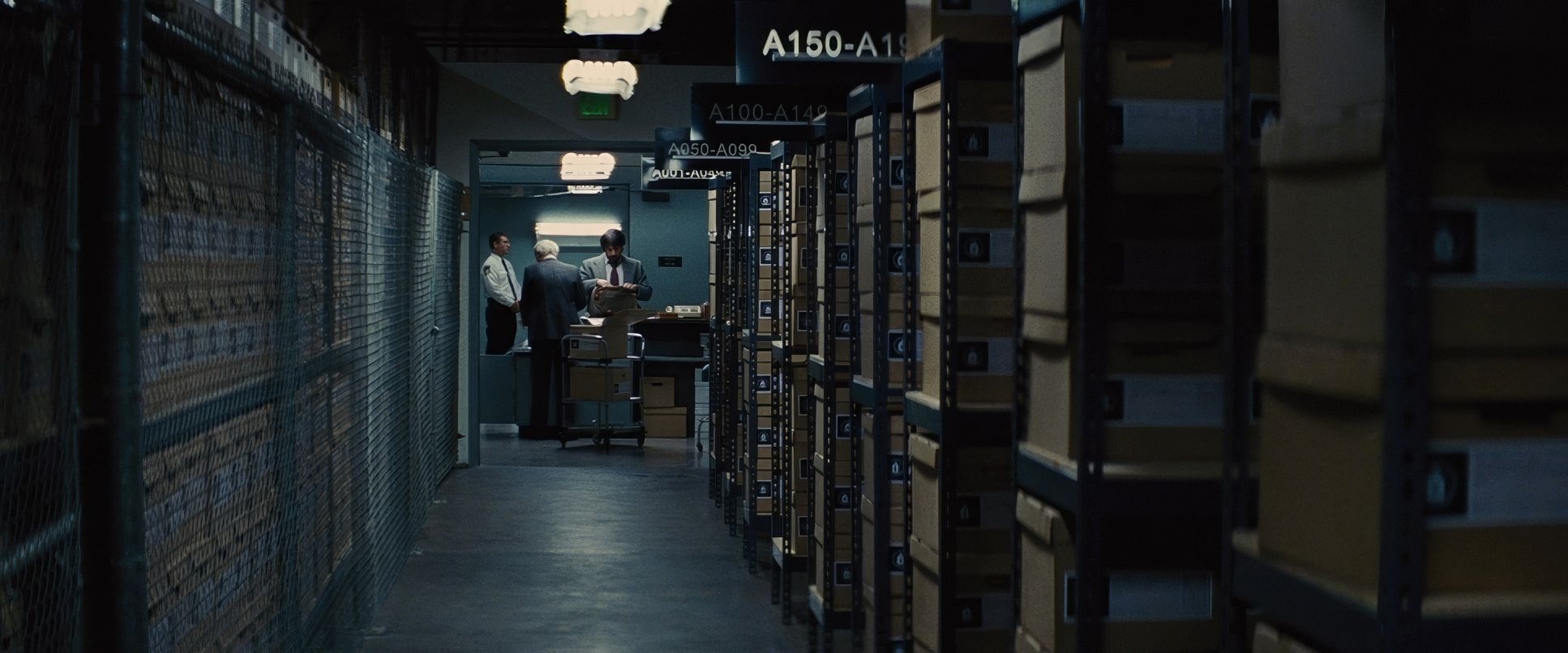
The lighting in Argo is unapologetically naturalistic. Prieto used a high-contrast style that feels almost photojournalistic. In the Tehran scenes, the light is often harsh and unflattering blown-out highlights and deep, unforgiving shadows. It doesn’t look like “movie lighting”; it looks like a newsreel from 1979.
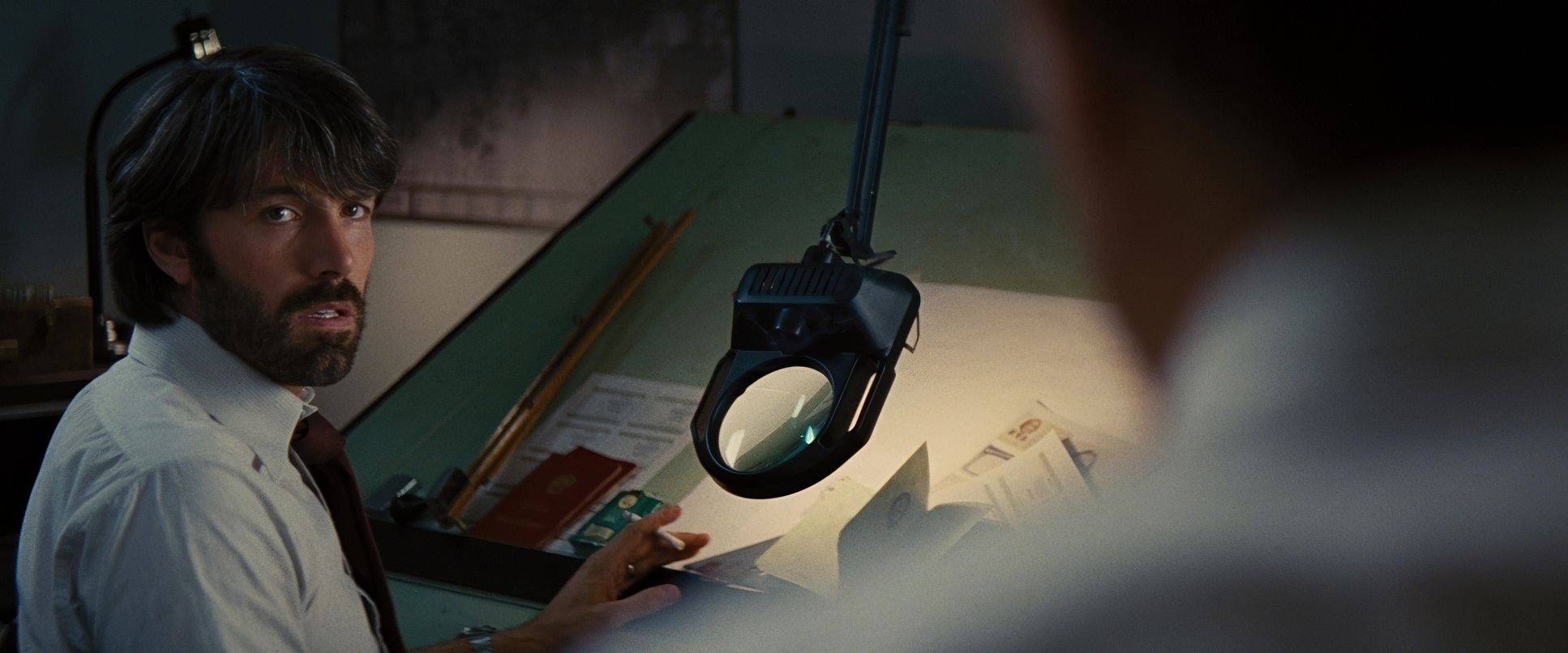
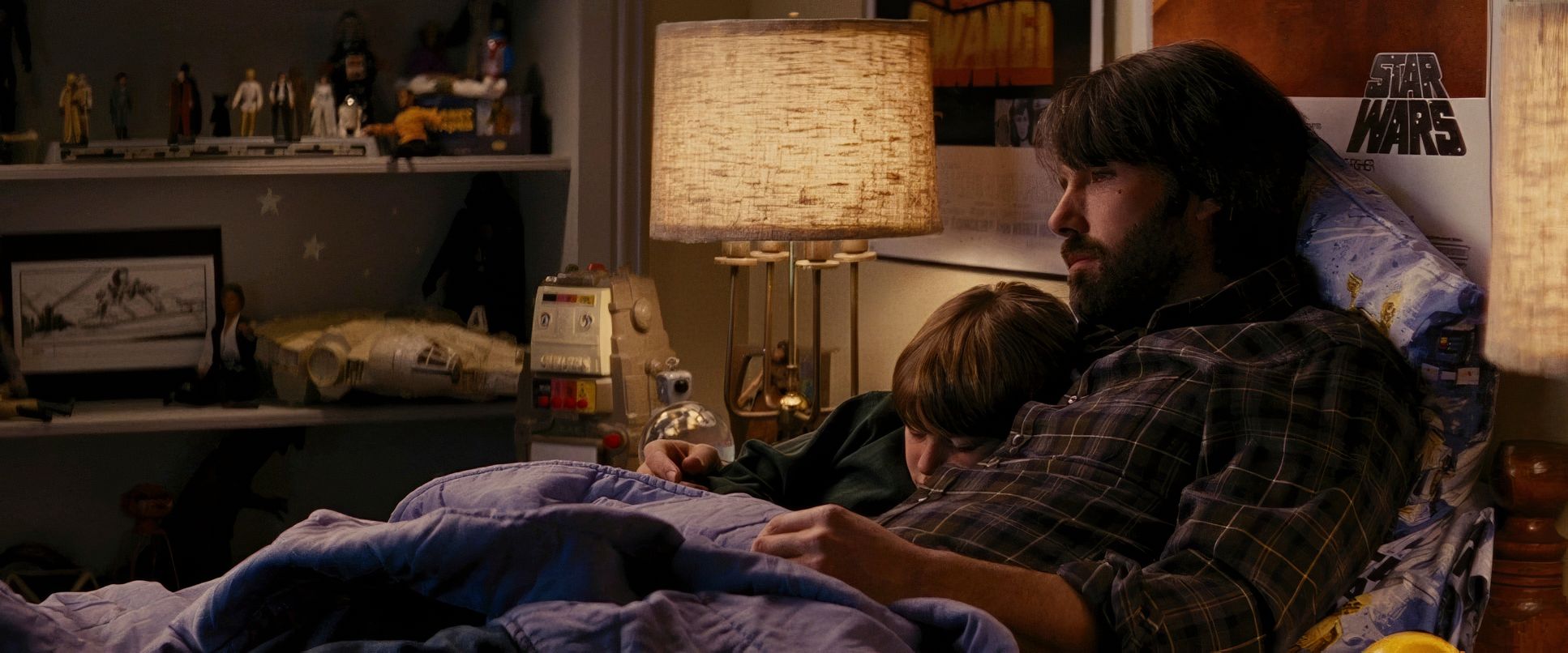
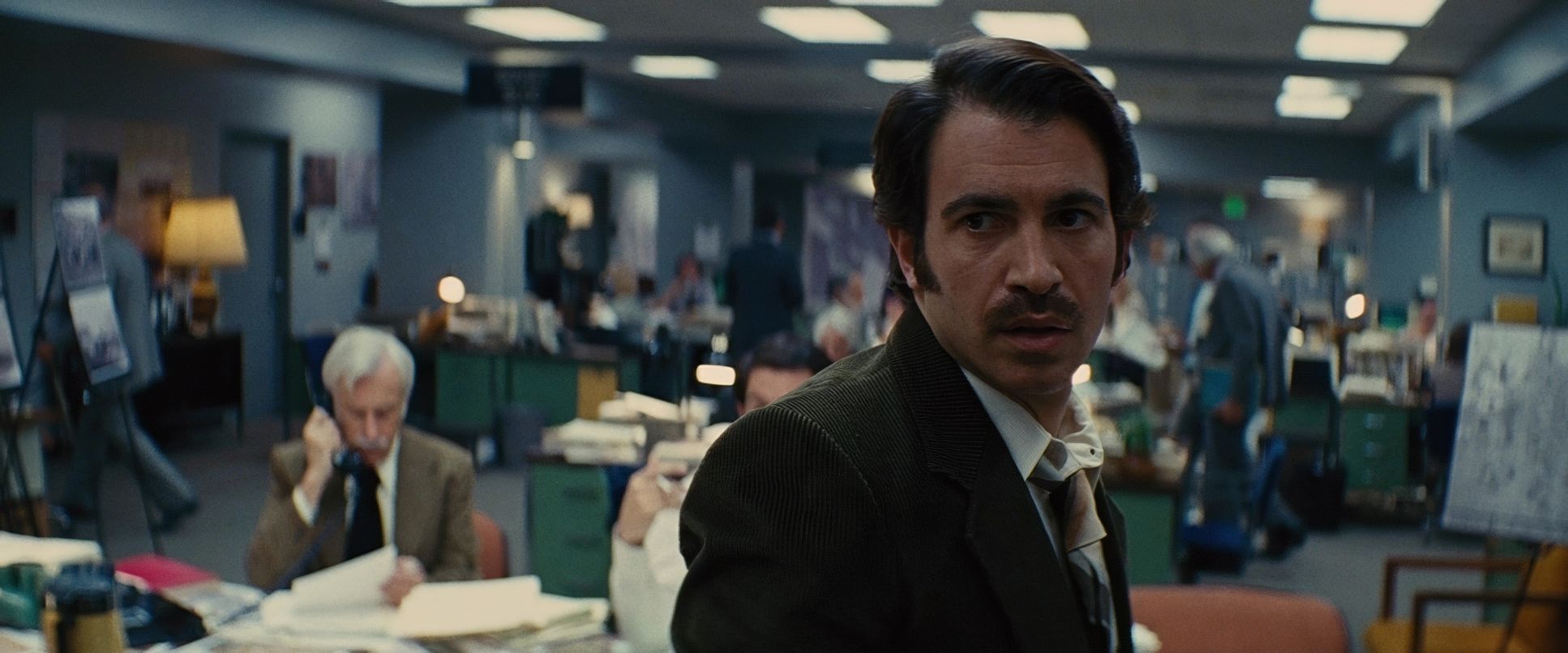
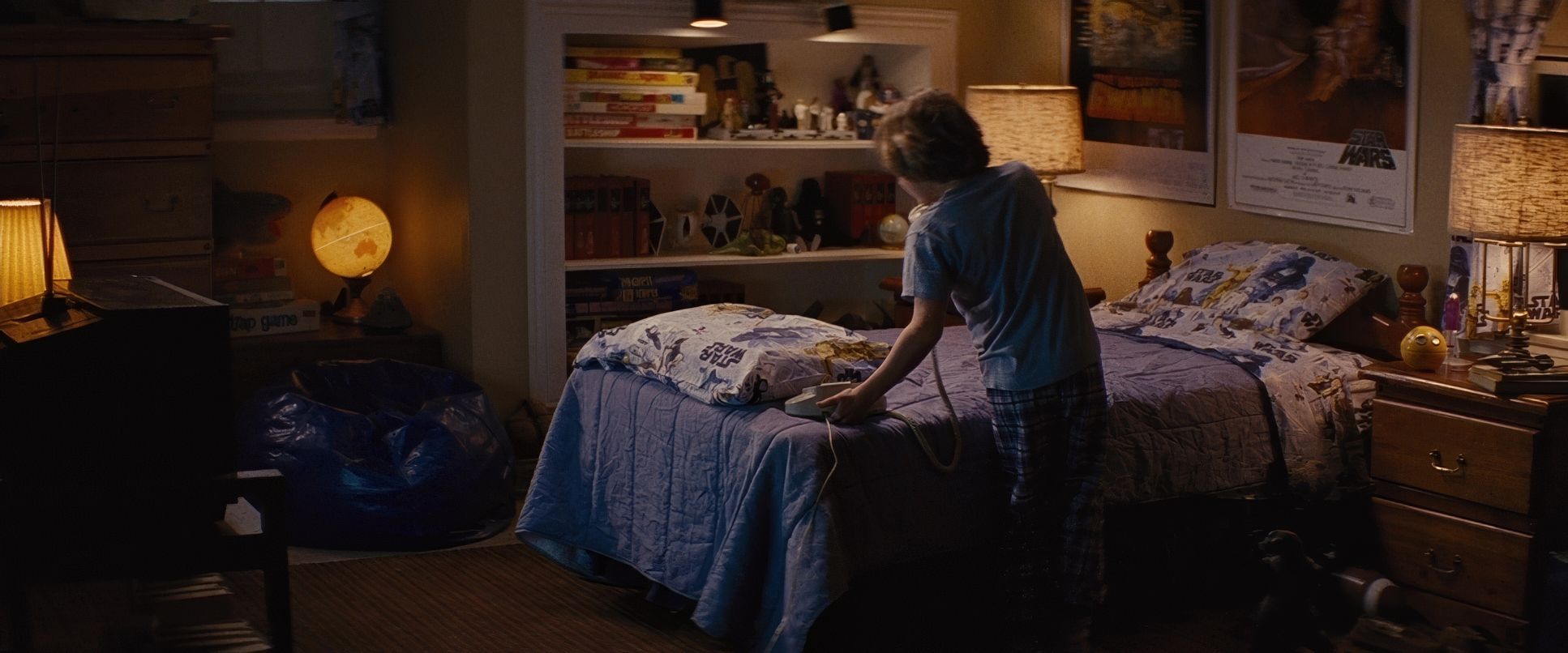
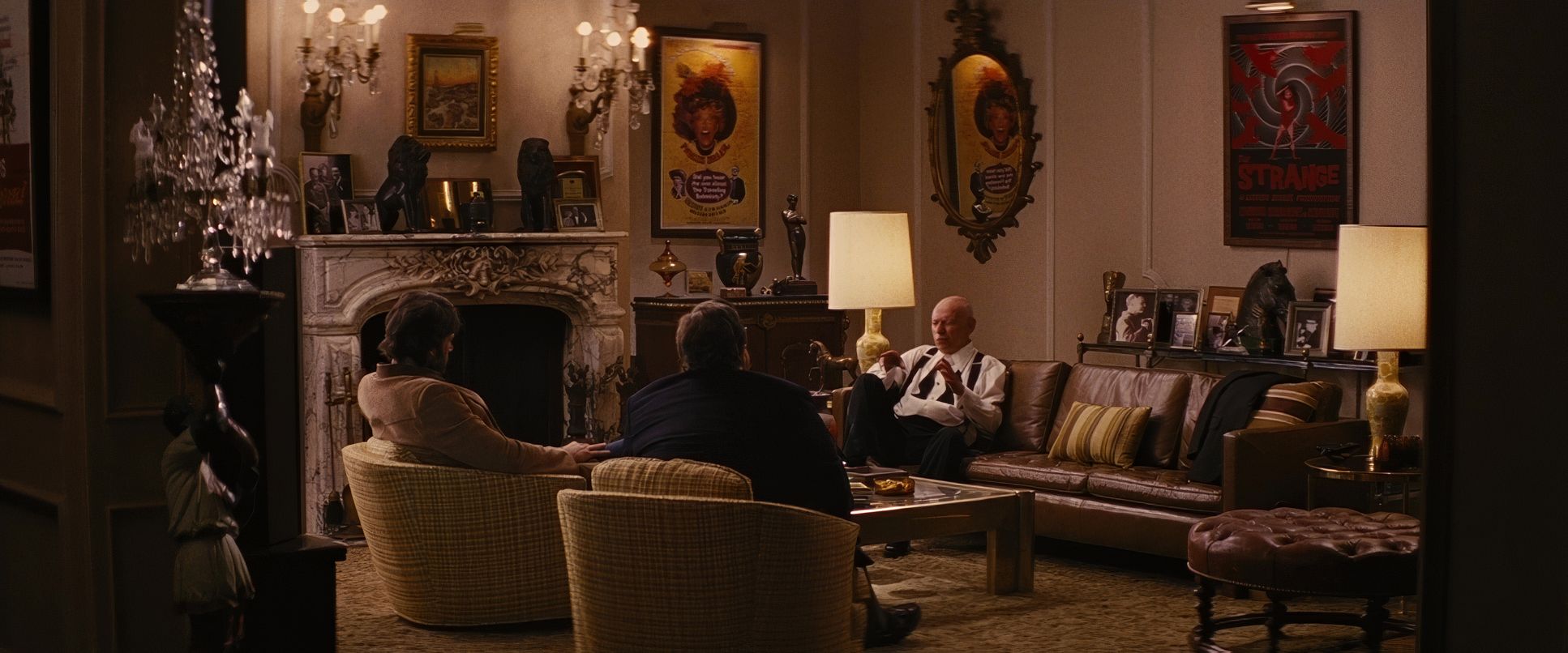
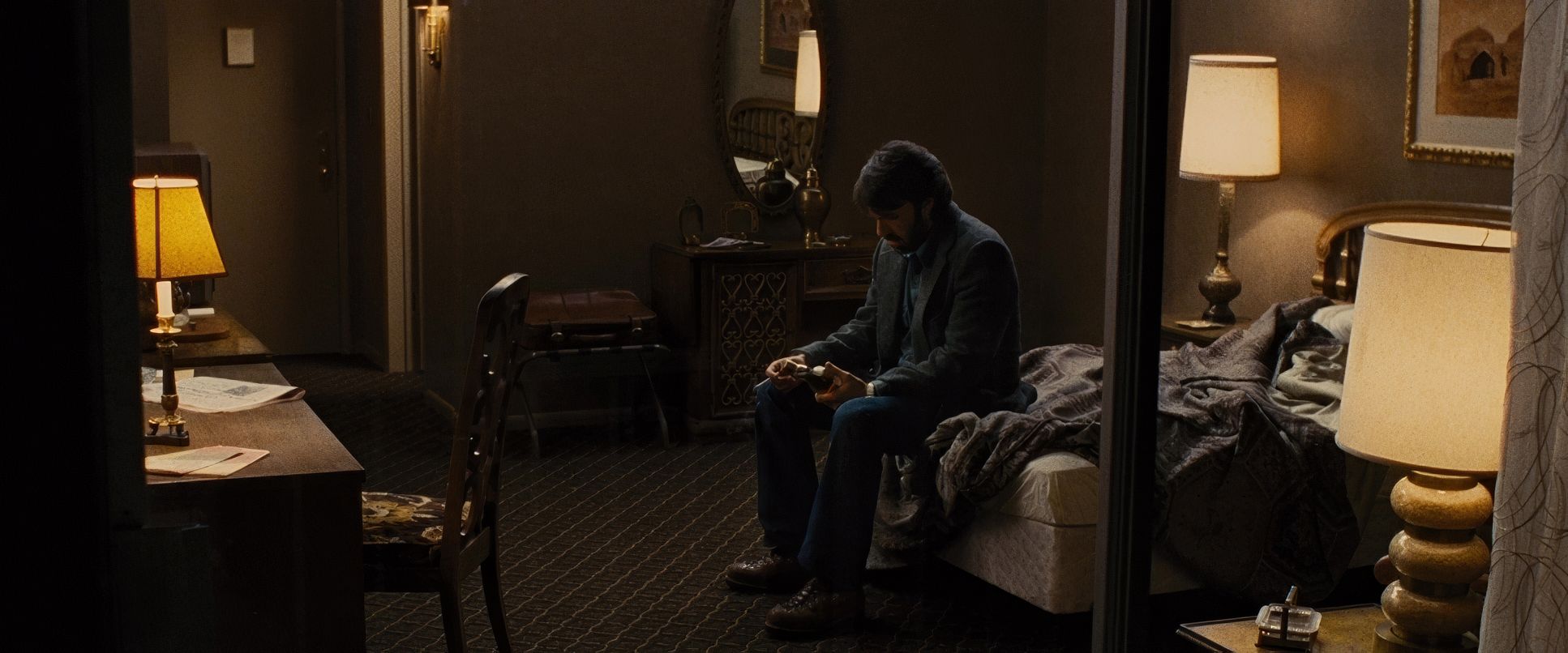
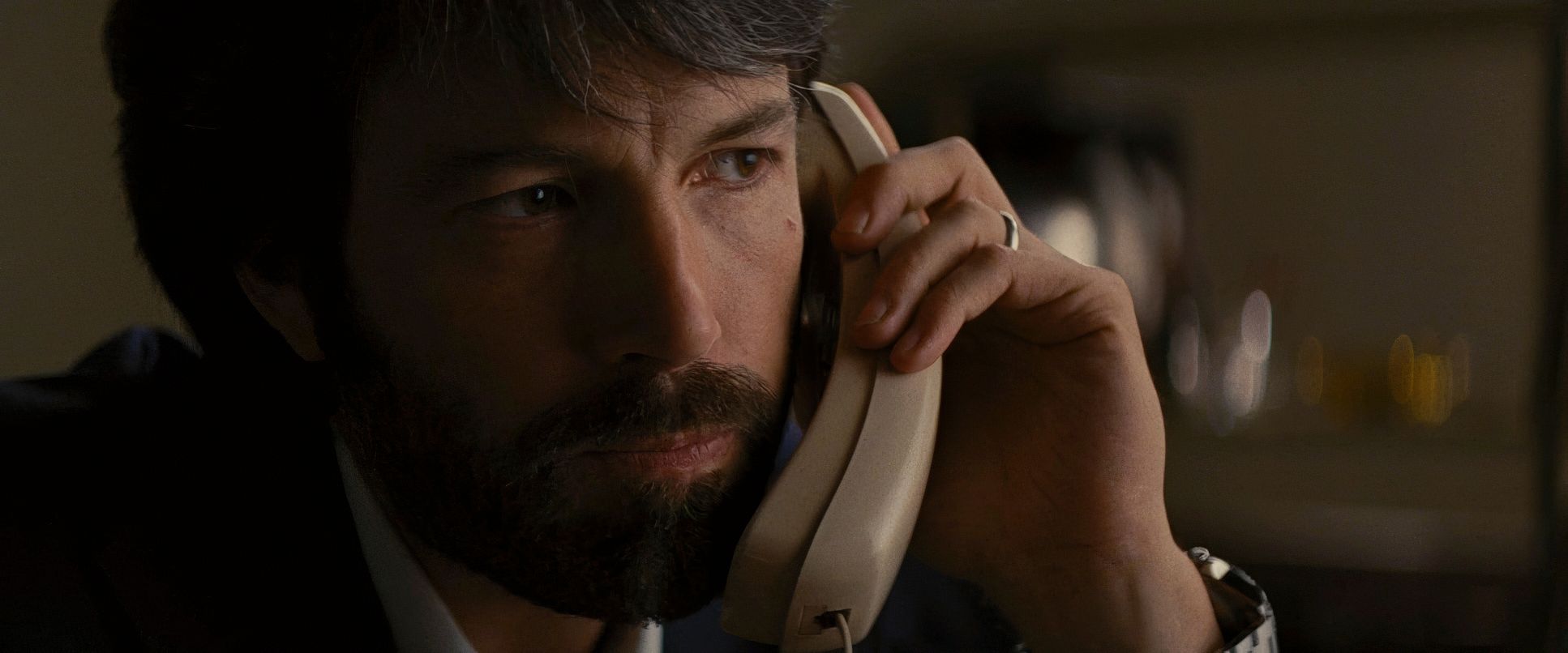
Inside the Canadian ambassador’s house, the lighting is much softer, relying on “practicals” like table lamps and window light. As a colorist, I love the interplay of shadow here. Characters are often half-hidden in the dark, which serves two purposes: it creates that period “noir” feel, and it underscores the clandestine, “living-in-the-shadows” reality of their situation. Compare that to the Hollywood offices, which have a warmer, more theatrical “glow” a subtle hint that those scenes are part of the “illusion” Mendez is building.
Lensing and Blocking
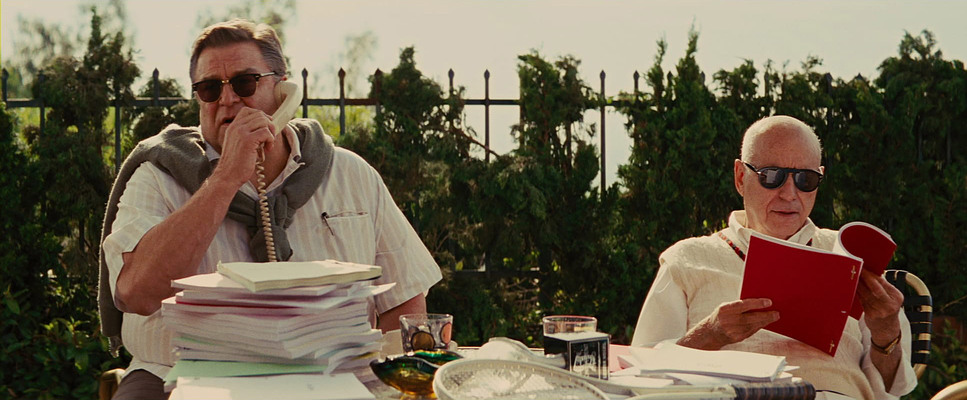
To nail that 70s look, they went with Zeiss Super Speed lenses. For the gear nerds out there, these lenses are legendary for a reason. They have a certain “glow” to the highlights and a softer, more organic fall-off than modern glass. They give the image a soul.
The blocking is equally intentional. Notice how the “houseguests” are always huddled together visually representing their shared fate. Mendez, however, is usually blocked a few steps away or in his own frame. He’s the strategist, the outsider. One of my favorite bits of blocking is in the market scene; the way the crowd is used to hem Mendez in makes his movement feel precarious, like he could be swallowed up by the city at any second.
Color Grading Approach
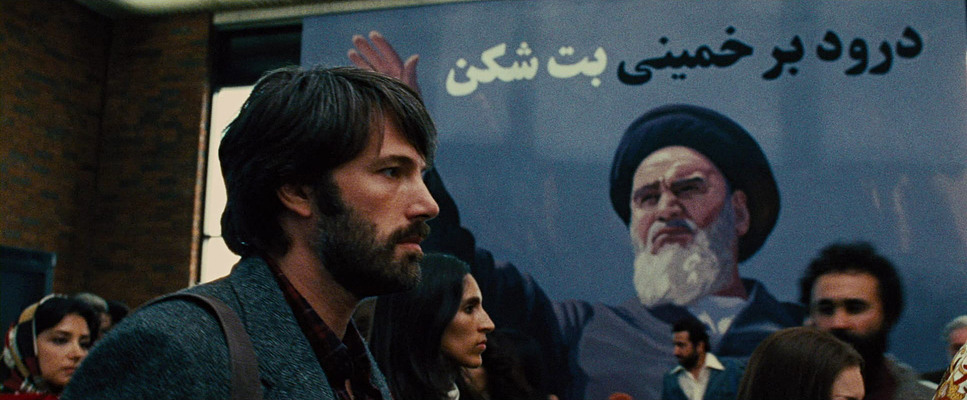
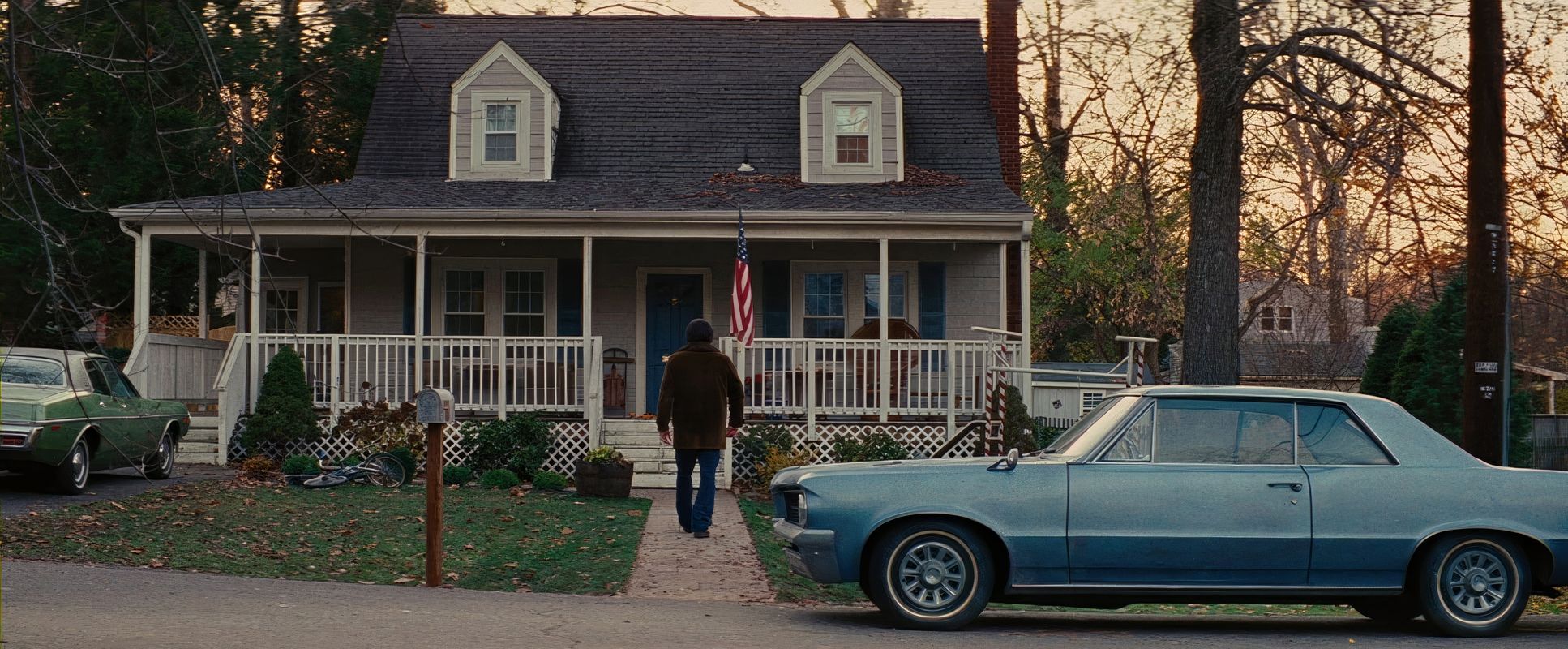
This is where I really get excited. The grade on Argo is a masterclass in tonal sculpting. We’re not looking at a modern, clinical contrast curve here. The blacks are rich but have that slightly “milky” quality of a film print, and the highlight roll-off is incredibly smooth there’s no digital clipping.
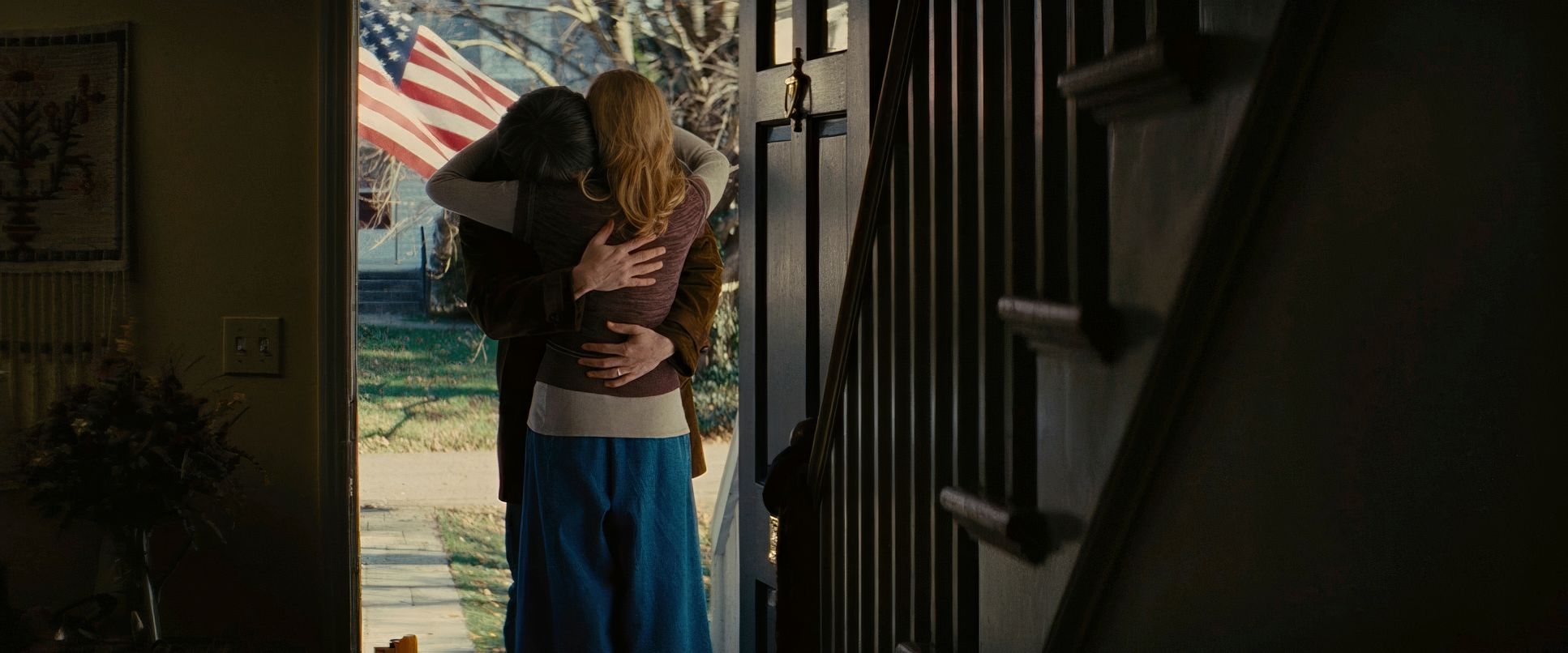
As a colorist, I noticed the way Prieto and the colorist, Yvan Lucas, handled hue separation. The palette is dominated by muted greens, earthy browns, and those “nicotine” yellows that define the late 70s. But they let certain colors like the red of a flag or the blue of a jacket pop just enough to guide the eye. The grain isn’t just a flat overlay, either; it’s denser in the shadows, exactly how real film emulsion behaves. It’s an entire visual ecosystem designed to make you forget you’re watching a movie shot in the 2010s.
Technical Aspects & Tools
Argo (2012) — Technical Specifications
| Genre | Drama, Thriller, CIA, History, Documentary, Political, Spy, Docudrama, CIA / FBI, FBI / CIA |
| Director | Ben Affleck |
| Cinematographer | Rodrigo Prieto |
| Production Designer | Sharon Seymour |
| Costume Designer | Jacqueline West |
| Editor | William Goldenberg |
| Colorist | Yvan Lucas |
| Time Period | 1970s |
| Color | Warm, Desaturated, Sepia |
| Aspect Ratio | 2.39 – Anamorphic, Spherical |
| Format | Film – 35mm |
| Story Location | Asia > Iran |
| Filming Location | Asia > Iran |
| Camera | ARRI ALEXA 4:3 / plus |
| Lens | Zeiss Super Speed |
| Film Stock / Resolution | 5207/7207 Vision 3 250D, 5219/7219 Vision 3 500T, 5260 Vision 2 500T |
The technical wizardry of Argo lies in its “hybrid” approach. While it’s primarily a film-shot movie (using Kodak Vision3 250D and 500T), they also used the ARRI ALEXA for specific low-light or high-speed sequences. The real challenge for the post-production team was matching that digital footage to the 35mm film stock.
They didn’t just try to make the digital look “clean”; they worked to “degrade” it to match the texture of the film. They used sophisticated algorithms to simulate gate weave (that tiny bit of vertical movement you get with a film projector) and added digital scratches and dirt that look remarkably authentic. It’s a testament to the collaboration between Prieto, Affleck, and the lab they weren’t just clicking “vintage filter”; they were rebuilding the physics of 70s film.
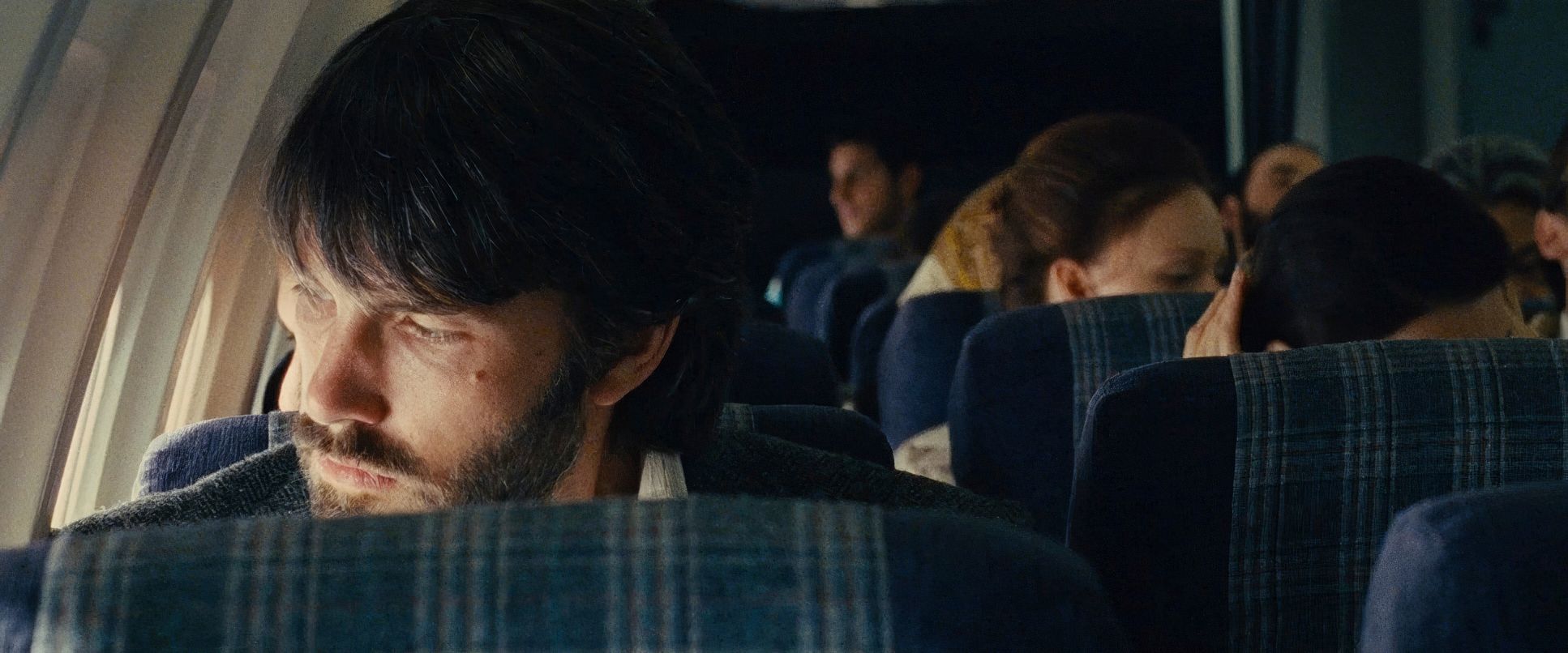
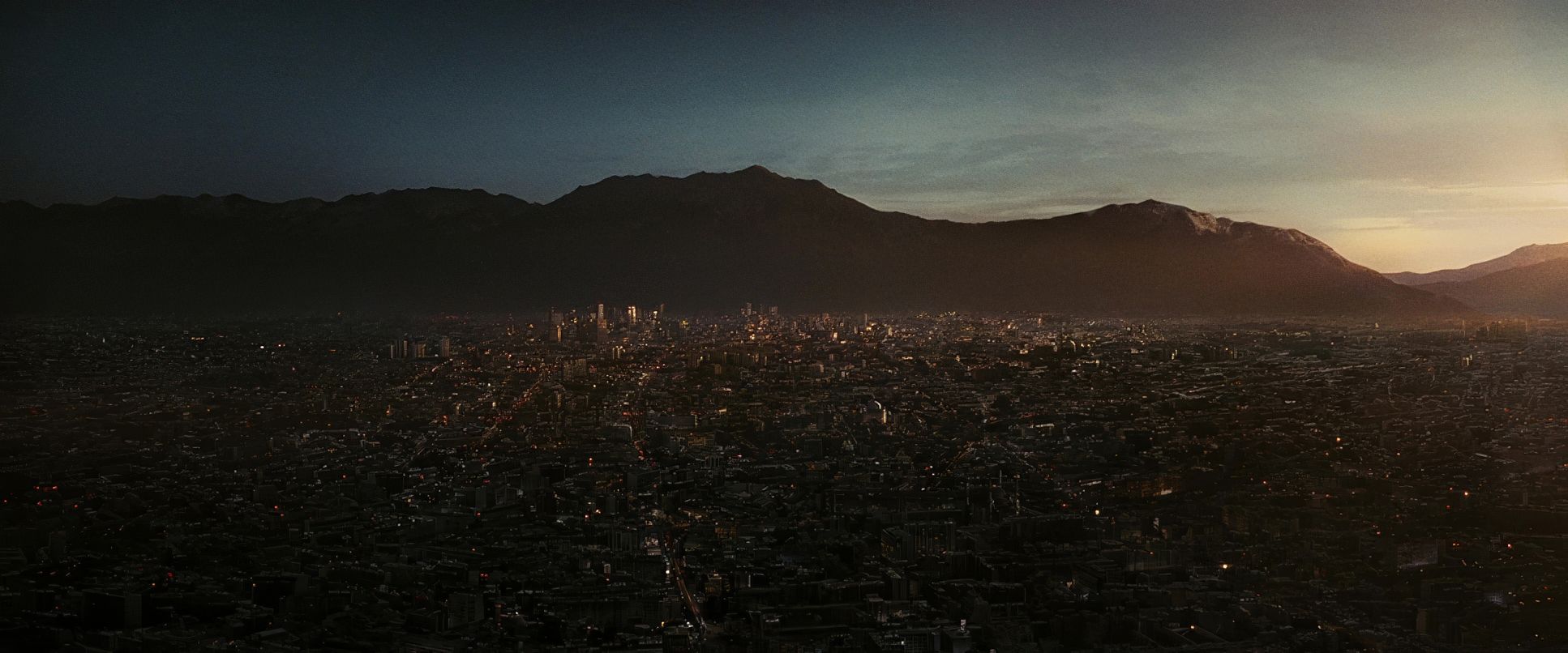
Argo (2012) Film Stills
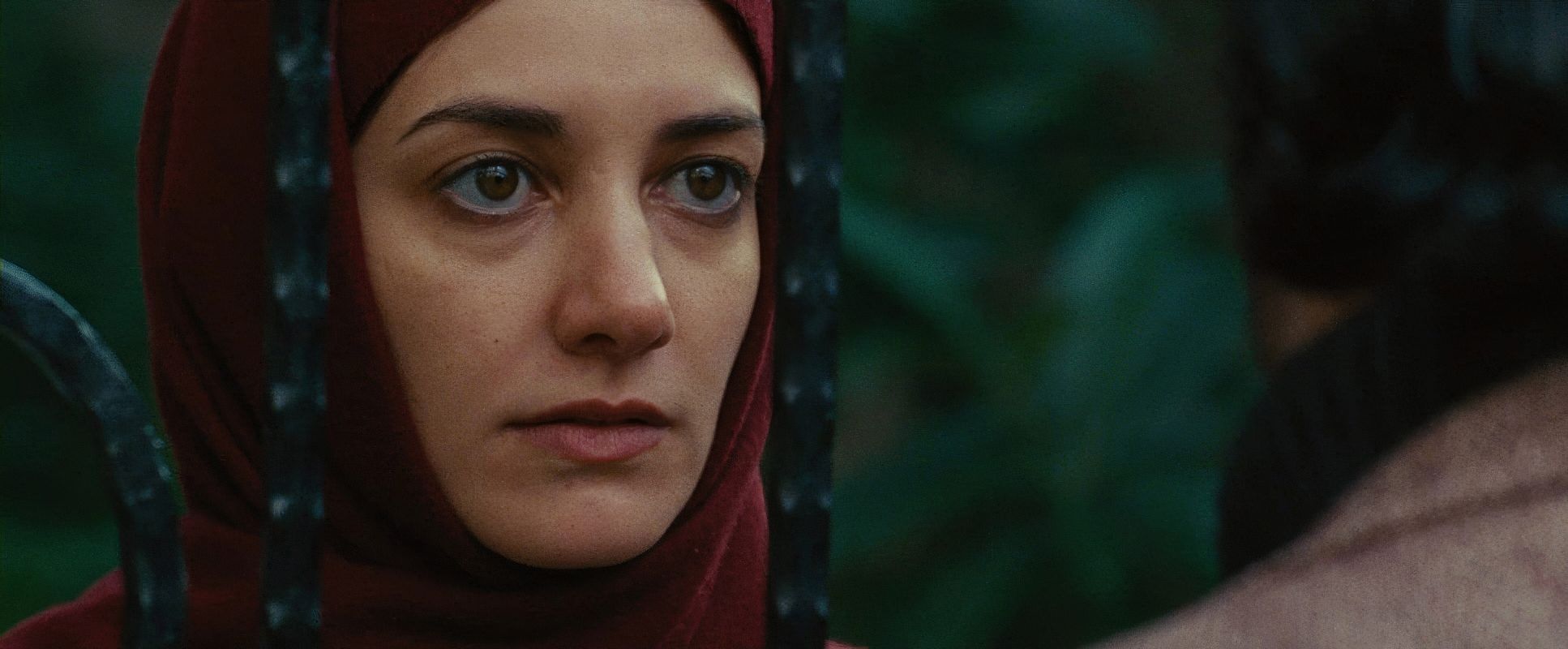
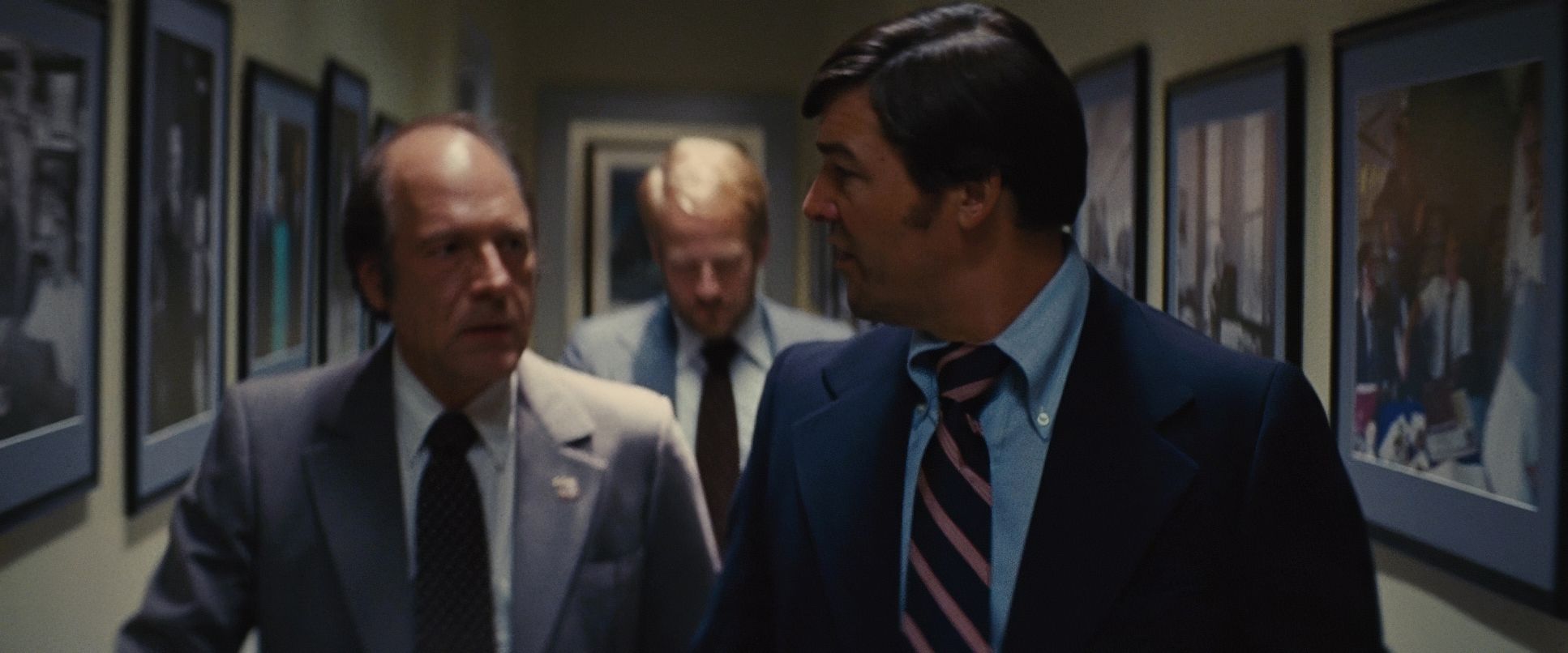
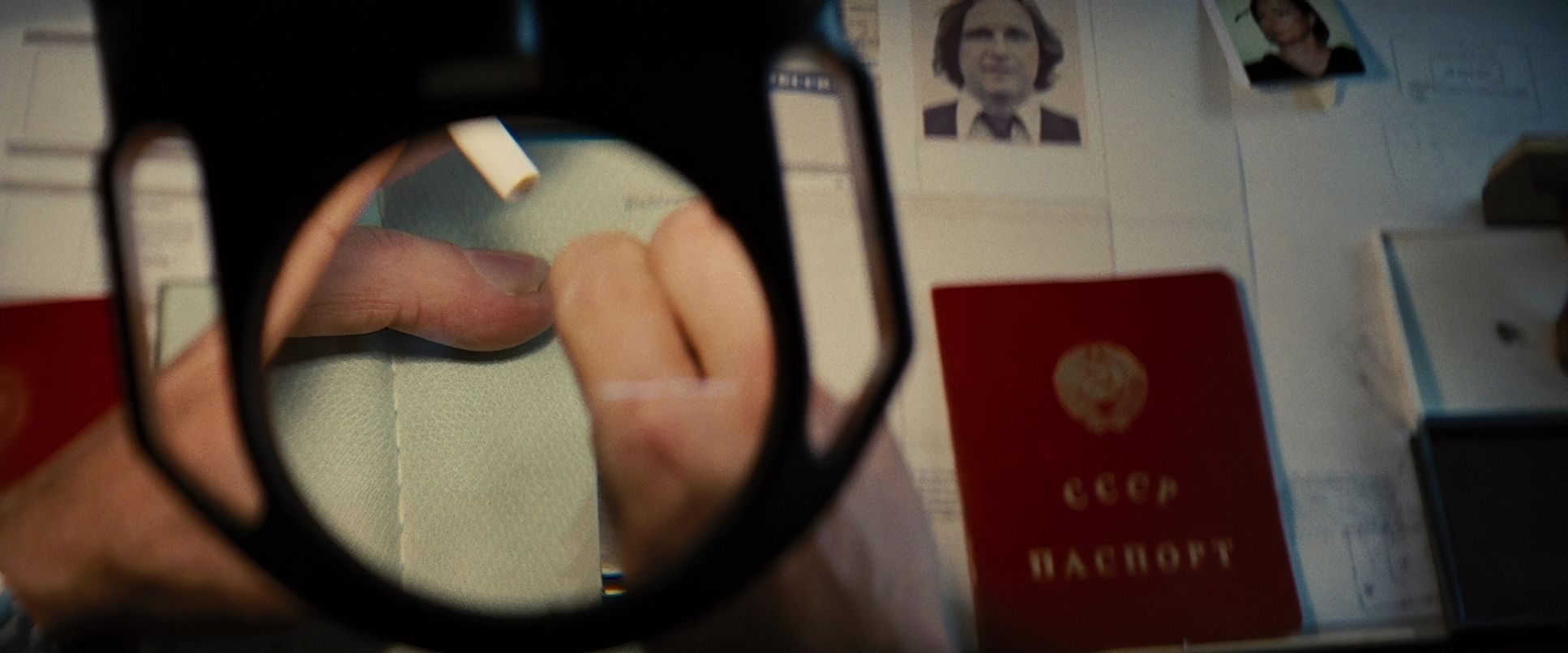
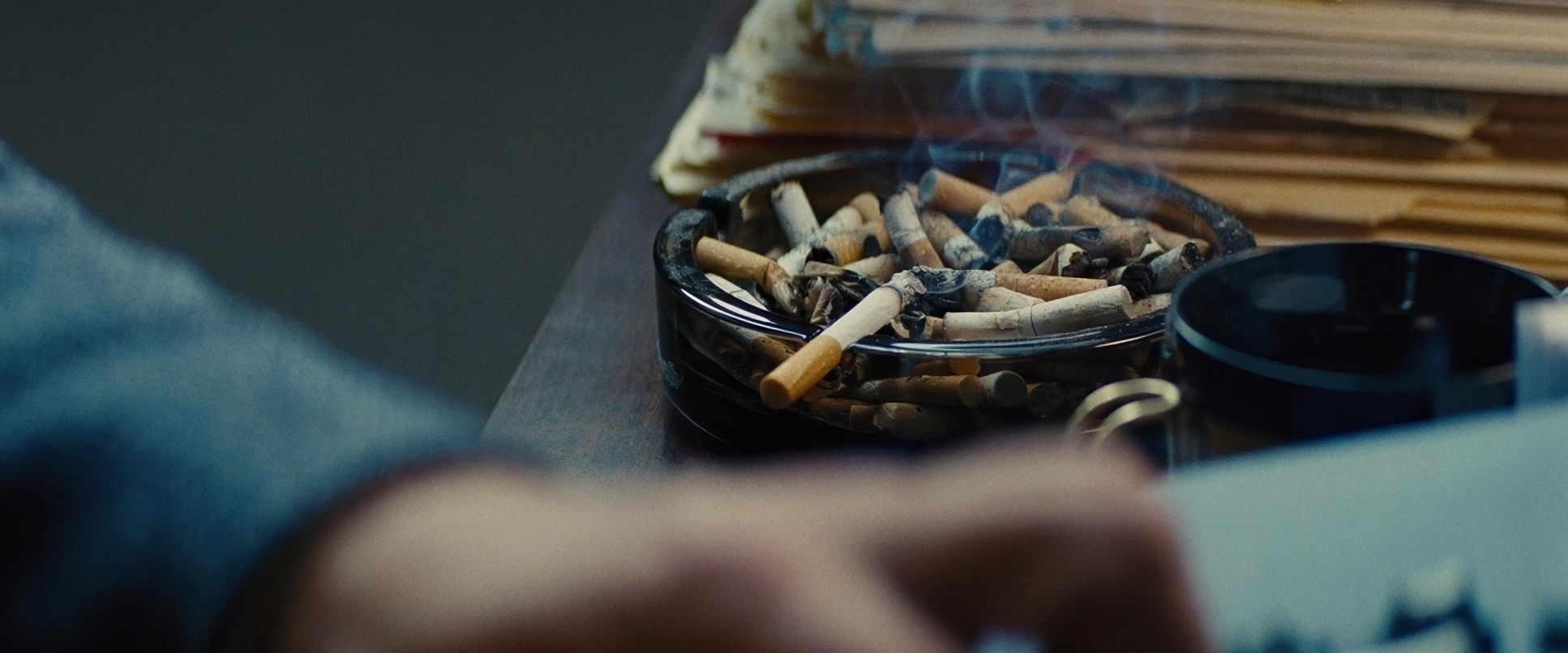
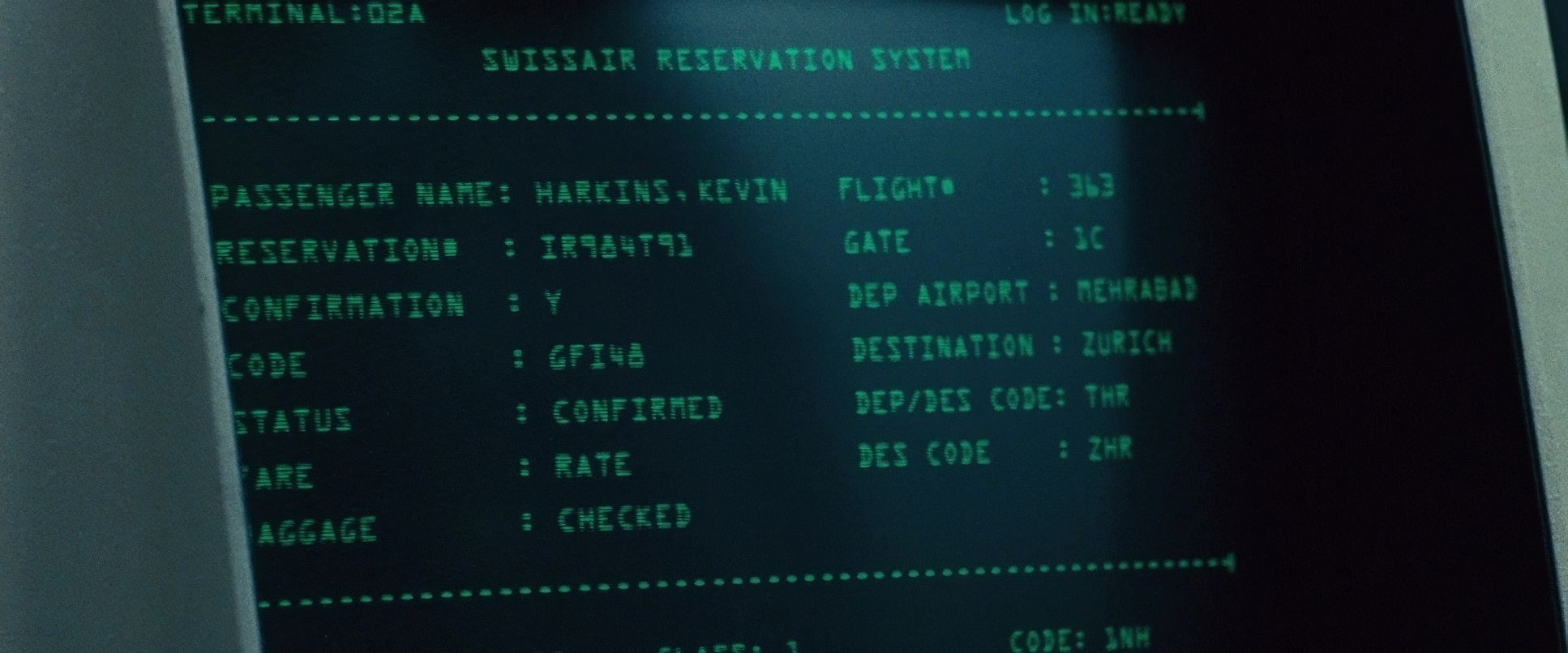
A curated reference archive of cinematography stills from Argo (2012). Study the lighting, color grading, and composition.









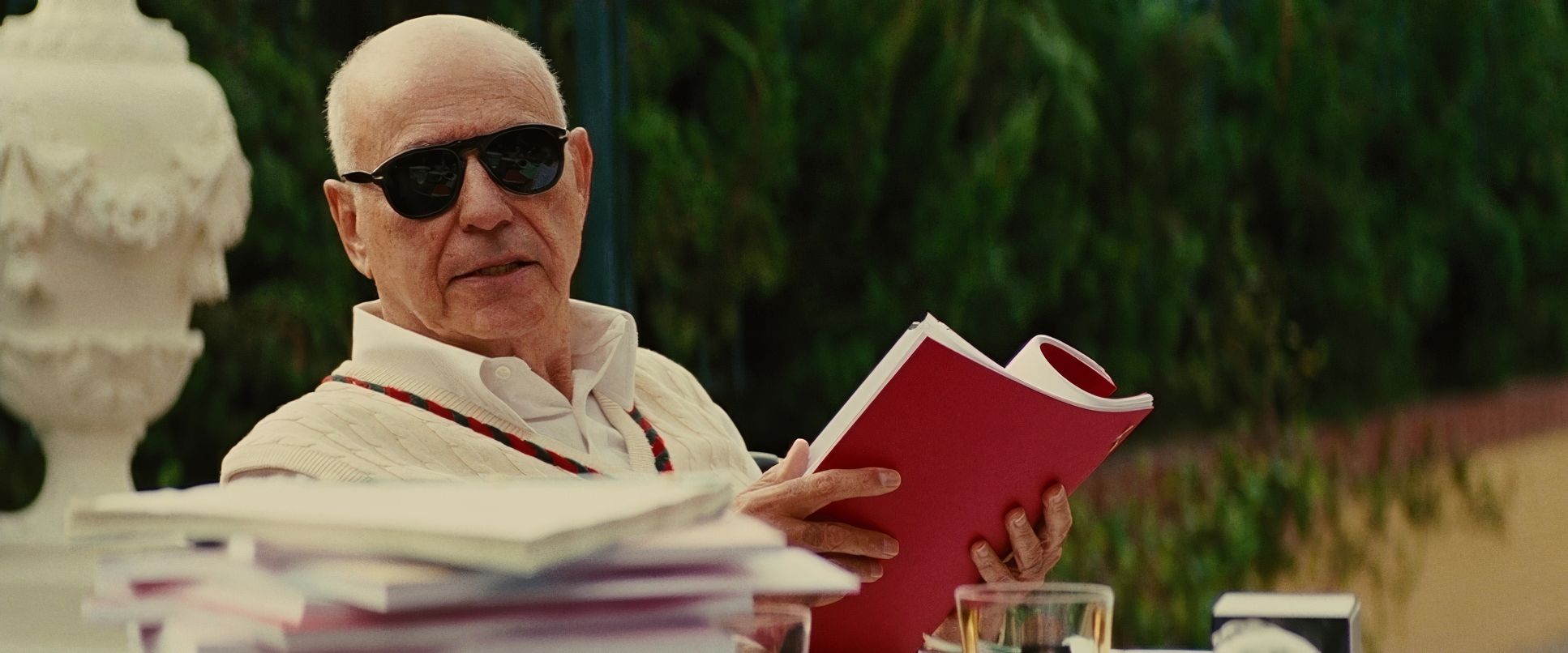


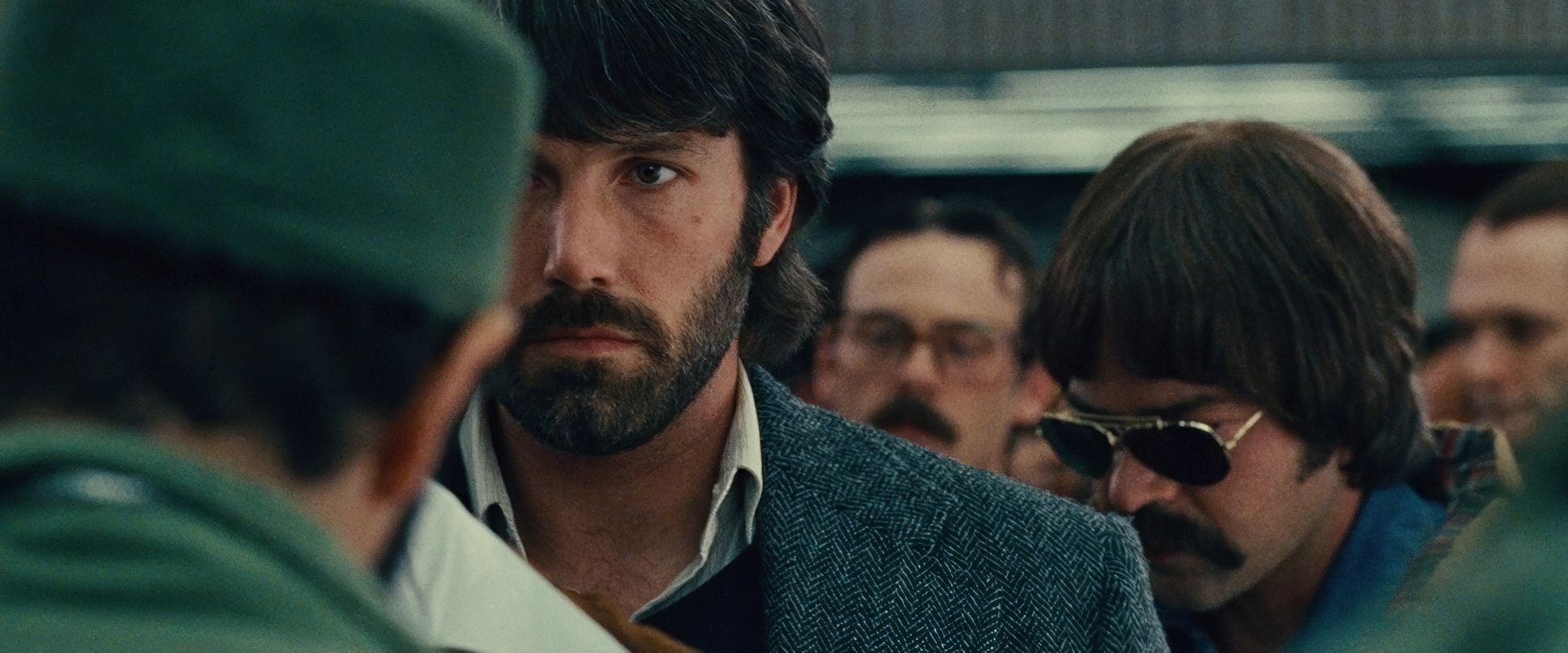
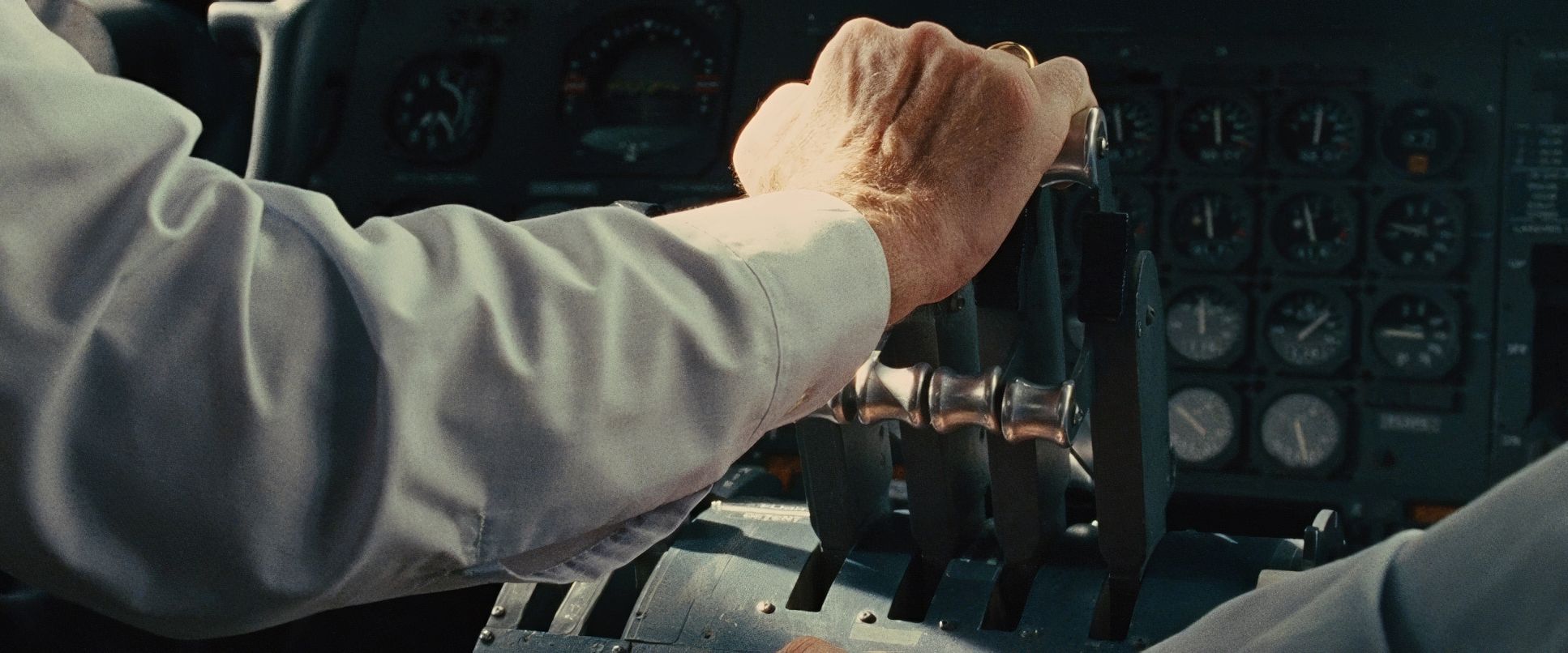

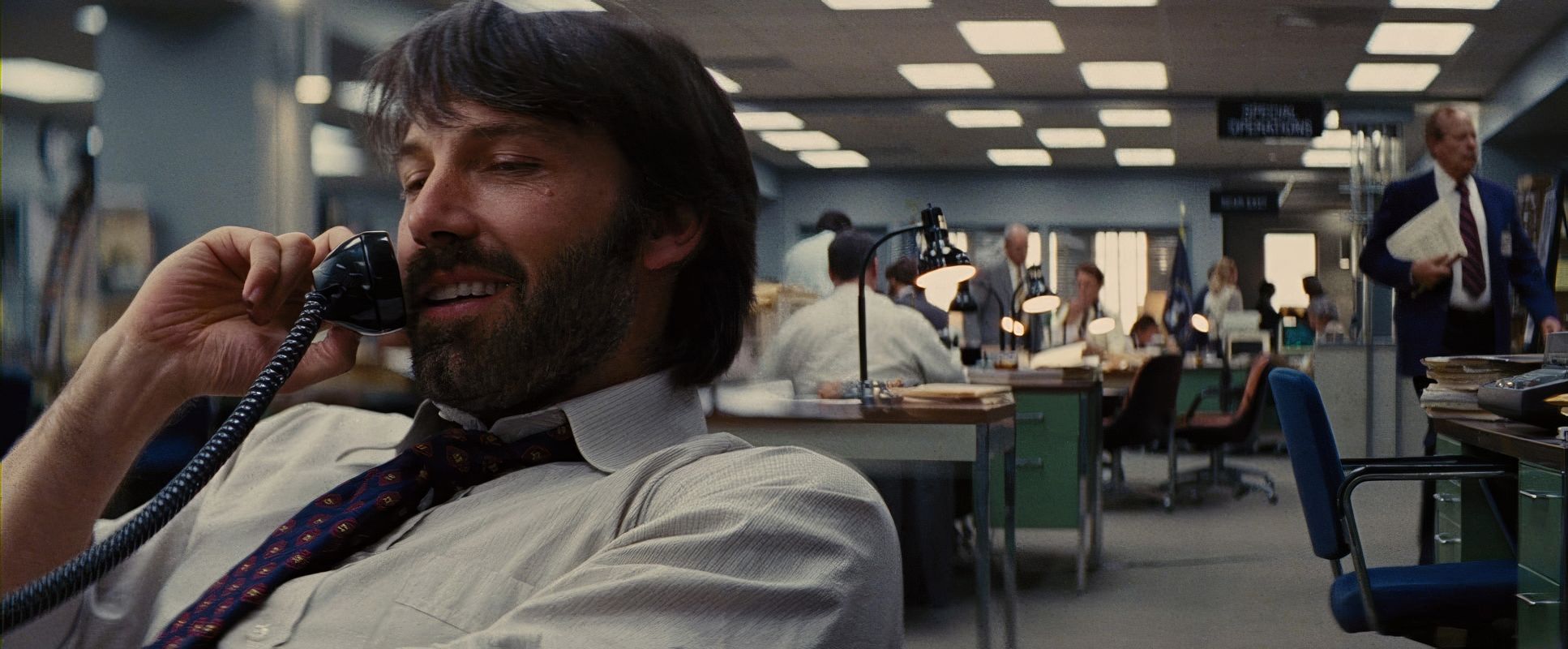










- Also read: OCEAN’S ELEVEN (2001) – CINEMATOGRAPHY ANALYSIS
- Also read: TAKEN (2008) – CINEMATOGRAPHY ANALYSIS
Browse Our Cinematography Analysis Glossary
Explore directors, cinematographers, cameras, lenses, lighting styles, genres, and the visual techniques that shape iconic films.
Explore Glossary →