I spend most of my life in a darkened room, pushing pixels and massaging shadows to find the right narrative “soul.” So, when a film like Nuri Bilge Ceylan’s Winter Sleep comes across my radar, it’s more than just a movie. It’s a challenge.
Look, I’m the guy who usually gets restless during a three-minute music video. The idea of a three-hour-and-fifteen-minute epic comprised almost entirely of dense, philosophical arguments and static wide shots should, on paper, be a slog. But I was floored. It wasn’t just Ceylan’s writing; it was the quiet authority of the frame. It’s a masterclass in how to dissect human nature without a single explosion or a frantic cut.
About the Cinematographer
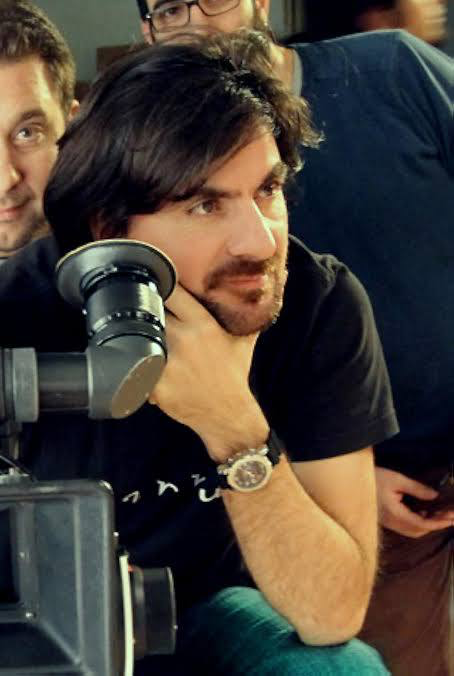
Gökhan Tiryaki is the visual architect here. He’s been Ceylan’s right hand for years, and it shows. It’s one of those rare cinematic marriages where you can’t really tell where the director’s vision ends and the DP’s eye begins.
Tiryaki isn’t a showy cinematographer. He doesn’t need to be. He’s the kind of DP who understands that the most violent action in a scene can be a subtle shift in a character’s eyes or the way a winter sun hits a dusty bookshelf. Most DPs today are terrified of a static frame they feel the need to jitter the camera just to prove they’re awake. But Tiryaki? He has the guts to let the camera sit there and stare. He trusts the scene. He trusts us to keep up.
Inspiration Behind the Cinematography
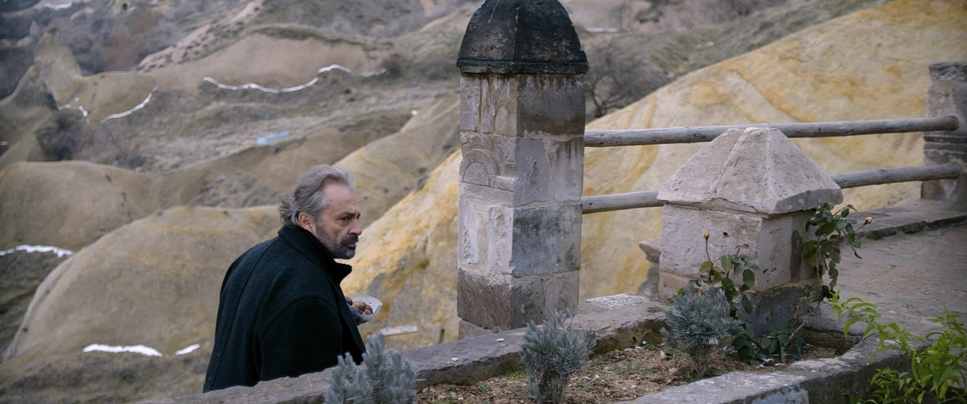
The “soul” of Winter Sleep is undeniably literary. Critics like Mark Kermode have compared it to a novel, nodding to Chekhov, Dostoevsky, and Bergman. For me, that’s a specific visual cue. How do you take those “bitter broiling resentments” and long-winded debates and make them cinematic without it looking like a recorded stage play?
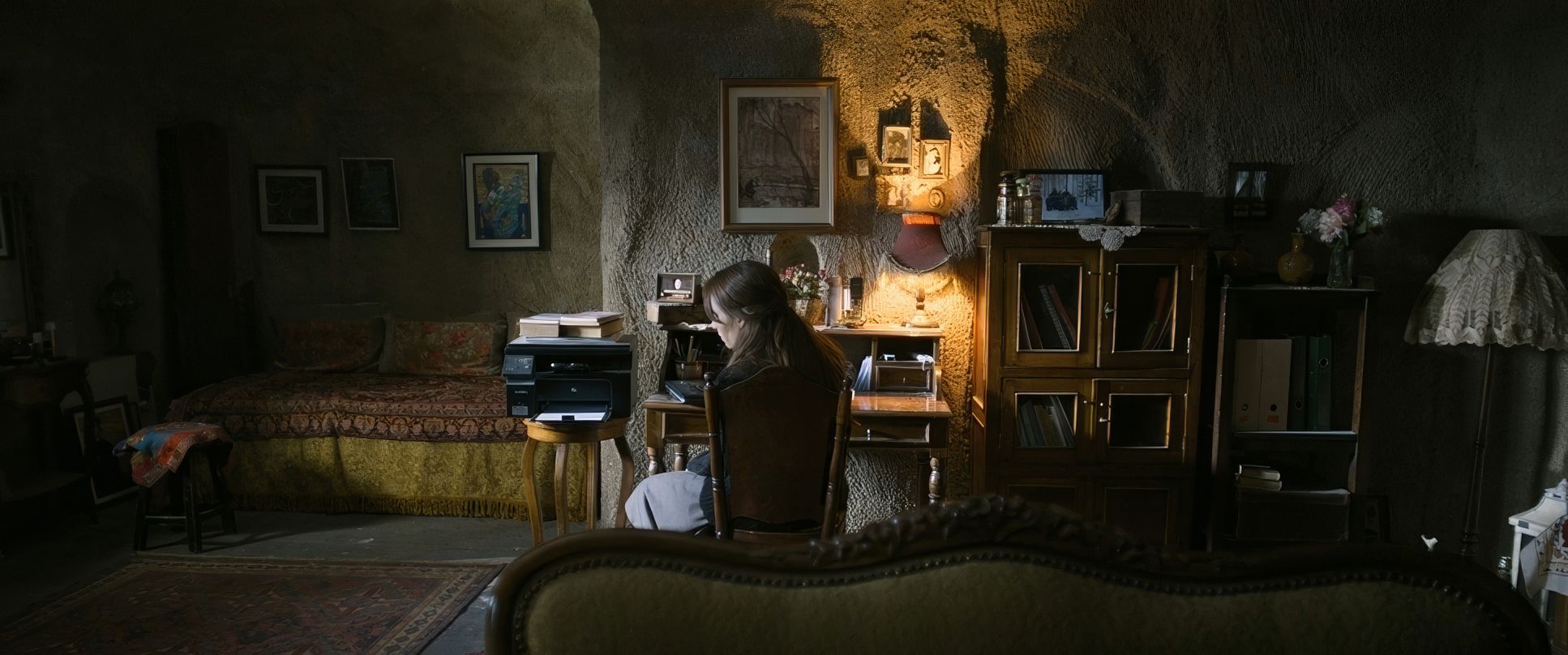
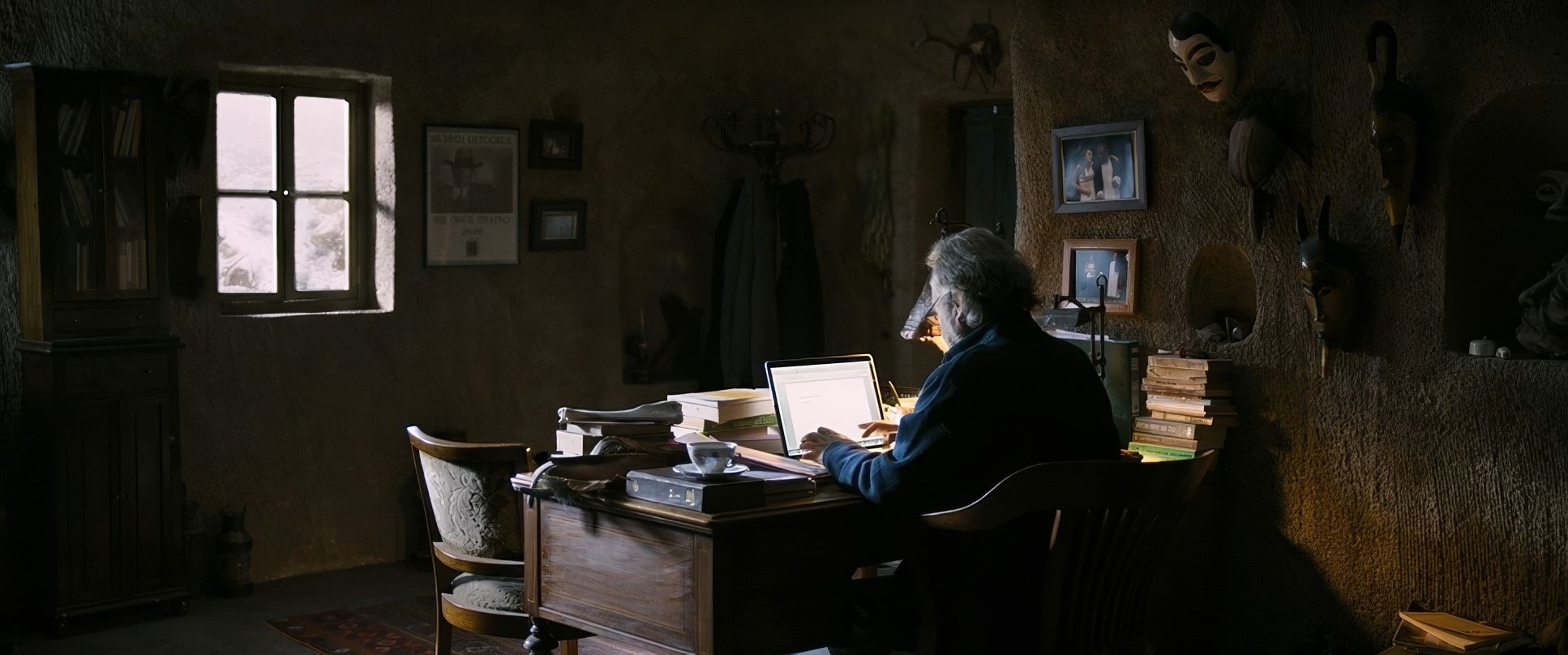
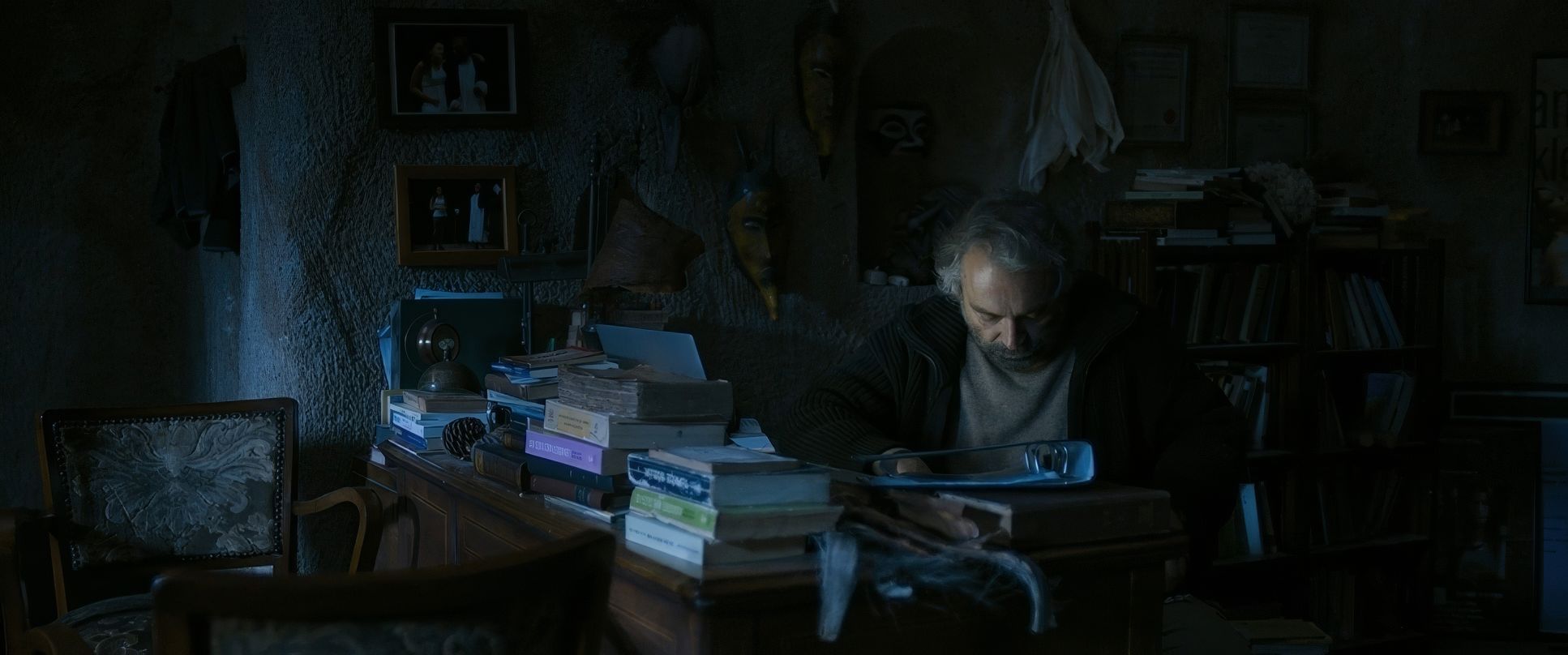
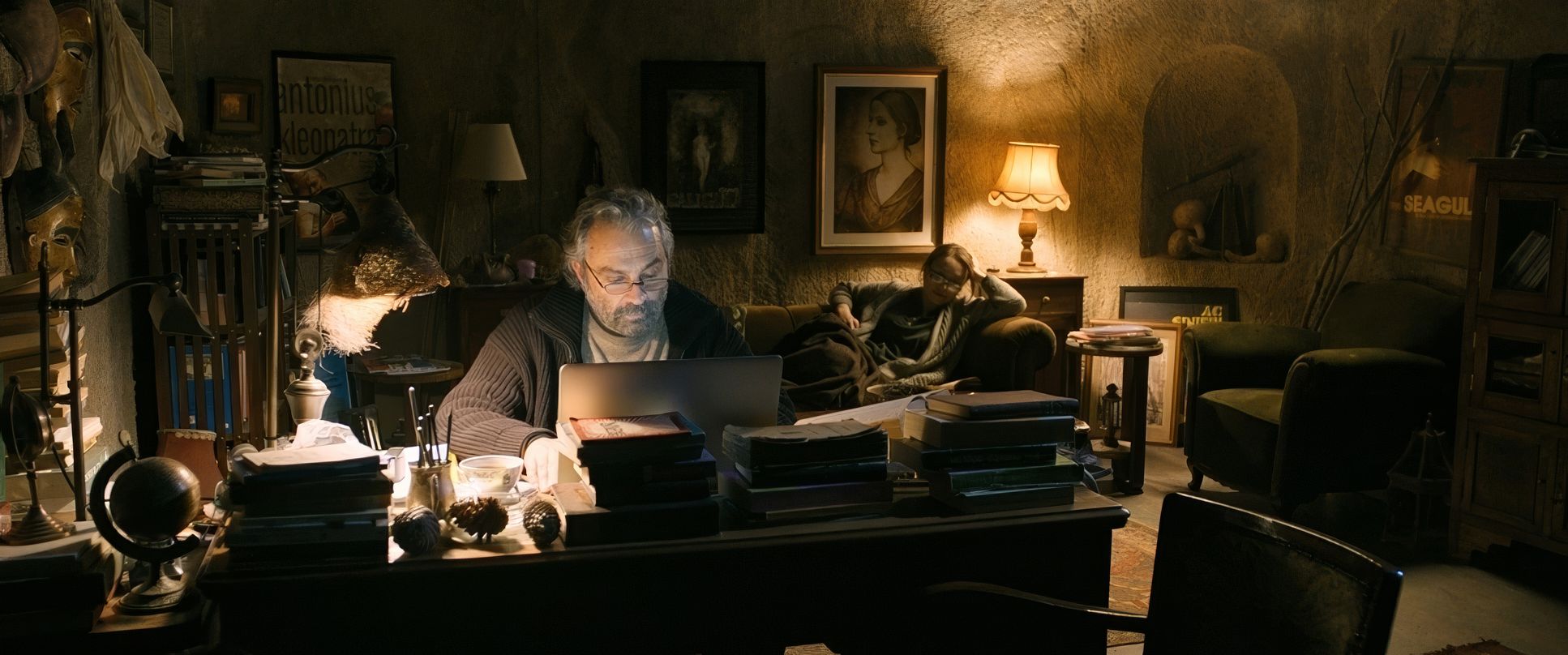
The inspiration seems to be about building a visual parallel to rich, layered prose. Just like a novelist uses a page of description to set a mood, Tiryaki uses the environment to mirror the characters’ internal mess. That “cozy” hotel setting isn’t just a pretty backdrop; it’s Aydin’s self-imposed fortress. It’s a cave. The cinematography has to breathe with the script, allowing ideas to sit and rot in the viewer’s mind while providing visual hints about class, ego, and the masks these people wear.
Camera Movements
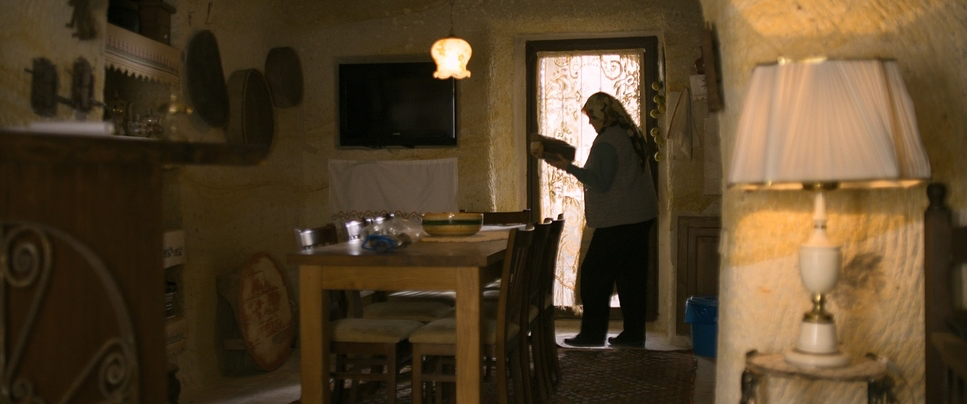
If I had to sum up the movement in this film, it’s restrained. In a world where cameras are constantly flying on gimbals, Tiryaki’s camera mostly just observes. You won’t find rapid pans or dizzying handheld work here. Instead, the camera acts as a steadfast witness to the uncomfortable stuff.
This stillness creates a heavy sense of presence. It forces you to actually listen to the dialogue. When the camera doesmove, it’s always motivated no “eye candy” moves here. A slow, meditative pan might follow someone across a room just to subtly reframe the power dynamic.
As a filmmaker, I know how much discipline this takes. It’s far easier to move the camera to add “energy.” Holding a shot for minutes on end requires a level of conviction most DPs just don’t have. It lets the story unfold at a “Largo tempo,” making you feel every second of that runtime in the best way possible.
Compositional Choices
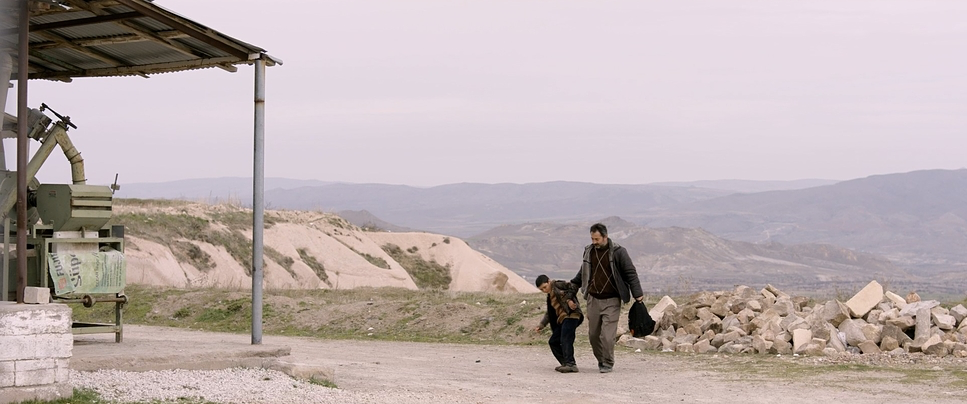
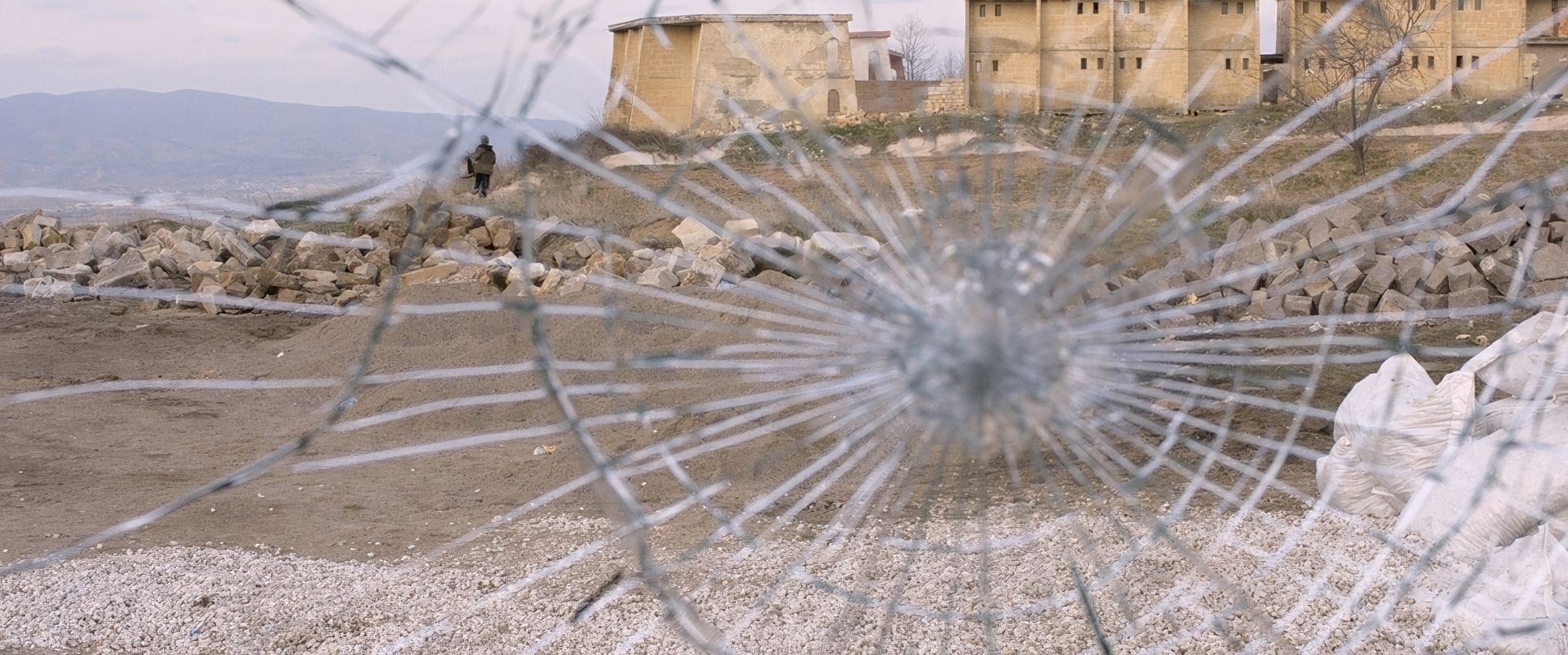
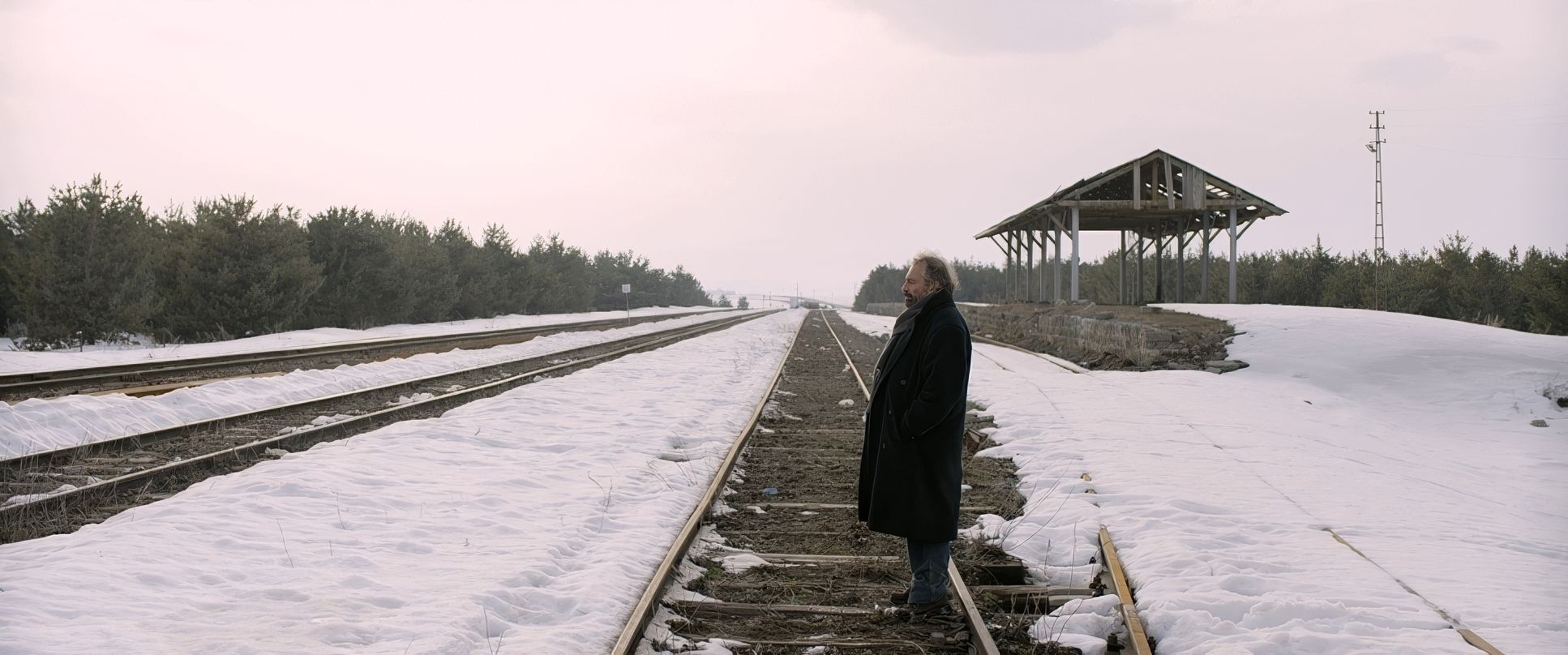
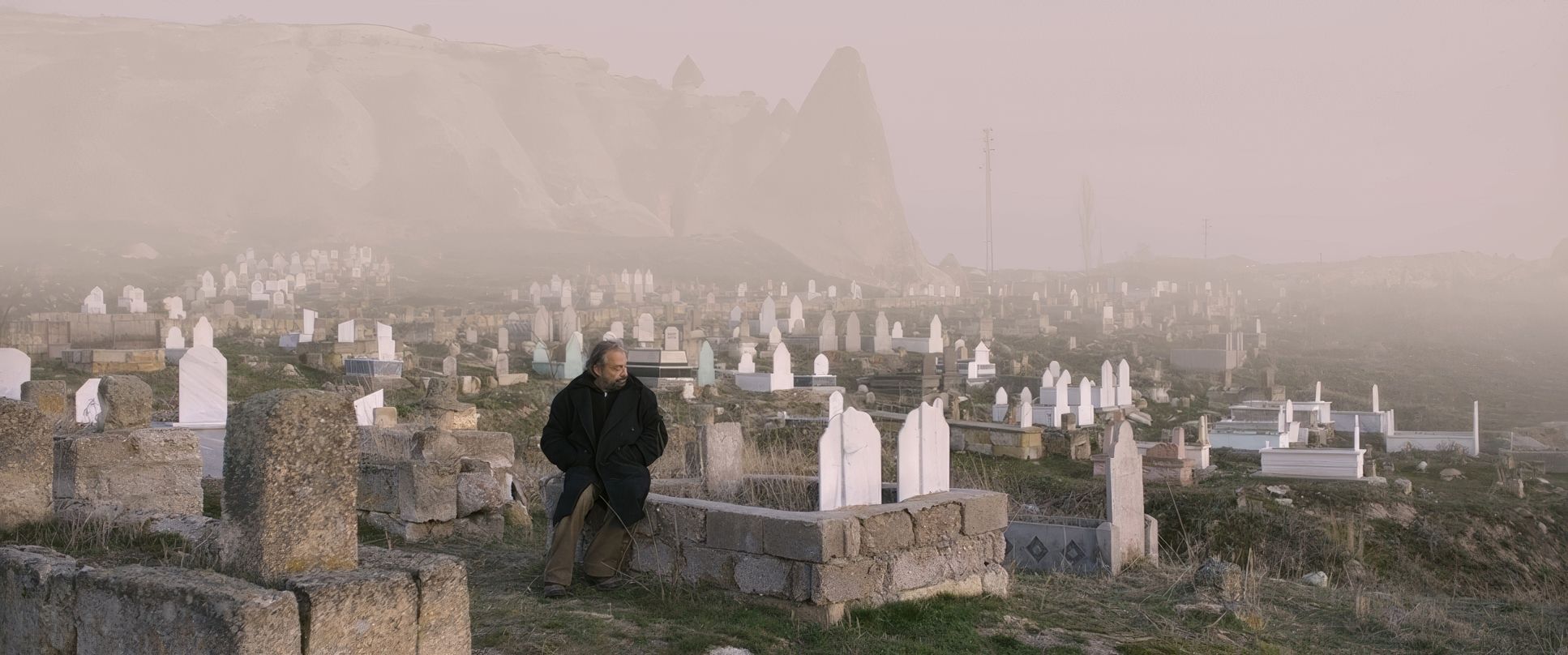
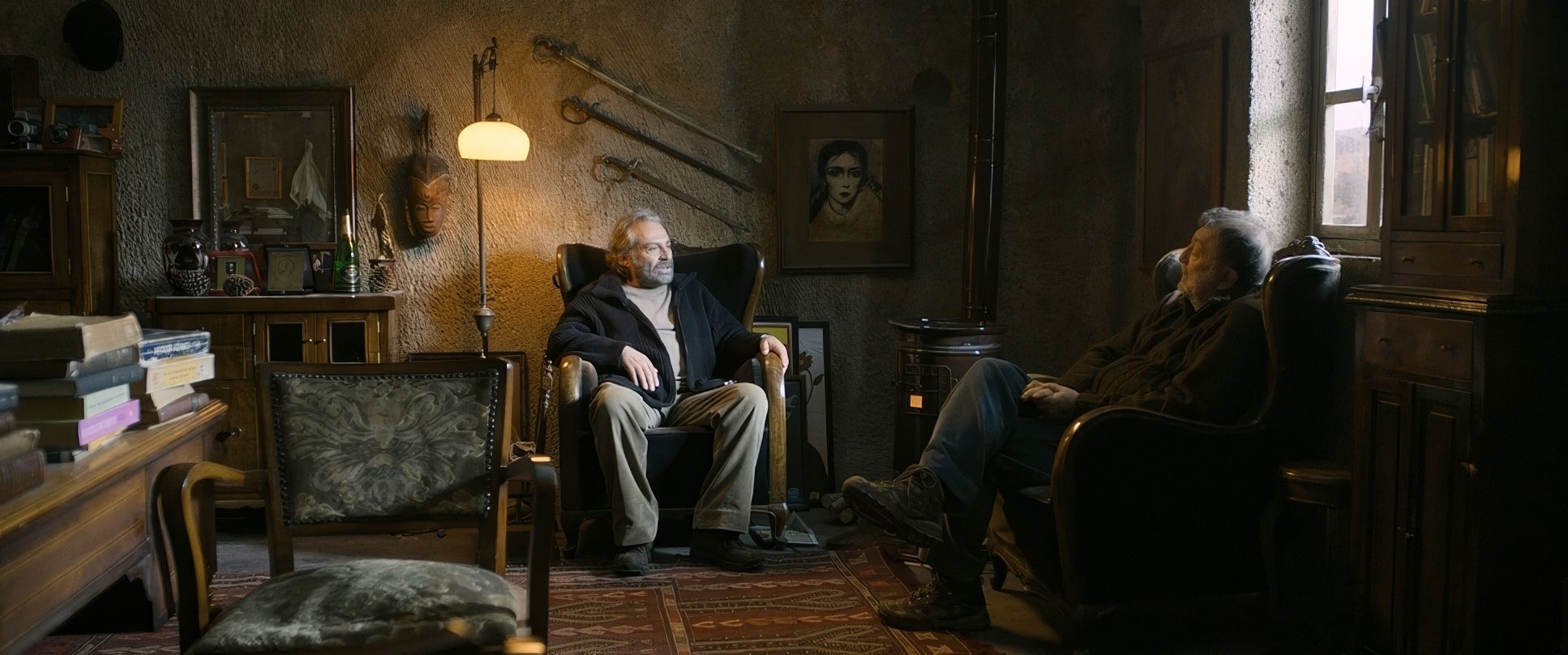
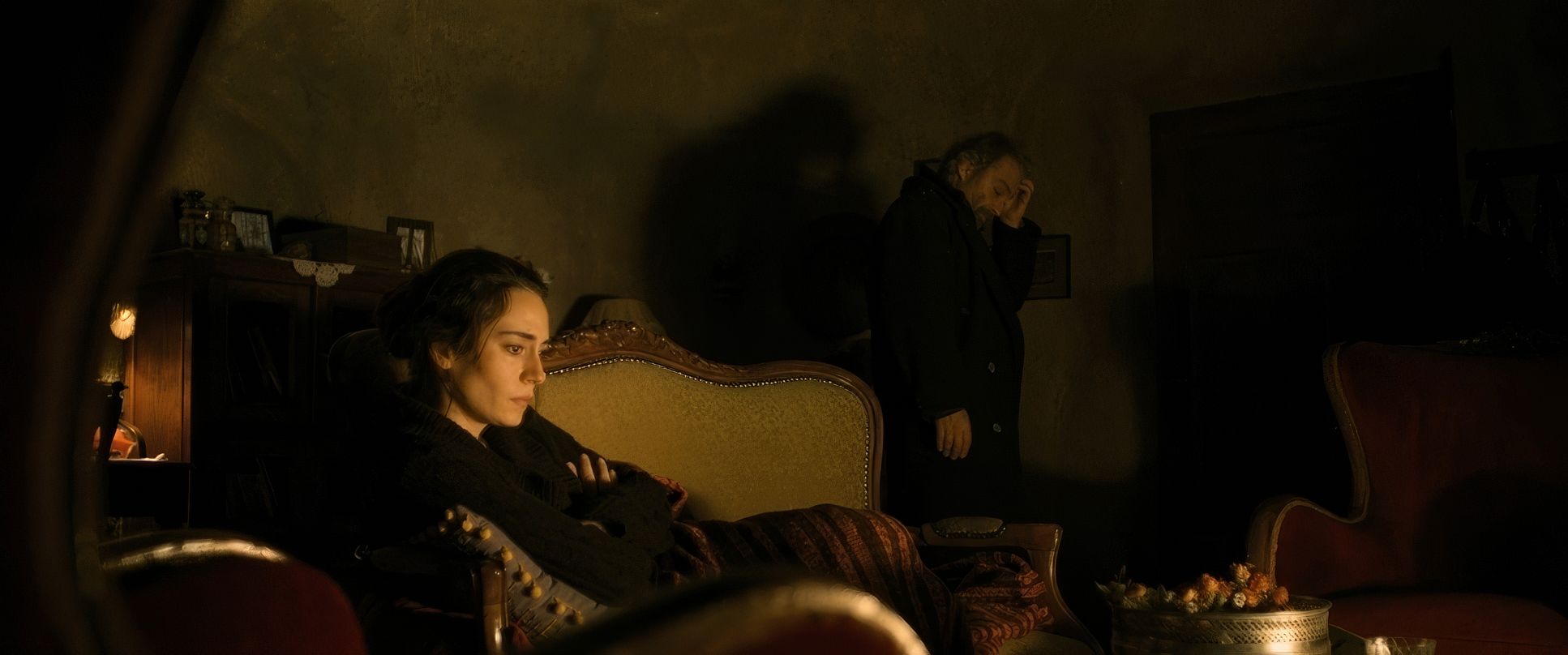
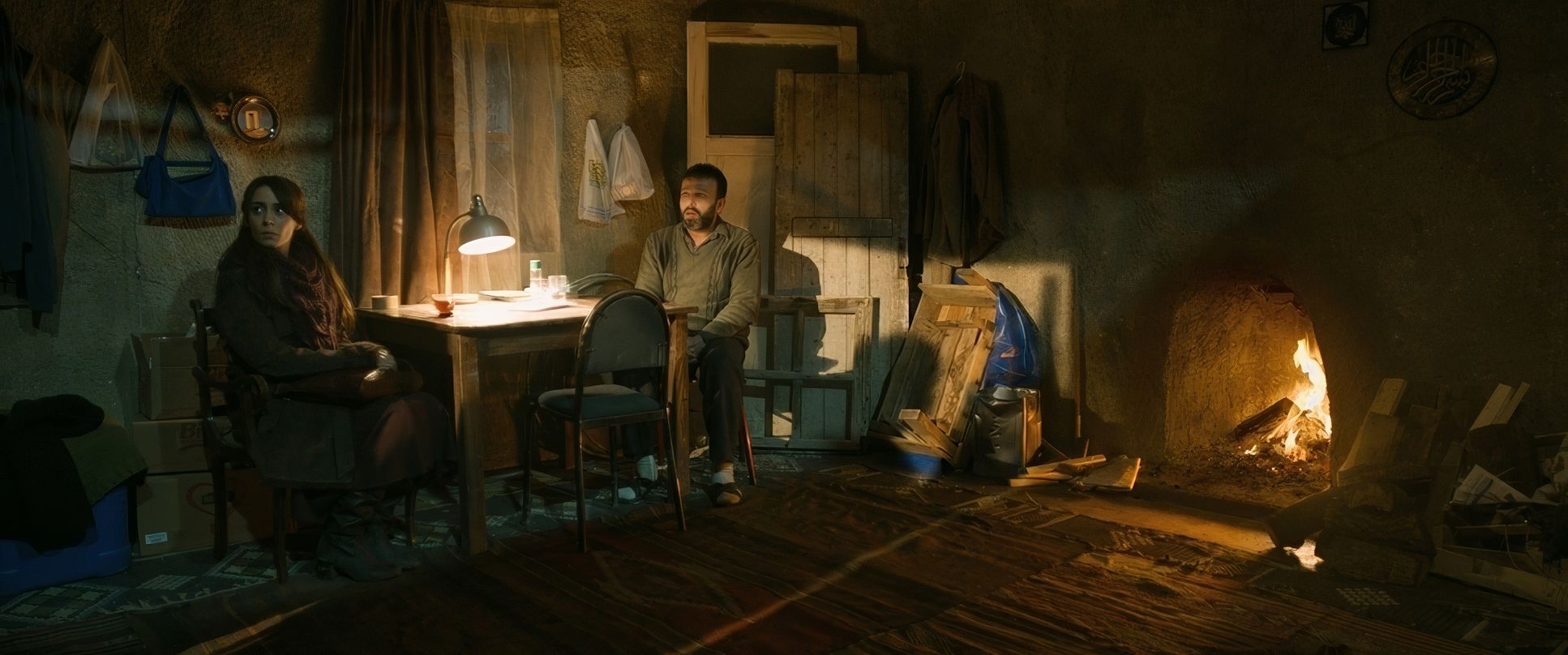
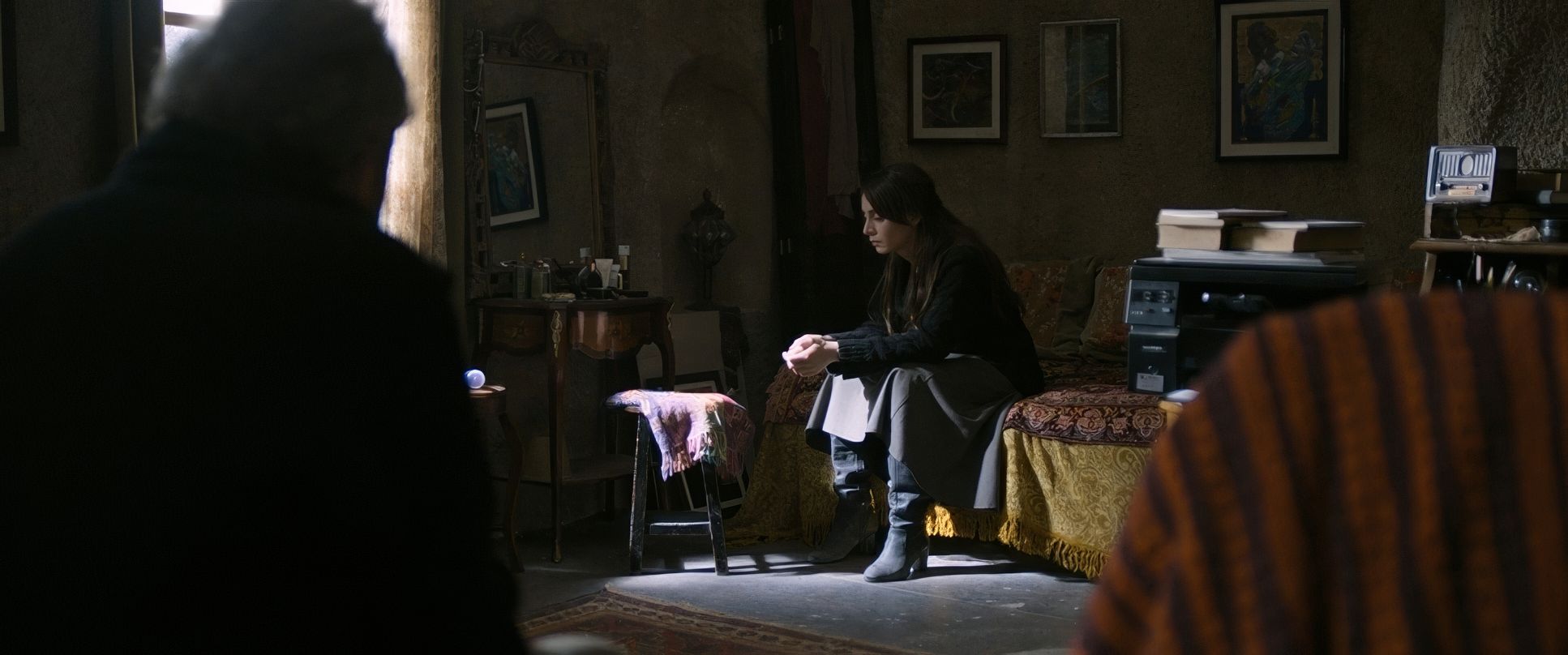
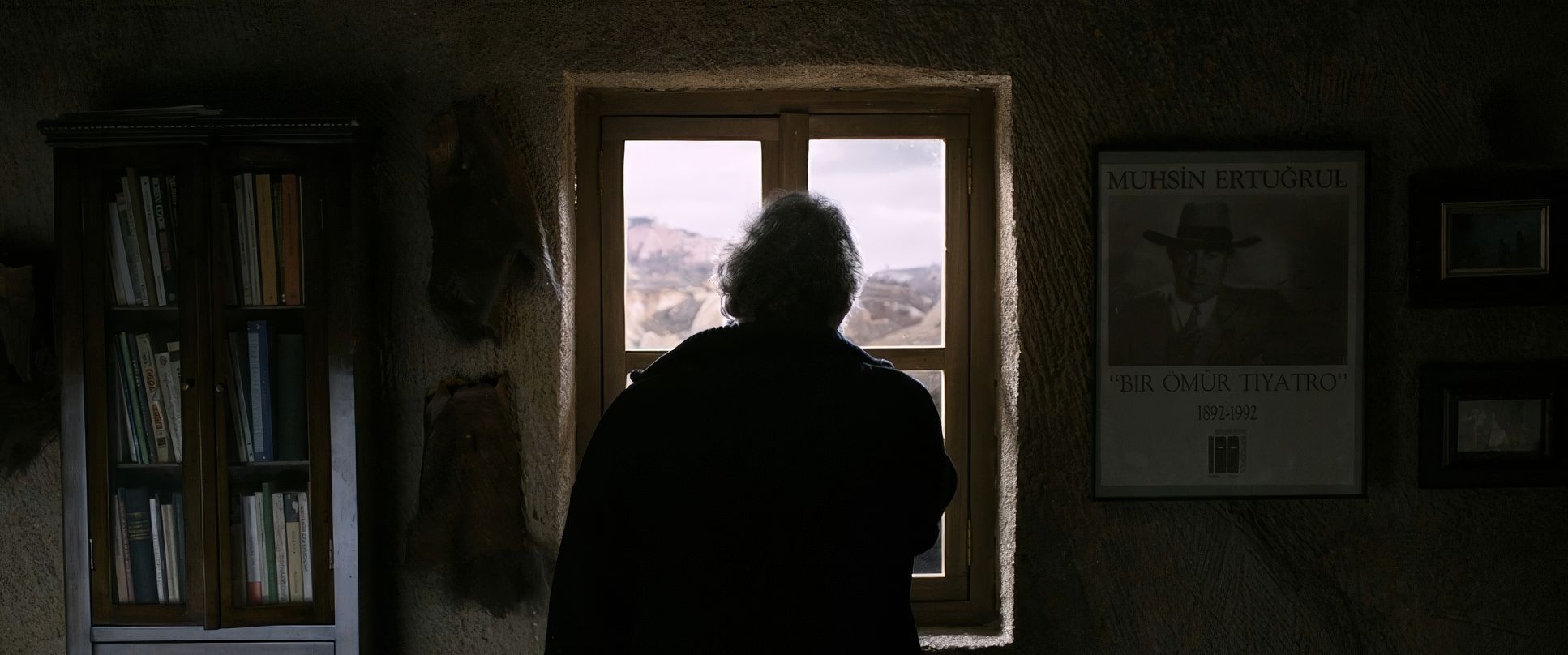
Kermode called it “wide-screen claustrophobia,” and he’s spot on. Shooting in 2.39:1 (Super 35), Tiryaki gives us these massive, expansive frames, but then he traps the characters inside cramped, suffocating rooms. It’s a perfect metaphor for Aydin a man with grand, “wide” ideas who is actually just a small man confined by his own ego.
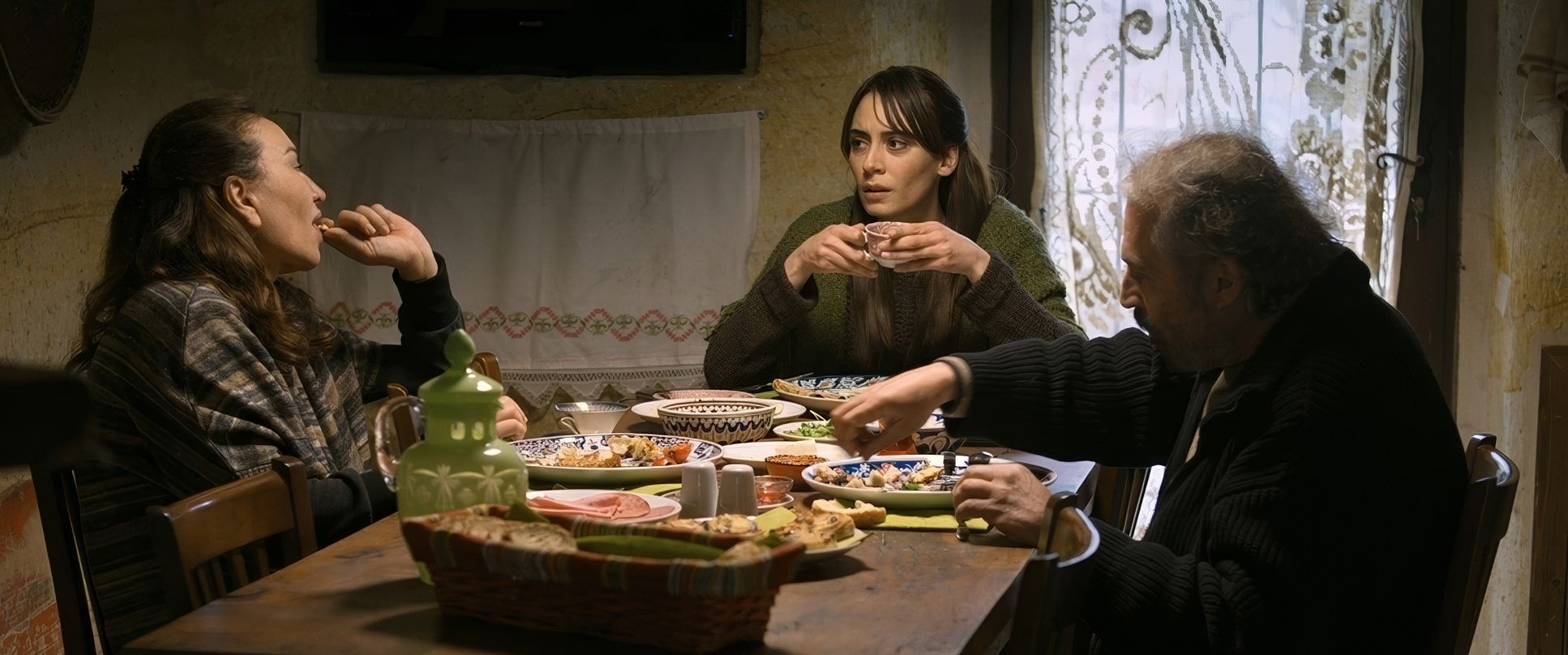
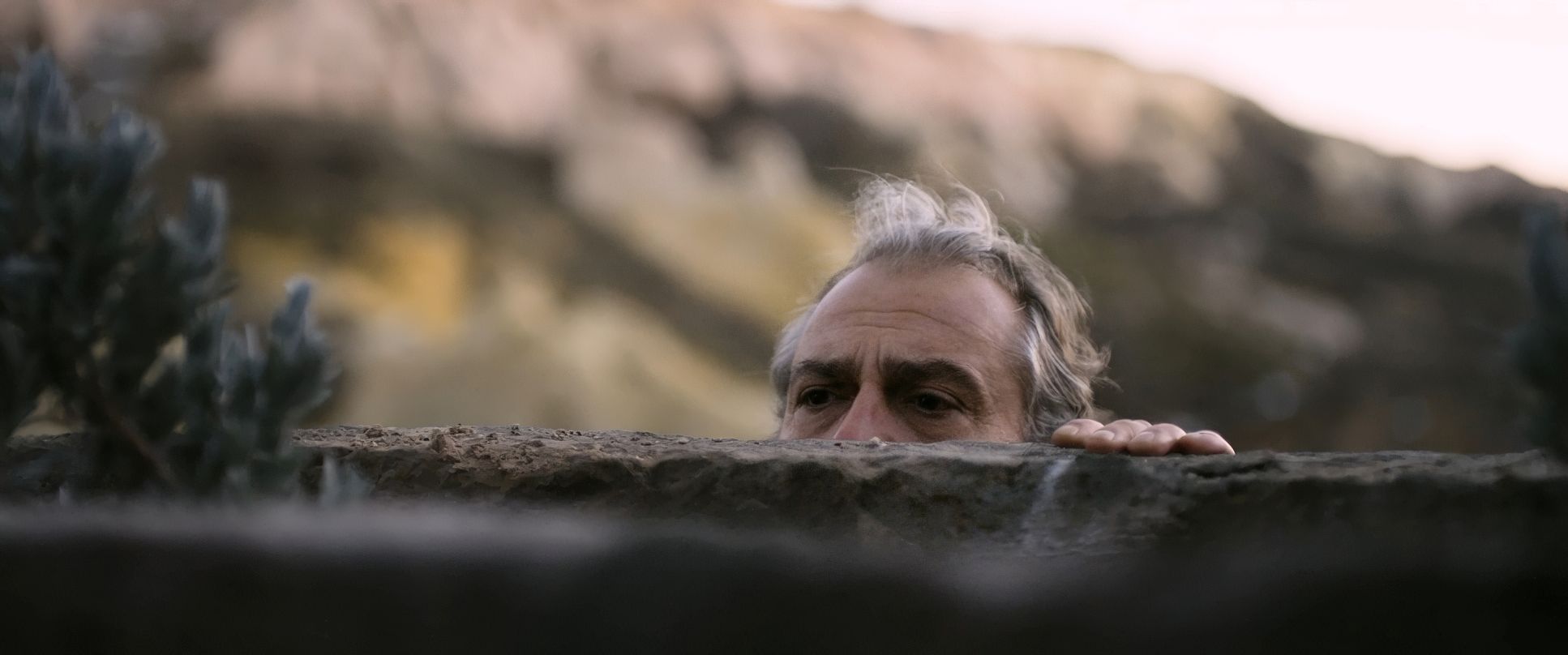
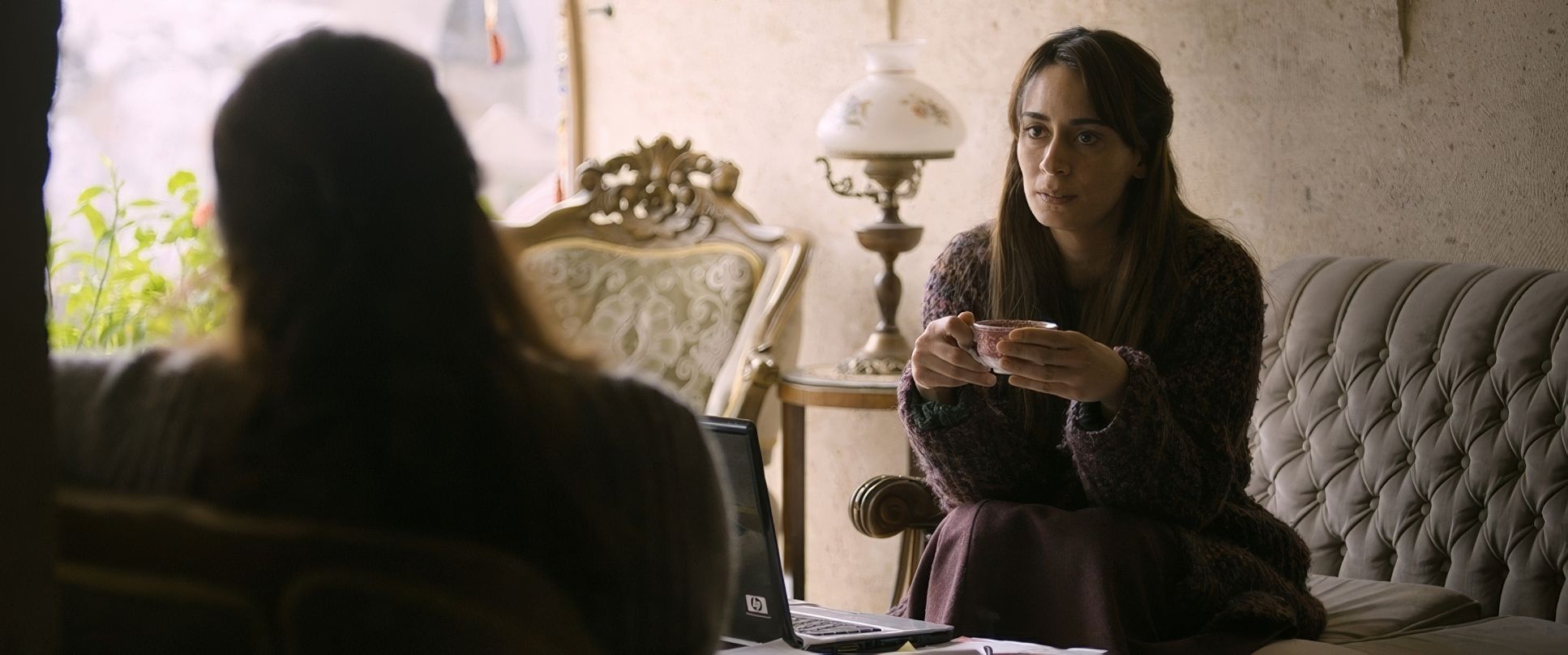
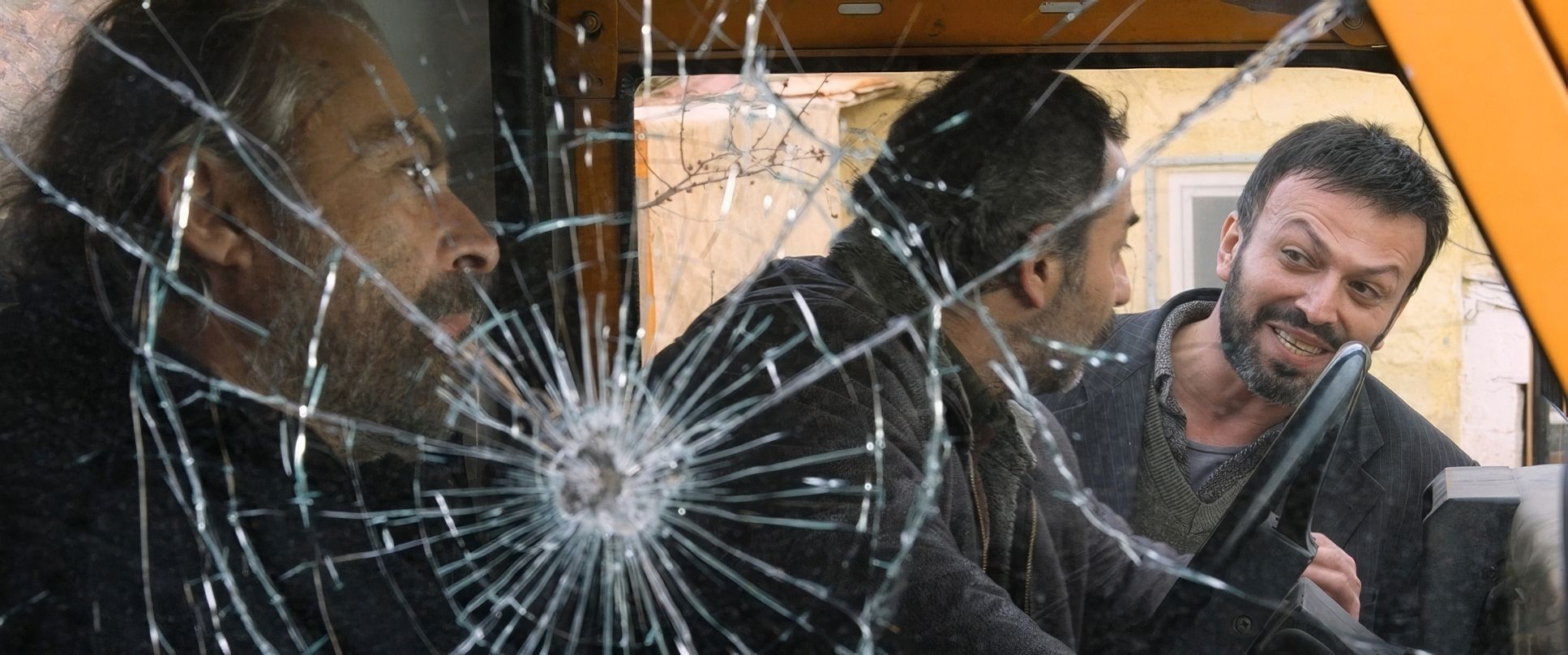
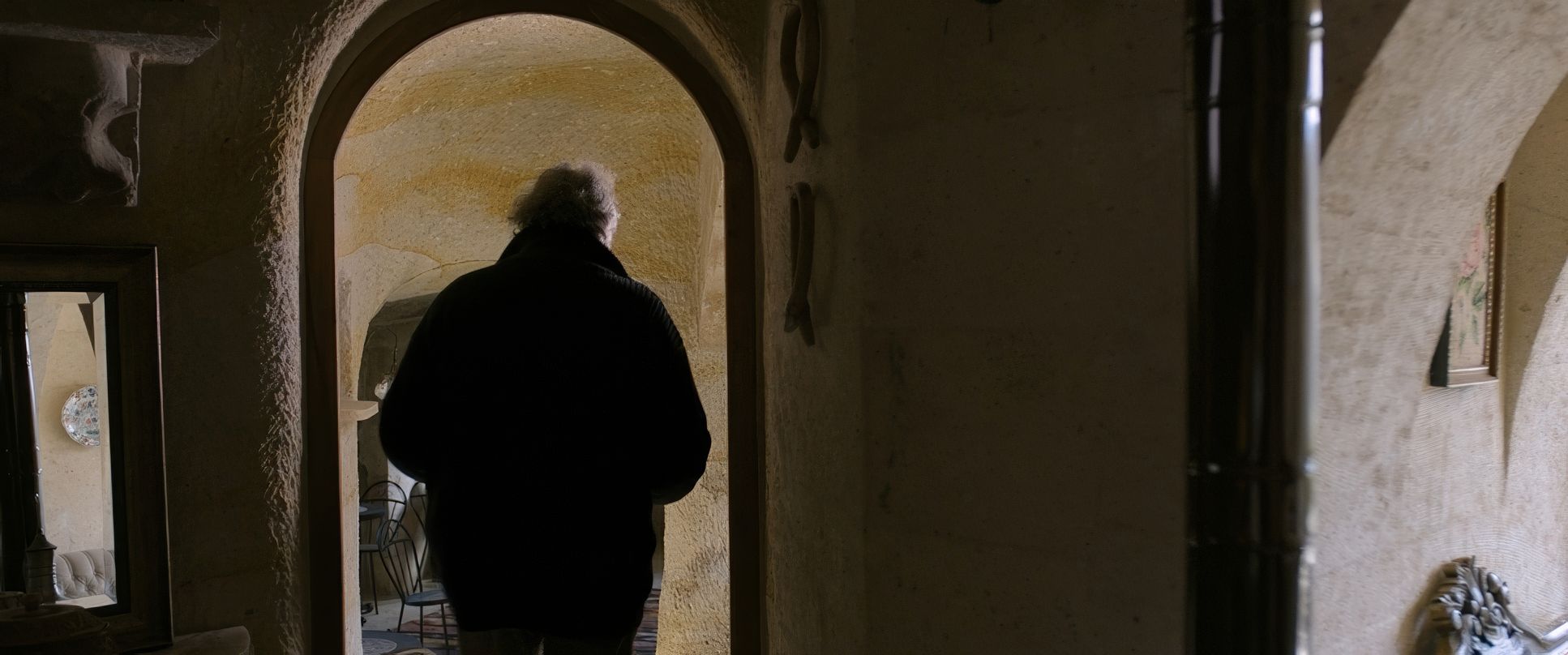
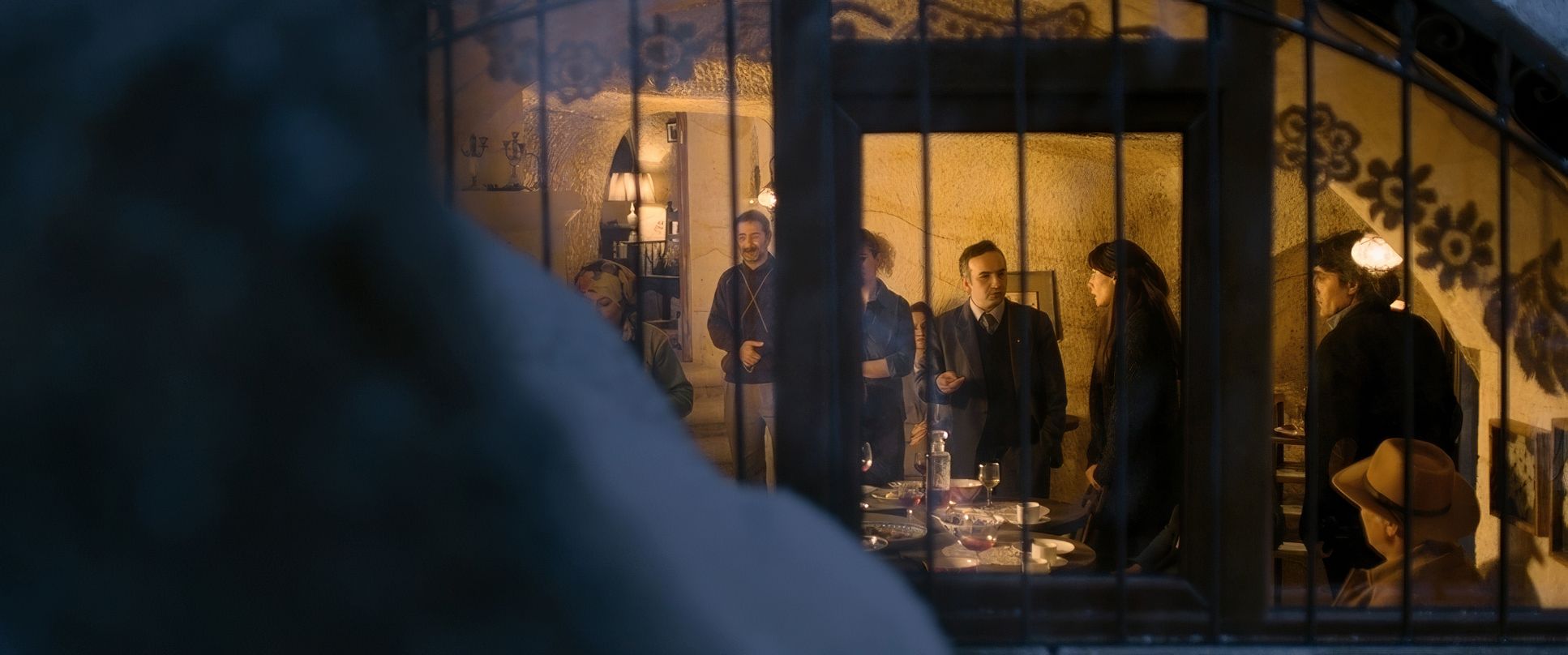
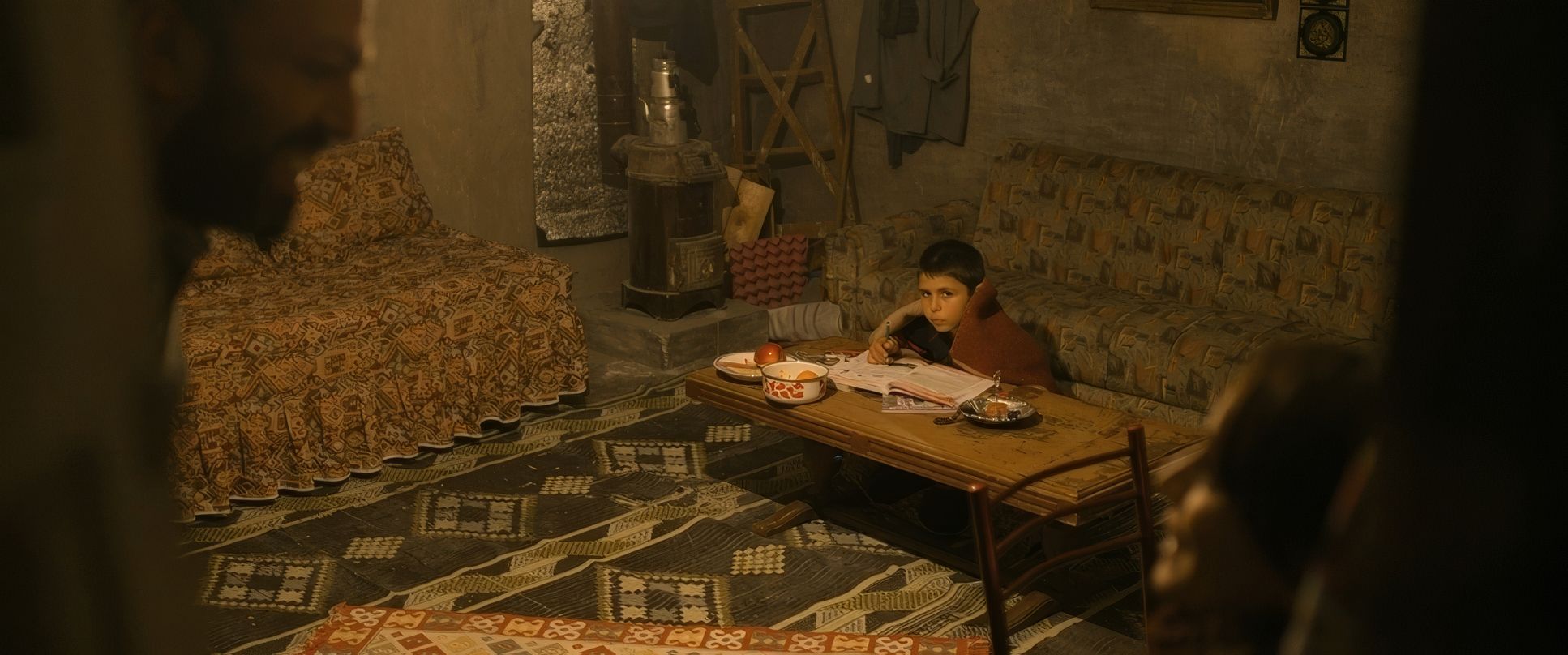
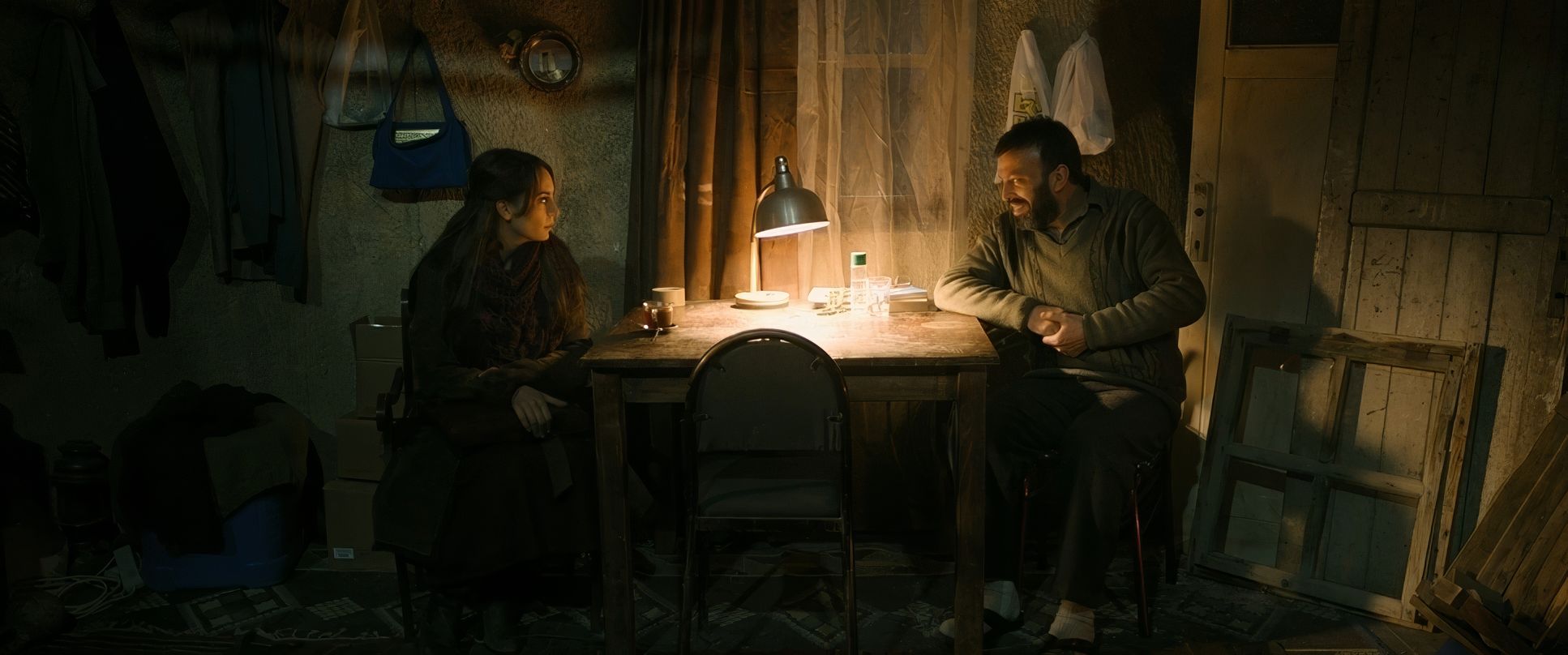
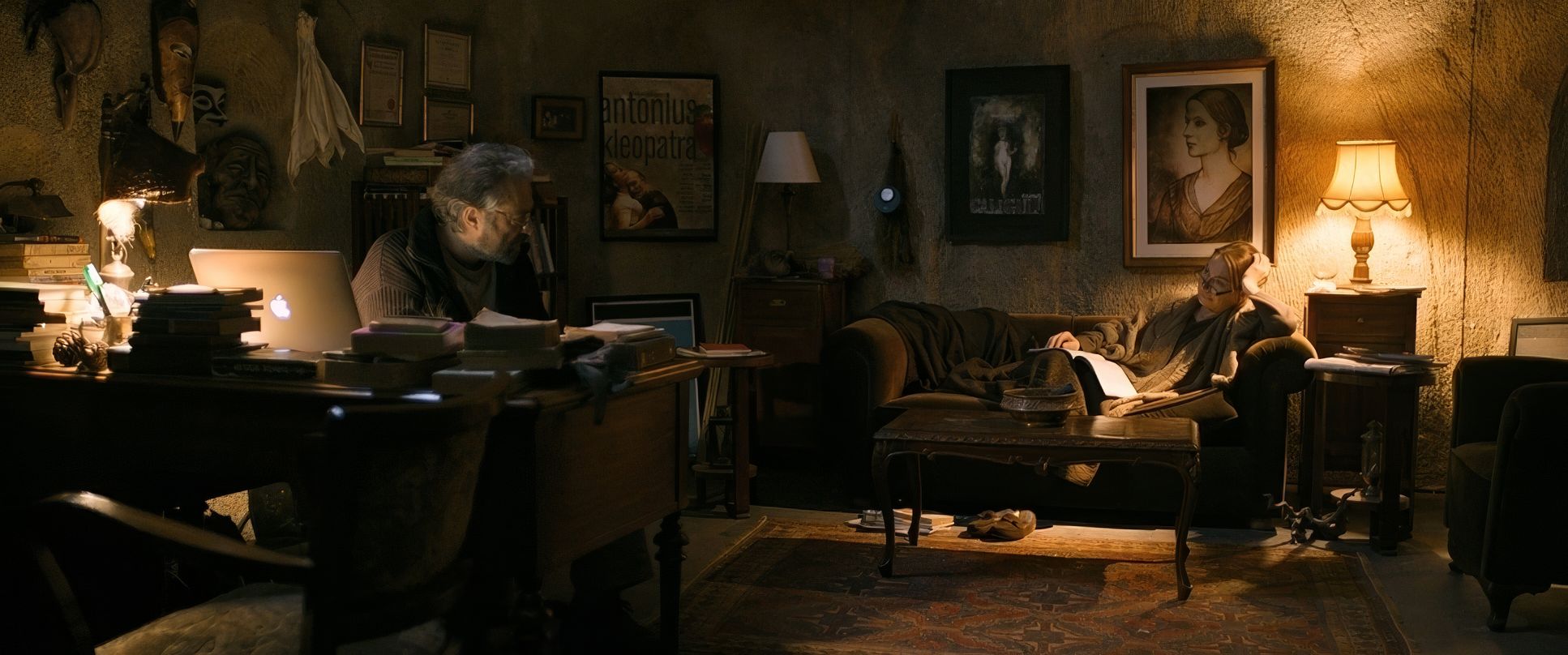
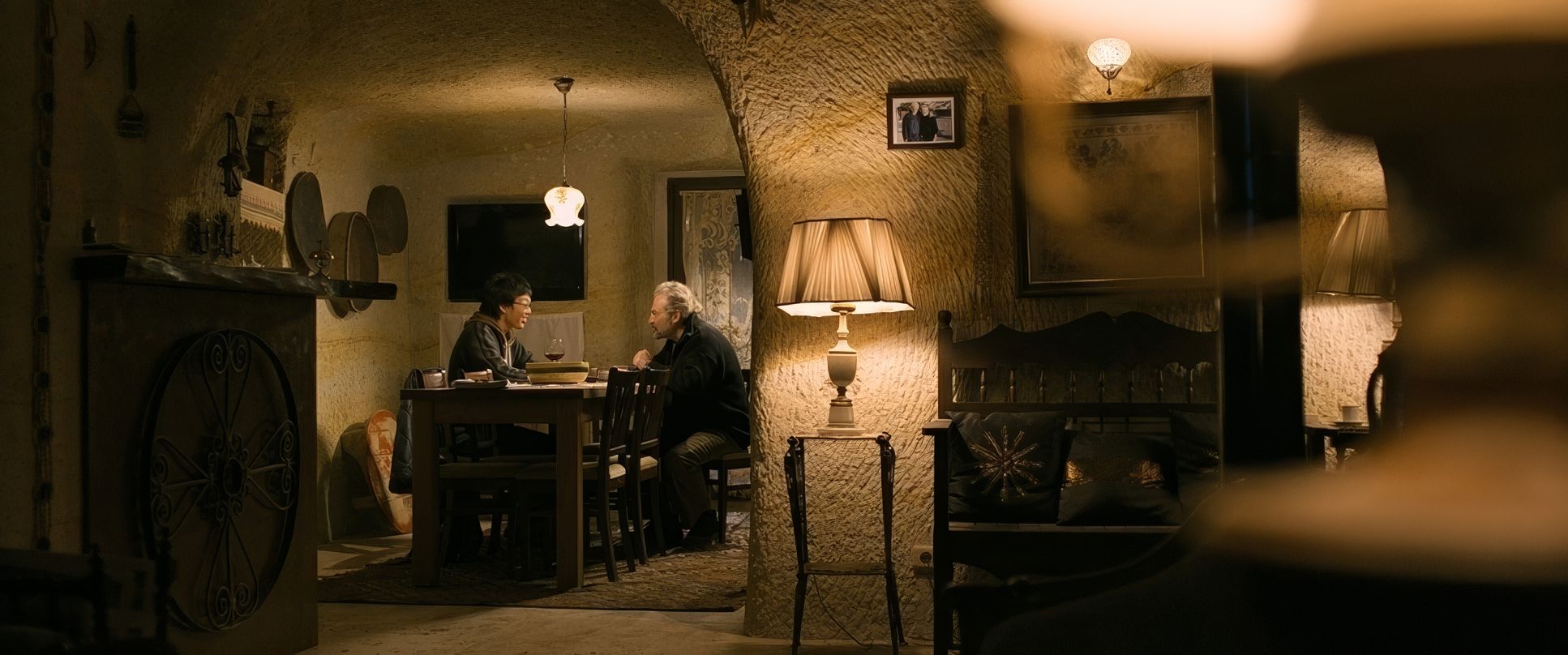
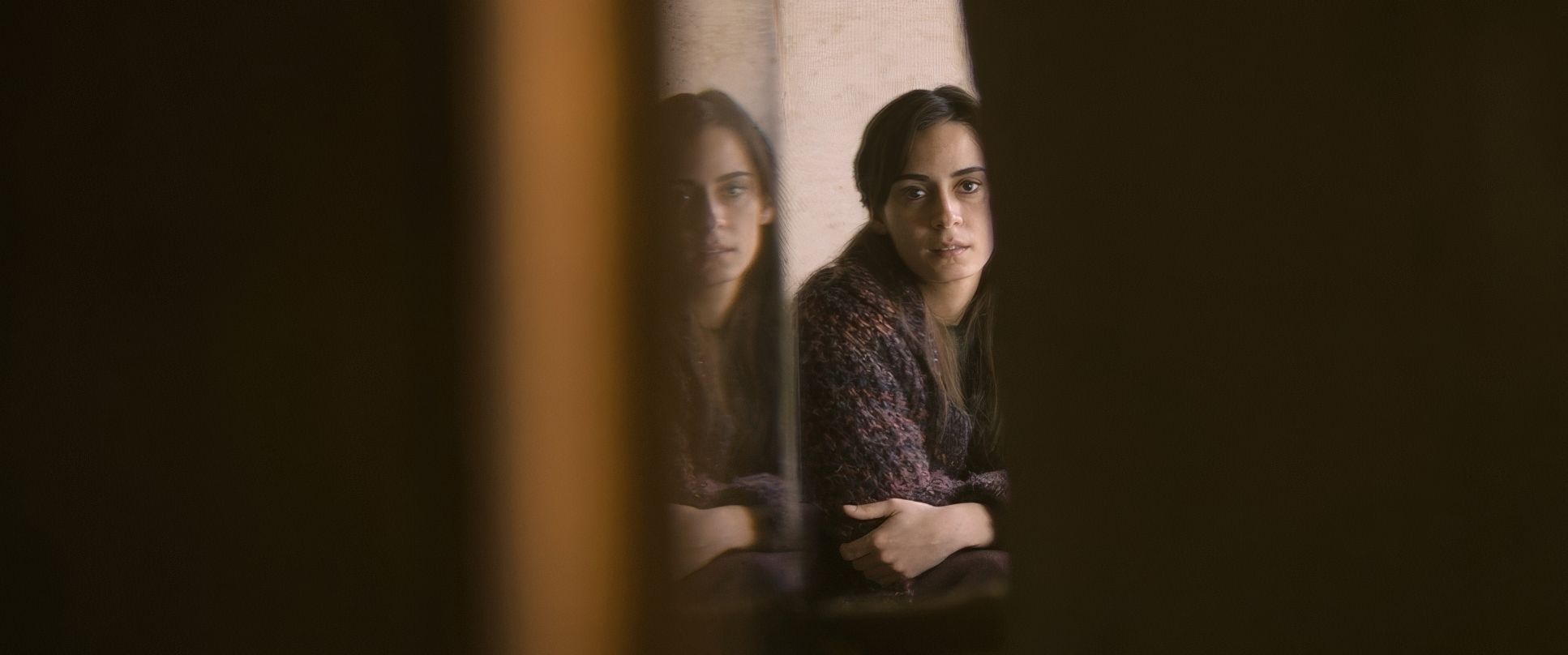
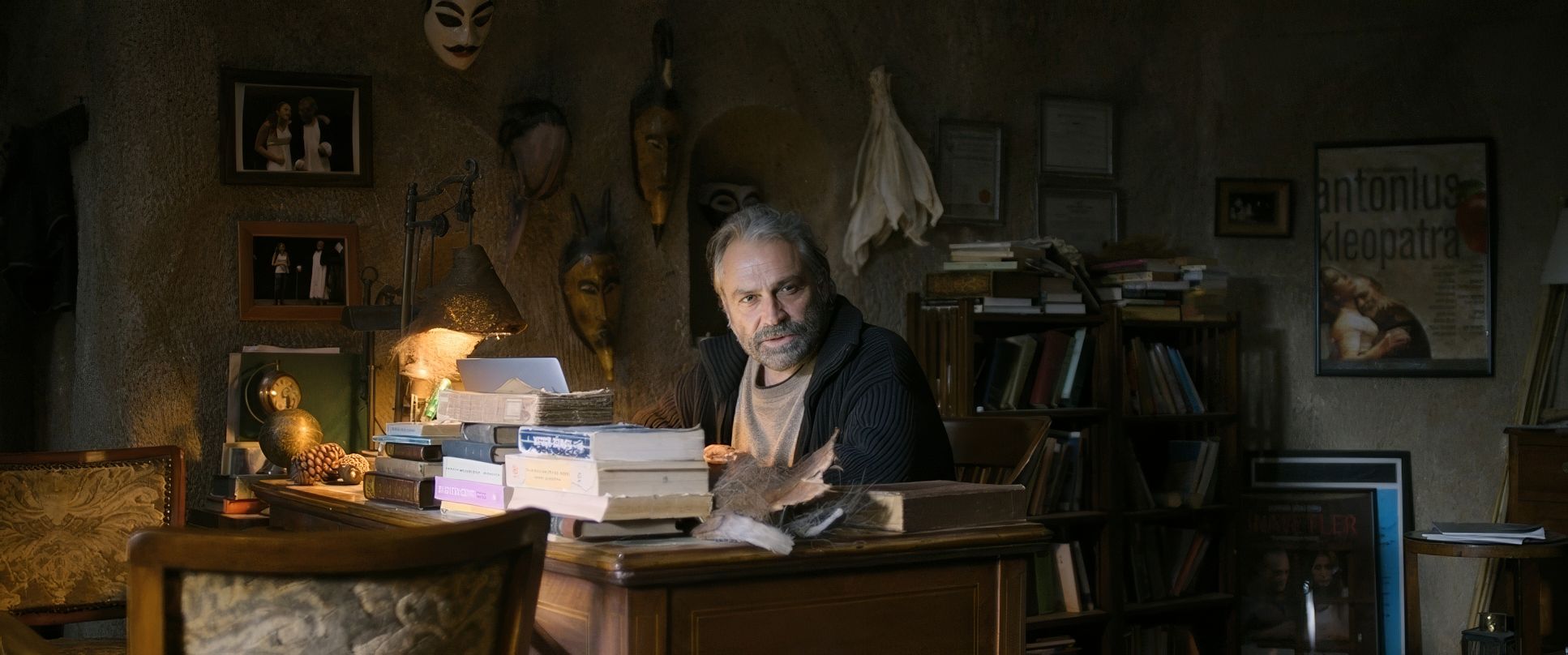
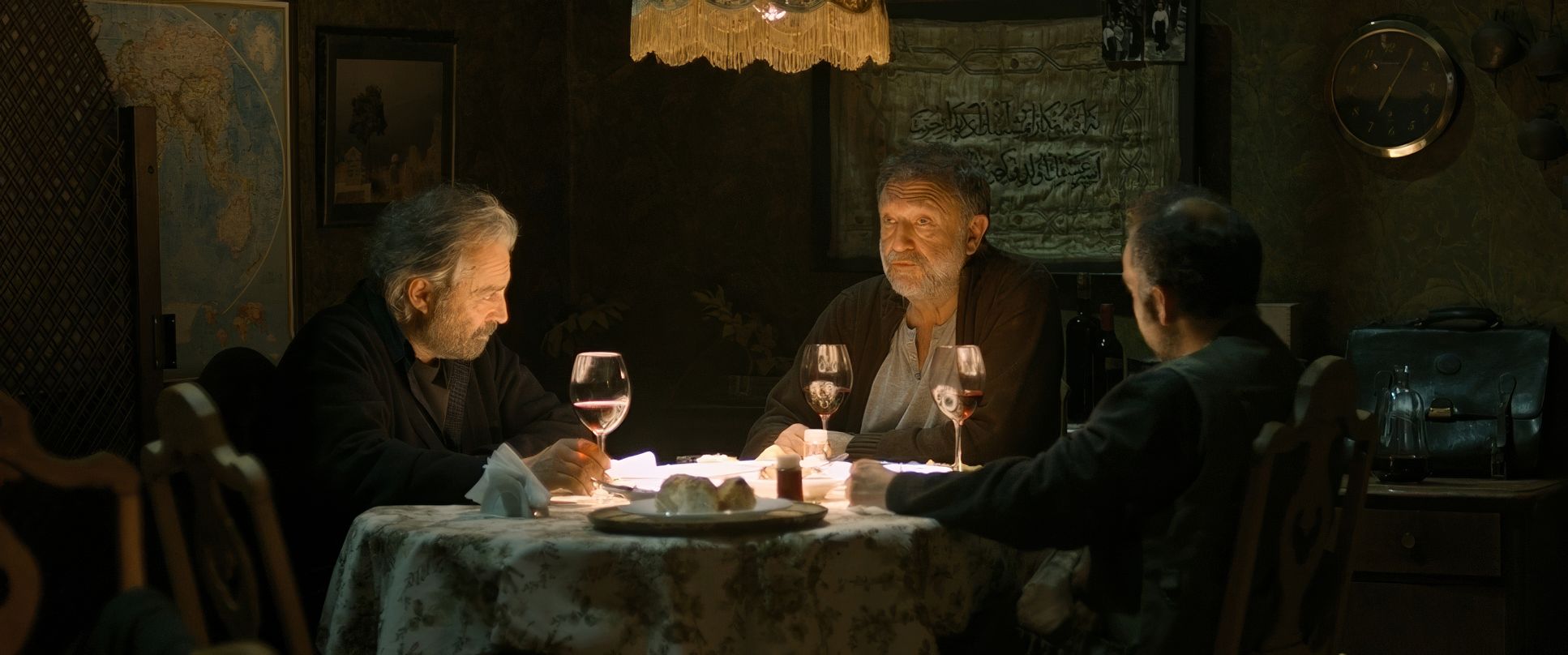
The blocking is where the real work happens. Tiryaki uses deep focus to keep every layer of the frame active. He’ll position a character with their back turned to their sibling, or use a doorway to frame someone like they’re in a cage. Negative space isn’t just “empty” here; it’s pregnant with all the things they aren’t saying.
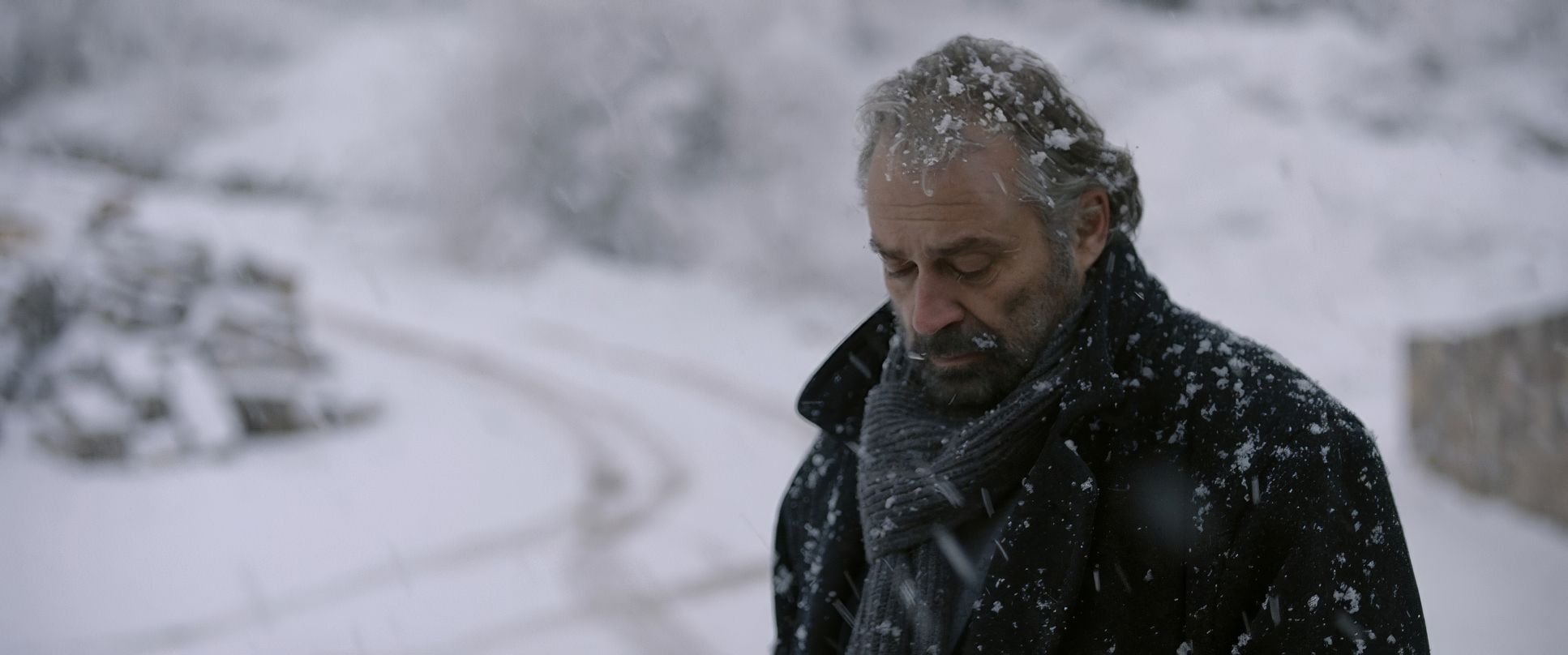
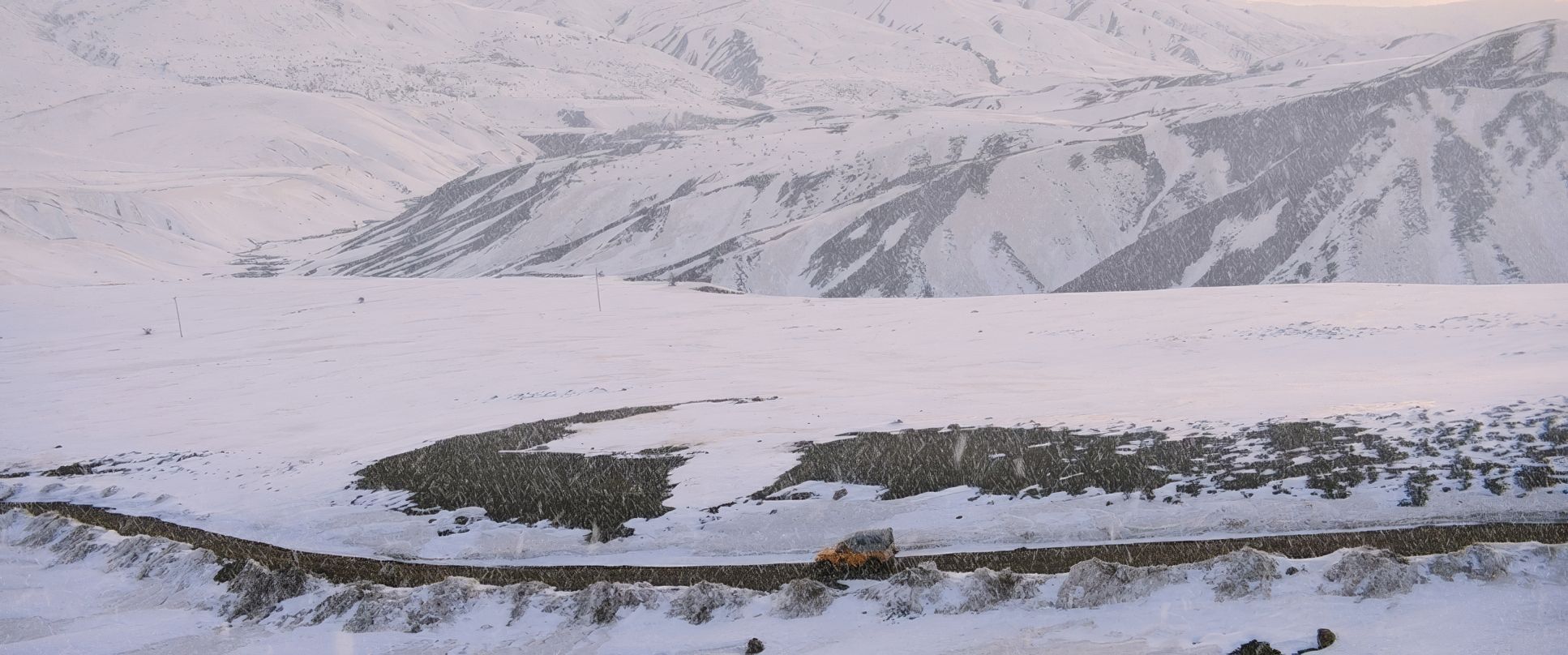
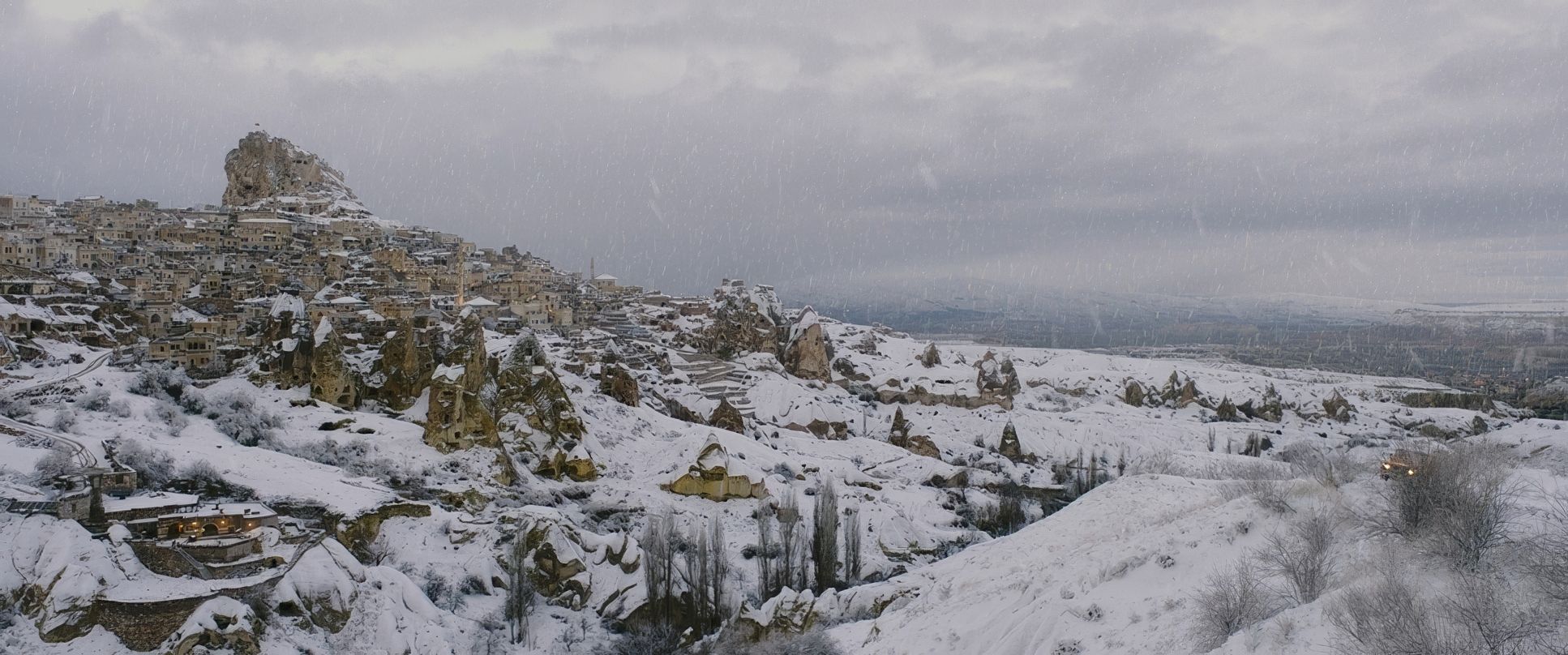
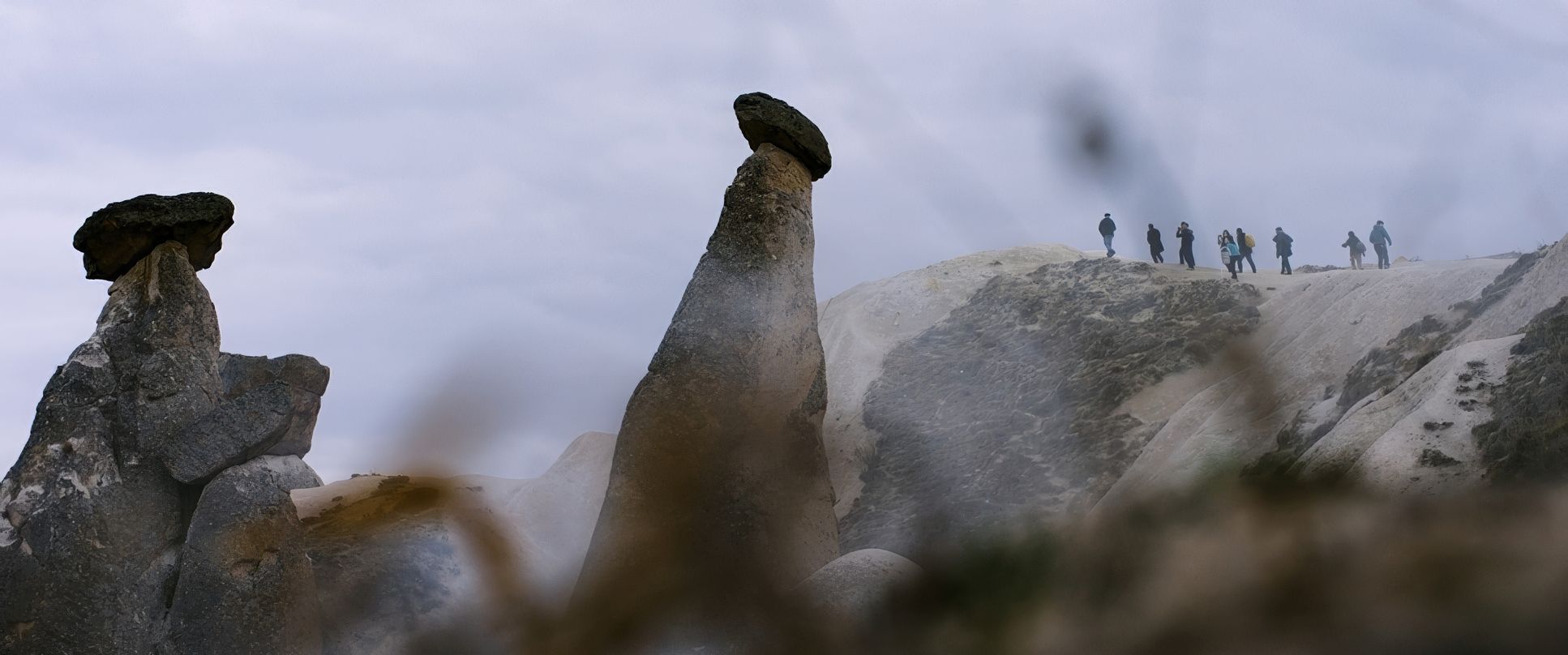
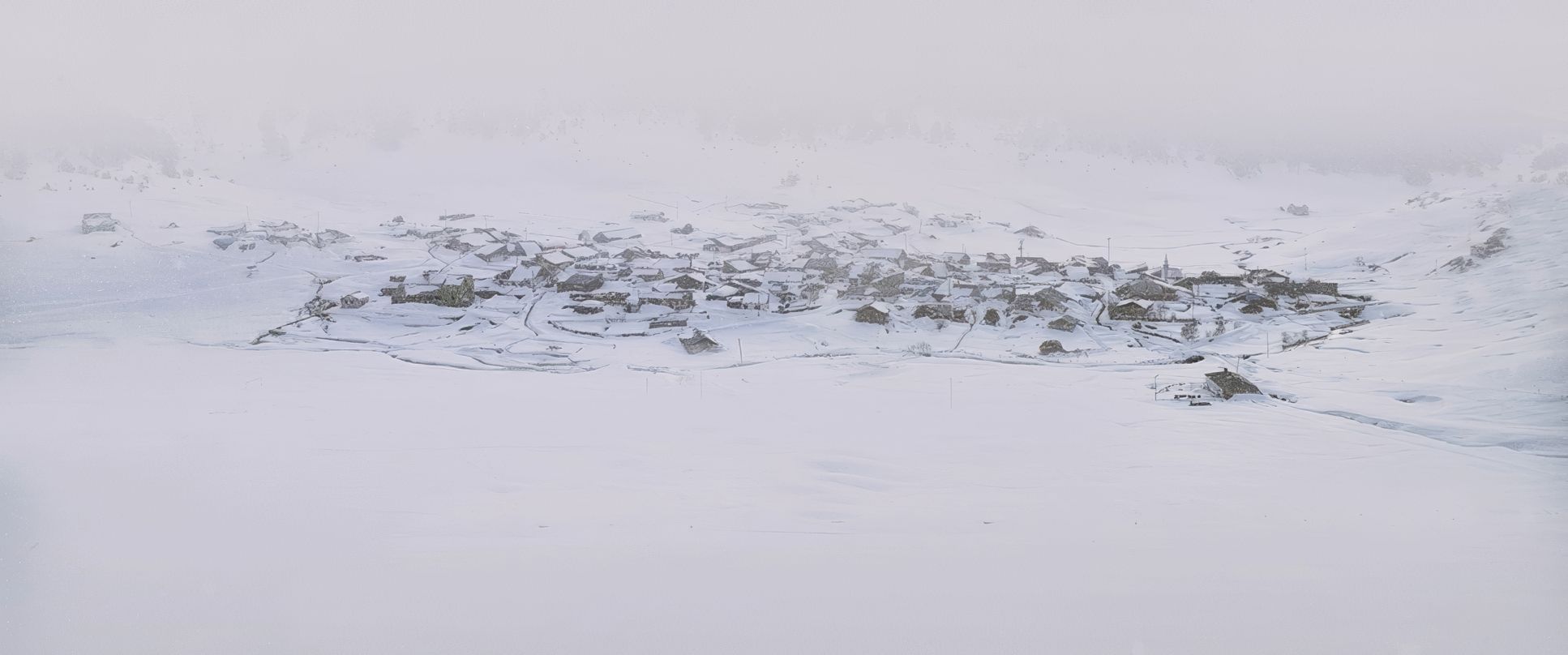
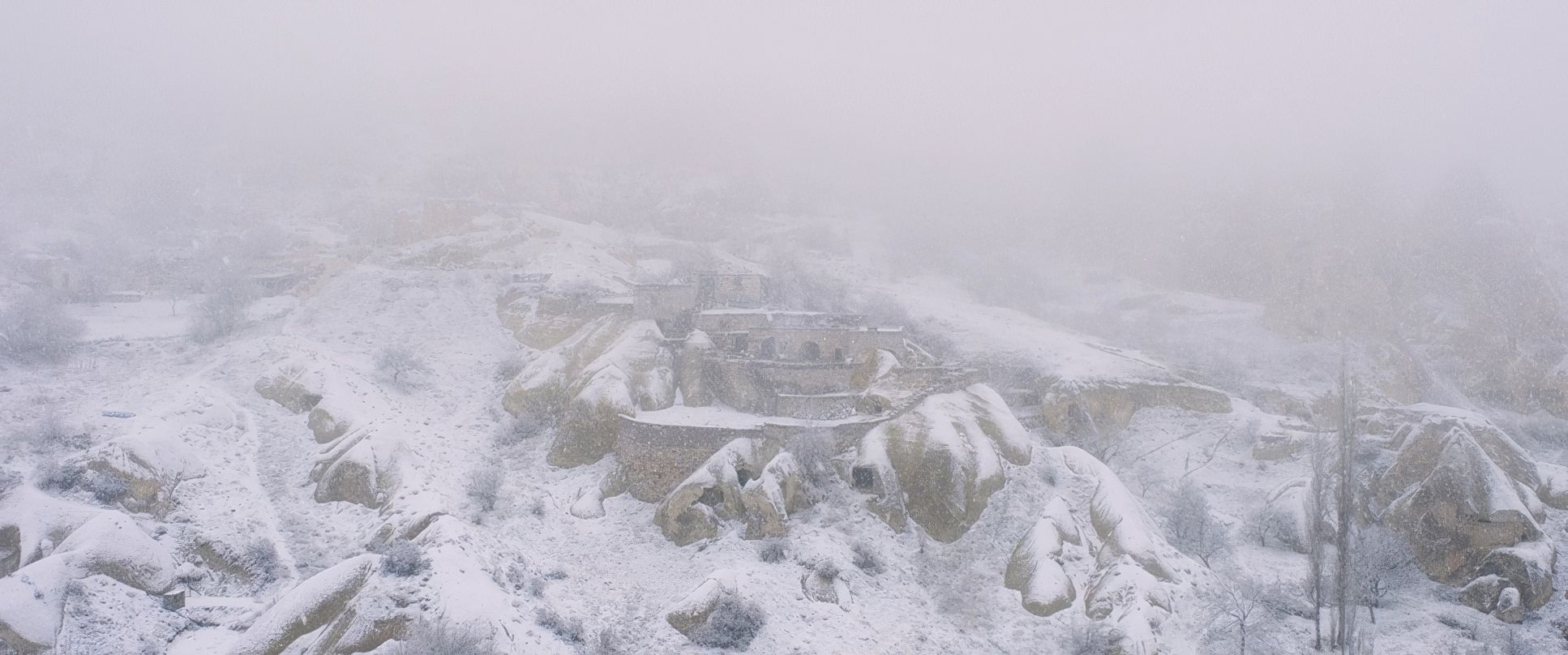
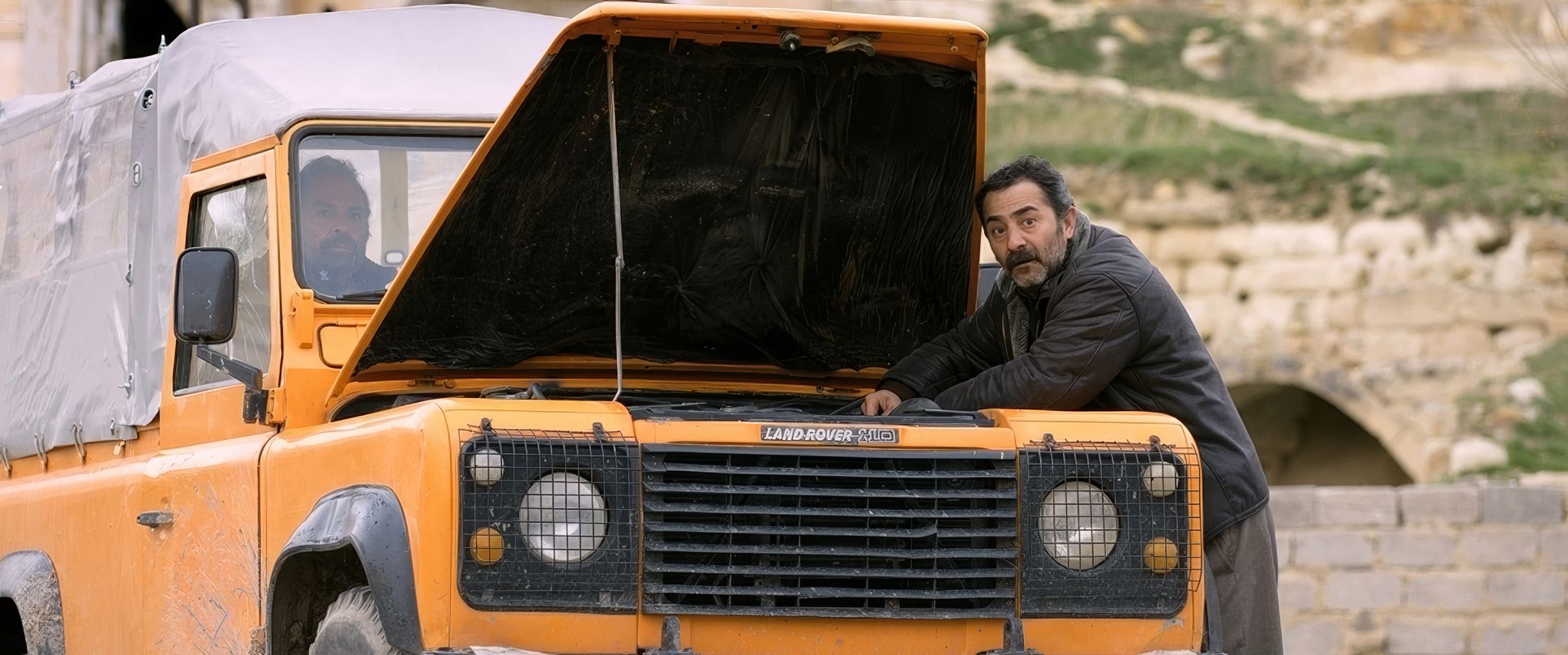
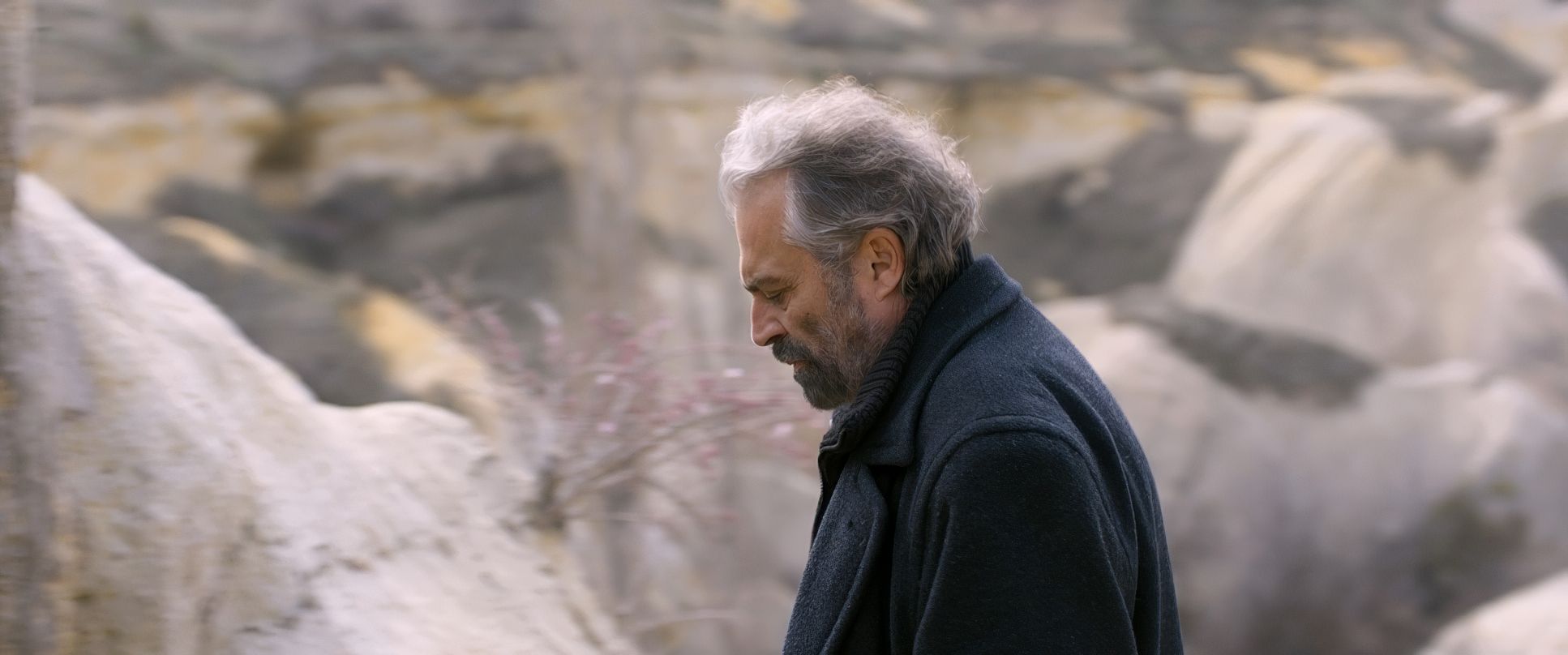
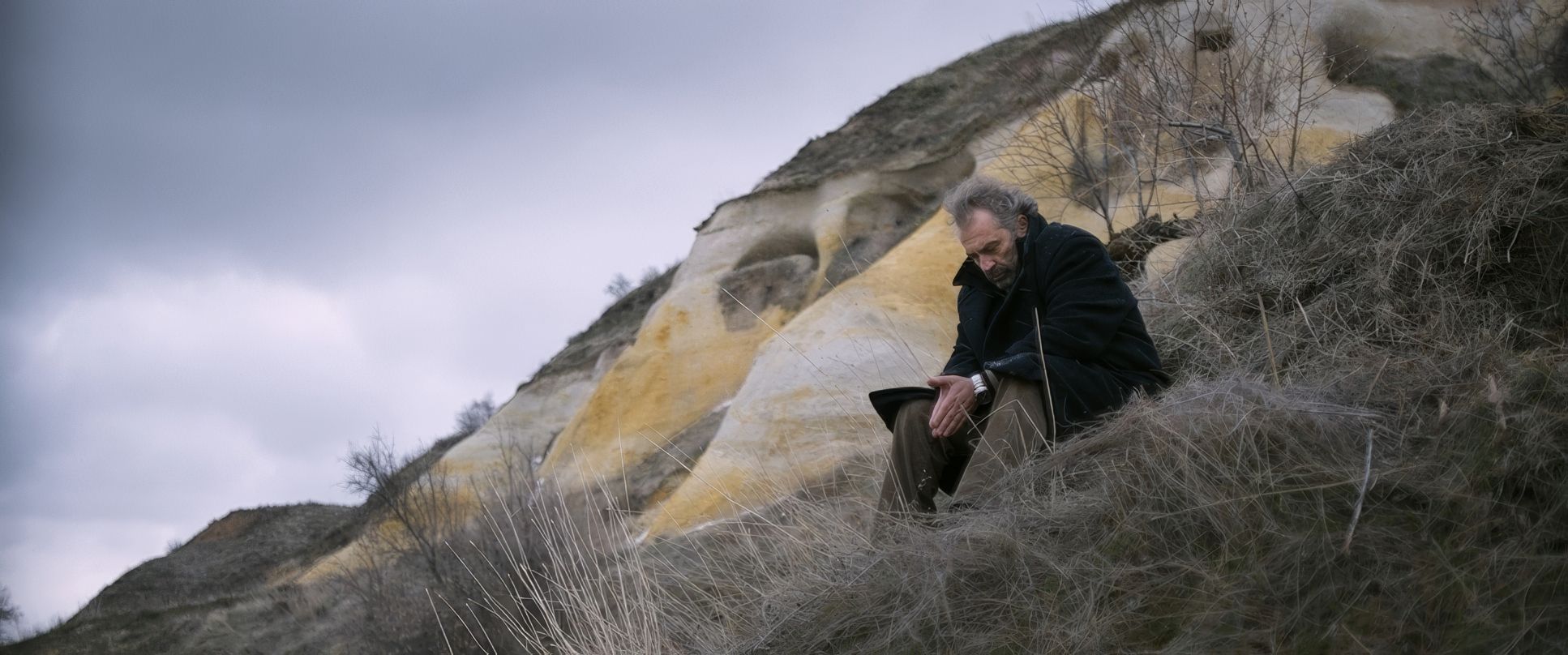
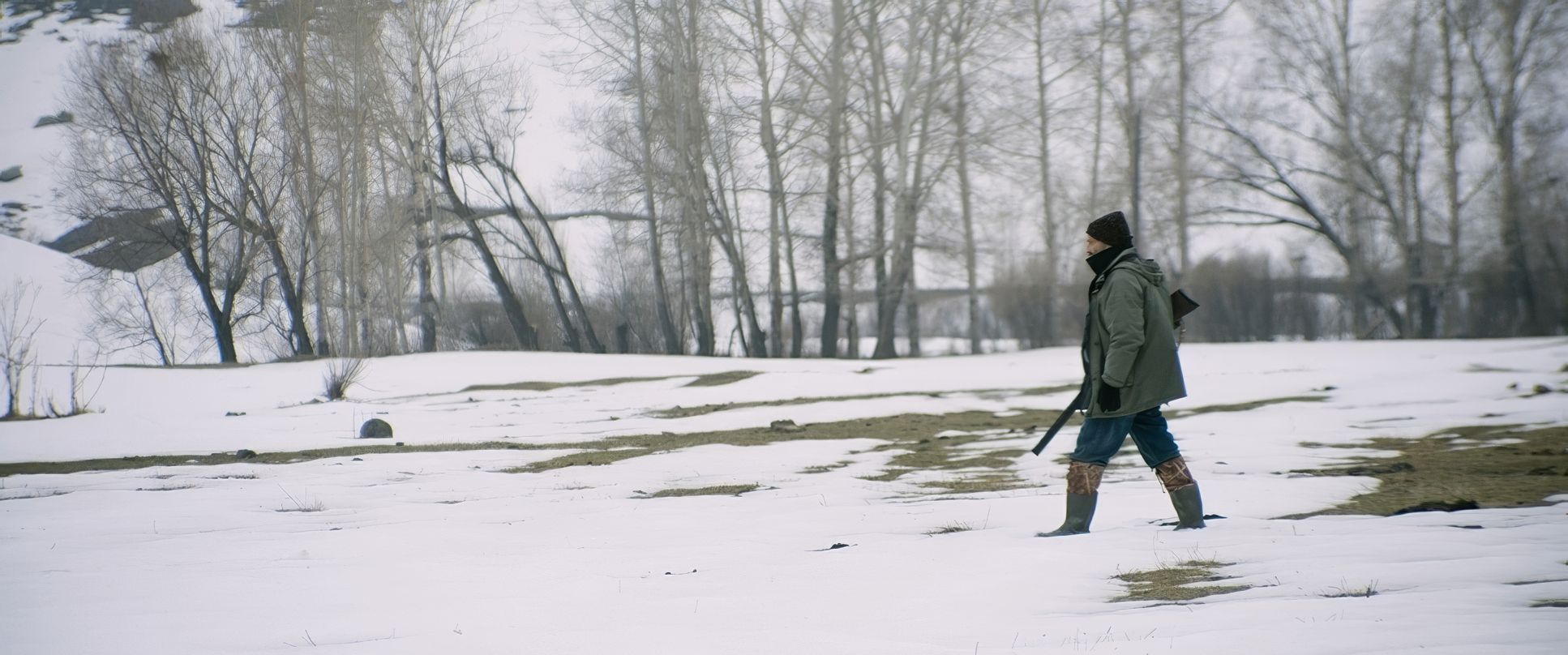
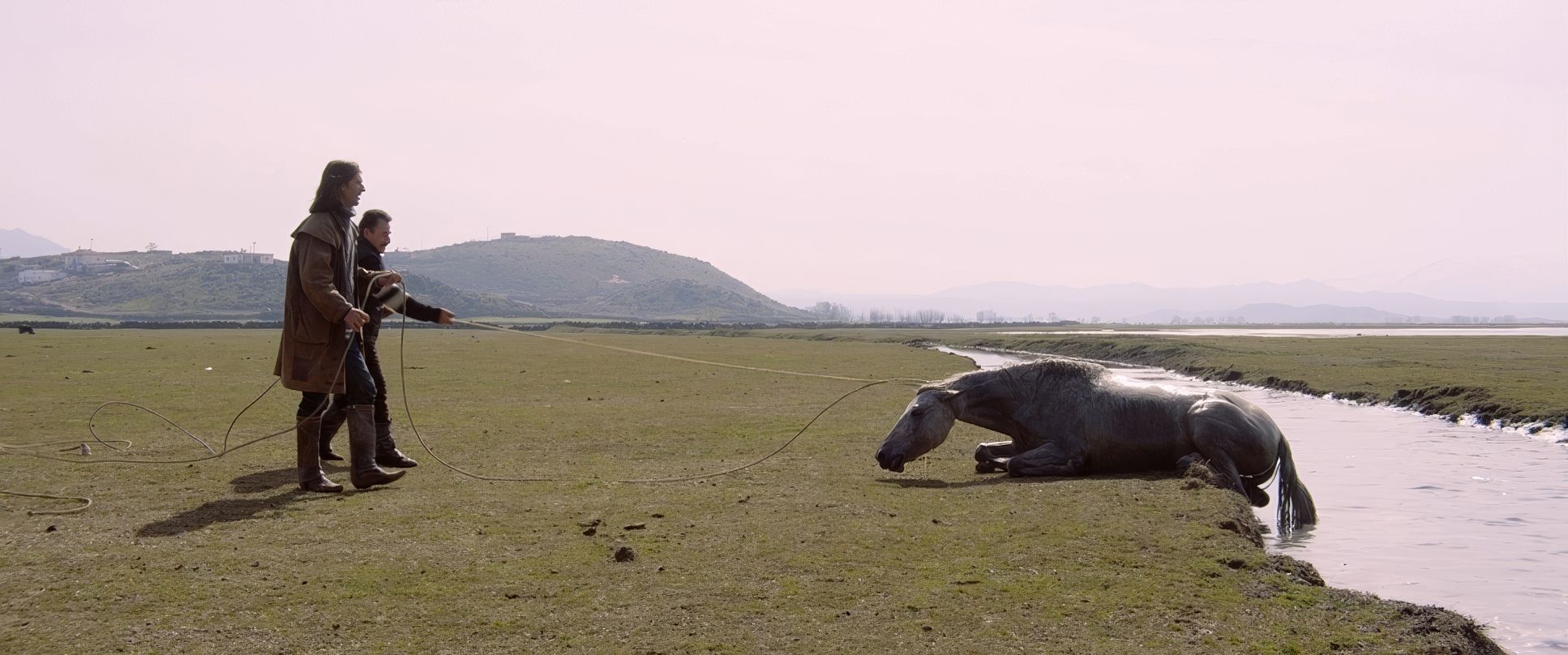
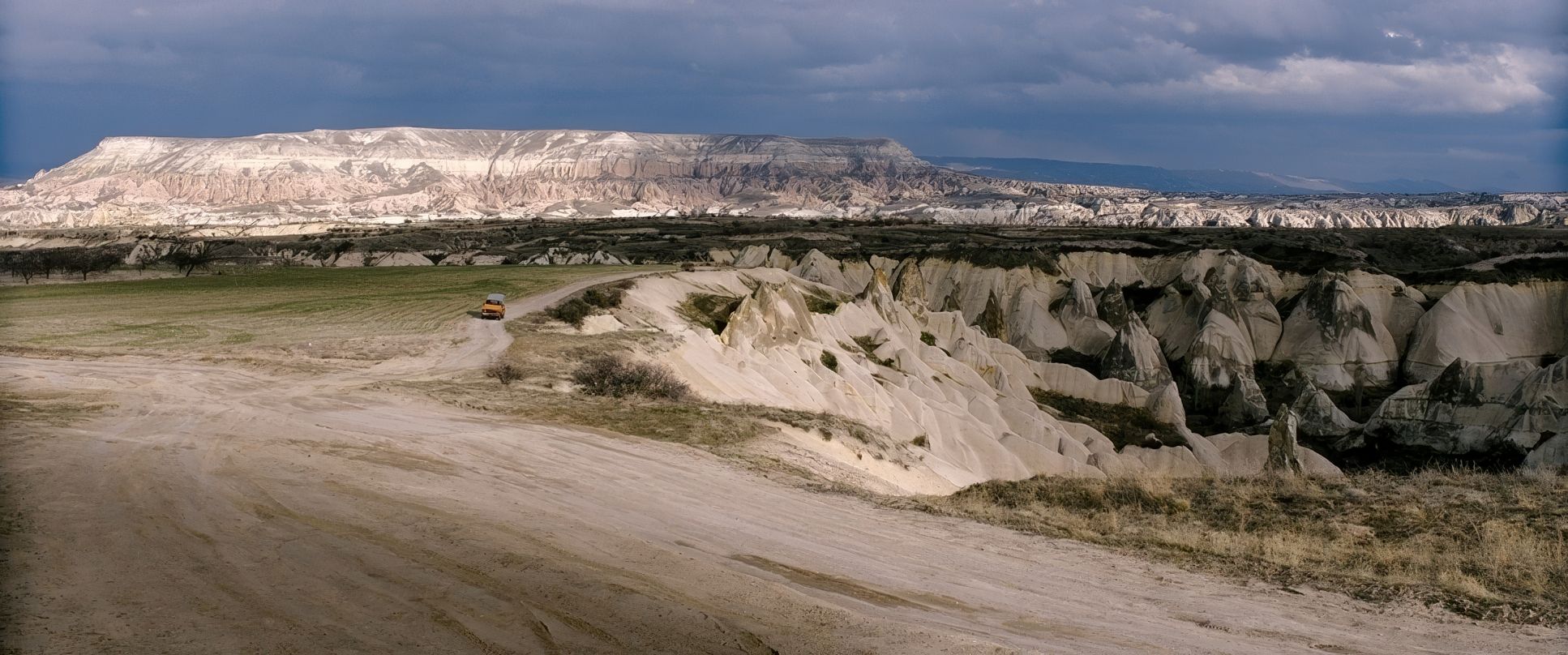
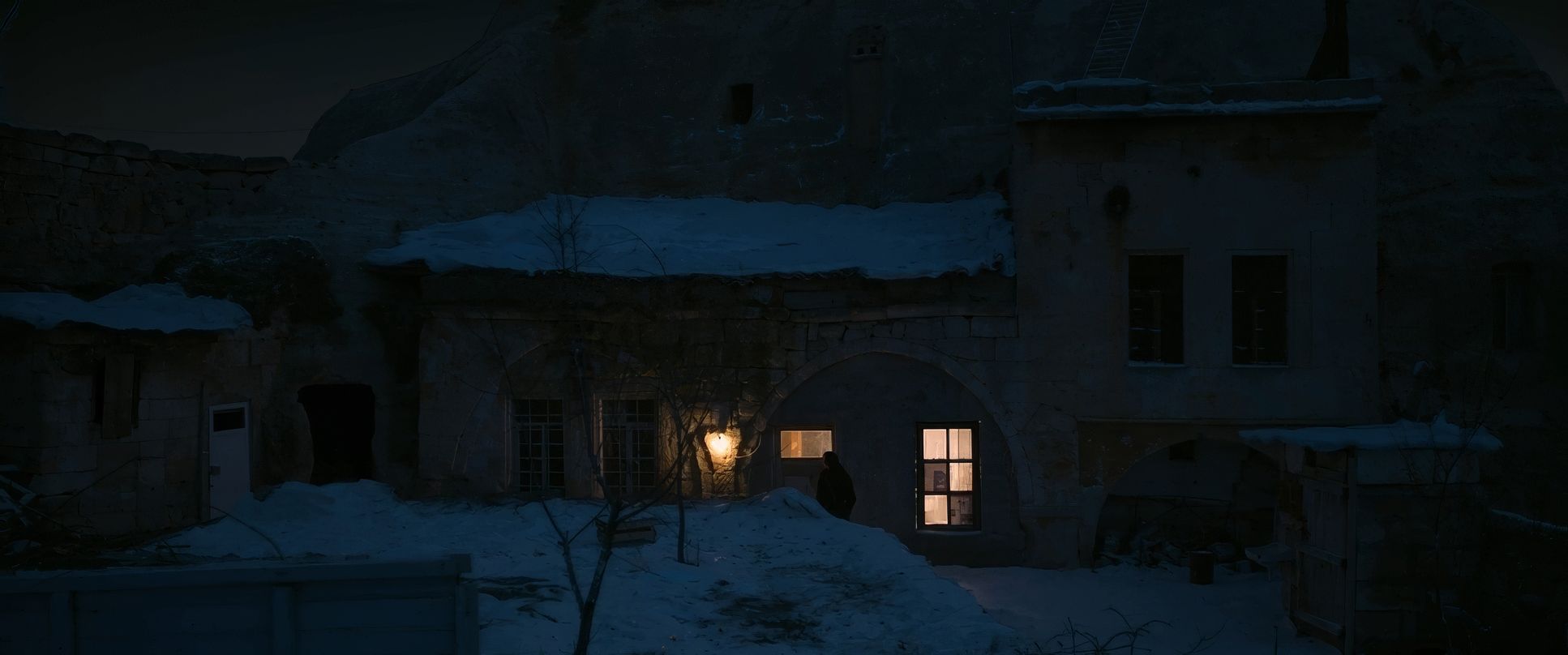
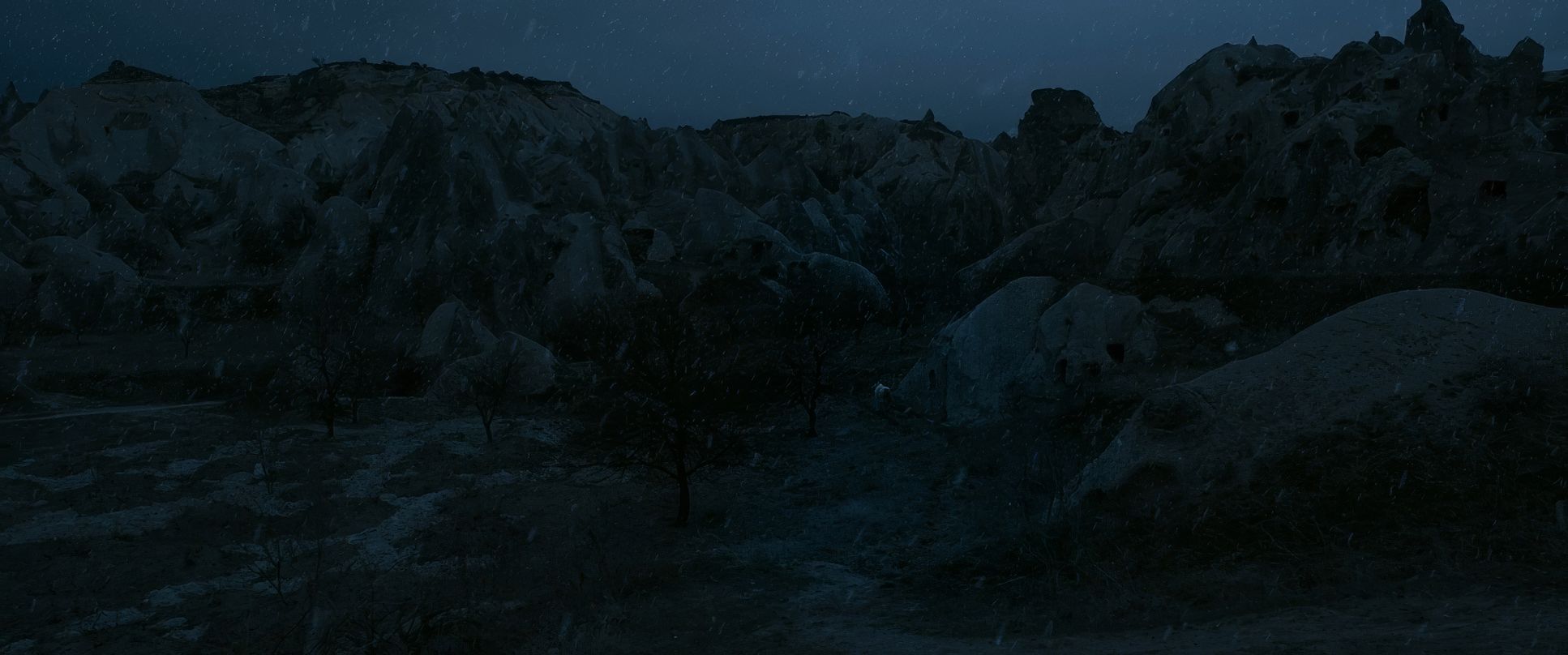
Indoors, the shots feel like a stage a nod to Aydin’s acting past. Outdoors, the Anatolian landscape is indifferent and massive. That jump between the suffocating interior and the brutal, cold exterior is what keeps the tension alive.
Lighting Style

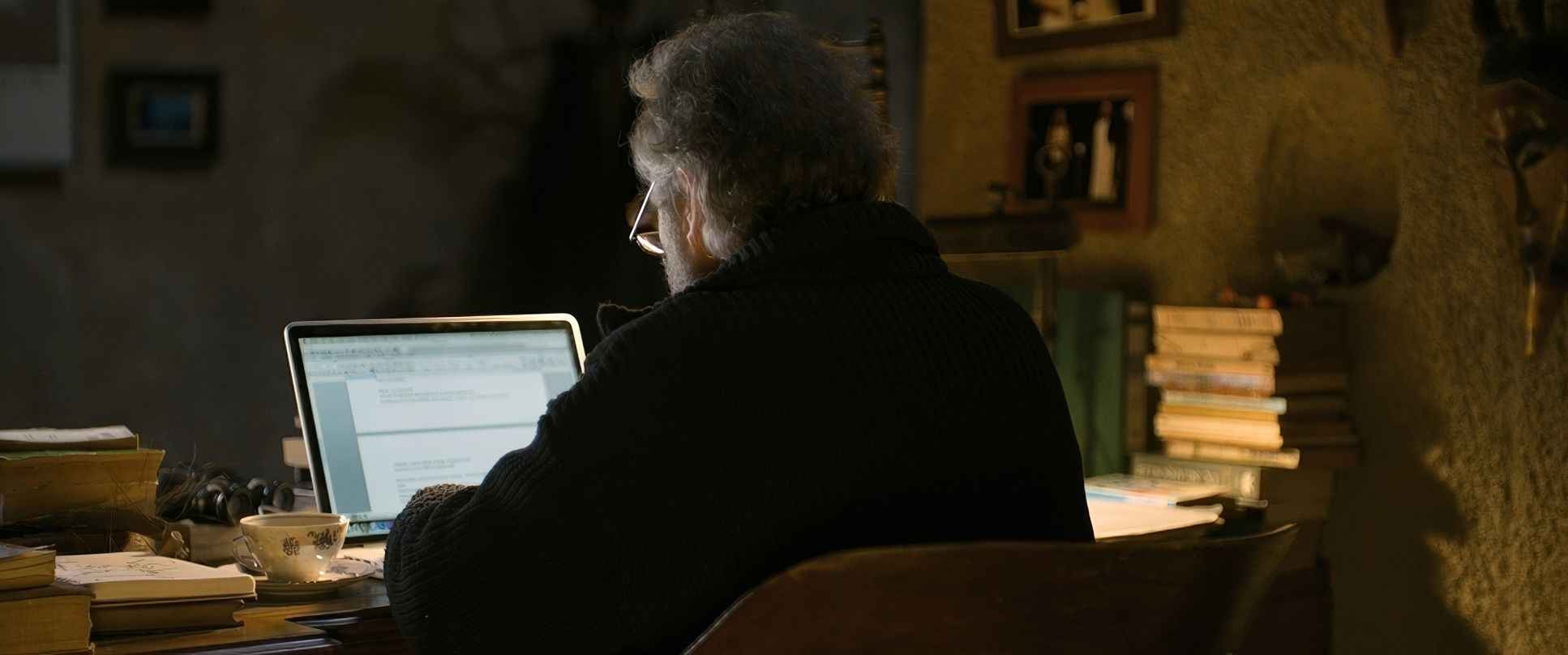
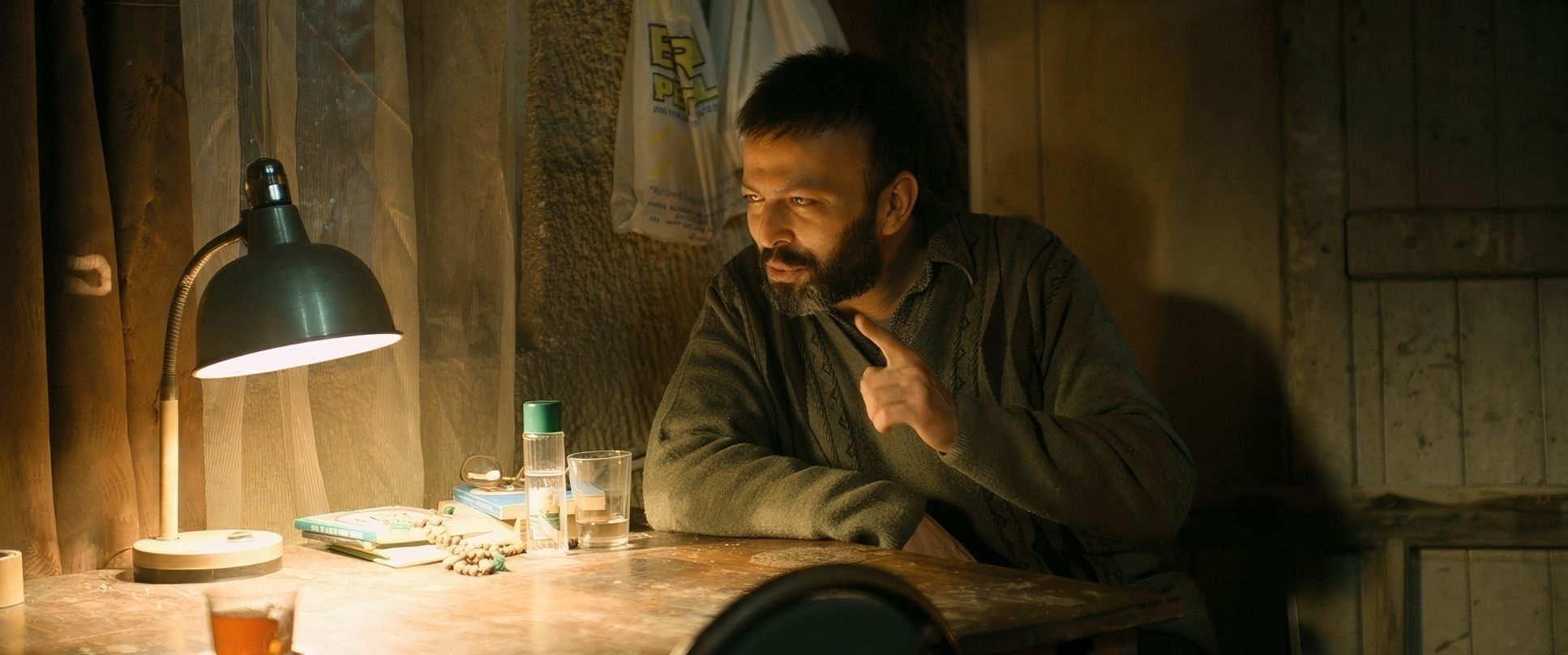
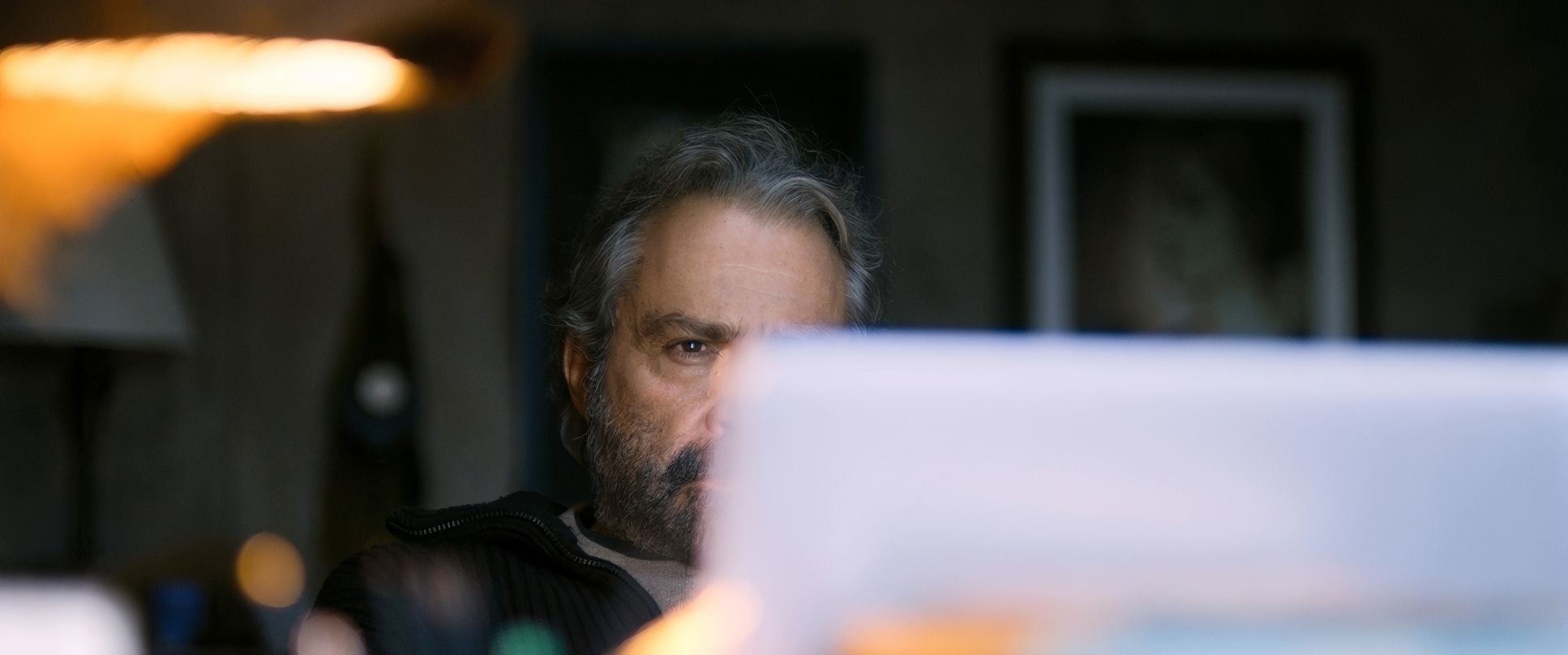
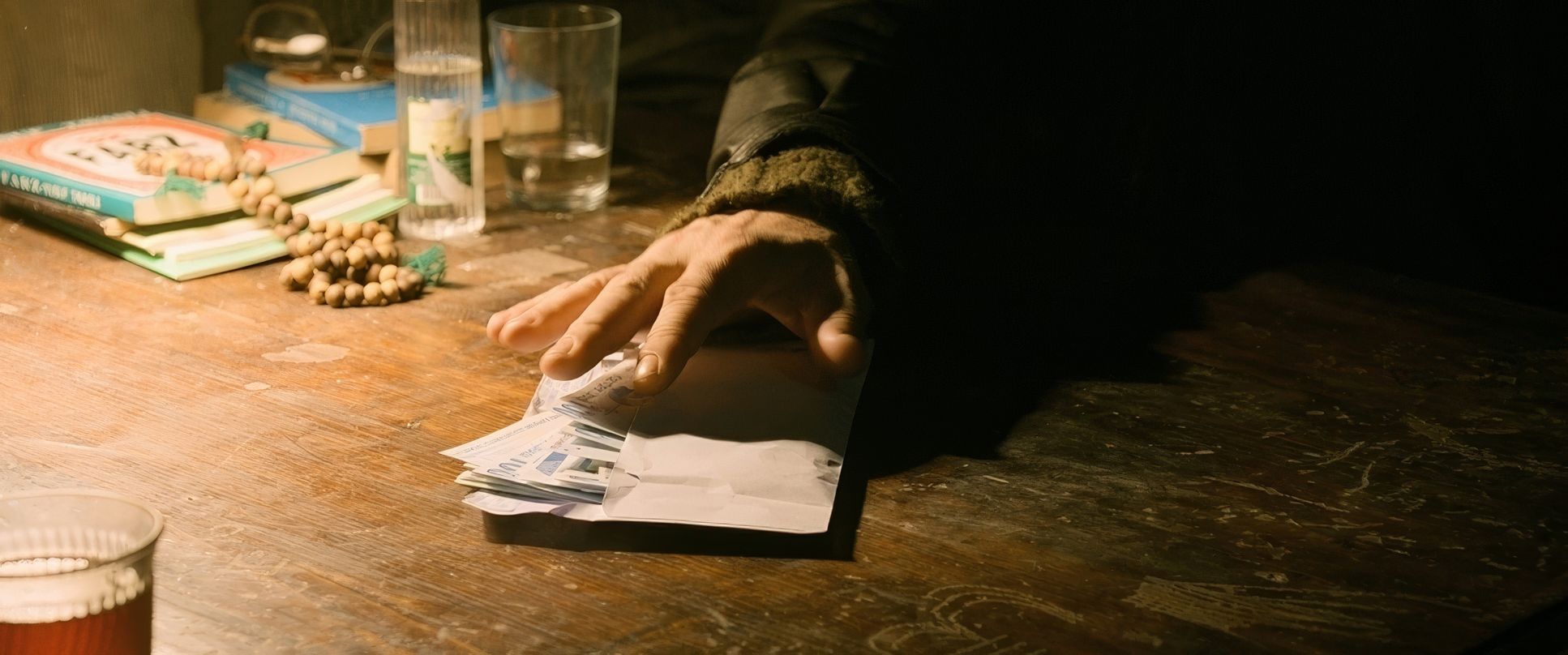
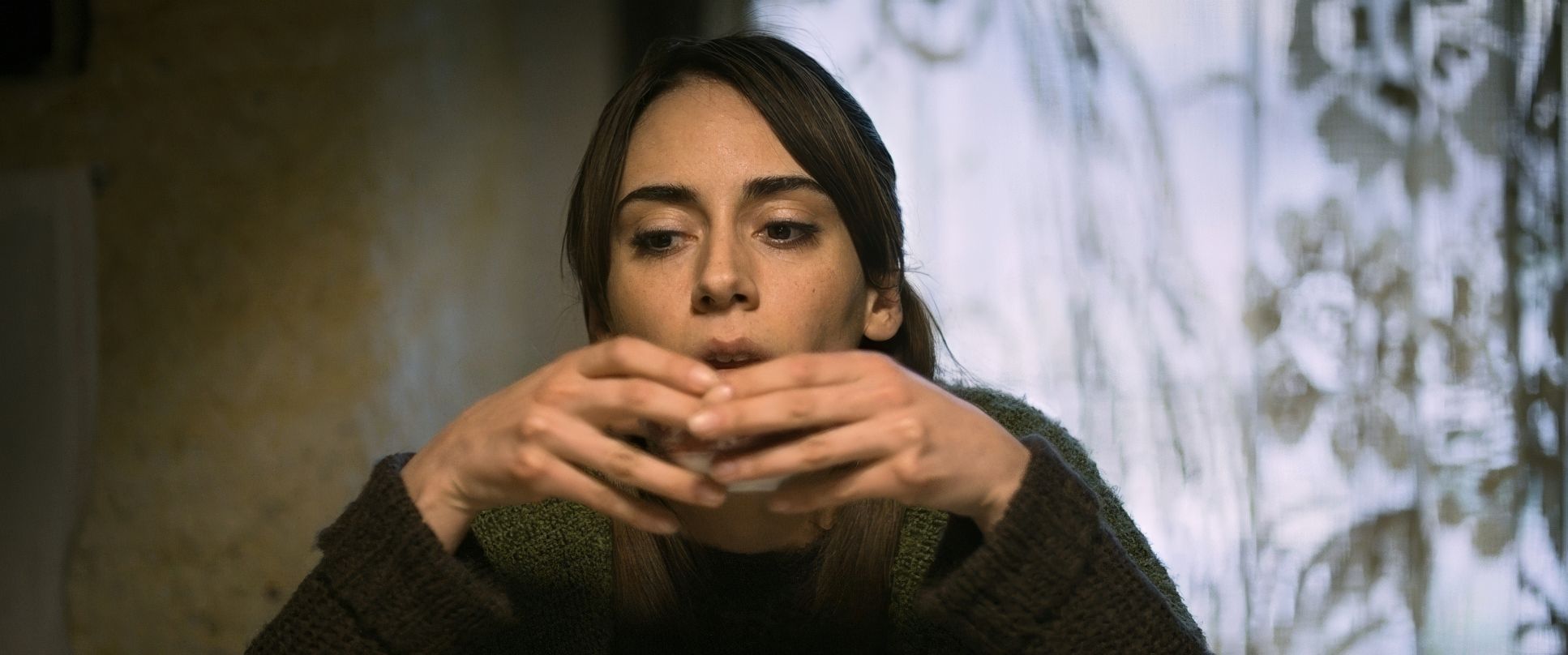
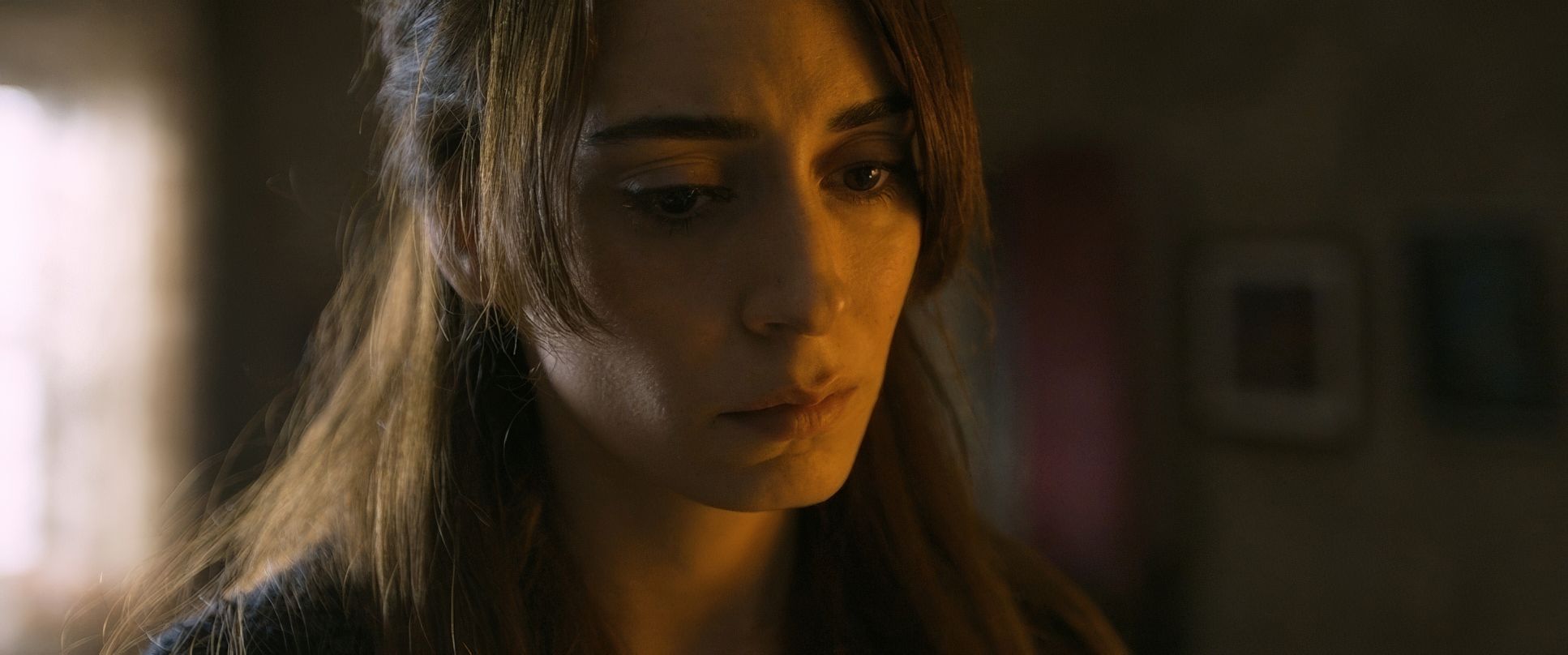
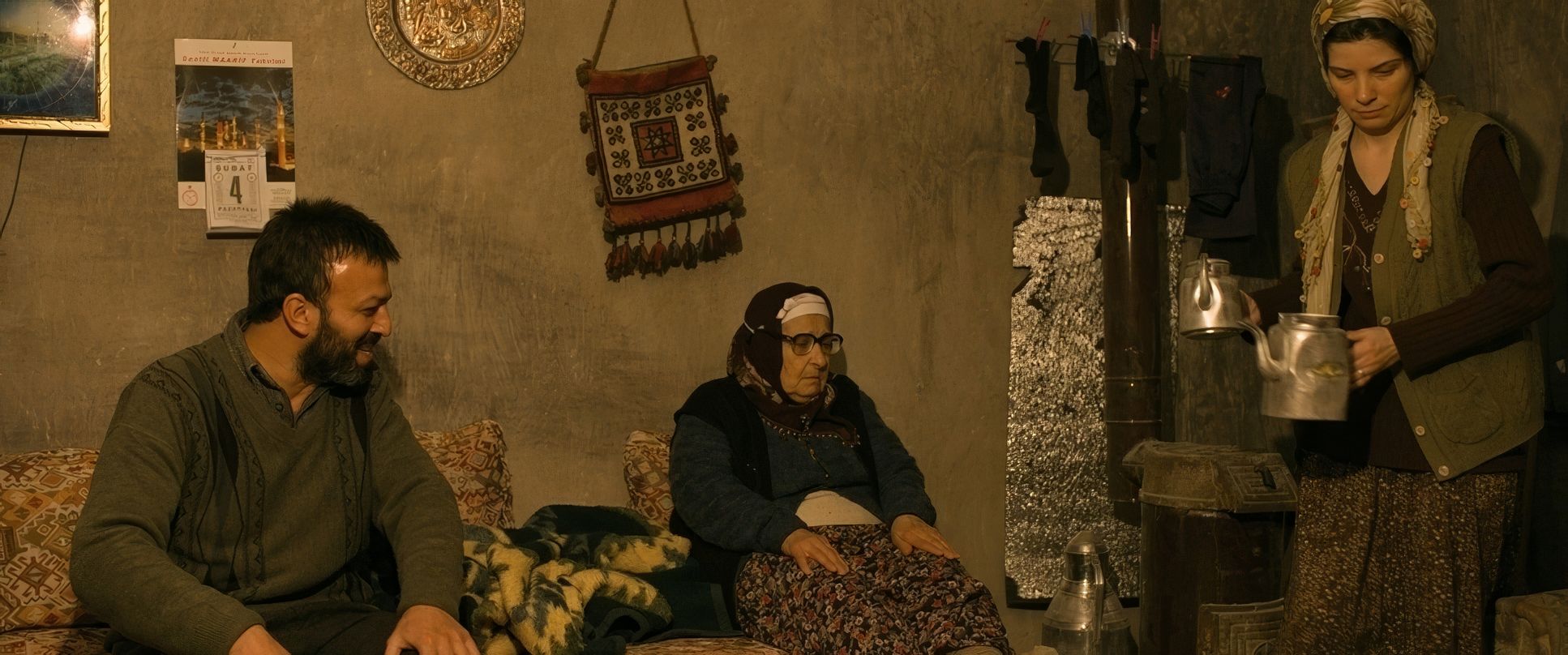
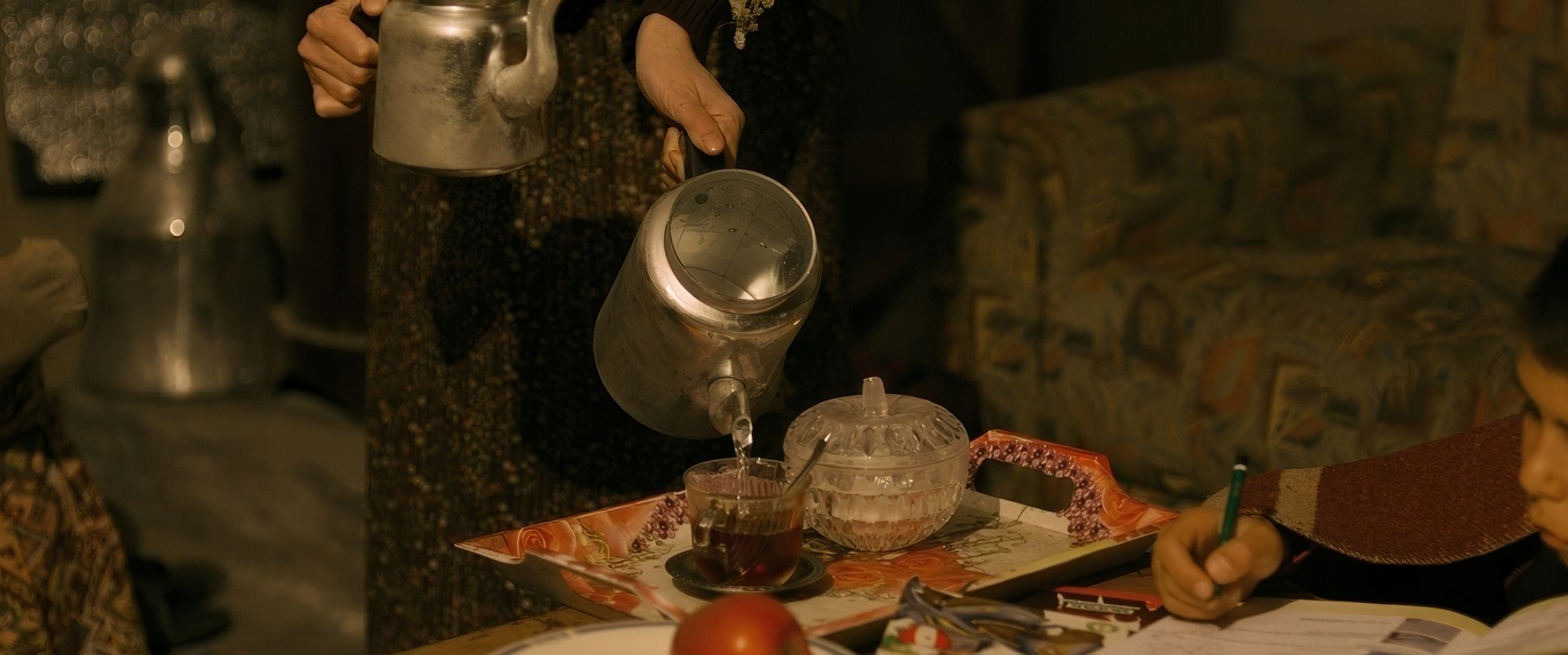
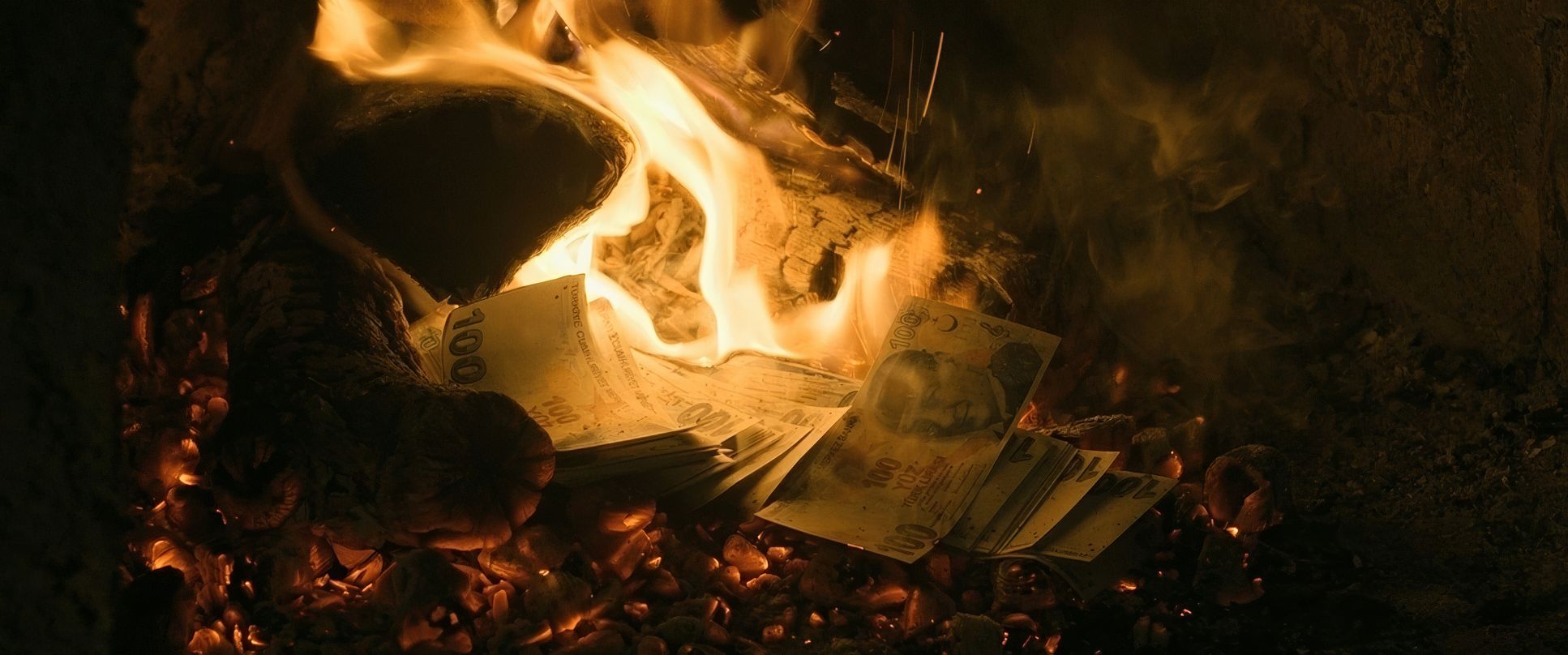
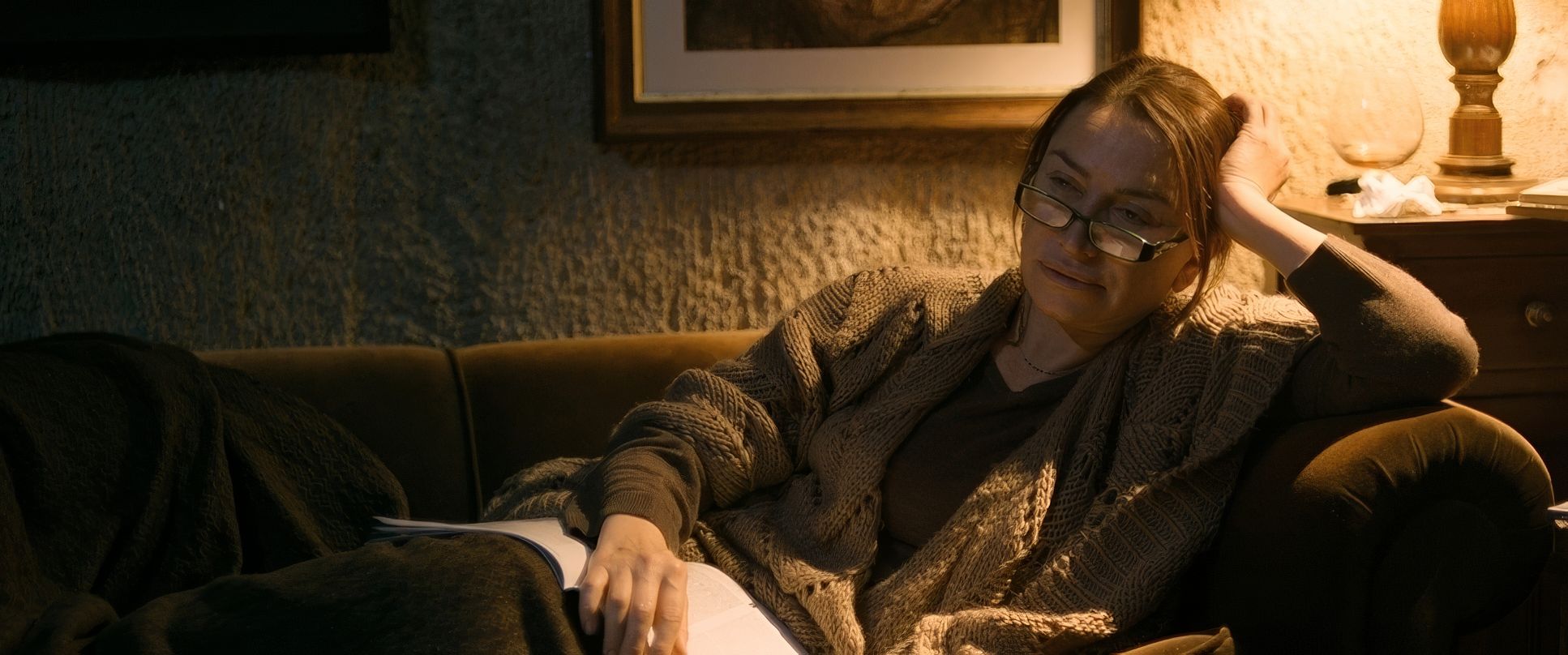
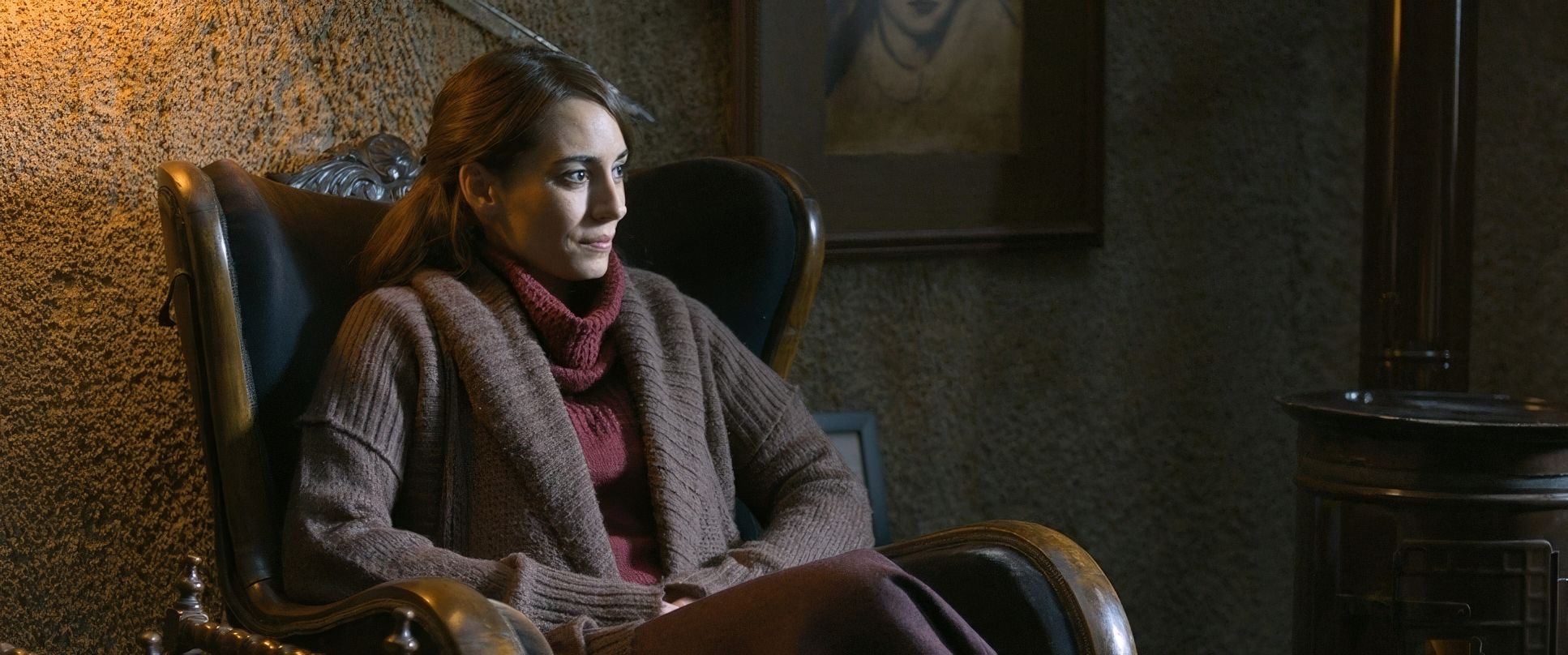
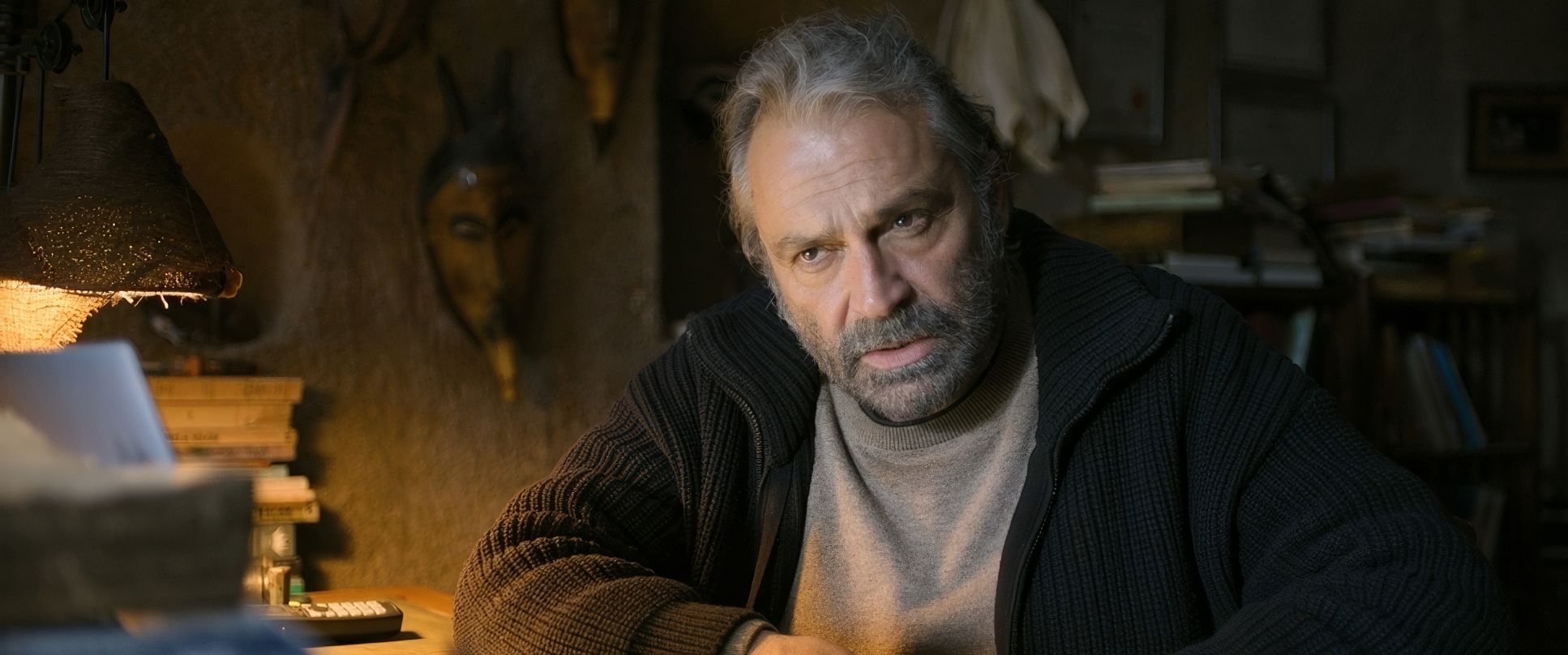
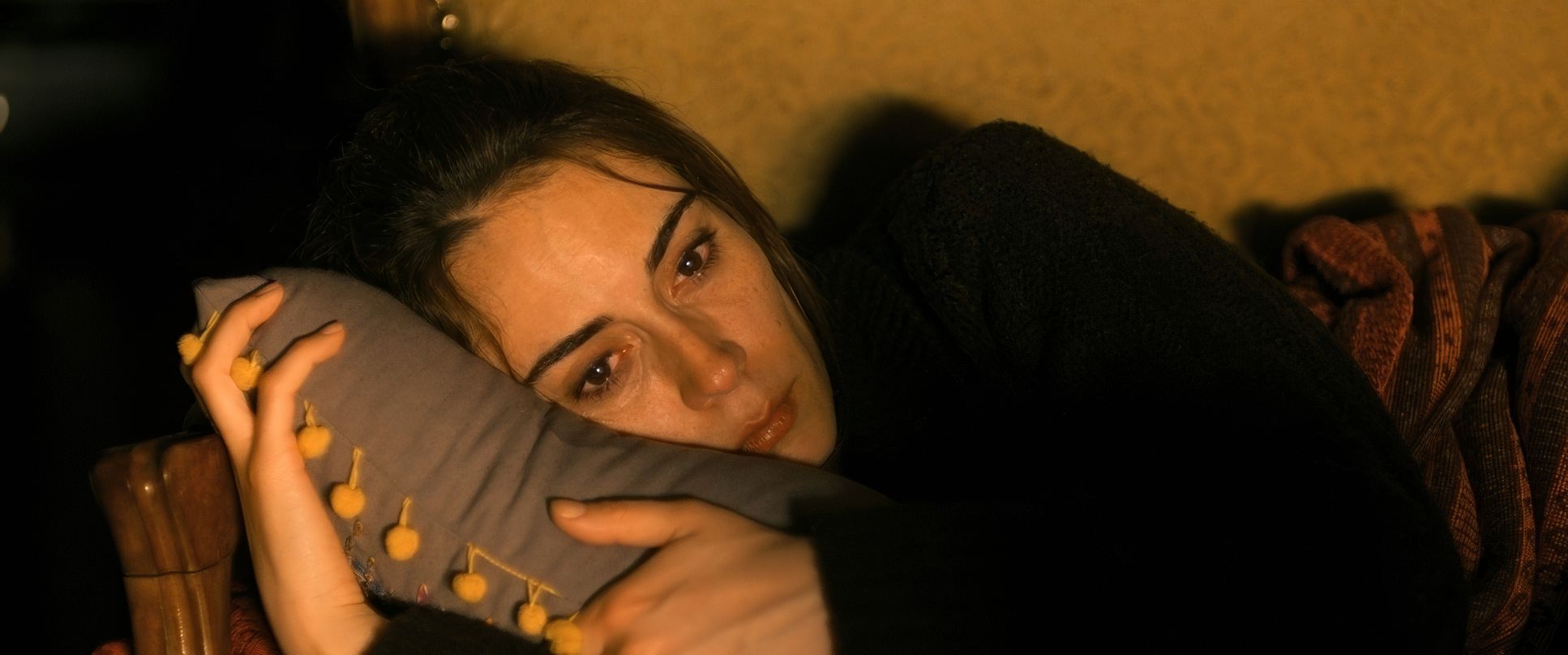
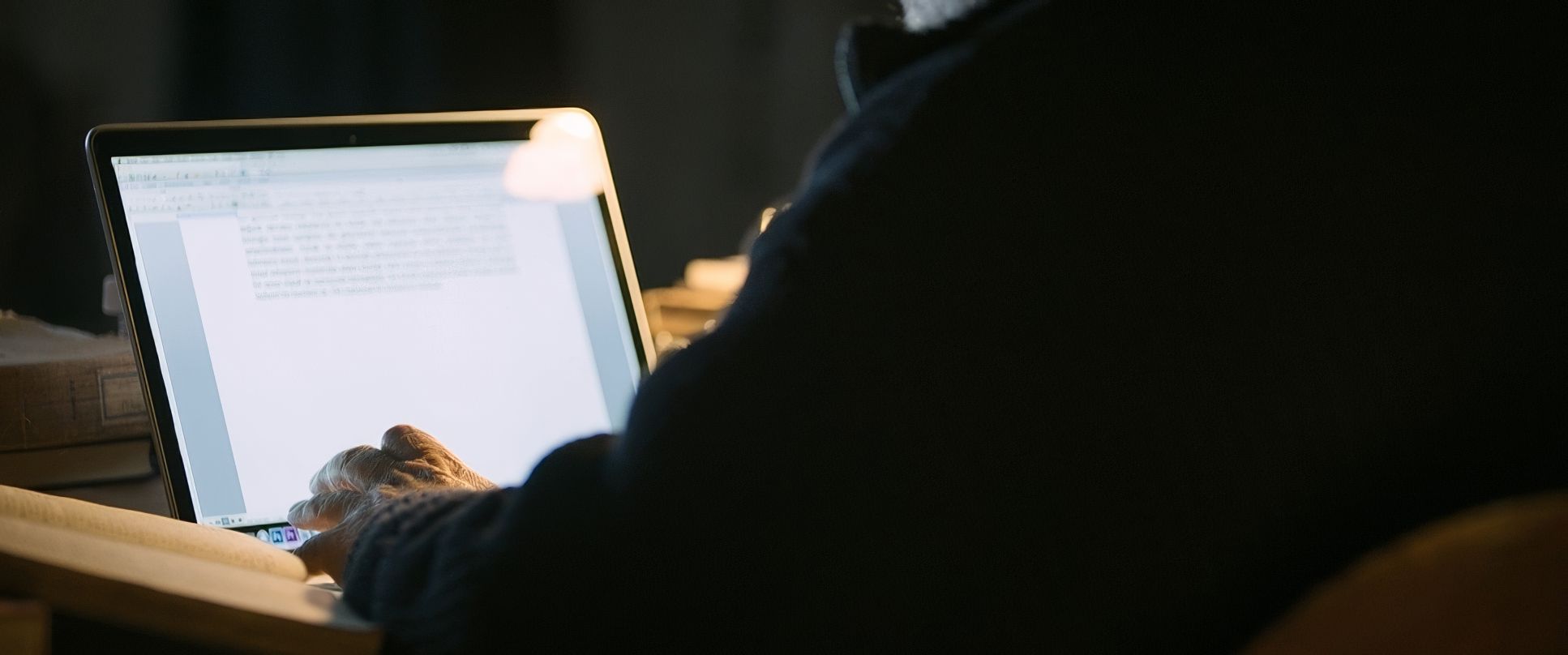
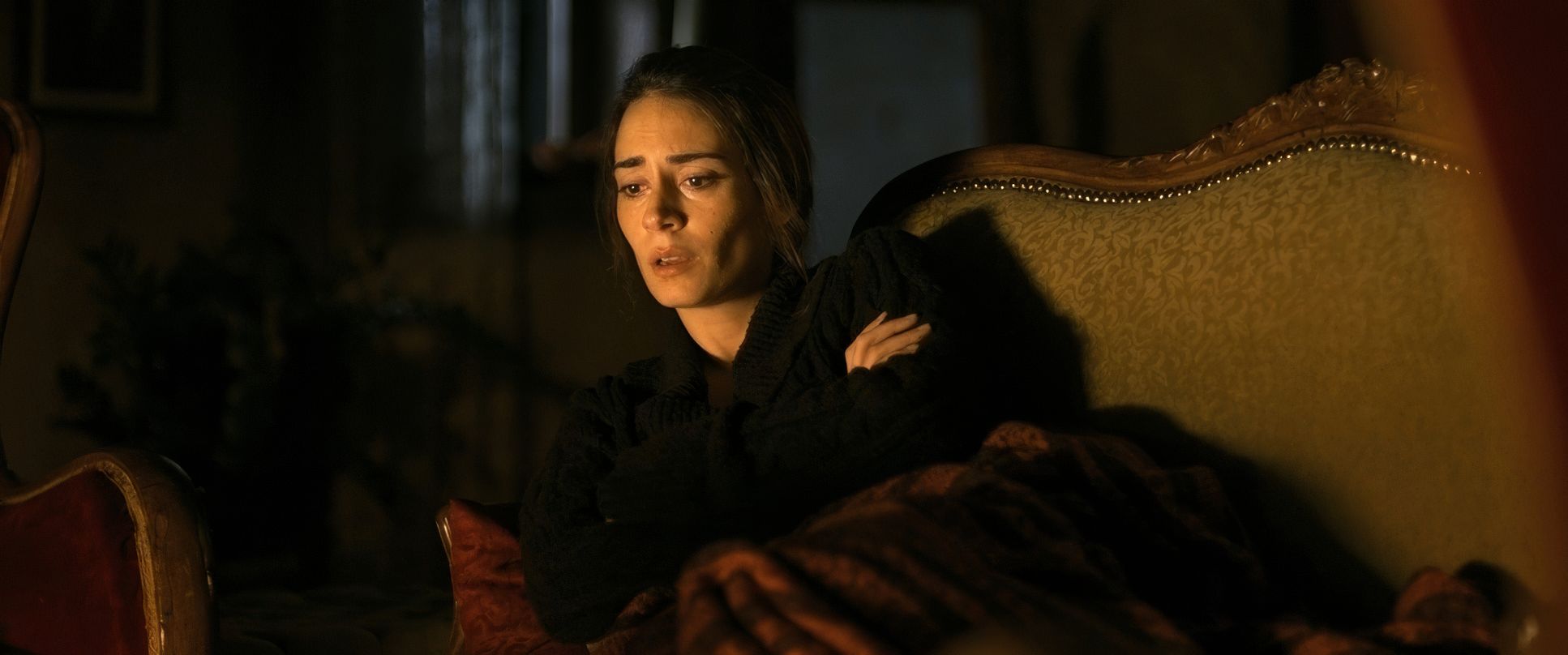
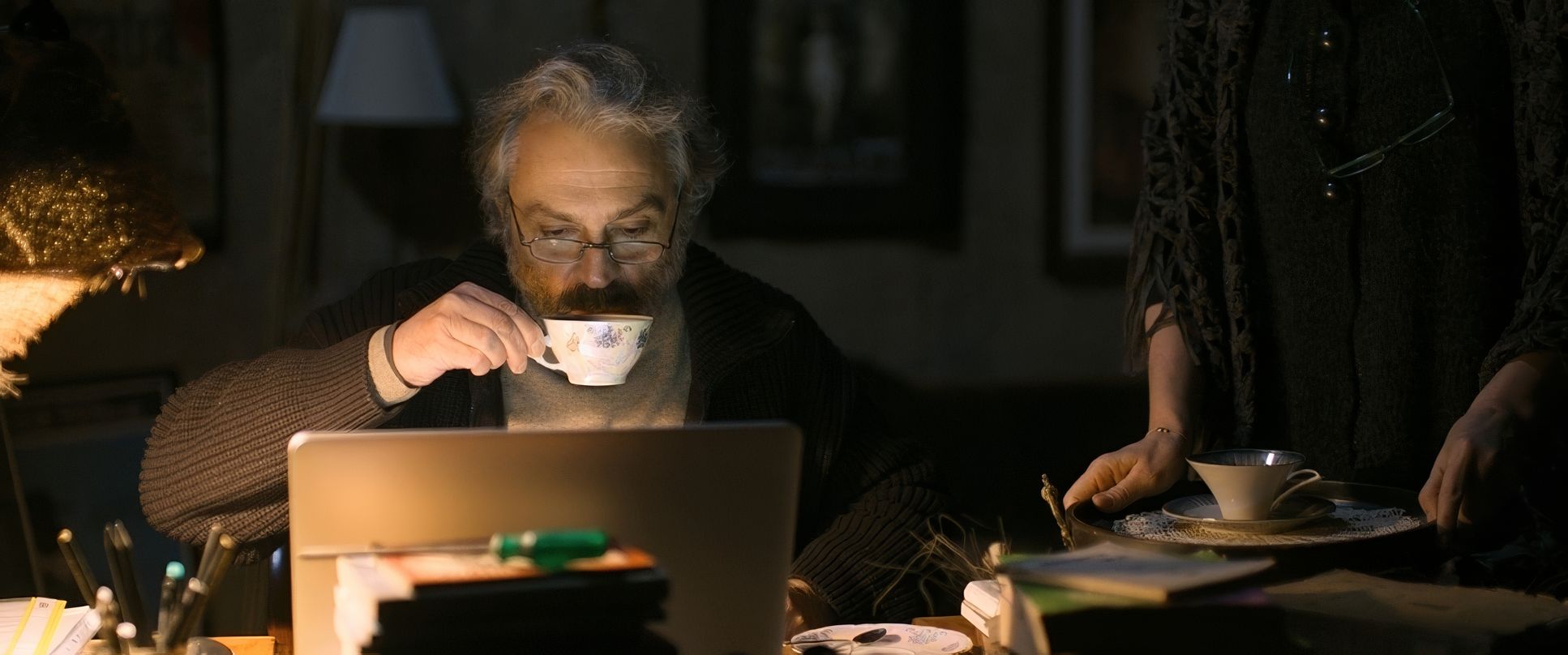
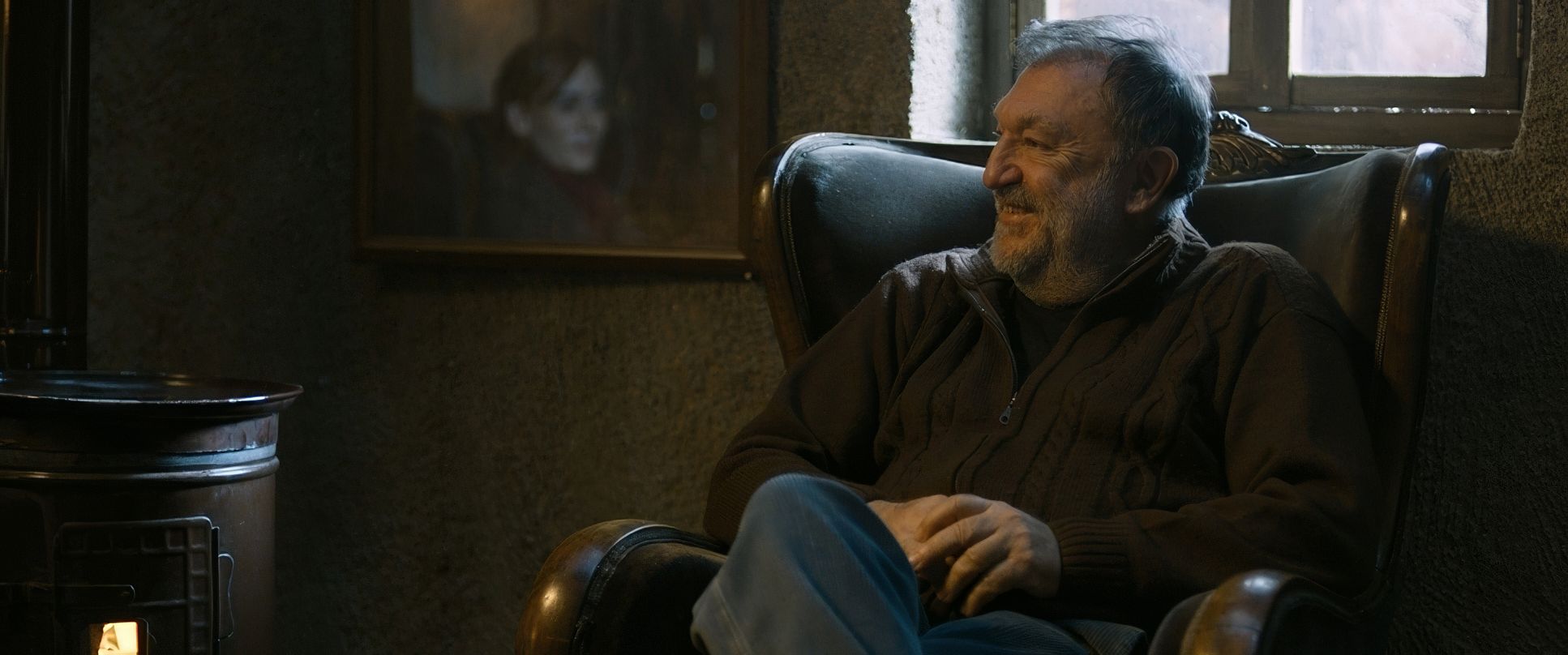
The lighting is a masterclass in motivated naturalism. It’s what I’d call “poetic realism.” The interiors of Aydin’s hotel have this gorgeous, warm glow, mostly lit by practicals lamps, fireplaces, and low-hanging sun.
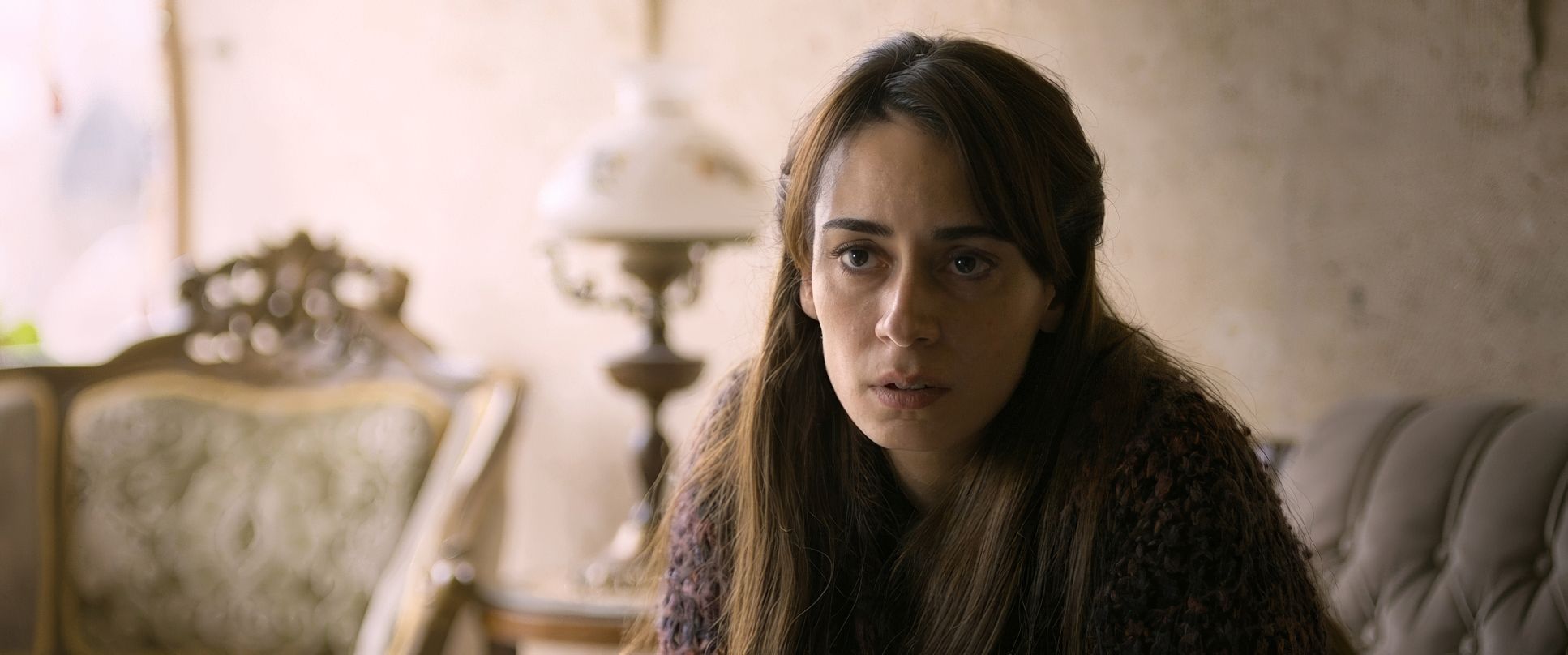
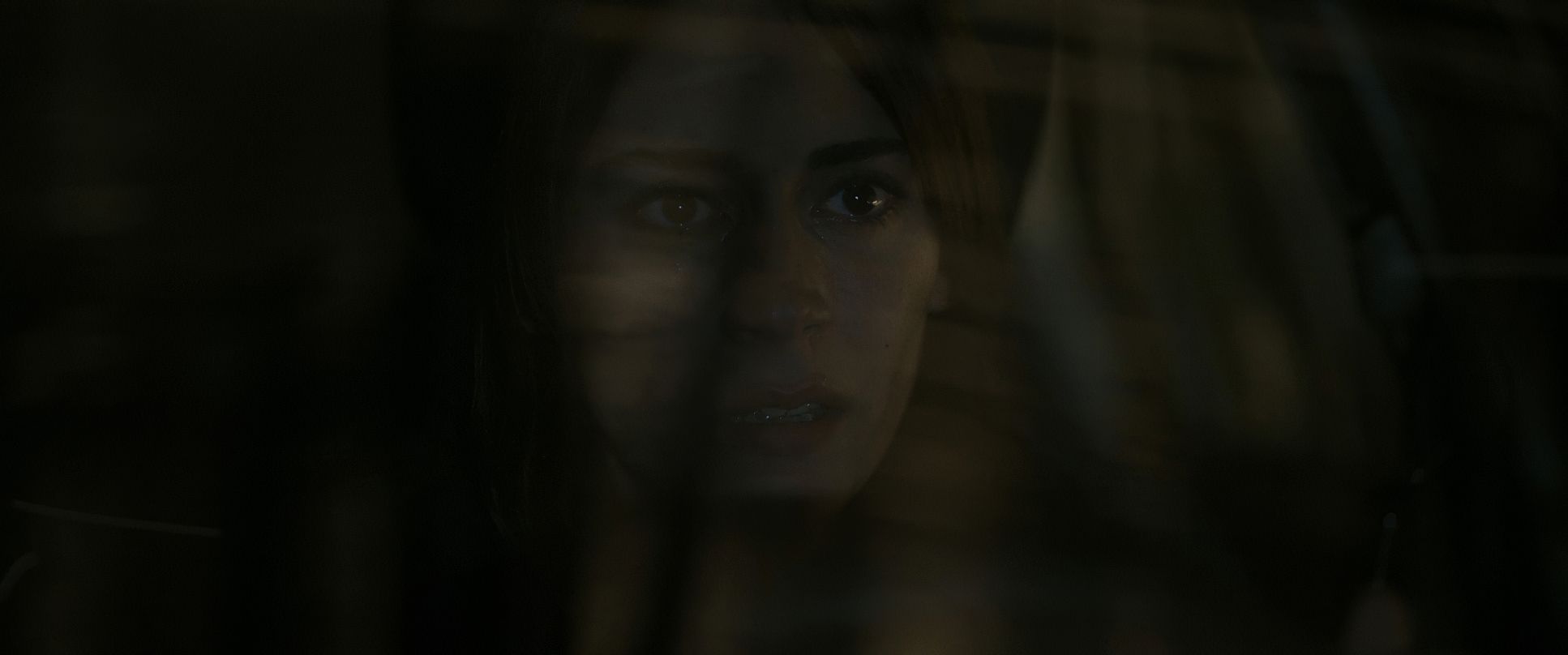
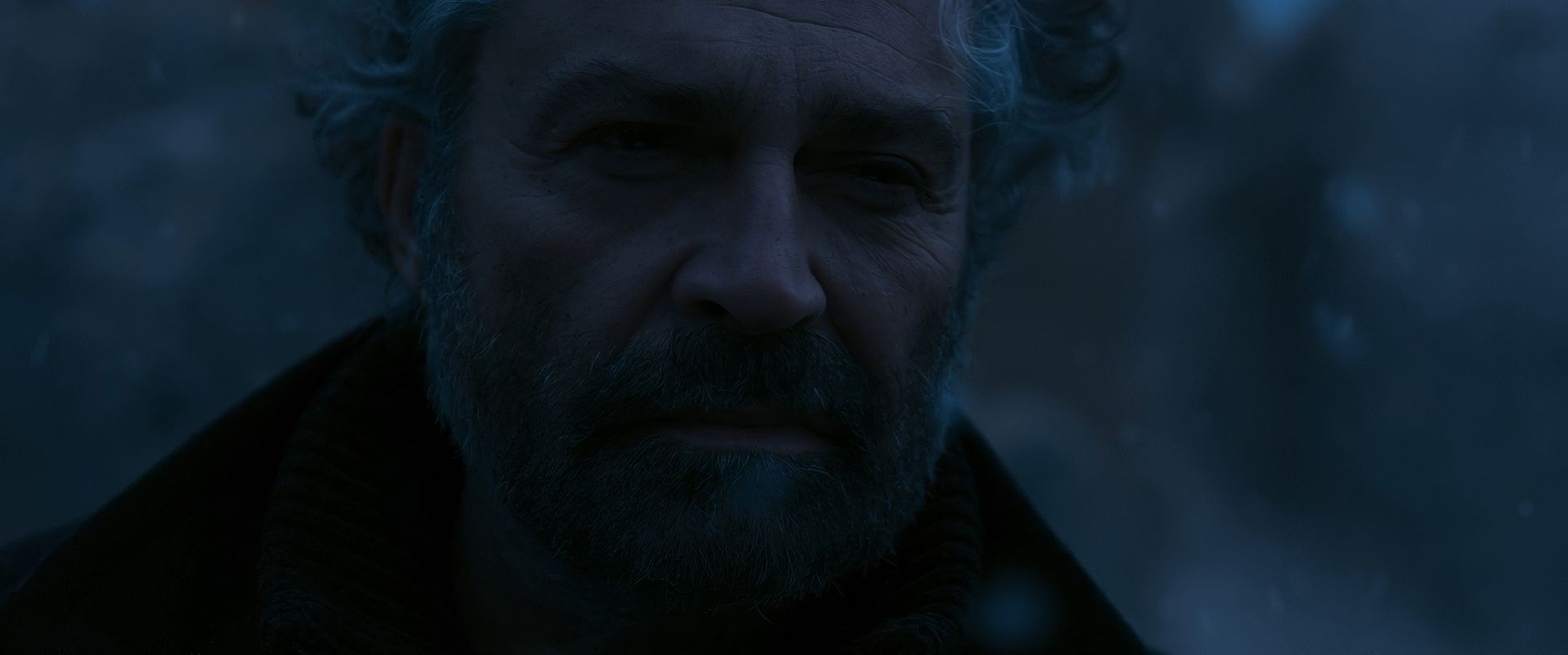
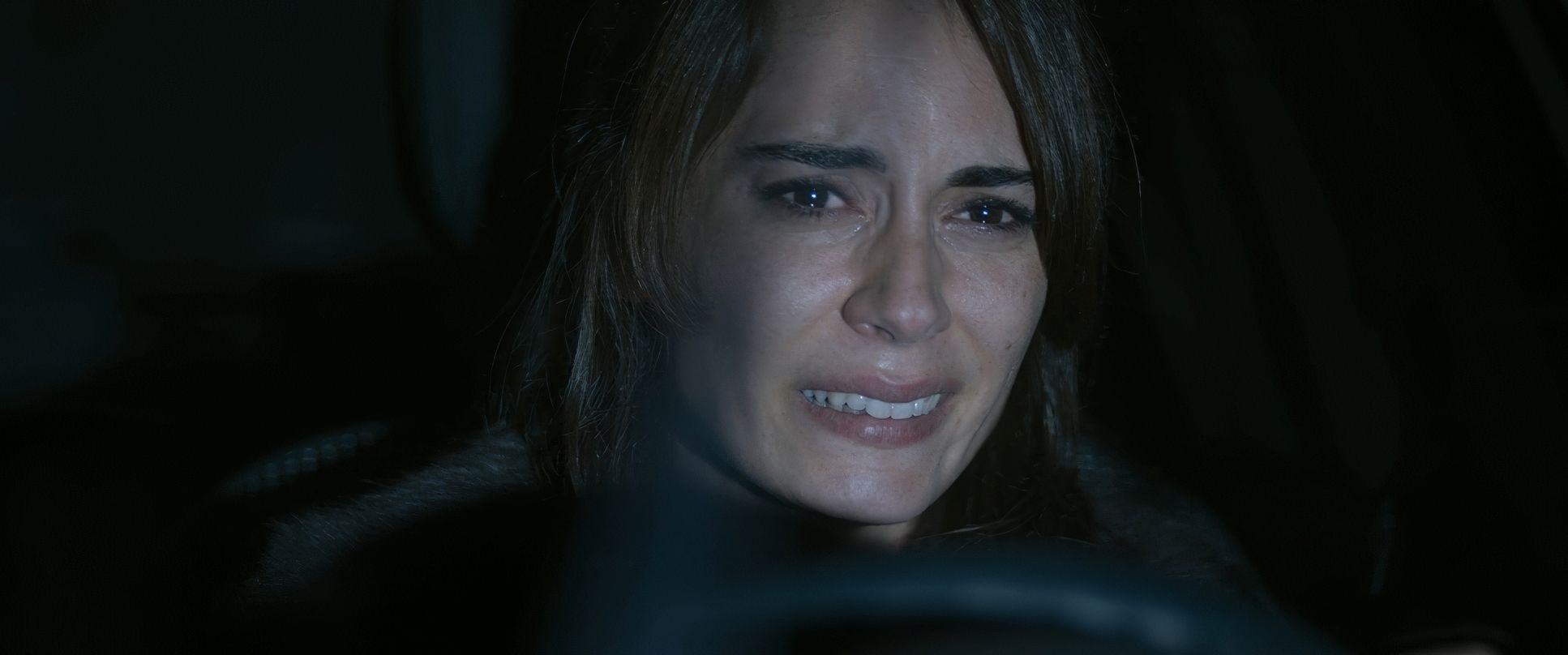
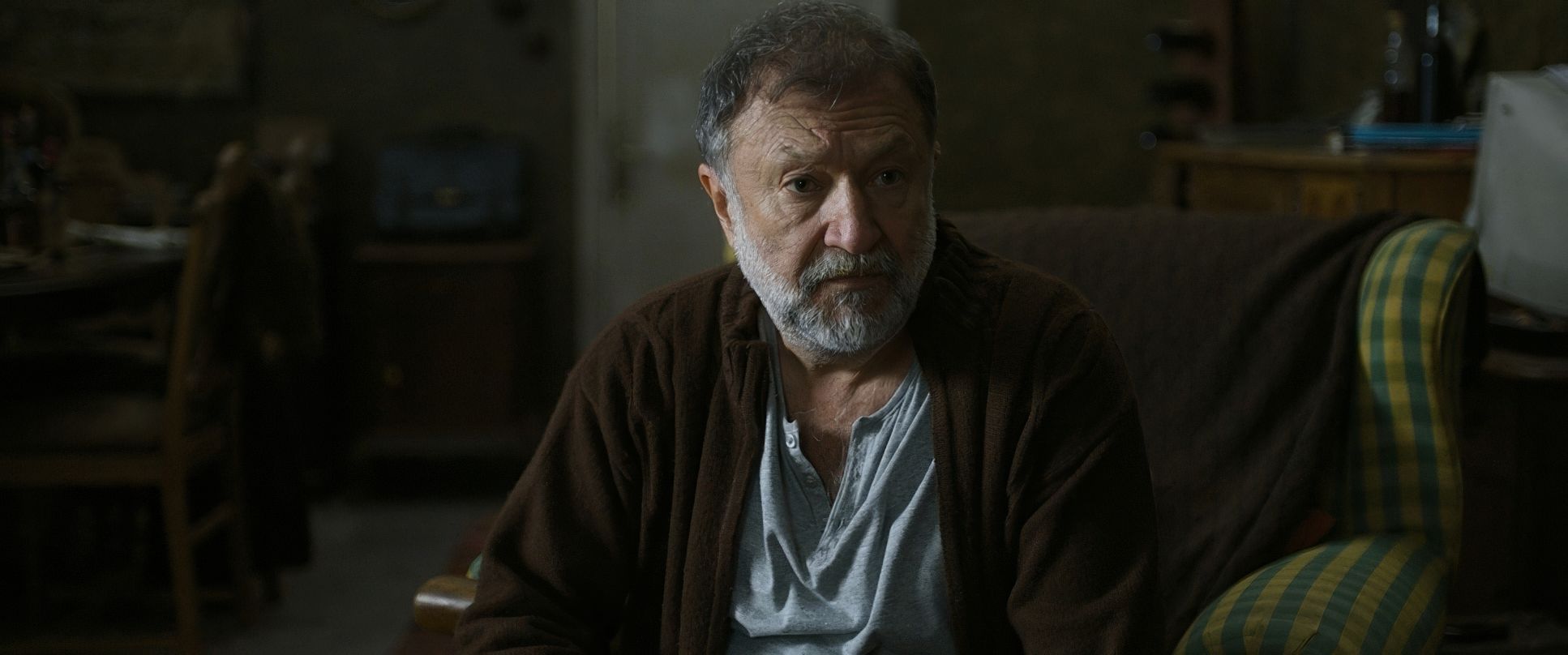
From a colorist’s perspective, these practical-heavy interiors are both a dream and a nightmare. You’re constantly fighting to keep skin tones natural while the amber from the lamps wants to wash everything out. But here, the “fall-off” is exquisite. Shadows aren’t just black holes; they’re rich and volumetric. Highlights from the windows have a beautiful, soft roll-off that never feels “digital” or clipped. It creates a painterly quality where every wrinkle on a face becomes part of the narrative.
Color Grading Approach
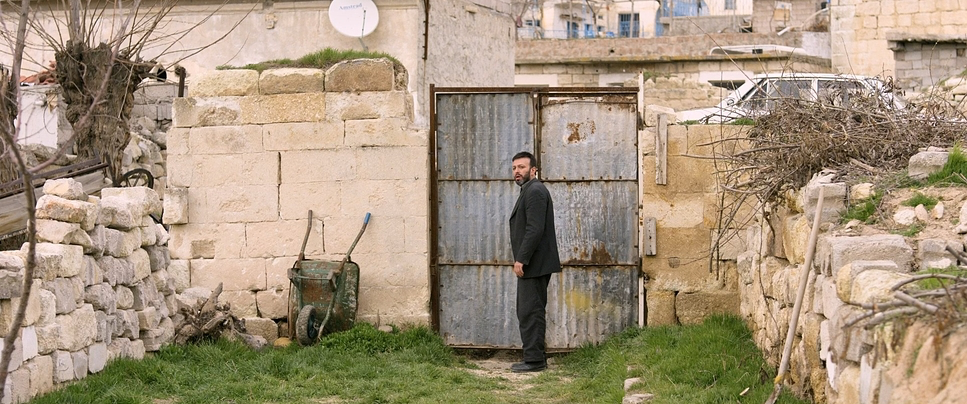
Now, this is where I really nerd out. The grade on Winter Sleep (handled by Adam Inglis) is incredible. It’s a lesson in nuance.
The hotel interiors are a palette of organic, lived-in warmth earthy browns, ambers, and muted reds. It’s not that “saccharine” orange you see in blockbuster movies; it’s the patina of an old house. The hue separation is key here. The skin stays distinct and lifelike against those warm walls, never turning too pink or muddy.
Then, as winter hits, the palette shifts. The exteriors move into steely blues and cool grays. This isn’t a jarring change; it’s an atmospheric “cool down” that mirrors the emotional chill between the characters. The contrast is shaped perfectly it feels like film print. It’s a grade that doesn’t yell for attention, which is exactly why it works. It lets the light tell the story.
Technical Aspects & Tools
Winter Sleep — Technical Specifications
| Genre | Drama |
| Director | Nuri Bilge Ceylan |
| Cinematographer | Gökhan Tiryaki |
| Production Designer | Gamze Kus |
| Editor | Nuri Bilge Ceylan, Bora Göksingöl |
| Colorist | Adam Inglis |
| Time Period | 2010s |
| Aspect Ratio | 2.39 – Super 35 |
| Format | Digital |
| Lighting | Soft light |
| Lighting Type | Daylight, Overcast |
| Story Location | Turkey > Cappadocia |
| Filming Location | Middle East > Turkey |
| Camera | Sony CineAlta F65 |
| Lens | Zeiss Master Primes |
| Film Stock / Resolution | 4K |
While it looks like it could have been shot on 35mm, Winter Sleep was actually captured digitally on the Sony CineAlta F65. Paired with Zeiss Master Primes, that combo gives the film a clinical sharpness that, ironically, makes it feel more like a living painting than a “digital” file.
The F65’s 4K resolution and dynamic range gave Tiryaki the latitude he needed for those tricky, low-light interior scenes. And knowing Ceylan shot over 200 hours of footage for a 3.5-hour film tells you everything about the rigour of the process. In the grading suite, using something like DaVinci Resolve, you’d need every bit of that bit-depth to maintain the textures they achieved. They didn’t just “apply a look” they polished a diamond.
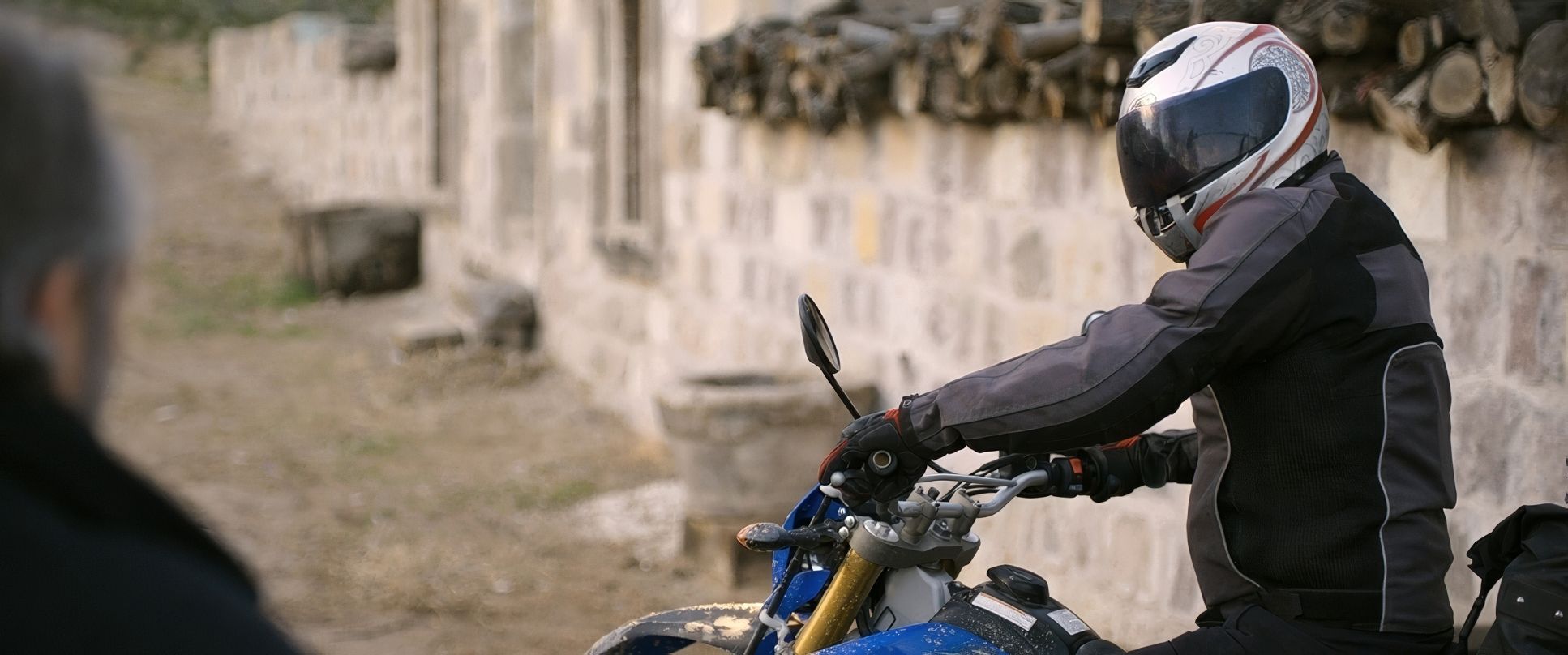
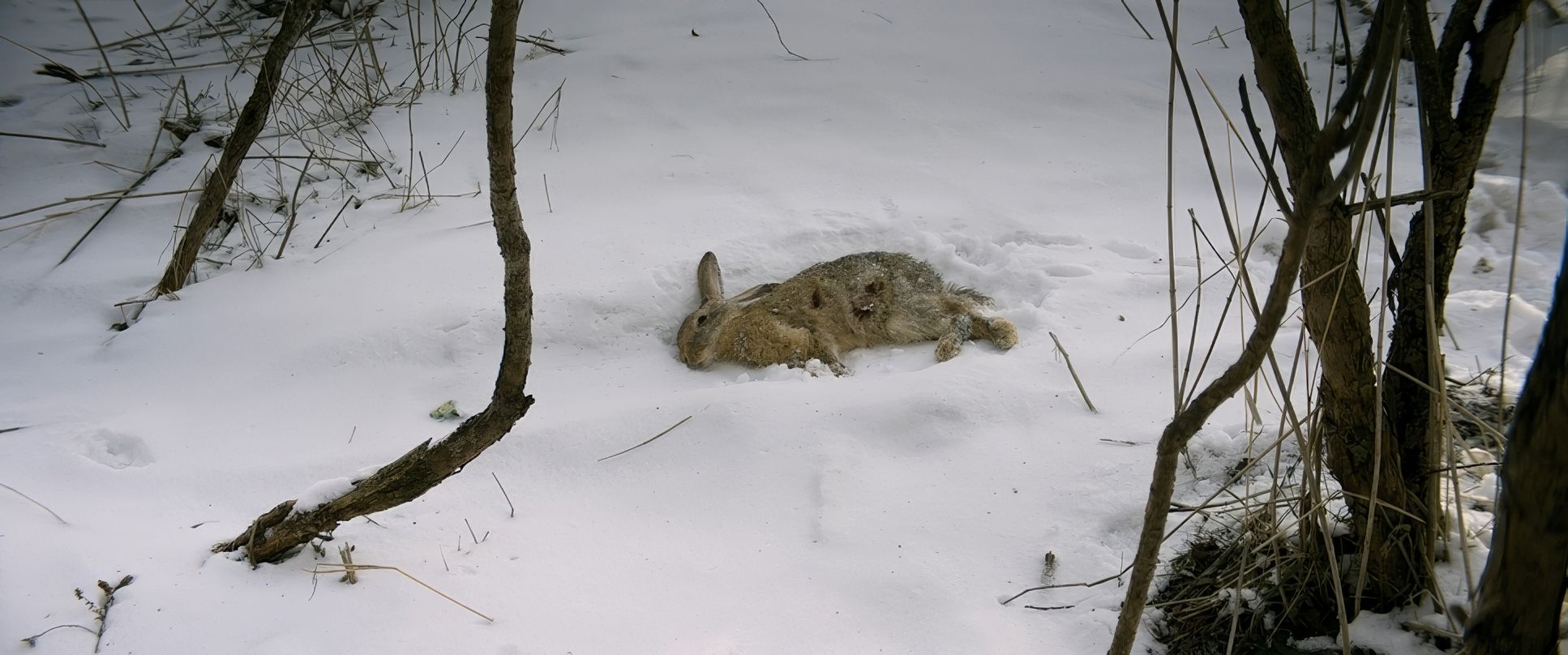
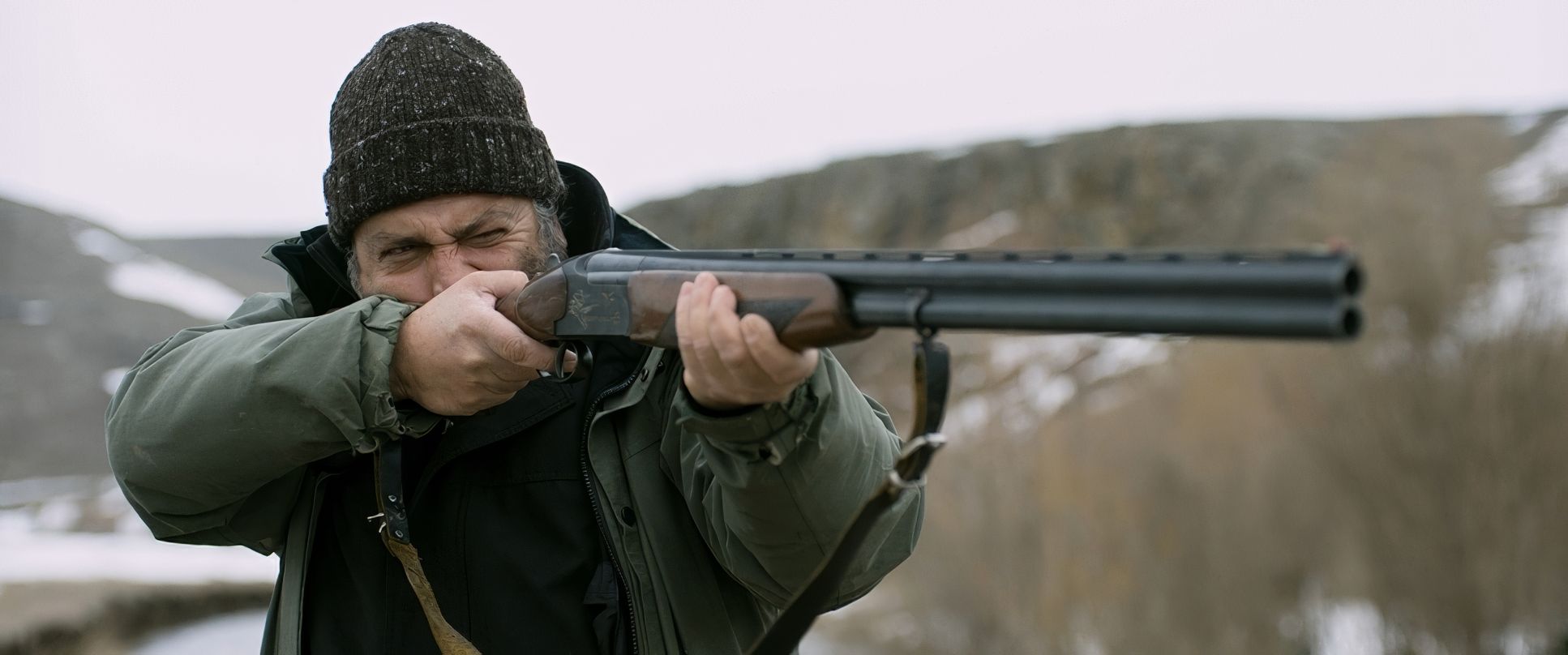
Winter Sleep (2014) Film Stills
A curated reference archive of cinematography stills from Winter Sleep (2014). Study the lighting, color grading, and composition.







- Also read: THRONE OF BLOOD (1957) – CINEMATOGRAPHY ANALYSIS
- Also read: CITIZENFOUR (2014) – CINEMATOGRAPHY ANALYSIS
Browse Our Cinematography Analysis Glossary
Explore directors, cinematographers, cameras, lenses, lighting styles, genres, and the visual techniques that shape iconic films.
Explore Glossary →