It’s never just about a “look”; it’s about the emotional logic and the subtle grammar of light and shadow that forces an audience to feel something they can’t quite name. So, when I first saw Ari Folman’s Waltz with Bashir (2008), it didn’t just catch my eye it ignited a full-blown obsession. This isn’t just a movie. It’s a profound statement on trauma and the act of seeing, wrapped in an animated documentary package that blew my mind years ago and, honestly, still haunts my grading suite today.
Inspiration Behind the Cinematography
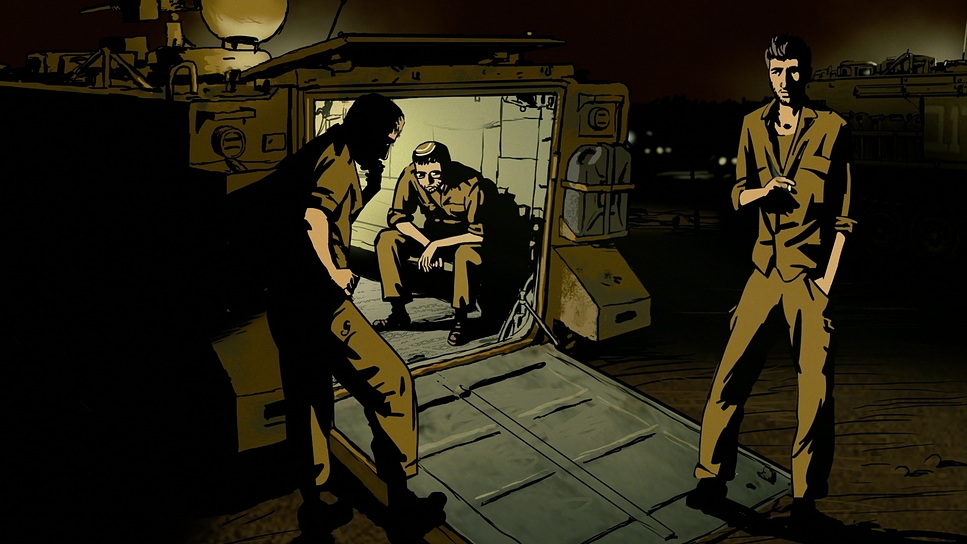
The most audacious choice here and the one that makes the whole film work is the decision to animate a documentary. On paper, it sounds counterintuitive. Why use “drawings” to tell a story about the 1982 Lebanon War? But for Folman, this wasn’t a gimmick; it was the only way to tell the truth.
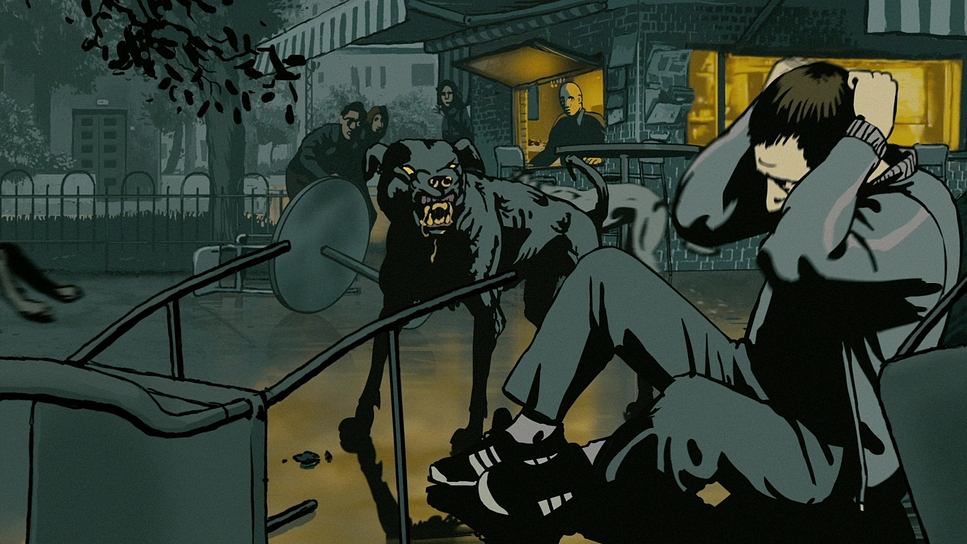
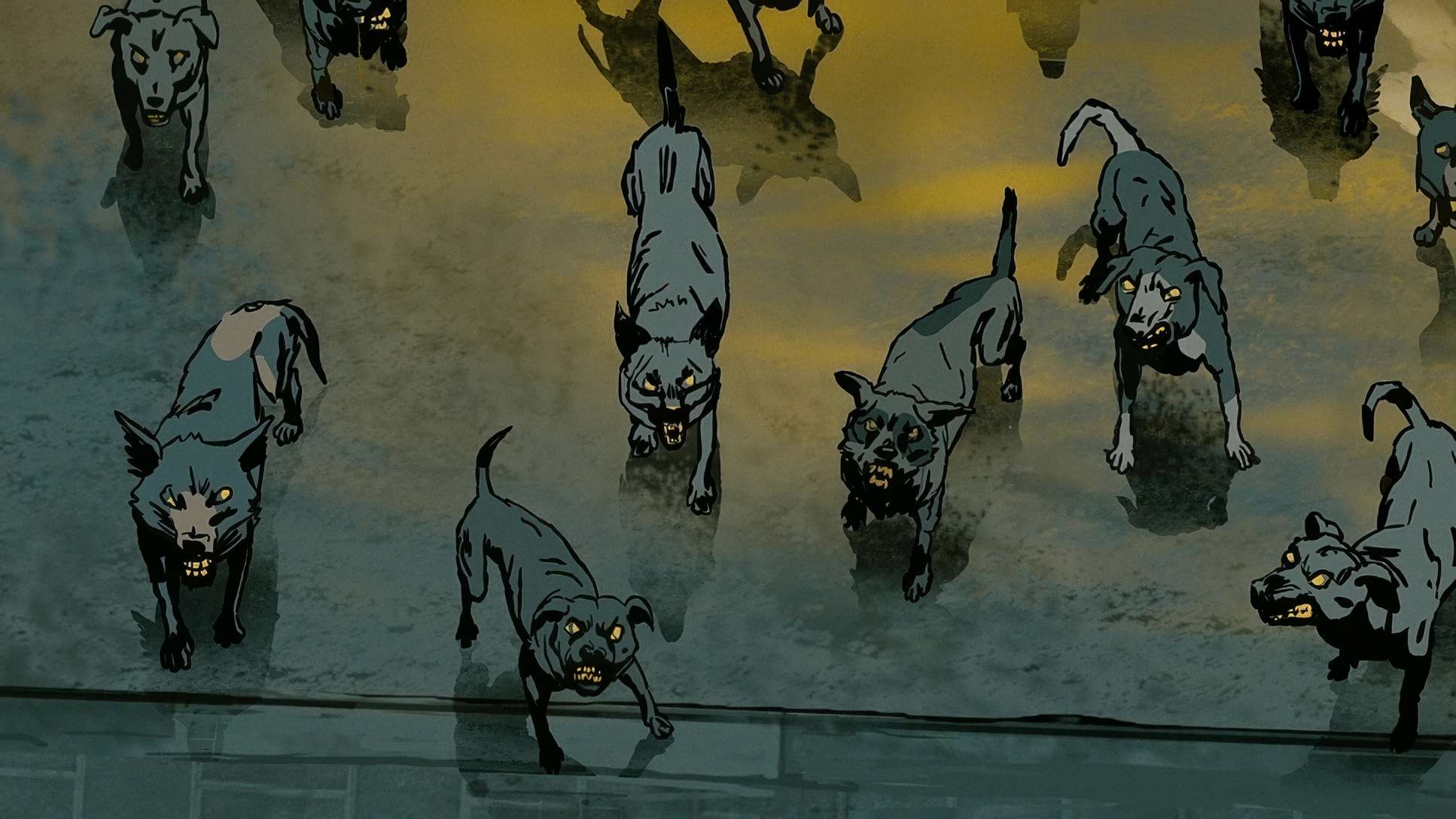
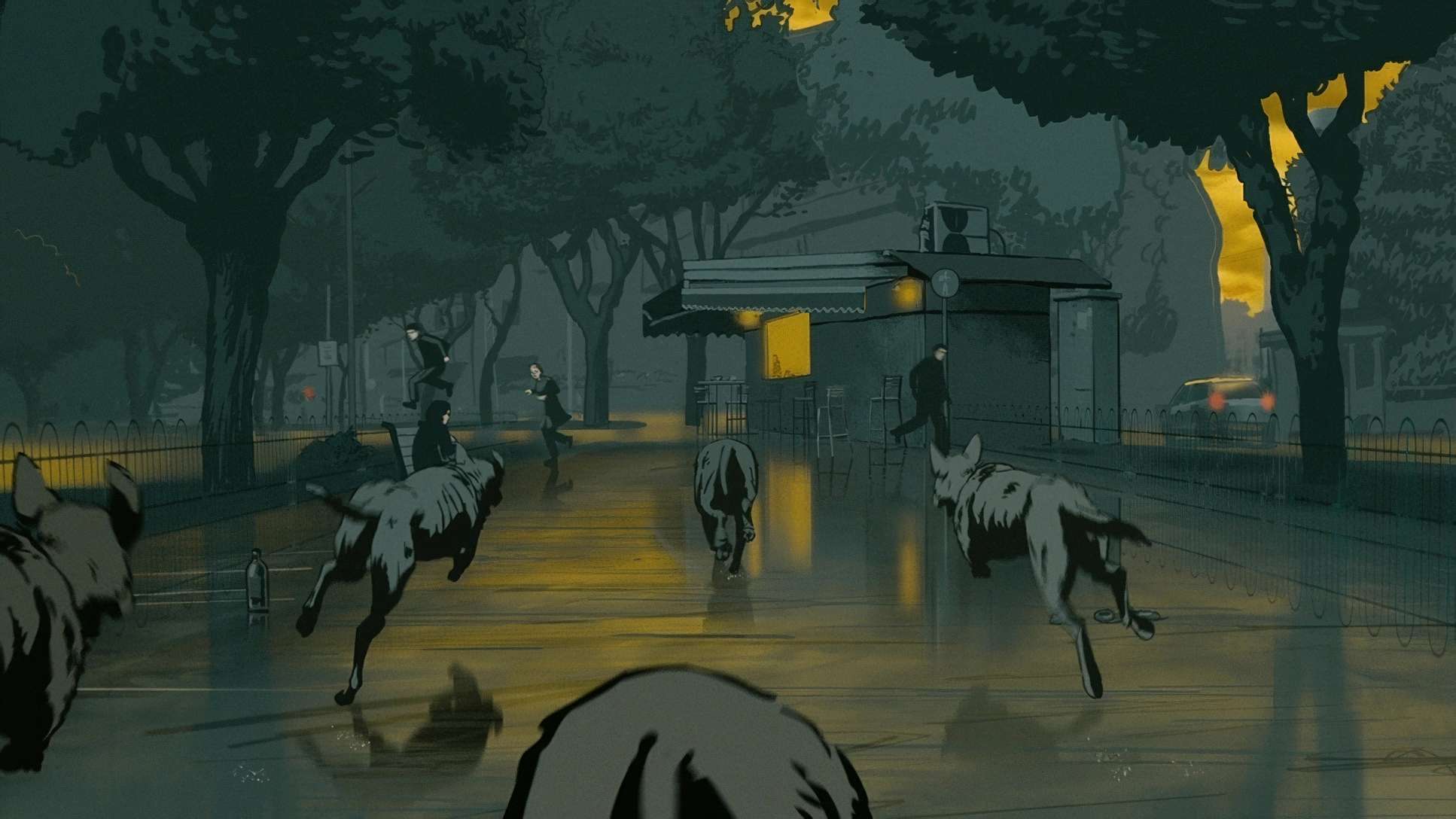
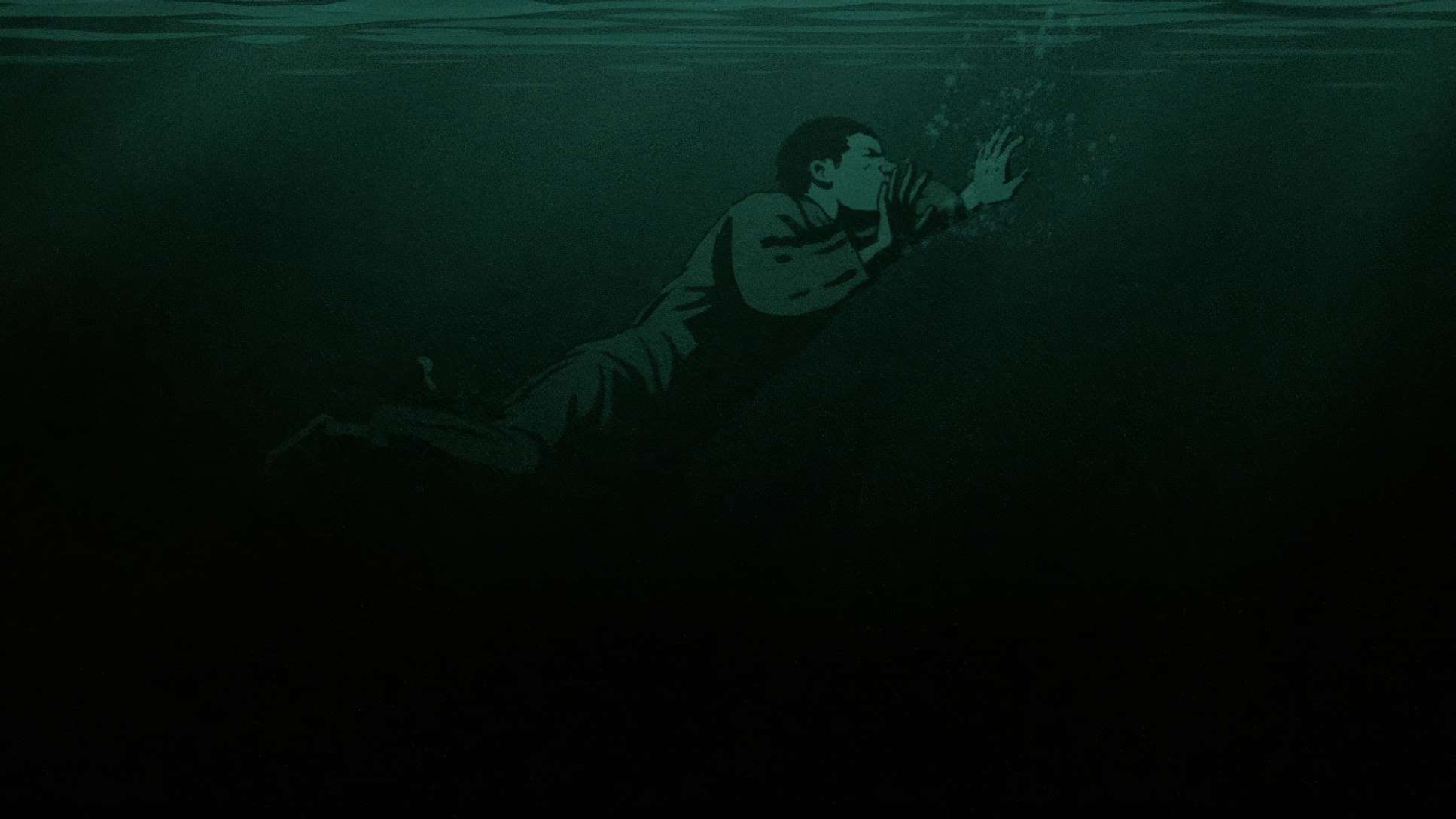
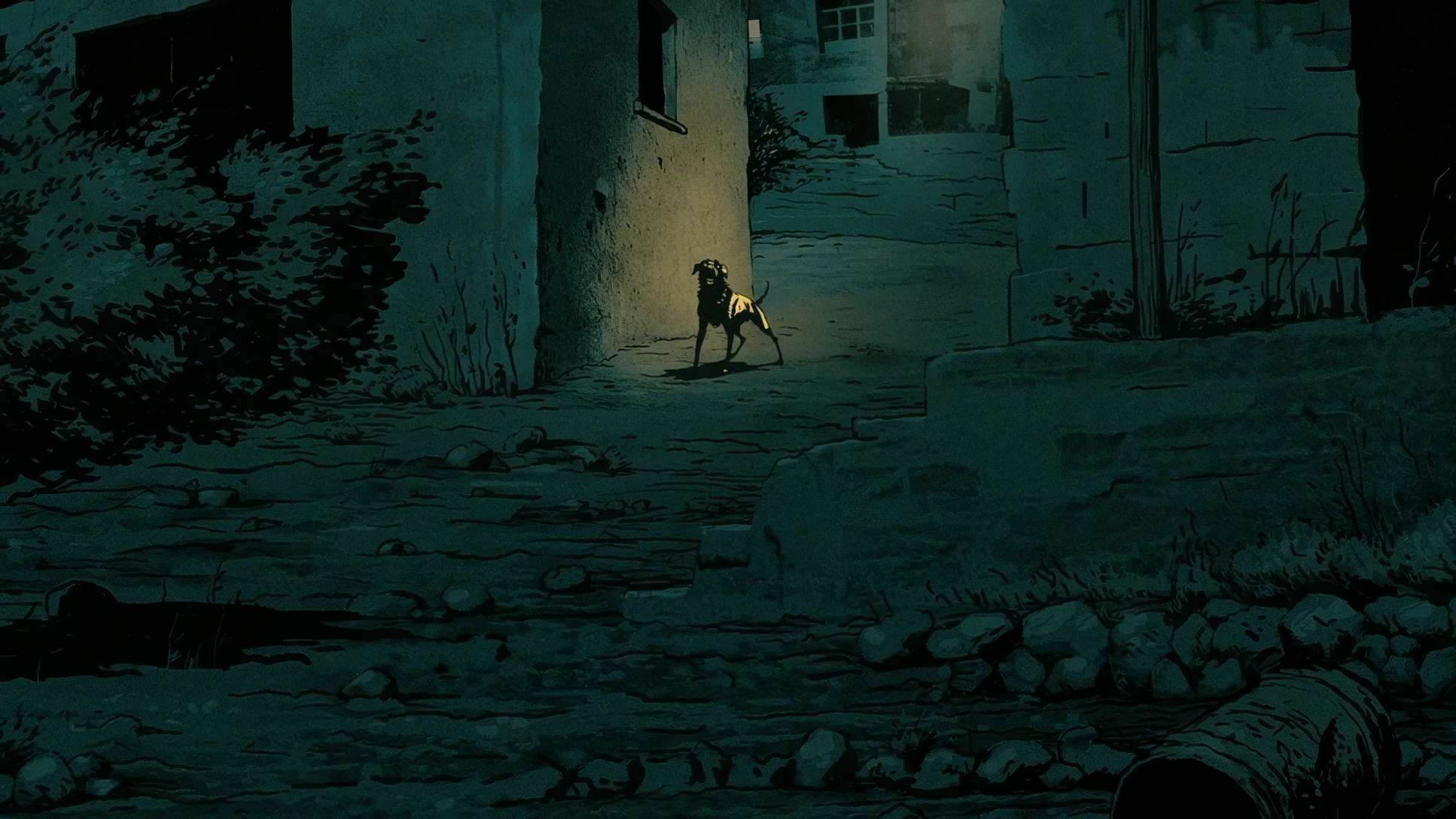
Live-action, no matter how much you “gritty it up” in post, carries a literalness that fails when you’re talking about repressed, hazy, and fractured memories. Folman’s quest is internal. We’re dealing with hallucinations and trauma-induced gaps in history. Animation liberates the narrative, allowing the filmmakers to dive headfirst into the “visual psyche” of the soldiers. Whether it’s rabid dogs tearing through a city or soldiers emerging from the sea like ghosts under apocalyptic flares, these images transcend mere recreation. They feel like the feeling of being there. Live-action would have looked cheap or, worse, like a standard war film. Animation makes it a psychological exploration.
About the Cinematographer
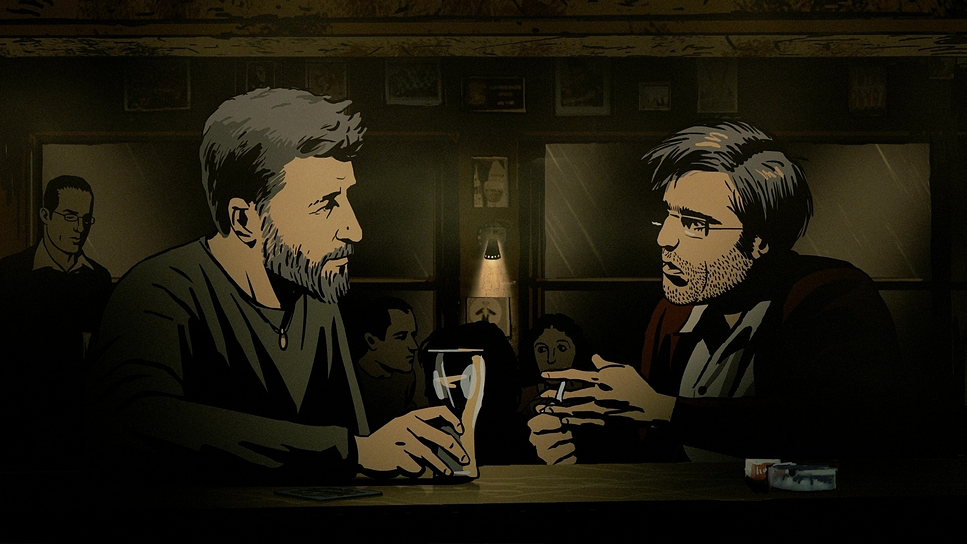
In a traditional live-action set, the “DP” is the person staring through the glass. In Waltz with Bashir, the role of the cinematographer is a bit more nebulous, which I find fascinating. While Ari Folman provided the vision, the visual translation fell to David Polonsky (Art Director) and Yoni Goodman (Animation Director).
They were essentially the DPs of a world built from scratch. They had to make “on-set” decisions—perspective, depth of field, lighting using brushes and pixels instead of lenses and lights. It’s a testament to their collaboration that the film feels so cohesive. They weren’t just animating; they were choreographing a visual language that feels grounded in cinematic reality, even when the content is purely surreal.
Camera Movements
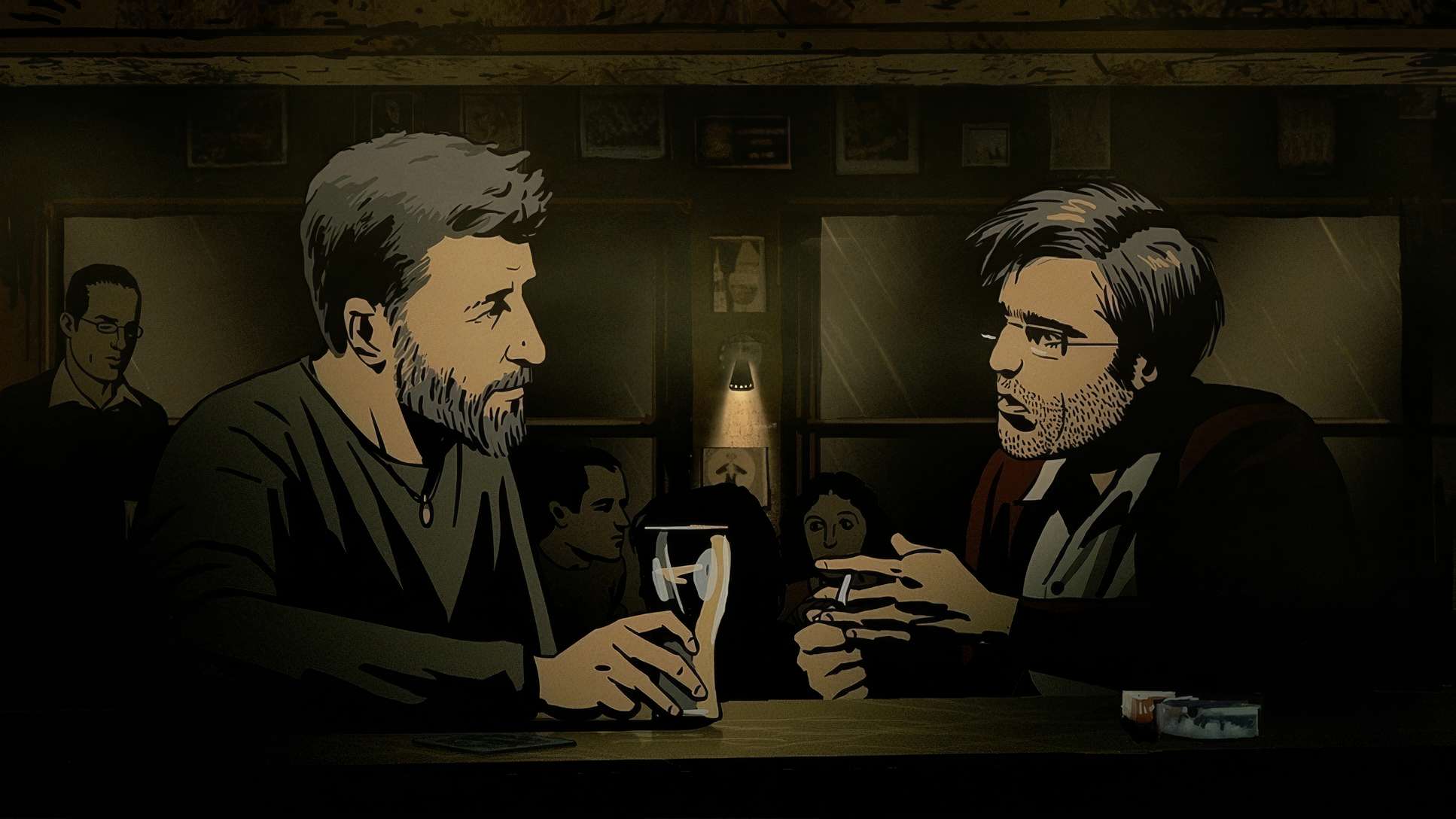
The “implied” camera in this film is a master of emotional manipulation. During the interview segments, the camera is stable and observant purely journalistic. It grounds us. It gives the veterans’ testimonies the weight of reality.
But when memory takes over? The camera goes wild. Look at the “waltz” scene where Frankl pirouettes through a hail of bullets. The camera swirls and glides with a fluid, impossible grace that a physical rig could never achieve, yet it maintains this brutal, jagged intensity. These aren’t just “cool shots.” These movements are extensions of the characters’ internal states the frantic anxiety, the surreal detachment of combat. It’s using motion as a depth cue, showing us not just what happened, but how it felt to be unmoored by war.
Compositional Choices
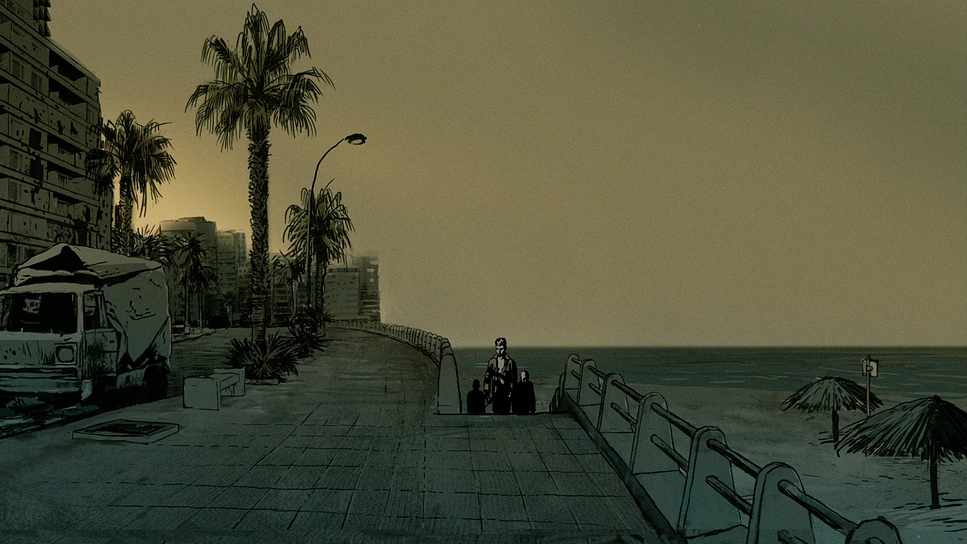
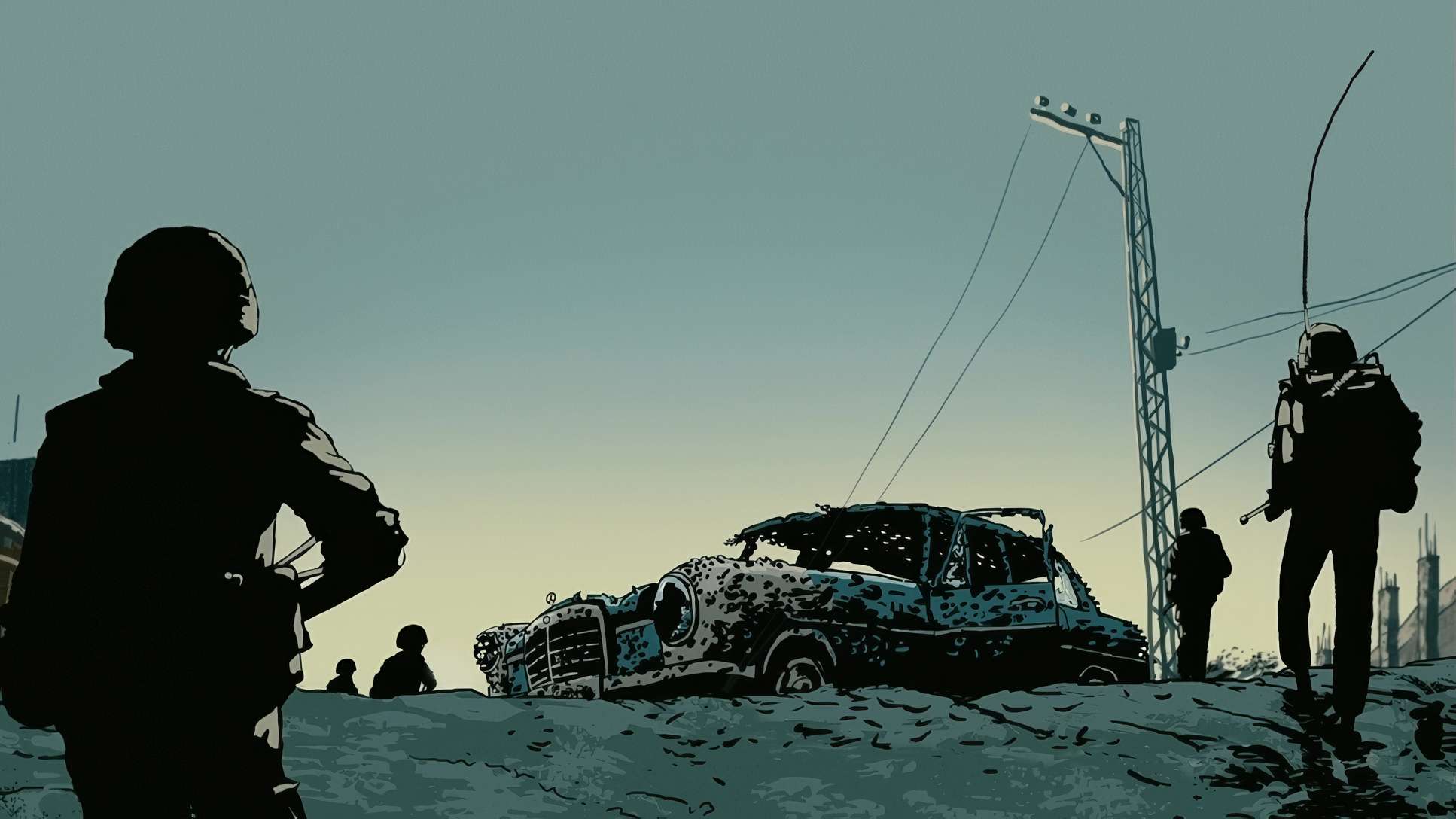
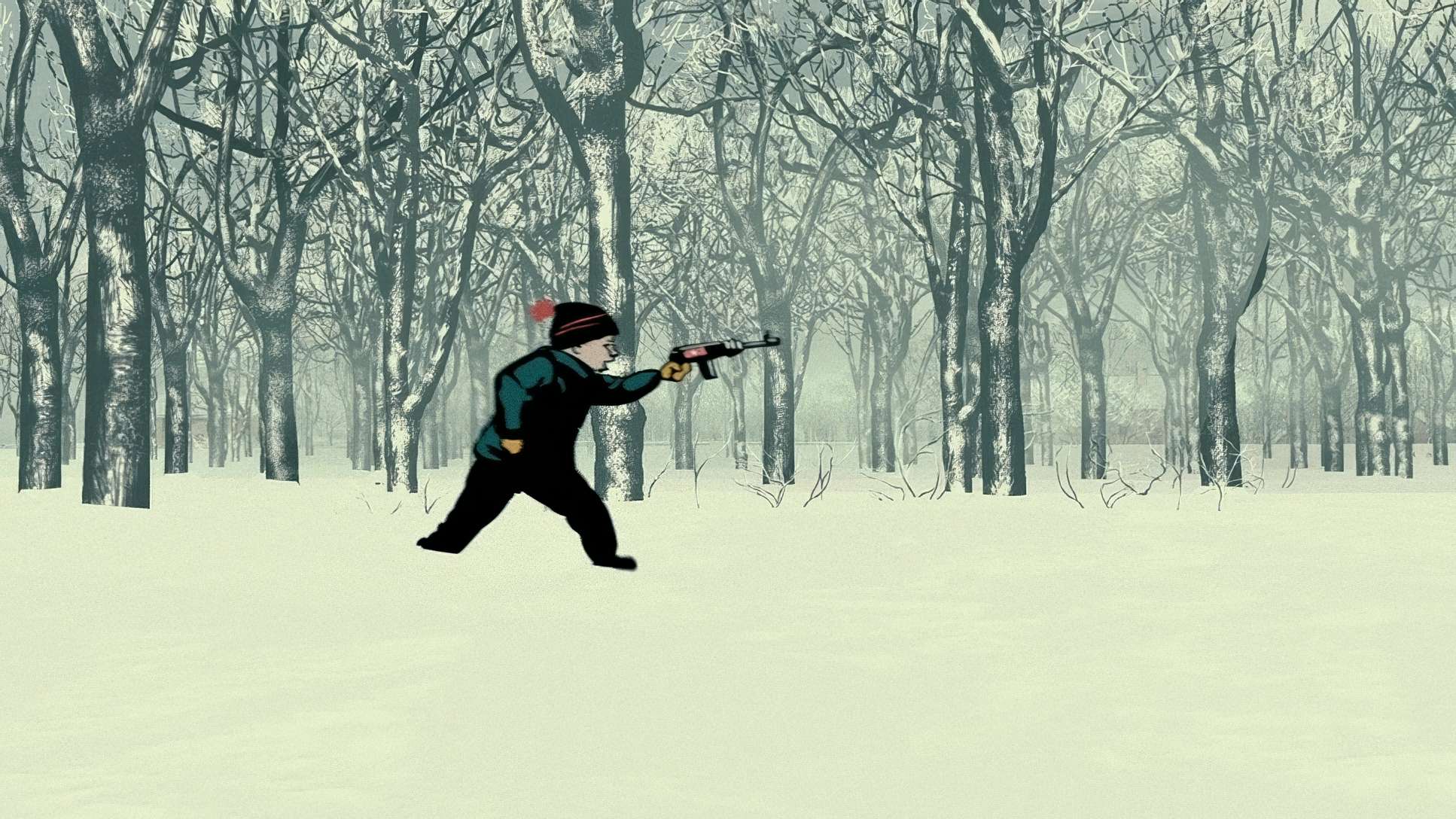
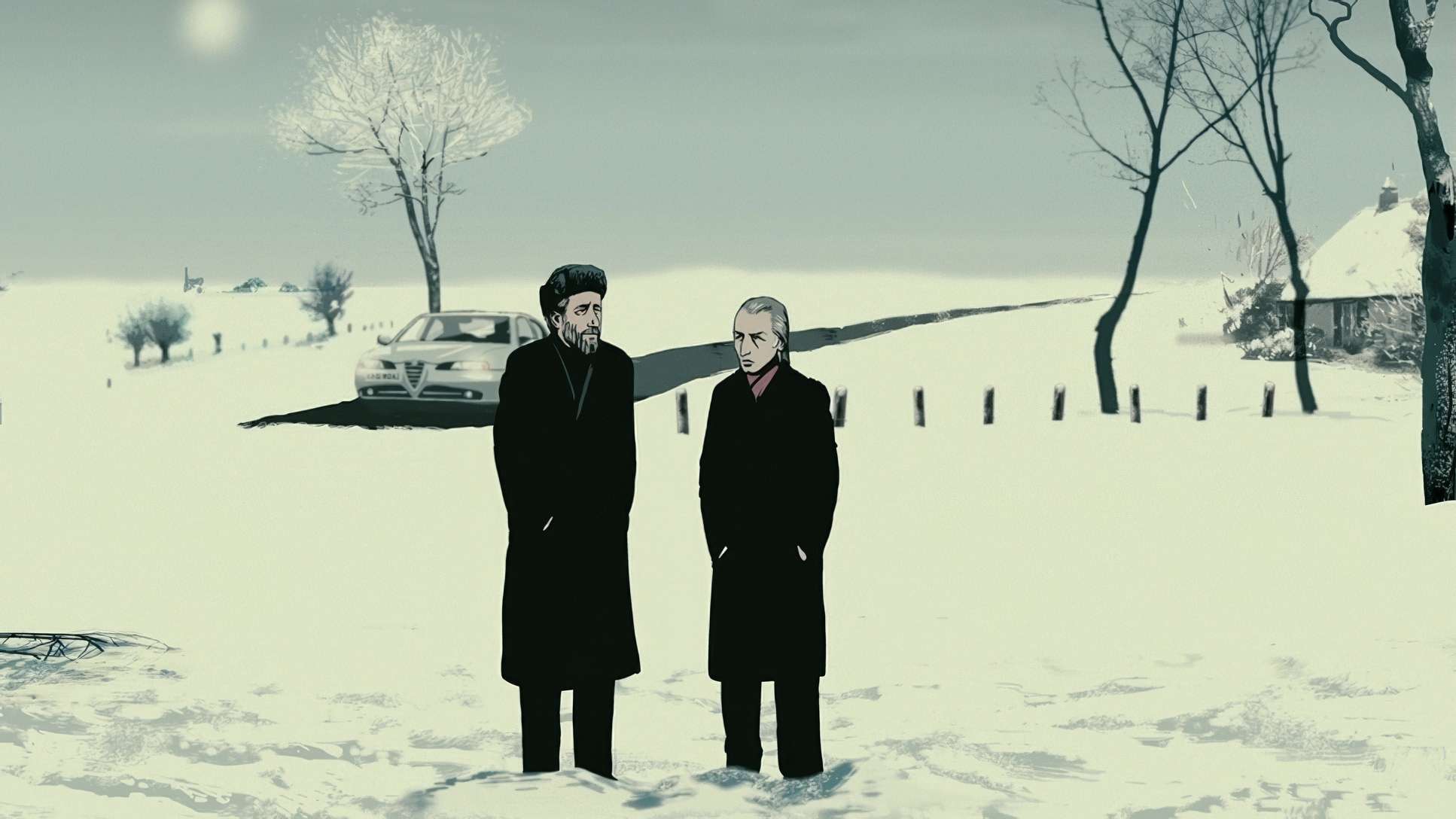
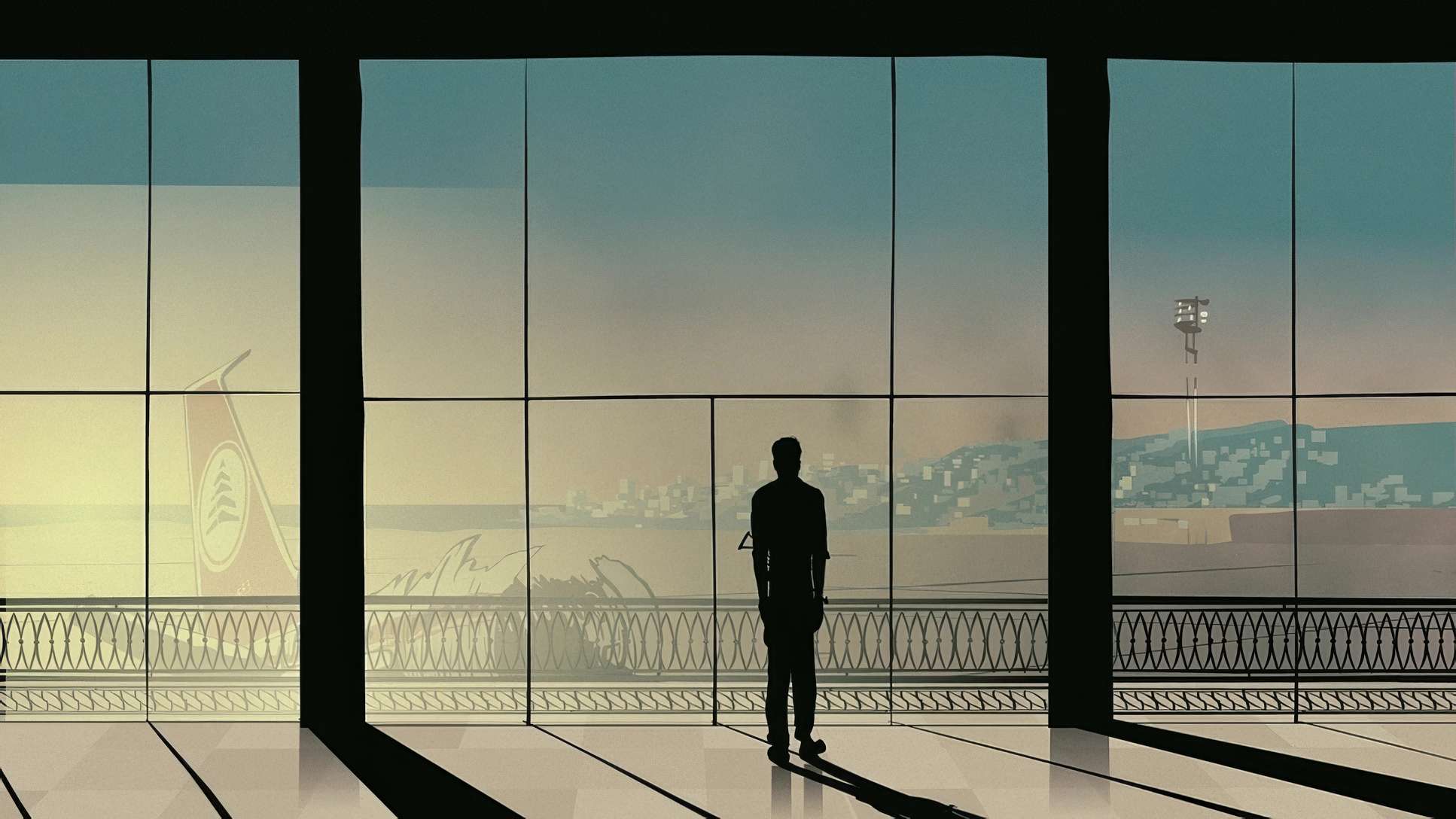
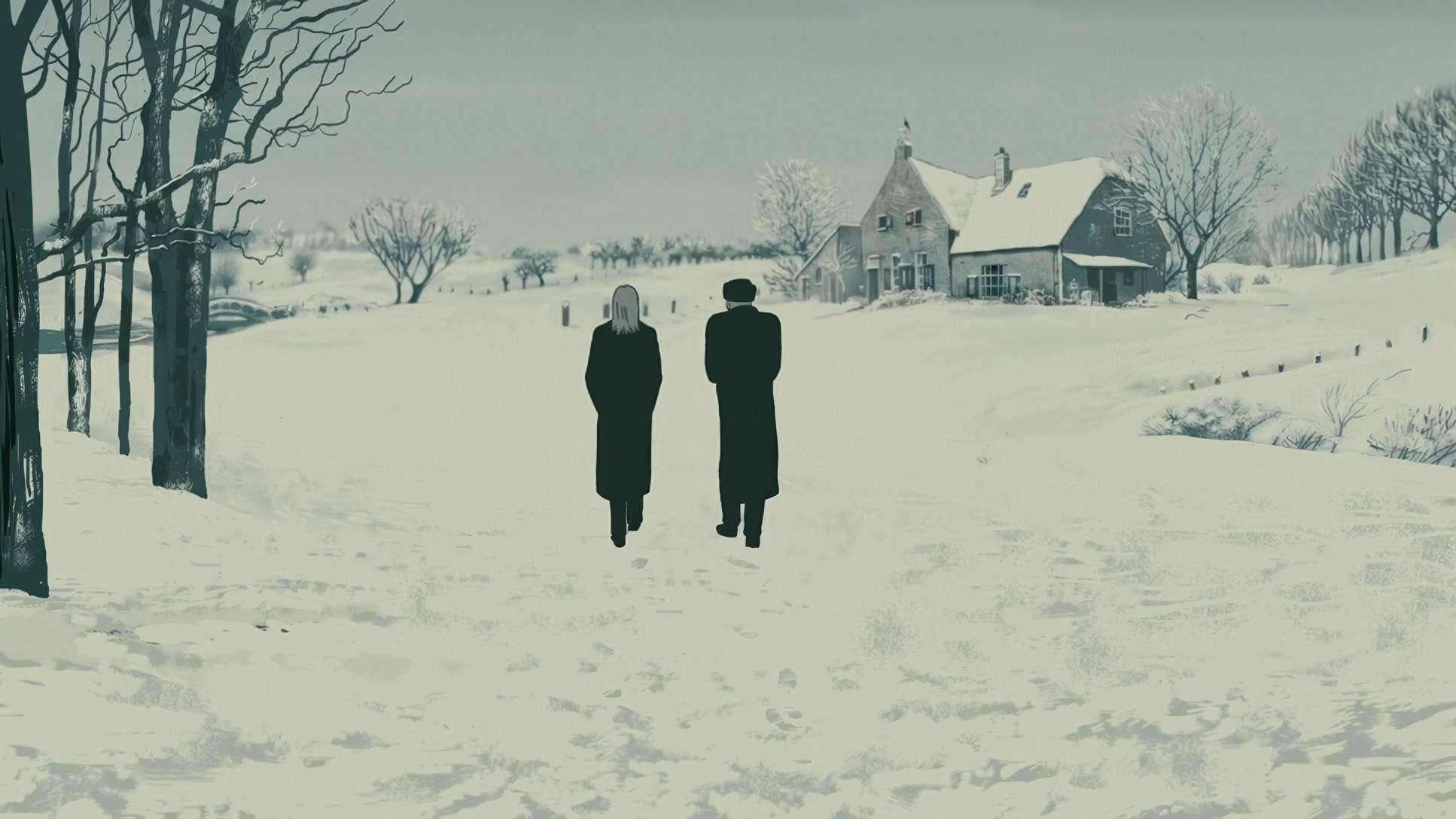
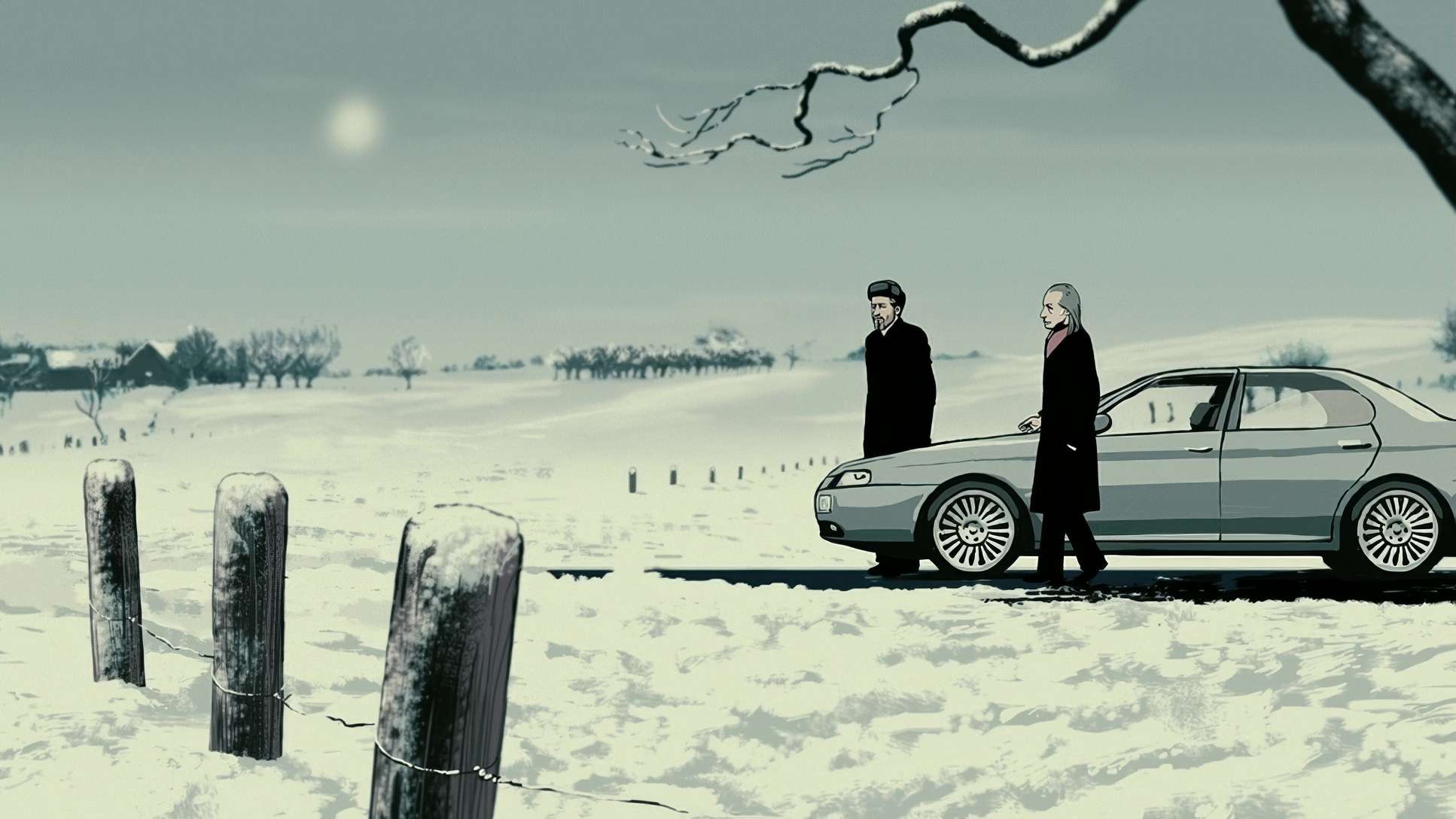
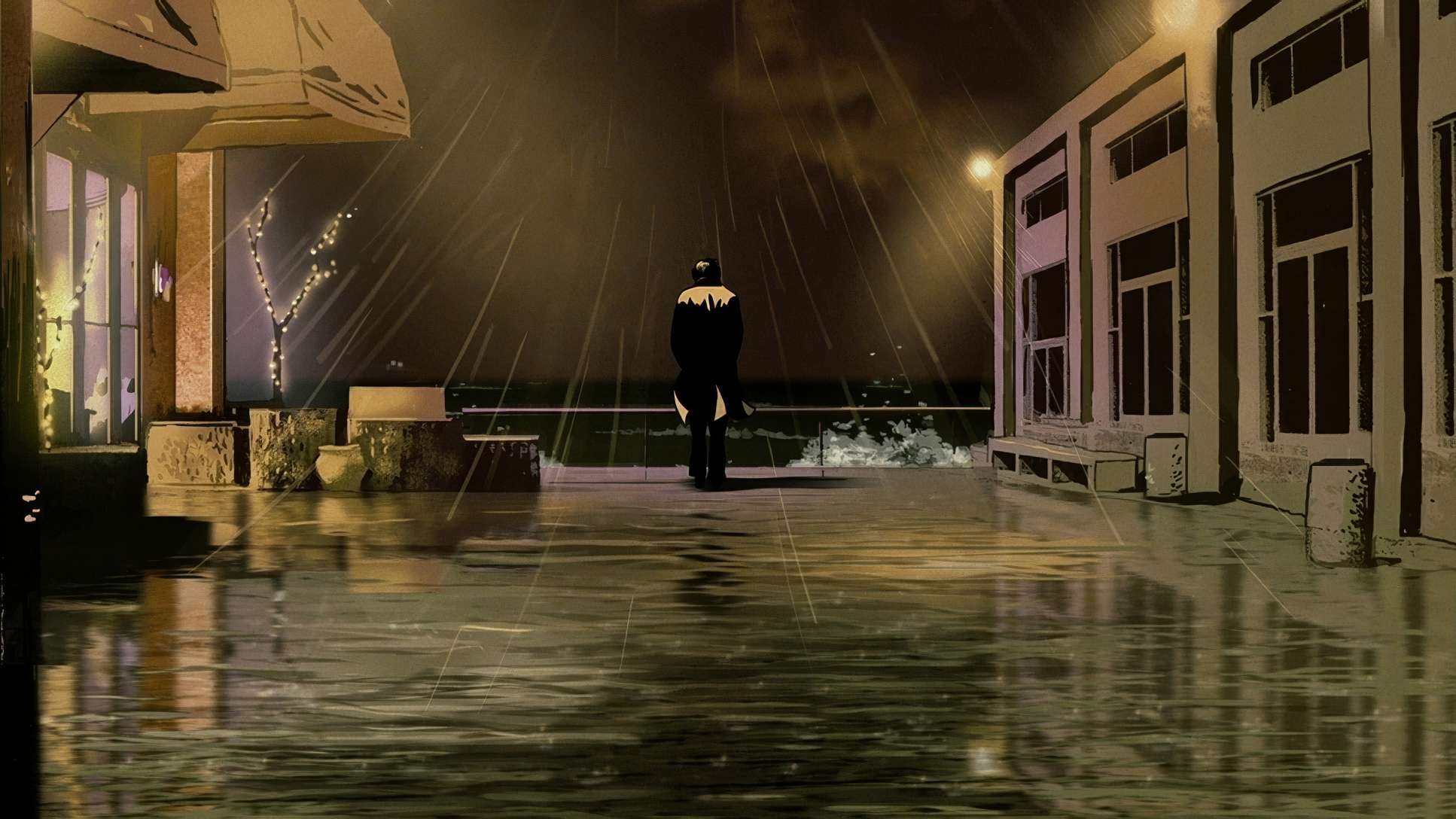
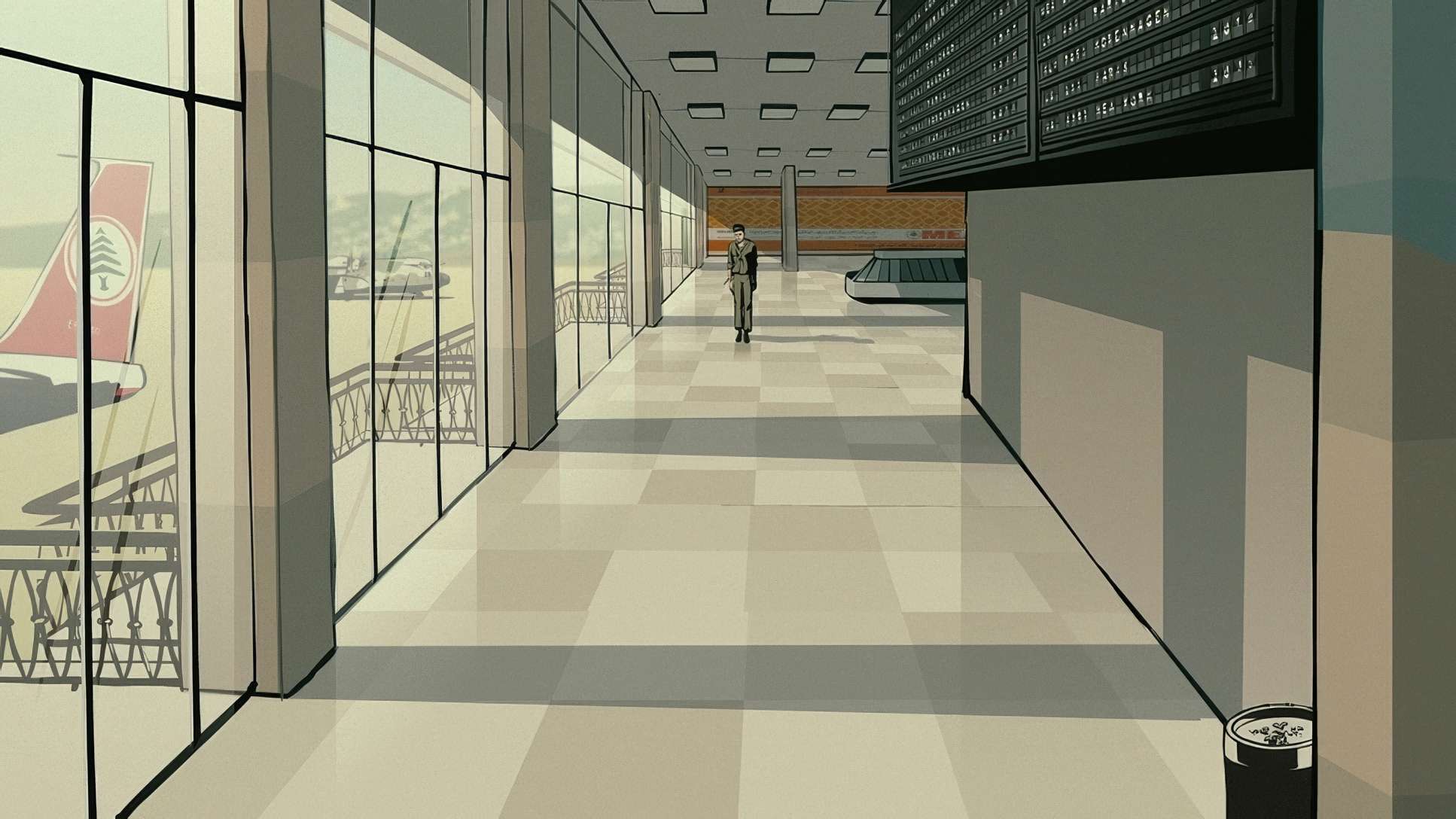
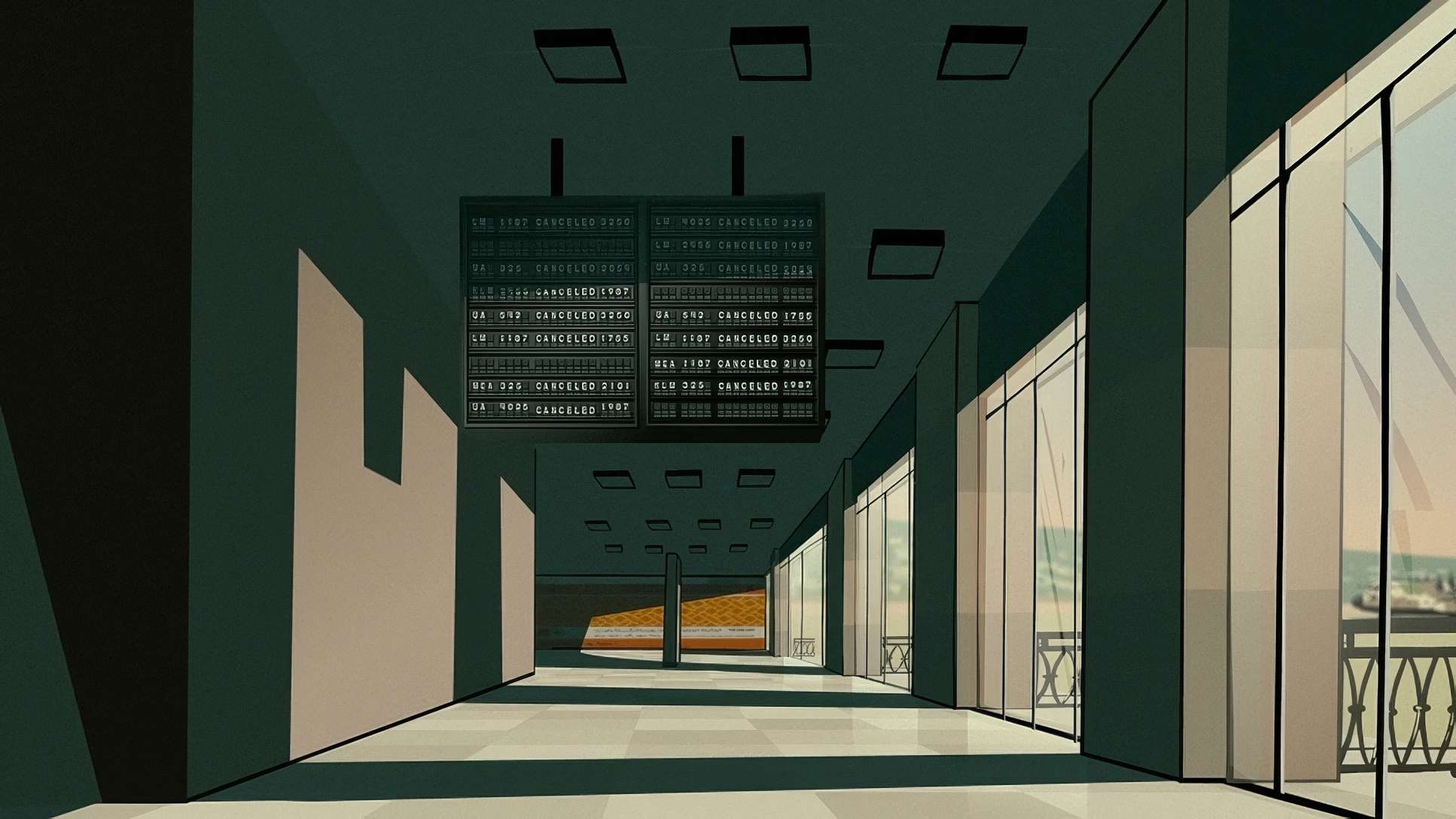
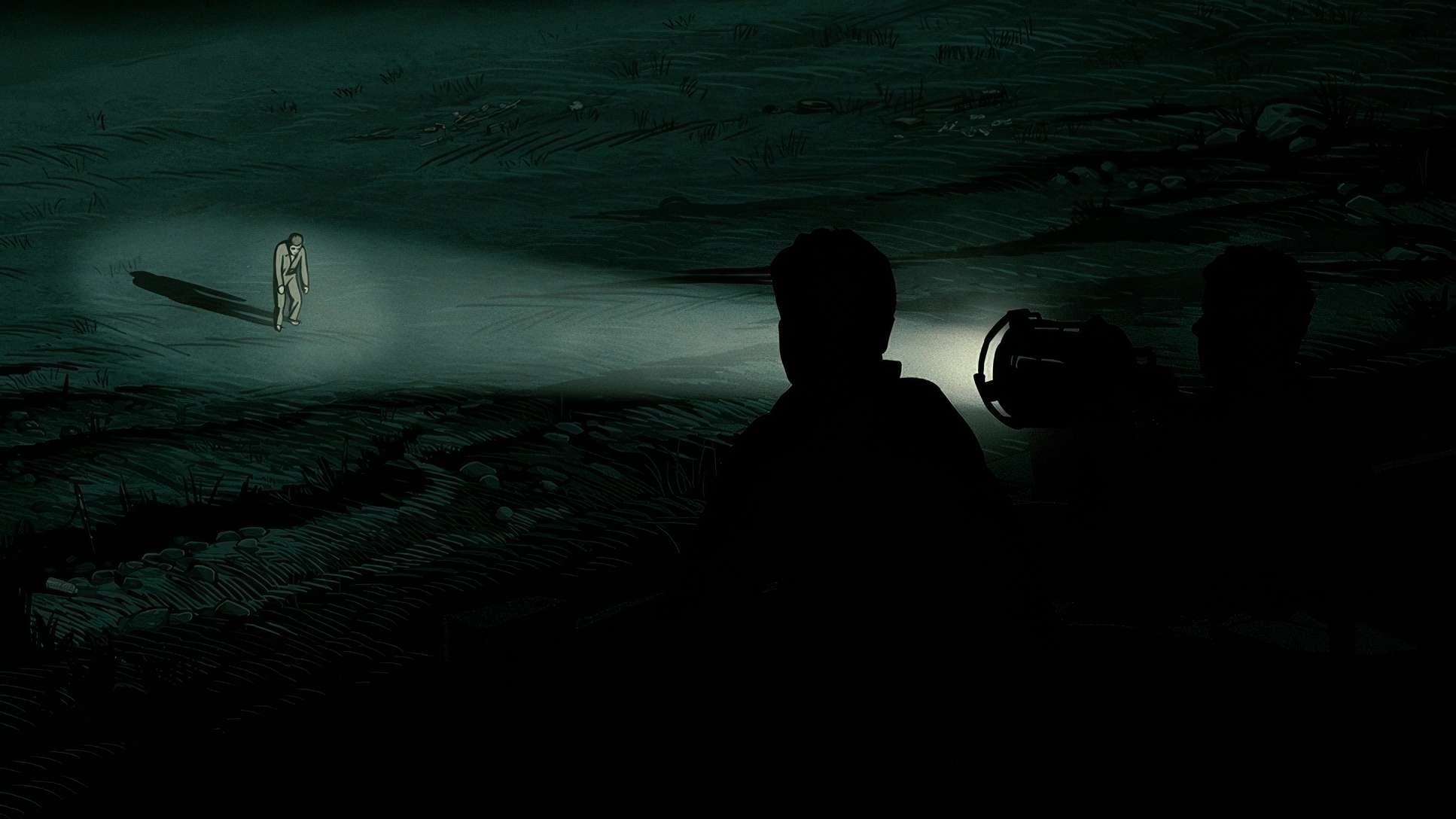
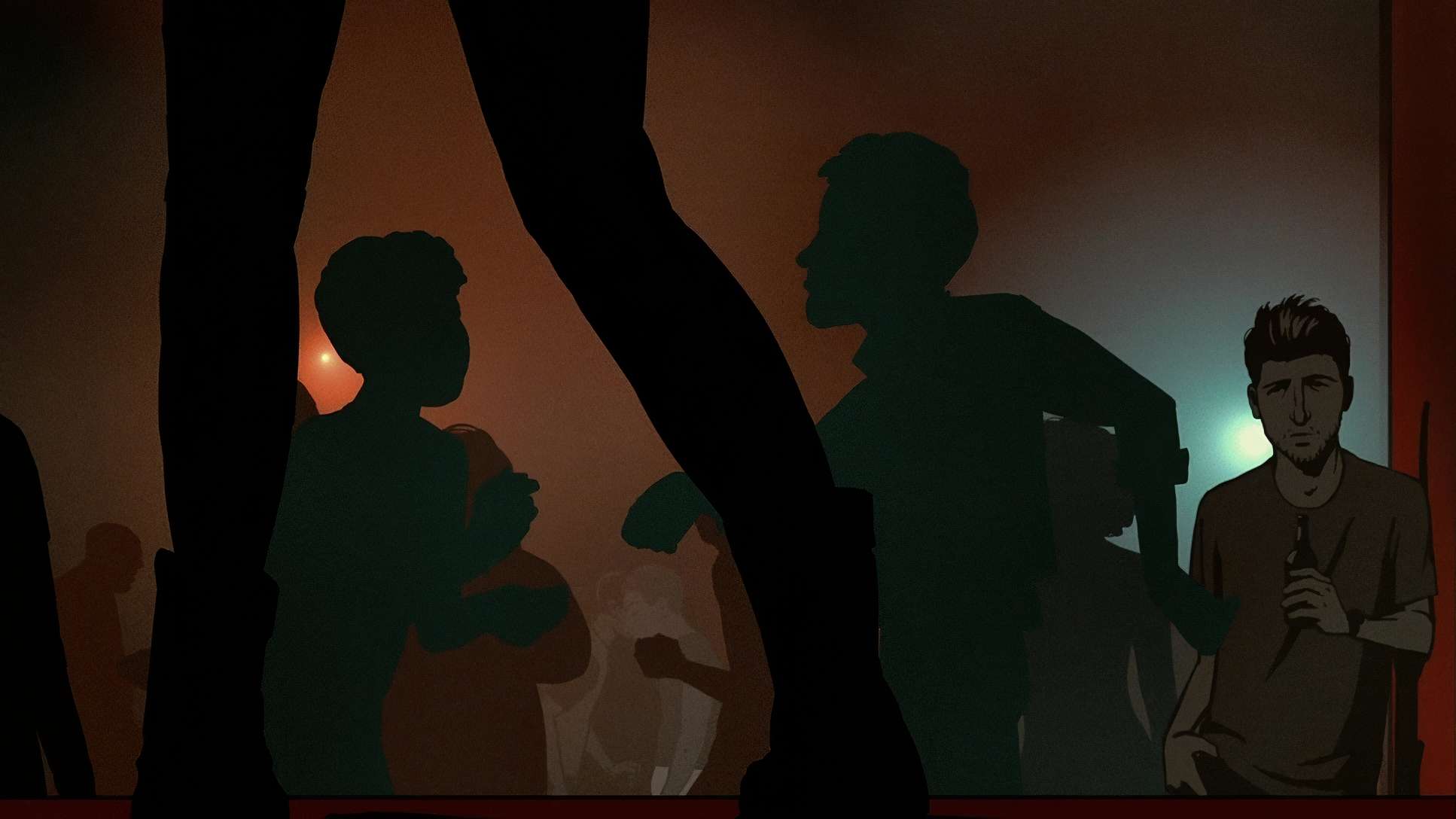
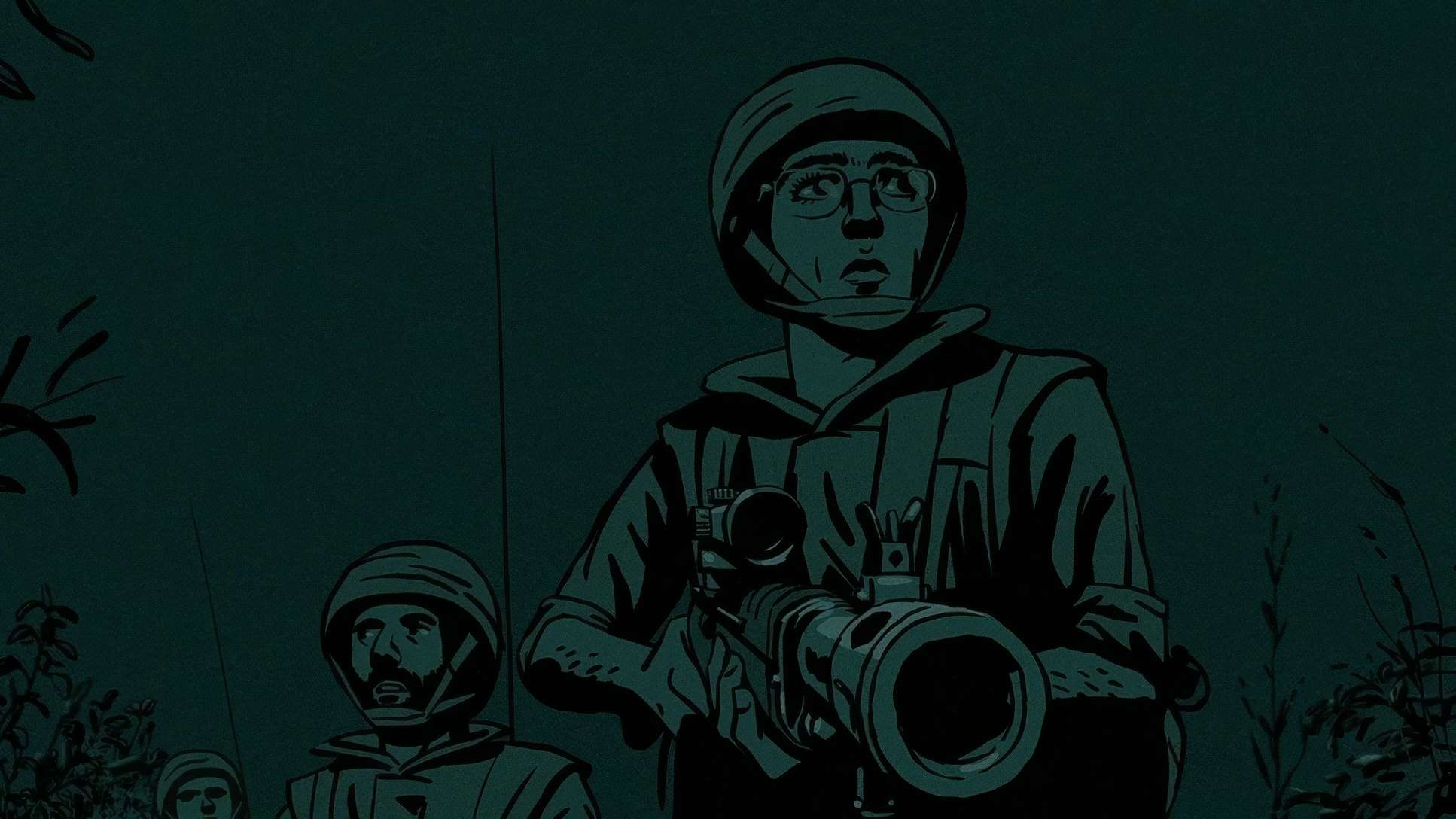
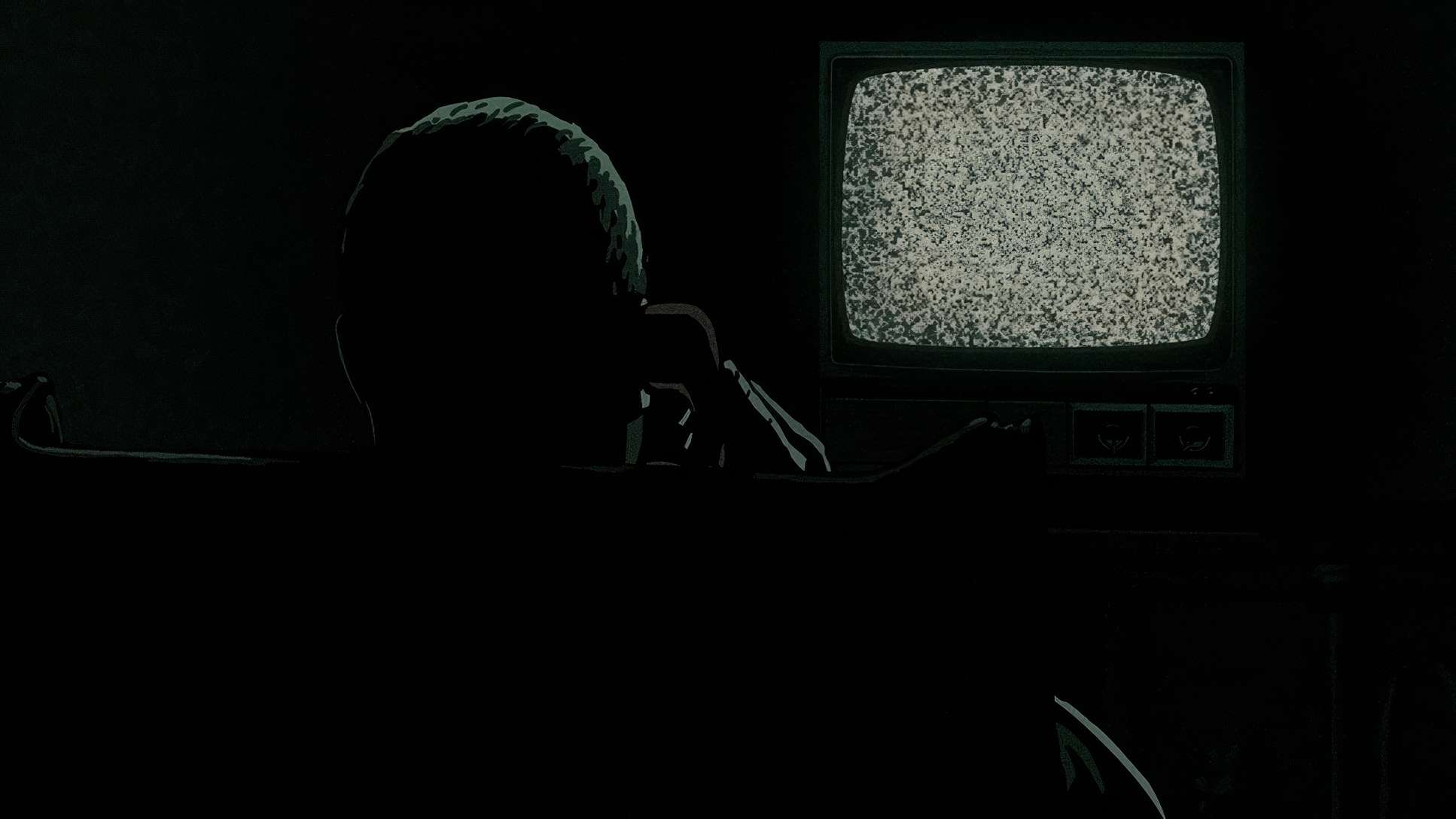
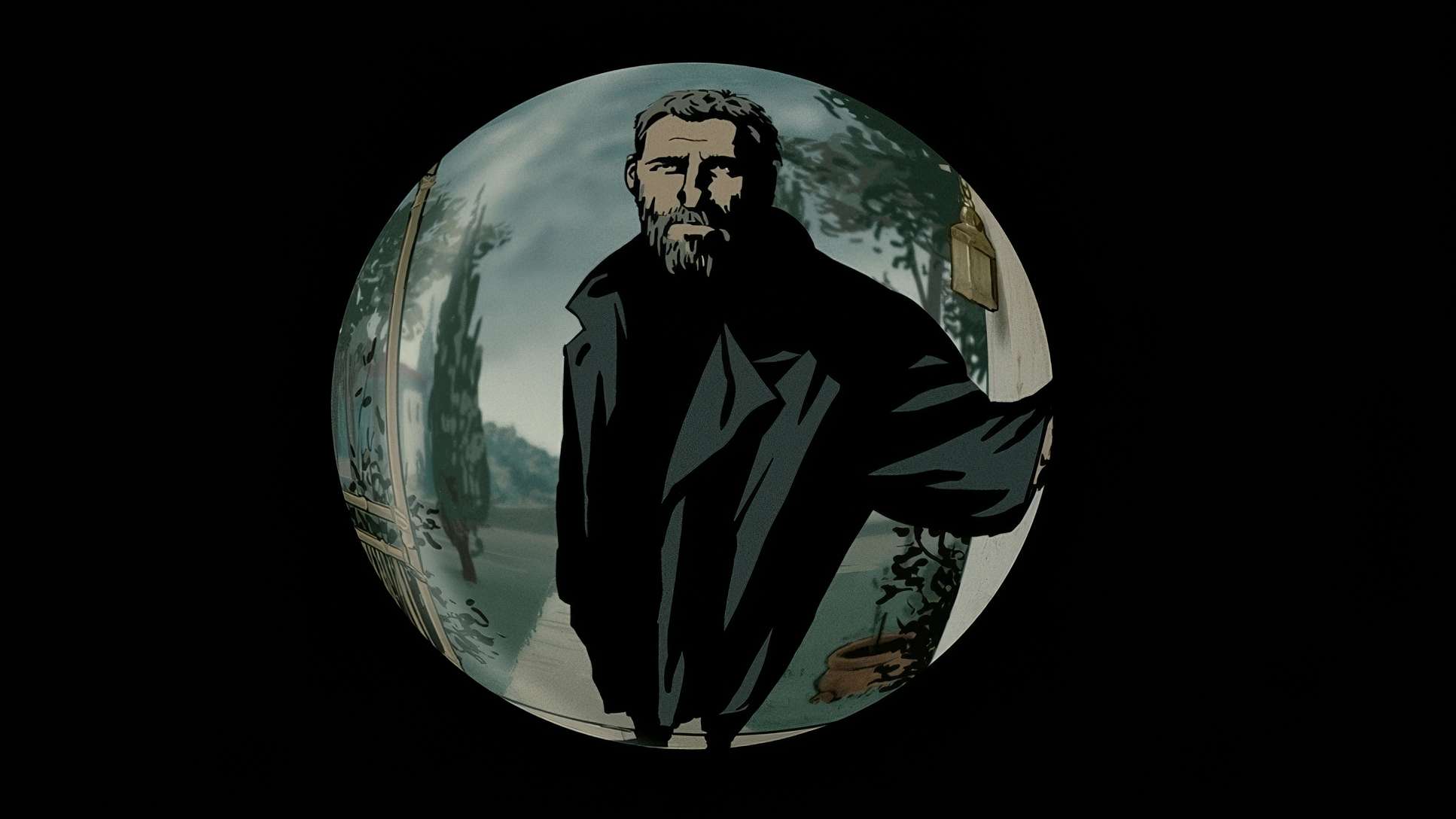
The film’s compositions lean heavily into a gritty, graphic novel aesthetic. Every frame feels constructed, like a panel where every line matters. There’s a beautiful, if tragic, use of negative space to convey isolation.
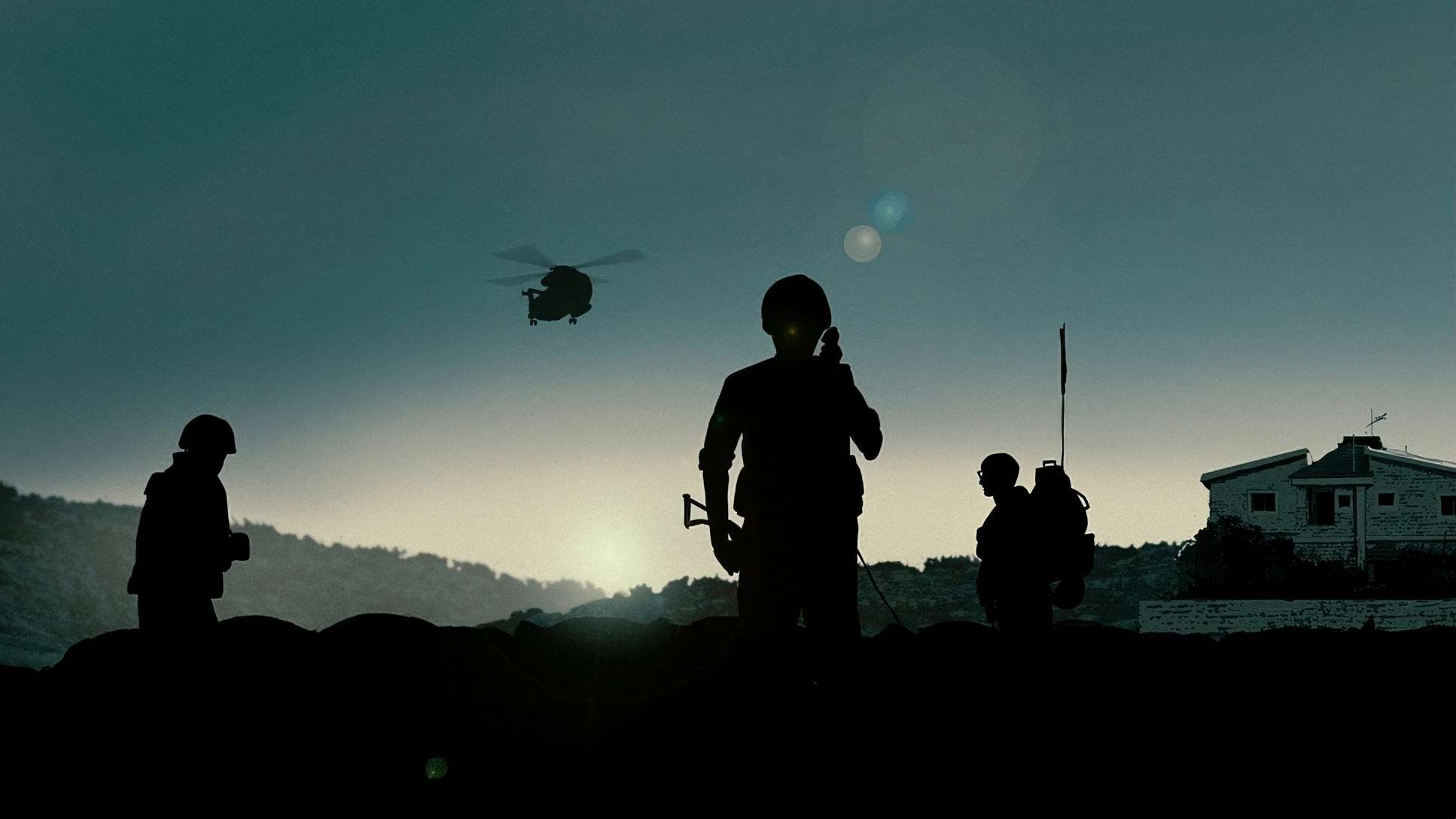
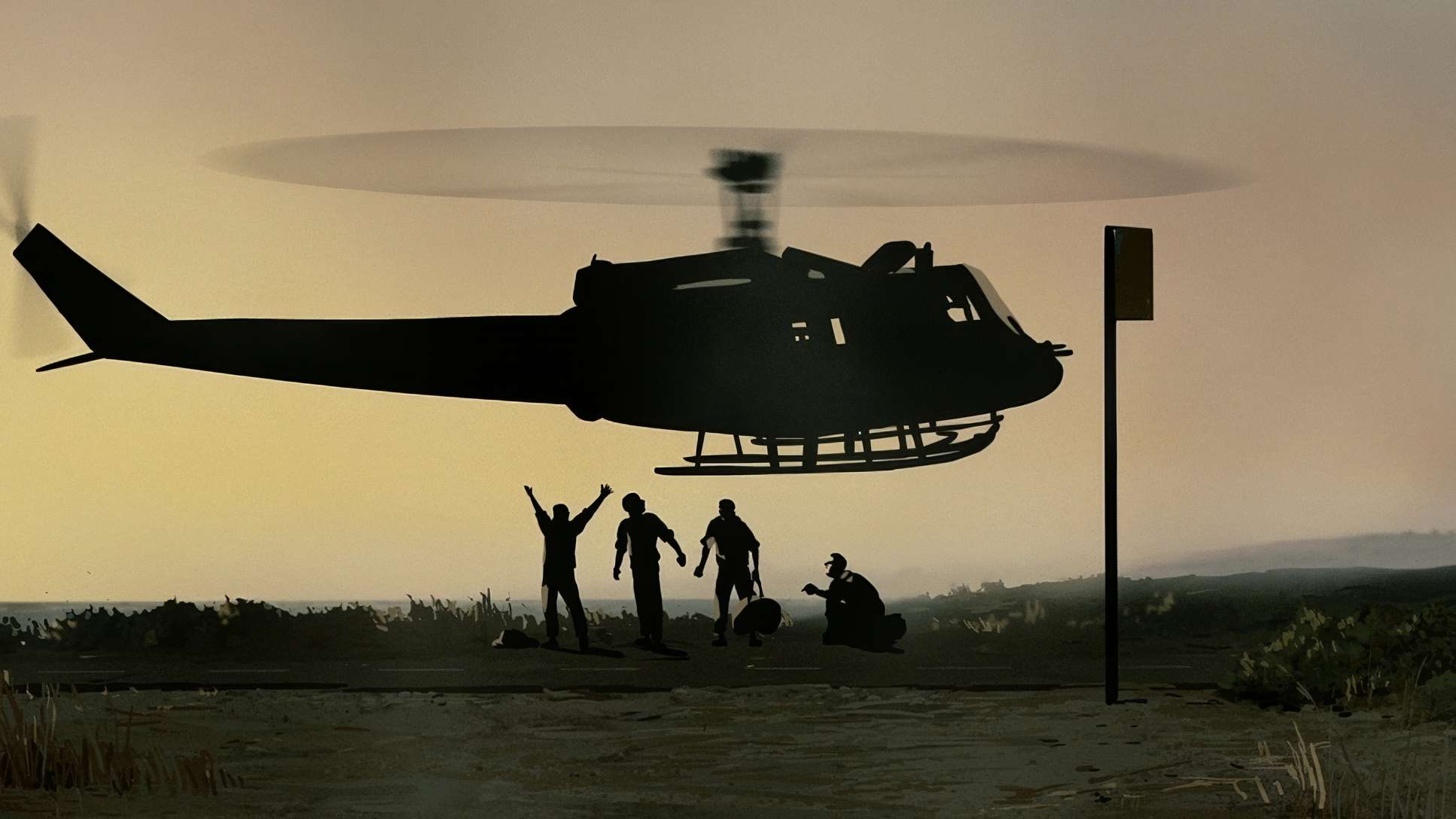
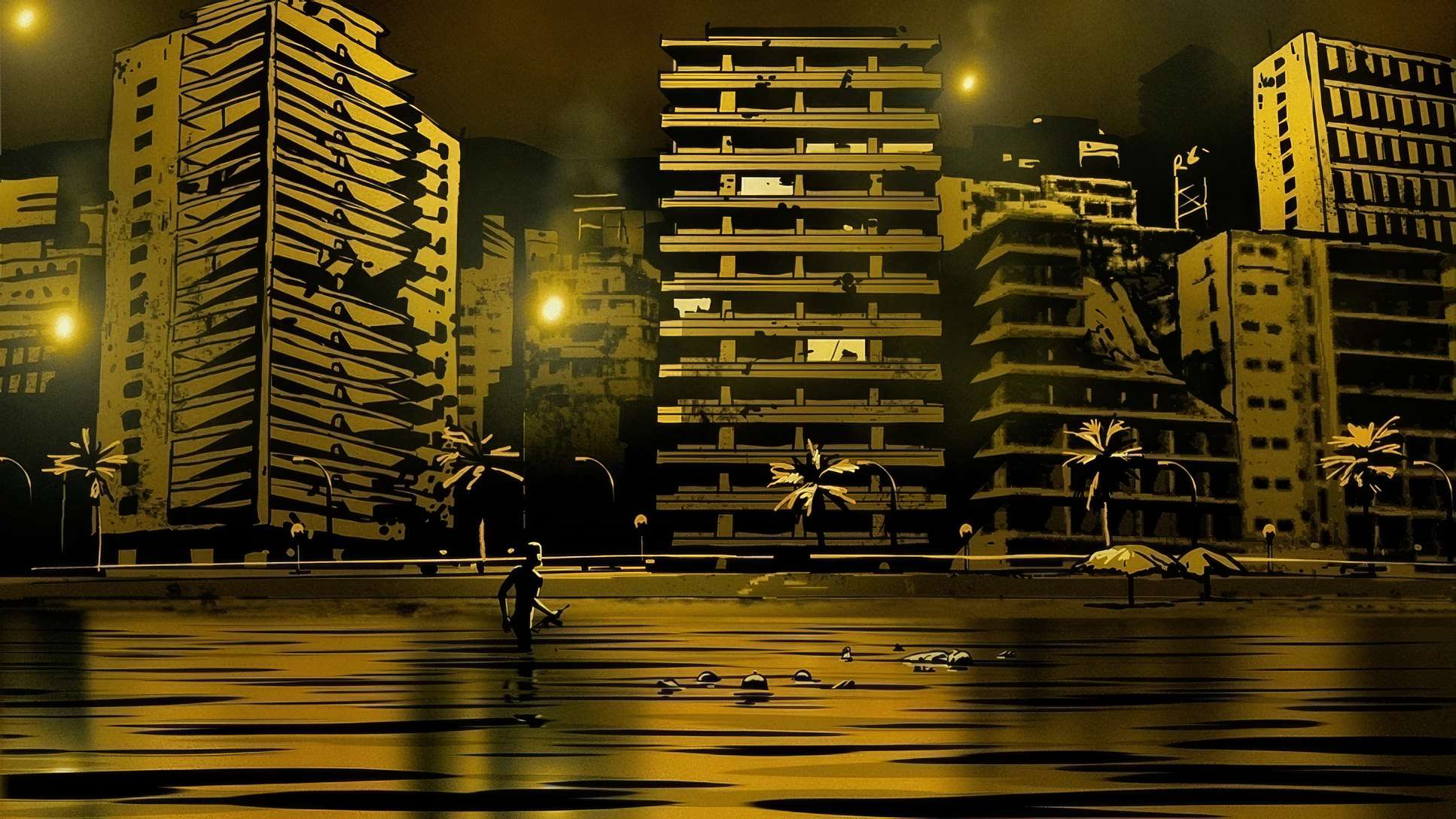
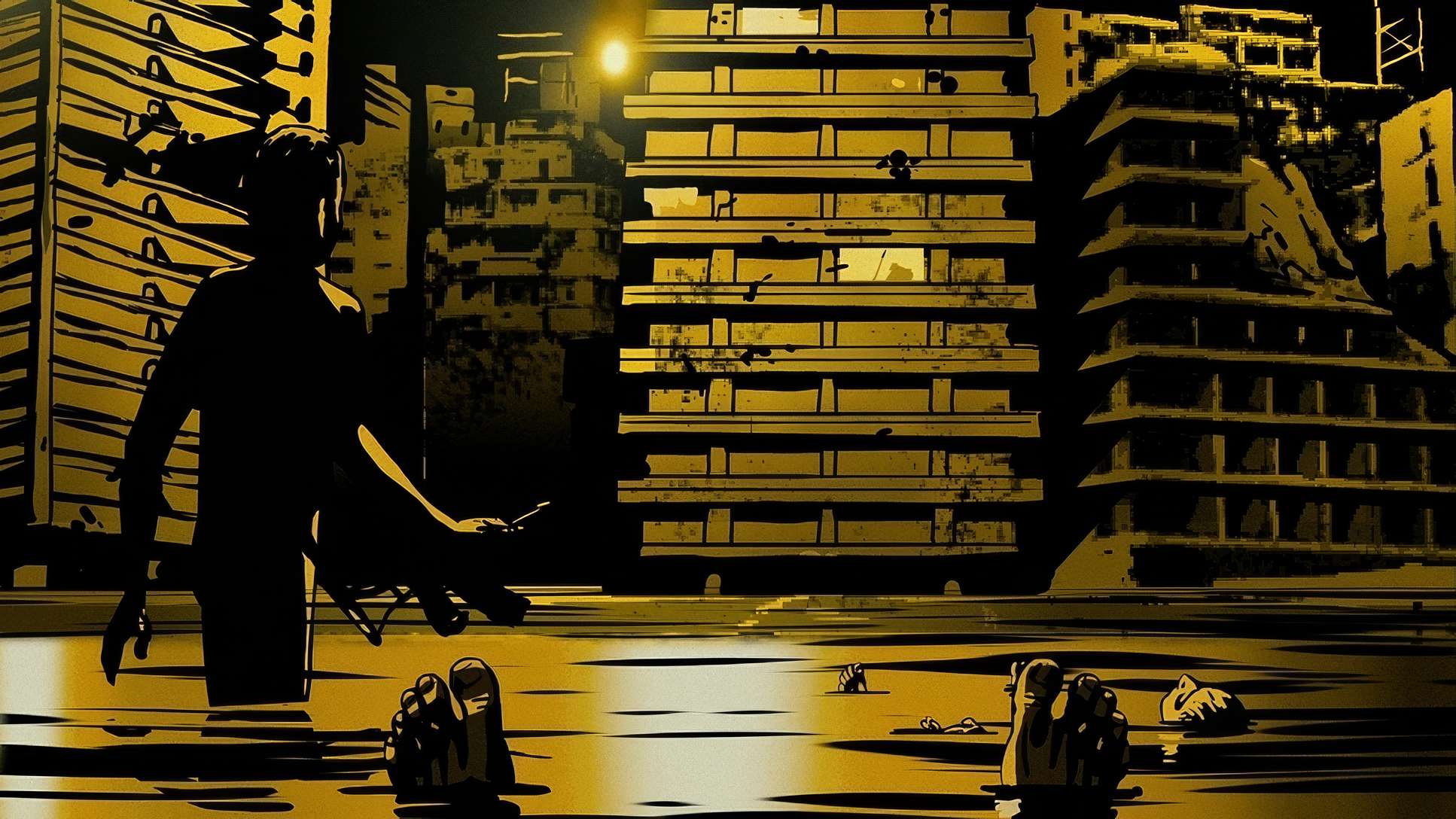
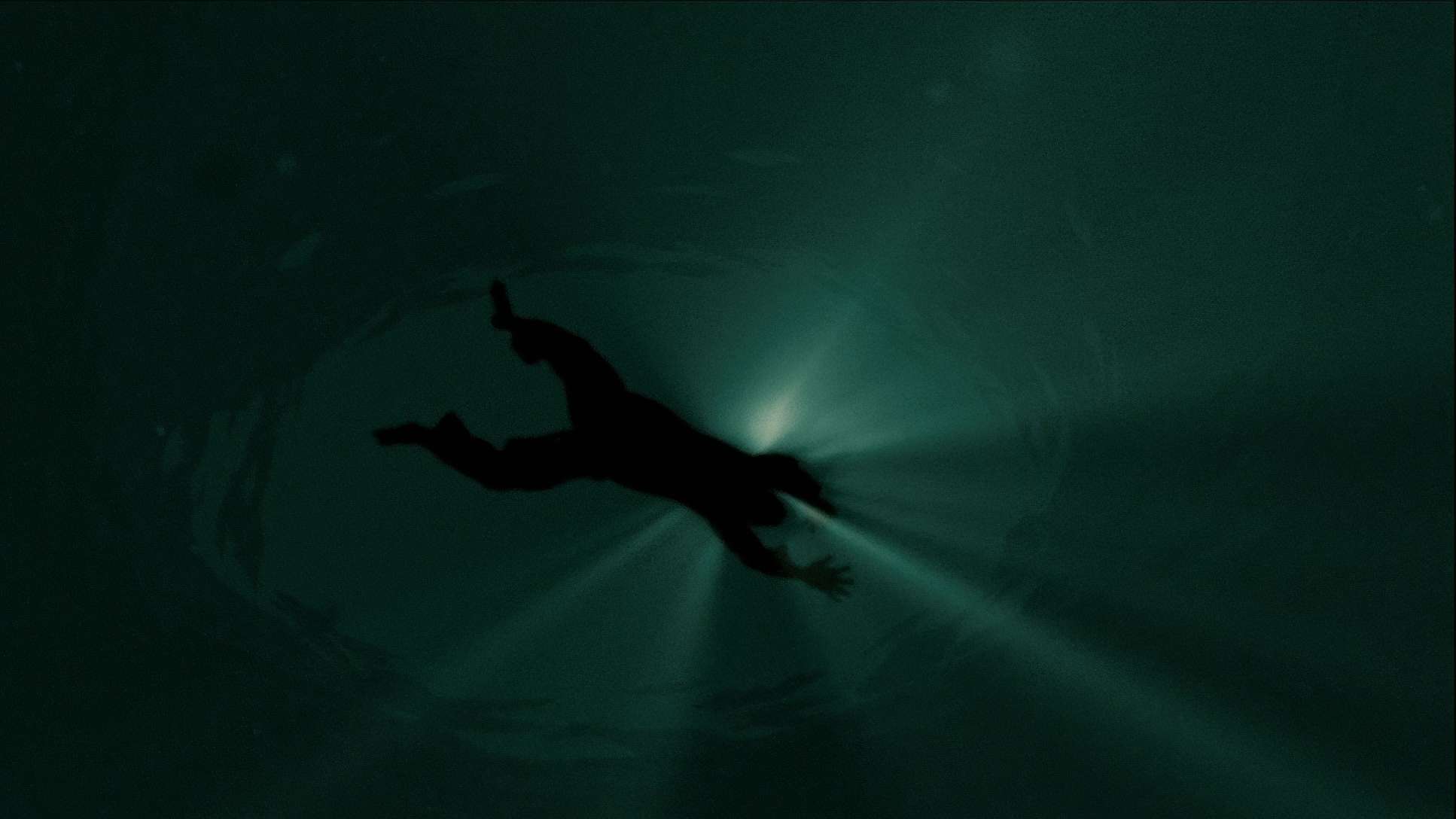
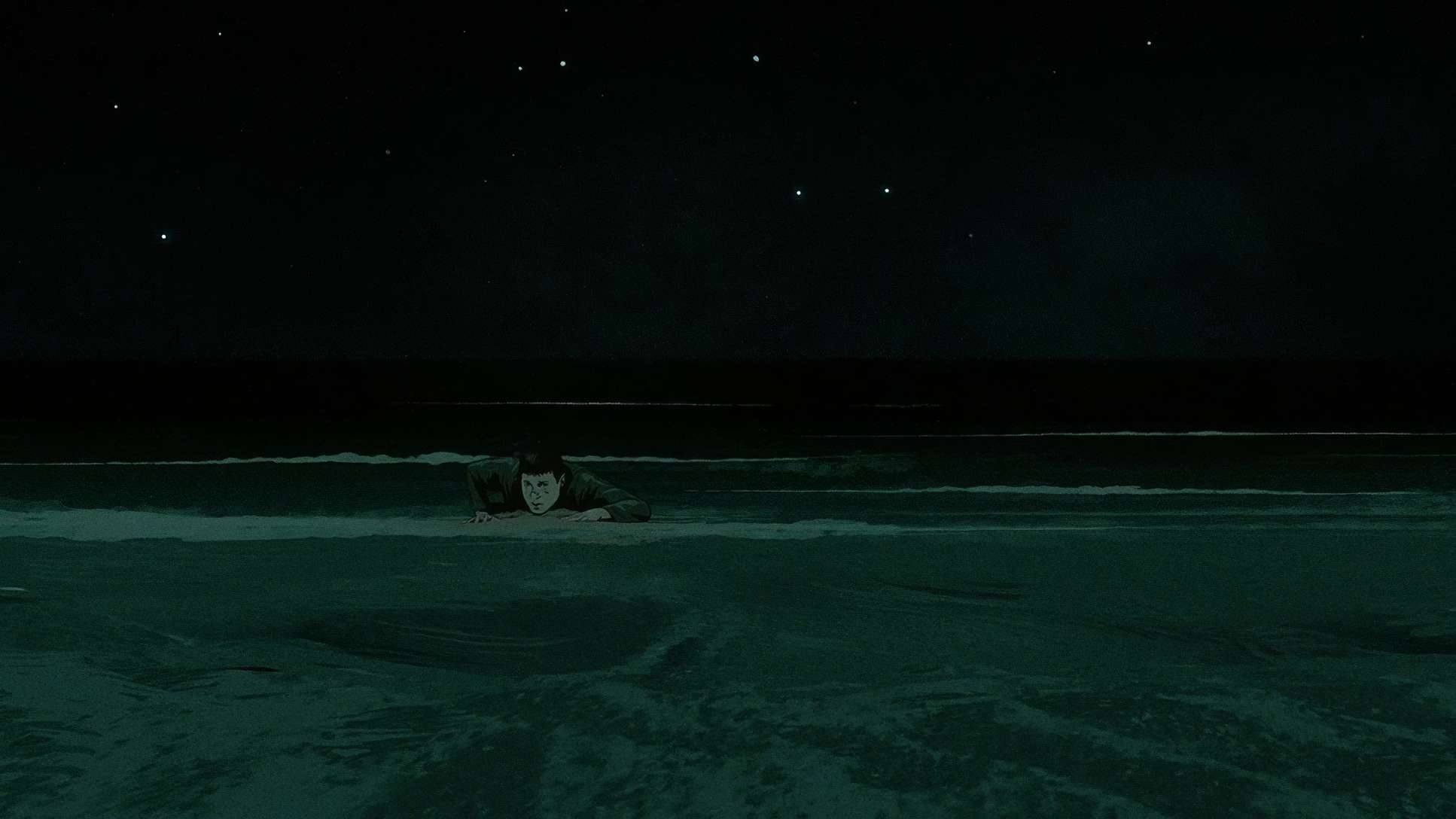
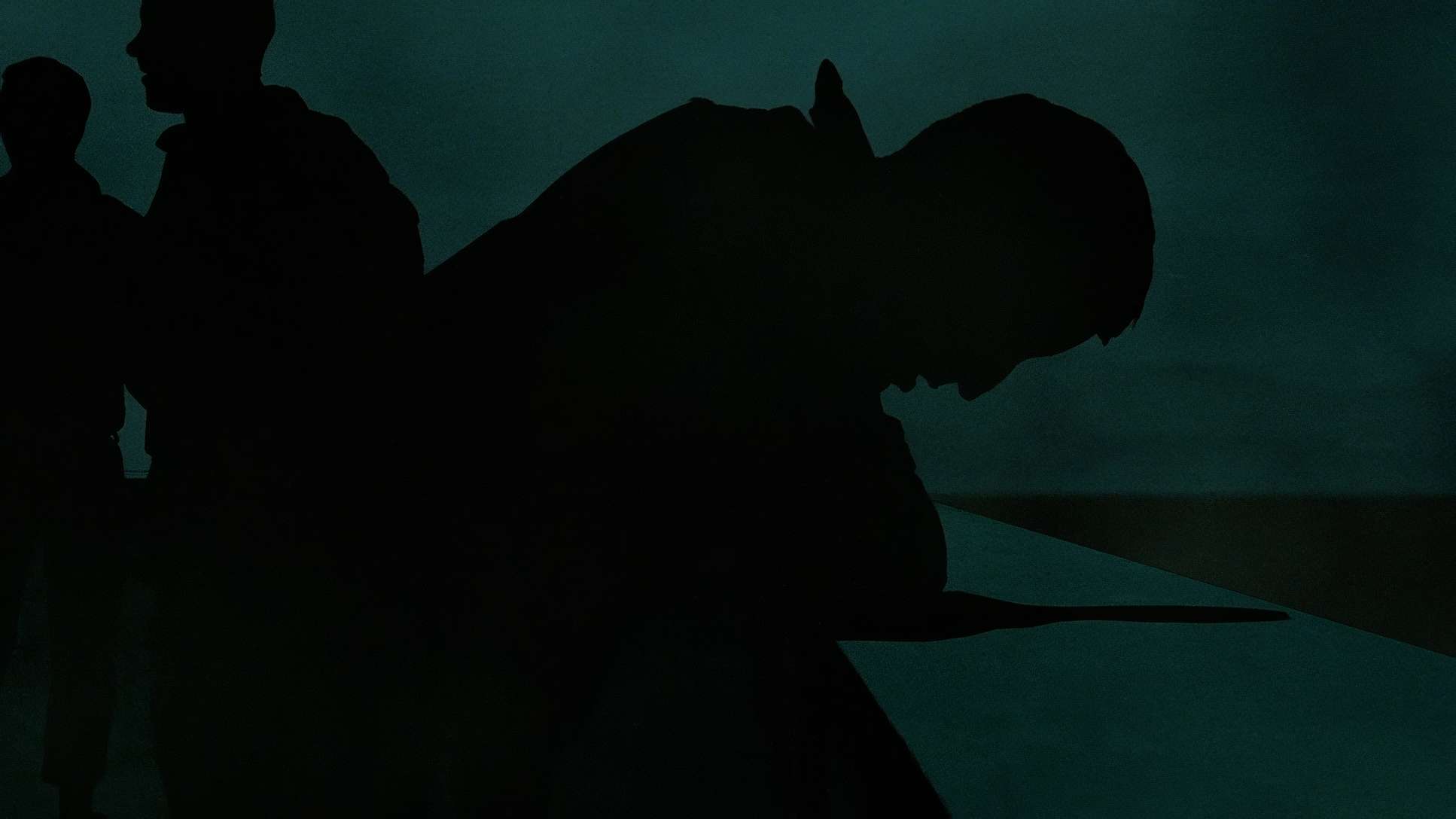
One shot that always sticks with me is Ari and the soldiers emerging naked from the sea, silhouetted against that flare-lit sky. The low angle elevates them to mythic figures, while the stark contrast of their forms against the glow simplifies the frame into something primal. Even in the cluttered chaos of combat, the layering is meticulous. Deep focus is achieved through clever animation layering rather than aperture, guiding our eyes through the danger without losing the human element at the center of the frame.
Lighting Style
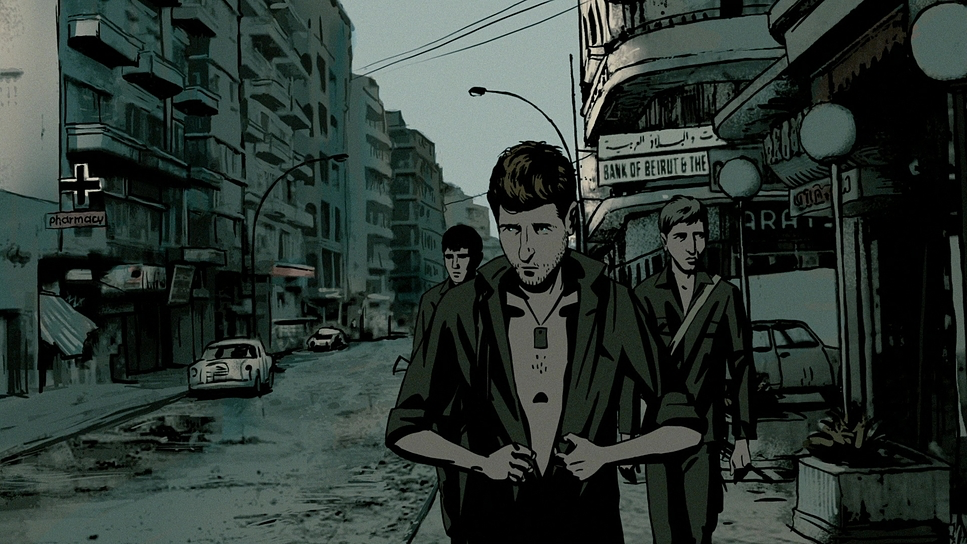
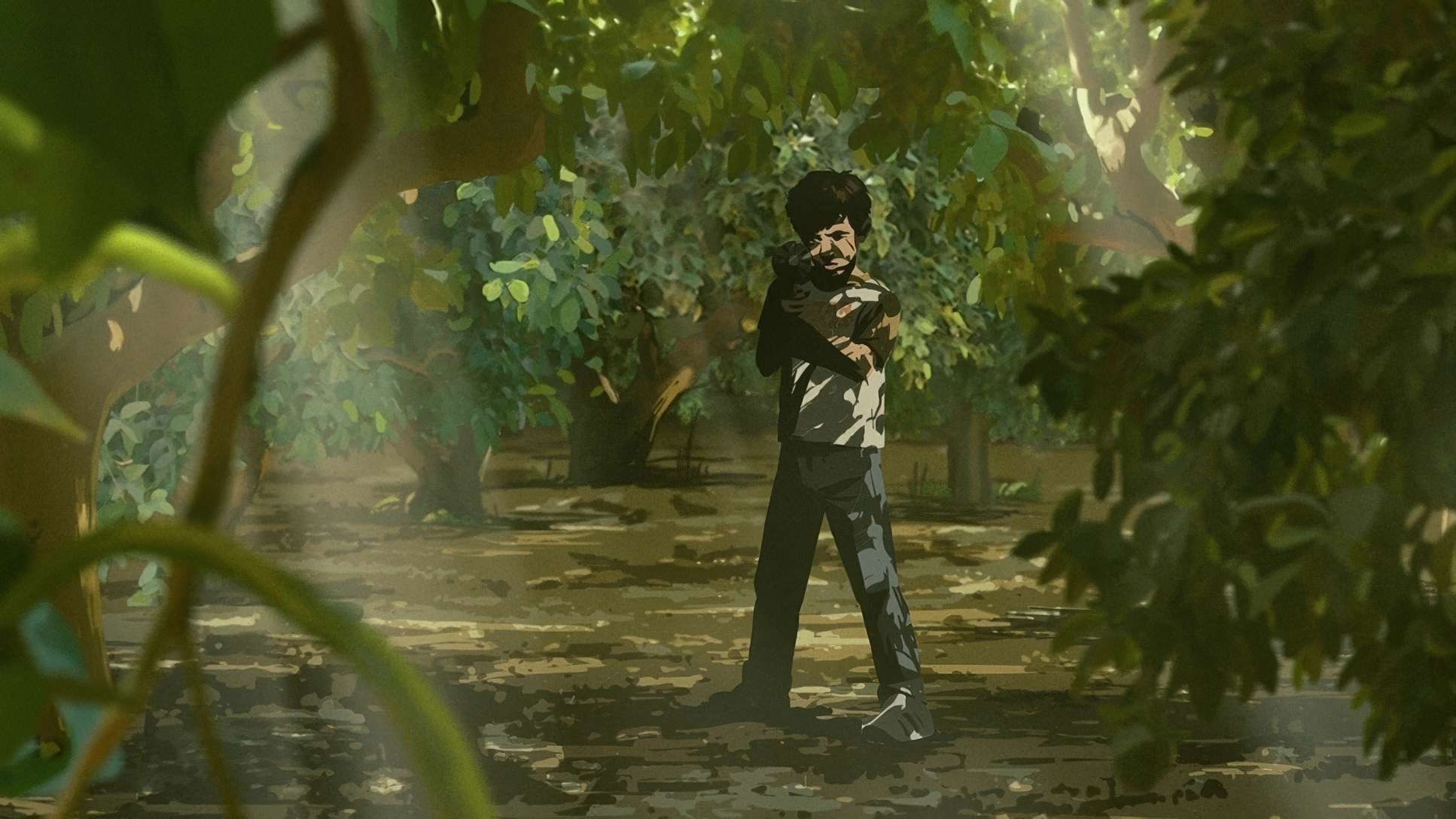
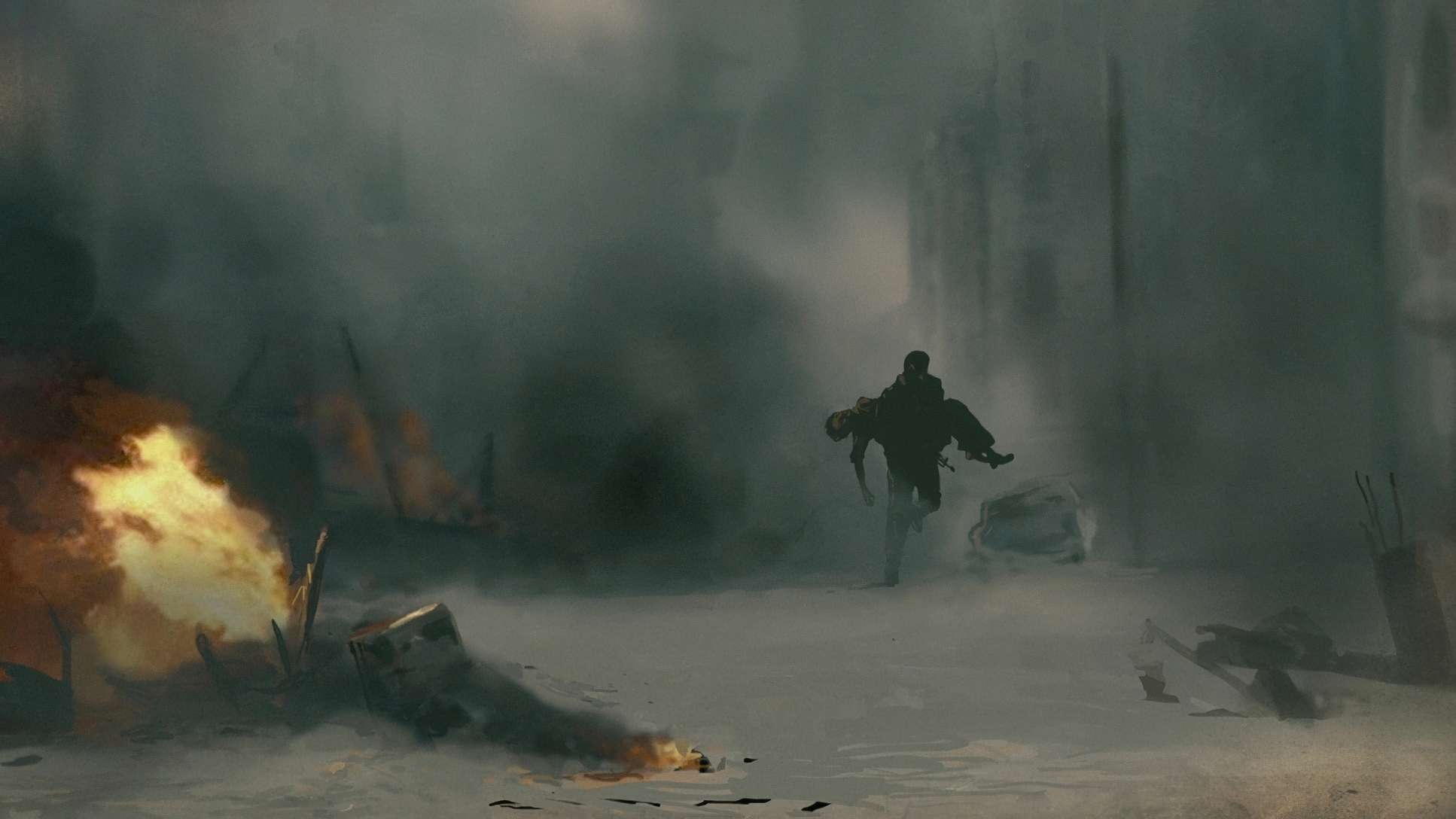
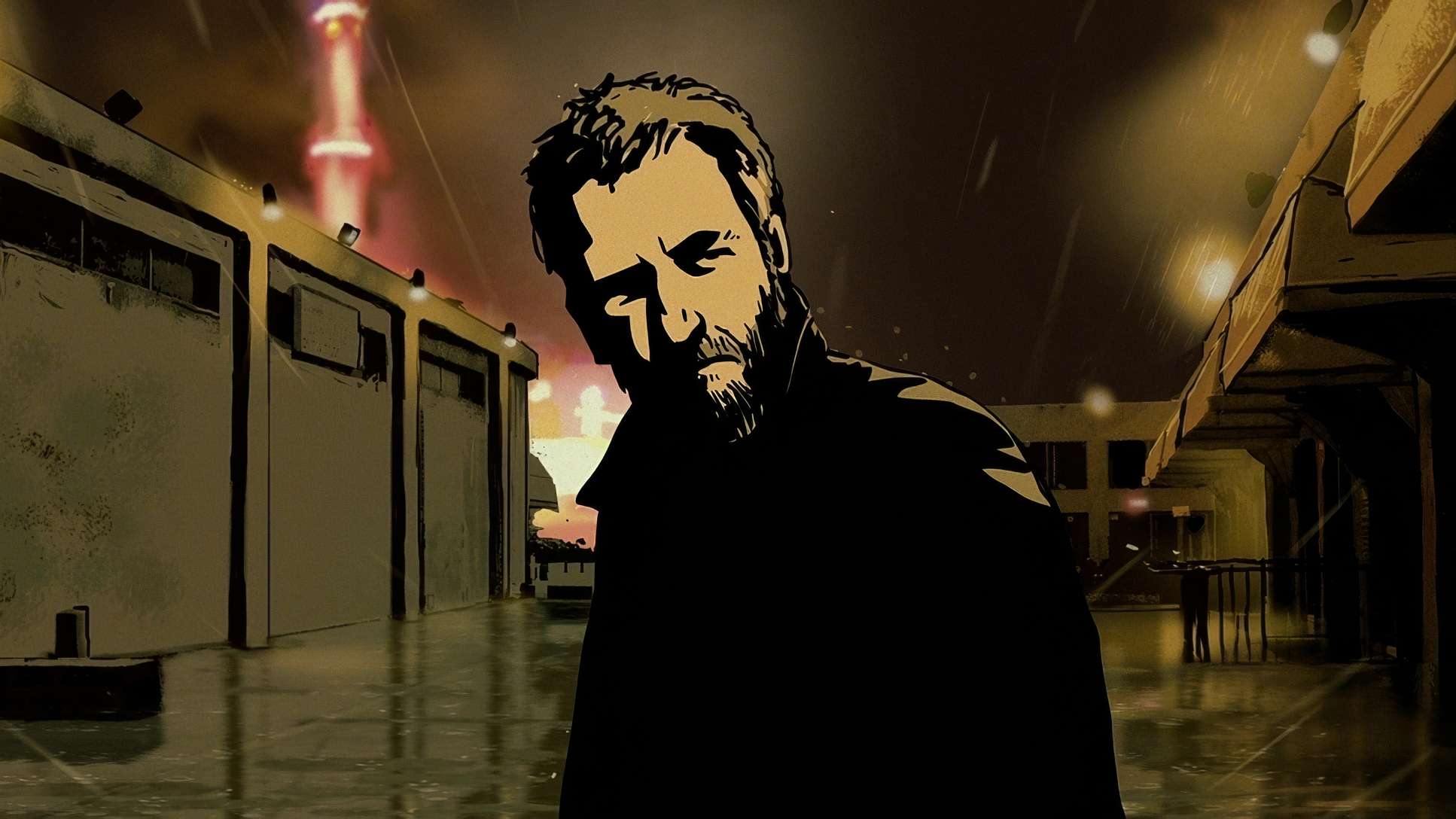
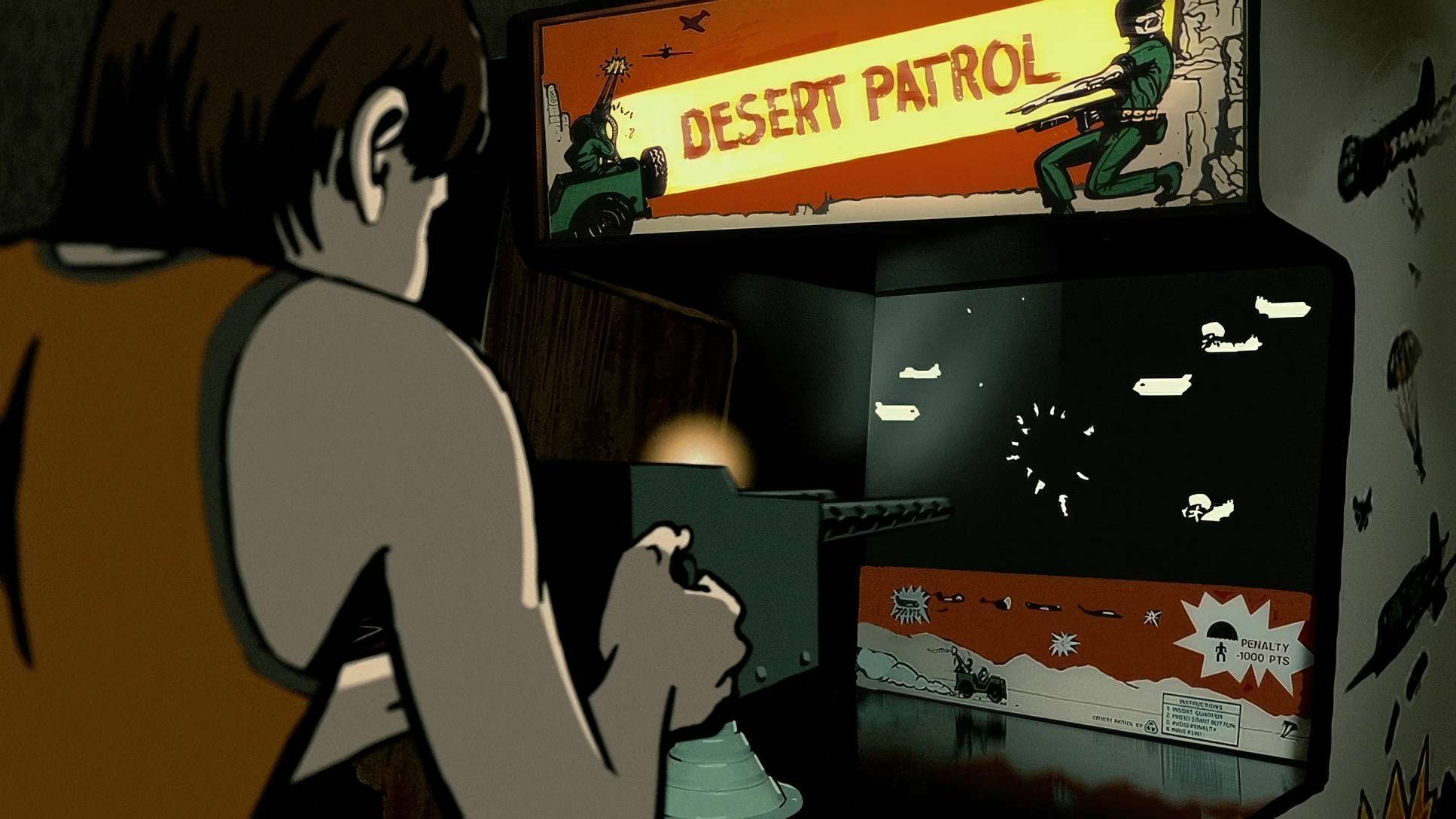
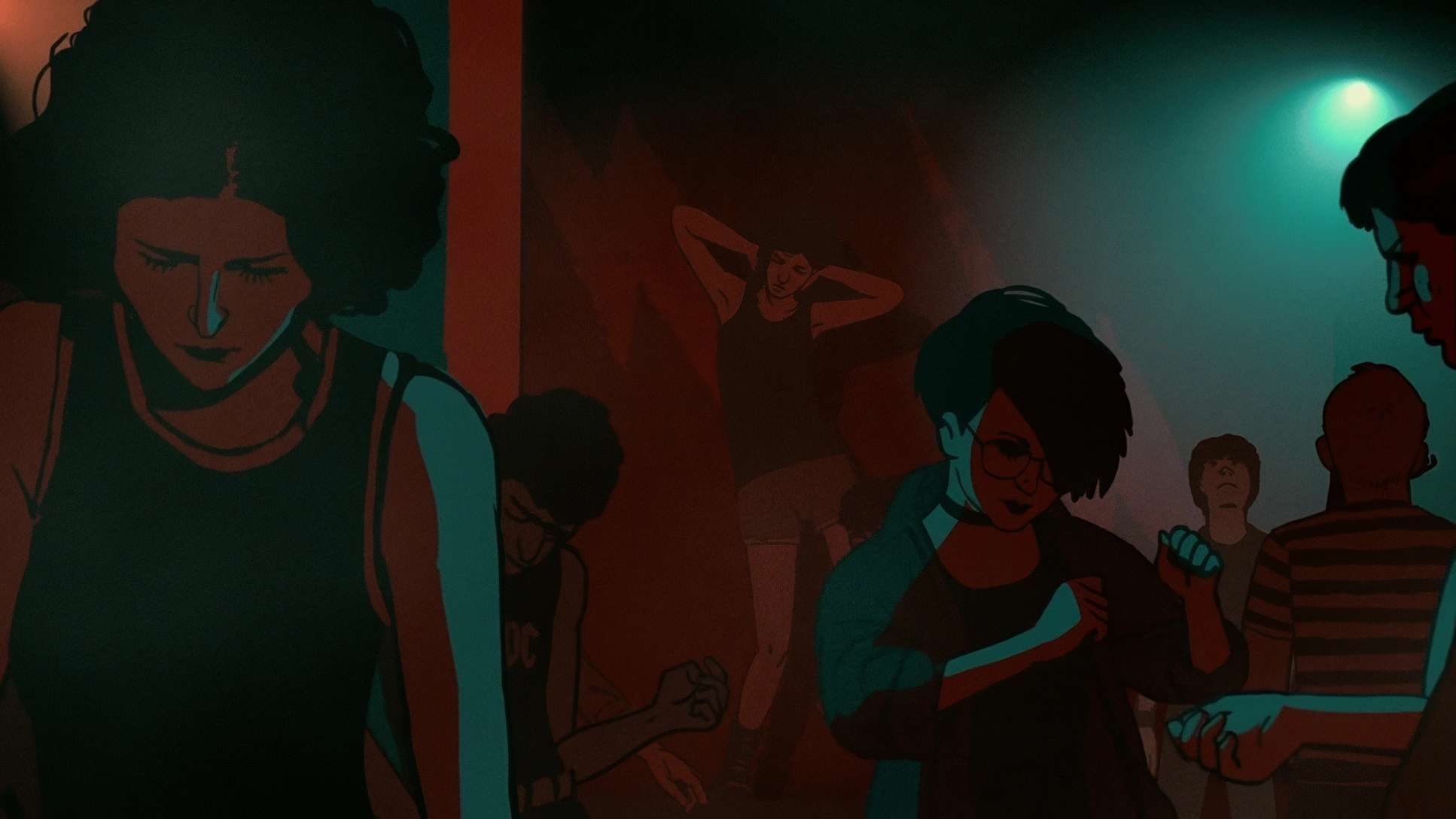
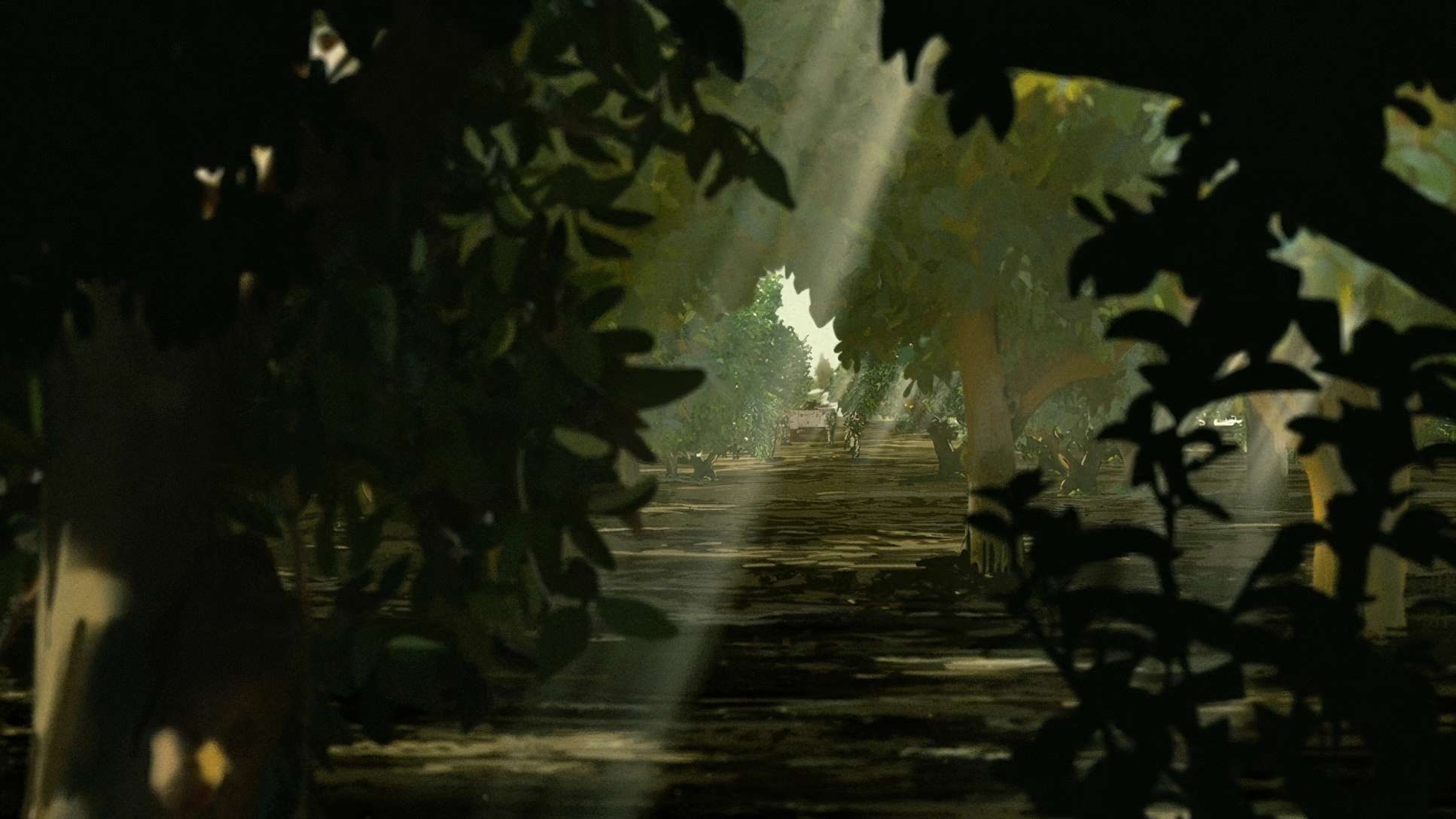
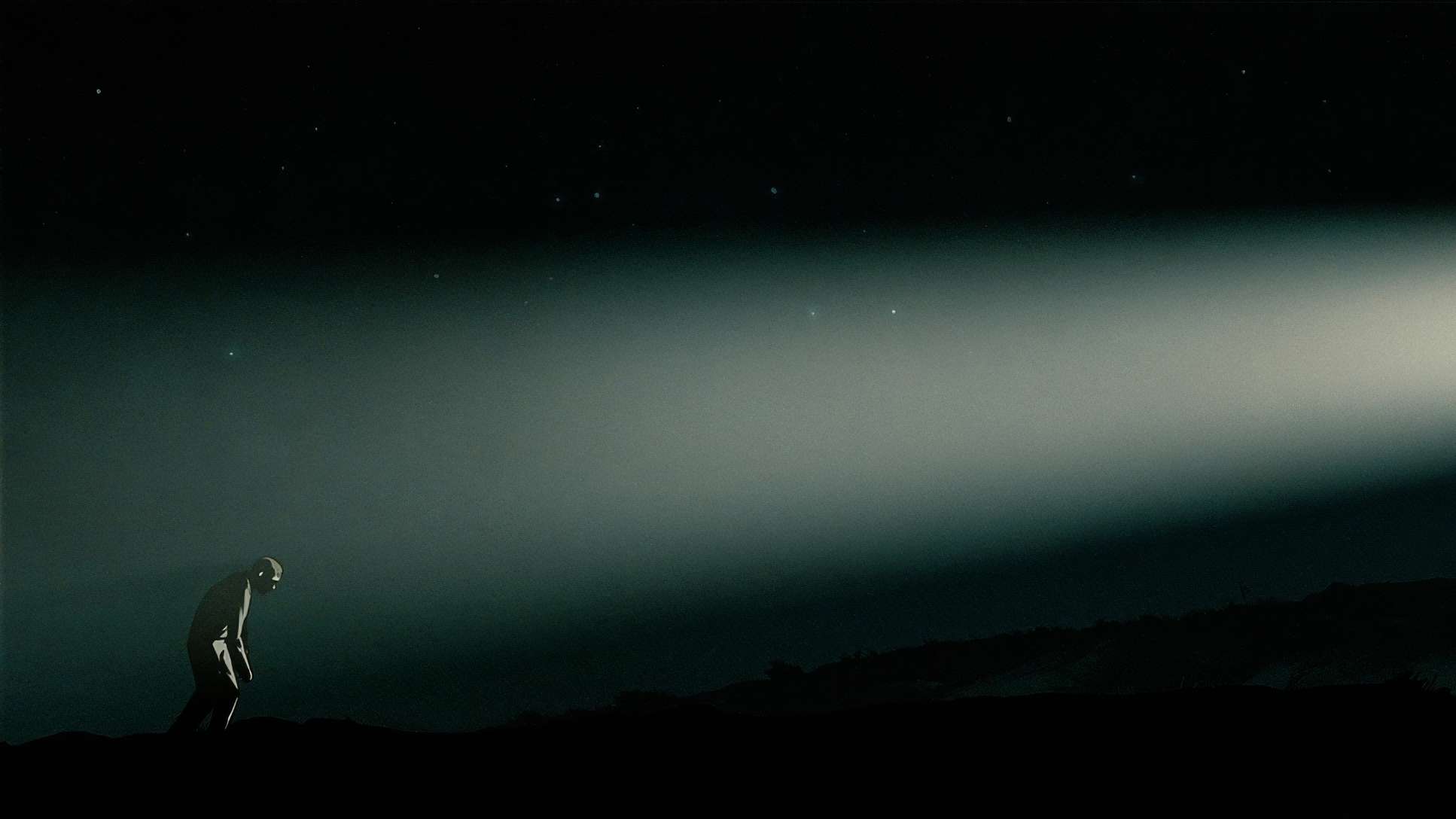
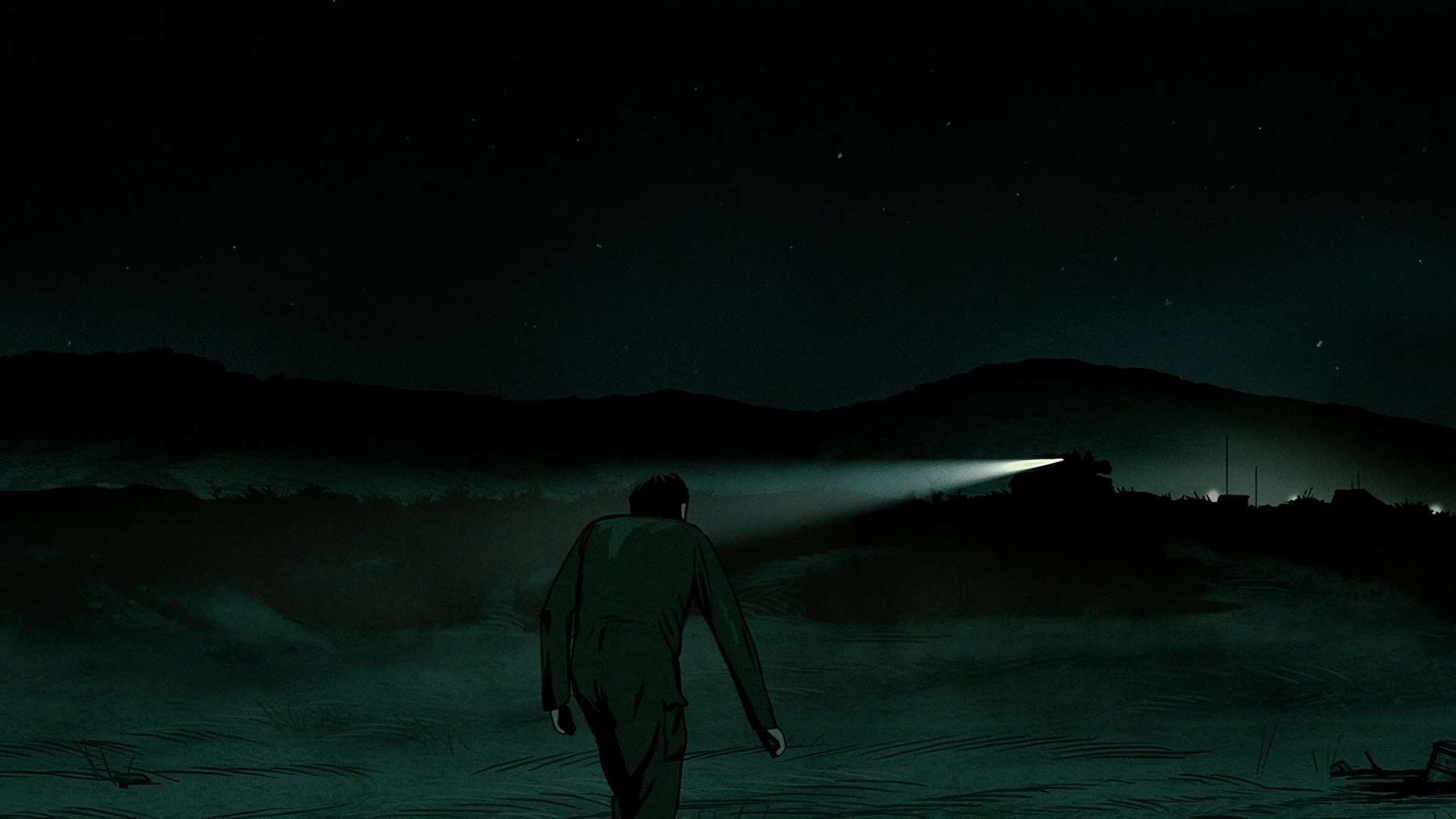
The lighting in Waltz with Bashir is anything but subtle, and that’s why it works. It’s an expressionistic dreamscape. For the war sequences, the light is used to sculpt emotion flares, headlights, and muzzle flashes cut through the frame with an almost operatic intensity.
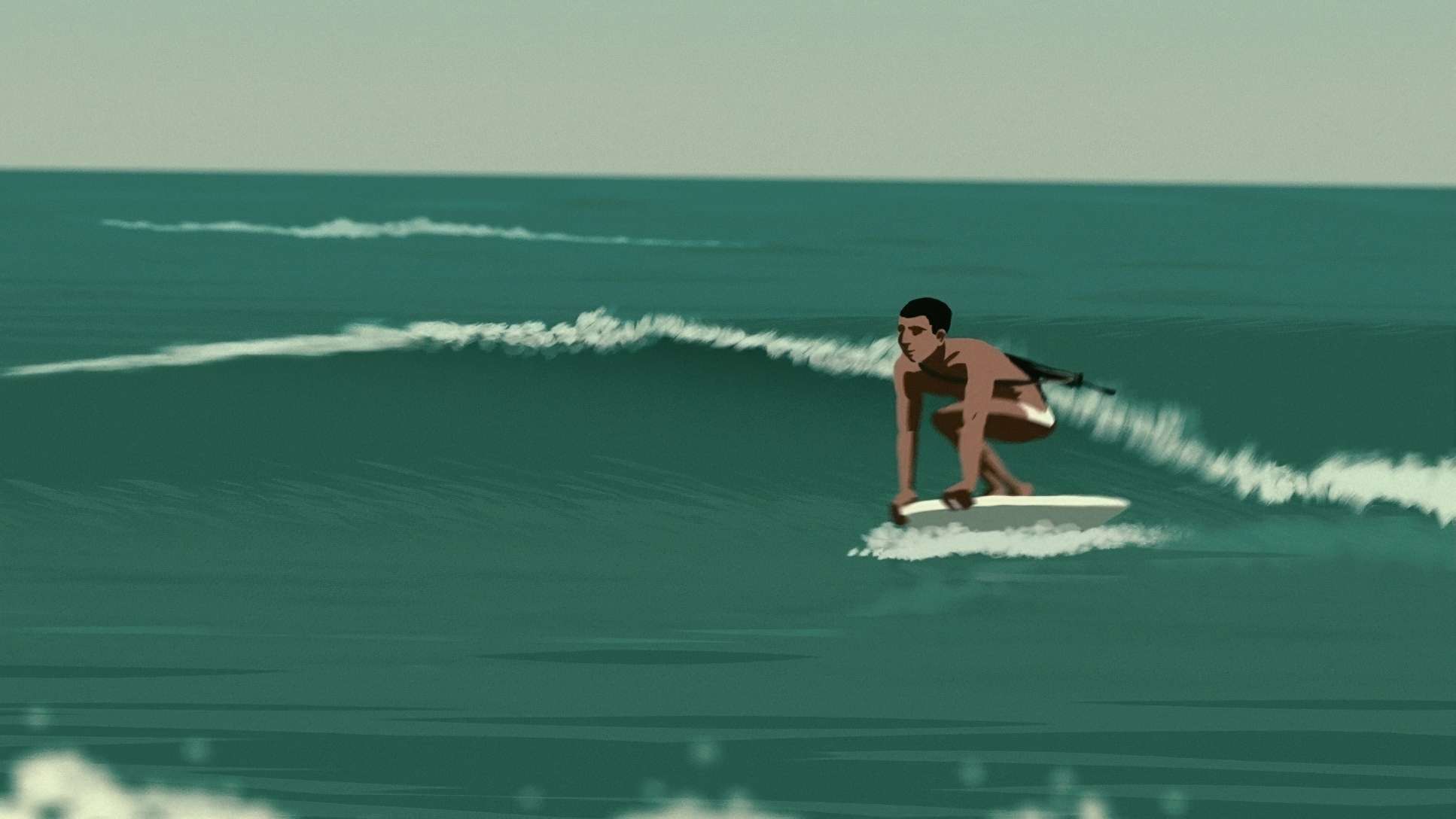
I remember a reviewer describing the lighting in the Lebanon beach scene as “squizzling.” It’s a perfect word for that shimmering, otherworldly glow. As a colorist, I love how the highlights roll off into the mid-tones here; even without a physical lens, there’s a sense of volumetric light that gives the world dimension. In contrast, the “present-day” interviews use a subdued, naturalistic scheme. That tonal shift is crucial it’s the visual divider between the visceral, hallucinatory past and the grounded, traumatic present.
Lensing and Blocking
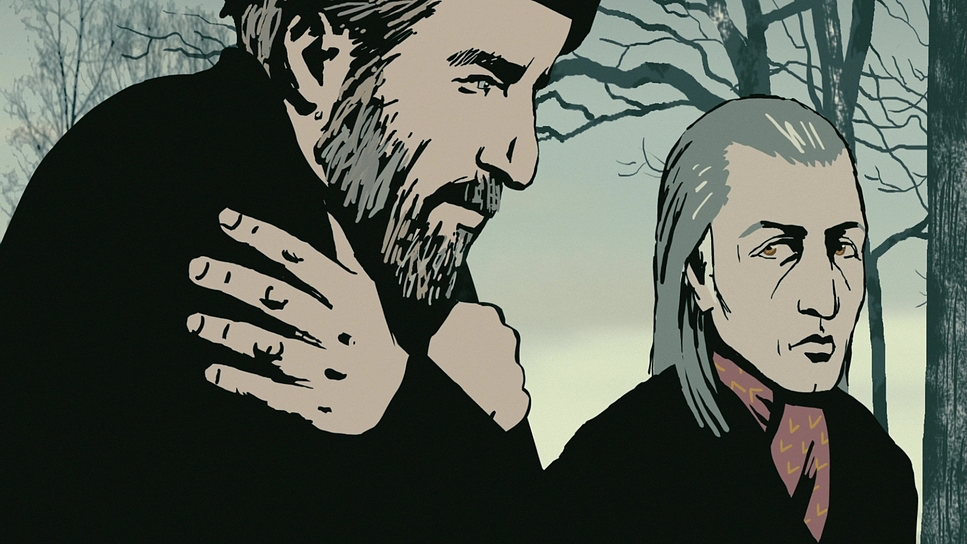
Since there’s no physical glass, “lensing” here is all about the implication of focal lengths. The film masterfully mimics lens behaviors to create resonance. For the sweeping battlefields, the “lenses” feel wide, dwarfing the soldiers and emphasizing their insignificance against the vastness of the conflict.
Then, when we move into a moment of internal reflection, the “lens” tightens. The depth of field becomes shallow, blurring the world and forcing us into the character’s head. The blocking is equally precise. In the “Waltz” sequence, the arrangement of the building, the banner, and the falling bullets is choreographed with the precision of a stage play, ensuring that even in the middle of chaos, the narrative intent is never lost.
Color Grading Approach
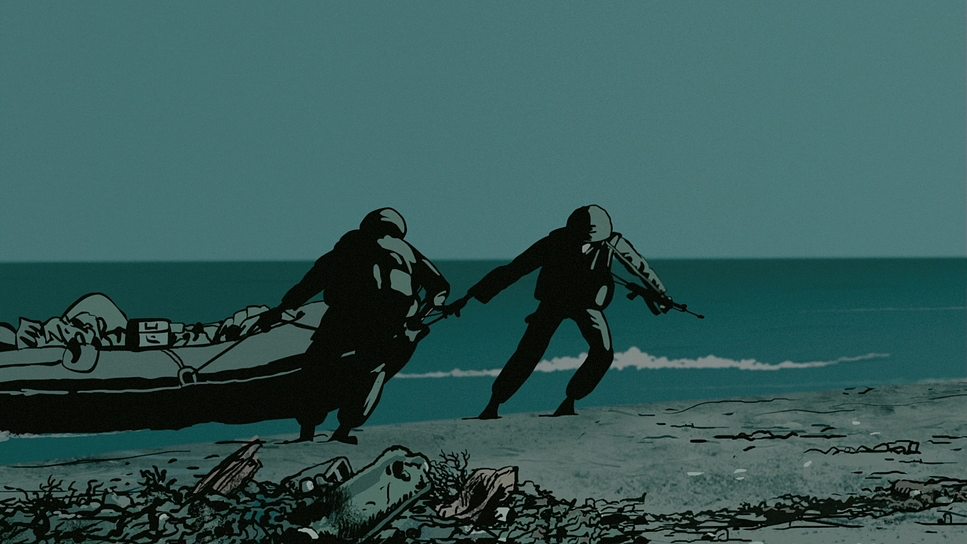
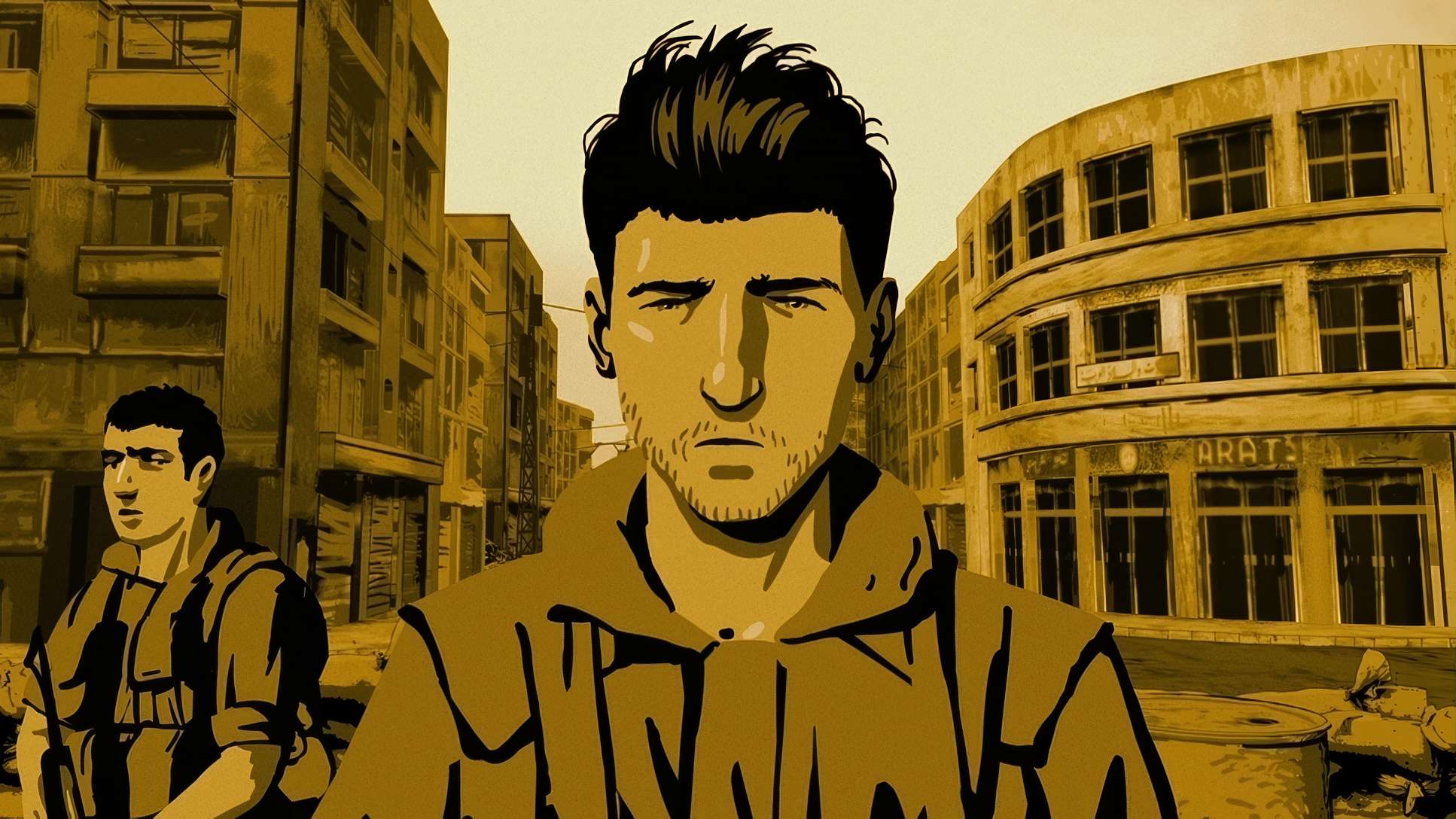
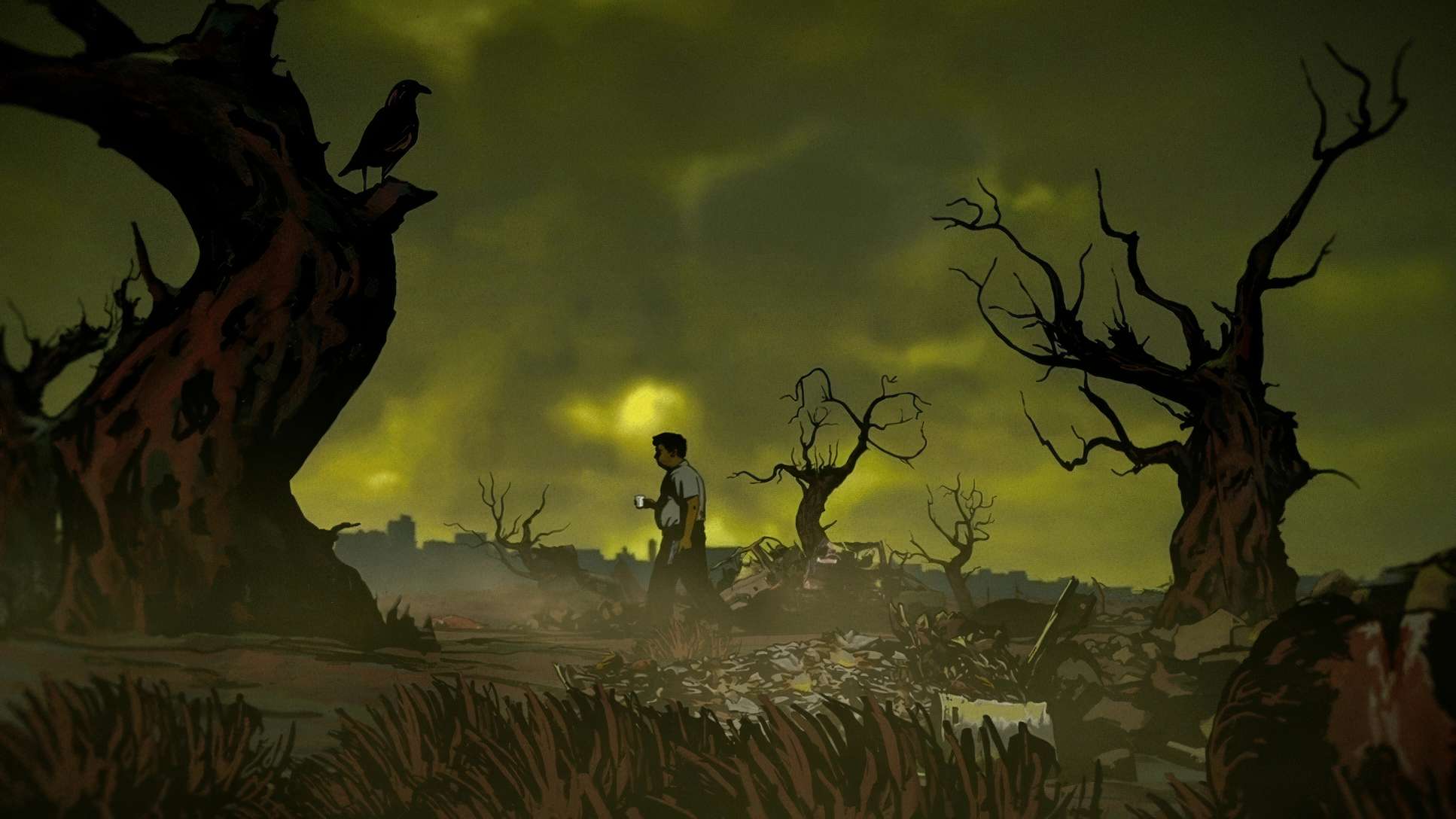
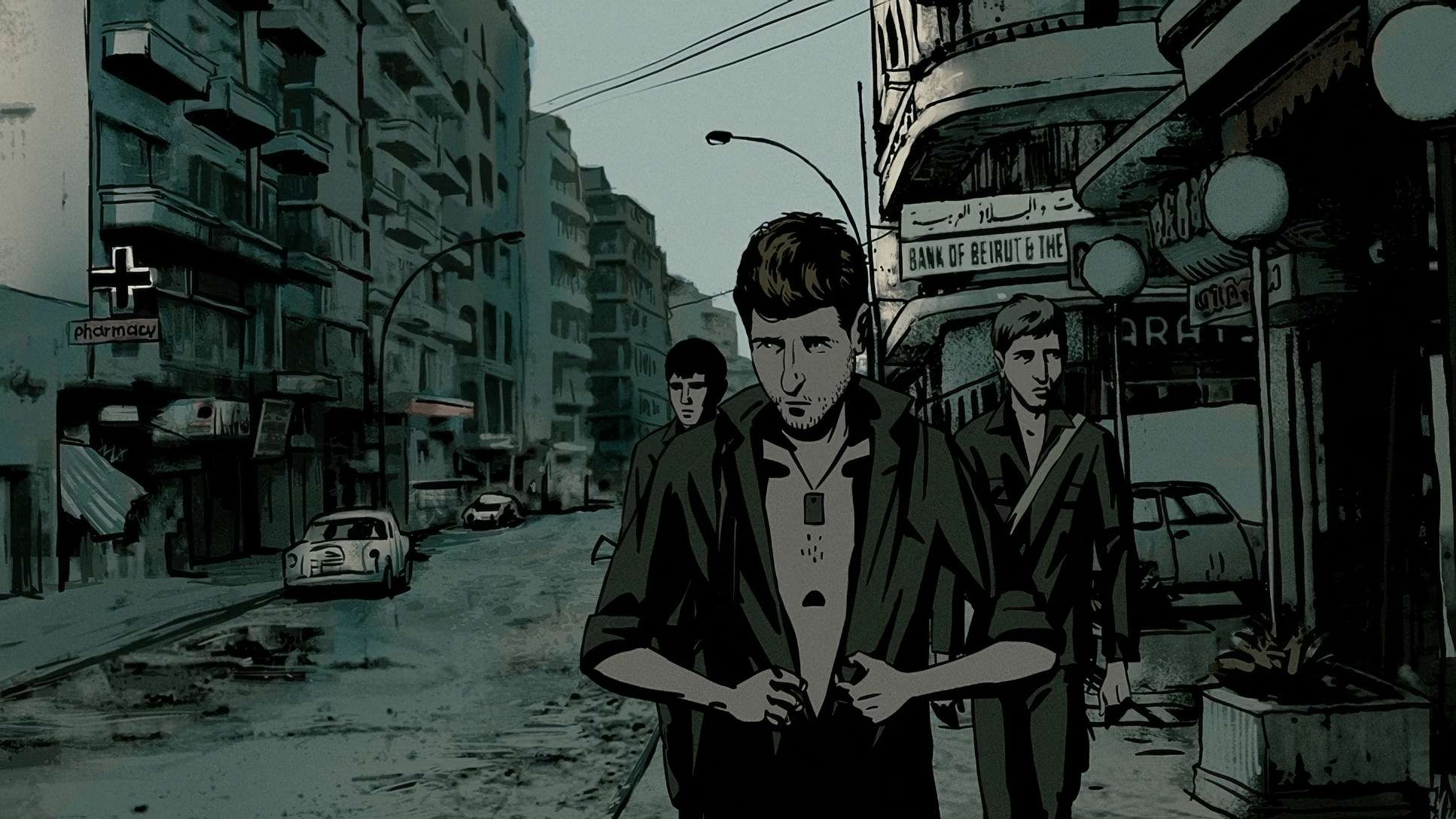
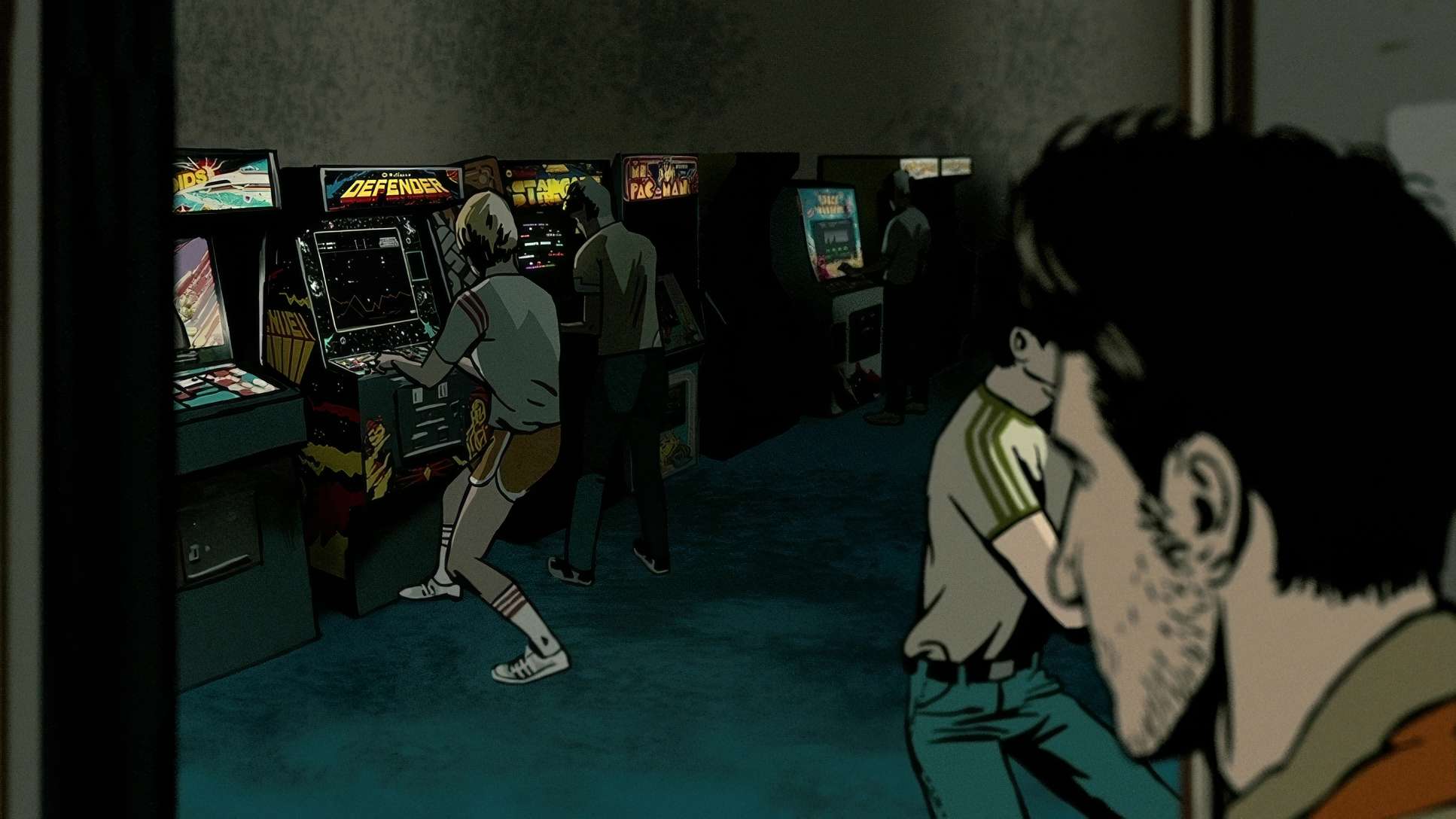
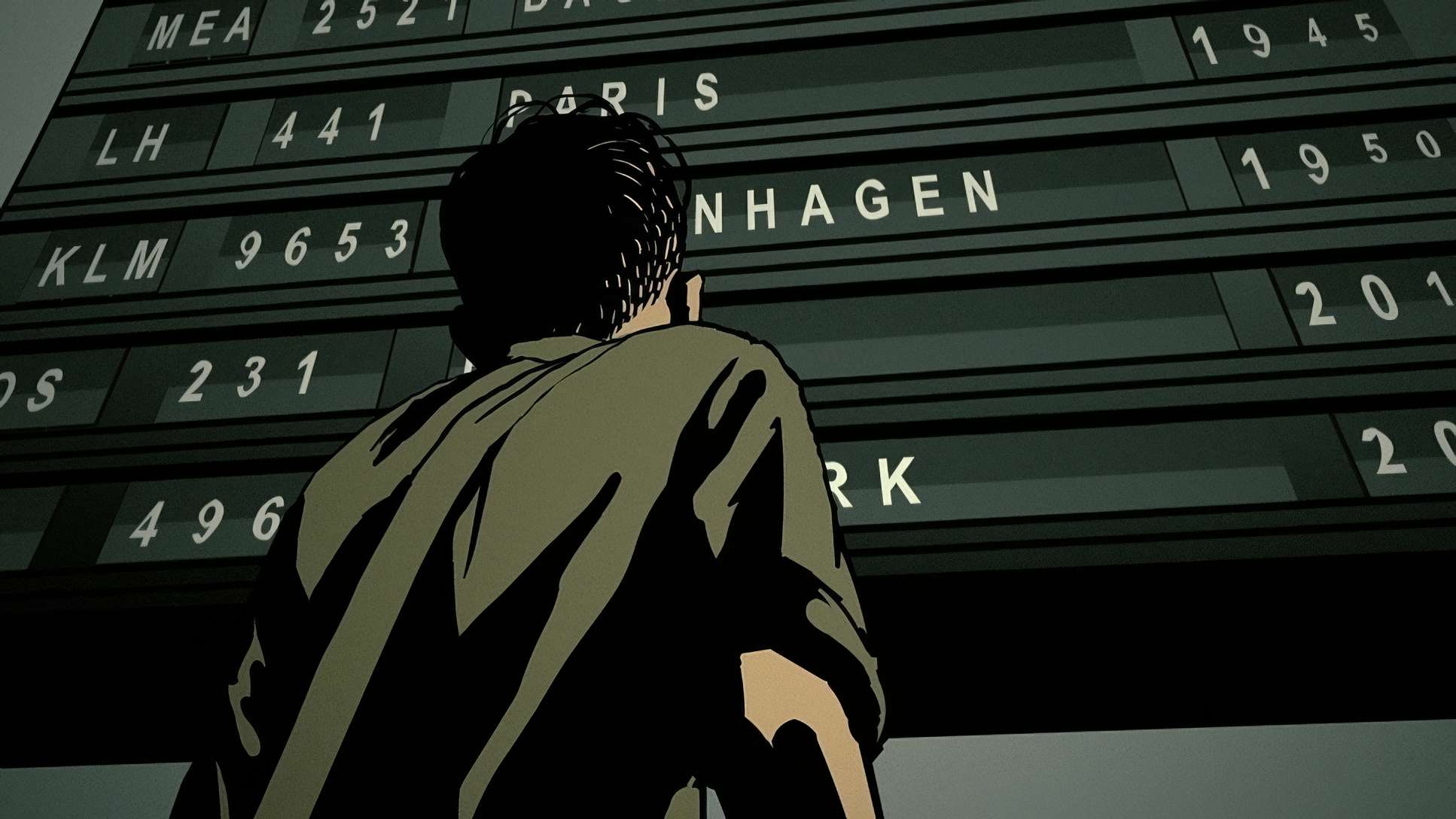
This is where my colorist heart really sings. The palette in Waltz with Bashir is a masterclass in restraint. Most of the film lives in a desaturated, muted, almost sepia-toned world. It’s not just an artistic choice; it’s a psychological one. It feels like a faded photograph or a dream that’s losing its vibrancy to time.
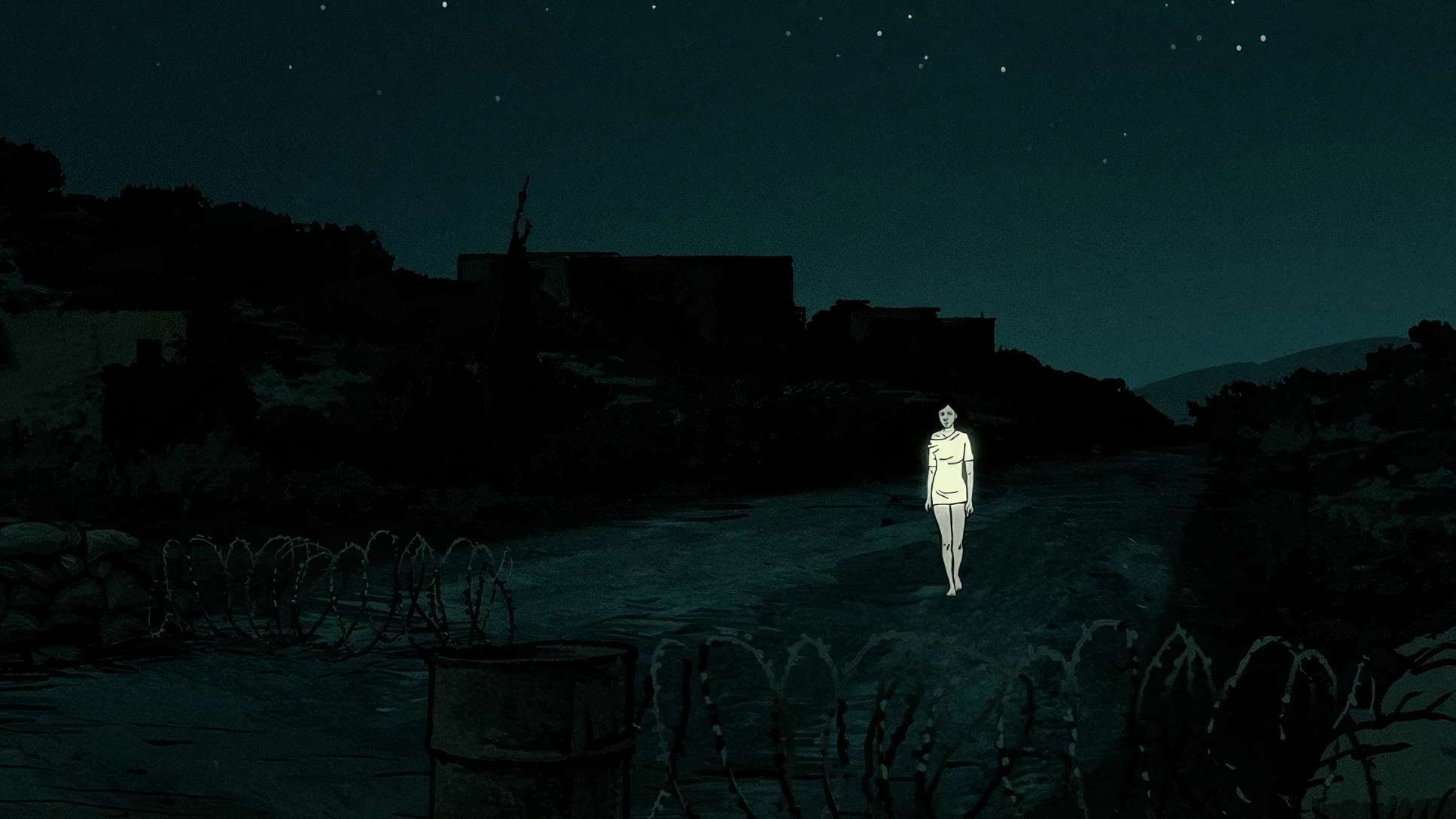
As a colorist, I’m obsessed with how they handle the blacks and contrast. The shadows are deep and rich, creating a palpable sense of dread. But then, they break their own rules. Selective saturation the orange of a flare, the deep blue of the night sky, or the jarring red of blood punches through that desaturated base with incredible force.
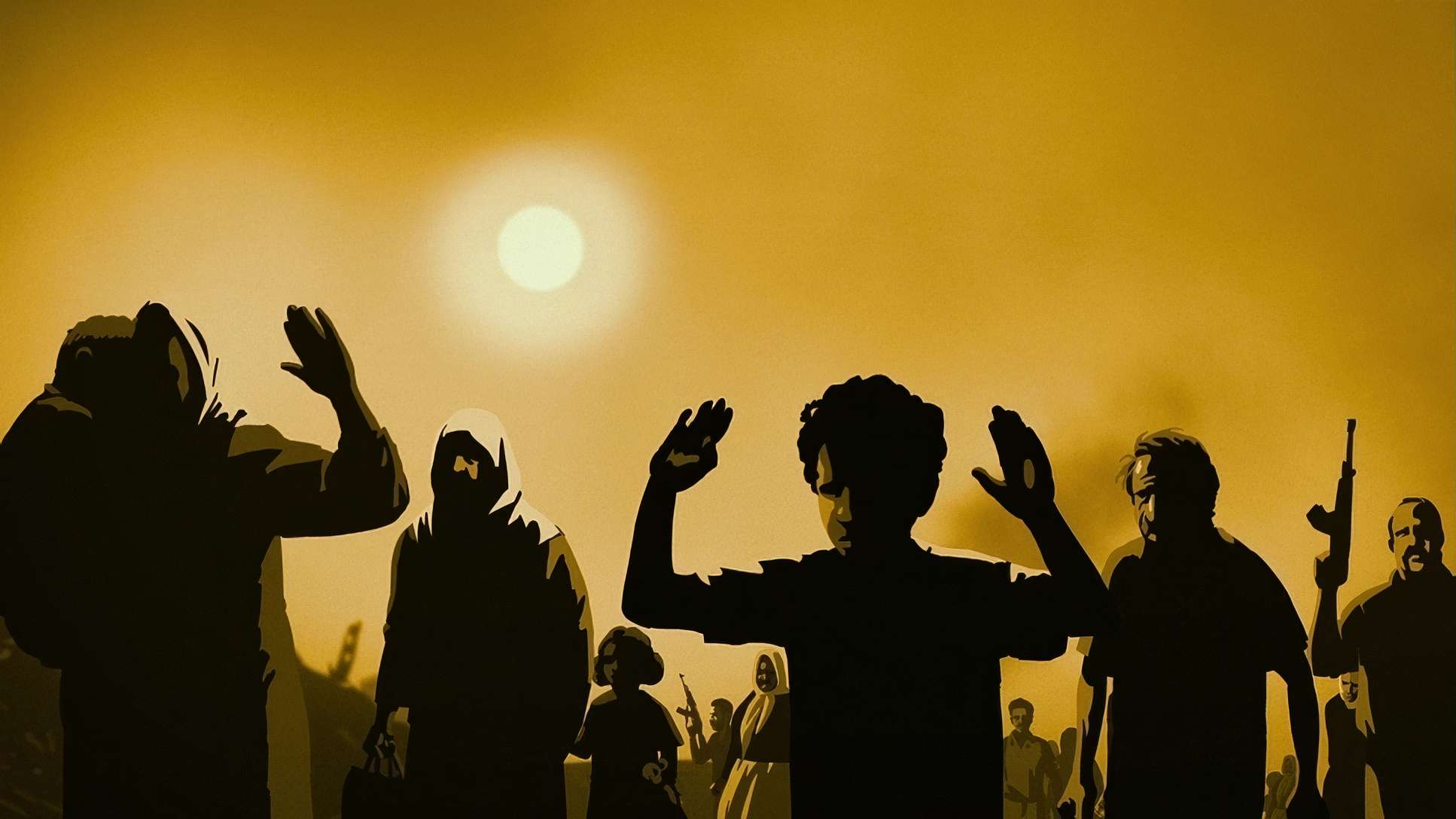
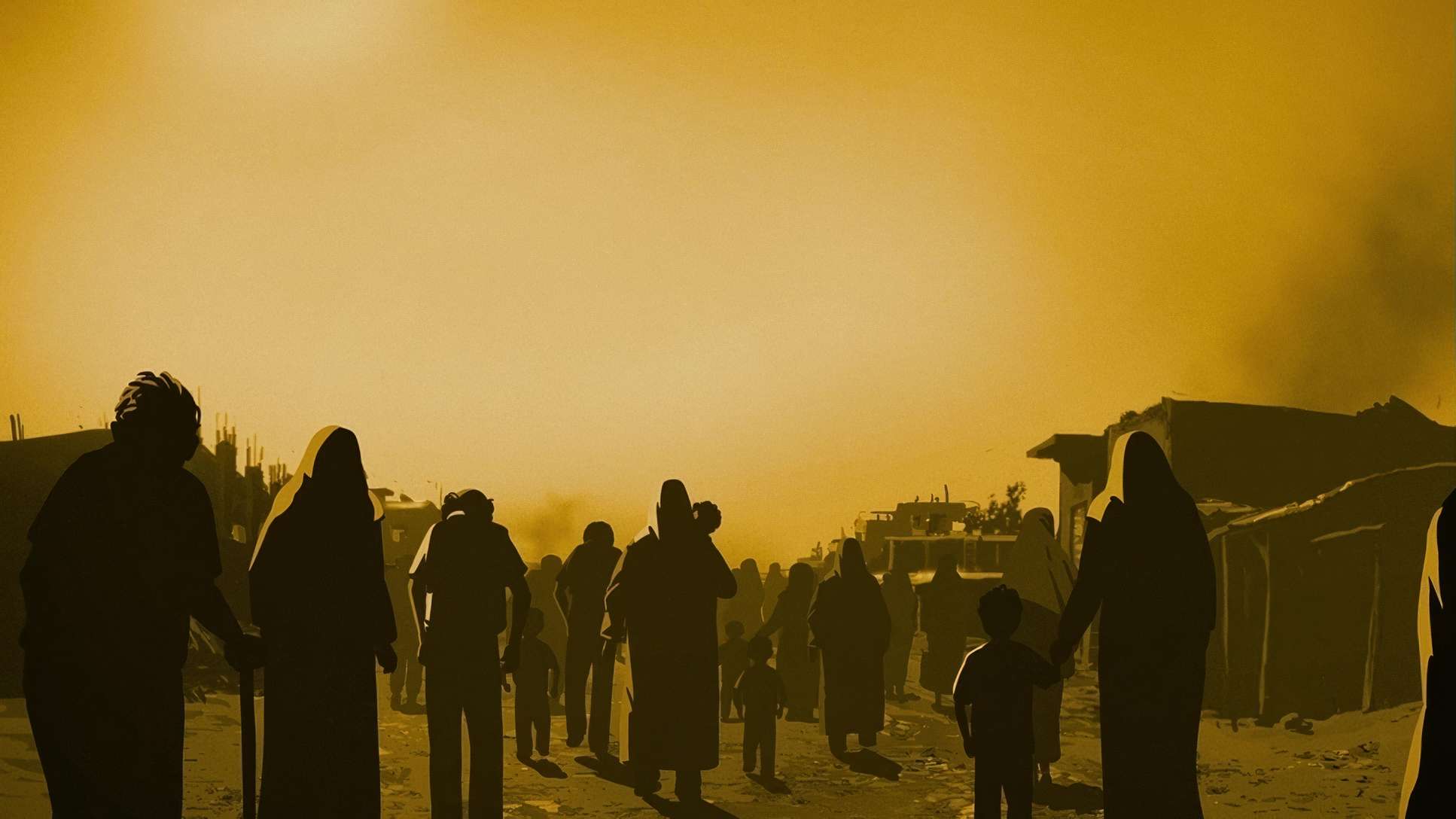
And then, there’s the ending. The transition to live-action footage is the ultimate “grade.” Suddenly, the “filter” of memory is stripped away. You’re hit with the harsh, unfiltered yellows of dust and the true-to-life reds of fresh blood. It’s a jarring, essential experience. It’s the moment the artifice of memory meets the undeniable truth of reality.
Technical Aspects & Tools
Waltz with Bashir (2008) — Technical Specifications
| Genre | Animation, Drama, War, History, Psychedelic, Documentary |
| Director | Ari Folman |
| Cinematographer | N/A |
| Production Designer | David Polonsky |
| Costume Designer | N/A |
| Editor | Nili Feller |
| Colorist | Maik Strauch |
| Time Period | 1980s |
| Color | Mixed, Saturated, Yellow |
| Aspect Ratio | 1.78 |
| Format | Animation |
| Lighting | Hard light, High contrast |
| Lighting Type | Daylight |
| Story Location | Israel > Tel Aviv |
Technically, Waltz with Bashir is a bit of a hybrid. While many call it “rotoscoping,” it’s actually a unique form of cut-out animation. They shot live-action reference footage, but instead of tracing every frame literally, David Polonsky’s team used those movements as a base for their own hand-drawn style.
The film blends Flash animation, hand-drawn elements, and CG. Some critics found the inconsistency between these styles jarring, but to me, that friction is the point. Memory isn’t rendered in 4K; it’s a glitchy, mixed-media mess. The “inconsistency” actually adds a layer of texture that feels more “real” to the human experience than a perfectly polished CG film ever could. The tools weren’t just for efficiency they were used to serve the fractured nature of the story.
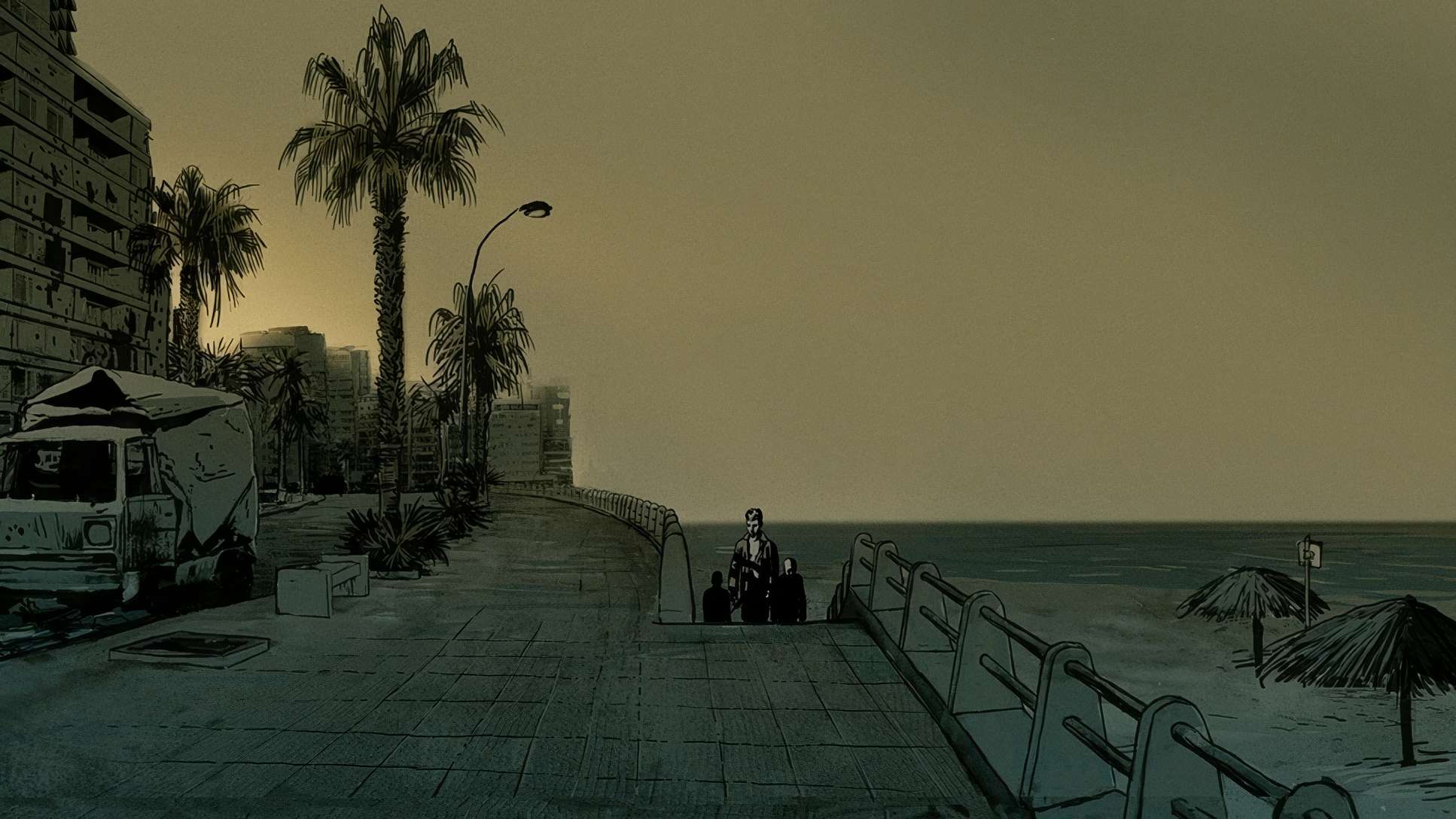
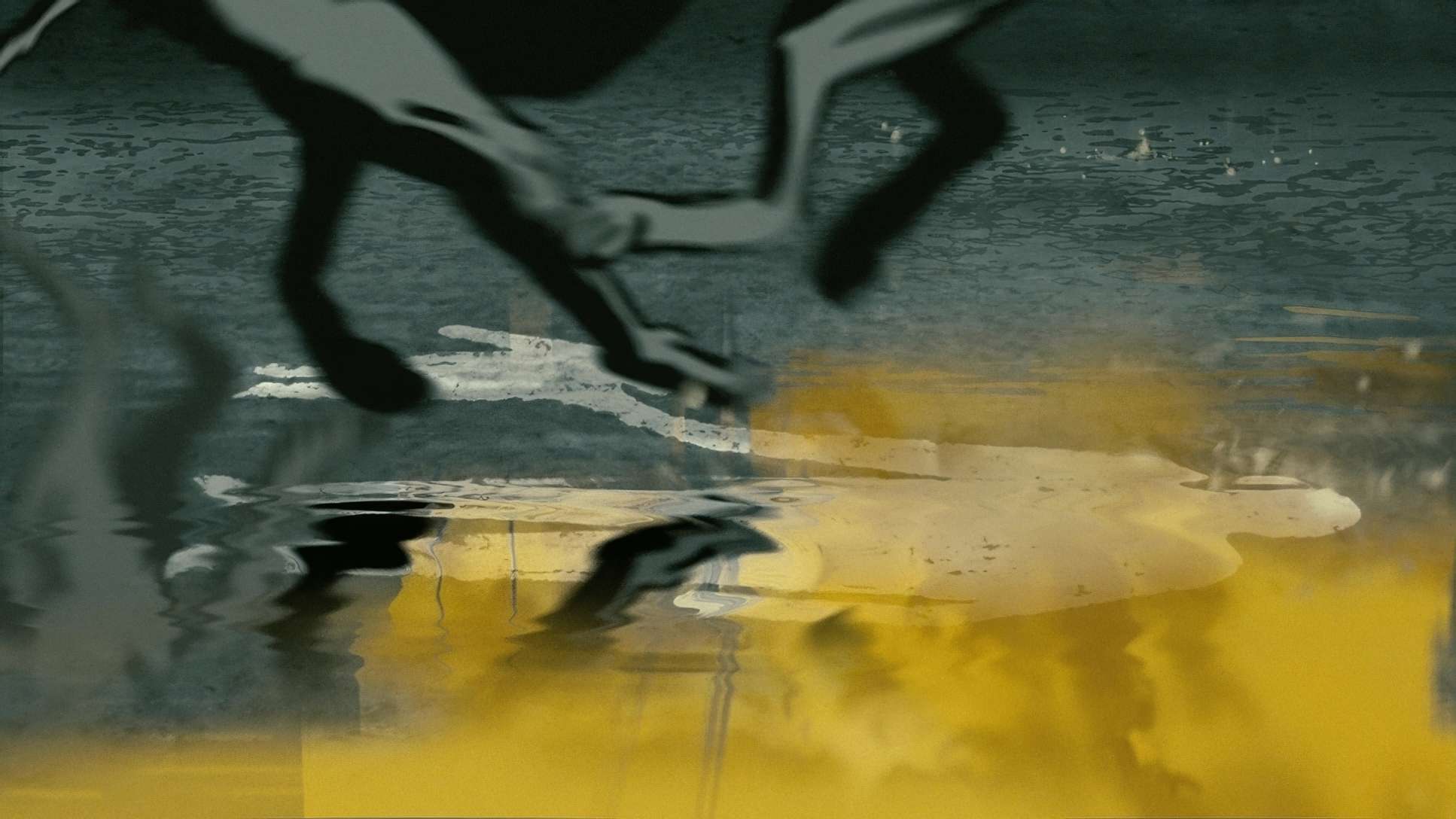
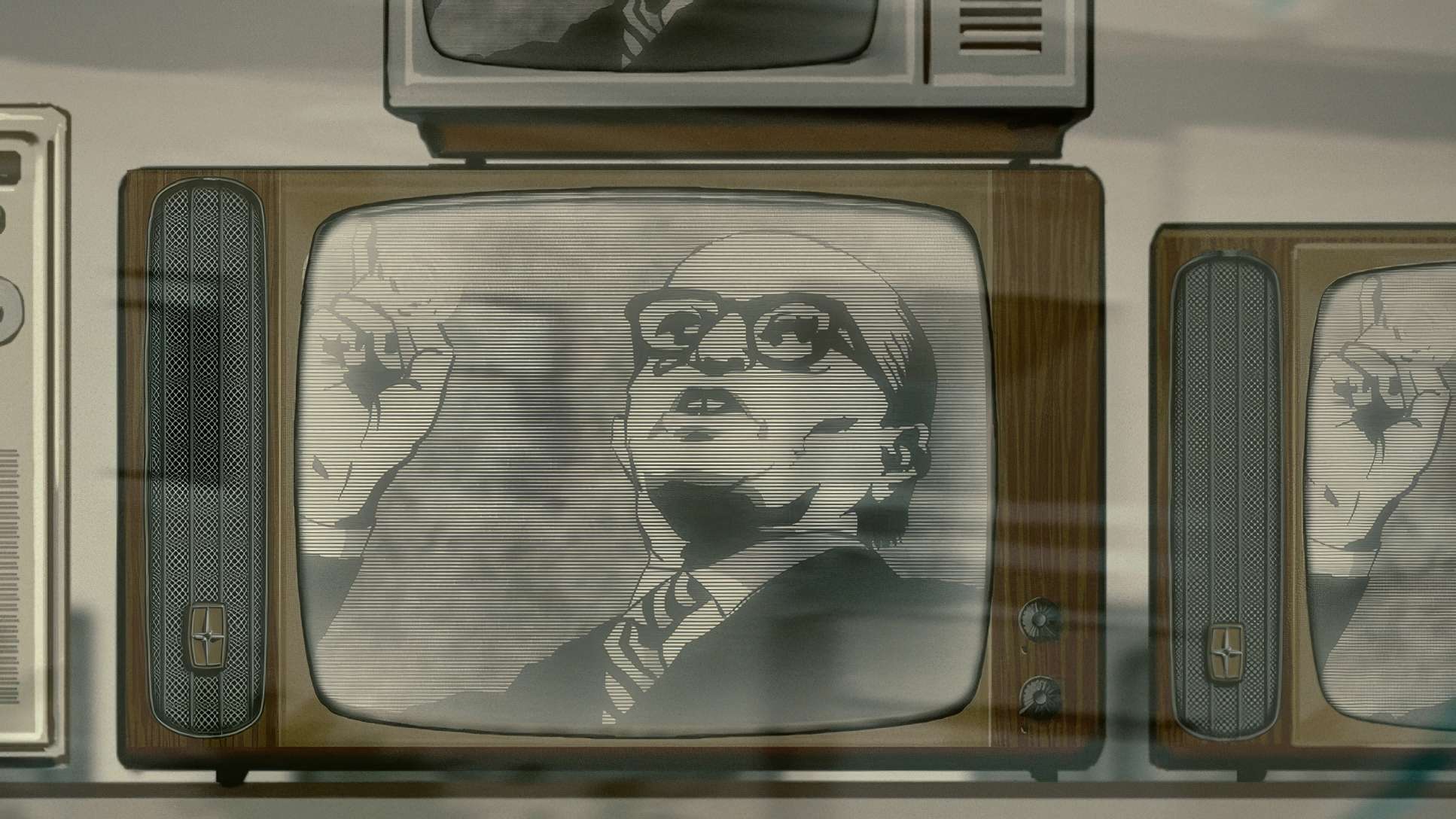
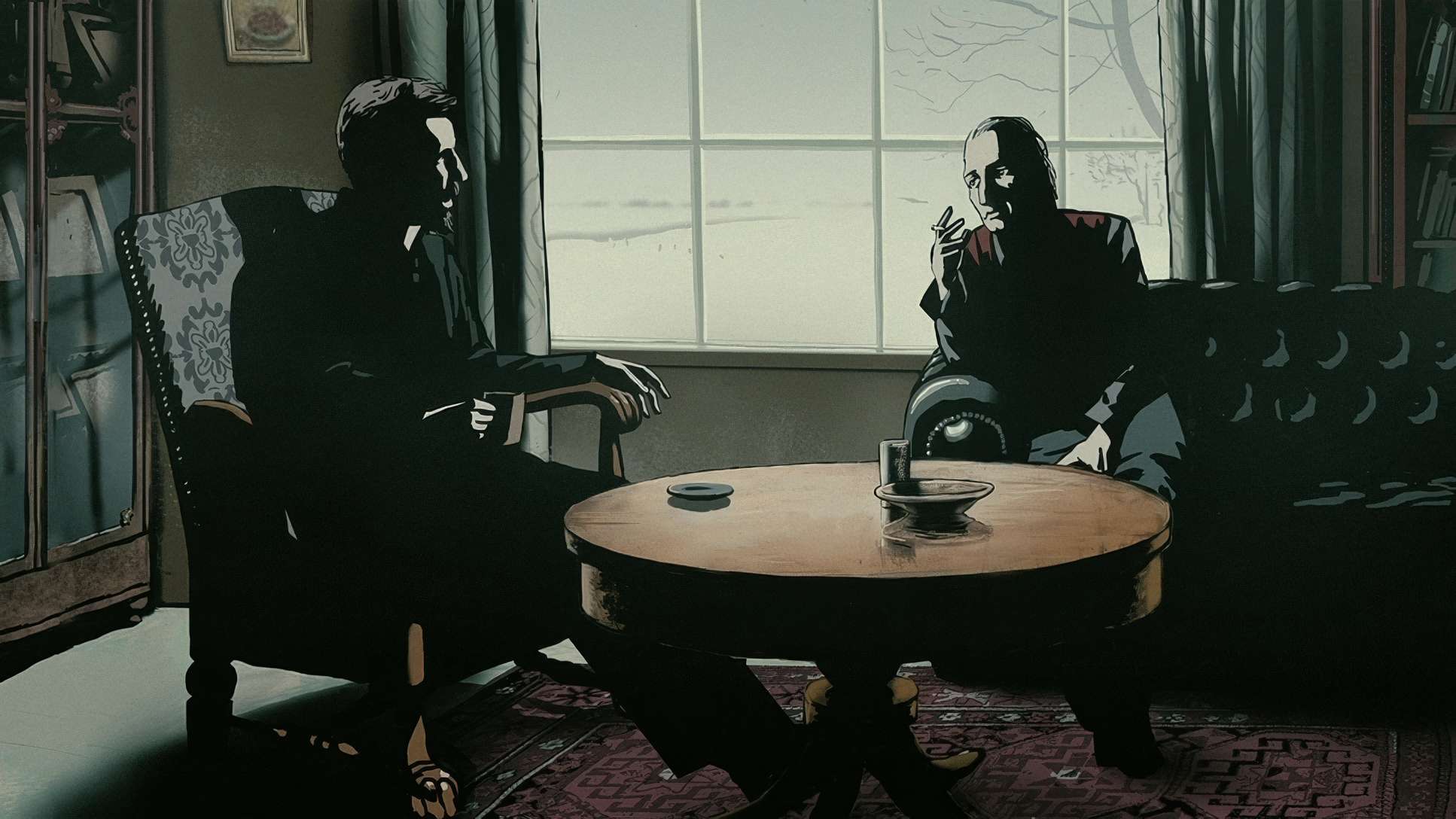
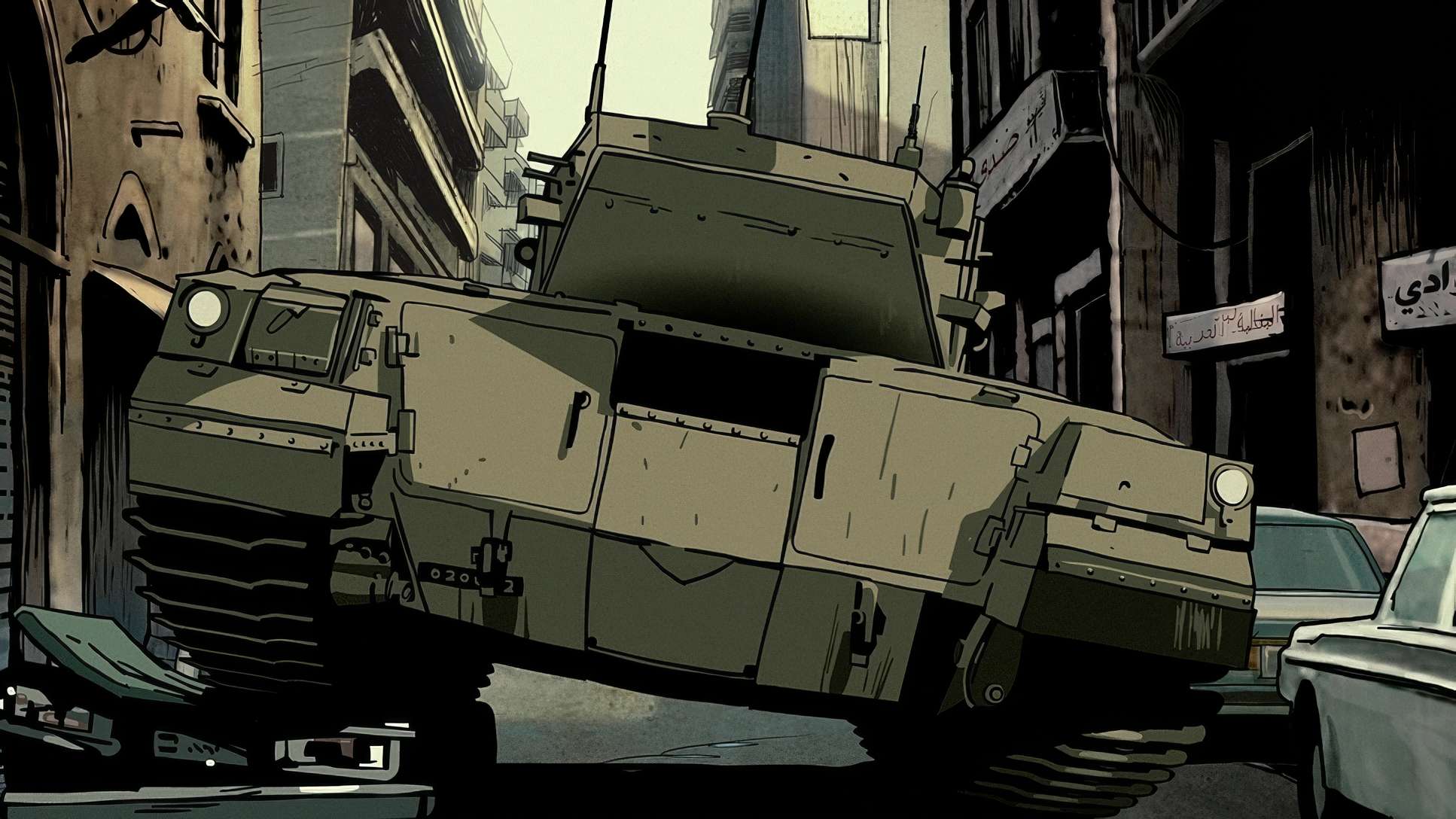
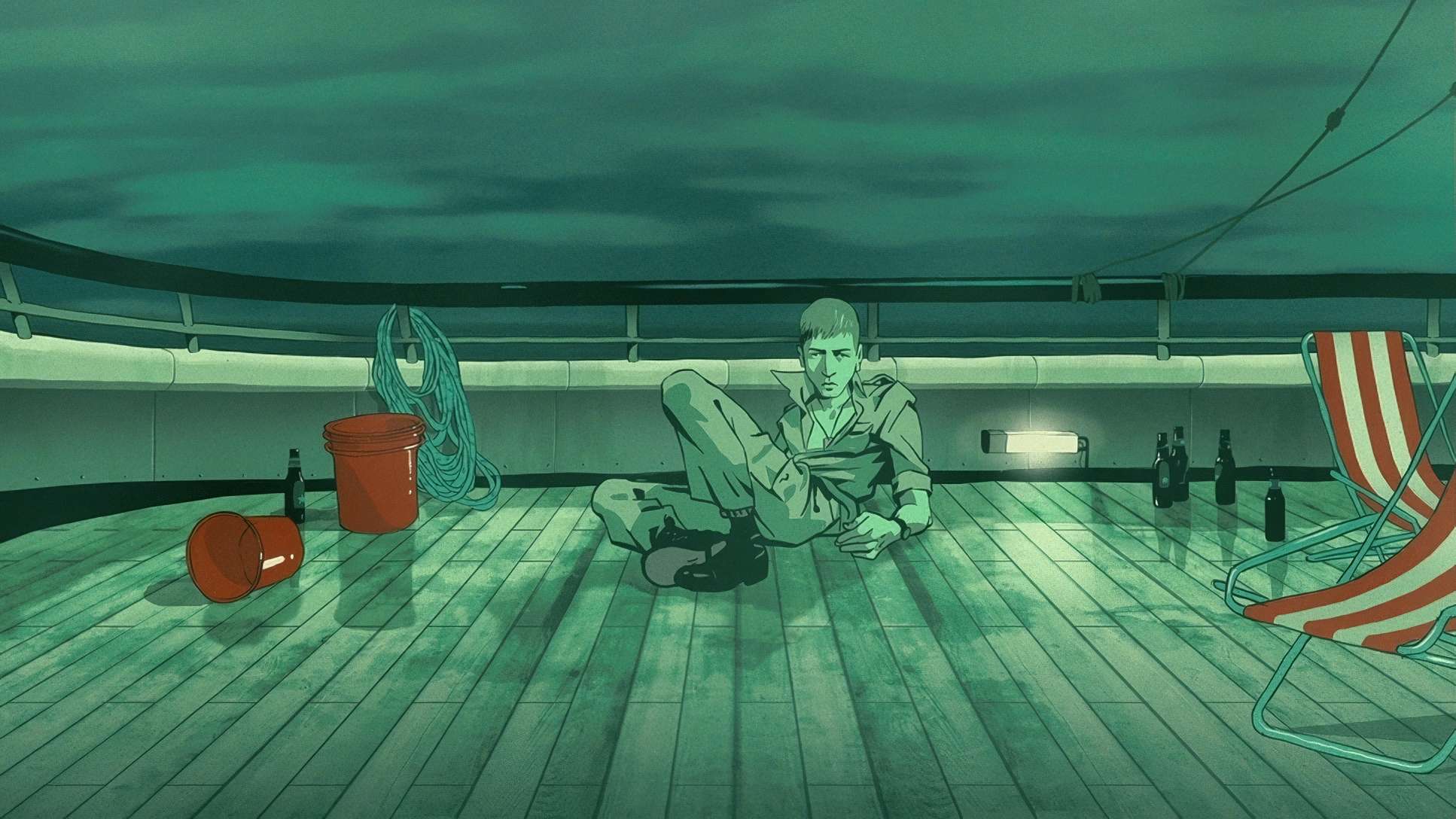
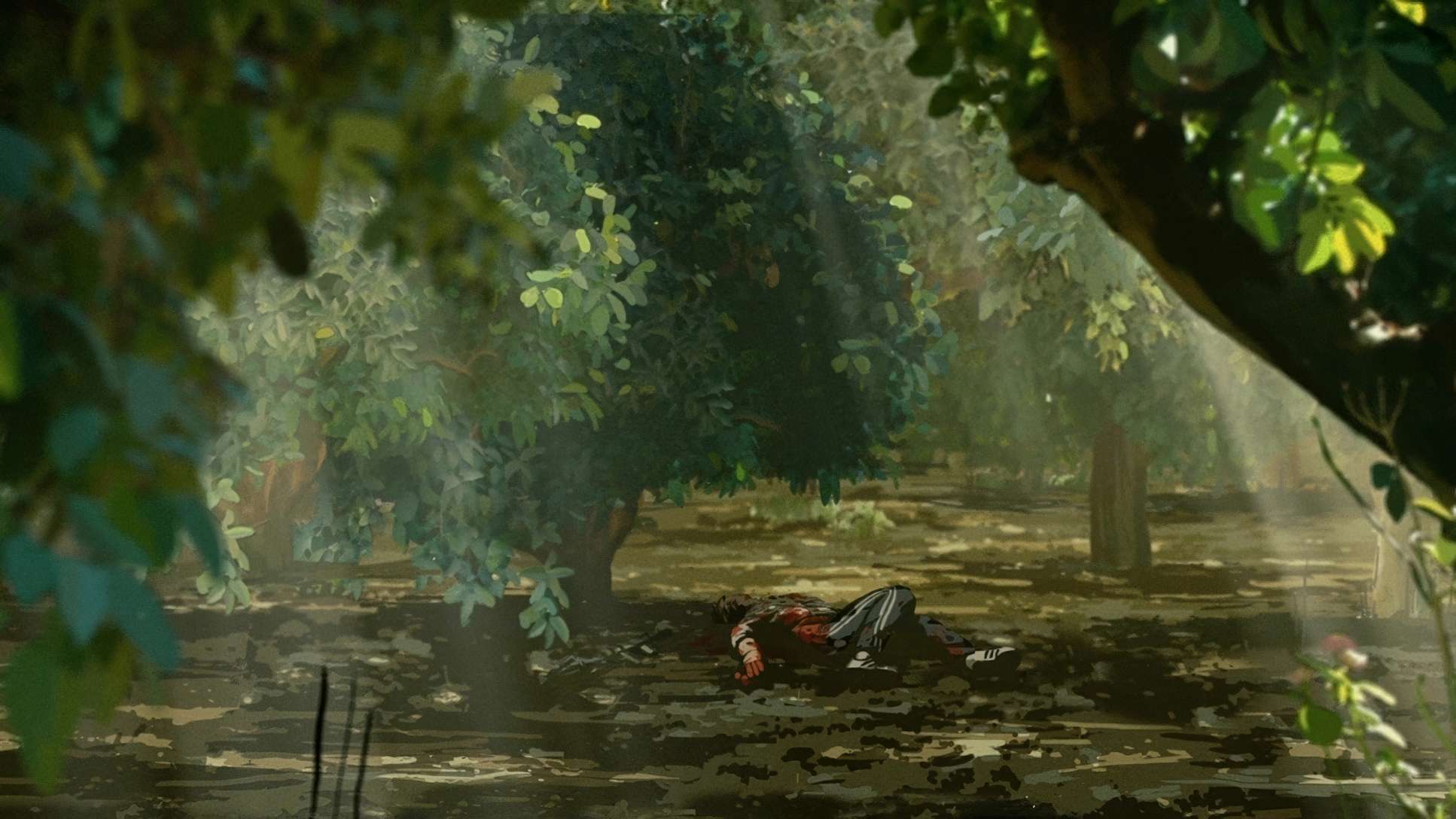
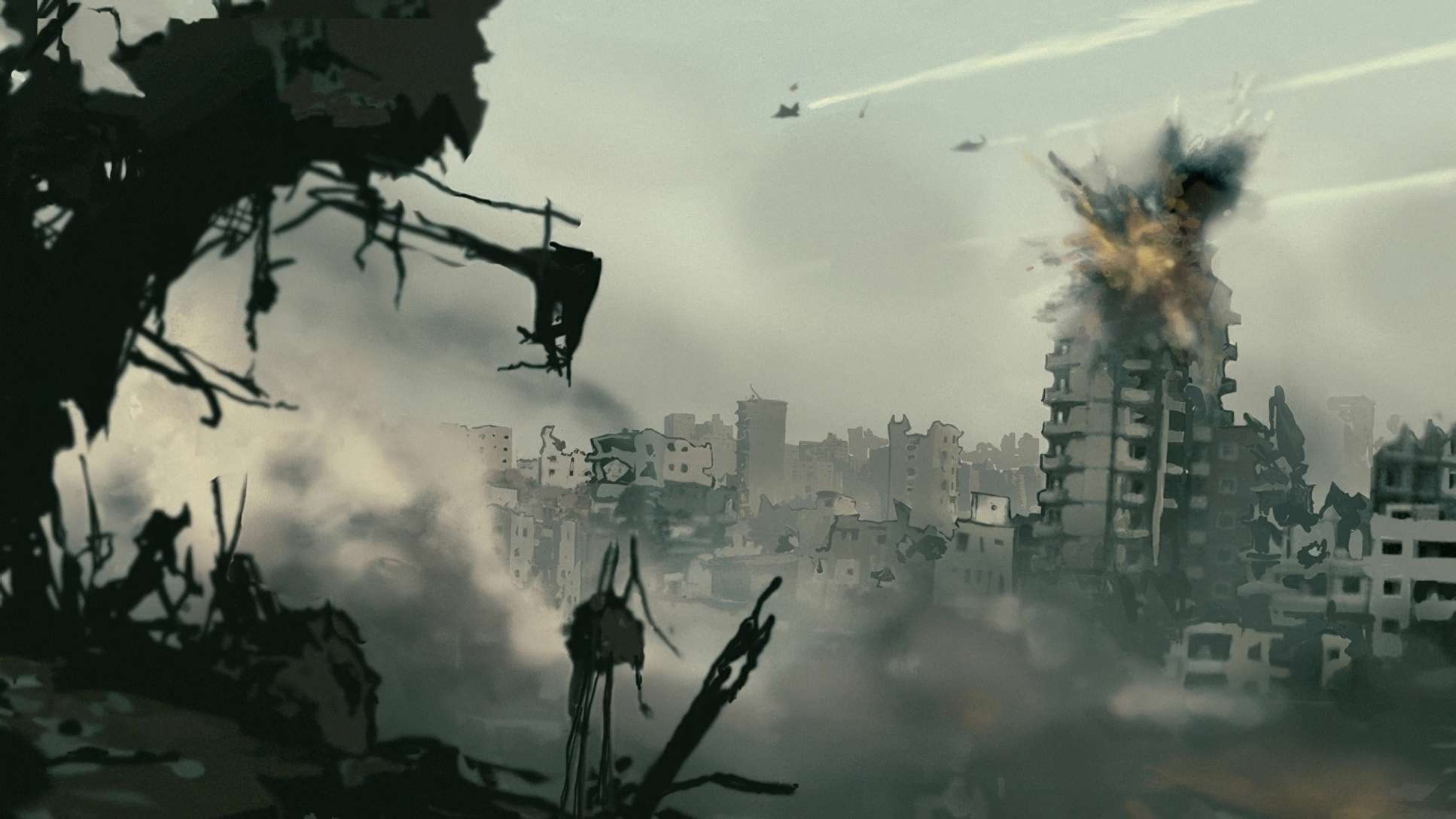
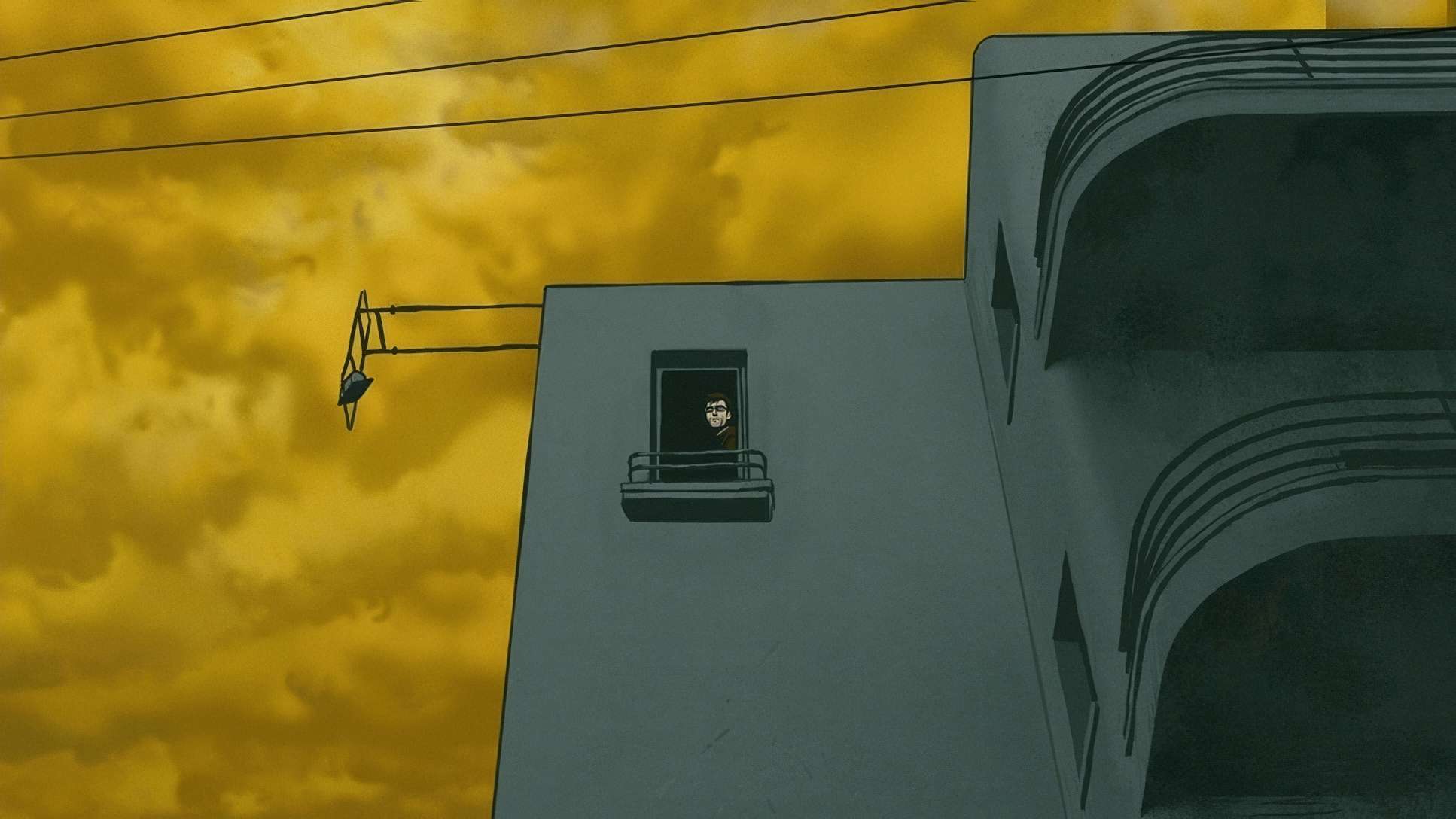
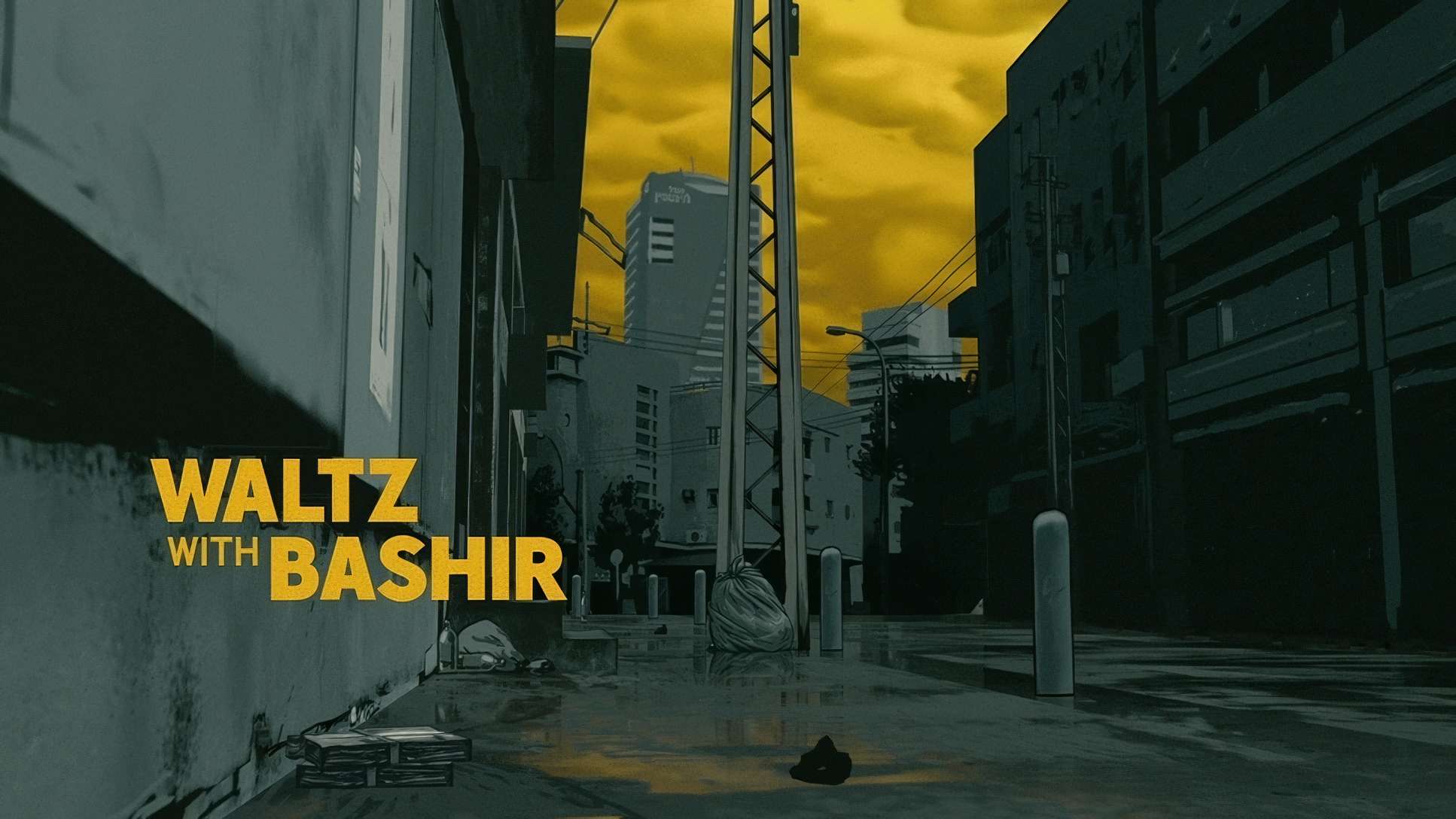
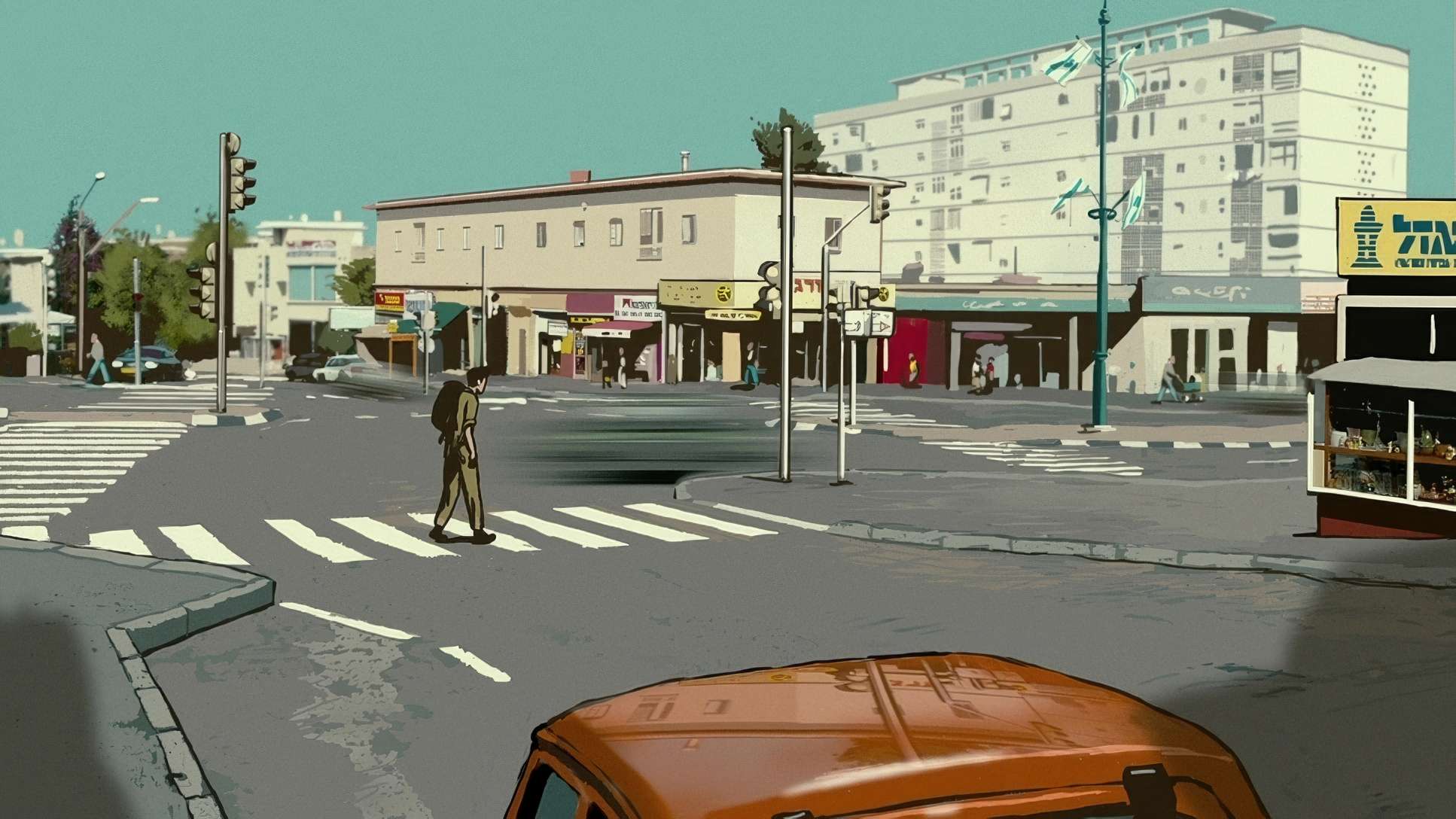
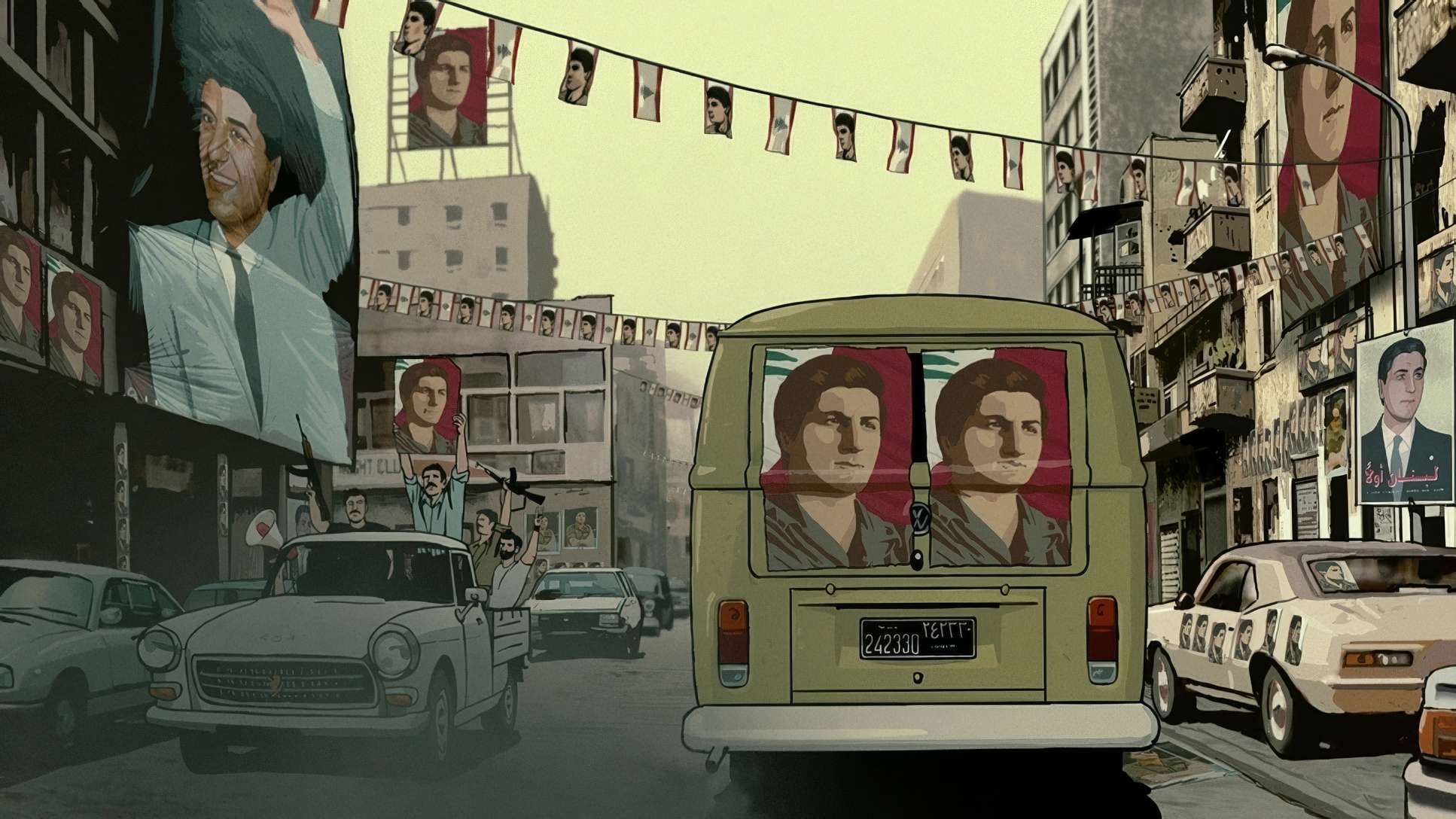
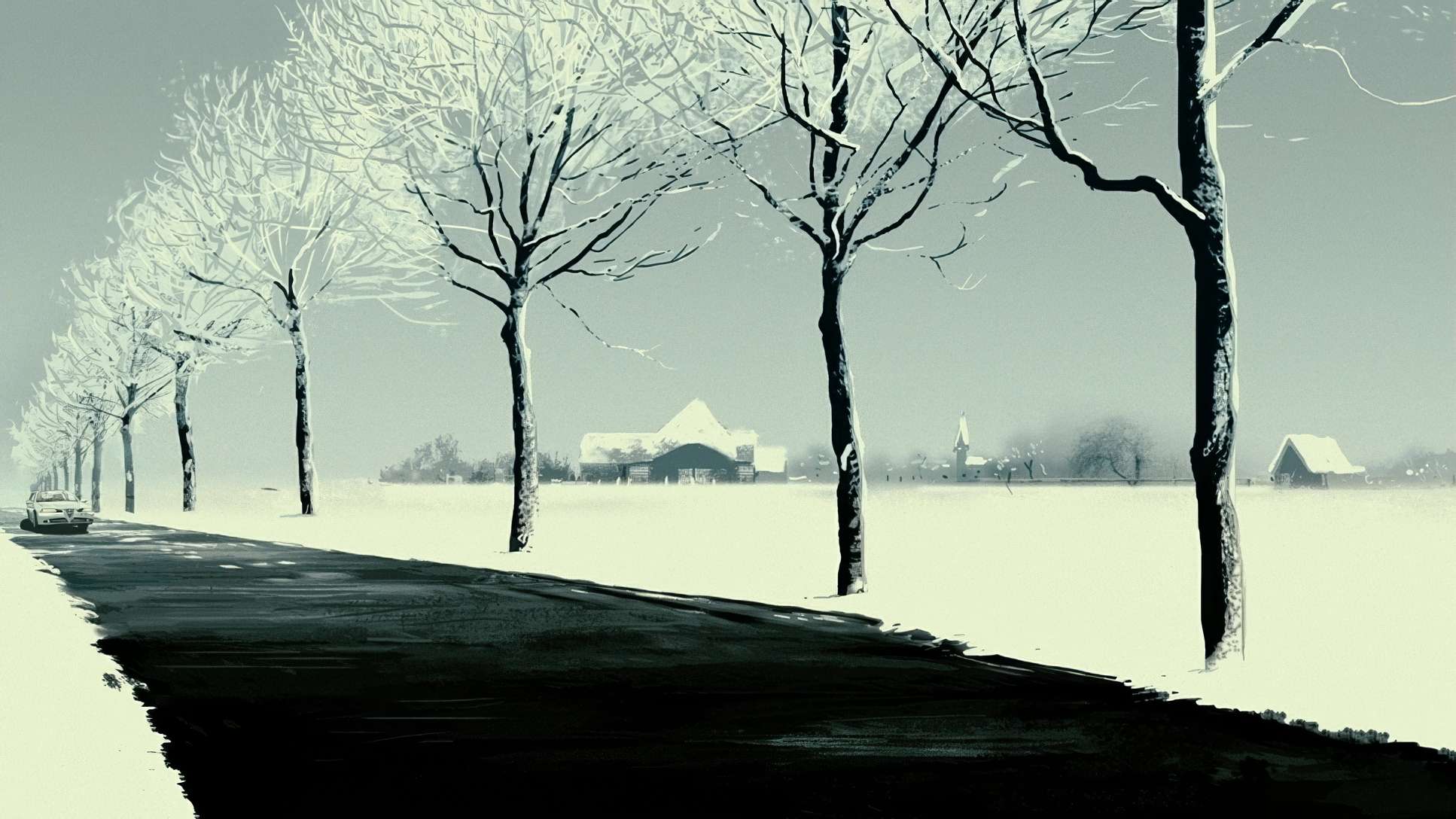
Waltz with Bashir (2008) Film Stills
A curated reference archive of cinematography stills from WALTZ WITH BASHIR (2008). Study the lighting, color grading, and composition.
















- Also read: UNDERGROUND (1995) – CINEMATOGRAPHY ANALYSIS
- Also read: LE SAMOURAÏ (1967) – CINEMATOGRAPHY ANALYSIS
Browse Our Cinematography Analysis Glossary
Explore directors, cinematographers, cameras, lenses, lighting styles, genres, and the visual techniques that shape iconic films.
Explore Glossary →