Ridley Scott’s American Gangster (2007) lands on my monitor, I’m not just looking at a crime story; I’m looking at a masterclass in texture and tonal control. This isn’t your typical high-gloss Hollywood epic. It’s a gritty, meticulously paced visual narrative that uses every trick in the book to pull you into the grime of 1970s Harlem. From the street corners to the gilded isolation of Frank Lucas’s empire, the cinematography acts as an invisible hand, guiding our pulse through a world where the lines between hero and villain are perpetually out of focus.
The film is often cited as a modern masterpiece, and honestly, it earns that title through its visual depth. It’s a “rise and fall” tale, sure, but it’s told with a visual grammar that feels incredibly grounded. My goal here is to pull back the curtain on the craft that makes this period piece feel so lived-in and visceral.
About the Cinematographer

The eyes behind this film belonged to the late, great Harris Savides, ASC. If you know Savides’ work on films like Zodiac or Elephant, you know he was a pioneer of the “naturalistic” school. He didn’t just light a scene; he captured an atmosphere. Savides was a master of the underexposed, “thin” negative look, often pushing the boundaries of what film stock could do in low light. For American Gangster, he brought a sense of restrained realism that perfectly balanced Ridley Scott’s grander directorial instincts. Savides wasn’t interested in flashy, over-stylized “cinematic” shots; his strength was in making the camera feel like a silent witness. His classical approach blending rock-solid compositions with a palpable sense of authenticity was the only way to truly capture the volatility of 1970s New York.
Inspiration Behind the Cinematography
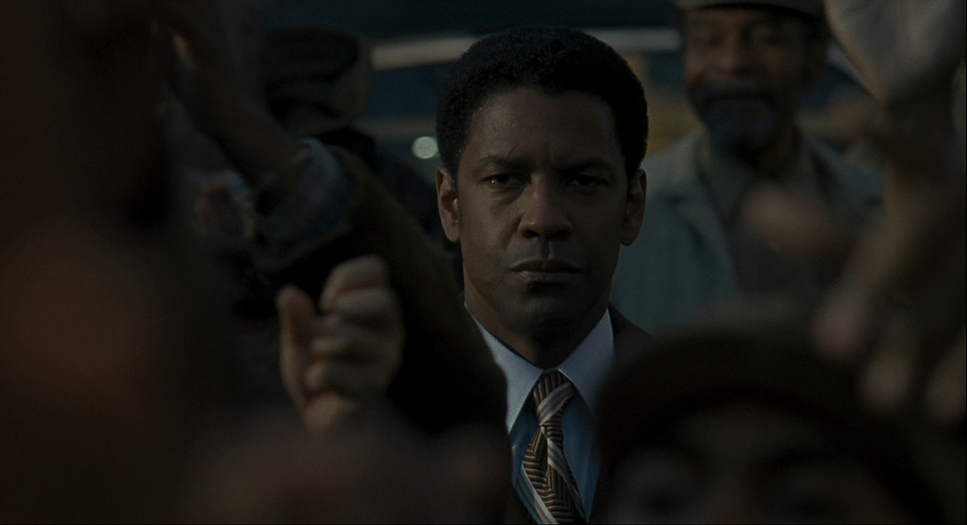
The visual DNA of American Gangster is pulled straight from the urban decay of late 60s and early 70s New York. You can feel the influence of street photography and 70s cinema films that didn’t shy away from the dirt and the simmering tension of a city on the brink.
The narrative logic dictates the look: Frank Lucas’s ascent from Bumpy Johnson’s driver to a kingpin, contrasted against Richie Roberts’s isolated crusade. To avoid clichés, Savides and Scott leaned into the “hungry” nature of the American Dream. The cinematography reflects this duality: the seductive glow of power vs. the brutal, cold reality of the drug trade. They didn’t just recreate the era; they evoked the feeling of it, likely referencing period documentaries to ensure every streetlamp and interior felt historically “correct.” The result is a world that feels heavy and real, forcing the audience to sit right there in the car next to Frank, whether they want to or not.
Technical Aspects & Tools
American Gangster (2007) — Technical Specifications
| Genre | Crime, Drama, FBI, Gangster, True Crime, CIA / FBI, FBI / CIA |
| Director | Ridley Scott |
| Cinematographer | Harris Savides |
| Production Designer | Arthur Max |
| Costume Designer | Janty Yates |
| Editor | Pietro Scalia |
| Colorist | Chris Jacobson |
| Time Period | 1970s |
| Aspect Ratio | 1.85 – Spherical |
| Format | Film – 35mm |
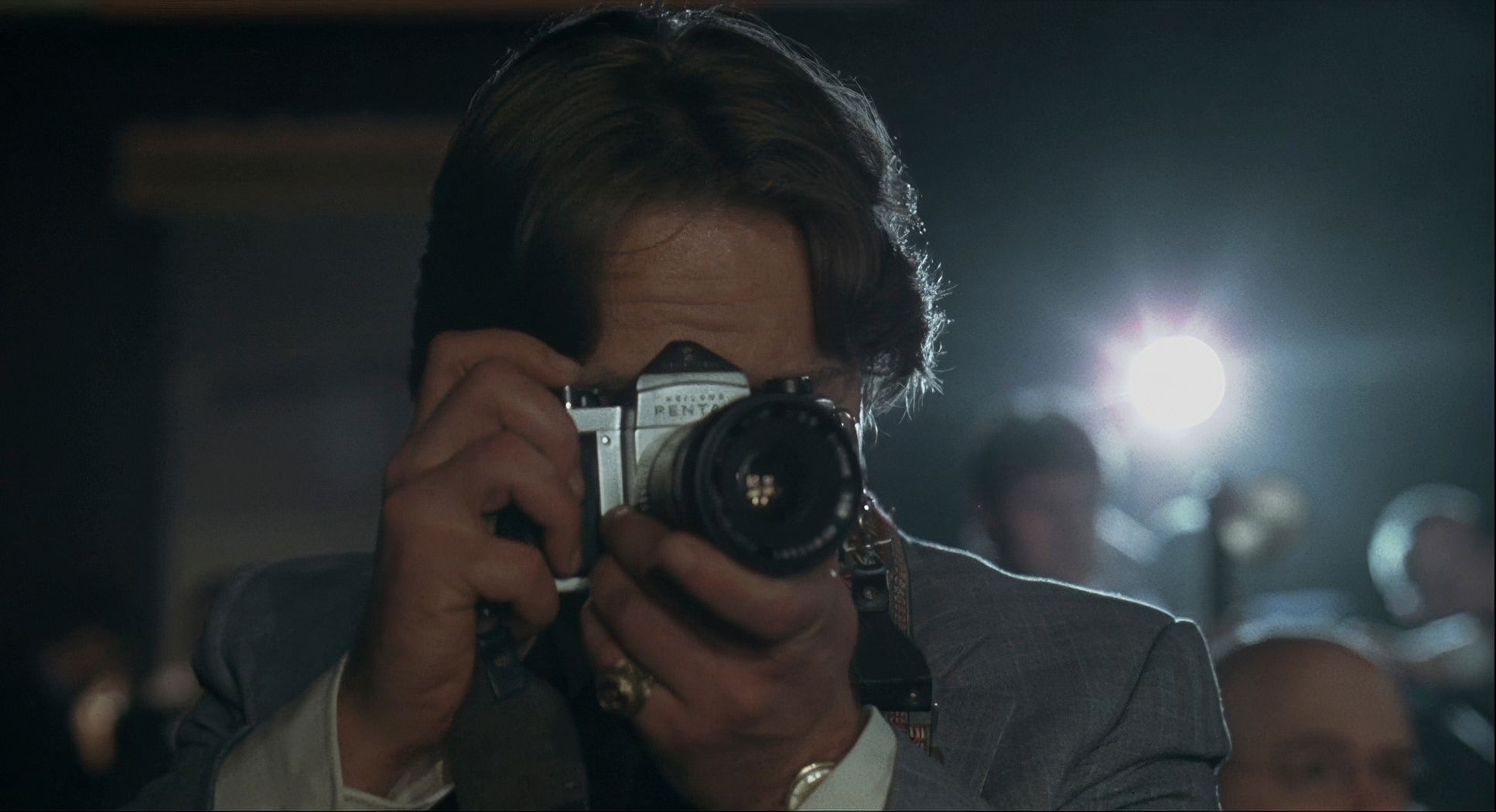
| Lighting | Hard light, High contrast, Underlight, Backlight |
| Lighting Type | Artificial light, Practical light |
| Story Location | New York City, New York State |
| Filming Location | New York City, New York |
| Camera | Arricam LT, Arricam ST |
| Lens | Angenieux Optimo Zooms, Cooke S4/ i |
| Film Stock / Resolution | 5229/7229 Vision 2 500T Expression |
To get that specific 70s texture, Savides made some very deliberate technical choices. The film was shot on 35mmusing Arricam LT and ST cameras. For glass, they used a combination of Cooke S4/i primes and Angenieux Optimo Zooms. As a colorist, I love this combo: the Cookes provide that famous “Cooke Look” warm, organic skin tones and a gentle fall-off while the Optimo zooms allow for those slow, “prowling” 70s-style focal shifts.
Unlike many modern epics that go for the 2.35:1 widescreen look, American Gangster was shot in 1.85:1. This choice is brilliant; it feels more intimate, almost documentary-like, and avoids the “theatrical” distance of anamorphic. They utilized Kodak Vision2 500T 5229 (Expression) stock. This particular stock was designed for lower contrast and a softer grain structure, which gave Savides a “flatter” canvas to work with. This allowed the team to preserve incredible detail in the shadows, which they then refined in the Digital Intermediate (DI) process to create that signature “thick” look.
Lighting Style
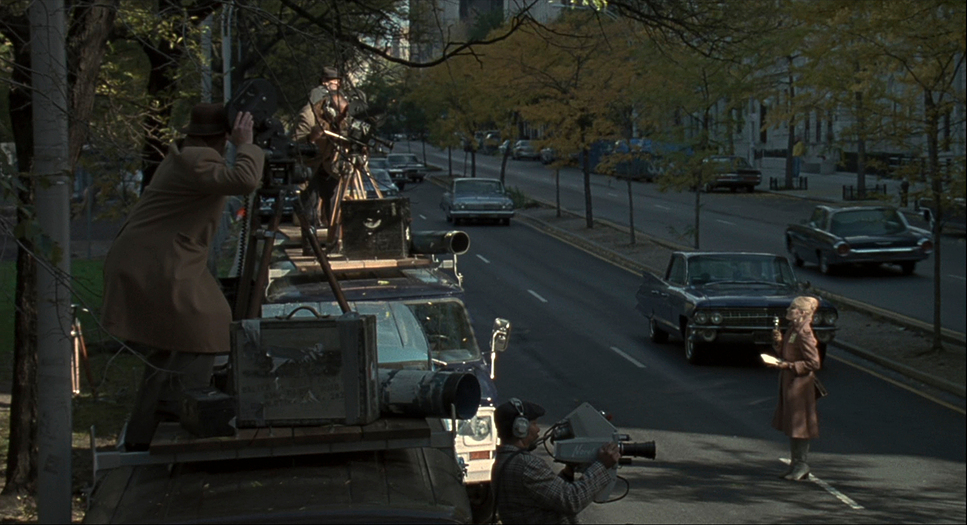
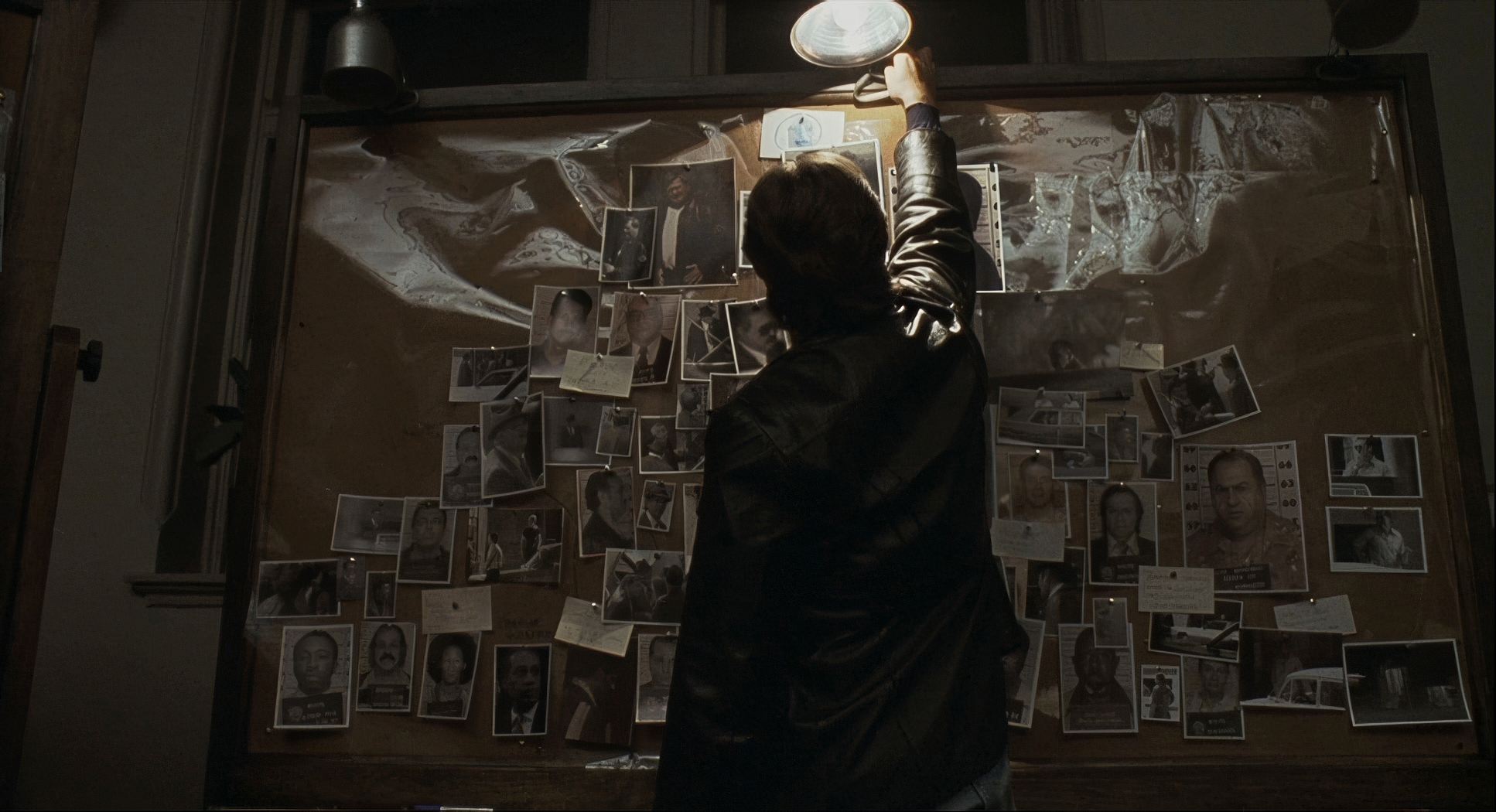
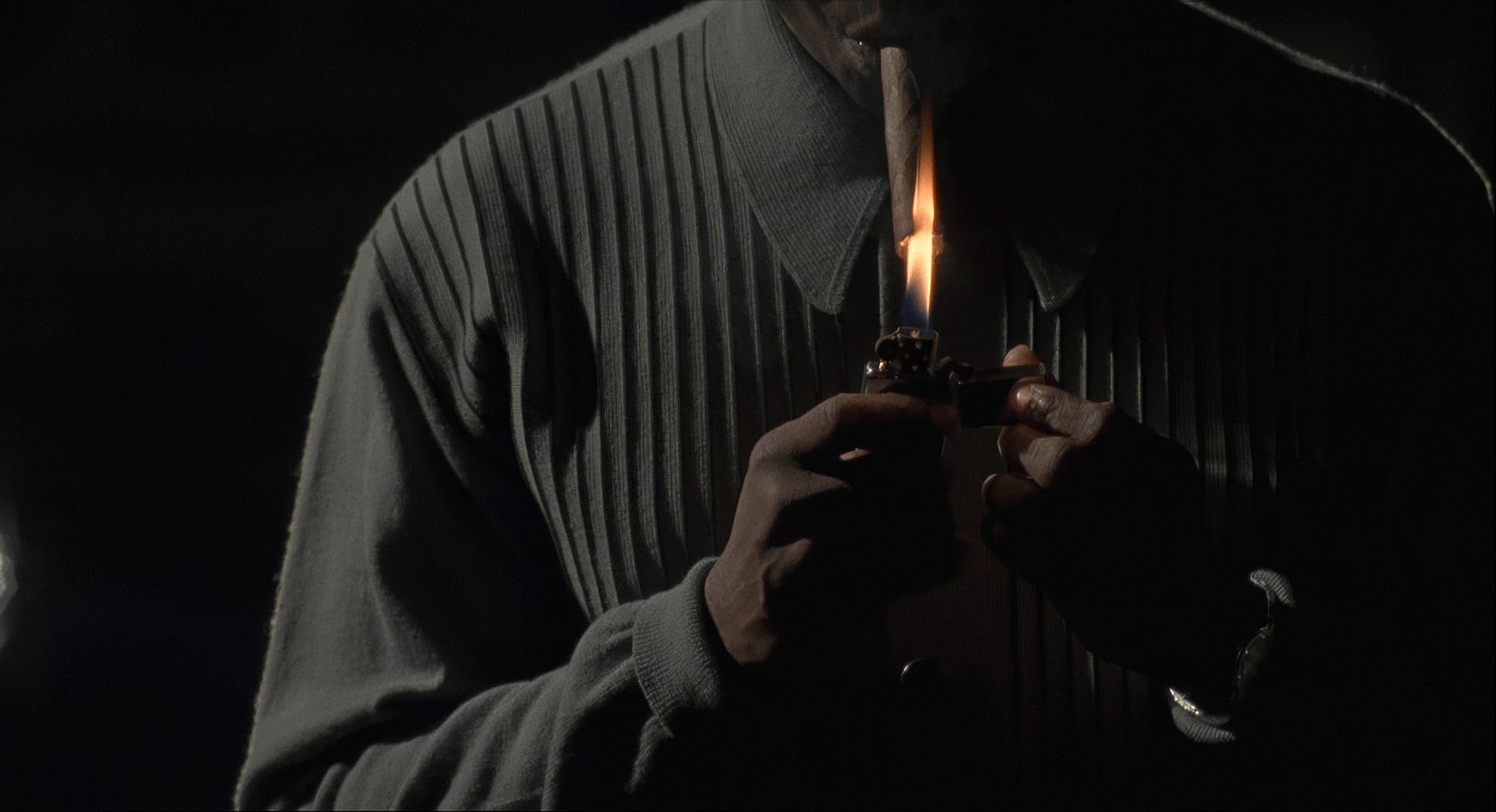
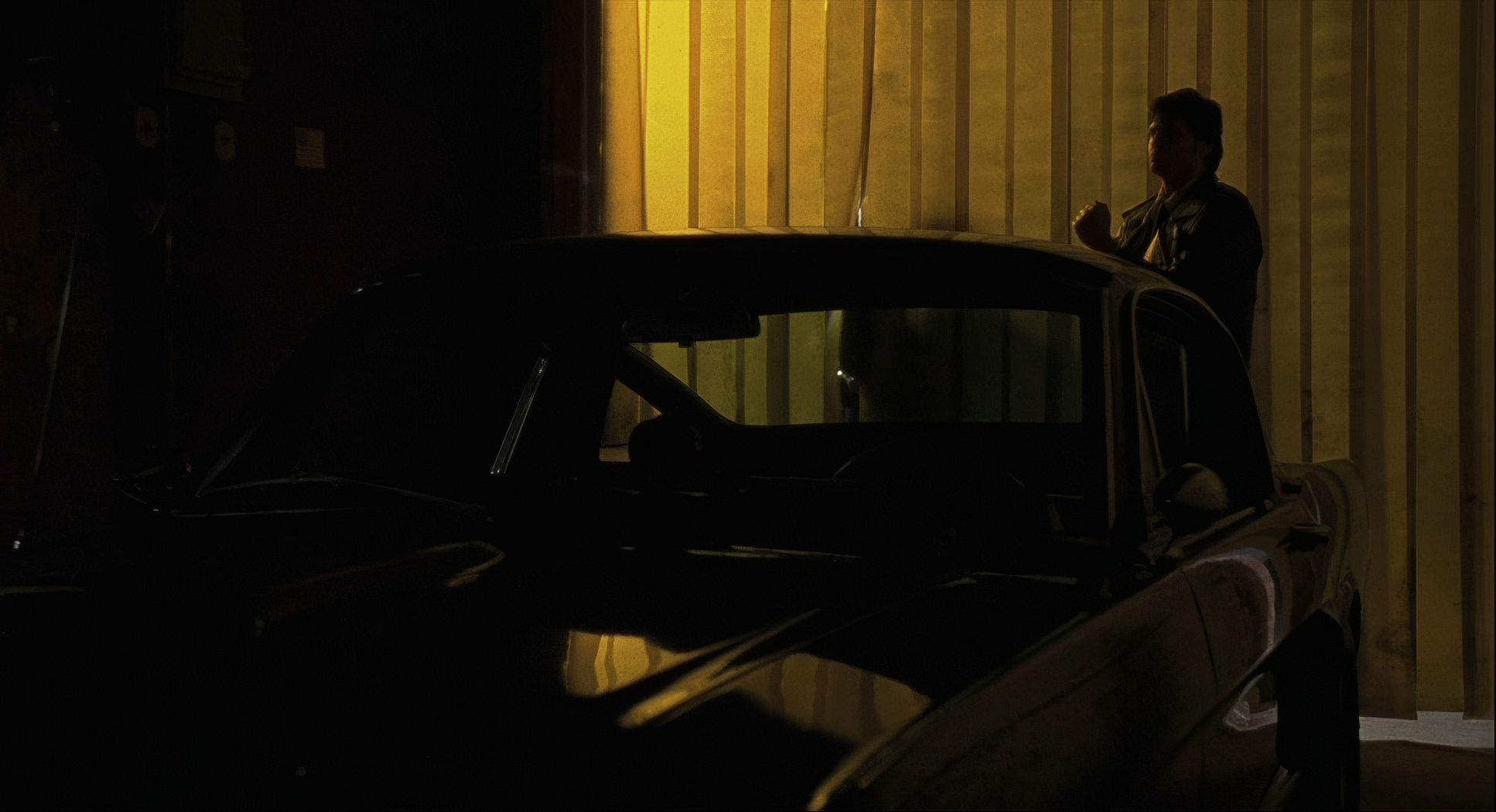
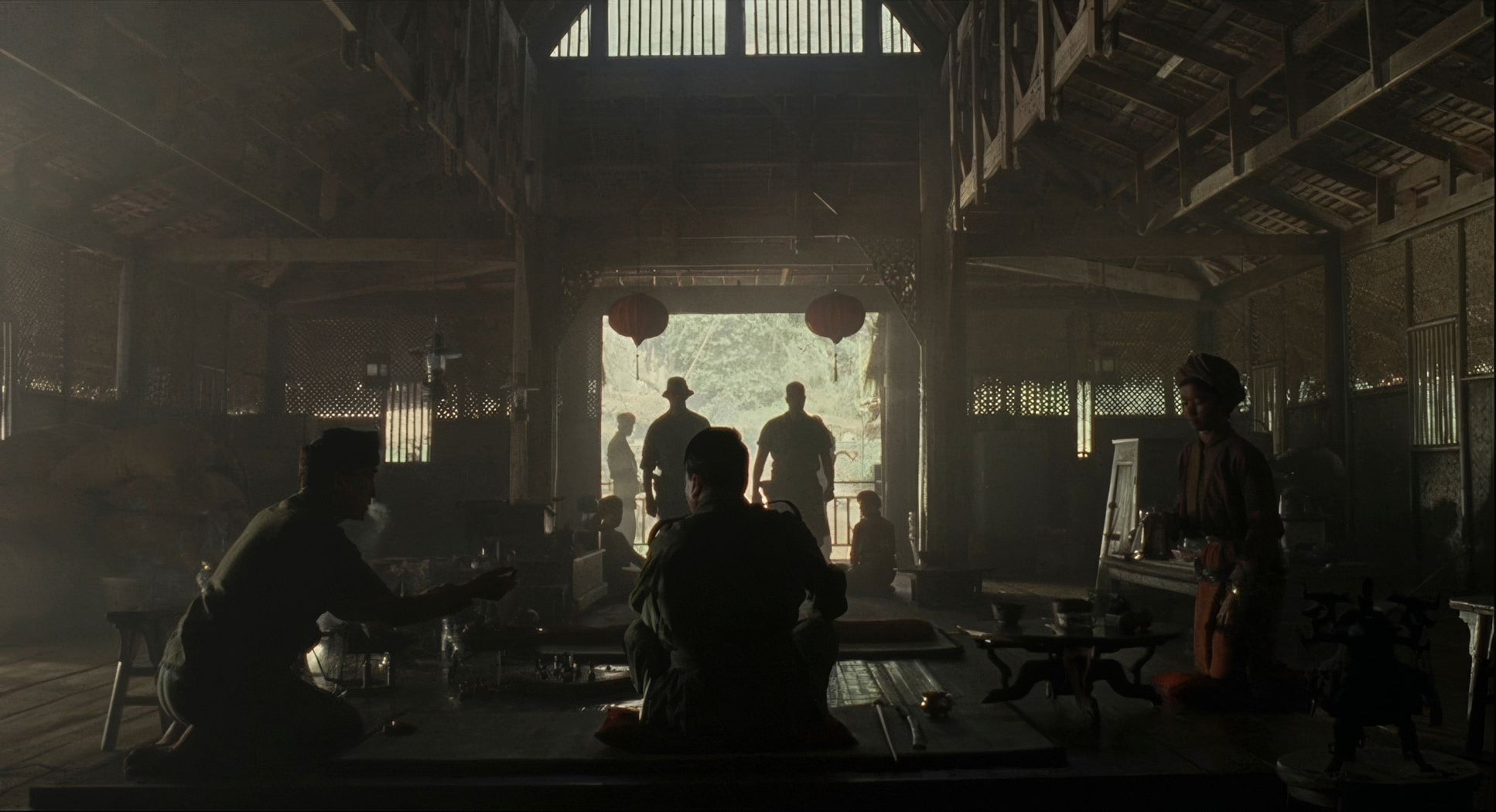
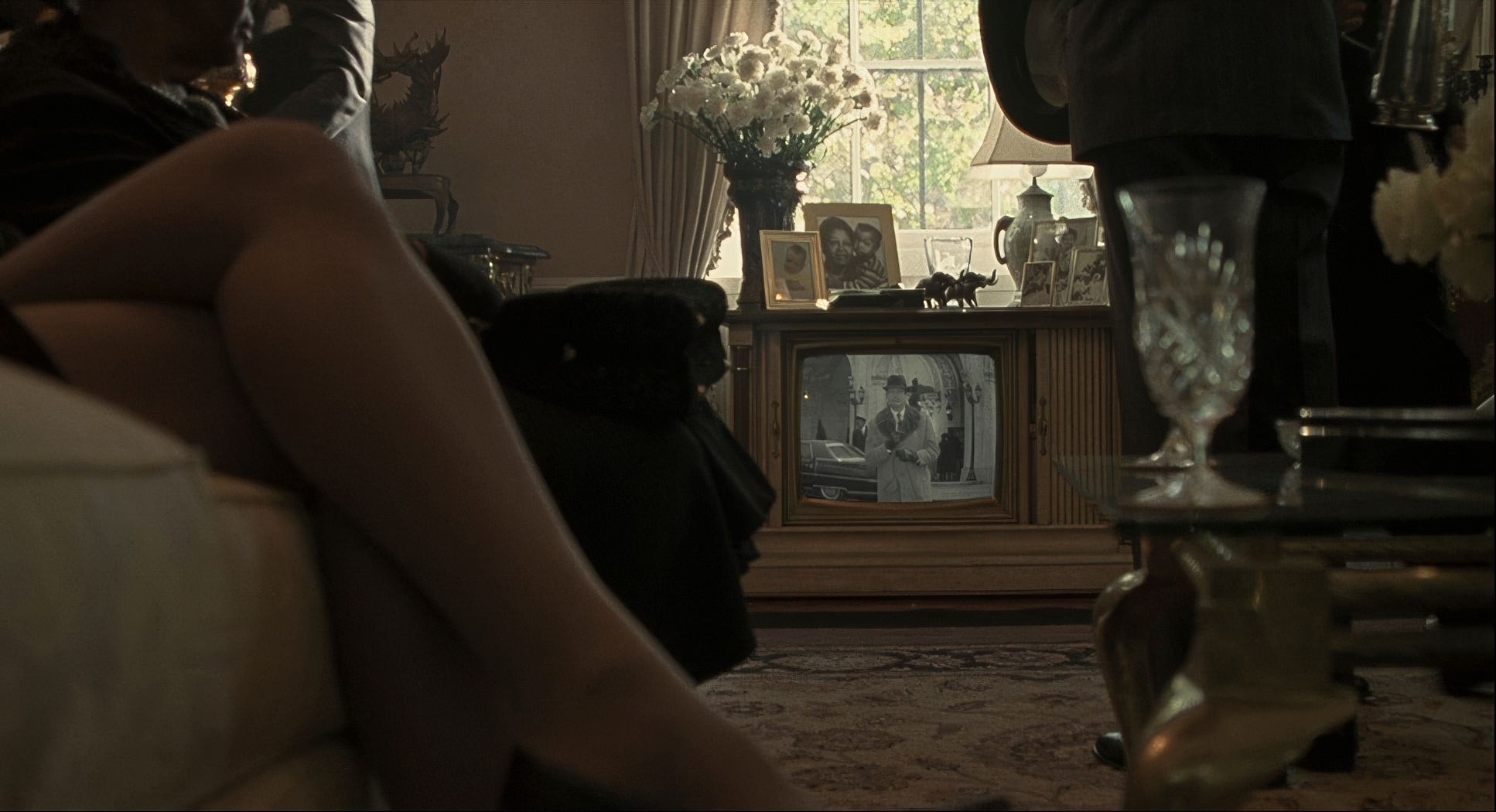
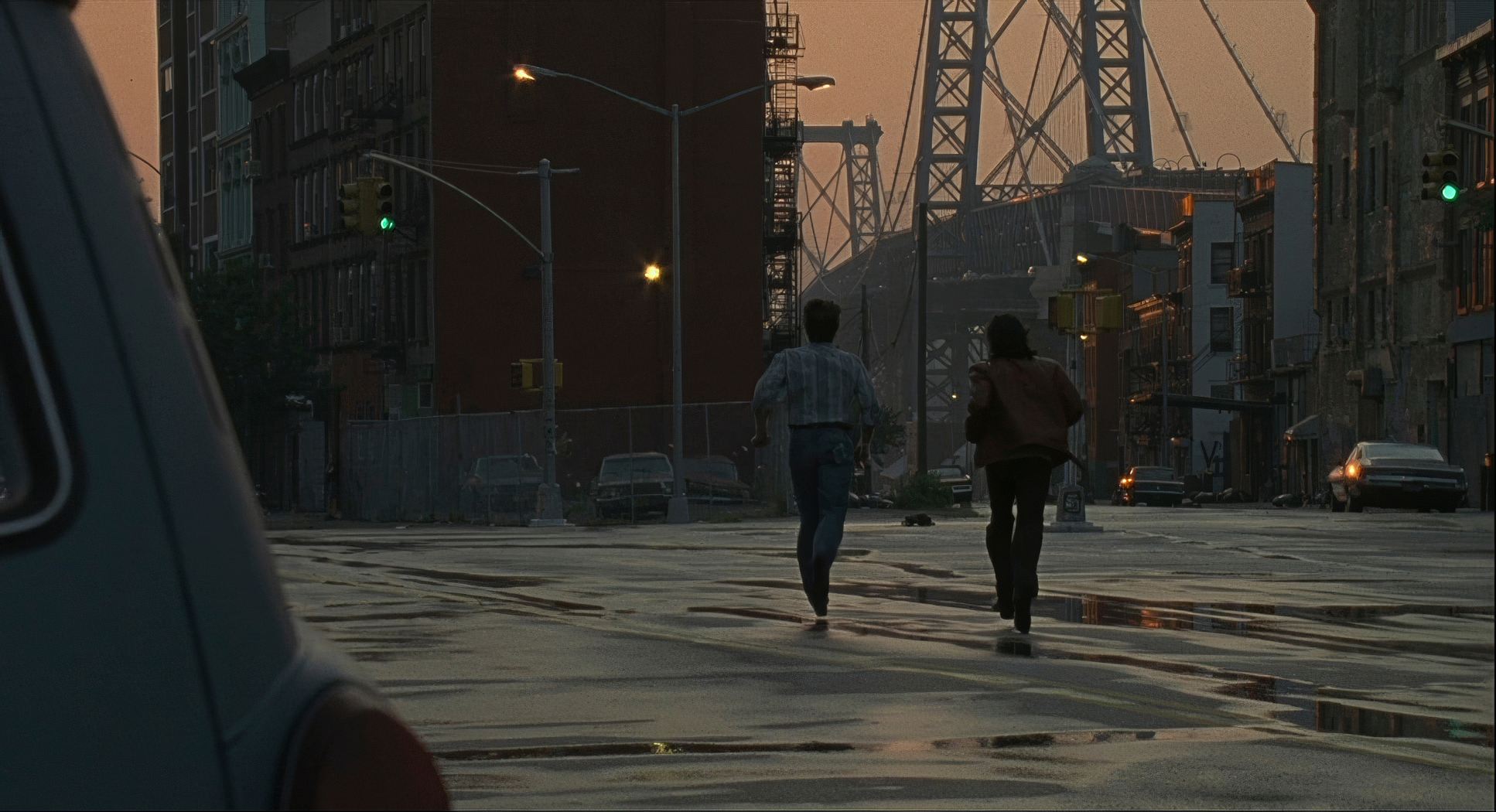
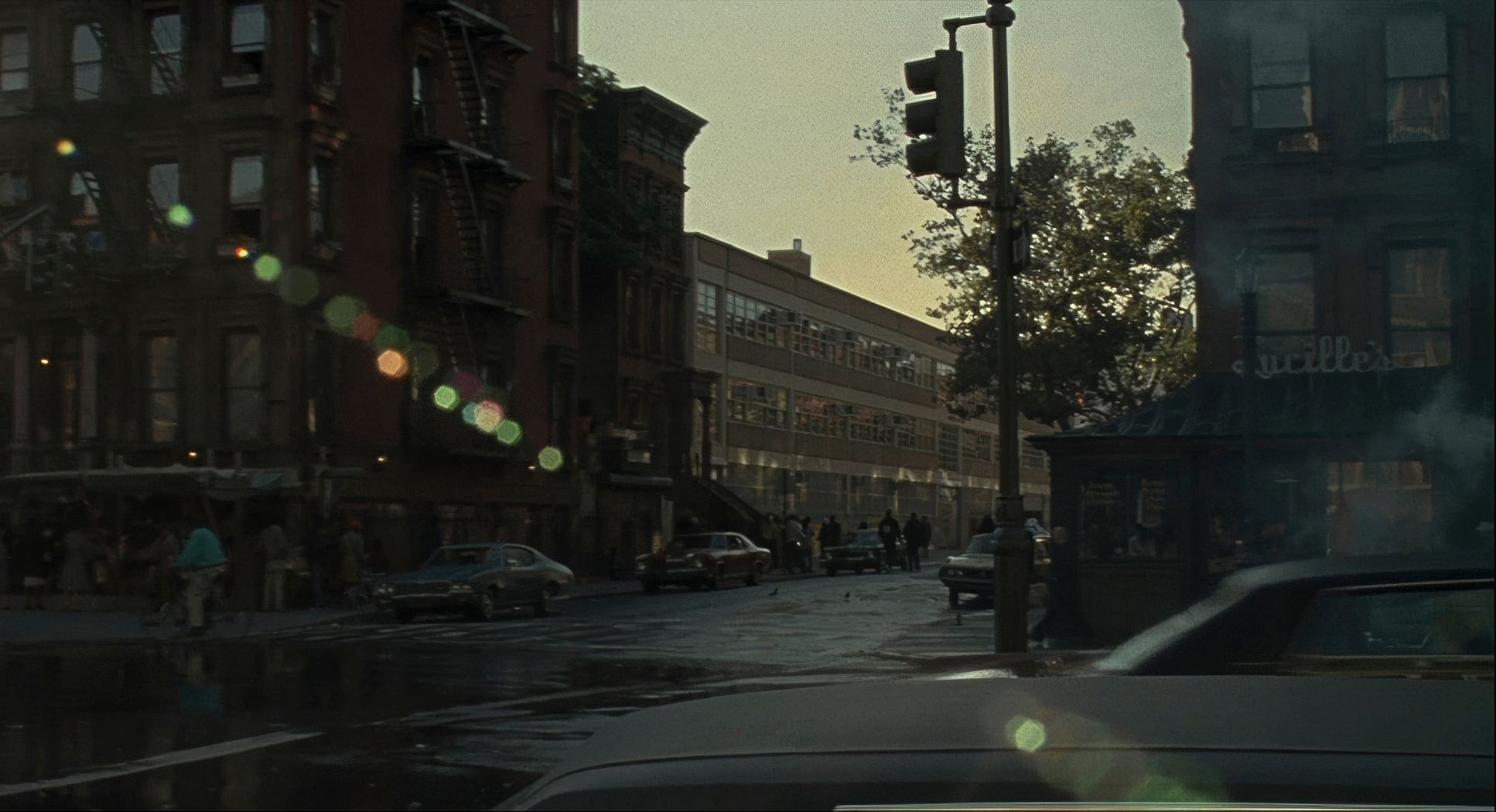
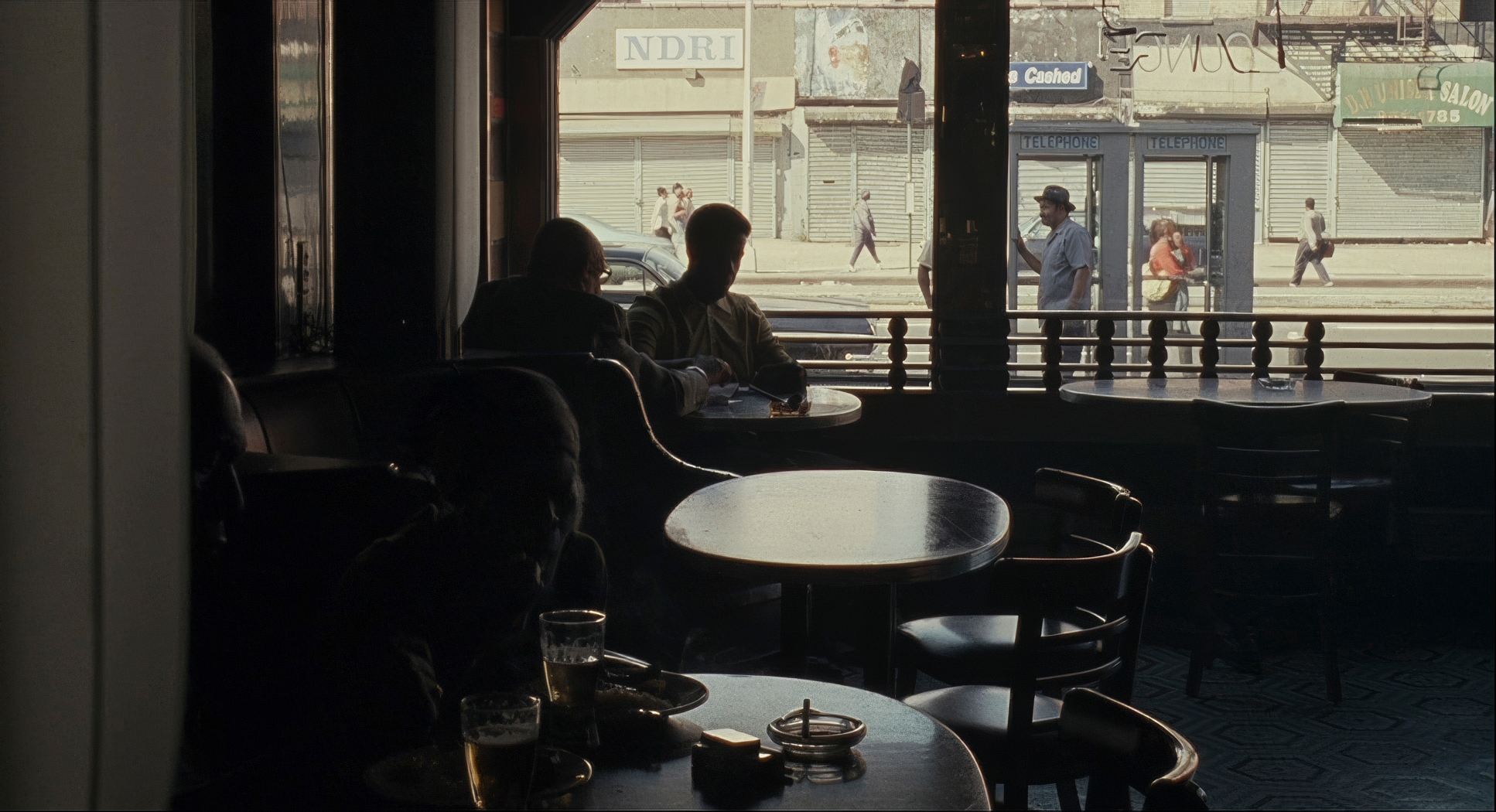
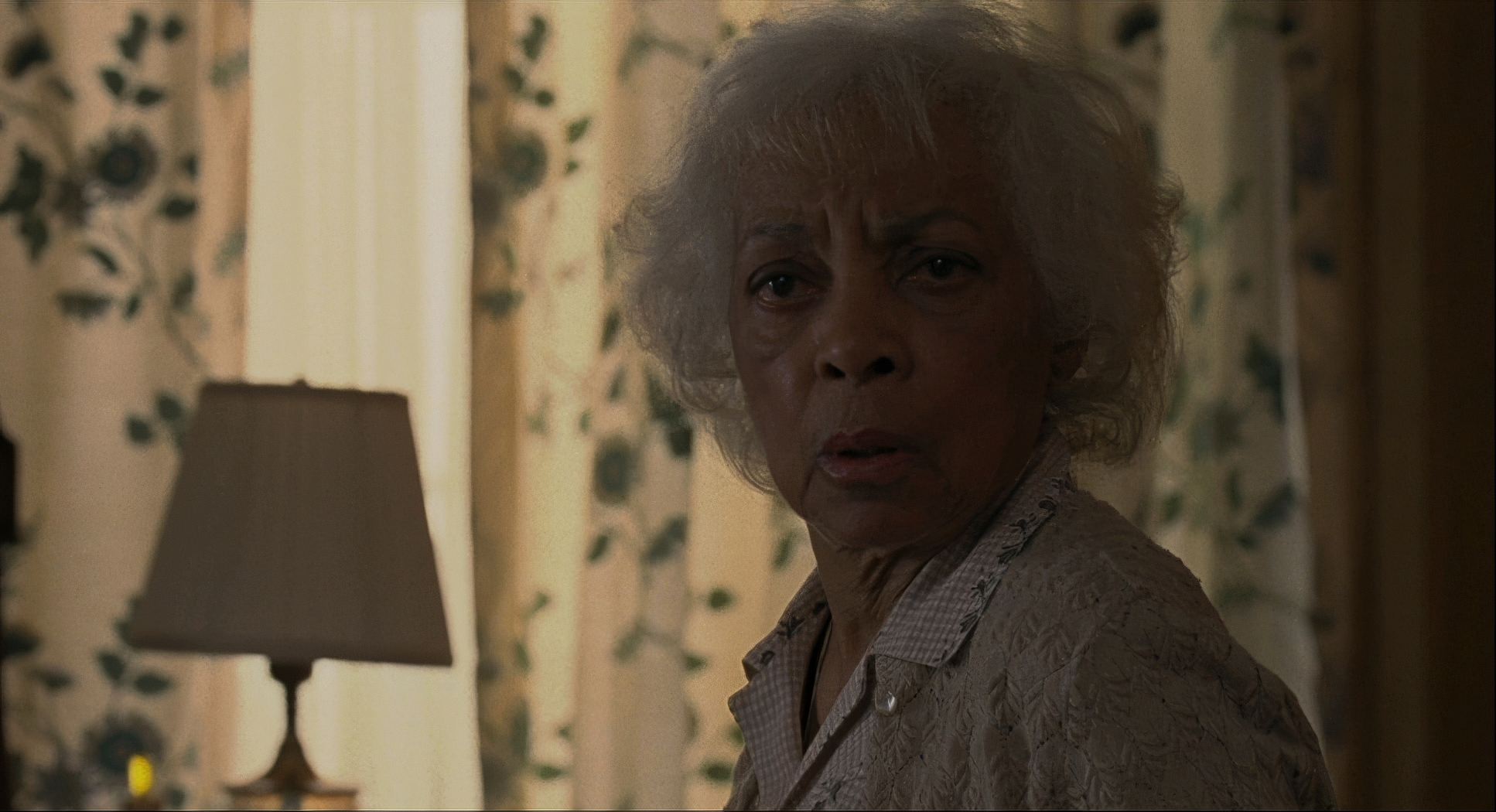
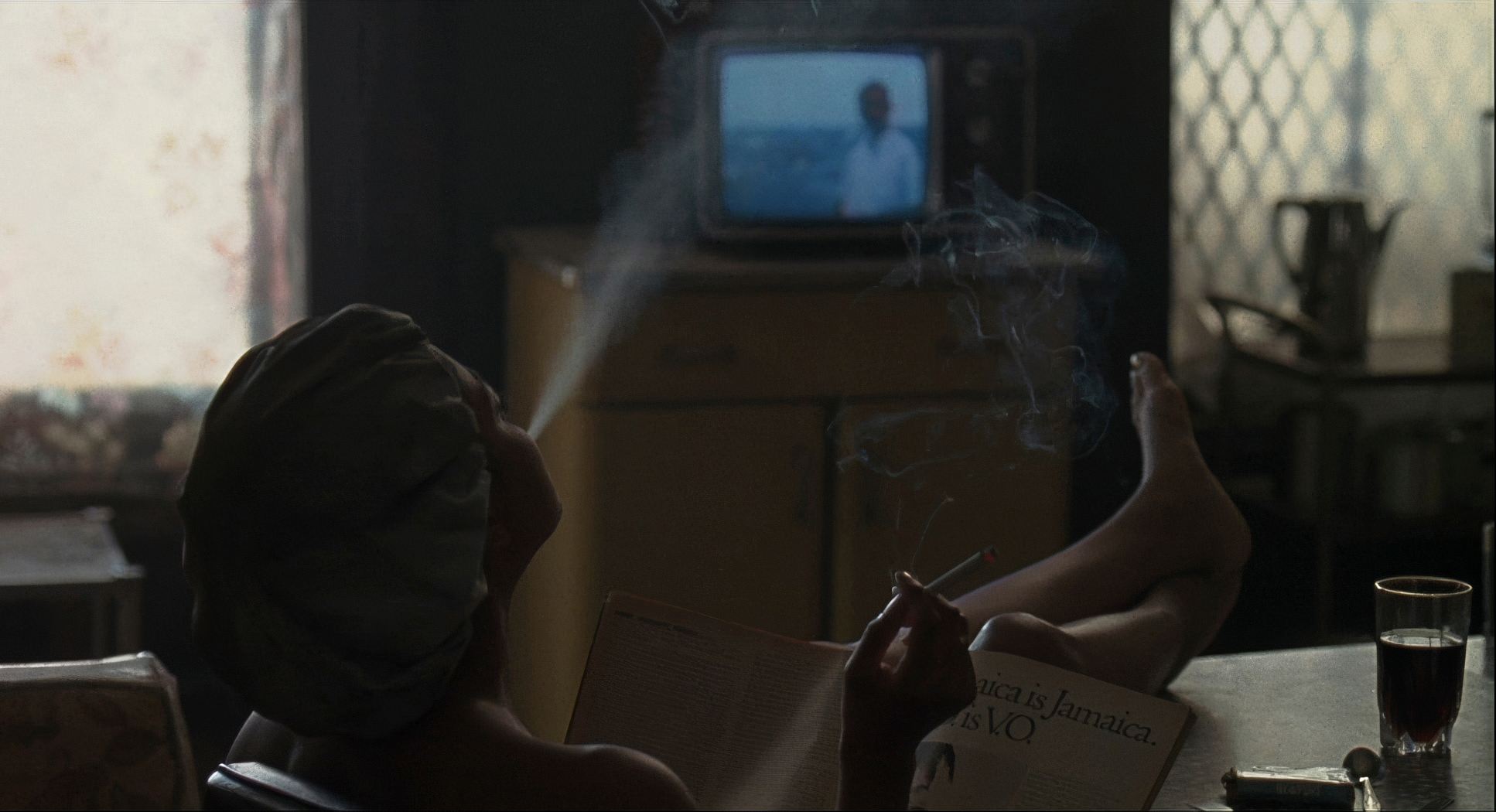
This is where the film really shines for me. Savides’ approach was heavily rooted in motivated lighting. You never feel like there’s a massive movie light just out of frame; instead, the light feels like it’s coming from the practical fixtures in the room or the harsh streetlights outside.
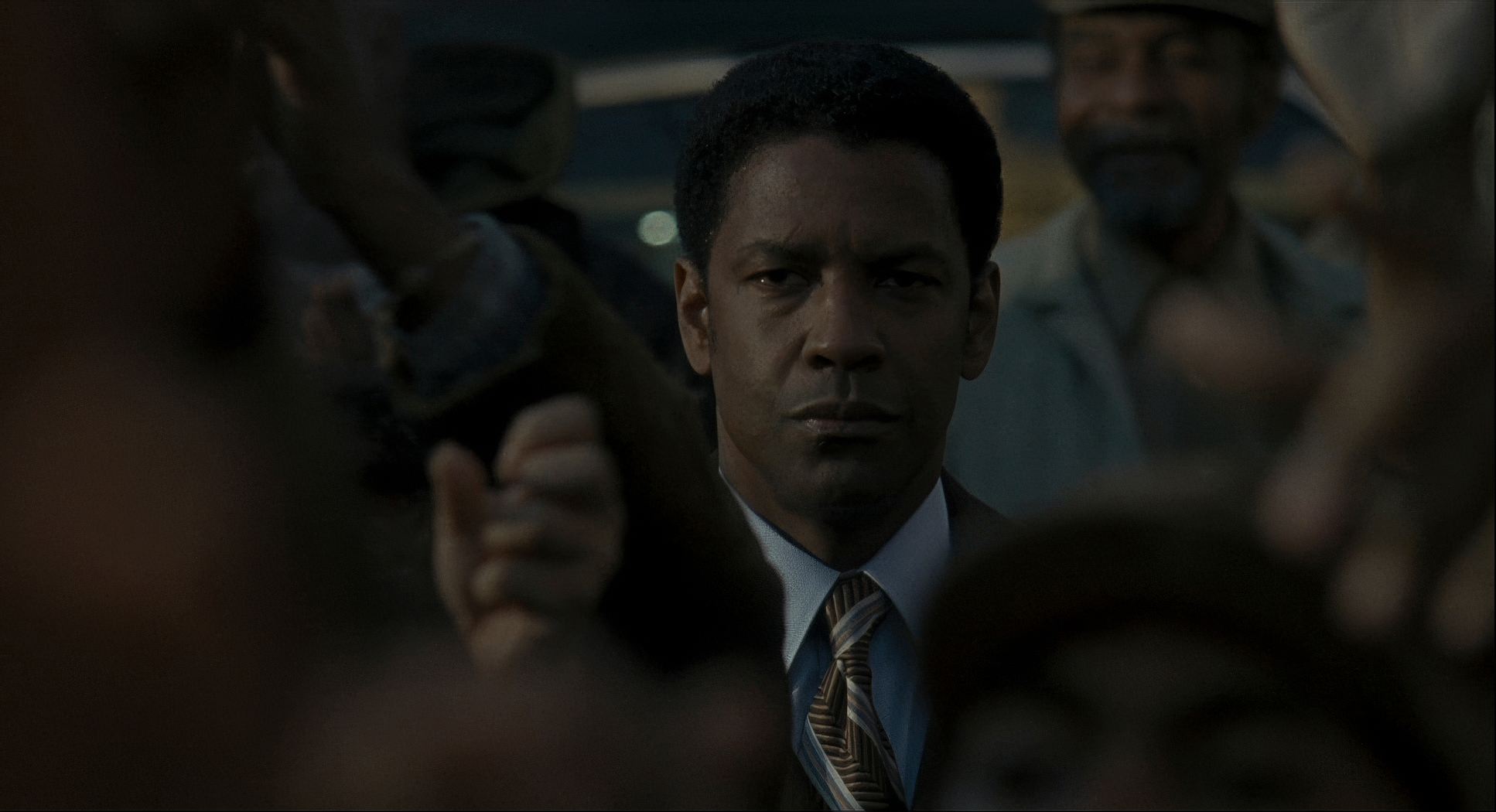
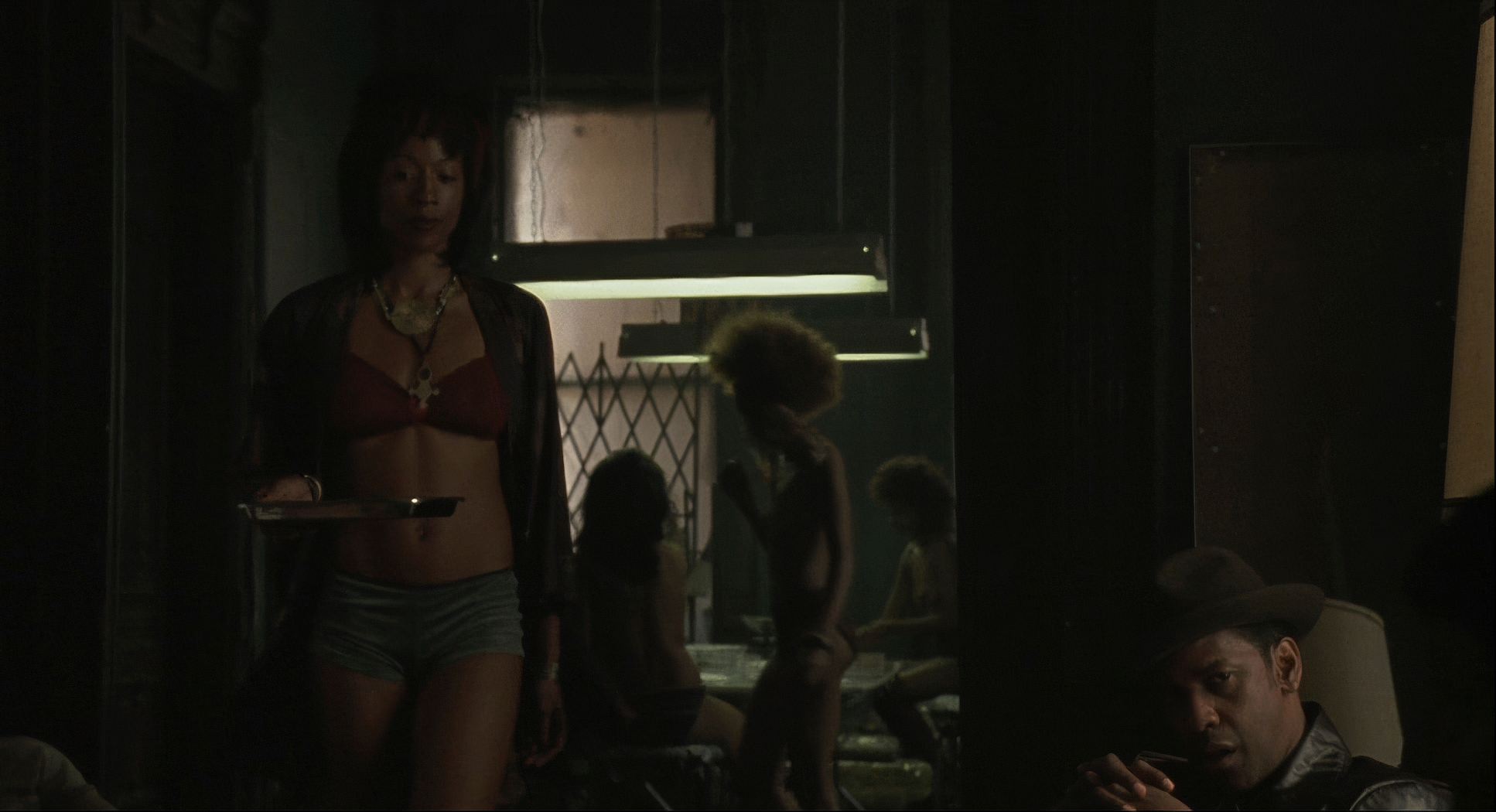
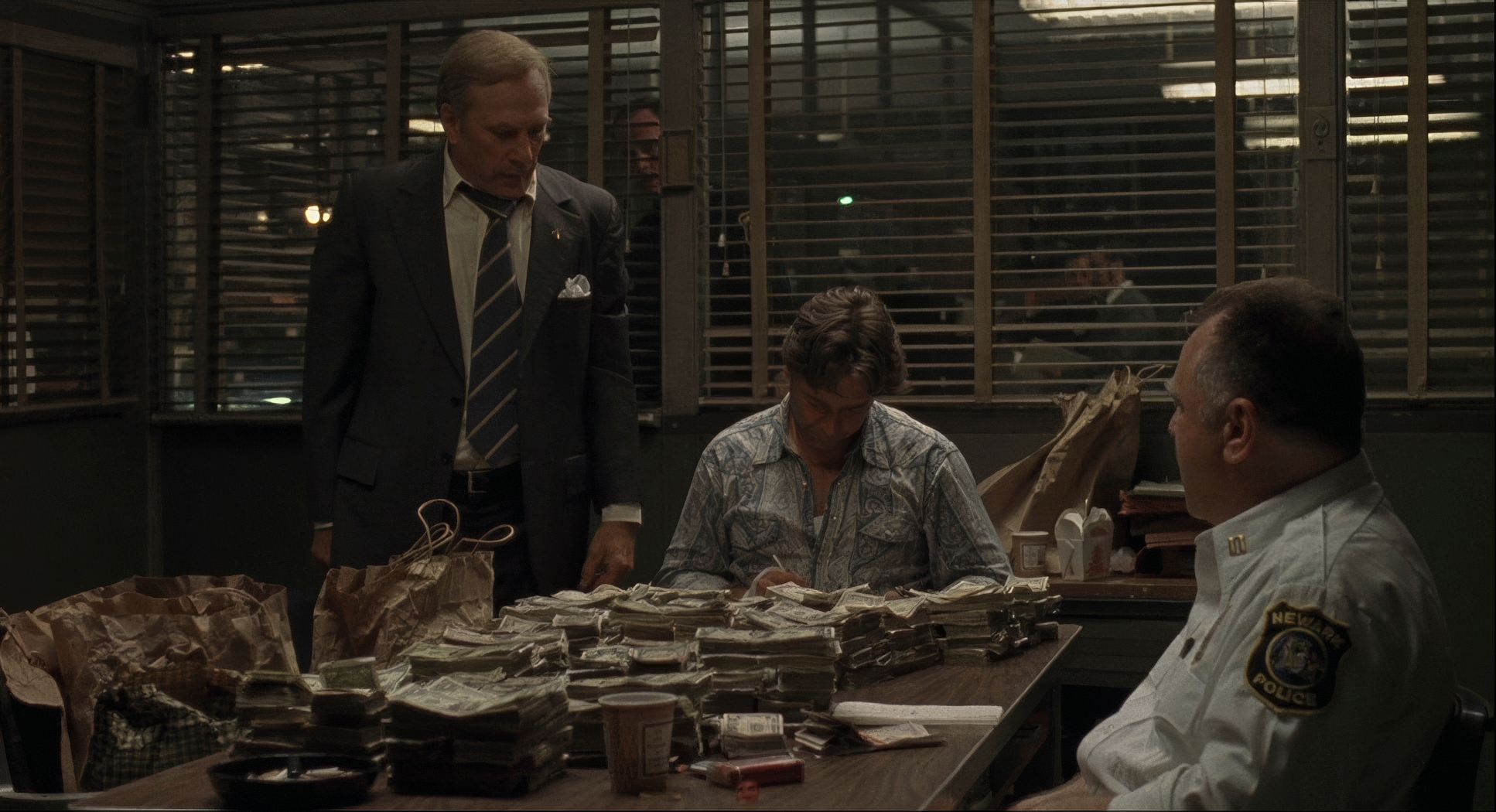
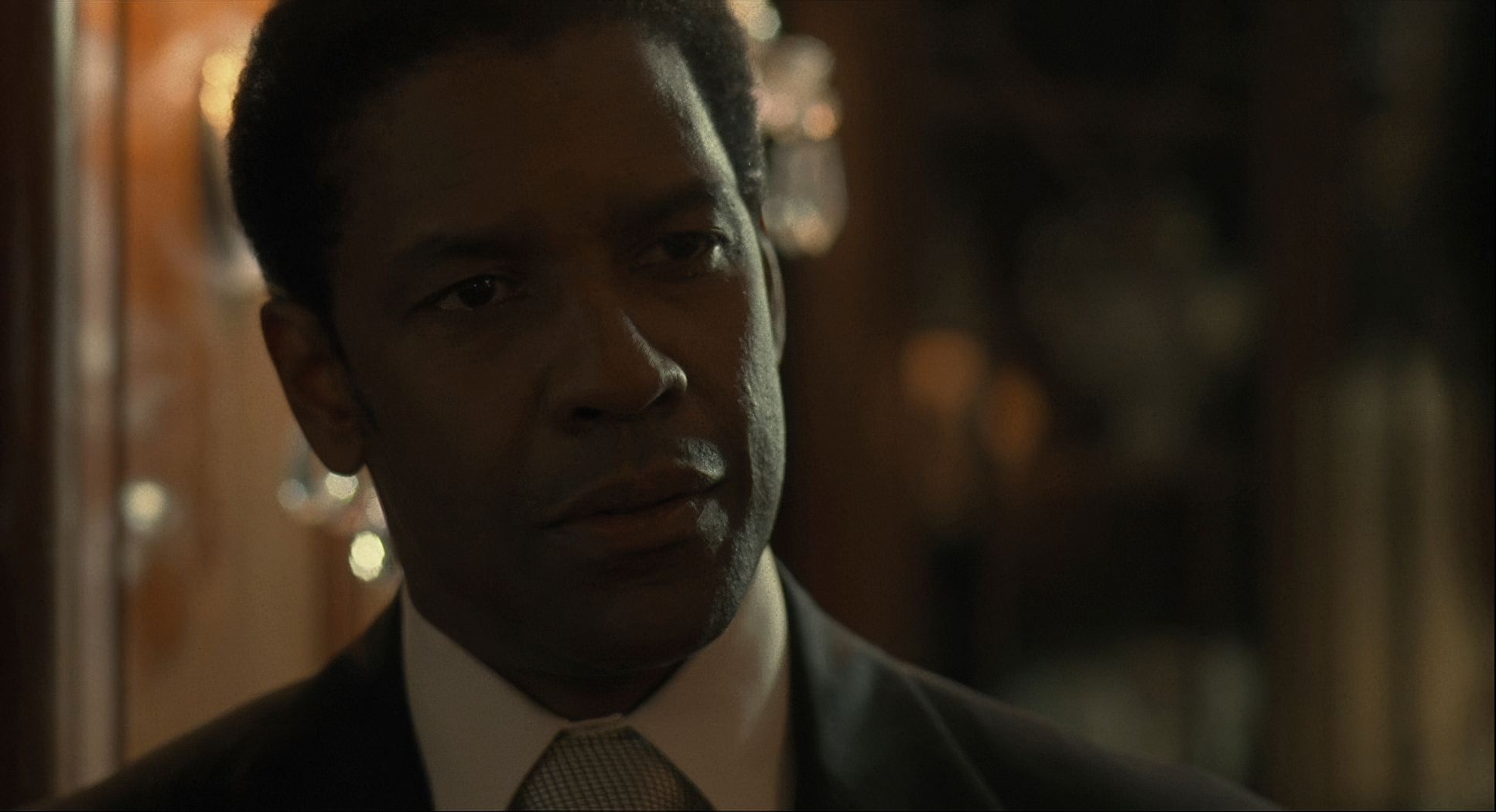
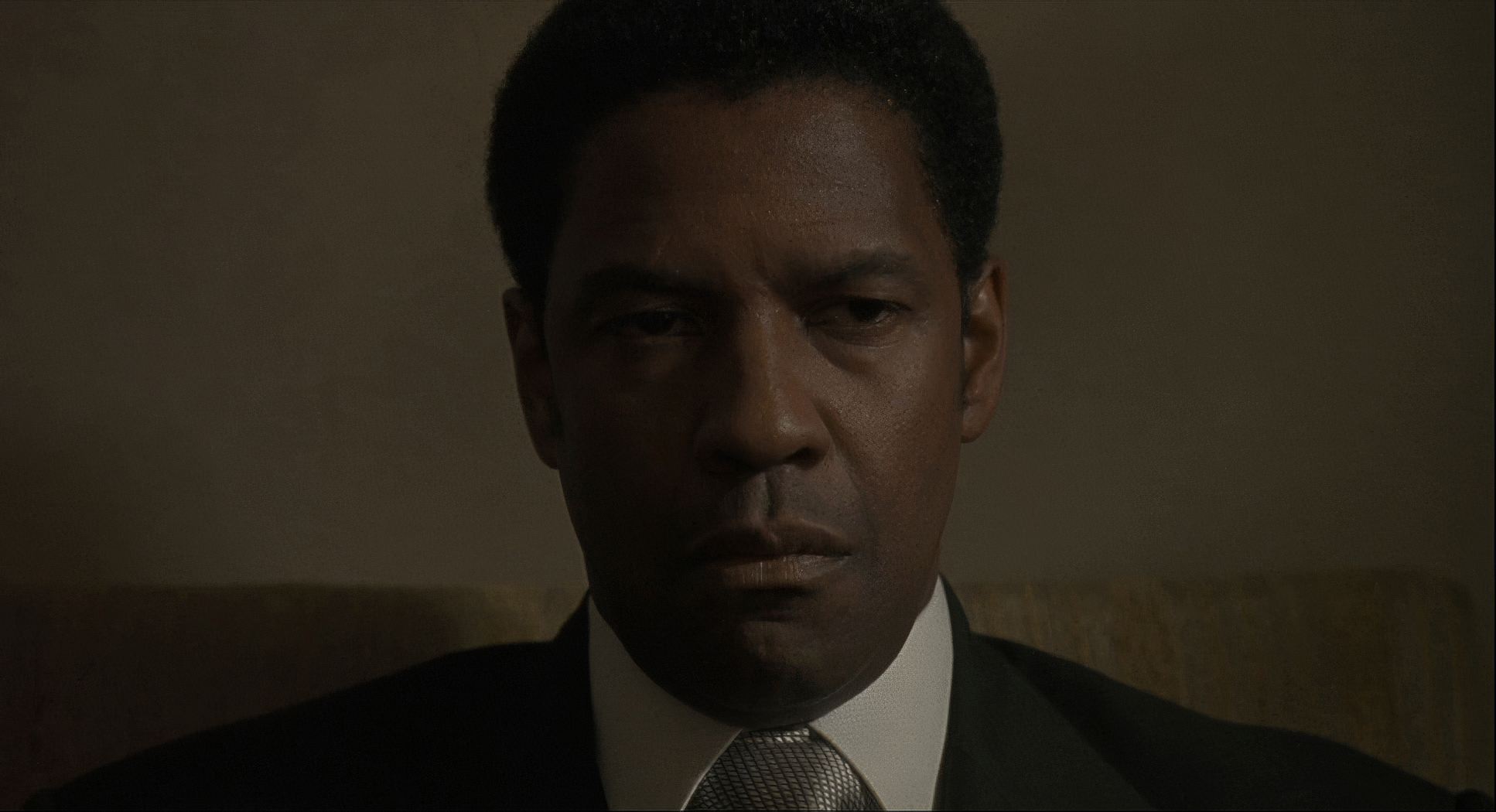
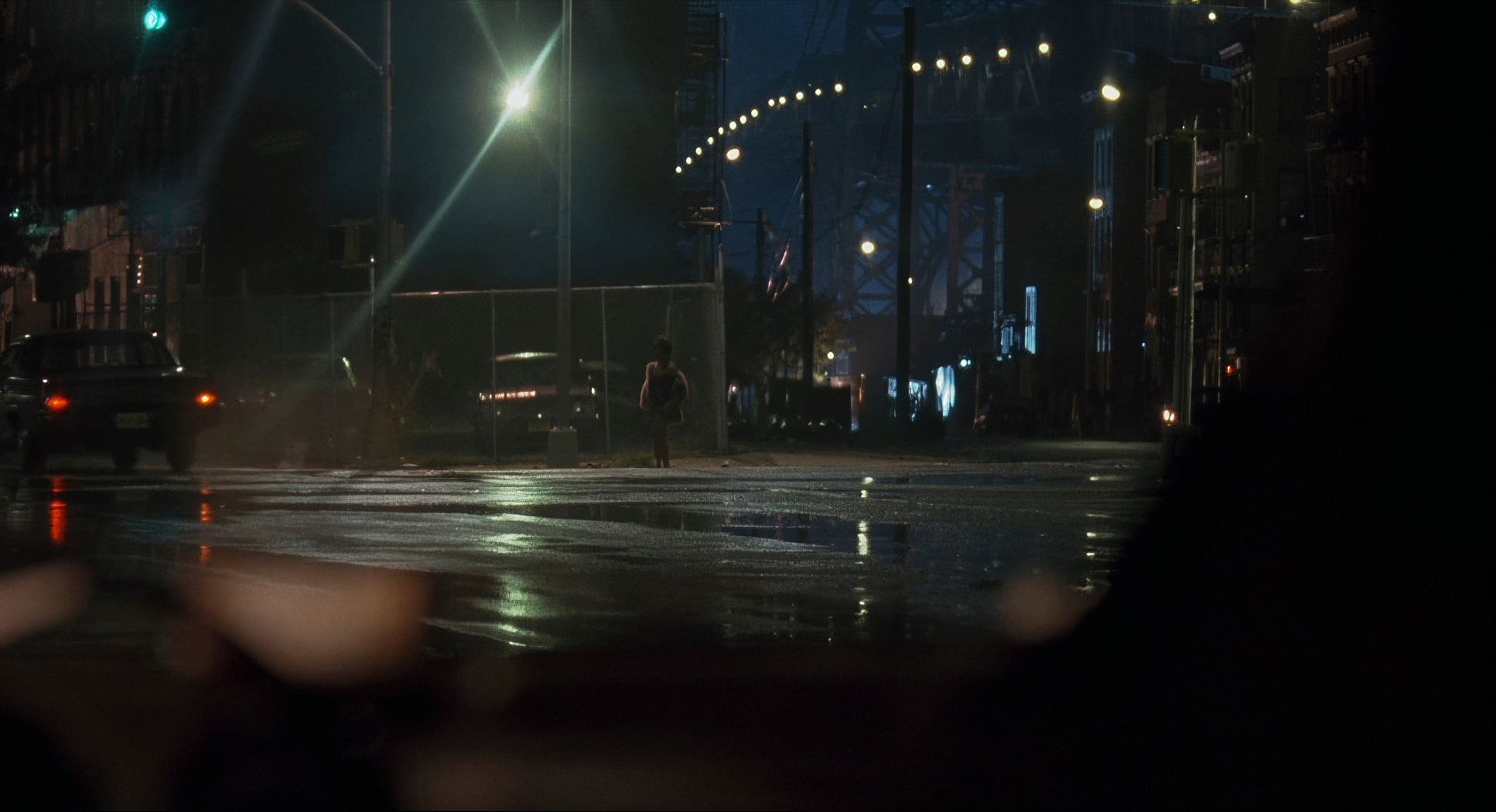
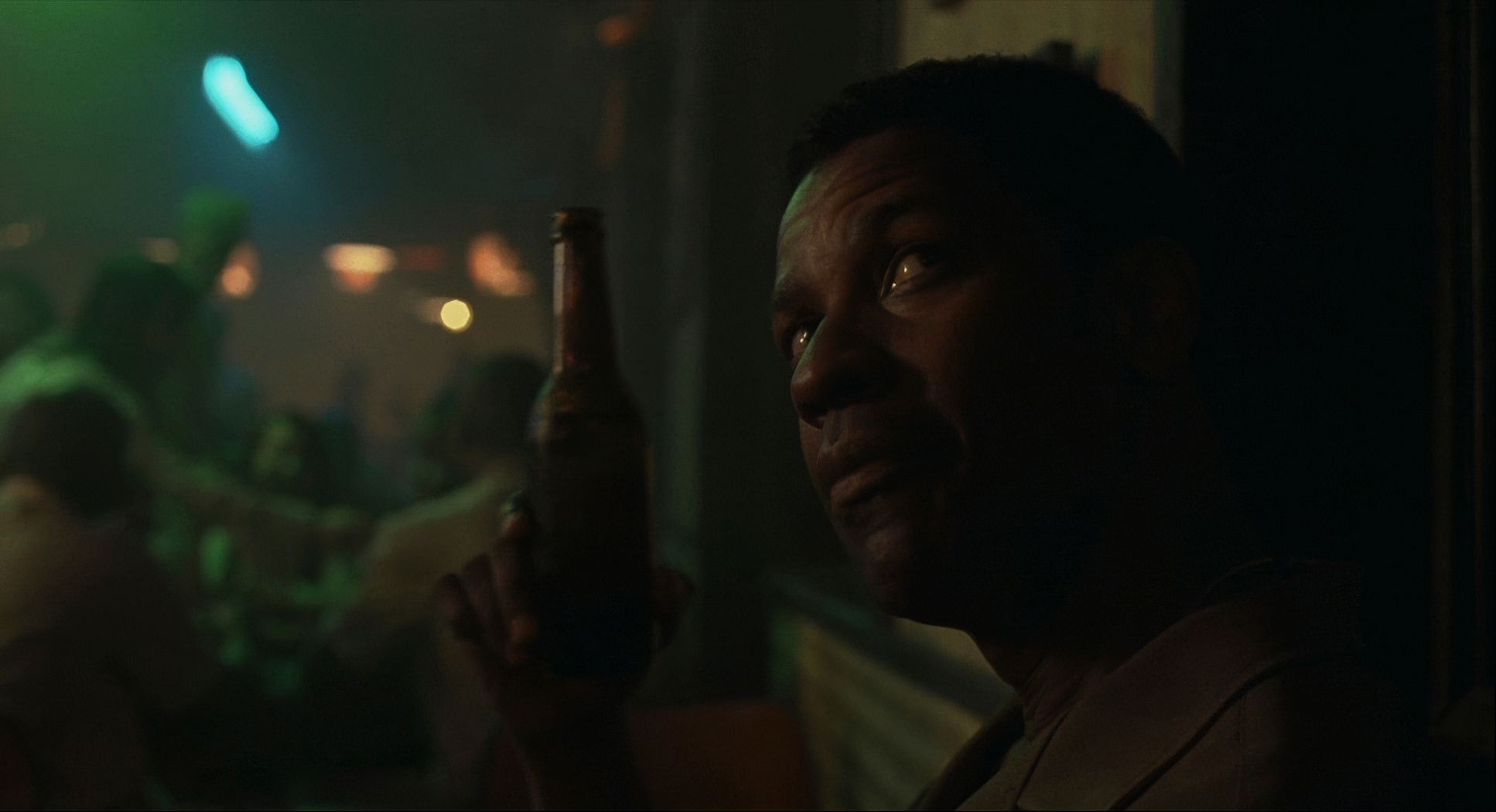
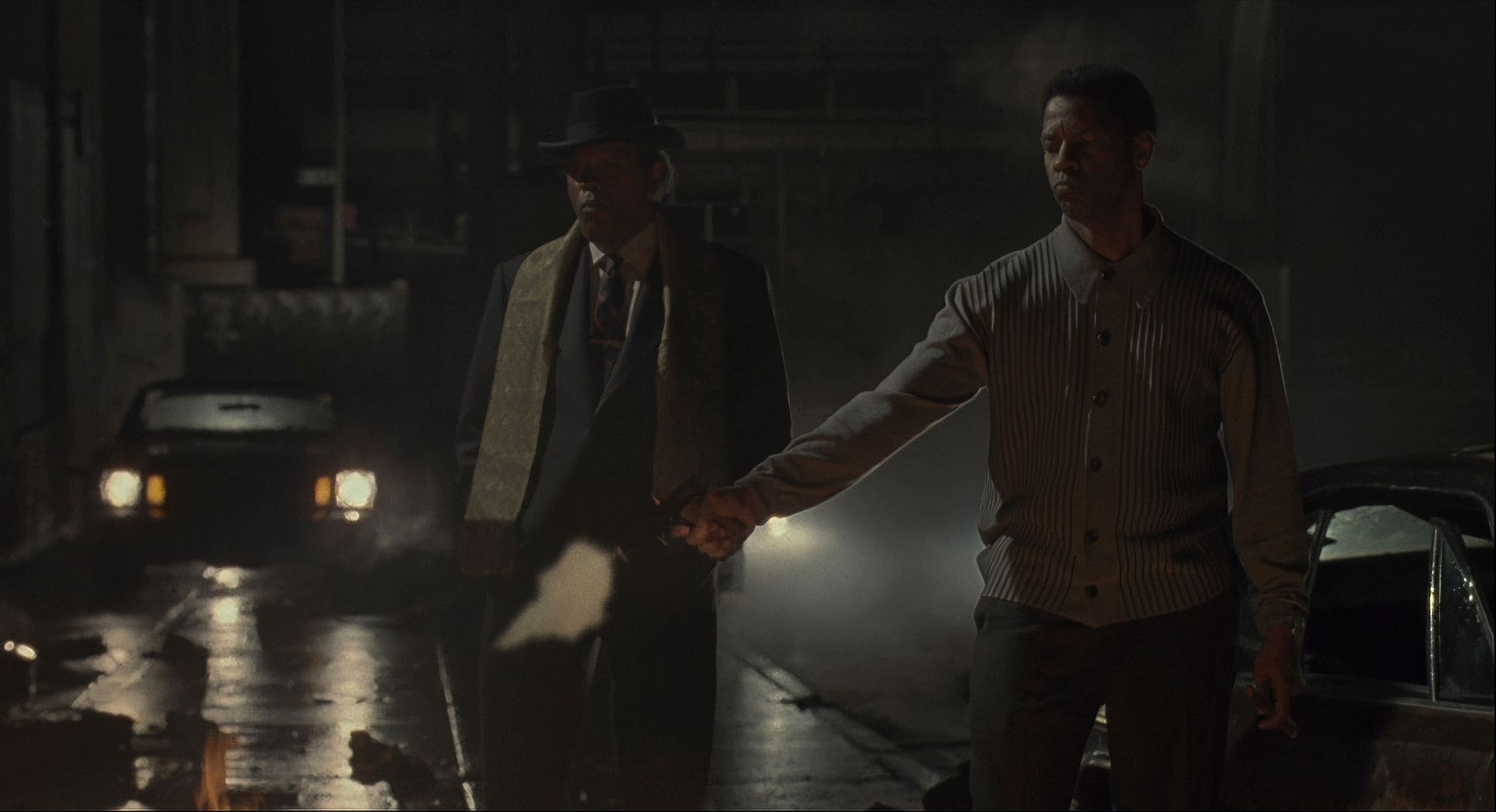
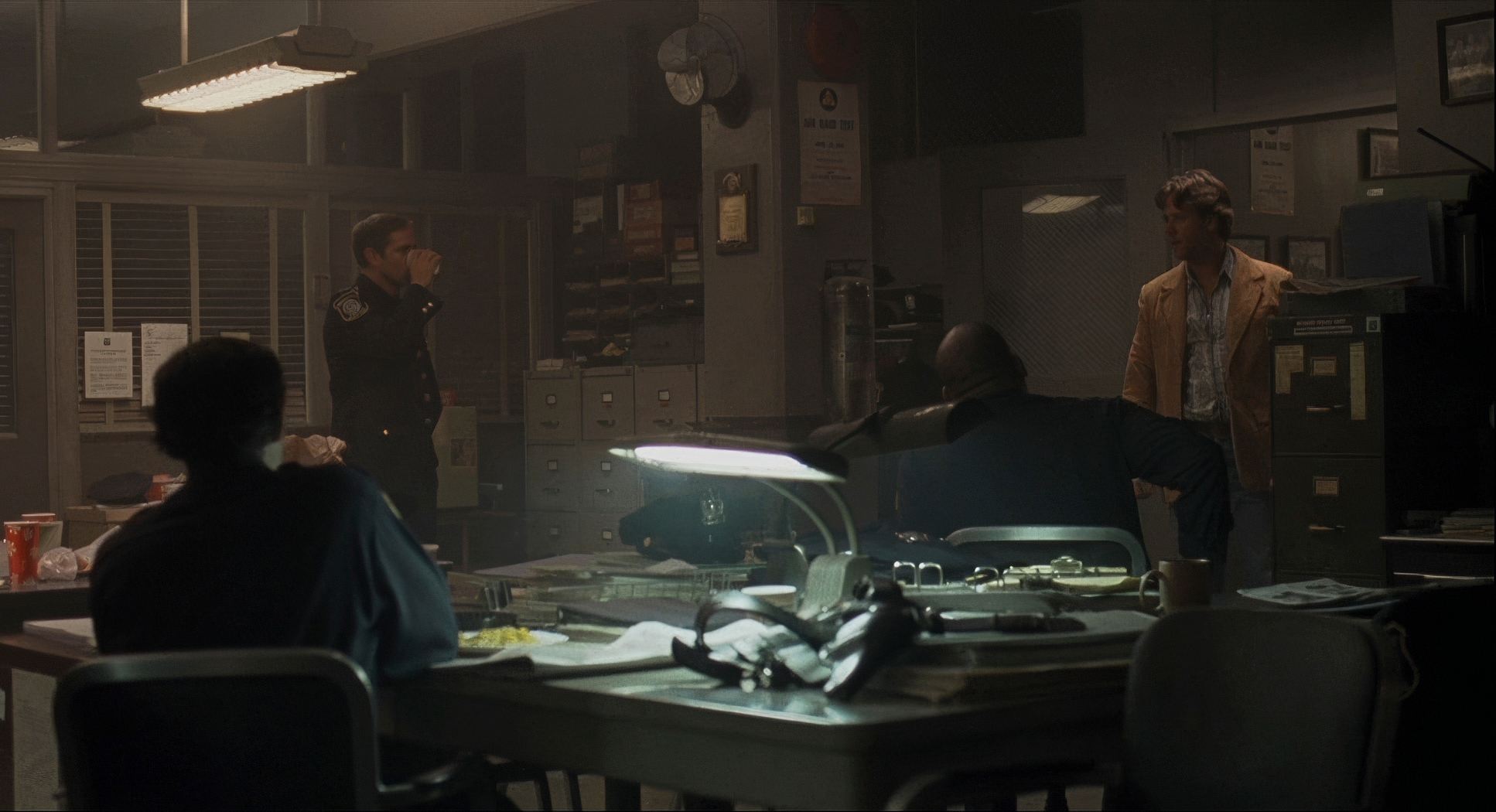
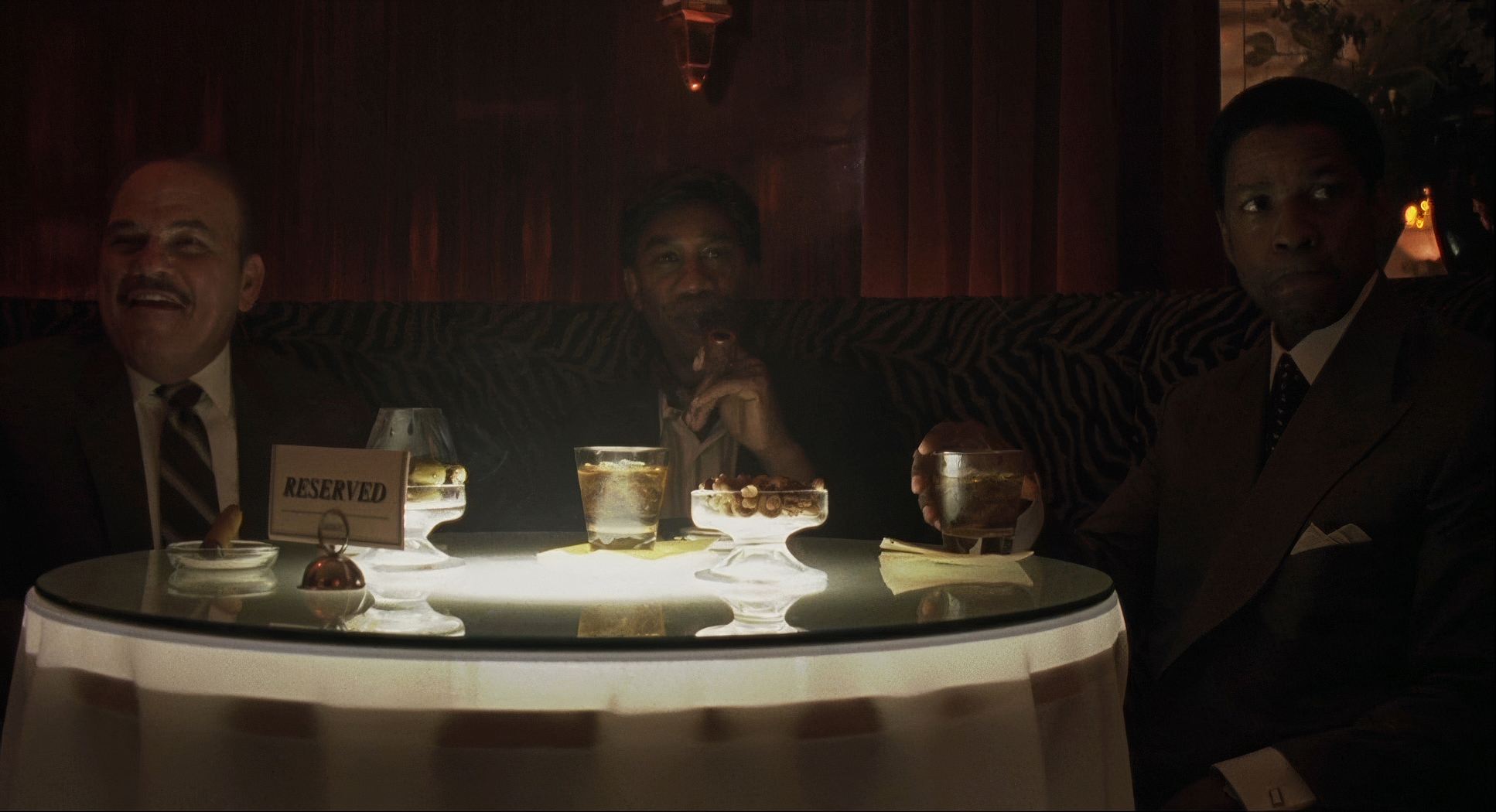
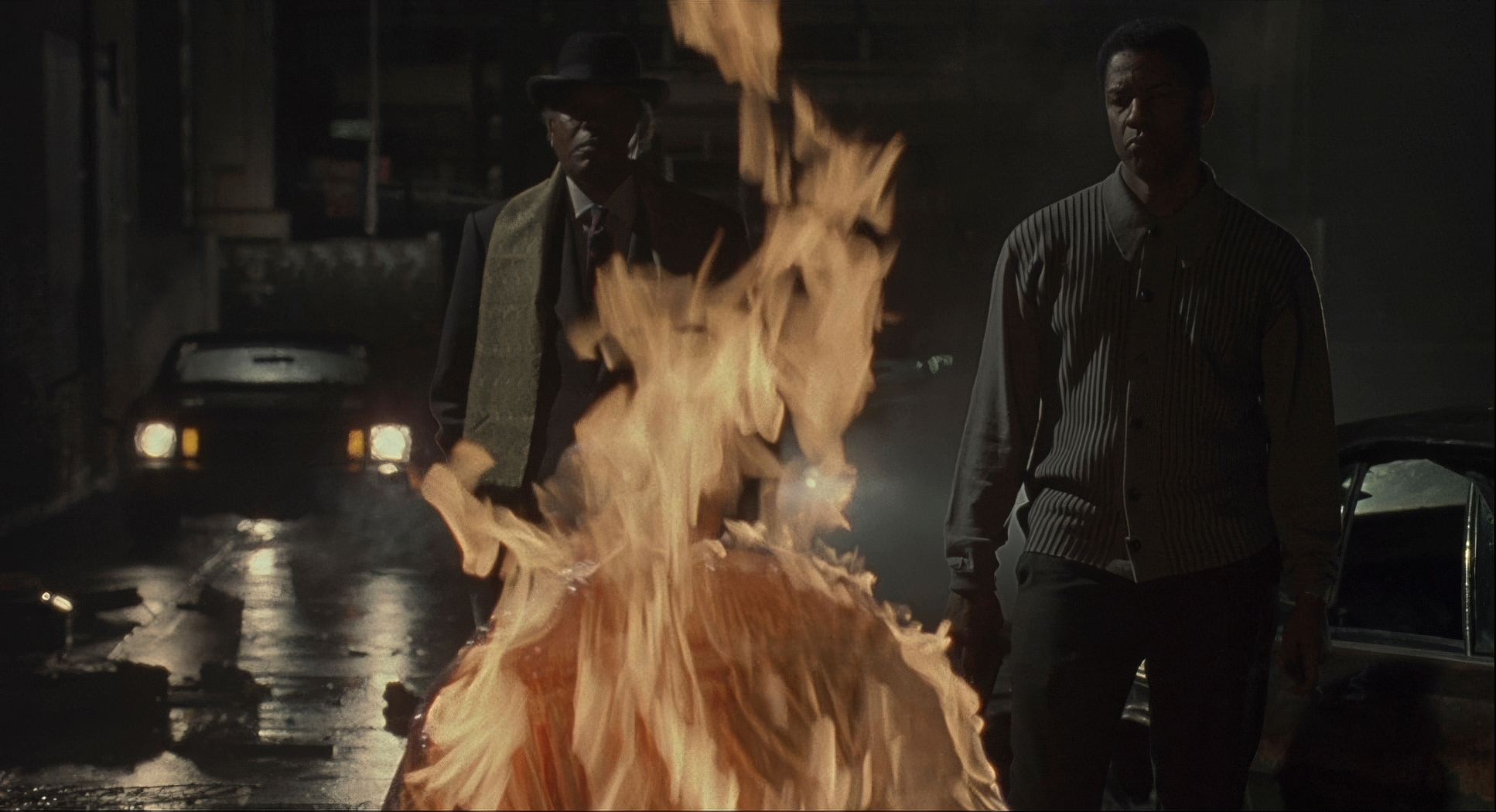
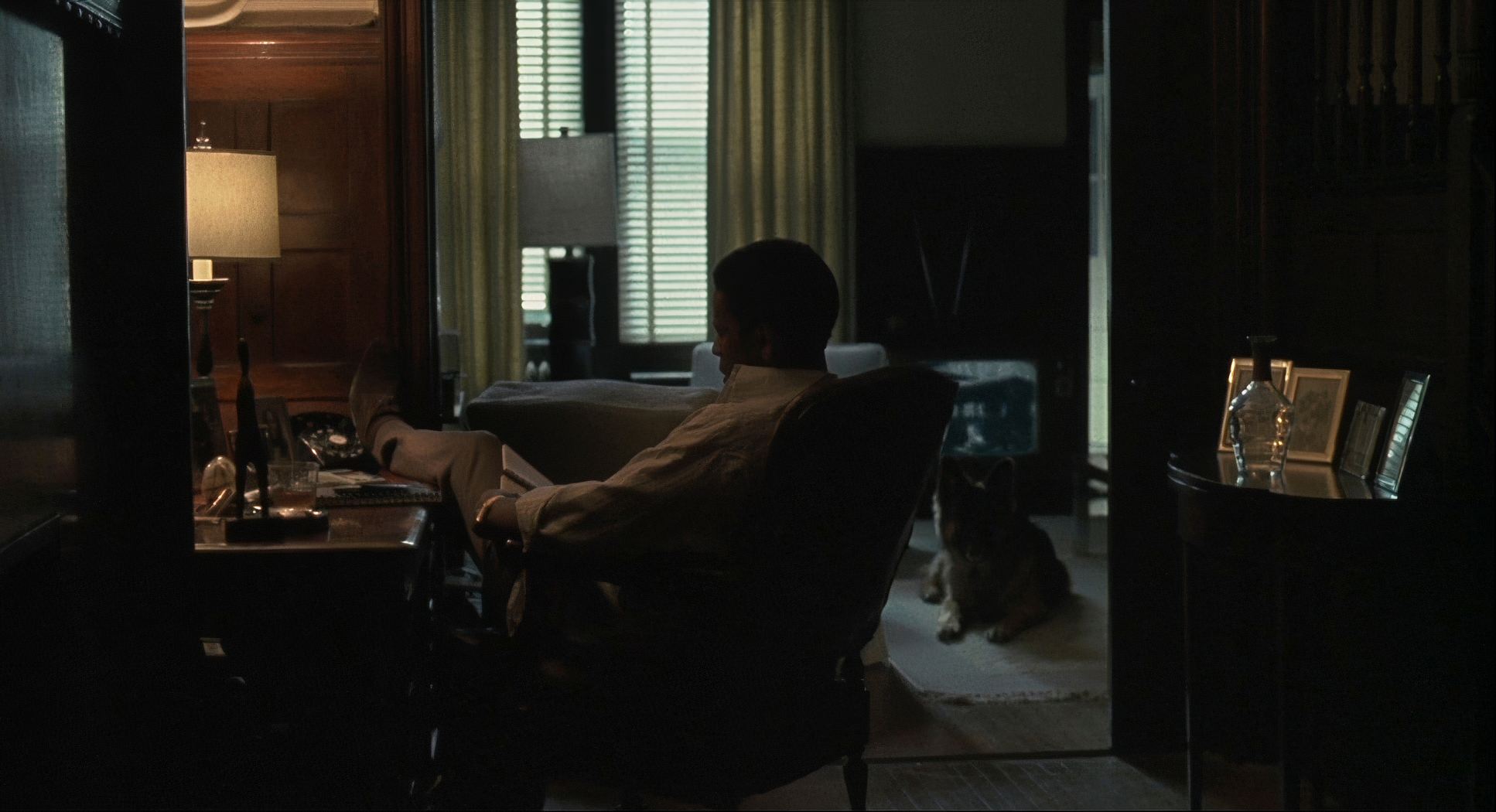
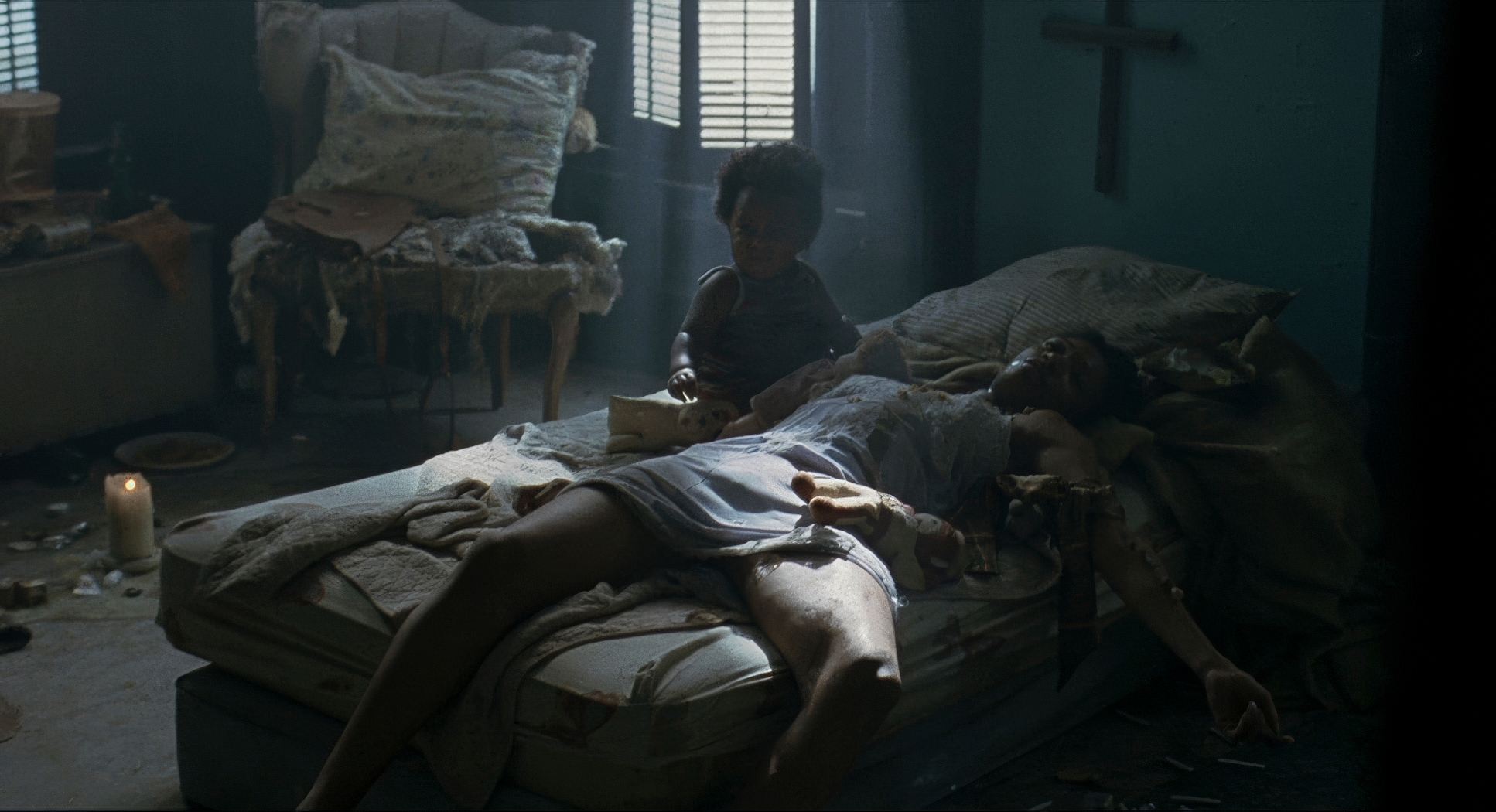
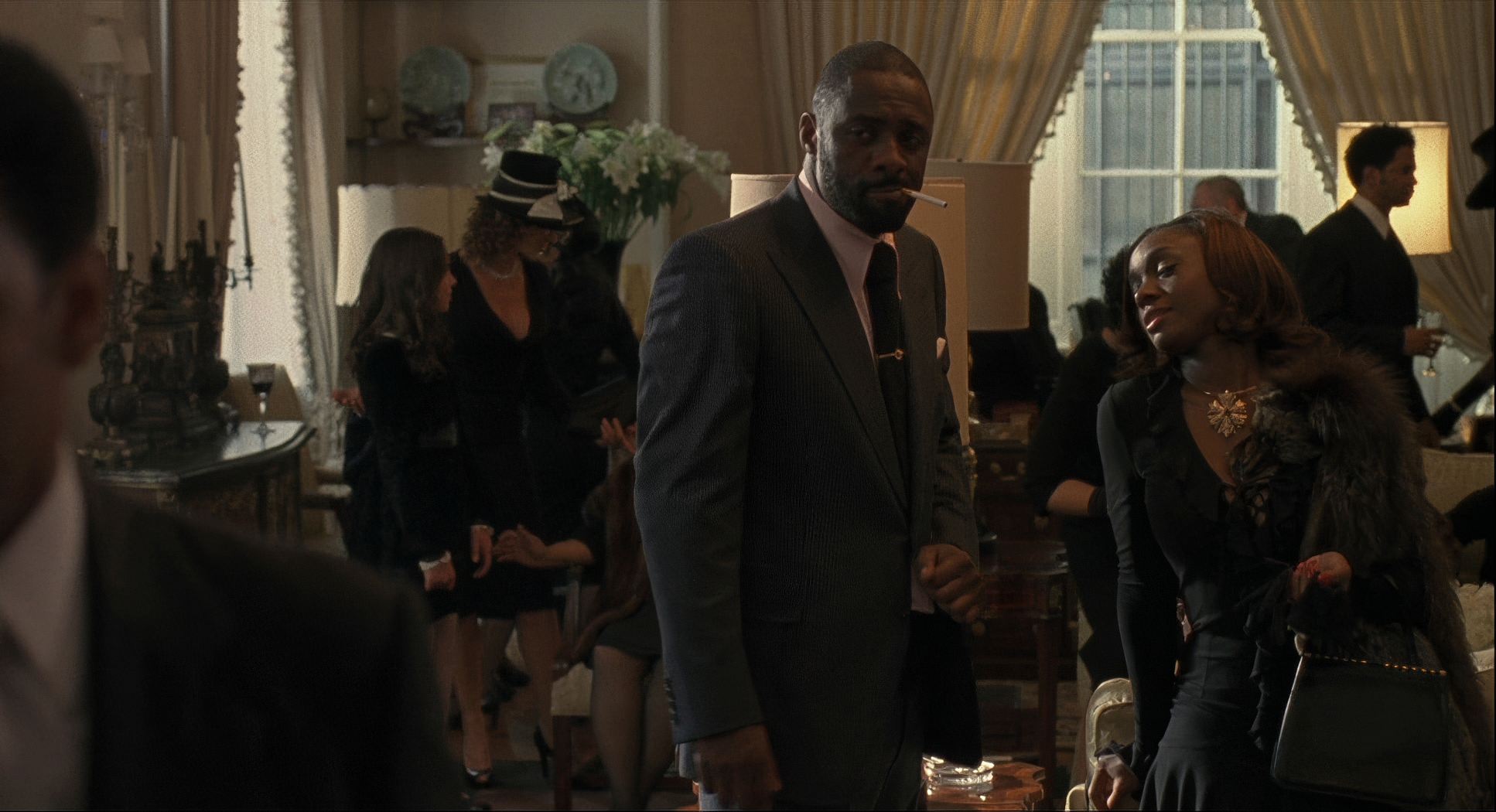
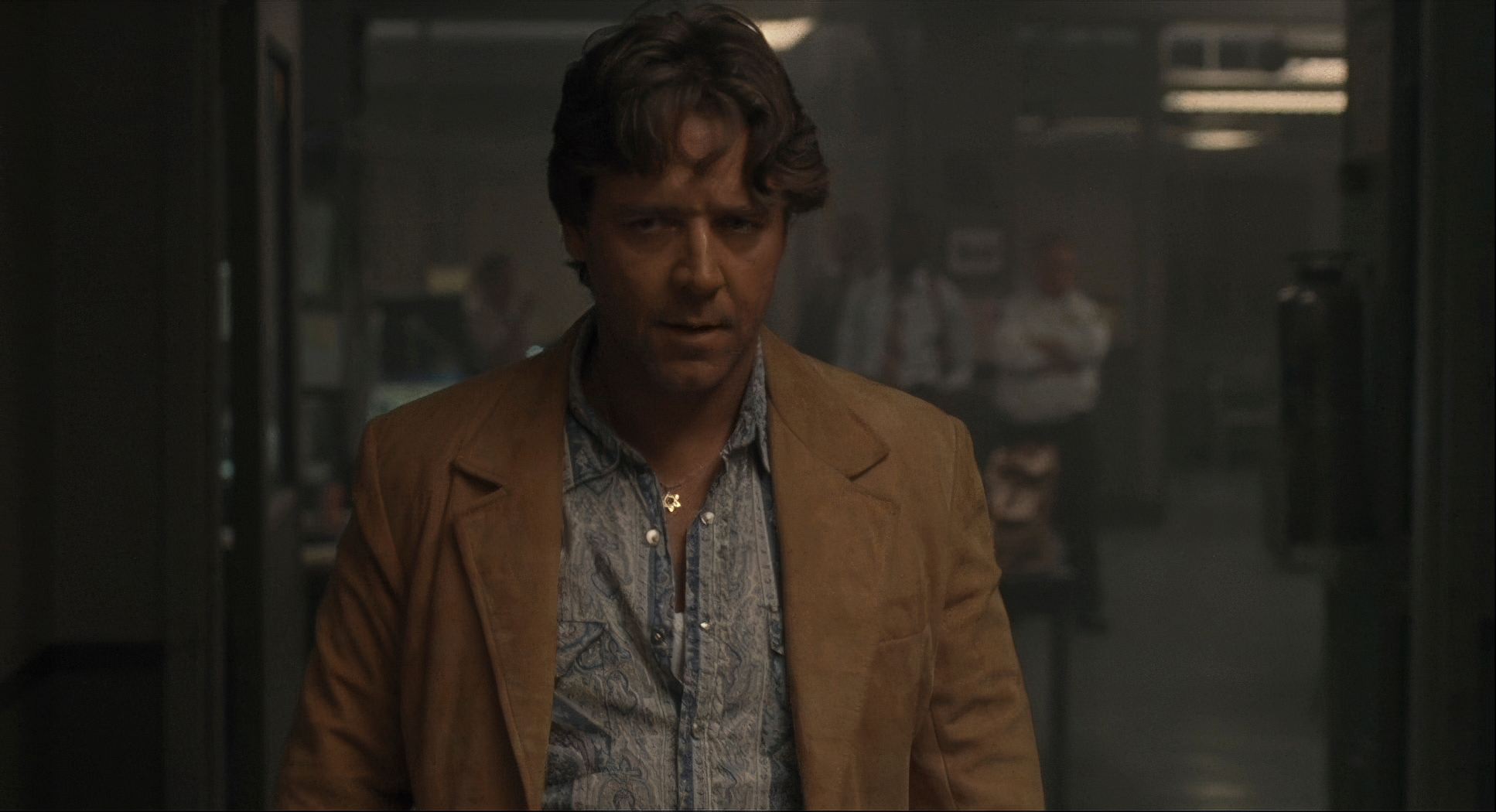
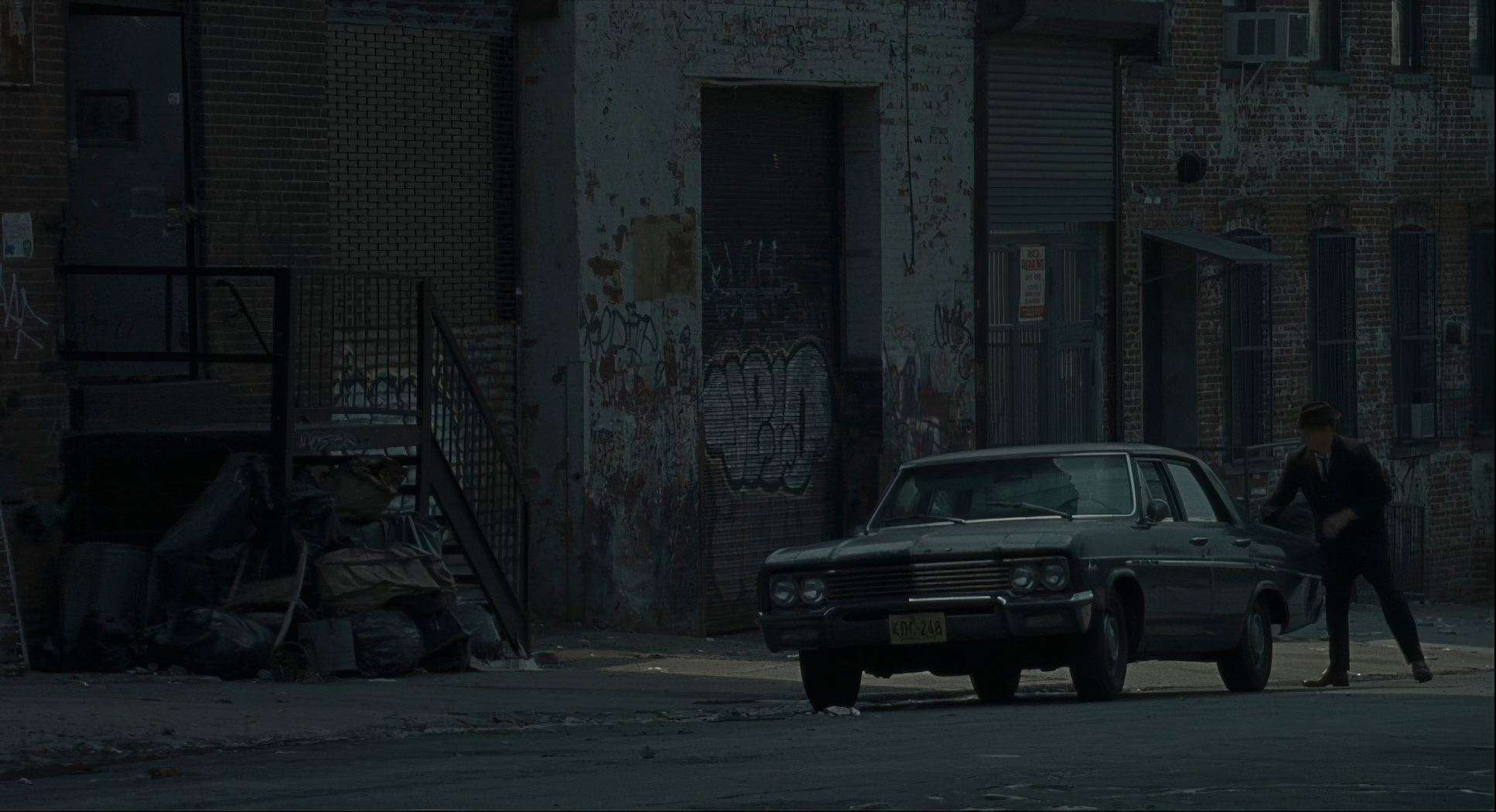
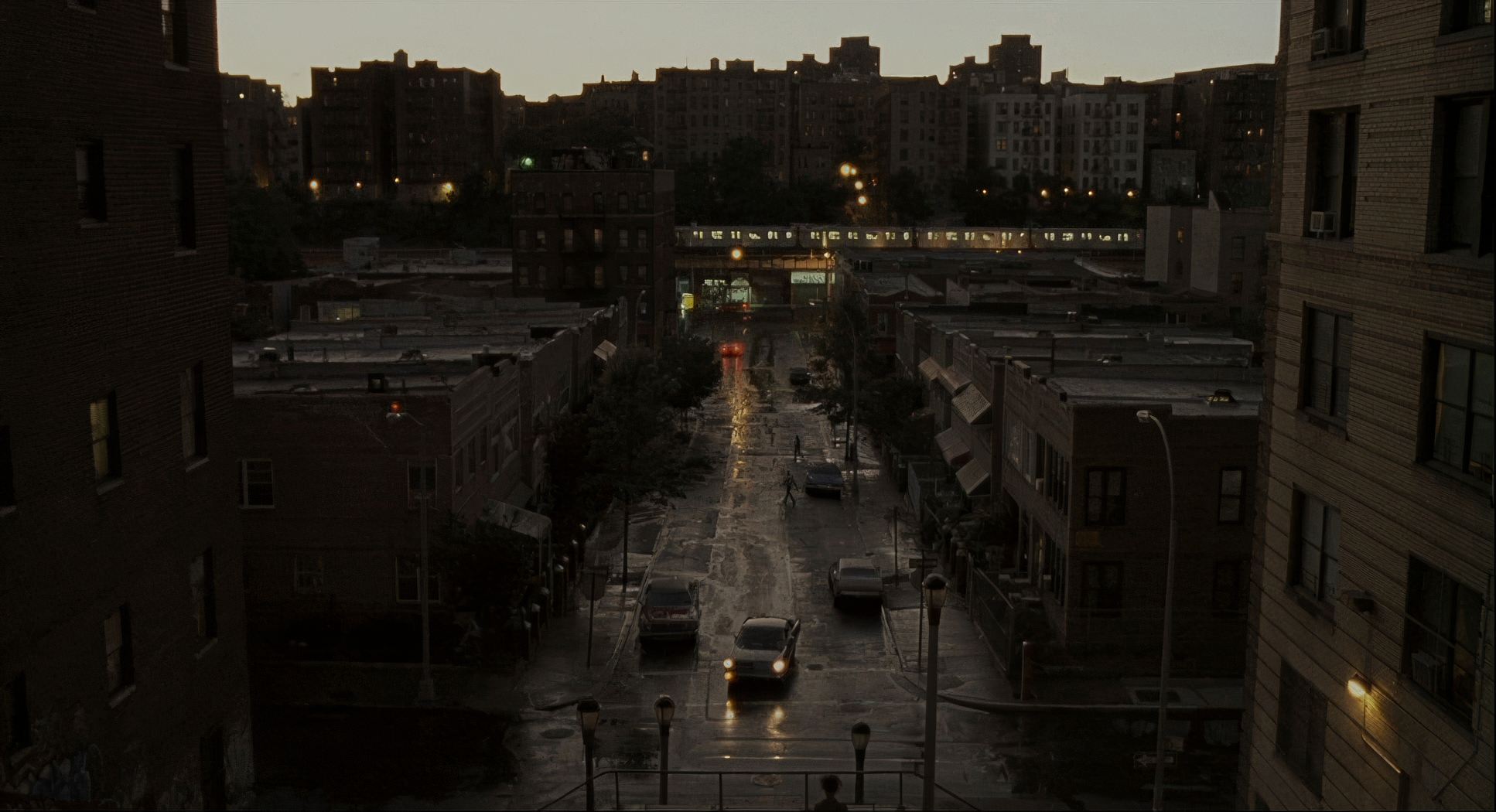
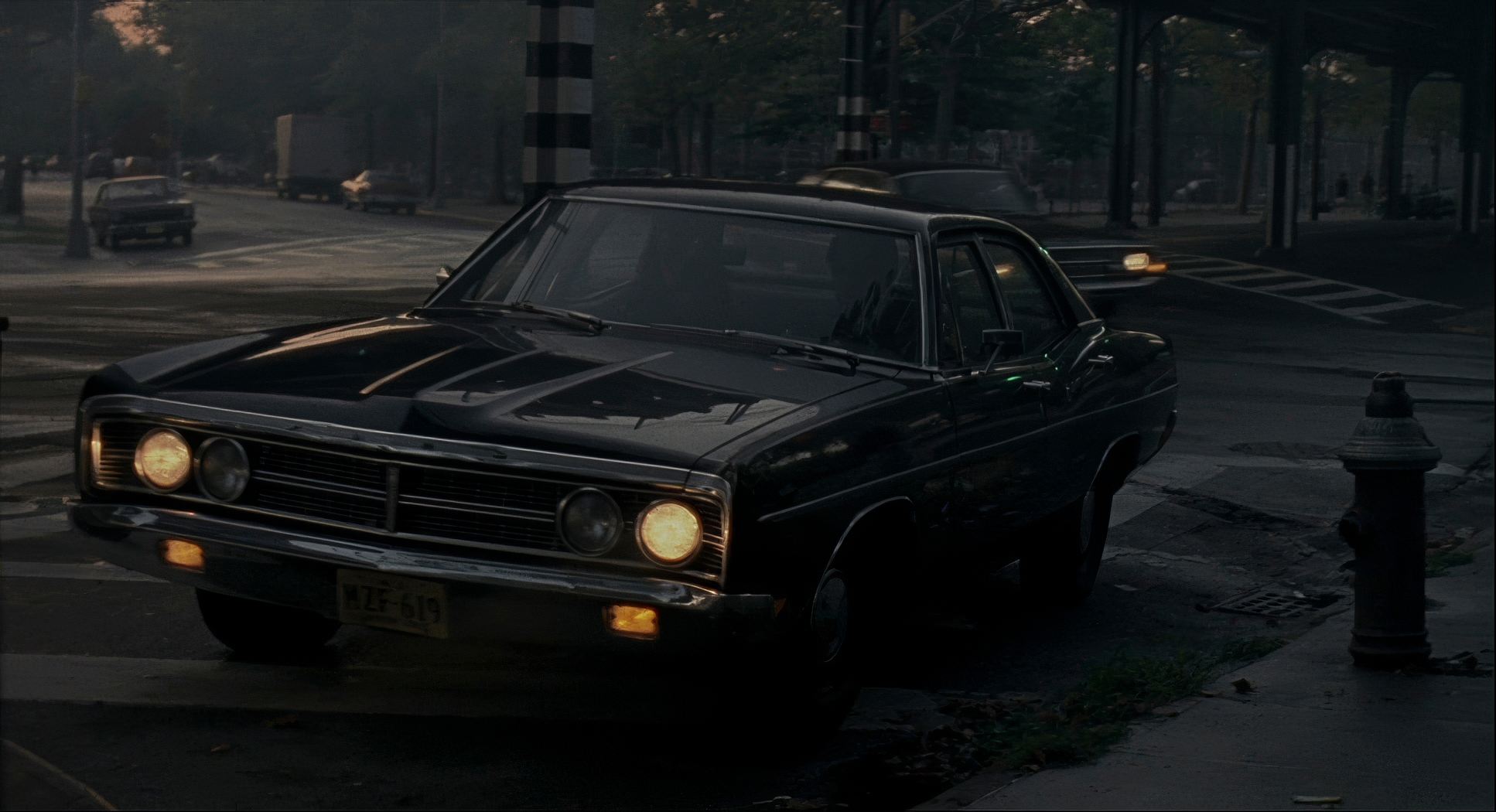
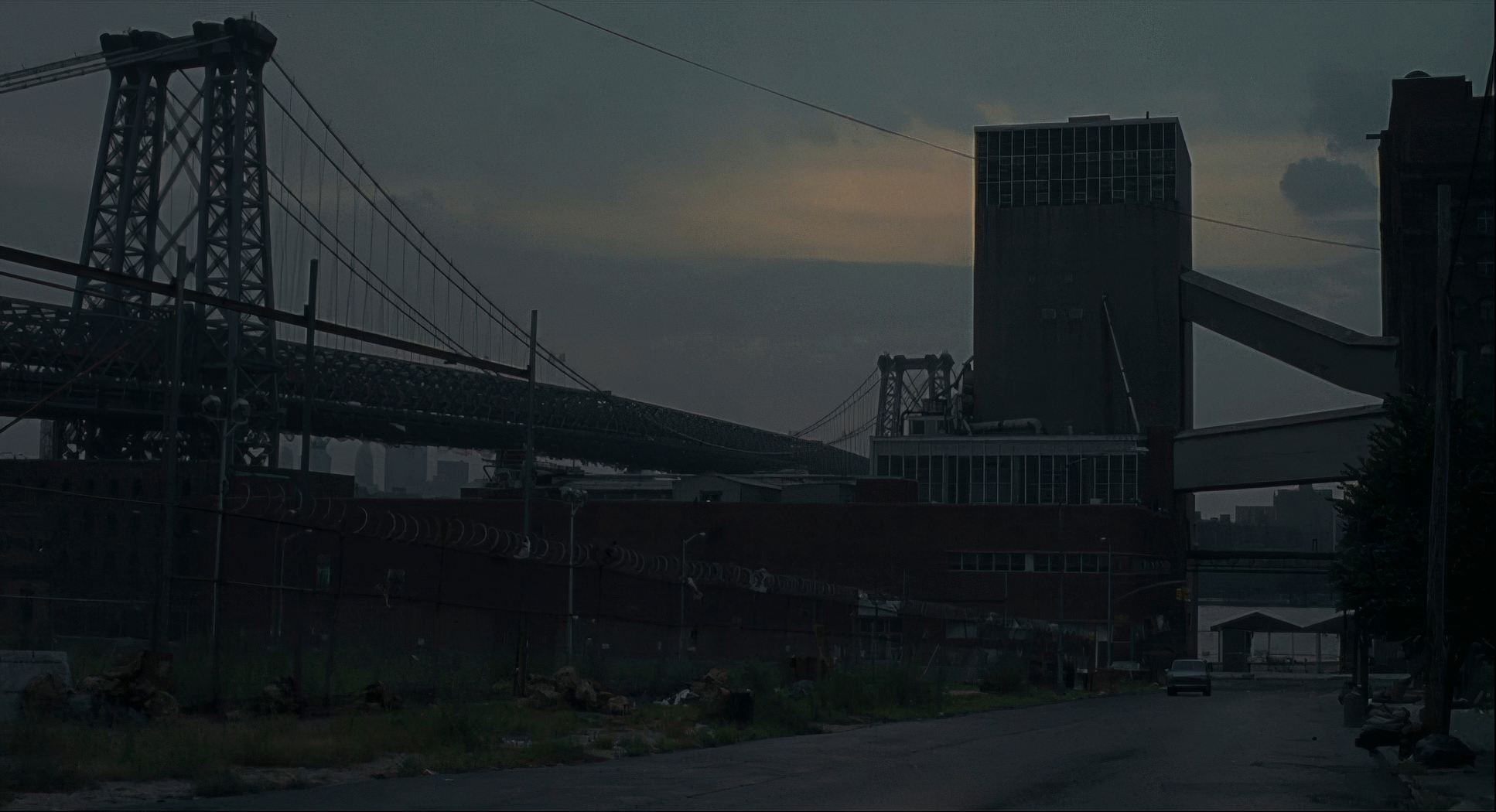
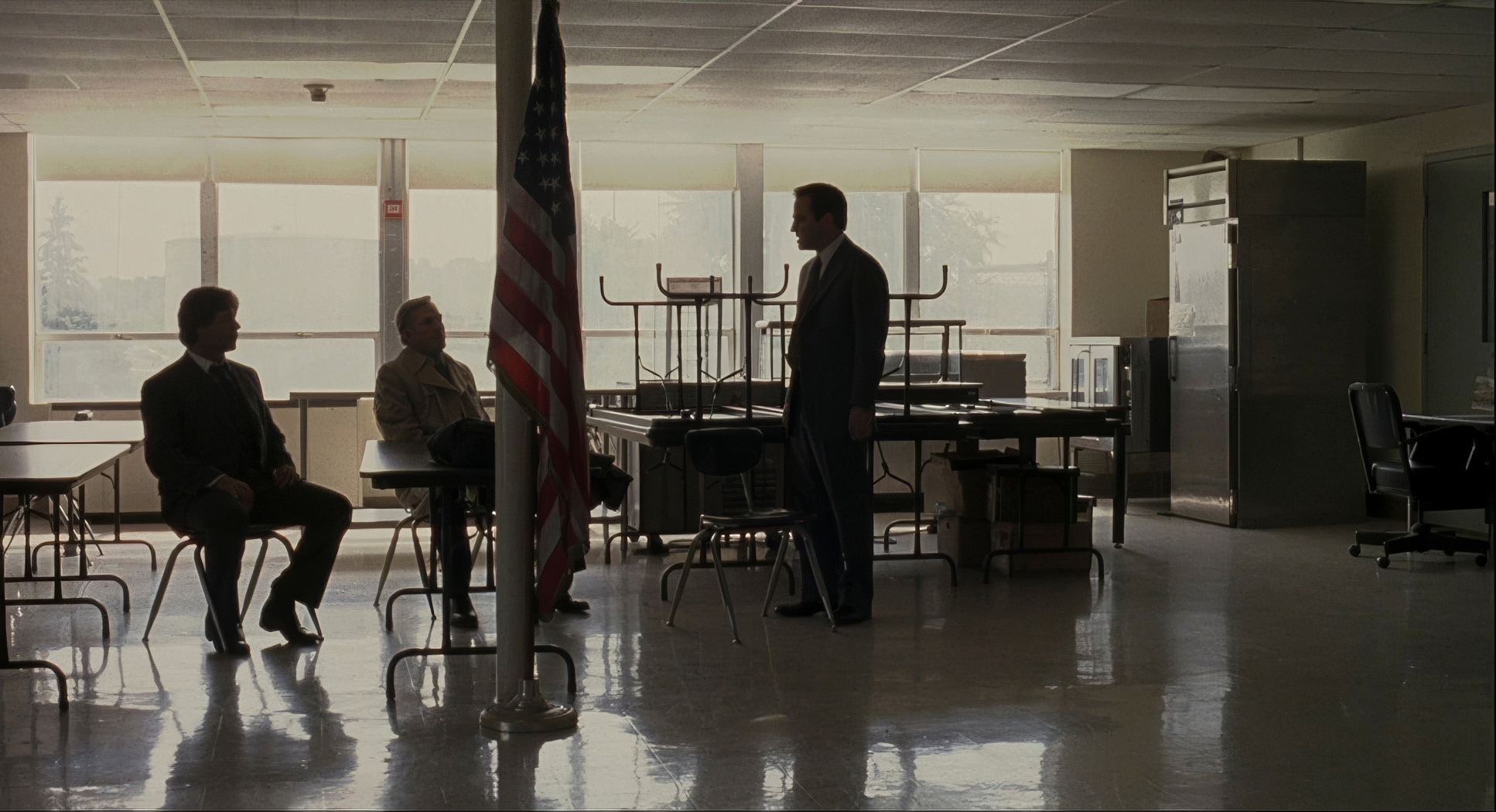
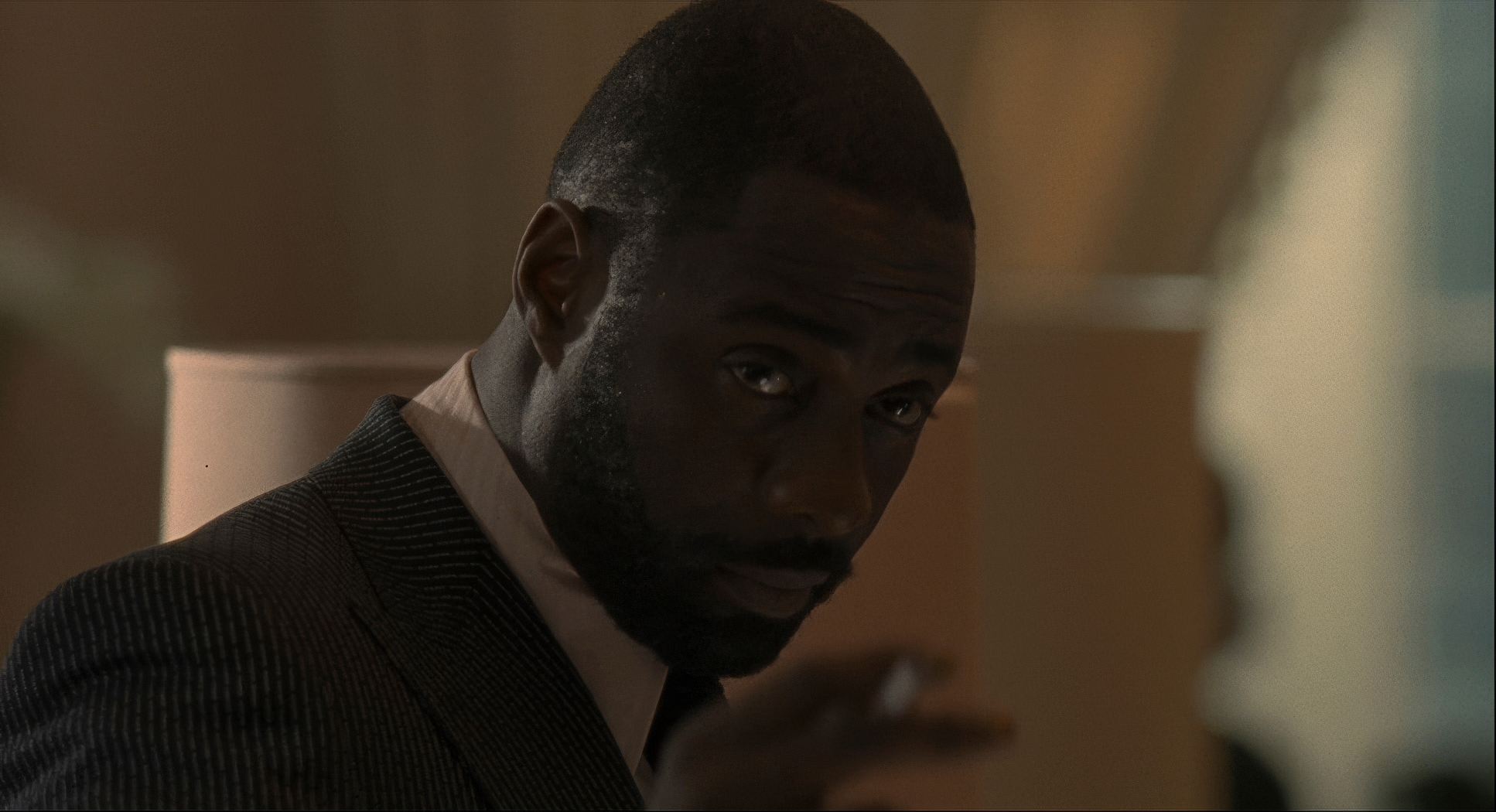
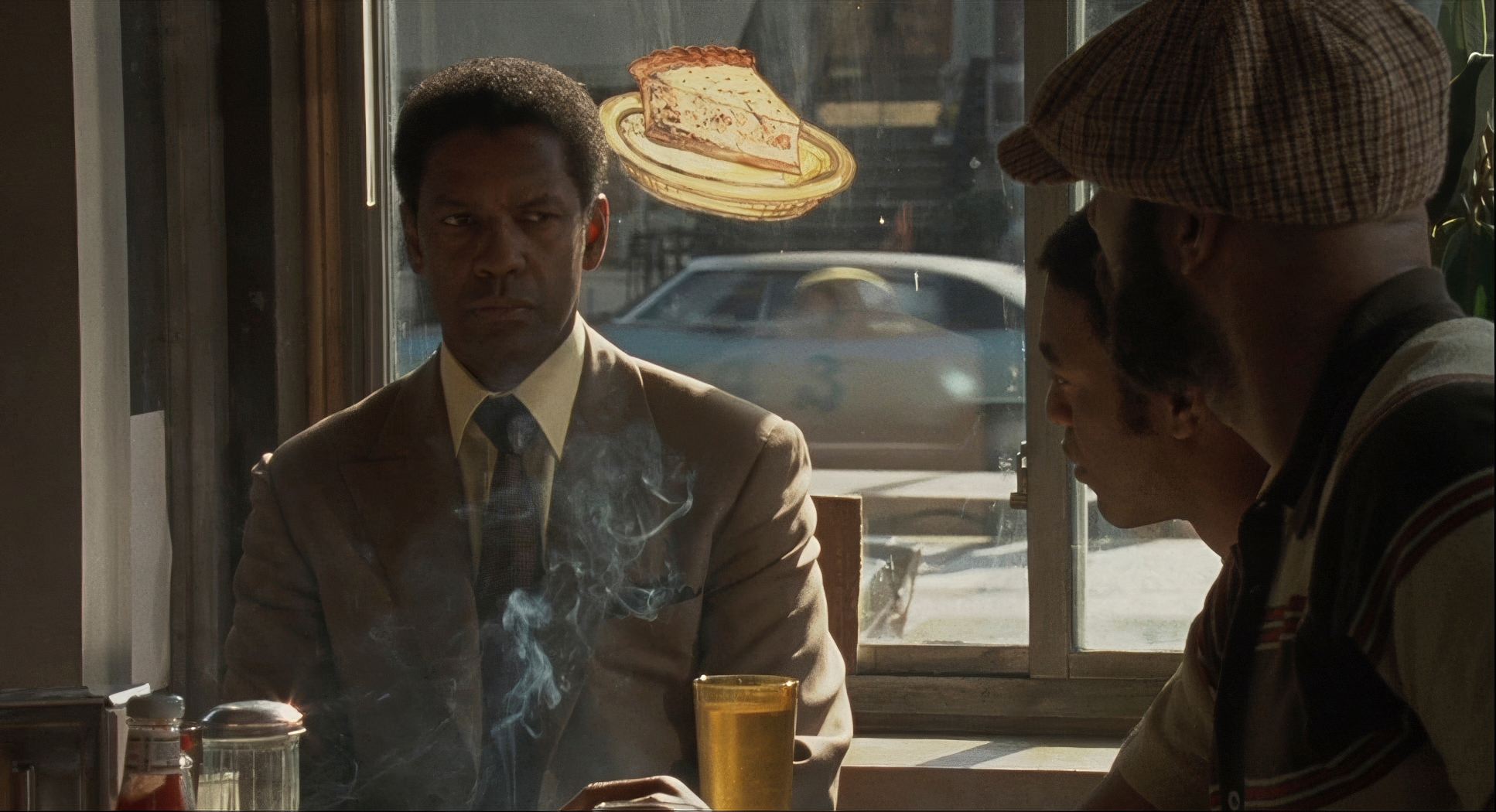
In the urban night scenes, the lighting is high-contrast but “underlit.” Savides wasn’t afraid of the dark. He used deep shadows to convey moral ambiguity, but because of the 5229 stock, those blacks rarely feel “crushed” or empty they have a milky, textured quality that I find much more interesting than pitch-black digital shadows. In Frank’s domestic world, the light gets warmer and softer, creating an aspirational glow that mimics the “American Dream.” However, there’s always a hard edge or a cool shadow nearby, reminding us that this world is built on a foundation of violence. Richie Roberts’s world, by contrast, is often lit with cold, sterile fluorescents, visually trapping him in the bureaucratic grind of the justice system.
Lensing and Blocking
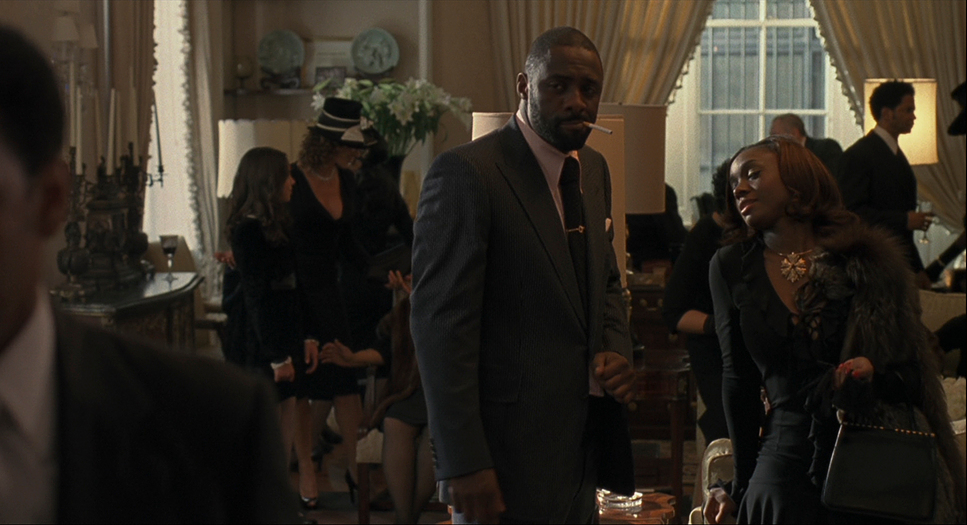
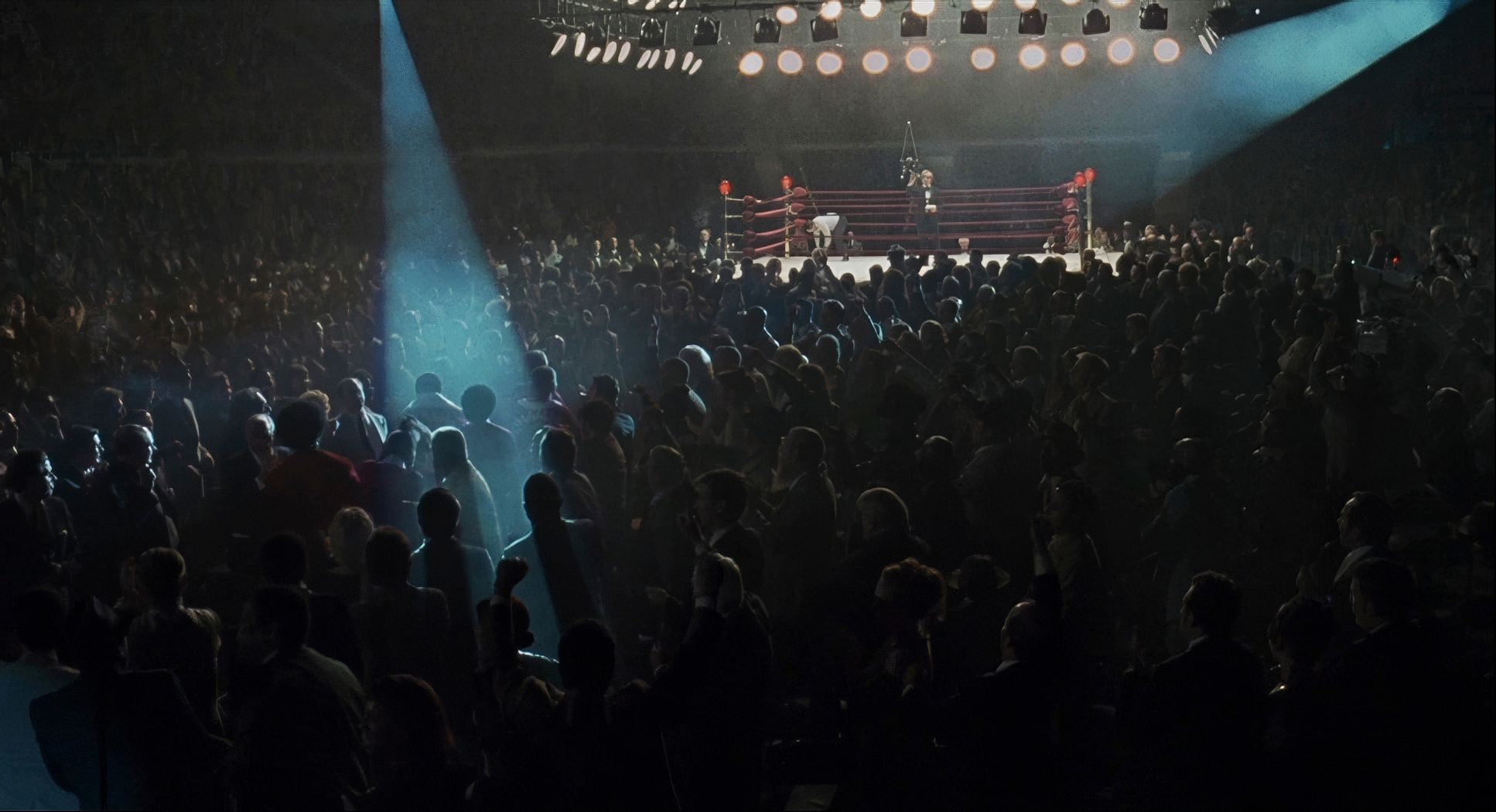
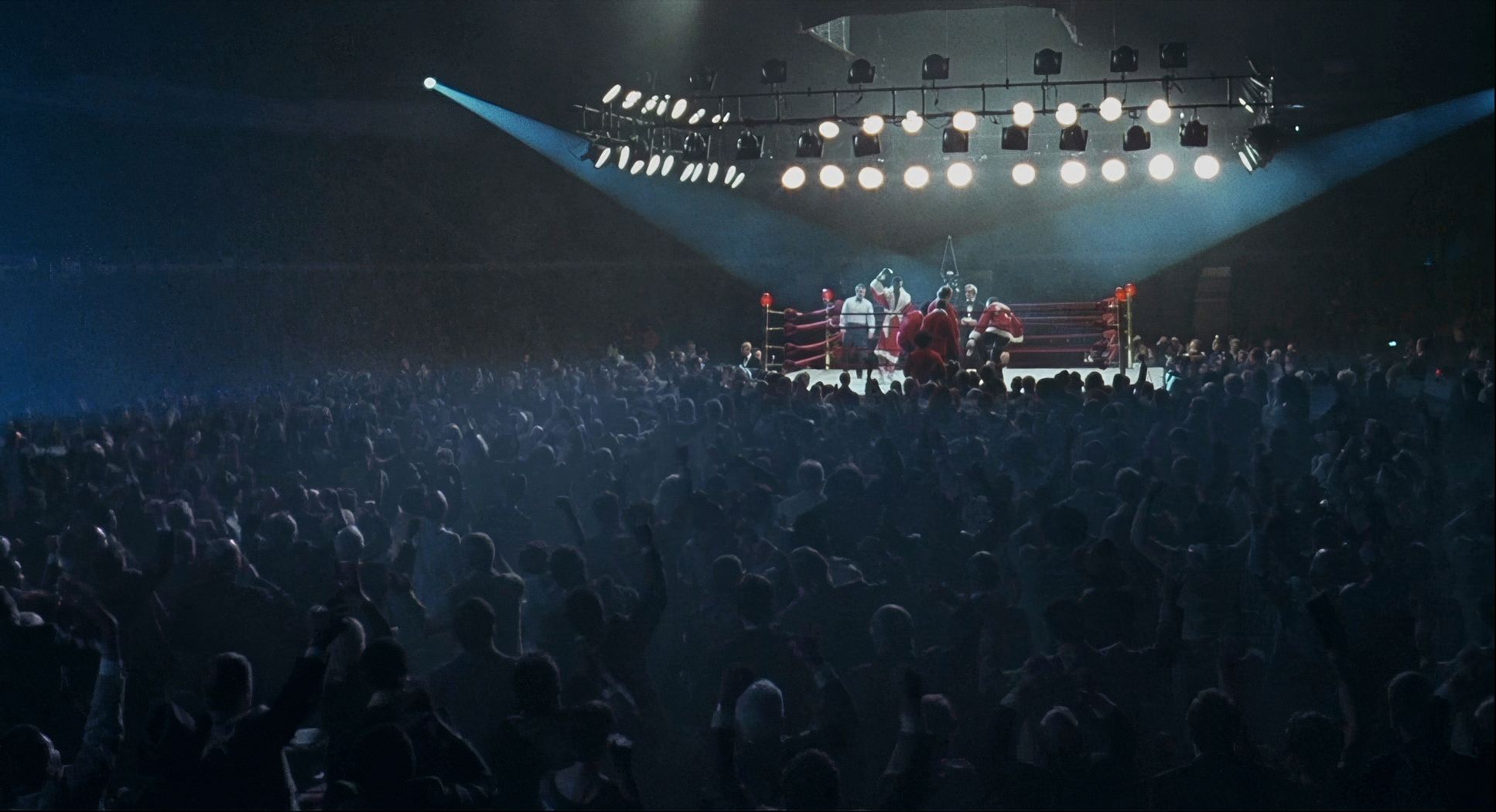
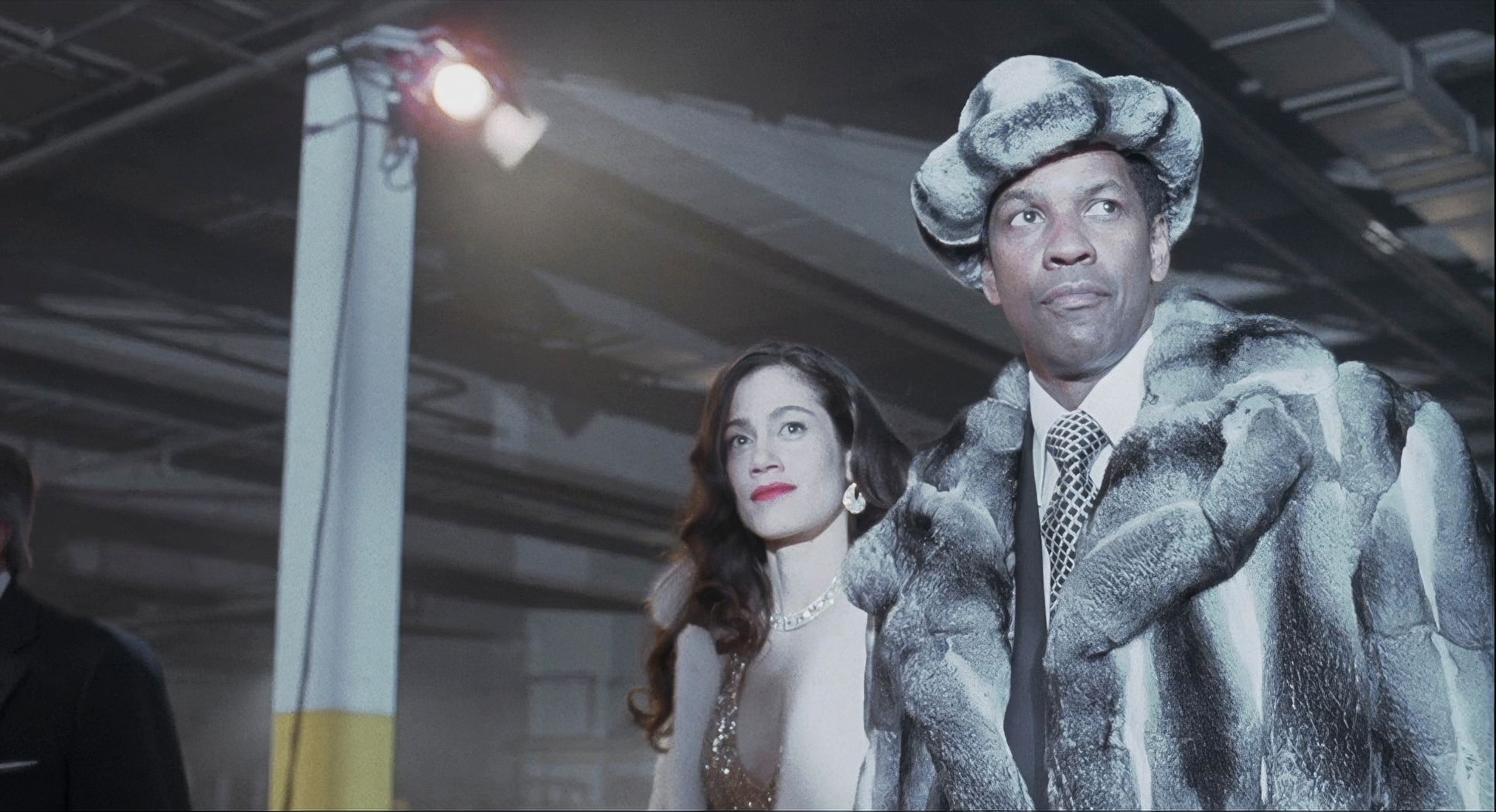
The way Savides used the Cooke S4s and Optimo zooms tells you everything you need to know about the characters. The blocking how the actors are positioned is incredibly intentional. Frank Lucas is usually the center of gravity. Even when he’s “low profile,” he’s framed with a quiet, regal authority. Think of the scene at the boxing match where he wears the “loud” fur coat. He’s framed to stand out against the crowd, visually marking the moment he breaks his own rules and starts his downfall.
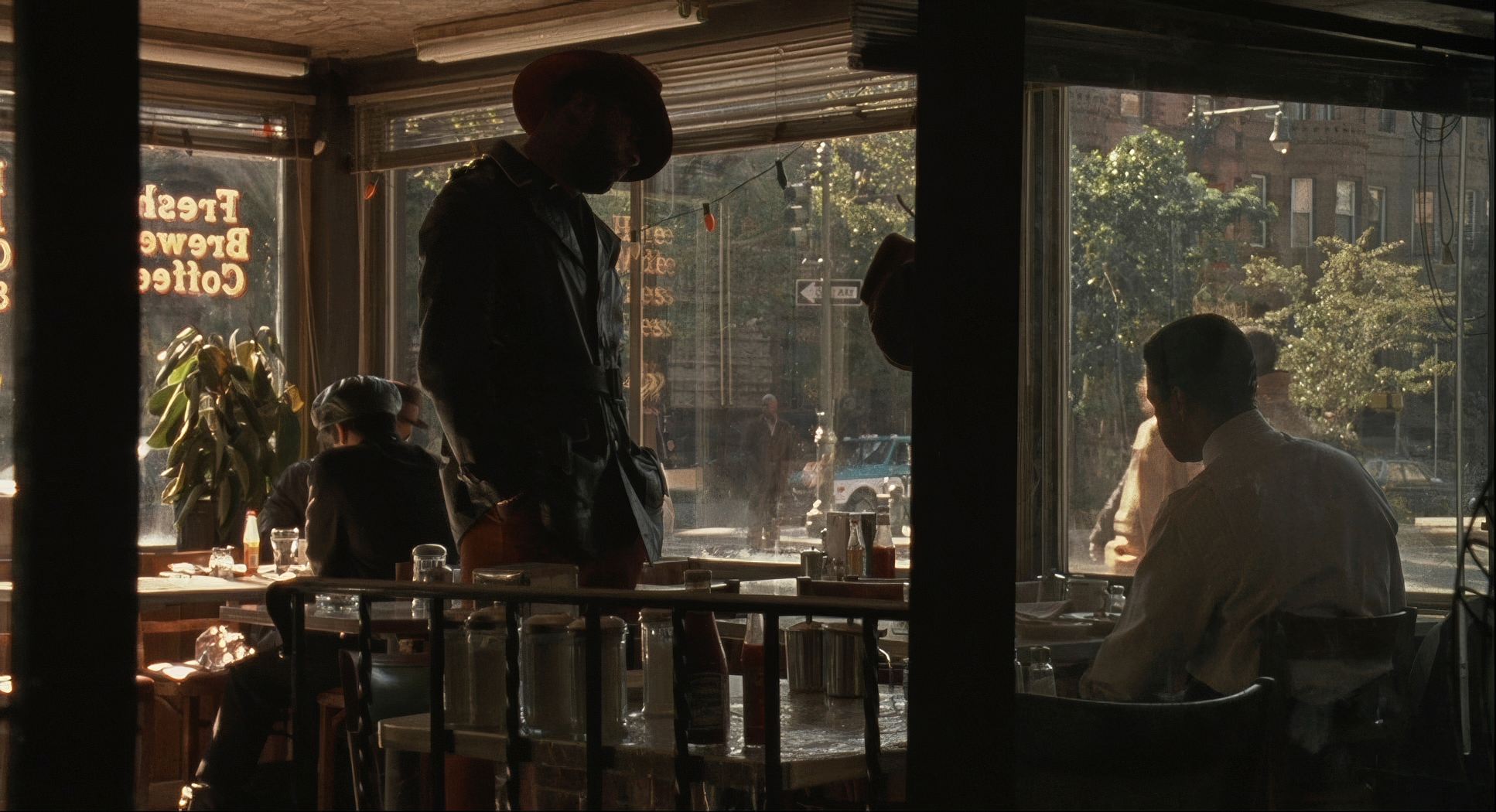
Richie Roberts, however, is often blocked in a state of reactive movement. We see him through “obstacles” bars, glass, or other people symbolizing the corruption he’s trying to punch through. The use of depth of field is also key; Savides uses shallow focus sparingly to isolate characters during moments of internal crisis, while using deeper focus for scenes like the drug-bagging apartment to show the massive scale of Frank’s operation.
Camera Movements
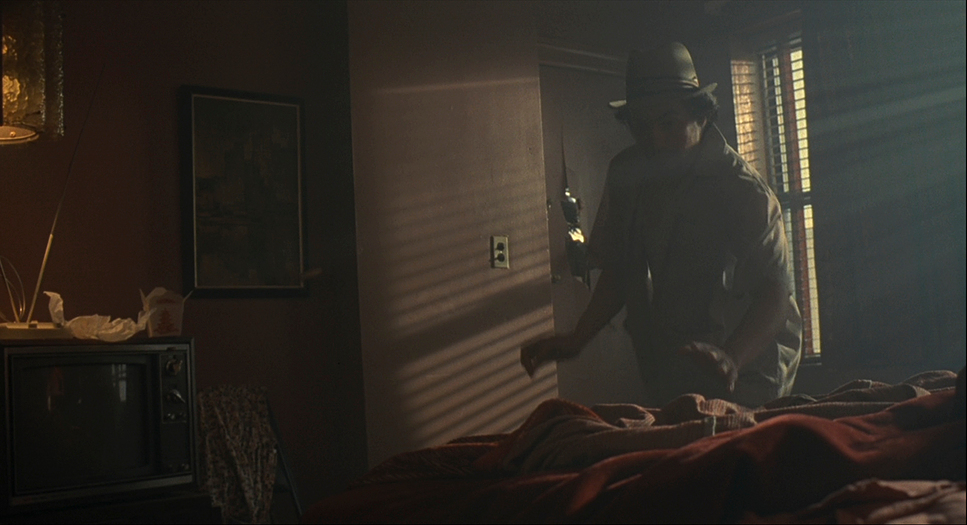
In American Gangster, the camera doesn’t move unless it has a reason to. There’s no “camera for the sake of a cool shot” here. When the camera follows Frank, the tracking is smooth and deliberate, echoing his methodical nature. He surveys his domain, and the camera moves with the confidence of a king.
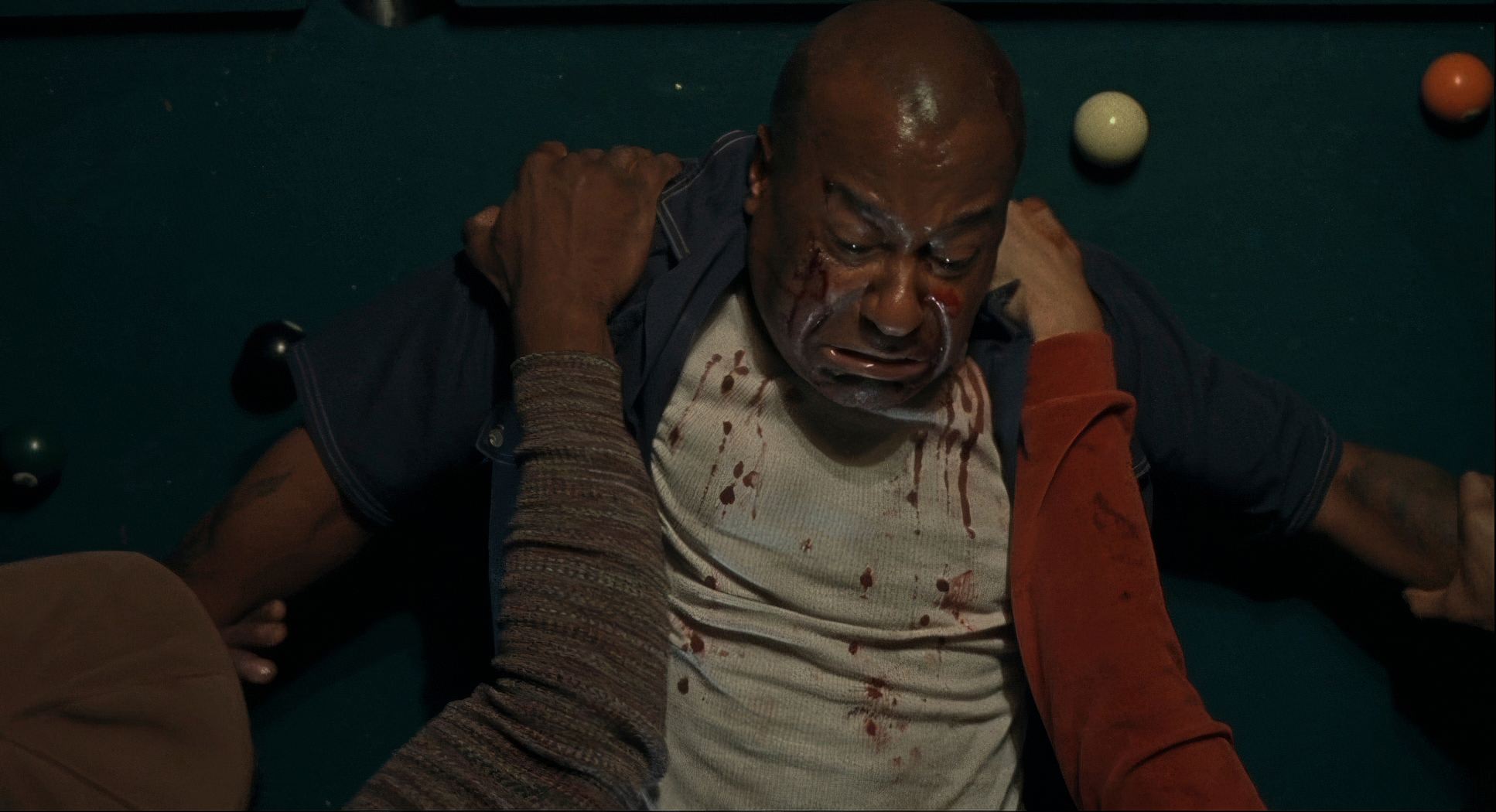
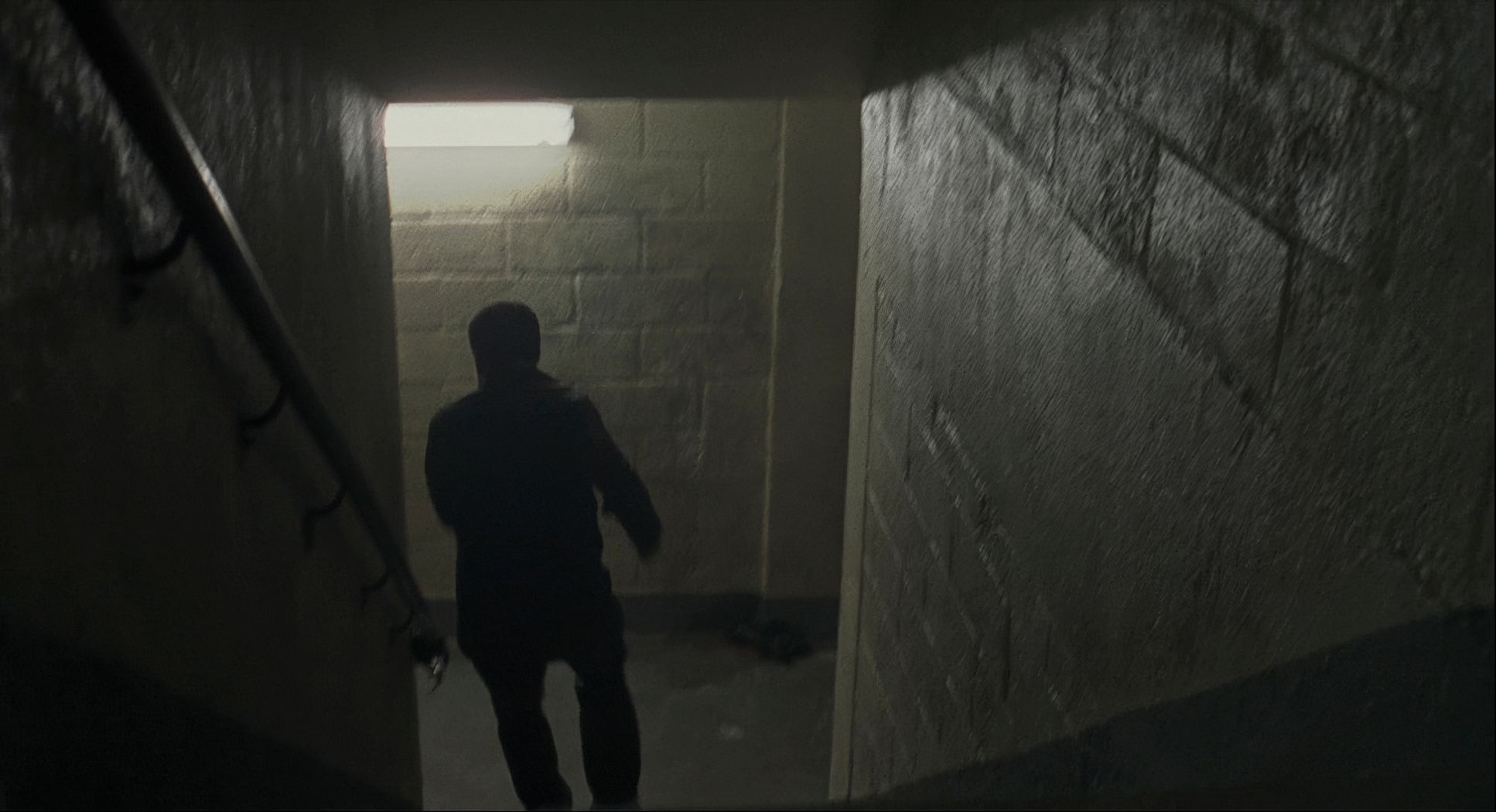
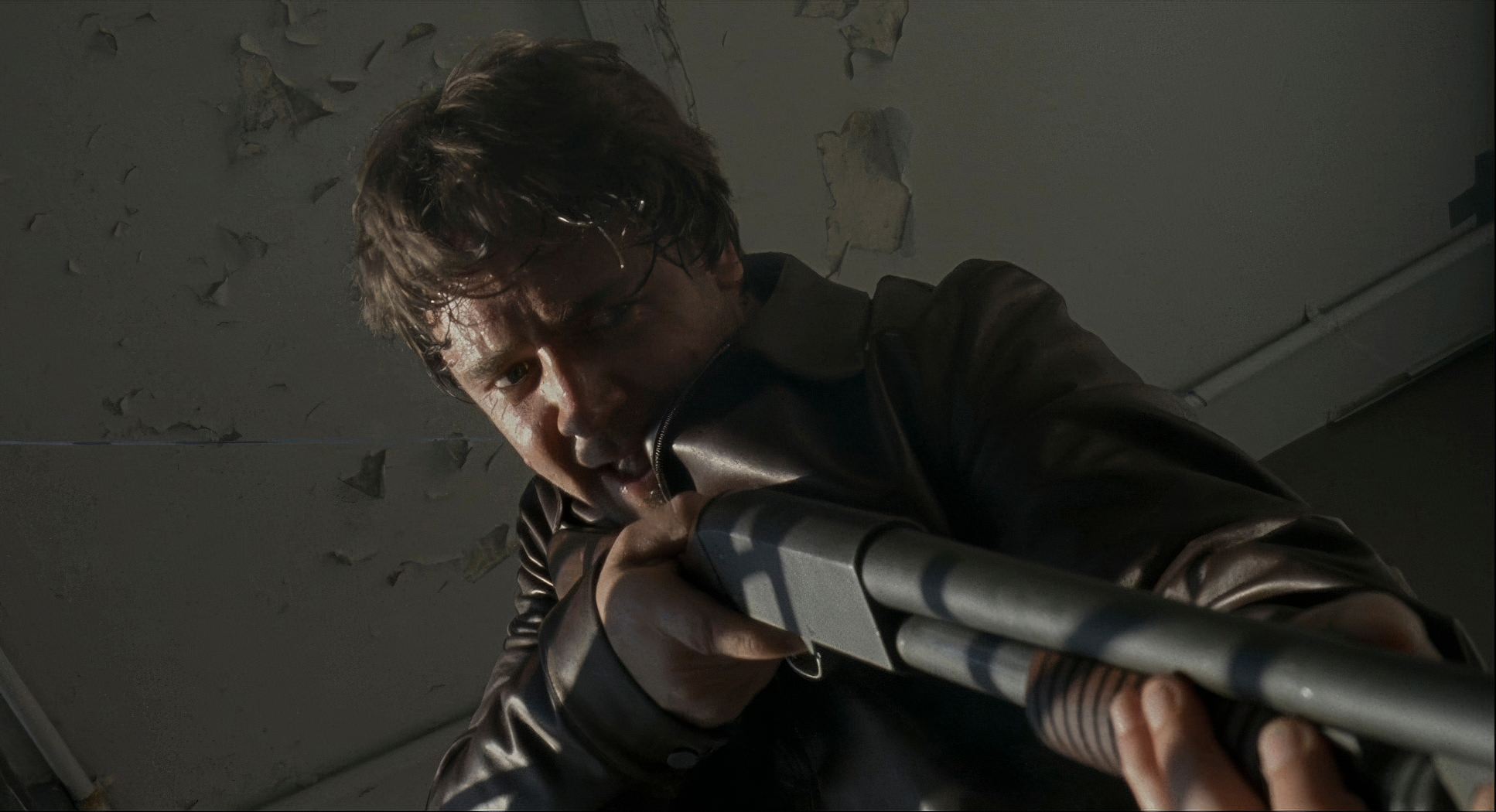
Then, you have the raids. During the drug apartment shootout, the camera becomes frantic and handheld. It’s visceral it feels like a documentary crew got caught in a war zone. This shift from controlled “dolly” shots (like Frank showing his mother her mansion) to chaotic handheld work creates a clear visual distinction: Frank’s world is one of calculated control, while the world of the police and the streets is one of unpredictable chaos.
Compositional Choices
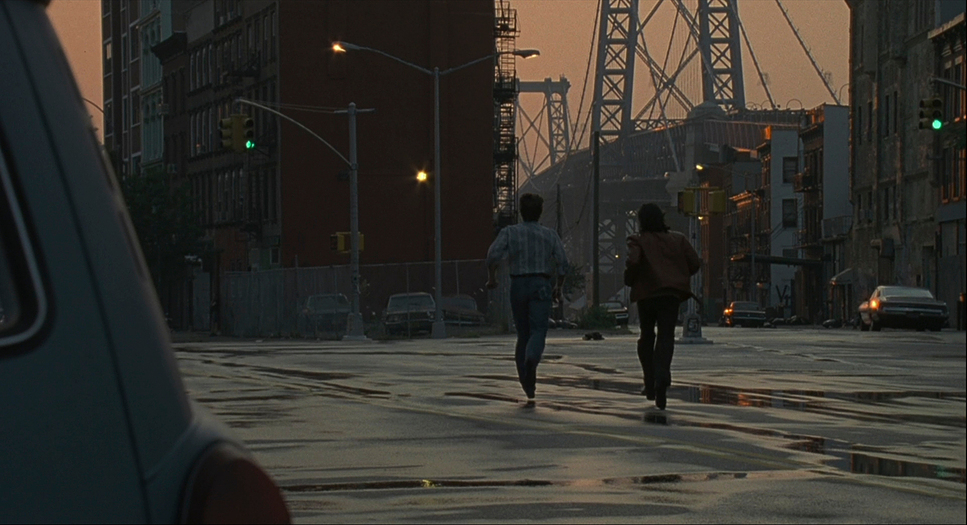
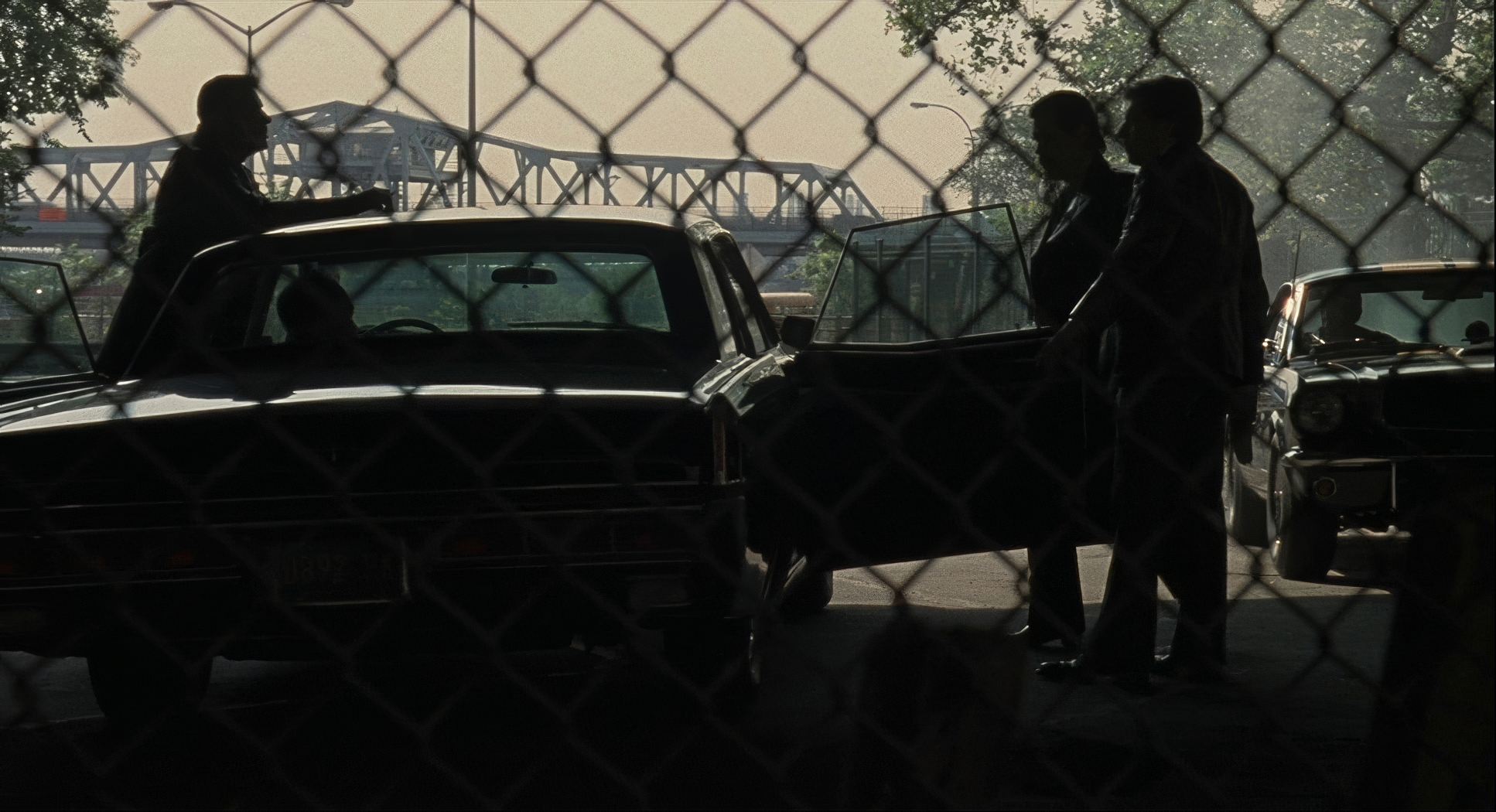
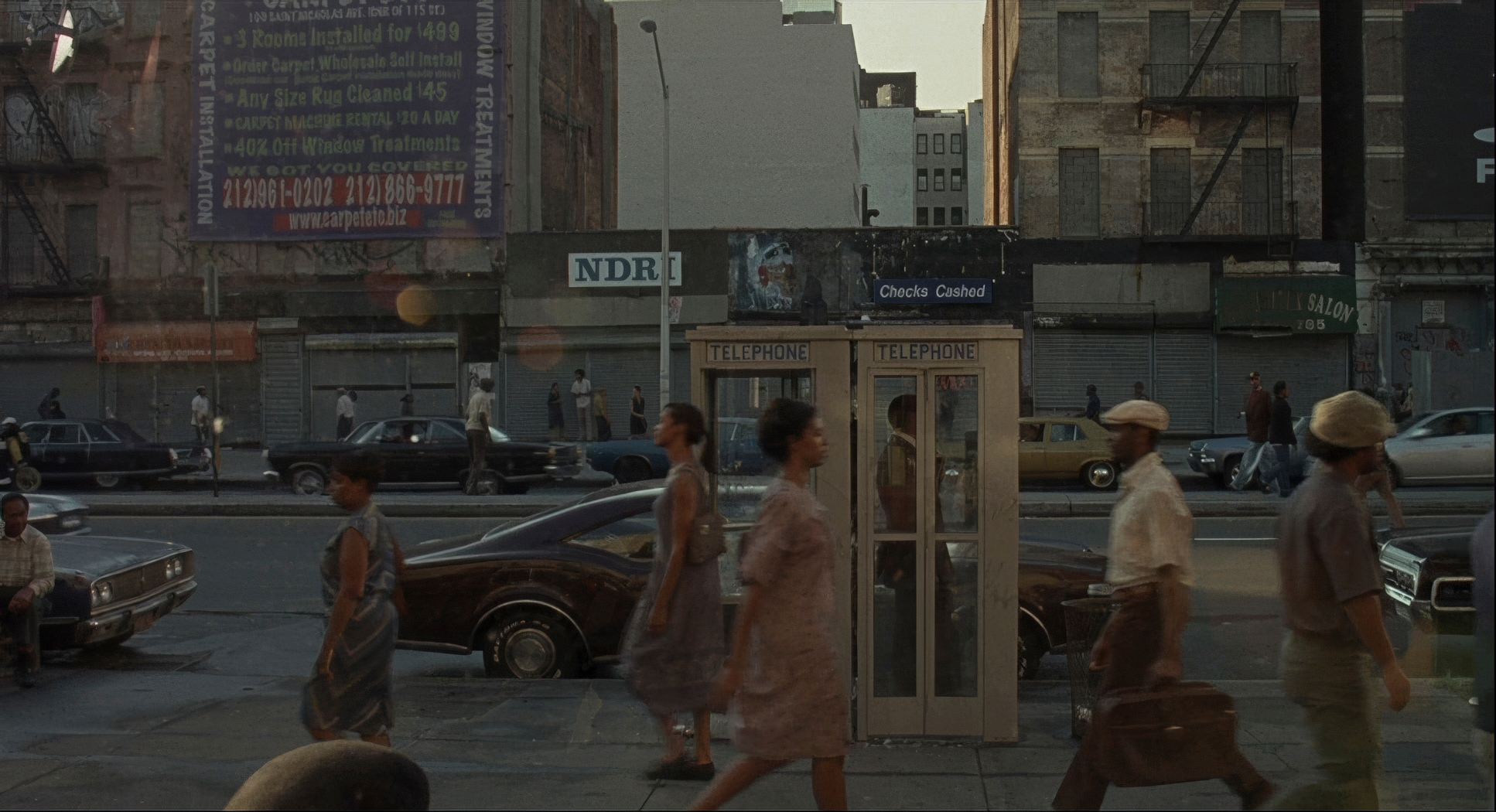
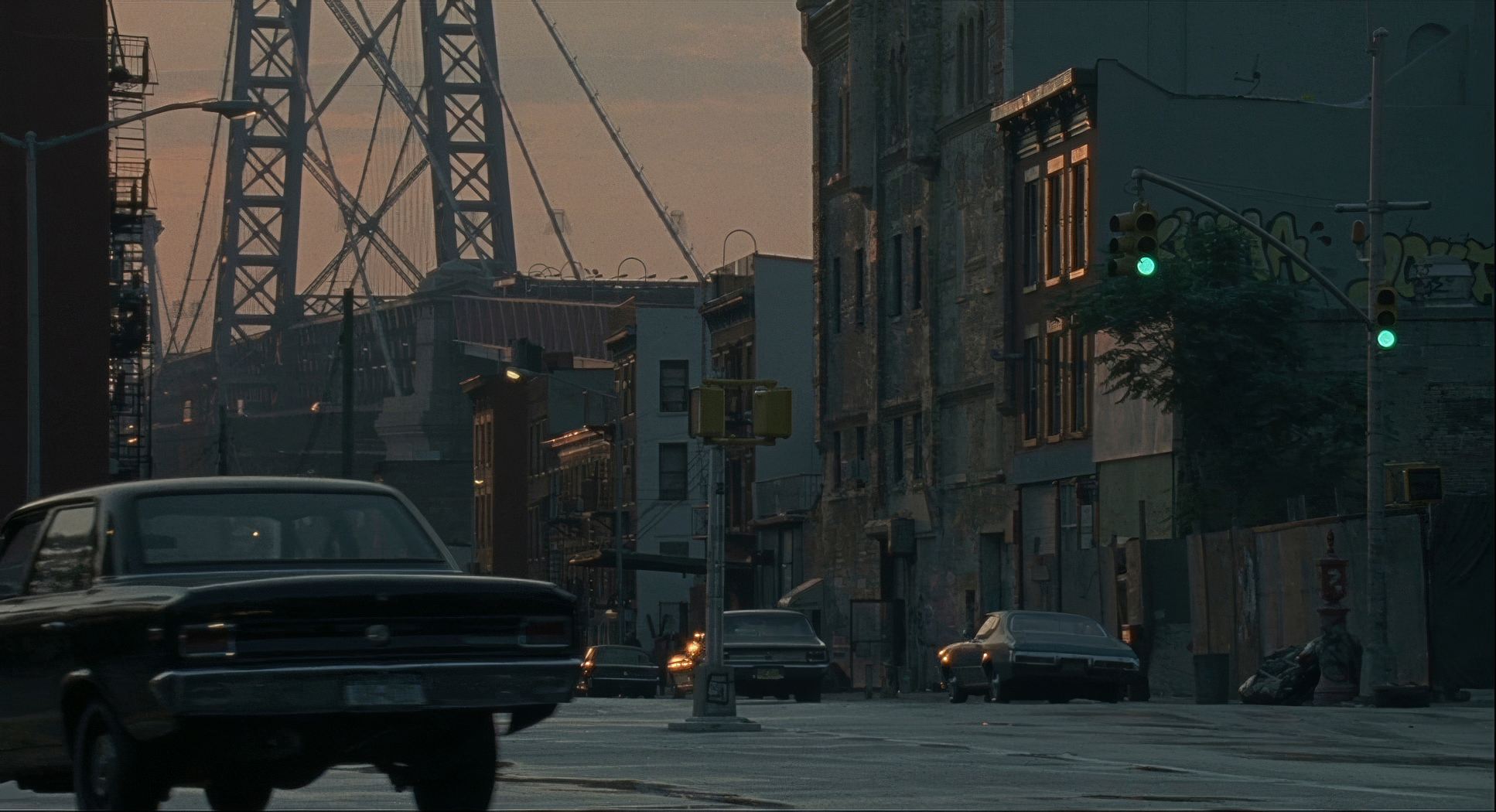
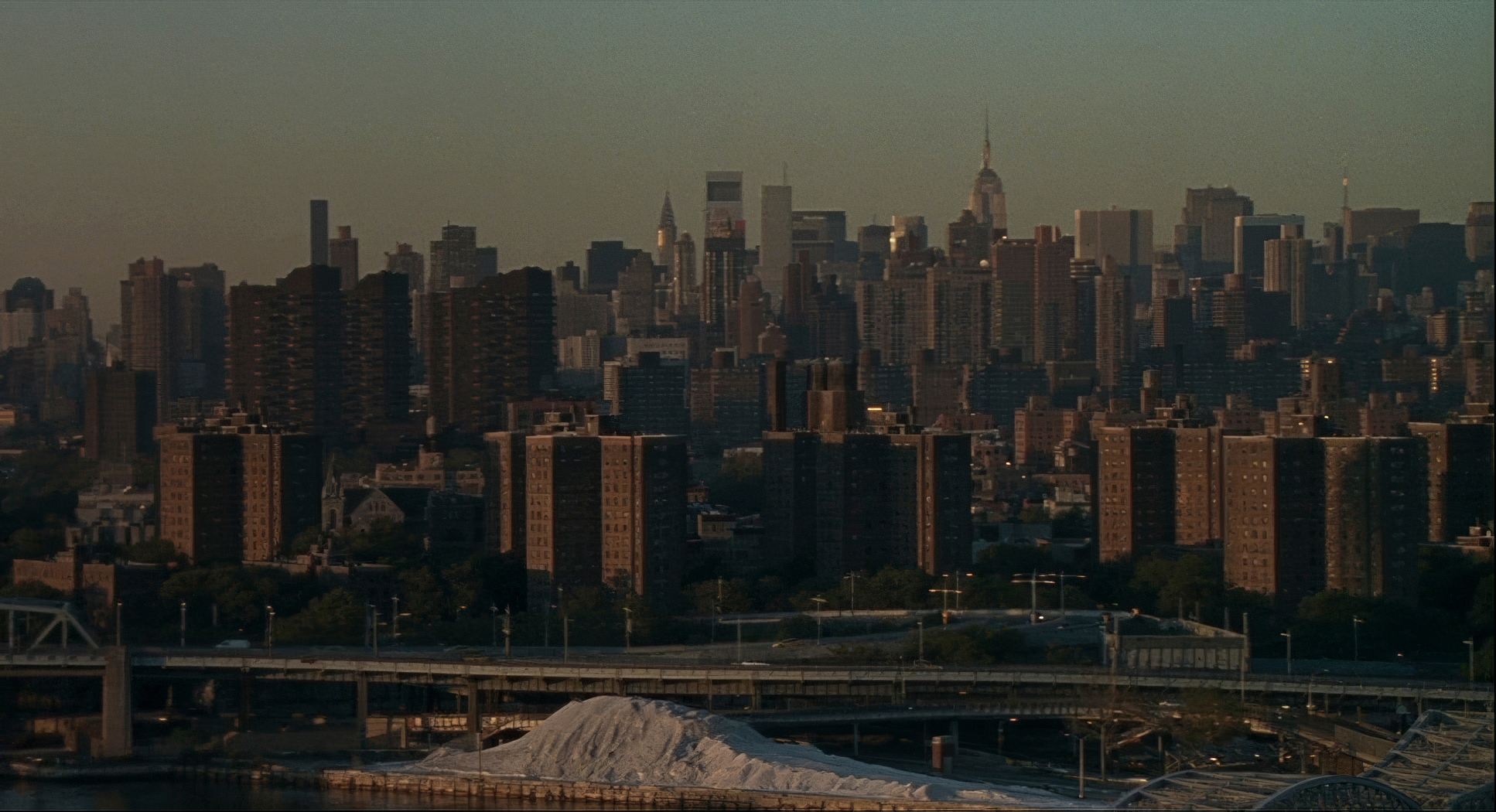
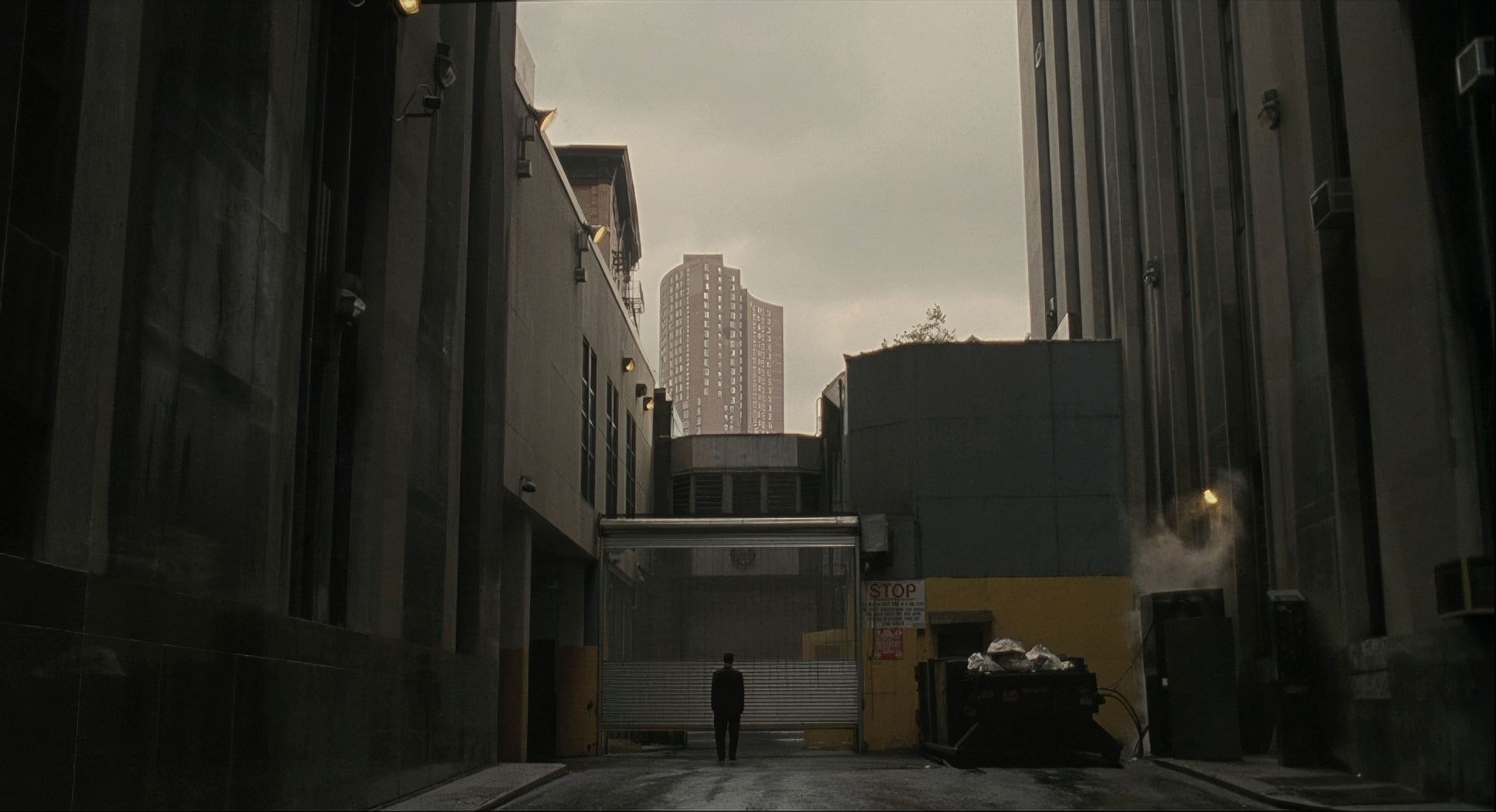
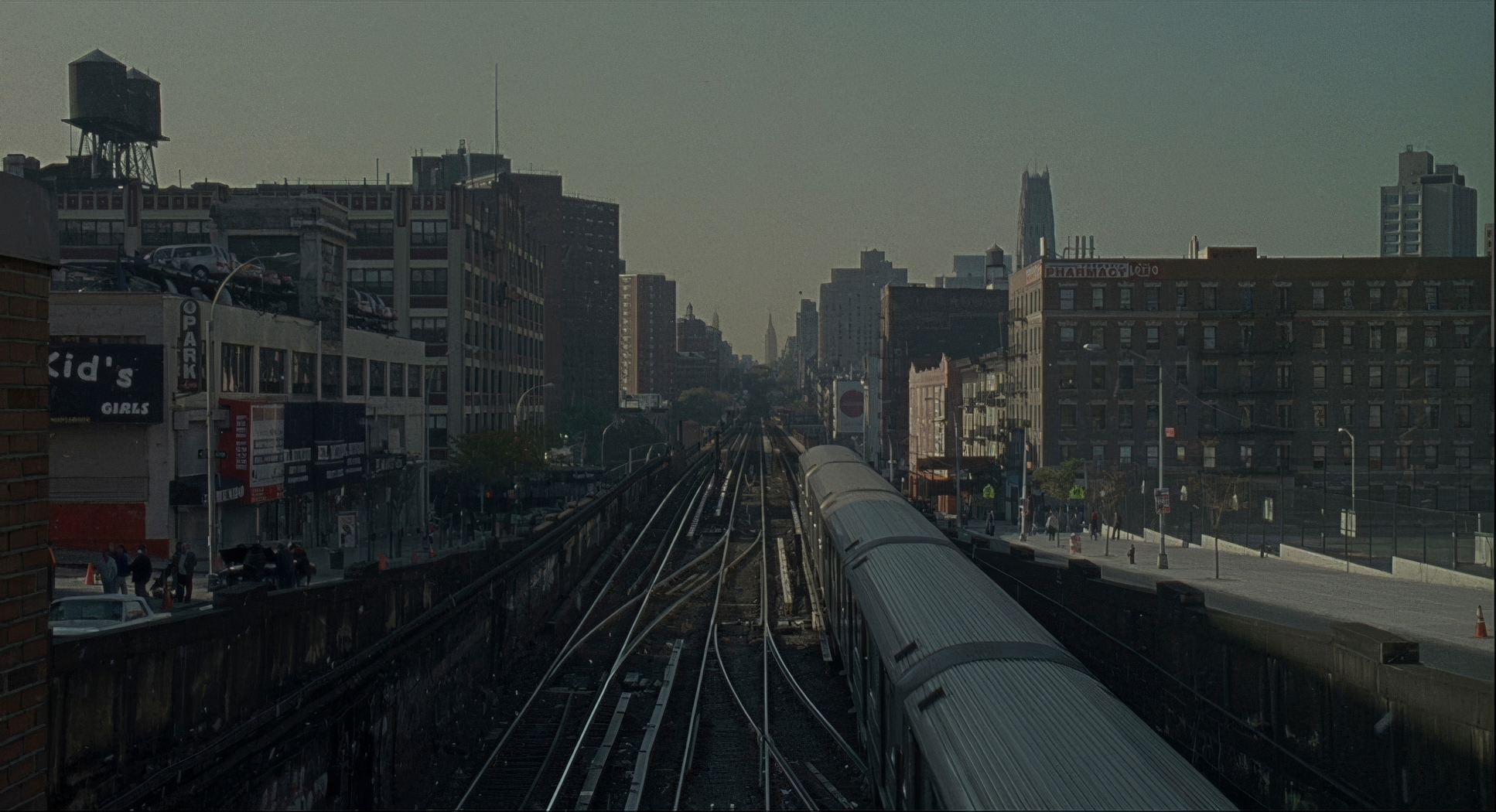
The 1.85 aspect ratio is used to its full potential here. Savides uses wide shots to establish the grimy canvas of New York, but the compositions stay tight on the characters’ faces when the stakes get high. As a colorist, I notice how the compositions handle “negative space.” There’s a lot of “weight” in the frames the city feels like it’s pressing in on the characters.
Richie is often framed off-center, emphasizing his status as an outsider even within the police force. Frank is frequently framed in “balanced” compositions that suggest he is the master of his environment. These choices aren’t just about looking good; they’re about telling us who has the power in any given scene without a single line of dialogue.
Color Grading Approach
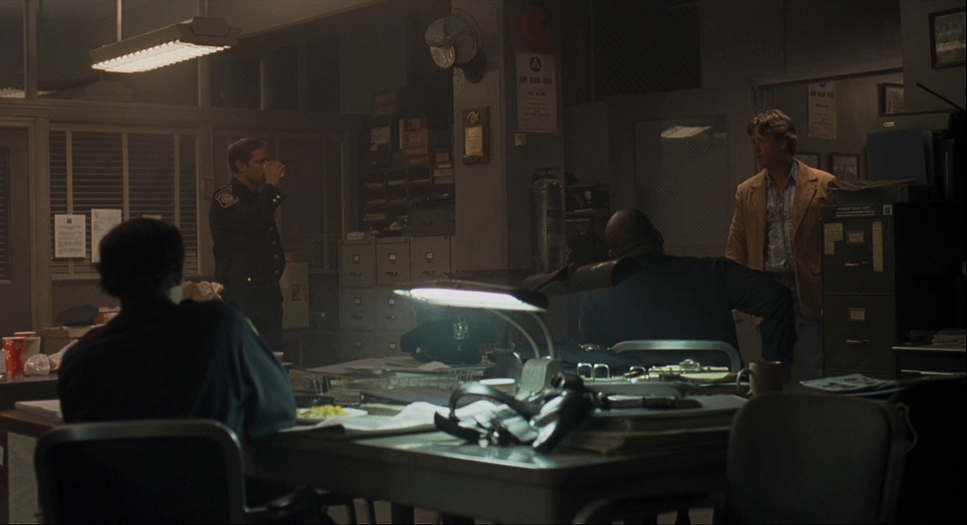
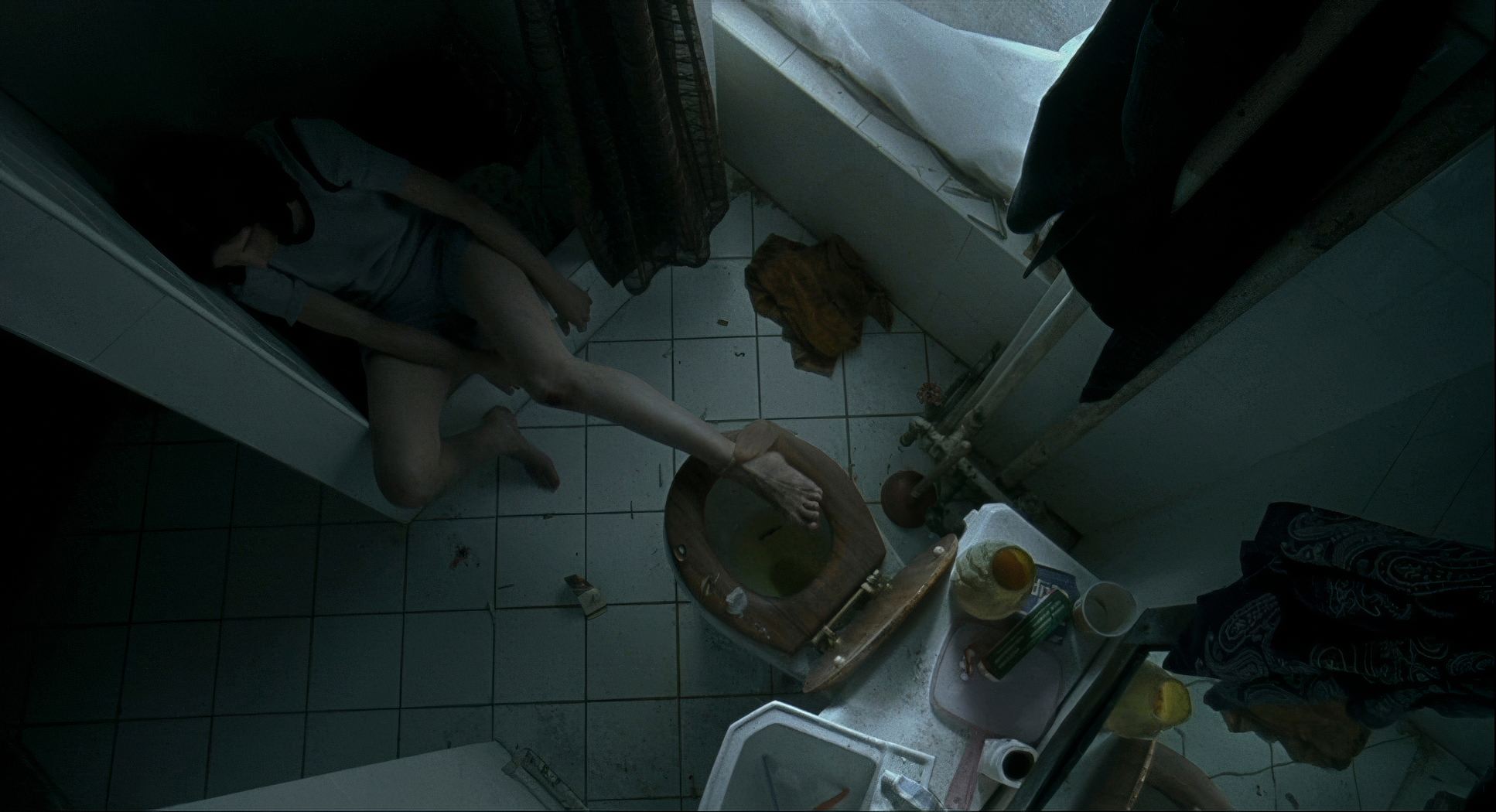
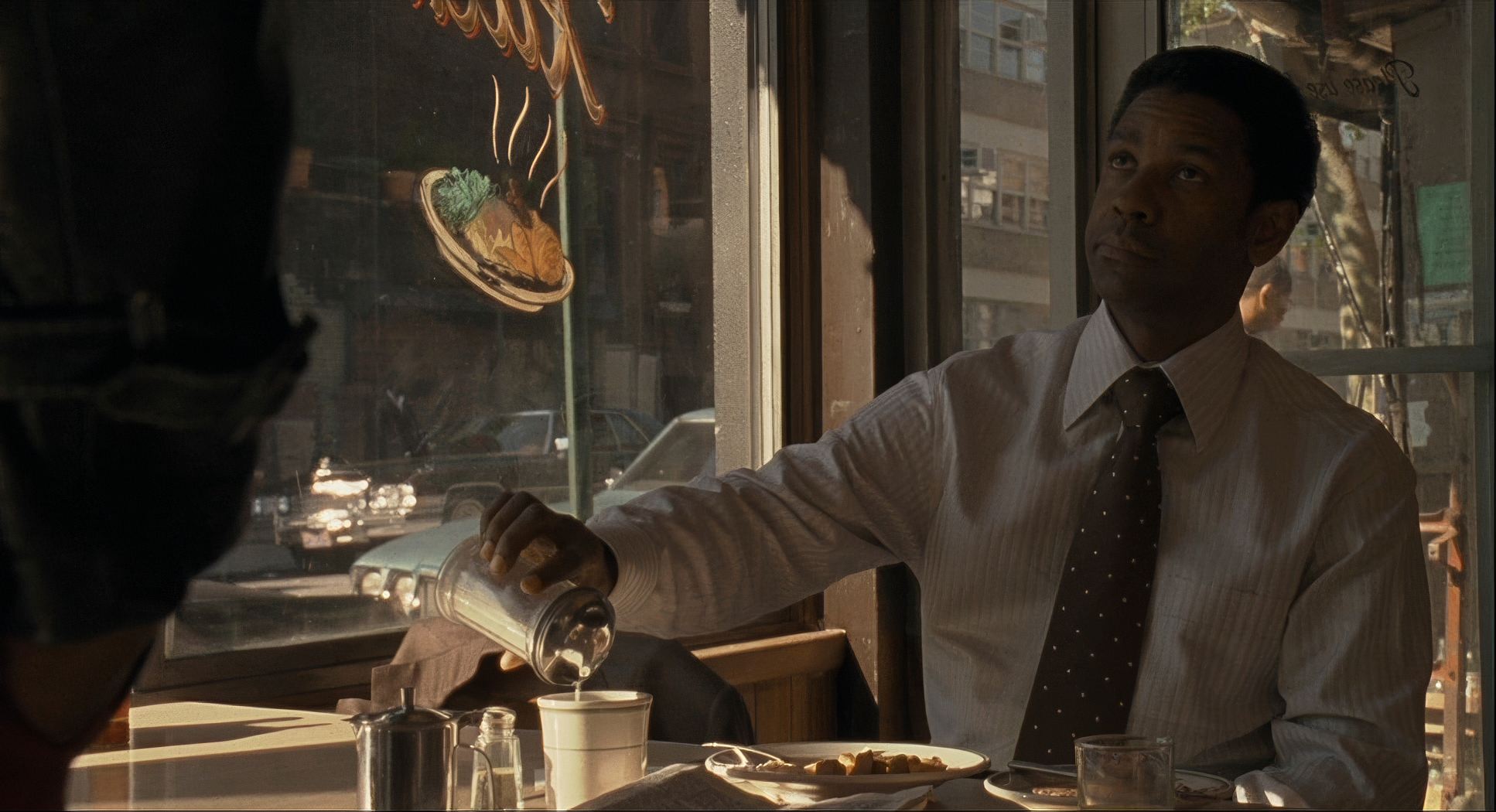
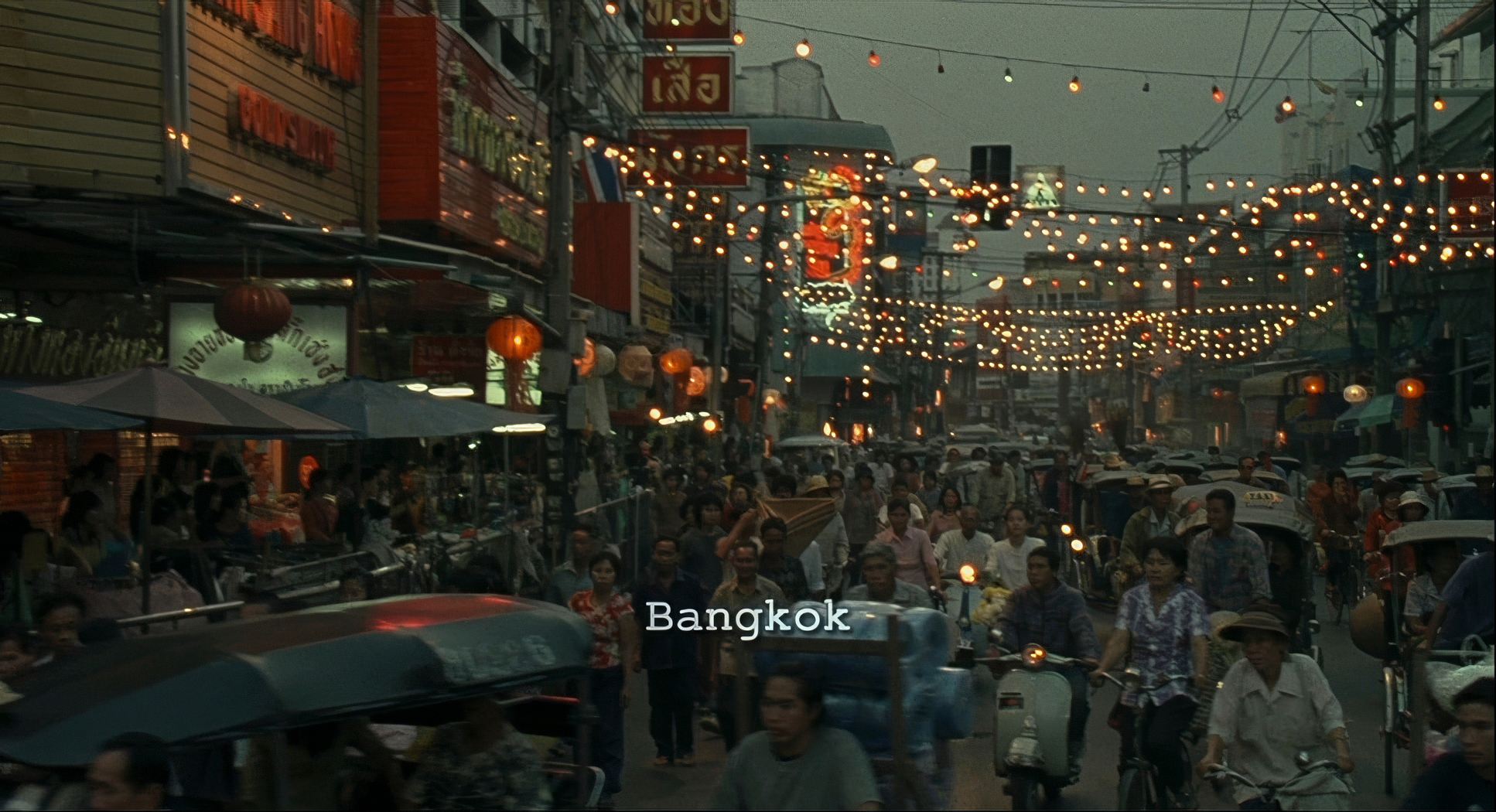
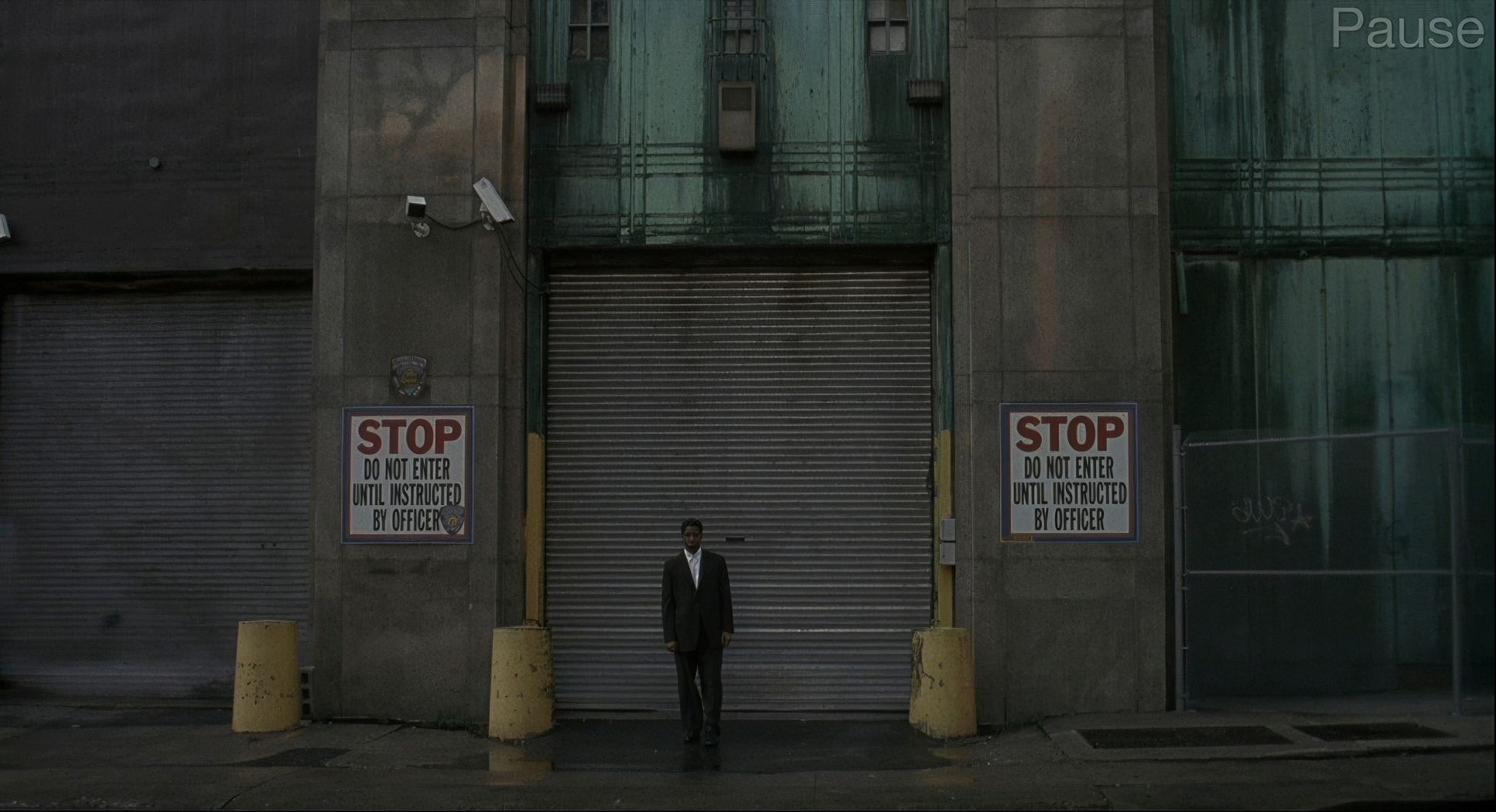
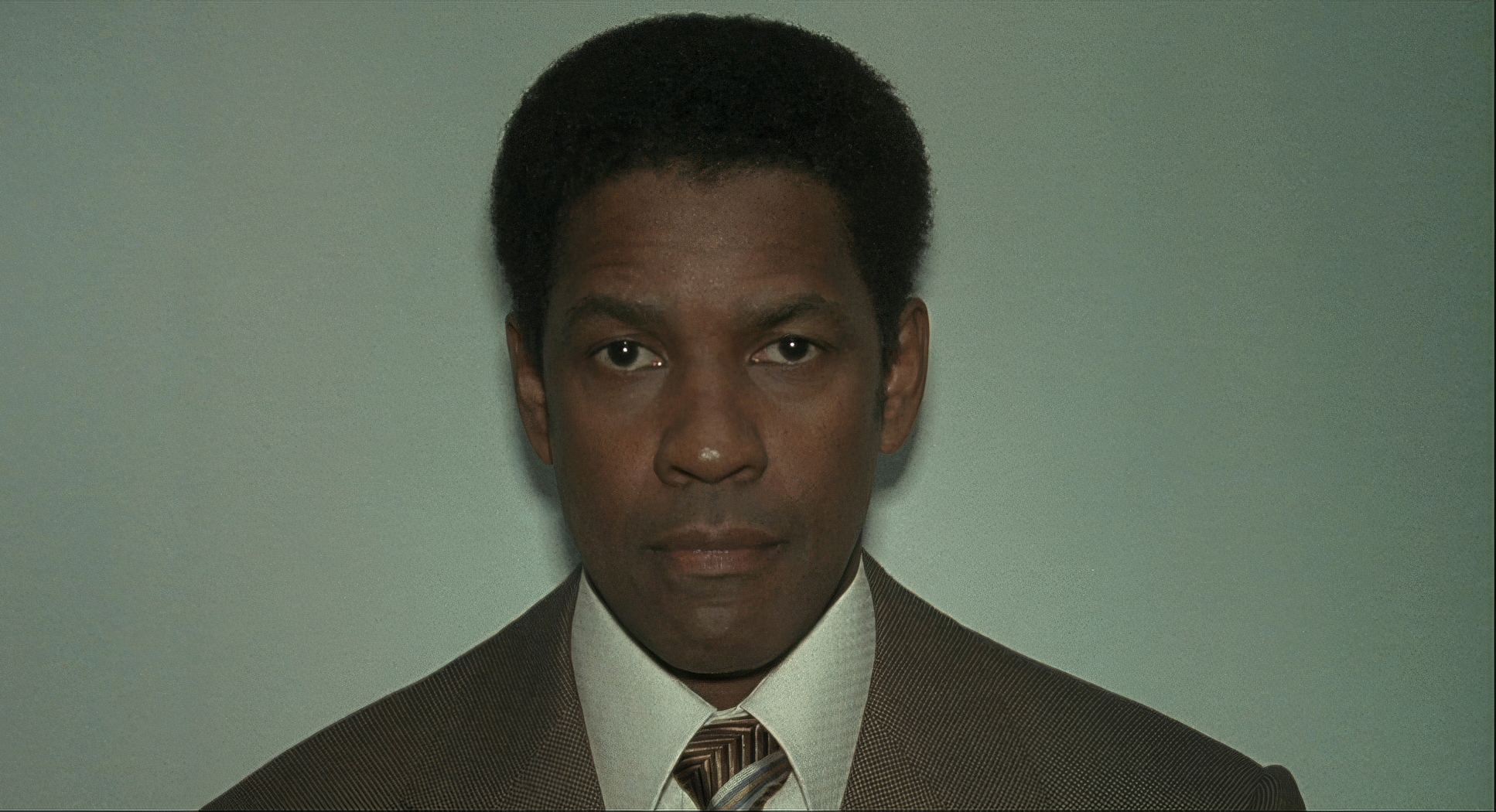
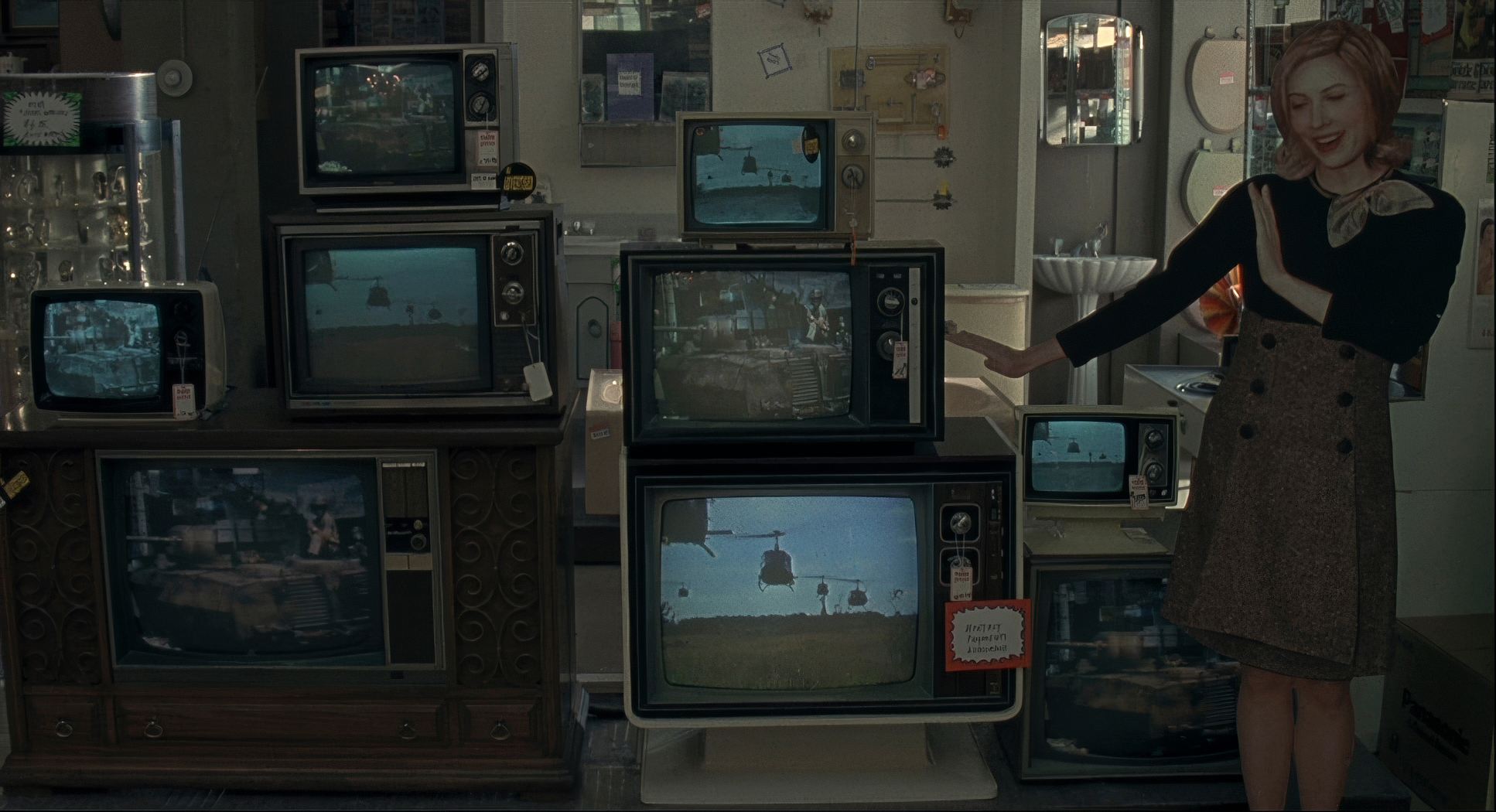
Finally, we get to the grade. From my chair, the grading of American Gangster is a perfect example of how to handle period-specific palettes. It’s not just “orange and teal.” Instead, it leans into desaturated urban blues and greens for the exteriors, contrasted with rich, amber practical highlights.
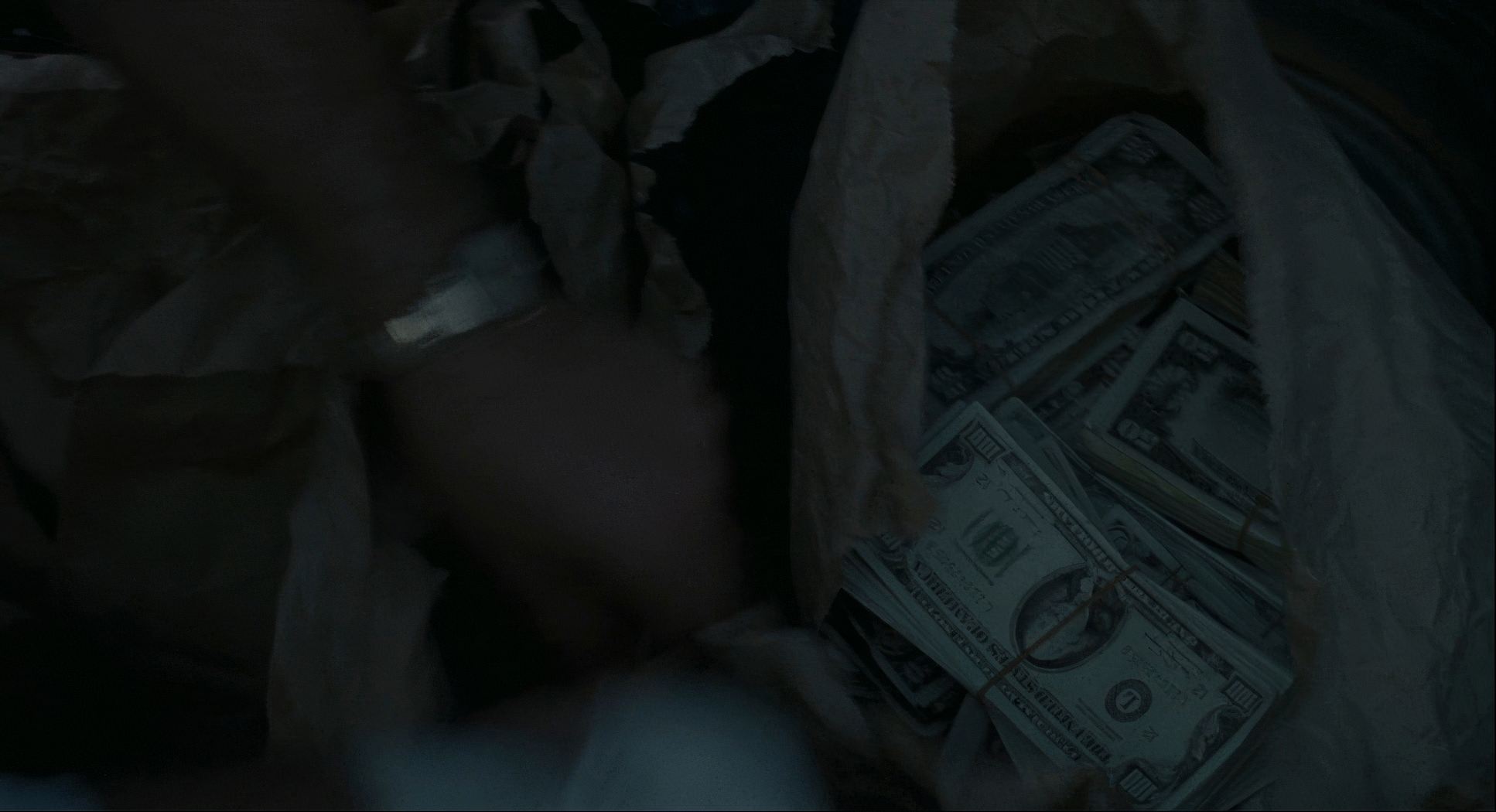
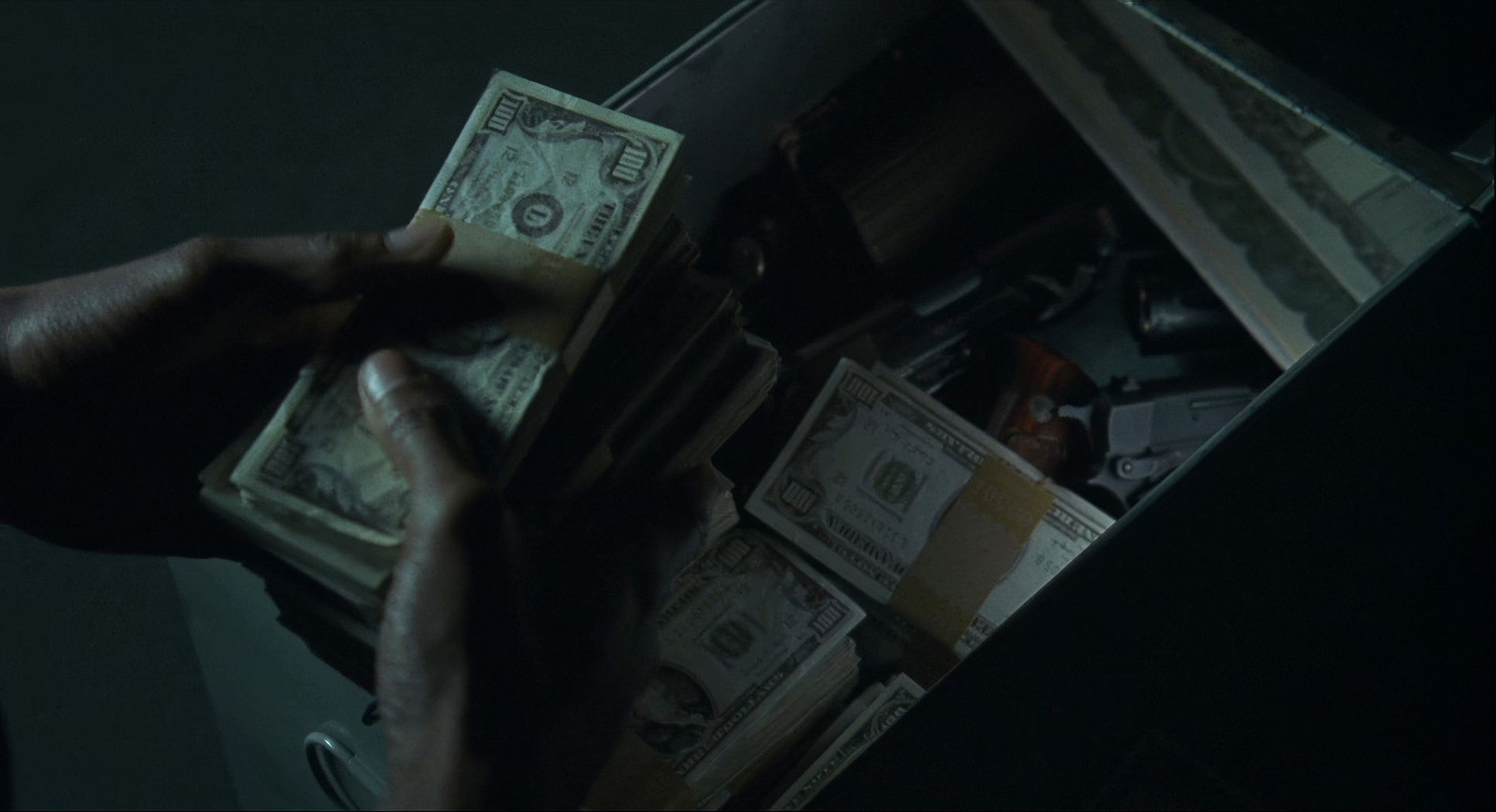
The highlight roll-off is smooth and gradual, preserving that organic film feel. We see great “hue separation” skin tones remain natural and healthy even when the environment is pushed toward a cooler, gritty blue. I particularly love the way they handled the “Blue Magic” packaging. It’s a subtle boost in saturation that makes the product pop in a way that feels like branding, even in a dark, grimy apartment. This is tonal sculpting at its best: using color to influence our perception of danger, success, and the fleeting nature of the “high life.”
Ultimately, American Gangster proves that when you have a cinematographer like Savides and a director like Scott, every technical choice from the film stock to the aspect ratio serves the emotional logic of the story. It’s a film that doesn’t just show you a world; it makes you breathe the air of 1970s New York. It’s a masterclass in visual storytelling that remains just as impactful today as it was in 2007.
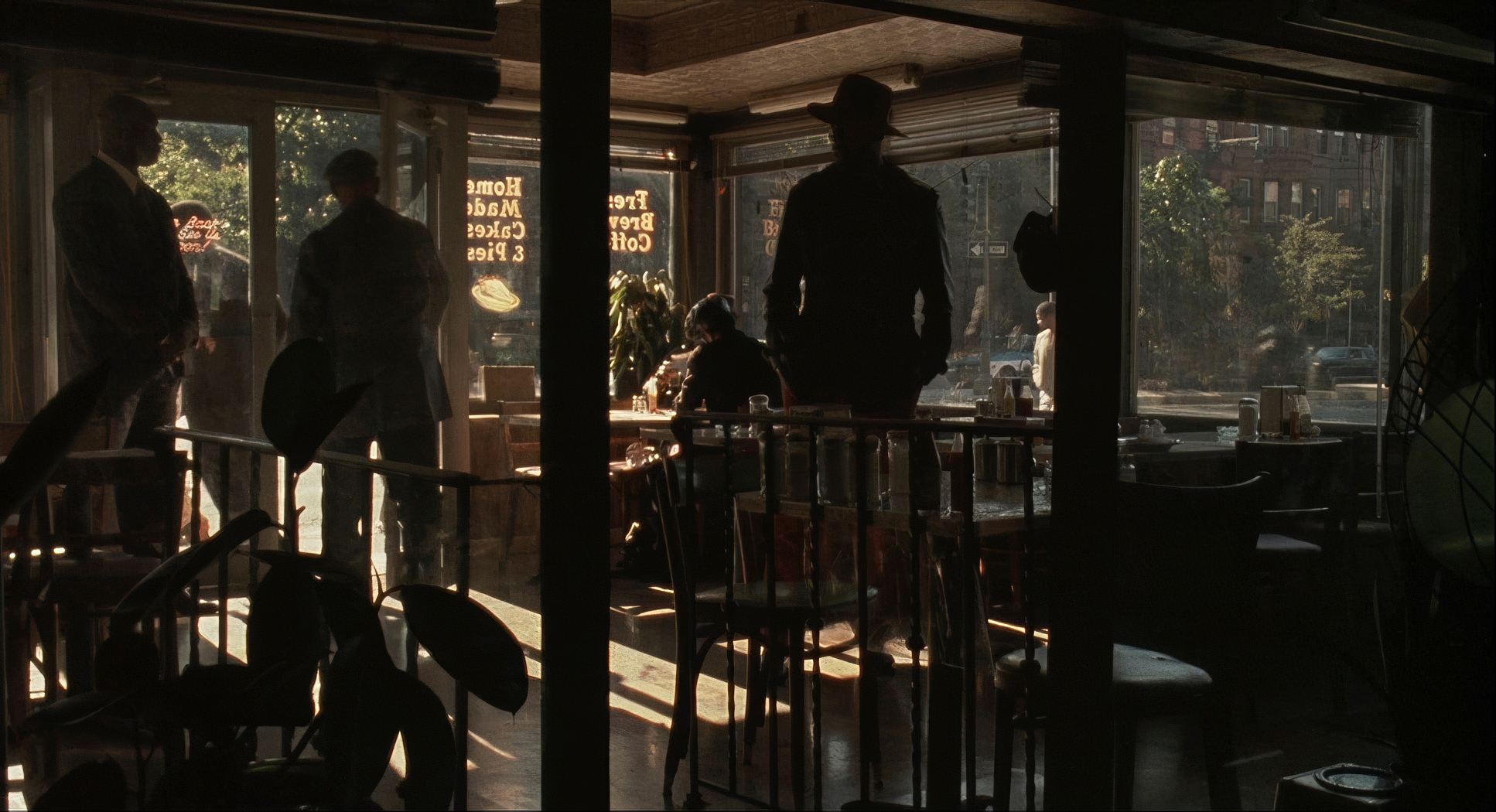
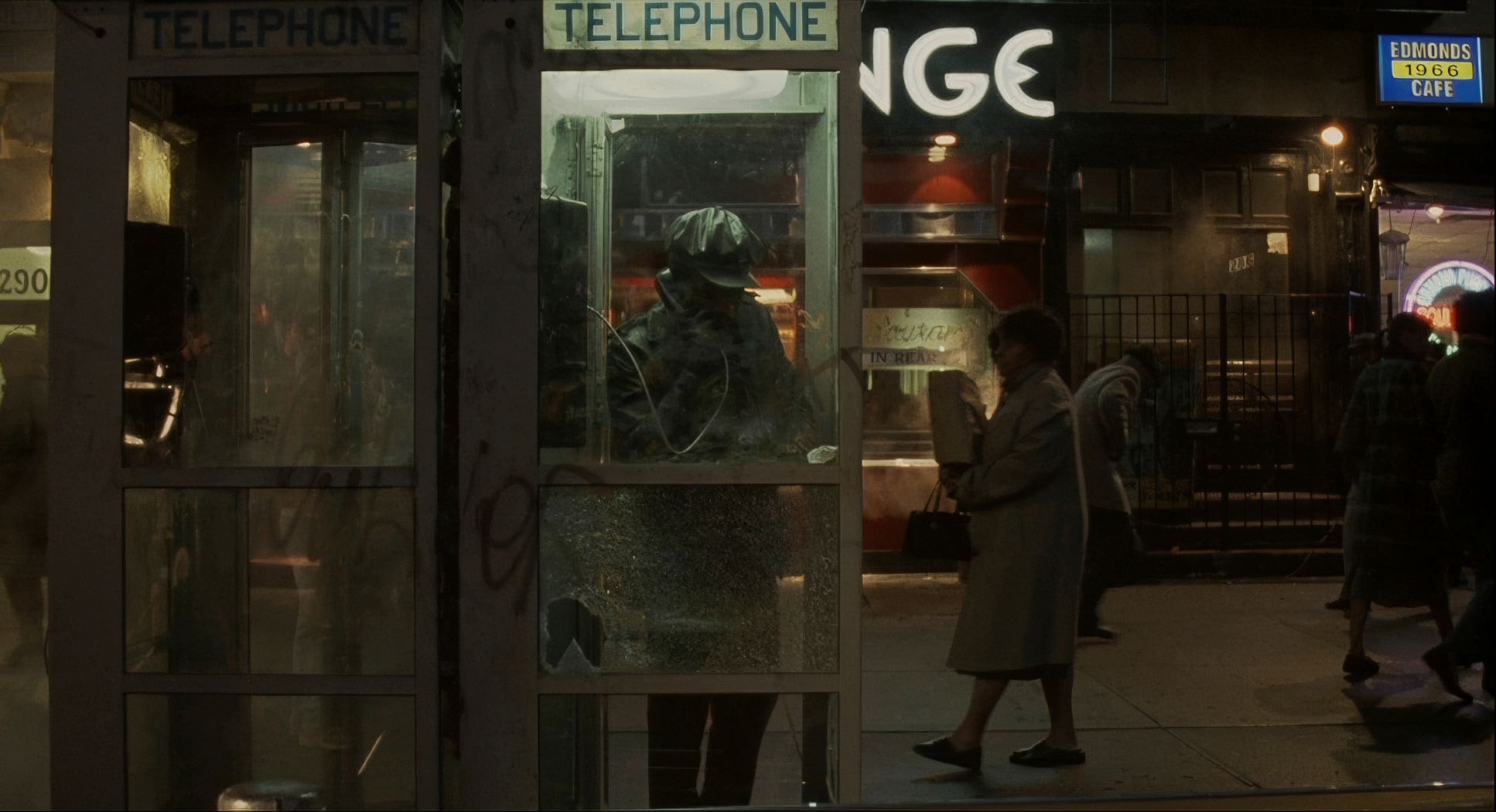
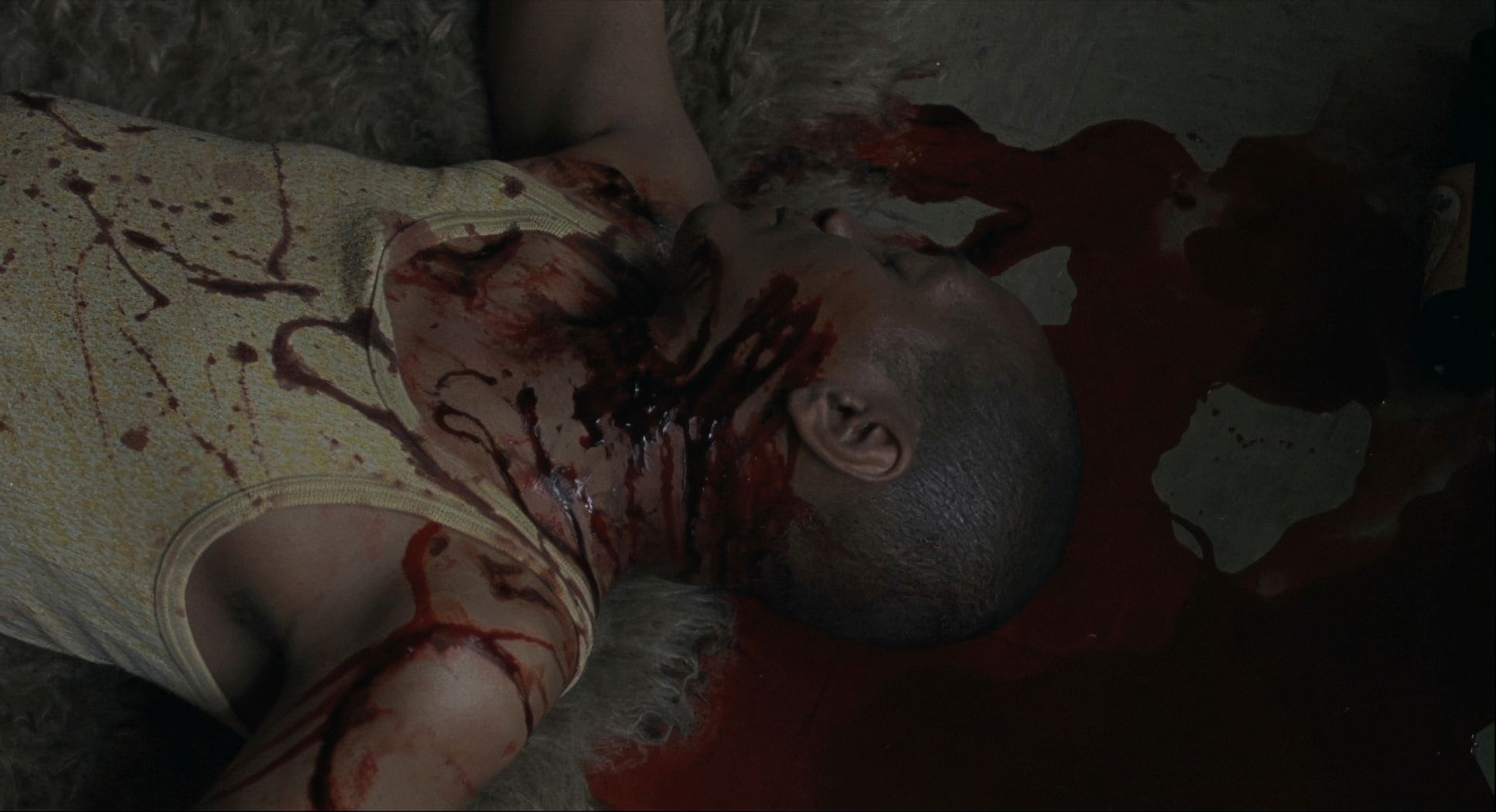
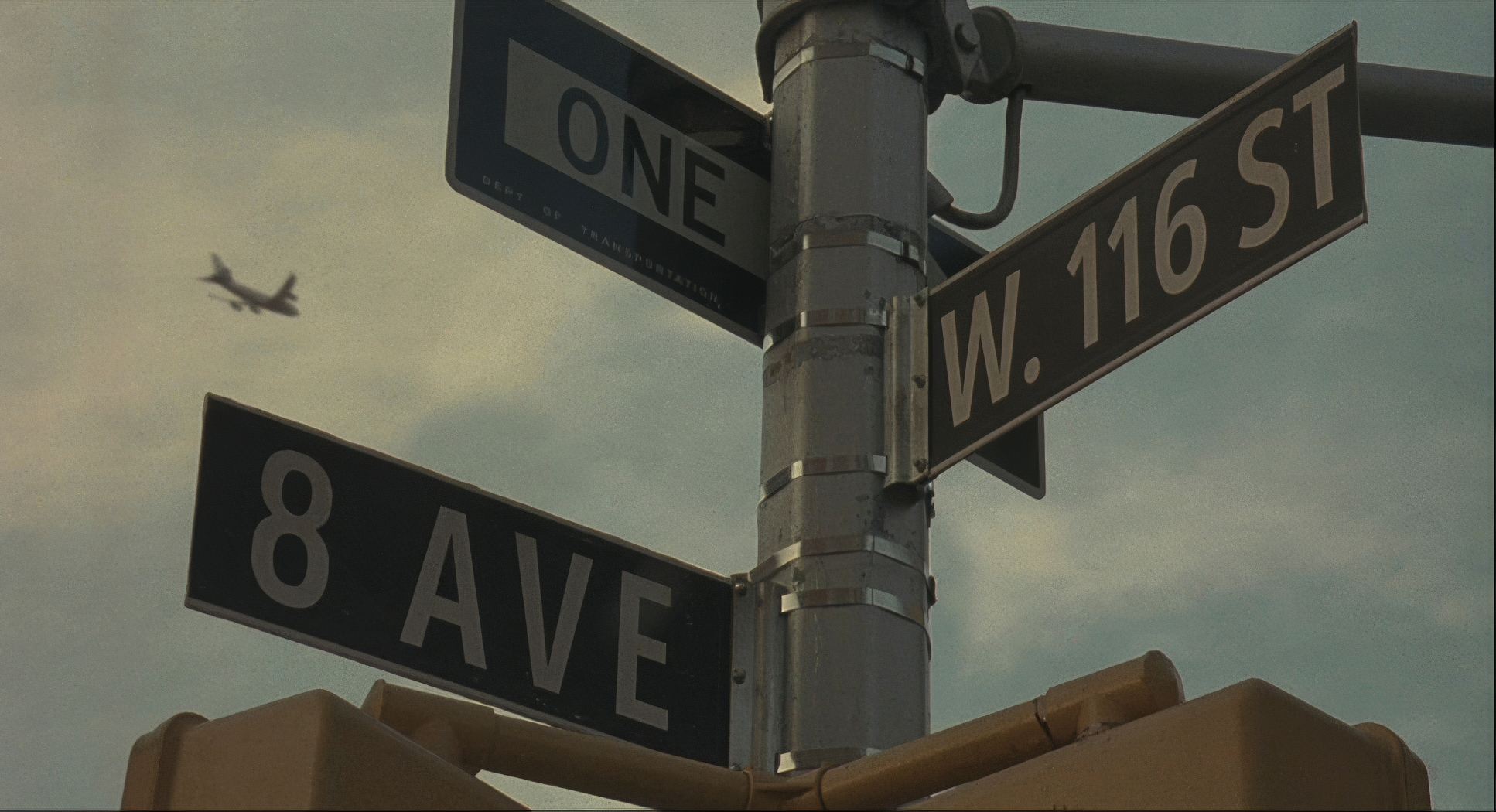
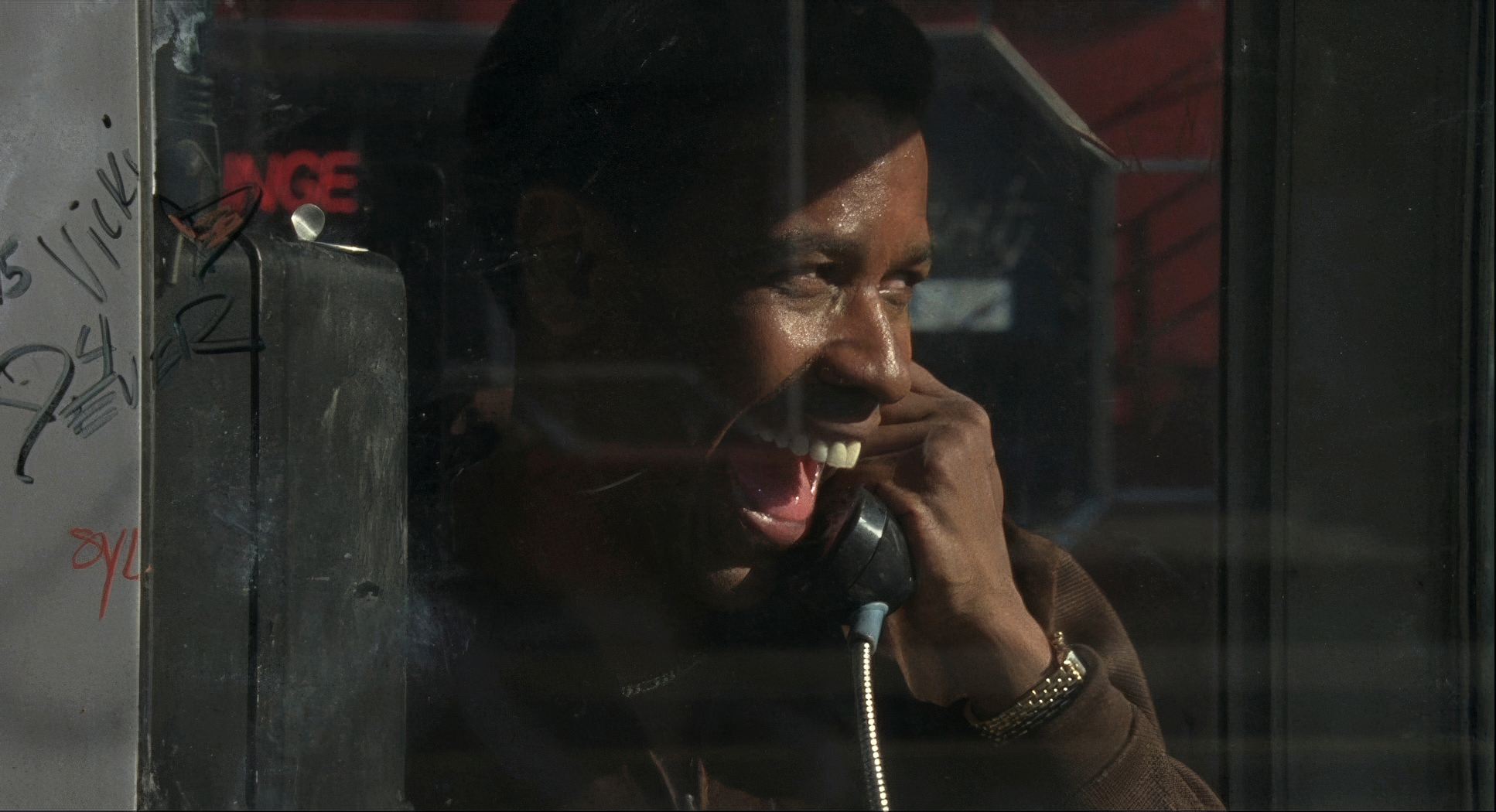
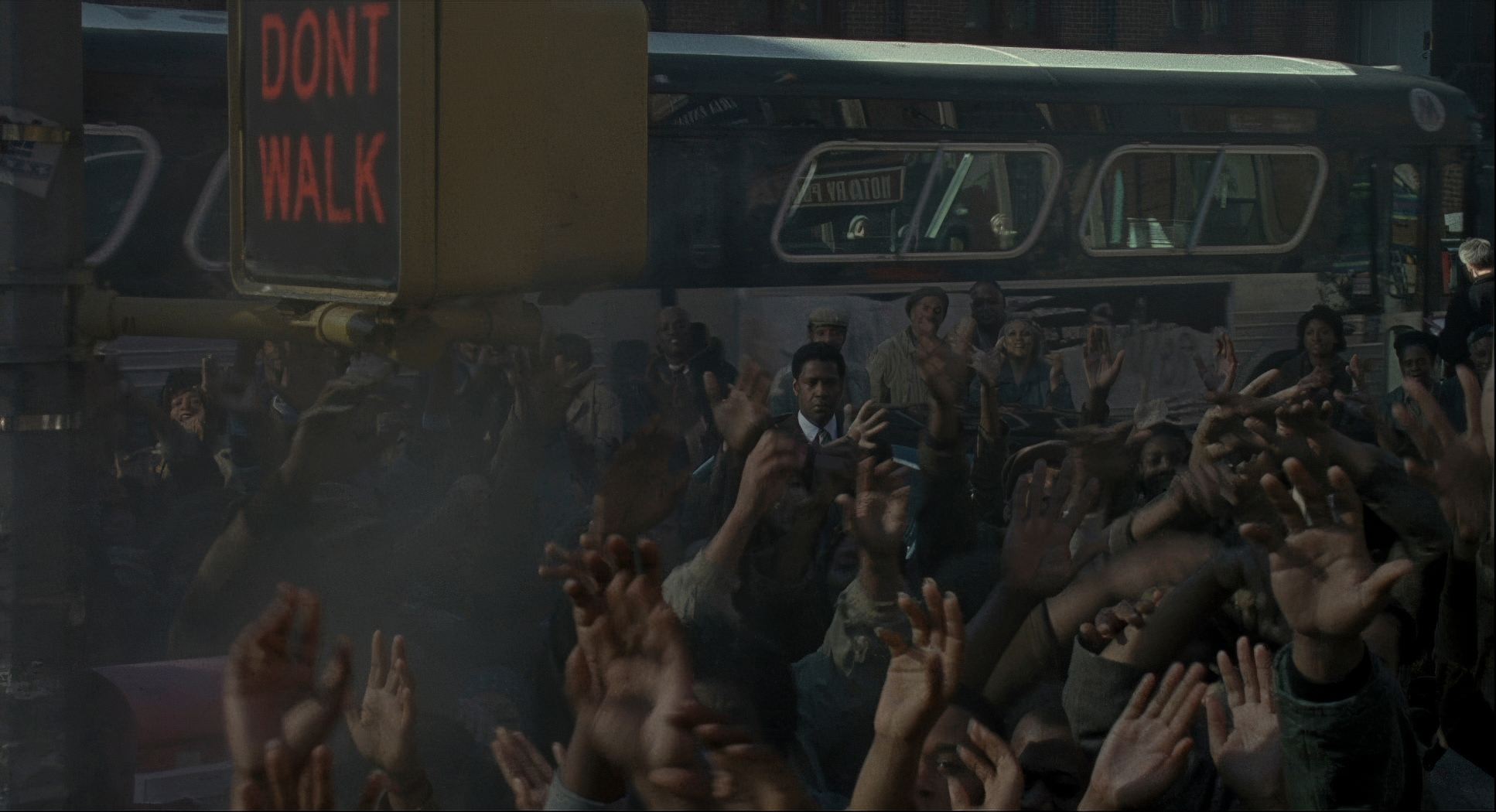
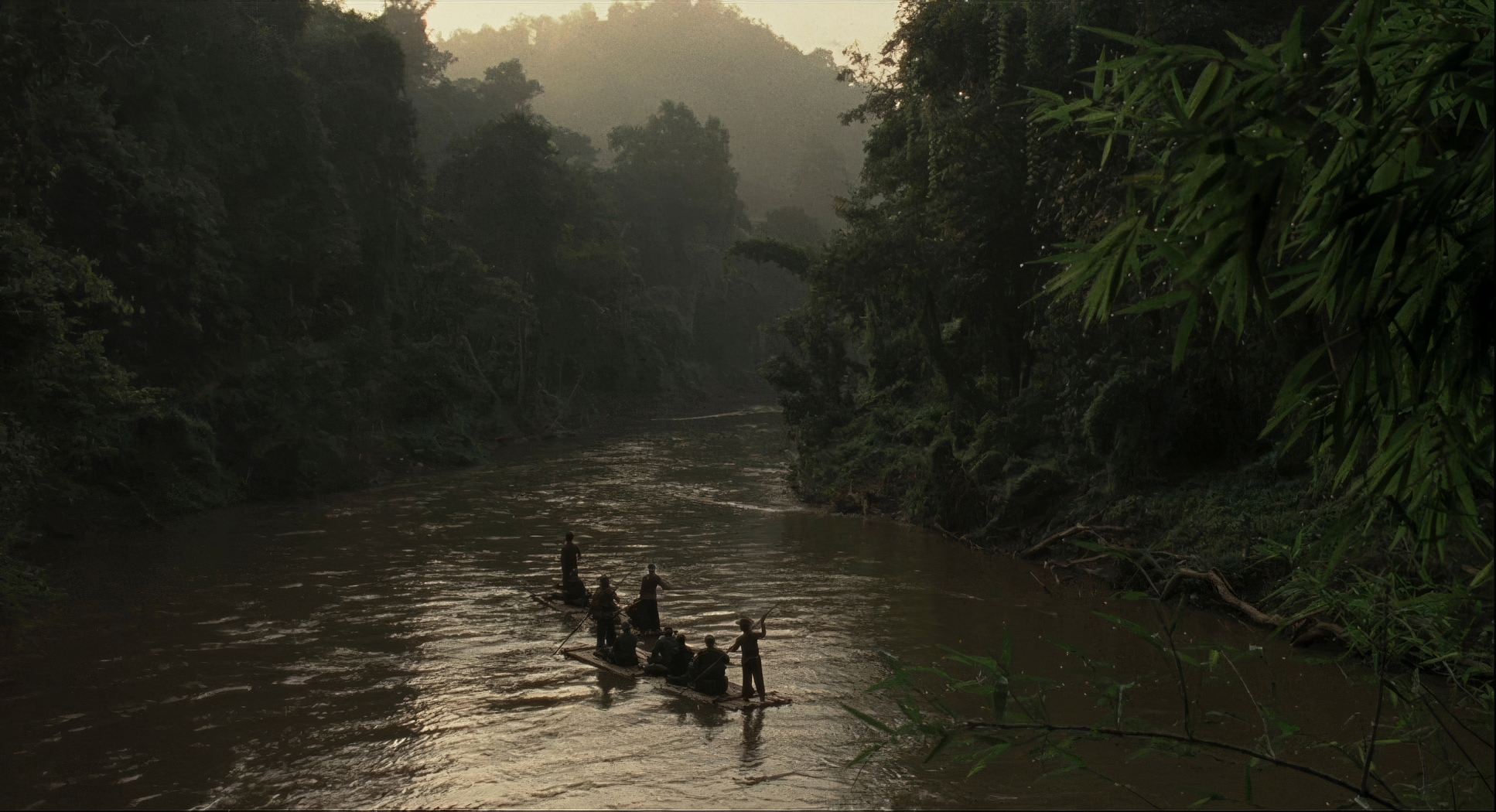
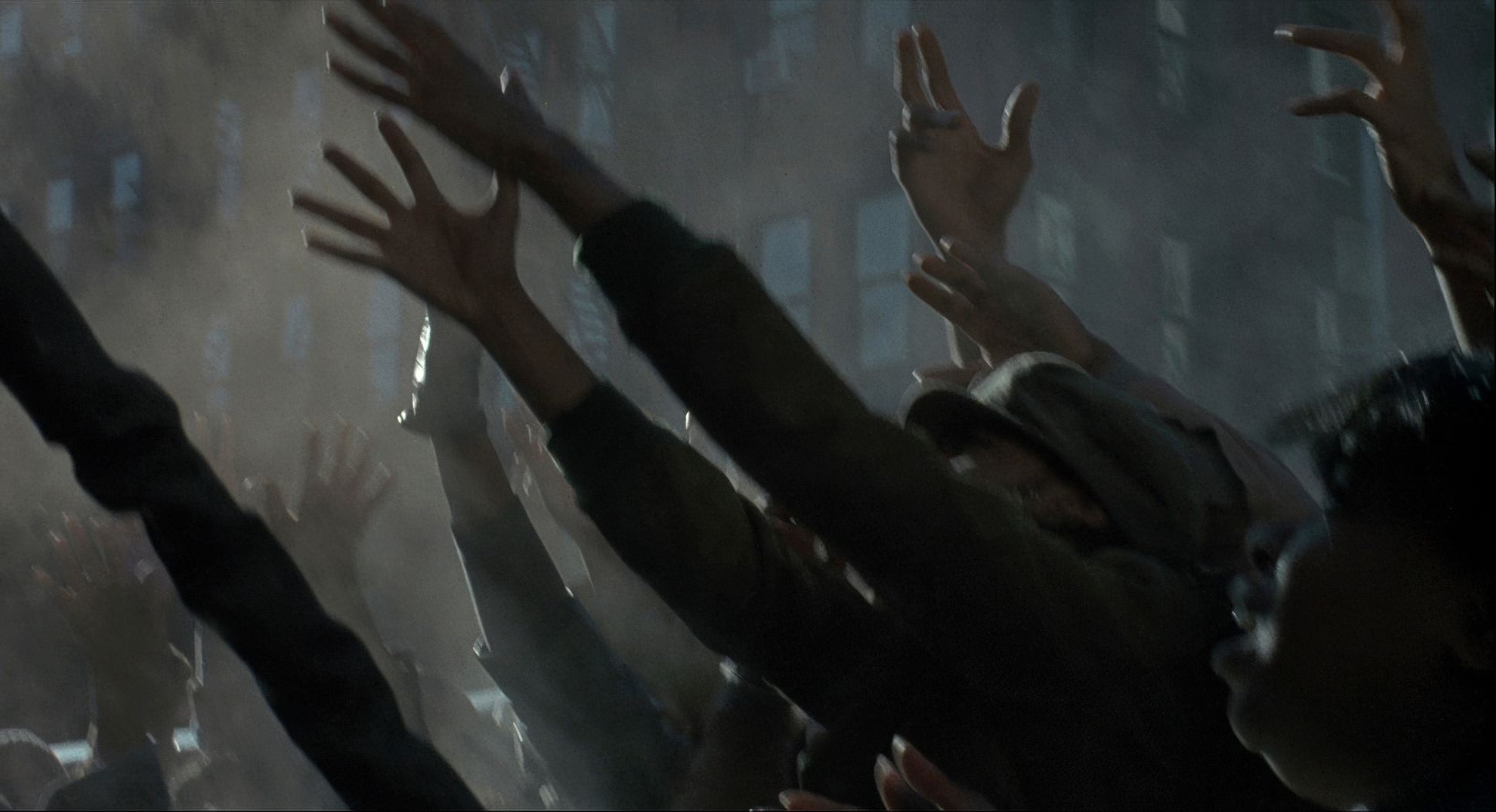
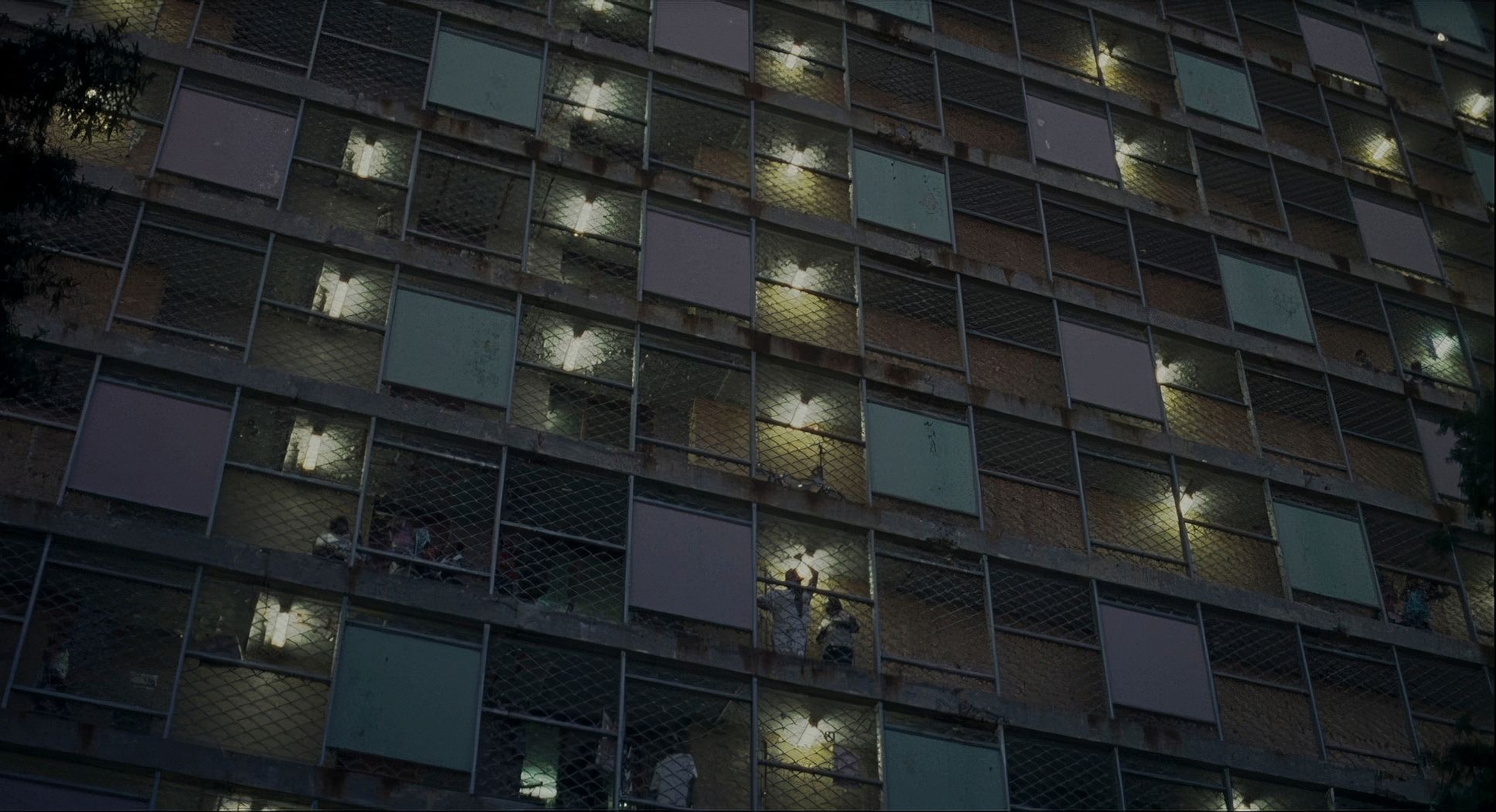
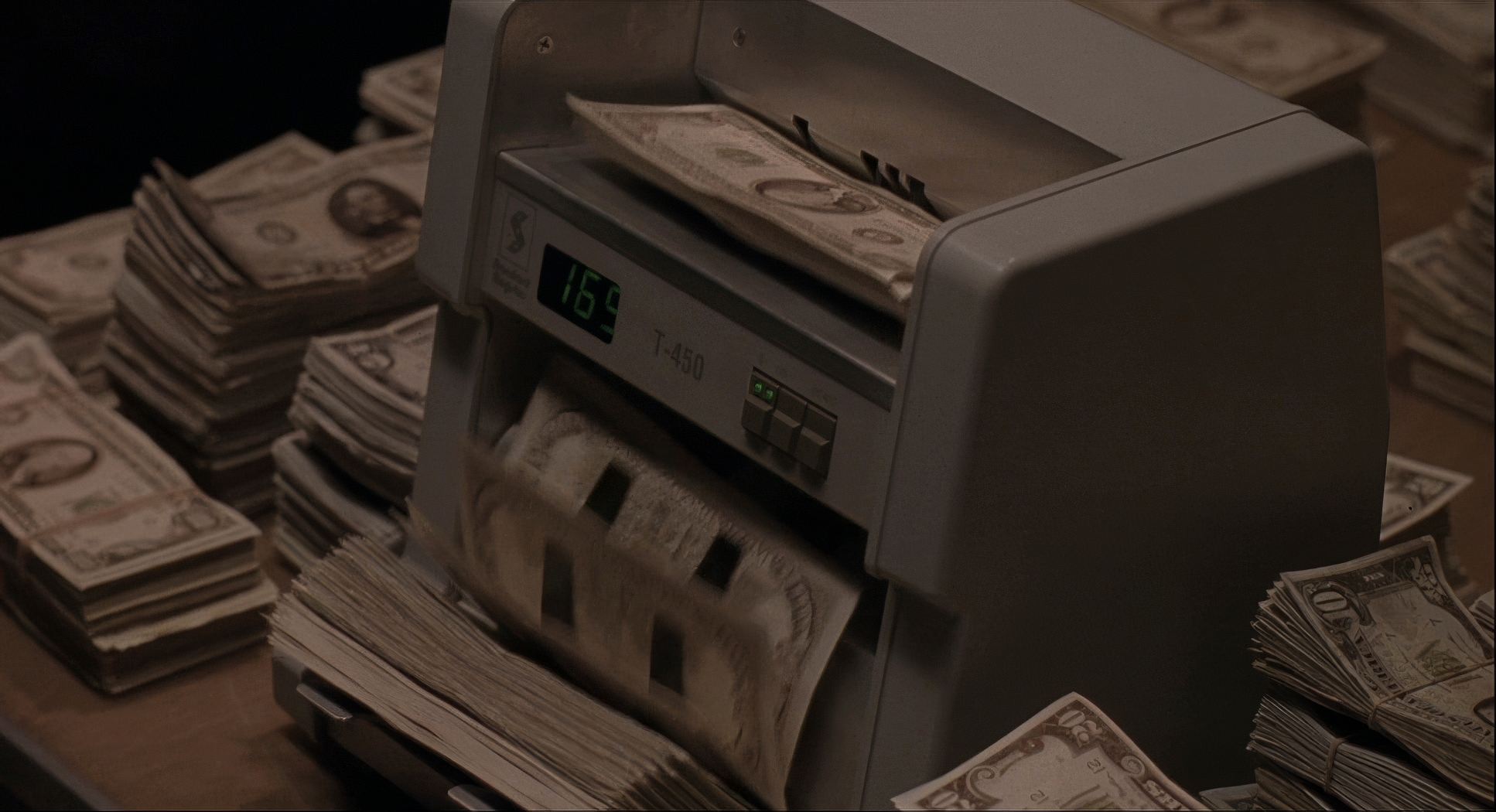
American Gangster (2007) Film Stills
A curated reference archive of cinematography stills from American Gangster (2007)). Study the lighting, color grading, and composition.








- Also read: GHOSTBUSTERS (1984) – CINEMATOGRAPHY ANALYSIS
- Also read: PREDATOR (1987) – CINEMATOGRAPHY ANALYSIS
Browse Our Cinematography Analysis Glossary
Explore directors, cinematographers, cameras, lenses, lighting styles, genres, and the visual techniques that shape iconic films.
Explore Glossary →