Predator (1987) is a movie I’ve lived with since I was a kid, but watching it now through a professional lens, it’s a total masterclass. It’s not just an “80s action flick” it’s a sophisticated piece of visual storytelling that shifts from a high-octane war movie into a primal, neon-soaked nightmare.
We often talk about the “look” of the 80s, but Predator has a specific kind of grit that feels lived-in and dangerous. It takes that classic 80s bravado and systematically dismantles it using nothing but light, glass, and a lot of mud.
About the Cinematographer
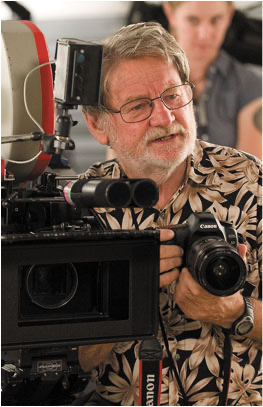
The man behind the lens was Donald McAlpine. Now, John McTiernan usually gets the lion’s share of the credit (and he should this was only his second film, which is insane), but McAlpine’s Australian roots brought a raw, naturalistic edge to the production. He didn’t try to “pretty up” the jungle. He treated the environment like a character that was actively trying to kill the cast. What I’ve always admired about McAlpine’s work here is how he translated McTiernan’s obsession with “spatial geography” the audience always knows exactly where Dutch is in relation to the trap into something that still feels chaotic and visceral.
Inspiration Behind the Cinematography
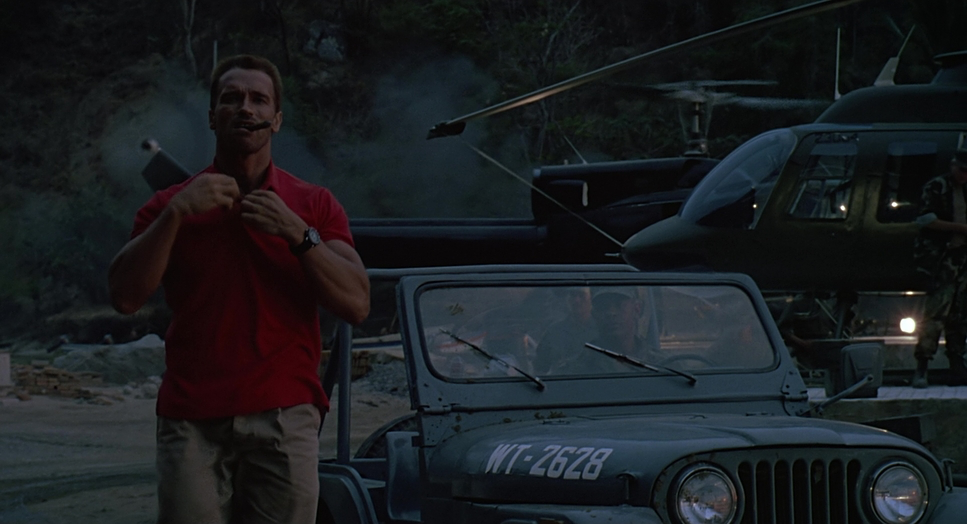
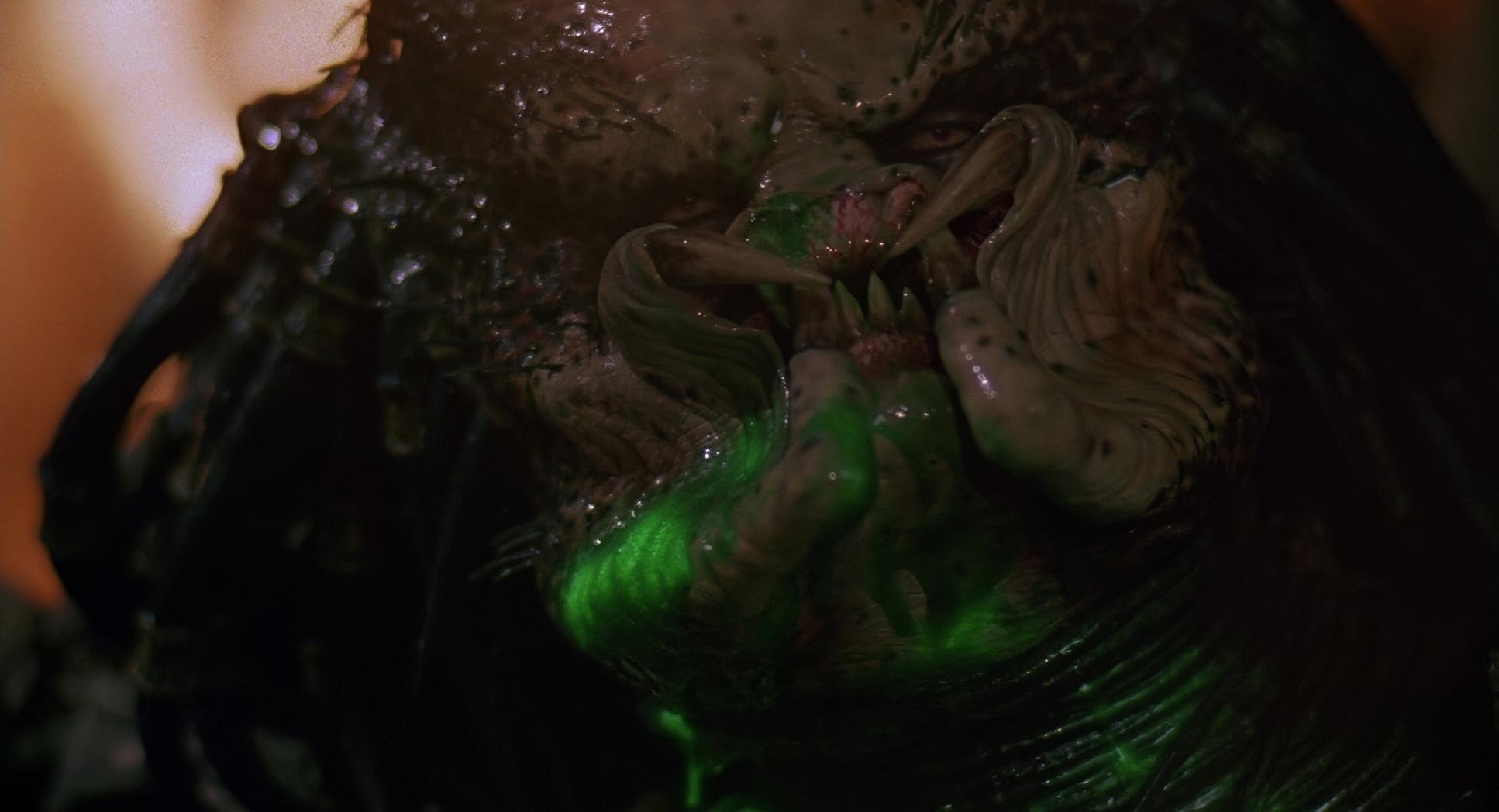
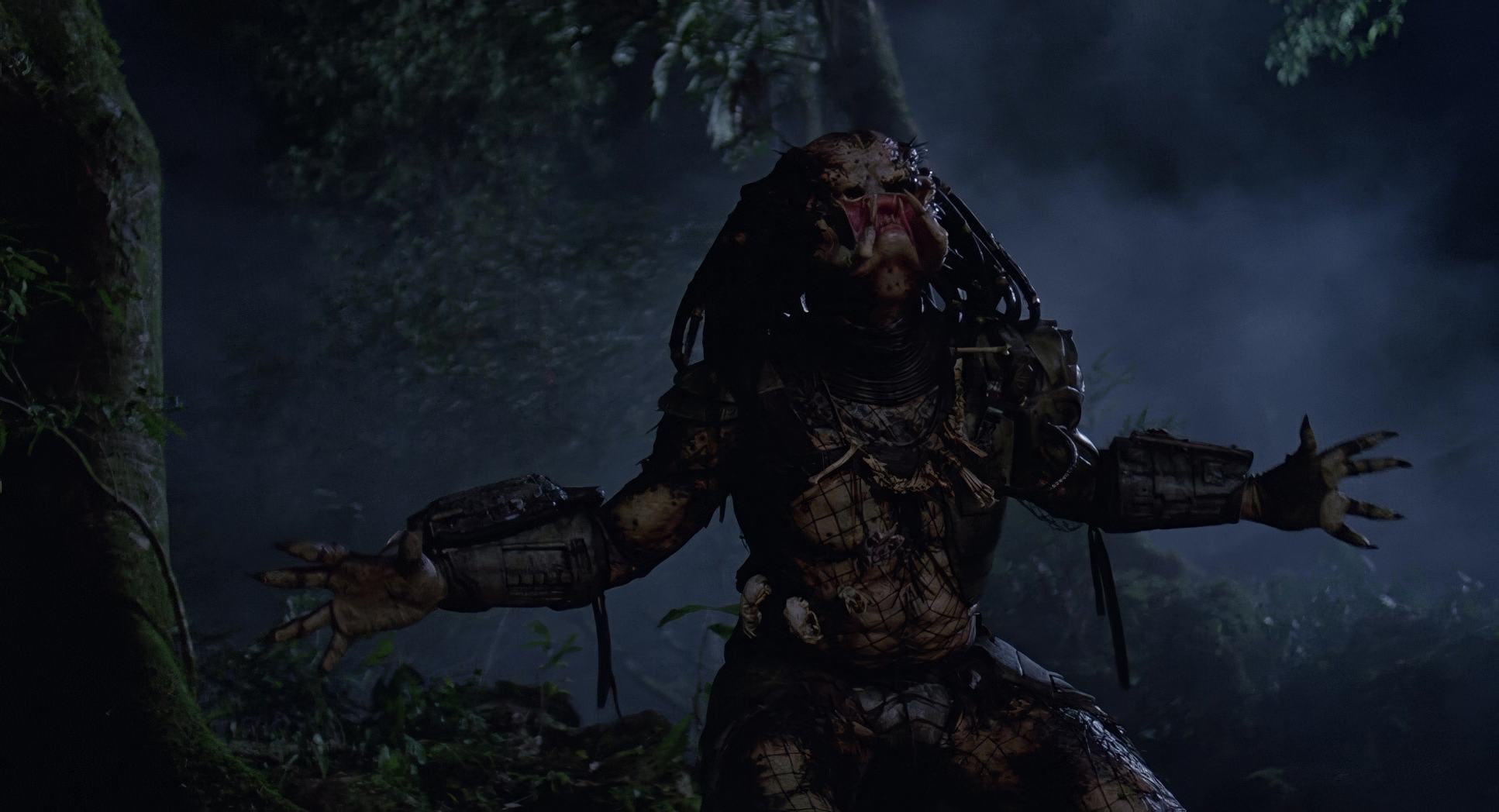
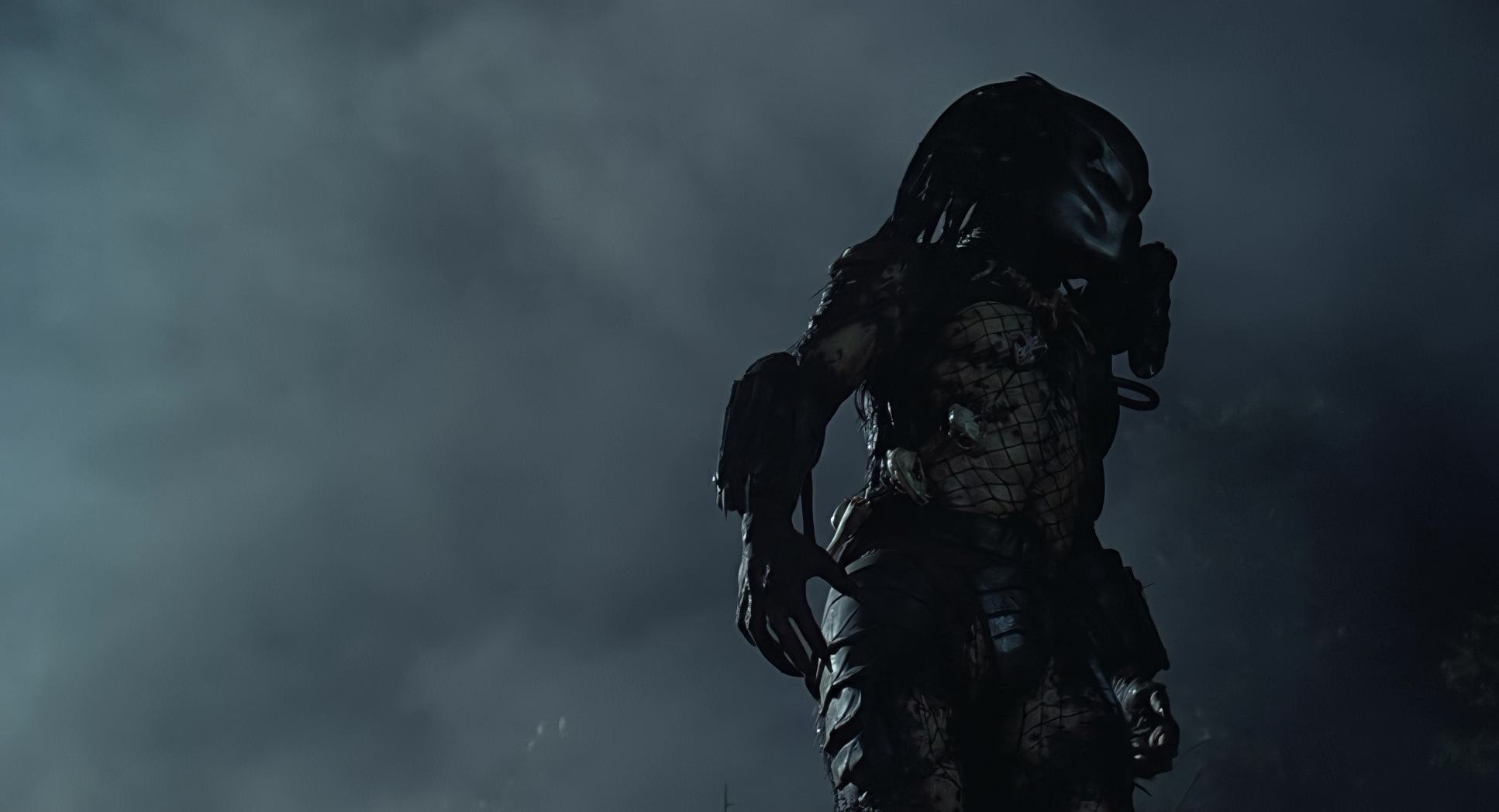
The filmmakers basically took the Jaws blueprint and dropped it into a Central American jungle. The core philosophy was simple: what you don’t see is infinitely scarier than what you do. This informed every choice McAlpine made.
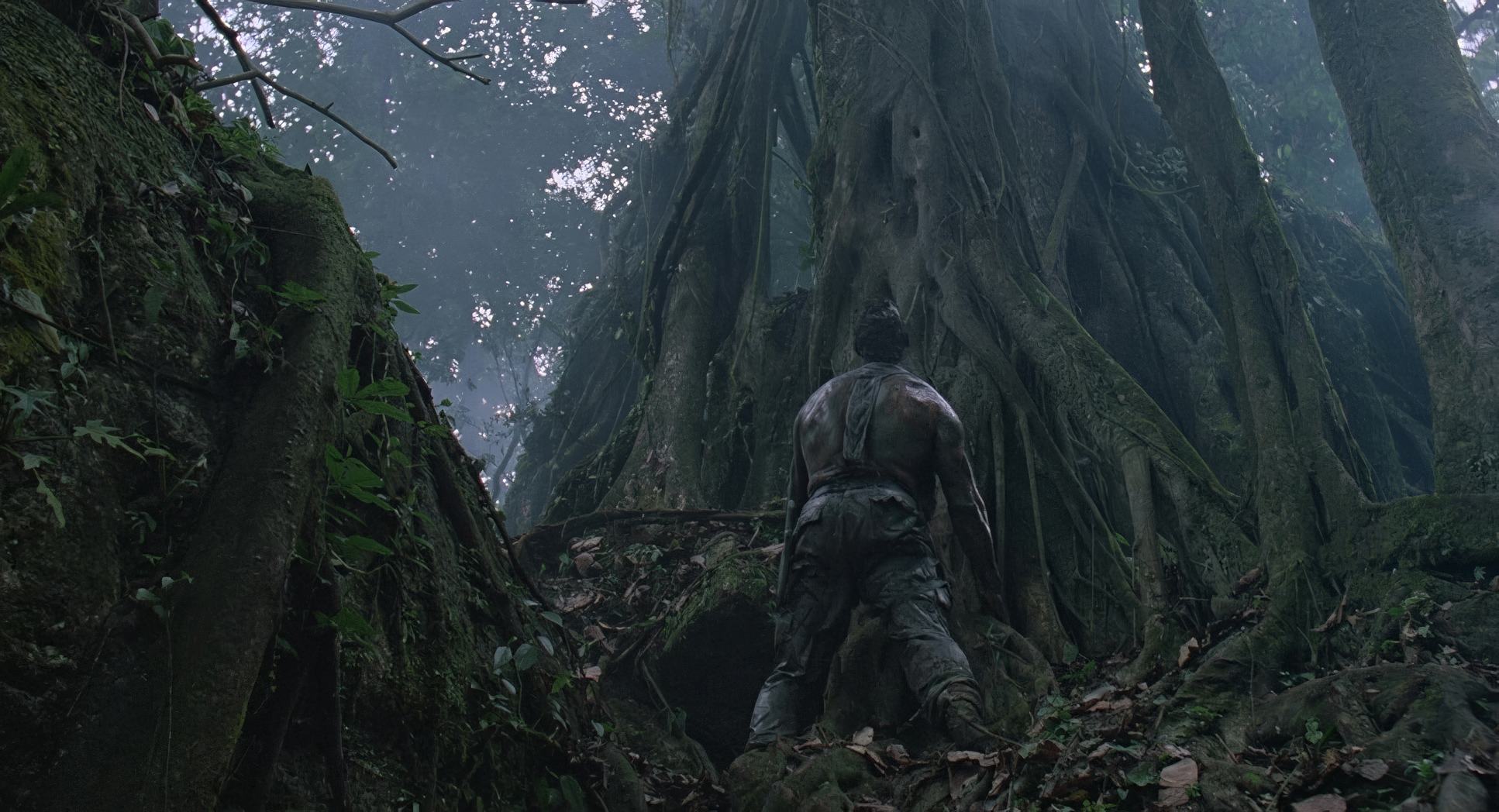
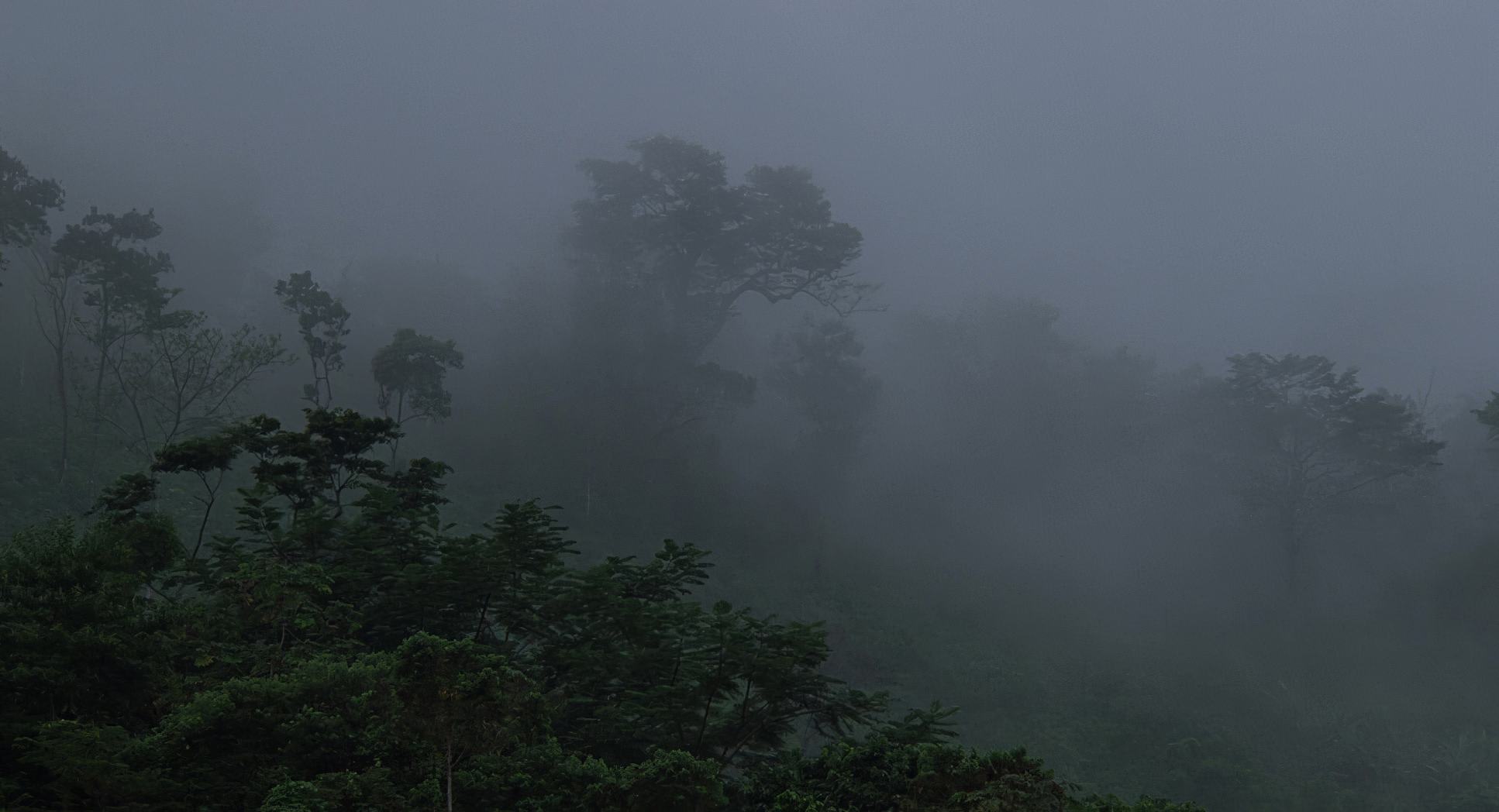
The goal wasn’t just to show a monster; it was to create an atmosphere of total paranoia. They used the jungle to create a “claustrophobic wide-open space.” That sounds like a contradiction, but when you’re looking at a massive landscape and you realize you have zero lines of sight because of the density, the scale stops being impressive and starts being terrifying. It’s about that shift from the soldiers feeling like apex predators to realizing they’re just meat in a labyrinth.
Lighting Style
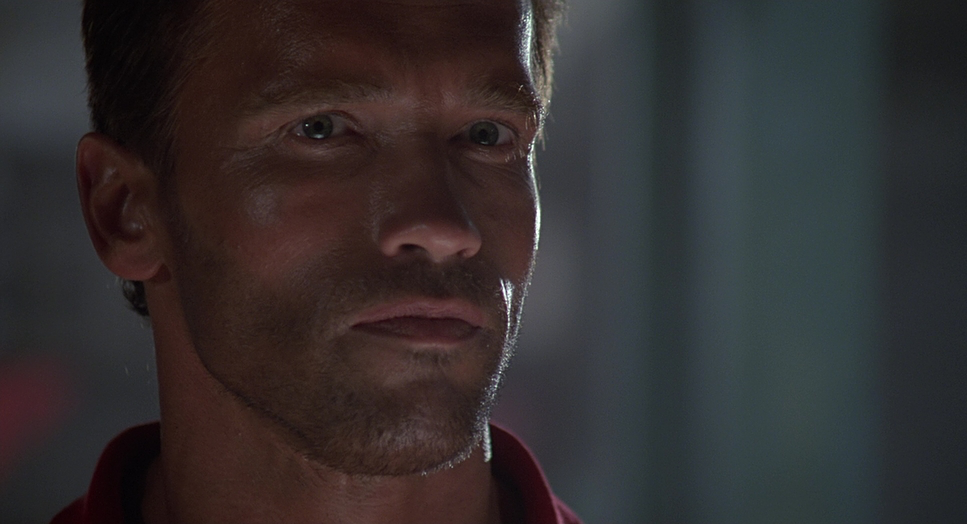
This is where the “shop talk” gets interesting. The lighting is aggressively naturalistic, but don’t let that fool you it took a massive amount of work to keep it looking that “raw.”
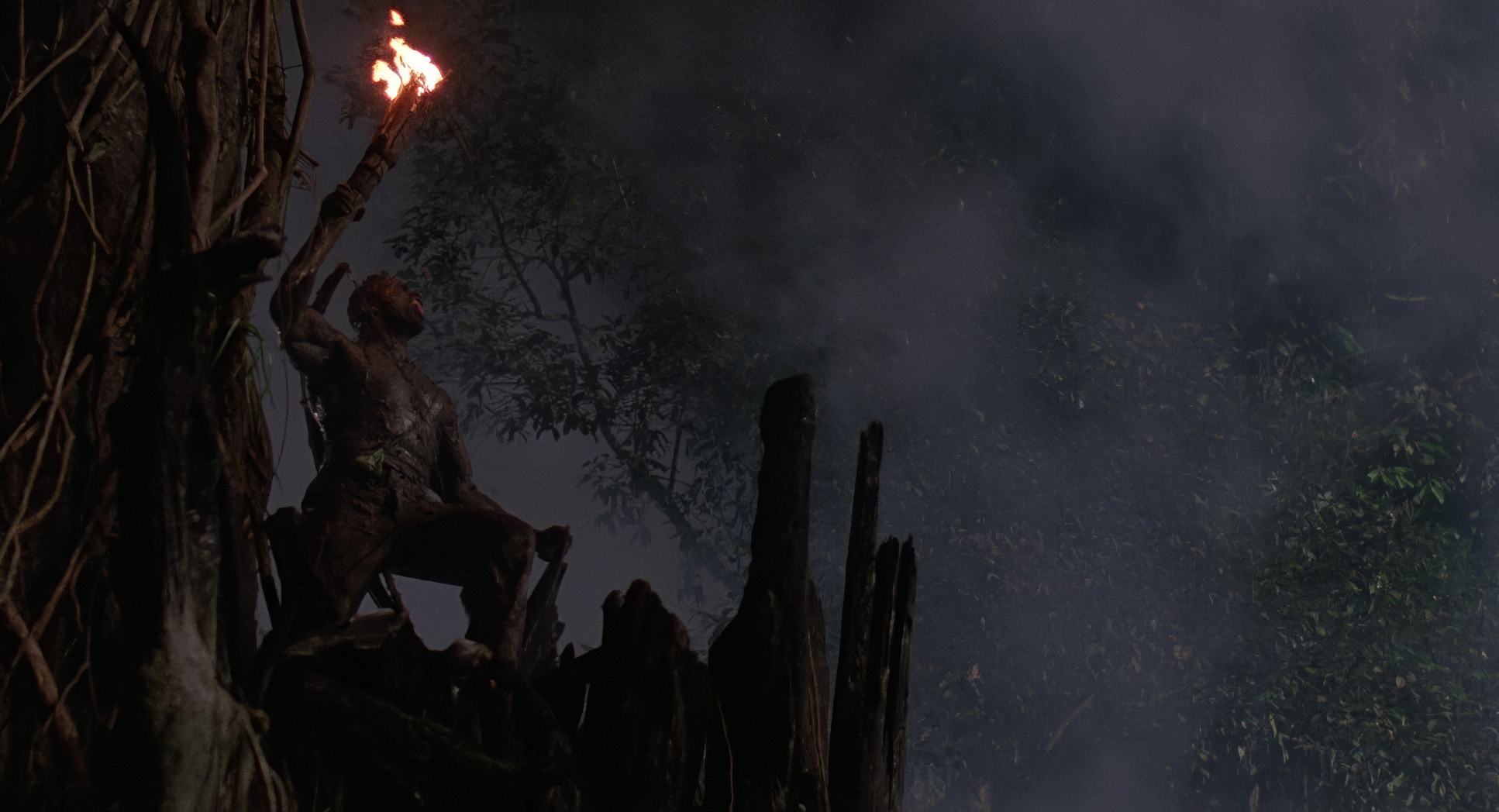
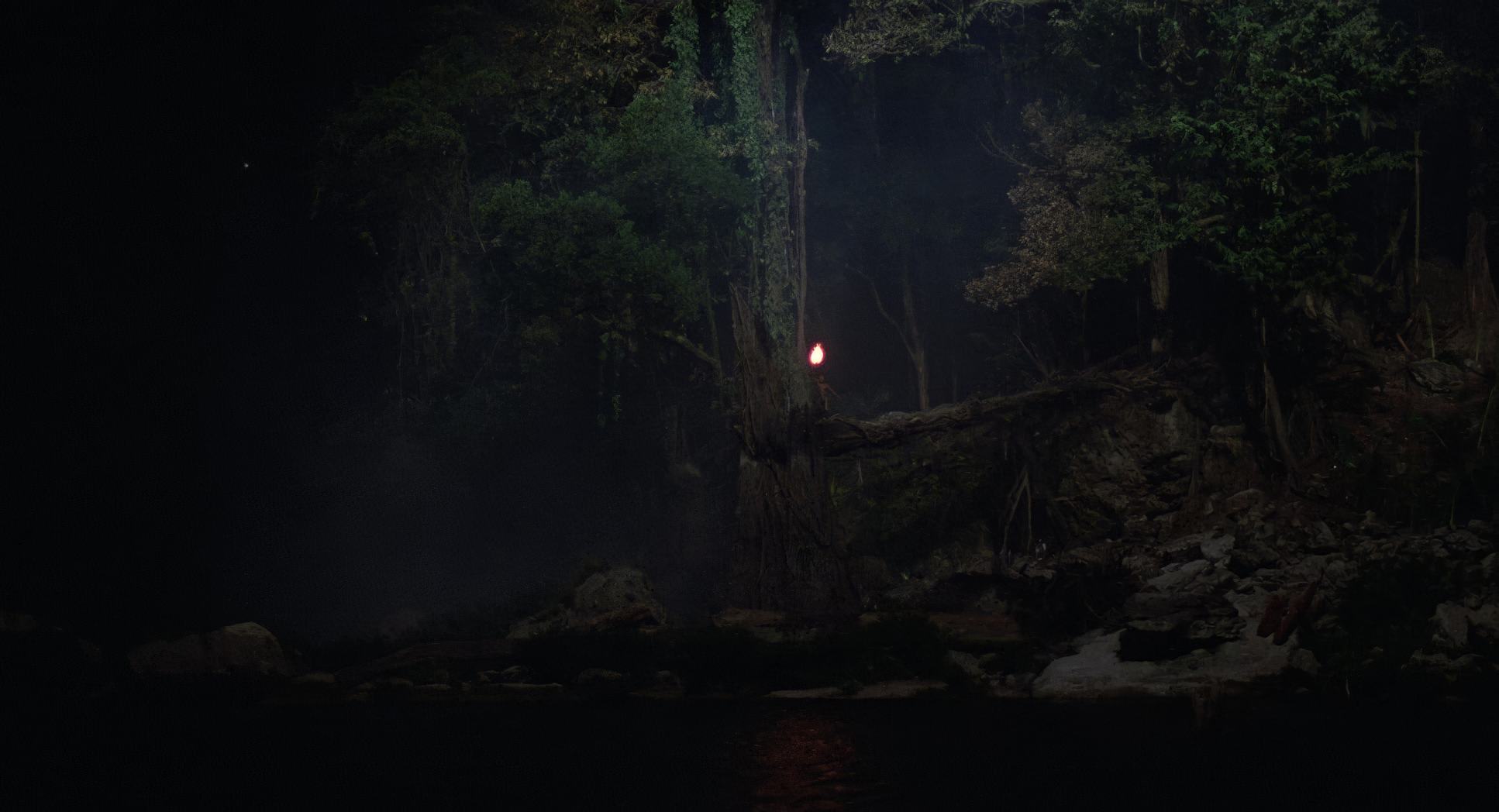
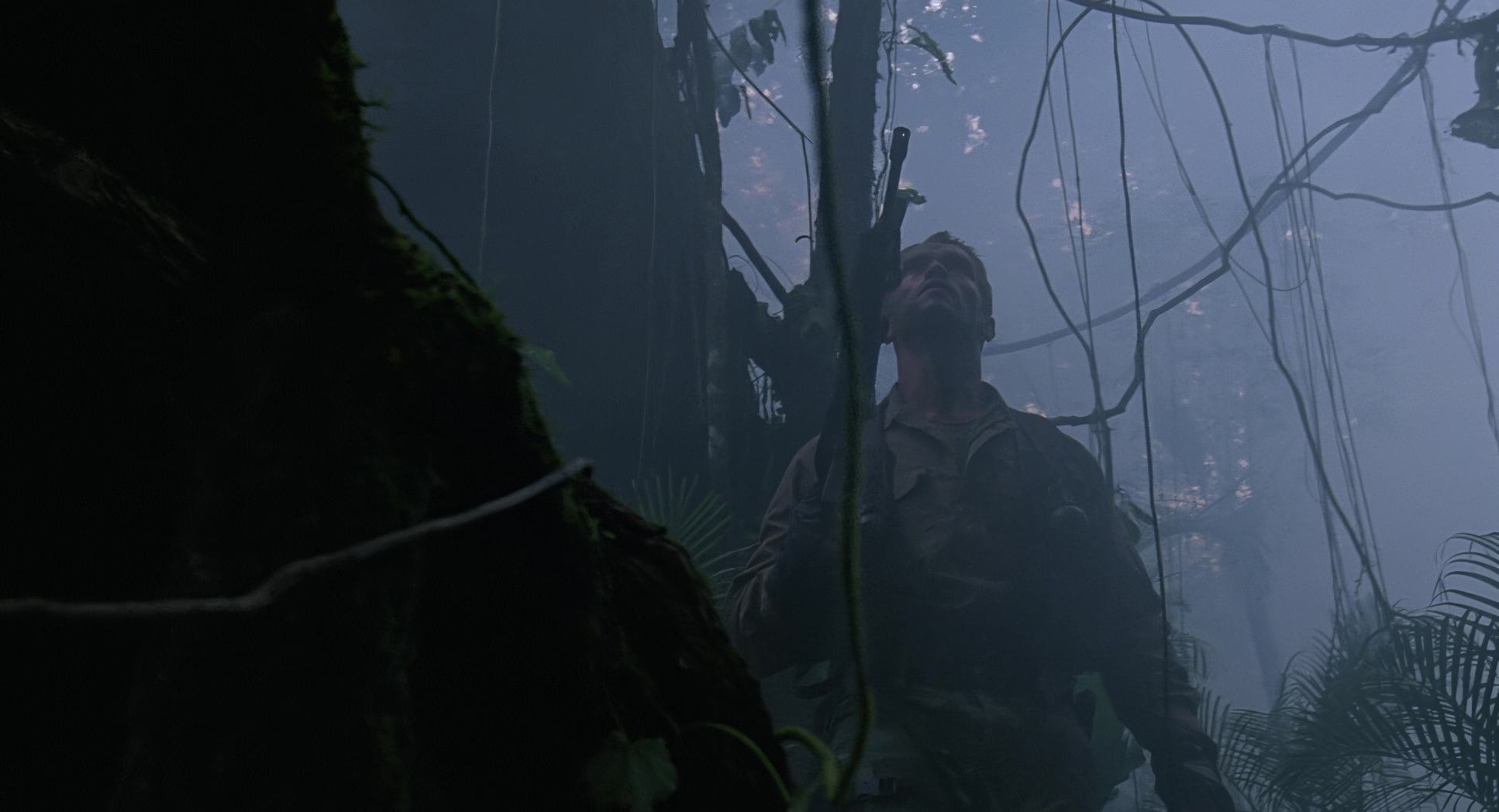
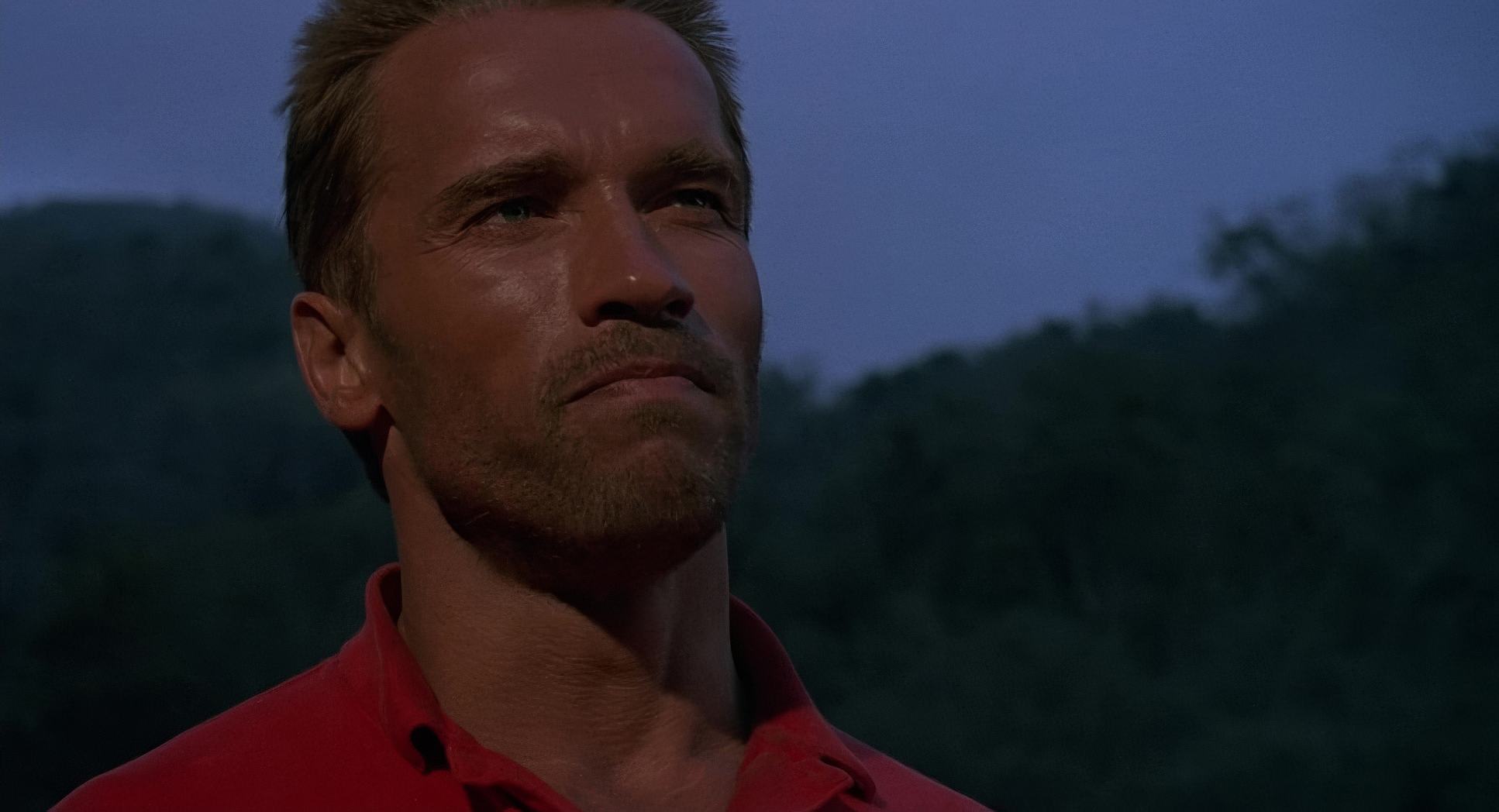
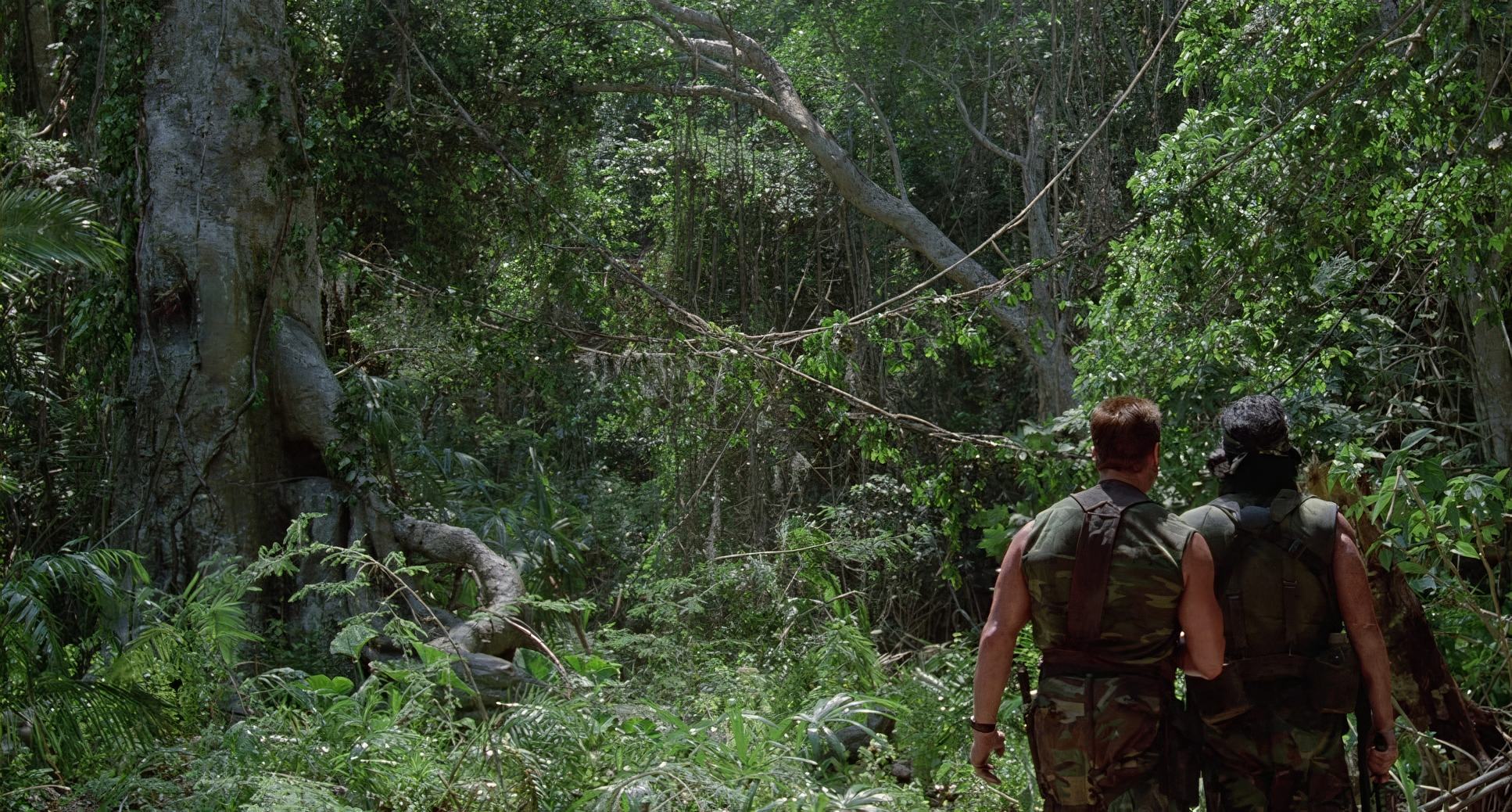
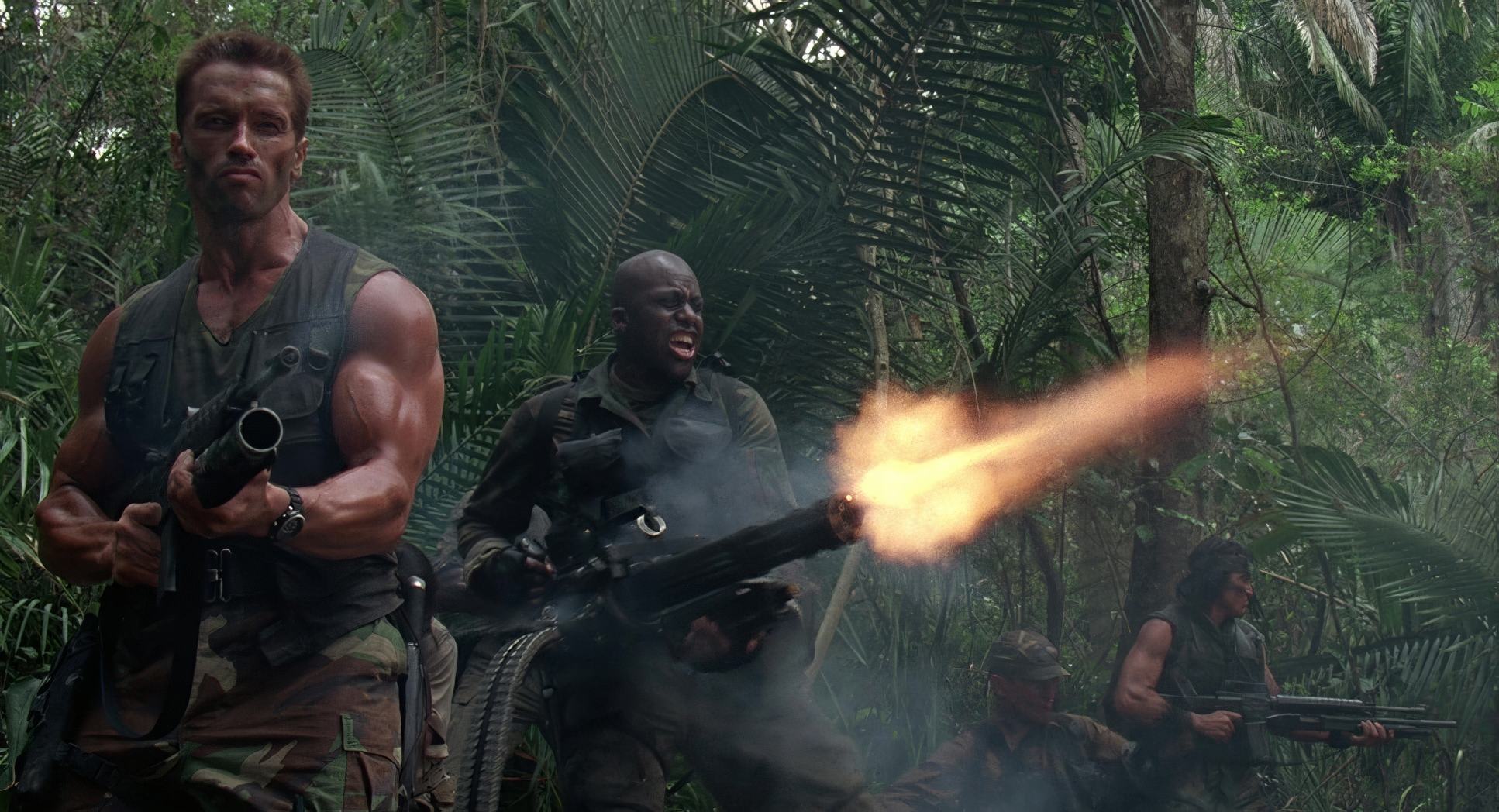
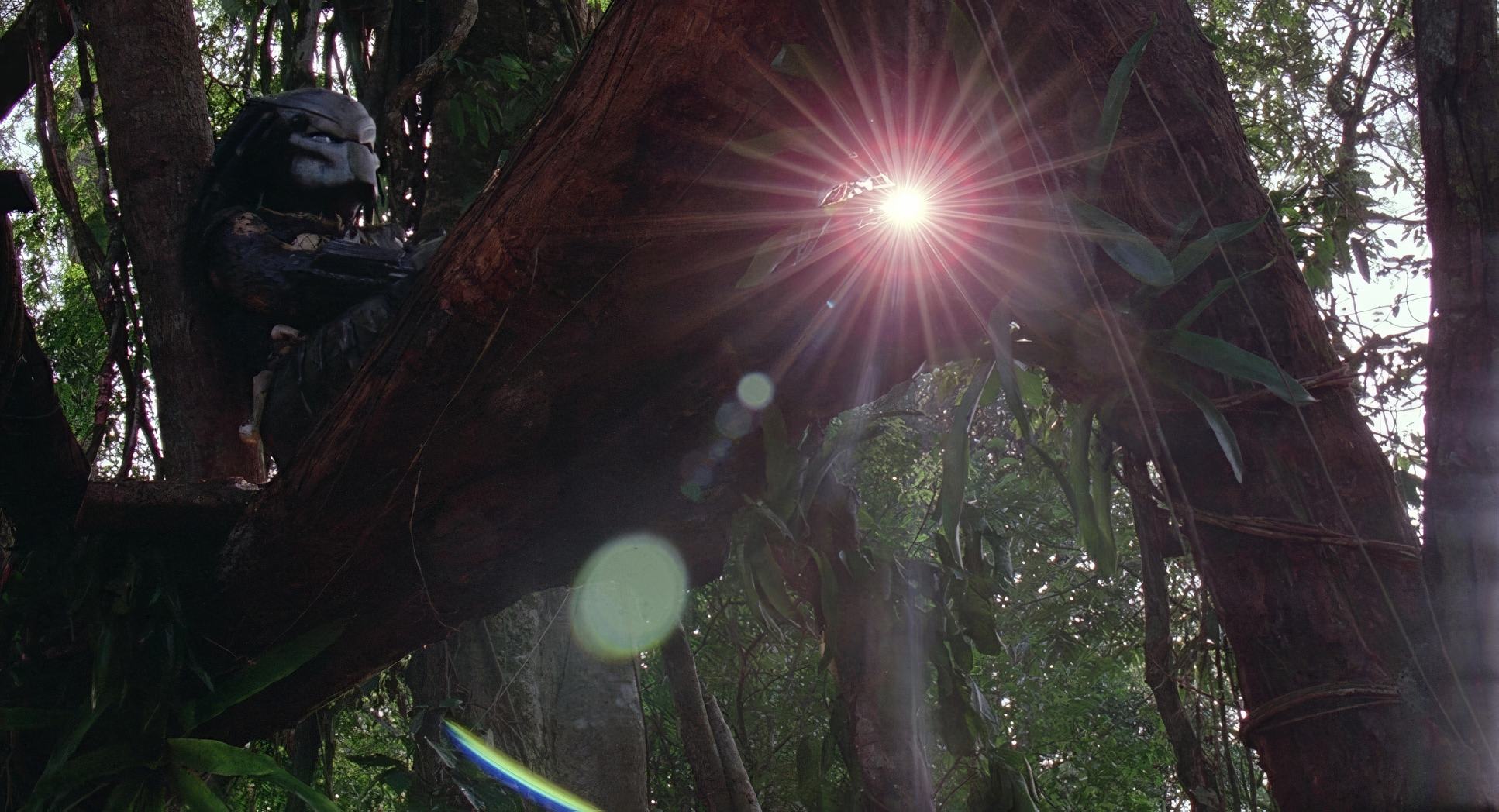
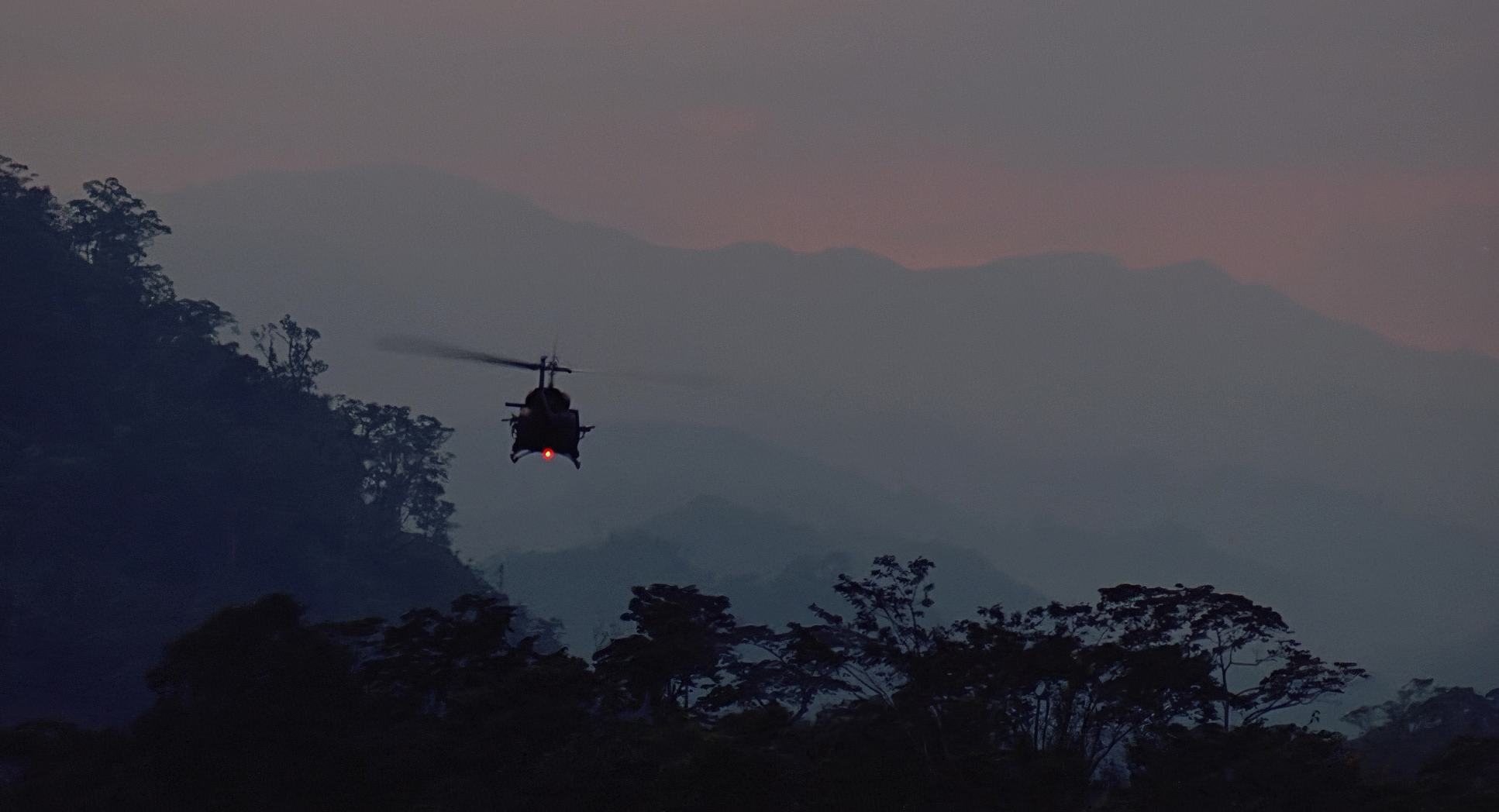
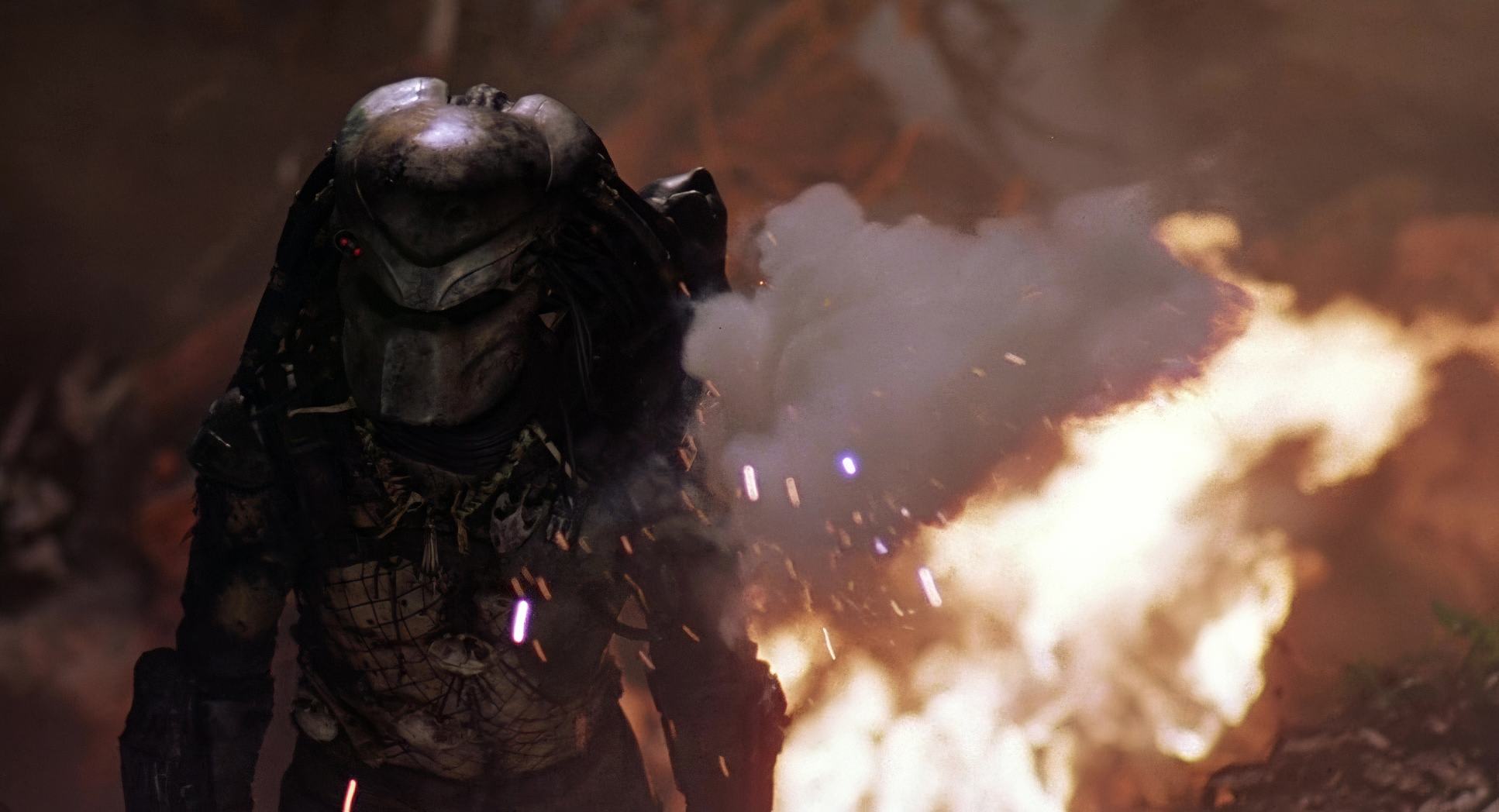
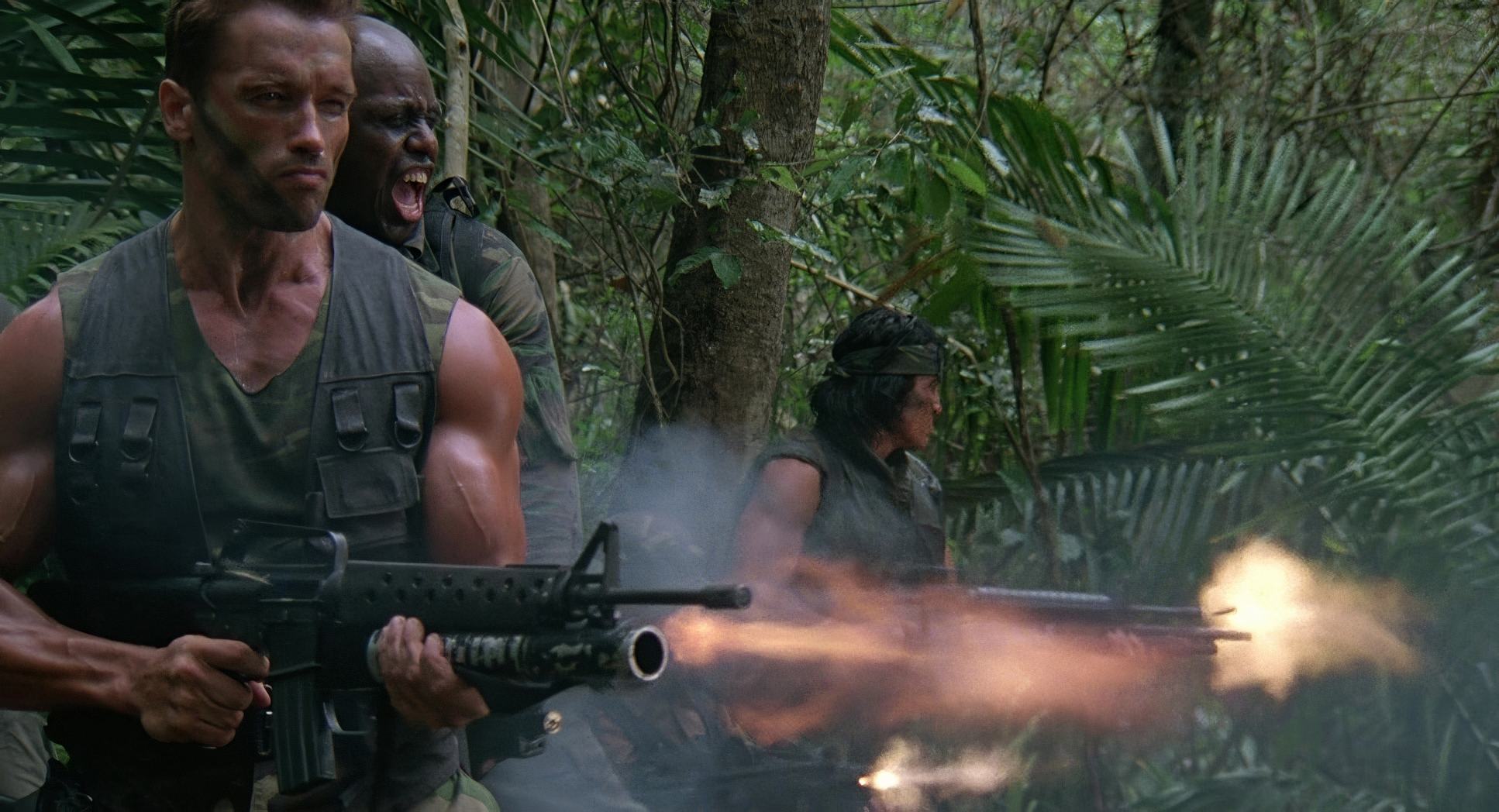
McAlpine was shooting on Tungsten-balanced stocks (like Kodak 5247) in the middle of a bright jungle. To make that work, they would have been leaning heavily on 85 filters to correction for the daylight, which gives the image that warm, thick, organic quality that digital just can’t quite replicate. I love the way he handles the “dappled” light through the canopy. It’s all about motivated pockets of brightness surrounded by deep, oppressive darkness. In the night scenes, he doesn’t cheat. He lets the campfires and muzzle flashes do the heavy lifting. The result? A lighting scheme that feels humid, heavy, and honest.
Camera Movements
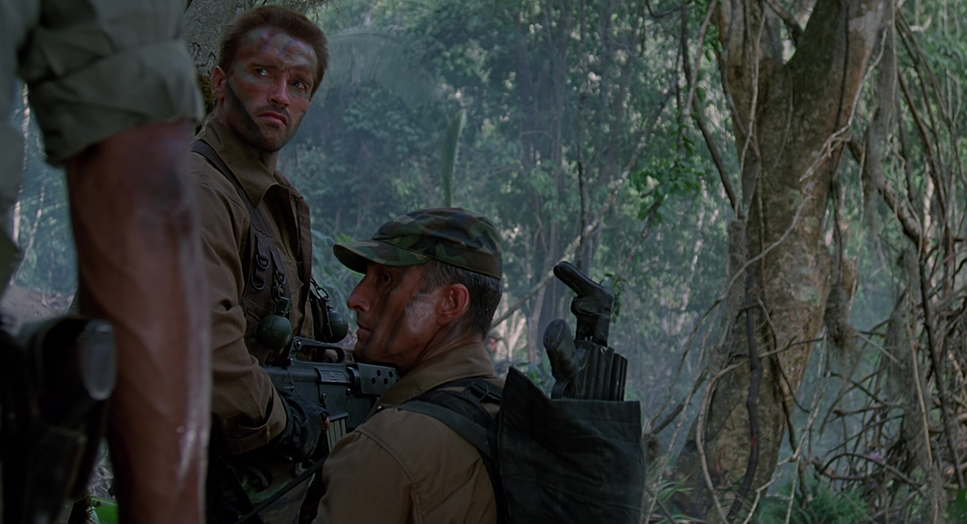
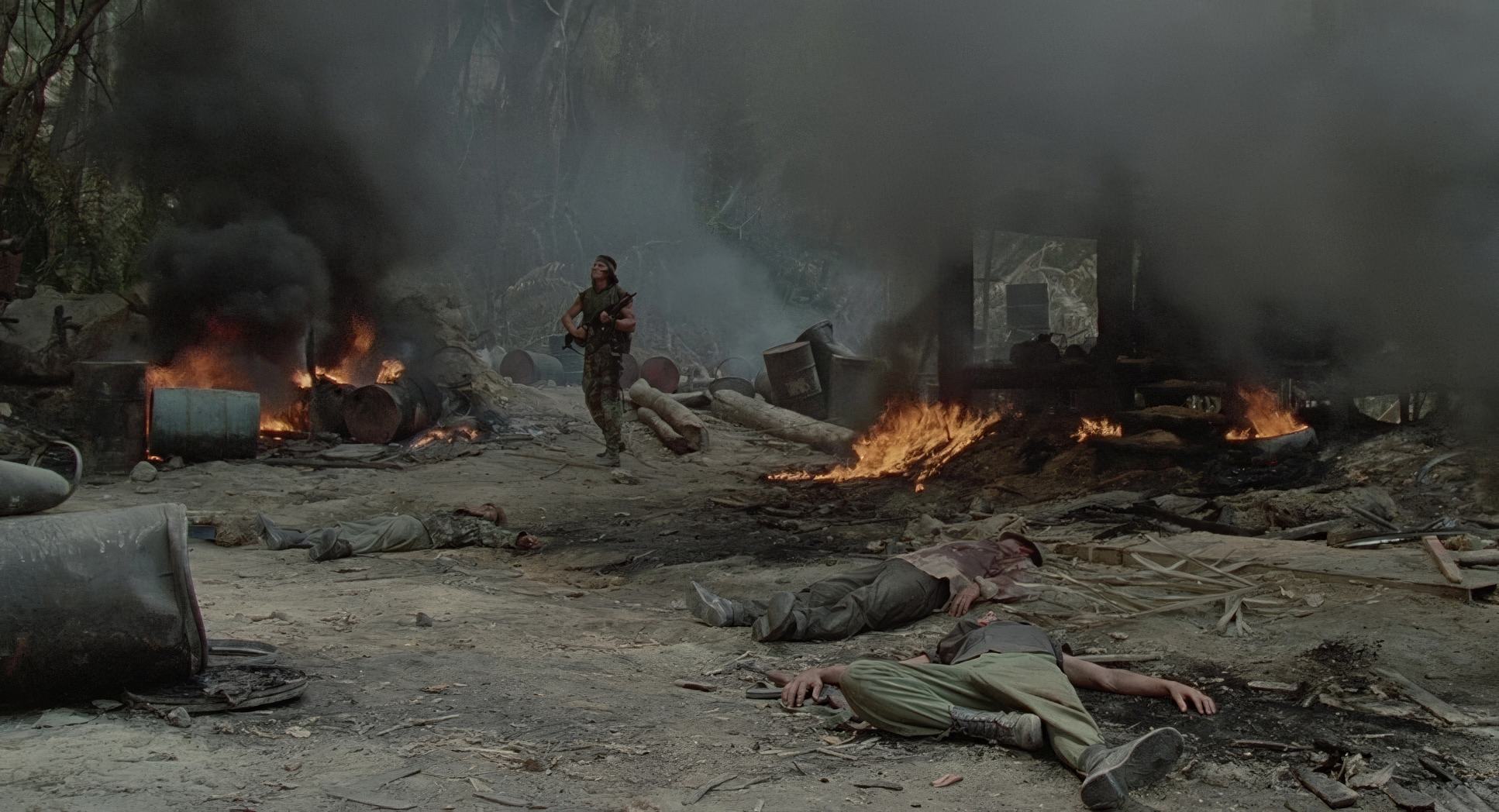
There’s a weird, fascinating friction in the camera work here. The early compound raid feels almost like second-unit “news” footage lots of static coverage and functional shots. McTiernan has even joked about how “boring” those early setups were.
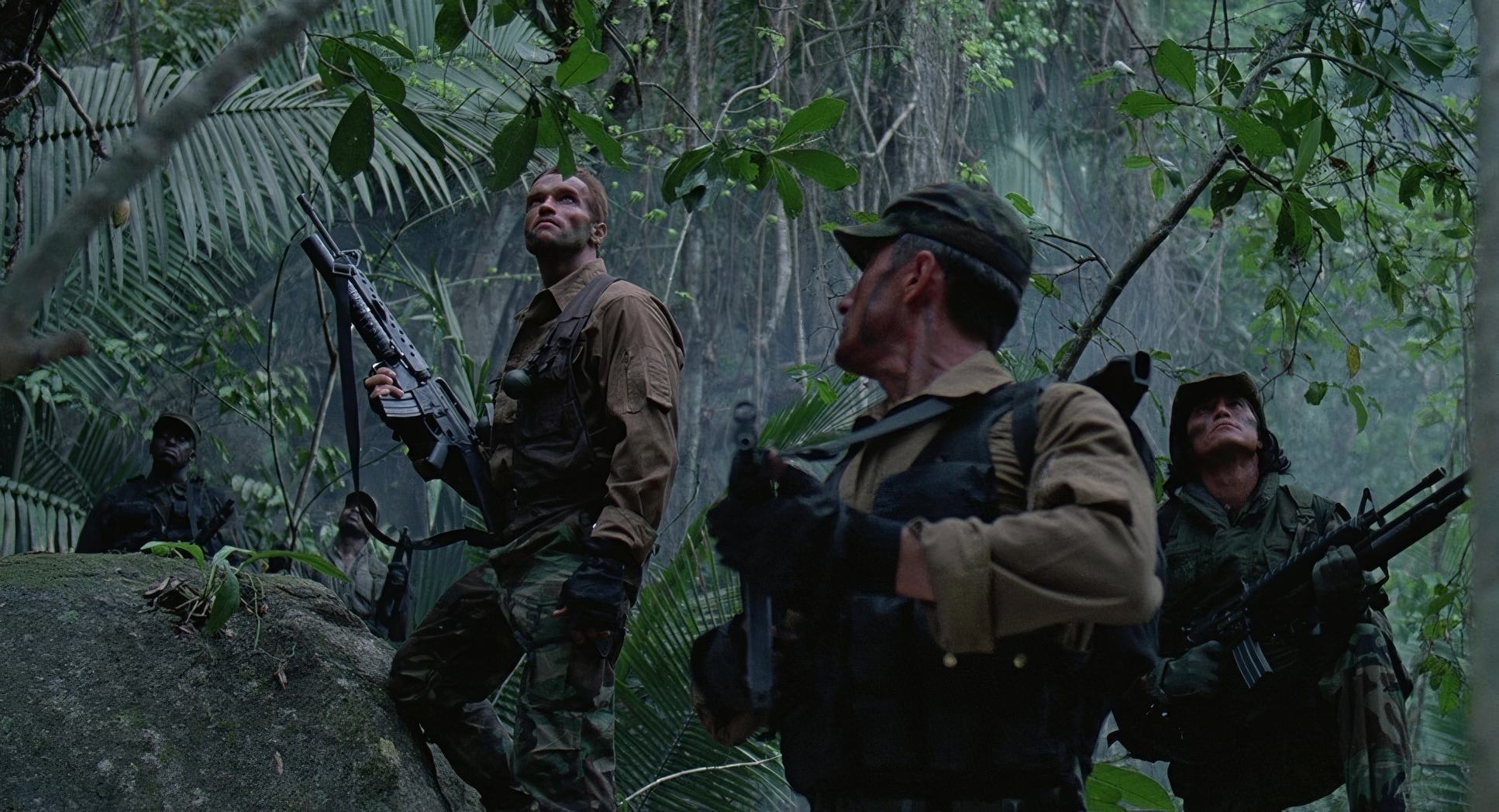
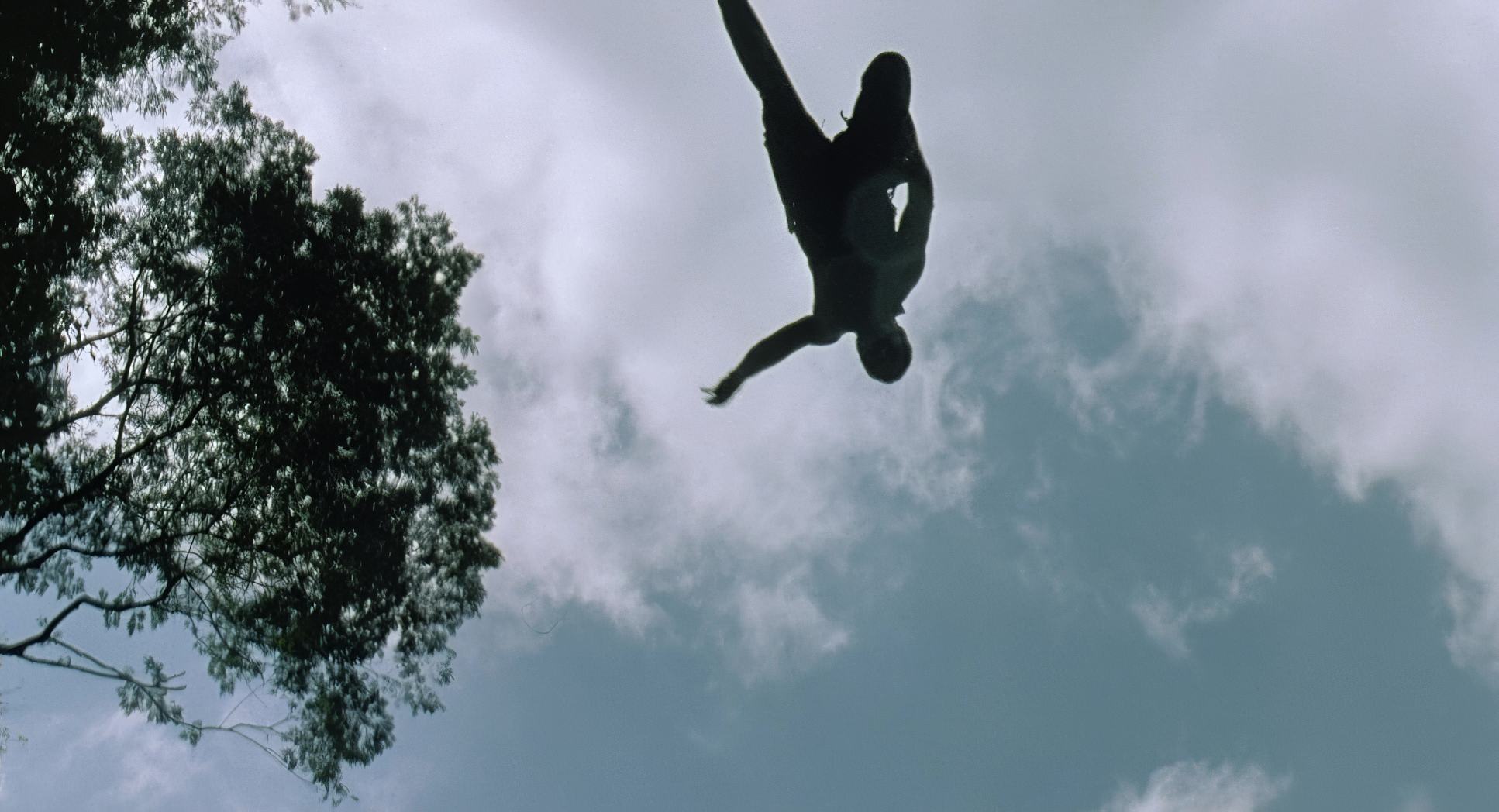
But the second the Predator starts hunting, the camera loses its mind. We move into fluid Steadicam work and those iconic low-angle pans looking up through the trees. We’re suddenly seeing the world through the Predator’s eyes or at least from its height. It’s a total shift in visual grammar. When Dutch is finally alone at the end, the camera becomes his only companion, mirroring his frantic energy. It’s a perfect example of how camera movement can track a character’s mental state.
Compositional Choices
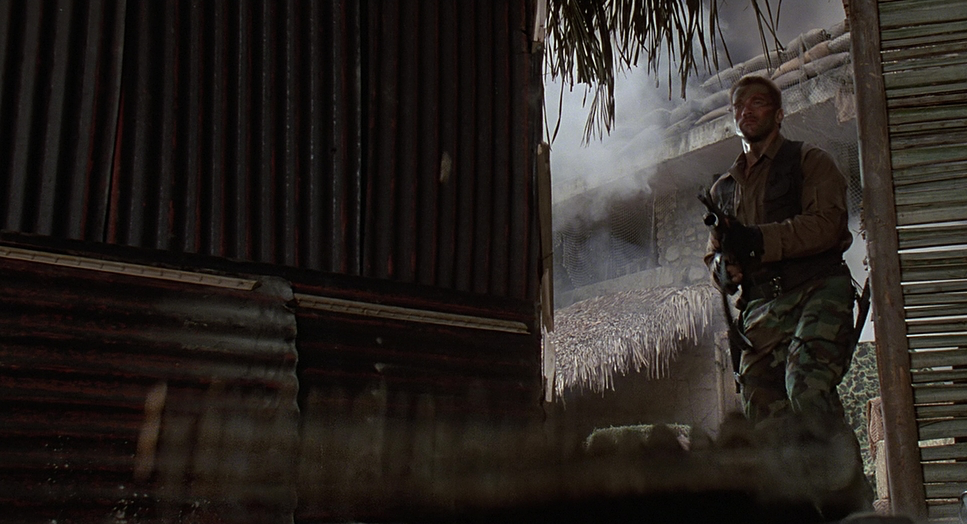
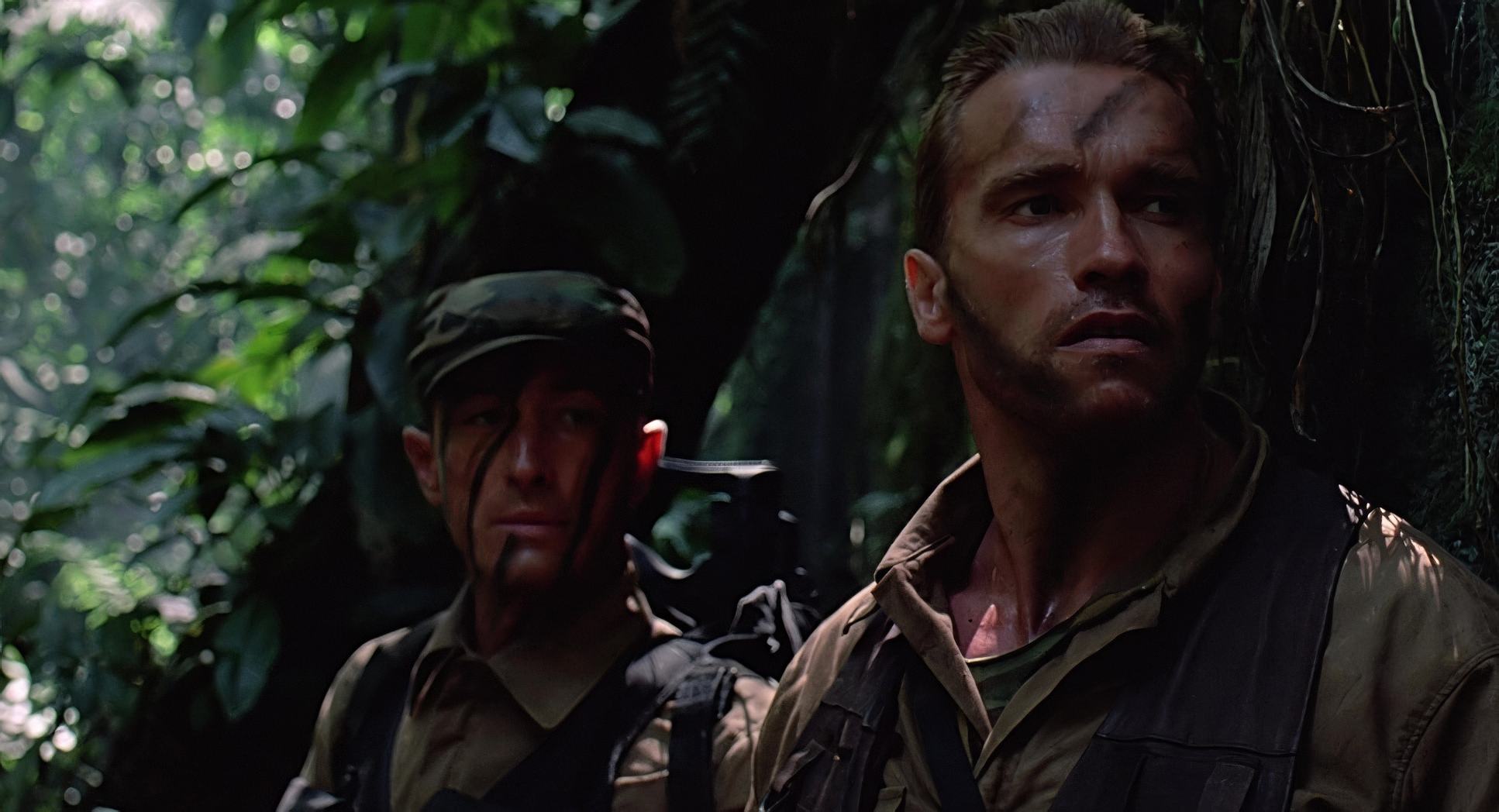
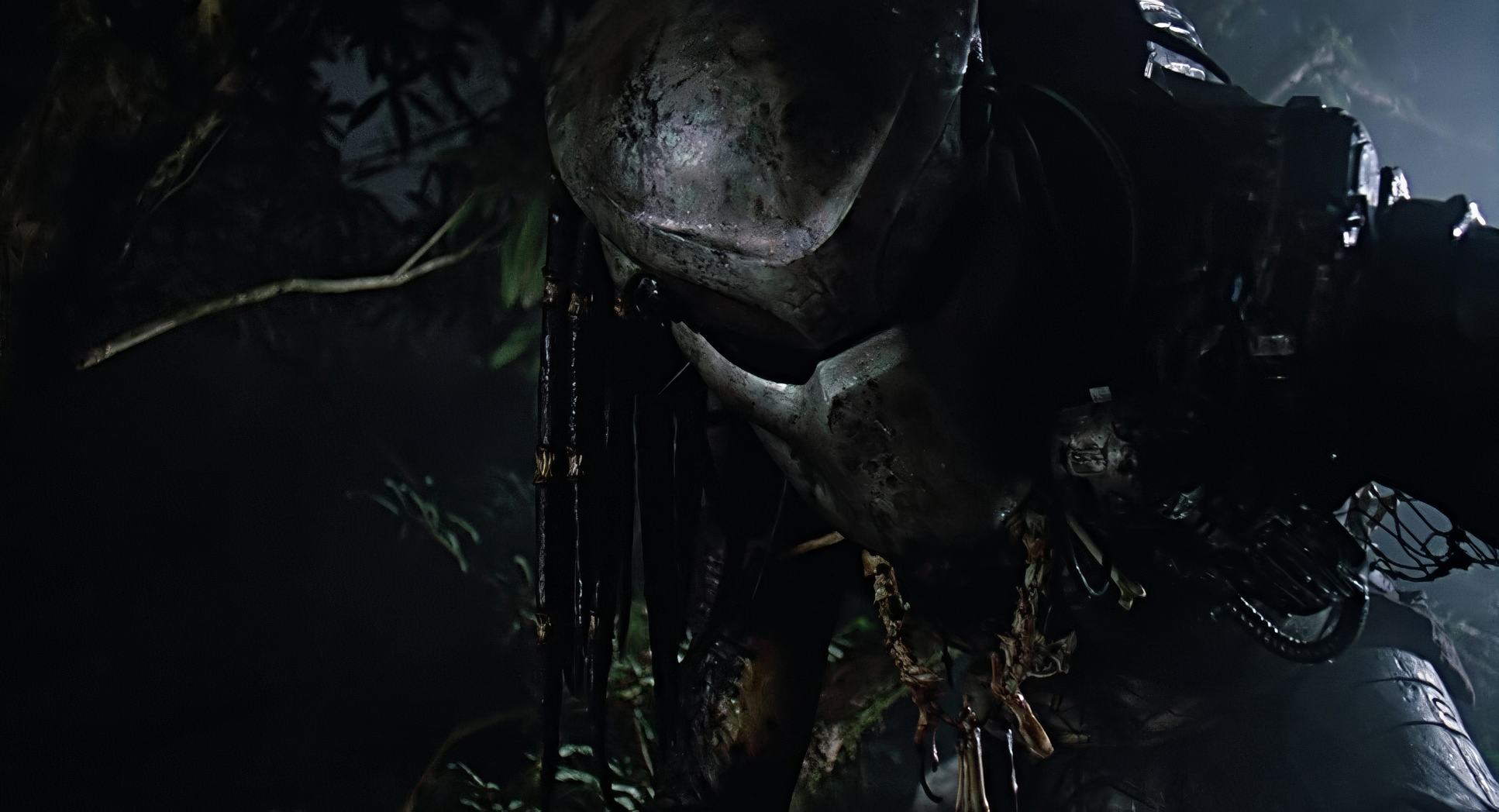
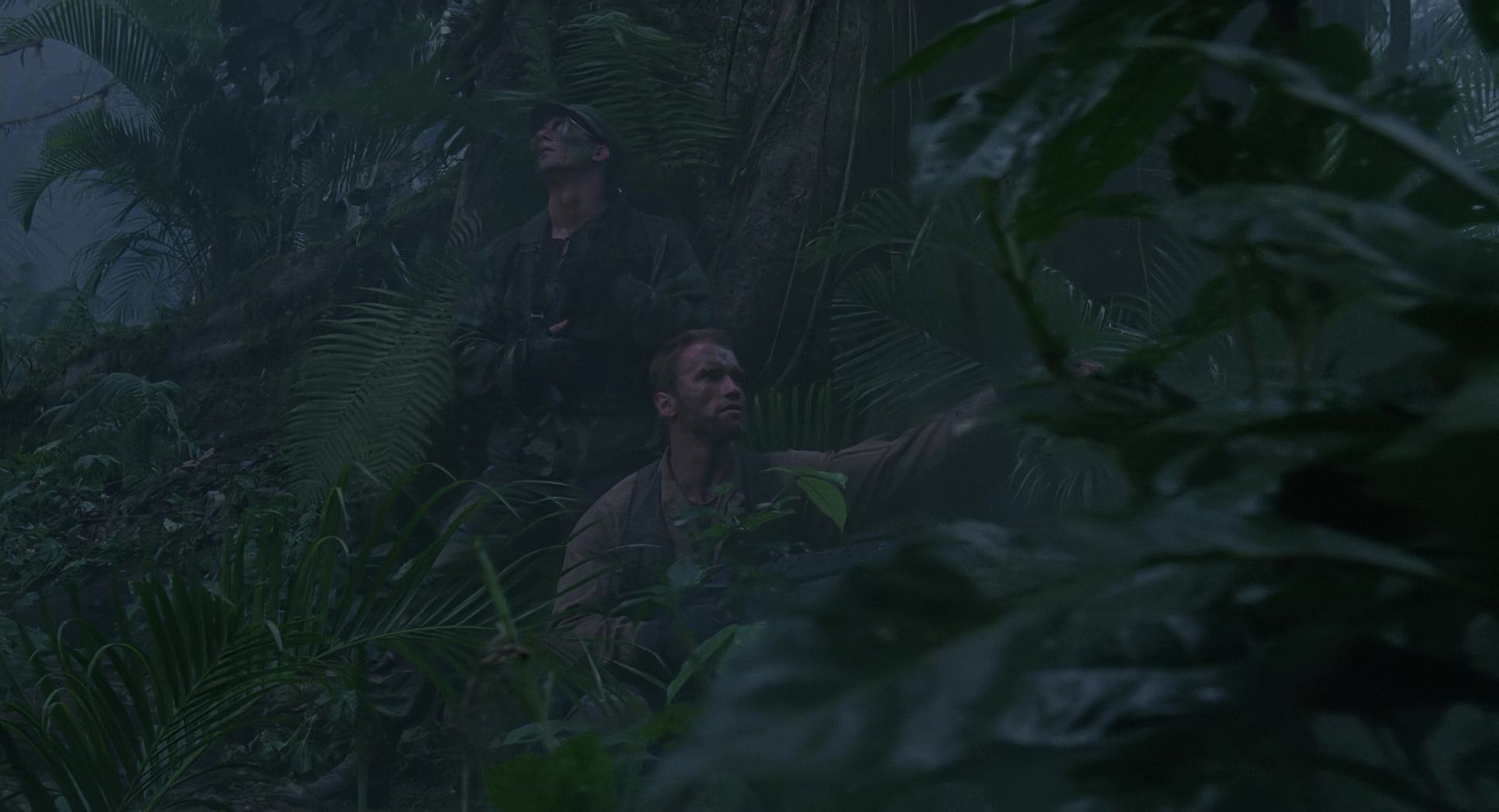
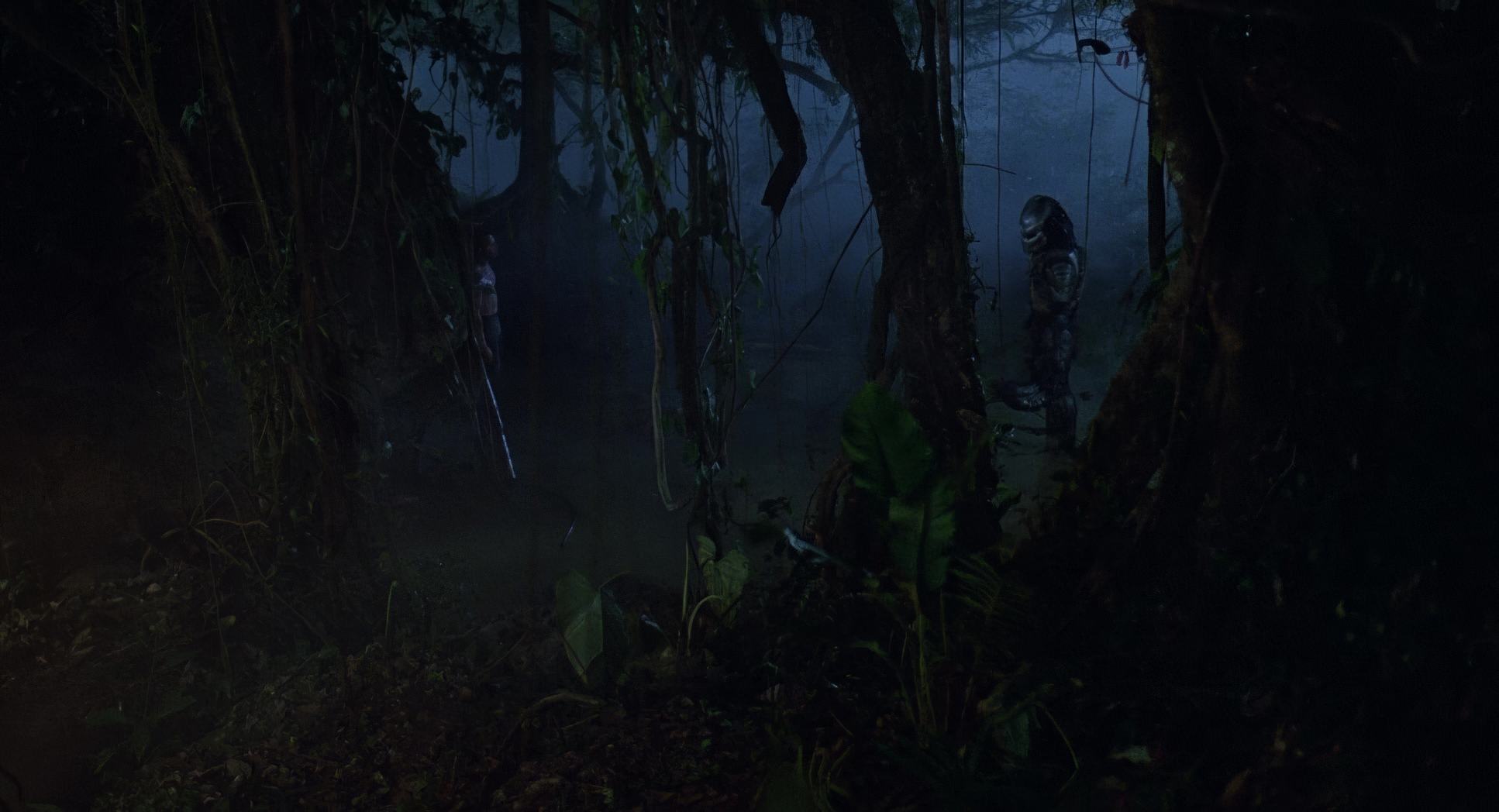
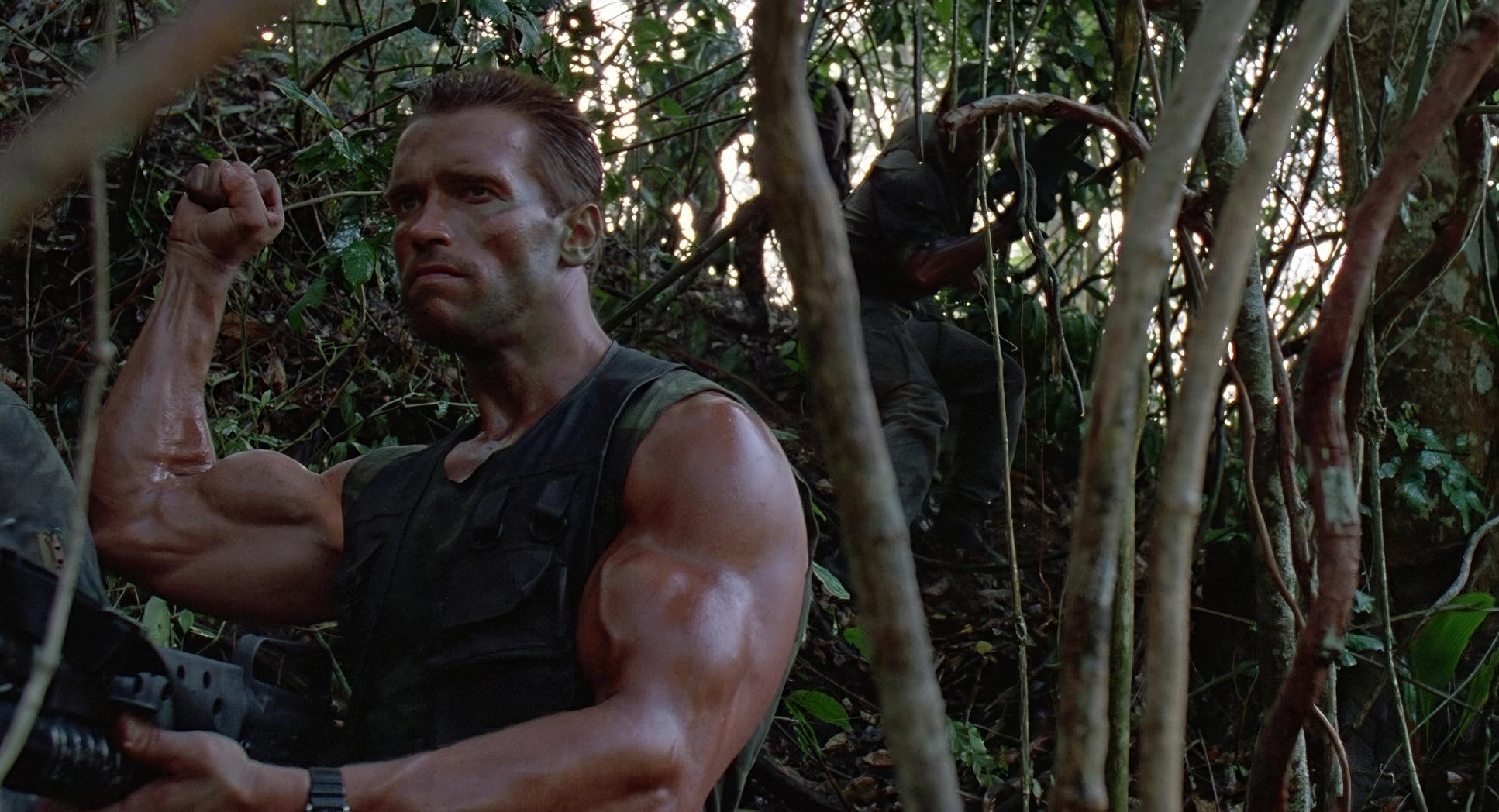
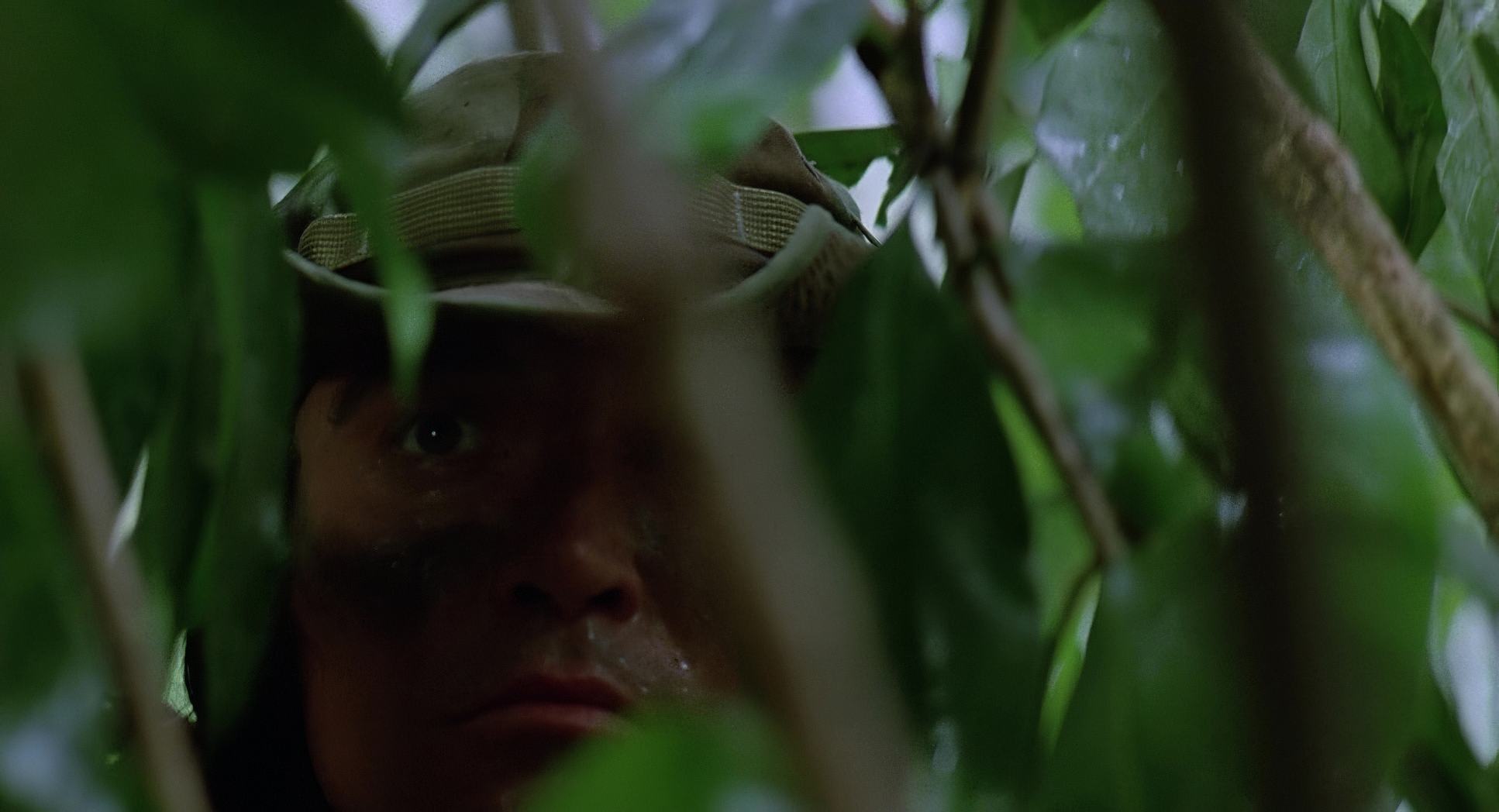
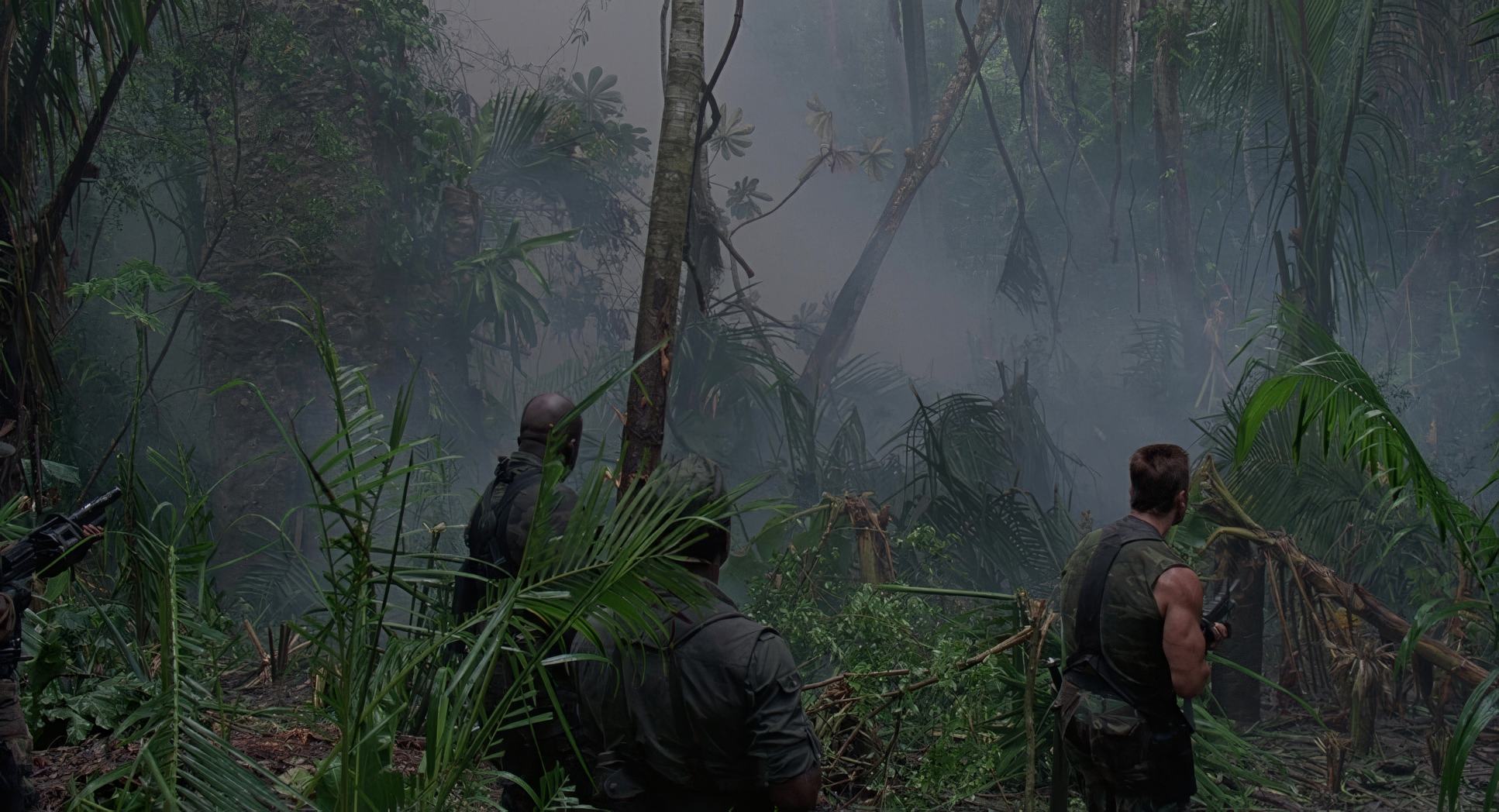
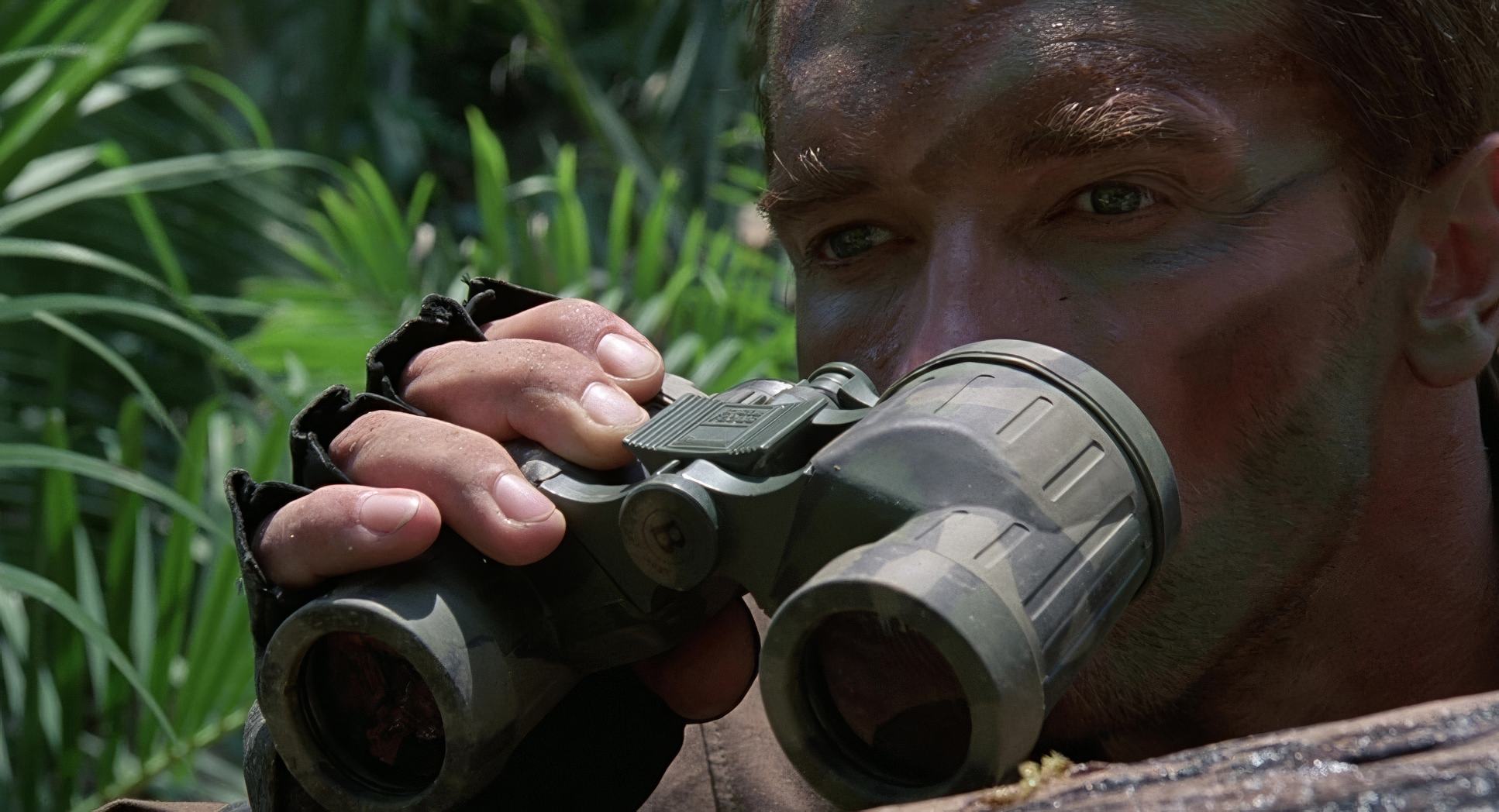
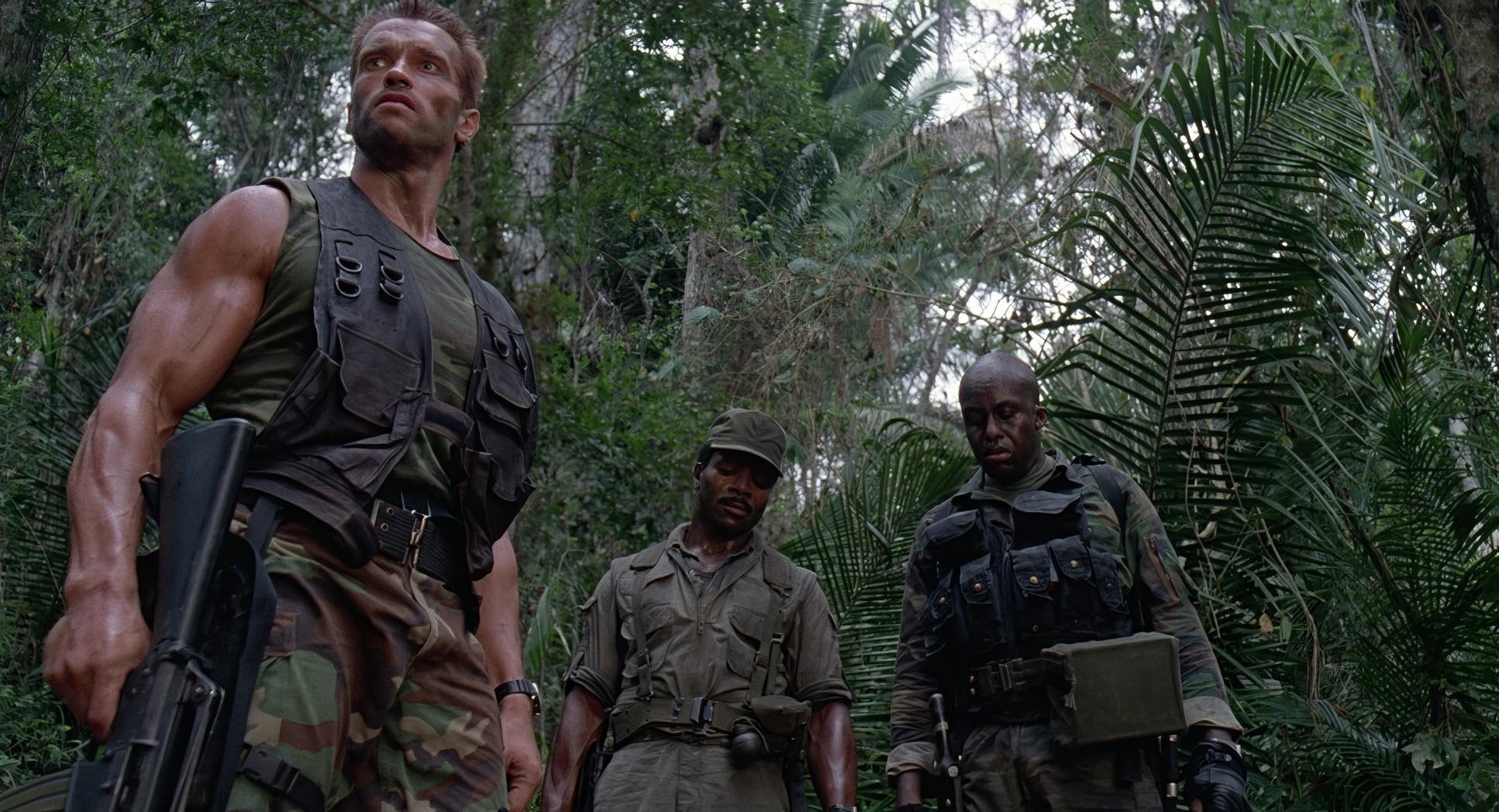
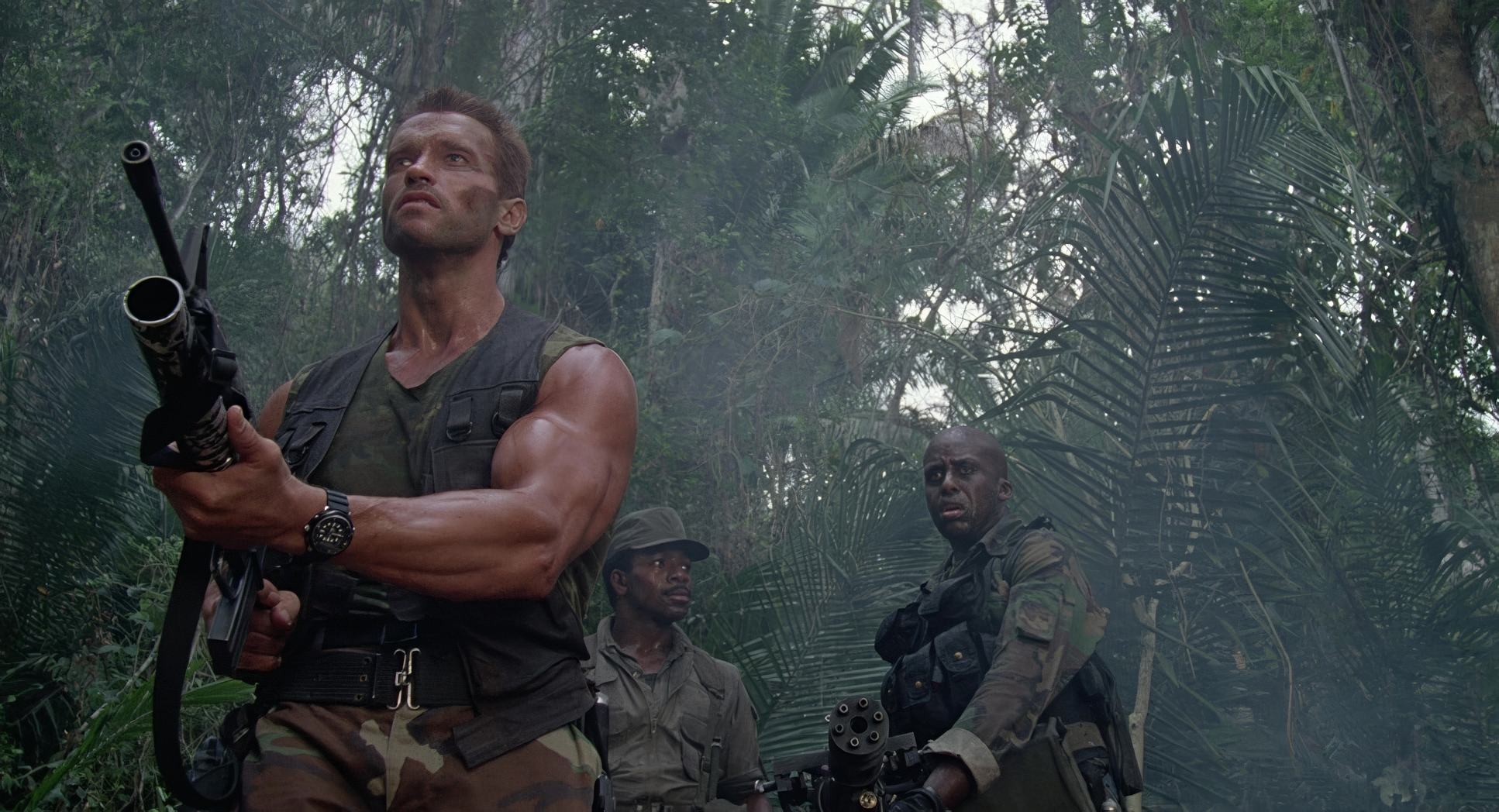
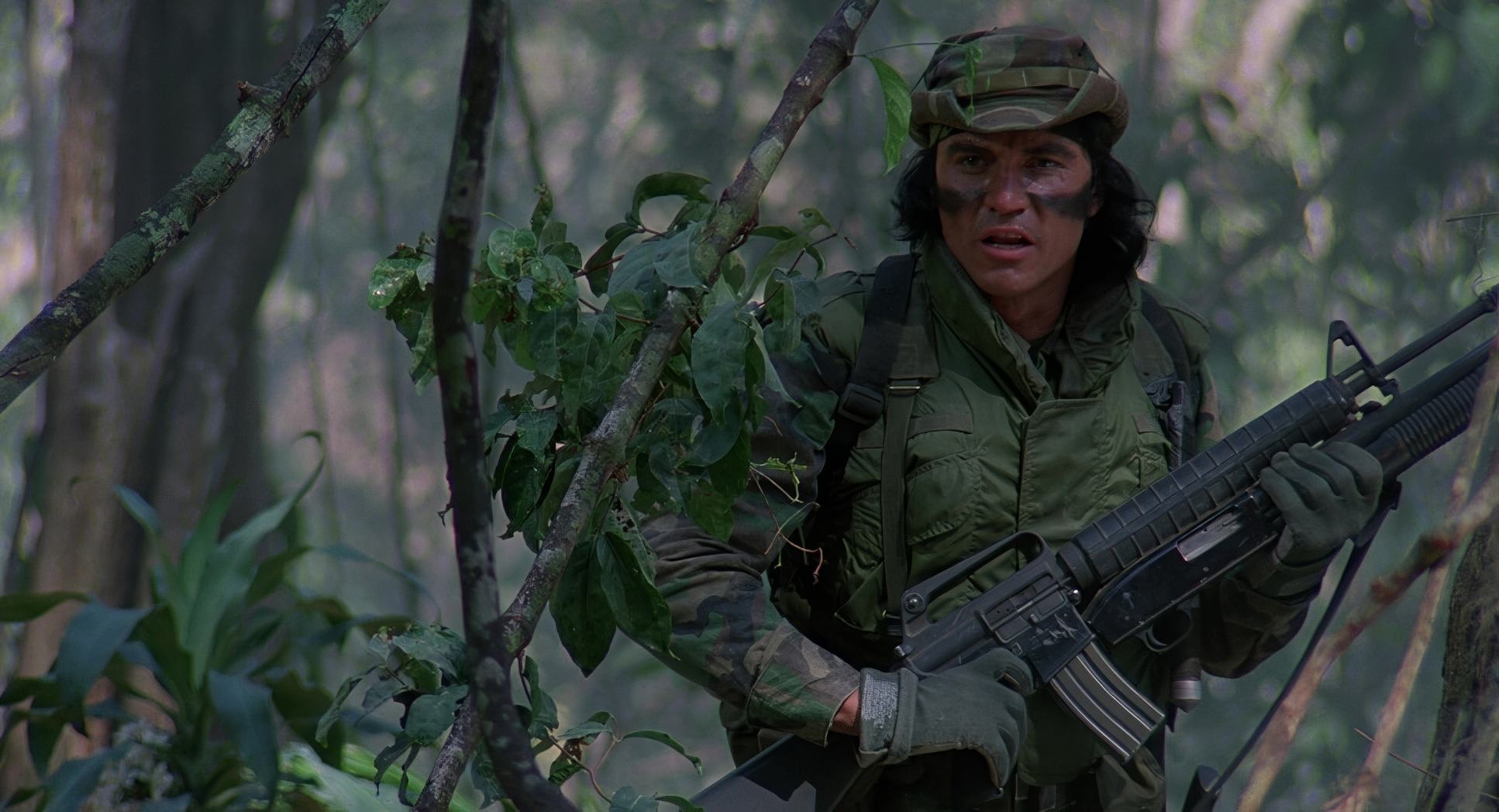
McAlpine is a master of the “frame within a frame.” He’s constantly shoving leaves, vines, and tree trunks into the foreground to choke the frame. It makes the viewer feel like a peeping tom or worse, like the hunter.
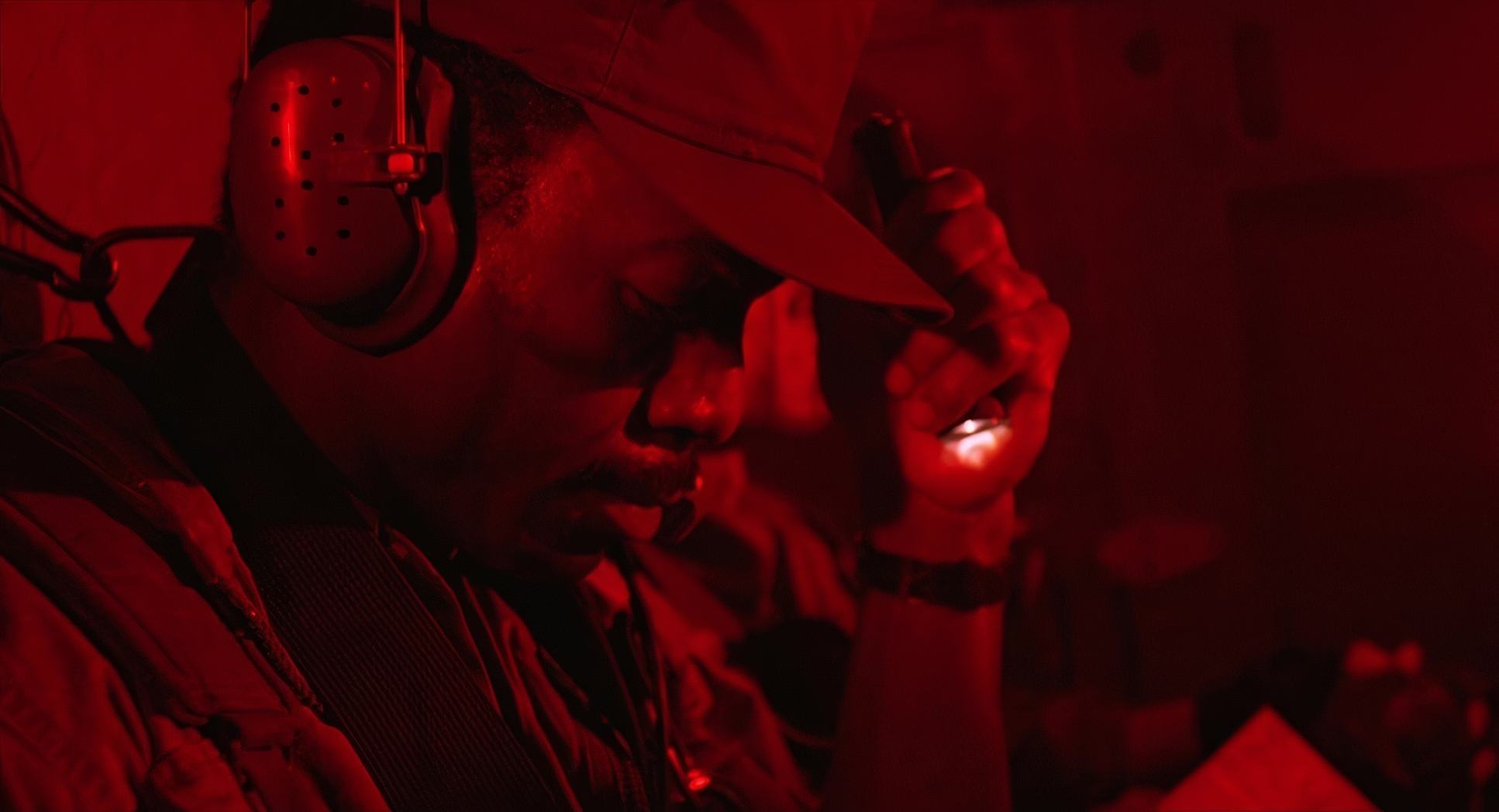
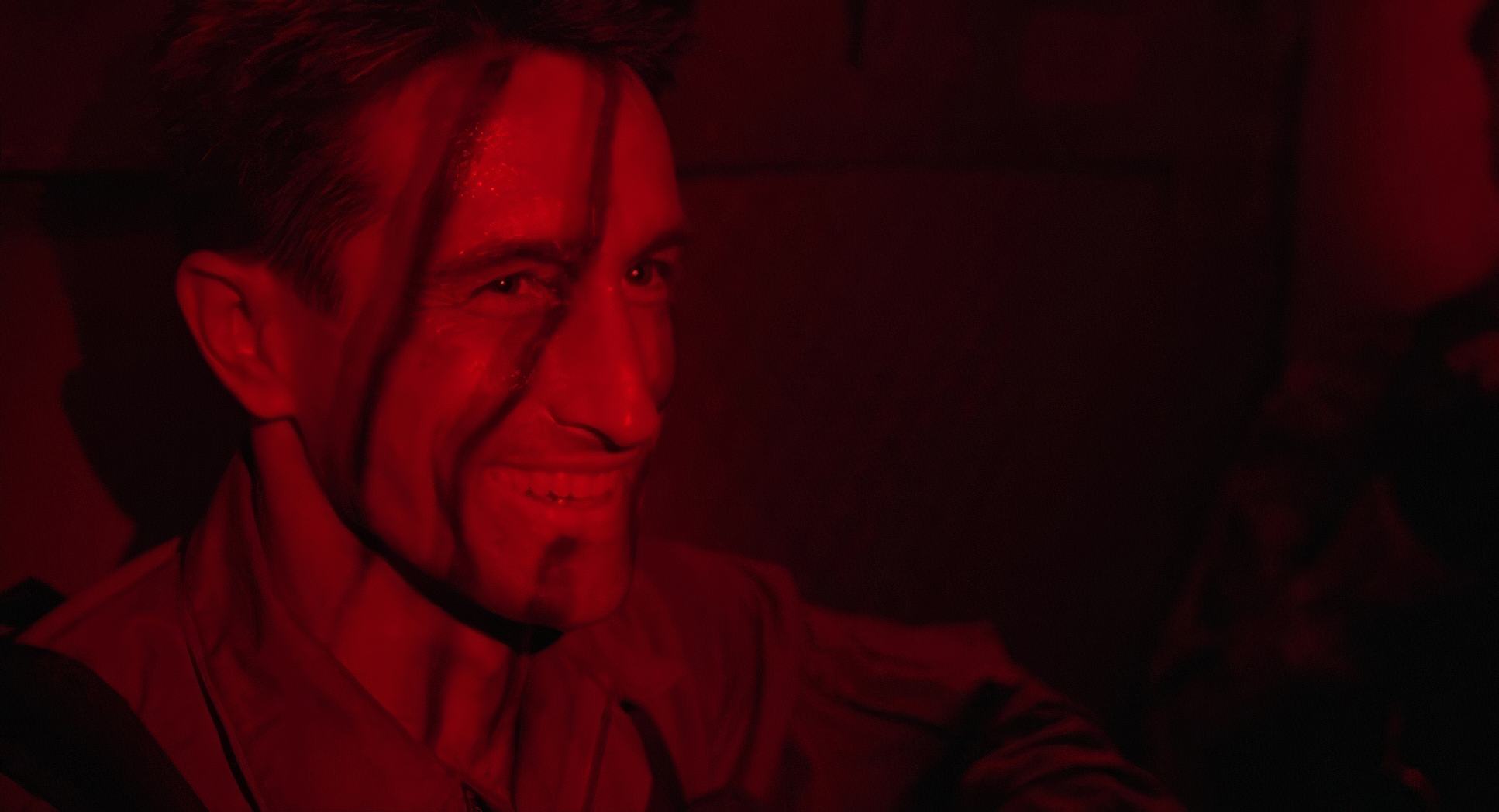
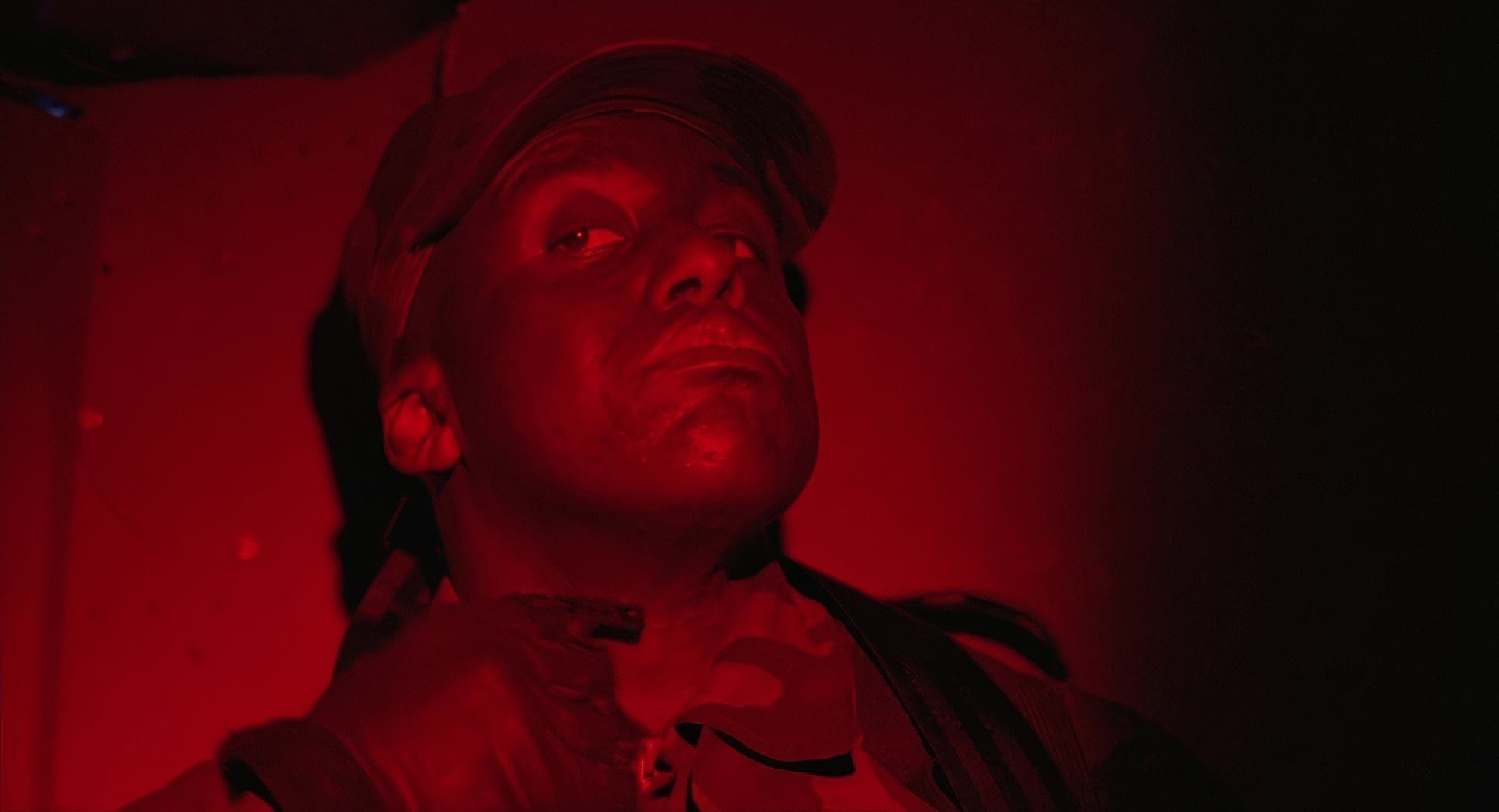
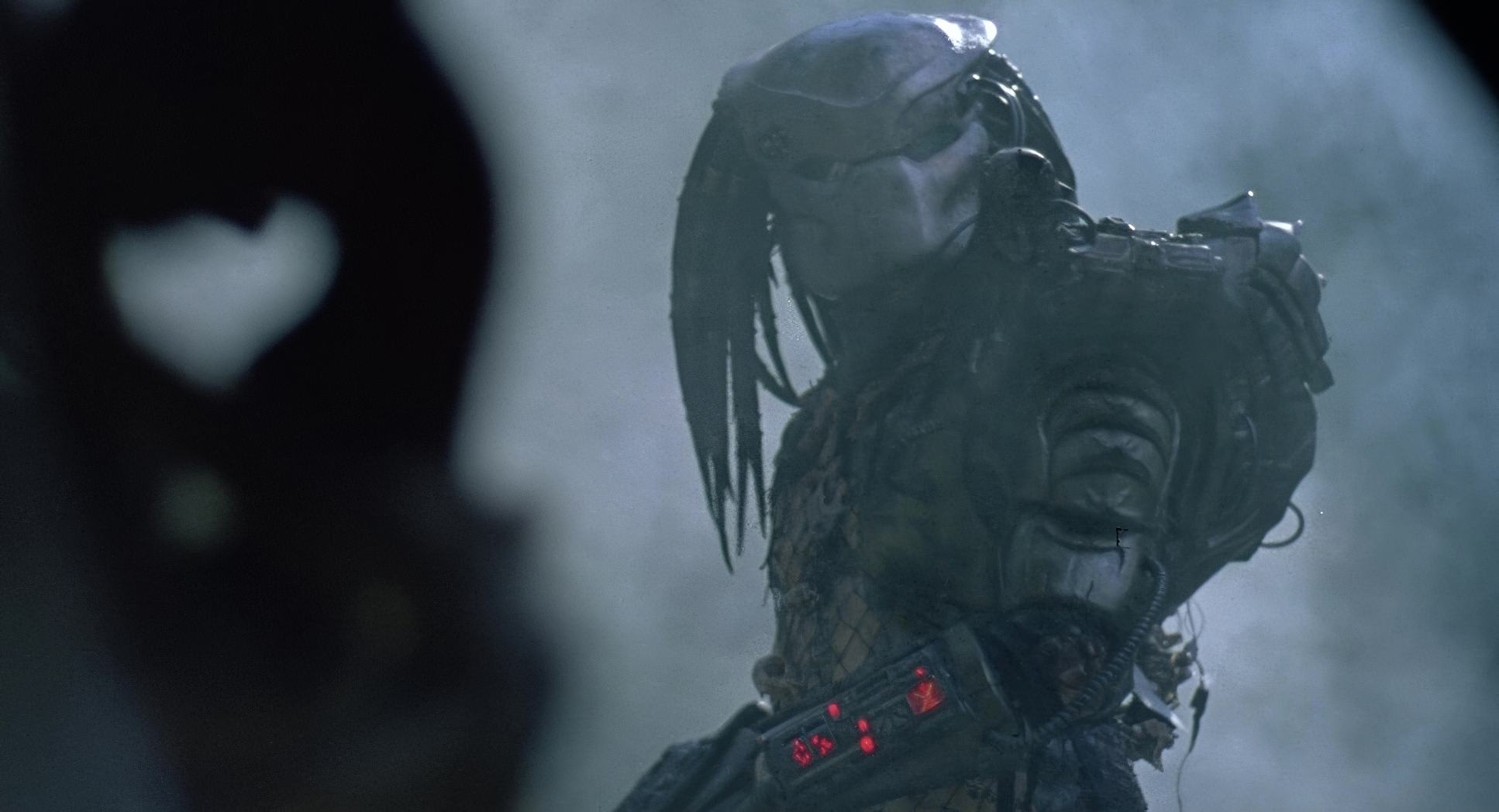
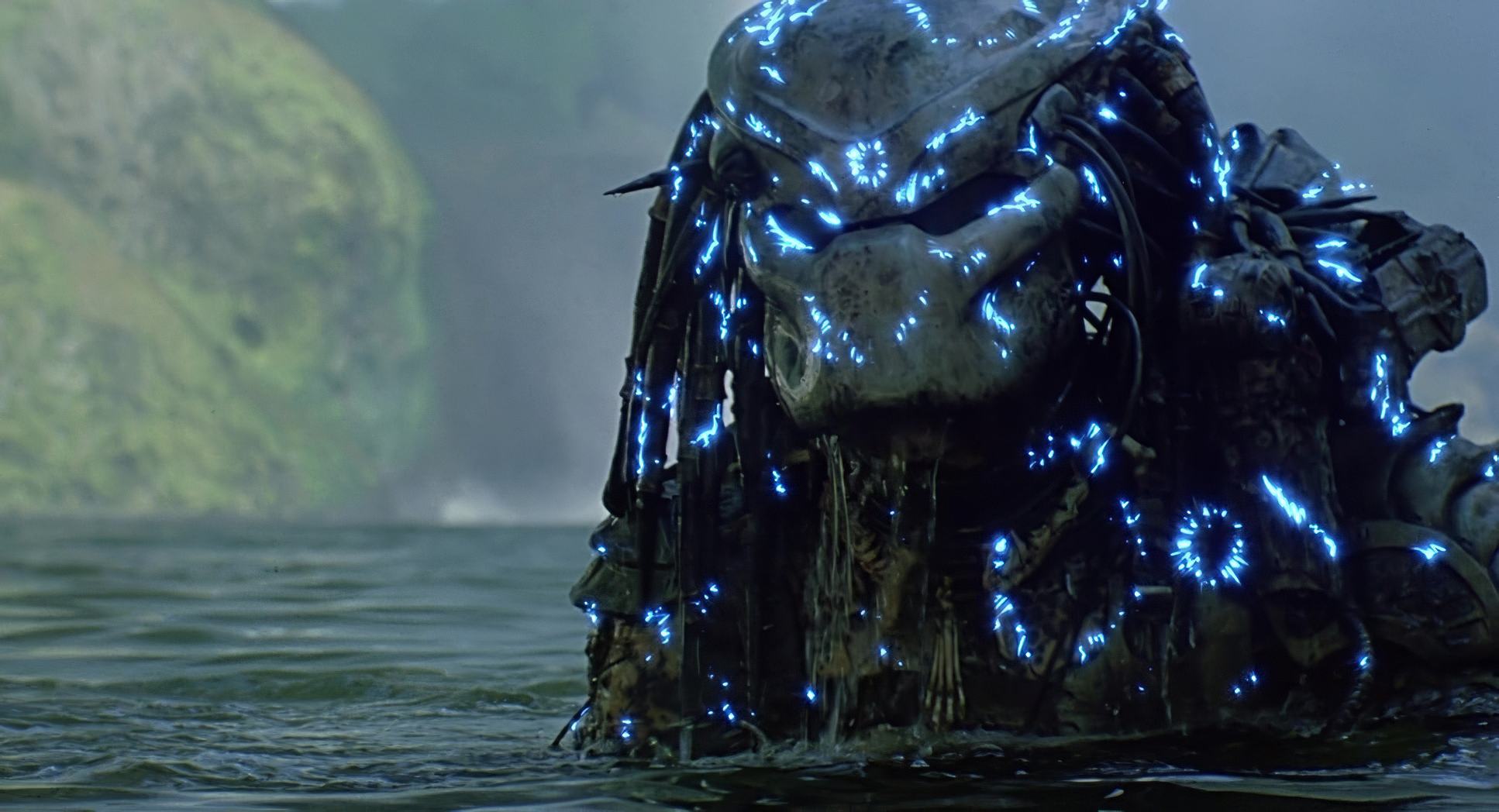
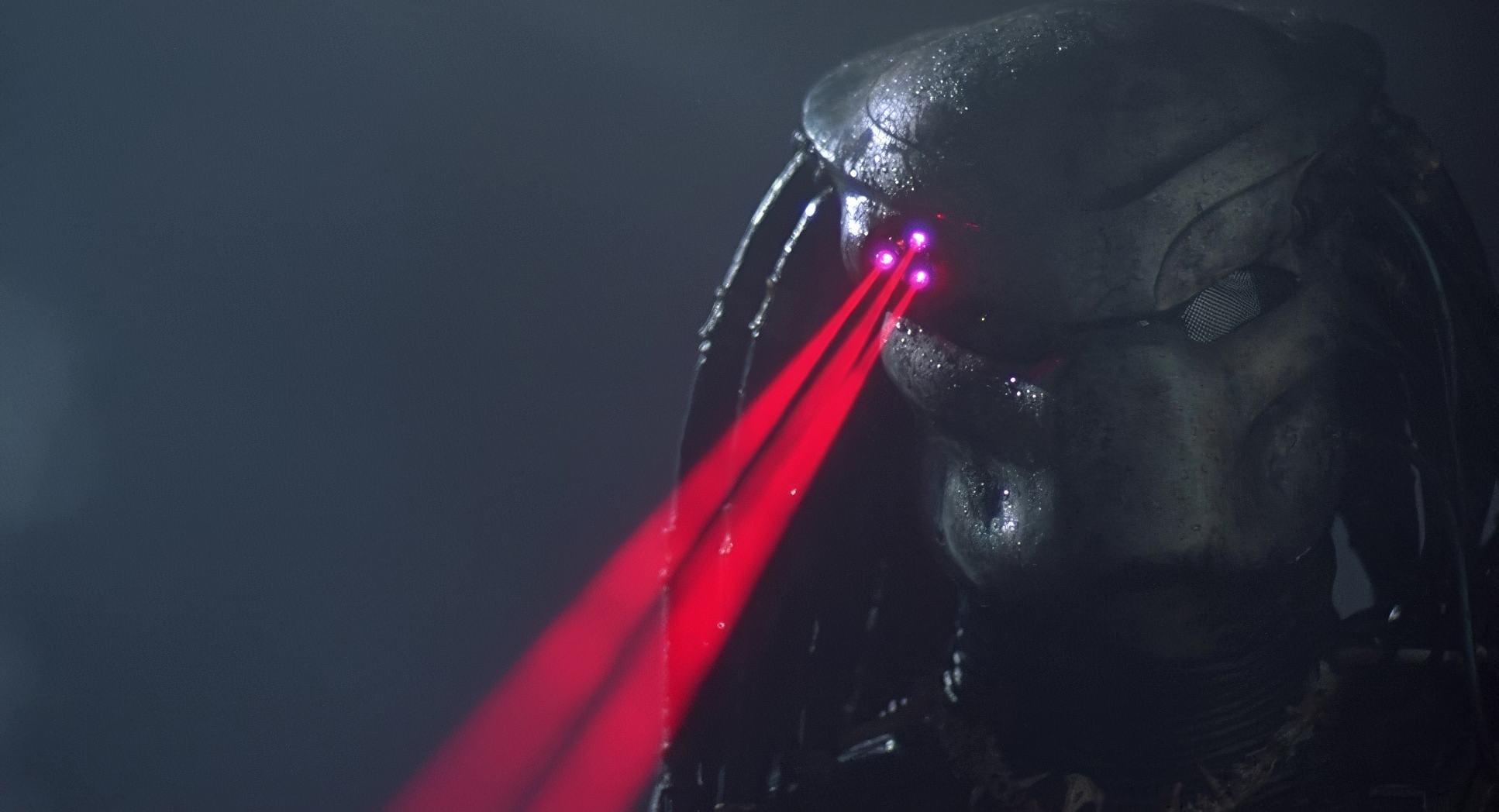
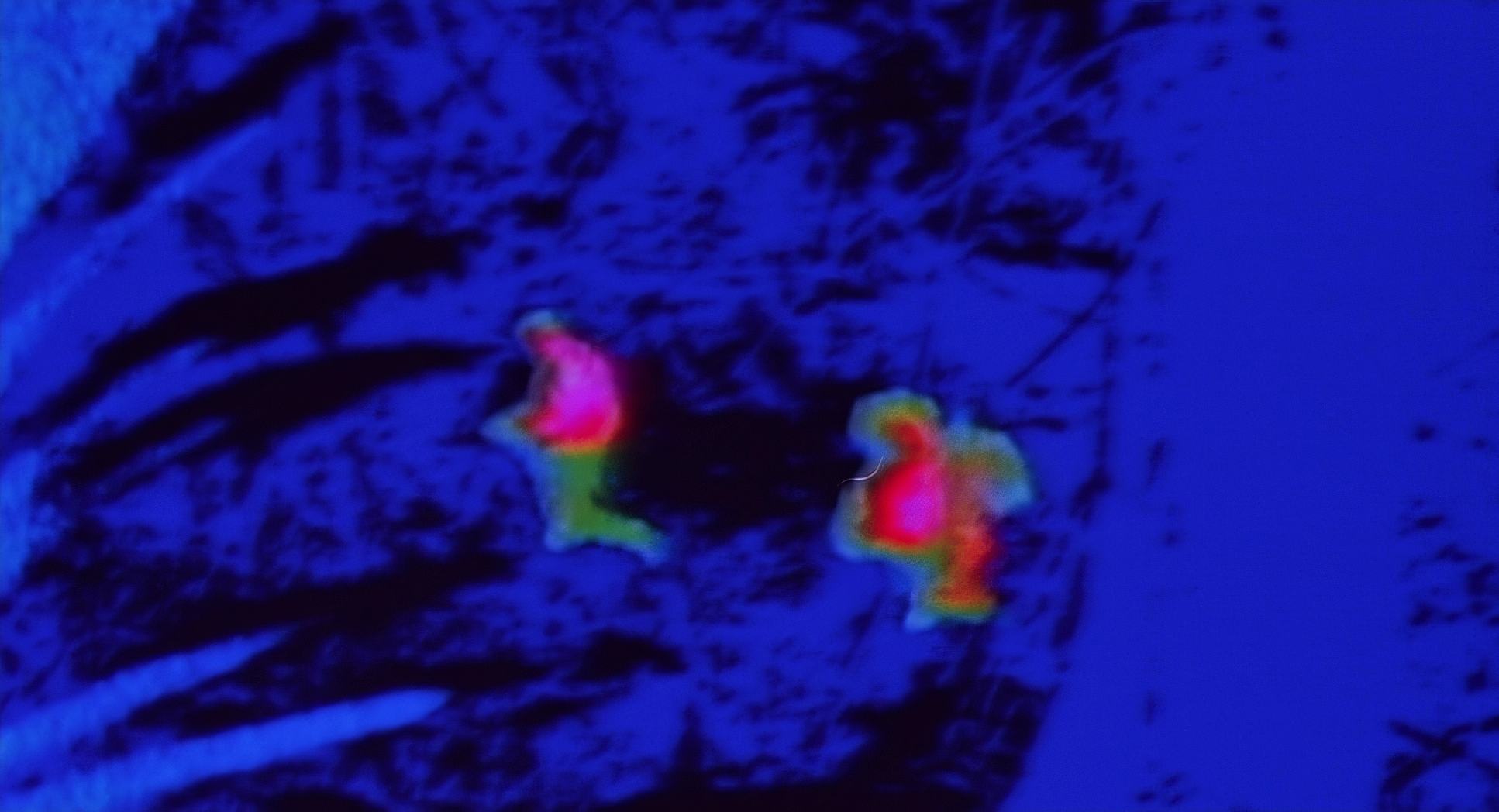
As a colorist, I’m obsessed with the depth cues here. Even in the wide shots, the compositions feel “stacked,” making the jungle look like a solid wall of green. And then you have the thermal vision. It’s a brilliant compositional “reset.” By stripping away the textures of the jungle and leaving only heat signatures, the filmmakers reduced the “invincible” soldiers to mere targets. It’s a cold, calculated way to frame a human being.
Lensing and Blocking
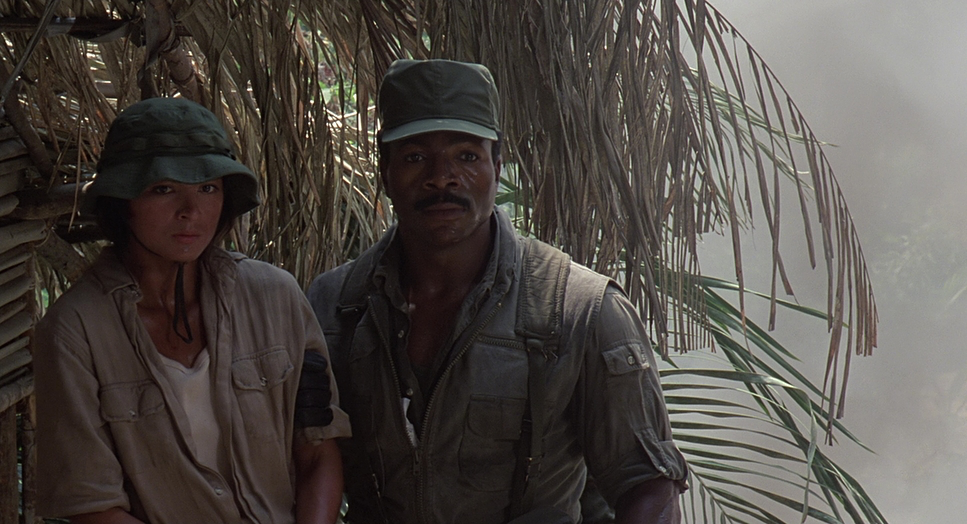
In the beginning, they used wider glass to keep the whole squad in the frame, emphasizing their “unit” strength. But as the Predator picks them off, the lenses get longer.
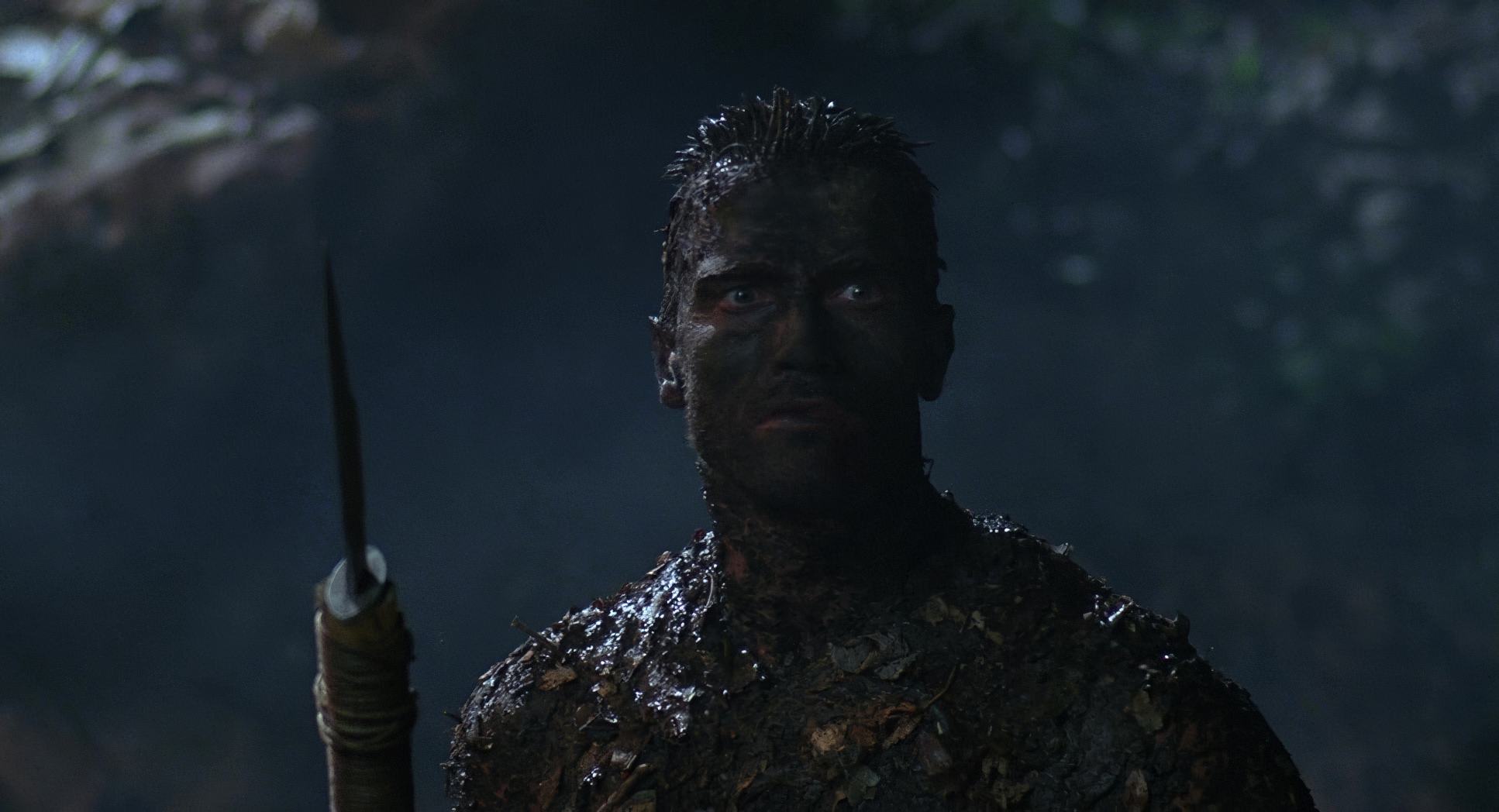
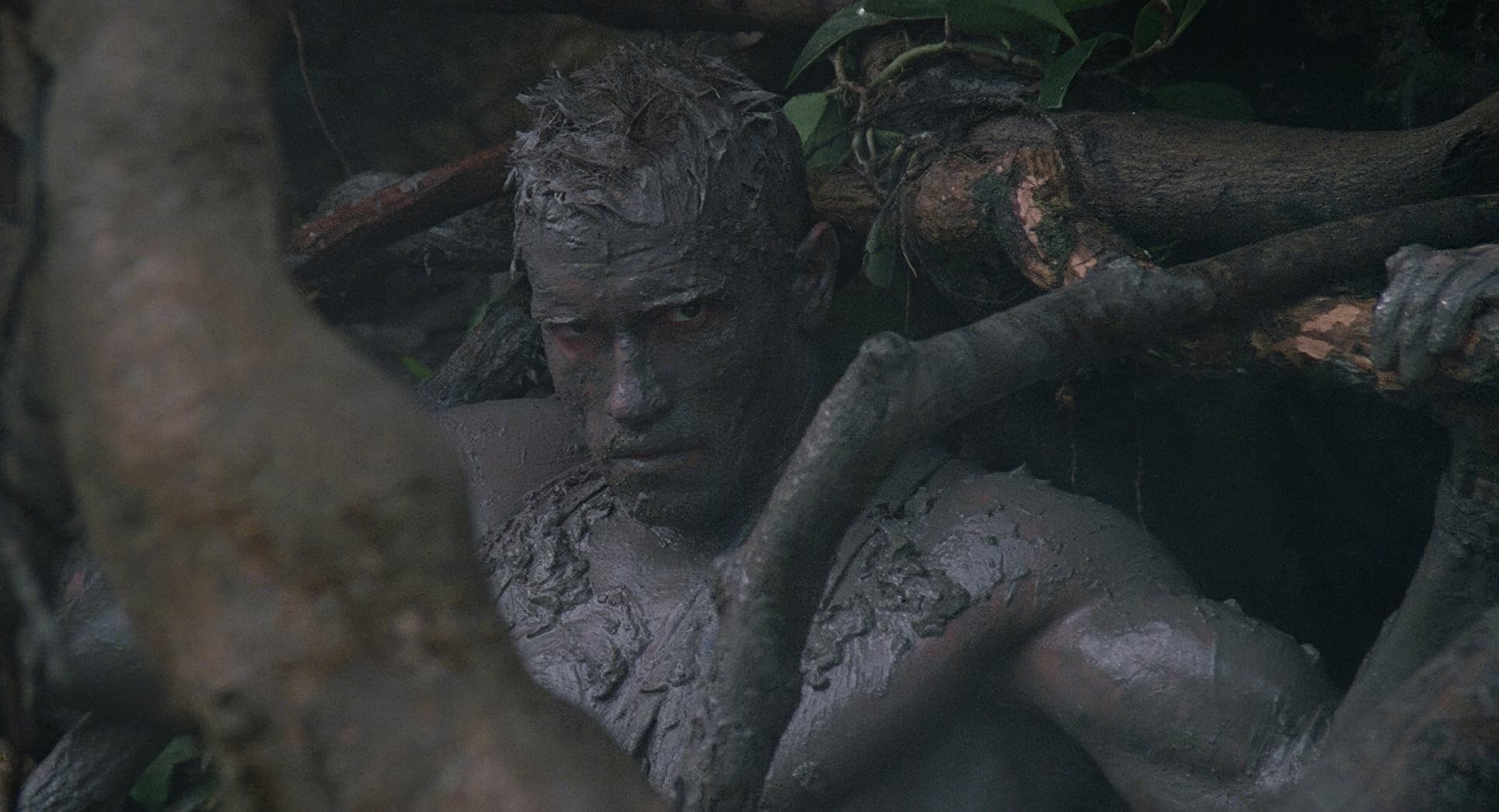
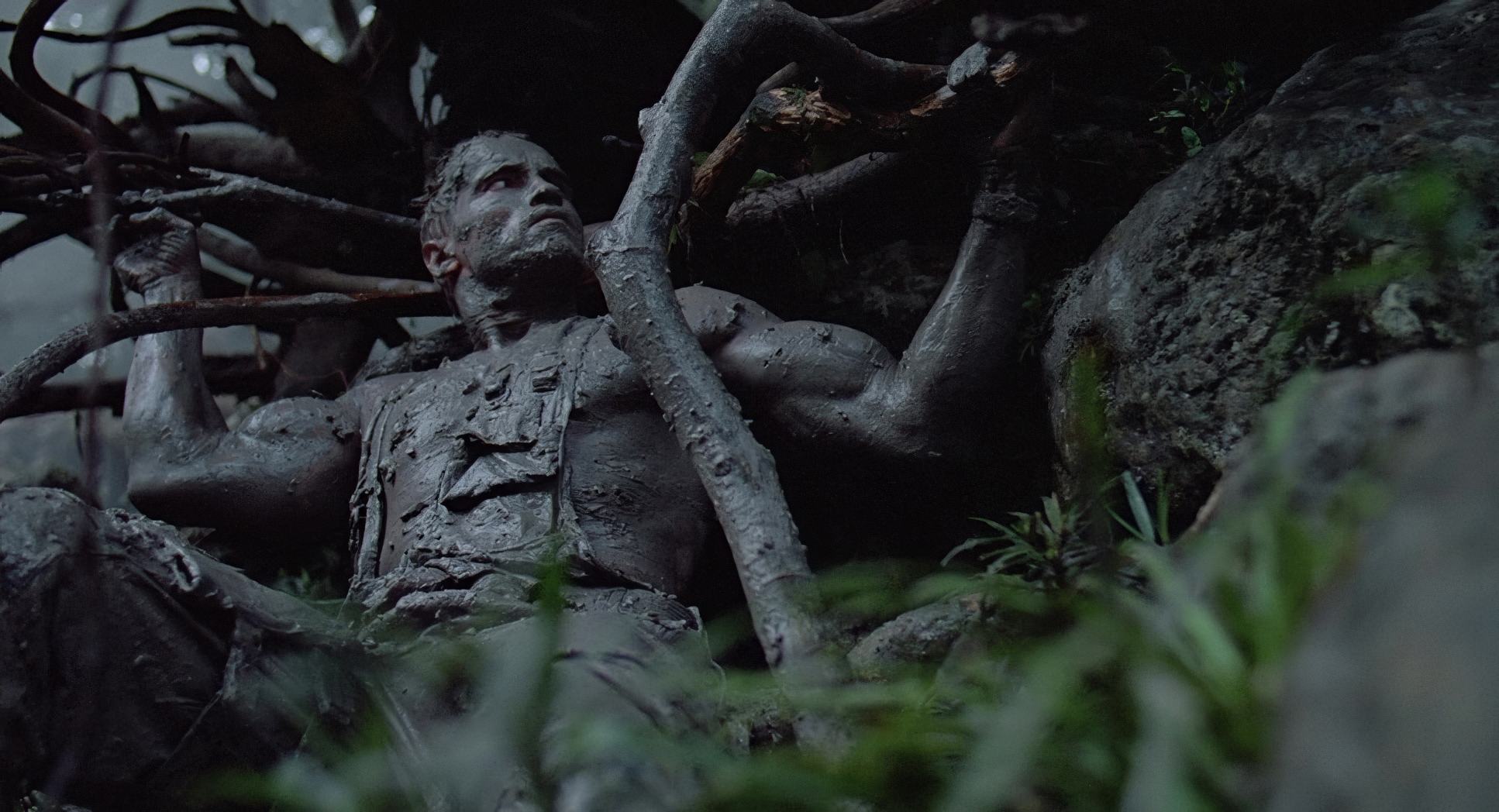
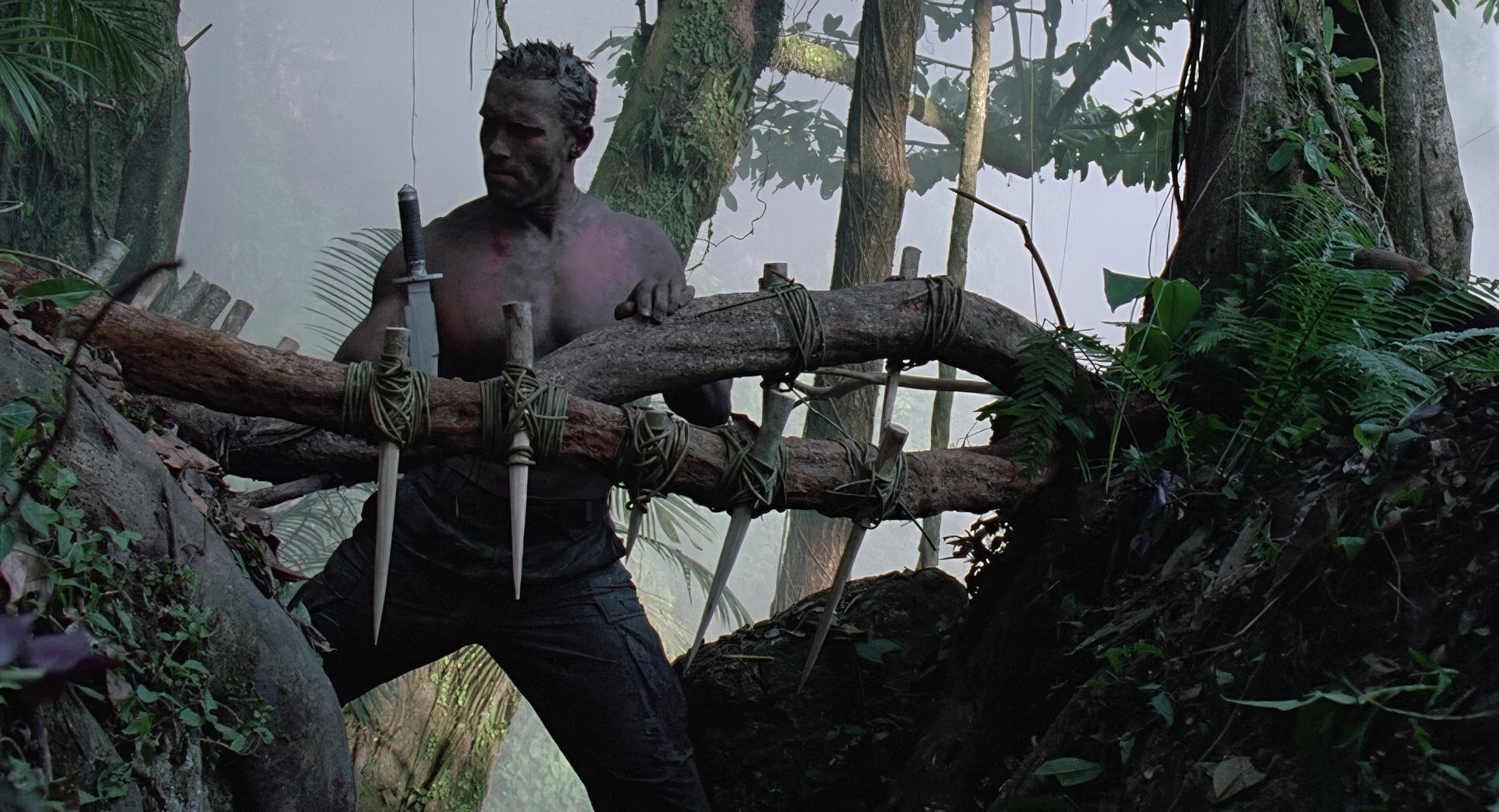
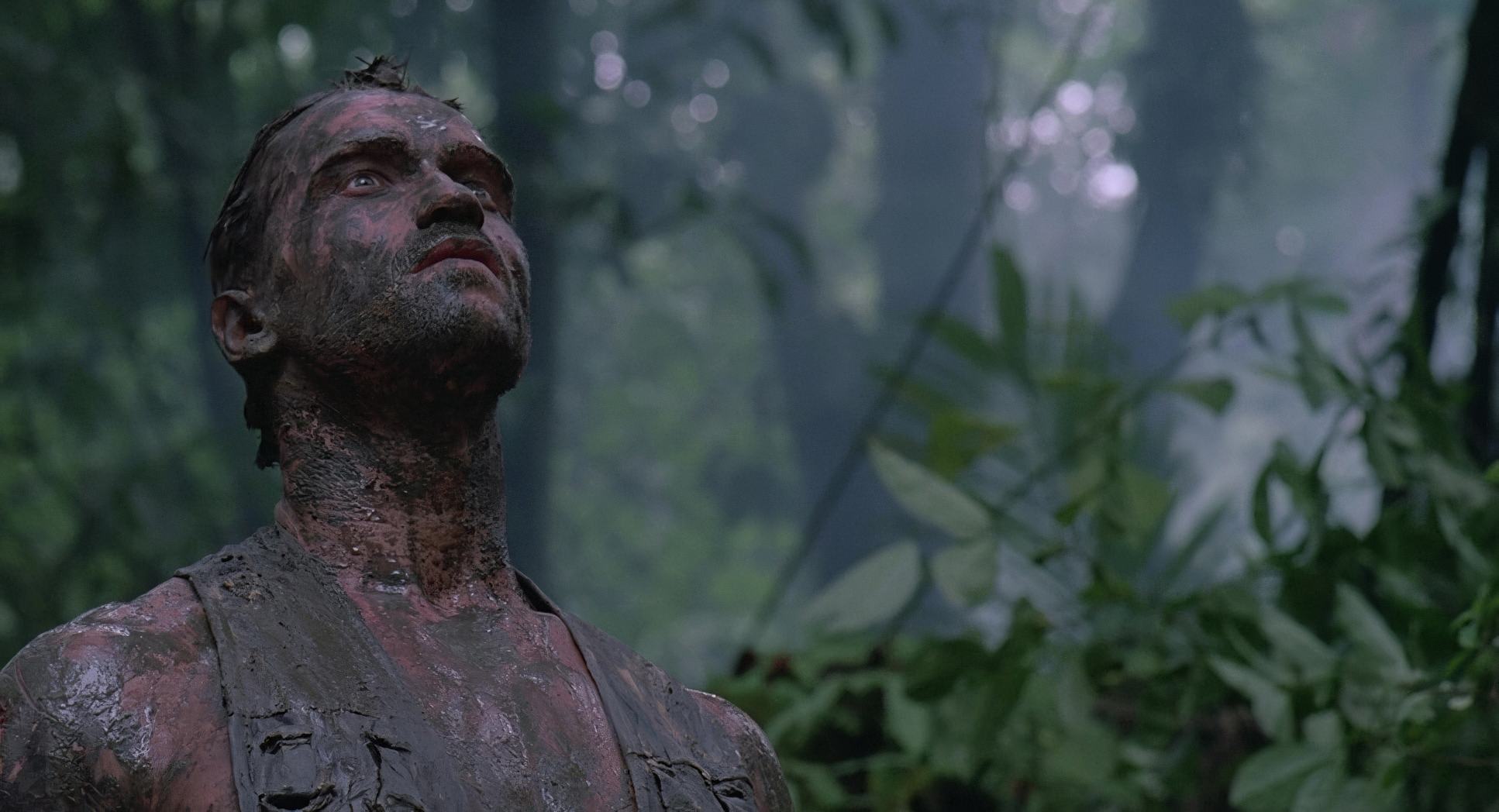
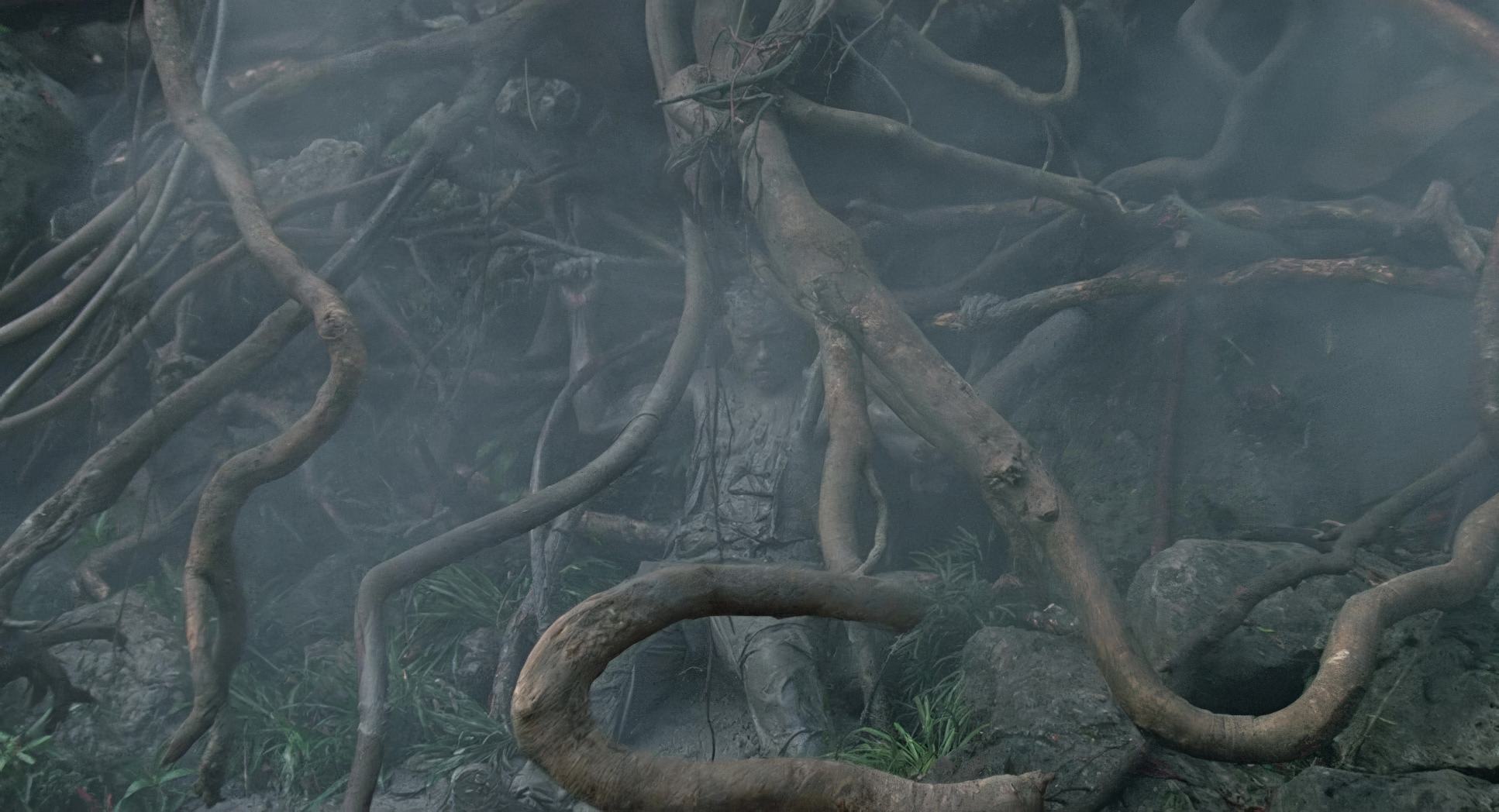
This is a classic trick, but it’s done so well here. Long lenses compress the background, making the jungle feel like it’s physically pressing against the actors’ backs. The blocking follows suit early on, they move with military precision in open spaces. By the third act, Dutch is literally crawling in the mud, hidden by roots and shadows. McTiernan’s commitment to “clear geography” means that even when the blocking is frantic, you never feel lost. You know exactly where the threat is coming from, which makes the suspense actually work.
Color Grading Approach
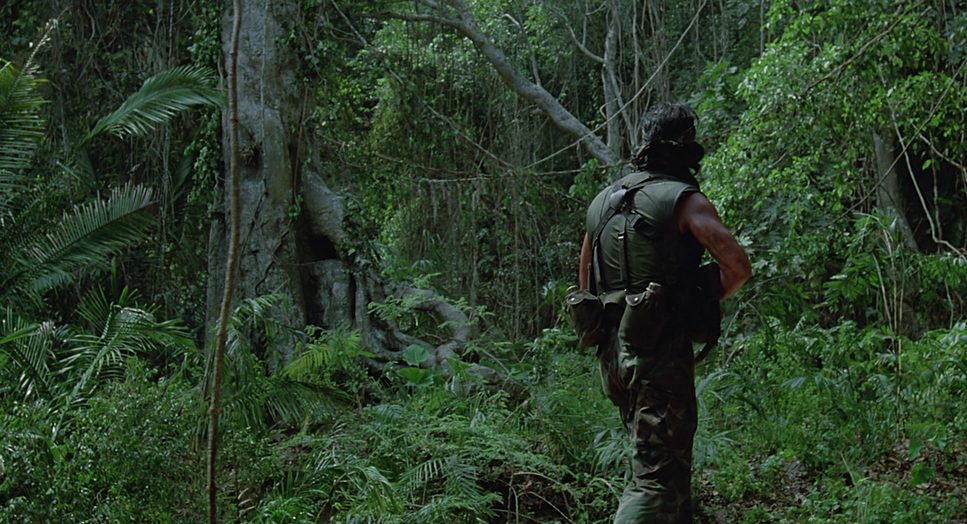
This is my home turf. If you brought Predator into my suite today, the first thing we’d talk about is hue separation.
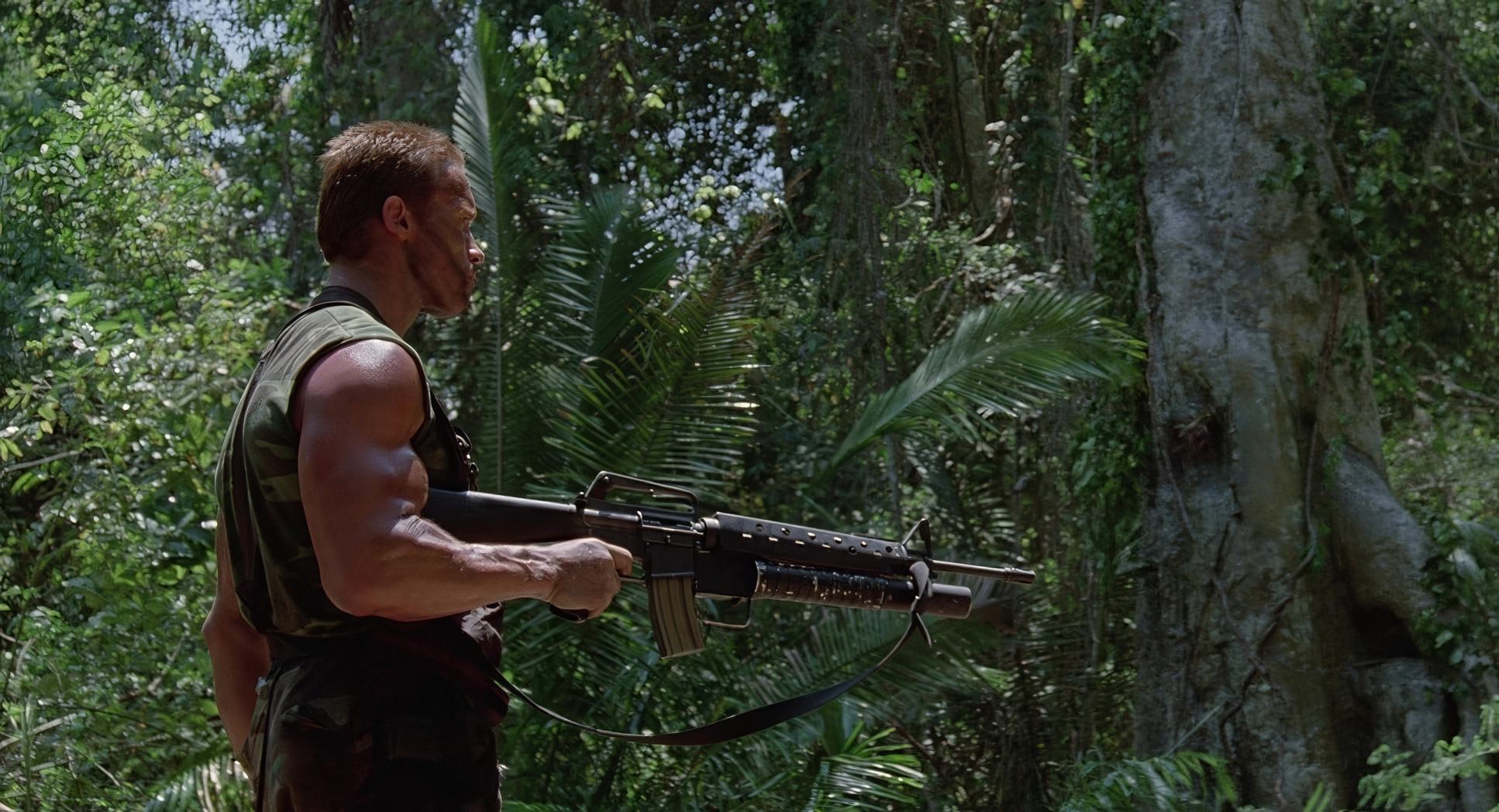
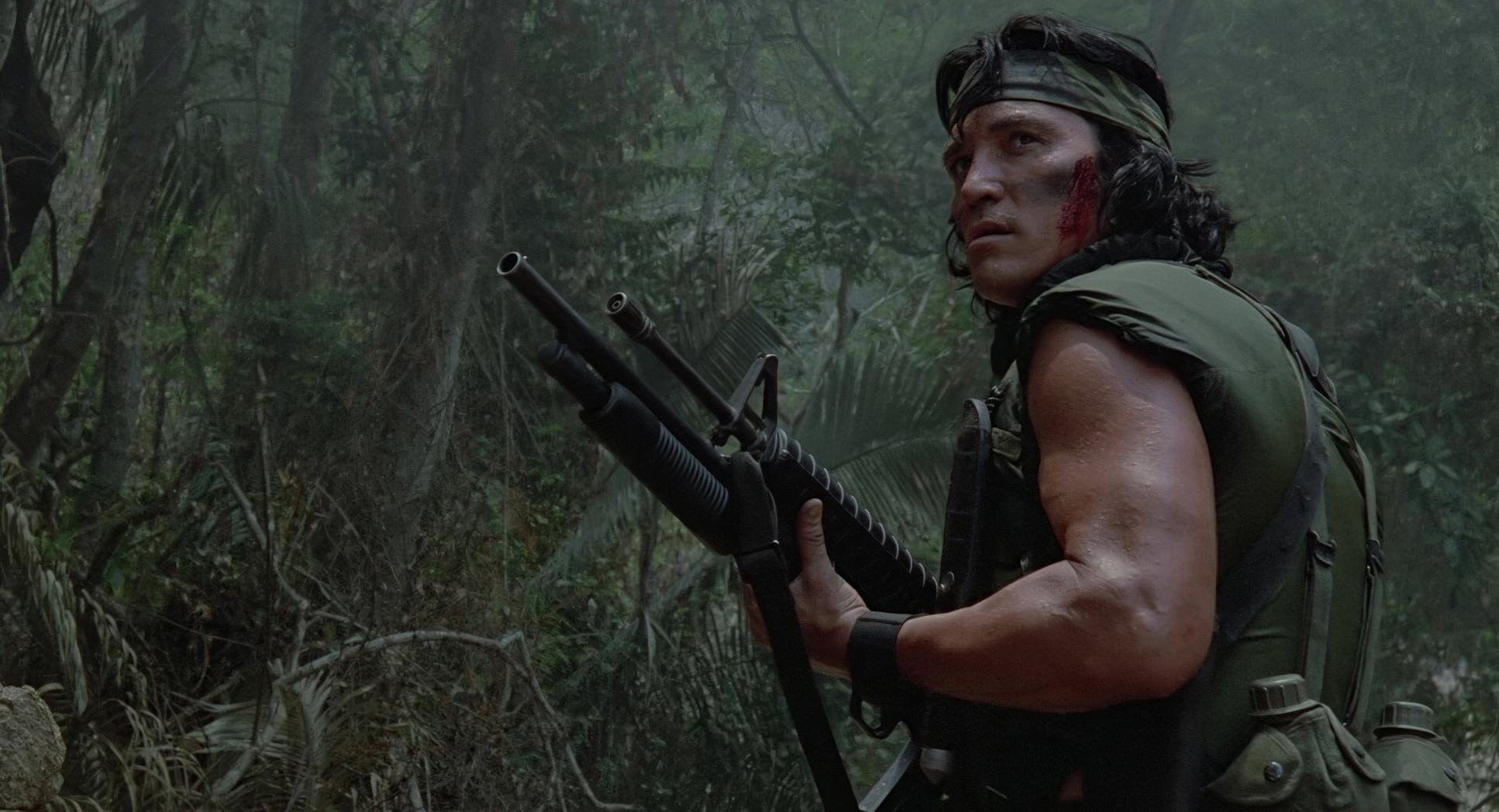
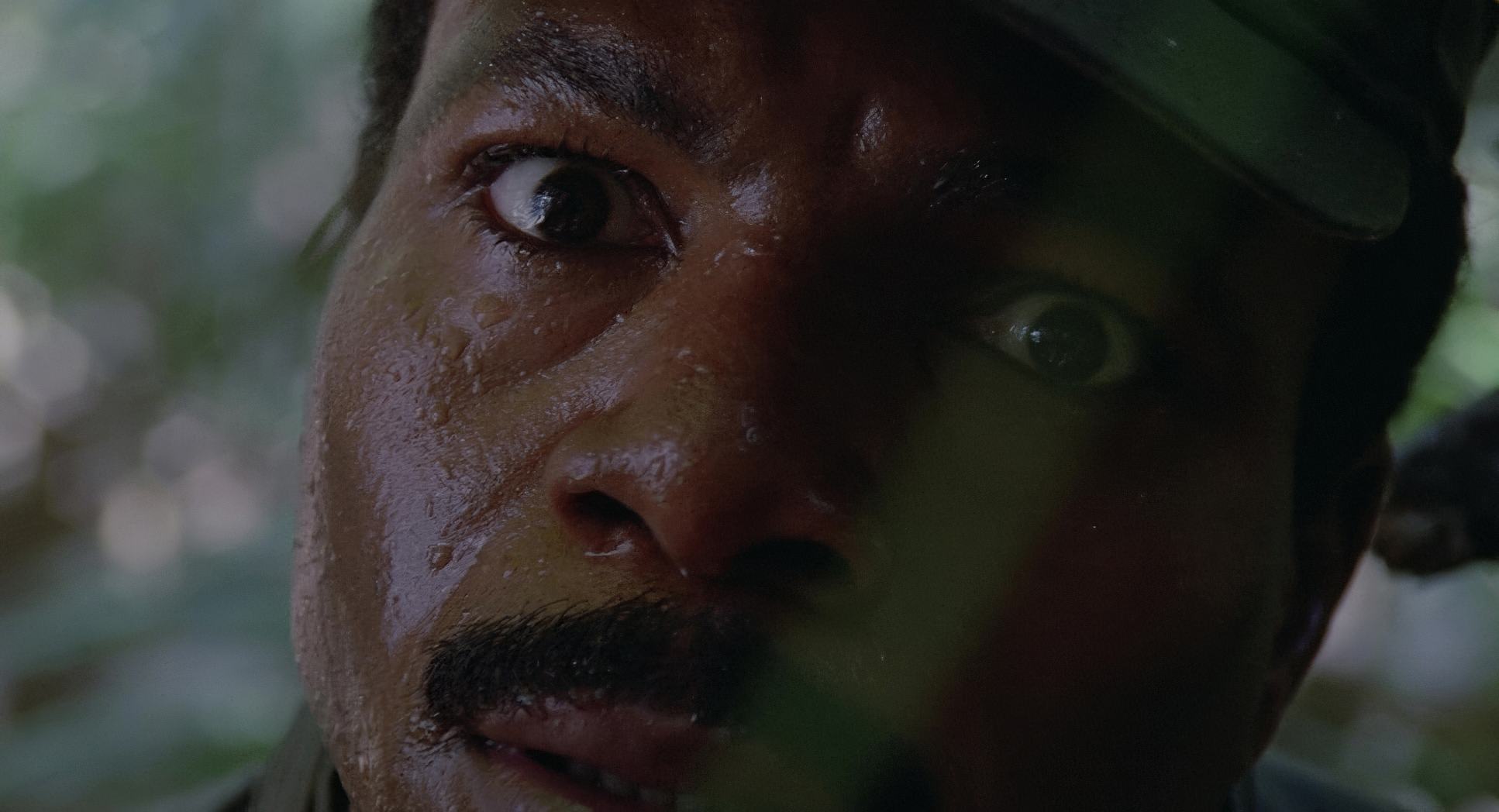
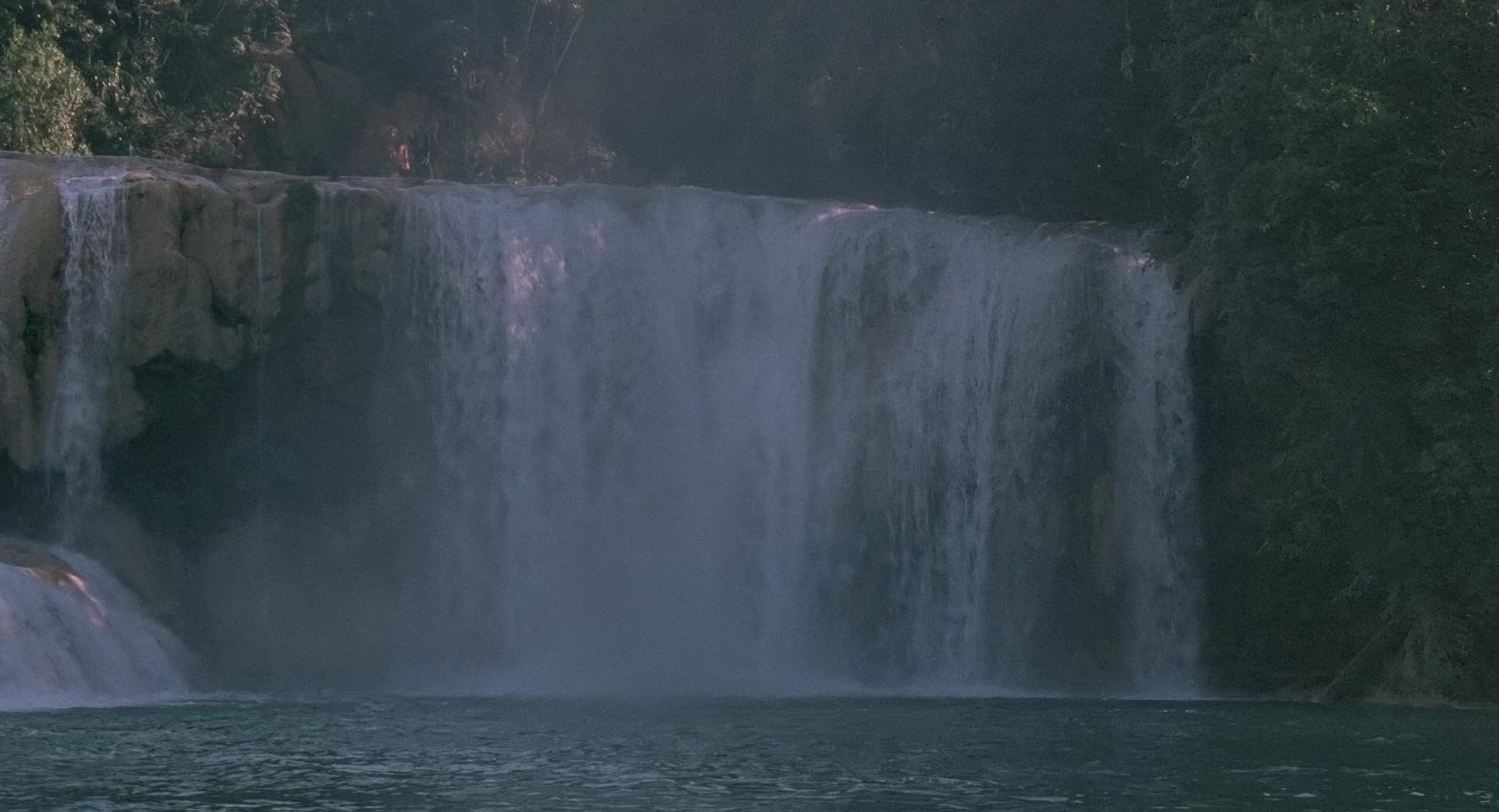
The jungle isn’t just “green.” McAlpine and the lab timers did a phenomenal job of separating the vibrant, lime-colored canopy from the muddy, brown-green undergrowth. It keeps the image from looking like a flat mush. Using Kodak 5294 for the lower-light stuff gave them those “crushed” blacks that I absolutely love. Modern HDR clients are often terrified of losing detail in the shadows, but Predator proves that “black” is a color too. Those deep, impenetrable shadows are where the tension lives.
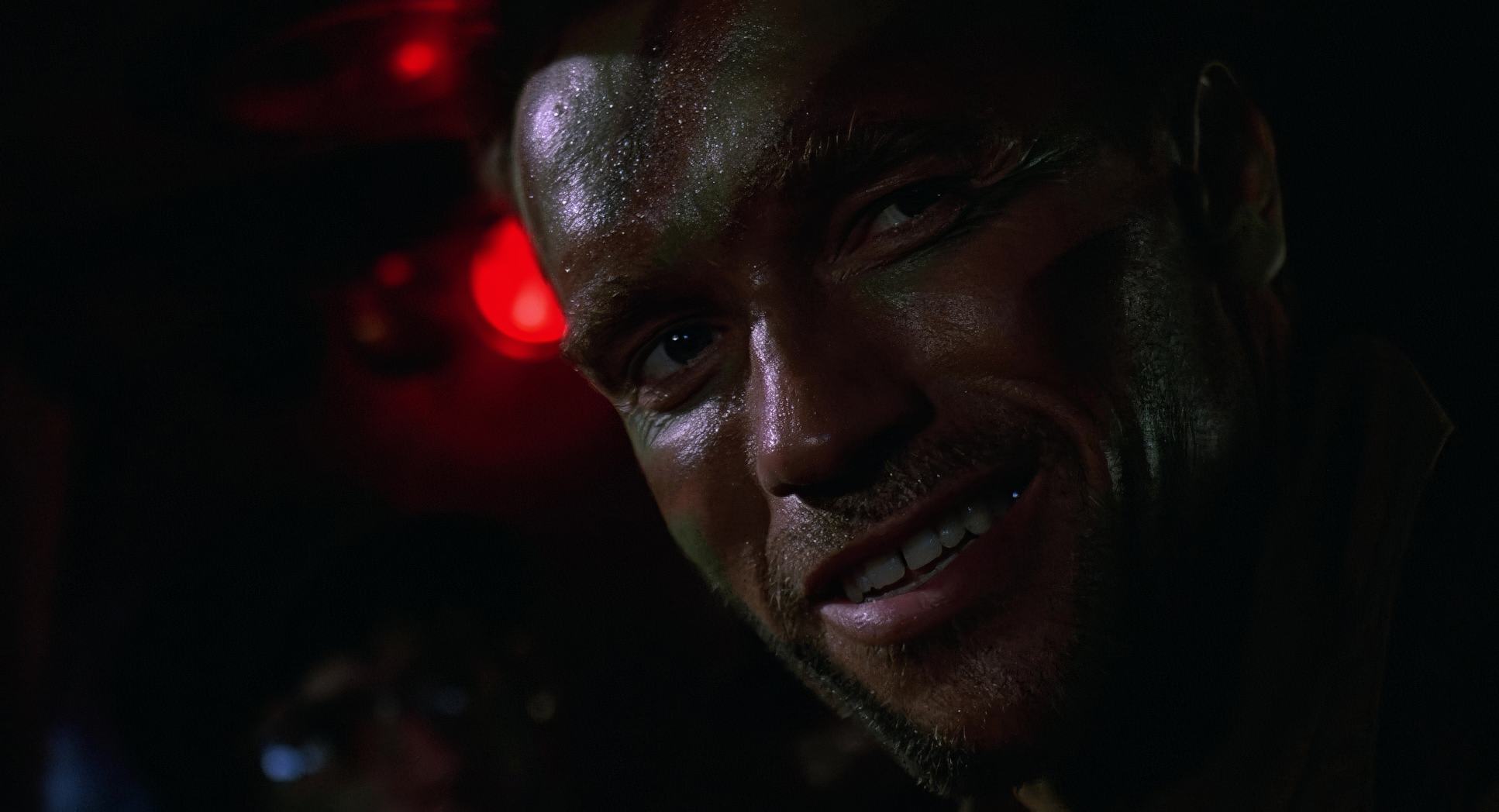
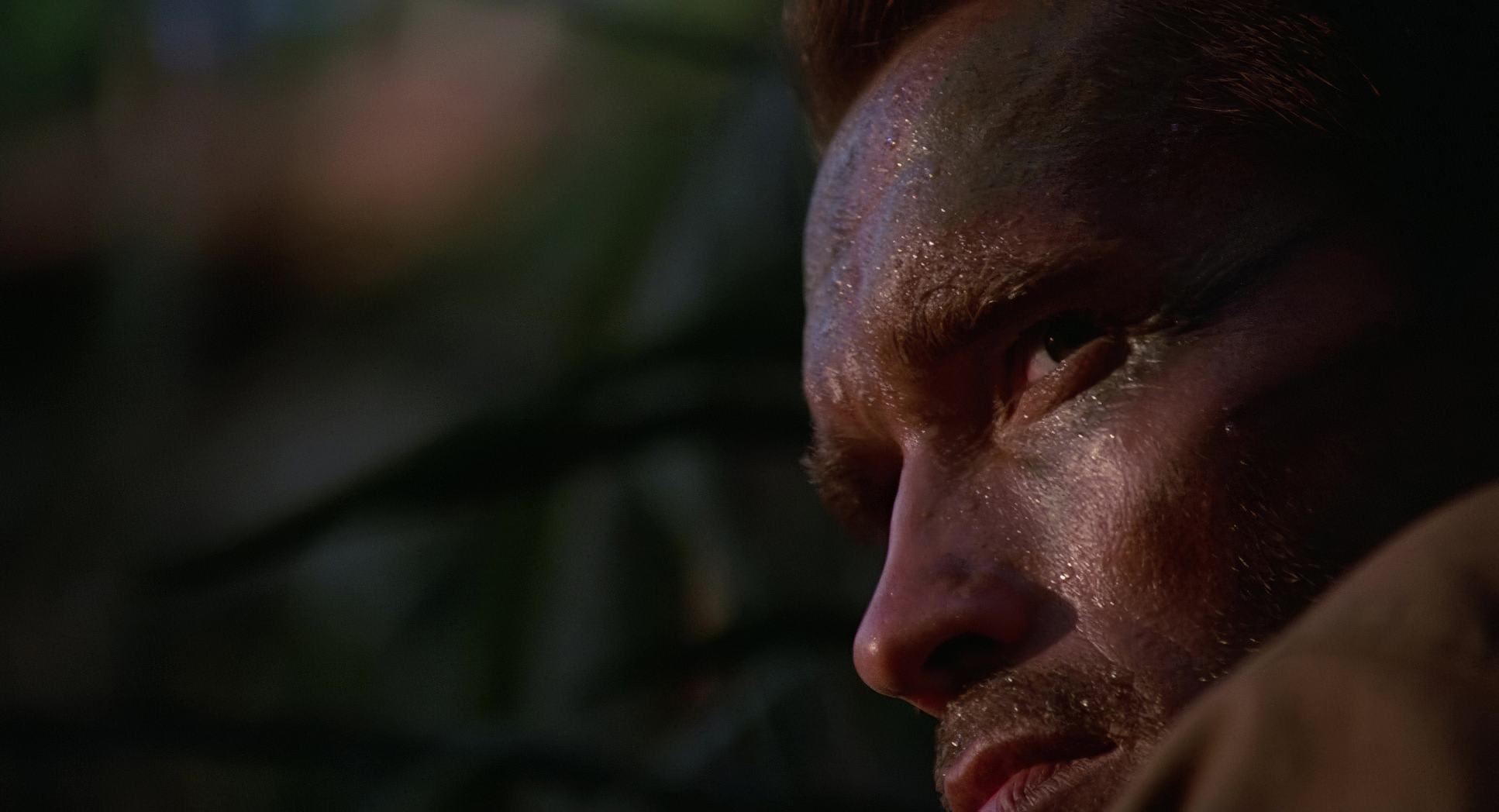
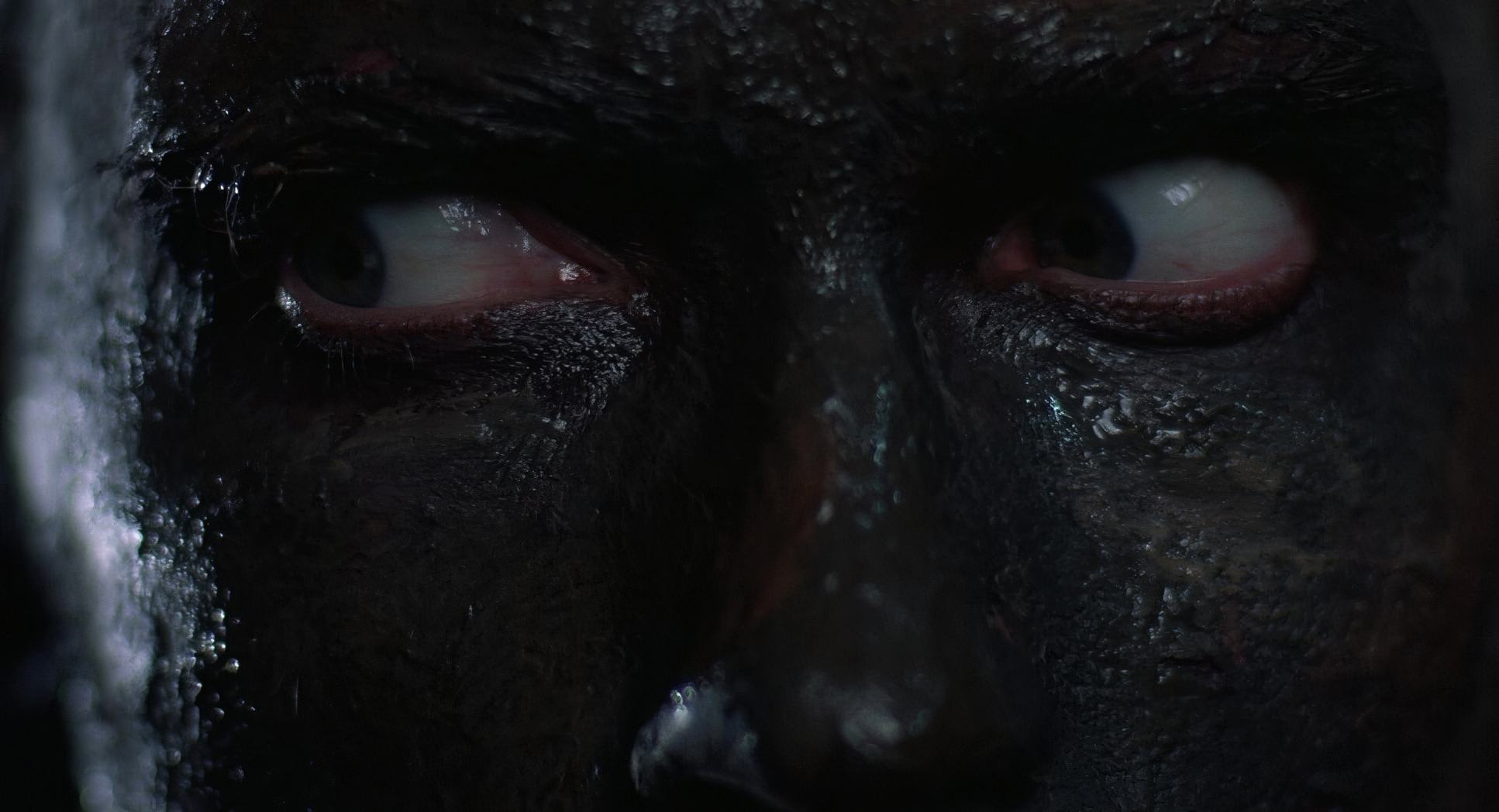
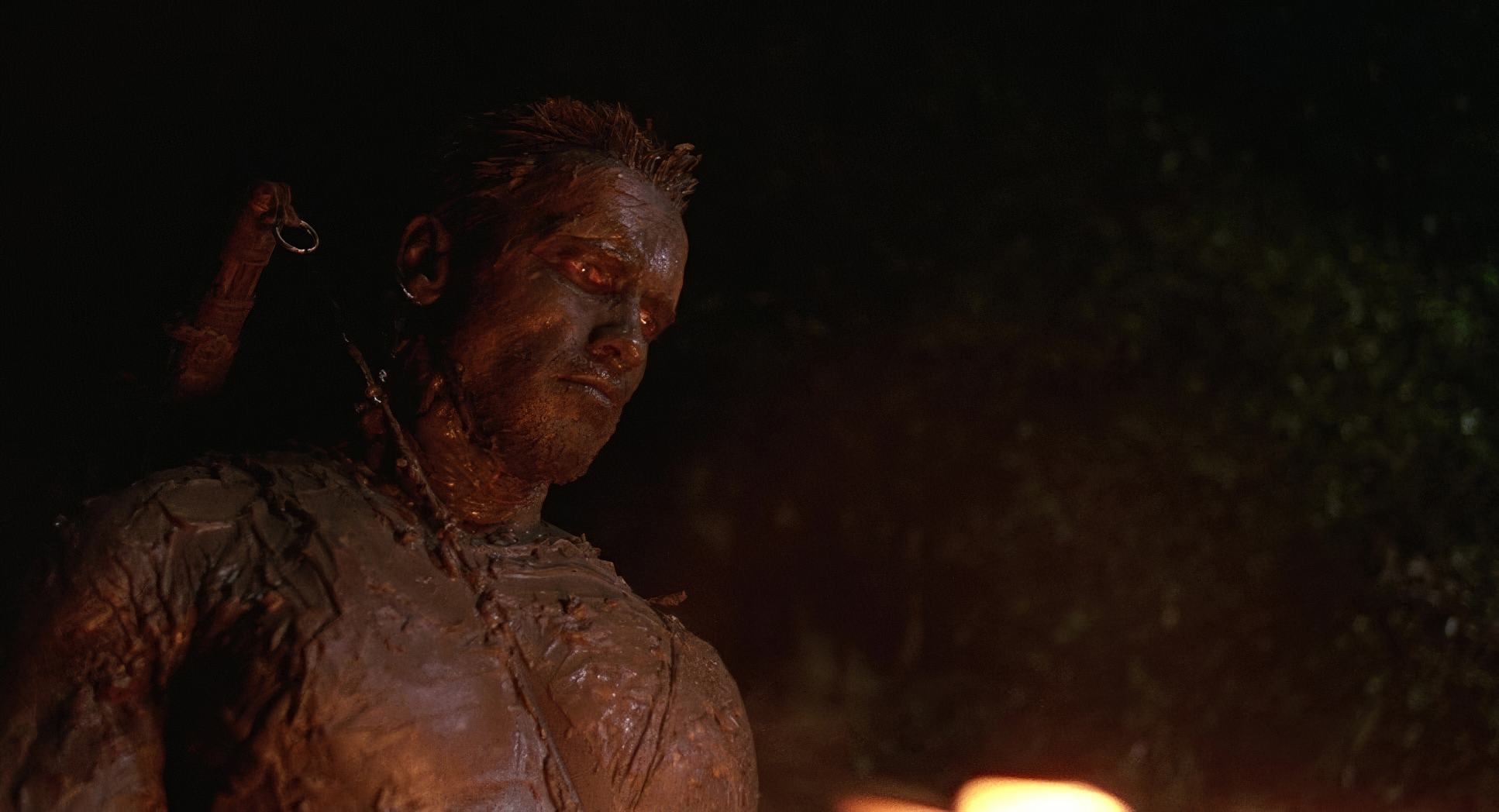
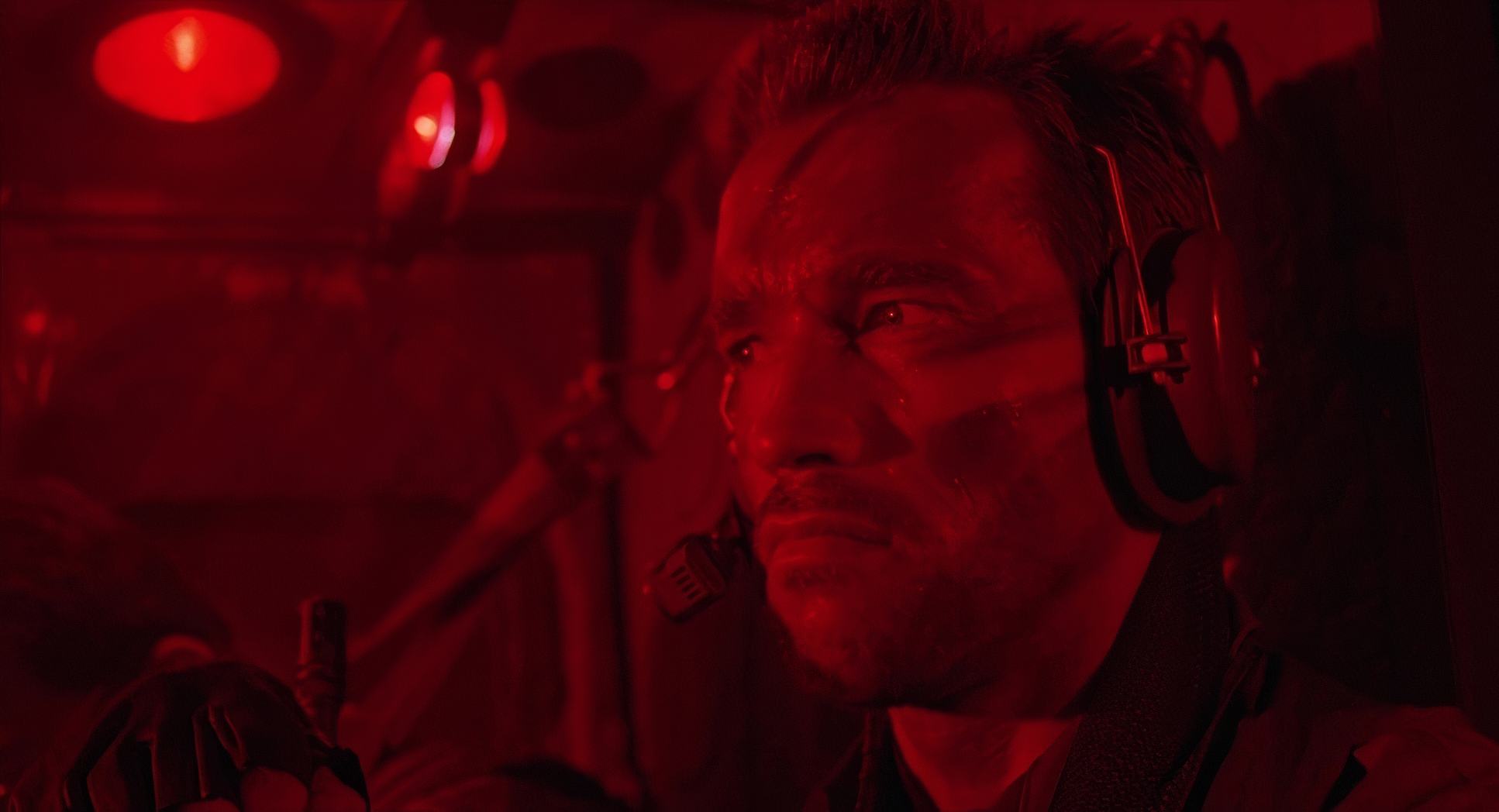
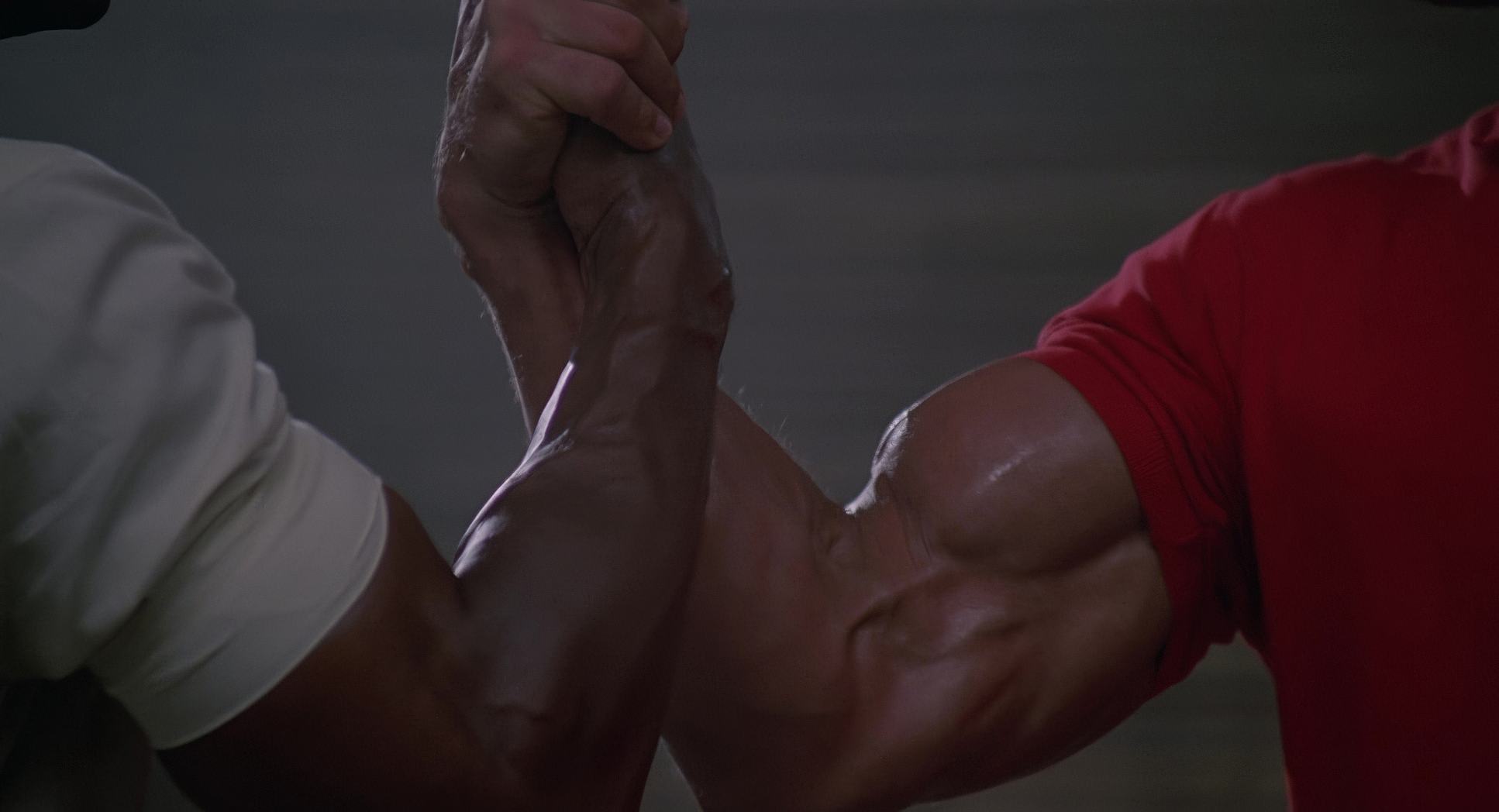
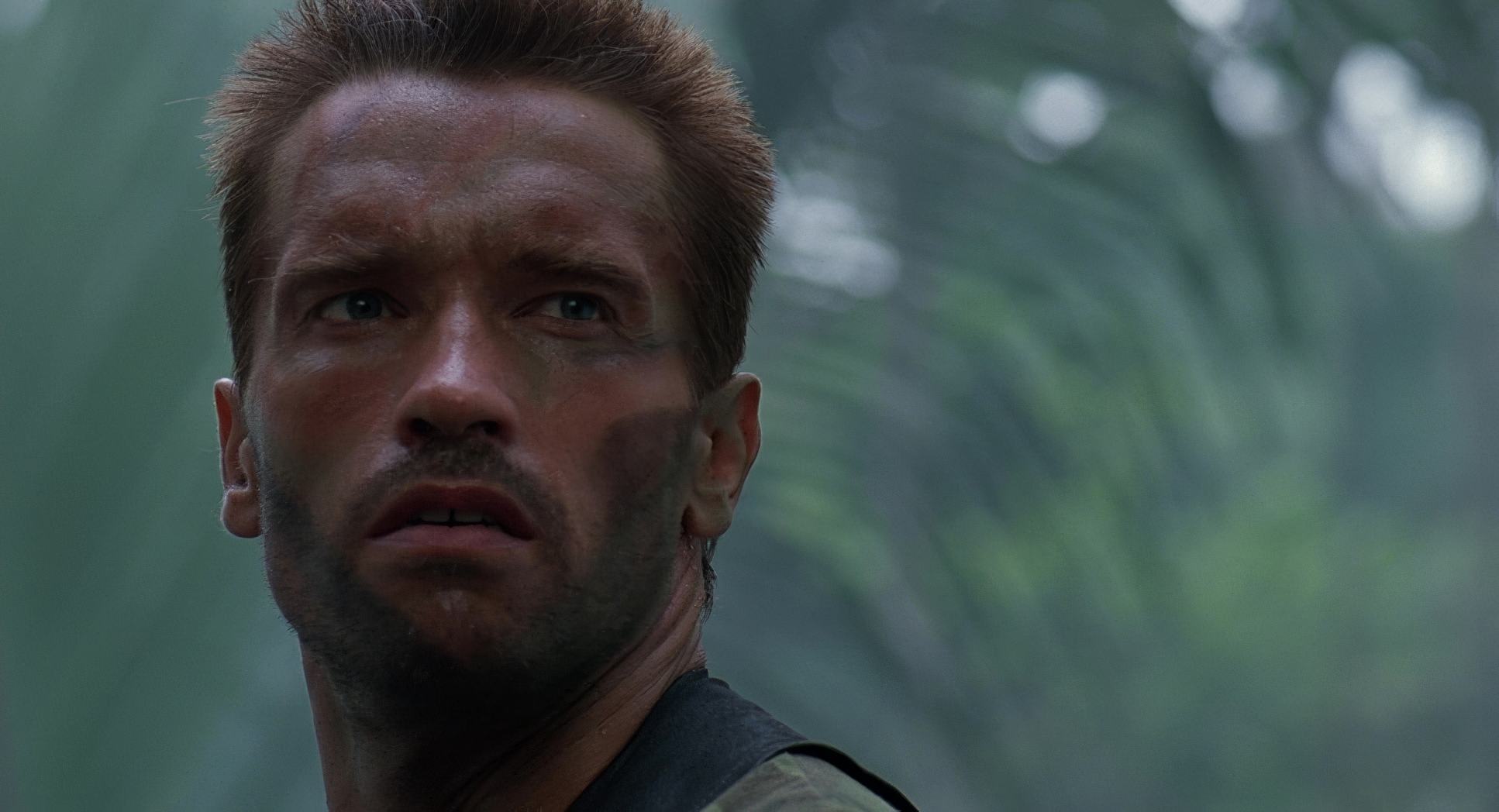
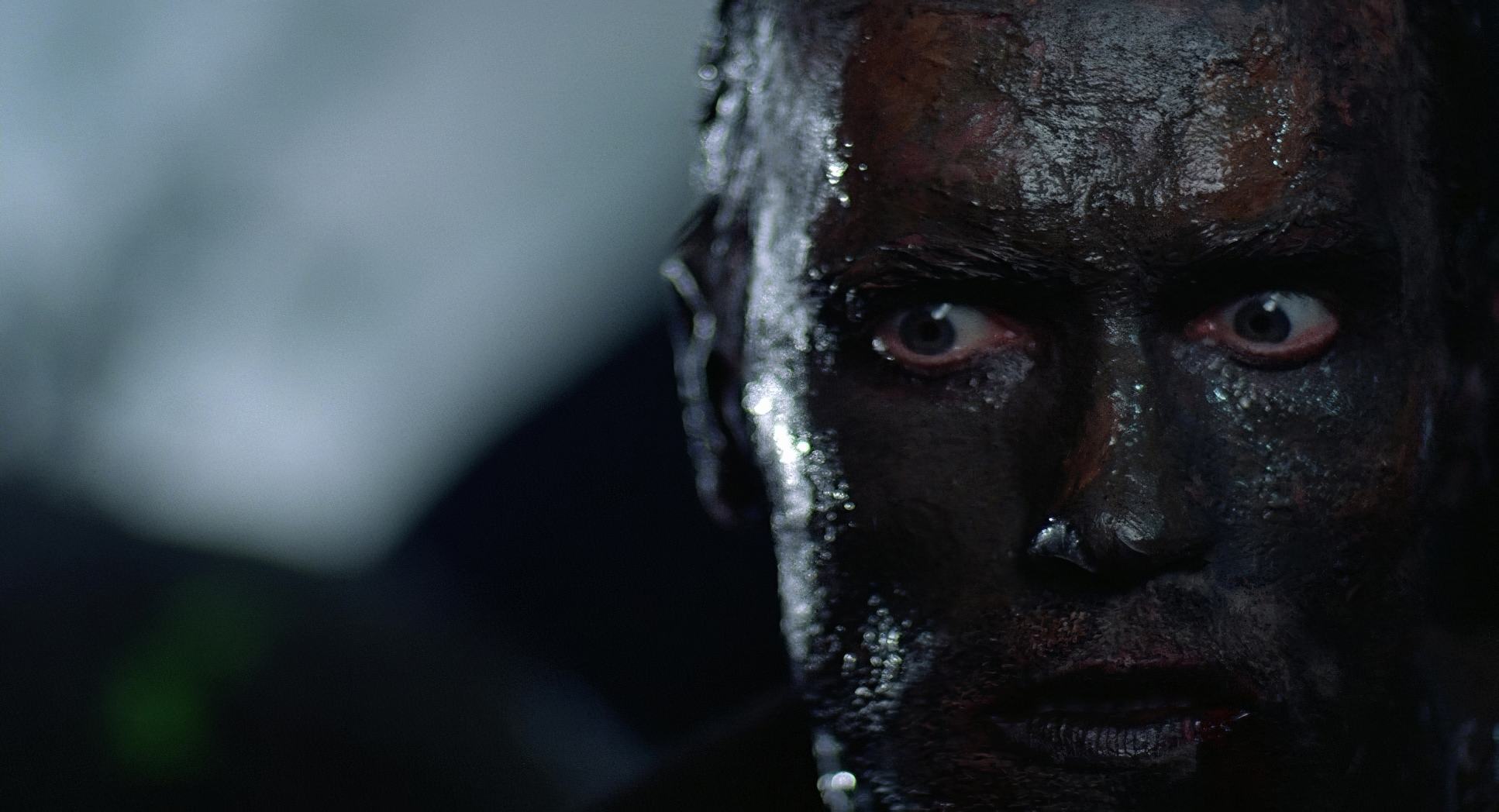
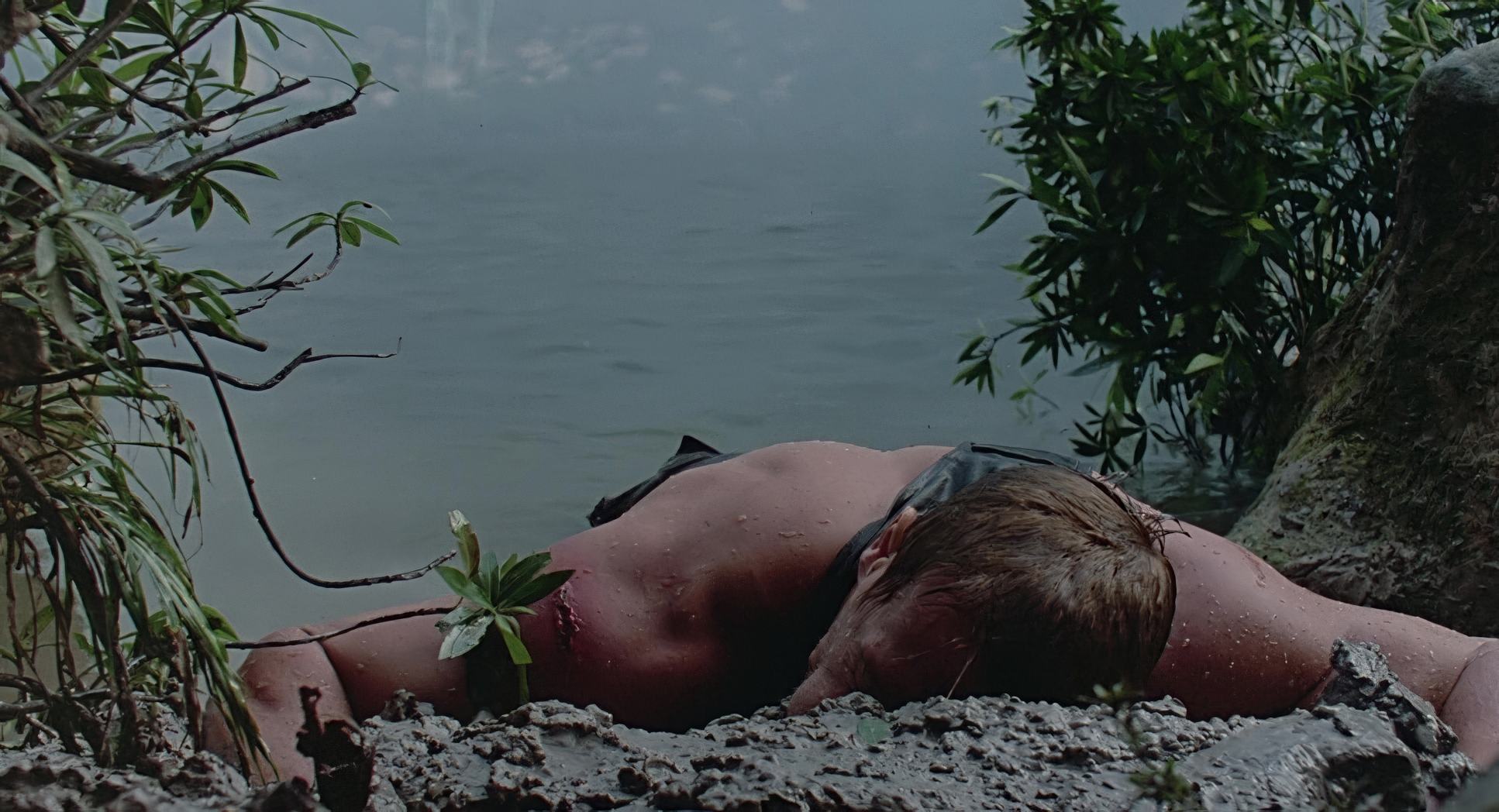
The skin tones are kept warm and “sweaty,” which acts as a perfect anchor against the cool, overwhelming greens of the environment. And let’s talk about that thermal look achieved through optical printing and rotoscoping. It’s a high-saturation, high-contrast nightmare that breaks every “natural” rule the film spent an hour establishing. It still holds up because it’s a creative choice, not just a technical one.
Technical Aspects & Tools
Predator (1987) — Technical Specifications
| Genre | Action, Adventure, Science Fiction, Thriller, Monster, History, Horror, War |
| Director | John McTiernan |
| Cinematographer | Donald McAlpine |
| Production Designer | John Vallone |
| Costume Designer | Marilyn Vance |
| Editor | Mark Helfrich, John F. Link |
| Time Period | 1980s |
| Aspect Ratio | 1.85 – Spherical |
| Format | Film – 35mm |
| Lighting | Soft light |
| Lighting Type | Daylight |
| Story Location | Earth > Central America |
| Filming Location | Chiapas > Palenque |
| Camera | Arriflex 35 IIIc, Panavision Gold / G2 |
| Lens | Panavision Super Speed Zeiss MKII, Panavision Ultra Speed Zeiss |
| Film Stock / Resolution | 5247/7247 Vision 125T, 5294/7294 EXR 400T |
Shooting on 35mm in a Mexican jungle is a nightmare period. The humidity, the hillsides, the gear it all shows up on screen. You can feel the “weight” of the Arriflex 35 IIIc and the Panavision Gold cameras.
The “ripple” invisibility effect was a total “MacGyver” moment for the VFX team, using reflective suits and optical plates long before CG was a safety net. It’s that blend of practical grit and experimental tech that gives the film its soul. Even Alan Silvestri’s score feels “engineered” to match the rhythm of the cuts. It’s a reminder that back then, if you wanted a shot, you had to fight the environment to get it. There was no “fixing it in post” to the extent we do now.
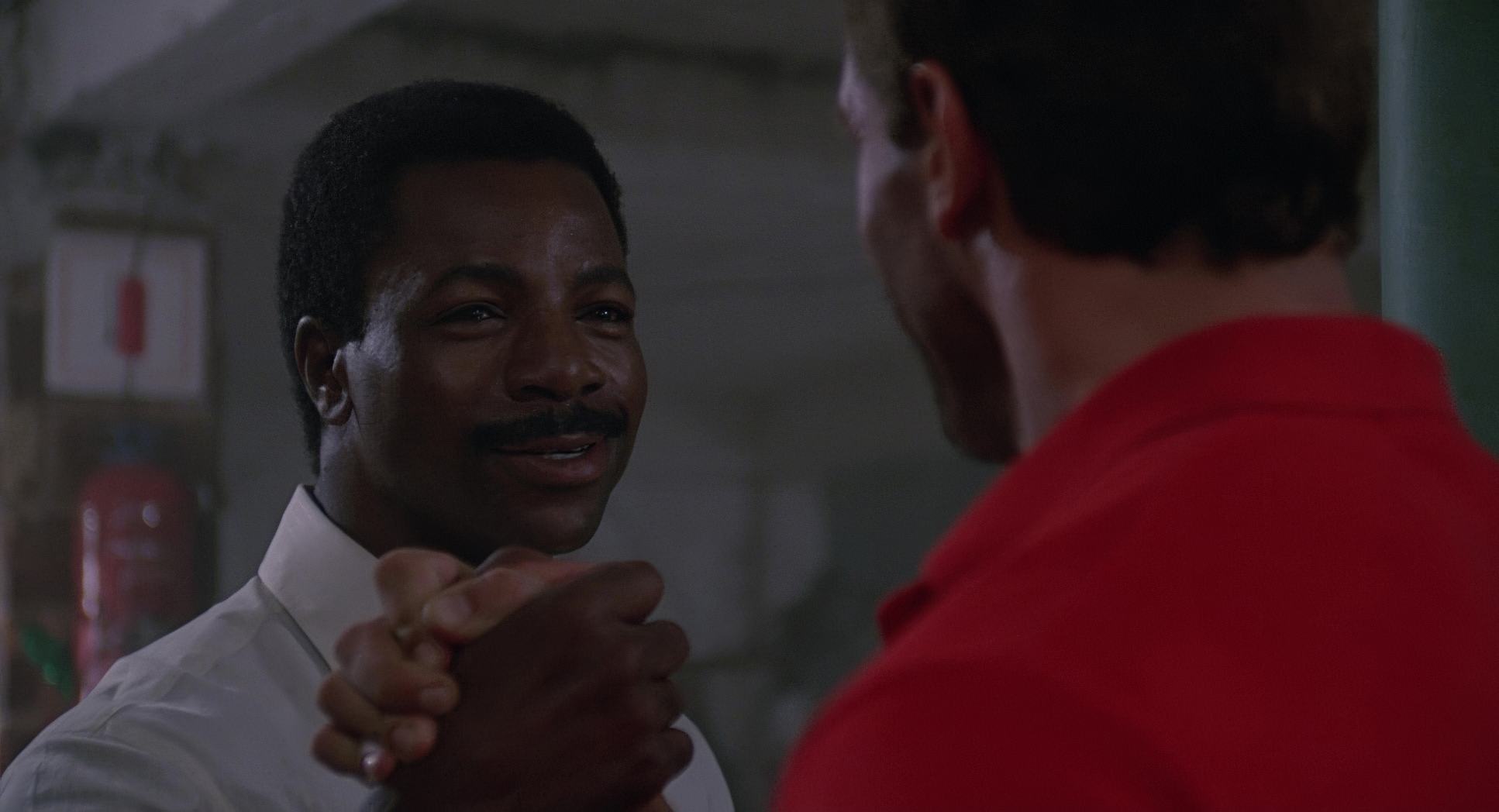
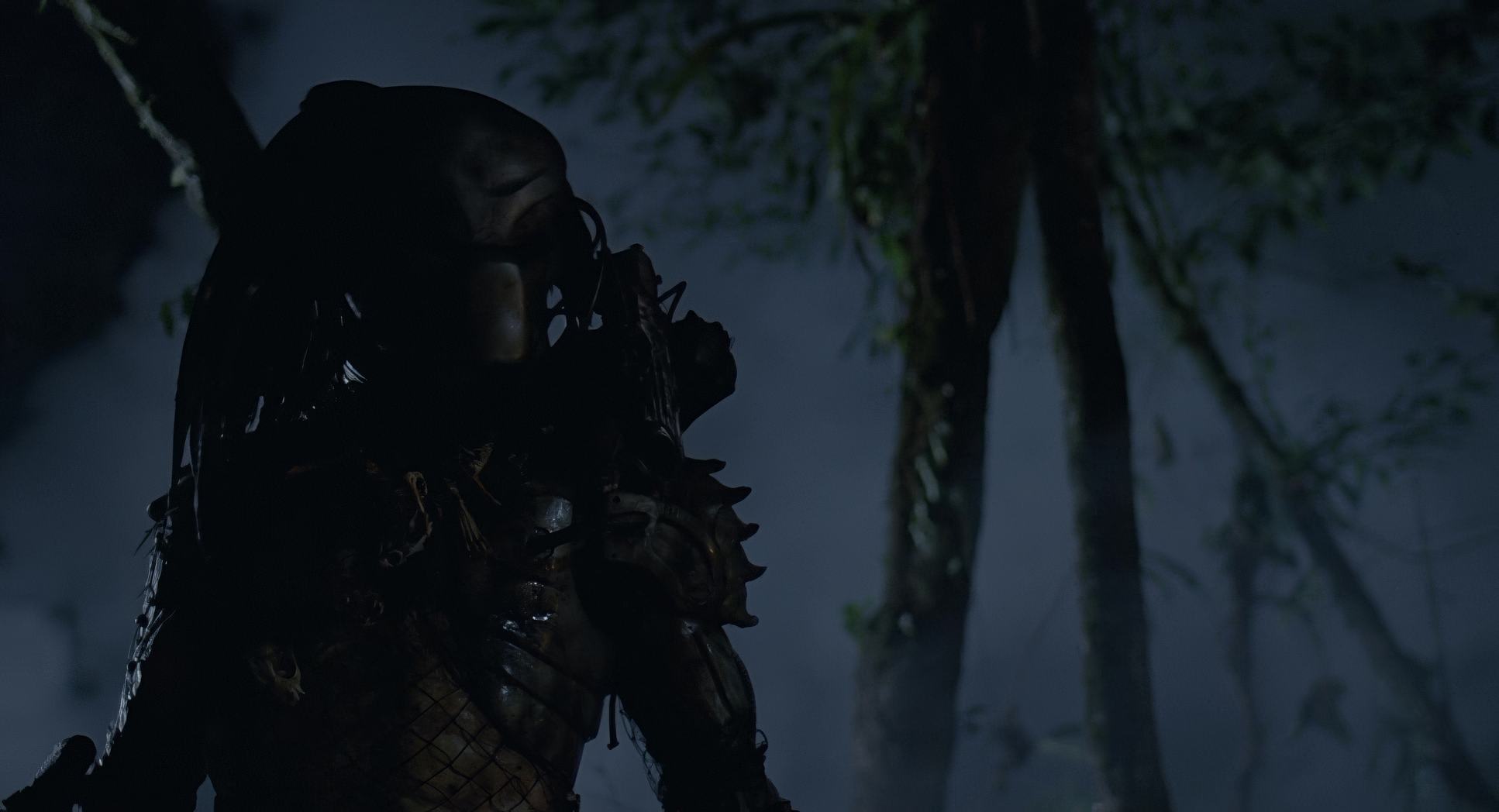
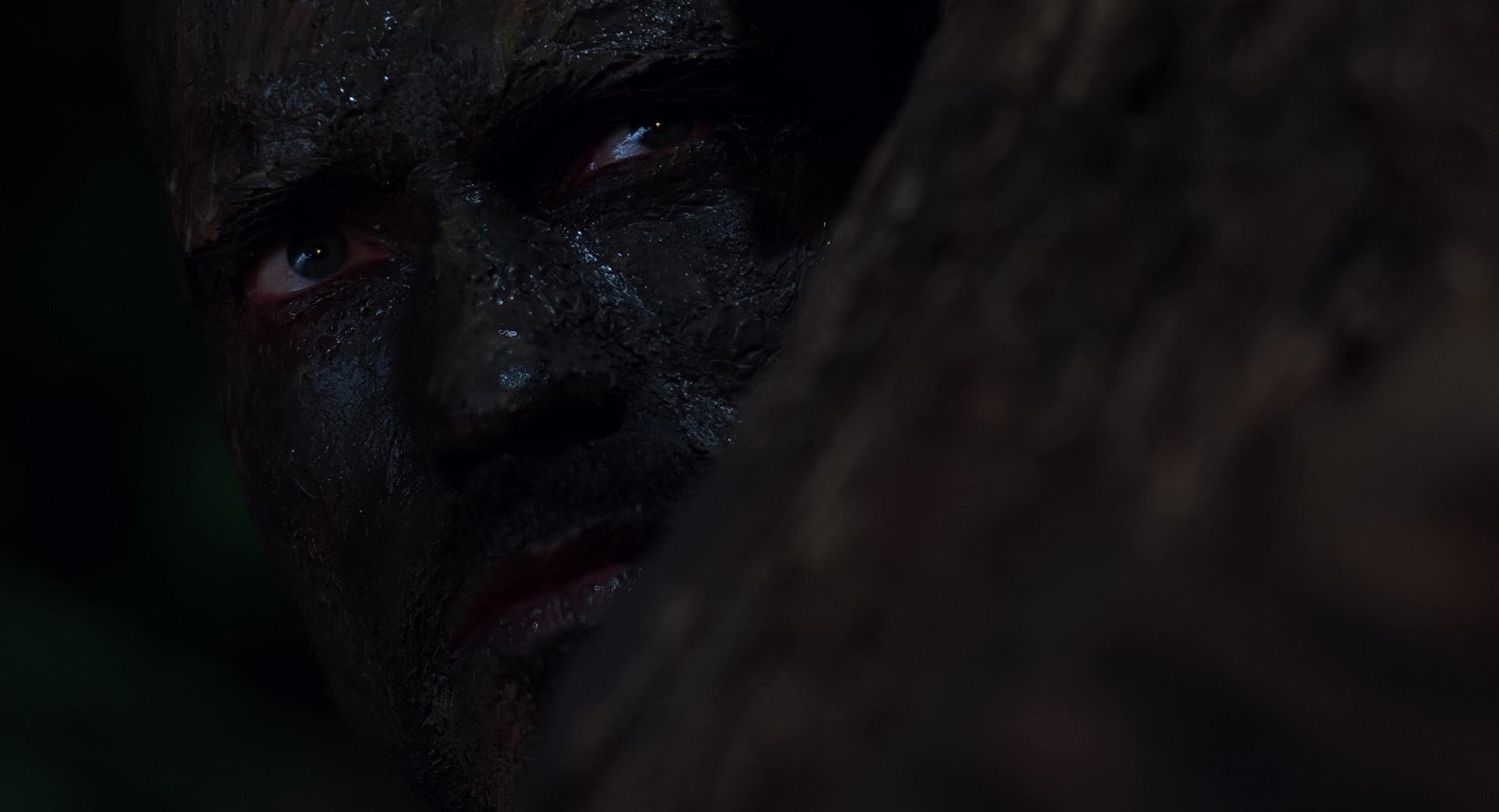
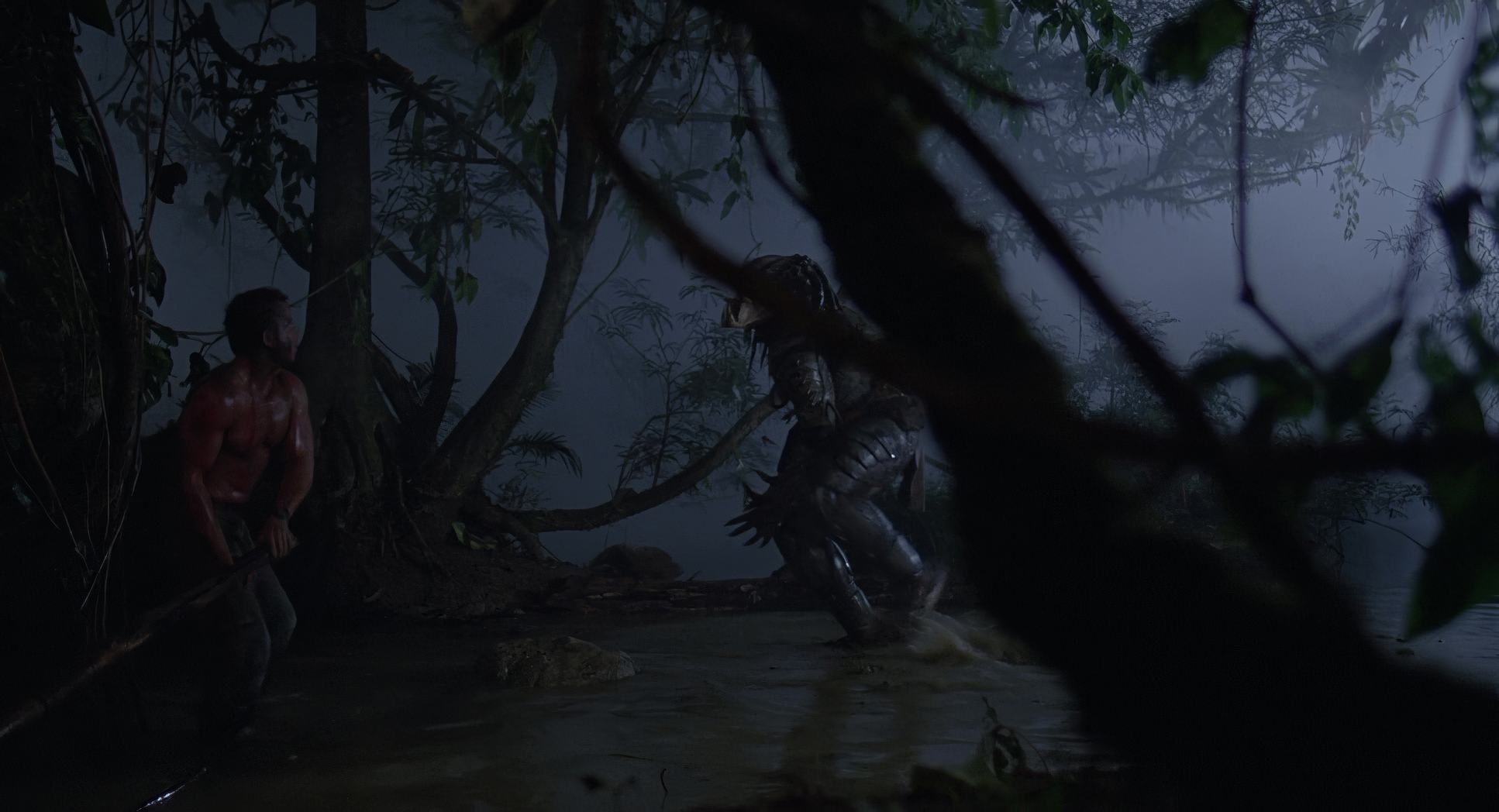
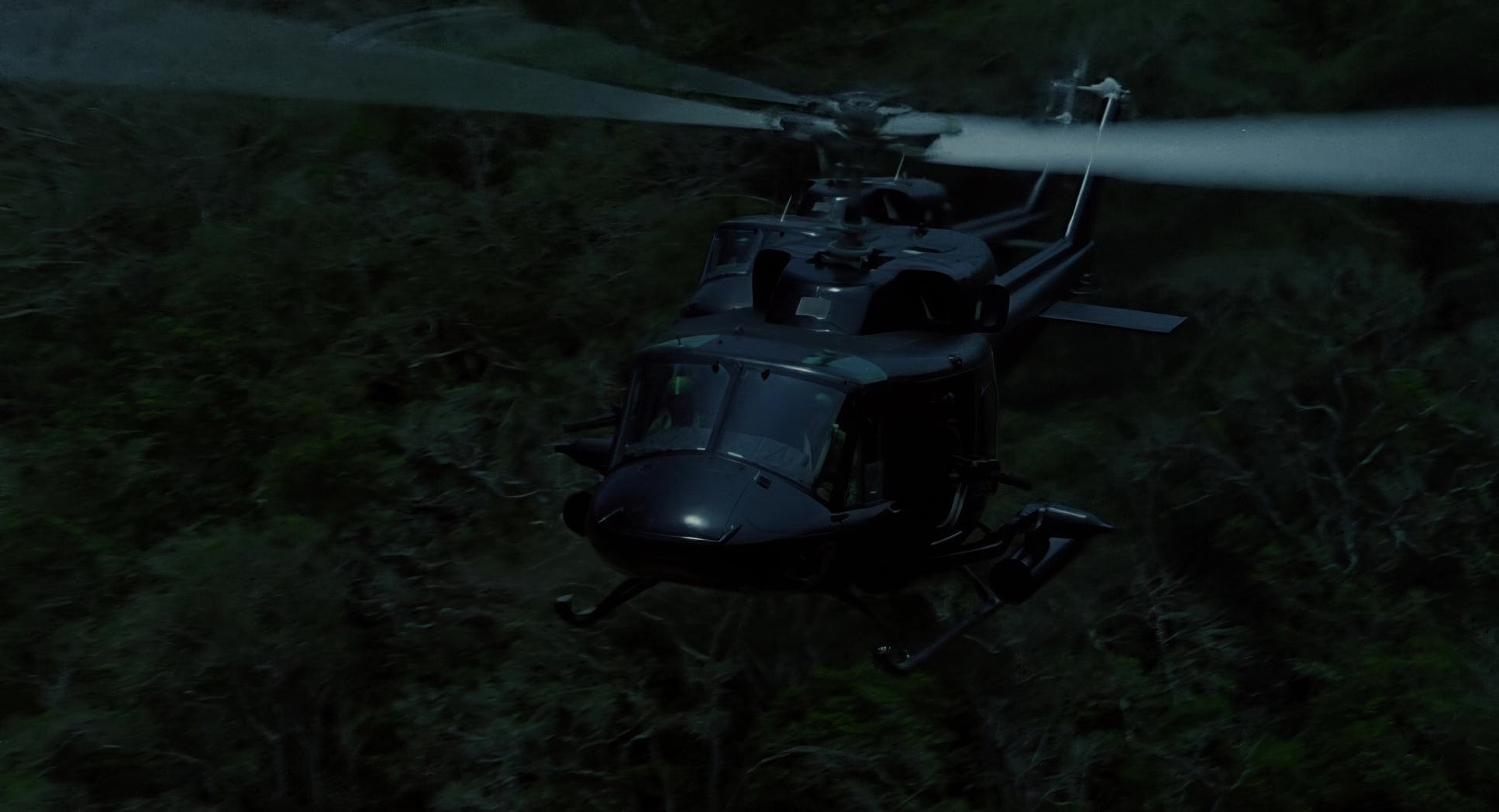
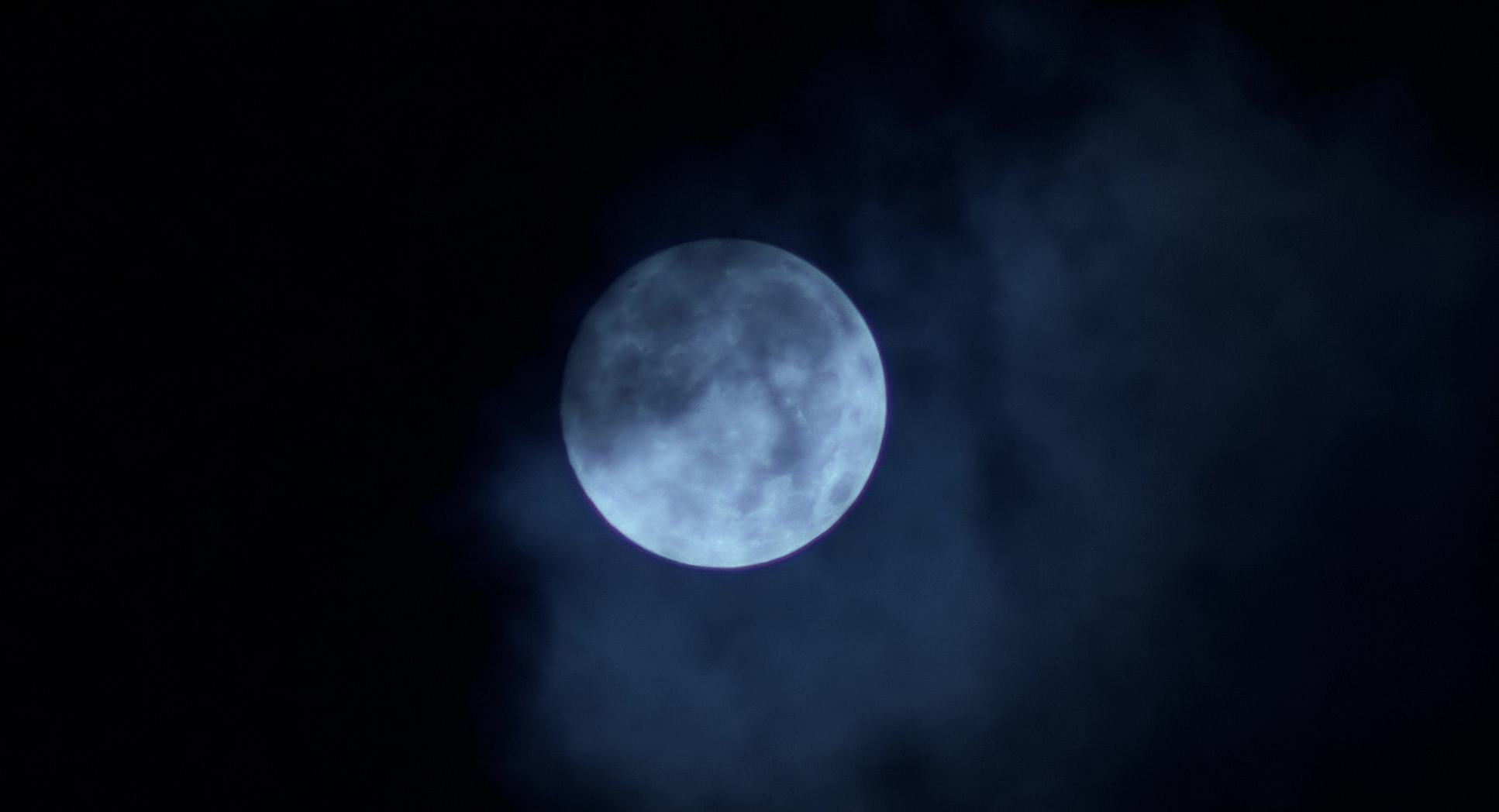
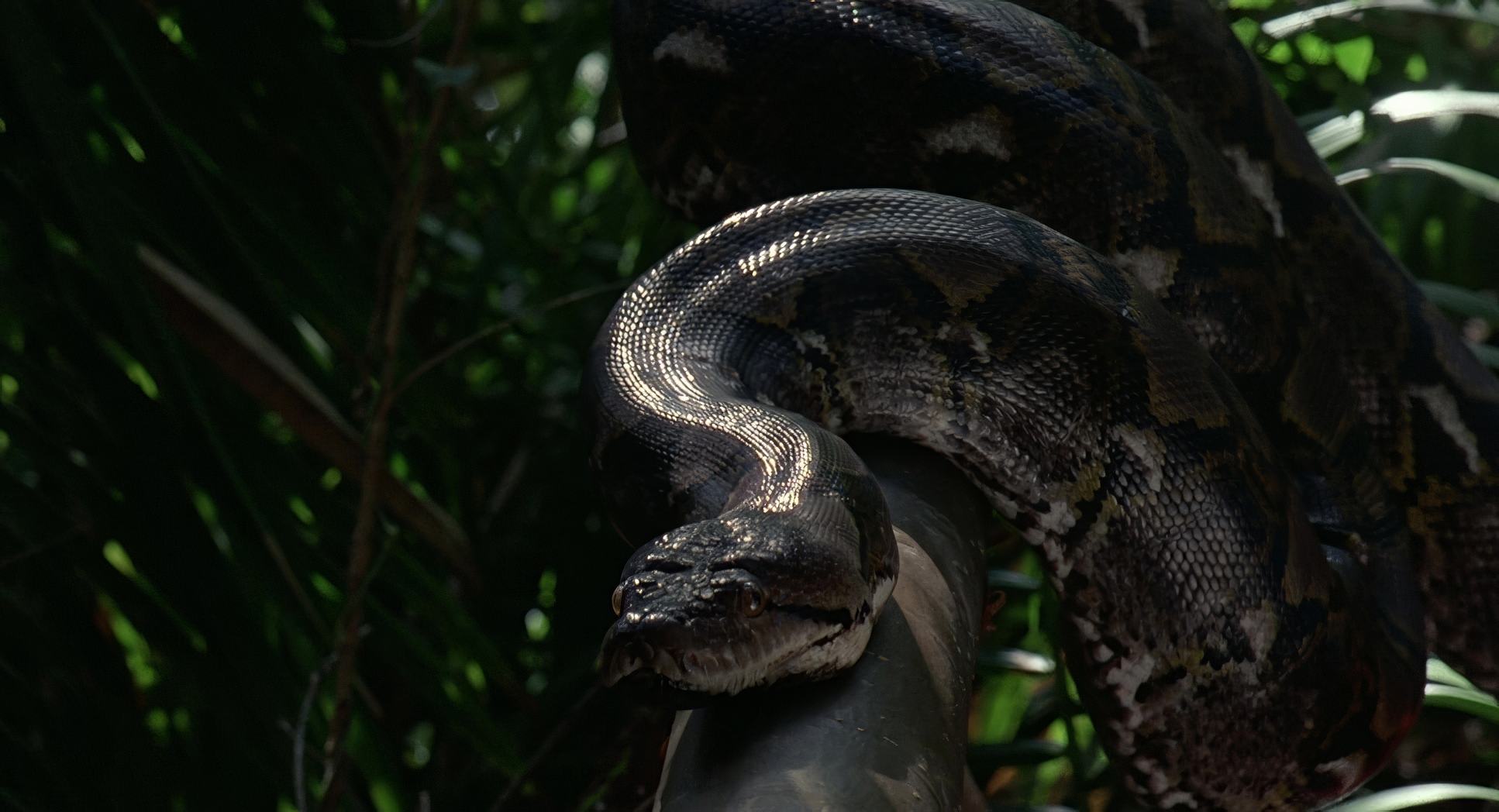
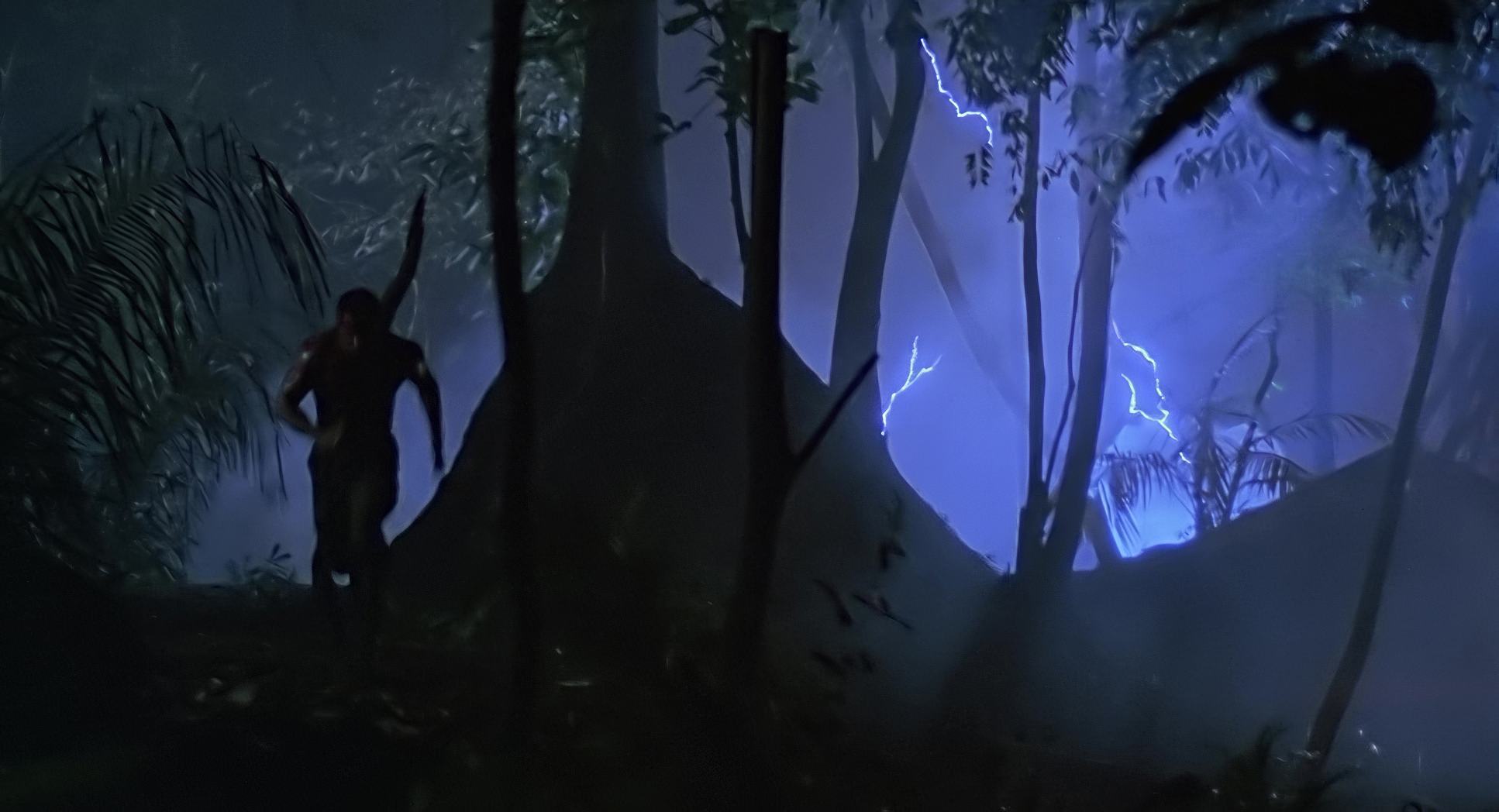
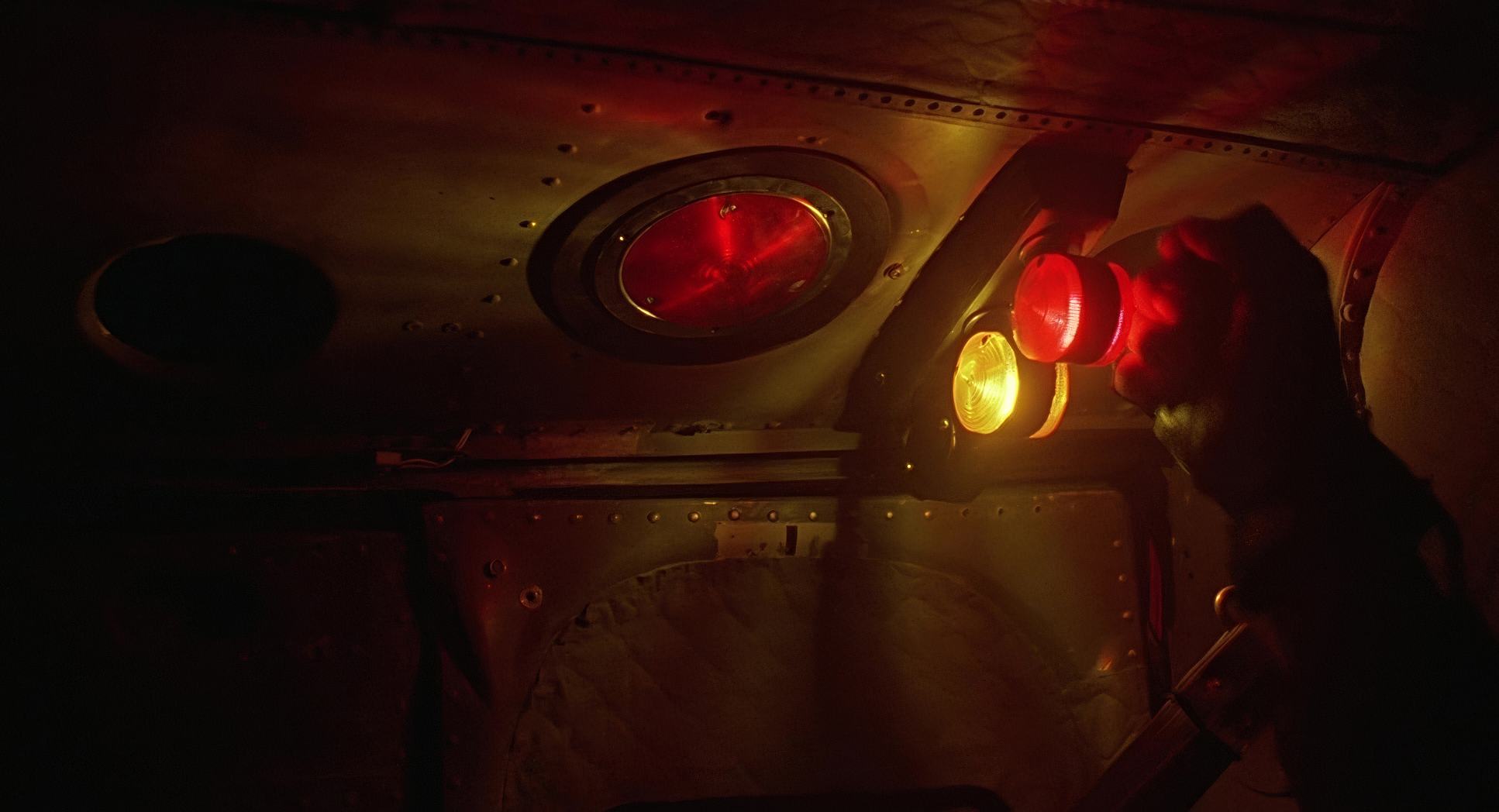
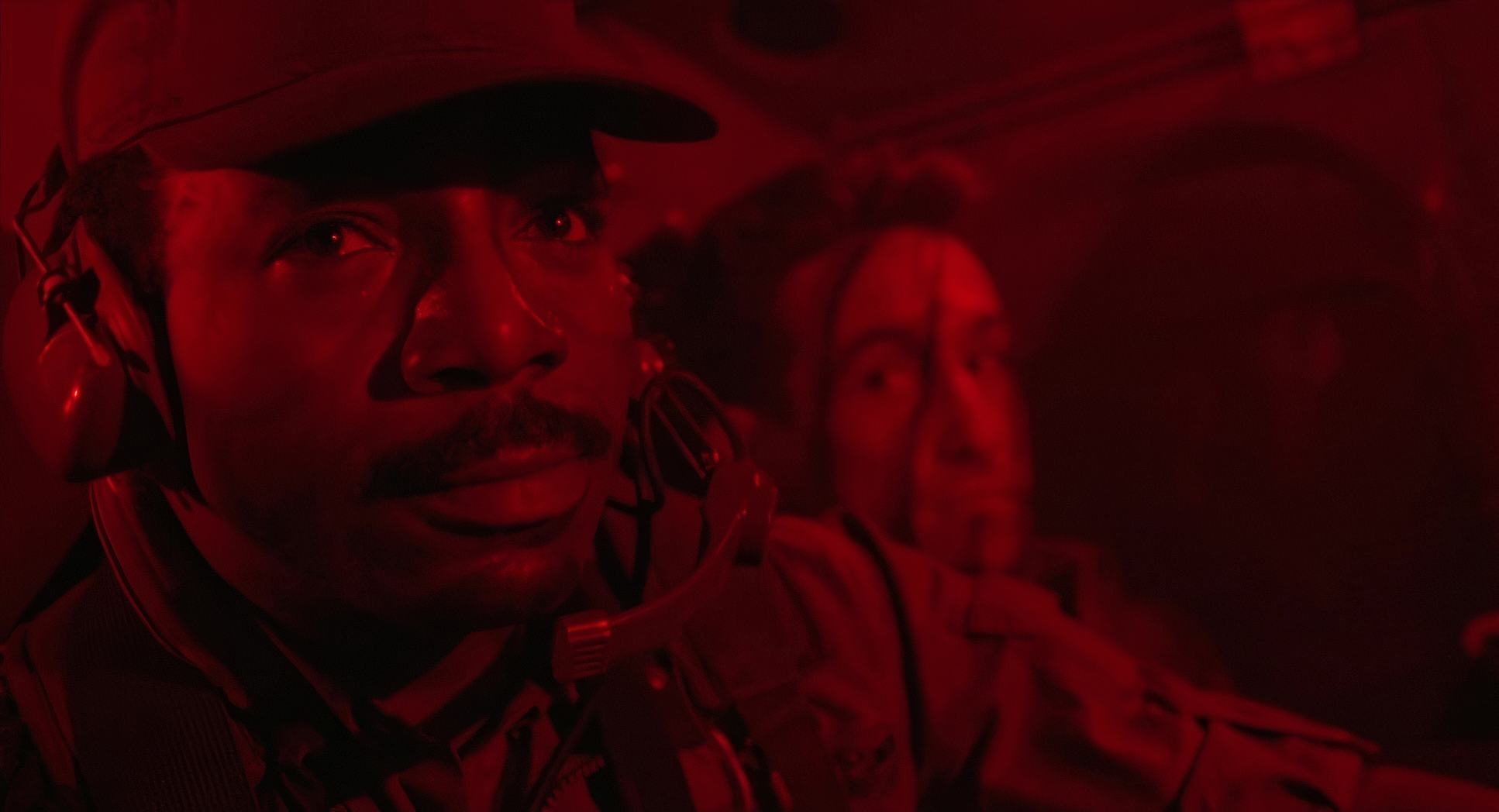
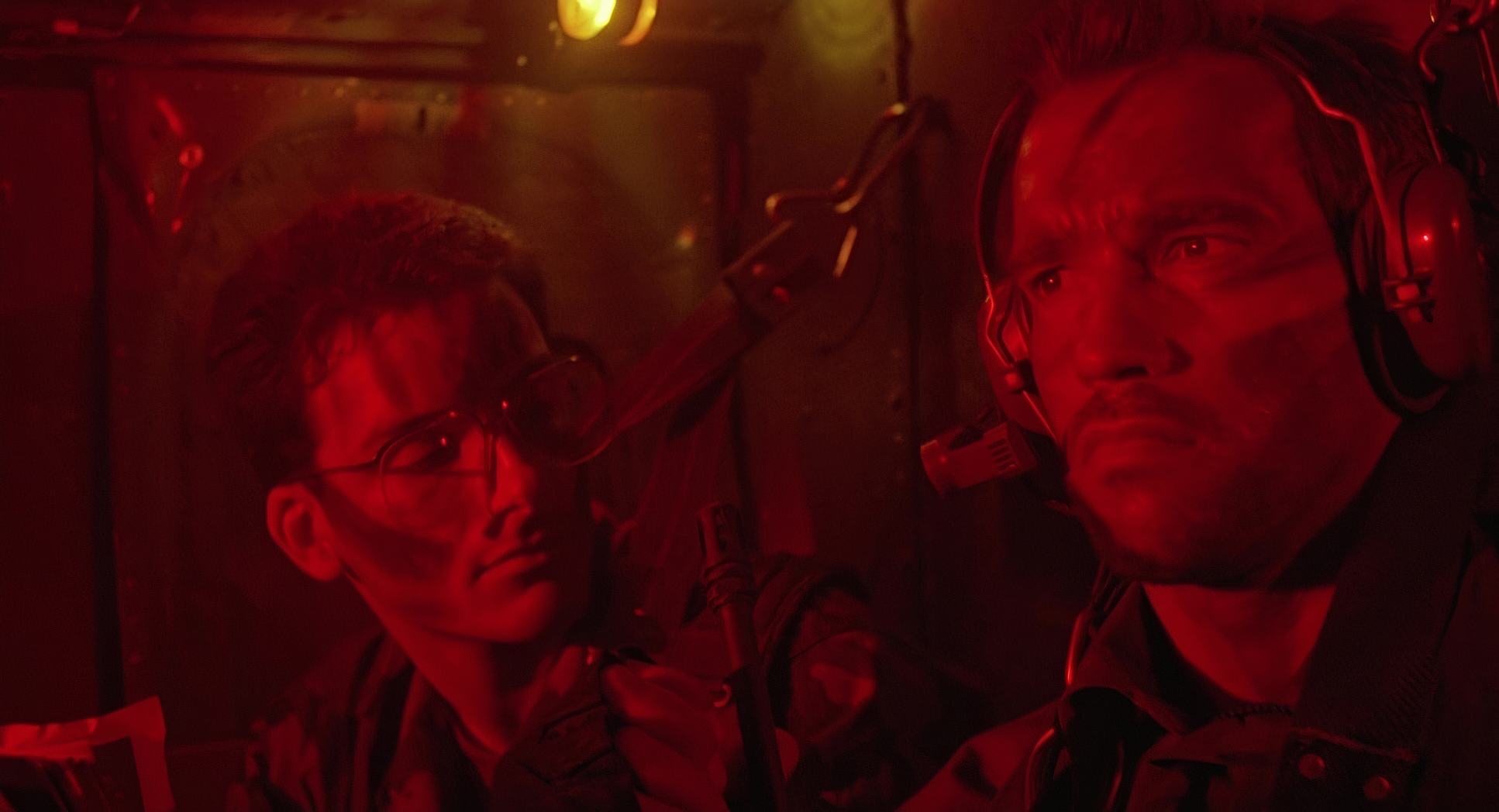
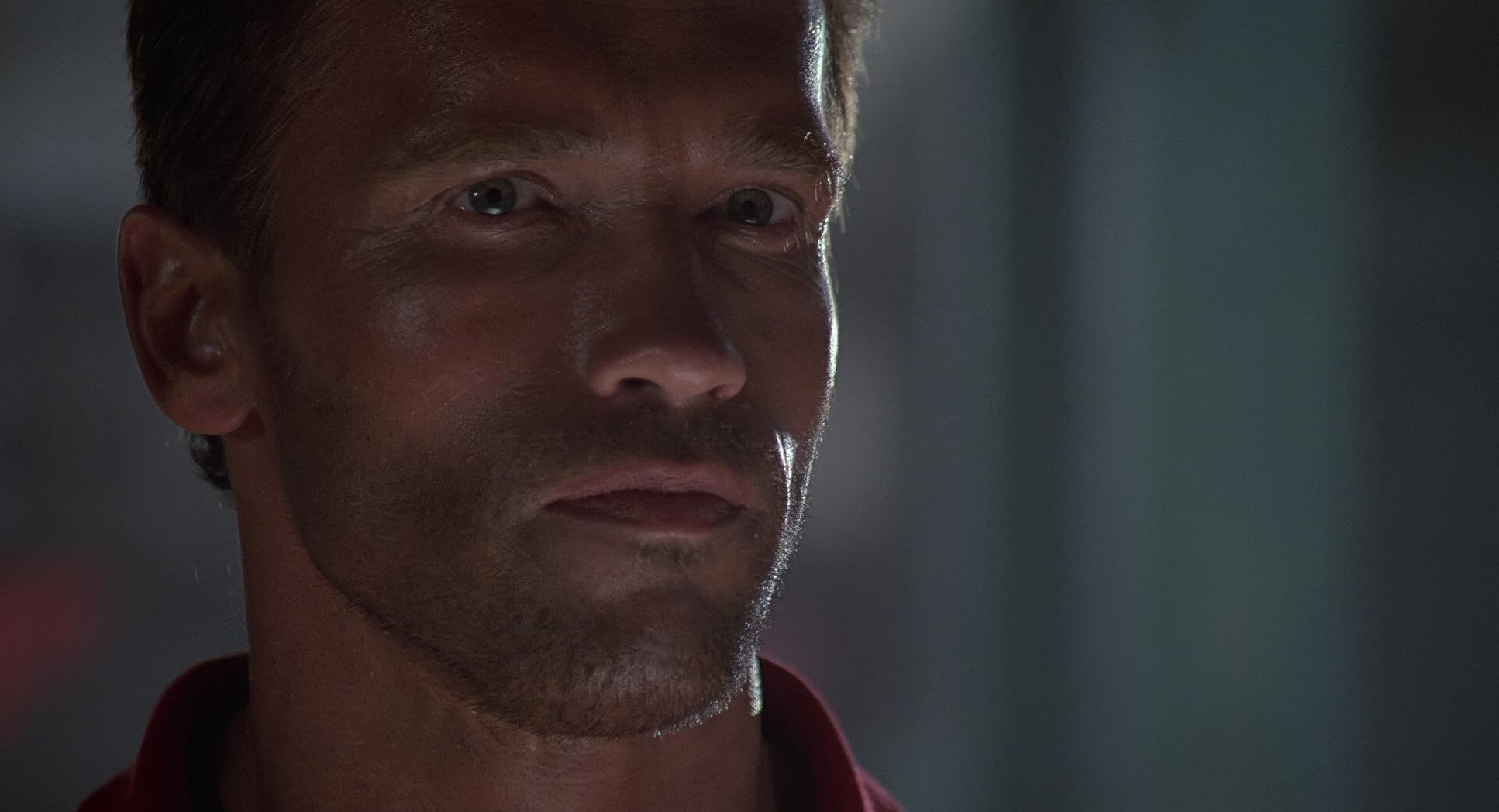
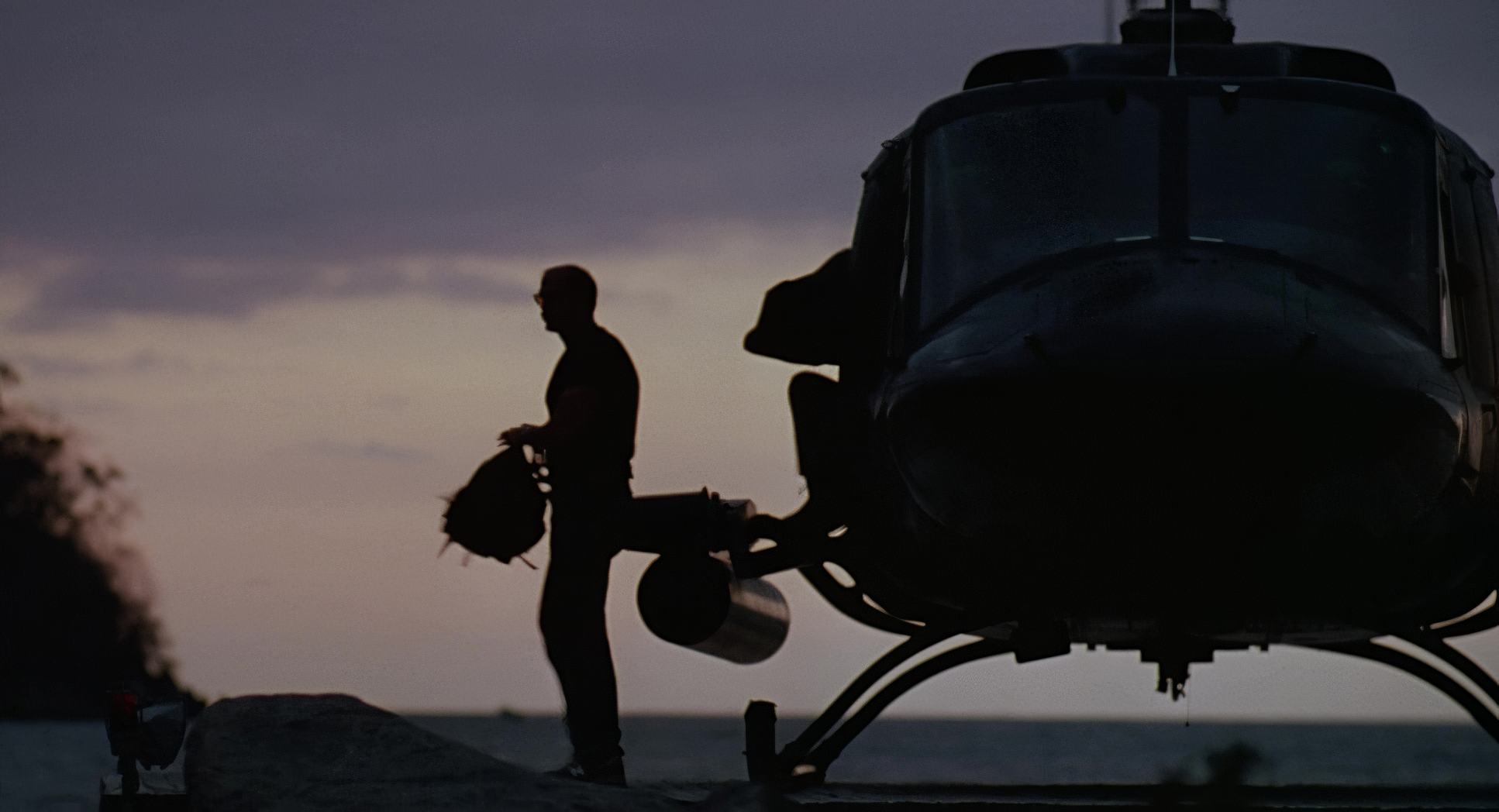
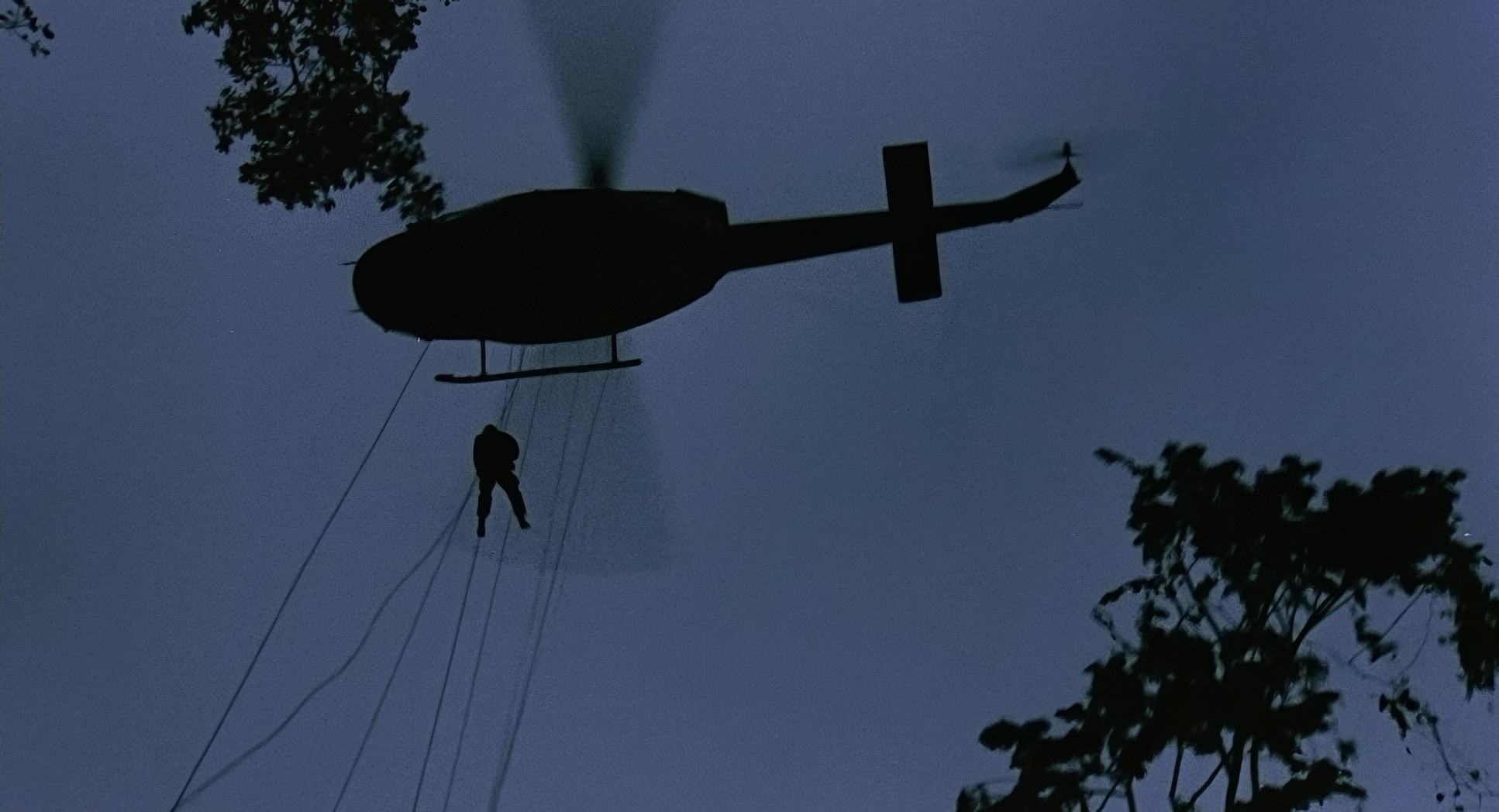
Predator (1987) Film Stills
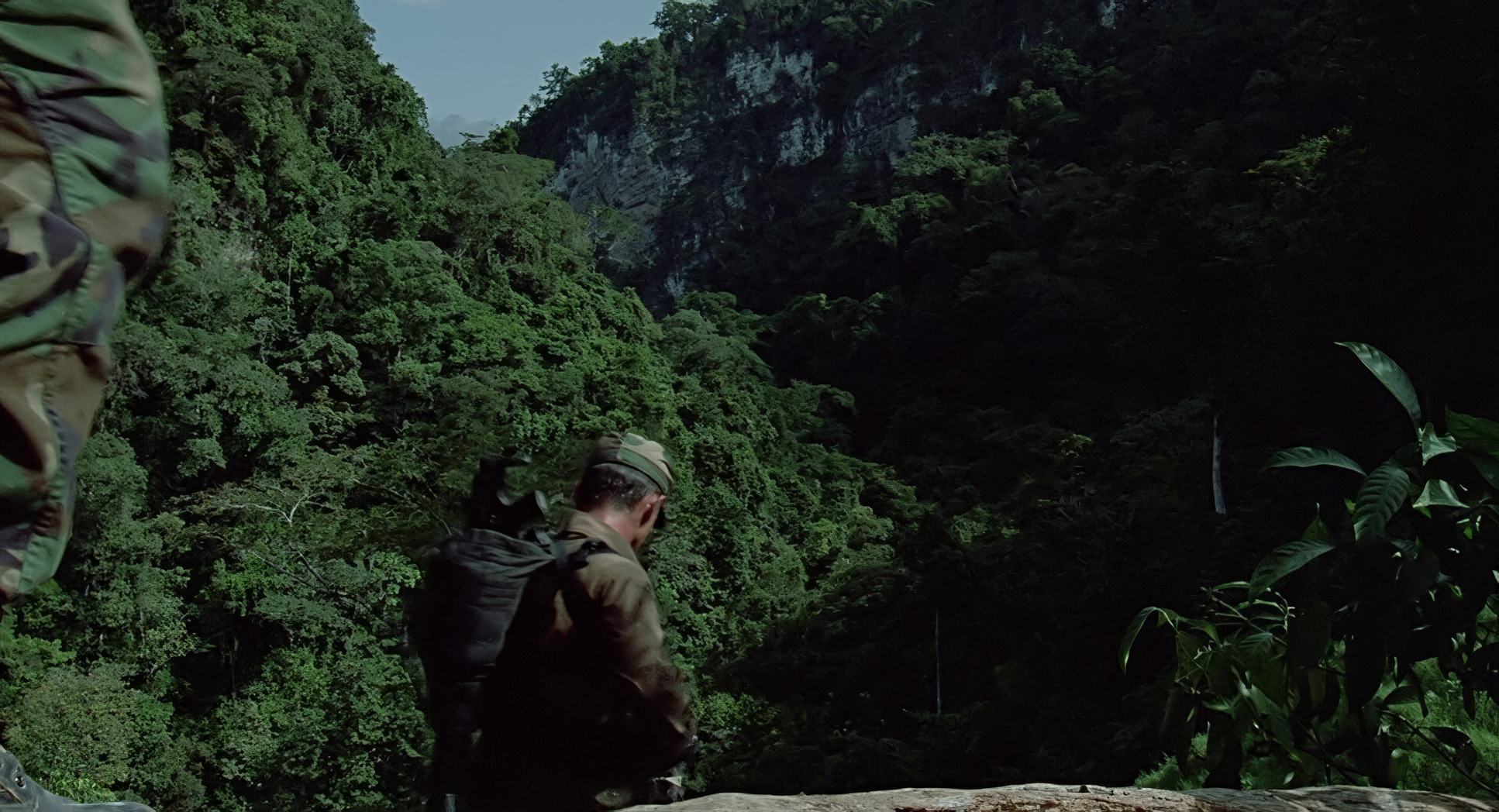
A curated reference archive of cinematography stills from Predator (1987). Study the lighting, color grading, and composition.

- Also read: THE LAST SAMURAI (2003) – CINEMATOGRAPHY ANALYSIS
- Also read: TRAINING DAY (2001) – CINEMATOGRAPHY ANALYSIS
Browse Our Cinematography Analysis Glossary
Explore directors, cinematographers, cameras, lenses, lighting styles, genres, and the visual techniques that shape iconic films.
Explore Glossary →