Every once in a while, a film comes along that makes all our technical rules feel completely irrelevant. 20 Days in Mariupol (2023) doesn’t care about being “cinematic” in the traditional sense; it’s a film that demands you look at the unvarnished, ugly reality of war.
It’s a heavy watch honestly, it’s gut-wrenching. I’d heard the Sundance buzz and knew it was an Oscar front-runner, but seeing it is different. You feel “continuously gutted,” as one reviewer put it. Now, there’s a lot of noise online calling it “manipulative” or “one-sided propaganda.” But looking at it as a filmmaker, that critique misses the point. When you’re filming in a besieged city, “balance” isn’t the priority survival is. This tension between raw footage and a curated narrative makes it a fascinating, if heartbreaking, study of what it actually means to document the truth.
The Team Behind the Lens
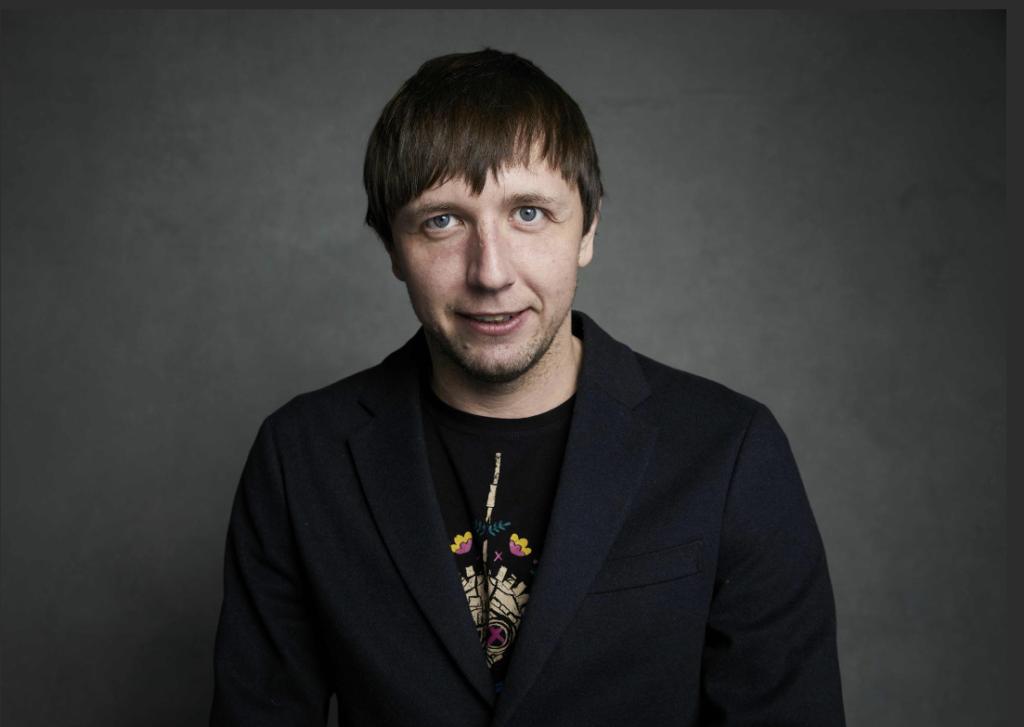
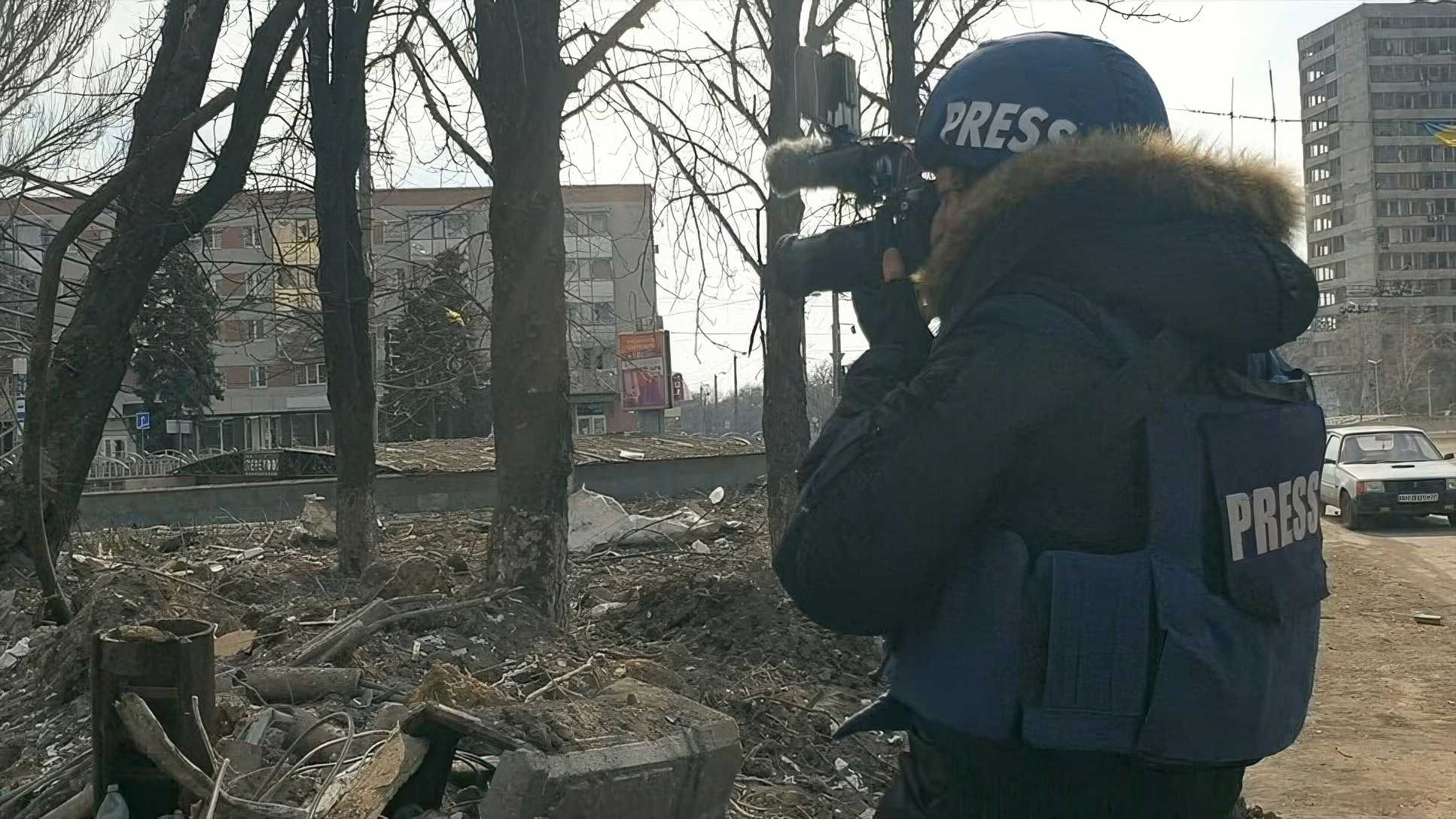
While Mstyslav Chernov directed this journey, we have to talk about the cinematography by Evgeniy Maloletka. These guys weren’t “filmmakers” in the way we usually think they were witnesses. In my world, a DP spends weeks planning every shot and lighting setup. Here, the “set” was a warzone, the “actors” were civilians in a living nightmare, and there was no script just the horror unfolding in real-time.
Maloletka and Chernov weren’t just capturing frames; they were creating evidence. When you hear about them “sneaking hard drives out” or the risks they took just to stay alive, it changes how you look at the footage. This isn’t about “aesthetic choices.” It’s about the sheer urgency to show the world what was happening before the signal went dead.
Camera Movements: The Language of Panic
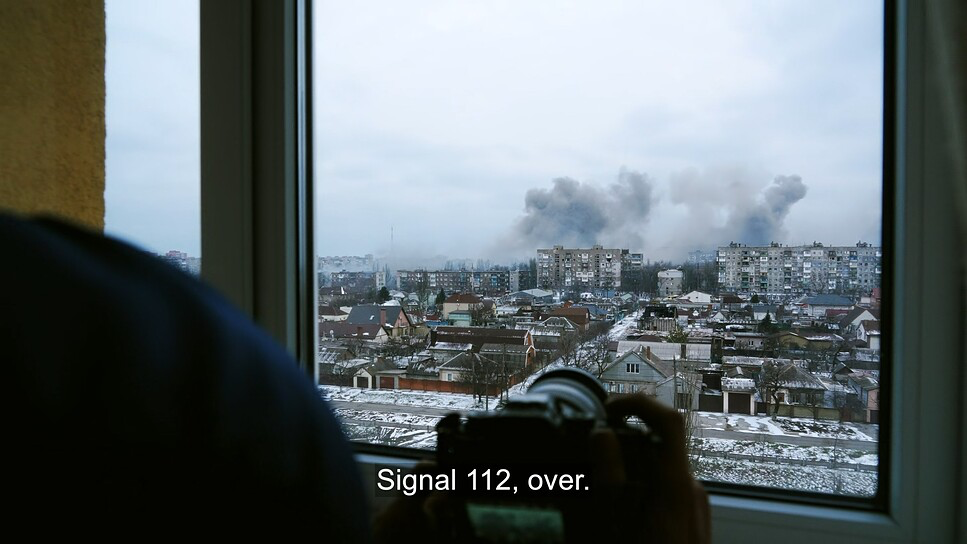
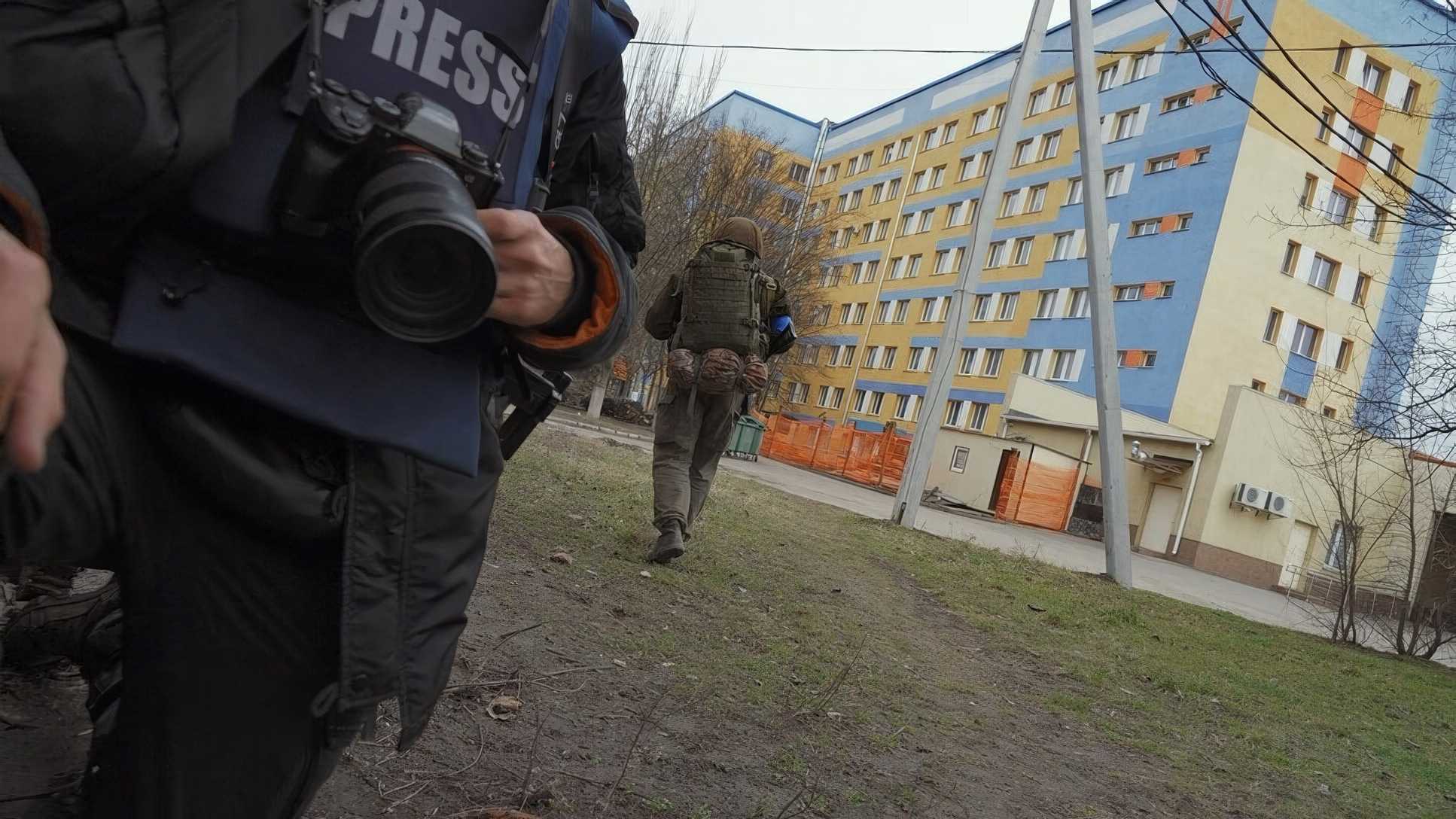
This film is a masterclass in handheld work, but not the kind you see in a Bourne movie. There are no gimbals, no Easyrigs, no stabilizers. The camera is an extension of the body. It’s shaky, it’s frantic, and it’s perfect. That lack of stability isn’t a “technical flaw” it’s the visual equivalent of a racing heartbeat.
When shells are dropping and the camera jars or ducks, you aren’t just watching a documentary; you’re ducking with them. It’s a reactive style of shooting that places you directly in the shoes of someone navigating a collapsing world. It makes the trauma feel immediate and deeply personal. You feel the disorientation of the city through every frame.
Inspiration Behind the Cinematography
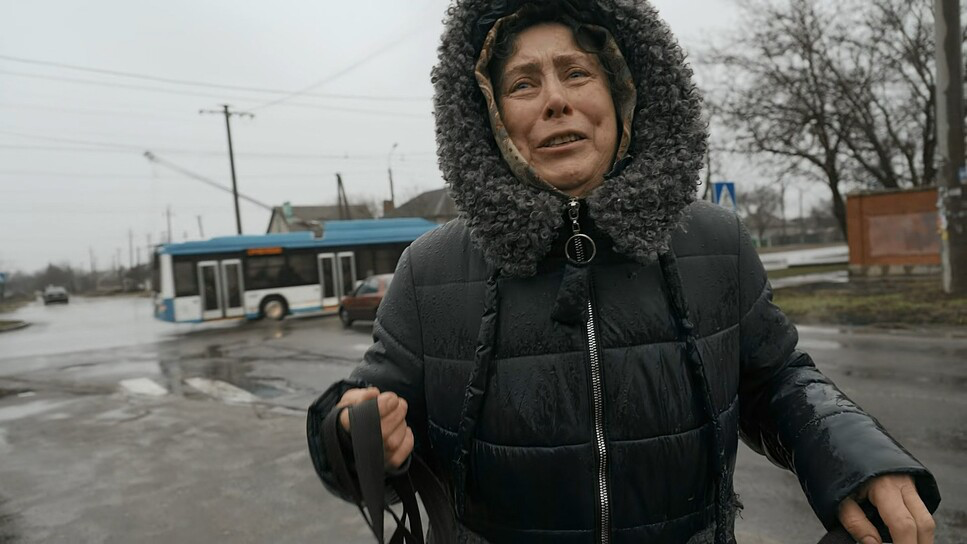
I hate to even use the word “inspiration” for something this dire, but the driving force here was clearly testimony. The lens is pushed by a primal need to record the “inherent evil” and “senselessness” of the invasion. There’s no blocking rehearsal here. The “inspiration” is the fear in a mother’s eyes or the smoke rising from a fresh strike.
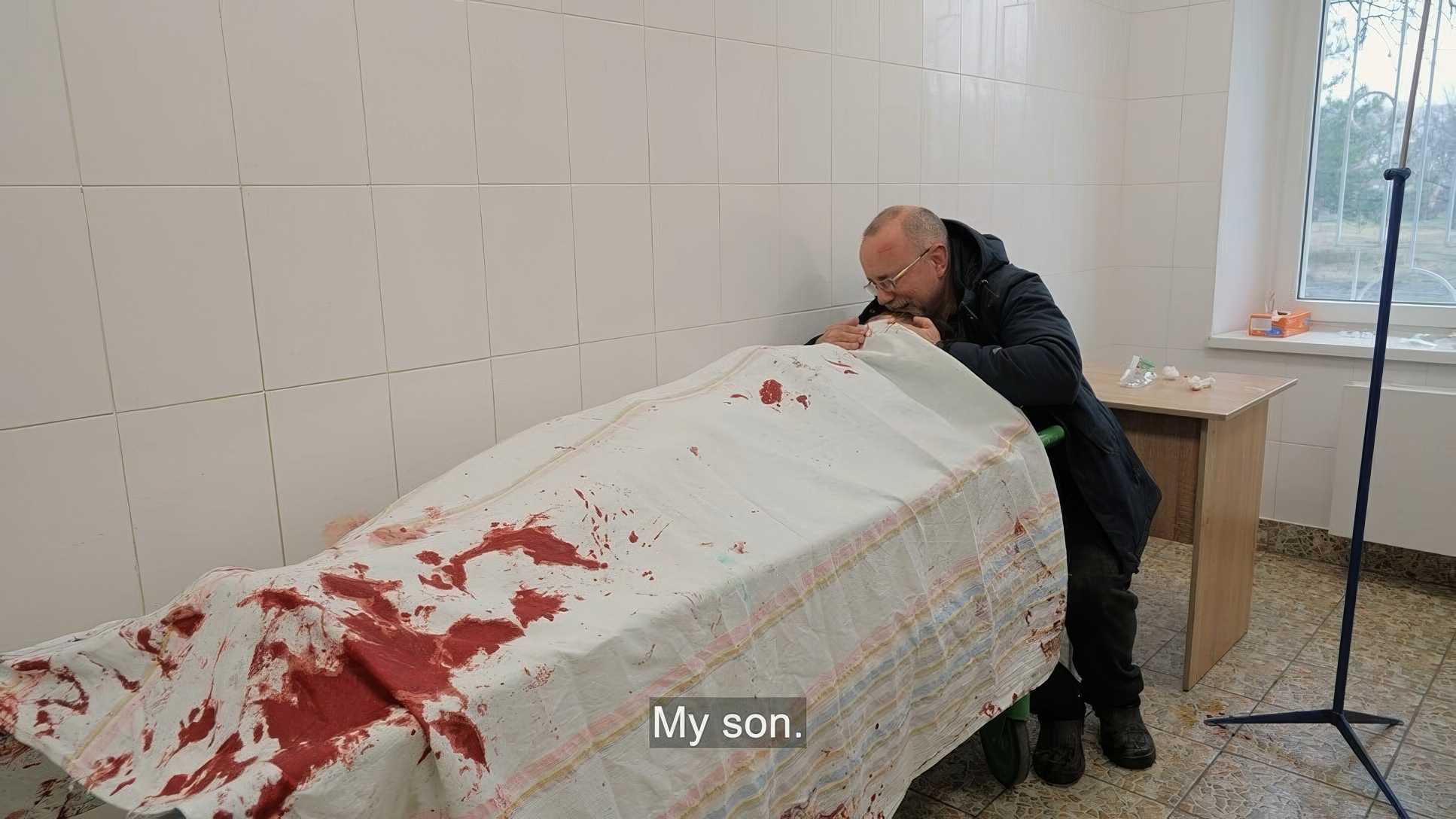
Some critics argue the film is designed to “turn off critical thinking” by focusing on shock like the close-ups of wounded children. But as a professional, I see that as a narrative choice, not just a grab for emotion. Maloletka understands the power of a frame. He captures the “panic and the build” in a way that feels experiential. Whether you call it “manipulation” or “focus,” the craft achieves exactly what it intended: it makes you feel the weight of the tragedy.
Lighting Style: The Death of the “Look”
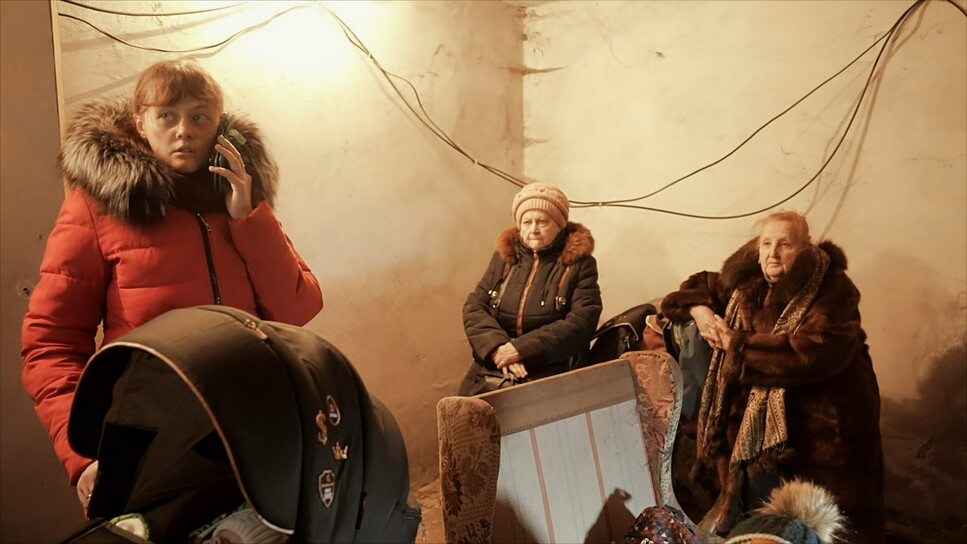
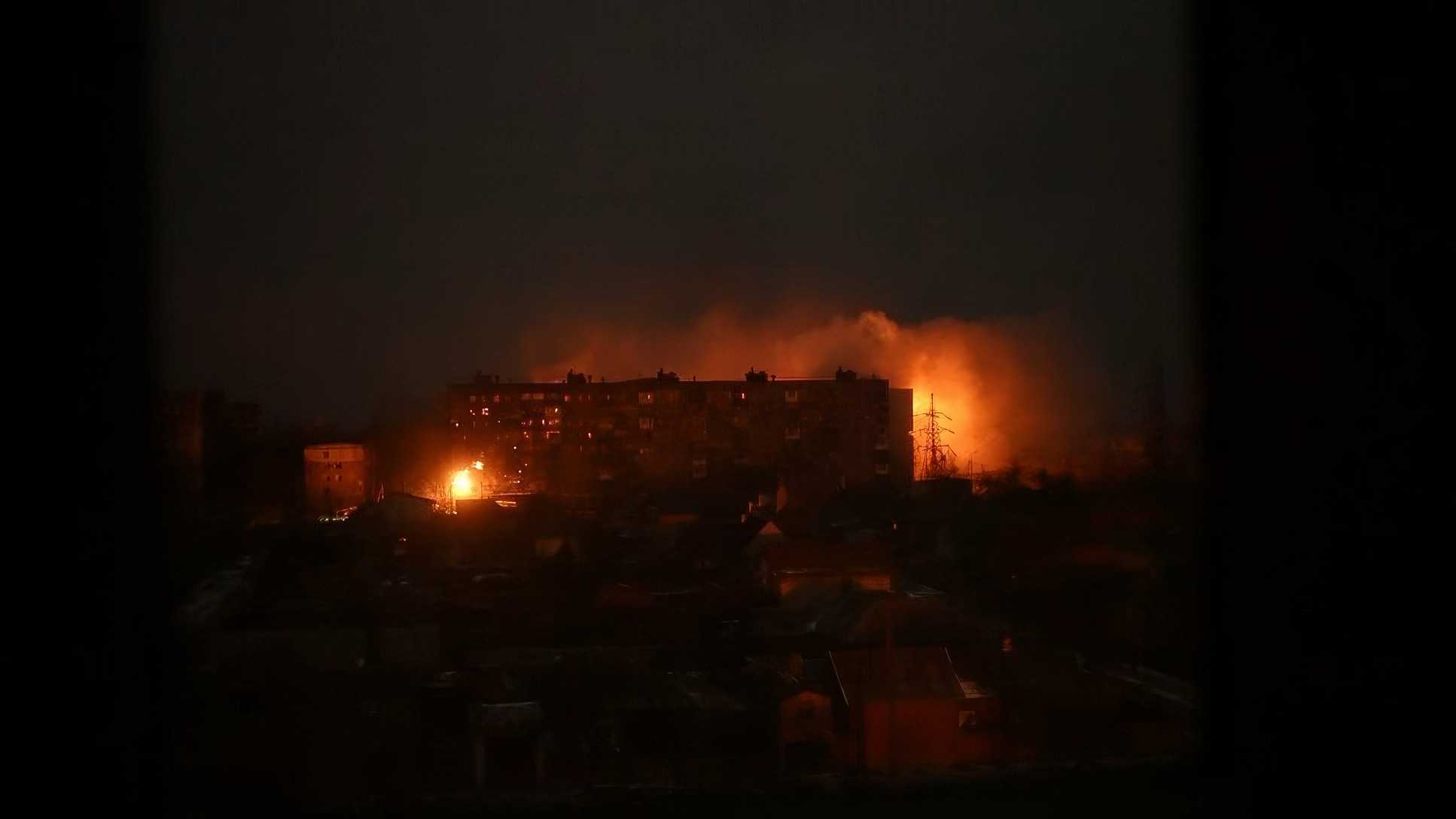
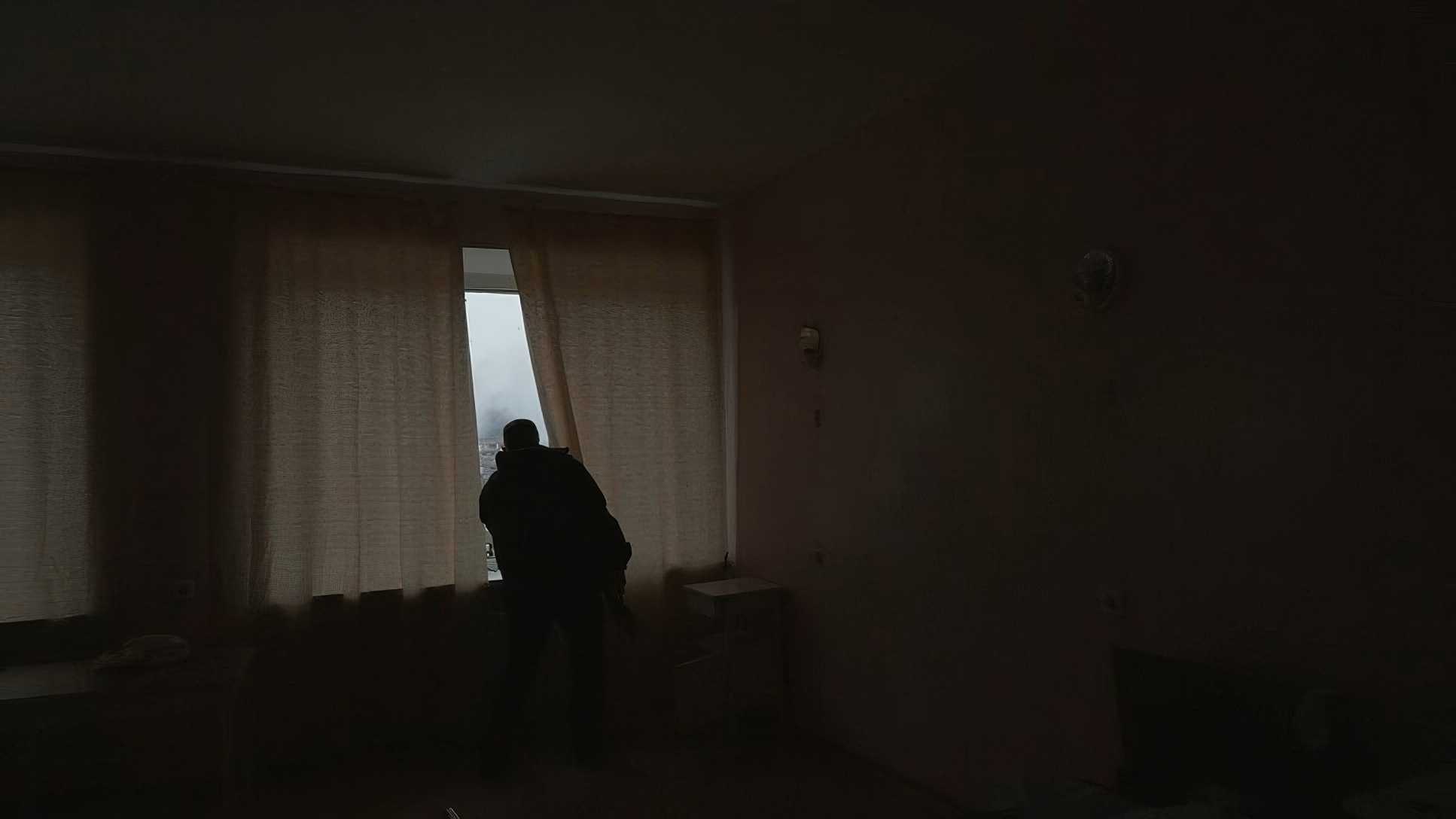
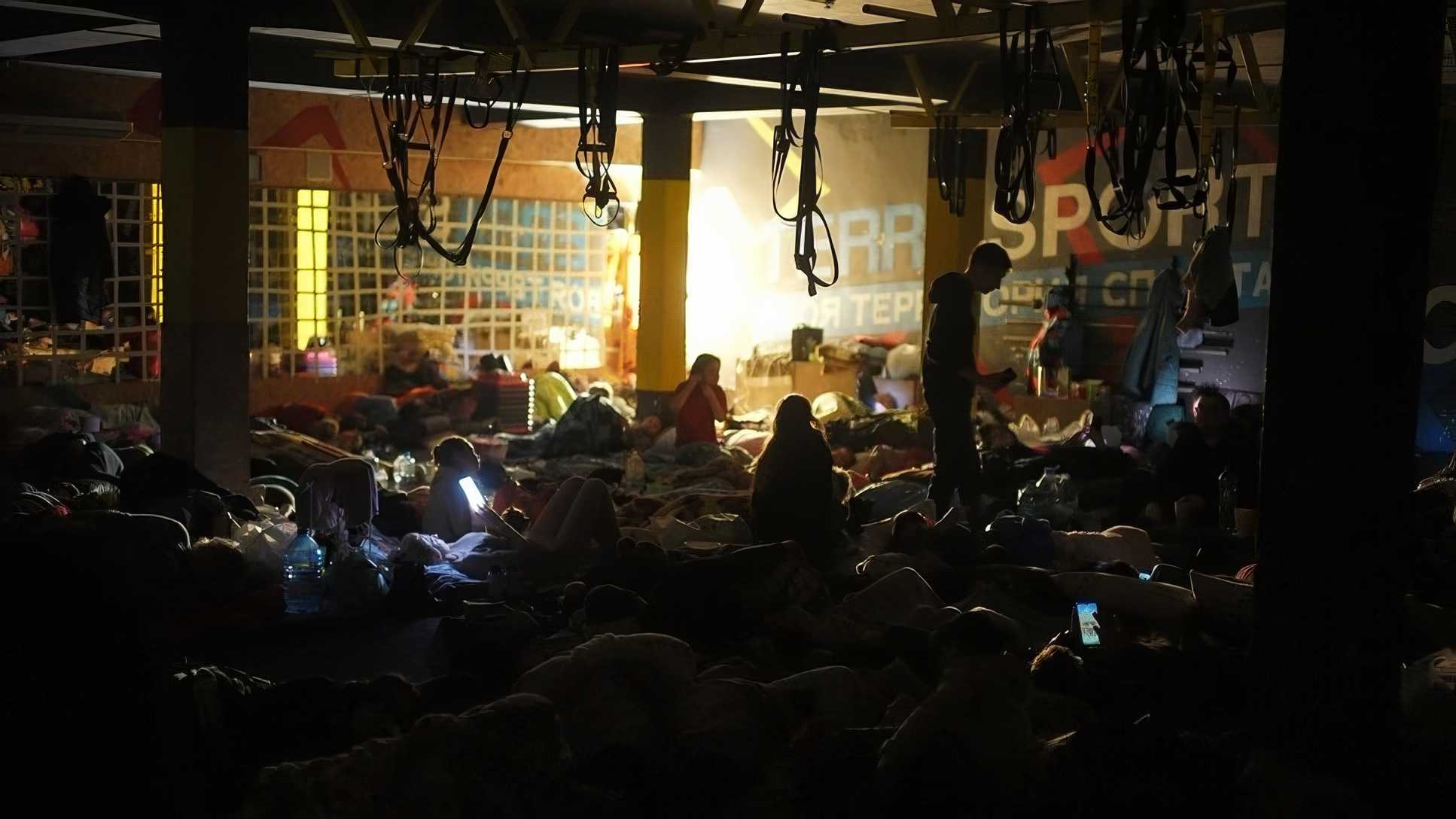
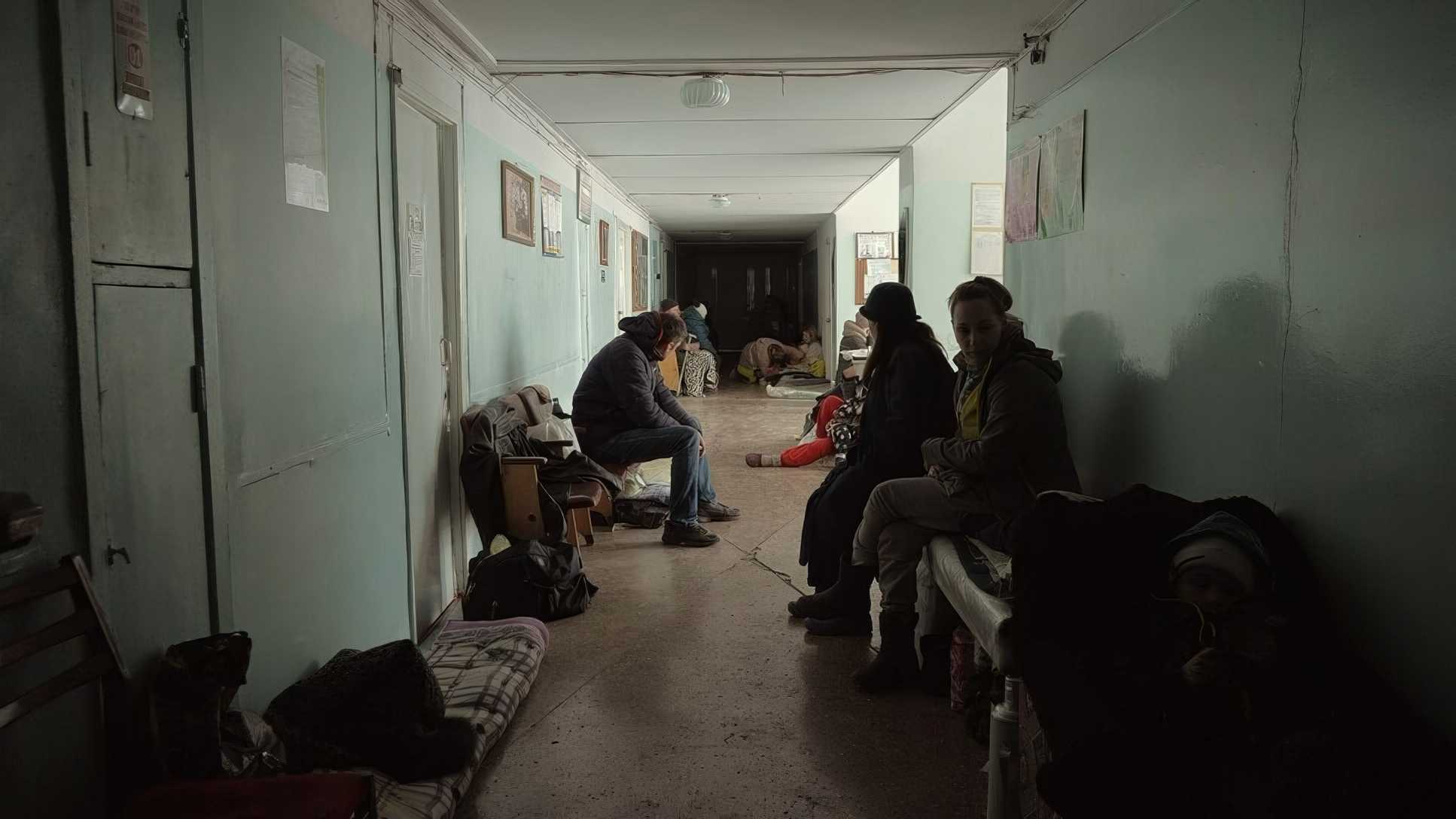
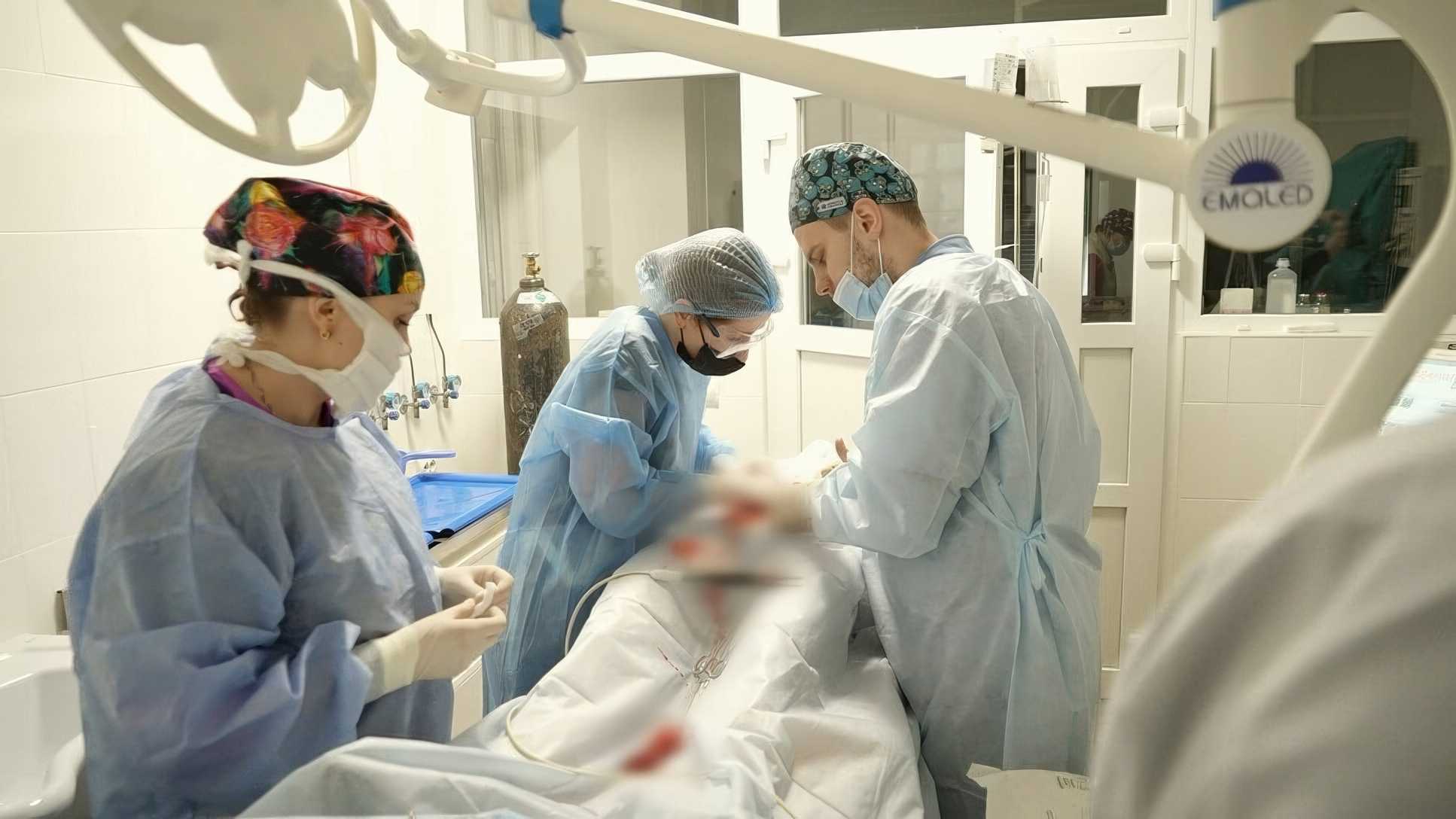
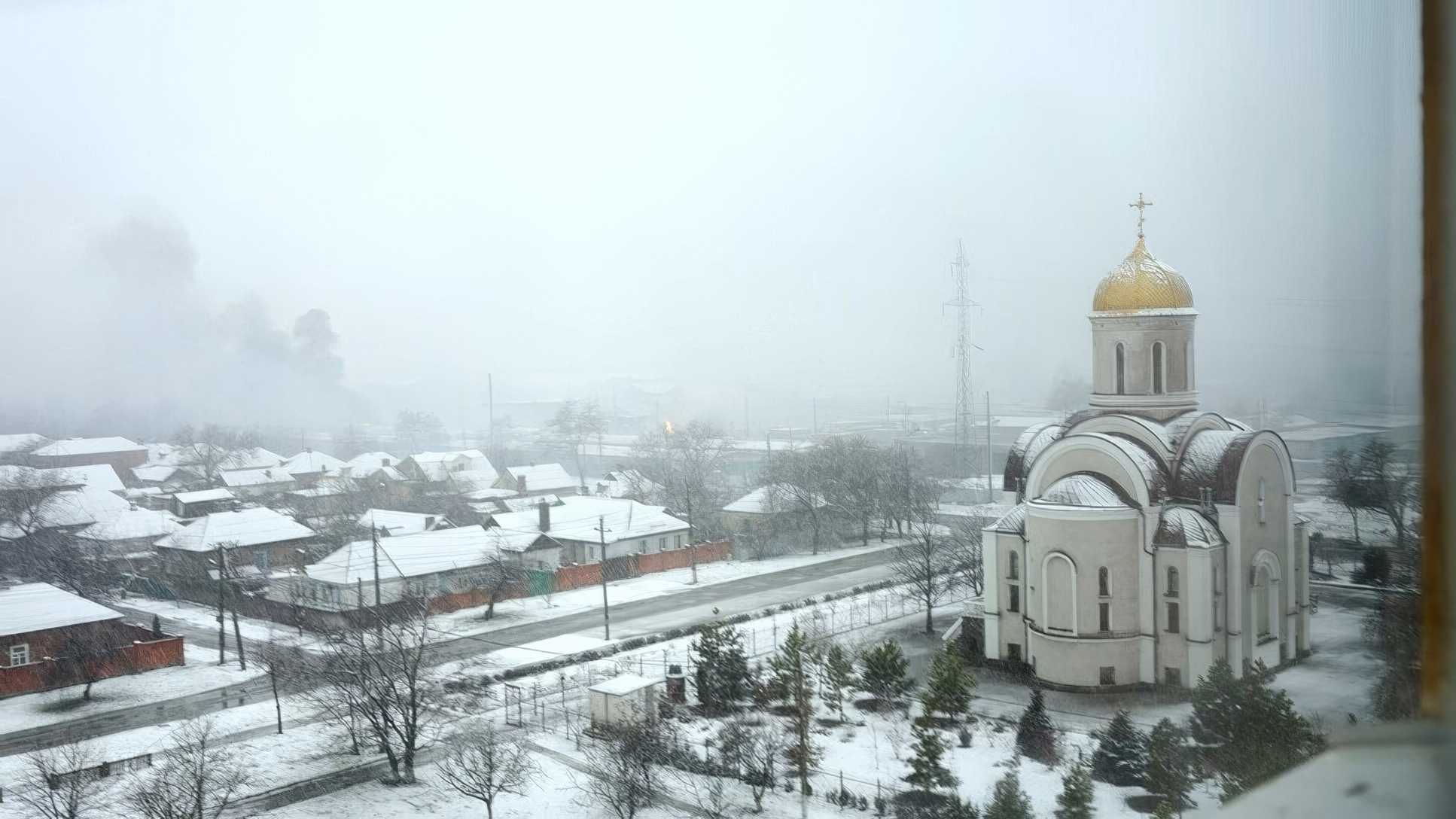
Let’s be real: there are no lighting kits here. Everything is “motivated” by the sun or the lack of it. It’s the harsh, unforgiving daylight of a Ukrainian winter or the depressing, flickering fluorescent lights of a basement hospital. And for a film like this, that’s exactly what you need.
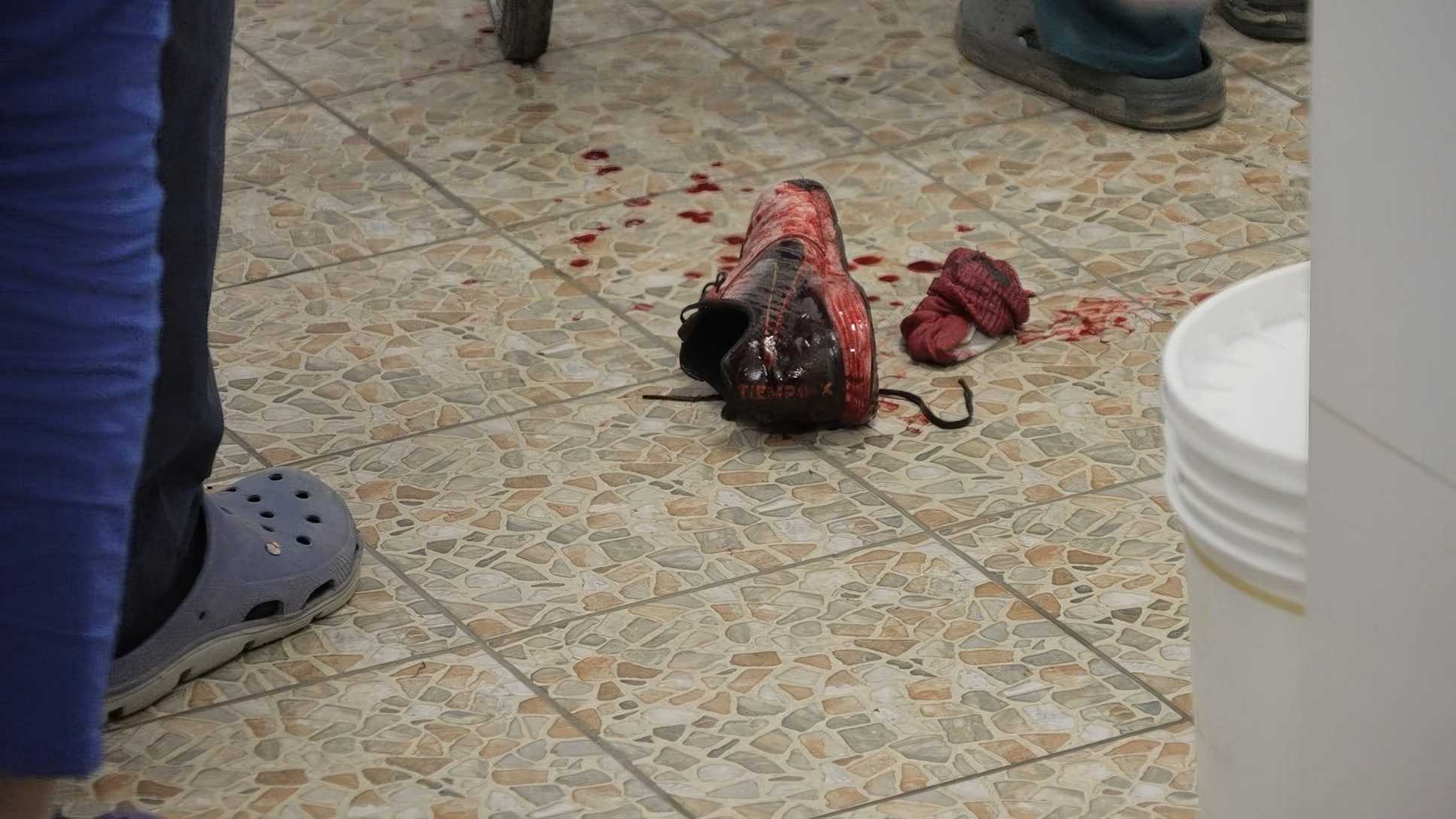
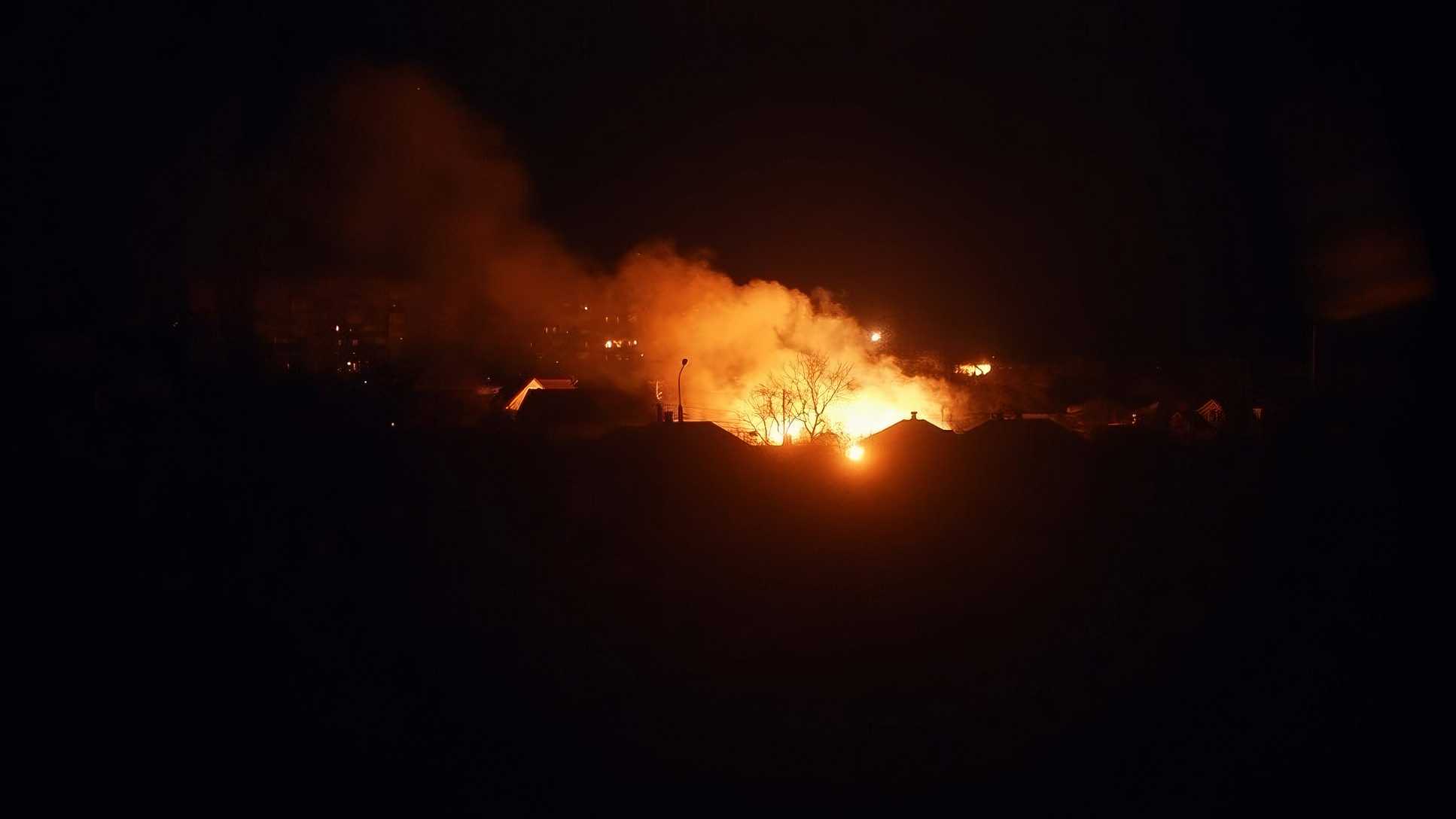
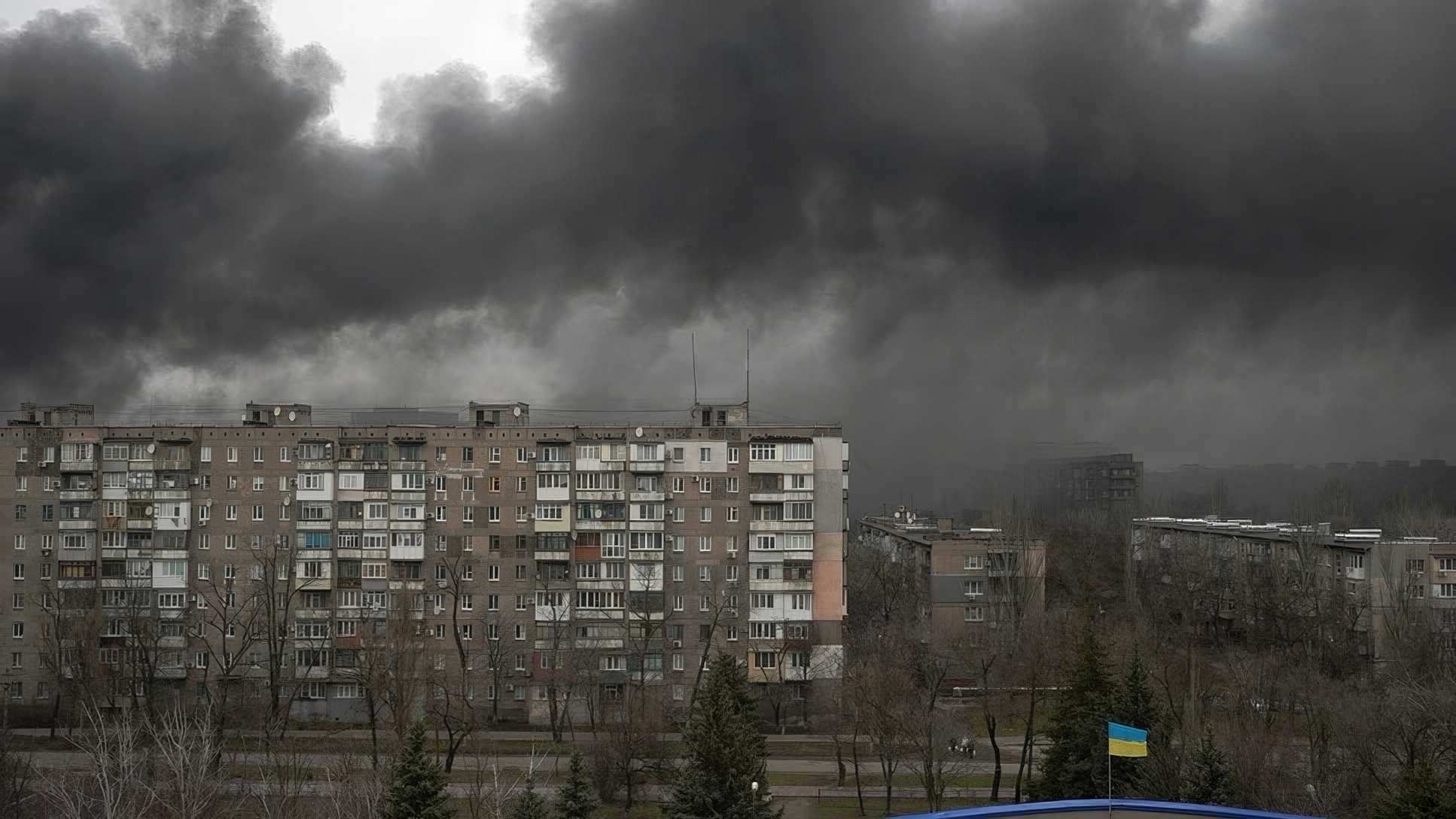
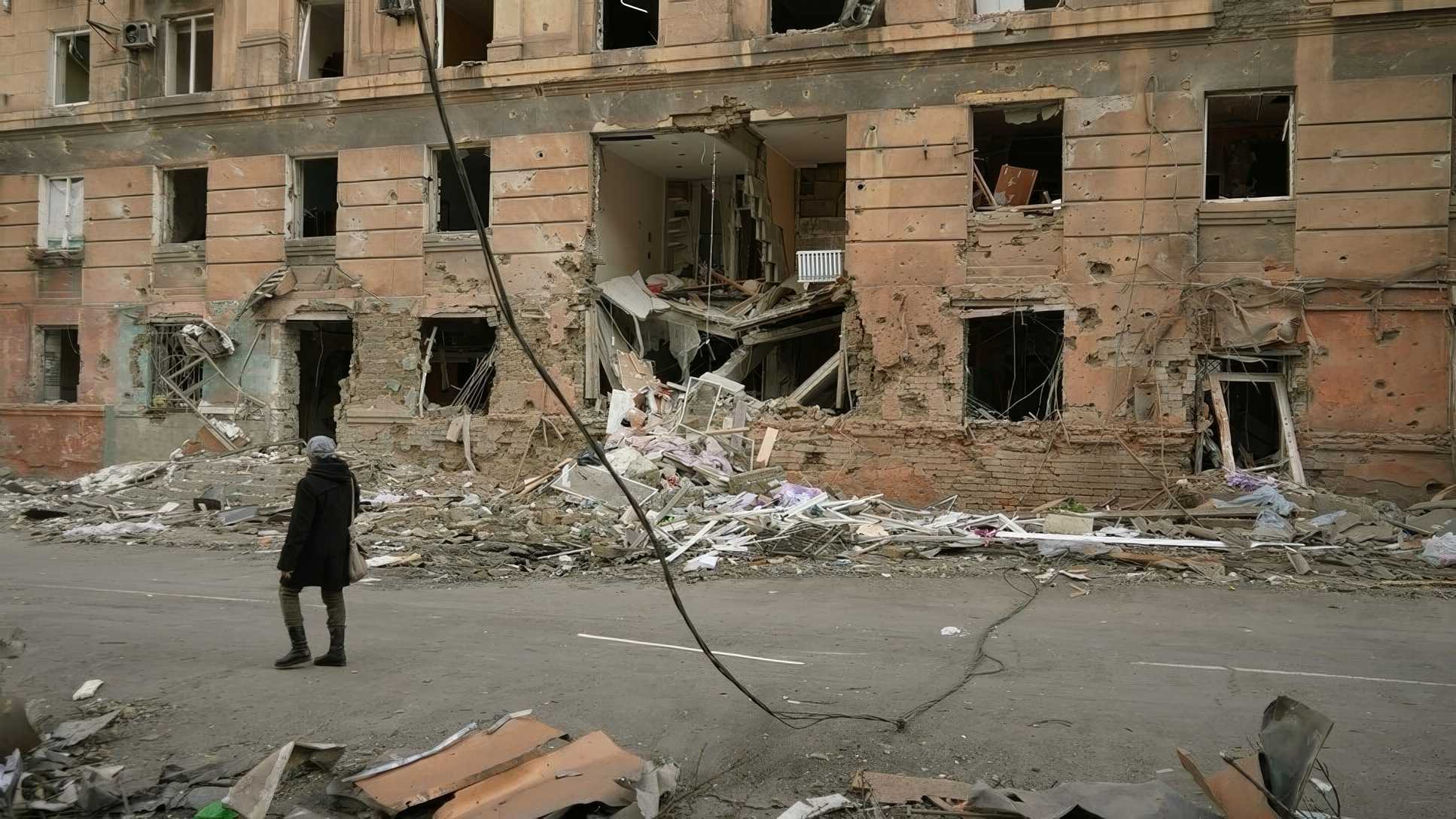
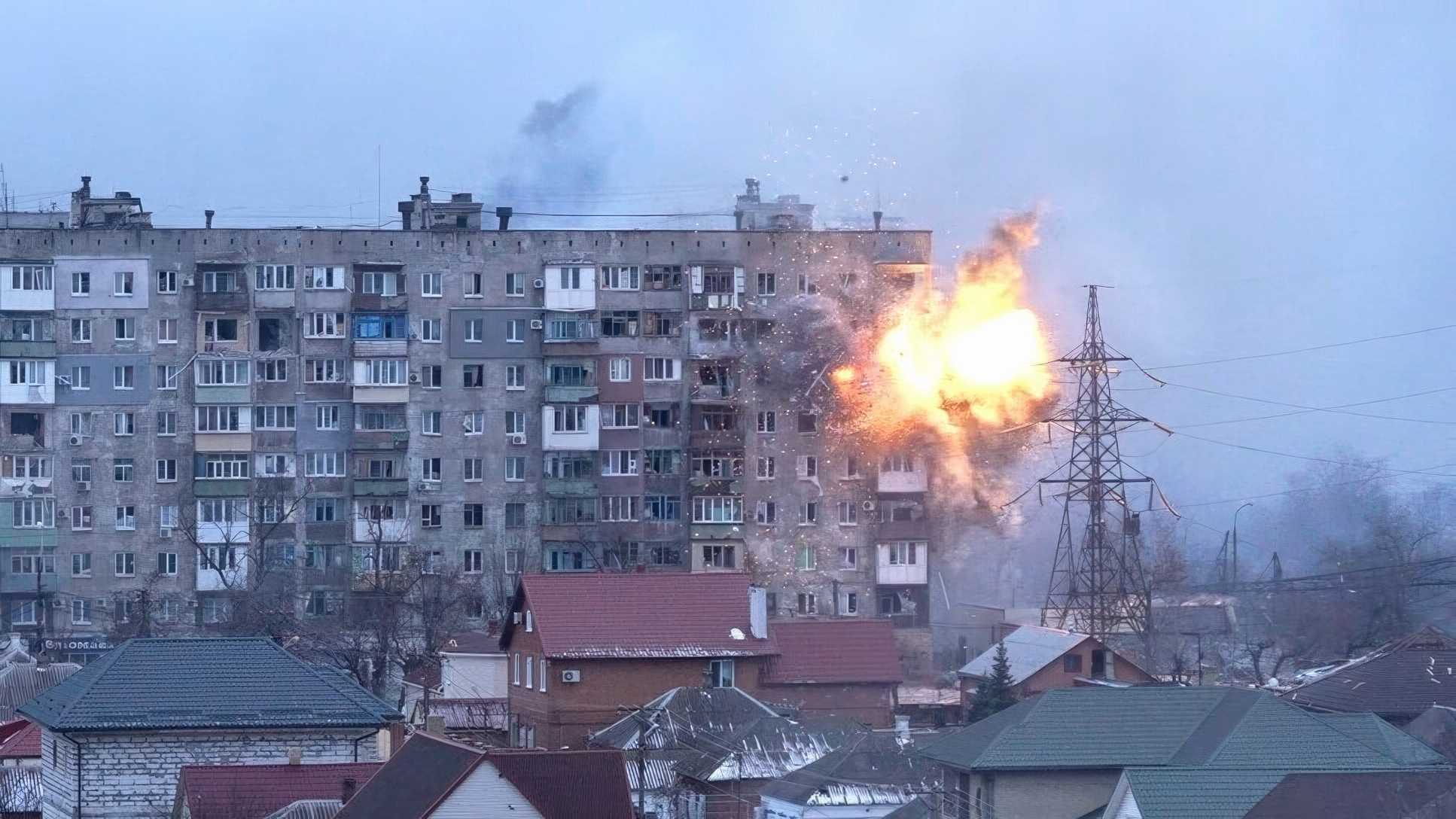
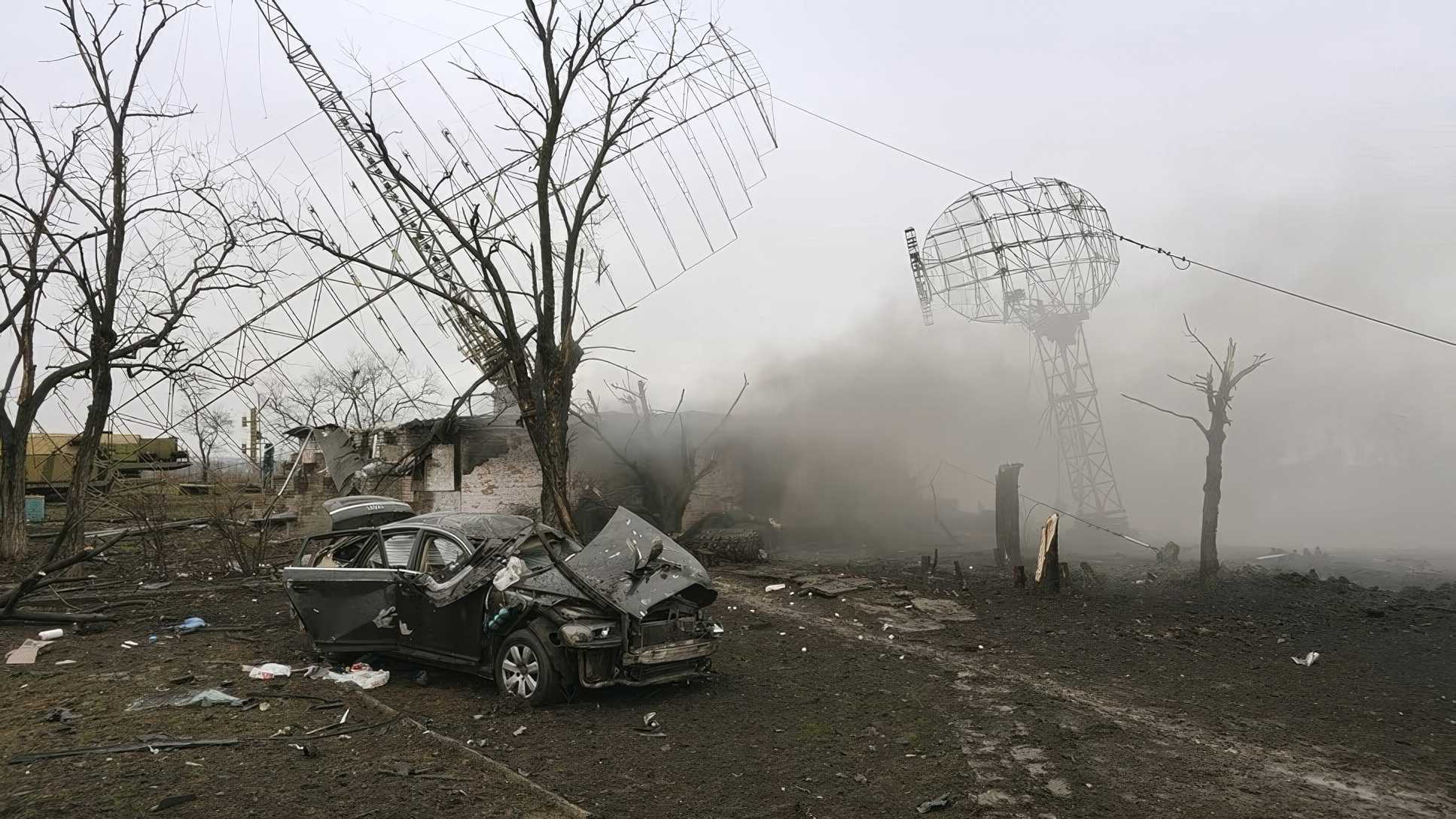
The daylight is brutal. It’s high-contrast and reveals every bit of grit, grime, and blood. There’s no attempt to soften the image. Indoors, the long, somber shadows in the besieged hospitals create a sense of claustrophobia and dread. As a colorist, I can see the massive dynamic range challenges they faced trying to keep detail in the searing highlights of a fire while keeping the shadows from turning into digital mush. The absence of controlled lighting is what makes the world of Mariupol feel so exposed and vulnerable.
Compositional Choices
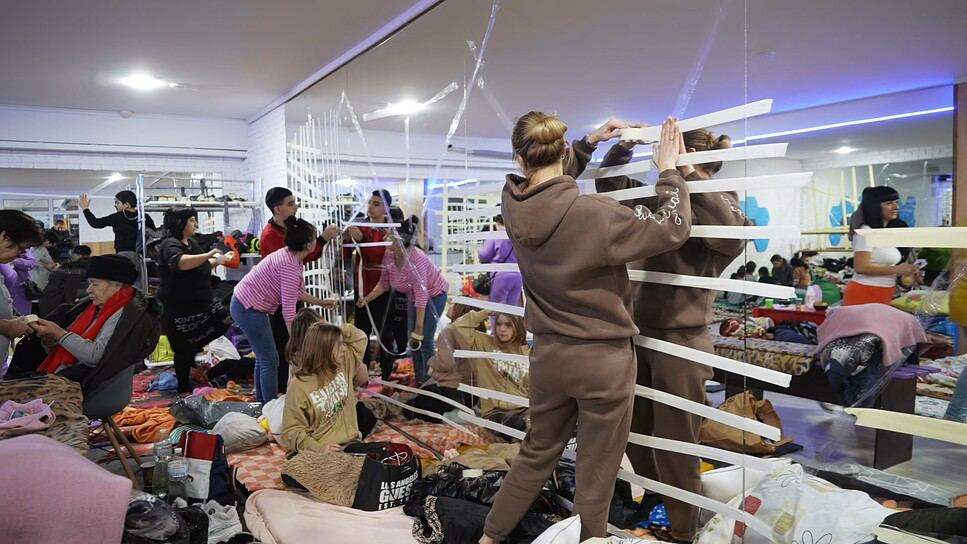
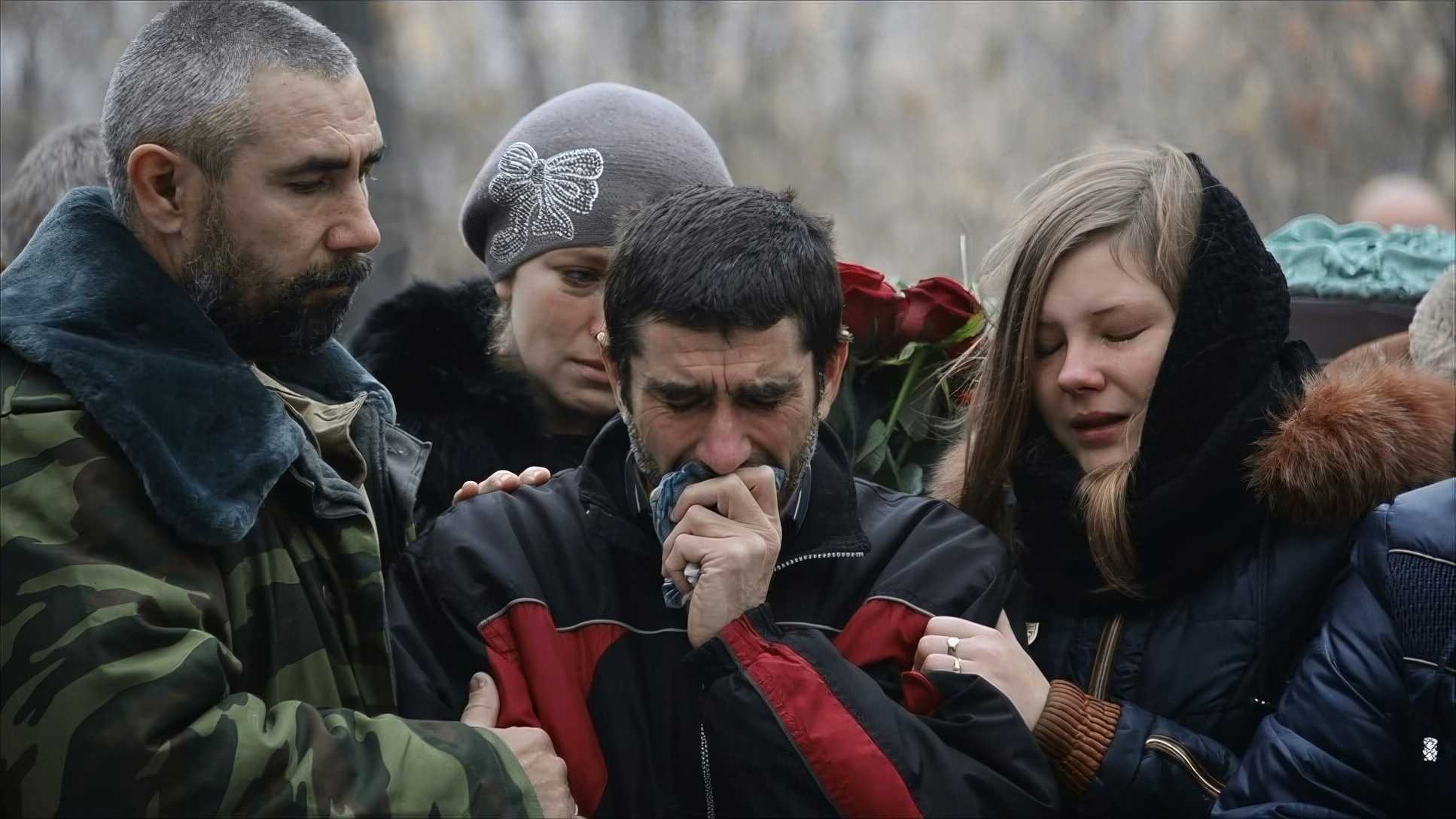
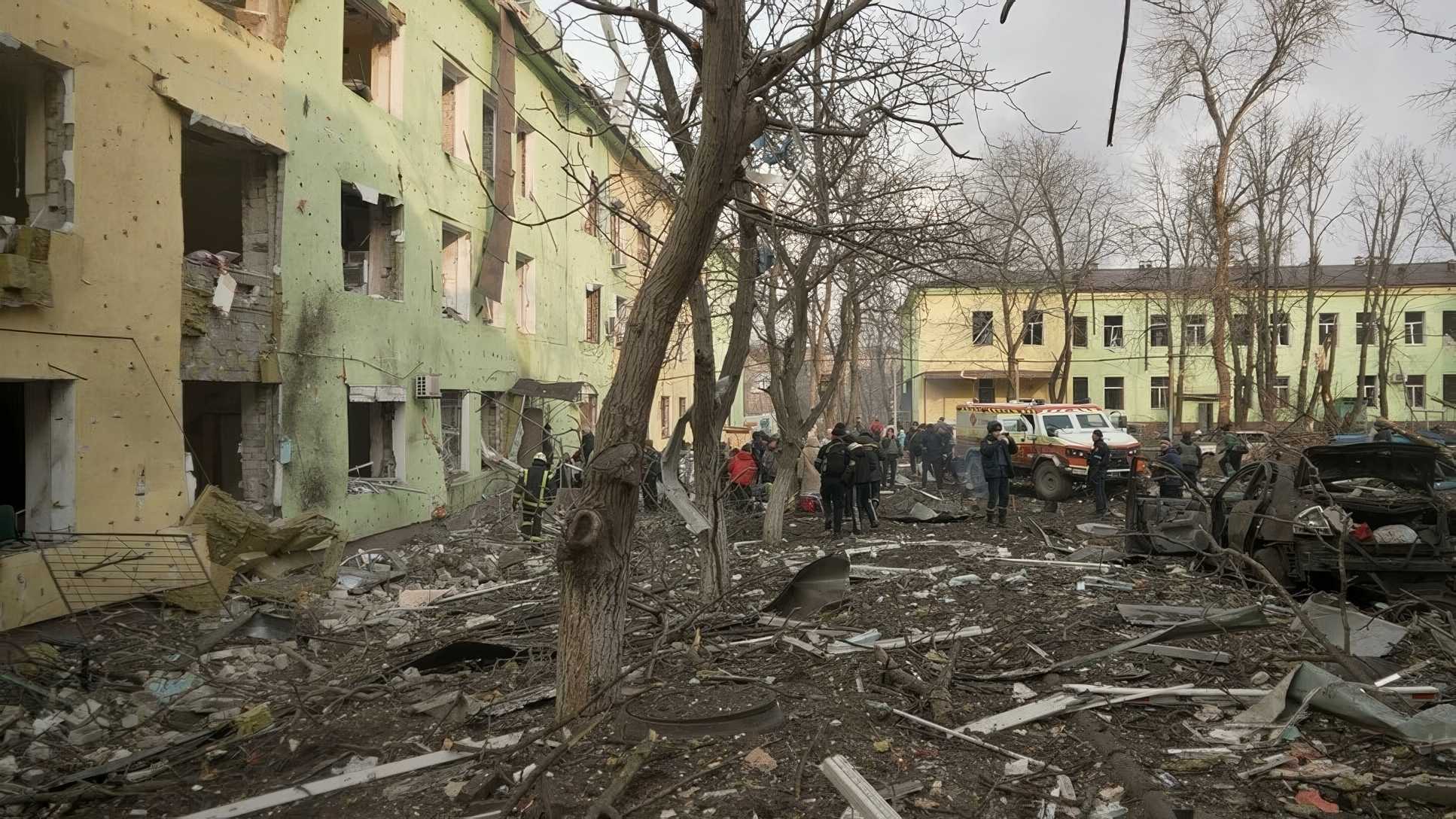
In a warzone, “composition” feels like a luxury you don’t have, but a photojournalist’s eye never really shuts off. The compositions here are about raw impact. We see a lot of tight close-ups not just for “shock,” but to strip away context and force us to look at individual human suffering.
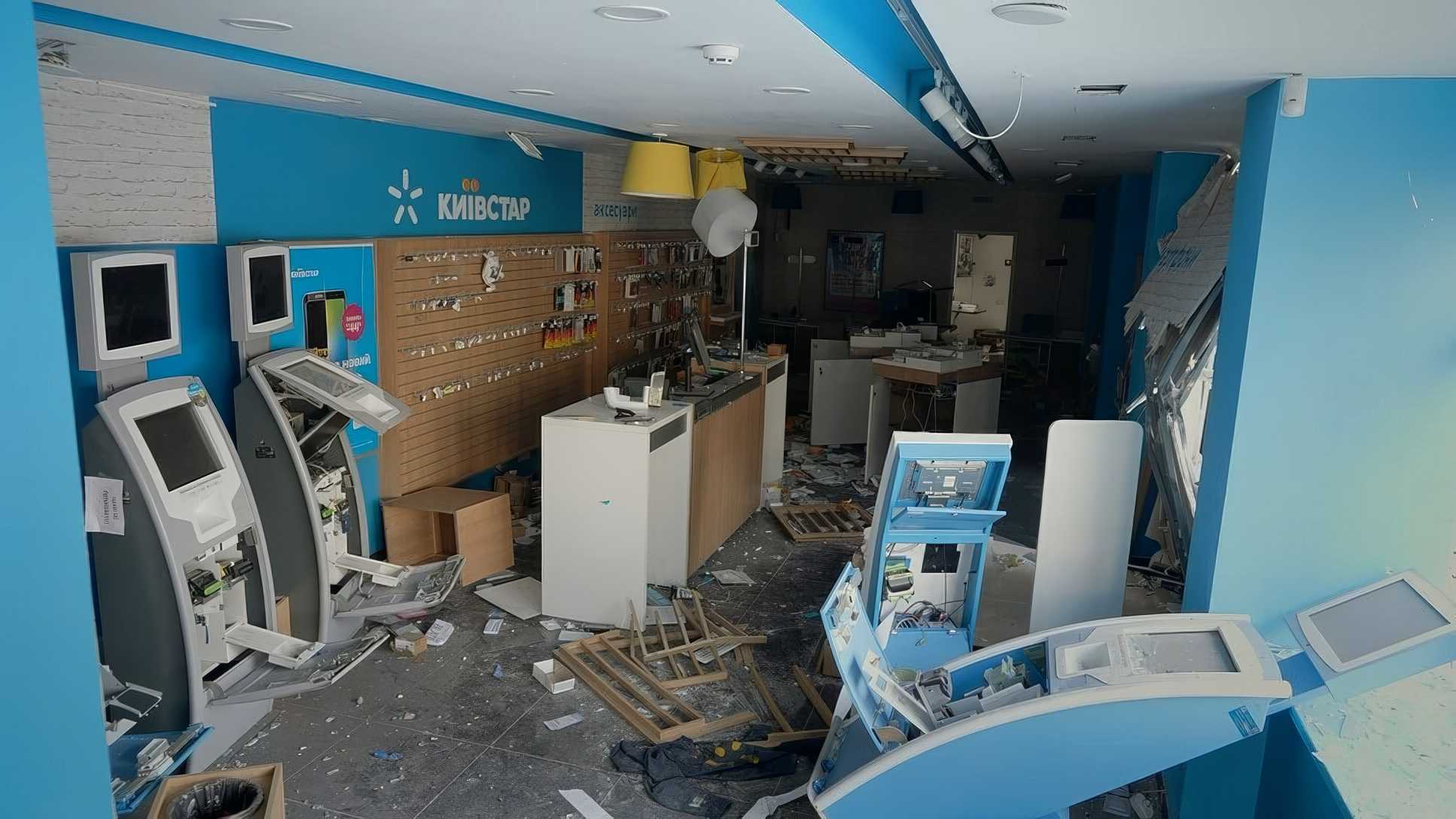
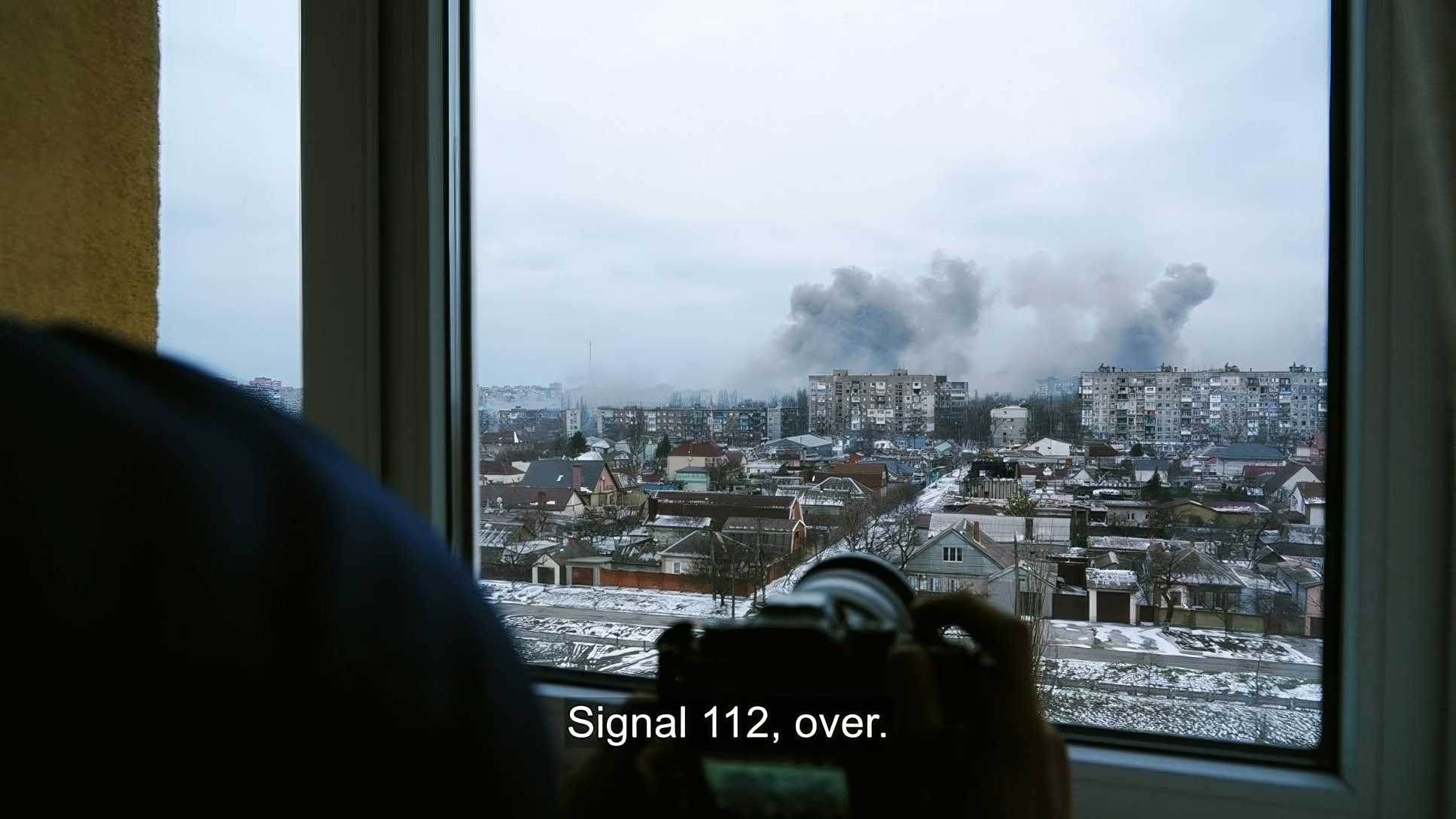
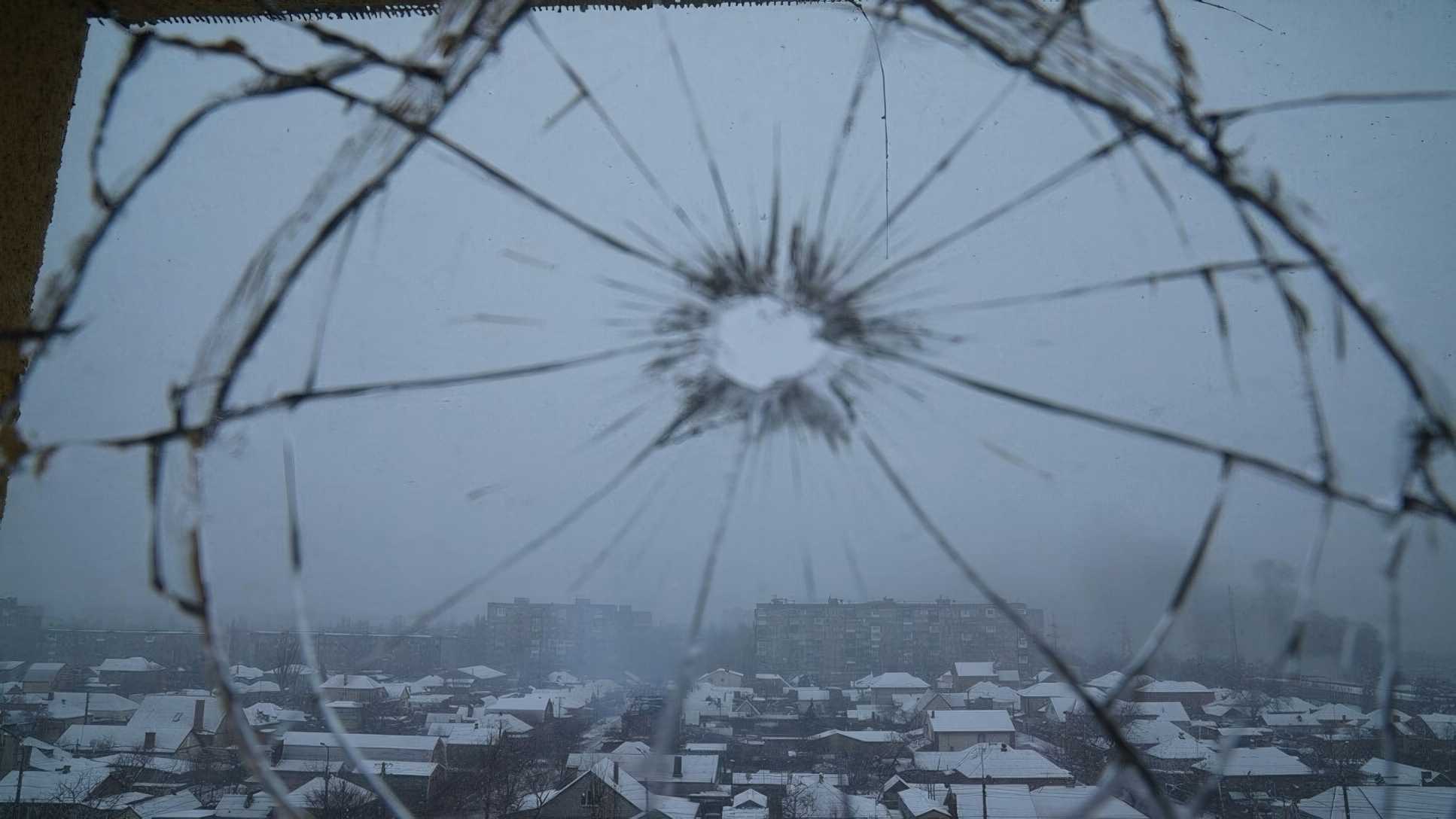
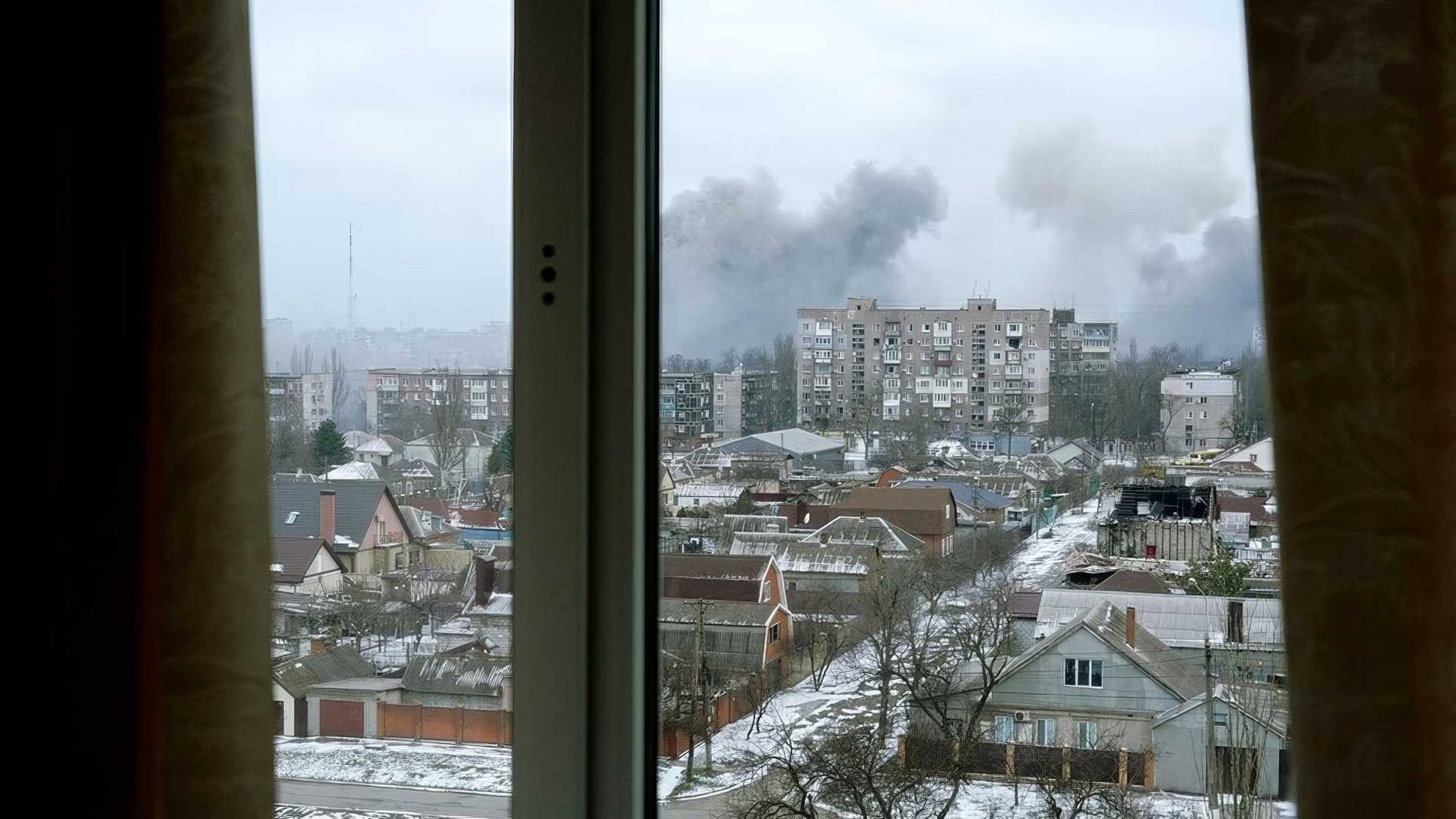
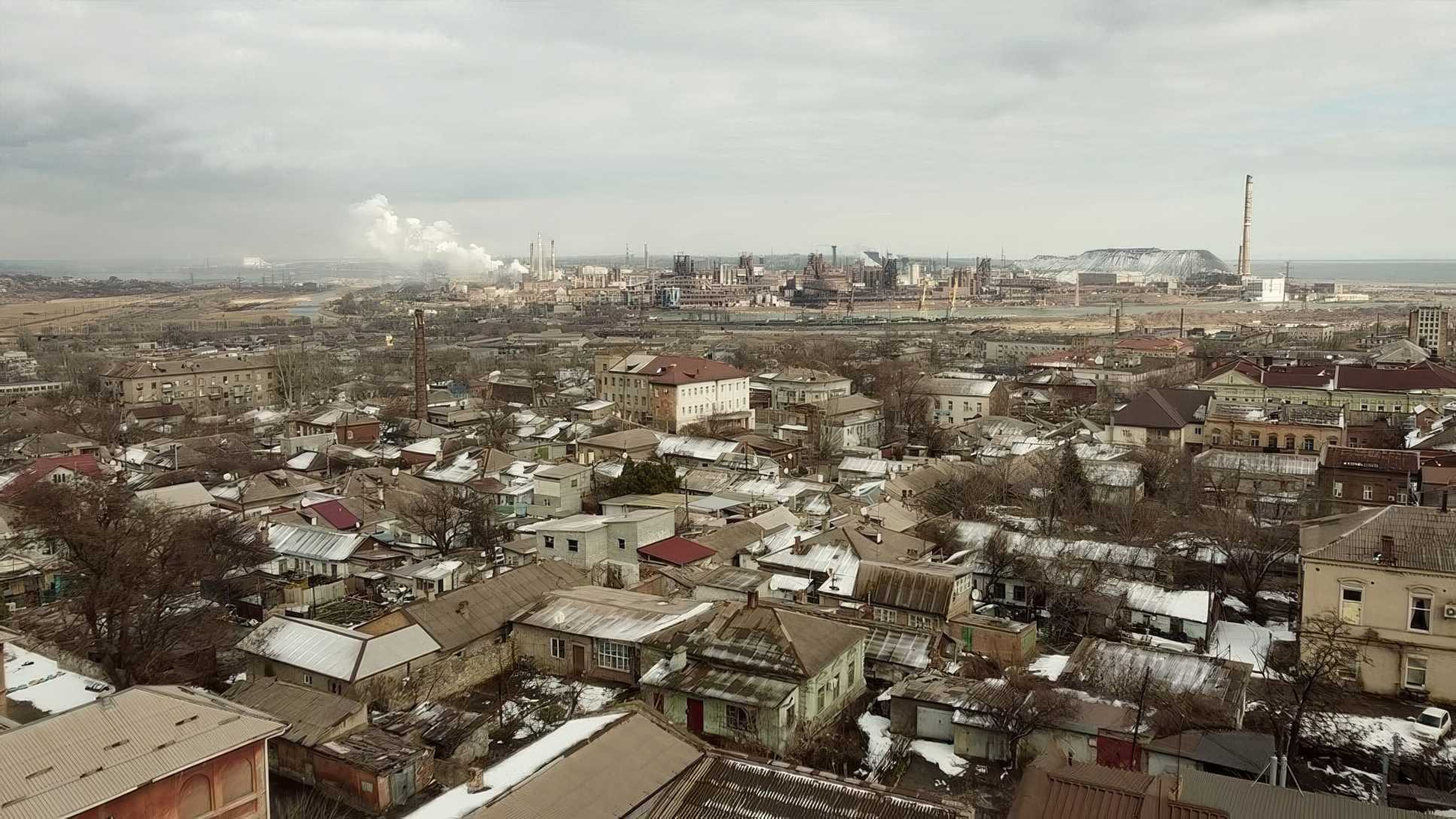
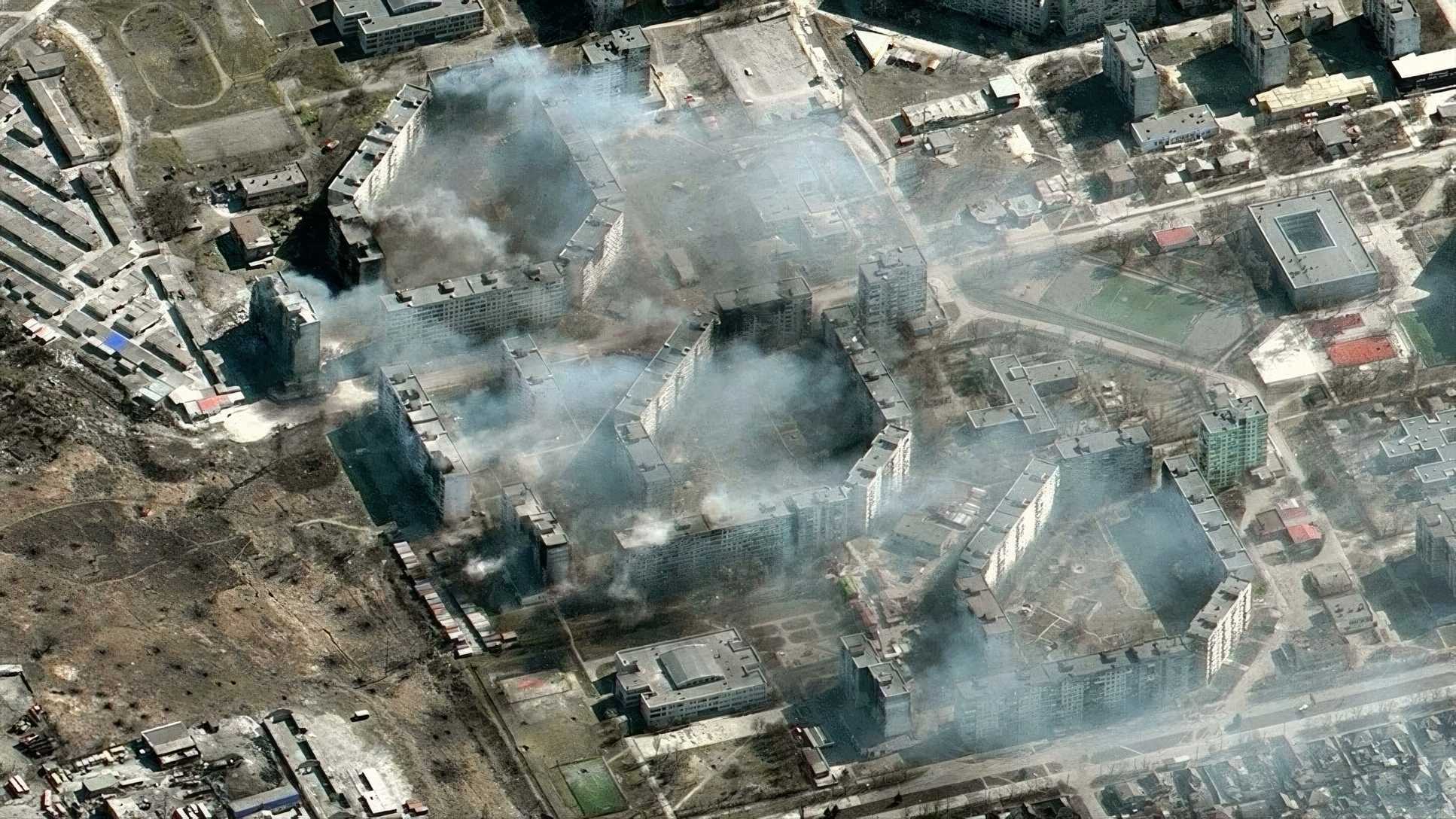
Then, you have the wide, aerial-style establishing shots that show the scale of the destruction. They use layers rubble in the foreground, fleeing people in the midground to show the chaos. Often, the camera is positioned inside the crowd, making you feel like a participant rather than an observer. Even “accidental” shots through broken windows or doorways act as natural vignettes, emphasizing the feeling of being trapped. It reinforces the idea that this is unfolding in real-time.
Lensing and Blocking
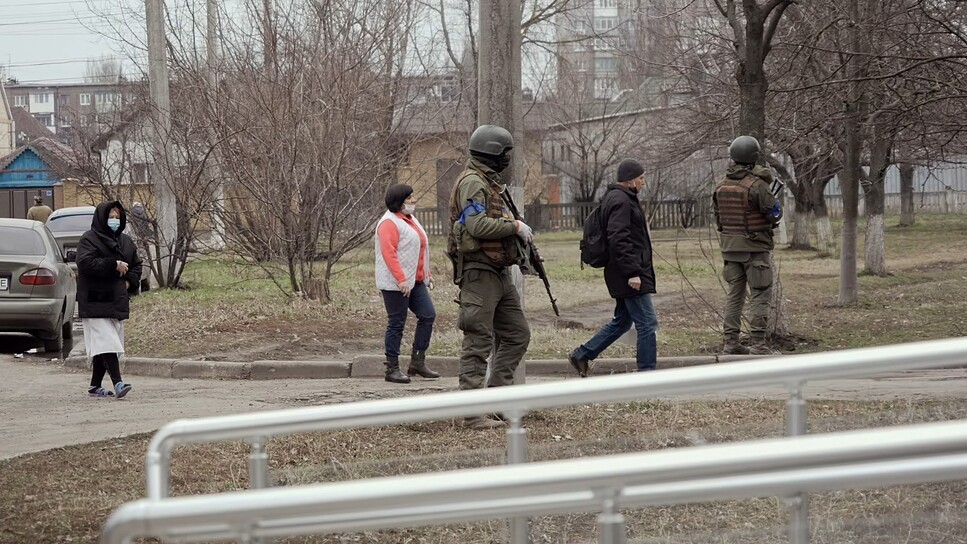
Considering the danger, they couldn’t exactly carry a bag of primes. They likely relied on a fast, versatile zoom lens probably something like a 24-70mm on a Sony A7 series camera. That allows for a quick punch-in from a wide environmental shot to an intimate emotional moment without the life-threatening delay of a lens change.
As for “blocking,” it doesn’t exist. The cinematographer is the blocking. He’s navigating crowds, seeking cover, and reacting to explosions. His movement dictates the frame. We see the world as he sees it often obscured by smoke or debris. This involuntary blocking is why the film feels so authentic; it mimics the fragmented, overwhelming reality of being on the ground.
Color Grading Approach: The Art of Restraint
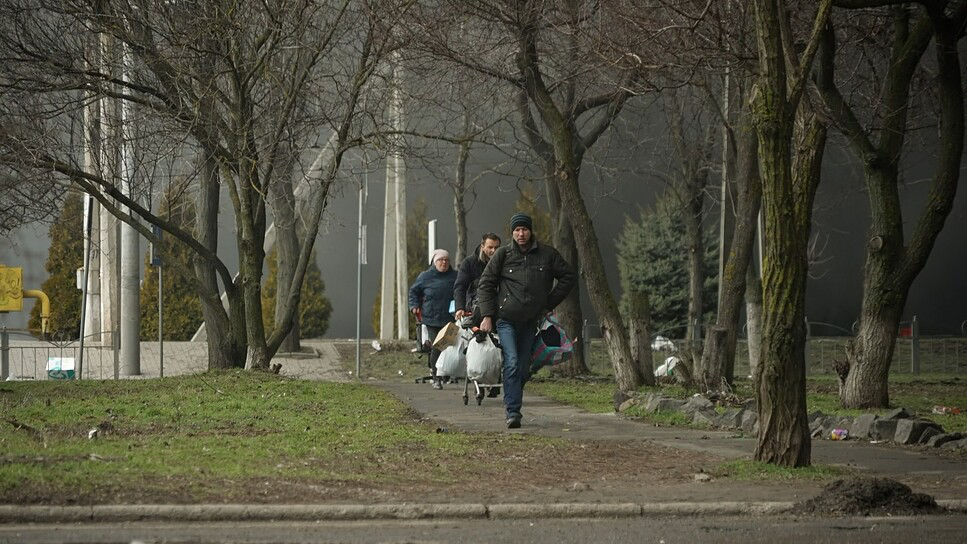
This is where my colorist brain usually goes into overdrive, but for 20 Days in Mariupol, the best grade is the one you don’t notice. The goal here isn’t a “vibe” it’s journalistic integrity. If I were grading this at Color Culture, my primary objective would be to protect the truth of the original capture.
Contrast Shaping: Even with harsh lighting, the grade likely focused on preserving info. You don’t want to “crush the blacks” or “clip the whites” here because you’d lose the texture of the reality. The goal is a delicate expansion of dynamic range to make the desolation feel profound without looking “produced.”
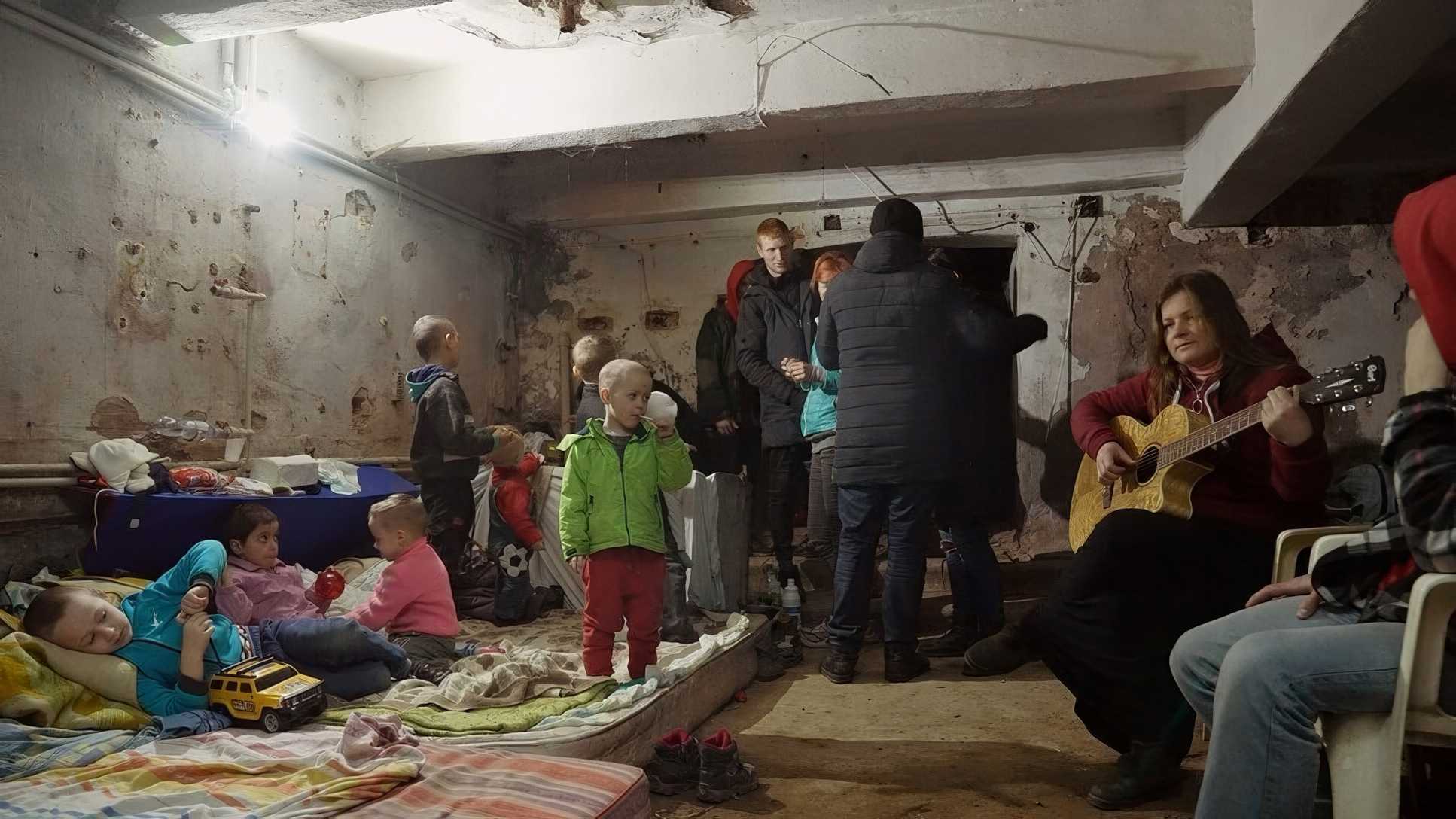
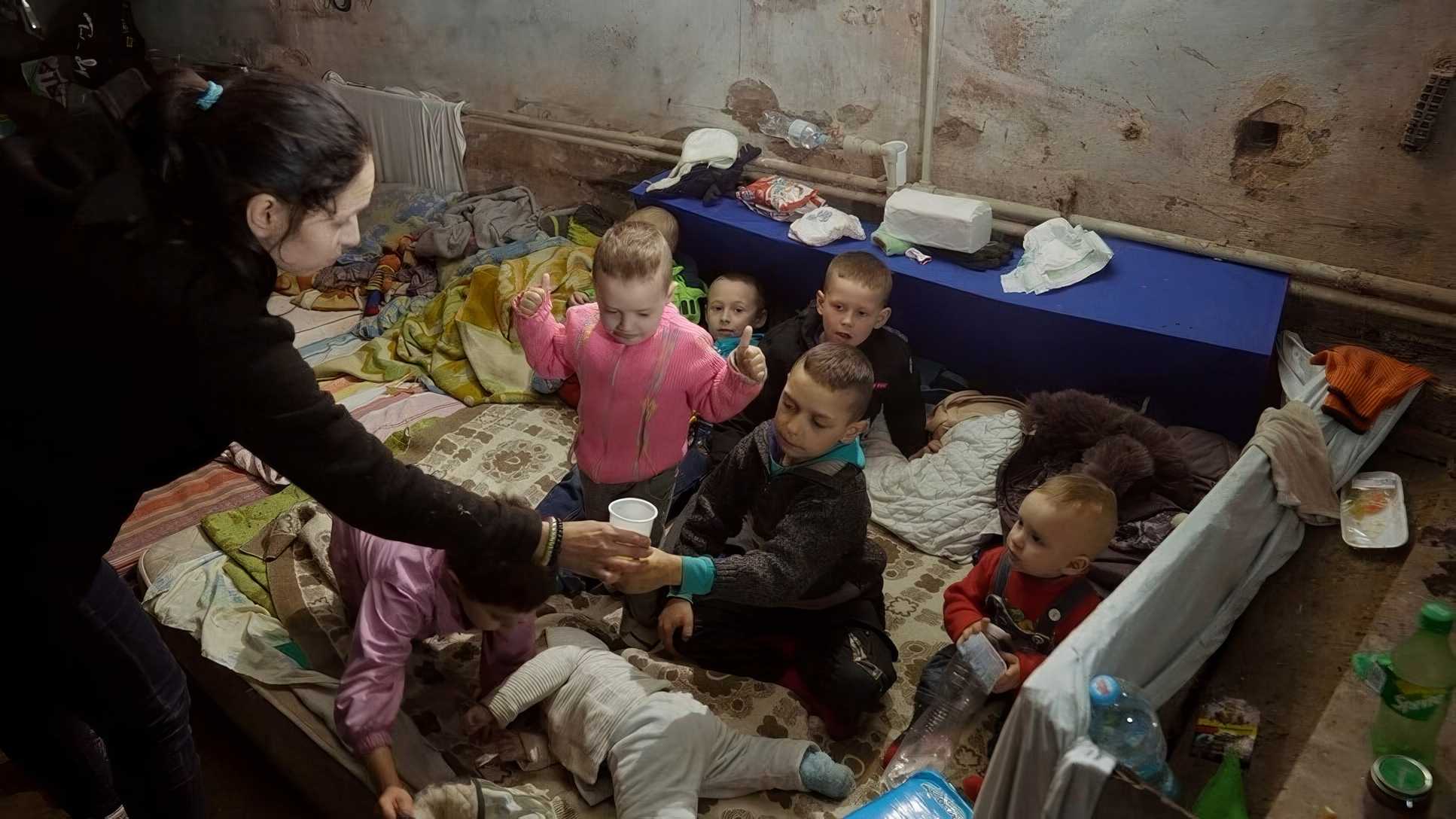
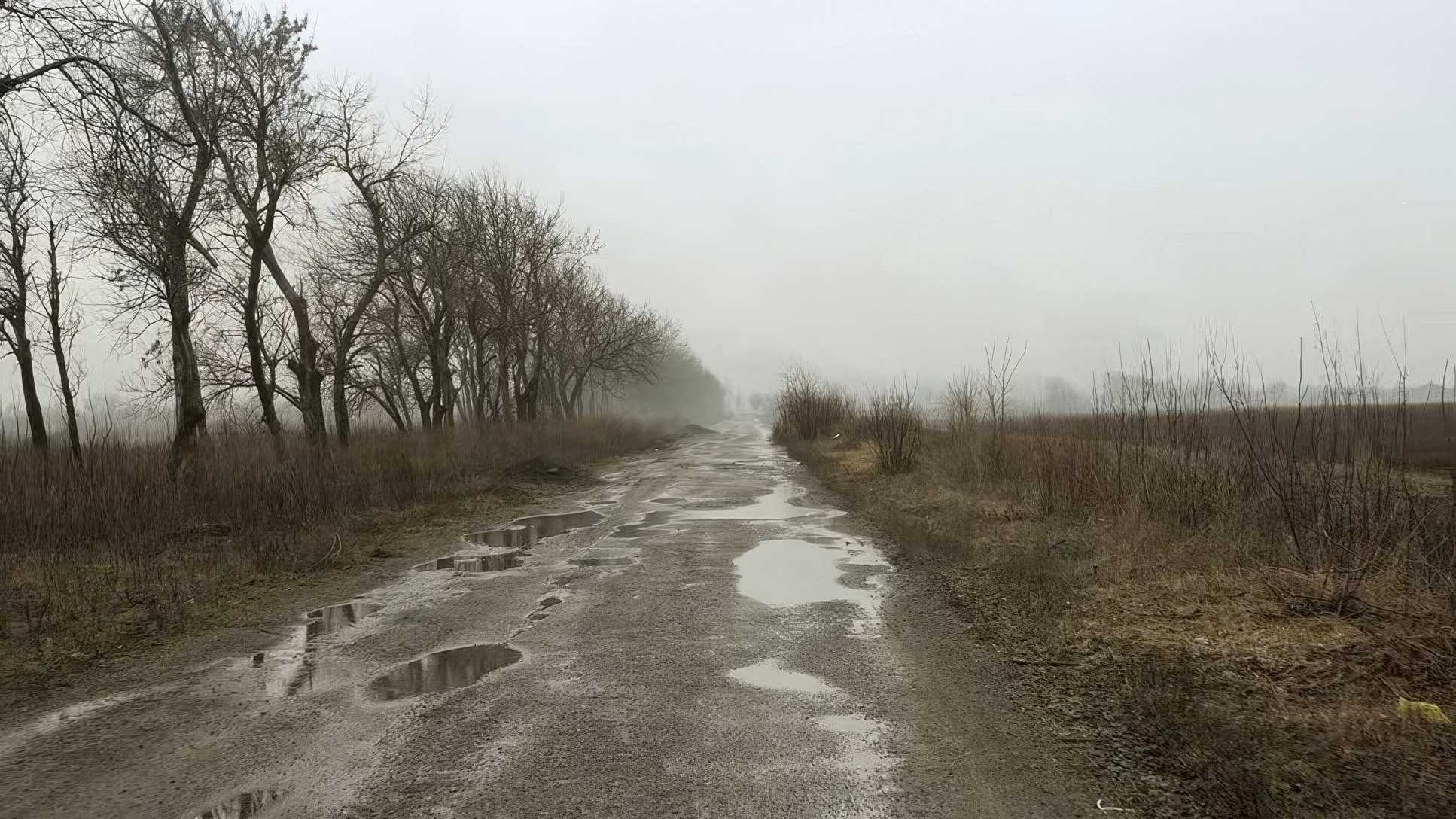
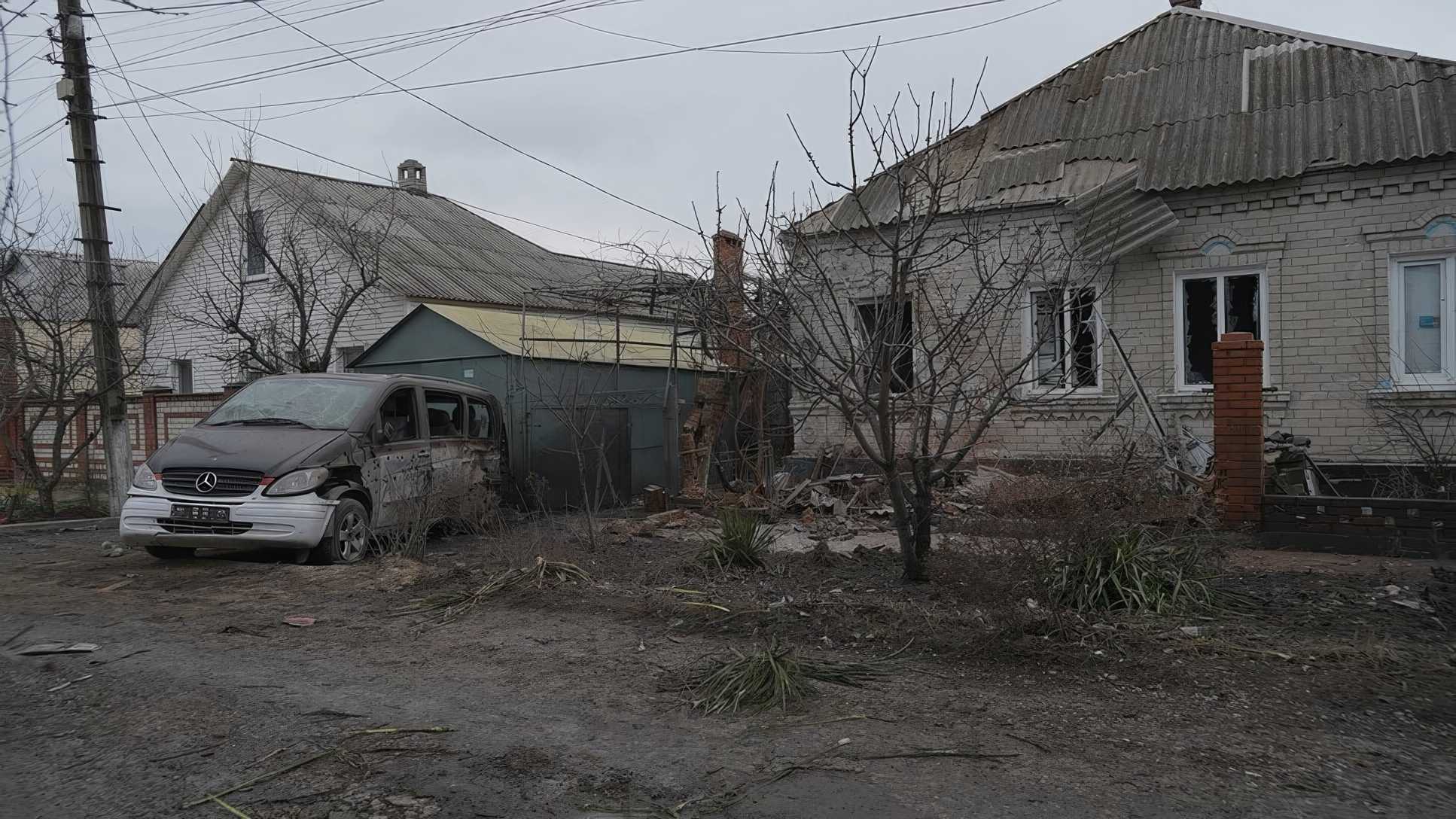
Hue Separation: The colors of war are muted grays, browns, olive drabs. The grade keeps these distinct but desaturated. You have to be incredibly careful with skin tones; they need to look human and raw, not “corrected.” When a vibrant color does pop like a child’s bright jacket it hits harder because it hasn’t been forced.
Tonal Sculpting: I’d be looking for a smooth highlight roll-off. You want the brightest parts of the frame to taper off gently rather than looking like harsh digital clipping. It gives the footage a bit more “film-like” density, which, paradoxically, makes the harshness feel more immediate. We aren’t looking for a “print-film” look, but maybe a whisper of a LUT at the end of the chain to give the blacks some cinematic gravity without lying about the source.
Technical Aspects & Tools
In a place like Mariupol, your gear has to be a tank. They were likely using Sony A7 series cameras compact, great in low light, and discrete. The fact that they were recording 10-bit or 12-bit internal is a lifesaver for the grade, giving just enough room to tweak the highlights without the image falling apart.
The audio is just as vital. It’s mostly on-camera or small shotgun mics, which means it’s raw and sometimes distorted. But those sudden cracks of gunfire and distant rumbles are what create the sensory experience. Finally, the edit is brilliant. Interweaving the raw footage with actual news recaps adds a layer of “journalistic proof” that grounds the whole narrative.
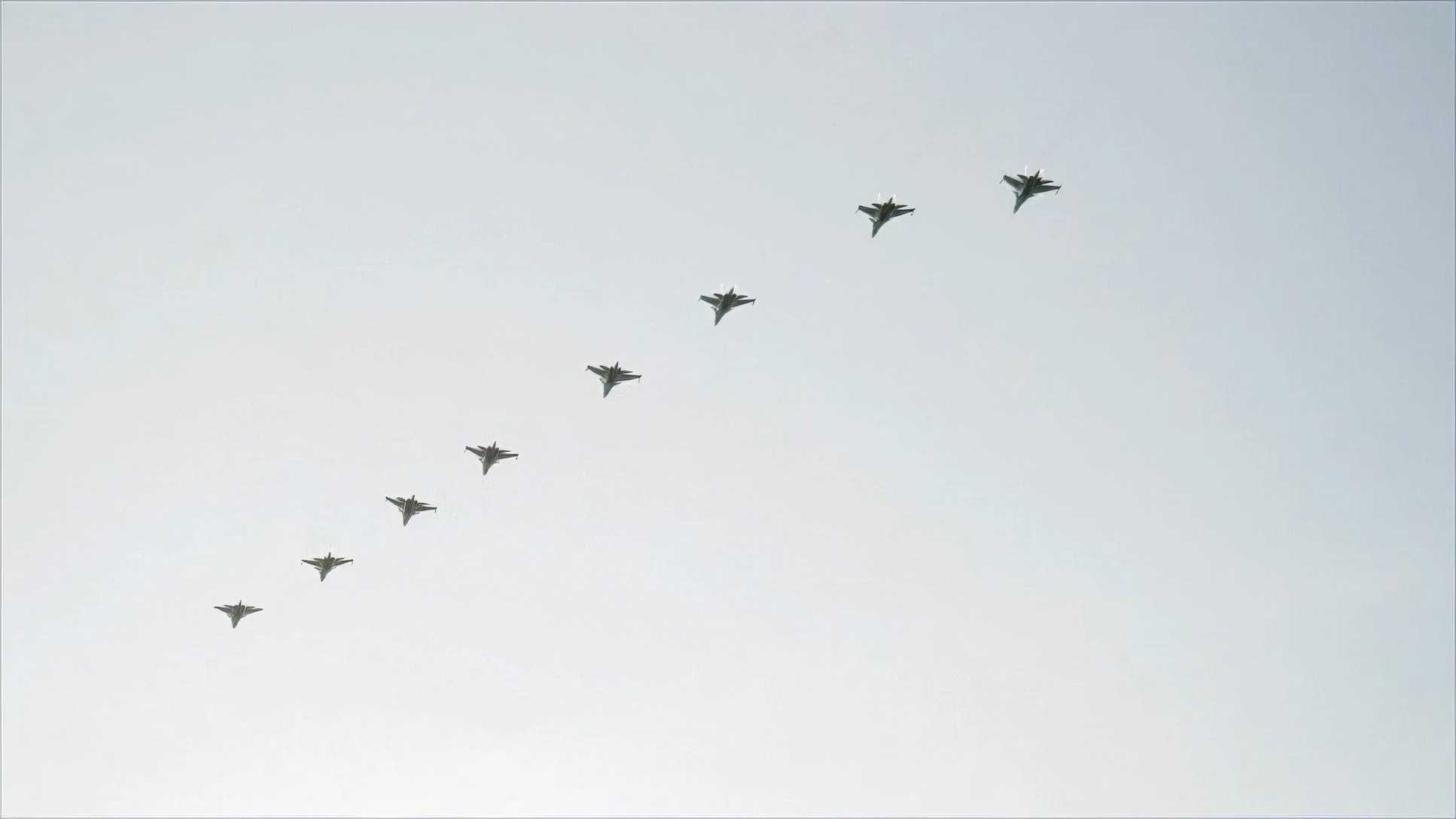
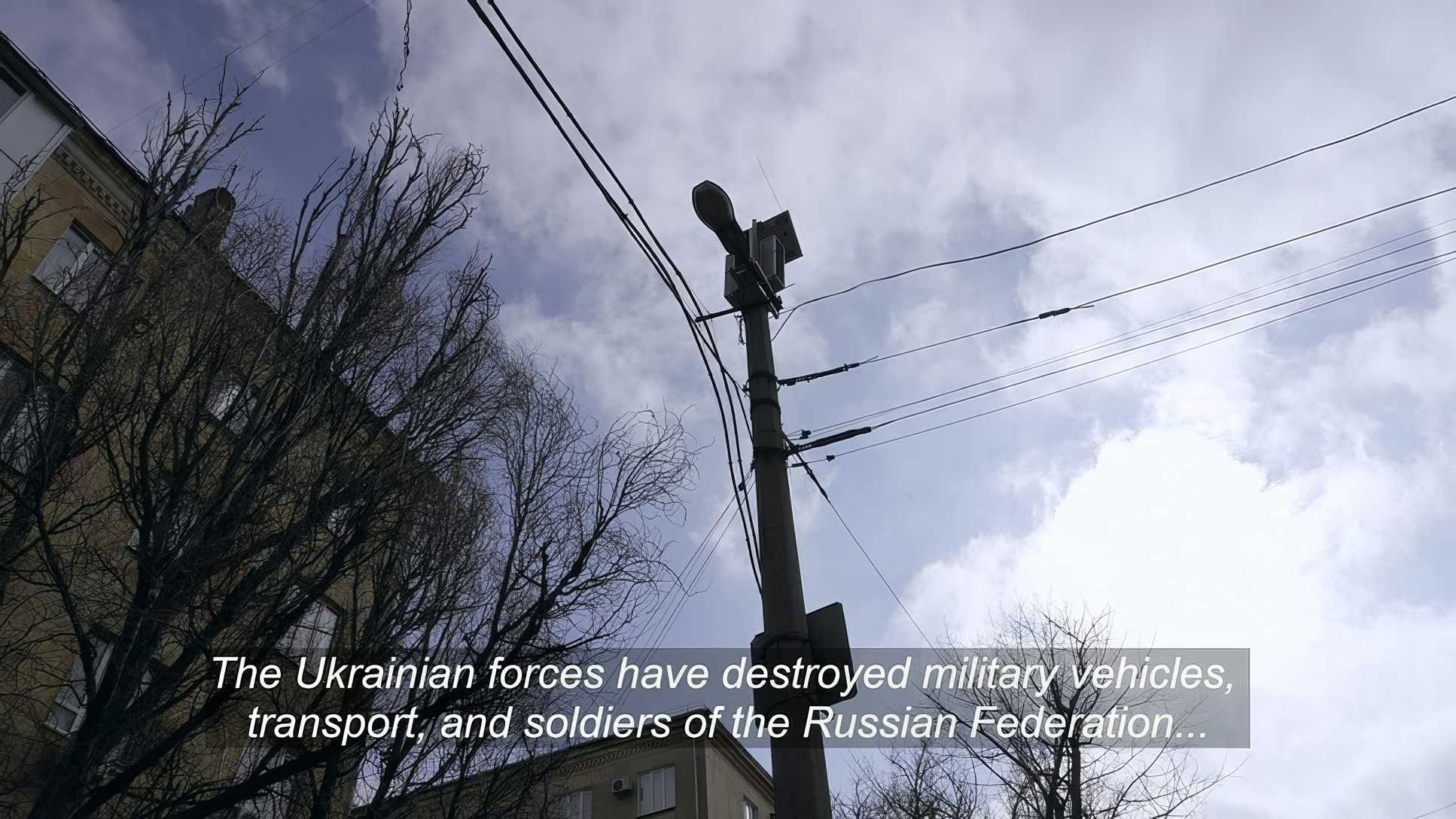
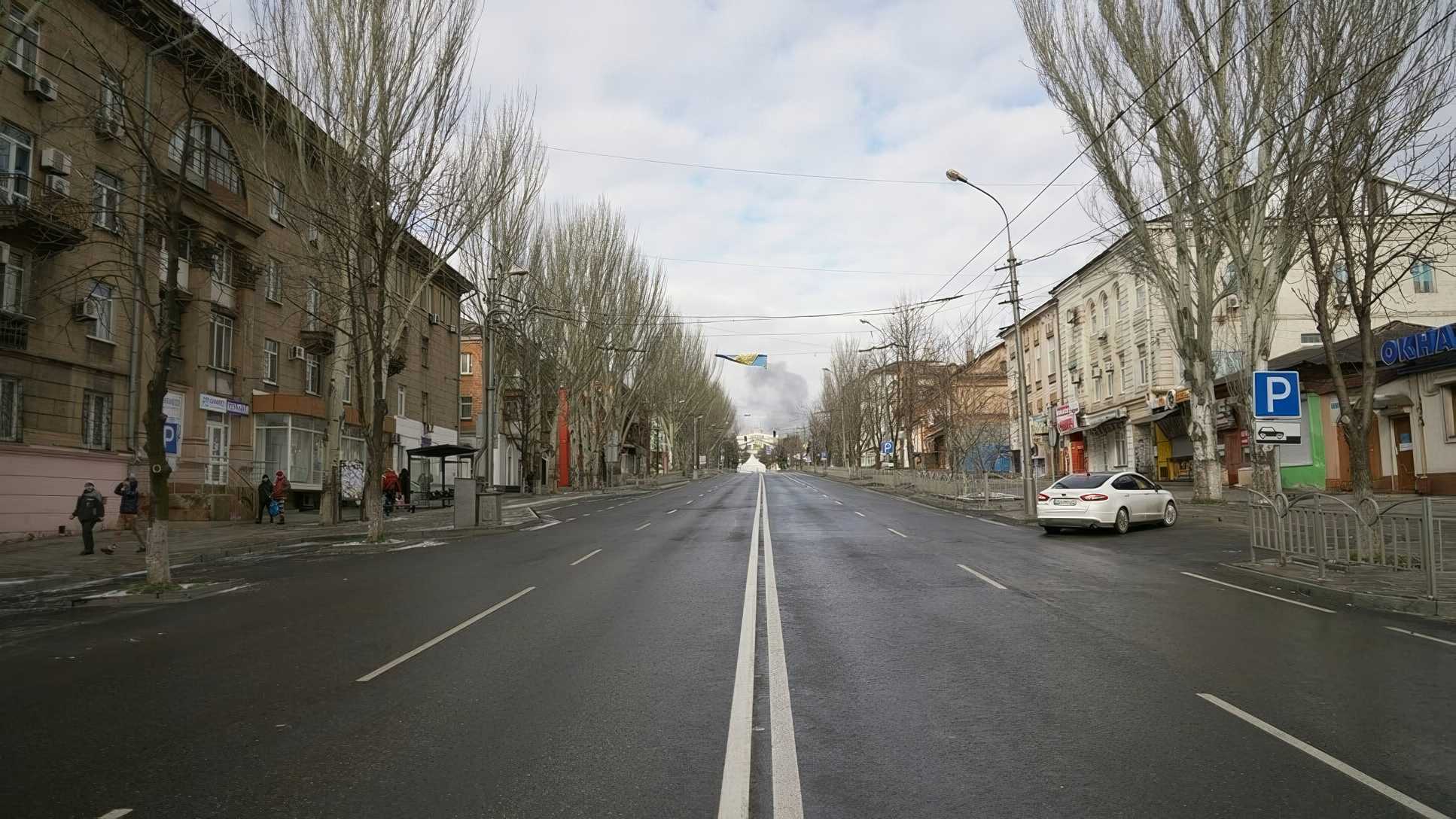
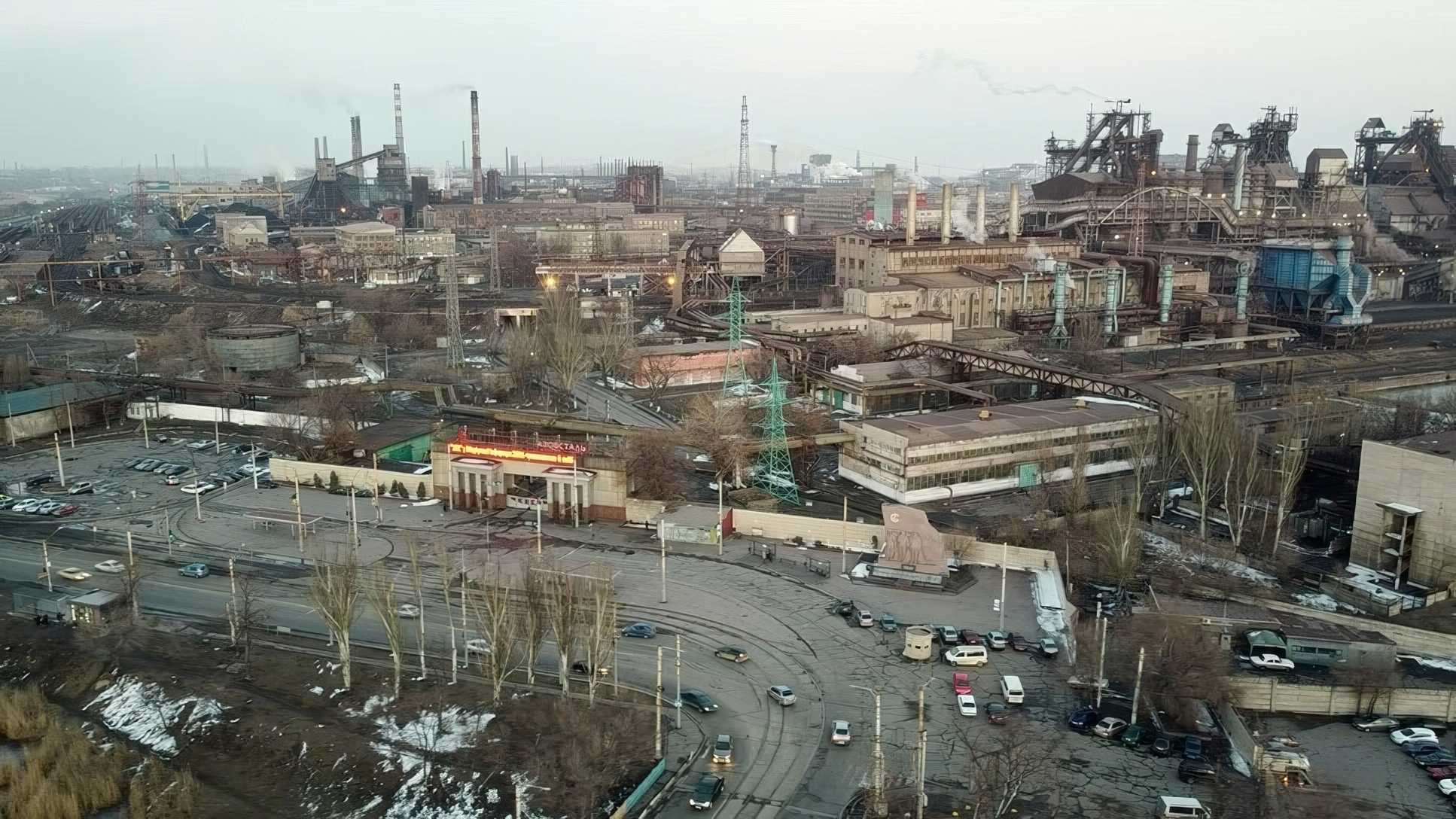
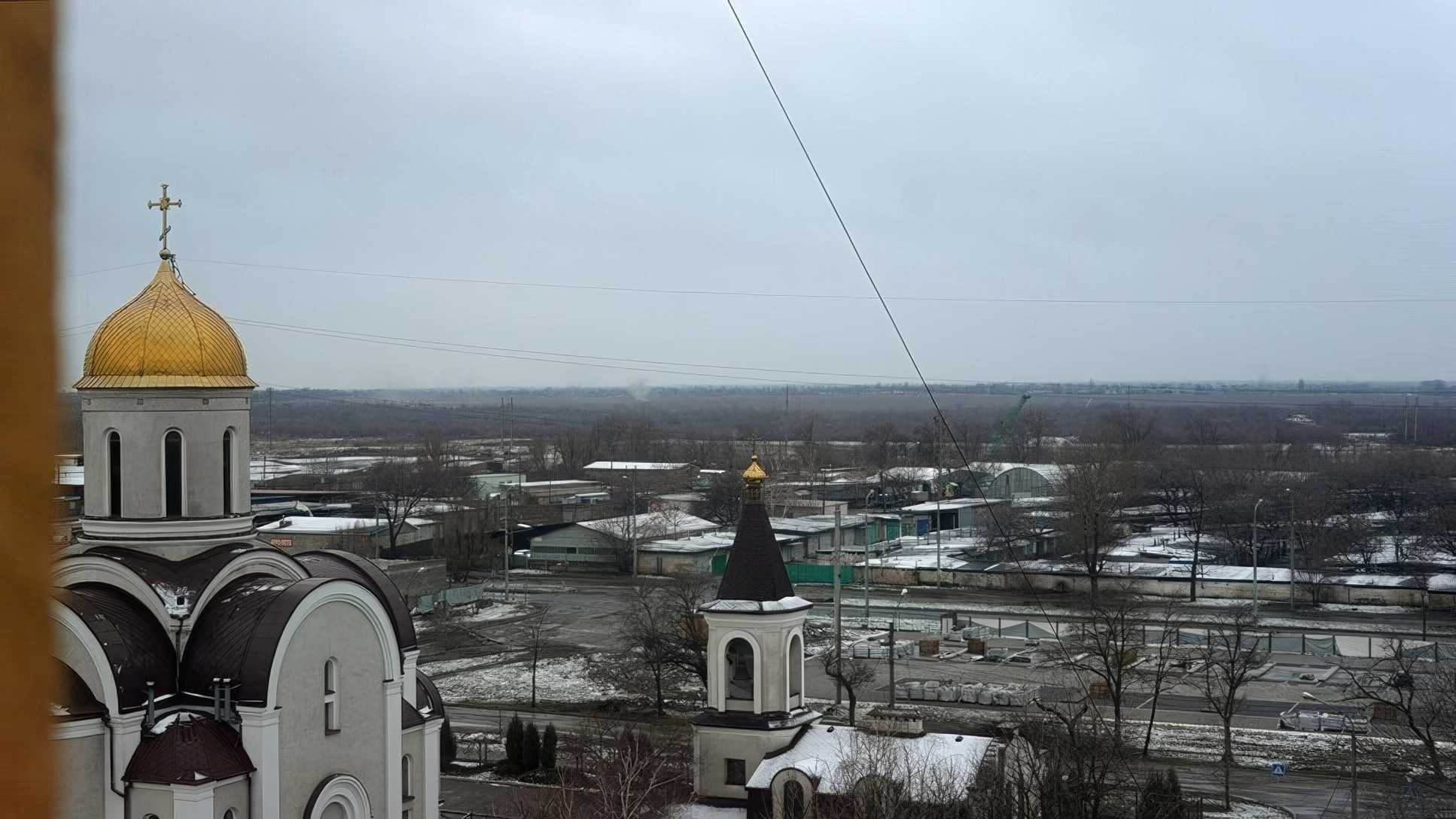
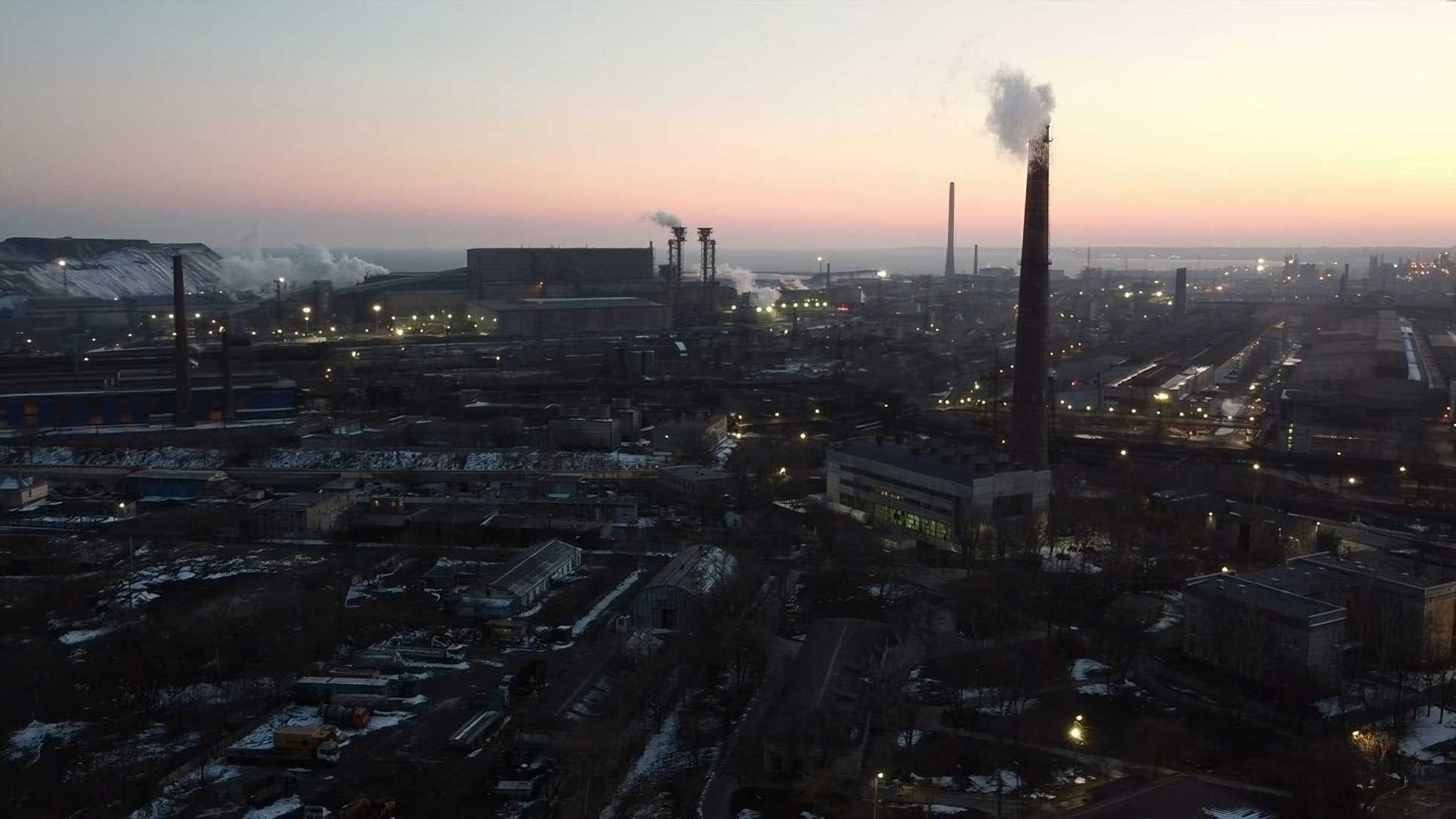
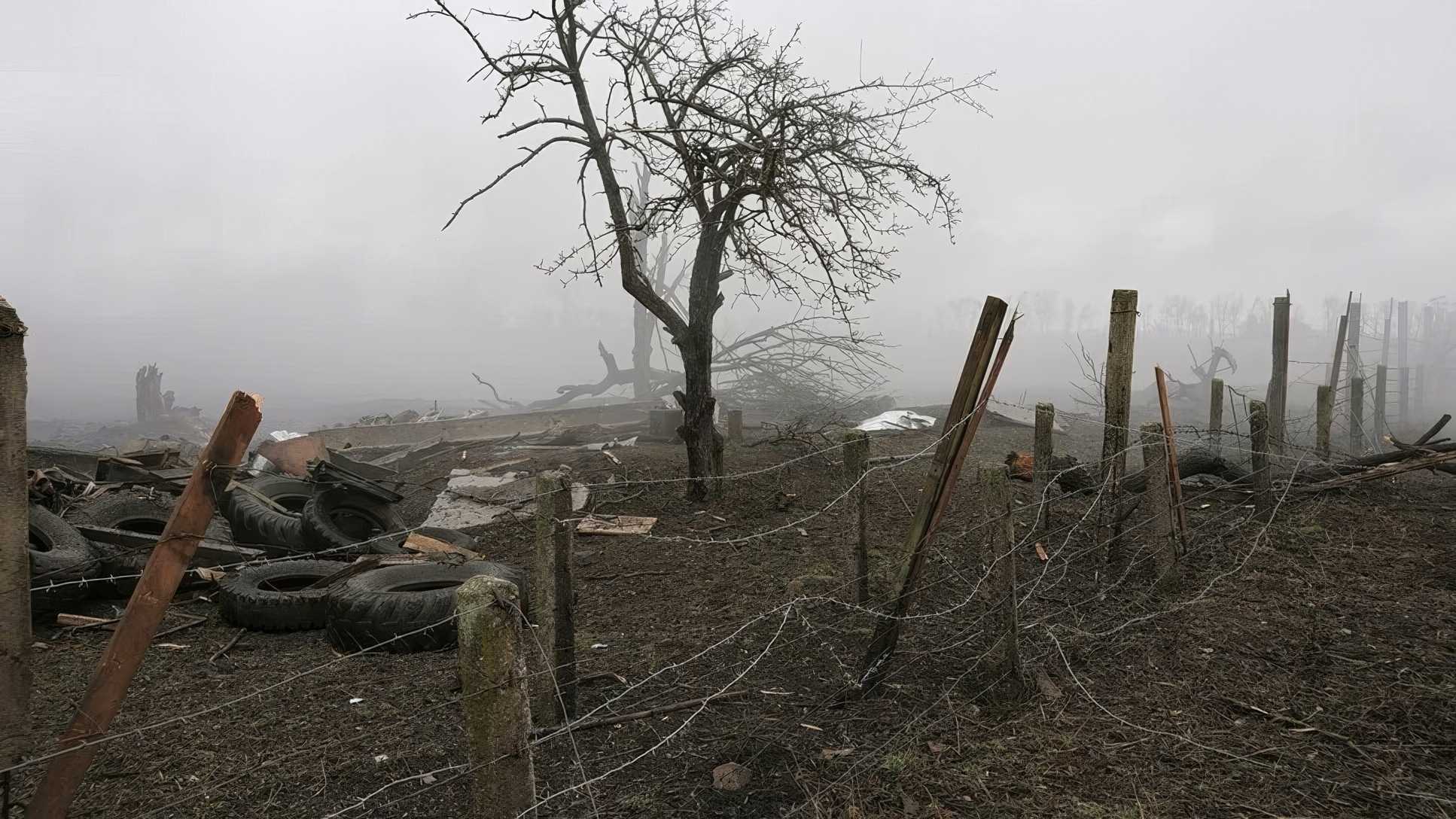
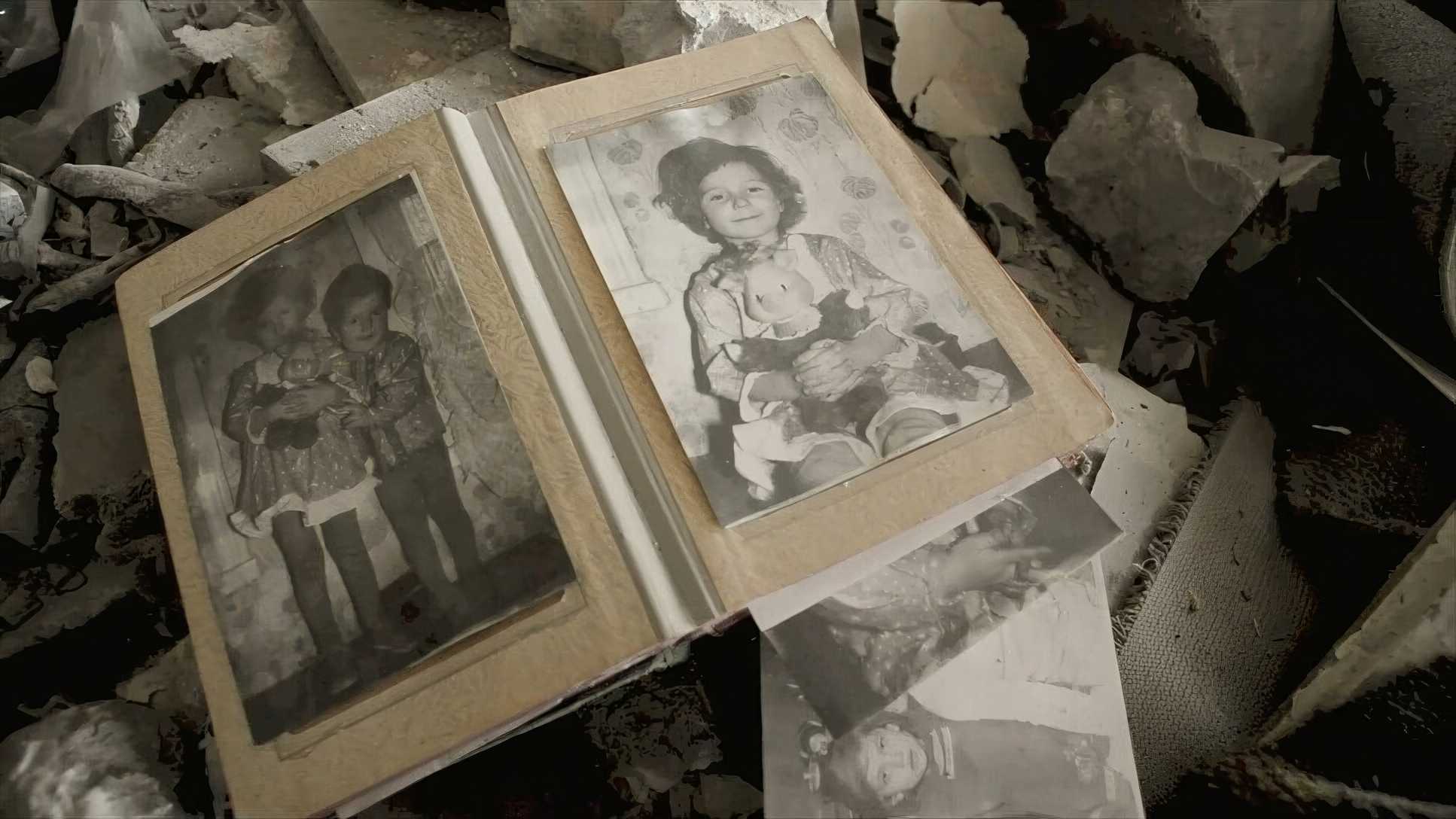
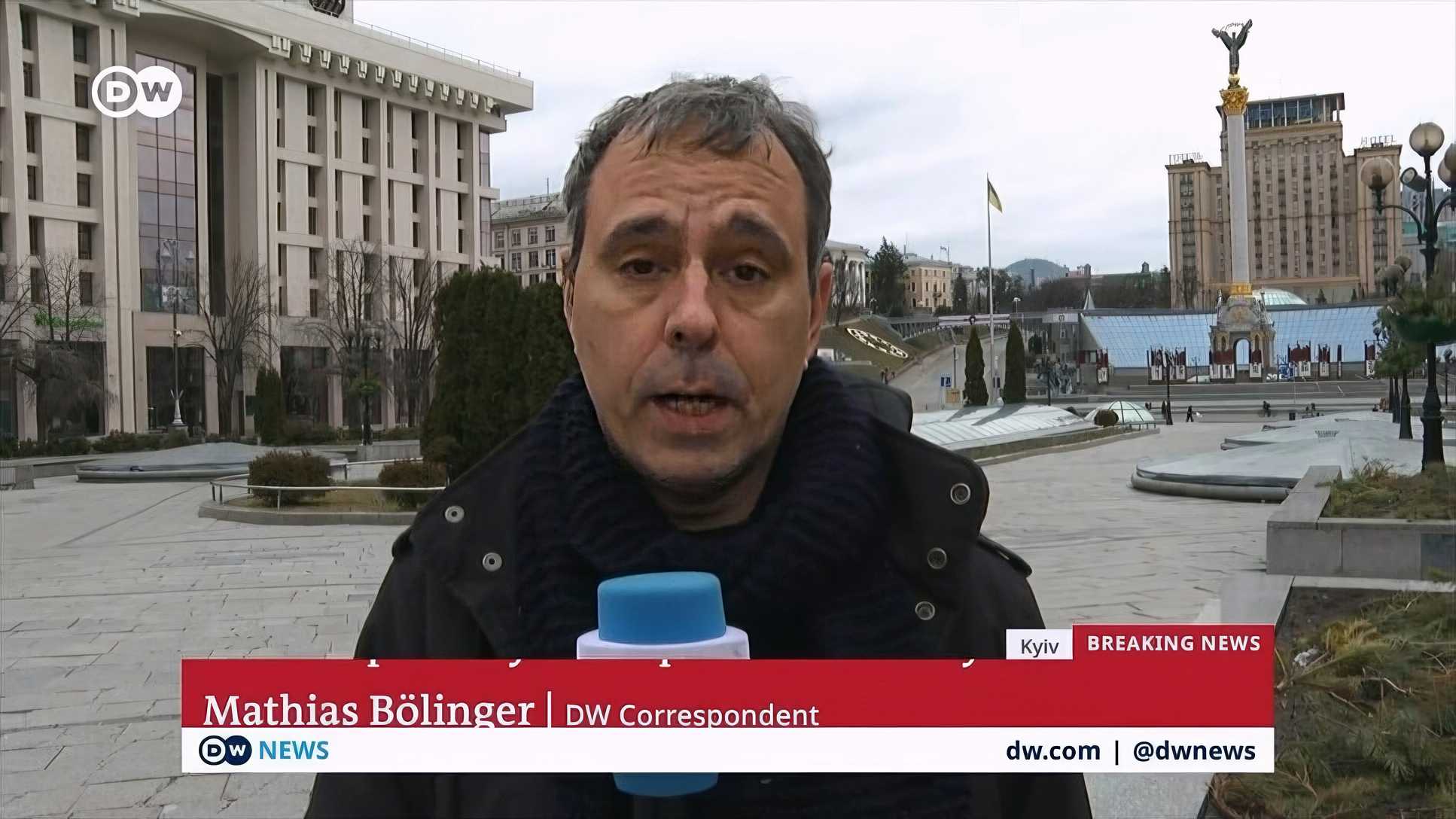
20 Days in Mariupol Film Stills
A curated reference archive of cinematography stills from 20 Days in Mariupol (2023) . Study the lighting, color grading, and composition.












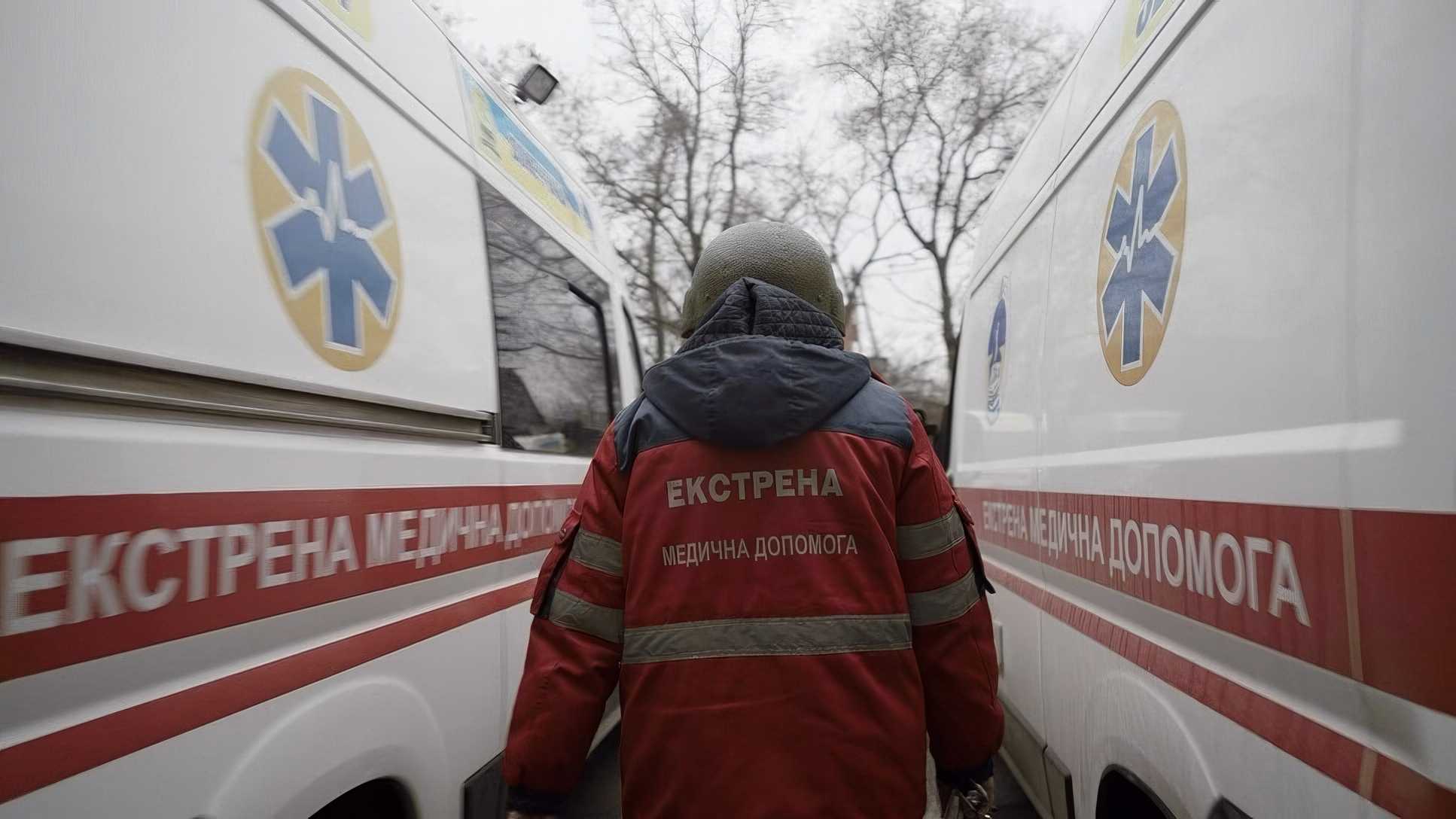

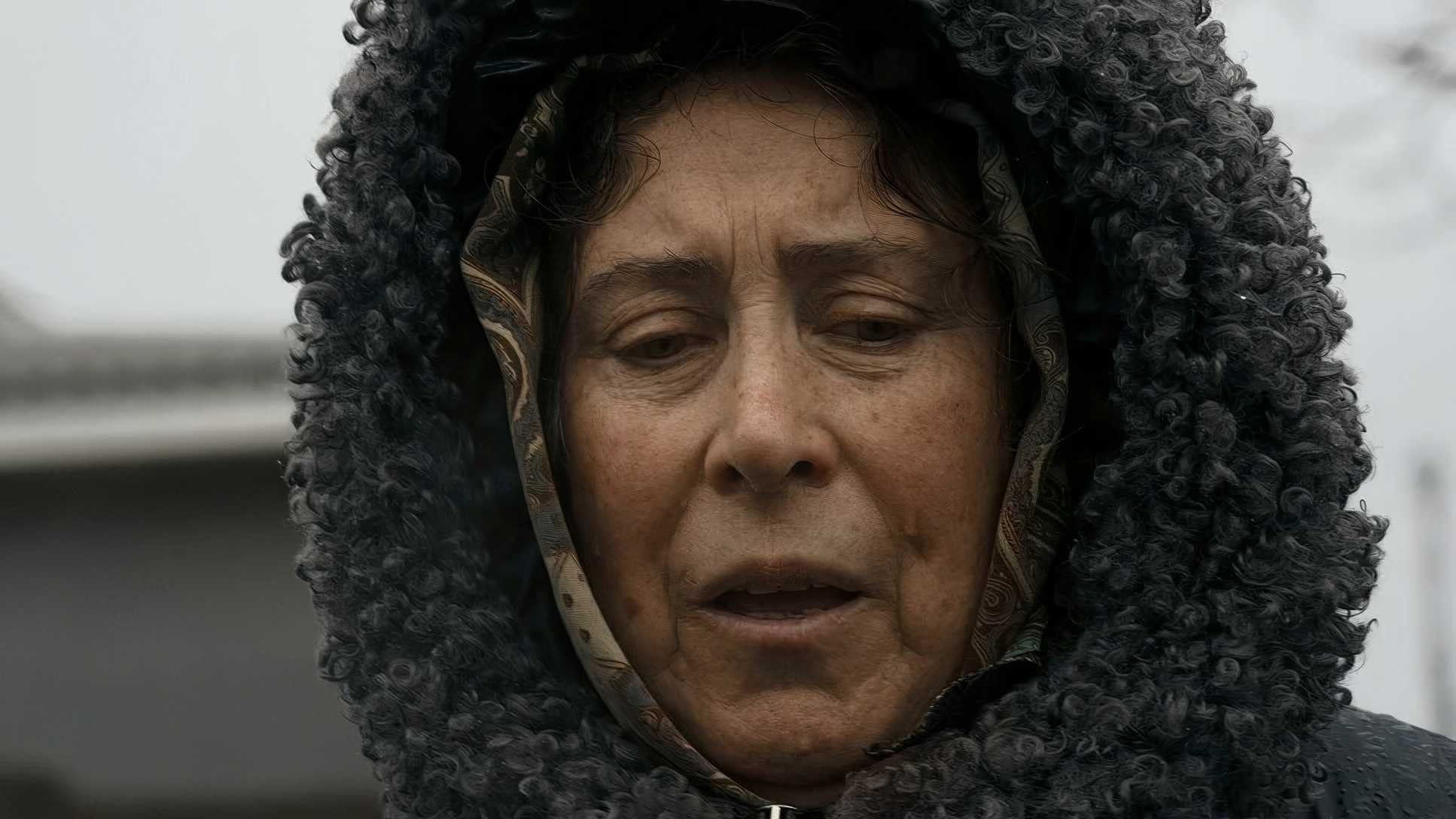
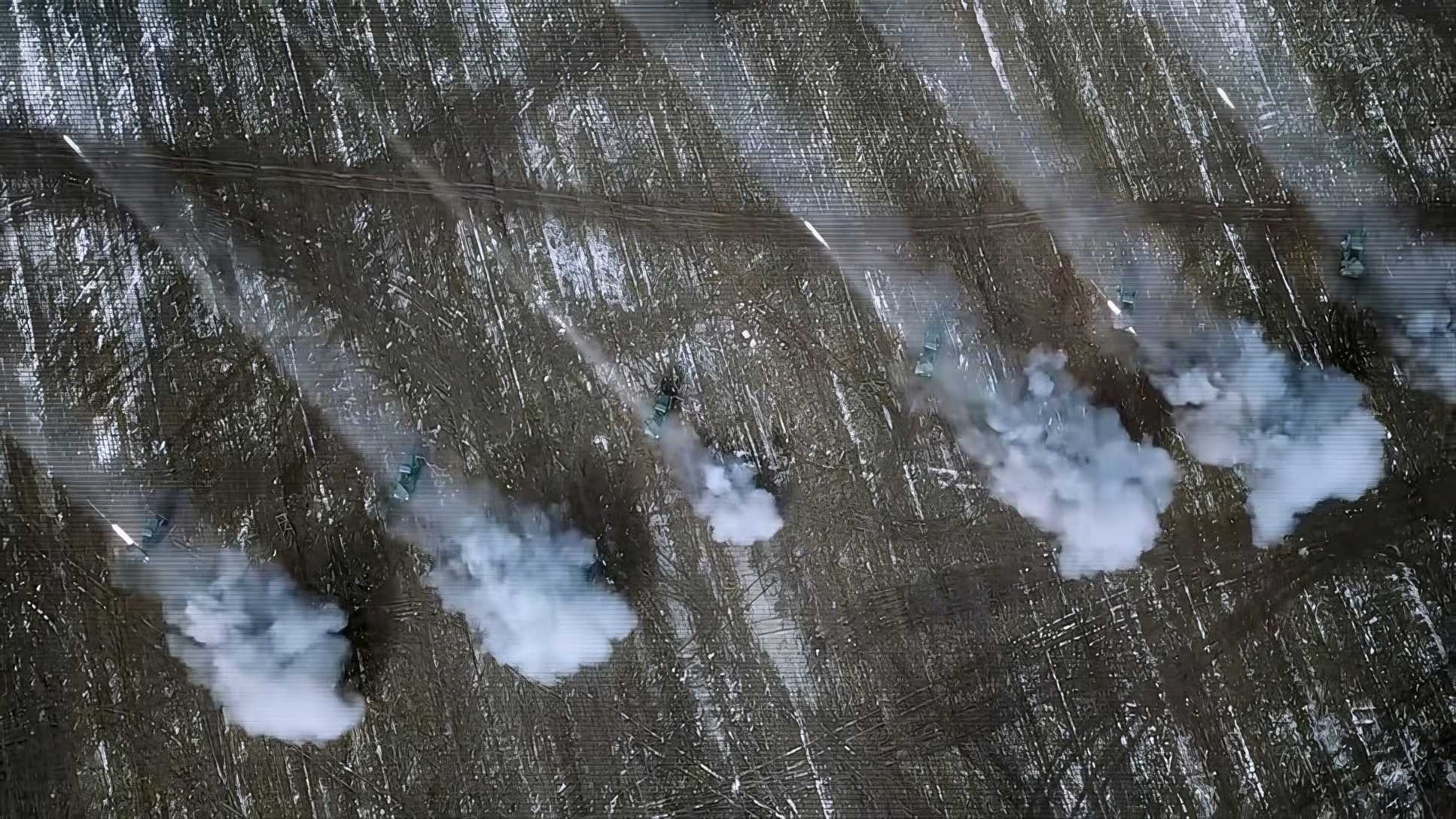
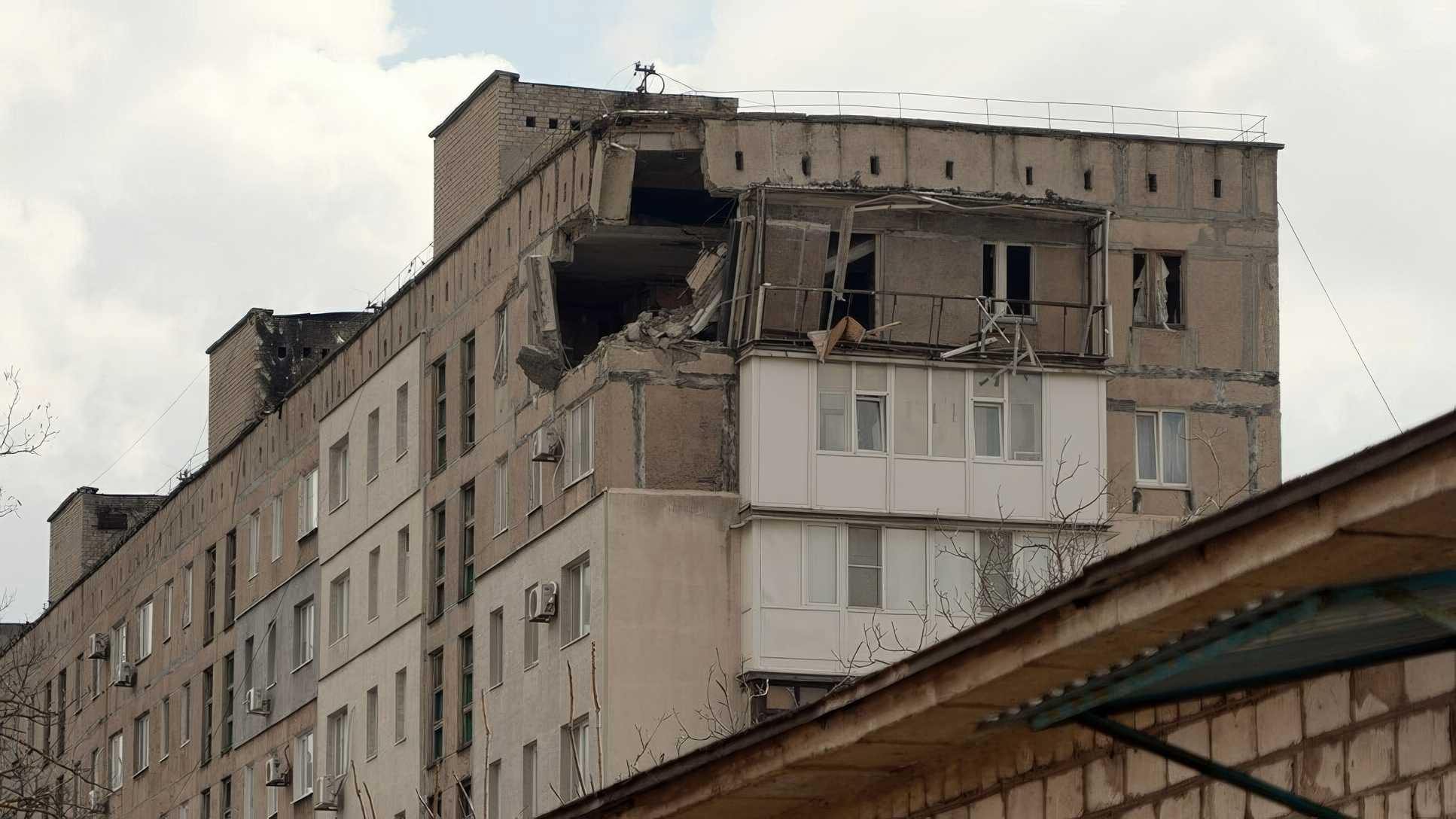














- Also read: A CHARLIE BROWN CHRISTMAS (1965) – CINEMATOGRAPHY ANALYSIS
- Also read: MIRACLE IN CELL NO. 7 (2019) – CINEMATOGRAPHY ANALYSIS
Browse Our Cinematography Analysis Glossary
Explore directors, cinematographers, cameras, lenses, lighting styles, genres, and the visual techniques that shape iconic films.
Explore Glossary →